Alaska’s meetings, filings, and public notices, covered daily.
Alaska News
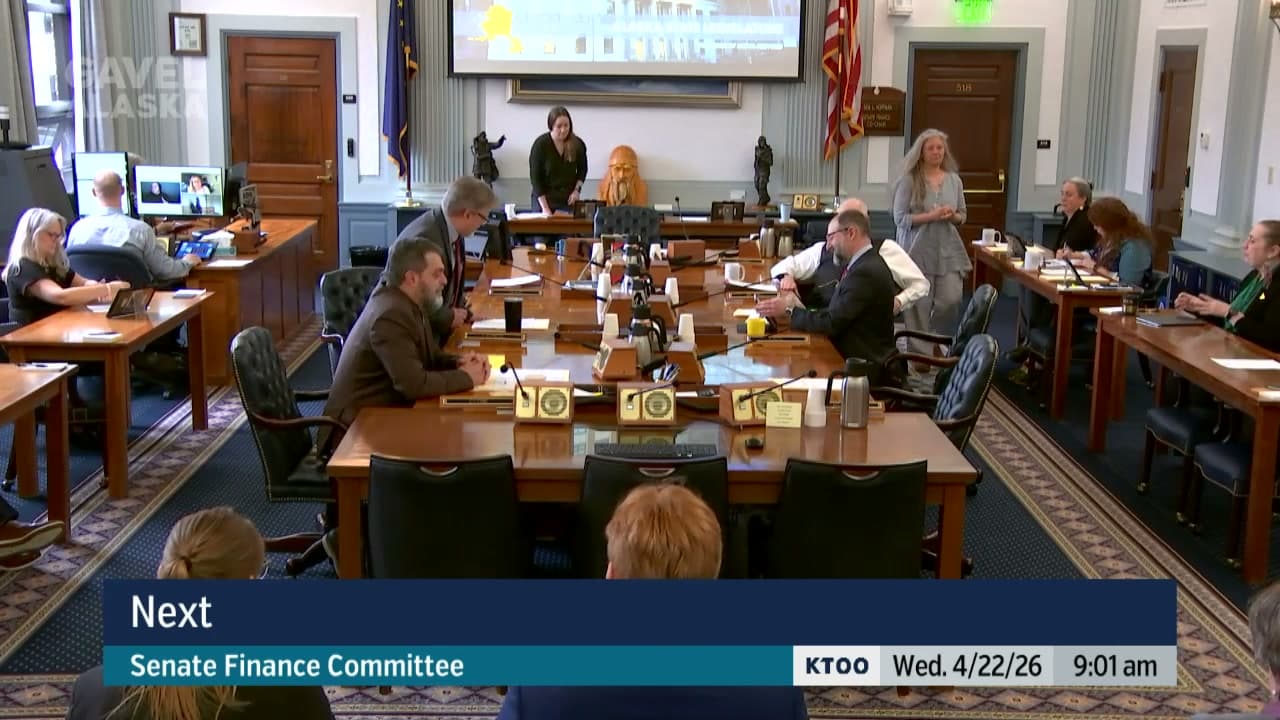
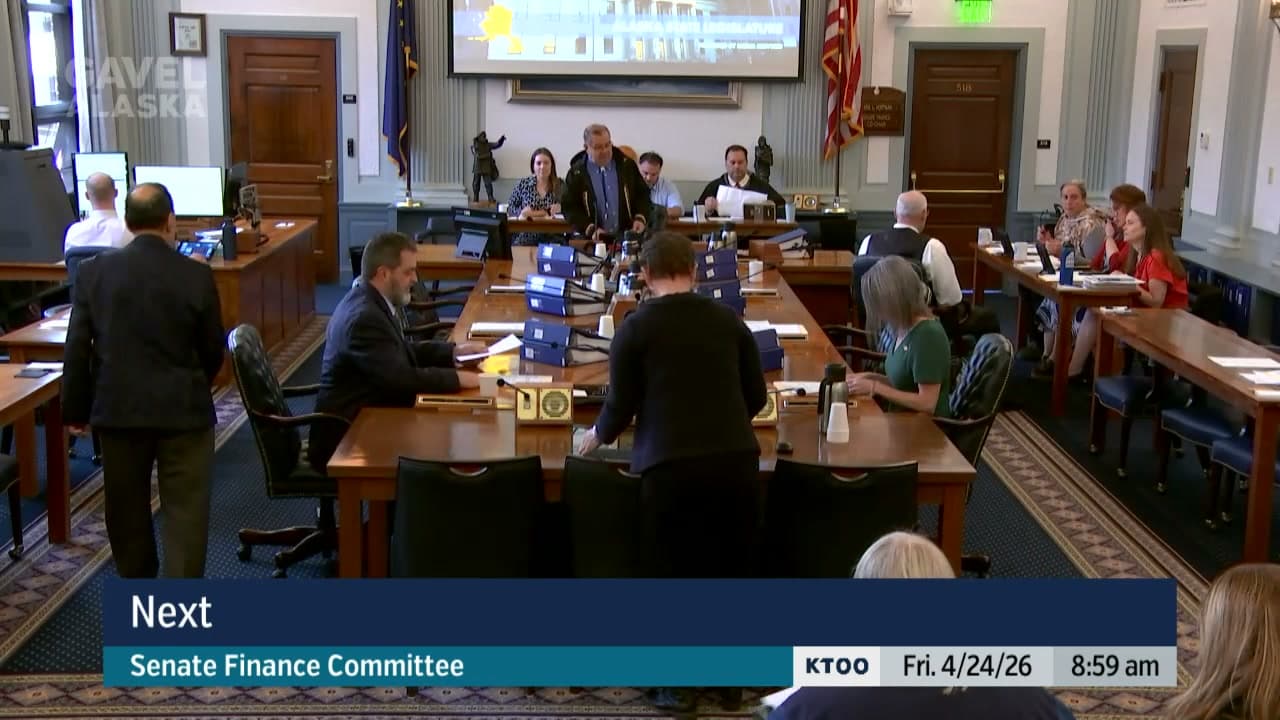
The Senate Finance Committee held its first hearing on legislation that would add a tenured faculty member to the University of Alaska Board of Regents for a two-year term.
Also in Alaska News
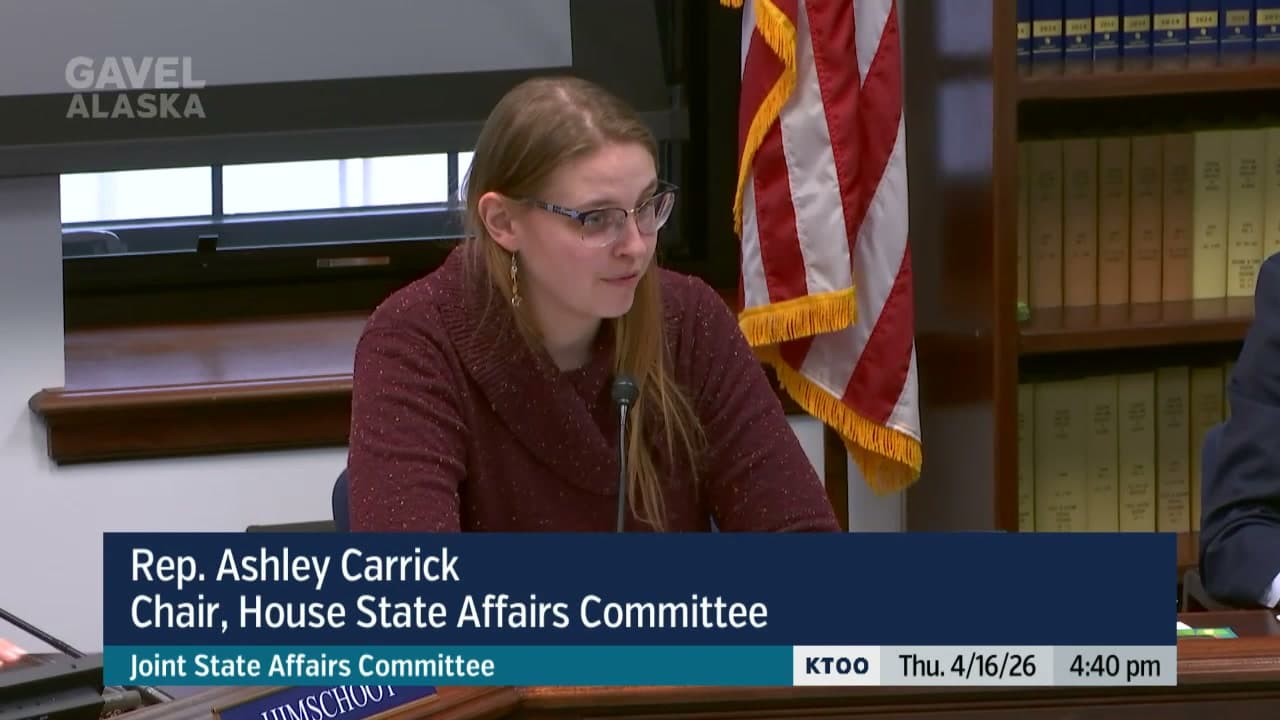
The Alaska Legislature held a joint hearing on four ballot initiatives covering citizenship voting requirements, campaign finance limits, and ranked choice voting.

Where in Alaska are you?
We’ll put news from your area first. No account needed, change it anytime.
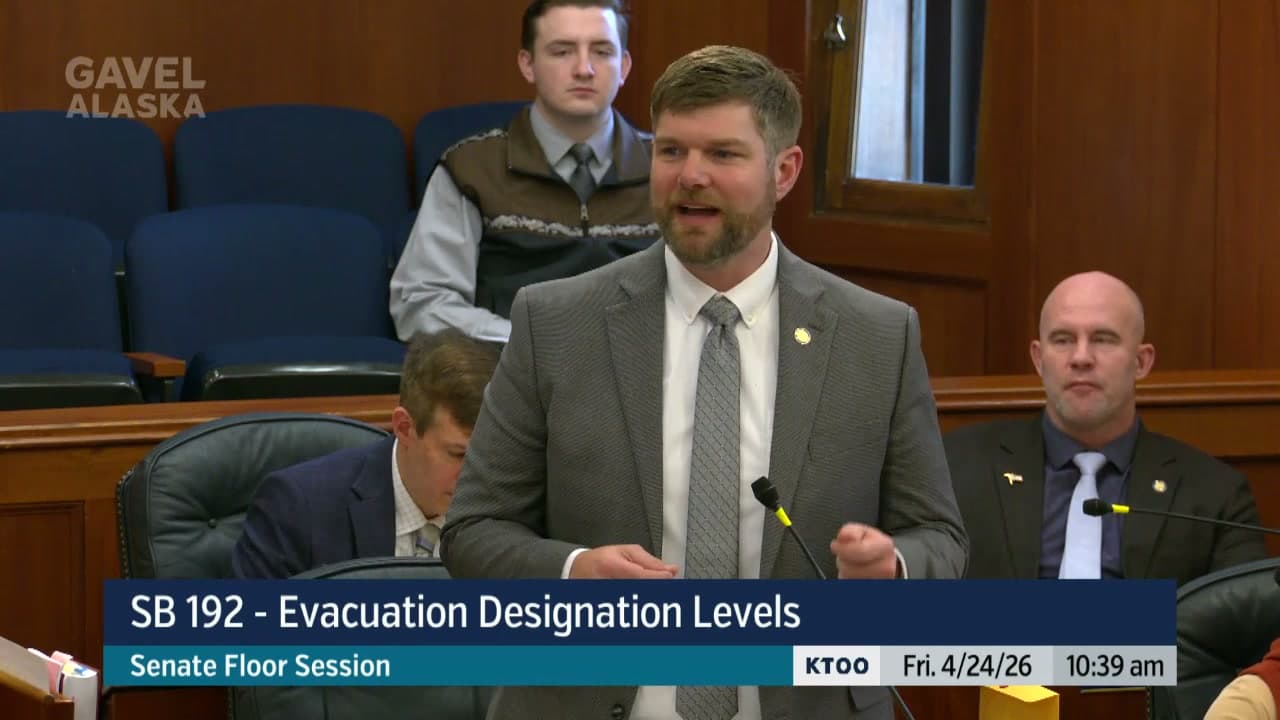
The Alaska State Senate unanimously approved legislation establishing a standardized Ready-Set-Go color-coded evacuation system for wildfires across the state.

A 3-year-old boy died after falling through thin ice on the Goodnews River in Goodnews Bay on April 23, prompting a community search and an ongoing Trooper investigation.
Alaska State Trooper Anthony Will used a surfboard to rescue a hypothermic teenager who fell through thin ice on Kodiak's Island Lake on April 25, with Sergeant Nathan Walsh towing them to shore where fire department personnel provided medical care.
The Senate Finance Committee voted 5-2 to advance a bill restoring defined benefit pensions for public employees after adopting an amendment allowing municipalities to opt in rather than being automatically enrolled.

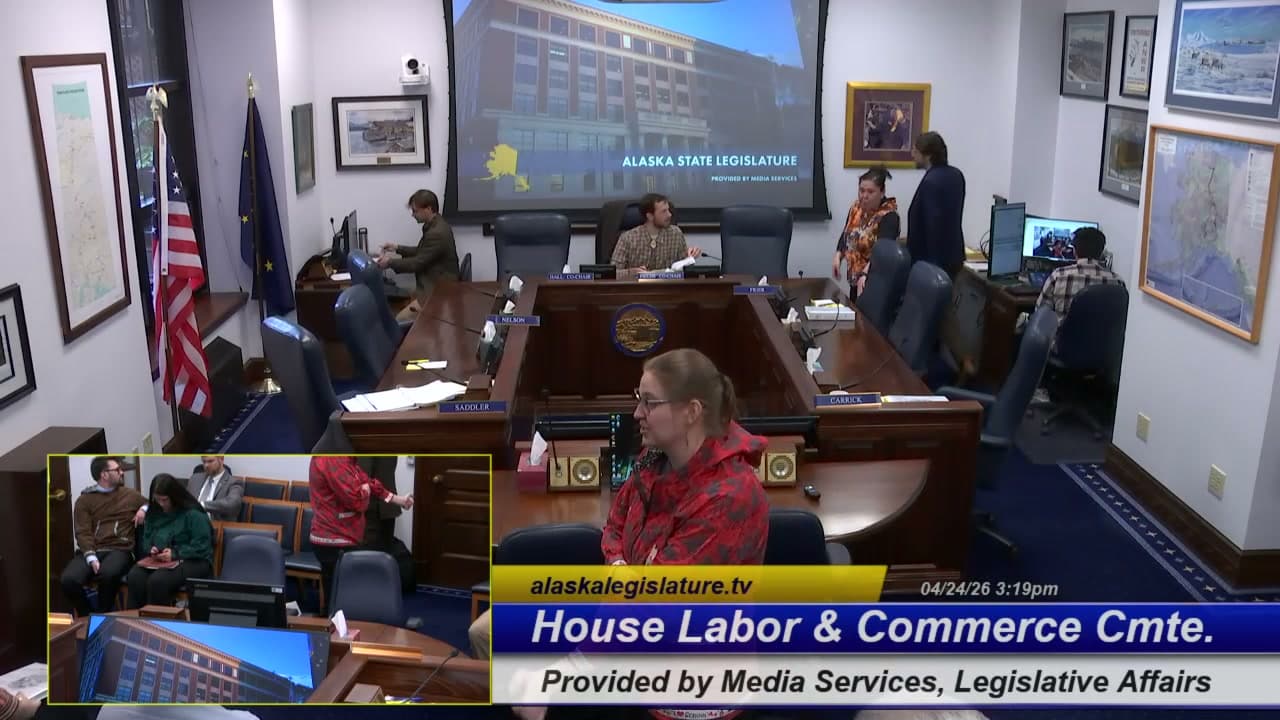
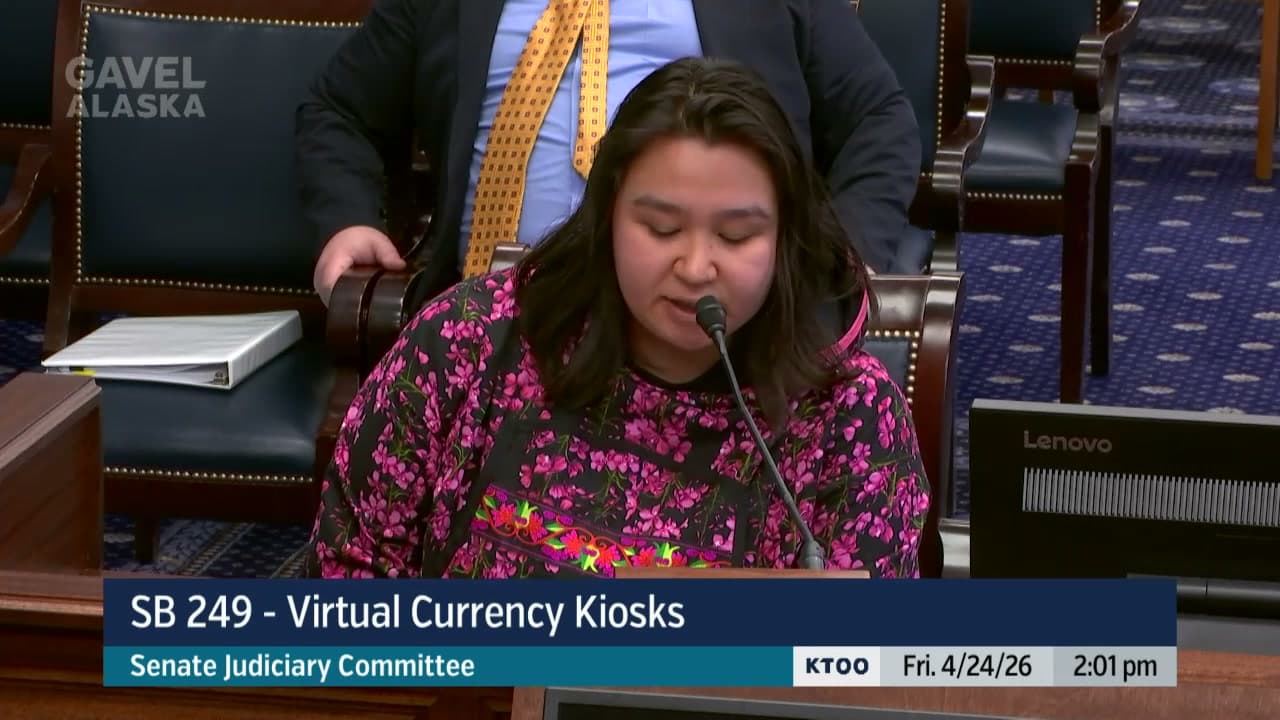
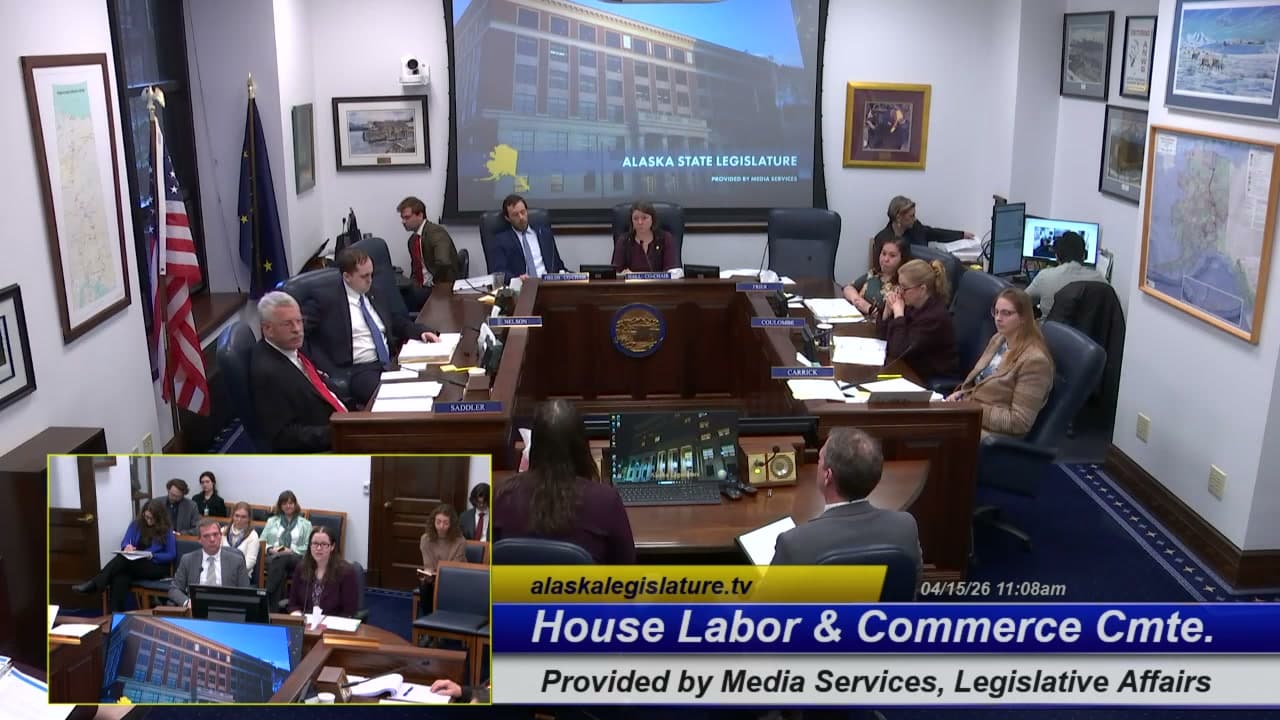
The House Labor and Commerce Committee voted to reduce daily and monthly transaction limits on cryptocurrency kiosks from $1,000 to $500 and $10,000 to $1,500 to protect elderly Alaskans from fraud.

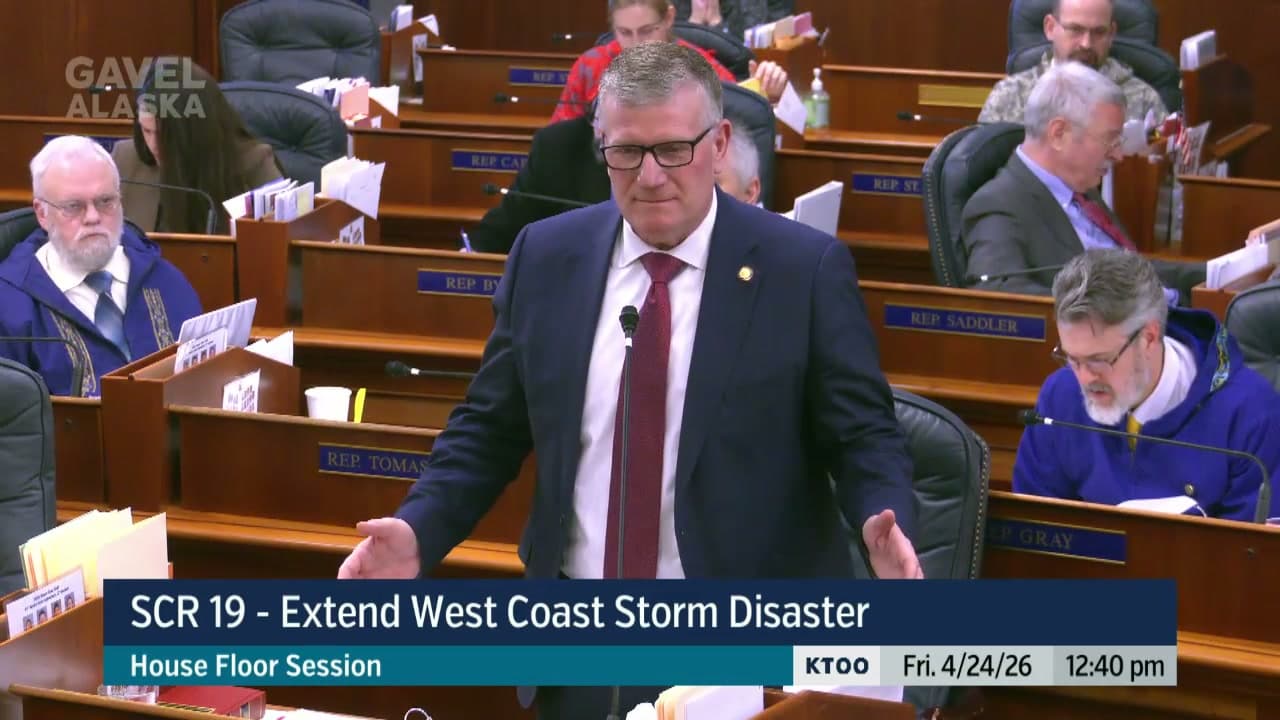
The Alaska House voted 28-11 to extend the West Coast storm disaster declaration for 30 days and approve a revised $63.83 million financing plan, but only after contentious debate over whether the legislature should use a resolution or pass a bill.

The House Finance Committee moved Senate Bill 41 forward, directing development of mental health education guidelines for K-12 schools while leaving implementation to local districts.
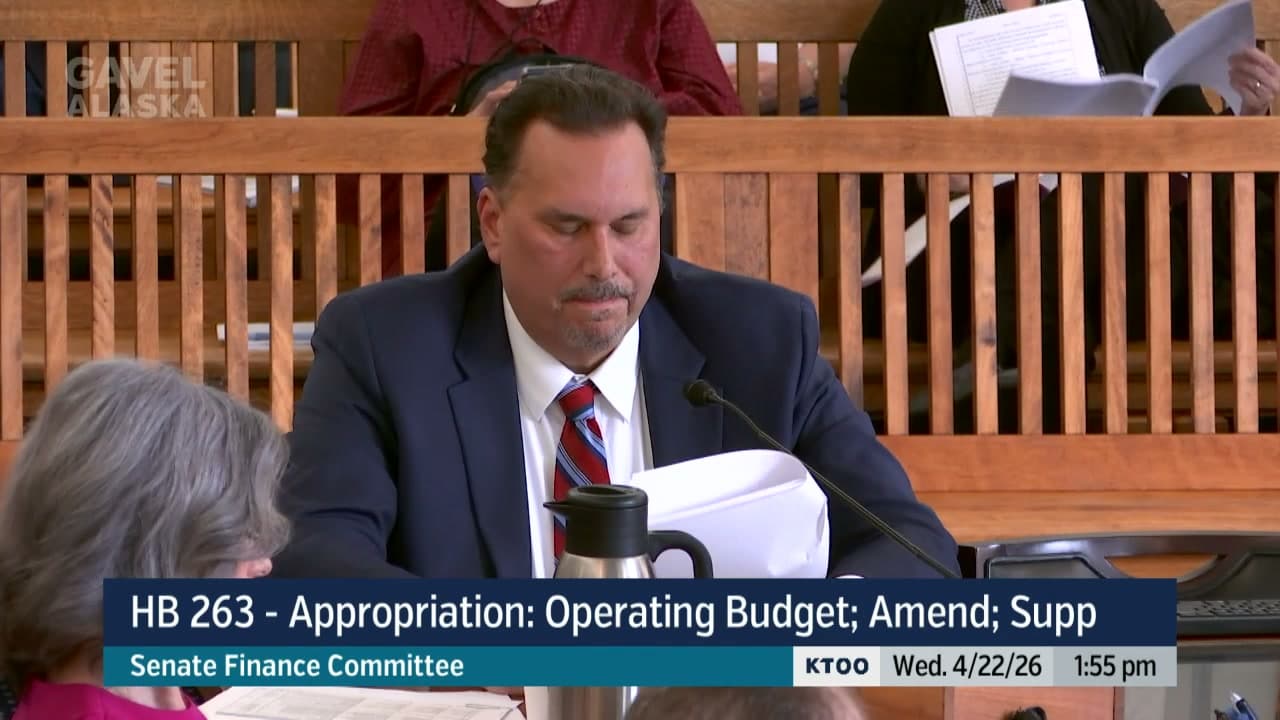
The Senate Finance Committee adopted a $13.83 billion operating budget that includes $150 per person energy relief payments and up to $100 million in one-time grants to school districts, while maintaining a $50 million reserve by budgeting at $73 per barrel oil.

The House Labor and Commerce Committee advanced House Bill 292 requiring insurance coverage for pediatric neuropsychiatric disorders after parents testified about children experiencing severe symptoms and treatment delays.

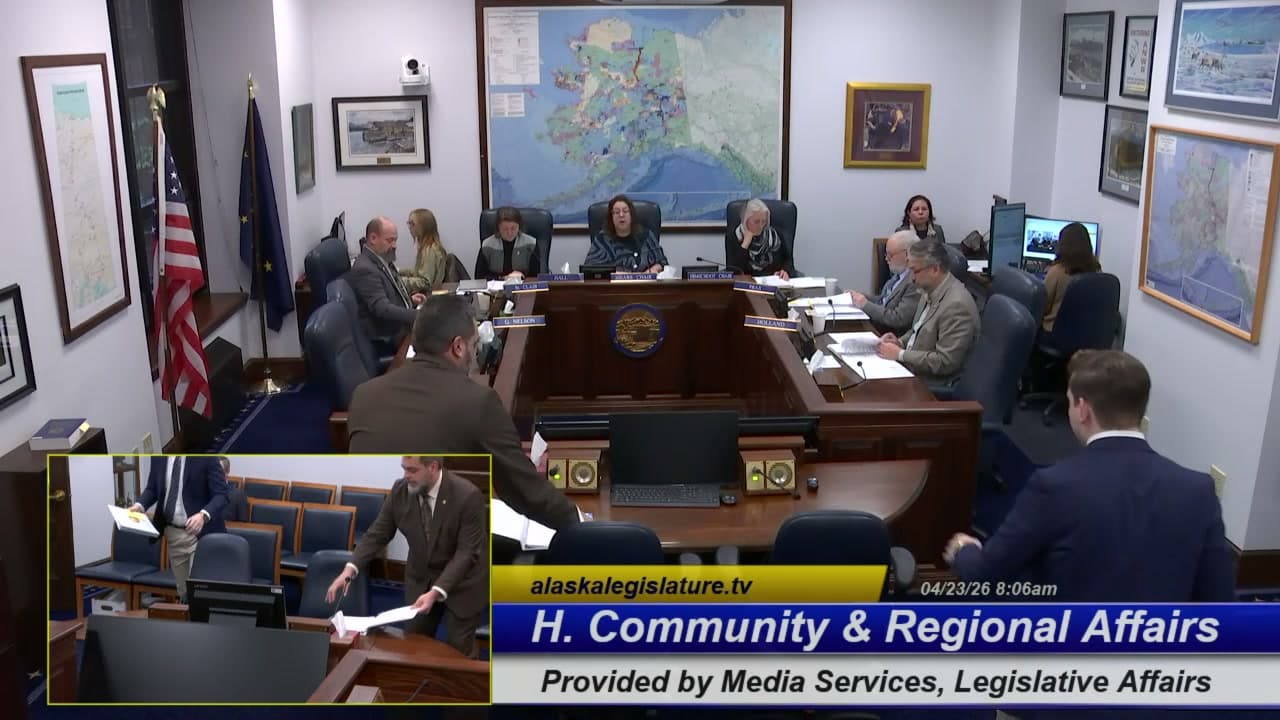
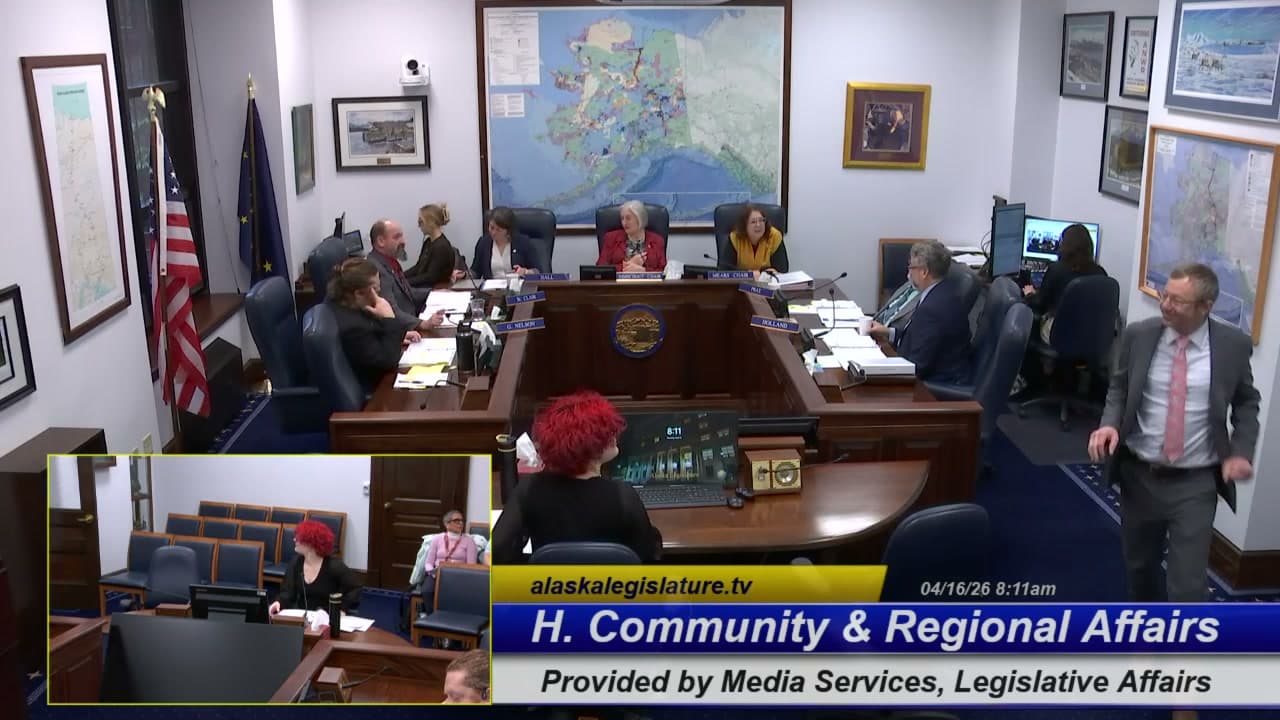
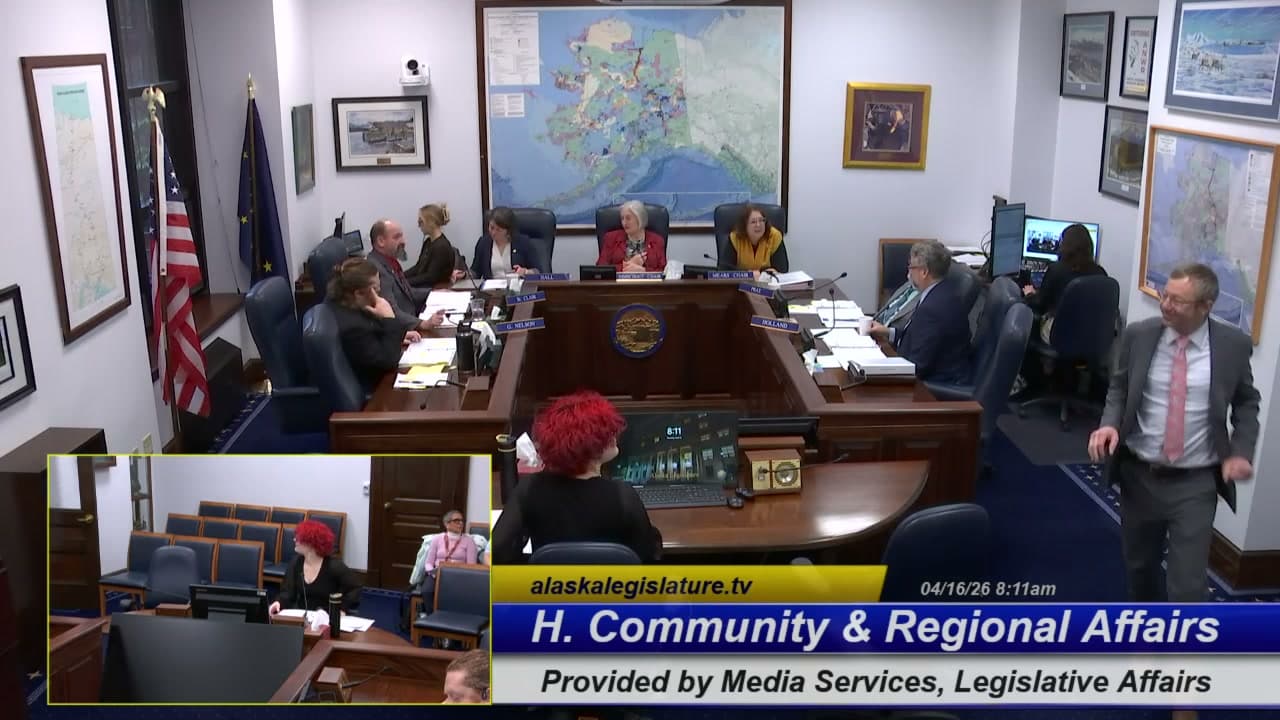
The House Community and Regional Affairs Committee voted to advance Senate Bill 63, which adds a seat to the Local Boundary Commission and requires at least one commissioner be from the unorganized borough.

The House Finance Committee moved Senate Bill 41 out of committee, which directs development of mental health education guidelines for Alaska's K-12 schools.
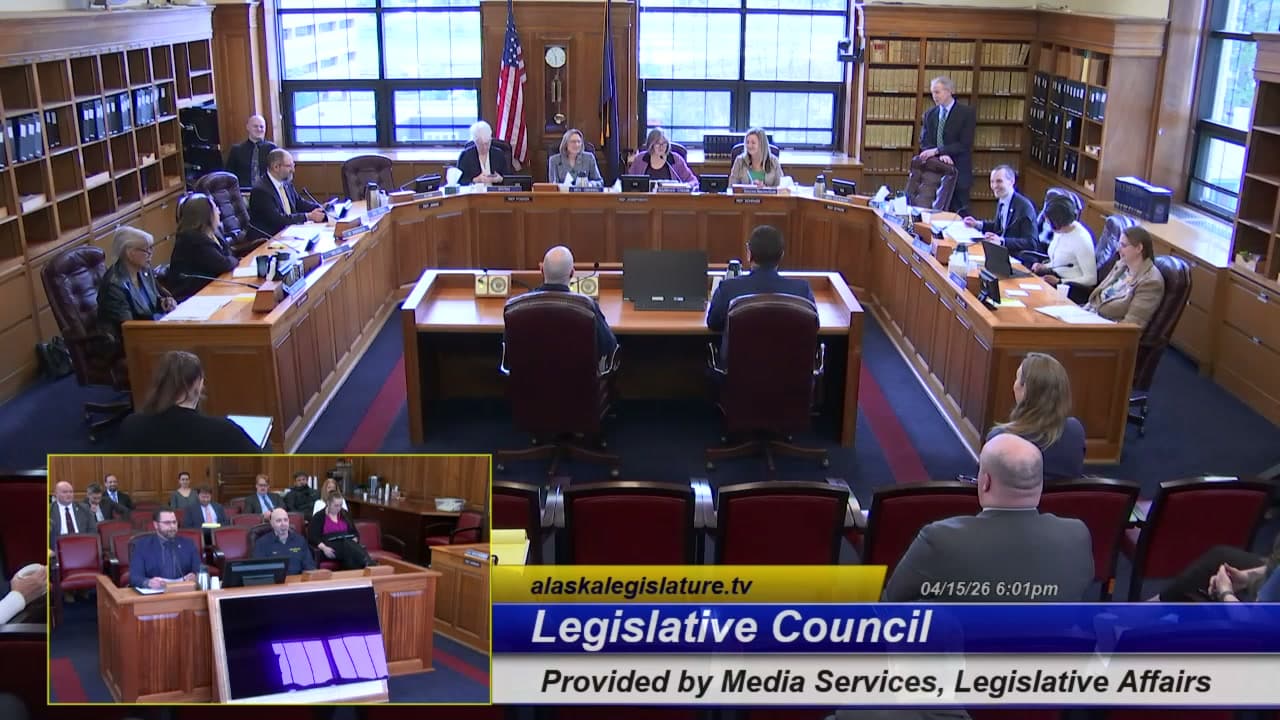
The Alaska Legislative Council unanimously approved a one-year lease renewal for the Bethel Legislative Information Office at $70,200, the first of five renewal options available under the original agreement.

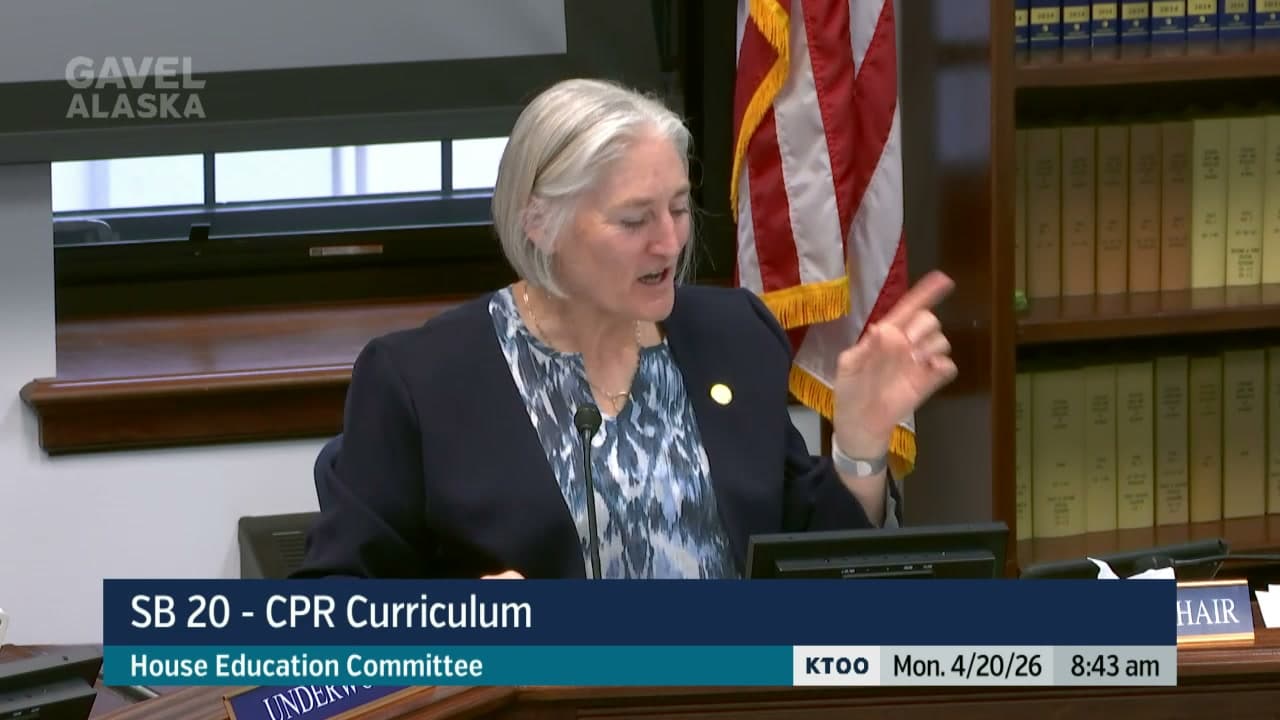
The House Education Committee approved Senate Bill 20, which requires CPR instruction in Alaska public schools, after adopting three amendments to provide flexibility for rural and under-resourced districts.

Alaska lawmakers viewed a 19-minute documentary about suicide prevention efforts in Toksook Bay, a Yup'ik village on Nelson Island, highlighting community healing practices and the need for professional mental health services in rural Alaska.

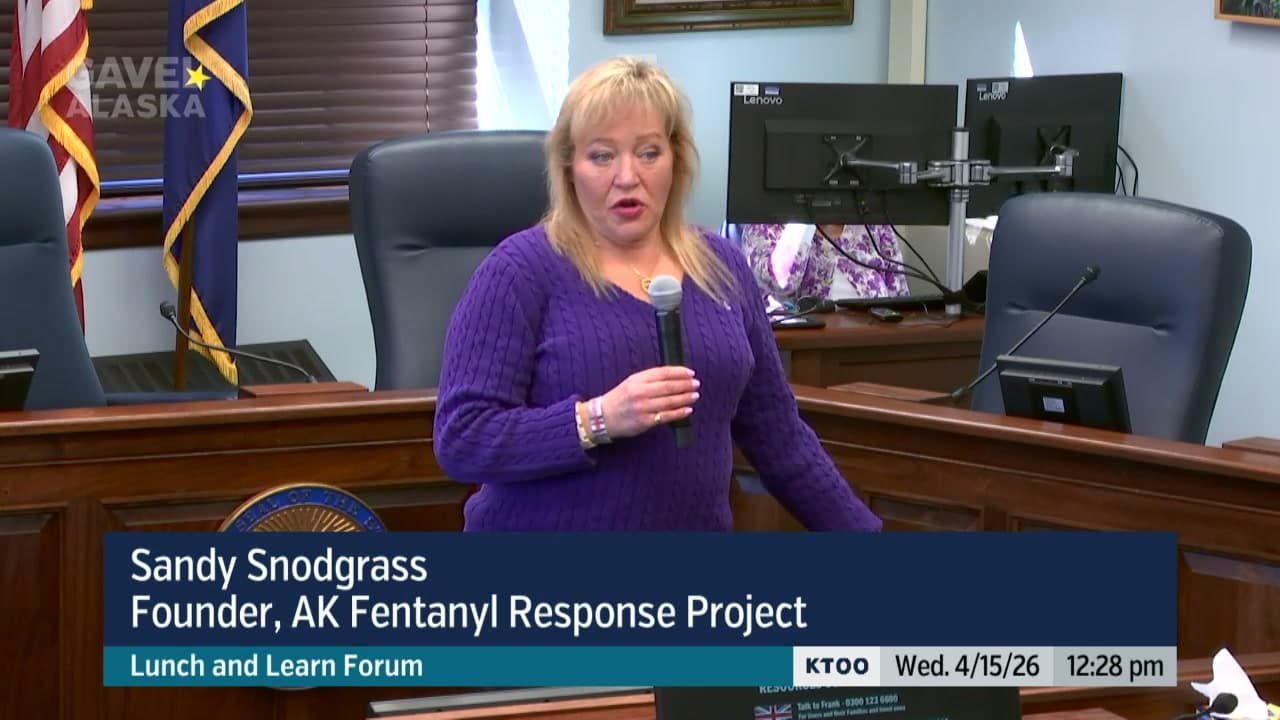
Sandy Snodgrass, founder of the Alaska Fentanyl Response Project, presented to state legislators about the fentanyl crisis and her work educating Alaska students after losing her son Bruce to fentanyl poisoning in 2021.

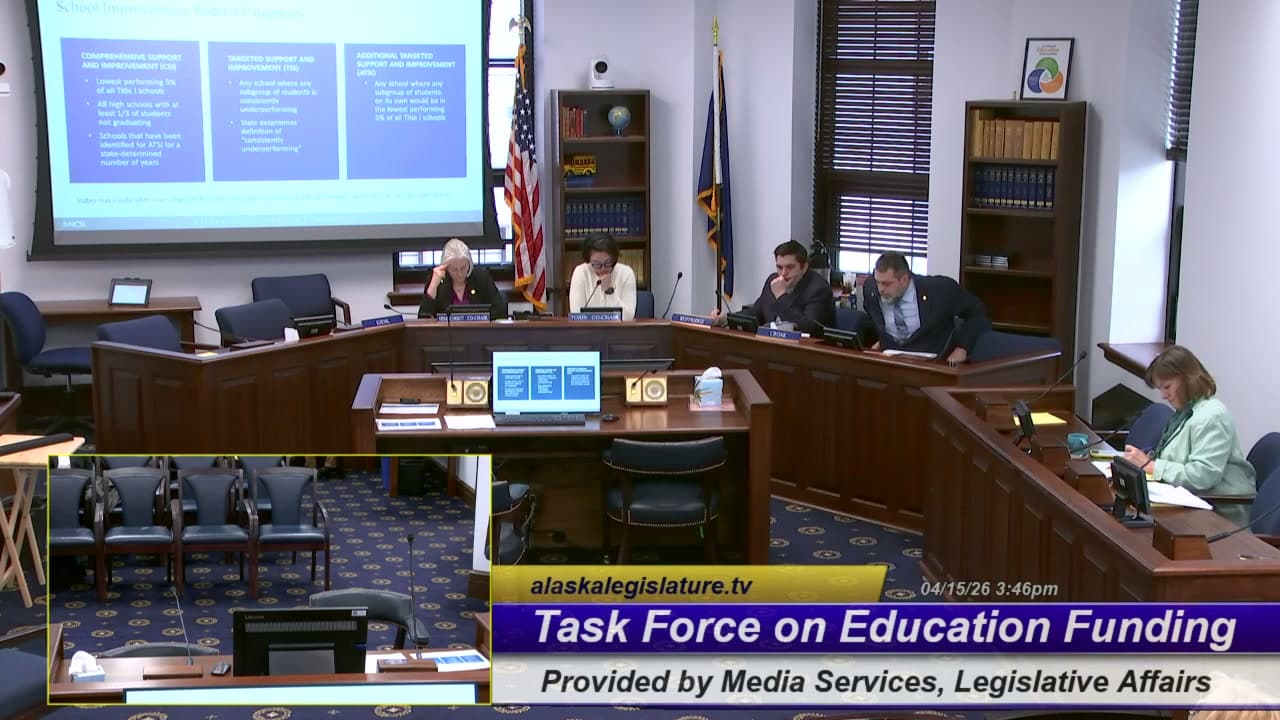
The Joint Legislative Task Force on Education Funding received presentations on federal testing requirements under ESSA, how to interpret NAEP scores, and a demonstration of Alaska's AKSTAR assessment system.

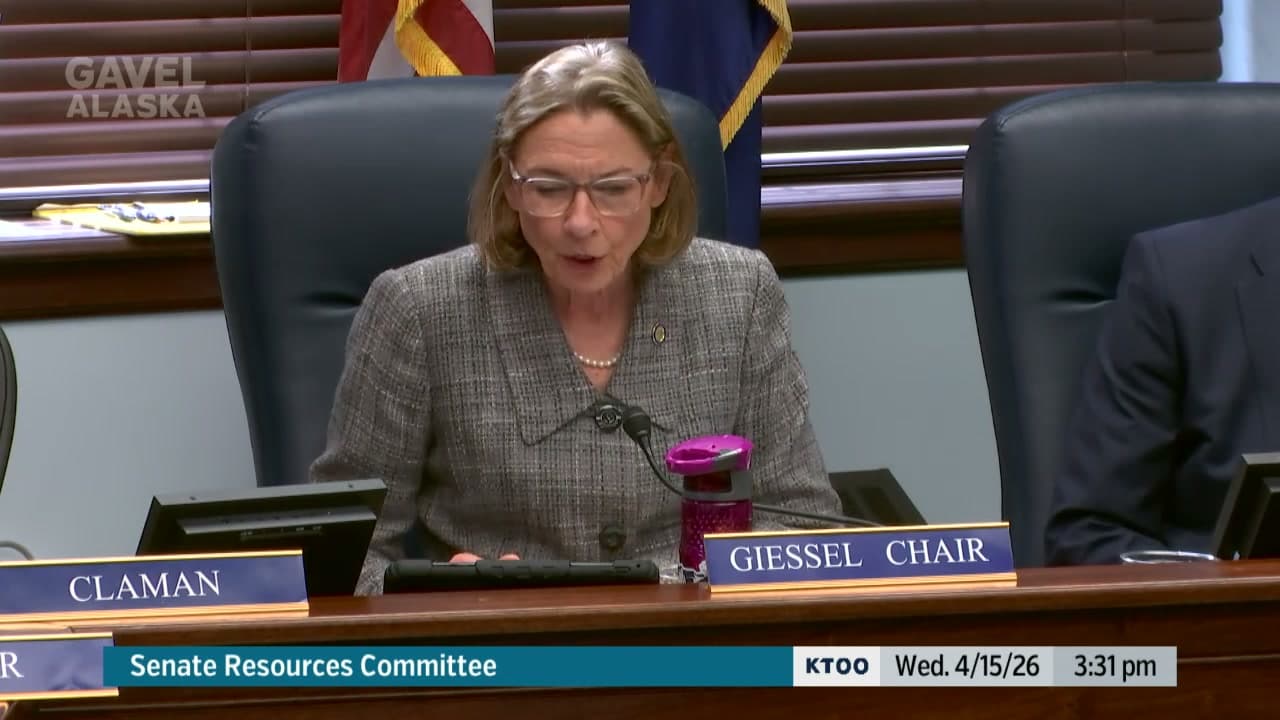
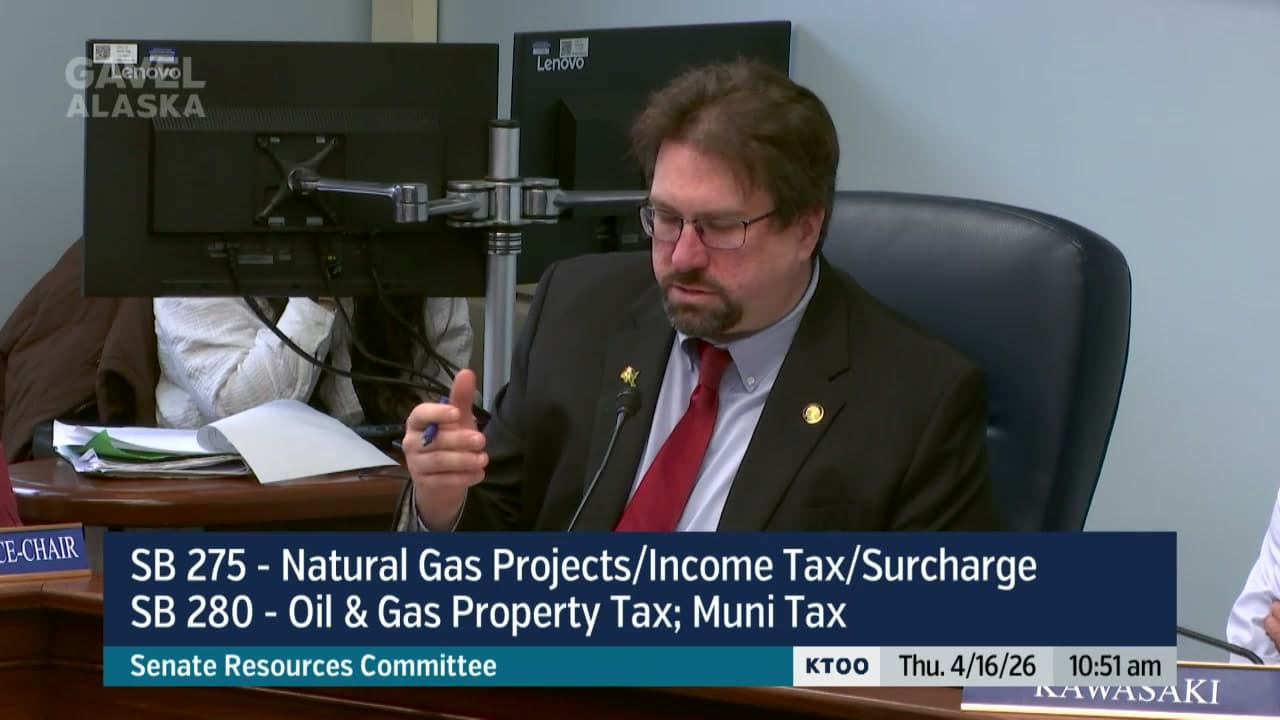
The Senate Resources Committee heard a presentation on fiscal frameworks for LNG projects and how Alaska's constitutional obligations create unique challenges compared to other jurisdictions, while public testimony supported transparency legislation.

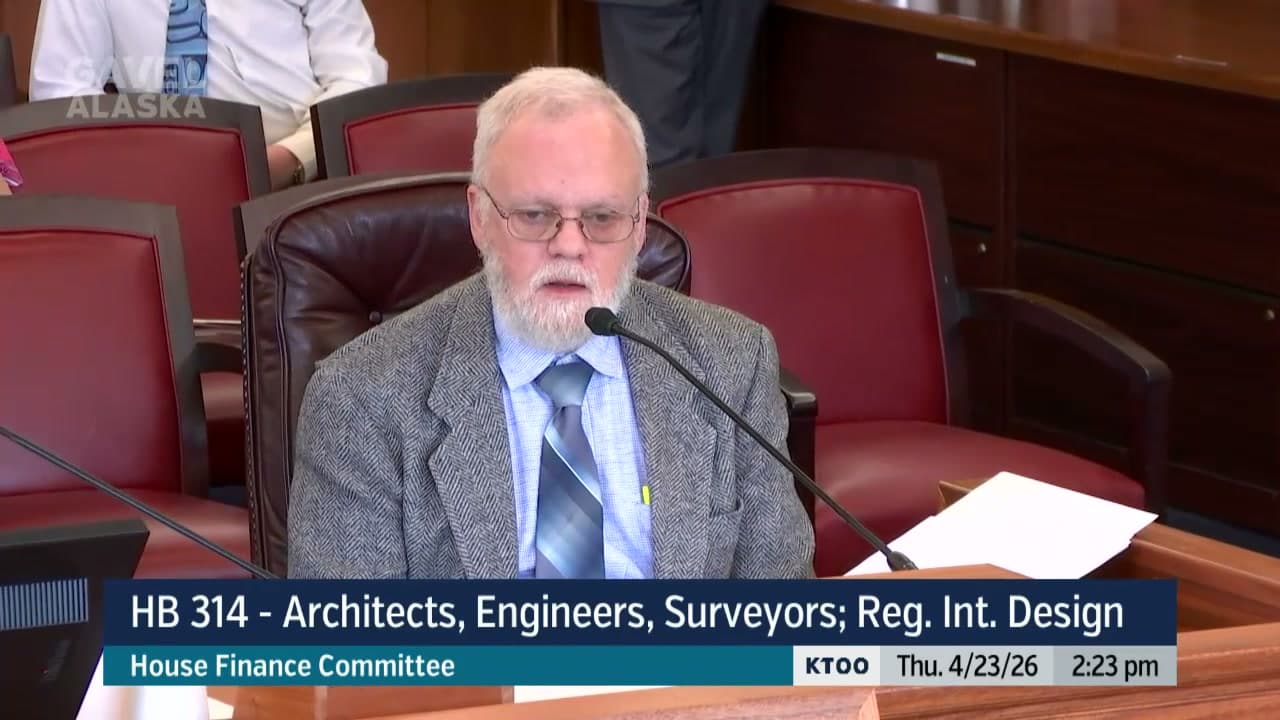
The House Finance Committee voted to advance House Bill 314, which extends the Board of Registration for Architects, Engineers, and Land Surveyors by eight years and adds registered interior designers to the professions it regulates.

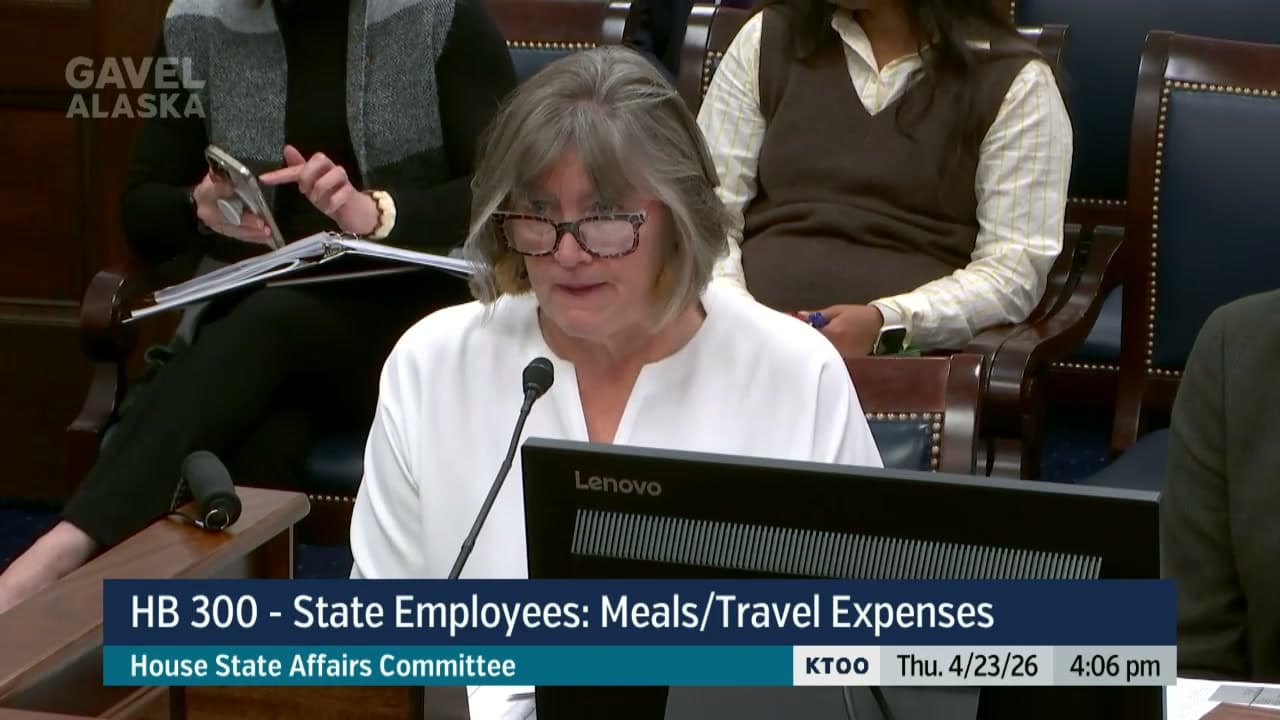
The House State Affairs Committee heard testimony on legislation to raise state employee per diem rates for in-state travel, which have remained unchanged since 2010 while Alaska's cost of living has risen 40%.

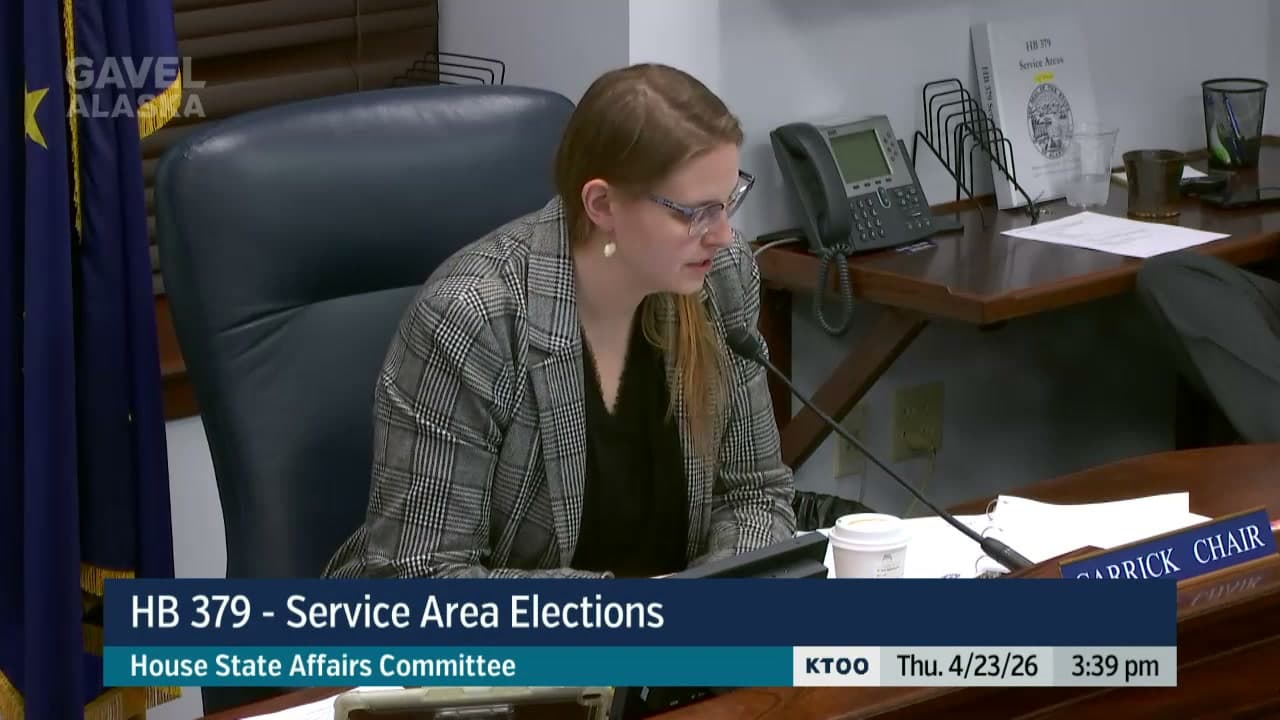
The House State Affairs Committee heard testimony on legislation that would give second-class boroughs more flexibility to adjust road service area boundaries without requiring multiple concurrent voter approvals.

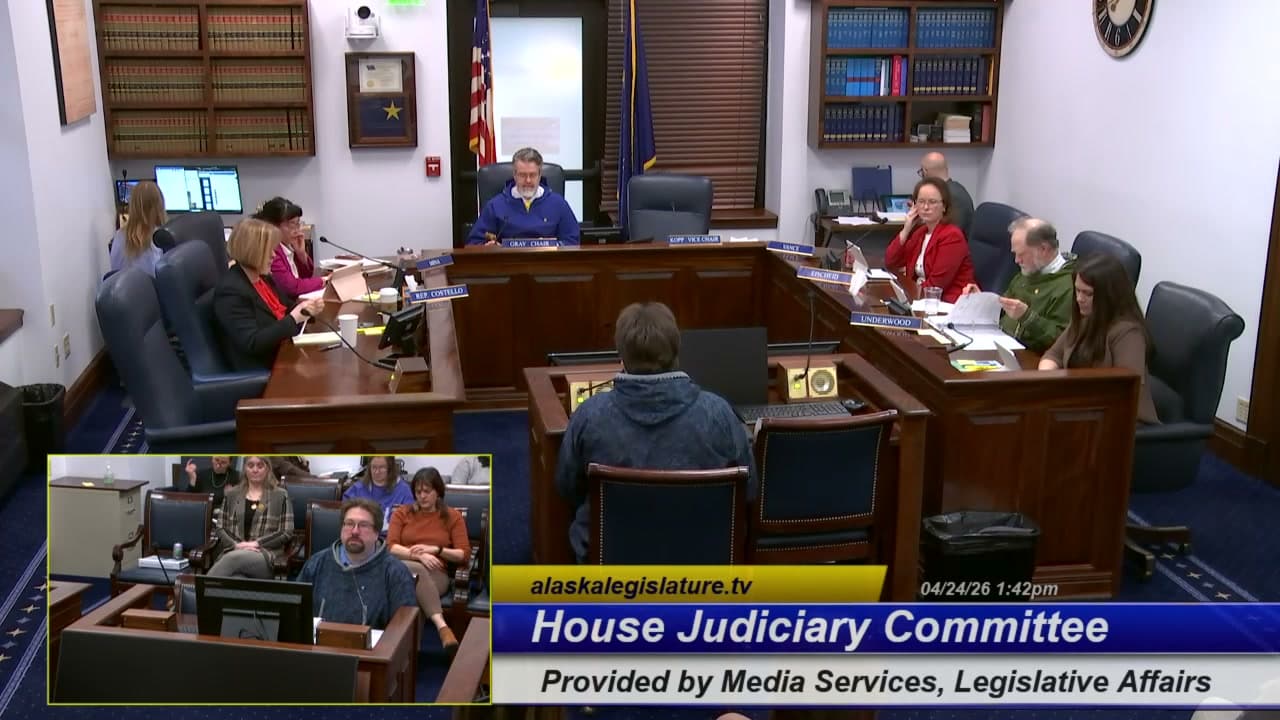
The House Judiciary Committee failed to adopt a committee substitute for House Bill 367, the Alaska Data Privacy Act, after a 3-3 tie vote on April 24, 2026.

The Senate Judiciary Committee heard public testimony on House Bill 239, an omnibus crime bill that packages provisions on domestic violence, sexual assault, hit-and-run crashes, AI-generated child abuse images, and tribal advocate protections.

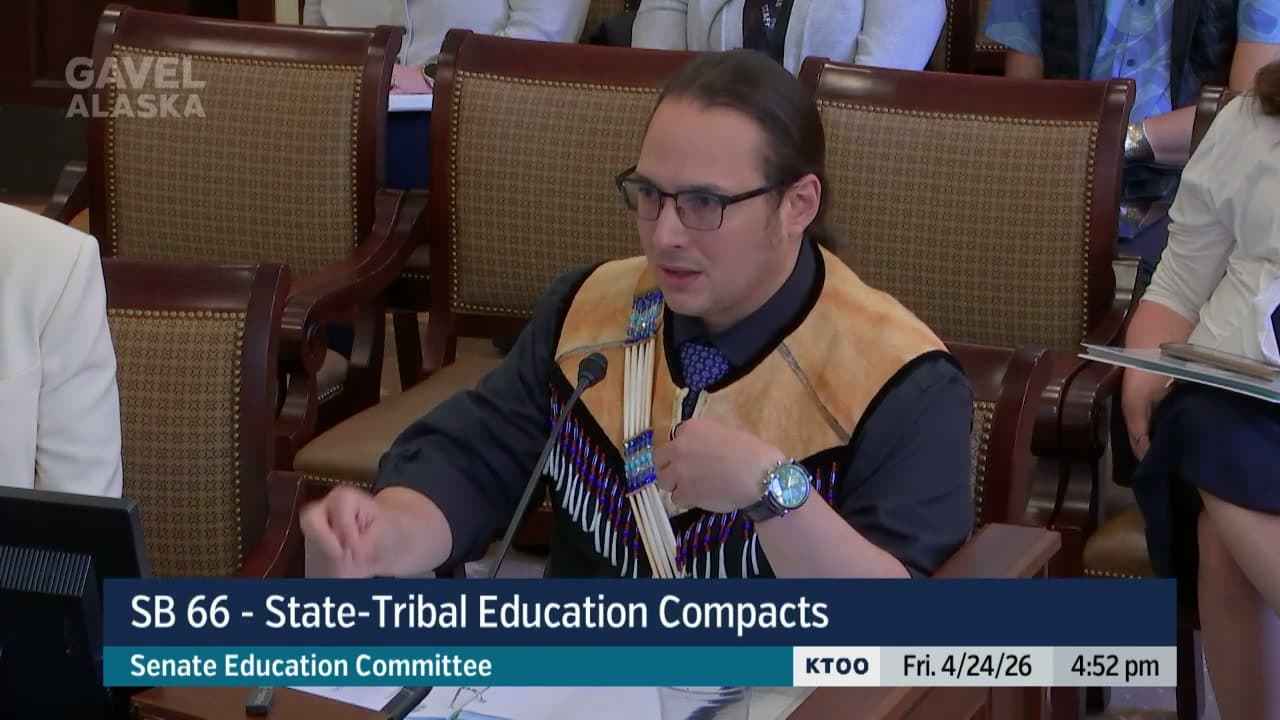
The committee unanimously moved Senate Bill 228, requiring opioid education in schools, and heard the first presentation on Senate Bill 66, which would allow tribes to operate public schools under state-tribal compacts.

The Senate Resources Committee discussed legal concerns about proposed natural gas price caps and whether federal regulatory authority over interstate commerce conflicts with state legislative oversight of the Alaska LNG pipeline project.

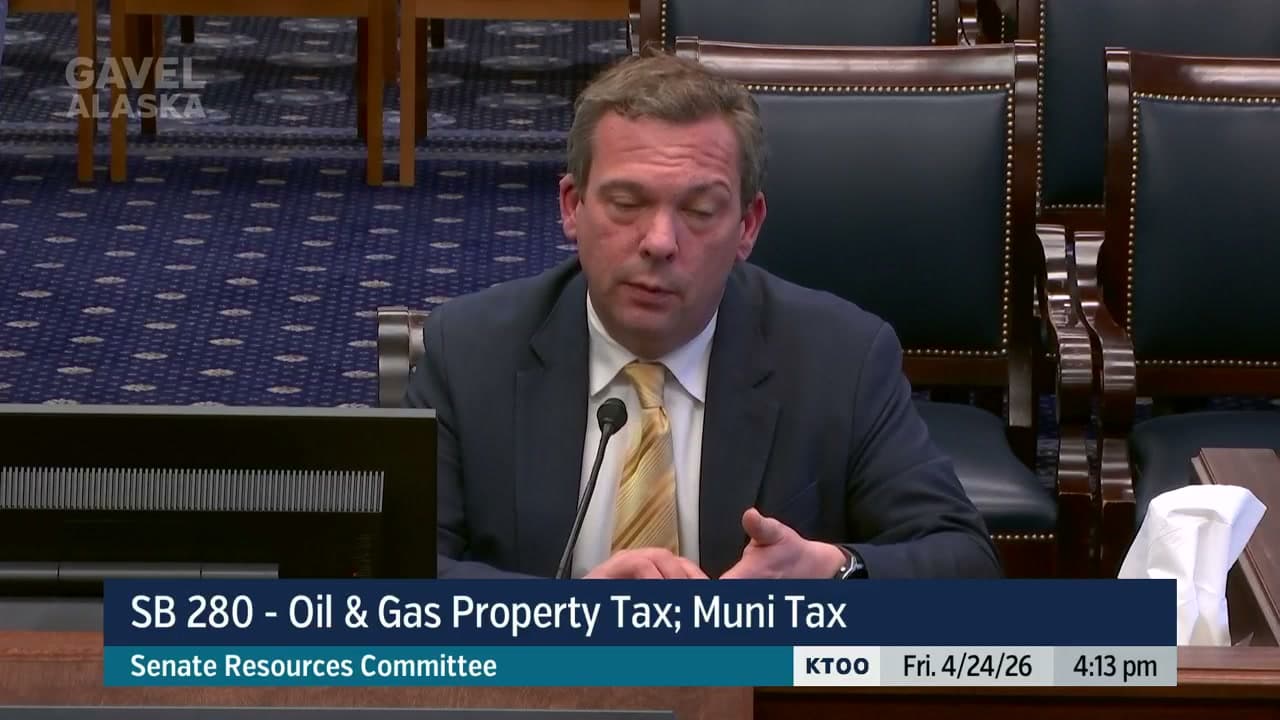
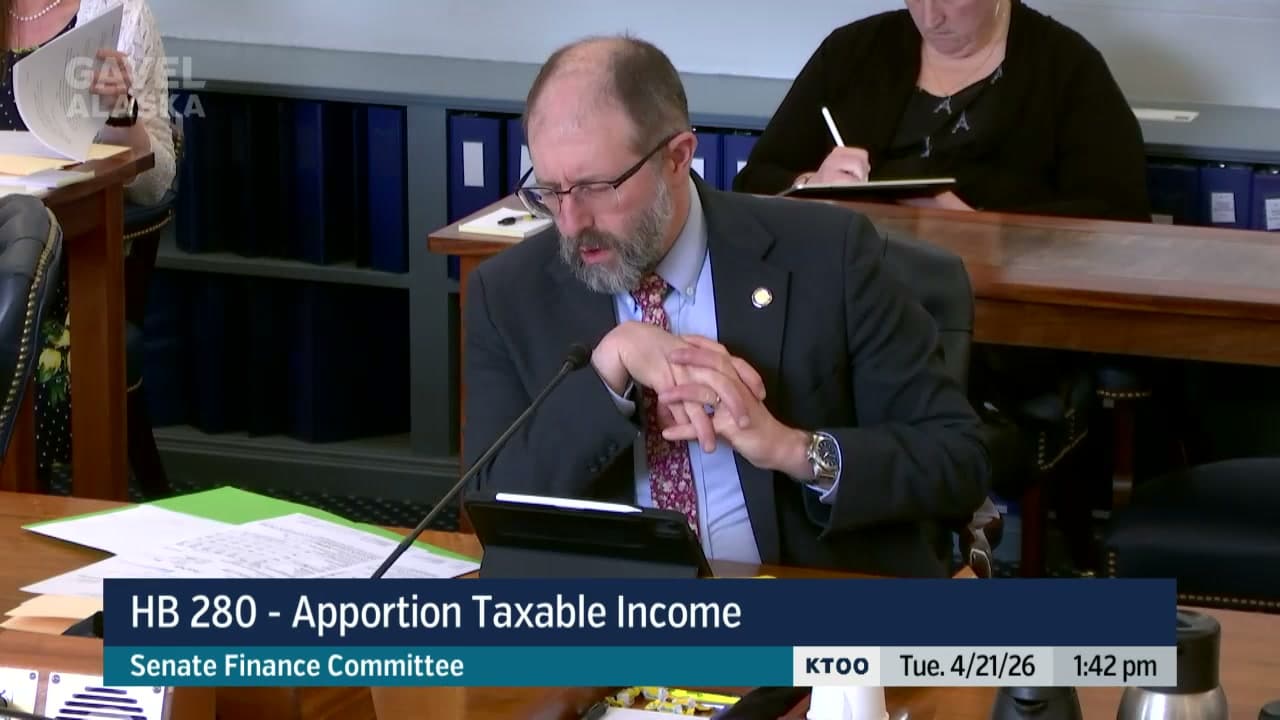
The Senate Finance Committee heard testimony on House Bill 280, which would shift Alaska's corporate income tax apportionment from cost-based to market-based sourcing, but took no action on the measure.

The Senate Labor and Commerce Committee approved a revised resolution supporting the U.S.-Mexico-Canada Agreement and calling for easier border crossings with Canada.
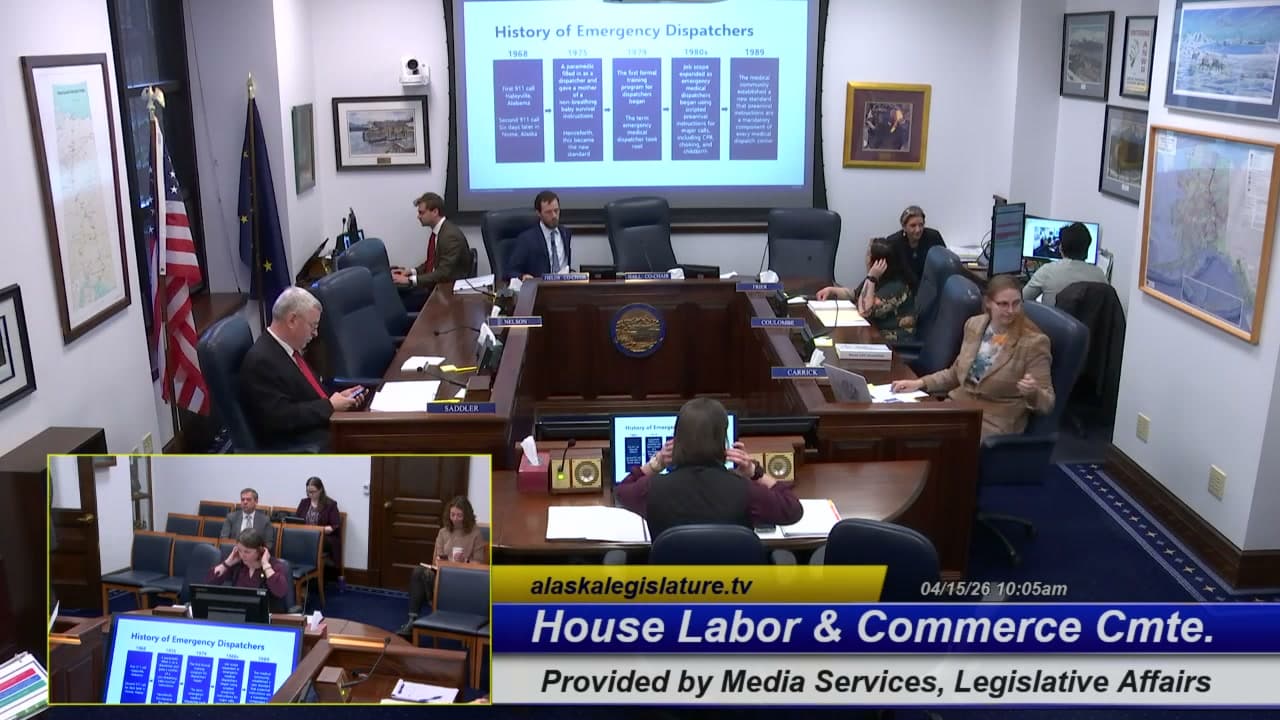
The House Labor and Commerce Committee heard testimony on House Bill 234, which would define emergency dispatchers as first responders and adjust their retirement benefits to match those of peace officers and firefighters.

The House Labor and Commerce Committee heard testimony on House Bill 234, which would define emergency dispatchers as first responders and adjust their retirement benefits to match those of peace officers and firefighters.

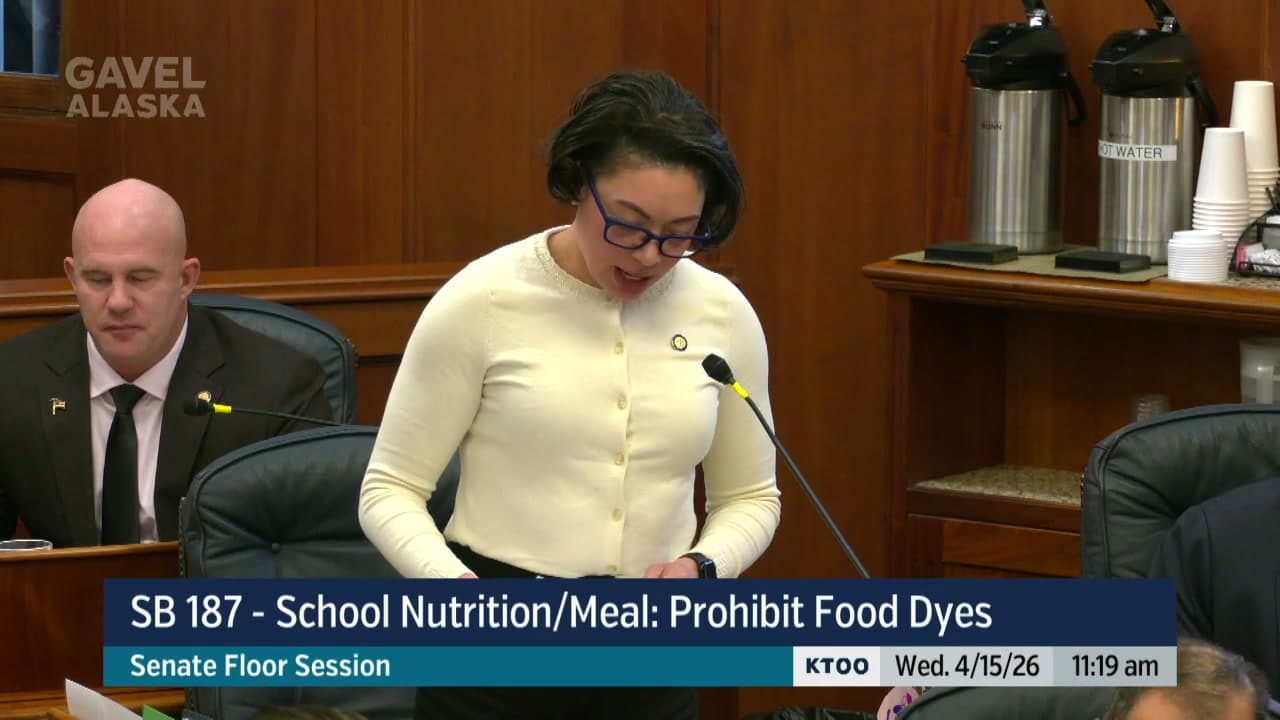
The Alaska Senate advanced two bills to third reading: one regulating software licensing contracts and another prohibiting certain food dyes in school meals during the school day.

Alaska lawmakers debated House Bill 162, a digital product repair measure that would be the nation's most sweeping, with critics warning its broad definition could create unintended safety issues for heavy equipment and aircraft despite exemptions for motor vehicles.

The House Community and Regional Affairs Committee heard Senate Bill 63, which would add a sixth seat to the Local Boundary Commission specifically for someone from Alaska's unorganized borough, and set the bill aside with an amendment deadline.

Consultants presented economic modeling of the proposed alternative volumetric tax for the Alaska LNG project and warned of cost and schedule risks common to large infrastructure developments.

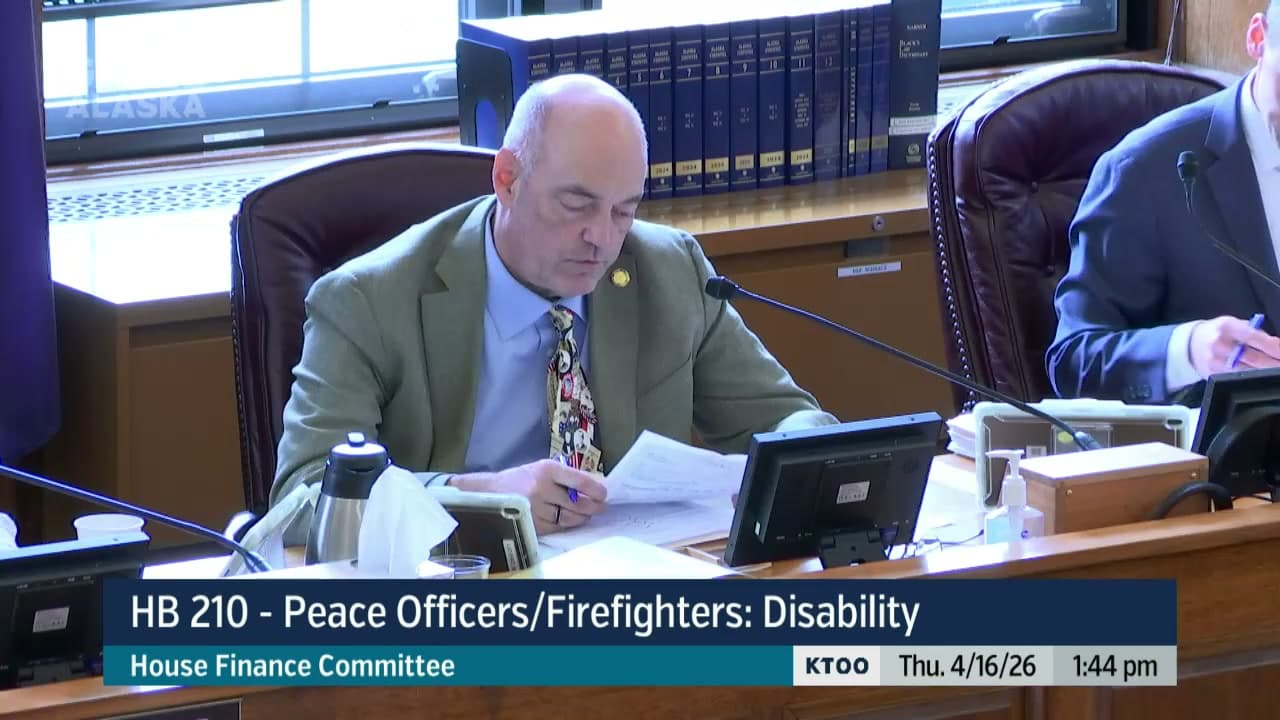
The House Finance Committee set an amendment deadline for legislation increasing disability benefits for injured peace officers and firefighters, while also advancing a mail theft bill and revising a paid parental leave measure.

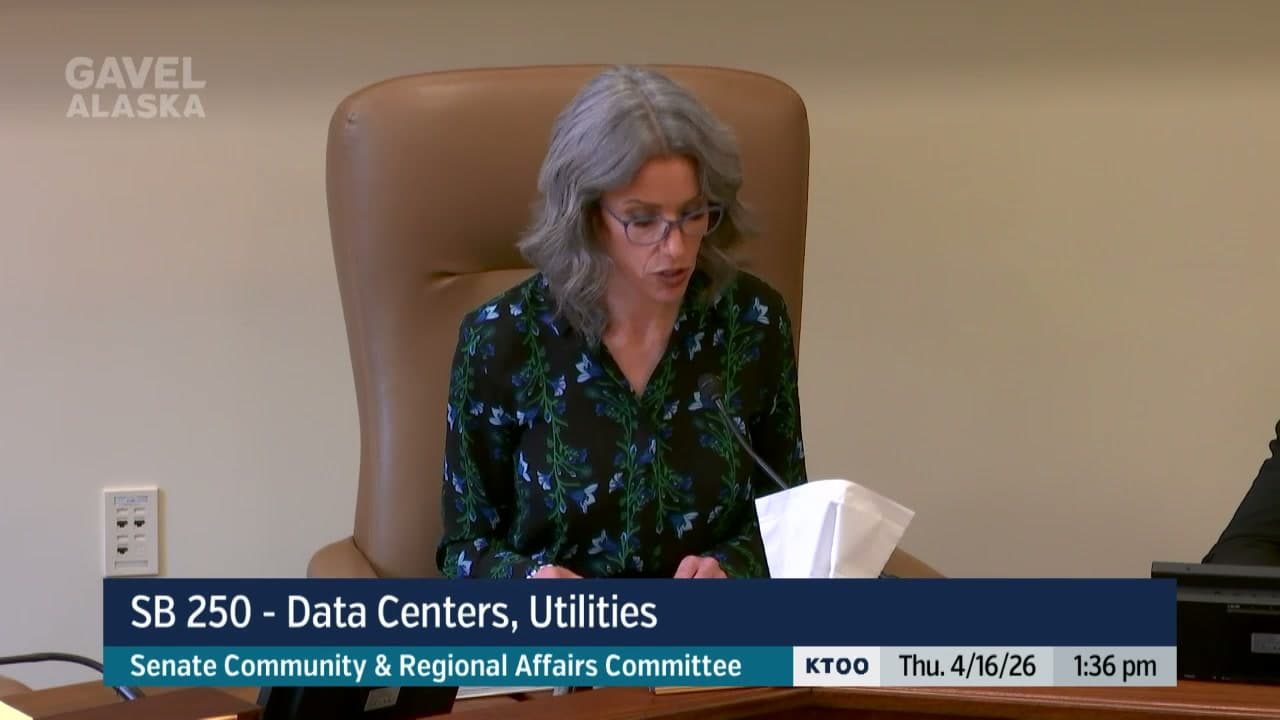
The Senate Community and Regional Affairs Committee heard testimony Thursday on Senate Bill 250, which would require data centers to cover their own infrastructure costs and protect existing ratepayers from fuel supply risks and rate increases.

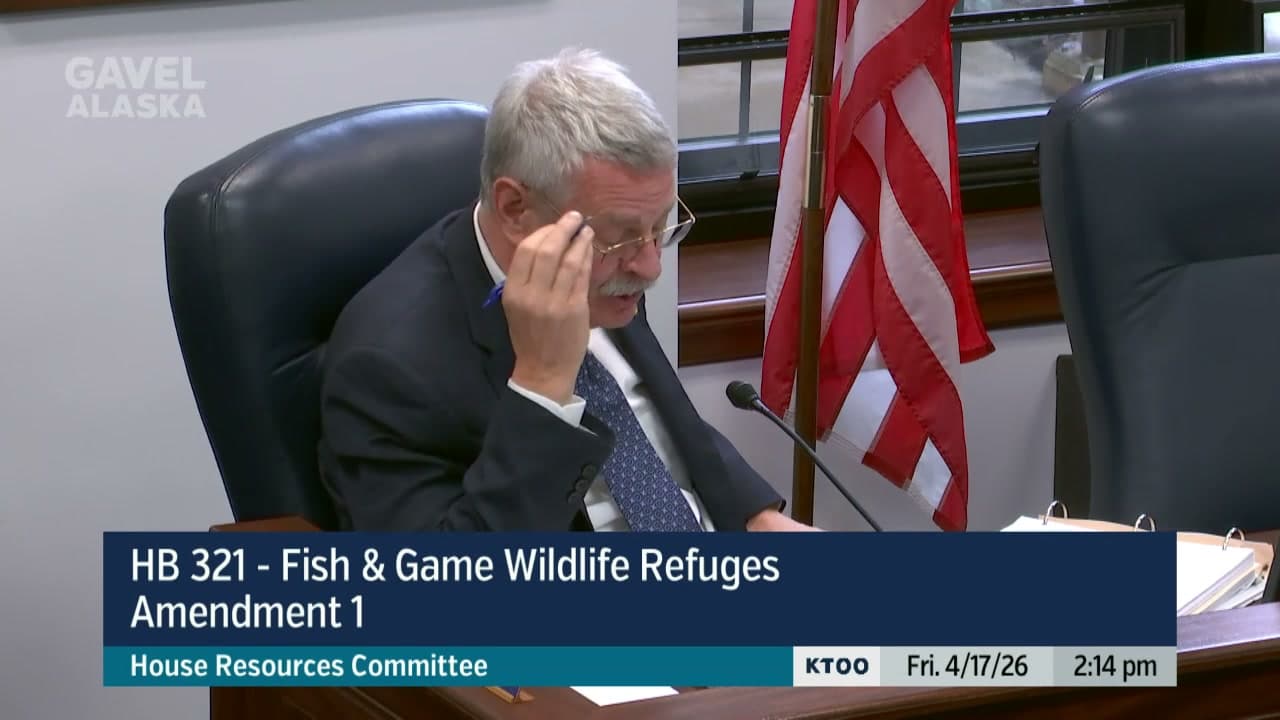
The House Resources Committee heard testimony on state equity participation in the Alaska LNG project and voted down nine amendments to a wildlife refuge consolidation bill, with most votes splitting 5-4 along party lines.

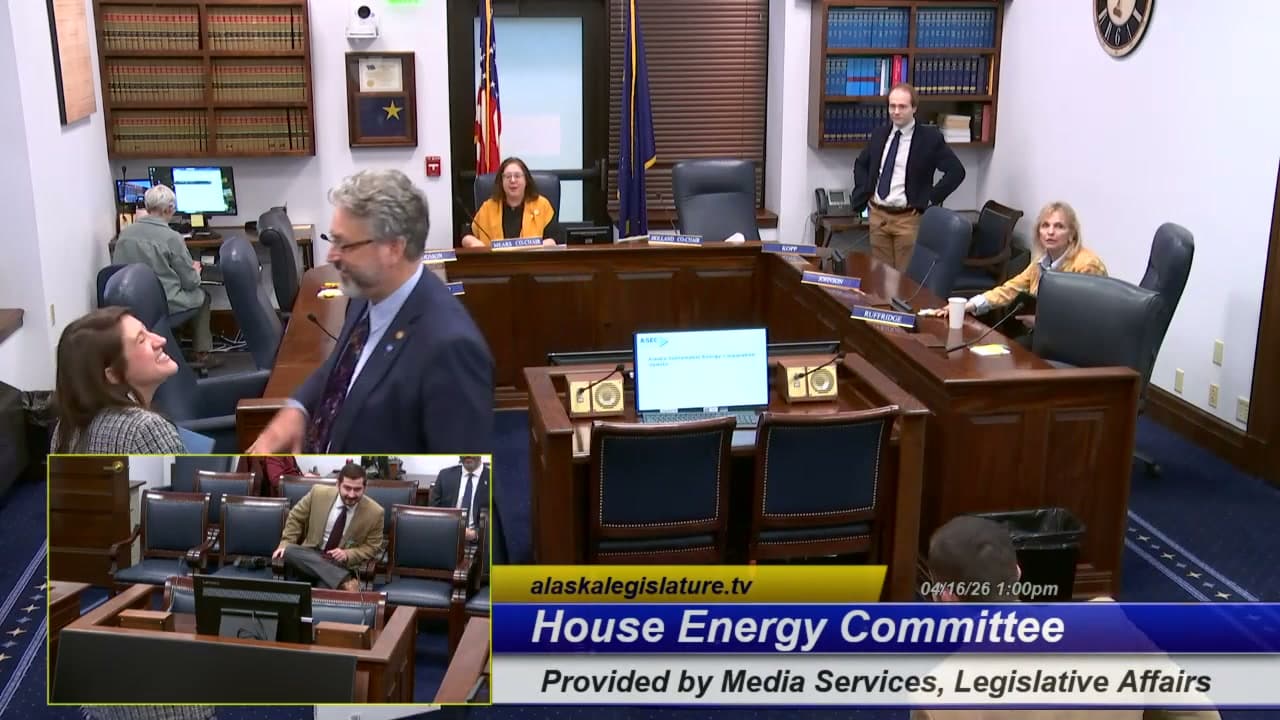
The Alaska Sustainable Energy Corporation updated the House Energy Committee on its development as a financing intermediary for sustainable energy projects, including a $4.7 million federal loan program for residential energy efficiency.

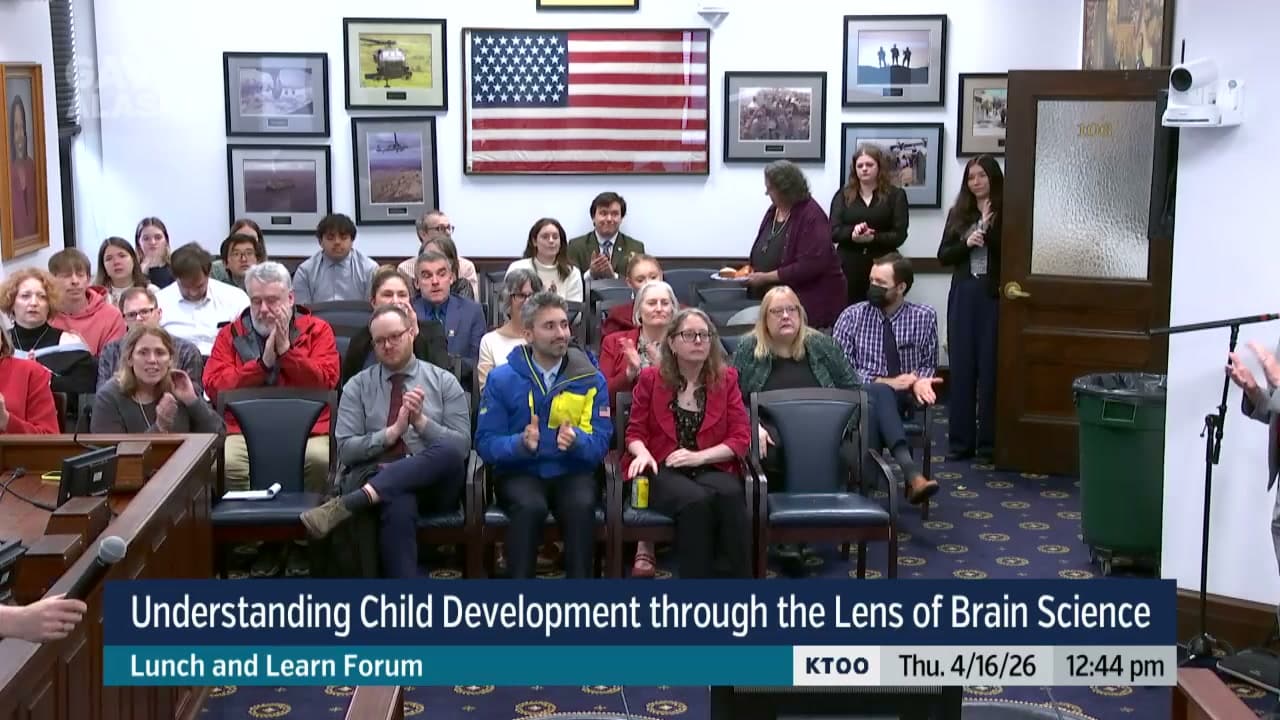
Representatives from the All Alaska Pediatric Partnership presented research on brain development and early childhood programs to state legislators at an April 16 lunch-and-learn session.

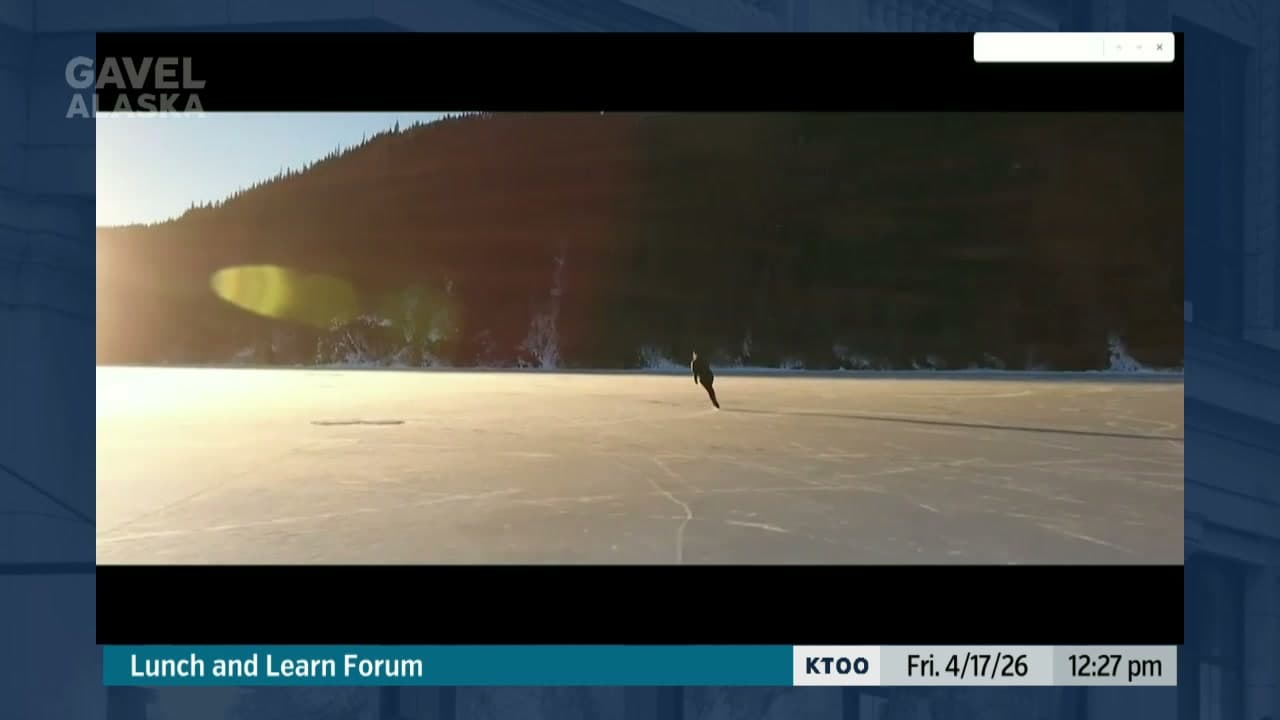
A legislative lunch-and-learn session highlighted the rapid growth of wild ice skating in Alaska, from isolated individual experiences to an organized community activity attracting international media attention and supporting local manufacturing.

New stories usually land 4p to 6p.
1,266
meetings transcribed
5,131
articles published
3,108
hours of audio processed
6
contributors this week
Local news, from the source · Public meetings deserve coverage · Every article names its source