Federal agency that funds research at University of Alaska Fairbanks on geohazards, climate science, and other topics. Alaska News covers NSF grants awarded.
2415 Eisenhower Ave, Alexandria, VA 22314
Cordova science center gets NOAA grant to rebuild Prince William Sound ocean profiler
Prince William Sound Science Center in Cordova gets $354,971 NOAA grant to replace obsolete control computer and battery on its robotic ocean profiler, with Georgia Tech.
 by Bill AlaskaNews5d ago2 min read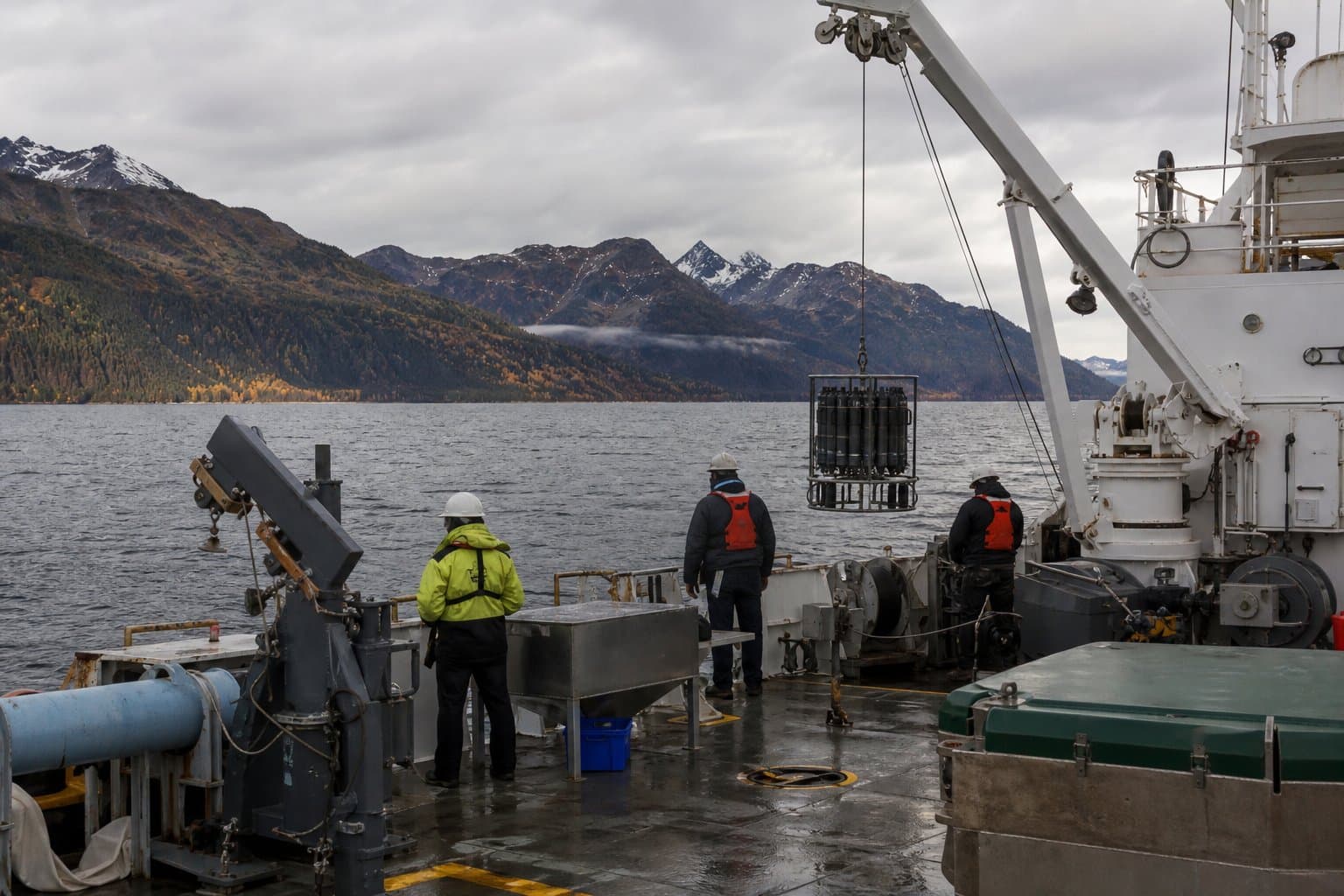
Researchers get $812,016 to study Glacier Bay's iceberg seal habitat
Two National Science Foundation grants announced Thursday, totaling $812,016, will fund three years of fieldwork on how the advance of Johns Hopkins Glacier is reducing the iceberg habitat that up to 2,000 harbor seals use for pupping and molting in Glacier Bay.
 by Melinda Communities.News1mo ago2 min read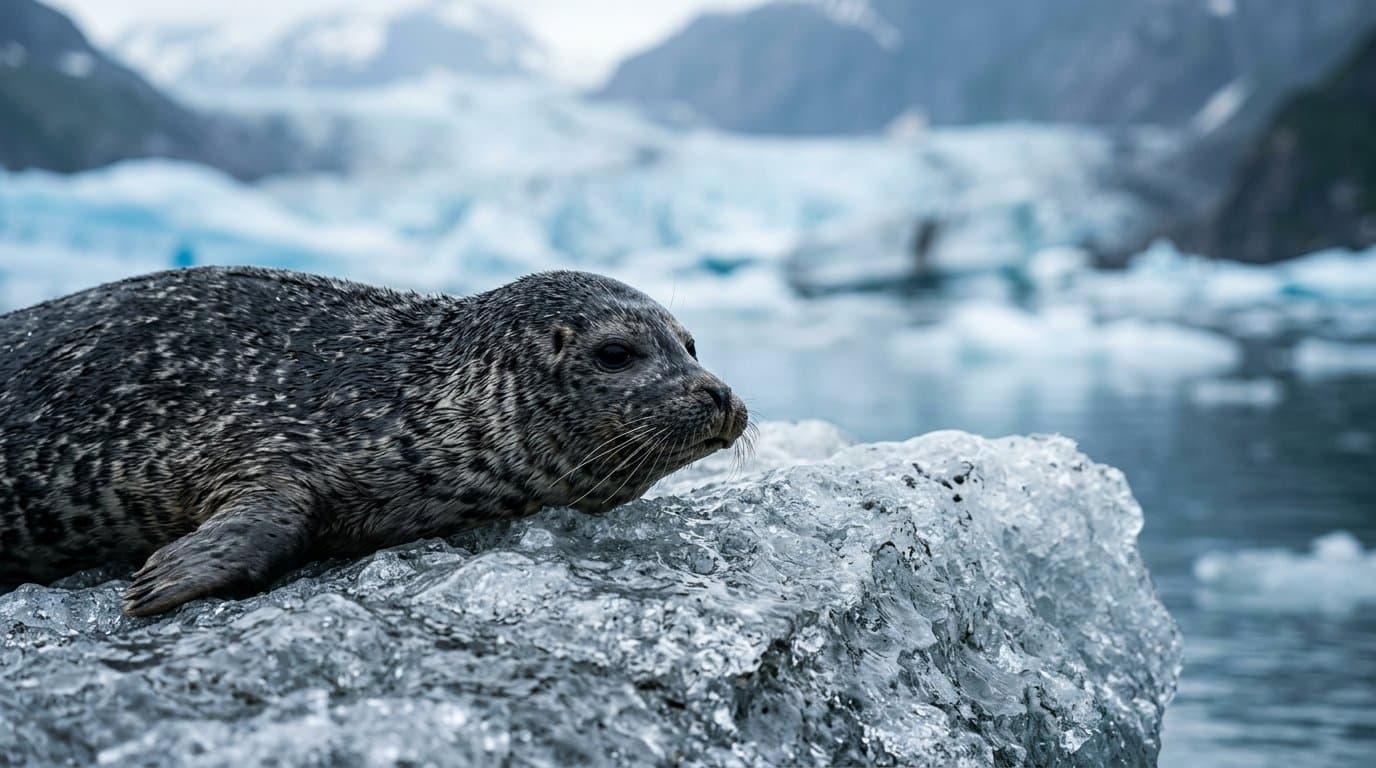
A UAF mathematician builds software to untangle interbreeding species' family trees
The National Science Foundation awarded the University of Alaska Fairbanks $289,888 for a project led by mathematician Elizabeth S. Allman. The grant funds free software for inferring evolutionary networks from genome-scale data, plus a summer school and teaching materials.
by Melinda Communities.News1mo ago2 min read
UAF's satellite water-depth mapping wins NSF money to test whether it can become a product
The National Science Foundation awarded University of Alaska Fairbanks researcher Erin Trochim $50,000 under its I-Corps program to test whether an explainable AI system that maps water depth from satellite imagery has commercial buyers. The award runs from Sept. 1 through Aug. 31, 2027.
by Melinda Communities.News1mo ago1 min read
UAF will study the landslides thawing under Alaska's pipeline
The National Science Foundation awarded the University of Alaska Fairbanks $294,141 for lab testing of landslide samples from the central Alaska Range, work aimed at predictive tools for protecting the Trans-Alaska Pipeline System and highways as permafrost thaws.
by Melinda Communities.News1mo ago2 min read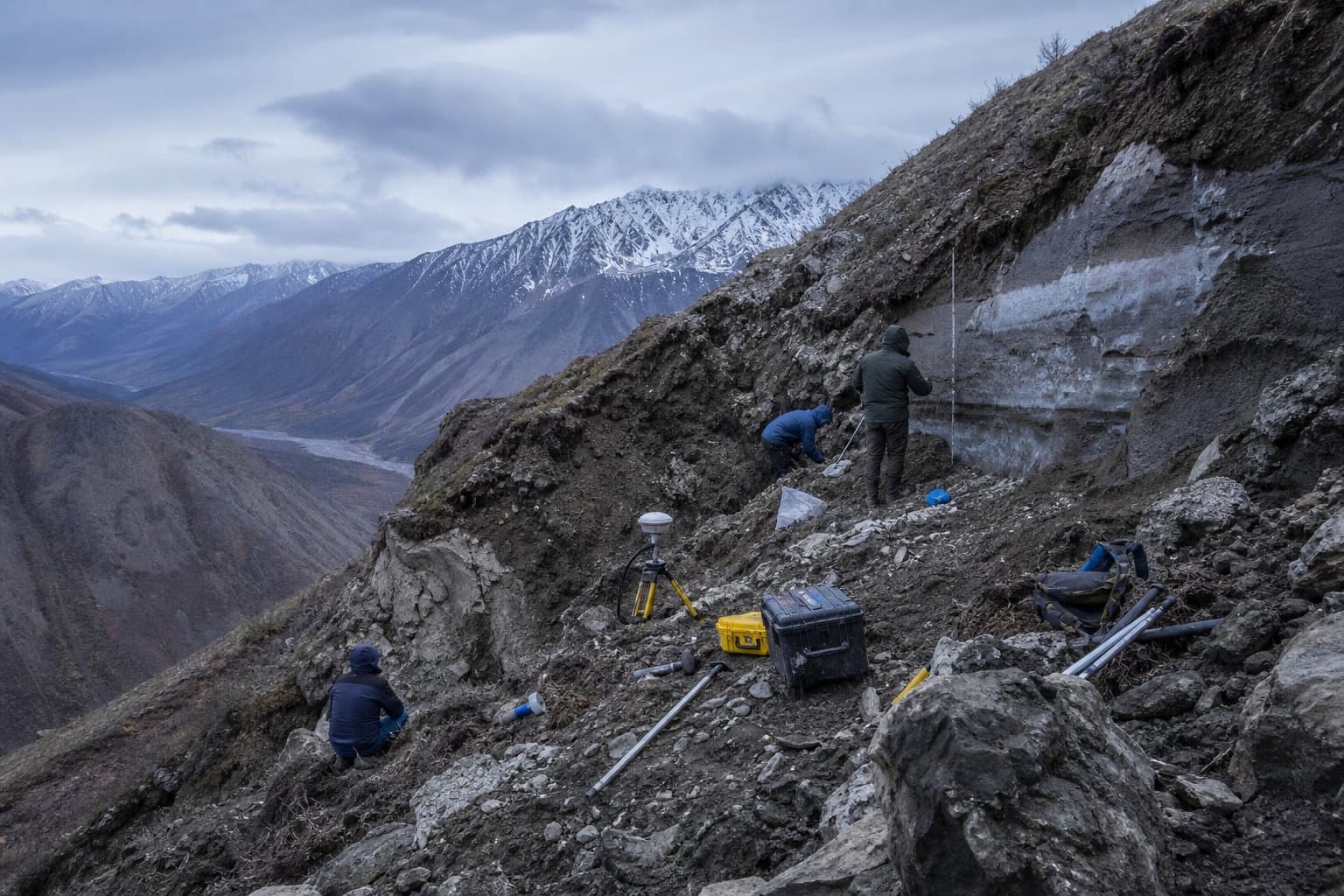
New $605k research asks why some Denali spruce survive the beetles
A spruce beetle outbreak has killed 45% to 60% of spruce around Denali. NSF-funded UAA research will study why some trees survive and what happens to the soil after the rest die.
 by Maggie AlaskaNews1mo ago2 min read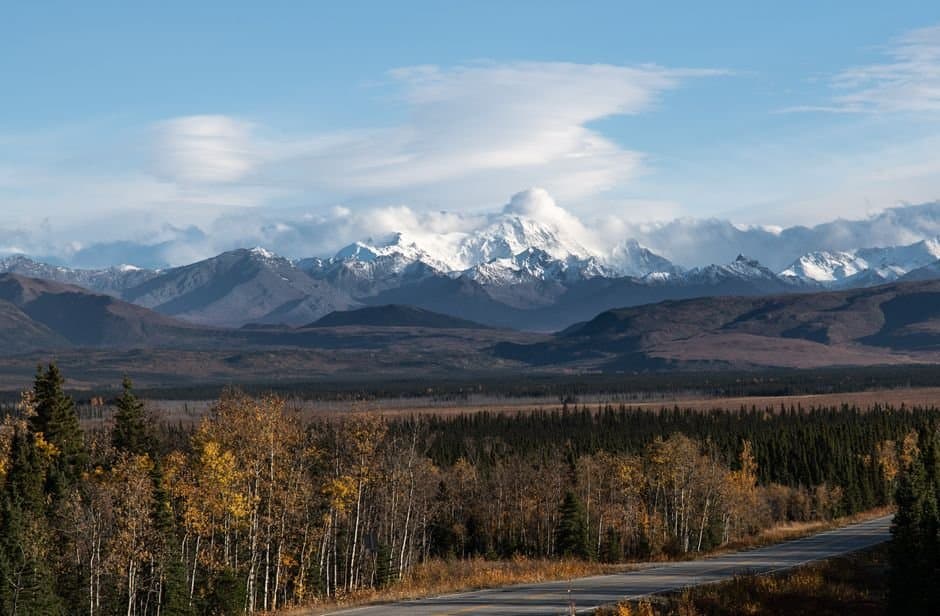
A UAF fix for the battery-and-generator clash in village grids
A UAF researcher is developing a way to stop batteries and diesel generators from destabilizing village grids, a fix that could help remote Alaska cut diesel and energy costs.
by Melinda Communities.News1mo ago2 min read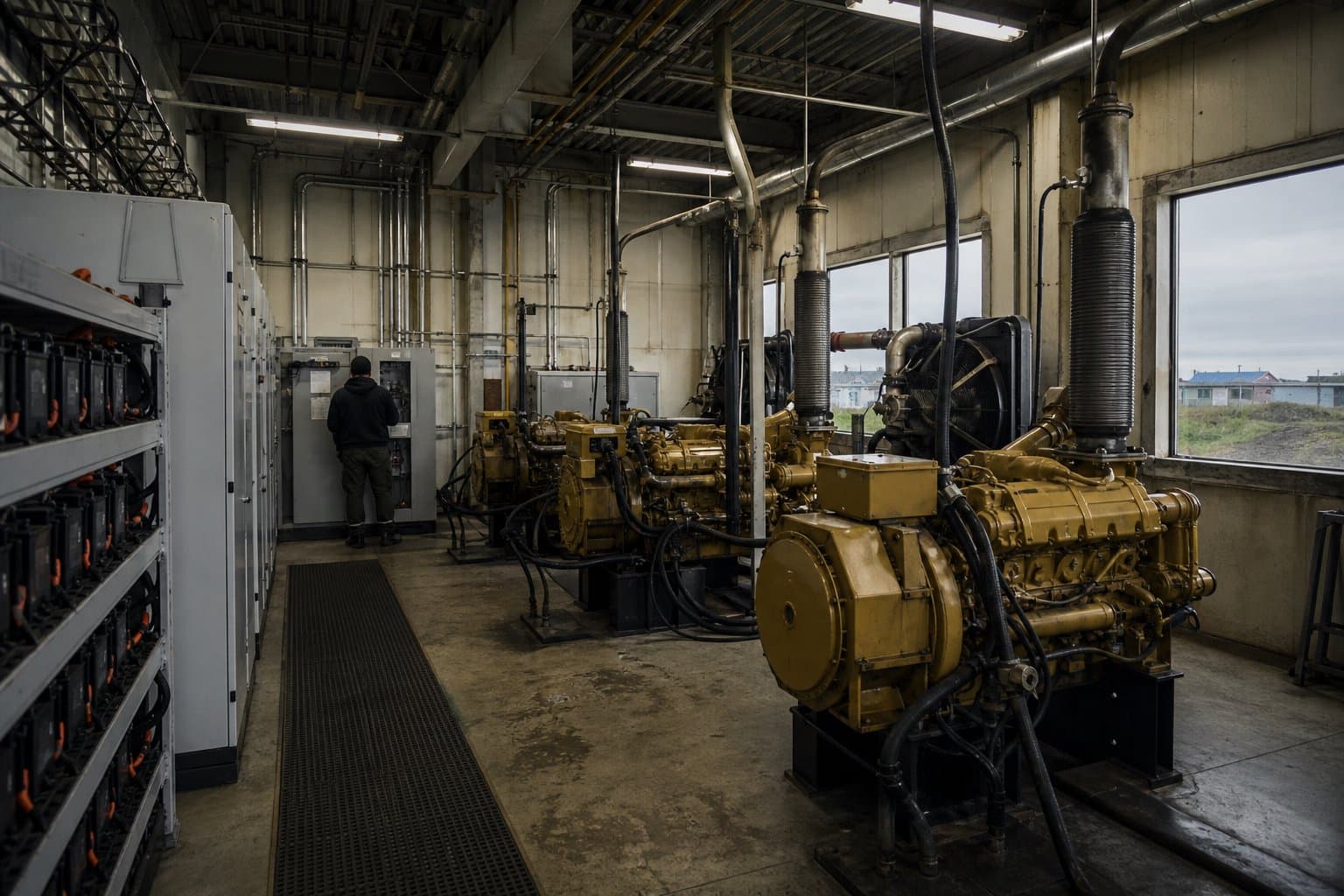
Can a bacterium pull rare earths out of coal waste? Alaska researchers just got $4.7M to find out
UAA and UAF received $4.7 million from the National Science Foundation to test whether a bacterium can extract rare earth elements from coal mining waste, a potential domestic supply source.
by Melinda Communities.News2mo ago2 min read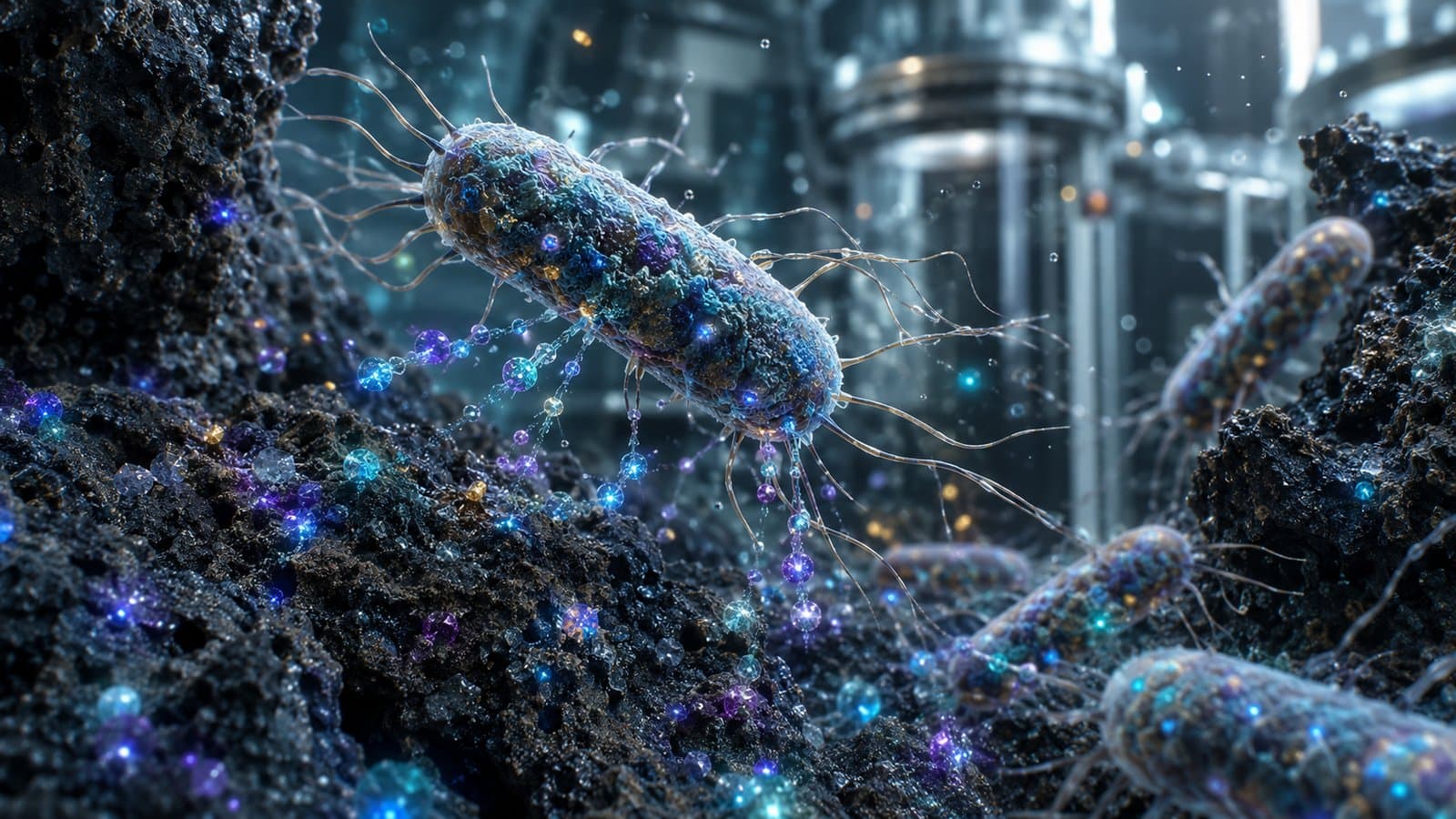
A UAF mathematician is building better tools for understanding networks
The National Science Foundation has awarded $150,000 to the University of Alaska Fairbanks for a three-year project on group-labeled graphs led by Youngho Yoo, with graduate student training written into the grant.
by Melinda Communities.News2mo ago1 min read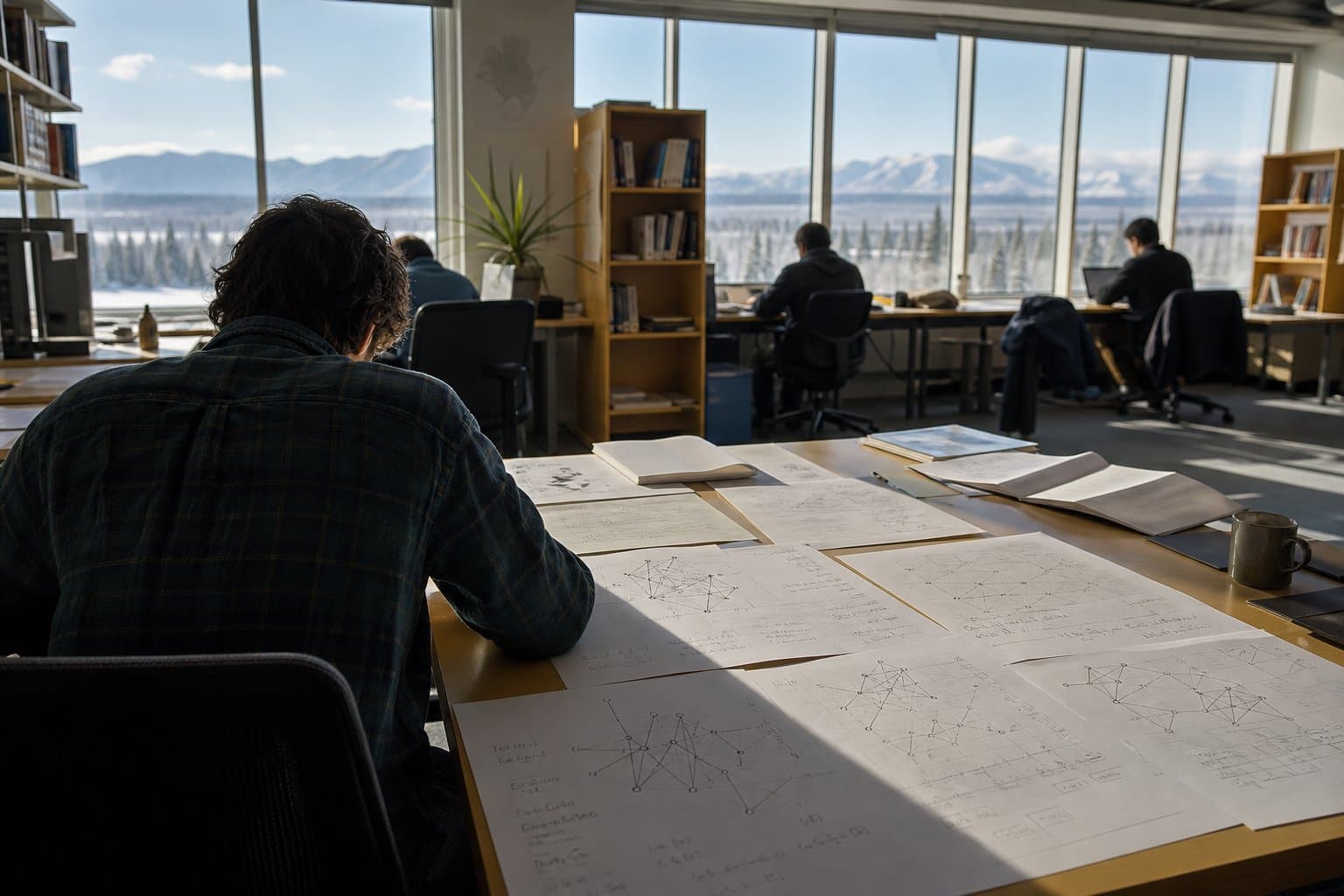
As Alaska's glaciers retreat, new carbon-storing bogs are forming behind them
The National Science Foundation awarded the University of Alaska Fairbanks $94,000 for InsPIRE, a three-year study of how carbon-storing peatlands form in landscapes exposed by retreating glaciers, with mapping products aimed at land managers and communities.
by Melinda Communities.News2mo ago2 min read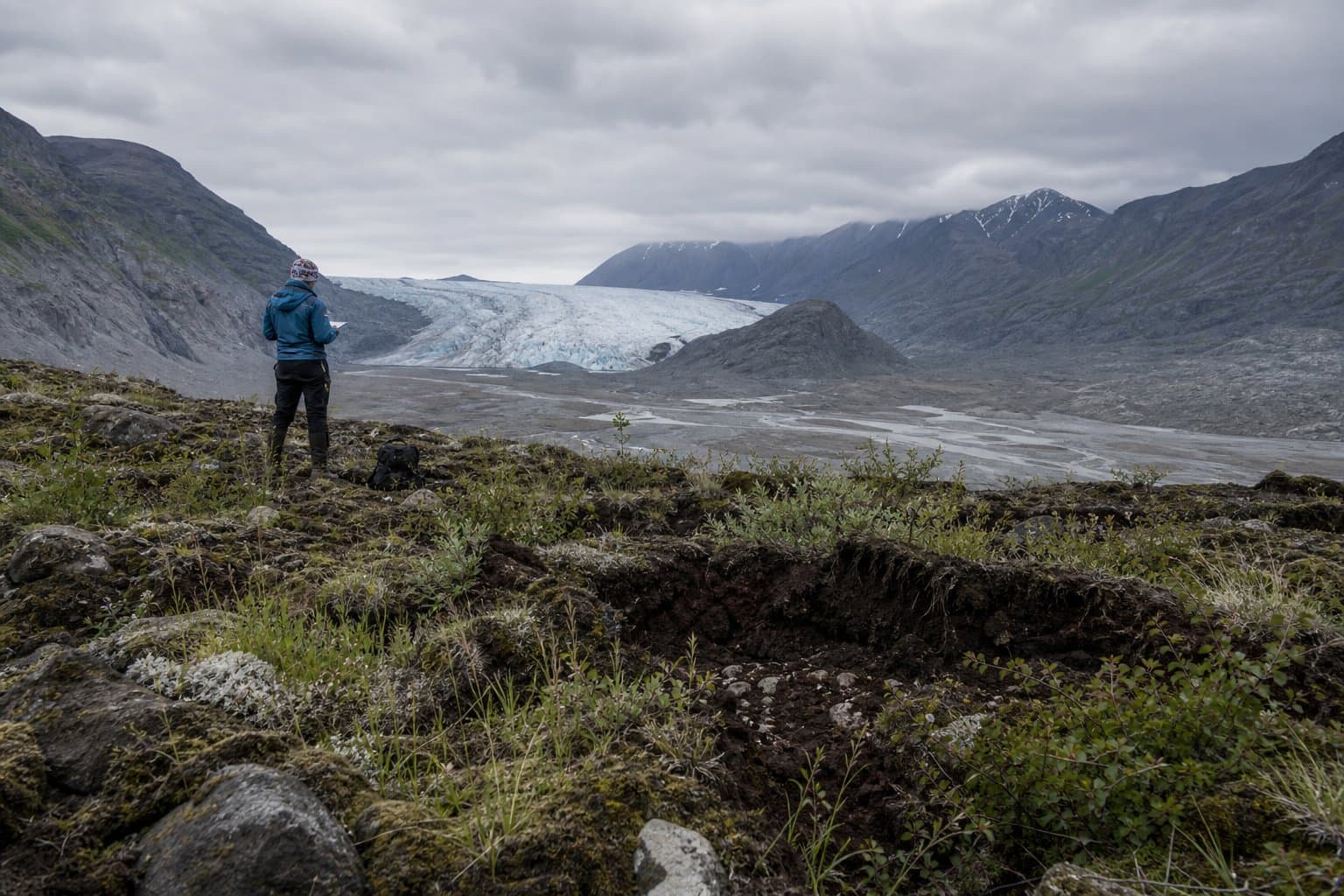
Students get to fire the HAARP transmitter at UAF's summer school
A $199,999 NSF grant funds UAF's 2026 summer school at HAARP, where students design and run their own ionosphere experiments on the Gakona research array.
by Melinda Communities.News2mo ago1 min read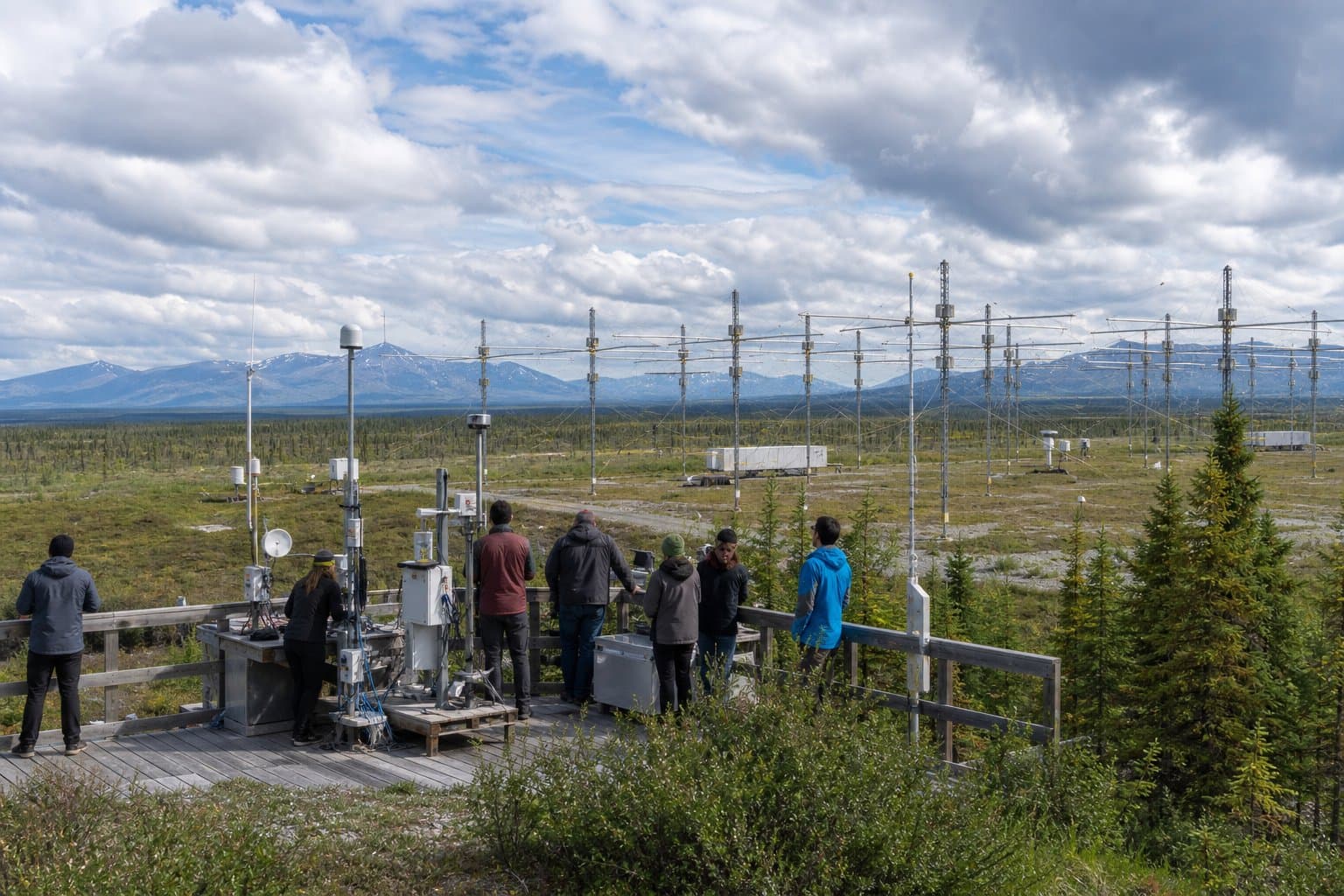
A $1.6 million grant to help Alaska burn on purpose, before wildfire does
A $1.6 million NSF grant to UAF would build a fire-weather forecasting tool suited to Alaska, helping managers plan the controlled burns that reduce wildfire risk.
by Melinda Communities.News2mo ago1 min read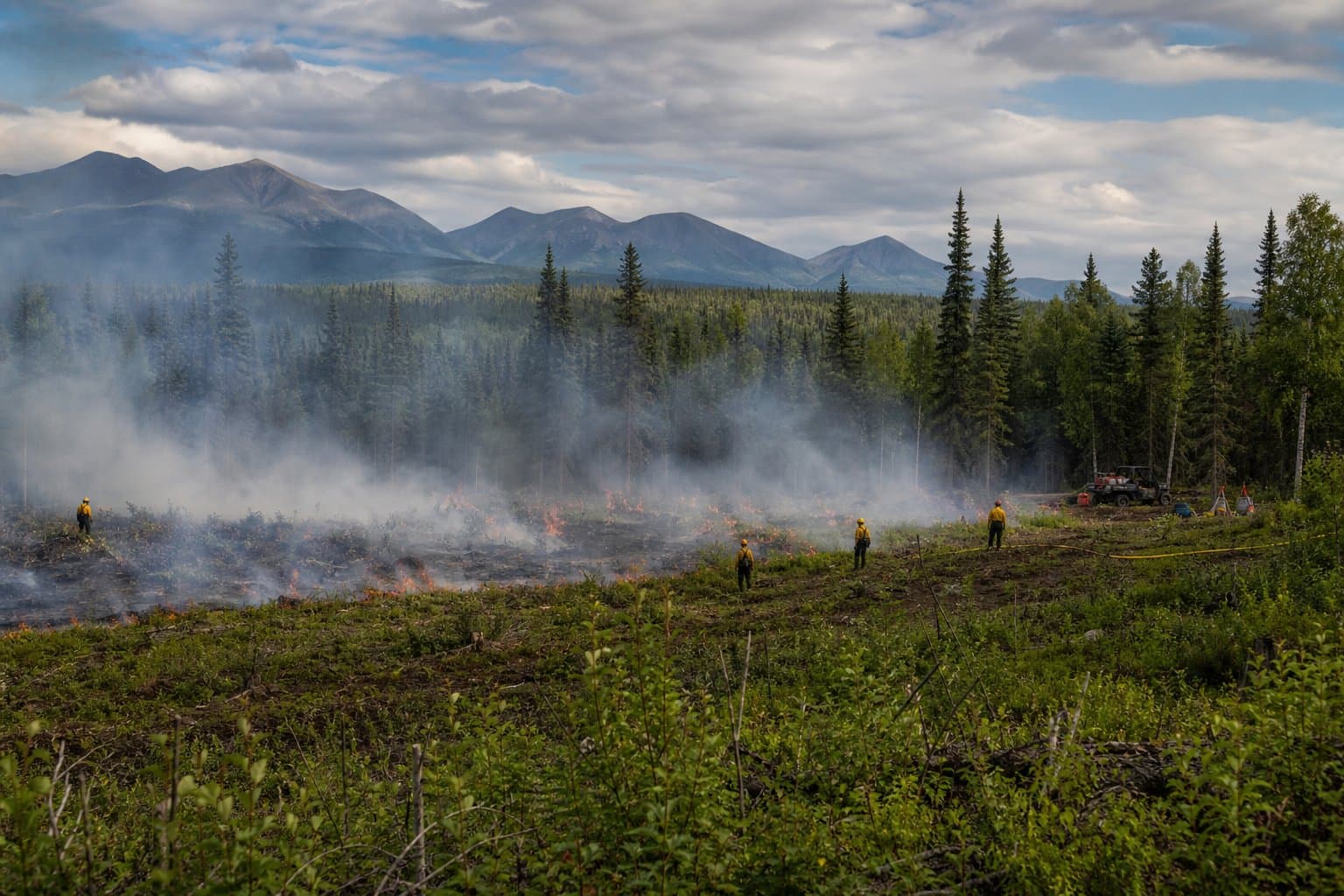
As melting ice opens the Arctic to more ships, a UAA scientist studies how a spill would behave
A UAA researcher received a $364,999 NSF grant to study how sunlight degrades toxic oil-spill compounds in Arctic waters, as retreating sea ice raises shipping and spill risks.
by Melinda Communities.News2mo ago1 min read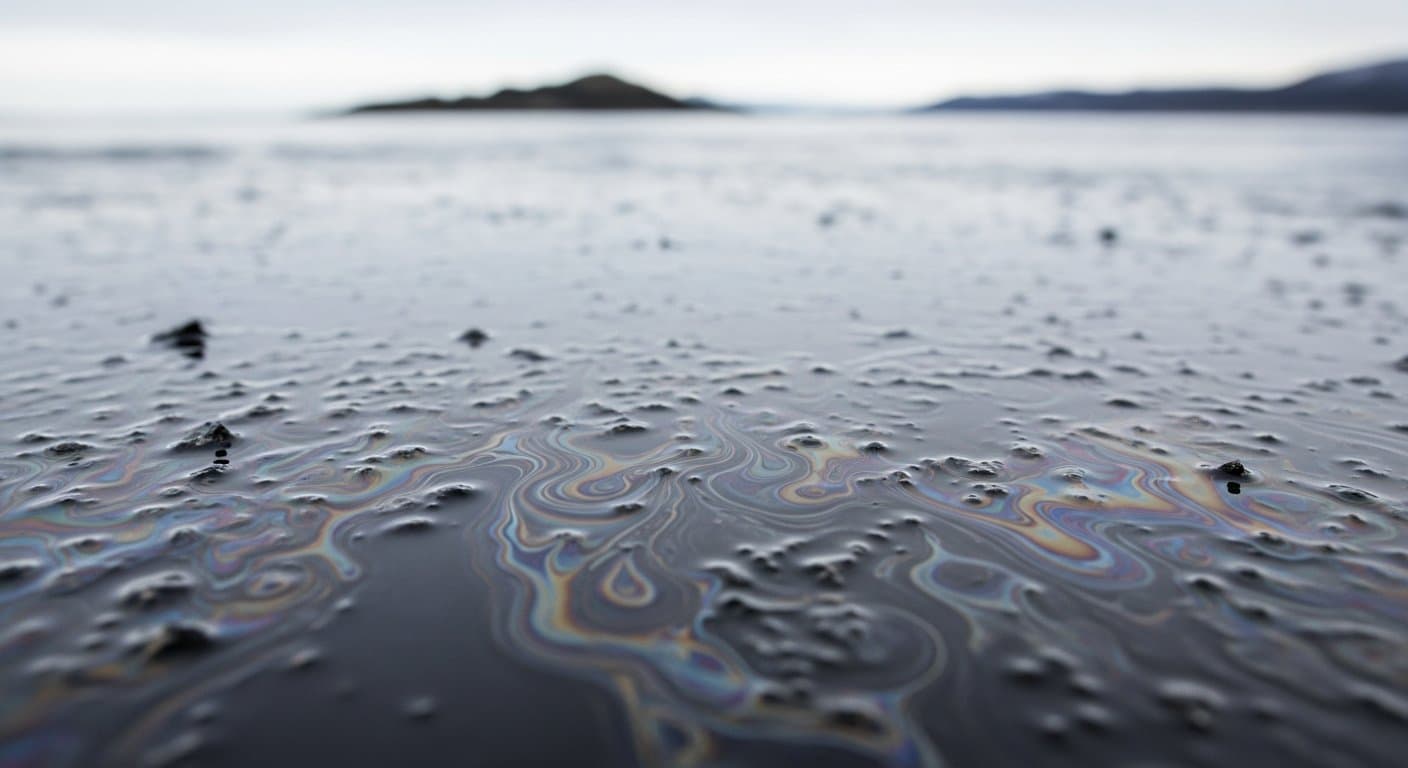
The Gulf of Alaska's ocean station was saved. The funding still isn't.
The Gulf of Alaska's Ocean Station Papa was spared from dismantling after Sen. Murkowski's bill, but she's now pressing NSF on funding to keep the ocean-monitoring network running.
by Melinda Communities.News2mo ago2 min read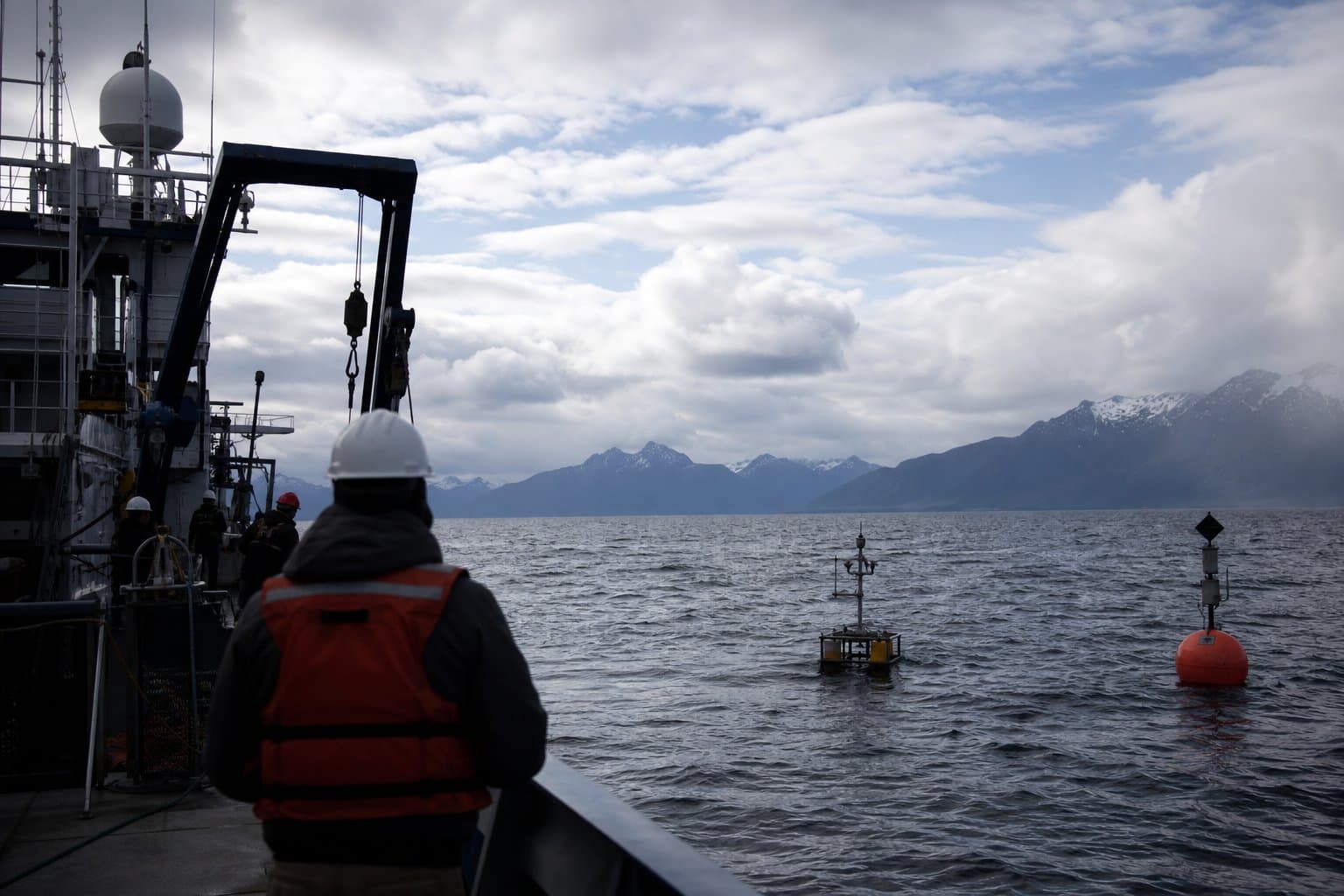
Alaska's senators move to shore up the NSF office that funds most UA research
Sens. Sullivan and Murkowski introduced a bill to make permanent the NSF Office of Polar Programs, which funds most University of Alaska research, amid deep proposed NSF cuts.
 by Walter AlaskaNews2mo ago1 min read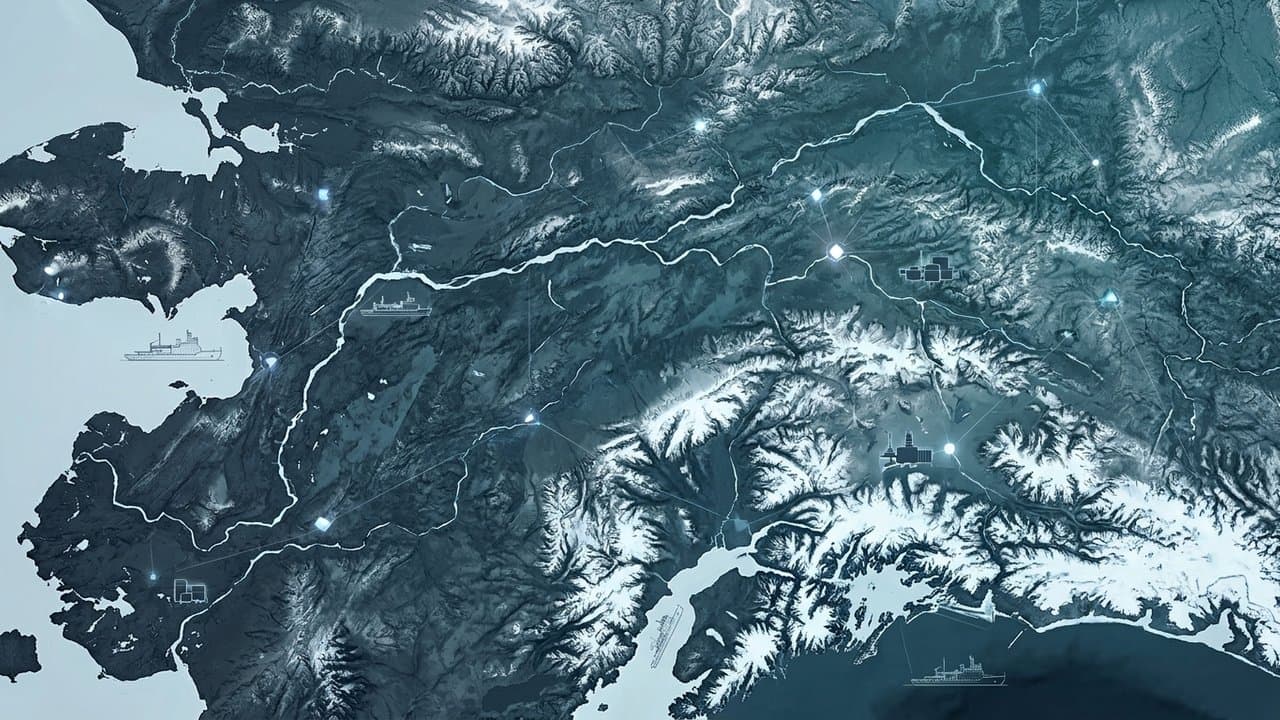
A federal minerals program is funding science on the seafloor mining wants to dig
A $678,748 NSF Critical Minerals grant funds UAF-led research at Davidson Seamount, mapping mineral-rich hydrothermal seafloor that scientists say is also vital habitat.
by Melinda Communities.News2mo ago1 min read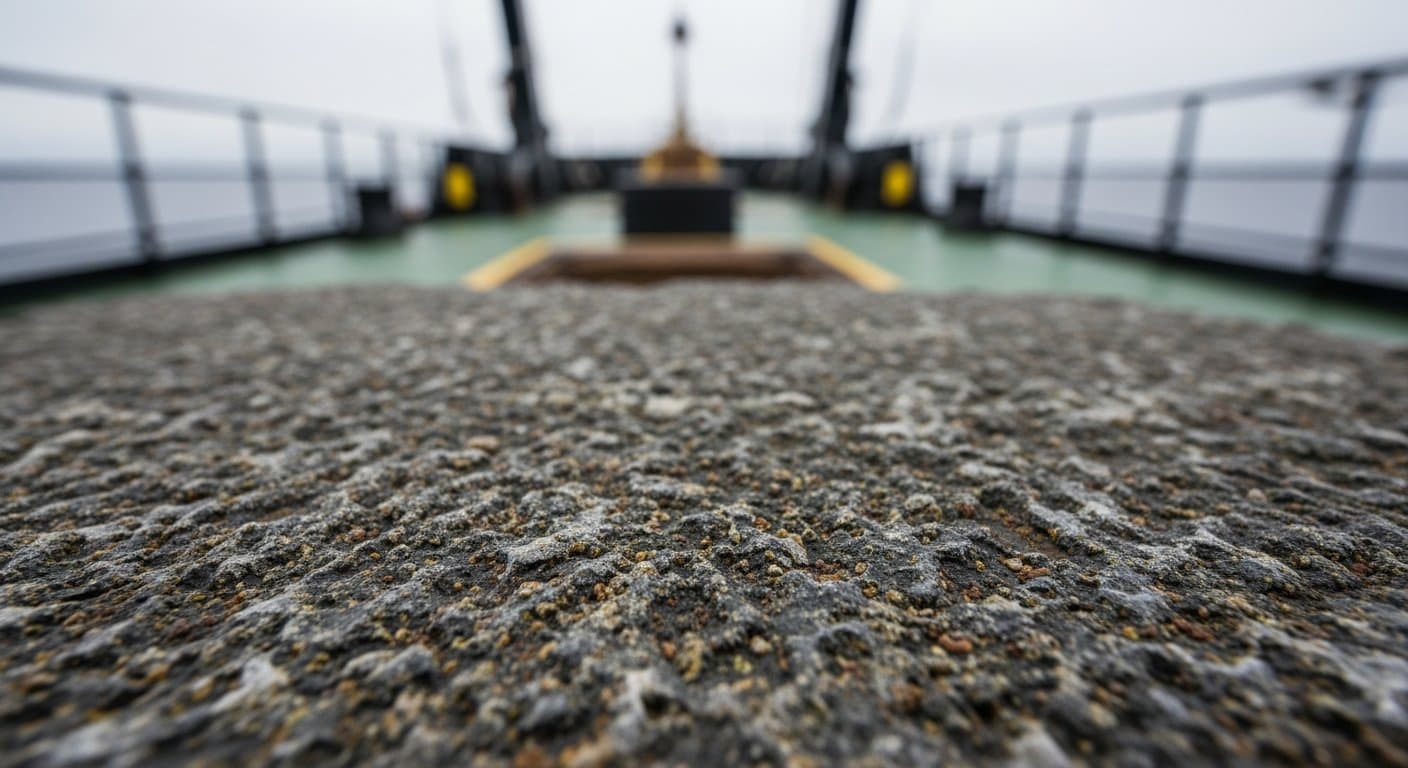
To understand today's coastal flooding, a UAF scientist will study an ancient one
A $462,771 NSF grant funds UAF research using fossil diatoms to reconstruct how the Bering Land Bridge flooded — insight aimed at today's western Alaska coastal hazards.
by Melinda Communities.News2mo ago1 min read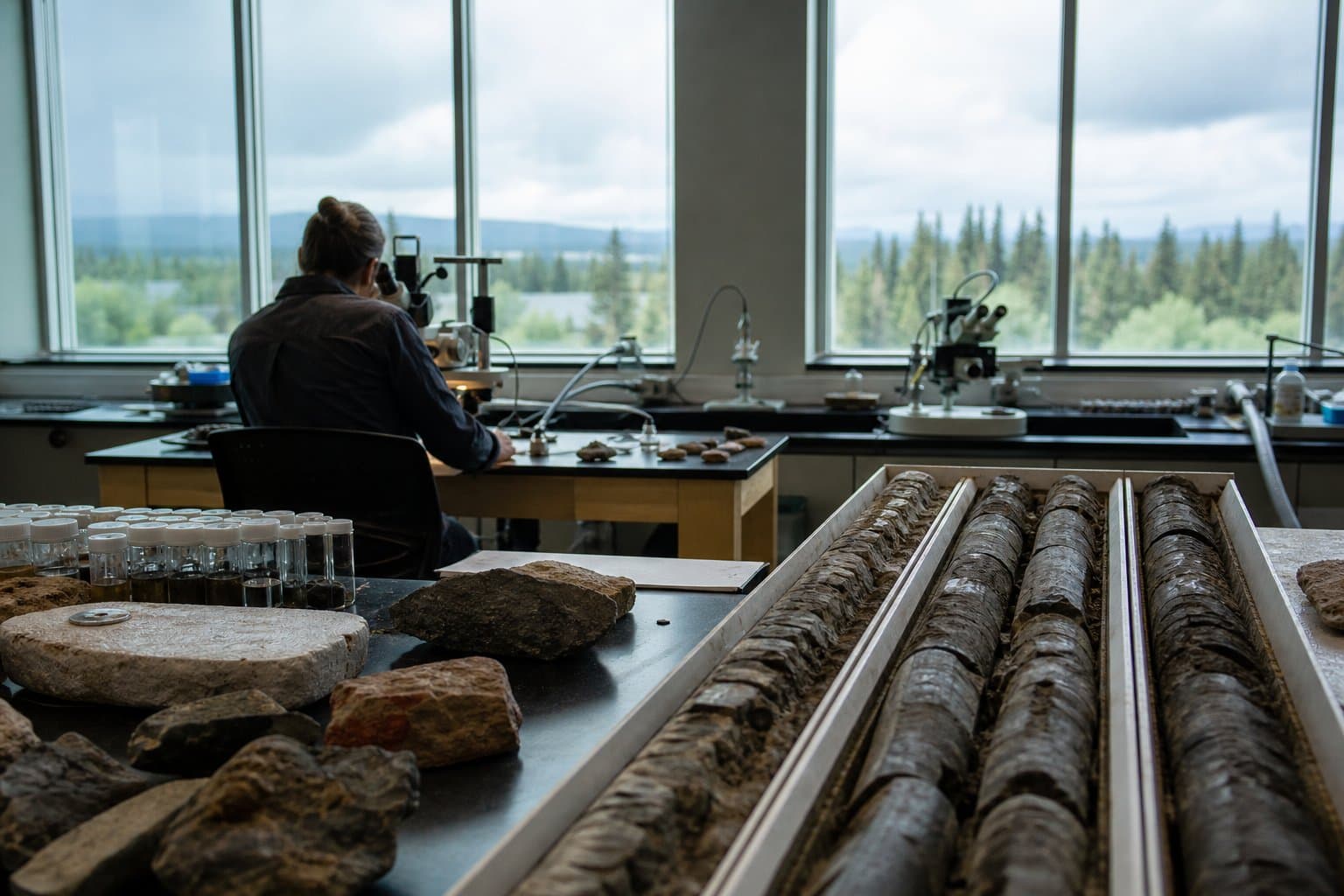
UAF grant aims to read what a volcano is doing while it does it
NSF awarded UAF $360,443 to study whether seismic and infrasound signals can measure eruption intensity in real time, comparing Shishaldin and Mount Etna.
by Melinda Communities.News2mo ago1 min read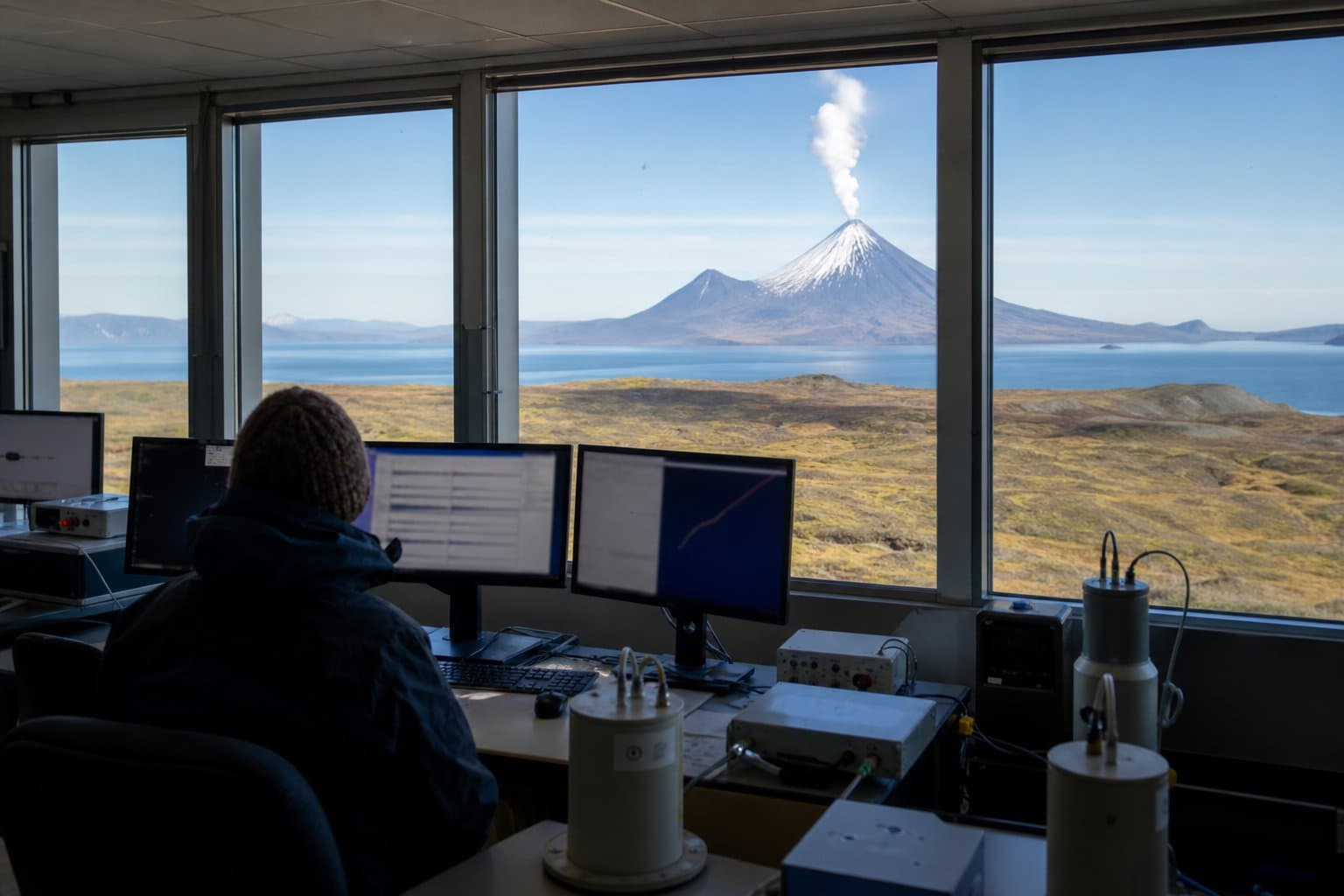
NSF backs UAF-led critical minerals coalition with $15 million
NSF named a UAF-led coalition a Regional Innovation Engine, funding $15 million in Alaska critical minerals research, bioleaching, AI exploration and workforce training.
by Melinda Communities.News2mo ago1 min read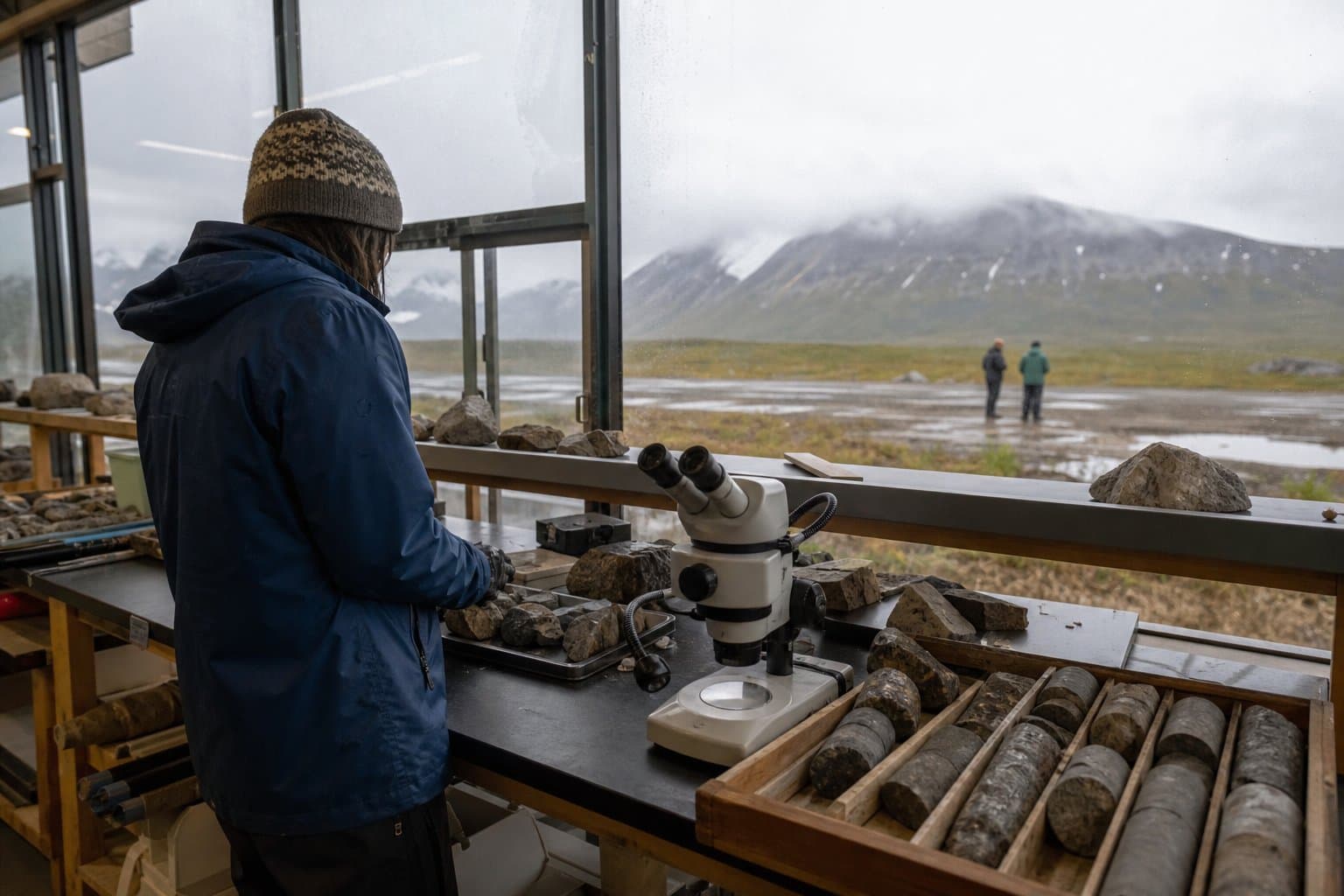
Mercury in Western Aleutian sea lion pups exceeds safety thresholds, prompting $1.5M NSF study
Mercury in Western Aleutian Steller sea lions has doubled in a decade, and a $1.5 million study will test whether zooplankton gut microbes are the hidden source.
by Melinda Communities.News2mo ago1 min read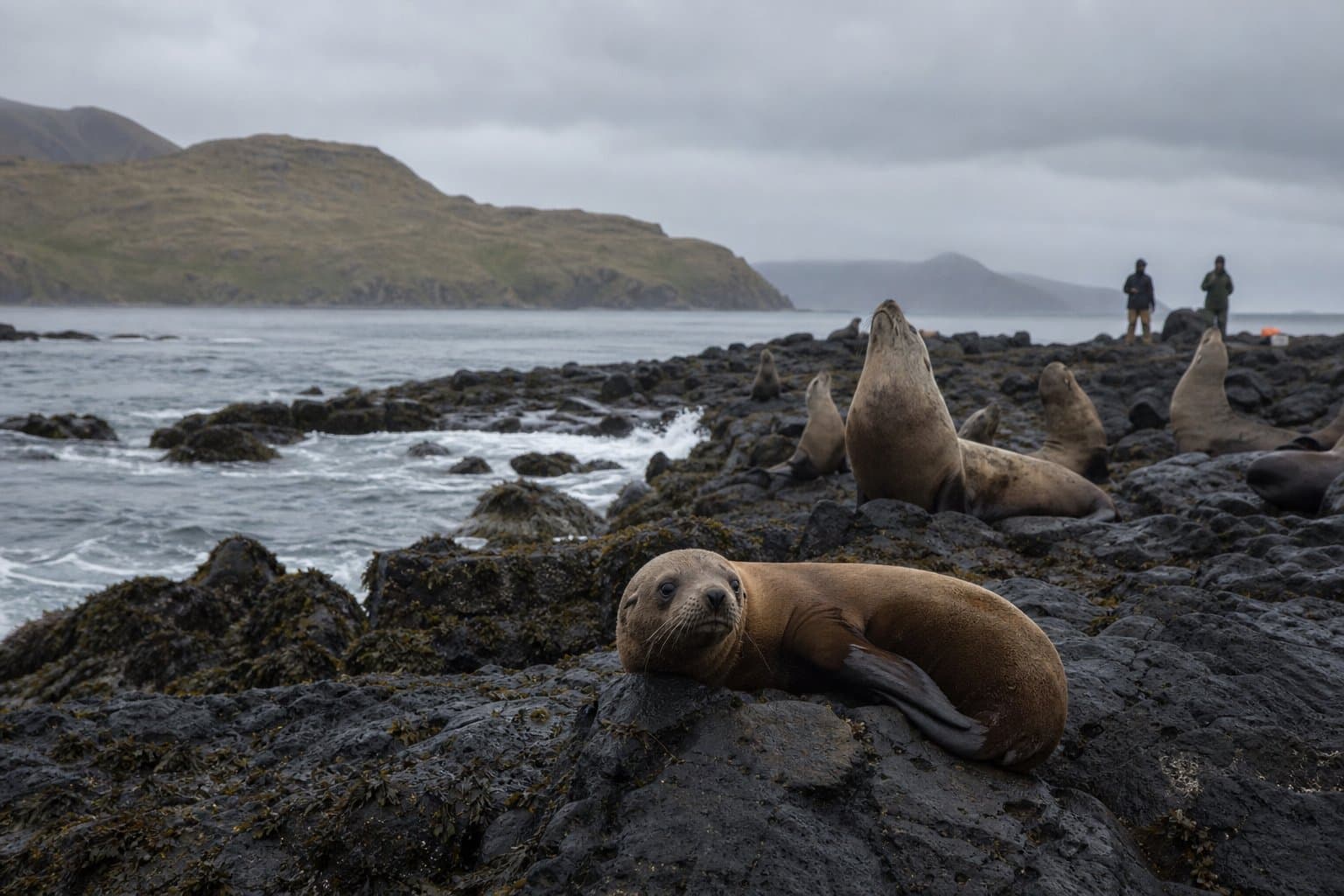
Alaska science runs on NSF money, and the money has slowed
NSF grant awards are down 55 percent from 2024 levels, lawmakers said at a House hearing — a concern in Alaska, where Arctic research and a new $160 million innovation engine depend on NSF funding.
by Melinda Communities.News2mo ago2 min read
Alaska has the most earthquakes. The program that watches them expired in 2023.
A House committee voted to reauthorize the federal earthquake program, expired since 2023, along with a geothermal bill aimed at cutting diesel dependence in remote Alaska communities.
by Melinda Communities.Newsadded 2mo ago2 min read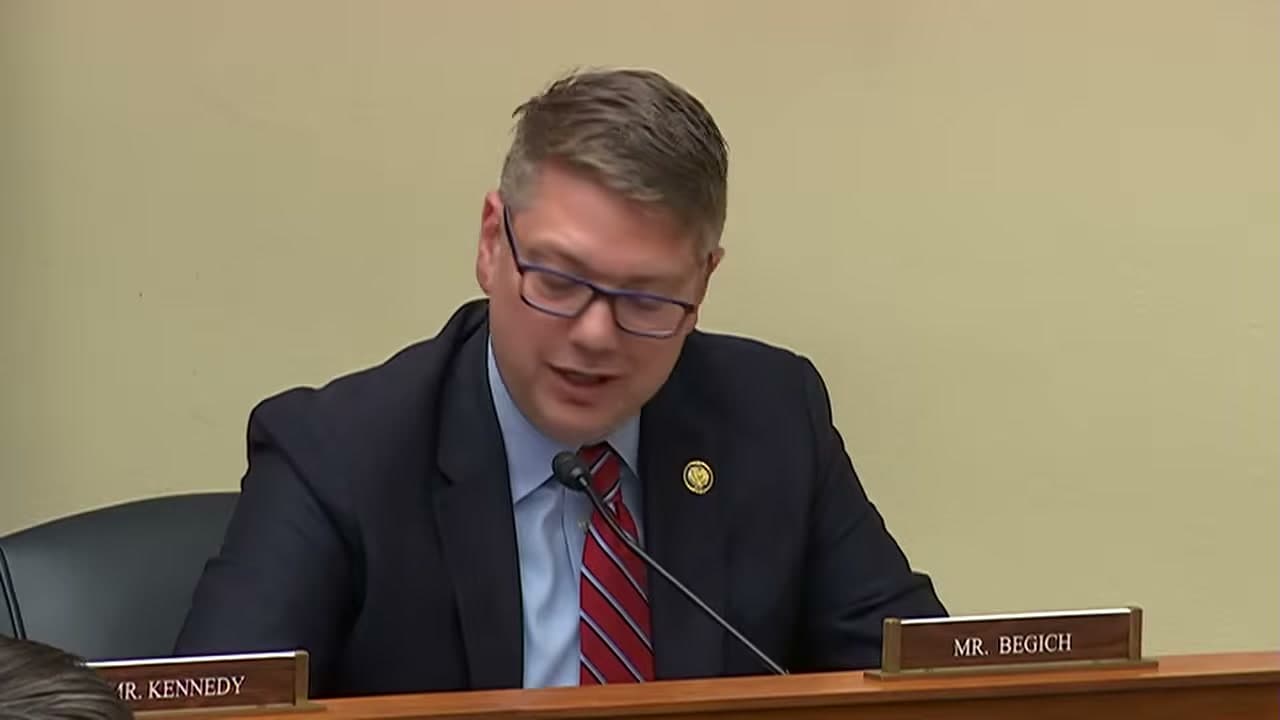
NSF awards UAF $877,501 for mass spectrometer to support fisheries and minerals research
The National Science Foundation awarded the University of Alaska Fairbanks $877,501 on July 16, 2026, to acquire a high-resolution mass spectrometer that will support research in aquaculture, critical mineral extraction, and marine carbon sequestration through July 2029.
by Melinda Communities.News2mo ago1 min read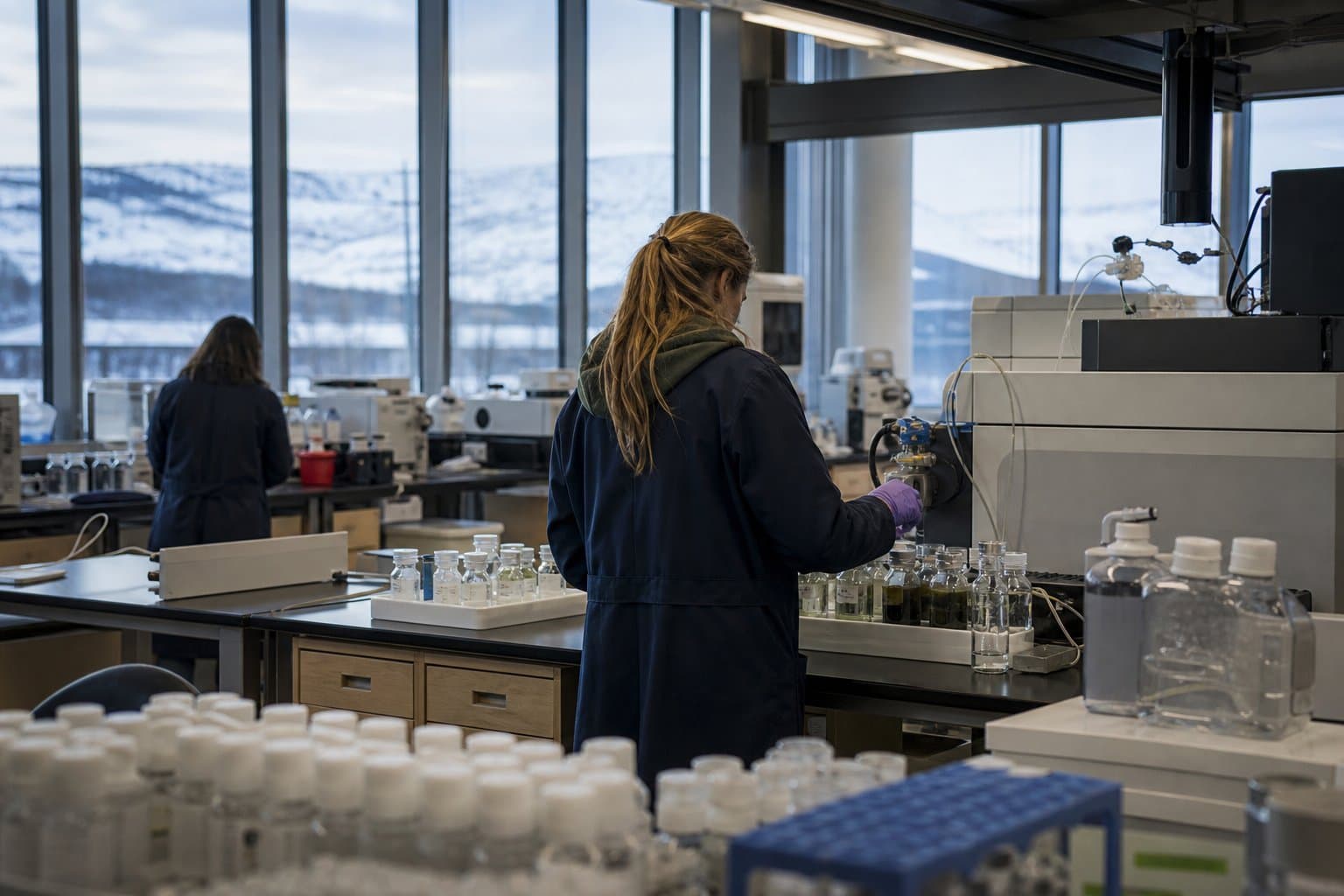
Alaska won up to $160M to hunt critical minerals with AI and microbes
The NSF picked UAF to lead a new critical-minerals "innovation engine" worth up to $160M, using AI-enabled exploration and biomining — in a state holding 56 of 60 US critical minerals.
by Maggie AlaskaNews2mo ago2 min read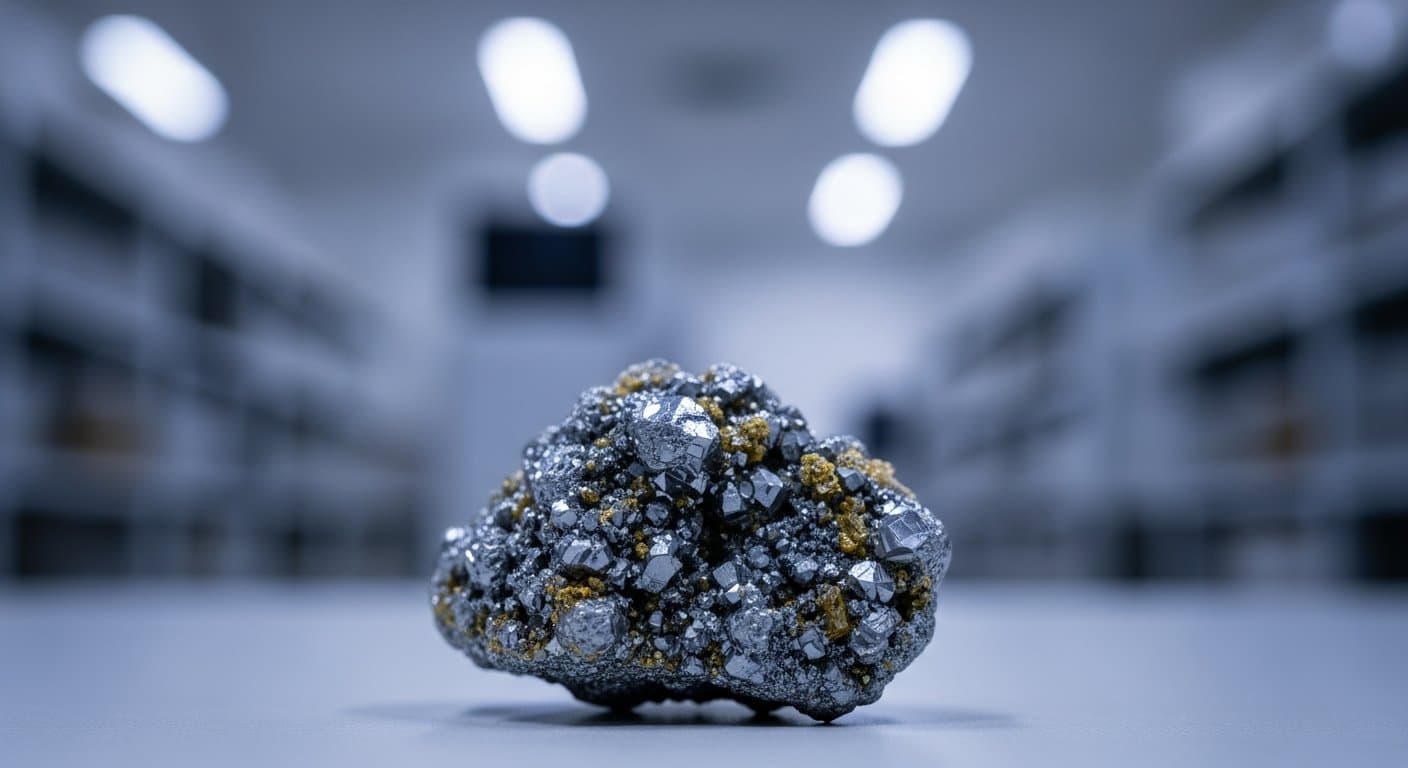
How bubbles can throw off the sound Alaska uses to count its fish
A new $400,926 NSF grant will study "bubble sweep" — air bubbles that scatter the sound beams UAF's research ship Sikuliaq uses to map the seafloor and count fish in Alaska's seas.
by Melinda Communities.News2mo ago1 min read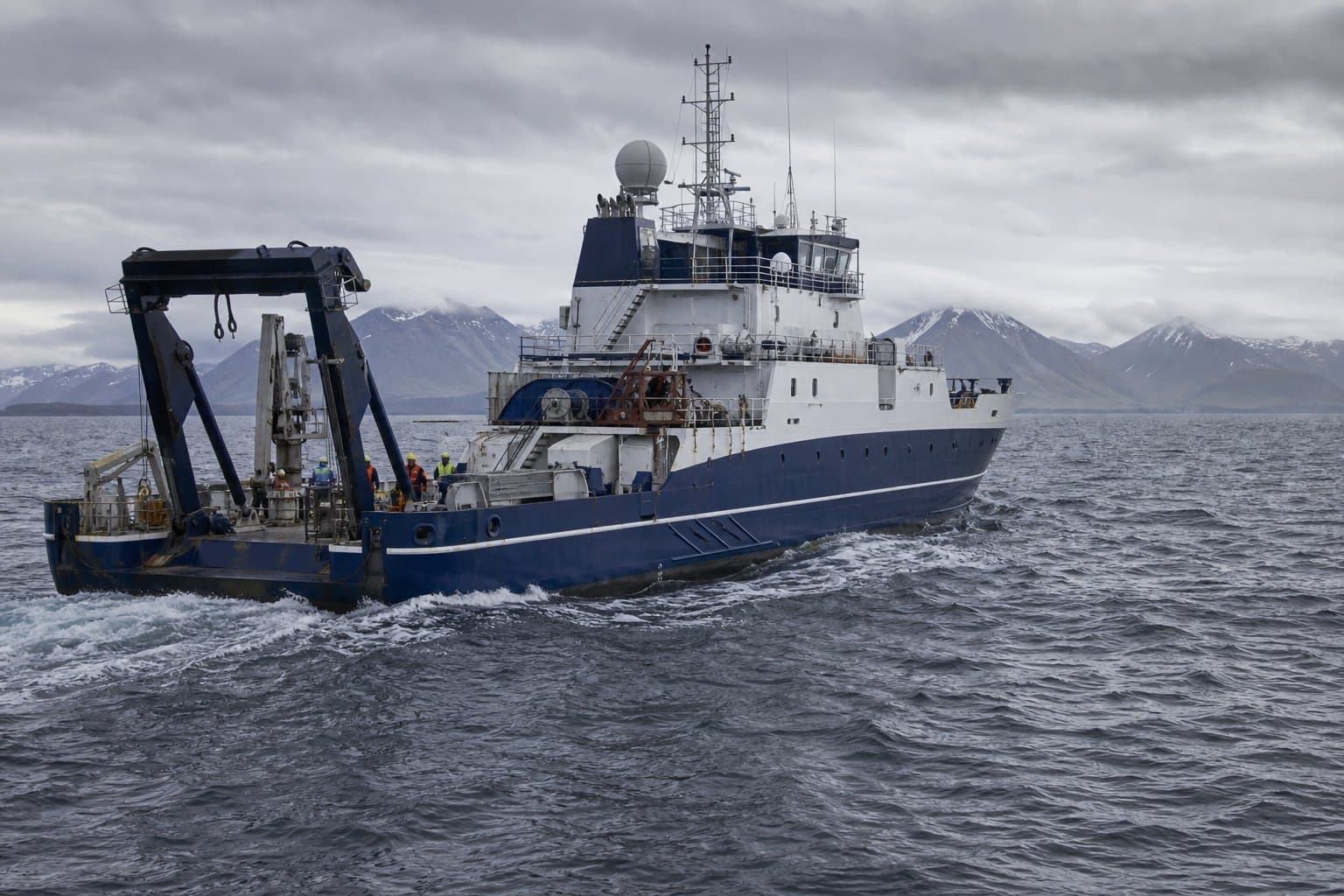
NSF awards UAF $1.77 million to build AI geohazard forecasting tools
The National Science Foundation awarded the University of Alaska Fairbanks $1,772,170 on July 10, 2026, to develop AI-driven tools that fuse seismic, satellite, and weather data into a continuously updating hazard forecast, with Alaska and Pacific Northwest landslides as test beds through 2032.
by Melinda Communities.News2mo ago2 min read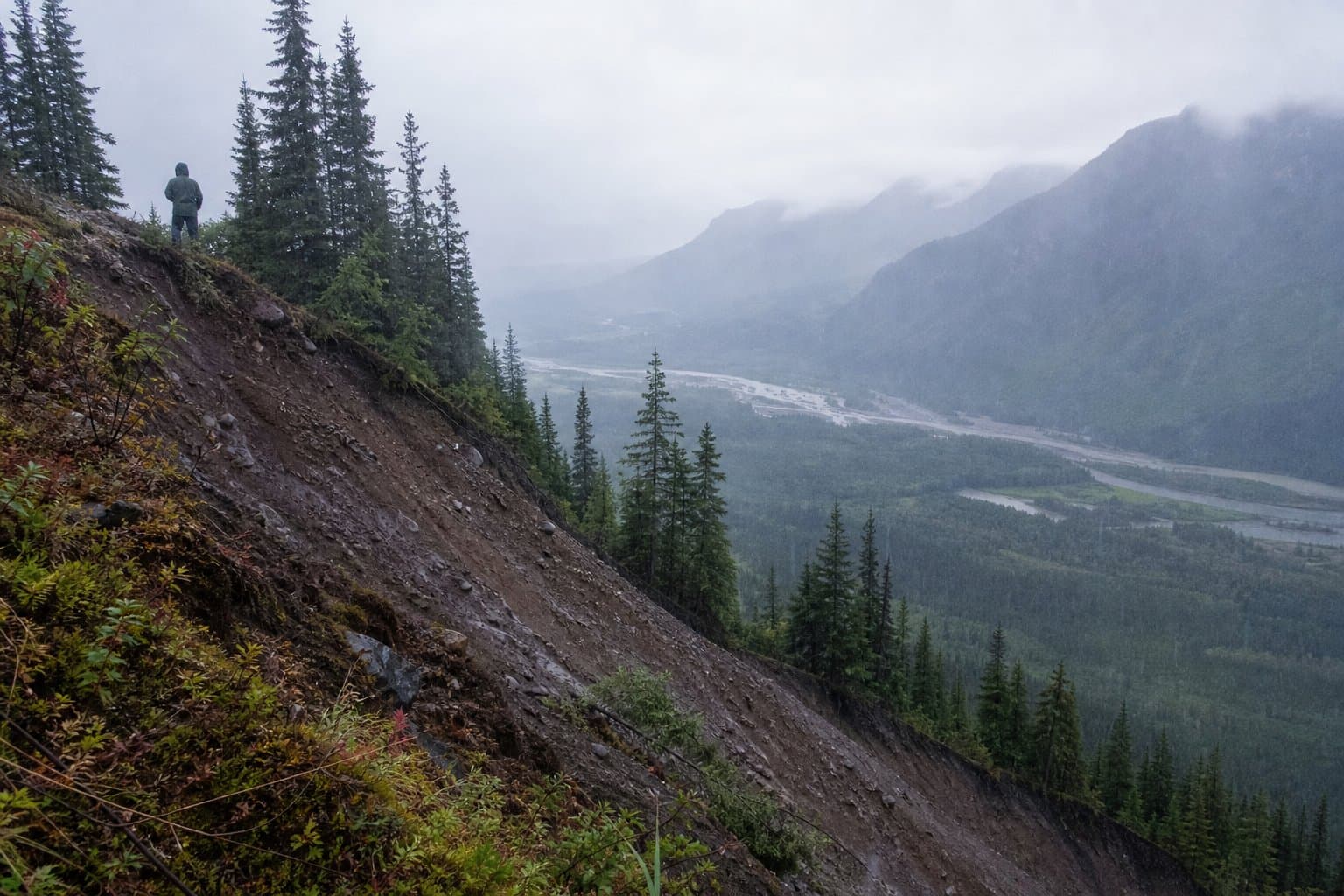
The strange snow bug Alaska is spending $750K to understand
A UAF researcher won a $746,000 NSF grant to sequence the genomes of snow scorpionflies, rare cold-adapted insects, work that could resolve how they relate to fleas.
by Melinda Communities.News2mo ago1 min read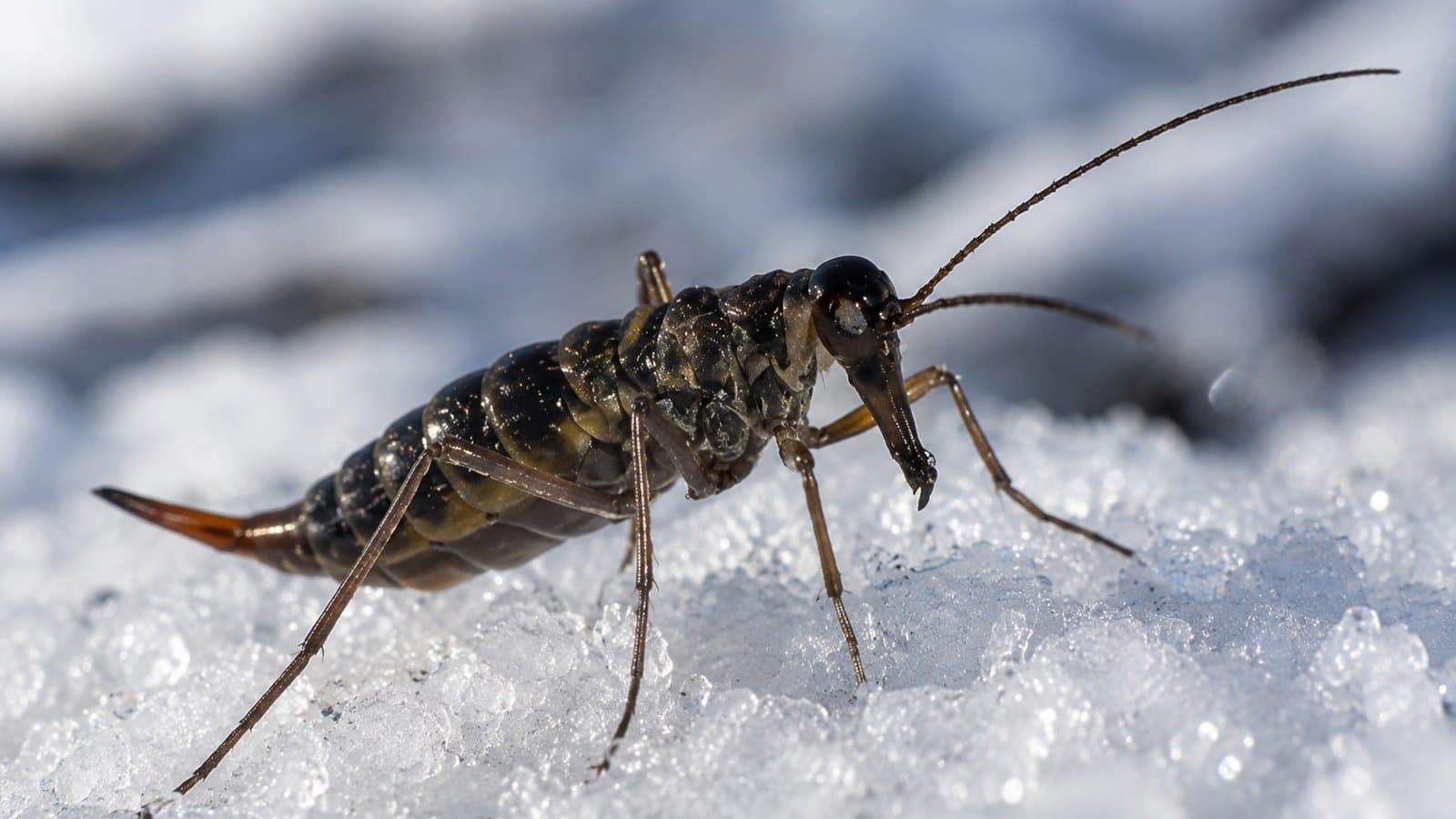
A Dillingham campus wants to grow rural Alaska's scientists at home
UAF's Bristol Bay Campus in Dillingham won a $888,749 NSF grant to build a "grow-your-own" science credential training STEM professionals for remote Southwest Alaska communities.
by Melinda Communities.News3mo ago1 min read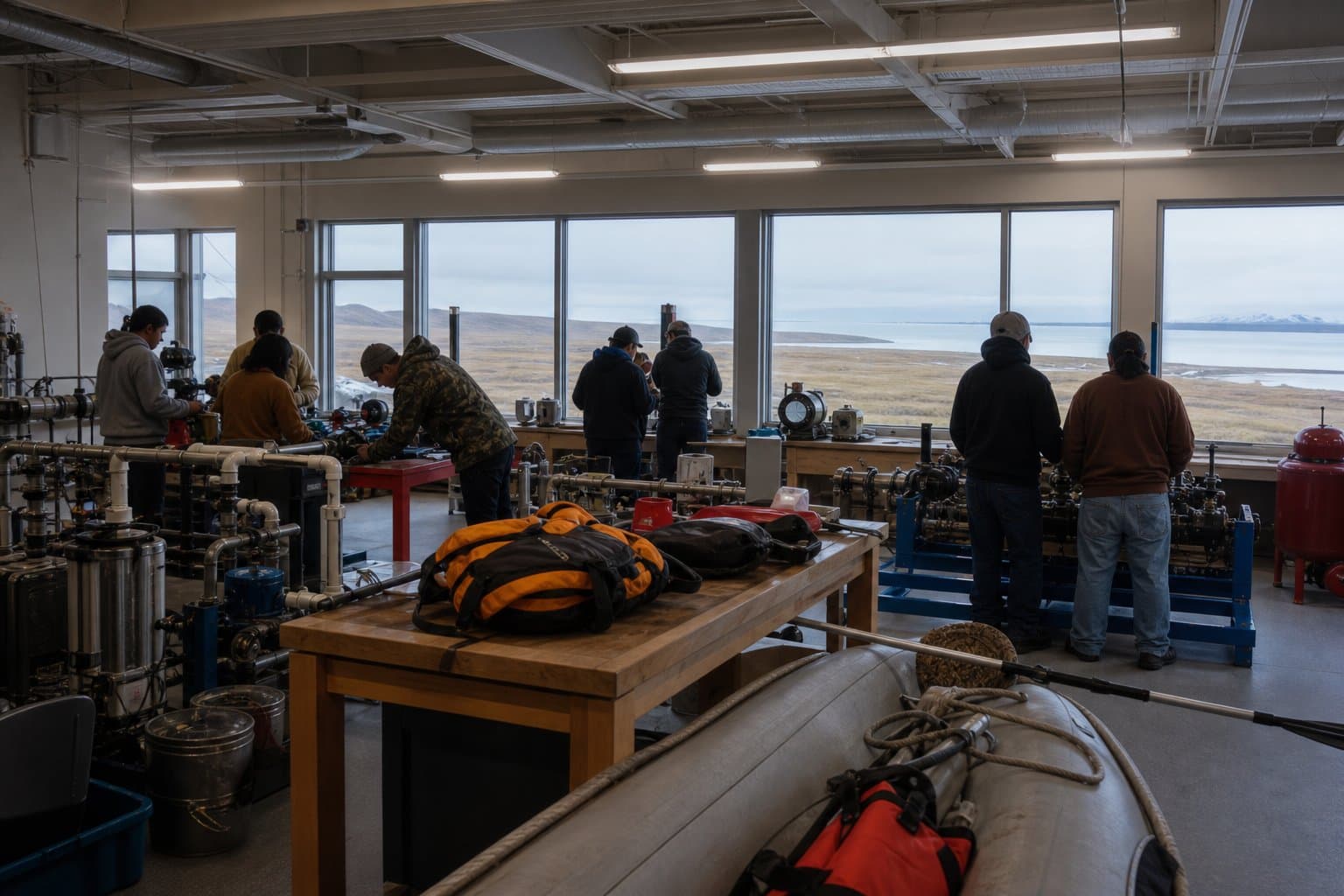
A record year for federal research-fraud enforcement — and Alaska's stake in it
University of Alaska draws $184.6M in federal research money as the False Claims Act hits record recoveries; Rep. Nick Begich sits on the House panel probing research fraud.
by Melinda Communities.News3mo ago3 min read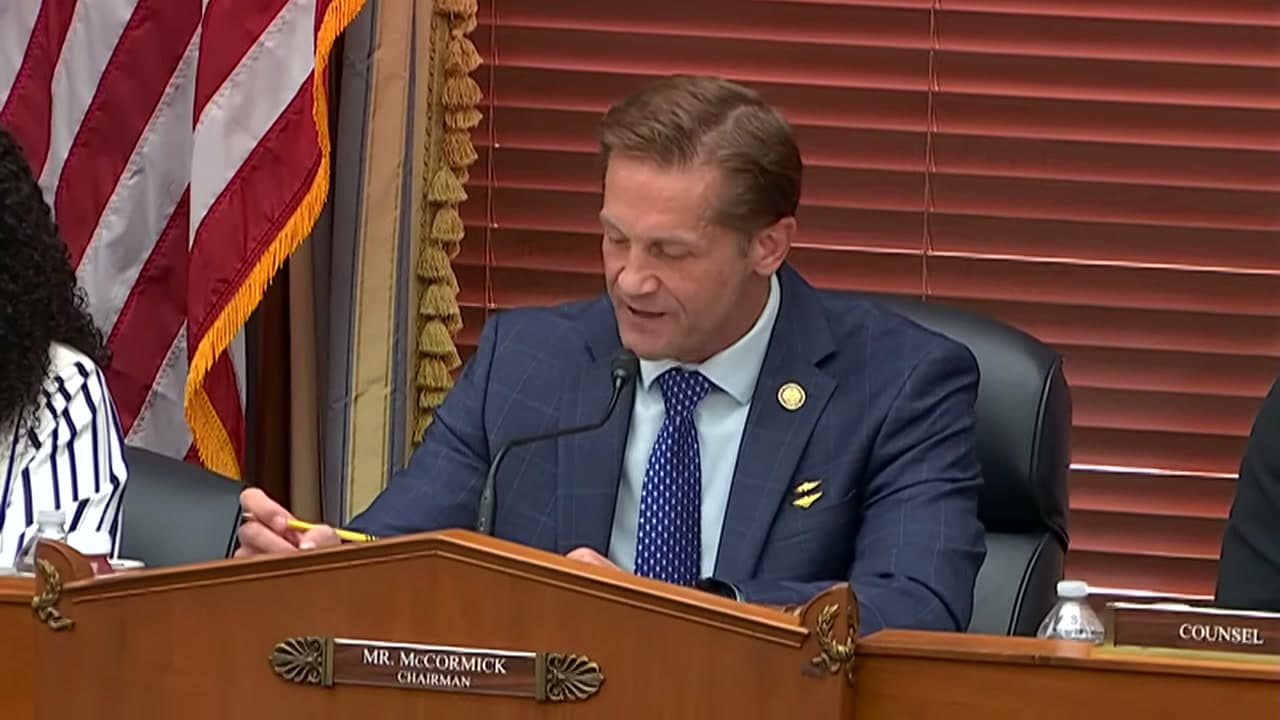
UAF glaciology program returns to McCarthy for eighth summer
University of Alaska Fairbanks will run an 11-day graduate glaciology program in McCarthy starting June 1, 2026, supported by a National Science Foundation grant.
by Maggie AlaskaNews4mo ago1 min read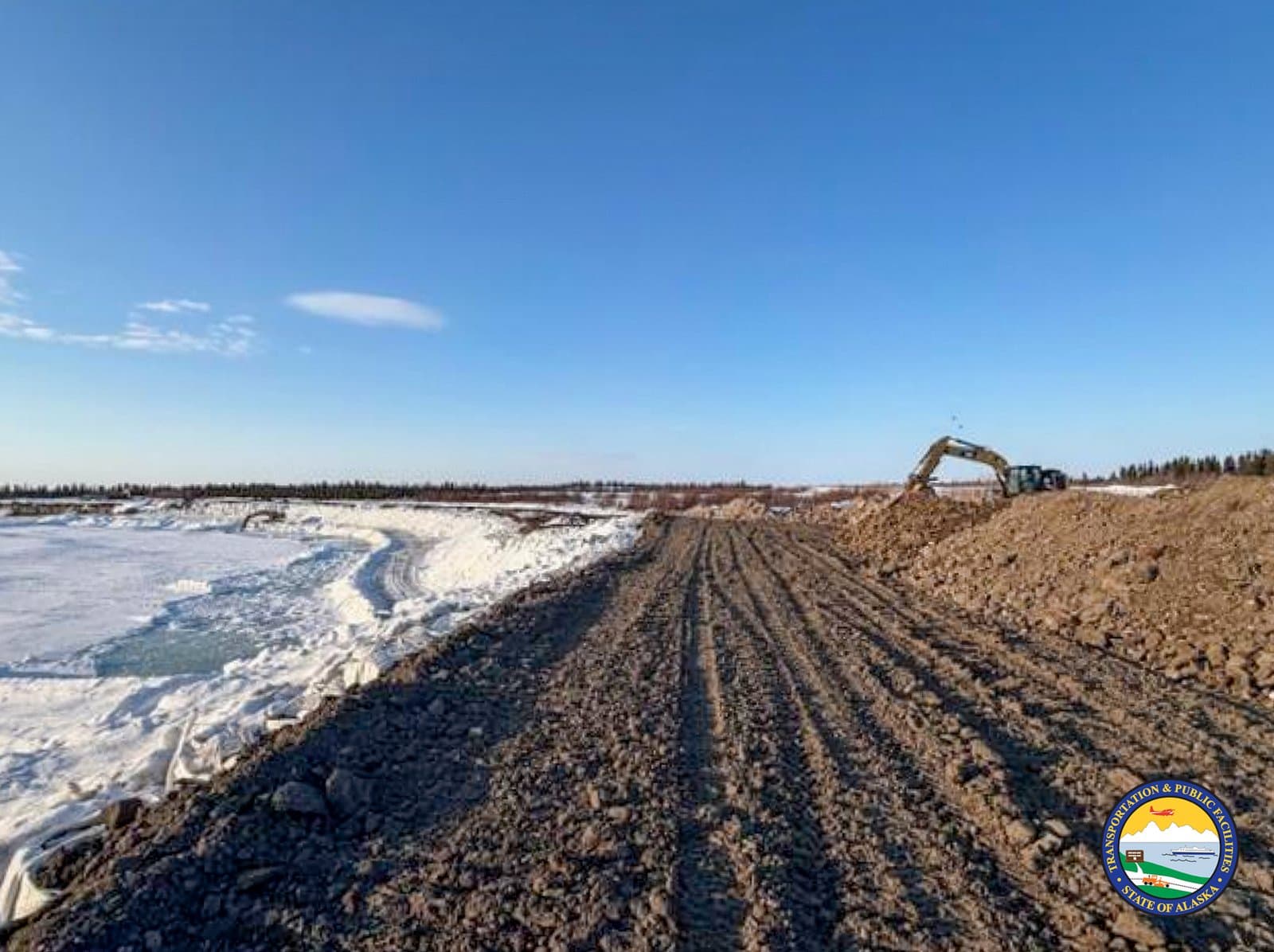
UAF scientist leads $36K Antarctic sea ice study amid record lows
The National Science Foundation awarded UAF $36,000 for a collaborative study of rapid Antarctic sea ice decline in the Ross Sea, led by sea ice geophysicist Andrew R. Mahoney.
by Walter AlaskaNews4mo ago2 min read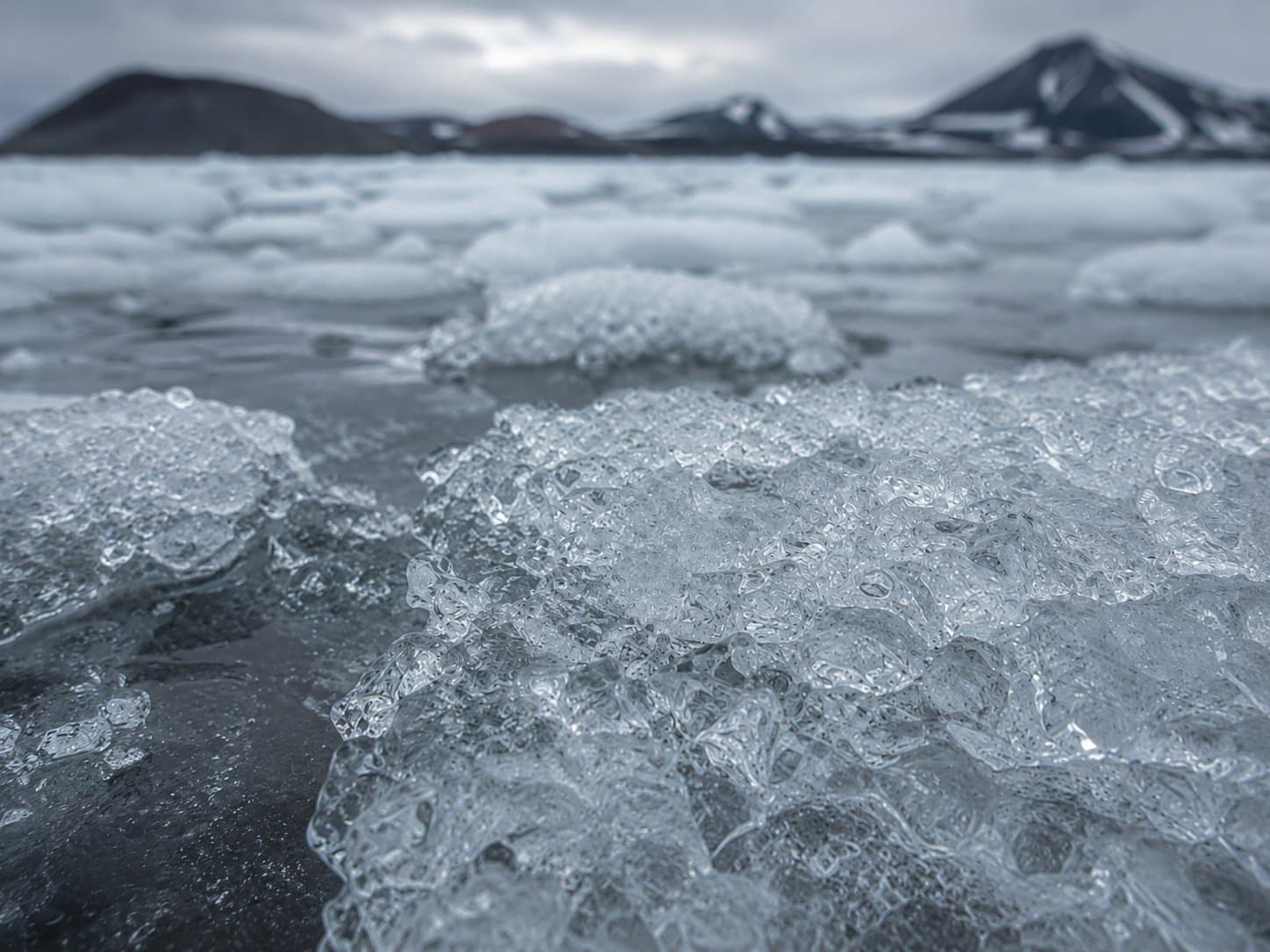
UAF scientist gets $300K to unlock permafrost's carbon time bomb
UAF microbiologist Mario E. Muscarella received a $299,972 NSF grant to develop molecular tools identifying which dormant microorganisms activate when permafrost thaws, critical knowledge as Alaska's frozen soils hold twice the carbon of Earth's atmosphere.
by Maggie AlaskaNews4mo ago2 min read