Cook Inlet gas
RSSCook Inlet gas in Alaska is the natural gas produced from the Cook Inlet basin, the main heating and power generation fuel for Southcentral Alaska. Production has declined for decades, prompting gas storage projects and LNG import plans to serve Anchorage, the Mat-Su and the Kenai Peninsula.
State proposes giving ENSTAR, not Hilcorp, a lease to store natural gas beneath Kenai
The state is leaning toward ENSTAR, not Hilcorp, to store gas under Kenai, saying Hilcorp turned in about a quarter of the data it asked for. It's not final.
 by Walter AlaskaNews4d ago3 min read
Feds propose second Cook Inlet oil lease sale on the same terms after first drew no bids
The feds' first Cook Inlet oil lease sale this year drew zero bids. Congress won't let them change the terms, so they're offering the same million acres again.
by Walter AlaskaNews1w ago2 min read
State takes comment on expanding Western Cook Inlet geophysical survey near Beluga
A survey crew wants 9.7 more miles of lines near Beluga, with dynamite charges set in hand-drilled holes. The state is taking comments until Oct. 21.
by Walter AlaskaNews1w ago1 min read
Comments due Oct. 23 on Alaska's 2027 Cook Inlet and Alaska Peninsula oil and gas lease sales
Want the right to challenge the state's next Cook Inlet and Alaska Peninsula oil and gas lease sales? Comment by Oct. 23, or forever hold your appeal.
 by Maggie AlaskaNews3w ago2 min read
Governor candidates split over how to close Southcentral gas gap
All four candidates want more Cook Inlet gas. They differ over lease enforcement, production incentives, tax stability and power diversification.
by Walter AlaskaNews3w ago4 min read
Cook Inlet gas storage at 69.5% as winter nears, with one field shut in for maintenance
Southcentral's gas storage fields are still filling and sending nothing out, at 69.5 percent full with winter coming and Enstar 3 Bcf short.
by Walter AlaskaNews3w ago2 min read
Southcentral is 3 Bcf short this winter, and producers told lawmakers the gas runs out in 2029
Southcentral Alaska faces a natural gas shortage by winter 2029 unless it imports liquefied natural gas or taps North Slope supplies, Hilcorp and Chugach told lawmakers Thursday.
by Walter AlaskaNews1mo ago2 min read
Southcentral's gas storage is two-thirds full with winter coming
Southcentral's gas storage is two thirds full heading into winter, and one field shuts down for maintenance starting Monday.
by Walter AlaskaNews1mo ago2 min read
HEX plans to triple its gas deliveries, enough to cover a tenth of demand
HEX plans to triple its contracted gas to ENSTAR by 2027. Even so, it would cover roughly a tenth of Southcentral demand as Cook Inlet keeps declining.
 by Melinda Communities.News1mo ago2 min read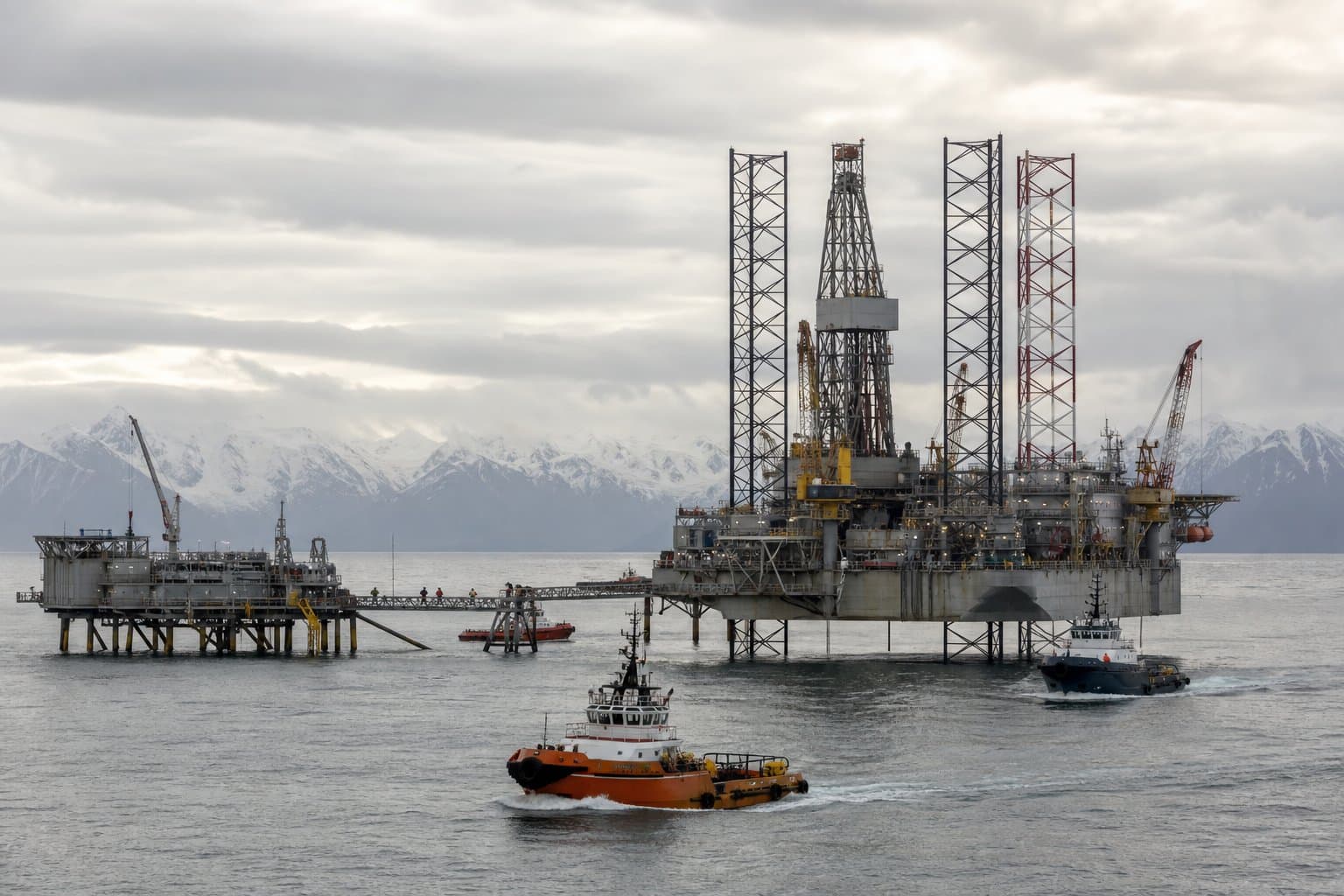
Hilcorp wants to plug five Cook Inlet wells for good
Hilcorp asked the state to dissolve a Cook Inlet unit and permanently plug five of nine wells at an offshore platform, as the basin runs short of gas.
by Walter AlaskaNewsadded 1mo ago2 min read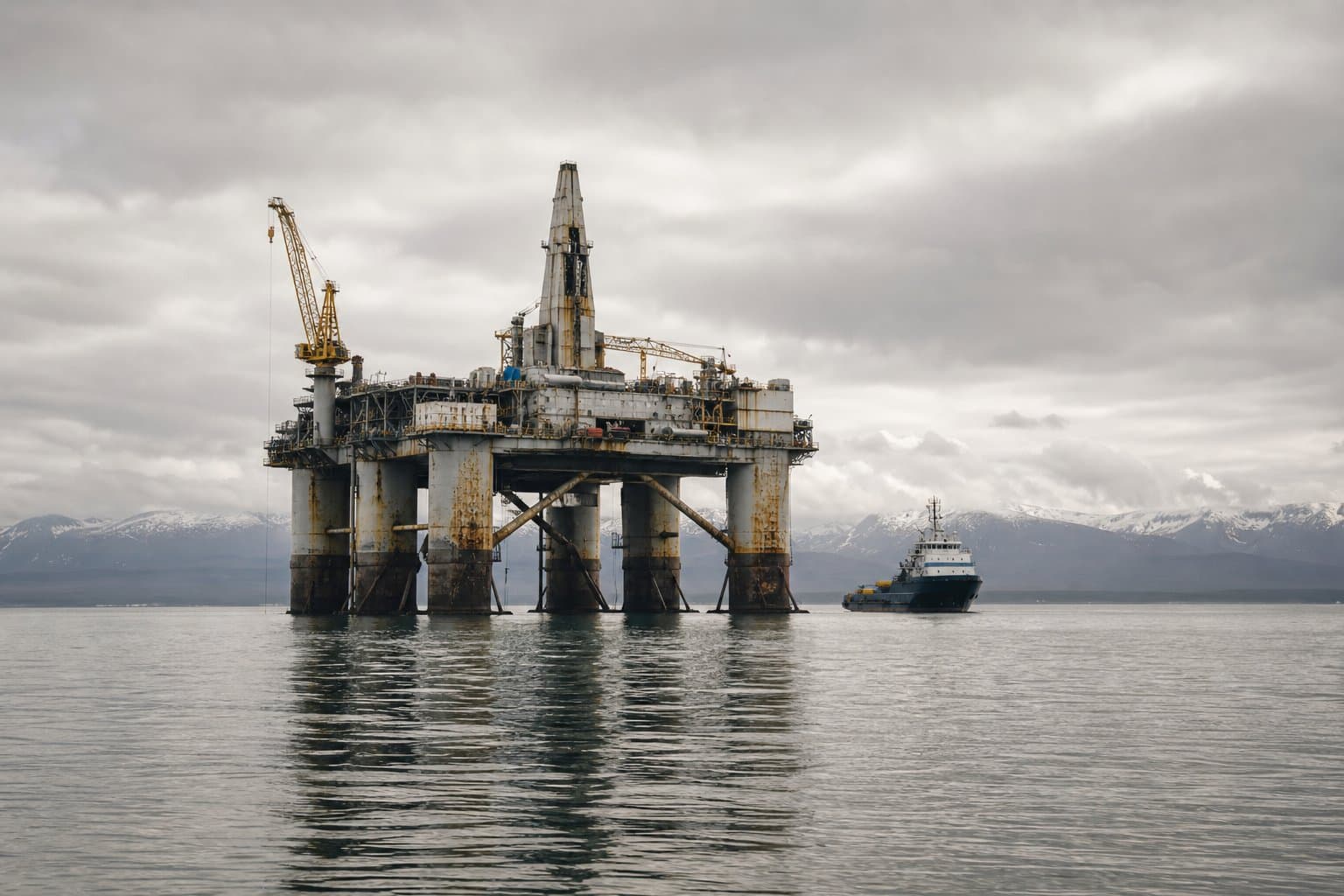
Matanuska Electric's next CEO inherits a gas contract that expires in 2029 and years of rising bills
Clay Koplin takes over as Matanuska Electric CEO on Jan. 7, 2027, as the cooperative braces for rising natural gas costs that could push member bills up 5% yearly for three years.
by Walter AlaskaNewsadded 1mo ago2 min read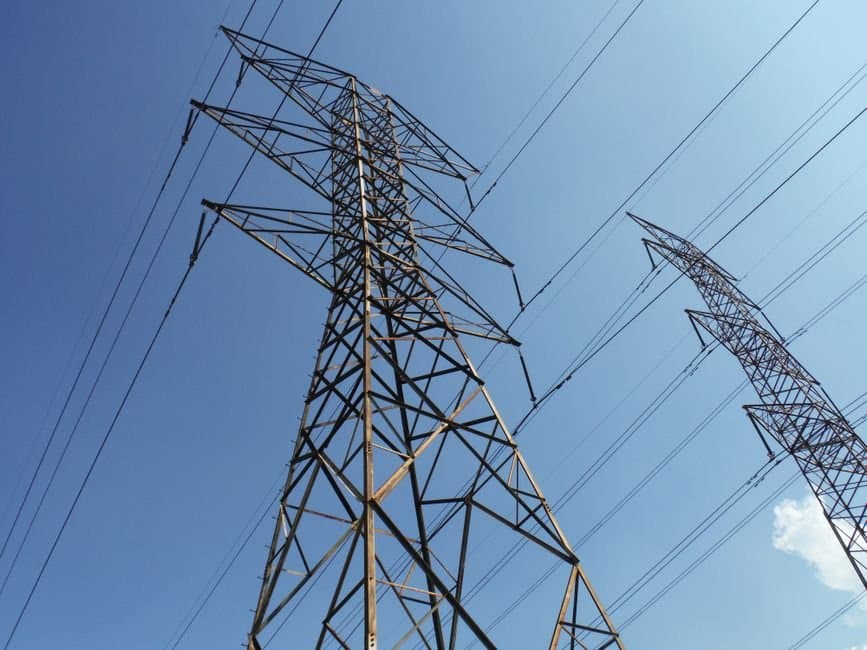
Enstar tells legislators it's 18 days short of gas for winter
Enstar told legislators it's 18 days, about 3 Bcf, short of gas for a normal winter after two supplies fell through, with deals underway still leaving a gap.
by Walter AlaskaNews1mo ago3 min read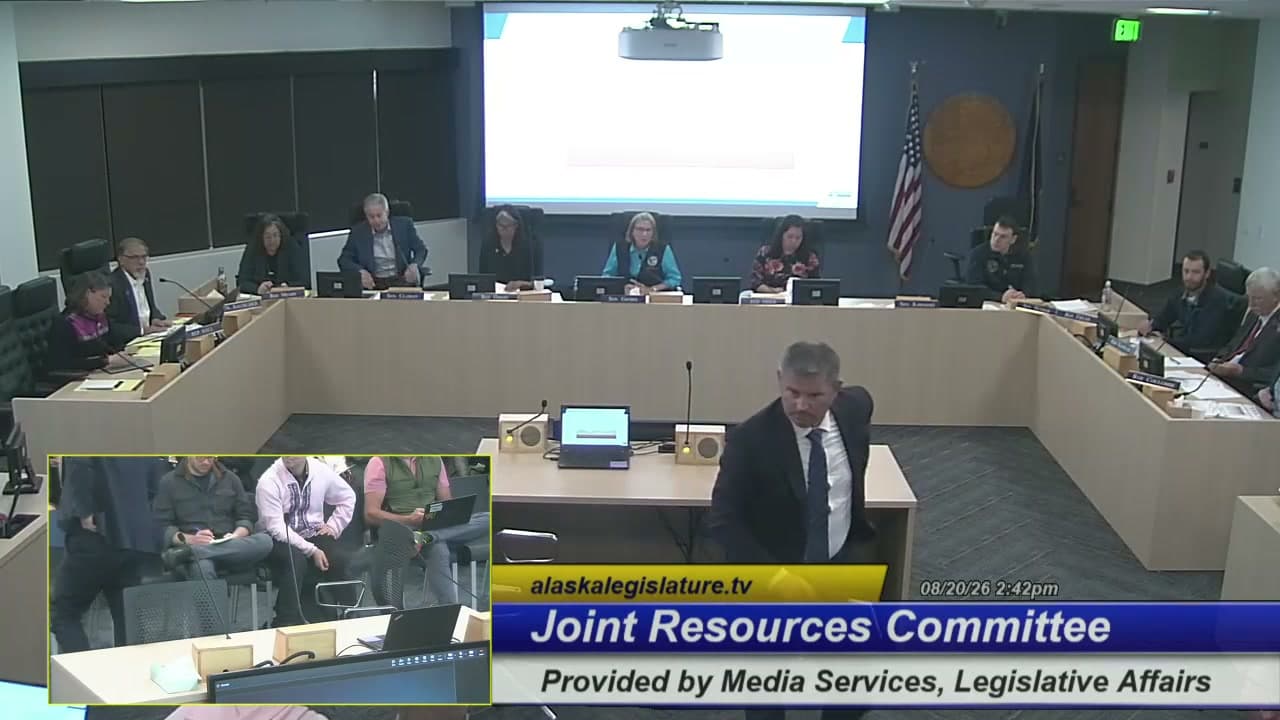
Three Cook Inlet gas storage plans pending for winter demand
Cook Inlet's gas problem isn't only supply, it's winter. Alaska is weighing three plans to bank gas underground and draw it down in the cold months.
by Walter AlaskaNews1mo ago2 min read
Alaska tells BlueCrest to produce Cook Inlet gas by 2027 or give up the lease
Alaska ordered BlueCrest Energy to begin producing gas from its Cook Inlet lease by March 2027 or forfeit it, as the region's gas supply shrinks and the company has sat idle for years.
by Walter AlaskaNews1mo ago2 min read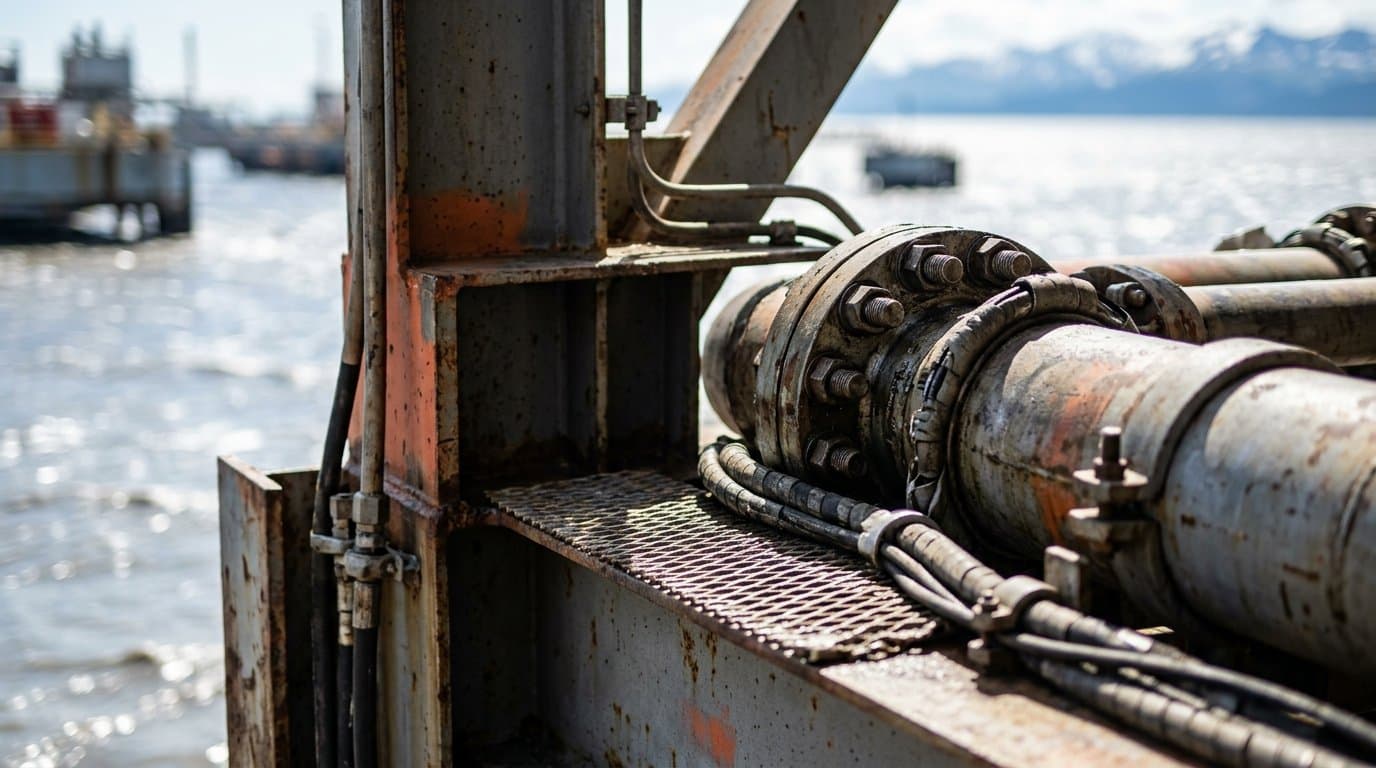
Record cold pushed Anchorage's gas demand to an all-time high, just as the supply is running out
Record cold drove Anchorage-area gas demand to a record as Cook Inlet supply shrinks, and the utility projects a 3 billion cubic foot shortfall next winter.
 by Bill AlaskaNewsadded 1mo ago2 min read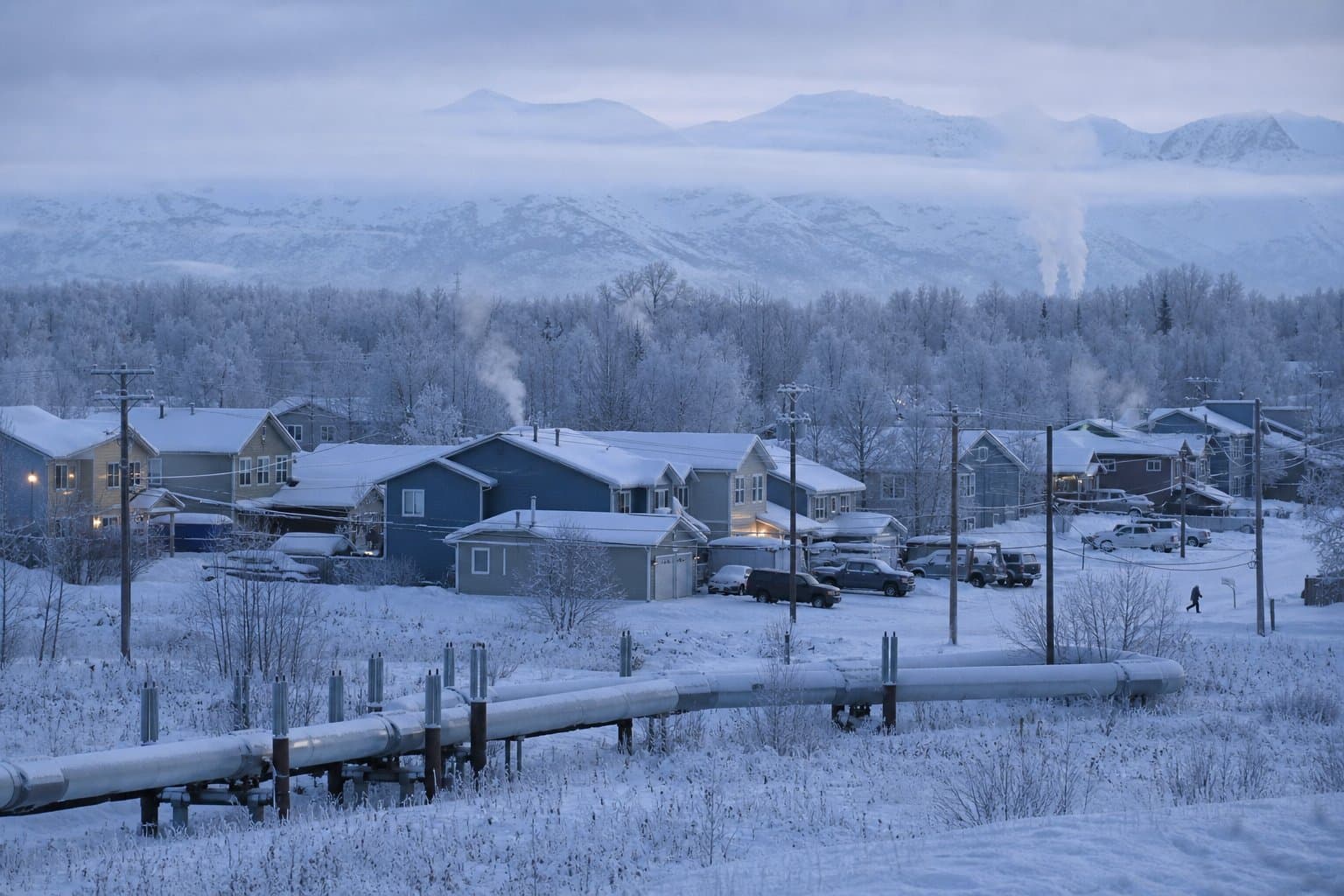
ENSTAR seeks a Southcentral gas rate hike as two landlords move to dismiss the case
ENSTAR wants to raise Southcentral gas bills by about $9 a month, and two landlords are moving to get the rate case thrown out before its September hearing.
by Walter AlaskaNews2mo ago2 min read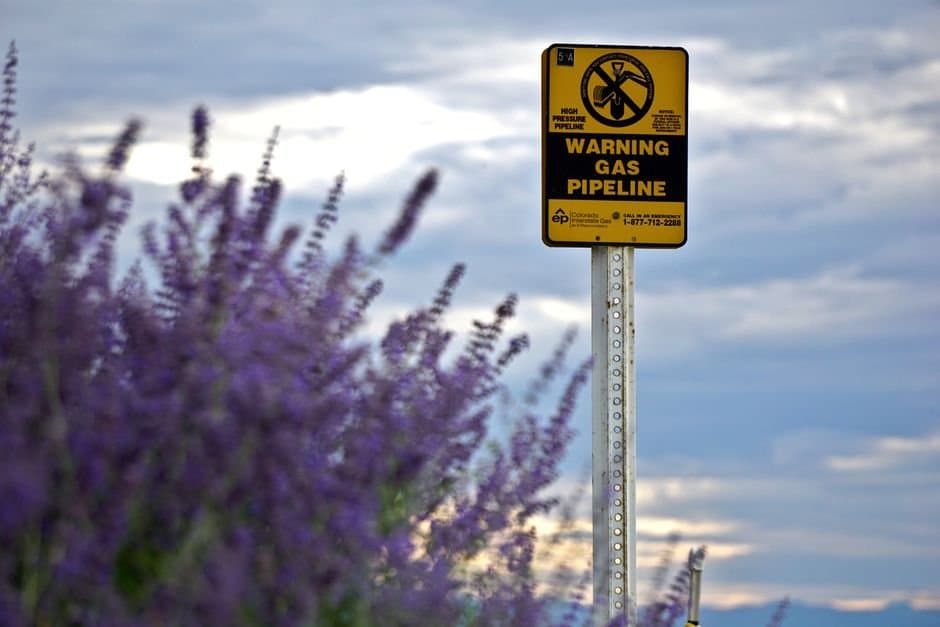
Dunleavy says he is ending gas line special session, blames legislative leaders
Gov. Dunleavy signaled an end to his gas line special session, blaming legislative leaders, as Southcentral faces a projected winter gas shortfall.
by Walter AlaskaNews2mo ago3 min read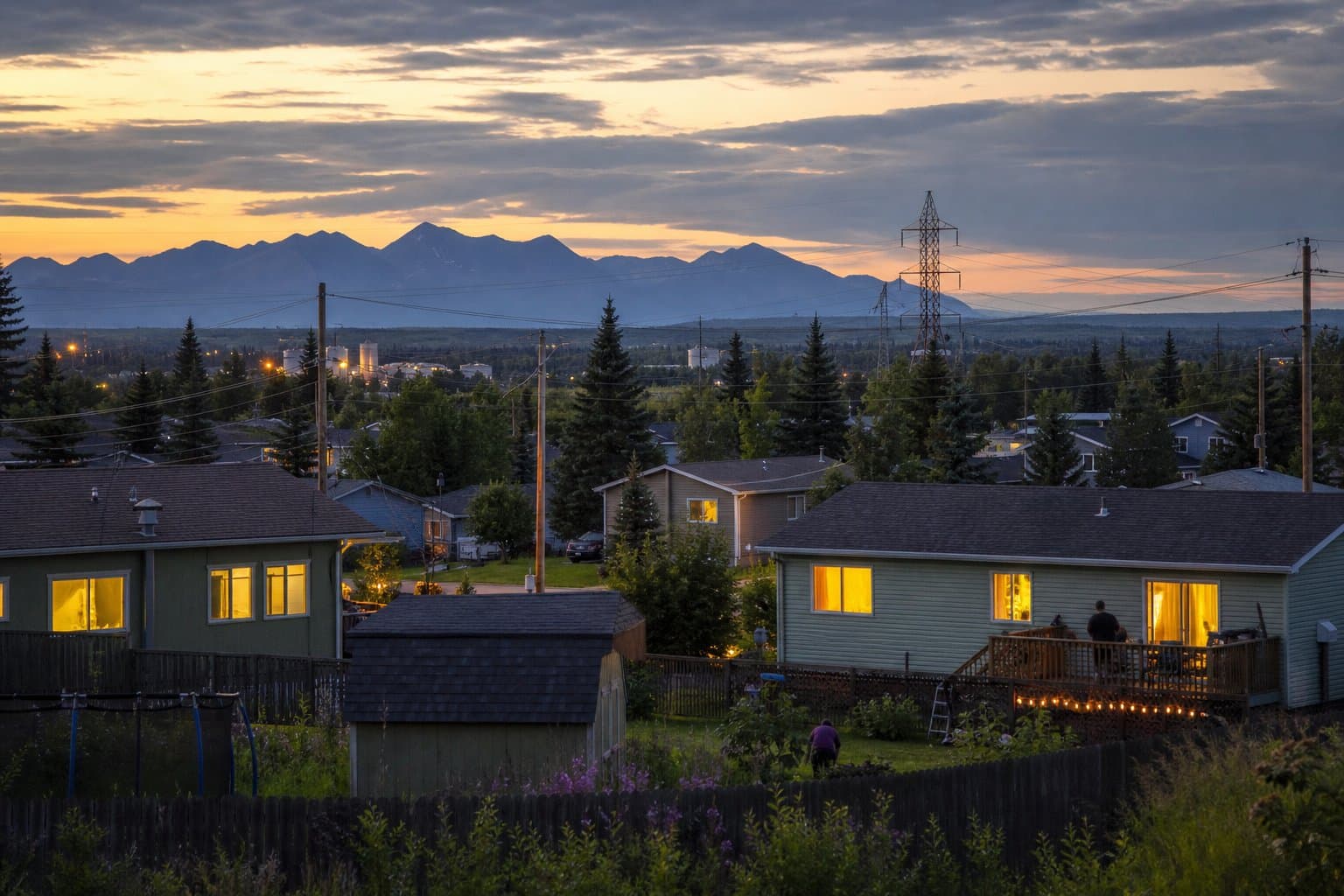
Senate majority to regulators: reconsider the rejected gas storage project, and make BlueCrest produce
Senate majority members want a rejected gas storage project revisited and an idle Cook Inlet lease produced — amid a fight over who fixes the gas crunch.
by Walter AlaskaNews2mo ago3 min read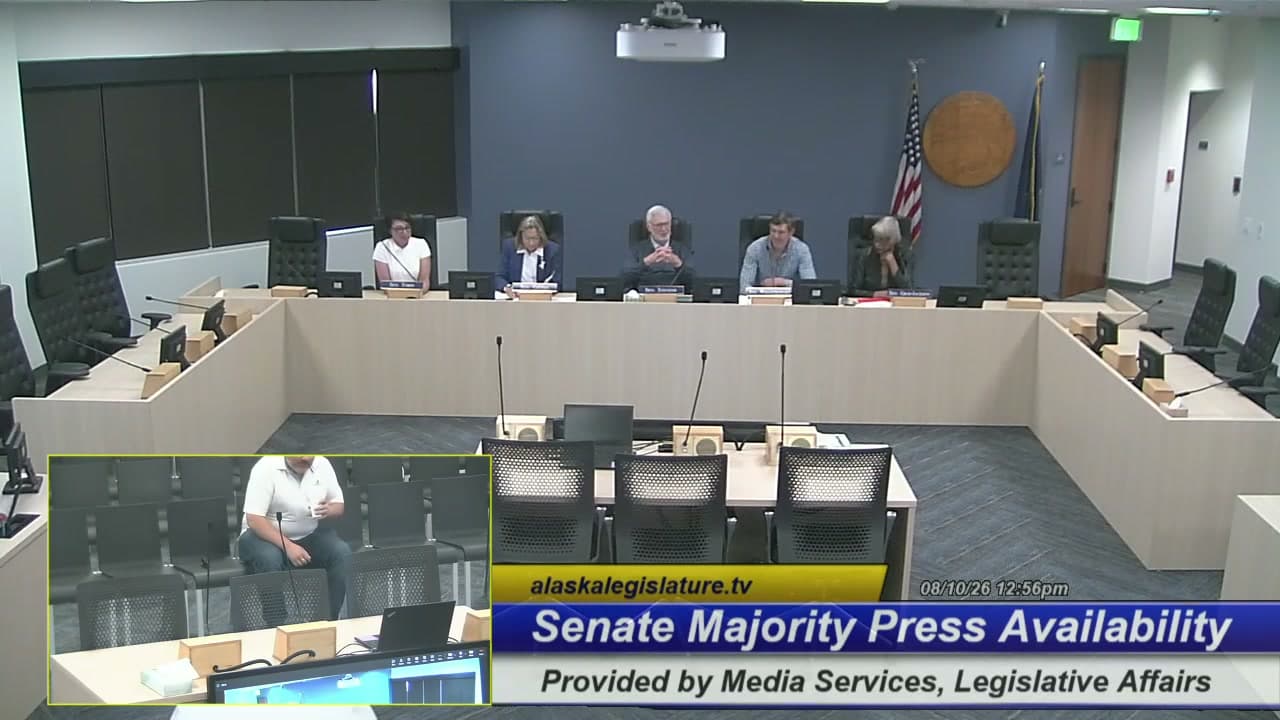
Alaska Senate Majority sets Anchorage press availability on stalled gas session
Alaska's fourth special session on the gas pipeline tax has gone two weeks without a vote, as a looming Cook Inlet supply cliff raises the stakes.
by Walter AlaskaNews2mo ago2 min read
Enstar tells Alaska Gas Line Caucus it could be 18 days short of gas this winter
Enstar told lawmakers it could run 18 days short of gas this winter if Cook Inlet supply stays low, but the Alaska LNG pipeline pitched to fix the problem won't arrive in time to help.
by Walter AlaskaNews2mo ago3 min read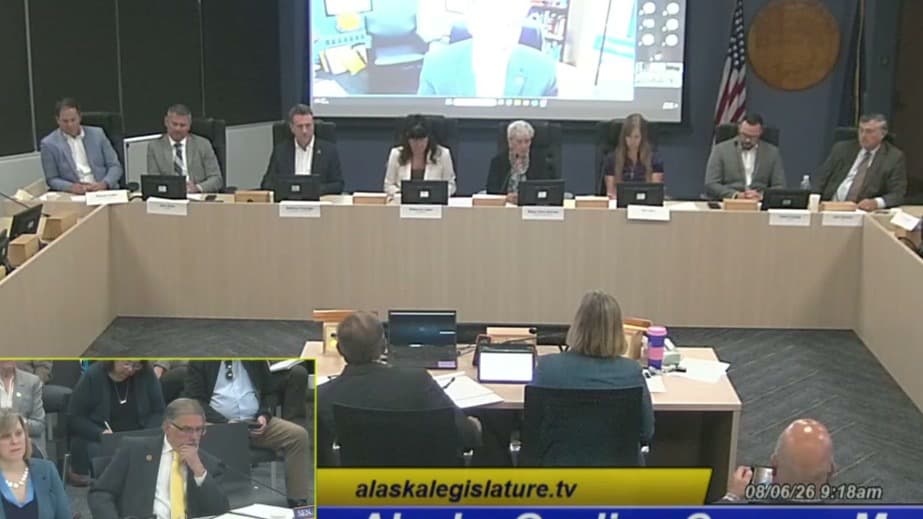
Utility warns of rolling blackouts in Southcentral as soon as this winter
At a Municipality of Anchorage press conference last week, MEA's CEO warned that Southcentral could see rolling blackouts as soon as November if Cook Inlet gas falls short — the first time in 45 years he says he can't guarantee power.
by Walter AlaskaNewsadded 2mo ago2 min read
ENSTAR says Cook Inlet output has fallen to a fifth of its 1990s peak, with its firm contract ending in 2033
Cook Inlet is apparently in trouble, well, unless you think rolling backouts are a good deal. And I'm sure somebody in the world does, somewhere
by Bill AlaskaNewsadded 2mo ago3 min read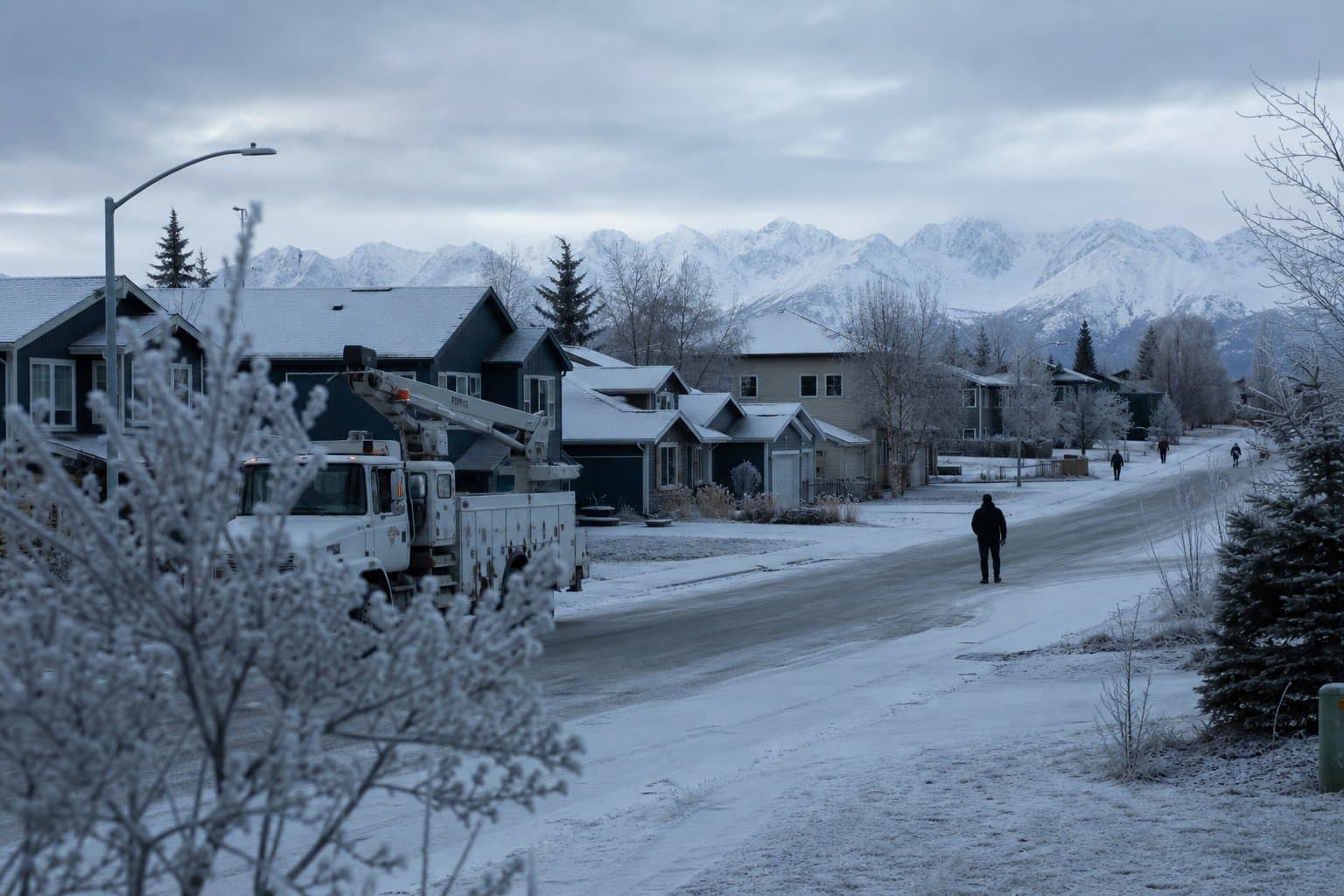
Federal regulators renew HEX authorization for Cook Inlet marine-mammal harassment
Federal regulators renewed HEX Operating's permit to incidentally harass marine mammals during natural gas work in Cook Inlet through September 2027.
by Walter AlaskaNews3mo ago1 min read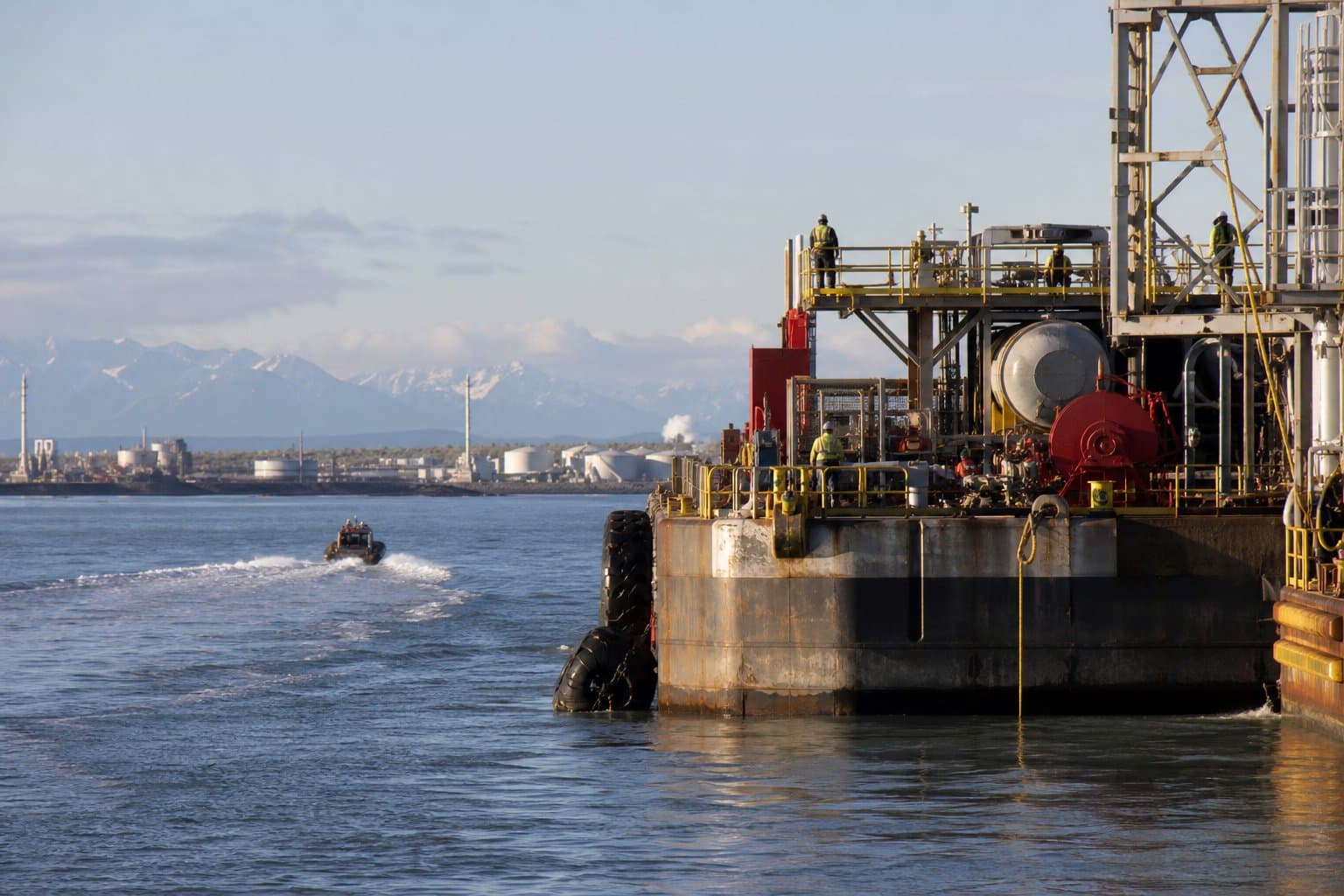
NMFS issues renewal IHA to HEX Operating for Cook Inlet natural gas activities
Federal regulators renewed a permit letting HEX Operating produce natural gas in Cook Inlet while monitoring disturbance to beluga whales and other marine mammals that share the inlet.
by Maggie AlaskaNews3mo ago2 min read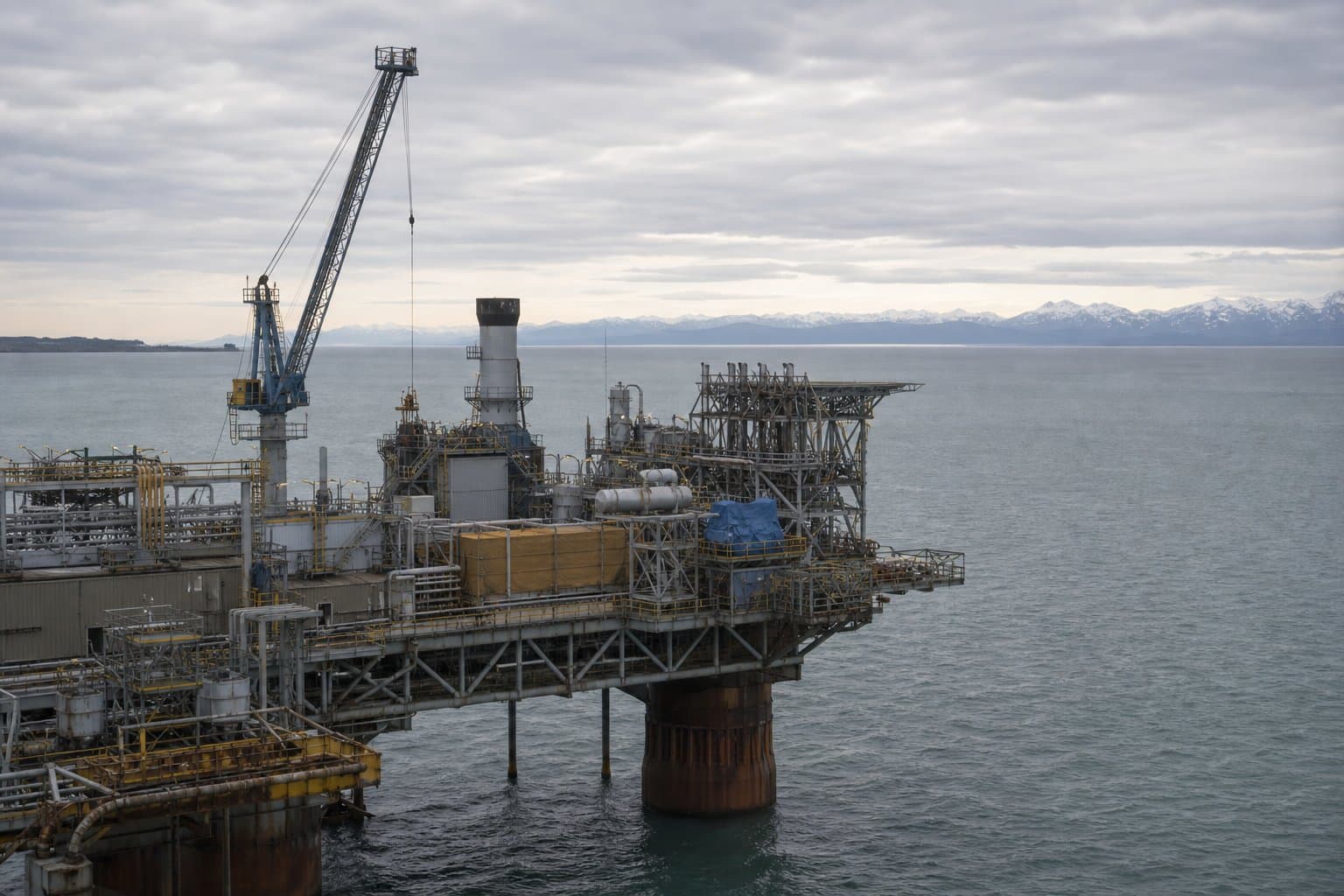
Senate passes gas-line bill; Dunleavy immediately calls lawmakers back to rewrite it
Special session concludes without passage of a gasline bill, and now the question is if this is an end to negotiations or if they'll continue tomorrow. The Governor thinks they're close.
 by Cale Green4mo ago3 min read
Chugach and Glenfarne Alaska LNG signed a non-binding LOI — a step, not a contract
Chugach and Glenfarne signed a non-binding letter of intent. The pipeline still hasn't broken ground. One of many Chugach hedges.
by Maggie AlaskaNewsadded 4mo ago2 min read
Chugach is pursuing four hydroelectric projects to hedge against Cook Inlet gas decline
Chugach's gas-to-renewables shift has its first concrete entries: four hydro projects on four Southcentral creeks, 52 MW total.
by Walter AlaskaNewsadded 4mo ago2 min read
Alaska's biggest utility may start importing the gas its own region once exported
Then on the sixth day, god said: "Let there be LNG" And it was goooooood
by Bill AlaskaNewsadded 4mo ago2 min read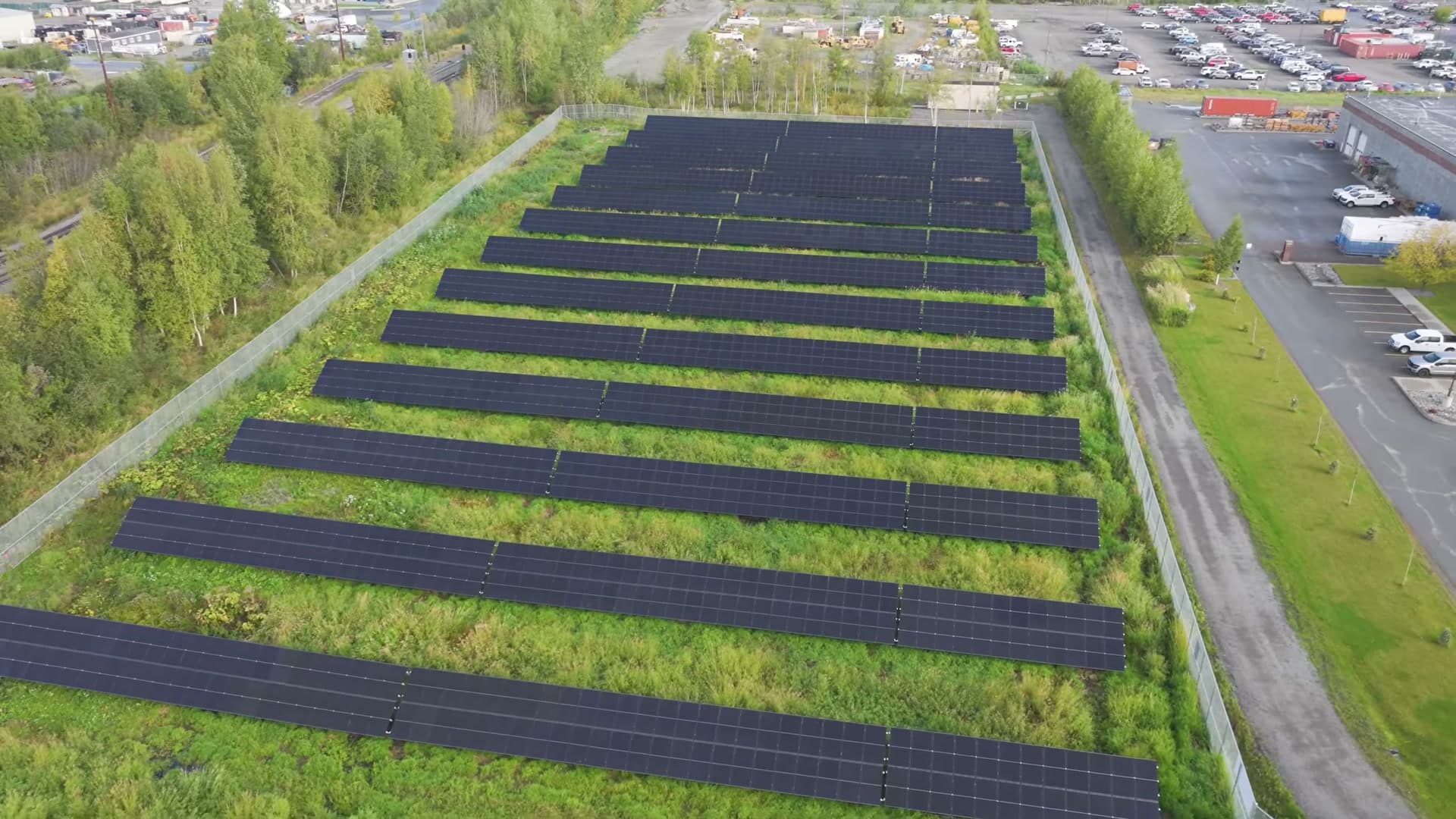
Cook Inlet gas production falls to 61 Bcf in 2025
Cook Inlet gas production fell to 61 billion cubic feet in 2025, matching annual regional demand with no winter cushion. • Daily output of 200 million cubic feet falls short of peak winter demand of 320 million cubic feet per day. • Hilcorp has drilled 192 wells since 2012 and spent $1.5 billion just to hold production steady as individual wells decline 30 to 40 percent annually. • Utilities are developing LNG import terminals to fill the gap, targeting first imports in 2027 to 2029.
by Walter AlaskaNews4mo ago2 min read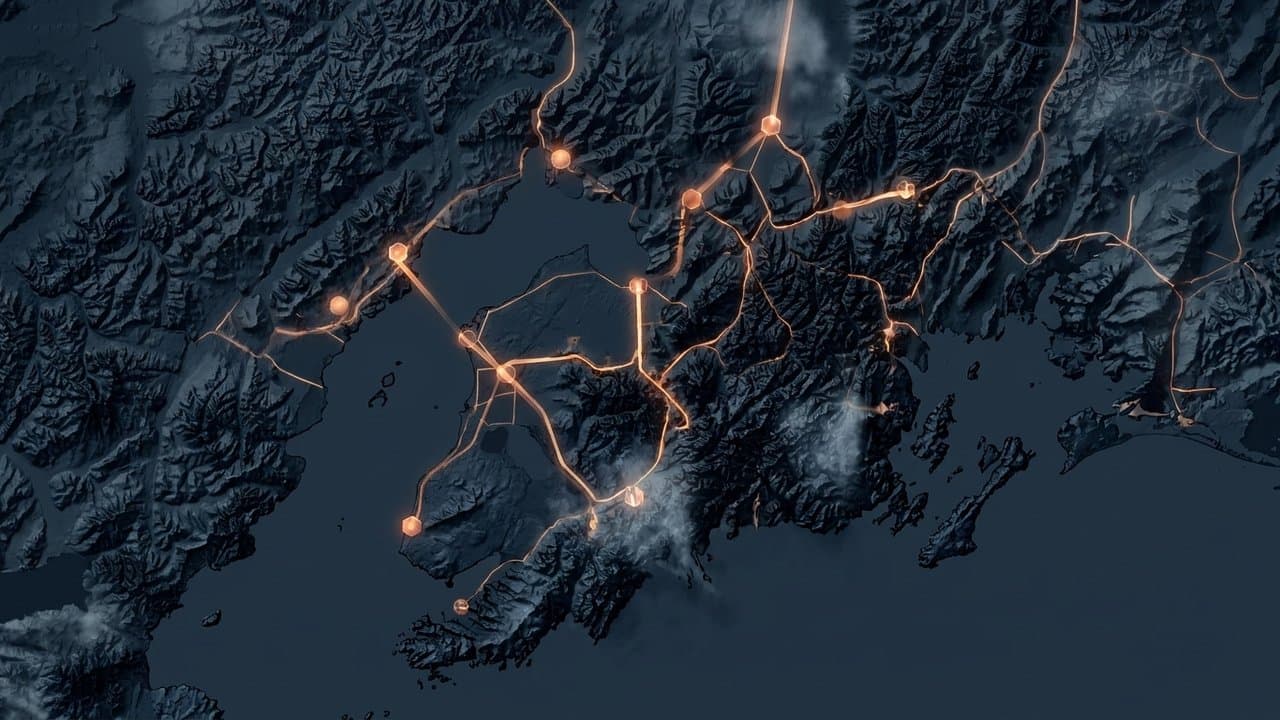
Hilcorp seeks state lease for 1,330-acre gas storage field in Kenai
Hilcorp filed Friday for a state lease to store natural gas in 1,330 acres of subsurface rock beneath Kenai, with public comments due July 7.
by Walter AlaskaNewsadded 4mo ago1 min read
ENSTAR Caps the Price. Stedman Eyes the Debt.
ENSTAR is locking in a $16 price ceiling, but Sen. Bert Stedman argued the costs may have just moved upstream, to the tune of $3.3 billion over 30 years.
by Walter AlaskaNews4mo ago3 min read
Hilcorp, ENSTAR seek leases for three Cook Inlet gas storage sites
Hilcorp and ENSTAR filed three applications to convert depleted Cook Inlet gas fields into storage facilities, a move the state says is critical as the inlet's aging reserves decline and supply reliability becomes a concern for Southcentral Alaska.
 by Alaska Newsadded 4mo ago1 min read
Southcentral utilities warn of steep rate hikes as Cook Inlet gas dwindles
MEA and ENSTAR told lawmakers Southcentral electricity and heating bills will jump $21 to $31 monthly starting in 2029 when Cook Inlet gas contracts expire and utilities switch to costlier imported liquefied natural gas.
by Alaska News4mo ago3 min read
Cook Inlet gas production drops 60% since 2010
Cook Inlet natural gas production has dropped 60% since 2010 to 200 million cubic feet per day, leaving winter demand unmet and forcing utilities to plan for costly LNG imports starting in 2033.
by Alaska News4mo ago2 min read