Subsistence
RSSAlaska News covers subsistence hunting and fishing regulations, seasonal closures, and harvest management across Alaska's rivers and regions.
McCarthy meeting to take up Copper River proposals on salmon eligibility and dip net limits
A local subsistence panel meets Oct. 9 in McCarthy on proposals to add McCarthy Road residents to a salmon fishery and ban dip nets near Copper River streams.
 by Maggie AlaskaNews18h ago2 min read
Federal board gives subsistence hunters 10 more days to hunt moose in the Tetlin refuge area
Rural subsistence hunters near Northway get 10 more days to hunt moose in the Tetlin refuge area, after warmer falls made moose harder to get, the board said.
by Maggie AlaskaNews3d ago2 min read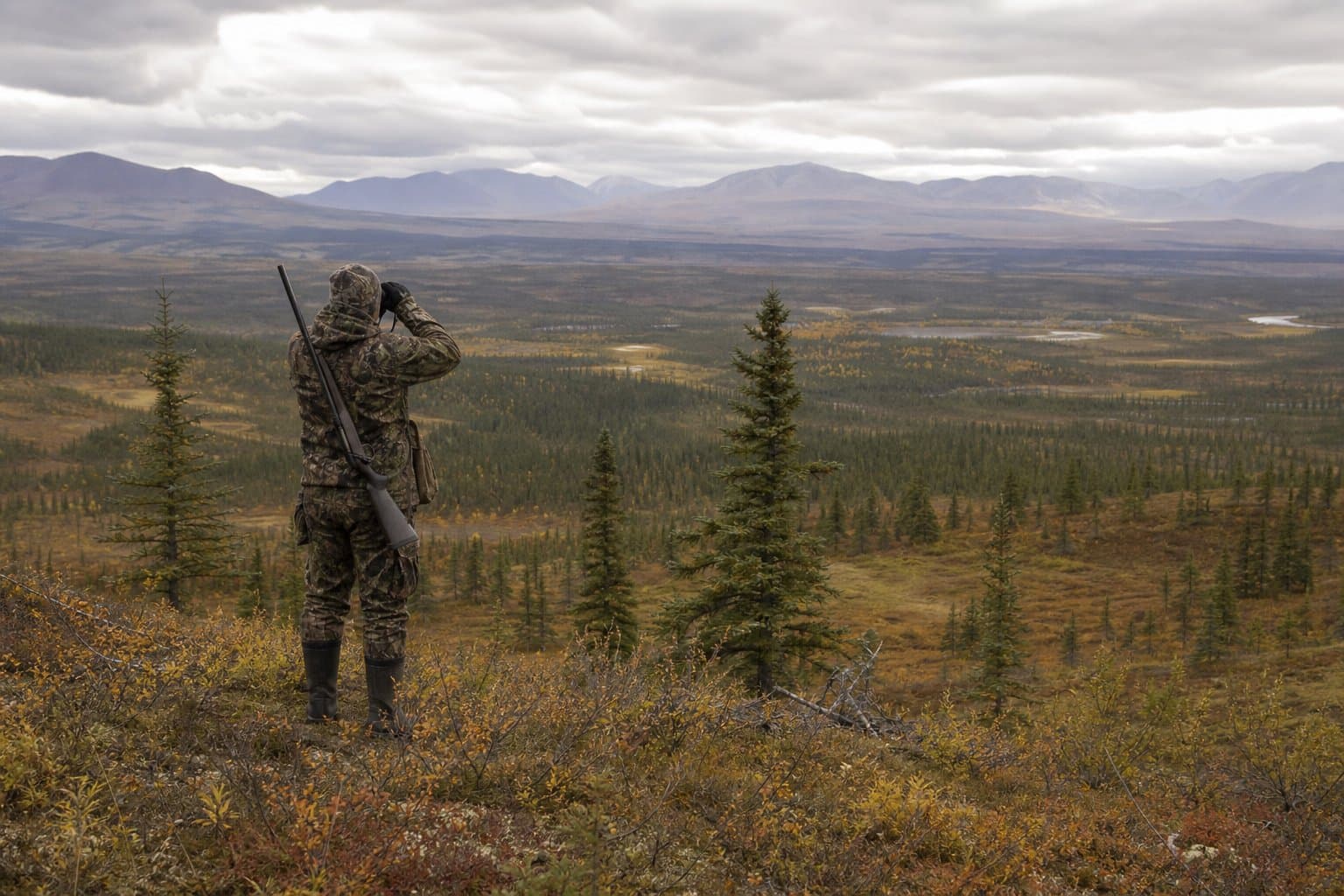
Federal subsistence permits and harvest reports move online in new Alaska portal
Rural Alaskans can now file federal subsistence permit applications and harvest reports online, though mail and phone filing remain available.
 by Bill AlaskaNews5d ago1 min read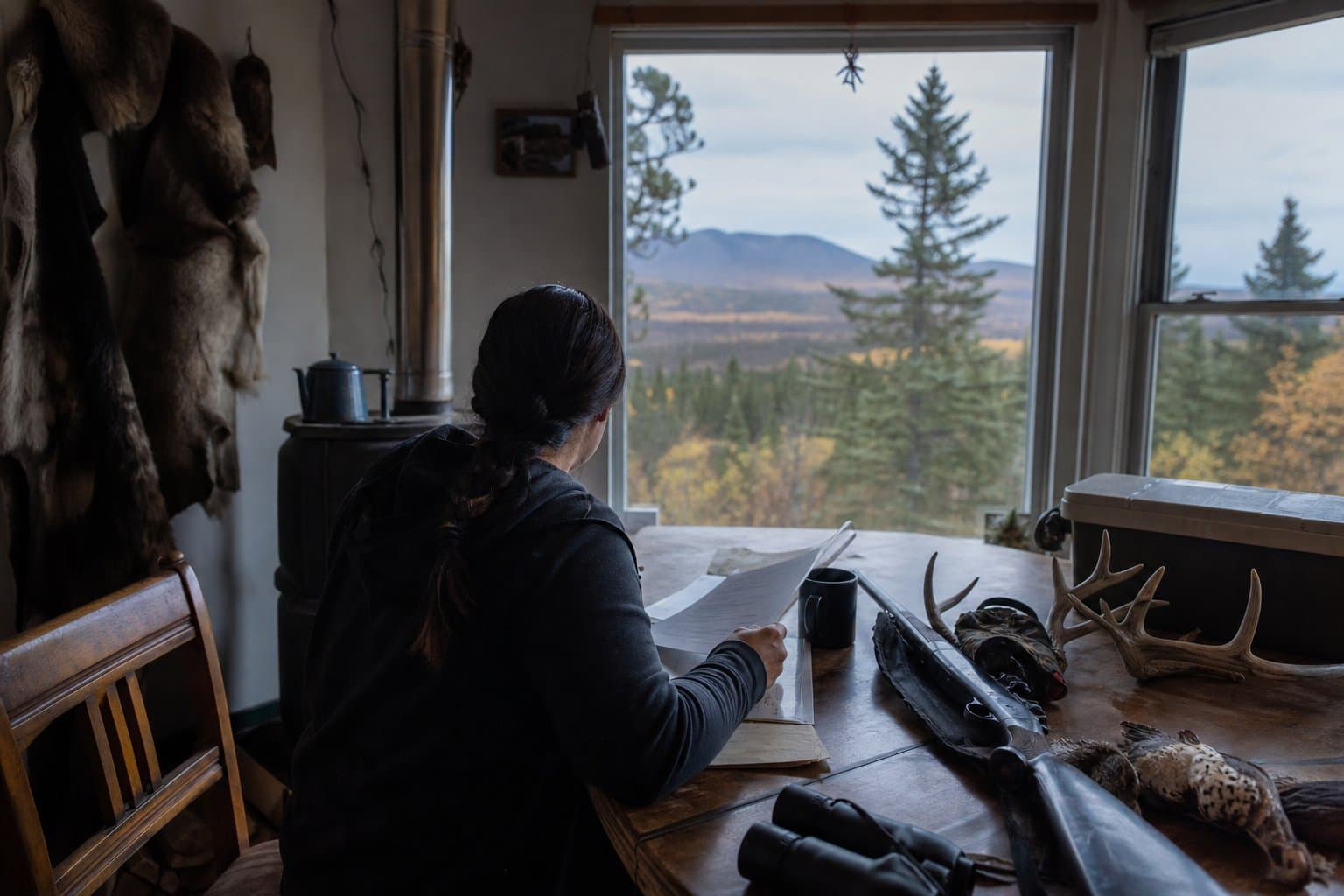
The Lake Clark subsistence commission meets Oct. 3 to review federal wildlife rules
Sockeye is more than 60 percent of everything Port Alsworth and Nondalton take. The commission that advises on those rules meets on Oct. 3.
by Maggie AlaskaNews6d ago1 min read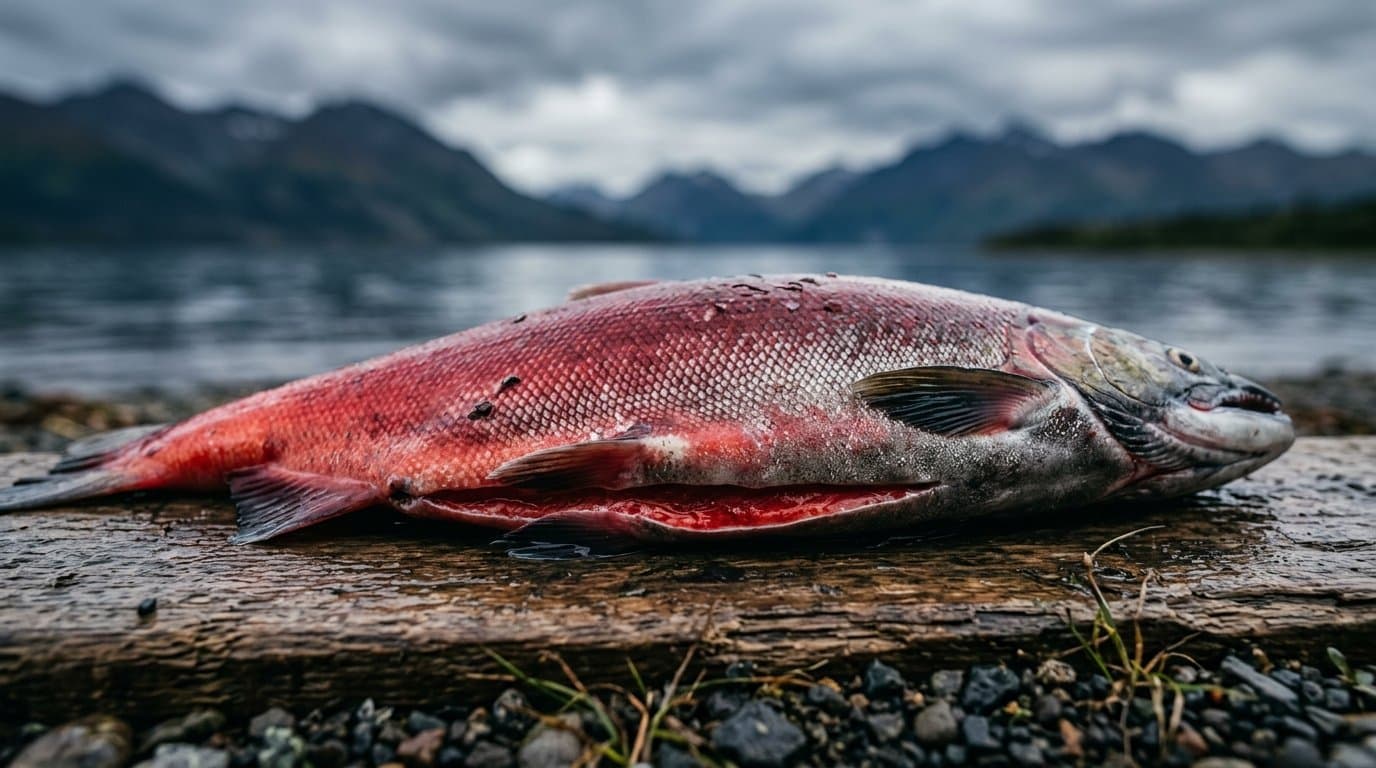
Subsistence fishing reopens on the upper Yukon, village by village
Subsistence fishing reopens on the upper Yukon in stages from Sept. 26 to Oct. 6, timed so Canadian-bound fall chum pass each stretch of river first.
by Bill AlaskaNews6d ago2 min read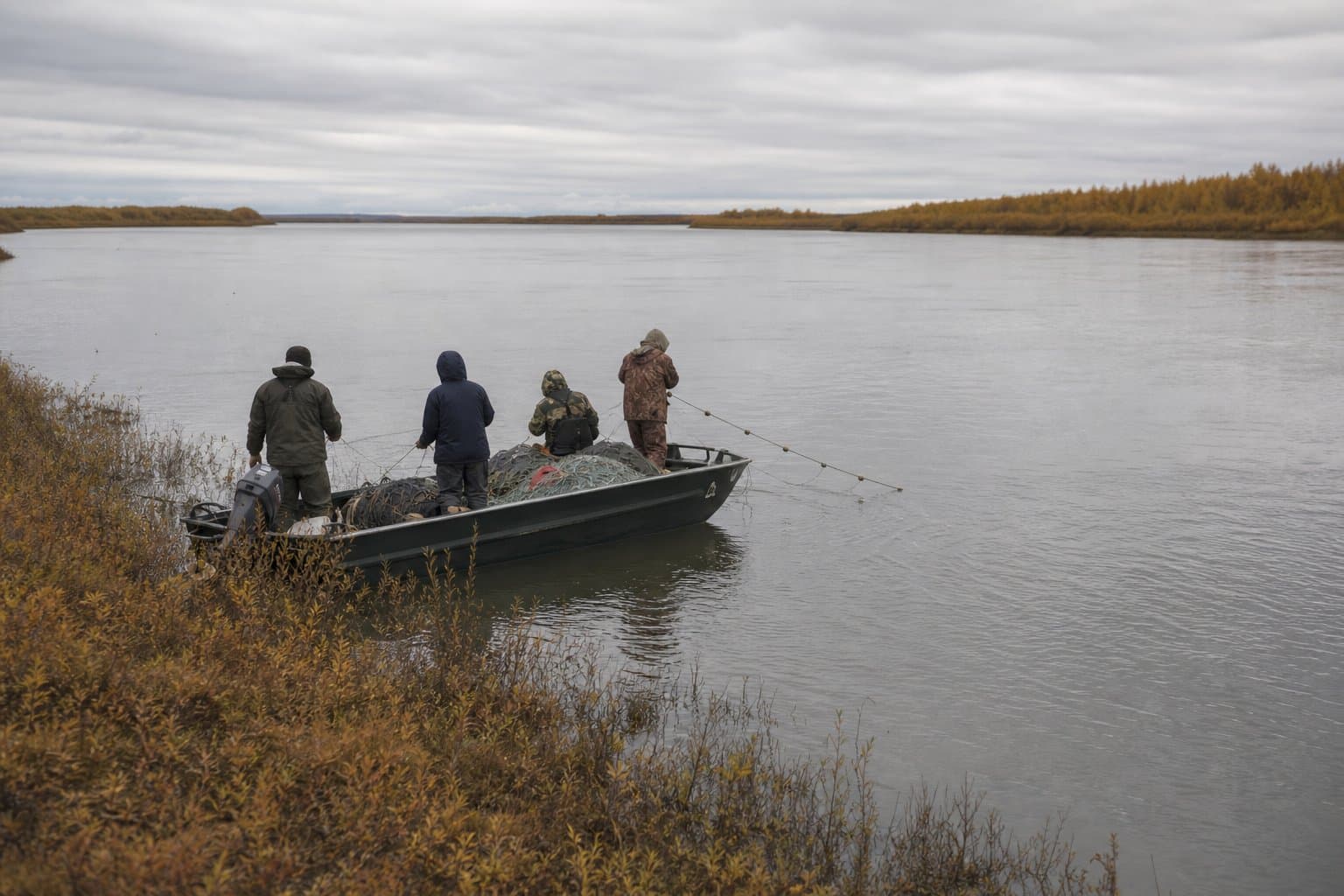
Tanana subsistence and personal use fishing goes 24 hours
Tanana River subsistence fishing opens to full gear around the clock Tuesday, after six straight years of restrictions on a fall chum run that came back.
by Bill AlaskaNews6d ago2 min read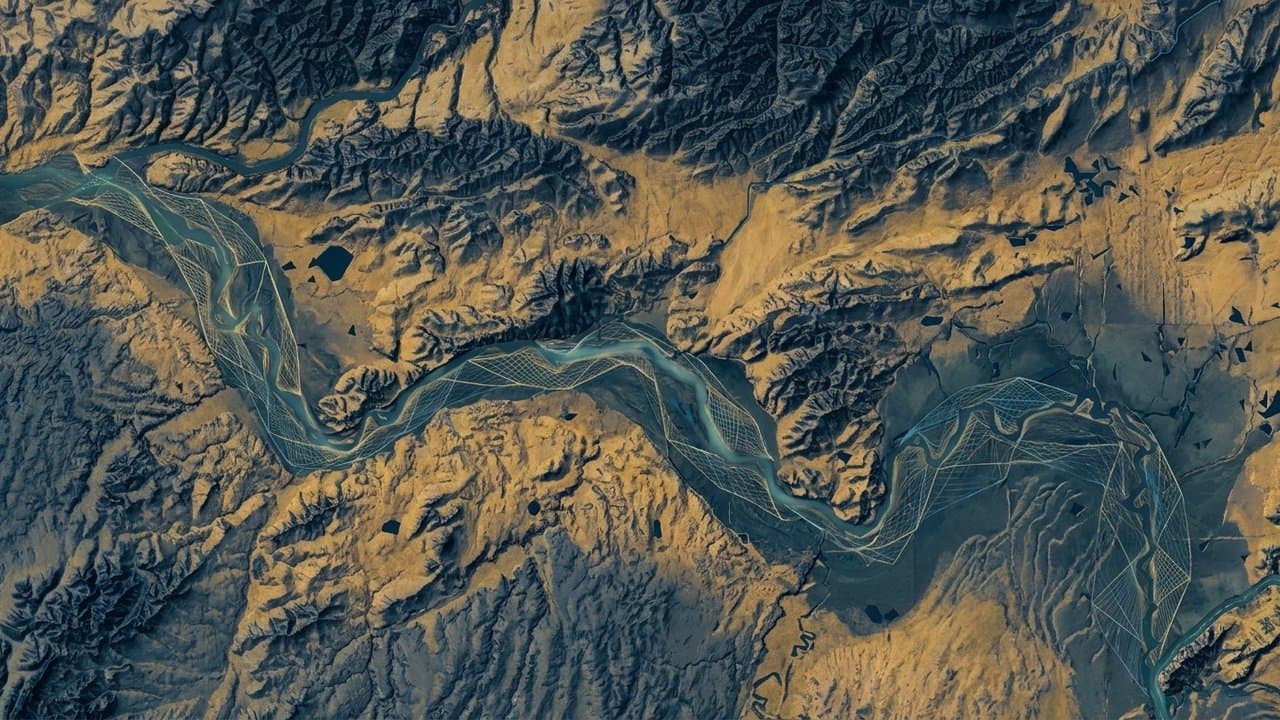
The park could have added ten days of moose hunting. It added two.
Unit 11 subsistence moose hunters get two extra days out of a possible ten, with the park citing a declining population and no current estimate.
by Maggie AlaskaNews1w ago2 min read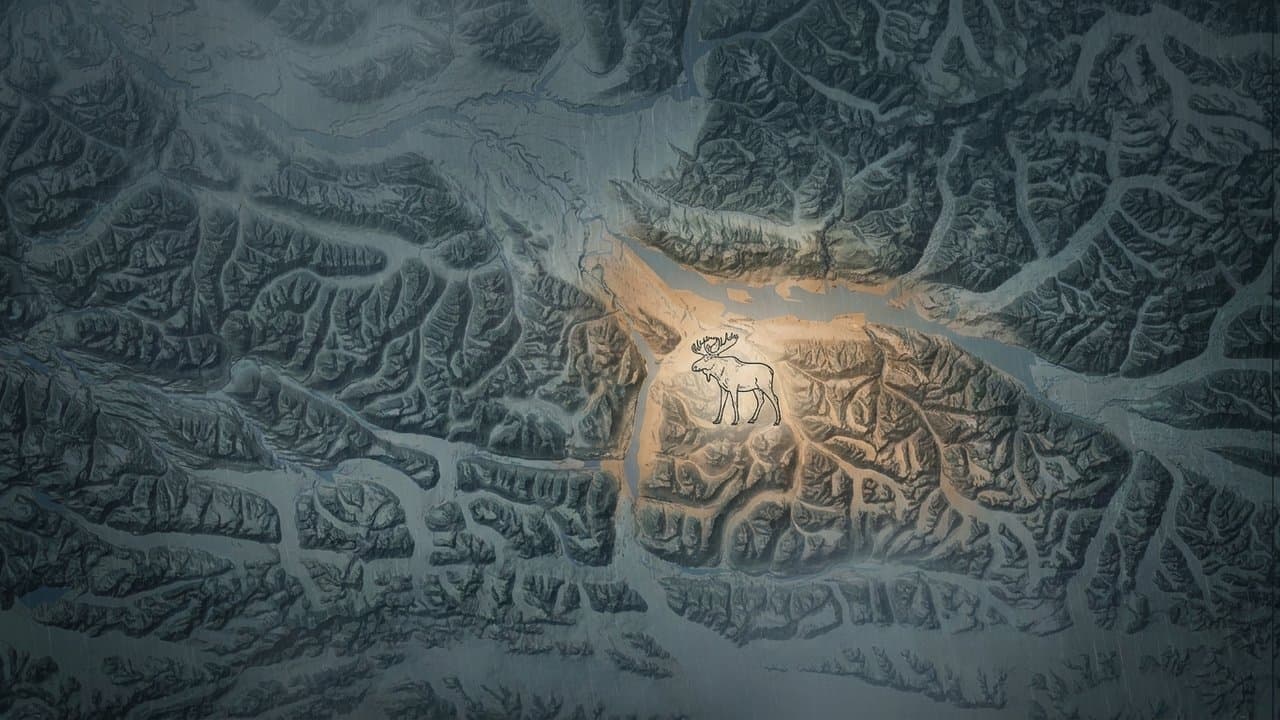
Kuskokwim closures lifted because the coho run ended, not because it recovered
Six weeks of Kuskokwim subsistence closures lifted Friday, not because the coho finally came back but because the run is over for the year.
 by Walter AlaskaNews1w ago2 min read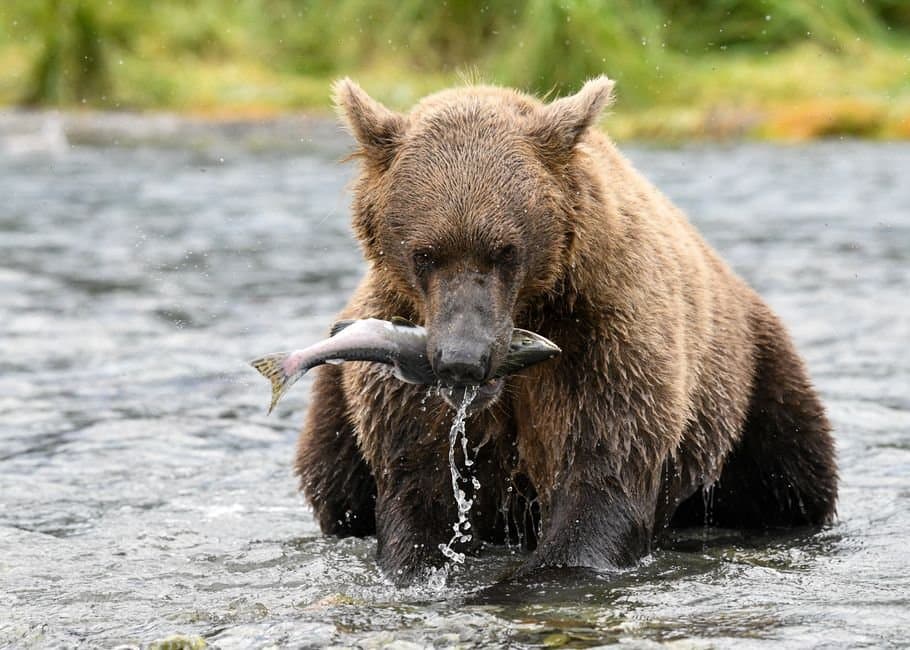
Wrangell-St. Elias subsistence commission meets next month in McCarthy
The commission advising on subsistence hunting in Wrangell-St. Elias meets in McCarthy next month, with time set aside for public testimony.
by Maggie AlaskaNews1w ago1 min read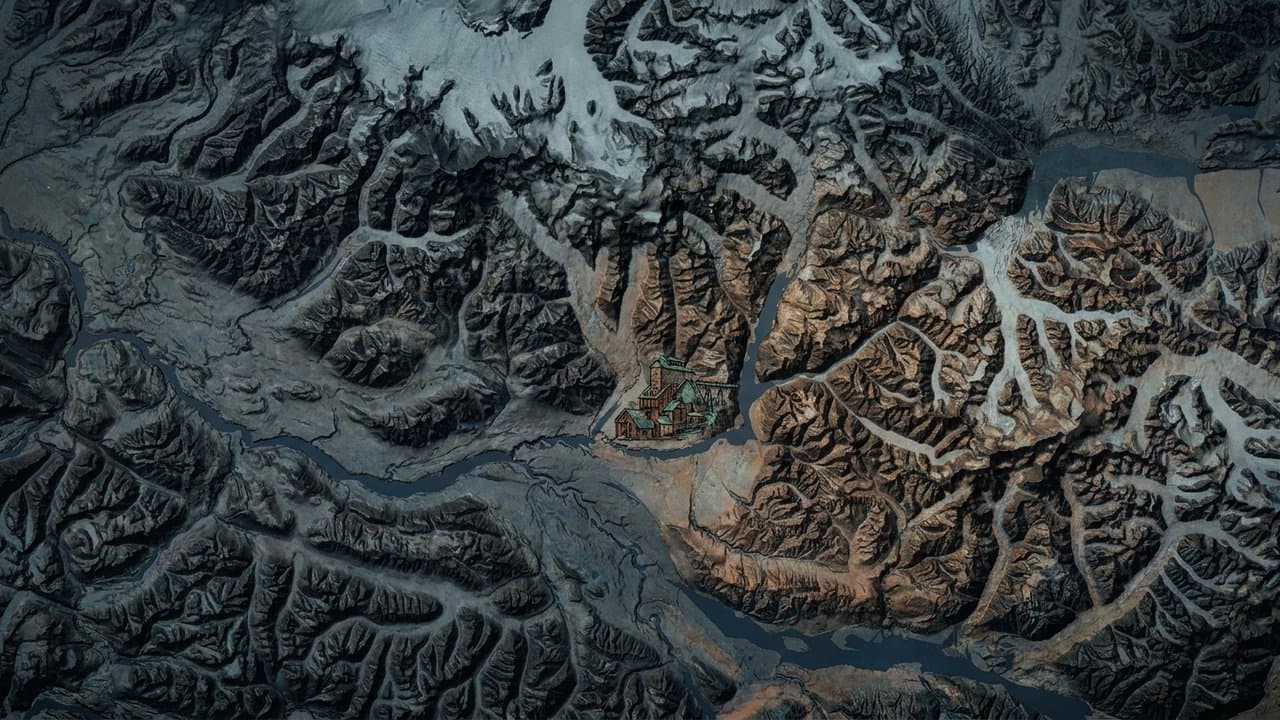
Federal board extends FM1106 subsistence moose hunt by two days
Federal officials added two days to a Copper Basin moose hunt and closed 1,300 square miles of Interior river corridors to outside hunters. One group objects.
by Maggie AlaskaNews2w ago2 min read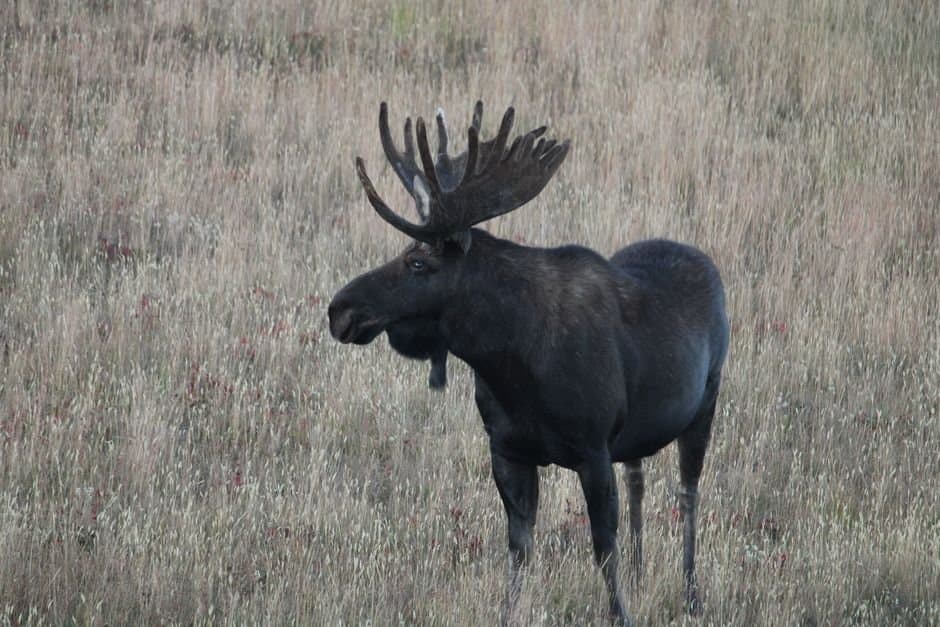
A bill would guarantee vehicle access for the village inside Gates of the Arctic
A national park was drawn around Anaktuvuk Pass in 1980 without asking. A bill would guarantee the village the right to drive out and go hunting.
by Walter AlaskaNewsadded 1w ago2 min read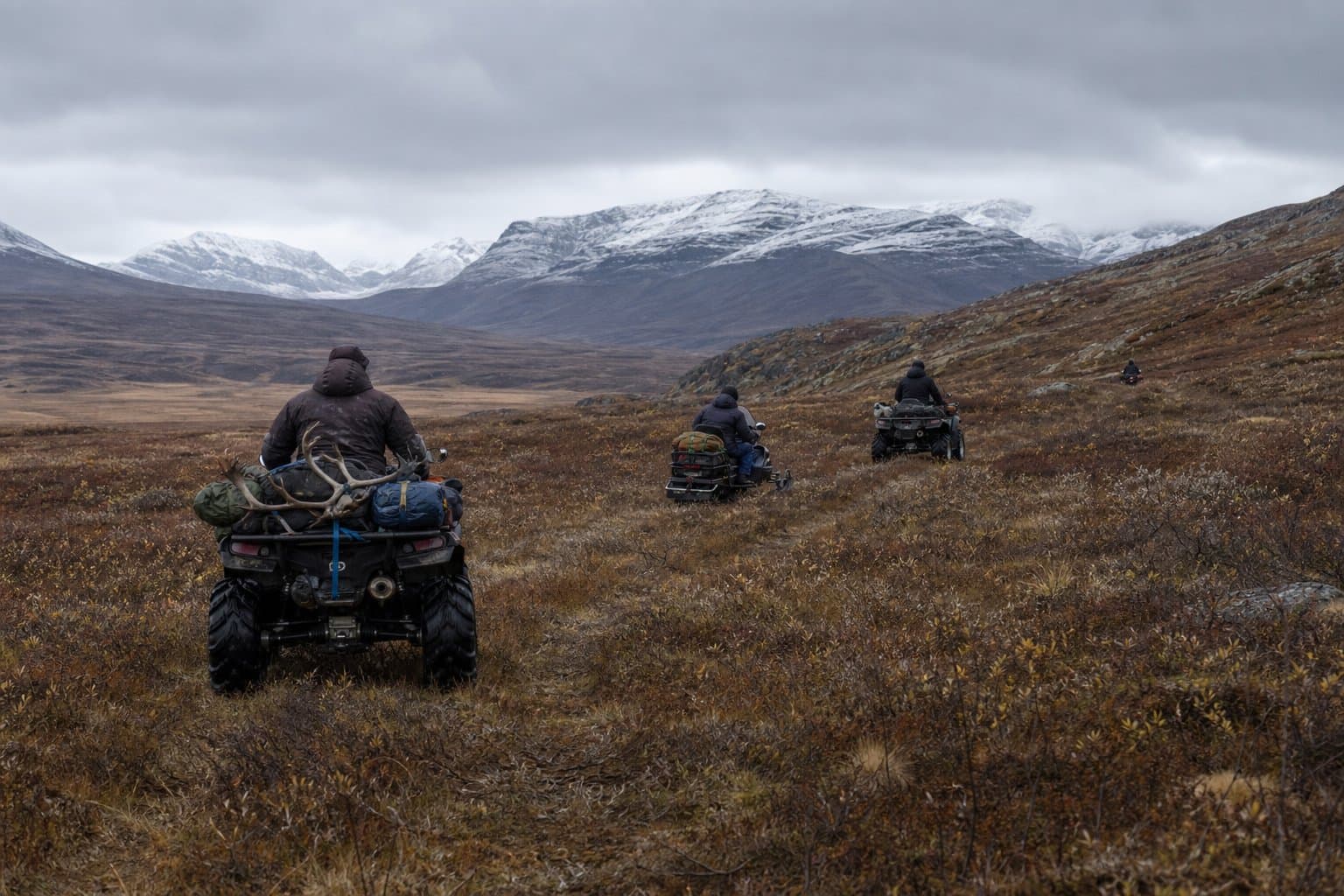
The any-bull option closes in Unit 13C after three moose filled the quota
The any-bull option closes in Unit 13C at midnight Tuesday after three bulls filled the quota. The subunit's allotment dropped from five last year.
by Bill AlaskaNews2w ago1 min read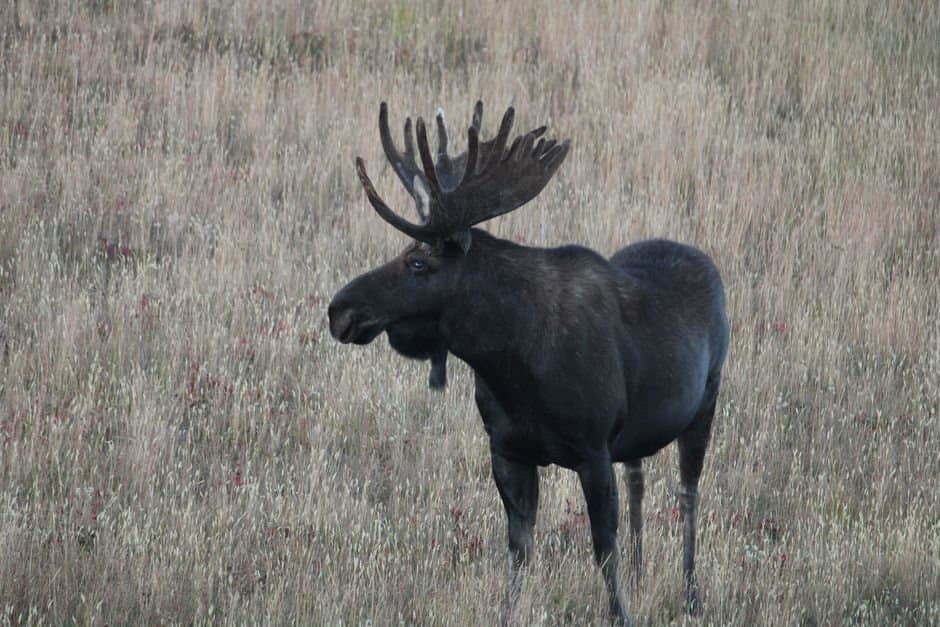
BLM Rule Would Cut NPR-A Pad Approvals to 60 Days, Limit Hunting
The BLM's own analysis found a proposed drilling rule would significantly restrict subsistence hunting for three North Slope villages. Hearings begin Monday.
by Walter AlaskaNewsadded 2w ago3 min read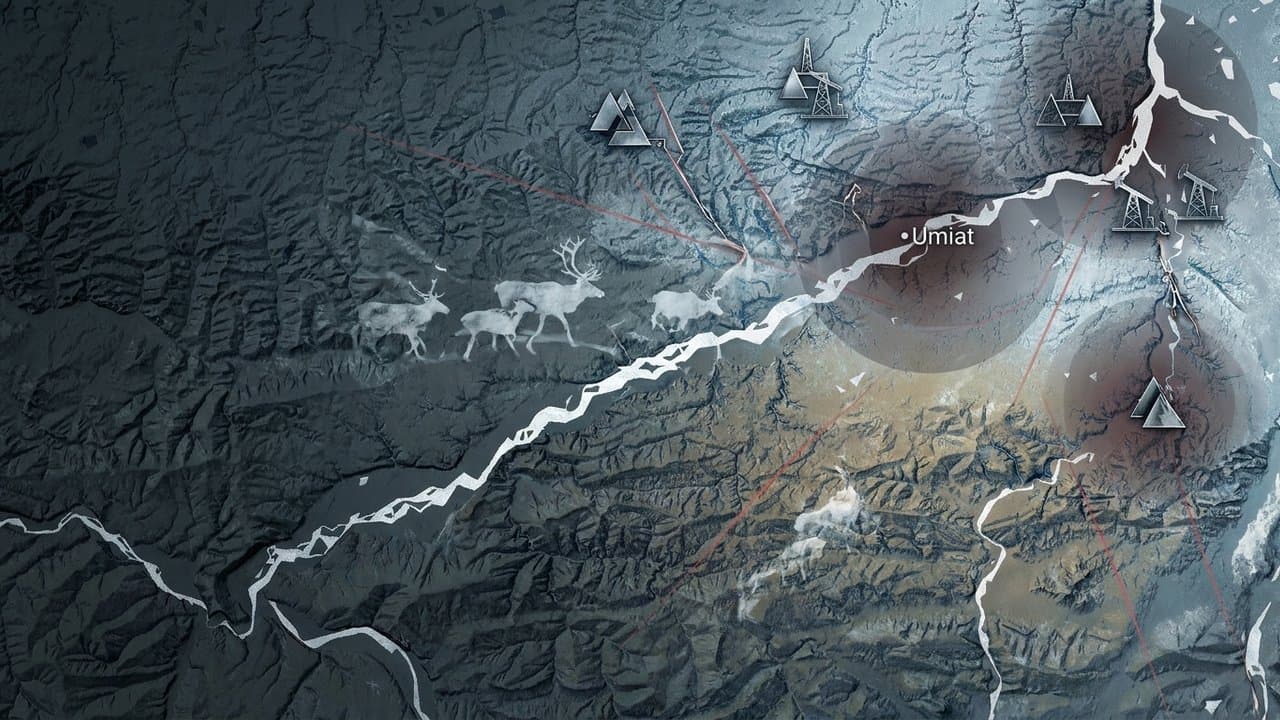
Wrangell-St. Elias weighs 10 more days of subsistence moose hunting
Rural subsistence hunters in the Wrangell-St. Elias area could get 10 more days to take a moose this fall, with the park set to decide Monday.
by Maggie AlaskaNews2w ago1 min read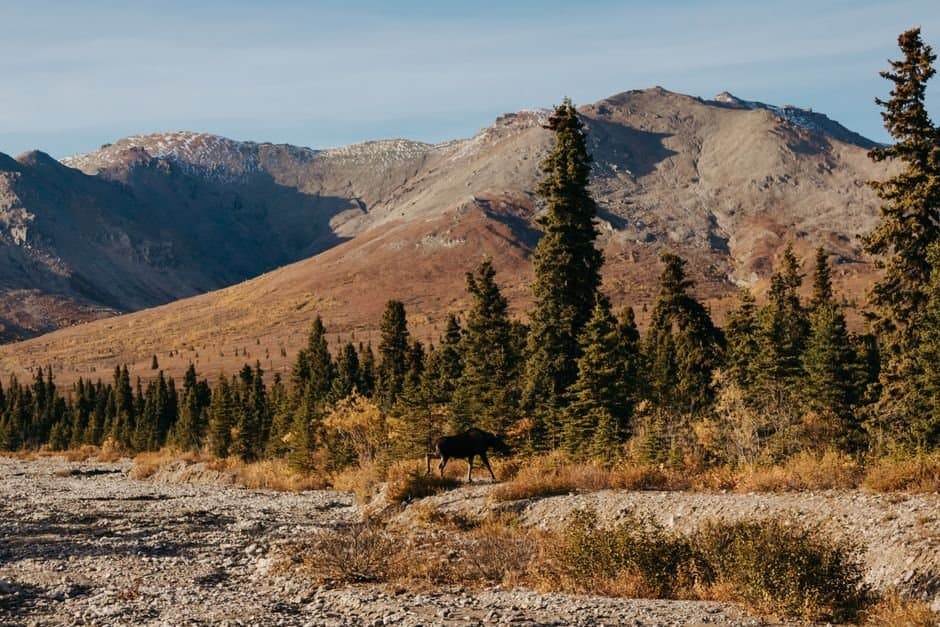
Subsistence salmon fishing reopens on the Tanana and Yukon after closures
Subsistence salmon fishing is reopening on the Tanana and Yukon rivers after a summer of closures, as the runs recover — though the long decline isn't over.
by Maggie AlaskaNews2w ago1 min read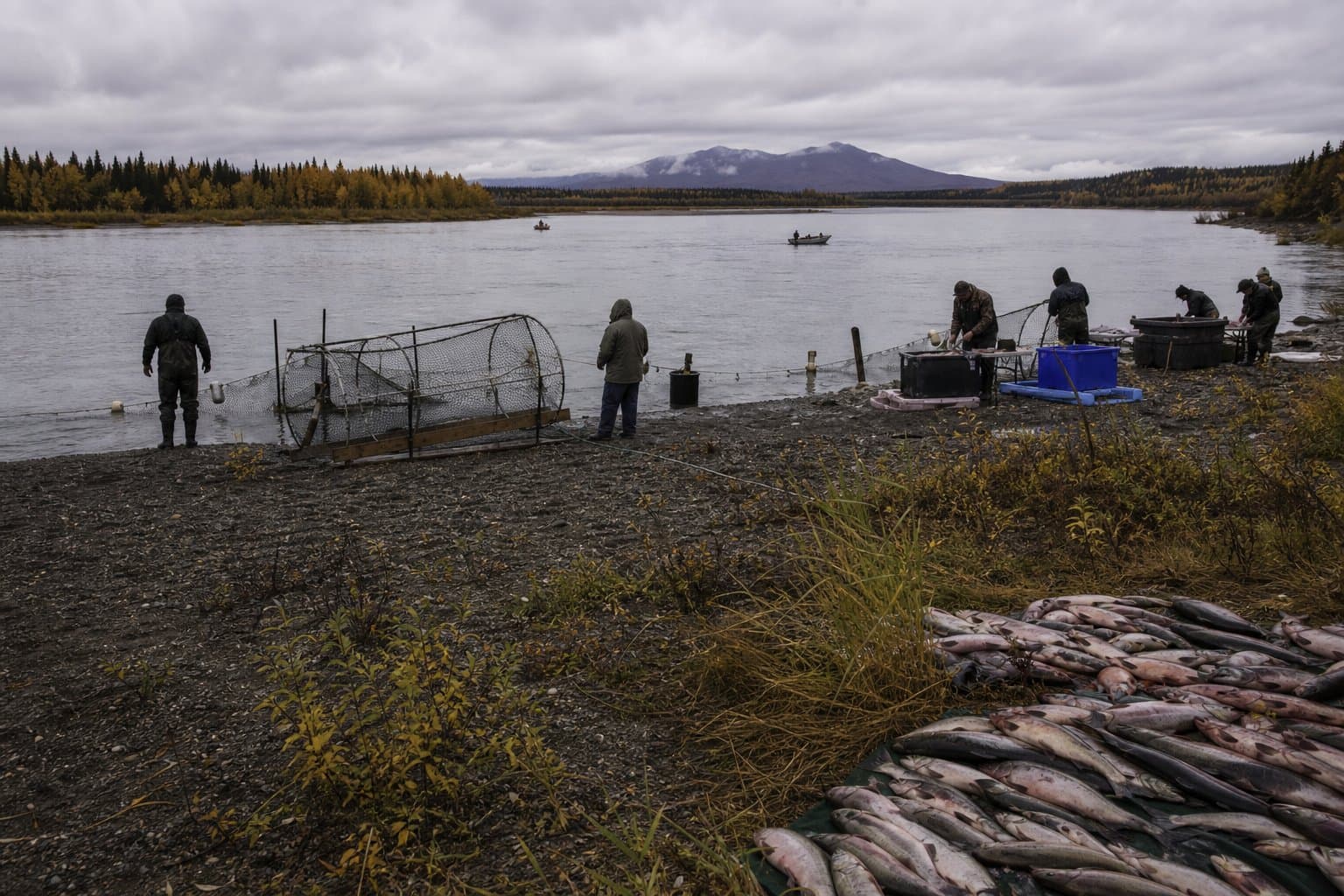
BLM rule would let NPR-A operators waive subsistence conditions without public notice
A new BLM rule lets oil and gas operators in Alaska's National Petroleum Reserve waive mitigation conditions, including four protections for subsistence hunting, without public notice.
by Walter AlaskaNews3w ago3 min read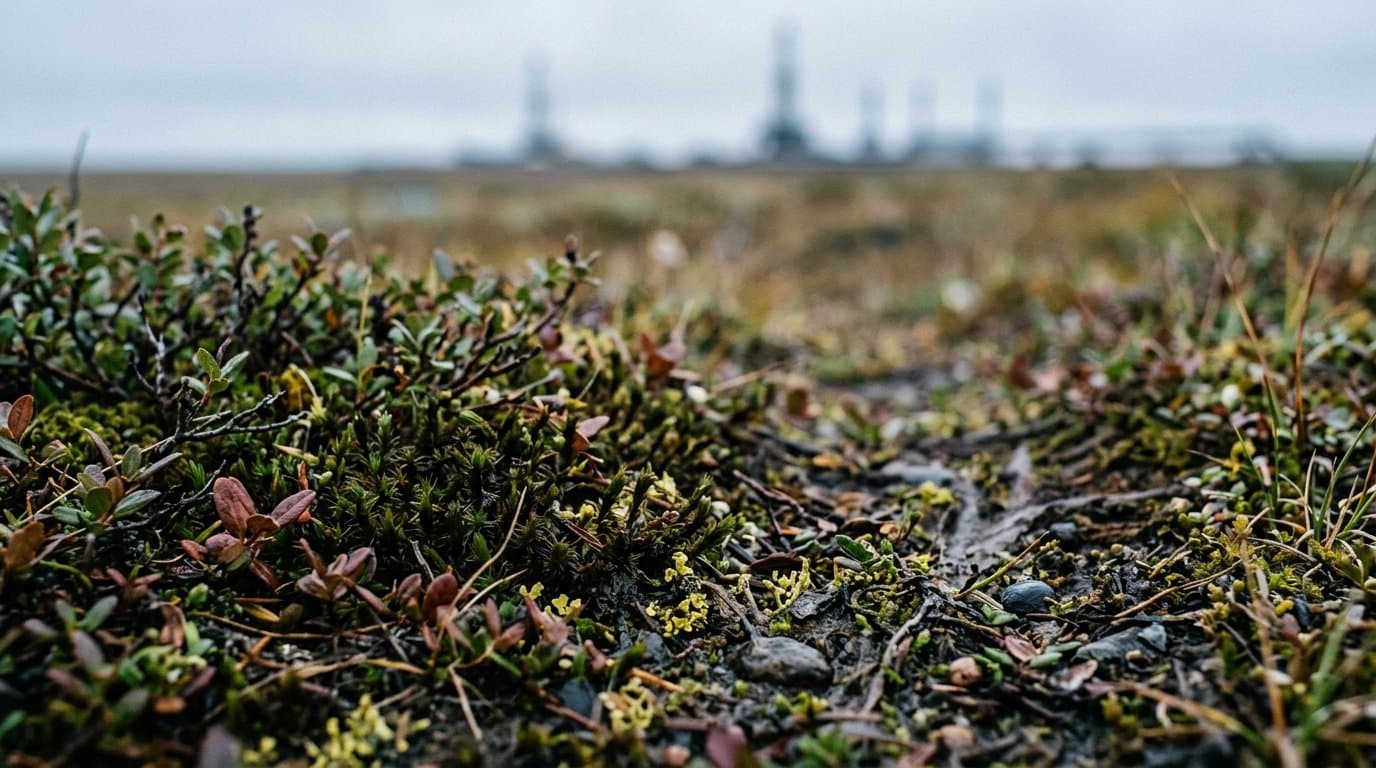
Copper River dipnet and subsistence fishing runs through Sept. 30
Copper River dipnetters have until Sept. 30 to fish, closing out a below-average sockeye year — and the river gauge is down, so check conditions first.
by Bill AlaskaNews3w ago1 min read
The Forest Service approved logging it says may restrict subsistence hunting
The Forest Service approved Revillagigedo logging its own analysis says may significantly restrict subsistence deer hunting. A tribe and two groups sued.
by Maggie AlaskaNewsadded 3w ago2 min read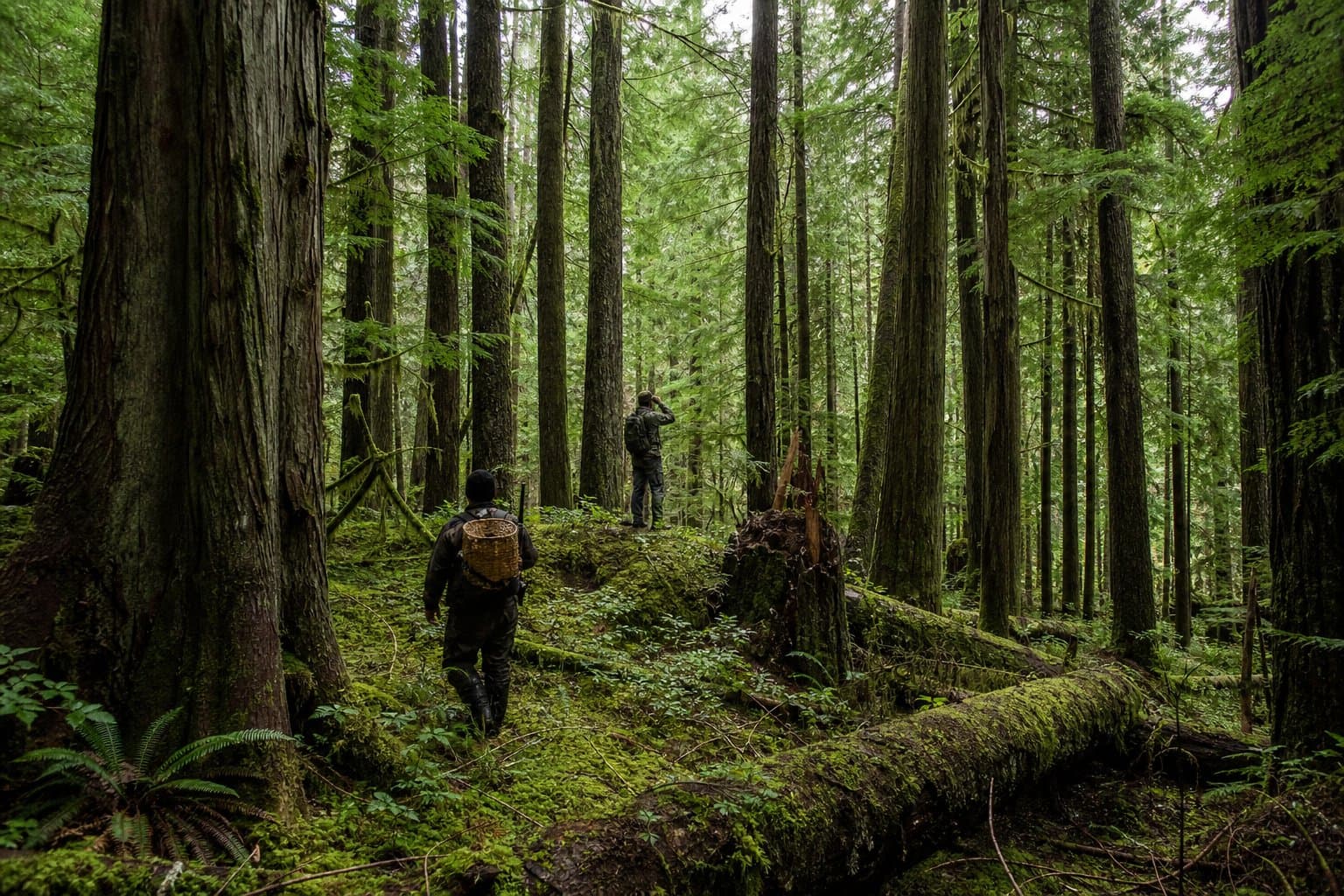
Tanana subsistence chum fishing reopens while coho stays closed
Tanana subsistence fishers can take chum around the clock again. Coho stay closed, with the run projected near a third of its historical average.
by Maggie AlaskaNewsadded 3w ago2 min read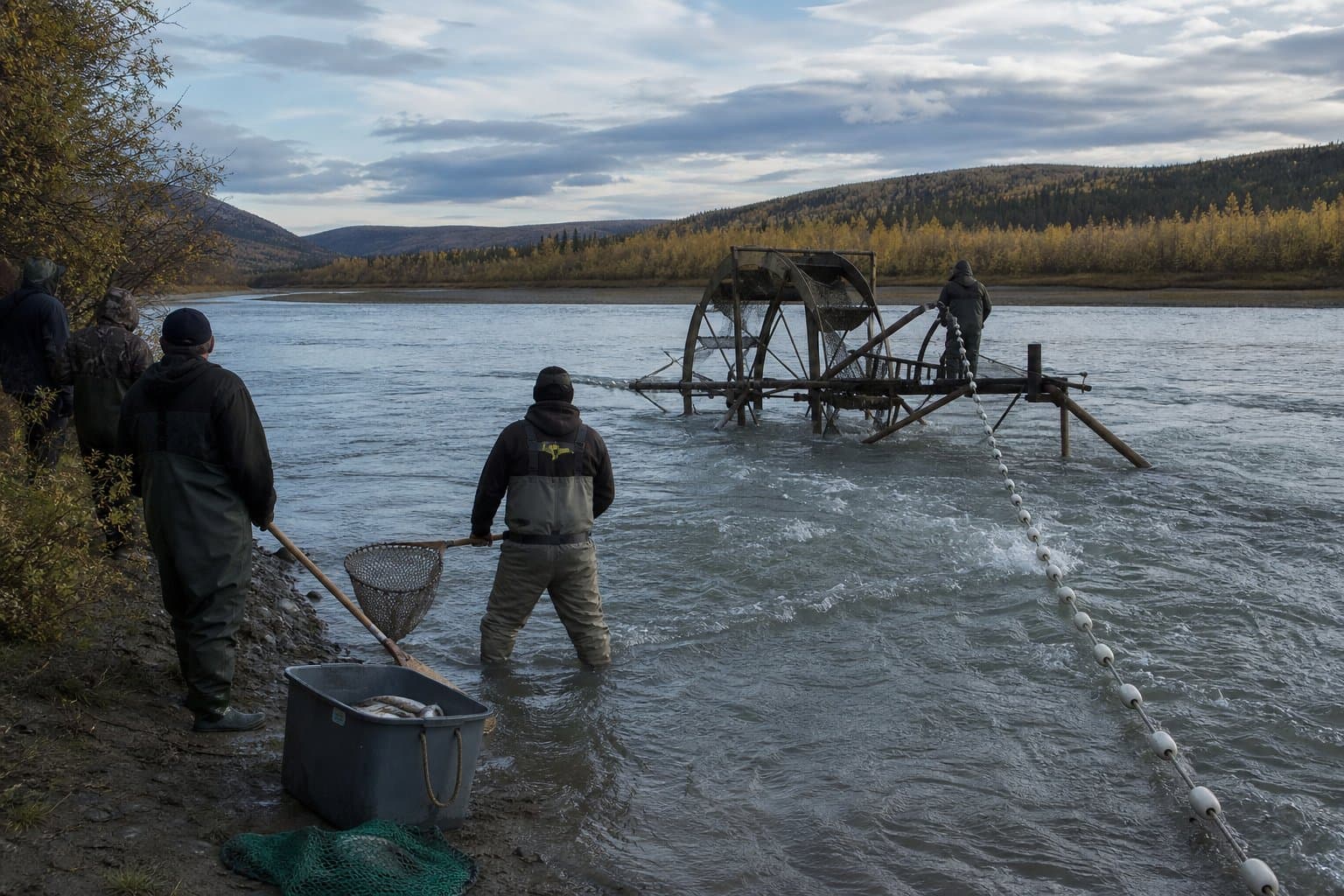
Fairbanks's chum salmon fishery reopens on the Tanana on Friday
Fairbanks-area households can fish for chum salmon on the Tanana again starting Friday, after a strong Yukon run — but coho must be released and limits apply.
by Bill AlaskaNews1mo ago2 min read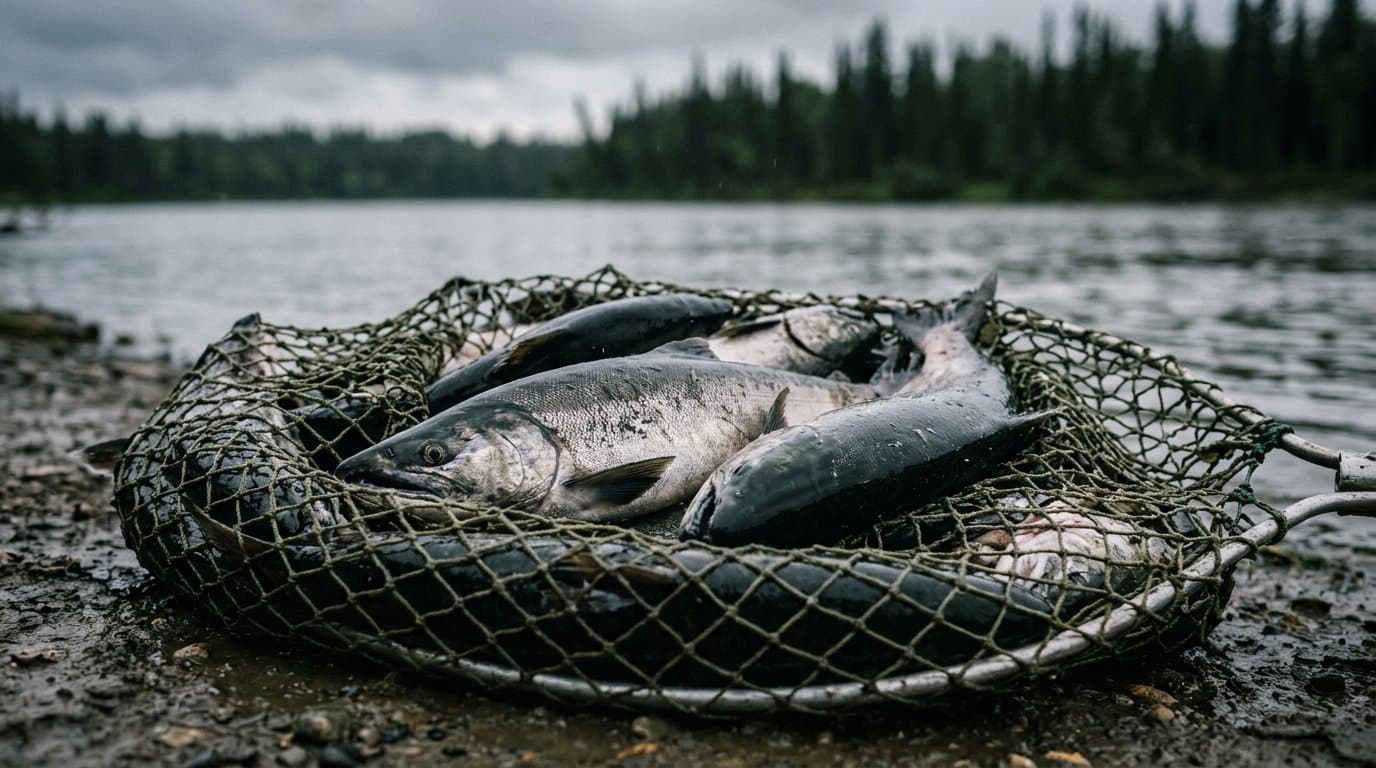
Yukon families get chum back, but only in the tributaries
Yukon families can take chum again, but only in the tributaries. The mainstem carries the Canadian-origin run, projected far below its border goal.
by Bill AlaskaNews1mo ago1 min read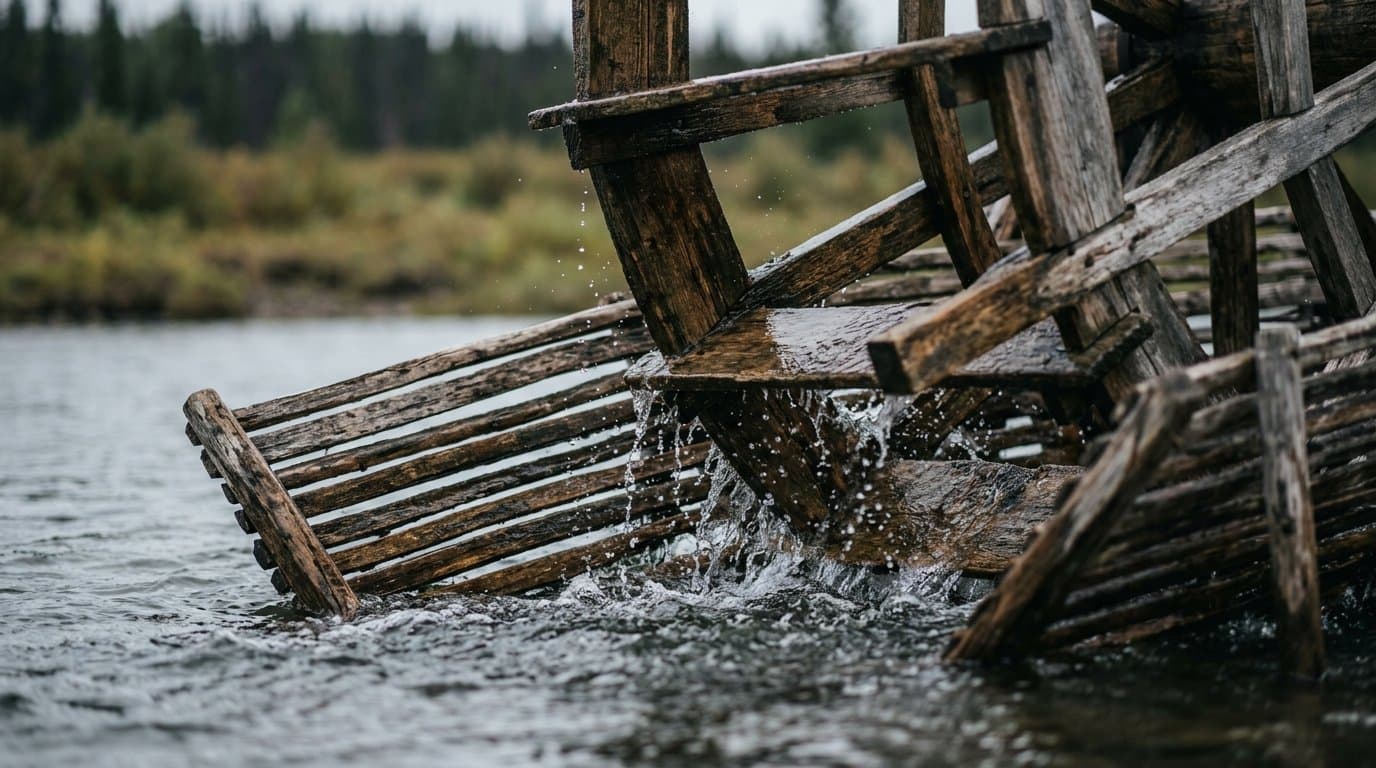
A Situk River king salmon closure is extended as returns fall short
A Situk River fishing closure protecting weak king runs is extended through Aug. 31 — one of several 2026 restrictions on a key Yakutat subsistence river.
by Bill AlaskaNews1mo ago1 min read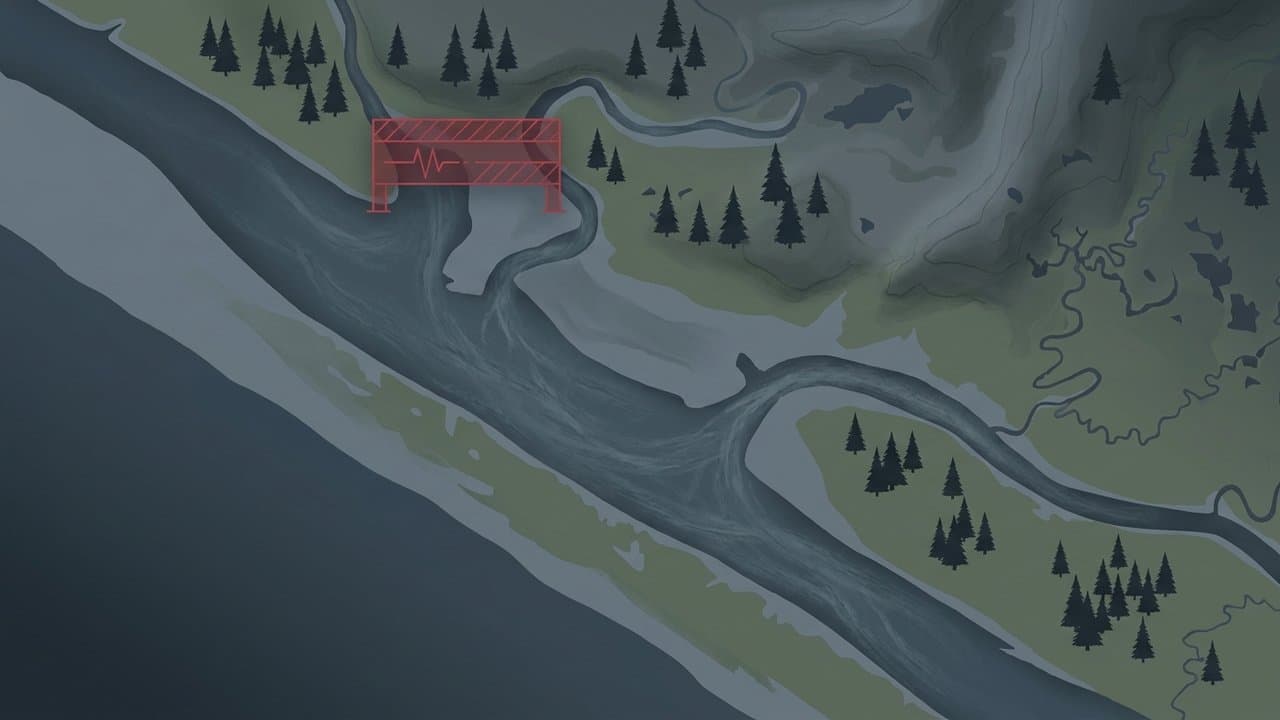
AFN holds a subsistence listening session in Fairbanks on Aug. 31
The Alaska Federation of Natives holds a subsistence listening session in Fairbanks on Aug. 31, gathering harvesters' and elders' input on the future of subsistence.
by Maggie AlaskaNews1mo ago1 min read
A miner wants to run a cable across the Koyukuk and camp on its bank for five years
The public can comment through Sept. 2 on a plan for a supply cable across the Middle Fork Koyukuk River and a six-person mining camp on its bank for 5 years.
by Maggie AlaskaNews1mo ago2 min read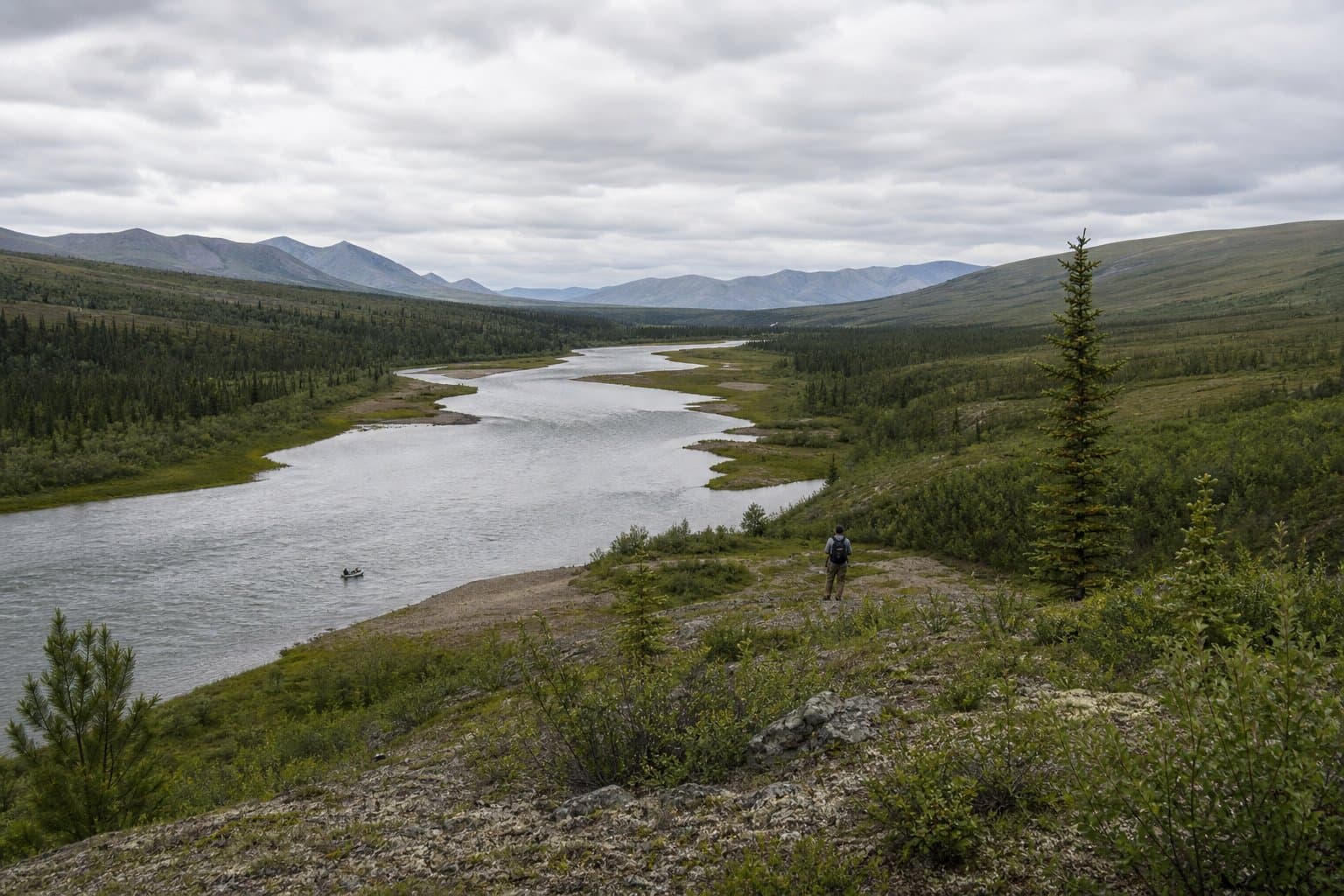
Knik Tribe awarded $5 million to design fish passage fixes on Talkeetna Spur Road
Eight culverts on the Talkeetna Spur Road block salmon from more than 66 miles of stream. The Knik Tribe got $5 million to design the fixes.
by Maggie AlaskaNews1mo ago1 min read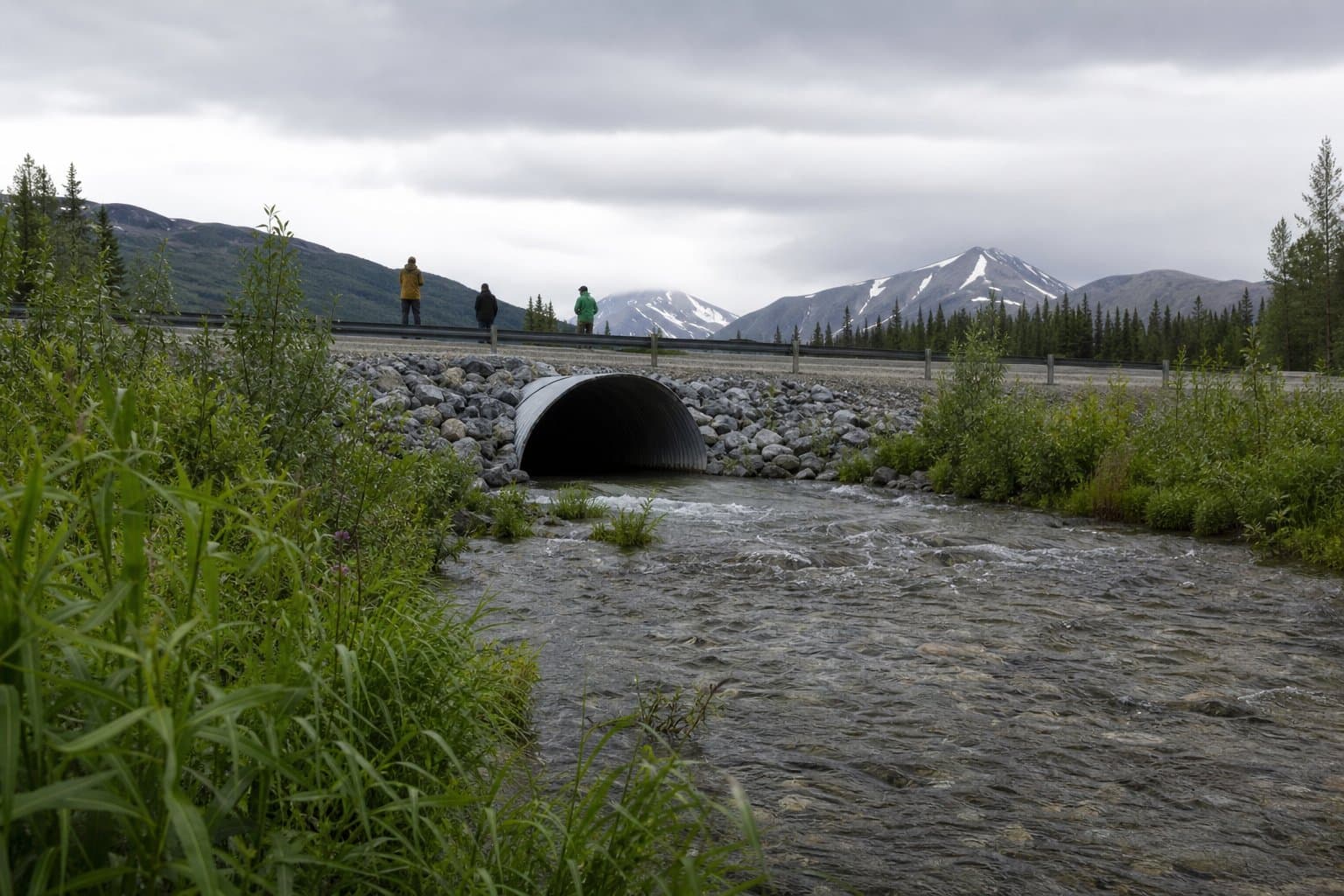
Alaska's seat on the halibut commission is open, and you can nominate yourself
Alaska's seat on the commission that sets Pacific halibut catch limits is open. Nominations close Sept. 14, and self-nominations are accepted.
by Maggie AlaskaNews1mo ago1 min read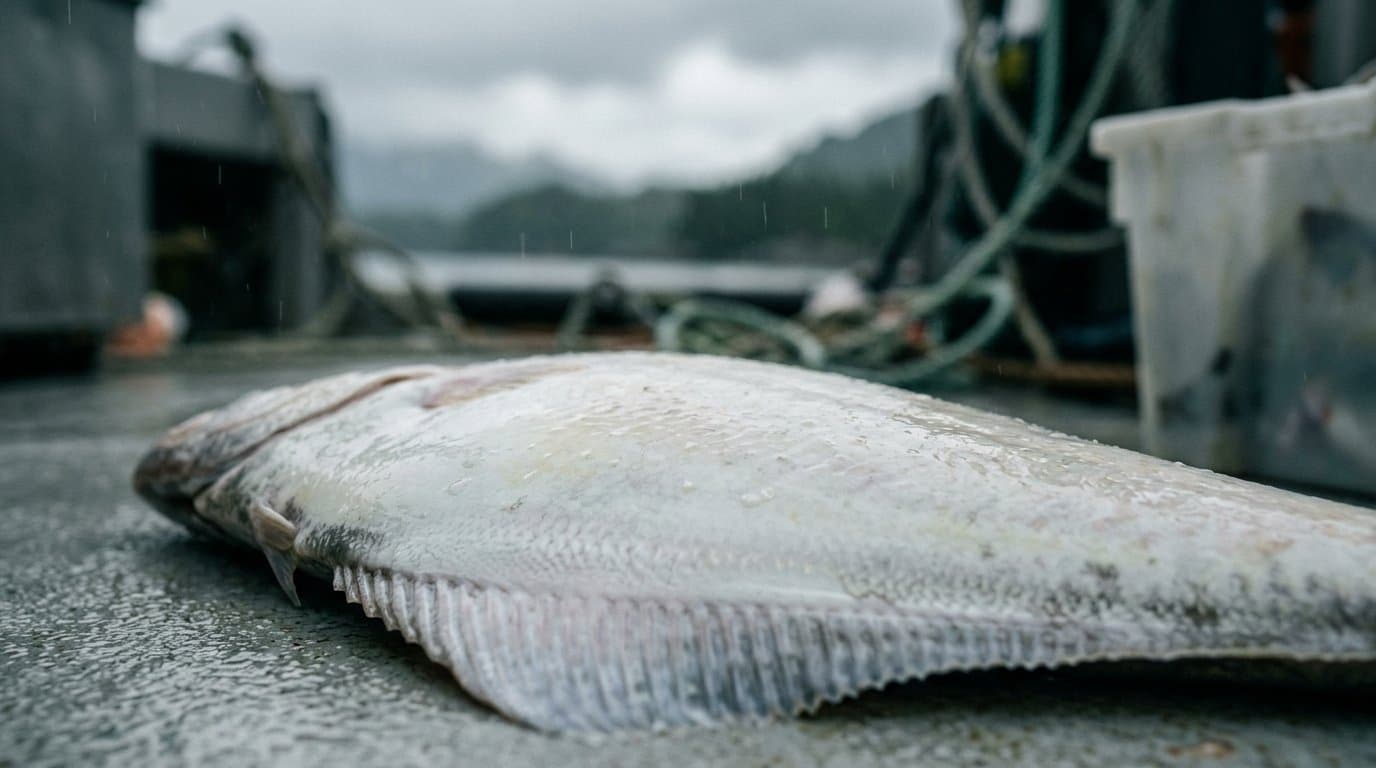
NOAA pays $1.57 million for samples from subsistence-harvested seals
NOAA is paying $1.57 million for samples from seals Alaska Native hunters take for food. The science depends on hunters volunteering what they harvested.
by Maggie AlaskaNews1mo ago2 min read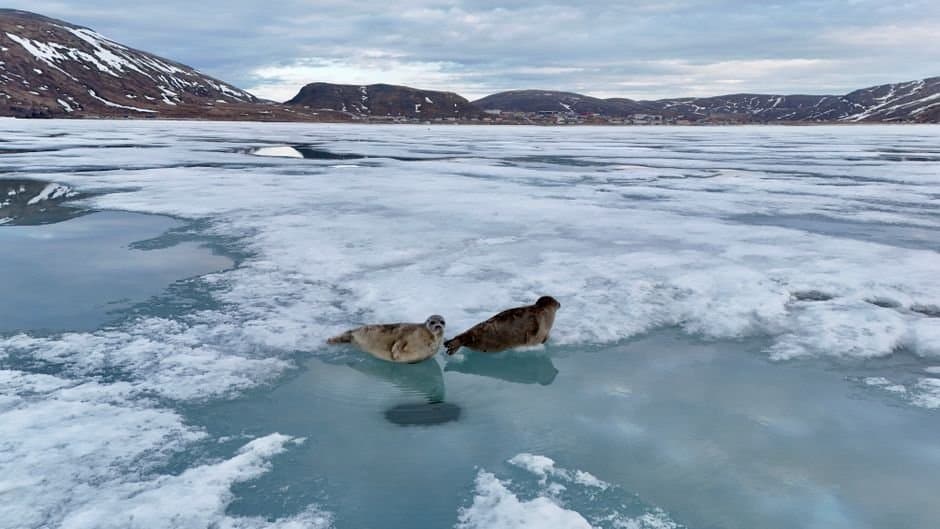
A toxic bloom killed fur seals off St. George with the highest saxitoxin level ever recorded in the species
A toxic bloom killed fur seals off St. George with the highest saxitoxin level ever recorded in the species. Tribal monitors get another year to track it.
by Maggie AlaskaNews1mo ago1 min read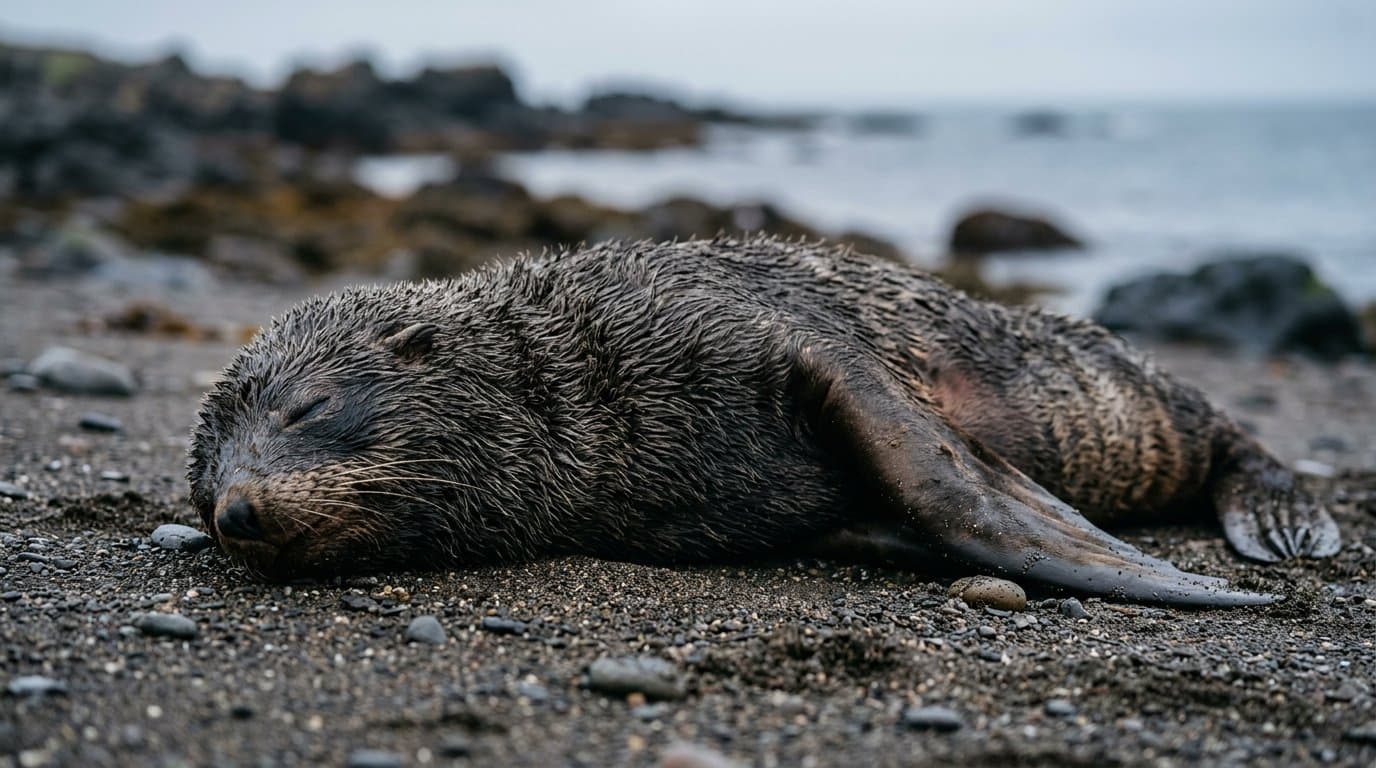
Yakutat opened a short sockeye gillnet fishery, with kings still off-limits
Yakutat opened a short sockeye gillnet fishery in mid-August, but king salmon stayed off-limits as the Situk River's king run keeps declining.
by Bill AlaskaNews1mo ago1 min read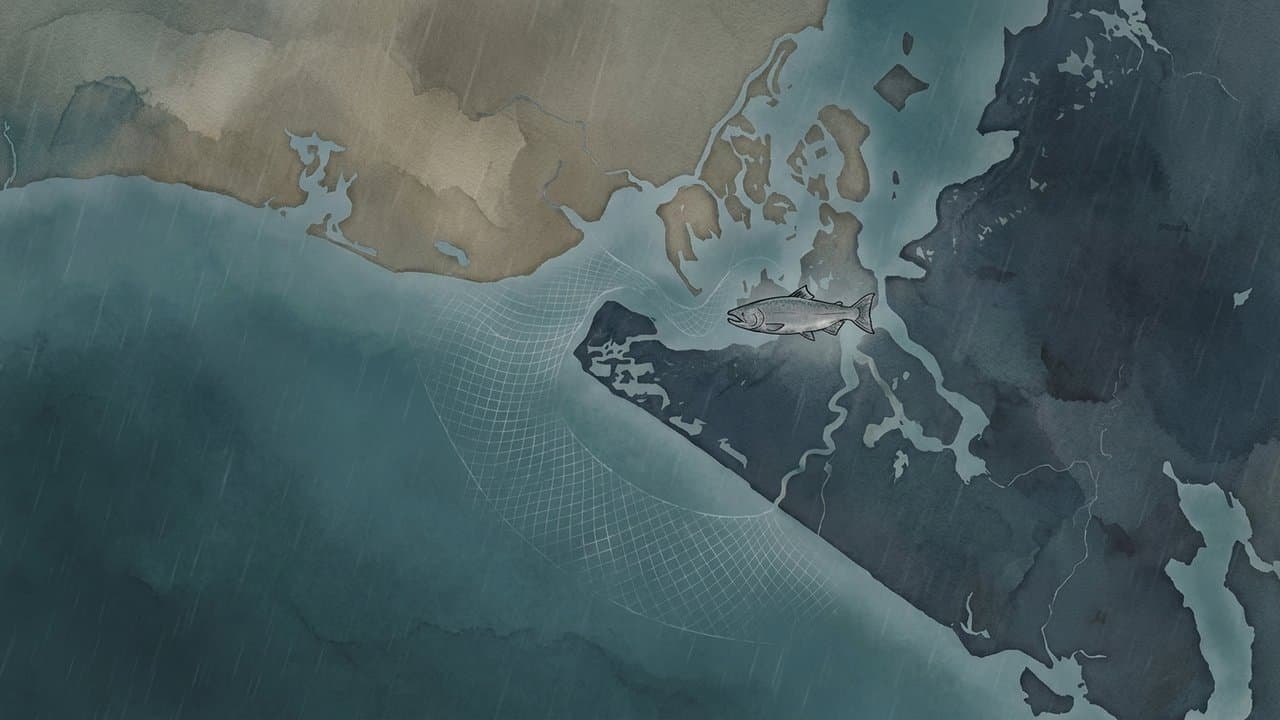
Subsistence coho fishing closes on the middle and upper Kuskokwim
Subsistence coho fishing closes Friday on the middle Kuskokwim and a week later upriver. Sonar counts are running about a third below average for the date.
by Bill AlaskaNews1mo ago2 min read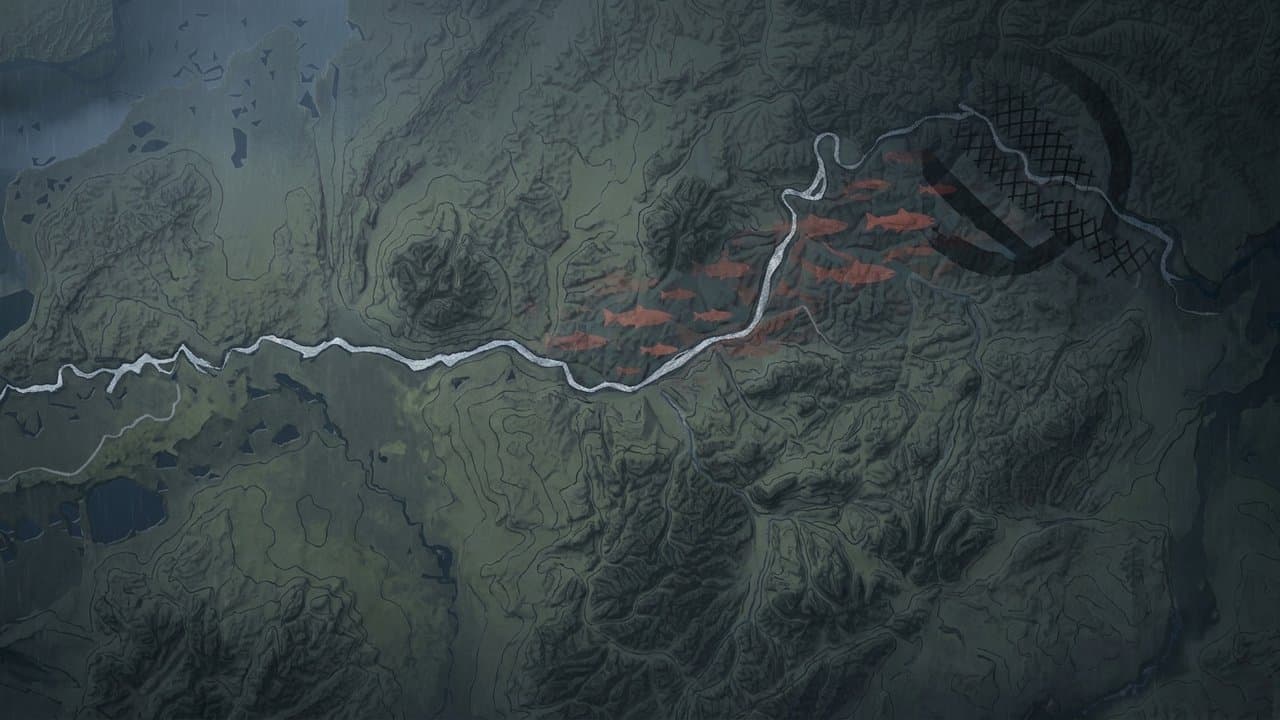
A declining Fortymile caribou herd, short hunts, and a dispute over timing
A declining Fortymile caribou herd has forced short, tightly capped hunts. Tribes say the state's timing this year cut into the federal subsistence priority.
by Walter AlaskaNews1mo ago2 min read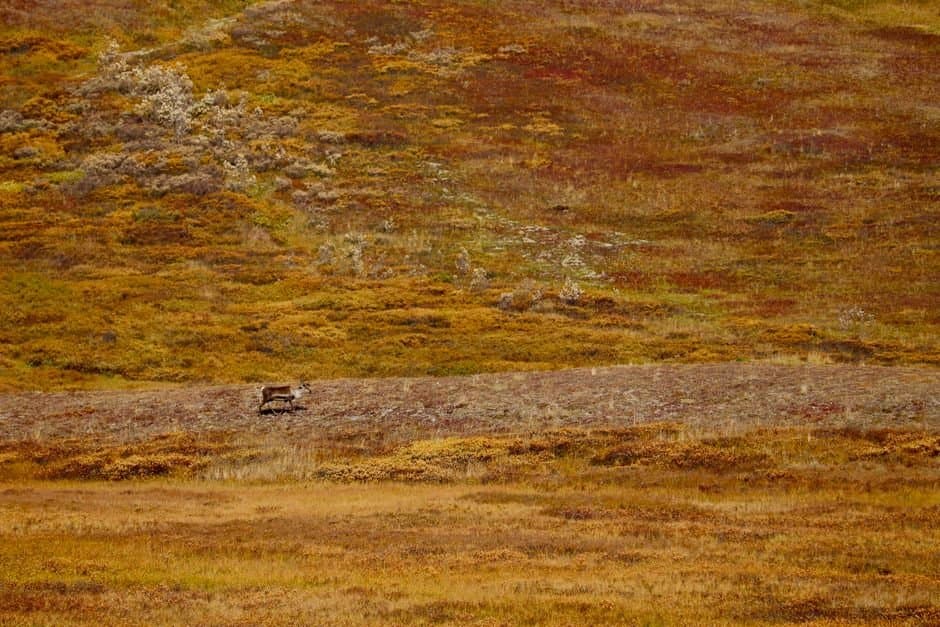
Yukon coho are running far below normal, and even a strong chum year likely won't reopen fishing
Yukon River coho are running far below normal as their peak season opens, and even a strong fall chum year likely won't reopen subsistence fishing.
by Walter AlaskaNews1mo ago2 min read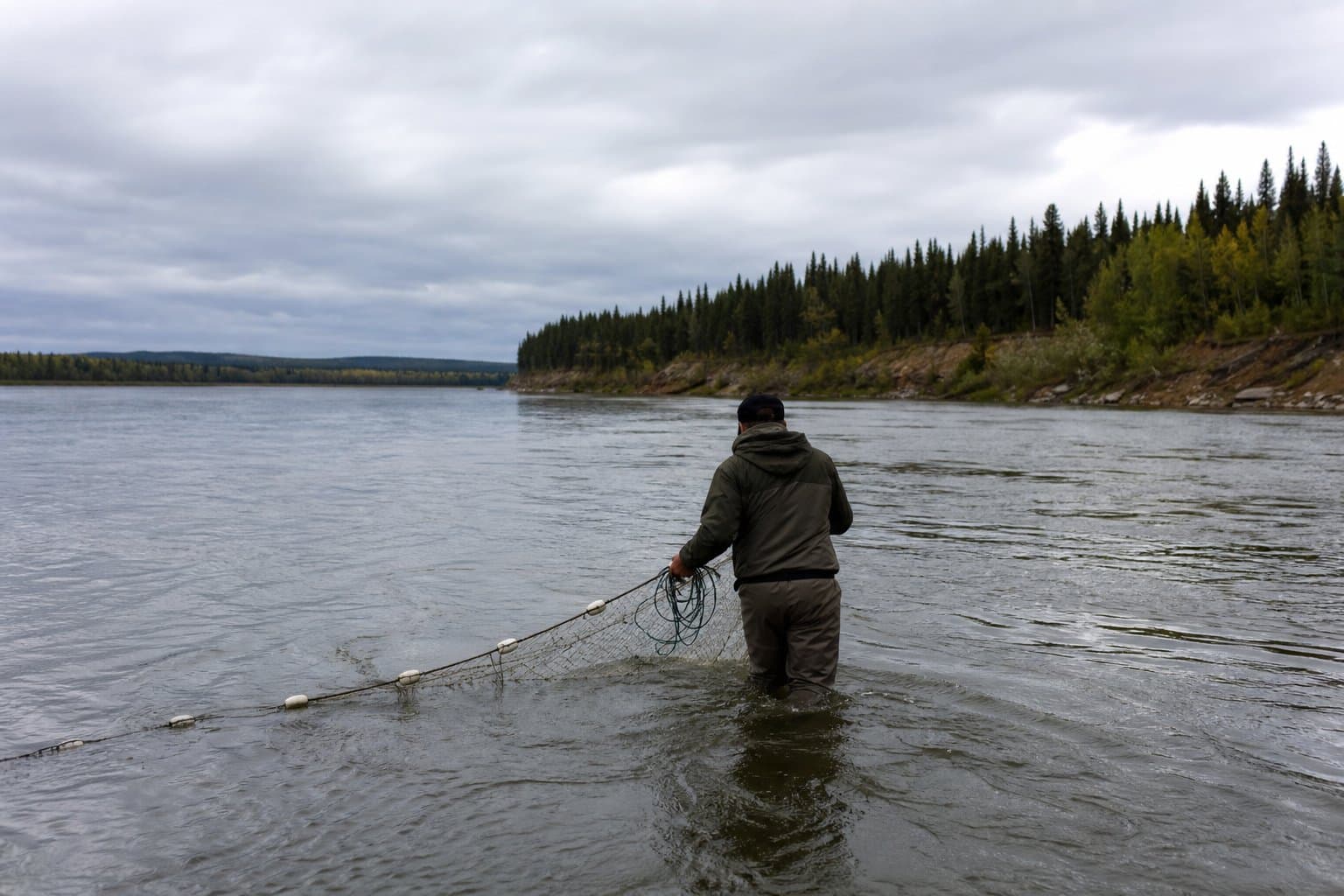
Fall chum and coho fishing is closed across the Tanana drainage
Fall chum and coho fishing is closed across the Tanana drainage through year's end, a precautionary move after chum was listed as a stock of concern.
by Walter AlaskaNews1mo ago1 min read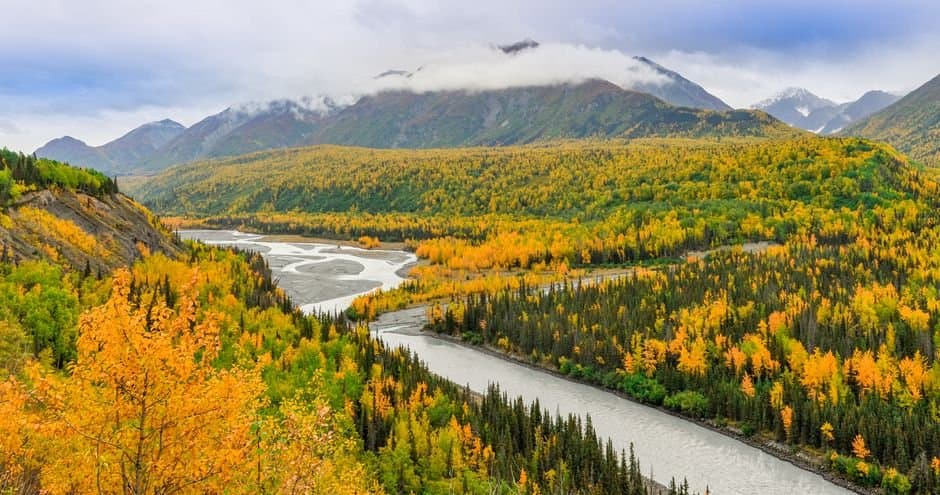
Yukon fall salmon fishing closes at the peak of the season, not for a weak run but to meet Canada's share
Yukon fall salmon fishing closed at the peak of the season for Interior households — not for a weak run, but because Canada's treaty share has to pass first.
by Bill AlaskaNews1mo ago2 min read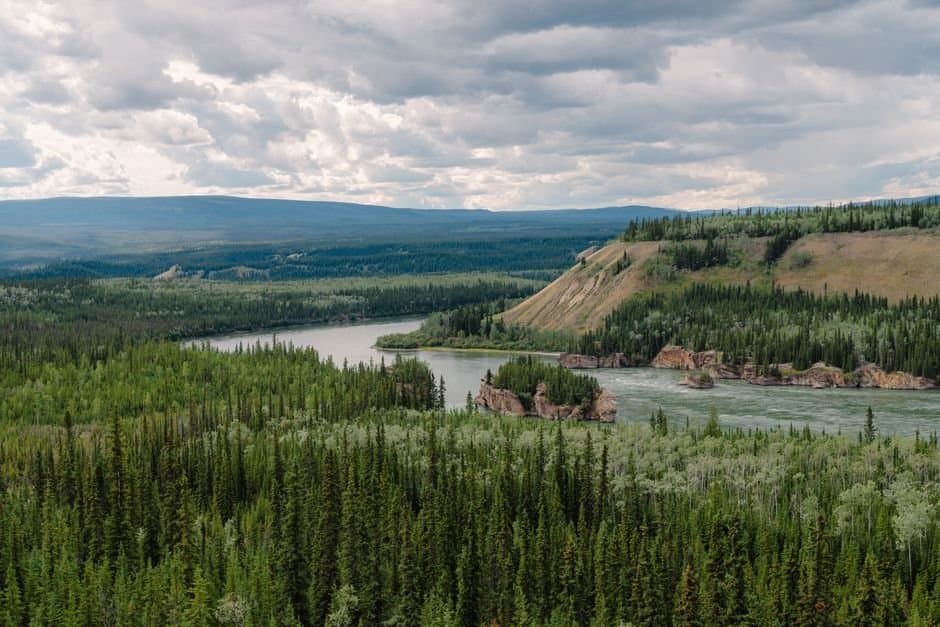
Upper Koyukuk and Innoko villages can keep every salmon again starting Monday
Six Koyukuk River villages and Shageluk can keep all salmon they catch starting Monday after Fish and Game confirmed local chum are a different stock than Canadian-protected fall chum.
by Bill AlaskaNews1mo ago2 min read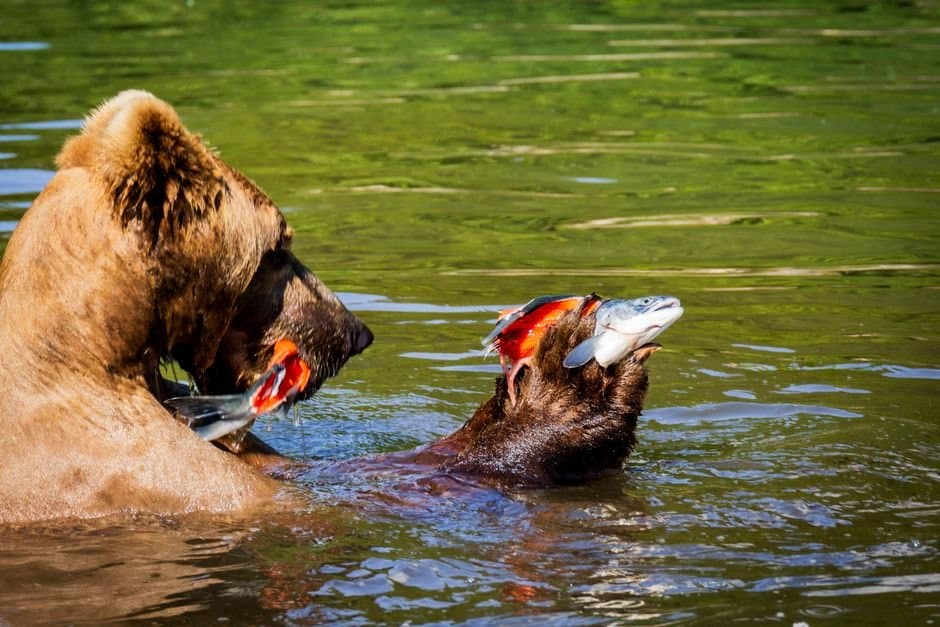
In Kake, showing up means a vote on fish and game
Any voting-age Kake resident who shows up can nominate and vote at the fish and game advisory committee's Aug. 26 meeting in the subsistence-salmon village.
by Walter AlaskaNews1mo ago1 min read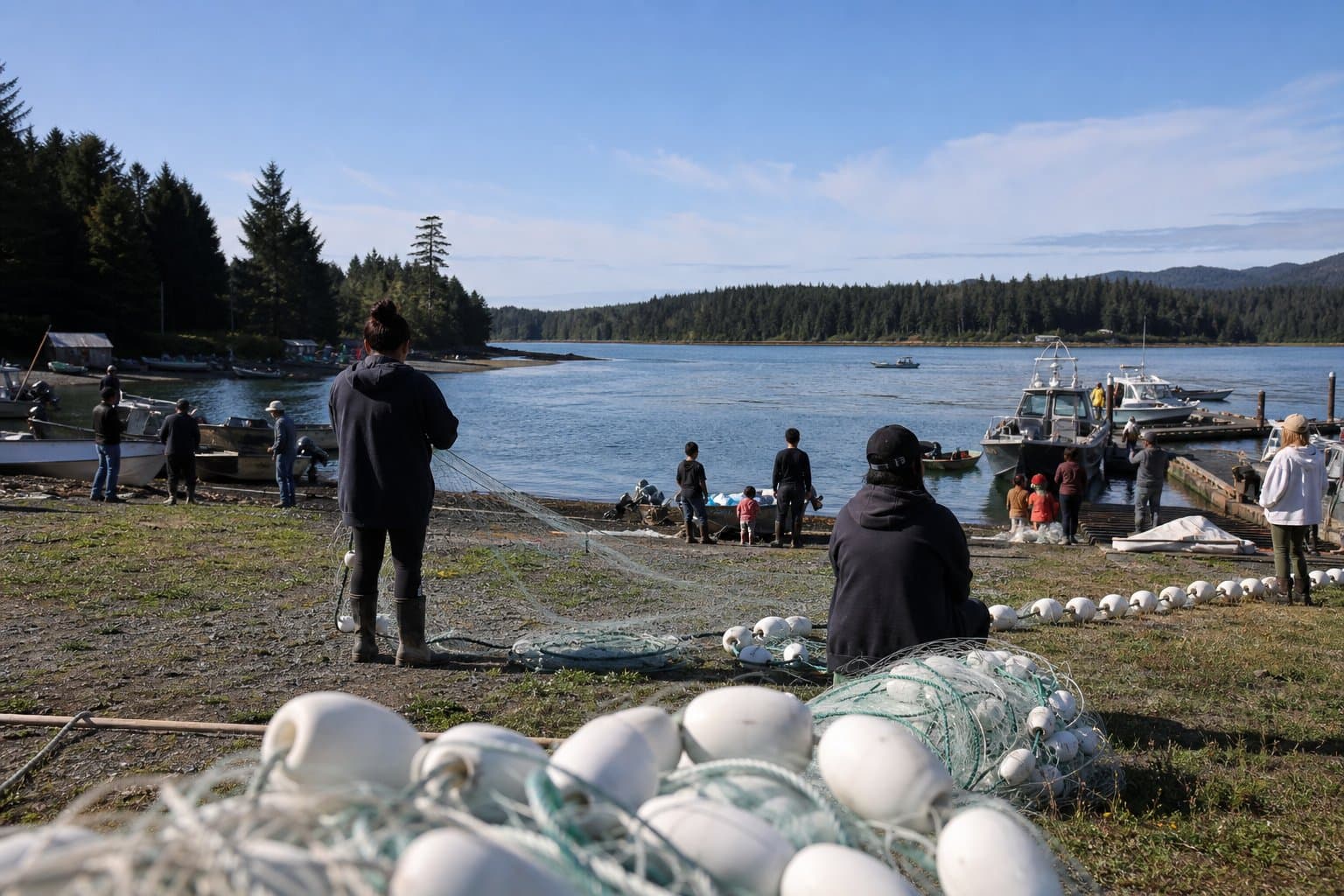
Yukon fall chum and coho fishing closes as the Canadian-bound run comes in far below treaty levels
Yukon fall chum and coho fishing closes Saturday as the Canada-bound run falls far below treaty levels, deepening food-security strain for families.
by Maggie AlaskaNews1mo ago2 min read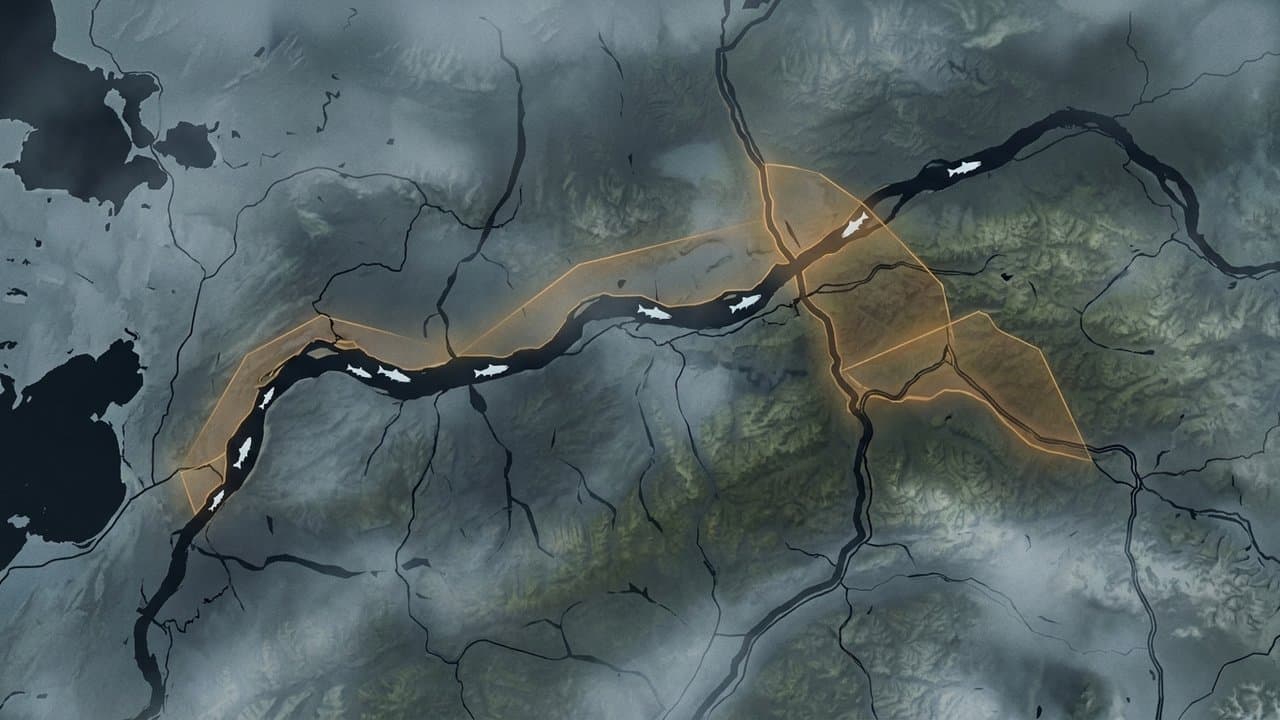
The state closes Kuskokwim subsistence coho fishing as the run lags
The state closed subsistence coho fishing on the Kuskokwim River, cutting off a key food source mid-run as the coho run comes in far below average.
by Bill AlaskaNews1mo ago1 min read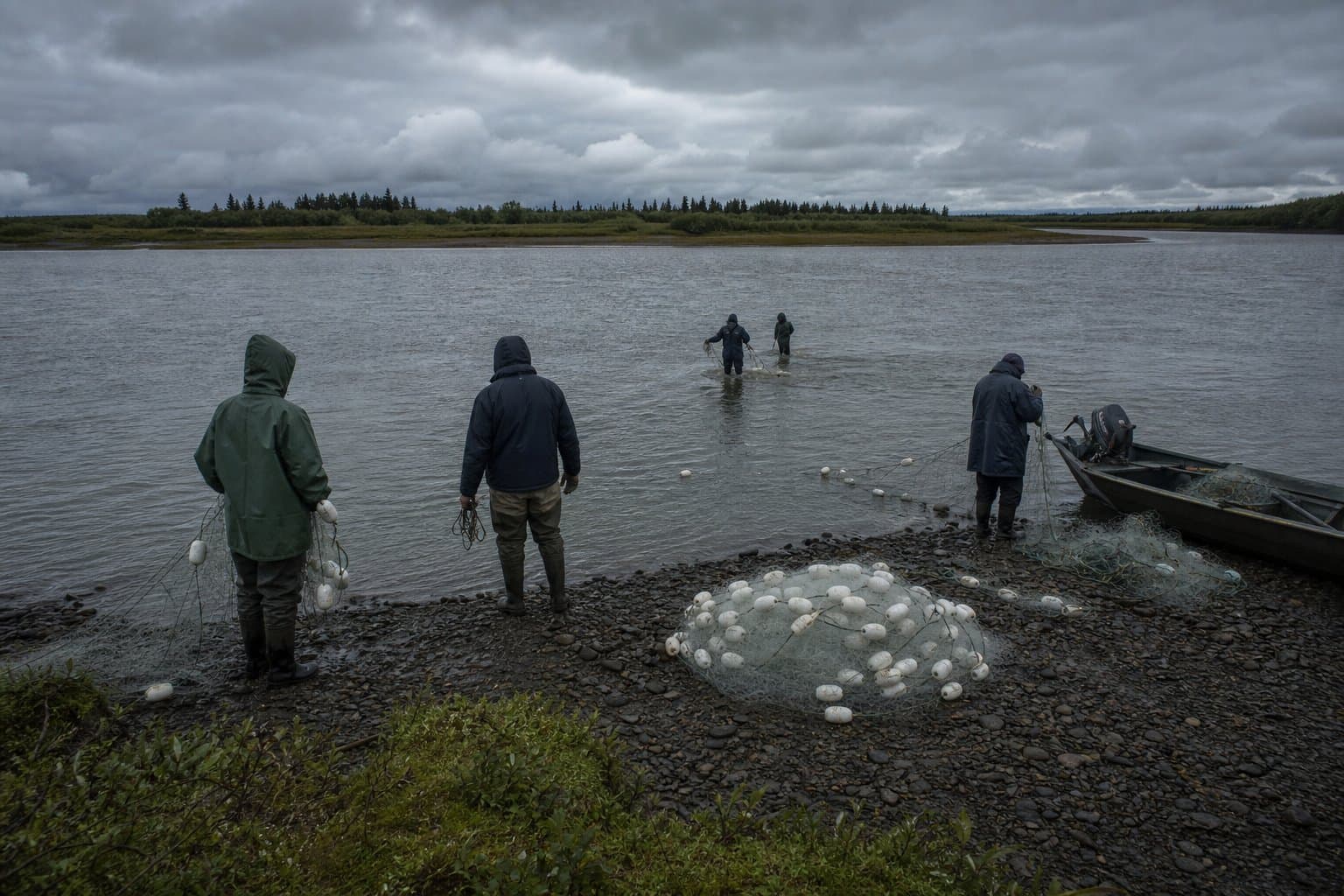
Shaktoolik and Unalakleet subsistence fishers must pull beach seines Tuesday
Shaktoolik and Unalakleet subsistence fishers must pull beach seines by Tuesday, part of Norton Sound's king salmon conservation effort. Gillnets stay open.
by Walter AlaskaNews1mo ago2 min read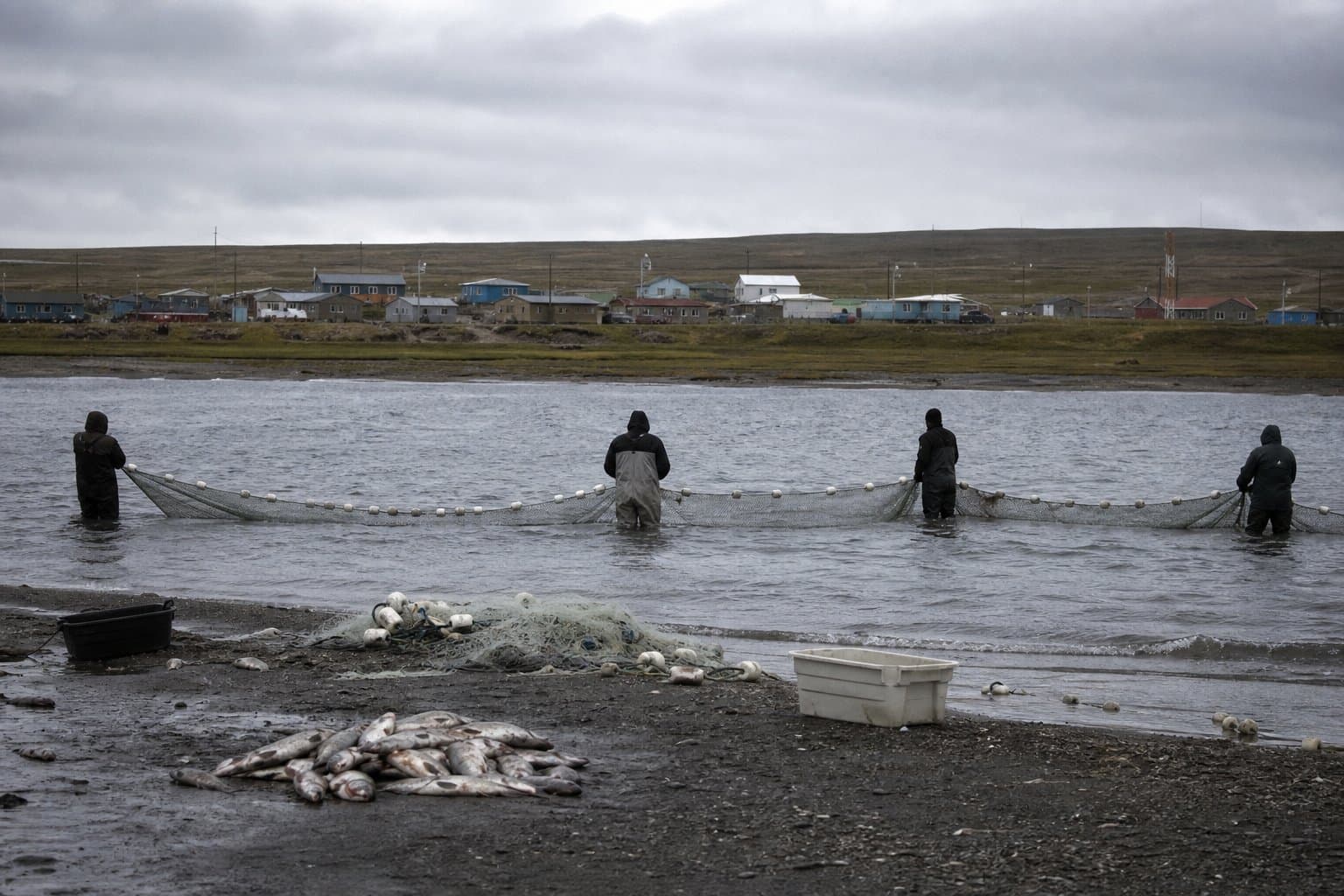
Yukon salmon conservation rules are now locked into state regulation, not left to managers' discretion
Yukon salmon conservation is now binding state regulation — fixed thresholds that keep the river's own commercial and much subsistence fishing closed.
by Bill AlaskaNews1mo ago2 min read


