Alaska’s meetings, filings, and public notices, covered daily.
Alaska News
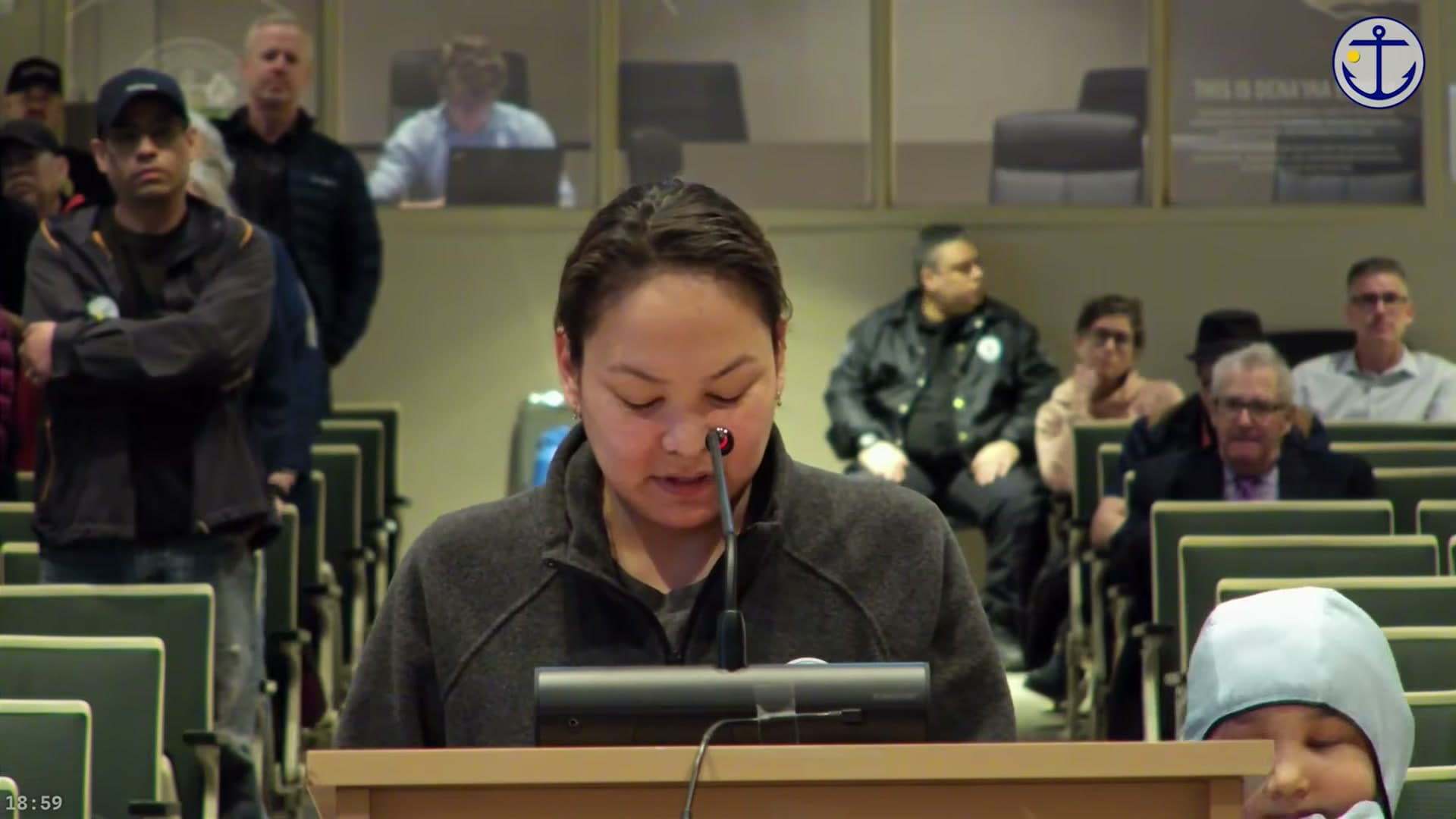
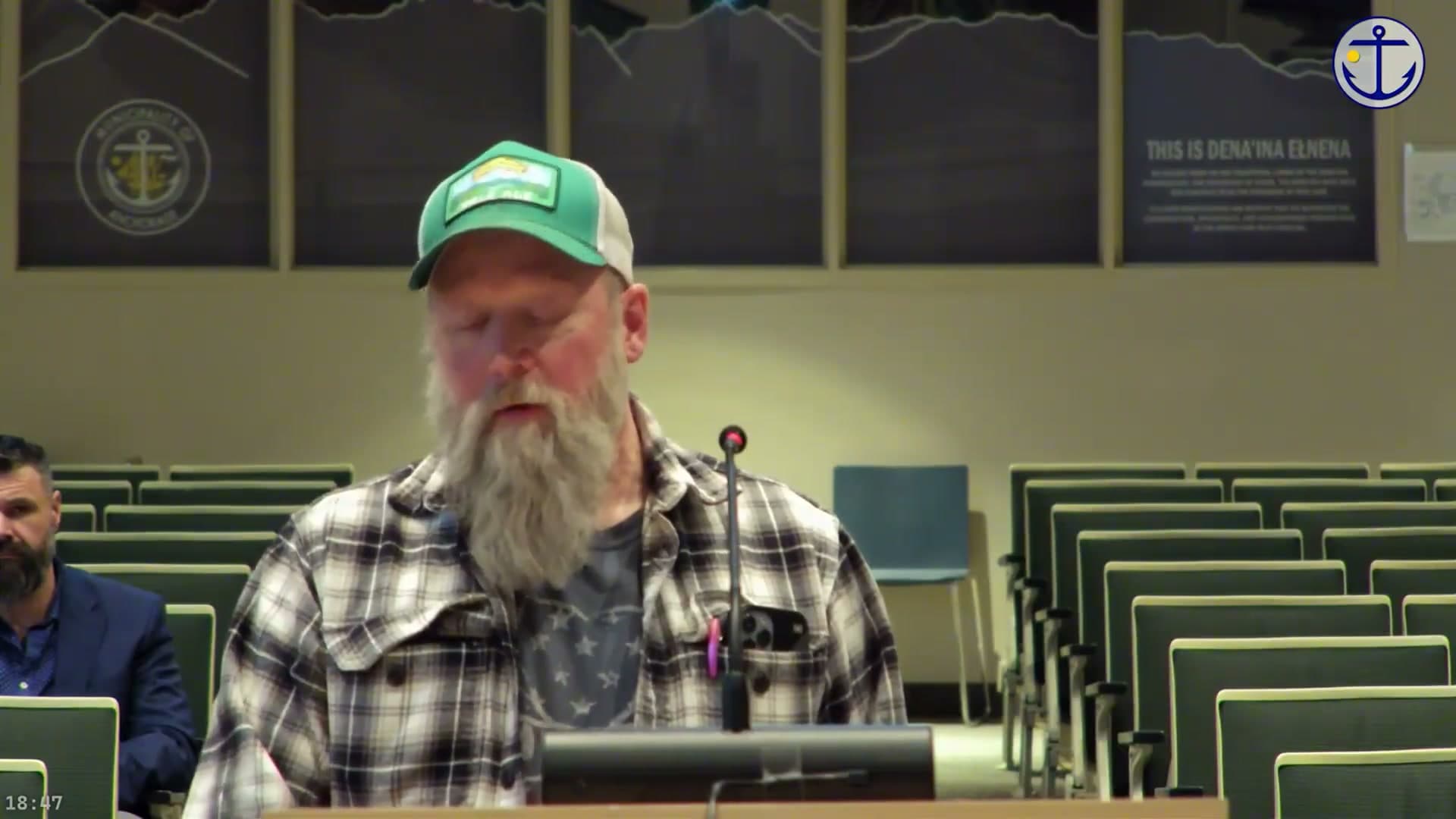
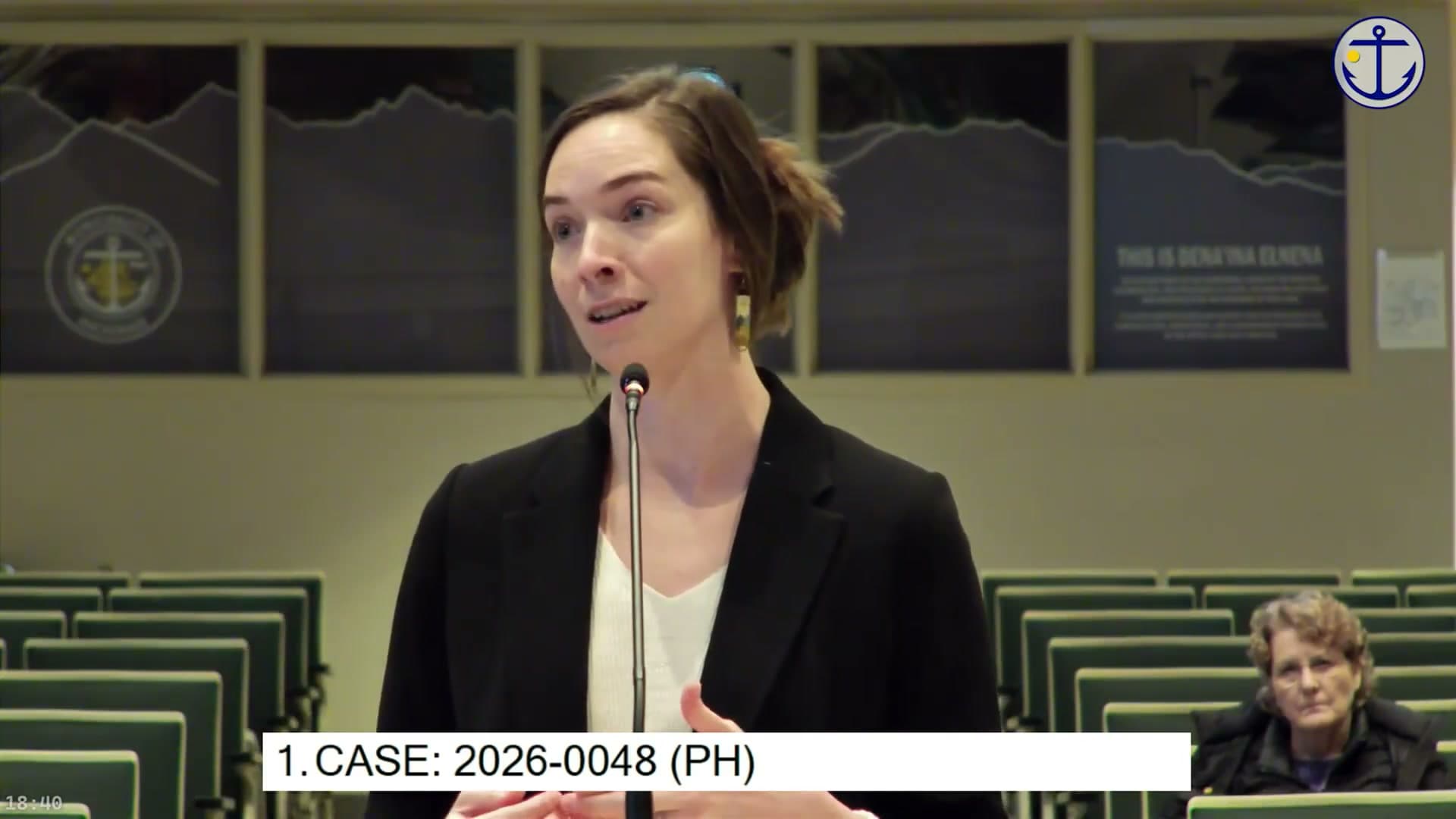
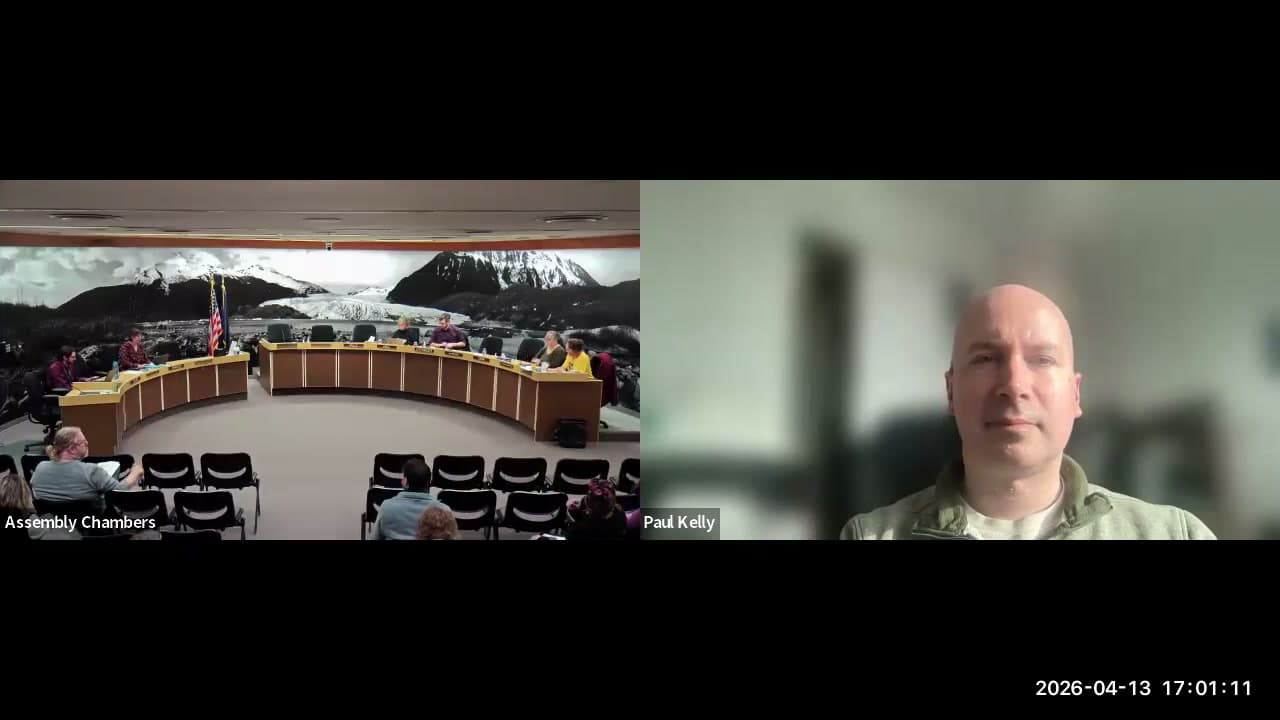
The Anchorage Assembly voted 7-3 to postpone a decision on extending a developer's land deadline until May 12 after emotional testimony from South Park Estates residents facing displacement.
Also in Alaska News
Homer City Council votes tonight on placing a 20-year renewal of the 0.75 percent HART sales tax before voters in November to fund road and trail maintenance.
Where in Alaska are you?
We’ll put news from your area first. No account needed, change it anytime.
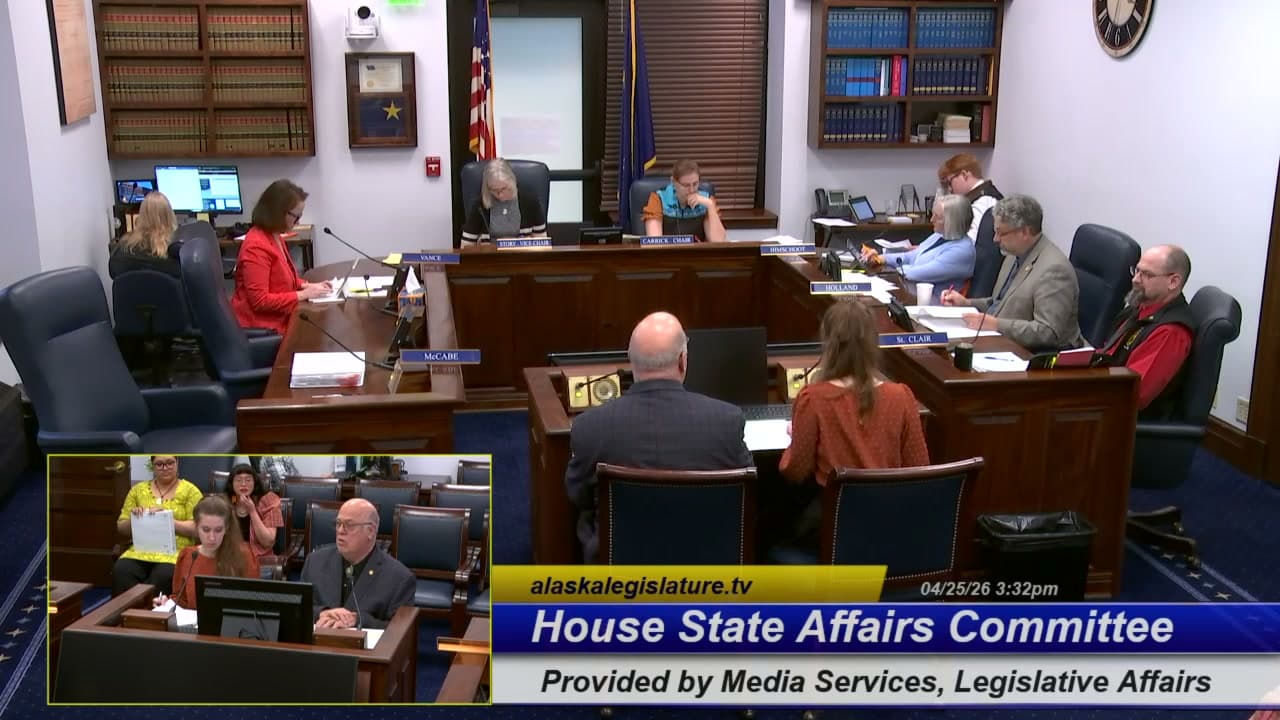
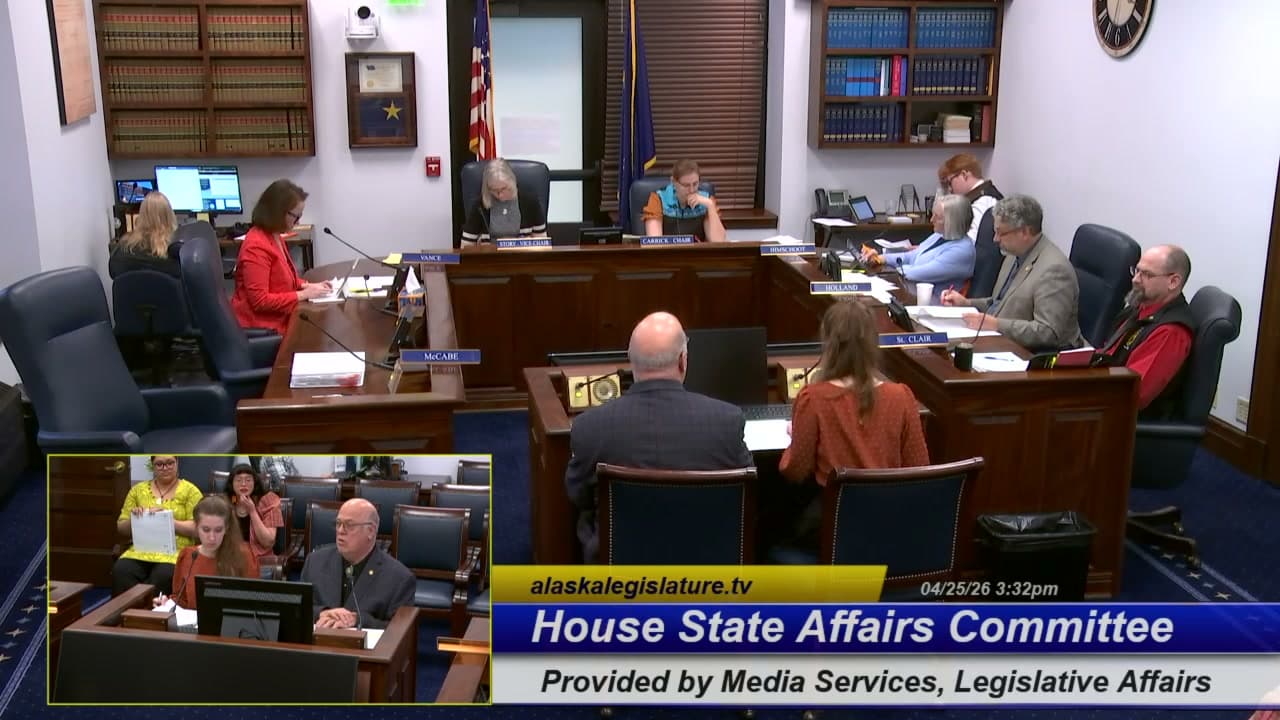
The House State Affairs Committee held an introductory hearing on HB 371, which would require groups making independent expenditures to maintain Alaska addresses and disclose non-resident funding sources.

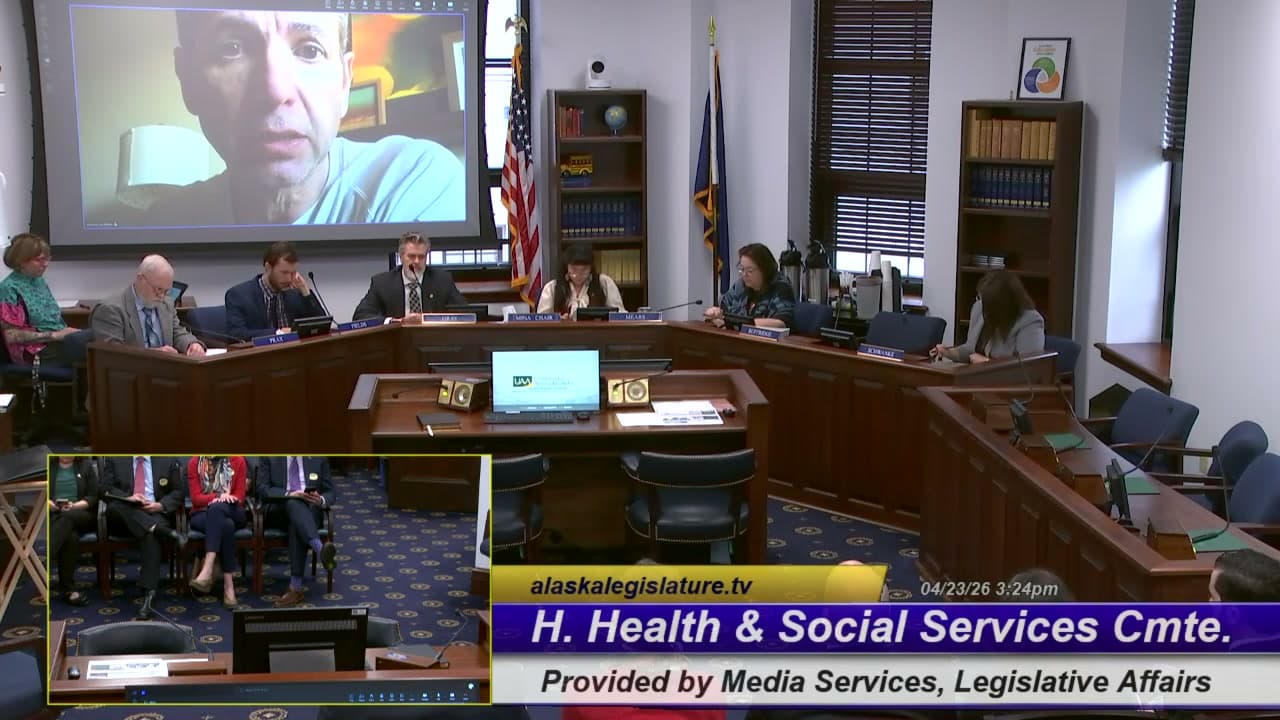
The House Health and Social Services Committee held a confirmation hearing for Norman Walker, a physician assistant appointed to the State Medical Board, and received a presentation from UAA College of Health on workforce programs.

The House State Affairs Committee held an introductory hearing on HB 371, which would require independent expenditure groups funded primarily by non-Alaskans to disclose that fact in political communications and maintain Alaska addresses or registered agents.

The Valdez Fire Department contained a late-night structure fire on Gulkana Street on April 27 with no reported injuries, though details on property damage and cause remain limited.
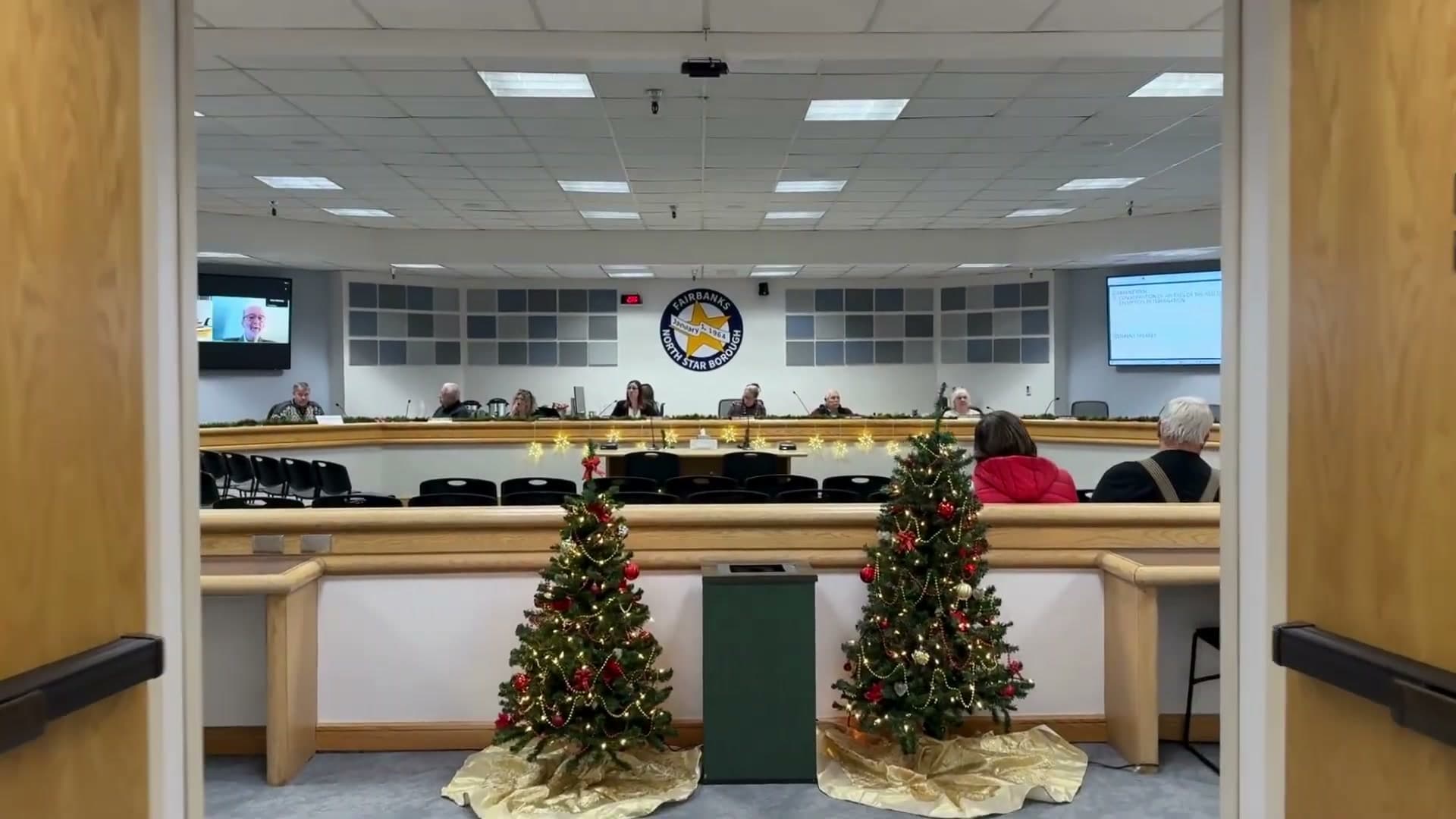
Property owners in Fairbanks North Star Borough have 30 days from the January assessment notice to appeal their property valuation, but must provide specific evidence and pay taxes on time even while the appeal is pending.

Alaska Department of Fish and Game issued rules for removing herring pound structures in Prince William Sound after spawn-on-kelp harvest to prevent disease and ensure orderly fishery closure.

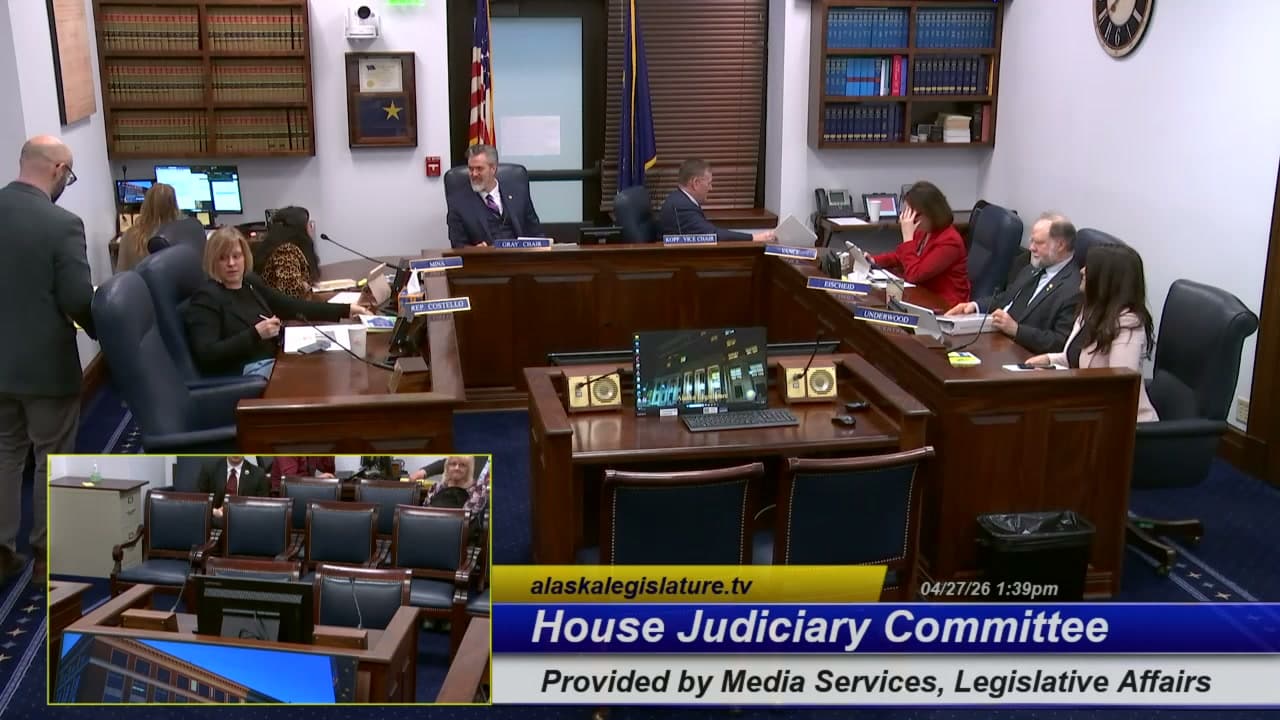
The House Judiciary Committee moved forward legislation Monday that would extend confidentiality protections to tribal domestic violence and sexual assault advocates, closing a gap that leaves survivors served by tribal governments without the same privacy safeguards afforded to those served by other organizations.

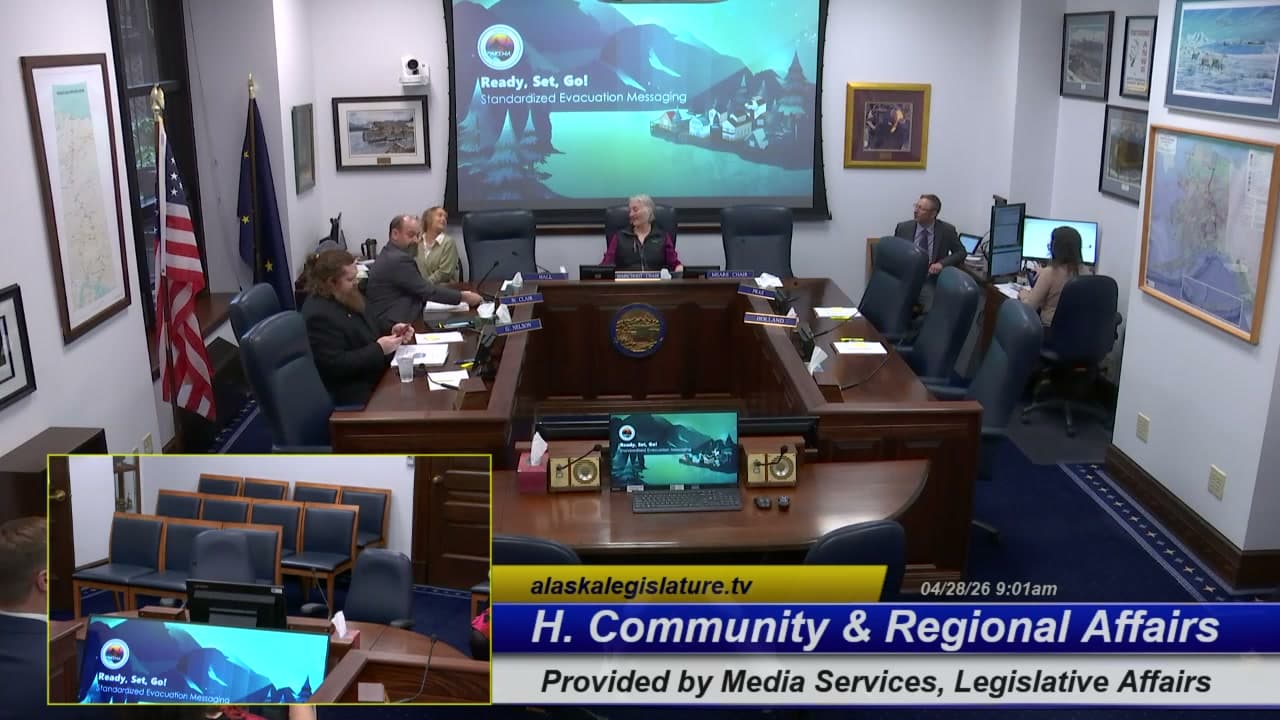
The Alaska House Community & Regional Affairs Committee heard testimony on legislation to codify a uniform 'Ready, Set, Go' color-coded evacuation system across the state, addressing confusion that arose during the 2022 Clear Fire when inconsistent local systems left residents uncertain about danger zones.

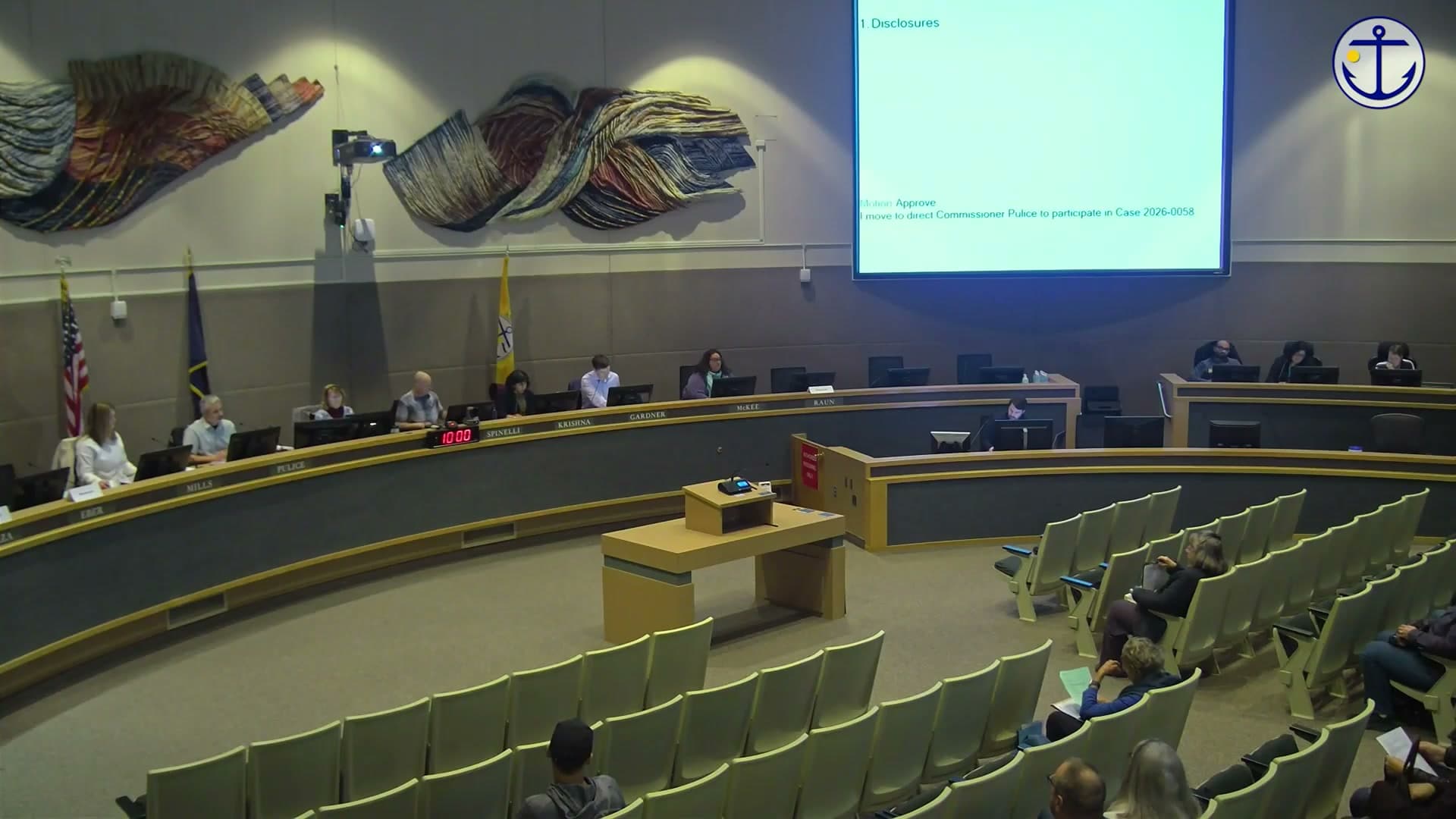
The Anchorage Zoning Board approved variances for two Eagle River properties with setback violations but denied a Girdwood homeowner's request to legalize an elevated deck encroaching 5 feet into the front setback.

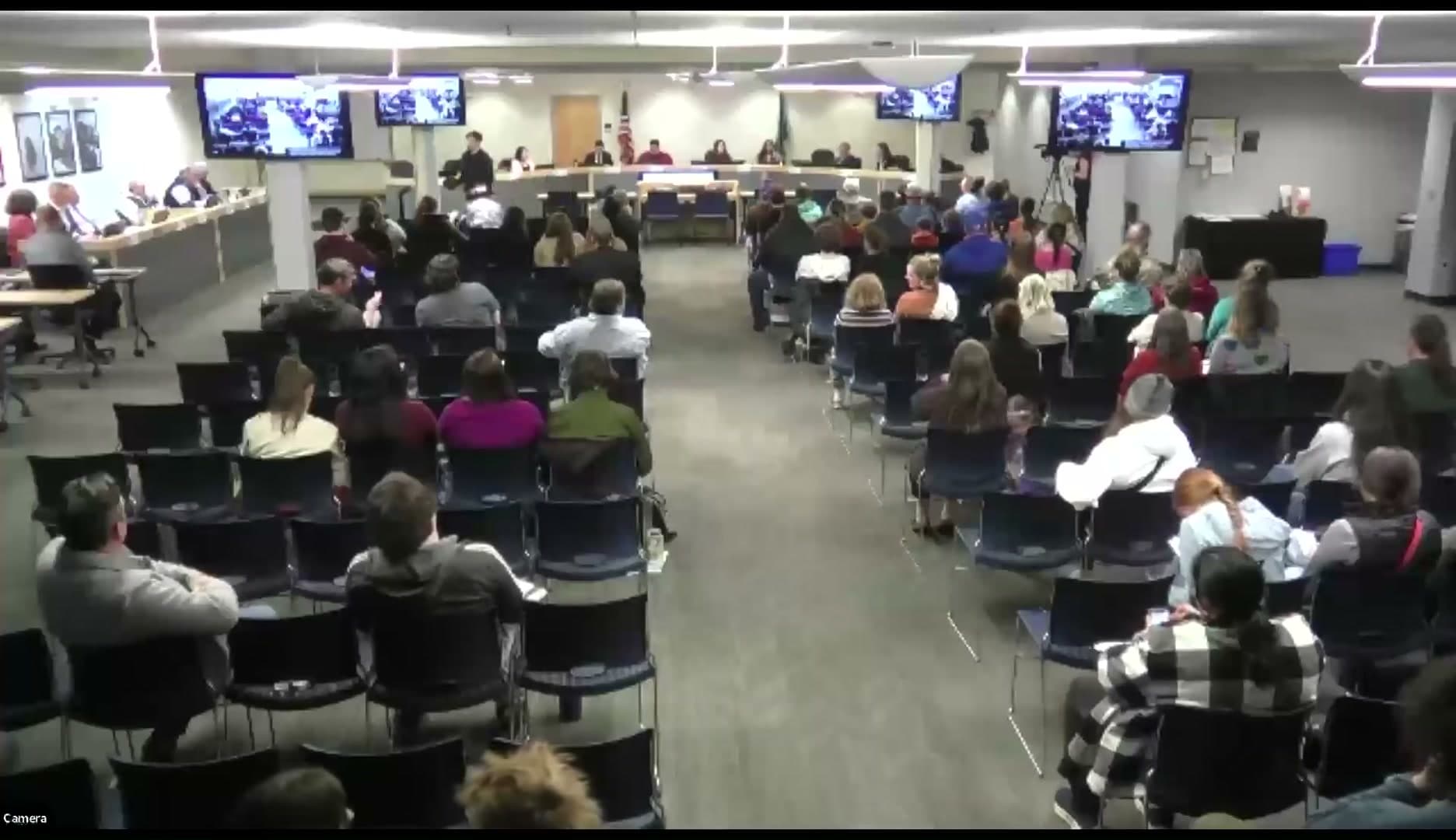
The Anchorage School Board voted 7-0 to restore the original August 19 start date for the 2026-27 school year after community outcry over an earlier proposal that moved the first day of school to mid-August, conflicting with subsistence activities and family traditions.

The Planning and Zoning Commission unanimously approved a conditional use permit allowing the Alaska Department of Transportation to build an explosives storage facility and heliport near Girdwood for avalanche mitigation operations along the Seward Highway.

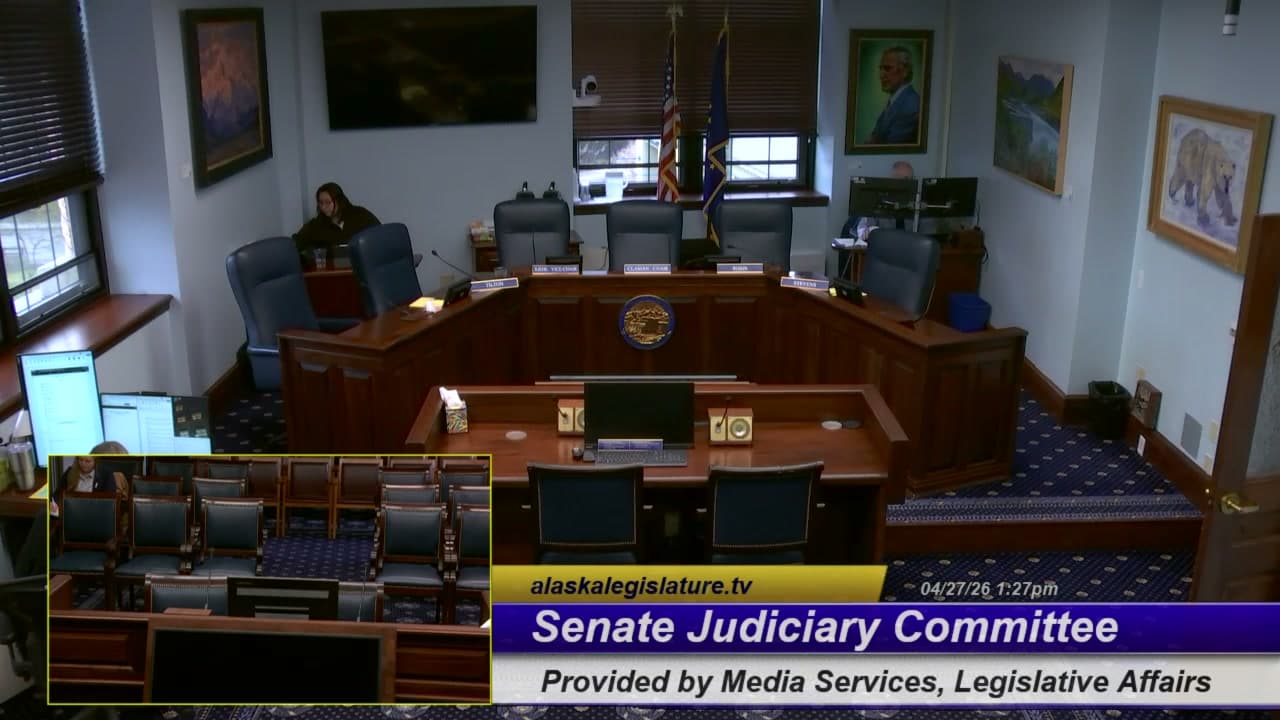
The Senate Judiciary Committee recommended two gubernatorial appointees — Anna Cometa seeking a second term and Joel Hard, a new nominee with 40 years in law enforcement — for confirmation to the Alaska Violent Crimes Compensation Board, which has seen a 32% increase in applications since 2022.

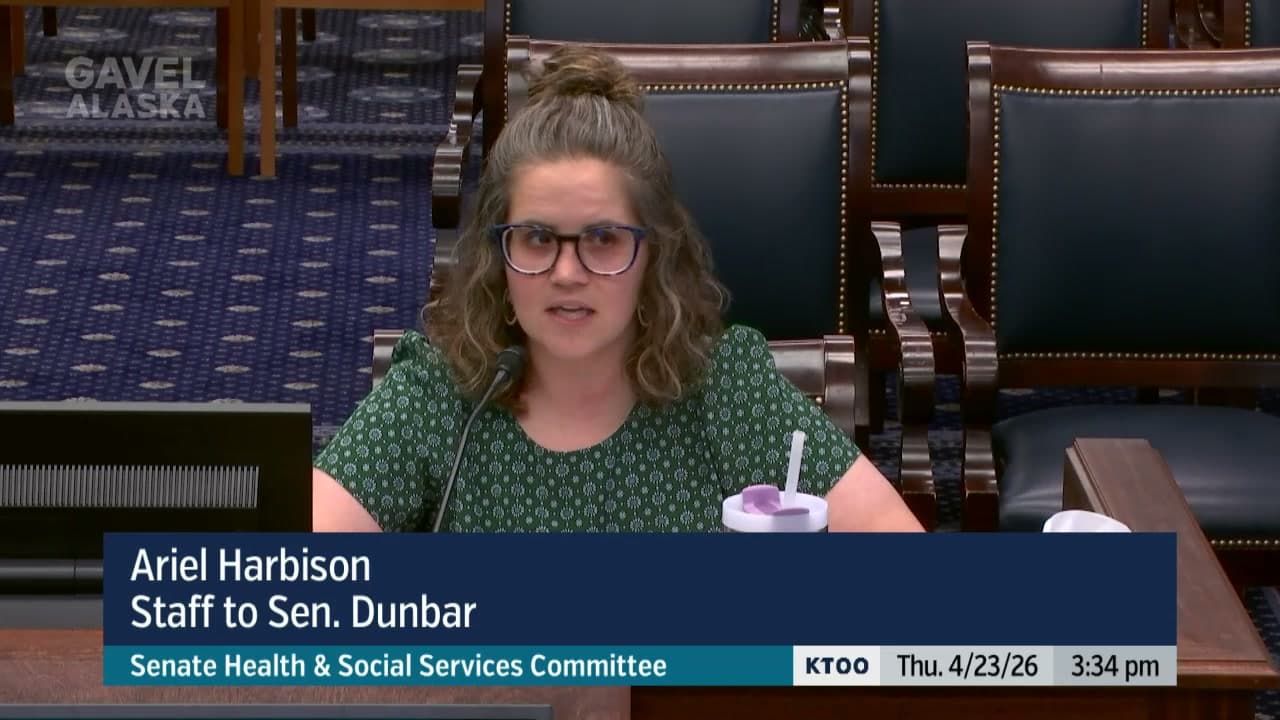
The Senate Health and Social Services Committee adopted changes requiring fingerprint-based criminal background checks for all physicians, osteopaths, podiatrists, and physician assistants seeking Alaska licenses, not just those applying through interstate compacts.

A Willow woman faces 26 felony animal cruelty charges after 25 sled dogs were found starved to death on her property following months of ignored complaints to Mat-Su Animal Control.
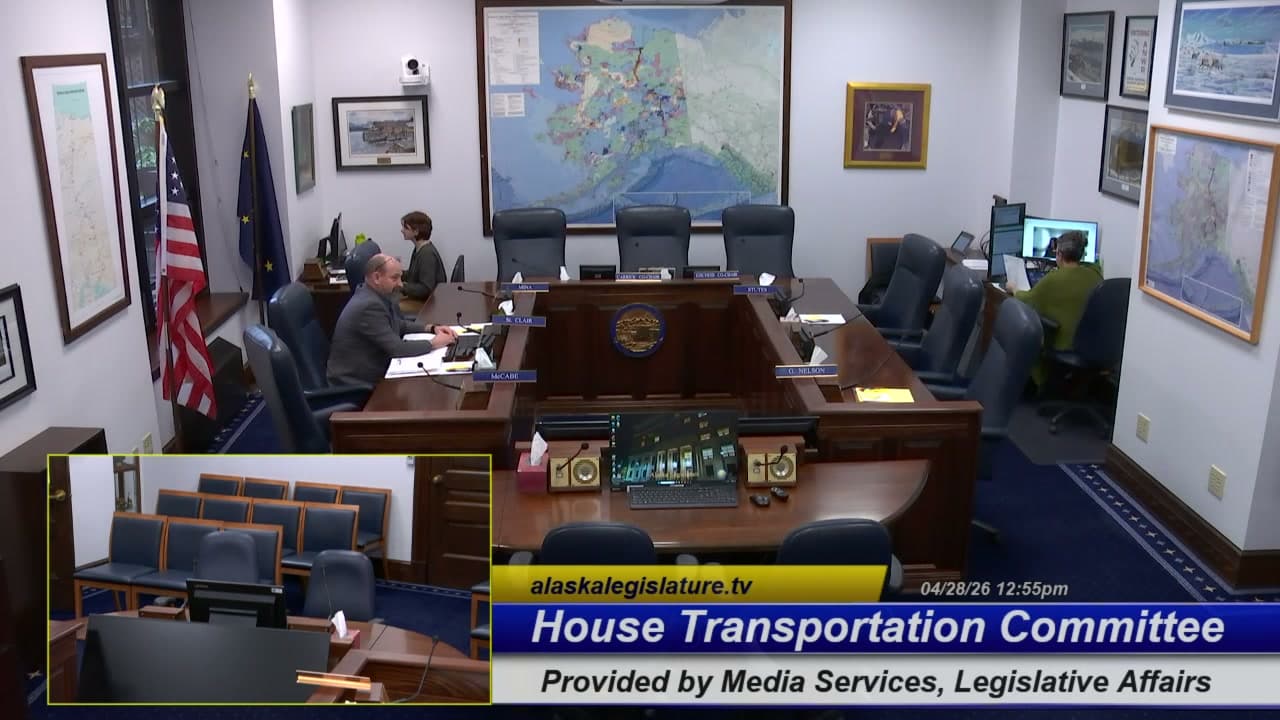
The Alaska House Transportation Committee moved HB 302 forward Tuesday, legislation that would modernize the state's travel insurance regulations to align with national standards adopted by 42 other states.

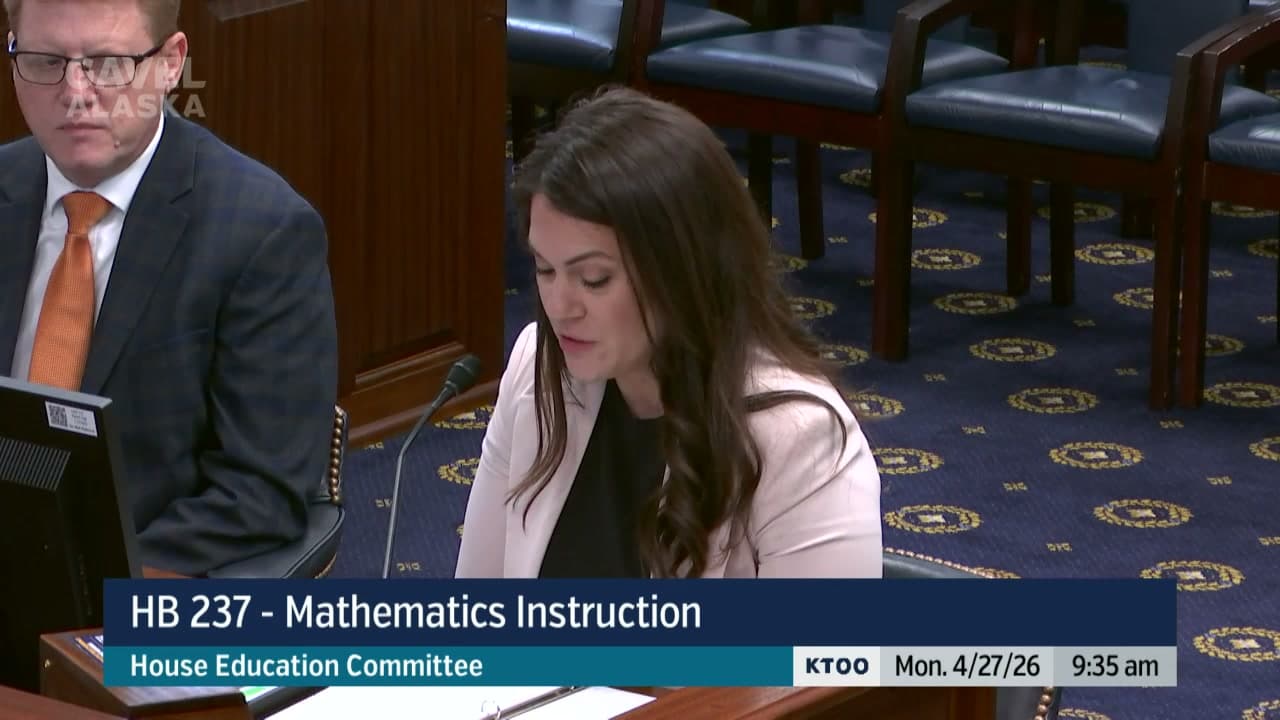
Galena City School District demonstrates how grant-funded early childhood programs starting at 8 months, combined with extended school days and intervention blocks, are producing above-national-average results in math and literacy for students in early grades.

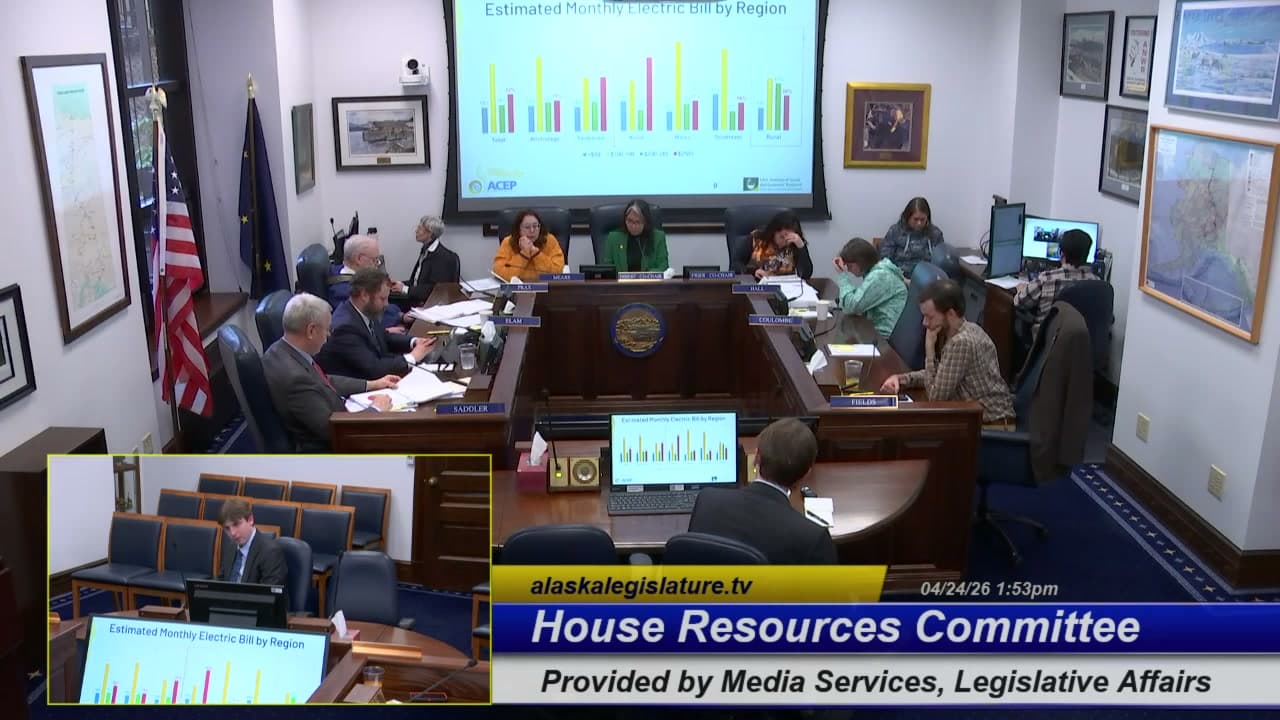
Researchers presented survey results showing Alaskans favor expanding hydroelectric, solar and wind power while opinions on nuclear energy remain divided, with support for a natural gas pipeline dropping when tied to higher costs.

The Assembly Lands, Housing and Economic Development Committee reviewed a draft ordinance that would cap short-term rental ownership at one property per person, with members divided on whether the restriction addresses housing availability concerns.

The Anchorage Planning and Zoning Commission accepted a concept report for the Alaska Department of Transportation's plan to rebuild the Seward Highway and Tudor Road interchange with improved pedestrian safety features and a tight diamond design.

Legislative consultant Nick Fulford presented hastily-prepared analysis showing Alaska LNG midstream developers could earn roughly 50% annual returns by 2040-2050 while the state receives approximately $1 billion in combined taxes, raising questions about the proposed tax structure's fairness.

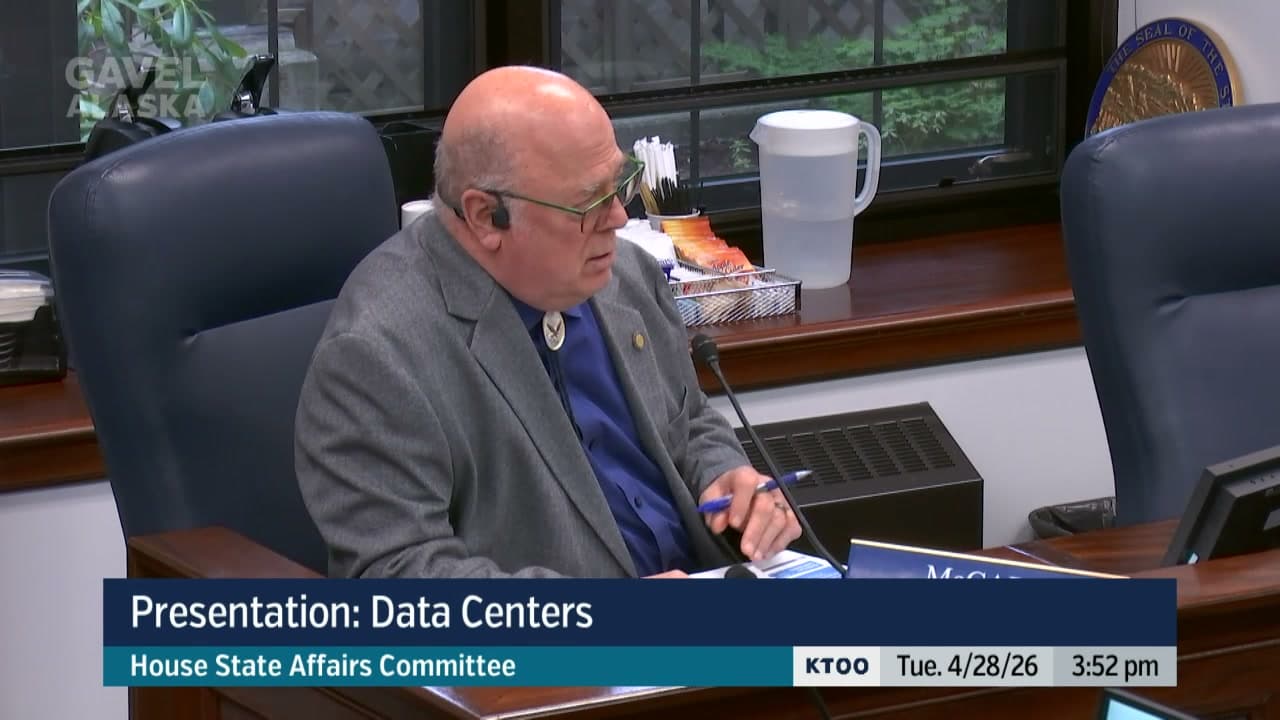
National experts briefed Alaska House State Affairs Committee on data center economics, highlighting the state's potential advantages in cool climate and natural gas while noting growing national concerns about energy demands and tax incentives.

The Kodiak Island Borough Assembly reviewed the FY 2027 budget proposal, which includes adding a construction management position, transitioning to electric heating, and planning ADA accessibility improvements to the borough building entrance.

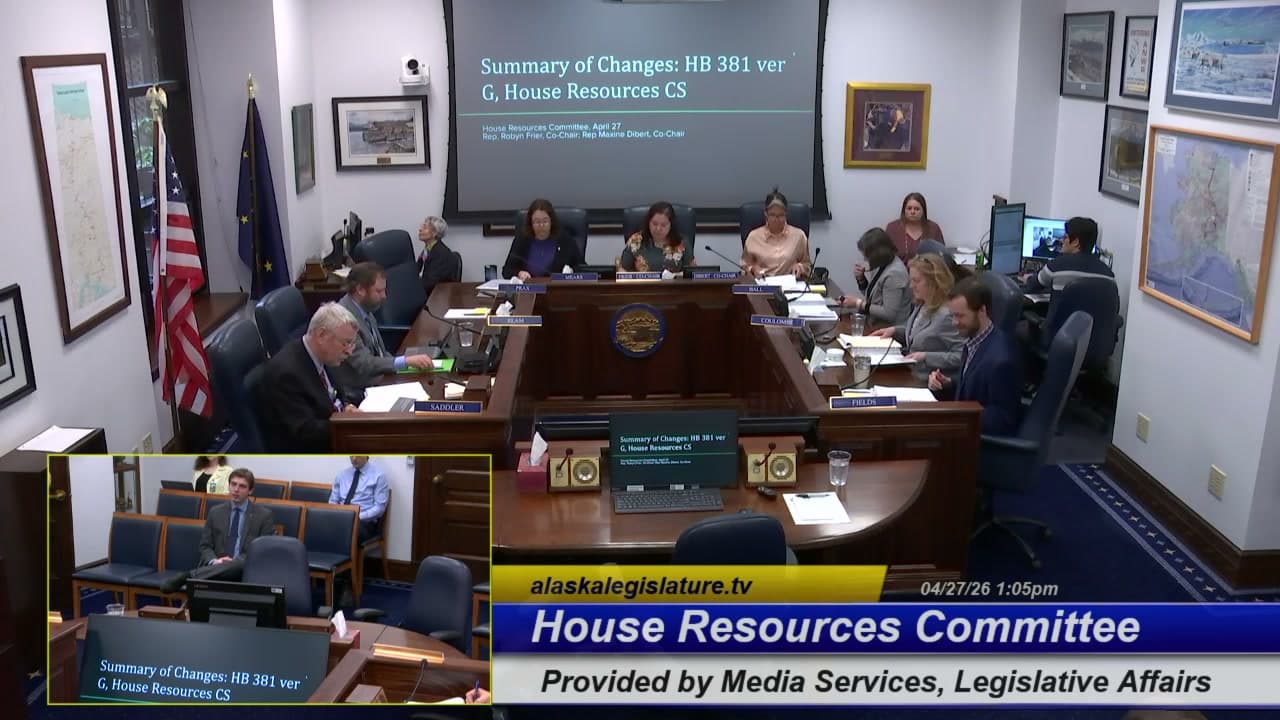
House Resources Committee's revised tax structure for Alaska LNG reflects tension between competitive global positioning and community impact compensation that defines natural gas megaproject debates worldwide.

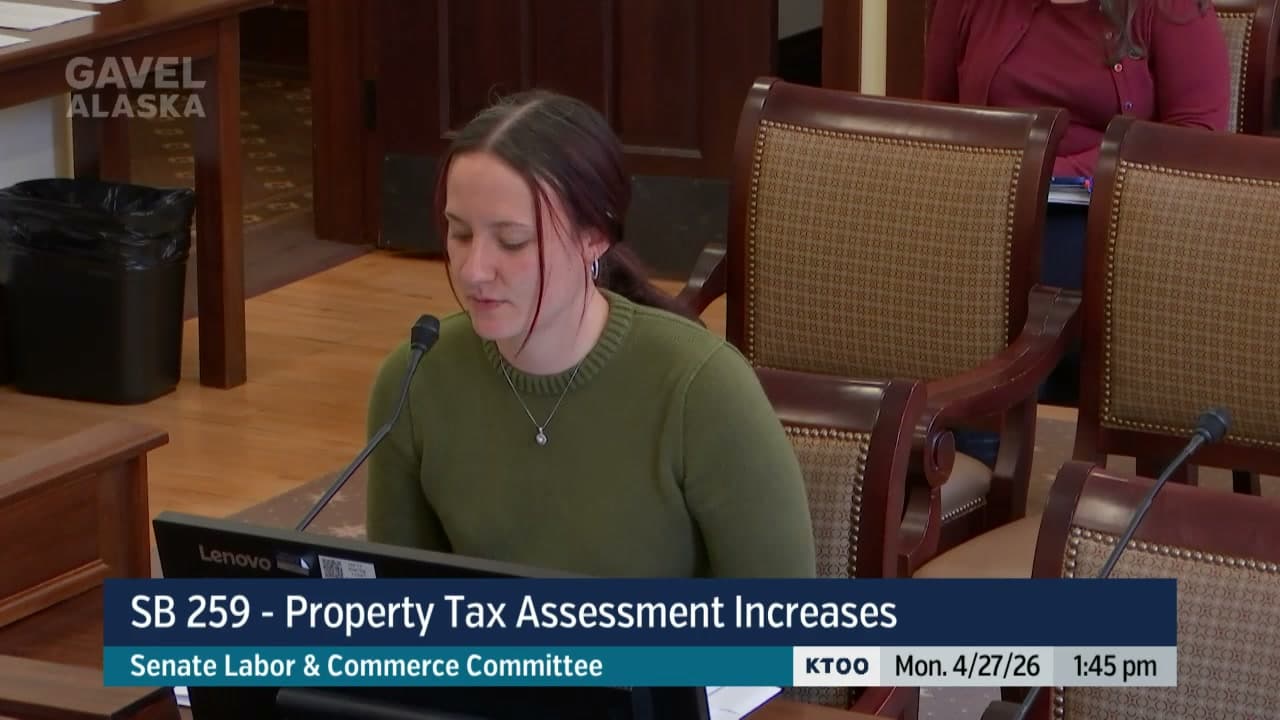
The Senate Labor and Commerce Committee advanced legislation allowing municipalities to optionally cap annual property tax assessment increases between 3 and 10 percent, despite opposition from professional assessors who warned the measure would create long-term inequities.

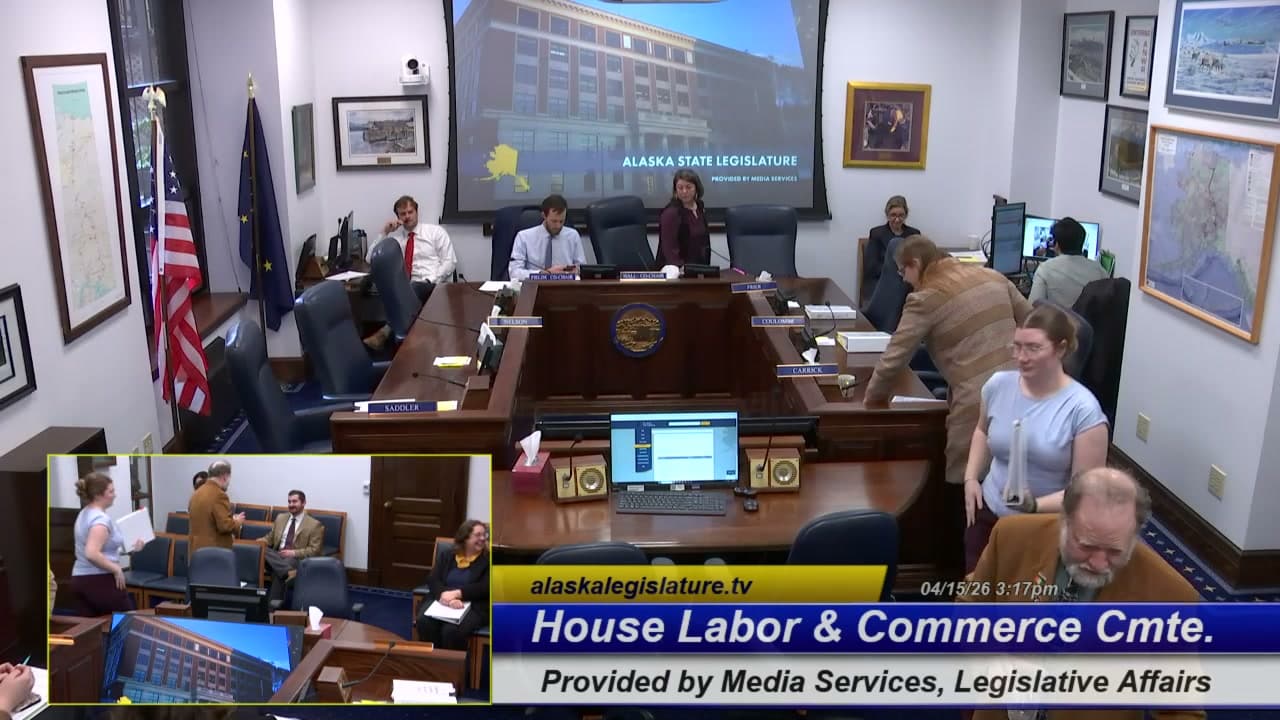
The House Labor and Commerce Committee heard testimony on HB 338, which would create an automatic IRA program for employees at Alaska businesses without retirement plans.

Senate Bill 66 would authorize five-year pilot agreements allowing tribes to operate public schools under state funding while maintaining tribal governance, requiring new legislation to balance sovereignty with existing education statutes.

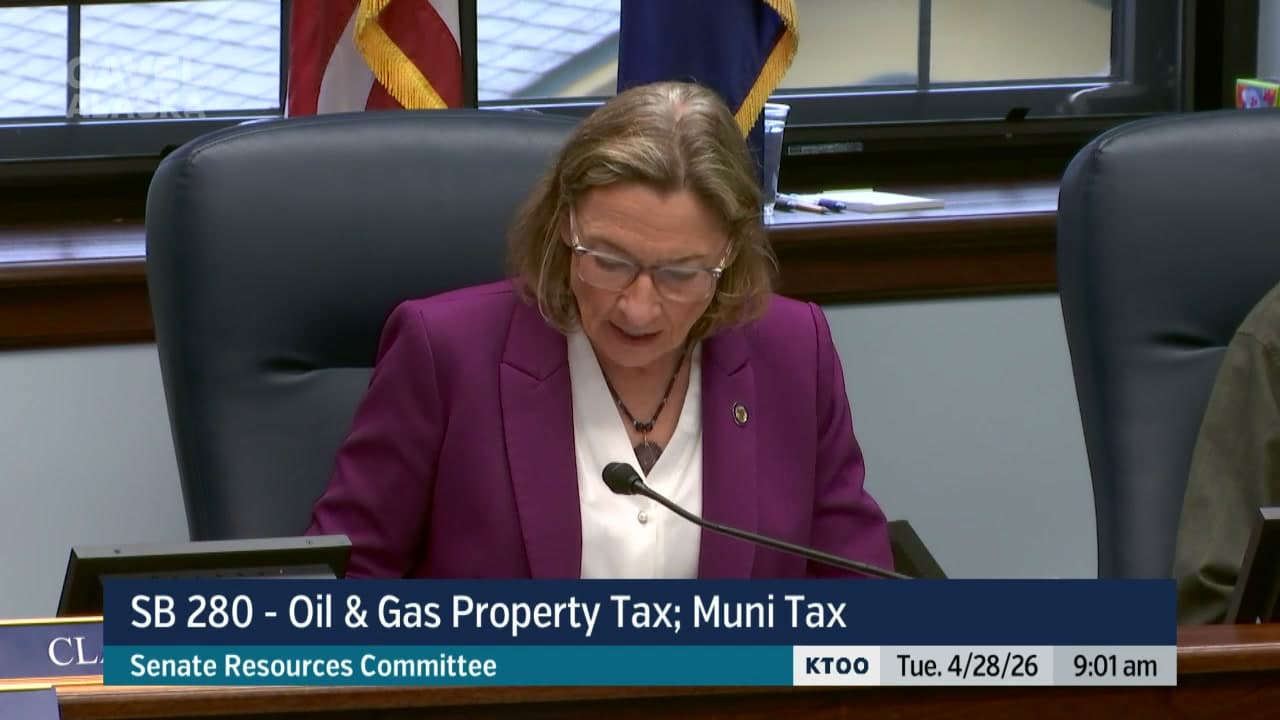
Department of Revenue warns that regulatory interpretations of Senate Bill 280's complex tax provisions could shift Alaska's annual revenue by hundreds of millions of dollars, with the bill creating new taxes while exempting the Alaska LNG project from property taxes.

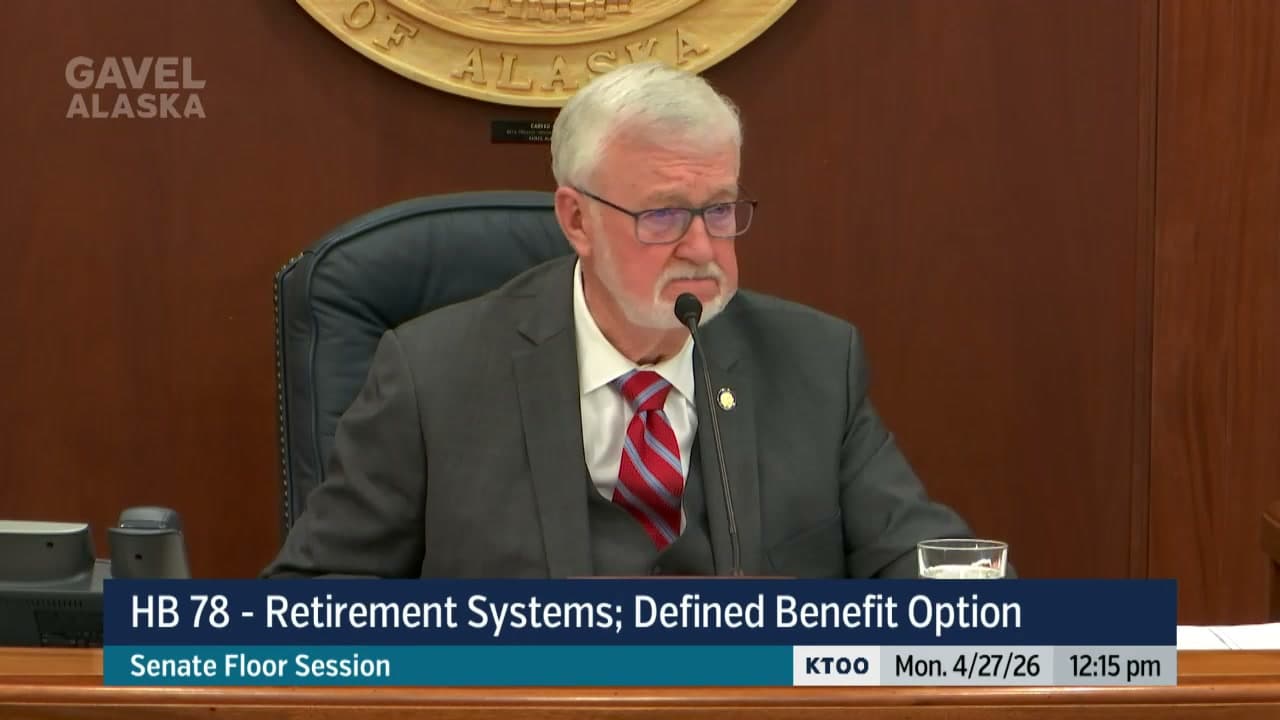
The Alaska Senate advanced a retirement system overhaul to third reading despite lacking an updated actuarial analysis on the final version, relying on a legal opinion that last year's analysis meets statutory requirements.

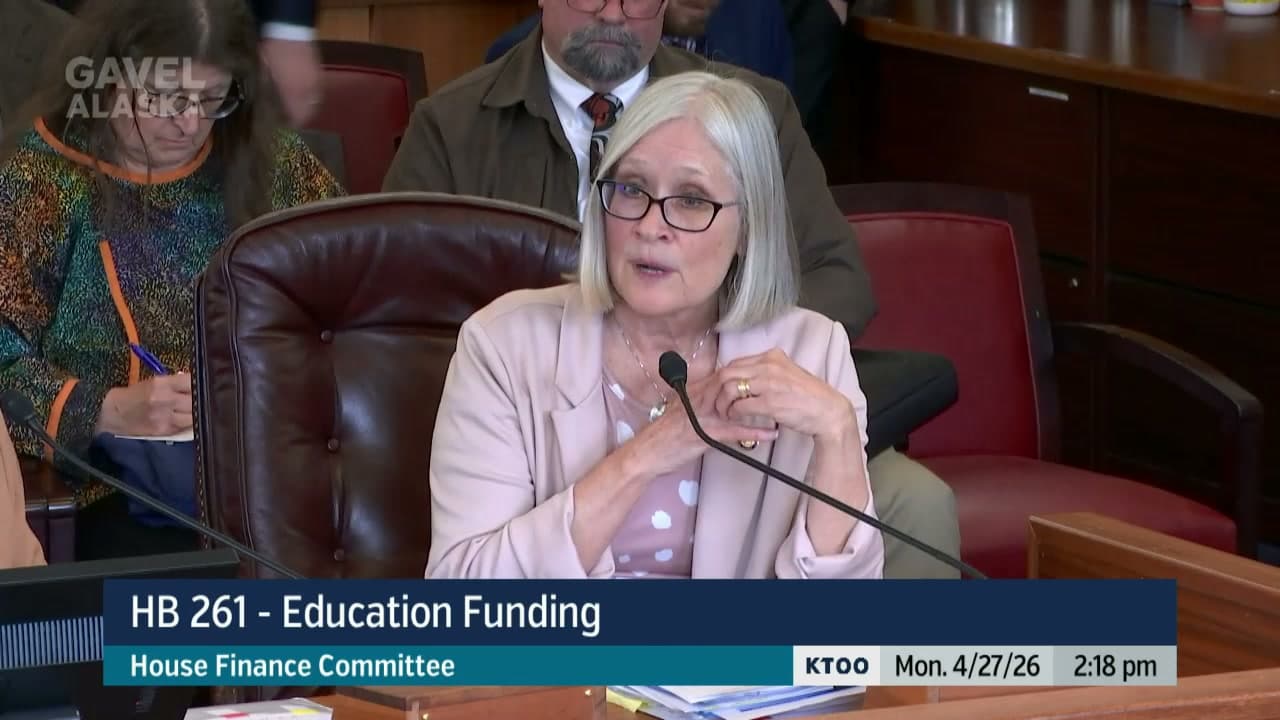
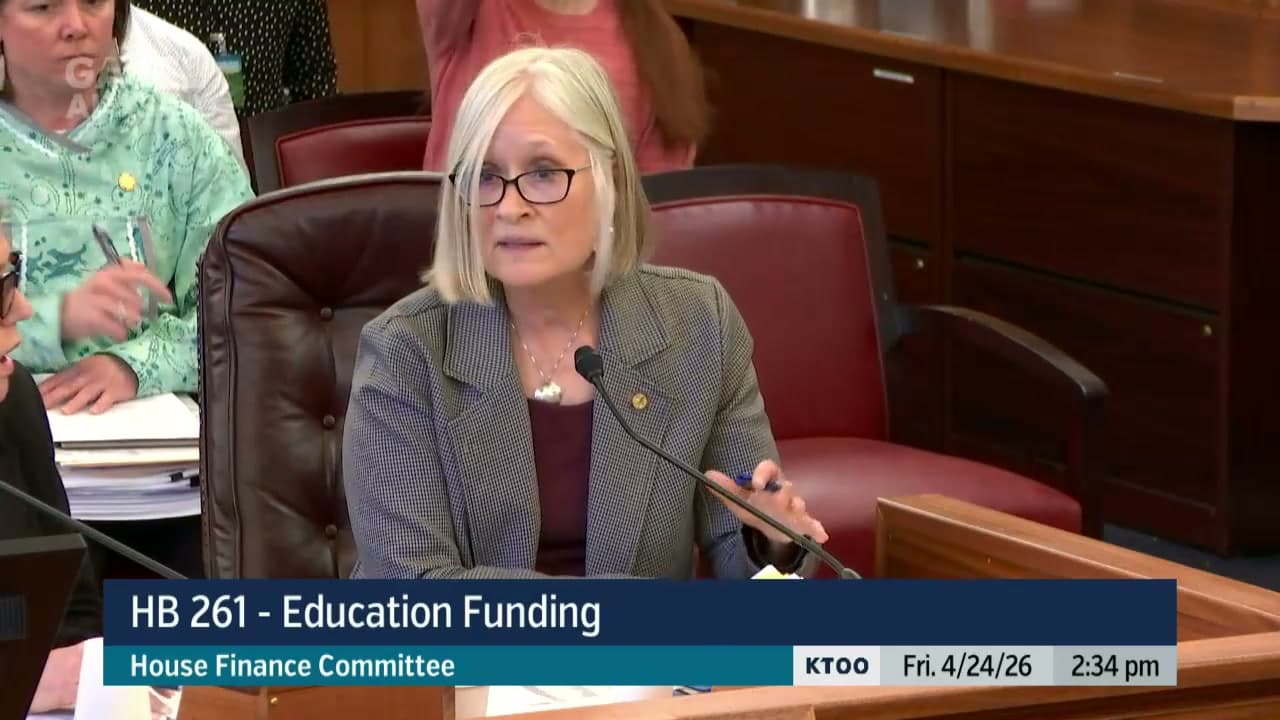
The House Finance Committee heard testimony on HB 261, which would shift Alaska's education funding to a three-year enrollment average instead of annual counts, giving districts earlier budget certainty but carrying a fiscal note approaching $1 billion over five years.

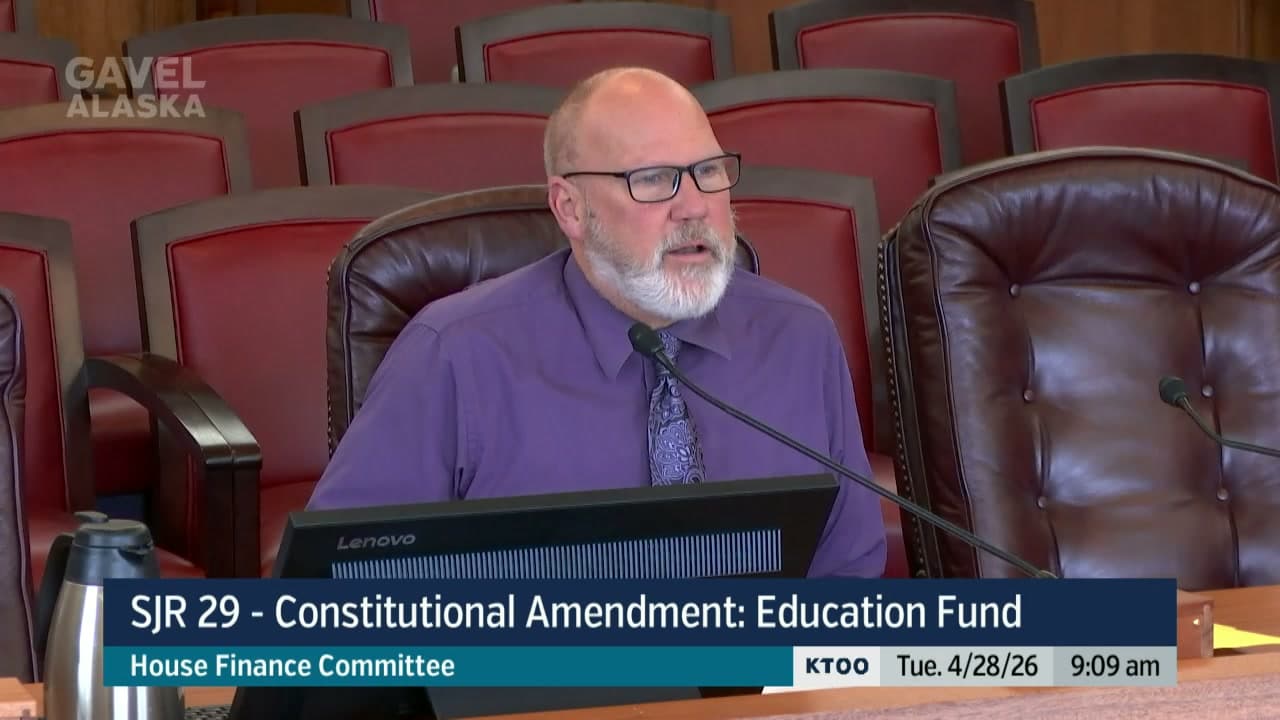
Alaska House Finance Committee members raised concerns about a constitutional amendment that would create an education fund without any dedicated funding source or protections against future legislatures spending it down to zero.

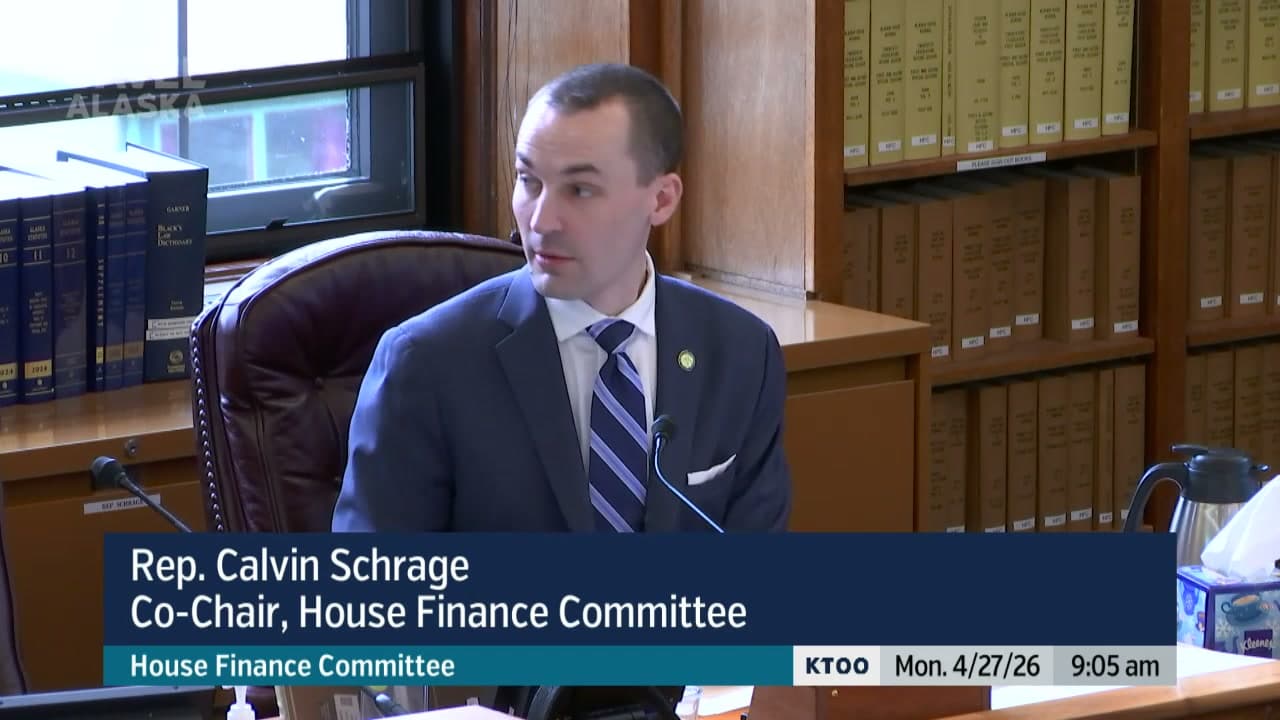
The House Finance Committee heard presentations on two batches of budget amendments totaling $8.4 million in unrestricted general funds, including union contracts and transportation project allocations.

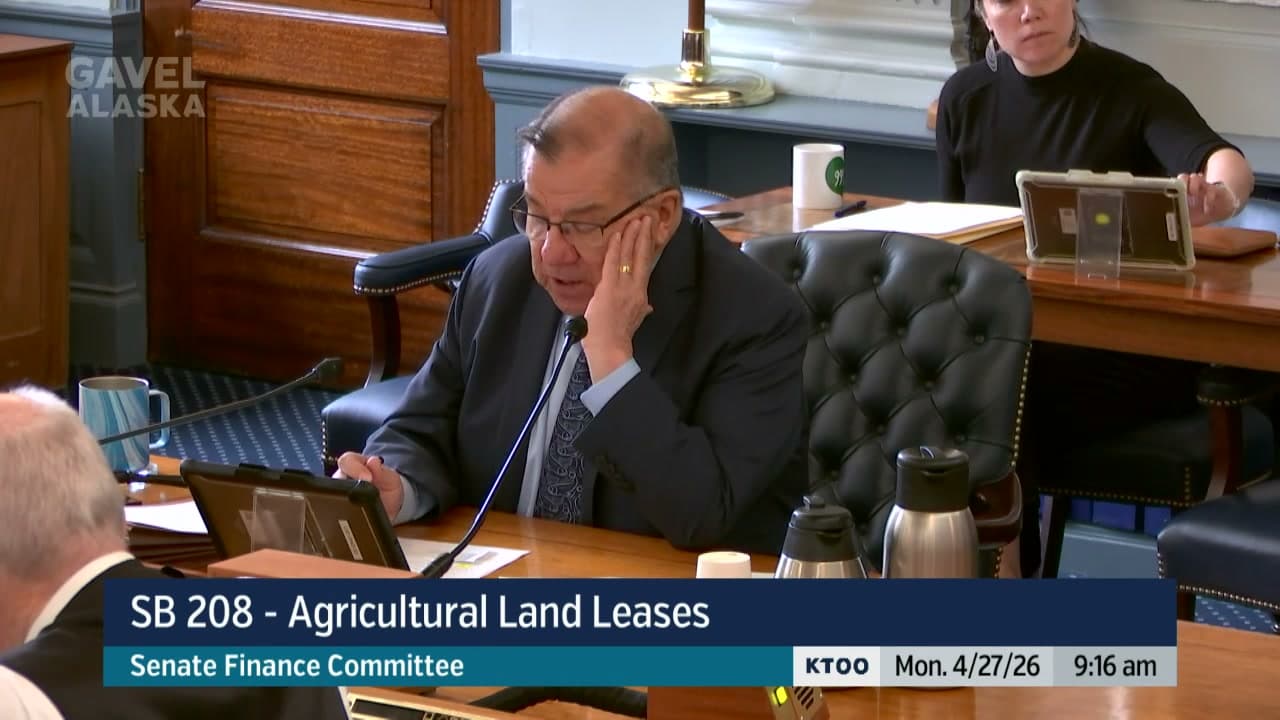
The Senate Finance Committee moved forward with legislation to make state agricultural land more accessible through below-market leases and merit-based selection after hearing testimony about prohibitive appraisal costs.

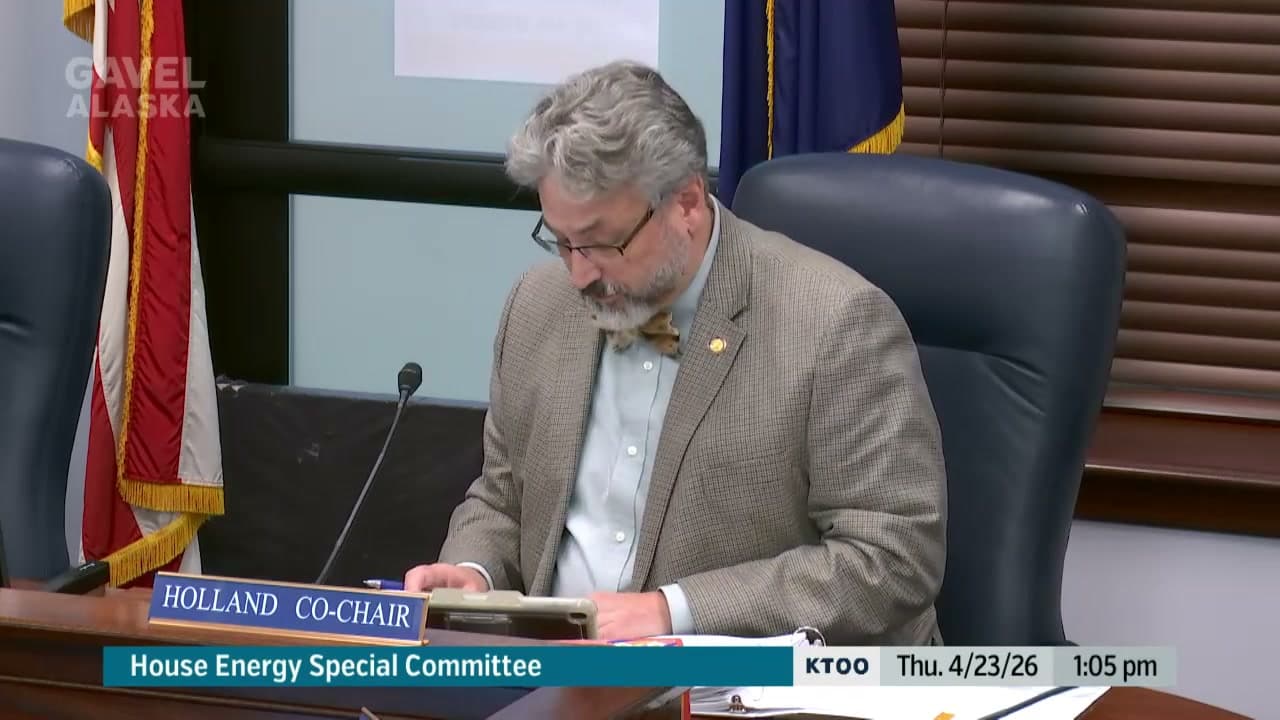
The House Energy Committee heard testimony about fuel supply challenges facing rural Alaska communities and discussed potential expansions to the state's Bulk Fuel Revolving Loan Fund.

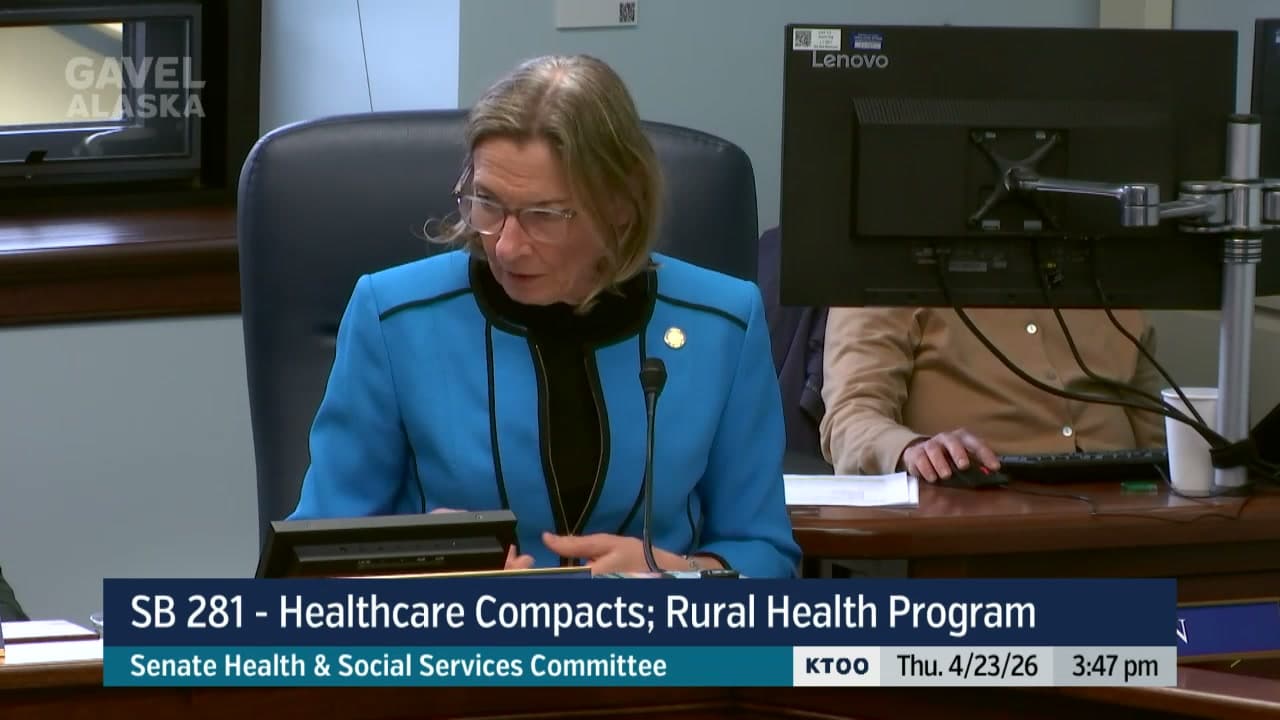
The Senate Health and Social Services Committee adopted a committee substitute for SB 281 that removes PA scope language, adds background check requirements, and revises the rural health advisory council structure.

The House Finance Committee heard testimony on a bill that would change how Alaska calculates school funding, using a three-year enrollment average instead of a single October count.

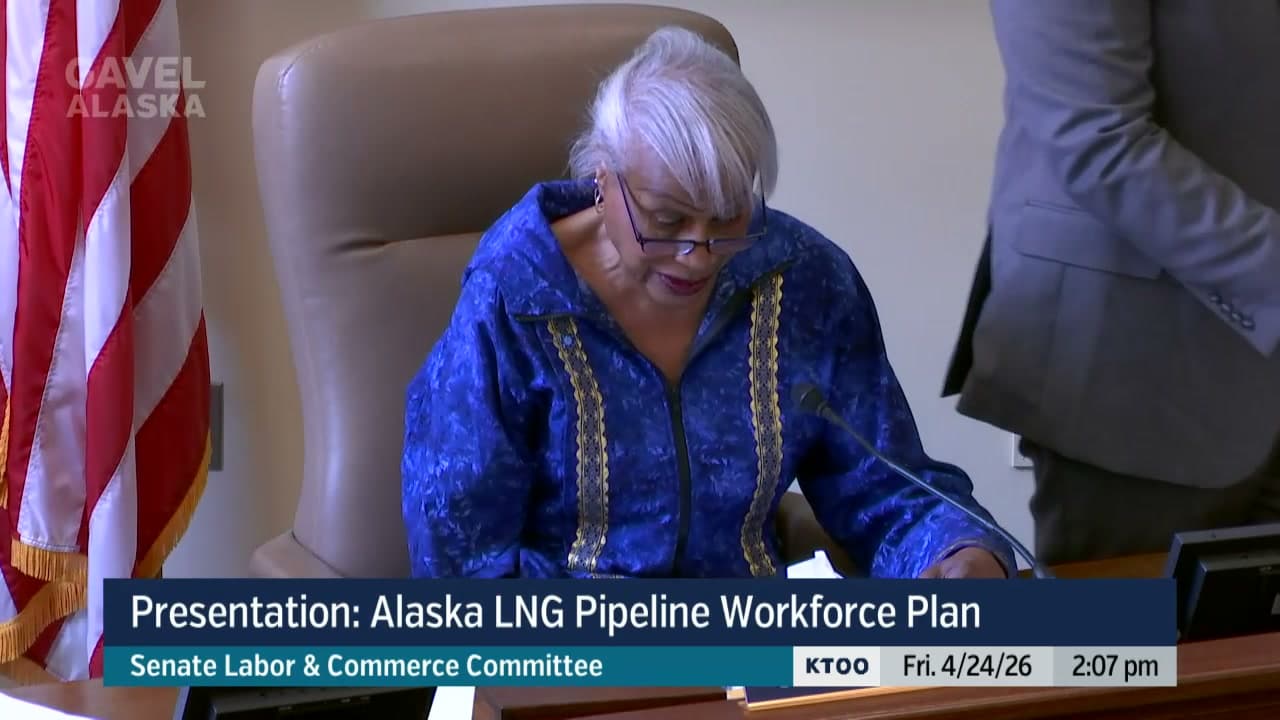
The Senate Labor and Commerce Committee received a presentation on workforce needs for the Alaska LNG pipeline project, with consultants warning the state must act immediately to prepare workers for construction that could begin as soon as 2027.

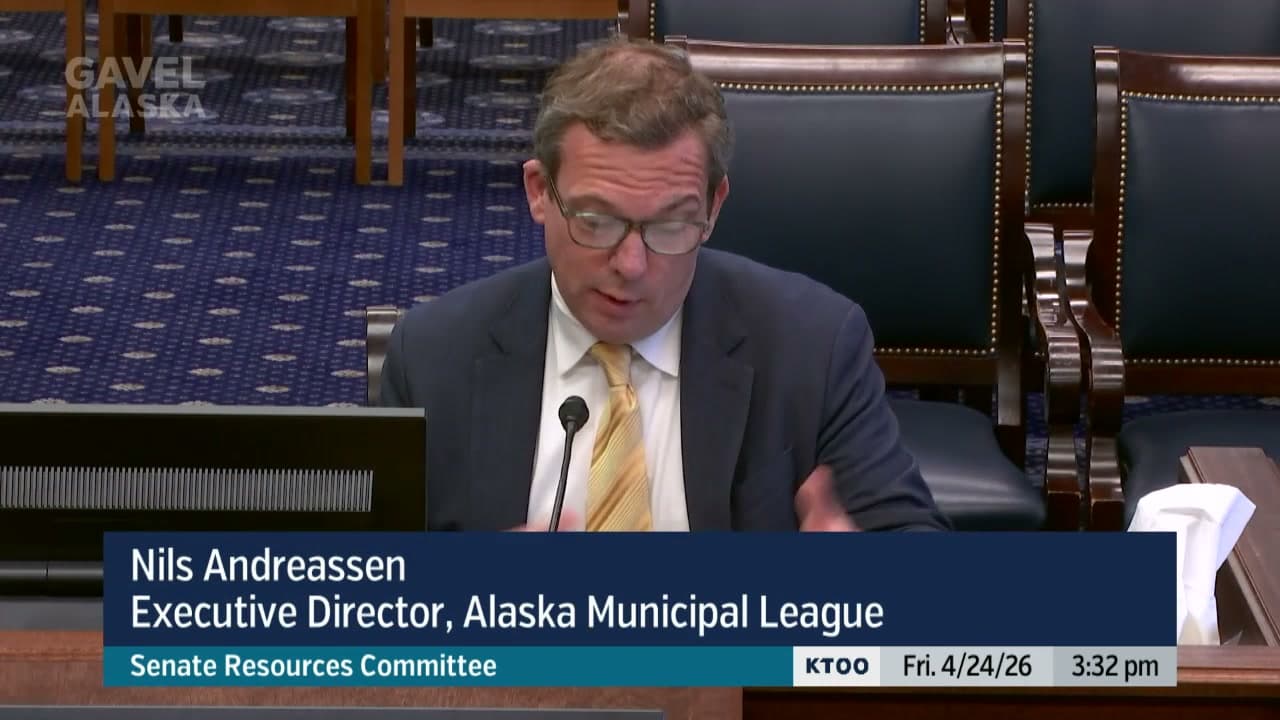
Alaska Municipal League Executive Director Nils Andreassen testified that local governments want the ability to negotiate individually with the Alaska LNG project developer rather than accept a one-size-fits-all tax structure.

The House Labor and Commerce Committee voted to advance travel insurance legislation after adopting technical amendments, while hearing proposals to strengthen emergency planning for pets and clarify state authority over natural gas contracts.

New stories usually land 4p to 6p.
1,266
meetings transcribed
5,131
articles published
3,108
hours of audio processed
6
contributors this week
Local news, from the source · Public meetings deserve coverage · Every article names its source