Wildfires
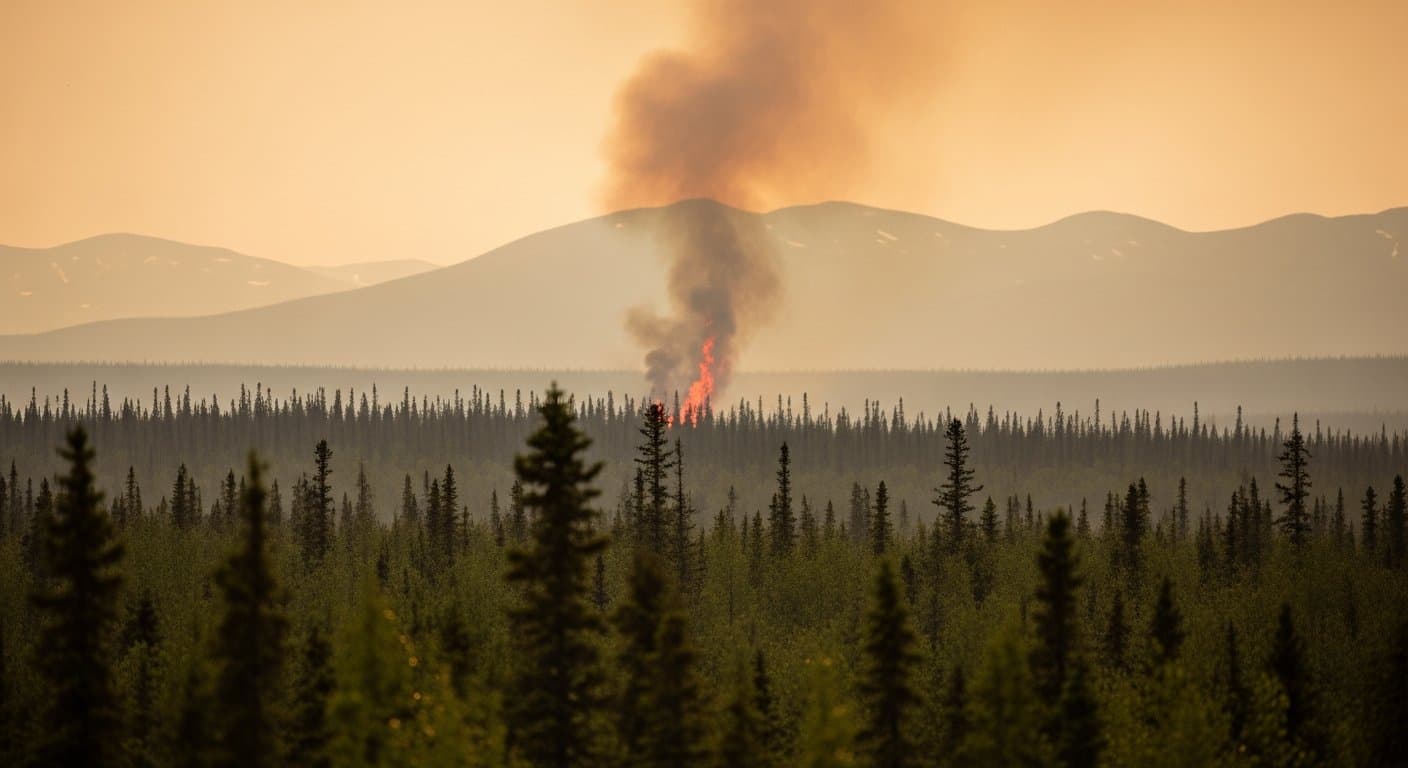
RSSWildfires in Alaska are fires that burn forest, tundra and brushland across the state. They prompt evacuation orders, smokejumper and hand-crew deployments, burn permits and fire-weather alerts, and they threaten villages, Native allotments and rural infrastructure.
Fire crews to burn debris piles on Interior Army training lands through Oct. 31
U.S. Wildland Fire Service and Army Garrison Alaska will burn woody debris piles on Interior training lands from Oct. 6 through Oct. 31, with smoke visible from Fort Wainwright and nearby roads.
 by Maggie AlaskaNews2w ago2 min read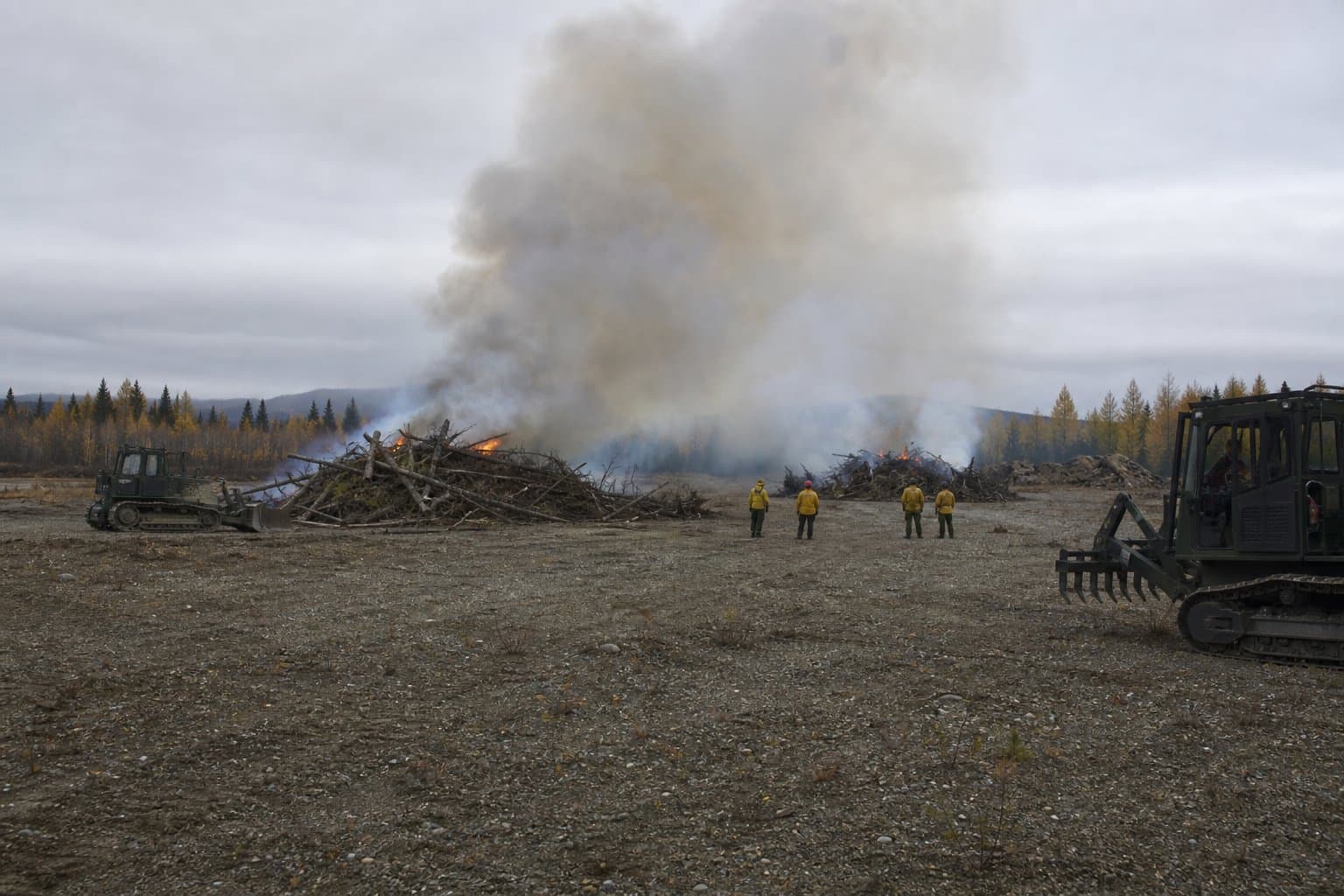
Alaska Volcano Observatory raises Gareloi alert level after brief explosion
Gareloi, a remote western Aleutian volcano, had a brief explosion Thursday. AVO raised its alert a notch and has reported no further unrest since.
 by Walter AlaskaNews2w ago2 min read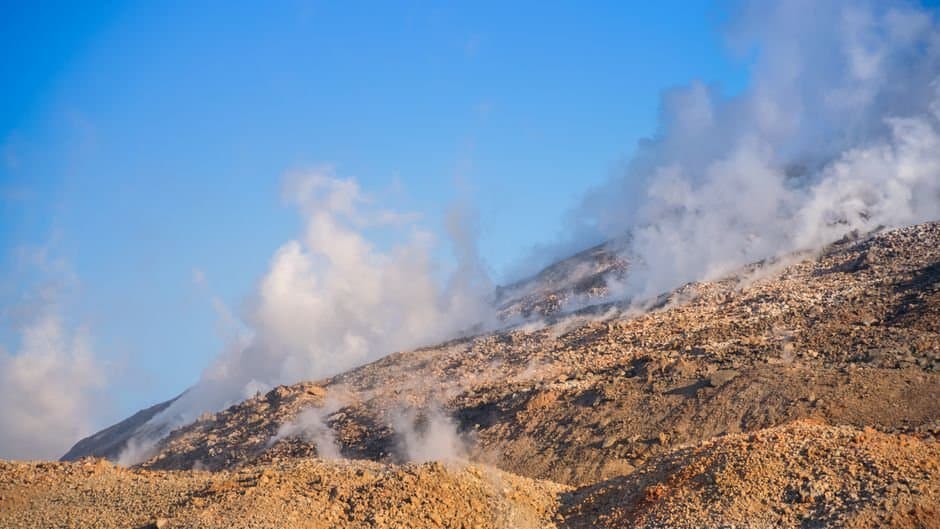
Denali crews may burn brush piles along first five miles of Park Road through November
If you see smoke near the Denali park entrance this fall, it's probably on purpose. Crews are burning brush piles along the first five miles of the Park Road.
by Maggie AlaskaNews3w ago1 min read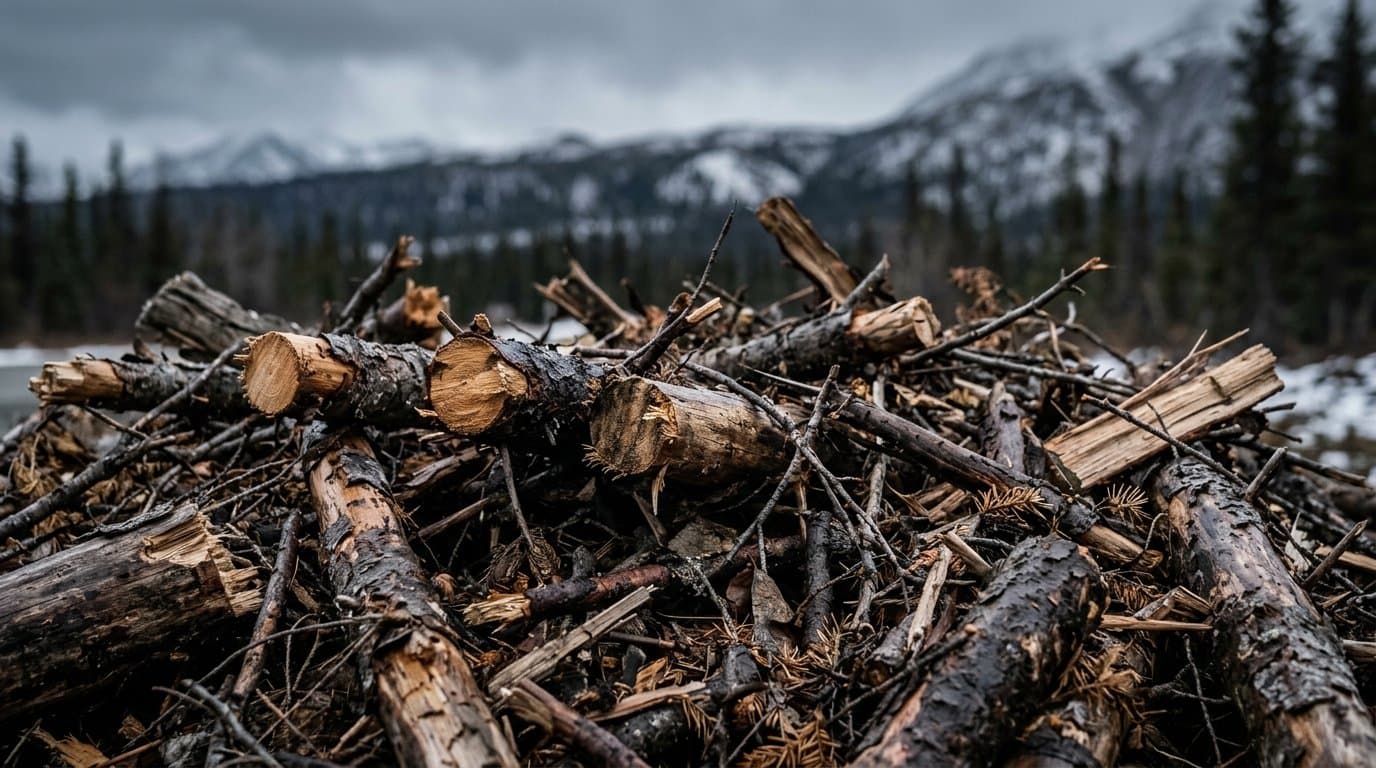
Pile burning starts Friday at three White Mountains cabin sites
Crews will burn slash piles at three White Mountains cabin sites starting Friday. If you see smoke out there this week, it's supposed to be there.
by Maggie AlaskaNews1mo ago1 min read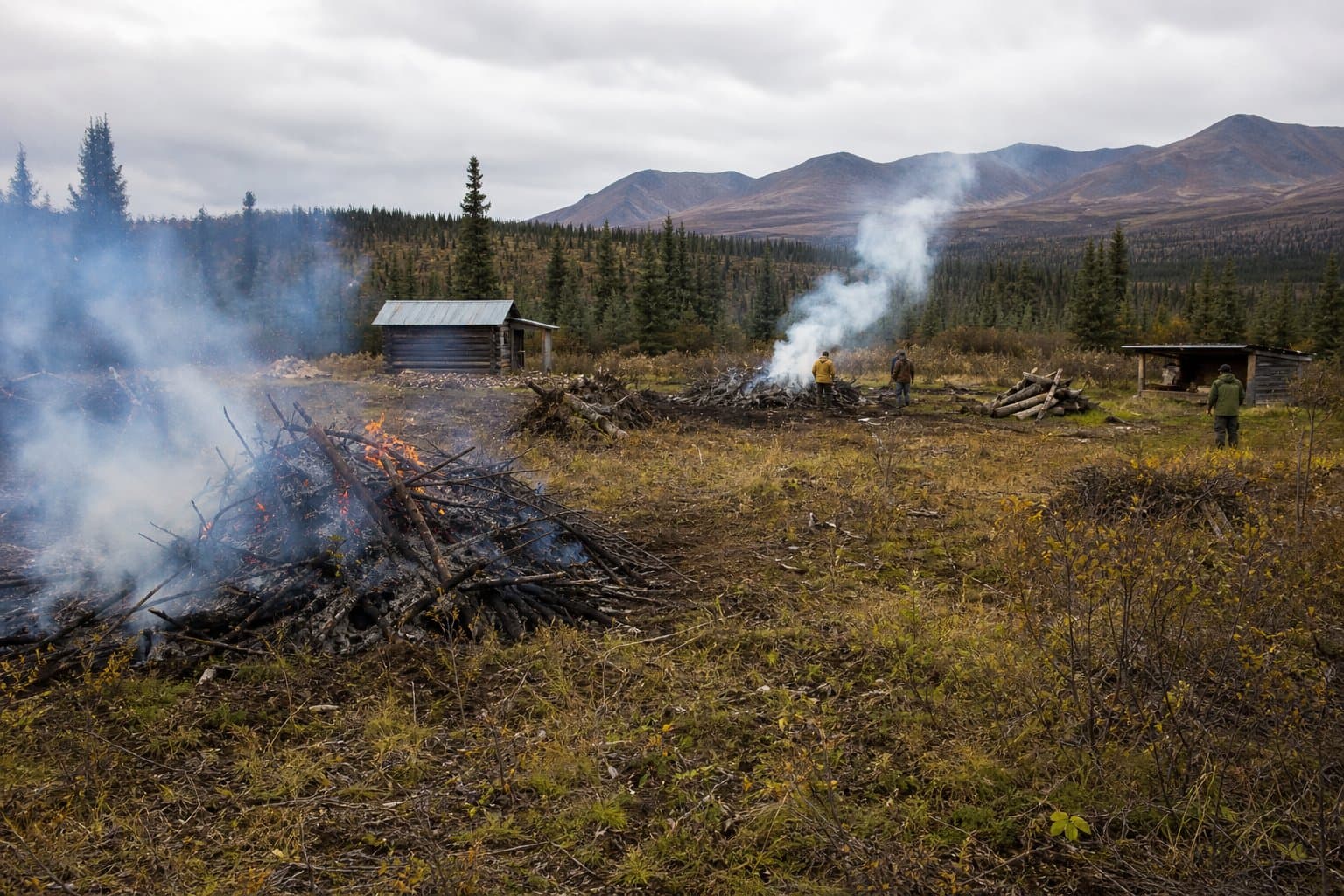
Campfire and fireworks ban north of Fairbanks runs to Oct. 31
Campfires and fireworks stay banned on federal land north of Fairbanks through October 31 to prevent wildfires near homes and the NOAA facility.
by Maggie AlaskaNews1mo ago1 min read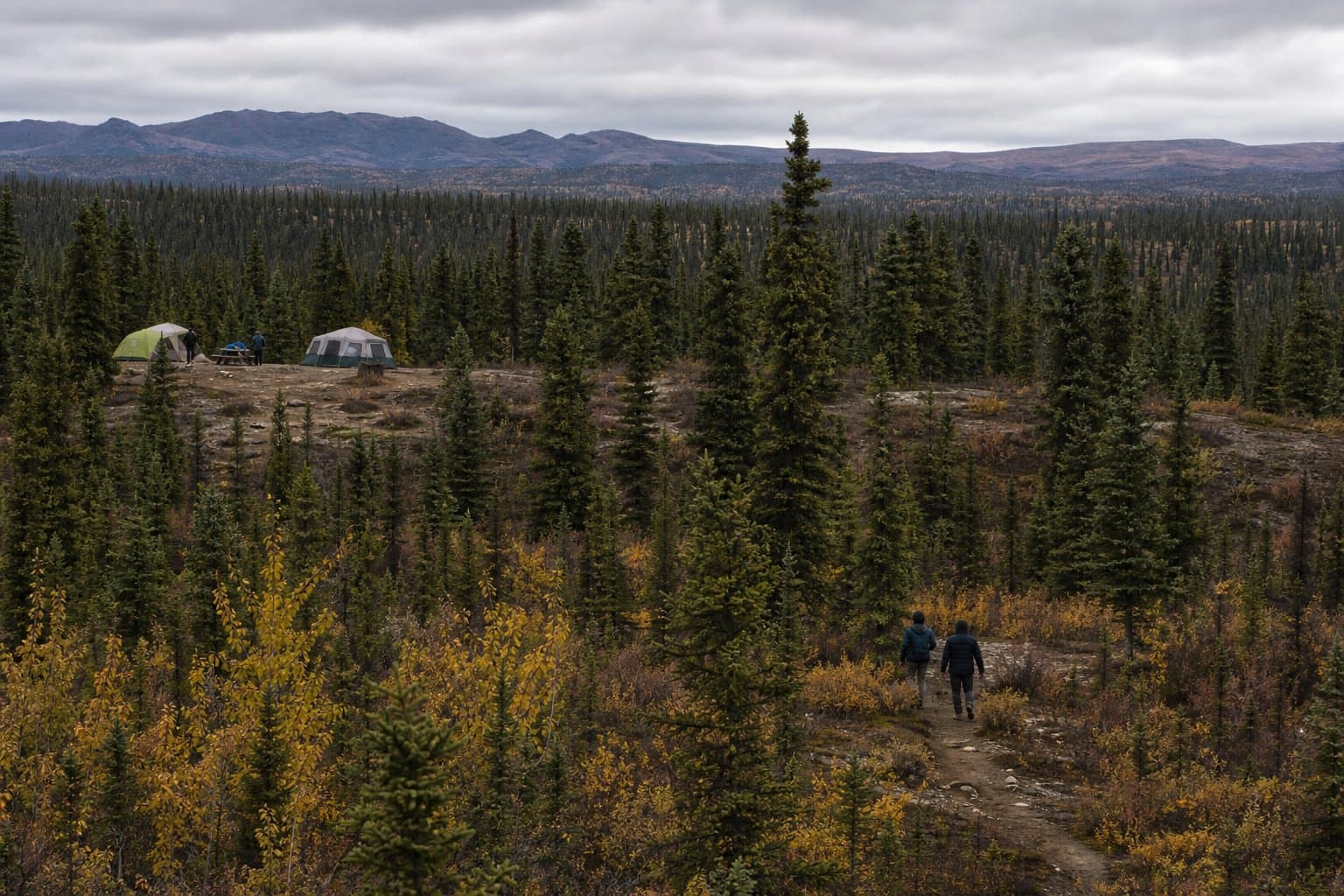
Crews dig out buried hotspot near Tok home as Mukluk Fire hits 70% containment
Weeks after the Mukluk Fire, crews dug a still-smoldering log out of the ground near a Tok home, and fire managers expect more buried heat.
by Maggie AlaskaNews1mo ago1 min read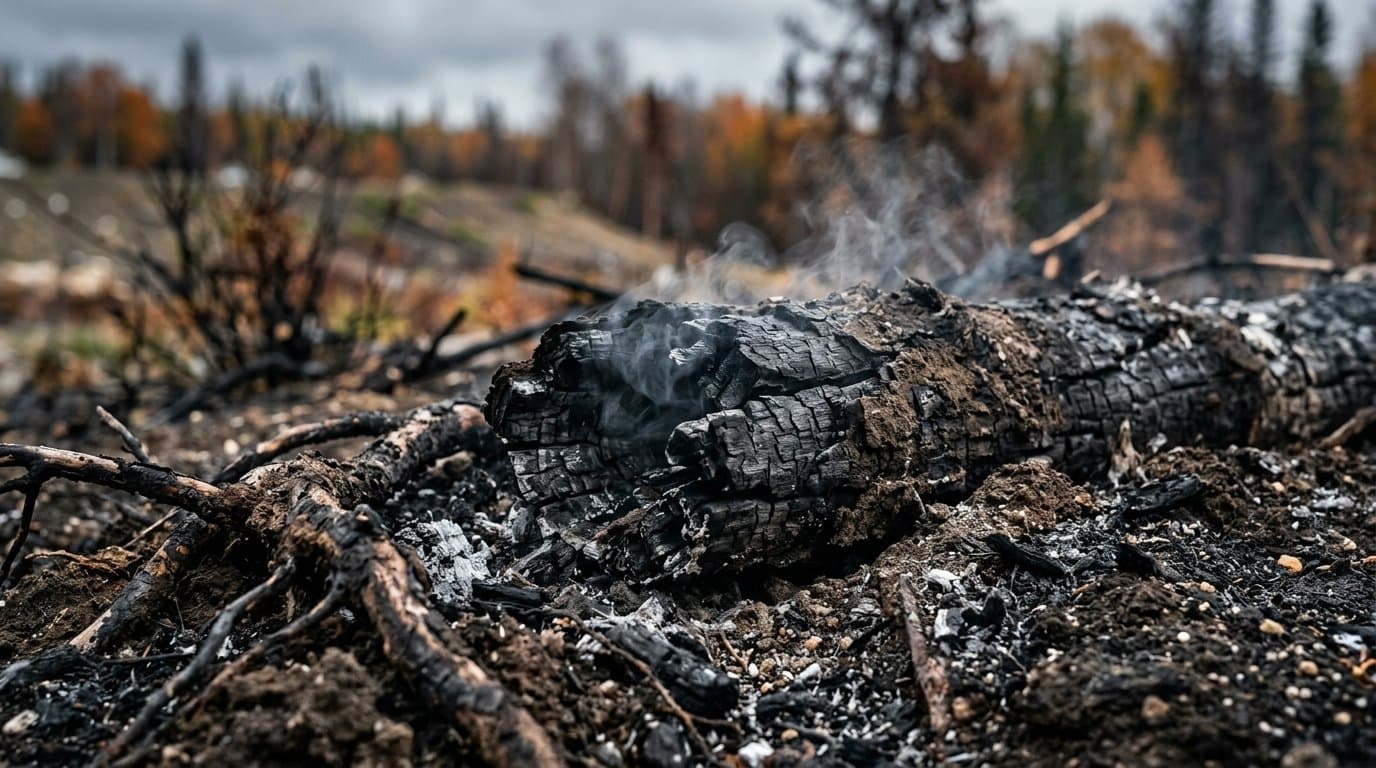
Wind topples two dozen trees onto Tok's power lines, stalling fire recovery
Winds knocked more than two dozen trees onto Tok's power lines Wednesday, some outside the burn scar, cutting power and stalling the Mukluk Fire recovery.
by Maggie AlaskaNews1mo ago2 min read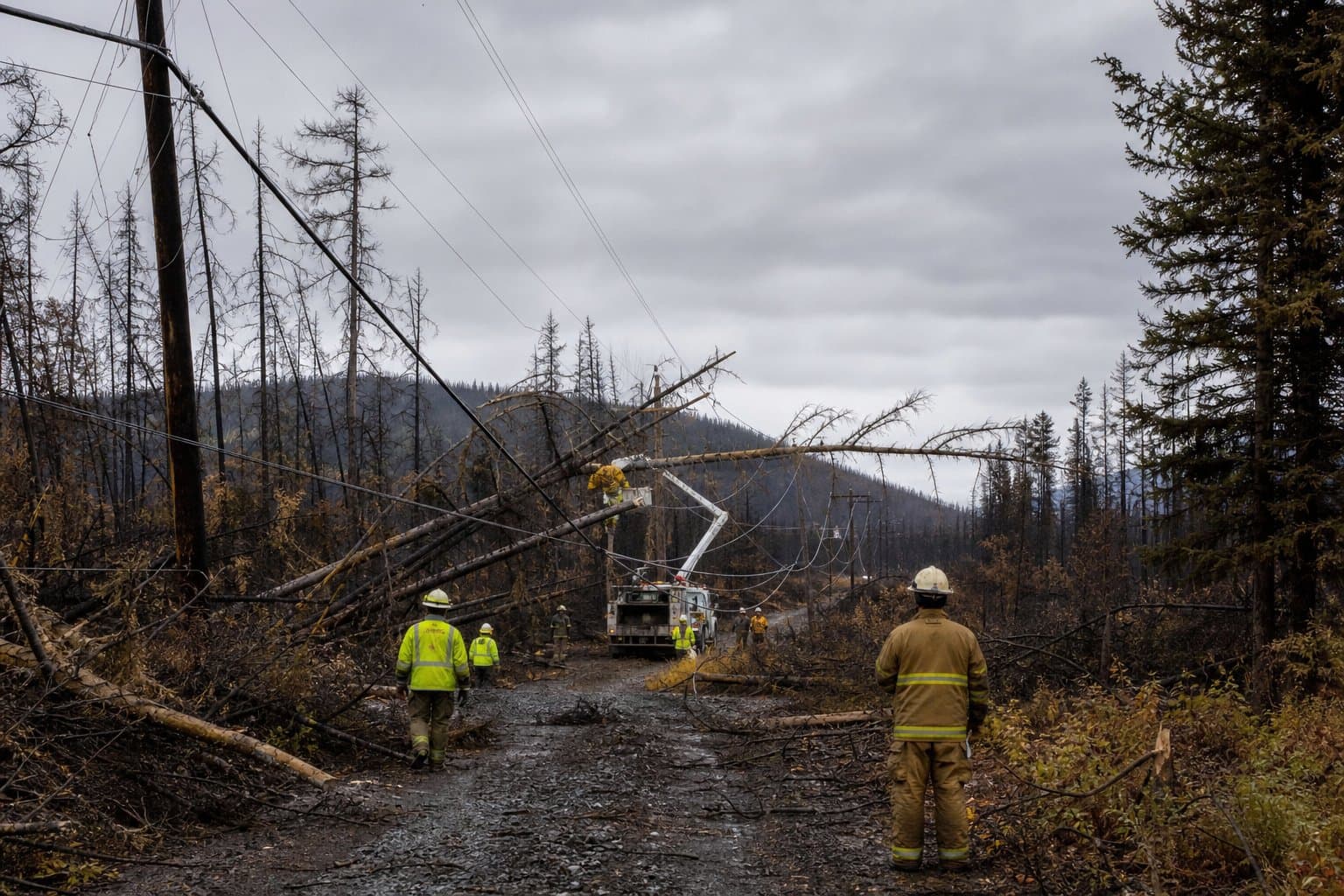
A remote Alaska village's firefighting enterprise lands more federal work
A firefighting company owned by the remote village of Nulato landed more federal fire work — part of a tribal enterprise that's grown to 200-plus local jobs.
by Maggie AlaskaNews1mo ago2 min read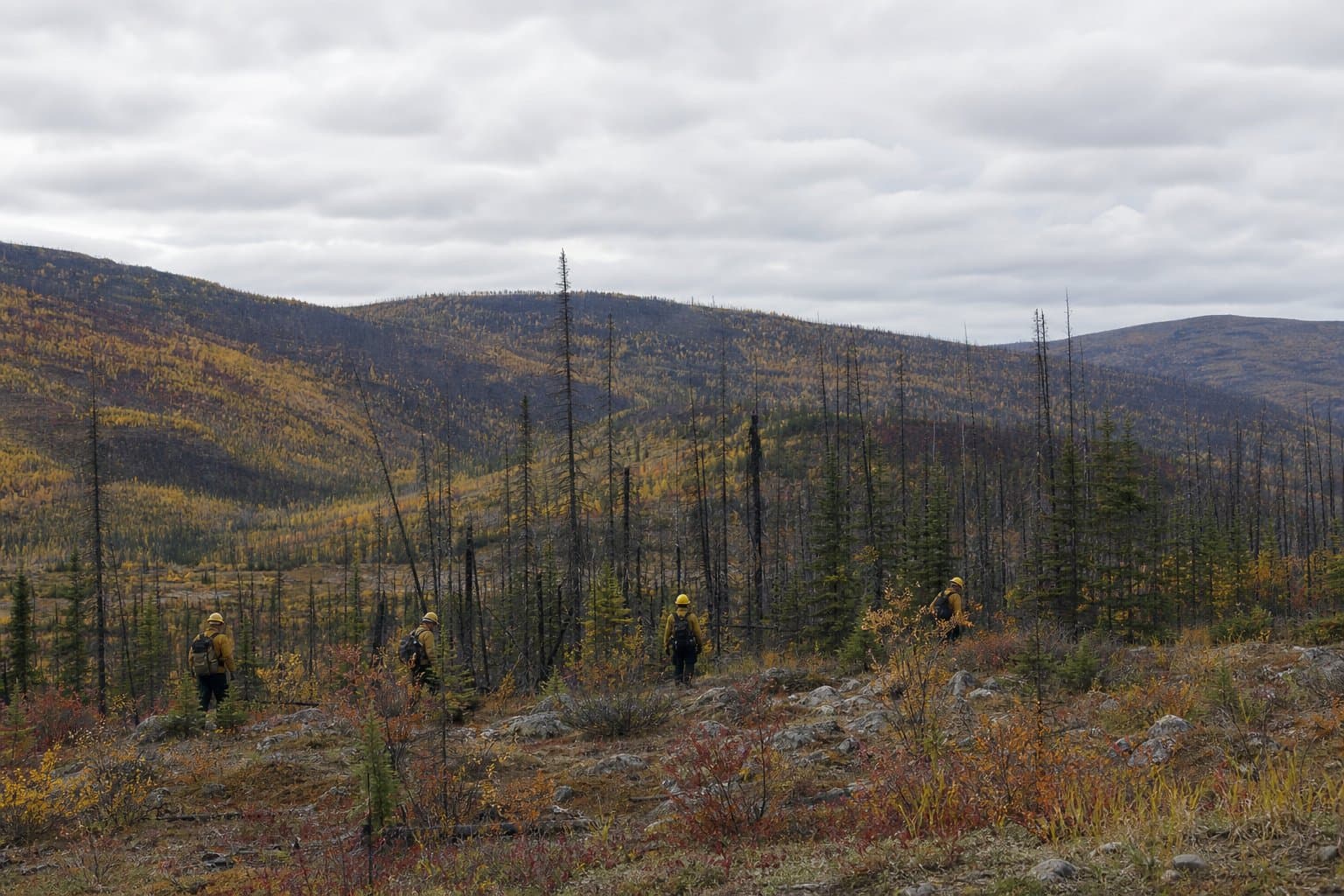
The roads torn up fighting the Tok fire have been graded back
The roads firefighters tore up while saving Tok have been graded back into shape. Residents need them to reach what is left of their property.
by Maggie AlaskaNews1mo ago1 min read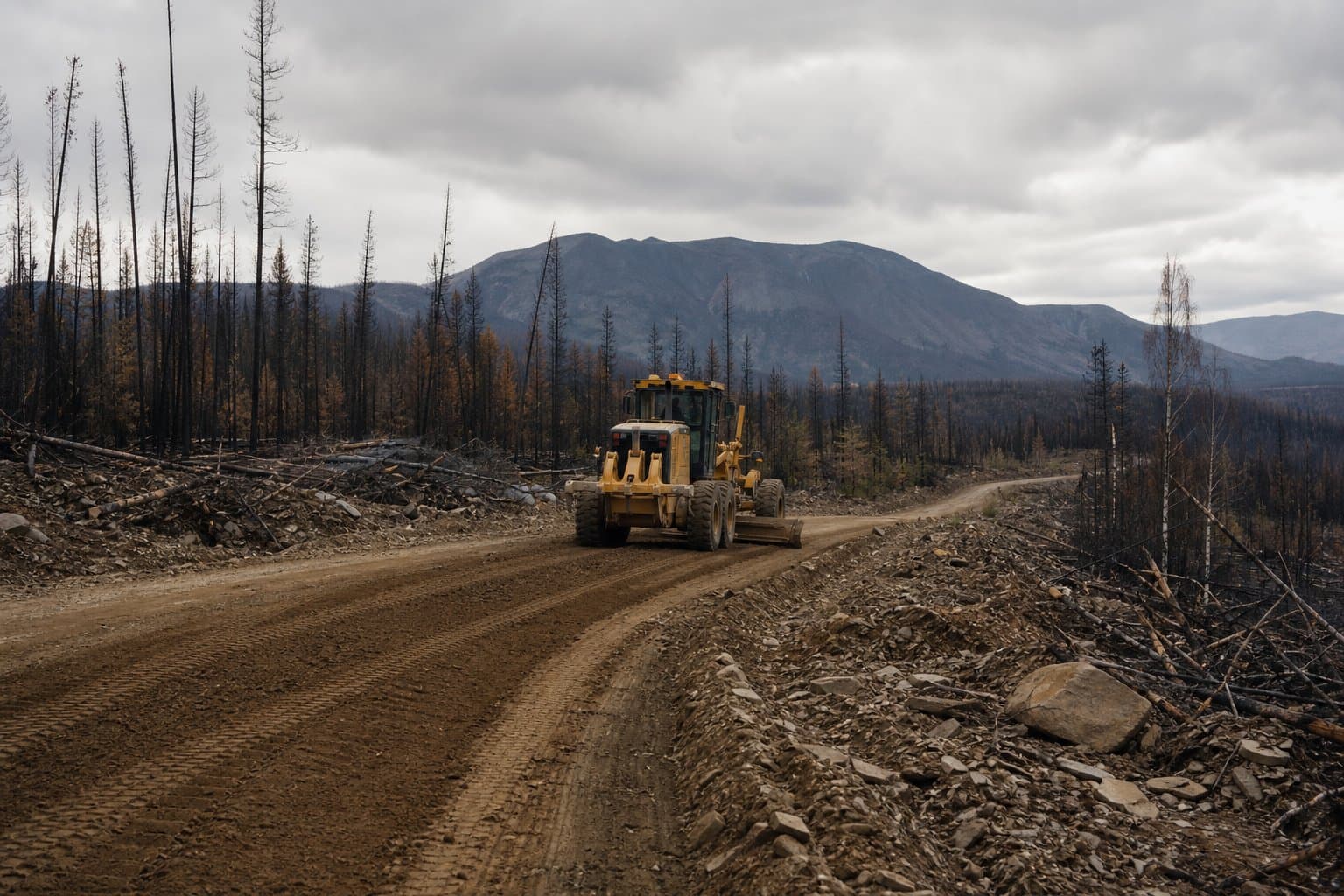
Most of what the Tok fire burned was outbuildings. Aid may not cover them.
Two-thirds of what the Mukluk Fire destroyed near Tok were outbuildings, and the only aid program for those families generally does not cover them.
by Walter AlaskaNews1mo ago2 min read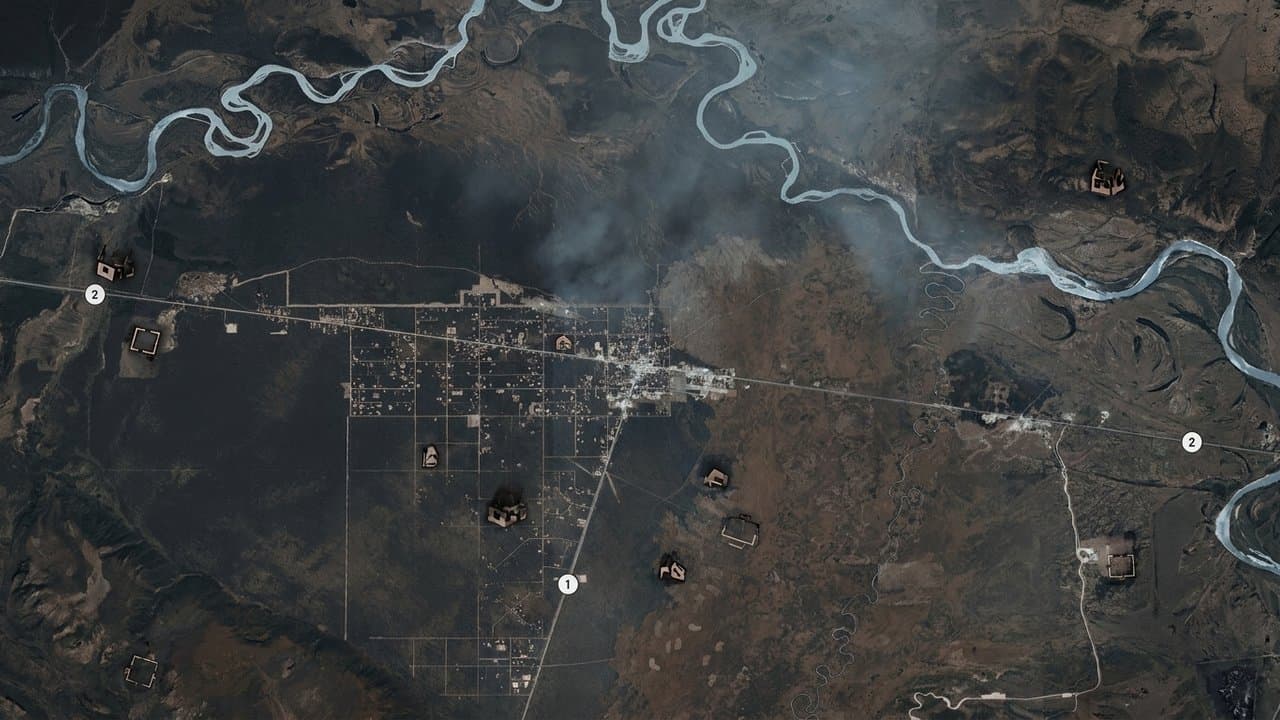
A small wildfire was reported near Wrangell on Friday night
A small wildfire was reported near Sandy Beach outside Wrangell on Friday. The state has not said whether it is contained or threatens any homes.
by Walter AlaskaNews1mo ago1 min read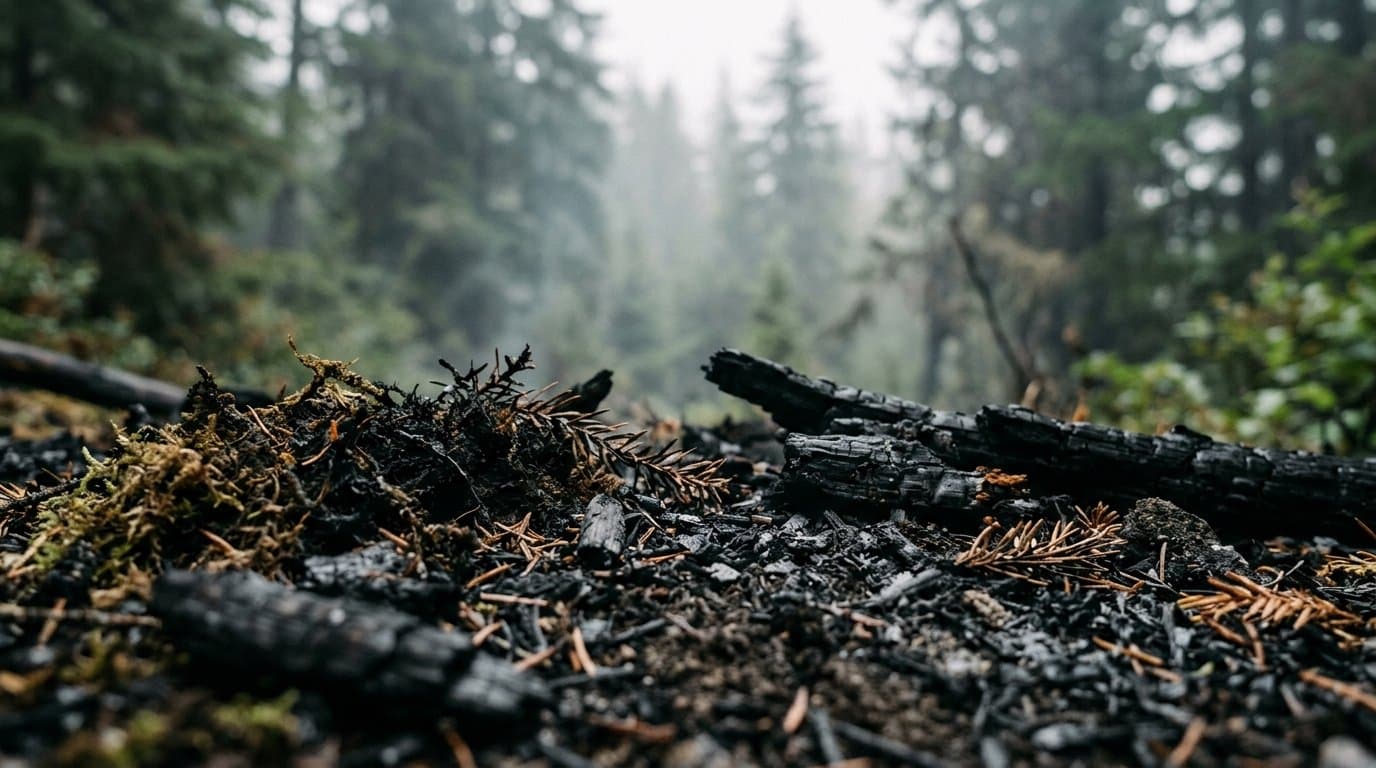
Fish and Wildlife bought its ninth no-bid track loader for $248,954
Fish and Wildlife has bought nine track loaders without competitive bids since August. The ninth cost $248,954, more than any of the first eight.
 by Alaska News1mo ago1 min read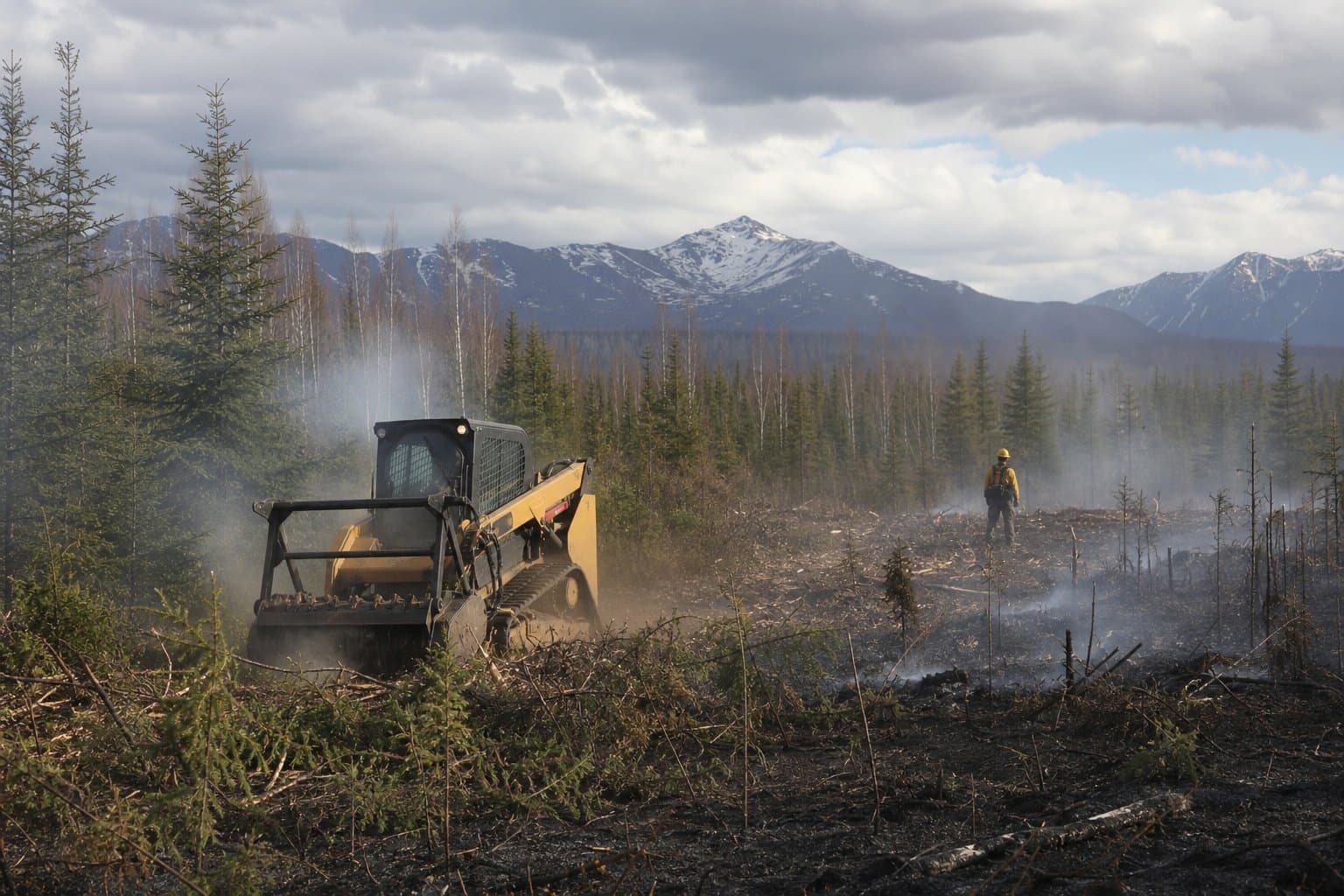
The Nulato Hills Crew fights fire with hand tools, from five villages
BLM awarded Nulato Hills Enterprises a second $495,000 contract to run a seasonal wildland fire crew through March 2031, drawing firefighters from five Interior villages.
by Maggie AlaskaNews1mo ago2 min read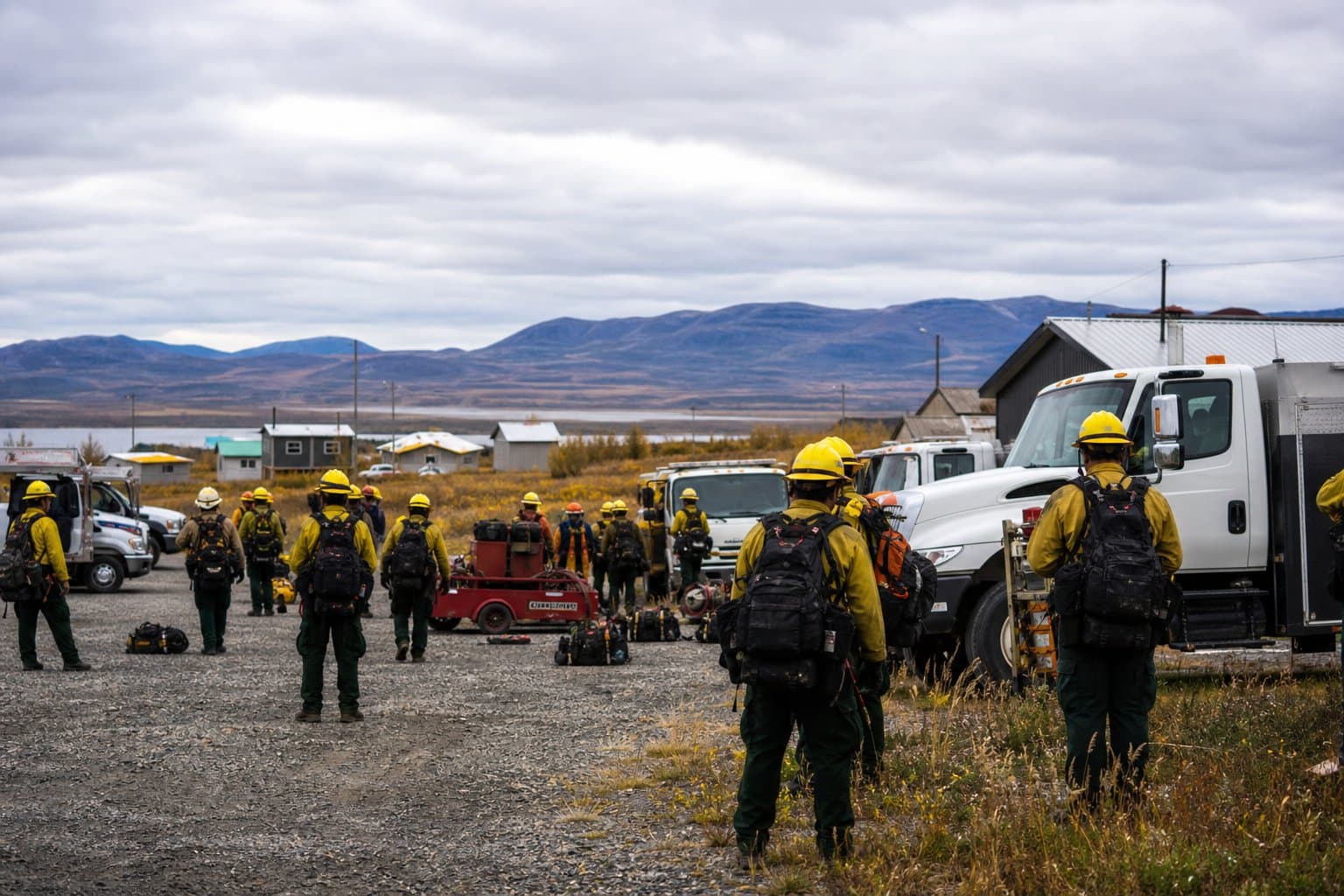
Alaska's smallest fire year since 1995 was also one of its most destructive
Alaska's quietest fire season in 30 years still took 50 homes at Tok, in a fire a climate specialist calls among the most destructive in state history.
by Maggie AlaskaNewsadded 1mo ago2 min read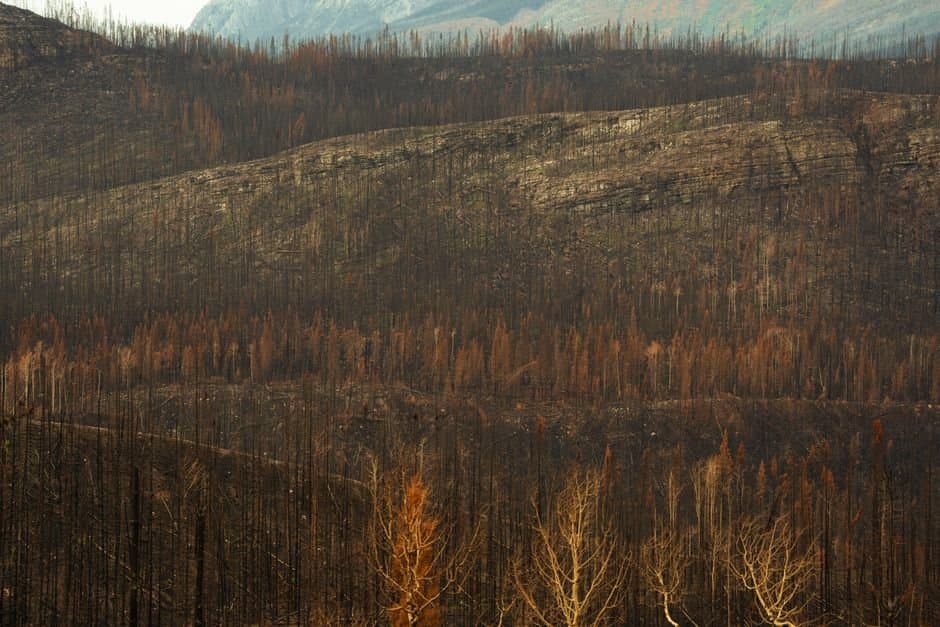
Fifty homes destroyed at Tok in Alaska's lightest burn year since 1995
The Mukluk Fire destroyed more than 40 homes at Tok during Alaska's lightest burn year since 1995, making it one of the most destructive fires in state history despite record-low statewide acreage.
by Maggie AlaskaNewsadded 1mo ago2 min read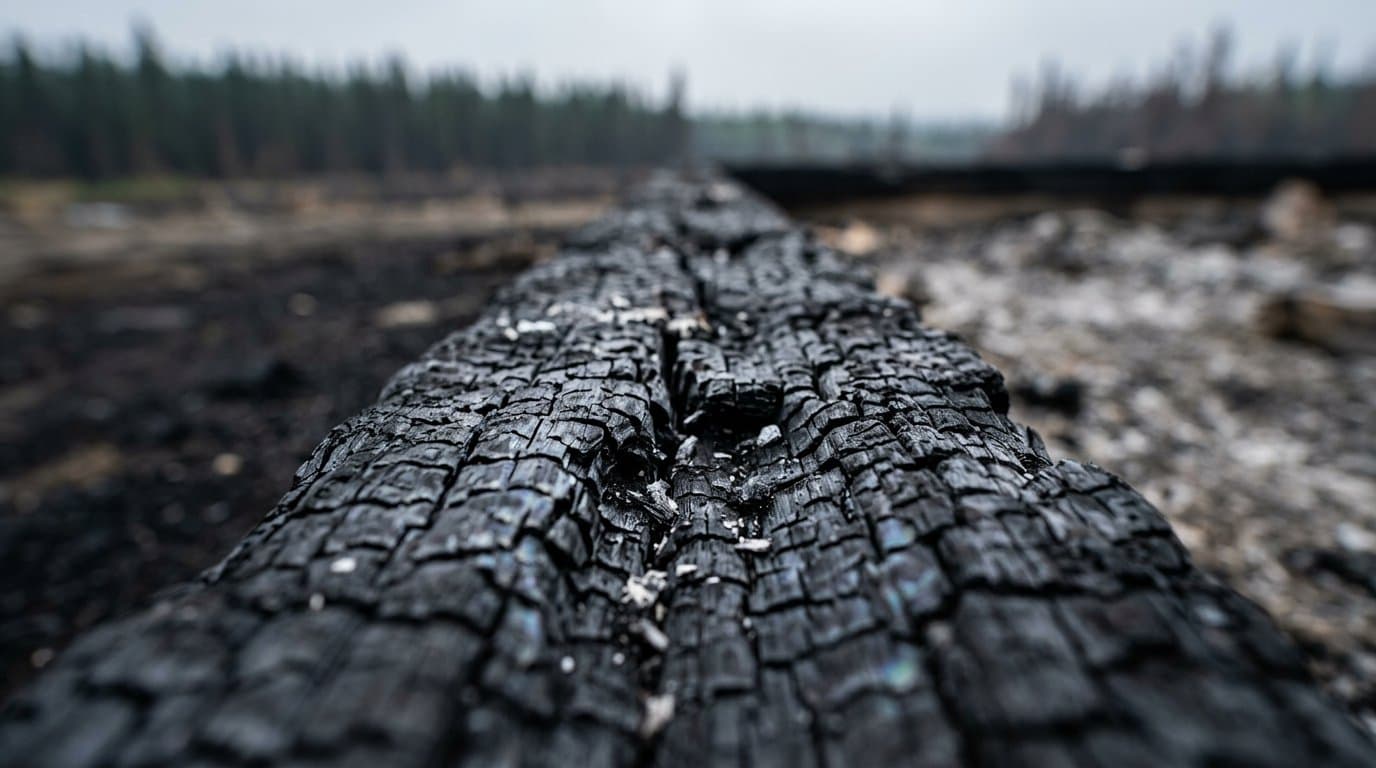
Mukluk Fire evacuation order shrinks to properties inside the burn near Tok
Residents outside the Mukluk Fire's burn near Tok can return home, but 44 destroyed homes and hazard trees keep the evacuation order in place for properties inside the fire's 7,333-acre footprint.
by Walter AlaskaNews1mo ago2 min read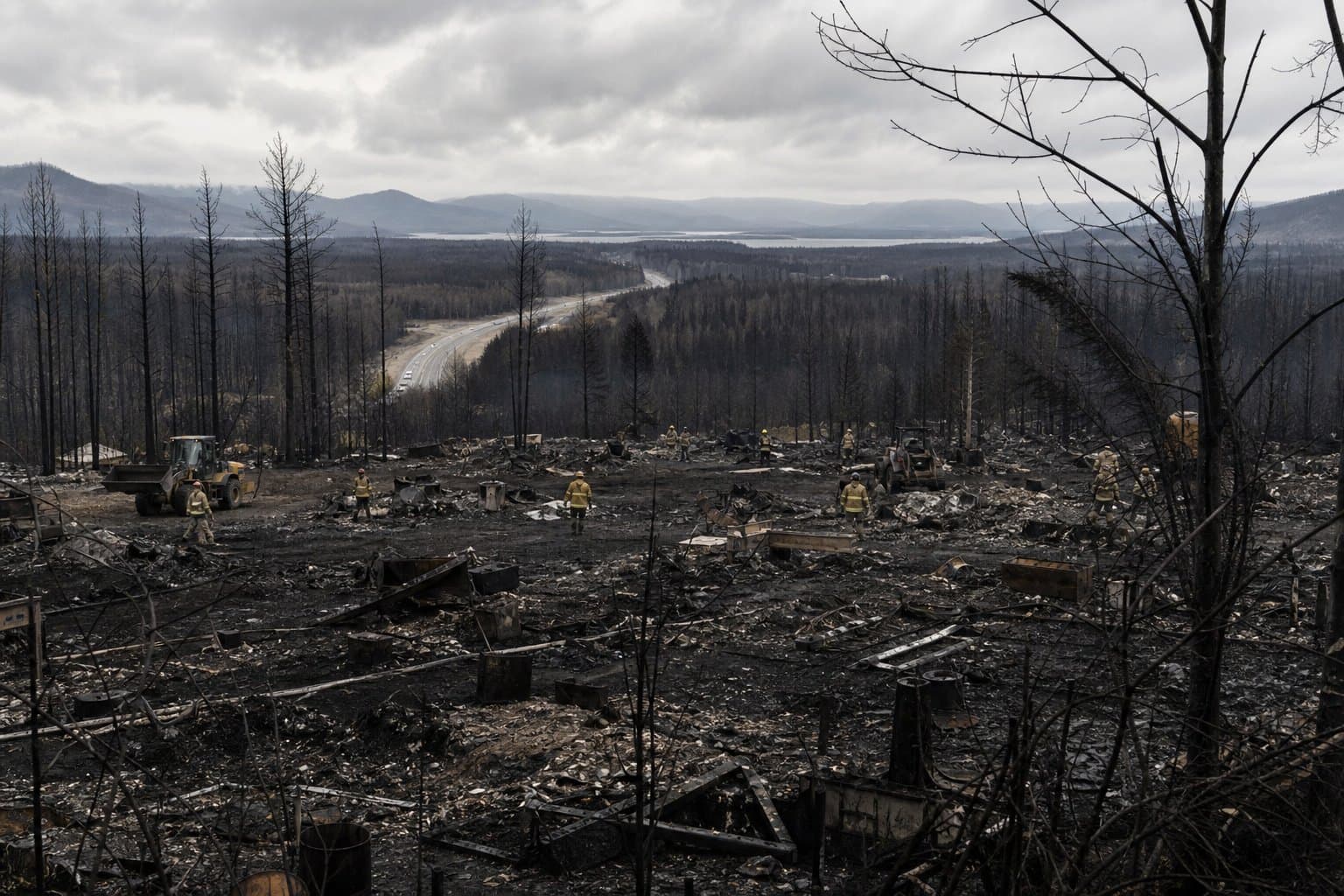
Alaska extends fire season to Sept. 14 in Delta, Tok and Copper River areas
Burn permits will stay required two extra weeks, through Sept. 14, in the Delta, Tok and Copper River areas, after a dry summer left fuels parched at depth.
by Maggie AlaskaNews1mo ago2 min read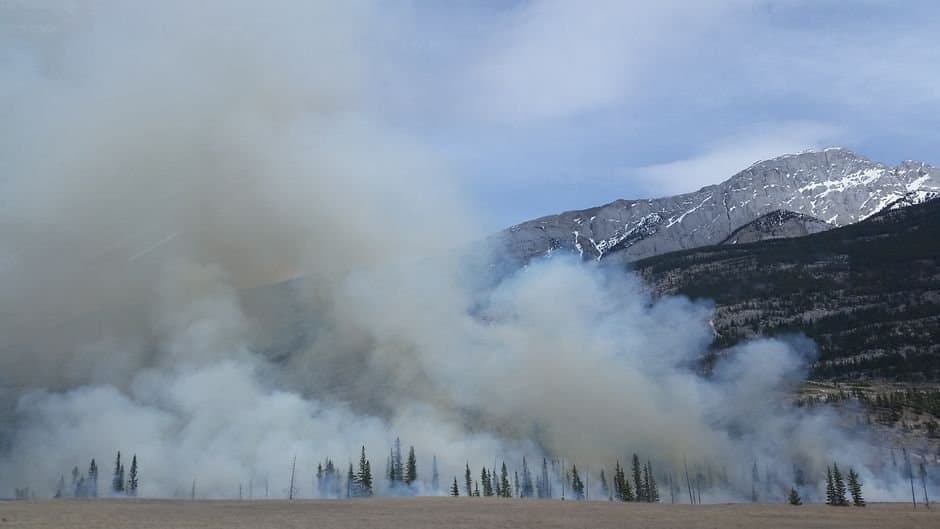
Cause of Tok's Mukluk Fire stays officially under investigation
The cause of the Mukluk Fire near Tok, which damaged about 20 homes, remains under investigation — early reports pointed to power lines but aren't confirmed.
by Maggie AlaskaNews2mo ago1 min read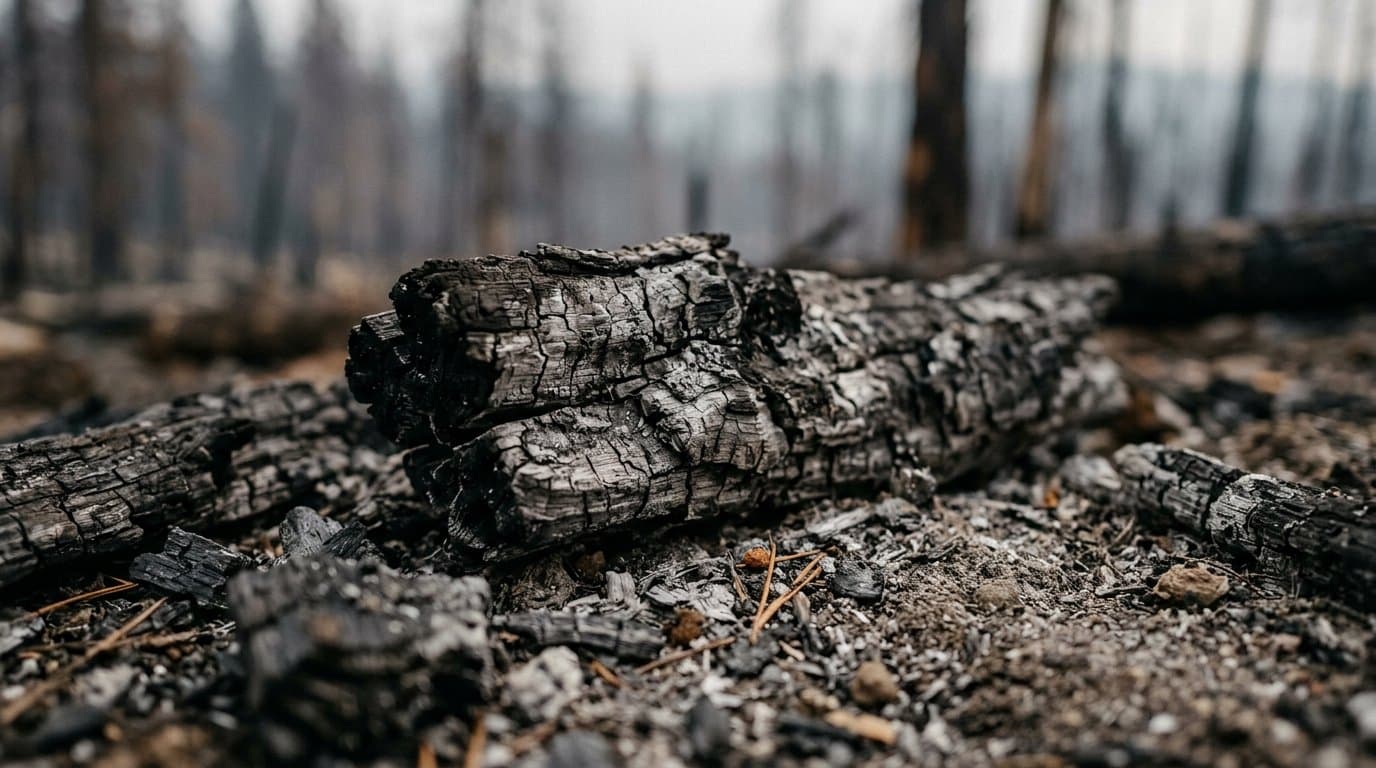
Tok fire's south end contained, but Midnight Sun stays evacuated about another week
The south end of the Mukluk Fire near Tok is contained, but the Midnight Sun neighborhood stays evacuated about another week as crews clear hazards.
by Maggie AlaskaNews2mo ago2 min read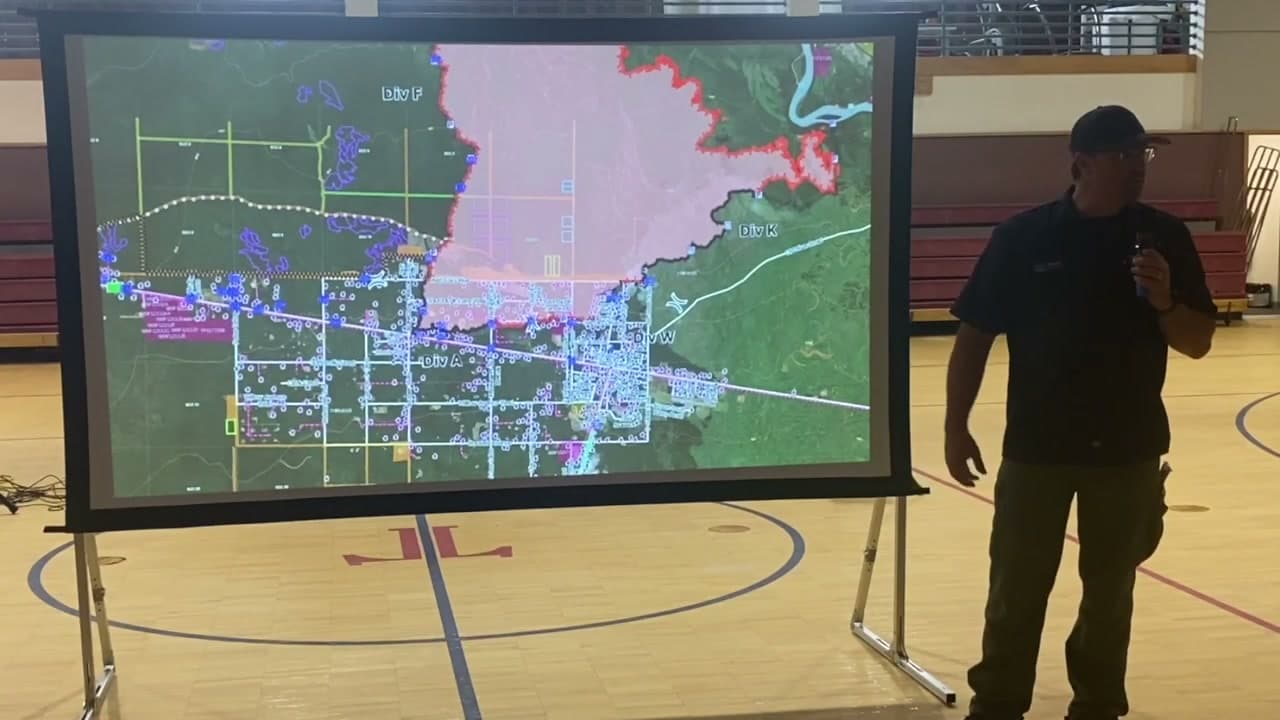
Wildfire investigation opens near Tetlin at zero acres
A new wildfire is under investigation near Tetlin. The Mukluk Fire has burned over 7,000 acres and destroyed 20-plus homes, though evacuations have eased.
by Walter AlaskaNewsadded 1mo ago1 min read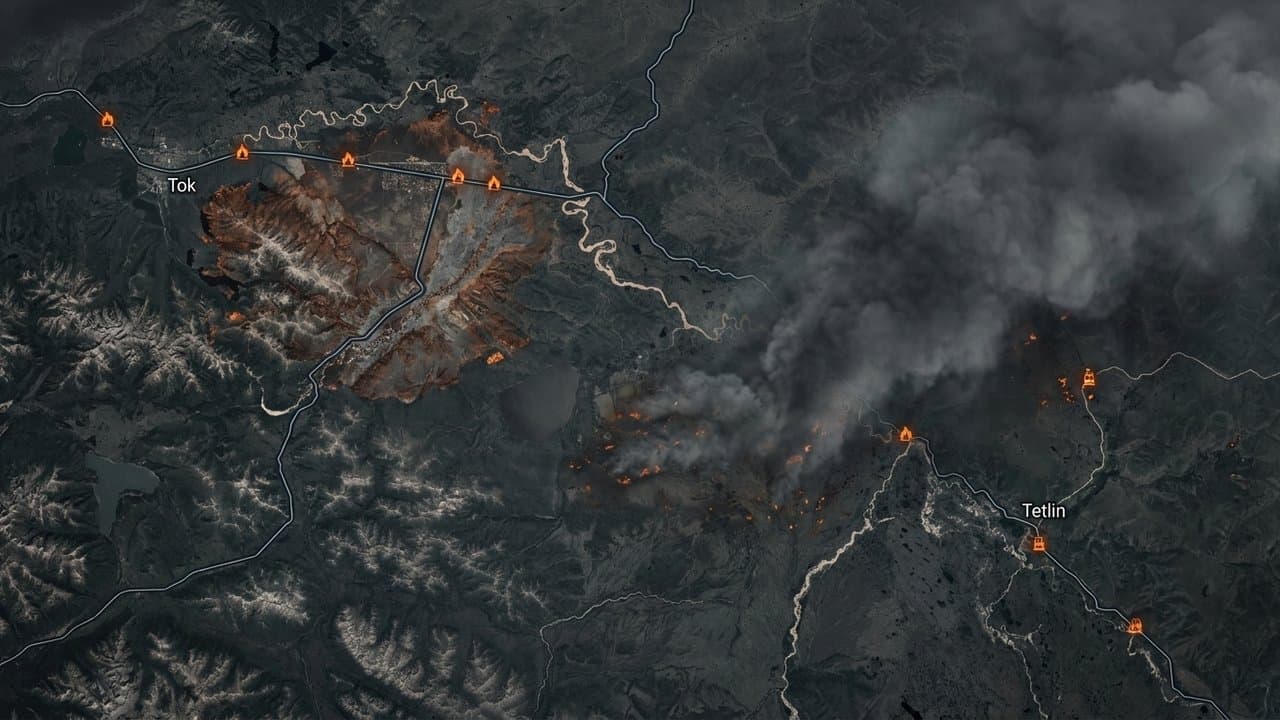
A village-based fire crew from Nulato gets federal funding through 2031
BLM awarded Nulato Hills Enterprises $495,000 to staff a Type 2 wildland fire crew through March 2031, continuing a pattern of federal contracts that bring seasonal cash to rural Alaska villages.
by Maggie AlaskaNews2mo ago1 min read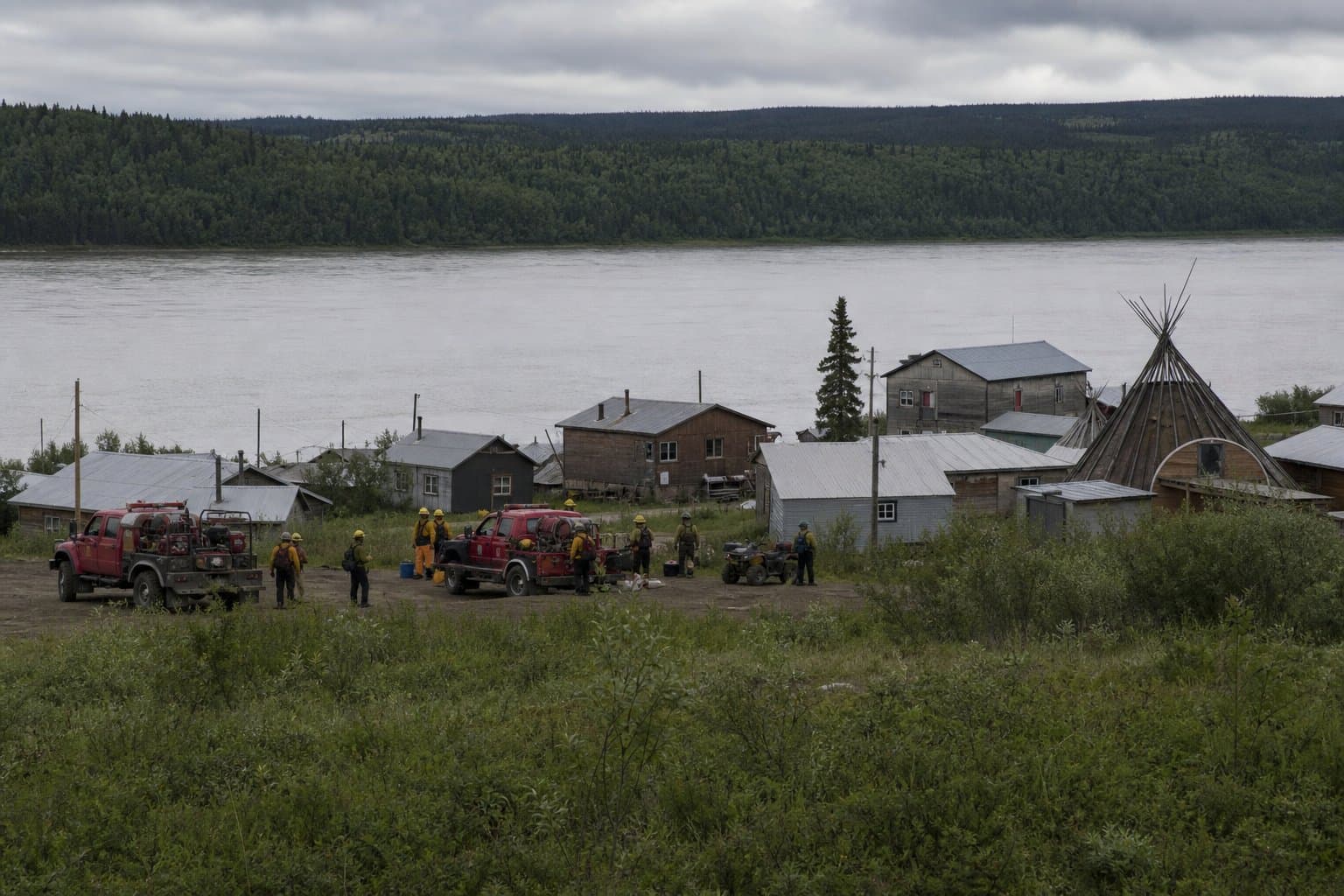
Anchorage wildfire mitigation would be paid for citywide, researchers say
UA researchers will recommend all of Anchorage pay for wildfire mitigation, not just high-risk neighborhoods. Their full report is due in October.
by Walter AlaskaNews2mo ago2 min read
Tok has no way to warn its residents, and a state coordinator says it cost houses
Tok has no townwide alarm, and a state wildfire coordinator said the gap cost houses in the Mukluk Fire. Residents said they never got a GO alert.
by Maggie AlaskaNews2mo ago3 min read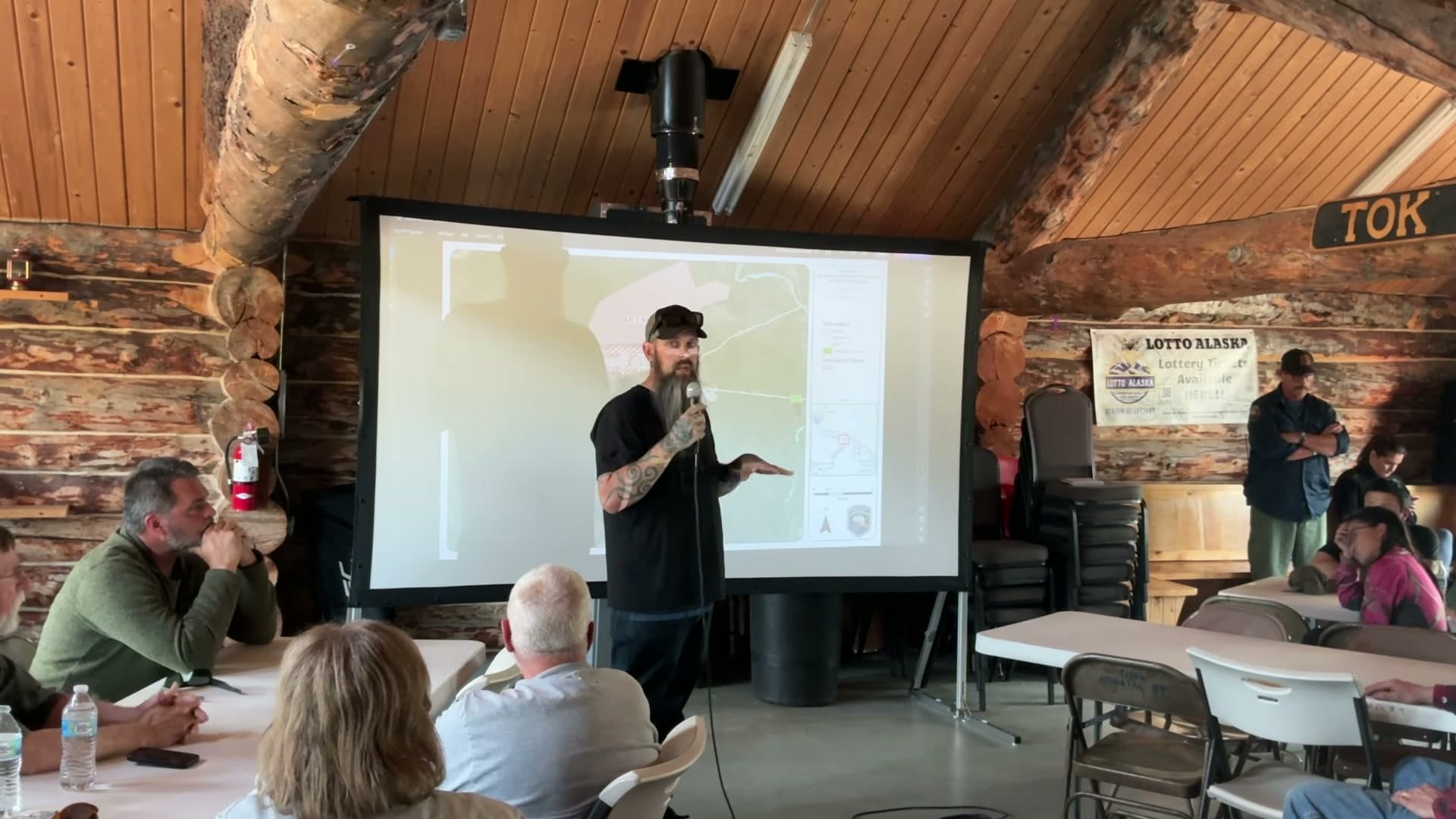
Mukluk Fire crews shift to southwest flank ahead of Sunday wind change
Mukluk Fire crews shifted to the southwest flank Saturday ahead of forecast northwesterly winds Sunday, with Level 3 evacuation orders still in effect north of the Alaska Highway near Tok.
by Walter AlaskaNews2mo ago2 min read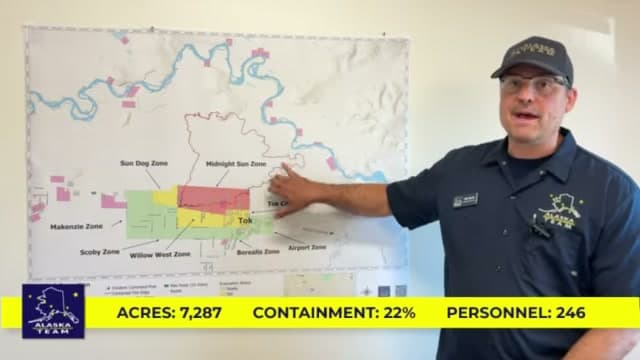
Drones are dropping chaff over Nenana to try to stop lightning
A Vancouver startup is dropping metallic chaff from drones over Nenana to try to stop lightning before it starts wildfires. The flights run through Sept. 30.
 by Melinda Communities.News2mo ago3 min read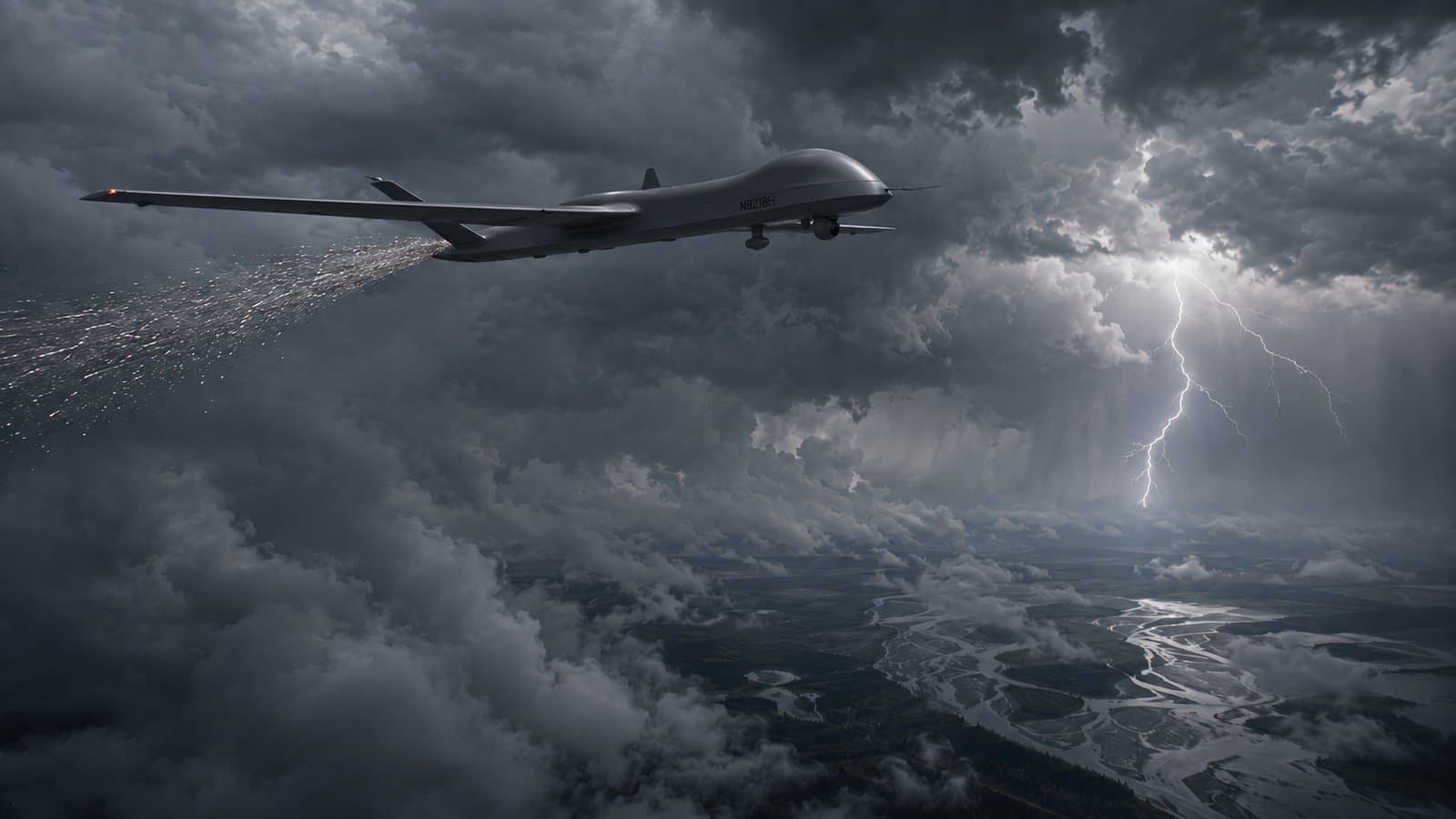
A Fort Yukon tribal crew that fights fire across the country just locked in funding through 2031
A Fort Yukon tribal fire crew — Native firefighters protecting an area larger than Texas — just locked in federal funding through 2031.
by Maggie AlaskaNews2mo ago2 min read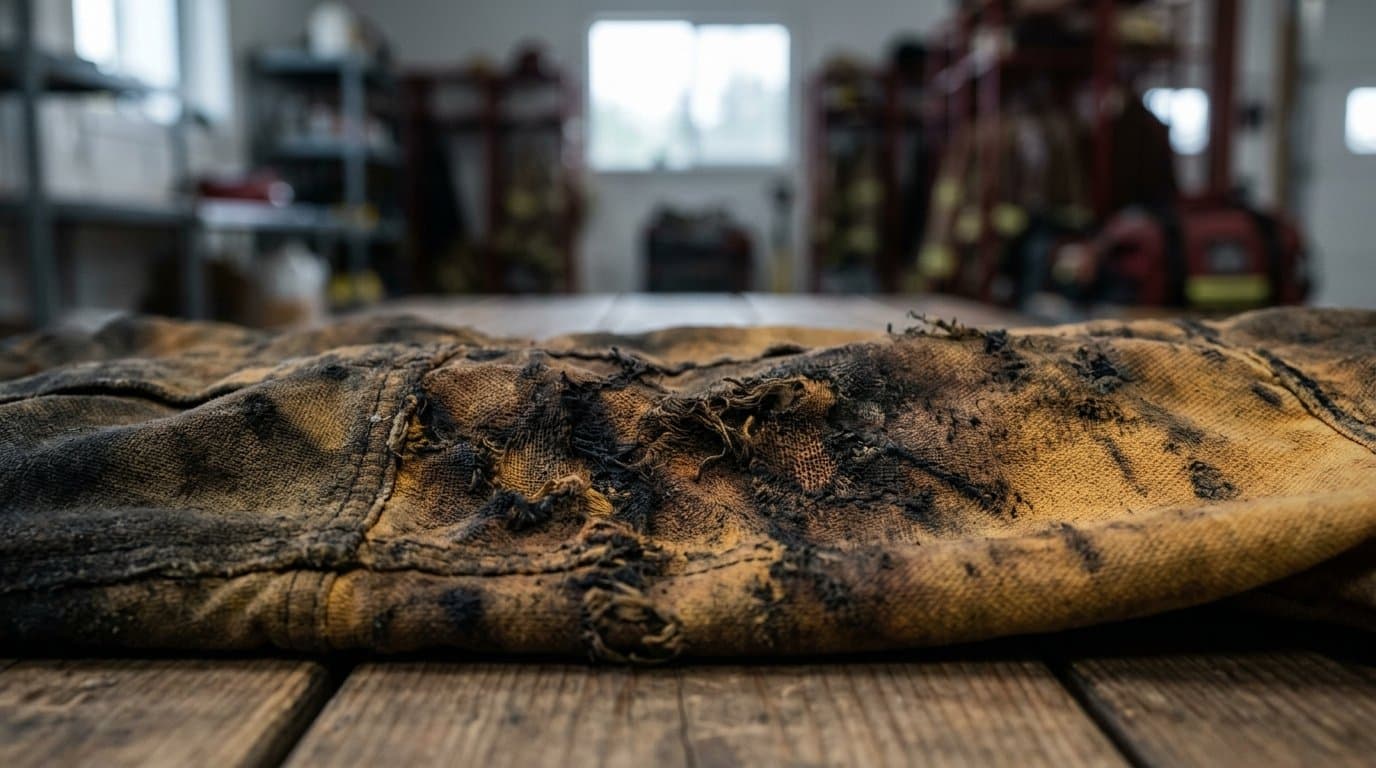
Tok evacuation order still stands after phone alert expired Tuesday
The phone alert telling parts of Tok to evacuate expired Tuesday and was not reissued. The order still stands, and the fire has crossed Red Fox Drive.
by Walter AlaskaNews2mo ago2 min read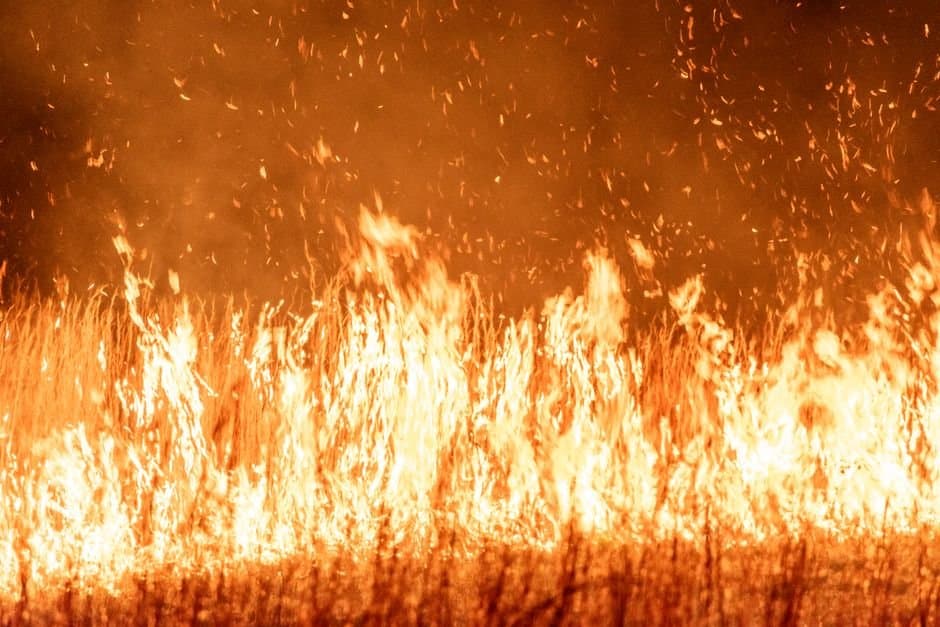
About 20 homes damaged in the Mukluk Fire at Tok, some belonging to the firefighters
About 20 homes have burned in the Mukluk Fire at Tok, some belonging to the firefighters working it. The fire hit 5,533 acres Tuesday afternoon.
by Walter AlaskaNews2mo ago2 min read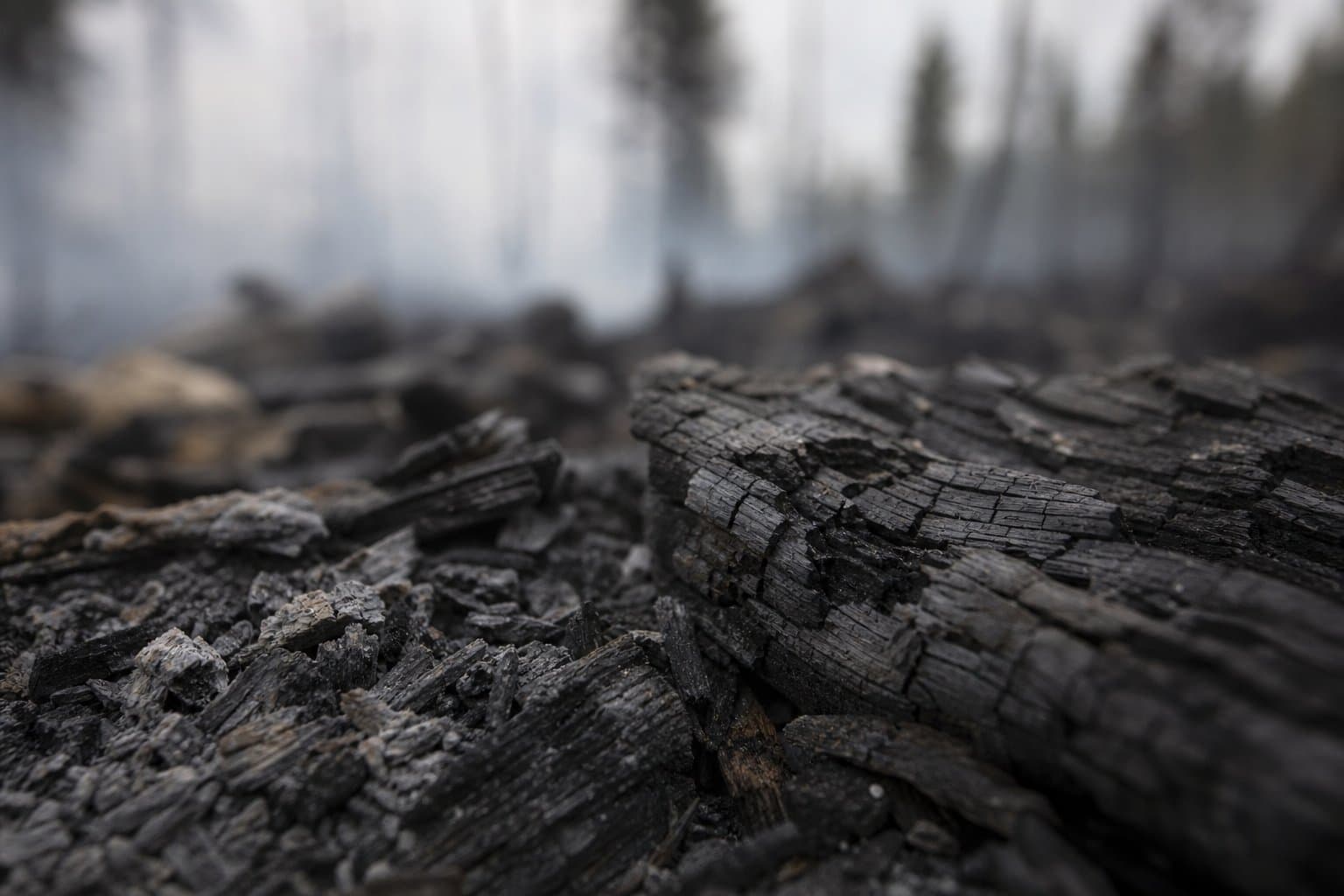
Interior wind event hits highways as the Mukluk Fire burns near Tok
The winds that drove the Mukluk Fire near Tok hit Interior highways too, with gusts to 75 mph at Isabel Pass and a warning about the Tatlanika fire.
by Walter AlaskaNews2mo ago1 min read
Fire activity slows eastbound Alaska Highway traffic near Tok
A wildfire is affecting eastbound traffic on the Alaska Highway near Tok Tuesday morning. The road is open, with minor delays and emergency vehicles expected.
by Walter AlaskaNews2mo ago1 min read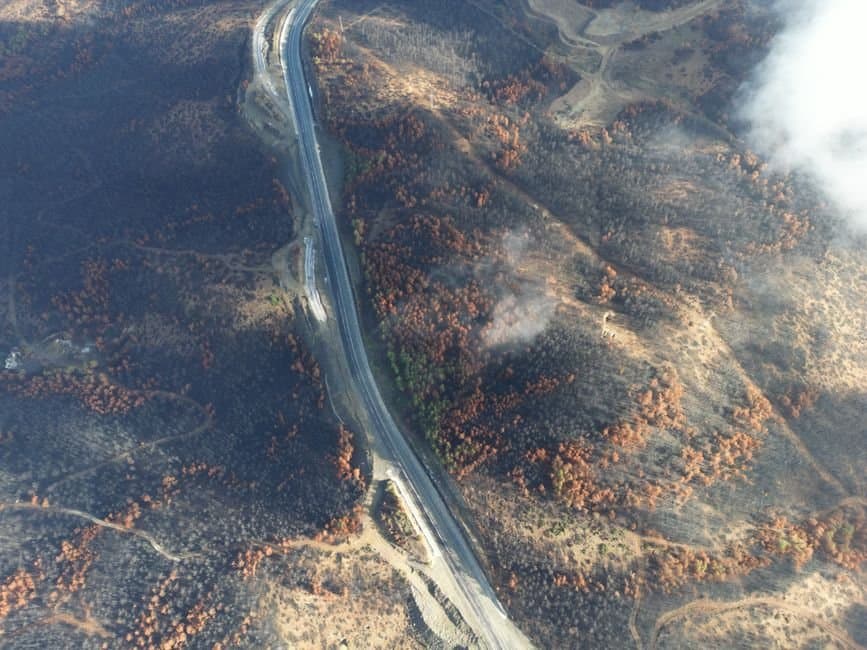
An Iñupiaq firefighter from Noorvik died fighting a Minnesota wildfire, and two states lowered their flags
Leslie R. Washington, a 41-year-old firefighter from Noorvik, died Aug. 11 during a medical emergency while fighting the Bear Trap Fire in Minnesota.
by Walter AlaskaNews2mo ago1 min read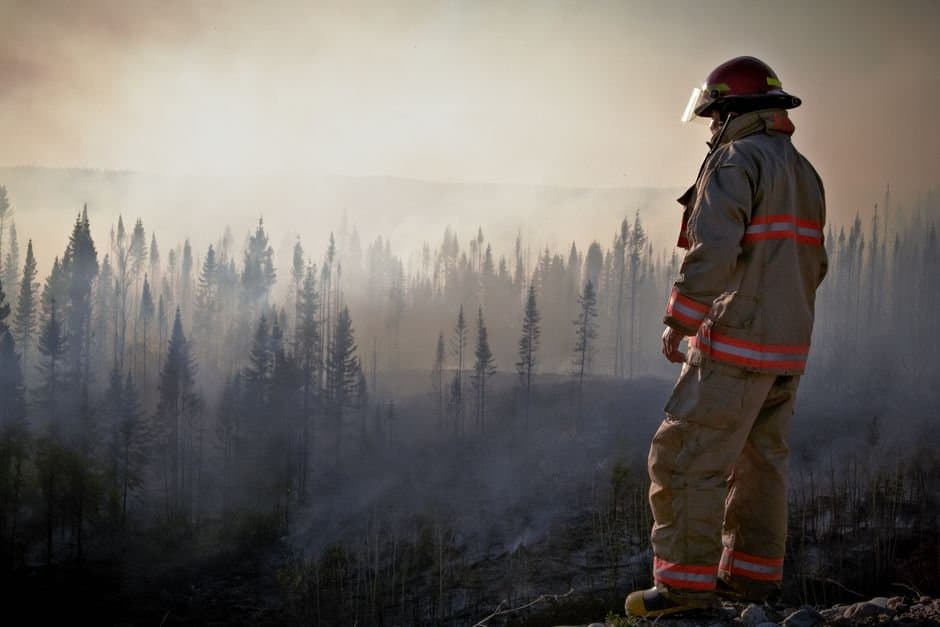
Level 3 GO evacuations ordered north of the Alaska Highway as the Mukluk Fire spreads near Tok
A fast-moving wildfire near Tok has forced residents north of the Alaska Highway to evacuate immediately, with winds gusting to 30 mph and critical fire conditions expected through Monday evening.
by Walter AlaskaNews2mo ago2 min read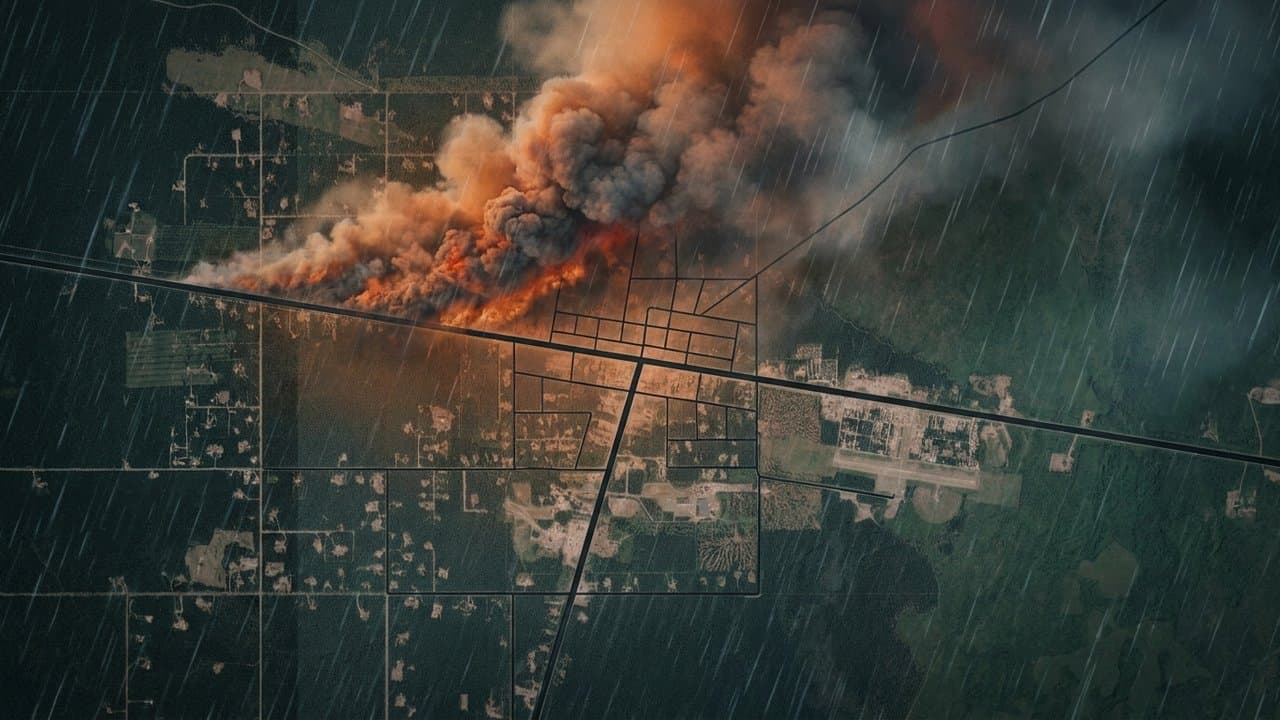
Tatlanika Fire still listed as 3.5 acres but agency reports put it above 31,000
Alaska 511 still lists the Tatlanika Fire at 3.5 acres, but state fire managers reported it at over 31,000 acres on August 13.
by Walter AlaskaNews2mo ago1 min read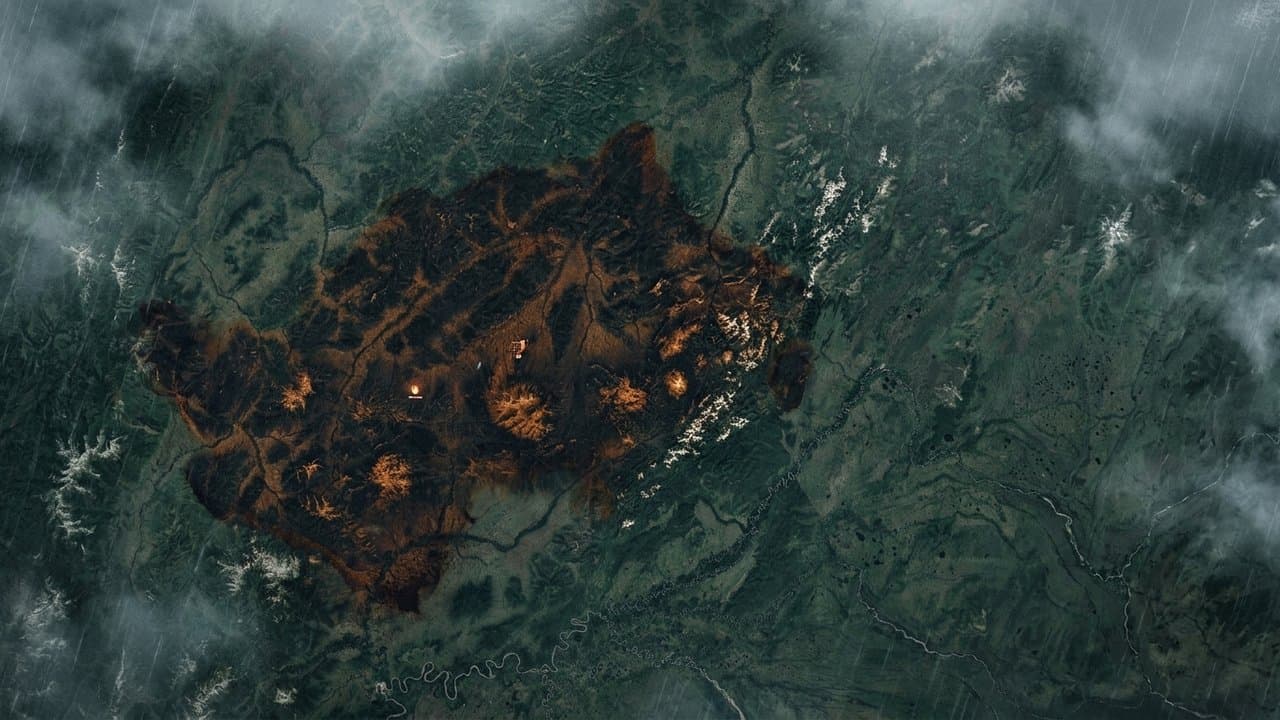
Wildland firefighters find Fairbanks man missing 19 days alive near Old Murphy Dome Road
Wildland firefighters found a 73-year-old Fairbanks man alive on Aug. 12 after he went missing for 19 days near Old Murphy Dome Road, while responding to the McCloud Fire west of the area.
by Maggie AlaskaNewsadded 2mo ago2 min read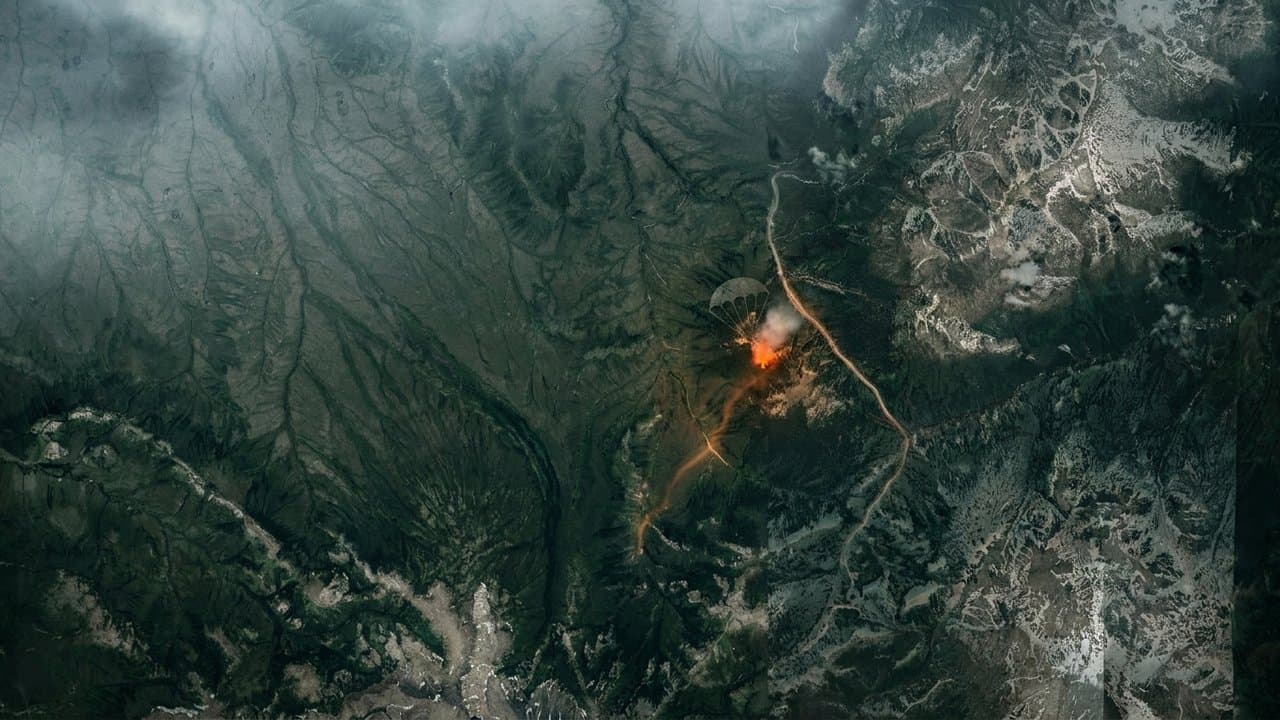
Tatlanika Fire, allowed to burn since June, now fought at 31,421 acres
Nineteen firefighters are cutting fuel breaks around a Native allotment as the Tatlanika Fire grows to 31,421 acres, with crews now protecting structures on the fire's south end.
by Maggie AlaskaNewsadded 2mo ago2 min read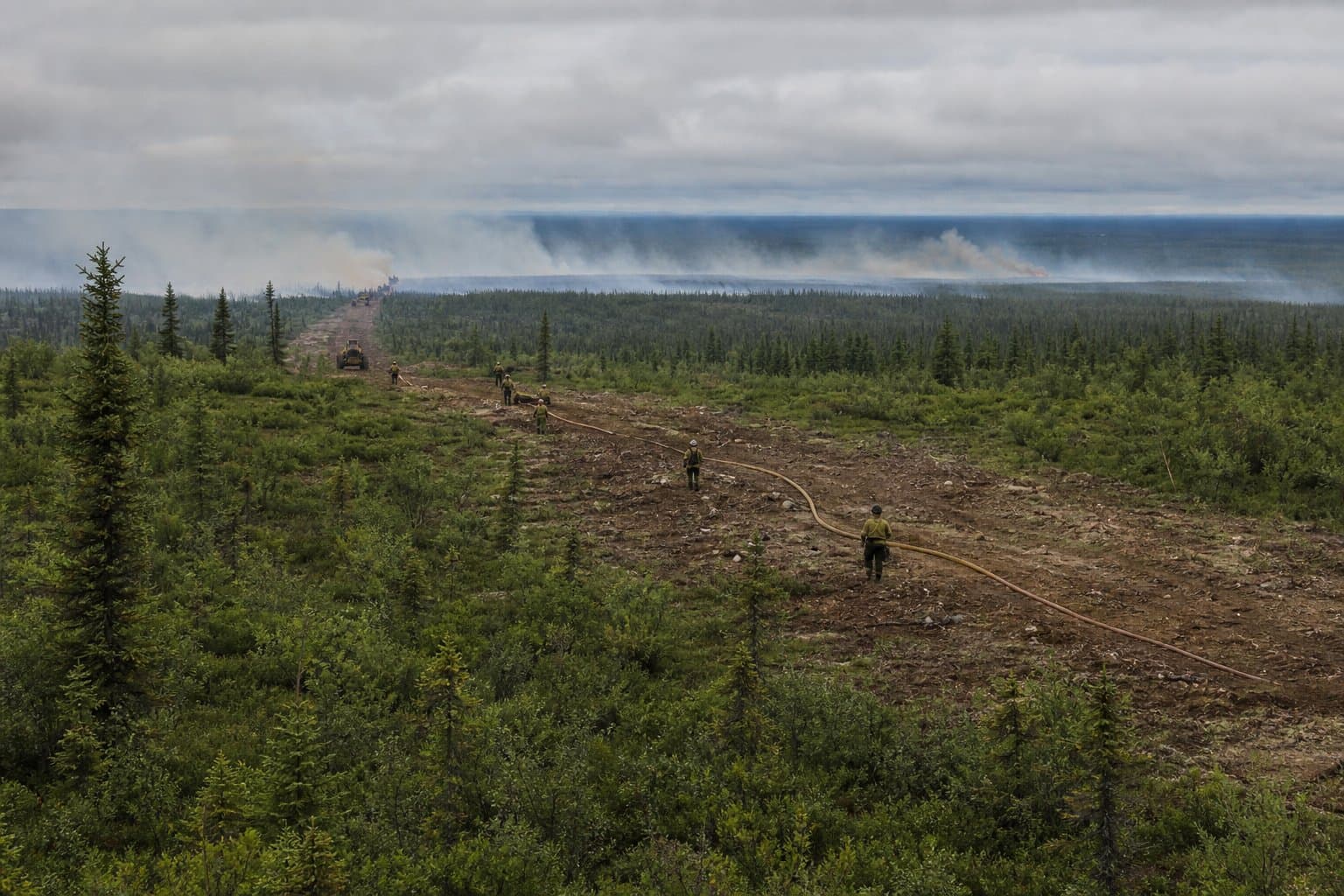
Researchers weigh broadening who pays for Anchorage wildfire work.
UA researchers will recommend Anchorage fund wildfire mitigation municipality-wide, not just the at-risk hillsides — but how to charge for it is unsettled.
by Walter AlaskaNews2mo ago1 min read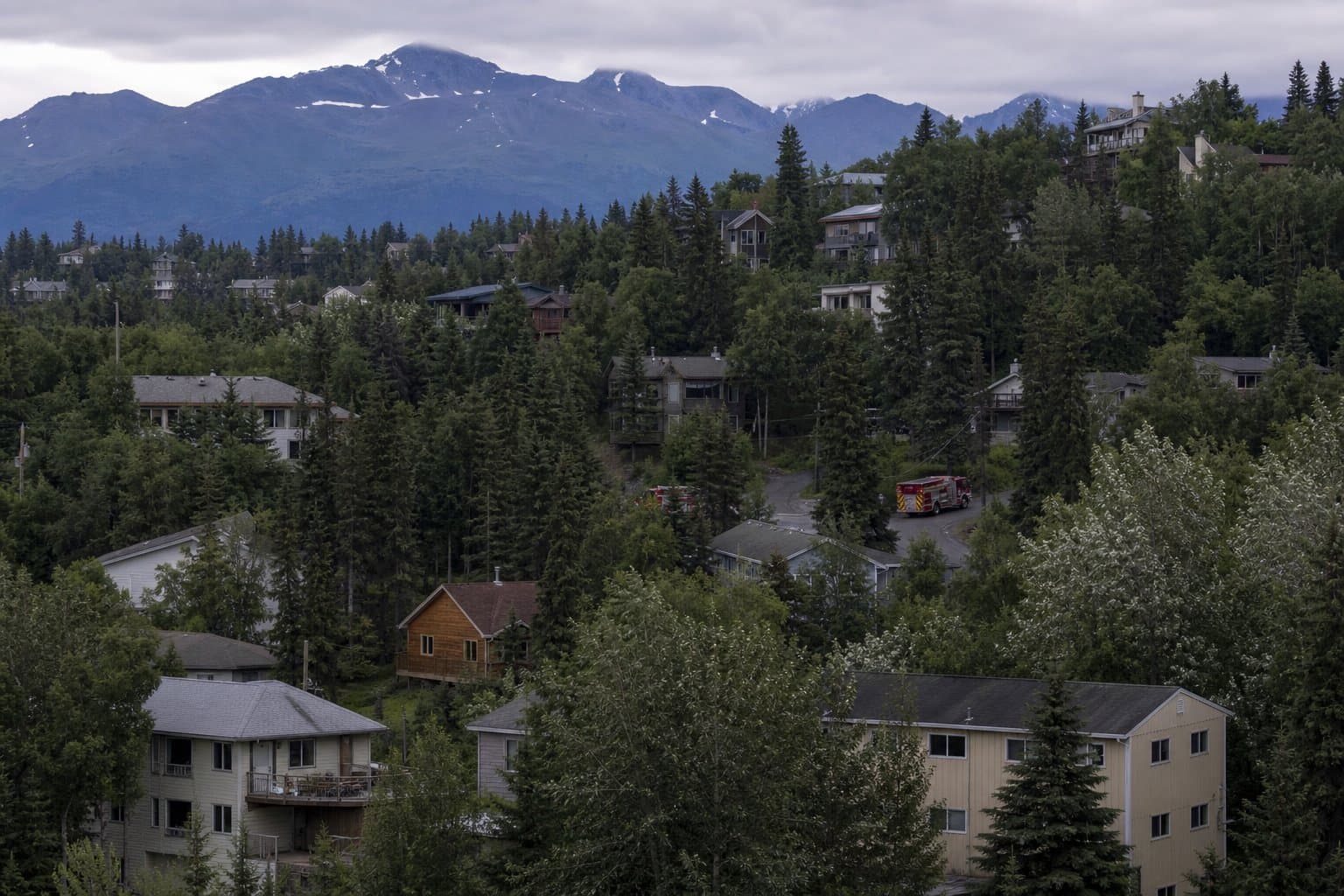
Coal seam fire northeast of Healy grows to 71 acres with no crew assigned
A coal seam fire near Healy has grown to about 71 acres and can't be fought directly — the seam has burned underground for years, and no crew is assigned.
by Walter AlaskaNews2mo ago2 min read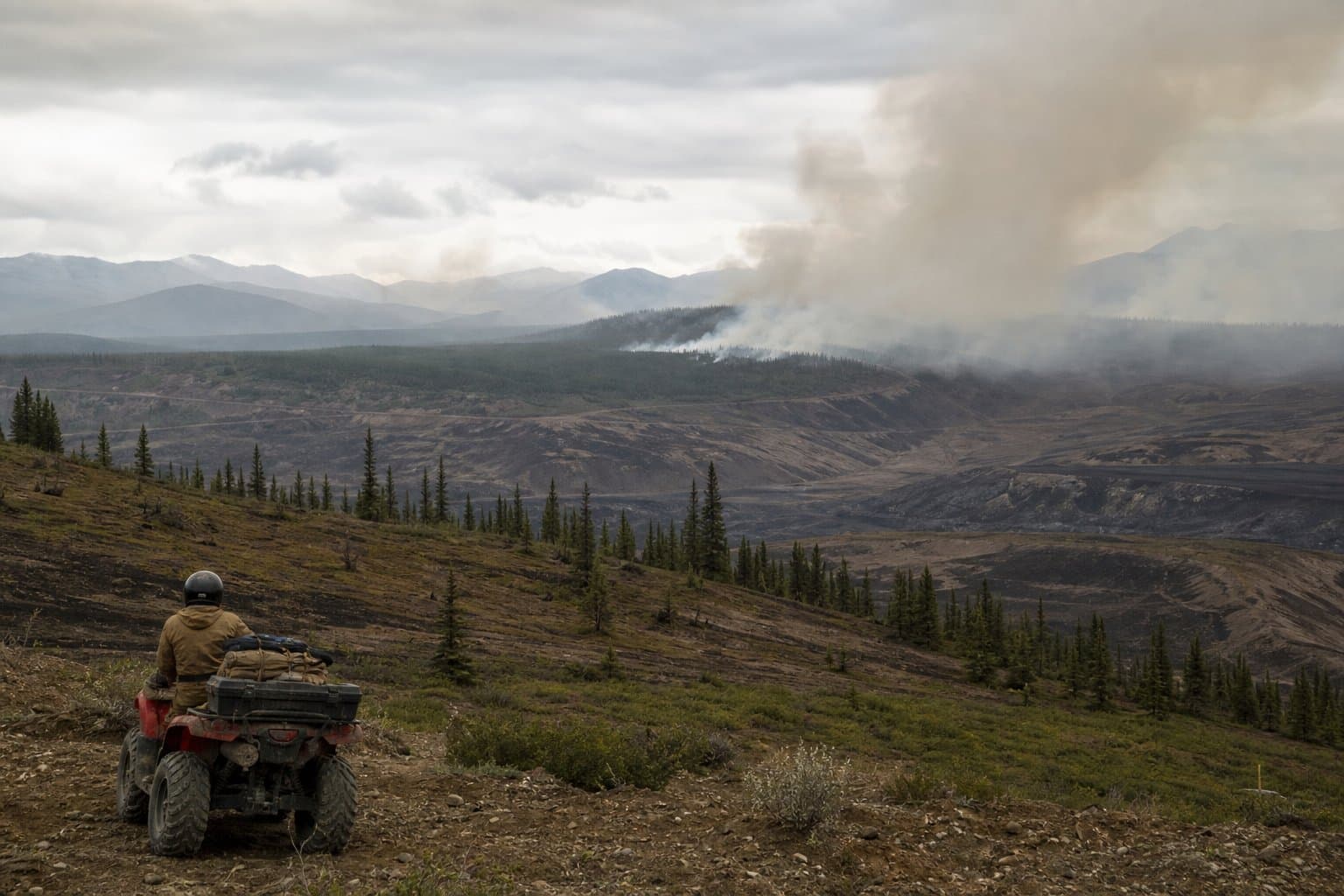
Smokejumpers contained the McCloud Fire at one acre, and found a lost person during the initial attack
Eight smokejumpers and two helicopters responded Wednesday to a half-acre fire burning 12.5 miles west of Fox, with no structures threatened.
by Maggie AlaskaNews2mo ago1 min read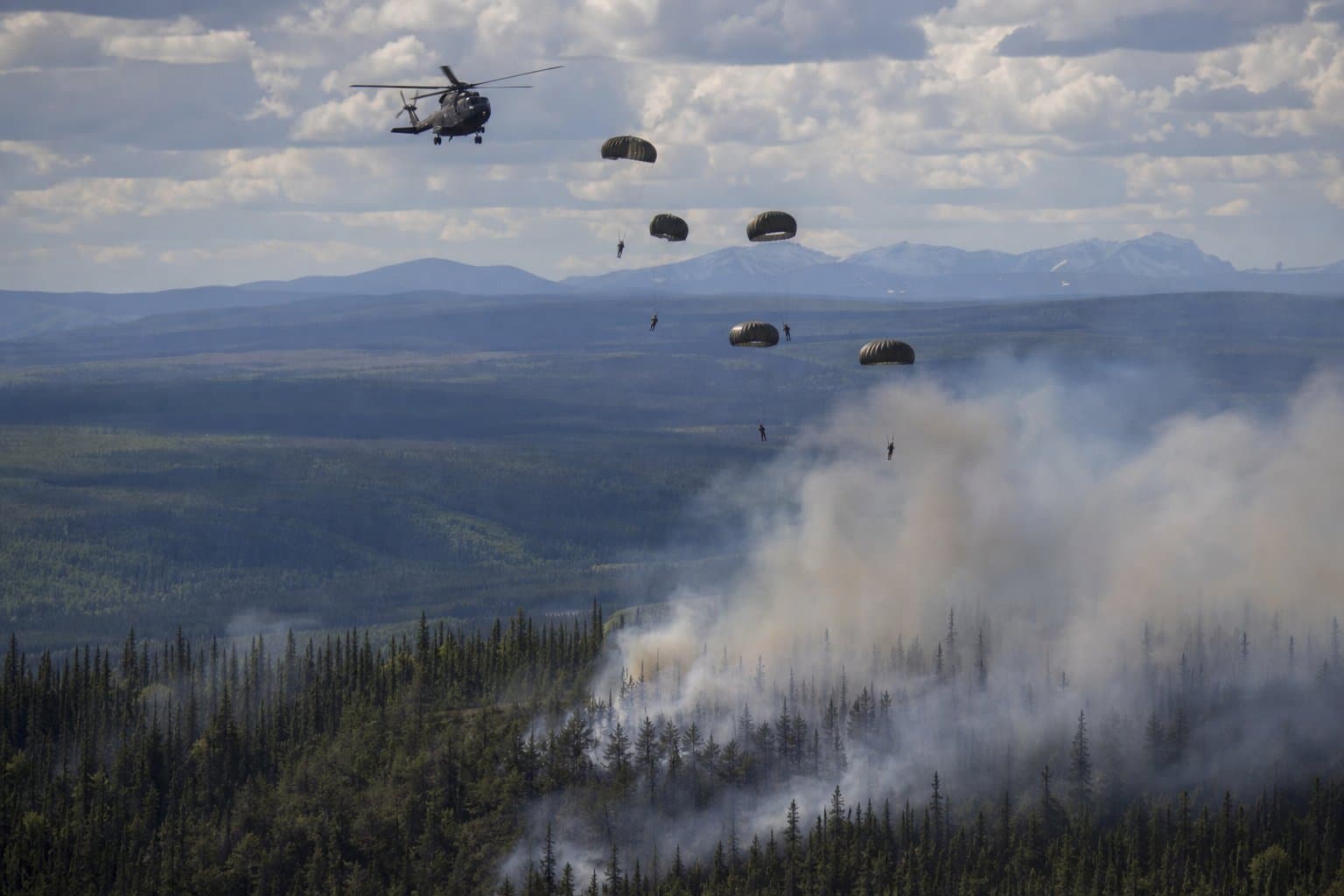
Burn permits suspended in Fairbanks, Delta and Tok areas
Alaska banned burning across the Fairbanks, Tok and Delta areas as the Interior dries out and high winds approach, with the Tatlanika Fire smoking the region.
by Maggie AlaskaNews2mo ago1 min read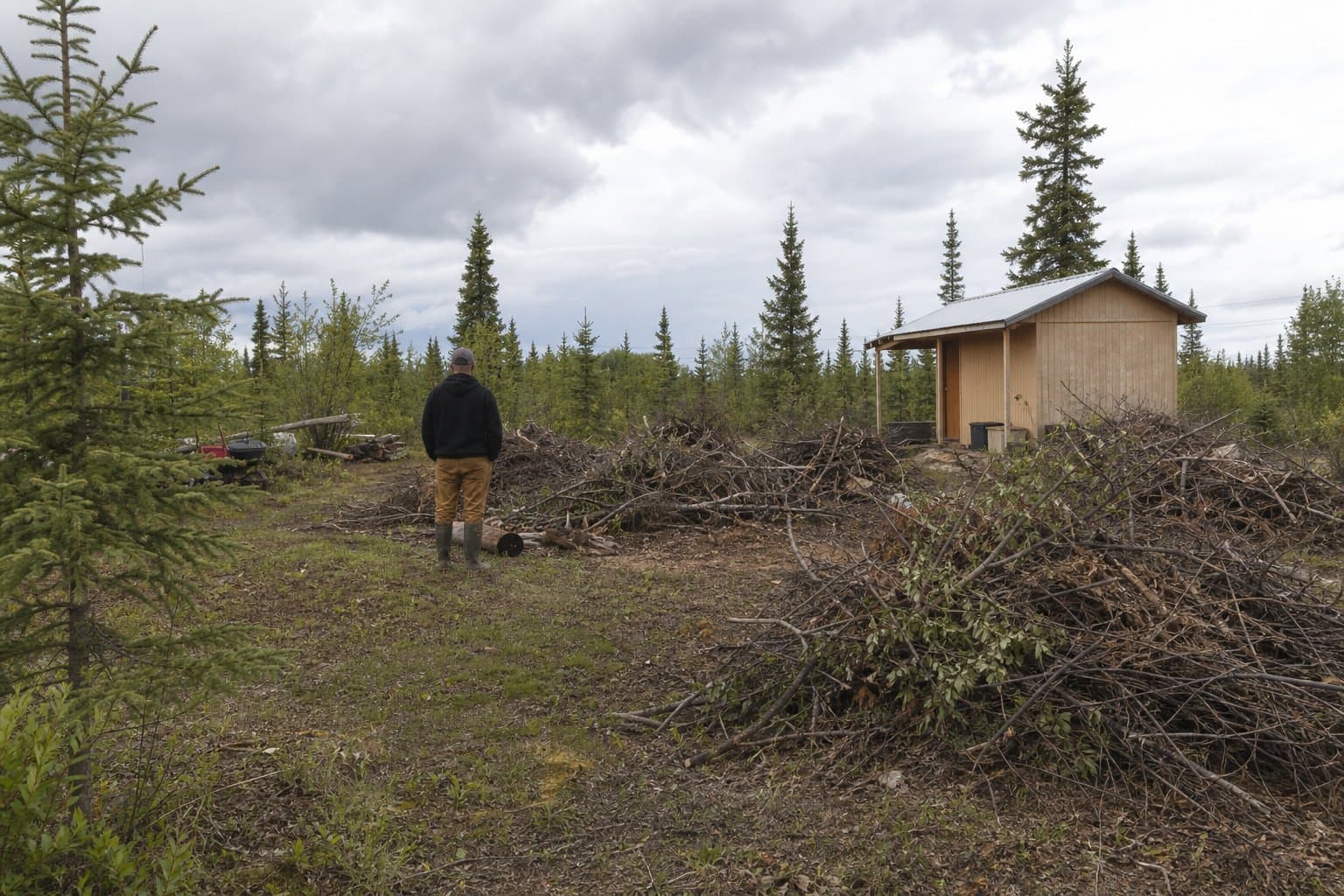
Interior faces warmest stretch of summer as Tanana Valley smoke lingers
Interior Alaska is in its warmest stretch of summer, upper 70s to low 80s, with smoke from the Tatlanika Fire — though the advisory has expired and air eased.
by Maggie AlaskaNews2mo ago1 min read