Alaska LNG
RSSAlaska LNG is a proposed natural gas pipeline and export terminal connecting Alaska's North Slope to Nikiski. The state-owned Alaska Gasline Development Corporation and developer Glenfarne back the project, also called AKLNG, which is debated in state tax and financing legislation.
Where Alaska LNG stands after Lutnick's 'federalized' remark
Permits: yes. Taiwan and Korea money, announced: yes. Closed financing, final sales contracts and a state tax deal: not yet. Here's where the gas line stands.
 by Walter AlaskaNews1d ago8 min read
AGDC managers ask board for $1.28 million to support its 25% stake in Alaska LNG
The state's gas line corporation owns a quarter of Alaska LNG and wants $1.28 million to oversee its stake, including readiness for a possible clawback.
by Walter AlaskaNews2d ago2 min read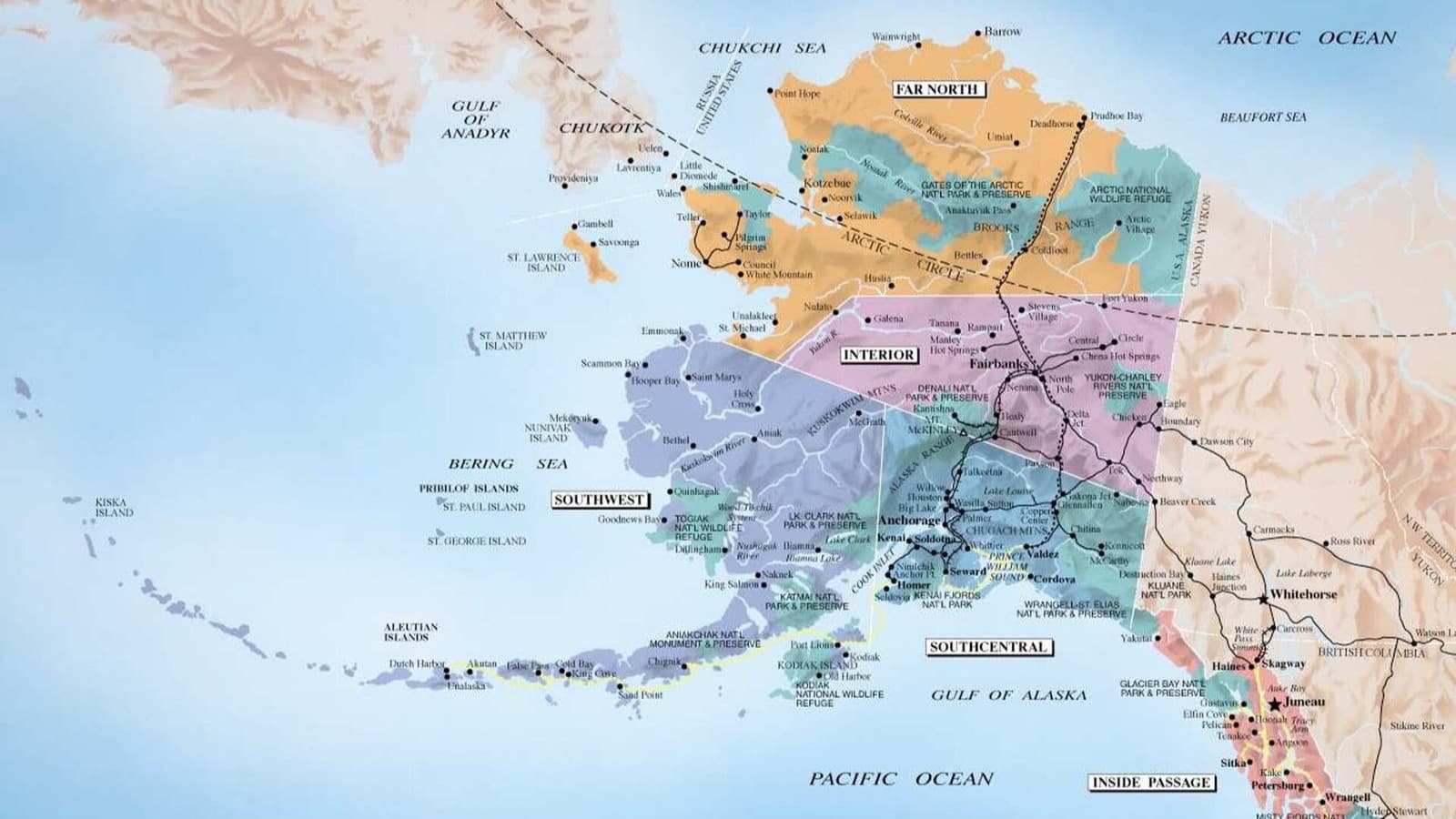
Trump says Taiwan will buy 30% of Alaska LNG gas, the share in a 2025 letter
Trump and Lutnick say Taiwan will buy 30% of Alaska LNG's gas and invest $4.4 billion. The 30% matches a nonbinding letter Taiwan signed 19 months ago.
by Walter AlaskaNews4d ago2 min read
Alaska LNG lease filing lists state gasline corporation as 25 percent owner
8 Star Alaska filed financial documents to convert pipeline leases, with the state holding 25 percent through its gasline corporation and private developer Glenfarne holding 75 percent.
by Walter AlaskaNews1w ago2 min read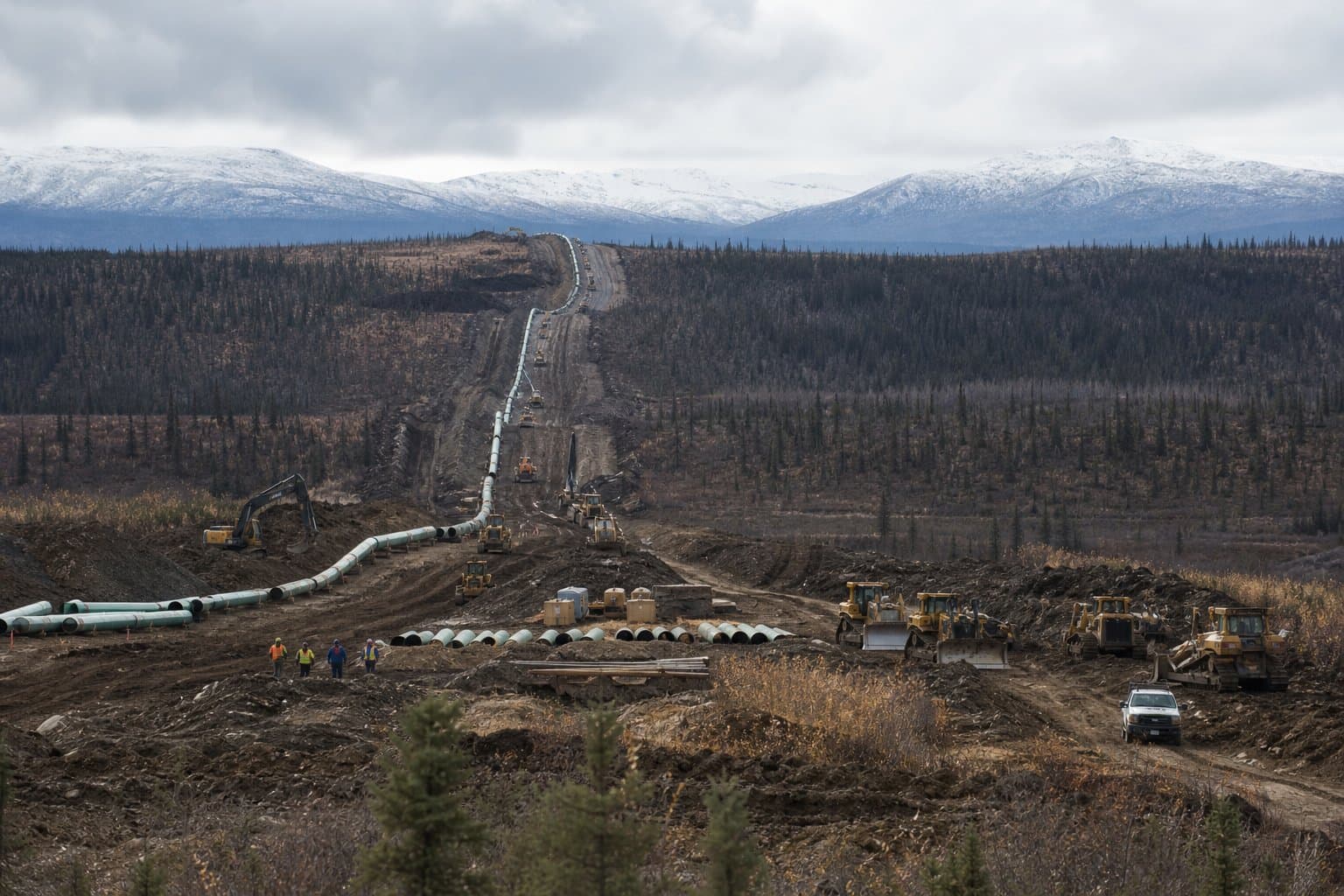
Alaska LNG asks DNR to convert conditional pipeline leases to full leases
Alaska LNG asked the state to convert two conditional pipeline leases into full leases, citing over $50 billion in project financing and support agreements from major energy companies.
by Walter AlaskaNews1w ago3 min read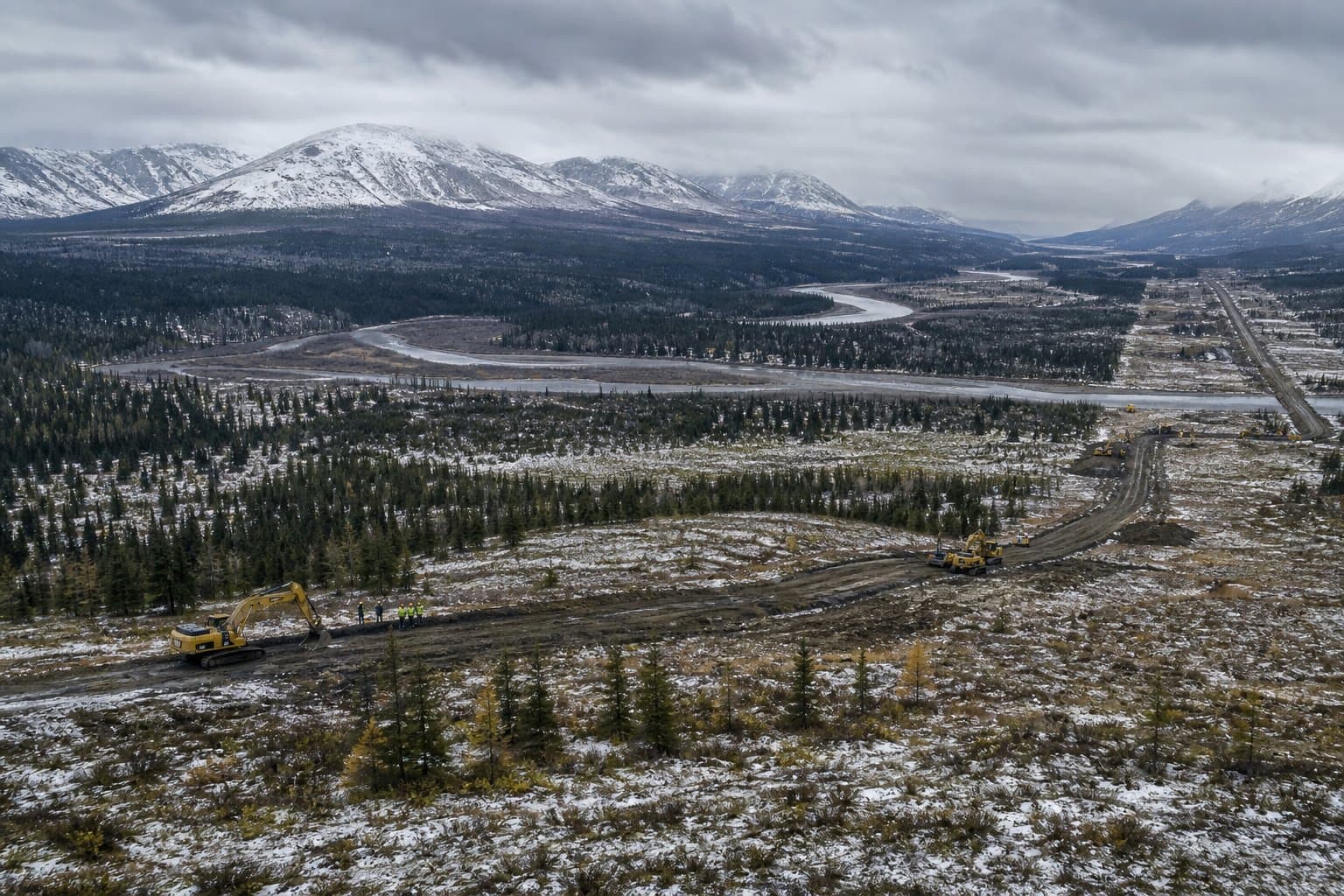
Alaska LNG report targets 2028 completion for in-state pipeline
Alaska LNG's latest federal report keeps its 2028 pipeline target and, as always, lists no long-term contracts. Seoul says its money is under review.
 by Melinda Communities.News1w ago3 min read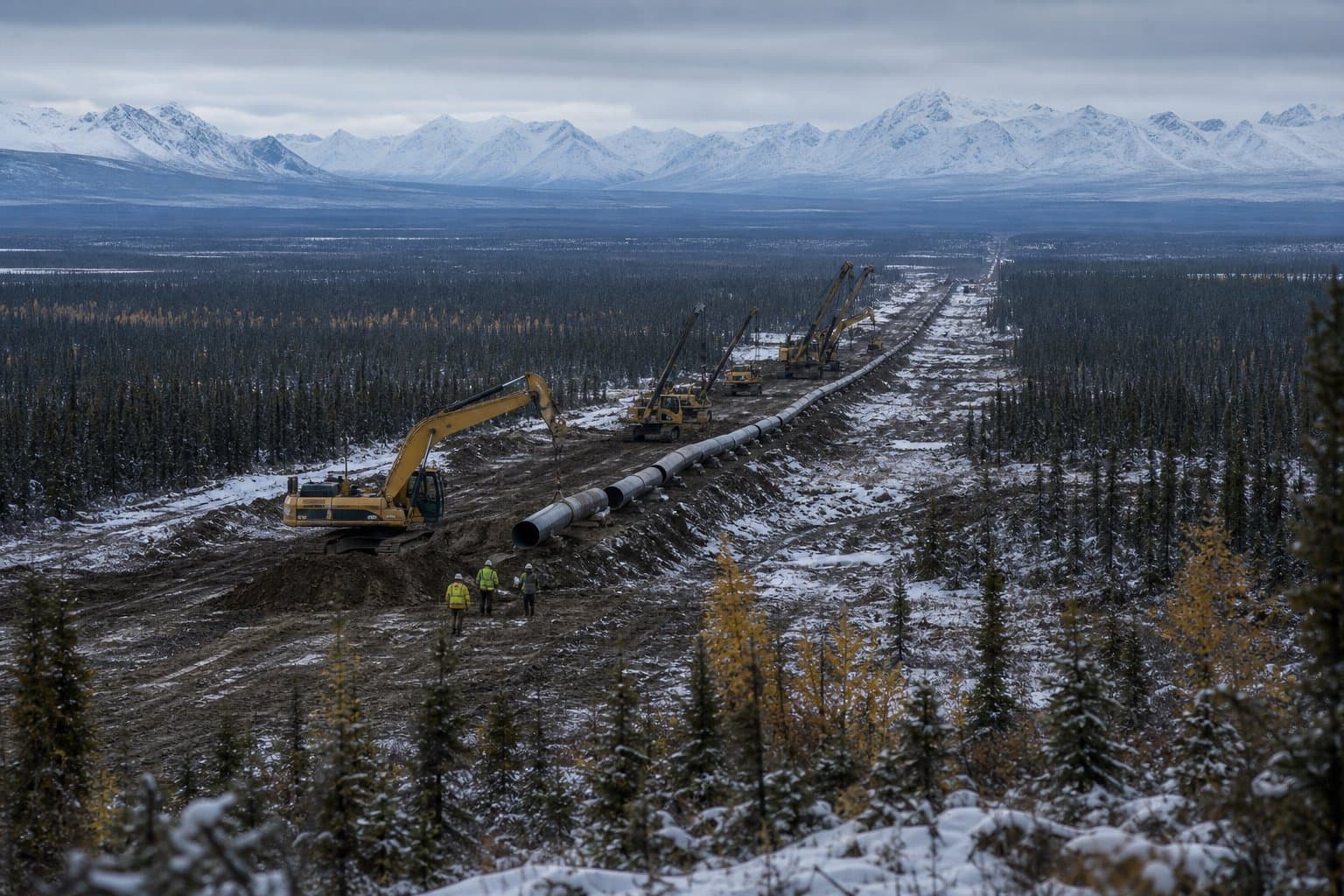
Trump says South Korea is still studying Alaska LNG, threatens to 'double it up'
Trump now says South Korea is "still studying" Alaska LNG, two days after his team touted $50 billion-plus in Korean money. He threatened to "double it up."
 by Bill AlaskaNews2w ago2 min read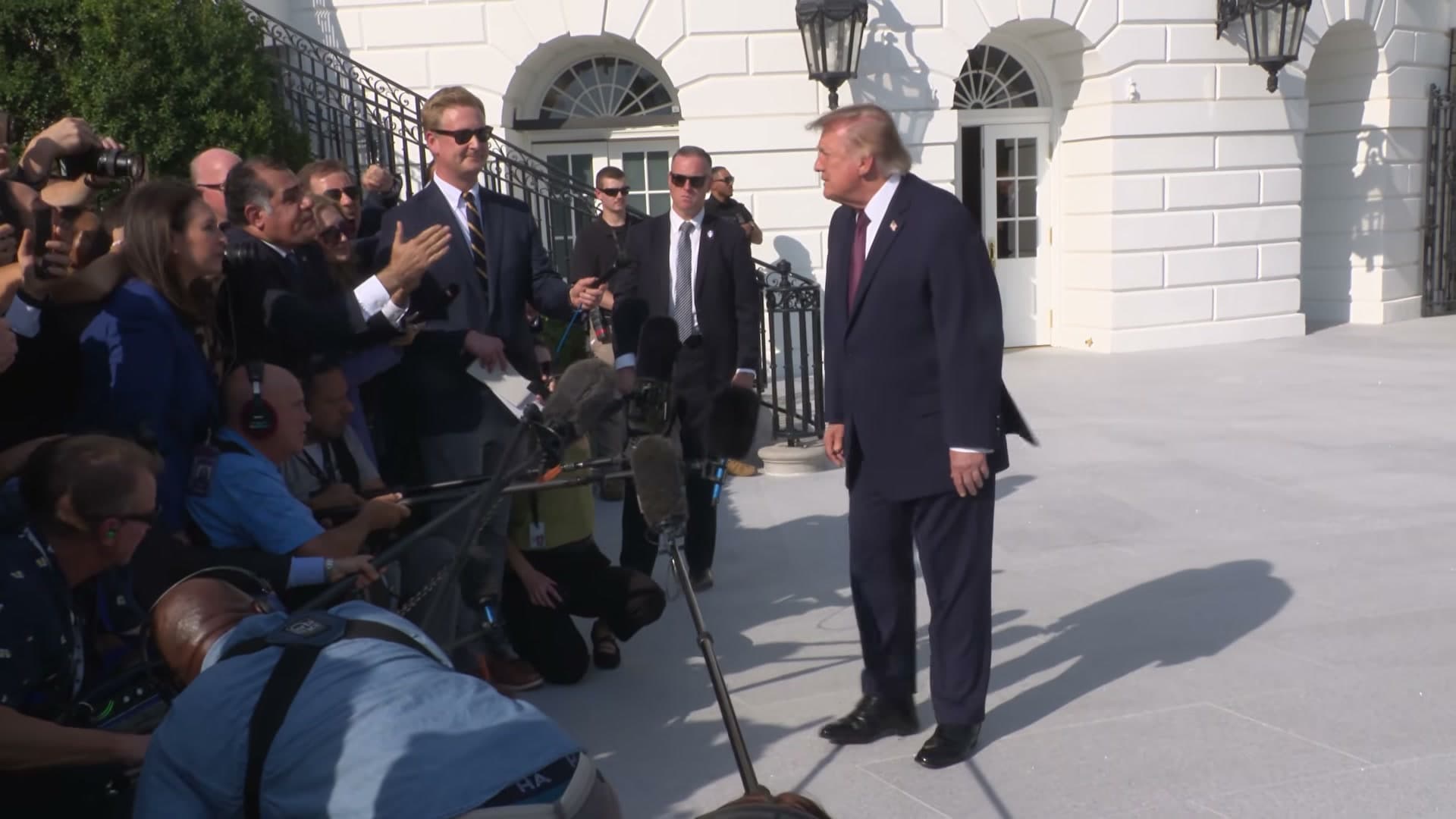
Seoul protested U.S. Alaska LNG announcement, says investment remains under review
White House officials and Alaska leaders announced $50 billion-plus in Korean money for Alaska LNG. Seoul says it agreed only to review it, and protested.
by Walter AlaskaNews2w ago4 min read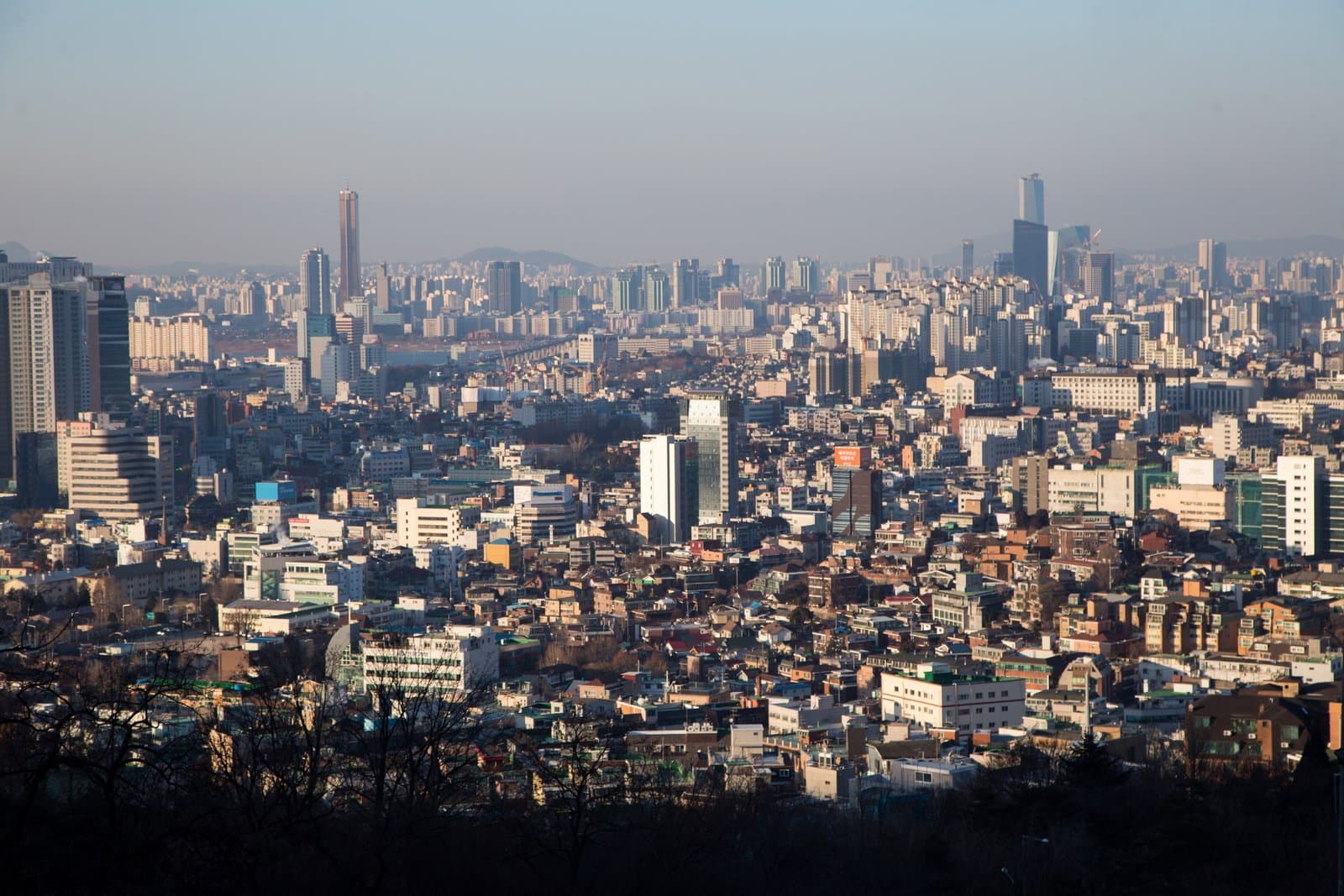
Trump says South Korea will finance $50 billion of Alaska LNG; Seoul hasn't committed
Trump says South Korea will put more than $50 billion into the Alaska gas line. Seoul says the project still has to prove it can make money before it commits.
 by Alaska News2w ago3 min read
Alaska LNG updates landowner complaint procedure before construction
Alaska LNG updated its future landowner complaint process. FERC approval remains pending, and construction has not begun.
by Walter AlaskaNews4w ago1 min read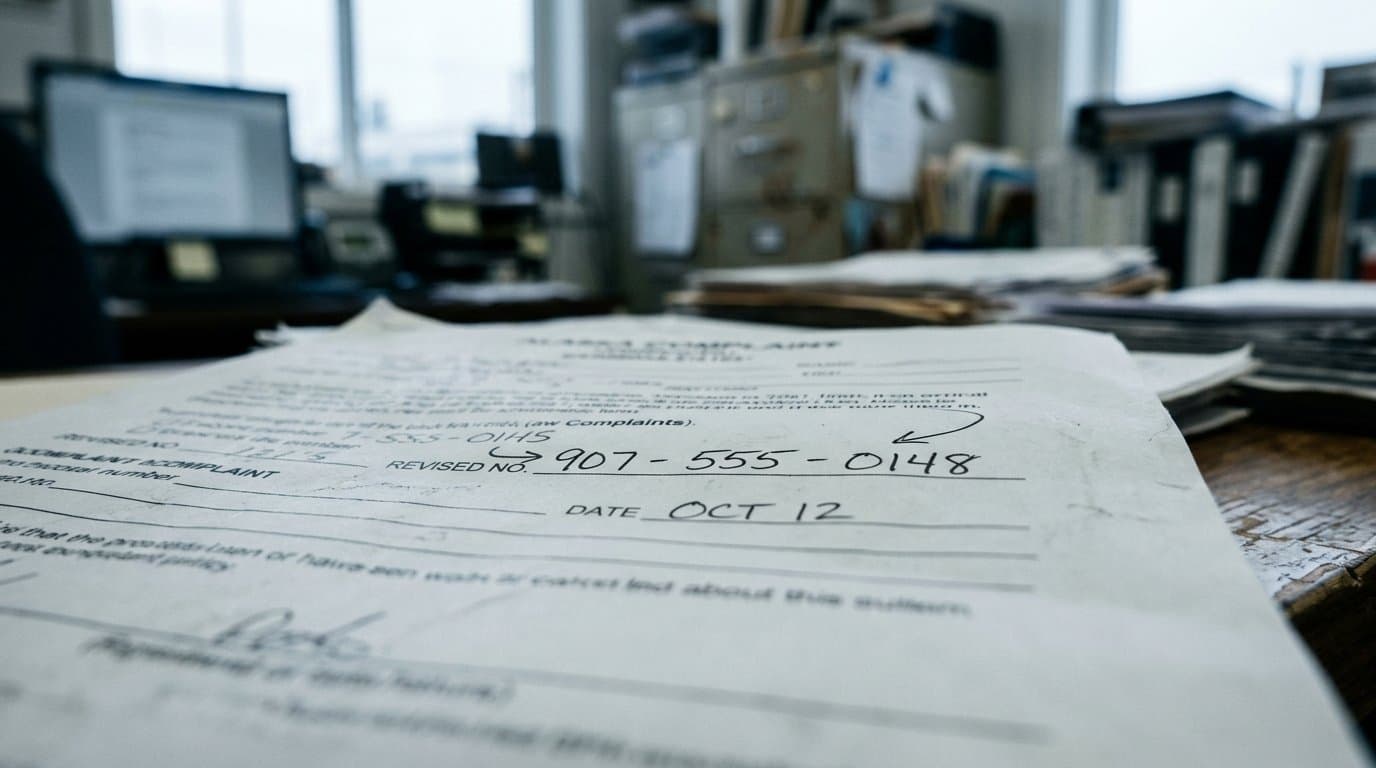
Three Alaska governor candidates agree on the problems, diverge on government's role
Three candidates for governor agreed Alaska faces serious problems but split on solutions at a Tuesday forum. The fourth, Bernadette Wilson, did not attend.
by Walter AlaskaNews1mo ago7 min read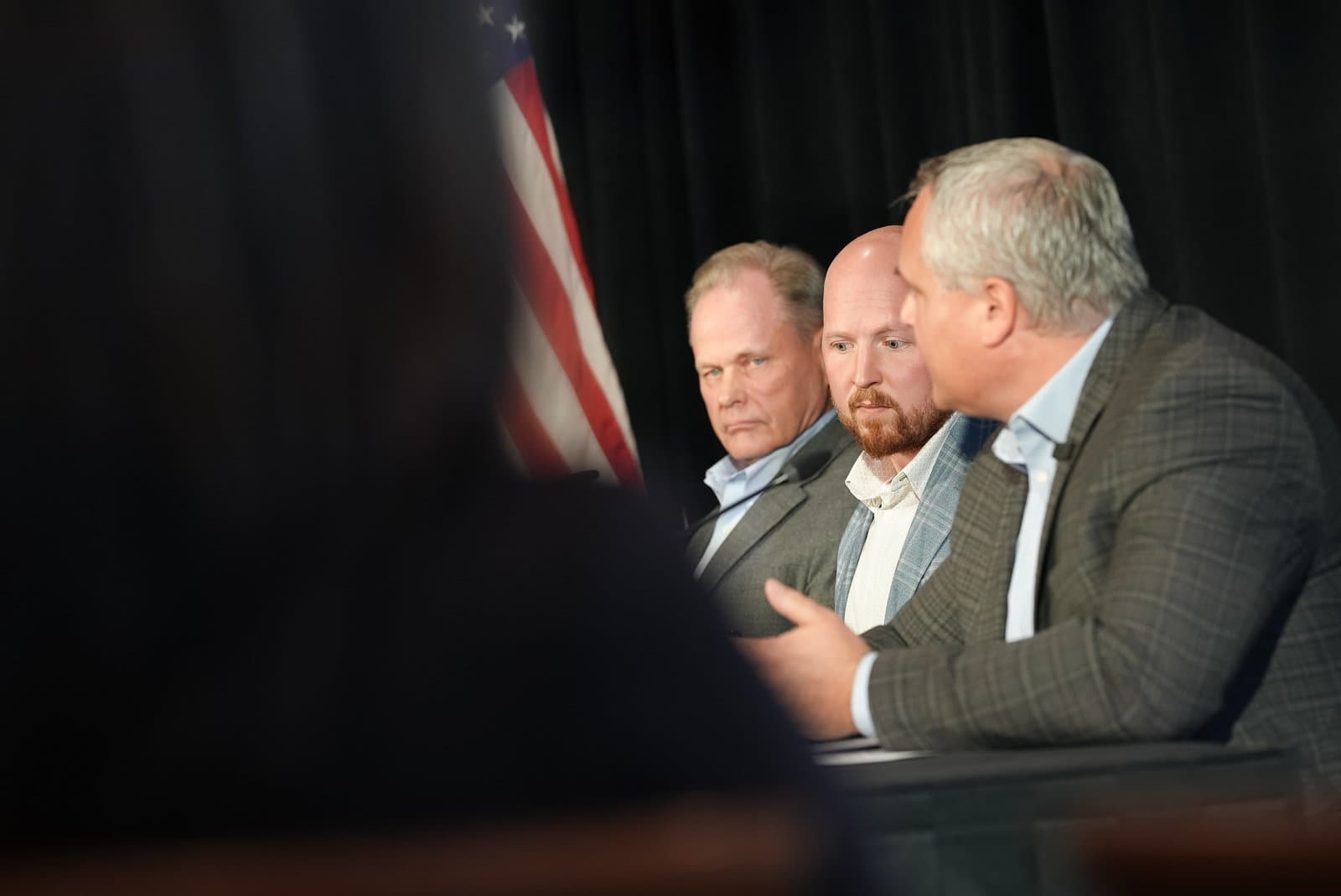
A plan to let Alaskans invest in the gas pipeline has stalled
A plan to let ordinary Alaskans buy a stake in the state's gas pipeline has stalled for want of $2.5 million, even as the pipeline itself keeps moving ahead.
by Walter AlaskaNews1mo ago3 min read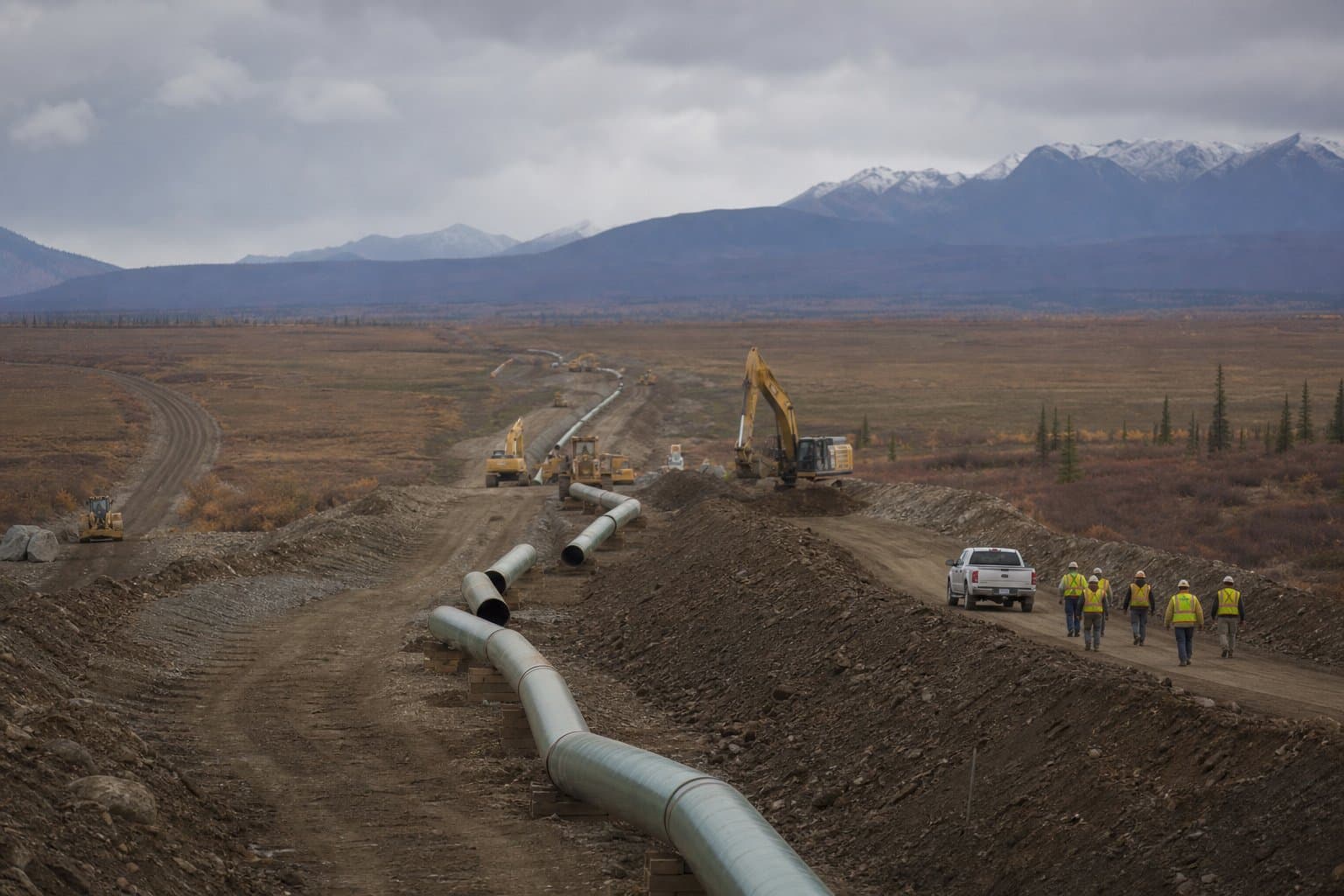
Tom Begich withdraws his campaign and endorses Jonathan Kreiss-Tomkins
Tom announced he's withdrawing from the race for Governor and endorses JKT.
 by Cale Green1mo ago3 min read
Wright and Dunleavy insist the Alaska LNG project is alive
At an Anchorage conference, the U.S. energy secretary and Gov. Dunleavy insisted the stalled Alaska LNG project is alive, pointing at different obstacles.
by Bill AlaskaNews1mo ago3 min read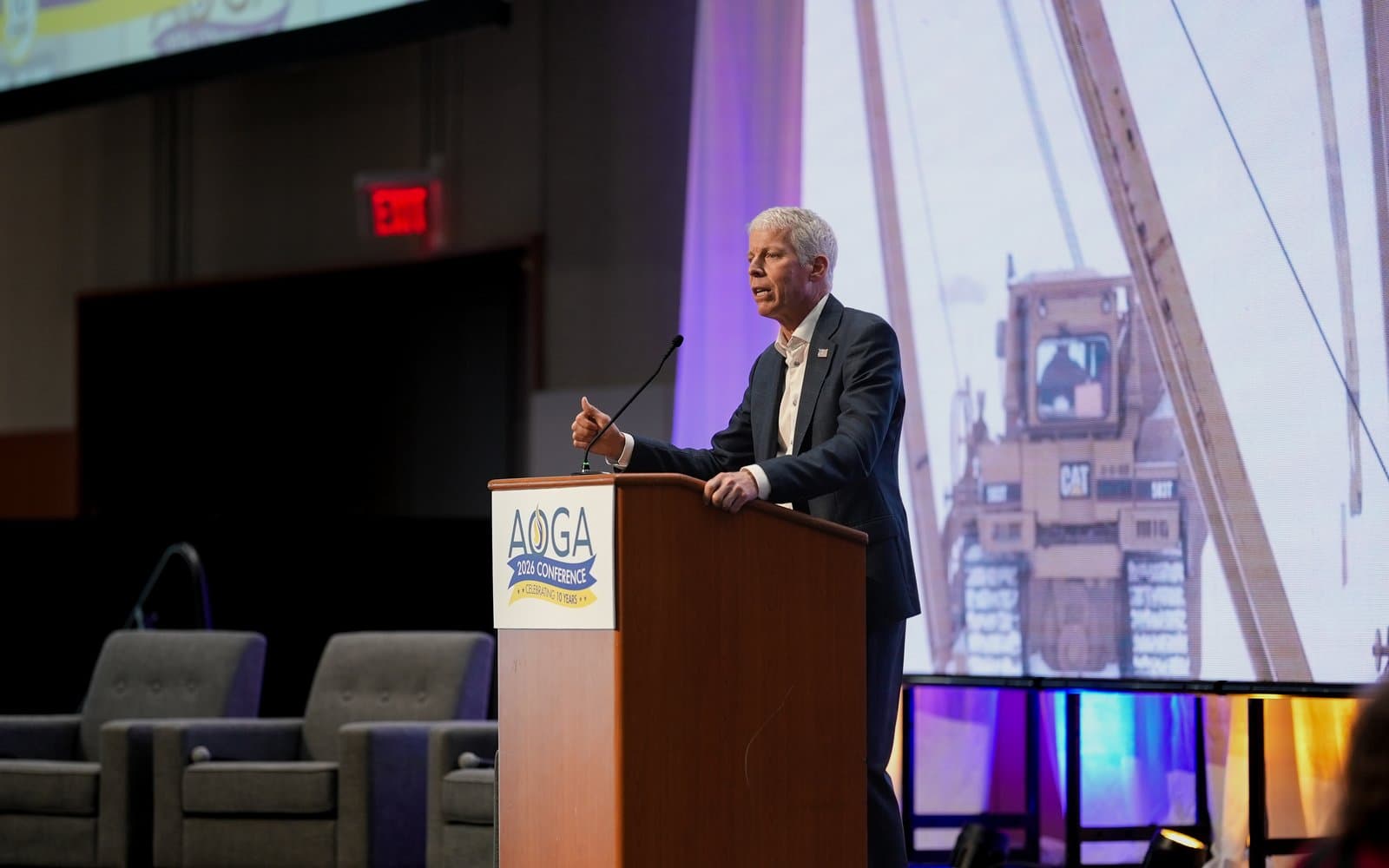
Dunleavy says he is ending gas line special session, blames legislative leaders
Gov. Dunleavy signaled an end to his gas line special session, blaming legislative leaders, as Southcentral faces a projected winter gas shortfall.
by Walter AlaskaNews2mo ago3 min read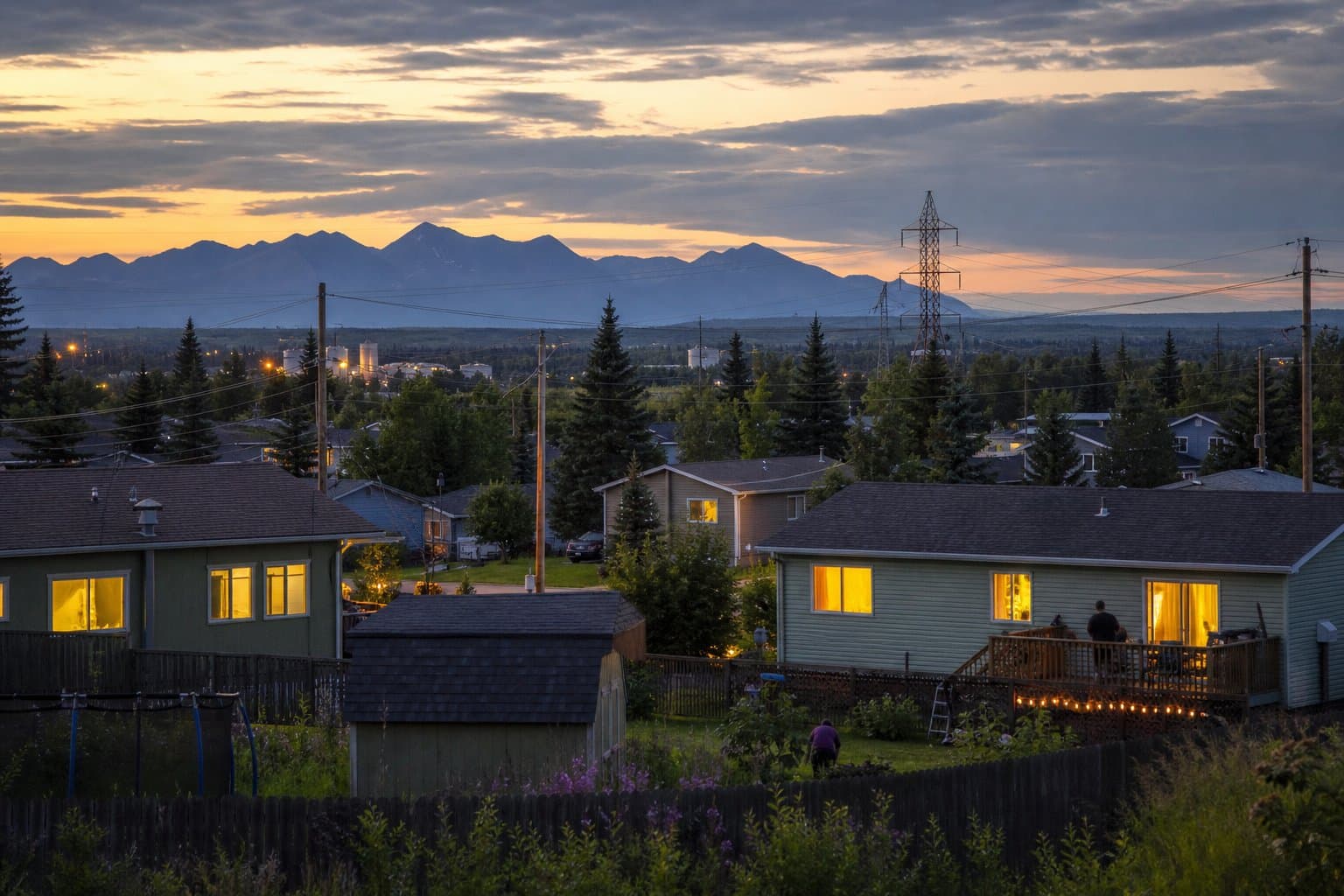
Dunleavy's LNG bill would swap a graduated S corp tax topping 9.4% for a flat 2%
Dunleavy cut the disputed oil-and-gas tax to a flat 2% in a revised LNG bill, trying to revive a stalled pipeline deal. The Legislature takes it up Aug. 20.
by Walter AlaskaNews2mo ago3 min read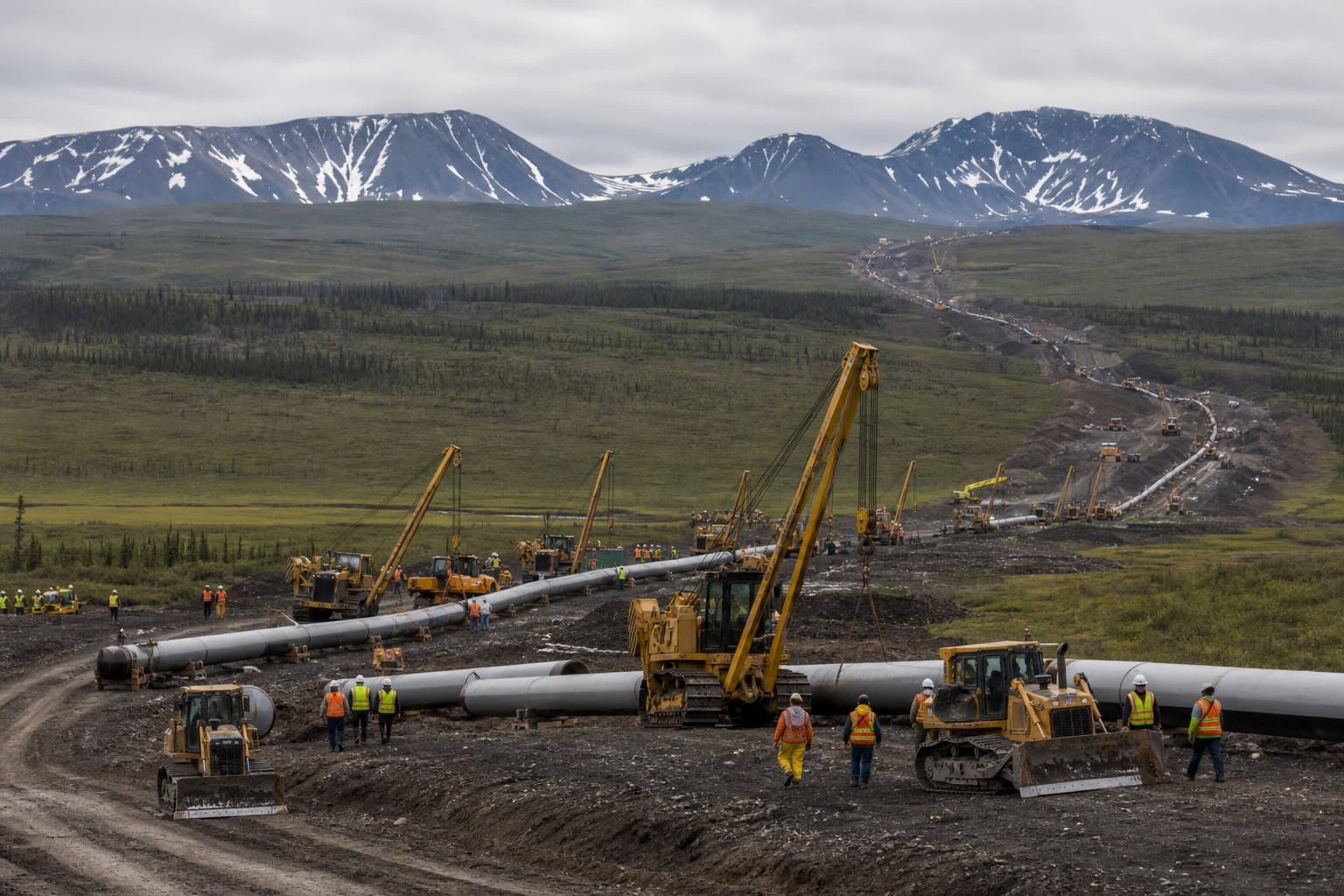
Alaska Senate Majority says gasline tax break waits on Glenfarne financial numbers
Alaska's Senate majority won't lock in the gasline tax break without firm cost numbers — now on Glenfarne and Dunleavy, as estimates range from $45B to $70B.
by Walter AlaskaNews2mo ago4 min read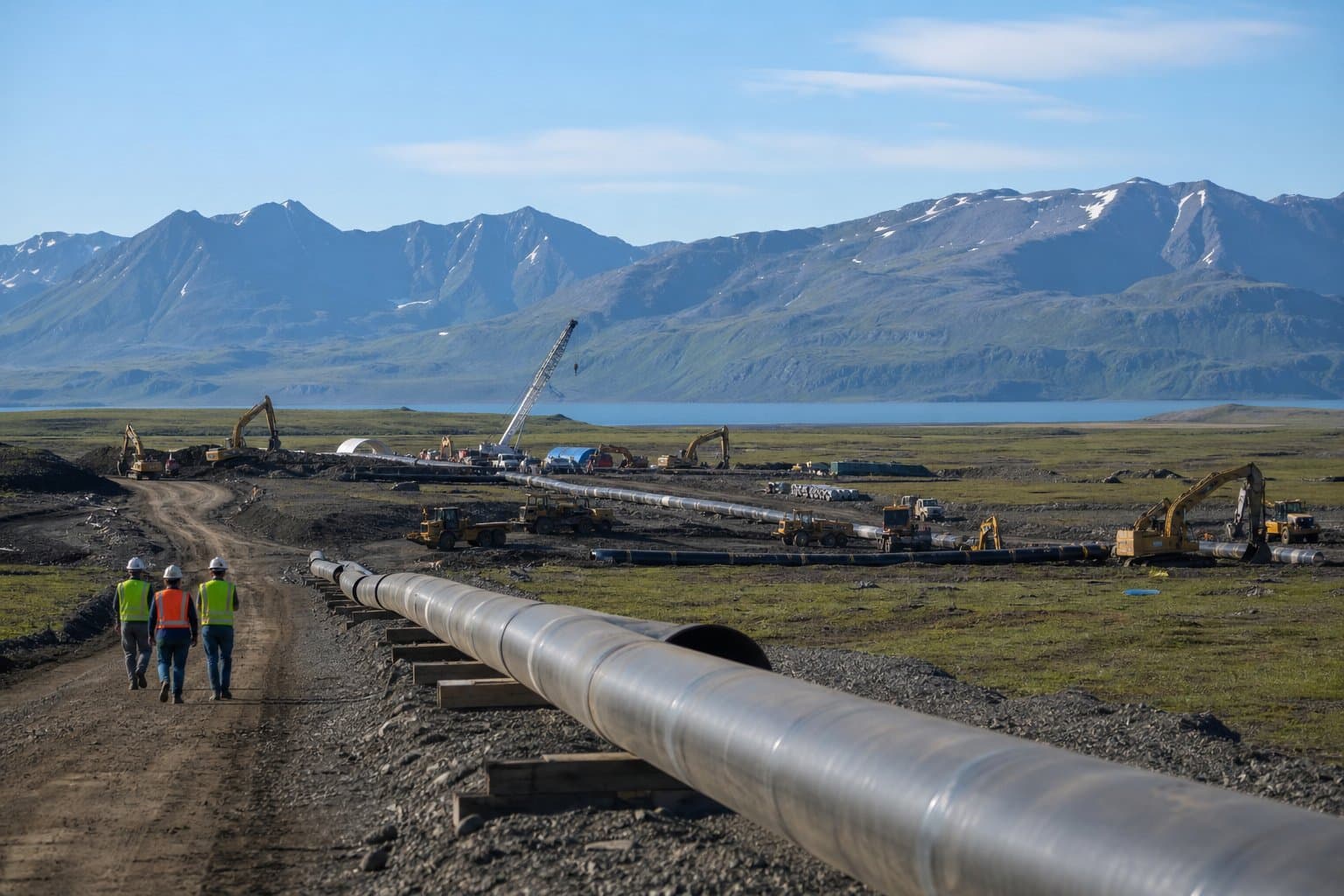
Alaska lacks the skilled workers for the LNG project, a report says
A state analysis says Alaska can't train enough workers for the LNG project — even as the state that funds much of that training warned of the gap in 2018.
by Walter AlaskaNews2mo ago2 min read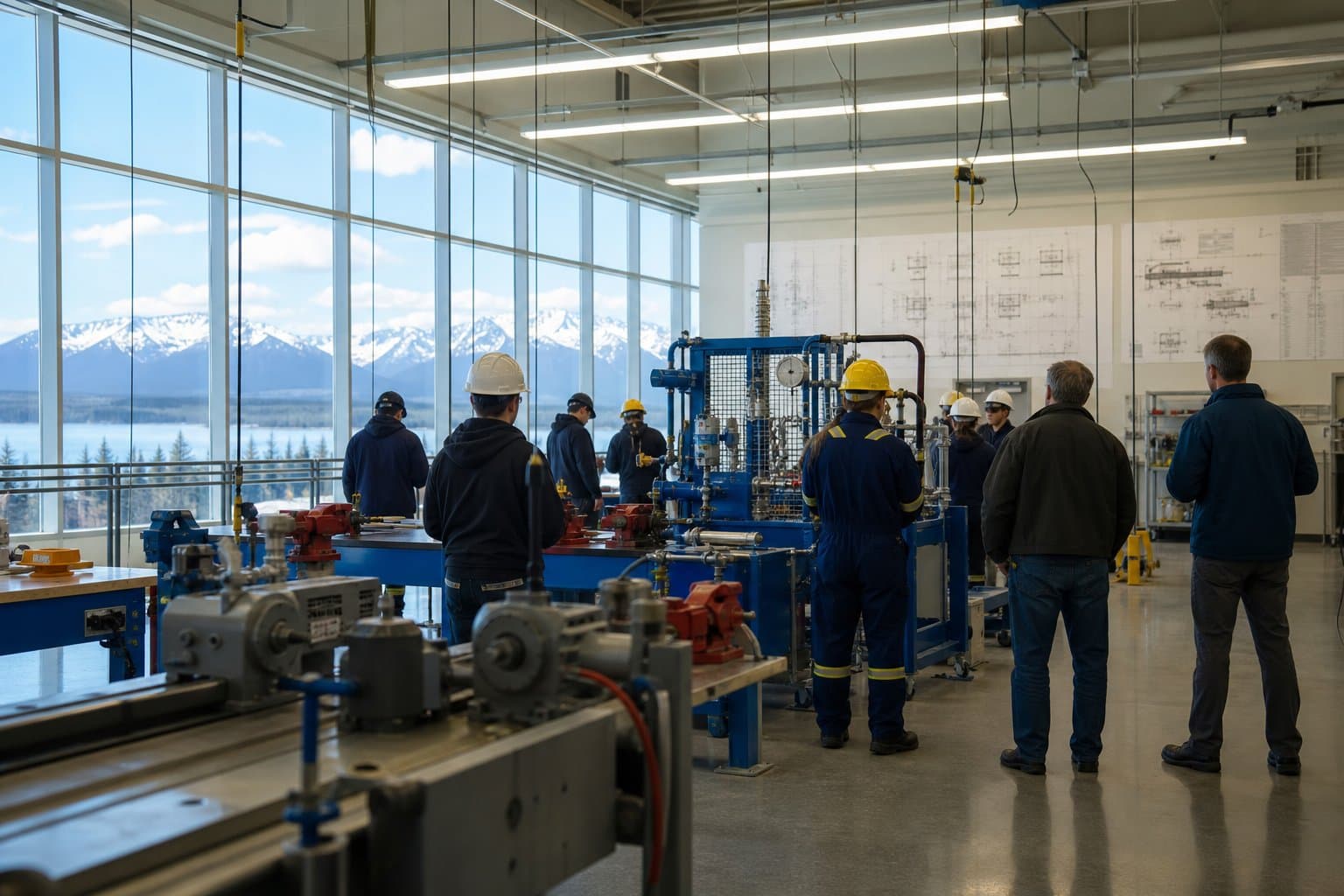
Alaska Senate Majority sets Anchorage press availability on stalled gas session
Alaska's fourth special session on the gas pipeline tax has gone two weeks without a vote, as a looming Cook Inlet supply cliff raises the stakes.
by Walter AlaskaNews2mo ago2 min read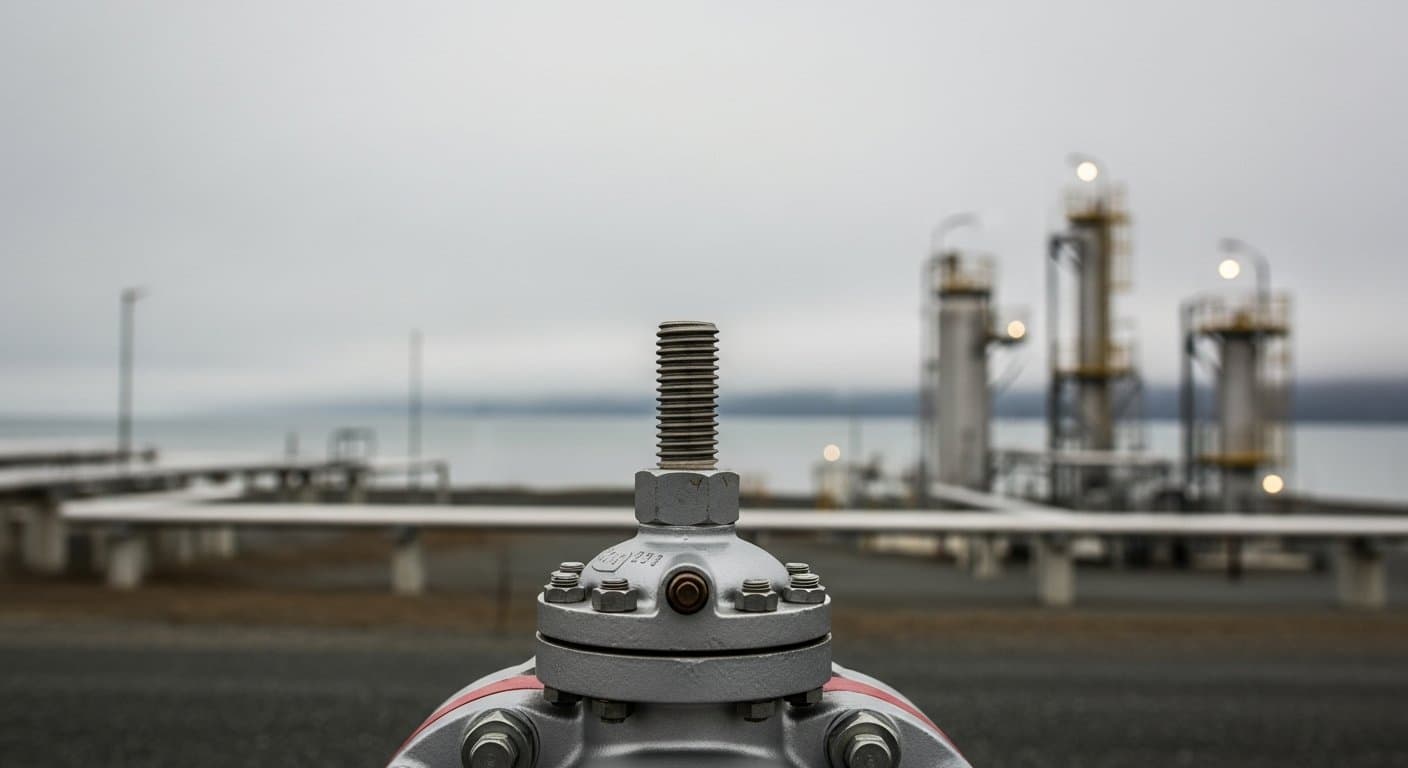
Peltola's energy platform draws fire from both sides in the race
Mary Peltola rolled out an energy platform in her Senate race against Dan Sullivan, drawing rebuttals from his campaign and from Alaska environmental groups.
 by Maggie AlaskaNews2mo ago2 min read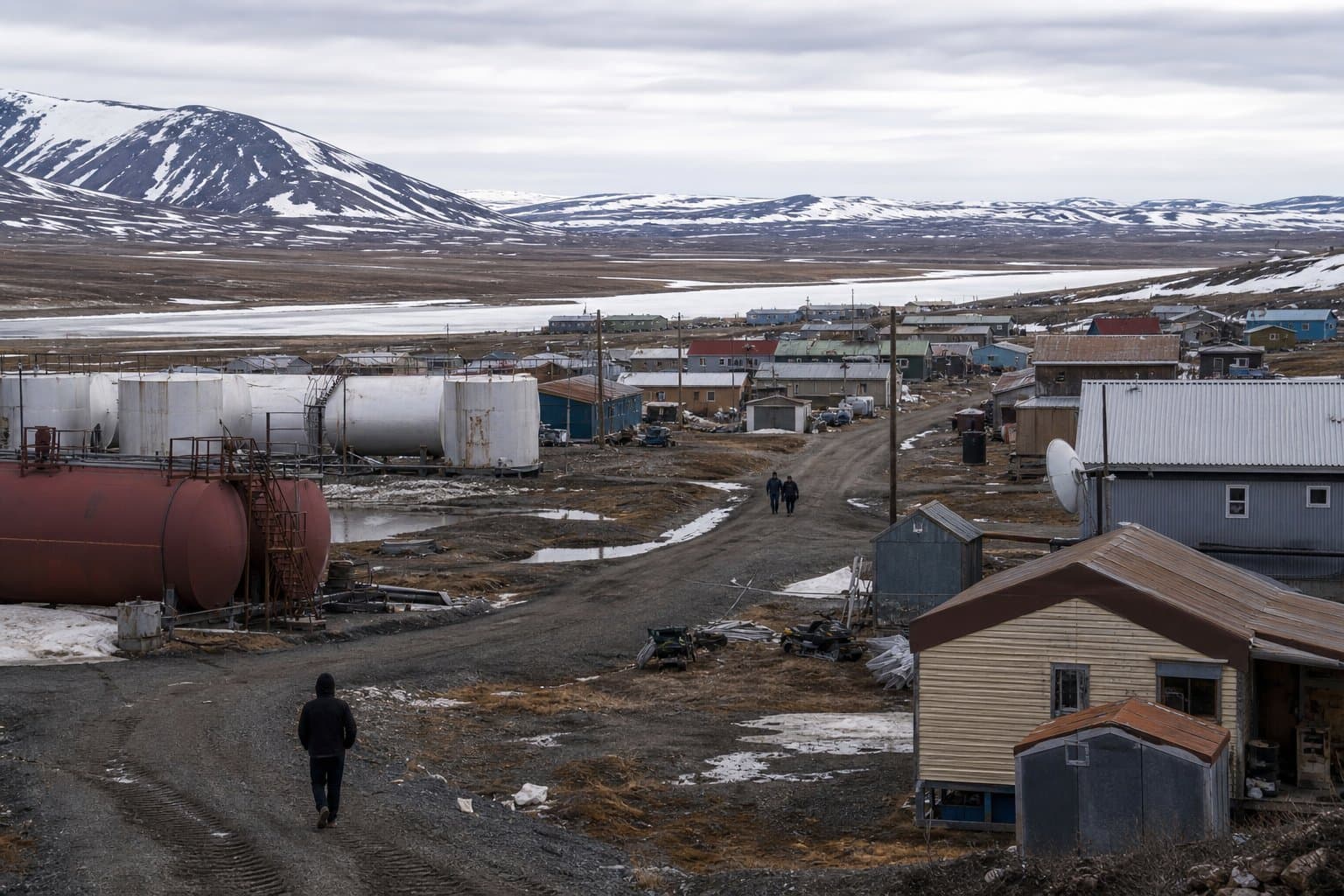
Legislators to hear the case for a gas line as the effort stalls
A minority caucus will host an Anchorage gasline listening session with only supporters, as the effort sits stalled in a third special session with no bill.
by Walter AlaskaNews2mo ago2 min read
Micciche sets break-even floor on Kenai Peninsula tax break for Alaska LNG
Kenai Peninsula Borough Mayor Peter Micciche set a floor on Alaska LNG tax breaks at 75% off, saying the borough will not accept less than break-even on a $23.6 billion to $28.4 billion facility.
by Bill AlaskaNewsadded 2mo ago3 min read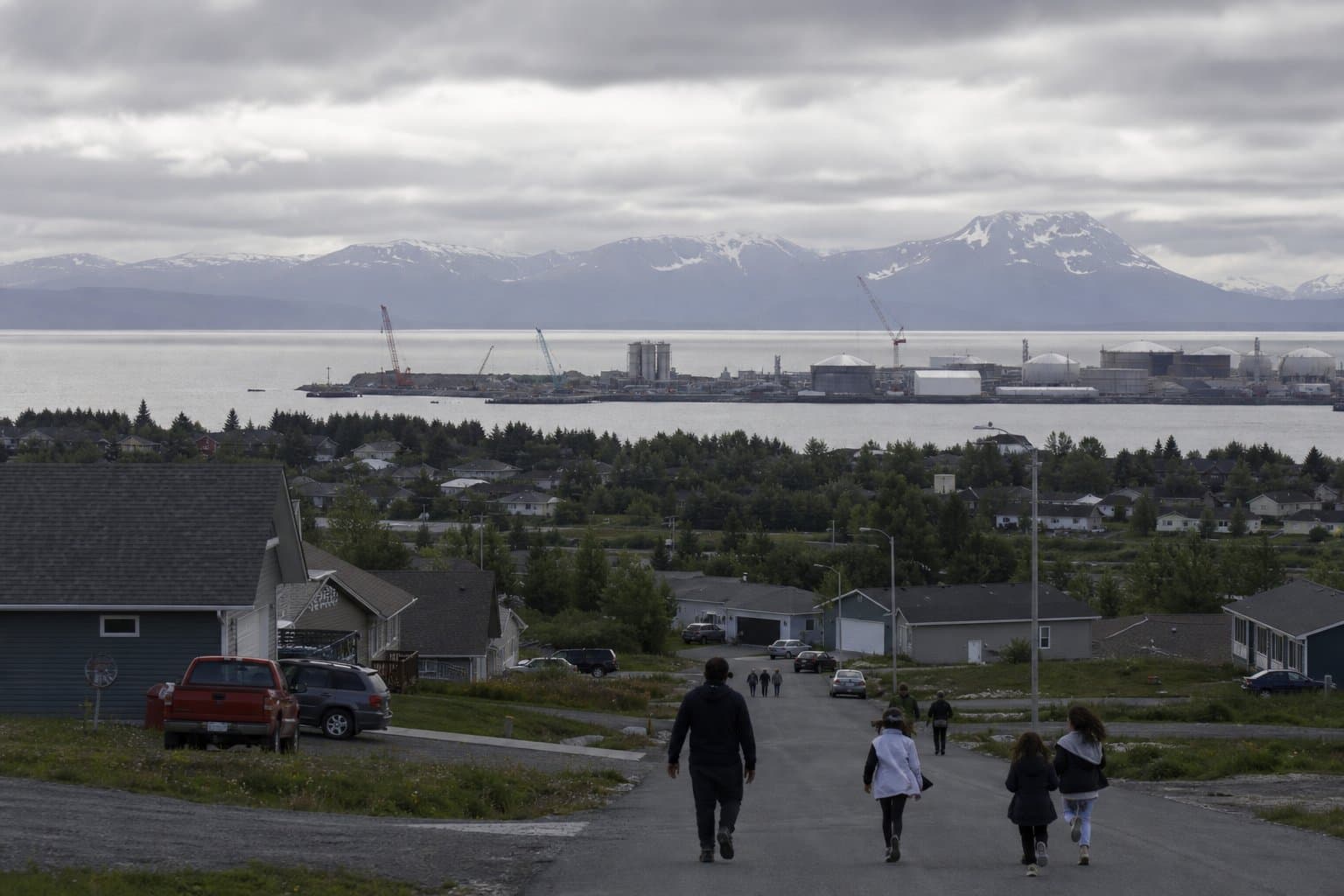
The state is being asked to bank on a gas line price it may never fully see
Alaska is weighing tax breaks and $800 million for a gas pipeline whose developer says the true cost may never be public. Its disclosed estimate already jumped $10 billion.
by Walter AlaskaNews2mo ago2 min read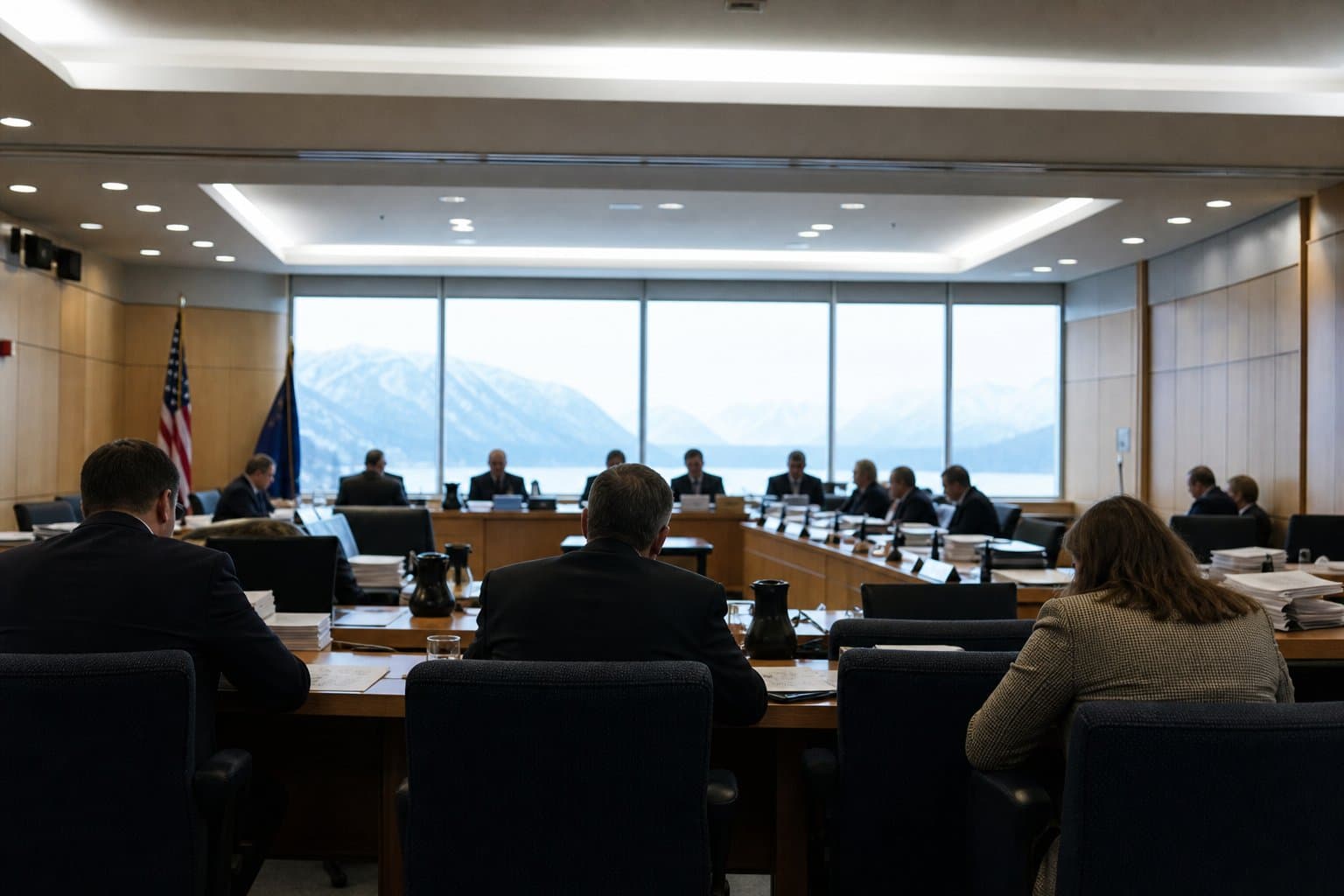
Alaska Senate passes LNG bill as Republicans warn it kills financing
Alaska's Senate passed its LNG bill 11-8, and Senate Republicans immediately said the added taxes and labor rules make the pipeline unfinanceable.
by Walter AlaskaNews2mo ago2 min read
Alaska House ties 19-19 on gas line bill, killing it for now
Alaska House deadlocked 19-19 on the Alaska LNG bill July 16, stalling gas supply plans as Cook Inlet production declines toward 2027 shortages.
by Walter AlaskaNews3mo ago1 min read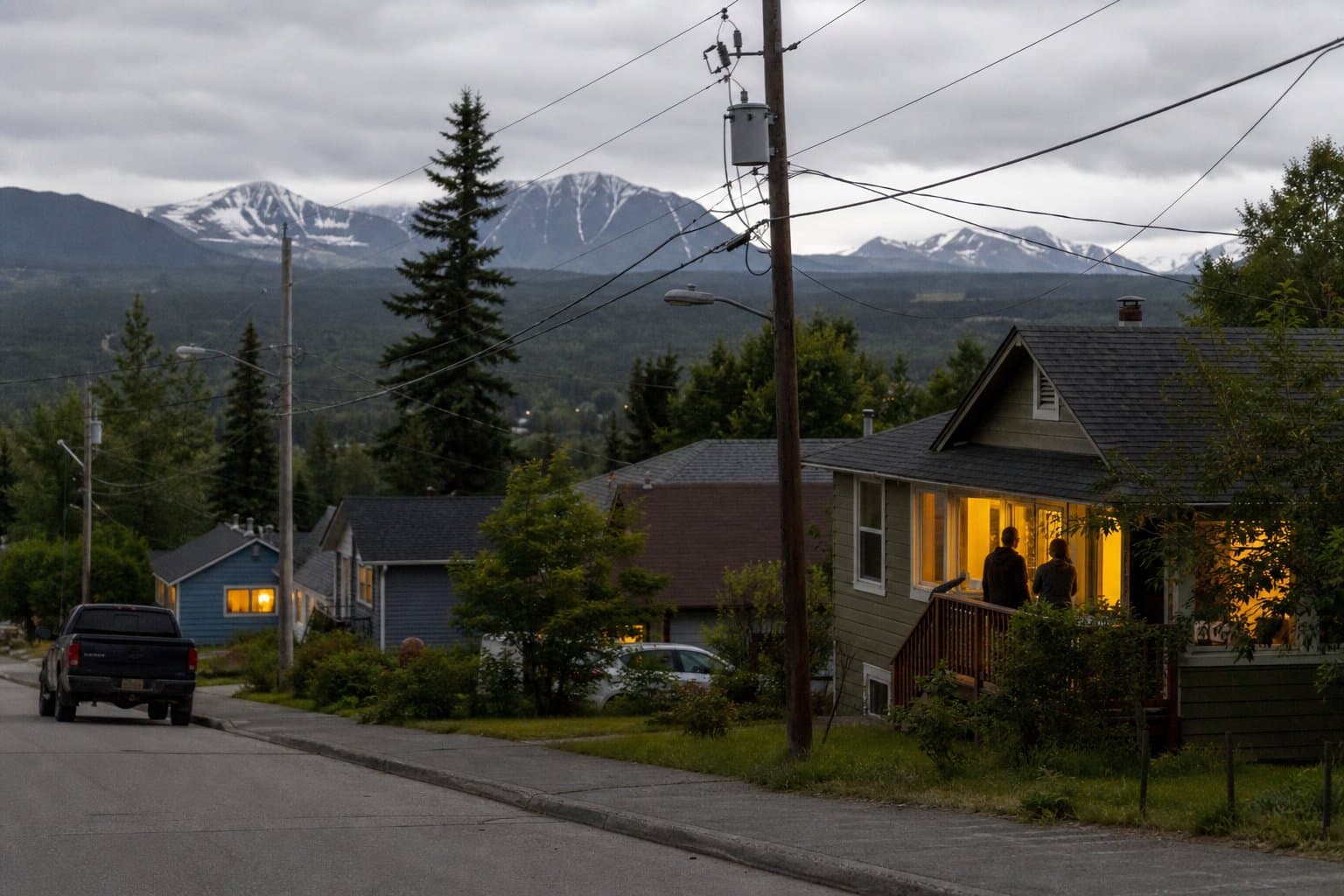
Alaska LNG tax bill advances to floor on split conference committee votes
Alaska's Legislature advanced a revised LNG tax bill that replaces municipal property taxes with a state volumetric tax, redirecting an estimated $500 million in annual local revenue by 2033.
by Walter AlaskaNews3mo ago1 min read
Conference draft keeps oil-and-gas pass-through tax, delays it to 2029
A House-Senate conference committee draft of HB 381 keeps a proposed income tax on oil-and-gas pass-through entities but delays collections to 2029.
by Walter AlaskaNews3mo ago4 min read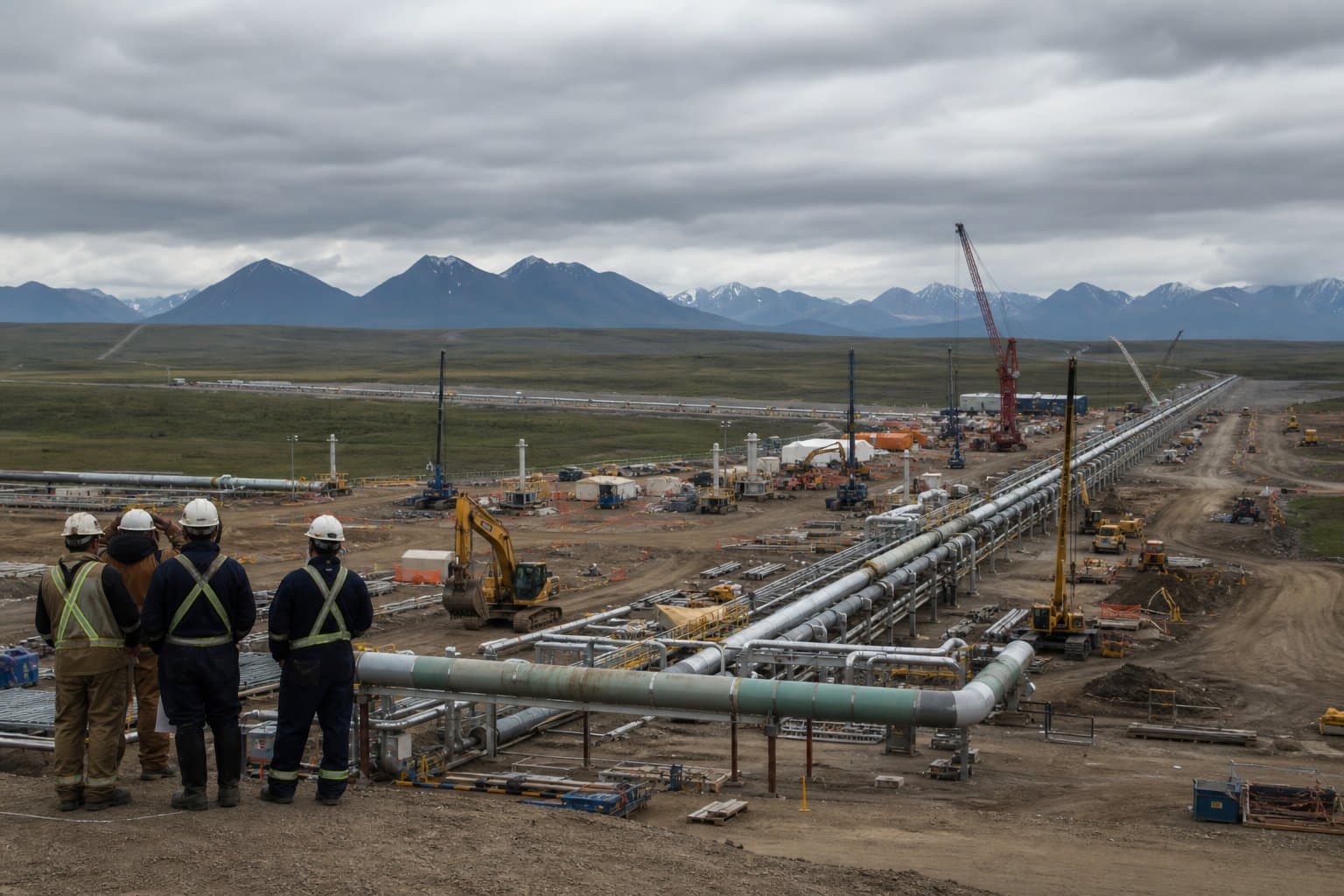
Alaska LNG's cheap-gas promise hinges on exports — and on costs staying in line
New state numbers on Alaska LNG: exports are what make gas cheap for Alaskans (about $5/mcf vs. $12.65 without them), but a cost overrun could push the export price above what buyers pay.
by Walter AlaskaNews3mo ago2 min read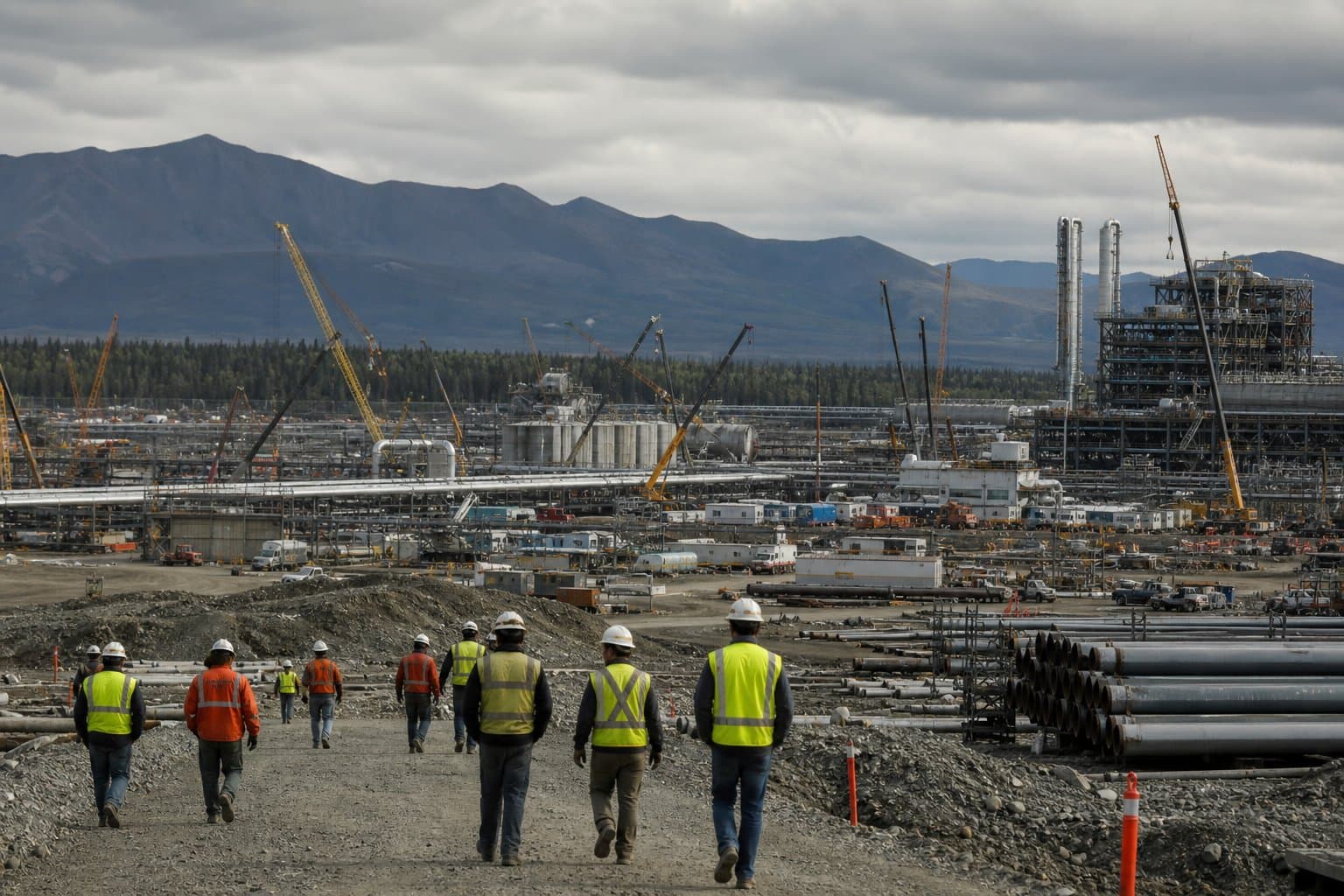
Alaska gas pipeline tax bill sets $40M milestone test for boroughs, schools, and rural heating fund
Alaska's gas pipeline tax bill unlocks billions for boroughs and schools only if the developer pays $40 million and meets construction deadlines through 2037.
by Walter AlaskaNews3mo ago3 min read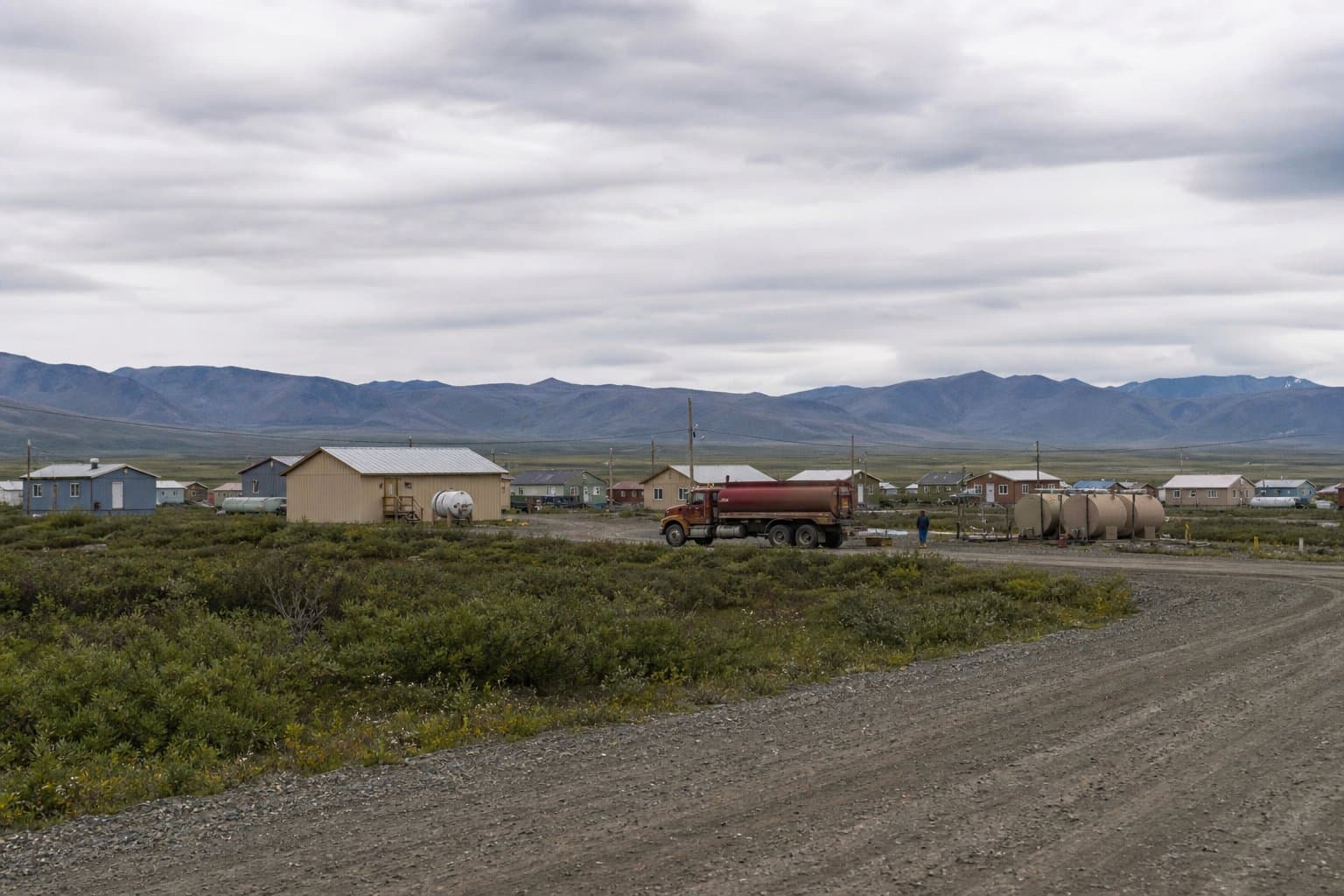
Alaska LNG tax bill advances as working draft, disputes unresolved
Alaska lawmakers advanced a working draft of HB 381, the tax framework for Alaska LNG, but disputes over the alternative volumetric tax remain unresolved.
by Walter AlaskaNewsadded 3mo ago3 min read
Where Alaska's gas-line tax deal stands, and what's still stuck
Lawmakers have a working Alaska LNG tax deal — a $16 ratepayer price cap, a required Fairbanks spur line, and two unresolved fights over legality and Kenai's school costs.
by Walter AlaskaNews3mo ago2 min read
Gas-line developer warns Alaska's Senate terms could drive it off
Glenfarne told lawmakers the Senate's gas-line amendments — a 9.4% investor tax, an automatic state takeover clause, tough labor rules — could make it walk. Lawmakers say they're protecting the state.
by Walter AlaskaNews3mo ago2 min read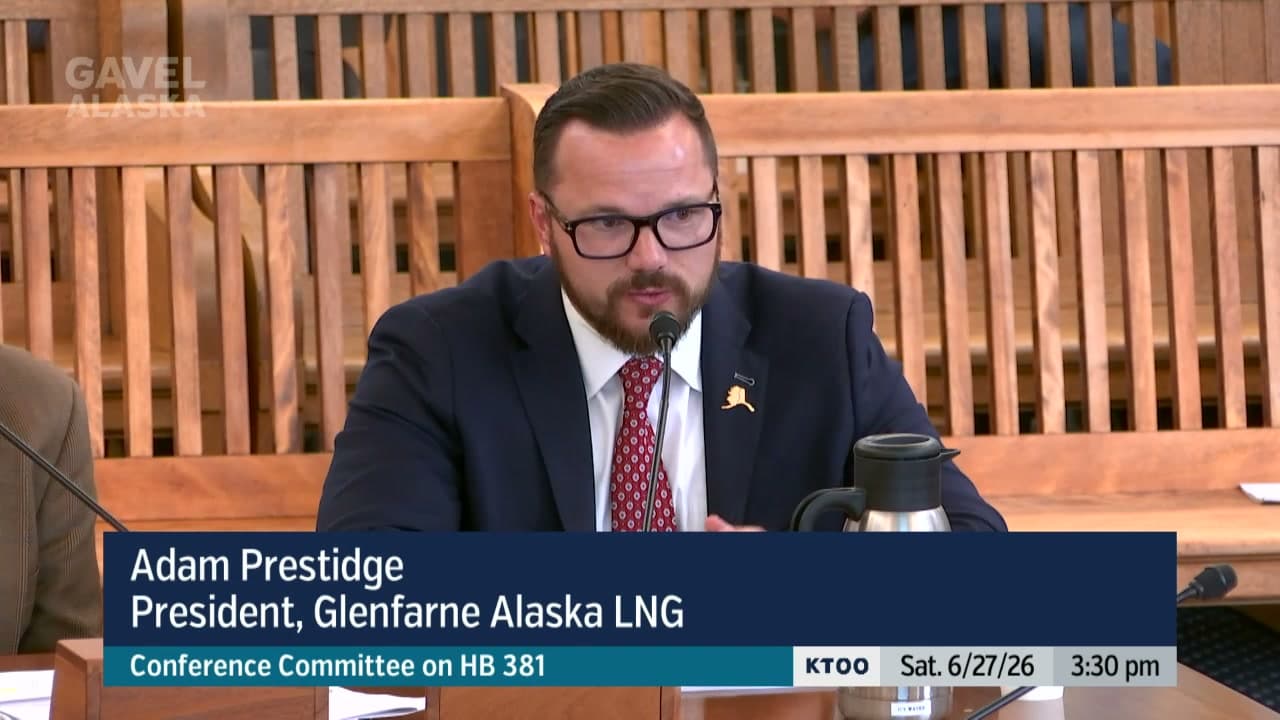
State economist: even with tax breaks, the gas line barely works
Even with the Senate's tax breaks, Alaska's gas project still costs more to make than Asia pays for it — and one lawmaker put it bluntly: "It seems like they don't work."
by Walter AlaskaNews3mo ago2 min read
Alaska's gas-line tax bill stalls in committee
Lawmakers writing Alaska's gas-line tax deal voted down both versions of the bill — now they need special authority to build a compromise from the pieces.
by Walter AlaskaNews3mo ago2 min read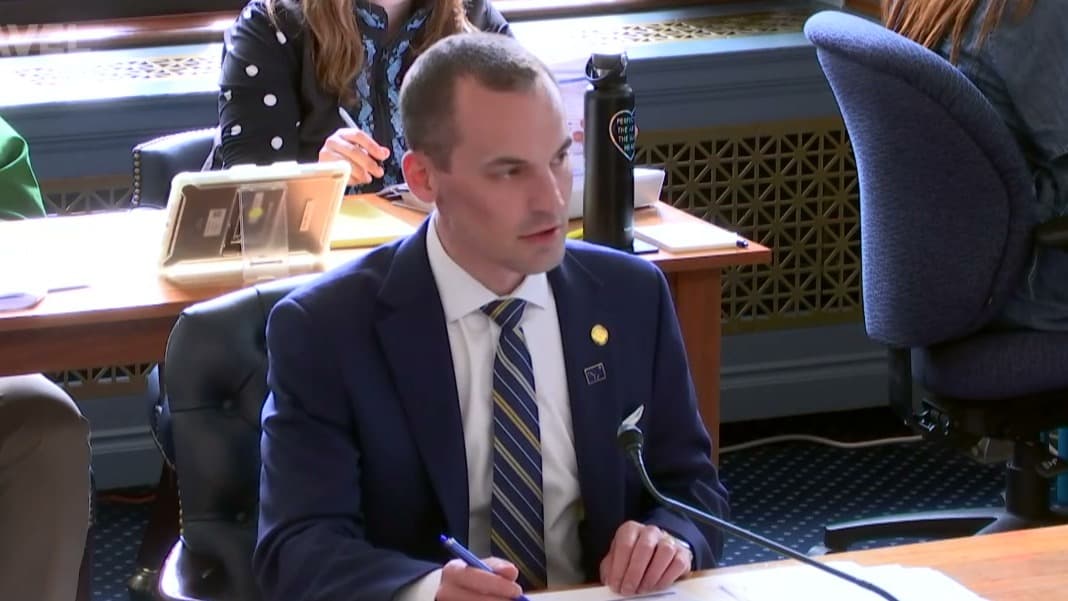
A leaked plan to fire Alaska's gas-line developer surfaces in Juneau
A "stolen" state document laying out how Alaska could fire Glenfarne from its $44B gas line leaked — and the developer says it's now wondering whether Alaska can keep a secret.
by Walter AlaskaNews3mo ago3 min read
A pass-through tax, not the pipeline, is the real fight in Juneau
A conference committee spent two days on Alaska's $44B gas line, and the sharpest fight was over a pass-through tax on Hilcorp that doesn't need the pipeline to exist.
by Walter AlaskaNewsadded 3mo ago3 min read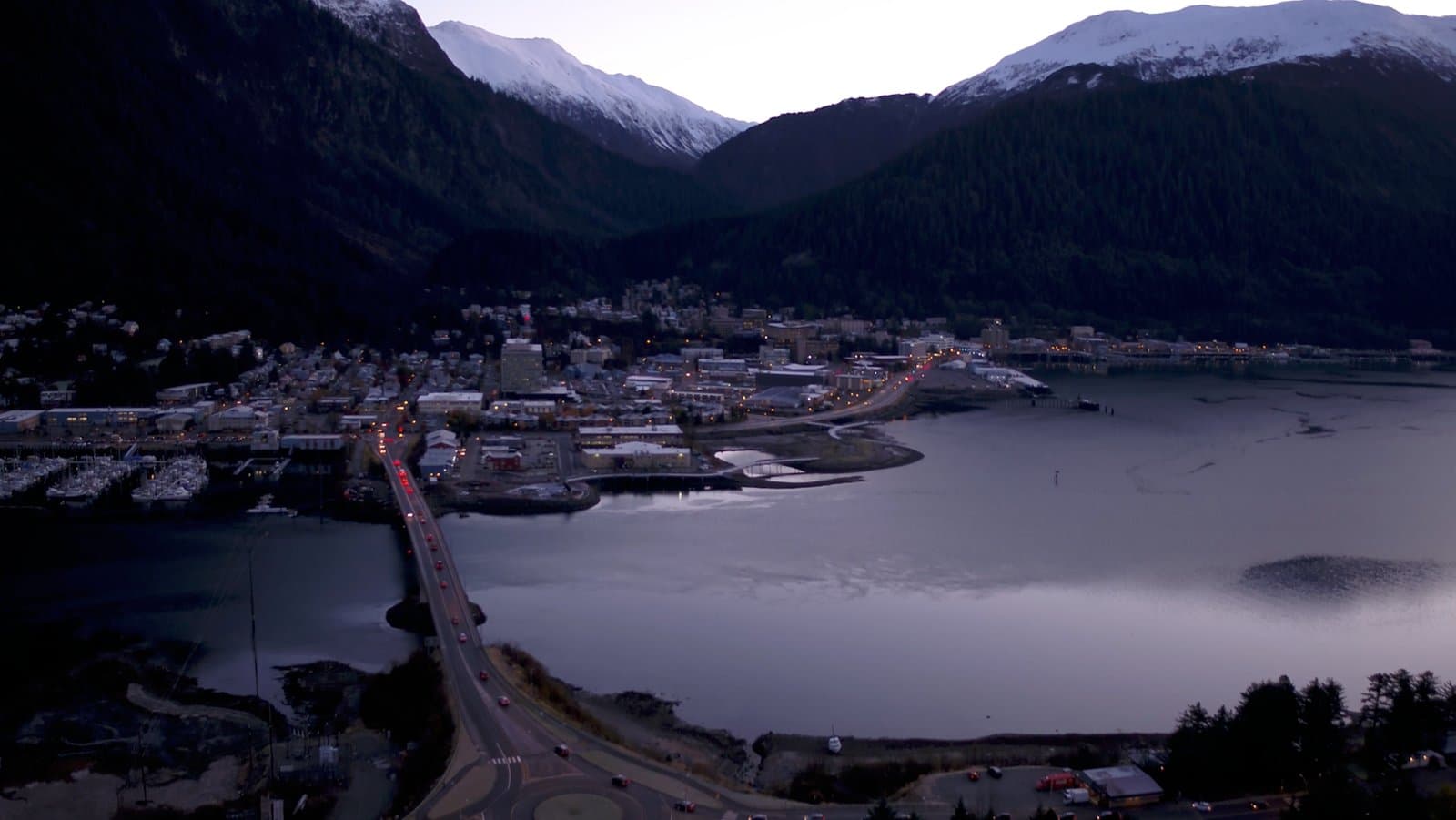
Kenai's quiet stake in the gas-line bill
Only Kenai Borough's school-funding bill changes under the gas-line tax legislation — but the state's own modeling says the increase might sunset before it ever lands.
by Walter AlaskaNewsadded 3mo ago2 min read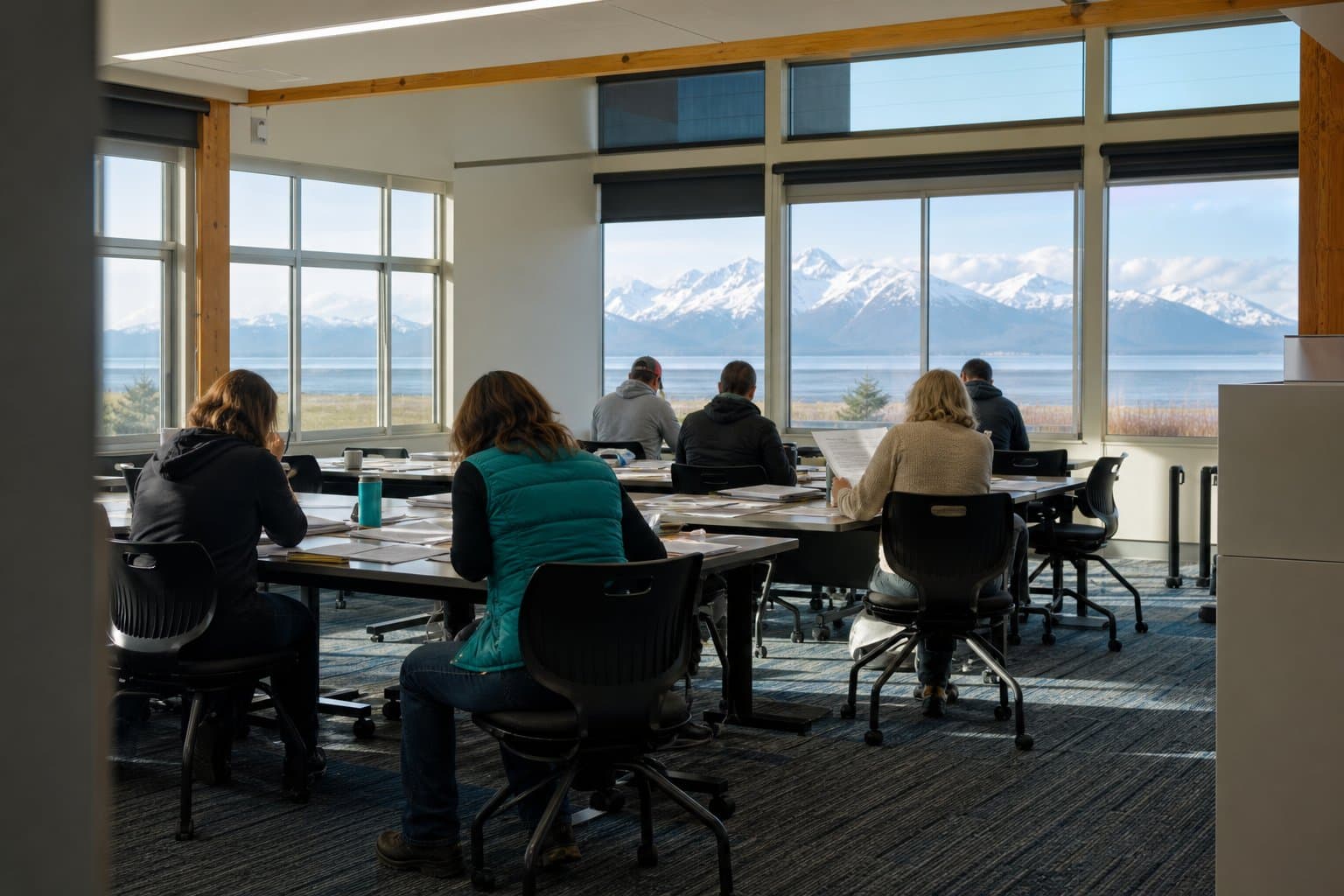
Tom Begich goes after Dunleavy over vocational-training vetoes
Begich is hammering Dunleavy for vetoing job-training money while the state promises a pipeline built by Alaskans — a rare direct shot at the governor from the campaign trail.
by Walter AlaskaNews3mo ago2 min read
The $16 Gas Promise Comes With Fine Print
The gas line's headline $16 price is firm — until you notice it's quoted in the wrong unit, climbs with inflation before any gas arrives, and gets policed by a commission missing half its top staff.
by Walter AlaskaNews3mo ago2 min read
Alaska's LNG tax break now hinges on a gas line to Fairbanks
Alaska's LNG tax break now has a price: $80M, a labor deal, and a Fairbanks spur line before Glenfarne sees any relief.
by Walter AlaskaNews3mo ago1 min read