Commercial Fisheries
RSSCommercial fishing industry: Bristol Bay sockeye, BSAI pollock and crab, halibut and sablefish IFQ, Board of Fisheries rulings, NPFMC allocation
Chignik District red sea cucumber divers get first fishing period Sept. 30 to Oct. 7
Chignik District red sea cucumber divers get their first week of the season starting Wednesday, under a 15,000-pound cap for the whole season.
 by Bill AlaskaNews8h ago1 min read
Prince William Sound fall herring fishery opens Thursday with 749-ton cap
Prince William Sound's fall herring fishery opens Thursday with a 749-ton harvest cap, less than half last year's limit due to a weak spring spawn.
by Bill AlaskaNews18h ago2 min read
Trawl meeting in Anchorage Oct. 16 will take no remote testimony
Fishery managers will spend a day in Anchorage on trawl nets touching the seafloor. No votes, no remote testimony, and written comments close Oct. 9.
 by Walter AlaskaNews18h ago2 min read
Markey blocks Sullivan's attempt to fast-track bycatch bill through the Senate
Sullivan tried to pass his bycatch bill without a vote. One Democrat, Massachusetts Sen. Ed Markey, said not so fast. Peltola called it performative.
 by Alaska News22h ago2 min read
Yakutat set gillnetters get another opening, but still can't keep king salmon
Yakutat set gillnetters get another opening starting Sunday. Other salmon are fair game. Kings still aren't, in any size, whether for sale or for dinner.
by Bill AlaskaNews2d ago1 min read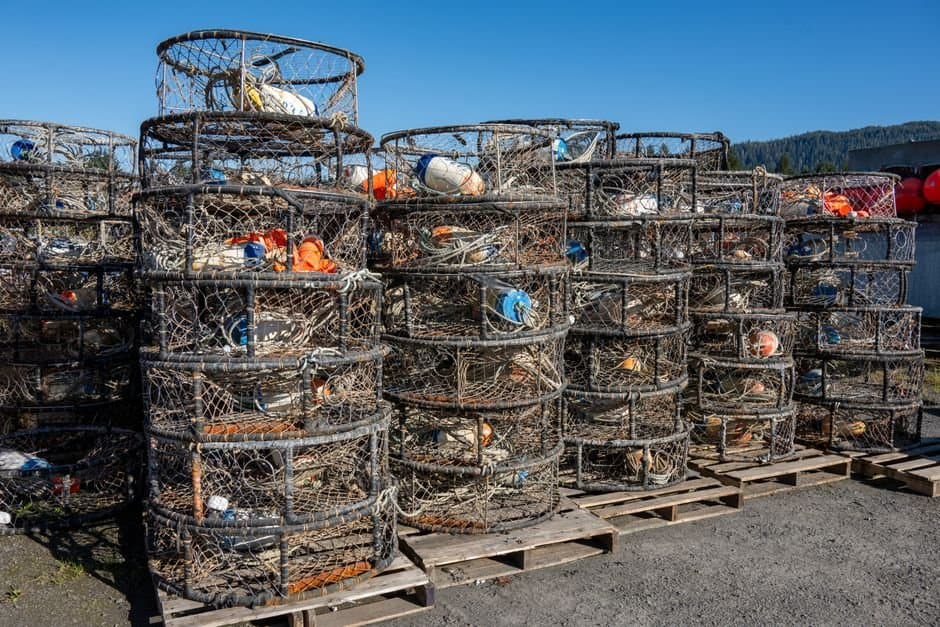
Aleutian groundfish boats barred from selling 'other rockfish' for the rest of 2026
Aleutian groundfish boats hit their "other rockfish" limit again, so the catch-all rockfish can't be sold until January. It's practically a fall tradition.
by Walter AlaskaNewsadded 1d ago2 min read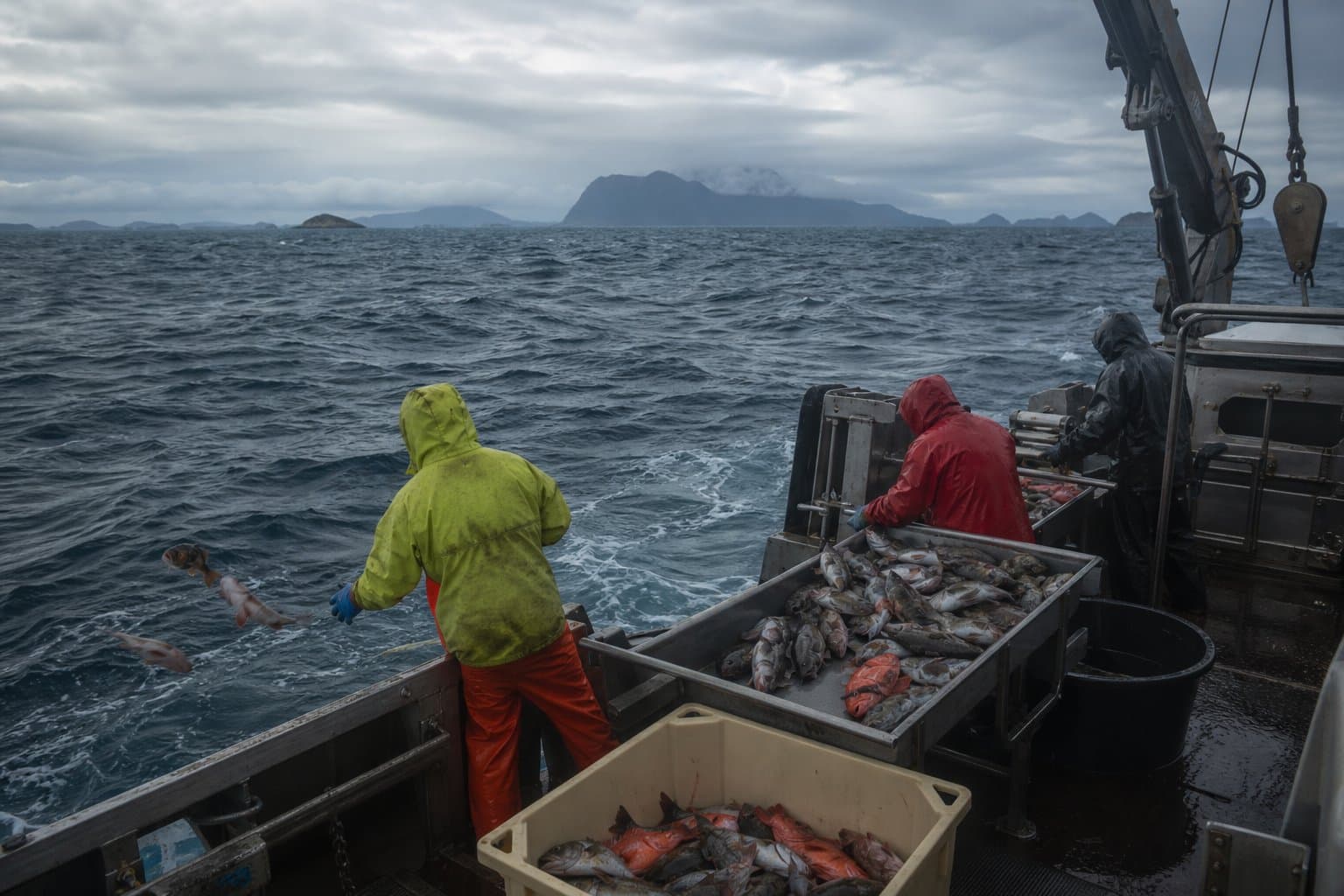
Copper River commercial salmon season closes Oct. 13 after weak sockeye and strong coho runs
Copper River's commercial salmon season ends Oct. 13. Sockeye came in at a third of forecast, kings hit an eight-year low, and coho decided to make up for it.
by Walter AlaskaNews3d ago2 min read
Juneau kelp farm study suggests minimal influence on fish and invertebrates
A federal study of two kelp farms near Juneau found minimal impact on fish and invertebrates, though a missed sampling trip prevented statistical confirmation.
by Bill AlaskaNews3d ago2 min read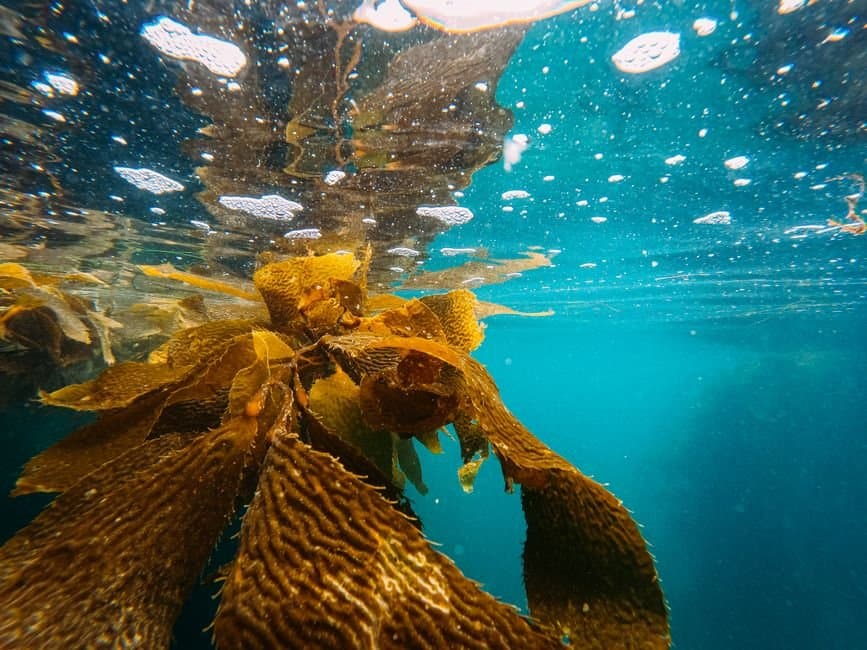
NOAA weighs 77 Gulf of Alaska sites for future kelp and shellfish farms
Seventy-seven spots along the Gulf of Alaska coast could someday grow kelp and oysters. NOAA is still studying them, and no farm is approved yet.
by Bill AlaskaNews3d ago2 min read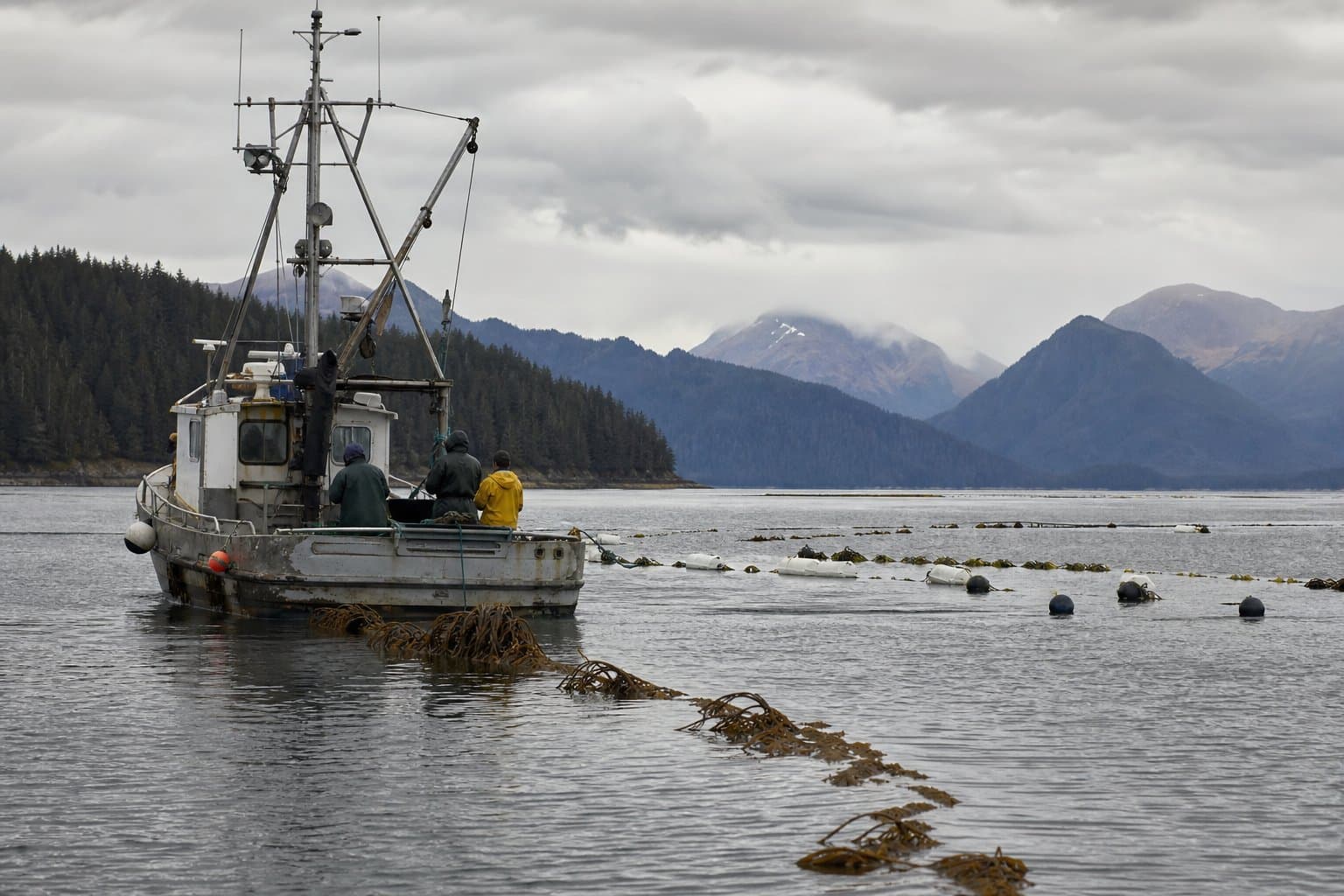
Fishery managers will meet on trawl seafloor contact, with no power to recommend
The Board of Fisheries took 51 seconds on three trawl proposals. Its follow-up meeting can't recommend anything and won't take testimony by phone.
by Walter AlaskaNews4d ago3 min read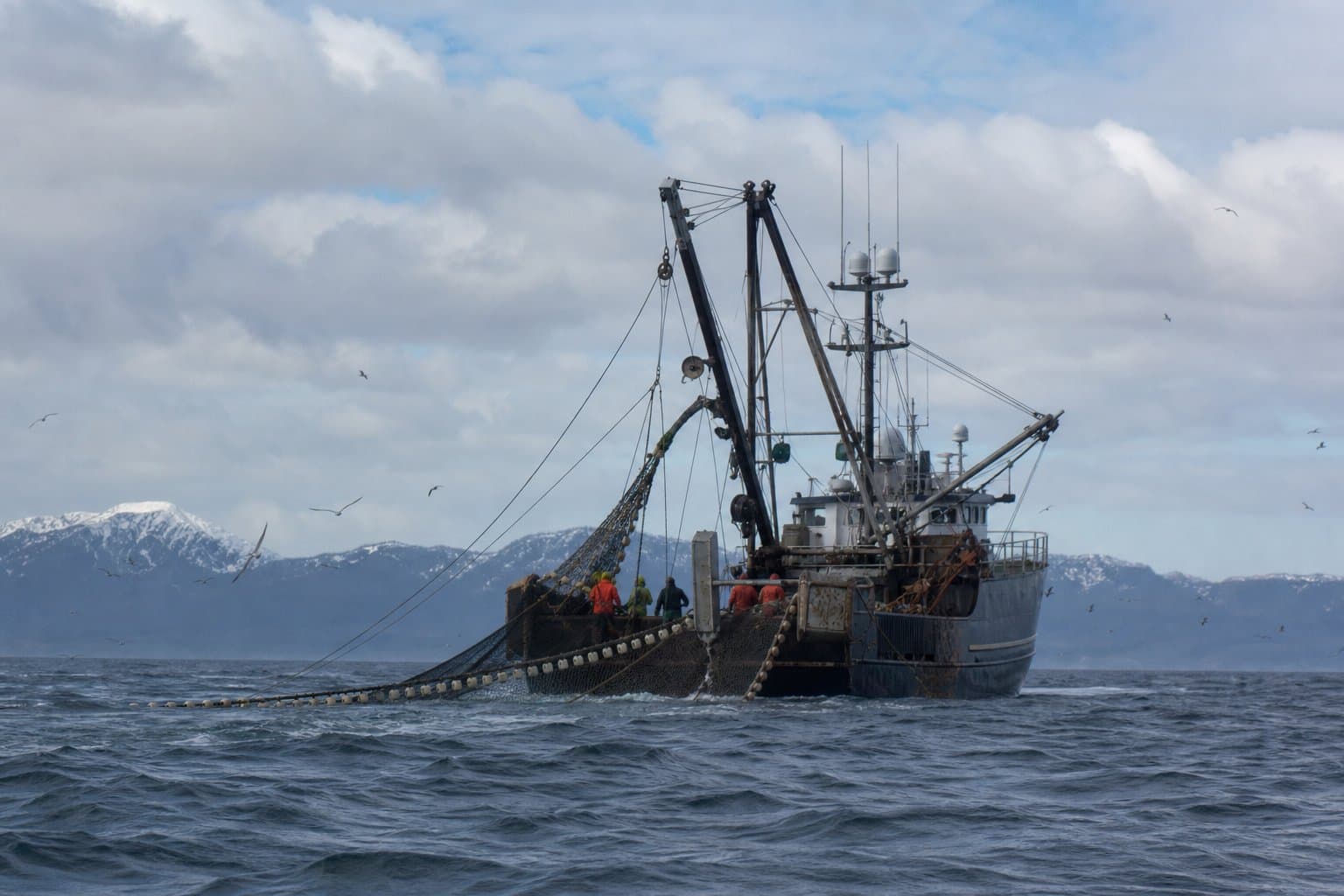
Alaska closed its Bering Sea scallop grounds after the two-boat fleet hit the cap
Alaska's whole commercial scallop fishery is two boats. An emergency order just closed the Bering Sea grounds to them for the rest of the season.
by Bill AlaskaNews4d ago1 min read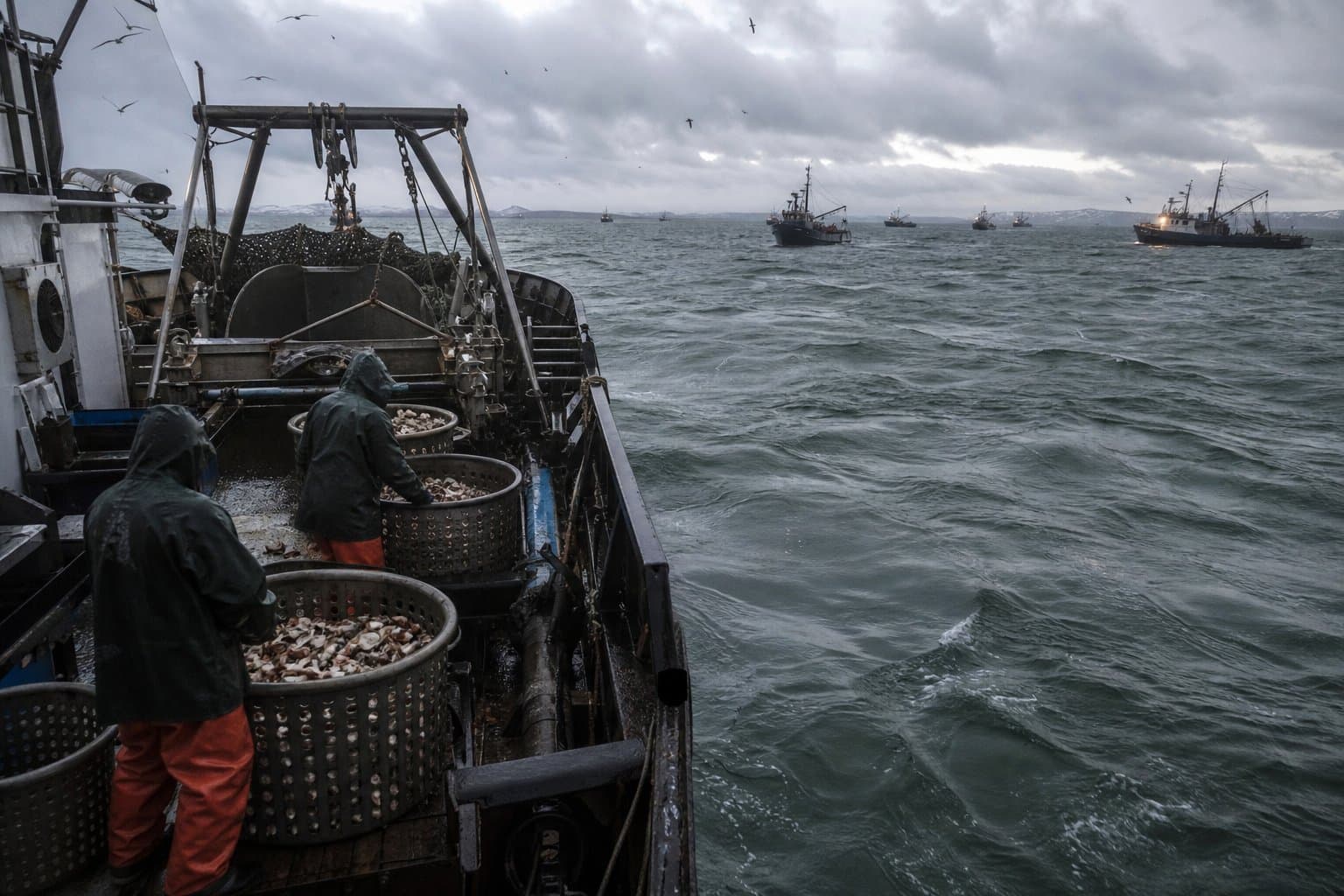
Kodiak's salmon fishery opens for 54 hours starting Thursday at noon
Kodiak gets 54 hours of salmon fishing starting Thursday at noon. The Karluk River saw 93 kings reach spawning grounds against a goal of 3,000.
by Bill AlaskaNews4d ago1 min read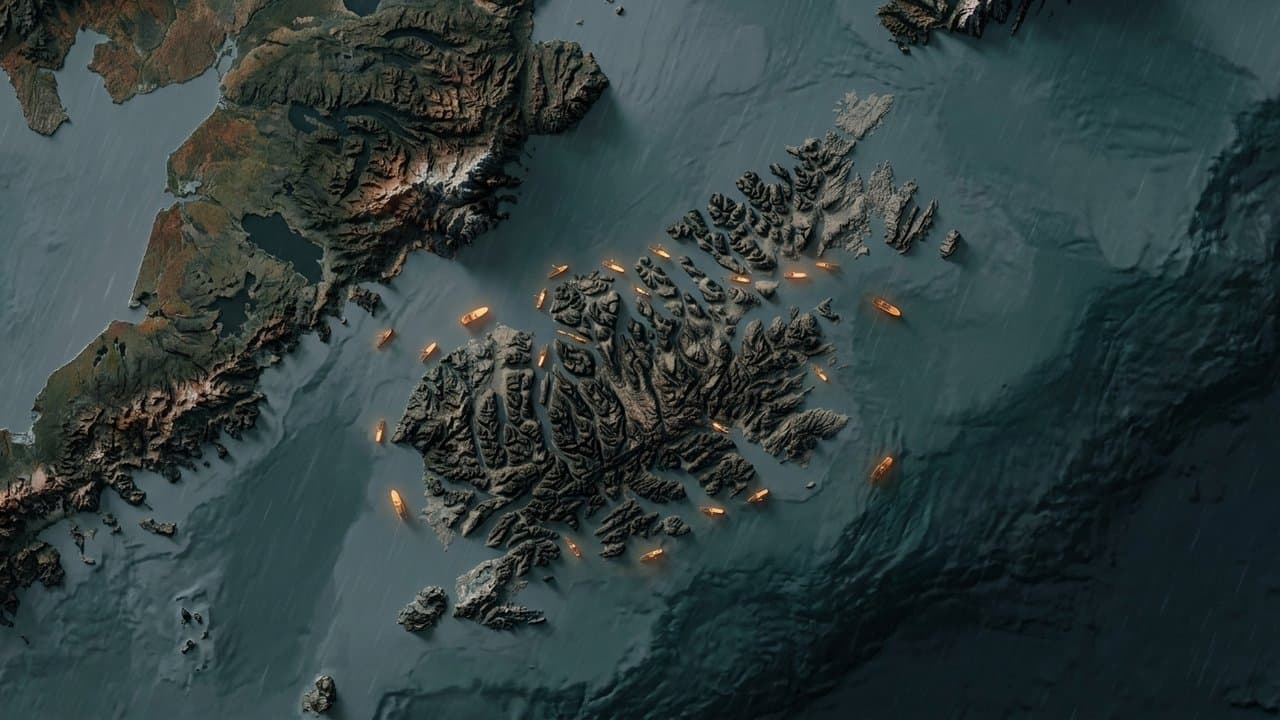
A Kodiak crab quota lease would guarantee boats Unalaska-level prices
Kodiak's fisheries association would lease its crab processing quota to Royal Aleutian, on the condition that Kodiak boats get paid Unalaska prices.
by Alaska News6d ago2 min read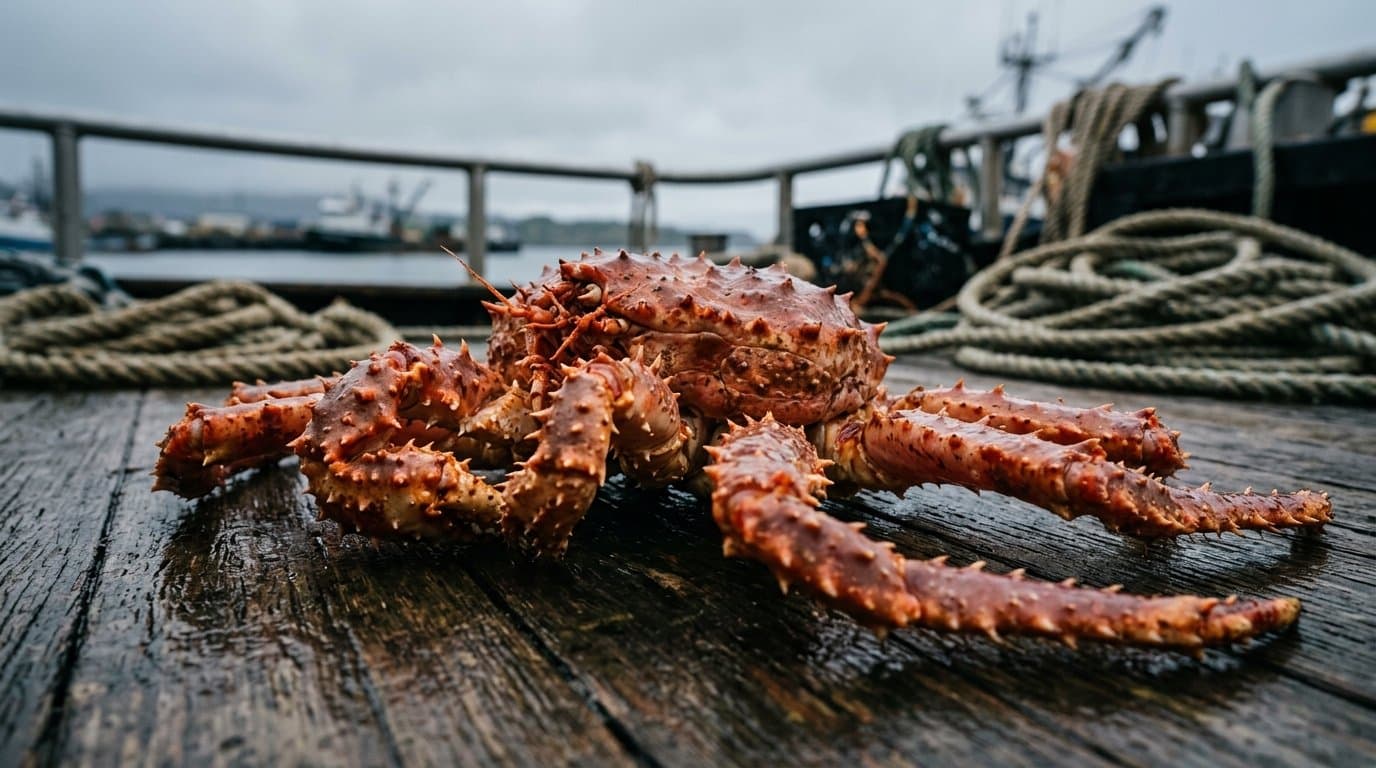
Bristol Bay's 2026 sockeye run falls below 50 million for first time since 2014
Bristol Bay caught the fewest sockeye since 2014 and still made more money than usual doing it. Togiak missed its escapement floor by 702 fish.
by Bill AlaskaNews6d ago2 min read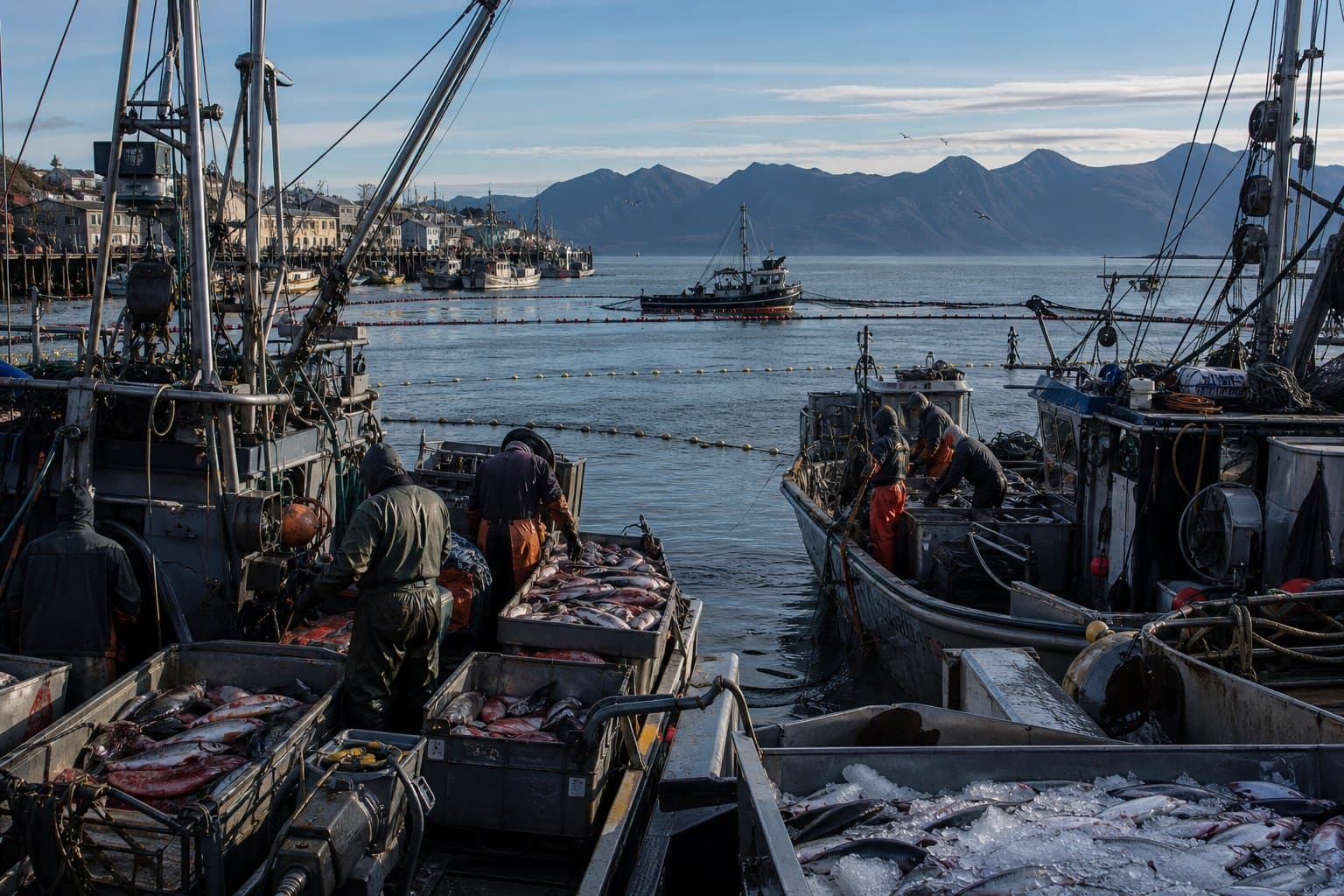
Halibut scientists report whale losses and a shift in when females mature
Halibut scientists told their advisers this week they still cannot count what whales take, and that females are maturing younger than the models assumed.
by Bill AlaskaNews6d ago2 min read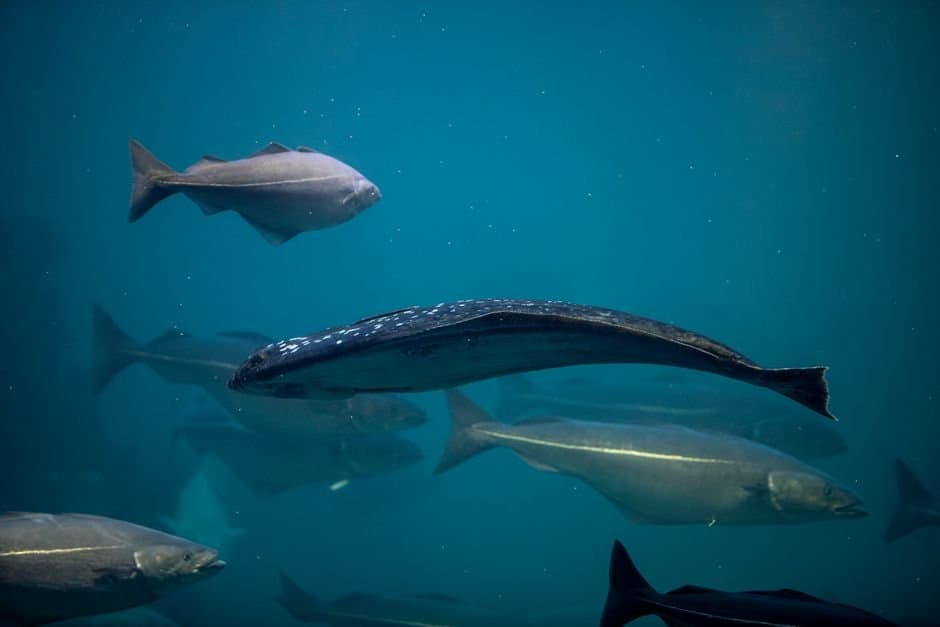
The West Coast's halibut fleet needed six openings to near its small quota
The West Coast's commercial halibut season is over after six openings to catch a small quota — from the same stock Alaska fishes, near 1970s lows.
by Bill AlaskaNews1w ago1 min read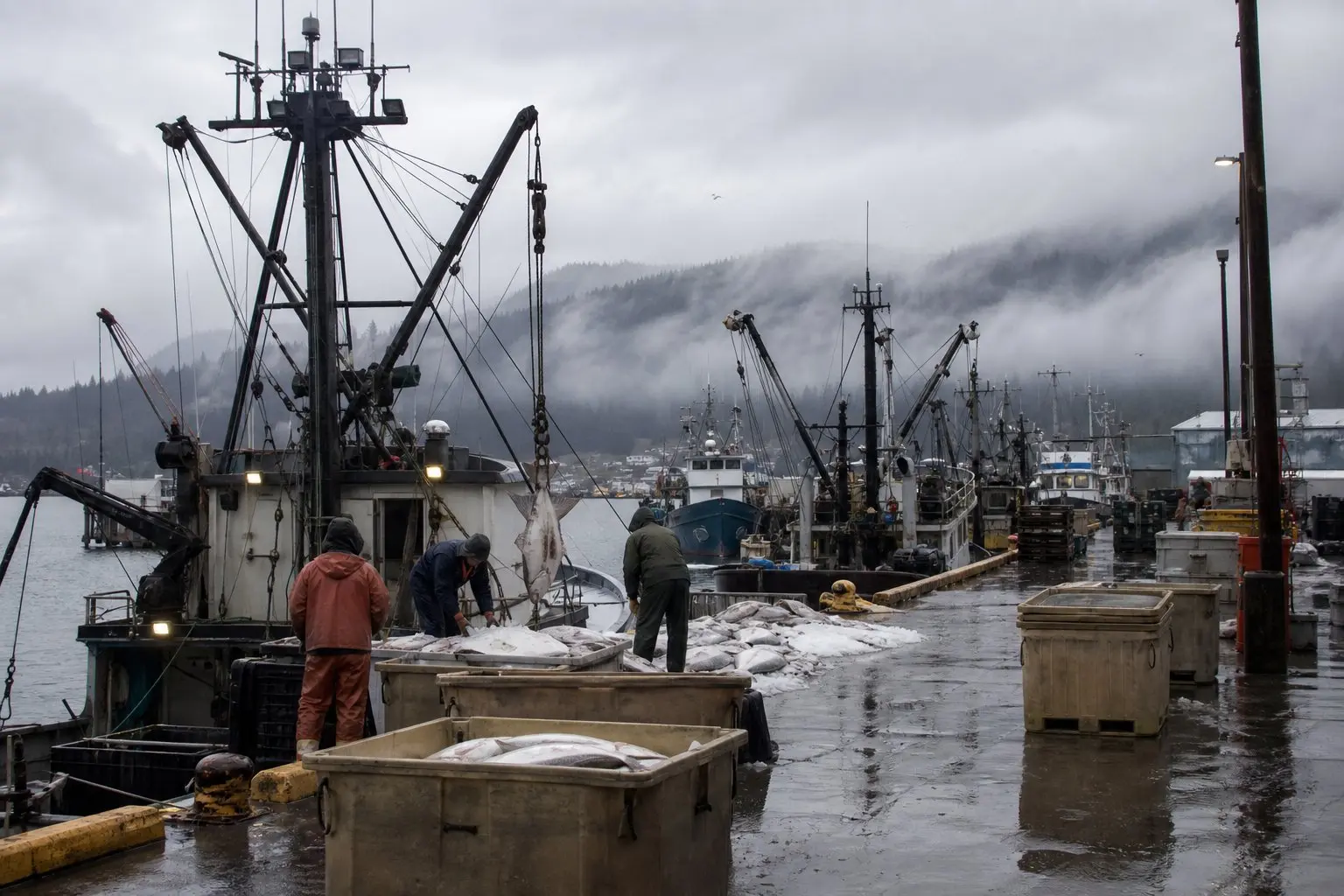
Southeast's Dungeness fleet gets a 30-day fall season after a short summer
Southeast's Dungeness crabbers get 30 days this fall after an early summer closure, and Wrangell has asked the state to seek a federal fishery disaster.
by Alaska News1w ago1 min read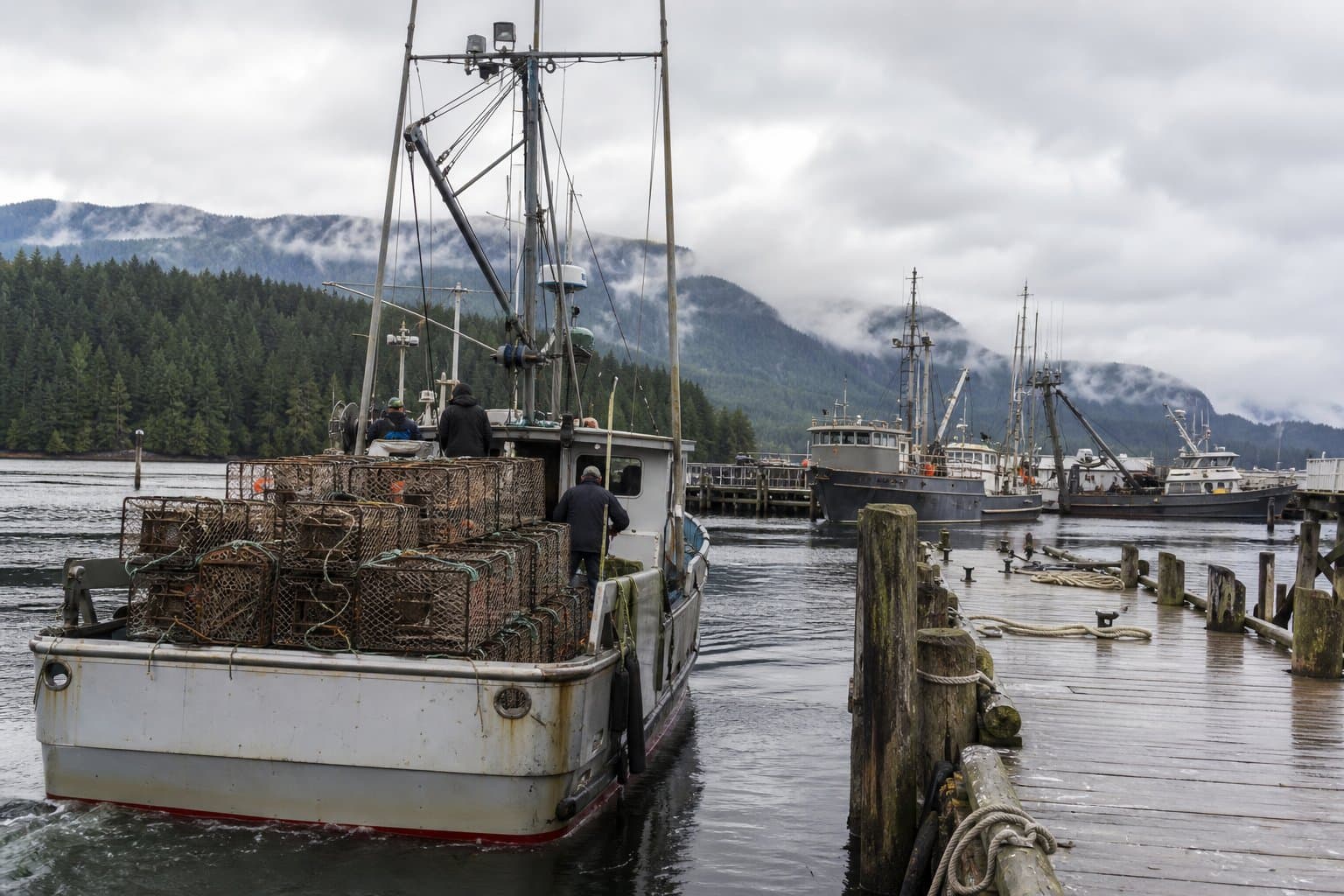
ADF&G cuts Southeast fall Dungeness crab season to 30 days
Southeast's Dungeness fleet gets 30 fall days instead of 60, because a harvest projection built from one week of June fishing came in short.
by Bill AlaskaNewsadded 1w ago1 min read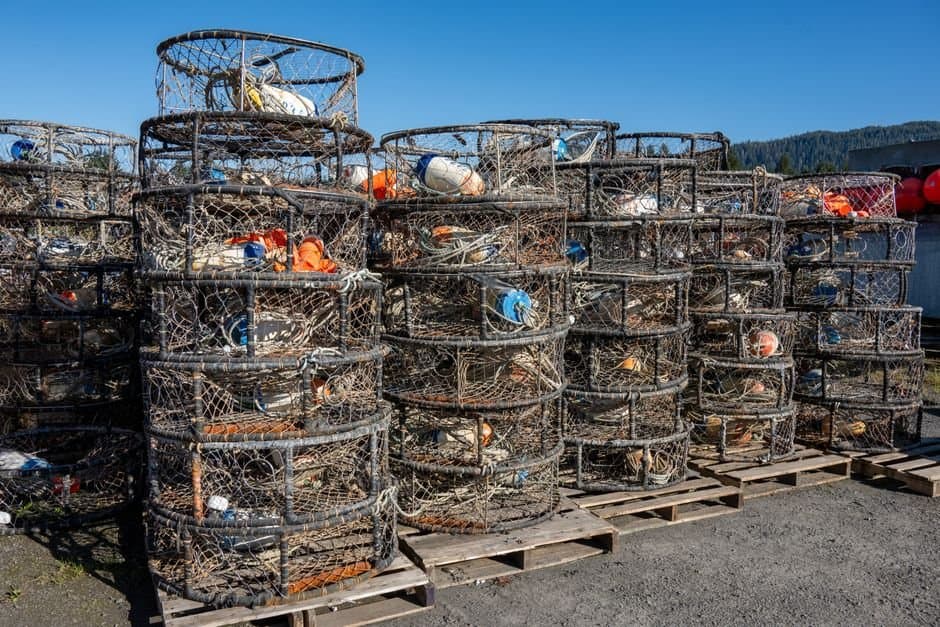
Trollers get Neets Bay back through the middle of October
Neets Bay is open to trollers again through Oct. 10, six weeks after it closed so the hatchery association could take its cost recovery chum.
by Bill AlaskaNewsadded 1w ago1 min read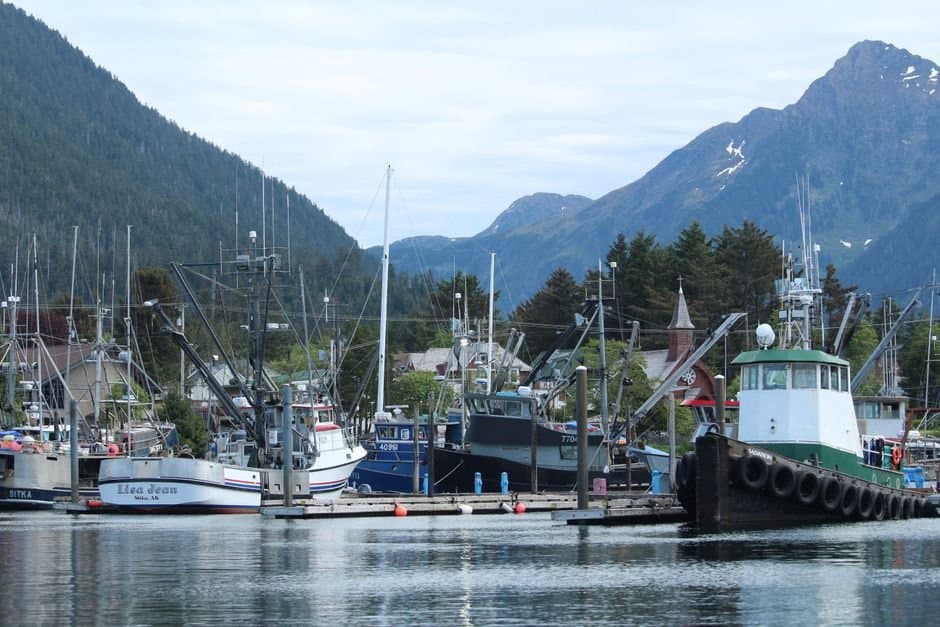
Yakutat gillnetters must donate Chinook found dead in Situk nets
Yakutat set gillnetters open Sunday. Any king that dies in the net gets its dorsal fin cut off and handed to somebody in town who needs it.
by Bill AlaskaNews1w ago1 min read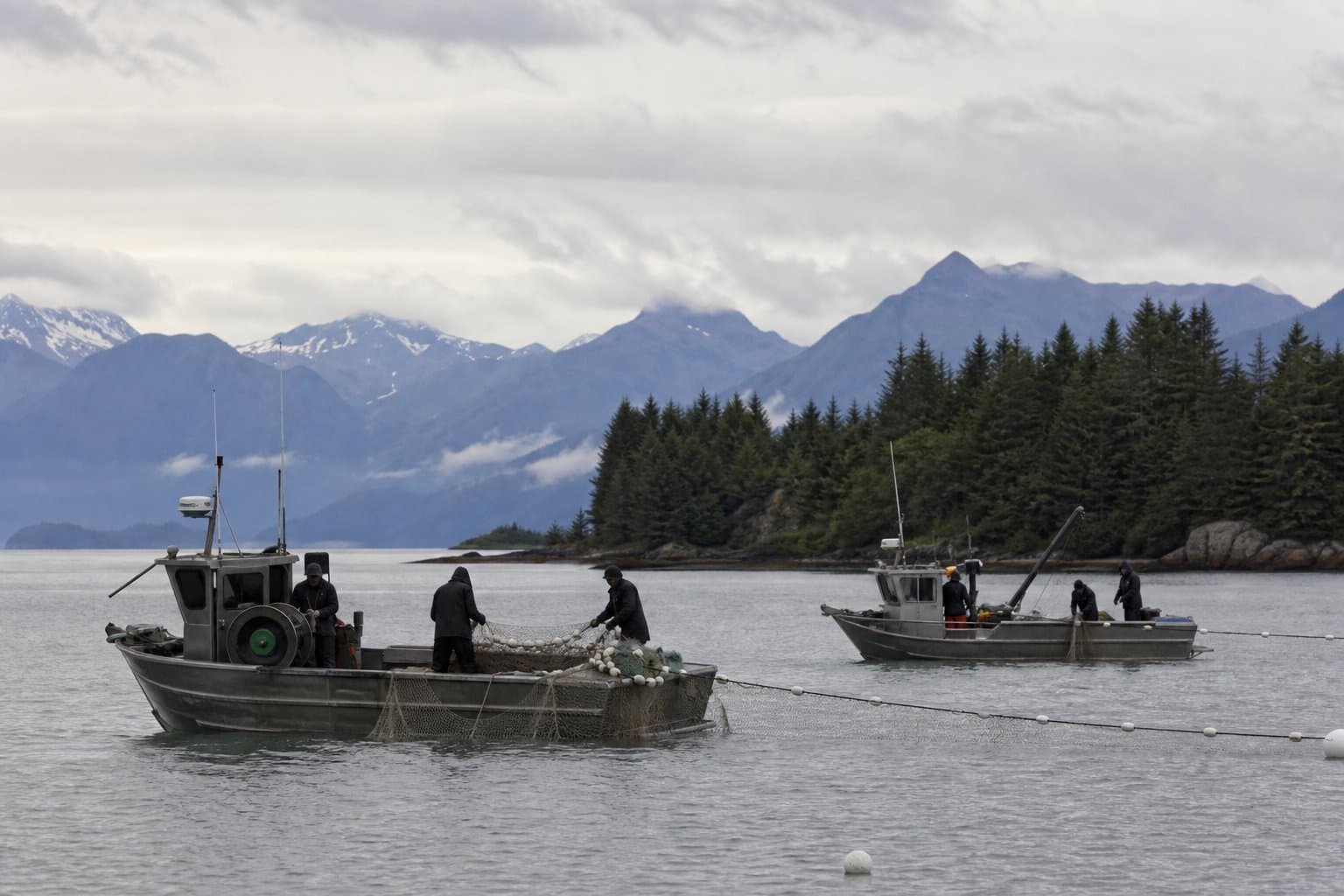
Southeast trollers got ten more days, and a smaller fleet to fish them with
Southeast trollers got ten more days for coho. There is a smaller fleet to fish them, and the harvest is still headed below the record lows.
by Bill AlaskaNews1w ago1 min read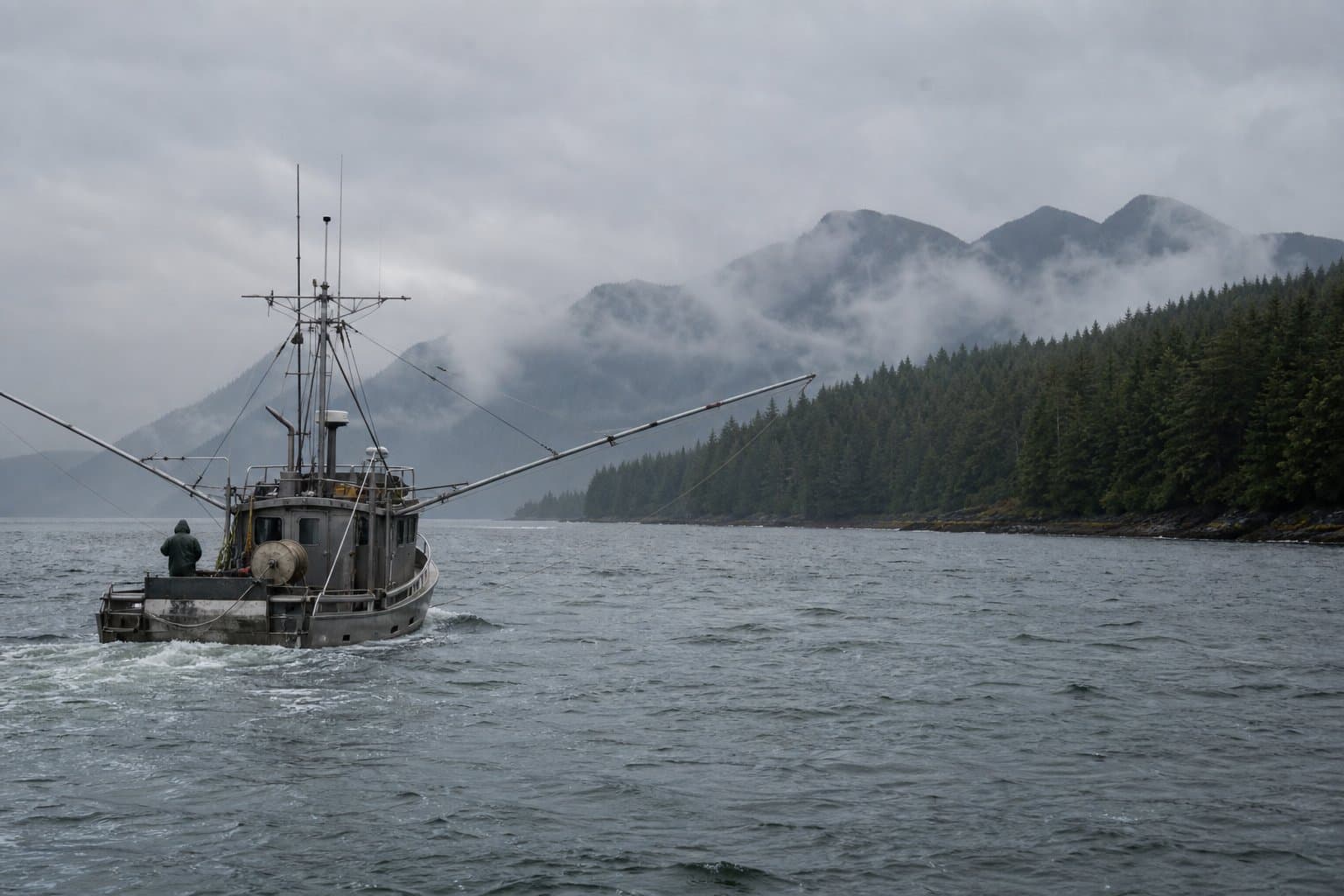
Fish and Game sets Prince William Sound fall herring quota at 749 tons, citing weak spring spawn
Prince William Sound's fall herring quota came in 633 tons under what the plan allows, and the spawn number behind that call was never published.
by Walter AlaskaNews1w ago2 min read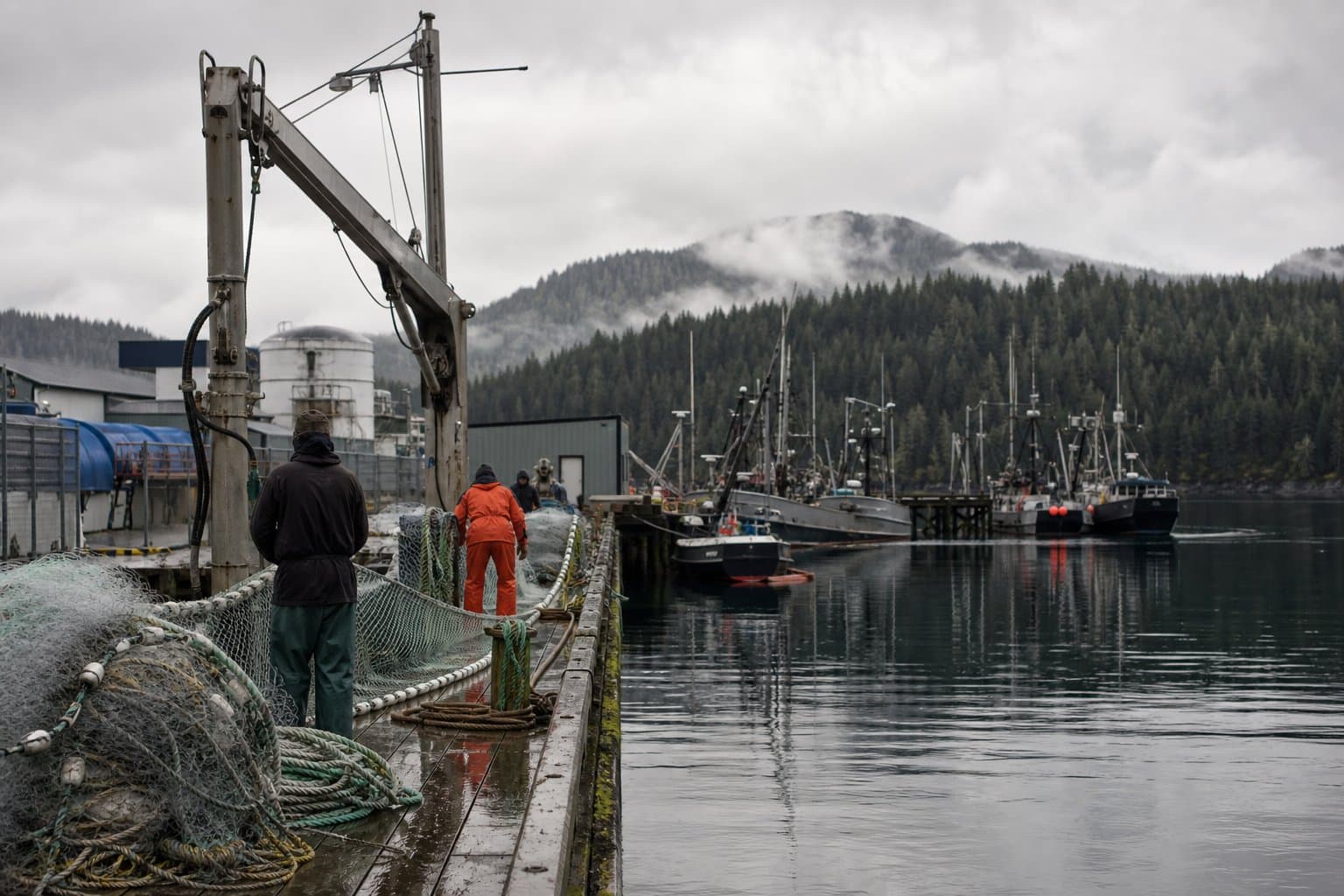
Kotzebue's chum run beat the forecast; the state will not say by how much
Kotzebue's chum harvest beat the forecast, and the state will not say by how much. Nobody counted the fish upriver for the second year running.
by Walter AlaskaNews1w ago2 min read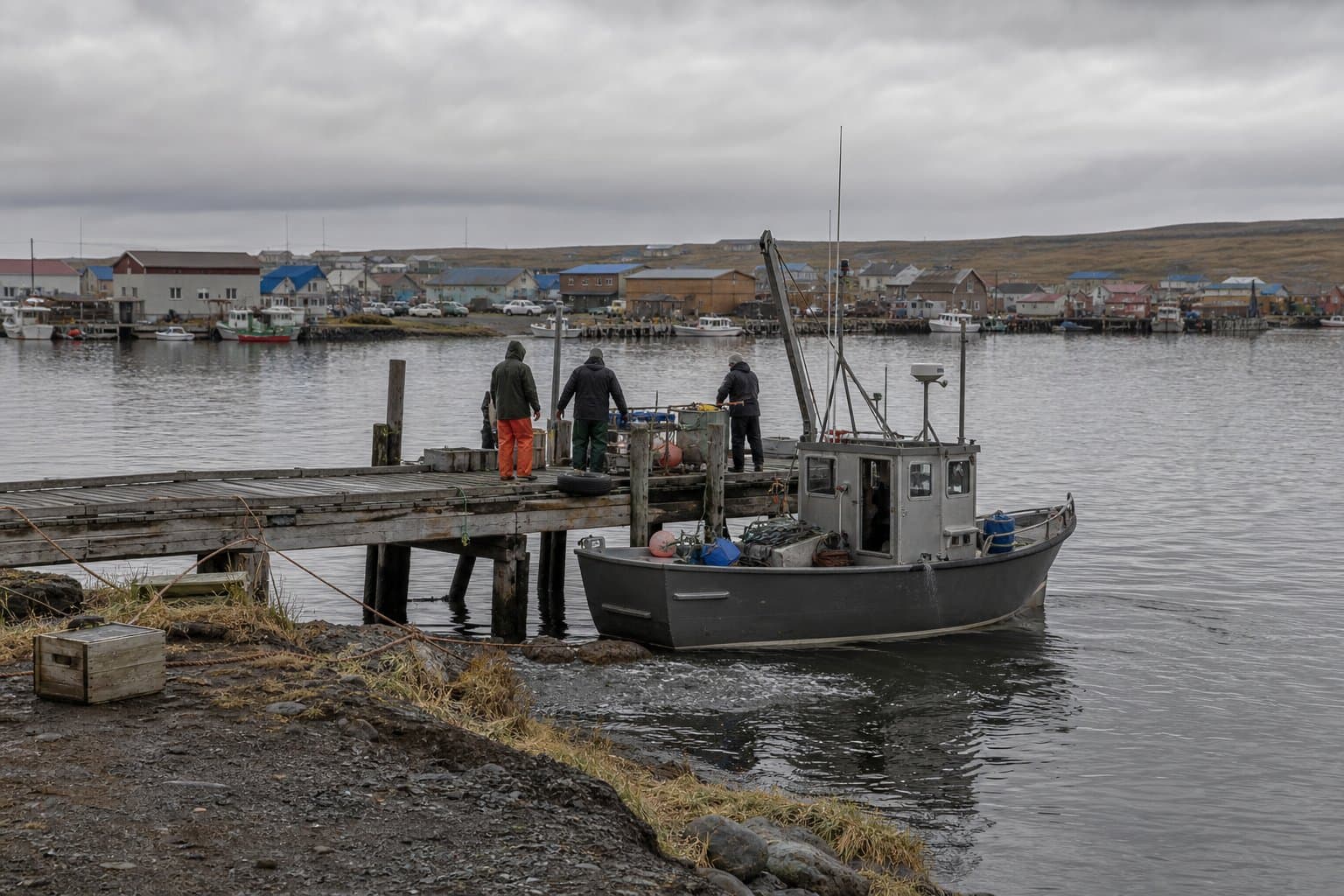
Alaska seafood groups call EU catch-tracking system a trade barrier
A European rule wants every fish traced back to its boat. Alaska catches salmon 100 boats at a time, and 16,000 tons sat in Dutch ports in May.
by Walter AlaskaNews1w ago2 min read
Sullivan's bycatch bill advances from Senate committee
A Senate committee advanced Sullivan's bycatch bill, which would set trawl-gear standards, expand monitoring and fund bycatch research.
by Alaska News1w ago1 min read
Trump fishing order targets Gulf, Atlantic data disputes and could reach Alaska
Trump changed no Alaska catch limit. His national sportfishing order targets Atlantic and Gulf data disputes but could later reach Alaska rules.
by Walter AlaskaNews1w ago2 min read
State says genetics funding enabled first Western Alaska chum bycatch cap
State-funded genetic testing helped create a 45,000-fish Western Alaska chum bycatch cap. NOAA implementation is expected no earlier than 2028.
by Bill AlaskaNews1w ago2 min read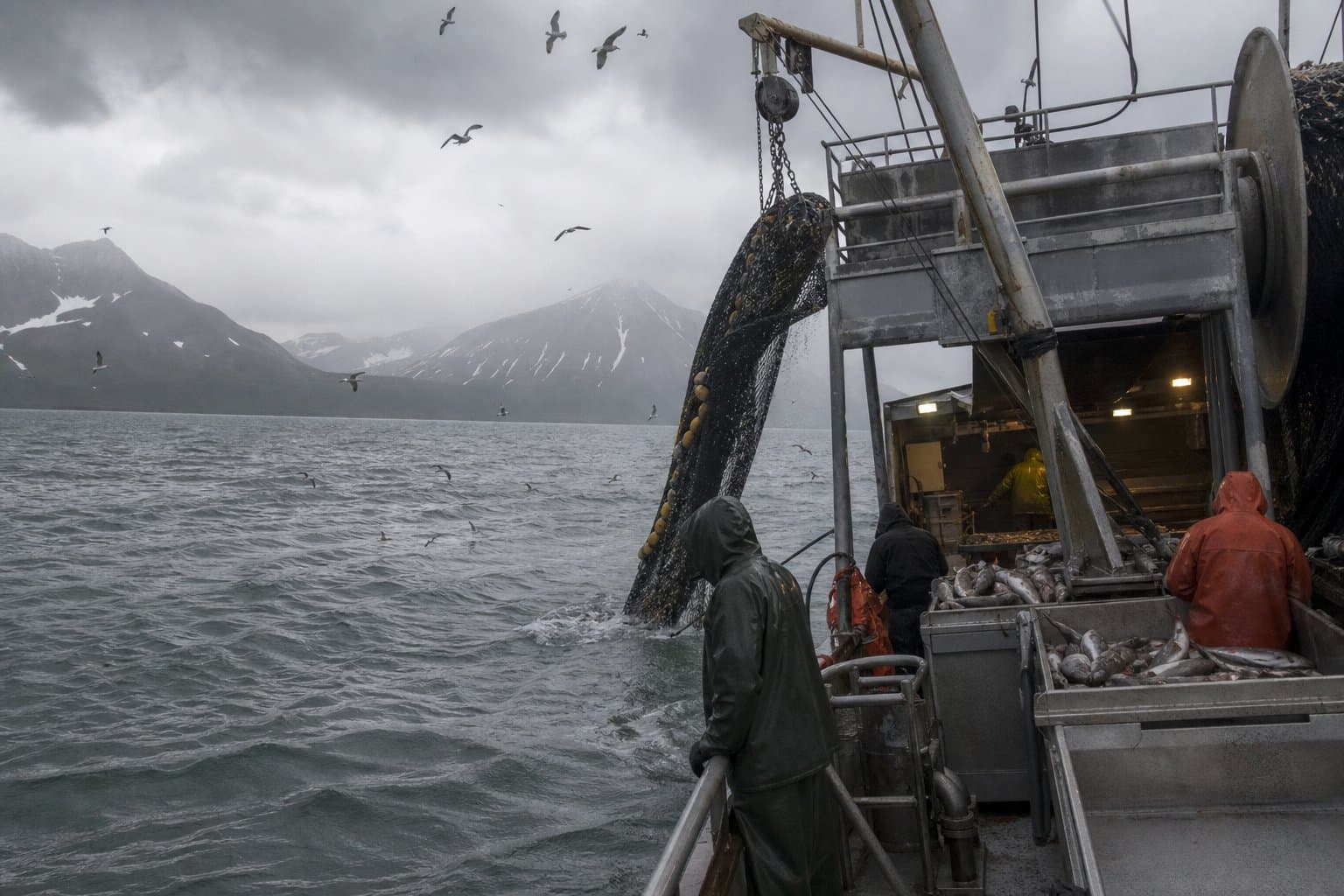
Eshamy District salmon season closes Friday night
Eshamy closes Friday night on a season in which nobody reported catching anything for two weeks, under a fishing cap set by an allocation formula.
by Bill AlaskaNews1w ago1 min read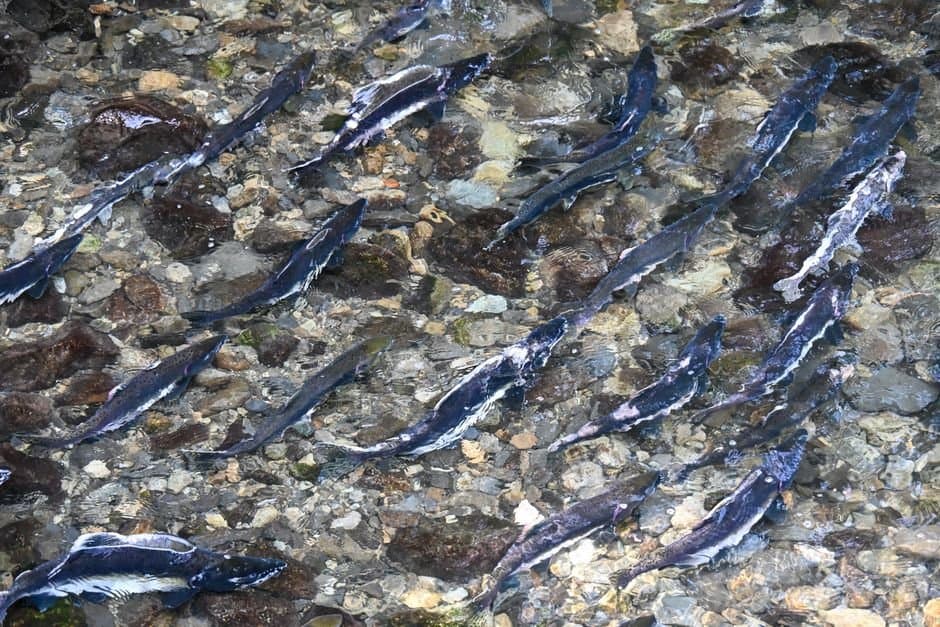
Copper River coho periods stretch to 36 hours next week
Copper River gillnetters get 36-hour openings Monday and Thursday, up from 24-hour periods, after a delta survey counted 40,780 coho above the expected range, following a difficult summer.
by Bill AlaskaNews1w ago1 min read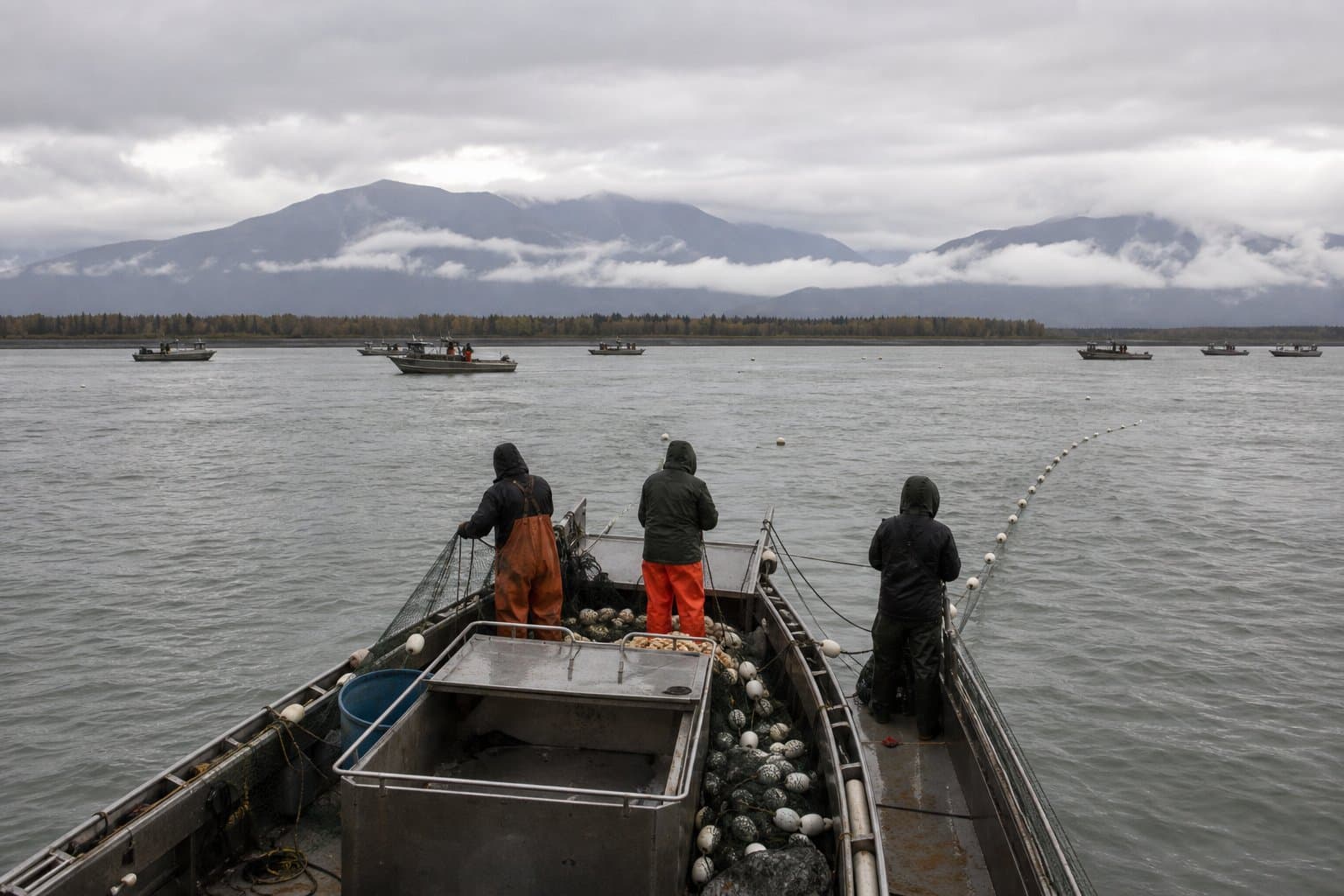
The snow crab limit is going up. There aren't more crab.
The Bering Sea snow crab catch limit would rise 13% this winter — not because there are more crab, but because scientists cut the safety margin in half.
by Walter AlaskaNews1w ago3 min read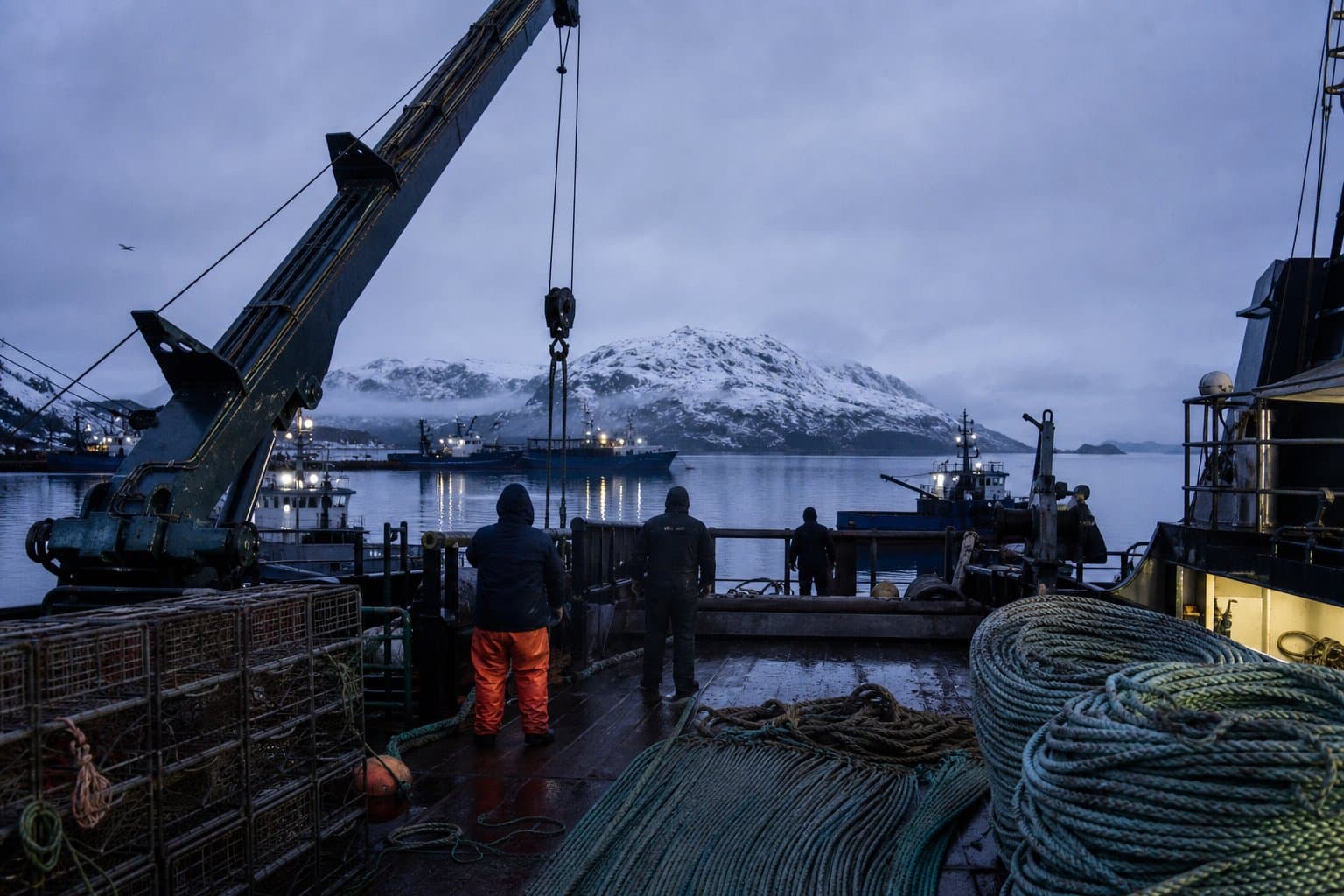
House committee advances bill treating hatchery fish as wild under Endangered Species Act
House committee voted to require federal agencies to consider hatchery fish alongside wild ones in Endangered Species Act consultations, a shift with major economic implications for Alaska's salmon industry.
 by Maggie AlaskaNewsadded 1w ago3 min read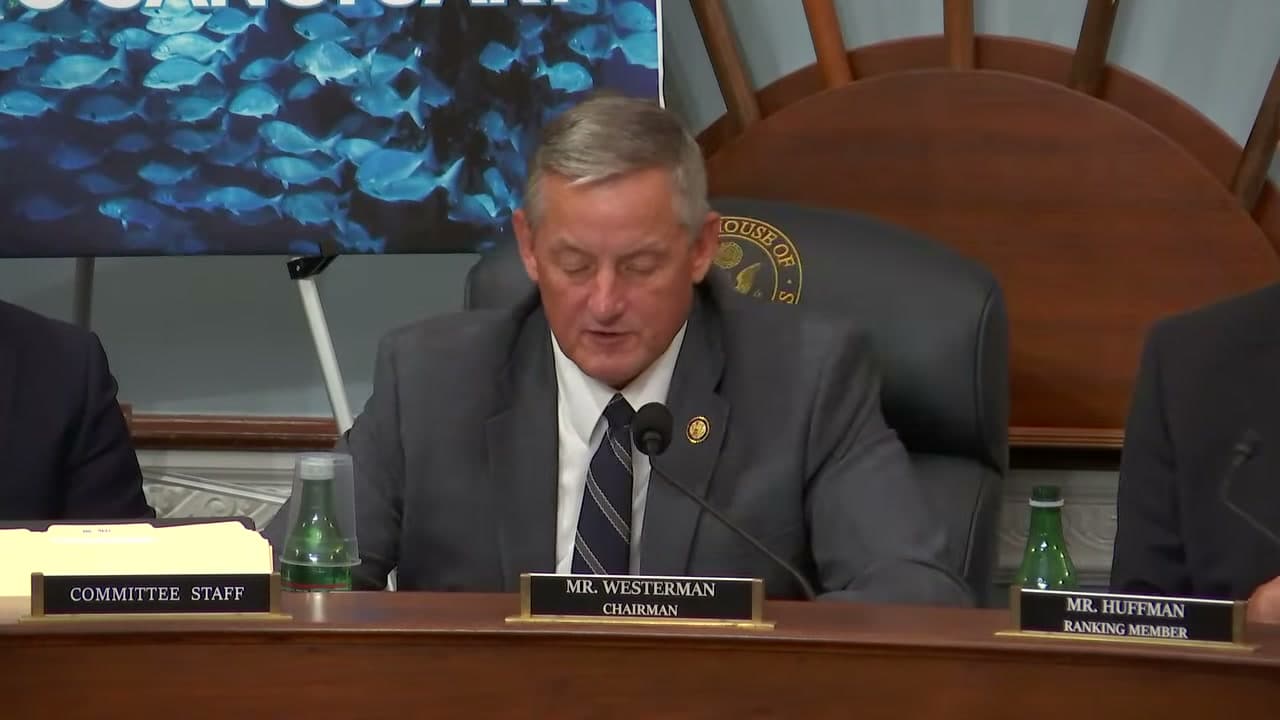
Sullivan's bycatch bill reaches its first Senate committee test
Sullivan's bycatch bill gets its first committee test Wednesday. It mandates gear changes and monitoring, but doesn't ban trawling or set catch caps.
by Maggie AlaskaNews1w ago2 min read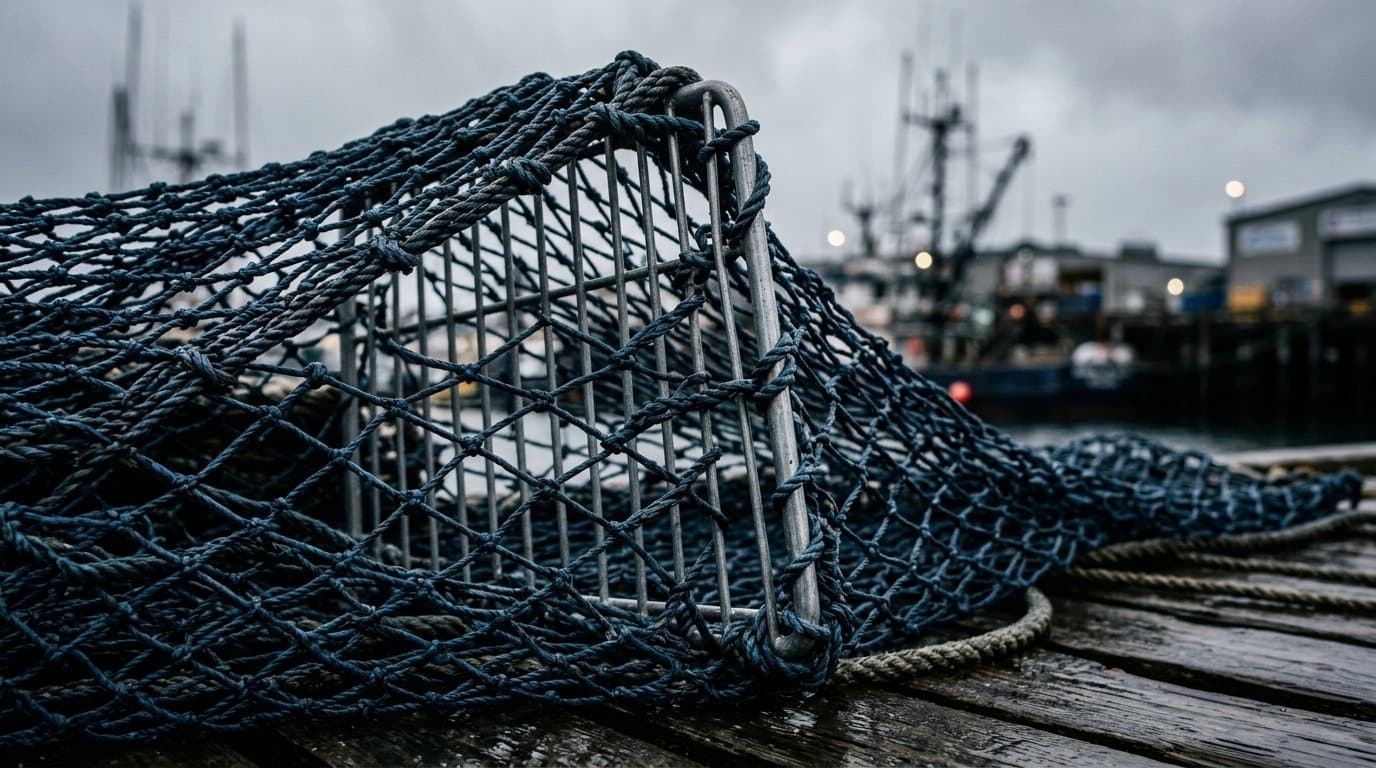
Seafood exports to Türkiye are frozen, though little Alaska product moves there
U.S. seafood can't be certified for export to Türkiye because American plants aren't on its approved list. The blocked edible trade is about $160,000.
by Bill AlaskaNews1w ago1 min read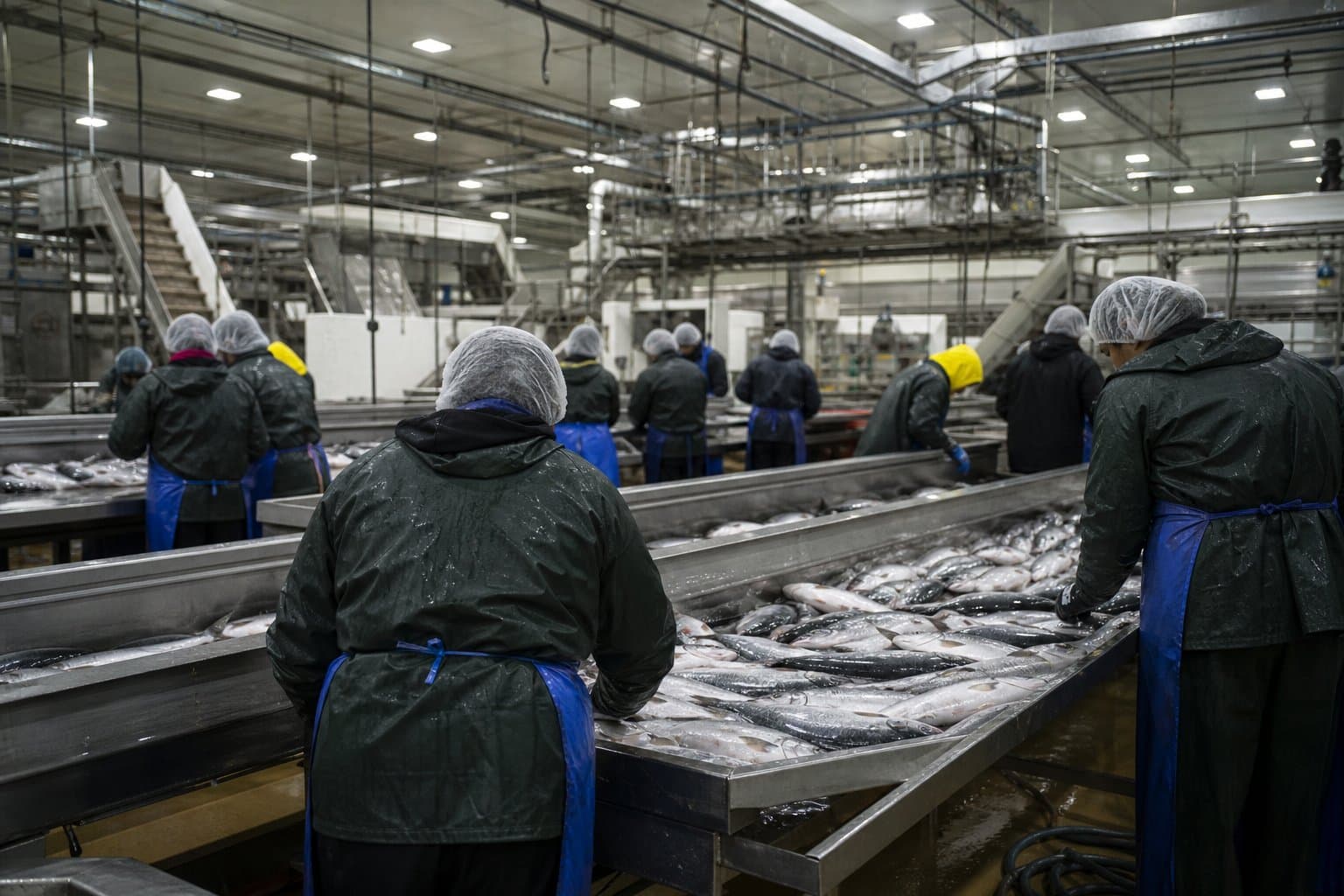
NOAA funds Alaska work on what stranded marine mammals ate
A stranded Alaska killer whale died of sepsis after swallowing three kinds of fishing hooks. NOAA is paying the state to keep examining these animals.
by Maggie AlaskaNewsadded 1w ago2 min read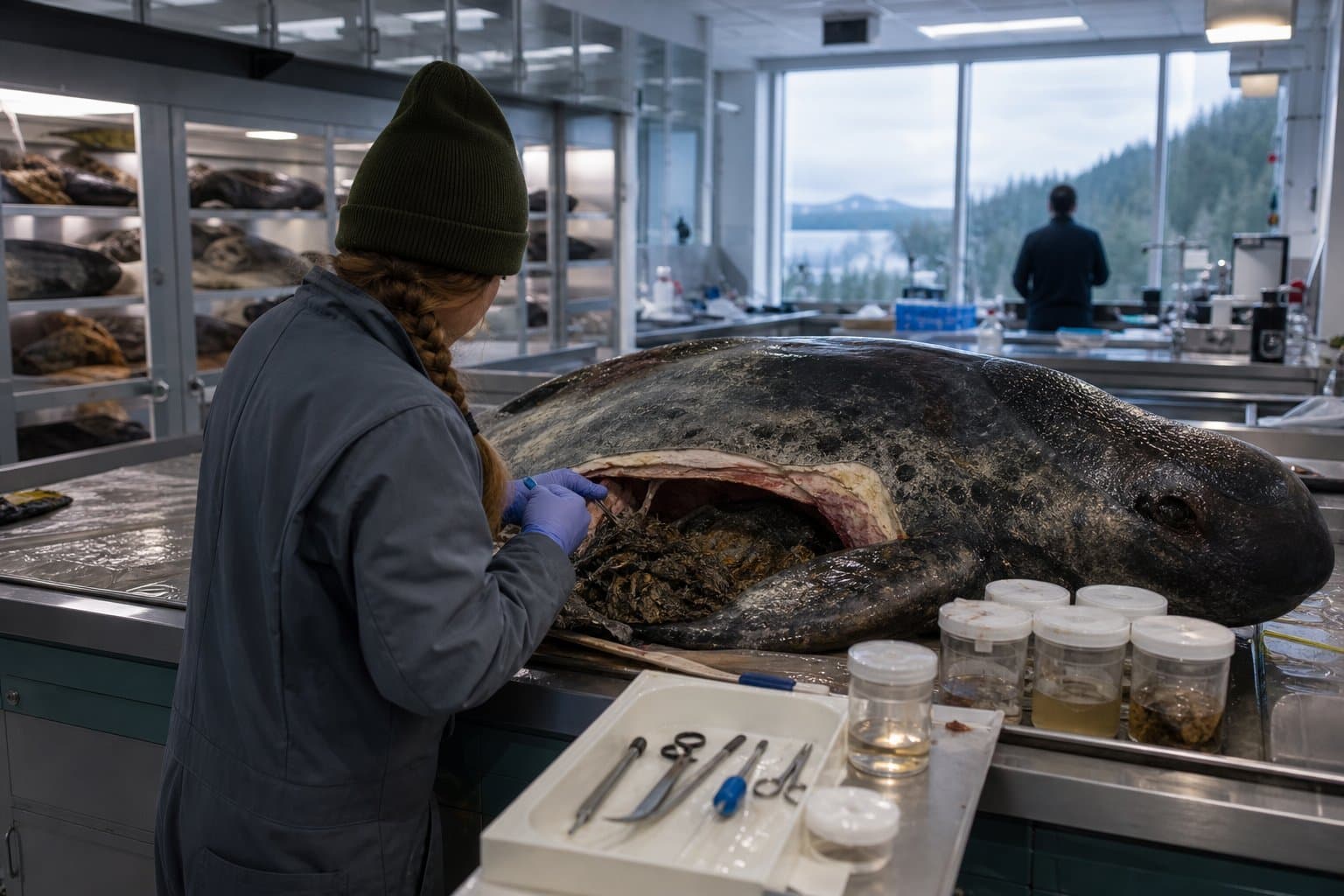
Two Southeast geoduck beds stay closed until biomass recovers past 30% threshold
Two Southeast geoduck beds stay closed after surveys found less than a third of the clams left. Sea otters are eating them, and the quota fell 40 percent.
by Bill AlaskaNews1w ago2 min read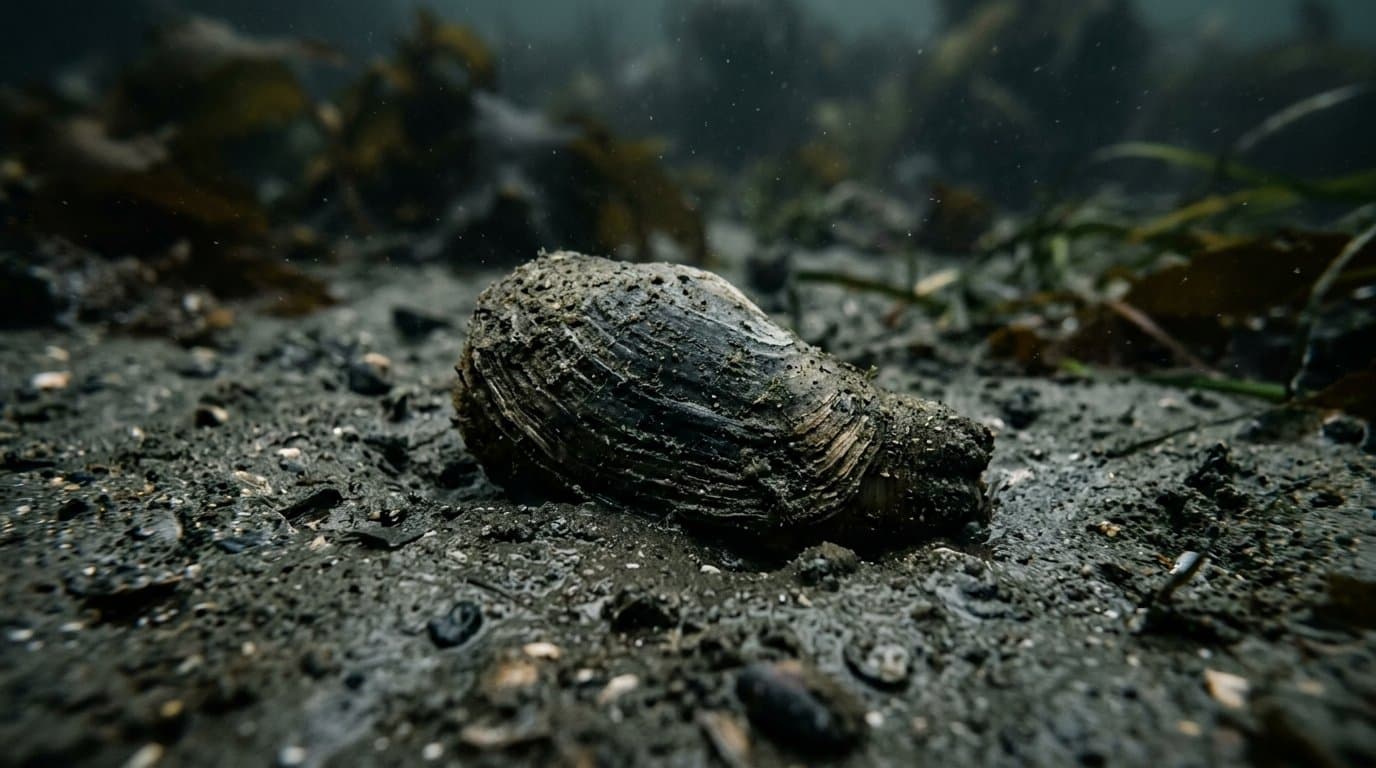
The state's analysis of Alaska's first crab hatchery says it would add little
Alaska's first crab hatchery wants a permit. The state's own analysis says the crab it releases would likely make no measurable difference to the fishery.
by Walter AlaskaNews2w ago5 min read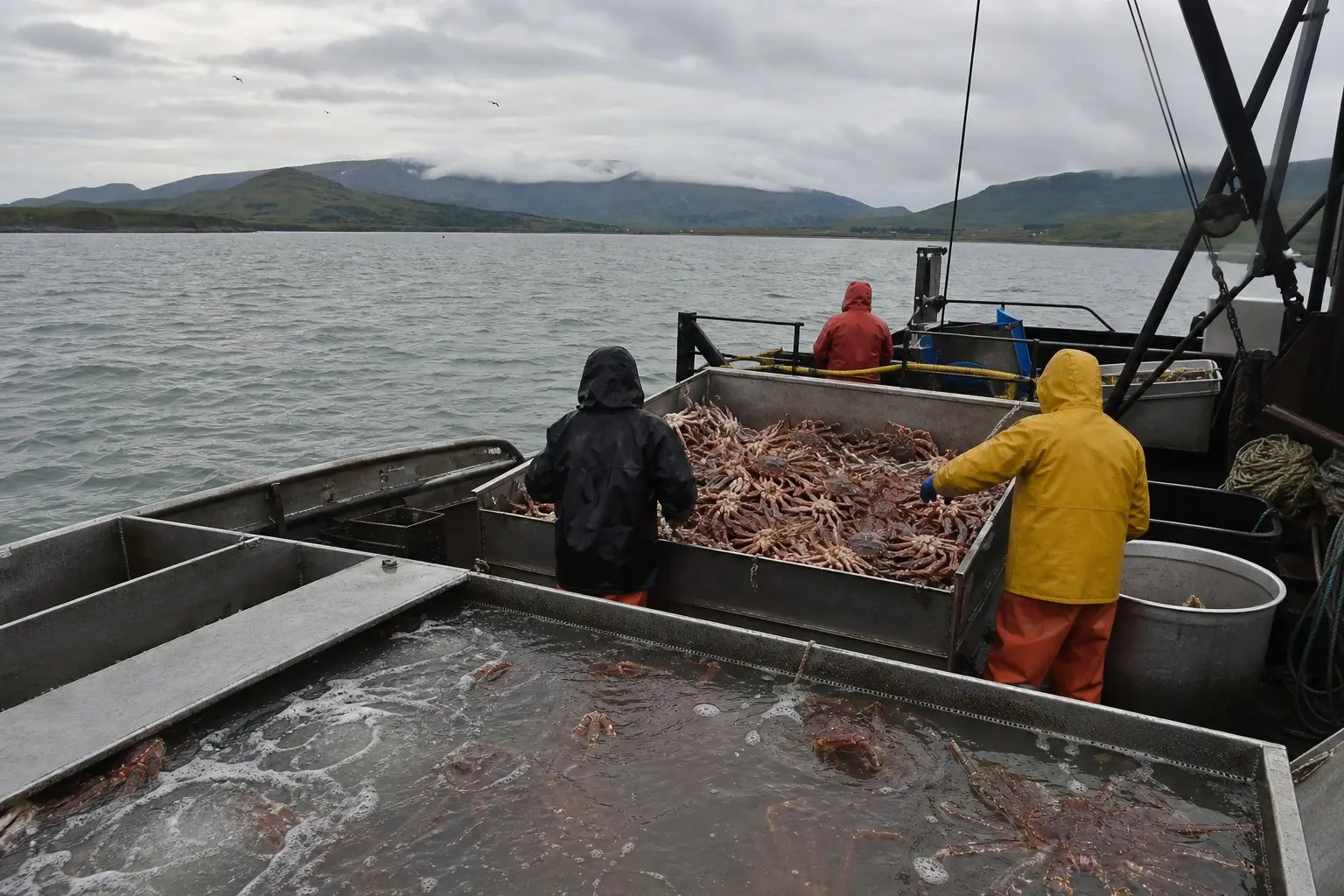
Managers want to double a halibut cap. Their own analysis warns against it.
Federal managers want to roughly double a halibut vessel cap in the Bering Sea, though their own analysis says it helps a few big boats at the fleet's expense.
by Walter AlaskaNews2w ago3 min read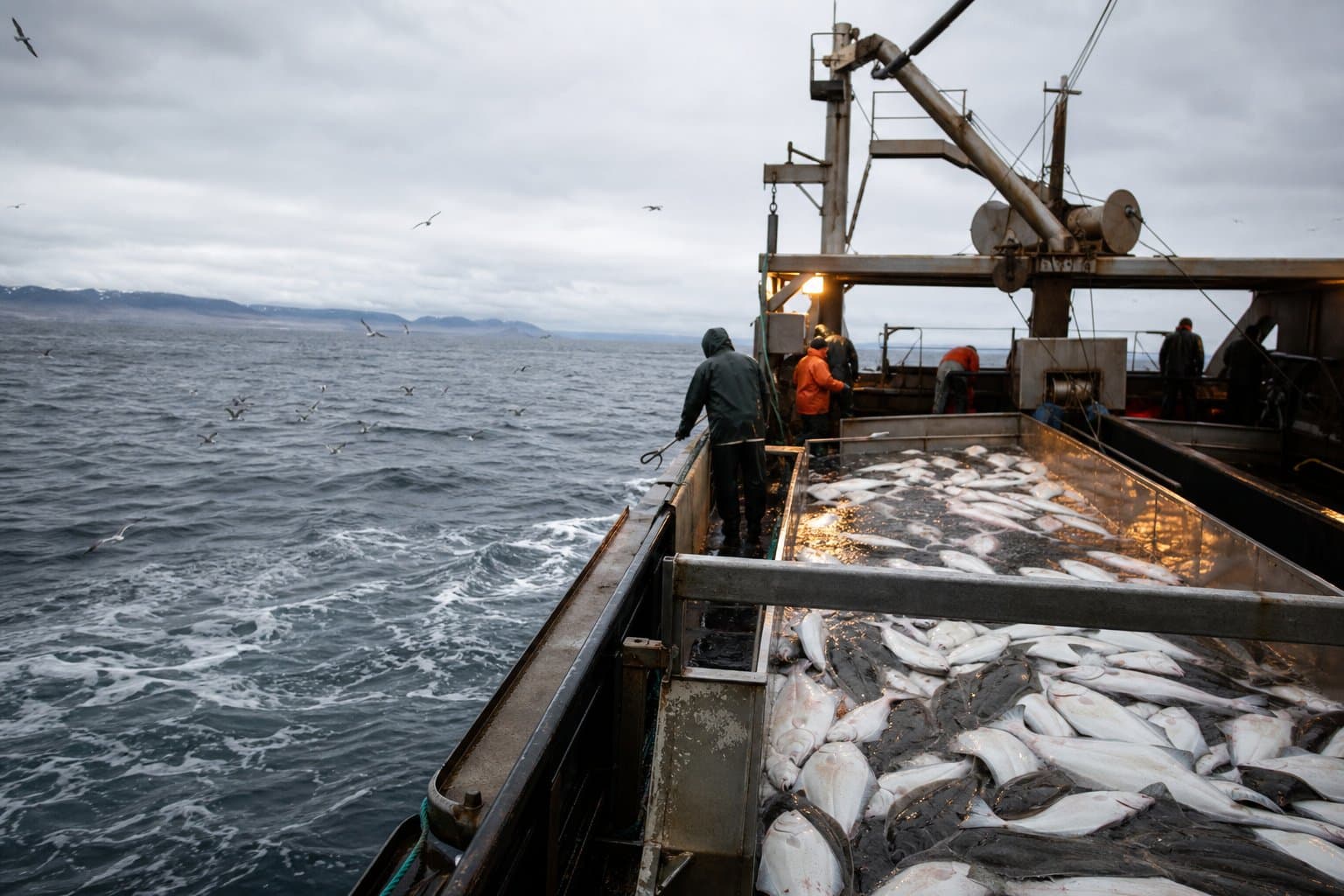
Four Southeast shrimp areas open Oct. 1, including one the department had ruled out
Fish and Game told District 15-East in July that its shrimp season was over. It opens Oct. 1 after all. Two areas it said might reopen will not.
by Bill AlaskaNewsadded 2w ago2 min read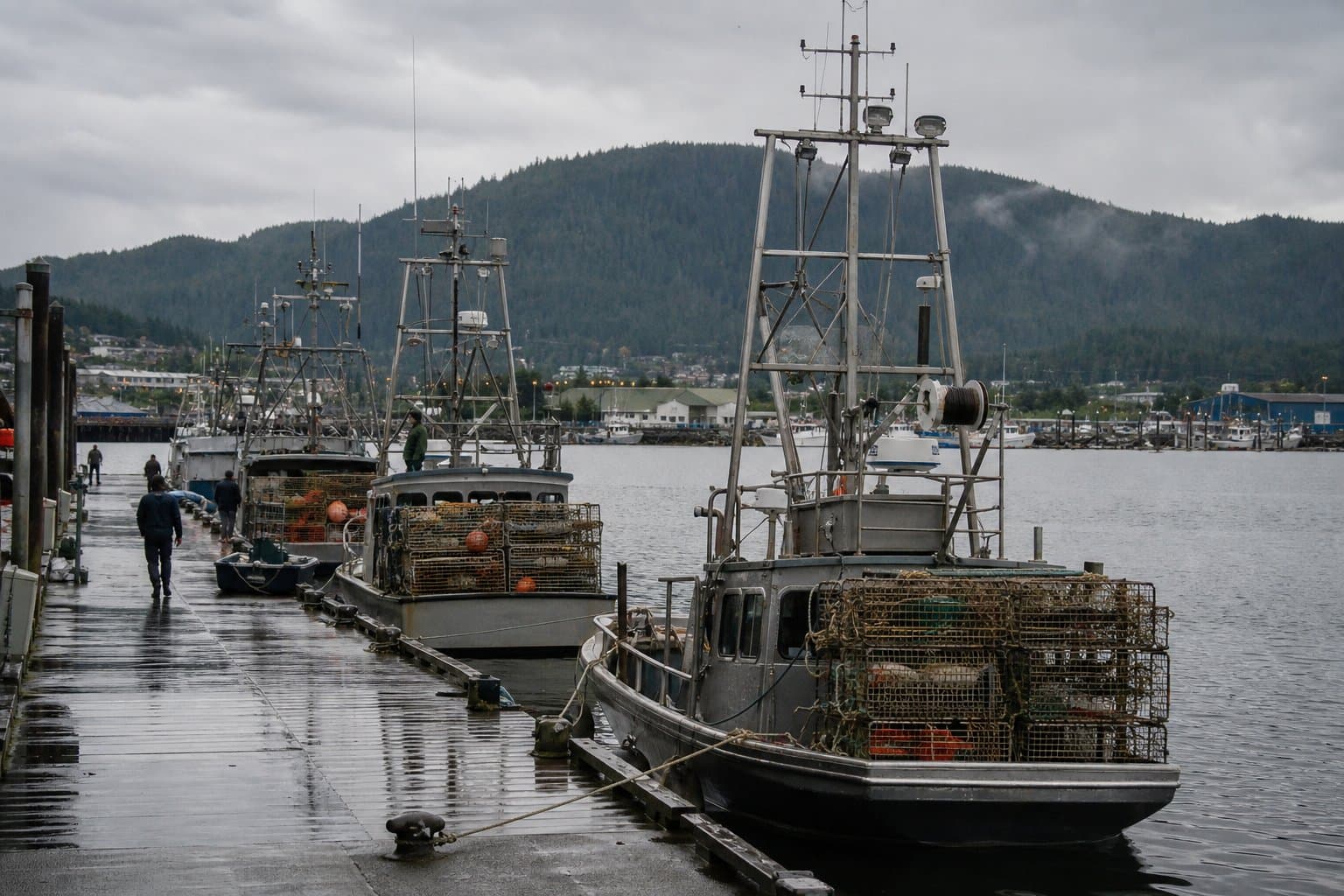
Southeast's shrimp season opens small as the harvest keeps shrinking
Four Southeast shrimp pot areas open Oct. 1 with little quota left, as the region's overall shrimp harvest keeps shrinking and young shrimp fail to appear.
by Bill AlaskaNewsadded 2w ago1 min read
NOAA awards Bristol Bay fishermen's group $499,400 to push sockeye into restaurants and schools
NOAA awarded Bristol Bay's fishermen's group $499,400 to market sockeye salmon to restaurants and schools, though some fishermen question if demand campaigns raise dock prices.
by Bill AlaskaNews2w ago2 min read