NOAA forecast offices in Anchorage, Fairbanks, and Juneau. Issues warnings for marine weather, river breakup, avalanches, fire weather, and aviation across Alaska.
222 W 7th Ave #23, Anchorage, AK 99513, USA
Video Clips
Browse all clips
Juneau: July 9, 2026 CBJ Media Availability · Jul 9, 2026

Juneau: July 9, 2026 CBJ Media Availability · Jul 9, 2026
John Bohan
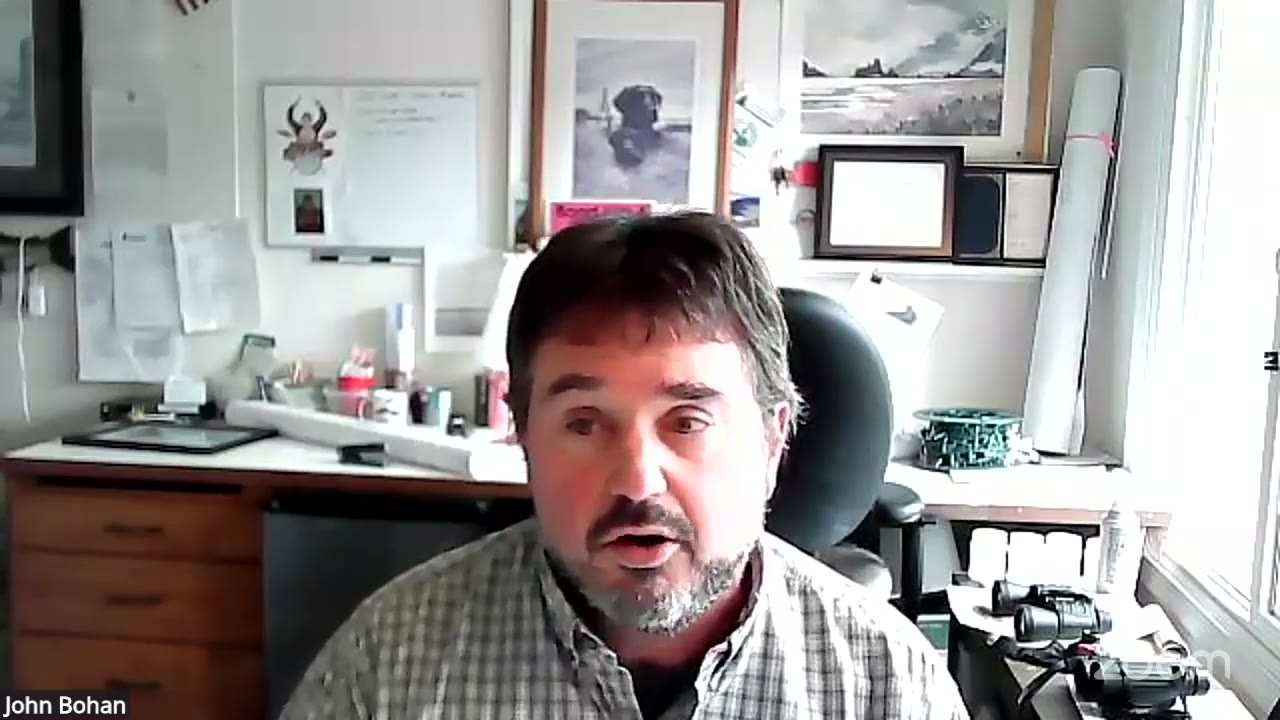
“The breach locations that were chosen are the potential high-impact areas. And so tree strikes and direct, you know, even though we fortified these areas, the direct impacts at the 90-degree corners just effectively to, you know, to prepare for the worst-case scenario. As Ryan said, these are sandbags, they are temporary measures.”Juneau: July 9, 2026 CBJ Media Availability · Jul 9, 2026

John Bohan
“as we saw last year, fortunately above the waterline, but a tree completely blew up the barriers behind the Field House very quickly, very easily. So we do need to be prepared for those events. So be careful. And that's also why we're requesting evacuation because they are temporary and we don't know what, you know, we don't know what force might crack one open.”Juneau: July 9, 2026 CBJ Media Availability · Jul 9, 2026

Juneau: July 9, 2026 CBJ Media Availability · Jul 9, 2026

Juneau: July 9, 2026 CBJ Media Availability · Jul 9, 2026
Weather Service cancels Ketchikan wind advisory early after gusts fall short of forecast
National Weather Service cancels Ketchikan Gateway Borough and Annette Island wind advisory early Sunday; peak gust at Ketchikan airport about 36 mph.
 by Walter AlaskaNews8h ago1 min read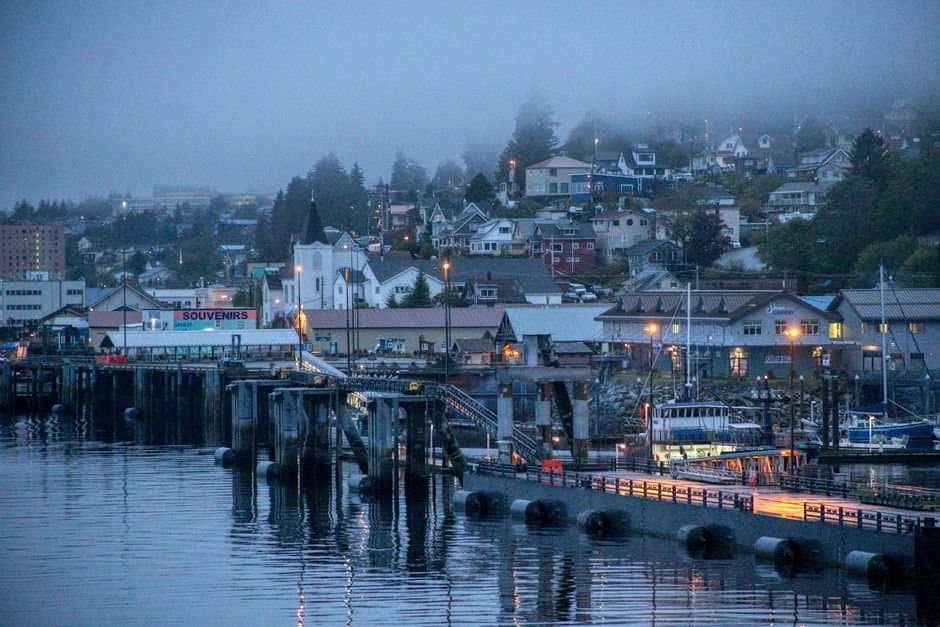
Up to 6 inches of snow possible in Isabel Pass by Wednesday night
Snow forecast for Isabel Pass and the Richardson Highway Monday through Wednesday: up to 6 inches, NWS Fairbanks says; 1 to 3 inches possible around Fairbanks.
 by Maggie AlaskaNews1d ago2 min read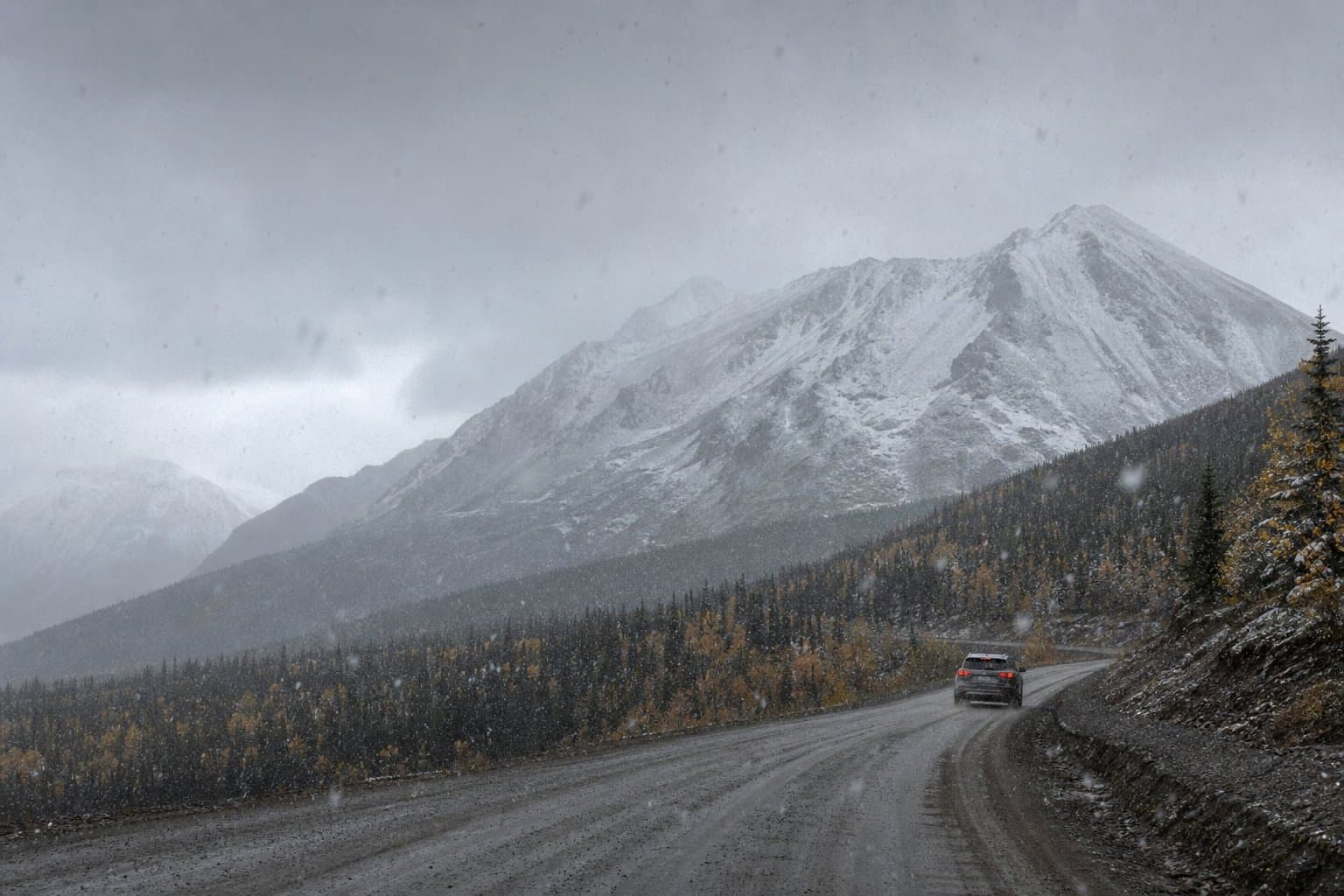
Juneau's Suicide Basin refills fast as second release remains possible
Suicide Basin refilling above Juneau after August's glacial outburst flood; weather service says a second Mendenhall River release is possible, none forecast.
by Walter AlaskaNews2d ago2 min read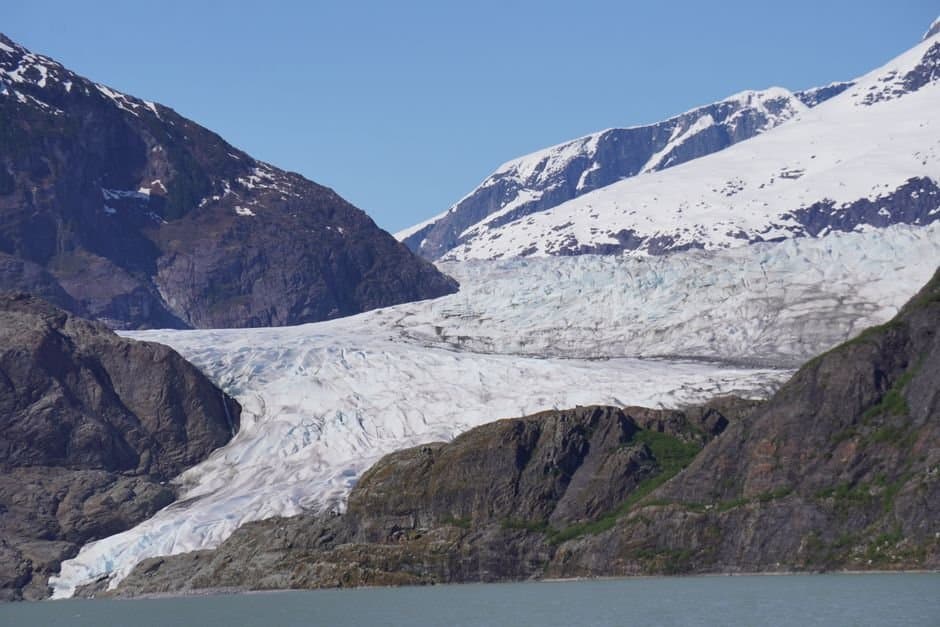
High wind warning ends for Atka and Adak after two days of strong Bering Sea winds
High wind warning for Atka and Adak expires; NWS forecast west winds gusting 60 to 80 mph from a deep Bering Sea low. Adak airport recorded a 61 mph peak gust.
by Walter AlaskaNews2d ago2 min read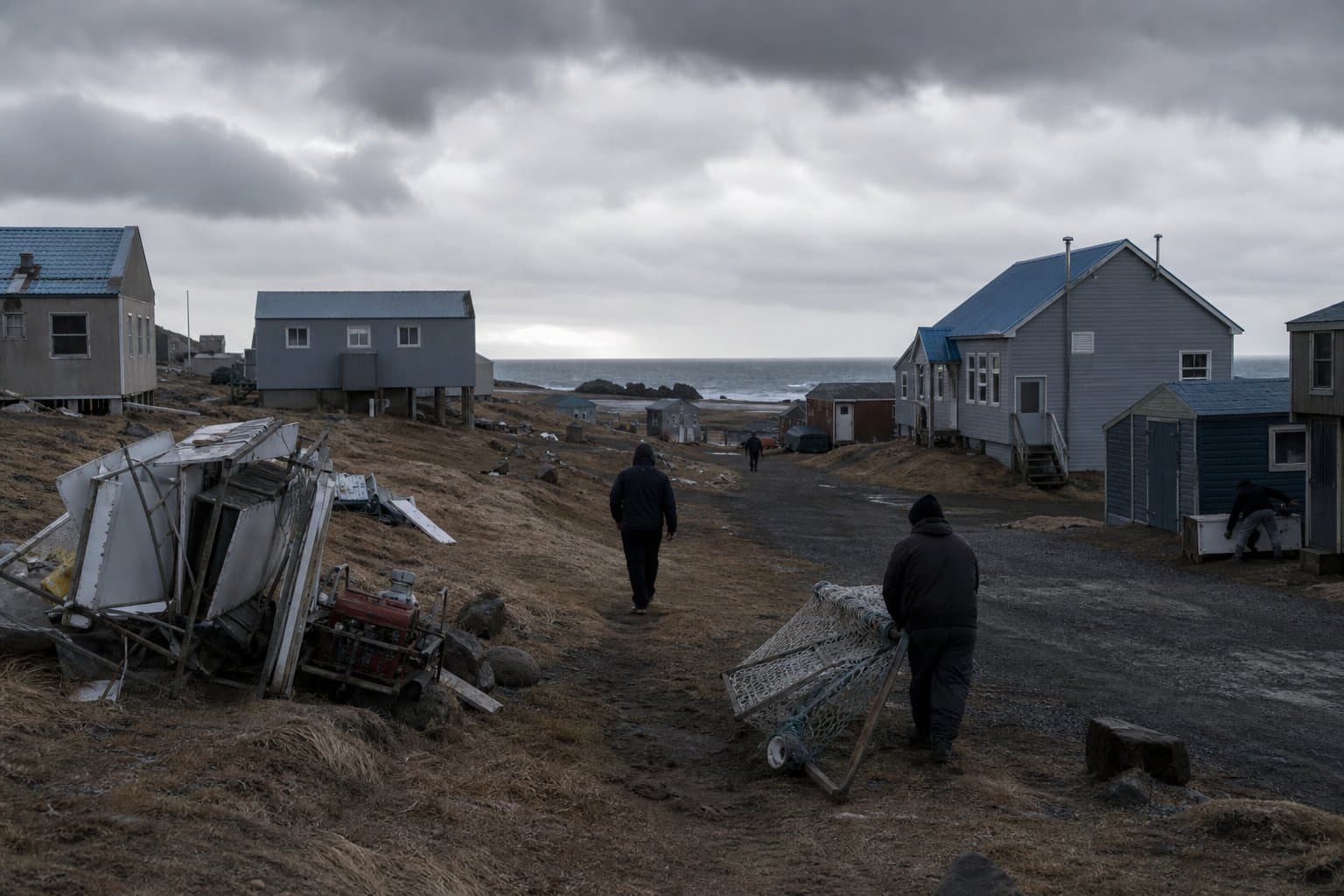
Weather service cancels flood watch for Bethel, Kwethluk and nearby Kuskokwim villages
National Weather Service cancels Kuskokwim flood watch for Bethel, Kwethluk, Kasigluk and nearby villages and coastal flood warning for Kipnuk and Kwigillingok.
by Maggie AlaskaNews2d ago2 min read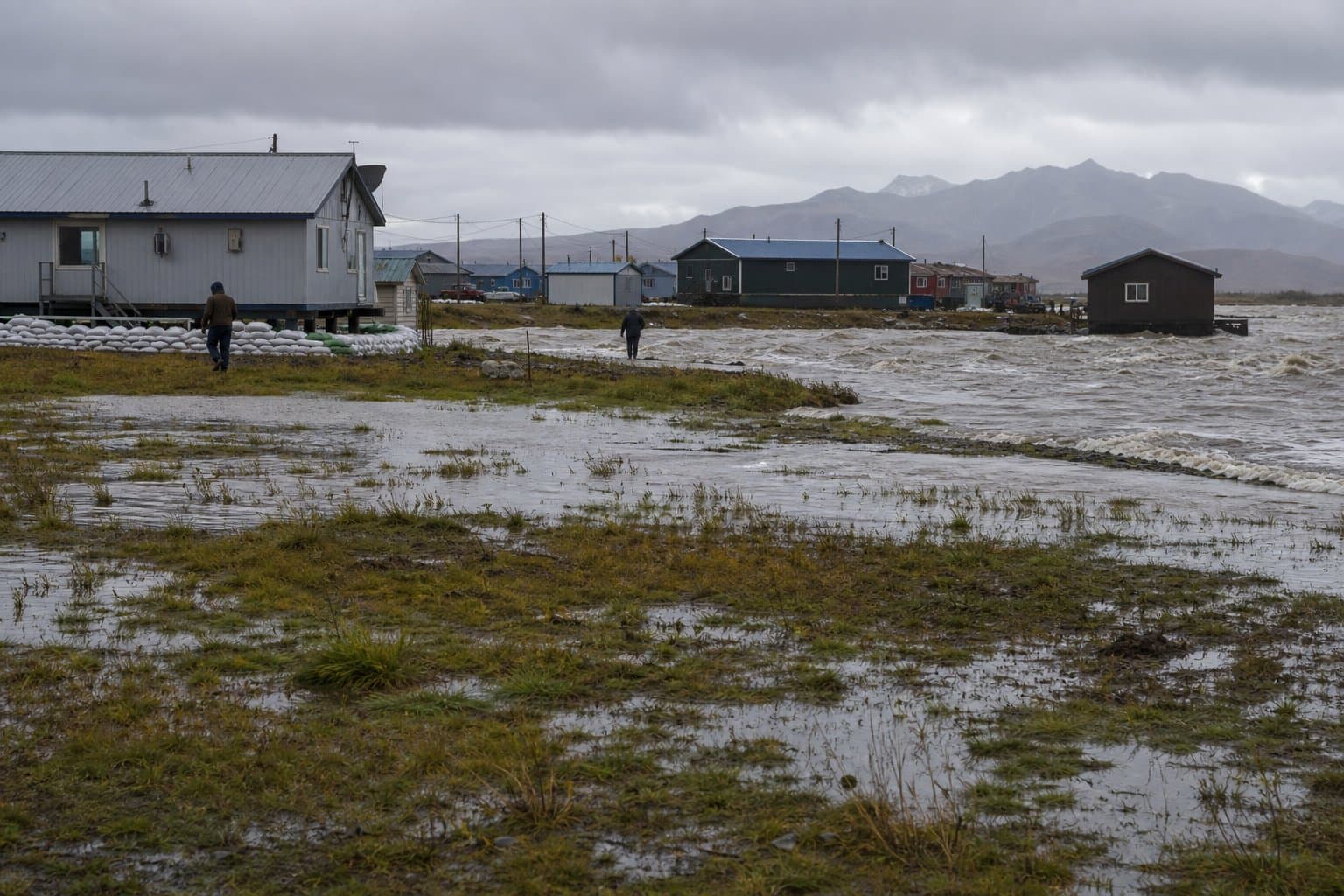
Coastal flood warning for Kipnuk and Kwigillingok canceled as storm tracks south
Kuskokwim Delta coastal flood warning canceled for Kipnuk and Kwigillingok as Ex-Dujuan tracks south; river flooding earlier hit Kasigluk and Kwethluk.
by Walter AlaskaNews3d ago2 min read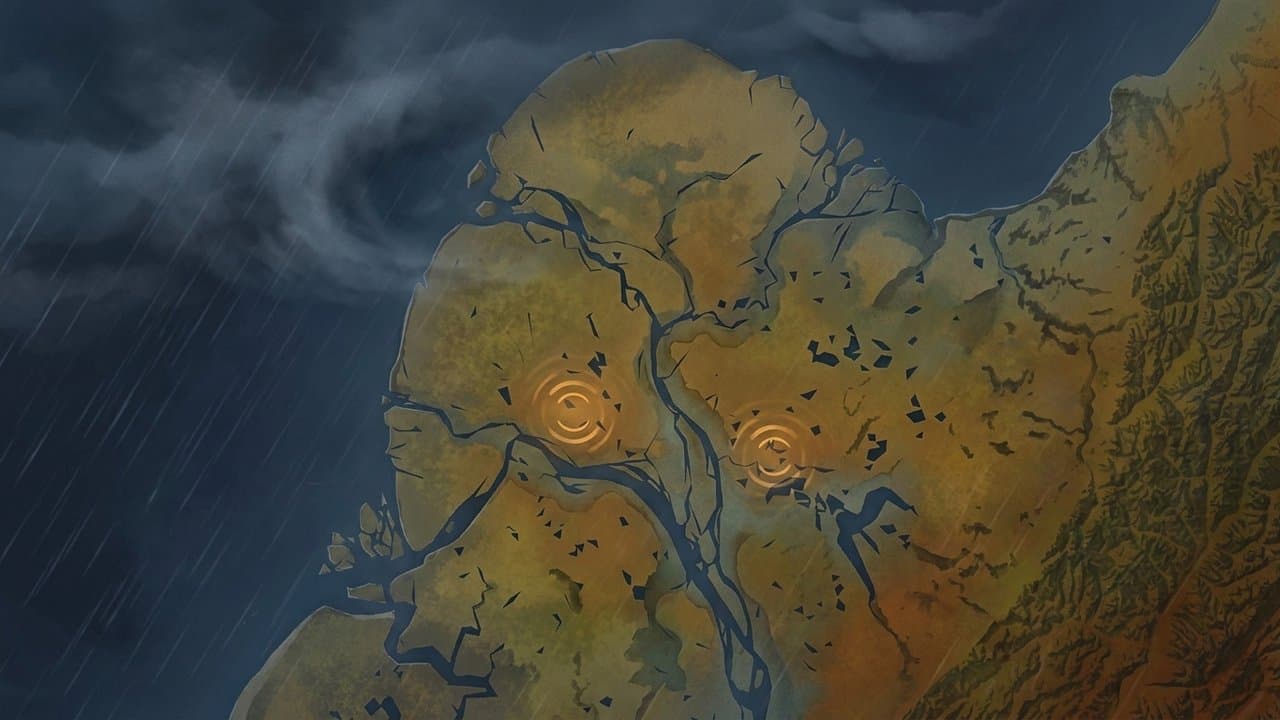
Typhoon Dujuan's remnants bring heavy rain, swells and a gale warning to Southeast Alaska this weekend
Southeast Alaska weather: remnants of Typhoon Dujuan bring heavy rain, swells and a gale warning from Icy Cape to Cape Suckling this weekend, NWS Juneau says.
 by Alaska News3d ago1 min read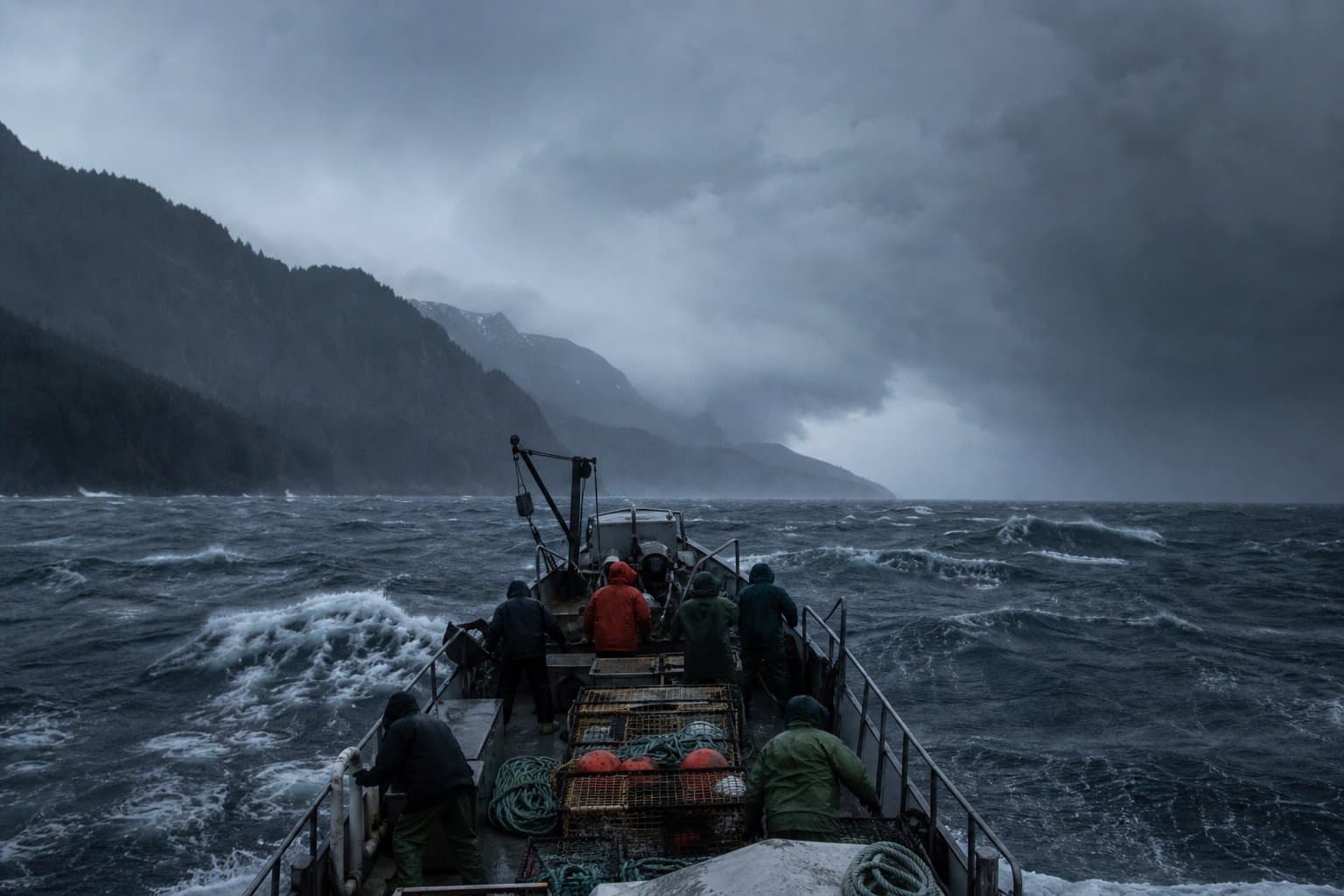
Wind advisories cover the Parks and Richardson highways through early Sunday, with gusts up to 70 mph
Wind advisories for the Richardson Highway near Black Rapids and the Parks Highway near Healy: gusts to 60 to 70 mph through early Sunday, National Weather Service says.
by Maggie AlaskaNews3d ago1 min read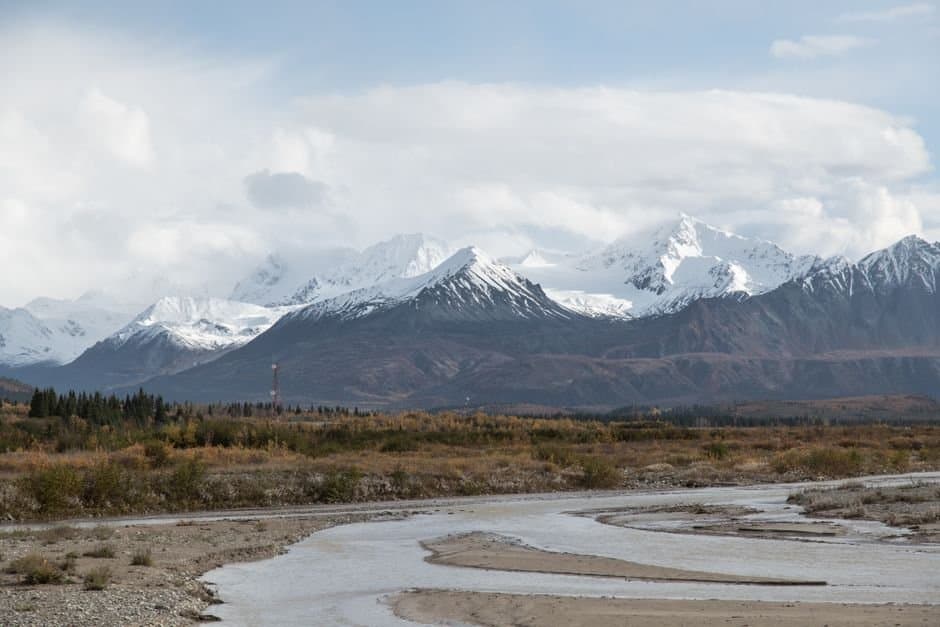
A high wind warning covers Atka and Adak with gusts up to 80 mph
A high wind warning covers Atka and Adak with gusts to 80 mph, while a storm warning on the water forecasts seas building to 22 to 33 feet today.
by Maggie AlaskaNews4d ago2 min read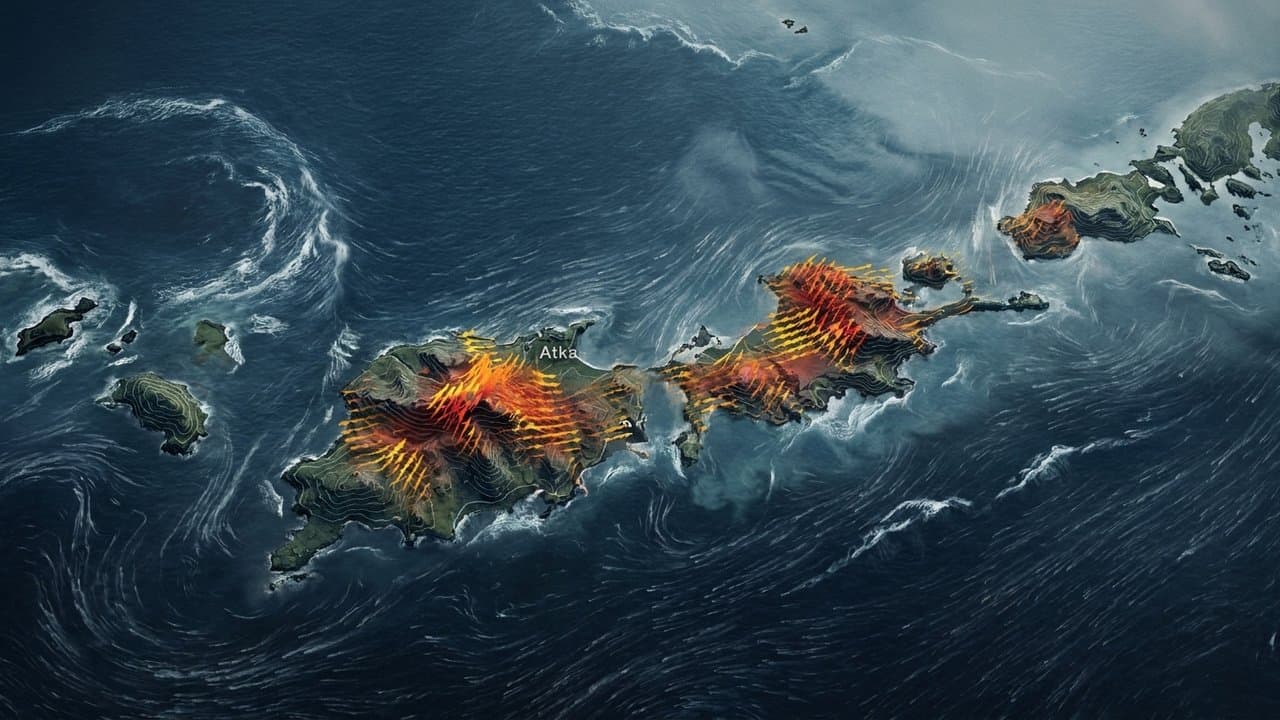
Kipnuk and Kwigillingok face coastal flooding as rain threatens Kwethluk and Kasigluk again
Coastal flood warning for Kipnuk, Kwigillingok and Nunivak Island as Typhoon Dujuan remnants hit western Alaska; flood watch for Kwethluk, Kasigluk and Bethel.
by Walter AlaskaNewsadded 5d ago2 min read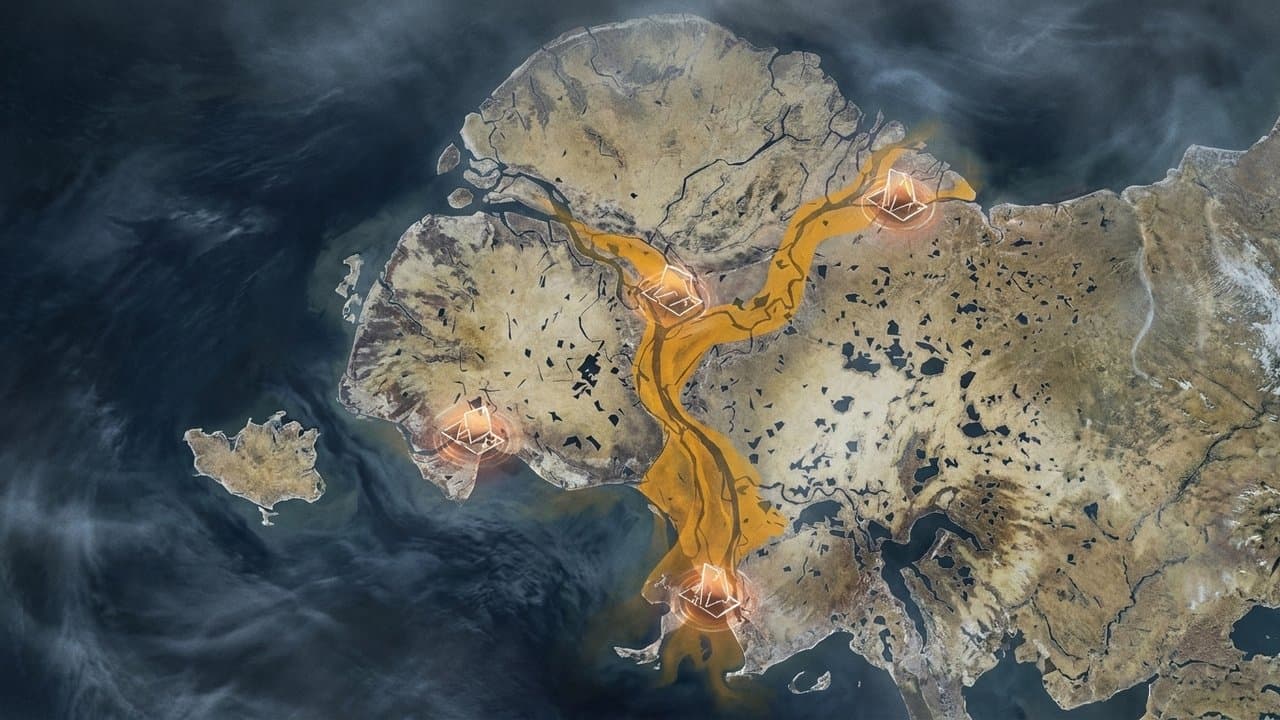
A wind advisory covers Ketchikan and Metlakatla until 2 pm Tuesday
A wind advisory for Ketchikan and Annette Island runs until 2 pm Tuesday with gusts to 40 mph, while a high wind watch covers the Alaska Range.
by Walter AlaskaNews6d ago1 min read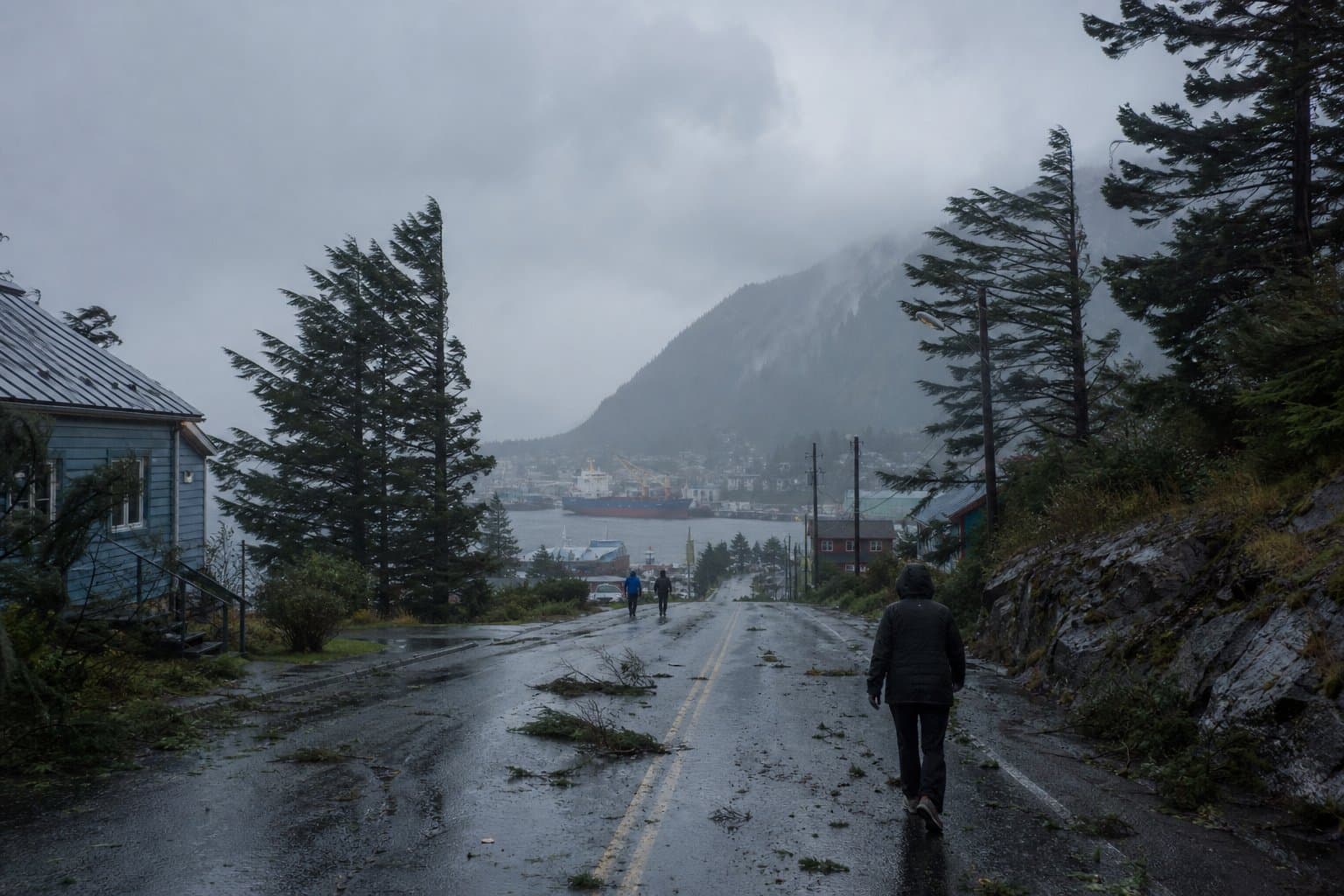
NWS tracks Bering Sea low that could raise Yukon Delta water 1 to 3 feet
NWS Fairbanks says a low moving through the southern Bering Sea Thursday through Saturday could push water 1 to 3 feet above the mean high water line along the southern Yukon Delta coast, with high surf possible if the track shifts north.
by Maggie AlaskaNews1w ago1 min read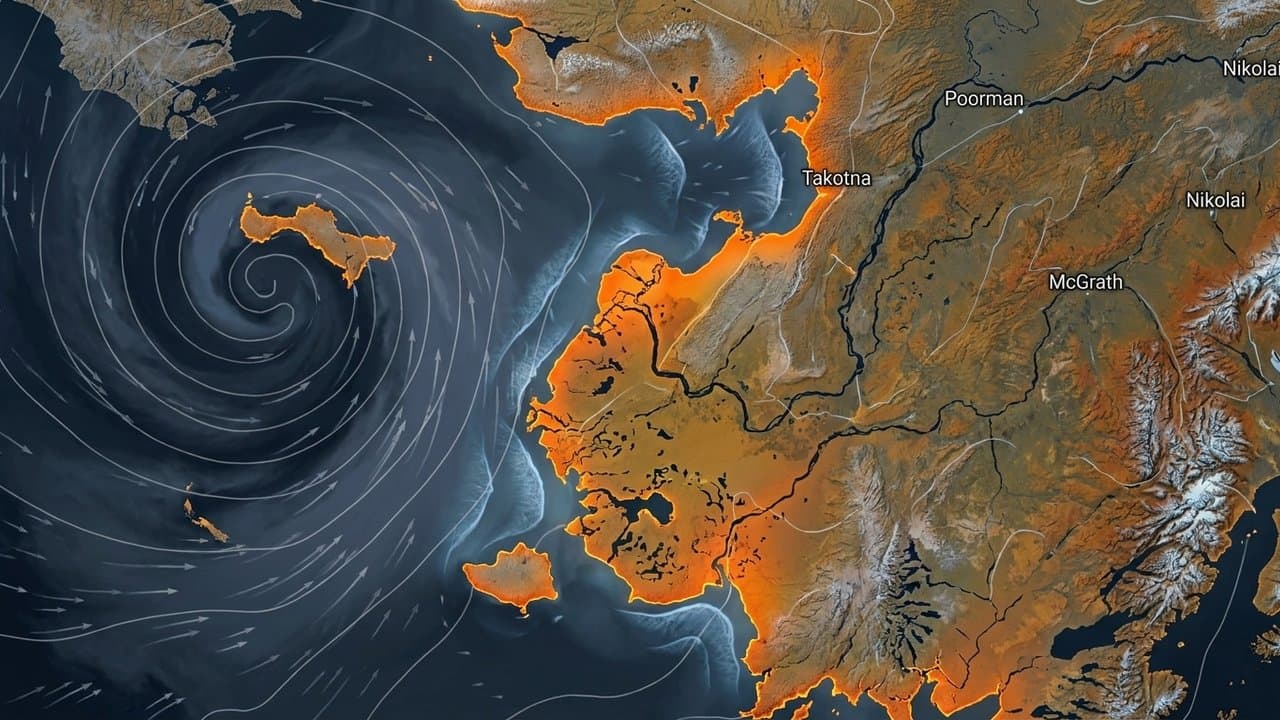
Yakutat wind advisory expires; top gust 37 mph
A wind advisory for Yakutat expired Sunday after forecasts of gusts up to 60 mph. The highest gust recorded at the Yakutat airport was 37 mph.
by Maggie AlaskaNews1w ago1 min read
Flood watch covers Skagway, Haines and Klukwan through Sunday night
A flood watch covers Skagway, the Haines Borough and Klukwan from late Saturday through Sunday night, with 2 to 4 inches of rain possible and wind gusts to 60 mph.
by Walter AlaskaNews1w ago2 min read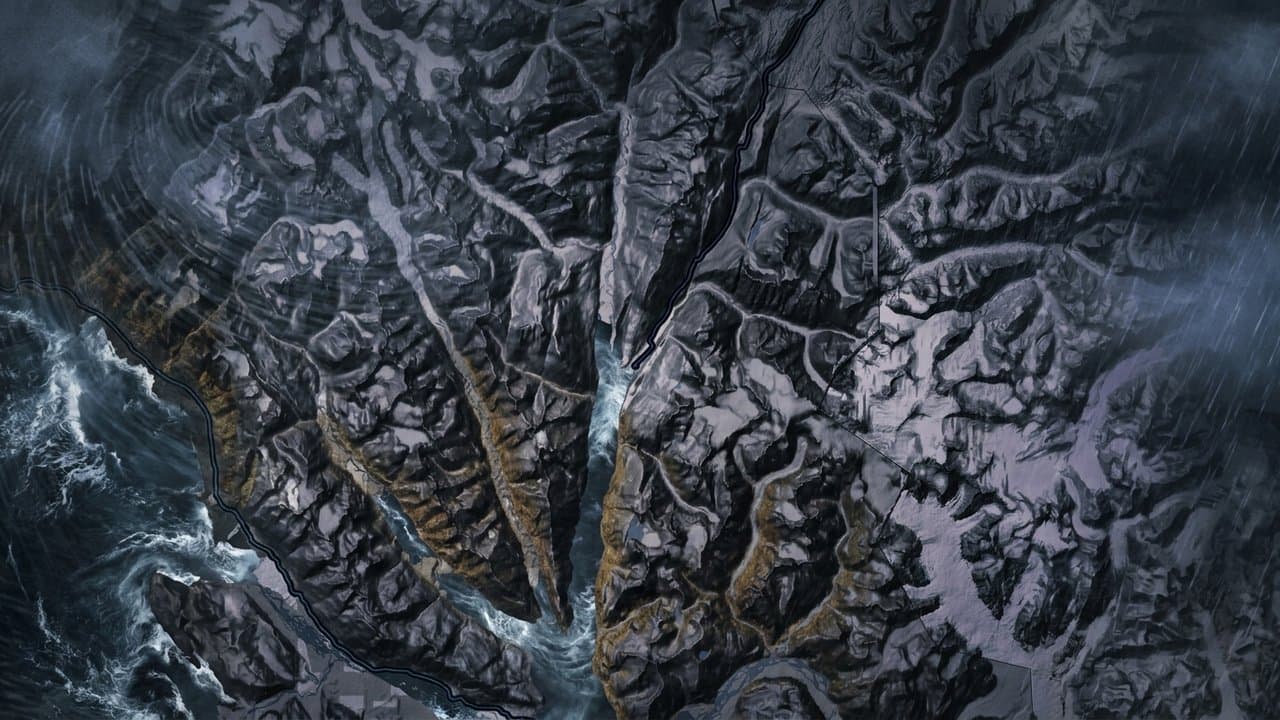
Arctic's warmest summer since 1950 included the rain that flooded the Susitna Valley
The Arctic Summer 2026 Climate Review ranks this summer the warmest since 1950 and logs the July Susitna Valley flooding as an extreme precipitation event.
by Maggie AlaskaNews1w ago2 min read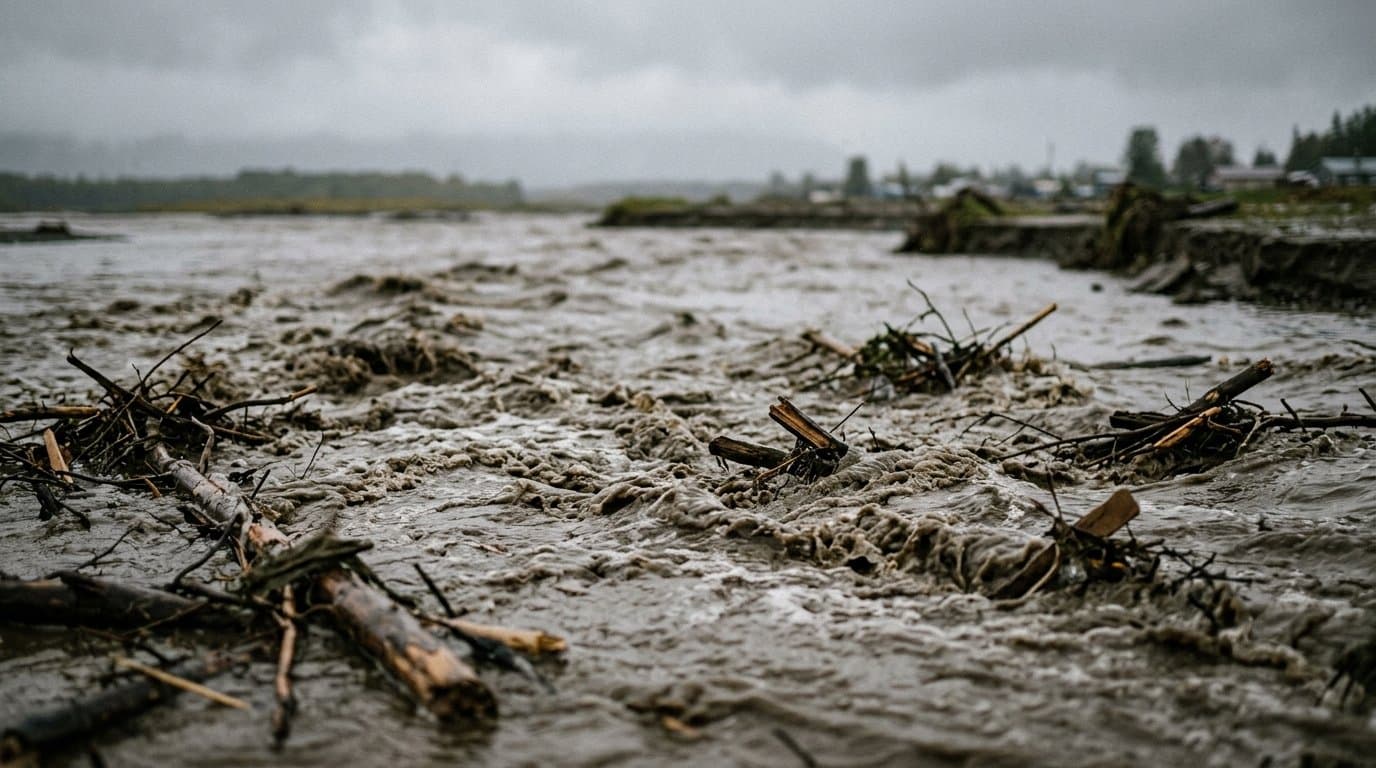
Chena River flood advisory extended through Sunday as crest forecast rises
NWS extended the Chena River flood advisory through Sunday night and raised the Moose Creek Dam crest forecast to 25.1 feet.
by Maggie AlaskaNews1w ago2 min read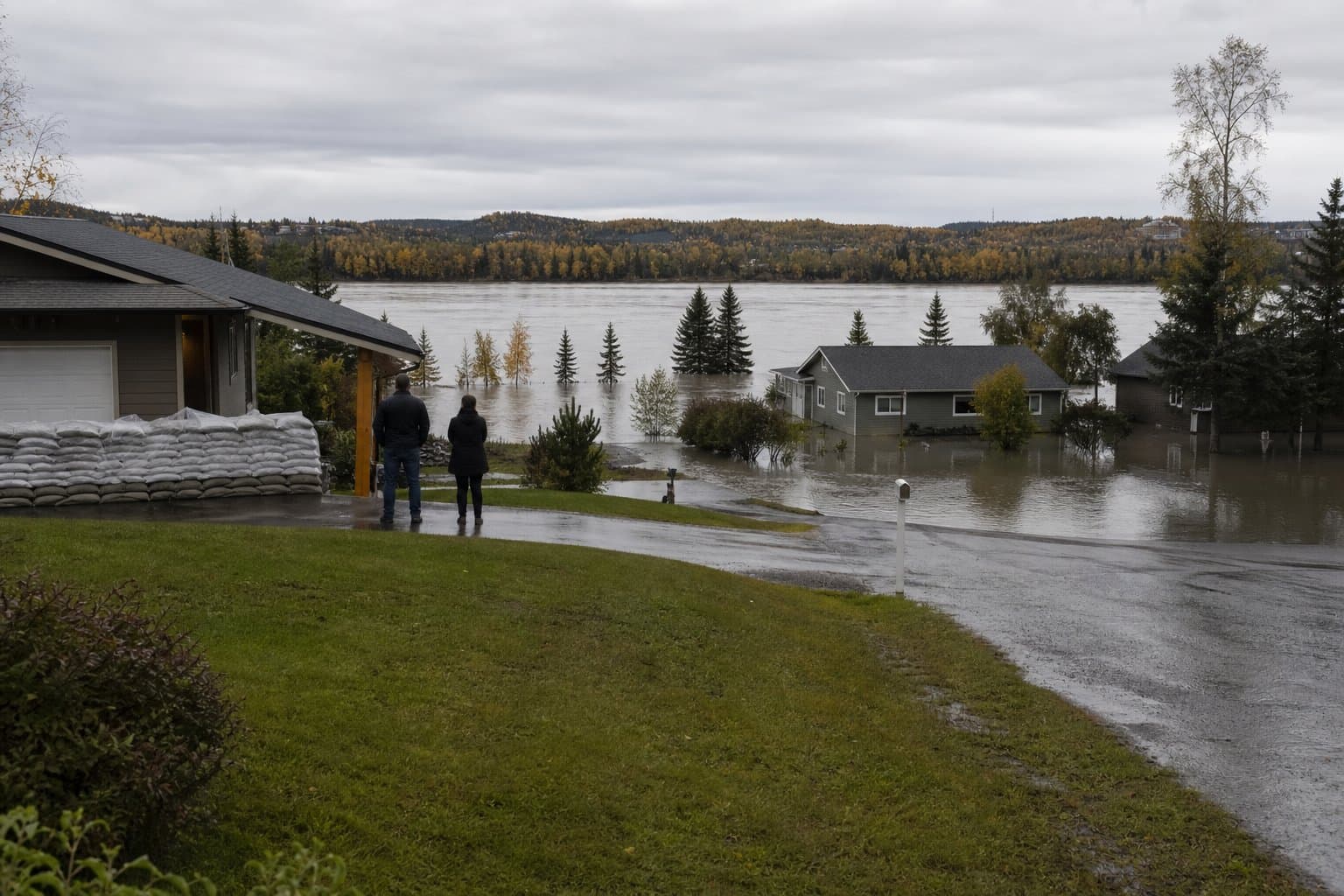
Heavy rain and near-60 mph gusts hit Southeast Alaska this weekend
Heavy rain and winds gusting to 50 knots are forecast across Southeast Alaska this weekend, with rapid stream rises but no flooding expected.
by Walter AlaskaNews1w ago1 min read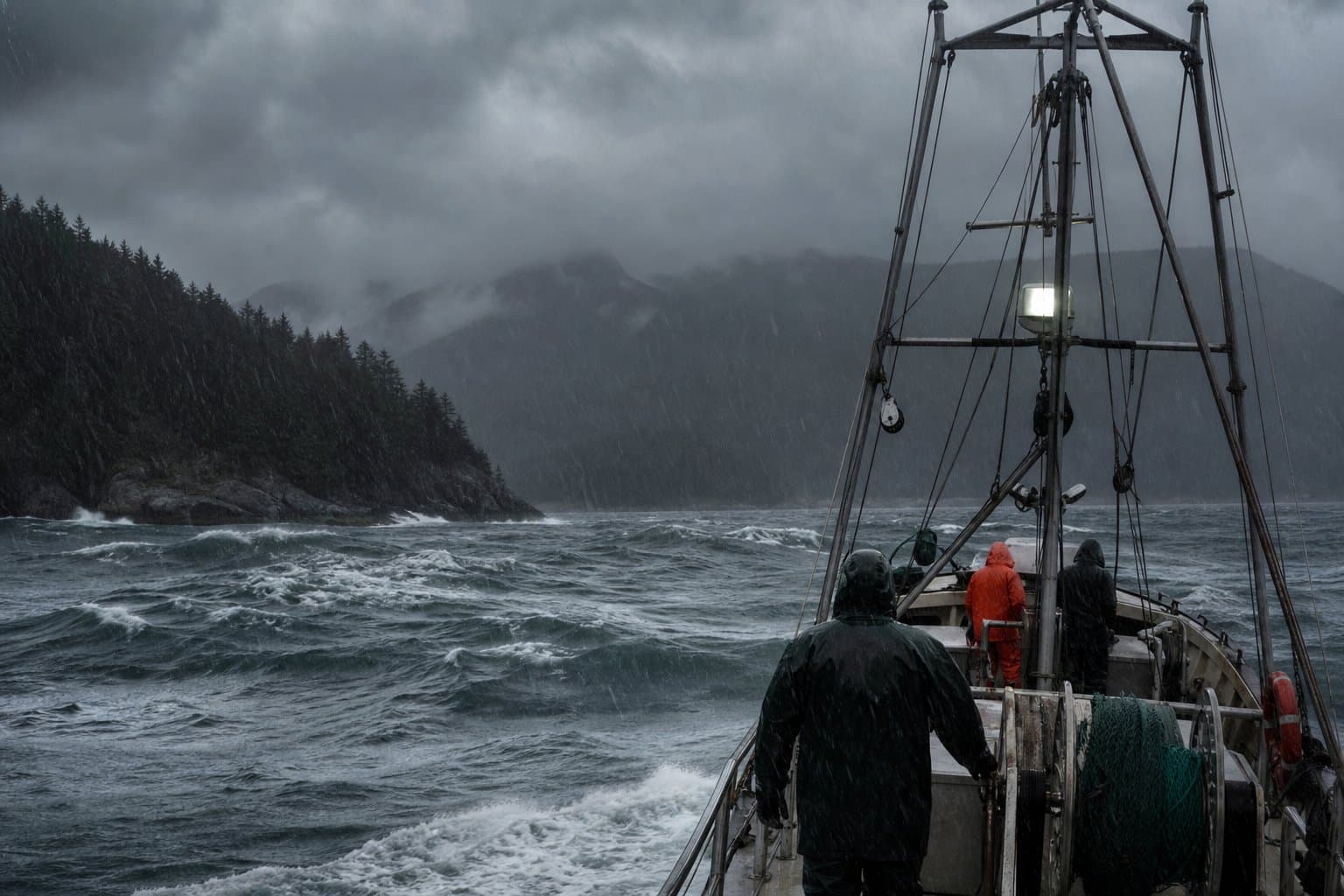
Troopers find missing hunter near Tanana after weather grounded search a day
A hunter who failed to return to his camp near Tanana on Monday, Sept. 14, was found alive Wednesday by two Alaska Wildlife Troopers helicopters, a day after weather grounded the aerial search. He declined medical treatment and was returned to camp.
by Maggie AlaskaNews1w ago1 min read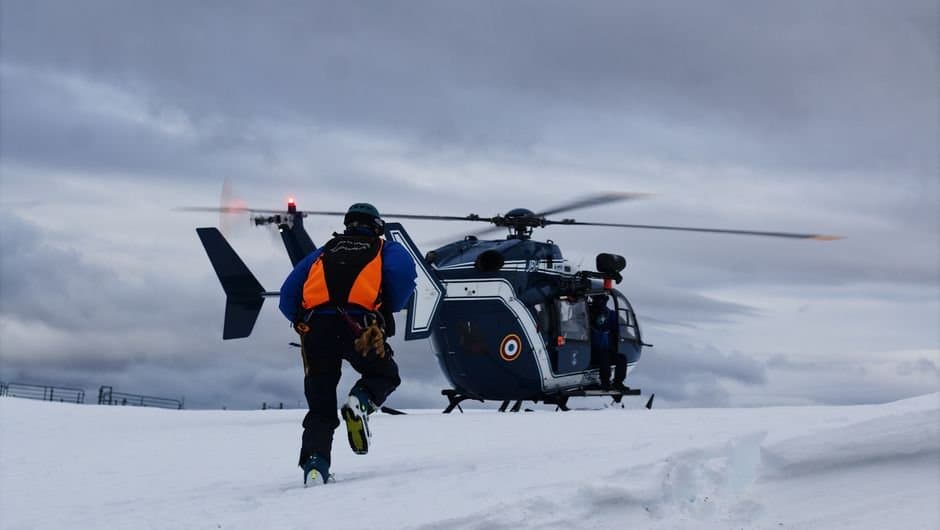
Bethel flooding is forecast to return with Thursday morning's tide
Water flooded low-lying parts of Bethel this week as the Kuskokwim River rose above flood stage, with more expected at Thursday's high tide.
by Walter AlaskaNews1w ago1 min read
Ice risk on the Dalton Highway and Arctic Coast until noon
A National Weather Service Fairbanks special weather statement runs through noon Wednesday for the Central and Eastern Beaufort Sea Coast and the Western and Central Arctic Plains, warning that pockets of freezing rain could glaze roads before precipitation turns to snow.
by Maggie AlaskaNews1w ago1 min read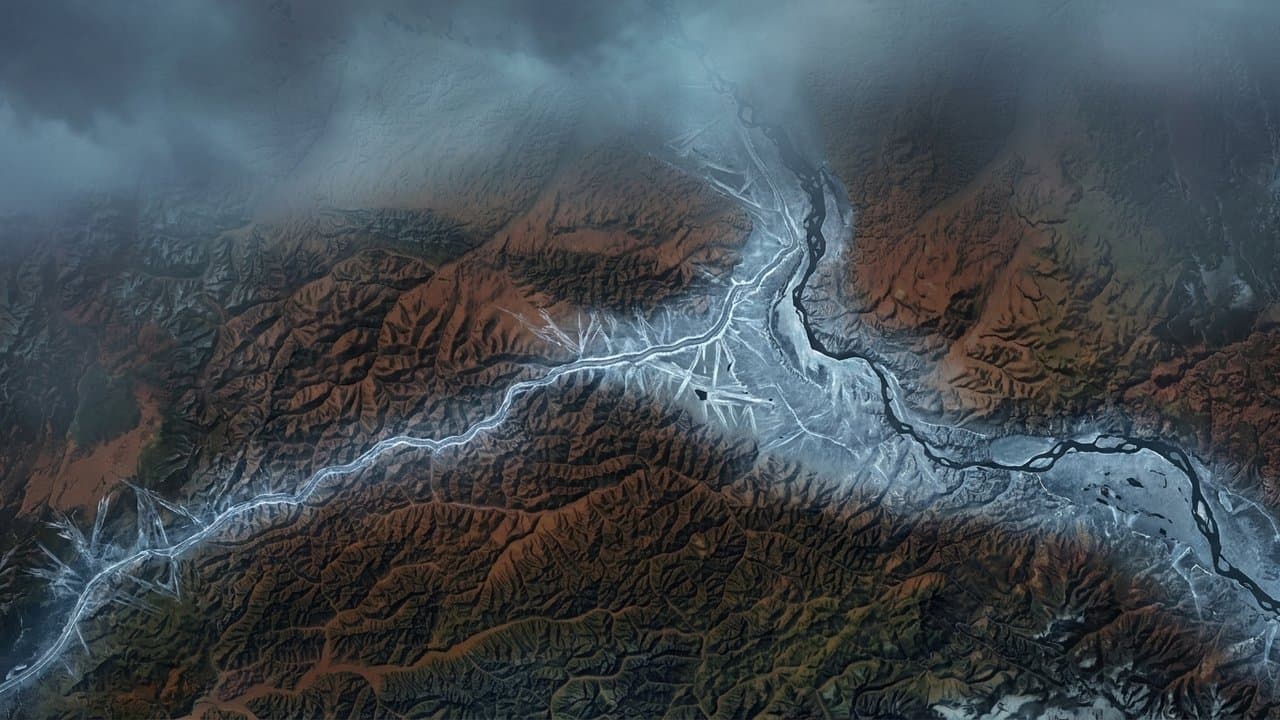
Dense fog cuts Annette Island visibility to a quarter mile
A dense fog advisory for Annette Island runs until 9 am Wednesday with visibility a quarter mile or less, and a wind advisory takes effect for Skagway.
by Walter AlaskaNews1w ago1 min read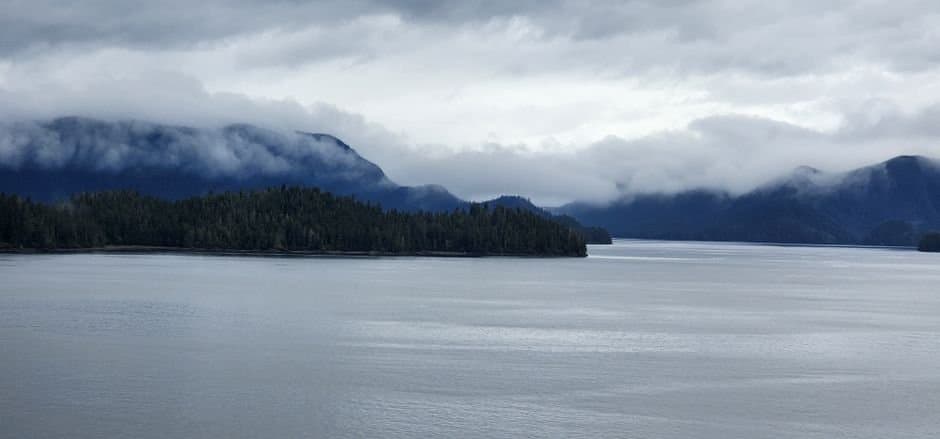
Suicide Basin levels drop, signaling a possible new release above Mendenhall
Water levels in Suicide Basin dropped sharply Tuesday, possibly signaling another glacial outburst release above Mendenhall Lake. No flooding is occurring.
by Walter AlaskaNews1w ago2 min read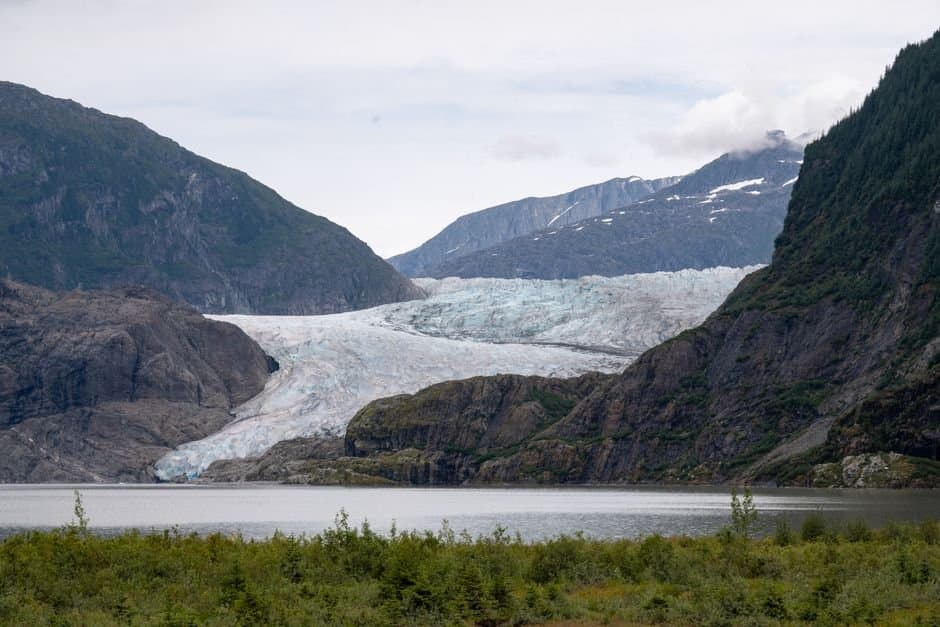
A Bering Sea storm brings flooding and high winds to the Y-K Delta
A deepening Bering Sea storm threatens coastal flooding, erosion and damaging winds across the Yukon-Kuskokwim Delta into Wednesday morning.
by Maggie AlaskaNews1w ago1 min read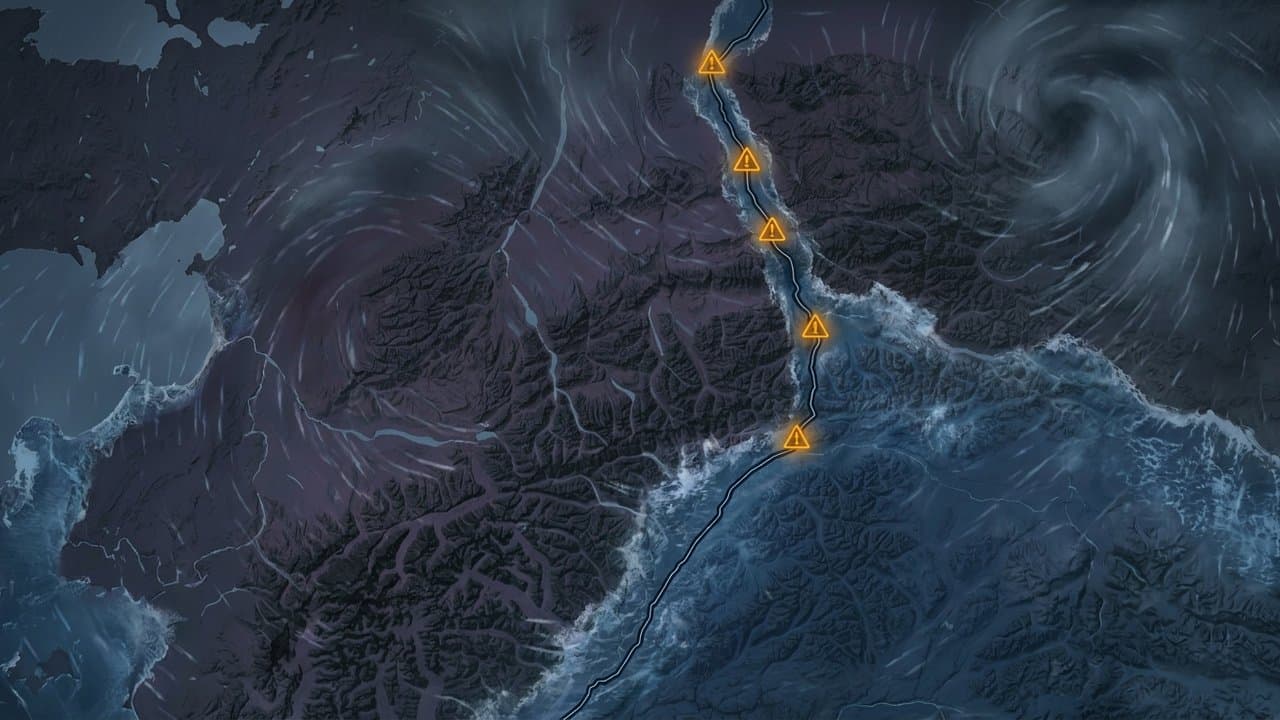
Flood watch warns Chena and Little Chena could top minor flood stage Wednesday
A flood watch covers Fairbanks and the Chena and Little Chena rivers from Tuesday afternoon through Saturday, with up to an inch of rain forecast.
by Maggie AlaskaNews2w ago2 min read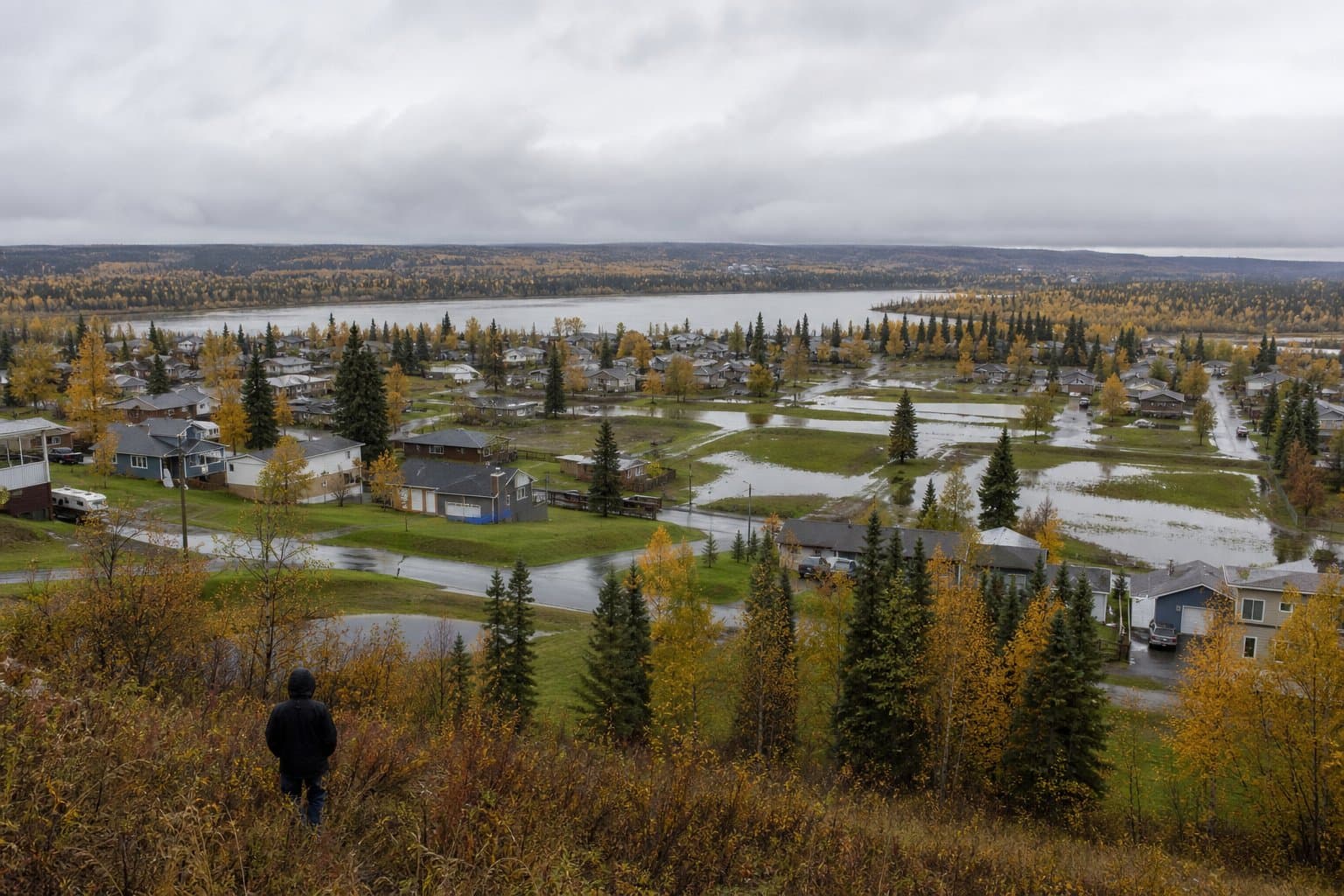
Fairbanks dense fog advisory expired at noon after visibility fell to 100 yards
A dense fog advisory covering Fairbanks, North Pole and Fort Wainwright ran until noon Monday, with visibility at the airport down to about a hundred yards
by Maggie AlaskaNews2w ago1 min read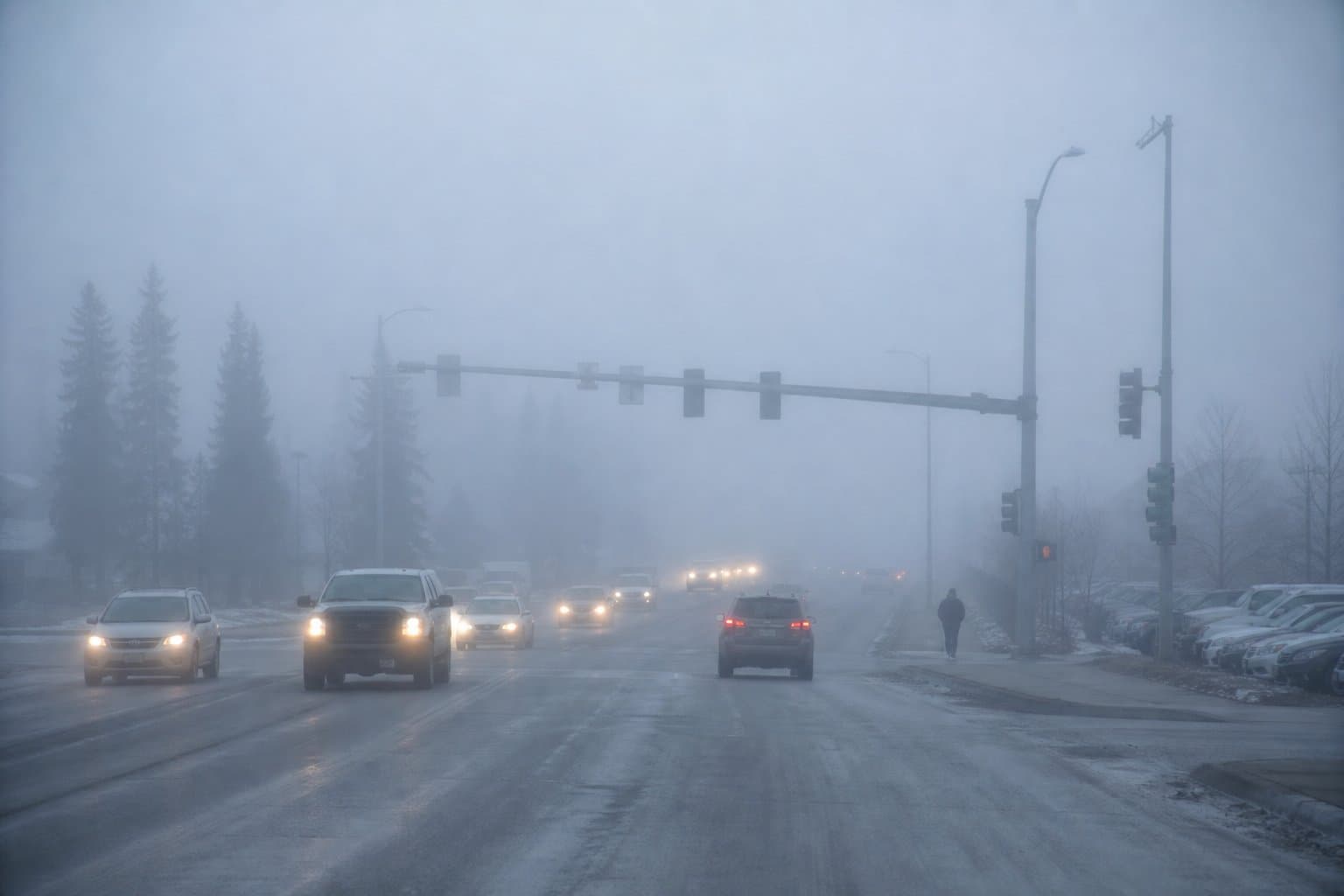
Wind gusts to 50 mph are coming, and the trees still have their leaves
A wind advisory covers Anchorage from Tuesday morning through Wednesday midday, with gusts to 50 mph and an elevated risk of power outages from leafed-out trees.
by Walter AlaskaNews2w ago1 min read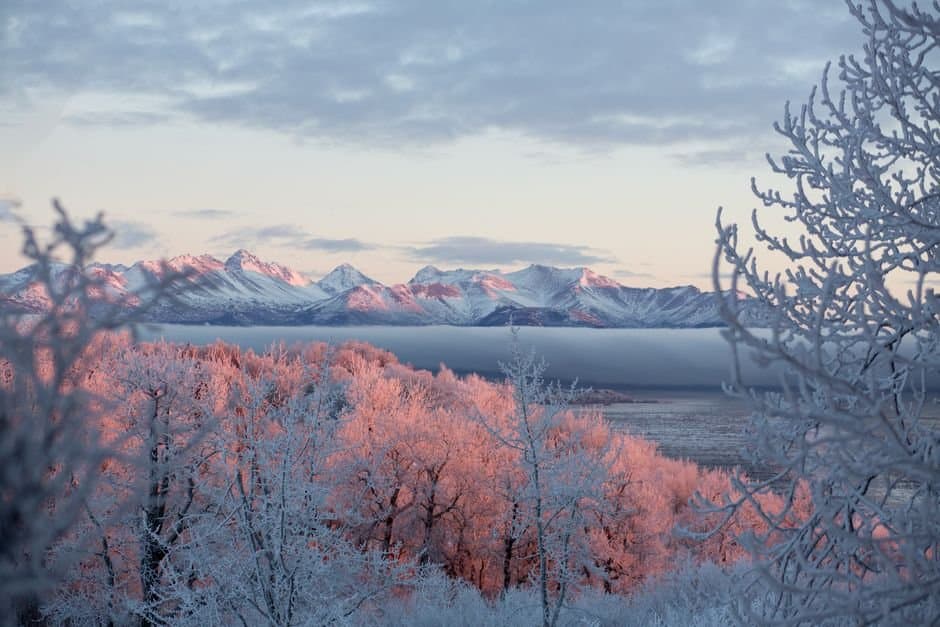
Flood watches cover McGrath and Fairbanks as one storm moves across Alaska
Two National Weather Service flood watches take effect this week, one for McGrath, Nikolai and Takotna where the Kuskokwim River is already at bankfull, and one for the Fairbanks Metro Area where the Chena sits 6.75 feet below minor flood stage.
by Walter AlaskaNews2w ago3 min read
Test flash flood warning to air in Juneau Sept. 23 for Salmon Creek Dam
The National Weather Service and AEL&P will test the Salmon Creek Dam alert system in Juneau on Sept. 23, sounding a "Flash Flood Warning" that is only a drill.
by Walter AlaskaNews2w ago1 min read
High surf advisory holds until 10 p.m. Saturday as Utqiaġvik logs record September rain
A storm drove high surf into Alaska's Arctic communities this week and set a September rainfall record in Utqiagvik.
by Maggie AlaskaNews2w ago1 min read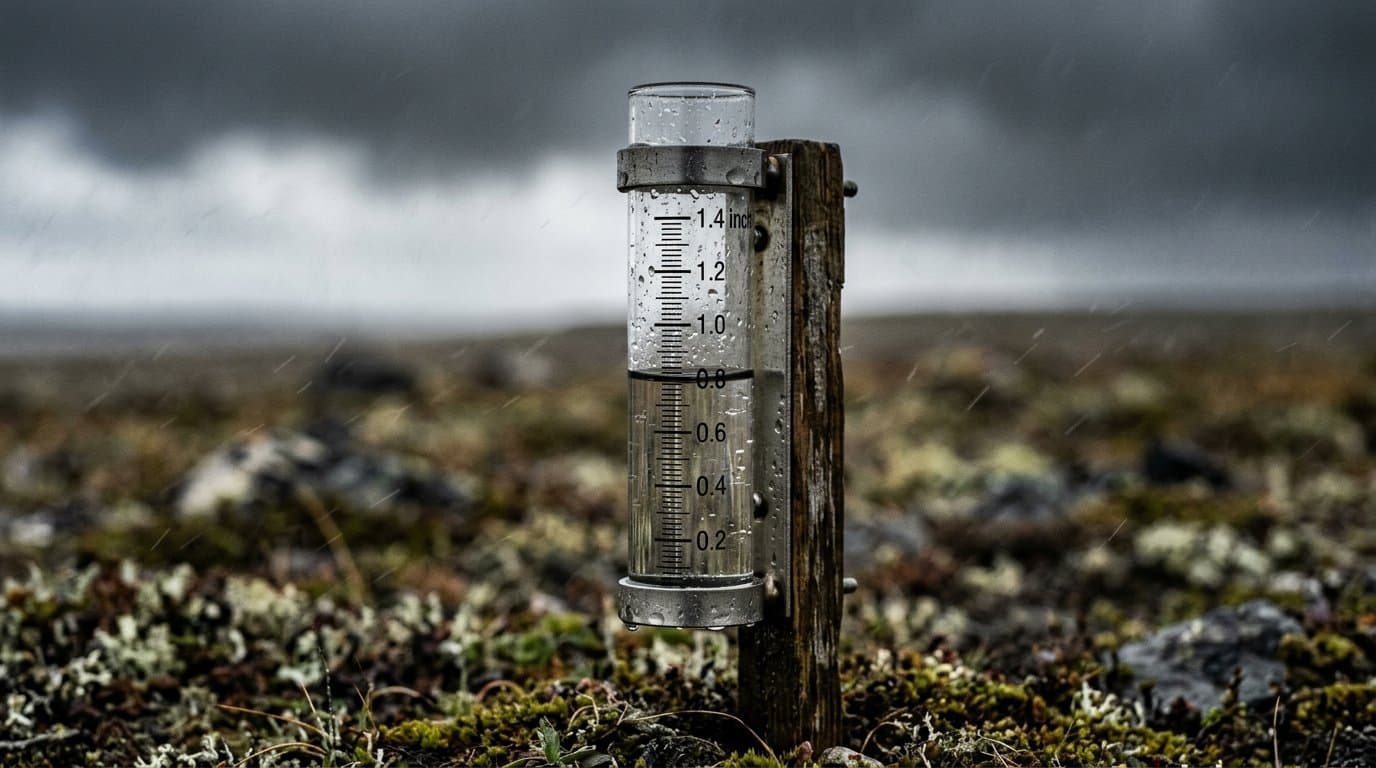
Frost advisory covers Juneau, Yakutat, Hoonah and Gustavus through Friday
NWS Juneau has a frost advisory in effect from 1 a.m. to 9 a.m. AKDT Friday for Juneau, Yakutat, Eastern Chichagof Island and Glacier Bay, with lows near 35 degrees. The region's growing season ends Sept. 15, after which frost and freeze advisories stop.
by Walter AlaskaNews2w ago1 min read
NWS forecasts water 5 feet above high tide at Golovin through Friday
NWS Fairbanks raised its high surf forecast for Golovin to 3 to 5 feet above the normal high tide line and kept the advisory for the Southern Seward Peninsula Coast in effect until 10 p.m. Friday, with wind gusts of 40 to 50 mph and beach erosion possible.
by Walter AlaskaNews2w ago1 min read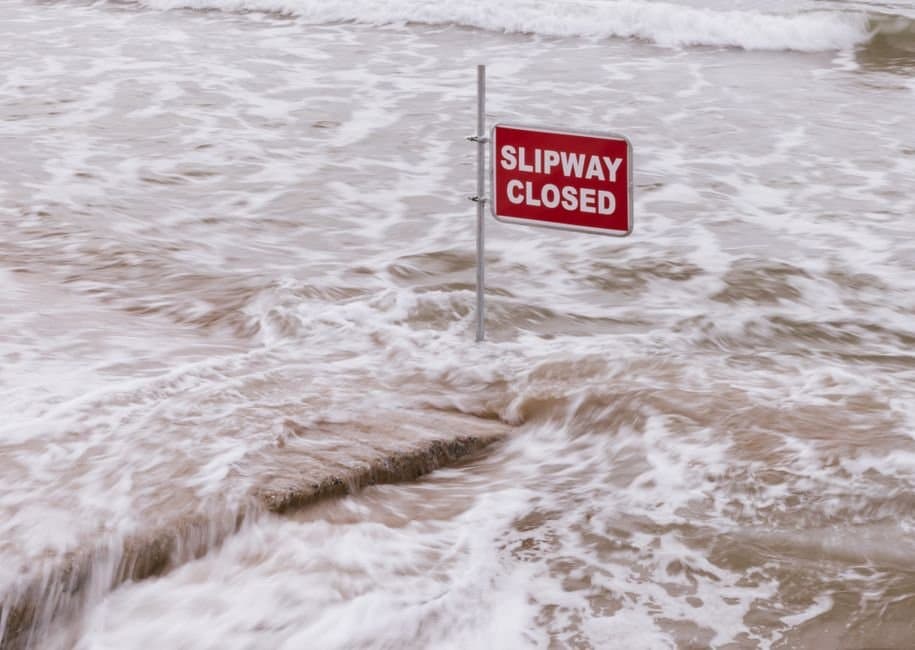
Dense fog advisories end across Southeast Alaska after quarter-mile visibility
Dense fog dropped visibility to a quarter mile or less in Juneau, Yakutat and parts of the Petersburg Borough early Thursday before advisories were lifted.
by Walter AlaskaNews2w ago1 min read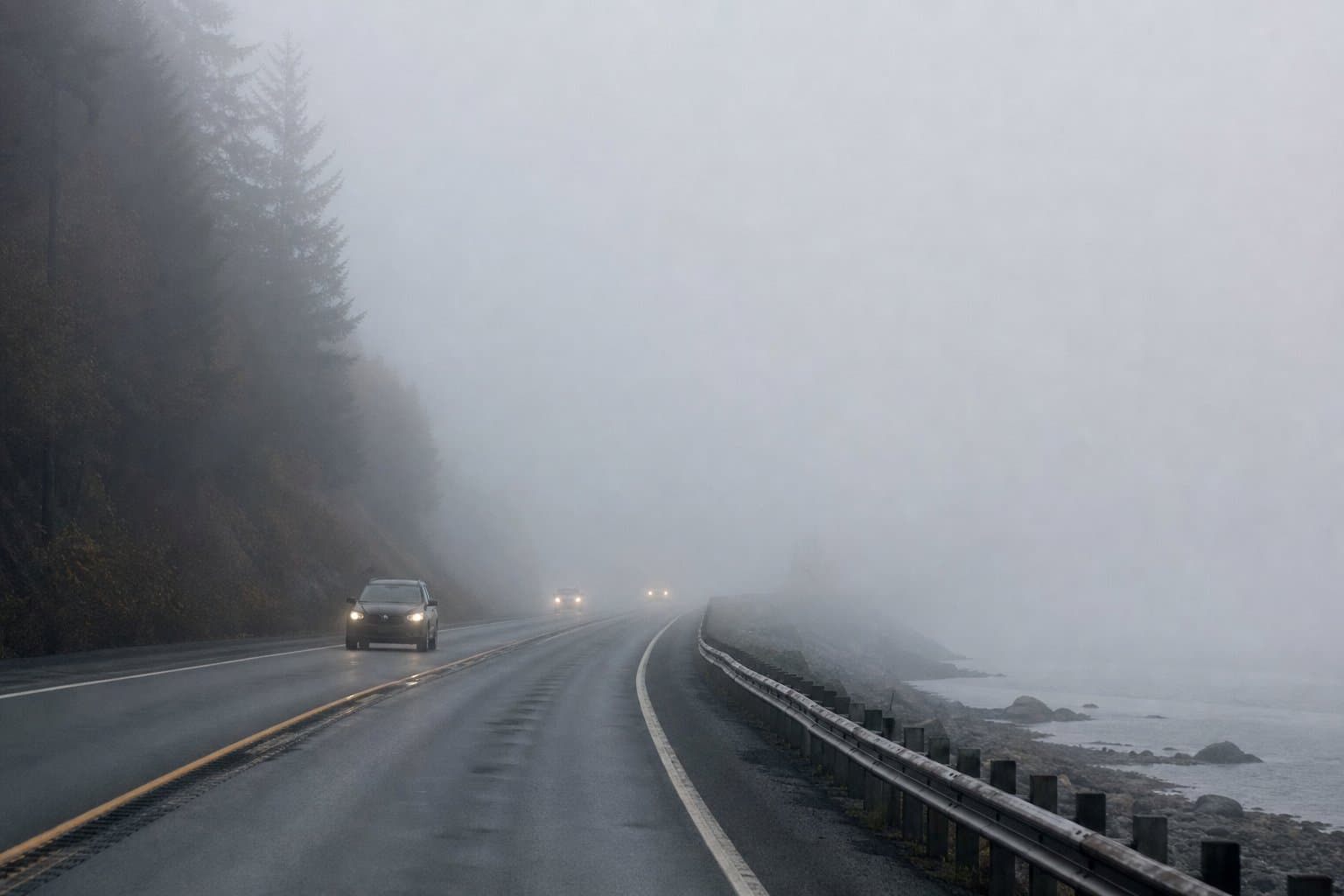
NOAA is paying $735,000 for more cleanup at a site Alaska will not close
NOAA awarded Ahtna Solutions $735,000 for further remedial work at a former weather office and housing site where Alaska regulators have not closed the file.
 by Melinda Communities.News2w ago1 min read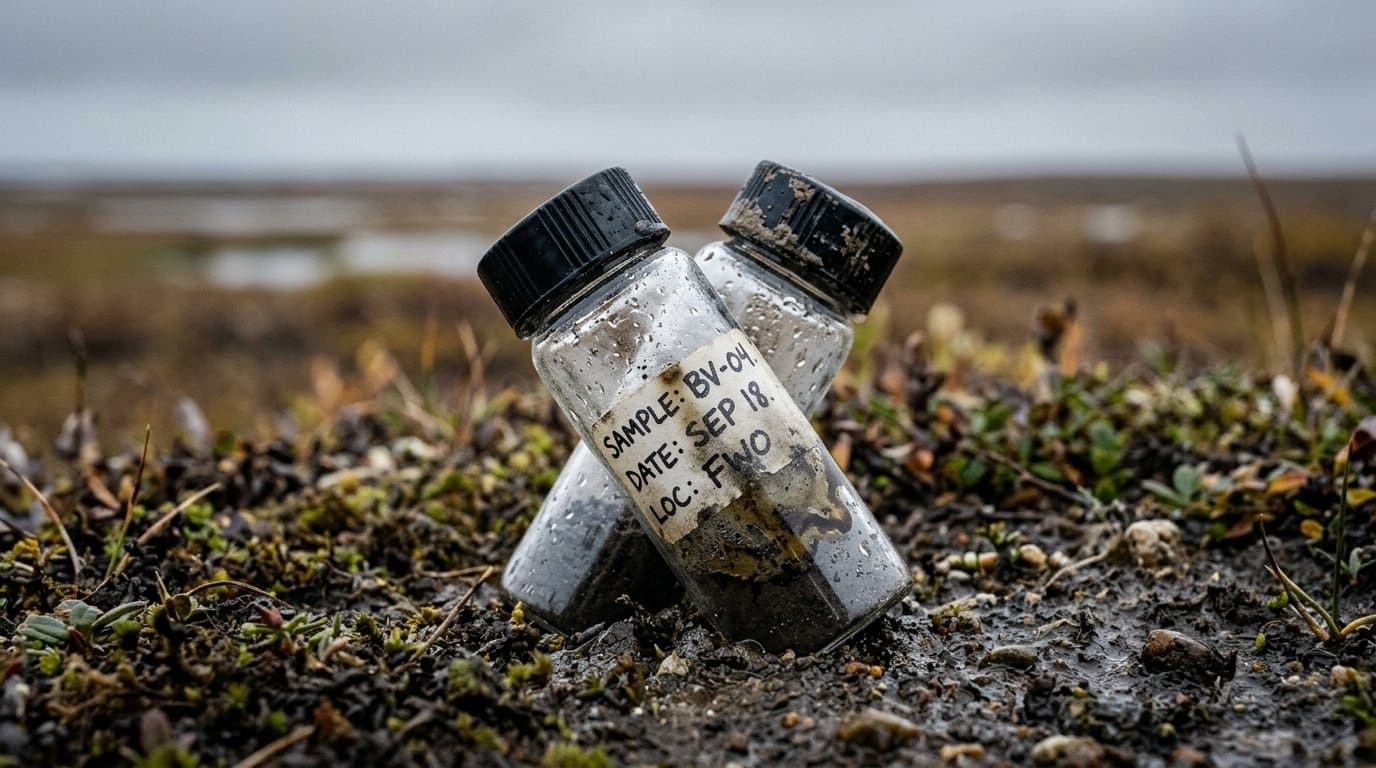
10 Kuskokwim Delta villages named in flood outlooks for Friday
The National Weather Service has named ten Kuskokwim Delta communities in hydrologic outlooks warning that high river water and storm surge could combine at Friday's high tide, with Bethel's gauge sitting half a foot below bankfull stage.
by Walter AlaskaNews2w ago2 min read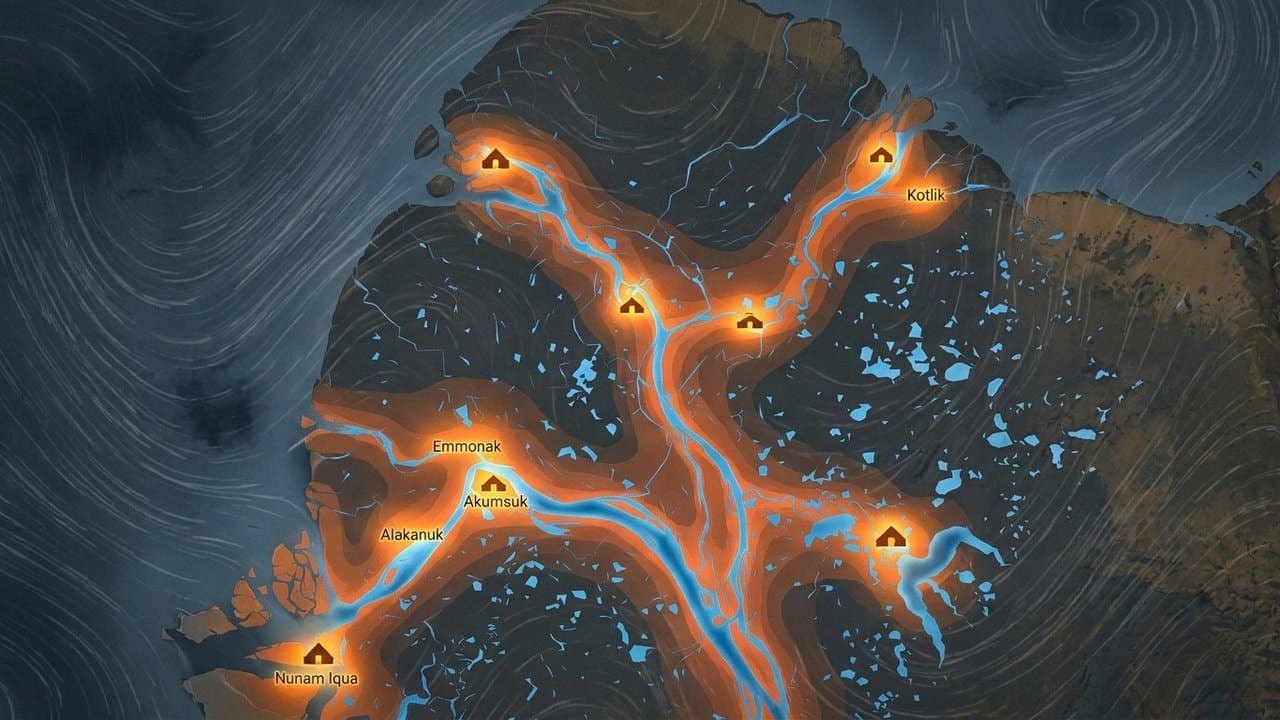
Wind watch upgraded to warning for the Western Arctic Coast and Shishmaref
NWS Fairbanks on Tuesday raised its High Wind Watch for the Western Arctic Coast to gusts of 65 mph and extended the High Surf Advisory through 4 a.m. Saturday, with water 3 to 5 feet above the normal high tide line and localized beach erosion possible.
by Maggie AlaskaNews2w ago2 min read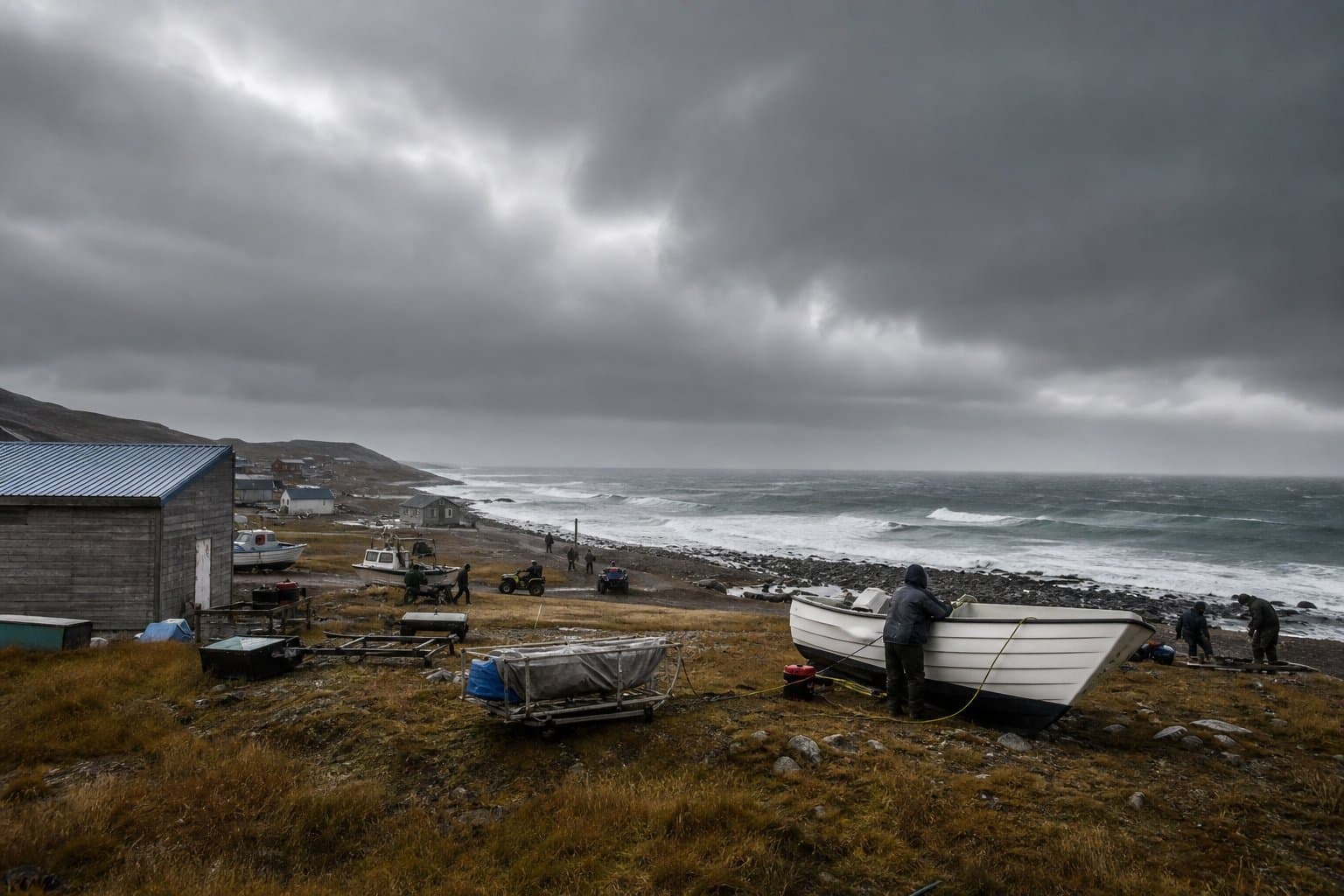
Gusts to 40 mph are coming across the Interior Tuesday into Wednesday
NWS Fairbanks issued two wind advisories in effect from 4 p.m. Tuesday to 10 p.m. Wednesday for the Fairbanks Metro Area, Nenana, Tanana Flats and the Central and Eastern Interior. Gusts of 30 to 40 mph are expected, and up to 50 mph in higher terrain.
by Maggie AlaskaNews2w ago1 min read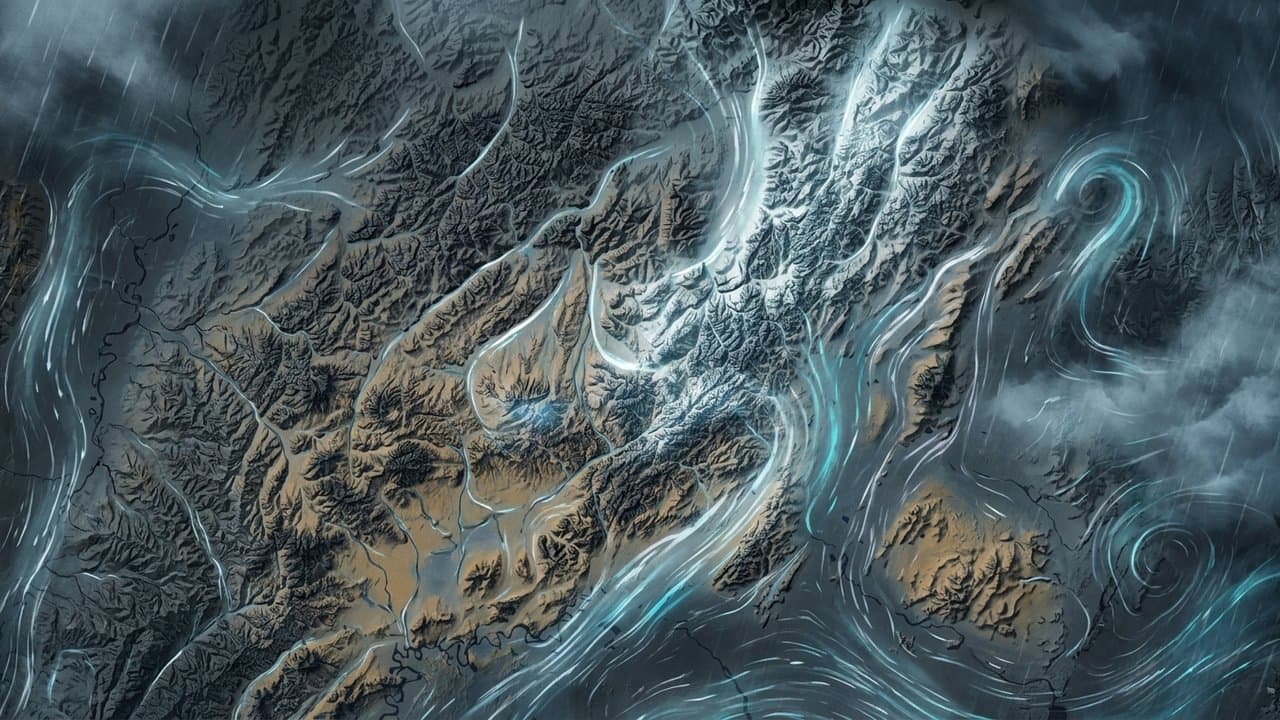
Storm to raise water up to 5 feet above the tide line, Golovin to Wainwright
The National Weather Service has issued high surf advisories and high wind watches from Golovin to Wainwright ahead of a Siberian low expected to raise water 2 to 6 feet above the normal high tide line across roughly 48 hours this week.
by Walter AlaskaNews3w ago2 min read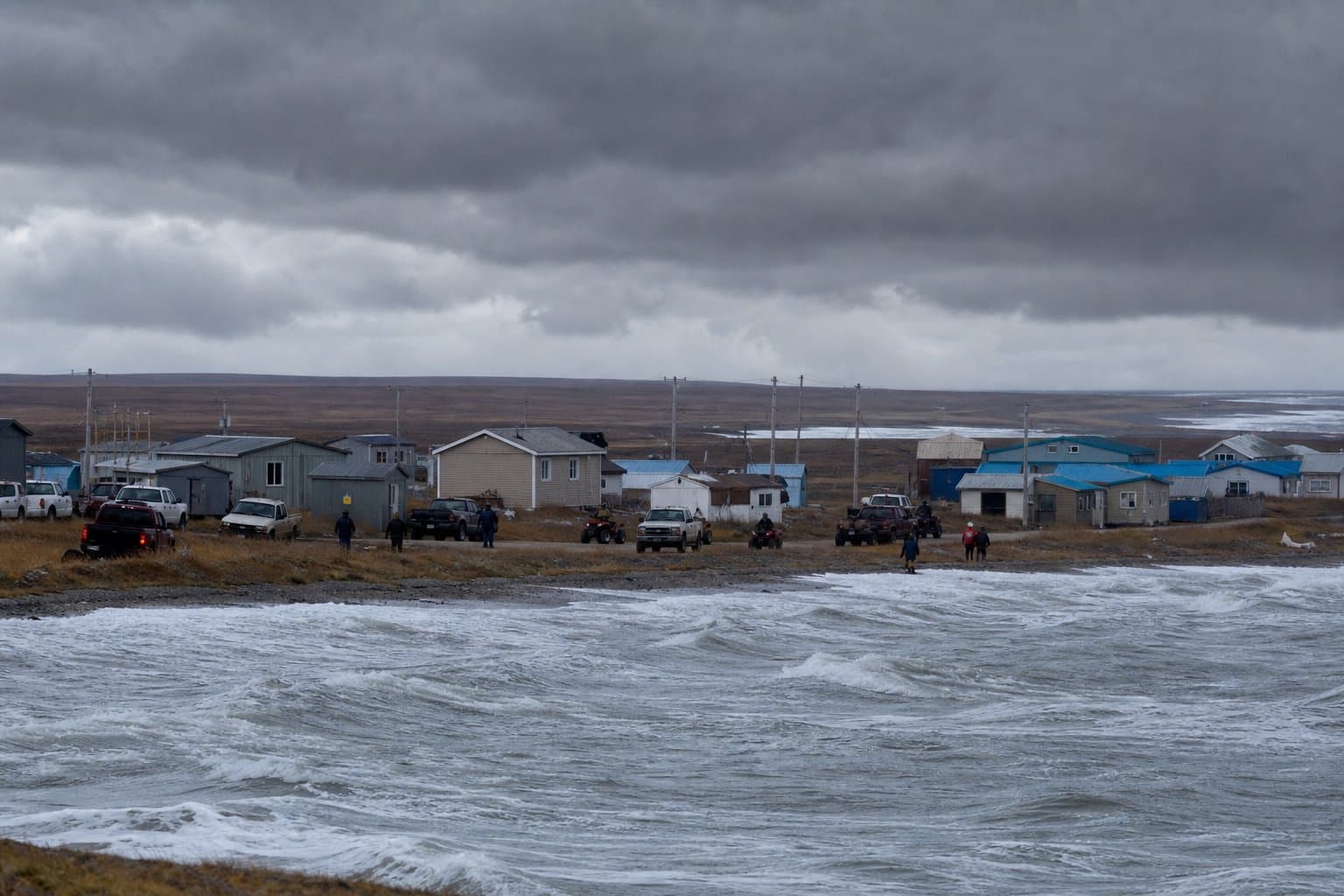
Minor flooding possible at Golovin, with water 4 to 6 feet above high tide
The National Weather Service in Fairbanks says water could run 4 to 6 feet above the normal high tide line at Golovin during Wednesday and Thursday high tides, with water possibly reaching the village's lowest-lying buildings.
by Walter AlaskaNews3w ago1 min read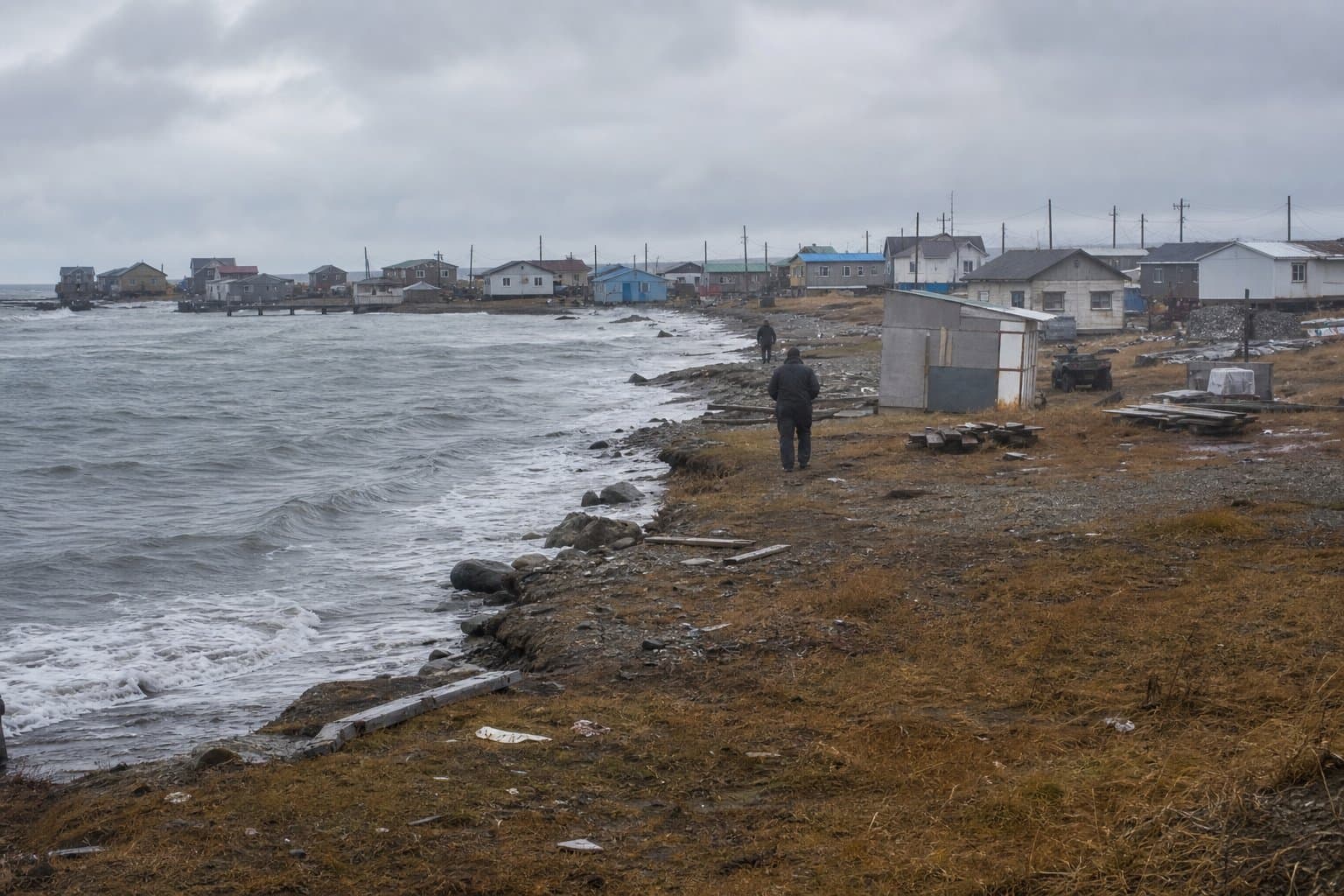
Atmospheric river pushes small Interior streams toward bankfull
NWS Fairbanks warned Friday that an atmospheric river had already dropped 0.75 to 1.25 inches of rain in 24 hours across the Western and Central Interior, with smaller feeder streams at risk of bankfull or minor flooding and stream flows staying elevated for several days.
by Walter AlaskaNews3w ago1 min read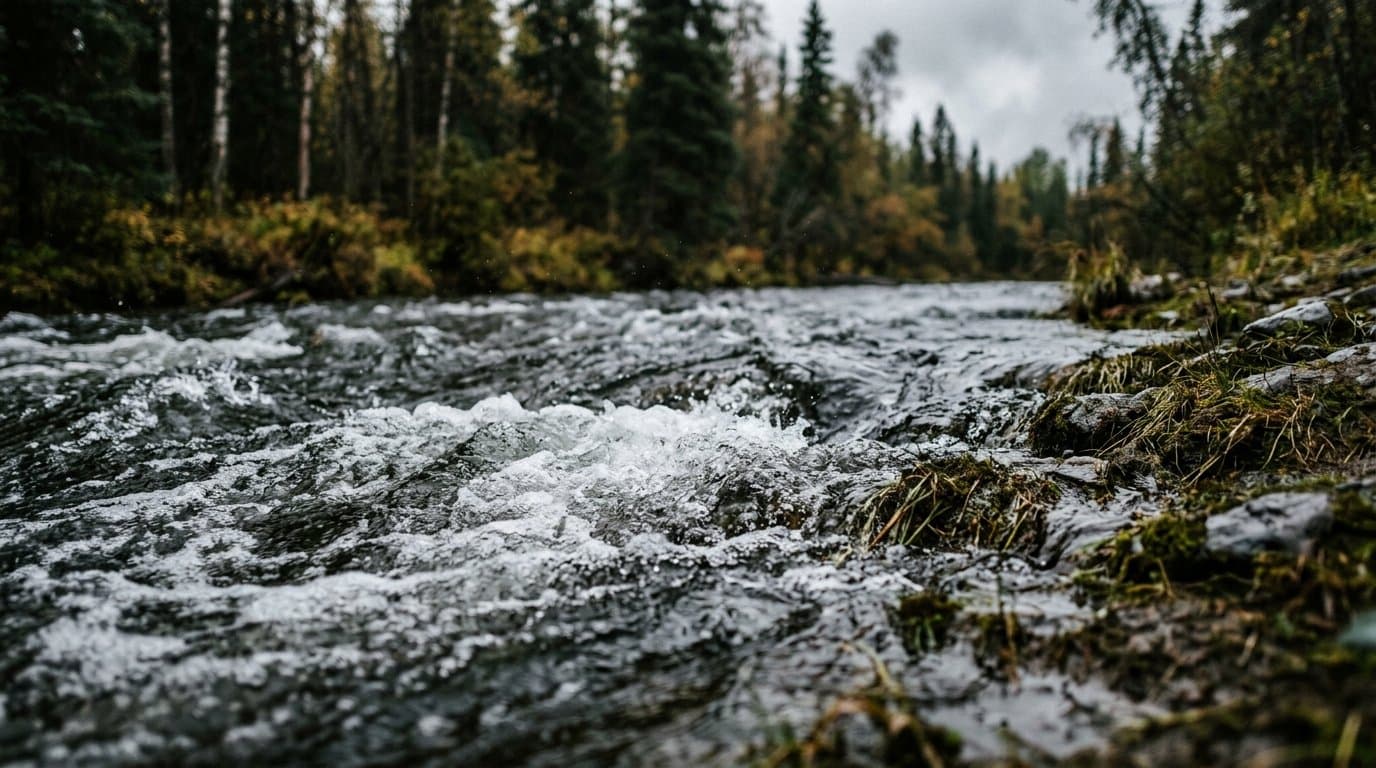
The Kuskokwim Delta's high tides have passed. Forecasters expected no flooding.
The National Weather Service in Anchorage said high tides Friday and Saturday morning would peak at a foot or less above the normal highest tide line at Kipnuk, Kwigillingok, Kongiganak and Quinhagak, with no flooding expected and levels falling Sunday and Monday.
by Walter AlaskaNews3w ago1 min read