Education
RSSAlaska News covers education policy, school funding, teacher programs, and student services across Alaska's public schools and universities.
Disabilities council seeks testimony on virtual special-education services
Alaska's disabilities council seeks public testimony Monday on virtual special-education services delivered over Zoom and Teams.
 by Walter AlaskaNews1h ago1 min read
Mat-Su resolution would ask school board to start classes after Labor Day
Mat-Su Assembly will vote Tuesday on a resolution asking the school board to start classes the day after Labor Day instead of earlier in August.
by Walter AlaskaNews12h ago1 min read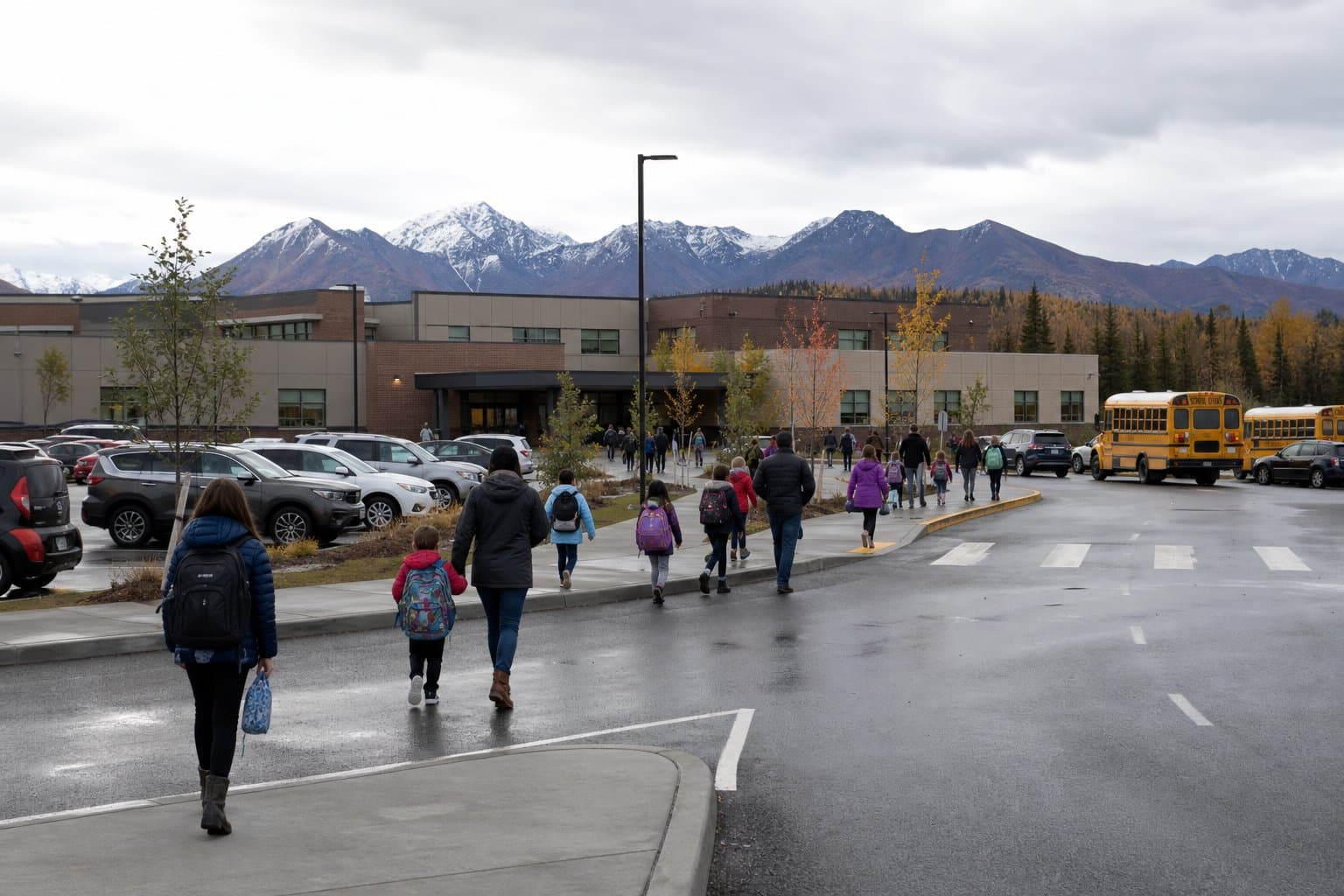
Southwest Region schools serve freeze-dried carrot chips from 2,300 pounds of summer vegetables
Southwest Region School District freeze-dried more than 2,300 pounds of potatoes and carrots over the summer, and carrot chips are now a lunchroom favorite.
by Walter AlaskaNews1d ago1 min read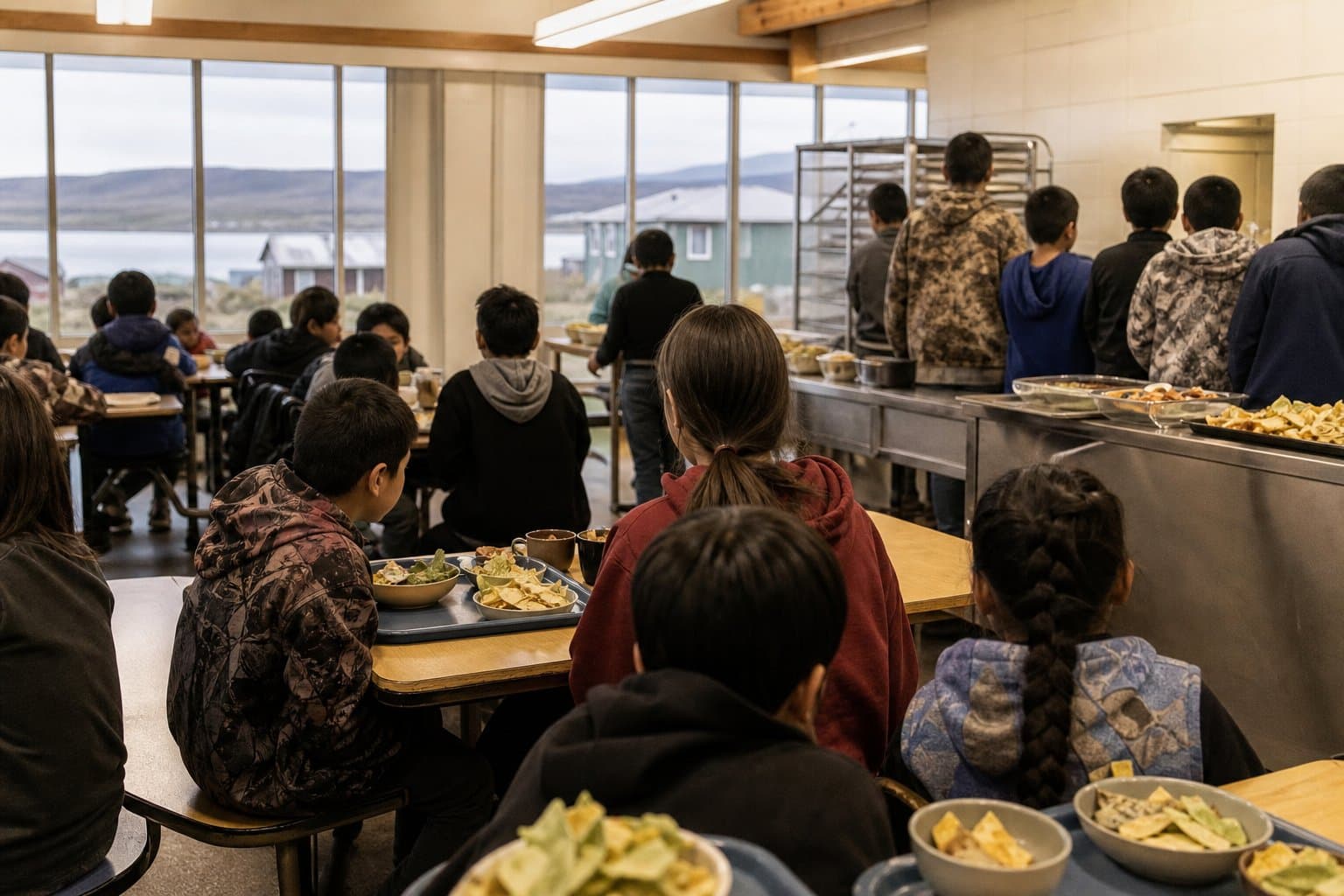
Kodiak Middle School breakfast jumps from 11 students a day to 127 with grab-and-go meals
Kodiak Middle School cut the breakfast line, handed out grab-and-go meals and brought back strawberry milk. Daily breakfast went from 11 kids to 127.
by Walter AlaskaNews1d ago1 min read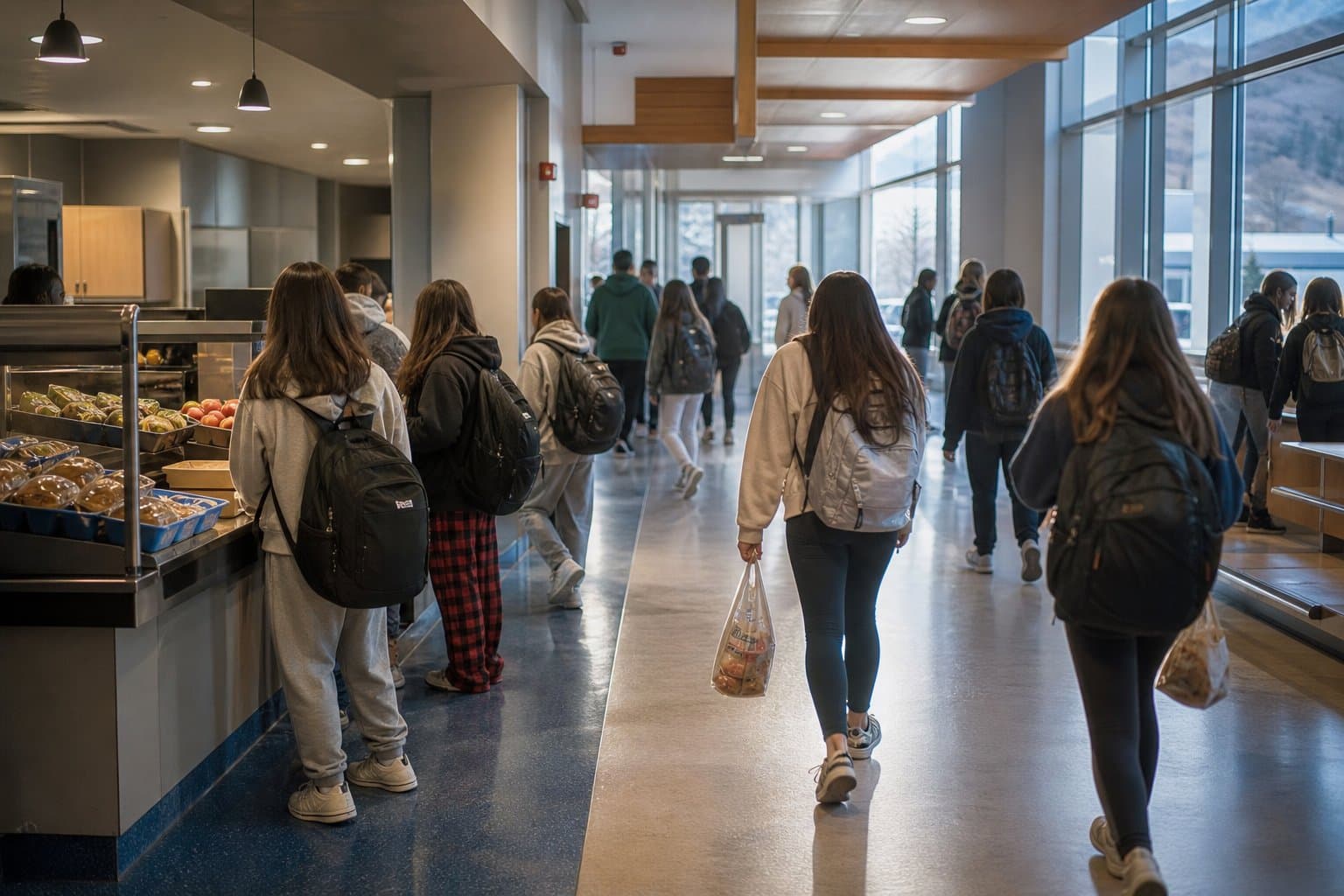
Anchorage School Board keeps control of closed-school planning after lawyer advises against Assembly task force
A school board member wanted the Assembly in on what happens to empty schools. The district's lawyer said no, so Assembly members get seats but no votes.
by Walter AlaskaNewsadded 3d ago3 min read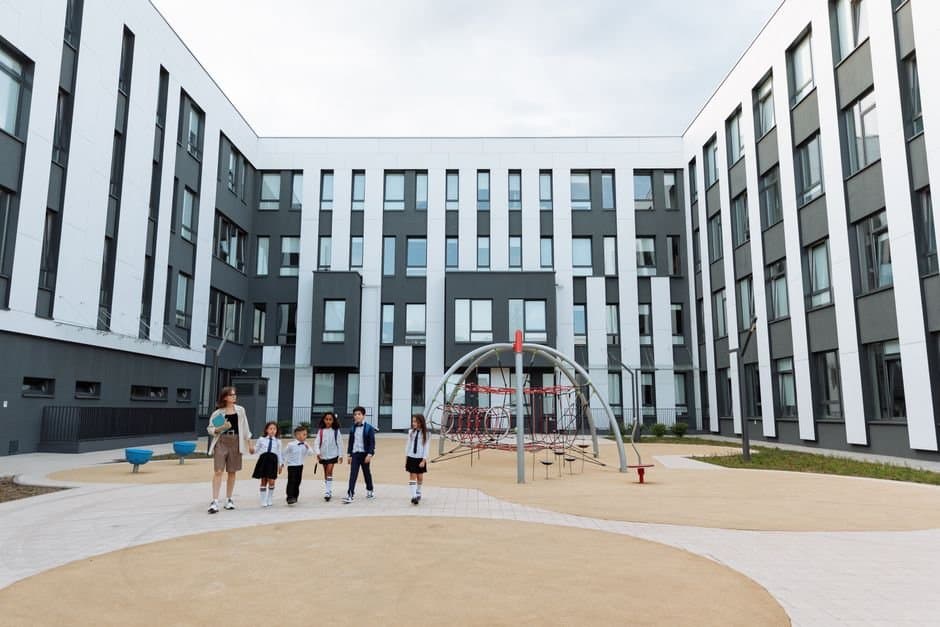
The state is still taking comments on a school rule it dropped last year
Alaska's education department is still taking comments on a rule its board killed 11 months ago. The follow-up the board asked for is harder to find.
by Walter AlaskaNews1w ago2 min read
Aniak basketball still plays as the Halfbreeds
Aniak basketball still uses a nickname students chose in the late 1970s to express the community's mixed Alaska Native and white ancestry.
 by Maggie AlaskaNews1w ago1 min read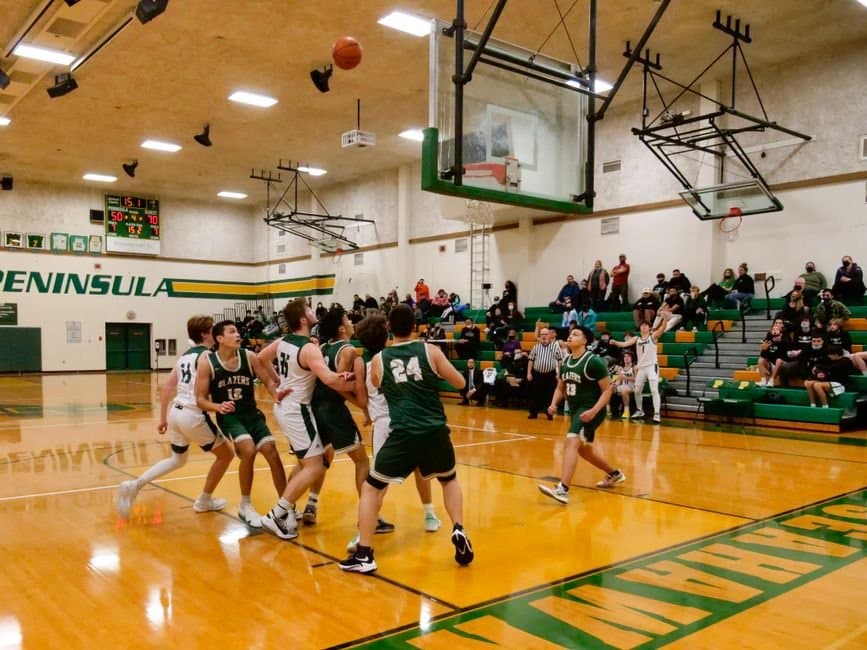
Anchorage officials fail to agree on shared school-closure committee
The Assembly and School Board could not agree on giving both bodies votes on a school-closure committee. The existing board-led panel remains.
by Walter AlaskaNews1w ago5 min read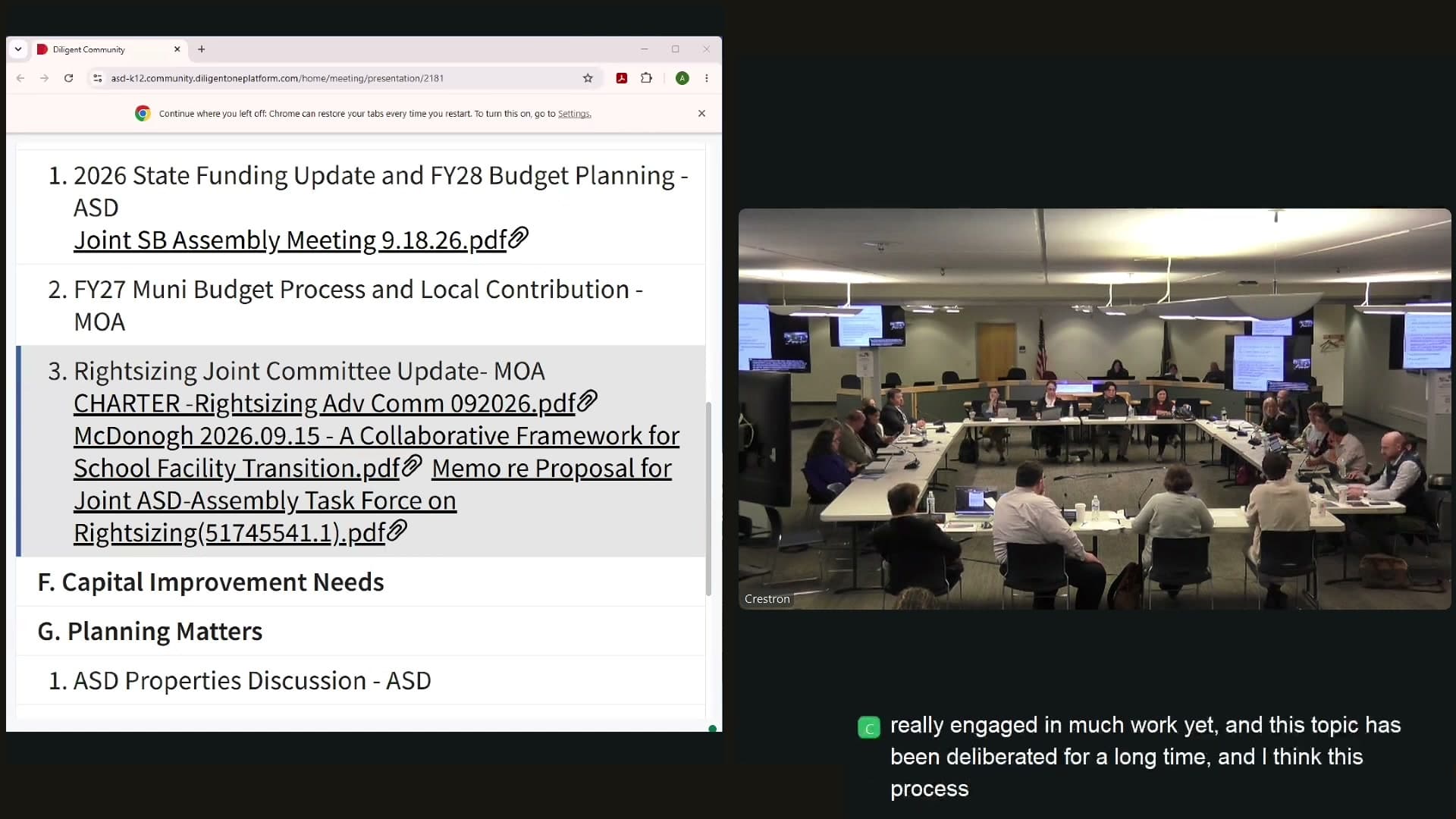
Sitka school policy committee rejects copying Ketchikan's student drug-testing rule
Sitka turned down copying Ketchikan's student drug testing rules. One of its two new drafts could extend testing past sports to band, drama and debate.
by Walter AlaskaNewsadded 1w ago1 min read
Alaska's tribal college wins federal money for students and food knowledge
Alaska's only tribal college won $352,000 from the USDA to help students stay in school and to teach Iñupiaq food systems on the North Slope.
by Maggie AlaskaNews1w ago2 min read
Alaska school tests show early gains and a one-in-five participation gap
Alaska's younger students gained ground, but one in five enrolled students had no AK STAR score. Correspondence testing barriers explain part of the gap.
by Walter AlaskaNewsadded 1w ago3 min read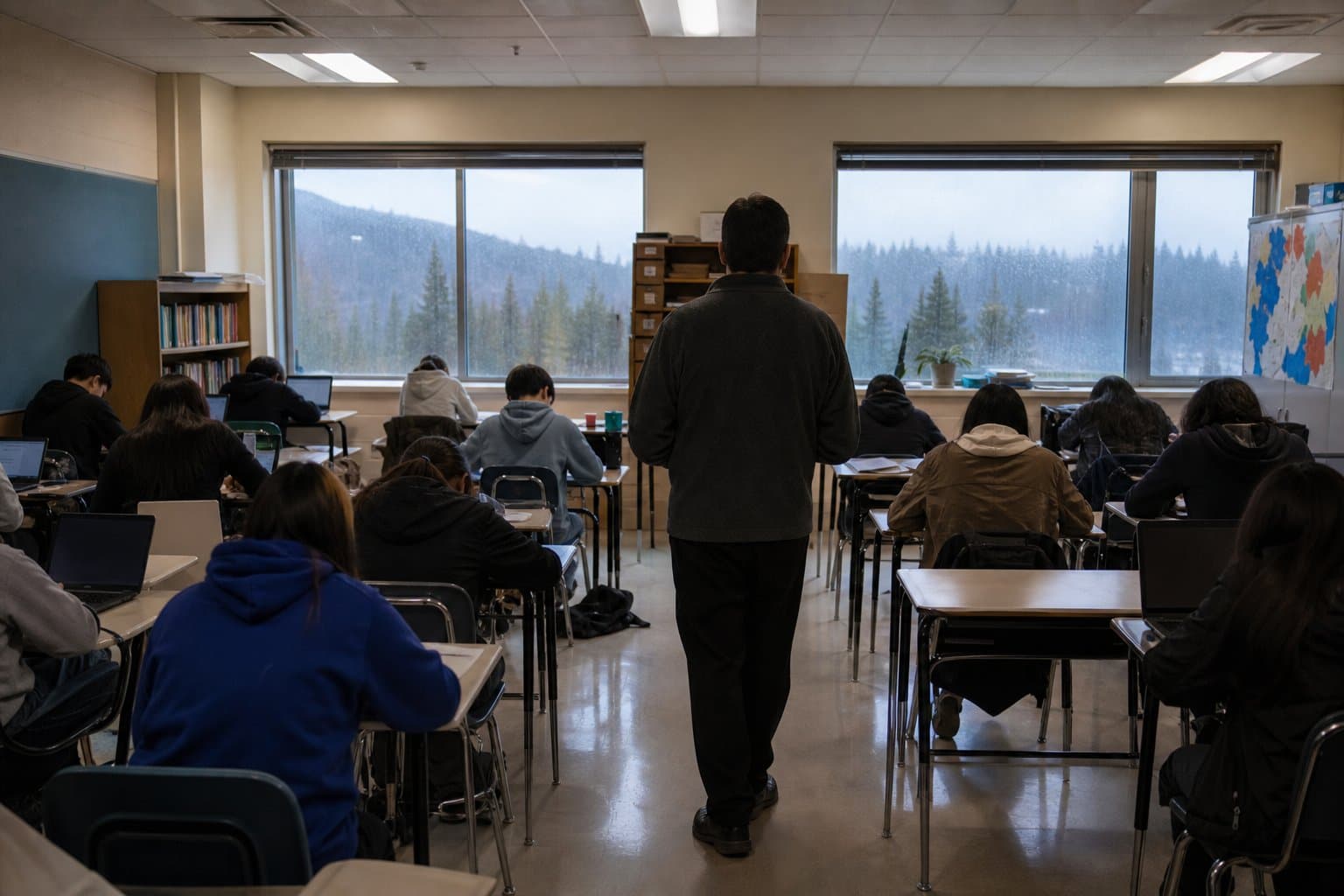
Anchorage's school funding gap has shrunk to about $6 million
Anchorage's school funding gap for next year has halved to about $6 million, after the Legislature capped how much the local contribution can grow.
by Walter AlaskaNews1w ago2 min read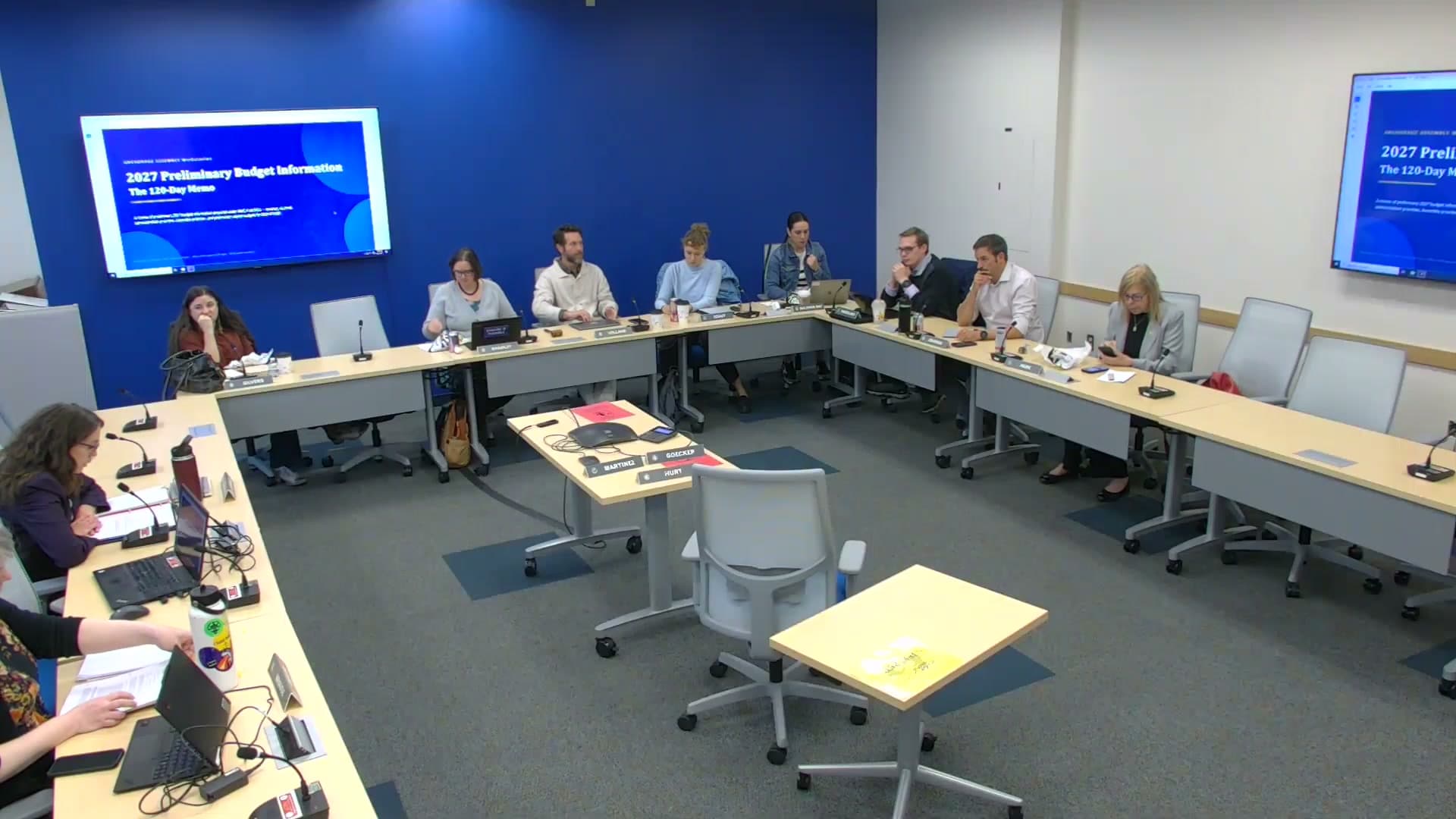
Federal library grants open to qualifying Alaska Native tribes and corporations
Qualifying Alaska Native entities offering library or archival services can seek $6,000 to $150,000 from IMLS by Nov. 13.
by Walter AlaskaNews1w ago2 min read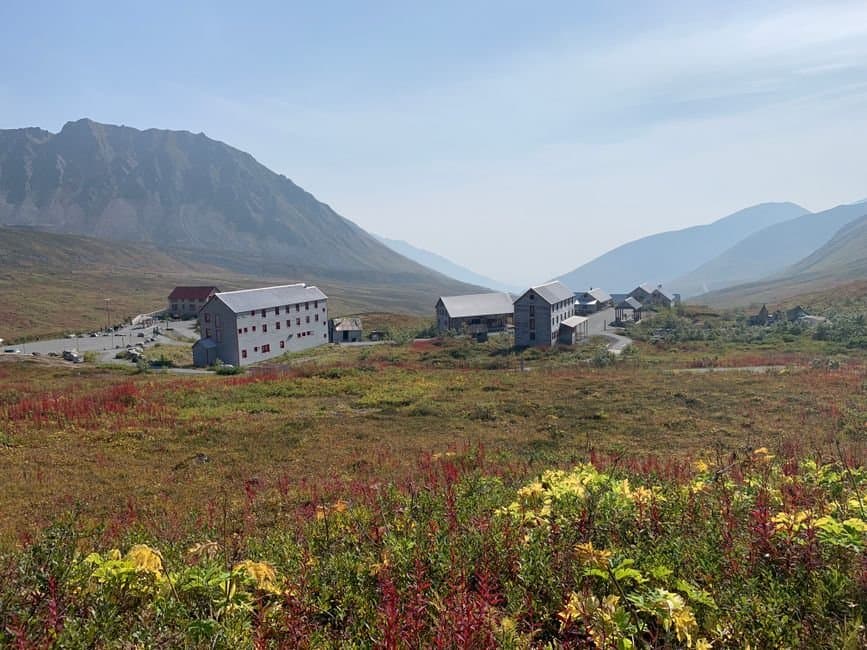
Migratory students lose ground moving between Alaska districts; the state's new alert is an email
Alaska says a new in-state alert tells districts when migratory students move between them. Its own 2026-27 district manuals describe no such alert.
by Walter AlaskaNews1w ago1 min read
Cook Inlet Tribal Council runs free career classes toward certification
Cook Inlet Tribal Council runs free 90-minute career classes at its Anchorage campus, each counting toward its ARCTIC Workforce Certification, with Developing a Leadership Mindset repeating at noon Sept. 22 and Sept. 29.
by Maggie AlaskaNews1w ago1 min read
Kodiak may close an elementary school its building plan still invests in
Kodiak may close East Elementary in 2027. Three weeks before that was proposed, the board was handed a plan with $5.75 million of work for the building.
by Walter AlaskaNews1w ago2 min read
Alaska Supreme Court declines emergency bid to open Fairbanks charter school
Fairbanks said no to a charter school. The state said yes anyway. The Supreme Court declined to referee, and 352 enrolled kids were left in limbo.
by Walter AlaskaNewsadded 1w ago2 min read
Parents warn Mat-Su that cutting school nurses puts children at risk
Parents and staff told the Mat-Su school board that cutting nurses puts children at risk, as a Teeland Middle School nurse prepares to leave.
by Walter AlaskaNews2w ago1 min read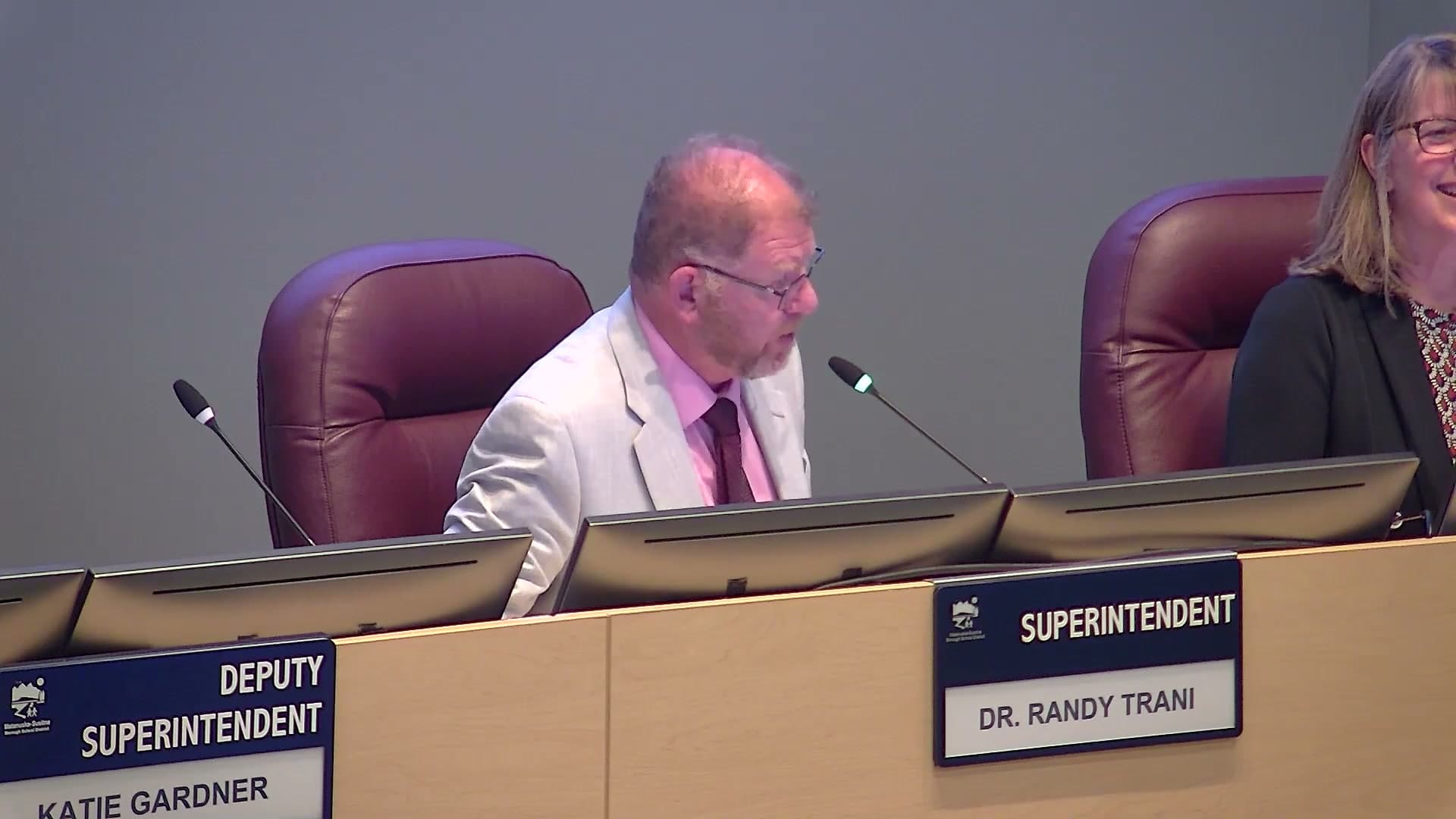
A free Juneau talk on how a manuscript becomes a book
Two editors from the press that publishes the University of Alaska's books will explain how a manuscript becomes a book, at a free Juneau talk Saturday.
by Walter AlaskaNews2w ago1 min read
Alaska could lose $80 million in school money over a two-point miss
Alaska could lose $80 million in federal school money over a funding-equity failure it missed by less than two points, and partly triggered itself.
by Walter AlaskaNews2w ago3 min read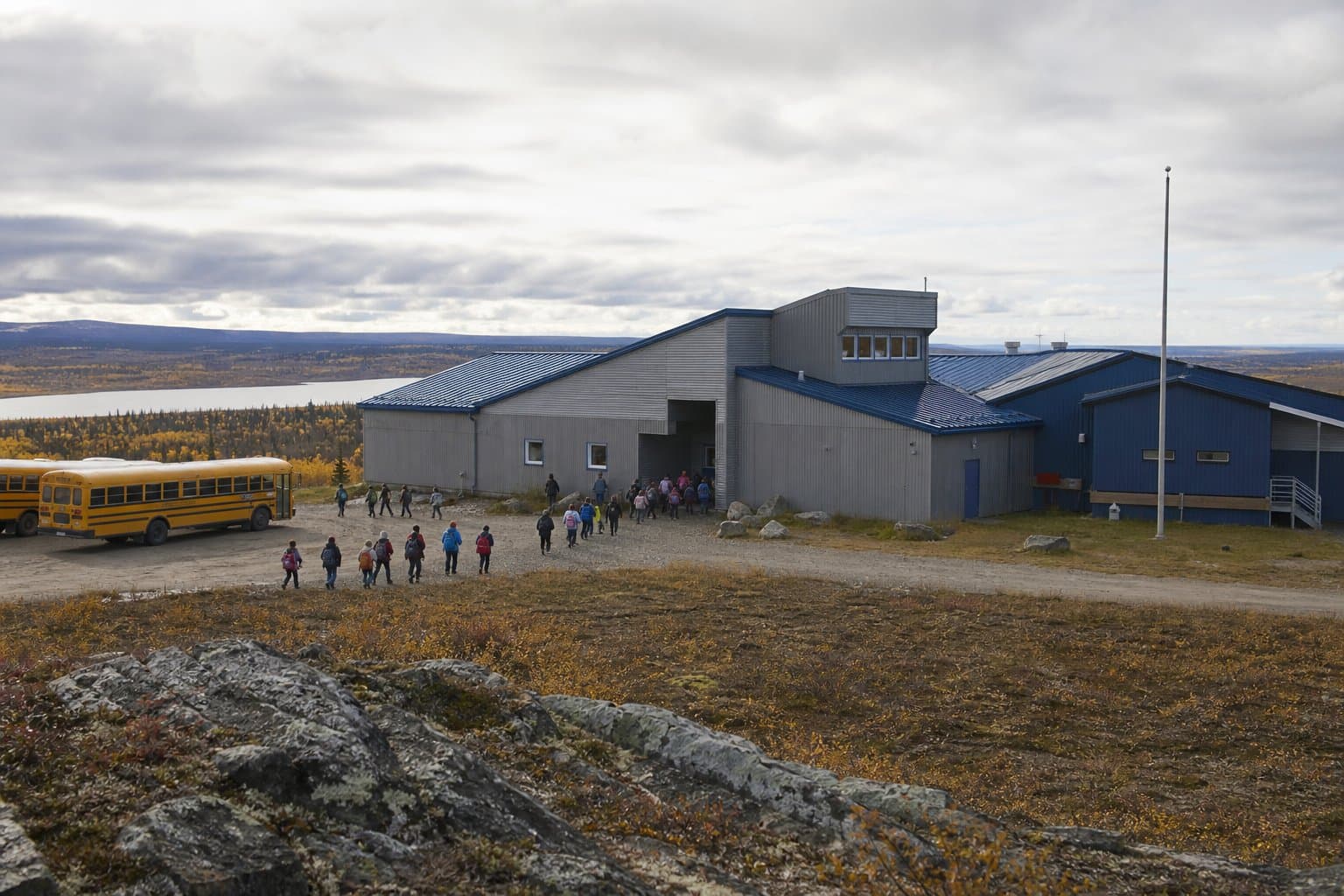
Every number in Dunleavy's annual literacy proclamation has fallen since 2024
Every figure in the governor's annual adult literacy proclamation has fallen since 2024, and the proclamation doesn't say why.
by Walter AlaskaNews2w ago1 min read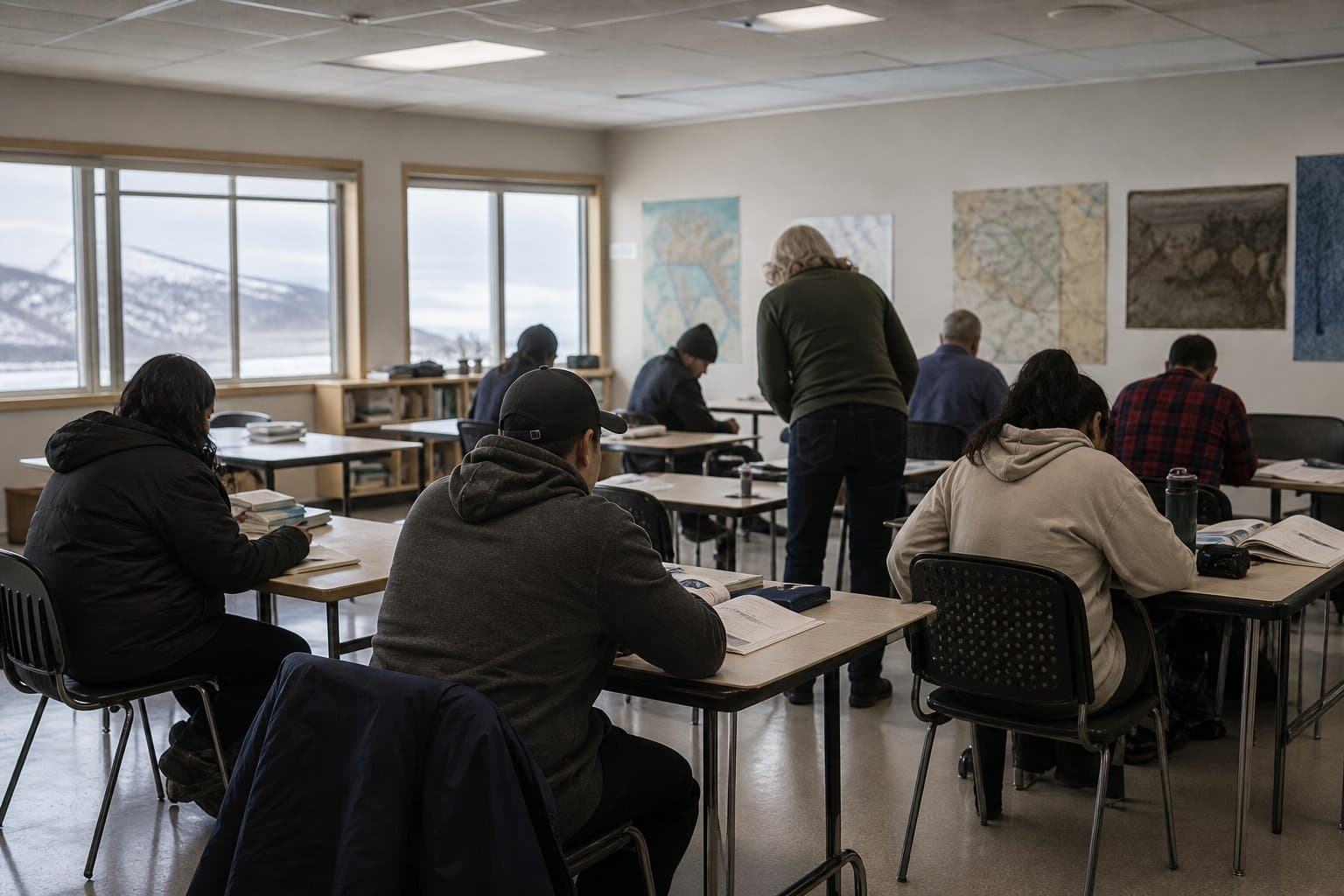
Three Mat-Su school roofs are failing, and the money may take years
Three Mat-Su school roofs are failing, and fixing them may take more than one budget cycle. The district's deferred repair backlog stands at $411 million.
by Walter AlaskaNewsadded 2w ago1 min read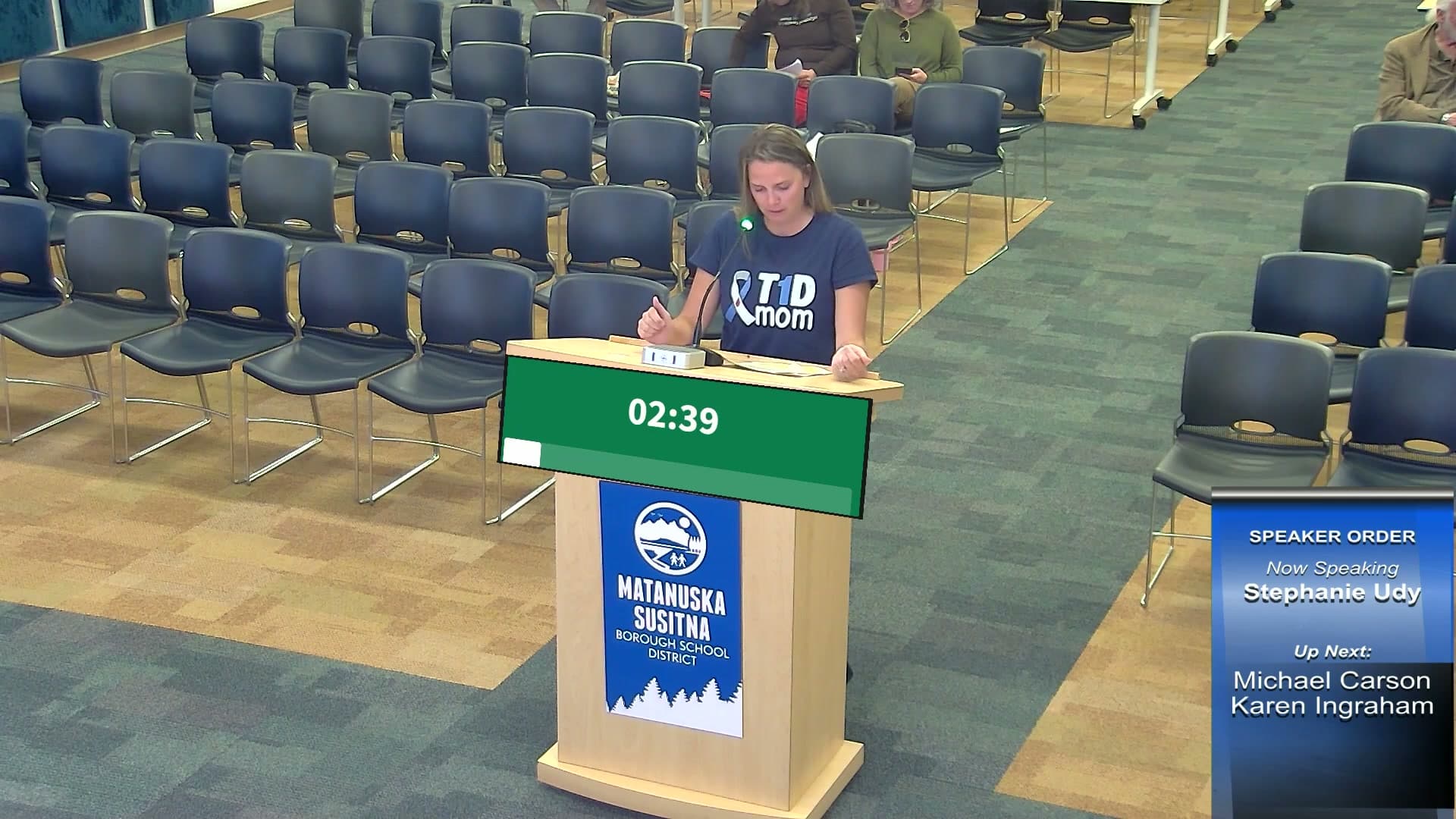
Assembly members seek equal vote on joint school rightsizing panel
Three Anchorage Assembly members want a real vote on how the city closes schools, not the non-voting seat the School Board offered, as consolidation looms.
by Walter AlaskaNews2w ago2 min read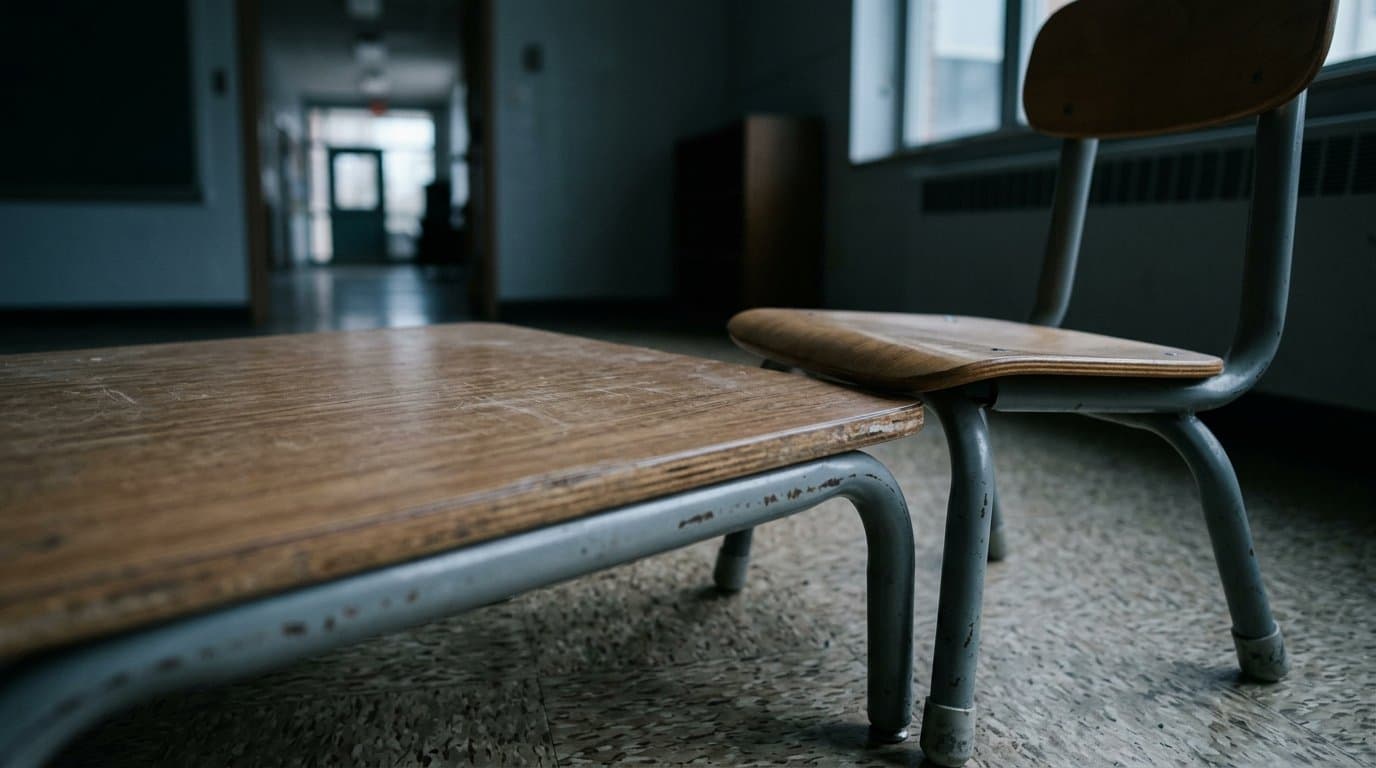
Two closed Anchorage school buildings head back to municipal hands
Two closed Anchorage schools, Abbott Loop and Campbell STEM, are set to return to the municipality, moving their fate from the School Board to the Assembly.
by Walter AlaskaNews2w ago2 min read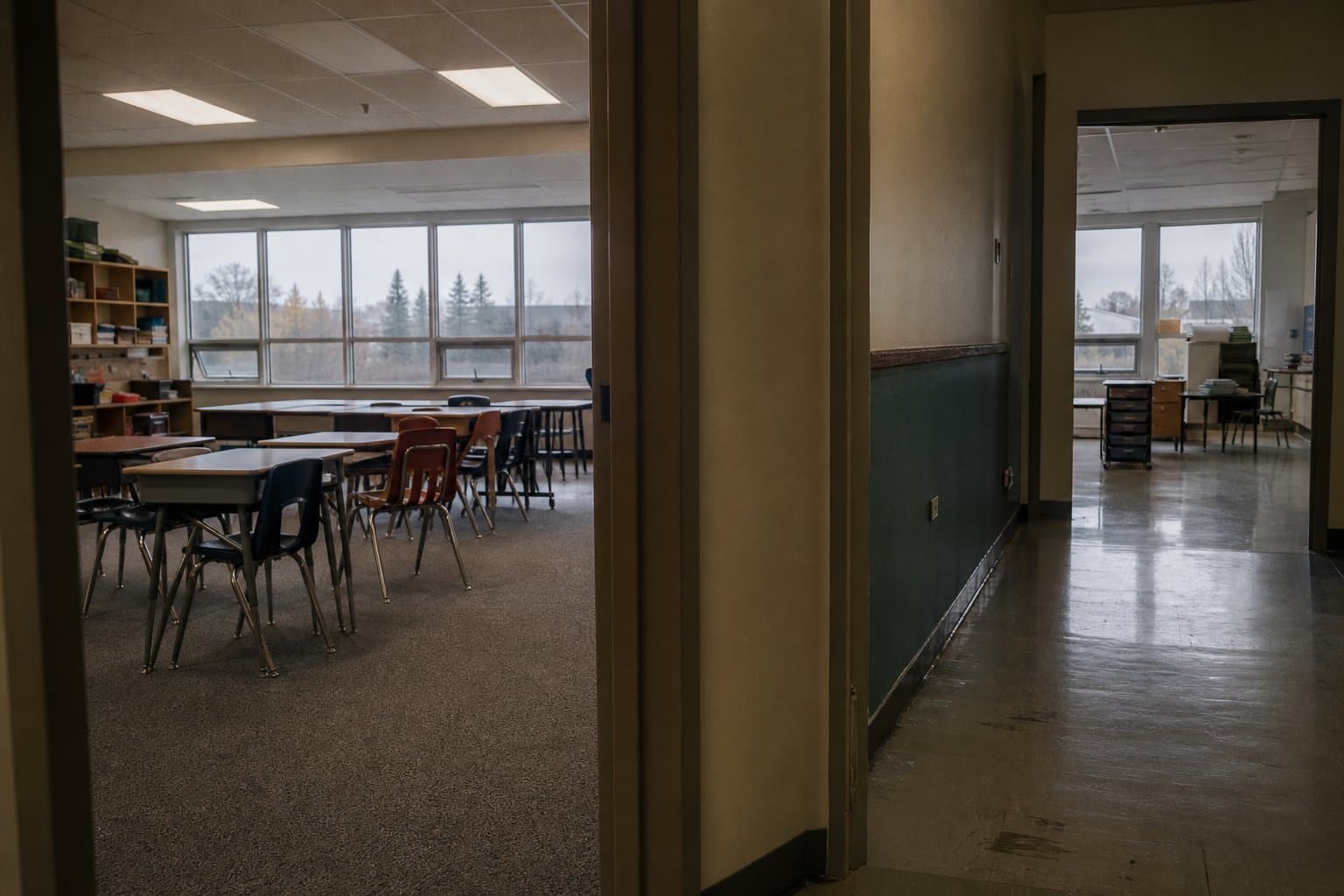
A federal rule would ease buying Alaska seafood for school meals
More than half of Alaska's districts already serve local seafood, mostly through donations and grants. A federal rule would let them just buy it.
by Walter AlaskaNews2w ago2 min read
Bristol Bay students can apply for a December leadership forum
Bristol Bay high school students have until Oct. 9 to apply for a youth leadership forum in Anchorage in December.
by Maggie AlaskaNews2w ago1 min read
A new state program is lifting Alaska's worst-in-the-nation aid filing rate
Alaska seniors who worked with a new state advising program filed for federal aid at 60 percent, well above the state's last-in-the-nation rate of 35 percent.
by Walter AlaskaNews2w ago2 min read
Parent tells Mat-Su officials bus cancellations fall to parents
A parent told Mat-Su officials that repeated bus cancellations are forcing families to arrange their own rides, calling it unacceptable after five years of a Durham contract.
by Walter AlaskaNews2w ago2 min read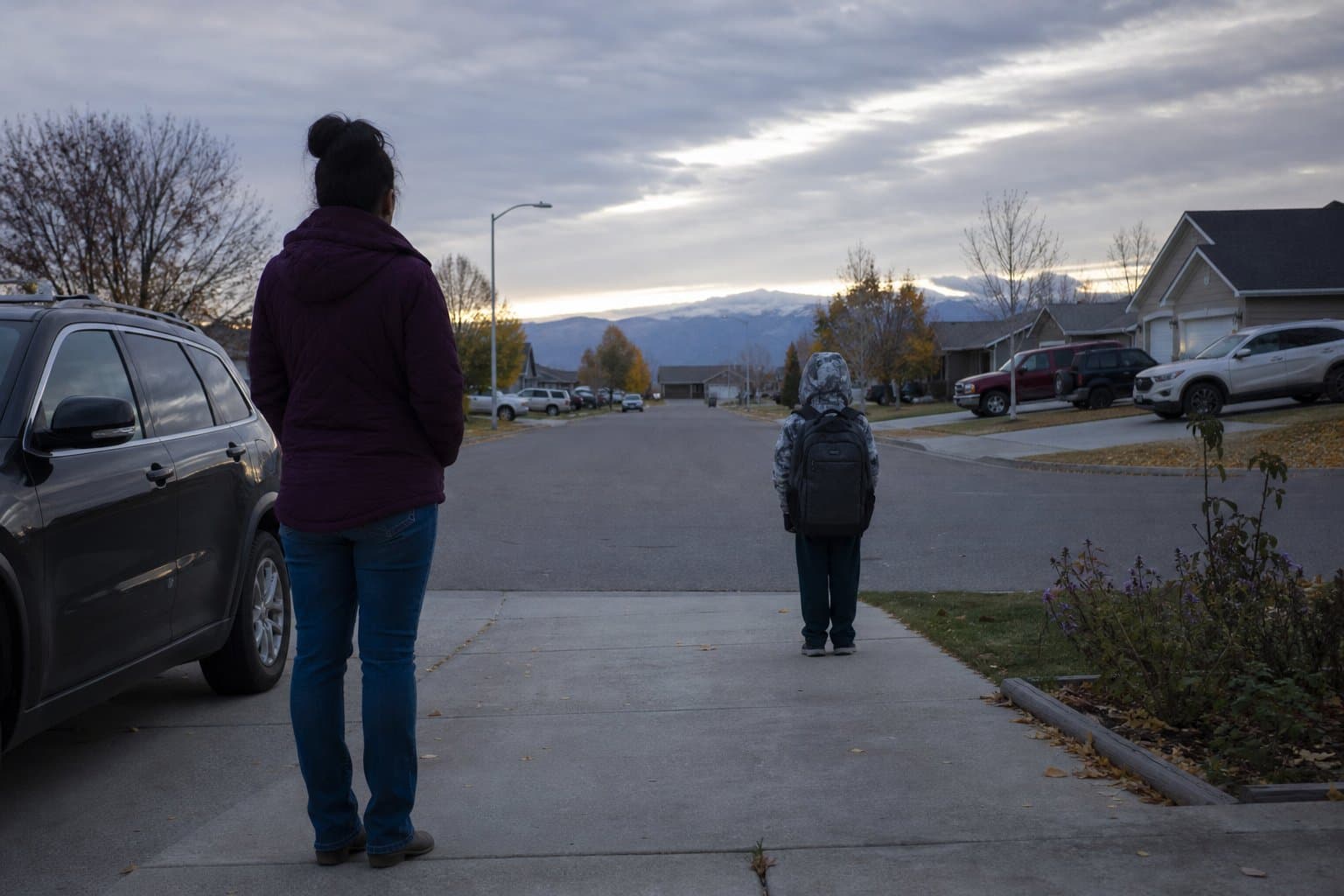
State review of Mt. Edgecumbe wraps up, recommendations to come
A state review of Mt. Edgecumbe High School, prompted by safety complaints, wraps up Wednesday, but families won't see its recommendations until later.
by Walter AlaskaNews2w ago1 min read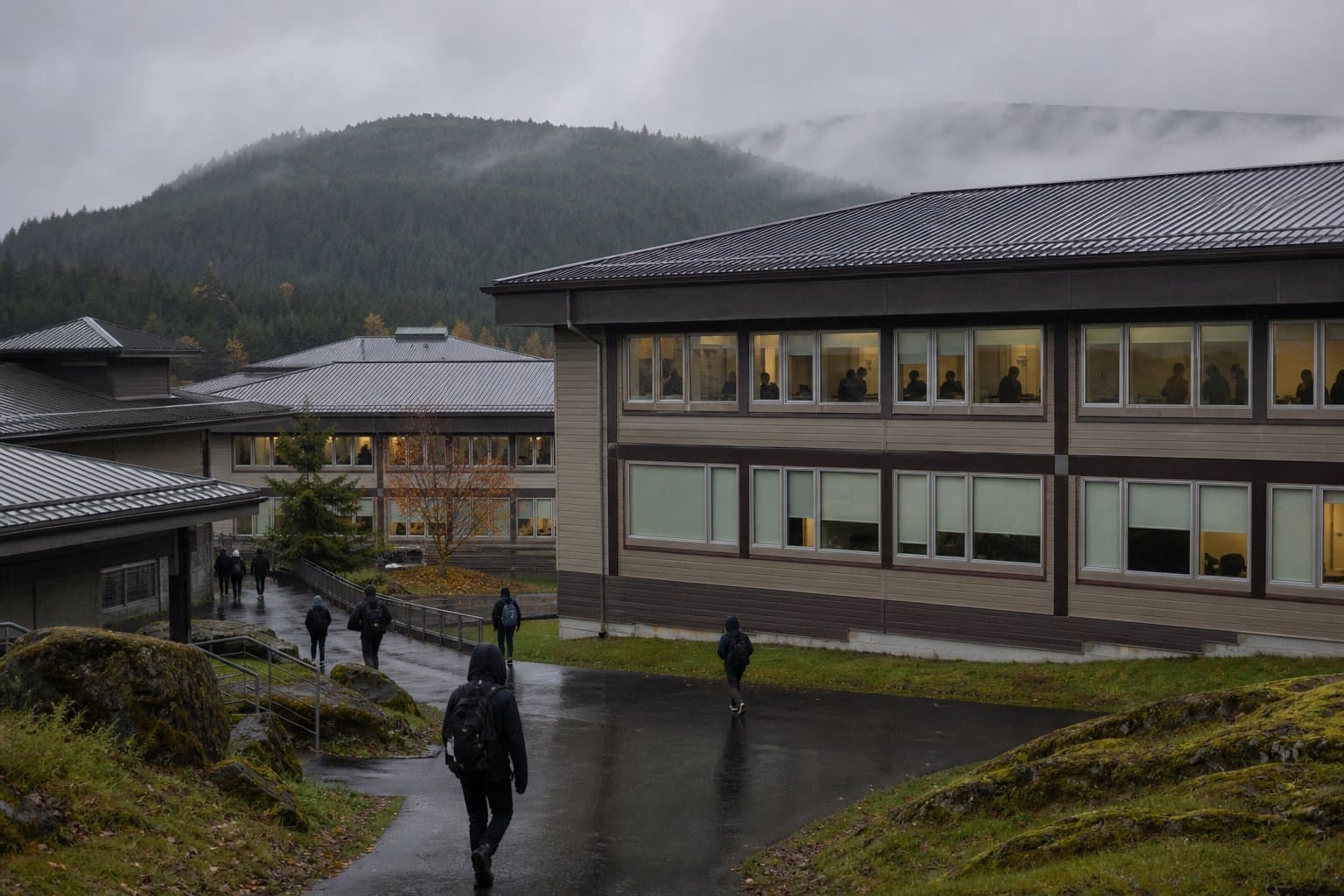
Alaska takes public input Wednesday on child care facility operating rules
Alaska's child care office takes public input Wednesday on operating rules for licensed facilities, seeking feedback from providers and families on what works and what needs to change.
by Walter AlaskaNews3w ago1 min read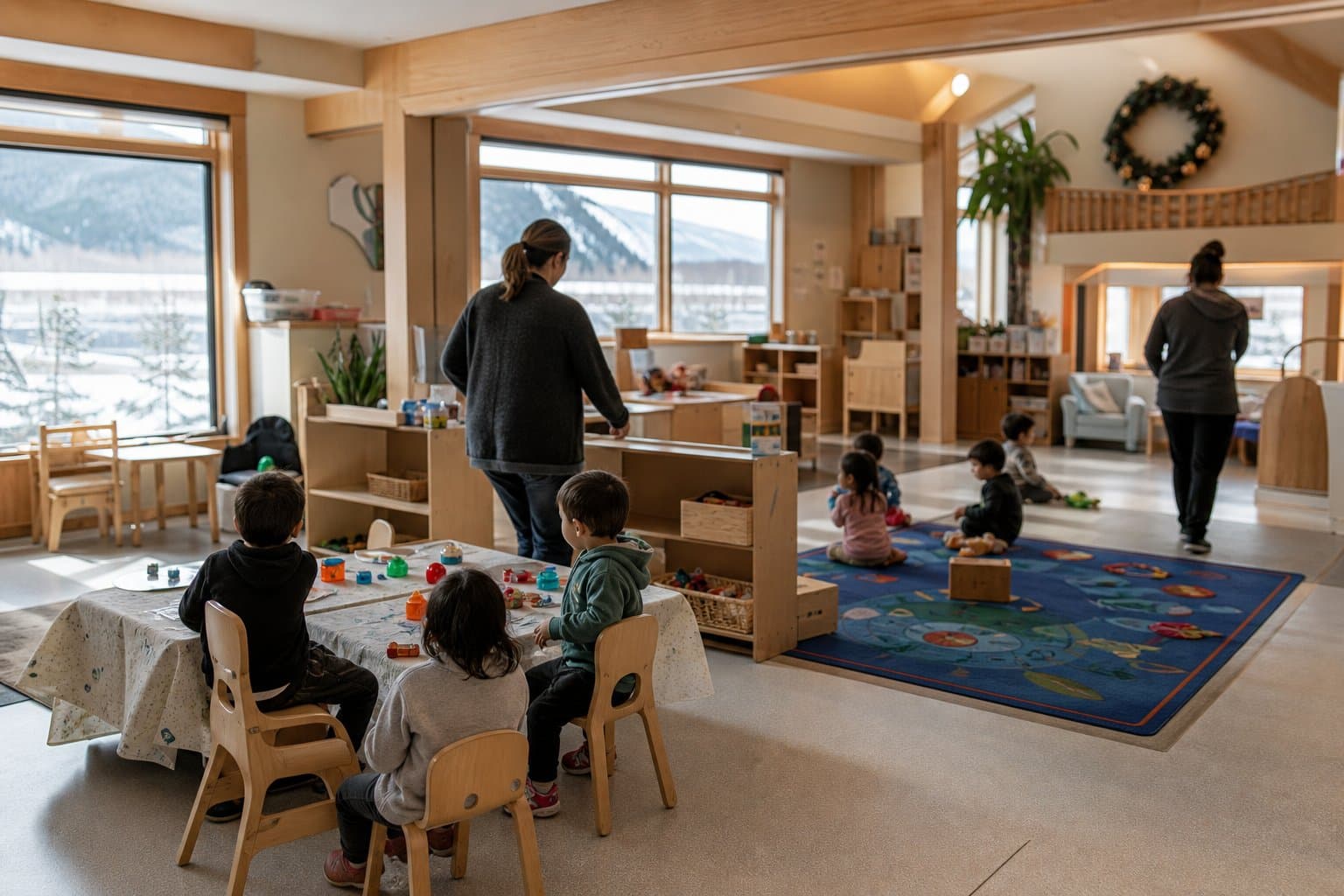
Kodiak district asks school board to weigh closing East Elementary in 2027
Kodiak may close East Elementary in 2027. Five weeks before proposing that, the district asked the state for $5.75 million to renovate the building.
by Walter AlaskaNewsadded 3w ago2 min read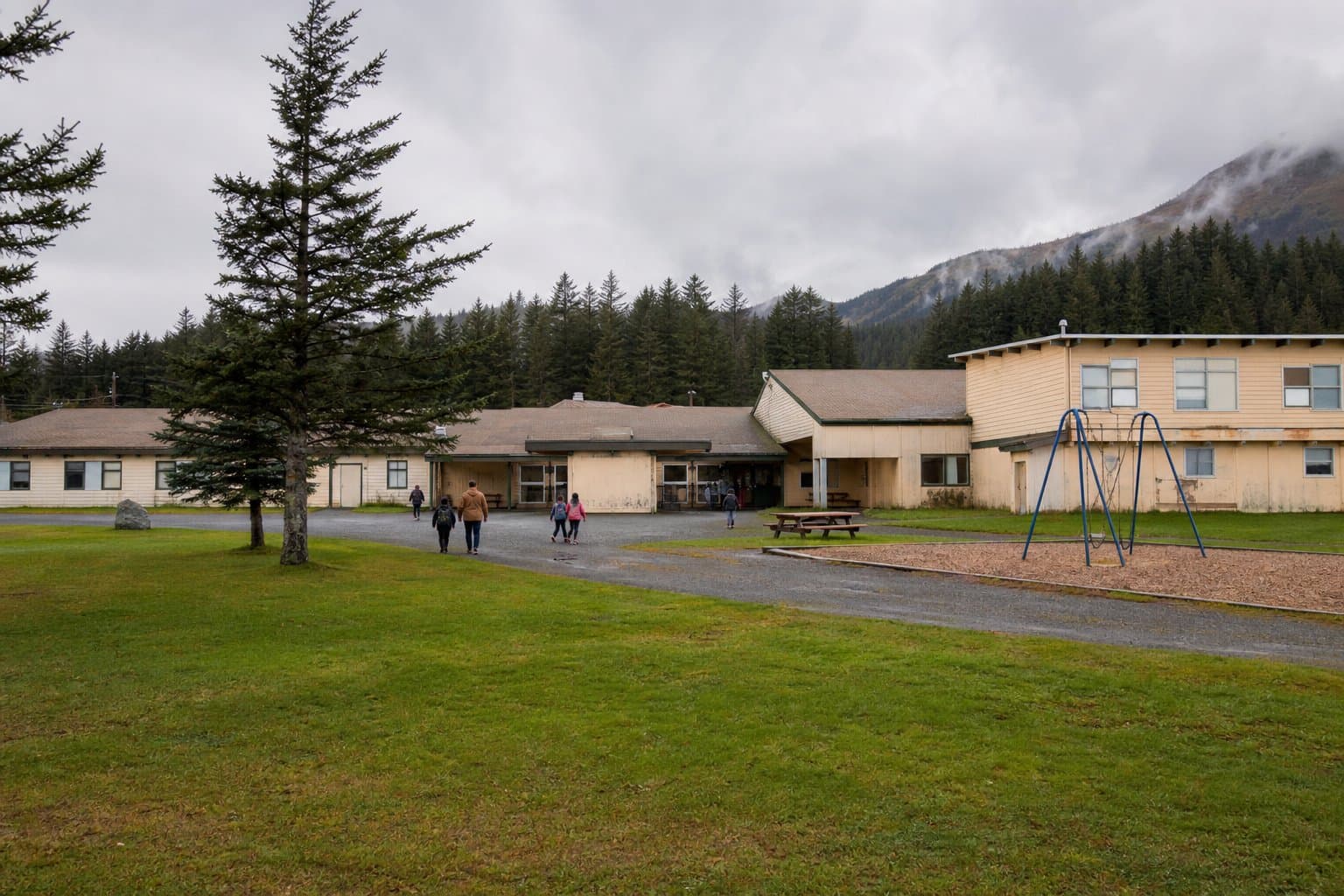
BBNC offers CDL training in Kenai for shareholders this fall
BBNC is offering commercial driver's license training in Kenai this fall for its Alaska-resident shareholders, spouses and descendants. Enrollment is open now.
by Maggie AlaskaNewsadded 3w ago1 min read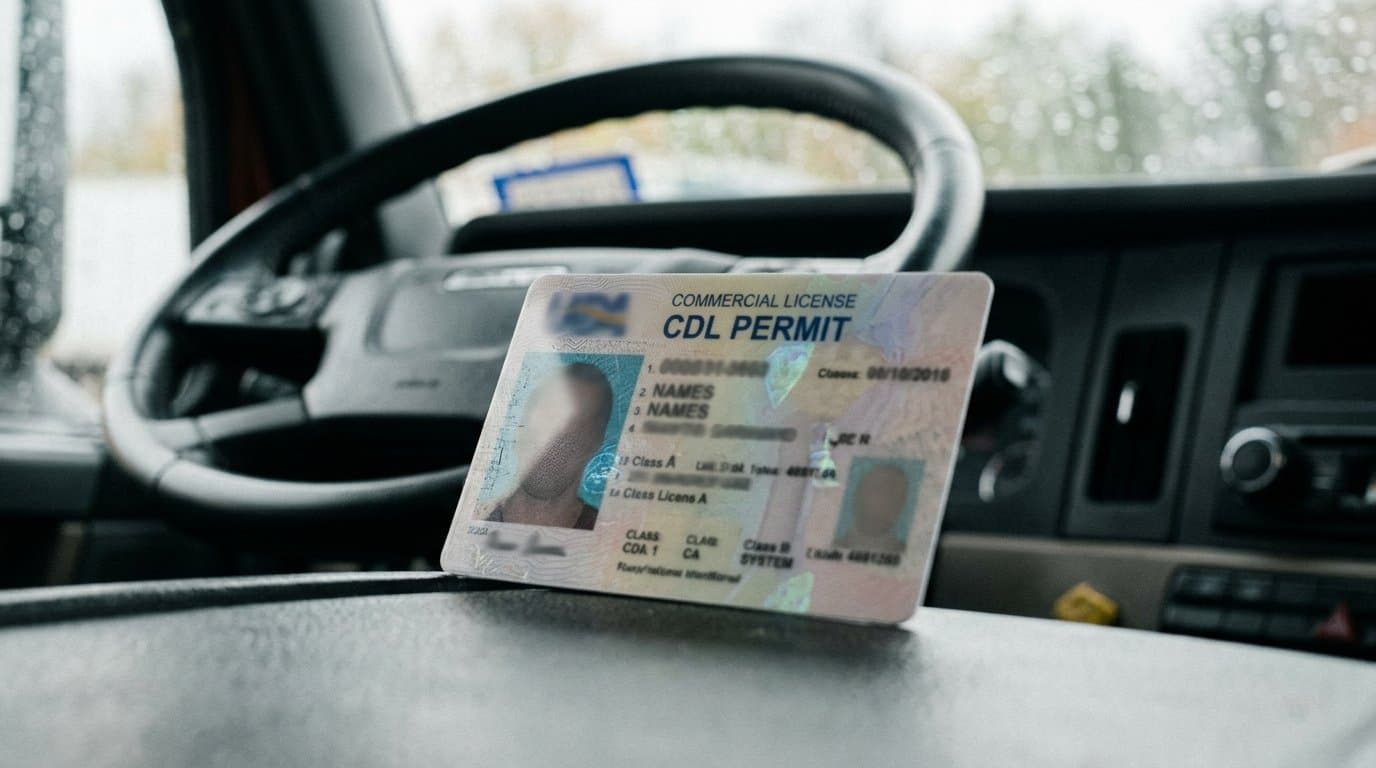
Tlingit & Haida sought $8.4 million for child care after the landslides and floods, and got $1.1 million
Tlingit & Haida received $1.15 million in federal child care recovery money for six Southeast Alaska communities, about one-seventh of the $8.4 million the tribe requested.
by Maggie AlaskaNews3w ago2 min read
BBNC Dillingham IT apprenticeship applications close Friday
BBNC is hiring one IT apprentice in Dillingham, applications close Friday, Sept. 4. The one-year role includes CompTIA certifications and requires BBNC or Choggiung shareholder status.
by Maggie AlaskaNews3w ago1 min read
Kenai parks staff helped the middle school start pickleball in gym class
Kenai parks staff spent Thursday helping the middle school start pickleball in gym class. The school has paddles, nets and one court taped to the floor.
by Walter AlaskaNews3w ago1 min read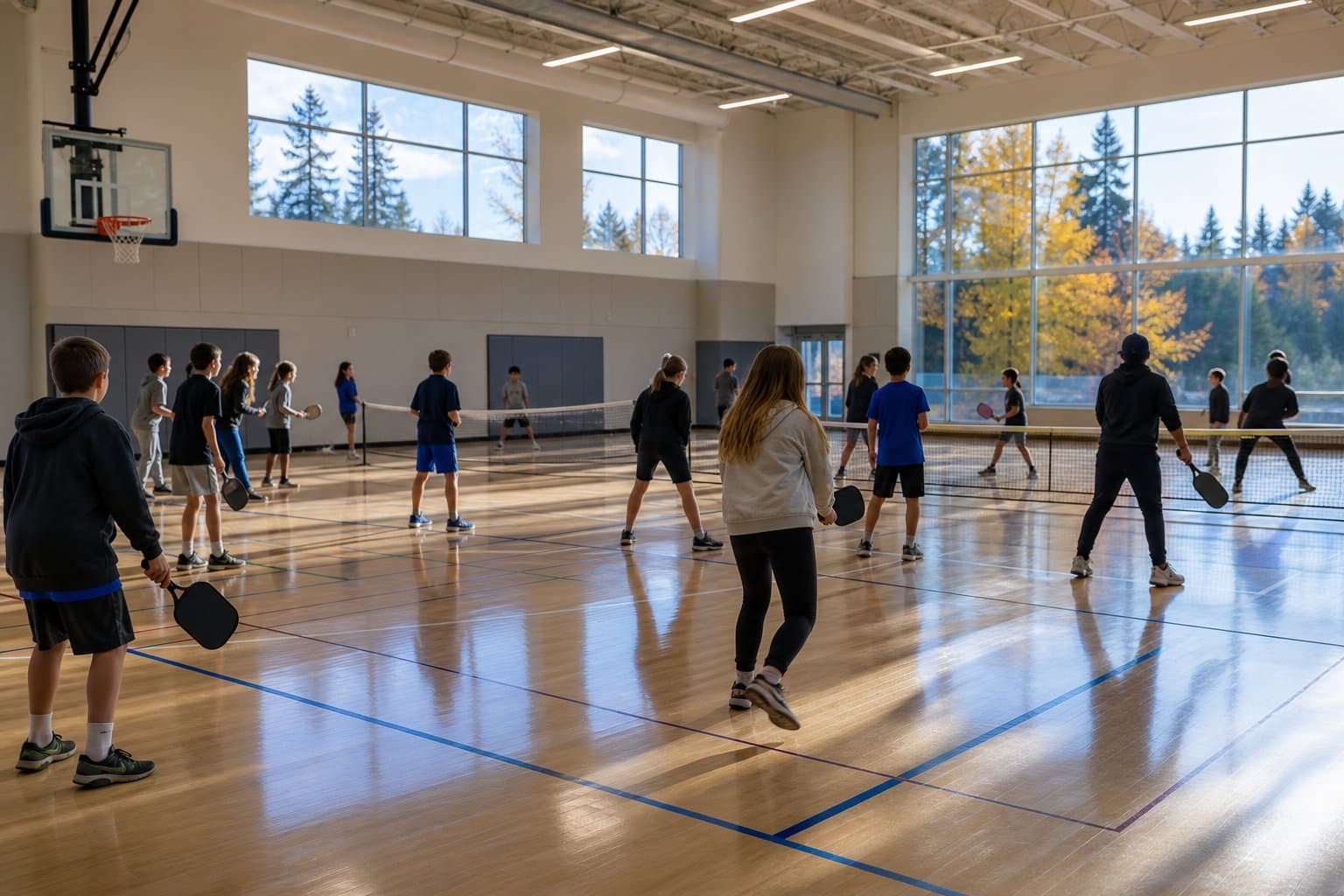
Tanana Chiefs holds first culture camp for K-6 students
Tanana Chiefs Conference held its first culture camp for K-6 students in Fairbanks, teaching Athabascan languages, potlatch dancing and traditional skills, with plans to repeat annually.
by Maggie AlaskaNewsadded 3w ago2 min read
Free school supplies and dinner at Nome's Back-to-School Bash
Nome families got free backpacks, school supplies and pizza at a community Back-to-School Bash — a welcome hand in a year of tight budgets and $10 milk.
 by Alaska Newsadded 3w ago1 min read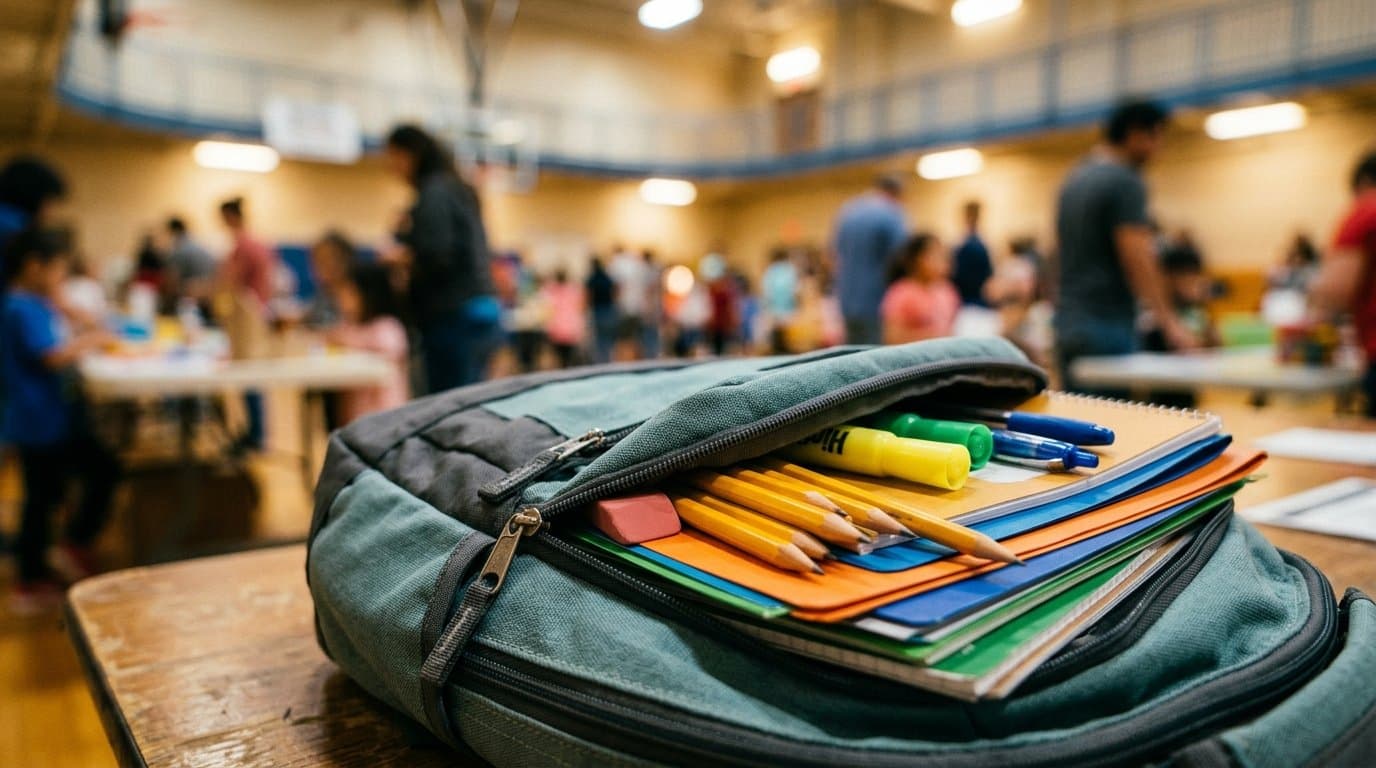
Alaska's youngest students are improving in math and reading. Older grades aren't.
Alaska's youngest students are gaining in math and reading, but older grades have stalled — and most students still aren't testing proficient in either.
by Walter AlaskaNews3w ago2 min read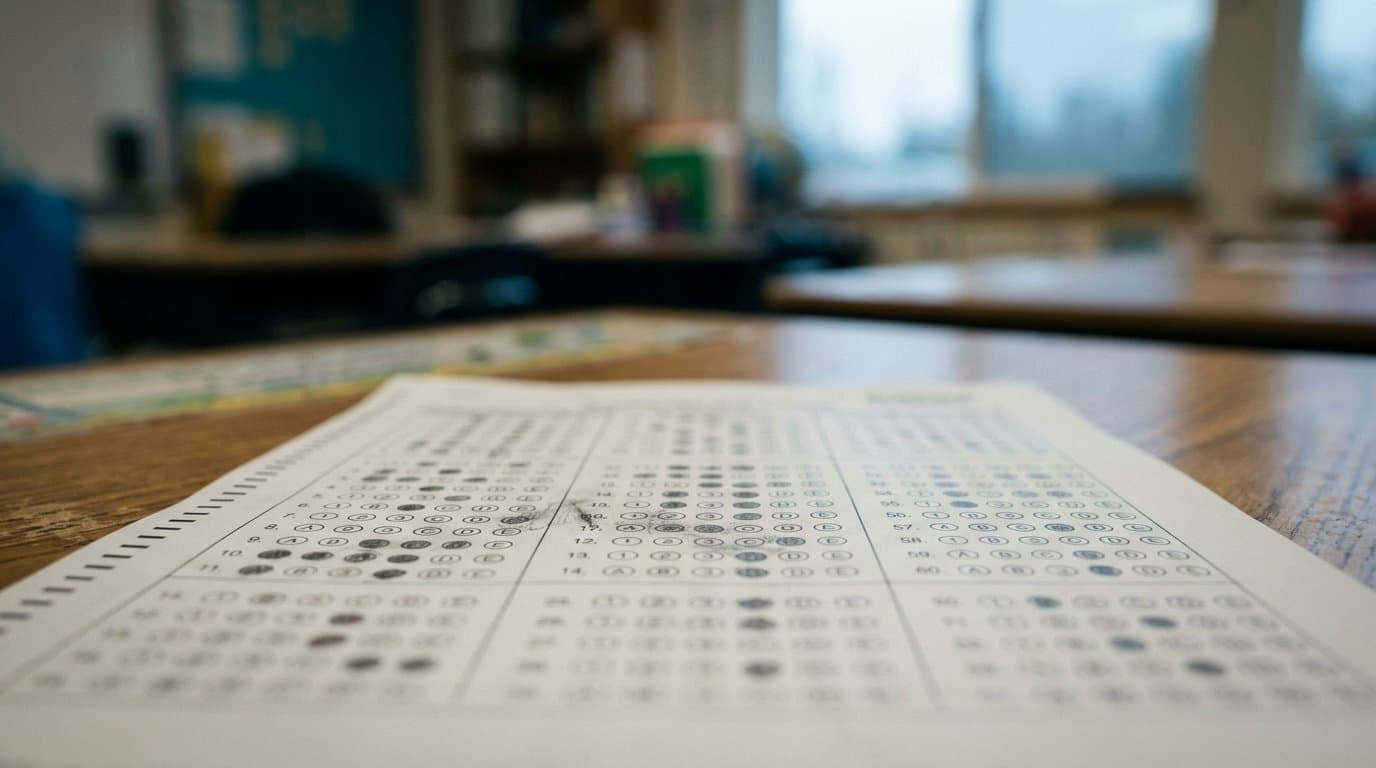
University of Alaska draws $8.7 million Education Department payment running through 2031
The University of Alaska will receive $8.69 million in federal money through 2031, and the award record does not say what it is for.
 by Melinda Communities.News3w ago1 min read
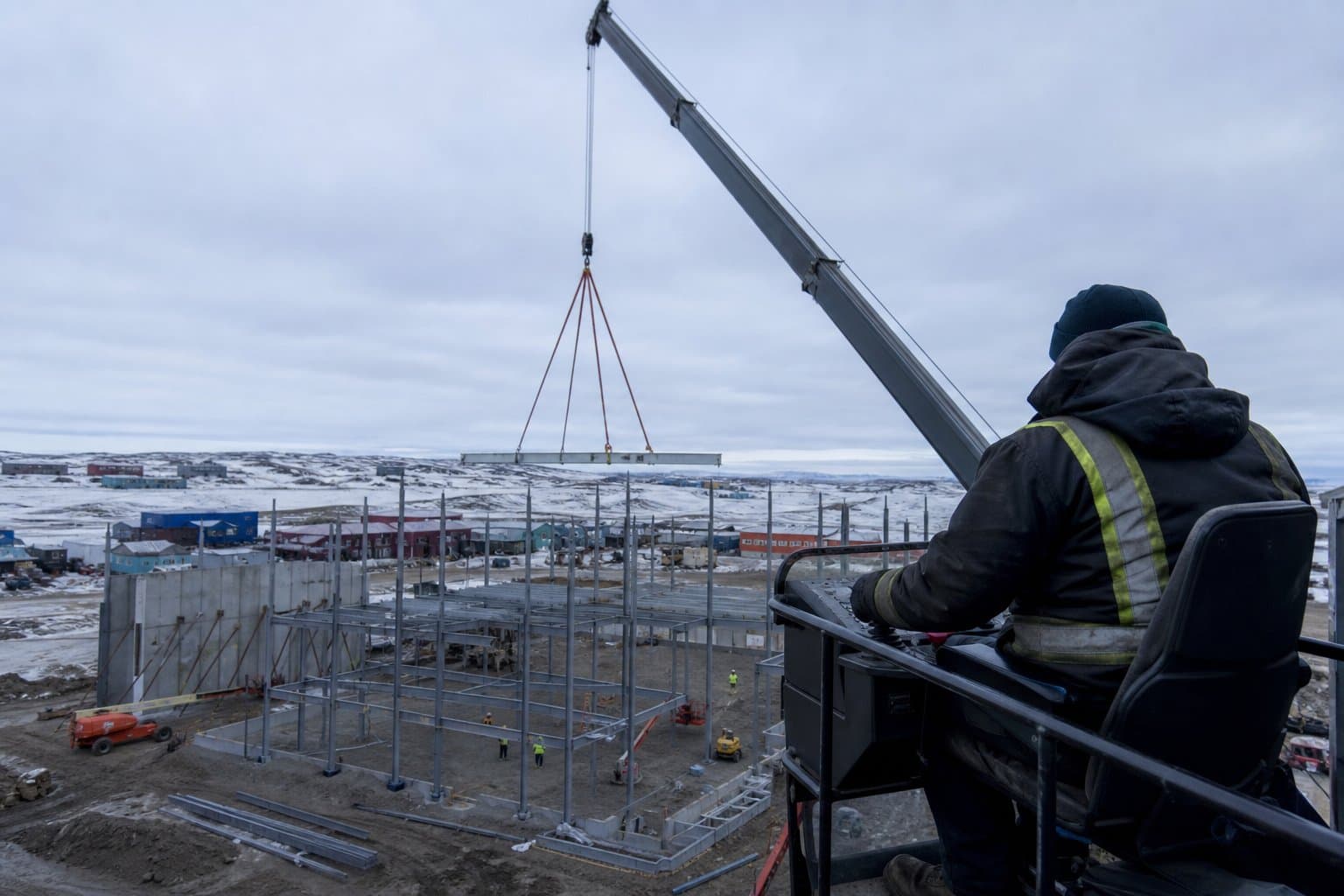
He fought the fire that destroyed his Kaktovik school. Now he's helping to rebuild it.
Kaktovik crane operator Roy Robert Fischer-Akootchook, who fought the 2020 school fire, now operates equipment on its rebuild, with the new gym open since December 2025.
by Maggie AlaskaNews3w ago2 min read