City of Fairbanks is the municipal government of Fairbanks, Alaska's largest Interior city. Its council and mayor decide ordinances on wastewater discharge, riverfront development like the Chena River Walk, and public safety, separate from the Fairbanks North Star Borough.
Photo: FairbanksMike via Wikimedia Commons · Photo source · CC BY 2.0
fairbanks.gov ↗Fairbanks, AK 99701, USA
Places and topics in this news
Numbers are stories in the last 30 days.
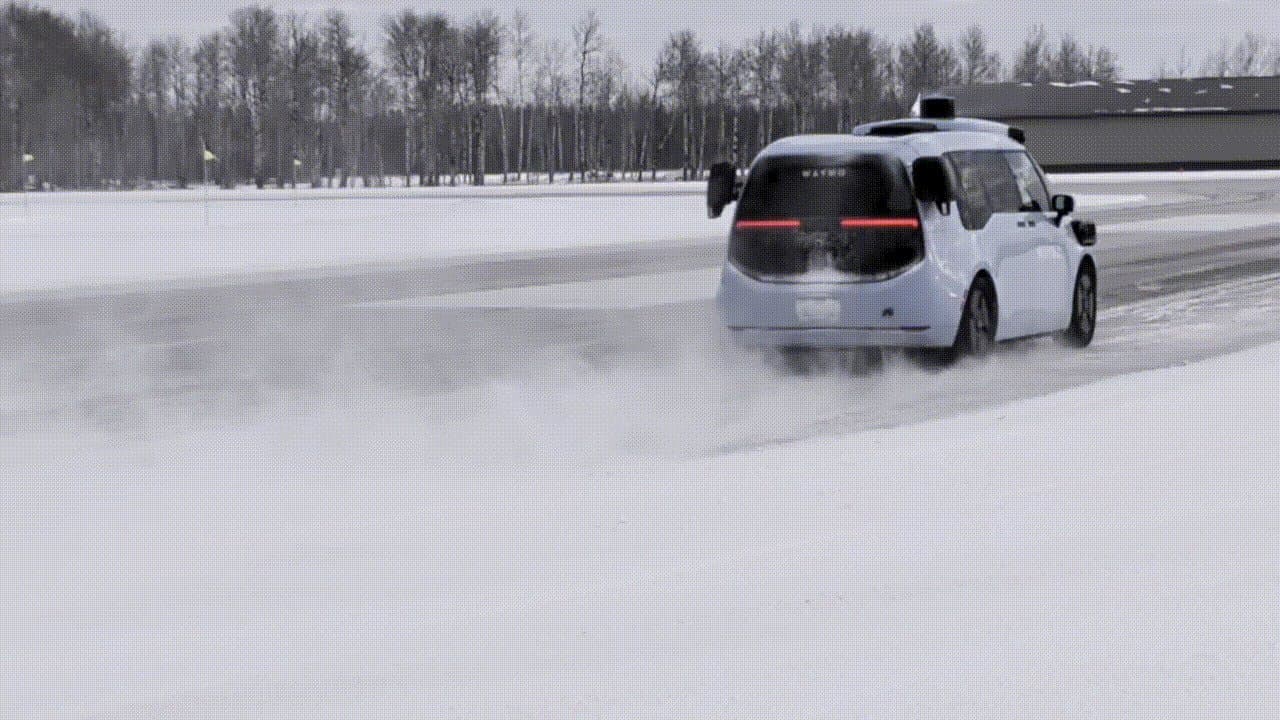
Screenshot from Waymo’s Nov. 5 blog mentioning Alaska · Photo source
Self-driving cars are coming to Alaska to practice in the snow
Waymo, the self-driving car company controlled by Google's parent, Alphabet, said Thursday that it will test its self-driving cars in Alaska this winter, and Gov. Mike Dunleavy welcomed the company by calling Fairbanks the best "proving ground for winter driving."
Waymo's announcement was one sentence in a blog post about driving in winter weather: "This season in Alaska, for example, we'll be conducting closed-course evaluations and heavy snowfall data collection to further refine critical cold-weather capabilities." It doesn't name a city.
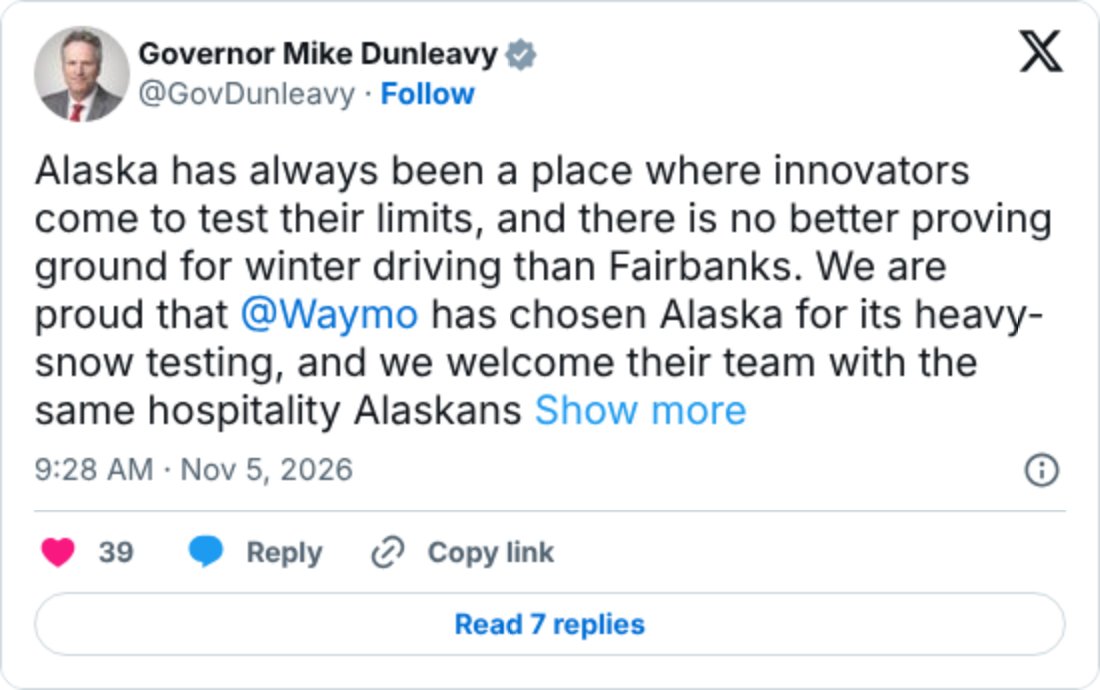
The governor's post on X went further. "There is no better proving ground for winter driving than Fairbanks," Dunleavy wrote, adding that the testing would include "both the Ojai and the Hyundai Ioniq."
The Ojai is Waymo's newest robotaxi, built in China by Zeekr, a brand of the Chinese automaker Geely, and fitted with Waymo's sensors in Arizona. It has carried riders since May. Waymo has been testing a self-driving Hyundai Ioniq 5, built in Georgia, on roads since November 2025. Neither Waymo nor the governor said exactly where the testing will happen, how many cars are coming, how long they'll stay or whether they'll drive on Fairbanks streets.
Snow is a problem the self-driving industry hasn't fully solved. Waymo operates in 15 major U.S. cities and has logged more than 300 million fully autonomous miles, according to Alphabet. But its own safety data, which runs through June, includes no snow.
"There is no commercial [automated driving] service operating in winter conditions or freezing rain," Steven Waslander, a University of Toronto robotics professor who studies winter driving, told Heatmap in February. "We don't have it completely solved." He added: "But our research has shown that a lot of the winter conditions are reasonably manageable."
Waymo started giving public rides Sept. 1 in Denver, which a company spokesperson told the Denver Gazette is "the first true winter weather market." In snowy cities, Waymo says, it validates its system "with trained human drivers behind the wheel." When the weather goes beyond what it has validated, it plans to limit or pause service, and "those pauses may last for hours or even days."
Winter can trip up a self-driving car in several ways. Falling snow can clutter the readings from lidar, the laser sensors that map a car's surroundings, with false detections and missed objects, researchers have found. Snow can bury the lane lines, curbs and signs the cars rely on. Black ice is "nearly invisible even to advanced sensors," Frances Zhu, a Colorado School of Mines researcher, told Denver's Westword.
And a 2022 study found that car exhaust condensing in cold air creates "ghost object detections" in lidar. In Fairbanks, at about 30 below, that exhaust freezes into ice fog. Car exhaust is "the main cause of limited driving visibility," UAF science writer Ned Rozell wrote in 2024. Ice fog has become rarer, averaging about six days a year from 1990 to 2020.
What did you make of this story? (no account needed)
Have a story about City of Fairbanks? Send a tip
Stories on what’s next
Fairbanks City Council Regular Meeting
Fairbanks mayor proposes cutting capital spending 92.5%, citing lawsuit payments
Fairbanks' mayor wants to cut the city's capital budget by more than 90% next year, saying lawsuit settlement payments have put the city in this spot.
Latest
October 2026
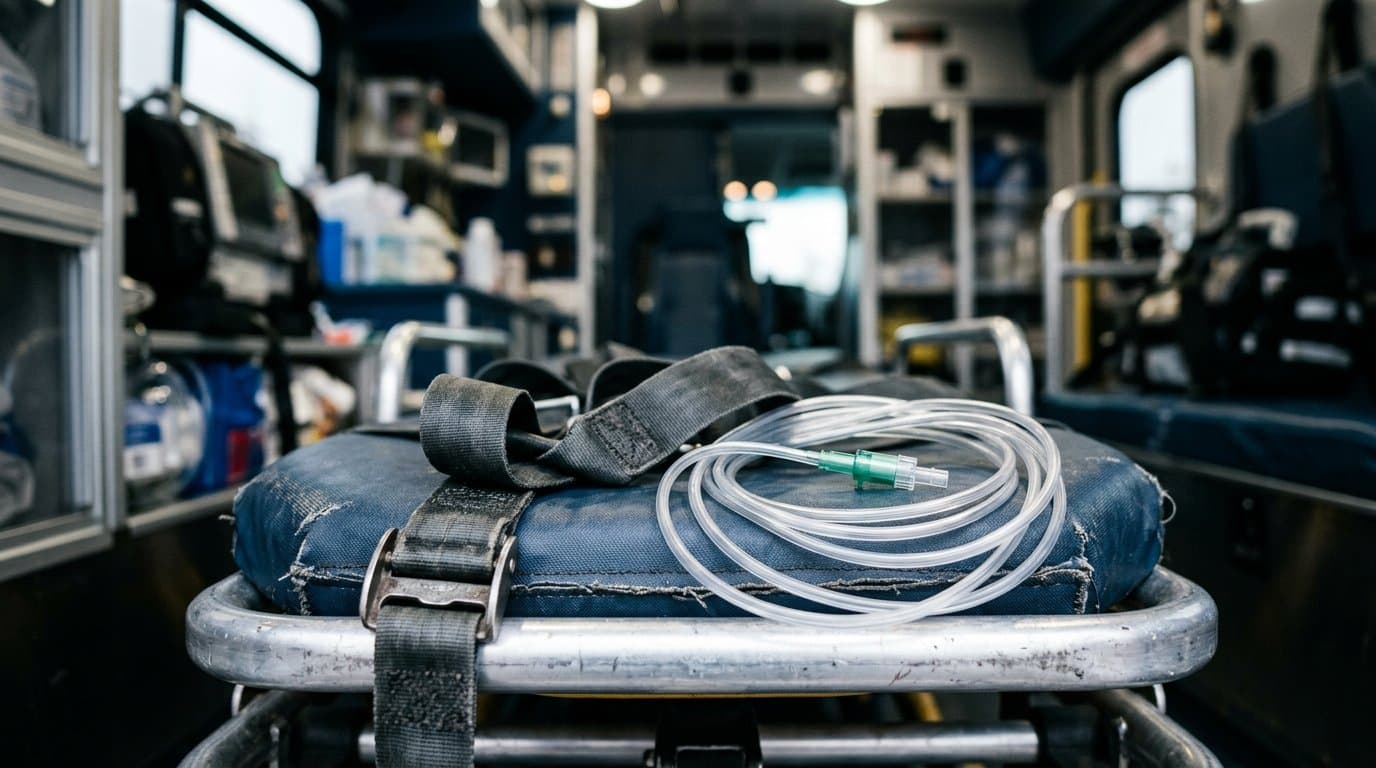
Fairbanks City Council accepts $728,000 federal grant for ambulance bus
Fairbanks council accepted $728,000 in federal funds for a fire department ambulance bus holding up to 22 patients. • Bus aids mass-casualty response, city must fund crewing after year one. • Council also backed statewide e-bike rules and a plan for blighted properties.
 by Walter AlaskaNews5d ago1 min readFrom
Fairbanks police will hand out glow sticks to trick-or-treaters Halloween night
Fairbanks and North Pole police will hand out glow sticks to trick-or-treaters Saturday night to keep kids visible to drivers. Alaska logged 15 pedestrian deaths in 2024, up from 13 the year before.
by Walter AlaskaNews6d ago1 min read
September 2026
Fairbanks gets $728,000 in congressionally directed funds for a 14-stretcher ambulance bus
Fairbanks is buying a bus that can carry 14 patients on stretchers. The grant covers one year; crewing it after that is the city's problem.
 by Maggie AlaskaNews1mo ago2 min read
Fairbanks votes Oct. 6 on capping taxes, moving elections and hand counts
Fairbanks voters decide Oct. 6 whether to cap borough taxes, move elections to November and count ballots by hand. Any of it locks for two years.
by Maggie AlaskaNews1mo ago2 min read
Fairbanks ordinance would shift board appointments from Assembly to borough mayor
Mayor Hopkins would gain power to appoint most borough board members now split between the Assembly and Fairbanks and North Pole, under an ordinance the Assembly takes up Wednesday.
by Walter AlaskaNews1mo ago2 min read
Draft permit would let Fairbanks discharge 11.2 million gallons a day into the Tanana
Fairbanks could keep discharging up to 11.2 million gallons of treated sewage a day into the Tanana River under a draft state permit.
by Maggie AlaskaNews1mo ago1 min read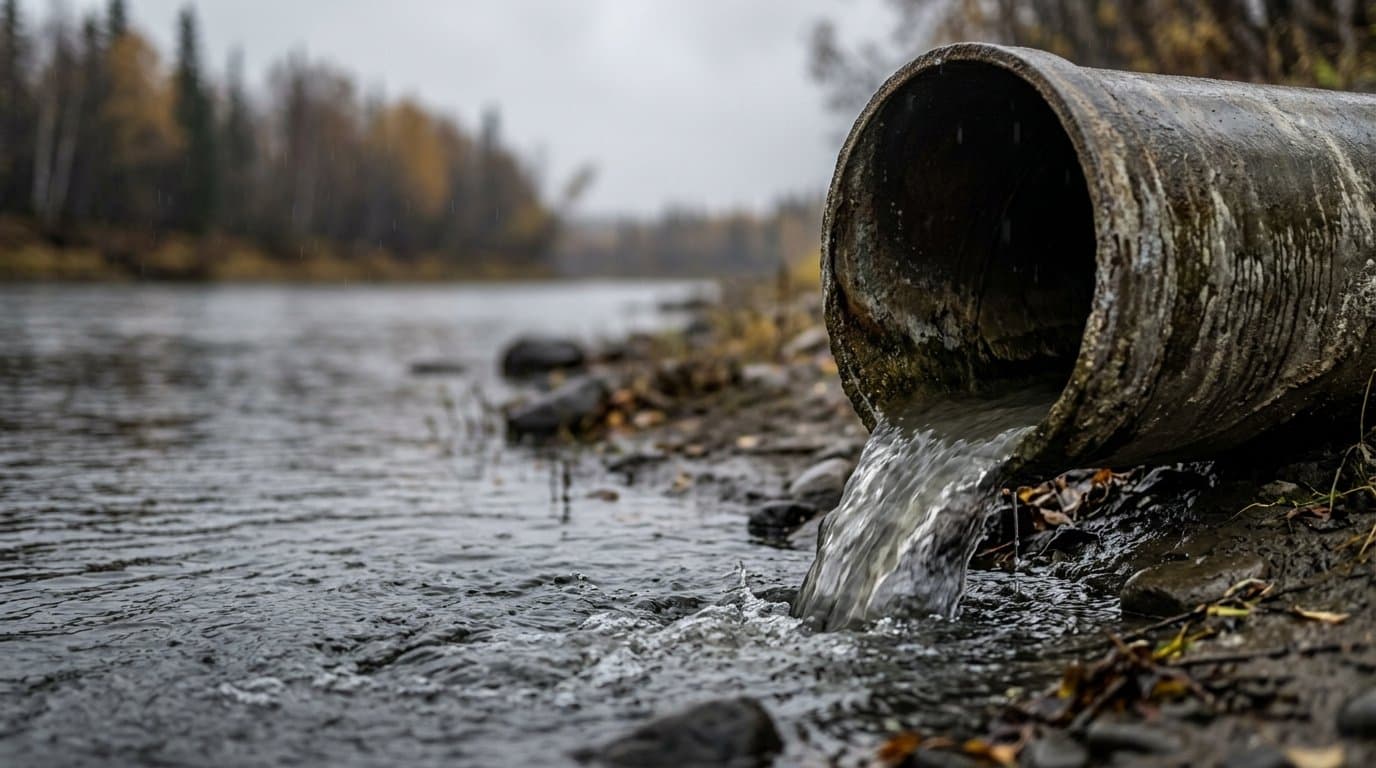
August 2026
As the Chena's king salmon collapse, Fairbanks debates how wide a riverfront buffer to require
Fairbanks is rewriting its Chena riverfront plan, weighing how wide a streamside buffer to require — as the river's kings collapse and property owners watch.
by Maggie AlaskaNews2mo ago2 min read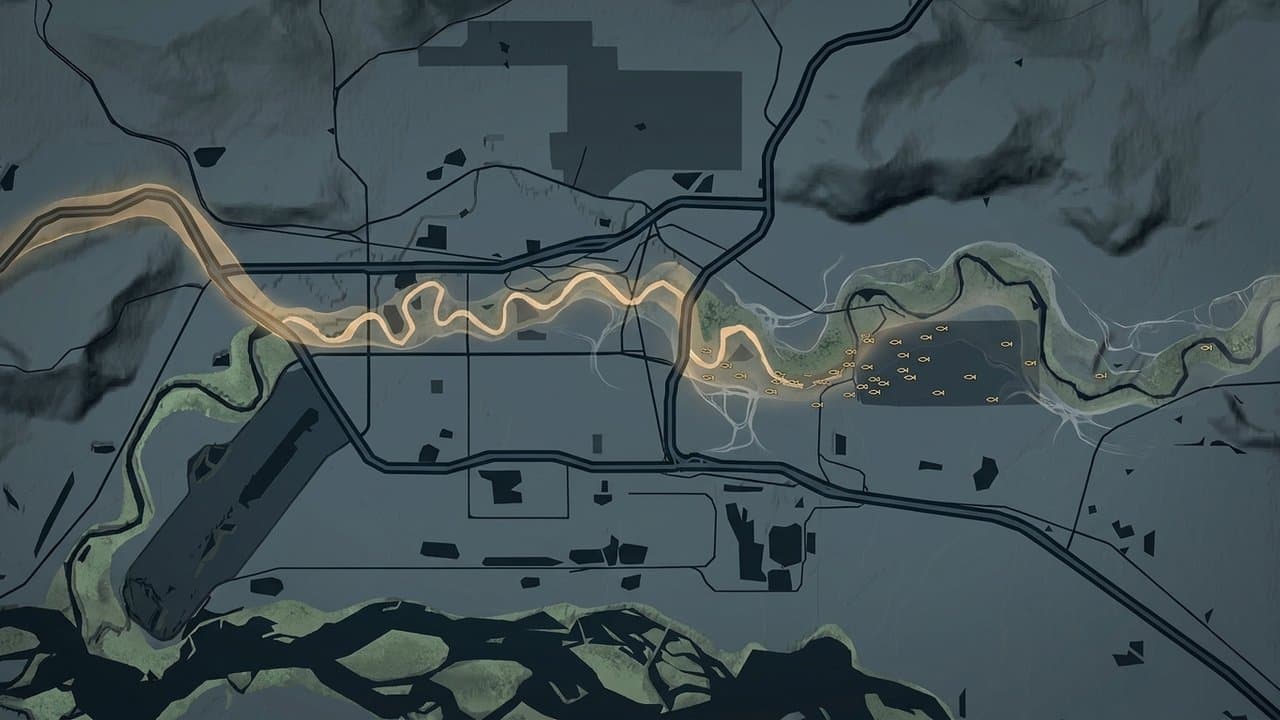
Fairbanks would keep its 11.2 million gallon Tanana discharge cap
Fairbanks' wastewater plant would keep its 11.2 million gallon daily discharge cap on the Tanana, unchanged since 2022. It currently uses less than half.
by Maggie AlaskaNews2mo ago1 min read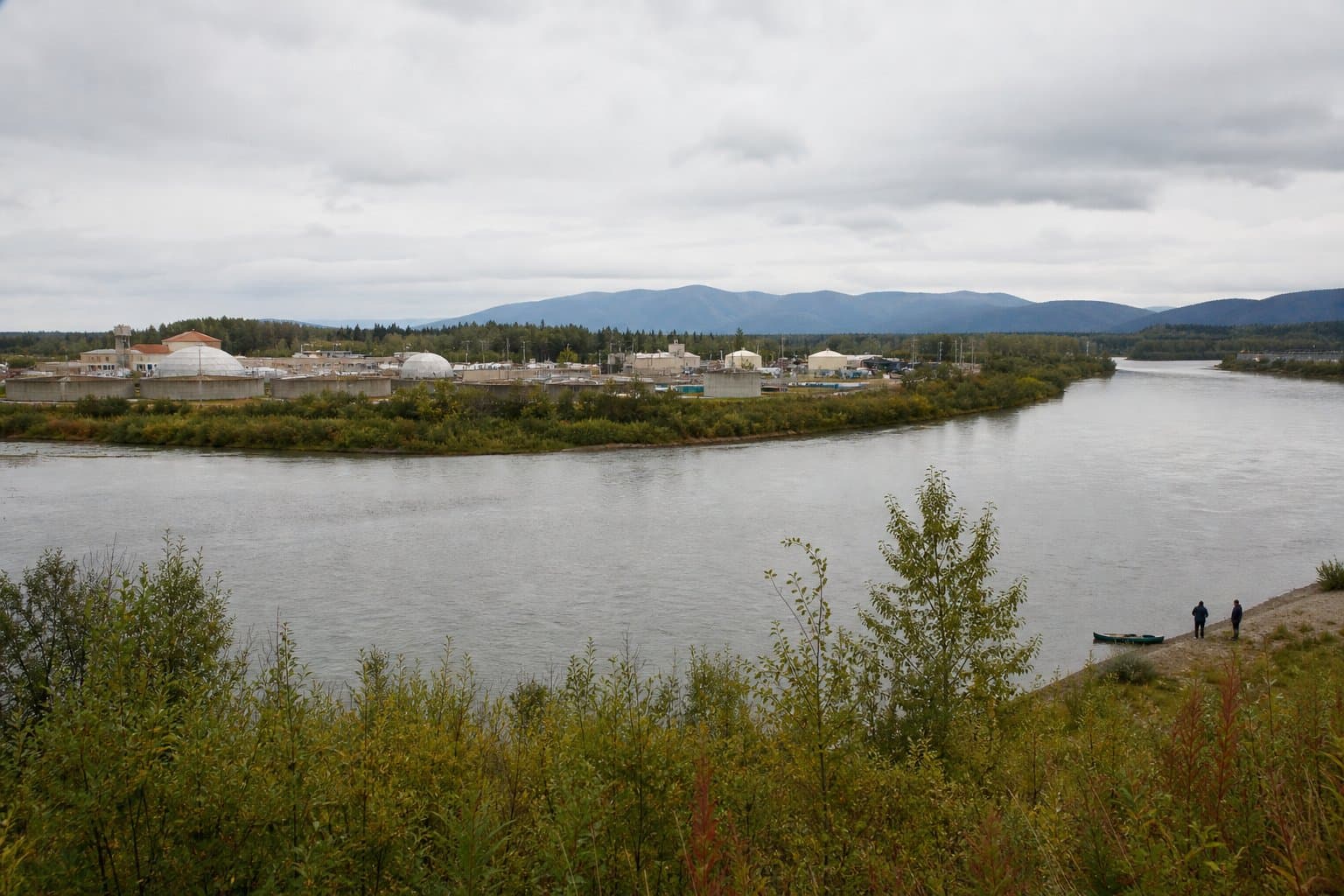
Fairbanks draft river plan backs changing wastewater discharge so the Chena can freeze
A Fairbanks plan backs letting the Chena freeze through town again, undoing decades of warm power-plant water, though some residents worry about snowmachines.
by Maggie AlaskaNews2mo ago2 min read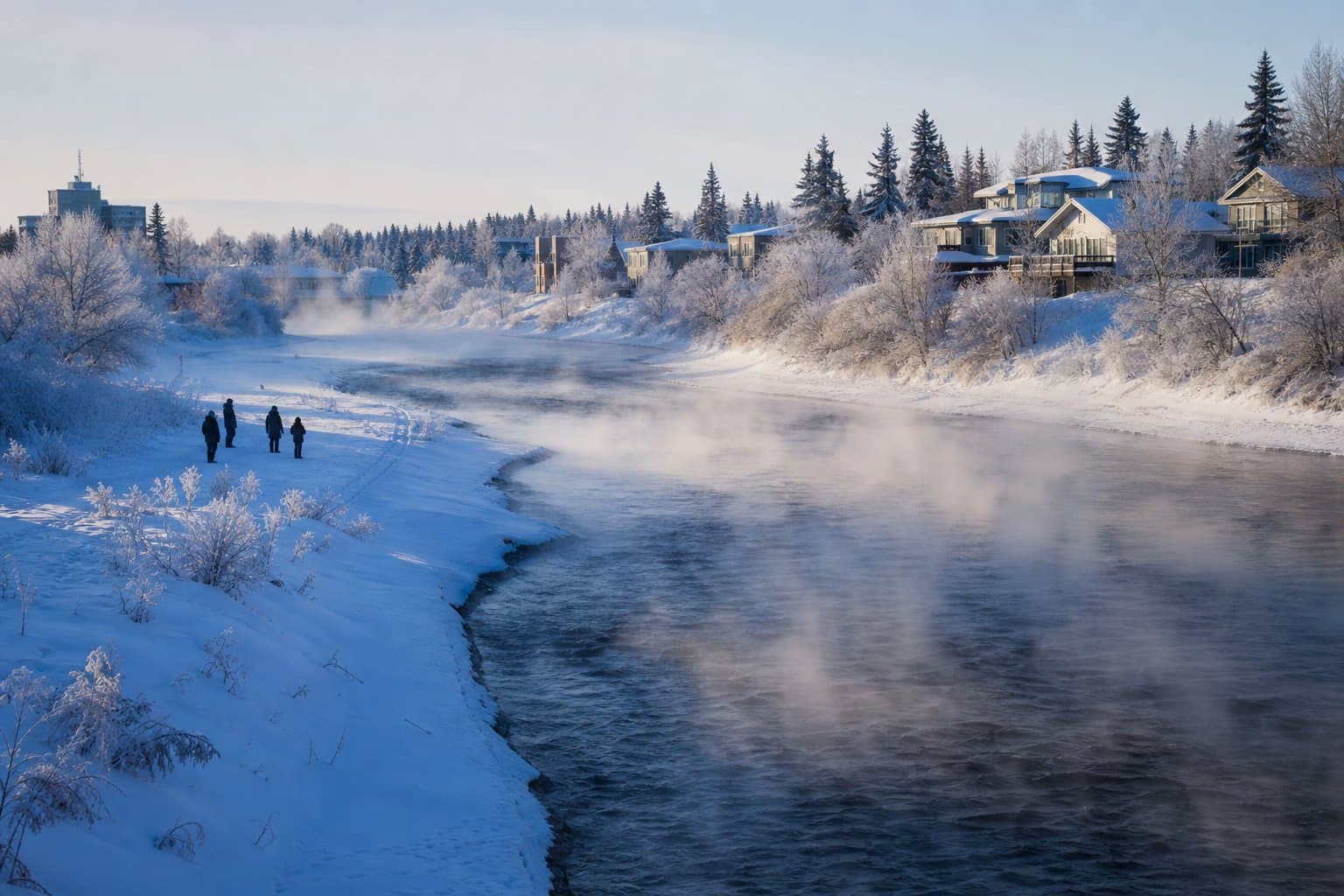
A commission wants tougher riverbank protection than the developers asked for on a proposed Chena RV park
A Fairbanks commission wants tougher riverbank rules than a proposed Chena RV park's developers, and staff, sought — over how much to guard the water.
by Maggie AlaskaNews2mo ago2 min read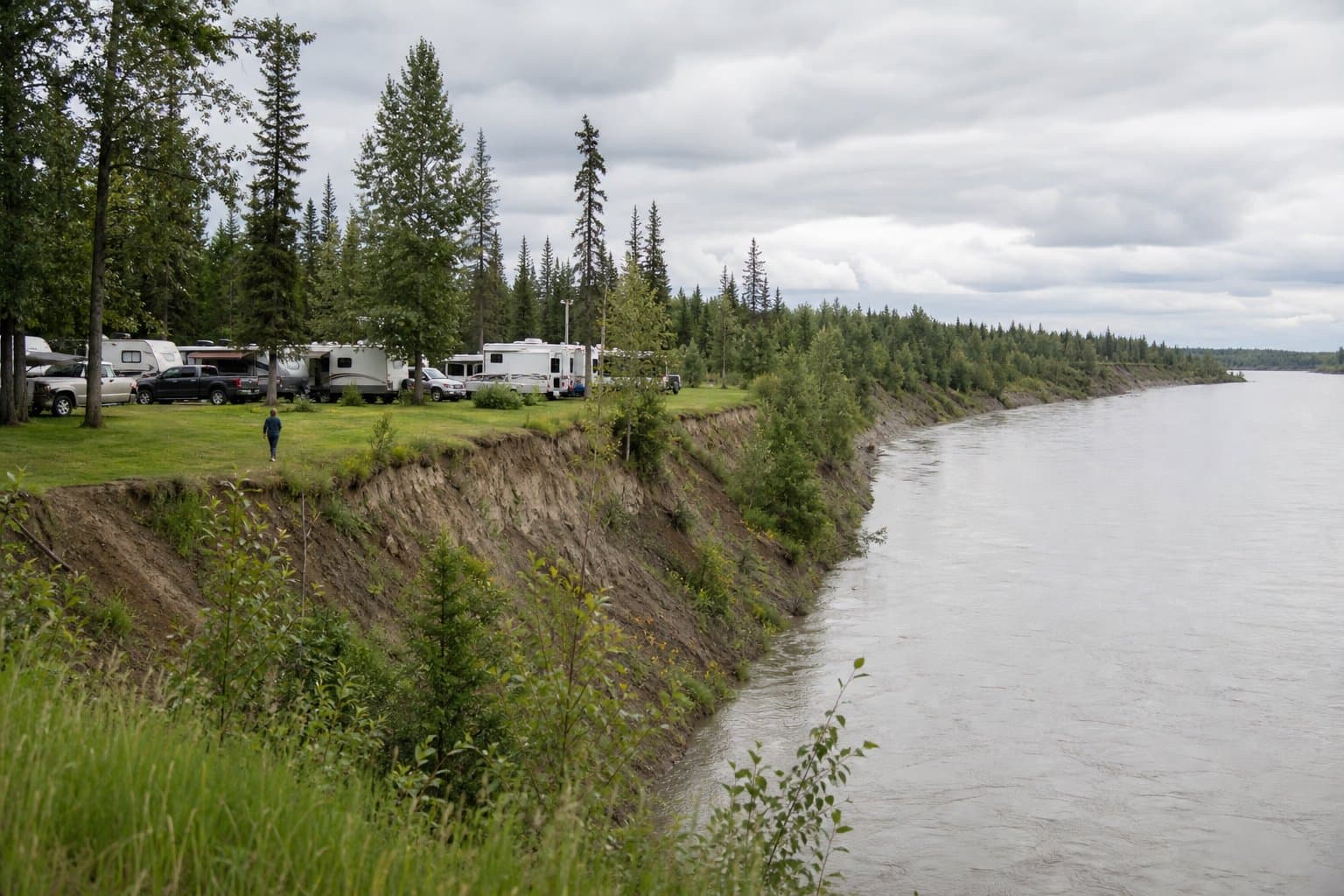
July 2026
Fairbanks riverwalk gap closure gets commission review next week
Fairbanks commission reviews Phase III of Chena Riverwalk on July 22, a trail segment to close a gap near Pioneer Park, after city council opposed the current design as too expensive.
by Maggie AlaskaNews3mo ago2 min read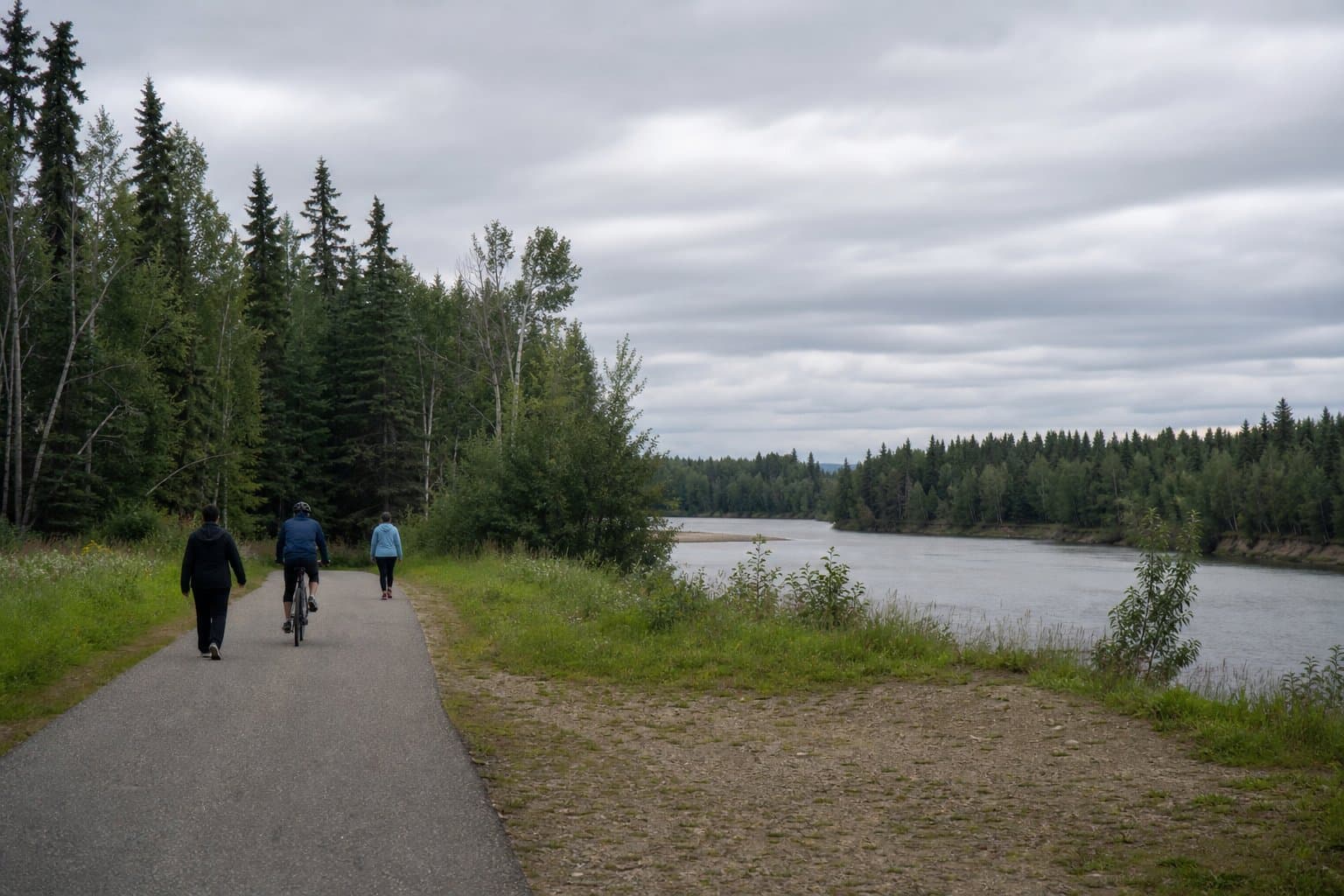
June 2026
One Floodplain Study Stands Between Fairbanks and a Finished River Walk
Fairbanks is one riverside stretch from a downtown-to-University trail — but that last piece sits in the floodplain, so engineers have to prove it won't flood the neighbors first.
by Maggie AlaskaNews4mo ago2 min read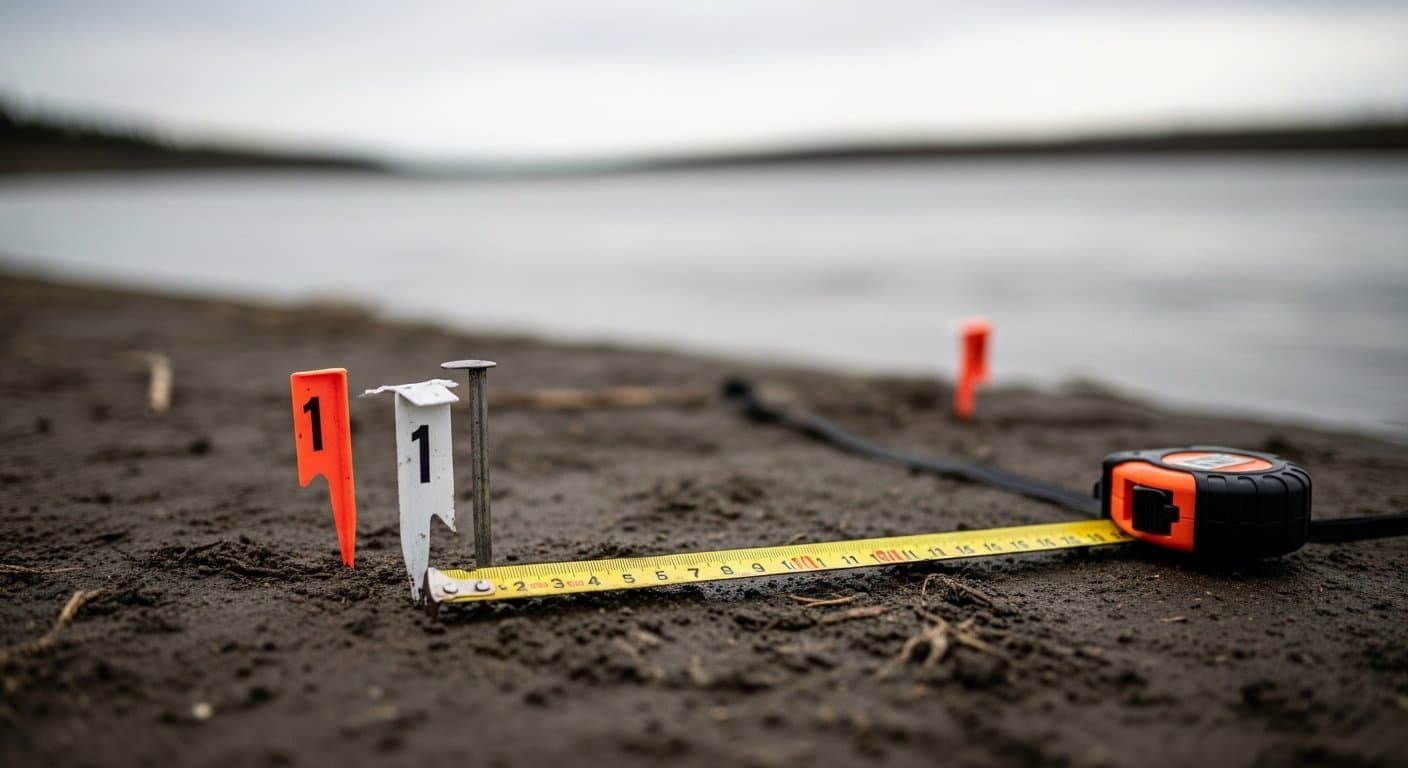
About City of Fairbanks

Photo: FairbanksMike via Wikimedia Commons · Photo source · CC BY 2.0
fairbanks.gov ↗Fairbanks, AK 99701, USA
The City of Fairbanks is the municipal government of Fairbanks, the largest city in Alaska's Interior. Its council and mayor pass ordinances and oversee city departments such as police, fire and public works. It is a separate government from the Fairbanks North Star Borough.
The Chena River runs through the city, and its riverfront shapes many city decisions: how wide a streamside buffer to require, how riverbank development such as RV parks should be reviewed, and how to finish the Chena River Walk trail through the floodplain. The city wastewater plant discharges treated sewage into the Tanana River under a state permit.
The fire department and police department carry out city public safety work, from mass-casualty response equipment to safety programs for children. Planning commissions review riverfront projects before they reach the council.