Alaska’s meetings, filings, and public notices, covered daily.
Alaska News
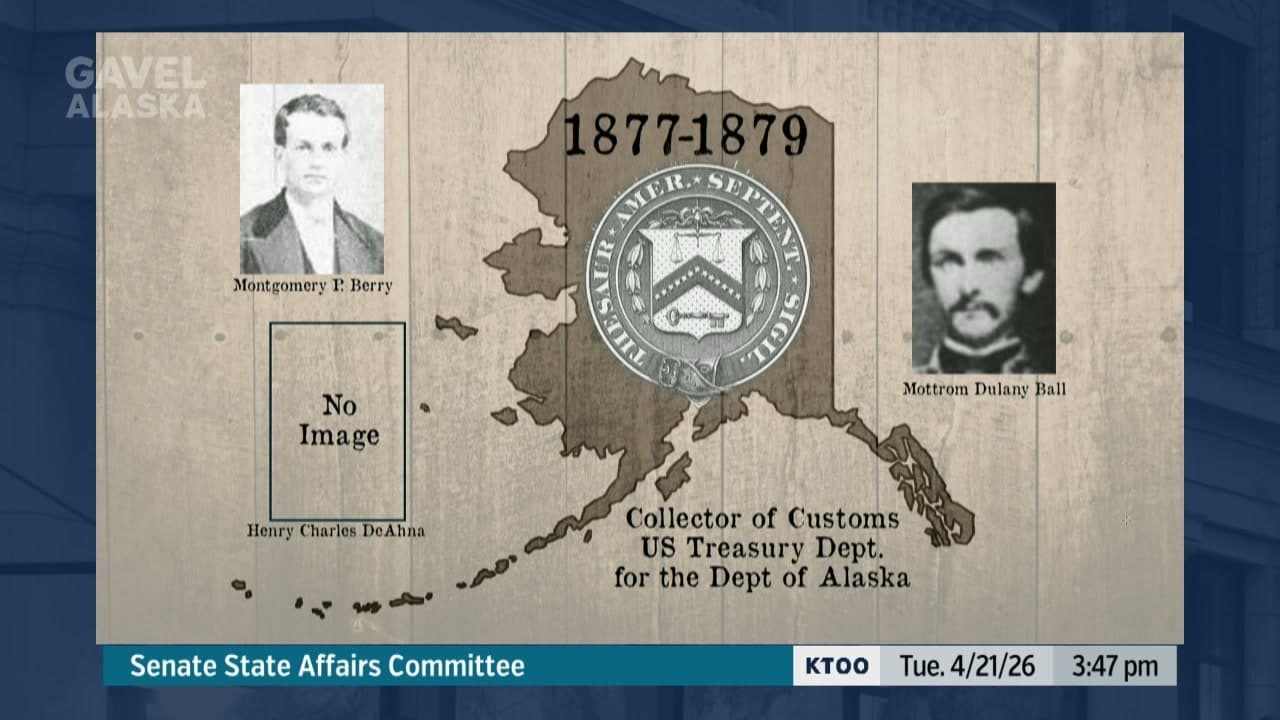
The Senate State Affairs Committee heard testimony on a resolution to create a commission that would evaluate redesigning Alaska's 1913 state seal, which critics say lacks Alaska Native representation and emphasizes outdated industrial imagery.
Also in Alaska News
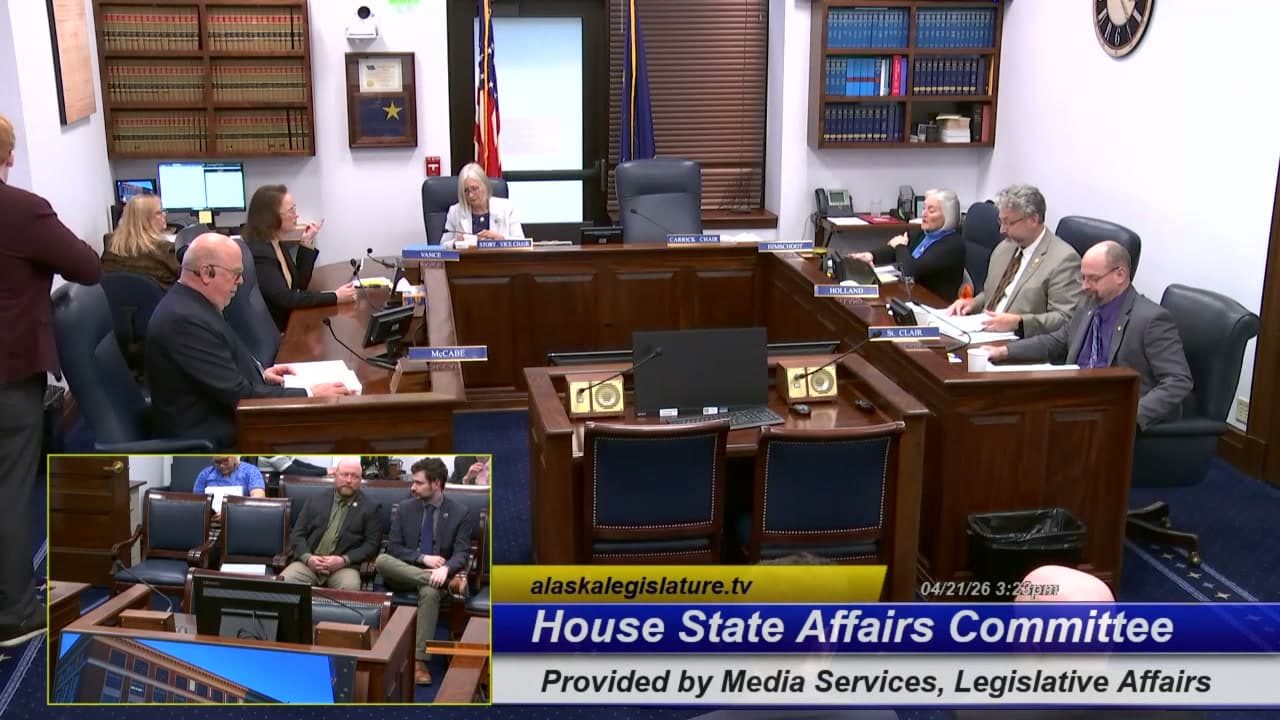
The House State Affairs Committee heard emotional testimony from a Fairbanks father whose sons were shot by state troopers, fueling support for a bill requiring police to release body camera footage within 30 days of use-of-force incidents that result in death or serious injury.

Where in Alaska are you?
We’ll put news from your area first. No account needed, change it anytime.
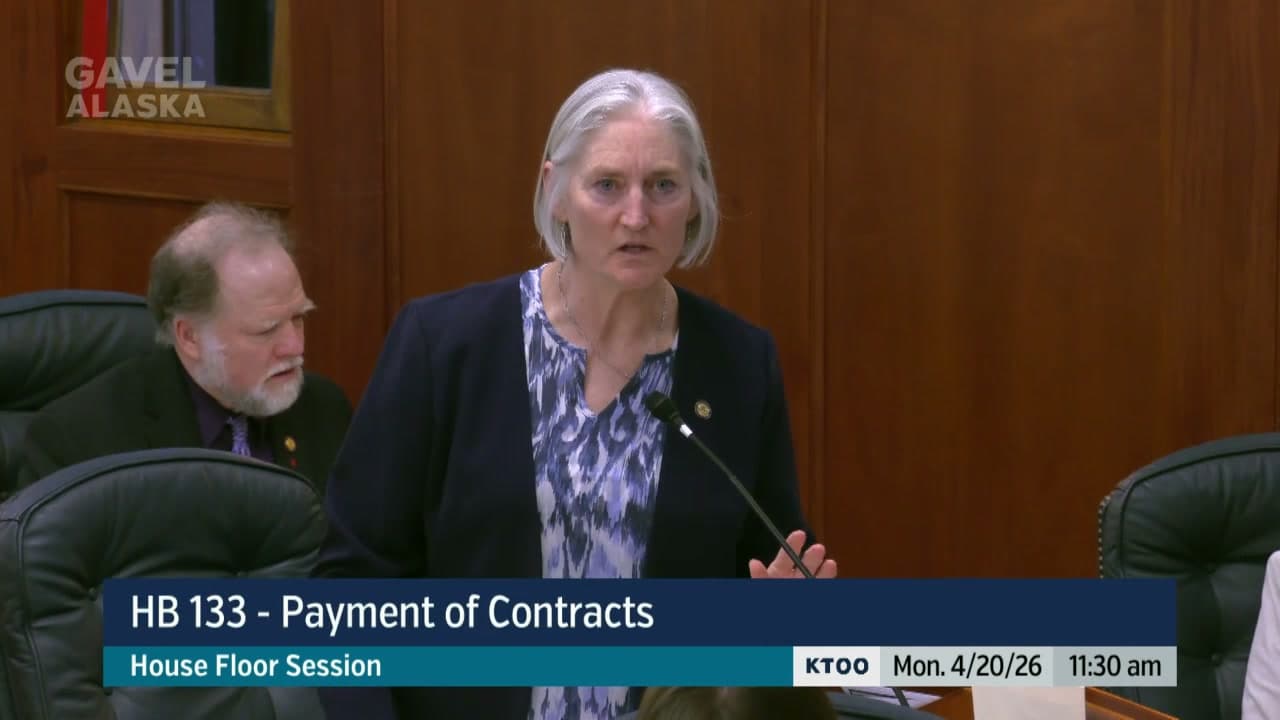
The Alaska House of Representatives advanced legislation requiring the state to pay contractors and nonprofits within 30 days, adopting amendments to phase in the requirement and increase transparency while rejecting performance metrics and resource development compliance language.

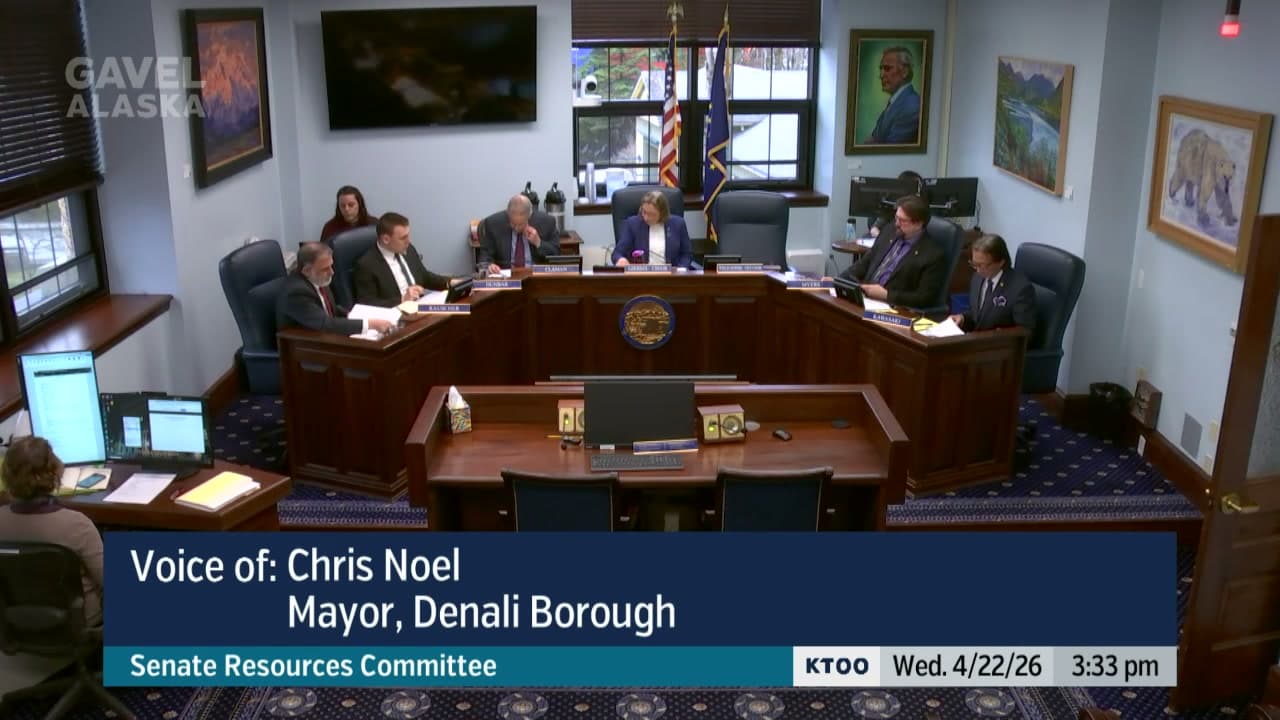
Denali Borough's mayor testified against a provision in SB 280 that would route pipeline tax revenue through the state legislature, seeking direct payments and upfront impact fees instead.

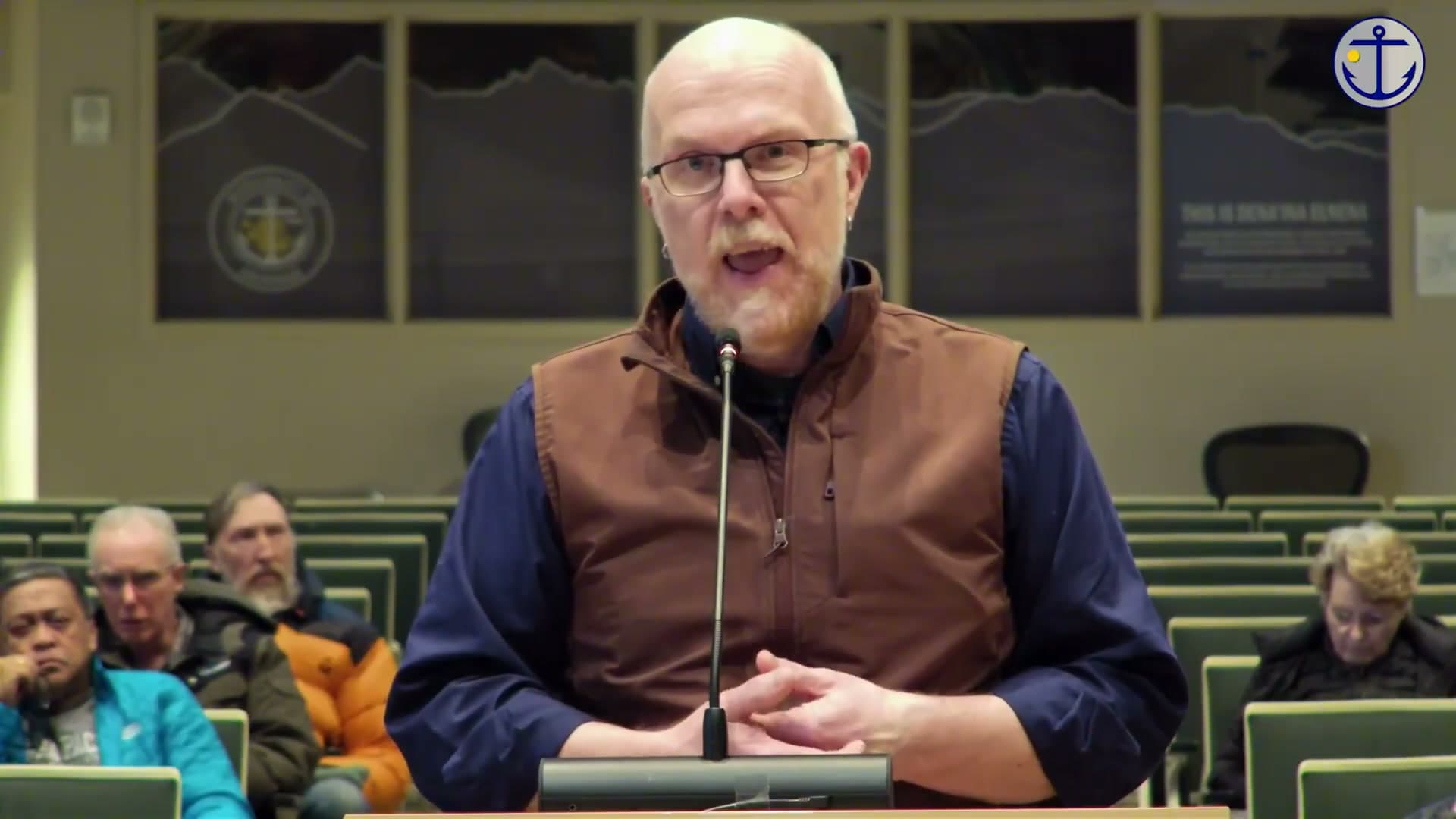
The Anchorage Urban Design Commission voted 5-1 to recommend the Assembly dissolve the commission and transfer its duties to the Planning and Zoning Commission, citing efficiency concerns and a thin caseload.

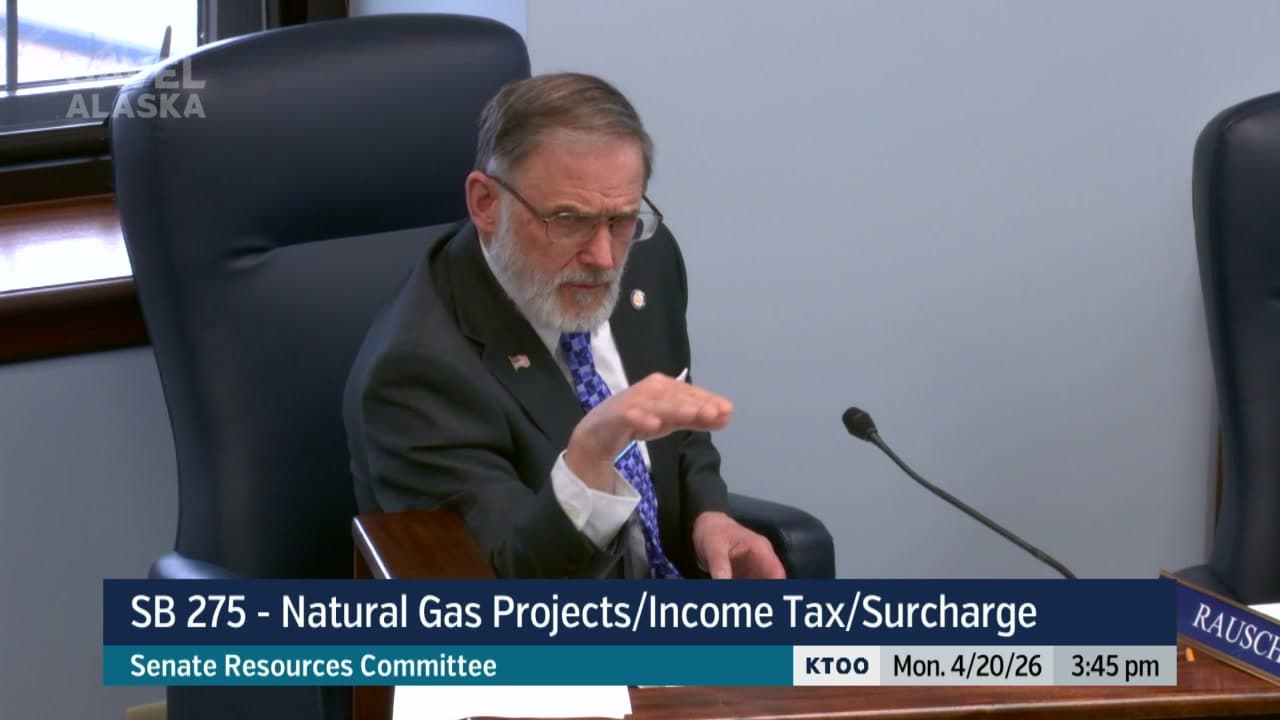
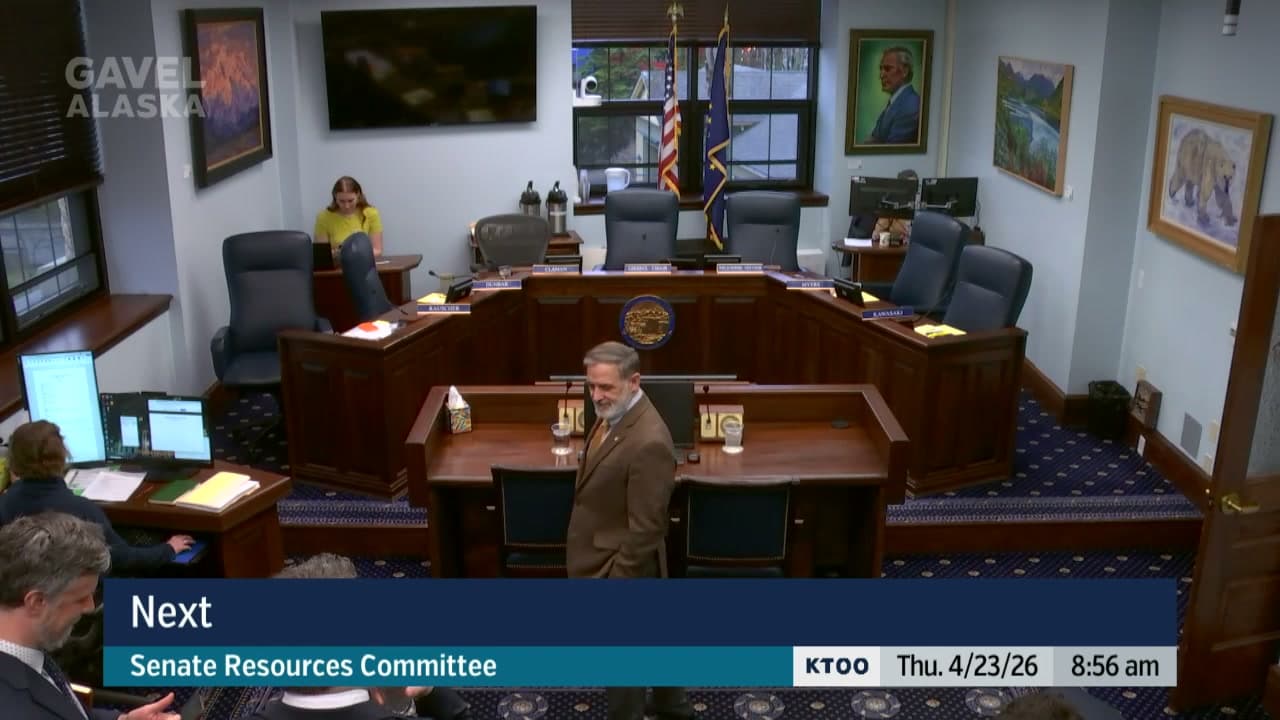
The Senate Resources Committee adopted a comprehensive rewrite of gas pipeline taxation combining policy oversight and new tax structures that could generate $610 million annually from Alaska's natural gas resources.

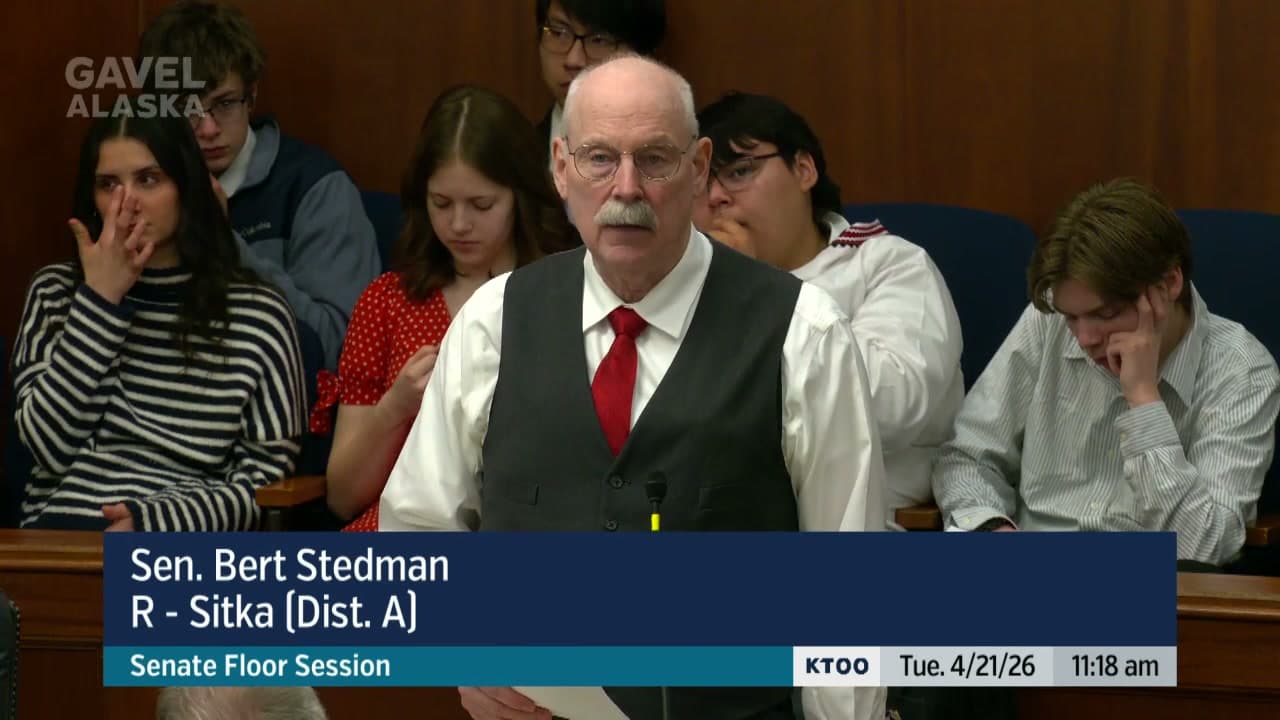
The Alaska Senate unanimously approved a $2.47 billion capital budget Tuesday that directs 94% of new unrestricted general funds to K-12 school maintenance, addressing projects that have waited up to 20 years for funding.

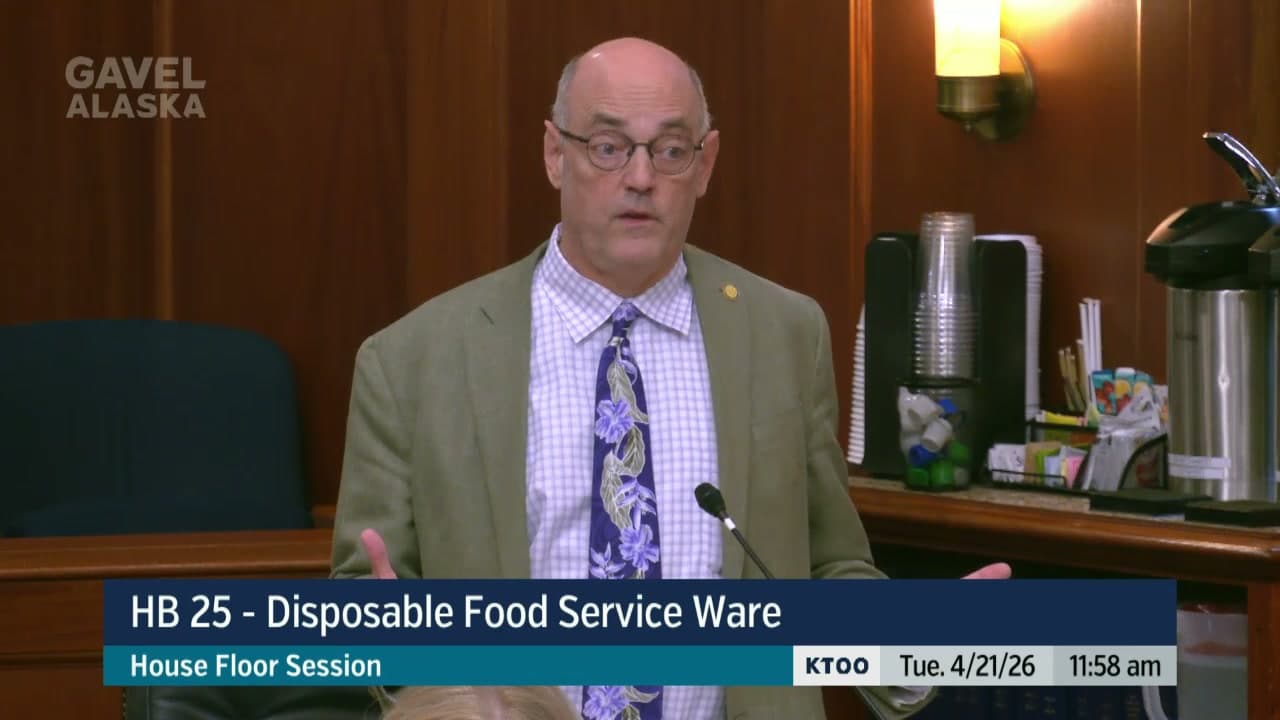
The Alaska House of Representatives voted 25-15 to ban polystyrene foam food service containers statewide, with supporters citing health risks and environmental damage while opponents warned of costs to small businesses.

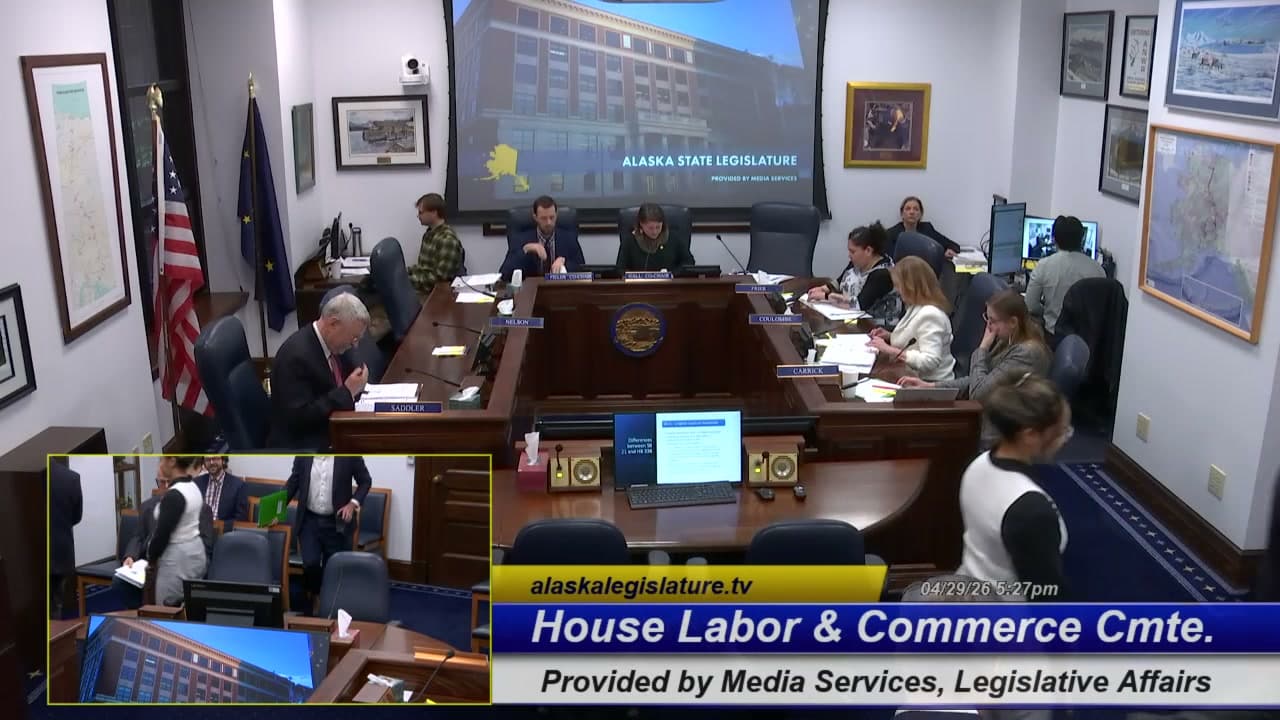
The House Labor and Commerce Committee voted 4-2 to advance HB 350, which would impose a 9.4% income tax on S-corporations, LLCs, and partnerships earning over $25 million annually, with first payments due in 2028.

The Federal Subsistence Board approved 52 wildlife proposals that will reshape hunting and trapping rules on federal public lands across Alaska for 2026 through 2028.

The Senate Health and Social Services Committee recommended 10 gubernatorial appointees to various health professional boards for full legislative confirmation, including positions on nursing, pharmacy, optometry, and social work boards.

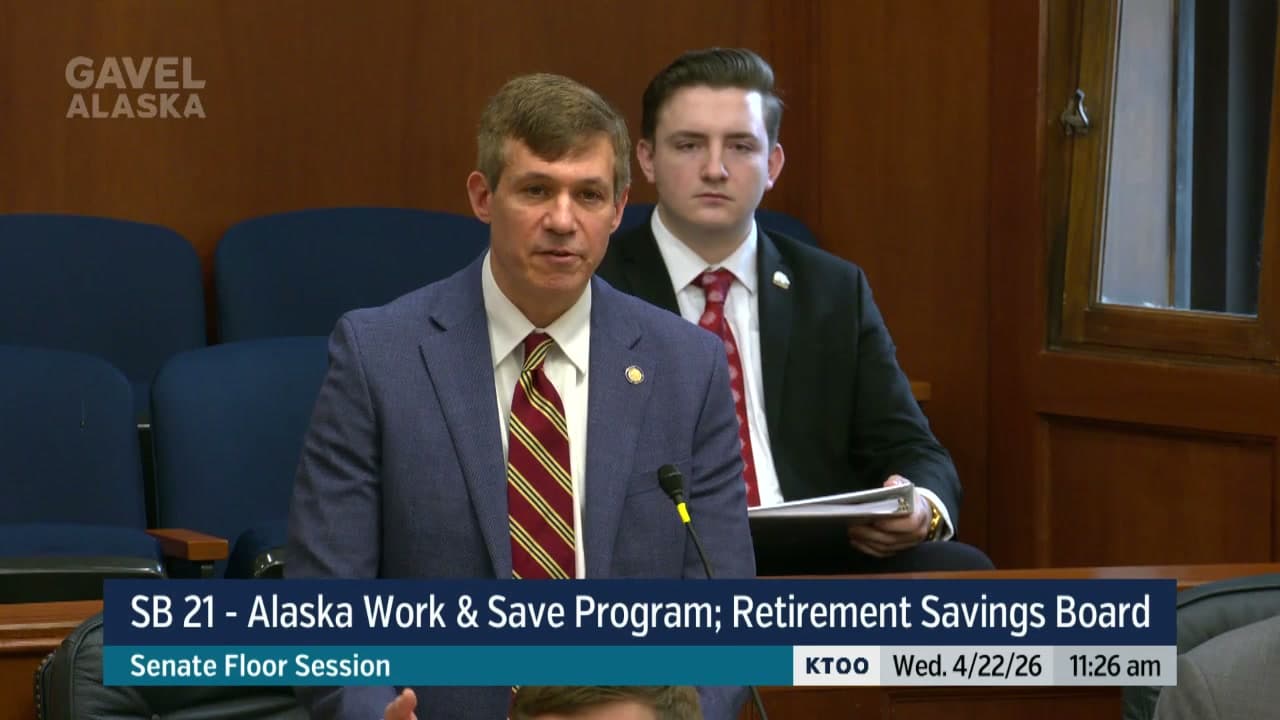
The Alaska Senate approved a first-in-Alaska automatic retirement savings program for workers at small businesses, despite concerns from the Alaska Chamber about mandates on employers.

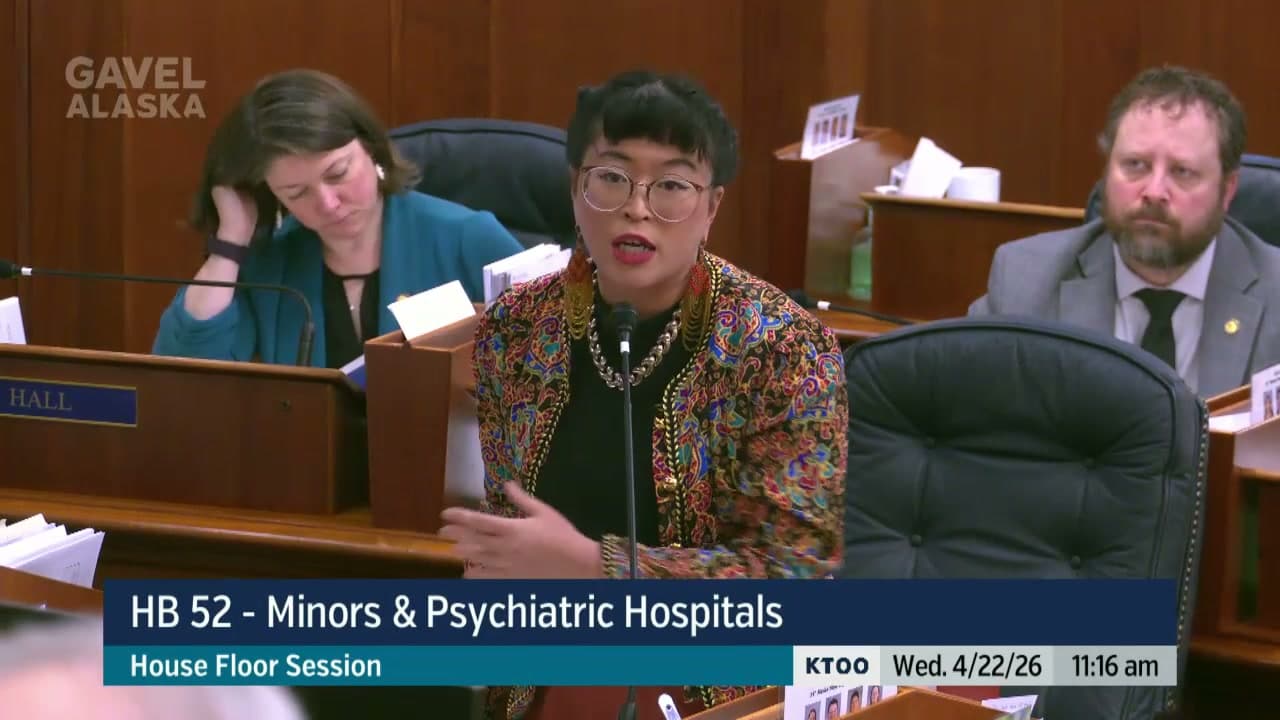
The Alaska House unanimously passed legislation requiring psychiatric hospitals to allow minors confidential communication with parents, conduct unannounced inspections, and notify families when seclusion or restraint is used.

The Legislative Budget and Audit Committee unanimously approved the release of Alaska's FY25 Single Audit on April 22, 2026, following an executive session to discuss the annual federal financial review.

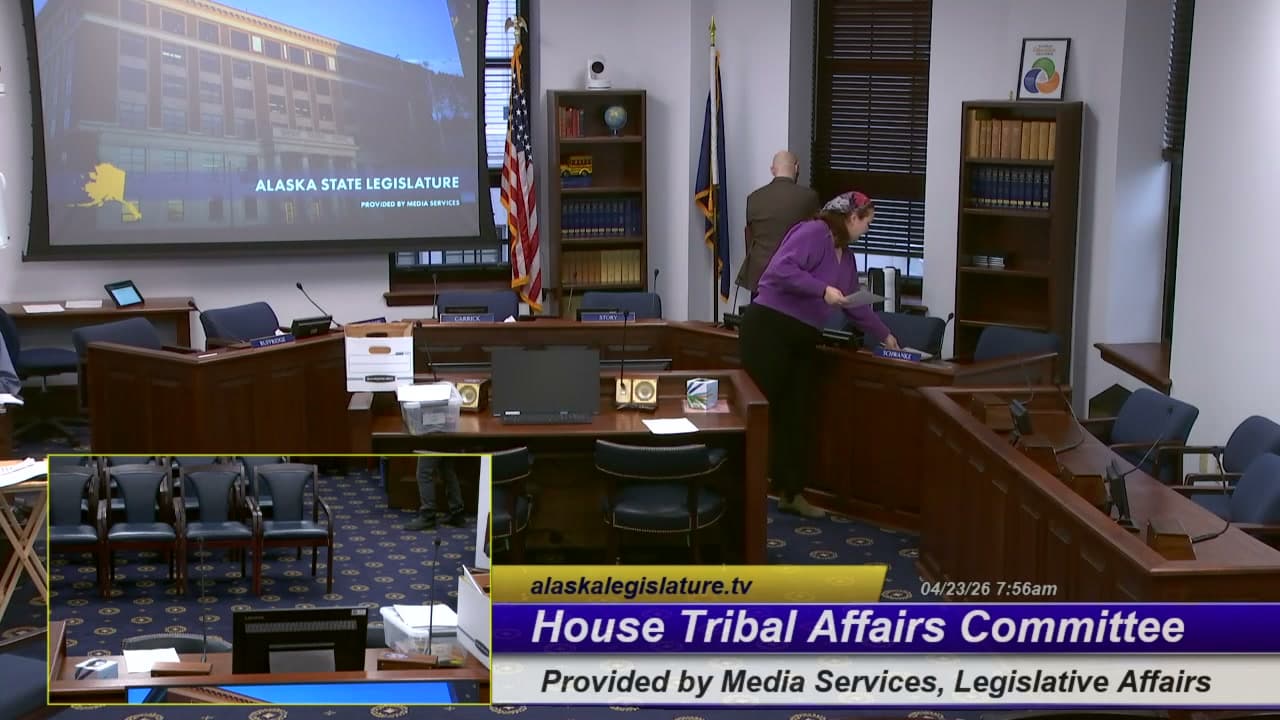
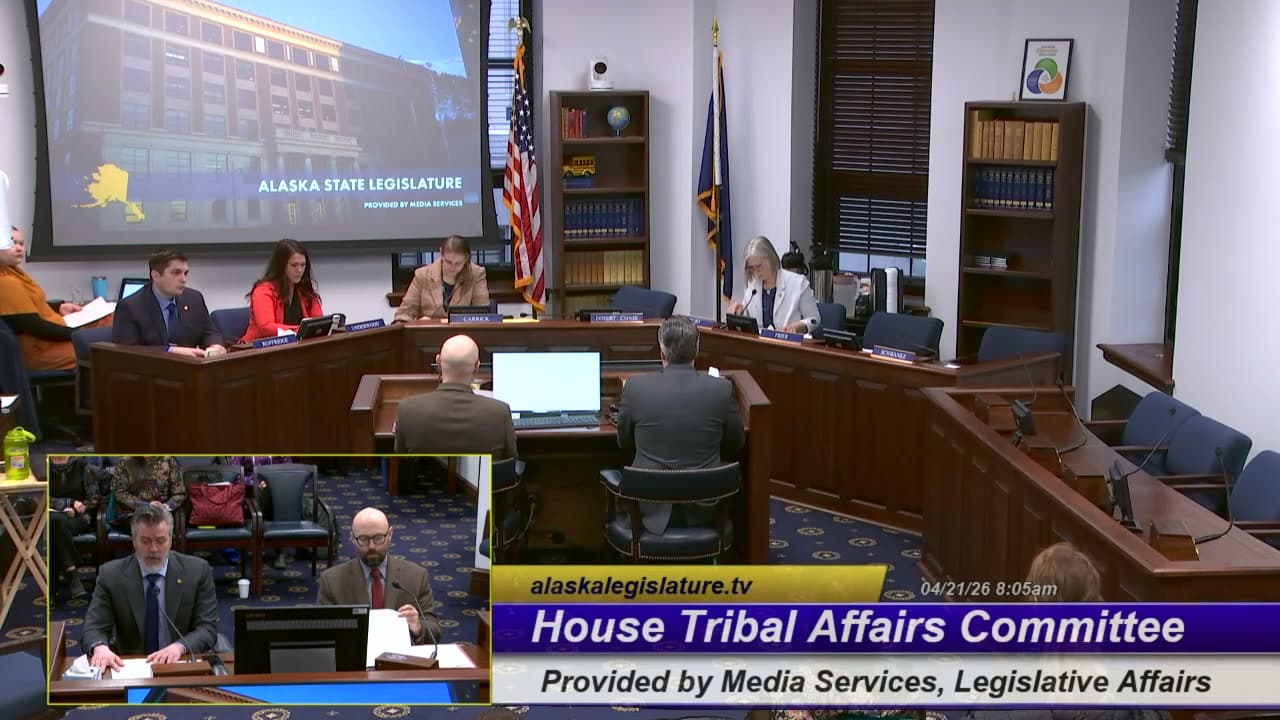
The House Tribal Affairs Committee unanimously advanced House Bill 384, which extends confidentiality protections to tribal domestic violence and sexual assault advocates by adding two words to Alaska statute.

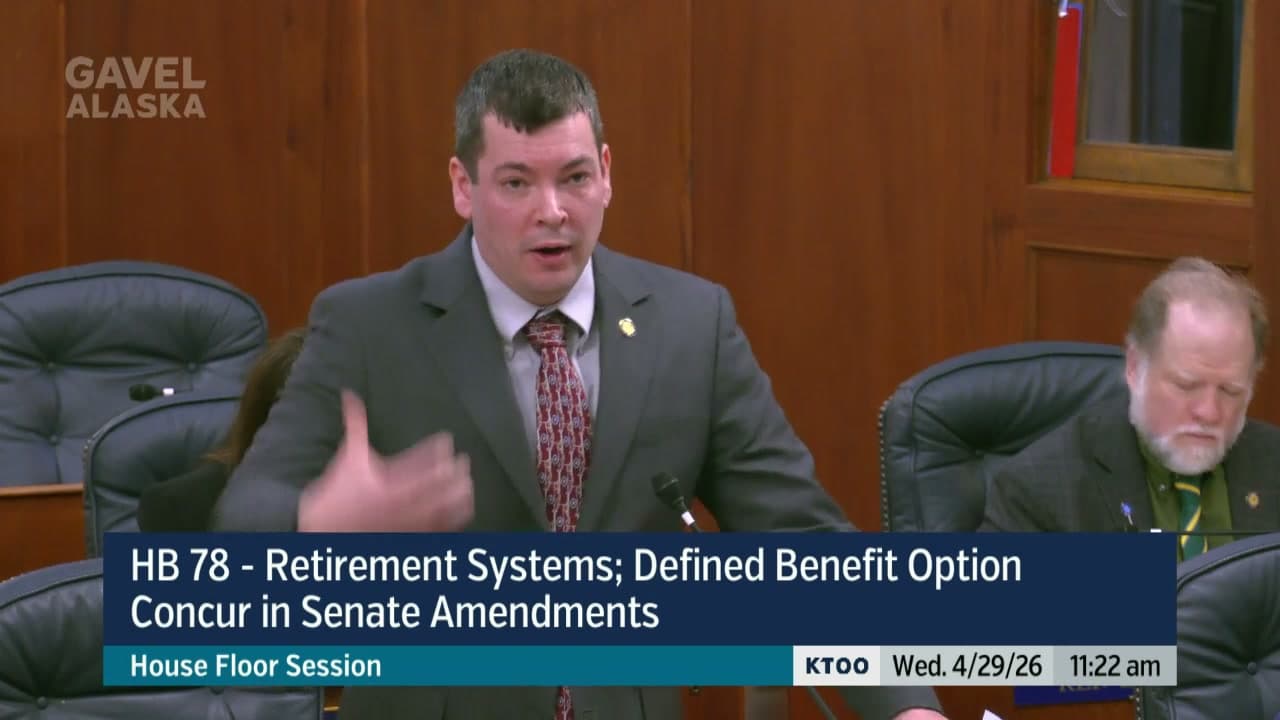
The Alaska House of Representatives voted 21-19 to concur with Senate amendments to House Bill 78, restoring defined benefit pension options for state and municipal employees after a 20-year hiatus, despite concerns about fiscal risk and implementation challenges.

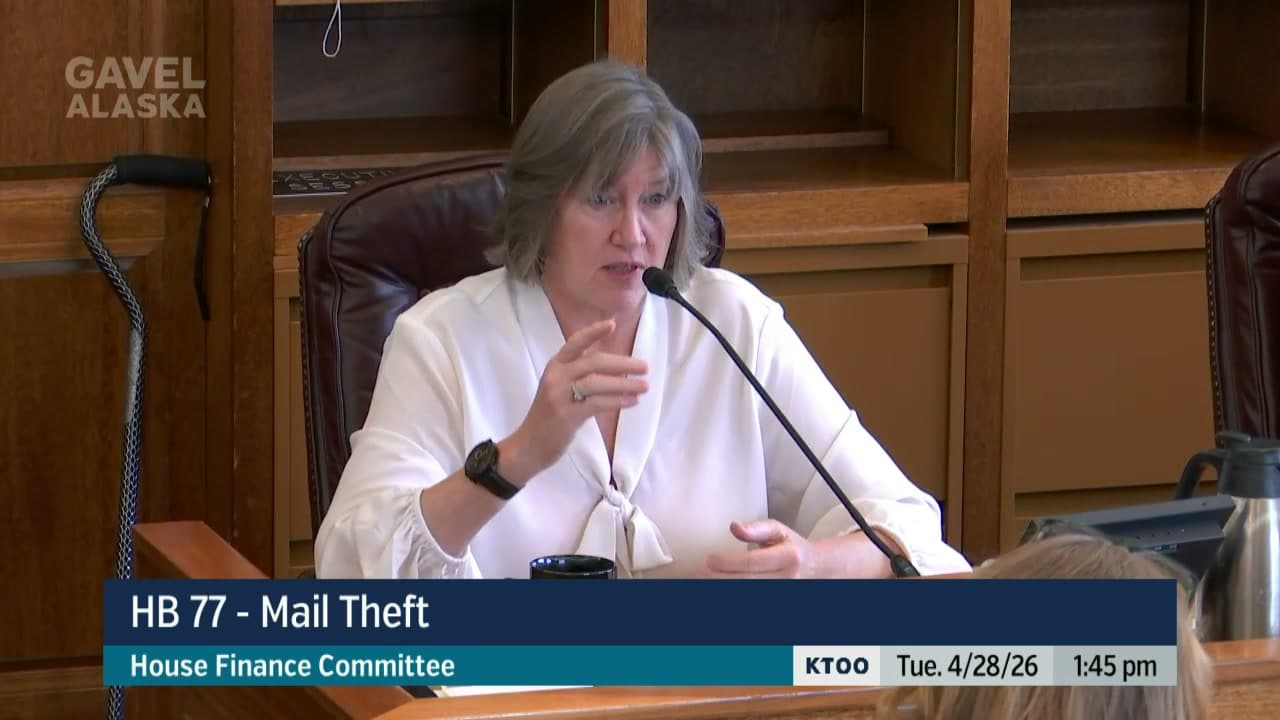
The Alaska House Finance Committee unanimously advanced a bill making mail theft a class C felony, even as a competing administration bill with lighter penalties moves through the Senate, creating potential legislative conflict.

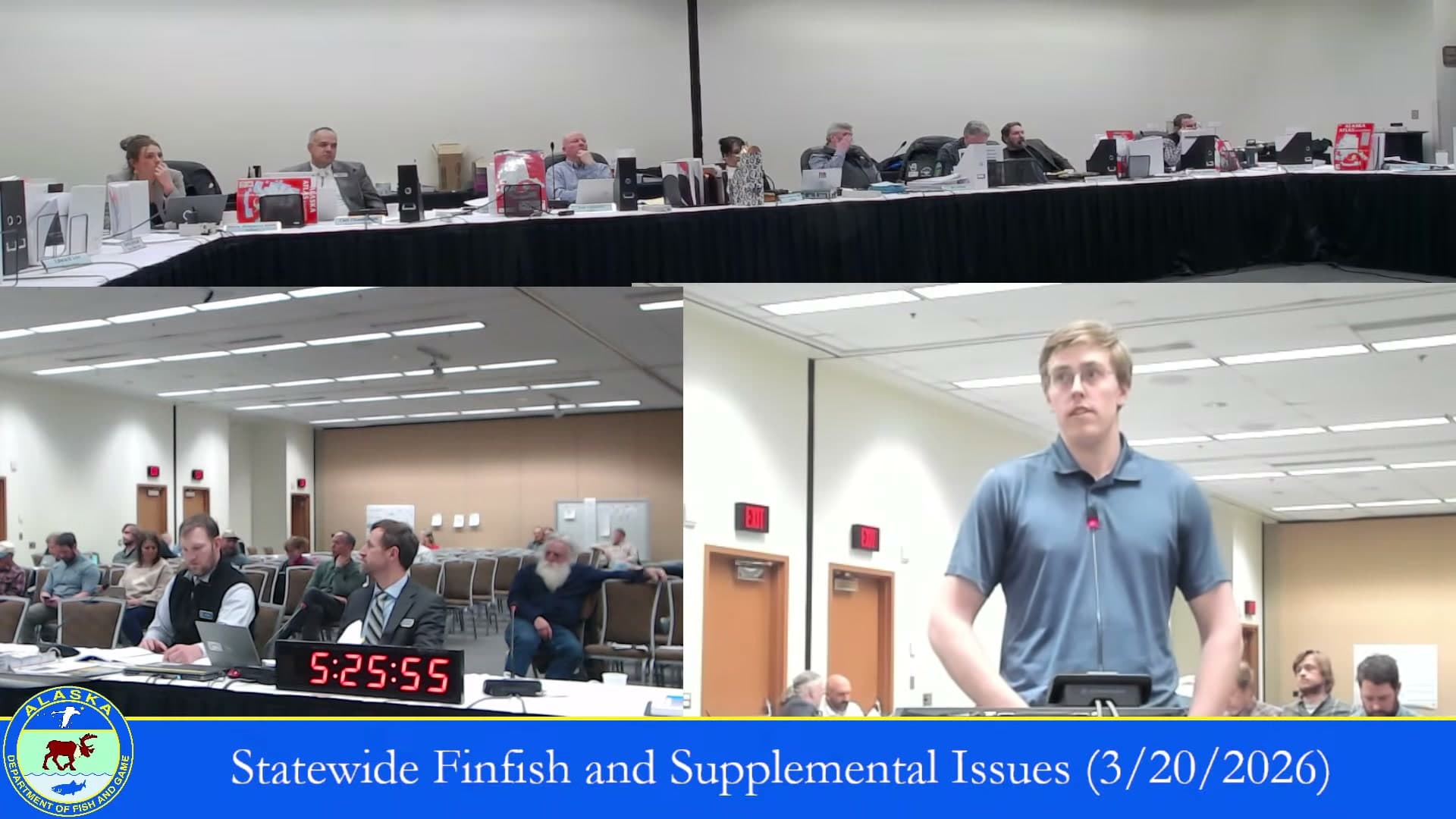
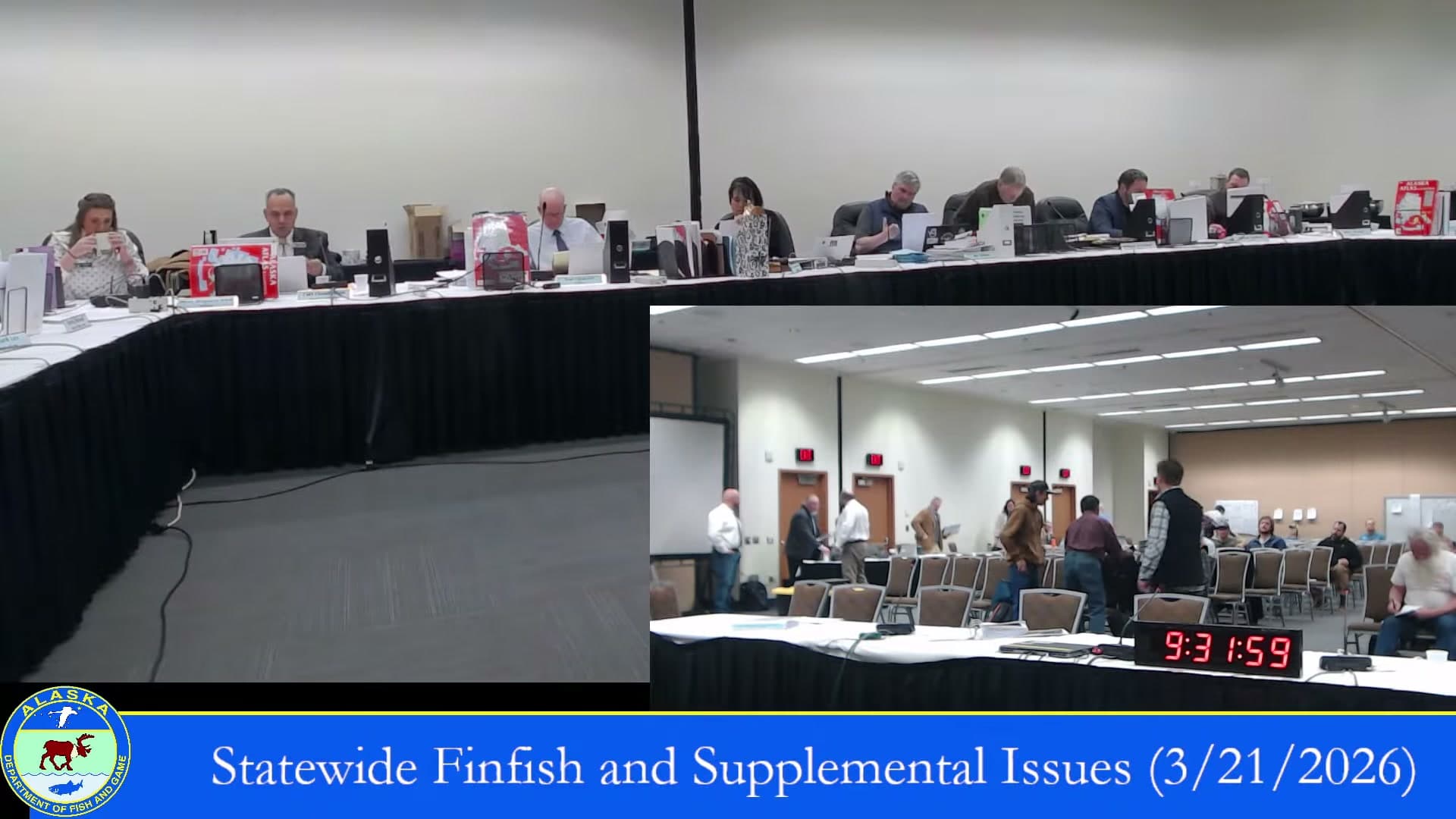
The Alaska Board of Fisheries voted 7-0 to take no action on four trawl-related proposals, instead choosing to work with federal fishery managers through a Joint Protocol Committee to address habitat and bycatch concerns.

The Alaska Board of Fisheries voted 6-1 to reject a proposal to reduce pink and chum salmon hatchery production by 25%, despite concerns about impacts on wild stocks, after extensive debate about scientific uncertainty and economic consequences.

Alaska Department of Fish and Game opens a two-week king salmon fishery at Gunnuk Creek near Petersburg and Wrangell from June 1-14, allowing residents two fish and nonresidents one fish while most surrounding waters remain closed.
Alaska State Troopers arrested Ross Turner, 33, on domestic violence assault charges after a late-night disturbance at a Wasilla residence where a child was present.
The House Tribal Affairs Committee heard House Bill 384, which would add tribal governments to the definition of victim counseling centers, extending confidentiality protections to survivors who seek help from tribal organizations.

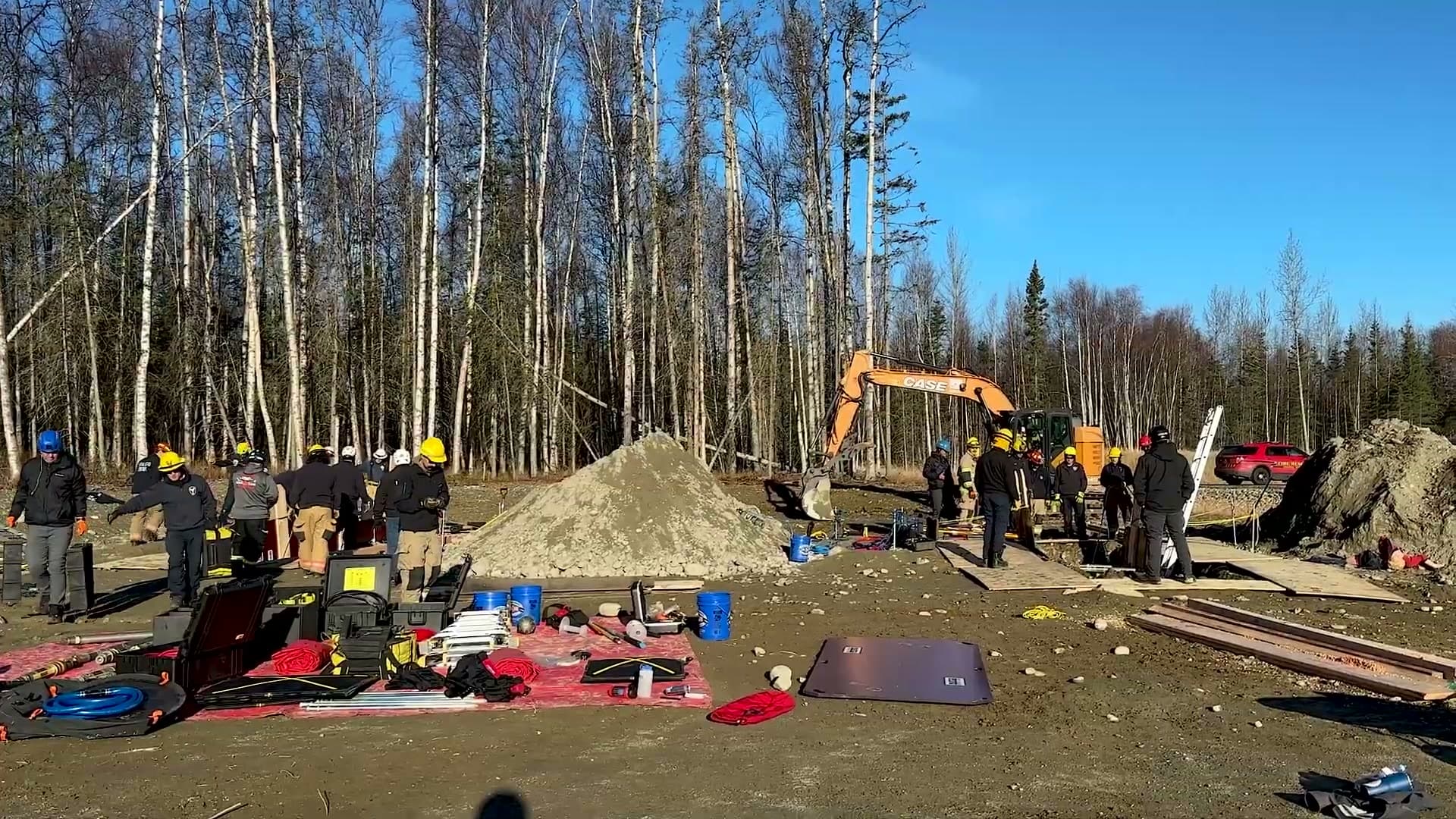
Twenty-five emergency responders from across the Matanuska-Susitna Borough are completing week-long trench rescue technician certification training to address the common hazard of trench collapses in the region.

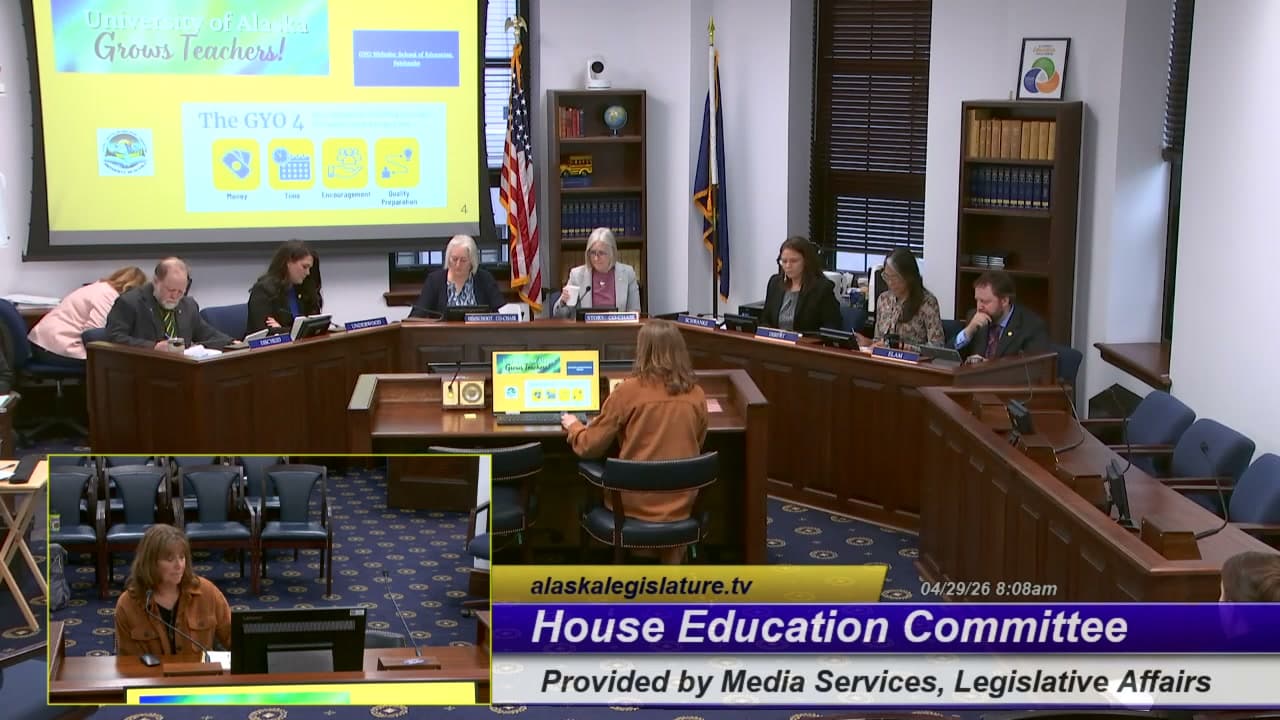
University of Alaska reports significant growth in teacher education programs, with Ed Rising student participation up 73% year-over-year and over $1 million in scholarships awarded to 109 teacher candidates.

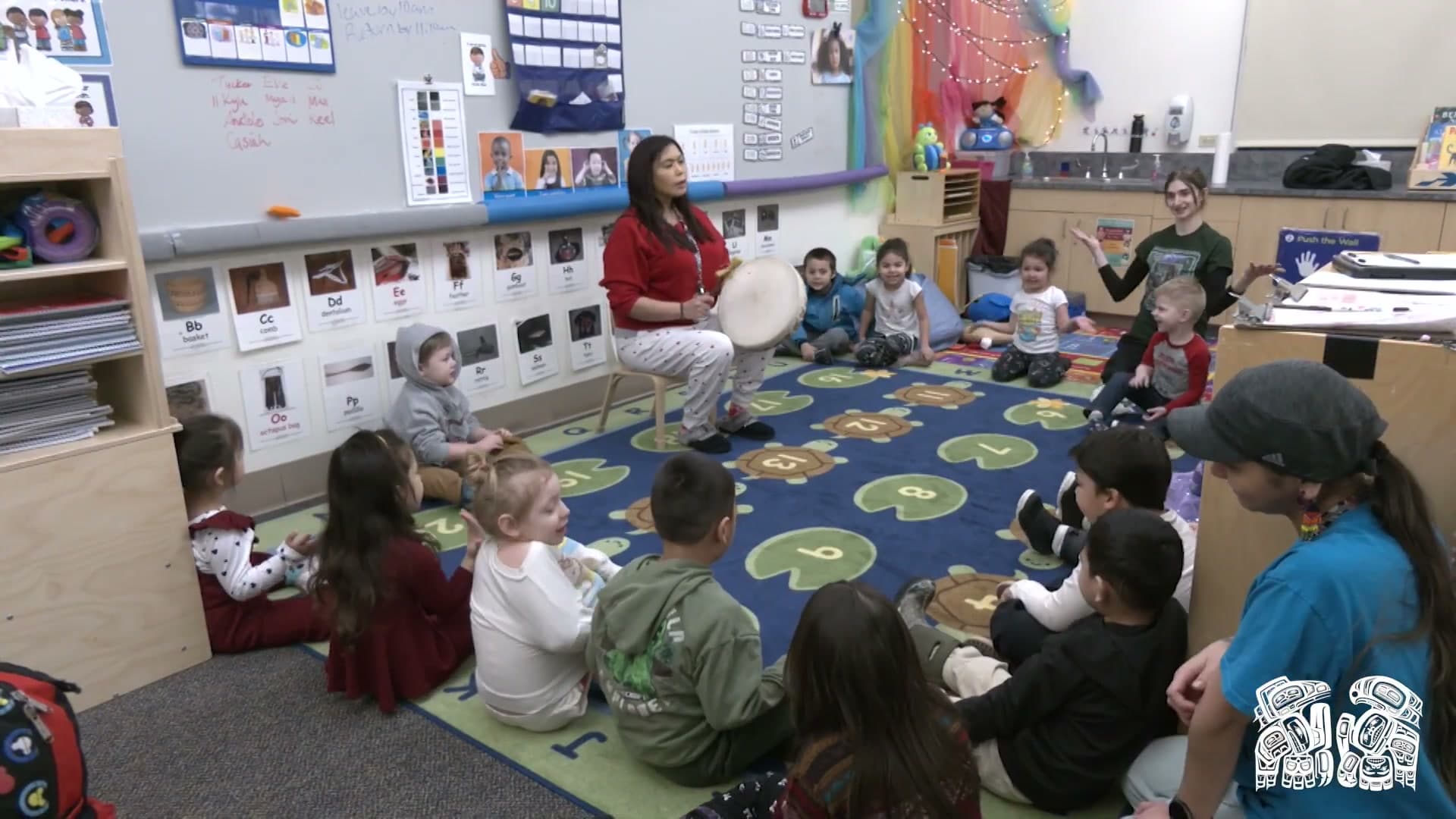
The Central Council of the Tlingit & Haida Indian Tribes of Alaska is constructing two early education campuses in Craig and Klawock to expand Head Start and childcare capacity while integrating Indigenous language instruction.

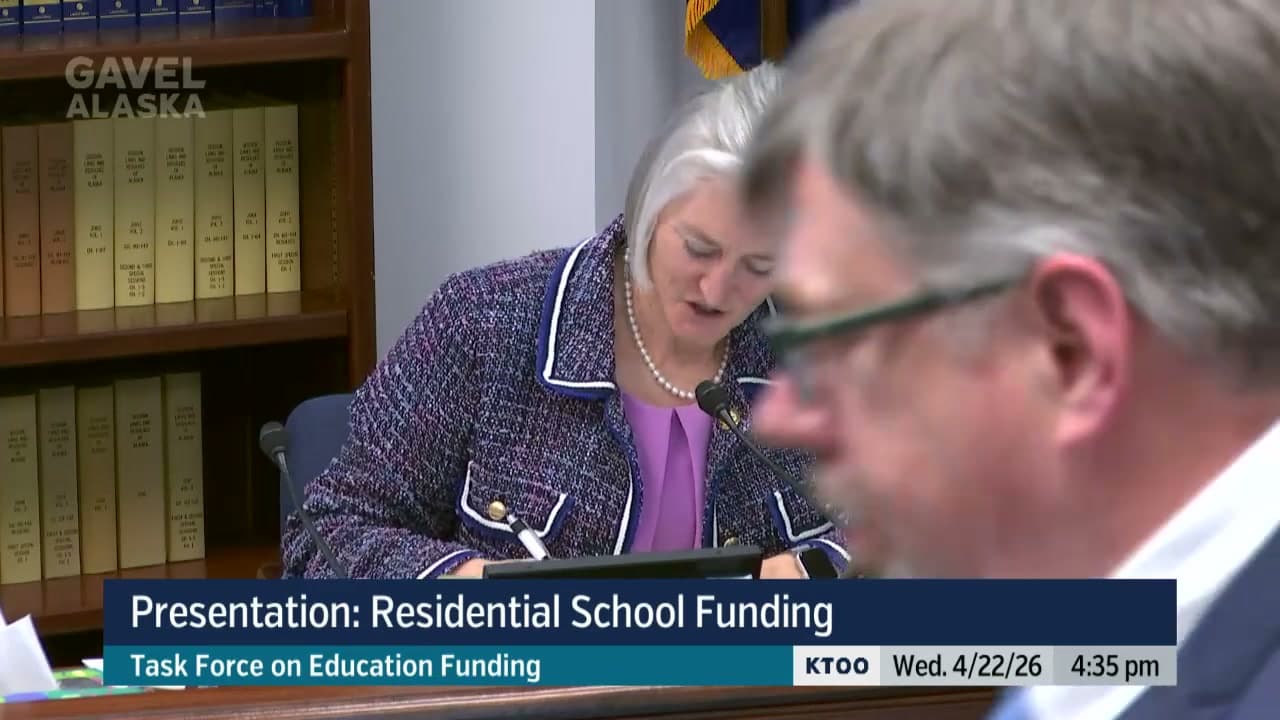
Alaska's residential boarding schools are pushing for legislation to double their per-student stipends and link future funding to the base student allocation, arguing current funding has not meaningfully increased since 2015 despite rising costs.

Alaska Oil and Gas Association testified against multiple tax provisions in SB 280, warning that sections decoupling oil and gas lease expenditures and imposing new S-corp taxes could harm current operations and chill investment.

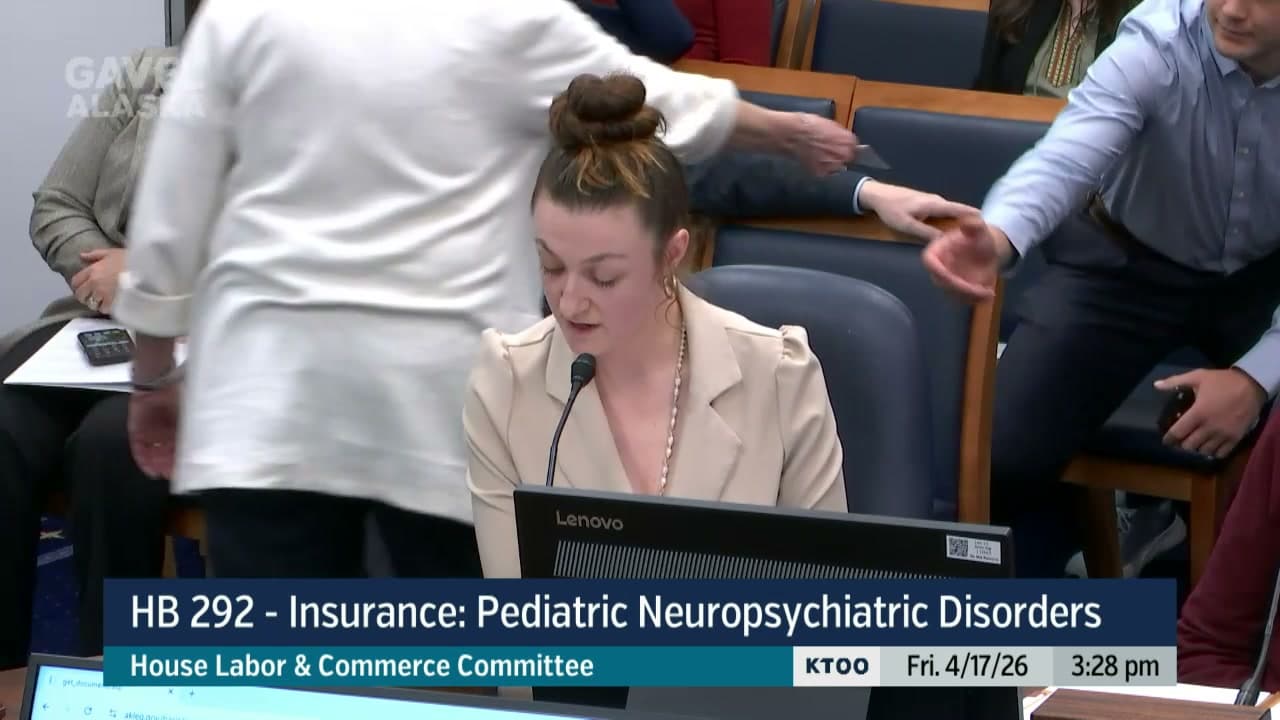
The House Labor and Commerce Committee heard testimony on HB 292, which would require insurance companies to cover treatments for pediatric autoimmune neuropsychiatric disorders, including expensive IVIG therapy that currently costs families tens of thousands of dollars out-of-pocket.

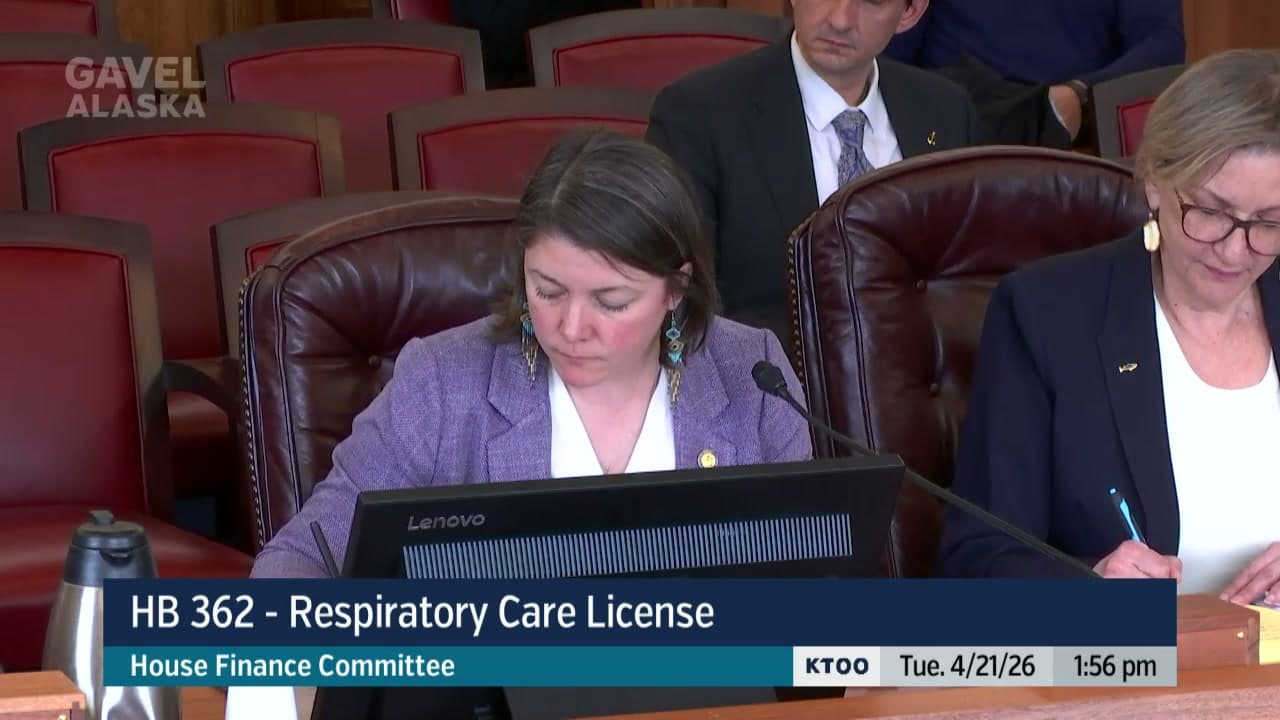
The House Finance Committee heard testimony on HB 362, which would establish Alaska's first professional licensing program for respiratory therapists, ending the state's status as the only one without such oversight.

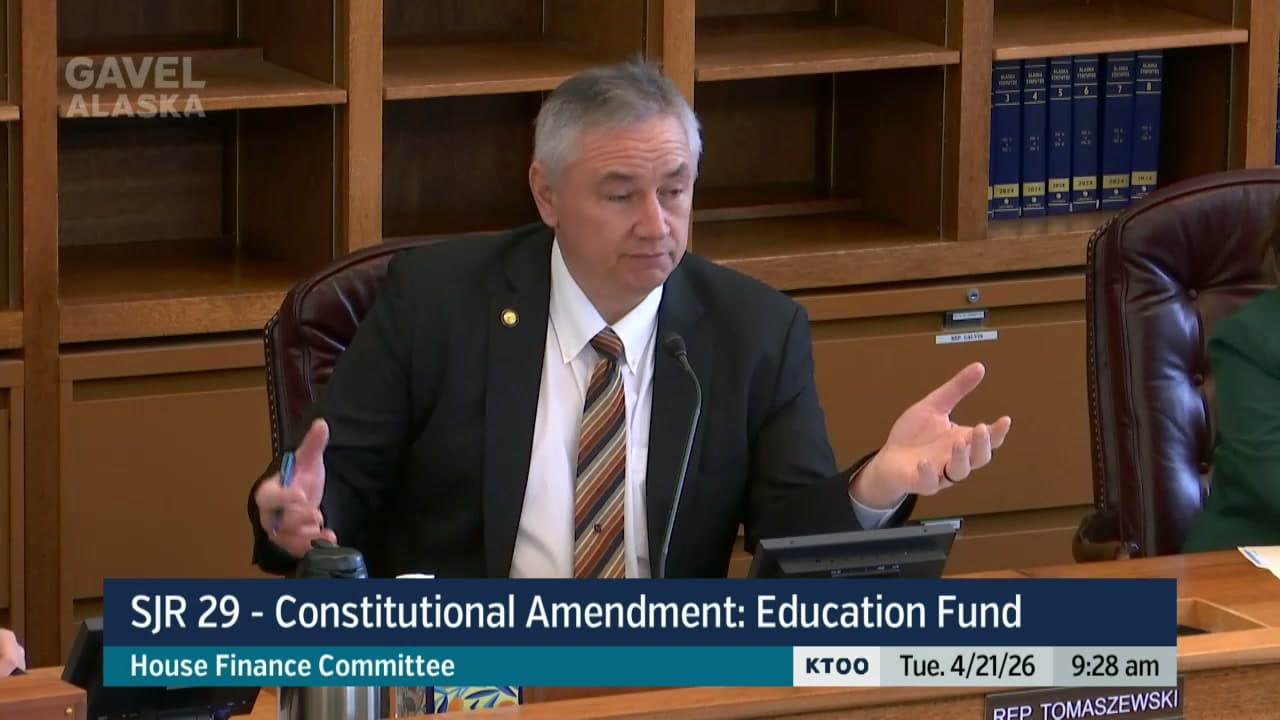
The House Finance Committee heard testimony on a constitutional amendment to create a dedicated education fund, but critical details about what qualifies as public education, how money would enter the fund, and whether the legislature could dissolve it remain undefined.

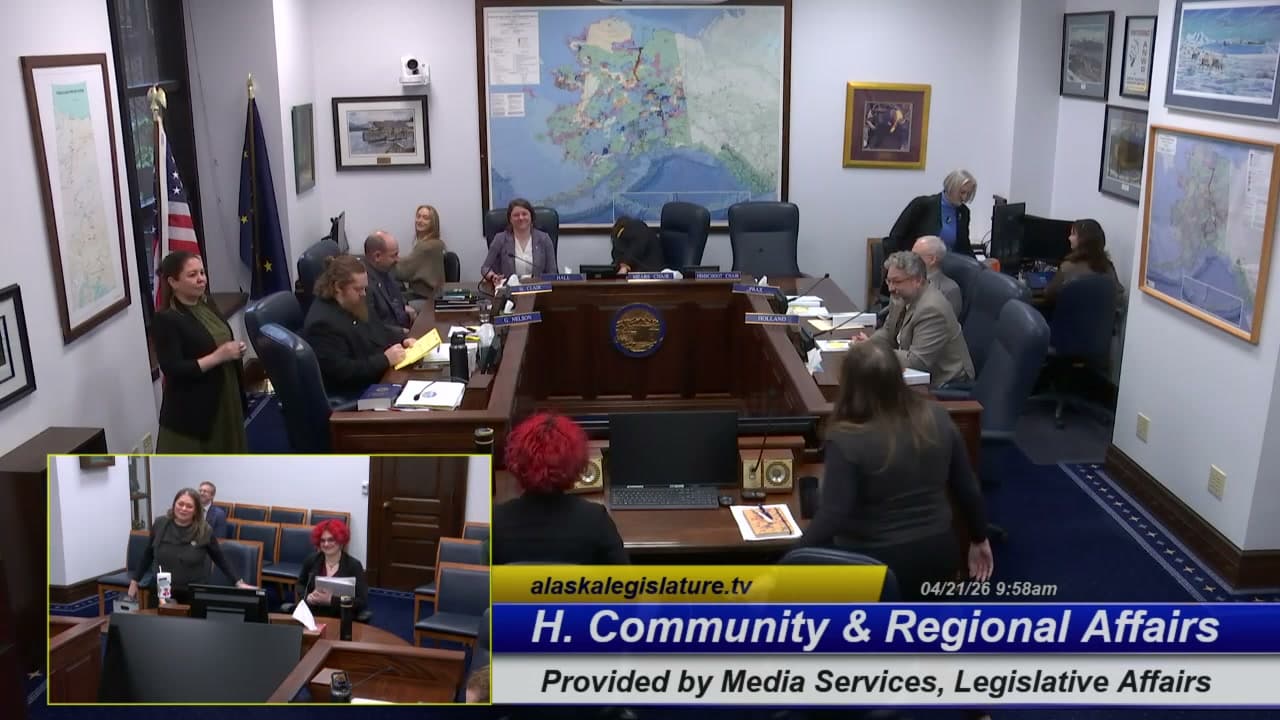
The House Community & Regional Affairs Committee advanced HB 162, a digital product repair bill, placing Alaska among states wrestling with how broadly to extend repair rights while protecting business models and intellectual property.

The House Transportation Committee narrowly adopted a committee substitute restricting heavy petroleum fuel oil use to large commercial passenger vessels, passing 4-3 after debate over environmental protection versus economic impact.

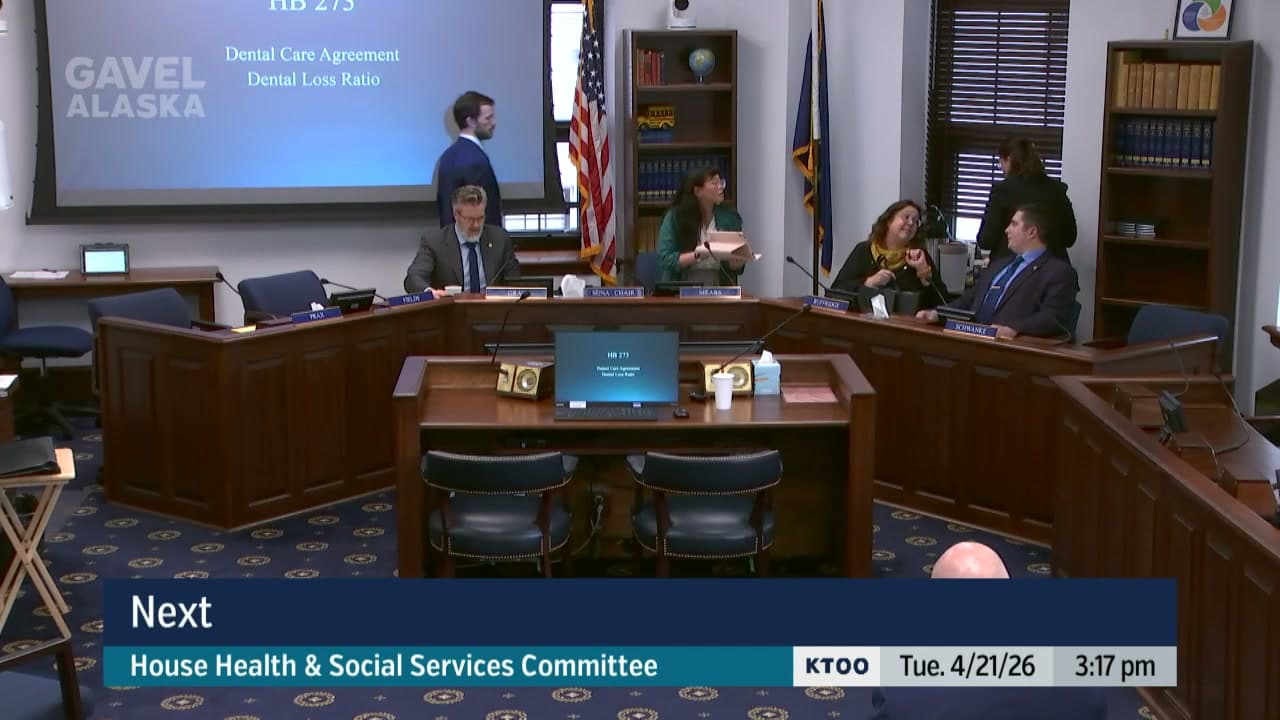
The House Health and Social Services Committee heard House Bill 273, which would require dental insurers to publicly report how much premium money goes to patient care versus administrative costs and profits, and held the bill for future consideration.

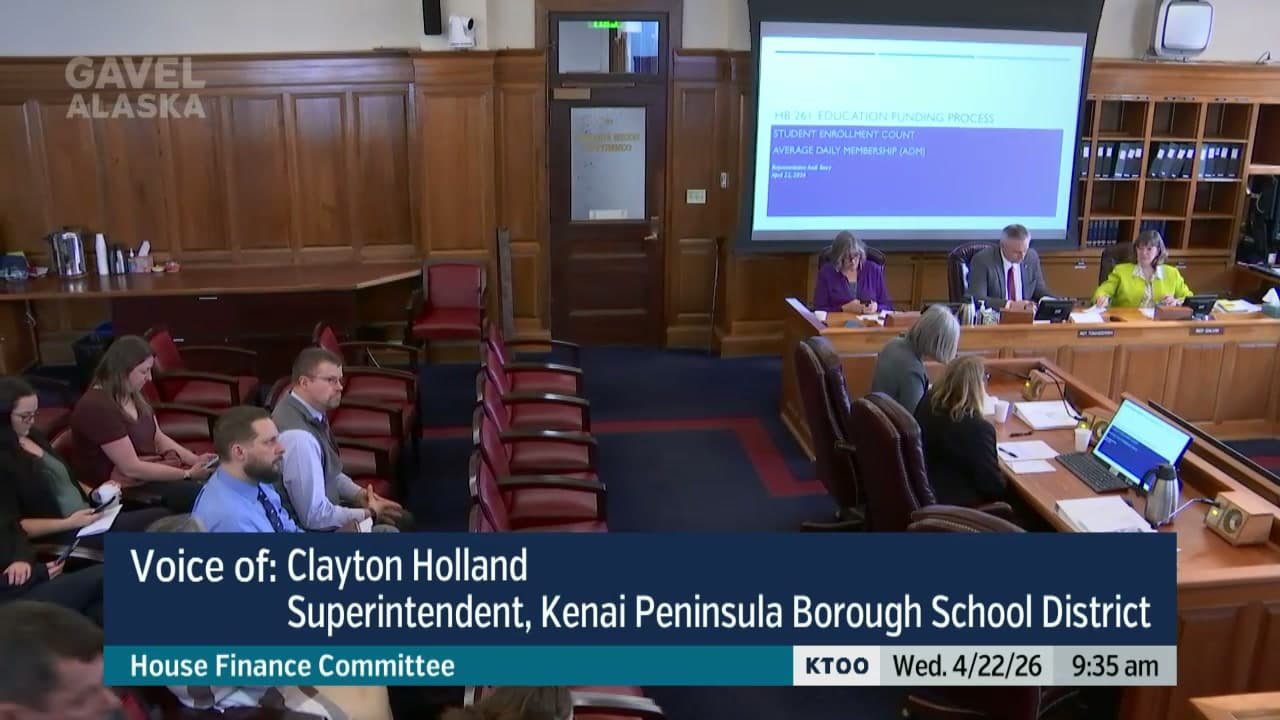
The House Finance Committee heard testimony on HB 261, which would allow districts to use three-year average student counts instead of single-year October counts to set budgets months earlier and offer teacher contracts in spring rather than summer.

The Senate Resources Committee introduced sweeping changes to the governor's gas pipeline proposal, including a $600 million property tax at full production, prohibitions on shifting cost overruns to consumers, and $1 million per mile impact payments to communities during construction.

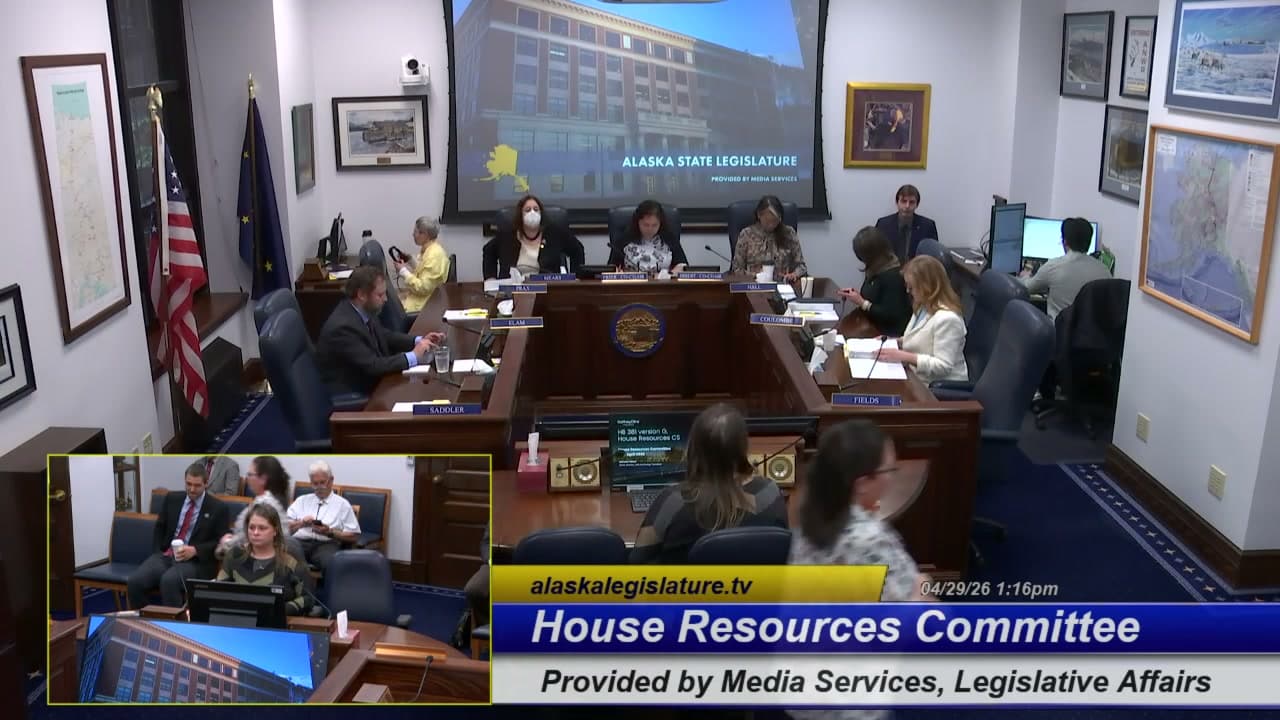
Energy consultant tells House Resources Committee that proposed alternative volumetric tax in HB 381 would reduce delivered cost to Asia by roughly 20 cents per MMBtu compared to current property tax, potentially making the $46+ billion project more competitive globally while still generating stable municipal revenue.

The House Special Committee on Fisheries heard House Bill 356, which would create a 'microfisheries' pathway allowing small-scale commercial fishermen to process up to 5,000 pounds of fish onboard and sell directly to consumers with streamlined permitting.

The Alaska House of Representatives advanced three bills through second reading on Tuesday, including legislation regulating autonomous commercial vehicles, certified nurse aide training requirements, and expanding the state's professional licensing board to include interior designers.

The Alaska Board of Fisheries heard testimony on a proposal to close state waters west of 170° W. longitude to trawl vessels over 100 feet, with golden king crab fishermen reporting dramatic catch declines since 2014 while community development groups and processors opposed the closure.
The Kodiak Island Borough Lands Committee is creating standardized principles and screening criteria to make land disposal decisions more transparent and efficient, addressing workforce housing needs while protecting public interests.

New stories usually land 4p to 6p.
1,266
meetings transcribed
5,131
articles published
3,108
hours of audio processed
6
contributors this week
Local news, from the source · Public meetings deserve coverage · Every article names its source