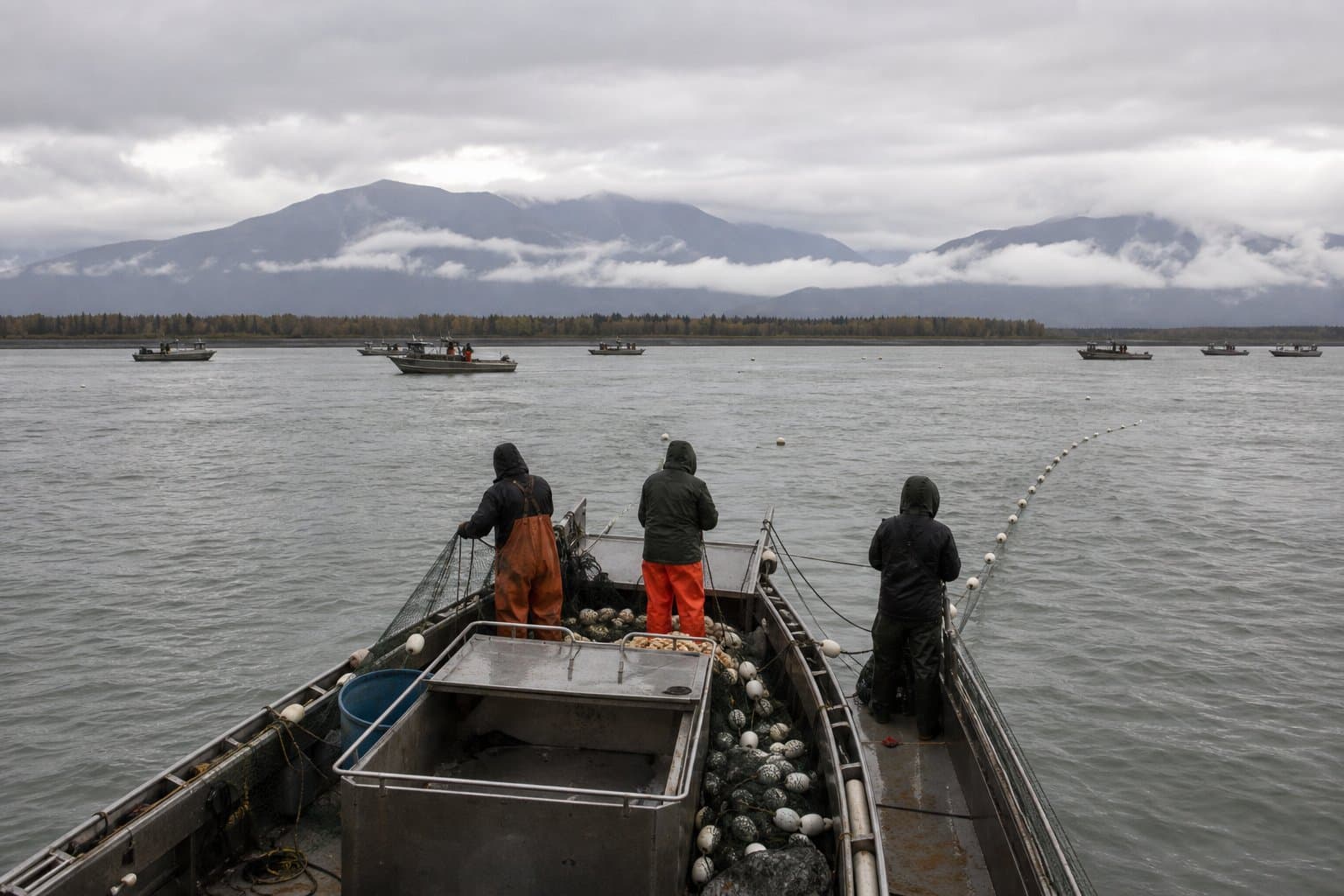
Manages Alaska's sport and commercial fisheries, hunting regulations, subsistence harvests, and wildlife conservation. Sets annual seasons, bag limits, and permit rules.
1255 W 8th St, Juneau, AK 99802, USA
Video Clips
Browse all clips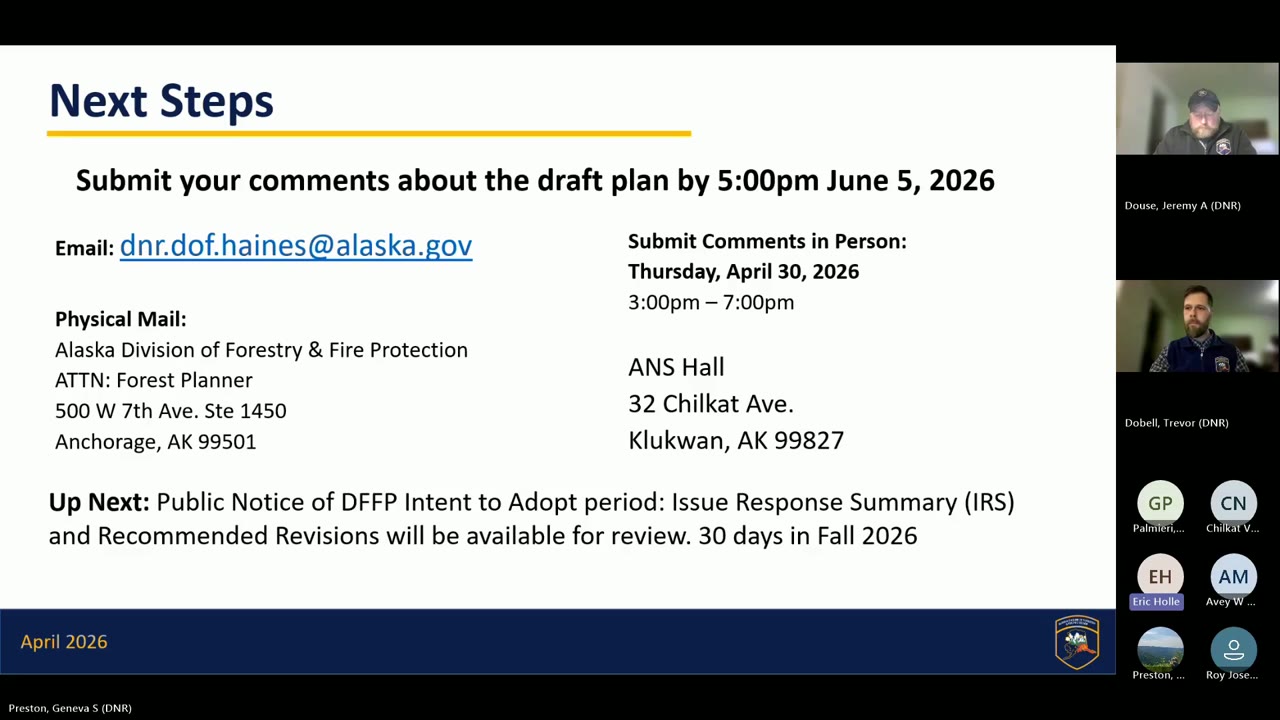
Speaker A
“What is the goal? I mean, what. What is the justification for changing what's in place? What's driving this desire to change the existing plan?”Alaska DNR Forestry: Haines State Forest RMA Project Update Meeting – October 10, 2024 · Jun 3, 2026
Geneva Preston
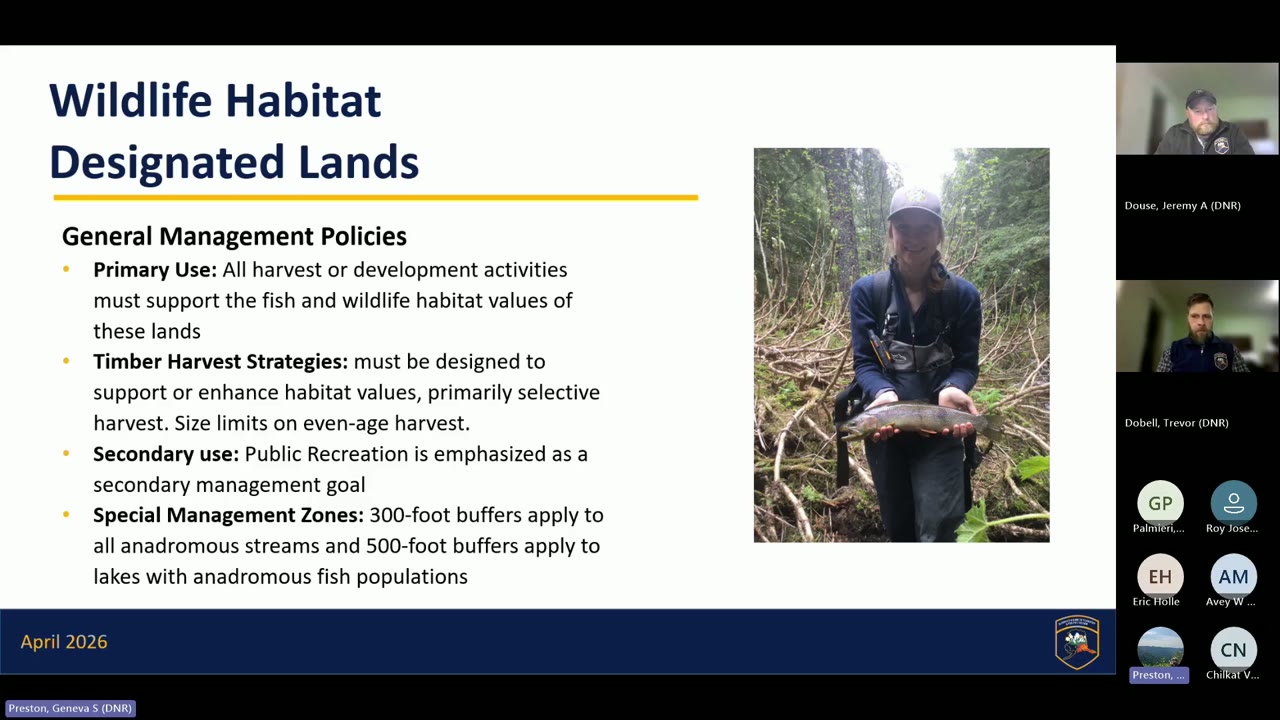
“Timber harvest would are very likely to be designed in coordination with the Department of Fish and Game and they would be designed with the purpose of enhancing habitat.”Alaska DNR Forestry: Haines State Forest RMA Project Update Meeting – October 10, 2024 · Jun 3, 2026
Geneva Preston
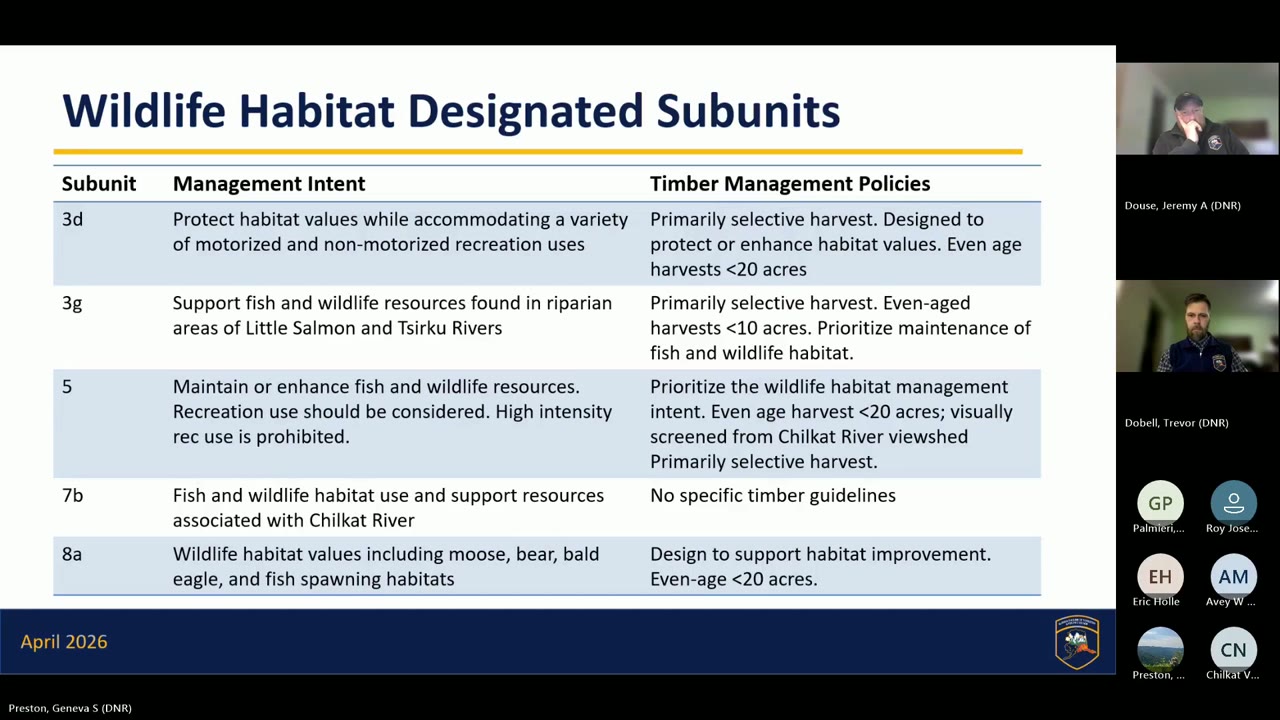
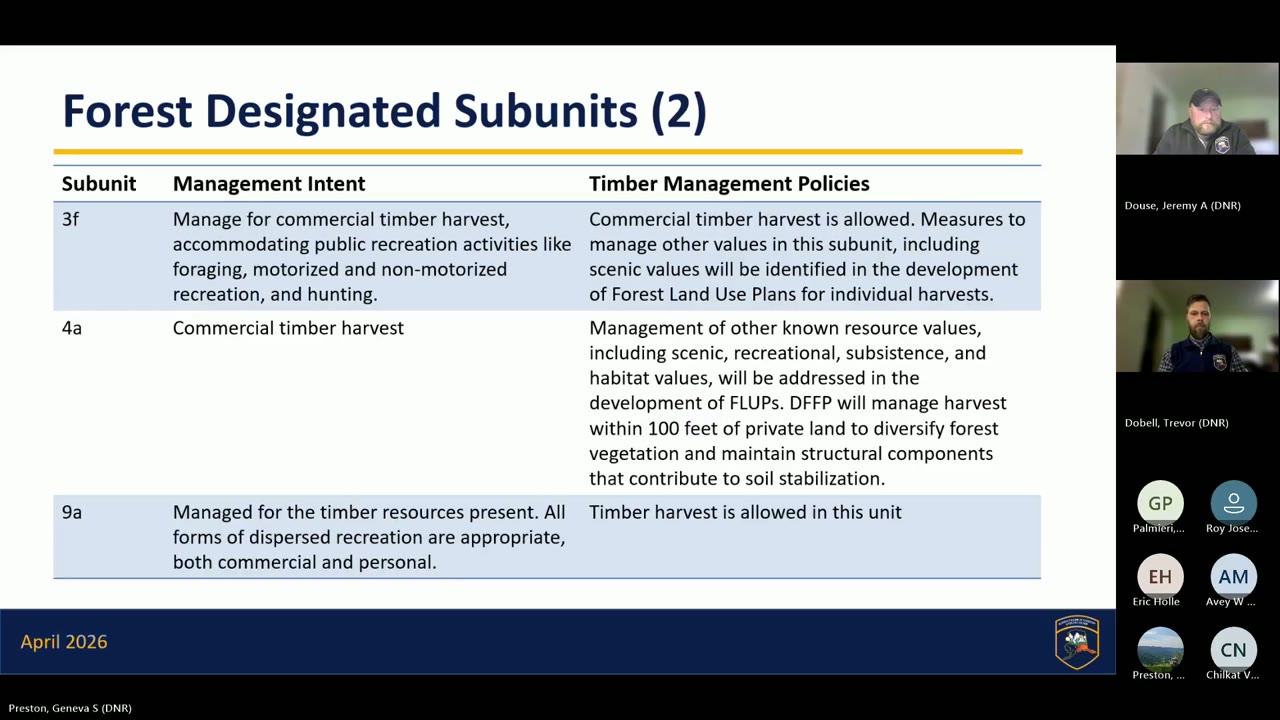
“I think 10 to 20 acres is the range of size limits that you'll see in the wildlife habitat designated subunits. And the management intent statements consistently identify habitat values as the priority for management on these lands”Alaska DNR Forestry: Haines State Forest RMA Project Update Meeting – October 10, 2024 · Jun 3, 2026
Geneva Preston
“the draft is available for review that is available digitally on our project website and hard copies will be available in the Forestry office in Haines if folks are interested to come look at a physical copy and we'll ask that you submit your comments by 5pm on June 5th.”Alaska DNR Forestry: Haines State Forest RMA Project Update Meeting – October 10, 2024 · Jun 3, 2026
Geneva Preston
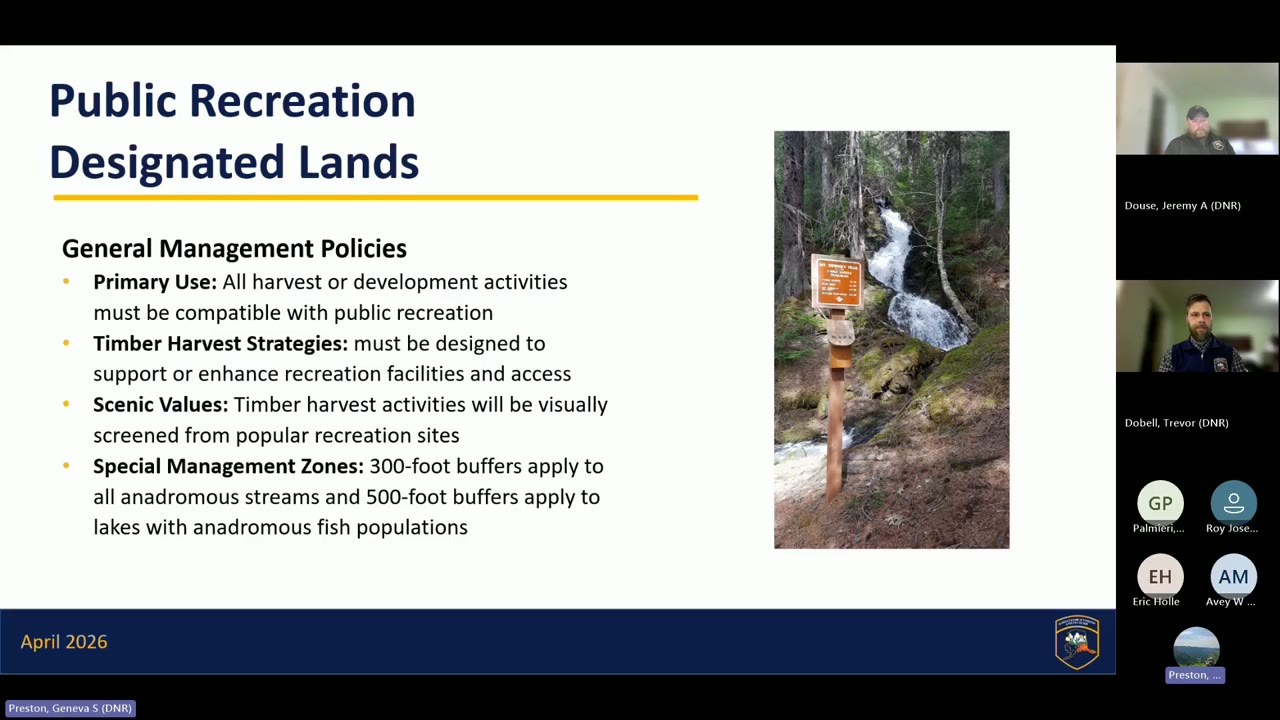
“any harvest, any timber harvest or resource development activities must be designed to exist compatibly with public recreation uses. And so typically that would look like timbers harvests that are designed to support recreation facilities or support access to areas that are important for recreation.”Alaska DNR Forestry: Haines State Forest RMA Project Update Meeting – October 10, 2024 · Jun 3, 2026
Geneva Preston
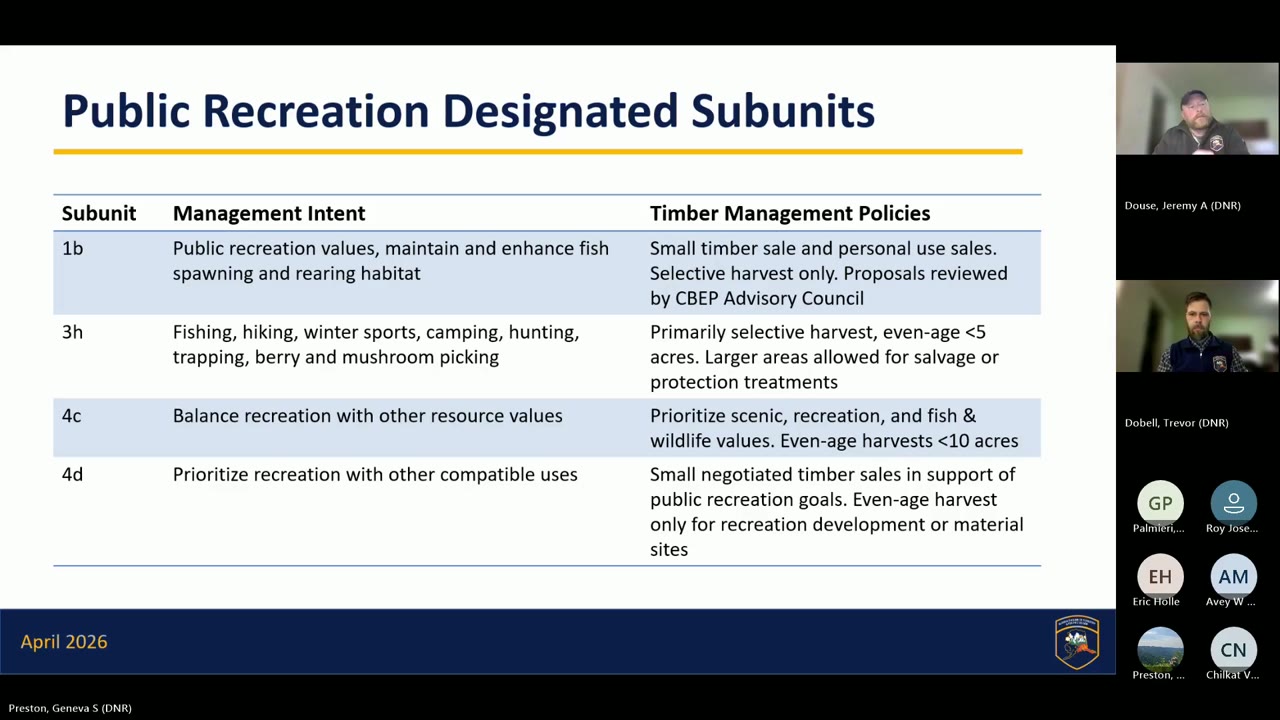
“I think 5 acres in unit 3H is the smallest size limit that we see and other units have a cap at 20. 20 Acres is the largest even age timber harvest that I think is permitted in these public recreation designated lands.”Alaska DNR Forestry: Haines State Forest RMA Project Update Meeting – October 10, 2024 · Jun 3, 2026
Fairbanks wilderness first aid class opens registration Oct. 1
Registration opens Thursday, Oct. 1, at 9 a.m. for a $125 Becoming an Outdoors-Woman wilderness first aid class in Fairbanks on Nov. 5 and 6, built around prolonged care and delayed evacuation.
 by Maggie AlaskaNews50m ago1 min read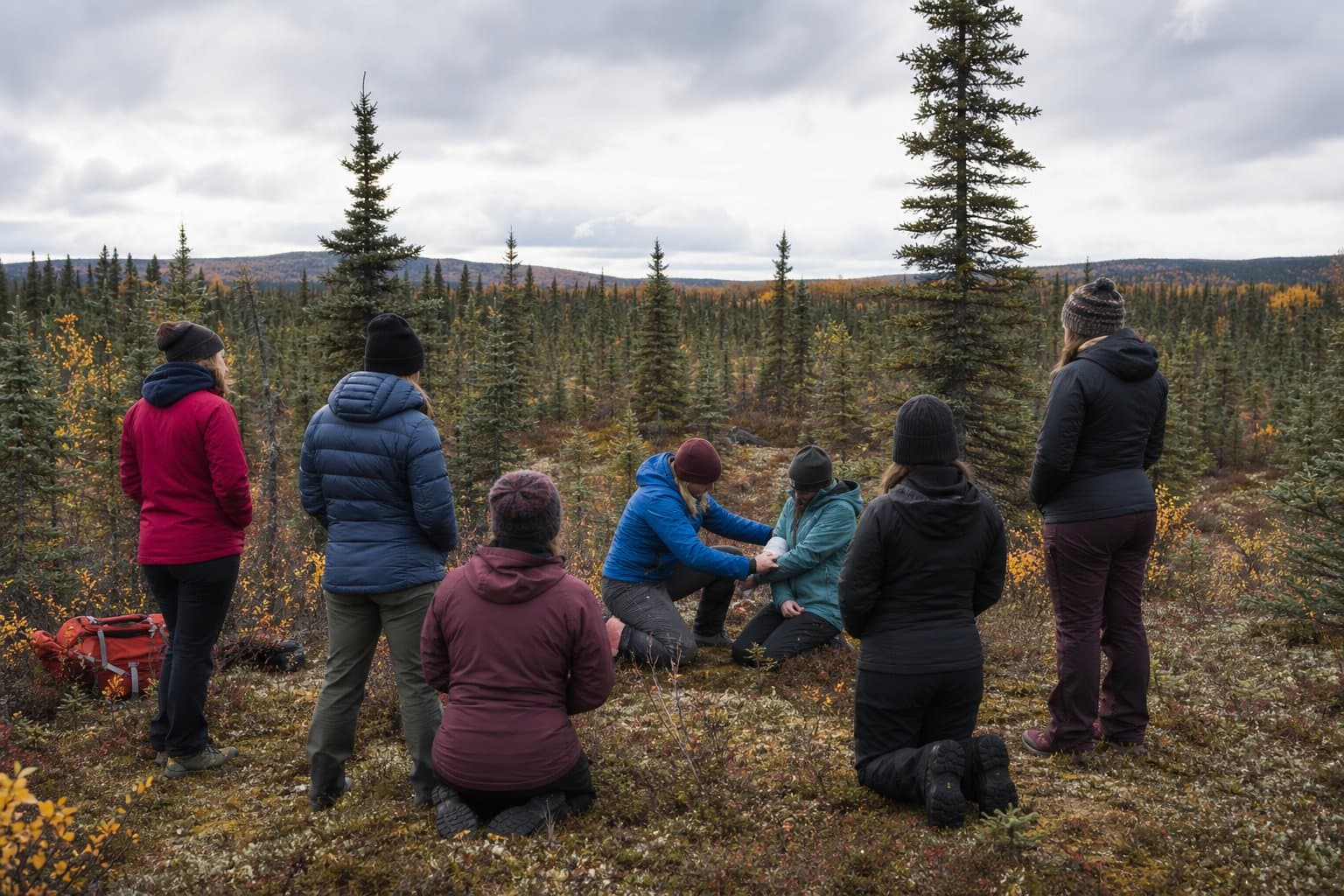
Trail camera shows first fawns from deer moved to the southern Kenai Peninsula
Sitka black-tailed deer moved to the southern Kenai Peninsula have reproduced, Fish and Game says after a trail camera caught a collared doe with two fawns. No season.
 by Bill AlaskaNews2h ago2 min read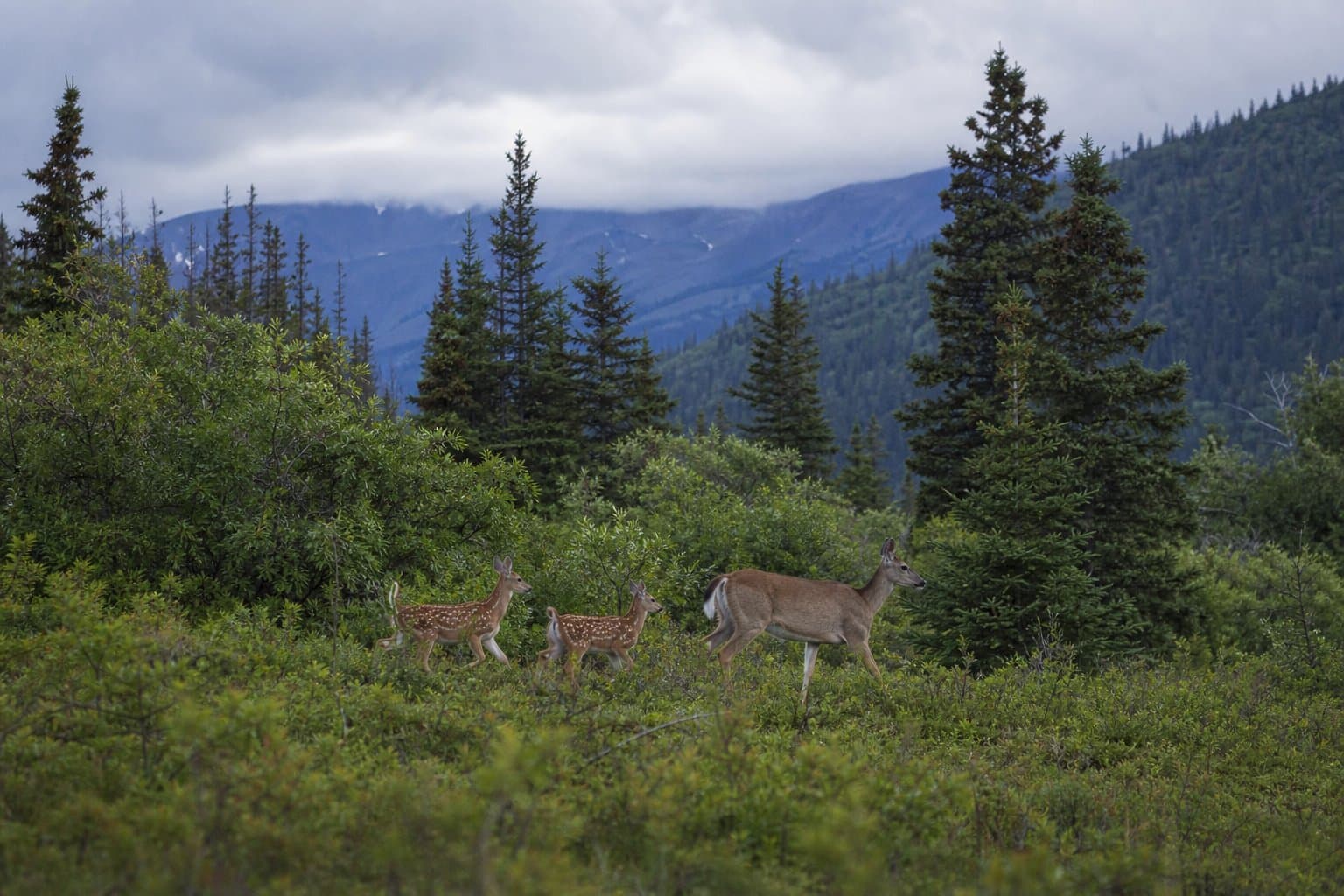
Chignik District red sea cucumber divers get first fishing period Sept. 30 to Oct. 7
ADF&G opens the Chignik District red sea cucumber commercial dive fishery Sept. 30 to Oct. 7, with a 15,000-pound guideline harvest level for the 2026/27 season.
by Bill AlaskaNews15h ago1 min read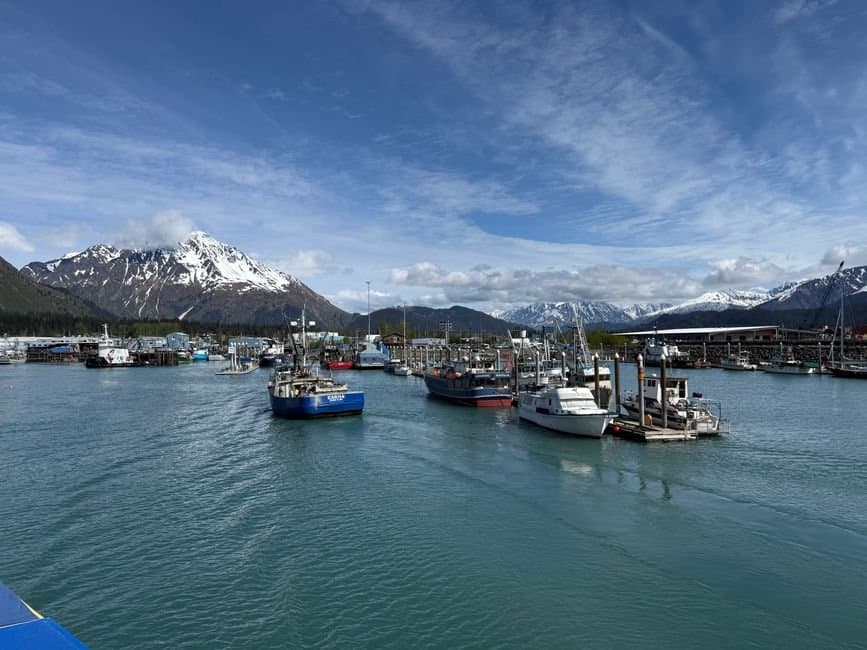
Lake George mountain goat hunt closes early Tuesday after hunters reach harvest limit
Alaska Department of Fish and Game closes Unit 14C Lake George mountain goat registration hunt RG869 at 11:59 pm Sept. 29 after harvest reaches its limit.
by Bill AlaskaNews23h ago1 min read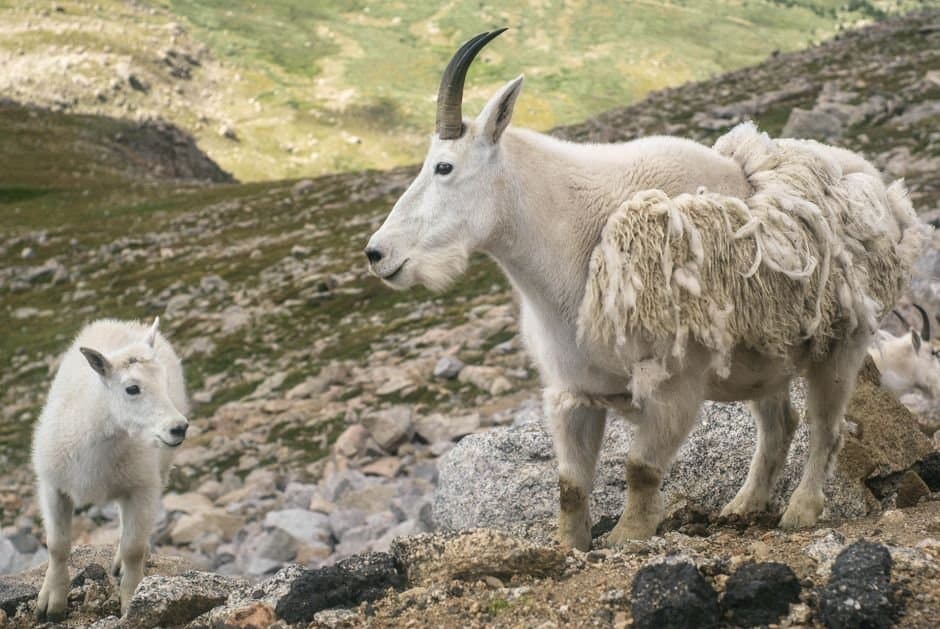
Prince William Sound fall herring fishery opens Thursday with 749-ton cap
Prince William Sound's fall food and bait herring fishery opens at noon Thursday, Oct. 1, capped at 749 tons, less than half of last fall's 1,750-ton limit. ADF&G cites weak spring spawn.
by Bill AlaskaNews1d ago2 min read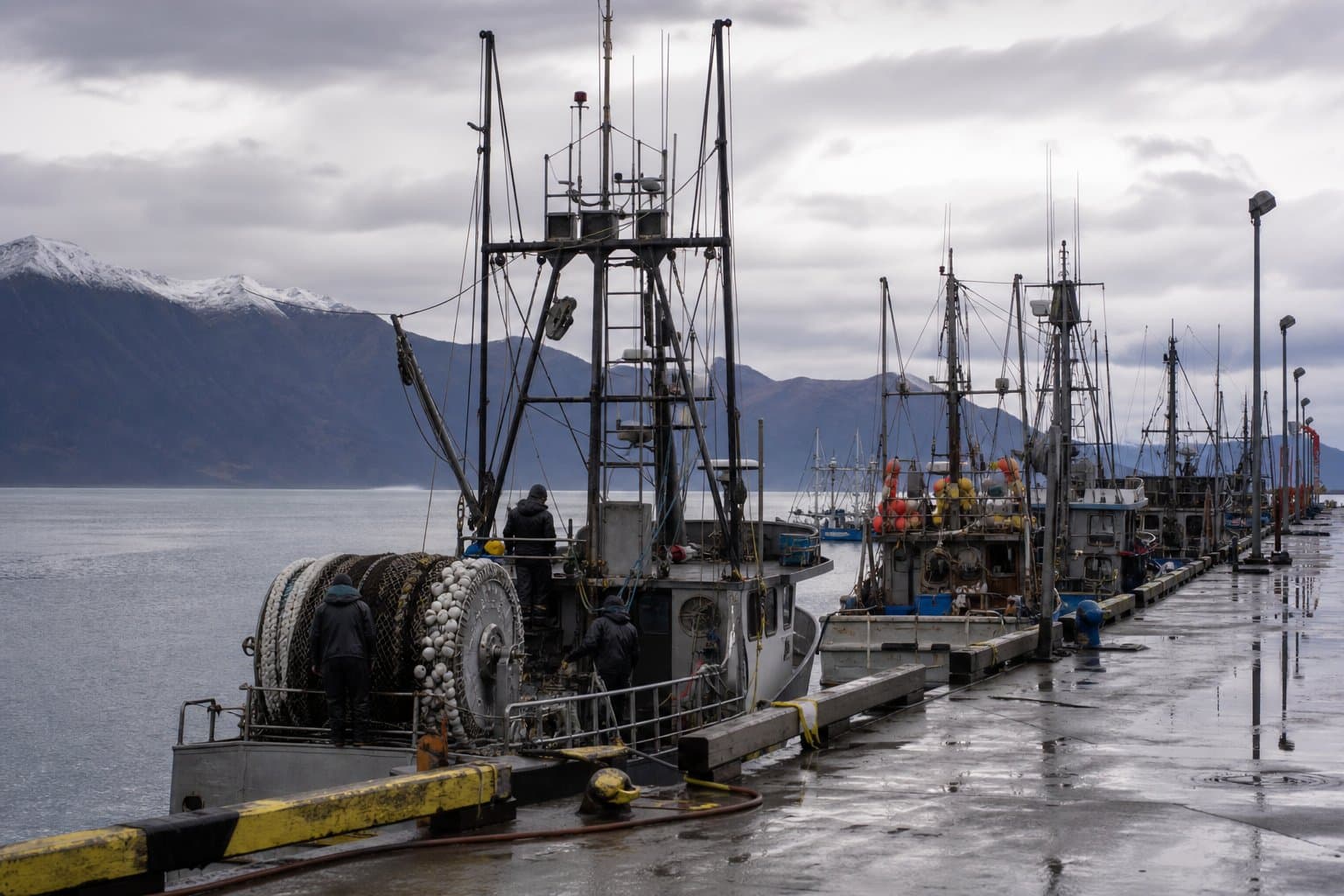
Yakutat set gillnetters get another opening, but still can't keep king salmon
Yakutat commercial set gillnet opening Sept. 27 to Oct. 1 in Yakutat Bay, Situk-Ahrnklin Inlet, Alsek and Dangerous rivers; Chinook retention still prohibited.
by Bill AlaskaNews3d ago1 min read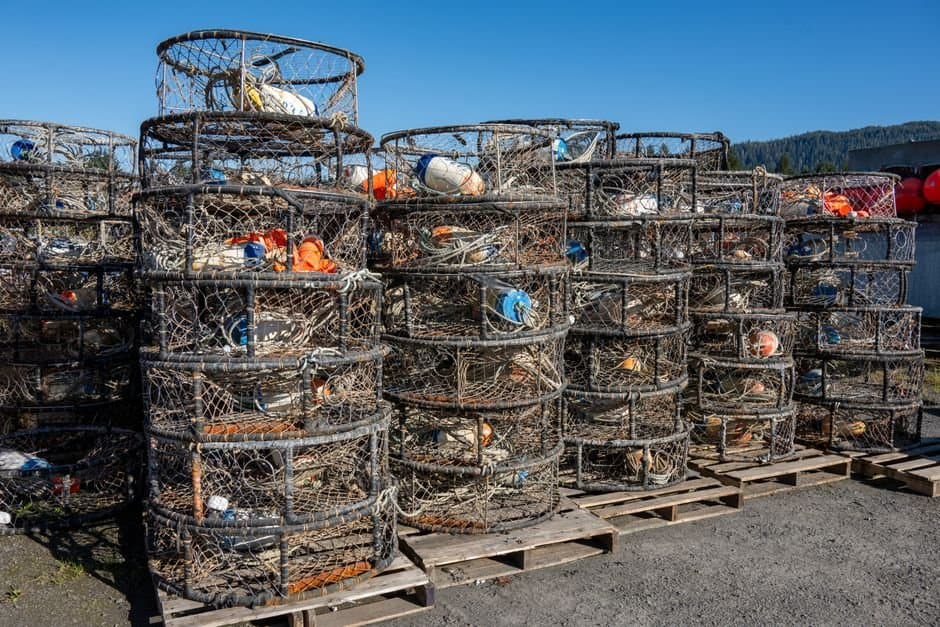
Copper River commercial salmon season closes Oct. 13 after weak sockeye and strong coho runs
Copper River and Bering River commercial salmon fishing closes Oct. 13 after sockeye harvest hit a third of forecast; Copper River coho harvest tops 213,000 fish.
 by Walter AlaskaNews3d ago2 min read
State extends Unit 9B resident moose season to Sept. 30 after bad weather limited hunting
An Alaska Department of Fish and Game emergency order gives RM272 resident moose hunters in Unit 9B five more days, through 11:59 p.m. Sept. 30, after high water and heavy rain cut into boat access along Iliamna Lake's north shore.
by Bill AlaskaNews3d ago2 min read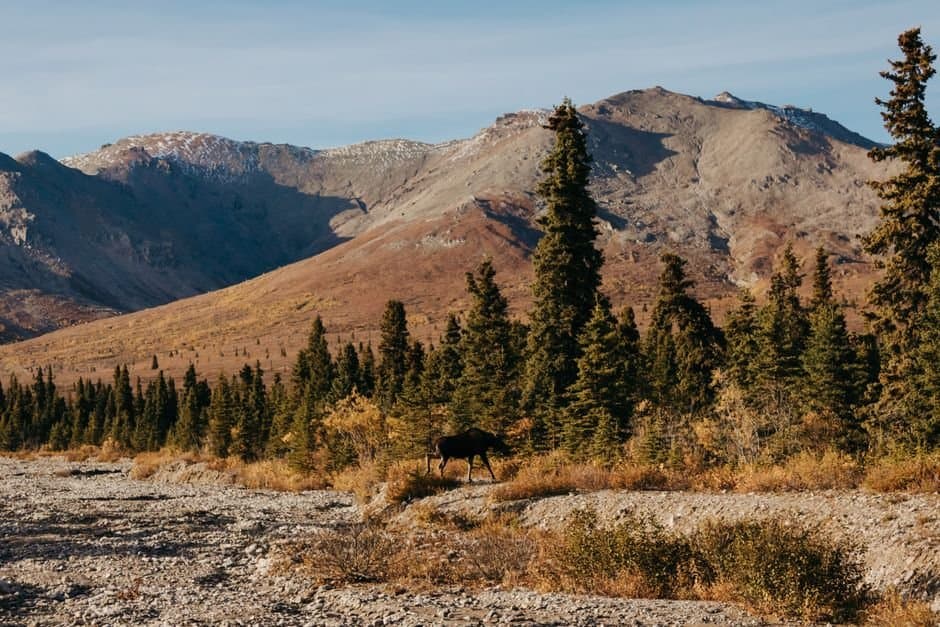
Fish and Game proposes flagging struggling salmon runs a year earlier so the public can weigh in
Alaska Board of Fisheries stock of concern timing: ADF&G Commissioner Doug Vincent-Lang proposes designating struggling salmon stocks a year earlier.
by Bill AlaskaNews3d ago2 min read
Board of Game proposals would cut Western Arctic caribou limits further as the herd declines
Alaska Board of Game proposals for the Western Arctic Caribou Herd: bag limits of four bulls, nonresident closures. Kotzebue meeting Jan. 23-26; comments due Jan. 9.
by Maggie AlaskaNews3d ago2 min read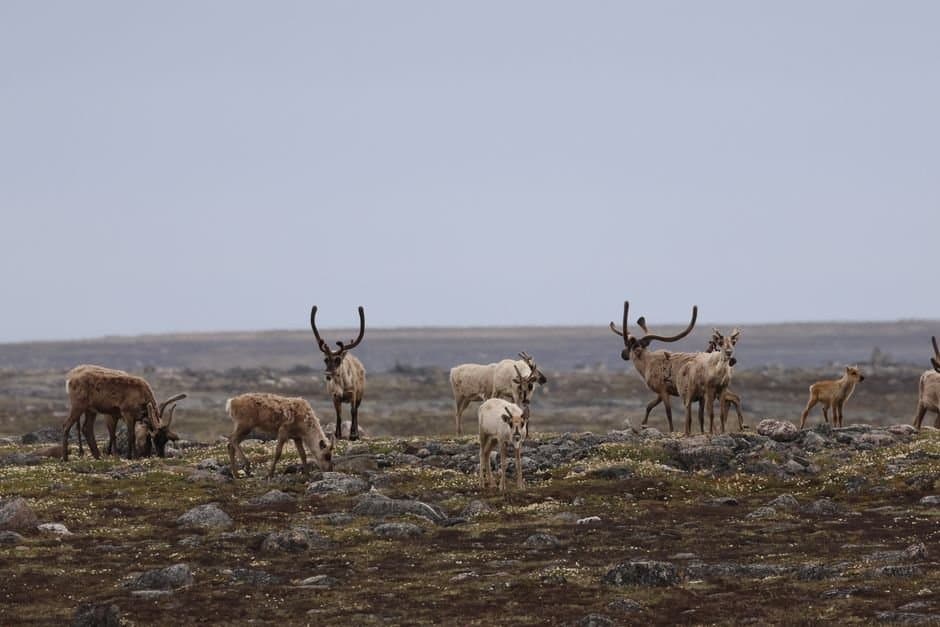
The Kenai's coho limit stays at two through November
Kenai River anglers are limited to two coho a day through Nov. 30 after Fish and Game blocked the usual fall increase to three, citing weak catch rates.
by Bill AlaskaNews4d ago1 min read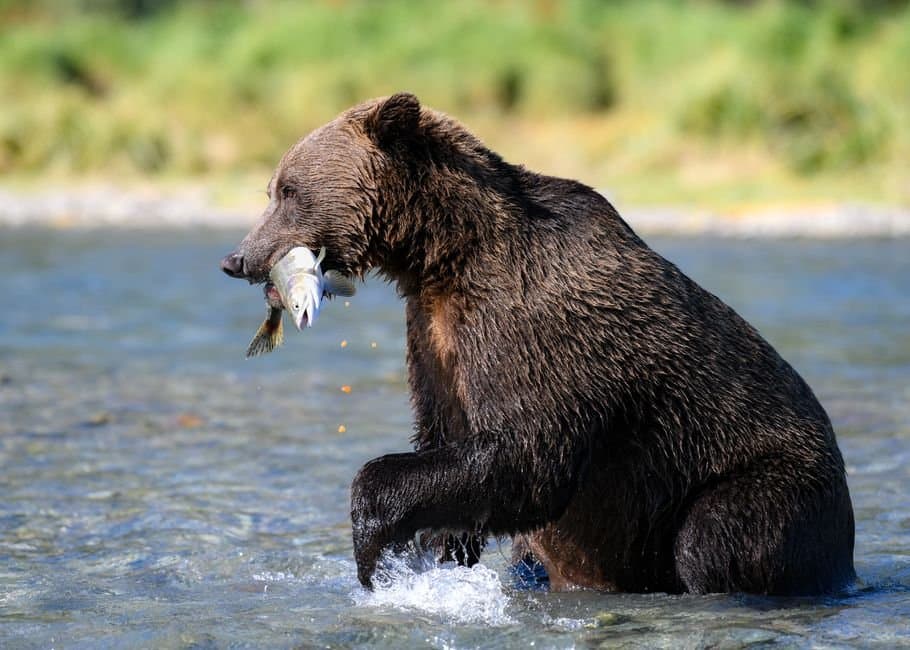
Bering River moose hunt closes after hunters reach 15-bull cap
Alaska is closing the Bering River bull moose hunt in Unit 6A West at 11:59 pm Friday after reported harvest reached the department's ceiling of 15 bulls.
by Bill AlaskaNews4d ago1 min read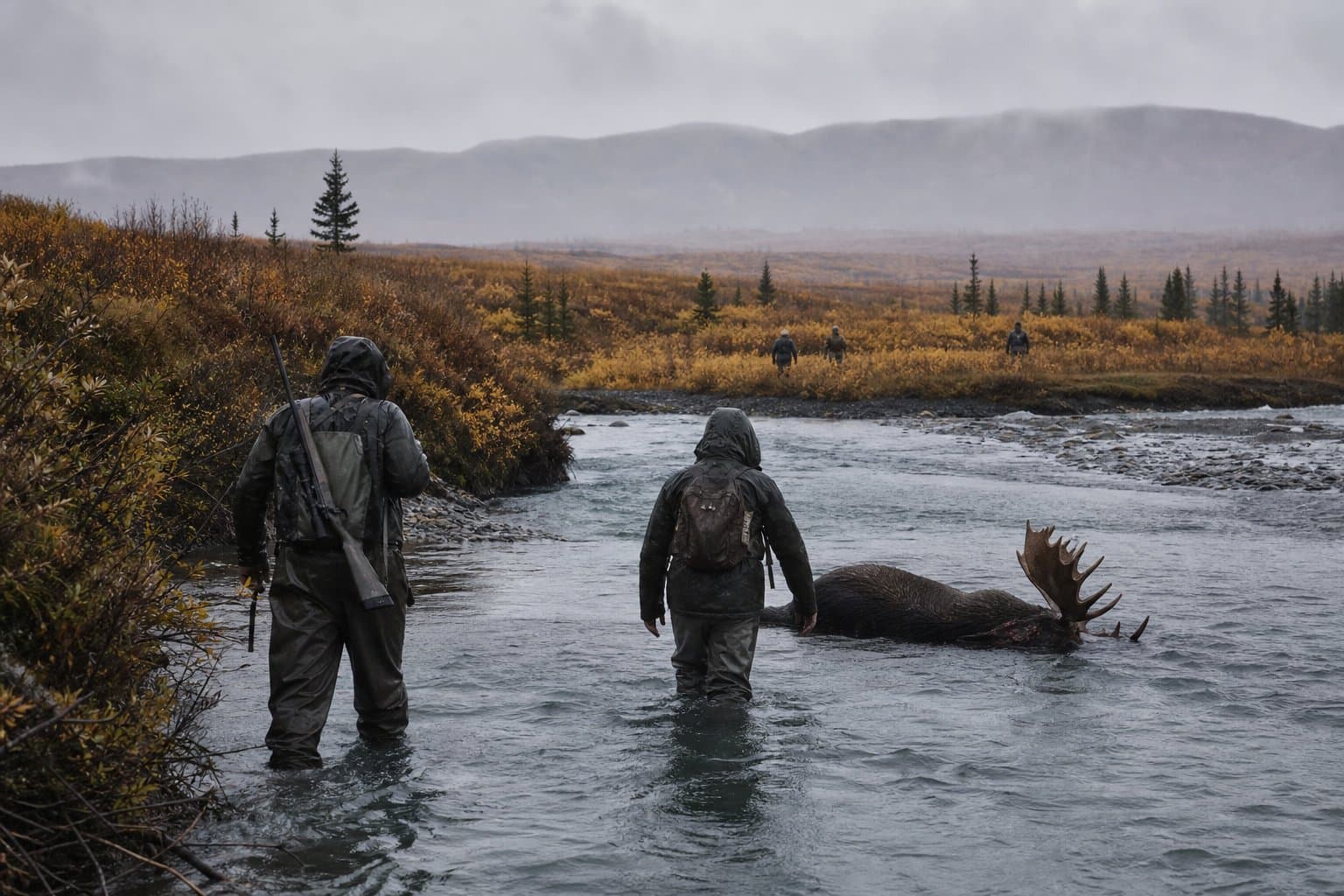
Fishery managers will meet on trawl seafloor contact, with no power to recommend
Public comment on trawl bottom contact closes Oct. 9 before an Oct. 16 Board of Fisheries and NPFMC joint committee meeting that allows only in-person testimony.
by Walter AlaskaNews4d ago3 min read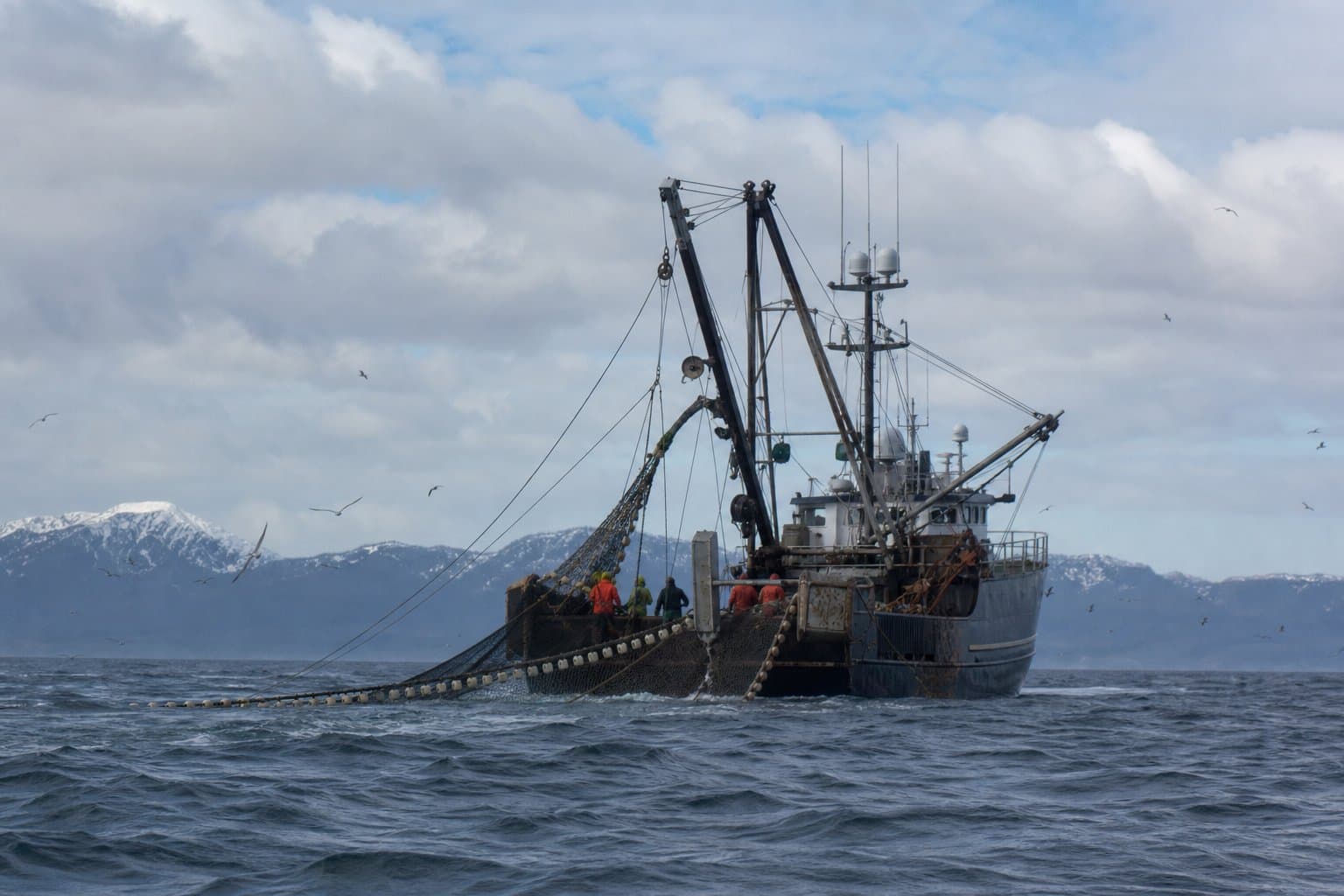
Alaska closed its Bering Sea scallop grounds after the two-boat fleet hit the cap
Alaska Fish and Game closed commercial weathervane scallop fishing in Registration Area Q on Wednesday after the fleet reached the area's guideline harvest level.
by Bill AlaskaNews5d ago1 min read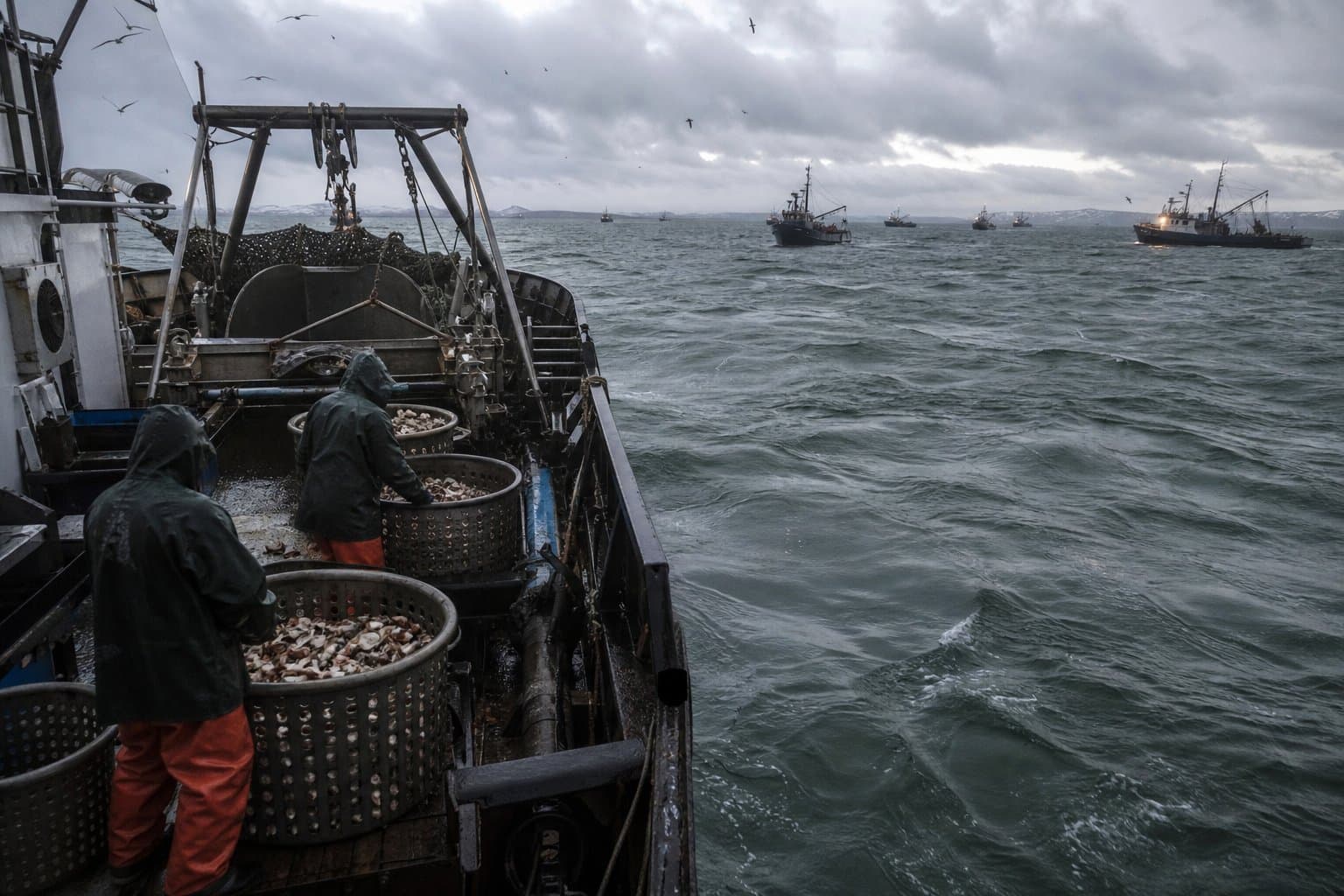
Kodiak's salmon fishery opens for 54 hours starting Thursday at noon
Alaska Fish and Game opened Kodiak commercial salmon fishing for 54 hours from noon Thursday through 6 pm Saturday across Afognak, Northwest and Eastside districts.
by Bill AlaskaNews5d ago1 min read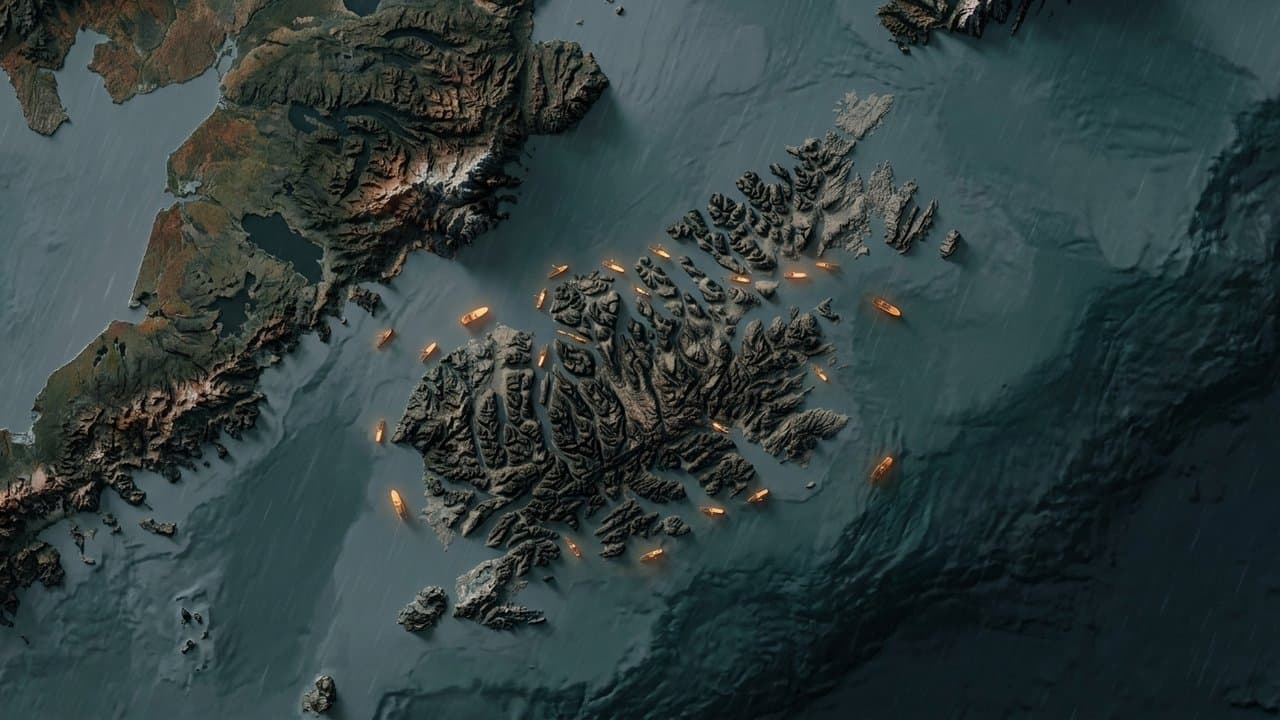
Bristol Bay's 2026 sockeye run falls below 50 million for first time since 2014
Bristol Bay's 2026 sockeye run came in at 45.7 million, the first under 50 million since 2014, with a preliminary exvessel value of $264 million.
by Bill AlaskaNews6d ago2 min read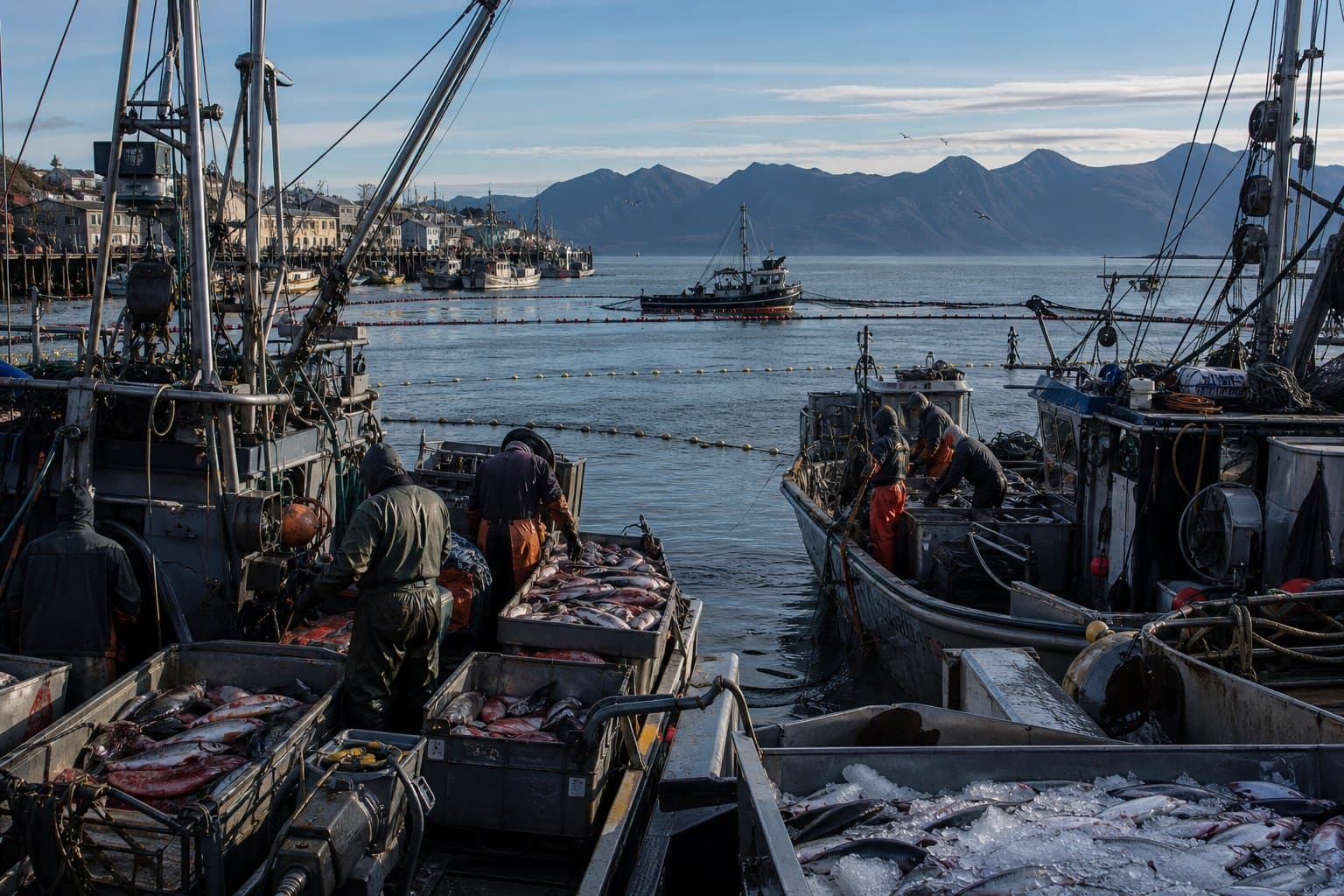
Hiker injured by bear on Jones Point Trail in Haines
A hiker was attacked by a bear on the Jones Point Trail in Haines on Monday and self-rescued with non-life-threatening injuries. The bear has not been found.
by Maggie AlaskaNews6d ago2 min read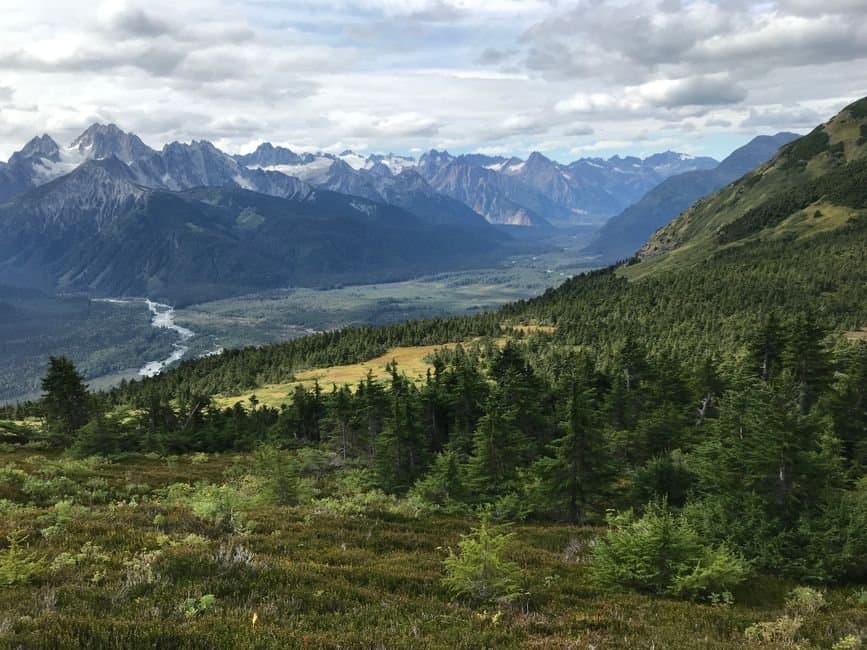
A police drone searched south Anchorage for a brown bear before dawn
Anchorage police used a drone to help Fish and Game search for a nuisance brown bear near Sabine Street and East 142nd Avenue early Tuesday morning.
 by Alaska News6d ago1 min read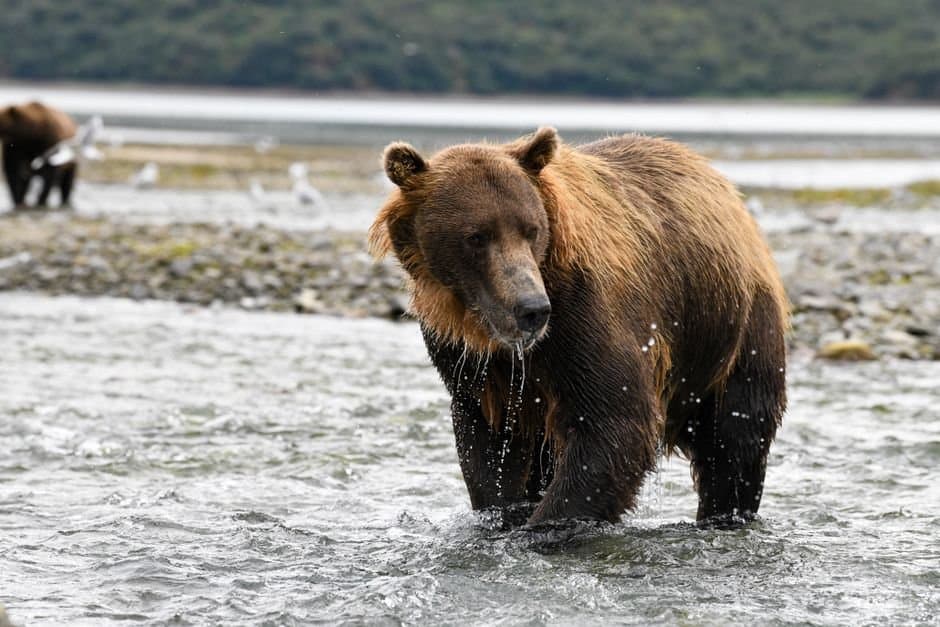
One black rockfish a day in Kodiak and Afognak waters
Rockfish limits around Kodiak and Afognak run through Dec. 31: five a day, no more than two of a species, with only one black rockfish and one yelloweye
by Bill AlaskaNews1w ago1 min read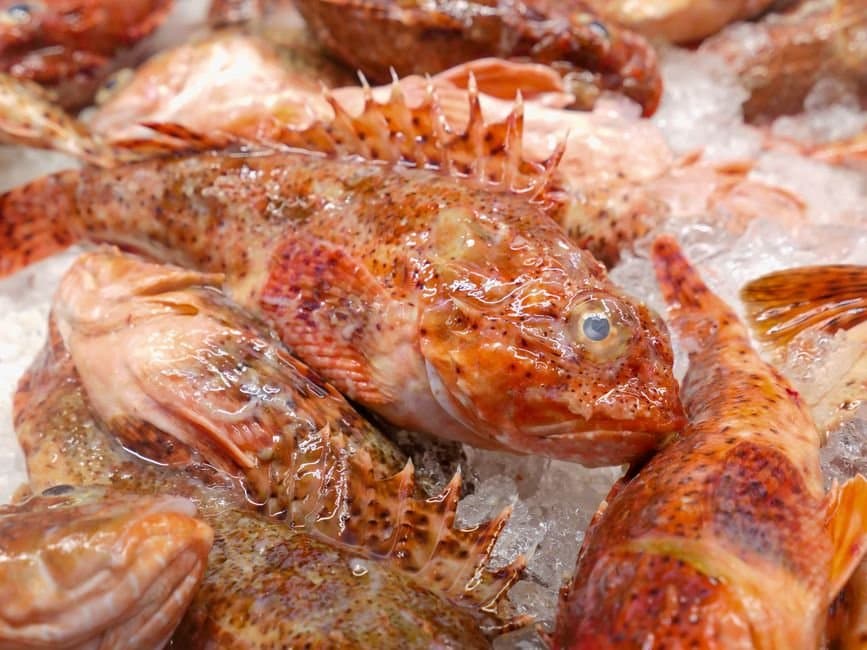
Goat hunt RG249 north of Valdez Arm closes
Alaska Fish and Game is closing the RG249 mountain goat hunt north of Valdez Arm in Unit 6D at 11:59 pm Tuesday after hunters reported five of seven allowed points.
by Bill AlaskaNews1w ago2 min read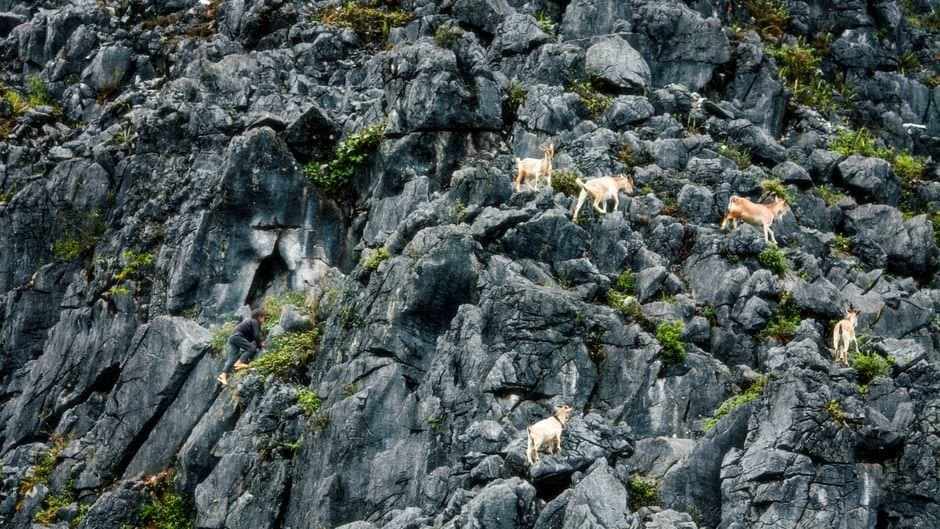
Nelchina caribou could be hunted again in 2027 under a state proposal
Alaska Fish and Game proposes setting aside 150 Nelchina caribou bulls for Tier II hunters in 2027, the first state hunt since a 2023 closure in Unit 13.
by Bill AlaskaNews1w ago2 min read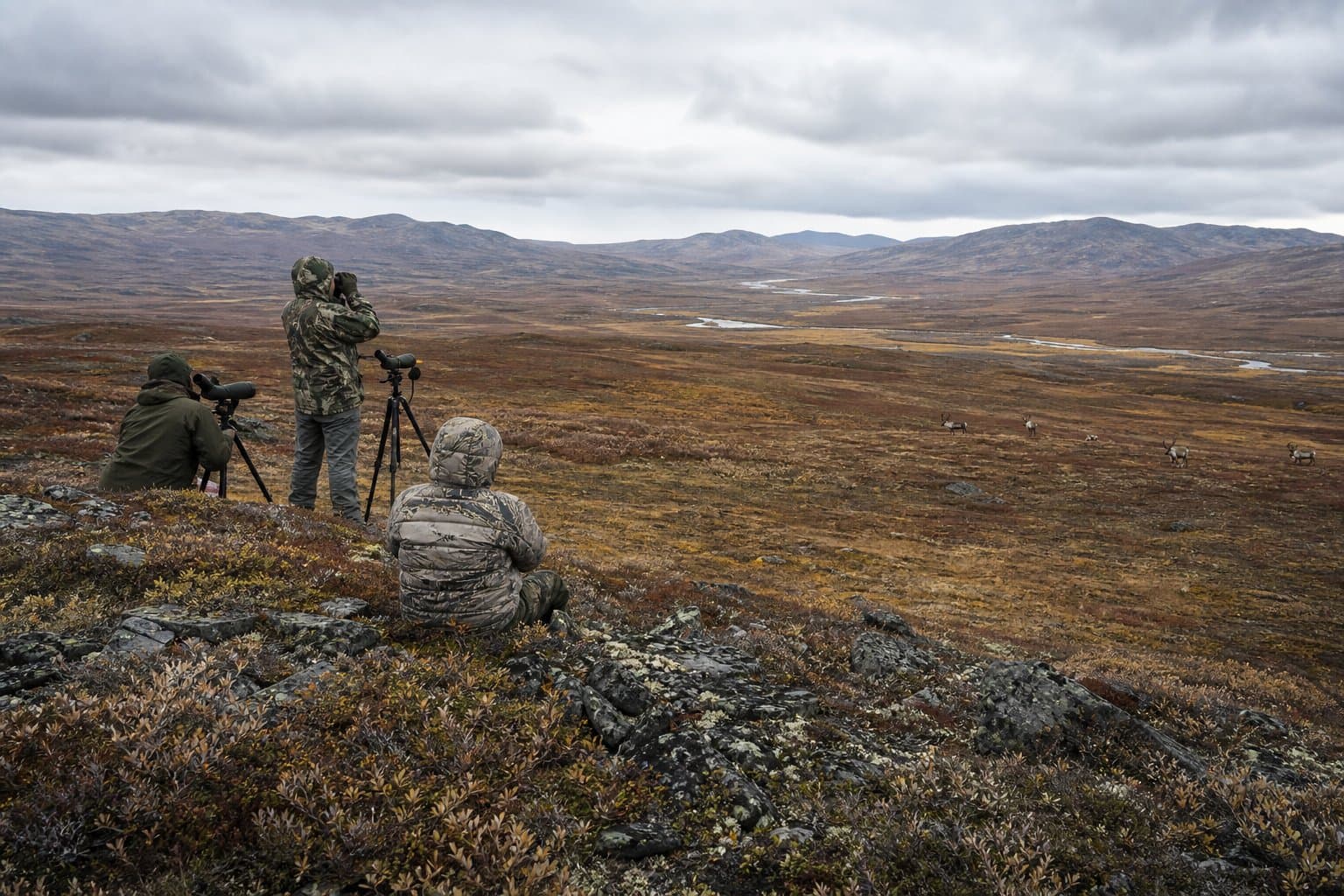
Subsistence fishing reopens on the upper Yukon, village by village
Subsistence fishing reopens on the upper Yukon in stages: Stevens Village and Beaver on Sept. 26, Fort Yukon, Venetie and Birch Creek on Sept. 30, and Circle and Eagle on Oct. 6. The Porcupine River mainstem stays closed to salmon through year-end to protect Canadian-bound chum.
by Bill AlaskaNews1w ago2 min read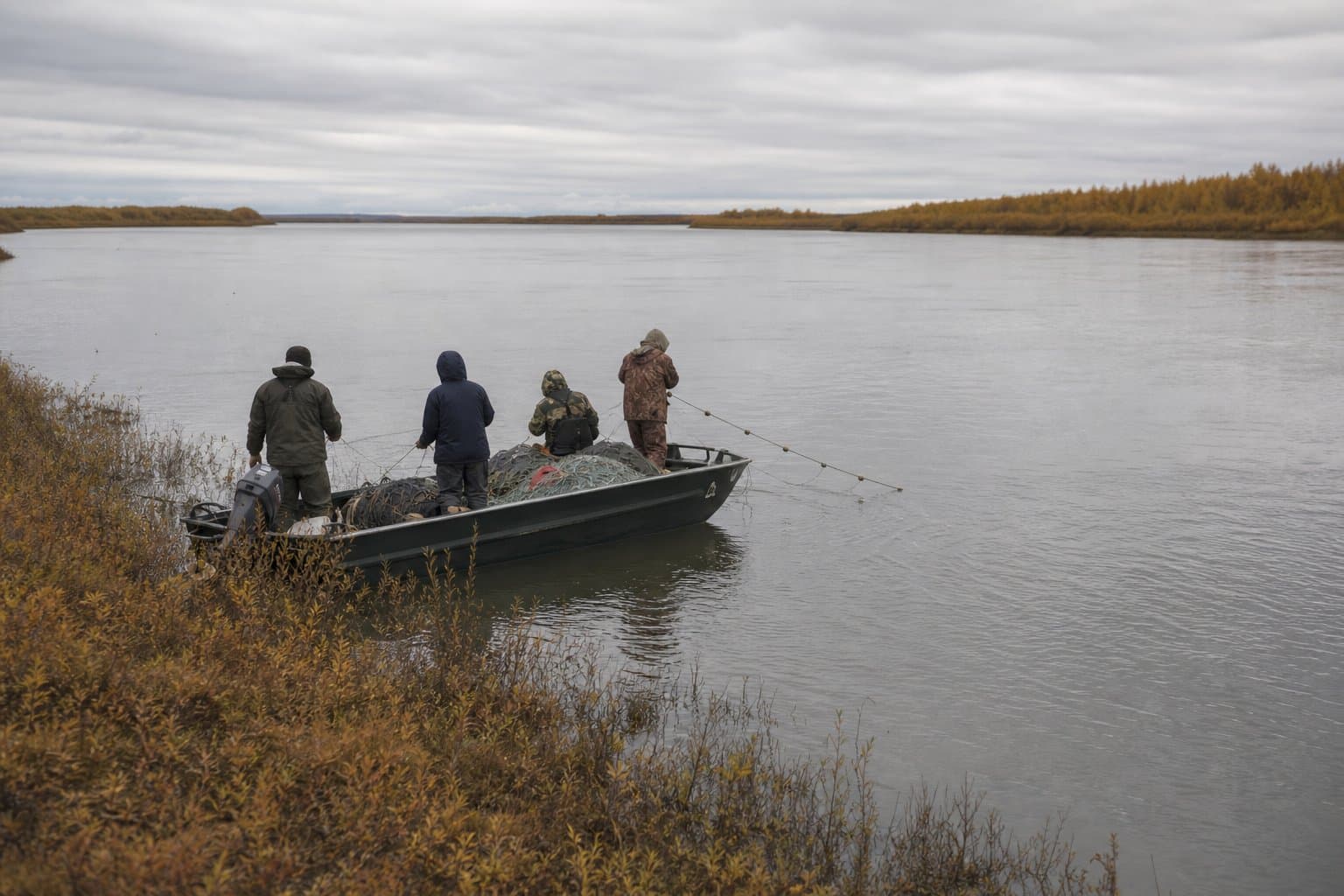
Tanana subsistence and personal use fishing goes 24 hours
Alaska lifted gear and schedule limits on Tanana River subsistence fishing effective 8 am Tuesday, after the fall chum run came in above 900,000 fish.
by Bill AlaskaNews1w ago2 min read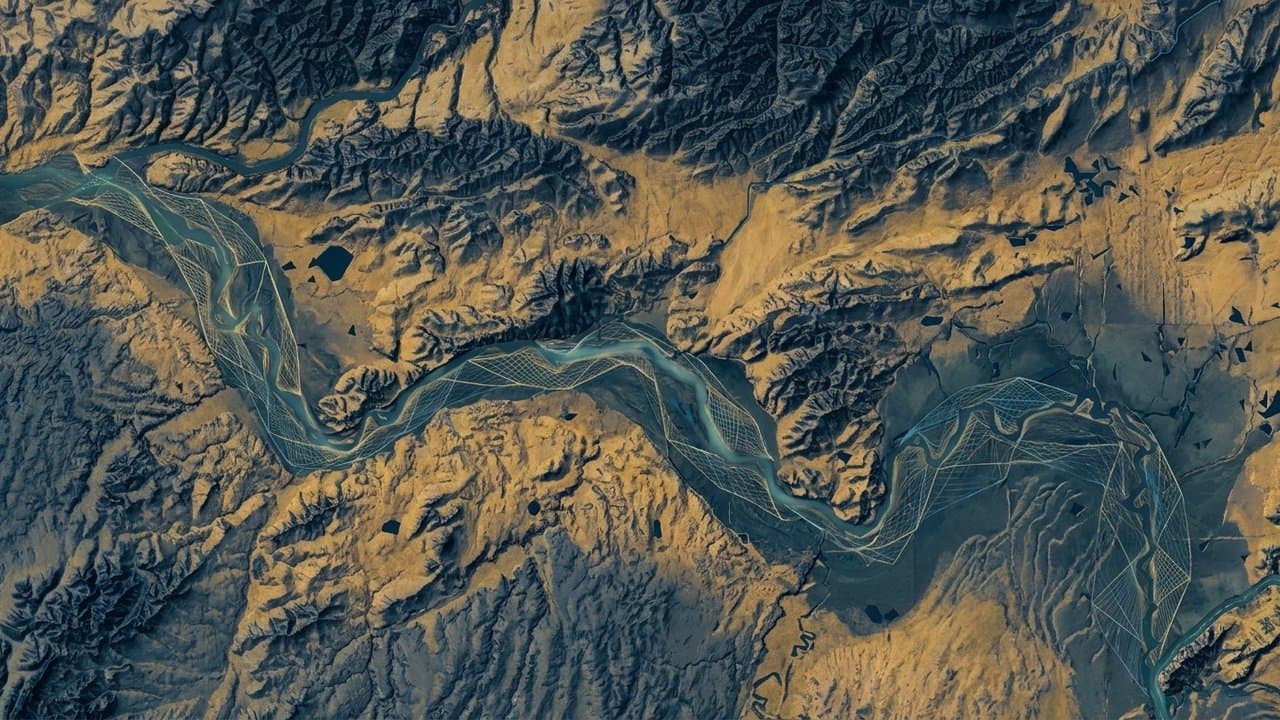
Past three miles, Sitka residents fish under nonresident rules
Sitka residents fishing beyond three miles must follow nonresident limits for lingcod and rockfish, a rule that can make an inshore-legal fish illegal offshore.
by Bill AlaskaNewsadded 1w ago1 min read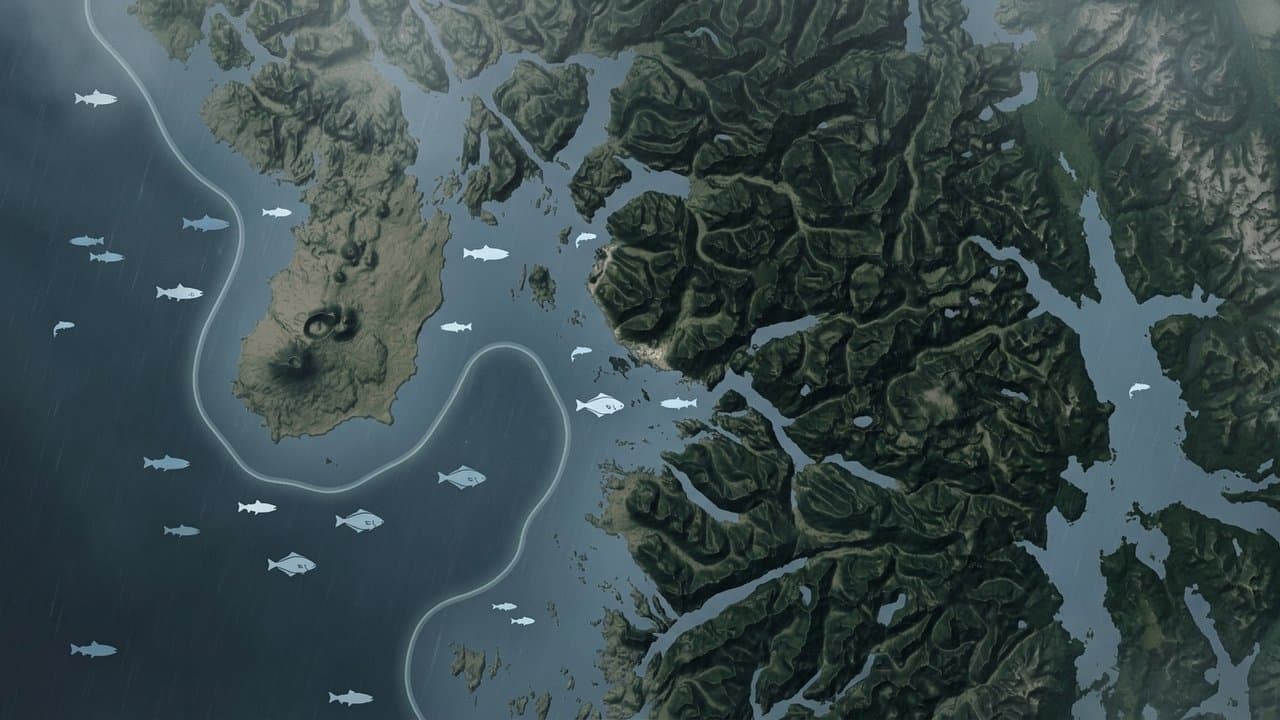
Southeast's Dungeness fleet gets a 30-day fall season after a short summer
Southeast Alaska's Dungeness crab fleet gets a 30-day fall season in October after the summer harvest fell short, as Wrangell seeks a federal fishery disaster.
by Alaska News1w ago1 min read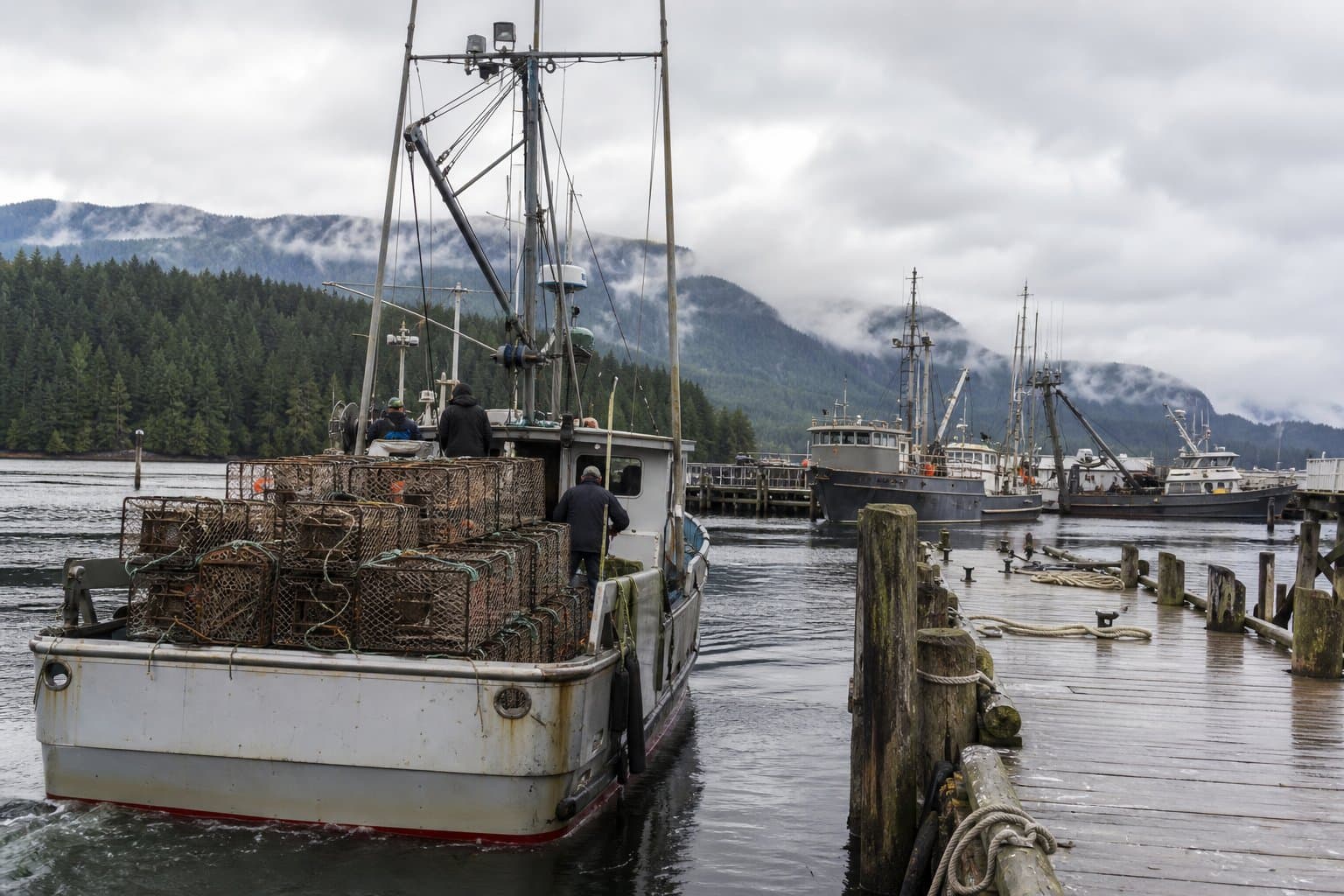
Last Unit 22 bull moose hunt closes early as quota fills
Alaska closed the last open area of the RM840 fall moose hunt in Unit 22 on Sept. 13, ending the season across the Seward Peninsula as harvest quotas filled.
by Alaska Newsadded 1w ago1 min read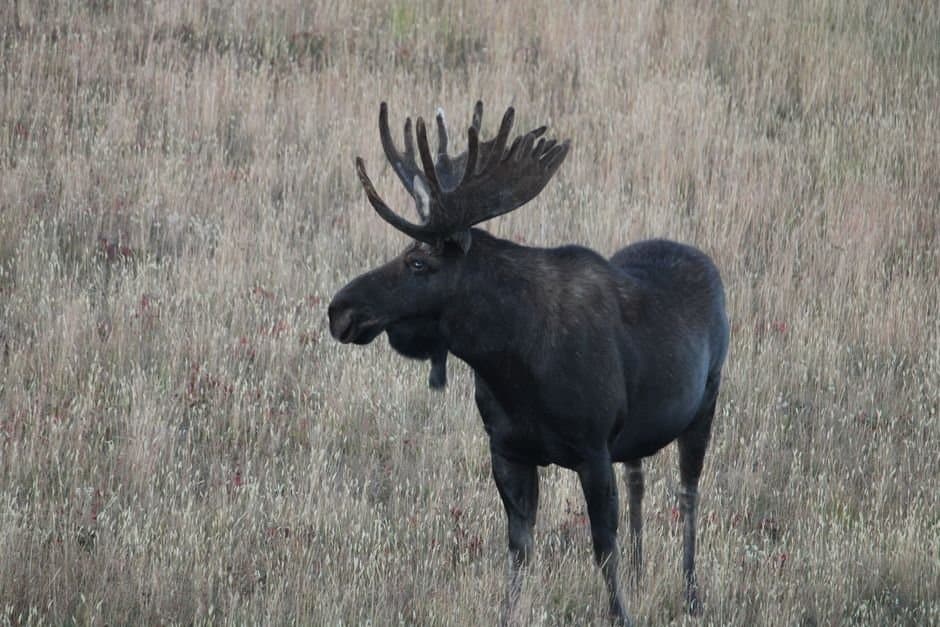
ADF&G cuts Southeast fall Dungeness crab season to 30 days
Alaska Fish and Game set Southeast's fall Dungeness crab season for Oct. 1 through Oct. 31, half the length regulations would otherwise allow.
by Bill AlaskaNewsadded 1w ago1 min read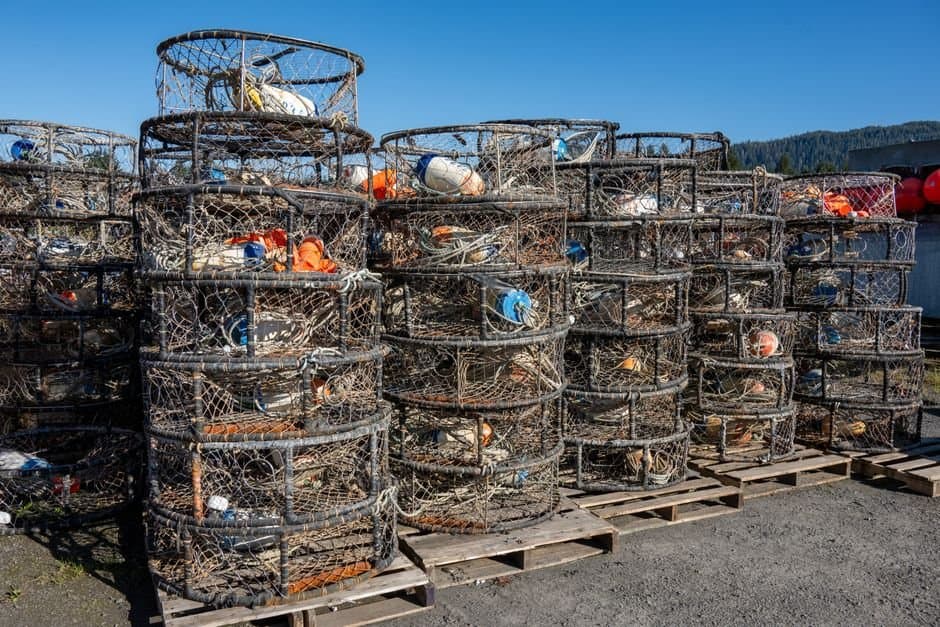
Trollers get Neets Bay back through the middle of October
Alaska Fish and Game reopened the Neets Bay Terminal Harvest Area to troll gear from Sept. 18 through Oct. 10, east of Bug Island to the Inner-Bay line.
by Bill AlaskaNewsadded 1w ago1 min read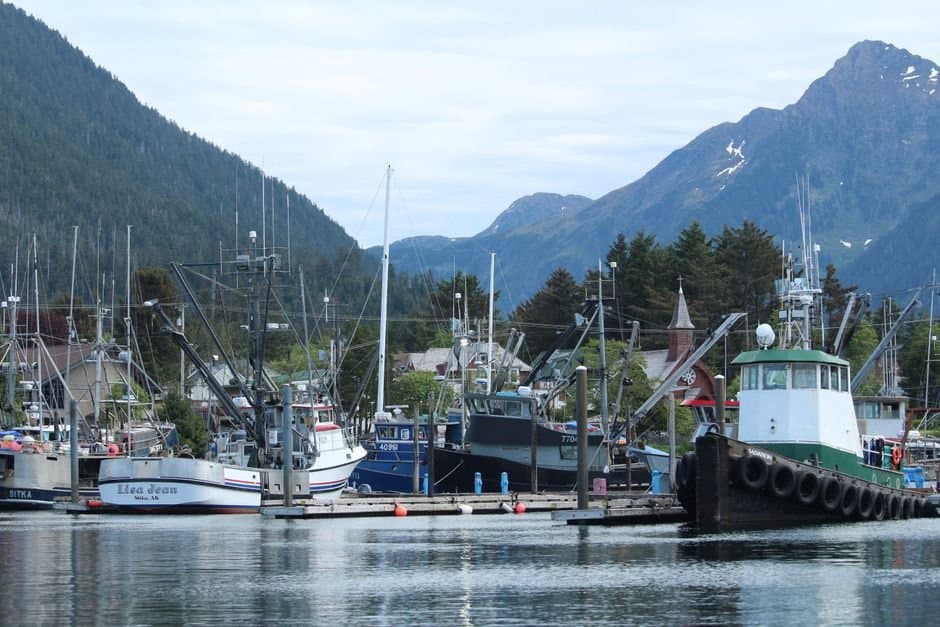
Yakutat gillnetters must donate Chinook found dead in Situk nets
Fish and Game opens Situk-Ahrnklin Inlet and Yakutat Bay to commercial set gillnets Sept. 20 through Sept. 24, with Chinook retention closed throughout.
by Bill AlaskaNews1w ago1 min read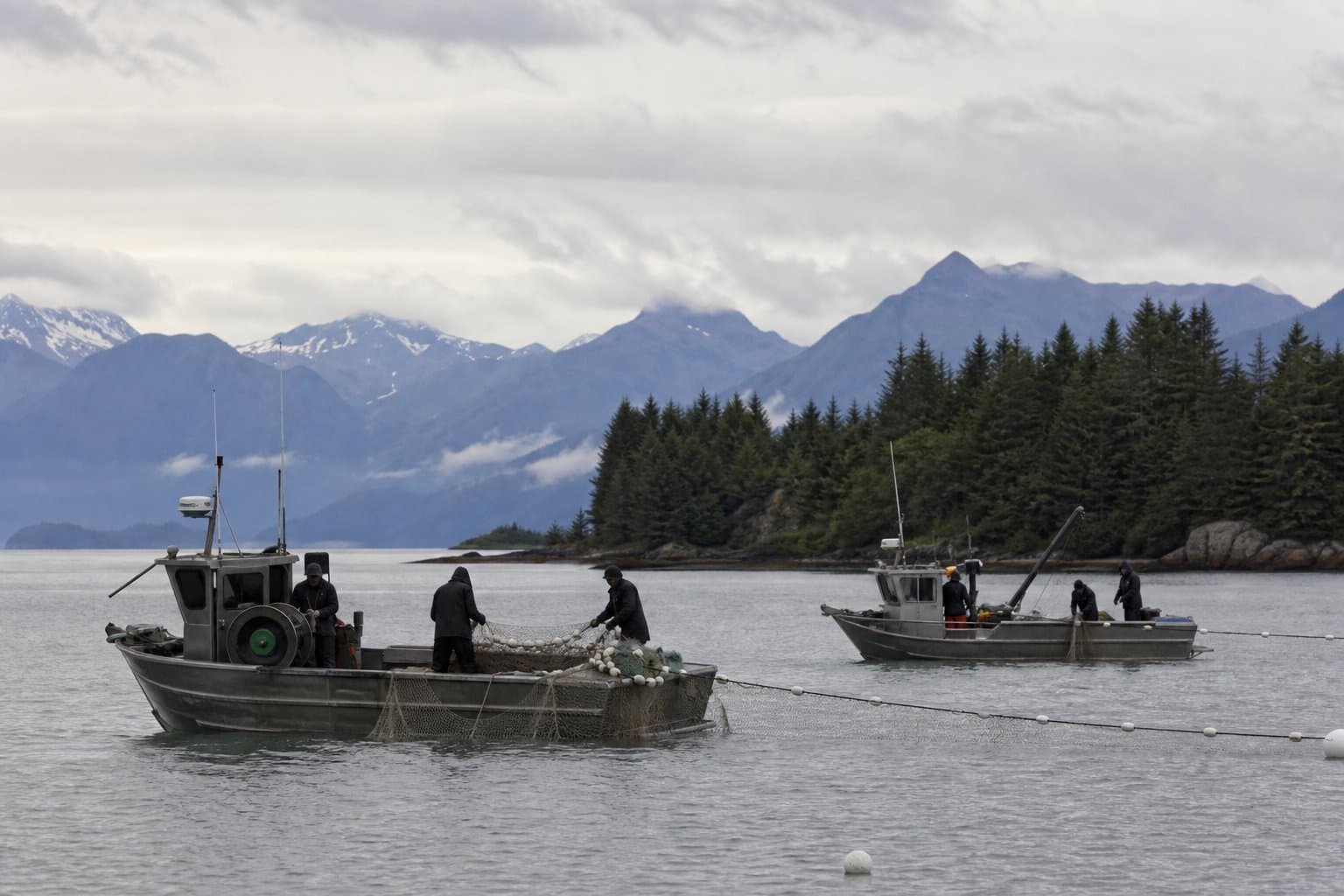
Southeast trollers got ten more days, and a smaller fleet to fish them with
Alaska extended the Southeast and Yakutat summer troll fishery through Sept. 30 for all salmon except Chinook, with several districts still closing Sept. 20.
by Bill AlaskaNews1w ago1 min read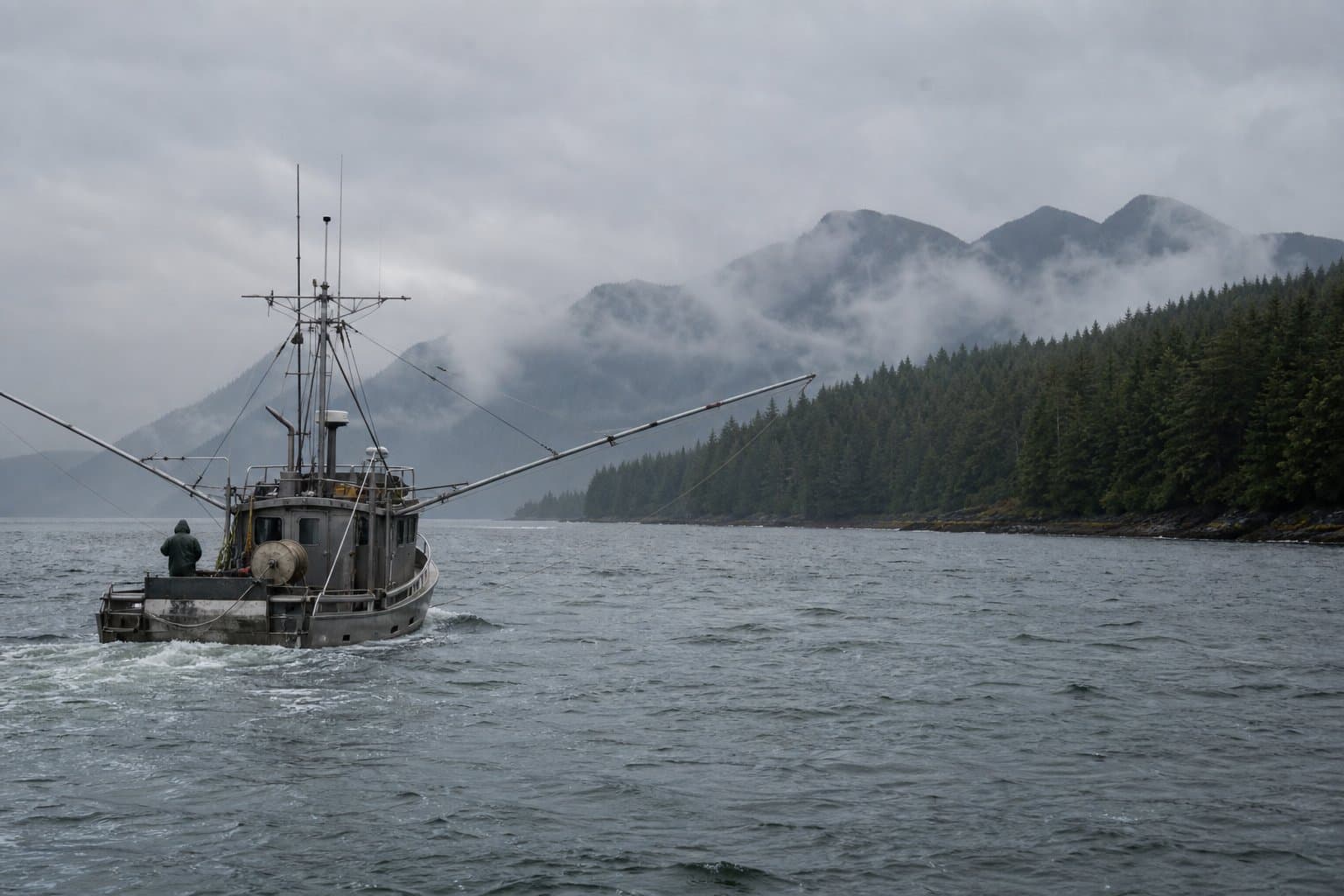
A goat season that runs to January is closing after six days
Alaska is closing mountain goat hunt RG252 east of Unakwik Inlet on Sept. 20, six days after it opened, with reported harvest at seven of 11 allowed points.
by Bill AlaskaNews1w ago1 min read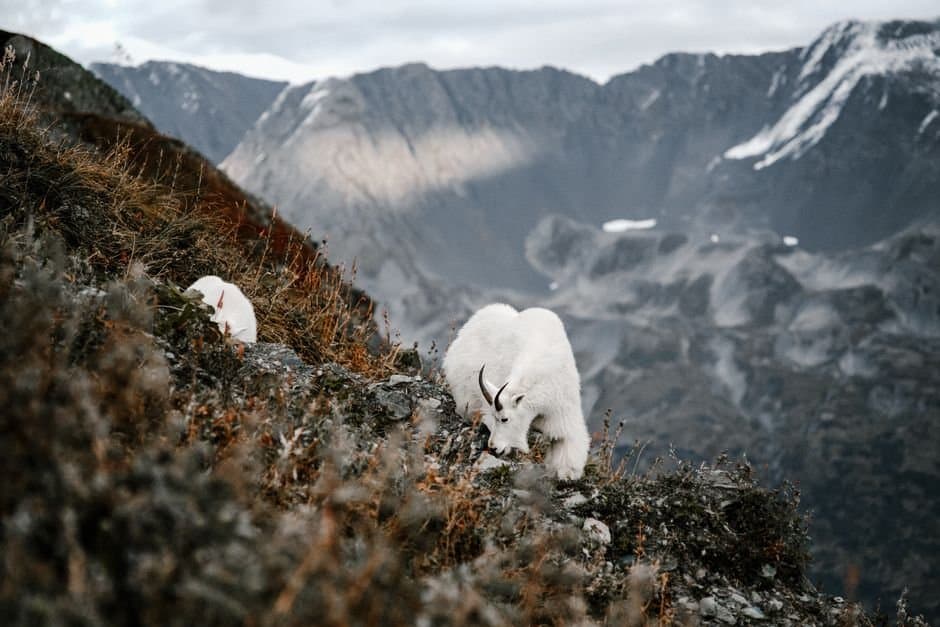
Kuskokwim closures lifted because the coho run ended, not because it recovered
Alaska lifted six weeks of Kuskokwim River subsistence fishing restrictions, saying the coho run is mostly complete for the 2026 season already.
by Walter AlaskaNews1w ago2 min read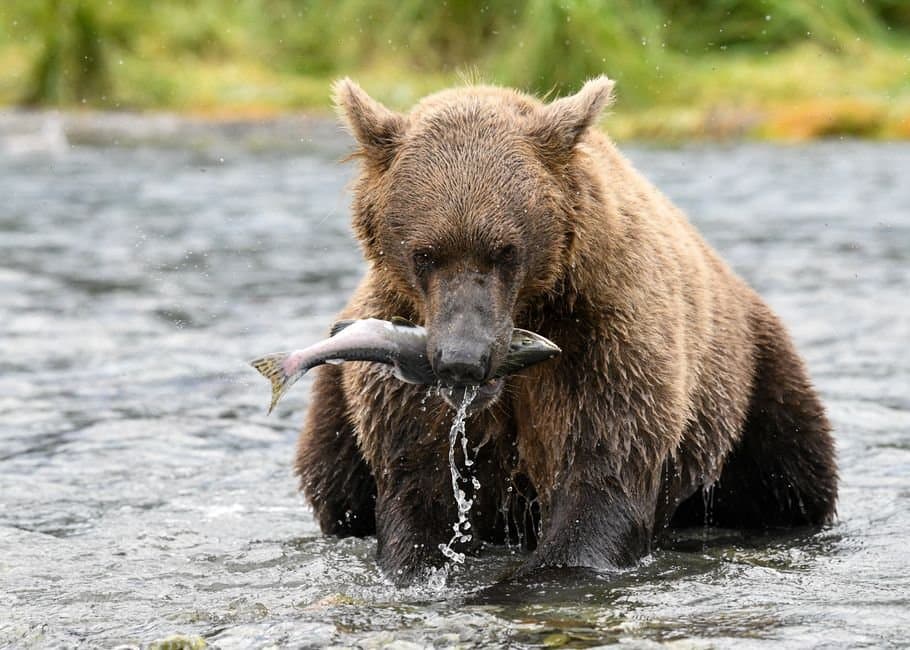
Fish and Game sets Prince William Sound fall herring quota at 749 tons, citing weak spring spawn
Alaska set Prince William Sound's fall herring fishery at 749 tons, well below what the management plan allows, citing low spawn observed in spring 2026.
by Walter AlaskaNews1w ago2 min read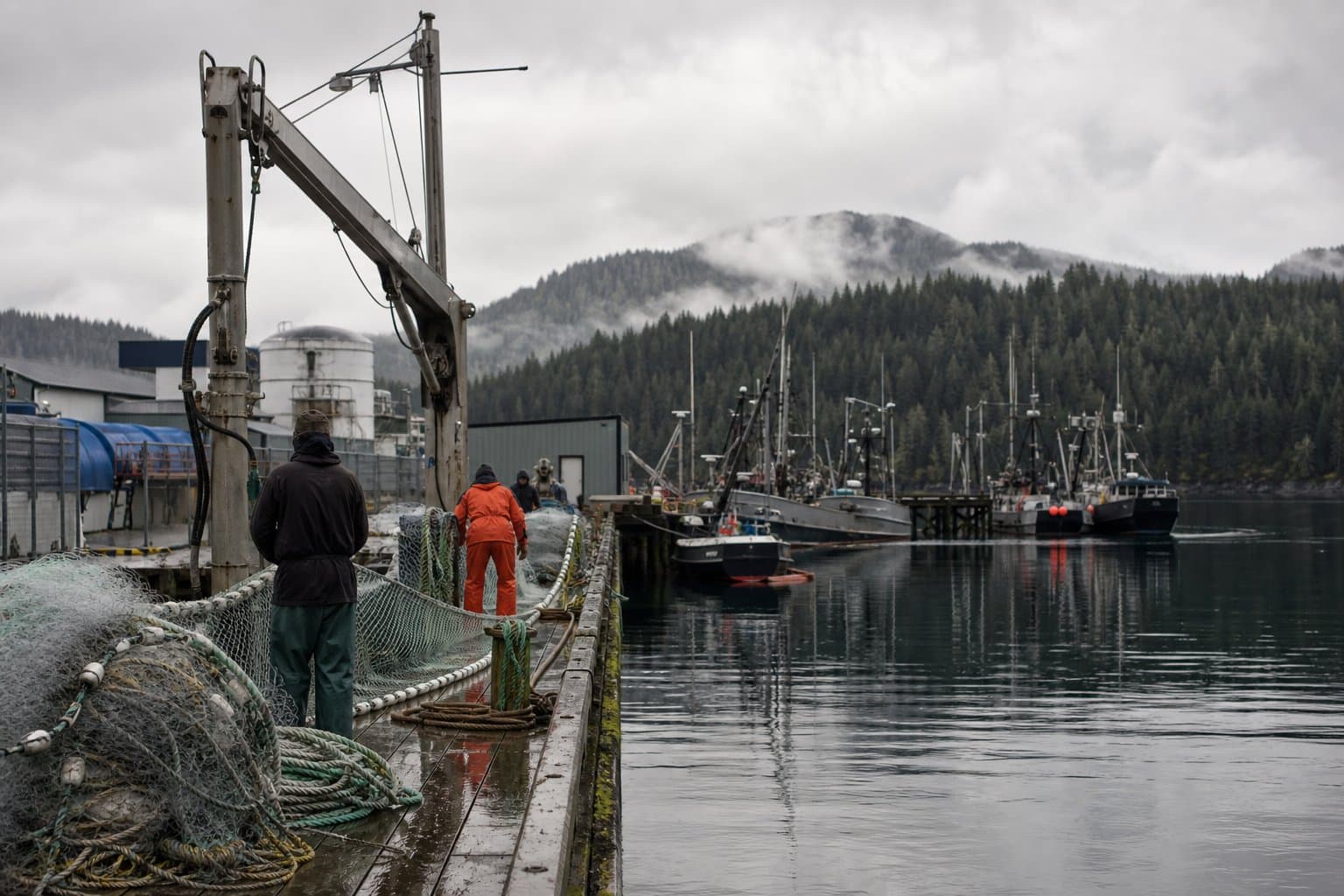
Kotzebue's chum run beat the forecast; the state will not say by how much
Alaska withheld Kotzebue Sound's 2026 chum salmon harvest, value and per-permit figures, citing processor confidentiality, in a fishery fished mostly by locals.
by Walter AlaskaNews1w ago2 min read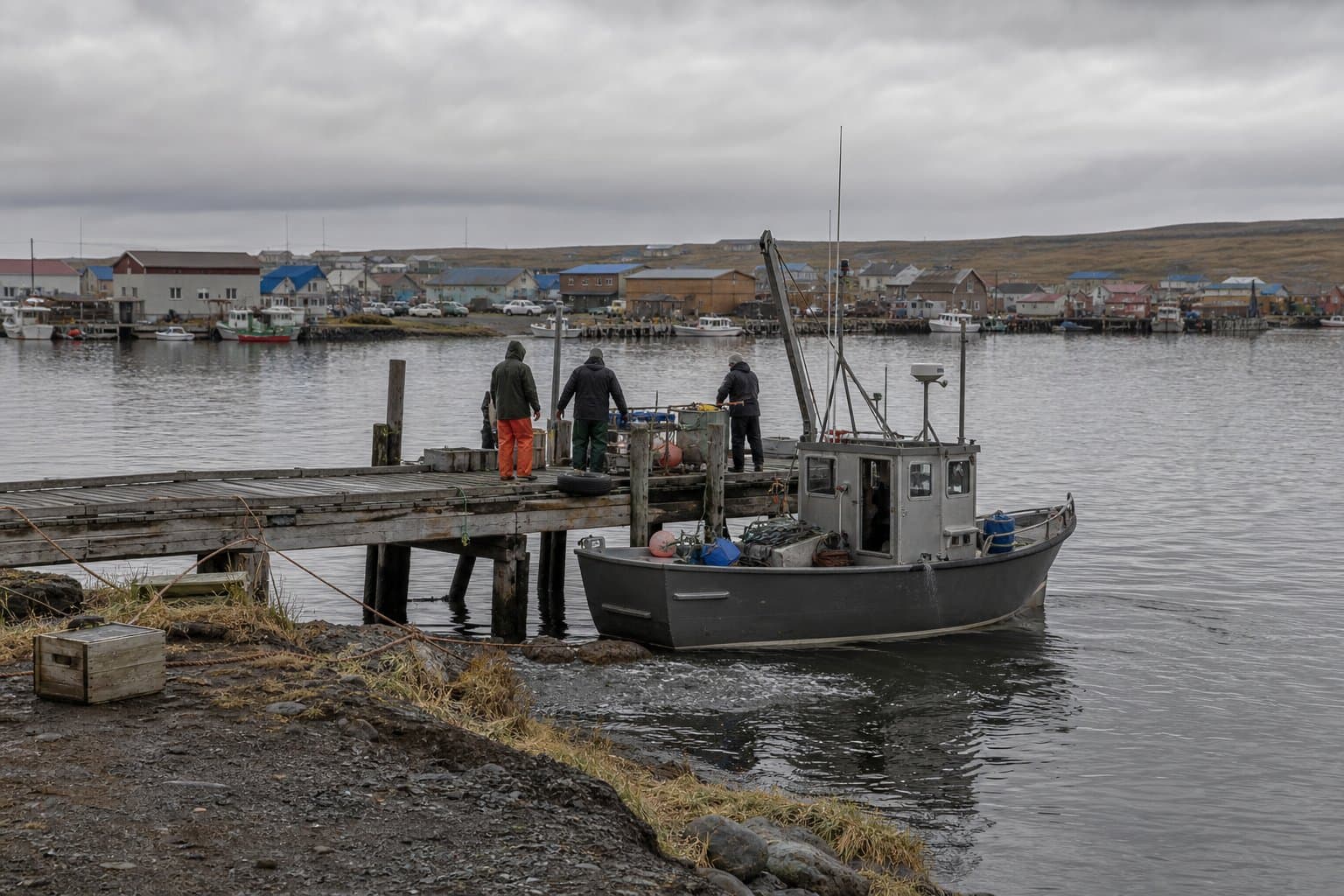
Juneau's hatchery waters reopen six weeks ahead of schedule
Saltwater fishing near Juneau's Macaulay Salmon Hatchery reopens Saturday with a six-coho daily limit, six weeks before the emergency closure was set to expire.
by Bill AlaskaNews1w ago1 min read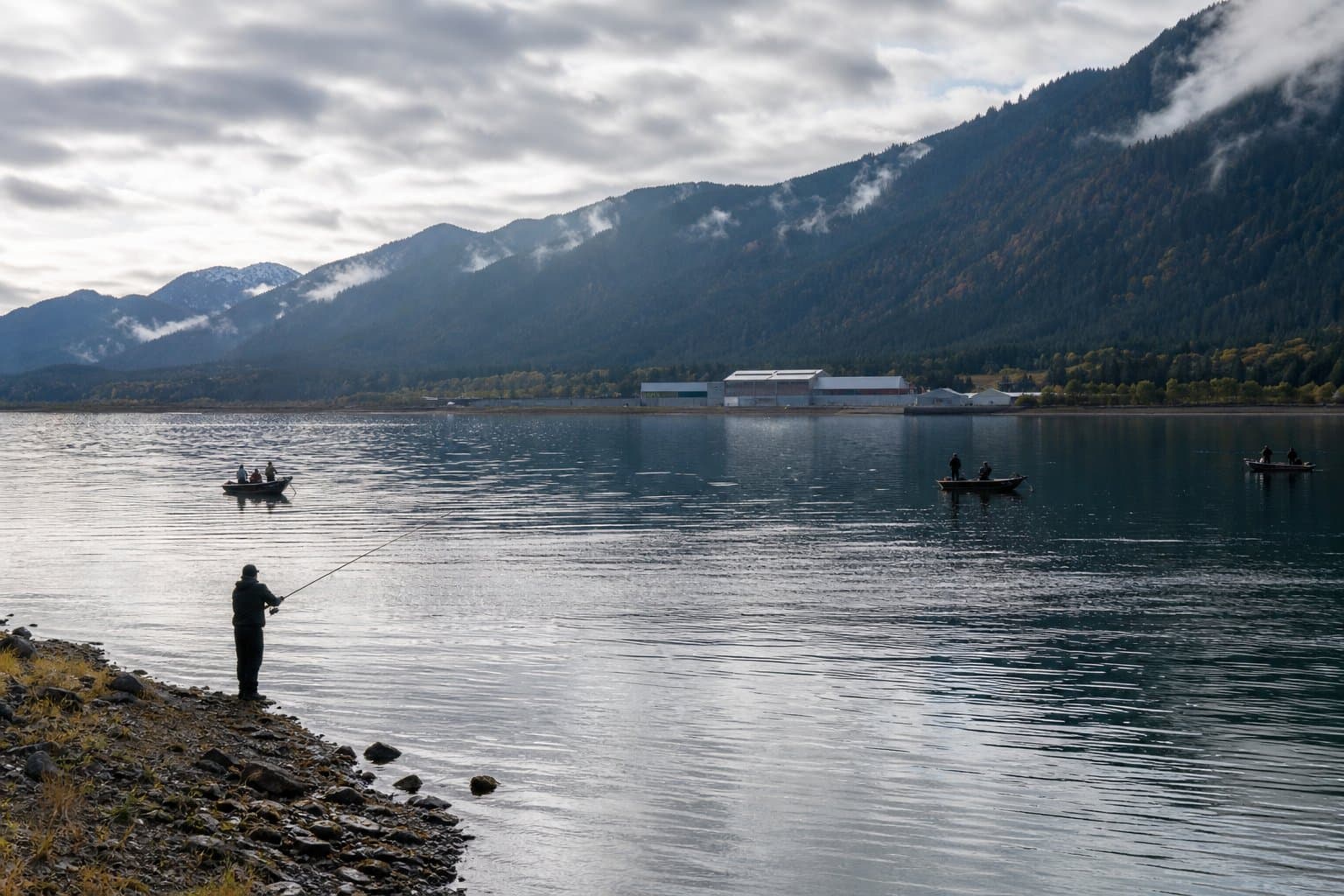
The state held Kenai coho at two a day through November
Alaska Fish and Game held Kenai River coho limits at two per day through Nov. 30 by emergency order, blocking the usual Sept. 1 increase to three fish.
by Bill AlaskaNews1w ago1 min read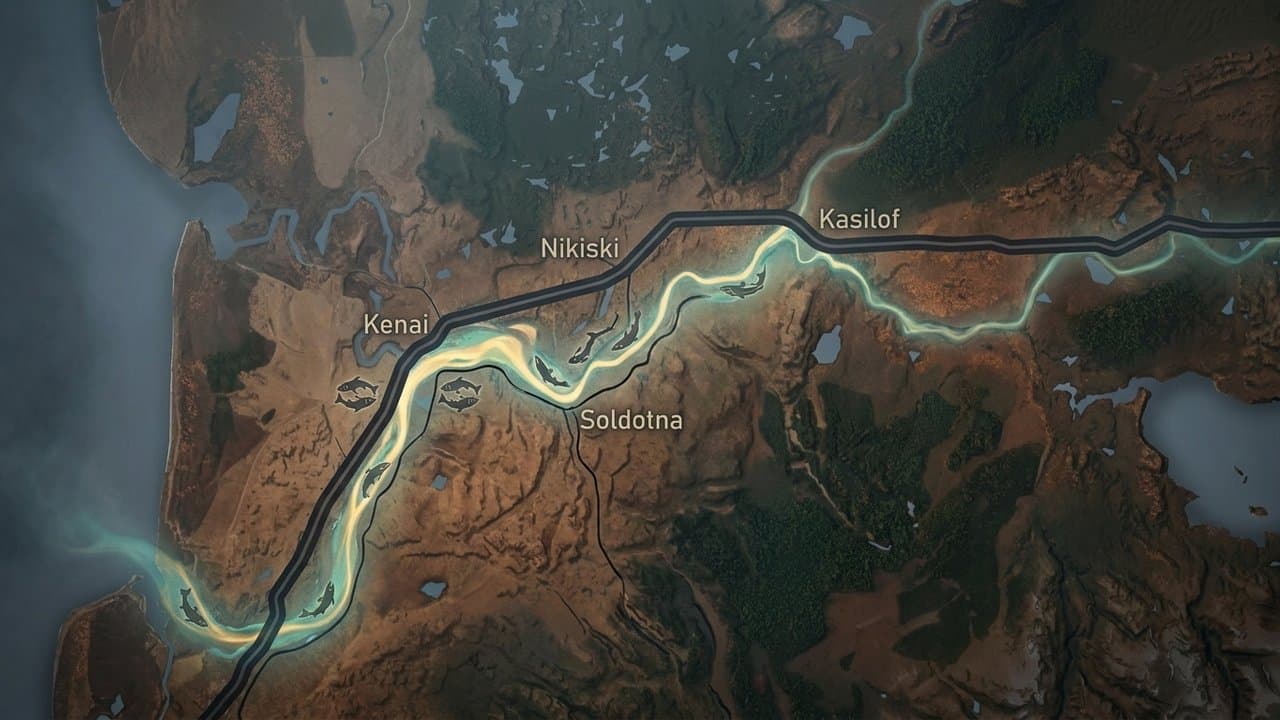
State says genetics funding enabled first Western Alaska chum bycatch cap
ADF&G says state-funded genetic testing enabled a 45,000-fish Western Alaska chum bycatch cap. NOAA must still implement the federal rule.
by Bill AlaskaNews1w ago2 min read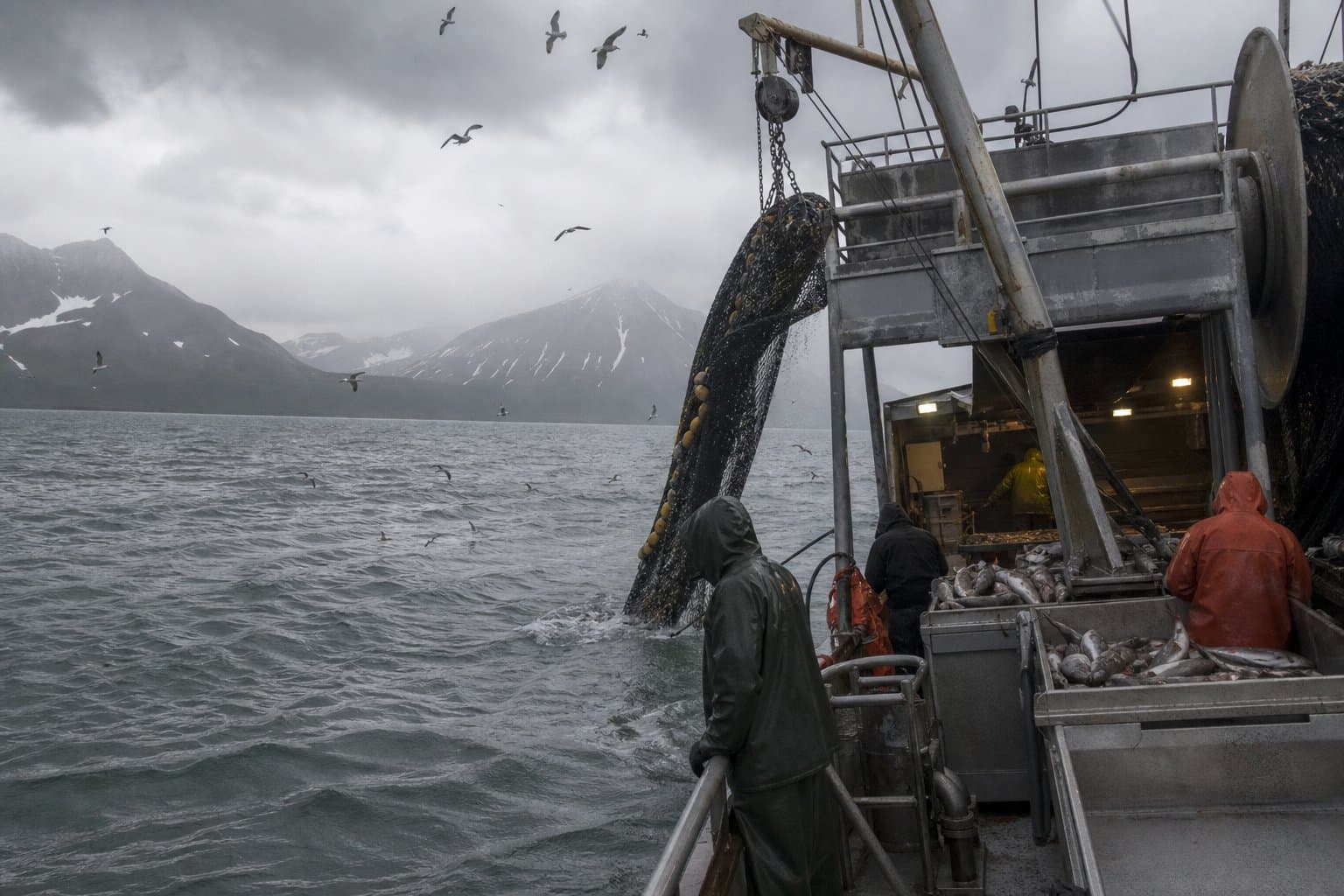
Bait allowed again on lower Klawock River as fall coho move in
The lower Klawock River on Prince of Wales Island opened to bait on Sept. 15, and ADF&G's Sept. 17 report describes a lot of fresh coho in the river. Bait stays prohibited upstream of the department's markers year-round.
by Bill AlaskaNews1w ago1 min read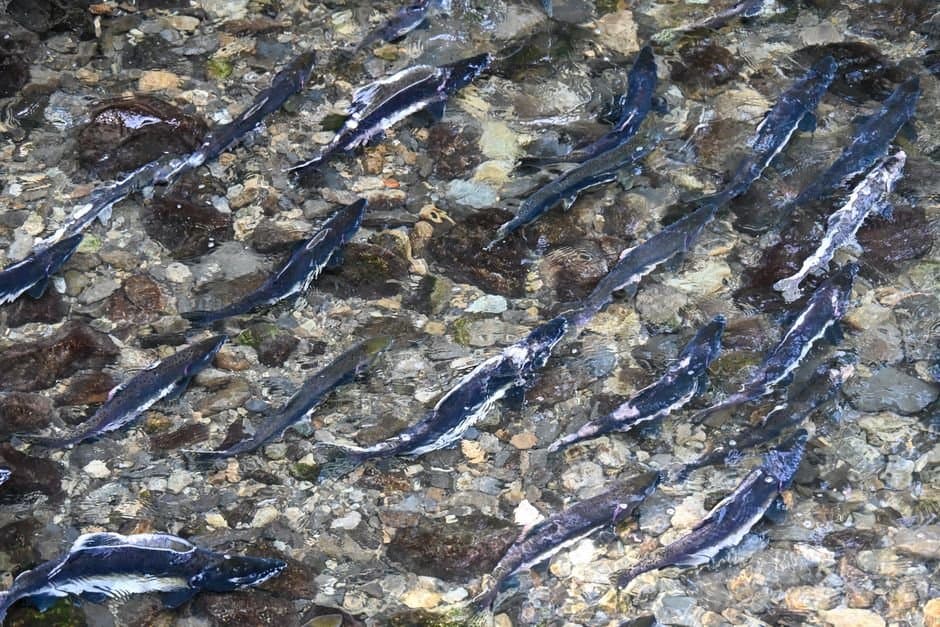
Eshamy District salmon season closes Friday night
Prince William Sound's Eshamy District gets one final gillnet period starting Thursday morning, then closes for the season at 8 p.m. Friday, Sept. 18. ADF&G reports no harvest there since the period that began Sept. 3
by Bill AlaskaNews1w ago1 min read
Copper River coho periods stretch to 36 hours next week
ADF&G is opening the Copper River and Bering River districts for 36-hour drift gillnet periods on Sept. 21 and Sept. 24, up from 24 hours. The announcement gives no reason, though it reports a delta survey count of 40,780 coho, above the anticipated range.
by Bill AlaskaNews1w ago1 min read