State corporation advancing the Alaska LNG Project — a pipeline to bring North Slope natural gas to tidewater at Nikiski for export to Asian markets.
3201 C St #505, Anchorage, AK 99503, USA
Video Clips
Browse all clips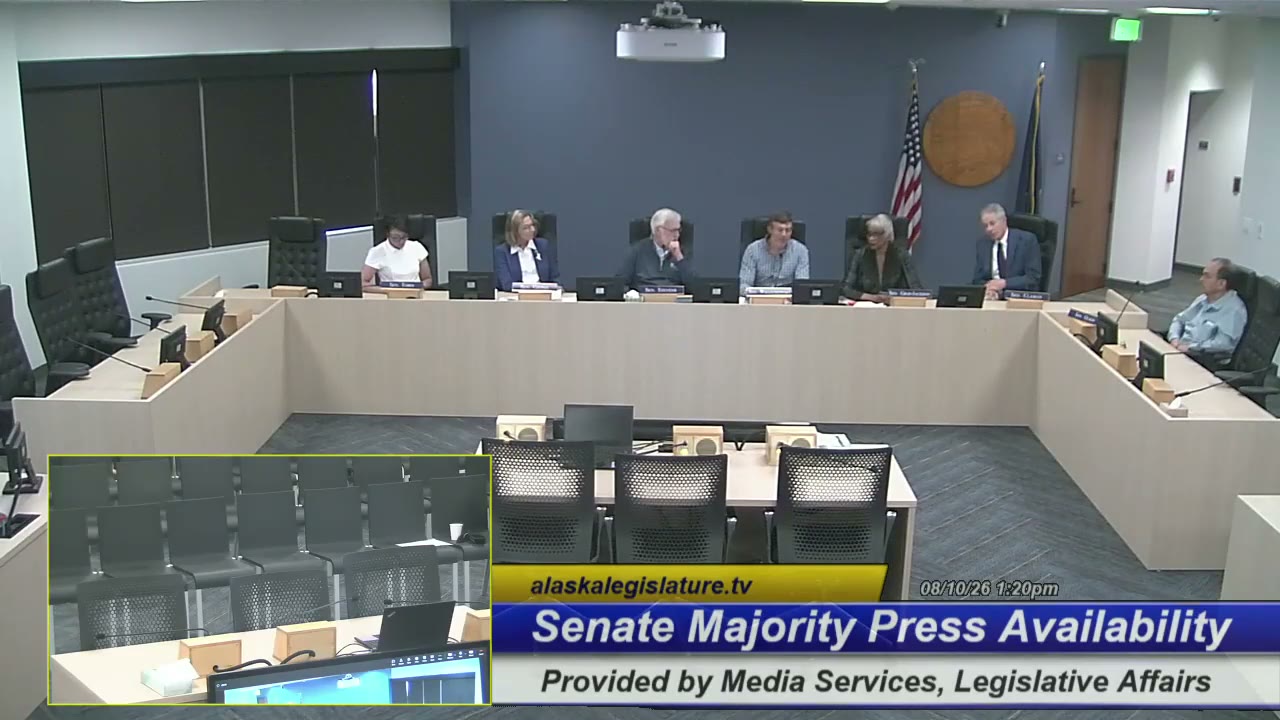
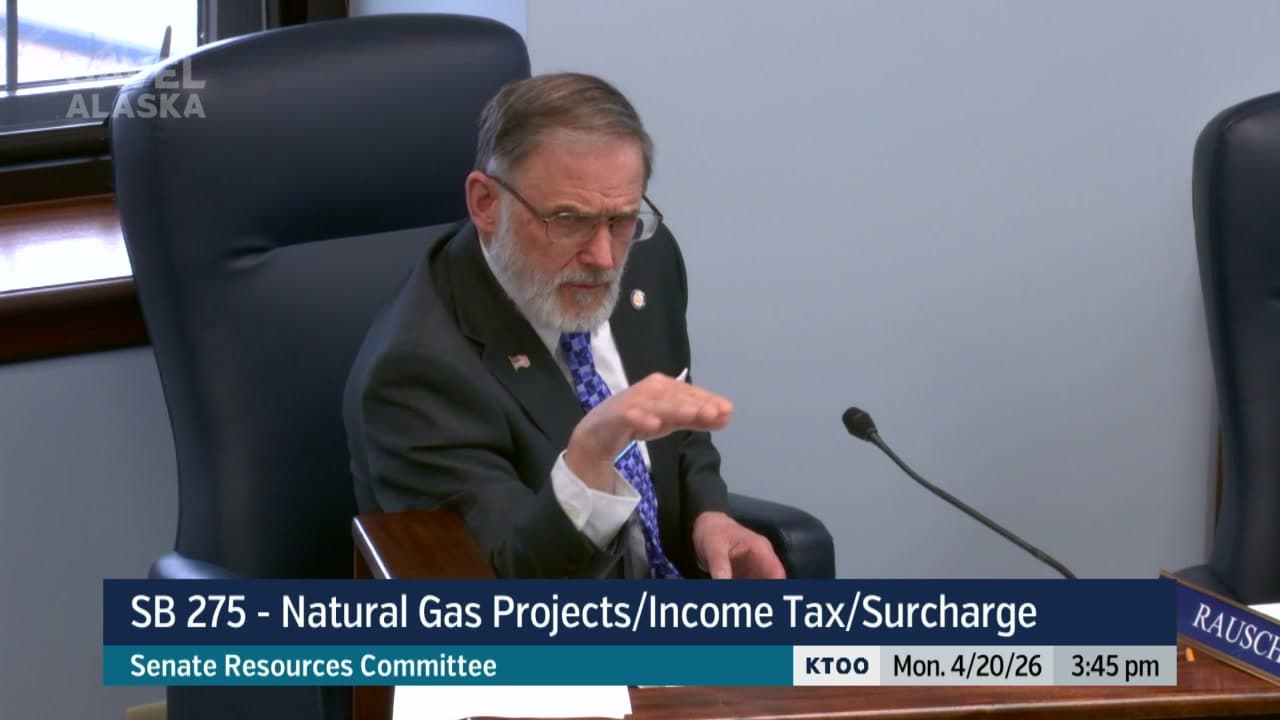
Bill Wielechowski
“if the plan is to get us a bill and then just expect us to rubber stamp it, that's not going to happen in the Senate.”Alaska Legislature recording 2026-08-10
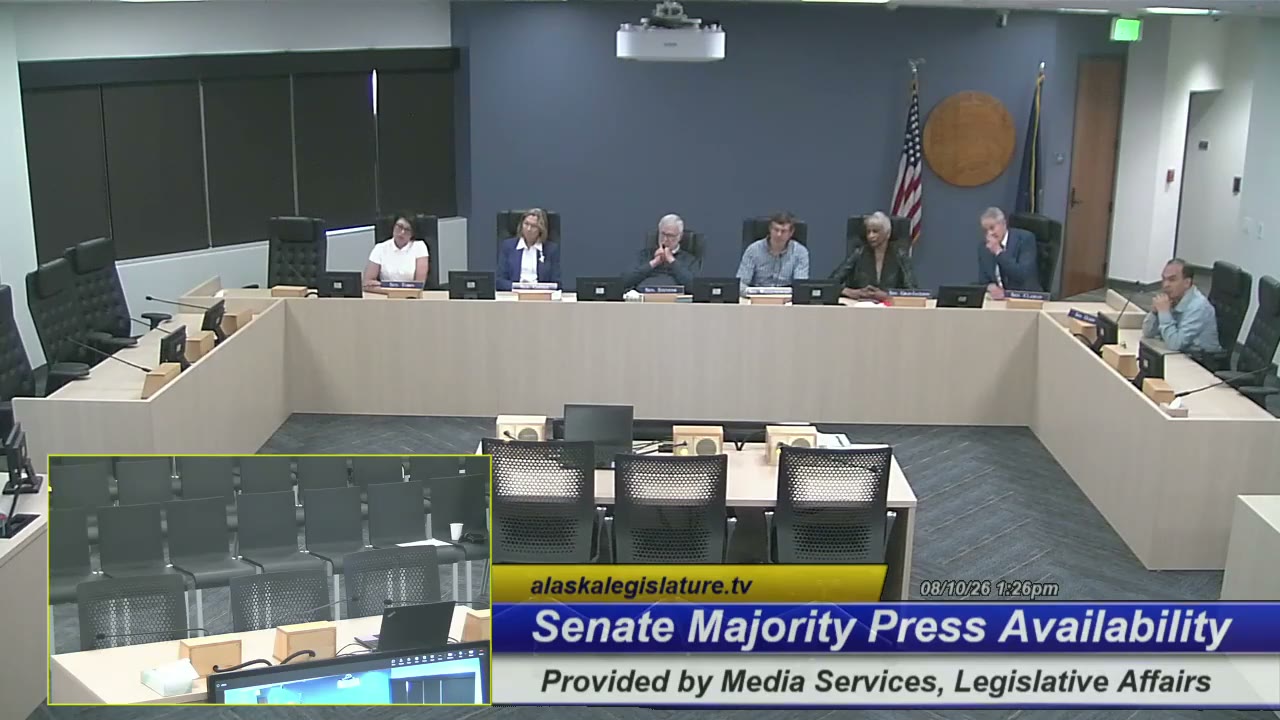
Jeff Landfield
“Why do— why does the state keep stringing along Hex, John Hendricks, and BlueCrest when they haven't produced— BlueCrest, no gas.”Alaska Legislature recording 2026-08-10
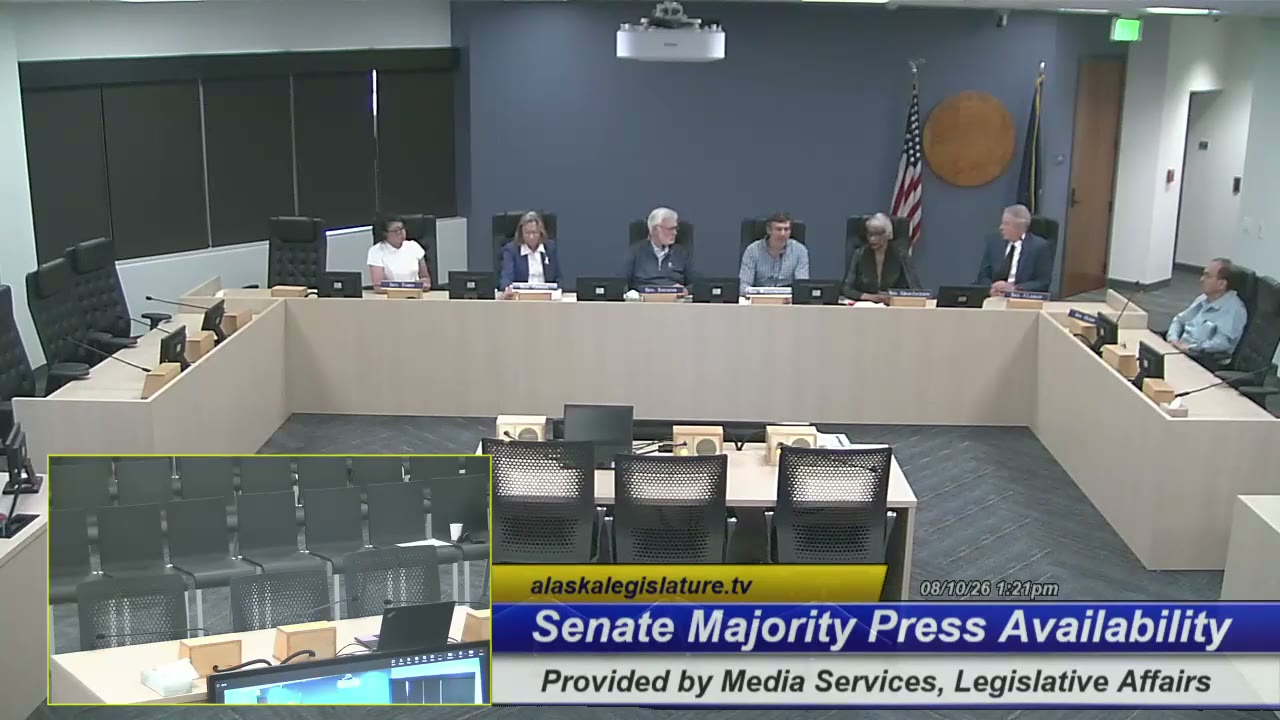
Bill Wielechowski
“We're not going to rubber stamp a bill that we've never seen, that we've never evaluated and have no idea what's in it at this point.”Alaska Legislature recording 2026-08-10
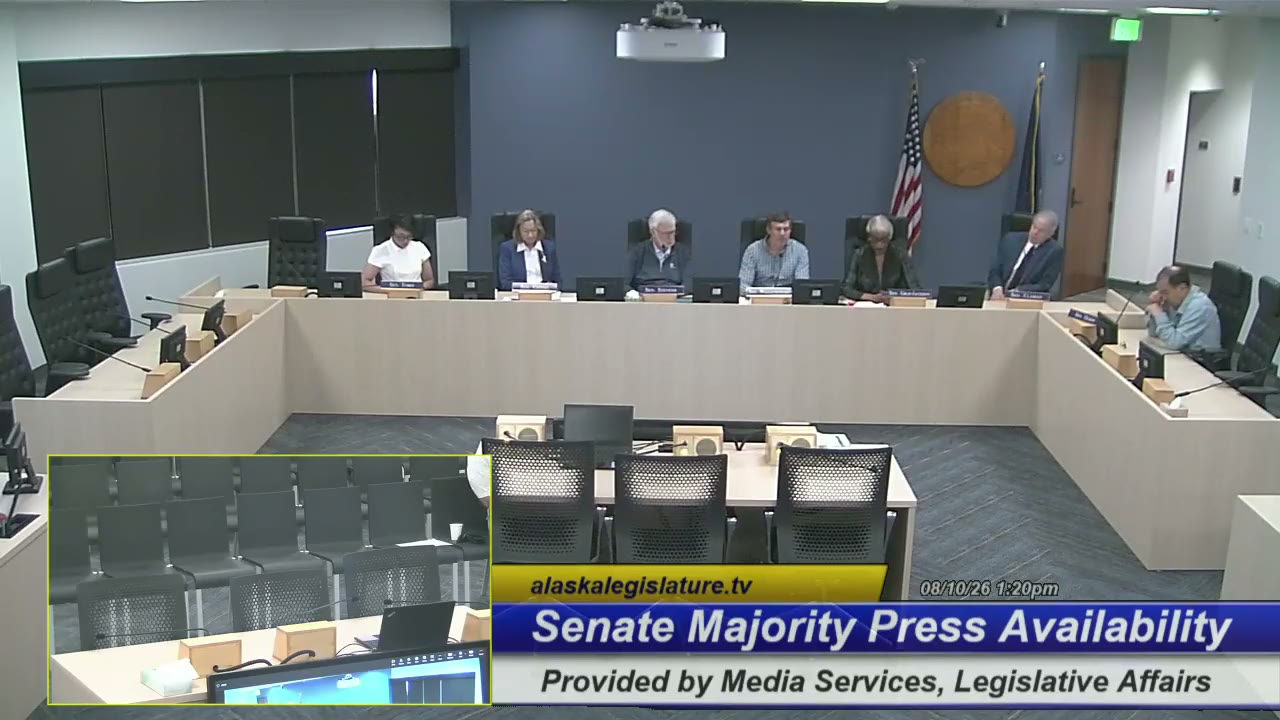
Bill Wielechowski
“The price has gone from initially $44, $45 billion to $55 billion to now the governor over the weekend said It could be as high as $65 to $70 billion.”Alaska Legislature recording 2026-08-10
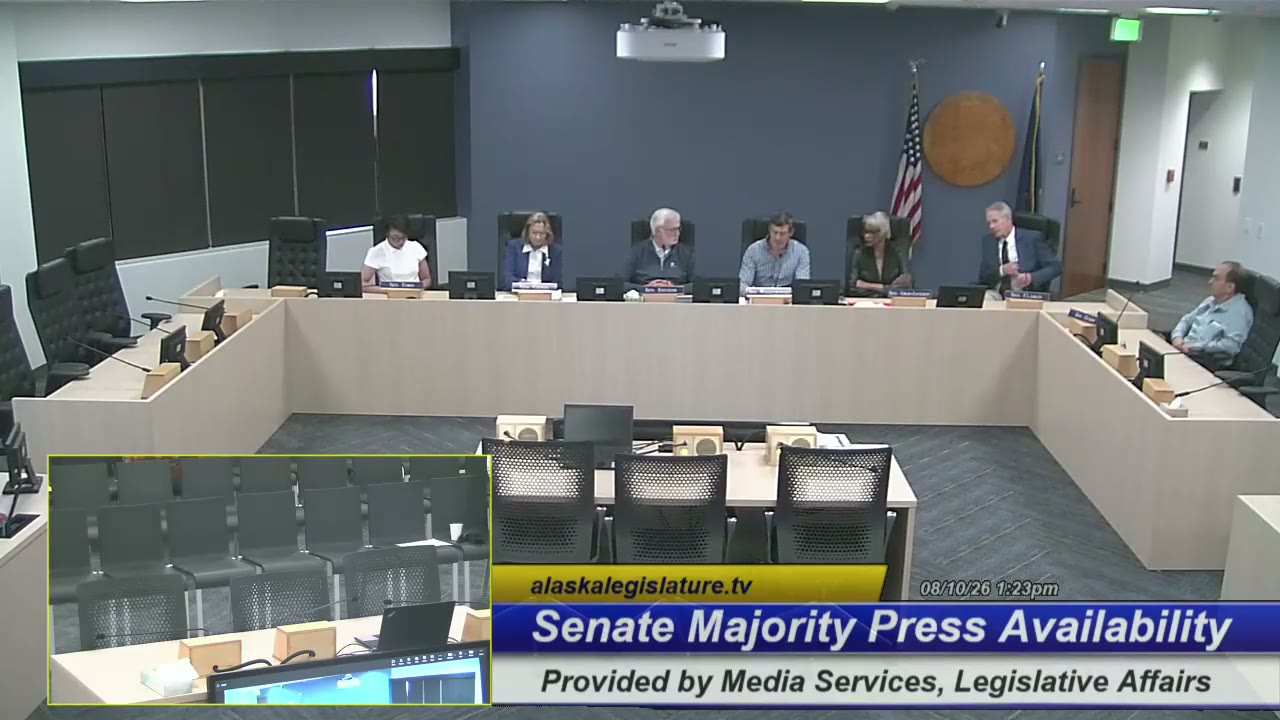
Bill Wielechowski
“if DNR and the governor's office are allowing BlueCrest to sit on what we believe to be 300 billion cubic feet of gas, that is only hurting our situation this winter. If they're allowing— if they're blocking storage issues for this winter or not moving forward and helping storage issues, that is only going to make this situation worse.”Alaska Legislature recording 2026-08-10
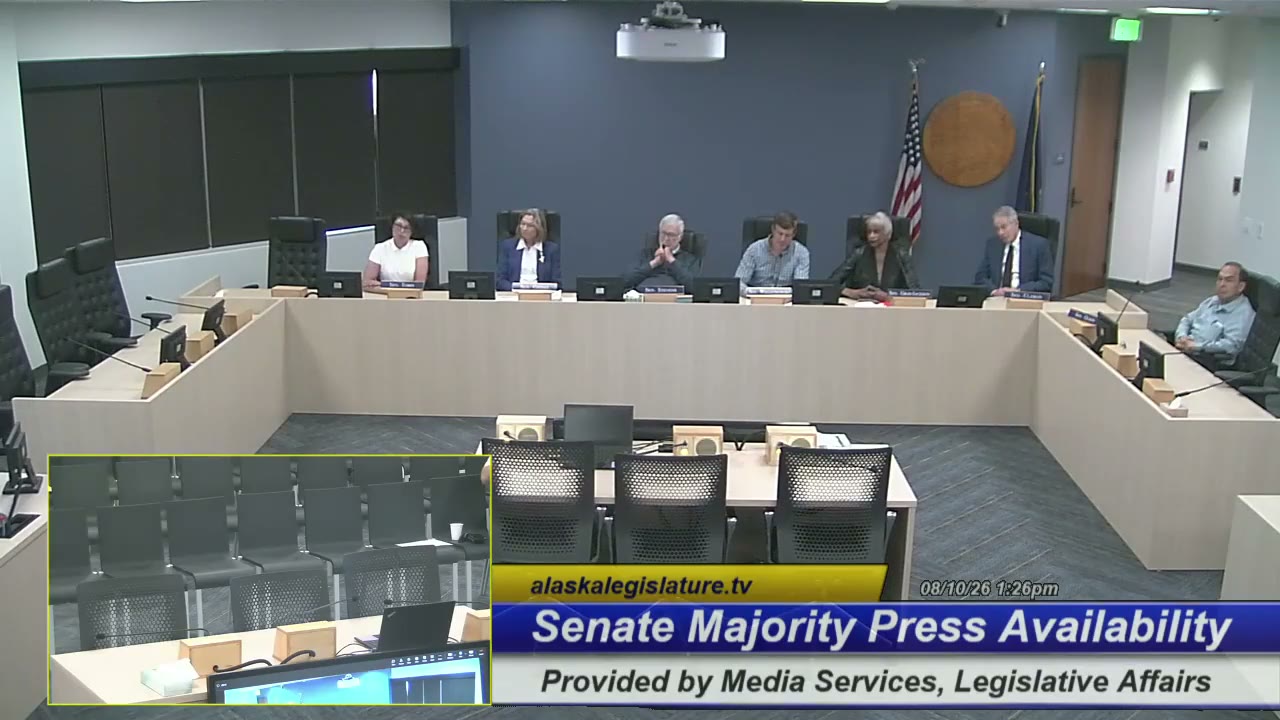
Jeff Landfield
“Why is Hilcorp not being asked to help us with this problem when they're the ones who have demonstrated they can solve this problem, they can address the problem in Cook Inlet?”Alaska Legislature recording 2026-08-10
Three Alaska governor candidates agree on the problems, diverge on government's role
Jonathan Kreiss-Tomkins, Treg Taylor and Dave Bronson agreed on Alaska's problems but diverged on solutions at a Last Frontier Republican Club forum Tuesday.
 by Walter AlaskaNews2w ago7 min read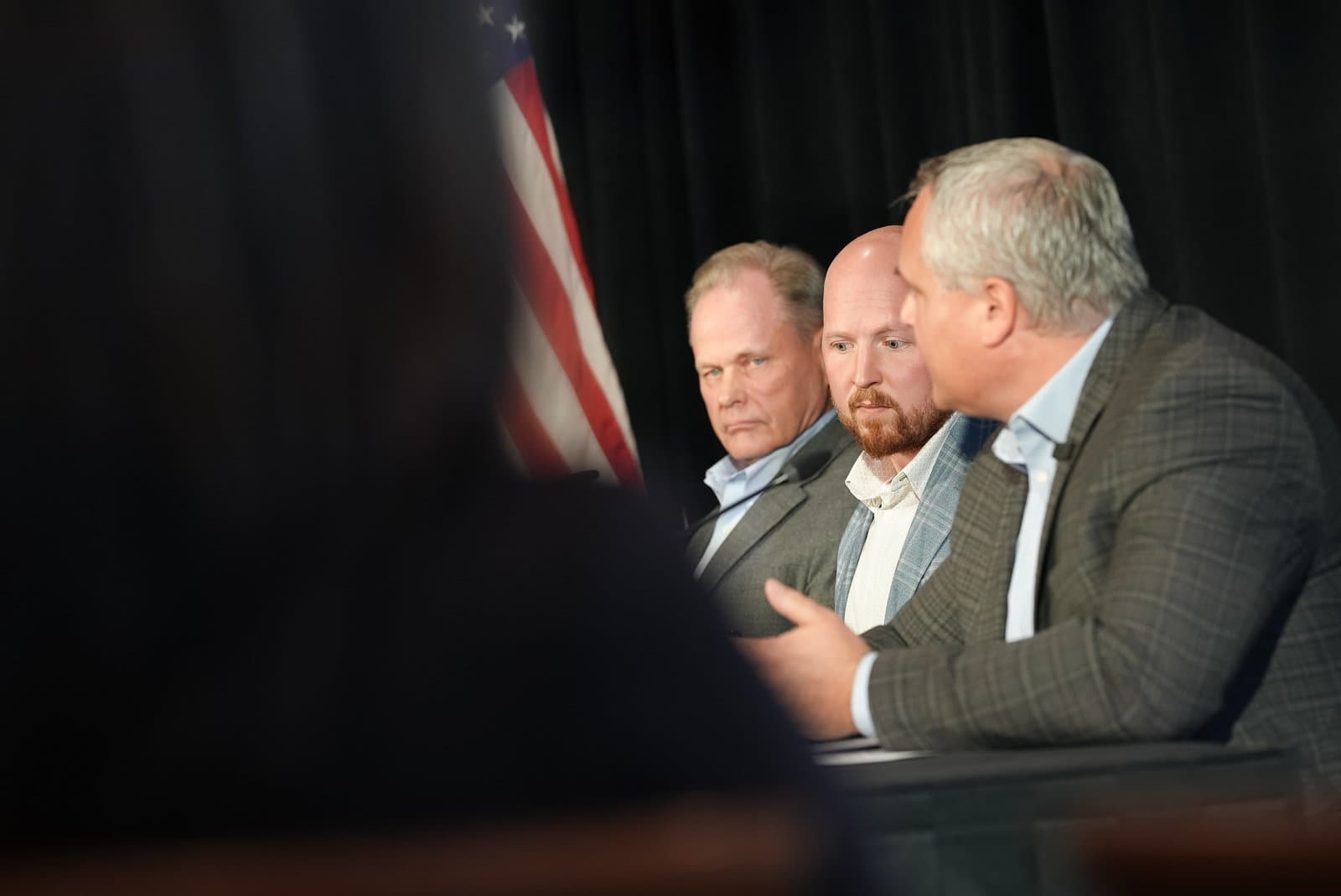
A plan to let Alaskans invest in the gas pipeline has stalled
AGDC's September 3, 2026 president's report told its board that a program to sell Alaskans 8-percent-yield pipeline tokens is on hold for lack of $2.5 million, and that three special legislative sessions ended without property tax relief the corporation says will delay the project.
by Walter AlaskaNewsadded 2w ago3 min read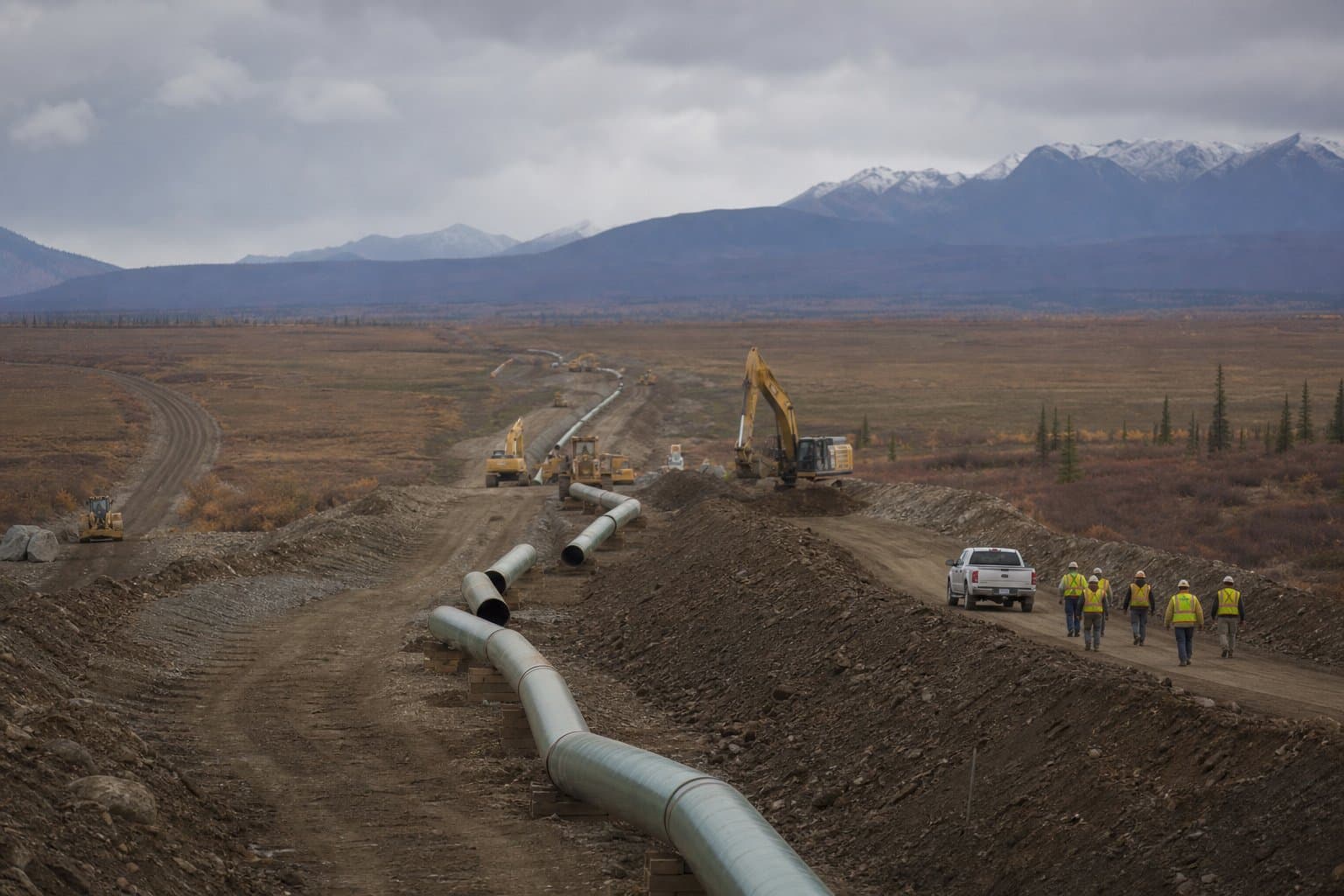
Alaska Senate Majority sets Anchorage press availability on stalled gas session
Alaska's fourth special session on gas pipeline taxation has produced no votes in two weeks, as Cook Inlet gas supply is projected to run short by the mid-2030s.
by Walter AlaskaNews1mo ago2 min read
Legislators to hear the case for a gas line as the effort stalls
Mayors, utility executives and pipeline developers will present to the Alaska Gasline Caucus on Thursday, Aug. 6, at the Anchorage LIO, months after the Alaska State House deadlocked 19-19 on the gas line bill.
by Walter AlaskaNews1mo ago2 min read
Micciche sets break-even floor on Kenai Peninsula tax break for Alaska LNG
At a Commonwealth North forum in Anchorage on June 5, Kenai Peninsula Borough Mayor Peter Micciche said the borough will accept a 75 percent property tax reduction for the Alaska LNG facility, giving up $132 million to $175 million, but will not go below break-even.
 by Bill AlaskaNewsadded 1mo ago3 min read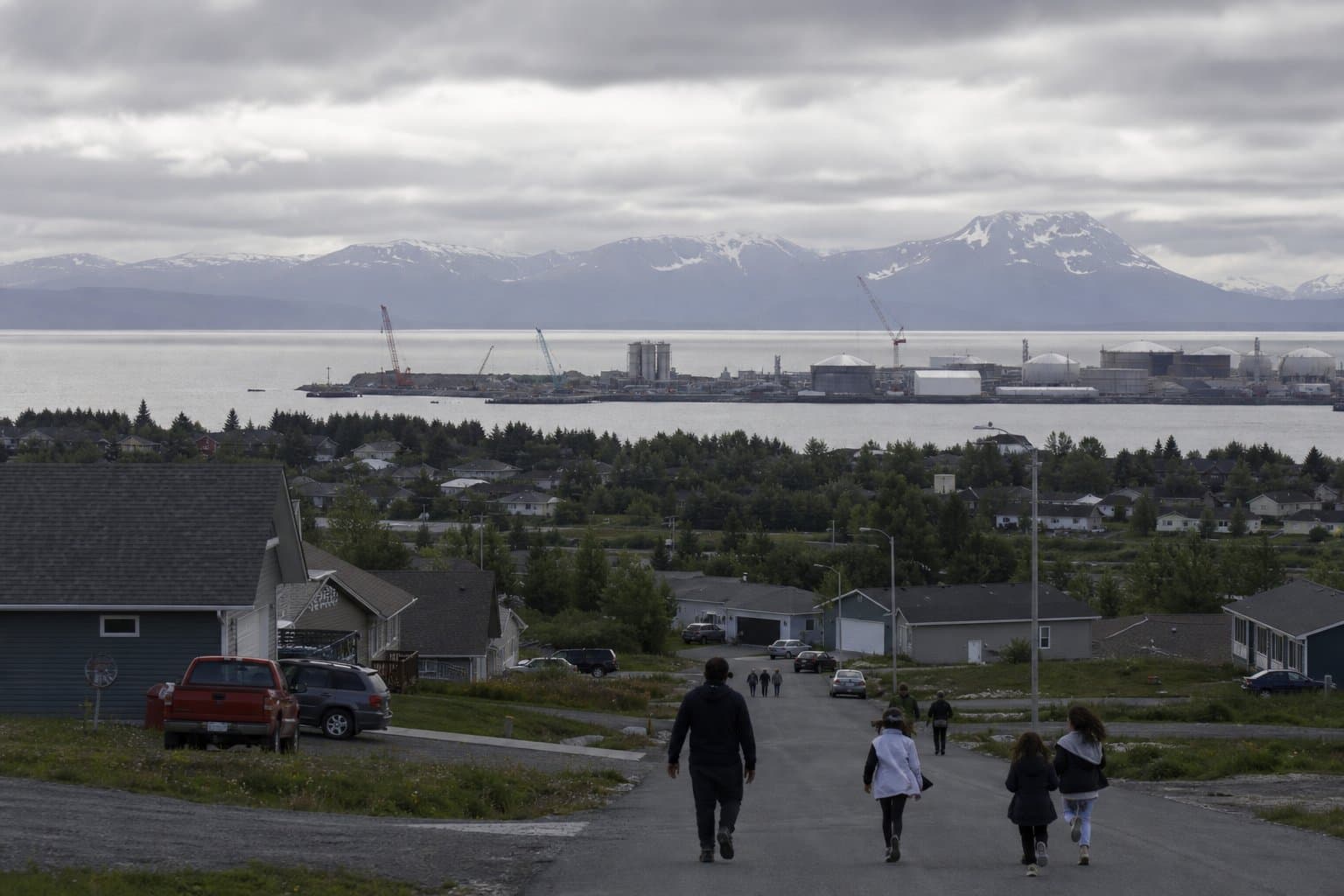
The state is being asked to bank on a gas line price it may never fully see
Alaska lawmakers could be asked for about $800 million toward the Phase 1 in-state gasline, but Glenfarne Alaska president Adam Prestidge said the project's definitive cost estimate is most likely not going to be released.
by Walter AlaskaNews1mo ago2 min read
Alaska House ties 19-19 on gas line bill, killing it for now
The Alaska State House failed to adopt the conference committee report on HB 381 on a 19-19 tie, ending the gas line bill's path forward for this session. Gov. Mike Dunleavy's public exchange with a Democratic senator over the project's collapse added a sharp edge to the standoff.
by Walter AlaskaNews2mo ago1 min read
Alaska Senate passes HB 381 oil and gas tax bill 11-8, with dissenters signaling more work ahead
The Alaska State Senate passed the conference committee substitute for House Bill 381 on a split 11-8 vote Thursday, advancing legislation that reshapes oil and gas property taxes and governs the Alaska Gasline Development Corporation, but senators who voted no said the S corporation tax provision needs to be fixed before the bill can do what it promises.
by Walter AlaskaNews2mo ago2 min read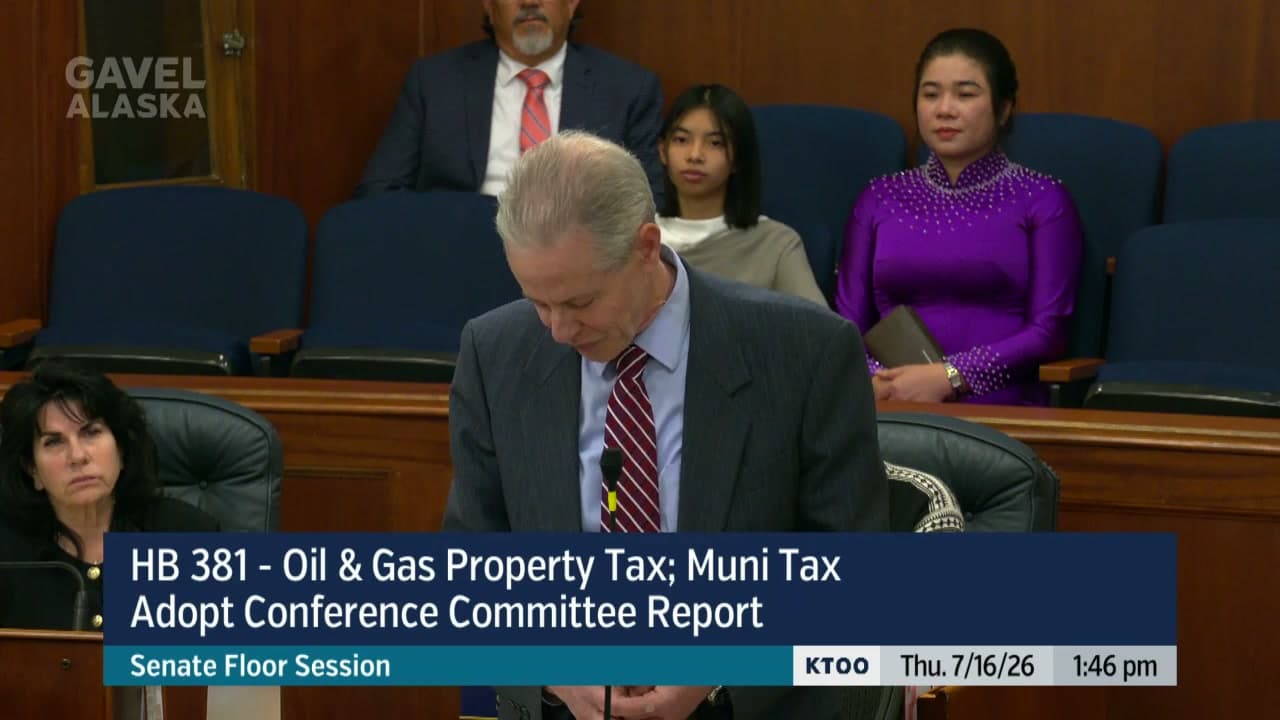
Conference draft keeps oil-and-gas pass-through tax, delays it to 2029
A House-Senate conference committee draft of HB 381 retains a proposed income tax on certain oil-and-gas pass-through entities but pushes the start of collections back to 2029, while also raising the developer's upfront payment to the state and clarifying project labor agreement requirements tied to the Alaska LNG project.
by Walter AlaskaNews2mo ago4 min read
Where Alaska's gas-line tax deal stands, and what's still stuck
Alaska lawmakers are negotiating the HB 381 gas-line tax bill, weighing ratepayer caps, a Fairbanks spur line, and unresolved legal and cost disputes in conference committee.
by Walter AlaskaNews2mo ago2 min read
A leaked plan to fire Alaska's gas-line developer surfaces in Juneau
A confidential AGDC document describing how Alaska could remove Glenfarne as Alaska LNG's lead developer leaked, surfacing publicly at Friday's HB 381 hearing.
by Walter AlaskaNews3mo ago3 min read
A pass-through tax, not the pipeline, is the real fight in Juneau
Alaska's gas pipeline tax bill conference committee weighs a new pass-through tax on oil and gas producers and a rewritten volumetric tax splitting revenue with communities.
by Walter AlaskaNewsadded 3mo ago3 min read
What the Senate Changed in the Gas-Line Deal
The Alaska Senate's rewrite of HB 381 caps utility gas prices, adds oversight of AGDC, protects ratepayers from overruns, and sends early tax revenue to boroughs.
by Walter AlaskaNews3mo ago3 min read
Chugach and Glenfarne Alaska LNG signed a non-binding LOI — a step, not a contract
Chugach Electric Association and Glenfarne Alaska LNG signed a non-binding letter of intent for North Slope gas delivery — one of several Chugach hedges
 by Maggie AlaskaNewsadded 3mo ago2 min read
Alaska Senate minority demands clean floor vote on LNG tax bill
The Alaska Senate Republican minority caucus held a press conference Wednesday urging the Senate majority to bring HB 381, a volumetric tax bill for the Alaska LNG pipeline, to a clean floor vote, warning that delay or unrelated amendments could jeopardize the project before a developer deadline.
by Walter AlaskaNews3mo ago2 min read
Senate Finance presses Alaska LNG spur line: who builds, who pays, who regulates
The Alaska Senate Finance Committee on Tuesday heard unresolved questions about who will build, own, and regulate a proposed Fairbanks natural gas spur line, how its cost should be spread across ratepayers, and whether HB 381's spur commitment is firm enough to guarantee construction.
by Walter AlaskaNews3mo ago3 min read
Enstar faces 2033 supply gap as Hilcorp contract expires, no Cook Inlet producer can match drilling scale
Enstar Natural Gas faces losing its primary gas supply in 2033 when its contract with Hilcorp expires, leaving Southcentral Alaska utilities with no Cook Inlet producer capable of matching the scale of investment that has kept the basin producing for the past decade.
by Bill AlaskaNews3mo ago2 min read
House Finance writes a $16 gas-price cap into Alaska LNG bill — even if Enstar's contract isn't signed
Alaska House Finance Committee caps natural gas prices at $16 per million BTU for Alaskans through statutory amendment to House Bill 381, mirroring Enstar contract terms to protect ratepayers from cost overruns on Alaska LNG project.
by Walter AlaskaNews3mo ago2 min read
House Finance amendment lets pipeline-route municipalities bill Alaska LNG directly — skipping the state appropriation step
The committee adopted an amendment Monday allowing municipalities to collect their share of the alternative volumetric tax directly from the pipeline operator rather than waiting for state appropriation, addressing borough concern about cash-flow delays and legislative control.
by Walter AlaskaNews3mo ago2 min read
Alaska LNG seeks 90% property tax cut; Kenai Peninsula pushes back
The Alaska LNG project wants a 10-year tax cut from 20 mils to 2 mils to move forward. Kenai Peninsula Borough says the original proposal left local taxpayers short on covering project impacts.
by Walter AlaskaNews3mo ago3 min read
State wins option to buy 25% of Alaska LNG after investors commit
Alaska Gasline Development Corporation secured the right for the state to buy up to 25% of the Alaska LNG project after private investors commit. The state gets six months to decide whether to invest up to $1.16 billion.
 by Alaska News3mo ago2 min read
Glenfarne's own cost estimate for Alaska LNG is now significantly higher than AGDC's — and the state's equity option sits in the middle of the new math
AGDC transferred three-quarters ownership of Eight Star Alaska—the entity holding FERC authorization and project assets—to private developer Glenfarn in 2025, shifting construction risk off state books while preserving a 5–25% buy-in window at final investment decision.
by Walter AlaskaNews3mo ago3 min read
Alaska LNG developer says financing secured, eyes 2027 start
The developer behind the Alaska LNG project says financing is lined up and construction could begin in 2027. The timeline depends on the legislature approving a tax deal and regulators signing off on a gas supply agreement for Southcentral Alaska.
by Alaska Newsadded 3mo ago2 min readAlaska LNG nears Enstar supply deal as Cook Inlet gas declines
The Alaska LNG project is close to a gas supply agreement with Enstar Natural Gas that would deliver North Slope gas to Southcentral Alaska at prices below imported LNG. The deal awaits regulatory approval before the 807-mile pipeline can move to financial close.
by Alaska Newsadded 3mo ago3 min read
Alaska keeps veto power over LNG project despite 25% stake
The Alaska Gasline Development Corporation can block major decisions in the Alaska LNG joint venture despite owning only a quarter of it. The unusual arrangement protects state priorities including gas reserved for Alaska customers and rate structures that favor residential users.
by Walter AlaskaNews3mo ago2 min read
Consultant warns Senate Finance that Alaska LNG faces megaproject risks
Independent megaproject consultant warns Alaska Senate Finance that 92% of megaprojects exceed budget or schedule, with LNG projects averaging 70% cost overruns, directly challenging optimistic timelines for the state's proposed gas pipeline and export terminal.
by Walter AlaskaNews3mo ago2 min read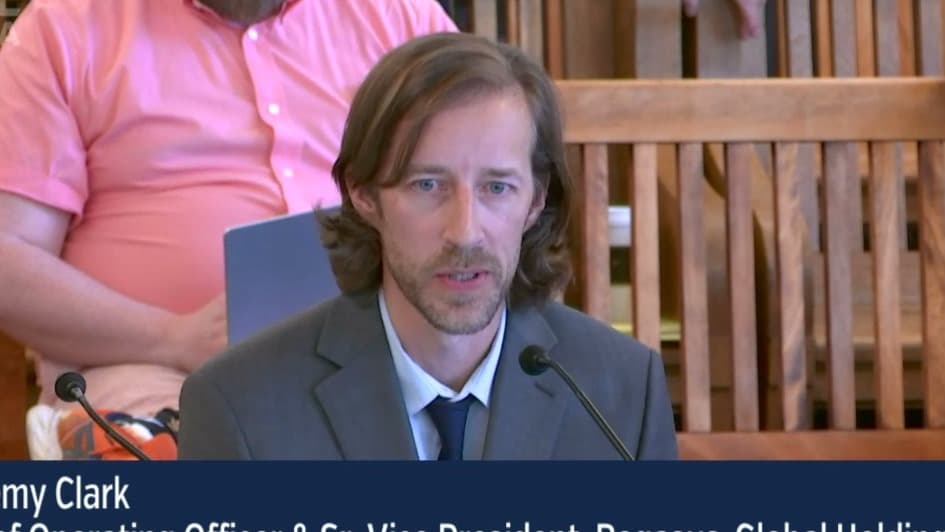
Senate Finance hears $18 billion revenue trade-off for Alaska LNG tax break
Alaska Senate Finance Committee reviews fiscal analysis of proposed tax structure for Alaska LNG project, showing $18 billion combined revenue reduction over project life in exchange for improved global price competitiveness.
by Bill AlaskaNews3mo ago2 min read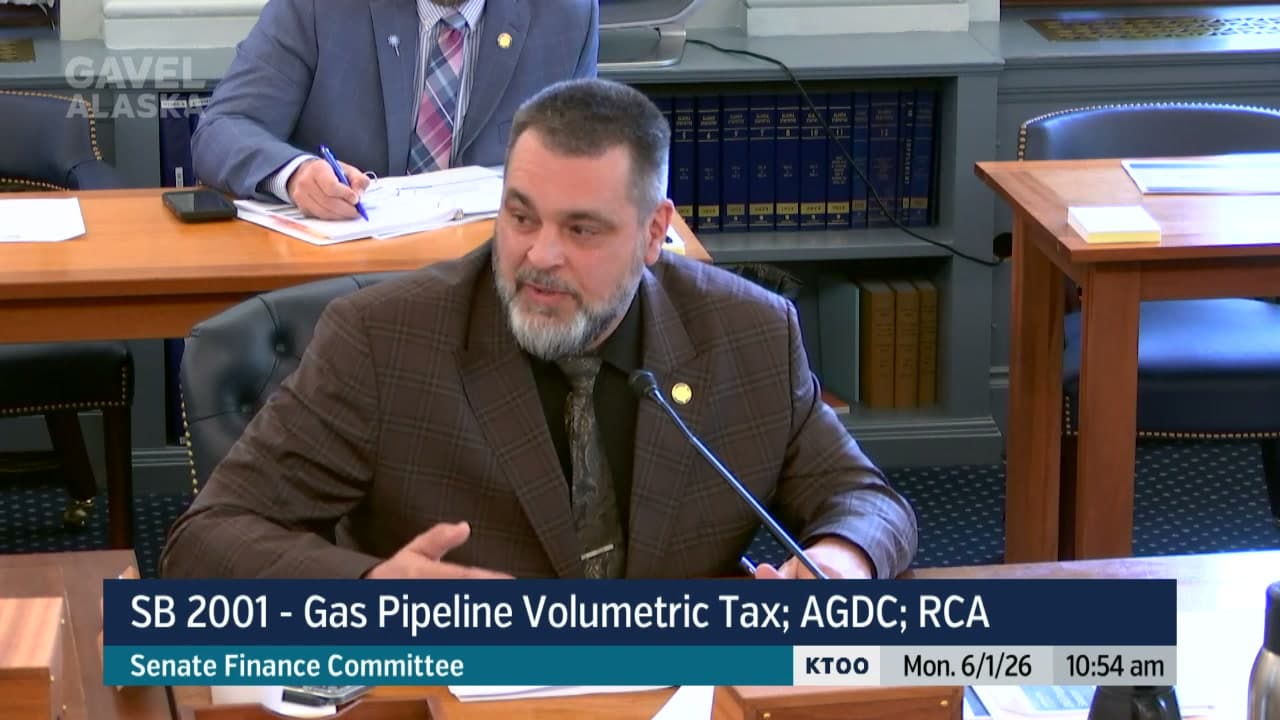
North Slope, Kenai mayors negotiate gas line property tax as House Finance delays bill deadline
Alaska House Finance Committee postpones gas line tax bill amendment deadline as North Slope and Kenai Peninsula Borough mayors negotiate property tax structures with Alaska LNG developers
by Walter AlaskaNews4mo ago4 min read
Senate Finance Committee: how do you analyze a $46.2 billion pipeline without the numbers?
Alaska Senate Finance Committee demands actual commercial and financial data for proposed $46.2 billion gas pipeline before considering state investment role
by Bill AlaskaNews4mo ago3 min read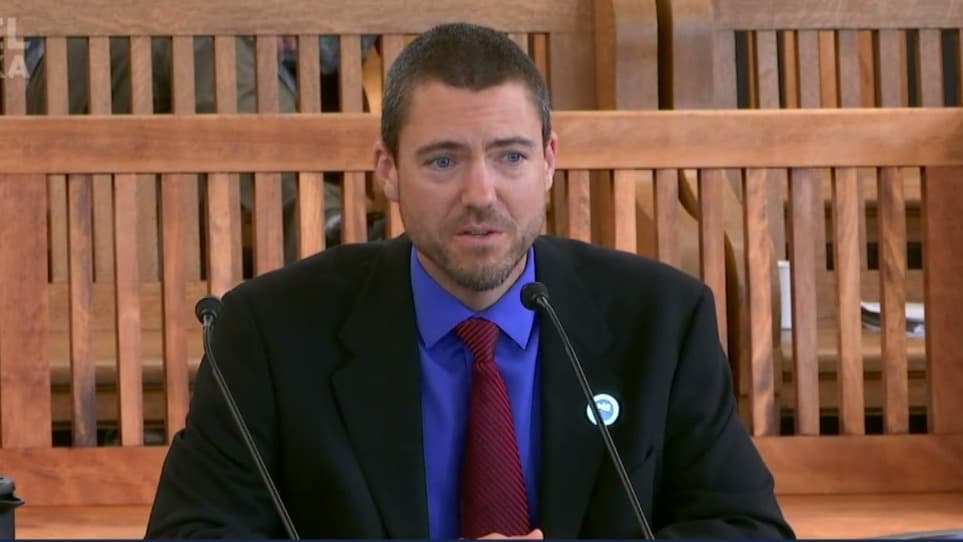
Alaska House examines $4 billion LNG equity option, Fairbanks spur-line tax break
Alaska House Finance Committee reviews optional state equity investment in Alaska LNG project and property tax relief tied to Fairbanks spur-line construction
by Bill AlaskaNews4mo ago2 min read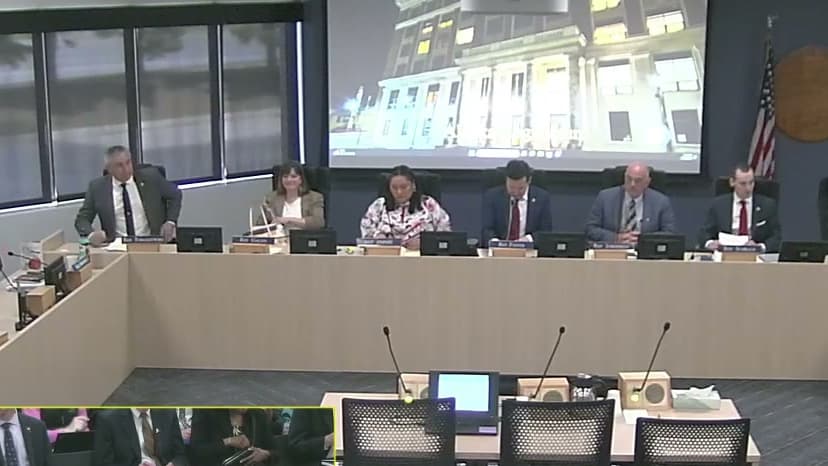
Alaska LNG could cost $70 billion; state's 25% stake faces dilution
The Alaska State Senate Finance Committee heard Wednesday that the Alaska LNG project's capital costs could reach $70 billion rather than the commonly cited $46 billion, and that the state's 25% equity stake faces potential dilution when new investors join the project's three sub-companies.
by Bill AlaskaNews4mo ago2 min read
AGDC tells House Finance that Alaska property tax is 10 times higher than competing LNG projects
Alaska Gasline Development Corporation testified to the House Finance Committee that Alaska's property tax structure would impose costs roughly 10 times higher than competing LNG projects, with potential annual taxes exceeding $800 million compared to $50 million at the next-highest jurisdiction. AGDC officials said property tax restructuring has been identified as a critical economic lever since 2020, though they acknowledged waiting until late March 2026 to bring legislation forward was a timing mistake.
by Bill AlaskaNews4mo ago3 min read
Alaska gas line faces economic challenge even with tax breaks
The Alaska LNG project would struggle to compete in global markets even under the governor's proposed tax relief, with breakeven prices at the high end of current futures markets, according to state modeling presented to the House Finance Committee on Thursday.
by Walter AlaskaNews4mo ago3 min read
Gas line tax break delivers 20% savings, far less than competing states
A consultant told the Senate Resources Committee that the current gas line tax bill provides developers a 20% savings when using discounted cash flow analysis, compared to 65% if taxes were delayed 10 years — raising questions about whether Alaska is competitive with Texas and Louisiana.
by Alaska News4mo ago4 min read
Senate panel weighs municipal concerns over Alaska LNG tax structure
The Senate Resources Committee Saturday reviewed Alaska Municipal League concerns about tax abatements and revenue distribution for the Alaska LNG pipeline project, with legal counsel proposing a 10-year sunset provision to address precedent worries.
by Alaska News4mo ago3 min read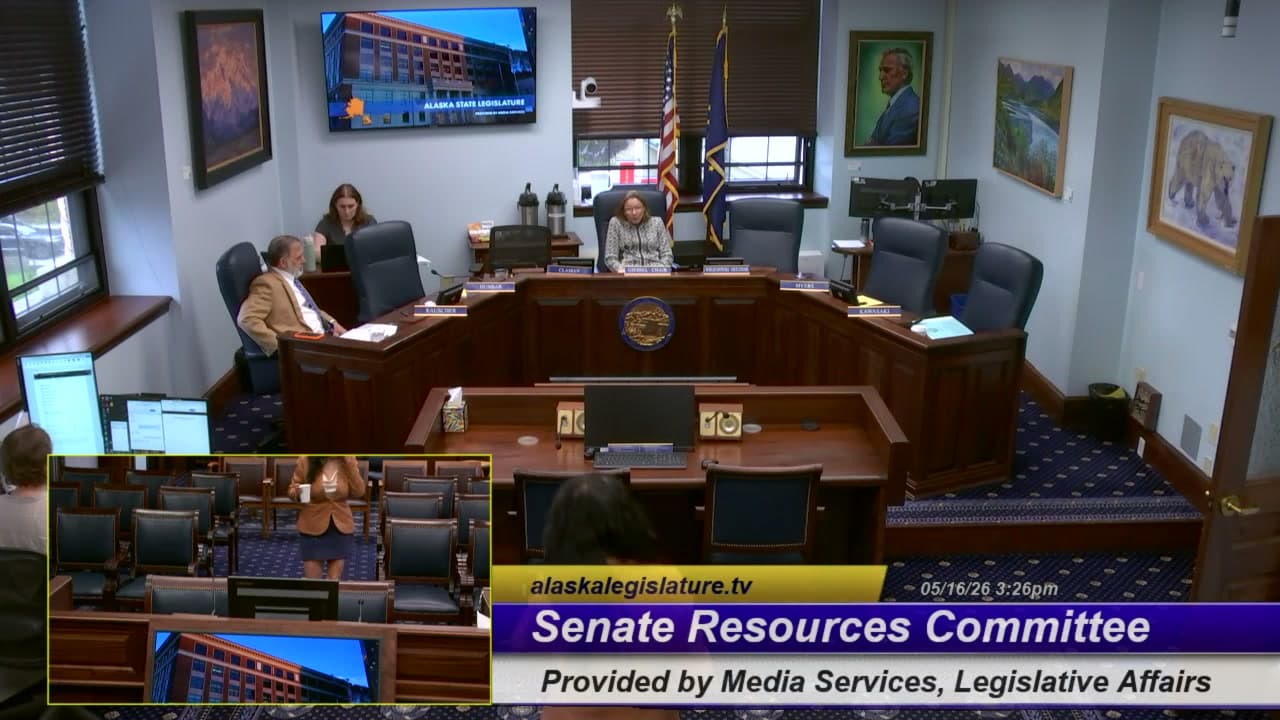
Senate cuts community impact fees for gas pipeline by half
The Alaska Senate Resources Committee voted to reduce community impact fees for the Alaska LNG pipeline from $1 million to $500,000 per mile, cutting projected payments to municipalities from approximately $740 million to $370 million.
by Alaska News4mo ago5 min read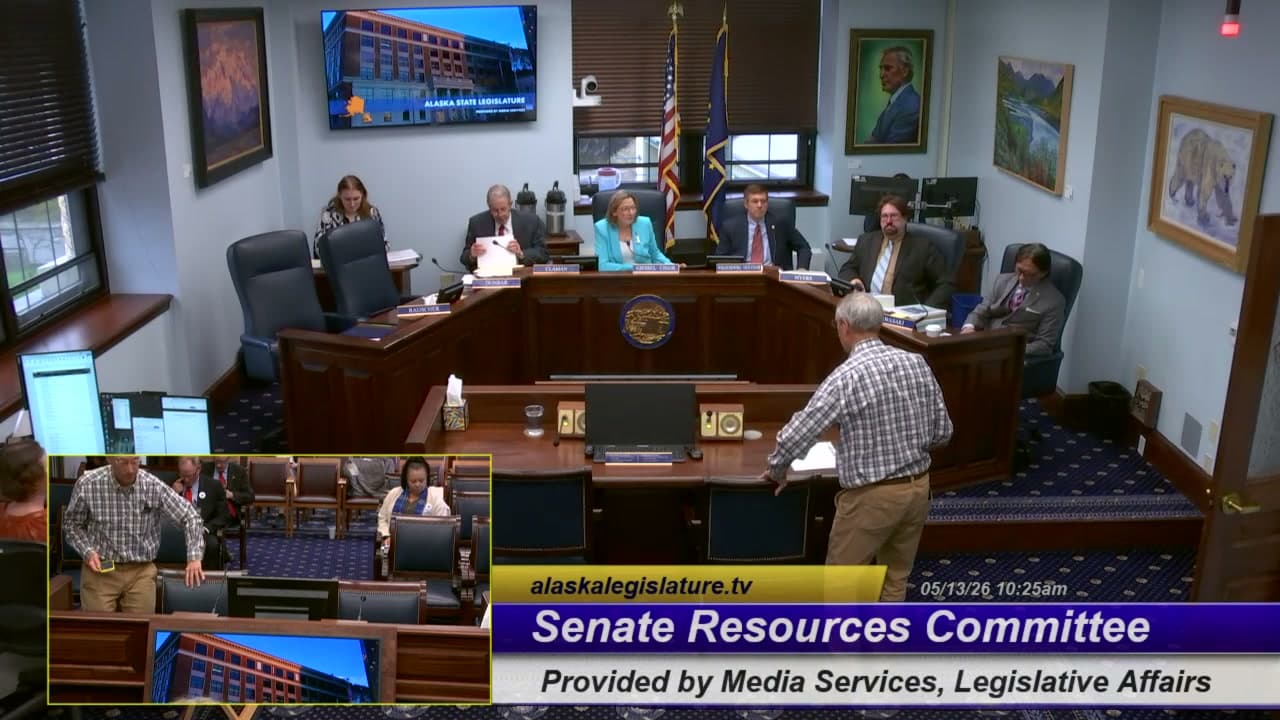
Senate panel advances gas pipeline bill with oil tax floor increase
The Alaska Senate Resources Committee advanced a gas pipeline bill Friday that raises the minimum oil production tax from 4% to 6% starting in 2027, a change not tied to pipeline construction.
by Alaska News4mo ago3 min readSenate panel proposes doubling Dalton Highway surcharge in gas line bill
Senate Resources Committee introduced a new version of the gas pipeline bill with a 30-cent Dalton Highway maintenance surcharge, double the governor's proposal, while senators question whether $1 billion in property tax breaks would save average Anchorage households only $55.
by Alaska News4mo ago4 min read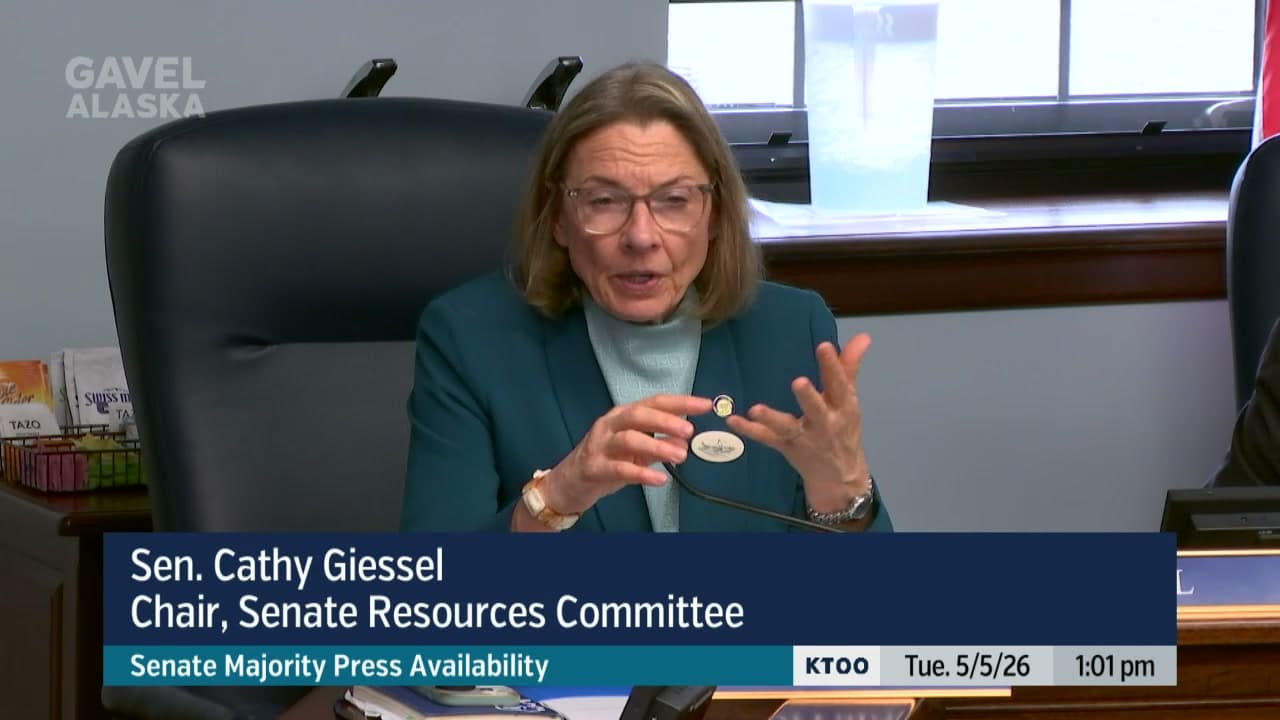
Senate panel doubles oil surcharge for Dalton Highway maintenance in gas pipeline bill
The Senate Resources Committee adopted a new version of the Alaska gas pipeline bill that doubles a proposed oil surcharge to 30 cents per barrel to fund Dalton Highway maintenance, though the revenue falls short of estimated needs.
by Alaska News4mo ago3 min readSenate panel advances gas pipeline tax overhaul with $610M revenue target
The Senate Resources Committee adopted a comprehensive rewrite of gas pipeline taxation combining policy oversight and new tax structures that could generate $610 million annually from Alaska's natural gas resources.
by Alaska Newsadded 5mo ago4 min read