Oil & Gas
RSSNorth Slope oil & gas operations: Willow, Pikka, Point Thomson, production economics, tax debates, pipeline politics (TAPS)
North Slope crude runs $15 above Alaska's spring forecast, budget group says
Alaska North Slope crude is averaging $90 a barrel, $15 above the spring forecast, potentially adding nearly $1 billion to state revenue this year if prices hold.
 by Walter AlaskaNews10h ago2 min read
Comments due Oct. 23 on Alaska's 2027 Cook Inlet and Alaska Peninsula oil and gas lease sales
Want the right to challenge the state's next Cook Inlet and Alaska Peninsula oil and gas lease sales? Comment by Oct. 23, or forever hold your appeal.
 by Maggie AlaskaNewsadded 3d ago2 min read
Global refinery disruptions widened fuel margins in 2026, and rural Alaska's barge fuel cost more
Galena's utility paid 29% more per gallon for this year's barge fuel, and St. Paul paid about $7.55. Summer's dip in oil prices came after the fuel was bought.
 by Cale Green4d ago4 min read
State denies Florida company's bid to expand oil unit on the Arctic refuge border
A Florida company wanted three more leases added to its oil unit on the Arctic refuge border. The state says the leases had expired and showed no oil or gas.
by Walter AlaskaNewsadded 4d ago1 min read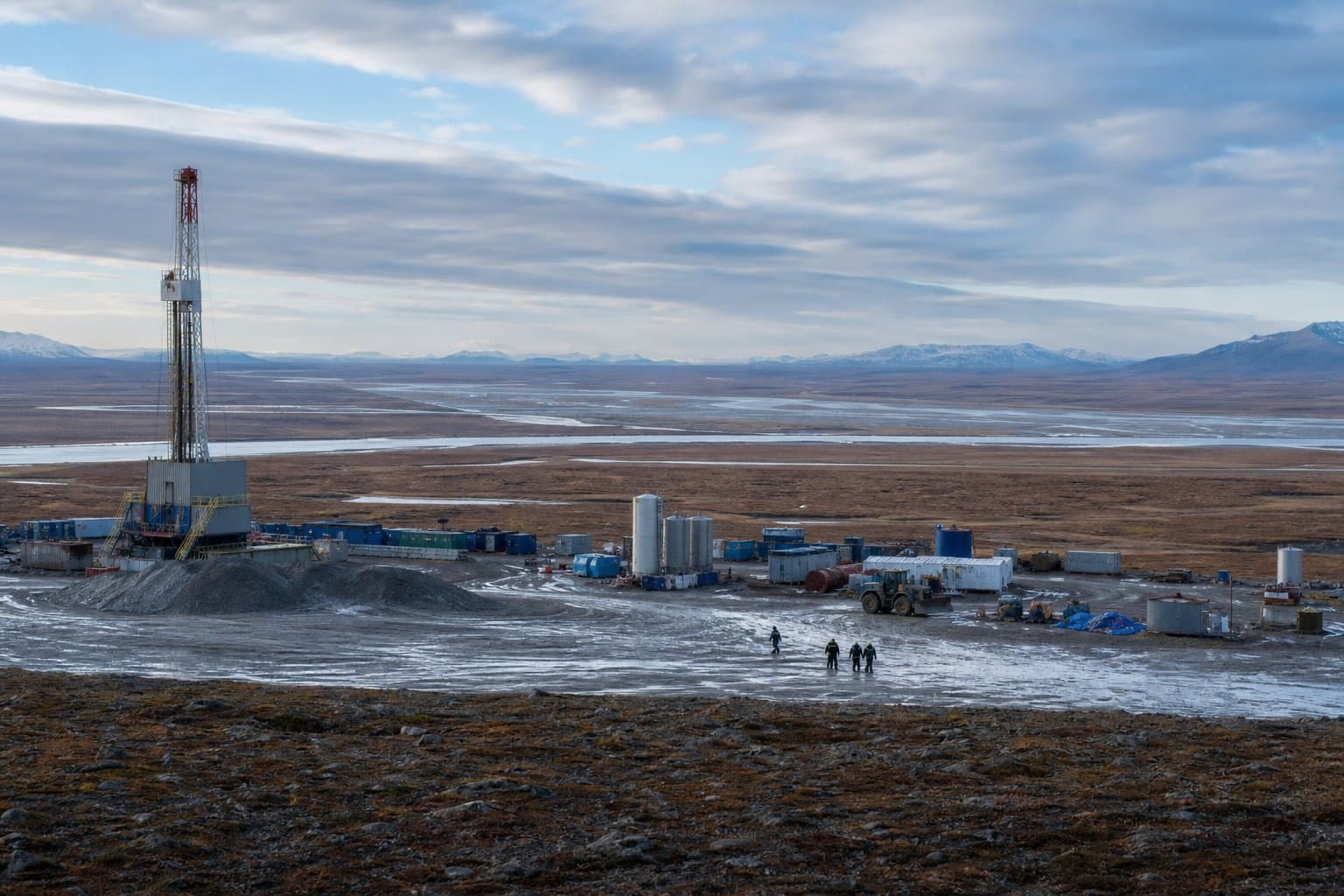
Governor candidates split over how to close Southcentral gas gap
All four candidates want more Cook Inlet gas. They differ over lease enforcement, production incentives, tax stability and power diversification.
by Walter AlaskaNews5d ago4 min read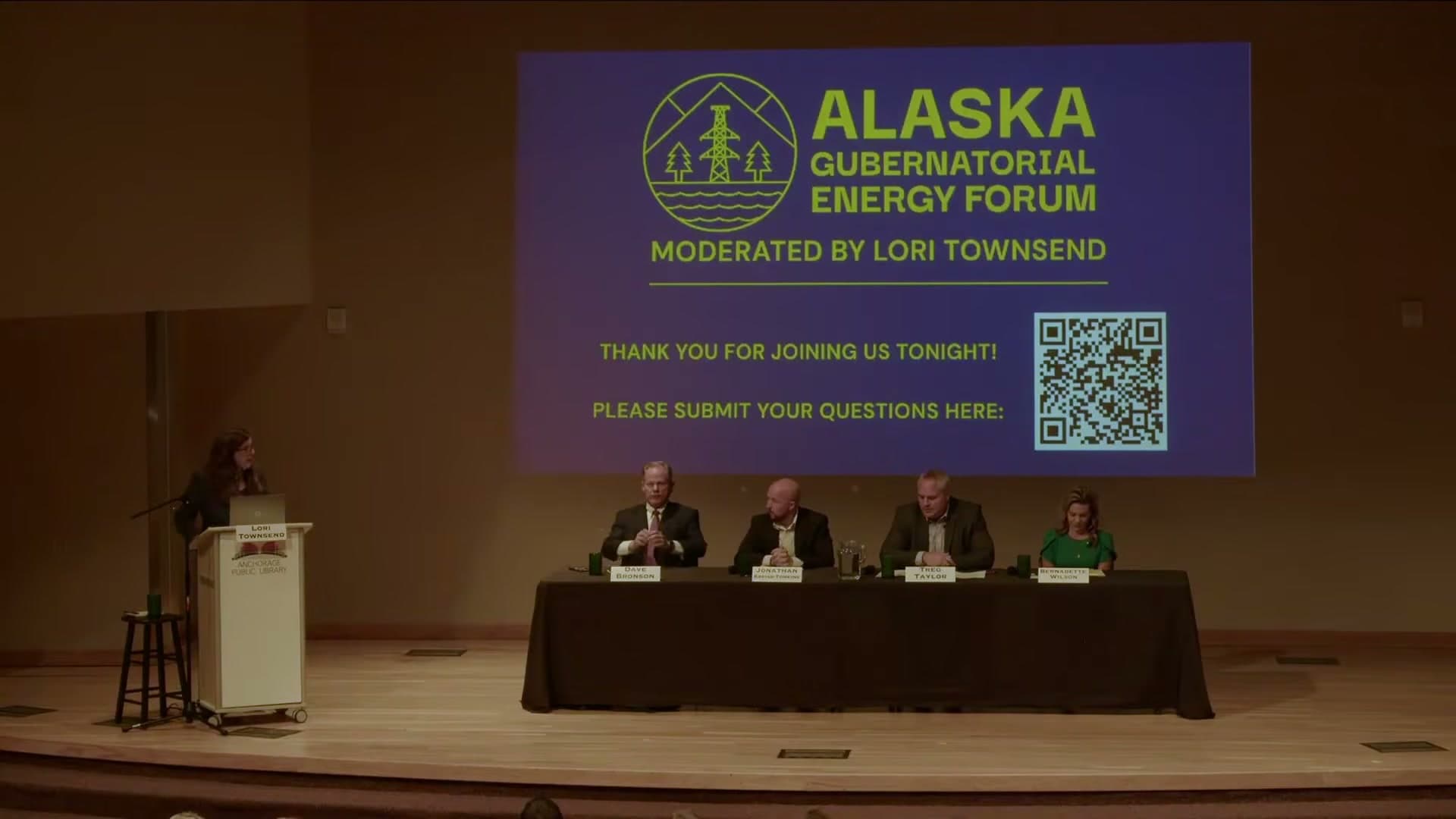
Cook Inlet gas storage at 69.5% as winter nears, with one field shut in for maintenance
Southcentral's gas storage fields are still filling and sending nothing out, at 69.5 percent full with winter coming and Enstar 3 Bcf short.
by Walter AlaskaNews6d ago2 min read
Three virtual hearings this week will take comments on BLM's Arctic fast-track
Three virtual hearings begin Tuesday on a 60-day Arctic permitting rule that BLM says could roughly double development.
by Walter AlaskaNews1w ago2 min read
Interior proposes dropping the Arctic relief rig rule and a whaling check
Interior's proposed Arctic drilling rule would drop the standby relief rig and a whaling-ground discharge check, with subsistence losses scored at zero.
by Walter AlaskaNews1w ago5 min read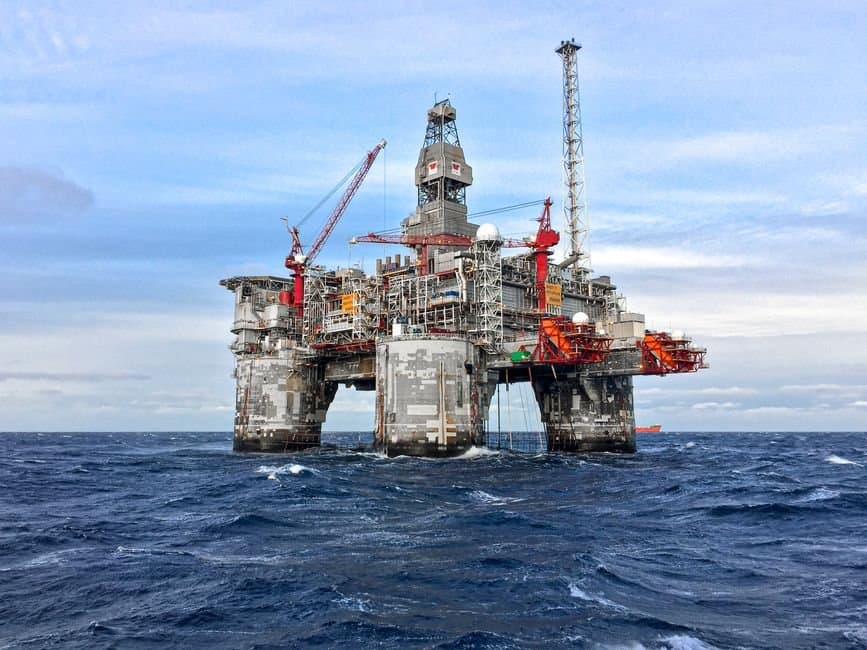
Alaska LNG updates landowner complaint procedure before construction
Alaska LNG updated its future landowner complaint process. FERC approval remains pending, and construction has not begun.
by Walter AlaskaNewsadded 1w ago1 min read
Sullivan bill would have Congress ratify ANWR Coastal Plain permits
Sullivan's bill would have Congress ratify the ANWR leasing permits — a move that would largely put them beyond challenge in federal court.
by Walter AlaskaNews1w ago2 min read
ConocoPhillips' Disclosed Alaska Royalties Fell 58% in Two Years
ConocoPhillips paid $37.97 million in royalties on its federal Alaska leases last year, down 58 percent from 2023, partly on lower oil prices.
by Walter AlaskaNews1w ago2 min read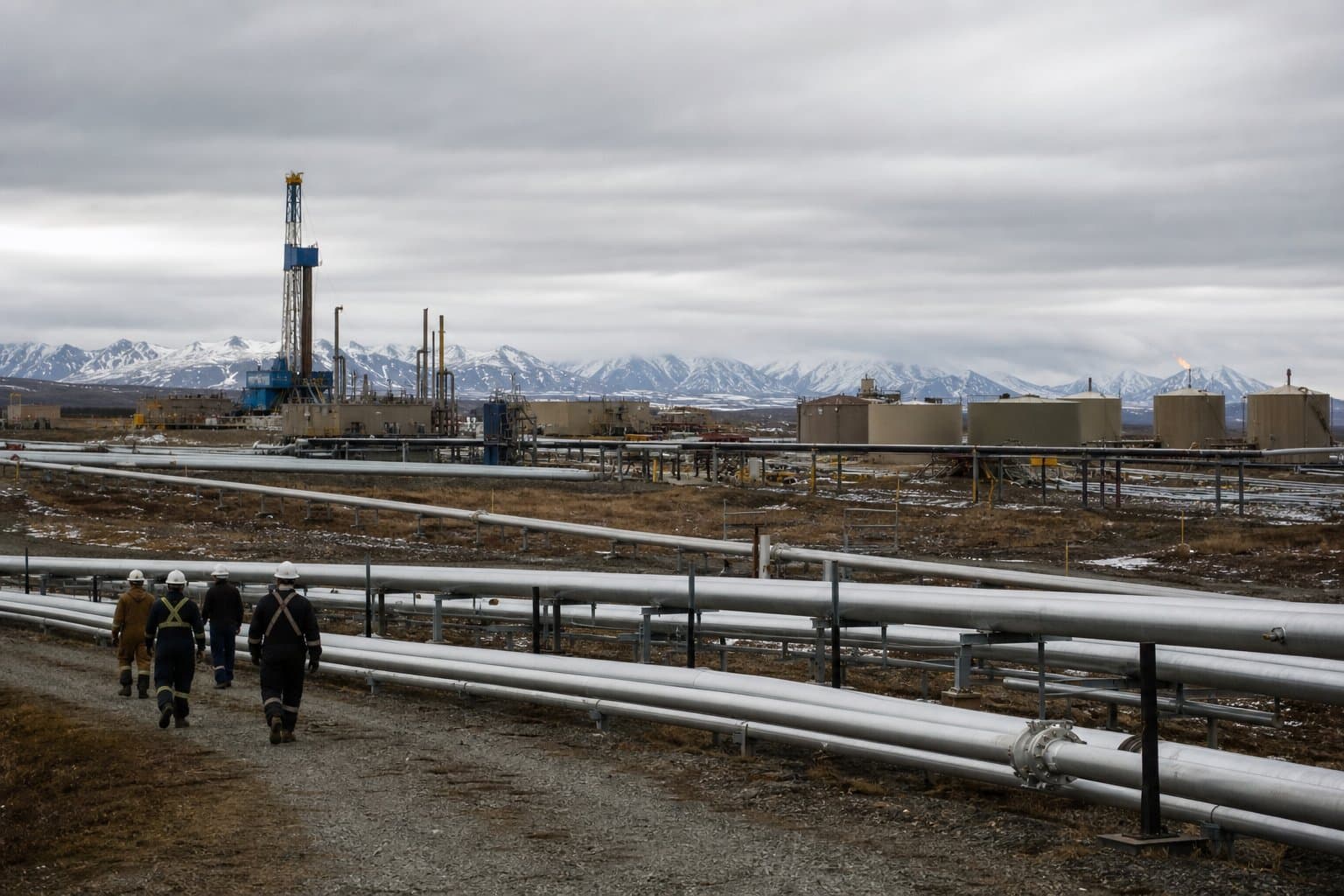
A House committee cited Alaska while advancing a drilling bill for elsewhere
A House committee voted to drop federal drilling permits on 4 million acres. None are in Alaska, but the chairman held up Alaska as the model.
by Maggie AlaskaNewsadded 1w ago2 min read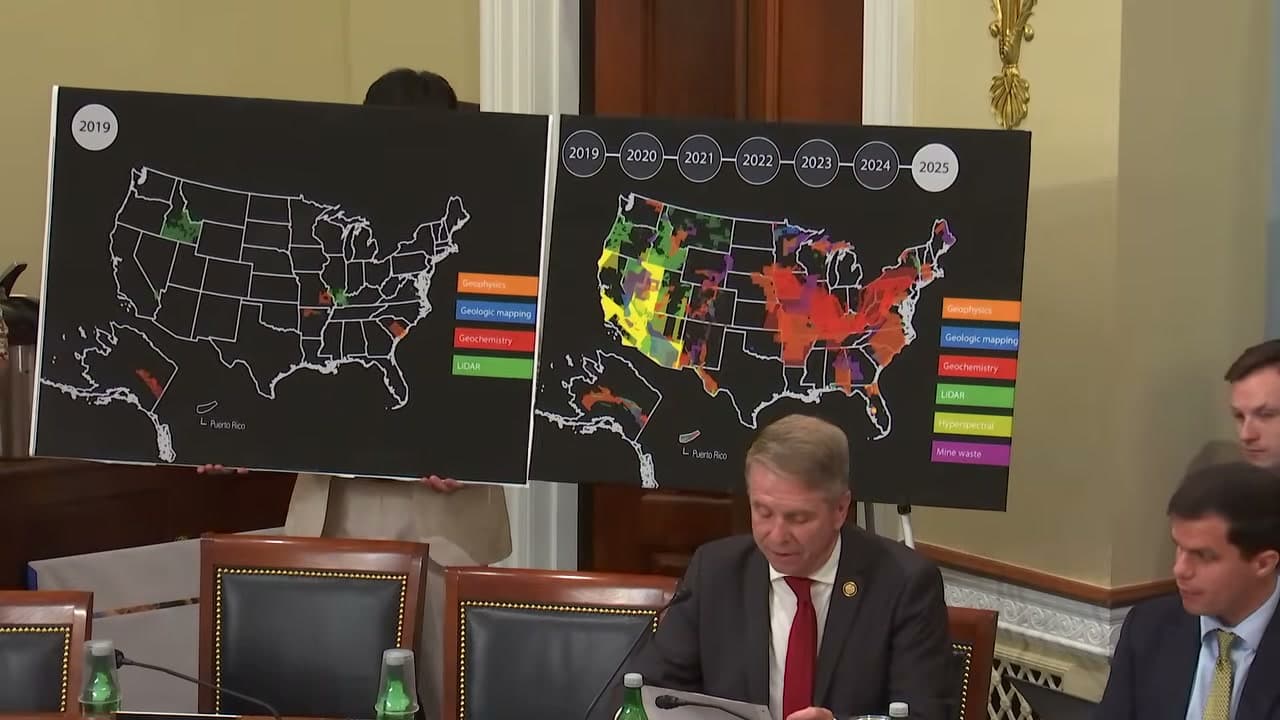
State-backed Alyeschem plant reaches construction milestone
Alyeschem has finished driving foundation piles for its Prudhoe Bay chemical plant. Alaska's backing is a repayable loan, not a $70 million grant.
 by Melinda Communities.News1w ago2 min read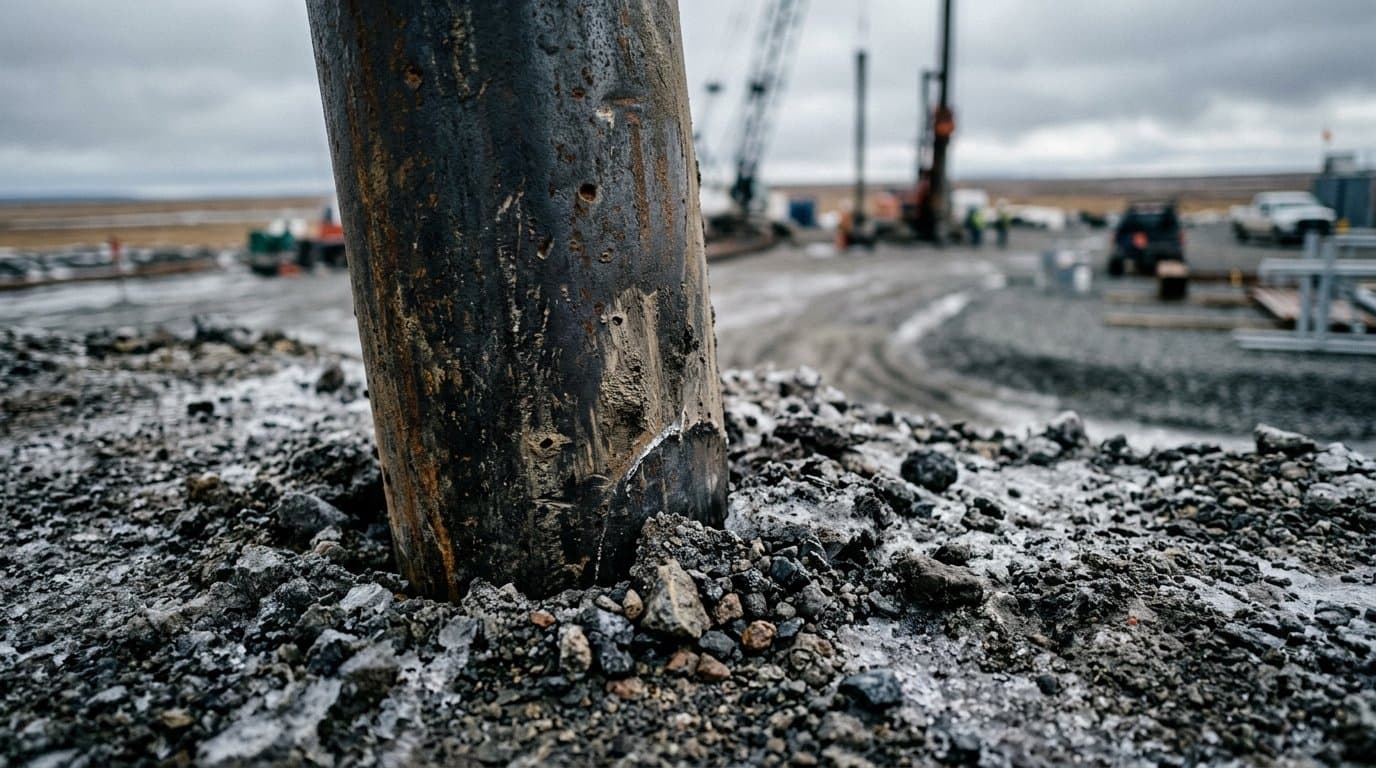
Alpine pipeline seeks nearly double metering capacity for Willow-era output
A North Slope pipeline wants to nearly double how much oil it can meter as Willow nears production. The filing changes measurement capacity, not Willow's approval.
by Walter AlaskaNews1w ago2 min read
BLM Rule Would Cut NPR-A Pad Approvals to 60 Days, Limit Hunting
The BLM's own analysis found a proposed drilling rule would significantly restrict subsistence hunting for three North Slope villages. Hearings begin Monday.
by Walter AlaskaNewsadded 2w ago3 min read
ConocoPhillips seeks looser Willow drilling rules; hearing window open
ConocoPhillips wants Alaska to ease Willow's drilling and reporting rules. The public has until Sept. 22 to force a hearing before the state signs off.
by Walter AlaskaNewsadded 2w ago2 min read
War-driven oil prices are filling Alaska's treasury while straining its households
The same oil price spike is filling Alaska's treasury and straining its households — and Trump's $2 gas promise would take more than the war ending.
 by Alaska News2w ago5 min read
A federal rule would let NPR-A drilling spread pad by pad, skipping environmental study
A federal rule would let oil drilling spread across NPR-A pad by pad — each new site fast-tracking the next and skipping the environmental study now required.
by Maggie AlaskaNews2w ago2 min read
Southcentral is 3 Bcf short this winter, and producers told lawmakers the gas runs out in 2029
Southcentral Alaska faces a natural gas shortage by winter 2029 unless it imports liquefied natural gas or taps North Slope supplies, Hilcorp and Chugach told lawmakers Thursday.
by Walter AlaskaNews2w ago2 min read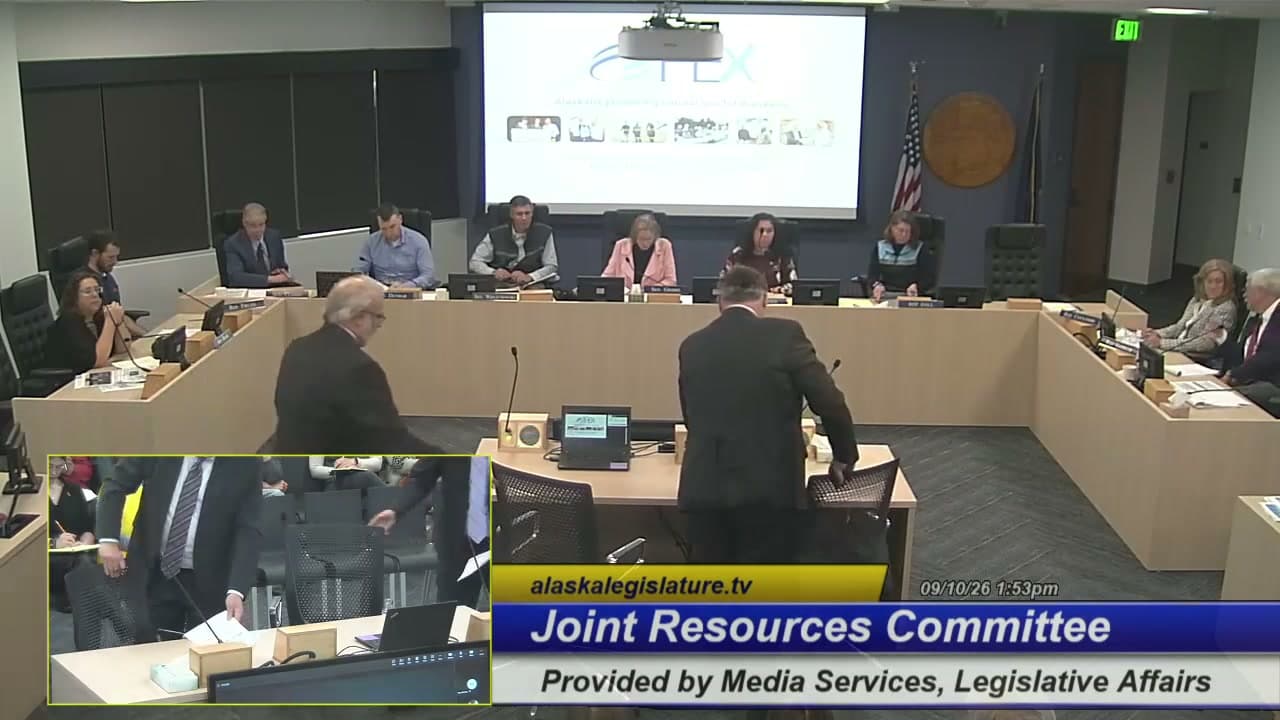
Oil above $101 puts Alaska's budget on a war in the Persian Gulf
Every dollar oil moves is worth about $35 million to Alaska's treasury. Brent closed above $101 Wednesday, up more than half from a year ago.
by Alaska News2w ago2 min read
North Slope oil is running below the state's forecast so far, and the price is running above it
Alaska's oil is flowing below the state's revenue forecast while the price runs above it. The two effects roughly offset, and the year is only ten weeks old.
by Walter AlaskaNews2w ago2 min read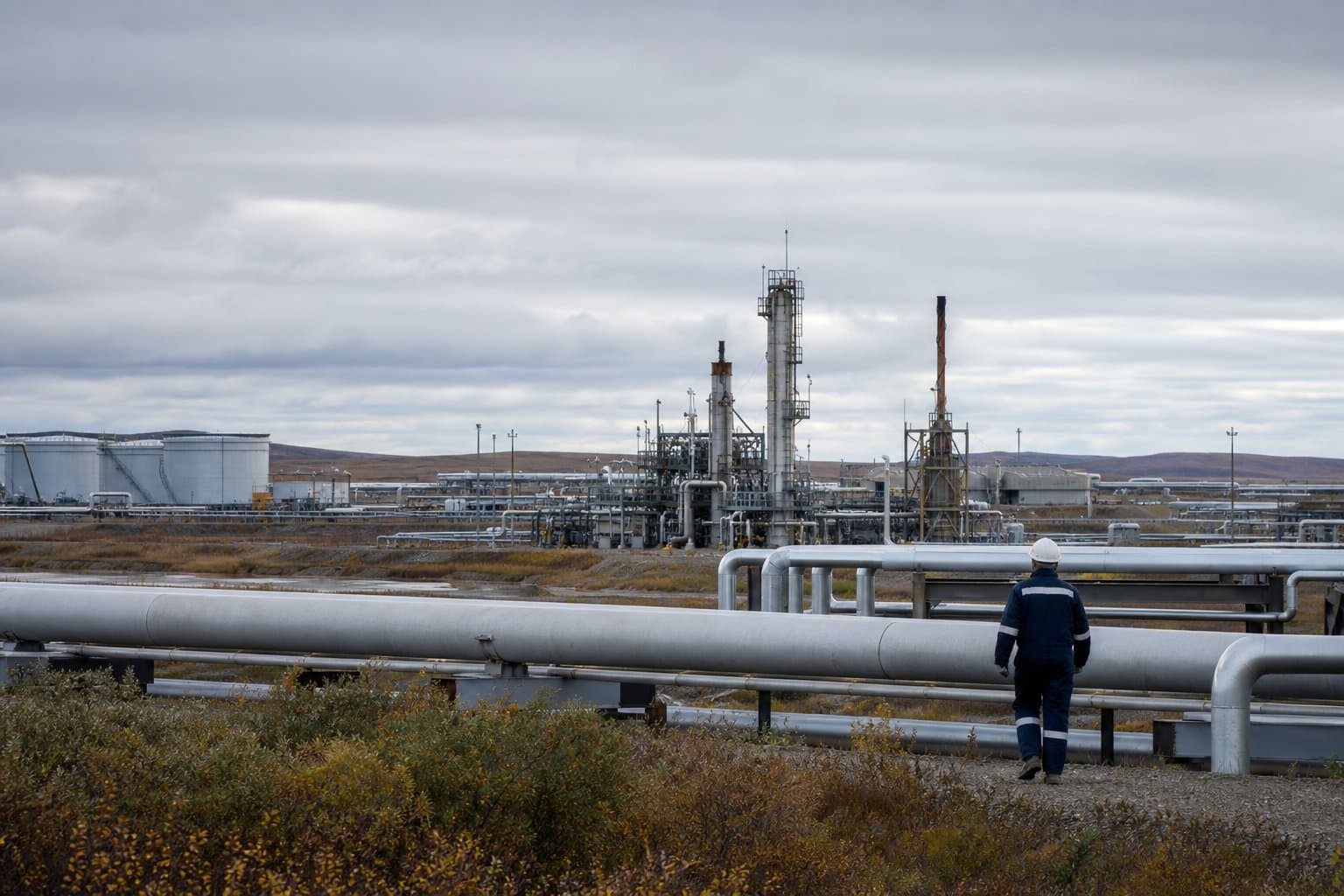
Southcentral's gas storage is two-thirds full with winter coming
Southcentral's gas storage is two thirds full heading into winter, and one field shuts down for maintenance starting Monday.
by Walter AlaskaNews2w ago2 min read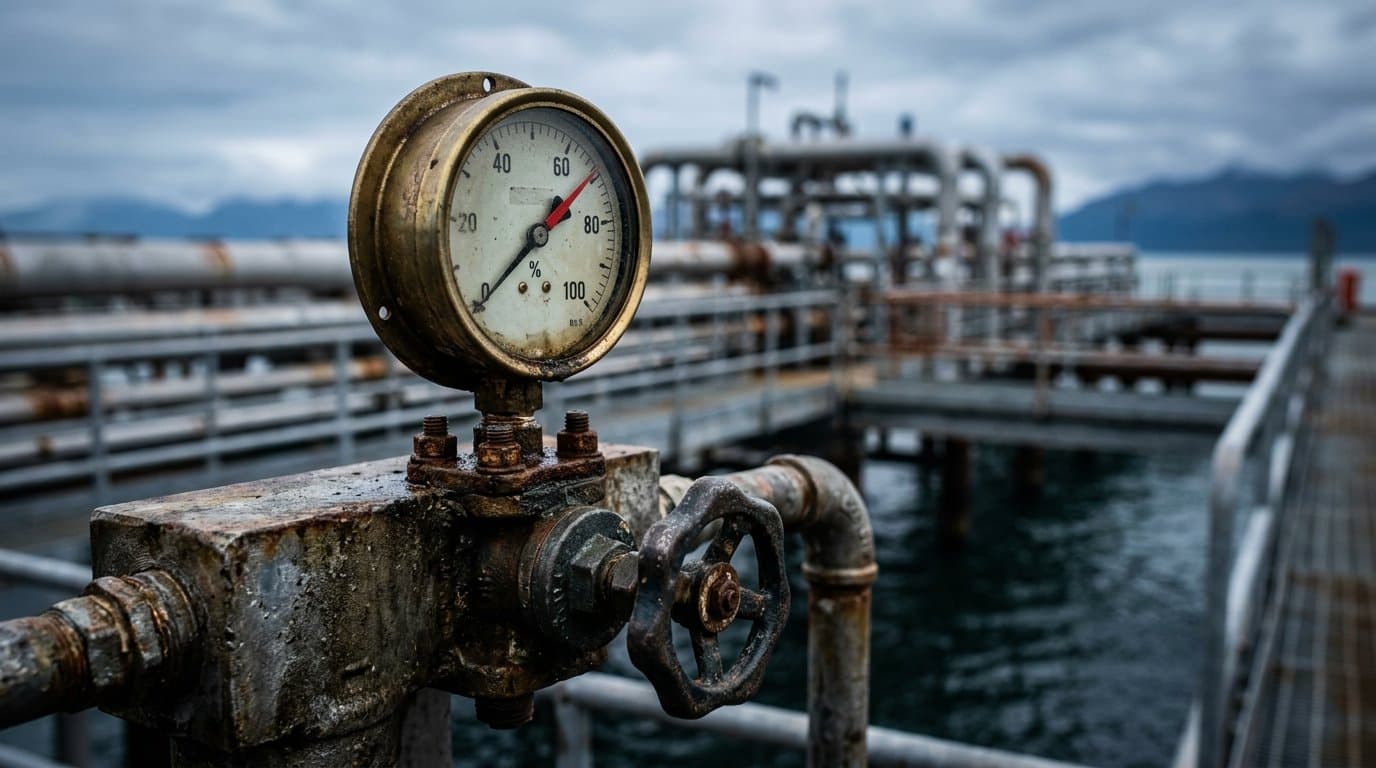
Three Alaska governor candidates agree on the problems, diverge on government's role
Three candidates for governor agreed Alaska faces serious problems but split on solutions at a Tuesday forum. The fourth, Bernadette Wilson, did not attend.
by Walter AlaskaNews2w ago7 min read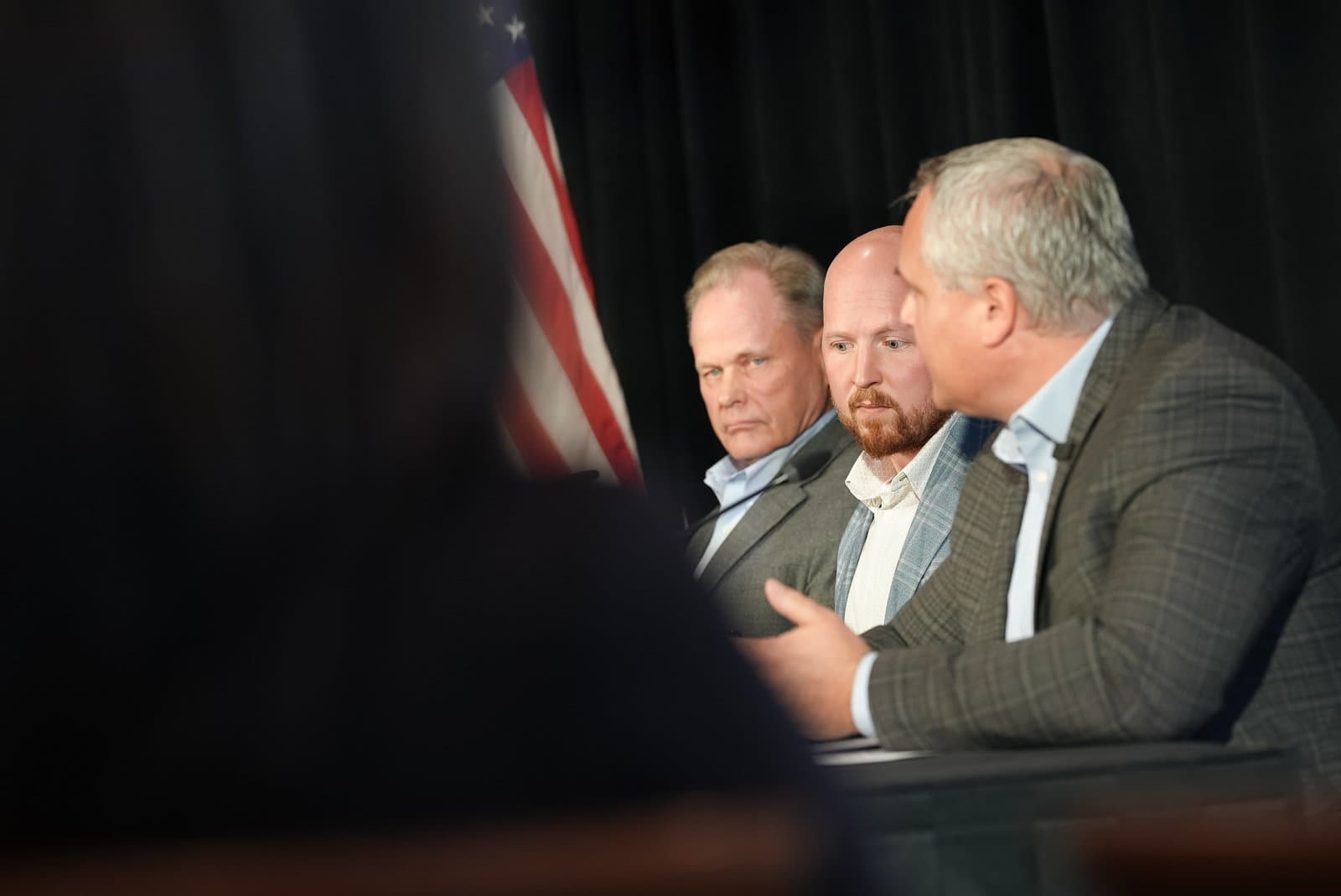
Alyeska wants the pipeline on state land until 2064
Alyeska asked the state to renew the pipeline lease through 2064, eight years early. Its own letter argues the commissioner is required to approve it.
by Walter AlaskaNews2w ago2 min read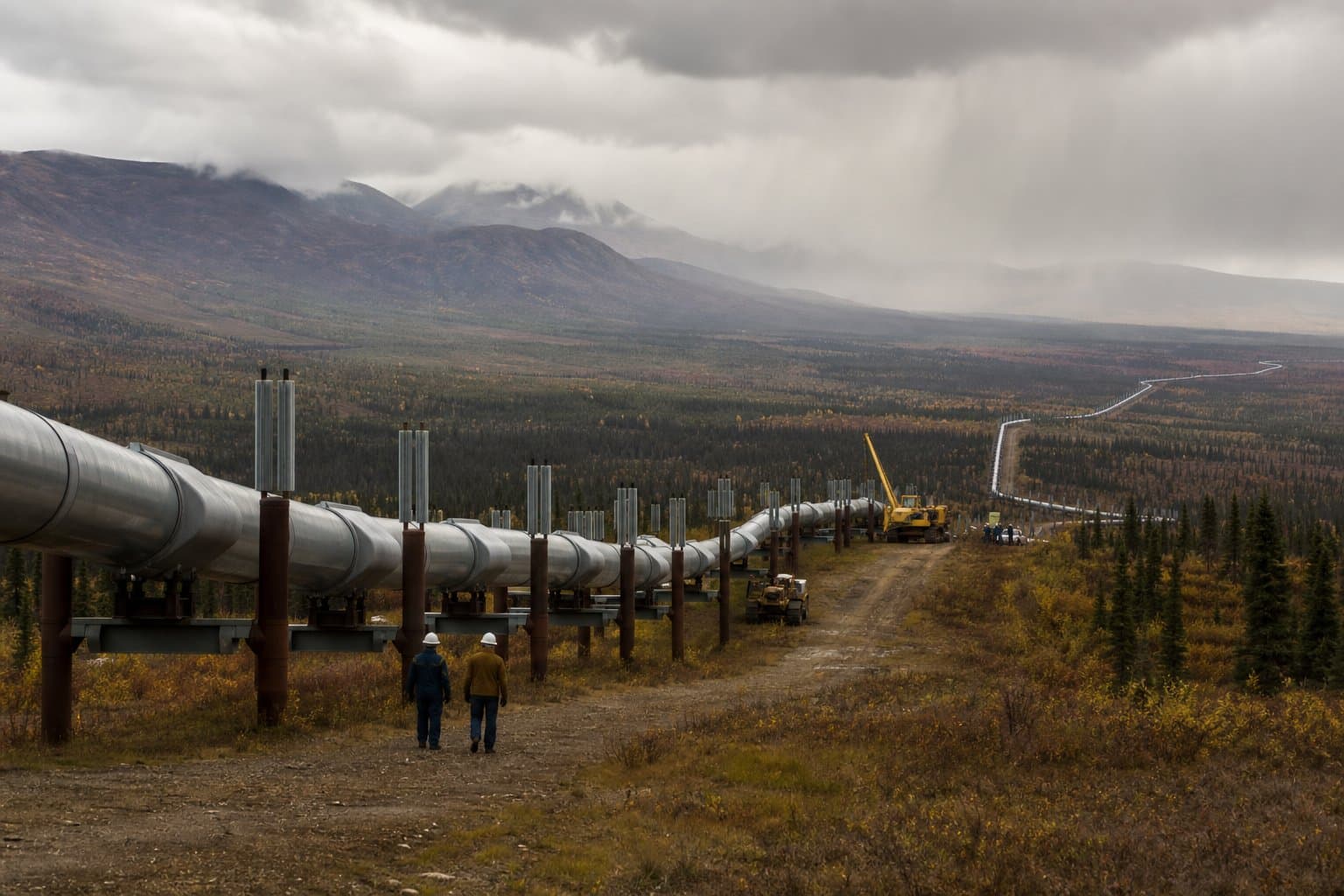
A plan to let Alaskans invest in the gas pipeline has stalled
A plan to let ordinary Alaskans buy a stake in the state's gas pipeline has stalled for want of $2.5 million, even as the pipeline itself keeps moving ahead.
by Walter AlaskaNewsadded 2w ago3 min read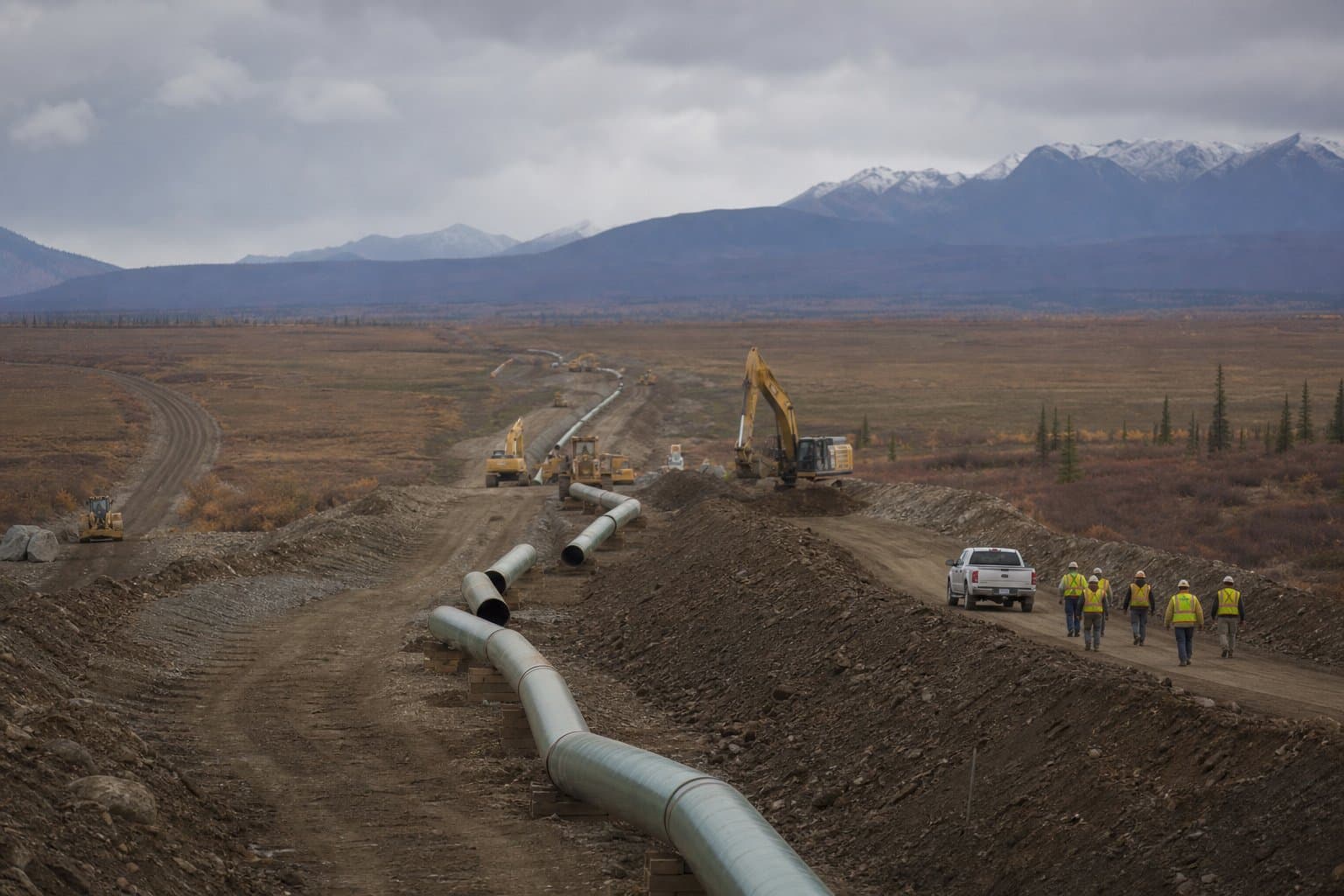
The pipeline right-of-way comment window got another week
The public has until Sept. 17 to comment on whether the trans-Alaska pipeline keeps its federal right-of-way for 30 more years, after the Bureau of Land Management extended the deadline by a week.
by Maggie AlaskaNewsadded 2w ago1 min read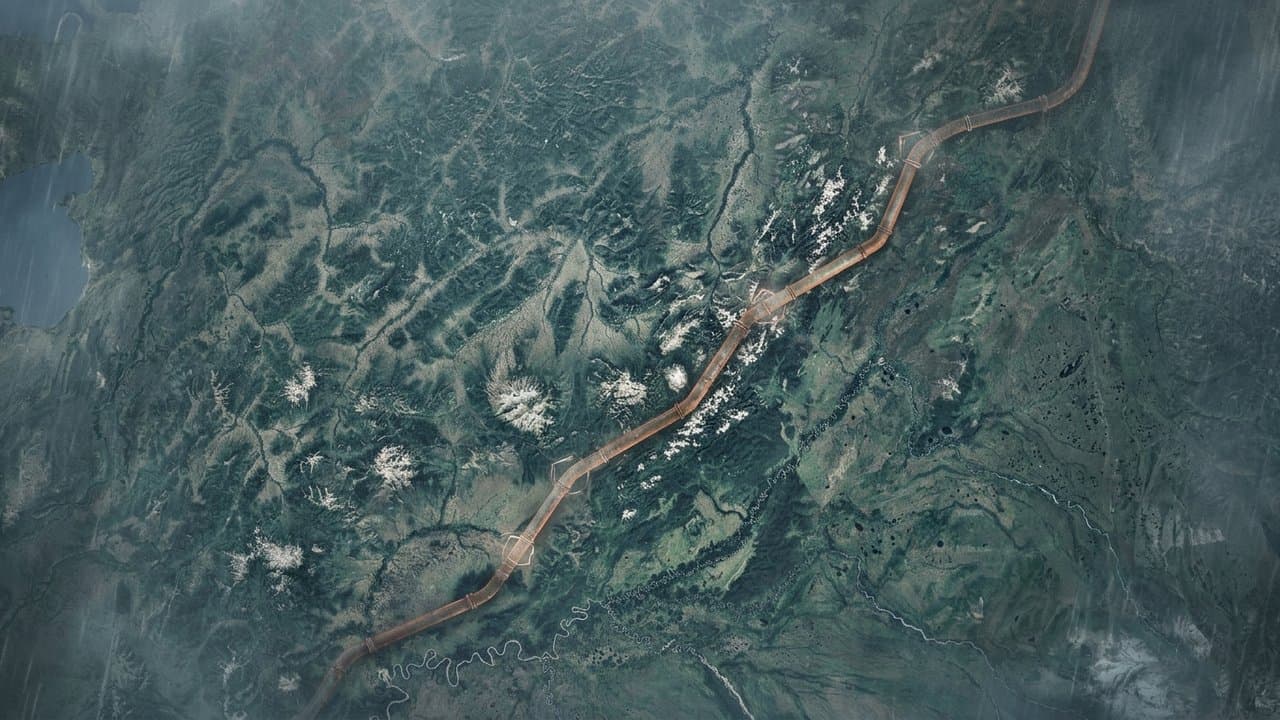
Hilcorp wants a North Slope gravel mine with no wetland payback
Hilcorp wants to mine gravel across about 95 acres of North Slope tundra near Deadhorse with no wetland compensation, arguing Arctic wetlands can't be replaced.
by Maggie AlaskaNews3w ago2 min read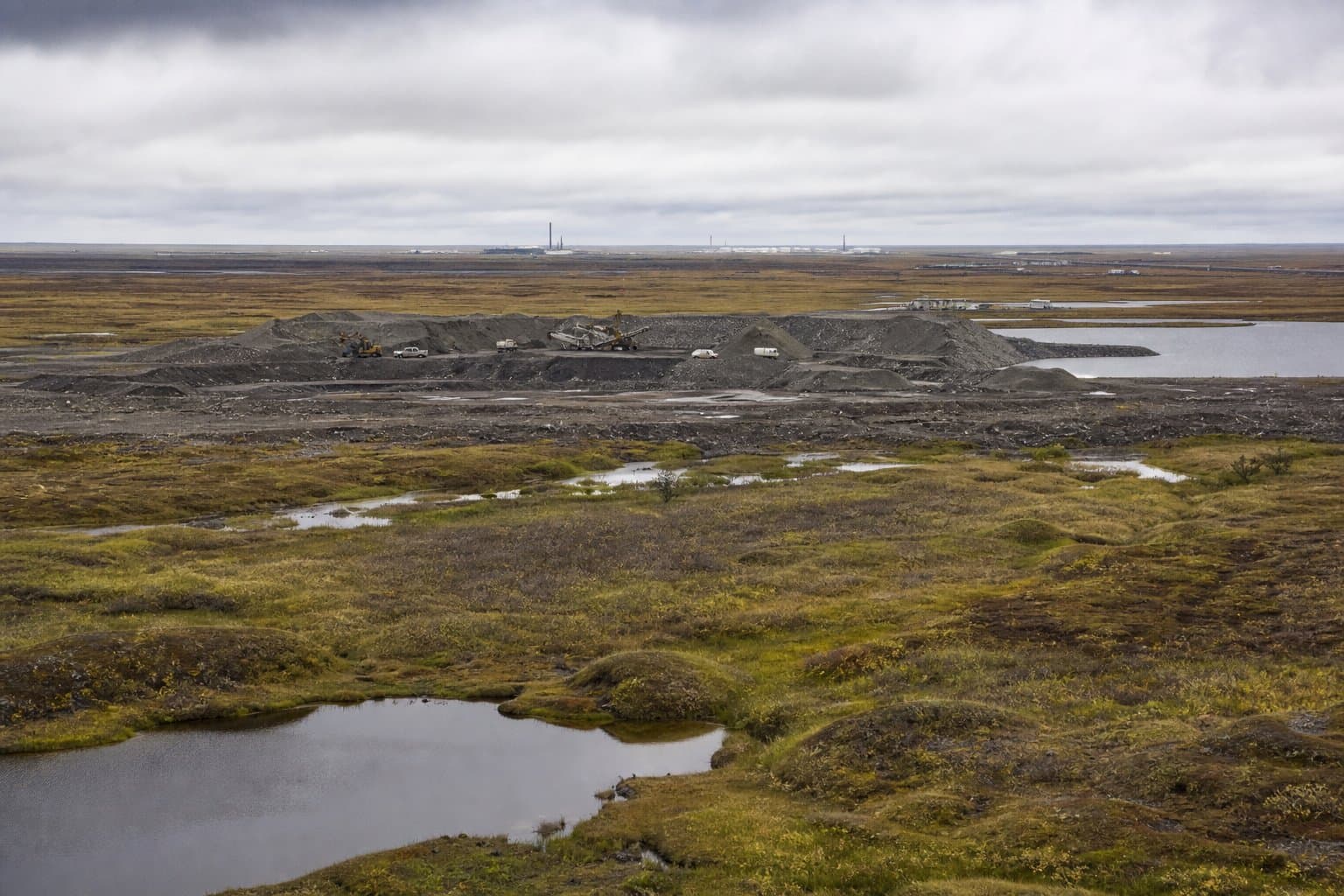
BLM rule would let NPR-A operators waive subsistence conditions without public notice
A new BLM rule lets oil and gas operators in Alaska's National Petroleum Reserve waive mitigation conditions, including four protections for subsistence hunting, without public notice.
by Walter AlaskaNews3w ago3 min read
ConocoPhillips drilled in the NPR-A this winter and has not said what it found
ConocoPhillips drilled multiple wells in the NPR-A this winter and added $104 million to costs it has not resolved. It has not said what it found.
by Walter AlaskaNewsadded 3w ago2 min read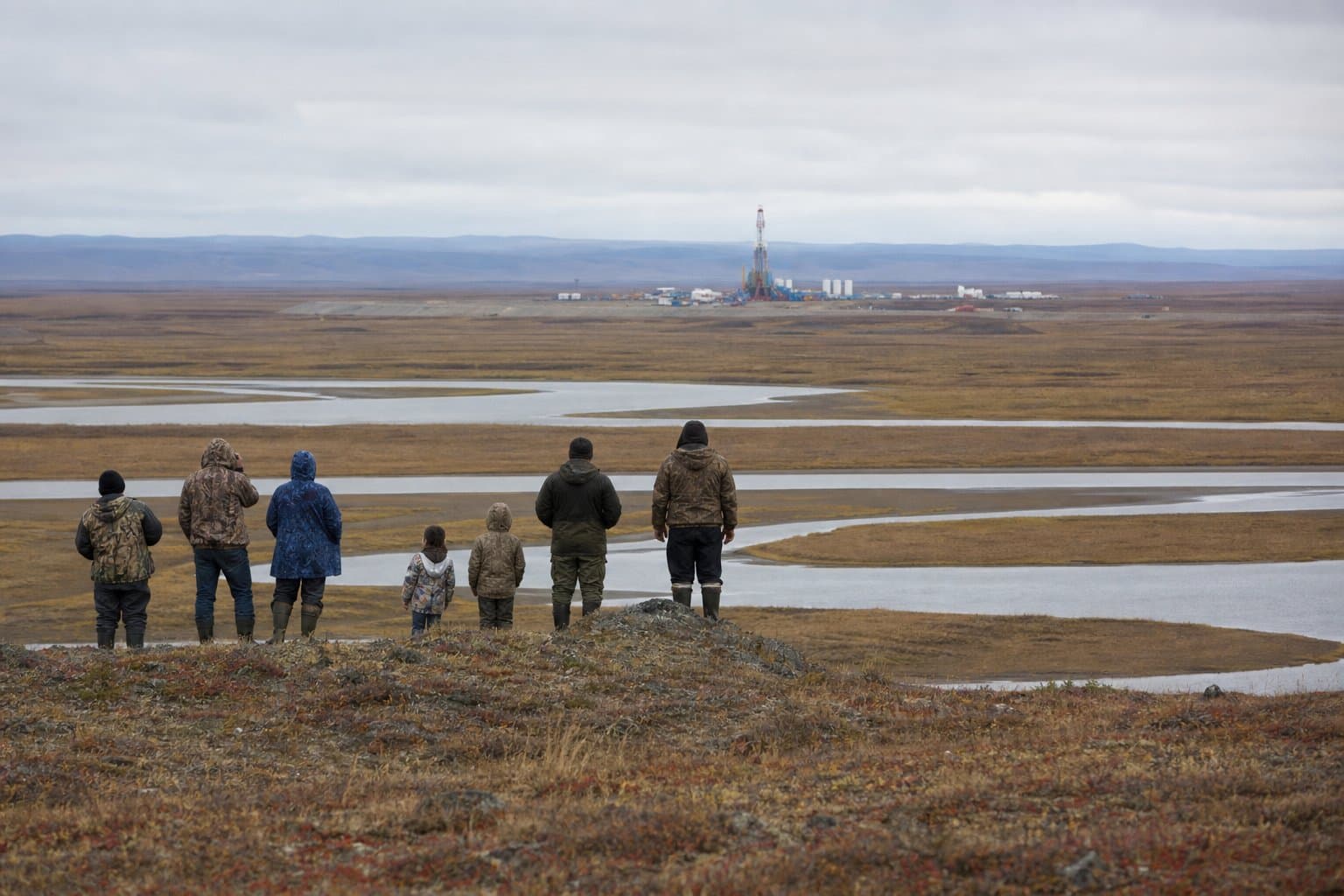
A proposed rule would cut years of NPR-A oil review down to 60 days
Building an oil site in the NPR-A takes years of review. A proposed rule makes it 60 days for anything within 25 miles of existing infrastructure.
by Walter AlaskaNews3w ago4 min read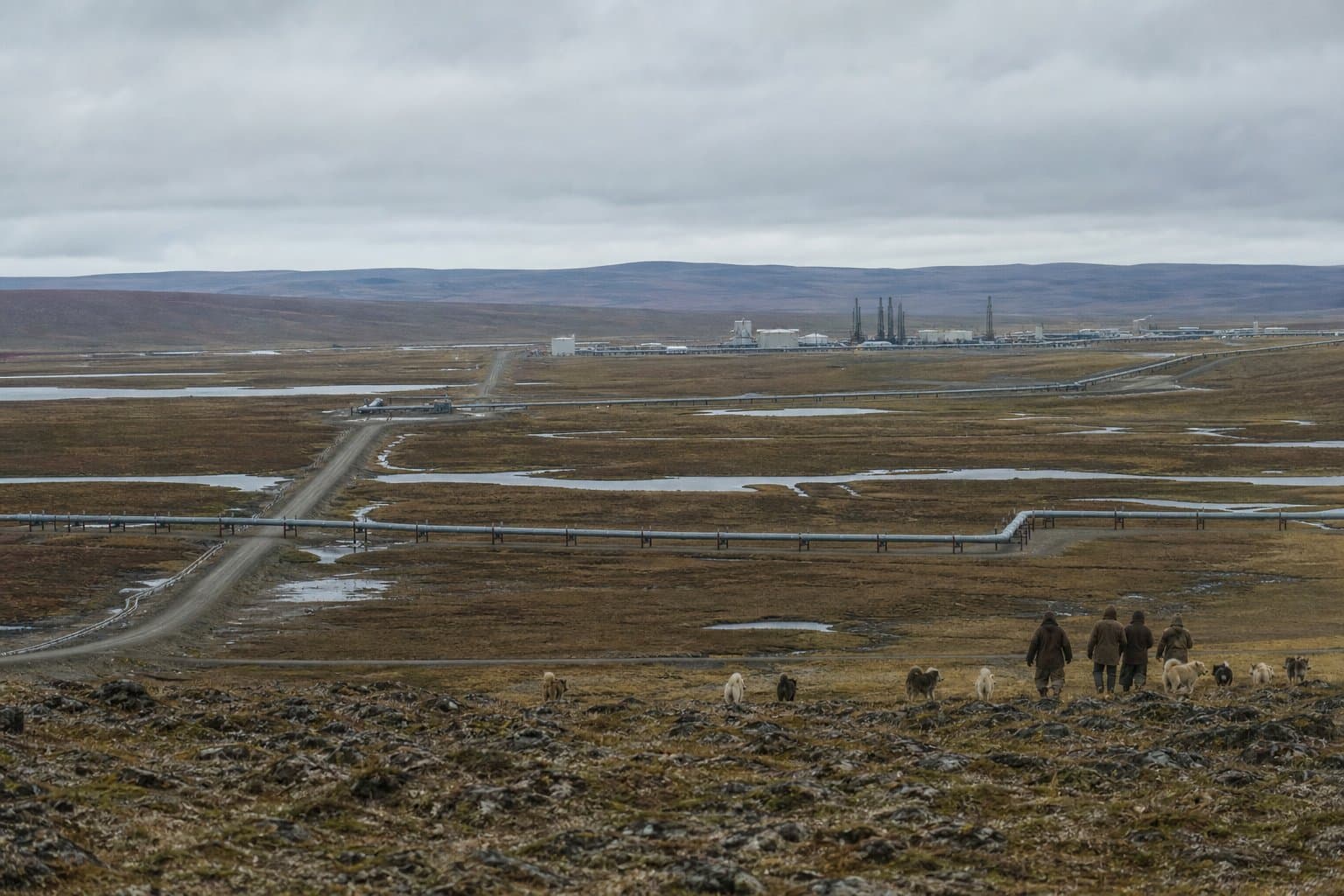
Kaktovik leaders back 1002 Area development and press AIDEA to weigh local knowledge
Kaktovik leaders told AIDEA board members that oil and gas decisions in the Arctic refuge's 1002 Area must include local residents and traditional knowledge, not just outside voices.
 by Bill AlaskaNewsadded 3w ago2 min read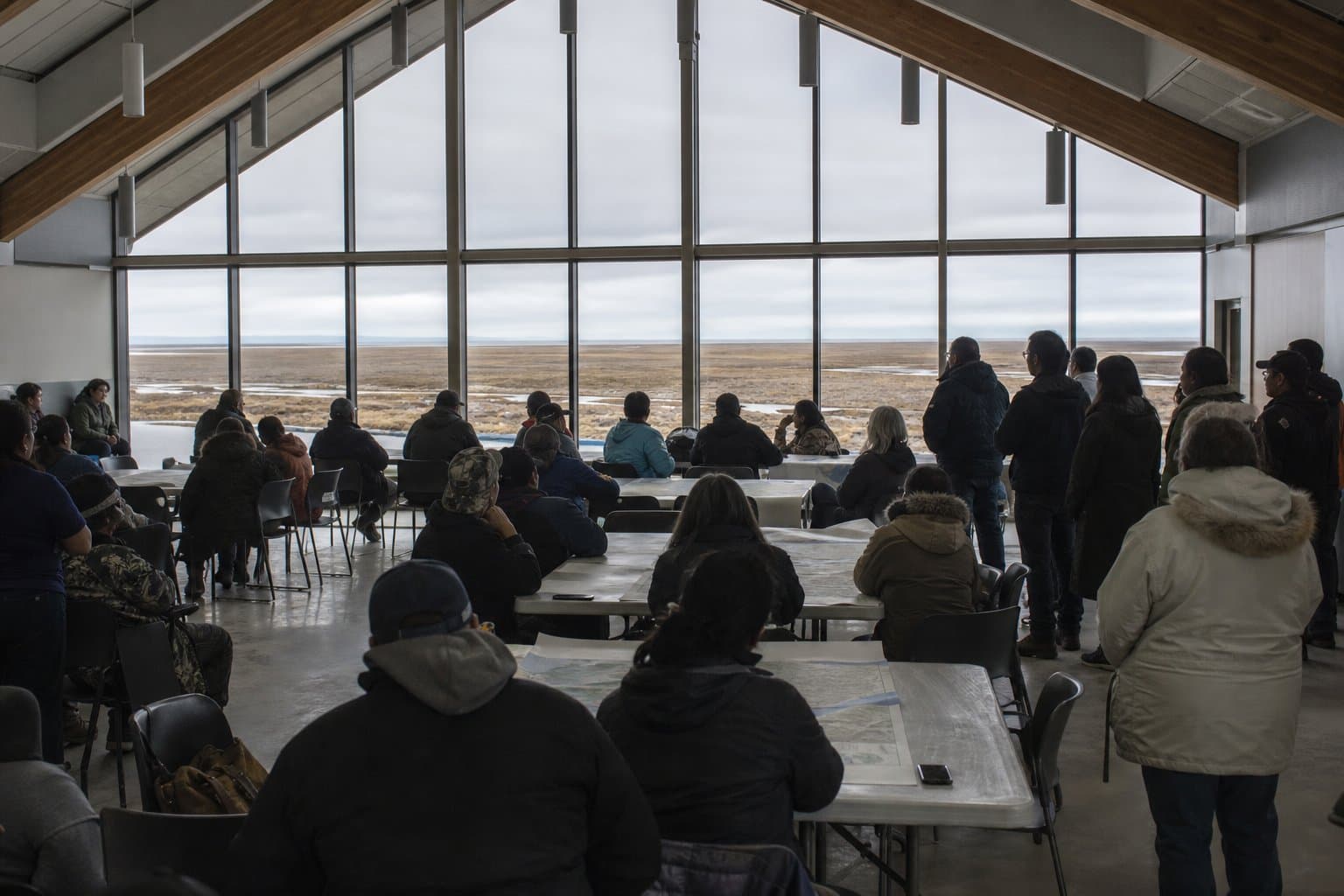
Cordova wary as pipeline operator seeks a fast-tracked 30-year renewal
Alyeska seeks early renewal of the Trans-Alaska Pipeline permit with a faster review. Cordova wants a shorter term and money set aside to decommission aging infrastructure.
by Walter AlaskaNews3w ago2 min read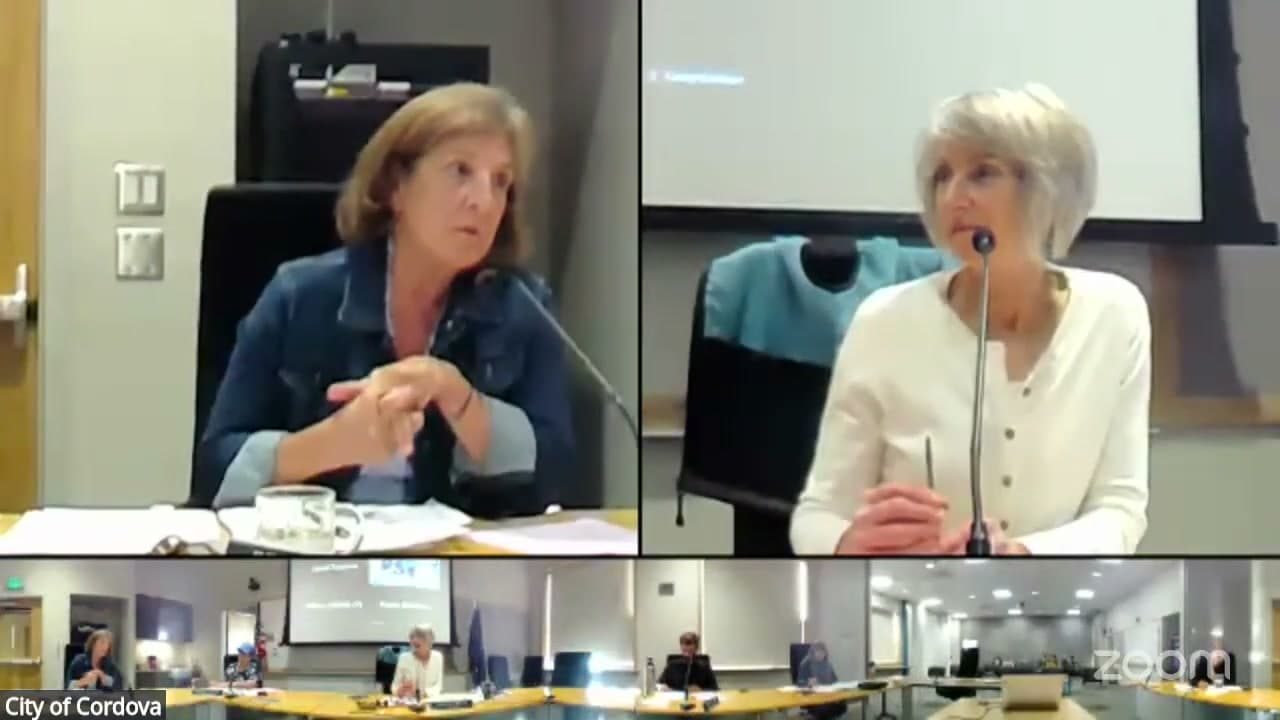
HEX plans to triple its gas deliveries, enough to cover a tenth of demand
HEX plans to triple its contracted gas to ENSTAR by 2027. Even so, it would cover roughly a tenth of Southcentral demand as Cook Inlet keeps declining.
by Melinda Communities.News3w ago2 min read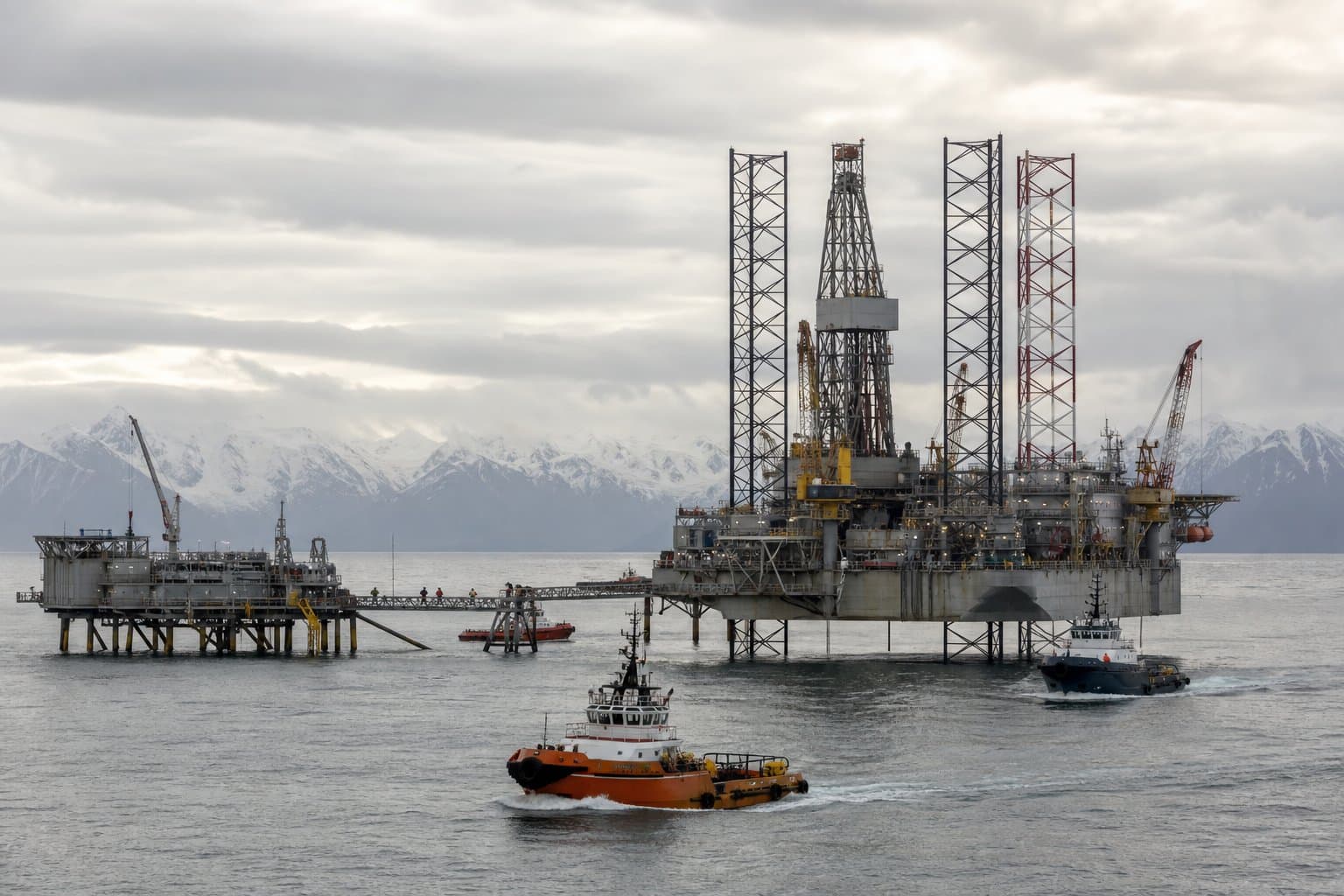
Hilcorp wants to plug five Cook Inlet wells for good
Hilcorp asked the state to dissolve a Cook Inlet unit and permanently plug five of nine wells at an offshore platform, as the basin runs short of gas.
by Walter AlaskaNewsadded 3w ago2 min read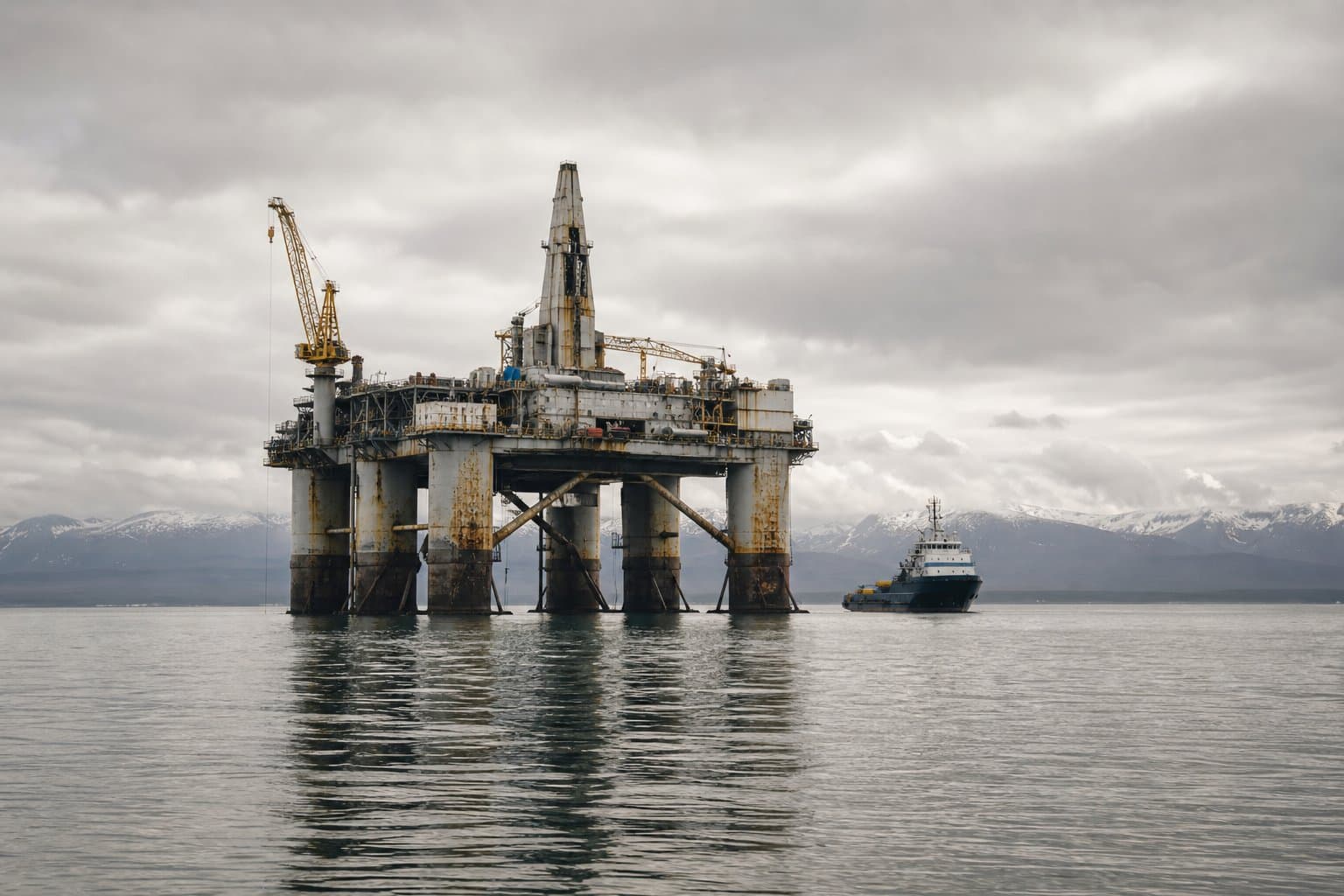
Matanuska Electric's next CEO inherits a gas contract that expires in 2029 and years of rising bills
Clay Koplin takes over as Matanuska Electric CEO on Jan. 7, 2027, as the cooperative braces for rising natural gas costs that could push member bills up 5% yearly for three years.
by Walter AlaskaNewsadded 3w ago2 min read
A fight over whether North Slope oil money stays local or goes to the whole state
Alaska's bigger cut of North Slope oil revenue has set off a fight over whether it stays with the communities nearest the drilling or goes to the whole state.
by Walter AlaskaNews4w ago7 min read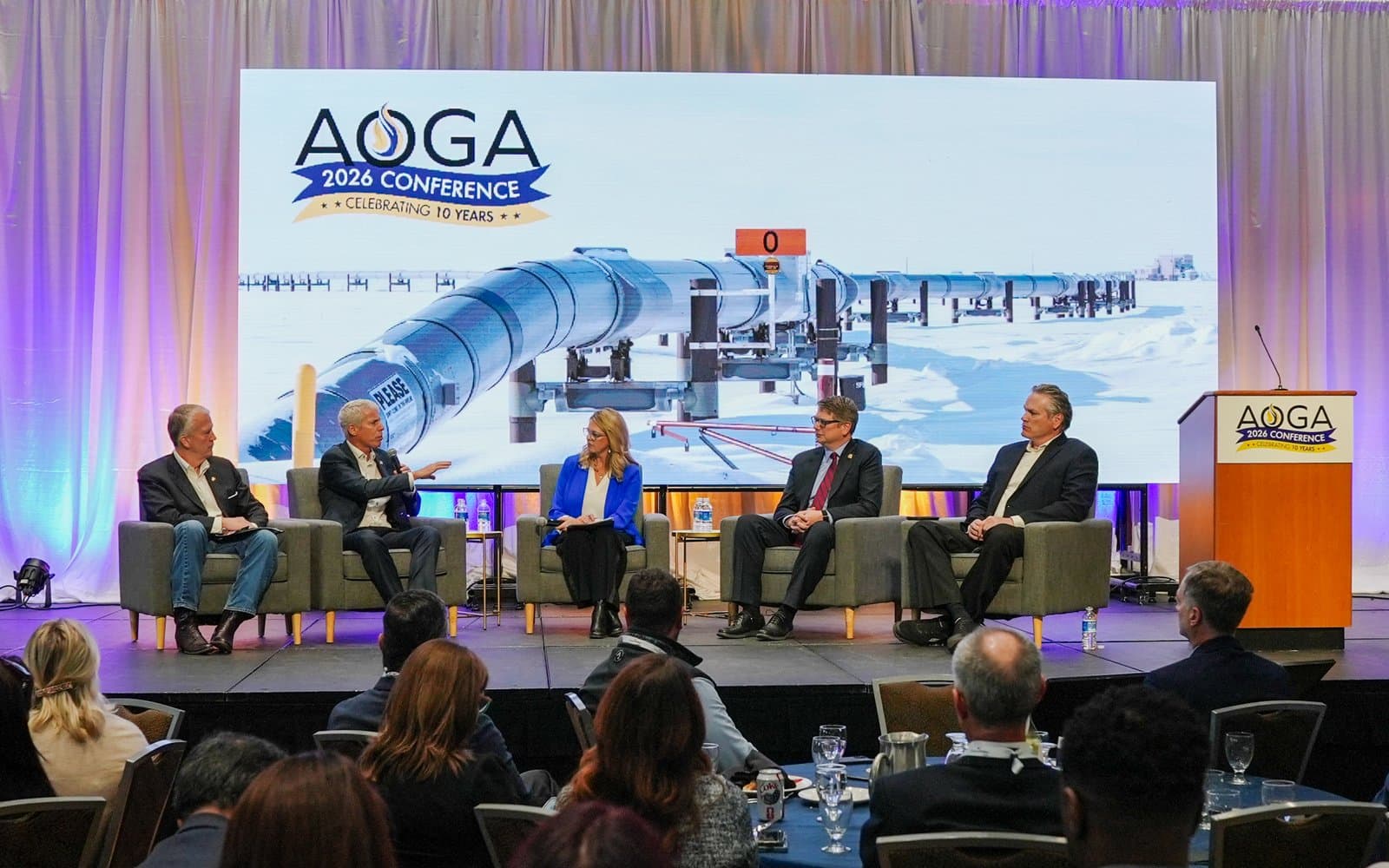
Tom Begich withdraws his campaign and endorses Jonathan Kreiss-Tomkins
Tom announced he's withdrawing from the race for Governor and endorses JKT.
by Cale Green1mo ago3 min read
Alaska Supreme Court upholds rule requiring rent on expired oil leases during appeals
The Alaska Supreme Court upheld a rule requiring oil companies to keep paying rent on expired leases while appealing, ending five North Slope leases.
by Alaska News1mo ago2 min read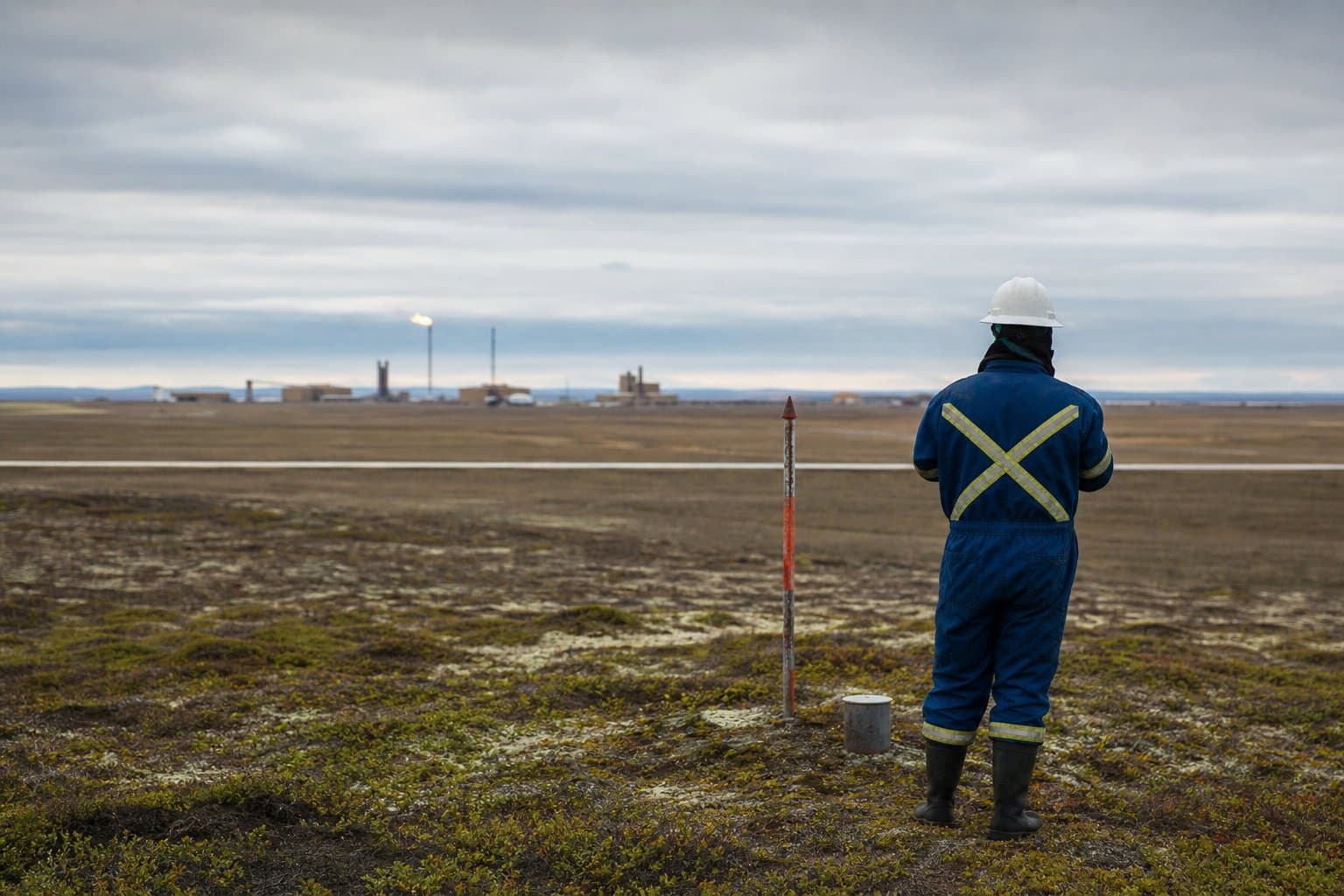
Hilcorp wants to fill 95 acres of Arctic wetlands for a gravel mine — comment by Sept. 4
Hilcorp wants to fill about 95 acres of Arctic tundra wetlands near Prudhoe Bay for a gravel mine, with no offset for the loss. Comment is open until Sept. 4.
by Bill AlaskaNews1mo ago1 min read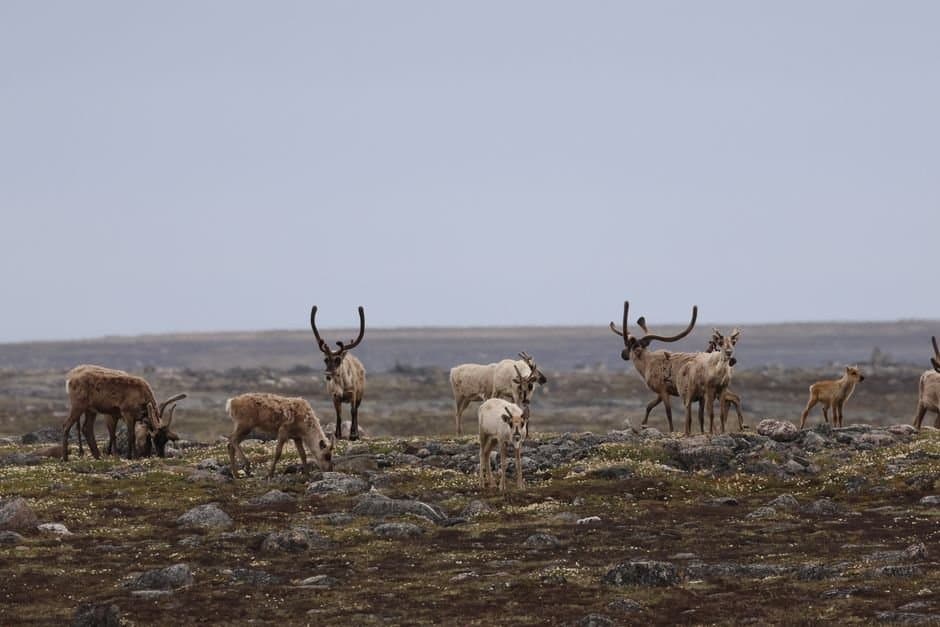
Wright and Dunleavy insist the Alaska LNG project is alive
At an Anchorage conference, the U.S. energy secretary and Gov. Dunleavy insisted the stalled Alaska LNG project is alive, pointing at different obstacles.
by Bill AlaskaNews1mo ago3 min read