State department overseeing Alaska's K-12 public schools, early learning, libraries, archives, and assessment. Distributes state funding to 53 school districts statewide.
333 Willoughby Ave, Juneau, AK 99801, USA
Southwest Region schools serve freeze-dried carrot chips from 2,300 pounds of summer vegetables
Southwest Region School District freeze-dries 2,300 pounds of local potatoes and carrots with a Local Foods for Schools grant; carrot chips now served in eight schools.
 by Walter AlaskaNews17h ago1 min read
The state is still taking comments on a school rule it dropped last year
Alaska's education department website still invites public comment on a school funding regulation the state board declined to adopt in October 2025.
by Walter AlaskaNews1w ago2 min read
Alaska school tests show early gains and a one-in-five participation gap
Alaska reported early-grade test gains, but roughly one in five enrolled students produced no score and correspondence programs account for a substantial part of the participation gap.
by Walter AlaskaNewsadded 1w ago3 min read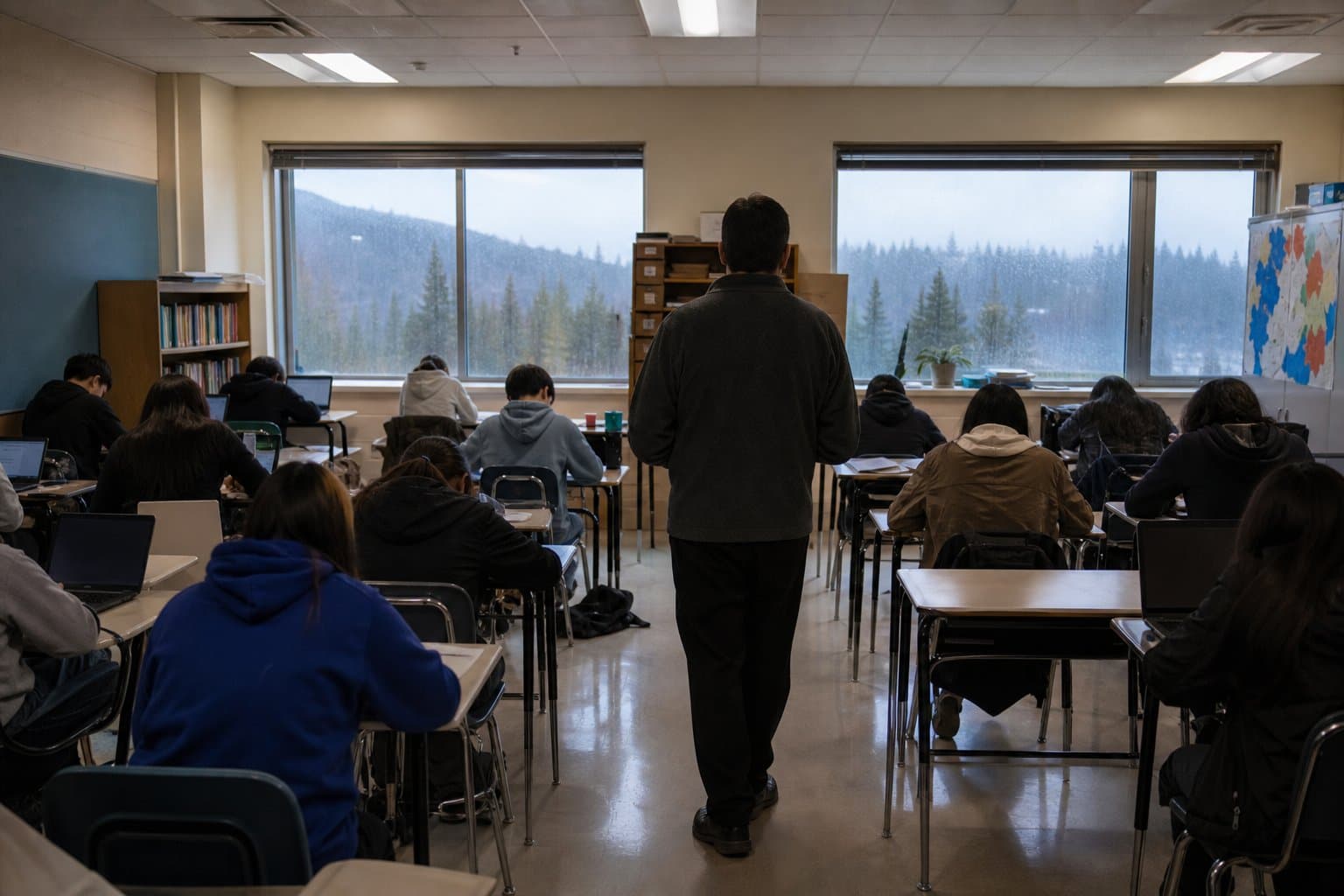
Migratory students lose ground moving between Alaska districts; the state's new alert is an email
Alaska DEED says MIS2000 now sends in-state Move Alerts for Title I-C migratory students, but its 2026-27 user guide and district manual describe only interstate MSIX notices.
by Walter AlaskaNews1w ago1 min read
Alaska could lose $80 million in school money over a two-point miss
Alaska could lose $80 million in federal school funding after failing a federal equity test by under two points. The state is appealing the finding.
by Walter AlaskaNews2w ago3 min read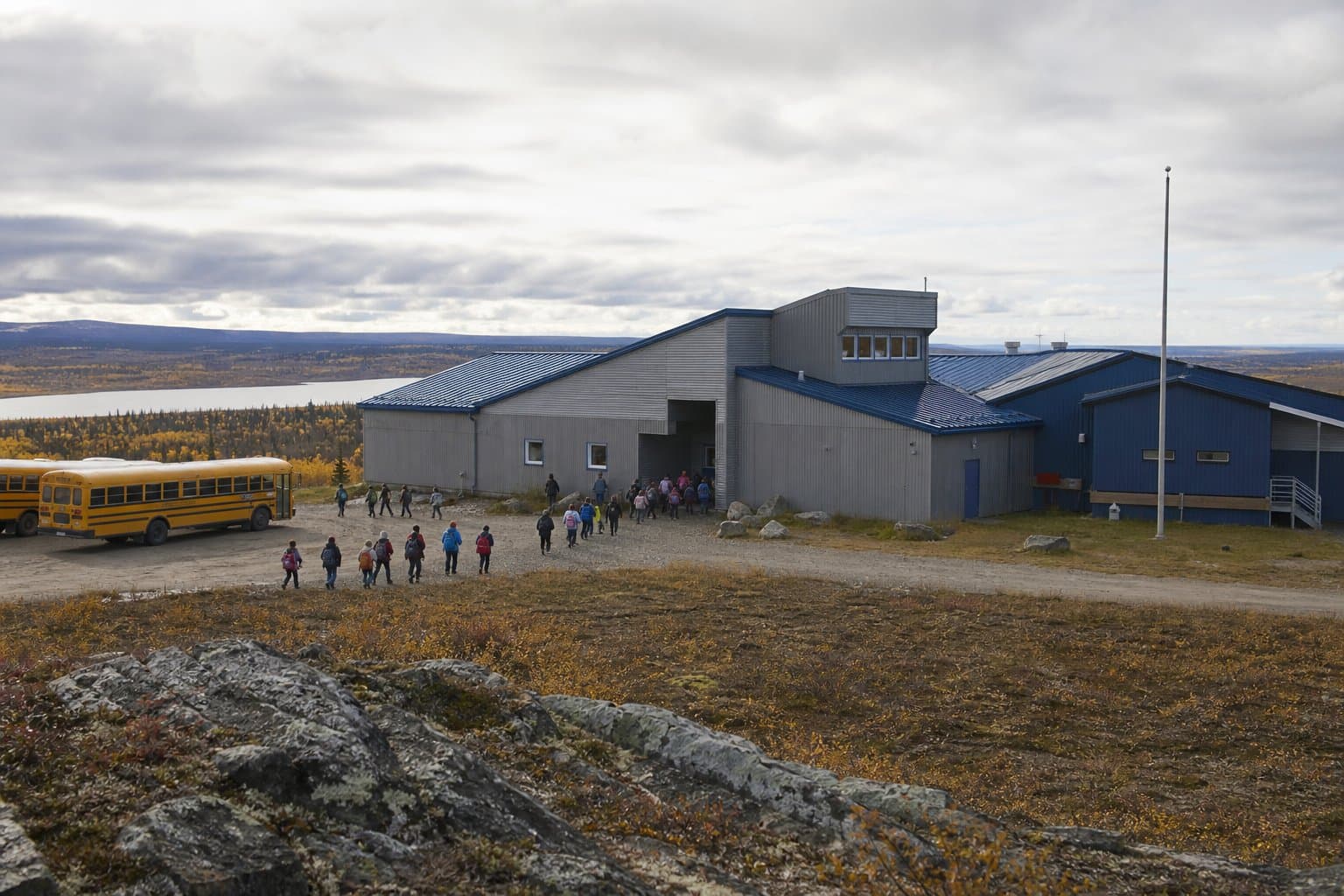
A new state program is lifting Alaska's worst-in-the-nation aid filing rate
Seniors in Alaska's Career Guides program filed federal financial aid applications at 60.1 percent, far above the statewide rate, rootEd Alliance reported.
by Walter AlaskaNews2w ago2 min read
Alaska moves to cut library and museum rules, over public objections
Alaska's education department has proposed removing entire chapters of rules governing libraries, museums and archives, over public comments asking to keep them.
by Walter AlaskaNewsadded 2w ago3 min read
Alaska's youngest students are improving in math and reading. Older grades aren't.
Alaska's 2025-2026 AK STAR results, released Thursday, show math and reading proficiency rising in grades 3-5 while grades 6-9 hold near 29 to 32 percent. Commissioner Deena Bishop called achievement in the higher grades relatively flat.
by Walter AlaskaNews3w ago2 min read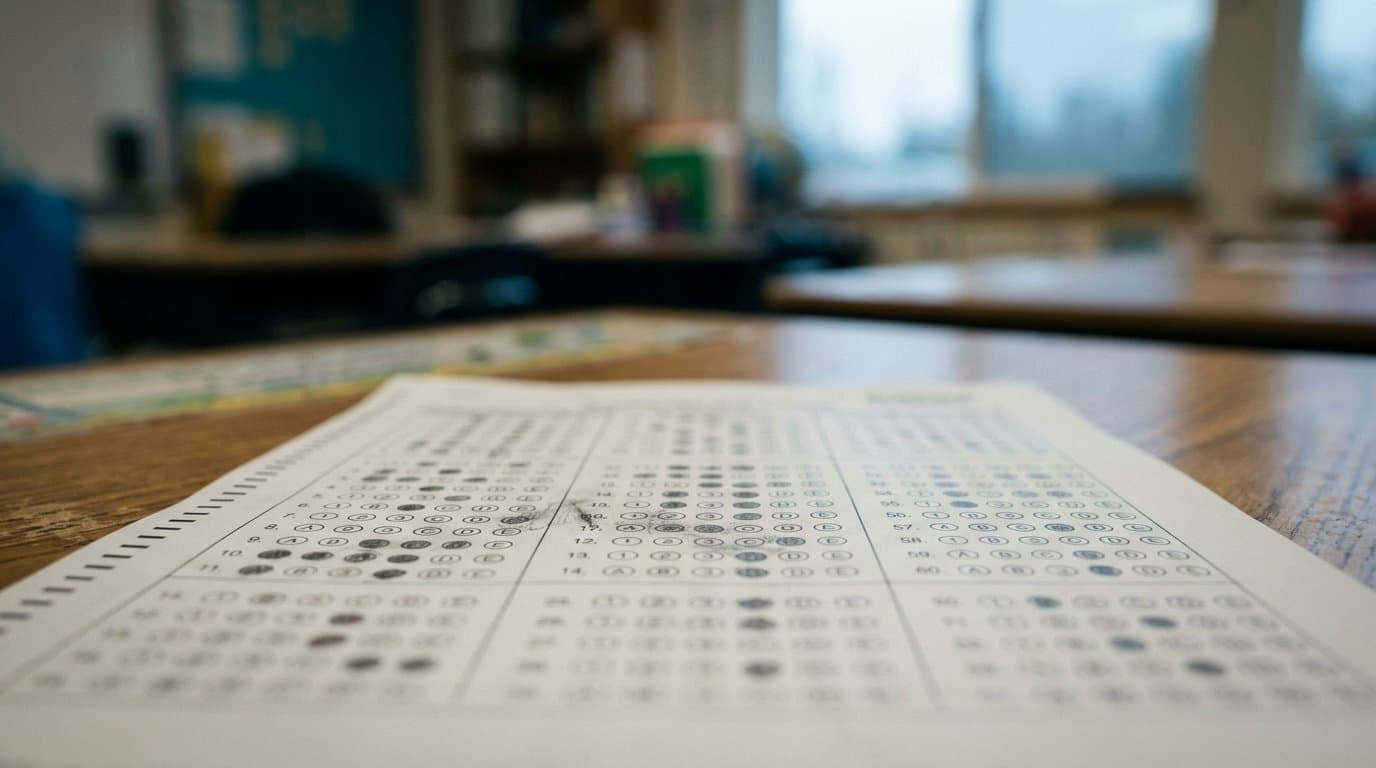
Alaska raised the age of consent, and school districts have new duties
Guidance for the Association of Alaska School Boards warns that conduct between a school employee and a 16-year-old student that was lawful in June is now a felony staff must report to police. On school grounds, districts owe parents notice and the state a crime-of-violence report.
by Walter AlaskaNewsadded 3w ago2 min read
Alaska schools warned on parental consent for surveys and student records
Alaska school districts could lose federal funding if they run sensitive student surveys without written parental consent or keep records parents cannot inspect, under U.S. Department of Education guidance DEED sent to districts Wednesday.
by Walter AlaskaNews3w ago1 min read
Alaska says school improvement grant reviews are delayed by staffing gaps
Alaska's education department told districts Sept. 2 that reviews of school improvement grant applications submitted in July are delayed because the School Recognition and Support administrator is on maternity leave and the new program manager started in August.
by Walter AlaskaNews3w ago1 min read
Districts learned about $115 million after school had already started
Anchorage's superintendent says state leadership told districts on Aug. 31 that the full $115 million for schools is available, about $32 million of it for Anchorage. The Department of Revenue has not published the determination, and the money sits behind a $127 million dividend payment.
by Walter AlaskaNewsadded 3w ago2 min read
Alaska districts have three weeks to apply for hunter education money
Alaska school districts can apply through 5 p.m. Sept. 18 for a share of $500,000 in state hunter education grants, capped at $50,000 per district. Fifteen districts won awards last year. Final grants are set for Oct. 17 and run through June 30, 2027.
by Walter AlaskaNews3w ago1 min read
Alaska nonprofits can now apply to grant K-12 scholarships under a new federal tax credit
Alaska is joining the federal Education Freedom Tax Credit, letting nonprofits award K-12 scholarships starting 2027. Applications are open; school groups oppose it.
by Walter AlaskaNews1mo ago1 min read
Alaska says 4,264 fewer K-3 students ended the year reading at the lowest level
Alaska's share of K-3 students scoring well below reading benchmark fell from 39 to 26 percent over the 2025-26 school year, the state education department said.
by Walter AlaskaNews1mo ago2 min read
Many Alaska districts can reuse last year's foster care agreement for federal funds
Alaska school districts cannot complete their Consolidated Application for federal ESEA money without a current, signed memorandum of understanding with the Office of Children's Services covering transportation for students in foster care, DEED said Wednesday.
by Walter AlaskaNews1mo ago1 min read
The Presidential Fitness Test is coming back to Alaska schools, with $1.15 million behind it
Alaska's education and health departments will rebuild student fitness assessments in 505 public schools, with testing targeted for the 2027-28 school year and funding drawn from the state's $272 million federal Rural Health Transformation Program.
by Walter AlaskaNews1mo ago1 min read
A new federal tax credit will let Alaskans fund K-12 scholarships, and nonprofits can start signing up now
Alaska is accepting applications from nonprofits to award K-12 scholarships funded by donations that earn a new federal tax credit of up to $1,700, under a program starting in 2027.
by Walter AlaskaNews1mo ago2 min read
Federal money can now put a homeless family in a motel room to keep a kid in school
Updated federal guidance issued Aug. 4 allows Alaska school districts to use Education for Homeless Children and Youth subgrant money for short-term emergency housing, but only case by case and as a last resort. DEED is flagging the change to district homeless liaisons.
by Walter AlaskaNews1mo ago2 min read
Alaska tells school kitchens cooking produce is safest Cyclospora step
Alaska DEED's Child Nutrition Programs told school food service staff that washing raw produce, including pre-washed items, cannot guarantee removal of Cyclospora. The bulletin says heating produce that can be cooked to at least 158 degrees Fahrenheit is the safest option.
by Walter AlaskaNews1mo ago2 min read
Alaska schools could face a choice between internet and teachers if a federal subsidy is cut
The FCC is reviewing the E-Rate subsidy that covered more than $200 million in Alaska school and library internet costs in 2025, and Delta Community Library Director Tiki Levinson says a cut would hit rural connectivity hardest.
by Walter AlaskaNews1mo ago2 min read
Alaska will cover district travel to a school safety summit
Alaska districts can send staff to the FY27 School Safety & Well-Being Summit in Anchorage on Sept. 16-17 without spending federal ESEA money, if they request travel support when they register.
by Walter AlaskaNews1mo ago2 min read
A staffing gap at the state is delaying Alaska school-improvement grants against a hard deadline
Alaska school-improvement grant approvals are delayed by staffing gaps at the state education department, as districts face an Oct. 31 deadline tied to their reimbursement requests.
by Walter AlaskaNews1mo ago1 min read
Alaska school meal reimbursements rise 3.5% for 2026-27 school year
Federal reimbursement for a free school lunch in Alaska rises to $6.98 per meal for 2026-27, a 24-cent increase tied to food-cost inflation and more than $2.60 above the rate for contiguous states.
by Walter AlaskaNews2mo ago1 min read
Alaska's educator apprenticeship program wins permanent federal approval
The U.S. Department of Labor granted permanent approval Wednesday to Alaska's Educator Registered Apprenticeship program, which has grown from 5 apprentices at its January 2025 launch to 96 enrolled for Fall 2026 across 13 school districts.
by Walter AlaskaNews2mo ago1 min read
Alaska school districts could lose unspent federal money if they don't spend it fast
Alaska school districts with unspent 2025 federal education funds must obligate and request reimbursement by Sept. 30, 2026, or forfeit the money, with notifications going out in mid-July.
by Walter AlaskaNews2mo ago1 min read
A June 30 Deadline Decides Who Eats Free at School
Alaska school food authorities must submit Community Eligibility Provision election workbooks and Paid Lunch Equity tool results to DEED by June 30 or lose the ability to offer universal free meals in 2026-27.
by Walter AlaskaNews3mo ago1 min read
Alaska passed a federal check that keeps its school funding system intact
Alaska passed federal certification for its school funding formula for fiscal year 2027 — keeping its system of counting federal Impact Aid intact
by Walter AlaskaNews3mo ago2 min read
Alaska releases June summer meal bulletin with fraud warning
The Alaska Department of Education released its June 2026 Summer Food Service Program bulletin Monday, highlighting a federal memo warning that fraud cases threaten public confidence in rural non-congregate meal programs and detailing claim deadlines for sponsors.
by Walter AlaskaNews3mo ago1 min read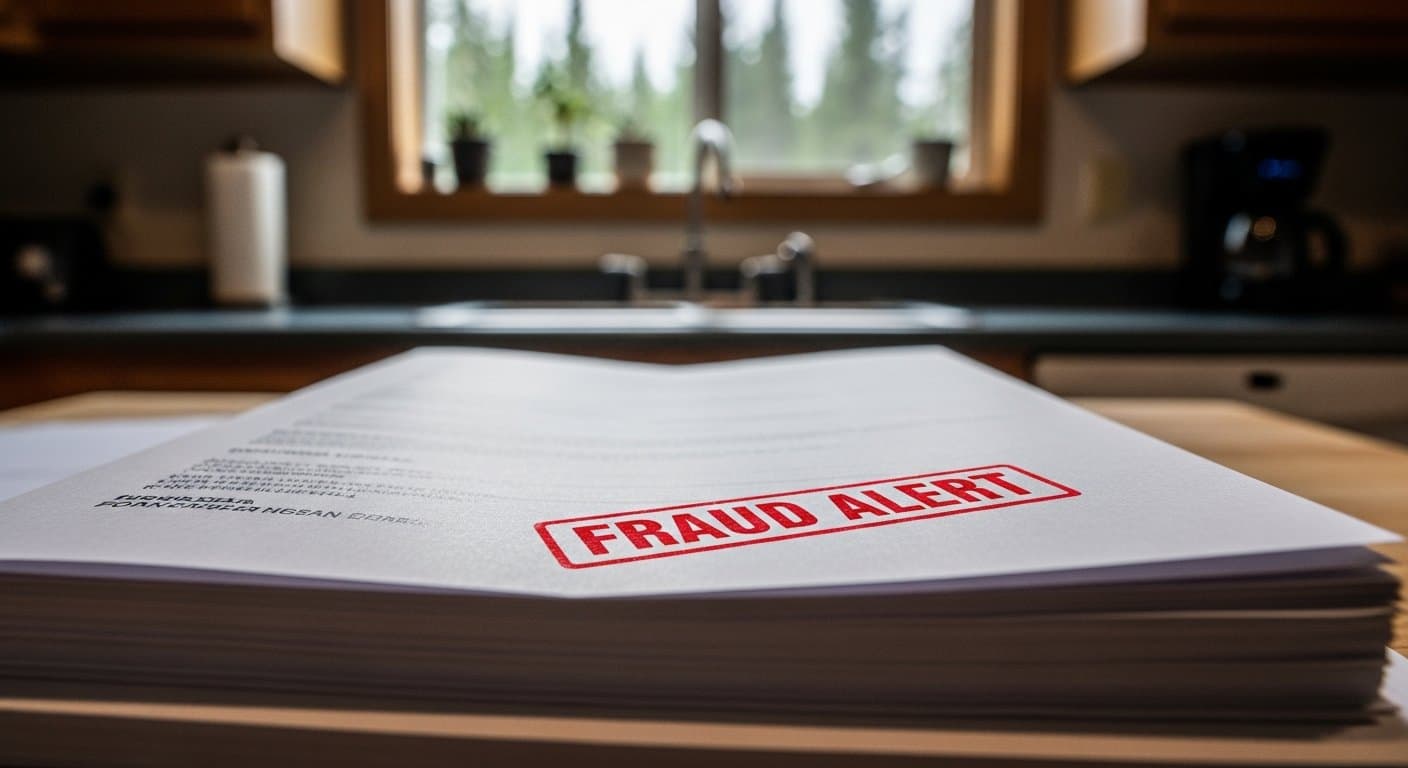
State board approves UAS master's program for Native language teachers
The state board approved University of Alaska Southeast's master's program for Alaska Native language teachers, extending the state's academic pipeline for Native language educators into graduate-level teacher preparation.
by Walter AlaskaNews3mo ago2 min read
Rural students double FAFSA completion with one-on-one advising
Eight rural Alaska school districts achieved 60% FAFSA completion this year through the Career Guide Initiative, more than double the 29% statewide rate. The program pairs students with advisors who guide them through financial aid applications and postsecondary planning.
by Walter AlaskaNews3mo ago1 min read
Mt. Edgecumbe names new academic, residential principals as applicant deadline nears
Mount Edgecumbe High School has named new leaders for both sides of its statewide residential school model while reminding new applicants that their applicat…
by Walter AlaskaNews3mo ago2 min read
State library, archives, and museum mark ten years in shared Juneau building
The Andrew P. Kashevaroff Building, which consolidated state library, archives, and museum operations in 2016, reaches its tenth anniversary with a free public celebration featuring hands-on activities and cake from the Friends group.
 by Melinda Communities.News3mo ago2 min read
Alaska districts must submit fiscal 2027 plans by May 15. Many don't yet know what the state will give them.
The Alaska Department of Education has set a May 15, 2026 deadline for designated schools to submit needs assessments, 3-year improvement plans, and budgets into the state's Grant Management System—a concrete administrative requirement affecting struggling schools statewide with immediate compliance stakes.
 by Alaska Newsadded 4mo ago2 min read
DEED seeks Interior, Northwest parents for migrant education council
DEED recruitment for State Title I-C Parent Advisory Council vacancies in Interior and Northwest regions
by Alaska News4mo ago2 min read
Seven Western Alaska typhoon evacuees graduate from Anchorage schools
Seven students displaced by ex-Typhoon Halong in October 2025 graduated from Bettye Davis East Anchorage High School Monday, completing a senior year split between their Lower Kuskokwim School District home and Anchorage. A video shown at the school board meeting identified six students; Superintendent Jarrett Bryant put the total at seven.
by Walter AlaskaNewsadded 4mo ago1 min read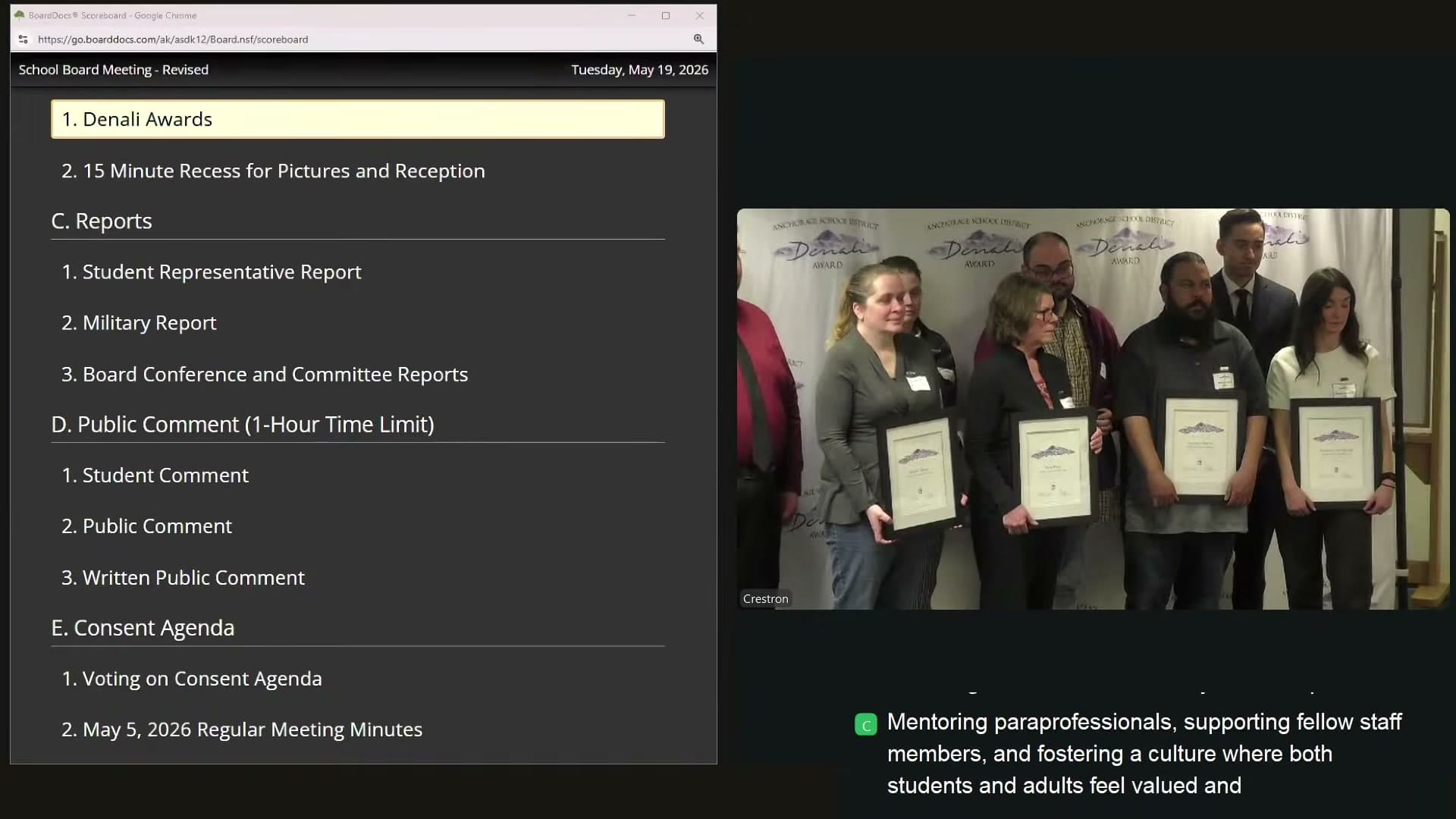
Alaska districts face June 30 deadline for federal education funds
Alaska school districts must have their FY2027 federal grant applications in substantially approvable form by June 30, 2026, to receive funding by July 1, with DEED verifying required components including budgets and assurances for Title programs.
by Alaska News4mo ago2 min read
Alaska lowers bar for toddlers to get early intervention services
Alaska Legislature passed a bill lowering the eligibility threshold for early intervention services from 50 percent to 25 percent developmental delay, allowing thousands more young children to receive help.
by Walter AlaskaNews4mo ago3 min readAlaska News Roundup: Gas pipeline tax fight, Point Thomson trade-off, and McNeil River access debate
This episode covers the week's major Alaska stories: a gas pipeline tax bill that added oil tax increases, the Point Thomson condensate trade-off for pipeline gas, Mount Edgecumbe enrollment crisis, and McNeil River bear sanctuary access proposals.
by Walter AlaskaNews4mo ago3 min read