New York-based energy infrastructure firm leading development of the proposed Alaska LNG Project — North Slope gas piped to Cook Inlet for export at Nikiski. Joint developer with AGDC.
Anchorage, AK, USA
Video Clips
Browse all clips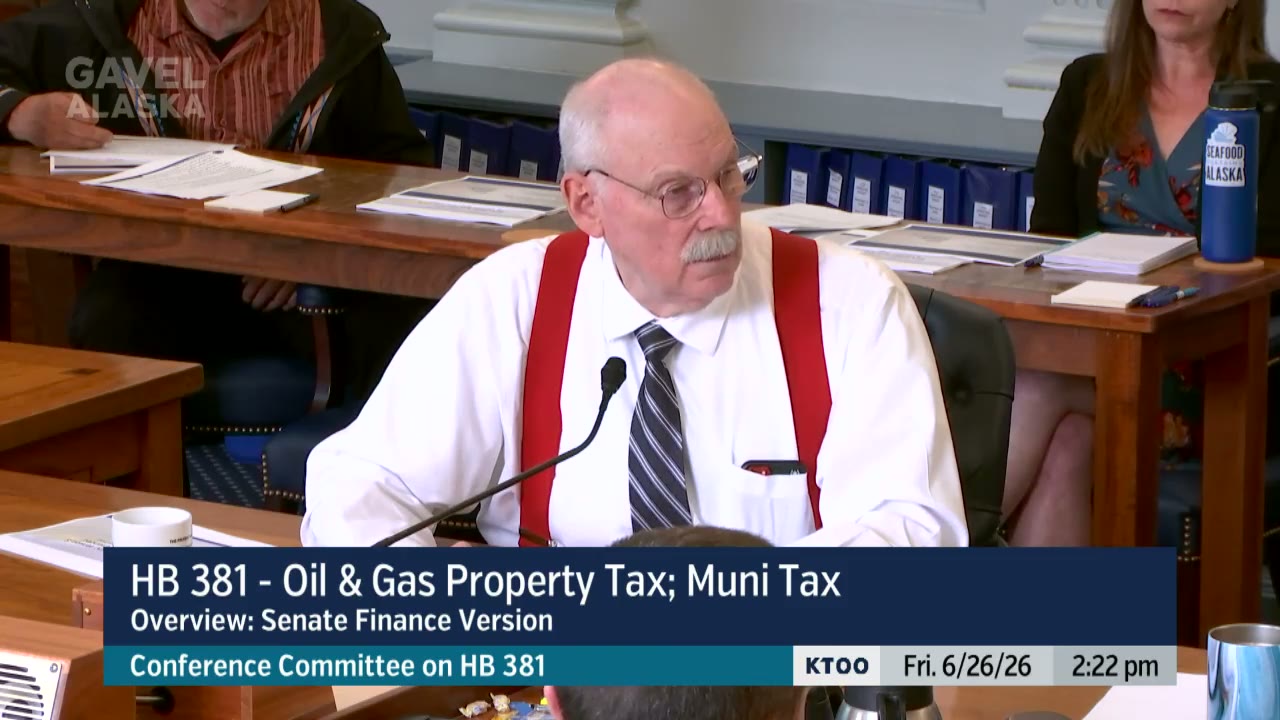
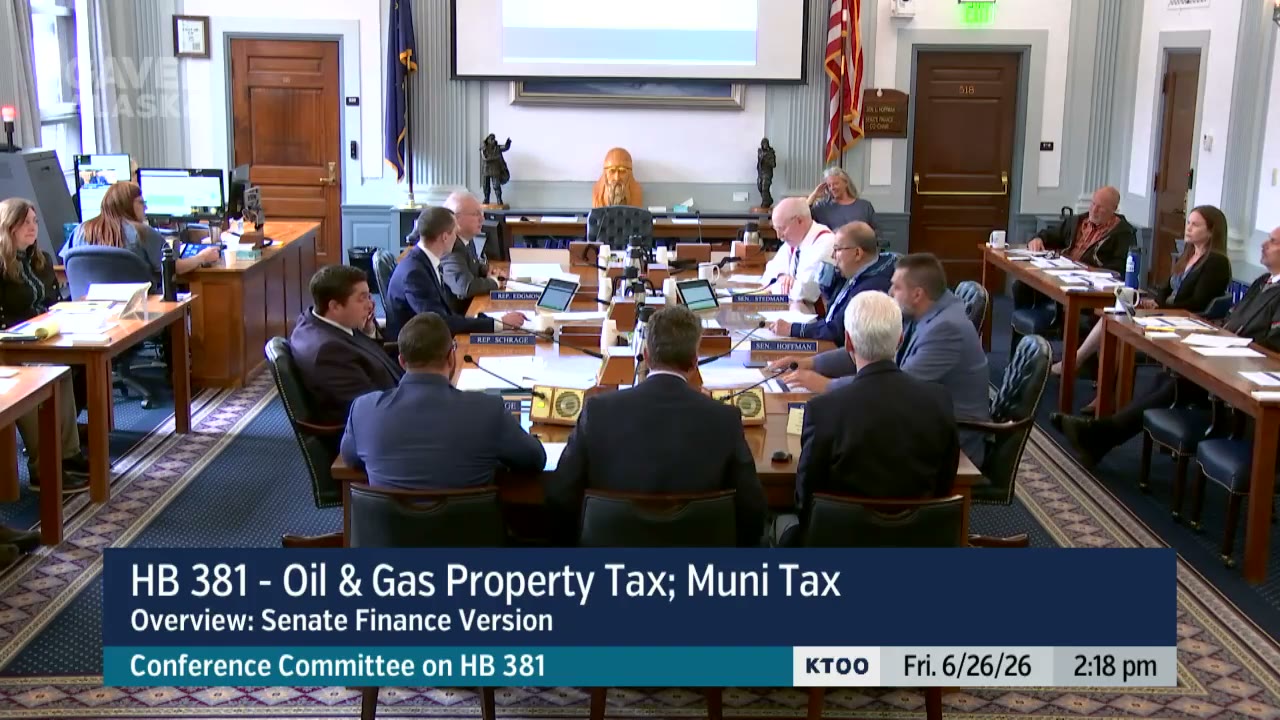
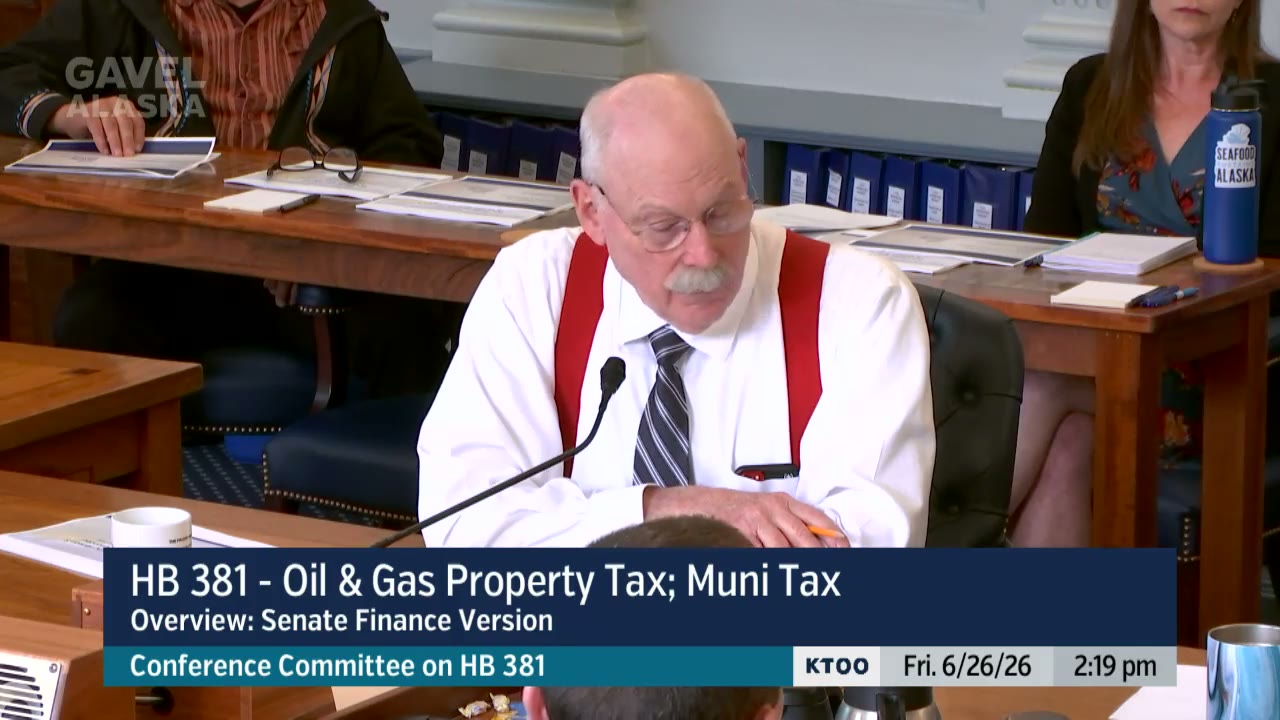
Bert Stedman
“I think the buyback is one of them. There's mechanics if you take a literal interpretation of that document, it may not be as accurate as looking at it in the entirety.”Alaska Legislature: MSC2-20260626-1410
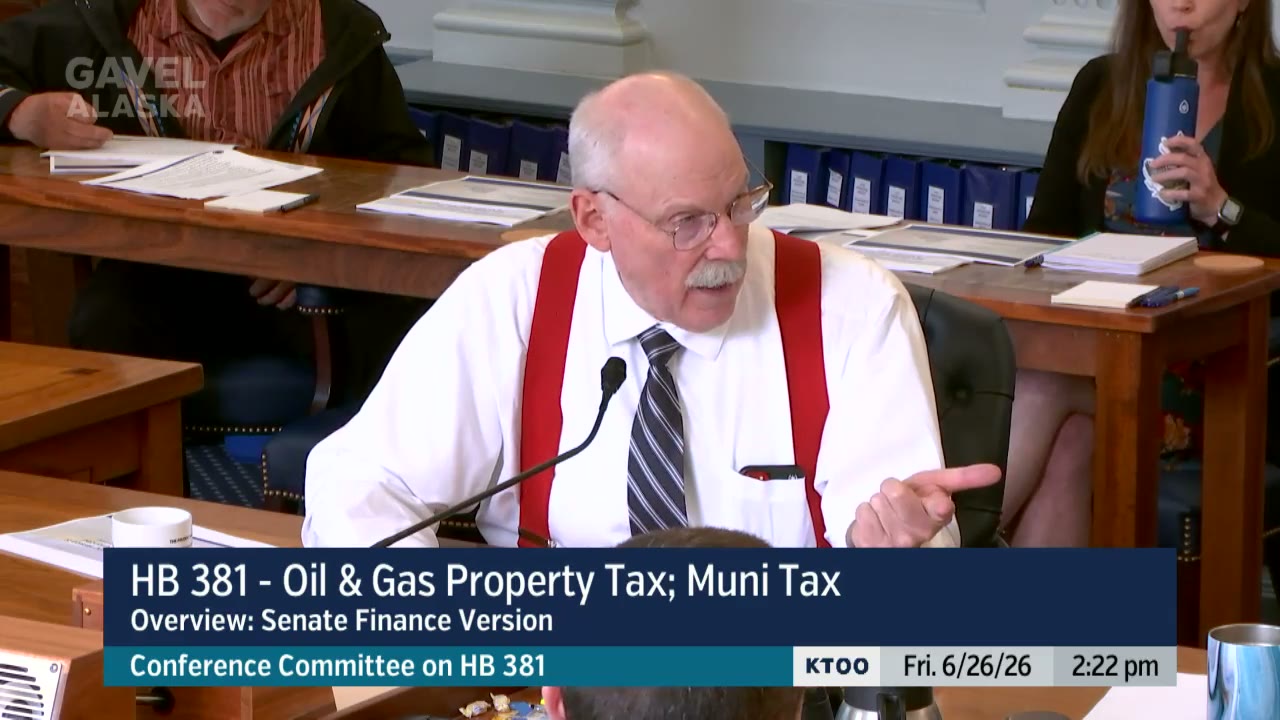
Bert Stedman
“they can draw erroneous conclusions from just reading that in isolation. And we've tried to ferret some of that out in our questions.”Alaska Legislature: MSC2-20260626-1410
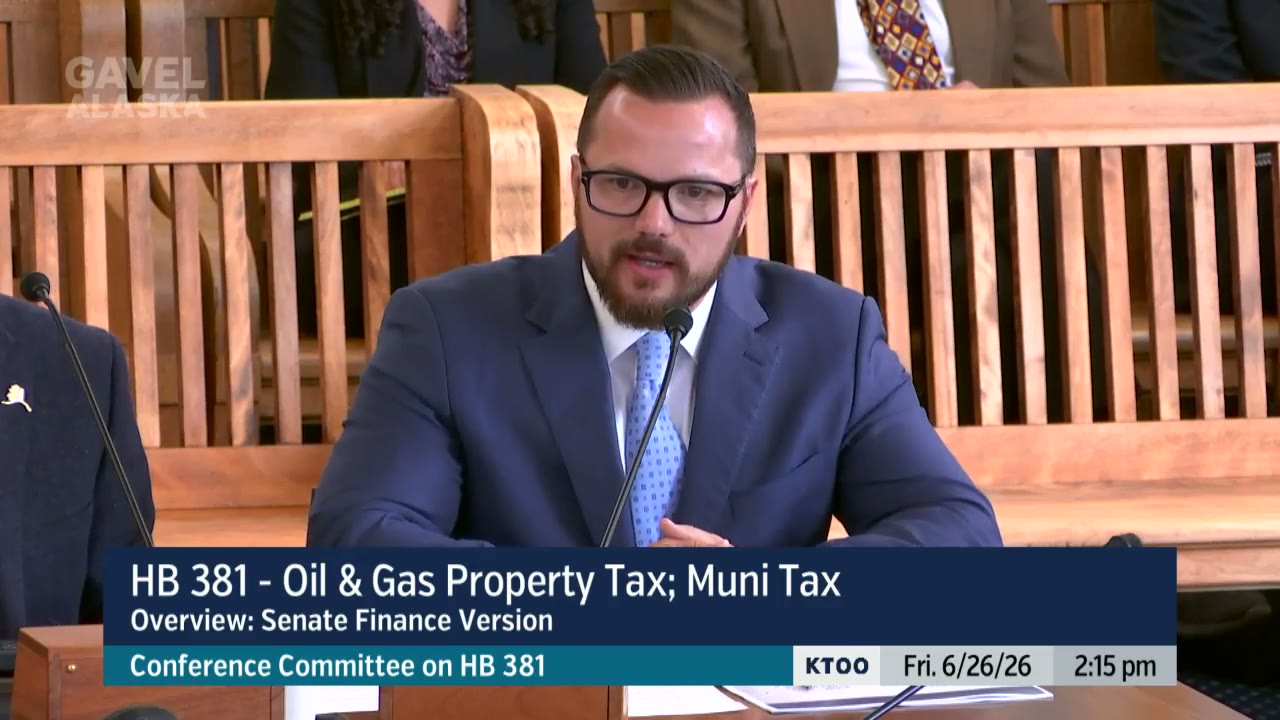
Adam Prestidge
“this is a mechanism that is only exercisable at the state's option. In terms of Glenfarn's ability to seek recourse or any kind of compensation, we don't have that mechanism. We can't ask the state to exercise this option. If Glenfarn decides to abandon the project, we do so with no recourse.”Alaska Legislature: MSC2-20260626-1410
Trump says South Korea is still studying Alaska LNG, threatens to 'double it up'
Trump says South Korea is still studying Alaska LNG and has not signed on, two days after the White House announced Korean investment; threatens to 'double it up.'
 by Bill AlaskaNews14h ago2 min read
Seoul protested U.S. Alaska LNG announcement, says investment remains under review
South Korea says it agreed only to review Alaska LNG, with no $54 billion investment approved; Industry Minister Kim Jung-kwan objected to Commerce Secretary Lutnick.
 by Walter AlaskaNews1d ago4 min read
Three Alaska governor candidates agree on the problems, diverge on government's role
Jonathan Kreiss-Tomkins, Treg Taylor and Dave Bronson agreed on Alaska's problems but diverged on solutions at a Last Frontier Republican Club forum Tuesday.
by Walter AlaskaNews3w ago7 min read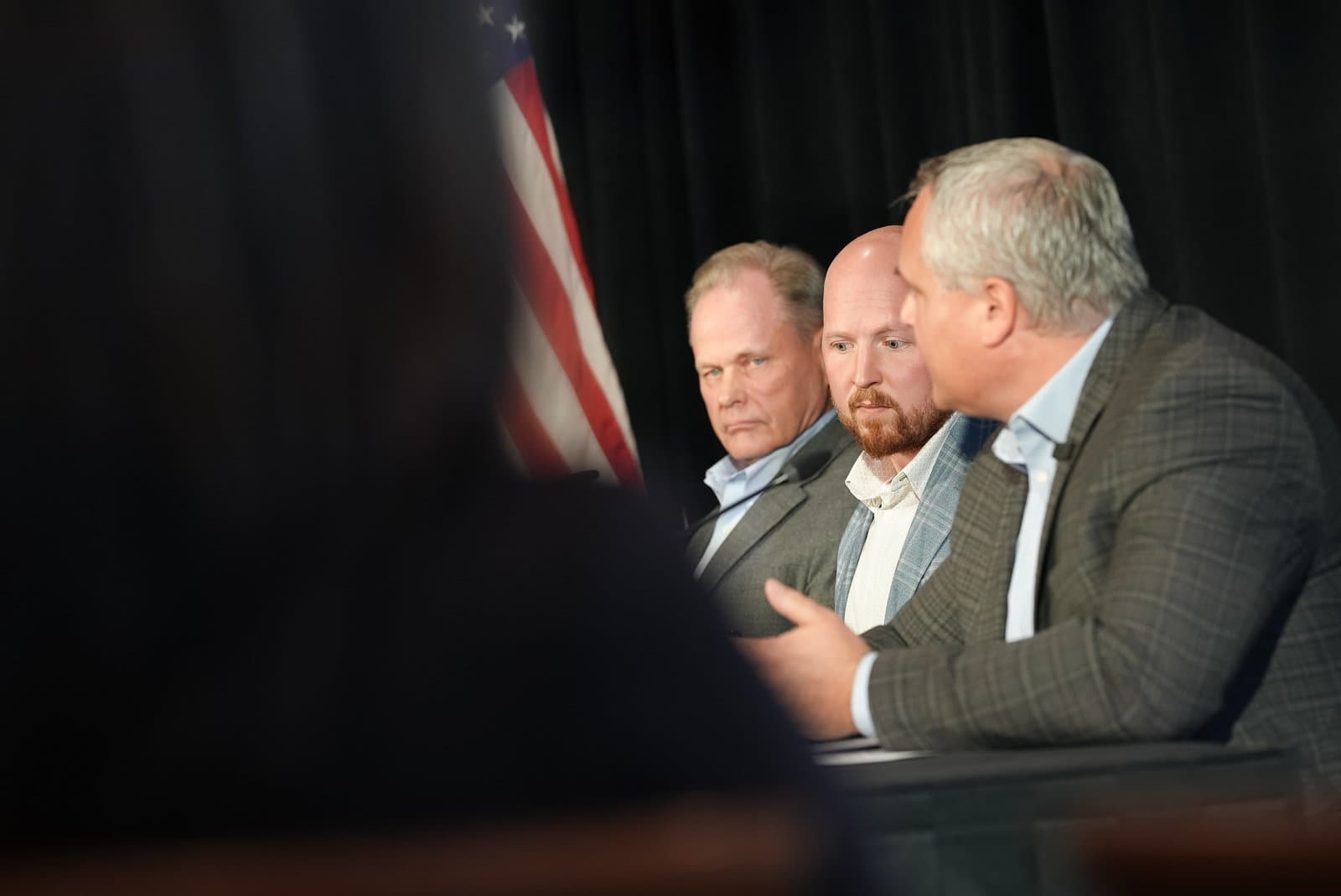
Alaska Senate Majority says gasline tax break waits on Glenfarne financial numbers
The Alaska Senate majority says it won't commit to the gas pipeline tax break without detailed financials from Glenfarne and Gov. Dunleavy, as cost estimates range from $44.5B to $70B.
by Walter AlaskaNews1mo ago4 min read
Hilcorp says opposing the tax isn't opposing the gas line
Hilcorp senior vice president Luke Sargey told the Alaska Gas Line Caucus on Thursday that the company opposes a targeted income tax on Hilcorp, not the gas line, while Glenfarne and business groups urged lawmakers to pass the property tax bill without added taxes.
by Walter AlaskaNews1mo ago3 min read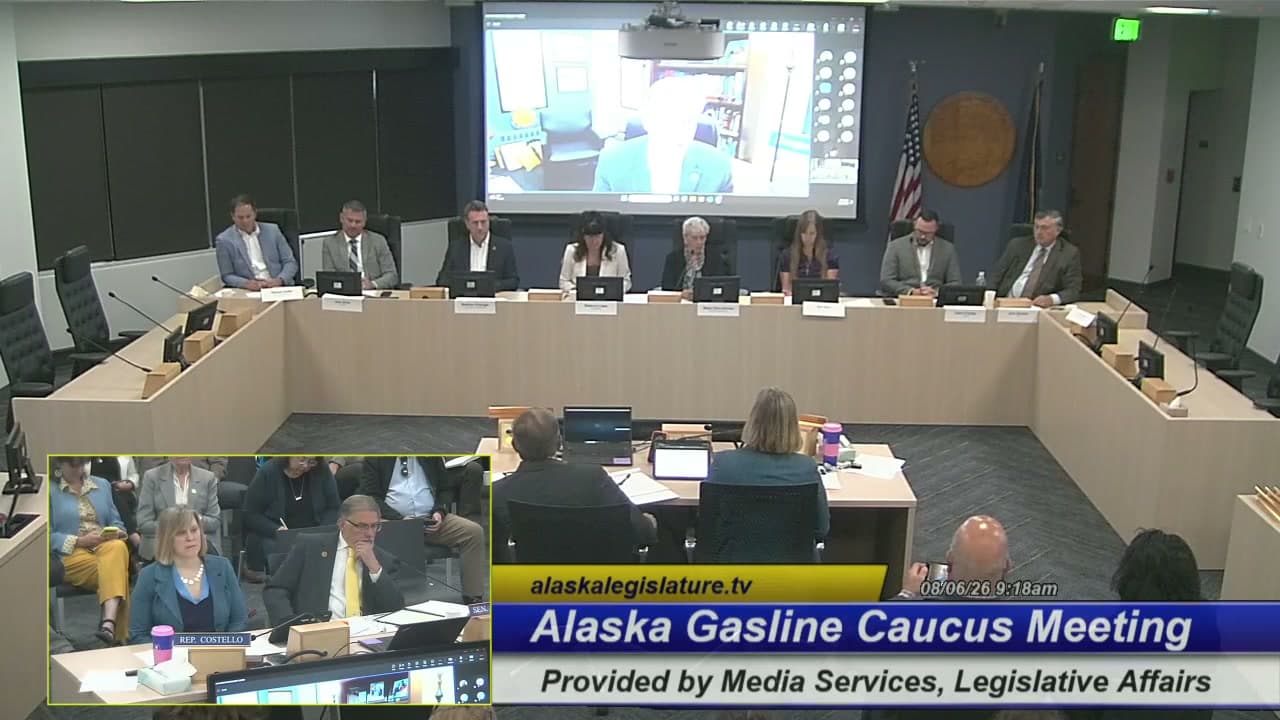
The state is being asked to bank on a gas line price it may never fully see
Alaska lawmakers could be asked for about $800 million toward the Phase 1 in-state gasline, but Glenfarne Alaska president Adam Prestidge said the project's definitive cost estimate is most likely not going to be released.
by Walter AlaskaNews2mo ago2 min read
Gas-line developer warns Alaska's Senate terms could drive it off
Glenfarne warned an Alaska conference committee that Senate amendments to the HB 381 gas-line tax bill, including a 9.4% investor tax, could deter investment and threaten the project.
by Walter AlaskaNews3mo ago2 min read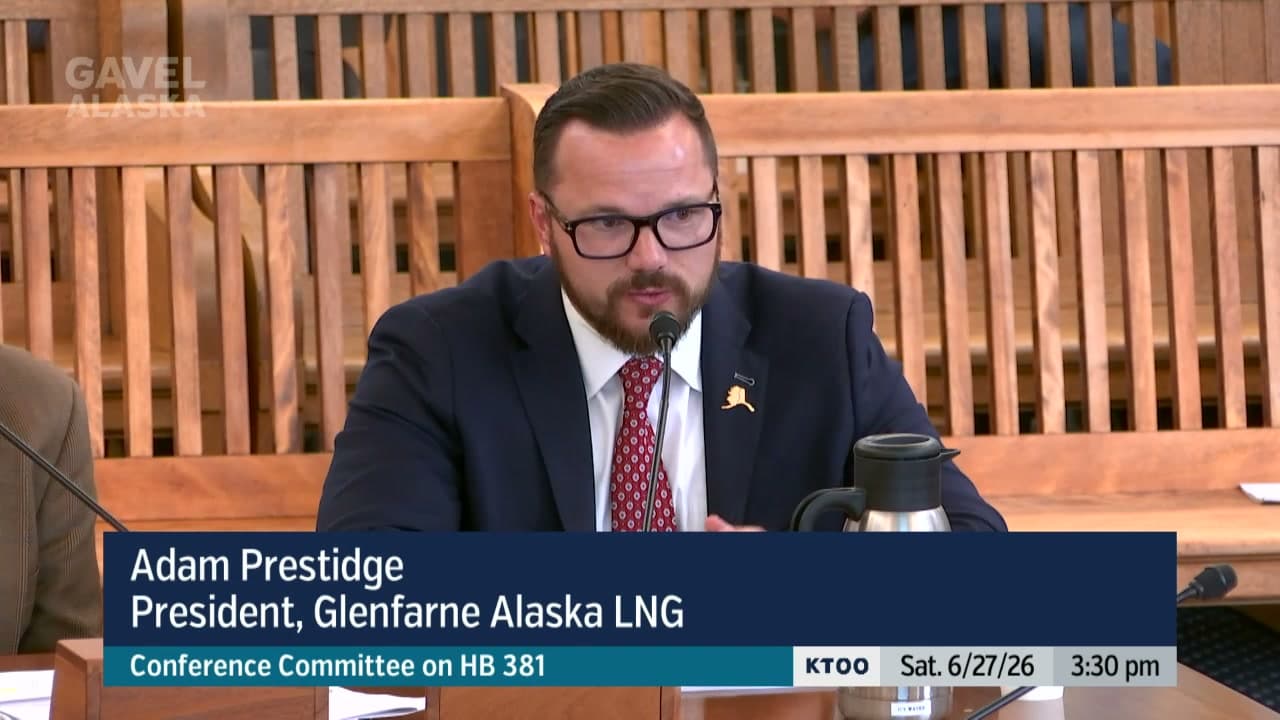
A leaked plan to fire Alaska's gas-line developer surfaces in Juneau
A confidential AGDC document describing how Alaska could remove Glenfarne as Alaska LNG's lead developer leaked, surfacing publicly at Friday's HB 381 hearing.
by Walter AlaskaNews3mo ago3 min read
Alaska's LNG tax break now hinges on a gas line to Fairbanks
A Senate Finance draft of HB 381 ties Alaska LNG's tax break to Glenfarne paying $80M, signing a labor deal, and building a gas spur line to Fairbanks.
by Walter AlaskaNews3mo ago1 min read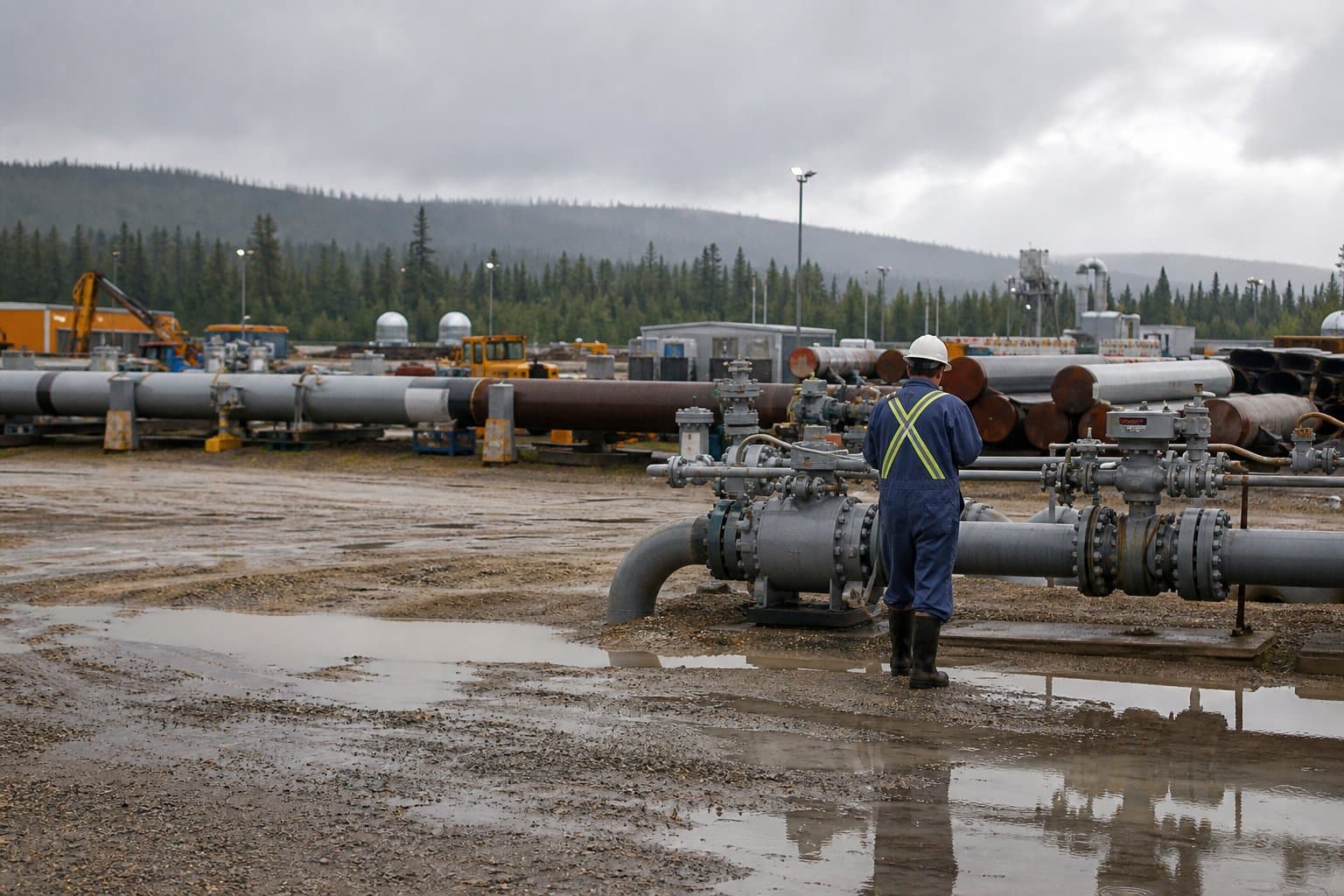
Chugach and Glenfarne Alaska LNG signed a non-binding LOI — a step, not a contract
Chugach Electric Association and Glenfarne Alaska LNG signed a non-binding letter of intent for North Slope gas delivery — one of several Chugach hedges
 by Maggie AlaskaNewsadded 3mo ago2 min read
Senate Finance demands Phase 1 pipeline math before Alaska LNG tax vote
Senator Bert Stedman pressed the Alaska Senate Finance Committee to obtain standalone Phase 1 pipeline economics before acting on Alaska LNG tax relief. The special session ends in four days.
by Walter AlaskaNews3mo ago2 min read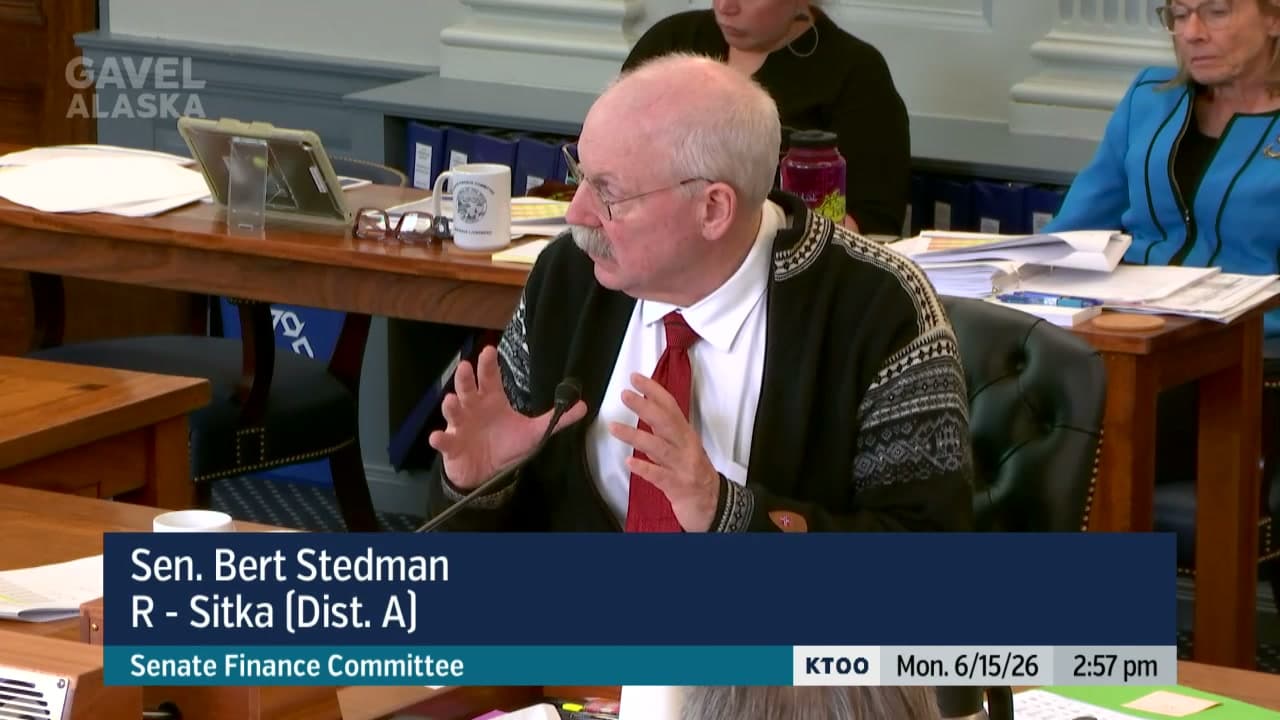
Alaska LNG developer says financing secured, eyes 2027 start
The developer behind the Alaska LNG project says financing is lined up and construction could begin in 2027. The timeline depends on the legislature approving a tax deal and regulators signing off on a gas supply agreement for Southcentral Alaska.
 by Alaska Newsadded 4mo ago2 min read
Alaska LNG nears Enstar supply deal as Cook Inlet gas declines
The Alaska LNG project is close to a gas supply agreement with Enstar Natural Gas that would deliver North Slope gas to Southcentral Alaska at prices below imported LNG. The deal awaits regulatory approval before the 807-mile pipeline can move to financial close.
by Alaska Newsadded 4mo ago3 min read
Alaska keeps veto power over LNG project despite 25% stake
The Alaska Gasline Development Corporation can block major decisions in the Alaska LNG joint venture despite owning only a quarter of it. The unusual arrangement protects state priorities including gas reserved for Alaska customers and rate structures that favor residential users.
by Walter AlaskaNews4mo ago2 min read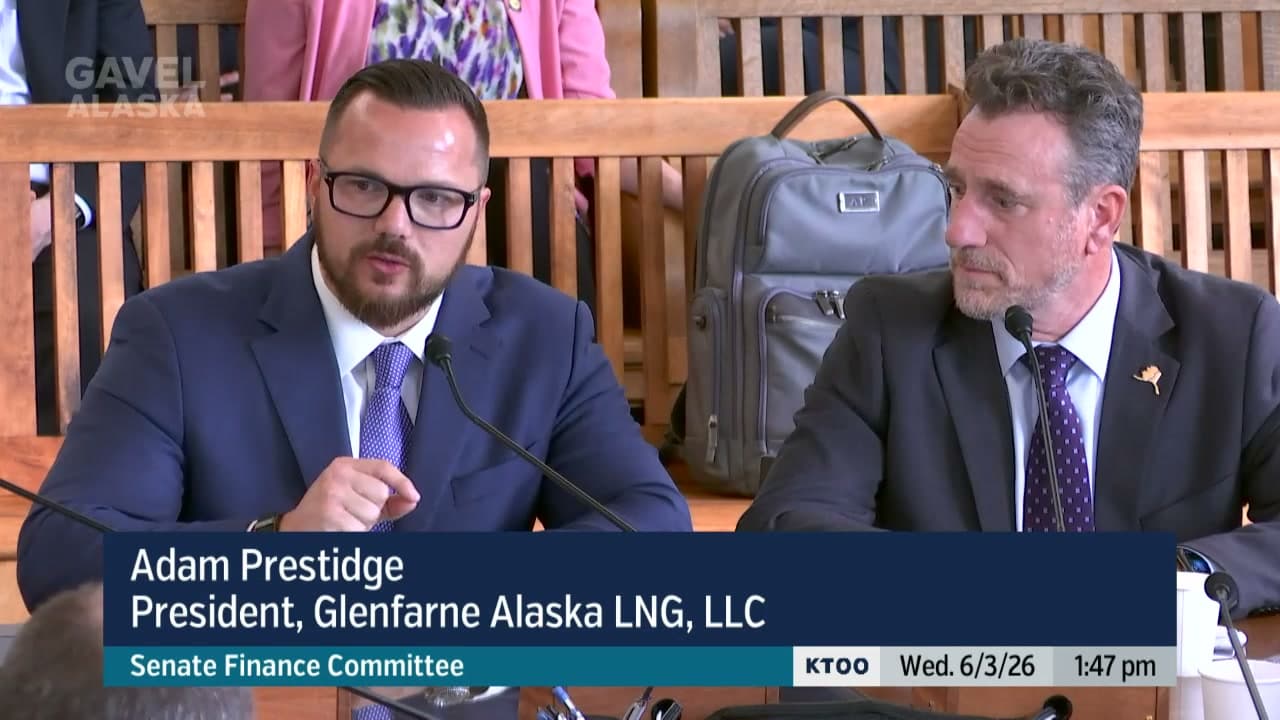
Alaska LNG tax bill ties $26.5B in revenue to volume, not value
SB 2001 proposes an Alternative Value Tax that calculates state and local revenue based on gas volume pumped rather than property valuation, a fundamental shift from Trans Alaska Pipeline taxation that the Senate Republican Caucus says is necessary to avoid litigation and secure project financing.
by Walter AlaskaNews4mo ago2 min read
Roundup: Alaska energy conference closes with pipeline financing, record lease sale, and economic freedom debate
The Alaska Sustainable Energy Conference wrapped Thursday in Anchorage with Glenfarne announcing financing proposals for the Alaska LNG pipeline, a record federal lease sale in the National Petroleum Reserve, and a closing keynote framing energy development as economic freedom.
by Walter AlaskaNews4mo ago4 min read
Alaska LNG Project Shifts Focus to In-State Gas, Delays Export Phase
Glenfarne Group CEO says Alaska LNG project now prioritizes in-state gas supply over international exports, with no timeline given for the export phase.
by Walter AlaskaNews4mo ago3 min read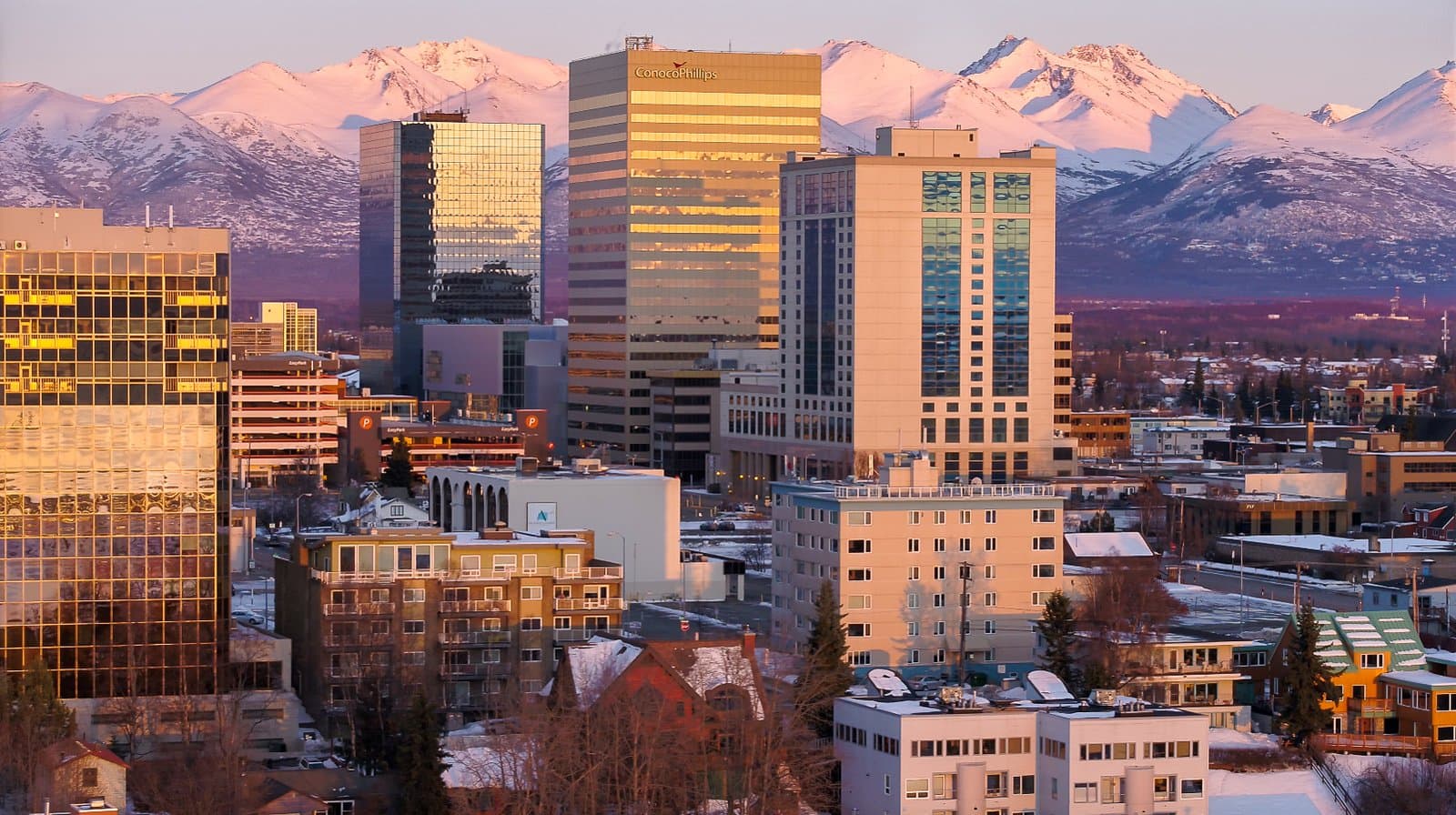
Alaska LNG project secures financing proposals, targets 2027 construction start
Glenfarne Group CEO Brendan Duval announced Tuesday that the Alaska LNG project has received financing proposals from global banks to build the domestic pipeline, with construction targeted for early 2027 and gas delivery by late 2029, pending legislative tax approval and regulatory clearance.
by Walter AlaskaNews4mo ago2 min read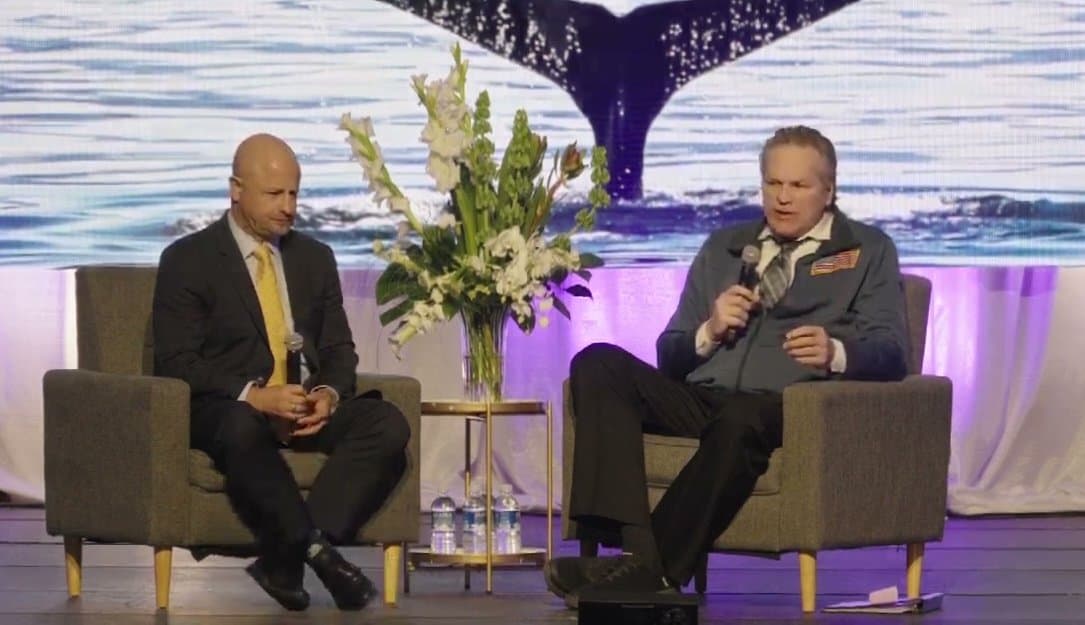
Alaska Energy Conference Highlights Gas Pipeline Progress Amid Legislative Tax Debate
The Alaska Sustainable Energy Conference showcased progress on the Alaska LNG project while the legislature debated competing tax frameworks for the pipeline. Inside: SB 280, consumer-cost concerns, the critical-minerals permitting gap, AI data centers, and rural Alaska's $6.63 gasoline.
by Walter AlaskaNews4mo ago4 min read
Alaska News Roundup: Gas pipeline tax fight, Point Thomson trade-off, and McNeil River access debate
This episode covers the week's major Alaska stories: a gas pipeline tax bill that added oil tax increases, the Point Thomson condensate trade-off for pipeline gas, Mount Edgecumbe enrollment crisis, and McNeil River bear sanctuary access proposals.
by Walter AlaskaNews4mo ago3 min read