Fisheries
RSSGeneral fisheries policy, regulation, and management: ADF&G emergency orders, run-timing reports, harvest closures, fishery openings, sustainable-yield rulings, and Board of Fisheries decisions affecting multiple fleets.
House District 36 candidates back trawling limits at Tanana Chiefs forum
Rep. Rebecca Schwanke and challenger Crystal Jones both called for limits on trawling at a Tanana Chiefs Conference forum, and laid out ways to cut rural costs.
 by Maggie AlaskaNews22h ago1 min read
Bering Sea pollock assessment moves to near-infrared aging, with microscopes as a check
Bering Sea pollock scientists are switching to near-infrared scans that age a fish ear bone in under a minute. Aging staff capacity is down about 40%.
 by Bill AlaskaNews5d ago1 min read
El Niño Kelvin wave moves up the West Coast; past ones have reached Alaska
An El Niño Kelvin wave is moving up the West Coast. Past ones have reached Alaska, but NOAA hasn't said whether this one will. Two Alaska gauges show no rise.
 by Alaska News5d ago4 min read
Craig and Klawock winter herring bait fishery opens Wednesday before harvest limit is set
Craig and Klawock winter herring bait fishery opens Wednesday, Oct. 7, six days later than last year and before the state sets a harvest limit.
 by Walter AlaskaNews1w ago2 min read
Kenai silver salmon derby canceled over unclear coho run data
Kenai Chamber canceled the 2026 Silver Salmon Derby over unclear coho run data, and Fish and Game cut the daily coho limit to two fish through November.
by Walter AlaskaNews1w ago1 min read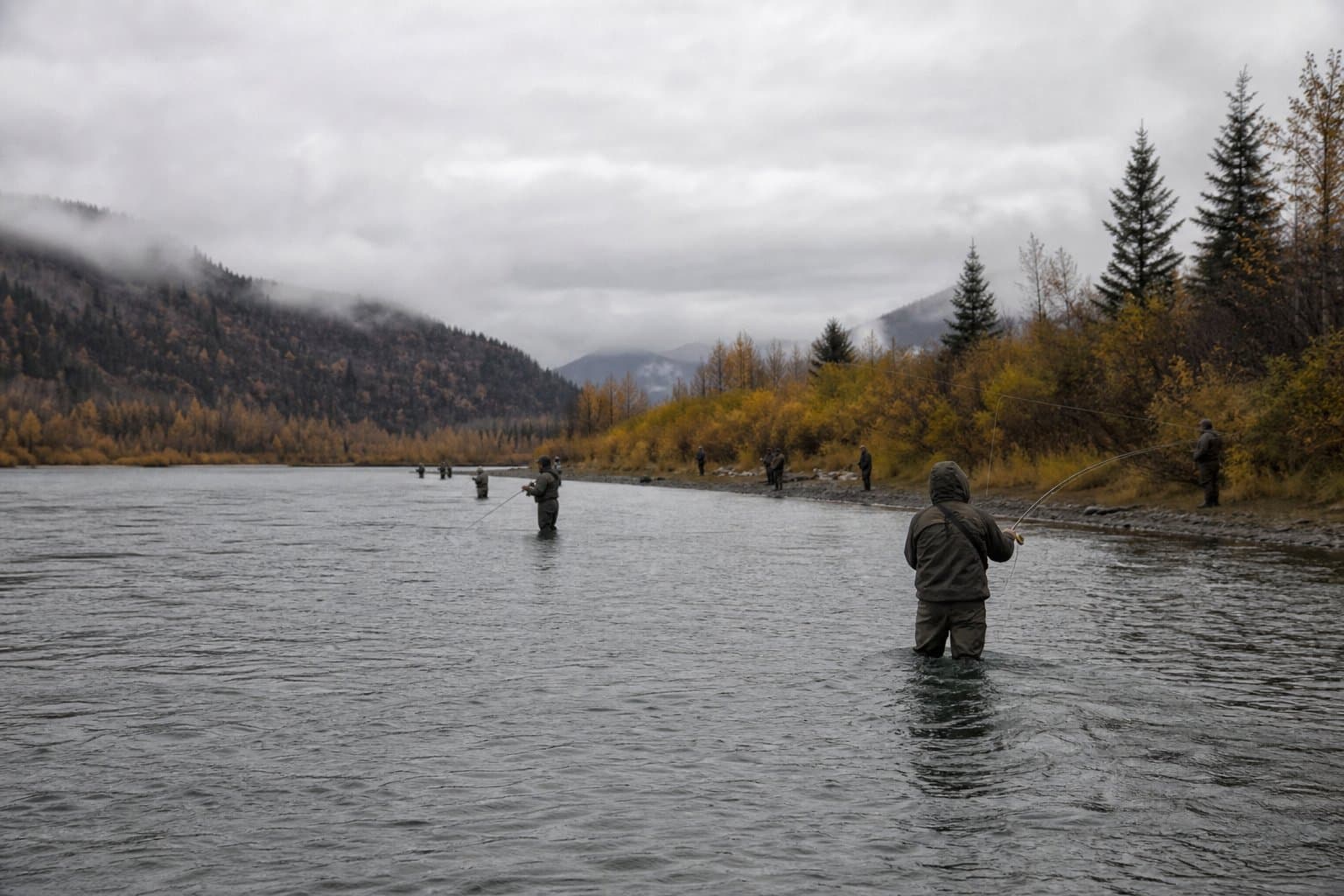
Fish and Game proposes flagging struggling salmon runs a year earlier so the public can weigh in
Alaskans often get the state's plan for a struggling salmon run too late to weigh in. Fish and Game wants to flag troubled runs a year earlier instead.
by Bill AlaskaNews2w ago2 min read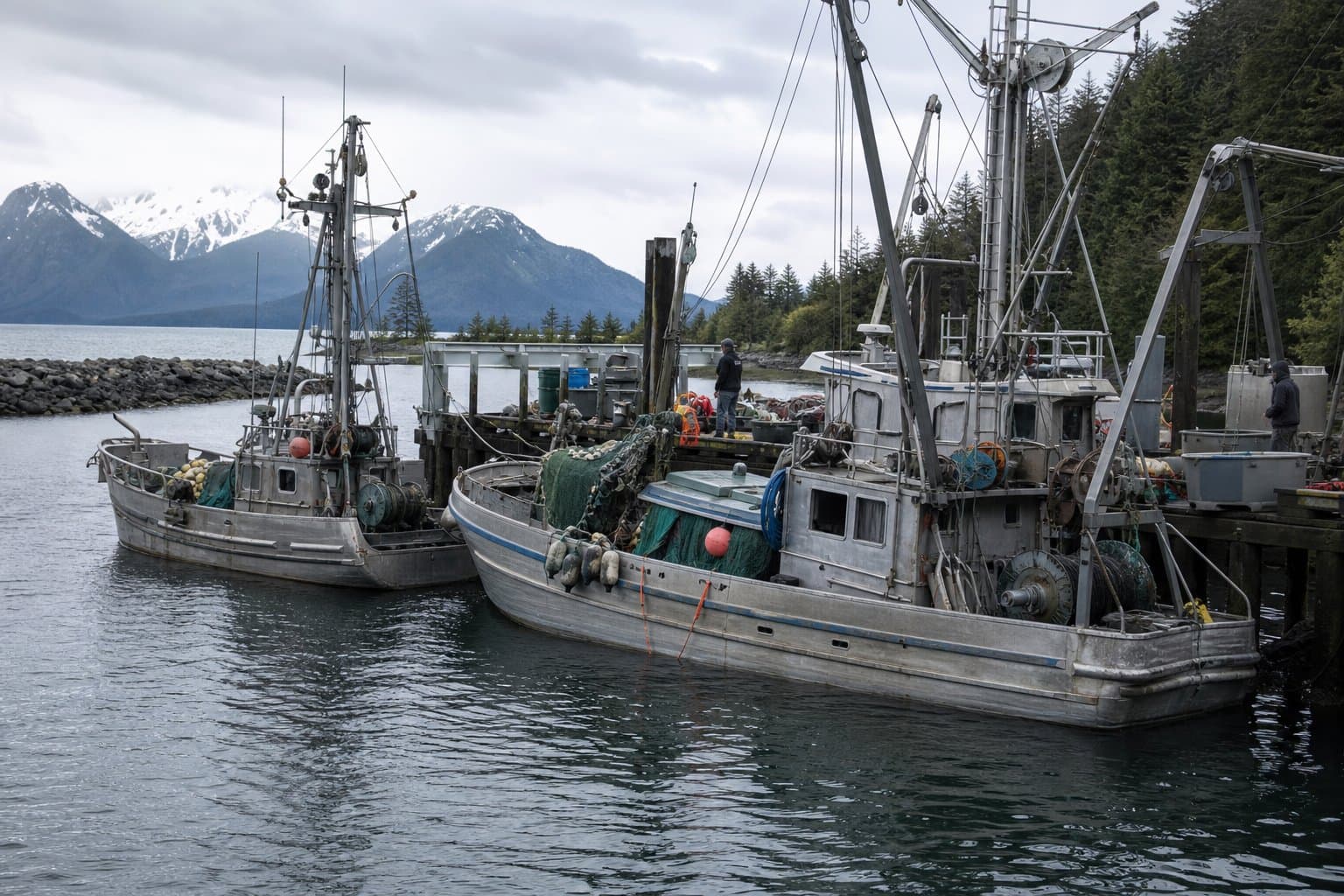
Halibut commission staff propose letting AI read half of the fish earbones behind catch limits
The halibut commission wants a neural network to read half its fish earbones. It's cheaper by a factor of ten, and it thinks old fish are young.
by Bill AlaskaNews2w ago2 min read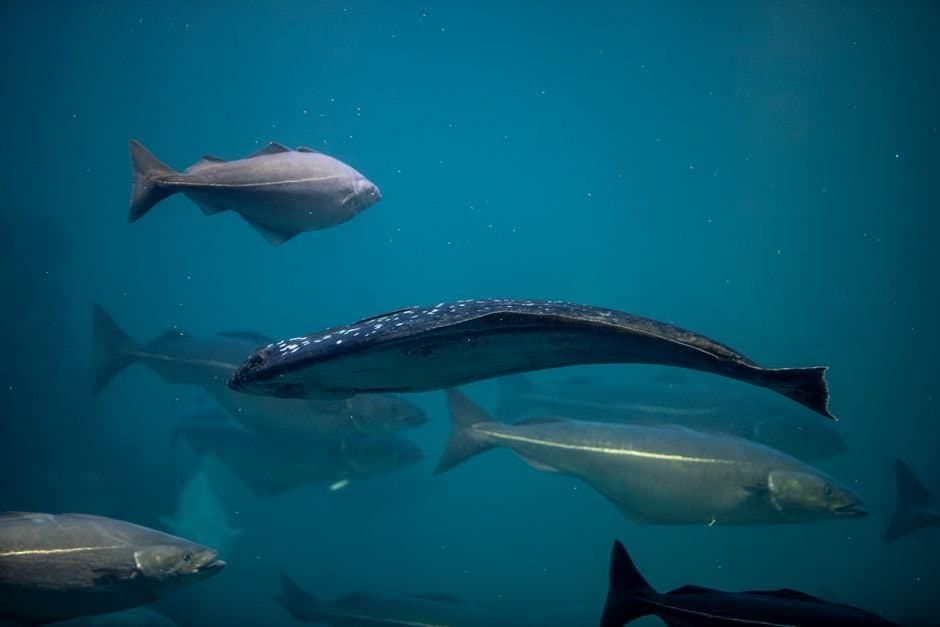
Tanana subsistence and personal use fishing goes 24 hours
Tanana River subsistence fishing opens to full gear around the clock Tuesday, after six straight years of restrictions on a fall chum run that came back.
by Bill AlaskaNews3w ago2 min read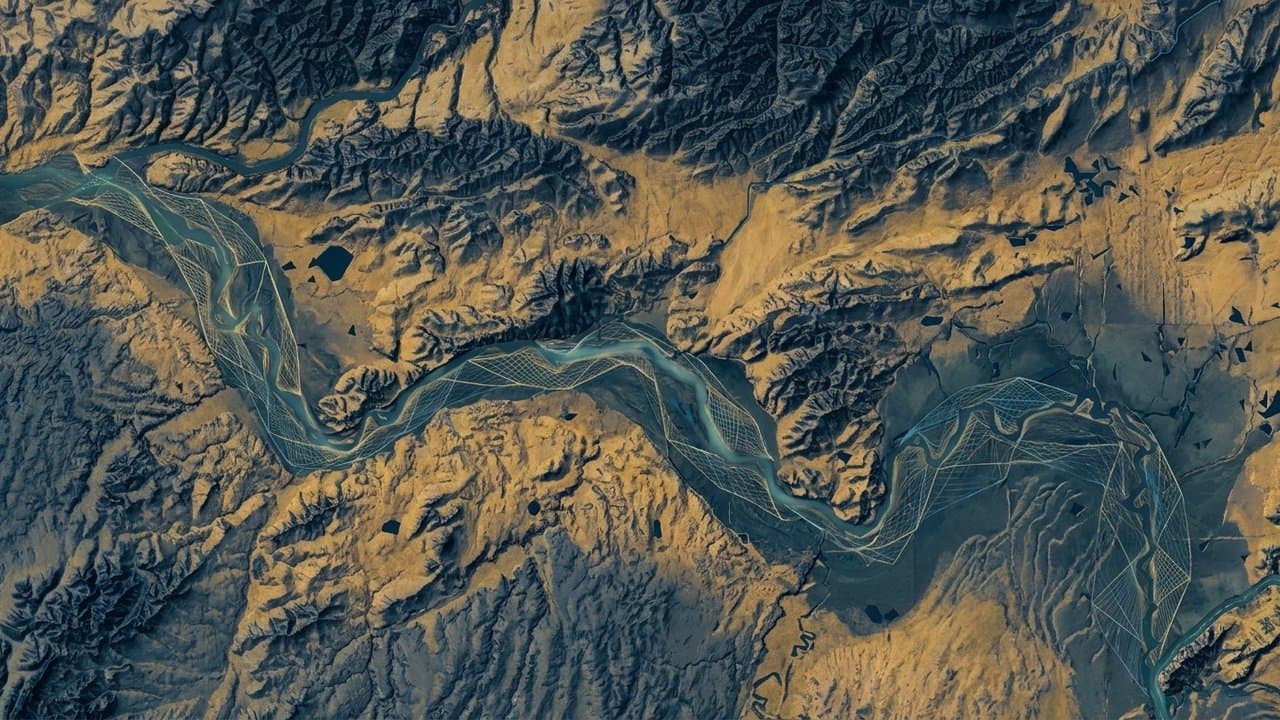
Kuskokwim closures lifted because the coho run ended, not because it recovered
Six weeks of Kuskokwim subsistence closures lifted Friday, not because the coho finally came back but because the run is over for the year.
by Walter AlaskaNews3w ago2 min read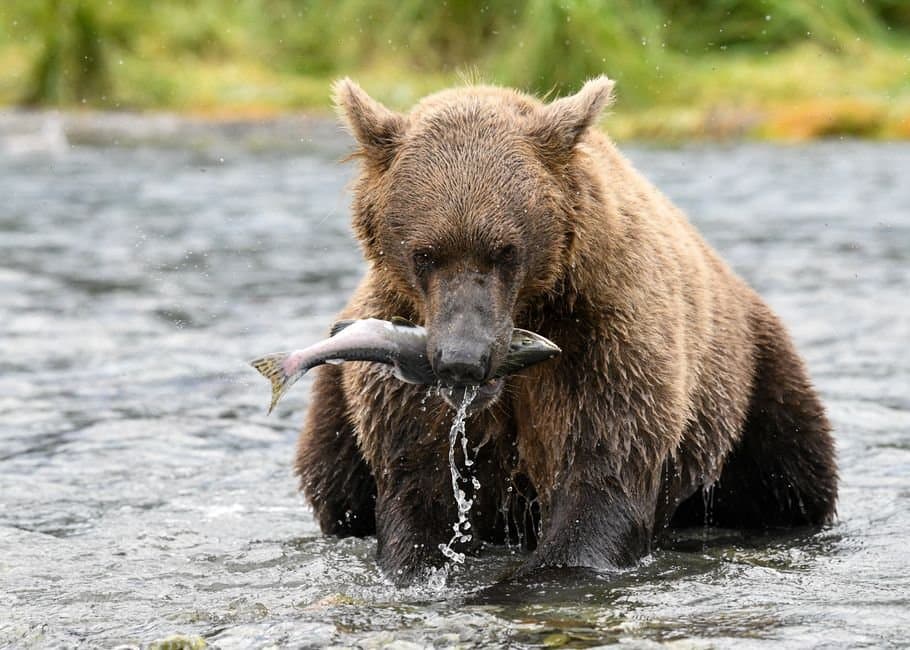
Fish board committee to review Traditional Knowledge report process Sept. 25
Fish board members will review how Traditional Knowledge reports are handled Sept. 25. The notice proposes no change to Traditional Knowledge's place in regulation.
by Bill AlaskaNews3w ago1 min read
Prince William Sound noncommercial shrimp fishery will not reopen in 2026
Prince William Sound shrimpers got about five weeks this year and the commercial fleet got none. The state hasn't published a reason for the closure.
by Bill AlaskaNews3w ago2 min read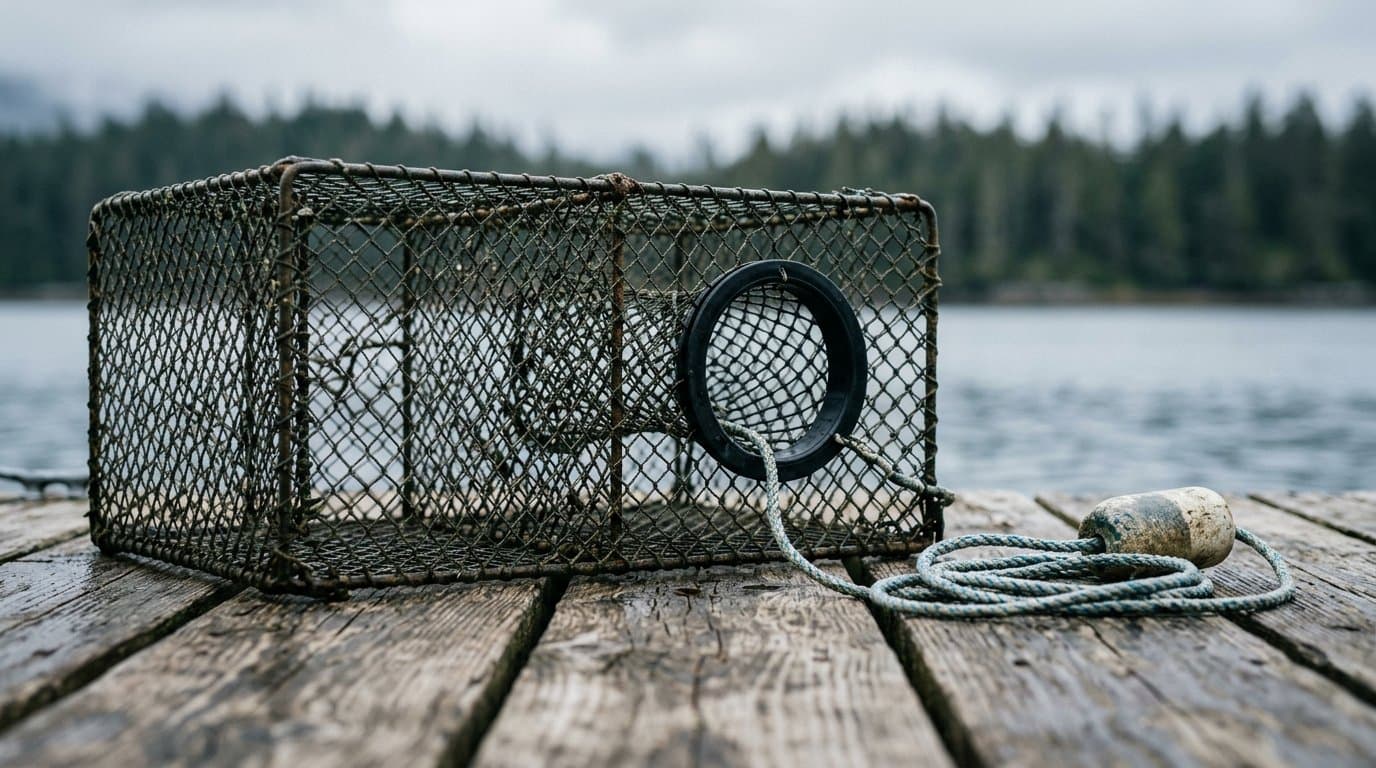
The state's analysis of Alaska's first crab hatchery says it would add little
Alaska's first crab hatchery wants a permit. The state's own analysis says the crab it releases would likely make no measurable difference to the fishery.
by Walter AlaskaNews4w ago5 min read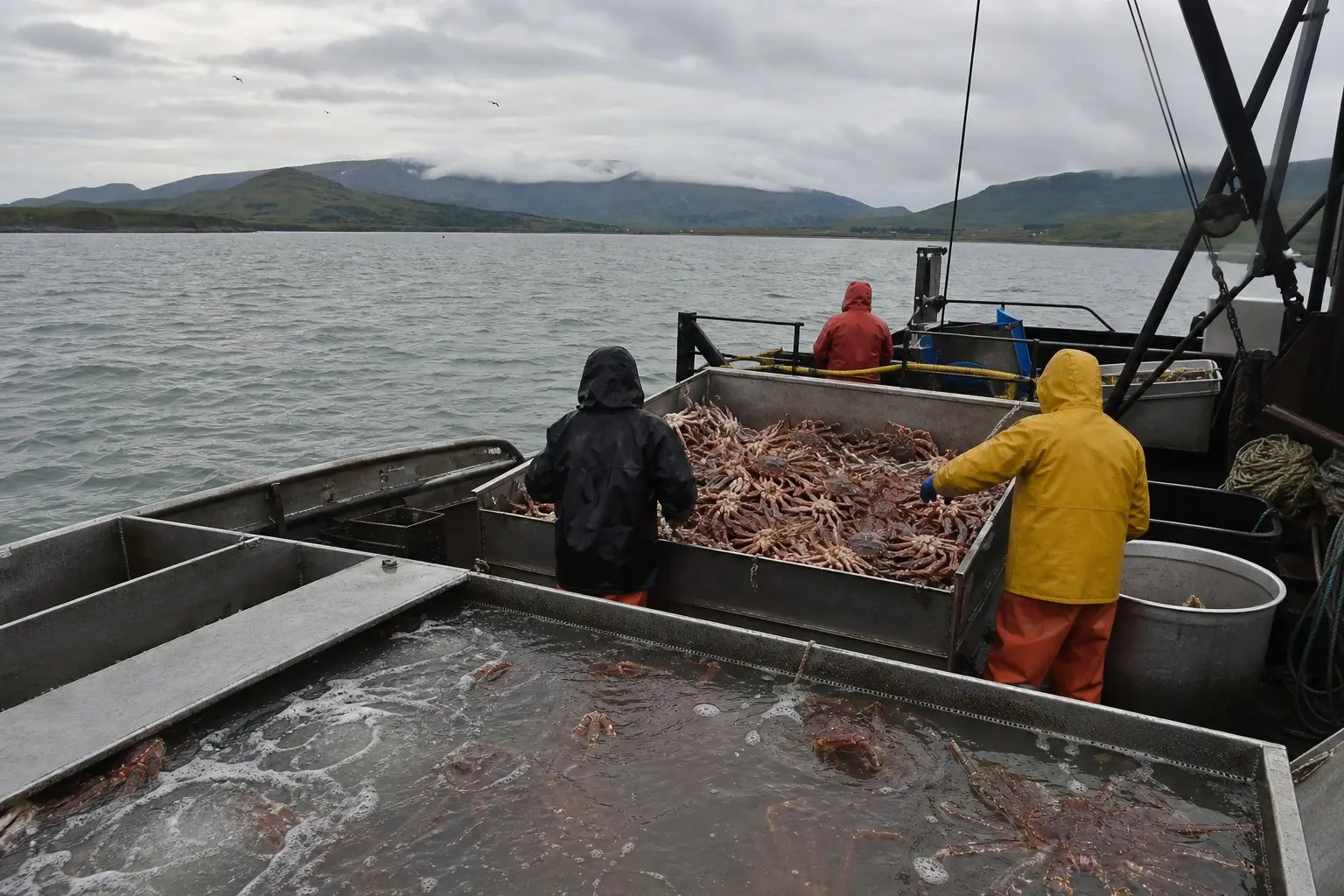
Subsistence salmon fishing reopens on the Tanana and Yukon after closures
Subsistence salmon fishing is reopening on the Tanana and Yukon rivers after a summer of closures, as the runs recover — though the long decline isn't over.
by Maggie AlaskaNews1mo ago1 min read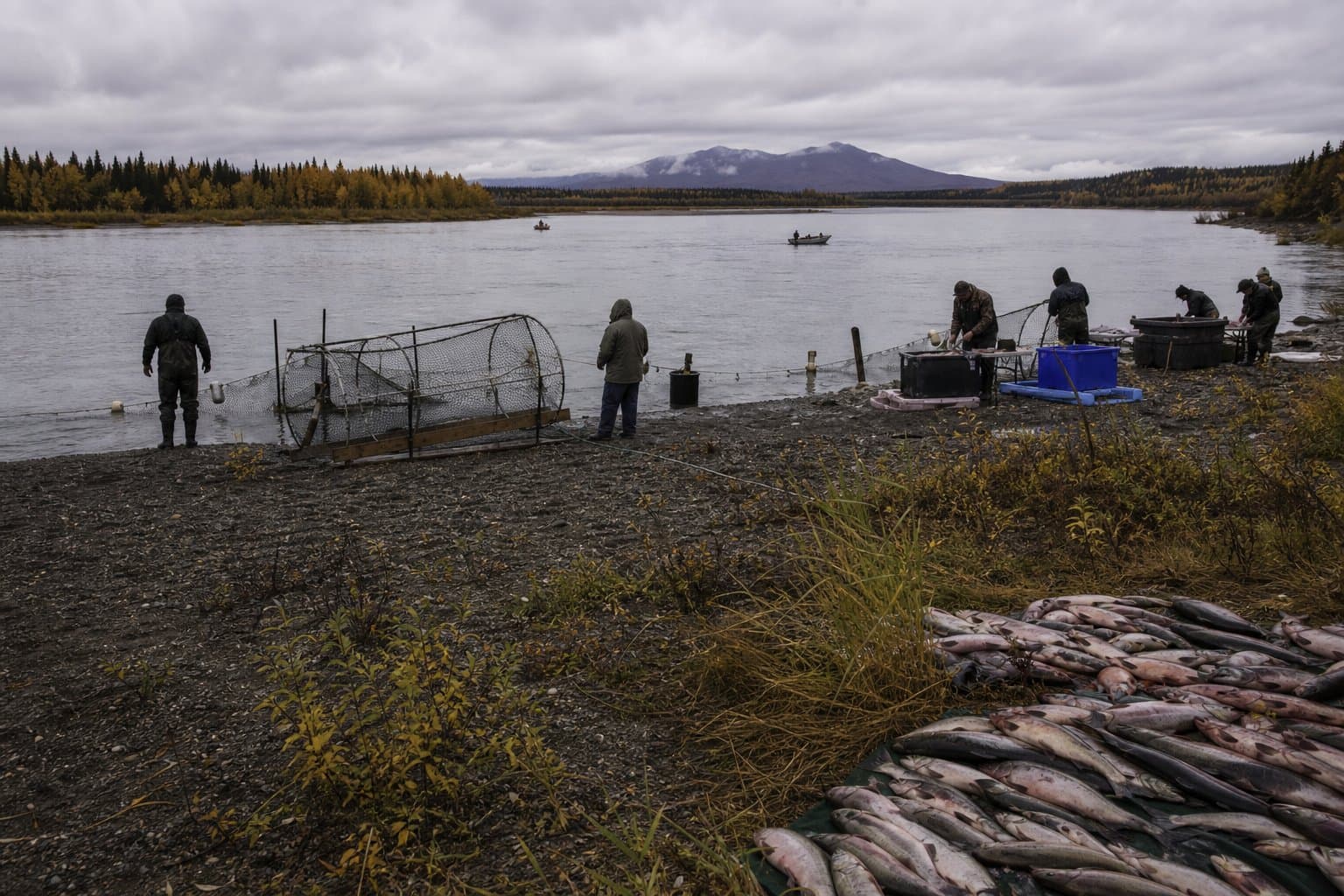
Gubernatorial candidates split on Board of Fisheries overhaul
Proposals range from expanding the board to nine or eleven members to stricter recusal rules and industry-conflict guidelines.
by Walter AlaskaNews1mo ago2 min read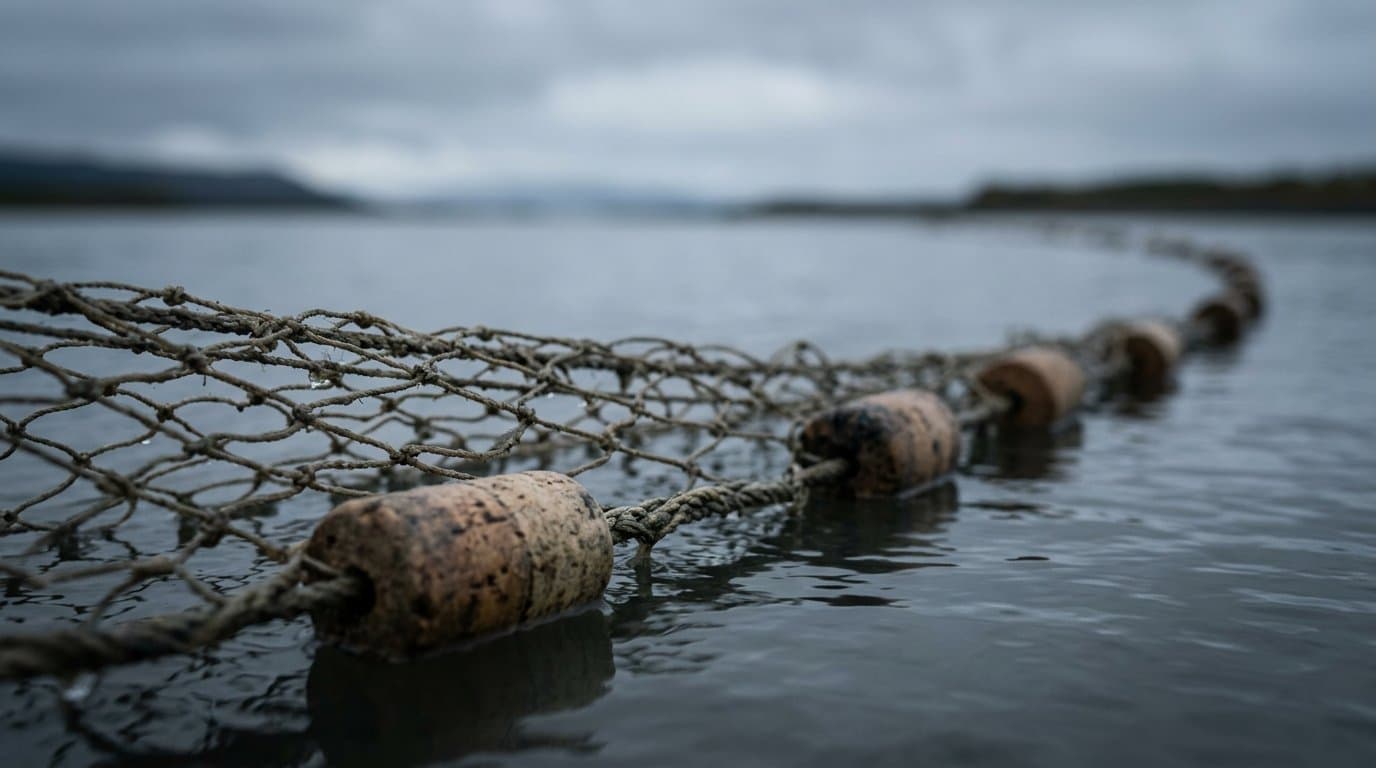
Kodiak's silver salmon are stacking up at the Buskin, waiting for rain
Kodiak's silver salmon are piling up at the mouth of the Buskin River, waiting for rain to move upstream — with only about 500 counted so far this season.
by Bill AlaskaNews1mo ago2 min read
Volunteers are replanting a mining-scarred creek, and last year's willows lived
Volunteers replanted a mining-scarred creek near Fairbanks last year and the willows took. They are going back Sept. 26 to plant more for the grayling.
by Maggie AlaskaNews1mo ago1 min read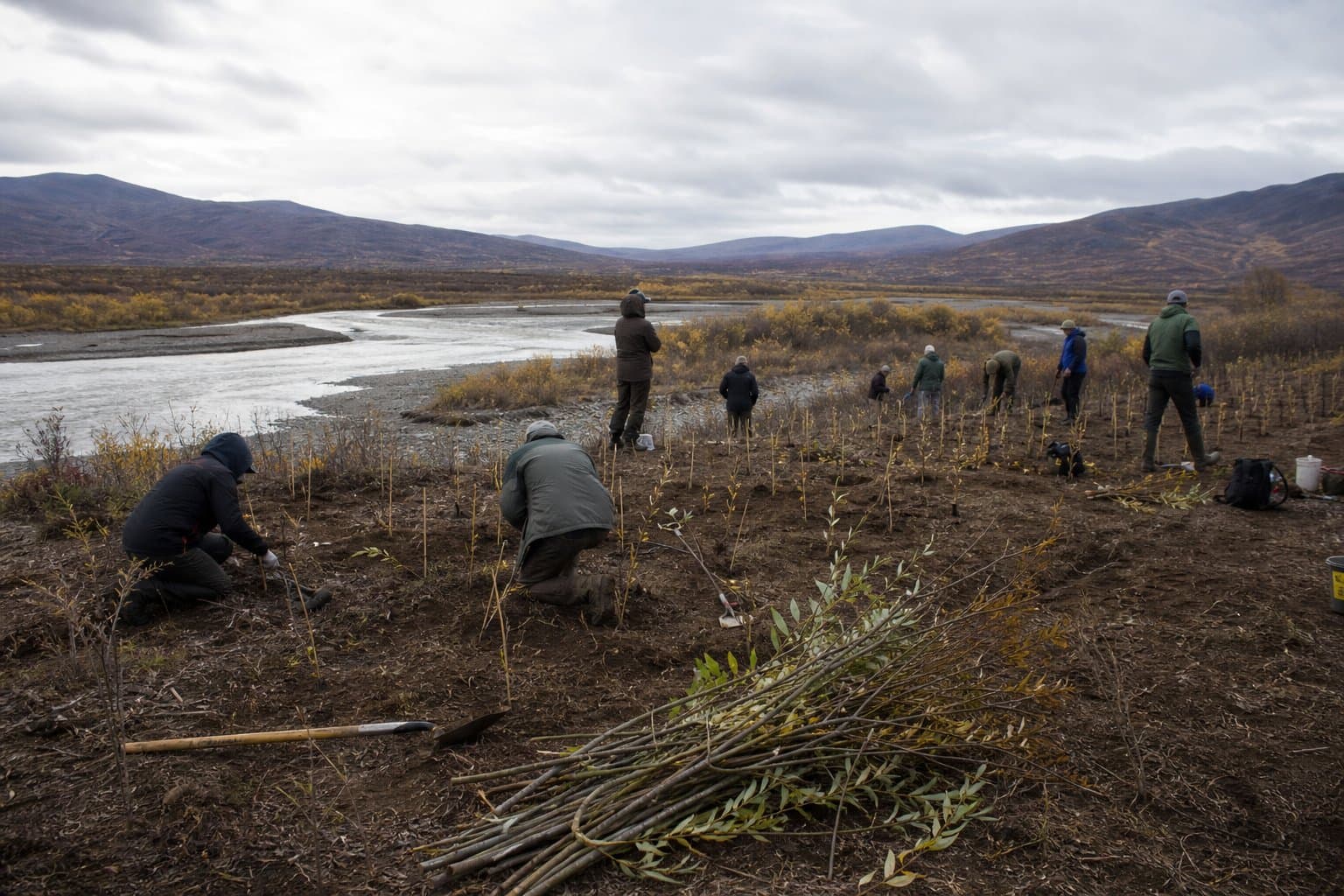
NOAA will stop briefing Alaska tribes before every council meeting
NOAA Fisheries will stop briefing Alaska tribes before every North Pacific council meeting, citing a substantial drop in staff since 2025.
by Maggie AlaskaNews1mo ago1 min read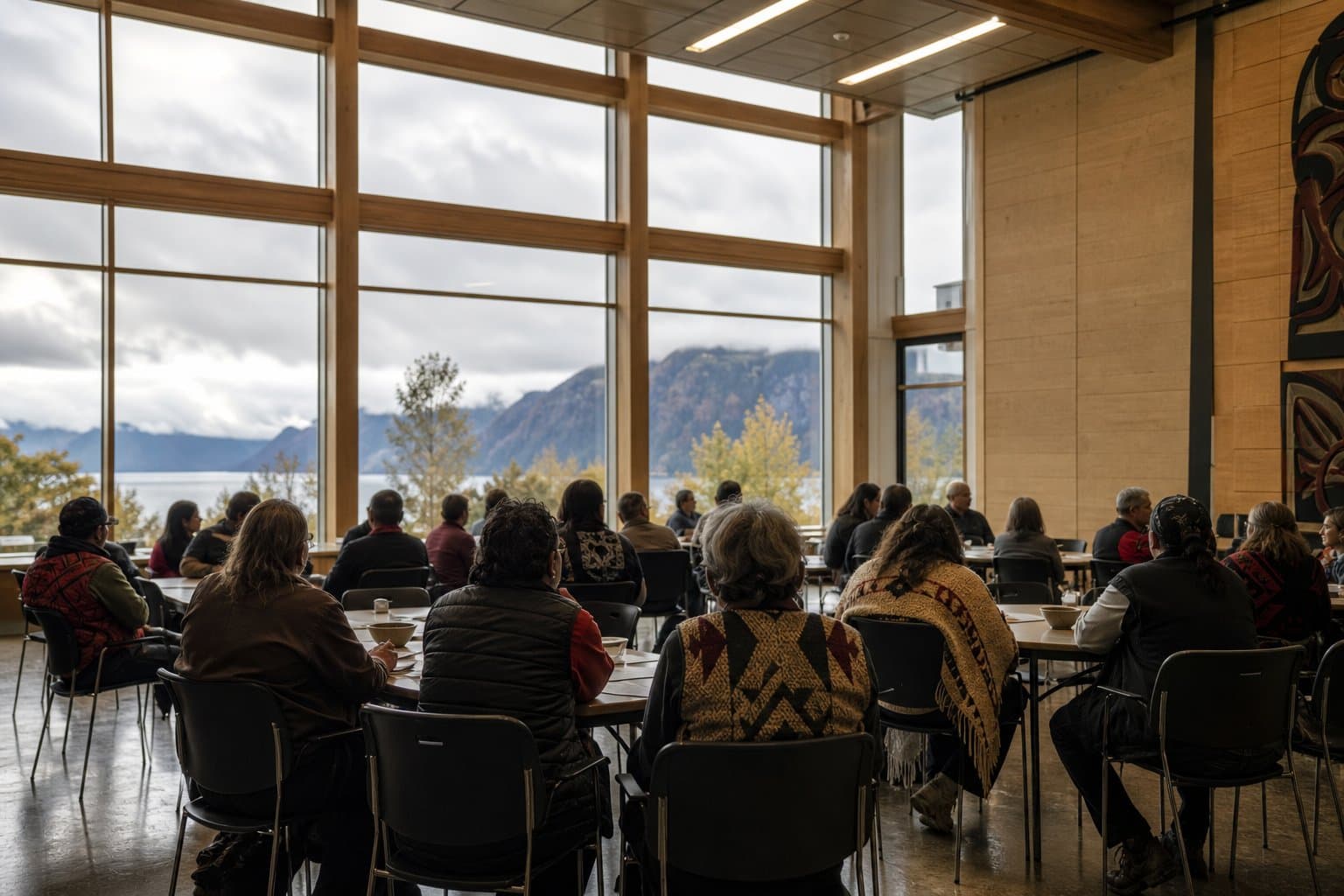
Razor clam permit still required on Cook Inlet as September digging season runs on
Cook Inlet razor clam diggers need a subsistence permit, not the new household permit, to harvest legally this season, and east side beaches stay closed through 2027.
by Bill AlaskaNews1mo ago1 min read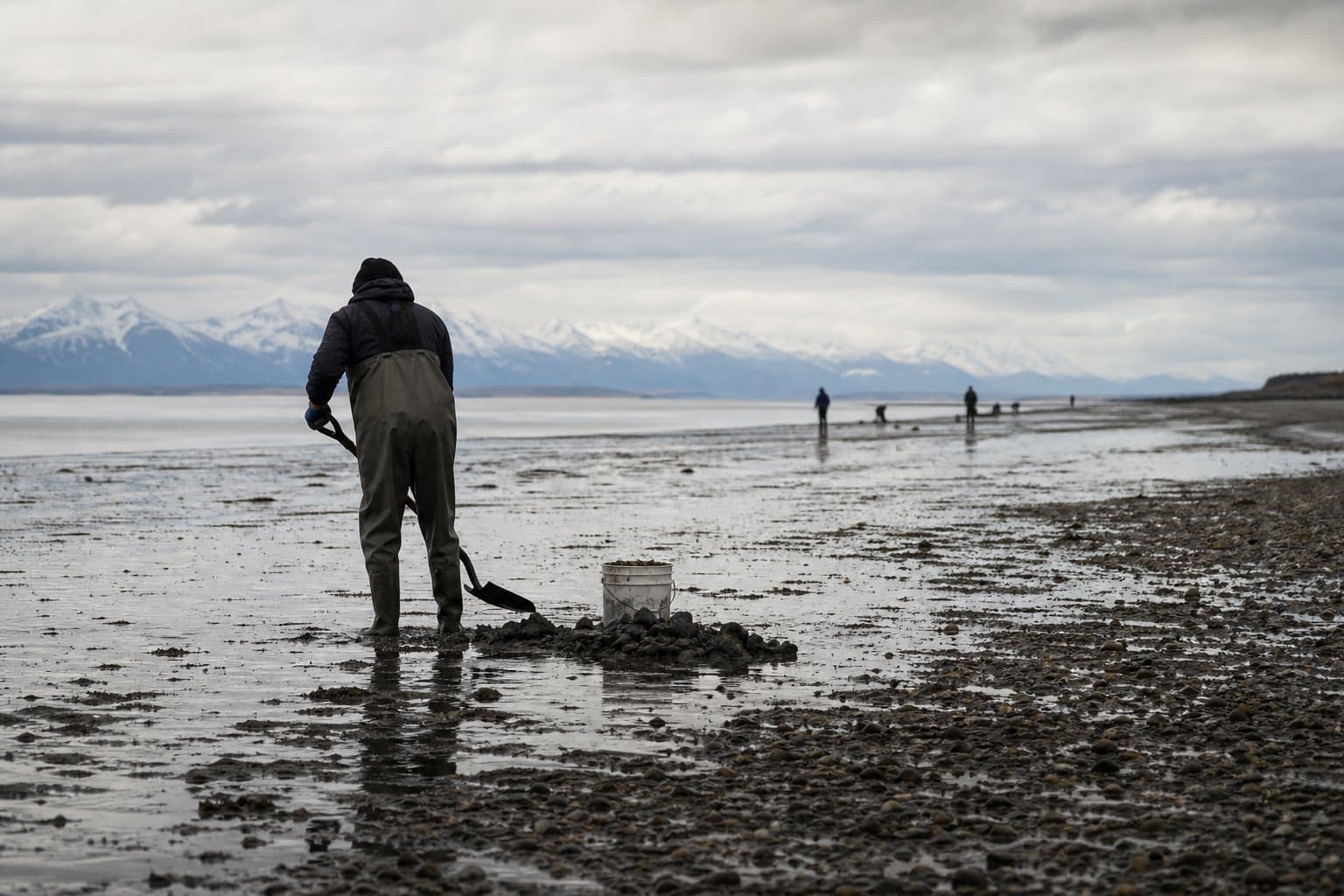
NOAA maps out how new tools enter Alaska's fish surveys
Bering Sea fish have moved 19 miles north since the 1980s. NOAA has published a plan for updating the surveys that set Alaska's catch limits.
by Bill AlaskaNews1mo ago2 min read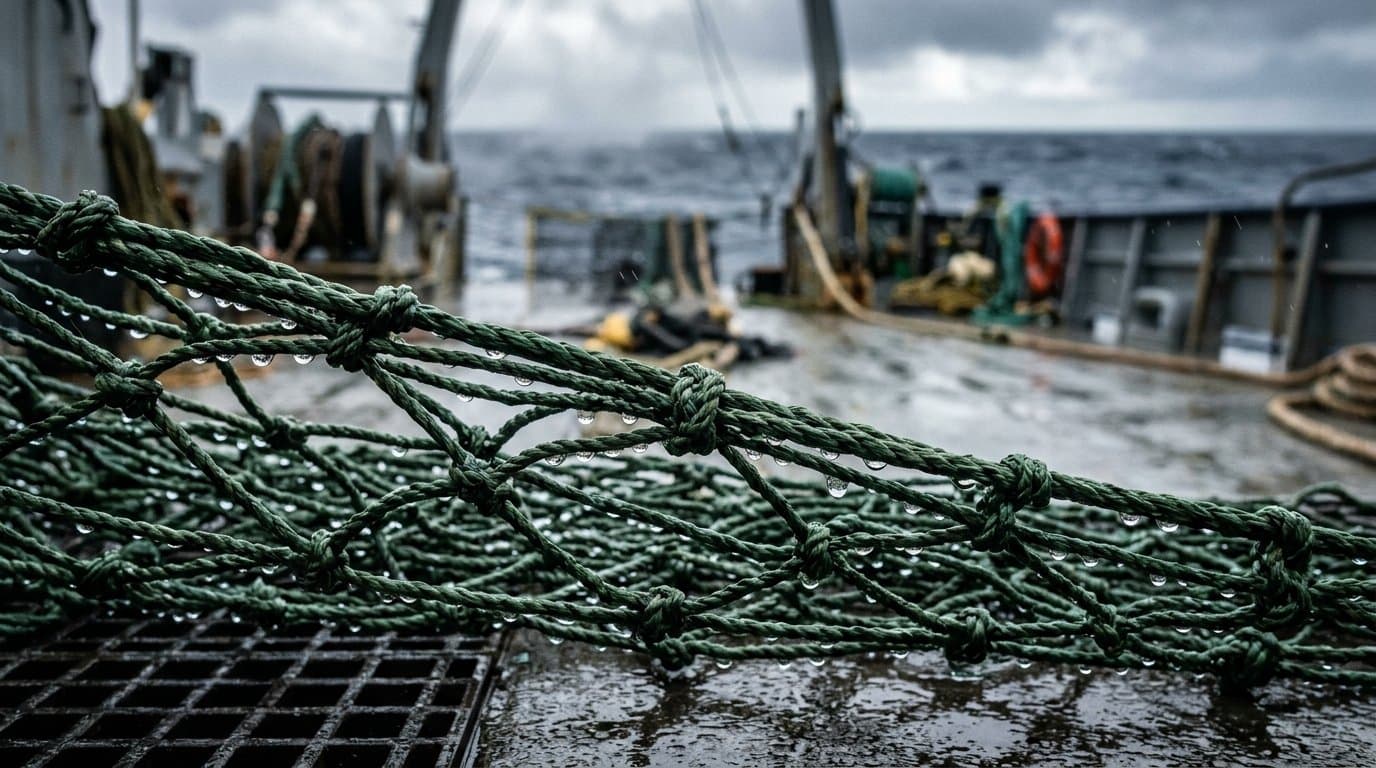
Copper River dipnet and subsistence fishing runs through Sept. 30
Copper River dipnetters have until Sept. 30 to fish, closing out a below-average sockeye year — and the river gauge is down, so check conditions first.
by Bill AlaskaNews1mo ago1 min read
Strong chum run opens Tanana coho fishing and more gear this weekend
Fairbanks-area personal use fishers can now use gillnets and keep coho salmon starting Friday, Sept. 4, after the state projects a strong fall chum run above target escapement.
by Bill AlaskaNews1mo ago1 min read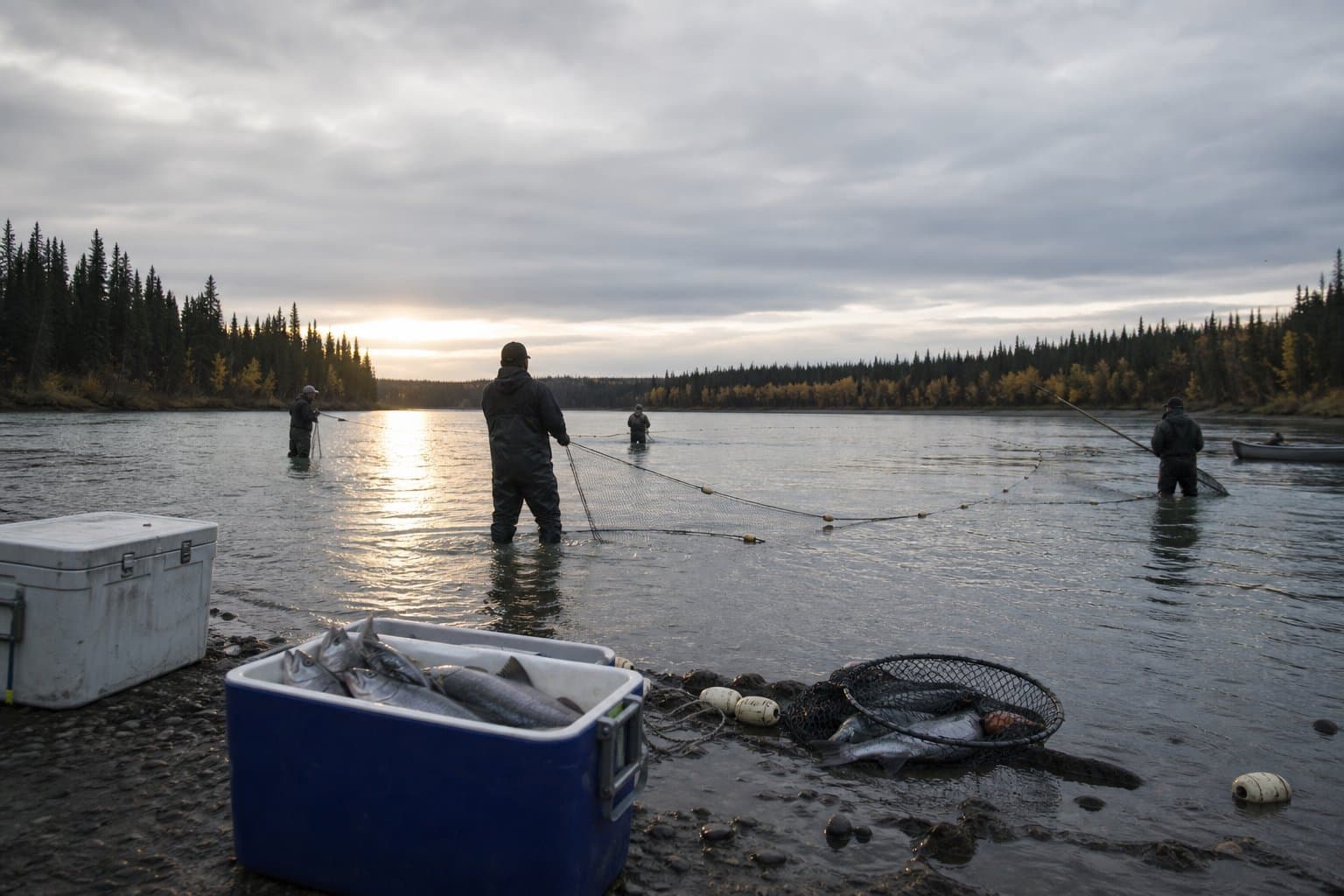
Fairbanks's chum salmon fishery reopens on the Tanana on Friday
Fairbanks-area households can fish for chum salmon on the Tanana again starting Friday, after a strong Yukon run — but coho must be released and limits apply.
by Bill AlaskaNews1mo ago2 min read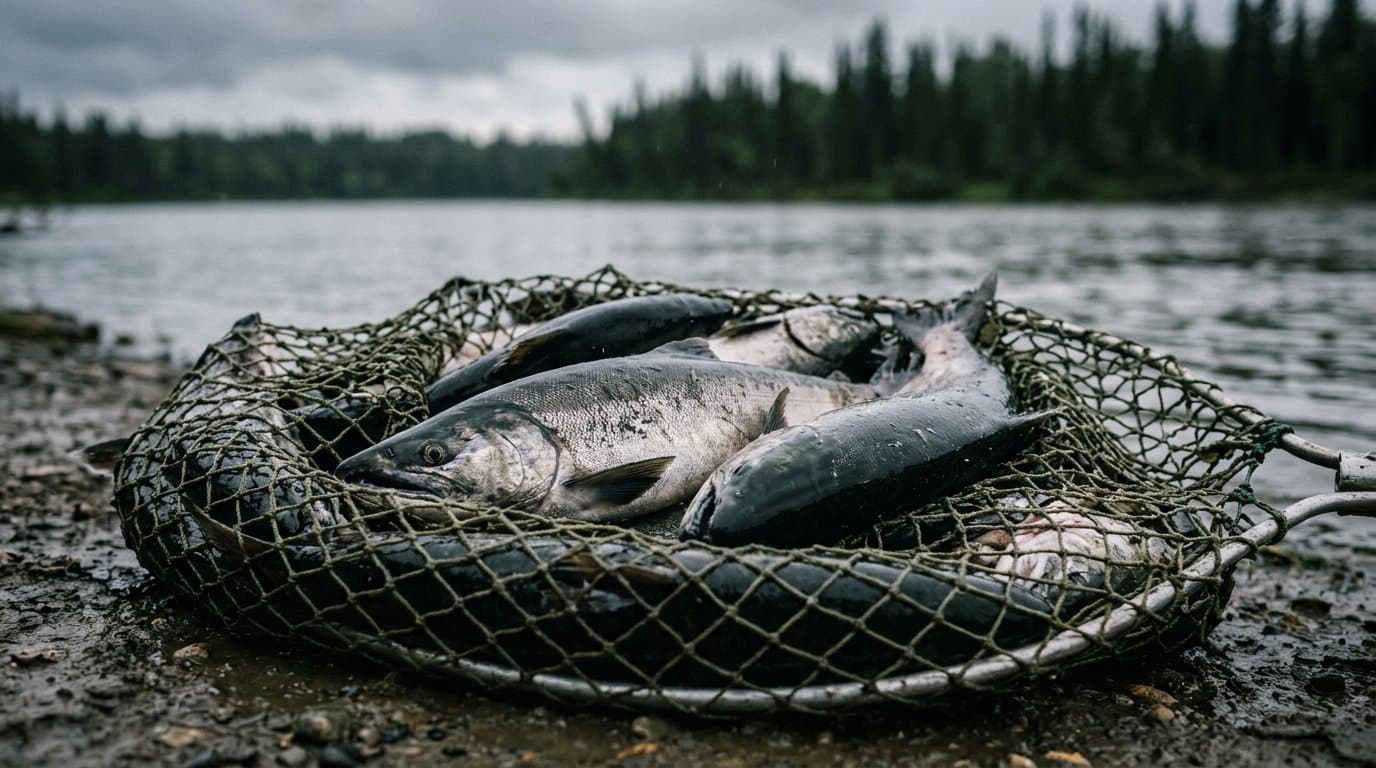
Yukon families get chum back, but only in the tributaries
Yukon families can take chum again, but only in the tributaries. The mainstem carries the Canadian-origin run, projected far below its border goal.
by Bill AlaskaNews1mo ago1 min read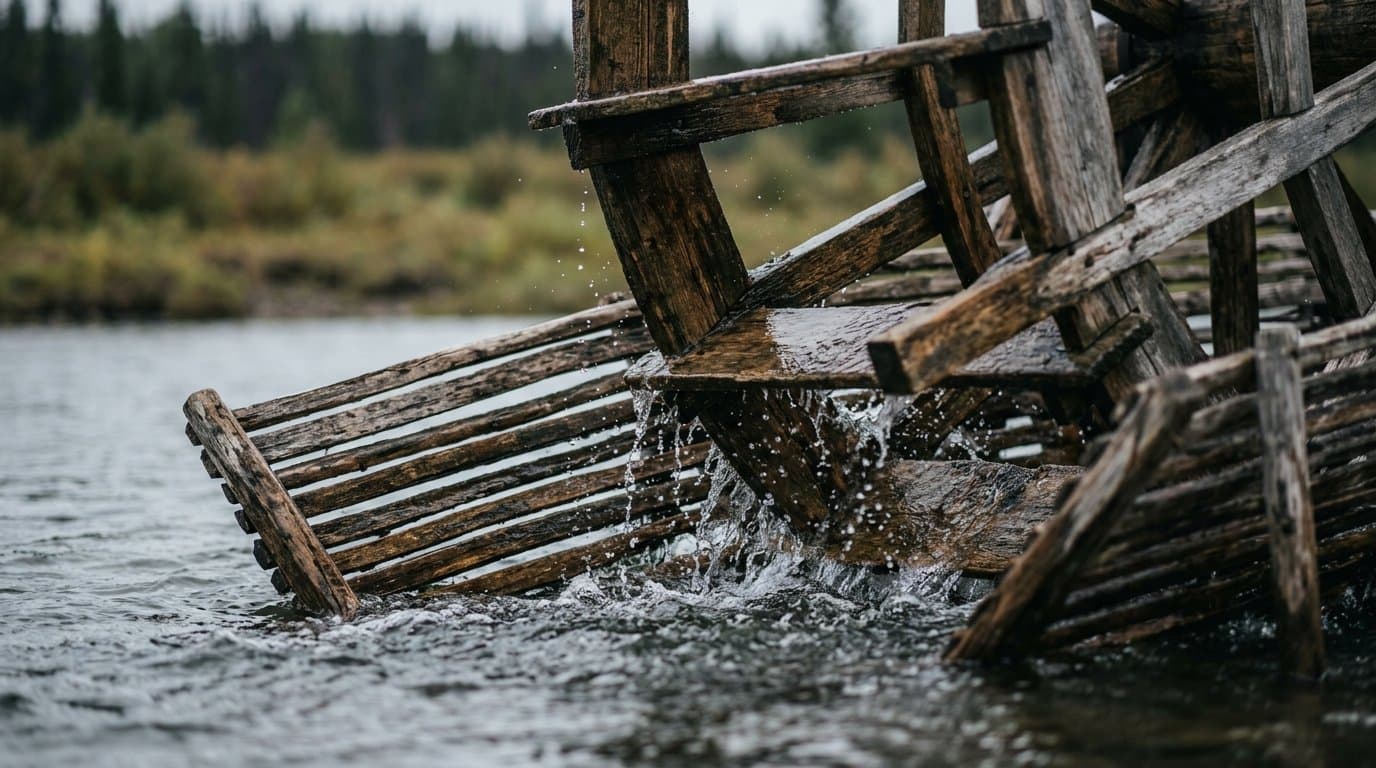
As the Chena's king salmon collapse, Fairbanks debates how wide a riverfront buffer to require
Fairbanks is rewriting its Chena riverfront plan, weighing how wide a streamside buffer to require — as the river's kings collapse and property owners watch.
by Maggie AlaskaNews1mo ago2 min read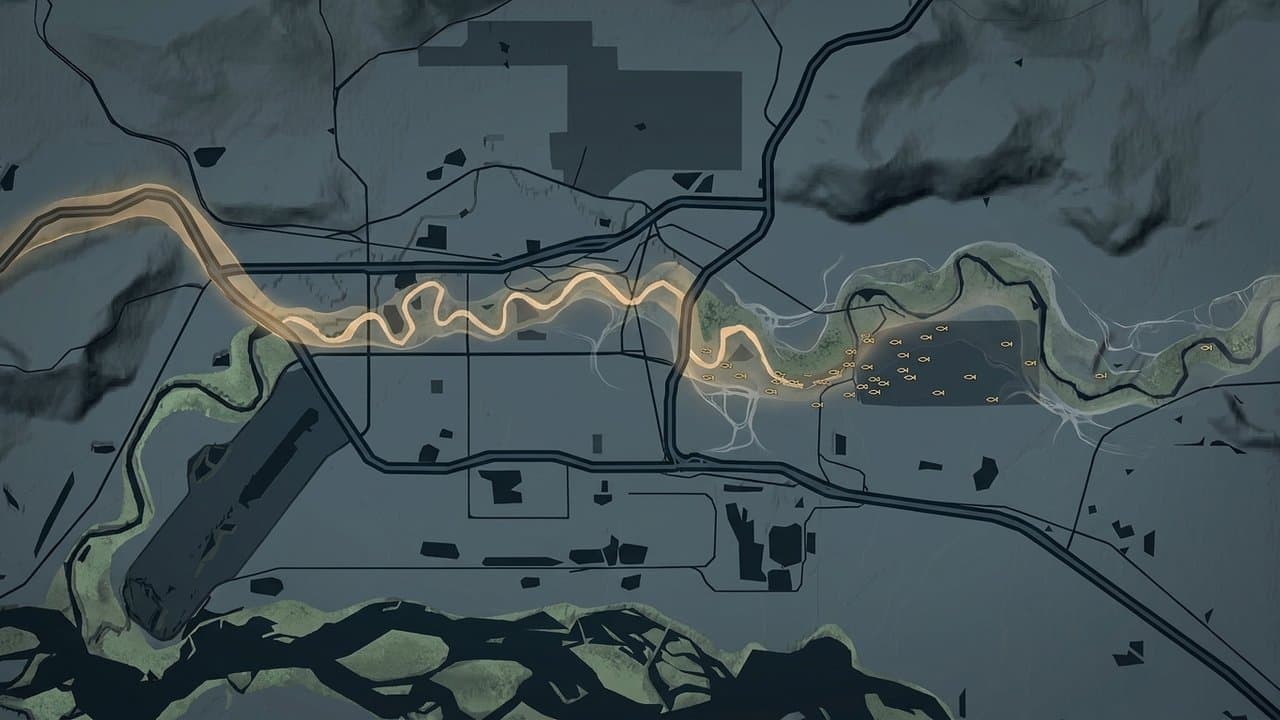
East Cook Inlet clam beaches stay closed; the west side is the option
The razor clam beaches Alaskans could drive to are still closed. What's left this season is across Cook Inlet, reachable only by boat or plane.
by Bill AlaskaNews1mo ago2 min read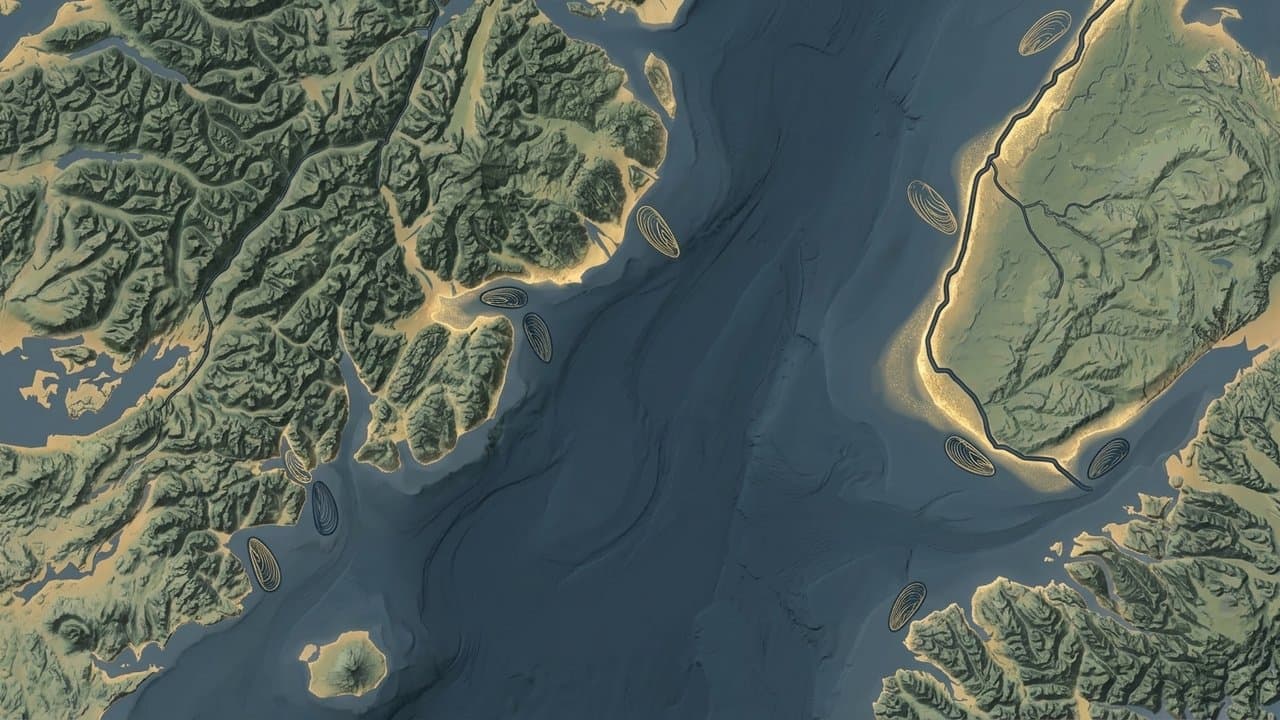
Knik Tribe awarded $5 million to design fish passage fixes on Talkeetna Spur Road
Eight culverts on the Talkeetna Spur Road block salmon from more than 66 miles of stream. The Knik Tribe got $5 million to design the fixes.
by Maggie AlaskaNews1mo ago1 min read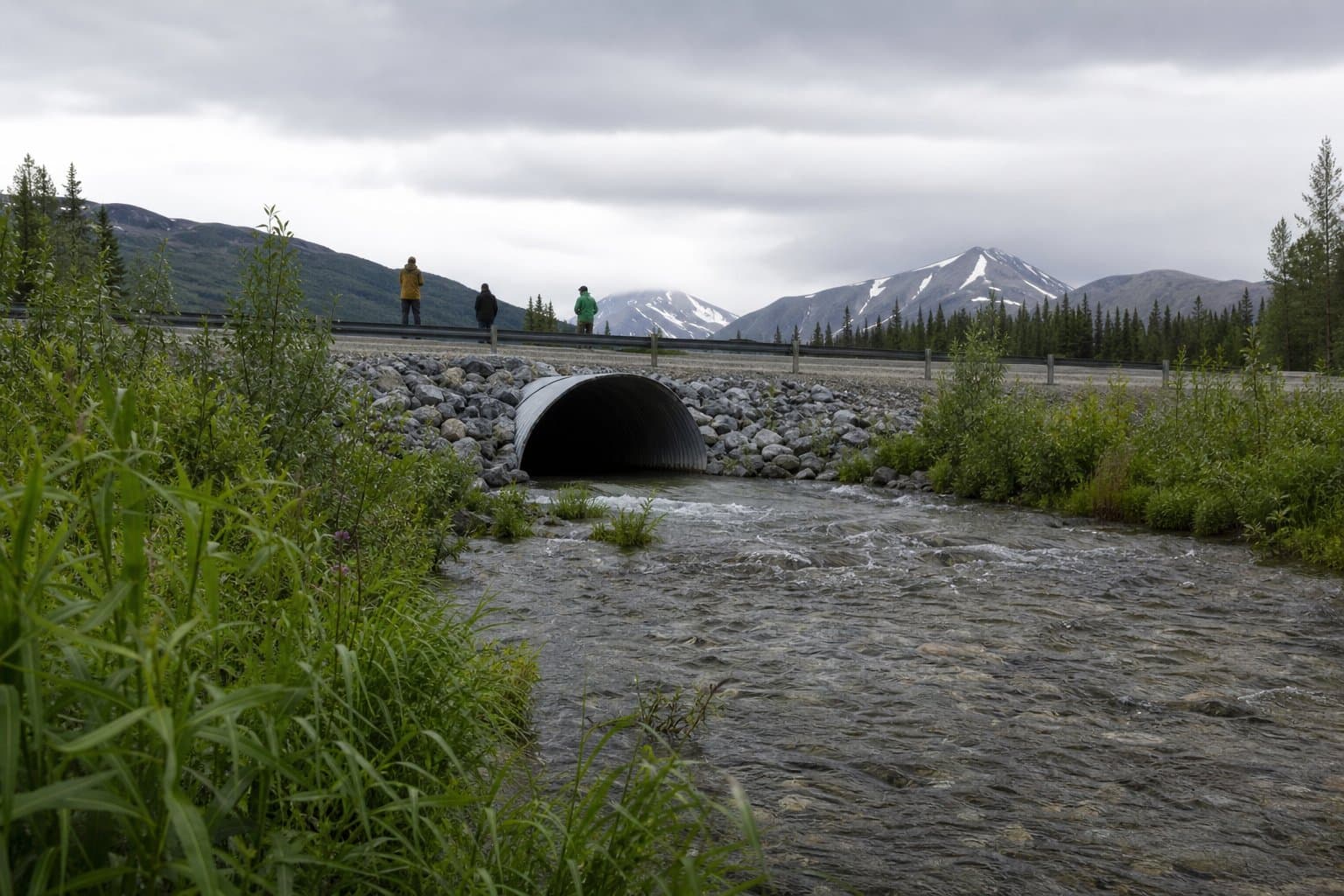
Yakutat opened a short sockeye gillnet fishery, with kings still off-limits
Yakutat opened a short sockeye gillnet fishery in mid-August, but king salmon stayed off-limits as the Situk River's king run keeps declining.
by Bill AlaskaNews1mo ago1 min read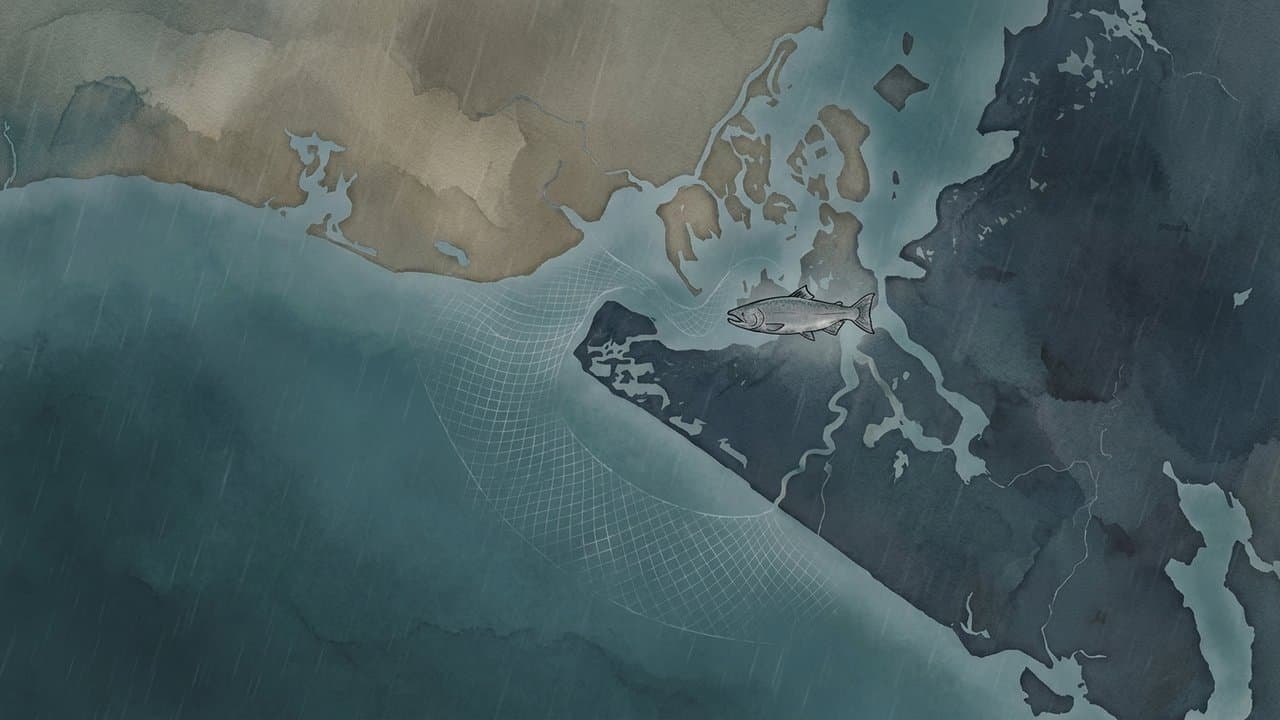
If you pulled an Upper Cook Inlet dipnet permit, you have until Aug. 31 to file, even if you never fished
Pulled an Upper Cook Inlet dipnet permit? File your harvest report by Aug. 31, even if you never fished, or you lose personal-use fishing privileges next year.
by Bill AlaskaNews1mo ago1 min read
Subsistence coho fishing closes on the middle and upper Kuskokwim
Subsistence coho fishing closes Friday on the middle Kuskokwim and a week later upriver. Sonar counts are running about a third below average for the date.
by Bill AlaskaNews1mo ago2 min read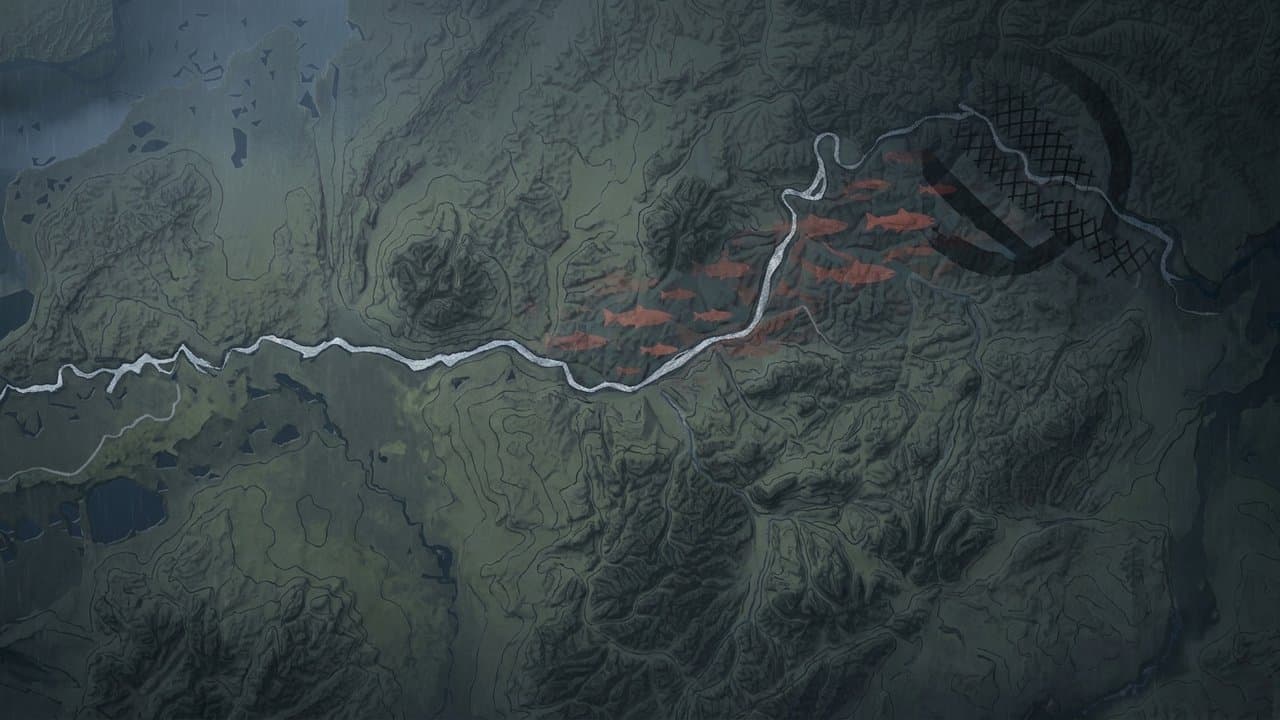
Alaska managers open some salmon fisheries and close others as runs diverge
Alaska fishery managers opened some salmon fisheries and closed others the same week, each call turning on how the fish are running in that particular place.
by Bill AlaskaNews1mo ago2 min read
There's a narrow window to ask Alaska's fish board to take up new topics
A narrow window closes Aug. 28 to ask Alaska's fish board to take up new topics, but the bar is high: it accepted just two of nine such requests last year.
by Walter AlaskaNews1mo ago1 min read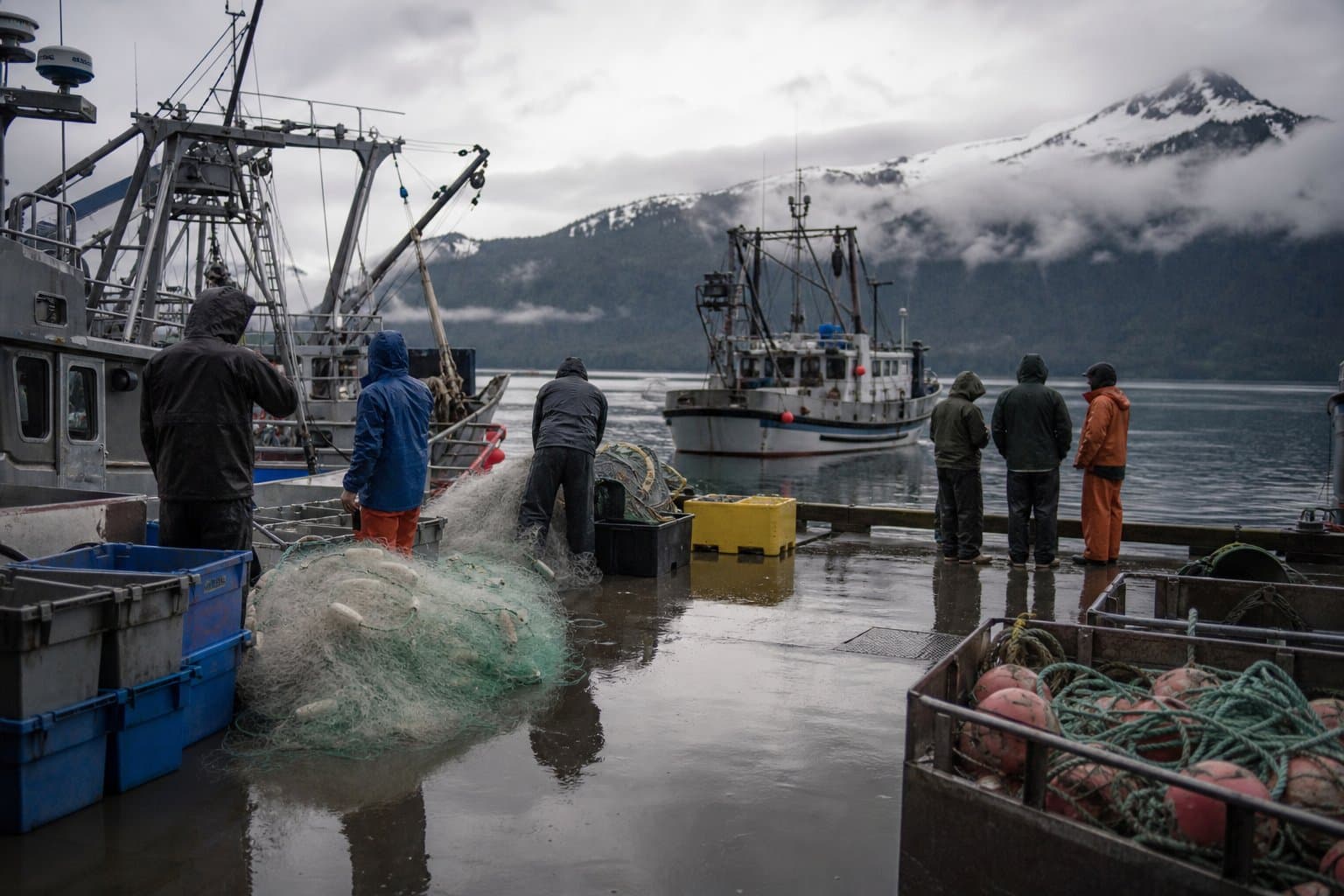
King salmon fishing is over for the year in the Upper Copper River drainages
King salmon fishing in the Upper Copper River drainages is done for 2026. Permit holders must report online by Aug. 31 even if they never fished.
by Bill AlaskaNews1mo ago1 min read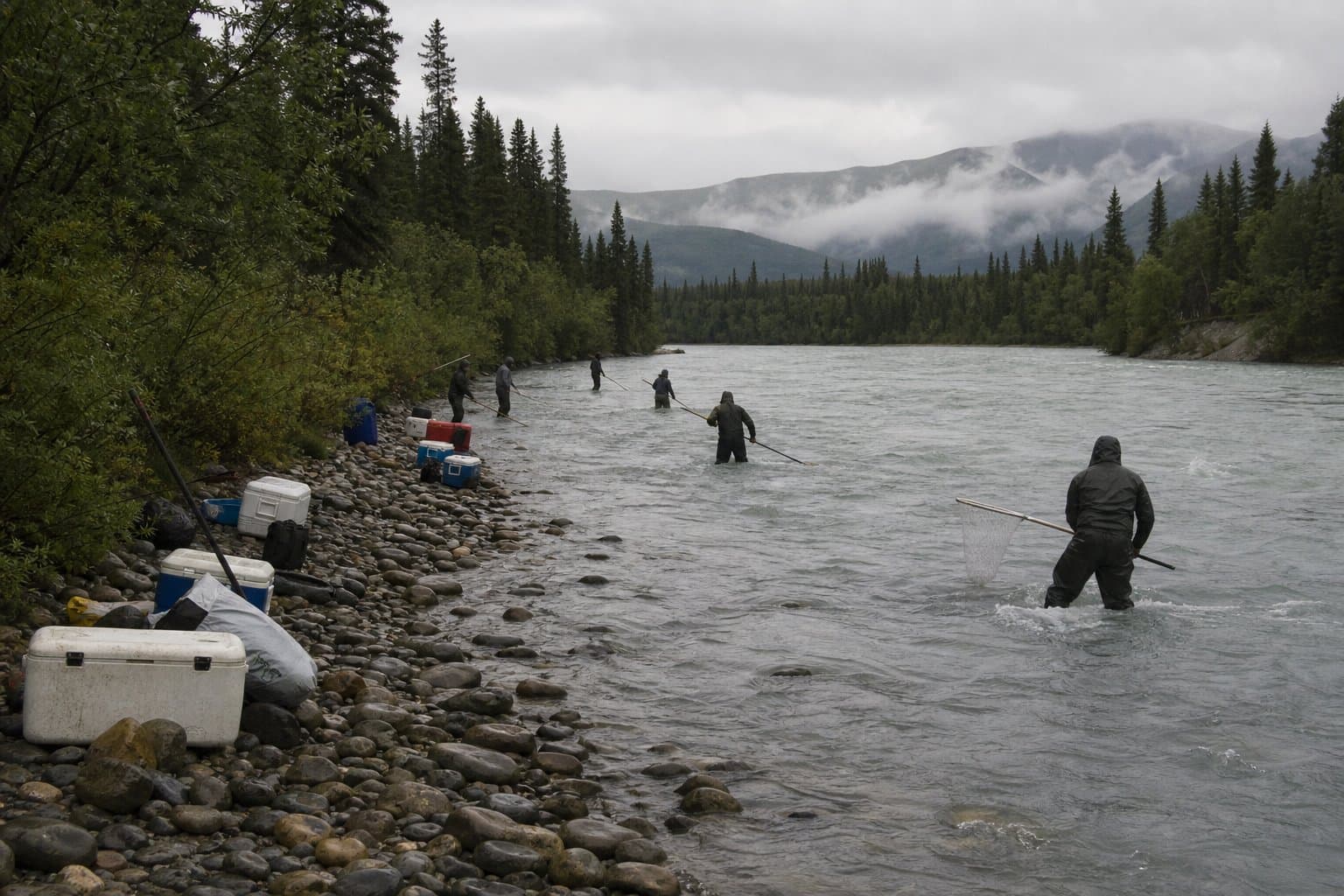
Salmon dying off in Prince of Wales drainages amid low, warm water
Salmon are dying off in several Prince of Wales Island streams, where low, warm water from drought has killed fish and stranded survivors in shrinking pools.
by Bill AlaskaNews1mo ago2 min read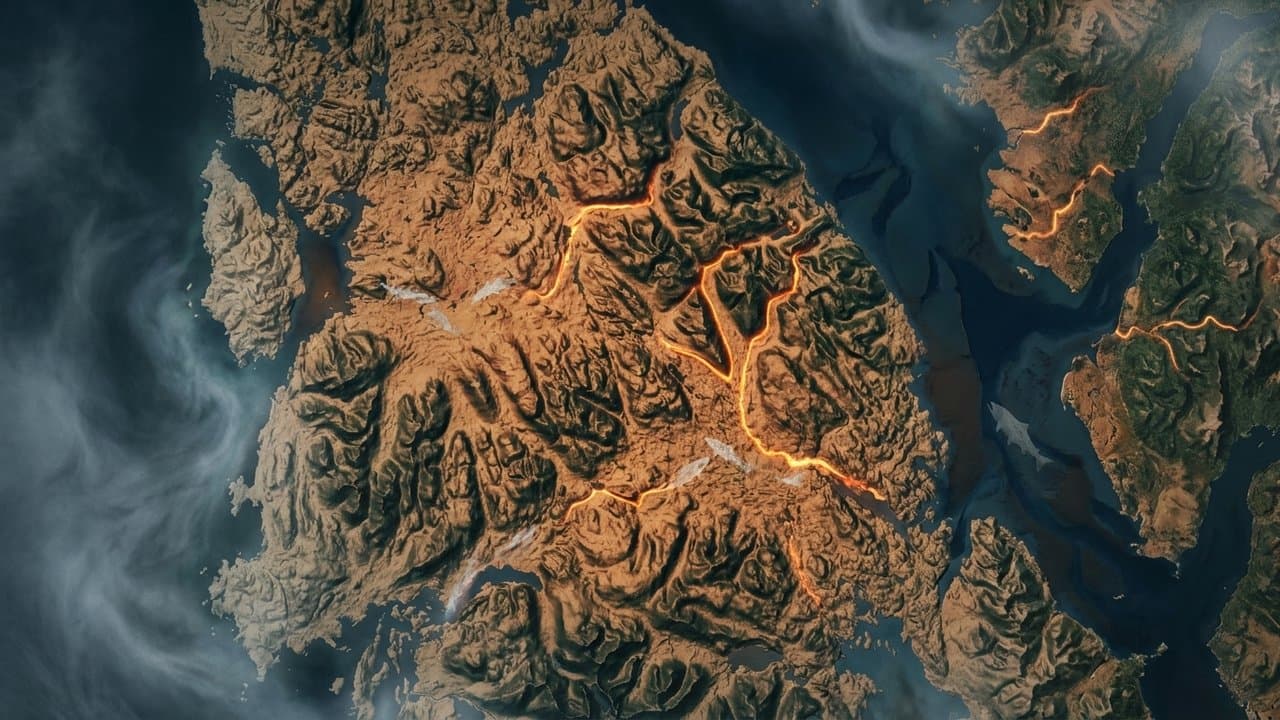
Eight Alaska fishery disaster requests are past the deadline federal law sets
Eight Alaska fishing communities are owed federal disaster relief the law says is already overdue, and until the decisions come, no one gets paid.
by Walter AlaskaNews1mo ago2 min read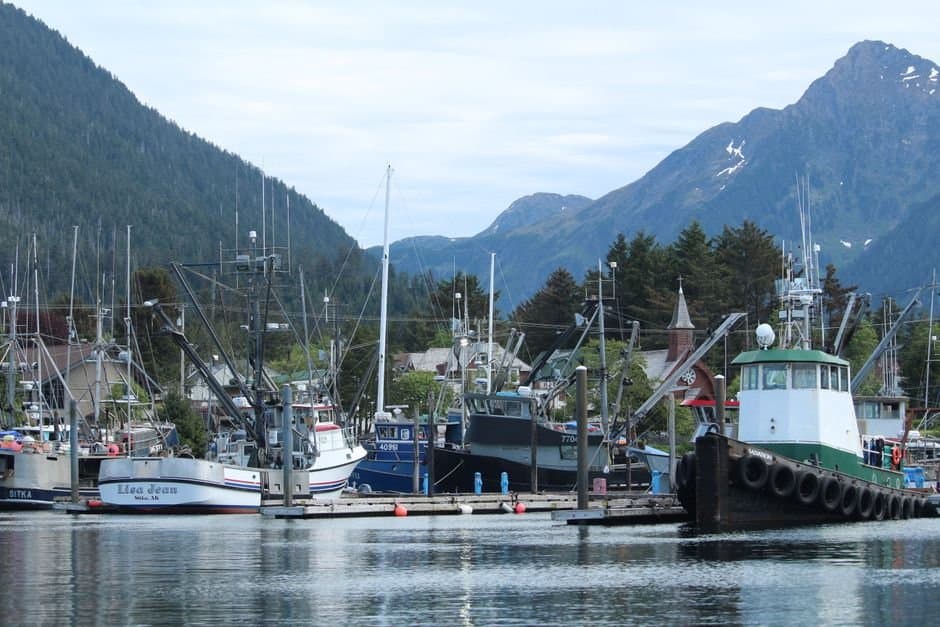
Yukon coho are running far below normal, and even a strong chum year likely won't reopen fishing
Yukon River coho are running far below normal as their peak season opens, and even a strong fall chum year likely won't reopen subsistence fishing.
by Walter AlaskaNews1mo ago2 min read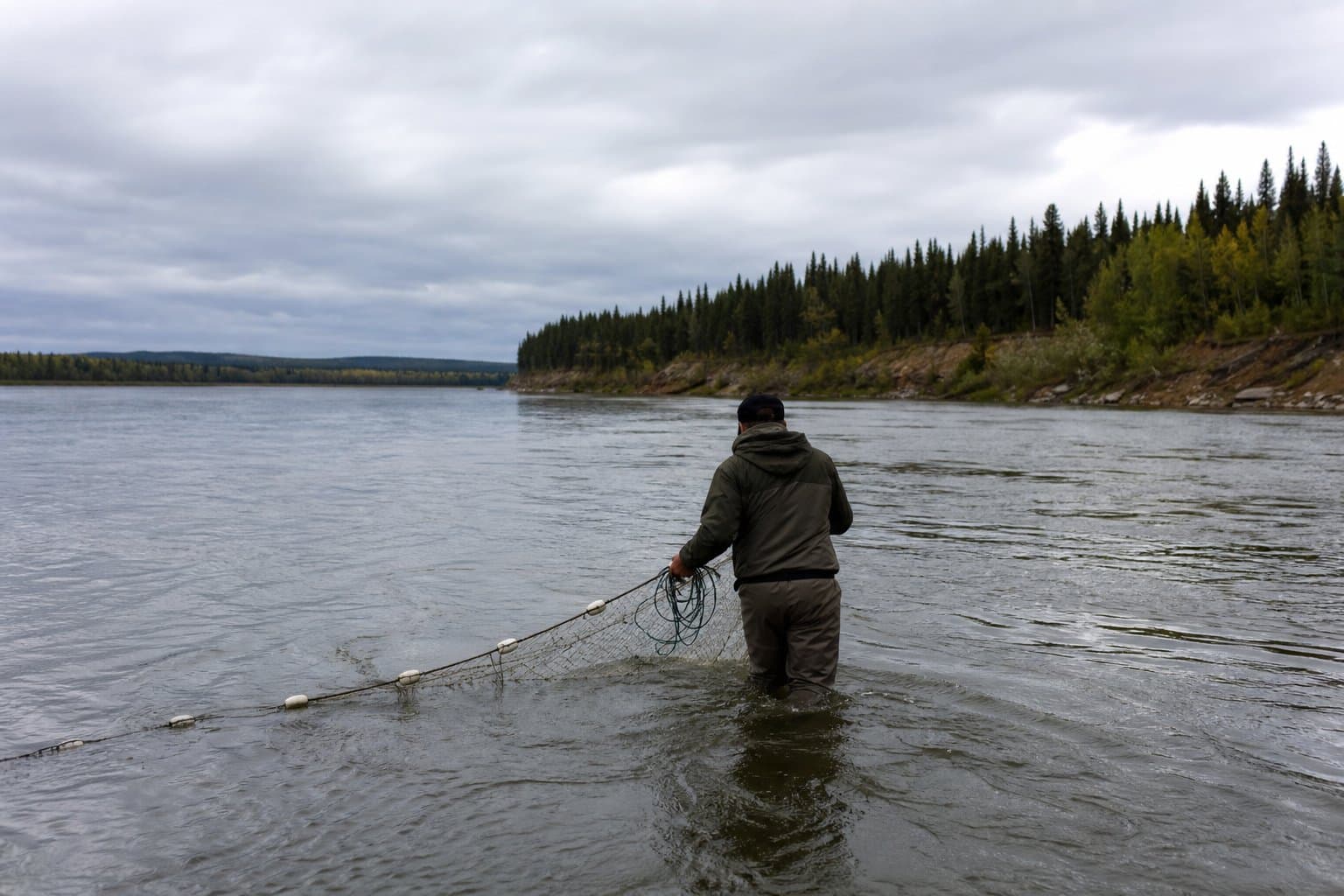
Fall chum and coho fishing is closed across the Tanana drainage
Fall chum and coho fishing is closed across the Tanana drainage through year's end, a precautionary move after chum was listed as a stock of concern.
by Walter AlaskaNews1mo ago1 min read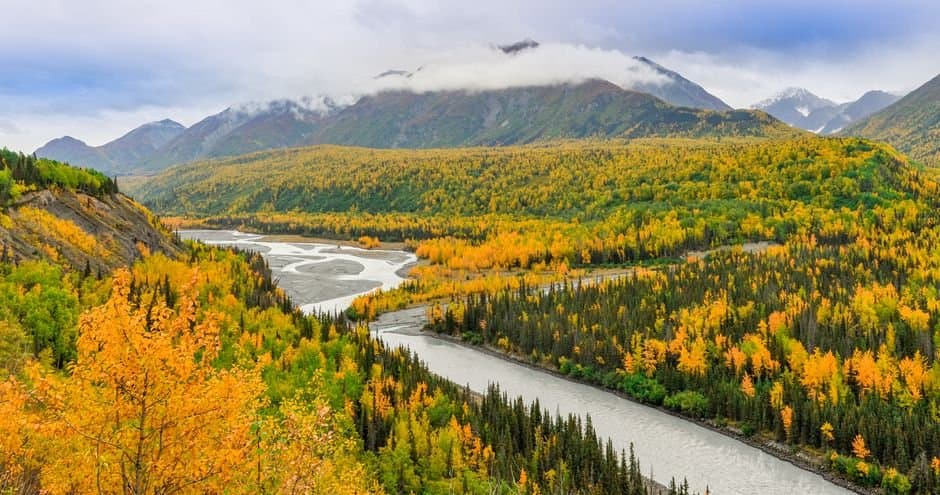
Upper Koyukuk and Innoko villages can keep every salmon again starting Monday
Six Koyukuk River villages and Shageluk can keep all salmon they catch starting Monday after Fish and Game confirmed local chum are a different stock than Canadian-protected fall chum.
by Bill AlaskaNews1mo ago2 min read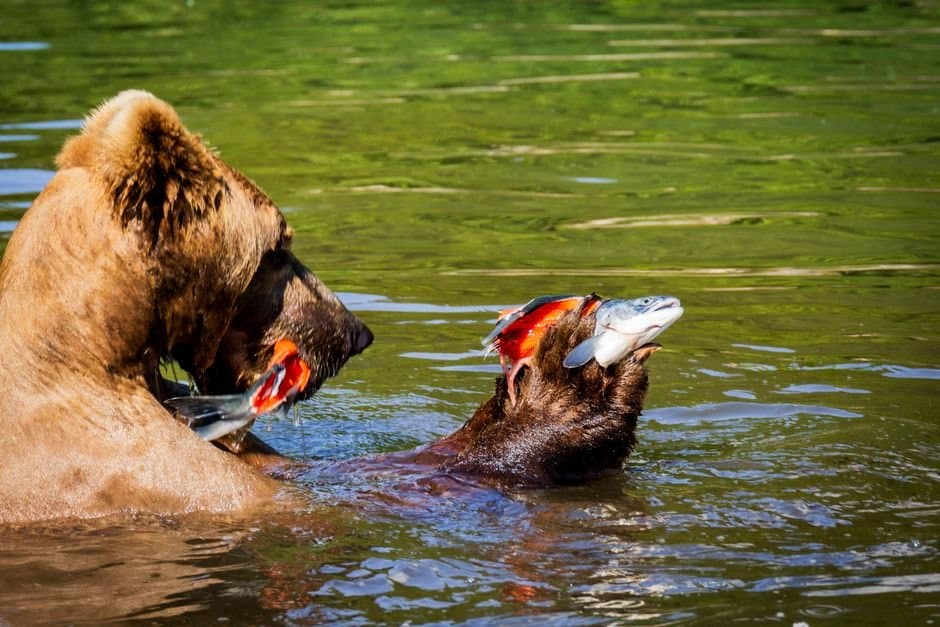
In Kake, showing up means a vote on fish and game
Any voting-age Kake resident who shows up can nominate and vote at the fish and game advisory committee's Aug. 26 meeting in the subsistence-salmon village.
by Walter AlaskaNews2mo ago1 min read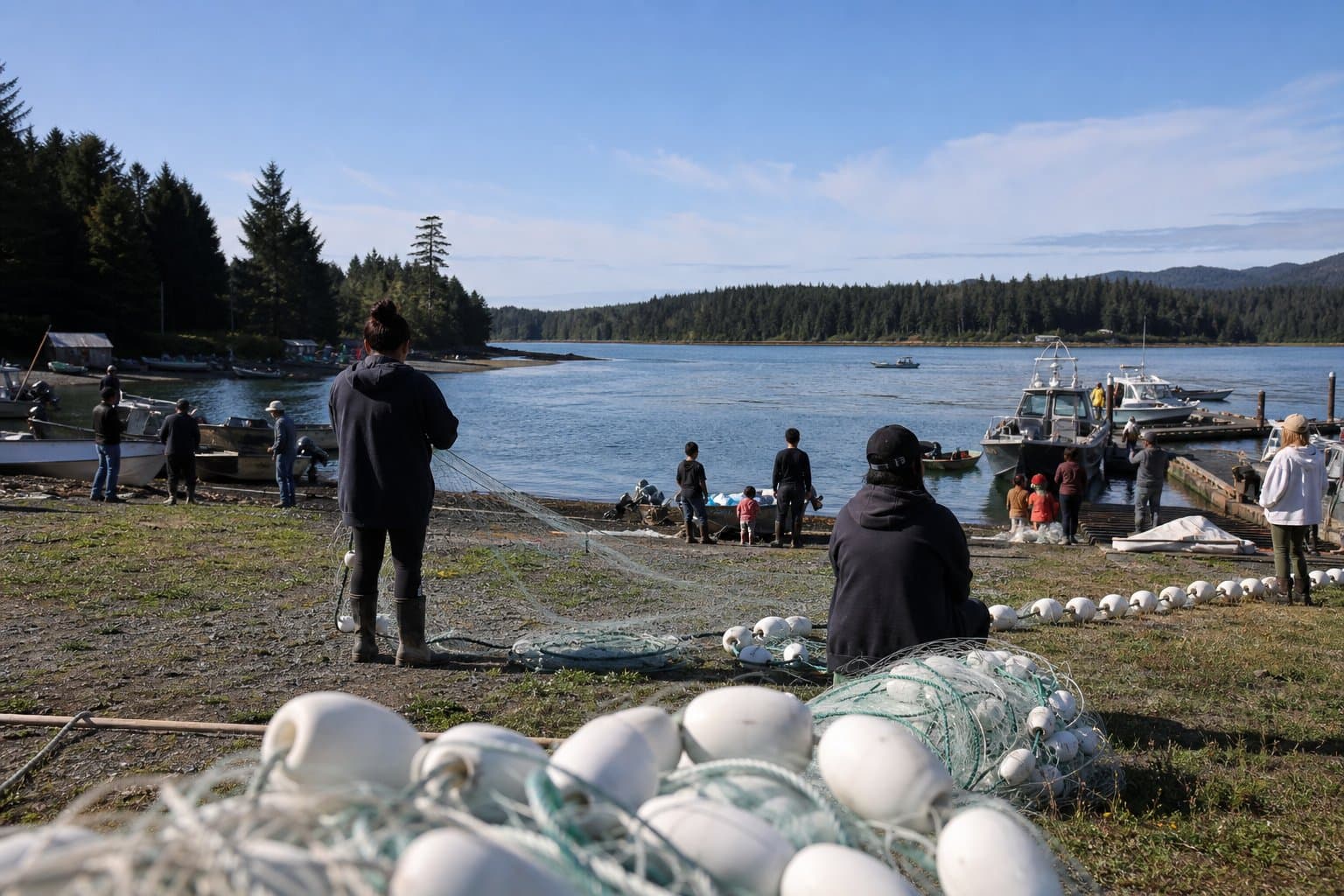
Cook Inlet razor clam permit holders must file a harvest report or lose next year's permit
Cook Inlet razor clam permit holders have to file a harvest report by Dec. 31 — even if they never dug a clam — or lose eligibility for a permit next year.
by Bill AlaskaNews2mo ago1 min read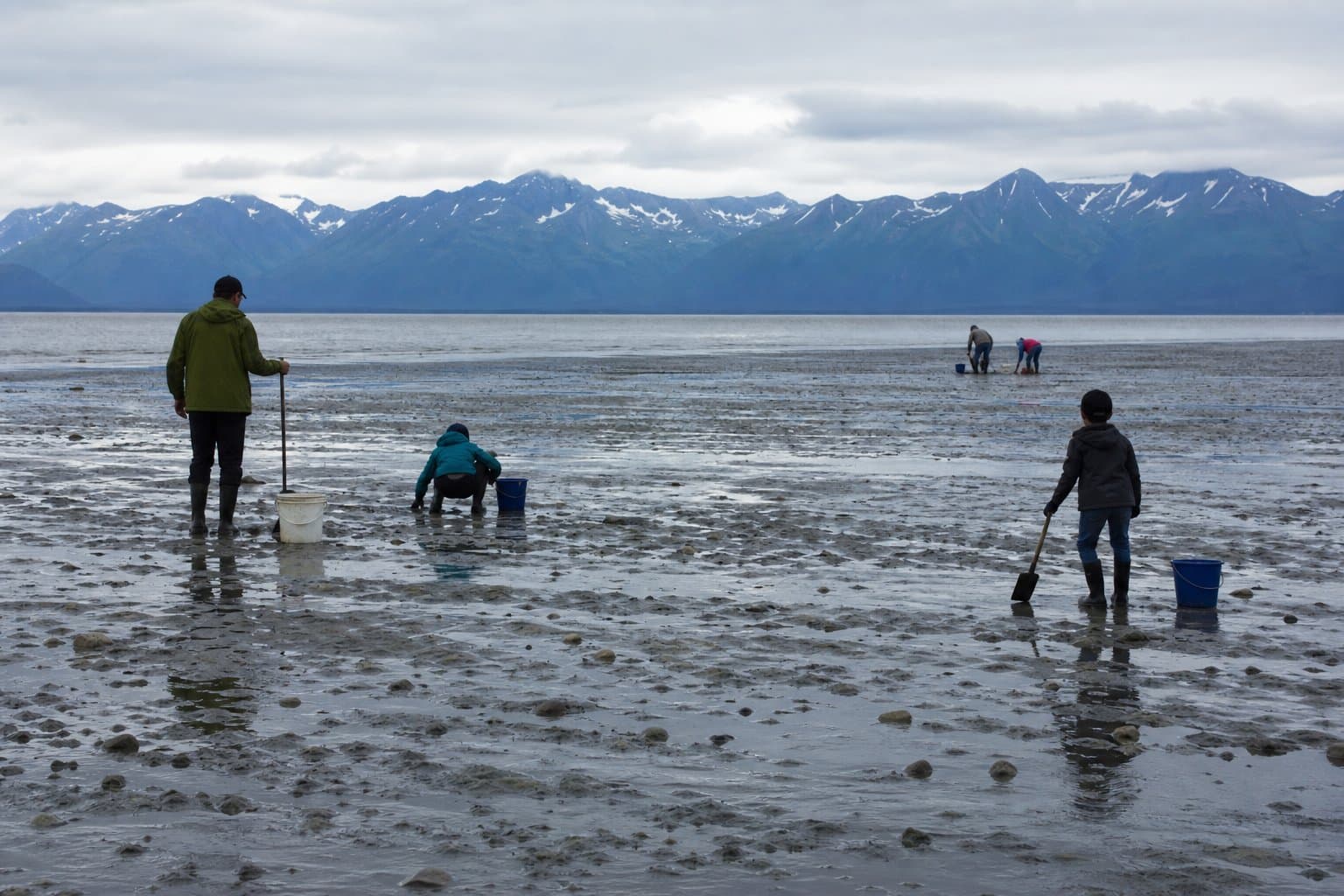
King salmon fishing stays closed across the Tanana drainage
King salmon fishing stays closed across the Tanana drainage, with no change, as Yukon king runs remain at historic lows and escapement goals go unmet.
by Bill AlaskaNews2mo ago1 min read