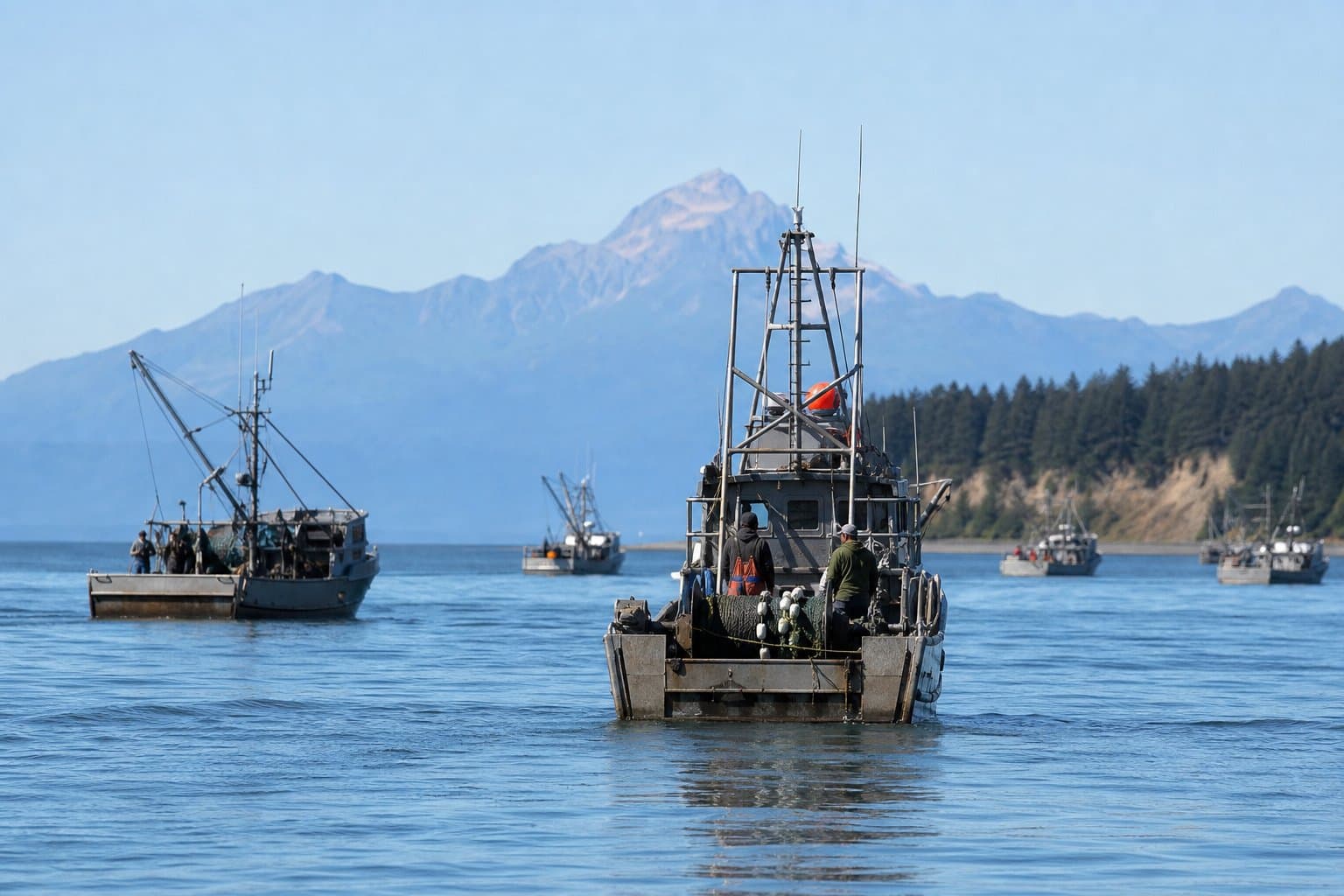
Federal agency managing Alaska's federal-waters fisheries (pollock, cod, halibut, crab) under the Magnuson-Stevens Act. Home of the North Pacific Fishery Management Council.
Juneau, AK, USA
Video Clips
Browse all clips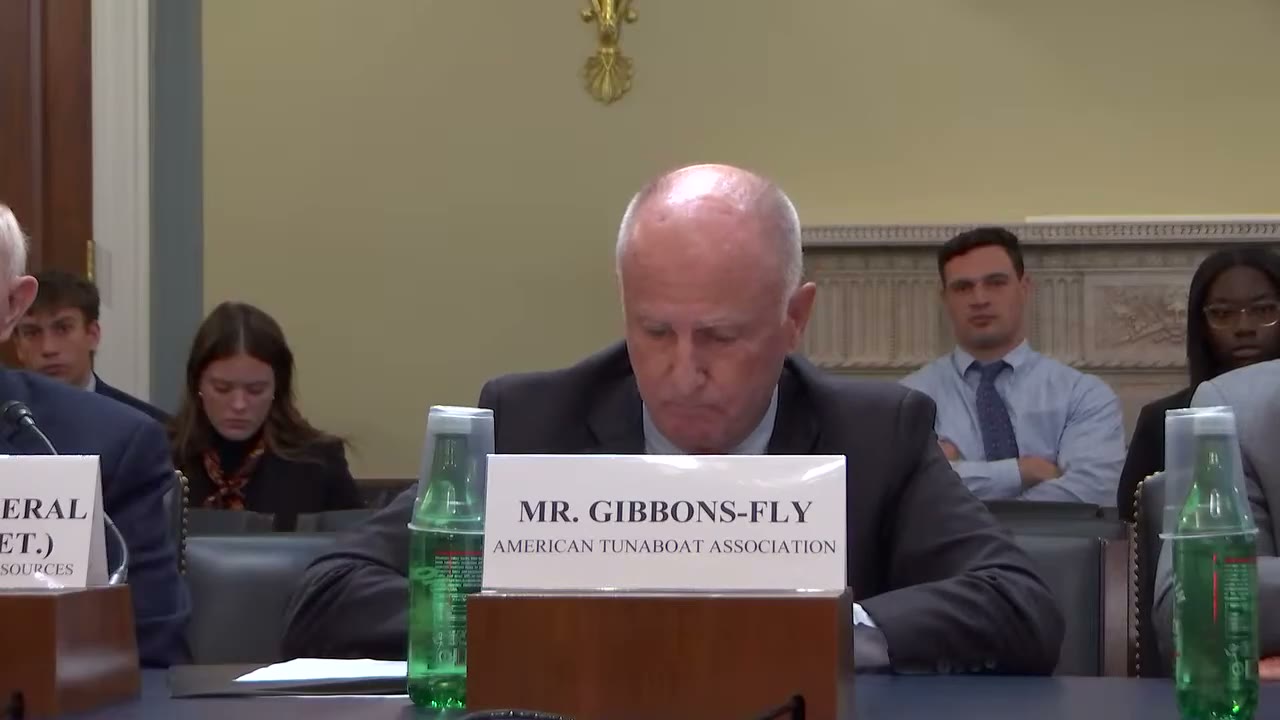
William Gibbons-Fly
“Because these monuments are established under the Antiquities act, the process is exempt not only from the requirements of Magnus and Stevens, but also the requirements of the Administrative Procedures act, the National Environmental Policy act and other legislation, all of which are established by Congress to ensure fair, transparent and most importantly, science based decision making for the management of our nation's fisheries.”House Natural Resources Subcommittee on Water, Wildlife and Fisheries (Begich): Legislative Hearing · Jun 3, 2026
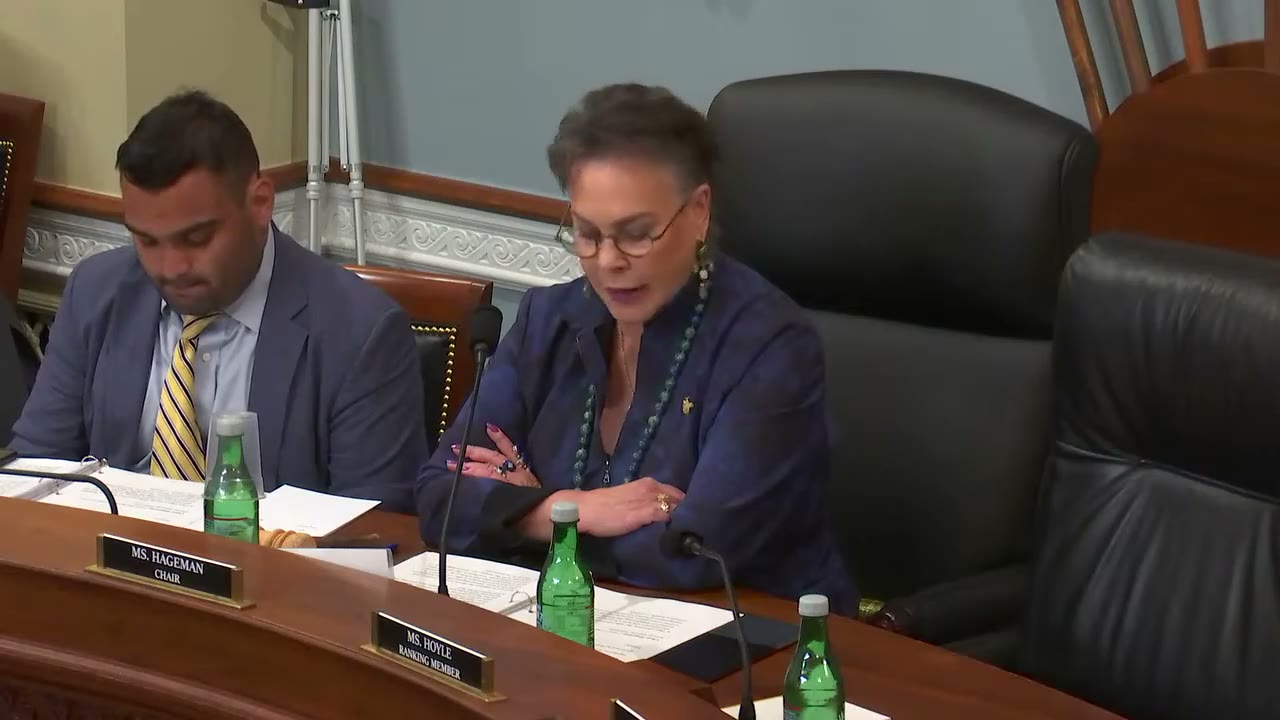
Hageman
“The bill at the heart of this hearing is sponsored by Representative Radawagan of American Samoa. Her bill states that within the boundaries of a marine national monument, fishing shall be regulated under the Magnuson Stevens Fishery Conservation and Management act, not the Antiquities Act.”House Natural Resources Subcommittee on Water, Wildlife and Fisheries (Begich): Legislative Hearing · Jun 3, 2026
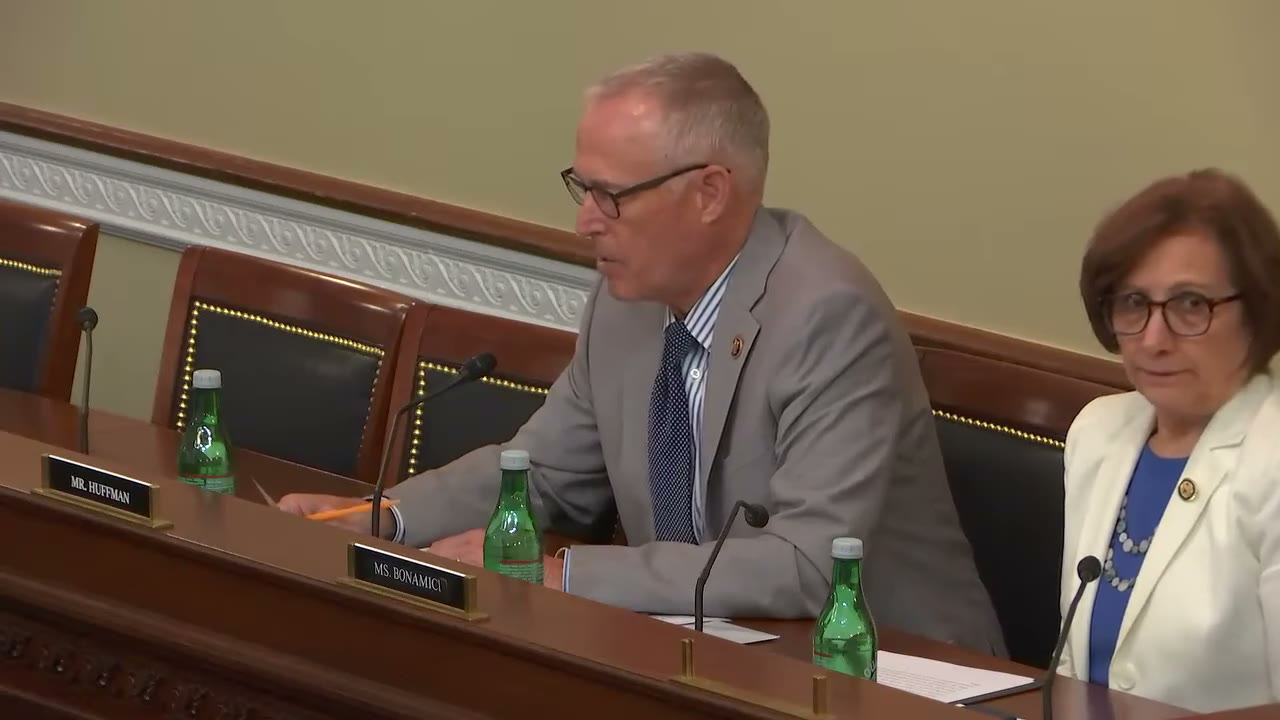
Kyle Huffman
“While I'm open to finding solutions to sea otter management in particular regions, this bill inappropriately shifts the response responsibility to subsistence harvest and disadvantages Alaska Native artisans who carefully process pelts into arts and handicrafts. The bill also circumvents the Indigenous Peoples Council for Marine Mammals.”House Natural Resources Subcommittee on Water, Wildlife and Fisheries (Begich): Legislative Hearing · Jun 3, 2026
William Gibbons-Fly
“When you're banning commercial fishing from 50 to 200 miles, there's very, you're, you're putting, you know, very significant strain on the fishing industry, putting people out of business, harming the economy of American Samoa with very little, very little conservation benefit.”House Natural Resources Subcommittee on Water, Wildlife and Fisheries (Begich): Legislative Hearing · Jun 3, 2026
William Gibbons-Fly
“In just the past few years, the US tuna purse seine fleet has been reduced from 34 vessels to just 15 vessels operating today. The remaining vessels supply most of the tuna being processed in American Samoa and otherwise support the local economy there.”House Natural Resources Subcommittee on Water, Wildlife and Fisheries (Begich): Legislative Hearing · Jun 3, 2026
Hageman
“By contrast, fishing in nearly all of the US EEZ is regulated under the Magnuson Stevens Fishery Conservation and management Act. For 50 years, the act has propelled the United States to the forefront in terms of being the gold standard for fisheries management.”House Natural Resources Subcommittee on Water, Wildlife and Fisheries (Begich): Legislative Hearing · Jun 3, 2026
Aleutian groundfish boats barred from selling 'other rockfish' for the rest of 2026
NMFS closes Aleutian Islands "other rockfish" retention Sept. 21 through Dec. 31 after the 415-metric-ton 2026 limit is reached; what trawl and hook boats must do.
 by Walter AlaskaNewsadded 1d ago2 min read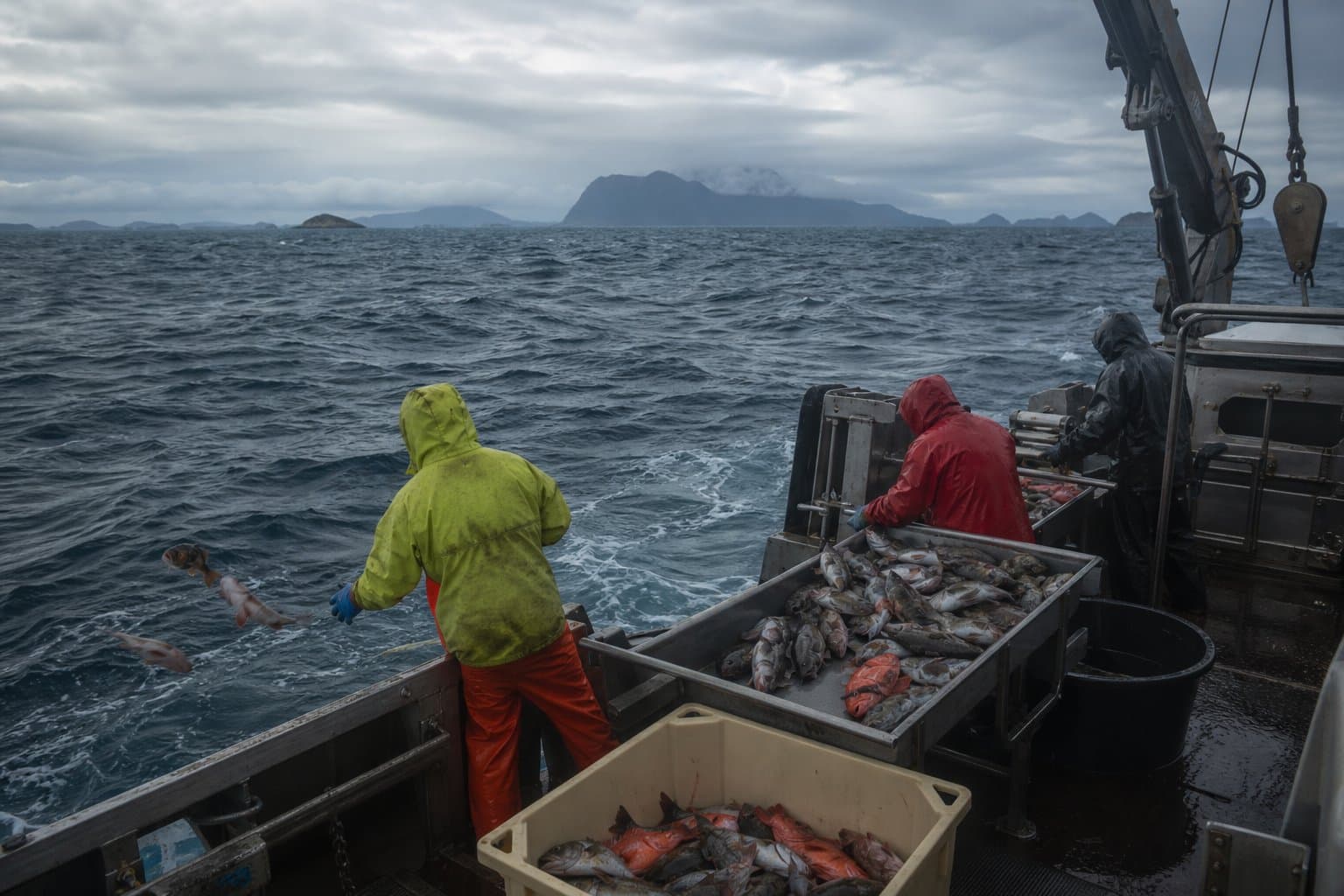
Juneau kelp farm study suggests minimal influence on fish and invertebrates
A one-year NOAA study at two kelp farms 10 miles west of Juneau suggests the farms had minimal influence on fish and invertebrate communities. A missed sampling trip left researchers unable to test whether the farm effect was significant.
 by Bill AlaskaNews3d ago2 min read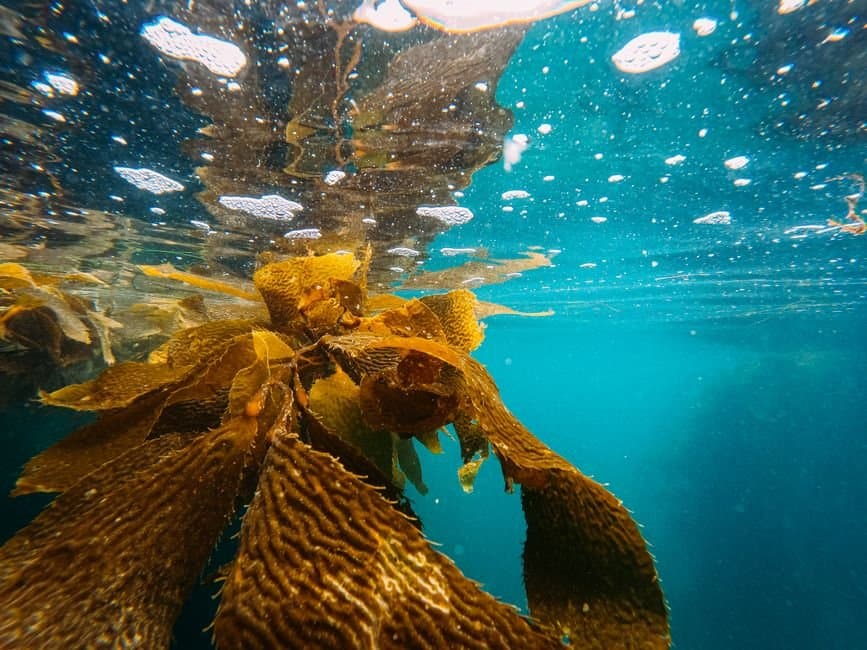
EPA Rule Would Drop Discharge Permits for 65 Alaska Trawlers
An EPA proposal to redefine pollutant discharge would exempt 65 Alaska offshore seafood processing vessels from the Clean Water Act permit protecting Steller sea lion habitat.
by Walter AlaskaNewsadded 5d ago3 min read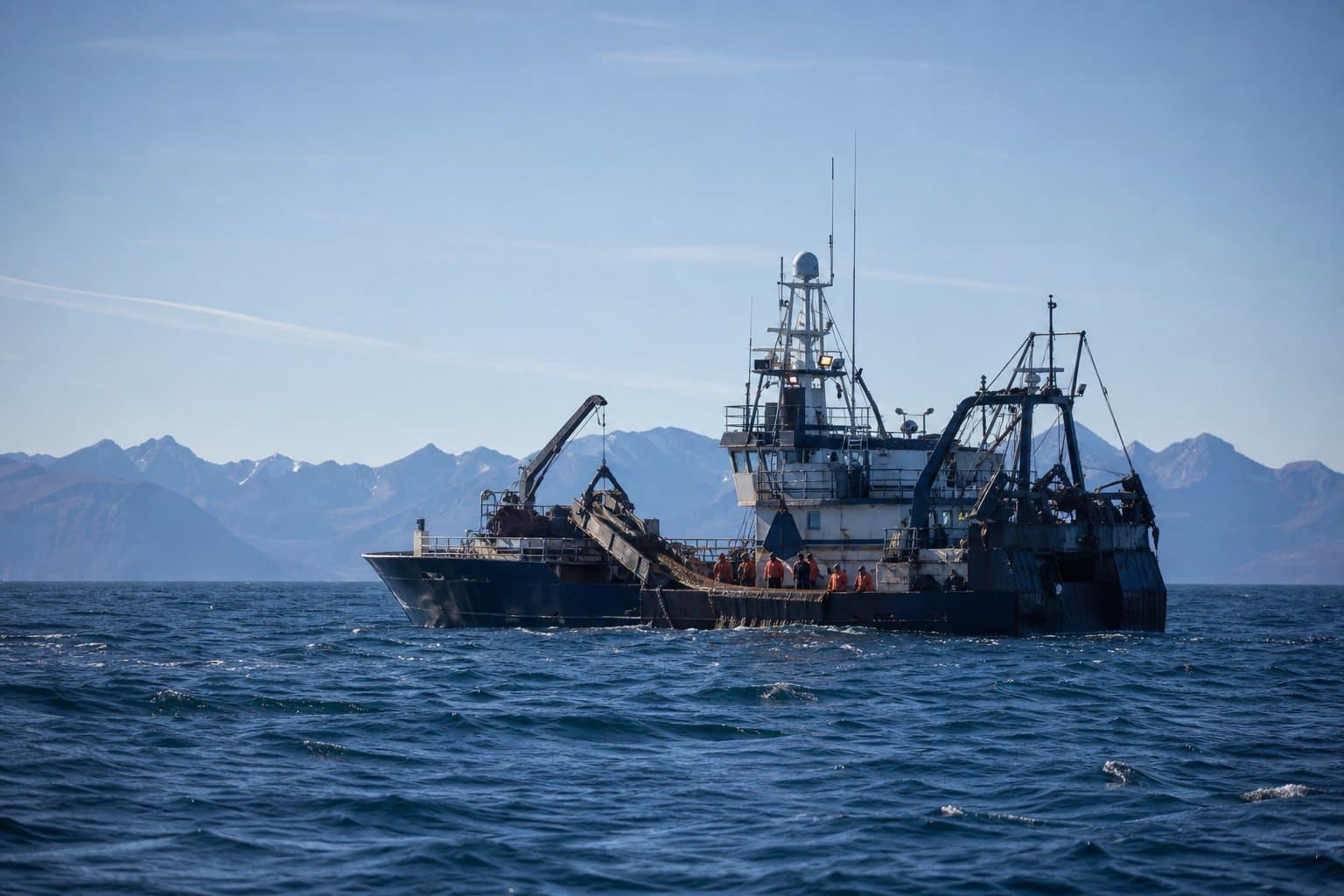
The West Coast's halibut fleet needed six openings to near its small quota
NOAA Fisheries closed the West Coast commercial Pacific halibut fishery for the year after the fleet caught about 96 percent of its 261,211-pound allocation.
by Bill AlaskaNews1w ago1 min read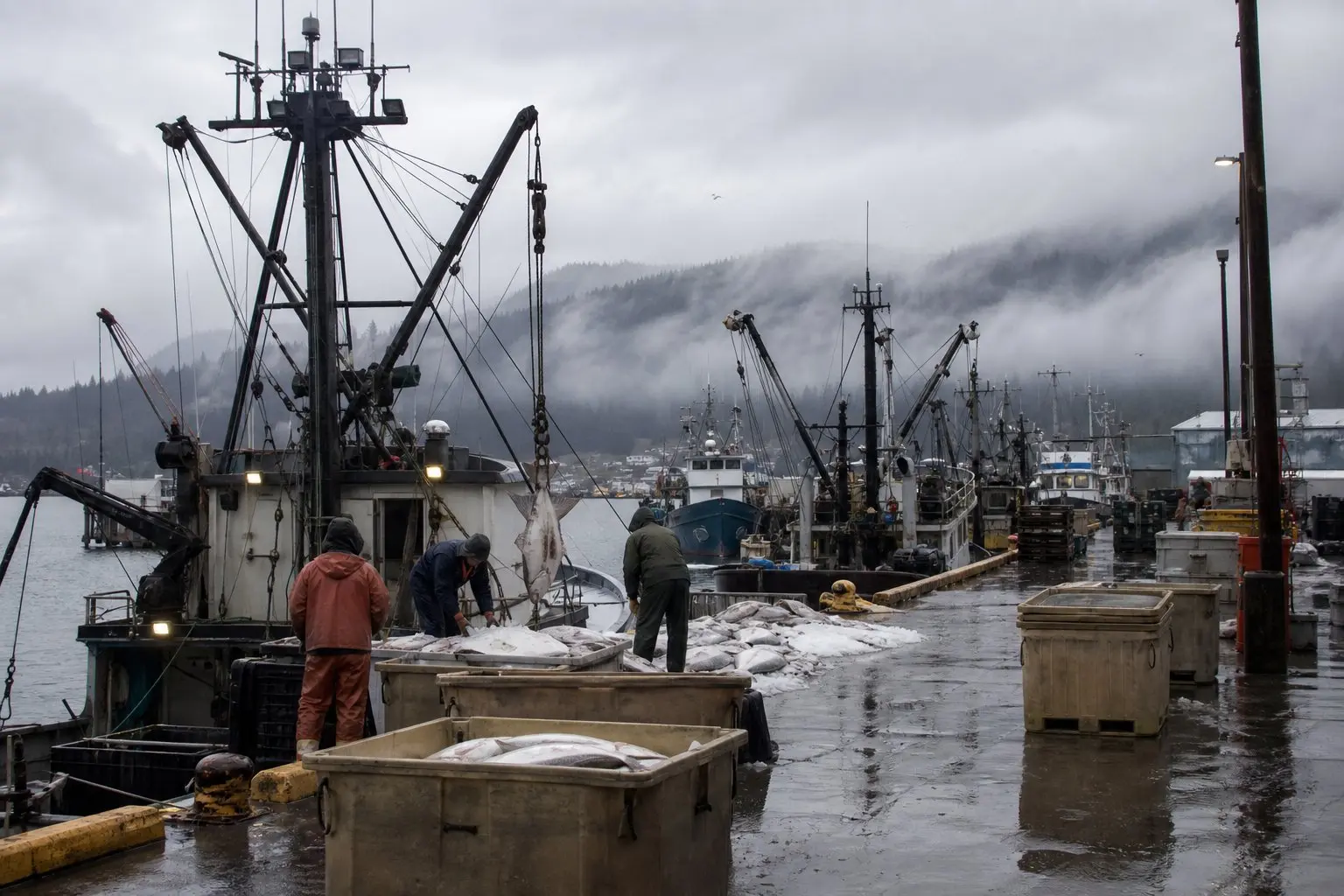
House committee advances bill treating hatchery fish as wild under Endangered Species Act
The House Natural Resources Committee voted 21-17 to advance a bill requiring agencies to consider hatchery populations alongside wild ones in ESA Section 7 consultations.
 by Maggie AlaskaNewsadded 1w ago3 min read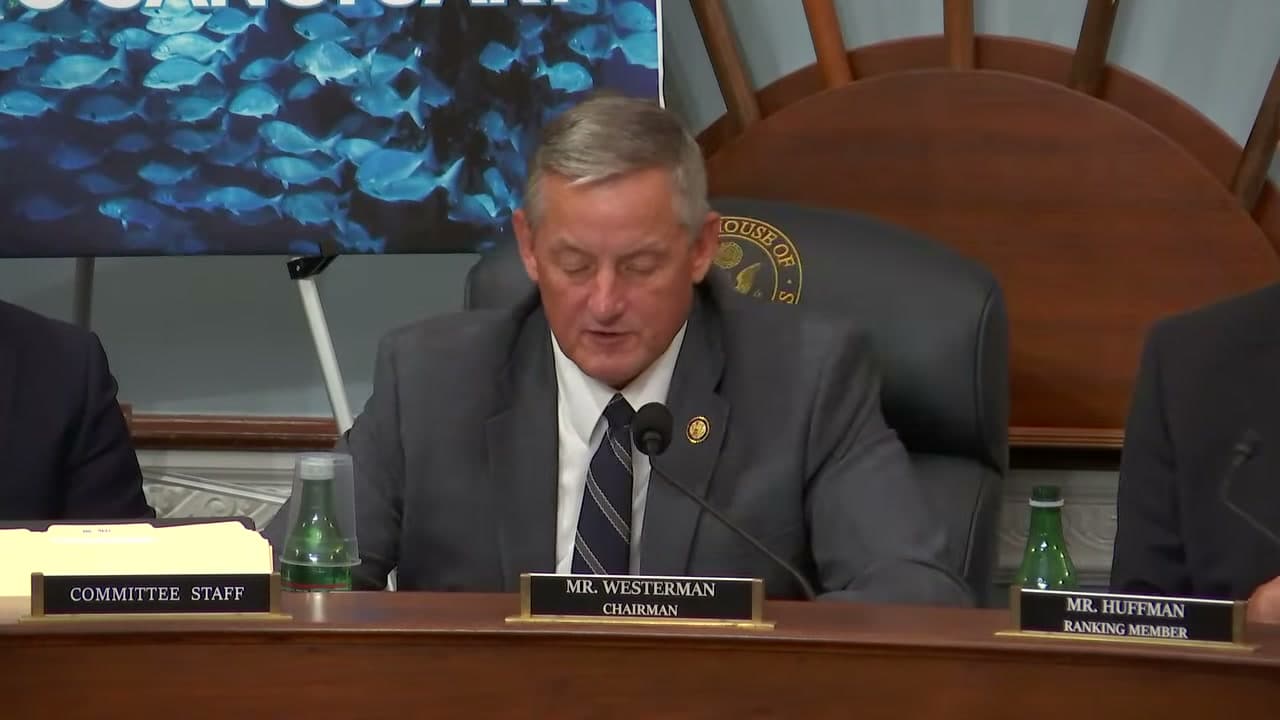
Seafood exports to Türkiye are frozen, though little Alaska product moves there
NOAA Fisheries can't issue export health certificates for seafood bound for Türkiye, because U.S. plants aren't on the country's approved establishment list.
by Bill AlaskaNews1w ago1 min read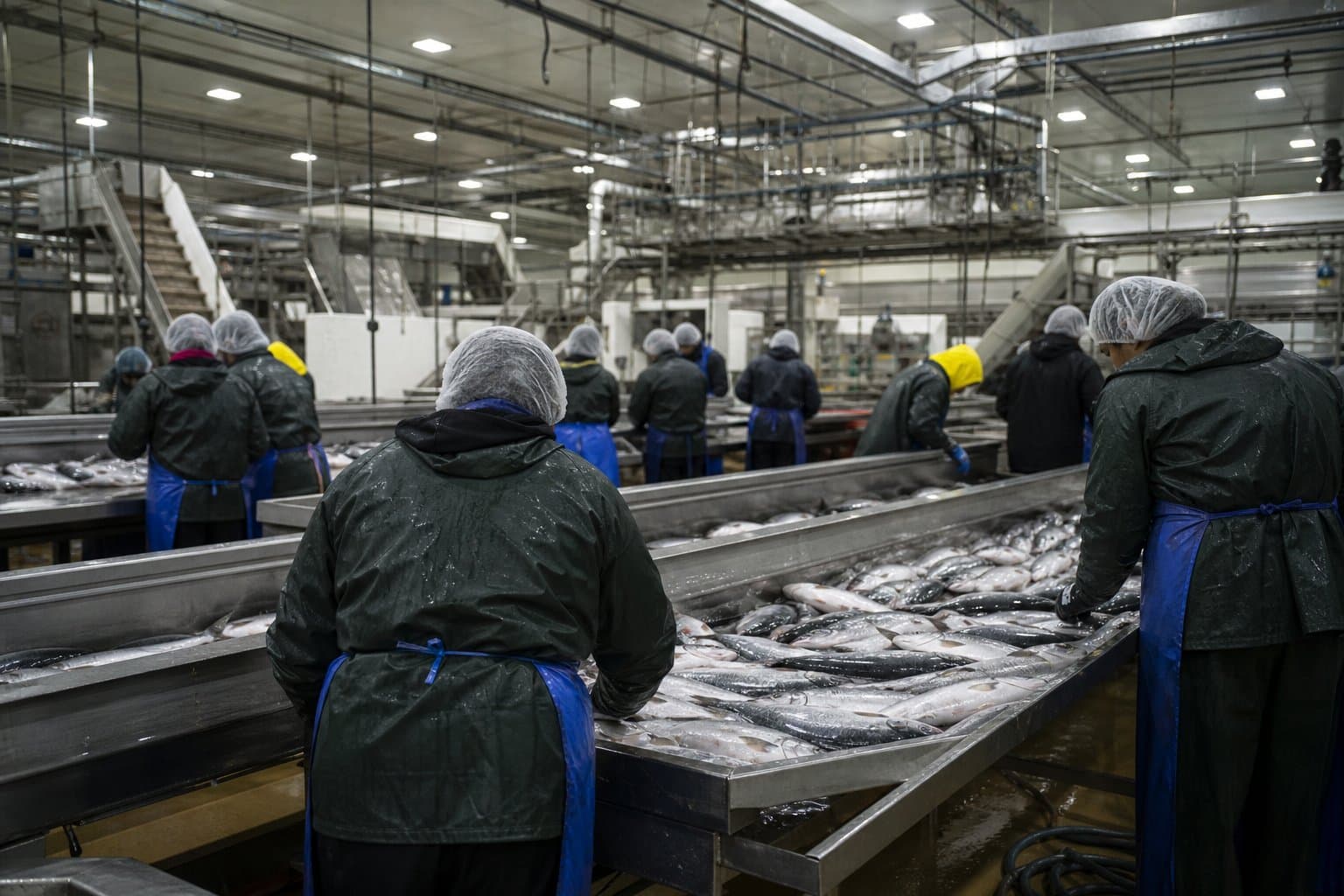
NOAA funds Alaska work on what stranded marine mammals ate
NOAA awarded Alaska Fish and Game $51,900 to analyze stomach contents of stranded marine mammals, work that has already documented fishing gear ingestion in killer whales.
by Maggie AlaskaNewsadded 1w ago2 min read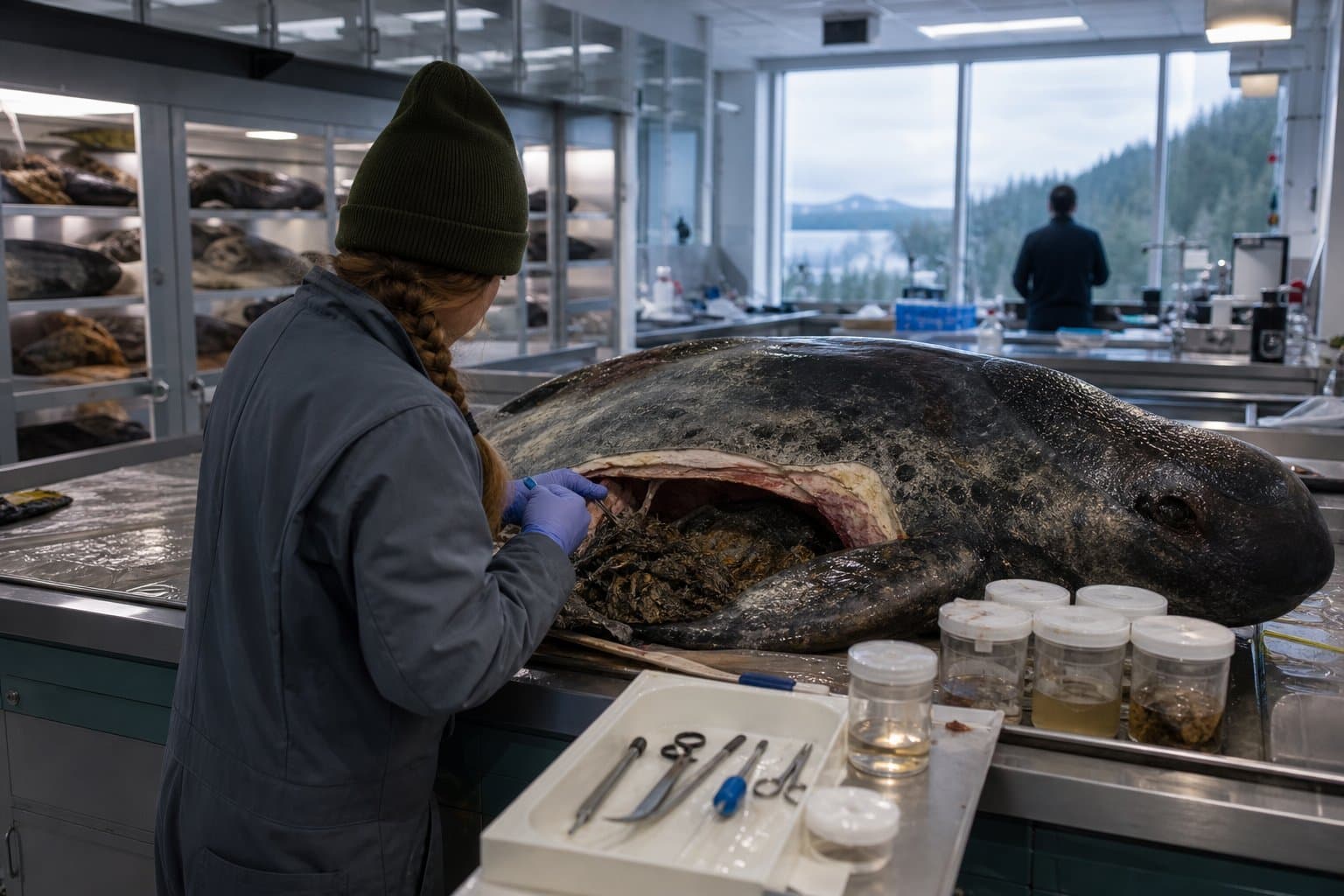
Managers want to double a halibut cap. Their own analysis warns against it.
The National Marine Fisheries Service proposed nearly doubling a halibut vessel cap in the Bering Sea, a change its own analysis says favors larger boats.
by Walter AlaskaNews2w ago3 min read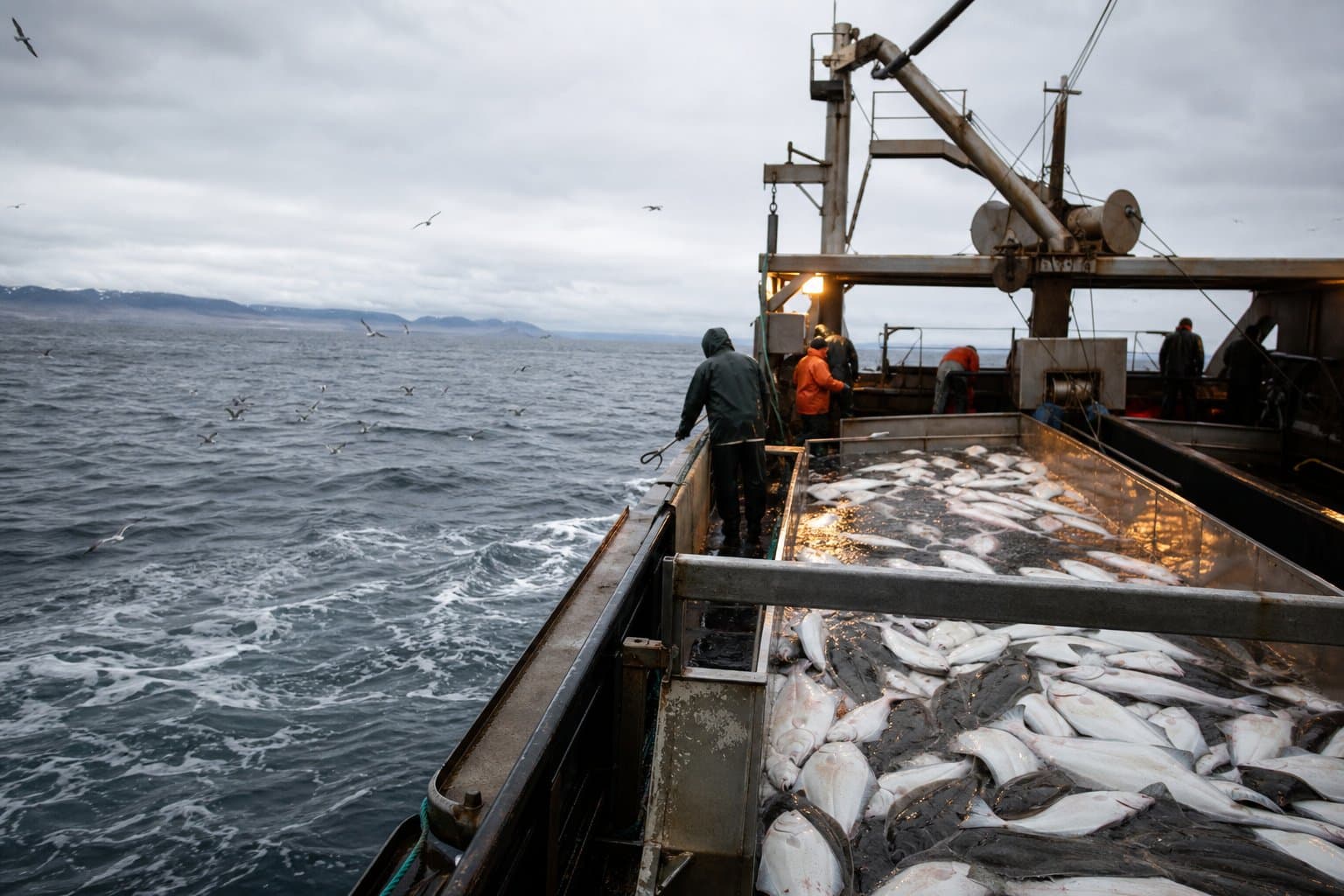
NOAA awards Bristol Bay fishermen's group $499,400 to push sockeye into restaurants and schools
The Bristol Bay Regional Seafood Development Association was awarded $499,400 from NOAA Fisheries' Saltonstall-Kennedy program for a two-year push to place wild sockeye on restaurant, school and hospital menus through August 2028. NOAA has not published the award, and federal records show an earlier one in 2010.
by Bill AlaskaNews2w ago2 min read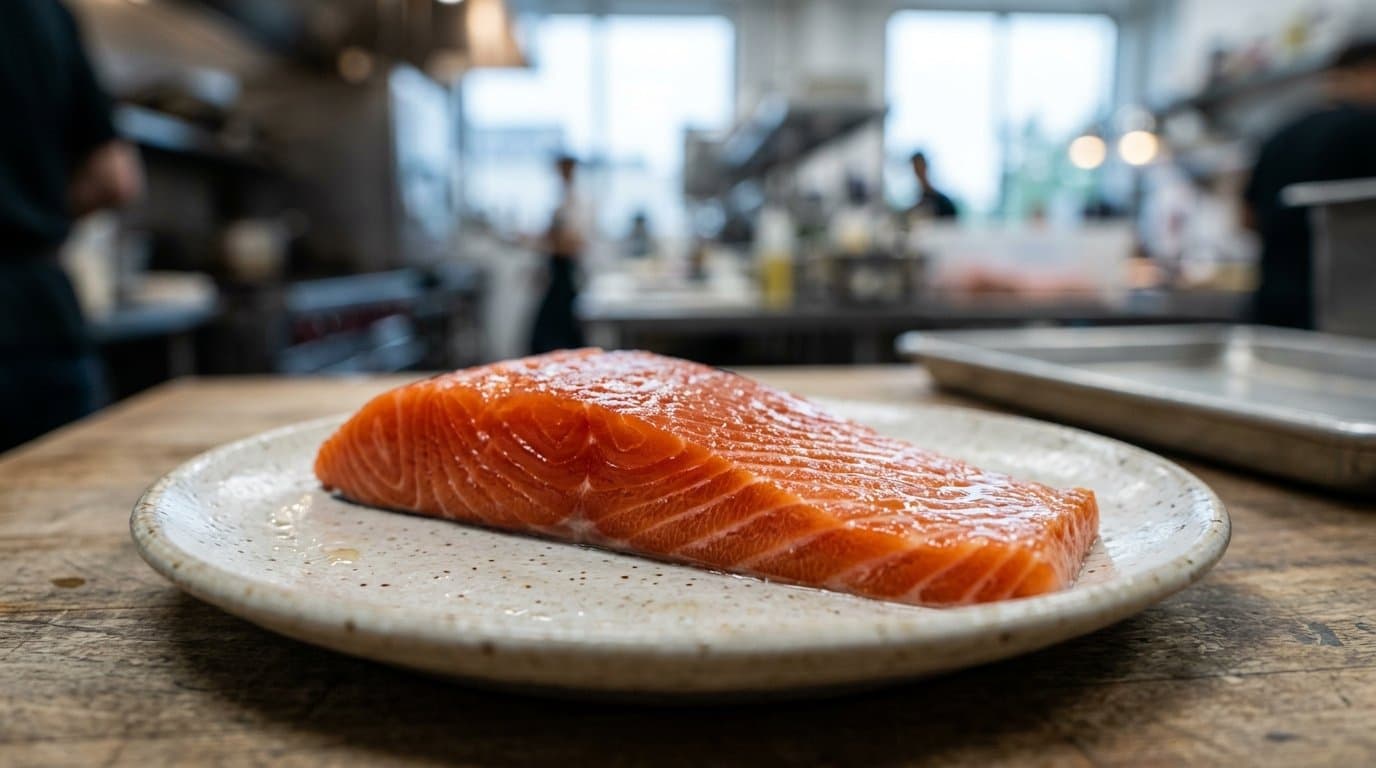
West Coast halibut catch falls to a fifth of June's rate as NOAA adds a sixth period
The West Coast halibut fleet is struggling to meet its catch limit, a sign of strain in the coastwide Pacific halibut stock Alaska fishermen also depend on.
by Bill AlaskaNews2w ago2 min read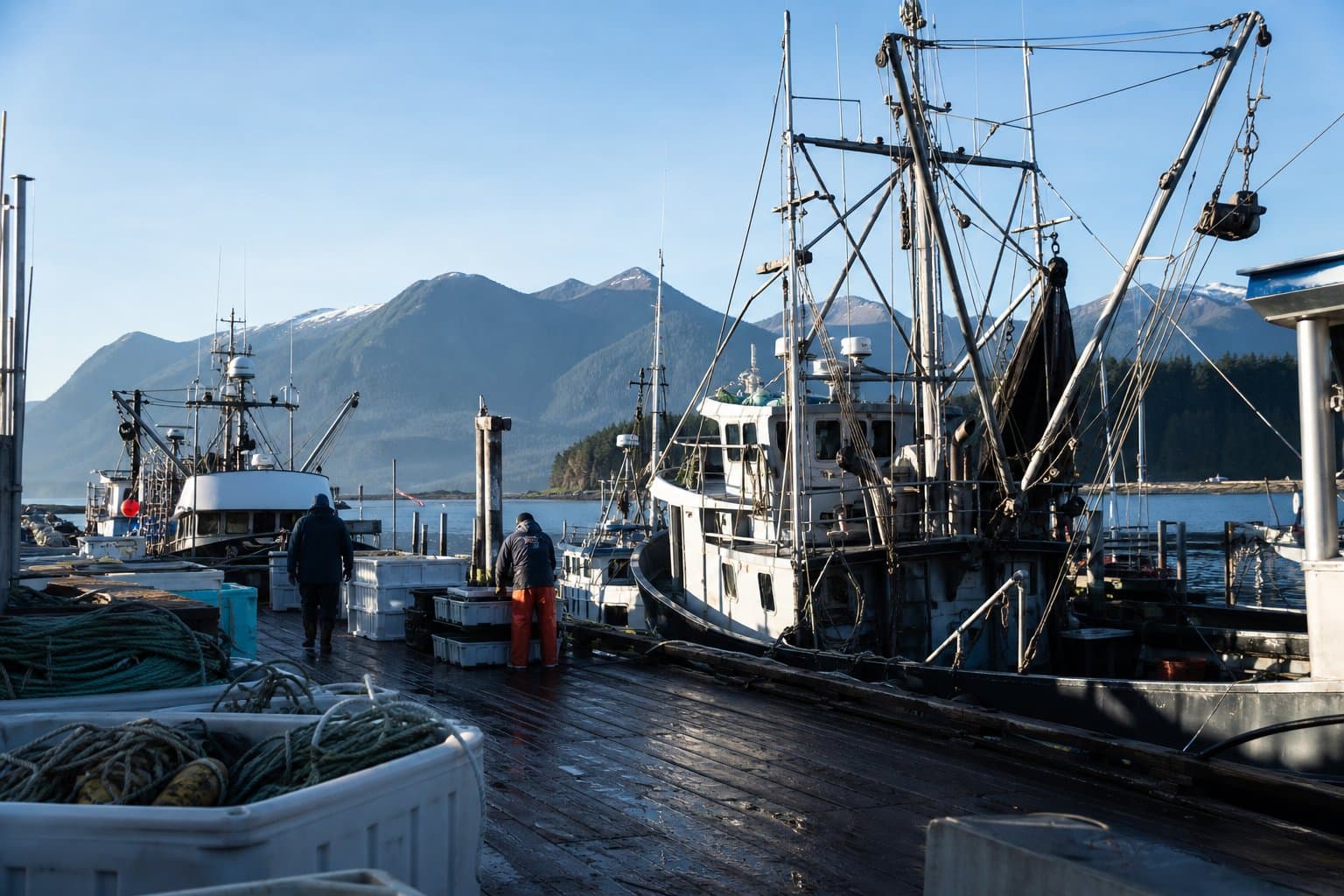
Nine new deep-sea sponge species confirmed in Gulf of Alaska and Aleutians
NOAA Fisheries said Thursday that researchers described nine sponge species new to science from Gulf of Alaska and Aleutian Islands bottom trawl samples collected since 2012, raising Alaska's known sponge count to 232. One required a new genus
by Maggie AlaskaNews2w ago1 min read
Retention of Aleutian rougheye and blackspotted rockfish closed for rest of 2026
NOAA Fisheries shut retention of blackspotted and rougheye rockfish in the Central and Western Aleutian districts at noon Wednesday, Sept. 9, for the rest of 2026. Catcher vessels using hook-and-line, pot, or jig gear are exempt.
by Bill AlaskaNews2w ago1 min read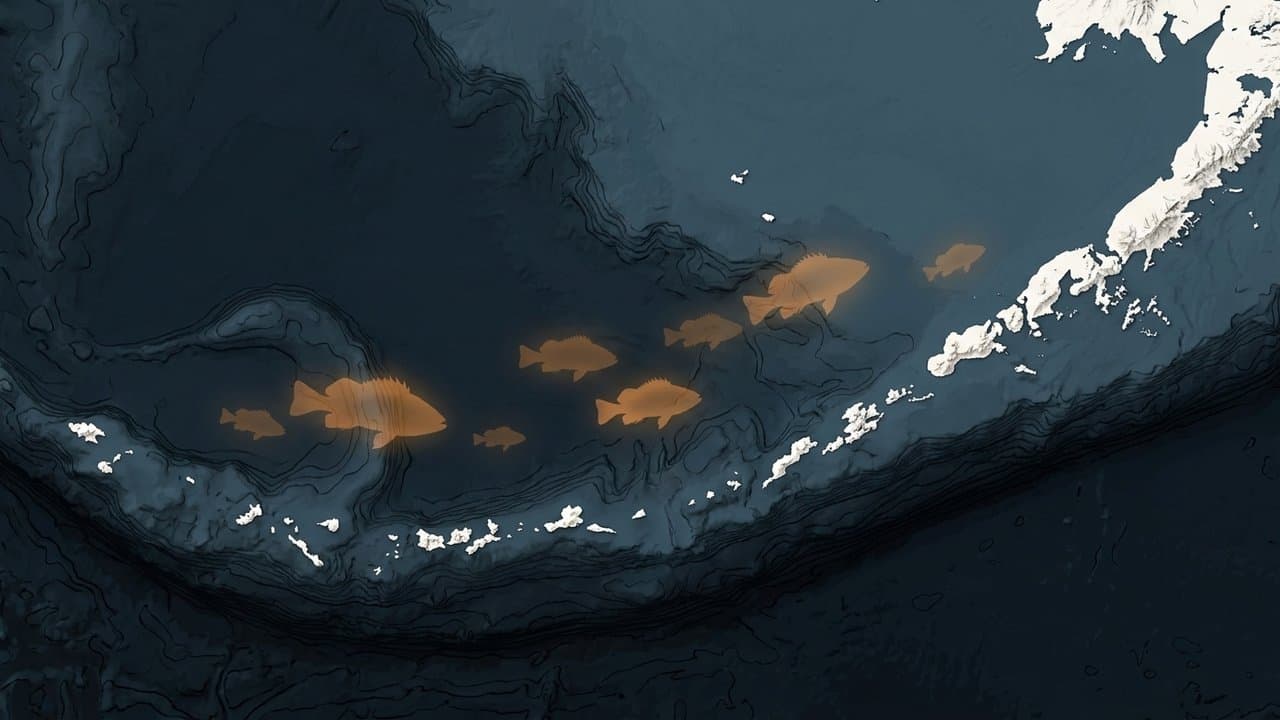
Pile driving at a Juneau fuel dock could damage seals' hearing
NOAA Fisheries proposes to let PetroMarine Services harass more than 1,600 harbor seals, sea lions, whales and porpoises during roughly 81 days of work at the Juneau Rock Dump terminal starting Jan. 1, 2027. Comments are due 30 days after Sept. 10 publication.
by Maggie AlaskaNews2w ago2 min read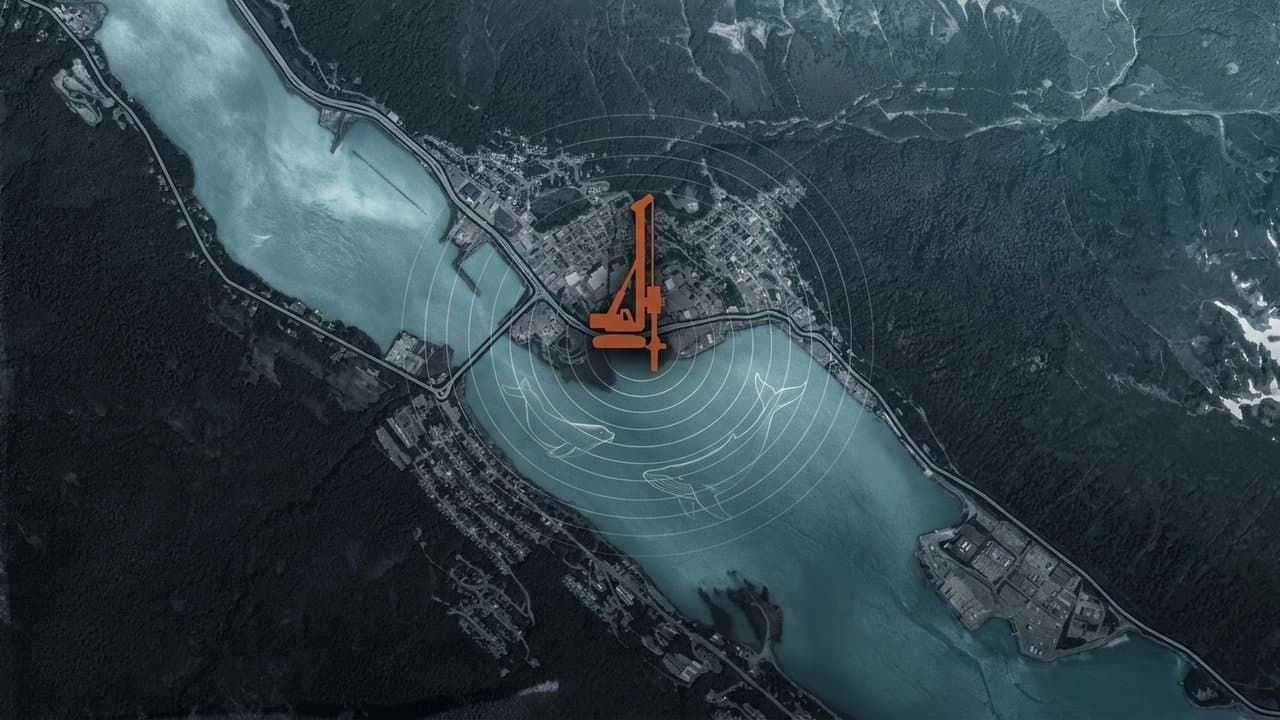
Bering Sea halibut boats would get a catch cap double the rest of Alaska
A proposed federal rule would set a permanent halibut vessel cap in the Bering Sea and Aleutians at 132,900 pounds, nearly double the Alaska coastwide limit.
by Walter AlaskaNews2w ago2 min read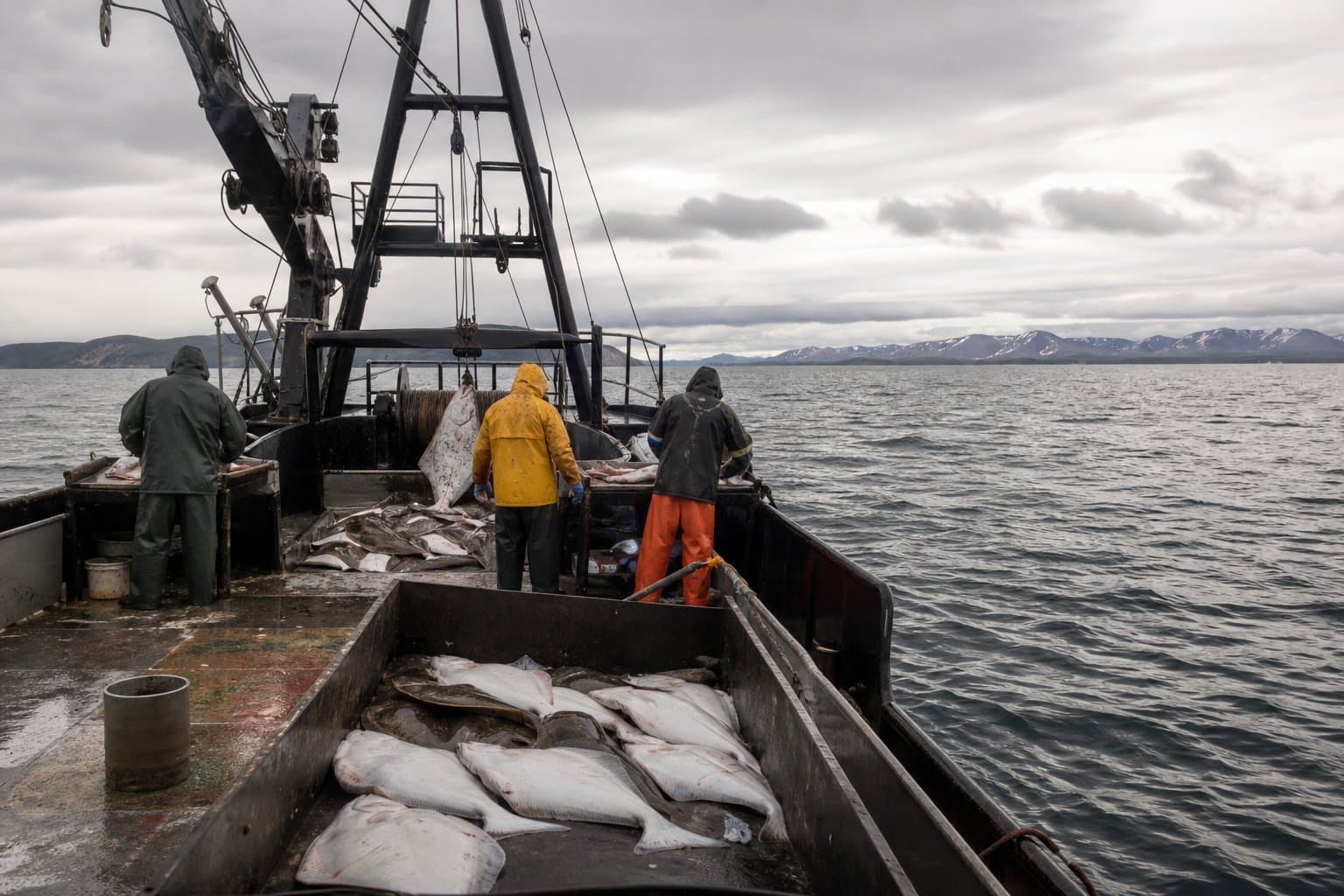
NMFS closes directed perch fishing in the Western Aleutian district
NMFS shut directed Pacific ocean perch fishing in the Western Aleutian district for BSAI trawl limited access vessels at noon Friday, Sept. 4, through Dec. 31, after the sector's 214-metric-ton allowance was reached. No public comment was taken.
by Bill AlaskaNews3w ago1 min read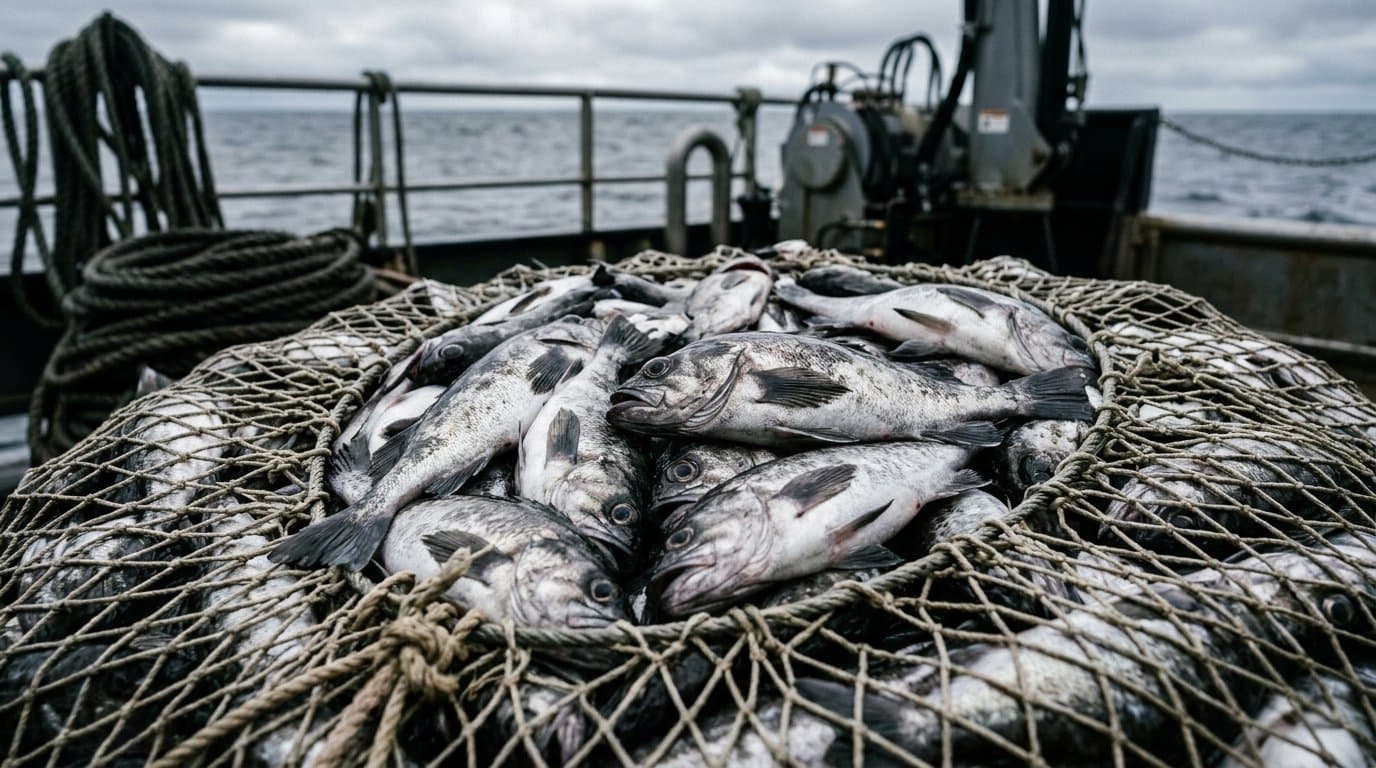
NOAA will stop briefing Alaska tribes before every council meeting
NOAA Fisheries Alaska Region says staff capacity dropped substantially in 2025 and it can no longer host a virtual tribal engagement session before every North Pacific Fishery Management Council meeting. The Oct. 8-13 Anchorage meeting sets groundfish and crab limits.
by Maggie AlaskaNews3w ago1 min read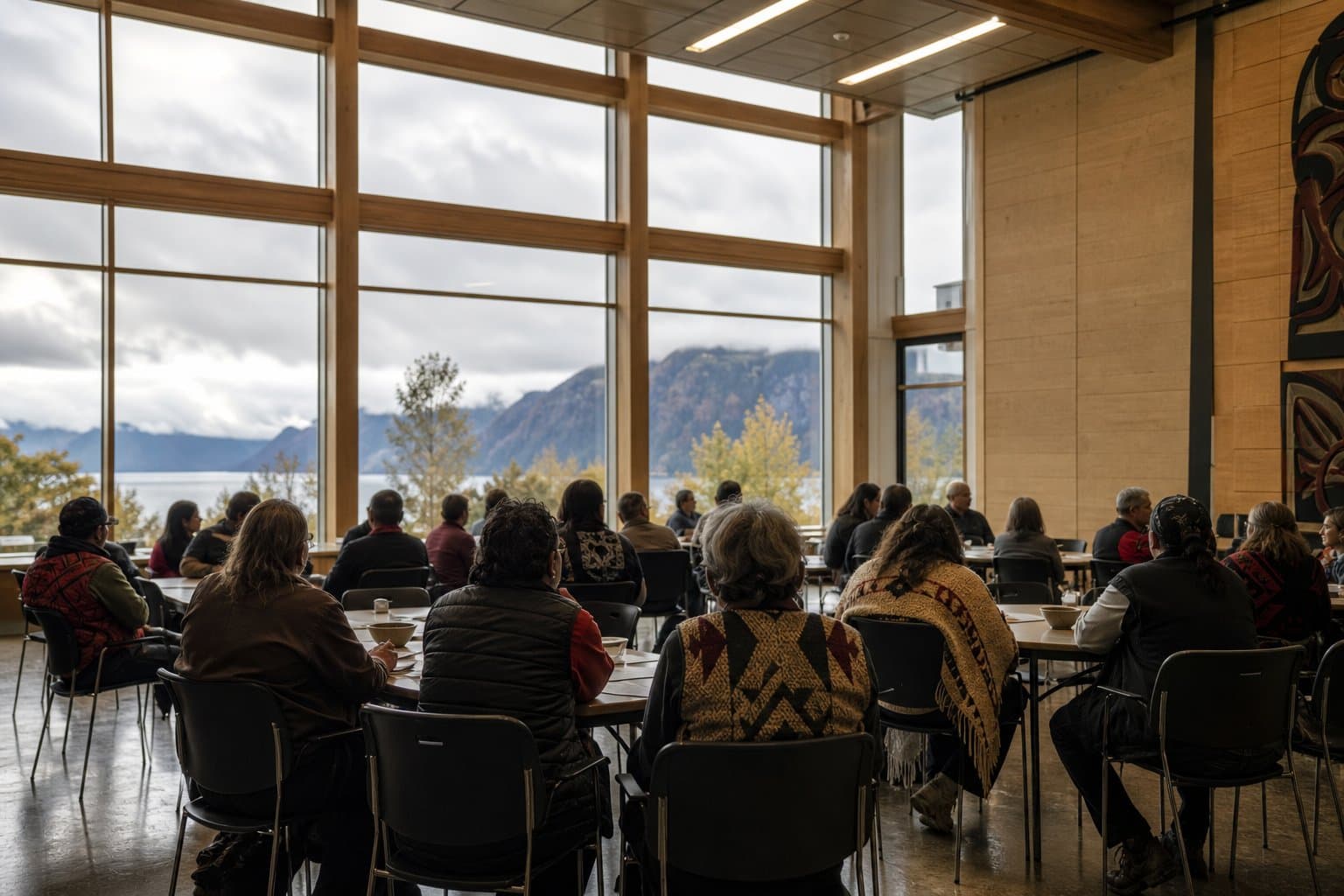
NOAA would let one boat take far more western halibut to get anyone fishing it
NOAA Fisheries proposed capping a single vessel at 5 percent of the Area 4 halibut catch limit, replacing a coastwide cap suspended out west since 2020.
by Bill AlaskaNews3w ago2 min read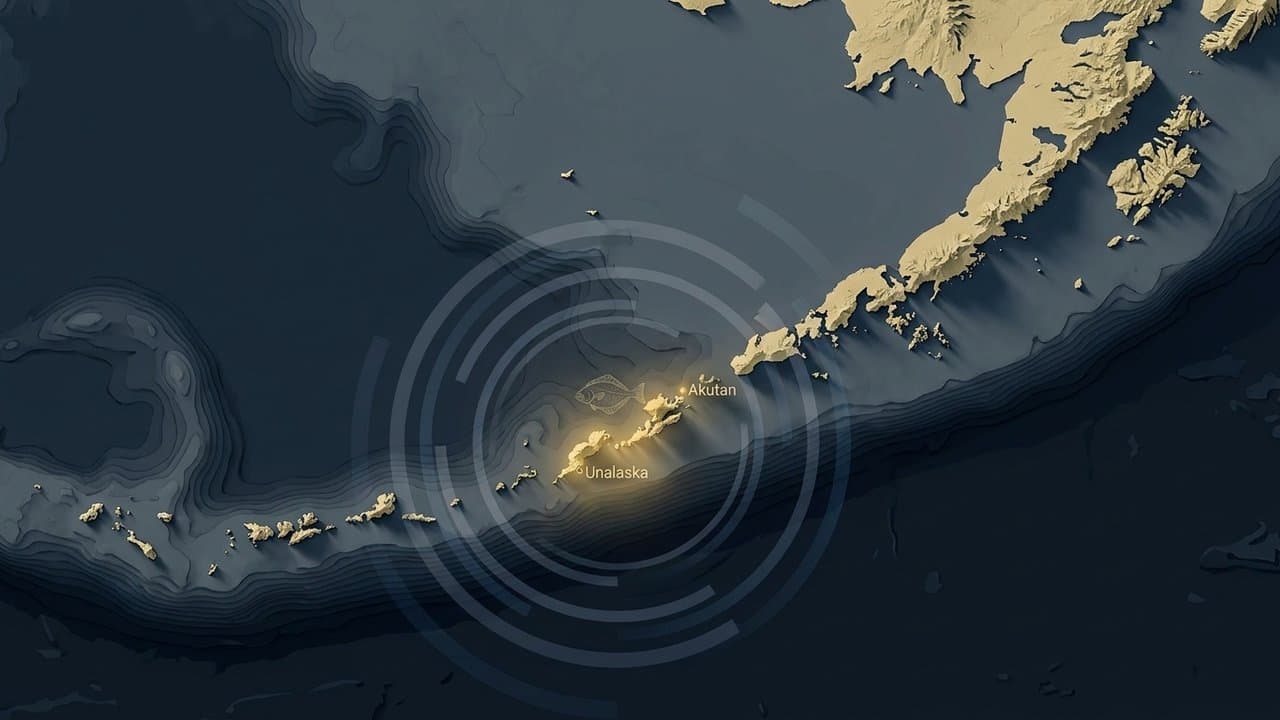
NOAA proposes letting Seward cruise dock pile driving run into 2027
Turnagain Marine Construction did not finish the Seward cruise ship dock within its one-year marine mammal permit. NOAA Fisheries proposes a renewal covering 12 remaining construction days through Sept. 1, 2027, with a 15-day public comment window opening Sept. 8.
by Maggie AlaskaNewsadded 3w ago2 min read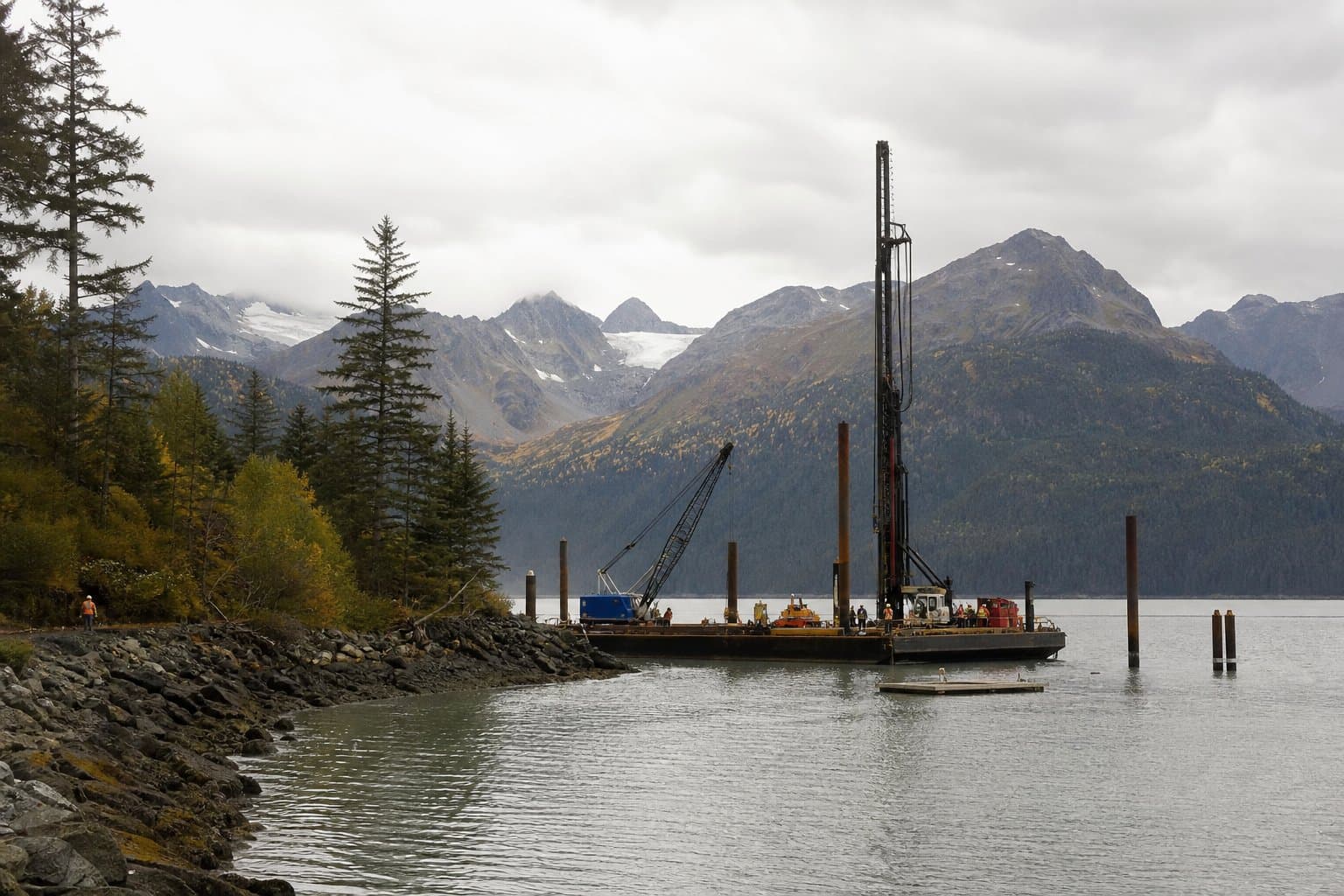
The paperwork behind 65 villages' share of the Bering Sea is up for renewal
NOAA Fisheries wants OMB to extend the information collection behind the Western Alaska CDQ Program, covering vessel registration, quota transfers and appeals. The public and federal agencies have 30 days to comment. The six CDQ groups are the estimated respondents, at 36 annual hours.
by Bill AlaskaNews3w ago1 min read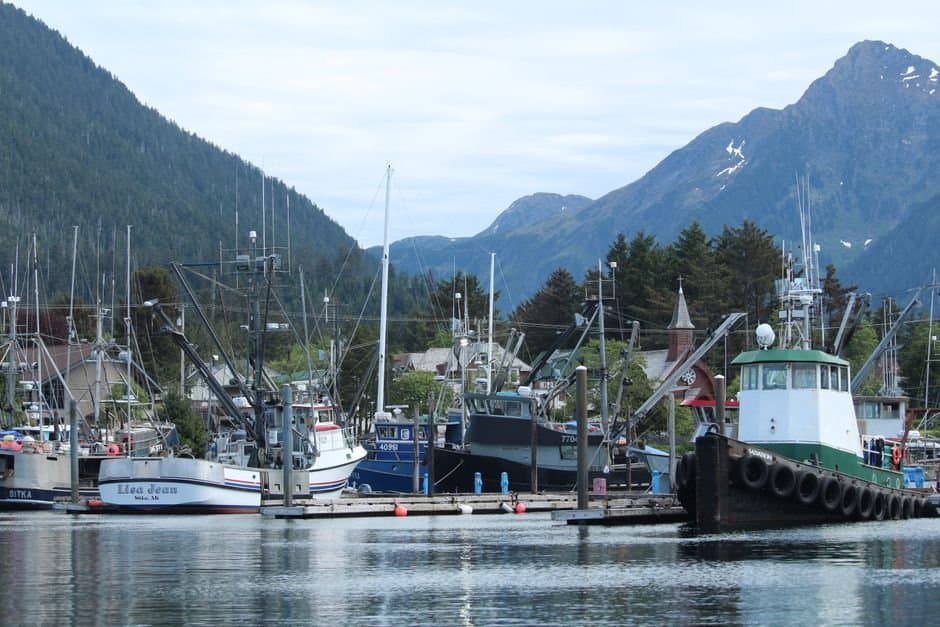
Alaska seafood headed to Europe needs a new certificate starting today
Alaska seafood exporters shipping to the European Union must use new EU health certificates starting Sept. 3, attesting that antimicrobials were not used for growth.
by Bill AlaskaNews3w ago1 min read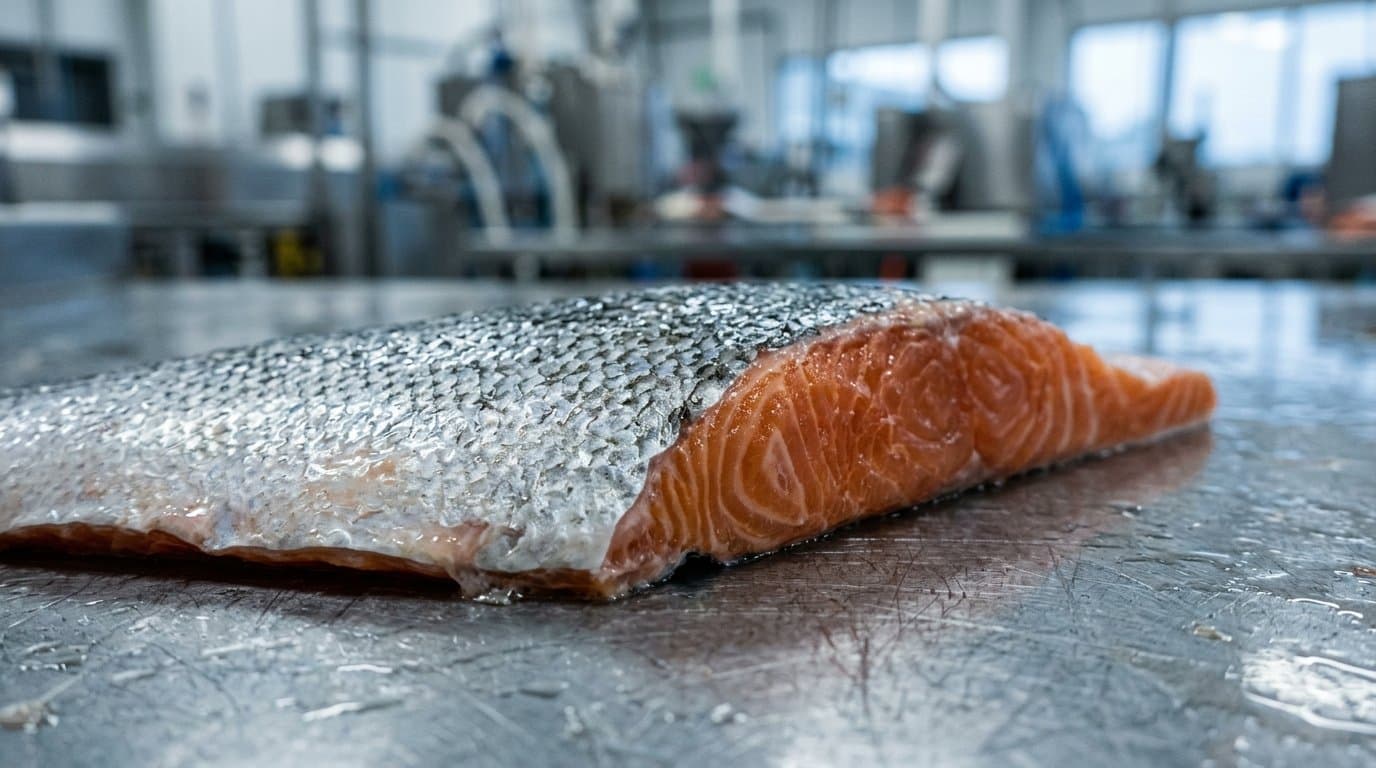
NMFS closes Central Gulf cod for hook-and-line vessels 50 feet and up
NMFS is closing directed Pacific cod fishing for hook-and-line catcher vessels 50 feet or longer in the Central Gulf of Alaska from Sept. 1 through Dec. 31, after the sector's 1,187-metric-ton directed allowance was reached.
by Bill AlaskaNews1mo ago1 min read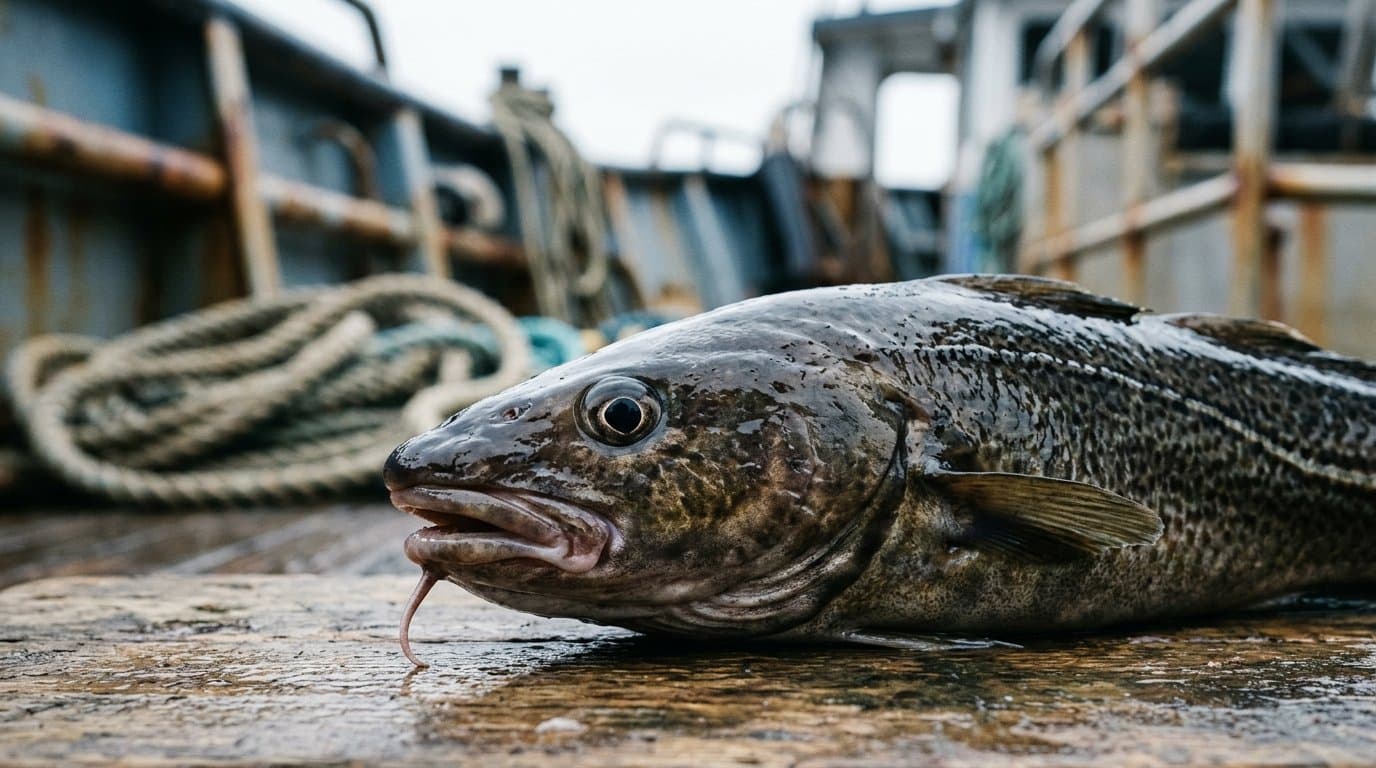
Small cod boats return Sept. 1 in the Bering Sea and Aleutians
Pacific cod boats under 60 feet can fish the Bering Sea again Sept. 1, after federal managers shifted quota from jig and larger hook-and-line fleets.
by Bill AlaskaNews1mo ago1 min read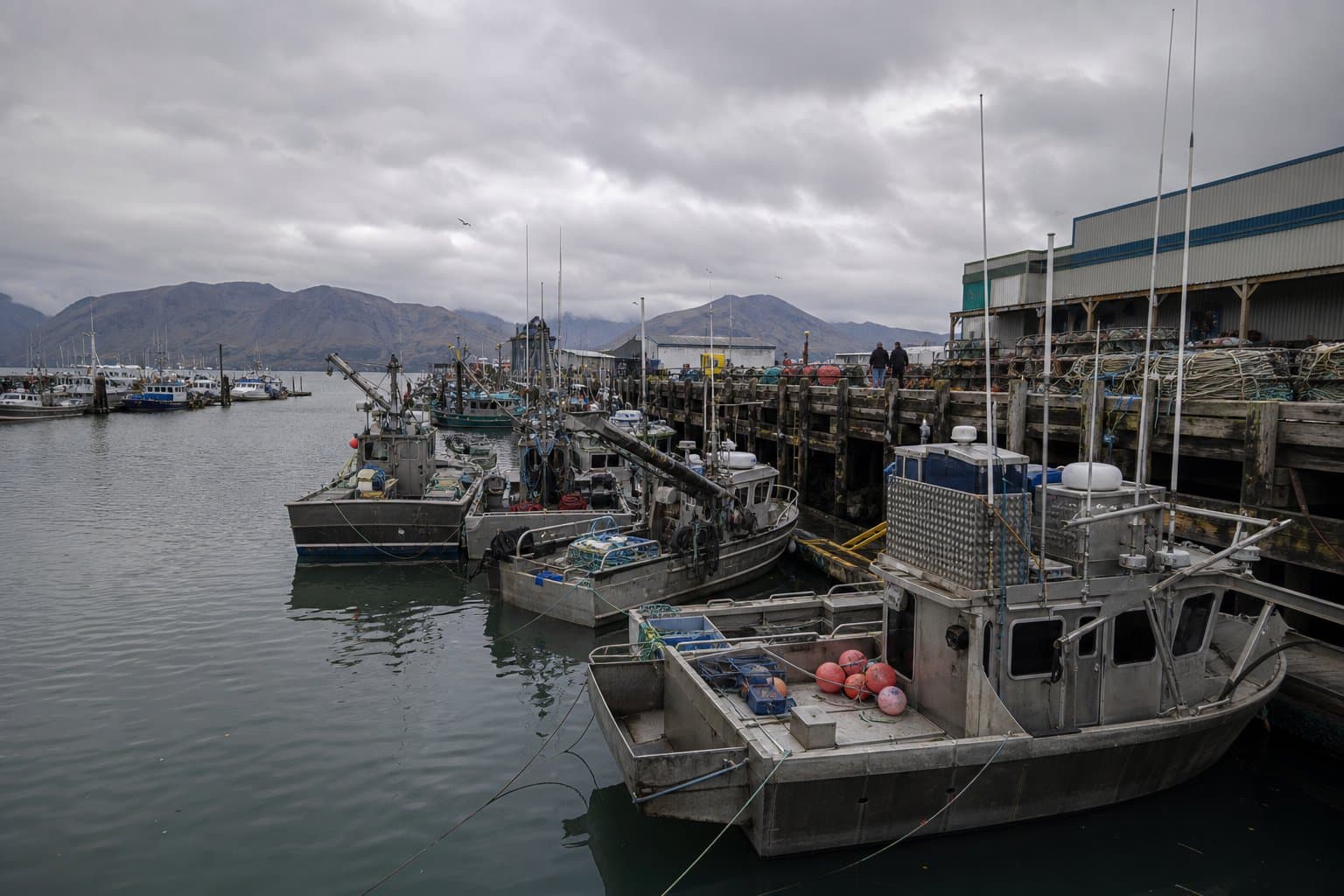
Central Aleutian perch fishery closes early for a second straight year
NMFS is shutting down directed Pacific ocean perch fishing in the Central Aleutian district for BSAI trawl limited access vessels at noon Thursday, Aug. 27, through Dec. 31, after the sector's 480-metric-ton allowance was reached. No public comment was taken.
 by Alaska News1mo ago1 min read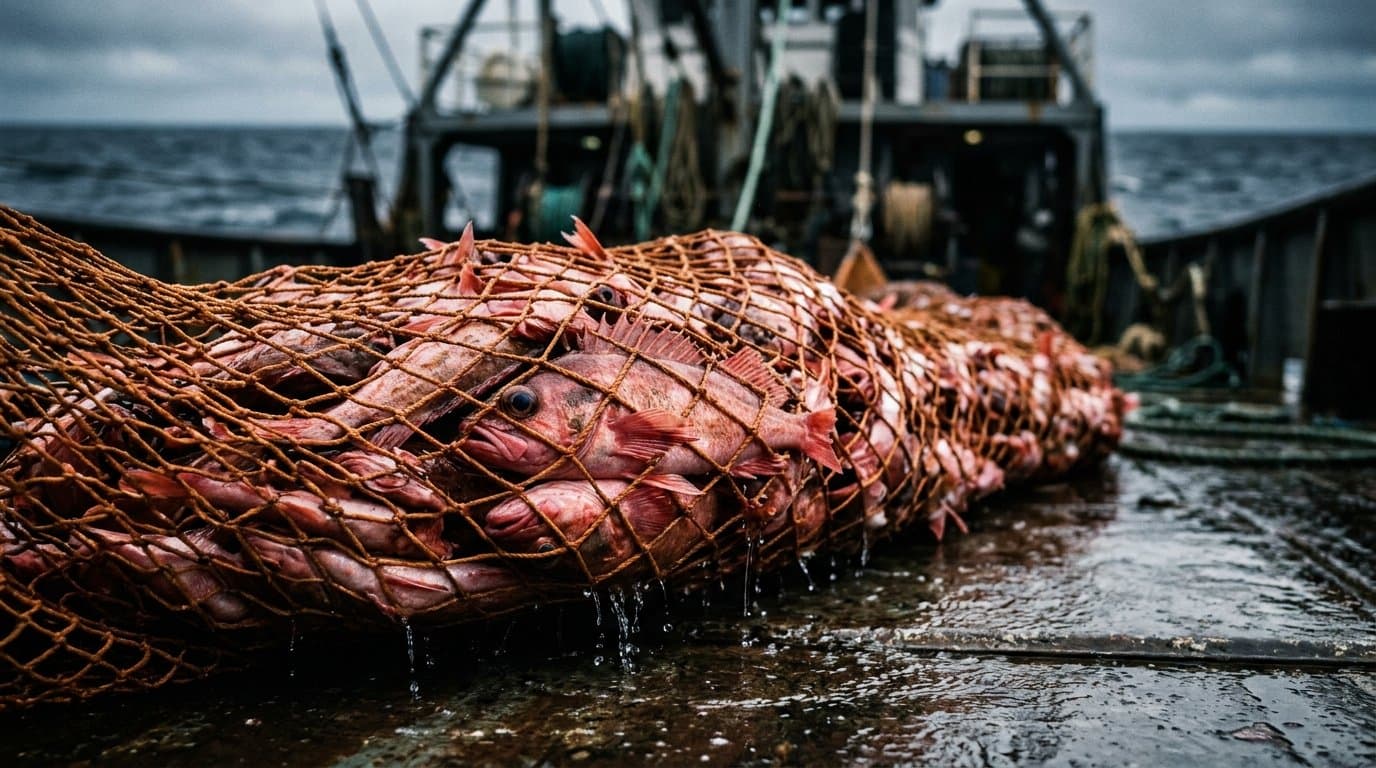
Ninth Circuit upholds federal Cook Inlet salmon management against drift fleet challenge
A Ninth Circuit panel upheld federal management of Cook Inlet's offshore salmon fishery, rejecting every claim brought by two Cook Inlet fishing groups.
by Bill AlaskaNewsadded 1mo ago2 min read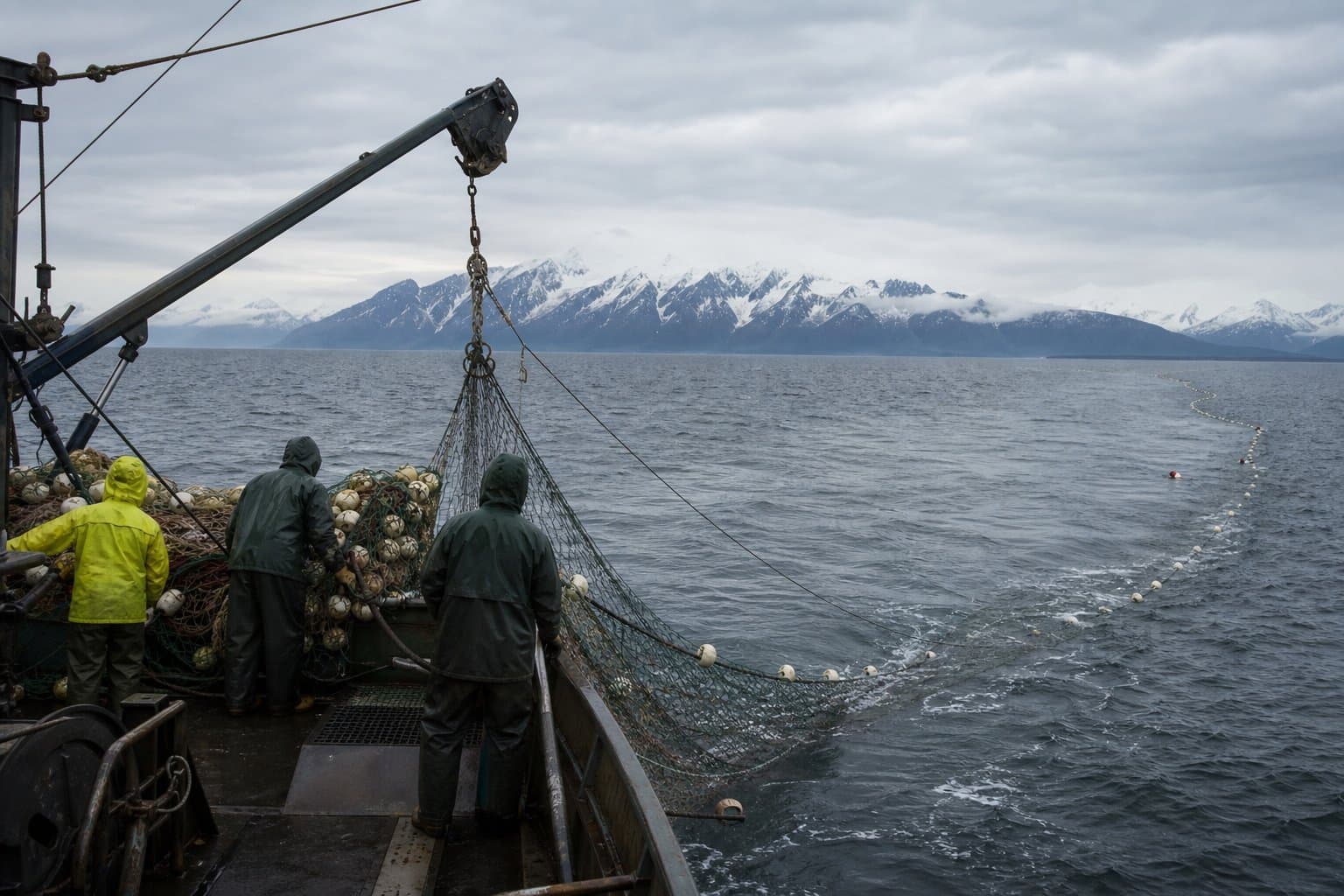
New EU seafood paperwork lands Sept. 3, and it is not the only change
New EU health certificates for U.S. seafood take effect Sept. 3, alongside a separate overhaul of the EU's catch-documentation system for wild-caught product.
by Bill AlaskaNews1mo ago2 min read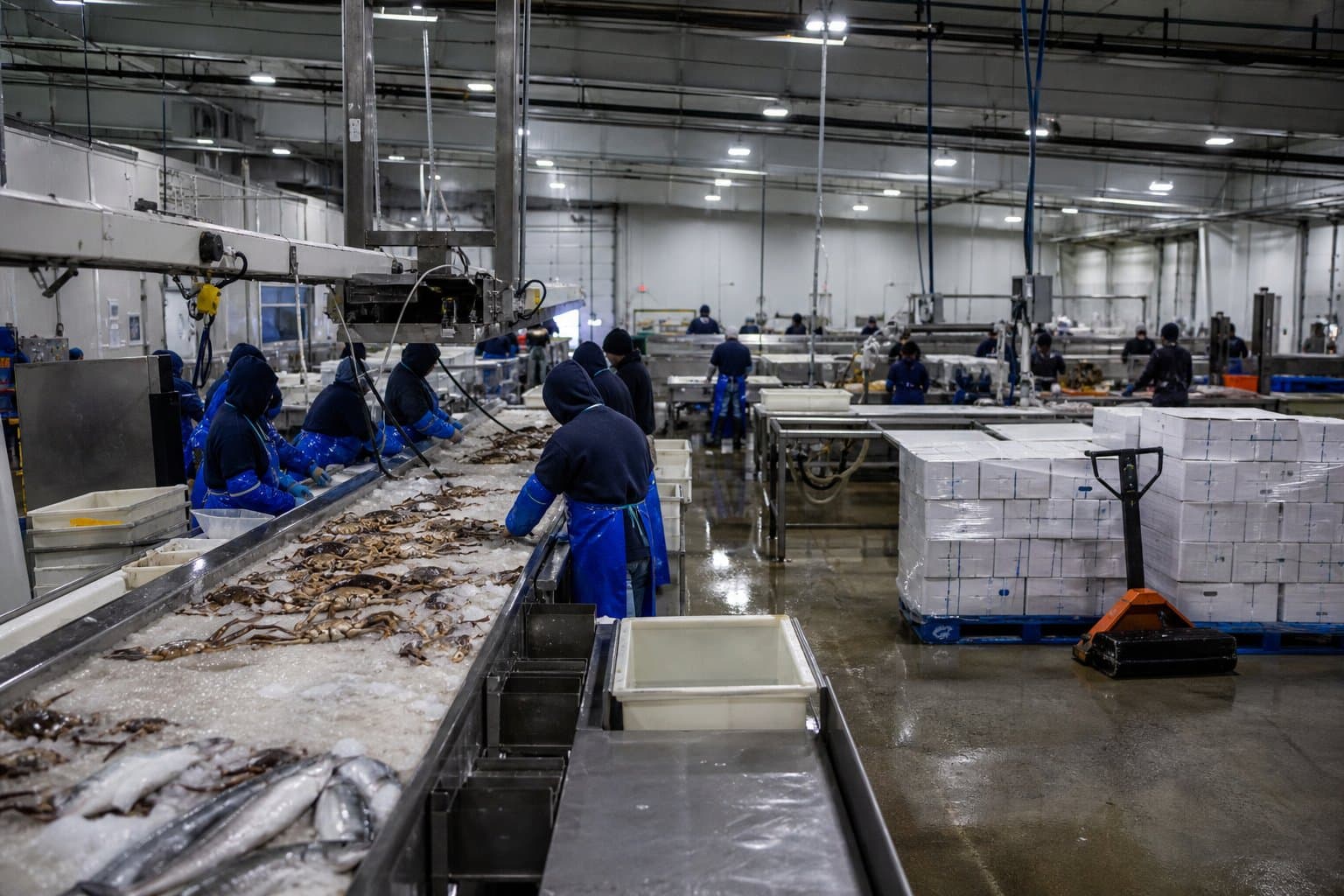
Alaska's seat on the halibut commission is open, and you can nominate yourself
NOAA is taking nominations through Sept. 14 for the Alaska-resident seat among the U.S. commissioners to the International Pacific Halibut Commission, the body whose catch limits and season dates govern Alaska commercial, charter and subsistence halibut fishing.
by Maggie AlaskaNews1mo ago1 min read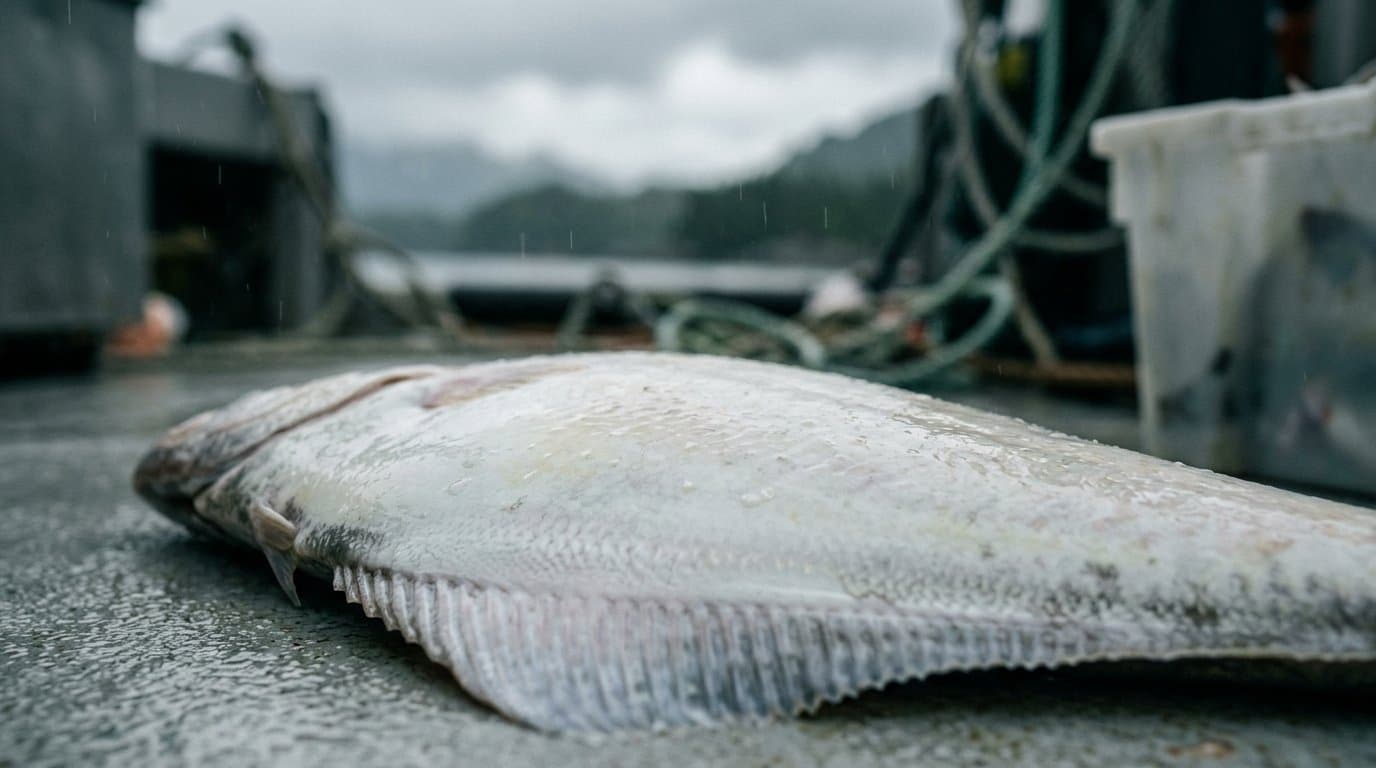
NOAA pays $1.57 million for samples from subsistence-harvested seals
NOAA has awarded the Alaska Department of Fish and Game a $1.57 million cooperative agreement running Sept. 1, 2026, through Aug. 31, 2029, to sample ice seals harvested for subsistence in the Bering, Chukchi and Beaufort seas and to survey Steller sea lion haulouts in Alaska.
by Maggie AlaskaNews1mo ago2 min read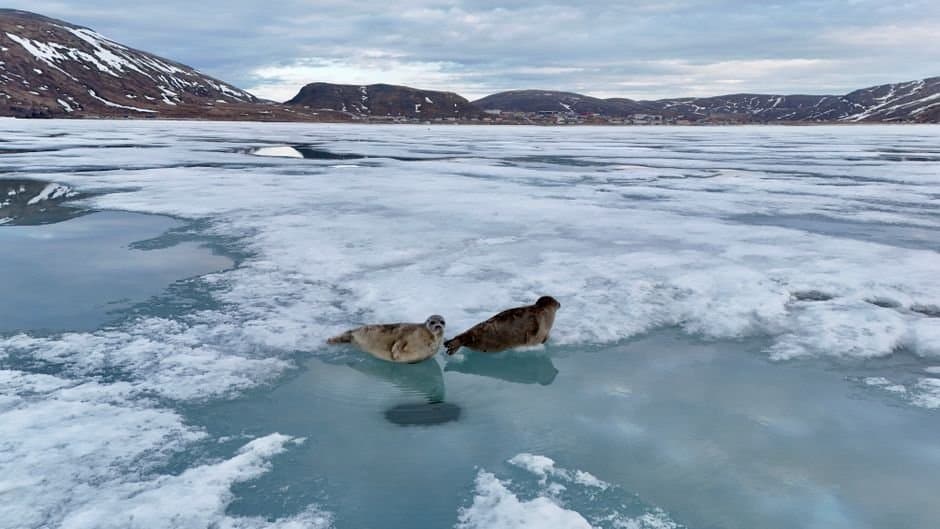
A toxic bloom killed fur seals off St. George with the highest saxitoxin level ever recorded in the species
A harmful algal bloom killed northern fur seals off St. George Island with a record saxitoxin level, and federal money will keep tribal monitors tracking the depleted population.
by Maggie AlaskaNews1mo ago1 min read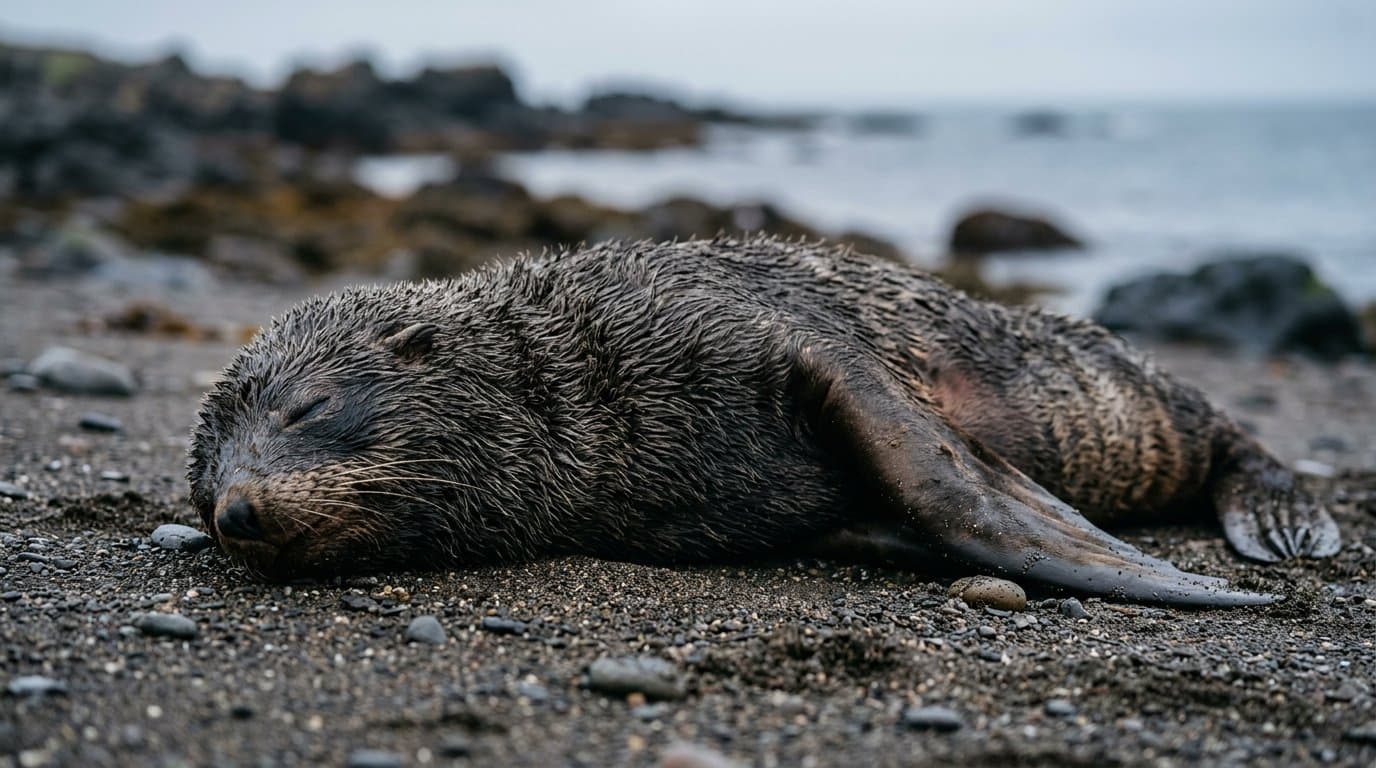
NOAA is still testing groundwater in the Pribilofs, decades after it left
NOAA awarded a $186,644 contract for groundwater monitoring under the 1996 Pribilof Islands Environmental Restoration Agreement, running through January 2028.
by Alaska News1mo ago2 min read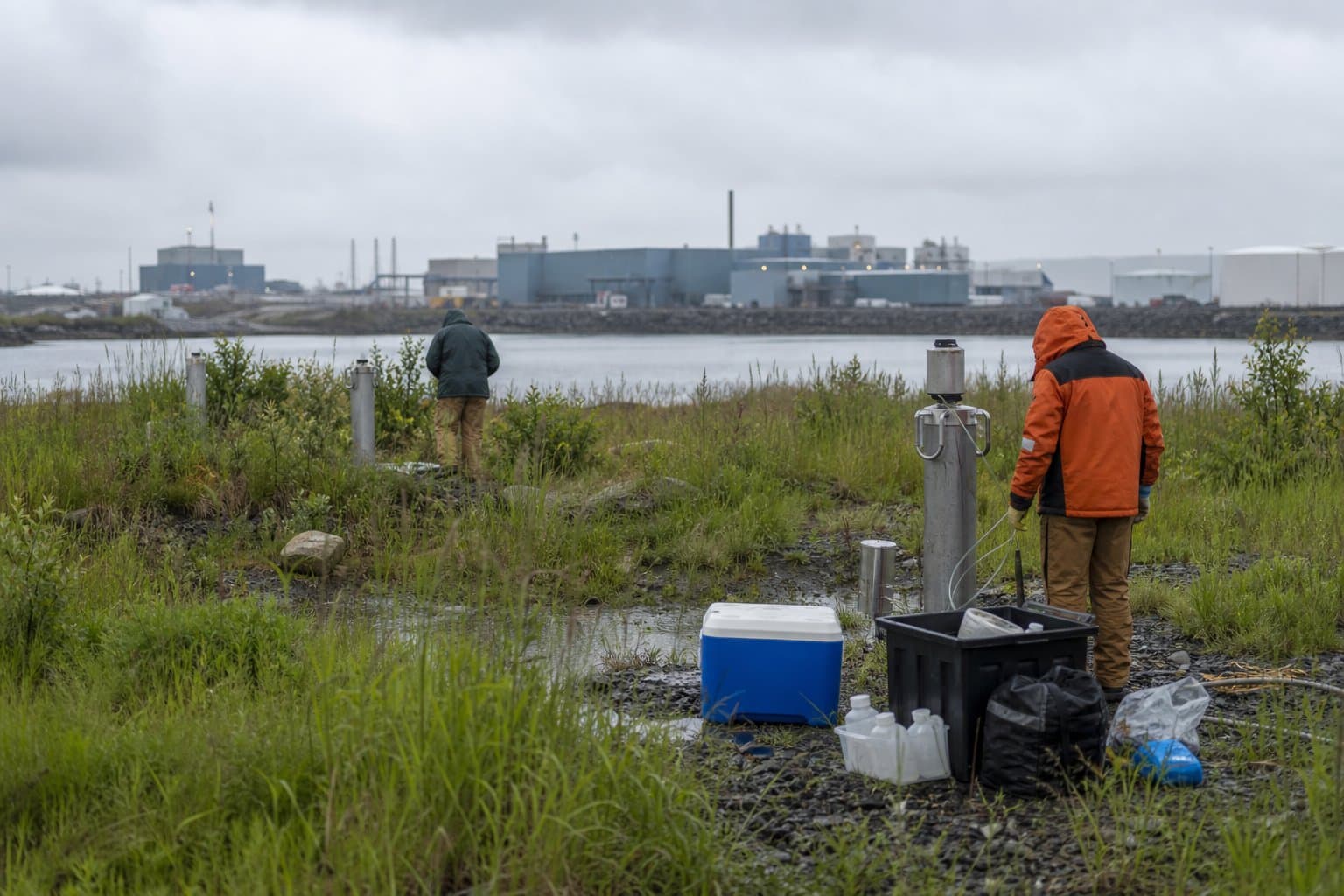
Three years and three permits later, Ketchikan's airport ferry still has no backup berths
NOAA Fisheries has reissued the Alaska Department of Transportation and Public Facilities a marine mammal harassment permit for ferry berth construction in Tongass Narrows, the third since 2023. The state told the agency in June that no pile driving or drilling has occurred.
by Maggie AlaskaNews1mo ago1 min read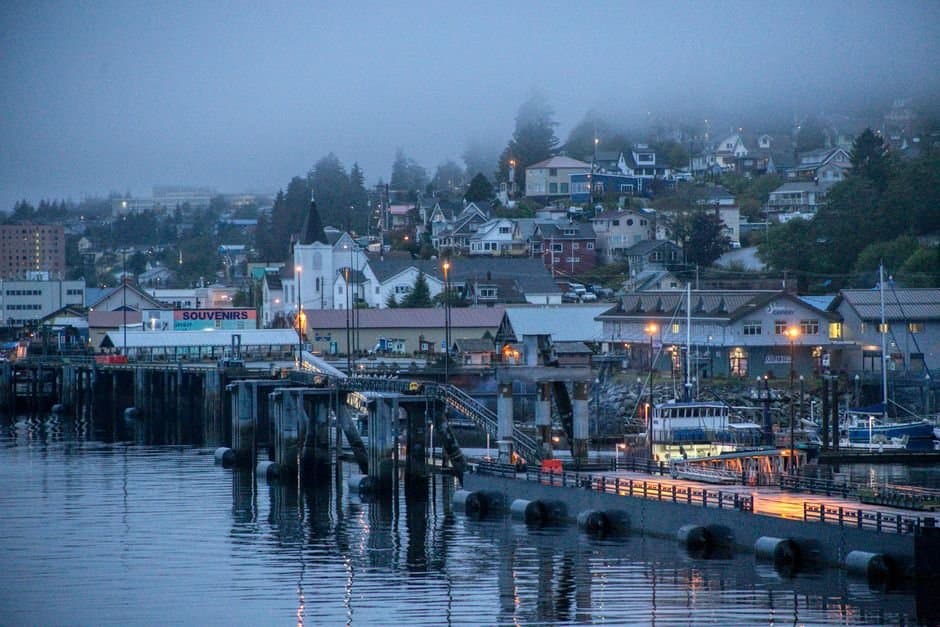
Eight Alaska fishery disaster requests are past the deadline federal law sets
NOAA Fisheries has missed its own posted determination deadlines on eight of twelve pending Alaska fishery disaster requests, blocking any aid allocation to affected communities.
by Walter AlaskaNews1mo ago2 min read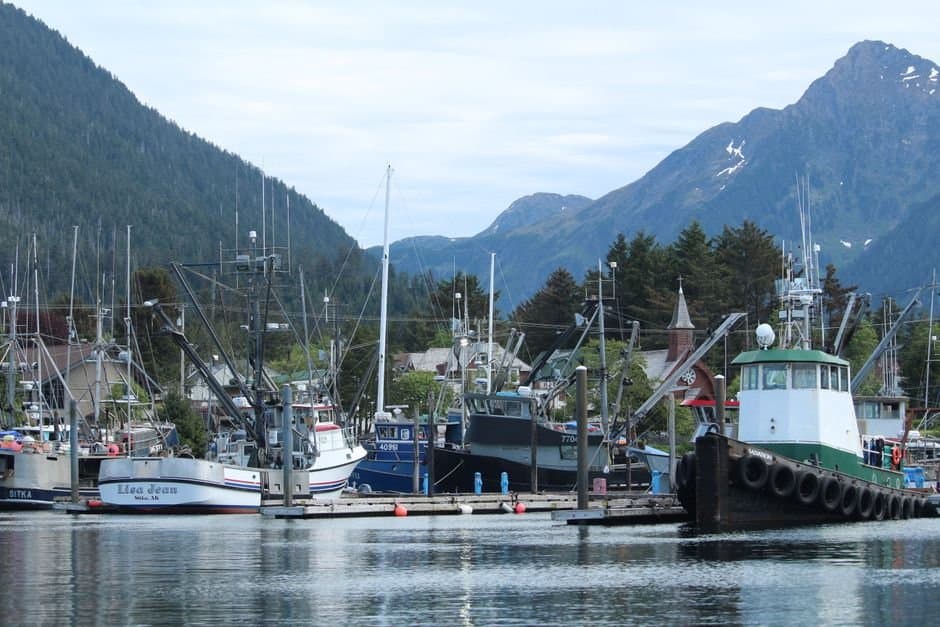
A sharp cut to West Coast salmon limits lands on fish Alaska shares
Federal managers cut Chinook troll limits off Washington and Oregon by three-quarters and closed parts of California's salmon fisheries, affecting stocks shared with Alaska.
by Bill AlaskaNews1mo ago2 min read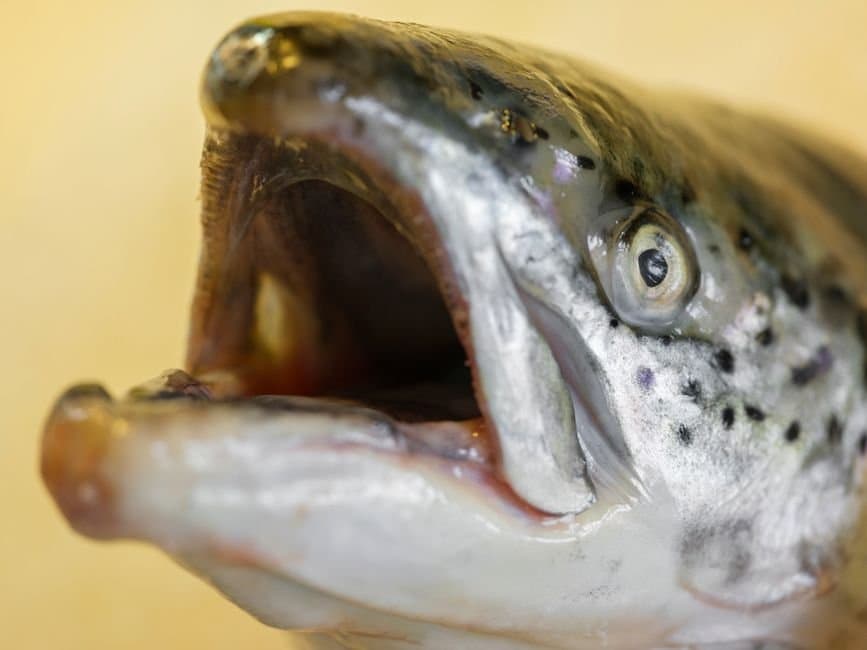
Alaska's largest fisheries lab swaps ozone for ultraviolet to treat its water
NOAA's Ted Stevens Marine Research Institute near Juneau is replacing its ozone disinfection system with ultraviolet units and a sand filter under a $155,653 contract.
 by Melinda Communities.News1mo ago1 min read
Hoonah and Ketchikan dock projects renew marine mammal permits without breaking ground
NOAA Fisheries renewed marine mammal permits for Hoonah's cargo dock and Ketchikan's ferry berths through August 2027. Neither project has started construction.
by Maggie AlaskaNews1mo ago2 min read
A federal rule will stop habitat destruction from counting as "harm" to listed species
Interior's semiannual regulatory agenda, published Friday, lists the rescission of the Endangered Species Act definition of "harm" at final rule stage. The change would drop habitat modification from the definition, a shift with direct bearing on Alaska salmon habitat and federal permitting.
by Maggie AlaskaNews1mo ago2 min read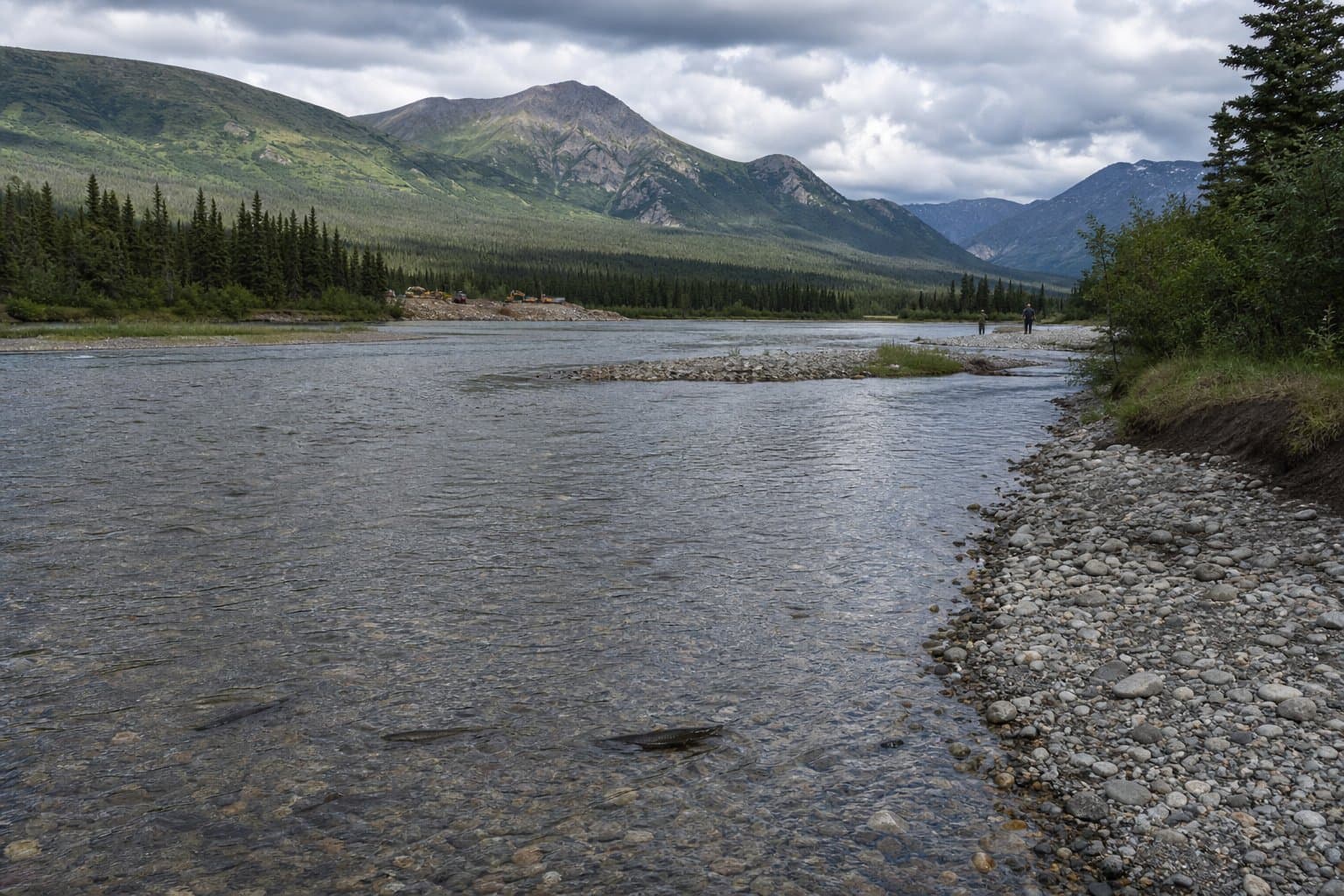
From California to Southeast Alaska, salmon fisheries are closing in lockstep this week — under the same treaty
Southeast Alaska's commercial troll fishery closed after reaching its Pacific Salmon Treaty Chinook cap, as NOAA closes West Coast salmon fisheries the same week under the same shared stocks.
by Bill AlaskaNews1mo ago2 min read
A NOAA study finds Pacific capelin may spawn more than once
A new NOAA Alaska Fisheries Science Center study found an iteroparity rate of 41 percent in Pacific capelin, the first evidence the forage fish can spawn in more than one year. The finding matters for predator and ecosystem forecasting, not harvest.
by Melinda Communities.News1mo ago3 min read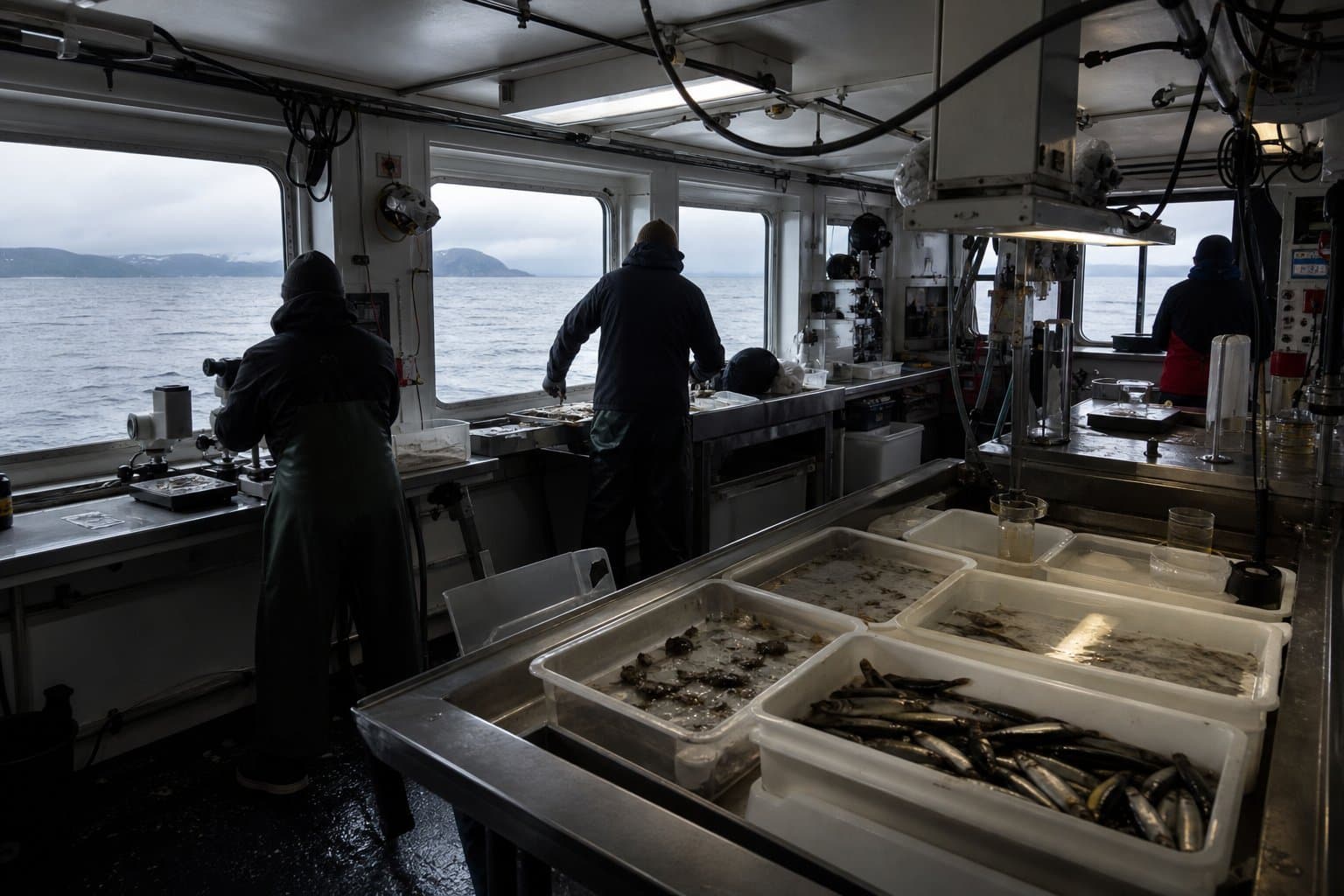
The panels that shape Alaska's pollock and cod catch limits meet next month
The North Pacific Fishery Management Council has scheduled its Groundfish Plan Teams for a hybrid public meeting Sept. 8-11, 2026. The agenda centers on scientific and management reviews rather than a council vote, with online access through the NPFMC meetings portal.
by Bill AlaskaNews1mo ago1 min read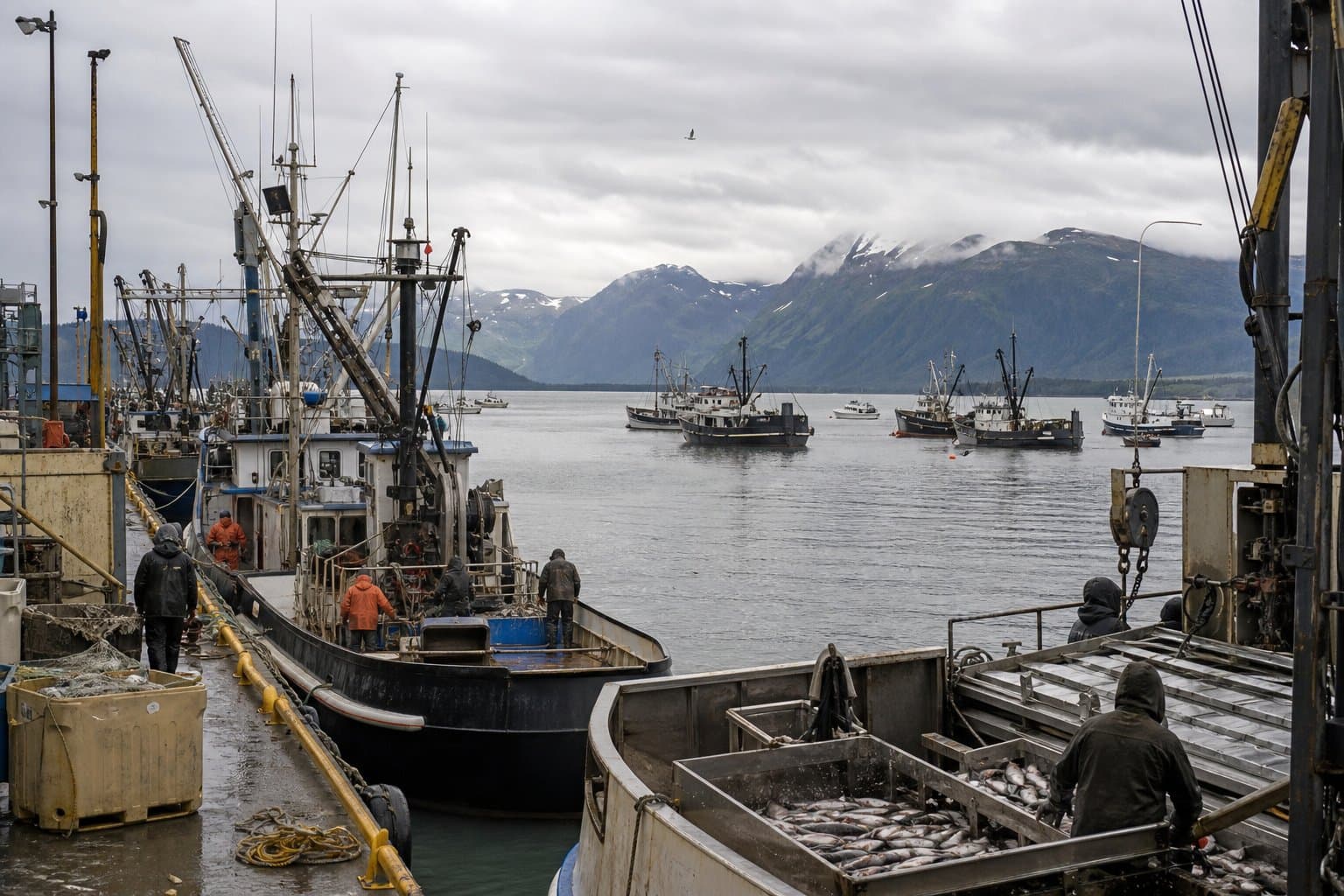
Sitka's Coast Guard cutter dock clears review; work set for 2026
NOAA Fisheries issued the Coast Guard a modified marine mammal harassment authorization on Aug. 3 for pile driving at its Sitka moorings. The permit covers up to one year of the specified in-water work at the Fast Response Cutter homeport dock.
by Maggie AlaskaNewsadded 1mo ago1 min read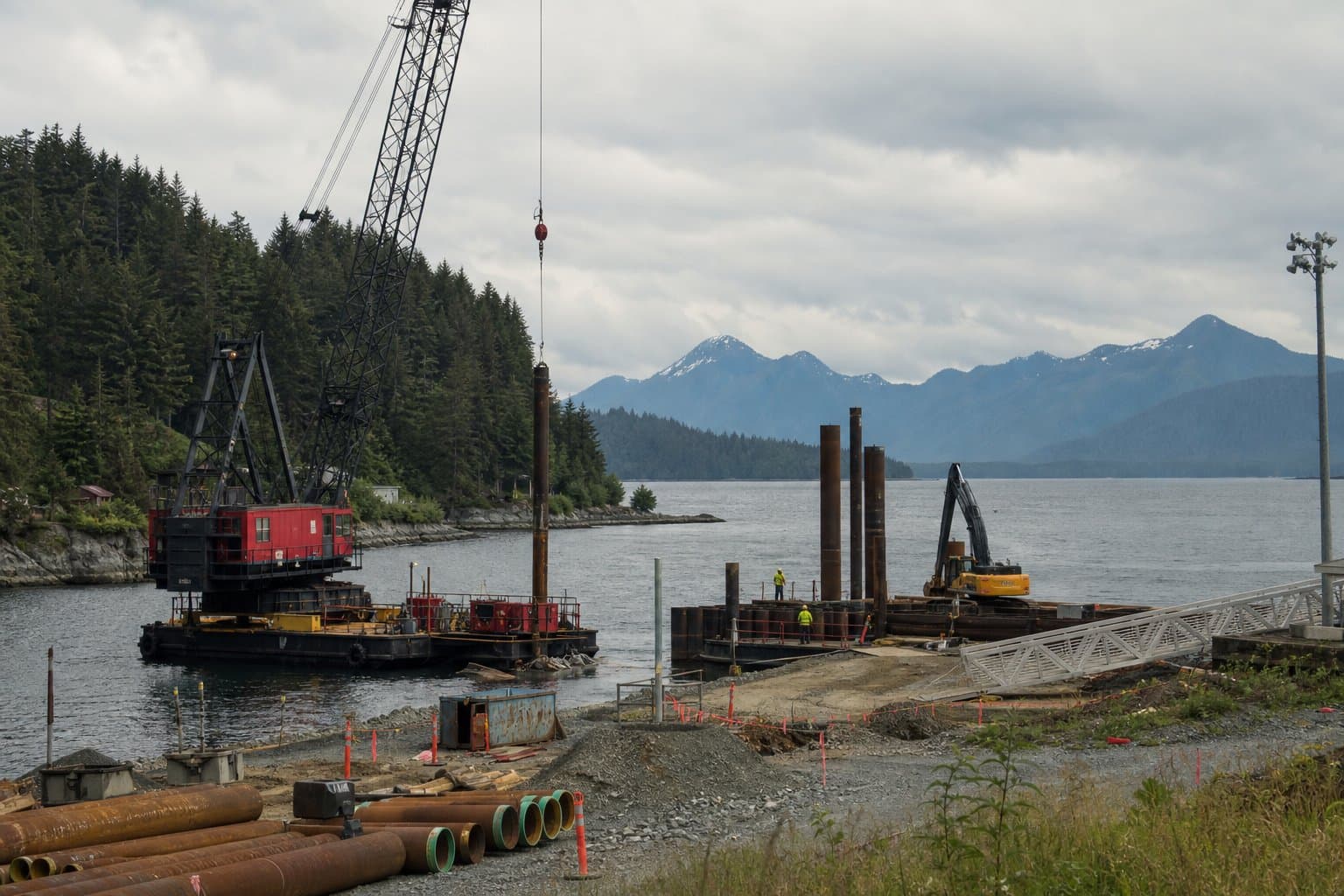
A weak coho run just shut down federal commercial salmon fishing in Cook Inlet
NOAA Fisheries has closed commercial salmon fishing in the Cook Inlet EEZ area from Aug. 5 through Aug. 15 to avoid exceeding the 2026 federal coho catch limit.
by Walter AlaskaNewsadded 1mo ago1 min read