
Alaska Minerals Permitting Push
Federal officials said Alaska holds 95 percent of U.S. critical minerals but permitting timelines of 15 to 18 years block production needed for national security.
Tap or swipe for 32 more stories
Alaska’s meetings and filings, covered daily.
Alaska News
Dunleavy and business author Wade say Alaska must cut regulations to compete for investment and jobs. • Wade argued over-regulation keeps poor nations poor, citing special economic zones as a model. • Dunleavy said a major energy project awaits legislature approval and could create thousands of jobs. • Wade told energy industry reliable, affordable power is essential to human flourishing.
 by Walter AlaskaNews
Also in Alaska News
Governor Dunleavy said the Alaska gas pipeline project has momentum now that the Trump administration has reversed federal restrictions, and he called on Congress to streamline permitting and limit legal challenges to projects.
by Walter AlaskaNews
Alaska Senate unanimously passed a resolution urging Congress to set hiring goals for apprentices and veteran apprentices on U.S. Defense Department construction projects.
by Walter AlaskaNews
Senate Republicans warn Cook Inlet gas decline will raise rural power costs through state subsidy program. • Caucus calls energy shortage an existential crisis and pushes Legislature to build gasline instead of importing liquefied gas. • Three priorities set for special session: cut energy costs, create jobs from pipeline, manage resources for public benefit.
by Walter AlaskaNewsWhere in Alaska are you?
We’ll put news from your area first. No account needed, change it anytime.
Rep. Nick Begich cited a record $163 million Alaska oil lease sale as evidence that federal policy certainty drives energy investment, and called for faster permitting to unlock Alaska's oil, gas, and geothermal resources for national security.
by Walter AlaskaNews
Murkowski pressed FBI on Alaska's missing and murdered Indigenous women crisis, 229 missing with 75 percent Alaska Native. • FBI launching tribal lands operation with Starlink communications for investigations. • DEA opening two Canada offices, intercepted 10 kilos of fentanyl bound for Alaska. • Murkowski raised Alaska's need for federal detention facility, Marshals director agreed to review.
by Walter AlaskaNewsAlaska Governor Dunleavy urged the state's 220-plus off-grid communities to adopt solar power paired with batteries and diesel backup to cut fuel costs as diesel prices rise for winter orders.
 by Maggie AlaskaNews
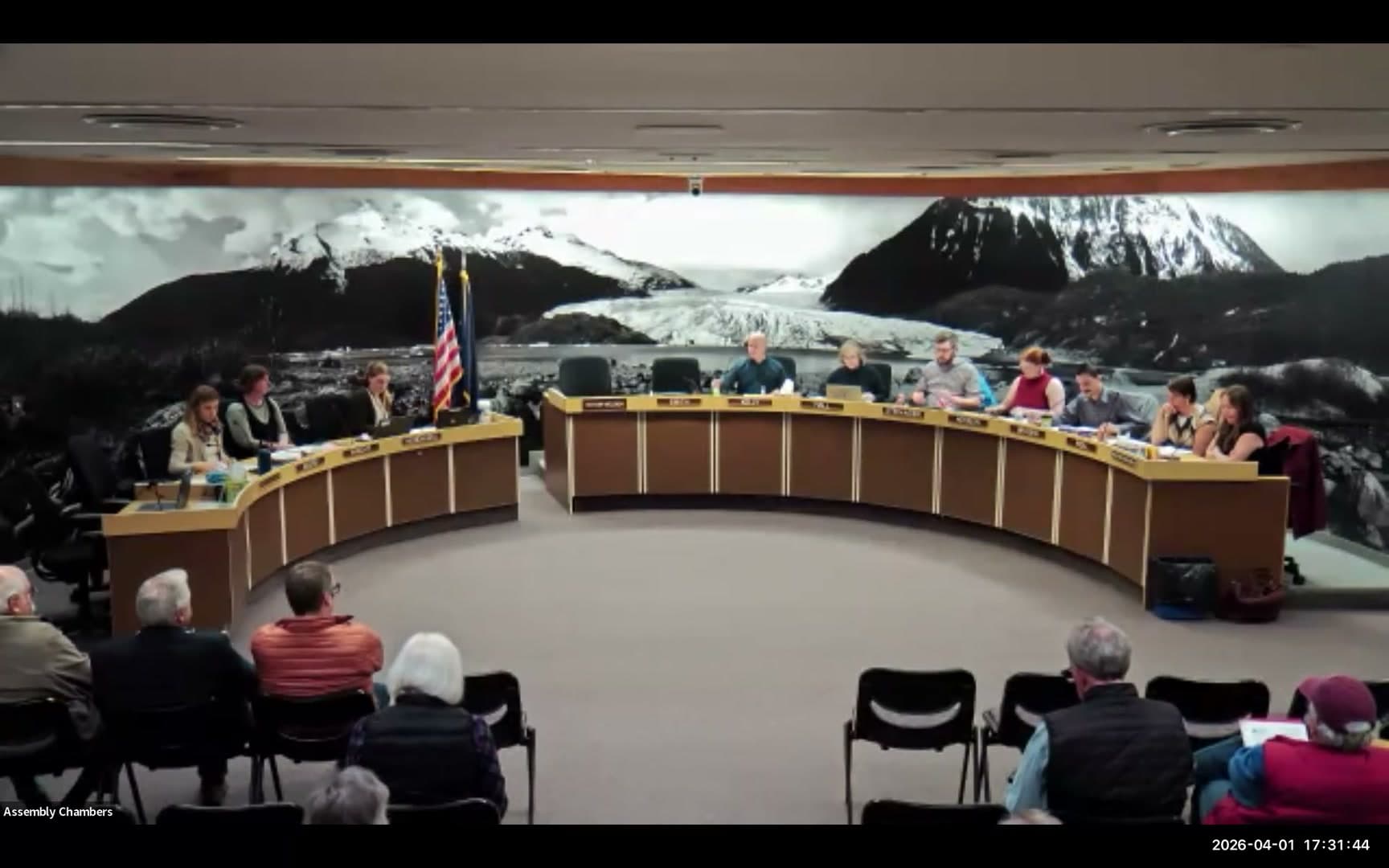
A Juneau resident told the Assembly that management failures and procurement delays have driven the Eagle Crest gondola project cost up by $12 million, warning taxpayers could face that shutdown bill.
by Walter AlaskaNewsAlaska LNG pipeline gains federal backing and strong Asian demand, with officials calling it the state's best chance to move forward on a $50 billion project.
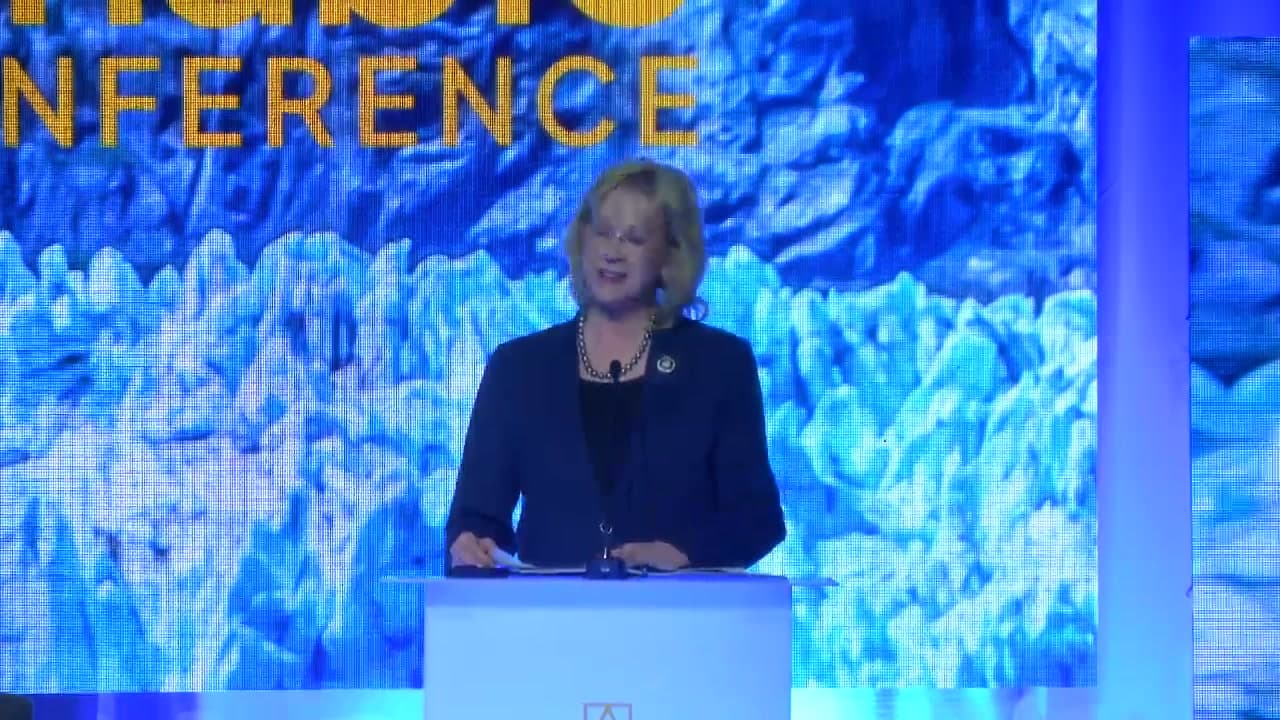
by Walter AlaskaNewsFormer Senator Kyrsten Sinema told an Alaska energy conference that the state is positioned to become a major hub for AI data center development, citing natural resources and engaged state leadership as key advantages.
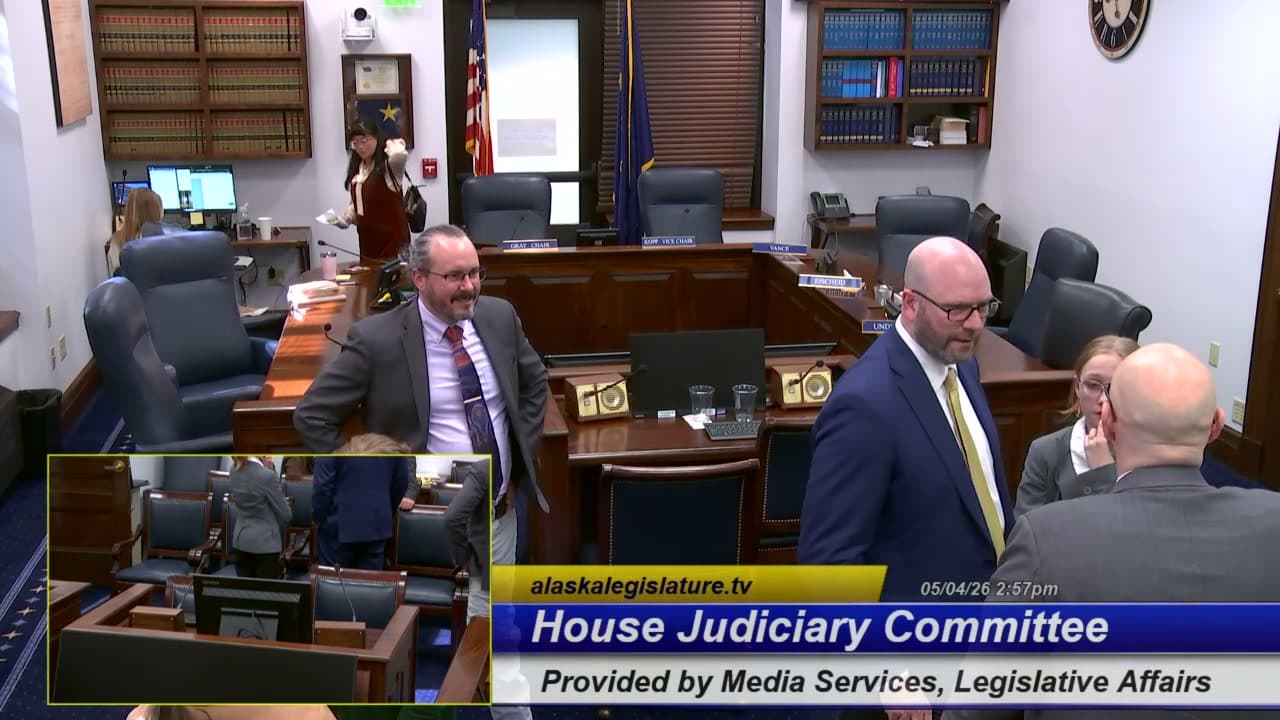
by Walter AlaskaNewsAlaska House committee voted to urge federal help relocating two Yukon-Kuskokwim Delta villages destroyed by last October's typhoon, since no current federal law covers storm-driven community moves.
 by Alaska News
Attorney General Cox defended a counter-China initiative at his confirmation hearing, but lawmakers questioned whether it strays into federal territory.
by Alaska NewsSunday Board Game Extravaganza
1391 Pickering Dr, Fairbanks, AK
Anchorage Gay Speed Dating with a Live Host
Zoom
Sunday Board Game Extravaganza
1391 Pickering Dr, Fairbanks, AK
Alaska Zoo November Member Appreciation Event
4731 O'Malley Rd, Anchorage, AK 99507-6574
ALC Concert Series: Anchorage Mandolin Orchestra Holiday Concert
Anchorage Lutheran Church, 1420 N Street, Anchorage, AK 99501
Alaska Senate panel unanimously backed a resolution urging Congress to reclassify 911 dispatchers as protective service workers, giving them access to federal training and wellness benefits.
by Alaska NewsRural Alaska fuel prices could reach $20 to $25 per gallon this year, potentially costing western Alaska up to $500 million in additional costs, state Sen. Lyman Hoffman warned Friday.
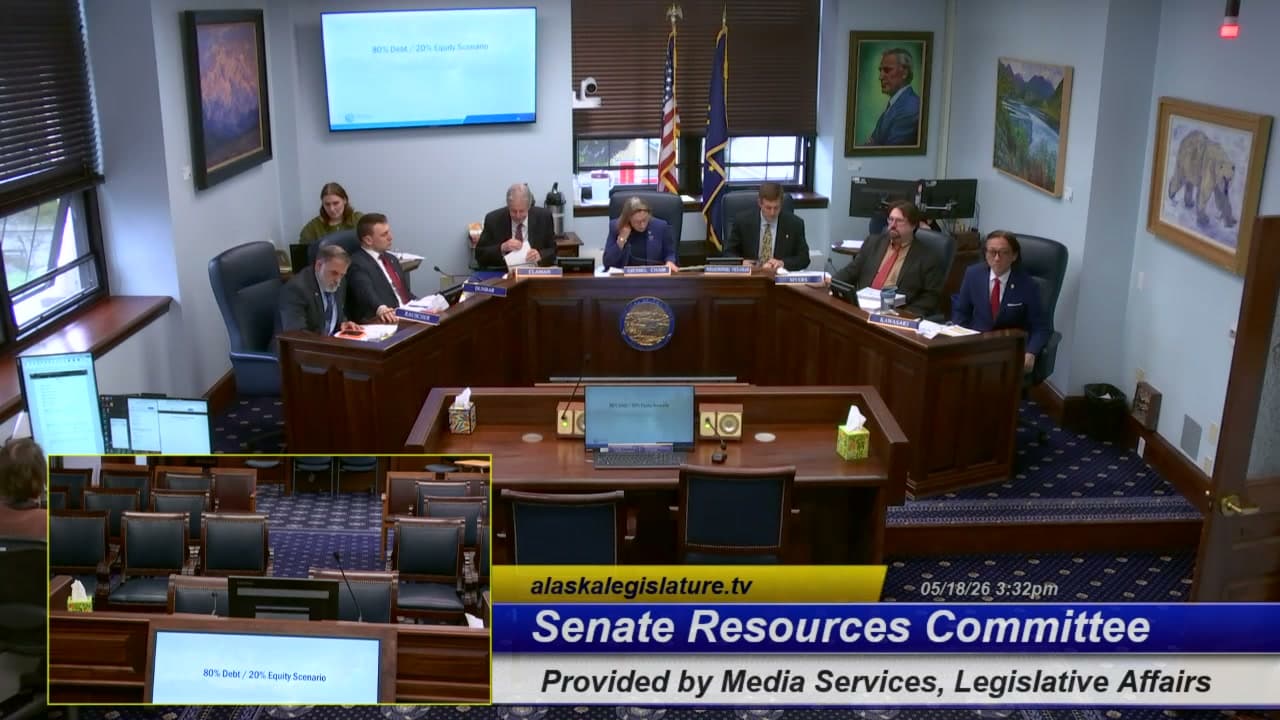
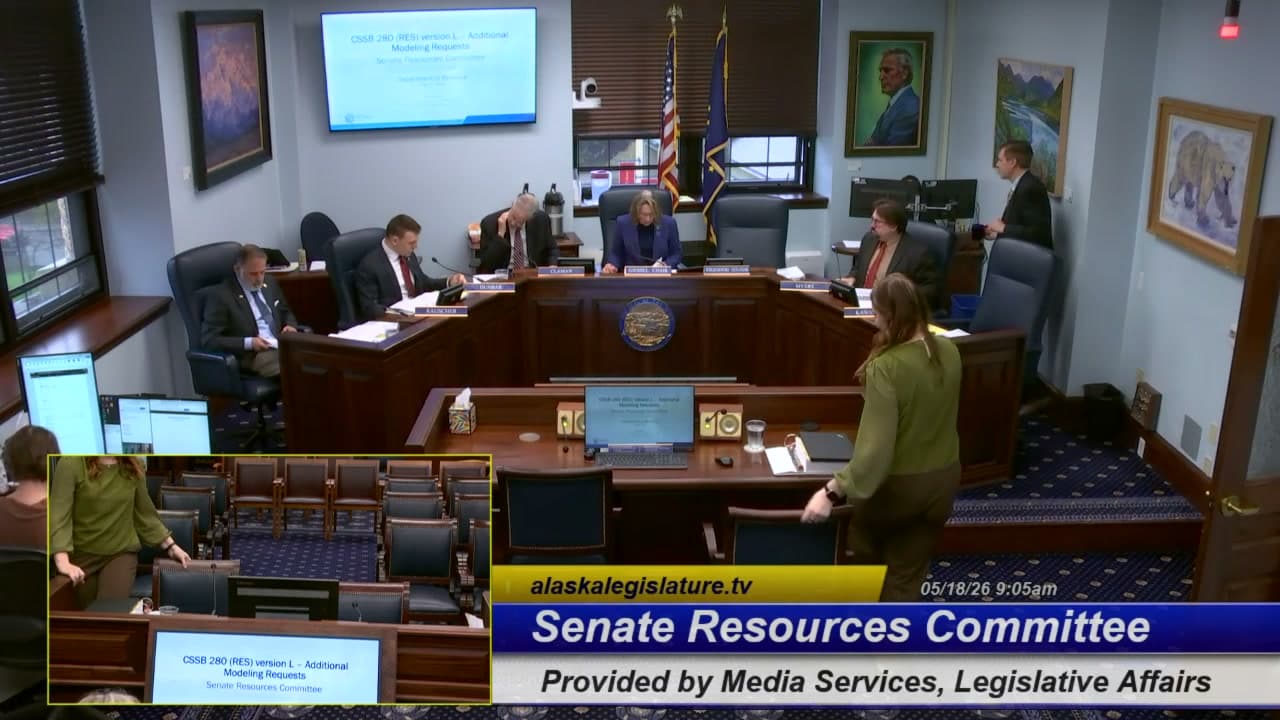
by Alaska NewsAlaska's oil and gas industry opposes tax provisions in SB 280, warning they could make some wells uneconomic and create antitrust risks, even if the gas pipeline project never happens.
by Alaska NewsPetersburg adds 1.71 mills to property taxes to cover 5% budget increase. • Health insurance costs rise $90,000, plus vehicle replacement and wage raises. • Marine passenger fee increases from $5 to $8 per head starting January 2027. • Final budget vote scheduled for June 1.
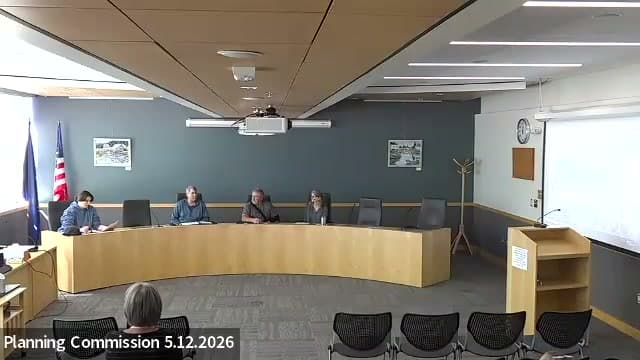
by Walter AlaskaNewsPetersburg Planning Commission identified cell tower sites on public and private land to guide wireless companies away from homes. Overlay zone ordinance would let companies build towers by right at approved spots, up to 200 feet tall. Commission drafting legal descriptions and ordinance language for June meeting before assembly vote.
by Walter AlaskaNewsJuneau faces $1 million budget shortfall by 2027 after tax cuts reduced revenue. • Assembly must cut services, close facilities, or raise property taxes before June 15 vote. • Residents pushed back Monday against closing recreation facilities like Eagle Crest. • City approved $12.2 million repayment for failed gondola project.
by Walter AlaskaNewsFinance Committee cut $736,000 from city budget but Juneau still faces $687,000 deficit for 2027. Travel Juneau funding dropped $400,000, museum budget cut $261,500, and landscape budget trimmed $75,000. Committee rejected cuts to affordable housing and fire station lease that would raise insurance costs. Full Assembly votes on budget June 8.
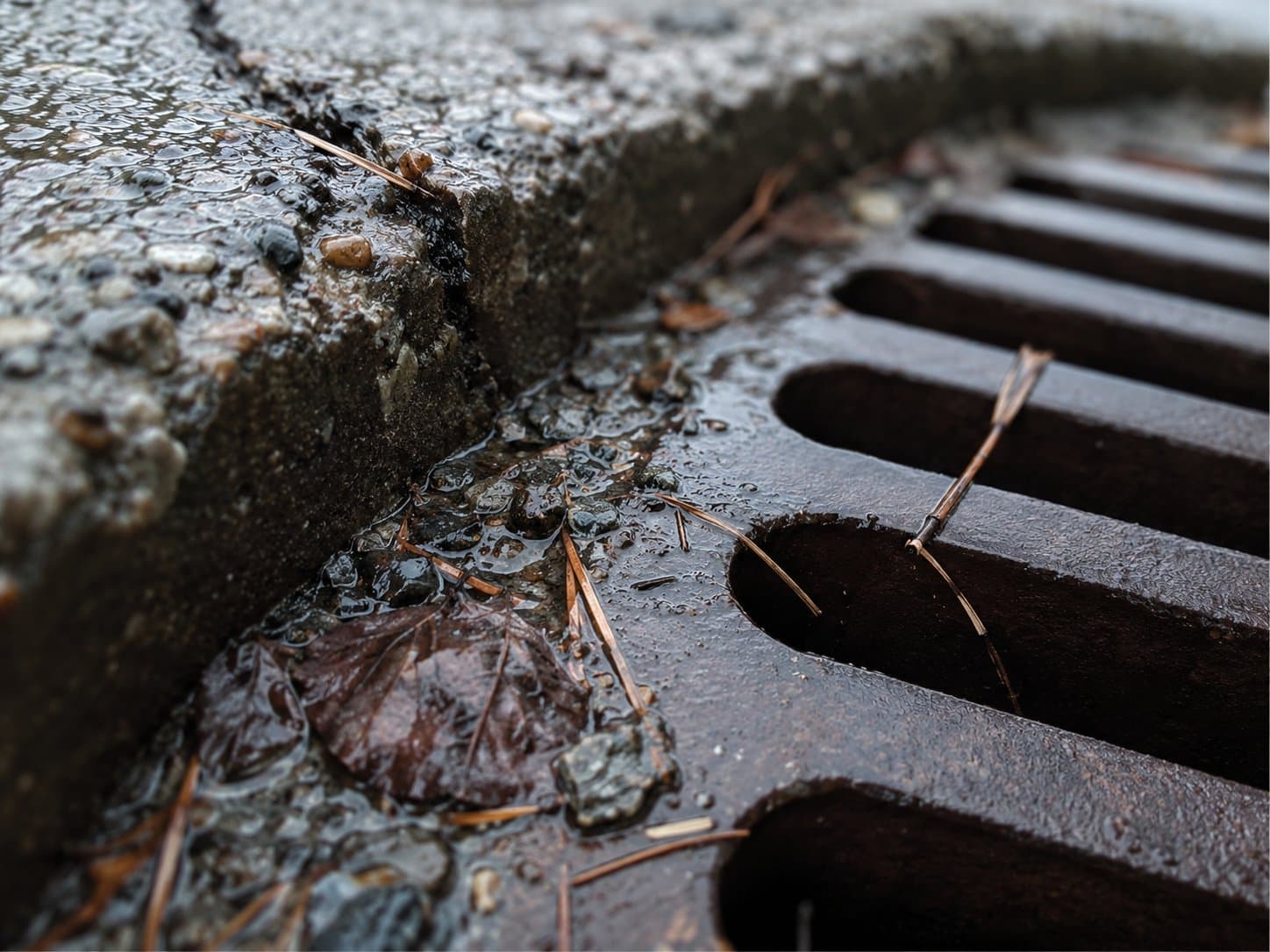
by Walter AlaskaNewsFrom Anchorage has 400 miles of failing storm pipes creating a $1.3 billion repair deficit with no dedicated funding. • Current emergency bonds cannot keep pace with deterioration causing sinkholes and flooding. • Replacing 4,000 feet of pipe on one street costs $25 to $50 million. • City exploring dedicated stormwater utility for long-term funding.
 by Cale Green
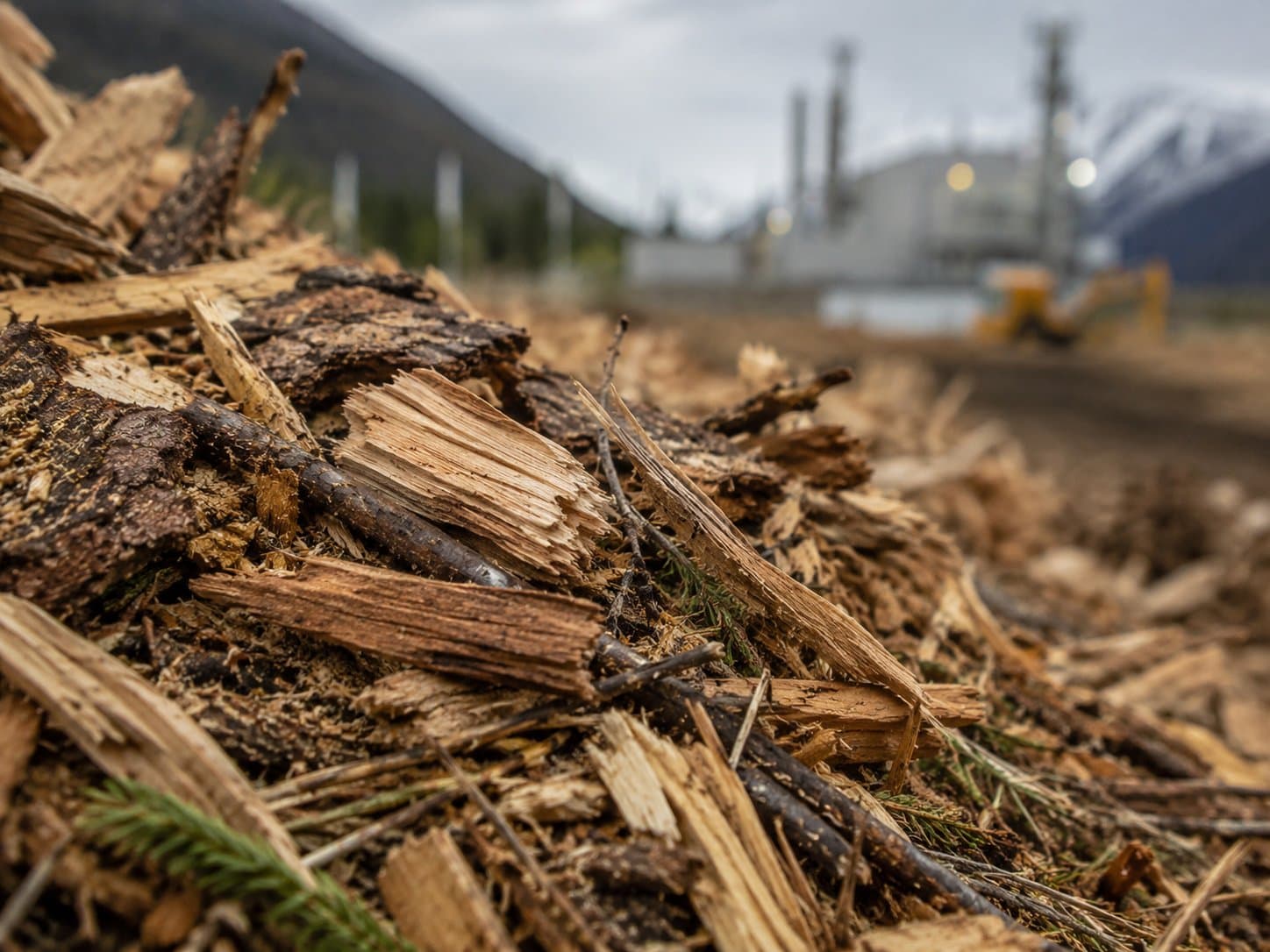
Alaska plans $4.4 billion refinery to make 150 million gallons of jet fuel yearly from beetle-killed trees. • Fischer-Tropsch technology costs $4.85 per gallon, cheaper than cooking oil methods. • State imports most aviation fuel despite handling 700 cargo flights weekly through Anchorage. • Federal energy office offers $289 billion in lending authority for qualified projects.
 by Bill AlaskaNews
Alaska LNG needs $8.48 to $9.07 per thousand cubic feet to break even, but global prices are $8 to $9. • Governor's tax plan cuts state revenue from $29.7 billion to $22.5 billion over the project's life. • Capital cost overruns and producer gas prices pose bigger risks than tax relief can fix. • State could invest $4.4 billion for a 25 percent equity stake.
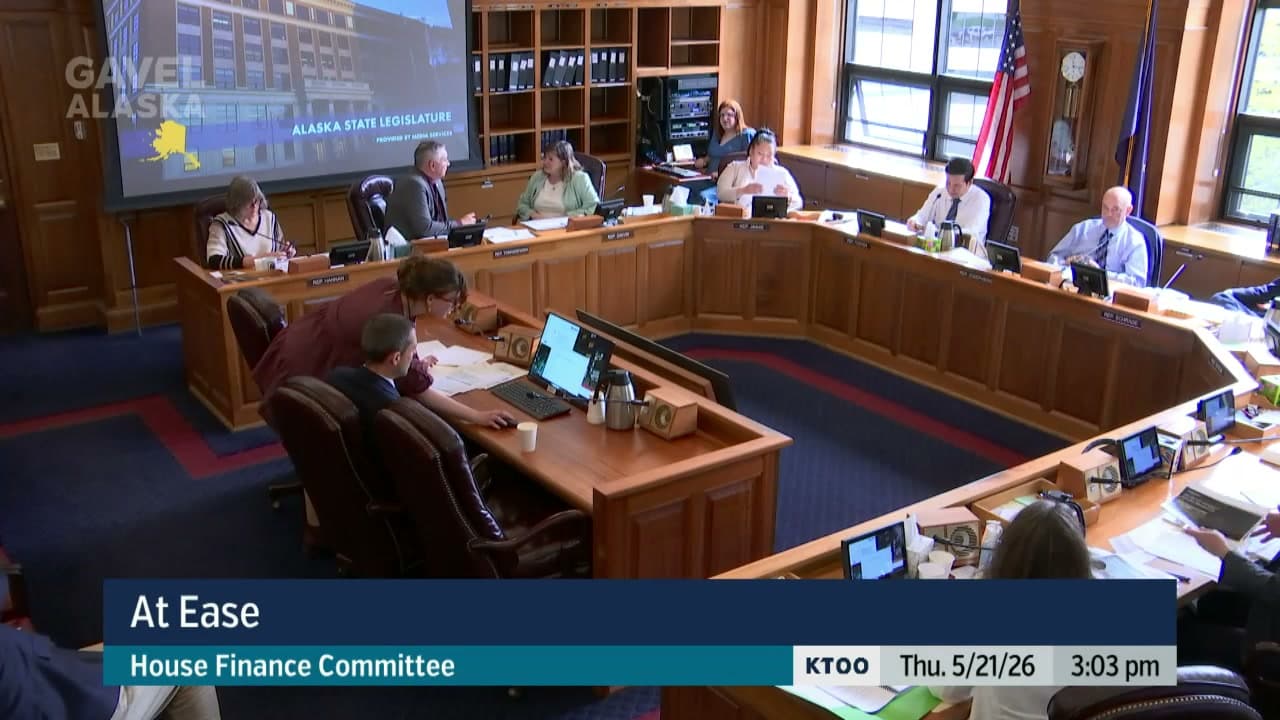
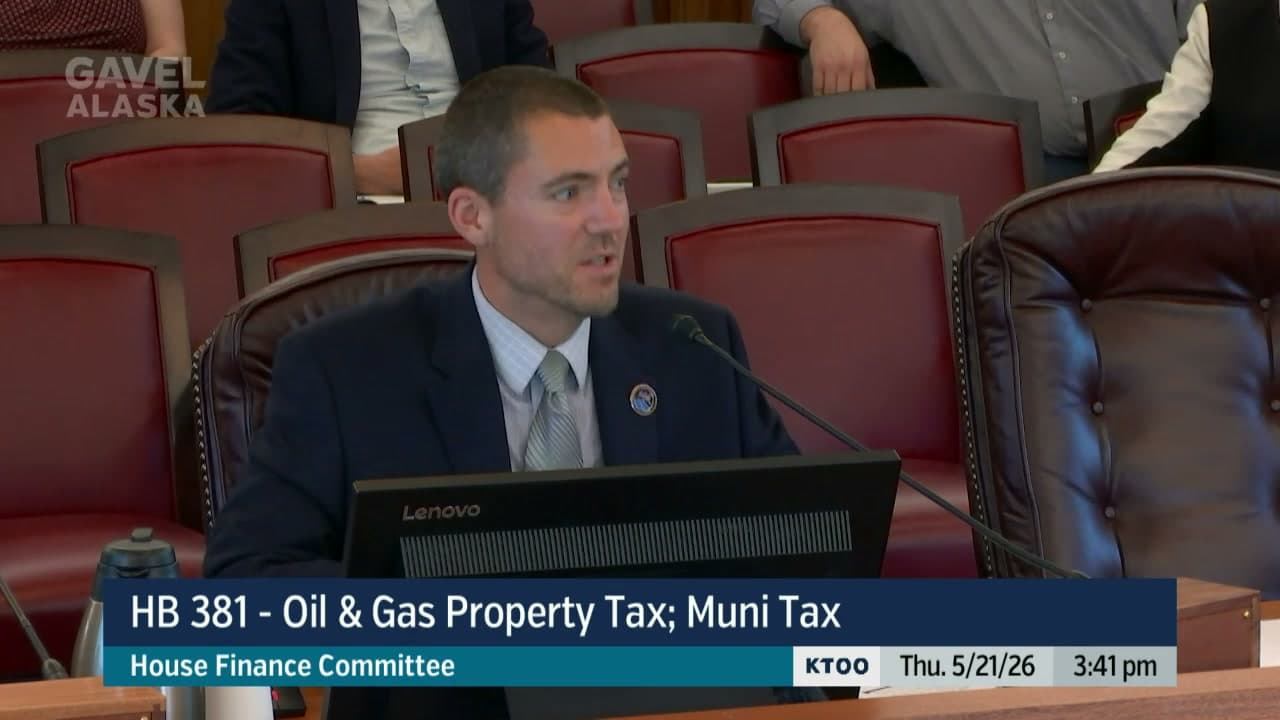
by Walter AlaskaNewsGovernor's plan cuts municipal revenue by $13 billion, House Resources version cuts only $2 billion • Governor replaces property tax with volumetric tax statewide, House Resources keeps property tax on facilities • Both versions reduce state revenue, project remains economically challenged at current market prices
by Walter AlaskaNewsAlaska LNG delays exports, focuses first on supplying in-state gas from North Slope to Cook Inlet. • Lawmakers debate tying tax breaks to a required gas line serving Fairbanks. • Company warns narrow financial window and limited pipeline capacity pose challenges. • Governor says tax breaks are needed to compete with cheaper energy projects elsewhere.
by Walter AlaskaNewsAlaska Senate opened special session to overhaul natural gas taxes through Senate Bill 2001. • New volumetric tax on gas throughput and revised municipal property tax calculations for schools. • Governor Dunleavy called session under May 19 proclamation limited to natural gas tax bills. • Senate coordinating with House and three state departments to avoid costly errors.
by Walter AlaskaNewsAlaska LNG pipeline signed contracts, targets 2029 delivery, but governor and legislature split on tax framework. • Southcentral consumers could pay $22.96 per thousand cubic feet if exports fail, double current rates. • Federal officials highlighted critical minerals and $1 billion in funding, but permitting takes 15 to 18 years. • Rural Alaska pays $6.63 per gallon with no pipeline relief in sight.
by Walter AlaskaNewsAlaska Senate reviewed gas pipeline bill cutting annual taxes from $1 billion to $74 million. • Developer could earn $5 billion yearly while consumers face gas prices more than double current rates. • Bill includes $50 million construction fund and requires Fairbanks spur line. • Senators questioned if impact funds adequately address community needs.
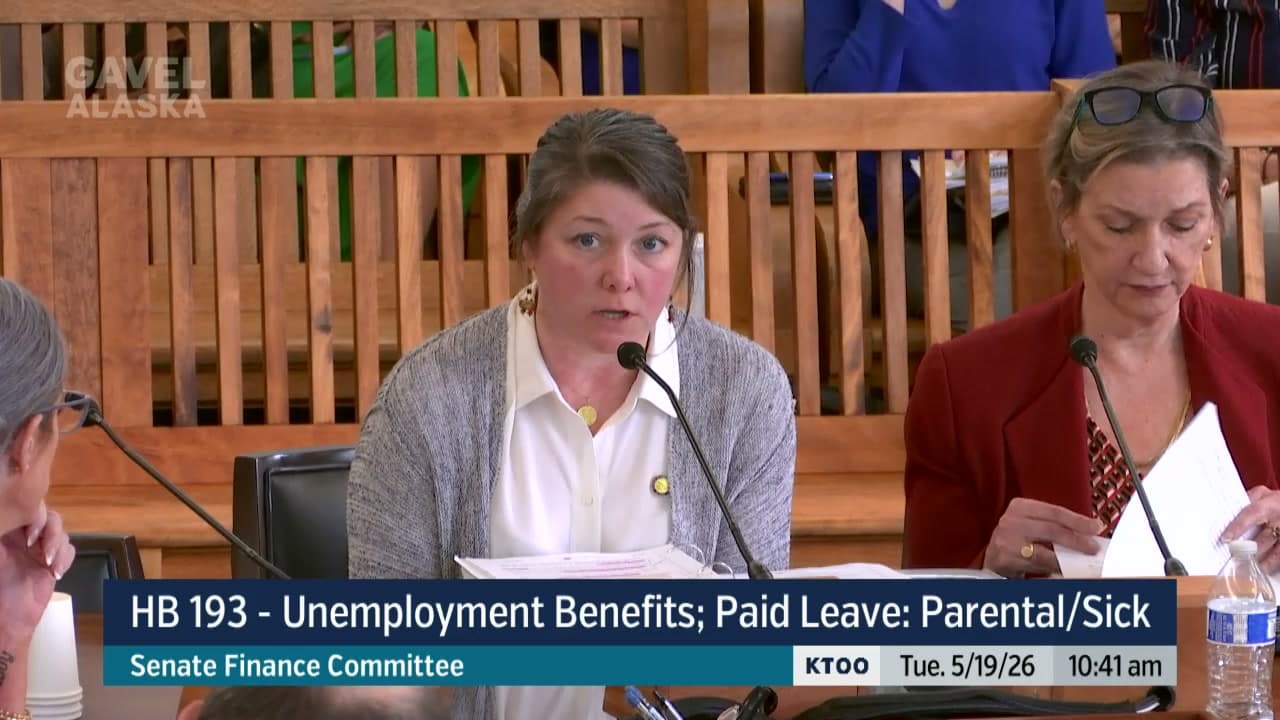
by Walter AlaskaNewsAlaska Senate Finance Committee heard testimony on House Bill 193, which would create 8 to 12 weeks of paid parental leave funded by payroll taxes, with benefits starting January 1, 2030.
by Walter AlaskaNewsAlaska Senate panel advanced a gas pipeline tax bill Monday after 36 hearings, despite senators saying they lack expert information and the governor's administration has offered no support.
by Bill AlaskaNewsSenate panel reviewed modeling showing a higher oil tax floor would generate $132 million annually on average, though some years could see revenue decline.
by Bill AlaskaNewsAlaska House panel heard testimony on a bill requiring data centers to pay for their own transmission infrastructure instead of passing costs to residential ratepayers.
by Walter AlaskaNewsSenate passed gas pipeline tax bill raising oil production tax floor to six percent, drawing industry criticism. • Point Thomson regulators warn blowdown for pipeline risks sixty-five million barrels of condensate. • Mount Edgecumbe enrollment dropped a quarter to three hundred eleven students amid facility and health concerns. • Fish and Game reviews wheeled plane landings at McNeil River bear sanctuary despite conservation objections.
by Walter AlaskaNewsSenate Finance advanced a public safety bill that shrinks Alaska's parole board to five members, adds tribal and addiction expertise requirements, and creates address protections for crime victims.
by Alaska NewsAlaska's gas line tax break gives developers a 20% savings, far less than the 65% savings they'd get under a 10-year tax holiday like Texas and Louisiana offer, a consultant told lawmakers Saturday.
by Alaska NewsAlaska Senate panel revised the LNG tax bill to raise annual revenue to $625 million and added a 10-year sunset clause to address municipal concerns about setting a precedent for future tax breaks.
by Alaska NewsAlaska Senate advanced a bill to restructure the University of Alaska Board of Regents, setting it to take effect Feb. 1, 2027, with a sunset review date six years later.
by Alaska NewsSenate panel advanced a bill letting school districts use three-year enrollment averages for budgets, aiming to let them make staffing decisions earlier and reduce teacher turnover.
by Alaska NewsThe Railbelt Transmission Organization held five subcommittee meetings in eight days this month to work on grid standards, rates, and transmission planning across Anchorage, Mat-Su, and Fairbanks.
by Alaska NewsAlaska Senate committee heard testimony on a bill requiring hospitals to set minimum nurse-to-patient ratios, with nurses reporting unsafe conditions and citing Oregon's successful 2023 law.
by Alaska News




New stories usually land 6p to 10p.

New stories usually land 6p to 10p.
Federal officials said Alaska holds 95 percent of U.S. critical minerals but permitting timelines of 15 to 18 years block production needed for national security.
Tap or swipe for 32 more stories
 Sun, Nov 22Alaska News Daily Brief6 min · 9 stories
 Sat, Nov 21Alaska News Saturday Night15 min · 18 stories