Alaska LNG Pipeline Gains Momentum with Federal Support, Asian Demand
Alaska's long-discussed natural gas pipeline project is experiencing what officials describe as unprecedented momentum, with federal support and international demand converging at a critical moment for the state's energy future.
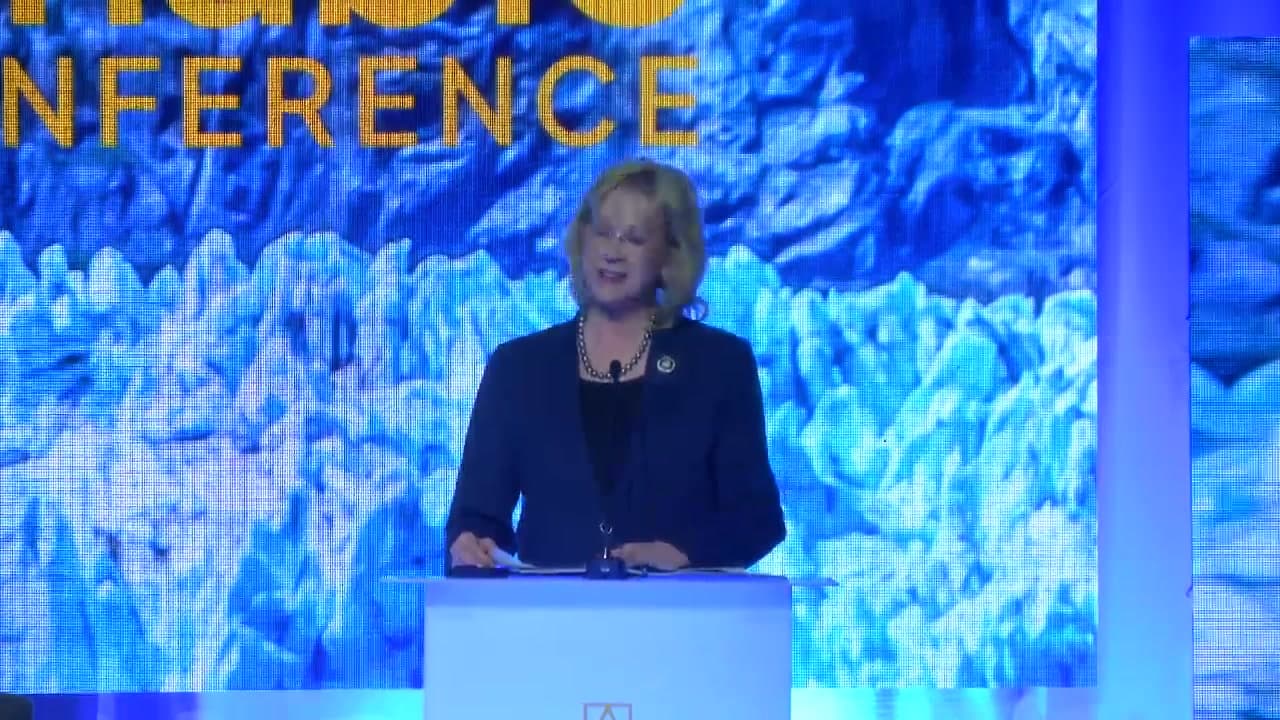
U.S. Senator Dan Sullivan told attendees at the Alaska Sustainable Energy Conference Tuesday that the current alignment of federal backing and market interest represents the best opportunity Alaska will have to complete the Alaska LNG project.
"My view is, we don't get it done now with the Trump administration and the Republicans here in the Senate and the House who want to get it done, who are focused on getting it done, I'm not sure we're ever going to get it done," Sullivan said. "This is our moment. This is the opportunity."
Sullivan emphasized that federal support extends from President Trump through Interior Secretary Doug Burgum and Energy Secretary Chris Wright. He said he has worked for years to build relationships with Asian allies as potential customers. He also urged Alaska legislators to avoid advancing legislation that could block the project and to work toward compromise to maintain momentum.
Interest from potential international customers became evident this winter at the Indo-Pacific Energy Security Conference held in Japan. The event, organized in conjunction with the Department of Energy and Environmental Protection Agency, drew 650 attendees from 18 countries, far exceeding the expected 200 participants.
Interior Secretary Burgum, speaking at the Alaska conference, said all 18 countries at the Japan event expressed interest in purchasing energy from Alaska. The demand was strong enough that Commerce Secretary Howard Lutnick questioned why two pipelines were not being built simultaneously, according to Burgum.
Burgum described the Alaska LNG project as having incredible strategic importance to Alaska, the United States and the world. He said potential customers include Asian nations, Hawaii, U.S. military bases in locations such as Guam, and California, which currently relies on foreign oil.
Geography and security considerations drive much of the international interest. Alaska sits approximately eight days by ship from Tokyo and Seoul, compared to 32 days from the Persian Gulf under favorable conditions. Governor Mike Dunleavy emphasized that shipments from Alaska would travel through uncontested waters protected by the U.S. fleet, a significant advantage as Asian allies reconsider supply chains dependent on strategic chokepoints.
"In Japan, most people in Japan didn't know that 92 percent of their oil was coming through the Strait of Hormuz," Burgum said. "Every person that lives in that country knows it now."
Dunleavy characterized the current federal-state partnership as unlike anything he has witnessed in Alaska's history. Dunleavy said he received a call from Burgum on New Year's Day — a date Burgum, on the same panel, clarified was January 1, 2025, roughly three weeks before President Trump's inauguration on January 20, 2025. The two men compared notes on their parallel experiences as governors during Trump's first term and the change in federal posture under the new administration.
"It's been nothing short of amazing," Dunleavy said of the federal support. He added that President Trump regularly asks about the gas line's progress in conversations with cabinet members.
Sullivan stressed that Southcentral Alaska faces urgent need as Cook Inlet gas supplies diminish. "We're running out of gas for South Central and Cook Inlet," Sullivan said. "That is a fact."
The Alaska LNG project would transport natural gas from the North Slope, where gas has been reinjected for 50 years rather than commercialized. Burgum emphasized the urgency of moving forward while federal support remains strong. He said the project represents a potential $50 billion investment that could benefit hundreds of millions of customers worldwide while creating thousands of jobs in Alaska. He urged Alaska to "just build it" rather than delay over questions of how to divide benefits.
This article is based on a public meeting of HPLLC_Live — 2026 Alaska Sustainable Energy Conference Tuesday ().
AI-assisted. How we use AI Transcript byLucas Brown
Stay informed. Support what matters.
Free, permanent access to local news you can verify. Subscribe to support Walter AlaskaNews and go ad-free.
Related Coverage
Interior Secretary urges Alaska to build LNG project quickly amid Asian demand
Alaska News · 4mo ago
Governor Dunleavy touts gas pipeline, credits Trump for reversing federal limits
Alaska News · 4mo ago
Alaska LNG project secures financing proposals, targets 2027 construction start
Alaska News · 4mo ago
Alaska LNG developer says financing secured, eyes 2027 start
Alaska News · 4mo ago
Alaska LNG Project Targets 2029 Gas Delivery as Developer Reports Major Contract Awards
Alaska News · 4mo ago
Comments
Sign in to leave a comment.
No comments yet. Be the first to share your thoughts.