Renewables
RSSHydro, wind, solar, geothermal, village microgrids, energy storage, Railbelt renewable portfolio
Seward survey respondents favor a local cooperative to run the city's electric utility
Most Seward survey takers want a local co-op to run the city's electric utility. The math hinges on a hydro project Chugach Electric also wants.
 by Melinda Communities.News10h ago3 min read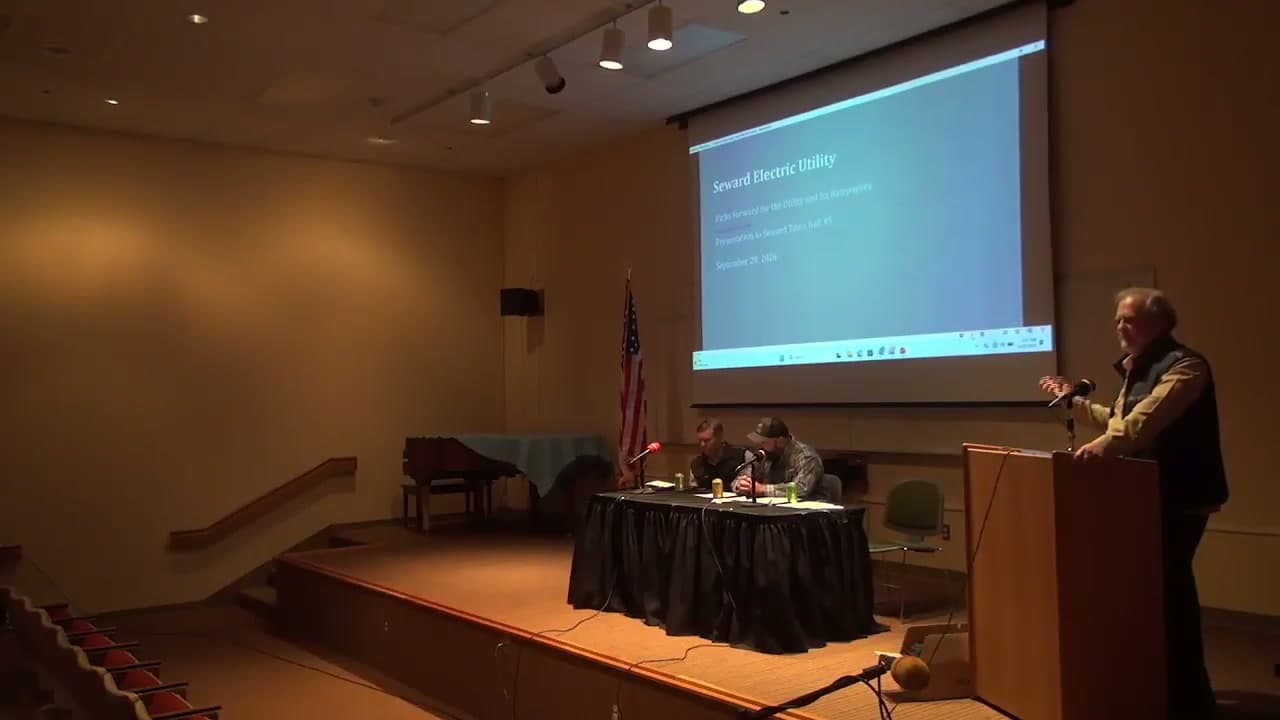
Public comment is open on Cook Inlet subsea data-center plan
Comments close Nov. 2 on a proposed tidal-powered subsea data center off Nikiski. The permit would authorize study, not construction.
 by Walter AlaskaNews5d ago2 min read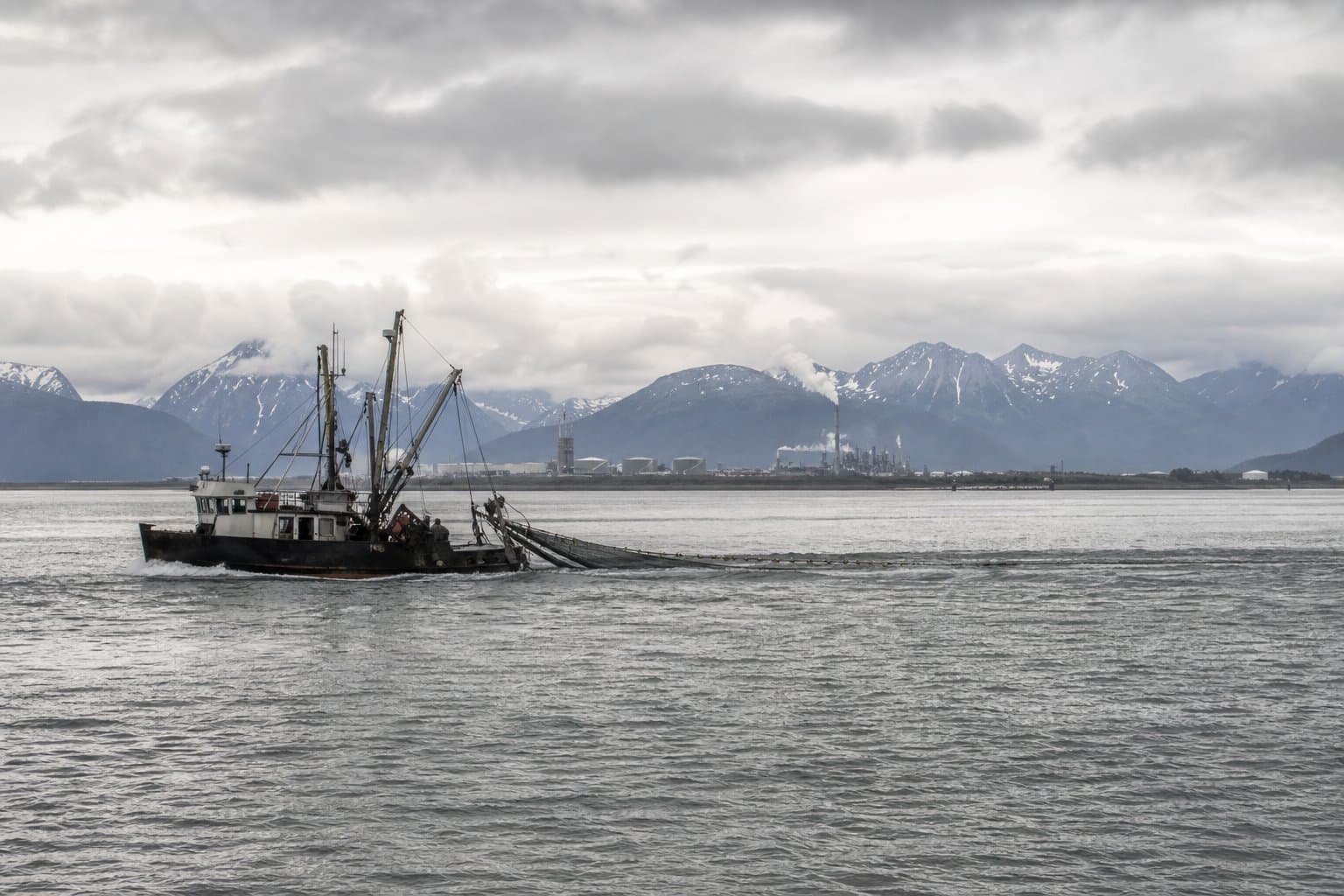
A hydro plant sat on state land five years after its easement expired
A hydro plant east of Palmer has sat on state land for five years with no authorization to be there. The state now proposes to lease it the ground.
by Walter AlaskaNewsadded 1w ago2 min read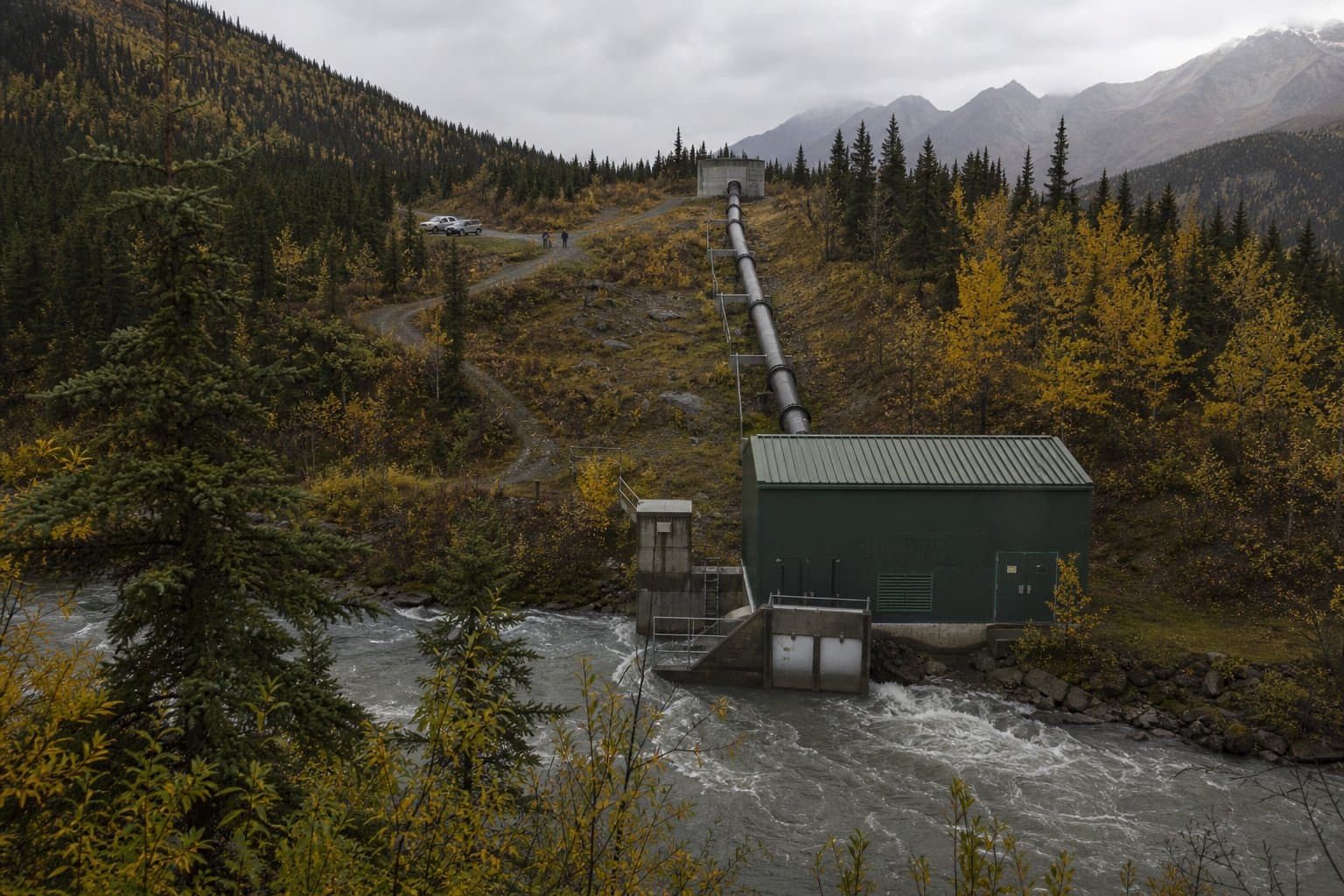
Sitkana's new patent covers how its tidal generator looks, not how it works
Juneau's Sitkana won a 15-year design patent for its floating tidal generator, protecting the device's exterior shape.
by Melinda Communities.News3w ago2 min read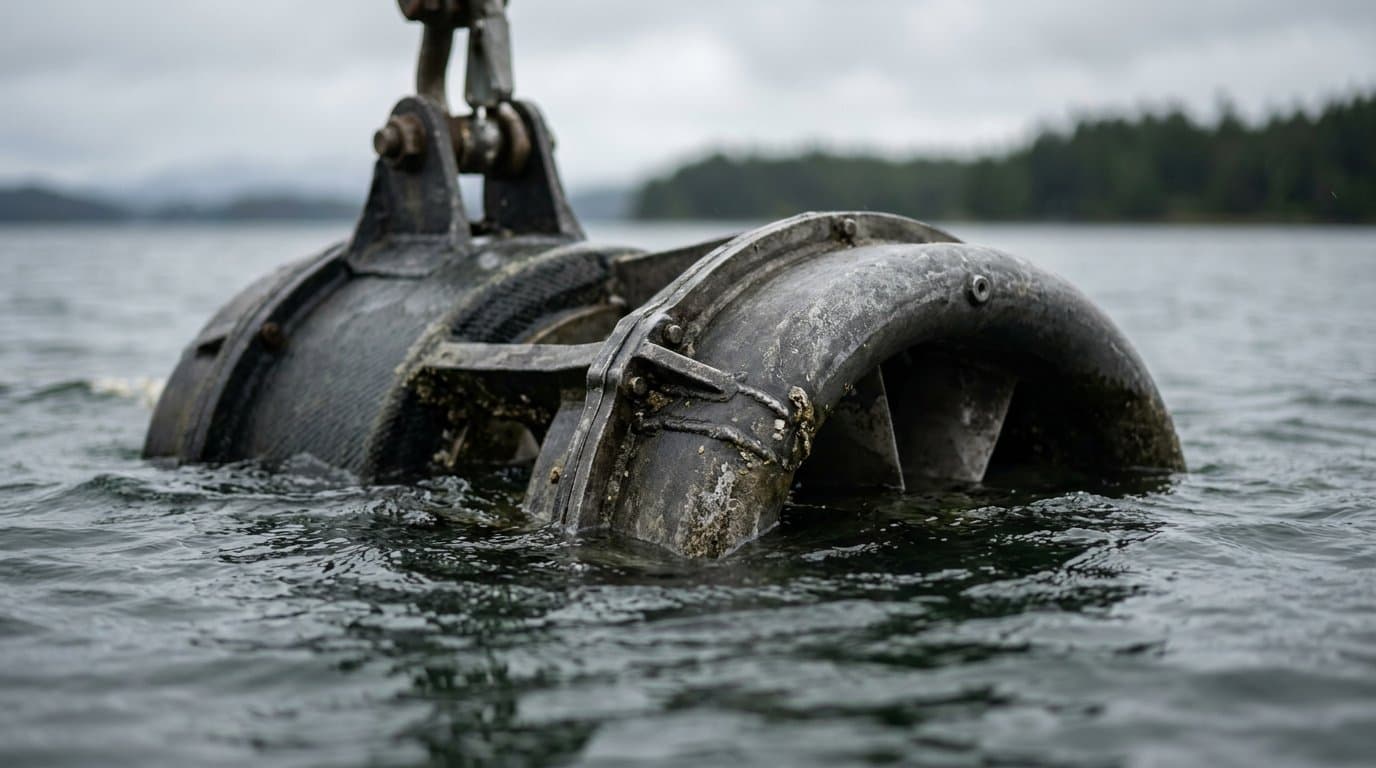
A $2.5 million geothermal training grant for Unalaska sits 3 percent spent
Unalaska abandoned its Makushin geothermal project in May 2025, but a $2.5 million federal training grant tied to it remains open and largely unspent with only $75,000 spent so far.
by Walter AlaskaNews1mo ago3 min read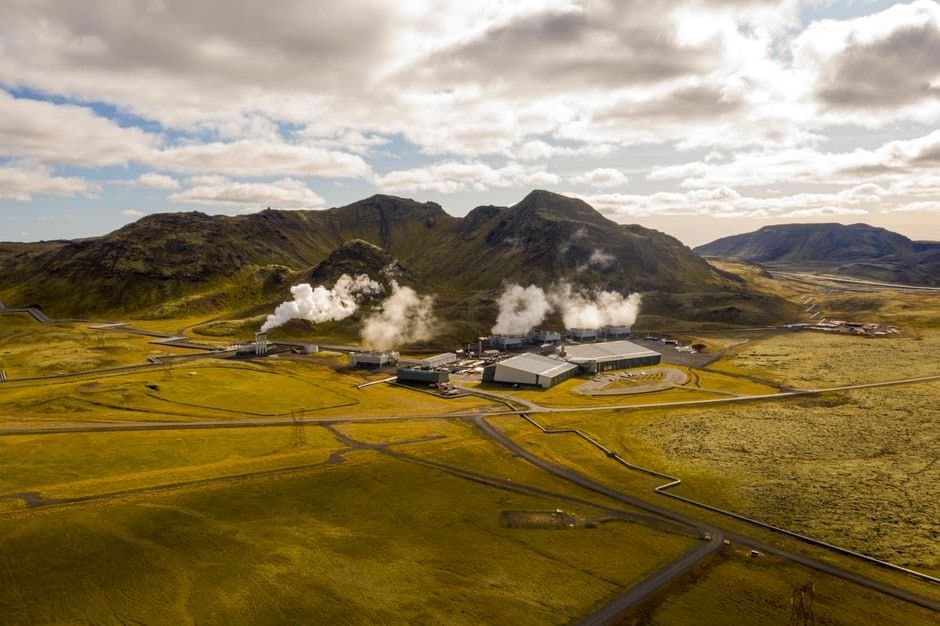
Homer Electric members will be able to buy into shared solar starting in February
Homer Electric members can buy into shared solar or wind starting around mid-February. Subscribers will pay a monthly fee nobody has put a number on yet.
by Walter AlaskaNews1mo ago1 min read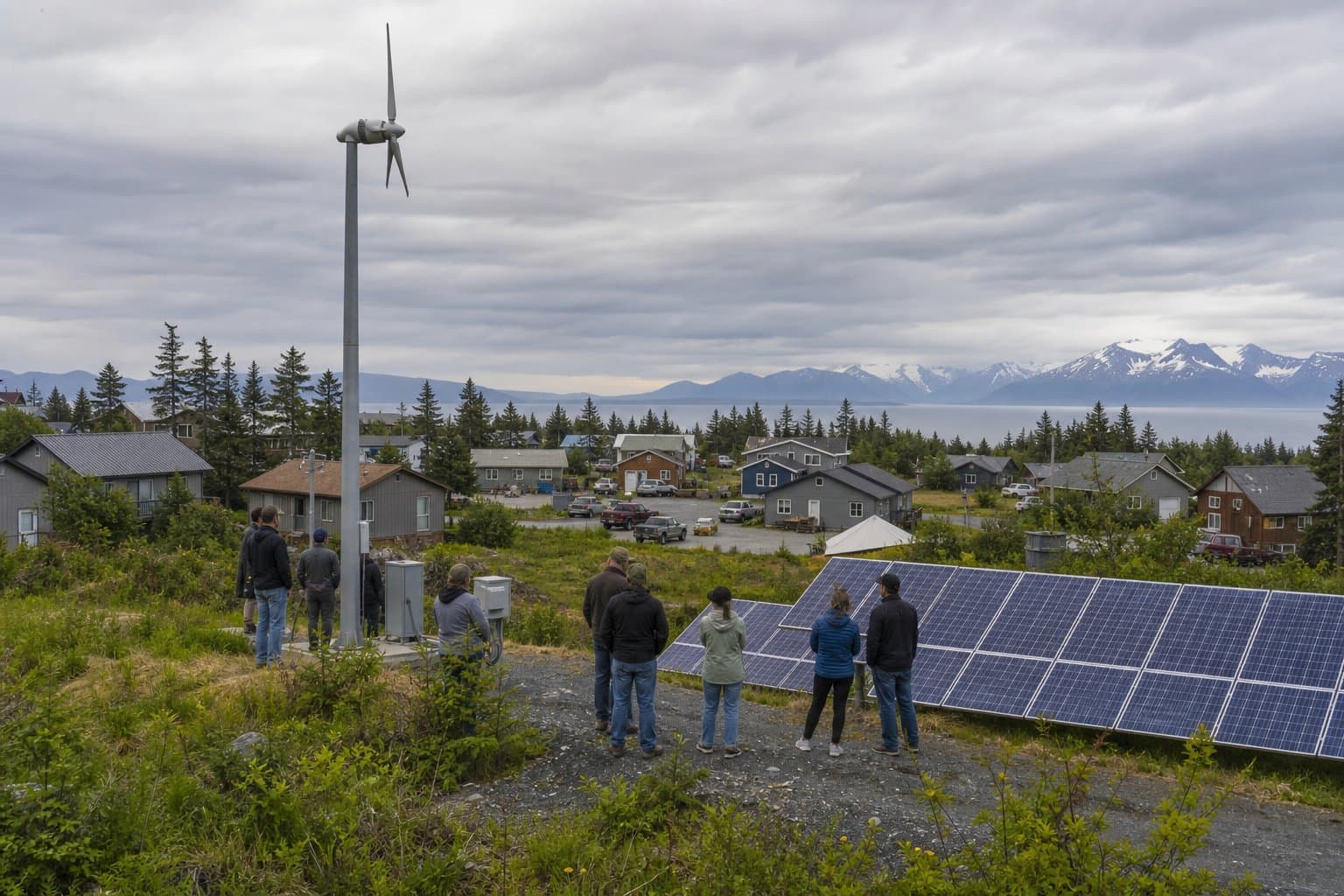
Golden Valley Electric has rules for community solar and no community solar
Golden Valley Electric now has approved rules for community solar and no community solar. Someone outside the utility has to build it first.
by Walter AlaskaNews1mo ago1 min read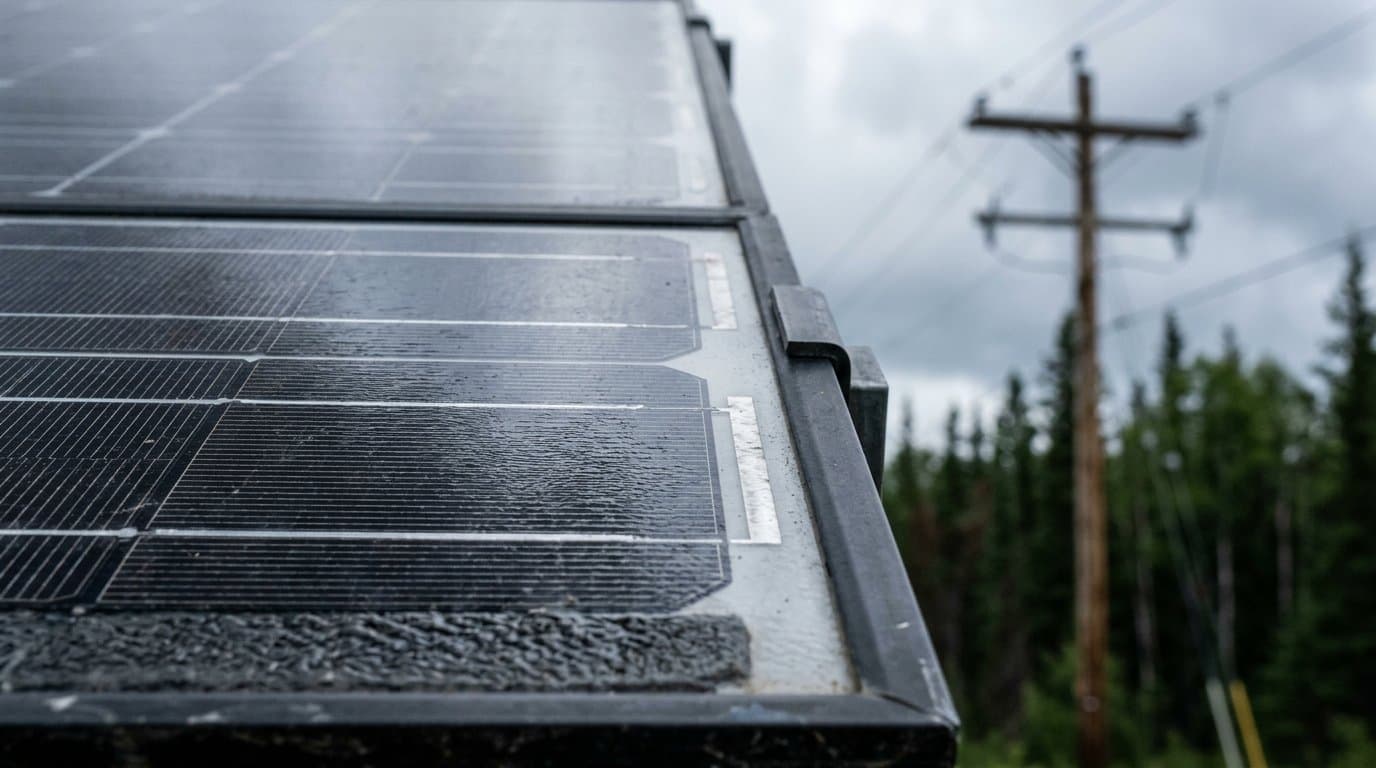
A Juneau company turning idle fishing boats into tidal power just cracked a deep-fjord problem
A Juneau company turning idle fishing boats into tidal-power platforms won a patent for stopping the cable-twisting that hobbles deep-fjord generators.
by Melinda Communities.News1mo ago2 min read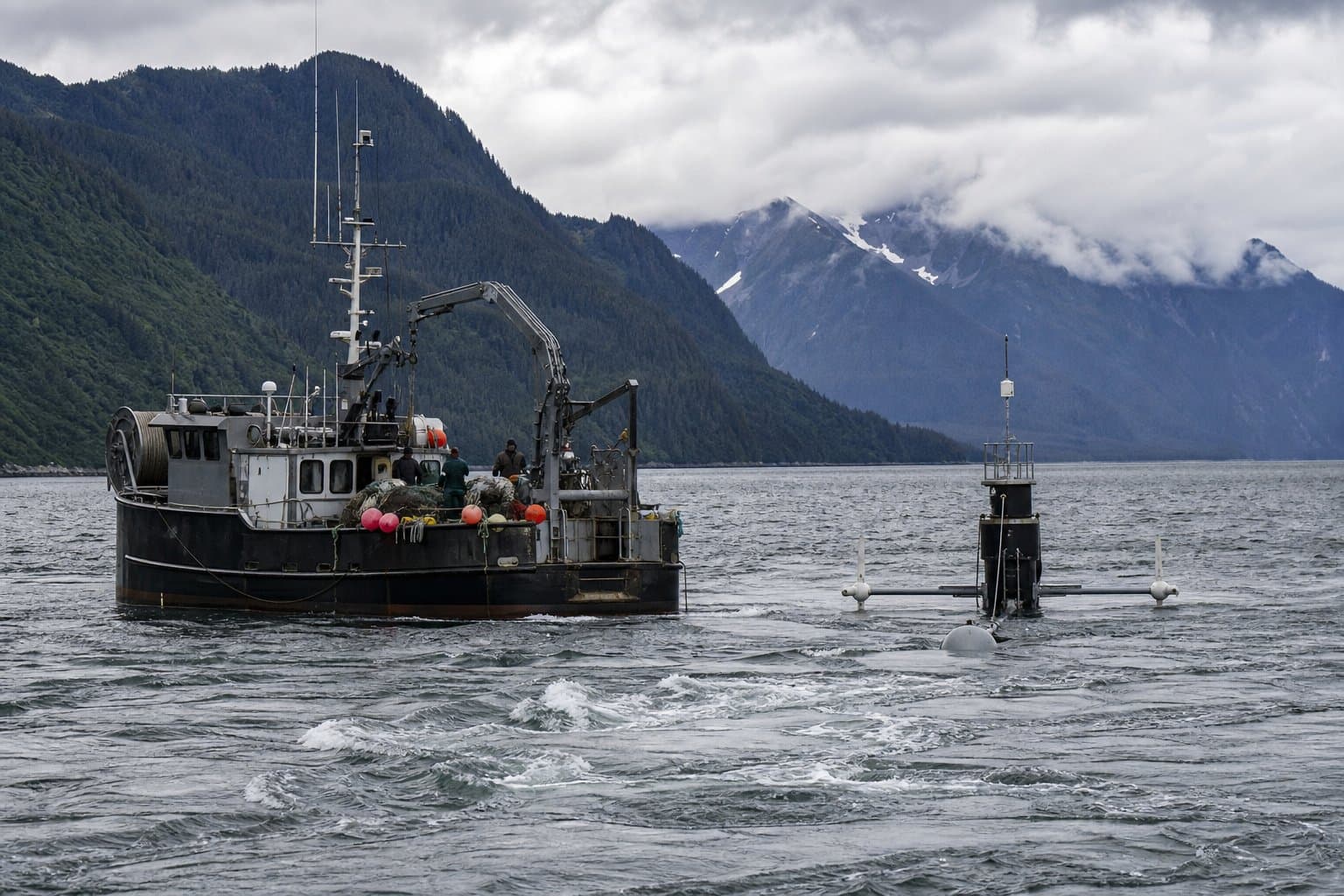
Alaska regulators may open the grid to far more home and community solar
Alaska regulators may raise the rooftop and community solar limit from 1.5% to 20% of a utility's demand, opening the grid to far more customer-owned power.
by Walter AlaskaNews1mo ago2 min read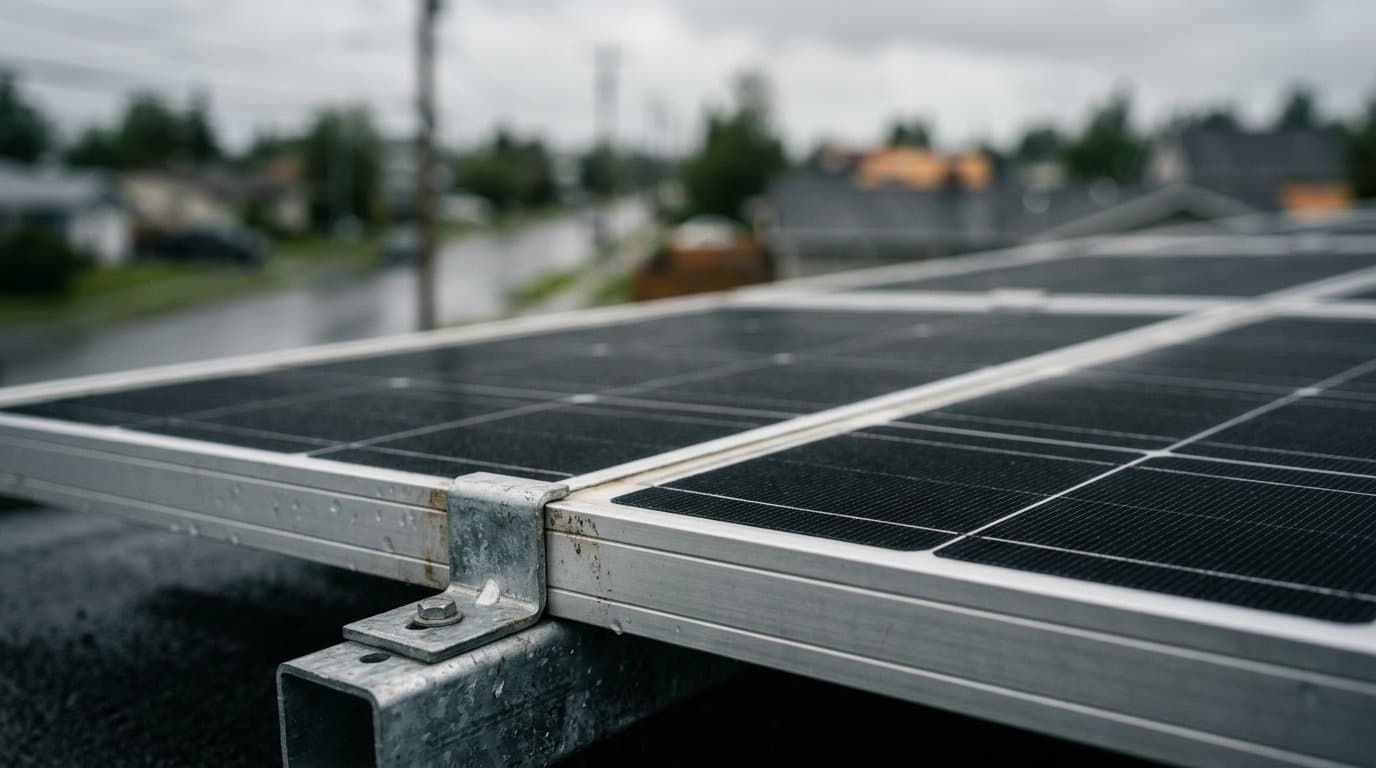
In Ouzinkie, one lake is water and power, so the village is building solar
In Ouzinkie, the same lake is both drinking water and power — so the island village is building solar and batteries to stop rationing one against the other.
 by Maggie AlaskaNews1mo ago2 min read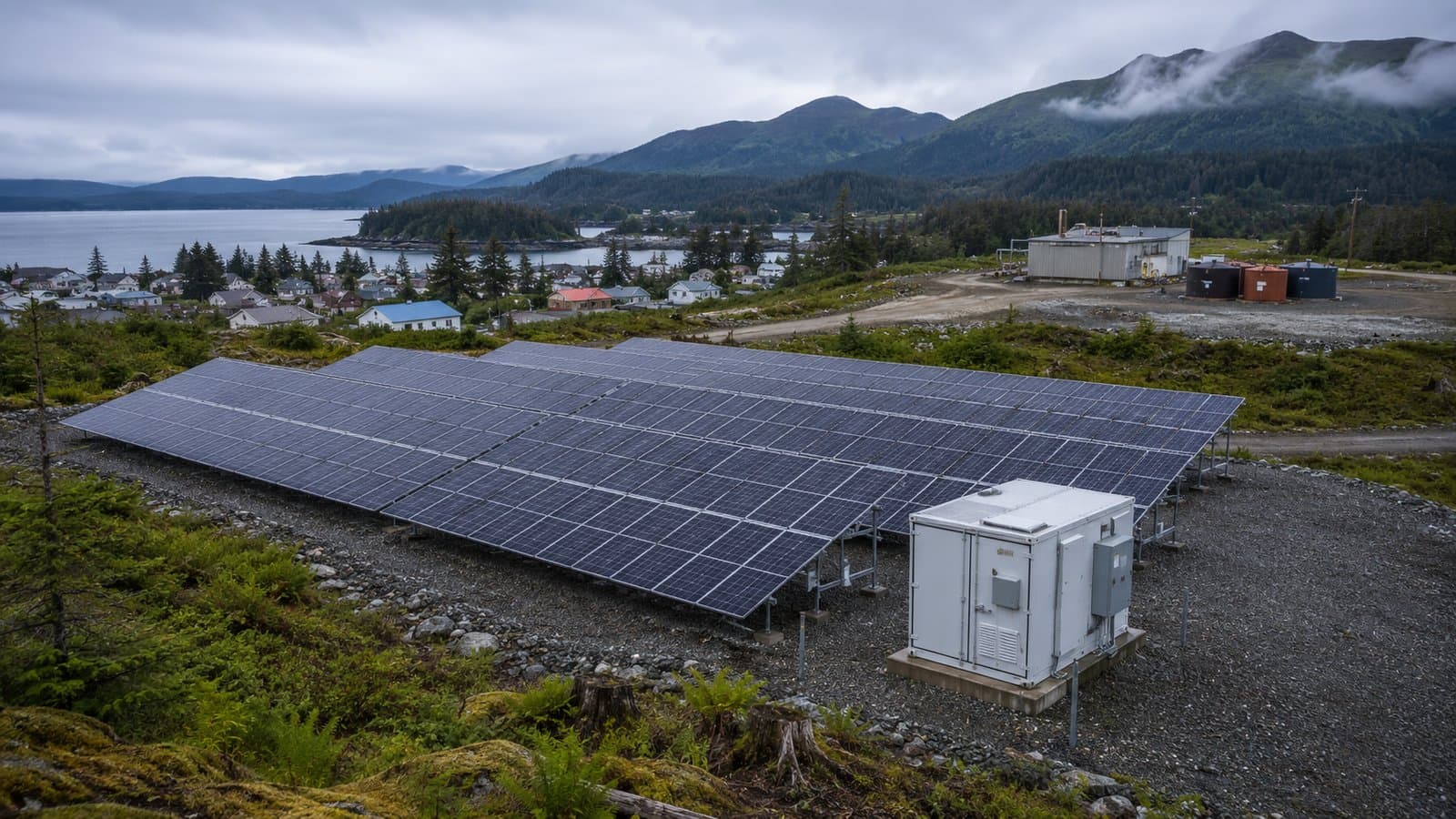
A UAF fix for the battery-and-generator clash in village grids
When villages add batteries to diesel plants, the two can 'fight' and destabilize the grid — a UAF researcher is testing a fix to cut rural diesel use.
by Melinda Communities.News1mo ago2 min read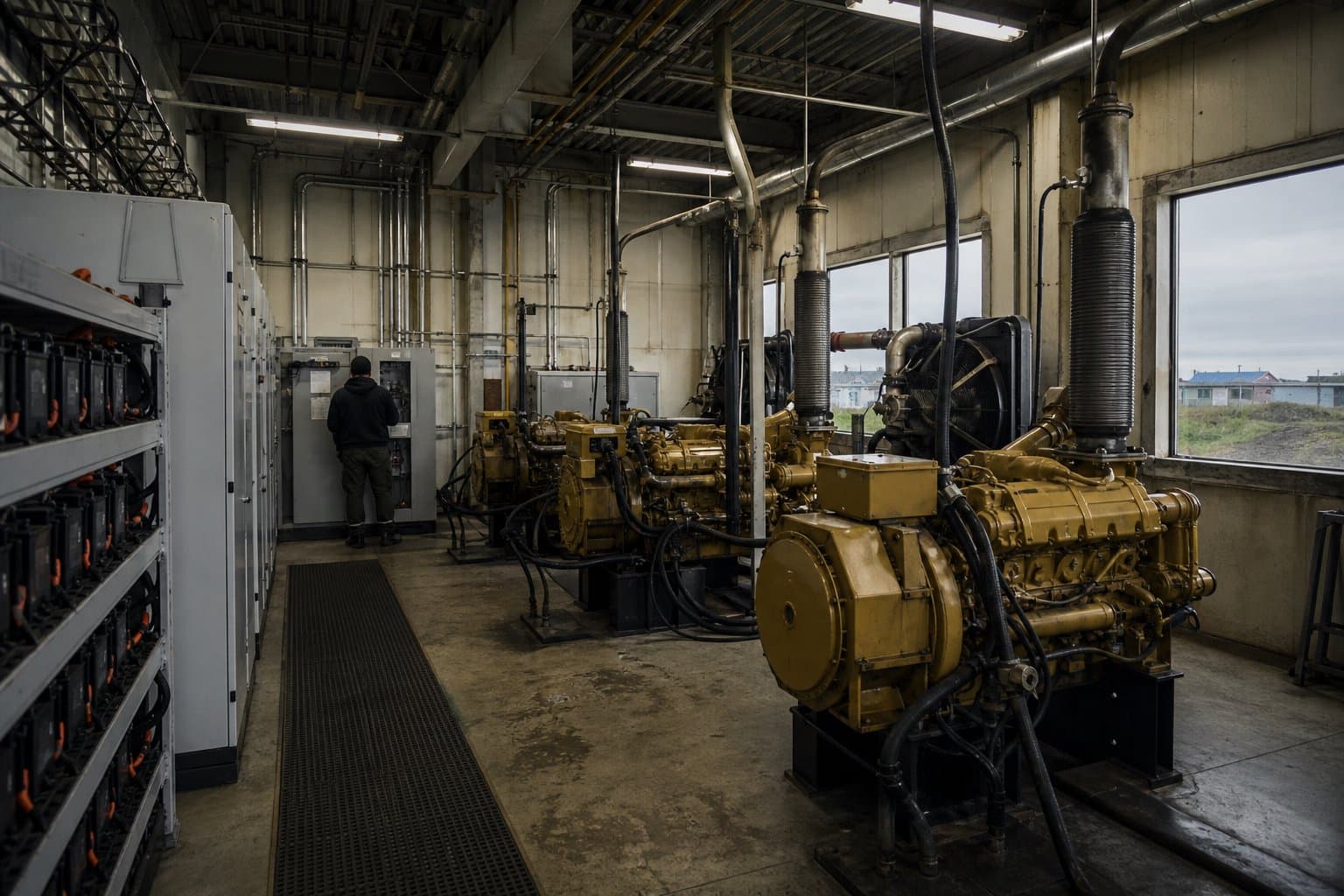
Peltola's energy platform draws fire from both sides in the race
Mary Peltola rolled out an energy platform in her Senate race against Dan Sullivan, drawing rebuttals from his campaign and from Alaska environmental groups.
by Maggie AlaskaNews1mo ago2 min read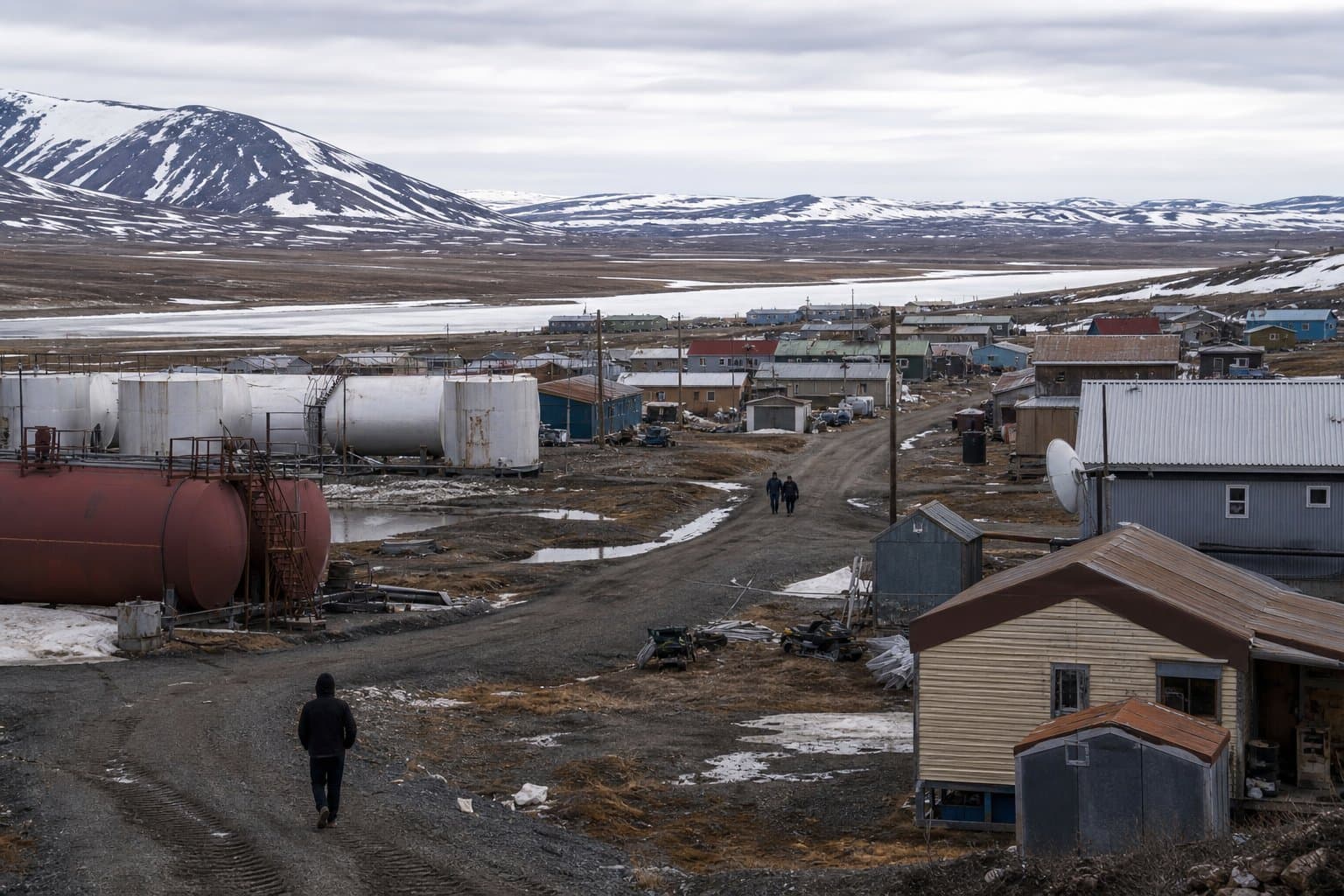
NuCube, Alaska Fund launch NuAlaska nuclear initiative
NuCube Energy and Alaska Fund launched NuAlaska to develop nuclear microreactors for remote Alaska communities where fuel costs and weather make power expensive.
by Walter AlaskaNews2mo ago1 min read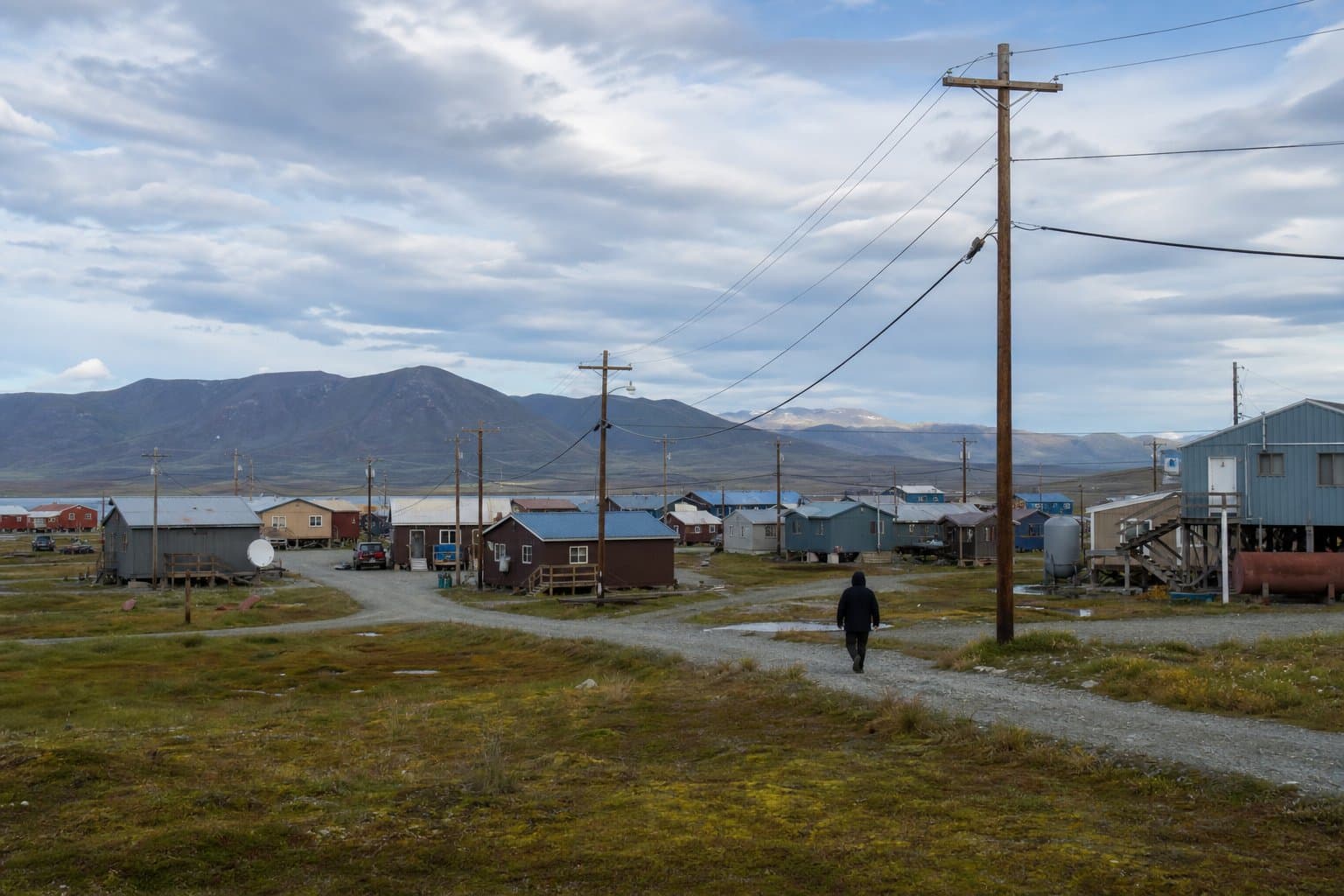
Alaska's diesel-to-renewables fund reopens, but the money reaches few
Alaska's main fund for getting rural communities off diesel just reopened — with room for maybe nine of the many that'll apply.
by Maggie AlaskaNews2mo ago2 min read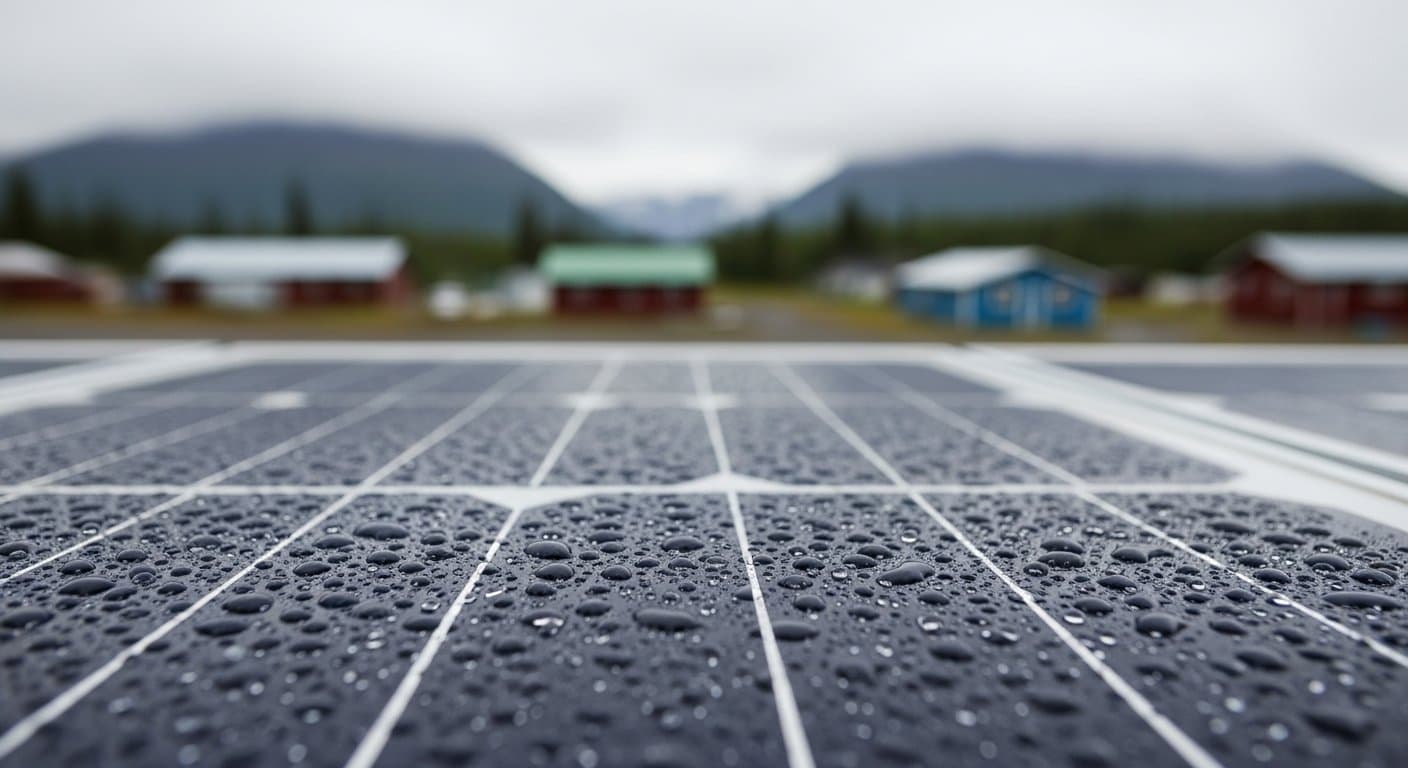
SEAPA files federal notice to begin Tyee Lake relicensing ahead of 2031 expiration
Southeast Alaska Power Agency opened federal relicensing for Tyee Lake hydropower, which expires in 2031 and serves Ketchikan, Petersburg, and Wrangell.
by Maggie AlaskaNewsadded 2mo ago2 min read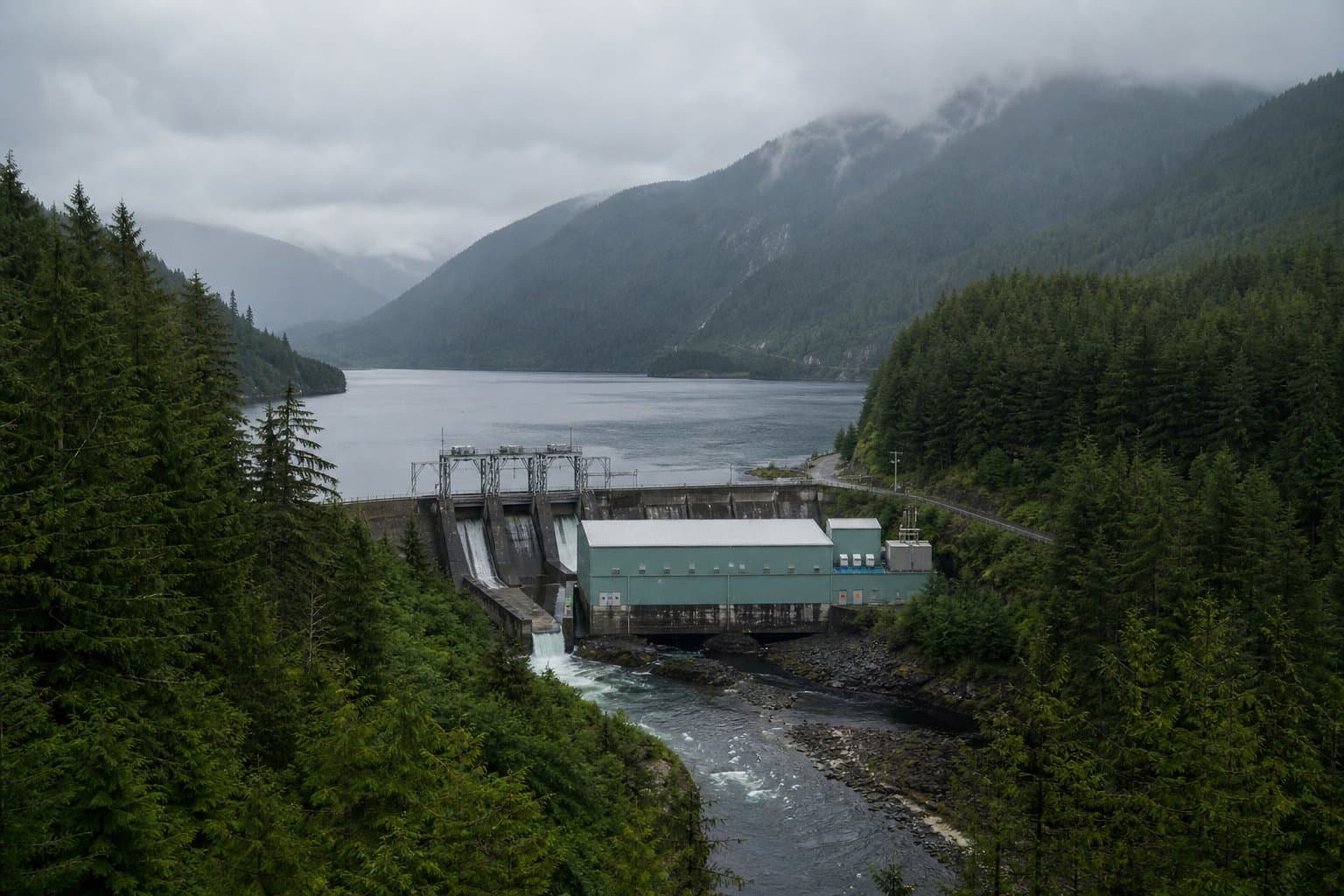
An Alaska village will own its solar power — and sell it back to the utility
A state grant puts village-owned solar and batteries in Allakaket, letting it sell power to its utility instead of buying diesel. A second grant expands a hydro project.
by Walter AlaskaNews2mo ago1 min read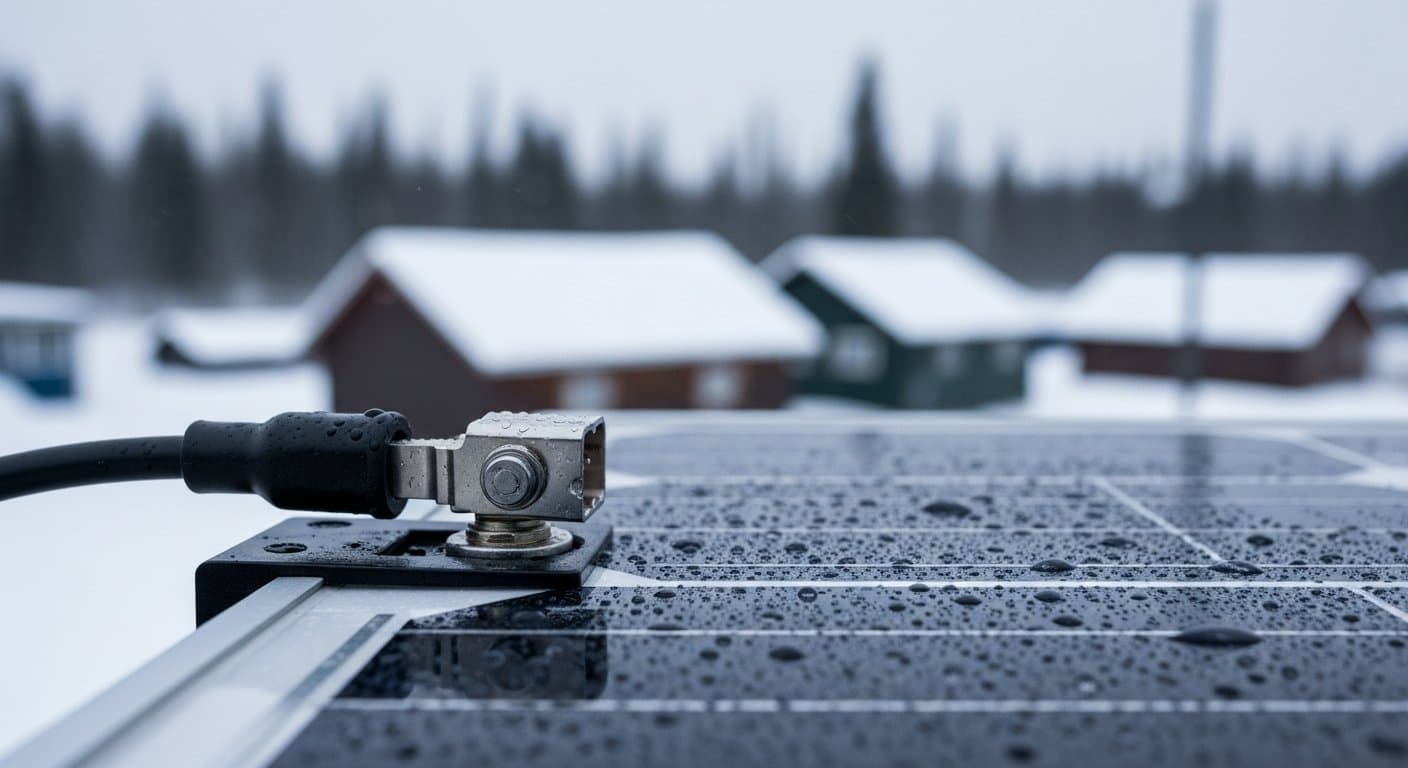
Two Alaska towns run on water — and want more of it
Wrangell and Petersburg run on hydropower from a remote mountain lake — and a planned third turbine would draw 12 more megawatts, meaning fewer days burning costly diesel.
by Maggie AlaskaNews3mo ago2 min read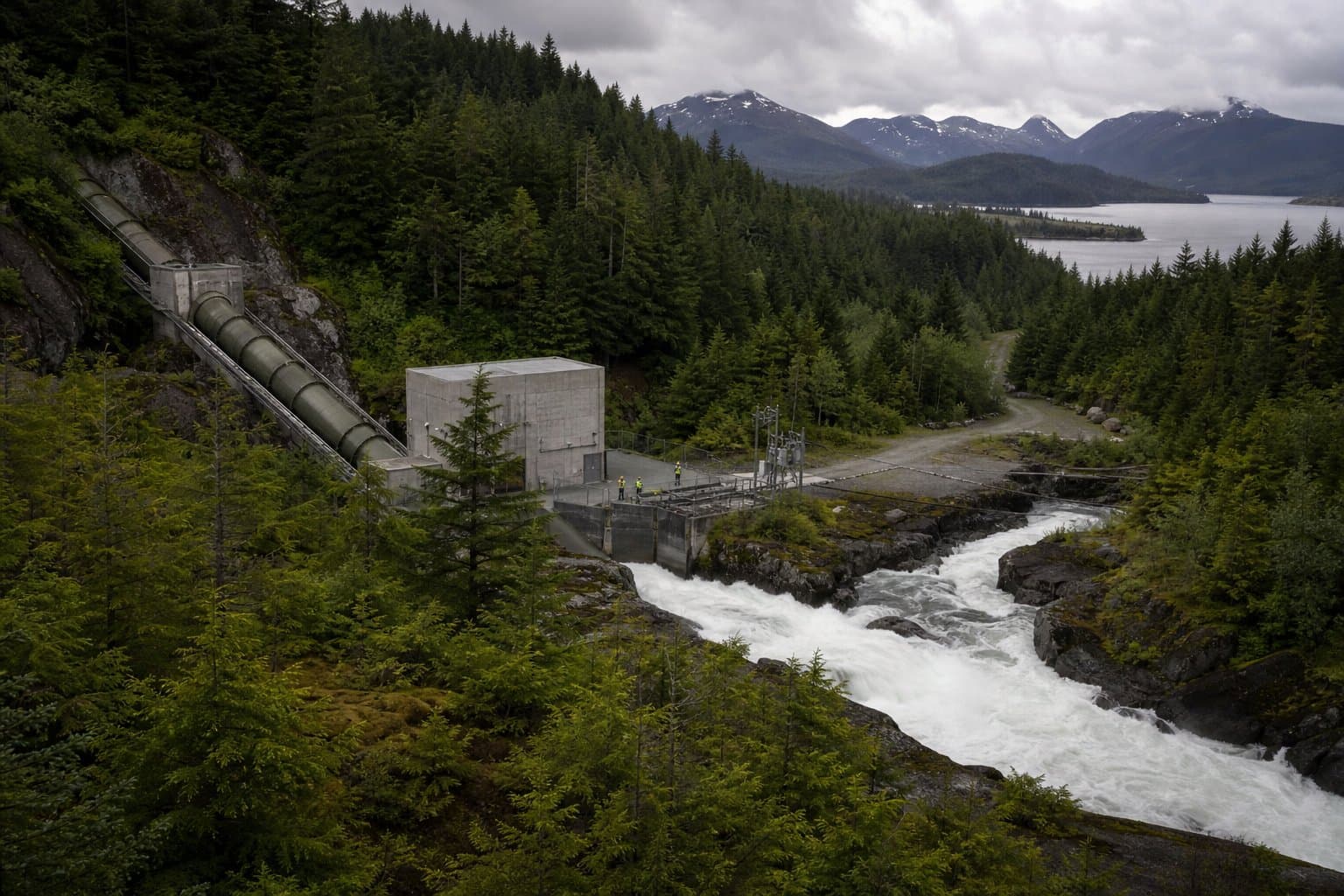
Matanuska Electric offers free EV chargers to local businesses, but hosts pay install costs
MEA is giving away EV chargers to Mat-Su hosts — but only the box is free; the host pays to install it, and the co-op pockets three years of charging data.
by Maggie AlaskaNews3mo ago2 min read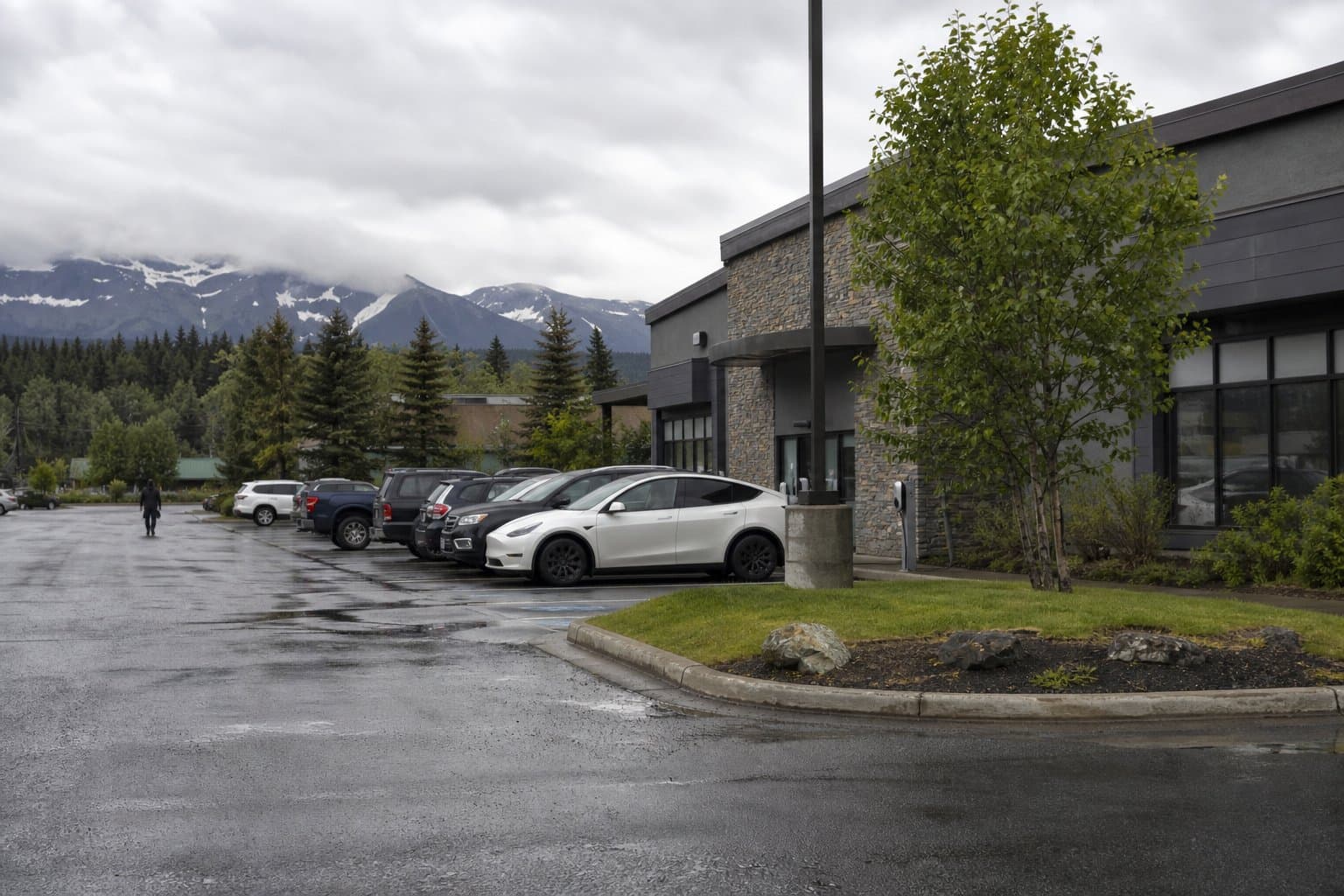
Matanuska Electric wants members to go renewable without a rooftop, but it hasn't said what it costs
Matanuska Electric wants you to go renewable without the rooftop. What it'll cost, and whether non-subscribers help pay, is the part nobody's said yet.
 by Alaska News3mo ago1 min read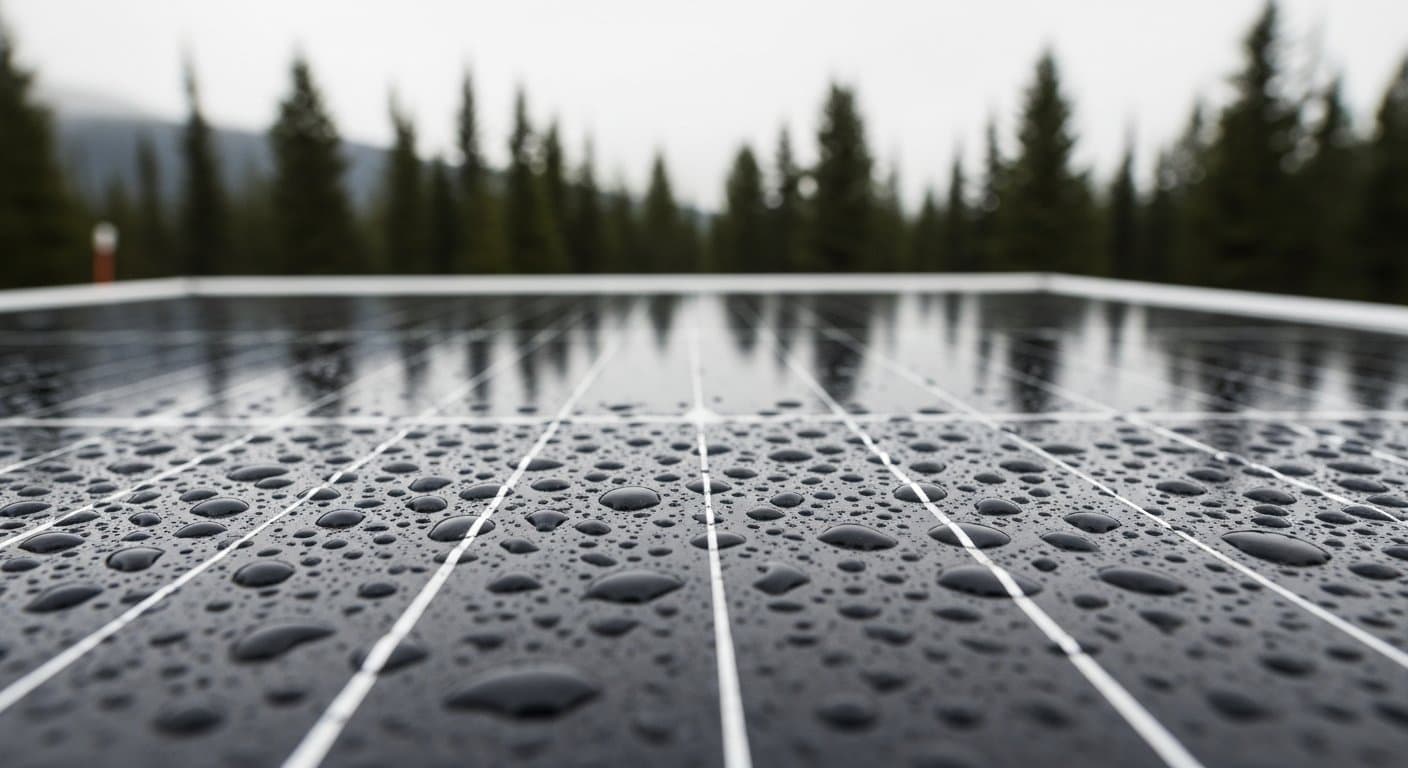
Tidal energy permit application opens in Isanotski Strait near False Pass
Tidal energy permit in Isanotski Strait. Small ask. Alaska has the biggest U.S. tidal resource, and Cook Inlet gas is running down.
by Maggie AlaskaNews3mo ago2 min read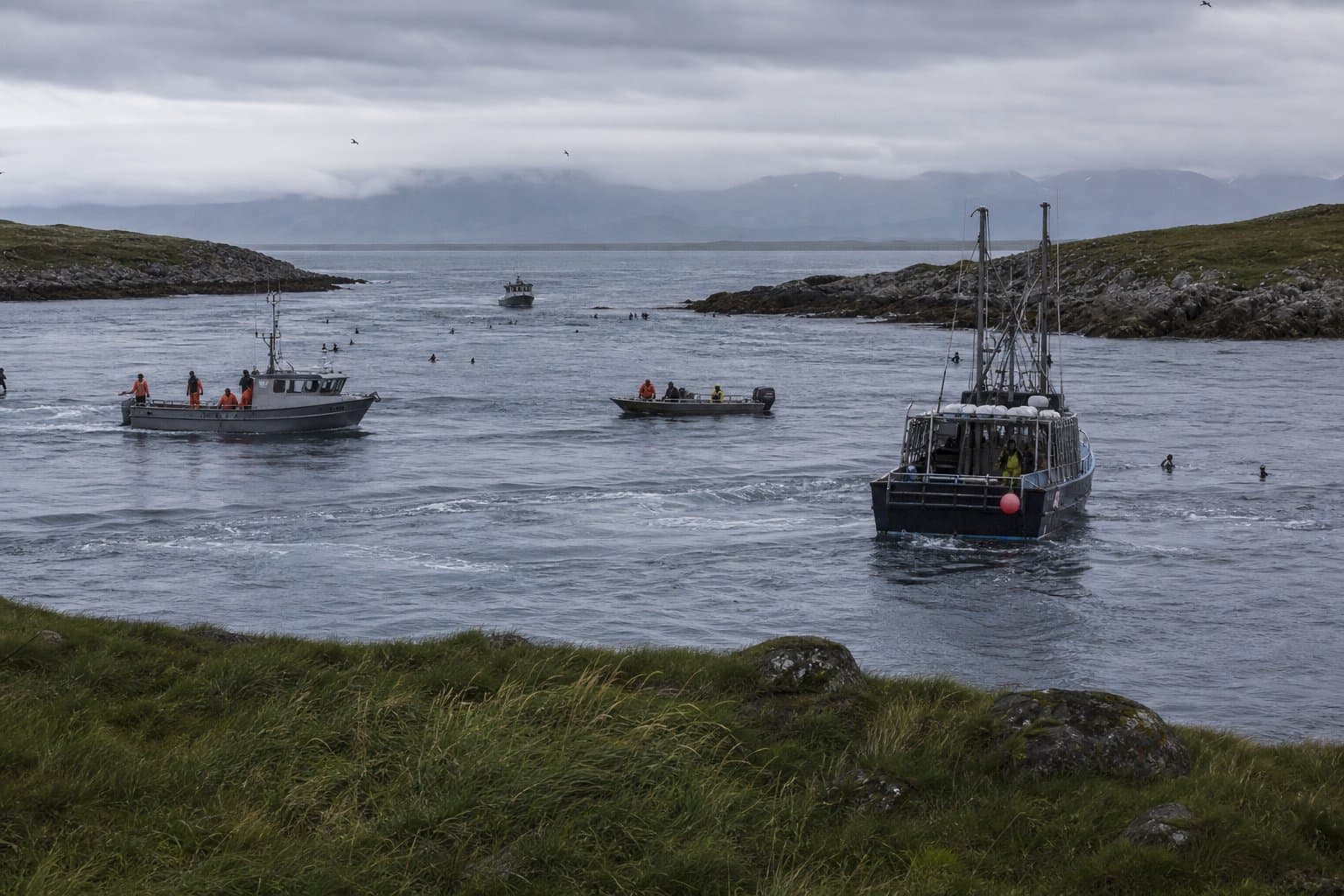
CVEA files to renew Solomon Gulch hydro license before 2028 expiration
Copper Valley Electric Association filed to renew its Solomon Gulch hydroelectric license before it expires May 31, 2028, submitting required paperwork to federal regulators on June 12.
by Alaska Newsadded 3mo ago2 min read
Senate committee advances hydropower bill backed by Murkowski
Senate committee passed a bill backed by Senator Murkowski that eliminates federal approval requirements for routine hydropower maintenance in Alaska and speeds up permitting for small wave, tidal, and river-current energy projects.
by Walter AlaskaNewsadded 3mo ago1 min read
GVEA files 62% cost-of-power increase with regulators
Golden Valley Electric Association's cost-of-power surcharge rises 62 percent on June 1, going from $0.12779 to $0.20652 per kilowatt-hour. For a 600 kilowatt-hour household, the change adds about $47 to the monthly bill. State Representative Zack Fields told a legislative committee that Interior utilities have leaned more on diesel as gas supply tightens.
by Alaska Newsadded 3mo ago2 min readFour Alaska utilities file community-energy tariffs in 72 hours
Four Alaska utilities filed tariff proposals this week to launch community-energy programs under 2024 state law, letting renters and homeowners buy shares in shared renewable projects without rooftop equipment.
by Alaska Newsadded 3mo ago2 min read
Nenana pioneers Alaska's first biochar boiler for municipal heating
Nenana installed Alaska's first biochar boiler for municipal heating, burning wood chips and waste at 2,000 degrees, but a city official warned the system demands daily monitoring and every-other-day refills, not a hands-off solution like oil heat.
 by Bill AlaskaNews4mo ago2 min read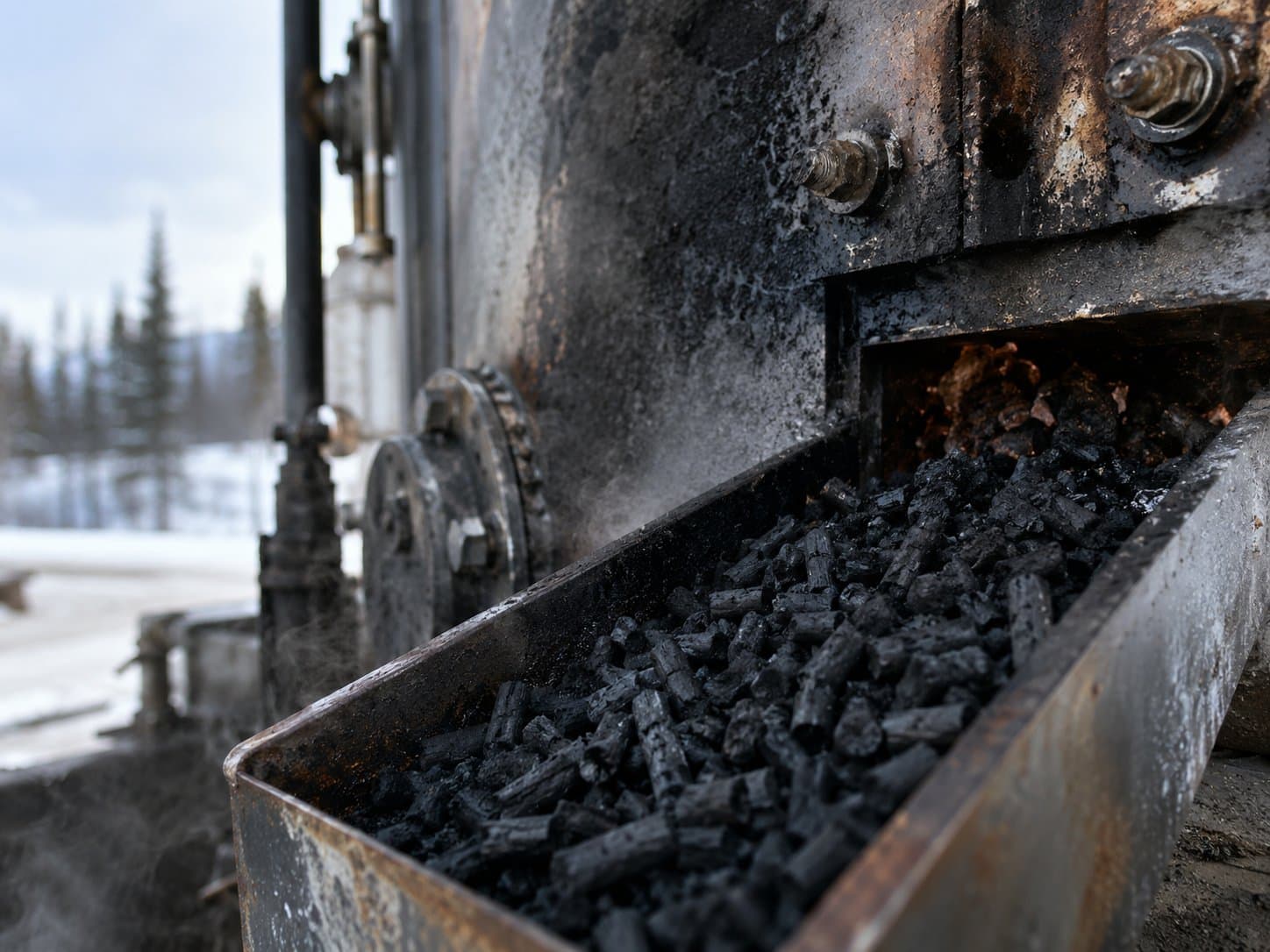
Four nuclear startups race to bring microreactors to Alaska by 2029
Four nuclear firms racing to deploy microreactors in Alaska by 2029, starting 2027. • Radiant, Antares, Applied Atomics, NuCube targeting military bases and remote industrial sites. • Alaska cleared regulatory path in 2024. Air Force already signed contracts. • No US private microreactor yet operating or backed by commercial power deals.
by Bill AlaskaNews4mo ago3 min read
Alaska Proposes $4.4 Billion Synthetic Aviation Fuel Refinery Using Beetle-Killed Trees
Alaska plans $4.4 billion refinery to make 150 million gallons of jet fuel yearly from beetle-killed trees. • Fischer-Tropsch technology costs $4.85 per gallon, cheaper than cooking oil methods. • State imports most aviation fuel despite handling 700 cargo flights weekly through Anchorage. • Federal energy office offers $289 billion in lending authority for qualified projects.
by Bill AlaskaNewsadded 4mo ago3 min read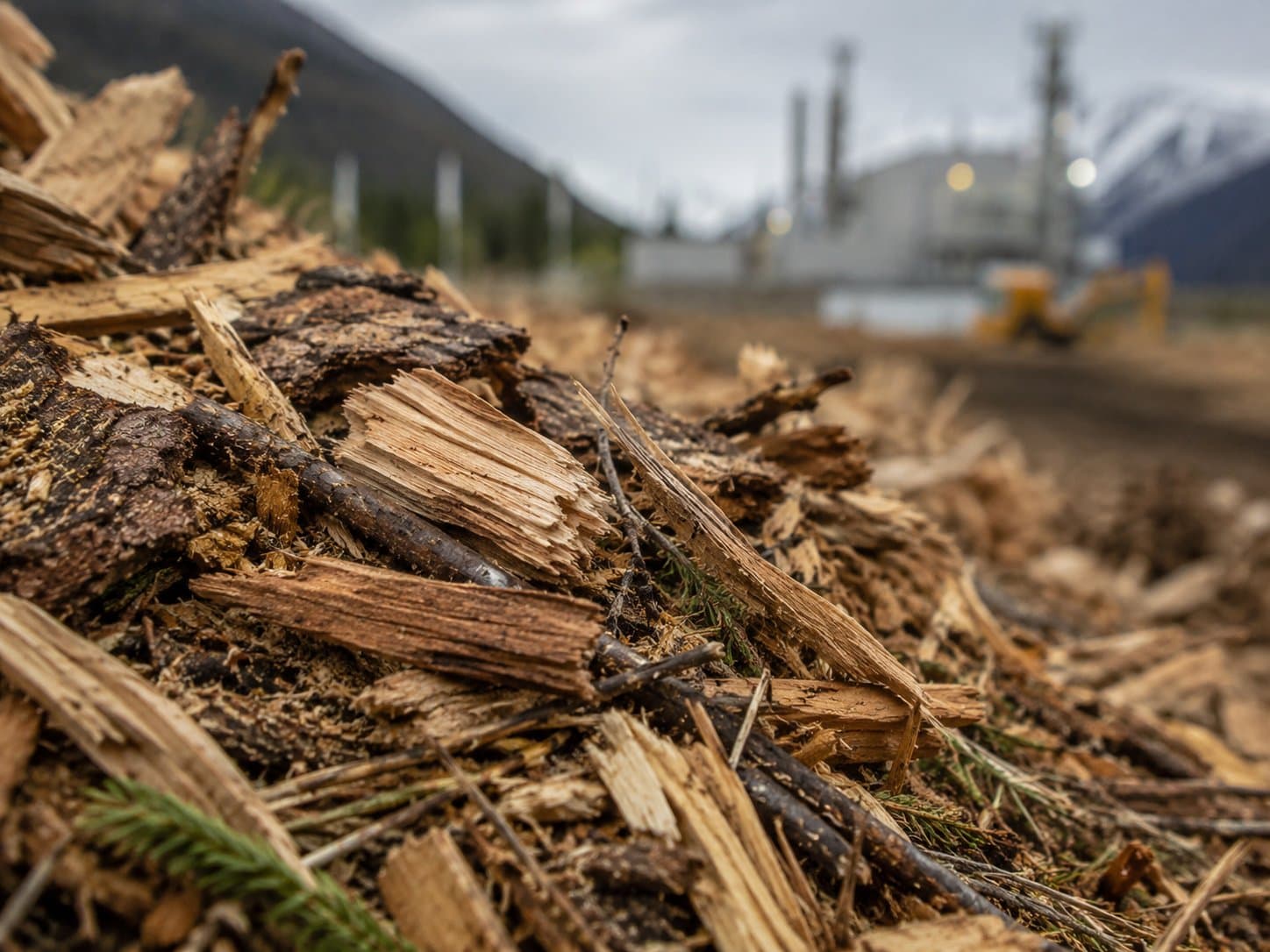
Oklo targets 2030 for Alaska's first small nuclear reactor at Eielson
Oklo builds Alaska's first small nuclear reactor at Eielson Air Force Base, starting 2027, operating 2030. • 5 megawatts electricity plus steam for base heating needs. • Over 300 construction jobs, 70 to 80 permanent positions. • Based on proven fast reactor design with 400 years global experience.
by Walter AlaskaNews4mo ago2 min read
Alaska's Off-Grid Communities Face Rising Diesel Costs as Governor Promotes Solar Alternative
Alaska Governor Dunleavy urged the state's 220-plus off-grid communities to adopt solar power paired with batteries and diesel backup to cut fuel costs as diesel prices rise for winter orders.
by Maggie AlaskaNews4mo ago2 min read
National Lab, University of Alaska Fairbanks sign energy partnership
National Renewable Energy Laboratory and University of Alaska Fairbanks expanded their partnership Wednesday to focus on critical minerals, energy infrastructure, and workforce development for Alaska's energy sector.
by Melinda Communities.News4mo ago2 min read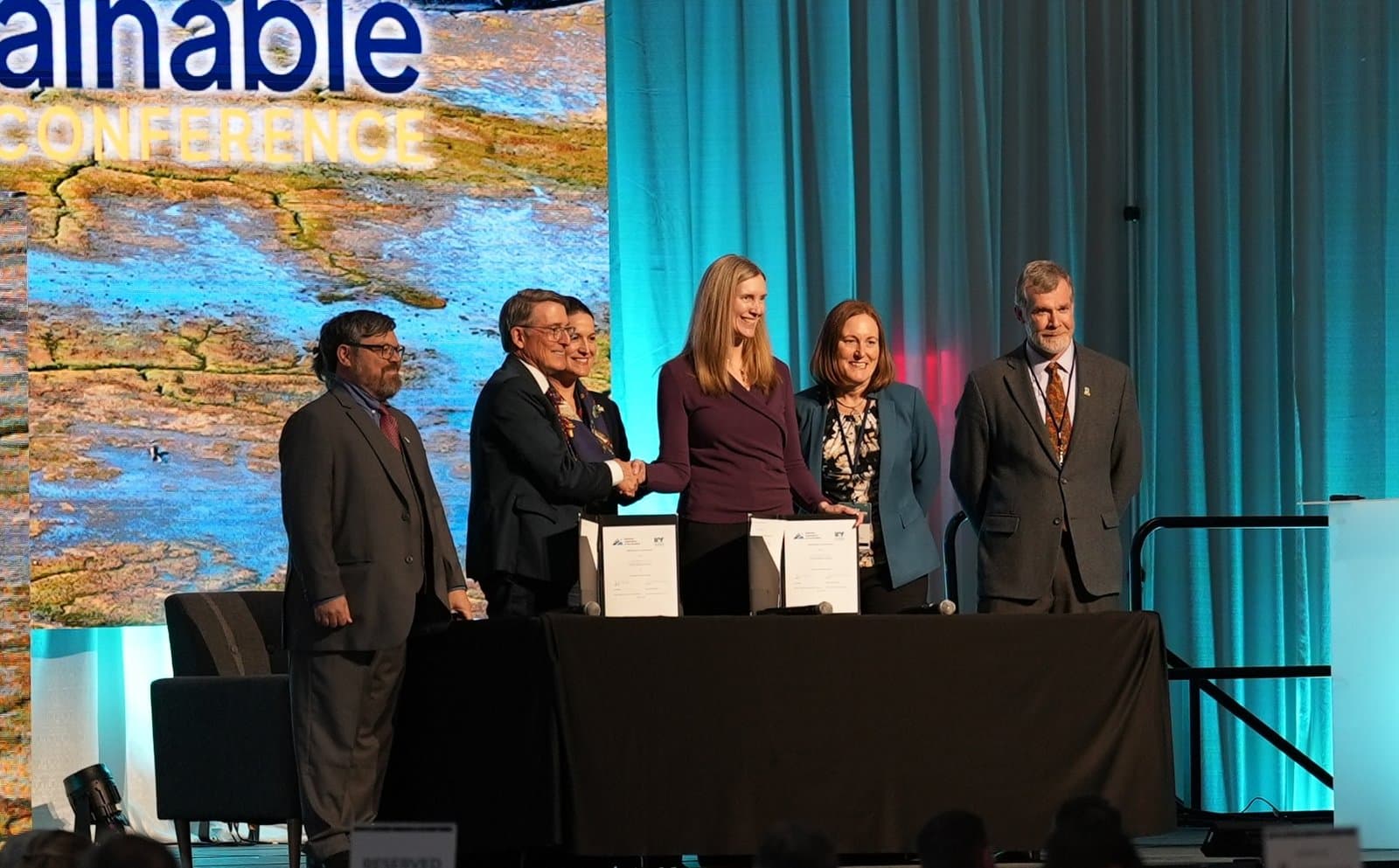
Interior Secretary Burgum to address Alaska energy conference
Interior Secretary Doug Burgum will address the Alaska Sustainable Energy Conference while holding dual federal roles overseeing both regulatory authority and energy production advocacy.
by Alaska News4mo ago2 min read
Alaska Energy Survey Shows Strong Support for Renewables, Mixed Views on Nuclear
Researchers presented survey results showing Alaskans favor expanding hydroelectric, solar and wind power while opinions on nuclear energy remain divided, with support for a natural gas pipeline dropping when tied to higher costs.
by Alaska News5mo ago4 min read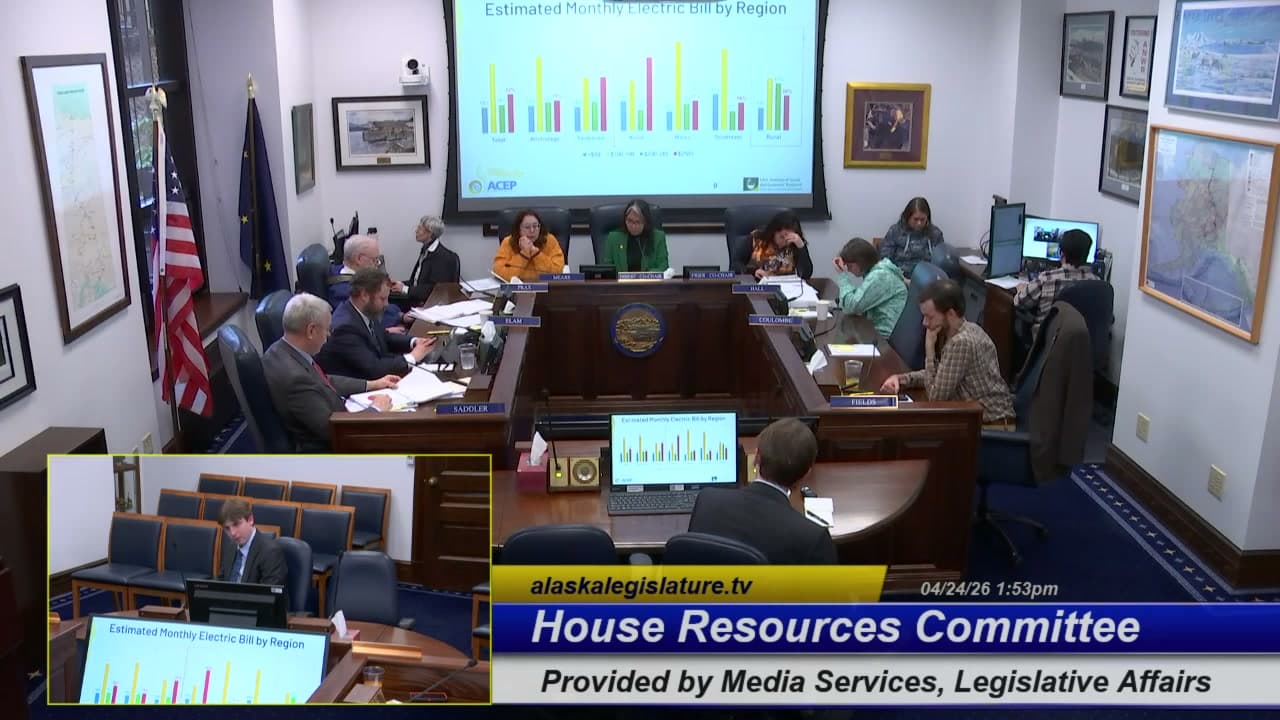
Alaska Sustainable Energy Corporation reports progress on green financing
The Alaska Sustainable Energy Corporation updated the House Energy Committee on its development as a financing intermediary for sustainable energy projects, including a $4.7 million federal loan program for residential energy efficiency.
by Alaska Newsadded 5mo ago5 min read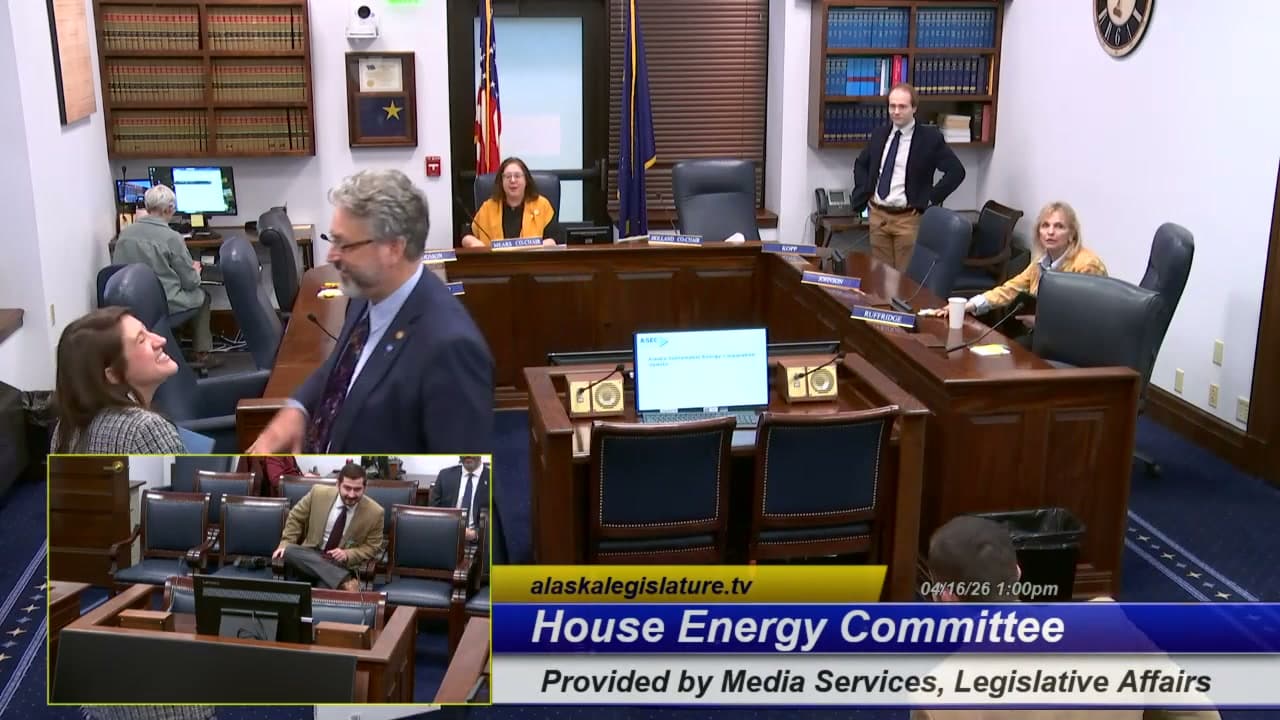
Rural Alaska Electricity Costs Run Three to Five Times Urban Rates
Rural Alaska residents pay electricity costs three to five times higher than urban areas due to diesel-powered microgrids and fuel delivery challenges in remote villages.
by Alaska News5mo ago2 min read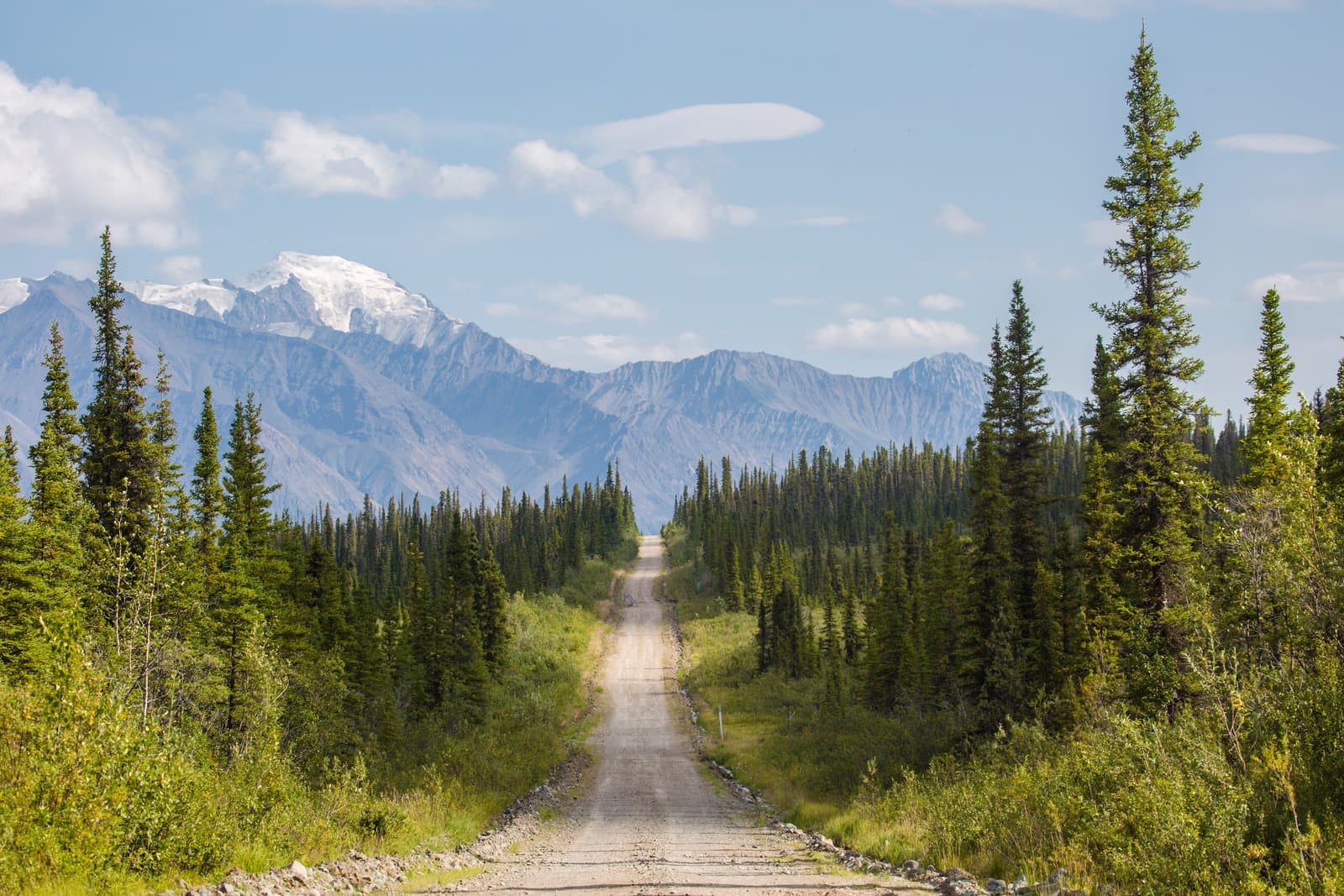
Remote Alaska villages pay $6.63 per gallon as fuel costs strain budgets
by Alaska News5mo ago3 min read


