Alaska Energy Authority (AEA) is the state public corporation that develops Alaska's electricity infrastructure. It operates the Bradley Lake hydroelectric plant near Homer, including its expansion, and runs rural bulk fuel and power cost equalization programs statewide.
Photo by U.S. Department of Energy, via Flickr · Photo source · Public domain
akenergyauthority.org ↗813 W Northern Lights Blvd, Anchorage, AK 99503, USA
Places and topics in this news
Numbers are stories in the last 30 days.

Frame from "Nome Joint Utility System Board Meeting- Nov. 12, 2026" · Photo source
Nome power bills face a bigger fuel surcharge as utility board presses for overdue audits
Nome's fuel surcharge on power bills is likely to jump from 18 cents to close to 40 cents a kilowatt-hour after the largest fuel bond the utility has had, its manager told the Nome Joint Utility System board Thursday.
"So it's going to about double the kWh cost," board member Carl Knodel said. The manager agreed, noting the utility's tariff, or base rate, is close to 20 cents. He said the final surcharge will be calculated for the board's next meeting.
The utility took in 2,011,808 gallons of fuel this fall. The bond is $8.6 million, the manager said, and the total bill from supplier Crowley will be closer to $9 million. The utility has already paid $1.3 million from cash reserves.
Knodel asked how much less the oil would have cost if the utility had bought in July. The manager said it always buys in September and had locked in its price under a three-year contract, with only a tug fuel adjustment changing.
The state's Power Cost Equalization program, which lowers power bills for rural residential customers, will also pay more per kilowatt-hour once the new numbers are filed, the manager said.
The surcharge passes fuel costs through separately from the base rate. At an Oct. 13 Nome Common Council meeting, the manager said he believed the utility last raised its rates in 2005, and that the surcharge was set up when fuel cost 85 cents a gallon. On Thursday he said the utility needs a rate study in 2027, likely leading to a formula that recognizes part of inflation, like the one the Port of Nome uses.
What did you make of this story? (no account needed)
Have a story about Alaska Energy Authority? Send a tip
Stories on what’s next
Federal Resource Agency Recommendations Deadline for Bradley Lake Expansion
Comment closes on giving the energy authority state land at Bradley Lake at no cost
The state proposes giving land around Bradley Lake hydro to the Alaska Energy Authority at no cost. Comment closed Tuesday. It's tied to expansion financing.
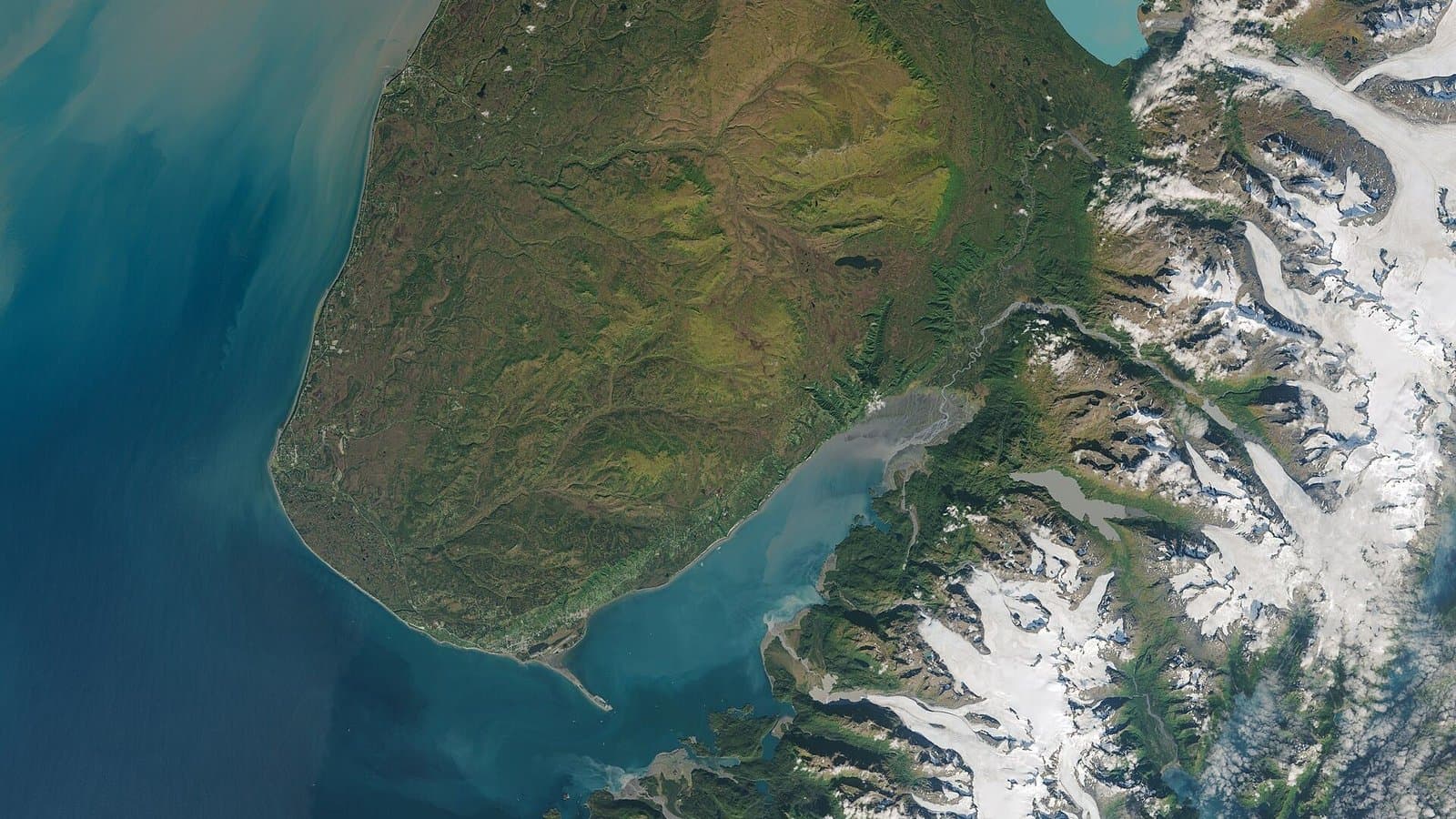
Bradley Lake Project Financing Closure Deadline
Railbelt ratepayers will repay up to $100M for a Bradley Lake expansion built around federal tax credits
Railbelt electric customers will repay up to $100M to expand the Bradley Lake hydro plant, its dam sized to chase up to $200M in federal tax credits.
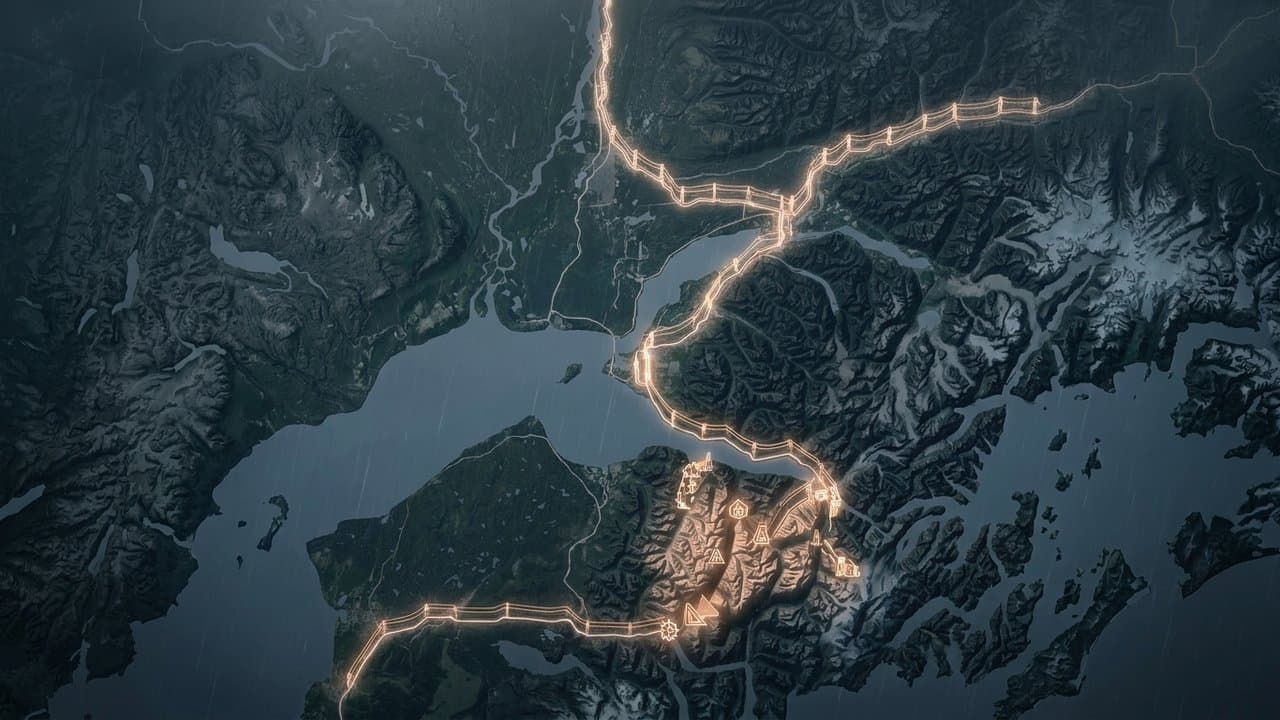
Cook Inlet Power Link Submarine Cable Prequalification Responses Due
A second power link to Kenai would run under Cook Inlet
Alaska wants a second power line between Kenai and Anchorage, under Cook Inlet's tides and ice. First it needs builders, and $142.5 million more.
Latest
November 2026
State energy board moves to accept up to $150 million for a second Railbelt power line
Alaska's energy board moved to take up to $150 million in Defense Production Act money for a second Southcentral-Interior line. The other $268 million? TBD.
 by Walter AlaskaNews3d ago3 min readFrom
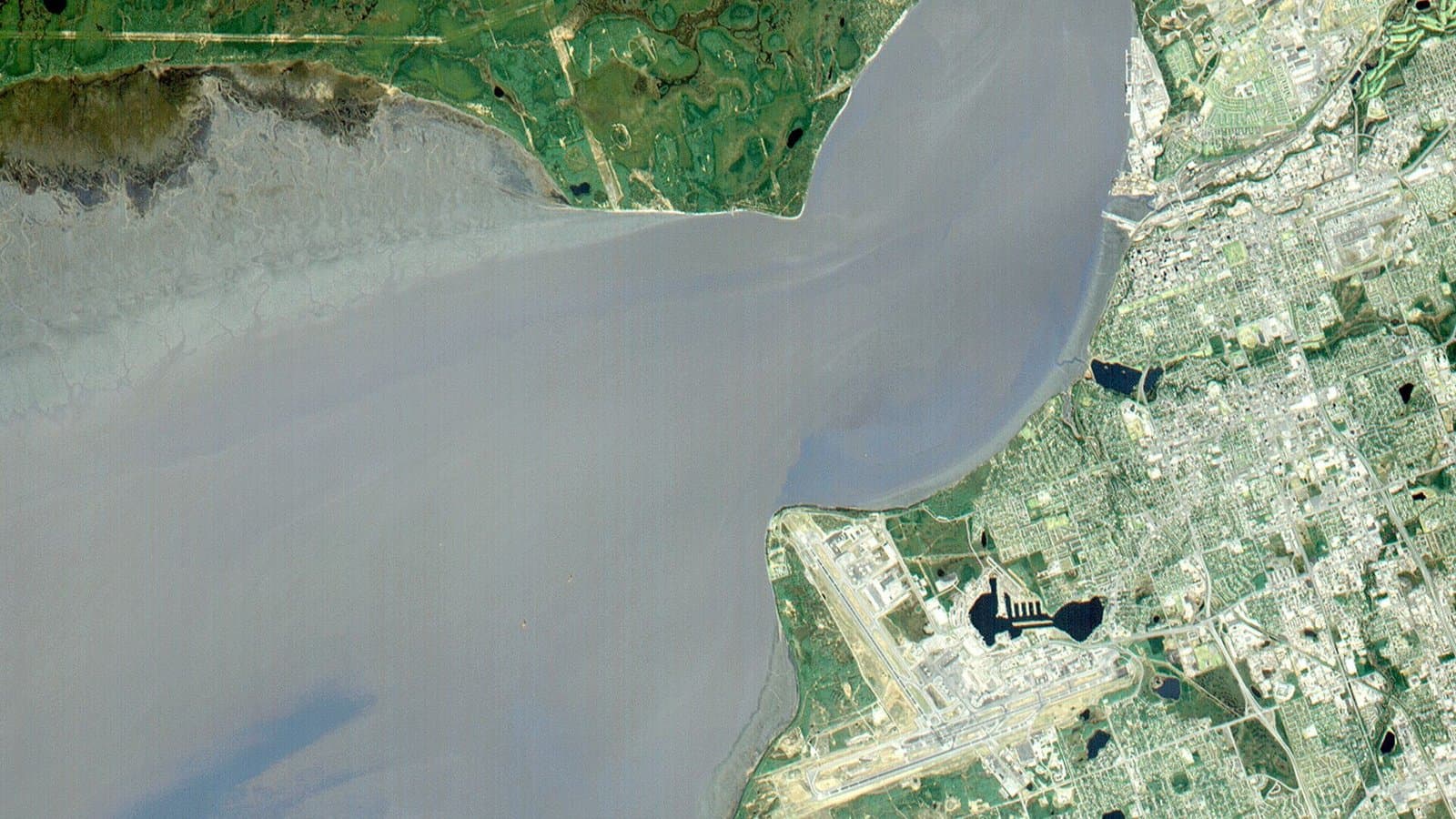
Alaska takes a new look at the 705-foot Susitna dam as Cook Inlet gas runs short
AEA's board voted to take a new look at the shelved 705-foot Susitna dam, eyeing a 2033 tax-credit deadline as Cook Inlet gas runs short. No money to build yet.
by Walter AlaskaNews3d ago3 min readFrom 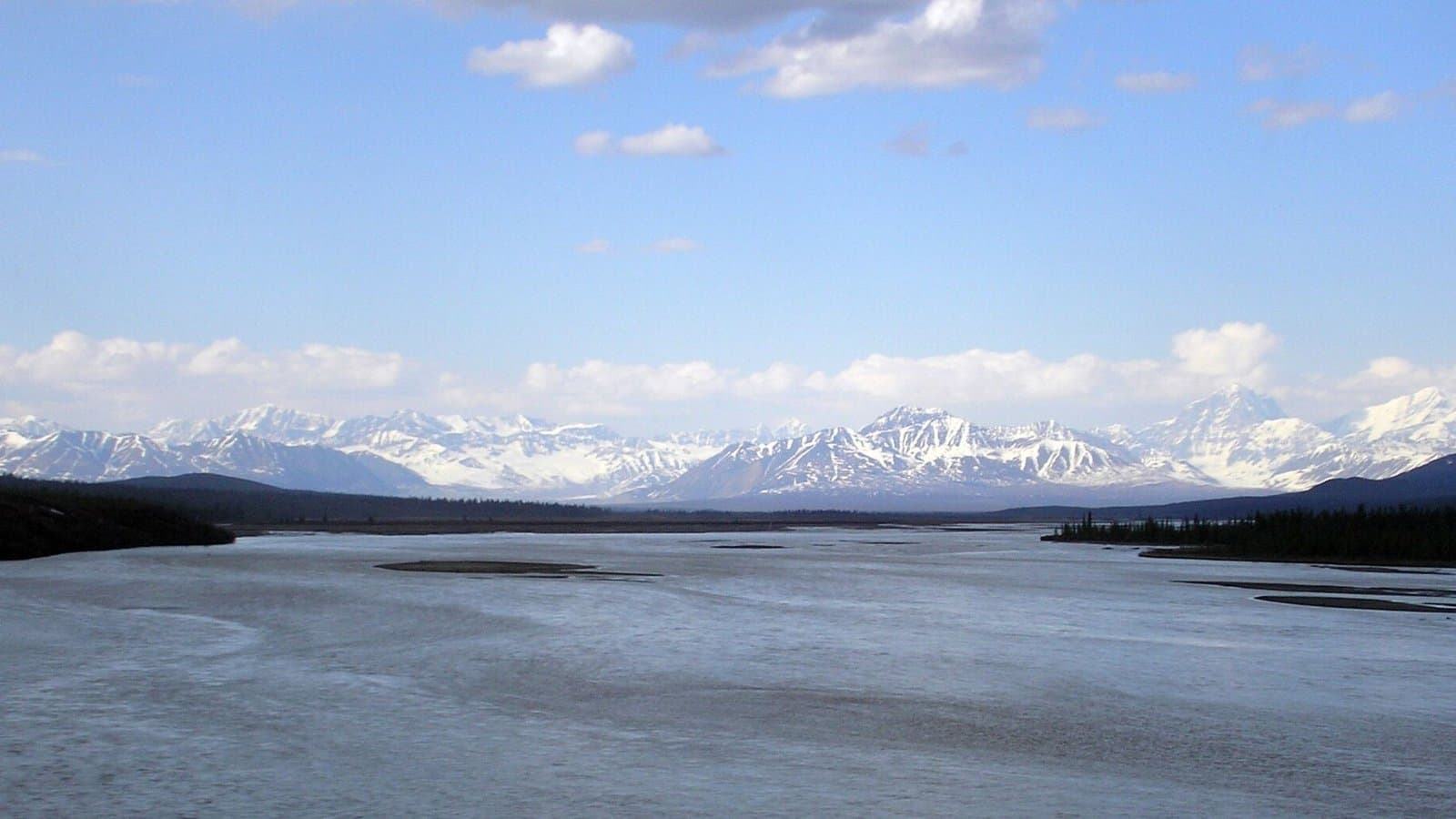
State energy agency says it never talked to firm that listed its power cable as a partner
A firm pitching an undersea AI data center in Cook Inlet called the state's planned power cable a "Strategic Partner." The state says they never talked.
by Walter AlaskaNews1w ago3 min read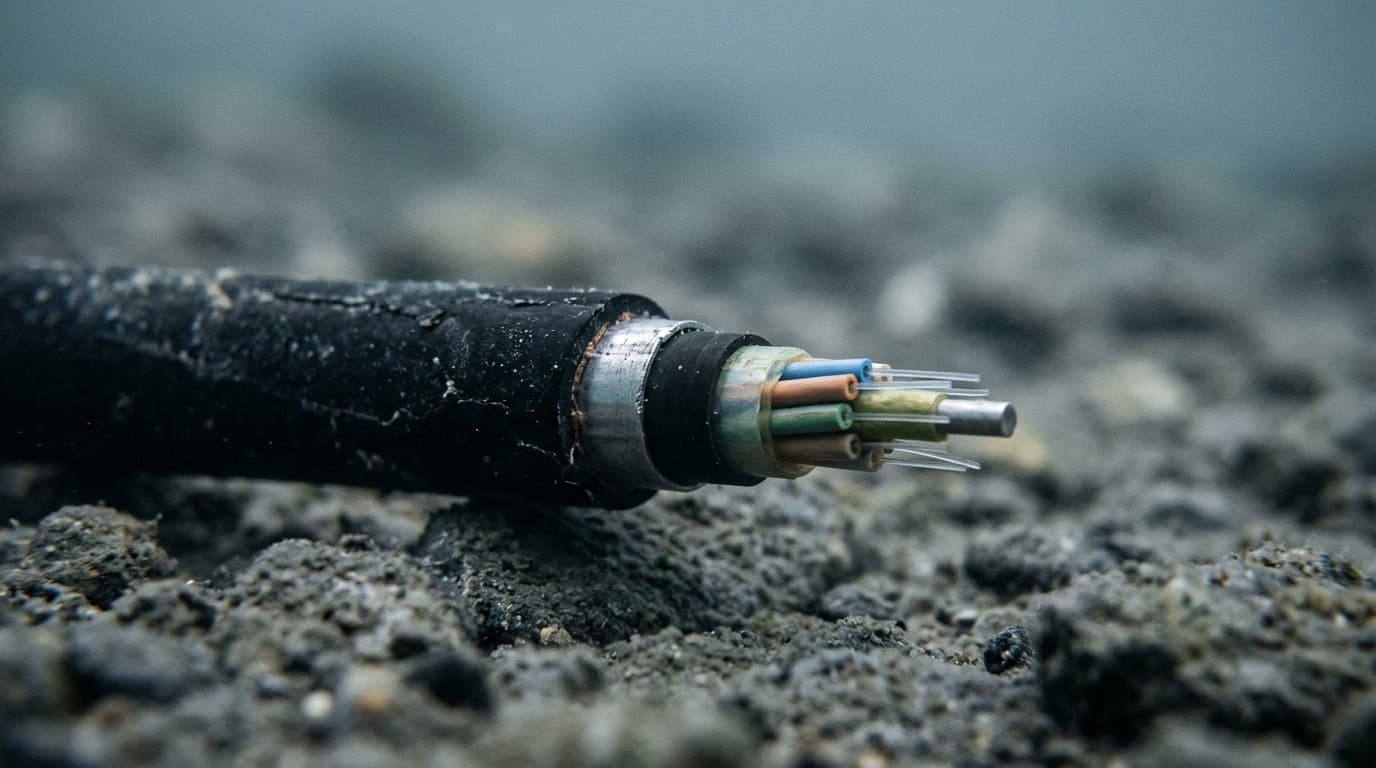
State energy board votes on nearly $5 million solar loan for Red Dog Mine
The state energy board votes Thursday on a nearly $5 million loan for solar at Red Dog Mine, sized to stay just under the line where the Legislature gets a say.
by Walter AlaskaNews1w ago2 min read
Alaska energy authority faces a $410 million gap for two Railbelt grid projects
Alaska's energy authority wants $142.3 million from lawmakers for a Cook Inlet power cable and still needs $268 million for a Healy line. That's $410 million.
by Walter AlaskaNews1w ago2 min read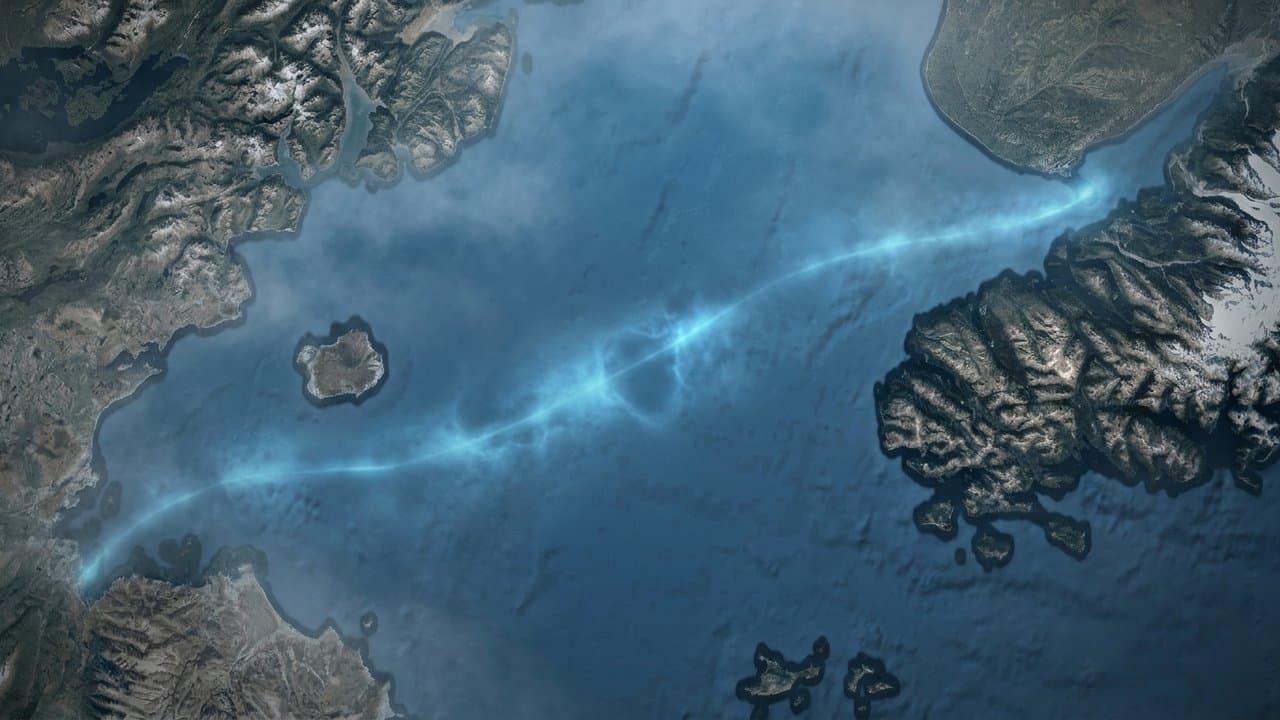
October 2026
State energy board to vote on nearly $5 million loan for solar at Red Dog Mine
Red Dog Mine makes all its power from diesel and cuts power to parts of the mine in summer. A state board votes Nov. 5 on a nearly $5 million loan toward solar.
by Walter AlaskaNews2w ago2 min read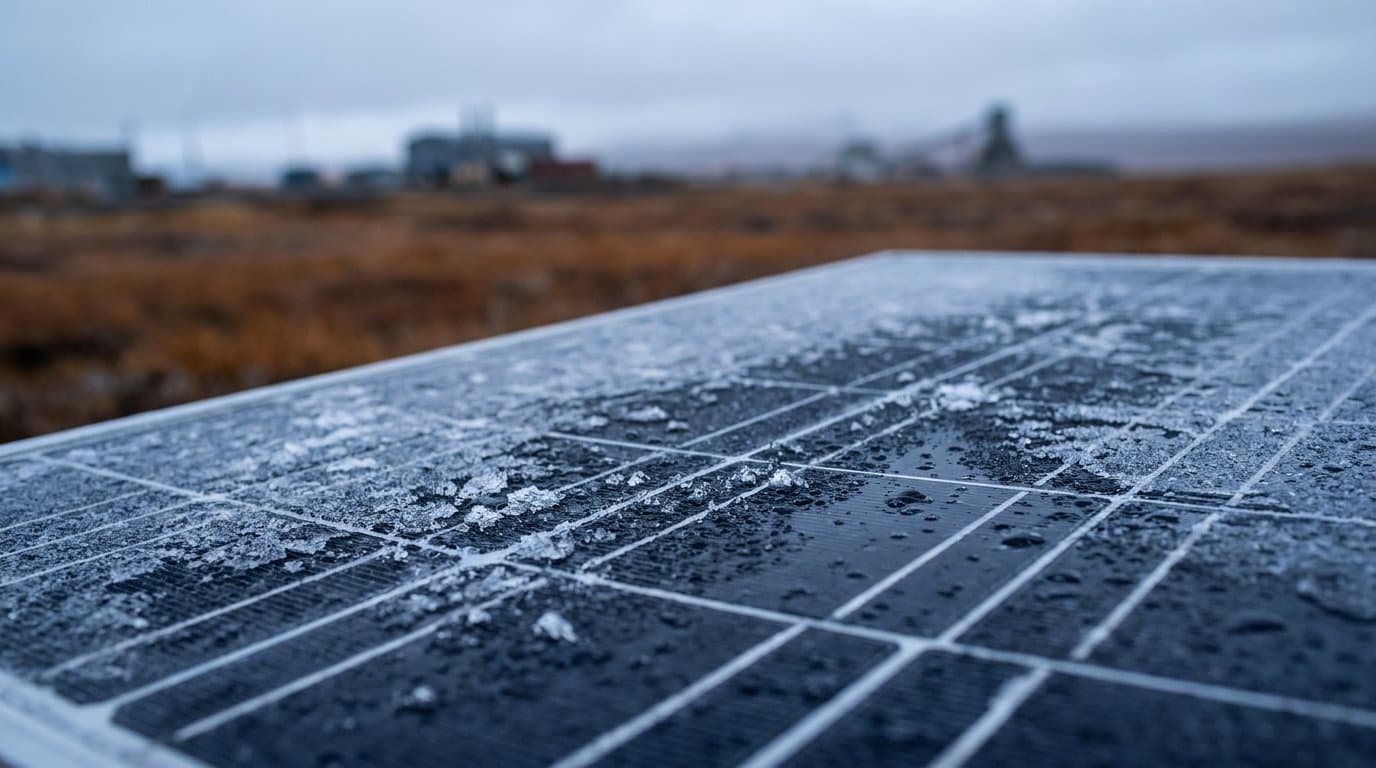
Alaska Energy Authority board votes Nov. 5 on a new look at the shelved Susitna dam
Alaska's energy authority votes Nov. 5 on a new look at the shelved Susitna dam, saying "time is of the essence" to catch tax credits worth up to half its cost.
by Walter AlaskaNews2w ago3 min read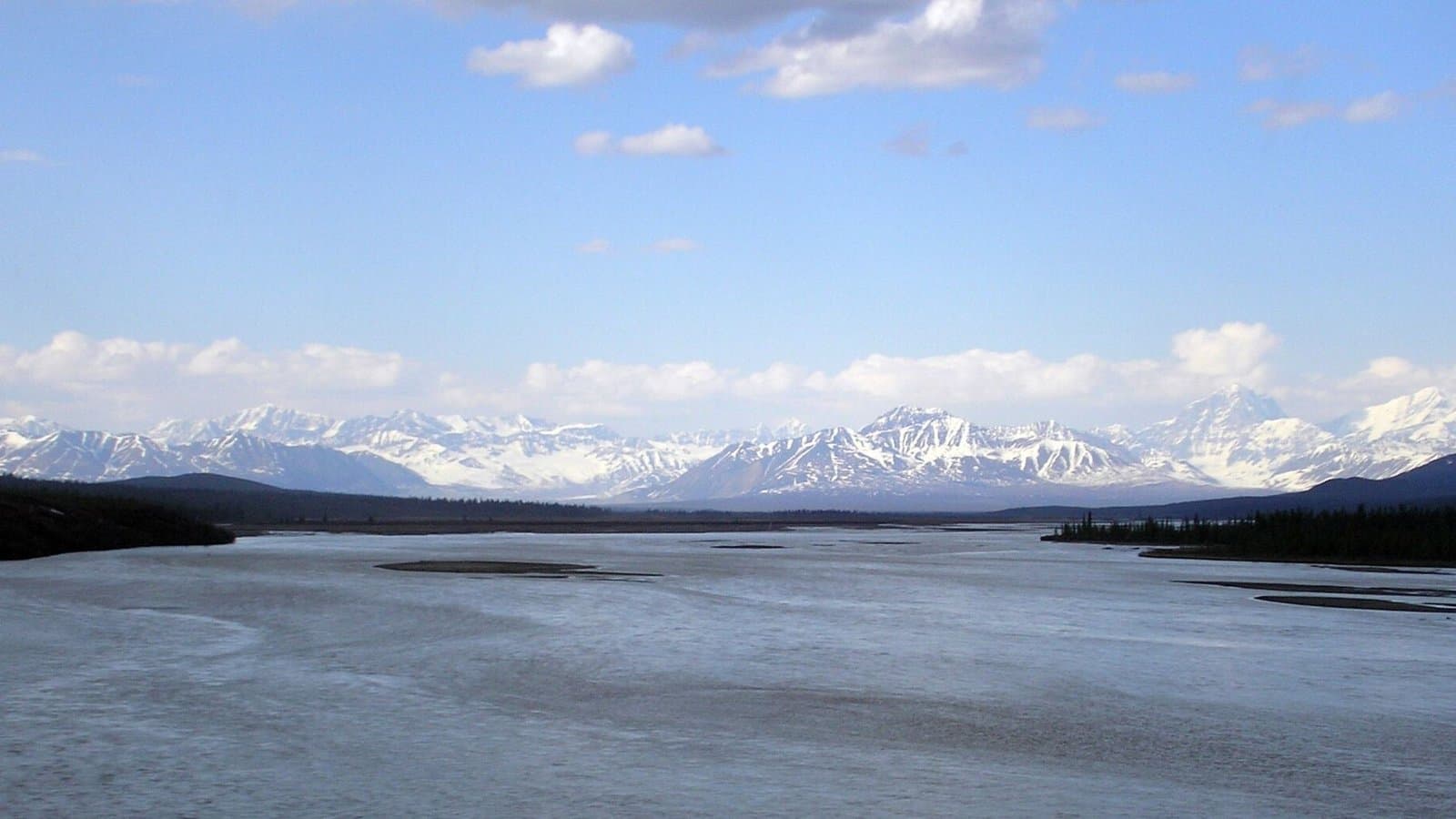
Alaska is in line for the third-largest share of federal grid money among states
Alaska is in line for $32.8 million more in federal grid money, third most of any state. Earlier rounds went to snow-sagged lines and sinking permafrost.
by Walter AlaskaNews2w ago2 min read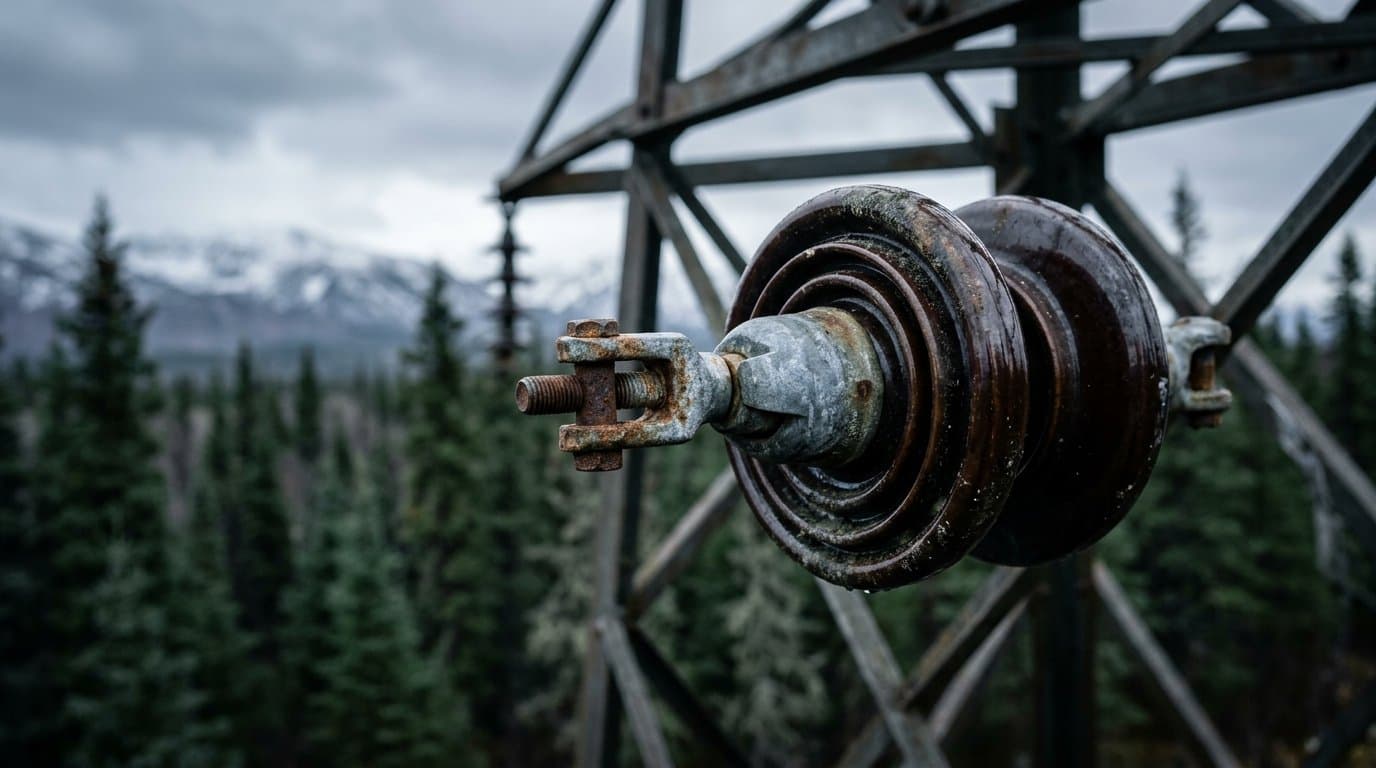
AVEC says it must raise revenue 10% as delivered fuel costs climb 35% to 40%
AVEC says it needs 10% more revenue after diesel for its 58 villages arrived 35% to 40% pricier. In fly-in villages, fuel alone tops $1 a kilowatt-hour.
 by Maggie AlaskaNews3w ago2 min read
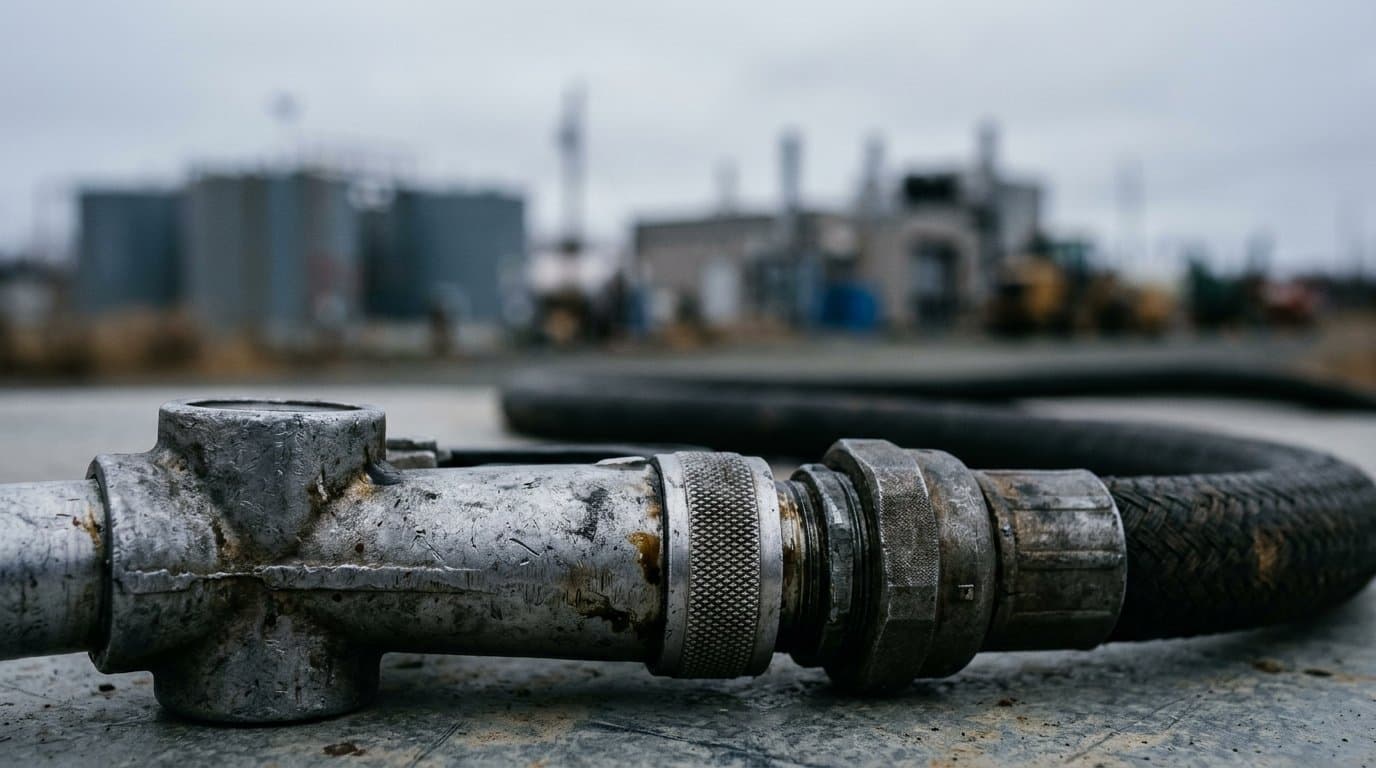
Kivalina, Wales and Eek lead off $100 million push to replace village fuel tanks
AVEC says contractors headed to Kivalina, Wales and Eek this summer to start new fuel tank farms, first of 10 villages in a $100 million grant ending July 2028.
by Maggie AlaskaNews3w ago4 min read
Draft study backs regional co-ops for rural Alaska tank farms, comments due Friday
A draft study says rural Alaska tank farms should team up in regional co-ops to save money. Comments are due Friday, so speak now or hold your diesel.
by Maggie AlaskaNews4w ago3 min read
Gasoline pushes U.S. prices up as Alaska diesel runs 61% above a year ago
U.S. prices rose 0.6% in September, more than half of it from gas. In Alaska, the bigger number is diesel: $2.48 a gallon more than a year ago.
 by Alaska News4w ago2 min read

State proposes giving 5,805 acres to energy authority for Bradley Lake hydro expansion
DNR's 5,805 acres for the Alaska Energy Authority near Homer are for Bradley Lake hydro, where AEA says a glacier diversion could boost power 40%.
by Alaska News1mo ago1 min readFrom 
White House restates $150 million for Beluga-Healy line; source of $268 million share unclear
The White House says DOE "will invest $150 million" in the Beluga-Healy line; DOE said "up to." Who covers the other $268 million is still unclear.
 by Melinda Communities.News1mo ago1 min read

Vance announces Railbelt transmission project at Fairbanks rally
The Trump administration will fund up to $150 million toward a 223-mile transmission line on Alaska's Railbelt grid, Vice President JD Vance announced Monday.
by Maggie AlaskaNews1mo ago2 min read
September 2026
Regulators fix math errors in AVEC power subsidy, raising credits in most villages
State regulators found math errors in AVEC's rural power credits. The fix raises the credit in 44 of 46 village power systems and lowers it in two.
by Walter AlaskaNews1mo ago3 min readFrom 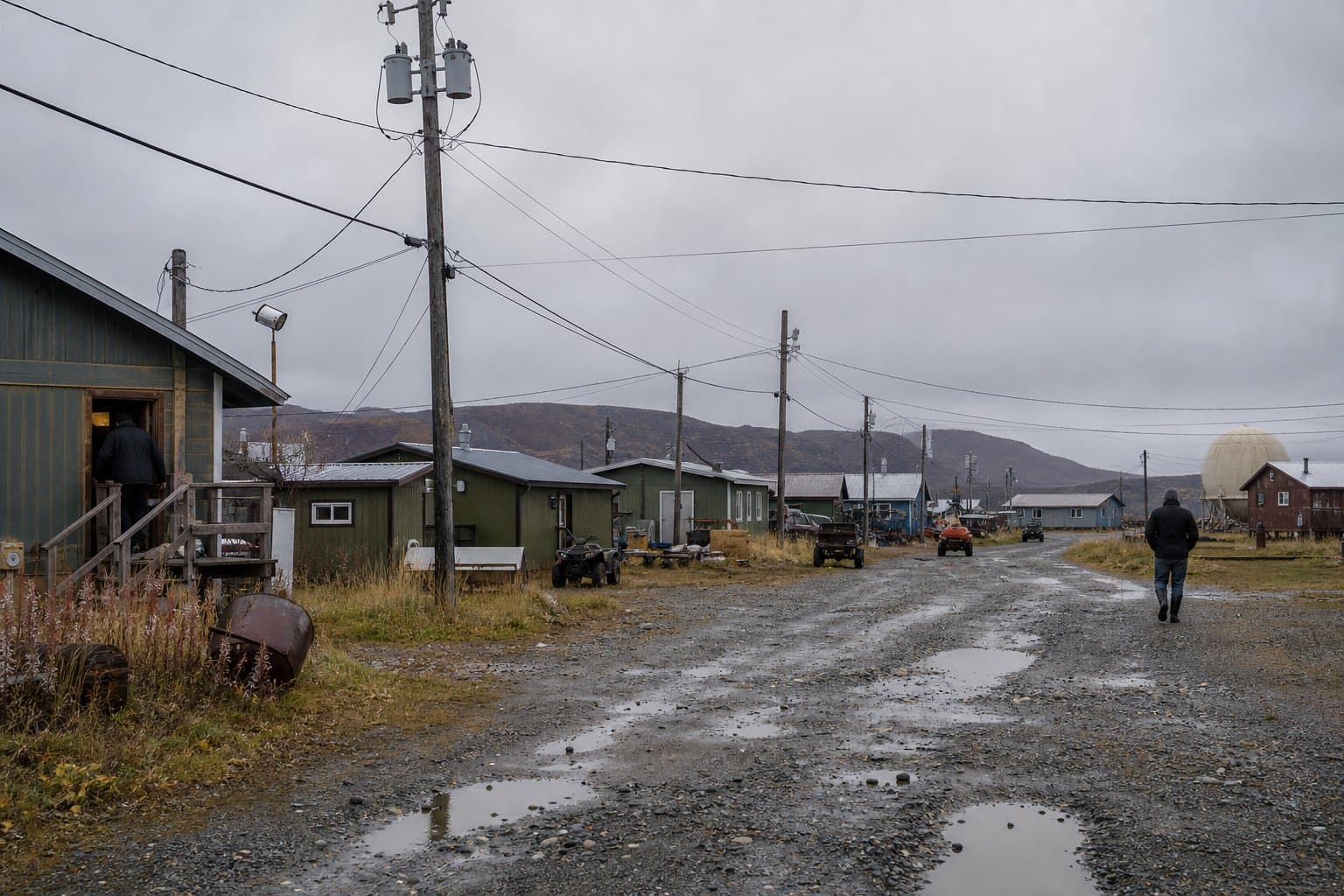
Coming up
Alaska Energy Authority Tax-Exempt Bonds Public Hearing
Alaska Energy Authority, 813 W Northern Lights Boulevard, Anchorage, AK 99503, or by phone: (907) 621-6701, code 250 656 873#
Hearing
Bradley Lake Project Financing Closure Deadline
Public notice
Federal Resource Agency Recommendations Deadline for Bradley Lake Expansion
Public notice
Alaska Energy Authority Bradley Lake Project - Fishway Prescriptions and Terms & Conditions Deadline
Public notice
About Alaska Energy Authority

Photo by U.S. Department of Energy, via Flickr · Photo source · Public domain
akenergyauthority.org ↗813 W Northern Lights Blvd, Anchorage, AK 99503, USA
The Alaska Energy Authority (AEA) is the state public corporation that develops electricity infrastructure in Alaska, with offices in Anchorage. It operates the Bradley Lake hydroelectric plant near Homer and is governed by a board.
AEA runs statewide programs for rural communities, including power cost equalization credits that offset village electricity costs and support for bulk fuel tank farms. Its board votes on loans and studies for energy projects, from hydropower and transmission to renewable power that replaces diesel. Rural electricity costs, the Bradley Lake expansion and the debt carried by Railbelt ratepayers are recurring questions.
Its work ties into the Railbelt grid and the Railbelt Transmission Organization, which sets transmission tariffs and technical standards, and into rural utilities such as the Alaska Village Electric Cooperative. Federal tax credits and grants shape the cost of many of the projects it backs.
More from Alaska Energy Authority
Alaska household electricity prices rose 5.6 percent from a year earlier in July, federal data show
Alaska households paid 28.83 cents per kilowatt-hour in July, up 5.6 percent from a year ago and over 10 cents above the national average. The fridge noticed.
by Melinda Communities.News1mo ago1 min read
Three Homer Electric generators failed at once, and hydro covered the gap
Three of Homer Electric's generators failed at once in August. It bought hydro to cover, from a dam whose lines cannot carry its full output.
by Alaska News1mo ago2 min read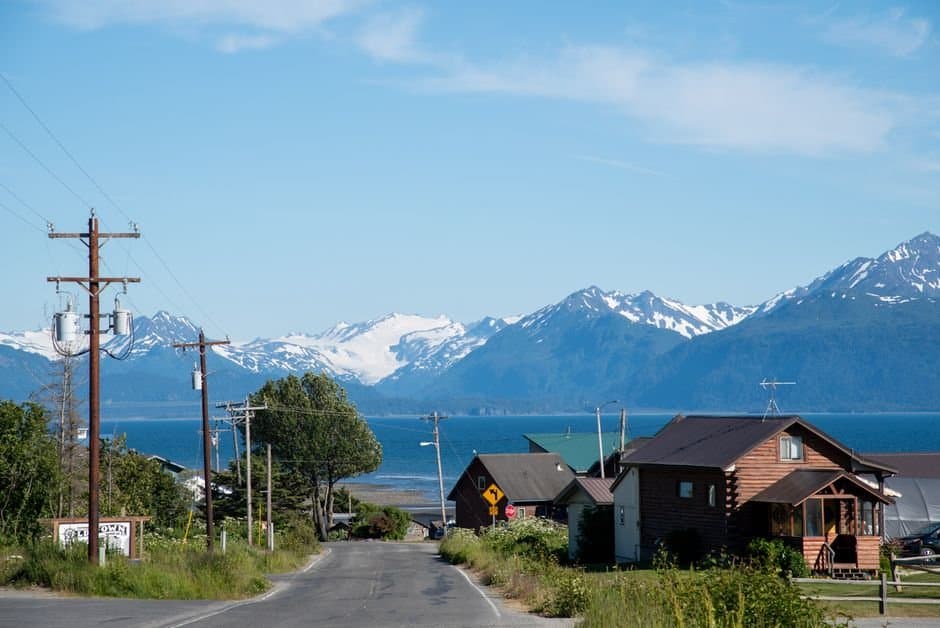
August 2026
Alaska's transmission tariff would grandfather 11 existing agreements
Alaska created a body to end the tolls utilities charge each other for moving power. Its plan would leave 11 existing agreements in place indefinitely.
by Melinda Communities.News2mo ago1 min read
Alaska electricity prices eased in June, but not for households
Alaska's overall electricity price dropped in June, but the savings went almost entirely to industry while residential bills stayed flat and are still higher than last year.
by Alaska News2mo ago1 min read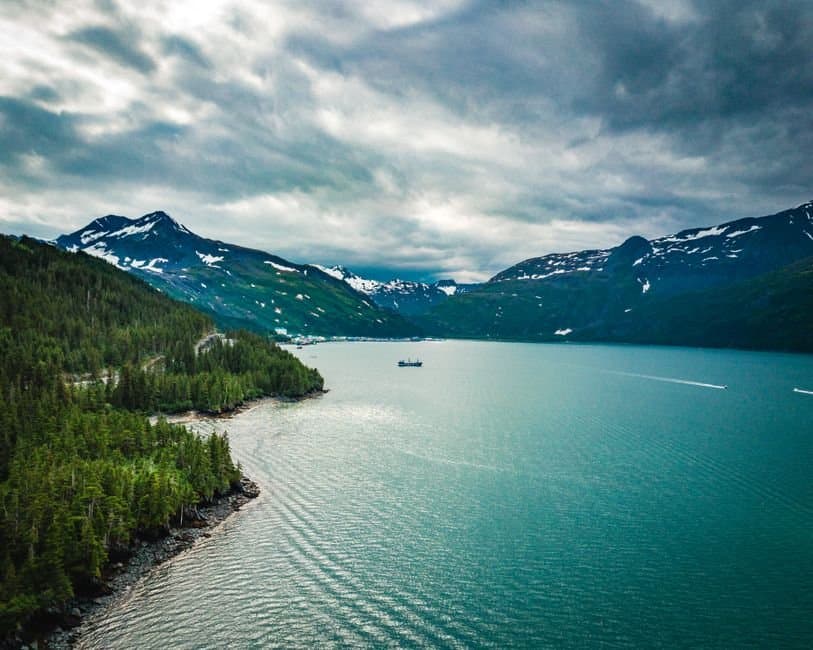
Comments on the $400 million Bradley Lake expansion close Friday
Federal comment on the Bradley Lake expansion closes Friday. The price has been stated three ways since spring, and Railbelt ratepayers carry the debt.
by Walter AlaskaNewsadded 2mo ago2 min read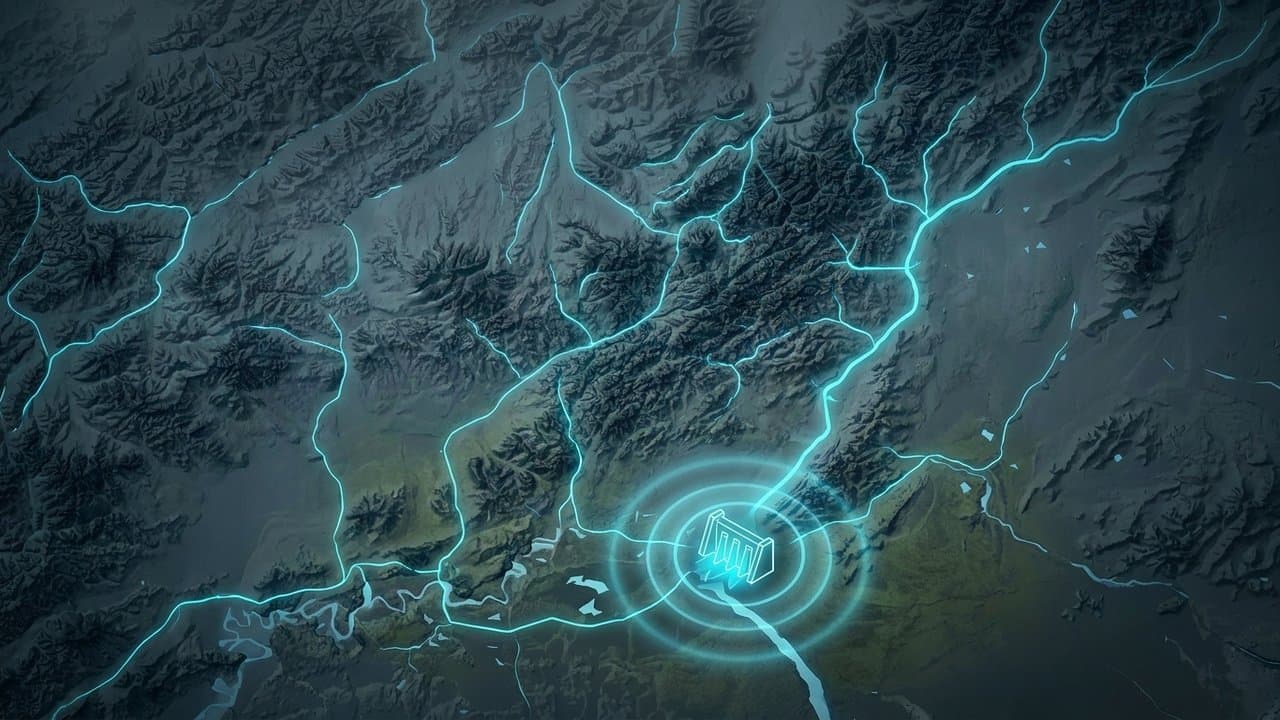
Manley Hot Springs surcharge would nearly triple under a filing before regulators
Manley Hot Springs electric customers face a cost-of-power surcharge nearly three times higher on Sept. 1. The state credit that offsets it does not move.
by Maggie AlaskaNews2mo ago2 min read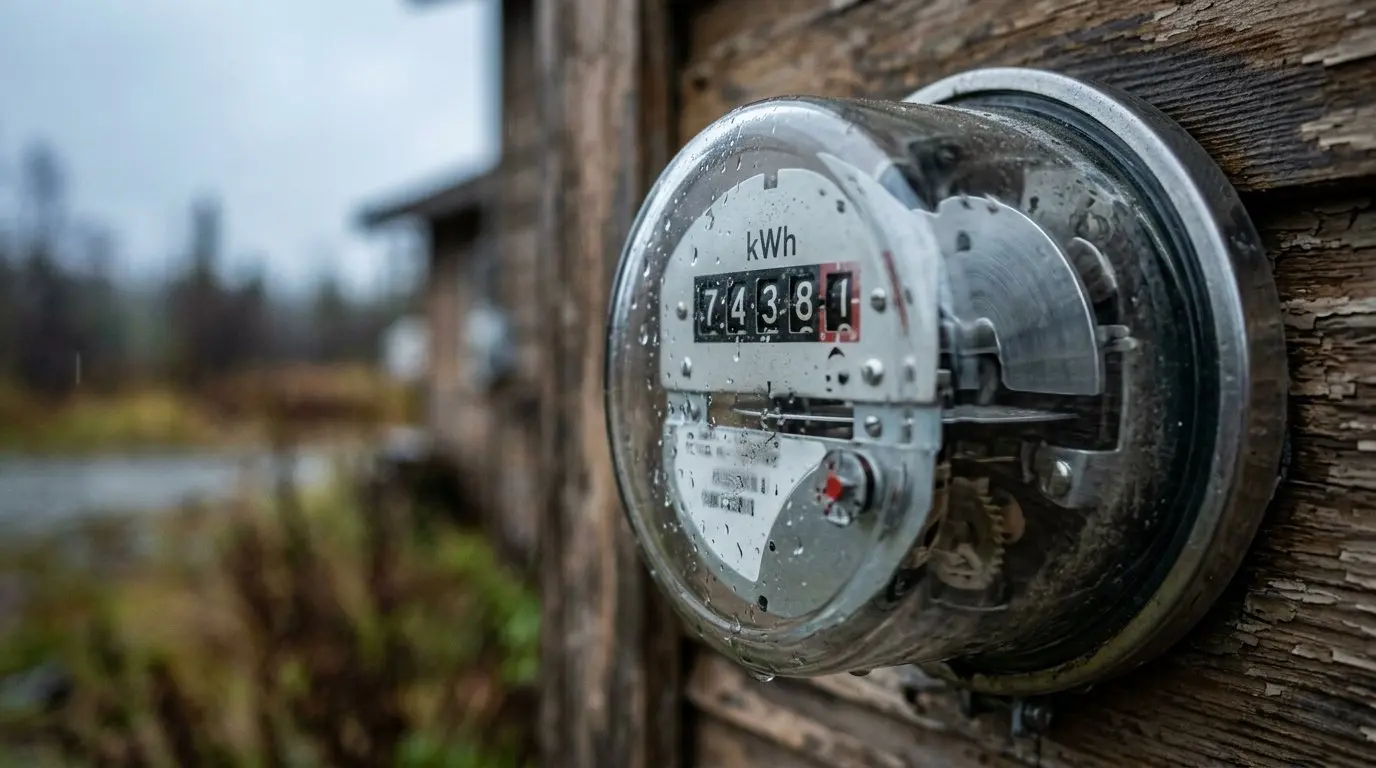
A $400 million expansion of Bradley Lake hydro would power about 30,000 homes and cut Southcentral's gas use
A $400 million Bradley Lake hydro expansion would power about 30,000 homes and offset 1.5 billion cubic feet of gas a year, easing Southcentral's gas crunch.
by Walter AlaskaNews2mo ago2 min read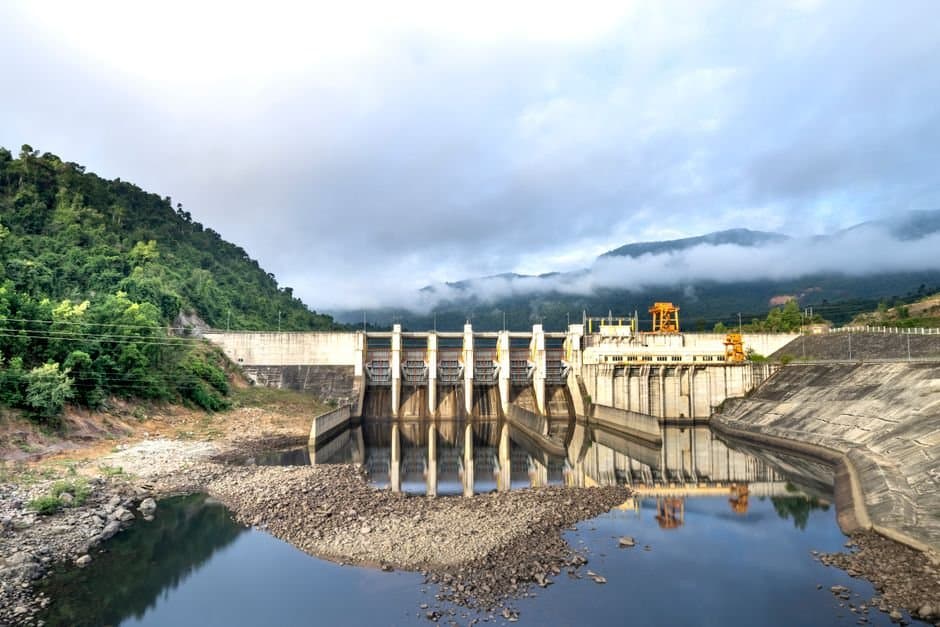
A $413 million cable would give Kenai and Anchorage a second power link
One transmission path links Kenai to Anchorage. A $413 million subsea cable would add a second, if AEA can raise the half that isn't federal.
by Walter AlaskaNews2mo ago2 min read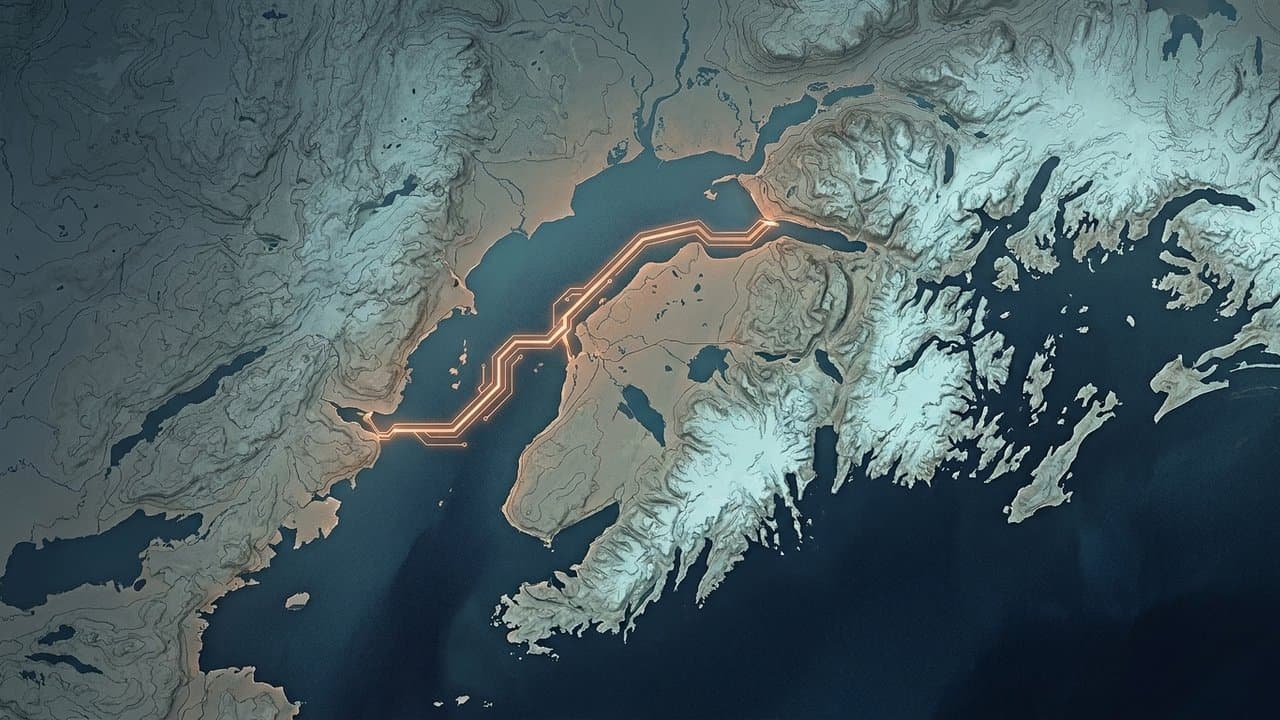
Bradley Lake expansion has carried three price tags in four months as the comment window closes
The Bradley Lake expansion has been priced at $400 million, $420 million and $435.9 million since April. Alaskans have until Aug. 28 to weigh in.
by Walter AlaskaNewsadded 2mo ago2 min read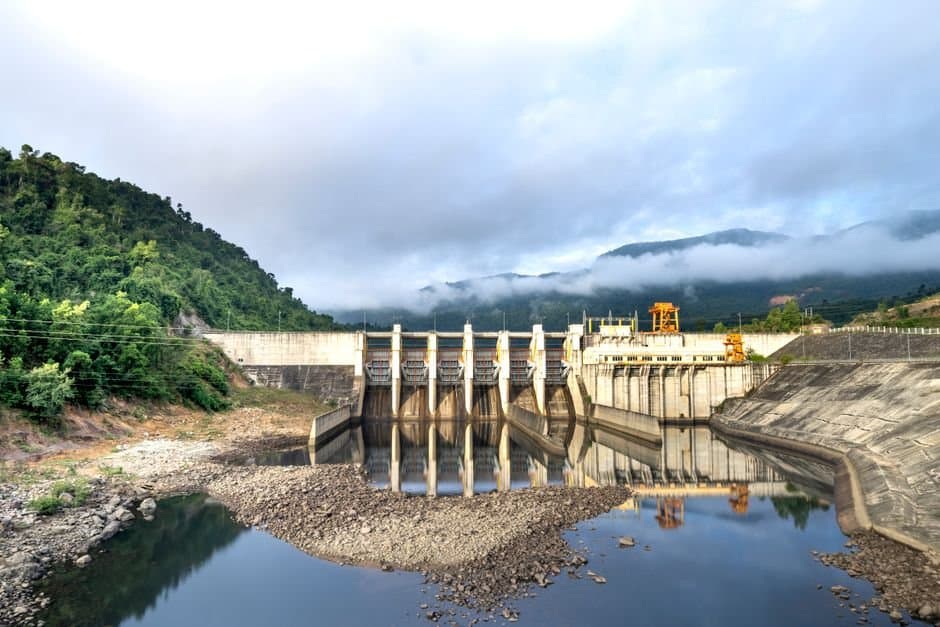
July 2026
As Cook Inlet gas runs short, Alaska moves to squeeze 38% more power from an existing dam
With Cook Inlet gas set to run short by 2027, Alaska wants to squeeze 38% more power from the existing Bradley Lake dam — raising the reservoir 16 feet and piping in glacier melt, no new plant required.
by Melinda Communities.Newsadded 3mo ago2 min read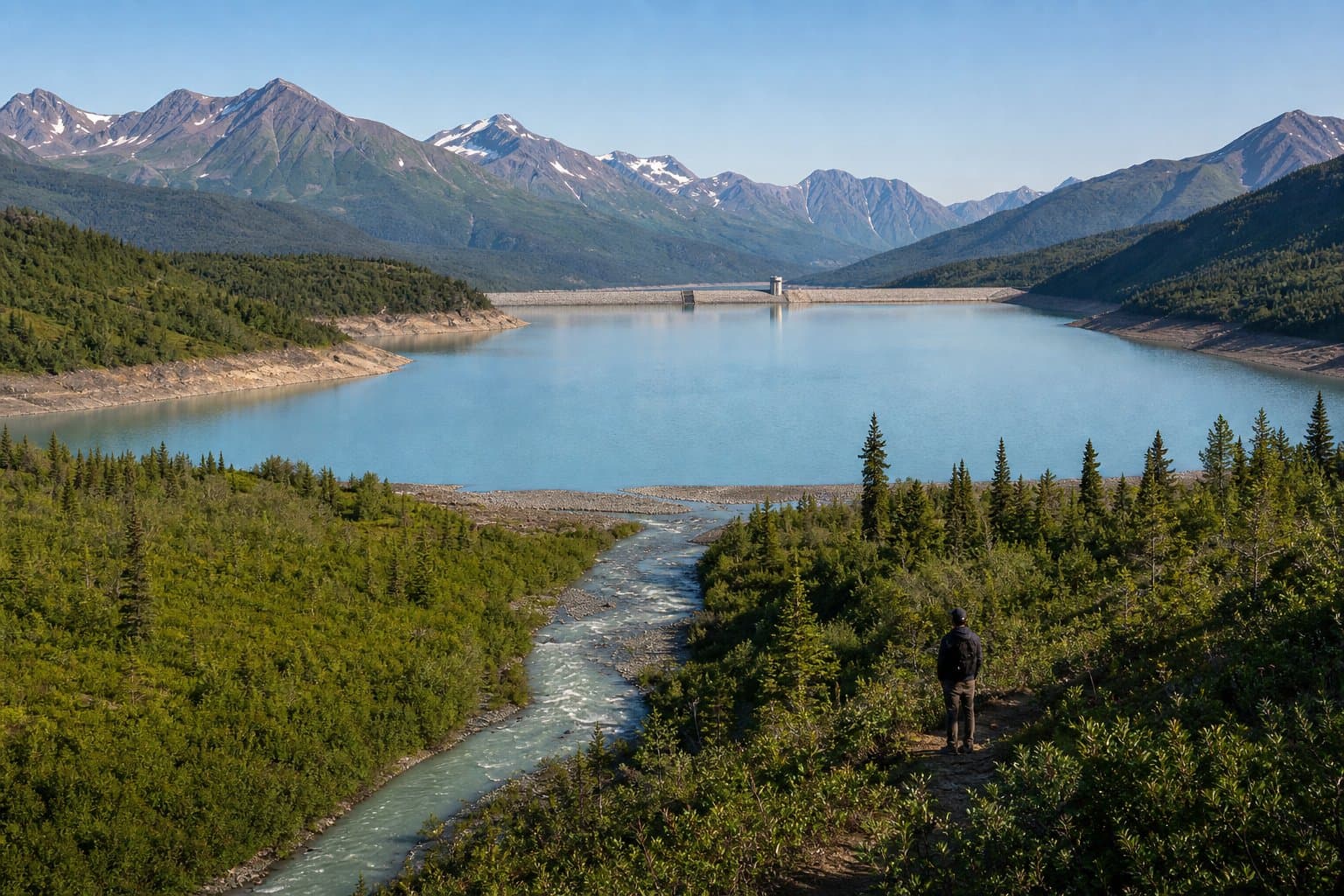
Alaska's diesel-to-renewables fund reopens, but the money reaches few
Alaska's main fund for getting rural communities off diesel just reopened — with room for maybe nine of the many that'll apply.
by Maggie AlaskaNews4mo ago2 min read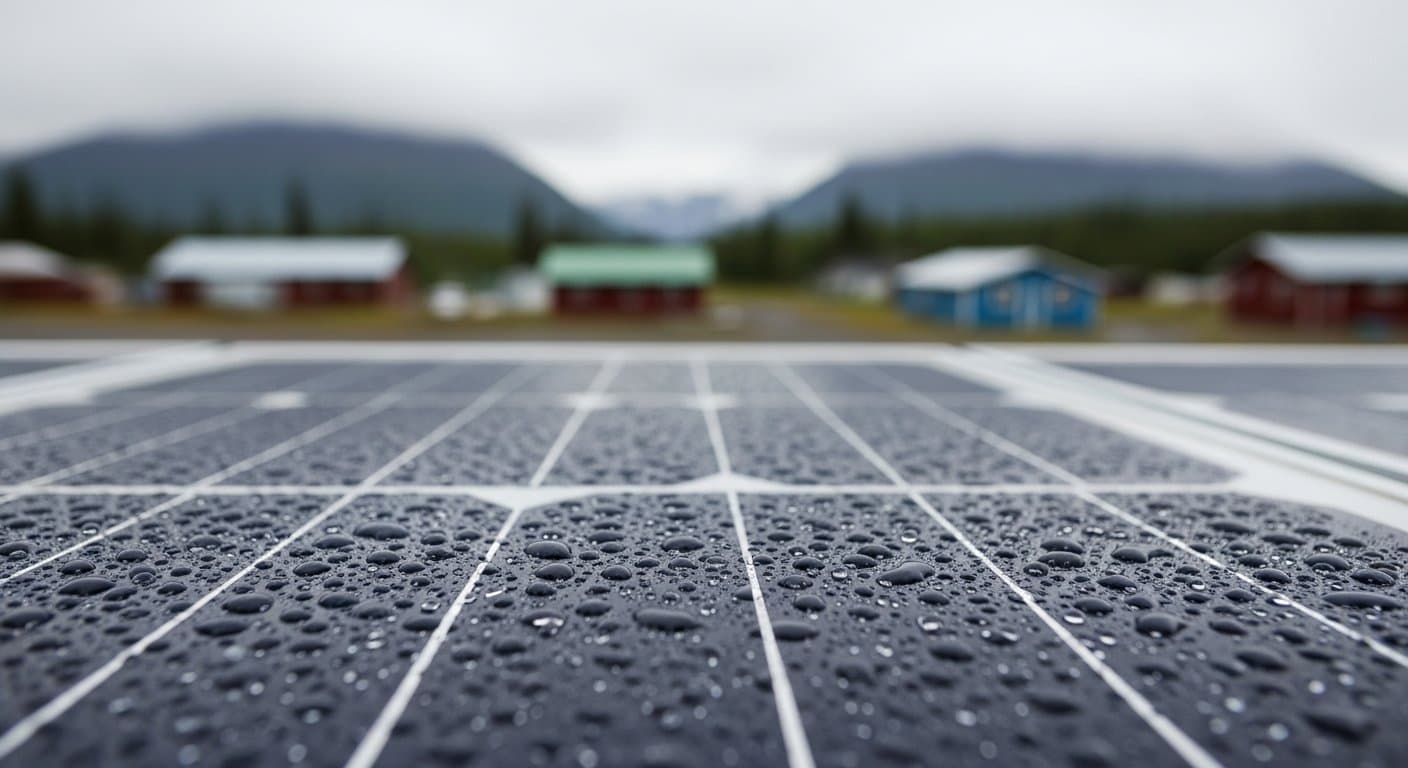
June 2026
The Air Force wants to put AI data centers on Alaska military land — and the three sites tell three very different stories
Three Alaska military bases are auditioning to host the AI boom — JBER can't power it, Eielson is leaking PFAS at it, and Clear has 4,769 acres, a DDT drum dump, and all the groundwater you can drink.
by Walter AlaskaNews5mo ago3 min readFrom 
RTO tariff subcommittee meets Thursday on transmission costs
Alaska's largest power grid is rewriting transmission cost rules this week to let utilities buy cheaper power as Cook Inlet gas supplies tighten and bills rise.
by Alaska News5mo ago2 min read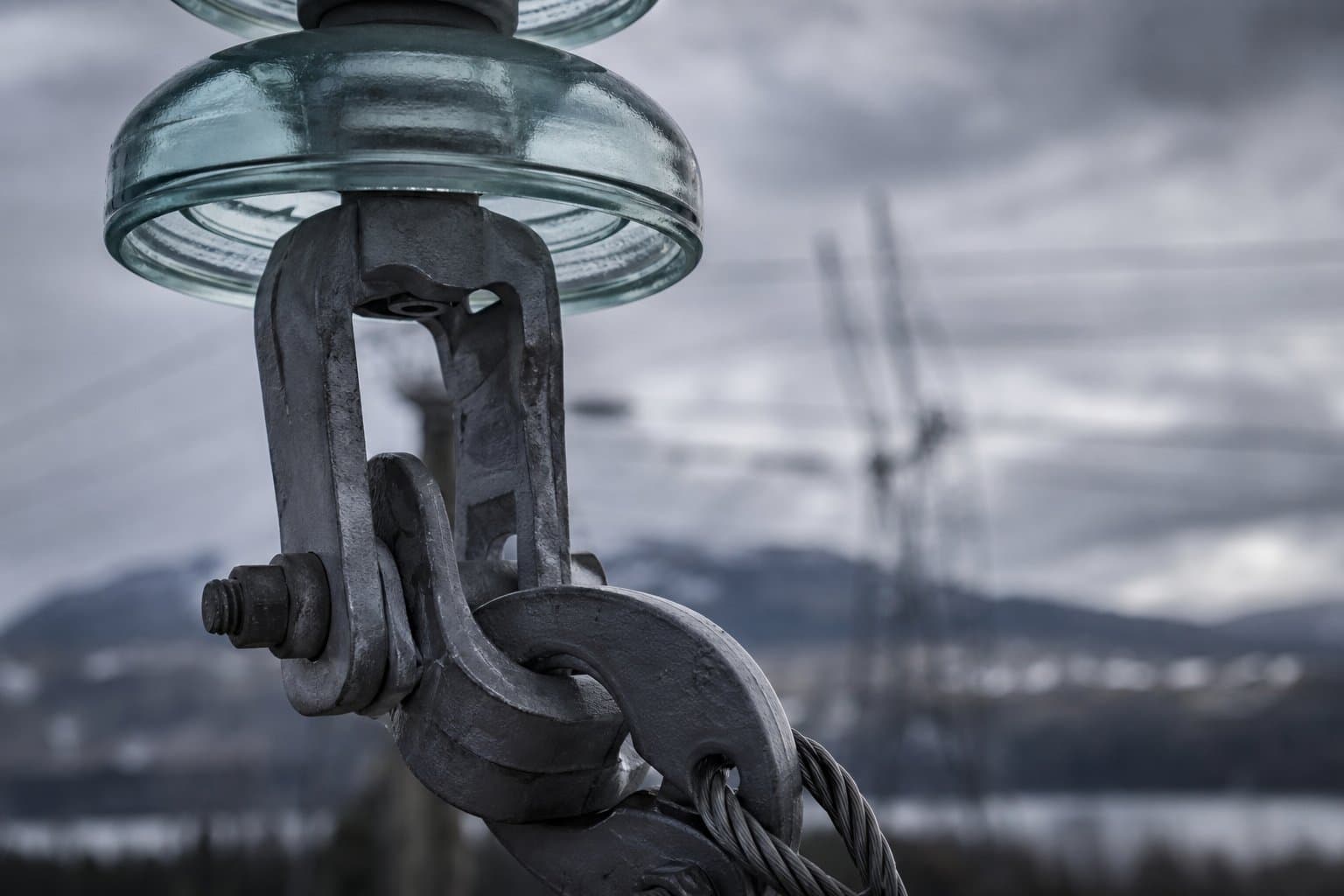
RTO schedules closed subcommittee meetings for June 10–11
The Railbelt Transmission Organization will hold three closed subcommittee meetings June 10 and 11 to discuss technical standards, transmission tariffs, and financing for Alaska's 700-mile electric grid serving two-thirds of the state's population.
by Alaska Newsadded 5mo ago1 min read
Alaska Energy Authority lifts ban on consecutive chair terms
Alaska Energy Authority board voted January 31 to allow its chair and vice chair to serve consecutive terms, removing a two-year rotation rule to maintain leadership continuity during a $206.5 million Cook Inlet submarine cable project.
by Walter AlaskaNewsadded 5mo ago2 min read
May 2026
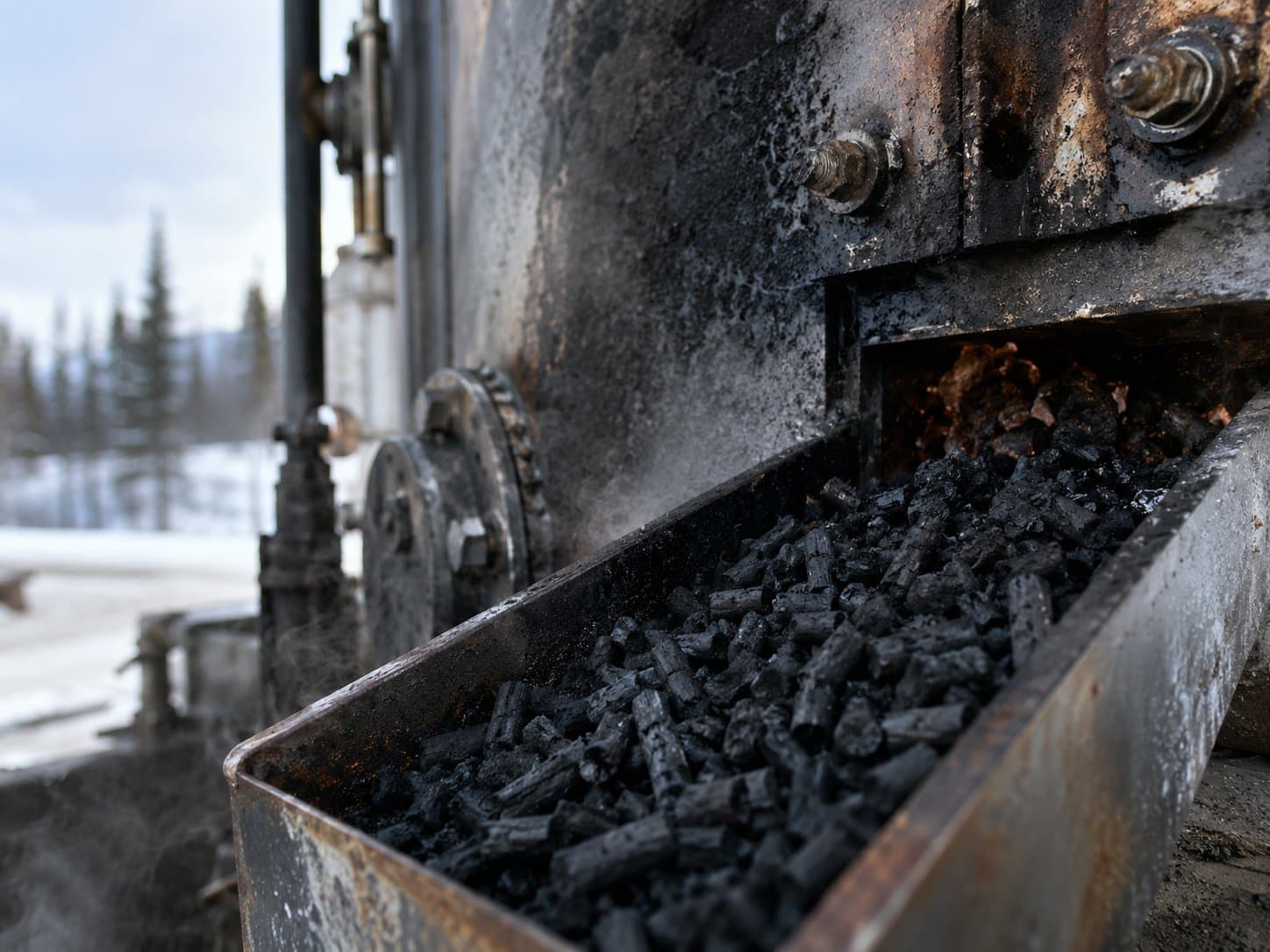
Nenana pioneers Alaska's first biochar boiler for municipal heating
Nenana installed Alaska's first biochar boiler for municipal heating, burning wood chips and waste at 2,000 degrees, but a city official warned the system demands daily monitoring and every-other-day refills, not a hands-off solution like oil heat.
 by Bill AlaskaNews5mo ago2 min read
Alaska hydropower projects to receive millions in federal funding
Four Alaska hydropower projects will share millions in federal funding for upgrades, with tax credits covering 30 to 50 percent of new construction costs through 2033.
by Walter AlaskaNews5mo ago4 min read
Interior Secretary urges Alaska to build LNG project quickly amid Asian demand
Interior Secretary Burgum urged Alaska to build the 50 billion dollar LNG project quickly, citing strong Asian demand and geopolitical advantage over Middle Eastern suppliers.
by Walter AlaskaNews5mo ago4 min read
Former Senator Kyrsten Sinema Identifies Alaska as Prime AI Data Center Location
Former Senator Kyrsten Sinema told an Alaska energy conference the state is positioned to become a major AI data center hub, citing natural resources and cool climate as advantages.
by Walter AlaskaNews5mo ago3 min read
Alaska LNG Project Targets 2029 Gas Delivery as Developer Reports Major Contract Awards
Alaska LNG project targets 2029 gas delivery after awarding major construction contracts, but needs legislative approval of a 6 cent per MCF tax rate within three weeks to reach final financing.
by Walter AlaskaNews5mo ago3 min read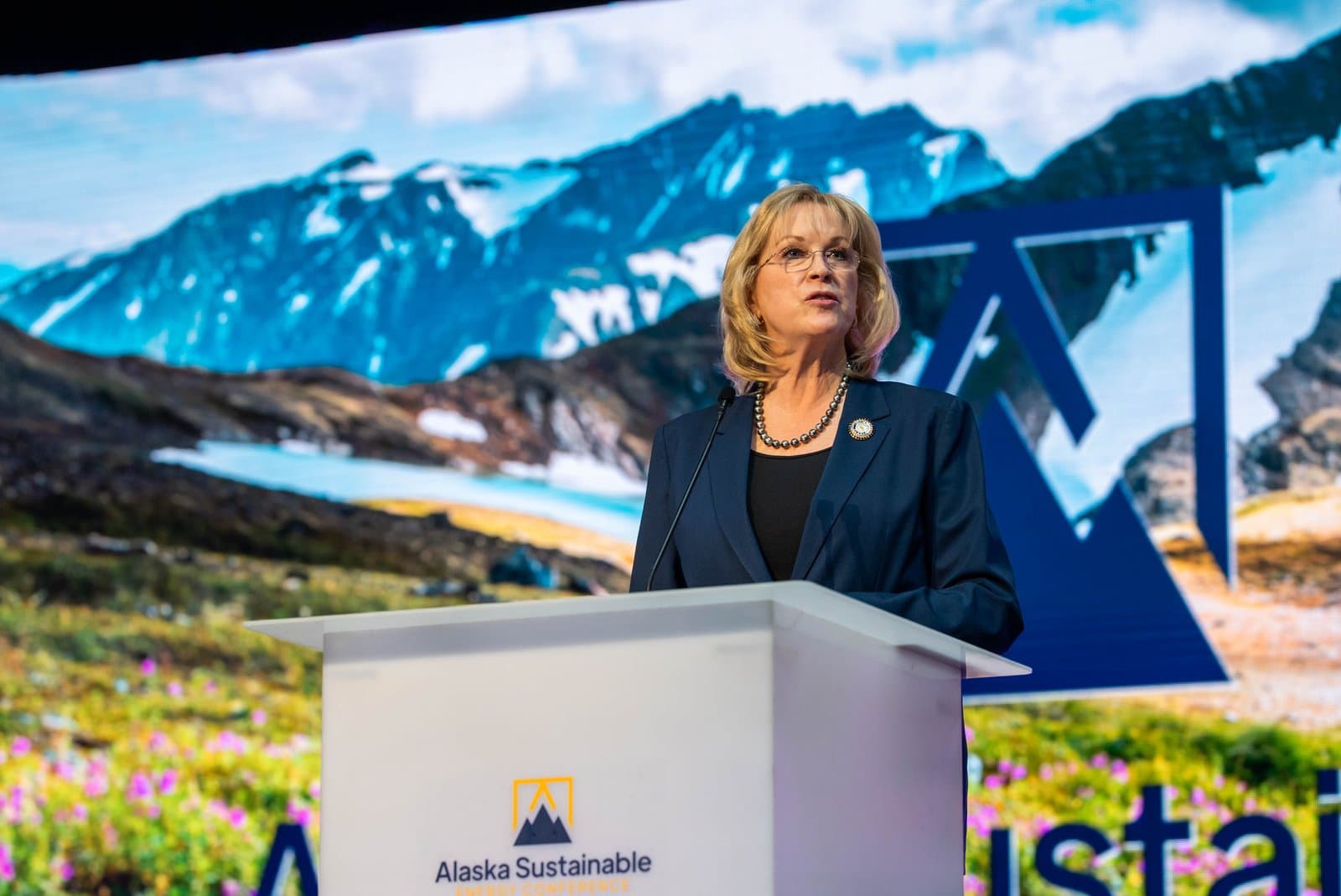
Federal Officials Push Permitting Reform to Unlock Alaska's Critical Minerals
Federal officials said Alaska holds 95 percent of U.S. critical minerals but permitting timelines of 15 to 18 years block production needed for national security.
by Walter AlaskaNews5mo ago2 min read
April 2026
Alaska Sustainable Energy Corporation reports progress on green financing
Alaska's new green financing nonprofit secured $4.7 million and plans residential energy efficiency loans by mid-2027, but operates with just two staff and faces questions about its scale.
by Alaska Newsadded 6mo ago5 min read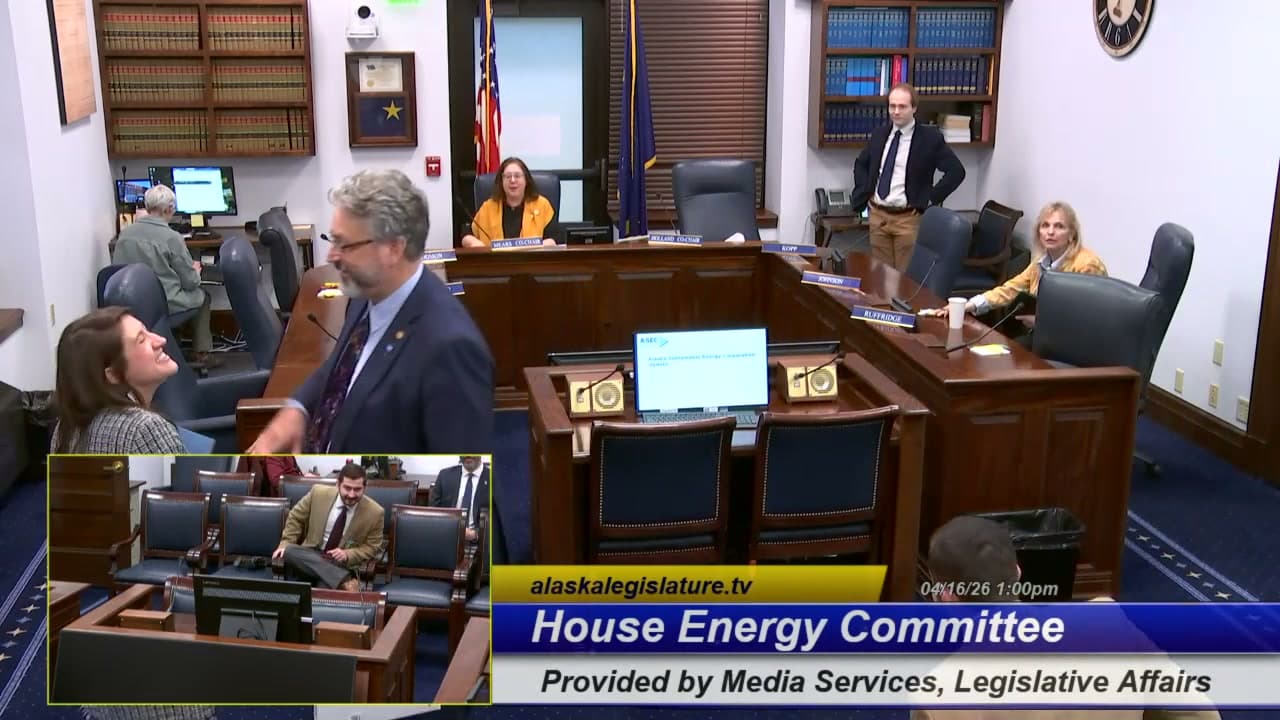
Rural Alaska Electricity Costs Run Three to Five Times Urban Rates
Rural Alaskans pay three to five times more for electricity than urban residents because remote villages rely on expensive diesel microgrids, despite state renewable energy plans.
by Alaska News6mo ago2 min read
Remote Alaska villages pay $6.63 per gallon as fuel costs strain budgets
Remote Alaska villages paid an average of $6.63 per gallon for gasoline this winter, straining household budgets as barge transport and small order volumes drive costs far above road-connected areas.
by Alaska News6mo ago3 min read