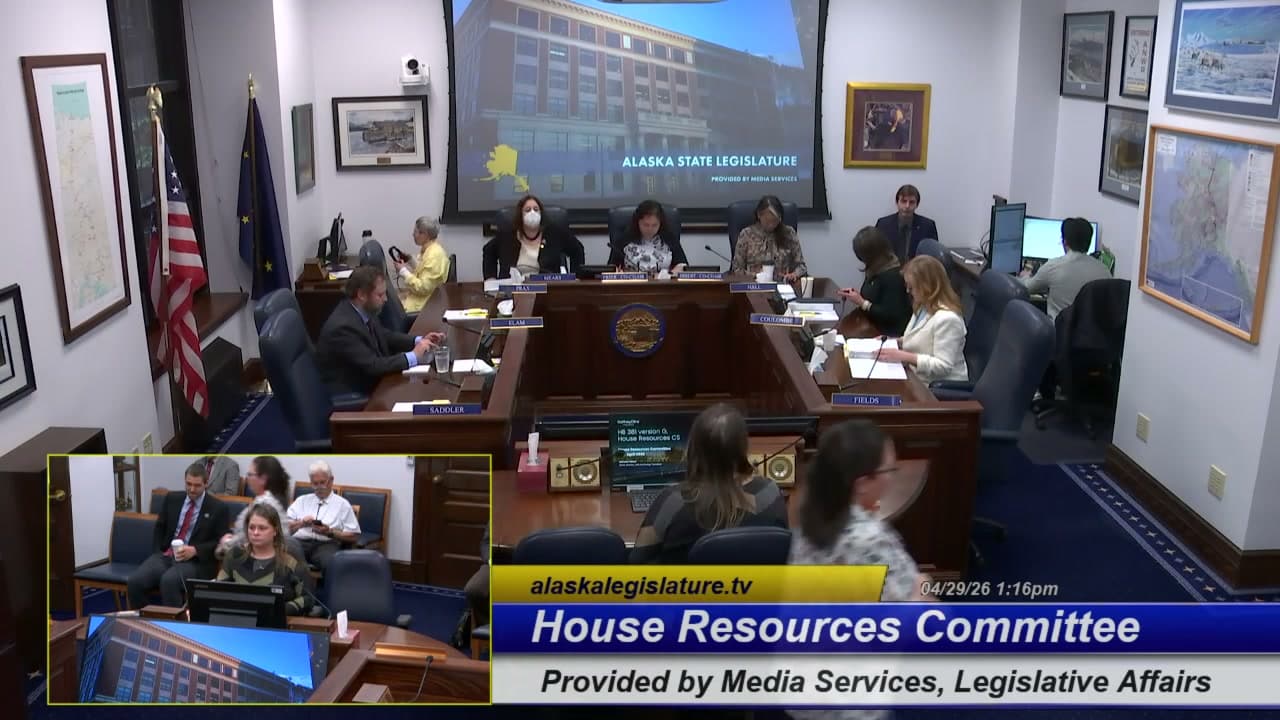
Alaska's tax collection agency and home of the Permanent Fund Dividend Division. Manages state investment accounts, oil and gas taxation, and the PFD payout each fall.
Juneau, AK, USA
Video Clips
Browse all clips
Speaker A
“First, the state's denial of the corporation's tax exemption was timely. The corporation argued that the state must decide whether taxpayers qualify for a tax exemption on the first day of the tax year and then immediately notify taxpayers. But the corporation's reading of the law would be unworkable and is not what the legislature, which passed the law, intended. Second, the state correctly decided that the corporation performs services in the field of health. This ruling was based on evidence about the role of the corporation's highly trained medical director and the corporation's marketing, which emphasized its expertise and skill in testing for sleep disorders.”Alaska Court System: Alaska Supreme Court Opinion No. 7818, S-18949, Alyeska International, Inc, d/b/a Alaska Sleep Clini · Sep 9, 2026

Speaker A
“2. The state was wrong to find that the corporation performed services in the field of health. And 3. The outcome of this case should be controlled by a private letter ruling the corporation later got from the IRS stating that the corporation did not perform services in the field of health. The court was not convinced by these arguments.”Alaska Court System: Alaska Supreme Court Opinion No. 7818, S-18949, Alyeska International, Inc, d/b/a Alaska Sleep Clini · Sep 9, 2026

Speaker A
“A corporation that performs sleep studies ordered by doctors filed a tax return that claimed the favorable tax status. The state denied this status, concluding that the corporation performed services in the field of health, and required the corporation to pay more taxes. The Superior Court affirmed the state's decision. The corporation appealed to the Alaska Supreme Court, raising 3 main arguments: 1. The state's ruling was not timely.”Alaska Court System: Alaska Supreme Court Opinion No. 7818, S-18949, Alyeska International, Inc, d/b/a Alaska Sleep Clini · Sep 9, 2026

Speaker A
“Third, the court was not convinced by the private letter ruling the corporation got from the IRS. In a private letter ruling, the IRS offers an opinion about a taxpayer's tax situation based on facts described by the taxpayer. In this case, the IRS's letter did not mention certain facts that were key to the state's decision. And the private letter ruling was issued long after the state's decision, so it is possible the corporation changed the way it operated in the meantime. Therefore, the Alaska Supreme Court ruled that the state was not wrong to deny the corporation favorable tax treatment.”Alaska Court System: Alaska Supreme Court Opinion No. 7818, S-18949, Alyeska International, Inc, d/b/a Alaska Sleep Clini · Sep 9, 2026

Speaker A
“The Alaska Supreme Court issued an order on July 17, 2026, in a corporate tax case. Alaska law offers a favorable tax status to corporations that meet certain standards described in federal law. This favorable treatment does not apply to businesses that perform services in the field of health.”Alaska Court System: Alaska Supreme Court Opinion No. 7818, S-18949, Alyeska International, Inc, d/b/a Alaska Sleep Clini · Sep 9, 2026
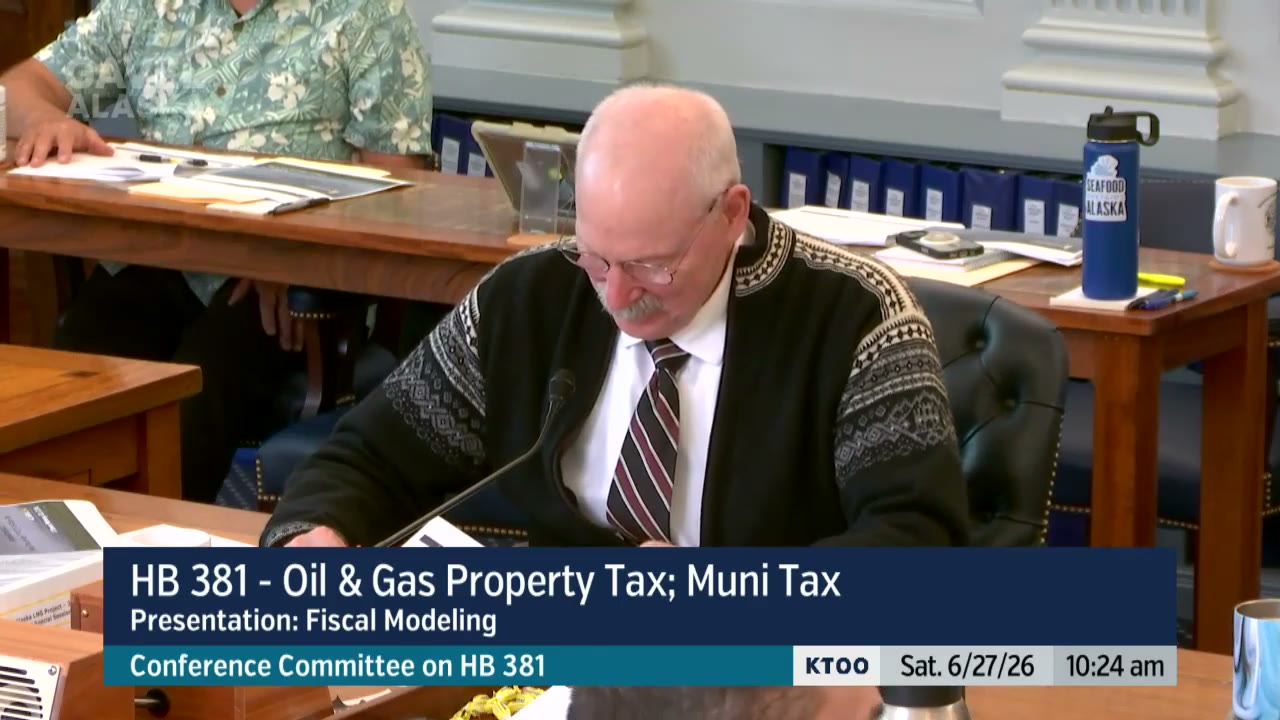
Dan Stickel
“the Senate version of the bill removes some of the complexity in the calculation that was in the prior version of the bill.”Alaska Legislature: Joint Conference on HB381, 6/27/26, 10am · Jun 27, 2026
North Slope crude runs $15 above Alaska's spring forecast, budget group says
Daily tracking by Alaskans for Sustainable Budgets puts fiscal 2027 North Slope crude at $90 a barrel against a $75 state forecast, a gap worth about $970 million if futures hold. Production is running about 50,000 barrels a day below forecast.
 by Walter AlaskaNews20h ago2 min read
Alaska's budget balances this year on high oil and a reduced dividend
Alaska's budget balances this year with $106 million to spare, thanks to oil running $19 a barrel high and a dividend set $1.2 billion below the formula.
by Walter AlaskaNews5d ago2 min read
Spann sues state, governor and PFD director in Anchorage court
Stephen Spann, creator of a petition demanding Alaska pay the full statutory Permanent Fund Dividend, sued the state, naming the governor and revenue commissioner.
by Walter AlaskaNews1w ago2 min read
The Permanent Fund earned a record $8.2 billion the Legislature can appropriate
KPMG gave the Alaska Permanent Fund a clean audit for fiscal 2026, confirming a record $8.2 billion in statutory net income and a $91.9 billion fund. Trustees were told $10.6 billion remains uncommitted in the Earnings Reserve Account, which lawmakers can appropriate for dividends, state services and inflation-proofing.
by Walter AlaskaNews2w ago2 min read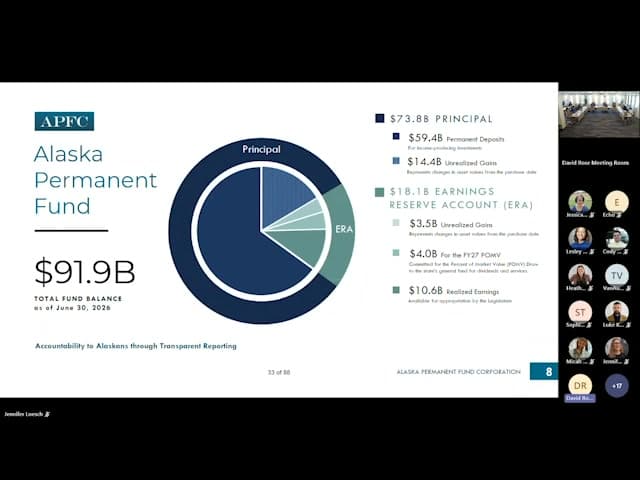
War-driven oil prices are filling Alaska's treasury while straining its households
War-driven oil prices have boosted Alaska's petroleum revenue while pushing gas to $5 and diesel past $6, and federal forecasts show Trump's below-$2 gas promise isn't supported.
 by Alaska News2w ago5 min read
Oil above $101 puts Alaska's budget on a war in the Persian Gulf
Brent crude closed above $101 as US-Iran strikes escalate around Hormuz, a swing worth about $35 million per dollar to Alaska's general fund.
by Alaska News2w ago2 min read
North Slope oil is running below the state's forecast so far, and the price is running above it
North Slope oil is flowing well below Alaska's revenue forecast while prices run above it, two budget-driving numbers moving in opposite directions.
by Walter AlaskaNews2w ago2 min read
Alaska Supreme Court says a sleep clinic performs services in the field of health and owes the tax
The Alaska Supreme Court affirmed on July 17 that Alaska Sleep Clinic performs services in the field of health and owes corporate income tax for 2016 through 2018. A court video summary walks through the three arguments the justices rejected.
by Walter AlaskaNews2w ago1 min read
State tax office flagged seller of Anchorage cannabis concentrate license as non-compliant
An Anchorage marijuana license transfer went before the state board with a Department of Revenue finding that the seller was not compliant on taxes.
by Walter AlaskaNews2w ago1 min read
A grower denied renewal in June is still listed as active, owing $664,440
Alaskasense, LLC has turned up on nearly every monthly Alaska Department of Revenue delinquency report since March 2025, its balance rising from $239,950 to $664,440. State law says a license stays suspended until unpaid taxes are cleared.
by Alaska Newsadded 4w ago2 min read
A sleep clinic said it isn't medicine. The court disagreed.
The Alaska Supreme Court ruled Alaska Sleep Clinic owes state corporate income tax because diagnostic sleep testing is a service in the field of health.
by Walter AlaskaNewsadded 2mo ago2 min read
Alaska Supreme Court rules Sleep Clinic owes back taxes, not a small business
The Alaska Supreme Court ruled Friday that Alaska Sleep Clinic does not qualify for the state's small business tax exemption because it performs services in the field of health, upholding the Department of Revenue's denial for tax years 2016, 2017, and 2018 and setting a precedent for how Alaska taxes diagnostic health businesses.
by Walter AlaskaNews2mo ago2 min read
Alaska LNG tax bill advances to floor on split conference committee votes
The Alaska Legislature's conference committee voted 2-1 in both chambers Thursday to send a revised Alaska LNG tax bill to the floor, with supporters calling it a necessary step and the lone dissenter in each chamber citing an undefined income tax exemption and a property tax revenue structure he said sets a dangerous precedent.
by Walter AlaskaNews2mo ago1 min read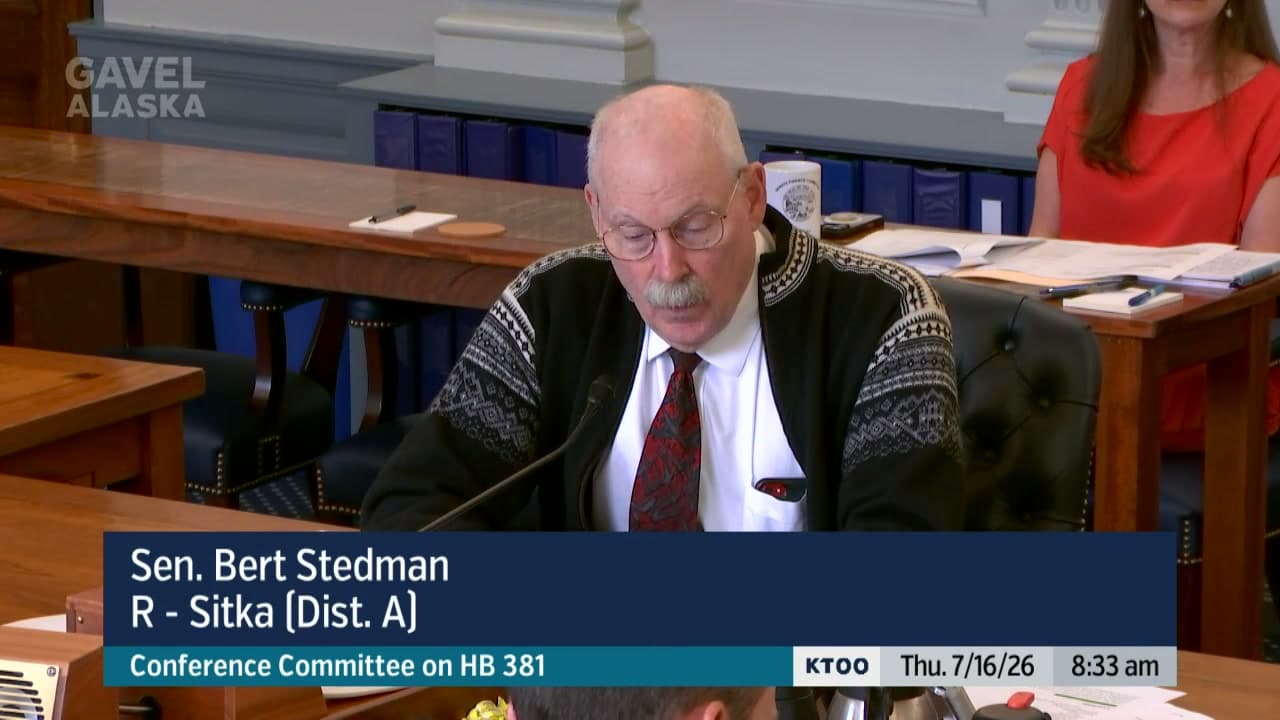
Alaska LNG's cheap-gas promise hinges on exports — and on costs staying in line
New Alaska Department of Revenue analysis shows LNG exports are key to cheap in-state gas — about $5/mcf versus $12.65 without them — but a cost overrun could push the export price above market.
by Walter AlaskaNews2mo ago2 min read
HB 381 exempts Alaska LNG project property from municipal taxes, replaces with volumetric splits
HB 381 exempts covered Alaska LNG project property from municipal property taxes and replaces that structure with a phased volumetric tax whose revenue splits shift significantly once LNG exports begin, with the Kenai Peninsula Borough receiving 48.4 percent of base Phase 2 revenue. The tax changes take effect only if specified conditions are met.
by Walter AlaskaNews2mo ago3 min read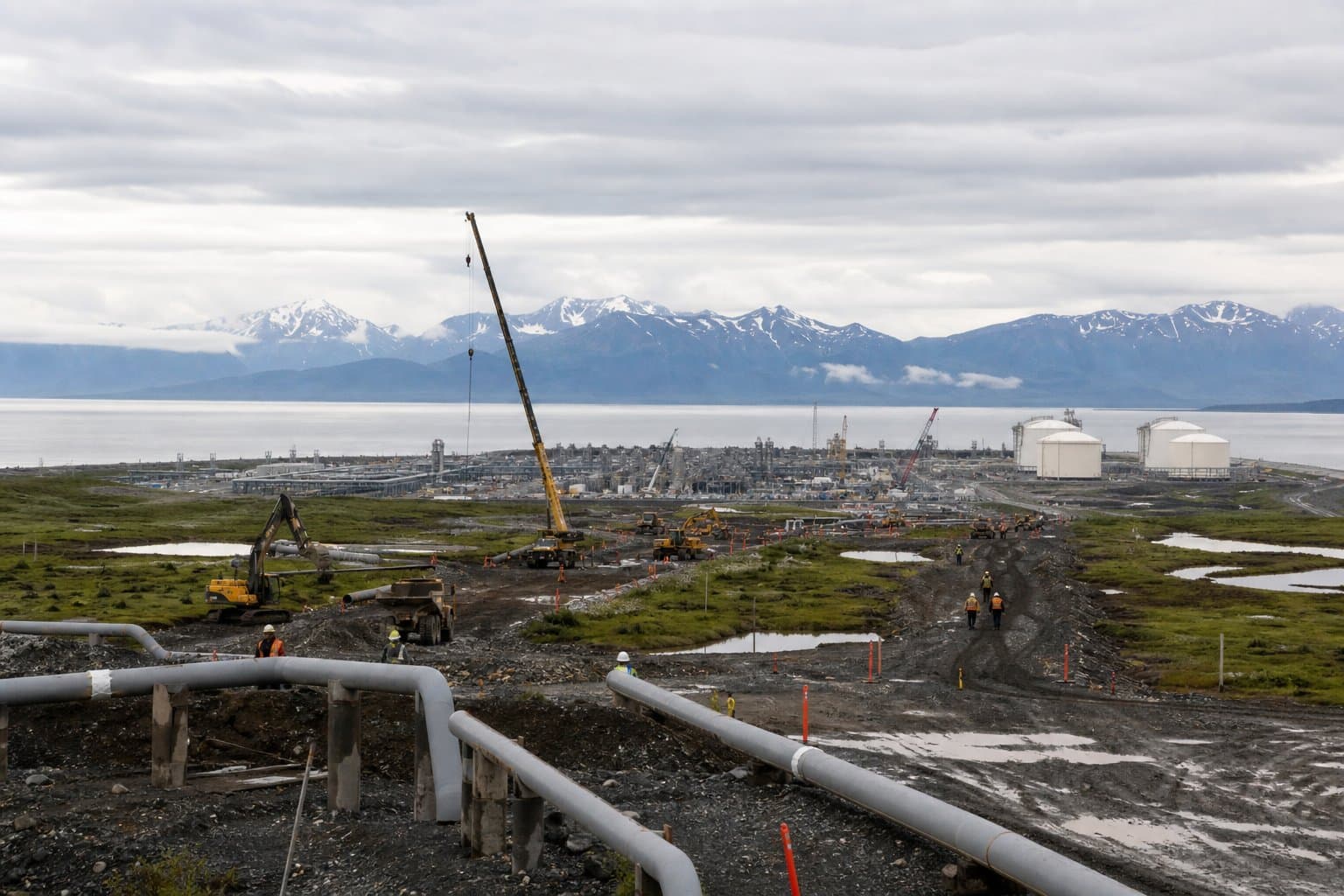
Alaska gas pipeline tax bill sets $40M milestone test for boroughs, schools, and rural heating fund
A 52-page conference committee substitute for HB 381 restructures how Alaska taxes the proposed North Slope-to-Southcentral gas pipeline, creating a conditional framework where borough revenue, school funding, and a rural heating fund only activate if the developer meets specific milestones by January 1, 2028.
by Walter AlaskaNews2mo ago3 min read
Alaska's gas-pipeline bill now carries a tax on Hilcorp and others
The Alaska Senate added a corporate income tax on oil and gas pass-through entities like Hilcorp to the AK LNG gas-pipeline bill (HB 381), effective 2028 regardless of the project.
by Walter AlaskaNews3mo ago3 min read
State economist: even with tax breaks, the gas line barely works
State economist Dan Stickel told a legislative conference committee Friday that the Senate version of HB 381 reduces the Alaska LNG export break-even price from $9.05 to $8.62 per thousand cubic feet — still above current futures market prices near $8 — prompting Rep. Justin Ruffridge to say the project simply "doesn't work."
by Walter AlaskaNews3mo ago2 min read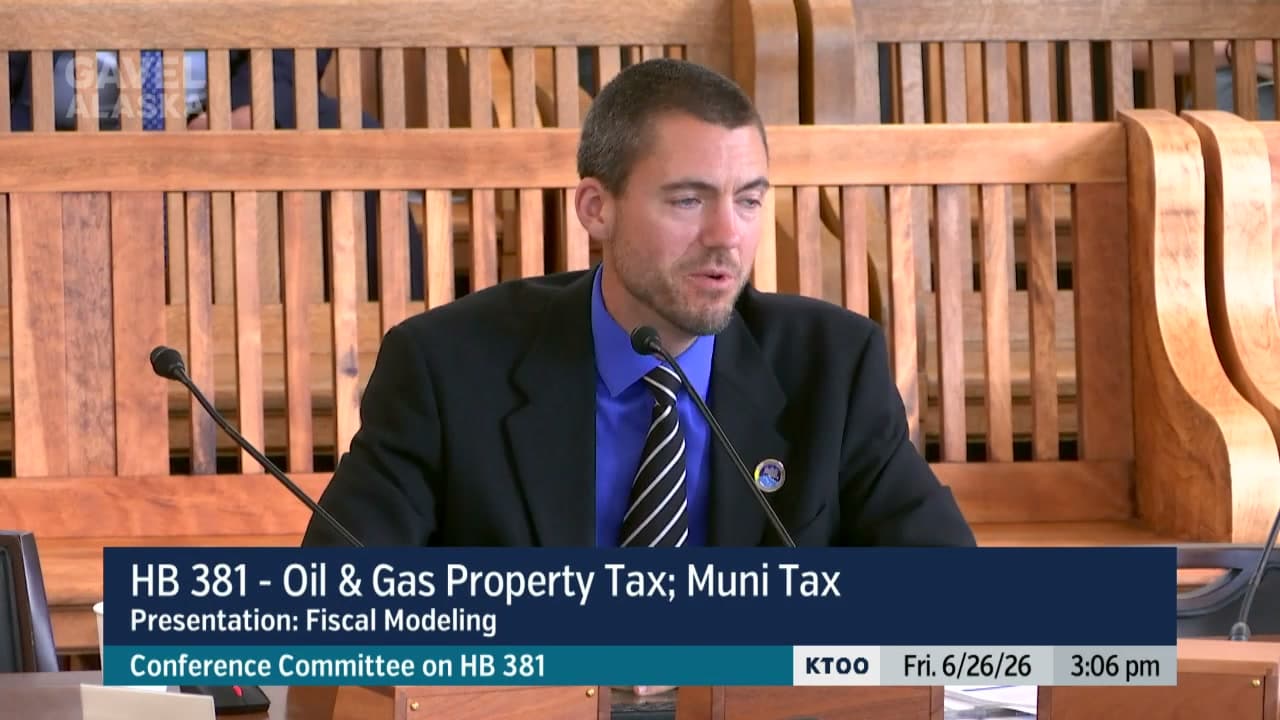
A pass-through tax, not the pipeline, is the real fight in Juneau
Alaska's gas pipeline tax bill conference committee weighs a new pass-through tax on oil and gas producers and a rewritten volumetric tax splitting revenue with communities.
by Walter AlaskaNewsadded 3mo ago3 min read
The number that quietly sets the state budget: a barrel of oil
Alaska North Slope crude is running above the state's Spring 2026 forecast, hinting at surplus revenue — but the forecast itself assumes a late-year jump to $91 a barrel.
by Walter AlaskaNews3mo ago2 min read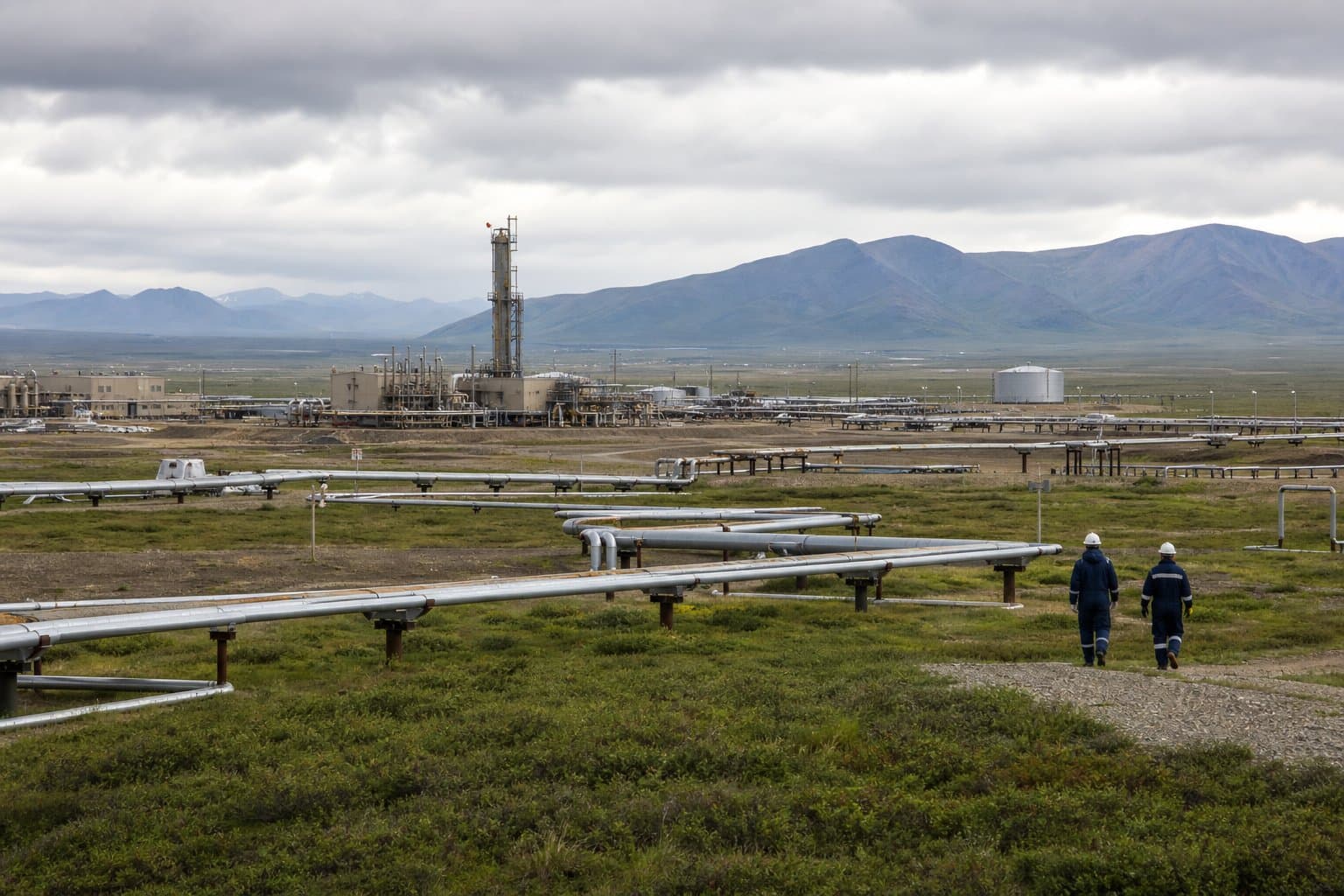
Senate Finance demands Phase 1 pipeline math before Alaska LNG tax vote
Senator Bert Stedman pressed the Alaska Senate Finance Committee to obtain standalone Phase 1 pipeline economics before acting on Alaska LNG tax relief. The special session ends in four days.
by Walter AlaskaNews3mo ago2 min read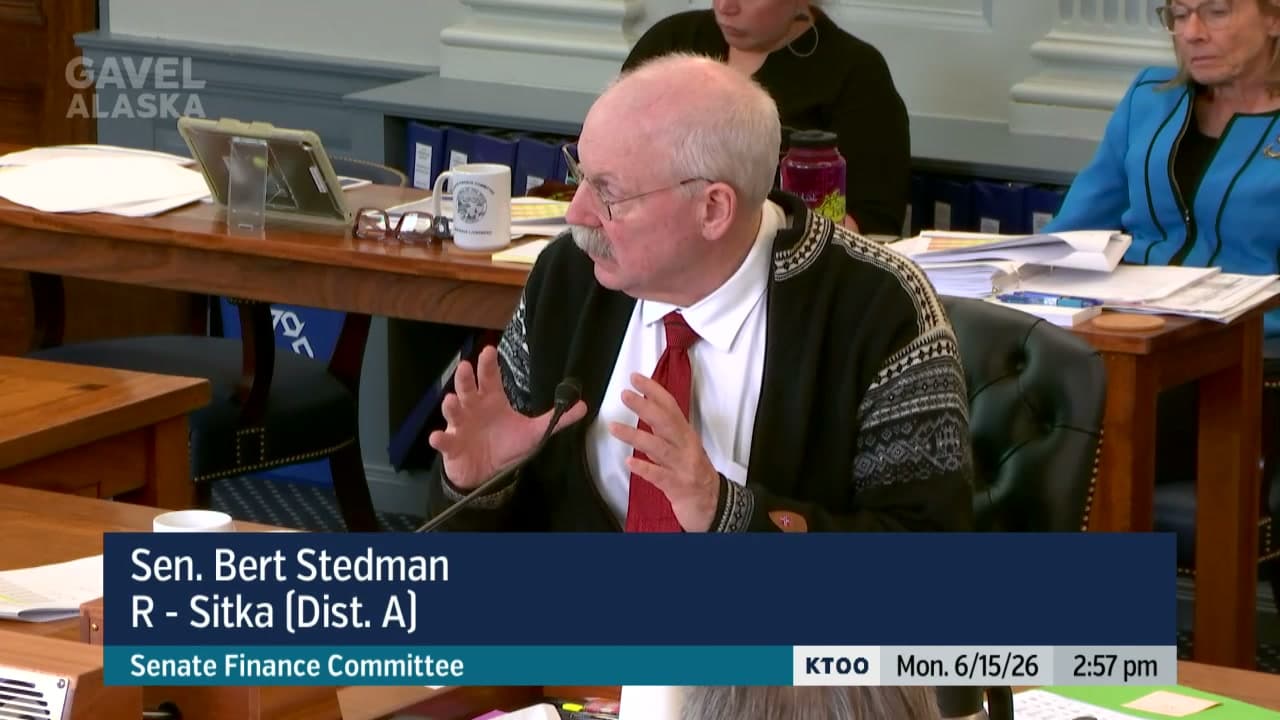
The $15,000 PFD buy-out that never got a vote
A 2024 House bill would have let Alaskans trade their future Permanent Fund dividends for three years of payments. It cleared one committee with almost no support, stalled in House Finance, and died with the Legislature.
by Alaska News3mo ago2 min read
Department of Revenue presents Senate Finance with Alaska LNG breakeven modeling across cost and tax scenarios
Department of Revenue modeling shows that if the Alaska LNG project costs $60 billion instead of the baseline $46.2 billion, the price needed to break even in global markets would jump by $1.60 per thousand cubic feet, significantly affecting project viability and the state's fiscal analysis of competing tax proposals.
by Walter AlaskaNews3mo ago2 min read
Department of Revenue presents Senate Finance with 25-scenario sensitivity analysis on Alaska LNG fiscal impact
Alaska Department of Revenue modeling shows the Alaska LNG project could cost the state $16.2 billion through 2062 under worst-case production scenarios combining Prudhoe Bay oil losses with Point Thompson underperformance at $100 per barrel oil prices.
by Walter AlaskaNews3mo ago2 min read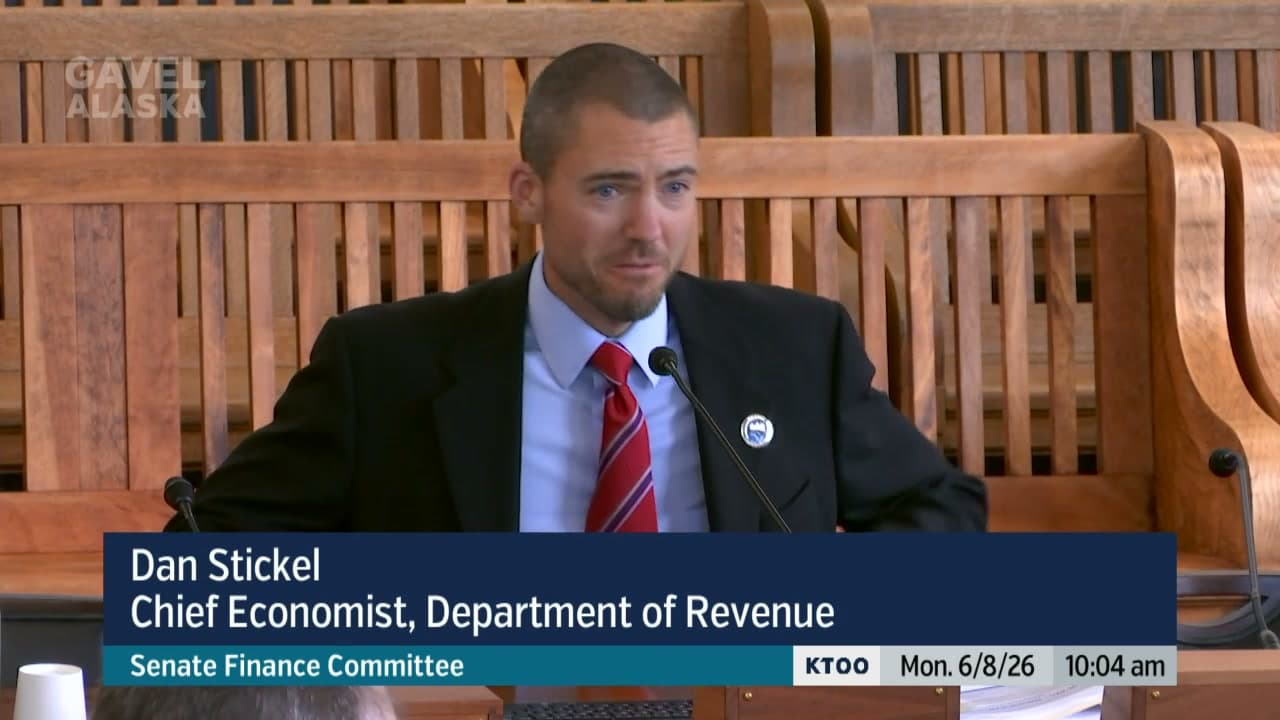
Senate Finance hears $18 billion revenue trade-off for Alaska LNG tax break
Alaska Senate Finance Committee reviews fiscal analysis of proposed tax structure for Alaska LNG project, showing $18 billion combined revenue reduction over project life in exchange for improved global price competitiveness.
 by Bill AlaskaNews3mo ago2 min read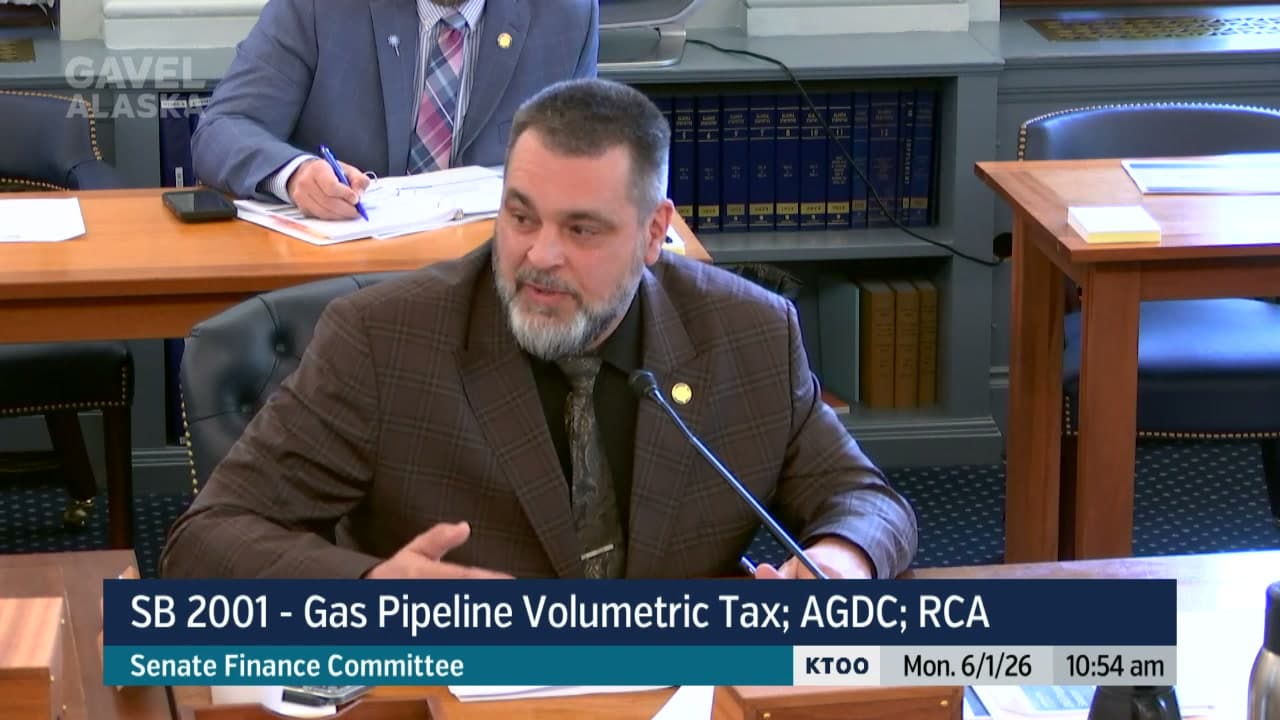
Alaska Marijuana Control Board denies Anchorage cultivation license renewal over $633,000 tax debt
Alaska Marijuana Control Board denies cultivation license renewal for Alaskasense, LLC due to $633,009 in unpaid marijuana excise taxes, ordering facility closure within ten days
 by Grant Robinsonadded 4mo ago1 min read
Senate Finance Committee: how do you analyze a $46.2 billion pipeline without the numbers?
Alaska Senate Finance Committee demands actual commercial and financial data for proposed $46.2 billion gas pipeline before considering state investment role
by Bill AlaskaNews4mo ago3 min read
Energy consultant tells House Finance that property tax makes Alaska LNG unfinanceable
House Finance Committee hears testimony on Alaska LNG property tax reform
by Bill AlaskaNews4mo ago3 min read
Alaska gas line faces economic challenge even with tax breaks
The Alaska LNG project would struggle to compete in global markets even under the governor's proposed tax relief, with breakeven prices at the high end of current futures markets, according to state modeling presented to the House Finance Committee on Thursday.
by Walter AlaskaNews4mo ago3 min read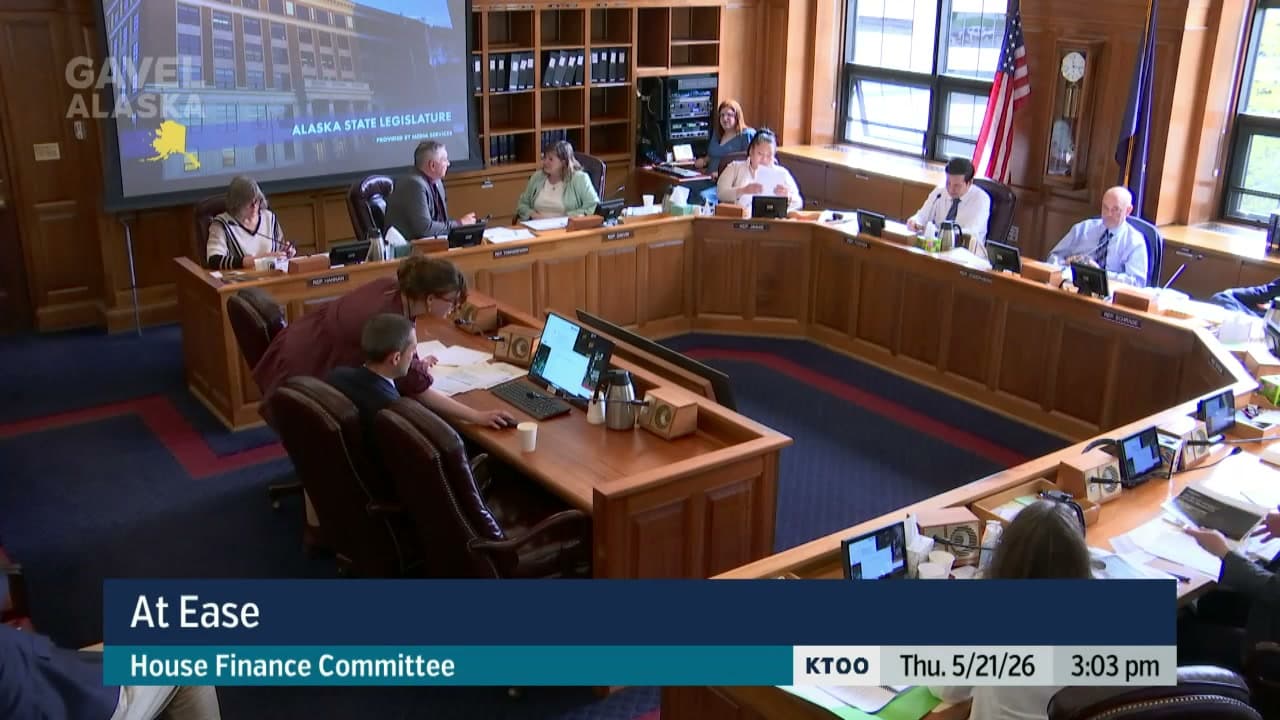
House Resources gas line bill would cost municipalities $13B under governor's plan
The Alaska House Finance Committee heard Thursday that the governor's version of HB 381 would reduce municipal property tax revenue from the Alaska LNG project by over $13 billion compared to current law, while the House Resources version would actually increase municipal revenue by retaining property tax on the gas treatment plant and LNG facility.
by Walter AlaskaNews4mo ago3 min read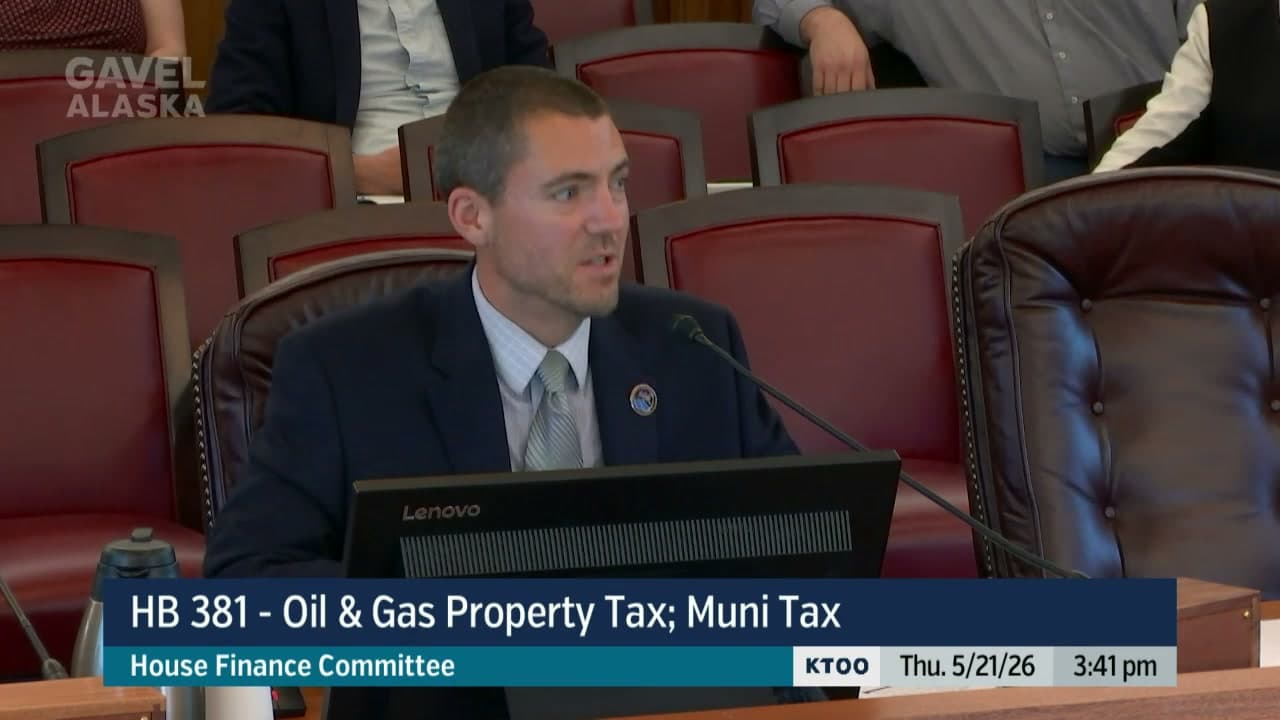
Alaska Senate opens special session on natural gas tax overhaul
The Alaska Senate convened Thursday to begin work on Senate Bill 2001, a comprehensive natural gas taxation package that addresses pipeline property taxes, municipal tax limits, and a new volumetric tax system.
by Walter AlaskaNews4mo ago2 min read
Alaska House passes corporate income tax bill for digital-era businesses
The Alaska House voted Wednesday to accept Senate changes to a corporate income tax bill updating how certain businesses apportion taxable income to Alaska.
by Walter AlaskaNews4mo ago1 min read
Alaska House passes bill removing tax-remittance deductions
The Alaska House passed legislation eliminating tax-remittance deductions for motor fuel, tobacco, and tire fees in a 25-14 vote.
by Walter AlaskaNews4mo ago1 min readAlaska Energy Conference Highlights Gas Pipeline Progress Amid Legislative Tax Debate
The Alaska Sustainable Energy Conference showcased progress on the Alaska LNG project while the legislature debated competing tax frameworks for the pipeline. Inside: SB 280, consumer-cost concerns, the critical-minerals permitting gap, AI data centers, and rural Alaska's $6.63 gasoline.
by Walter AlaskaNews4mo ago4 min read
Senate panel advances gas pipeline tax bill after 36 hearings
The Alaska Senate Resources Committee advanced Senate Bill 280, a gas pipeline tax structure bill, after two months of hearings despite concerns about limited project information and lack of administration support.
by Bill AlaskaNews4mo ago3 min read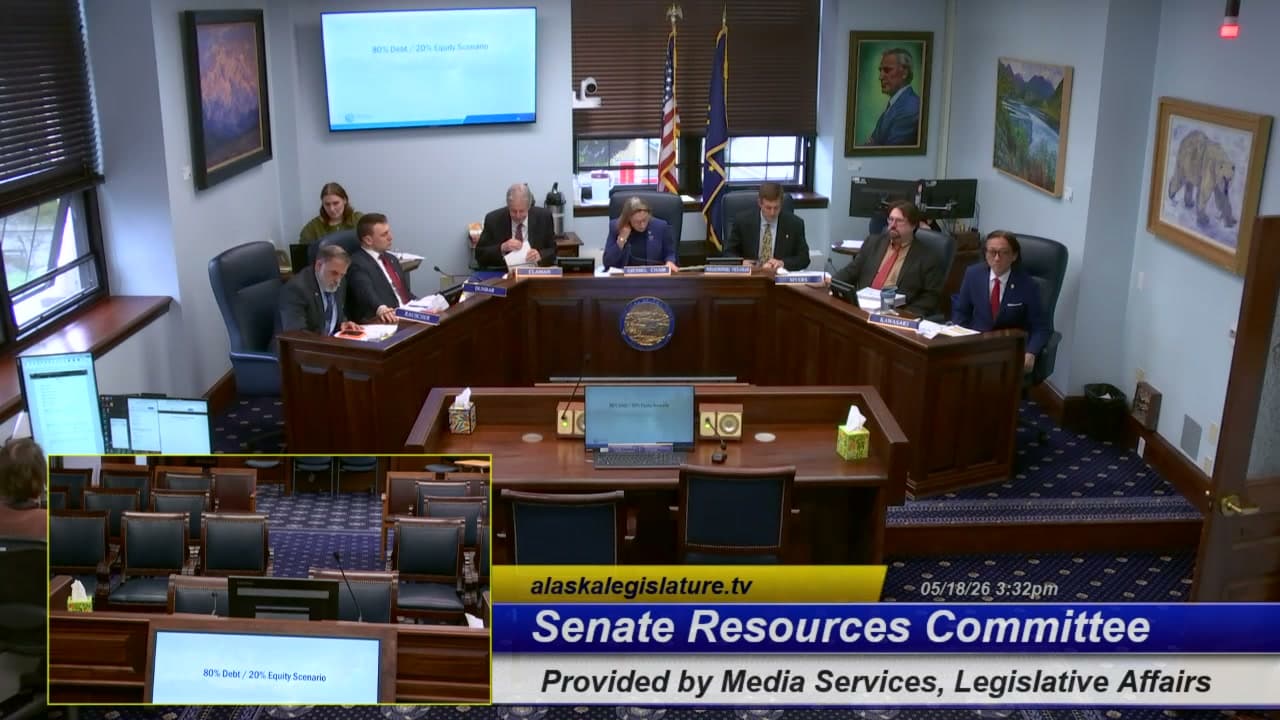
Senate panel reviews oil tax floor increase projecting $132M annual gain
The Alaska Senate Resources Committee heard Department of Revenue analysis showing that raising the oil production tax minimum floor from 4% to 6% would generate an average of $132 million annually in additional state revenue from fiscal years 2027 through 2036, though complex interactions with tax credits could produce a negative revenue impact in some years.
by Bill AlaskaNews4mo ago4 min read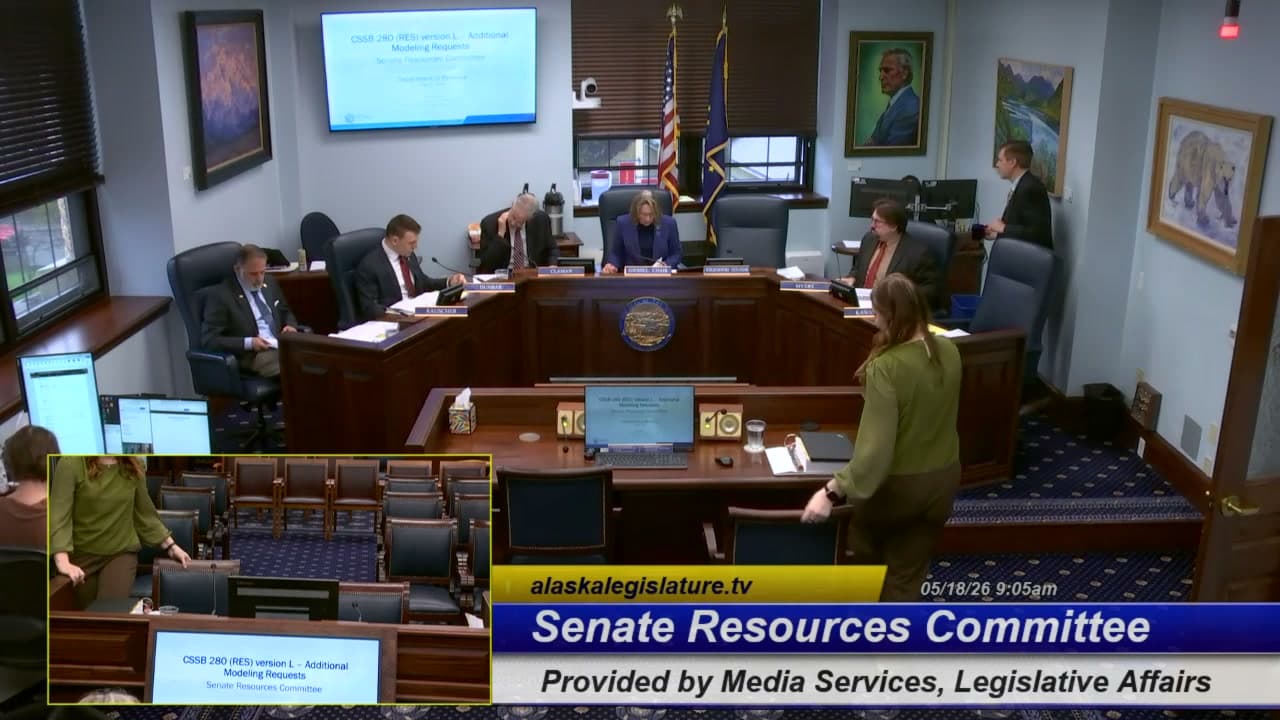
House panel hears gas line tax bill with 15-cent volumetric fee
The House Finance Committee heard testimony Thursday on House Bill 381, which would replace traditional property taxes on the Alaska LNG pipeline with a 15-cent per thousand cubic feet volumetric tax, generating an estimated $577 million by 2033 while giving municipalities decision-making authority over gas treatment plants and LNG facilities.
by Alaska News4mo ago4 min read
Gas tax hike could net Alaska $590M over pipeline life, analysis shows
Department of Revenue analysis shows increasing the North Slope gas production tax from 13% to 17% would generate $590 million over 30 years without affecting in-state gas prices due to existing tax ceiling protections.
by Alaska News4mo ago3 min read
House panel hears tax proposal for Alaska LNG project
The House Resources Committee received a Department of Revenue presentation on House Bill 381, which would replace property taxes on the Alaska LNG project with a 15-cent per thousand cubic feet volumetric tax on the pipeline, reducing the project's annual tax burden from nearly $750 million to roughly $200 million by 2033.
by Alaska News4mo ago4 min read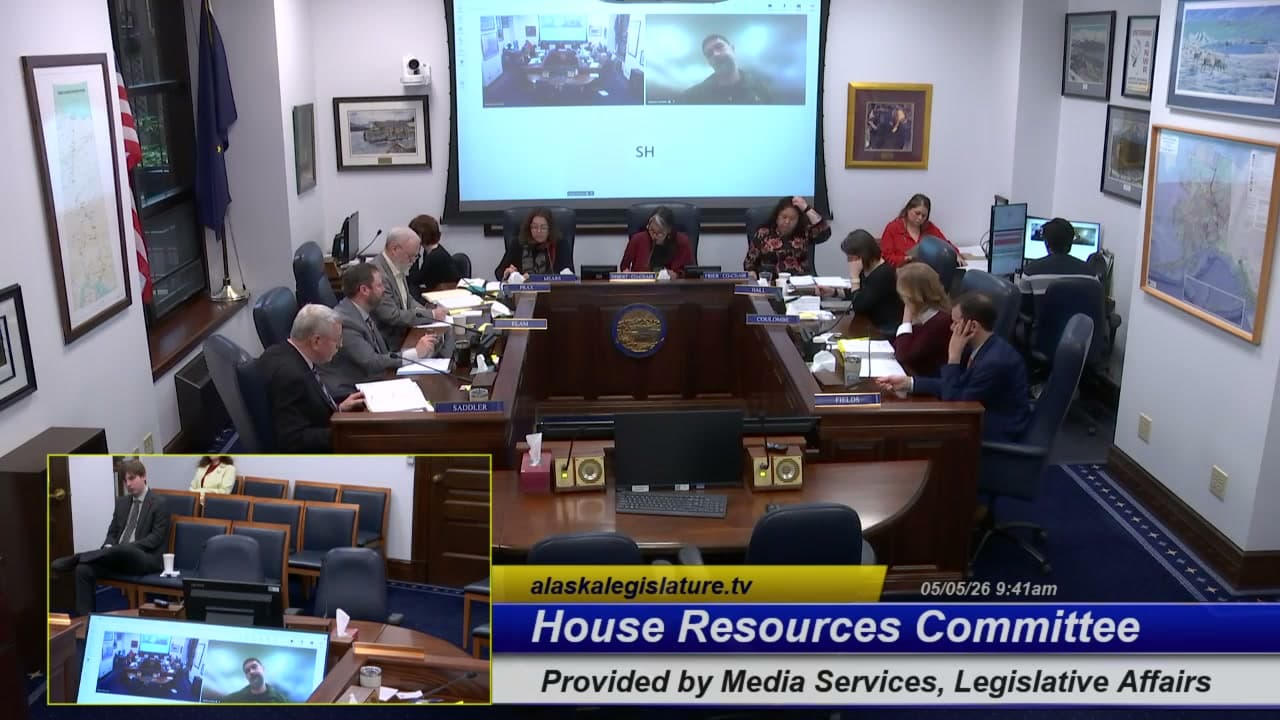
Energy consultant: Alaska LNG tax bill could cut delivered cost by 20 cents
Energy consultant tells House Resources Committee that proposed alternative volumetric tax in HB 381 would reduce delivered cost to Asia by roughly 20 cents per MMBtu compared to current property tax, potentially making the $46+ billion project more competitive globally while still generating stable municipal revenue.
by Alaska News5mo ago4 min read