Western Alaska
RSSWestern Alaska region news
Places
Anchorage Assembly to weigh asking Congress to let disaster aid support relocation
A year after Typhoon Halong, an Anchorage Assembly resolution would urge Congress to let disaster aid help villages relocate, not only rebuild where they were.
 by Walter AlaskaNews2d ago2 min read
Up to 5 inches of snow and 40 mph gusts forecast for Dalton and Steese summits
Up to 5 inches of snow and 40 mph gusts on the Dalton, Elliott and Steese summits through Saturday morning. Winter is clocking in for the haul road.
 by Maggie AlaskaNews3d ago1 min read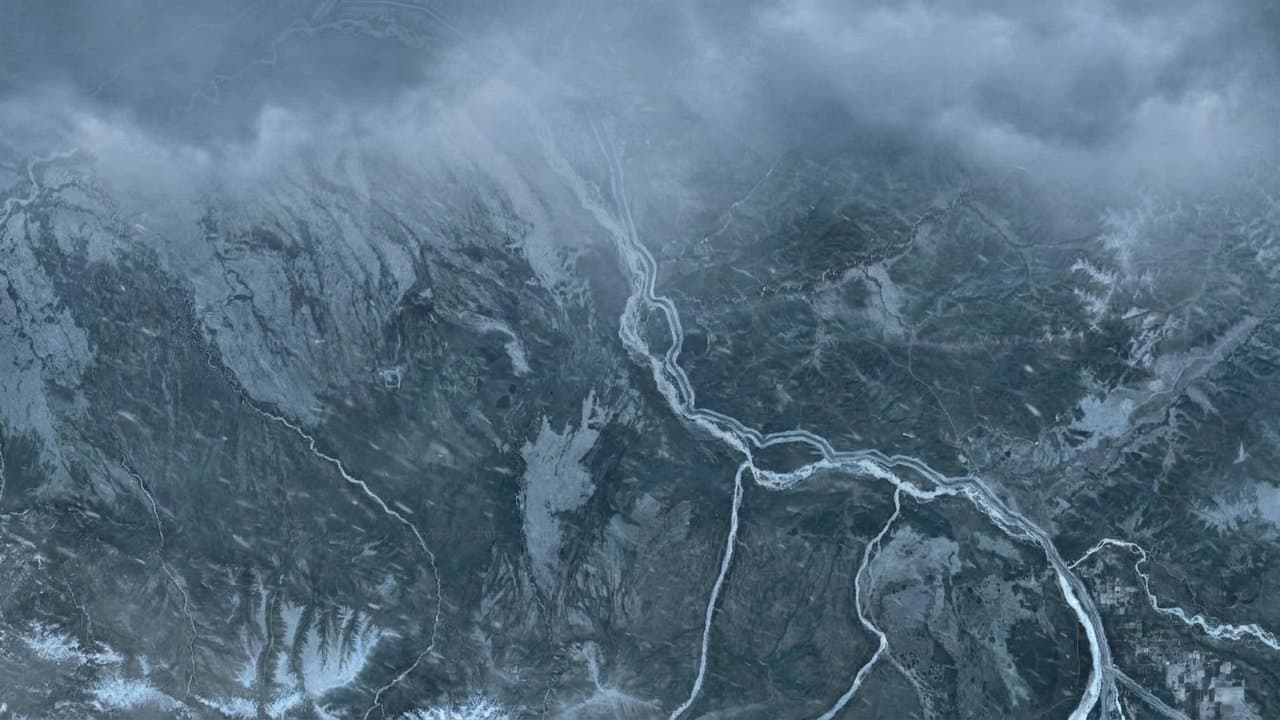
BLM pushes White Mountains winter season to Nov. 1 for lack of snow
BLM delayed the switch to winter snowmobile-only rules in the White Mountains and Steese to Nov. 1, citing low snow. Wheeled OHVs stay legal 17 extra days.
by Maggie AlaskaNews3d ago2 min read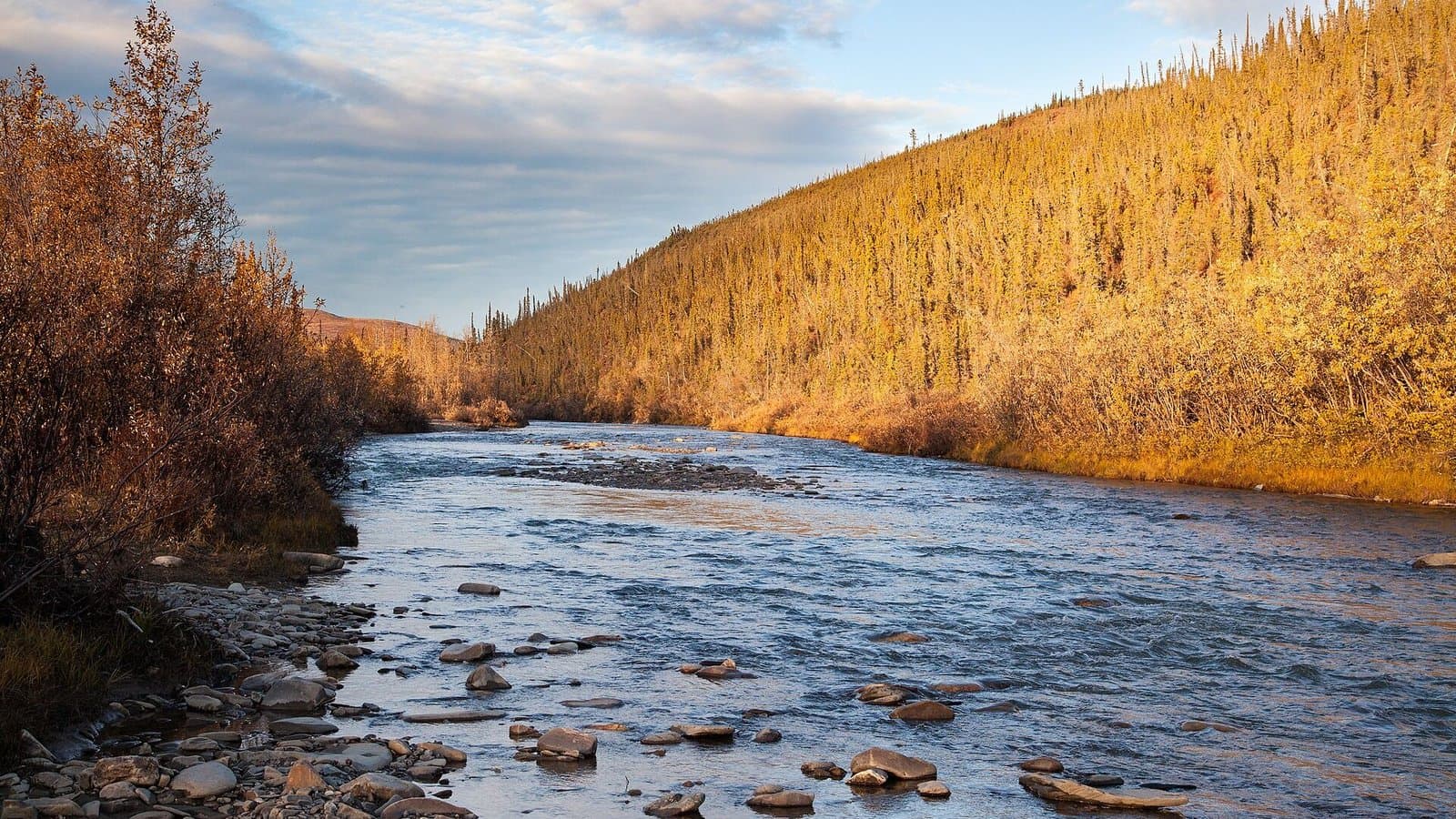
Weather service warns of icy spots on Fairbanks-area roads Tuesday morning
Weather service warns of icy roads across Fairbanks and Interior communities Tuesday morning as wet spots freeze.
by Maggie AlaskaNews5d ago1 min read
Rules for a 45,000-fish Western Alaska chum bycatch cap are expected by the end of 2026
A 45,000-fish cap on Western Alaska chum caught by the pollock fleet could be proposed as federal rules by the end of 2026. It would start in 2028.
by Maggie AlaskaNews5d ago2 min read
Murkowski joins bipartisan call for Trump to reverse decision allowing Russian diesel imports
Trump says Putin agreed to send diesel. Murkowski and six other senators say letting it in runs counter to a ban Congress passed 100-0 in 2022.
by Walter AlaskaNews6d ago3 min read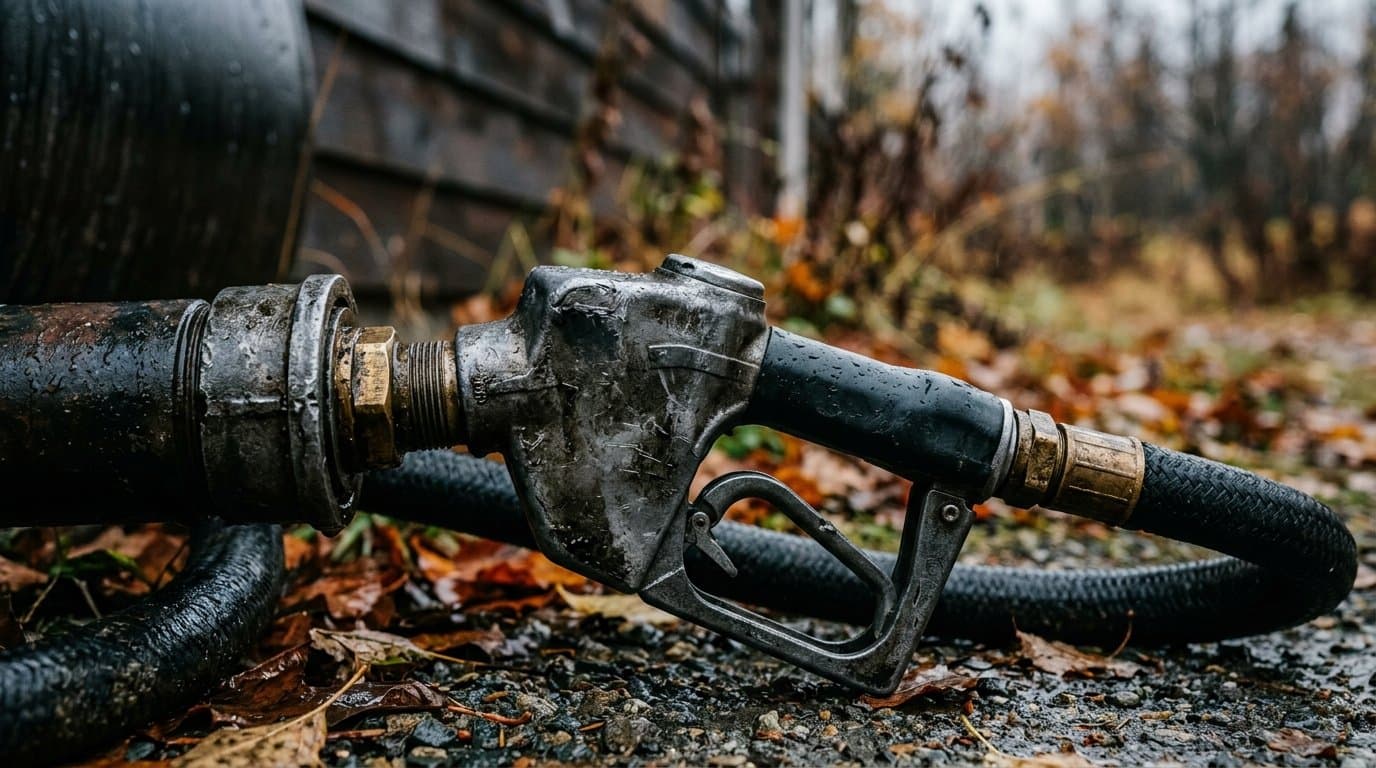
Advisory forecasting 4- to 6-foot water rise at Elim, Koyuk expires
A National Weather Service high surf advisory forecasting 4 to 6 foot water rise at Elim and Koyuk expired Saturday at 4 am after peaking Friday at high tide.
by Maggie AlaskaNews1w ago2 min read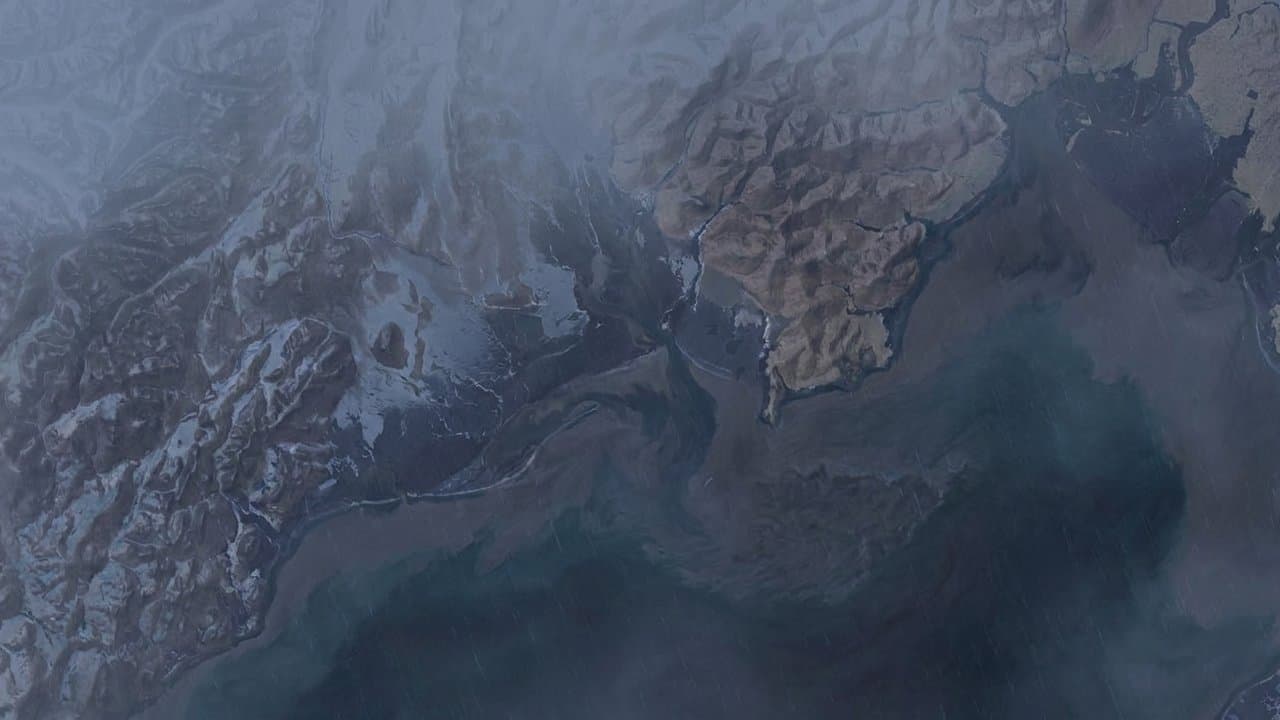
Bering Sea pollock fleet nears its 2026 limits as salmon bycatch debate continues
The Bering Sea pollock fleet nearly has its 2026 limits. Yukon tribes say salmon fishing stayed closed; a tribal group says bycatch rules are years off.
 by Bill AlaskaNews1w ago2 min read
State estimates $1.2 million to keep cleaning up Typhoon Halong fuel spills
Alaska's environmental agency estimates it needs about $1.2 million to keep cleaning up fuel spills in Western Alaska communities hit by Typhoon Halong.
by Maggie AlaskaNews1w ago1 min read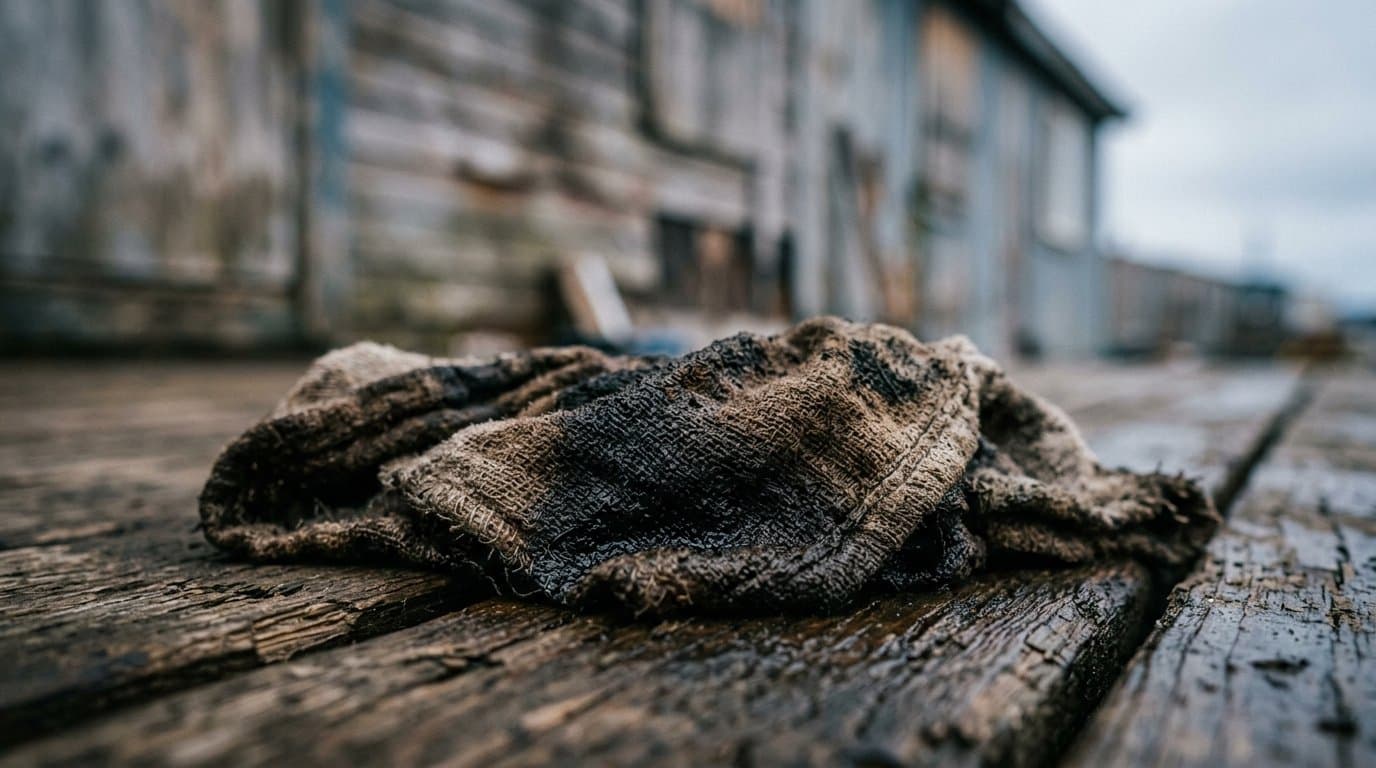
Glacier Fish, SeaShare present halibut donation permit to council
Glacier Fish and SeaShare asked federal regulators to let the Northern Glacier donate up to 5,000 pounds of halibut it now discards, sending the fish to Western Alaska food banks if approved.
by Bill AlaskaNews1w ago2 min read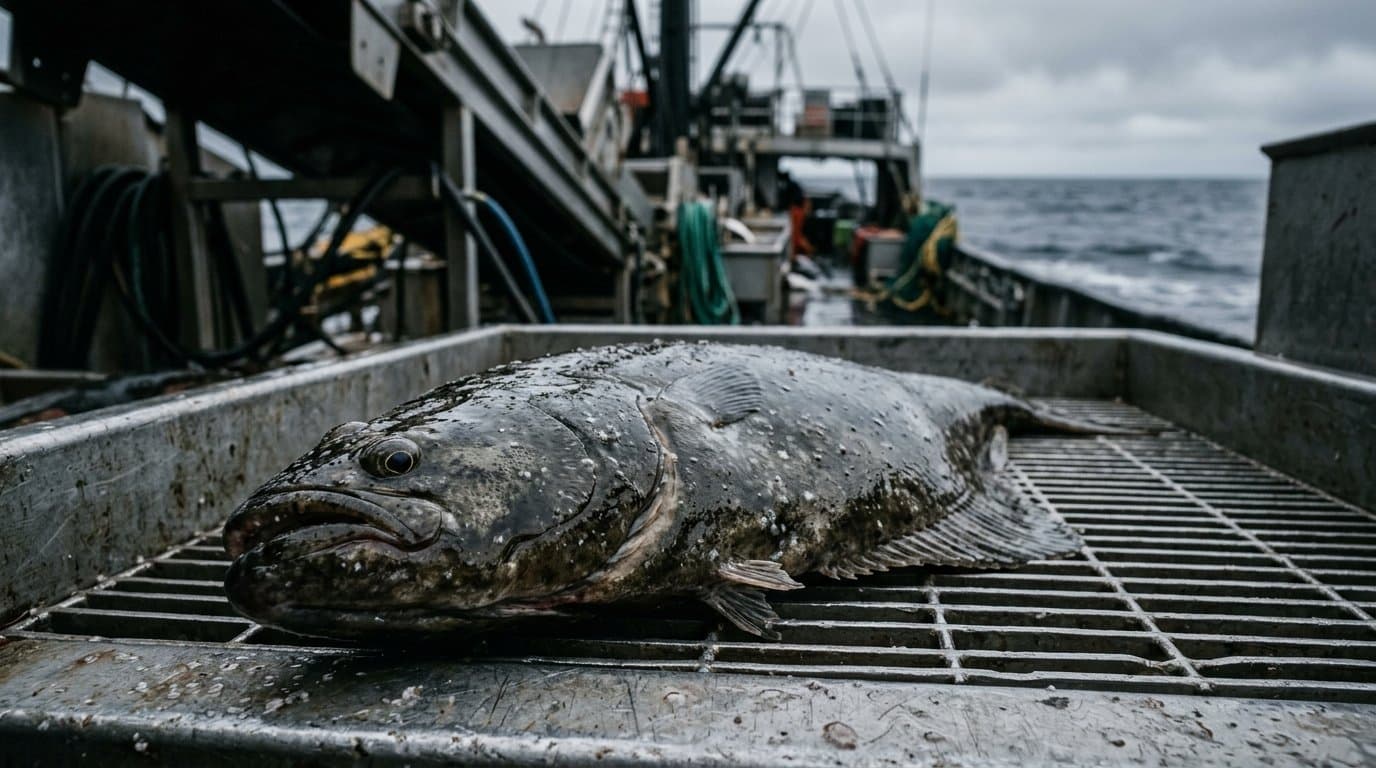
Bering Sea Tanner crab limit nearly triples as snow crab falls 45 percent
Alaska tripled the Bering Sea Tanner crab limit to 32.1 million pounds for winter 2026, while cutting snow crab 45% to 5.1 million pounds, with all three major crab fisheries opening Oct. 15.
by Walter AlaskaNews1w ago2 min read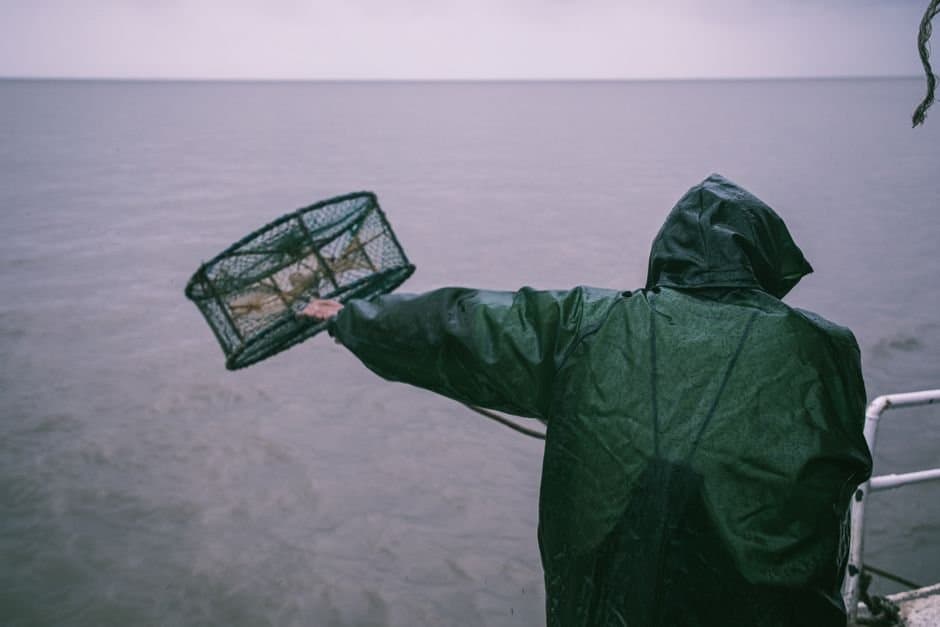
Election Day across Alaska: Where voters choose local leaders, ballot questions
Alaskans vote Tuesday for local officials and ballot measures across 22 municipalities and regional school districts. • Juneau decides three tax propositions; North Slope Borough has 11 bond measures totaling $1.55 billion. • Polling times and methods vary by community; check your local clerk's office for details.
 by Alaska News1w ago5 min read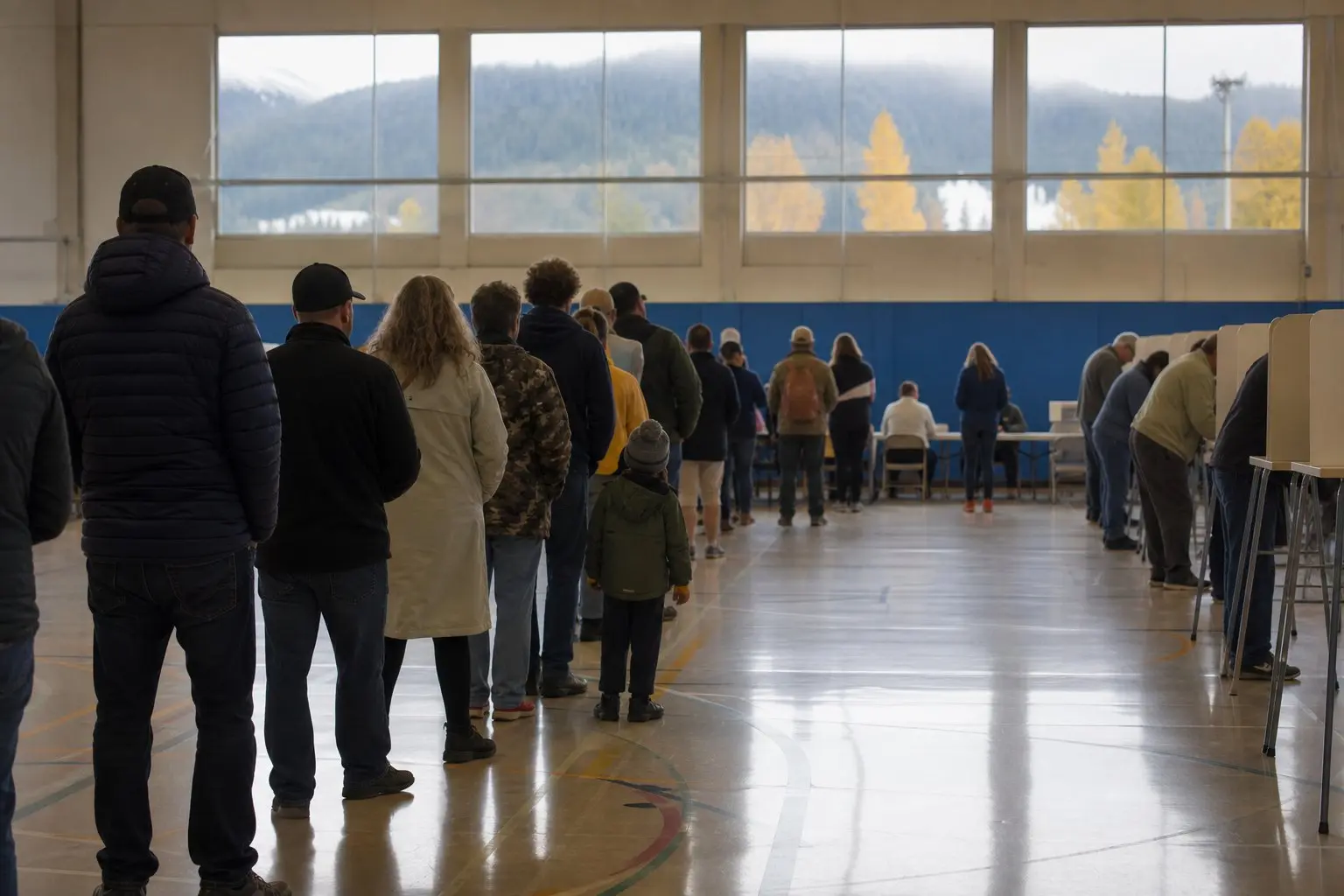
Anchorage Assembly to consider permanent mayoral emergency power for disasters outside the city
Last fall Anchorage needed a special emergency law to help Western Alaska storm evacuees. An ordinance up Tuesday would make that power permanent.
by Walter AlaskaNews2w ago2 min read
Heating fuel in surveyed Alaska communities rose nearly 23% since winter, state finds
Heating fuel in surveyed Alaska communities averaged $7.97 a gallon this summer, up 23% since winter. Western Alaska paid the most, at $9 a gallon.
by Walter AlaskaNews2w ago1 min read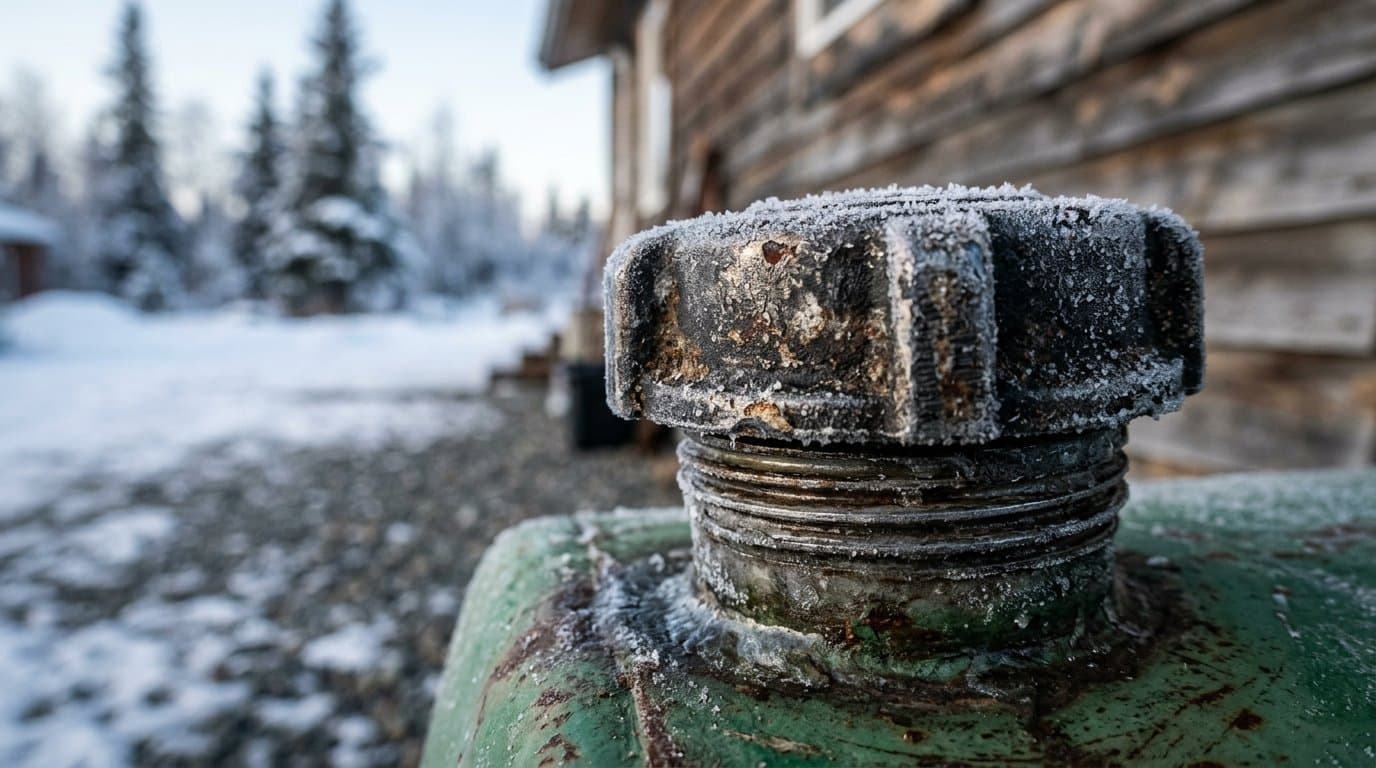
Federal regulators approve Norton Sound group's trade of unused flatfish quota for 900 tons of rock sole
Nome-based NSEDC traded unused flathead and yellowfin sole quota for 900 more metric tons of rock sole, so its community quota fleet can keep fishing.
by Bill AlaskaNews2w ago2 min read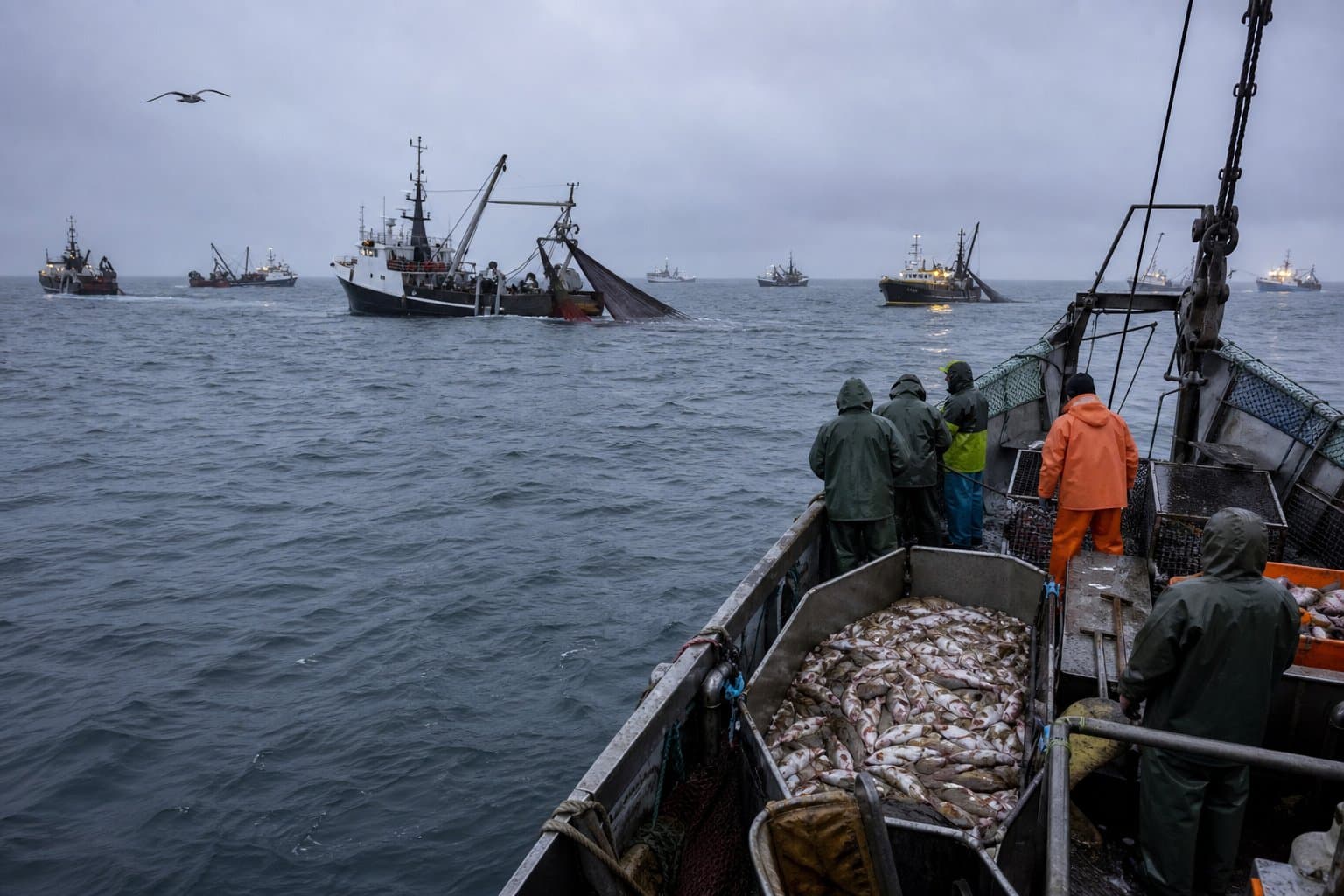
A year after Typhoon Halong, western Alaskans can still get job, training and winterization help
People still recovering from Typhoon Halong can get job training, winterization help and FEMA-paid flights. Disaster unemployment benefits have closed.
by Walter AlaskaNews2w ago2 min read
Up to 6 inches of snow possible in Isabel Pass by Wednesday night
Up to 6 inches of snow could hit Isabel Pass by Wednesday night, and forecasters say it could be the snow that sticks around till spring. Summer, it was nice.
by Maggie AlaskaNews2w ago2 min read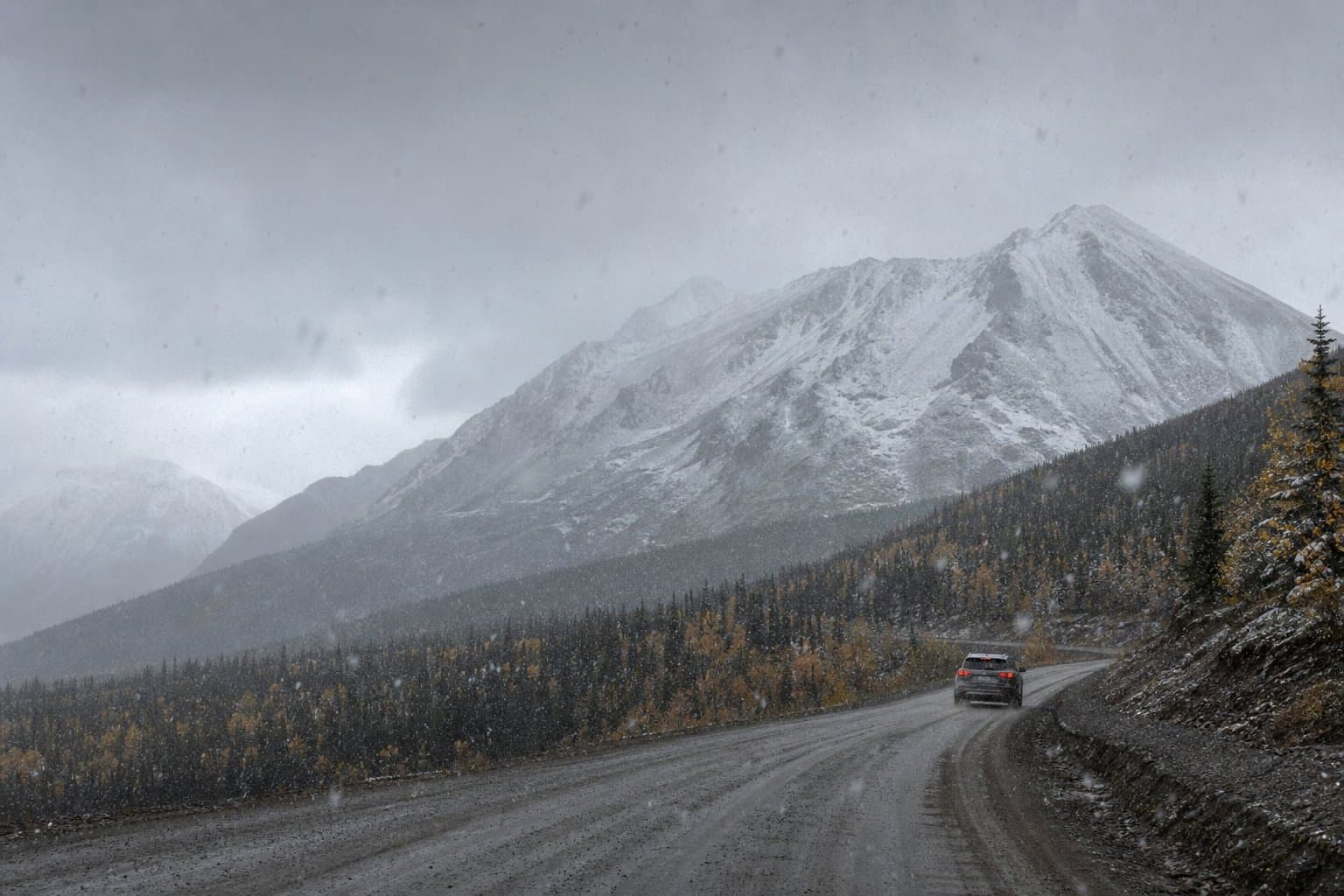
Tok's 40-Mile Air gets $45,000 contract for helicopter flights to track Yukon-Charley wolves
The Park Service is paying a Tok air service $45,000 for on-call helicopter time to keep tabs on Yukon-Charley's wolves. The wolves were not consulted.
by Maggie AlaskaNews2w ago1 min read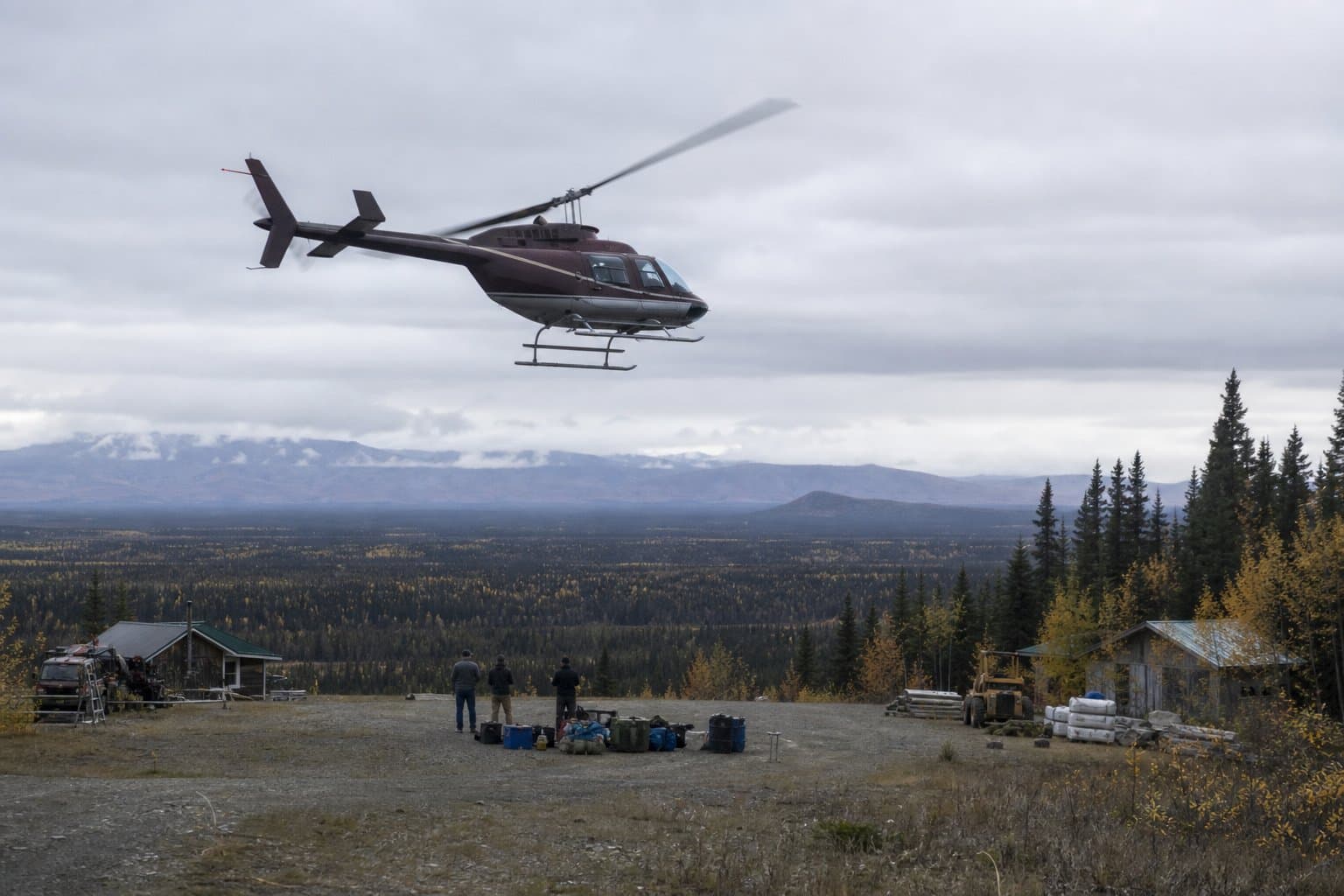
Alaska lists 5.7 million acres of land selections it could give back to federal ownership
Alaska may hand about 5.7 million acres of state land selections back to the federal government, where rural residents would get a subsistence priority.
by Walter AlaskaNews3w ago2 min read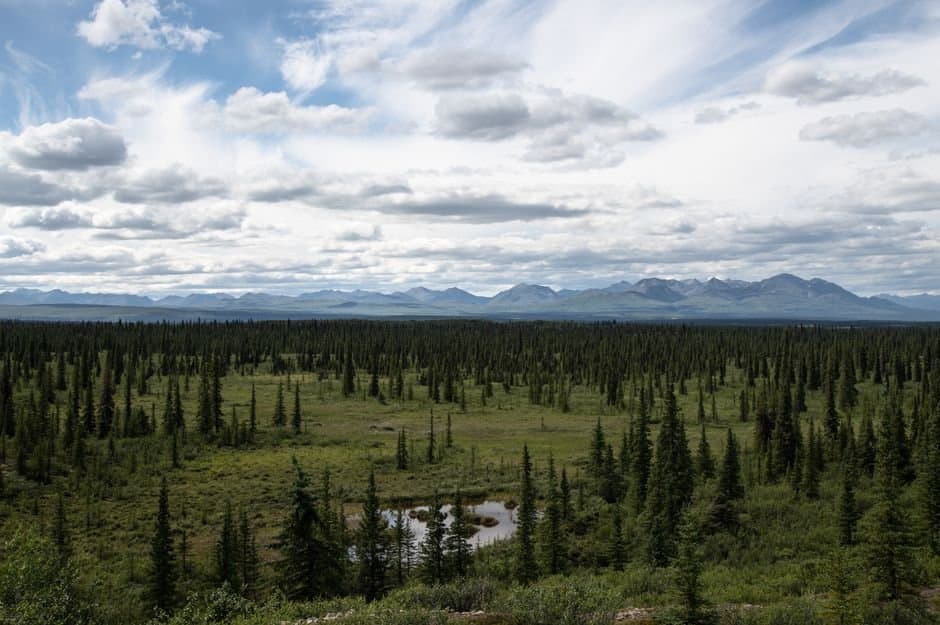
Fish and Game proposes flagging struggling salmon runs a year earlier so the public can weigh in
Alaskans often get the state's plan for a struggling salmon run too late to weigh in. Fish and Game wants to flag troubled runs a year earlier instead.
by Bill AlaskaNews3w ago2 min read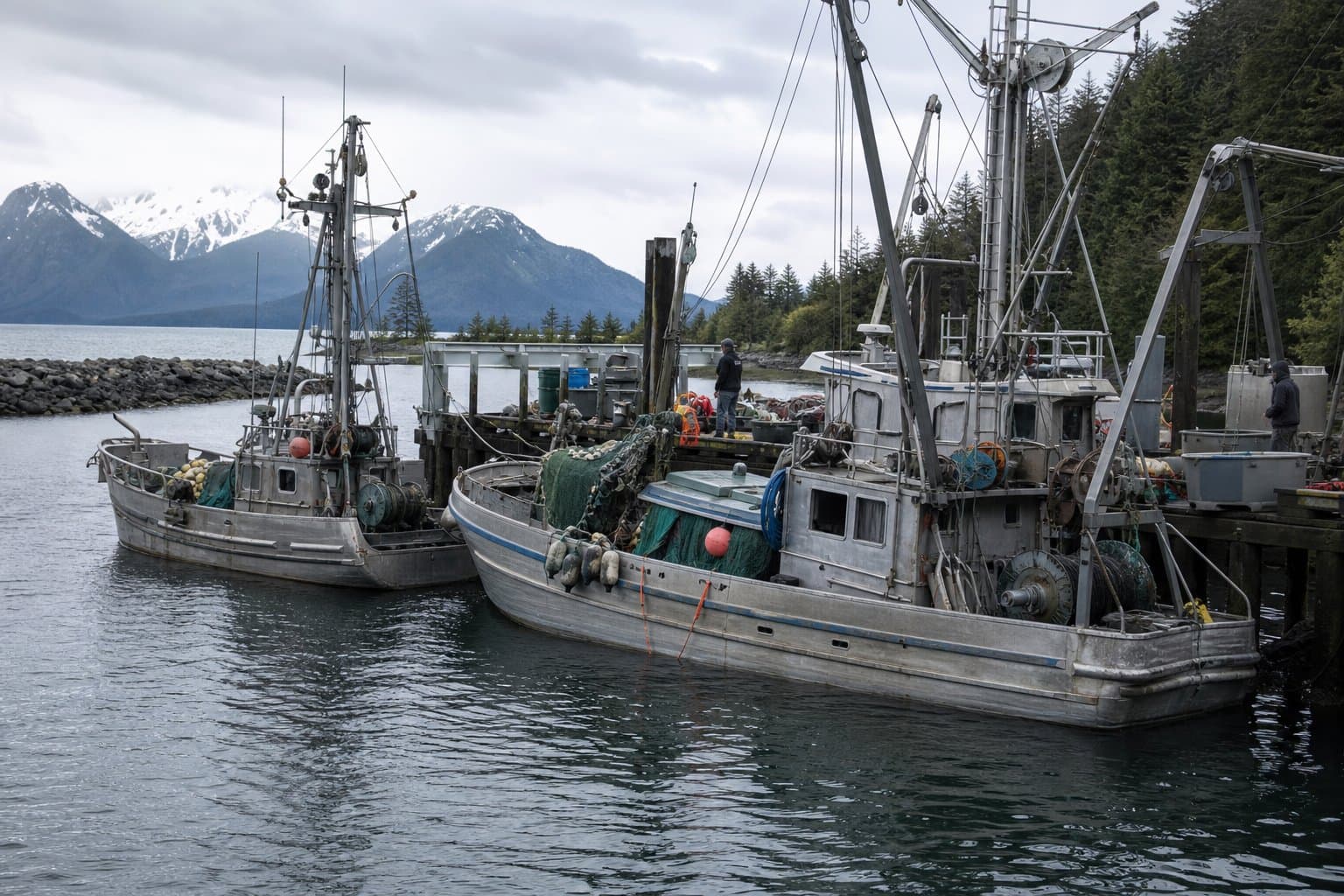
Board of Game proposals would cut Western Arctic caribou limits further as the herd declines
The Western Arctic Caribou Herd is down to about 121,000. Proposals to cut harvest further go before the Board of Game in Kotzebue, and comments are due Jan. 9.
by Maggie AlaskaNews3w ago2 min read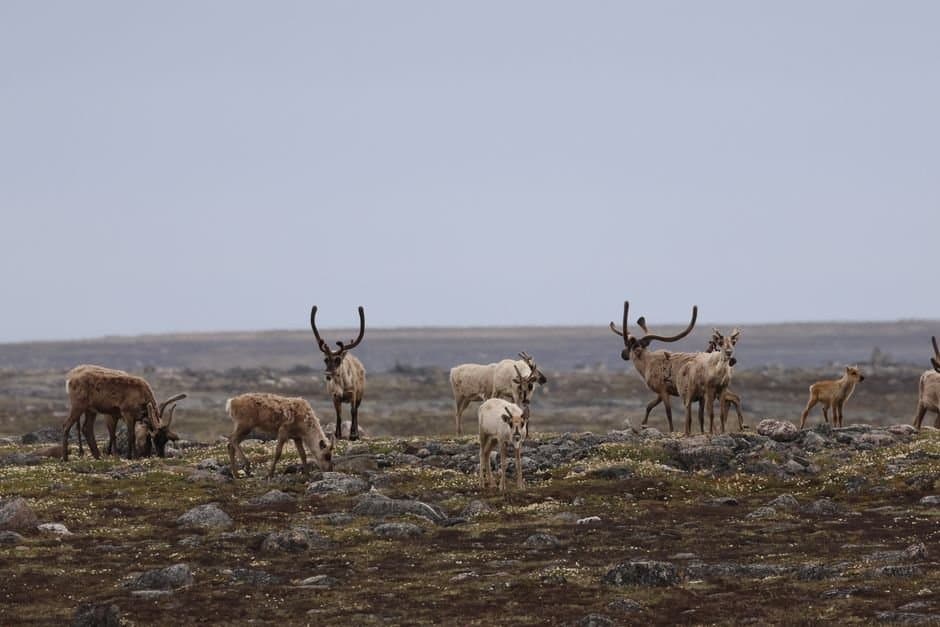
Three Alaska tribal housing groups win $15.7 million in federal grants for 58 homes
Three Alaska tribal housing groups won $15.7 million in HUD's latest competitive round, enough for 58 homes in Haines, Galena and Anchorage.
by Walter AlaskaNews3w ago2 min read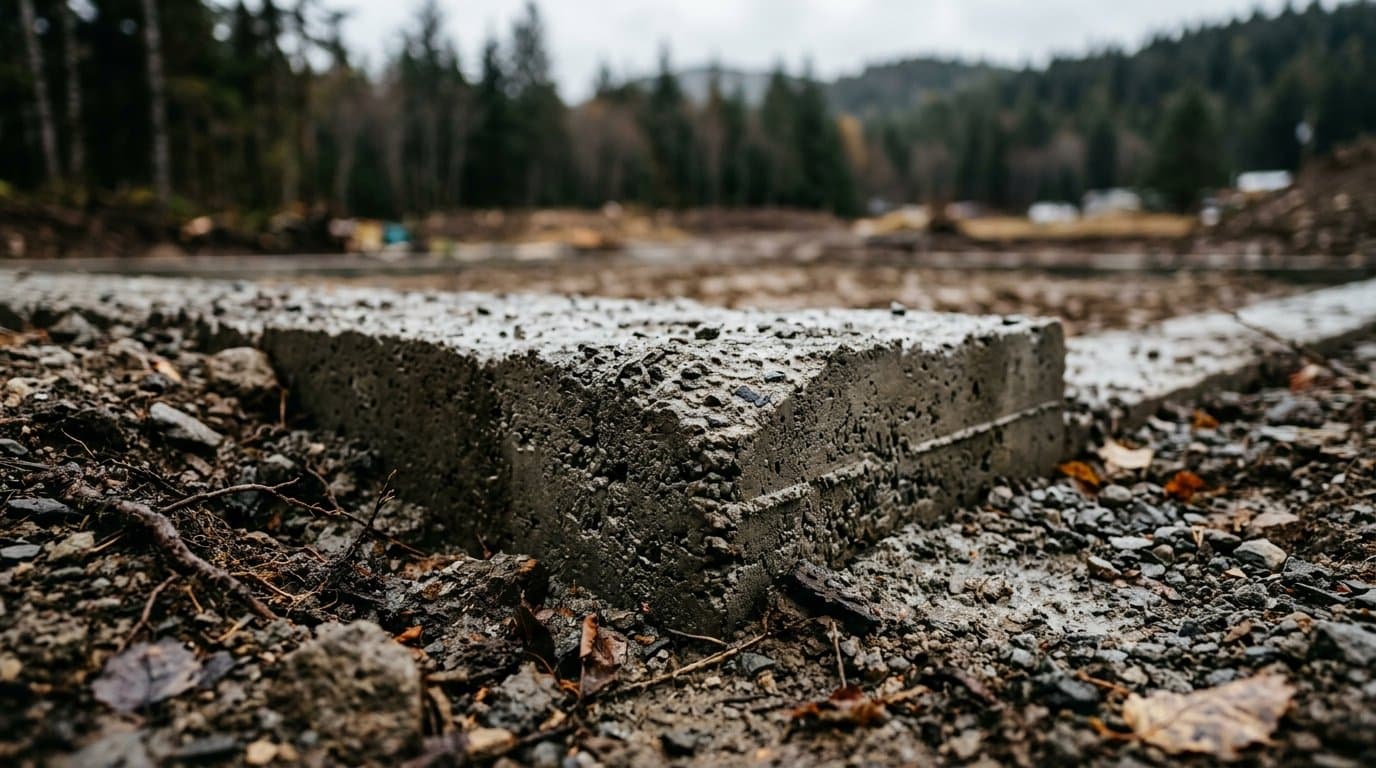
Park Service hires Everts Air Fuel to keep avgas at two remote Alaska park units through 2030
Two of Alaska's roadless park units run on small planes, and small planes run on avgas. The Park Service is paying Everts Air Fuel $54,506 to keep it coming.
by Maggie AlaskaNews3w ago1 min read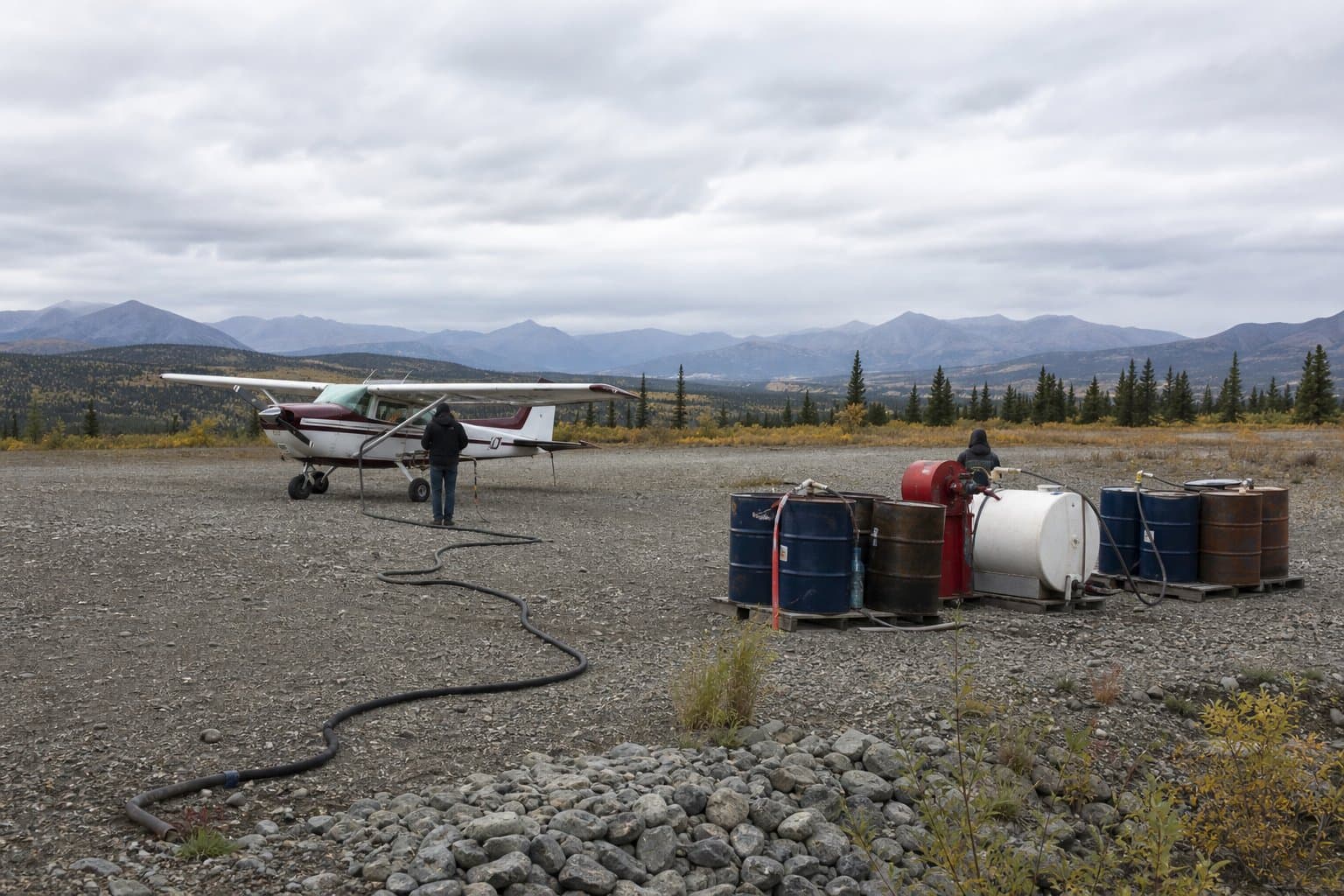
Global refinery disruptions widened fuel margins in 2026, and rural Alaska's barge fuel cost more
Galena's utility paid 29% more per gallon for this year's barge fuel, and St. Paul paid about $7.55. Summer's dip in oil prices came after the fuel was bought.
 by Cale Green3w ago4 min read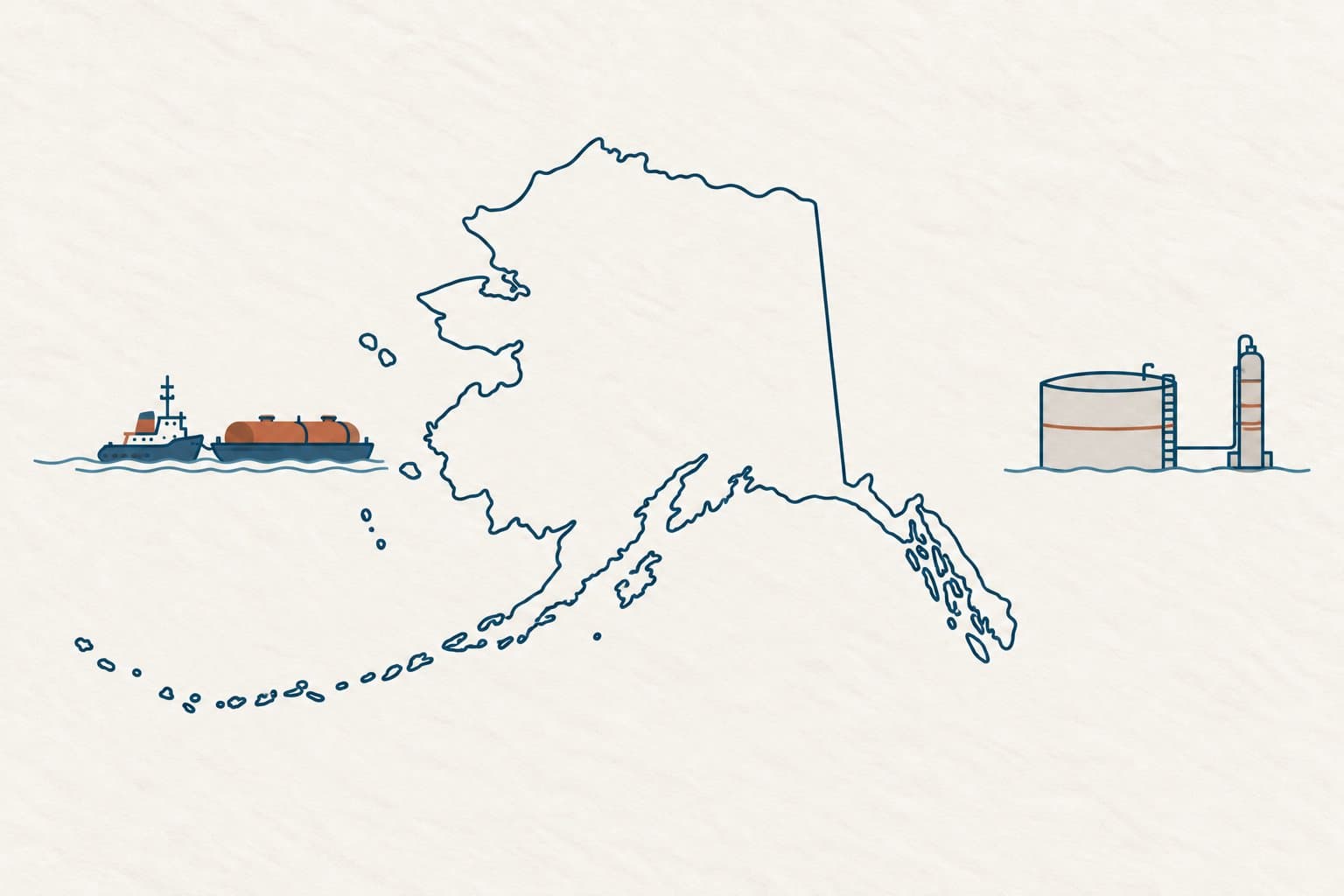
Subsistence fishing reopens on the upper Yukon, village by village
Subsistence fishing reopens on the upper Yukon in stages from Sept. 26 to Oct. 6, timed so Canadian-bound fall chum pass each stretch of river first.
by Bill AlaskaNews3w ago2 min read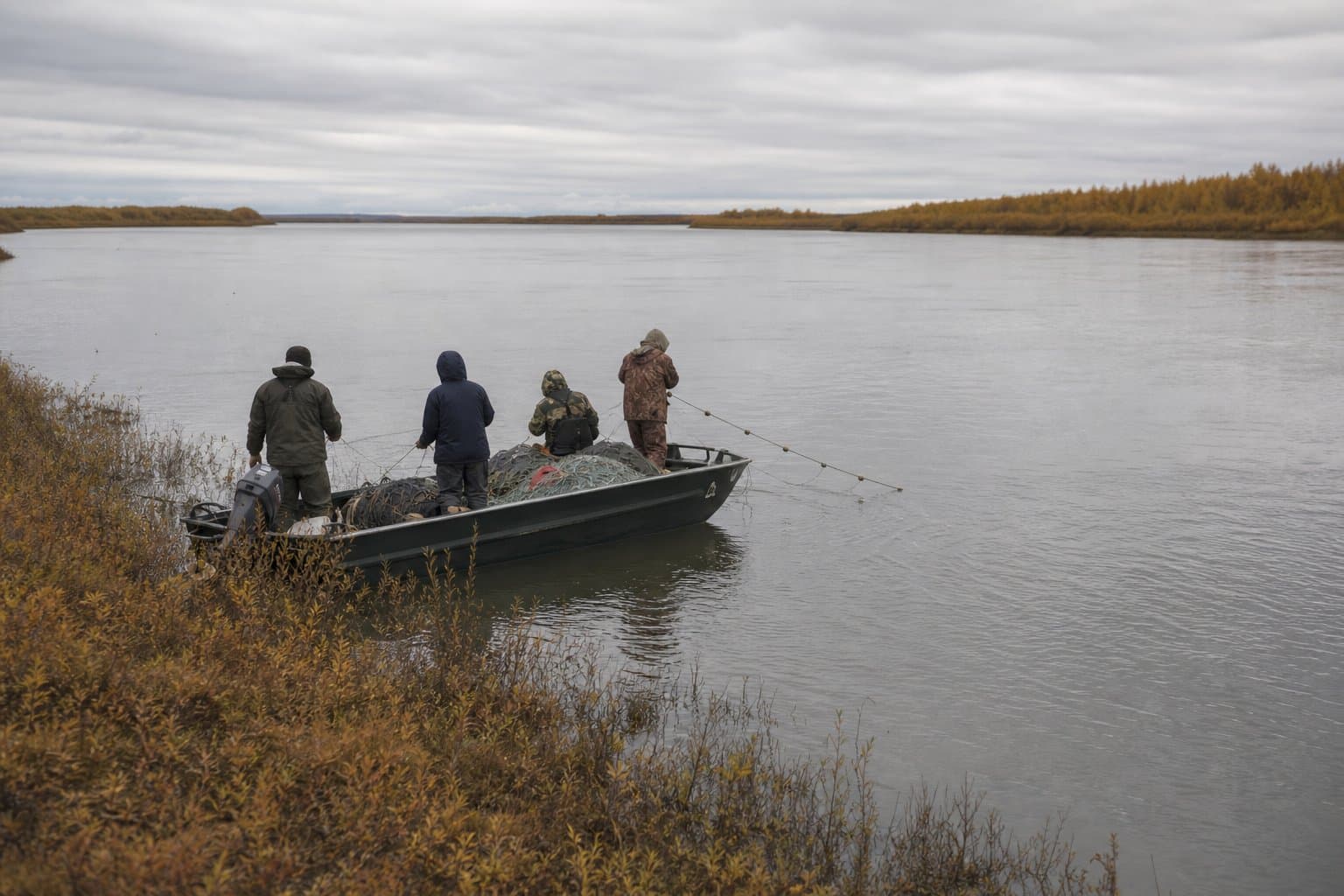
Alaska's Coast Guard distress radios have missed calls, and a fix is funded
The Coast Guard's own inspector general found outages in Alaska's distress radio network kept it from hearing some calls for help. A fix is funded.
 by Melinda Communities.News3w ago2 min read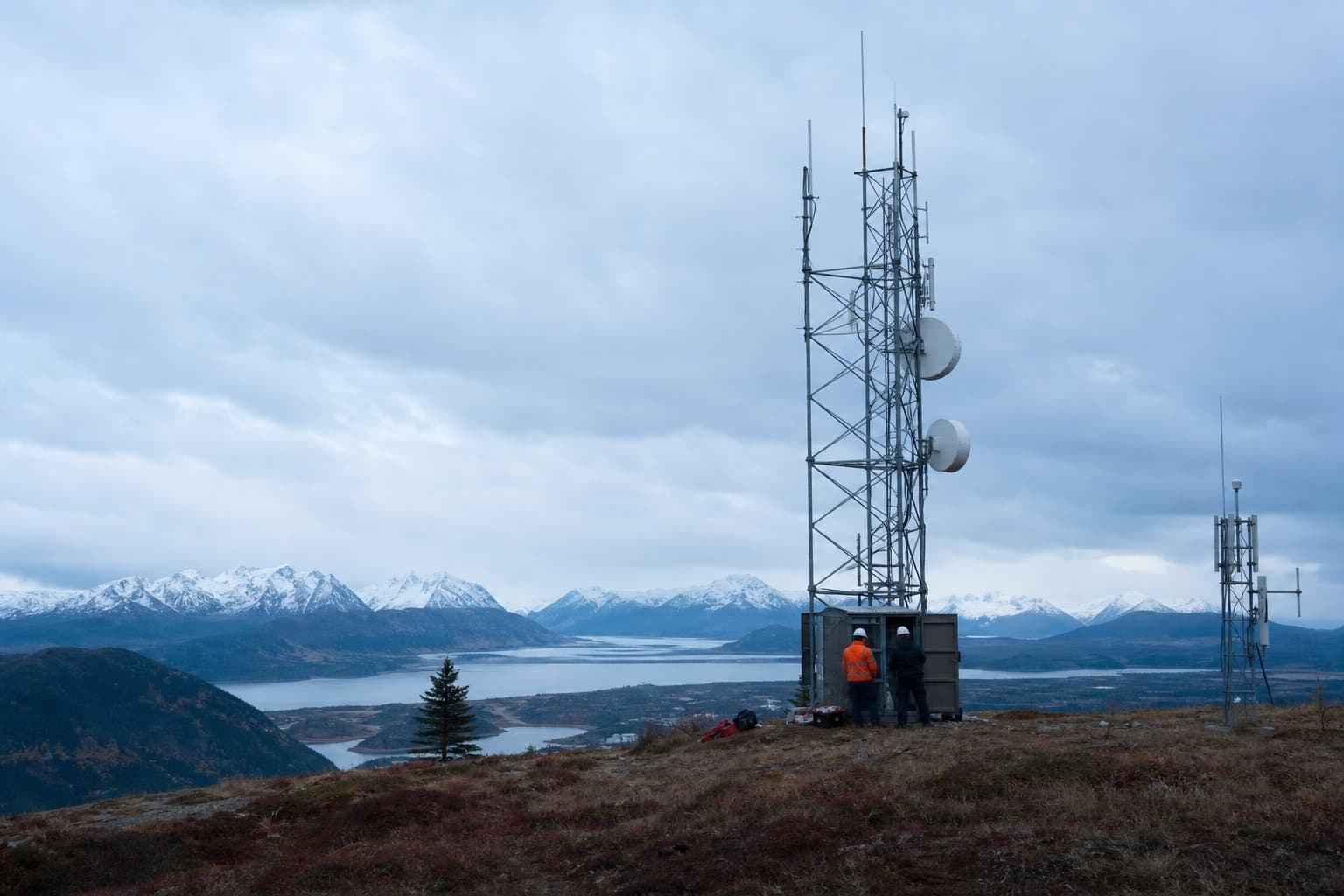
State says genetics funding enabled first Western Alaska chum bycatch cap
State-funded genetic testing helped create a 45,000-fish Western Alaska chum bycatch cap. NOAA implementation is expected no earlier than 2028.
by Bill AlaskaNews4w ago2 min read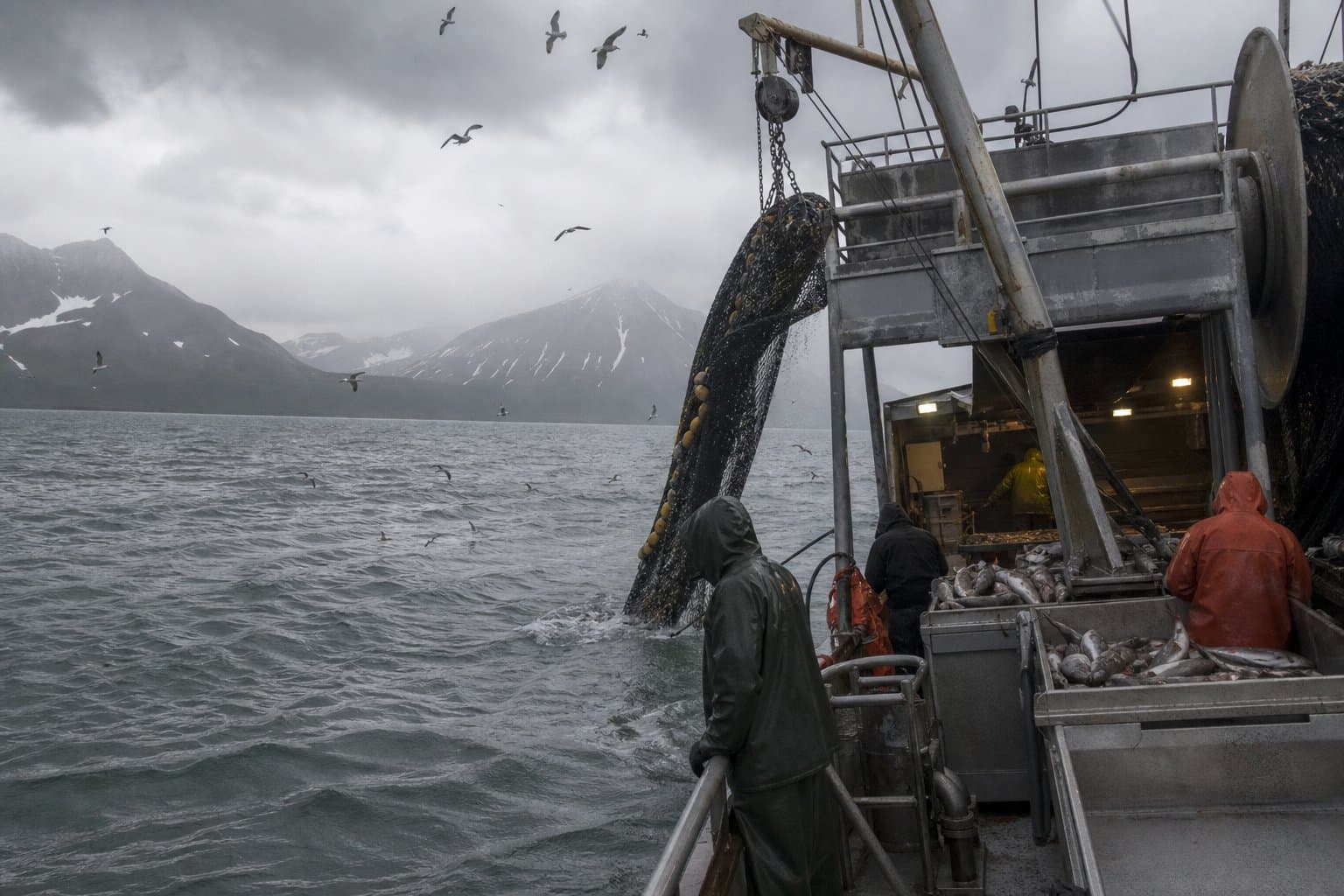
Bering Strait homeowners waited 184 days for storm repair loans
Bering Strait homeowners waited 184 days for SBA storm-repair loans that neighbors got in nine. The state's request is dated April; the records don't say why.
by Walter AlaskaNews4w ago3 min read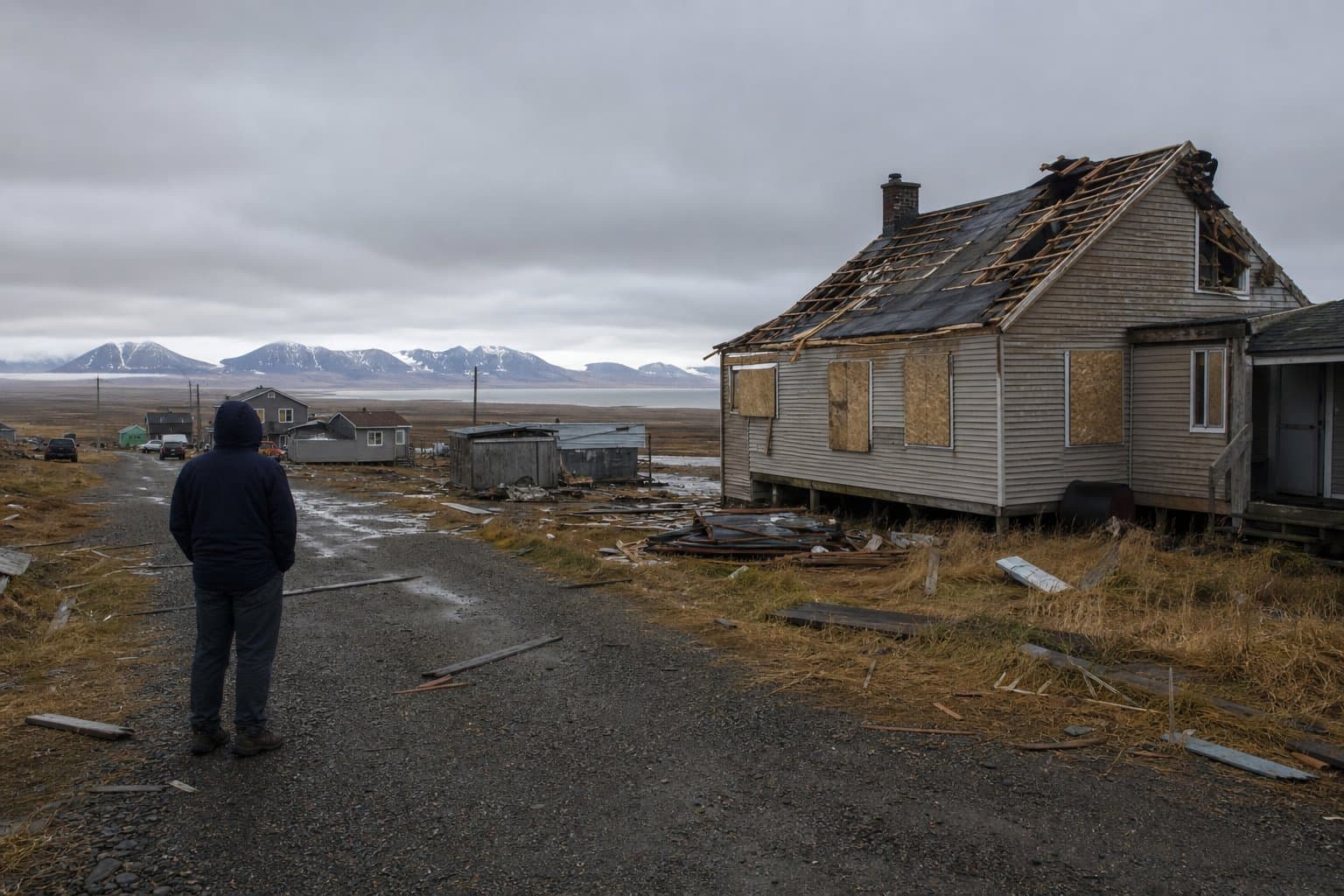
Alaska declines to move Kuskokwim villages into its larger Merbok tier
Alaska won't move Lower Kuskokwim villages into the larger tier of its $38.5 million Merbok grant, saying its survey found other regions hit harder.
by Walter AlaskaNews4w ago2 min read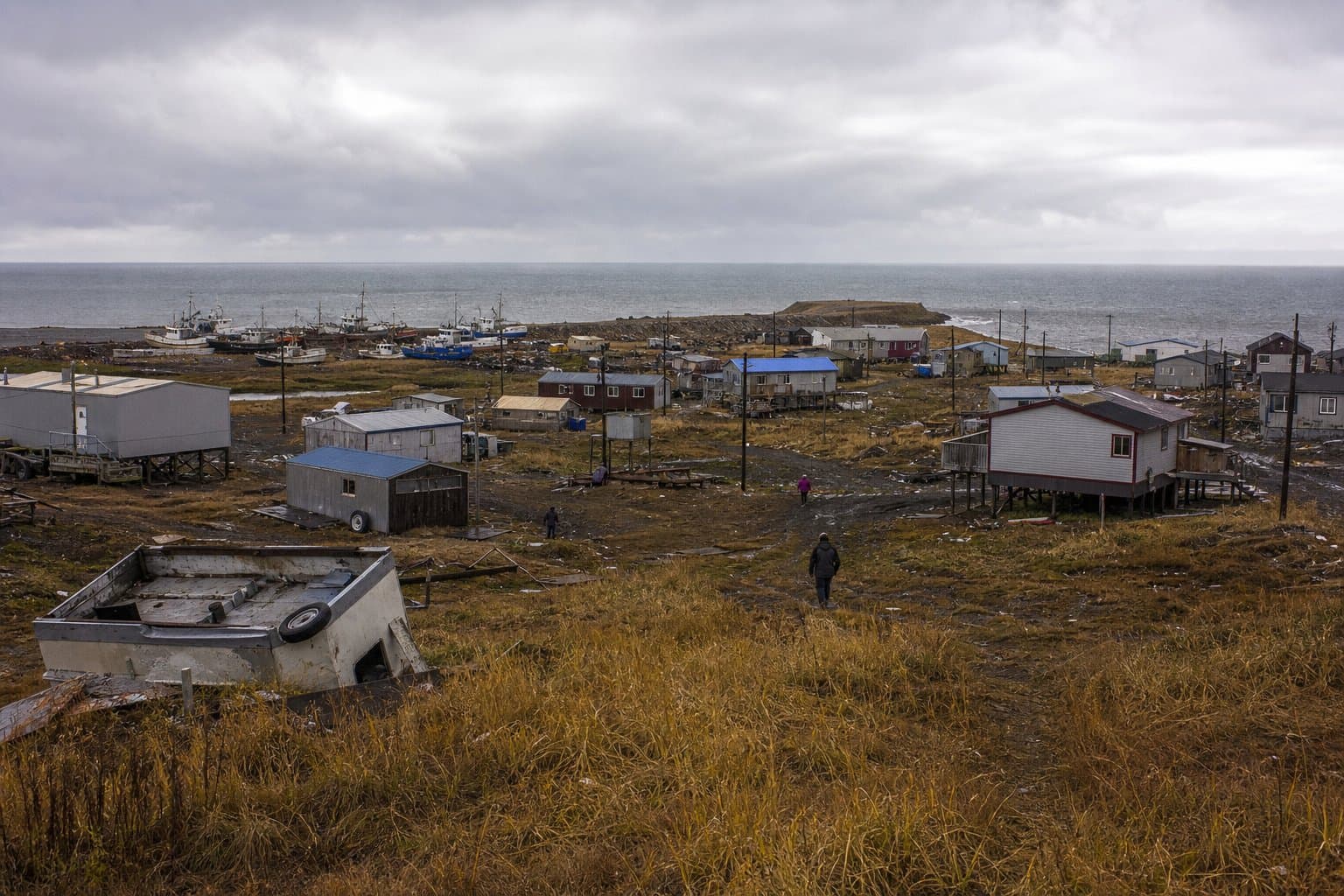
Federal board extends FM1106 subsistence moose hunt by two days
Federal officials added two days to a Copper Basin moose hunt and closed 1,300 square miles of Interior river corridors to outside hunters. One group objects.
by Maggie AlaskaNews1mo ago2 min read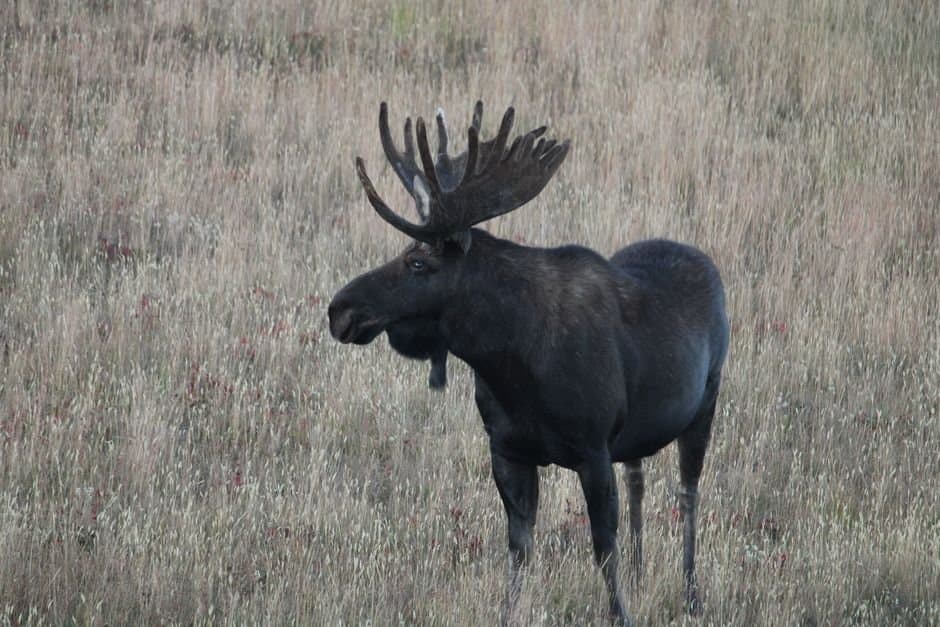
Four Yukon villages get money for broadband design, not construction
Four Yukon River villages are getting broadband drawings, not broadband. The trunk line they would connect to is now 17 months behind schedule.
by Maggie AlaskaNews1mo ago2 min read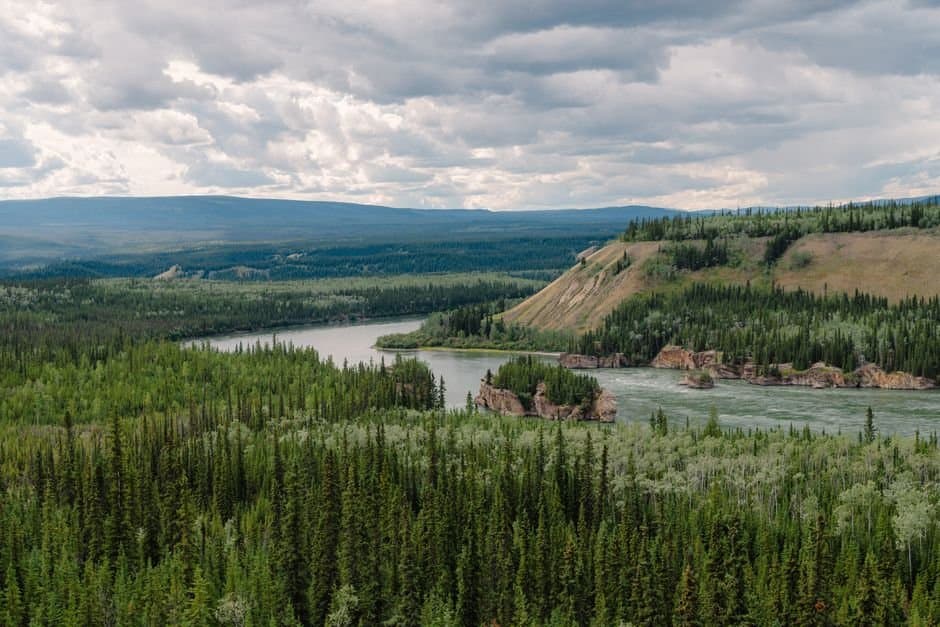
Bethel judge sentences Wassillie Brink to 30 years in Kasigluk assault
A man with a prior conviction for sexual abuse of a minor got 22 years to serve for a 2022 assault in Kasigluk. Western Alaska's rate is double the state's.
by Walter AlaskaNews1mo ago1 min read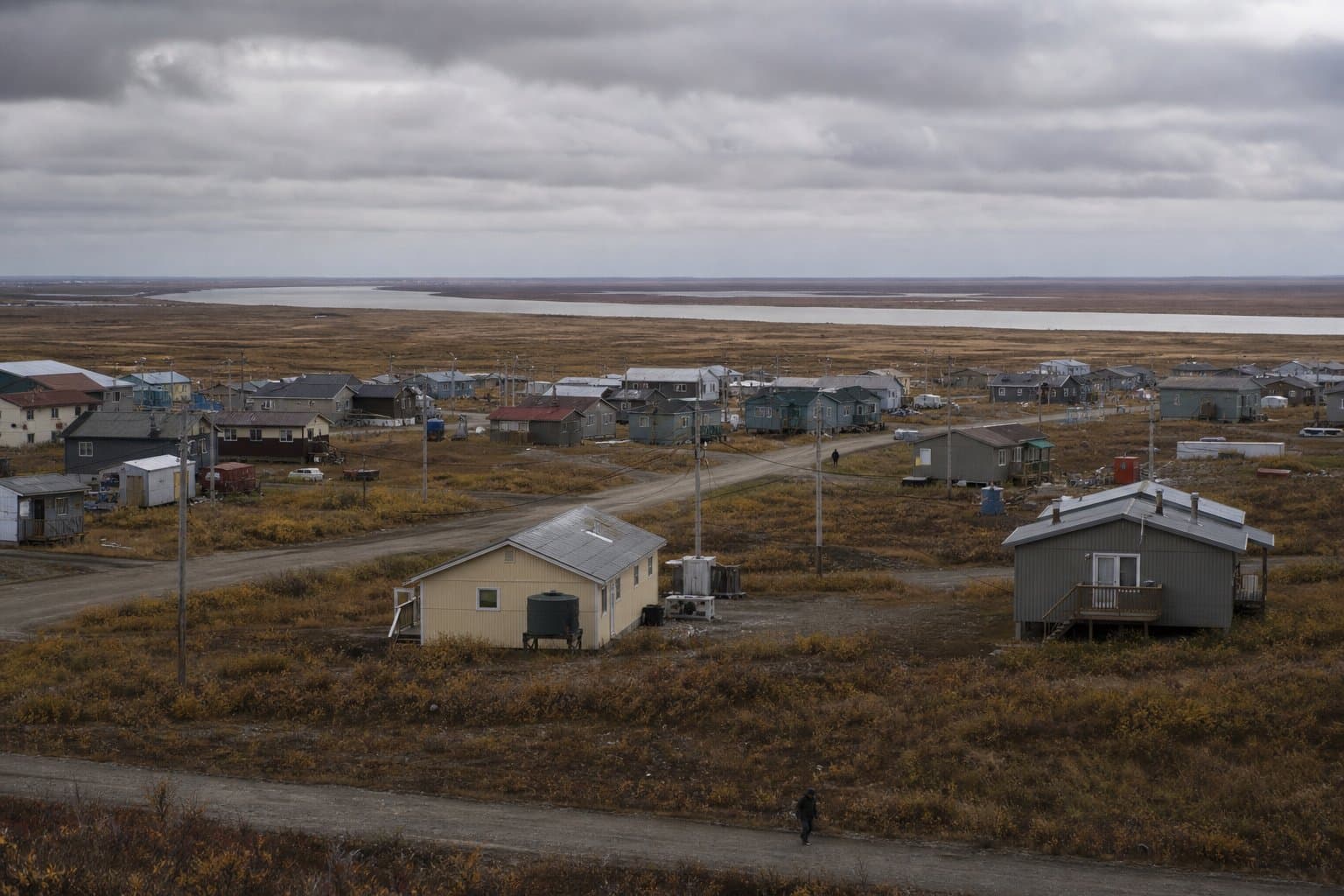
Alaska villages can rebuild after Halong. They can't use the money to move.
Western Alaska villages hit by Typhoon Halong can get federal money to rebuild, but not to relocate — the declaration left out hazard mitigation.
by Walter AlaskaNews1mo ago3 min read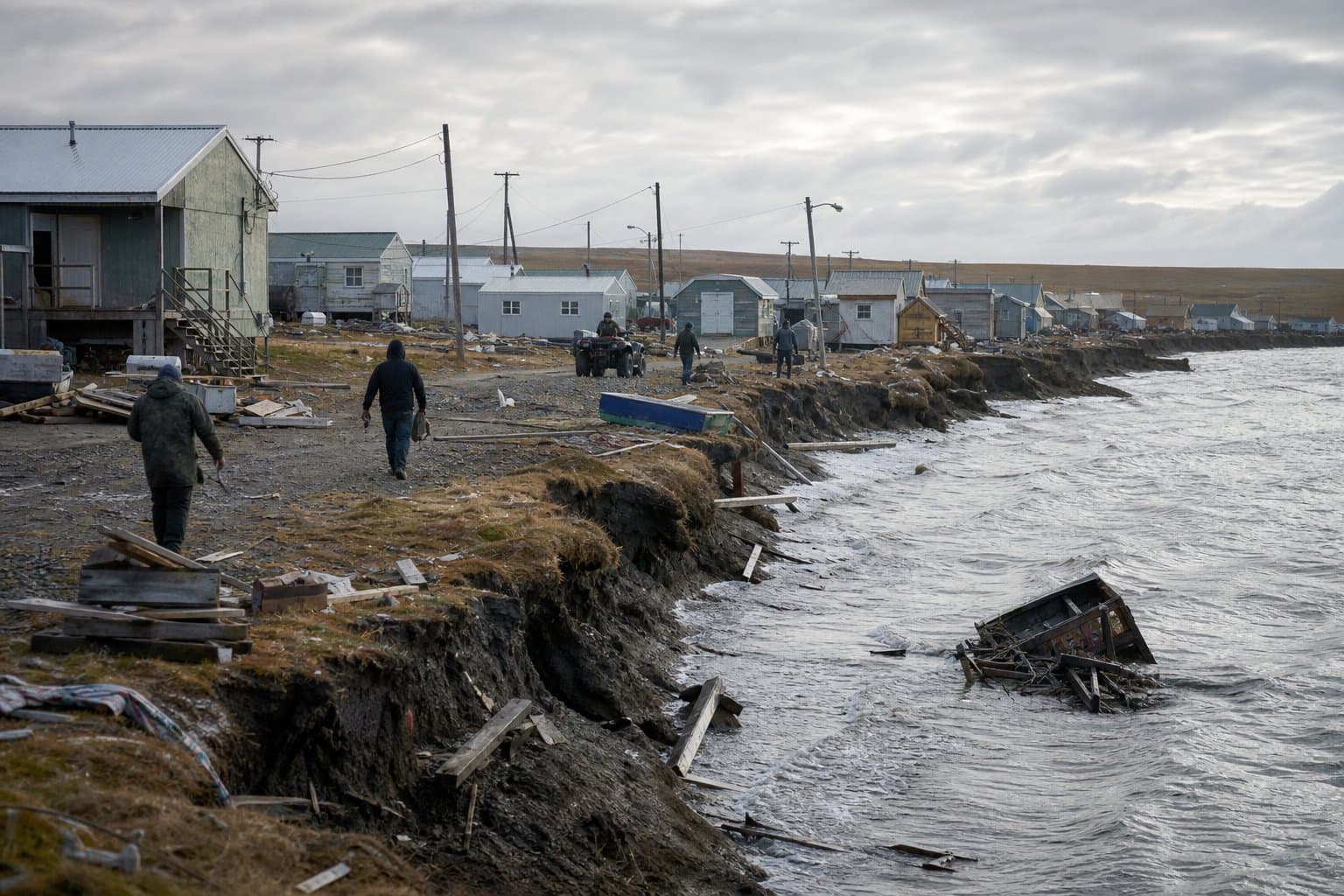
The Yukon's fall chum run could support a fishery, none has opened
The Yukon's fall chum run is big enough to allow a commercial fishery for the first time since 2019. The state hasn't opened one or said why.
by Walter AlaskaNews1mo ago2 min read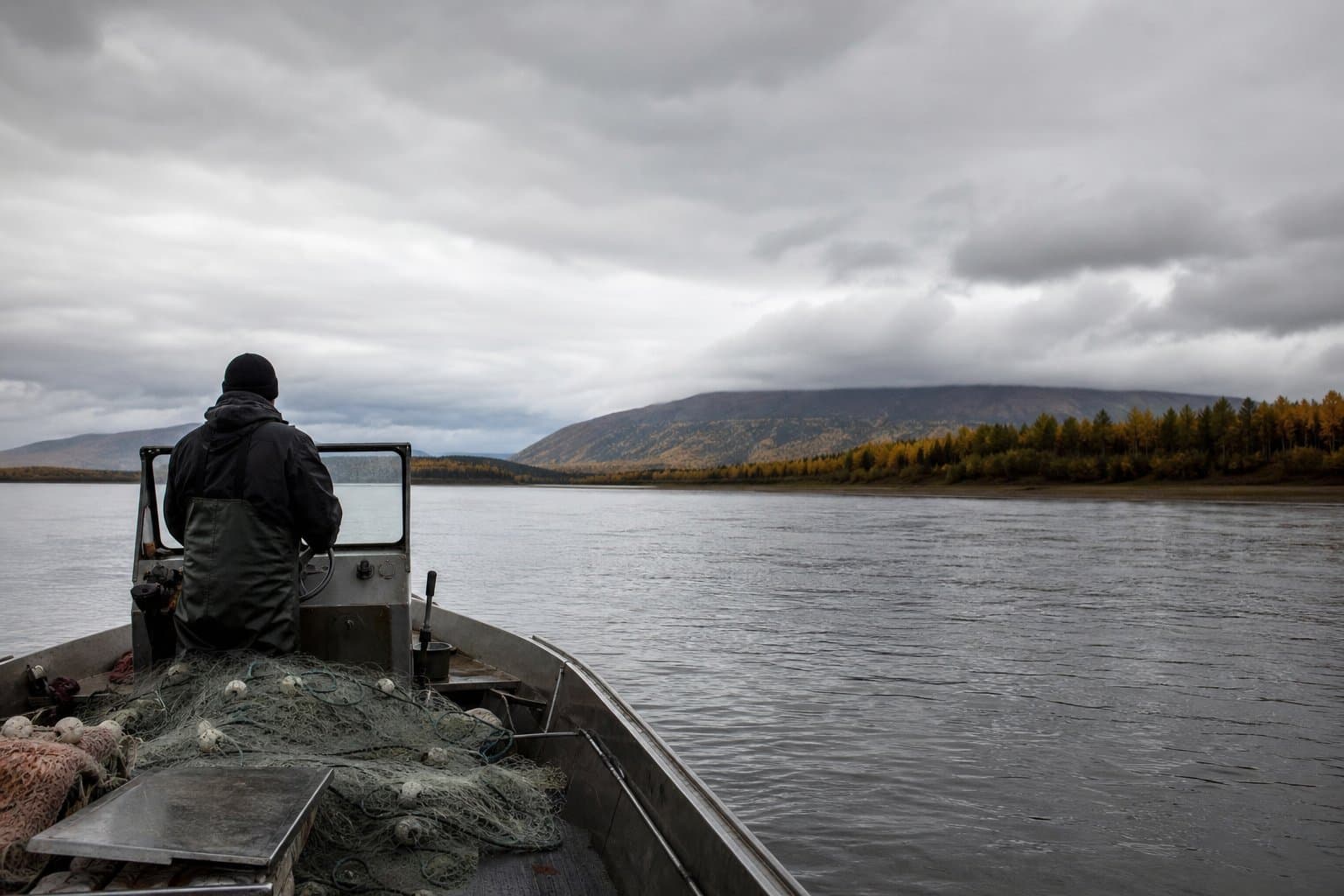
Subsistence salmon fishing reopens on the Tanana and Yukon after closures
Subsistence salmon fishing is reopening on the Tanana and Yukon rivers after a summer of closures, as the runs recover — though the long decline isn't over.
by Maggie AlaskaNews1mo ago1 min read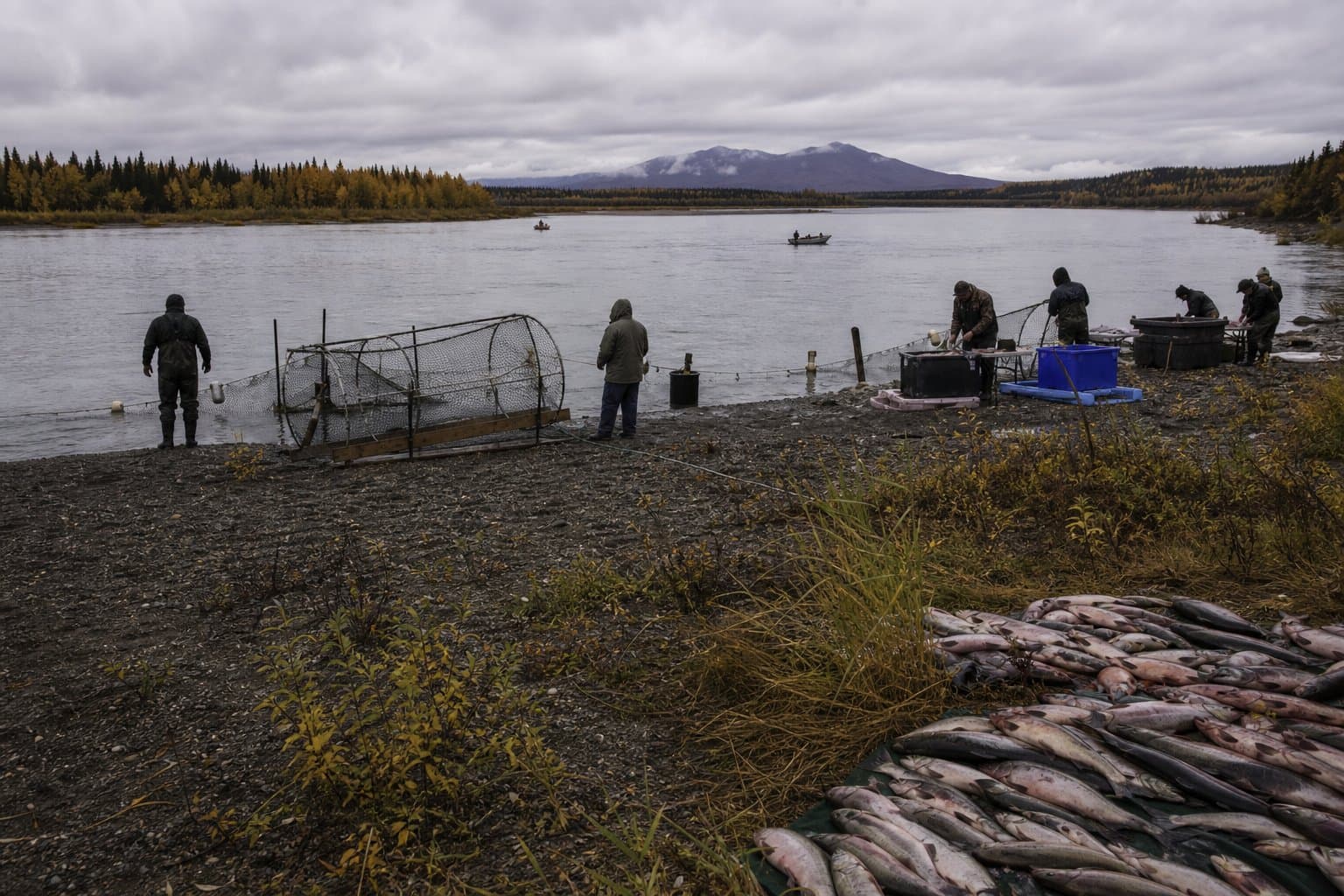
Bronson calls for bottom trawling ban in state waters at Kodiak fisheries debate
Dave Bronson called for banning bottom trawling in Alaska's three-mile state waters, the only gubernatorial candidate to propose the measure at a Kodiak debate.
by Walter AlaskaNews1mo ago2 min read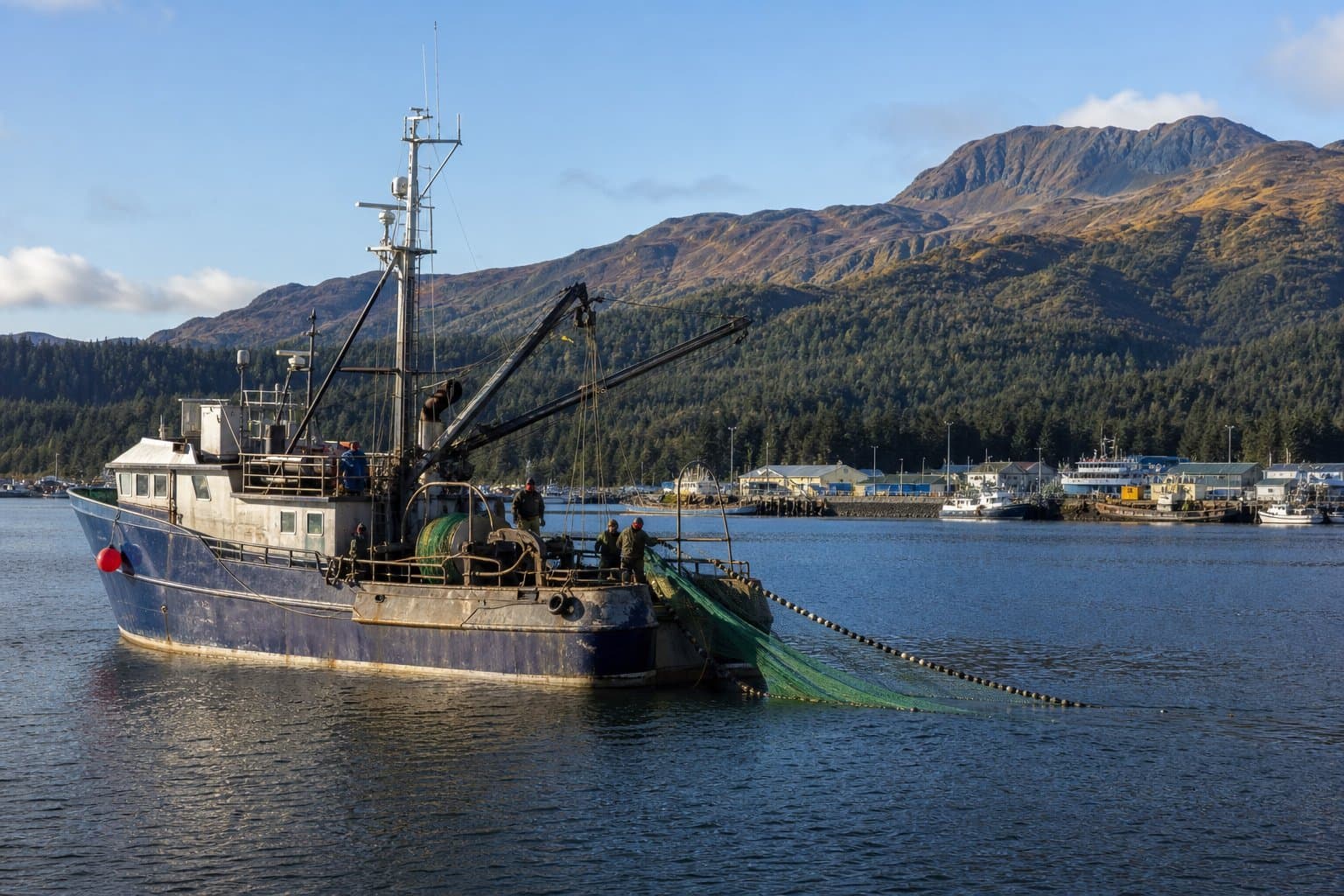
Gubernatorial candidates split on Board of Fisheries overhaul
Proposals range from expanding the board to nine or eleven members to stricter recusal rules and industry-conflict guidelines.
by Walter AlaskaNews1mo ago2 min read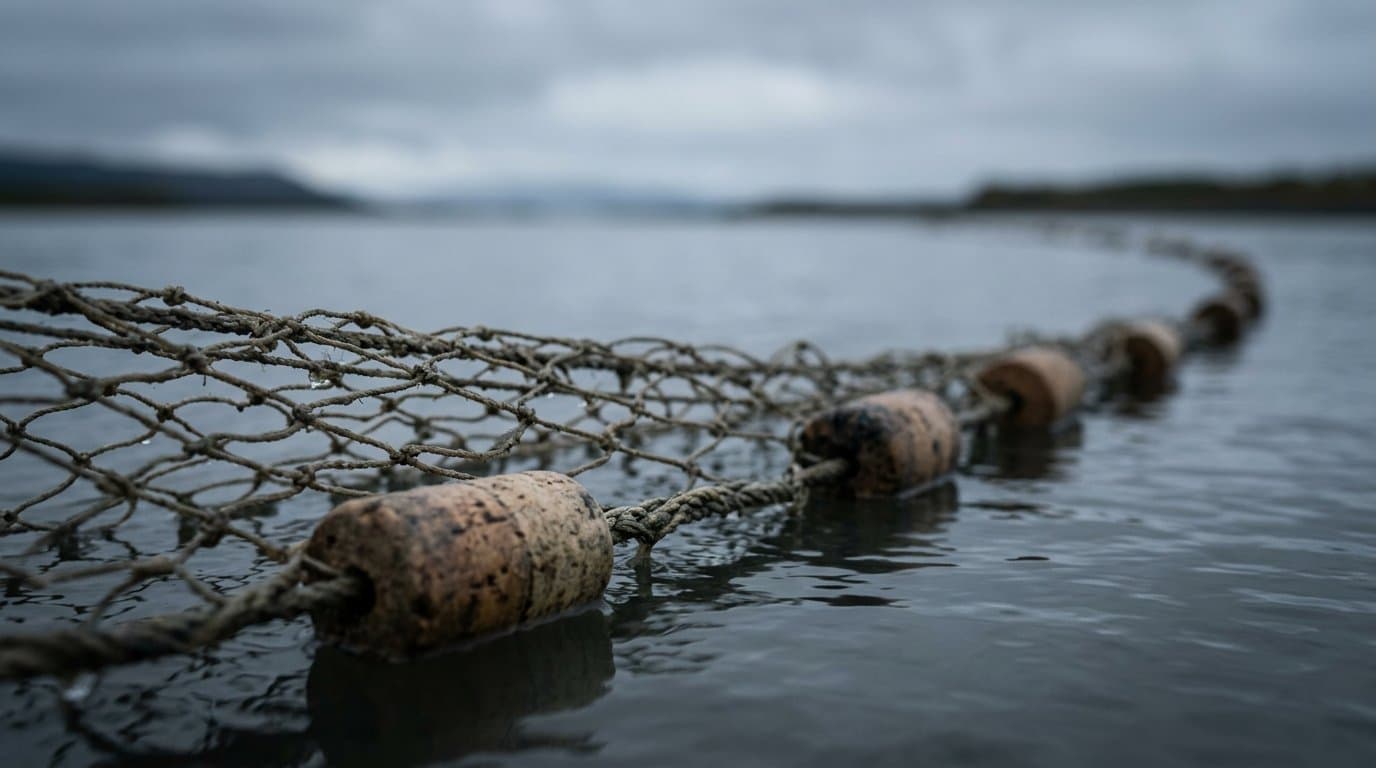
Unalaska wants $5 million to pave the road serving America's busiest fishing port
The country's largest fishing port by poundage is served by a gravel road. Paving it is now Unalaska's top request of Congress, at $5 million.
by Walter AlaskaNews1mo ago2 min read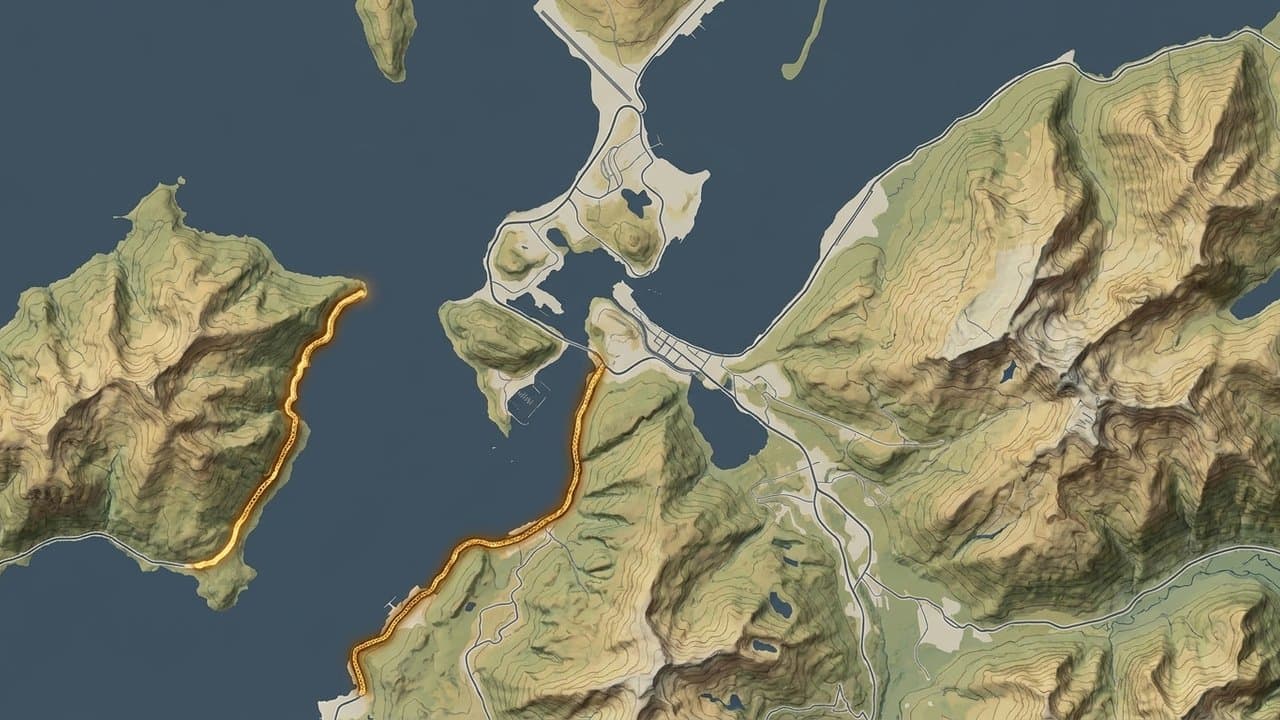
Pollock official puts bycatch impact on Western Alaska runs at 1.9%
Pollock fishing in the Bering Sea reduces Western Alaska salmon returns by 1.9% on average, but a proposed cap on chum bycatch won't take effect until 2028 and tribal groups say it's still not enough.
by Bill AlaskaNews1mo ago2 min read
Gusts to 40 mph are coming across the Interior Tuesday into Wednesday
The Interior is in for gusts of 30 to 40 mph from Tuesday afternoon into Wednesday night, and as high as 50 mph up in the hills and the passes.
by Maggie AlaskaNews1mo ago1 min read