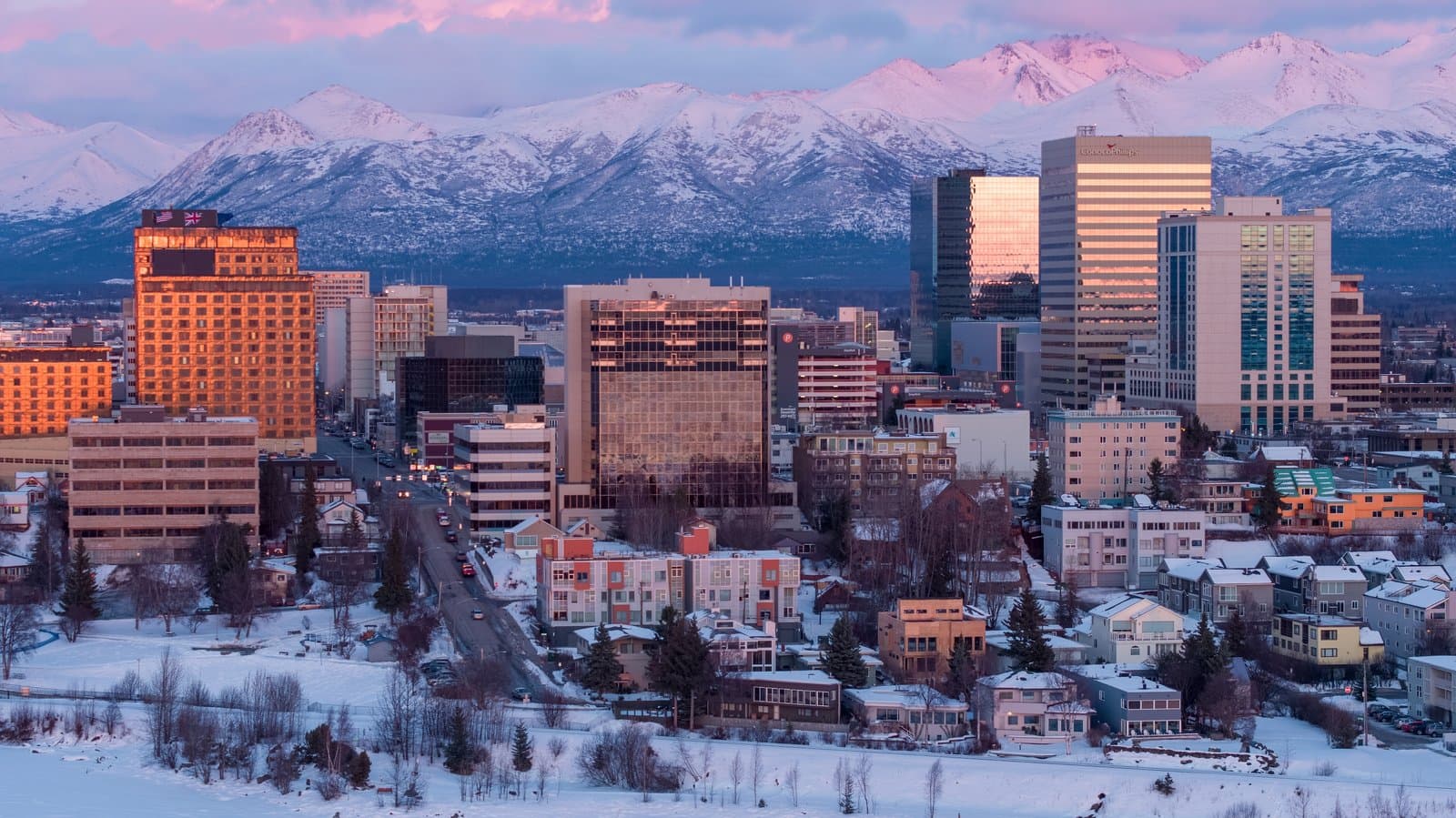
Photo by Cale Green
Senate Republicans link Cook Inlet gas decline to rural power costs
The Alaska Senate Republican Caucus warned on May 21, 2026, that declining Cook Inlet natural gas supplies will drive up energy costs in rural communities through the state's Power Cost Equalization program.
The caucus released a statement as the Legislature began a special session focused on gasline legislation. The statement identified rising energy prices in Alaska's larger cities as a threat to the PCE program, which subsidizes electricity costs in remote communities.
The caucus described Alaska as facing an energy crisis. Cook Inlet natural gas supplies are dwindling. Southcentral Alaska feels the immediate effects. Fairbanks has also seen energy rates climb because of the loss of cheap power from Cook Inlet natural gas.
The caucus outlined three priorities for the special session.
The first focused on reducing energy costs across the state economy. The second addressed economic benefits from building the pipeline, including job creation and business growth. The third cited the Alaska Constitution's requirement to manage natural resources for maximum public benefit.
The statement said the Legislature faces a choice between importing liquefied natural gas or building the gasline. The caucus described the situation as an existential crisis, with changing markets and the exhaustion of legacy Cook Inlet natural gas fields limiting the state's future.
The statement said that if the state does not build the gasline, there will be zero new revenue, no new jobs, no affordable energy, and no new opportunities for Alaskans.
The caucus pledged to dedicate the next 30 days of the special session to passing the gasline bill. The statement said working with the developer and local gas producers to craft legislation that champions Alaskans is the only way forward.
Cassandra Day, press secretary for the Alaska Senate Republican Caucus, released the statement.
Based on a press release.
AI-assisted. How we use AI
Stay informed. Support what matters.
Free, permanent access to local news you can verify. Subscribe to support Walter AlaskaNews and go ad-free.
Related Coverage
Southcentral utilities warn of steep rate hikes as Cook Inlet gas dwindles
Alaska News · 4mo ago
Utility warns of rolling blackouts in Southcentral as soon as this winter
Alaska News · 2mo ago
Alaska Senate Majority sets Anchorage press availability on stalled gas session
Alaska News · 1mo ago
Alaska Senate passes LNG bill as Republicans warn it kills financing
Alaska News · 2mo ago
Senate majority to regulators: reconsider the rejected gas storage project, and make BlueCrest produce
Alaska News · 1mo ago
Comments
Sign in to leave a comment.
No comments yet. Be the first to share your thoughts.