Alaska Senate Finance Committee (SFIN) is the Alaska State Senate committee that oversees the state operating and capital budgets. It originates Senate-side appropriations, oversees oil and gas tax policy and revenue forecasts, and reviews major fiscal legislation such as the Alaska LNG tax bill.
Photo: Matt Howry via Wikimedia Commons · Photo source · CC BY 2.0
akleg.gov/basis/Committee/Details/34?code=SFIN ↗
Alaska State Capitol, 120 4th St, Juneau, AK 99801
Video Clips
Browse all clips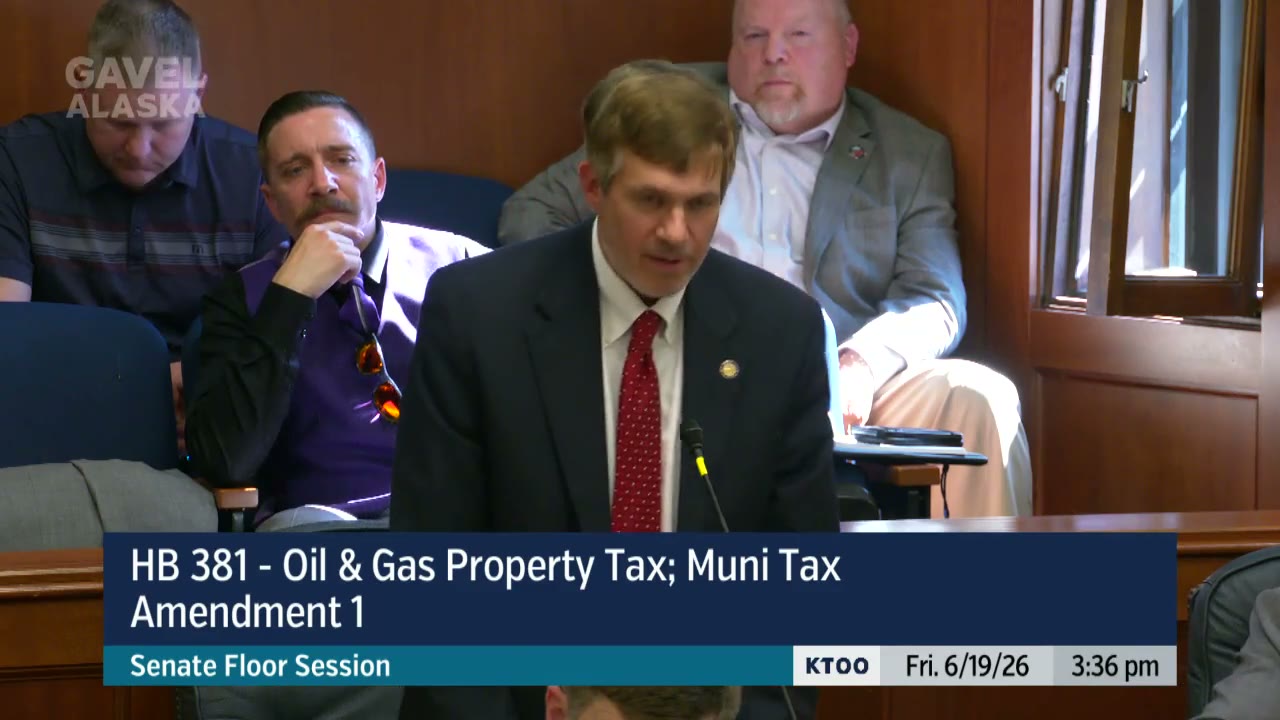
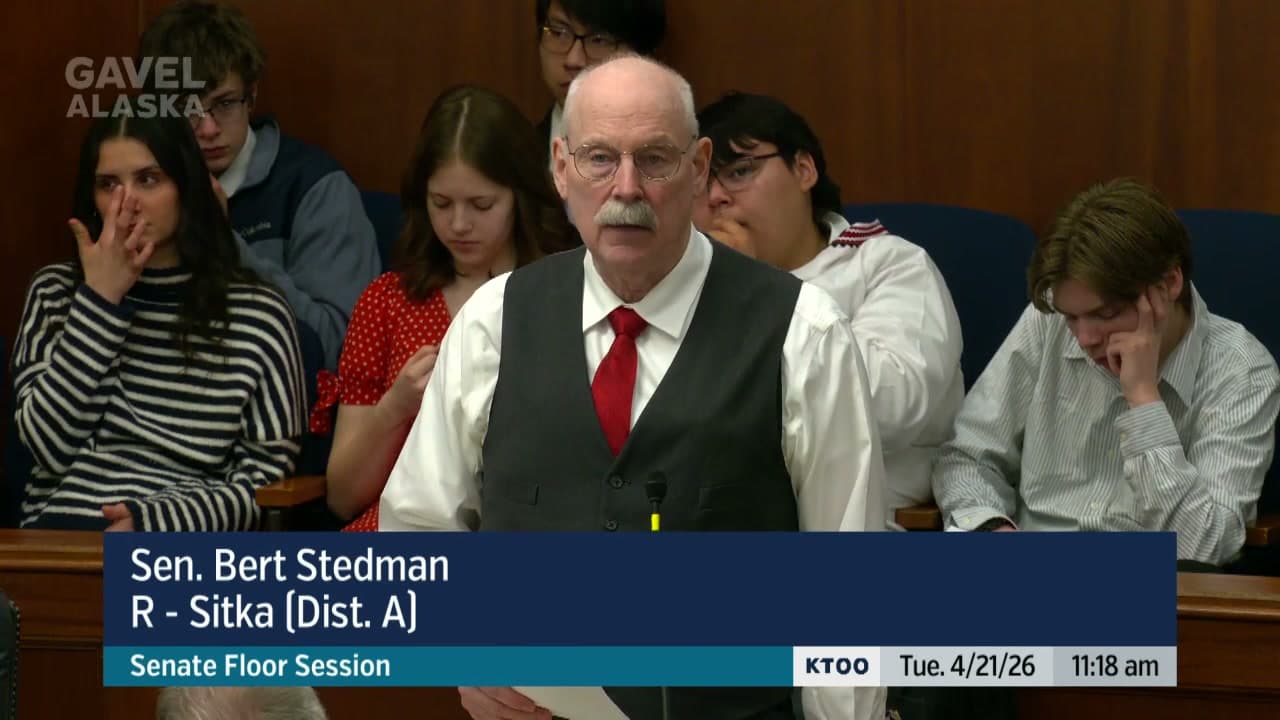
Alaska Legislature: Senate Floor Session - June 19, 2026 2:15pm · Jun 19, 2026
Alaska Legislature: Senate Floor Session - June 19, 2026 2:15pm · Jun 19, 2026
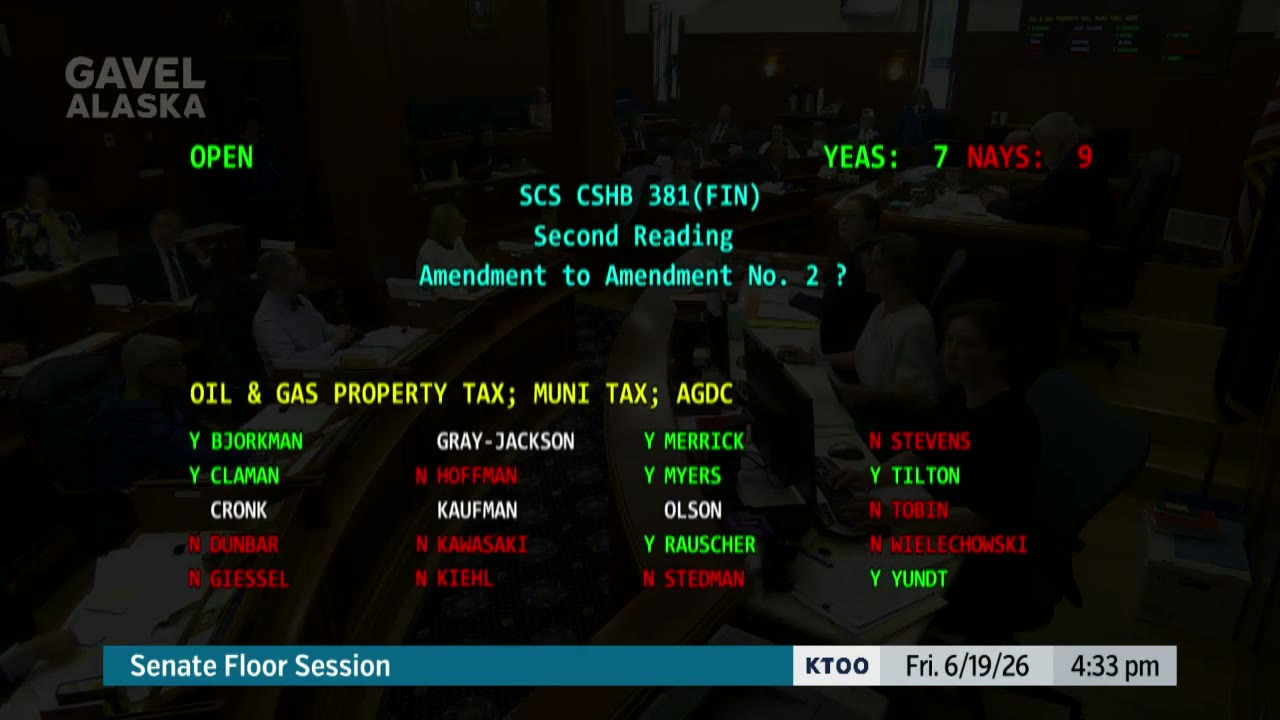
Alaska Legislature: Senate Floor Session - June 19, 2026 2:15pm · Jun 19, 2026
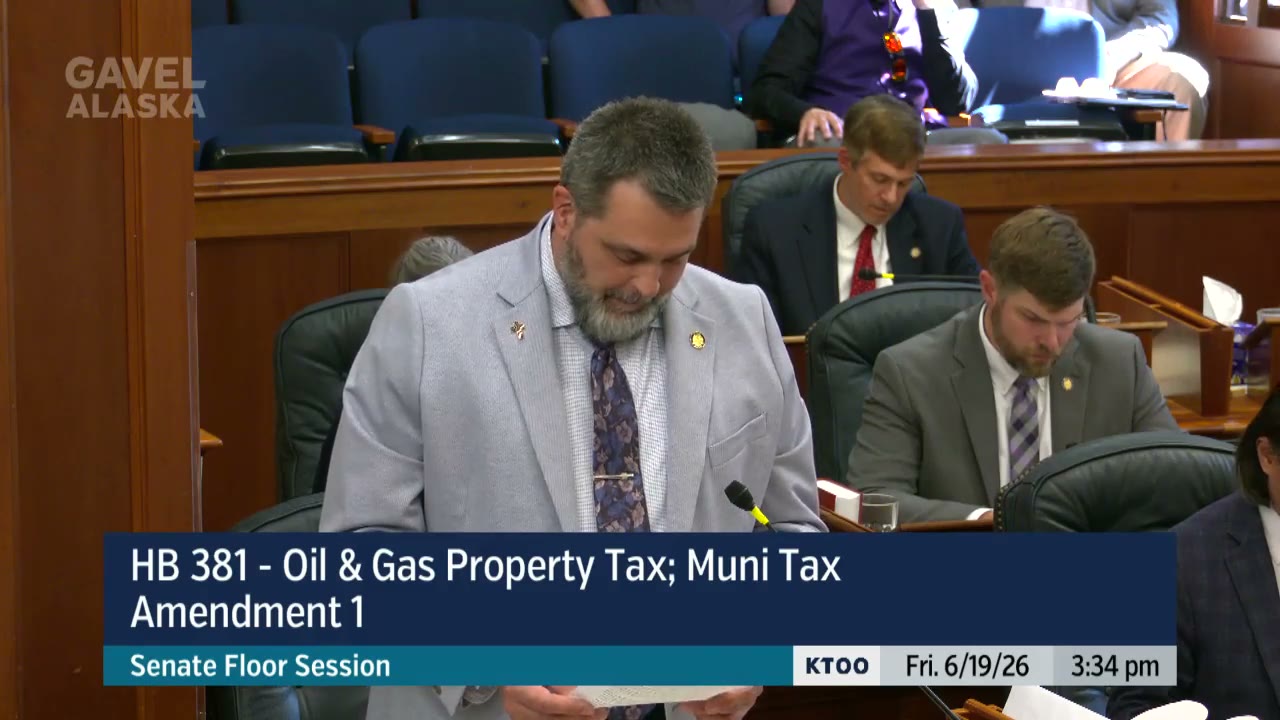
Alaska Legislature: Senate Floor Session - June 19, 2026 2:15pm · Jun 19, 2026
Alaska Legislature: Senate Floor Session - June 19, 2026 2:15pm · Jun 19, 2026
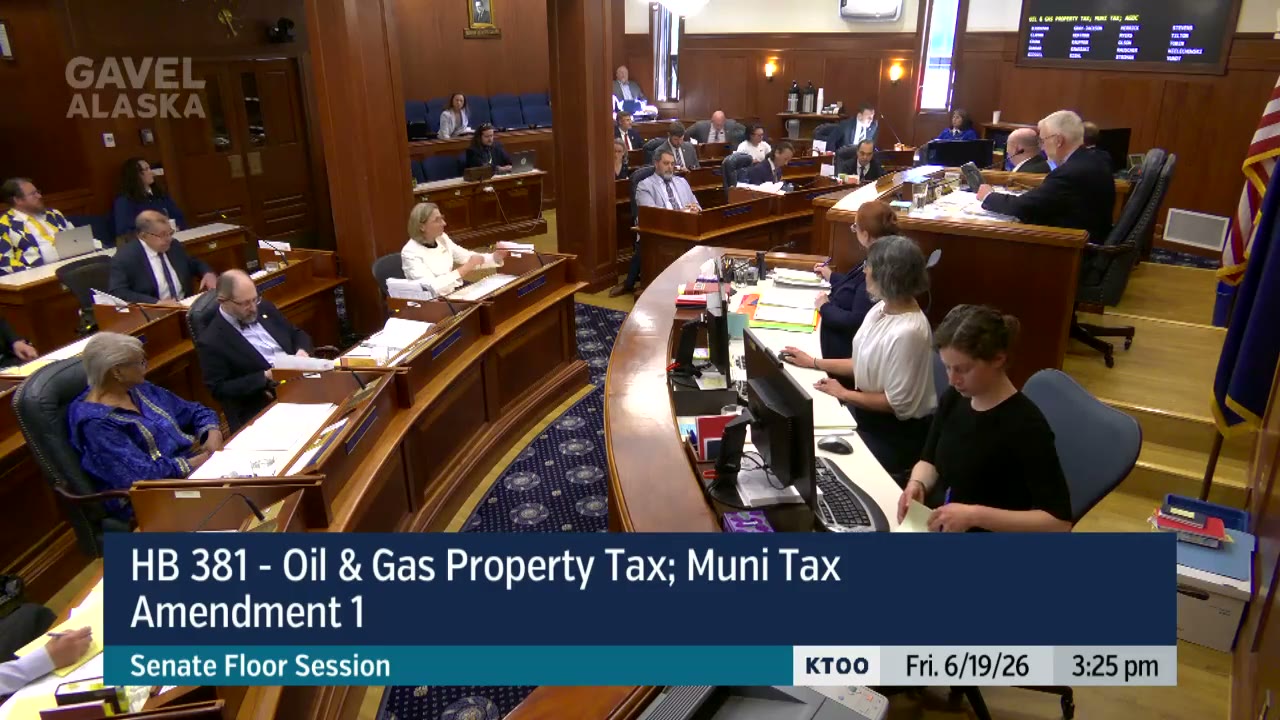
Alaska Legislature: Senate Floor Session - June 19, 2026 2:15pm · Jun 19, 2026
North Slope crude runs $15 above Alaska's spring forecast, budget group says
Daily tracking by Alaskans for Sustainable Budgets puts fiscal 2027 North Slope crude at $90 a barrel against a $75 state forecast, a gap worth about $970 million if futures hold. Production is running about 50,000 barrels a day below forecast.
 by Walter AlaskaNews2w ago2 min read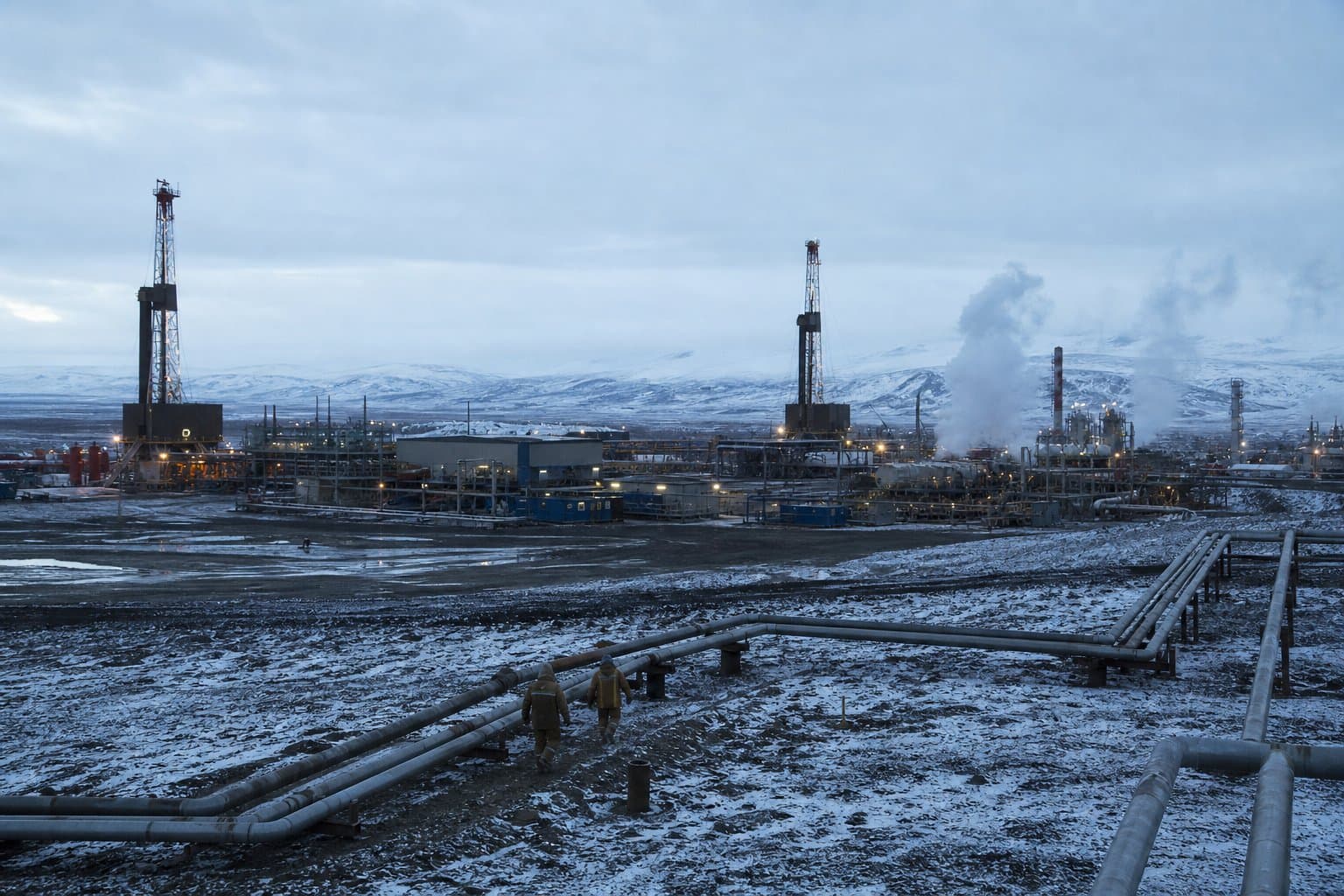
Kenai's $9.4M school-cost risk may never actually come due
One version of Alaska's HB 381 gas-tax bill could raise Kenai Peninsula Borough school-funding costs up to $9.4 million a year, but a sunset provision may mean none is ever charged.
by Walter AlaskaNews3mo ago1 min read
Alaska's gas-pipeline bill now carries a tax on Hilcorp and others
The Alaska Senate added a corporate income tax on oil and gas pass-through entities like Hilcorp to the AK LNG gas-pipeline bill (HB 381), effective 2028 regardless of the project.
by Walter AlaskaNews3mo ago3 min read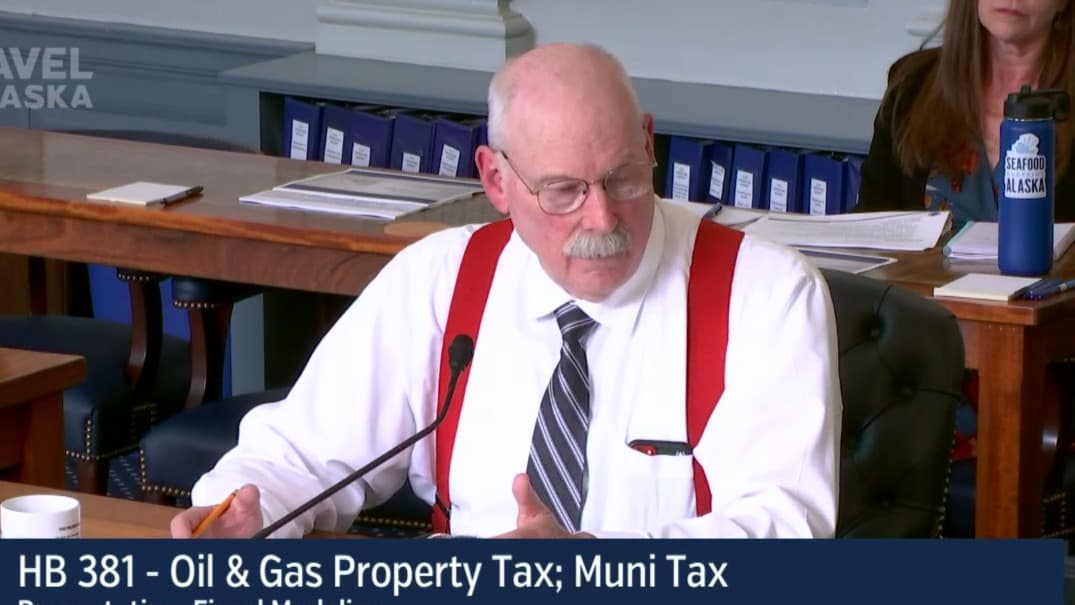
Kenai's quiet stake in the gas-line bill
Legislative Finance Division modeling dated June 27 shows the Kenai Peninsula Borough could owe $9 million in Required Local Contribution in FY34 and $11 million in FY42 under the Senate Finance version of HB 381 — a school-budget consequence that hinges on which version the conference committee adopts.
by Walter AlaskaNewsadded 3mo ago2 min read
The number that quietly sets the state budget: a barrel of oil
Alaska North Slope crude is running above the state's Spring 2026 forecast, hinting at surplus revenue — but the forecast itself assumes a late-year jump to $91 a barrel.
by Walter AlaskaNews3mo ago2 min read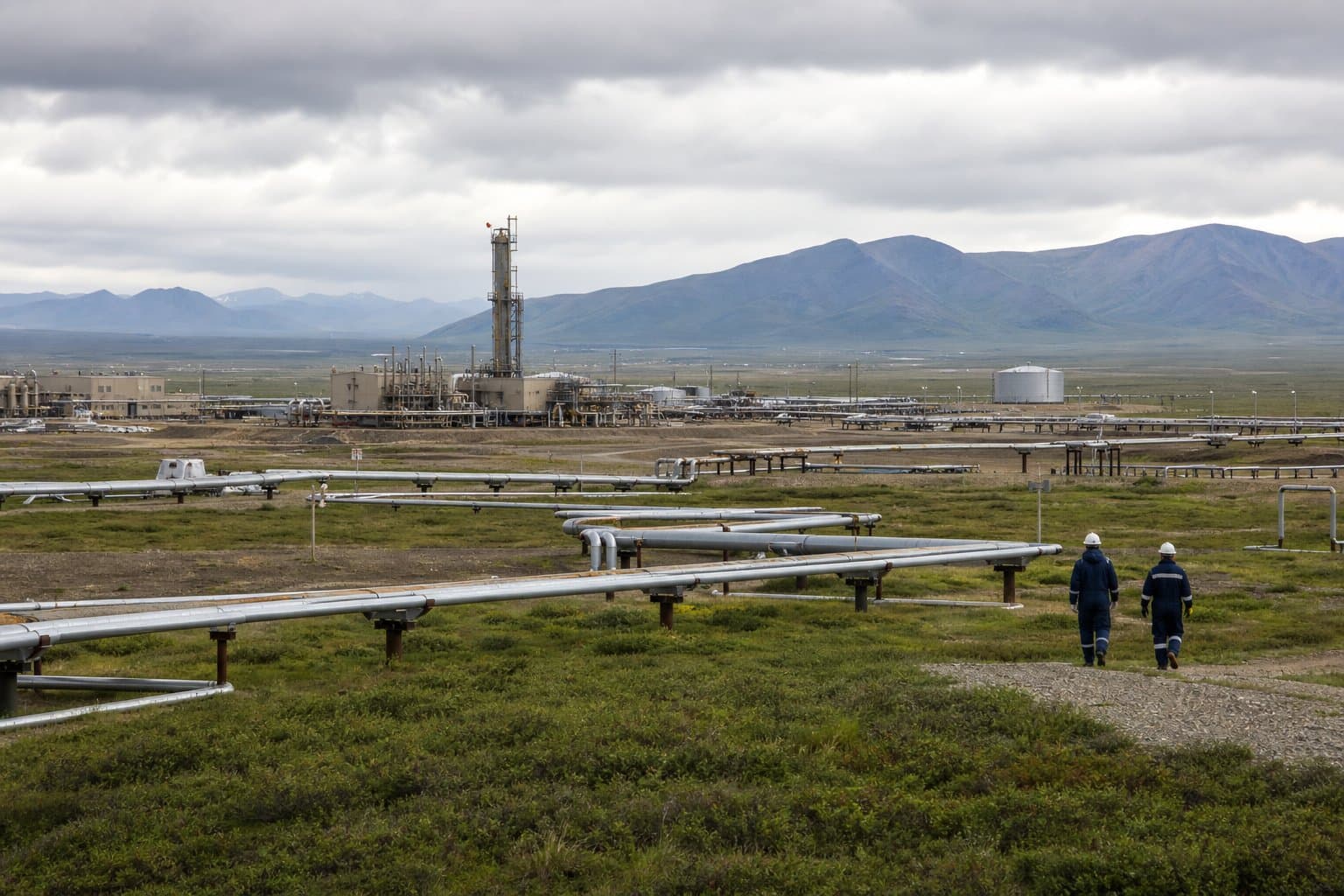
The $16 Gas Promise Comes With Fine Print
A consumer watchdog warns Alaska's $16 gas-line price may climb before delivery, while utilities call the firm cap protection against costlier LNG imports.
by Walter AlaskaNews3mo ago2 min read
Alaska's LNG tax break now hinges on a gas line to Fairbanks
A Senate Finance draft of HB 381 ties Alaska LNG's tax break to Glenfarne paying $80M, signing a labor deal, and building a gas spur line to Fairbanks.
by Walter AlaskaNews3mo ago1 min read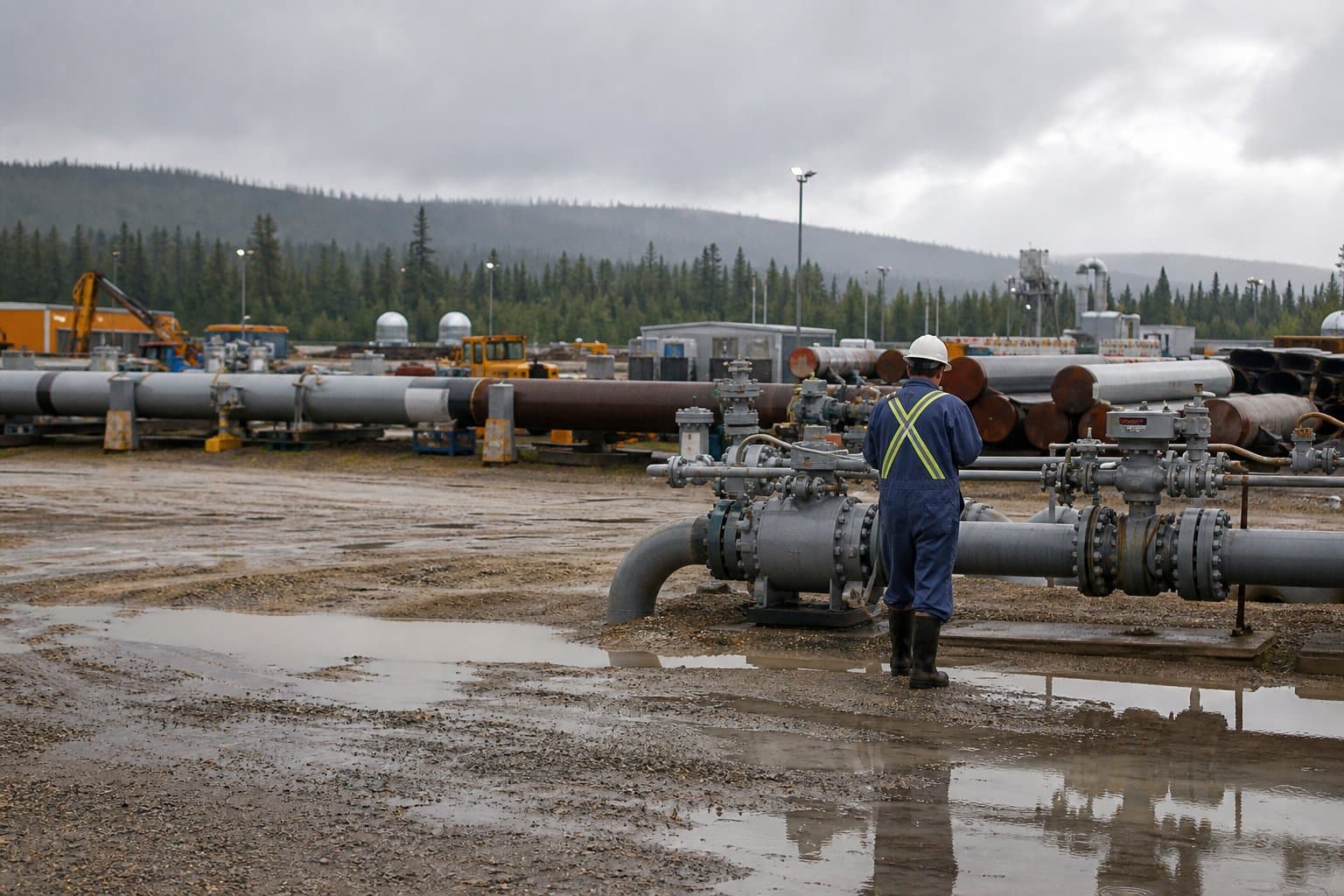
A union-labor fight is breaking out over who builds Alaska's gas line
A Senate amendment mandating a union project labor agreement on the Alaska LNG pipeline has sparked a fight over apprentices and out-of-state labor.
by Walter AlaskaNews3mo ago2 min read
Senate Finance presses Alaska LNG spur line: who builds, who pays, who regulates
The Alaska Senate Finance Committee on Tuesday heard unresolved questions about who will build, own, and regulate a proposed Fairbanks natural gas spur line, how its cost should be spread across ratepayers, and whether HB 381's spur commitment is firm enough to guarantee construction.
by Walter AlaskaNews4mo ago3 min read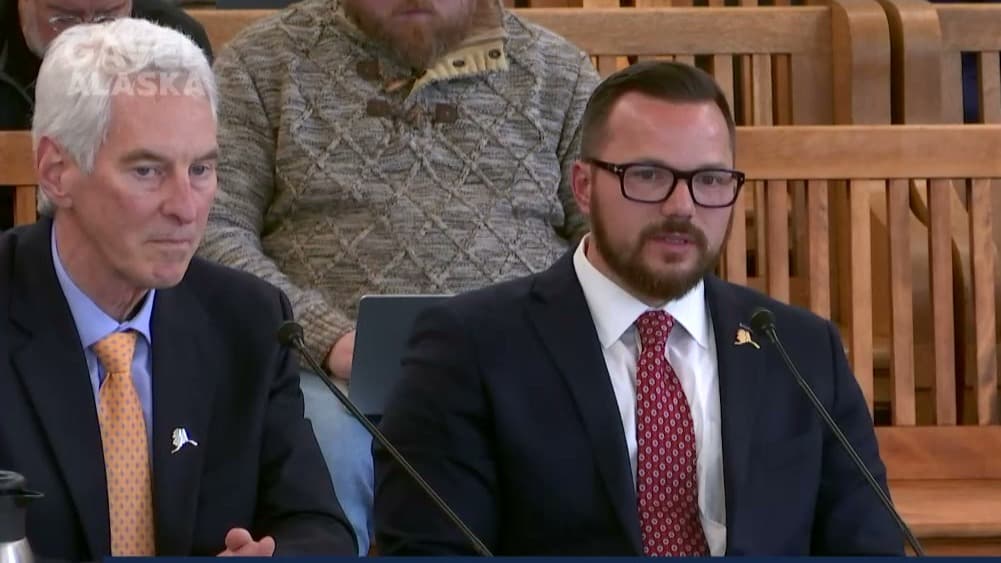
Senate Finance demands Phase 1 pipeline math before Alaska LNG tax vote
Senator Bert Stedman pressed the Alaska Senate Finance Committee to obtain standalone Phase 1 pipeline economics before acting on Alaska LNG tax relief. The special session ends in four days.
by Walter AlaskaNews4mo ago2 min read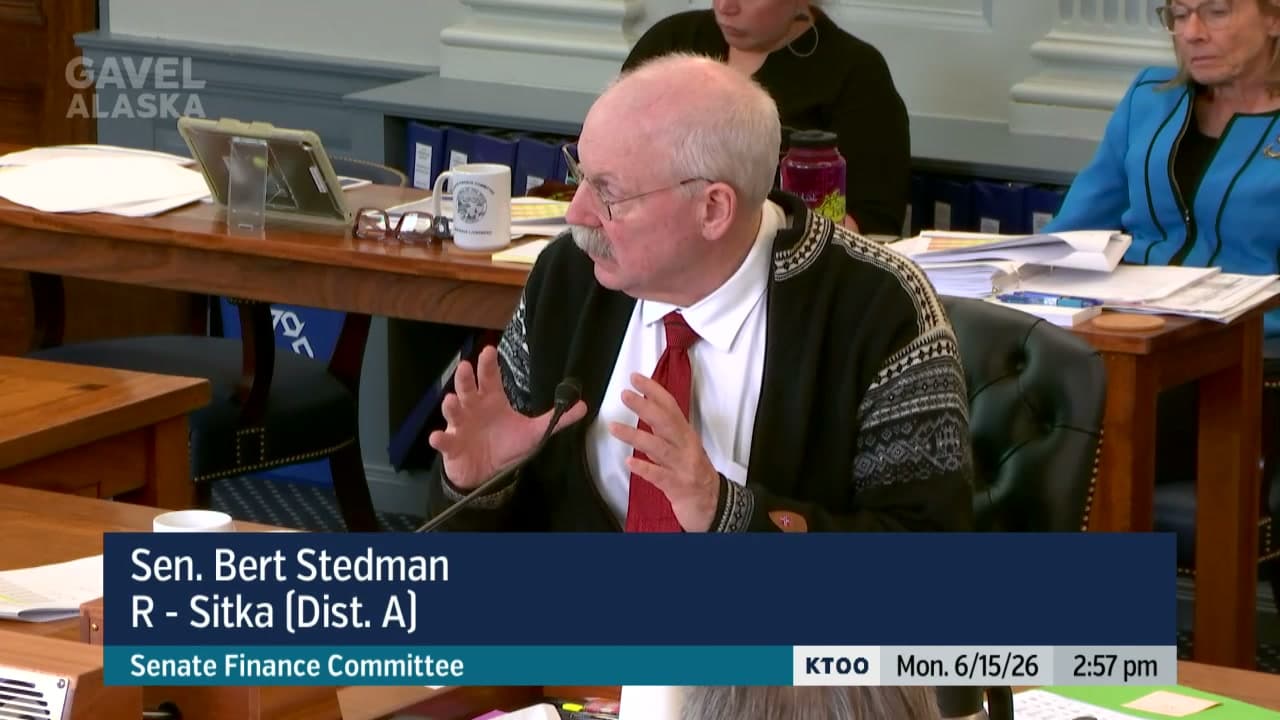
Senate Finance weighs Alaska LNG tax worth $124M a year — and whether it's enough for host communities
Kenai Peninsula Borough Mayor Peter Micciche told the Alaska Senate Finance Committee Wednesday that the House version of the Alaska LNG tax bill provides a workable 70% property tax reduction, while the original 90% cut would have left local taxpayers subsidizing the project.
by Walter AlaskaNews4mo ago3 min read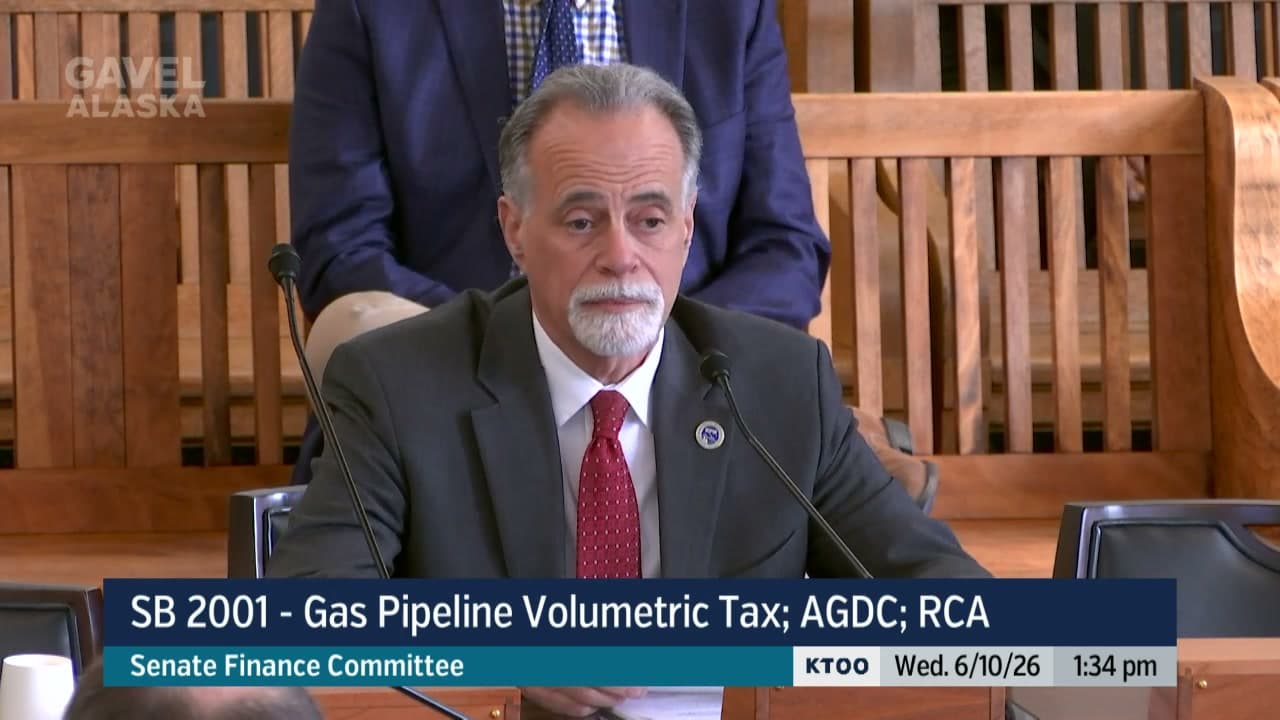
Anchorage's mayor told Senate Finance LNG could cost "tens of millions of dollars"
Anchorage's mayor said LNG would cost "tens of millions." The Halcyon report shows $23M-$173M depending on housing supply. Her housing plan targets $23M.
by Walter AlaskaNews4mo ago2 min read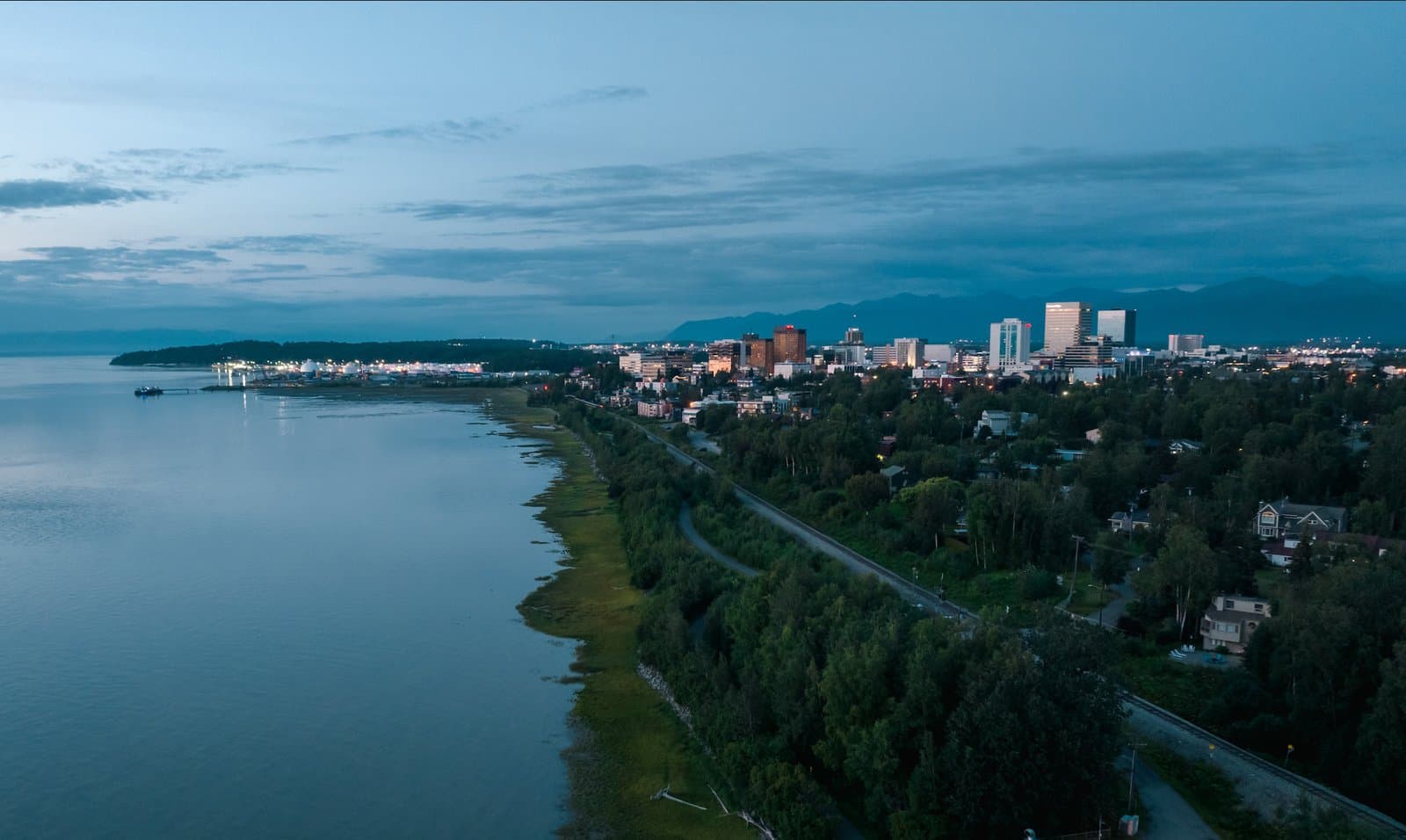
Fairbanks spur line language added to Alaska LNG tax bill
Fairbanks North Star Borough secured developer agreement on spur line construction tied to tax breaks, with postage-stamp rate language now central to Senate Finance deliberations on SB 2001.
by Walter AlaskaNews4mo ago2 min read
ENSTAR Caps the Price. Stedman Eyes the Debt.
Enstar is negotiating a 30-year gas supply agreement with Glenfarne that would cap prices at $16 per thousand cubic feet with annual inflation adjustments. The contract protects ratepayers from project cost overruns and allows a switch from LNG imports to pipeline gas if the export project is built.
by Walter AlaskaNews4mo ago3 min read
All three major North Slope producers have signed Alaska LNG Phase 1 sale agreements — and they want their ownership to stop at the lease line
Three major North Slope producers told the Alaska Senate Finance Committee they signed gas sale precedent agreements for Alaska LNG Phase 1 and will sell at the lease line. That structure means midstream pipeline and treatment costs won't be deductible against oil production tax.
 by Alaska News4mo ago3 min read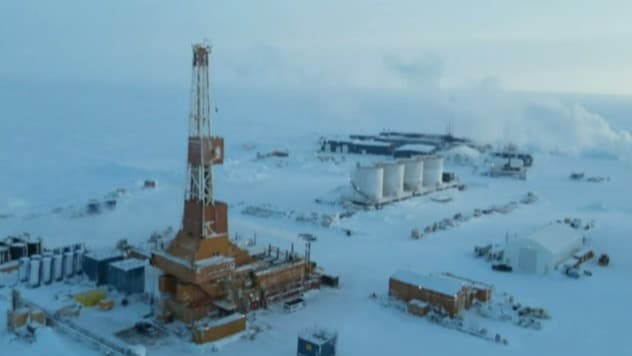
Department of Revenue presents Senate Finance with Alaska LNG breakeven modeling across cost and tax scenarios
Department of Revenue modeling shows that if the Alaska LNG project costs $60 billion instead of the baseline $46.2 billion, the price needed to break even in global markets would jump by $1.60 per thousand cubic feet, significantly affecting project viability and the state's fiscal analysis of competing tax proposals.
by Walter AlaskaNews4mo ago2 min read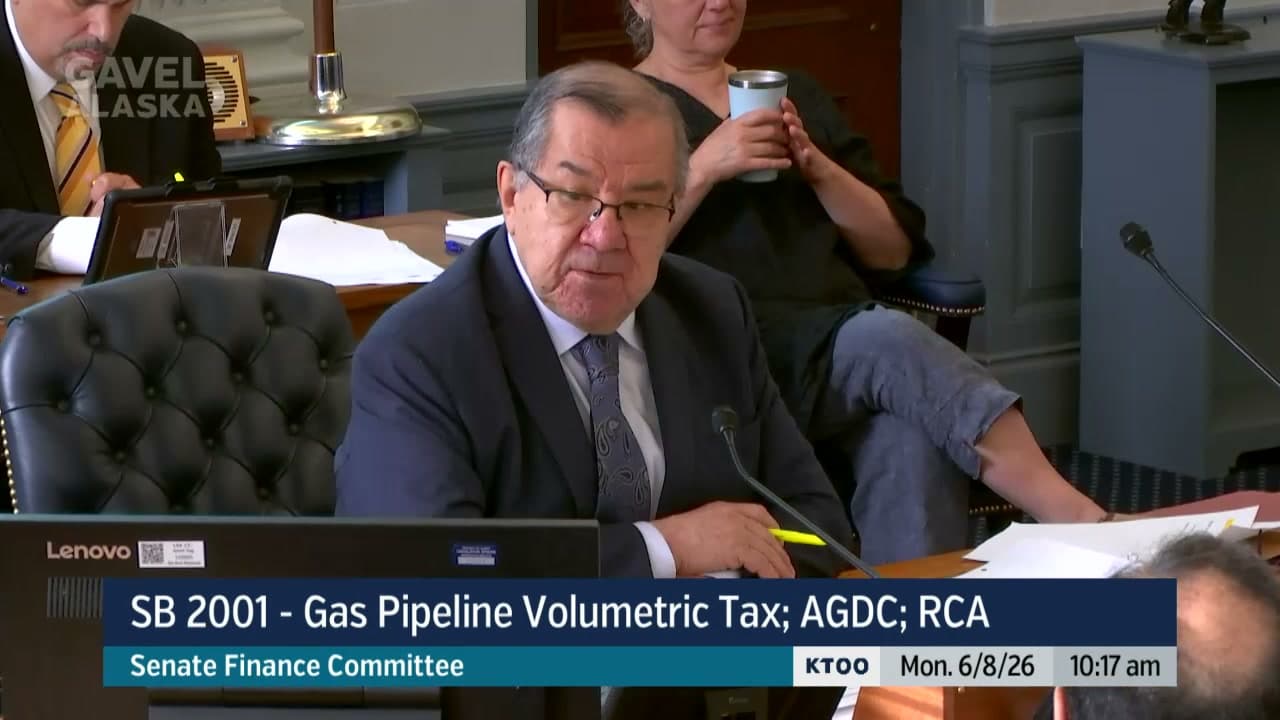
Department of Revenue presents Senate Finance with 25-scenario sensitivity analysis on Alaska LNG fiscal impact
Alaska Department of Revenue modeling shows the Alaska LNG project could cost the state $16.2 billion through 2062 under worst-case production scenarios combining Prudhoe Bay oil losses with Point Thompson underperformance at $100 per barrel oil prices.
by Walter AlaskaNews4mo ago2 min read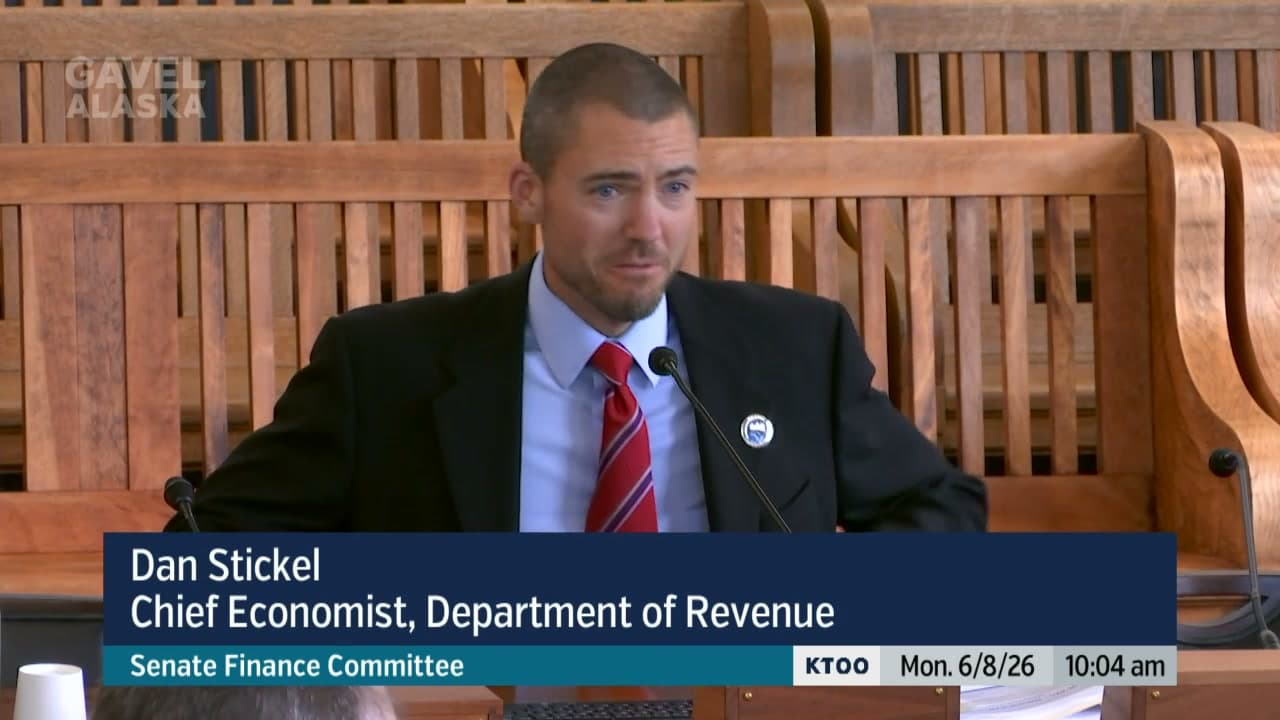
North Slope has two fields cleared for gas sales, AOGCC tells Senate
Only Prudhoe Bay and Point Thomson hold regulatory approval to supply major gas sales projects. The commission's testimony contradicts recent claims that other fields are ready to deliver.
by Walter AlaskaNews4mo ago2 min read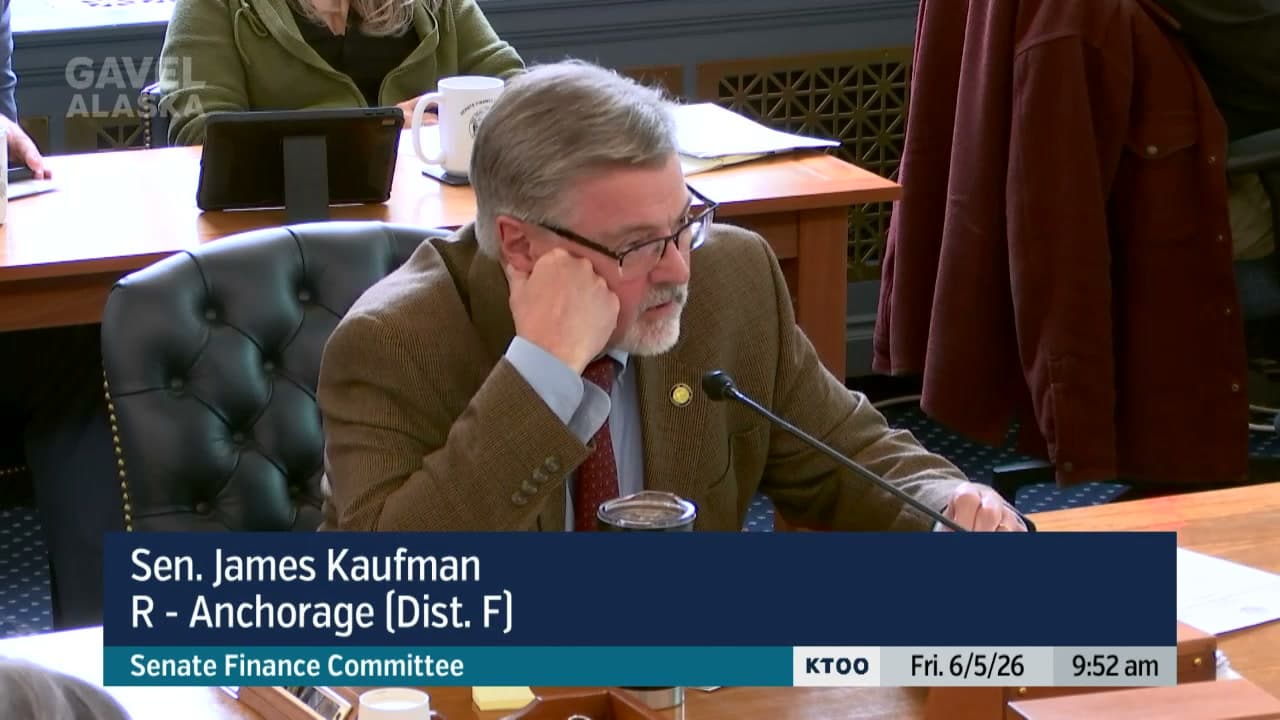
State wins option to buy 25% of Alaska LNG after investors commit
Alaska Gasline Development Corporation secured the right for the state to buy up to 25% of the Alaska LNG project after private investors commit. The state gets six months to decide whether to invest up to $1.16 billion.
by Alaska News4mo ago2 min read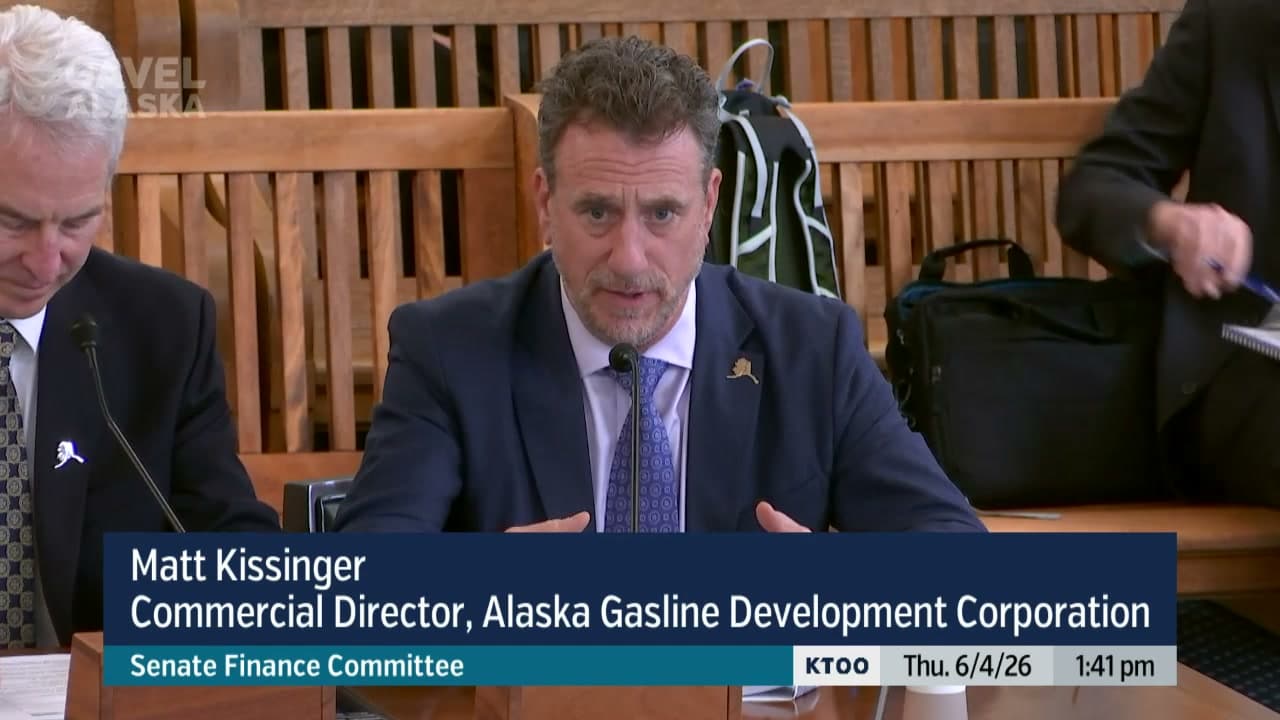
Glenfarne's own cost estimate for Alaska LNG is now significantly higher than AGDC's — and the state's equity option sits in the middle of the new math
AGDC transferred three-quarters ownership of Eight Star Alaska—the entity holding FERC authorization and project assets—to private developer Glenfarn in 2025, shifting construction risk off state books while preserving a 5–25% buy-in window at final investment decision.
by Walter AlaskaNews4mo ago3 min read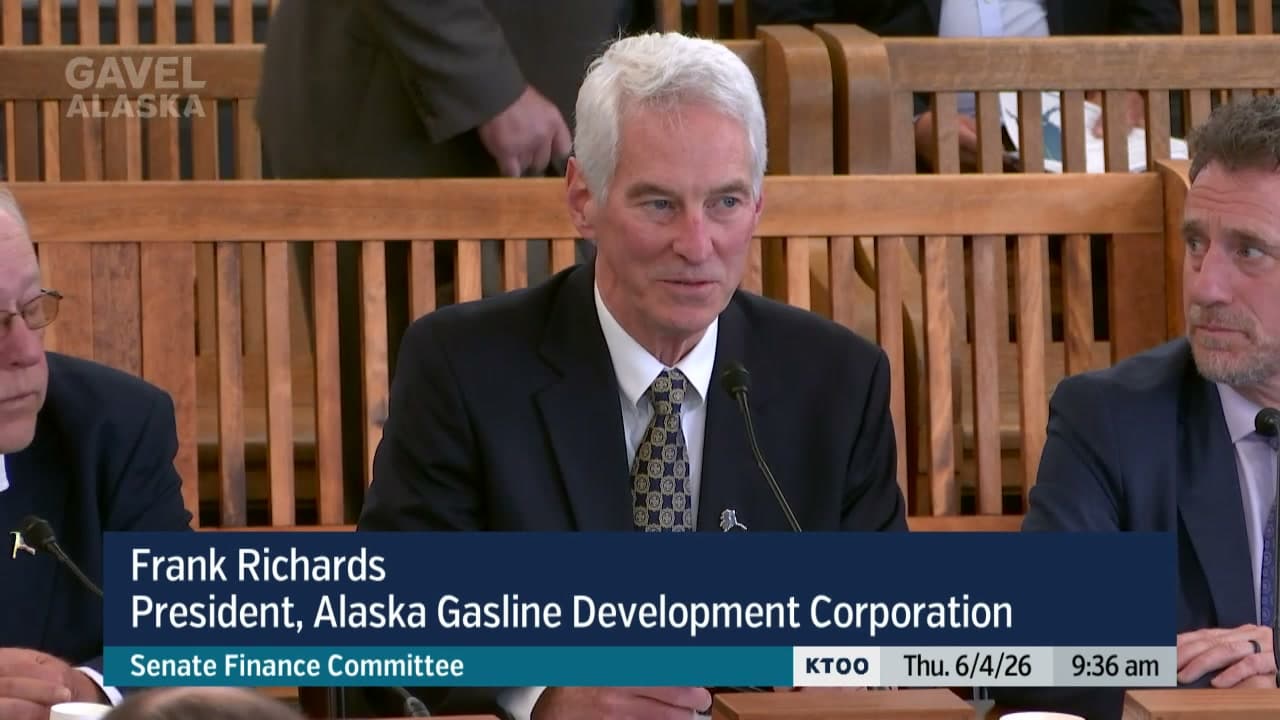
Alaska keeps veto power over LNG project despite 25% stake
The Alaska Gasline Development Corporation can block major decisions in the Alaska LNG joint venture despite owning only a quarter of it. The unusual arrangement protects state priorities including gas reserved for Alaska customers and rate structures that favor residential users.
by Walter AlaskaNews4mo ago2 min read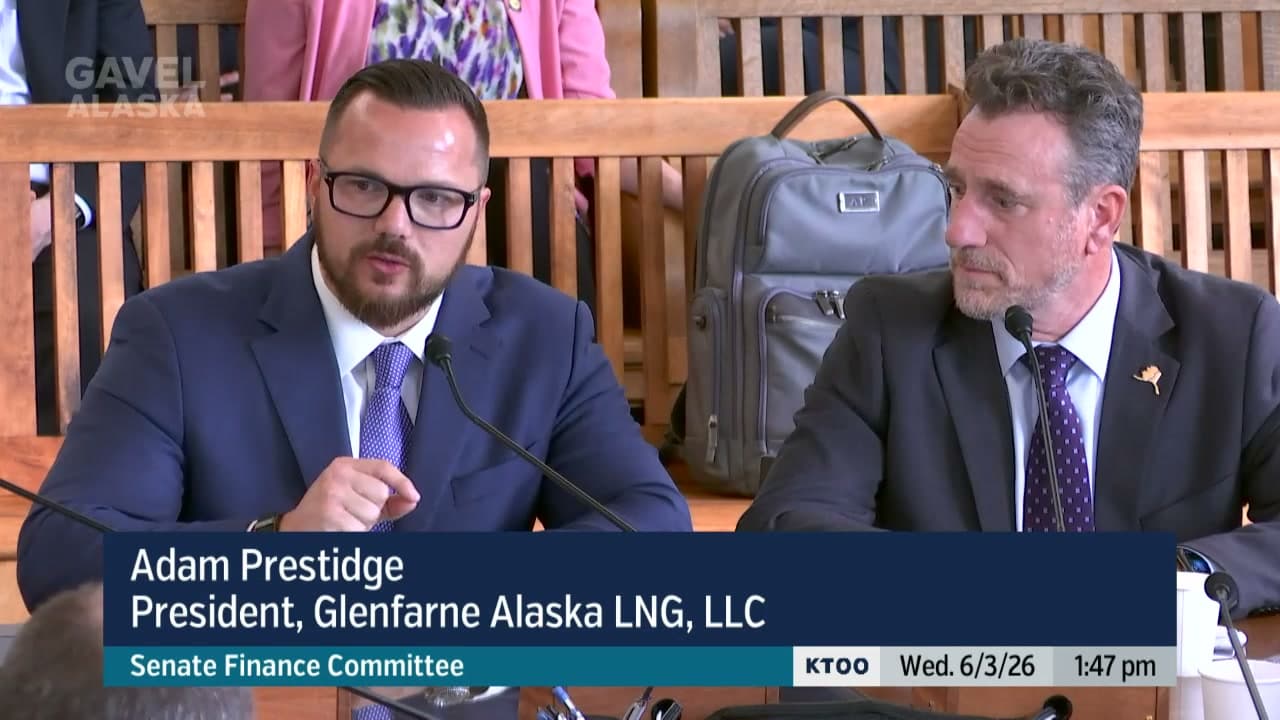
Alaska LNG tax bill ties $26.5B in revenue to volume, not value
SB 2001 proposes an Alternative Value Tax that calculates state and local revenue based on gas volume pumped rather than property valuation, a fundamental shift from Trans Alaska Pipeline taxation that the Senate Republican Caucus says is necessary to avoid litigation and secure project financing.
by Walter AlaskaNews4mo ago2 min read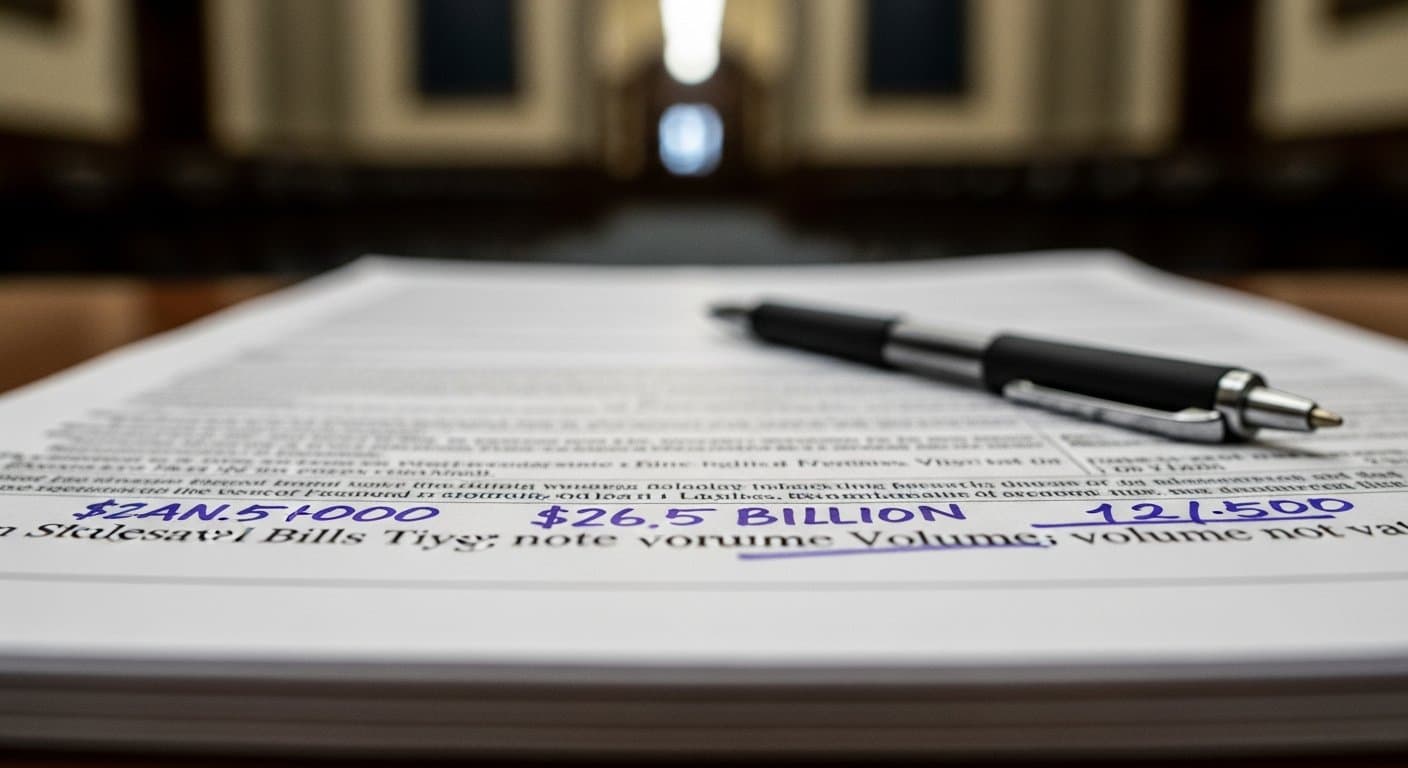
Consultant warns Senate Finance that Alaska LNG faces megaproject risks
Independent megaproject consultant warns Alaska Senate Finance that 92% of megaprojects exceed budget or schedule, with LNG projects averaging 70% cost overruns, directly challenging optimistic timelines for the state's proposed gas pipeline and export terminal.
by Walter AlaskaNews4mo ago2 min read
Senate Finance hears $18 billion revenue trade-off for Alaska LNG tax break
Alaska Senate Finance Committee reviews fiscal analysis of proposed tax structure for Alaska LNG project, showing $18 billion combined revenue reduction over project life in exchange for improved global price competitiveness.
 by Bill AlaskaNews4mo ago2 min read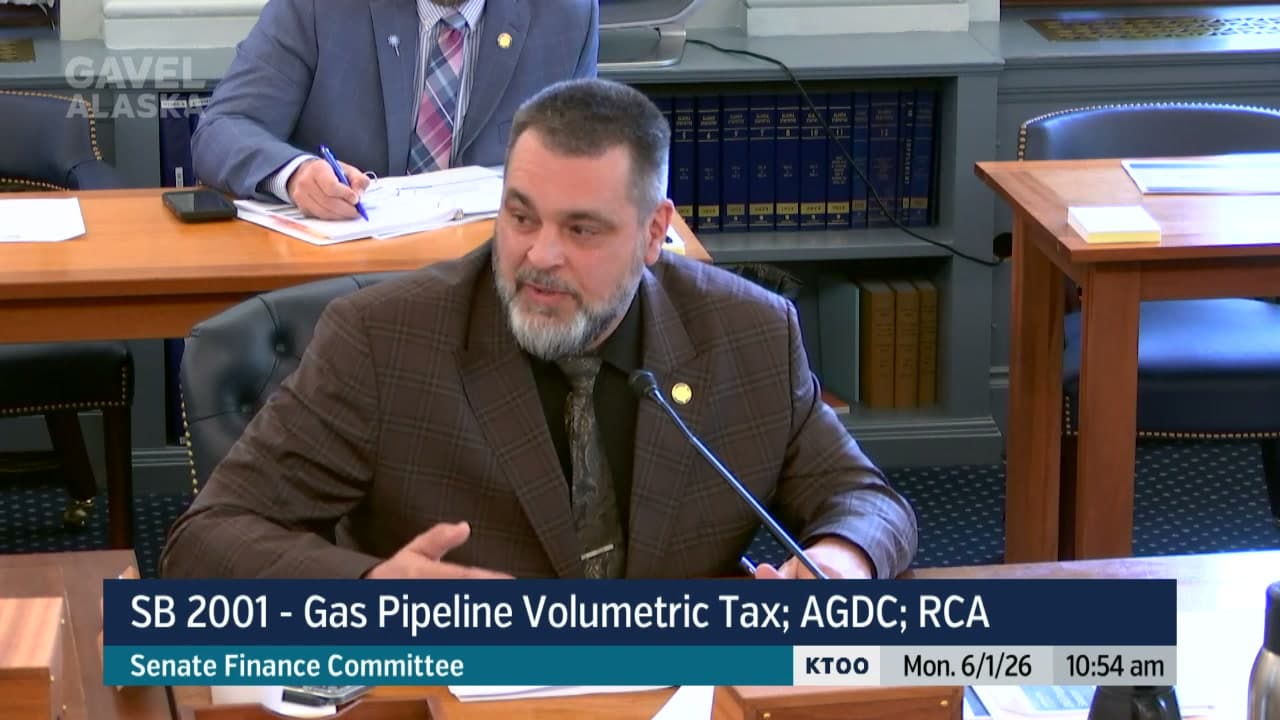
Senate Finance Committee: how do you analyze a $46.2 billion pipeline without the numbers?
Alaska Senate Finance Committee demands actual commercial and financial data for proposed $46.2 billion gas pipeline before considering state investment role
by Bill AlaskaNews4mo ago3 min read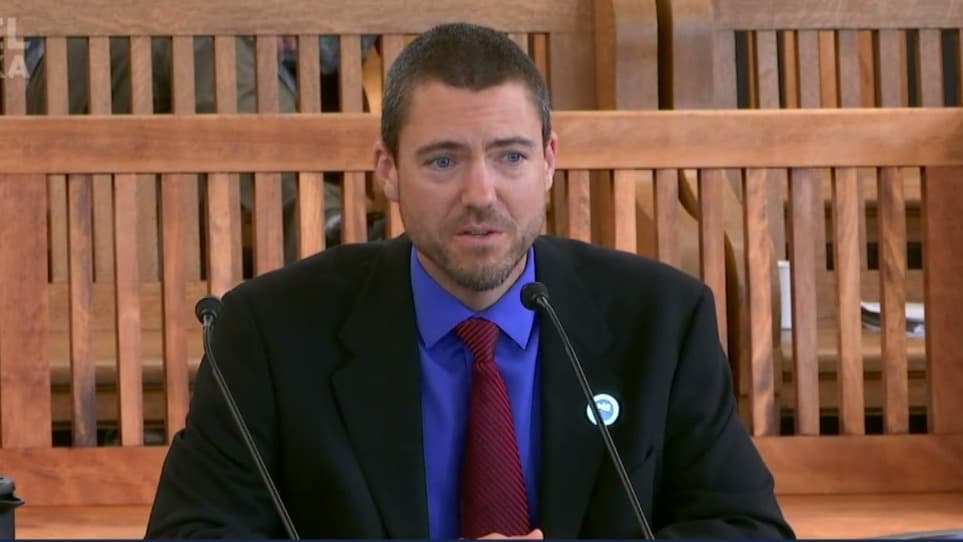
Alaska LNG faces tax competition from Canadian projects with federal support
Senate Finance heard Wednesday that British Columbia's LNG Canada project received federal tax deferrals and accelerated depreciation before final investment decision, creating a competitive fiscal framework Alaska must consider as it weighs property tax alternatives for Alaska LNG.
by Walter AlaskaNews4mo ago2 min read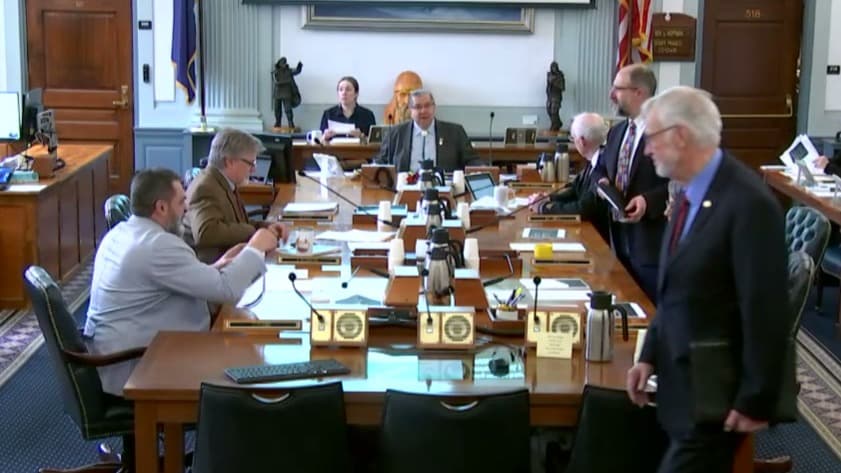
Alaska LNG could cost $70 billion; state's 25% stake faces dilution
The Alaska State Senate Finance Committee heard Wednesday that the Alaska LNG project's capital costs could reach $70 billion rather than the commonly cited $46 billion, and that the state's 25% equity stake faces potential dilution when new investors join the project's three sub-companies.
by Bill AlaskaNews4mo ago2 min read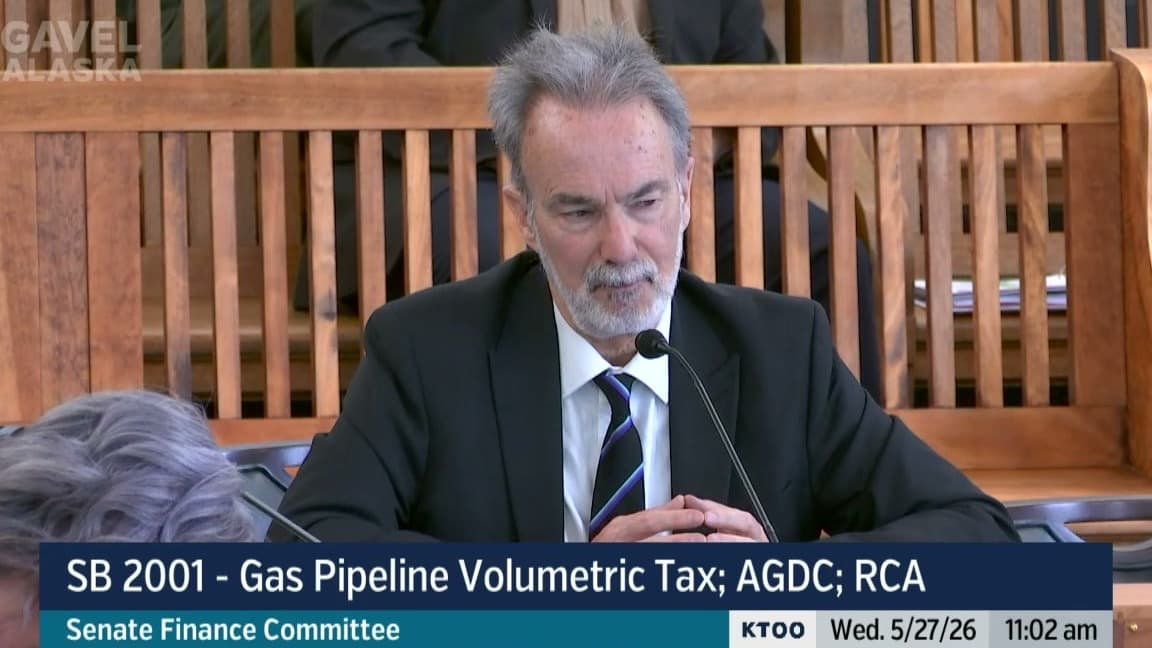
Alaska Senate opens special session on natural gas tax overhaul
The Alaska Senate convened Thursday to begin work on Senate Bill 2001, a comprehensive natural gas taxation package that addresses pipeline property taxes, municipal tax limits, and a new volumetric tax system.
by Walter AlaskaNews4mo ago2 min read
Dunleavy vetoes transit plan, calls special session on gas pipeline tax
Governor Mike Dunleavy vetoed a statewide transit planning bill Thursday while calling the Alaska Legislature into special session to address natural gas pipeline taxation, with Senate Finance Committee hearings scheduled to begin Wednesday.
by Walter AlaskaNews4mo ago2 min read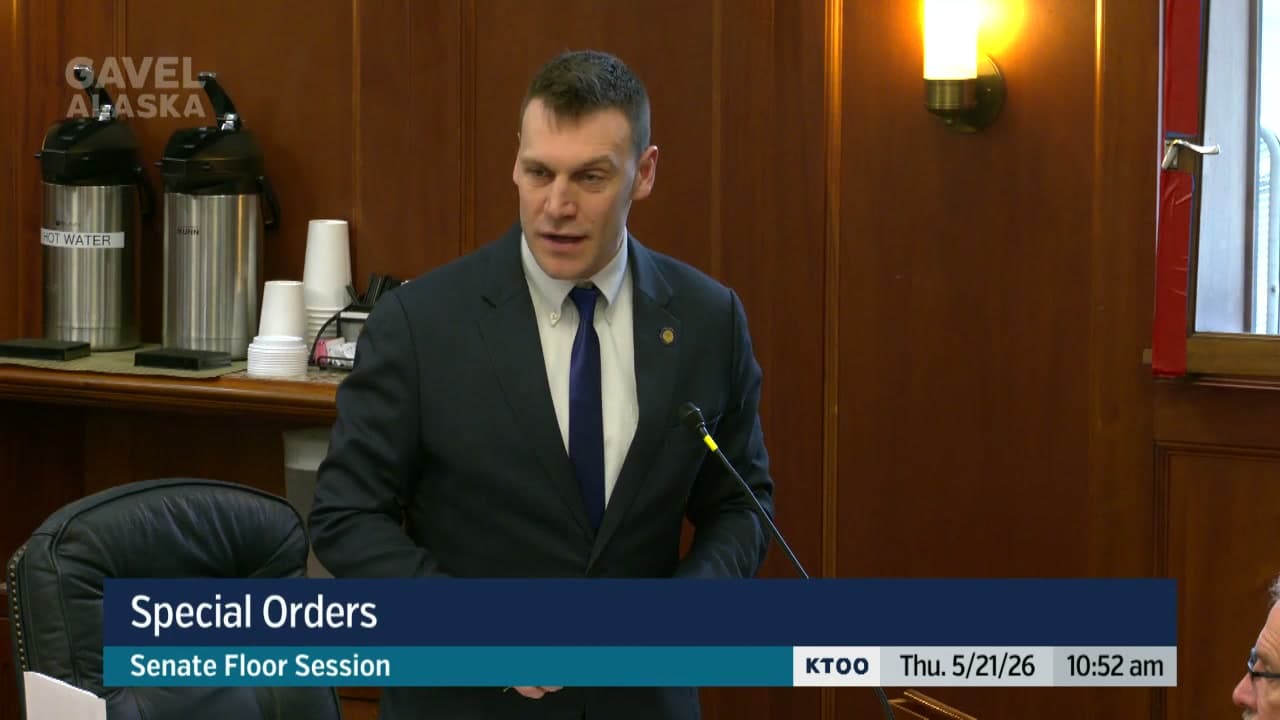
Senate adds $156M to capital budget, prioritizes deferred maintenance
The Alaska Senate added $156 million to the governor's lean capital budget, directing most new spending toward deferred maintenance at K-12 schools, universities, and state facilities following an uptick in oil revenue.
by Alaska Newsadded 5mo ago5 min read
Senate Passes $2.47B Capital Budget Focused on School Repairs
The Alaska Senate unanimously approved a $2.47 billion capital budget Tuesday that directs 94% of new unrestricted general funds to K-12 school maintenance, addressing projects that have waited up to 20 years for funding.
by Alaska Newsadded 5mo ago3 min read