Rural & Bush Alaska
RSSLife in off-road-system Alaska: fuel prices, school heating and teacher shortages, barge deliveries, medevac, runway conditions, store stock-outs, subsistence food security. Distinct beat from the Lower 48 "rural" — 200+ villages accessible only by air or boat.
FCC weighs new ways to set prices for rural Alaska clinics' internet and phone service
A federal telecom subsidy that's about 97% Alaska is up for a rewrite. The FCC wants comments by Wednesday on how rural clinic internet prices get set.
 by Melinda Communities.News3d ago2 min read
State puts $4.2 million toward housing for teachers and other professionals in rural Alaska
Rural Alaska keeps losing teachers to a lack of decent housing. The state has $4.2 million to build more, for communities that signed up by August.
 by Maggie AlaskaNews3d ago3 min read
Mat-Su Regional gets $5 million in federal rural health money for a neonatal intensive care unit
Mat-Su Regional Medical Center gets $5 million in federal rural health money for a neonatal intensive care unit meant to keep more newborns out of Anchorage.
by Melinda Communities.News3d ago2 min read
Alaska has five weeks to commit $33 million in federal rural health money
Alaska has about $33 million in federal rural health money left to hand out, and five weeks to do it. There are no extensions, the feds say.
 by Walter AlaskaNews5d ago2 min read
Alaska will score rural health grant applications on cost-effectiveness
Alaska will score rural health grant applications on cost for the first time, and will post the final rules halfway through the window to apply.
by Walter AlaskaNews5d ago2 min read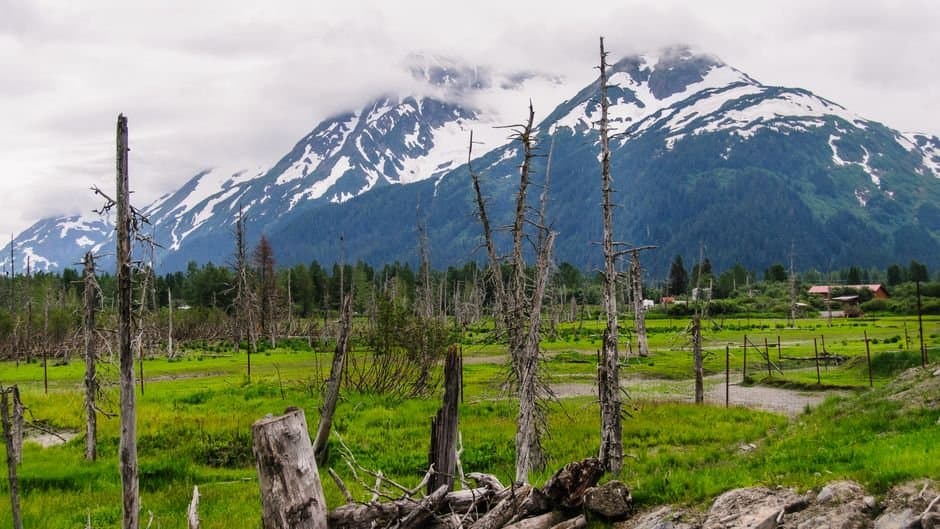
Murkowski's bill would extend a rural maternity program Alaska never used
Alaska has never won a grant from the rural maternity program Murkowski's new bill would keep funded. The same bill has died three times before.
by Walter AlaskaNews6d ago2 min read
Copper River responders will learn to start addiction treatment in the field
One paid ambulance crew and 20 volunteers cover an area bigger than West Virginia. A $300,000 grant will train them to reverse overdoses in the field.
by Maggie AlaskaNews6d ago1 min read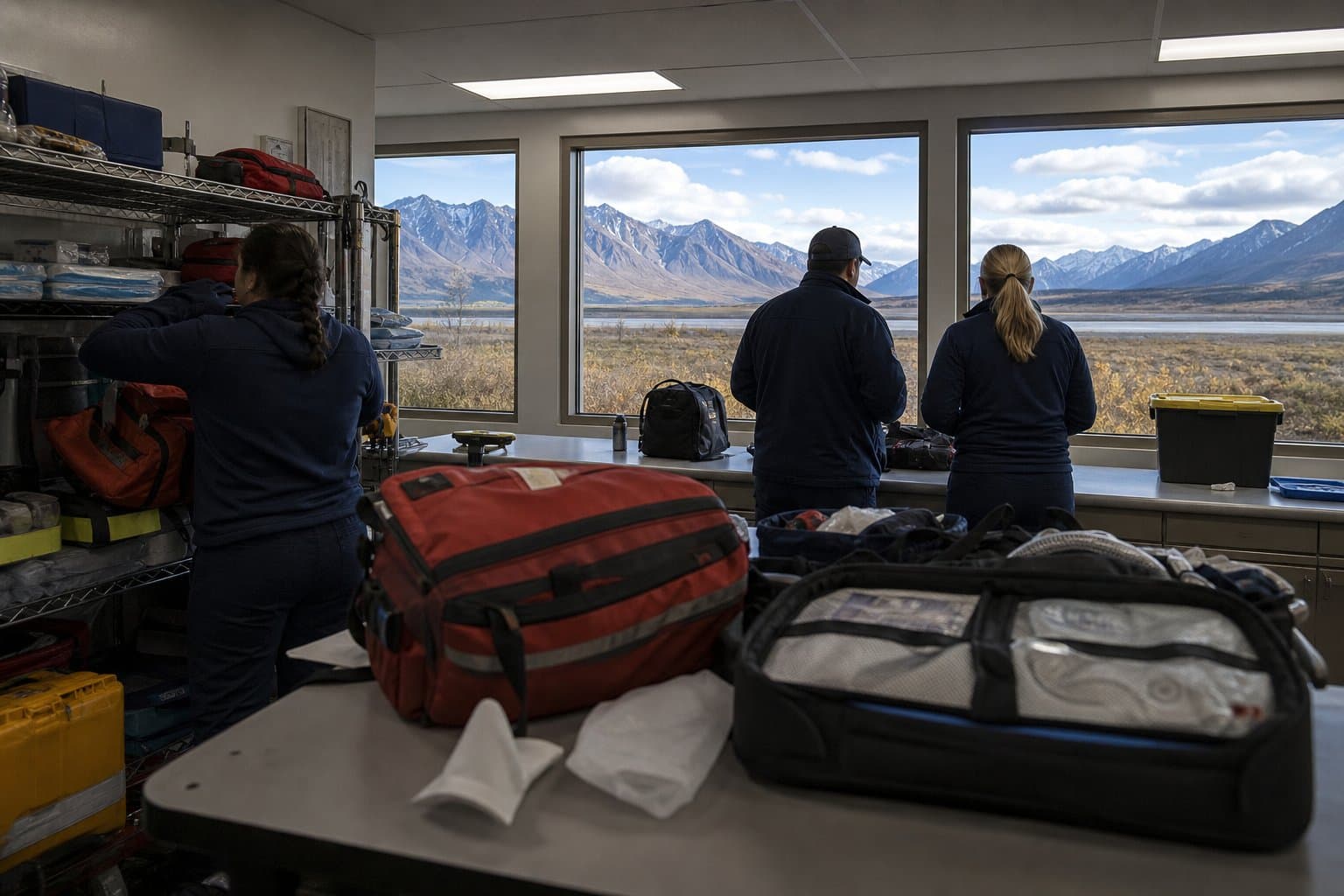
Alaska rural health notices pass $239 million with $30 million round
Alaska sent out $30 million more in rural health awards this week, funding a Girdwood telepharmacy, a Norton Sound scheduling hub and rural X-ray machines.
by Melinda Communities.News1w ago1 min read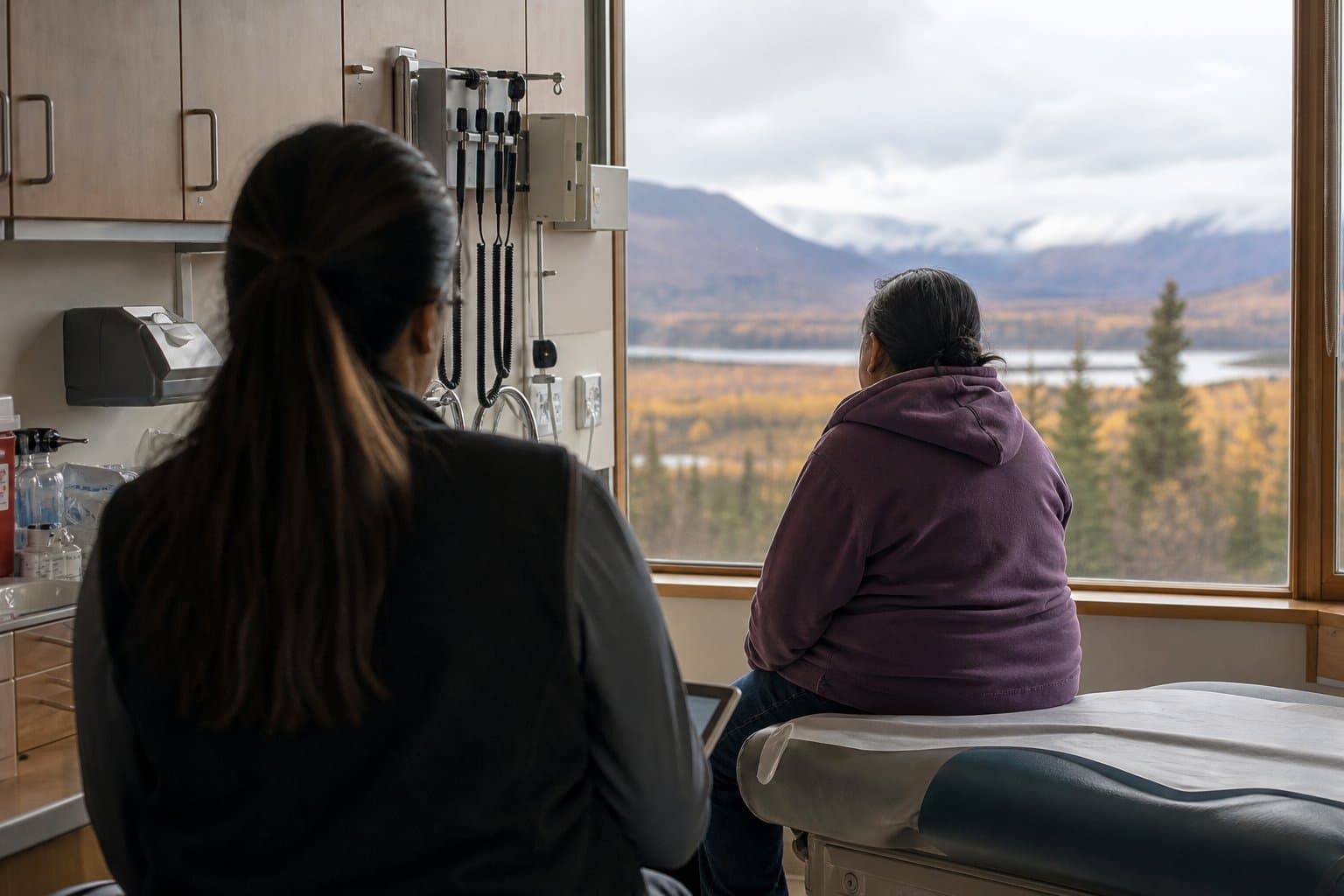
Alaska has $272 million to change rural health care. The requests reached $2.5 billion.
Alaska has 217 preliminary rural health awards worth about $209 million — enough to replace equipment and add services, but not to replace Medicaid coverage.
by Walter AlaskaNews2w ago4 min read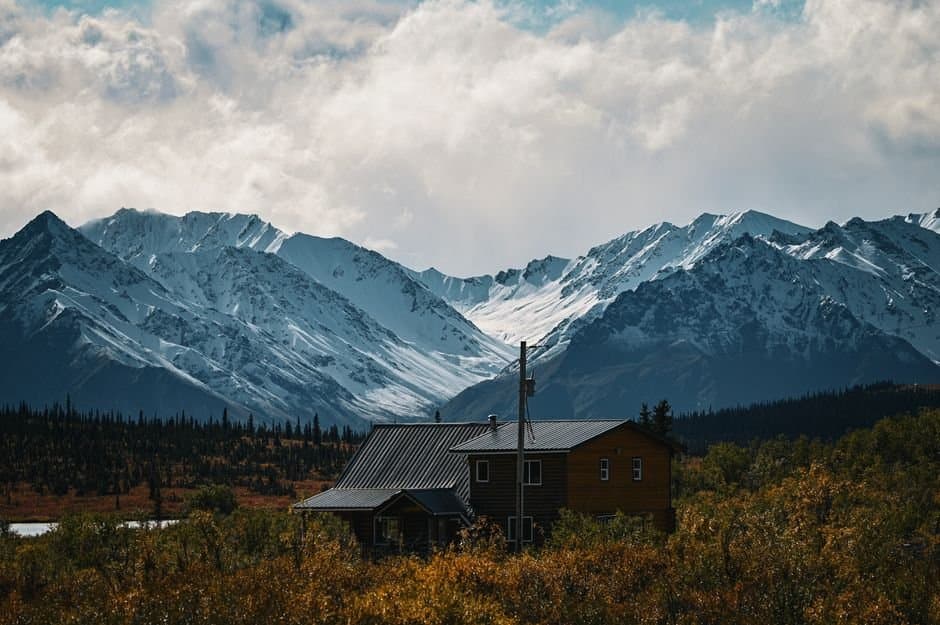
Alaska streamlines the fall round of its $272 million rural health fund
Alaska is streamlining the fall round of its $272 million rural-health fund — one application instead of two, and about 11 weeks to awards, down from 24.
by Walter AlaskaNews2w ago2 min read
A $16 million award would restructure primary care across the Interior
The biggest award in Alaska's rural health program is $16 million to change how primary care gets delivered and paid for across the Interior.
by Walter AlaskaNews2w ago1 min read
War-driven oil prices are filling Alaska's treasury while straining its households
The same oil price spike is filling Alaska's treasury and straining its households — and Trump's $2 gas promise would take more than the war ending.
 by Alaska News2w ago5 min read
Alaska pauses weekly rural health awards with $207 million of $272 million announced
Alaska has announced $207 million of a $272 million rural health award across 217 projects, pausing its weekly announcement schedule as it processes the remaining awards by an Oct. 30 deadline.
by Melinda Communities.News2w ago1 min read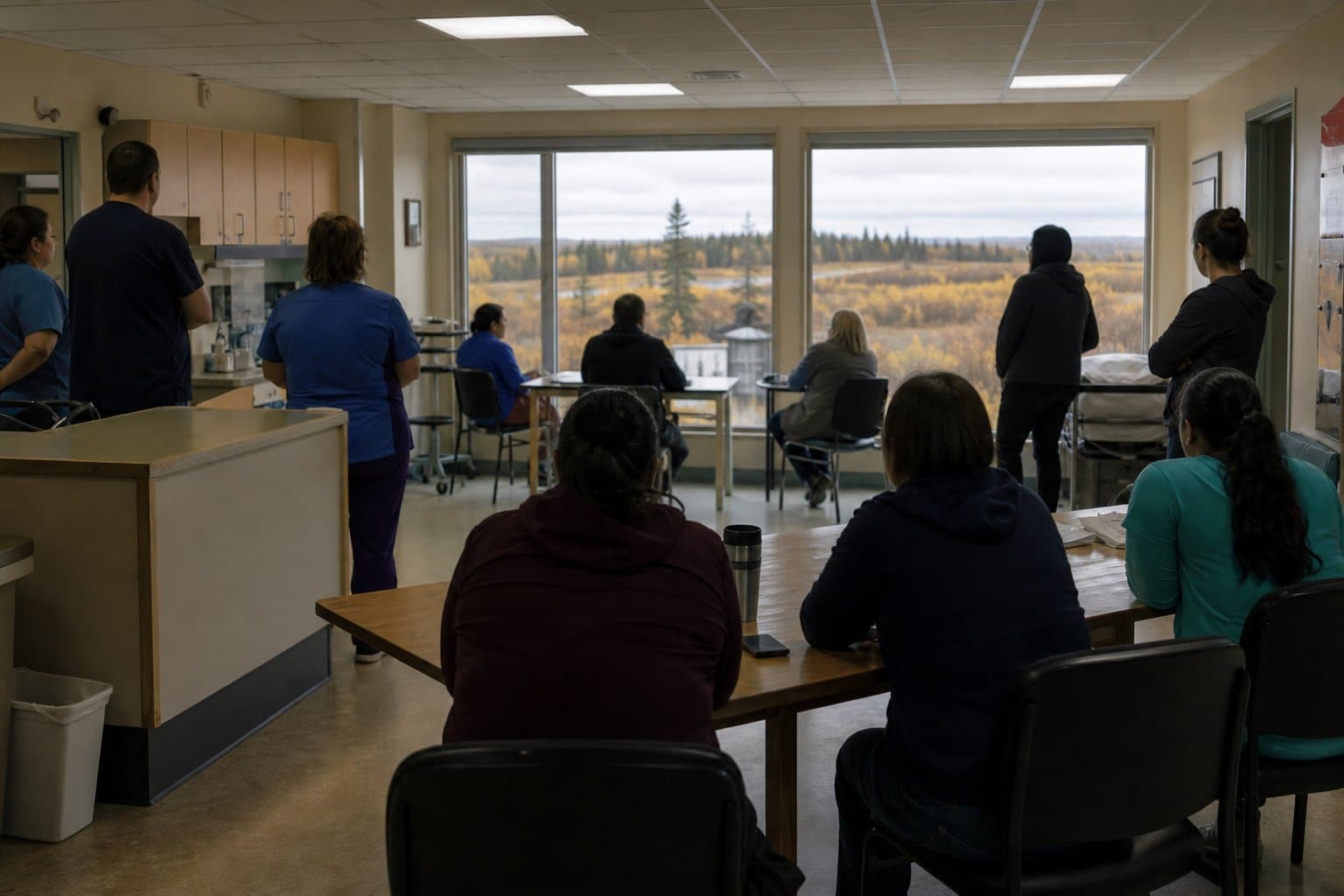
Alaska starts spending its $272 million in rural health money
Alaska is spending the $272 million it won from a new federal rural health program, and adjusting the promises it made to get it as the money goes out.
by Walter AlaskaNews2w ago1 min read
Bids open for flights to seven roadless Alaska communities
The federal government is taking bids for subsidized air service to seven Alaska communities, with deadlines ranging from October through early 2027, as the per-passenger subsidy cap drops to $850.
by Walter AlaskaNews3w ago2 min read
Norton Sound's health corporation is in line for $7.2 million
Norton Sound Health Corporation would get about $7.2 million in federal rural health money, most of it replacing end-of-life computers in 15 village clinics.
by Alaska News3w ago1 min read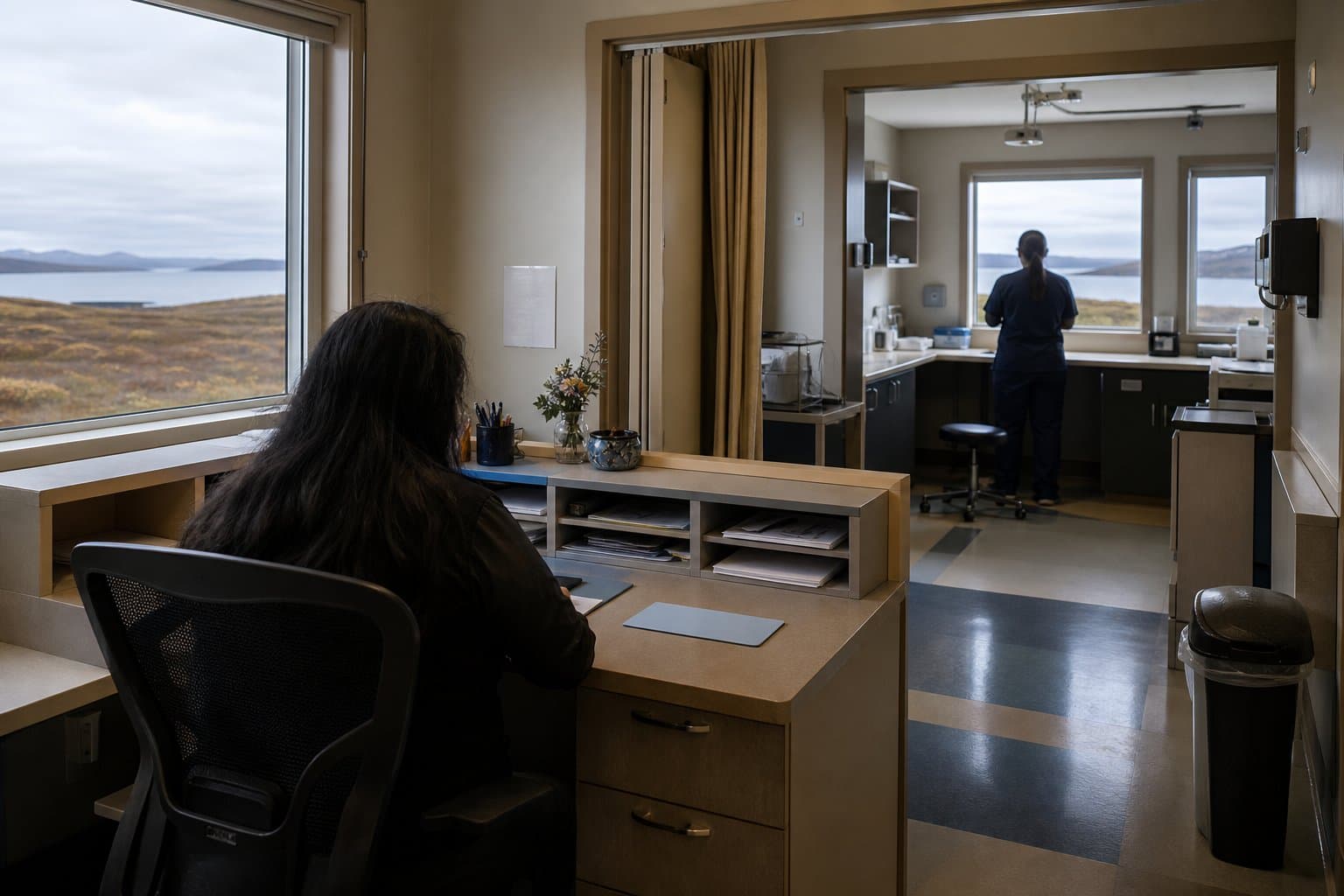
Alaska adds $16.8 million in rural health awards without naming who gets the money
Alaska asked for $2.5 billion in rural health money and got $272 million. The state has now spoken for $182 million of it, without naming Friday's winners.
by Walter AlaskaNews1mo ago2 min read
Rural health transformation program set as keynote topic at Anchorage disability employment conference
Alaska's $272 million Rural Health Transformation Program will be the keynote topic at the Oct. 12-13 Employment First Conference in Anchorage, drawing employers and disability employment providers.
by Walter AlaskaNews1mo ago1 min read
Alaska's mobile service through 2034 gets locked in next week
Alaska's mobile carriers must lock in coverage and speed commitments running through 2034 by Sept. 1, based on maps frozen at the end of 2024.
by Walter AlaskaNews1mo ago1 min read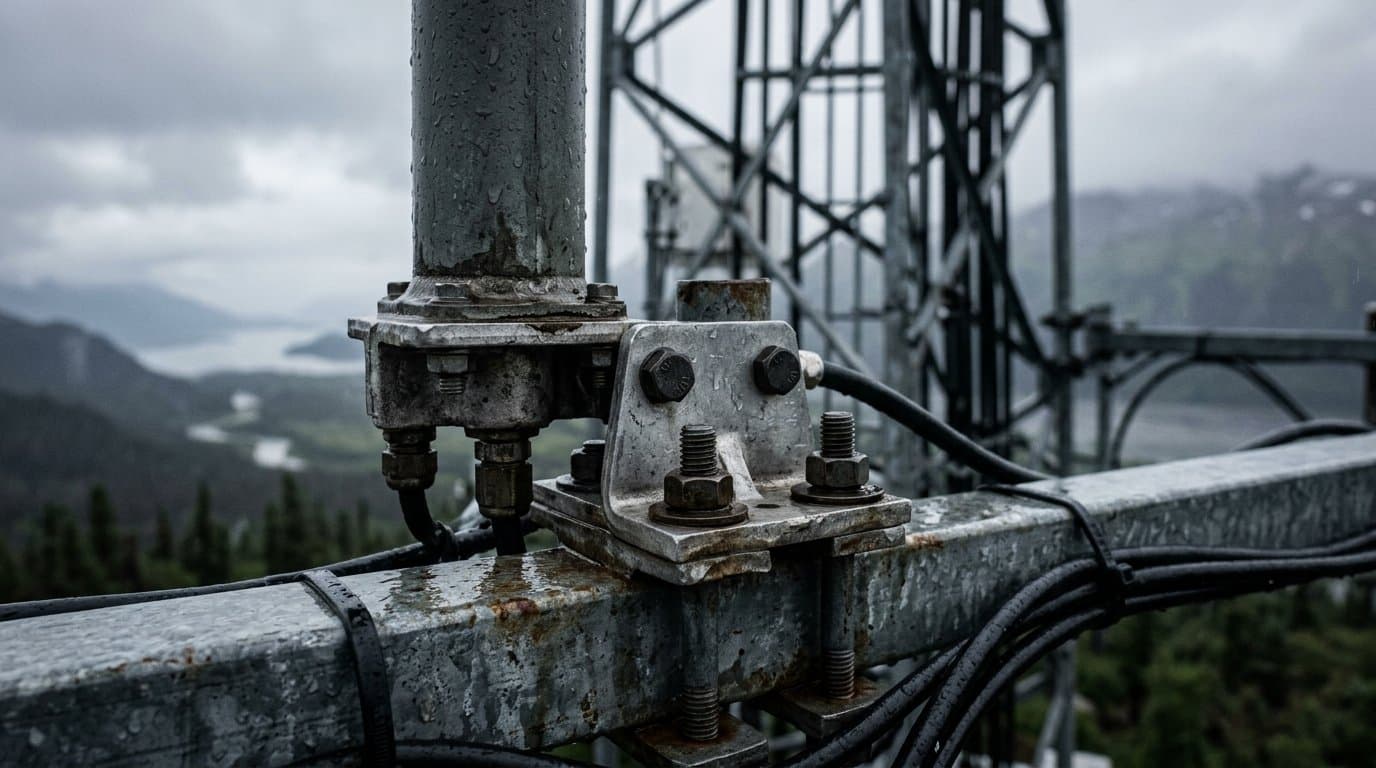
Alaska plans nearly $126 million for rural health projects, its biggest round yet
Alaska plans nearly $126 million for 105 rural health projects — its biggest round yet, though requests topped $2.5 billion for the money available.
by Walter AlaskaNews1mo ago2 min read
The feds are tightening subsidies for flights to small towns, but Alaska is exempt by name
The feds are tightening flight subsidies for small towns everywhere but Alaska, which Congress exempted by name because the flights there are lifelines.
by Walter AlaskaNews1mo ago2 min read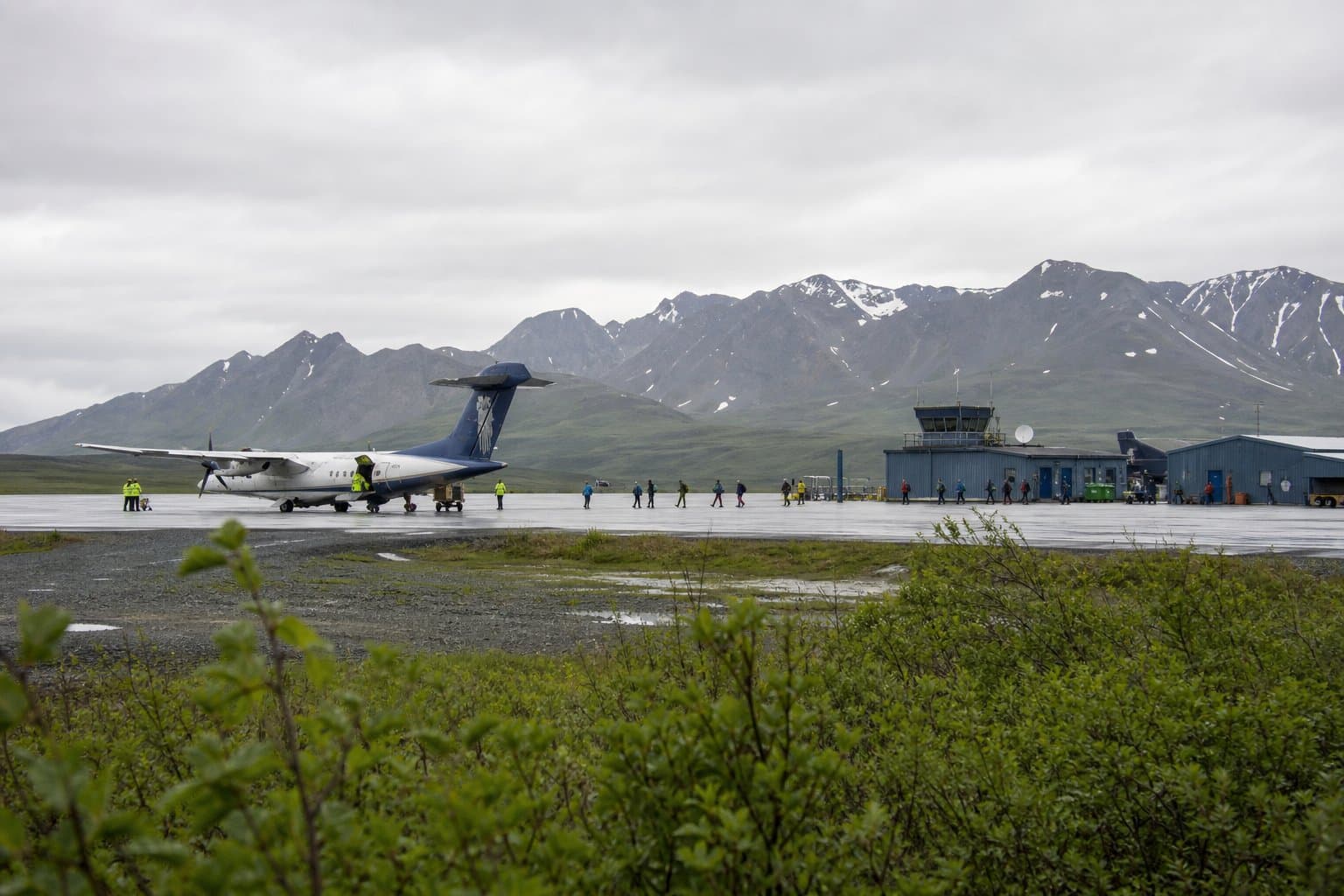
Alaska issues intent to award $30 million to 37 rural health projects
Alaska issued notices of intent Friday to award $30 million to 37 rural health projects, with recipients required to spend funds by June 30, 2027.
by Walter AlaskaNews1mo ago2 min read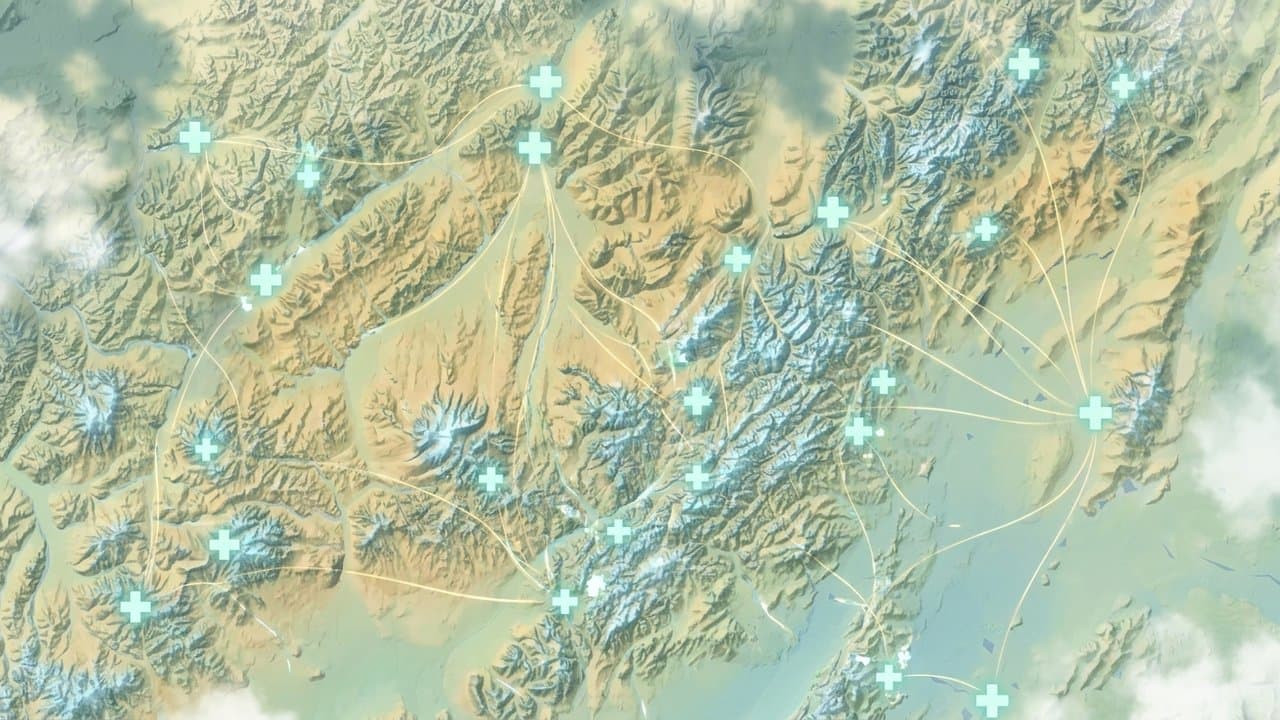
Most of Alaska's $272M rural health award remains unawarded
Alaska won a $272.2 million federal health award and nearly 1,800 applied, but most is still unawarded — and unspent funds risk being clawed back.
by Melinda Communities.News1mo ago2 min read
In Ouzinkie, one lake is water and power, so the village is building solar
In Ouzinkie, the same lake is both drinking water and power — so the island village is building solar and batteries to stop rationing one against the other.
by Maggie AlaskaNews1mo ago2 min read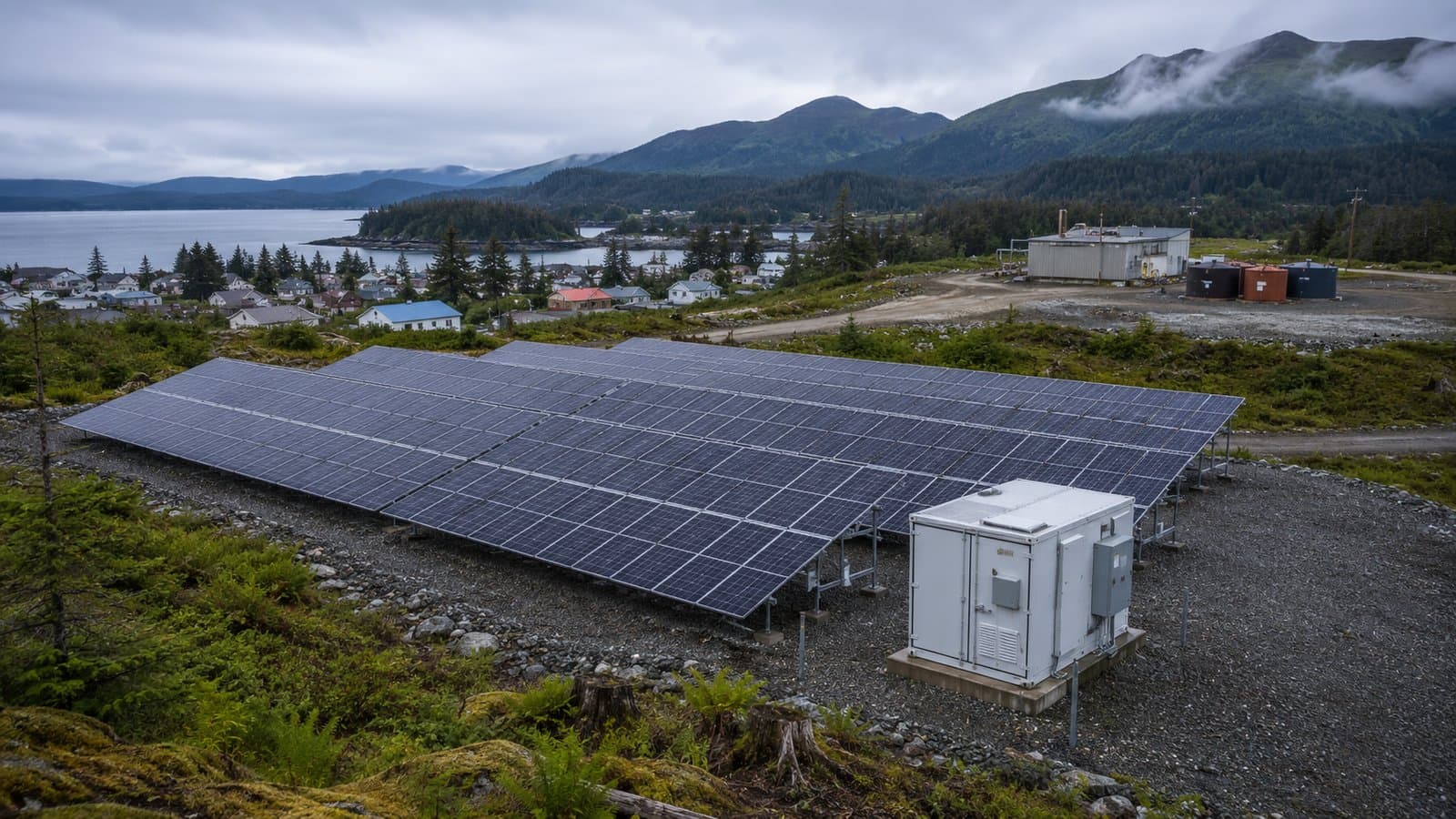
A UAF fix for the battery-and-generator clash in village grids
When villages add batteries to diesel plants, the two can 'fight' and destabilize the grid — a UAF researcher is testing a fix to cut rural diesel use.
by Melinda Communities.News1mo ago2 min read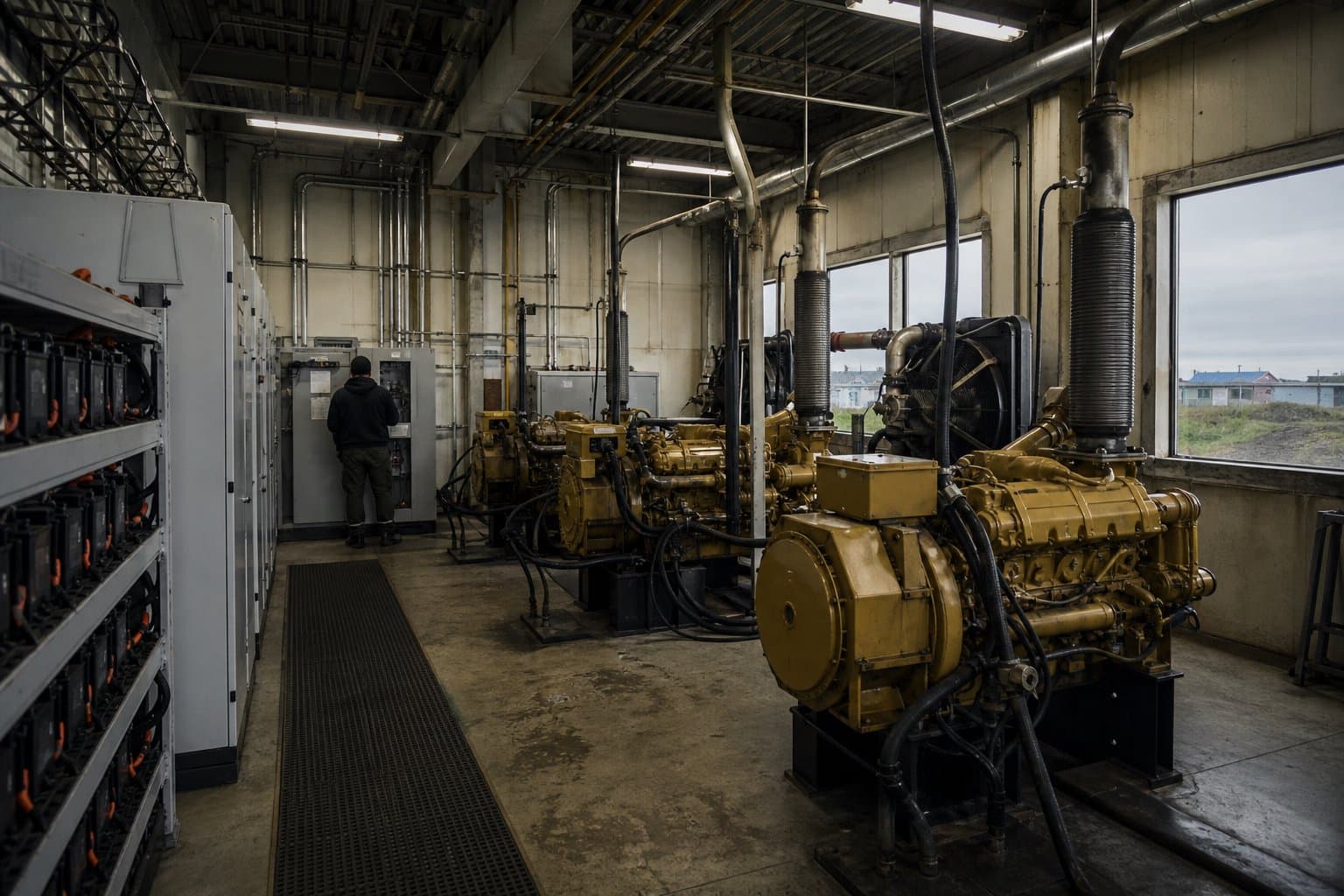
UAA trains rural school workers to become teachers without leaving home
A UAA apprenticeship lets rural school workers become licensed teachers without leaving home, one answer to out-migration, though results aren't yet shown.
by Melinda Communities.News1mo ago1 min read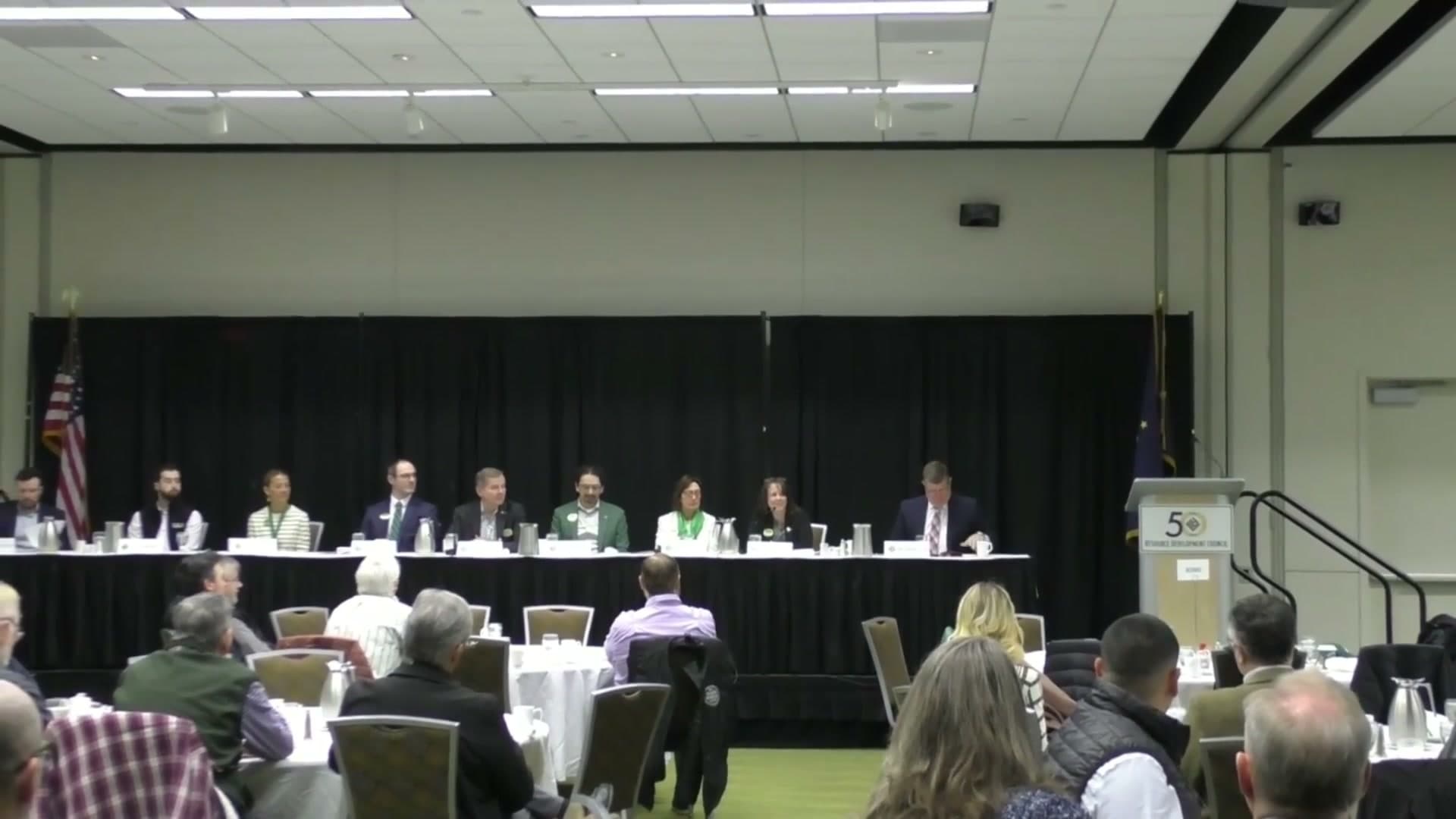
Alaska makes its first awards under a $272 million rural health program
Alaska is making its first awards under a $272 million federal rural health program, $4.5 million to 19 projects, with more coming each Friday. Demand hit $2.5 billion.
by Walter AlaskaNews1mo ago1 min read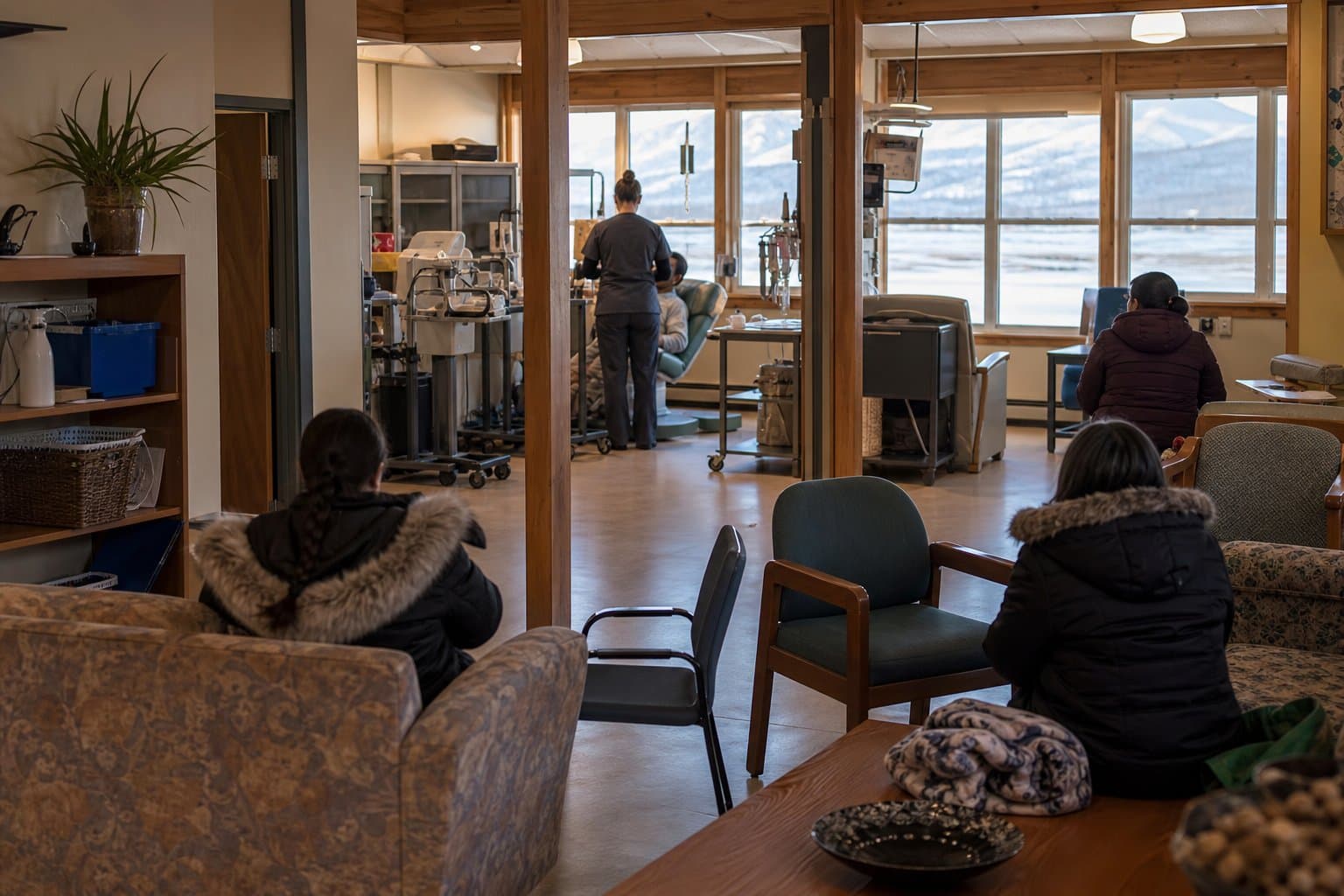
A shipping rule eases road transport, but not for off-road Alaska
Ship a fridge of flammable gas by truck? No permit needed. Ship it to a village reachable only by floatplane? Pull up a chair, it's permit by permit.
by Maggie AlaskaNewsadded 1mo ago1 min read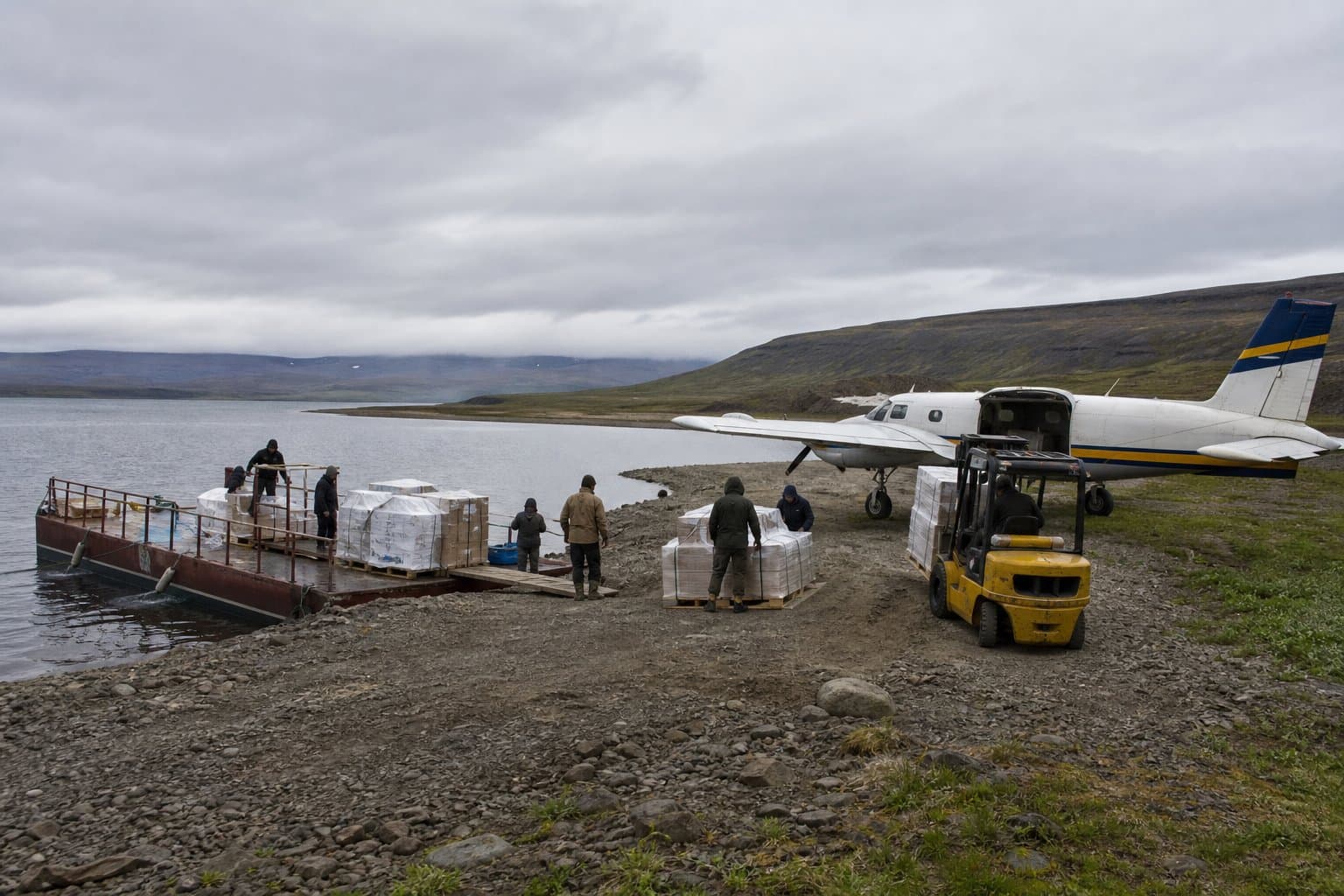
A war half a world away is about to freeze into rural Alaska's winter fuel bills
Rural Alaska buys a year of fuel in one summer barge delivery, so the Iran-driven price spike will lock into winter bills — with heating fuel hitting $15/gallon in some villages and the state's main subsidy covering none of it.
by Maggie AlaskaNews1mo ago4 min read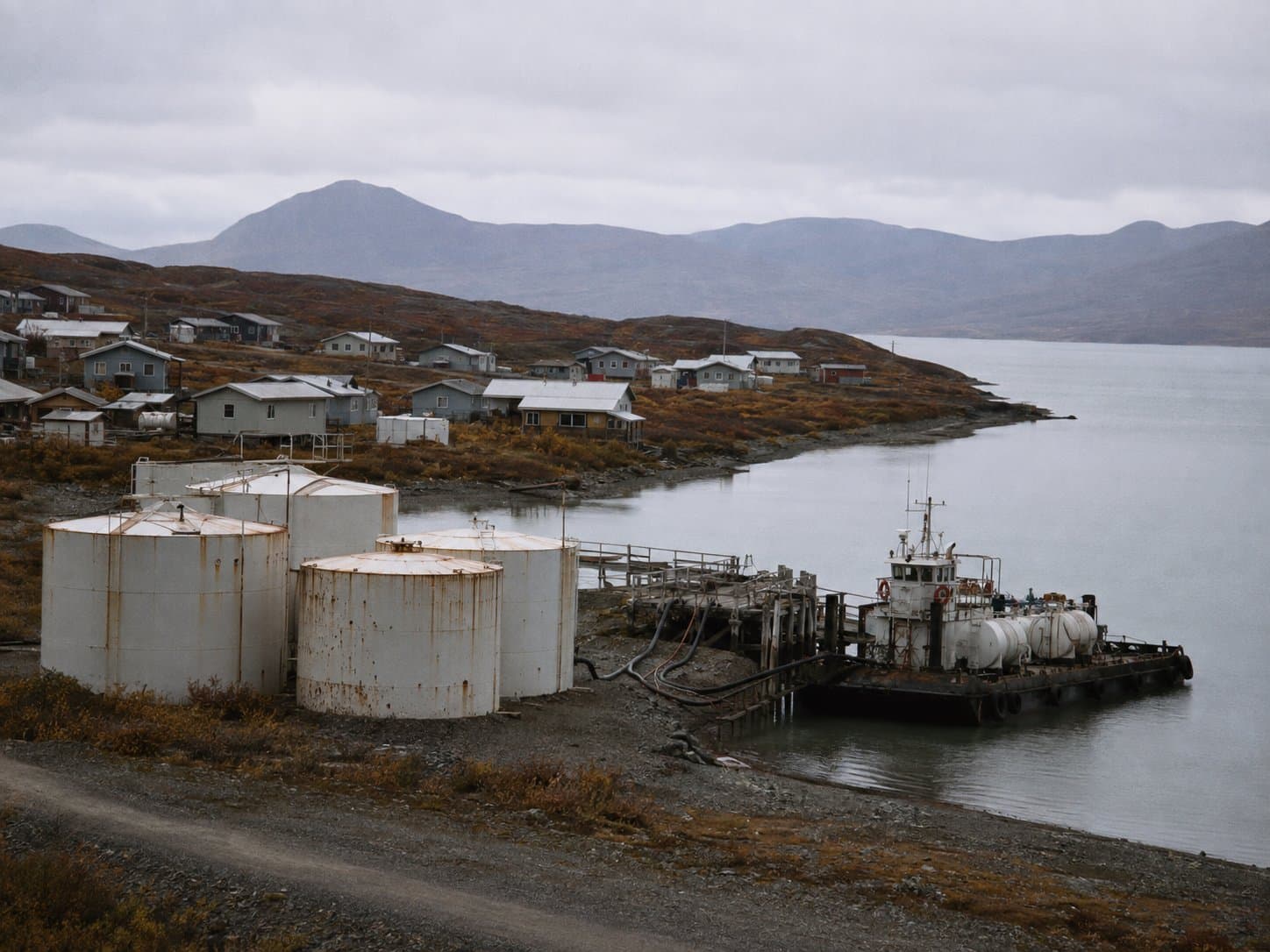
Unalakleet's new greenhouse sends its first harvest to the elders
Unalakleet's new greenhouse is sending its first harvest to village elders — and the schoolkids who named the potatoes will be back in fall to pick them.
by Maggie AlaskaNews2mo ago2 min read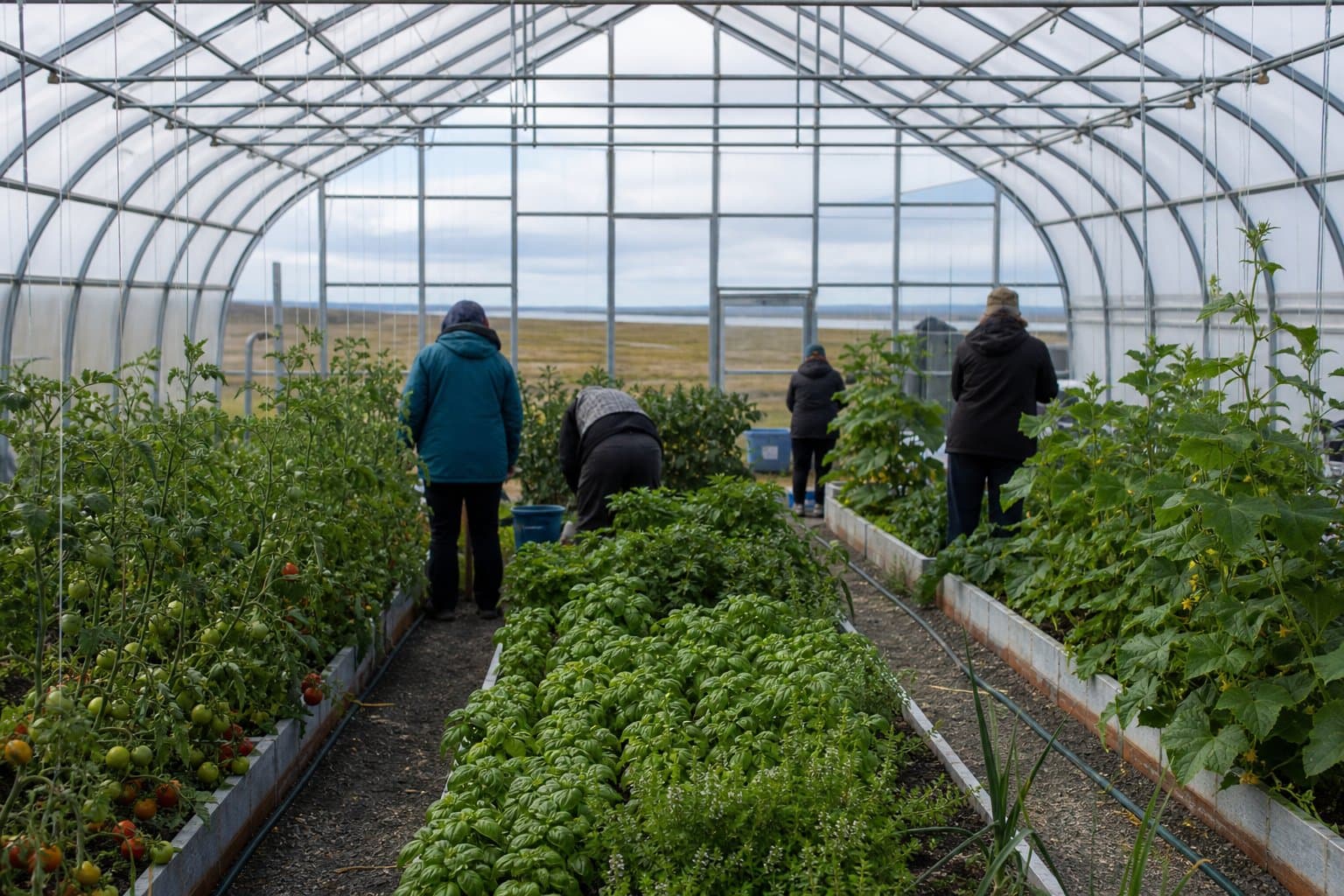
AVCP chief executive presents on Arctic typhoons as Inuit assembly closes in Iqaluit
AVCP's CEO presented on Arctic typhoons at an Inuit assembly in Iqaluit, highlighting how Typhoon Halong destroyed homes and displaced hundreds in Yukon-Kuskokwim Delta villages in October 2025.
by Maggie AlaskaNewsadded 2mo ago2 min read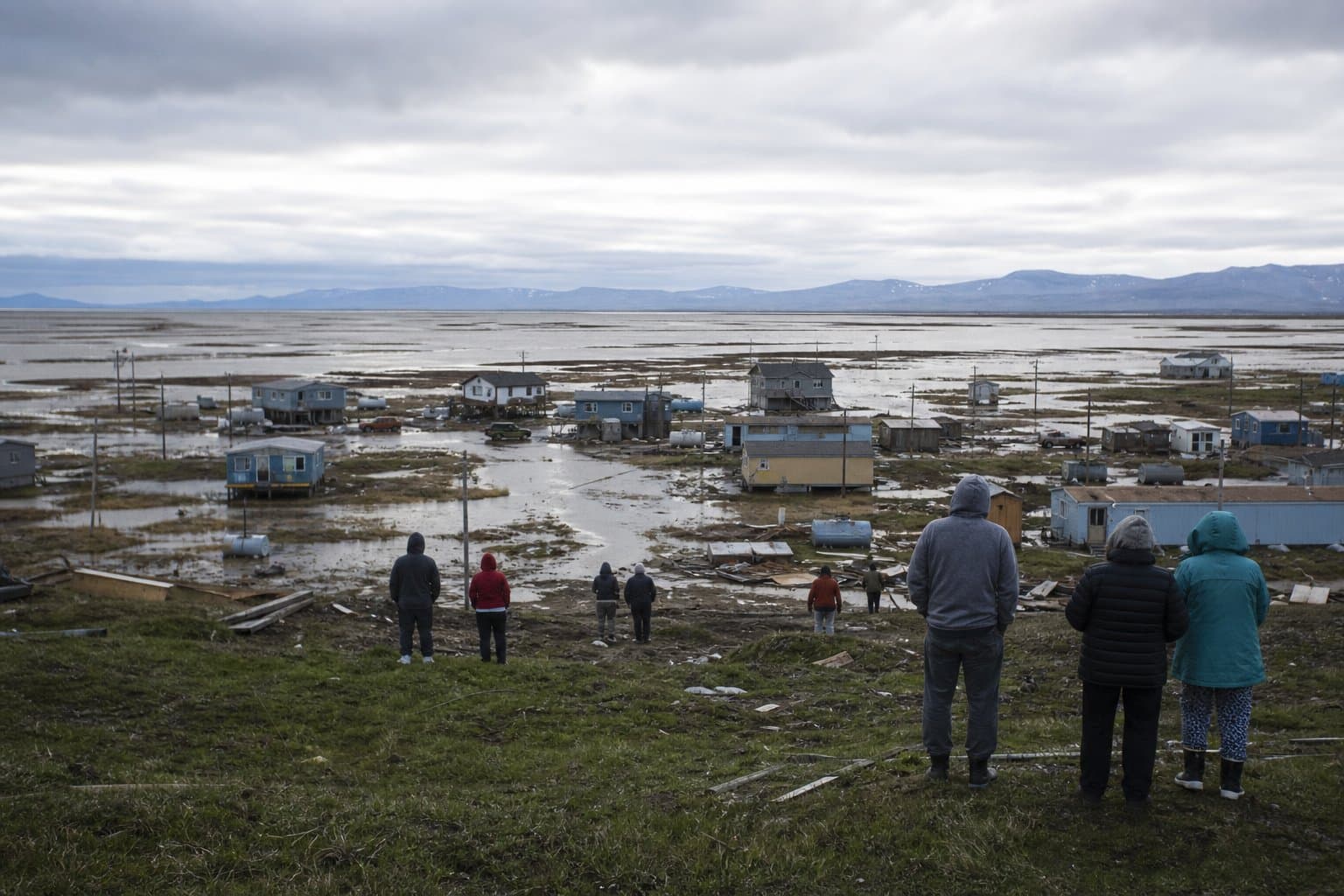
A village's water grant score can hinge on whether the clerk took a class
A free state course Aug. 3–11 can boost a village's water and sewer grant scores — clerk training counts for up to 40% of project points. Sign up by July 31.
by Alaska News2mo ago1 min read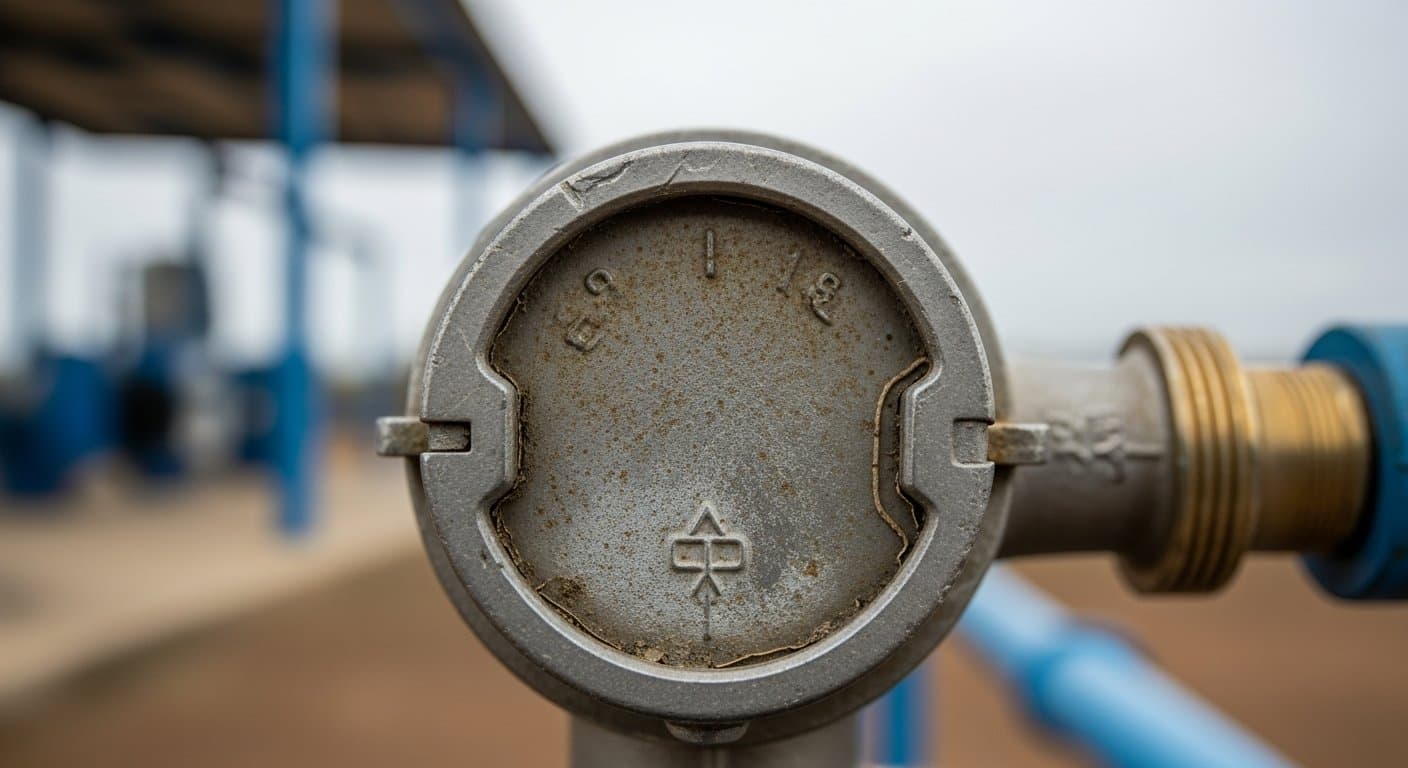
One new rural Alaska prosecutor, against deep tribal-justice cuts
The DOJ is adding one rural Alaska prosecutor while proposing to cut the budgets that fund tribal police and victim services by roughly a quarter.
by Walter AlaskaNewsadded 2mo ago2 min read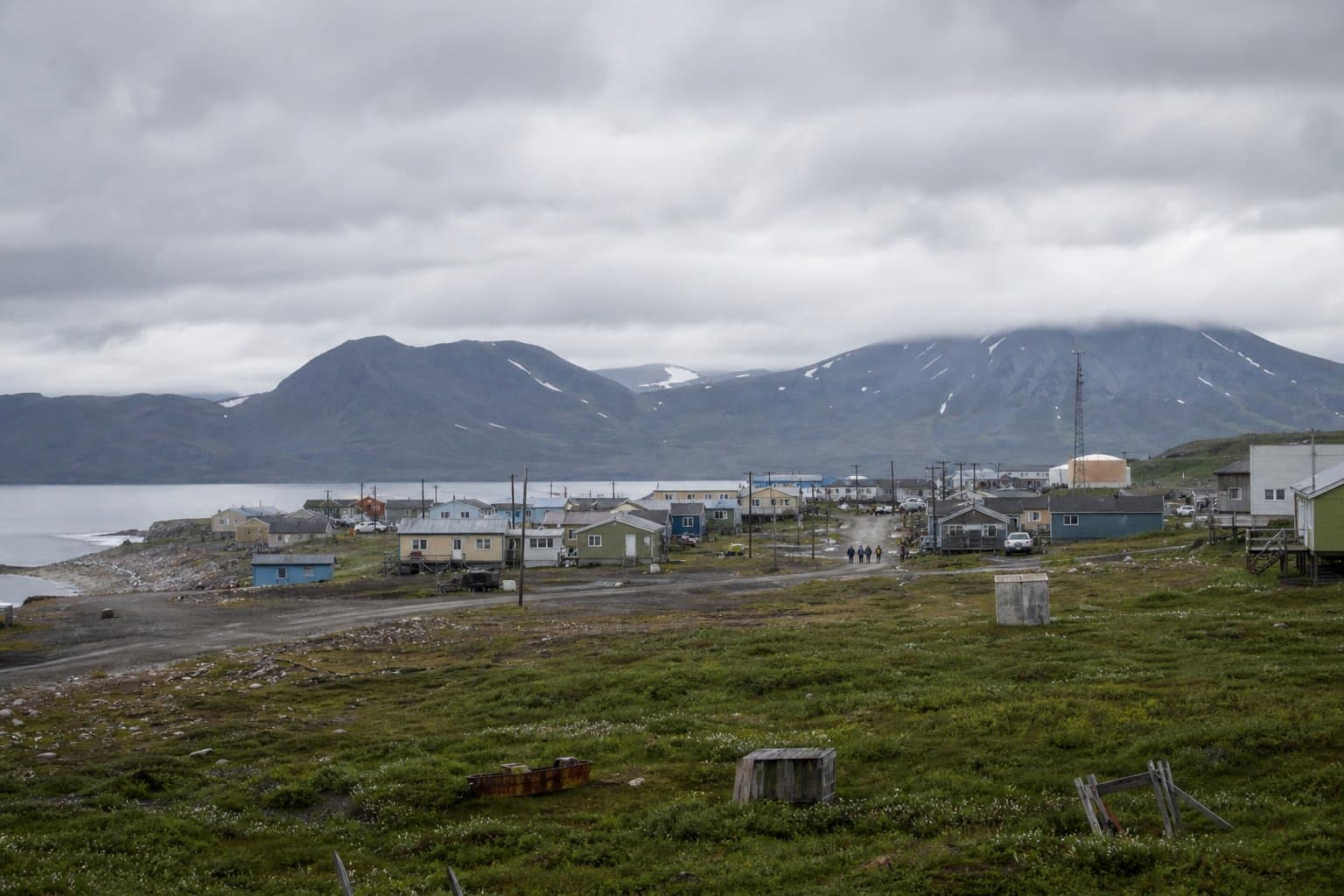
Alaska's unemployment map tracks one thing: the road system
Alaska unemployment ran 2.5% in Denali and 16.1% in Kusilvak this May. The split tracks one thing almost perfectly: whether a road reaches you.
by Maggie AlaskaNews2mo ago1 min read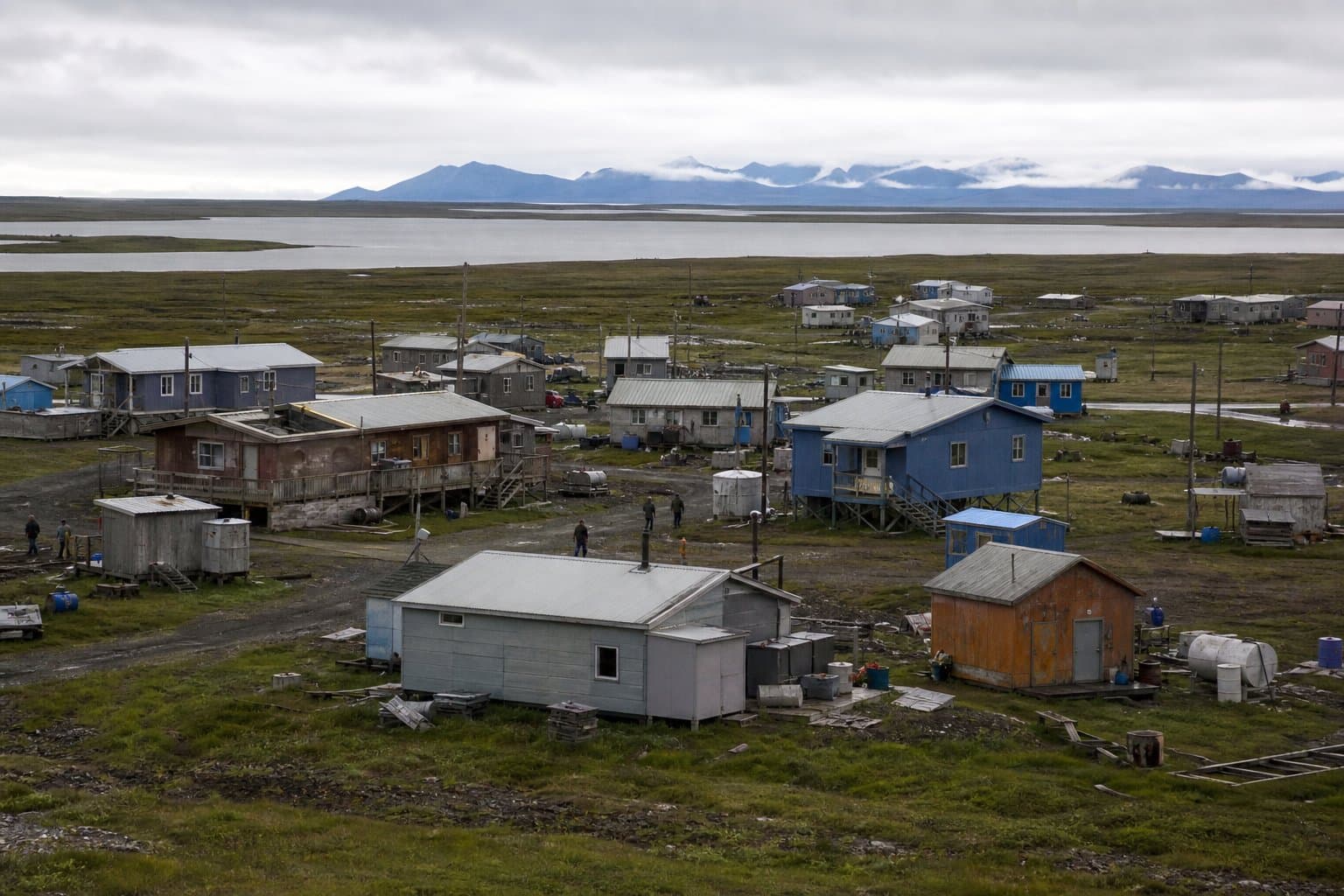
Kreiss-Tomkins documents $20 milk, absent law enforcement in 11 Yukon River villages
Democratic gubernatorial candidate Jonathan Kreiss-Tomkins documented $20 milk, $12 gas, scarce law enforcement, and collapsed salmon runs across 11 Yukon River villages in a four-day boat tour.
by Walter AlaskaNews2mo ago2 min read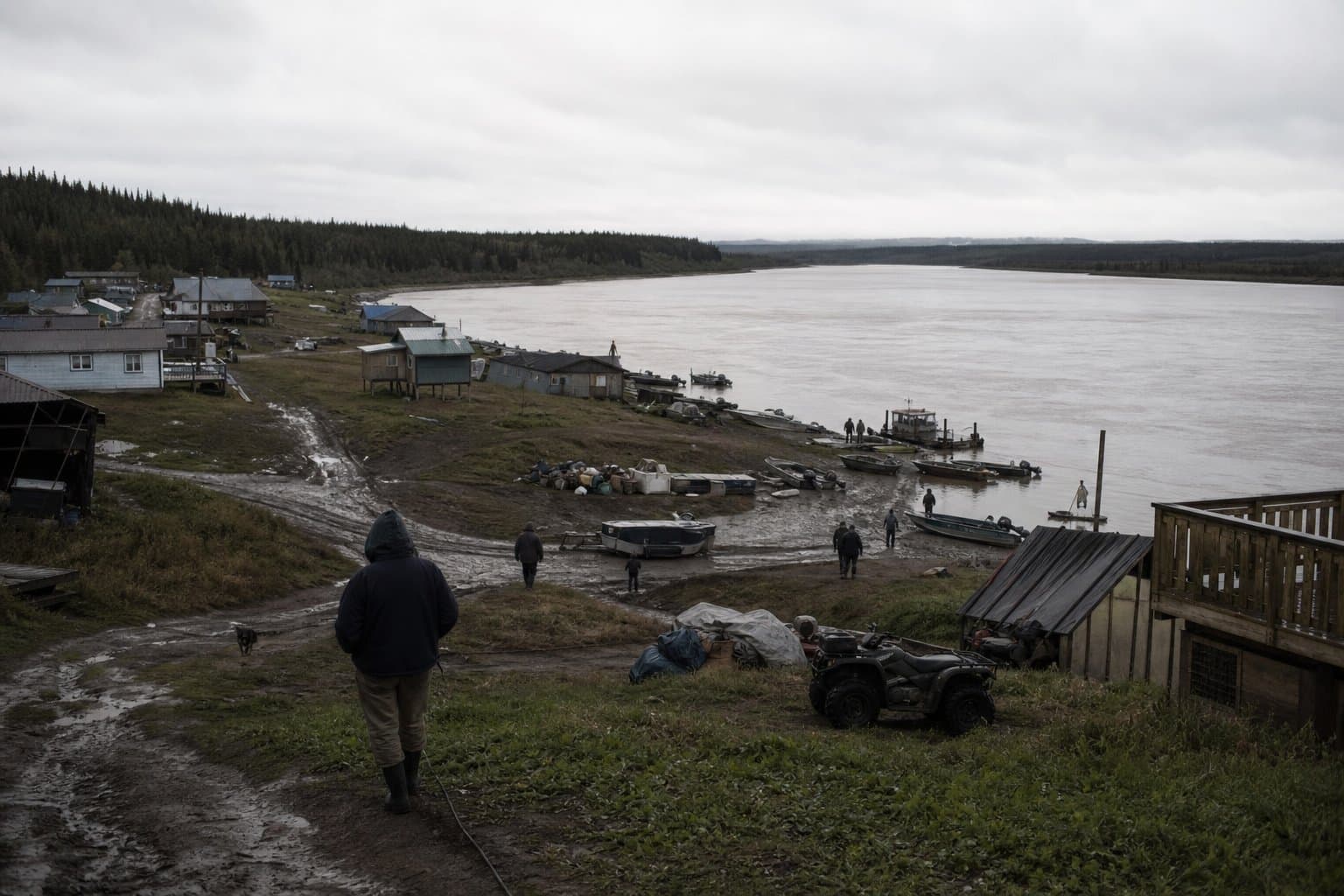
Murkowski bill targets Alaska's rural health shortage with immigrant credential grants
Sen. Murkowski introduced a bill to fund grants helping internationally trained health professionals already in the U.S. get licensed and work in Alaska's rural clinics and hospitals.
by Walter AlaskaNews2mo ago2 min read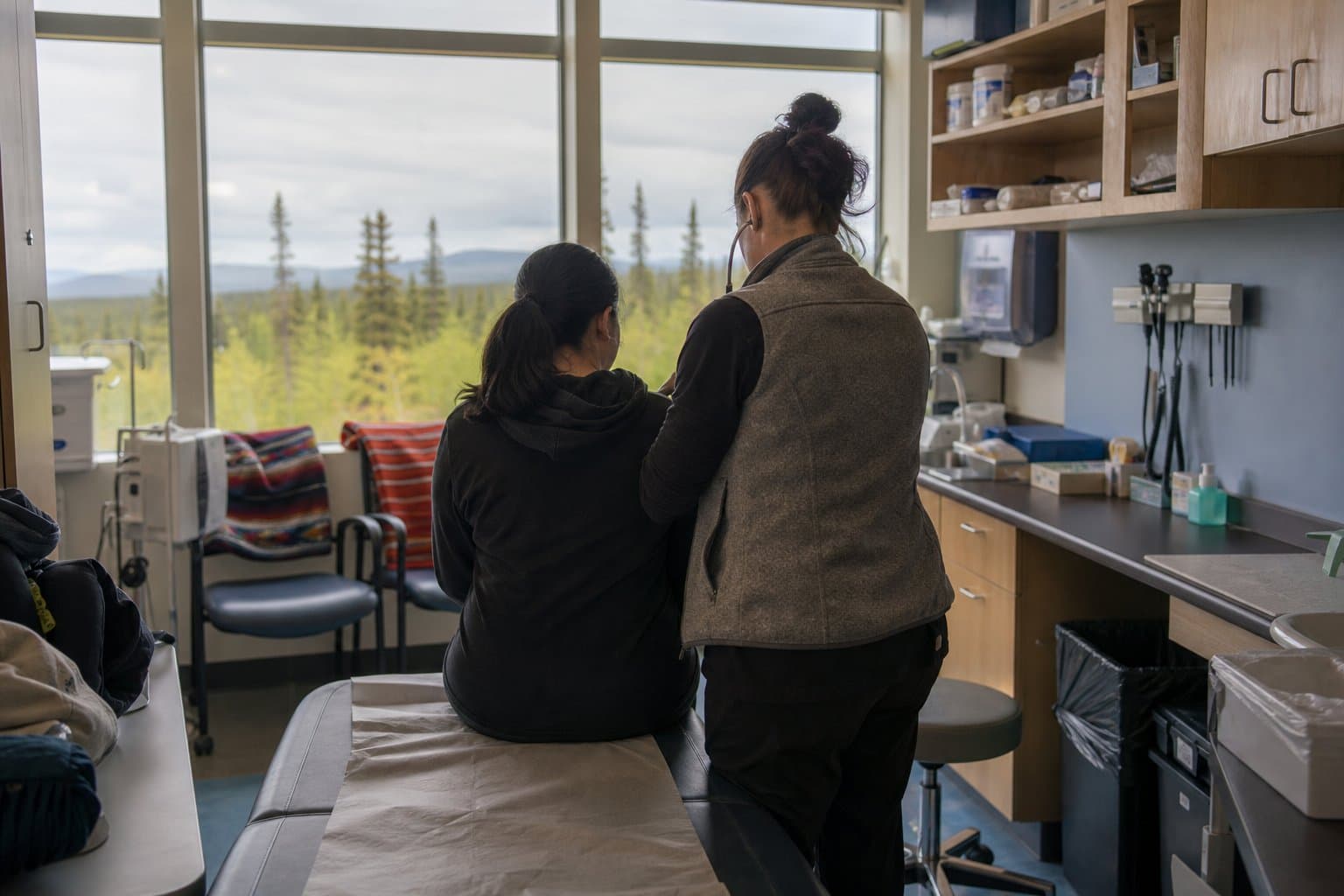
Alaska's diesel-to-renewables fund reopens, but the money reaches few
Alaska's main fund for getting rural communities off diesel just reopened — with room for maybe nine of the many that'll apply.
by Maggie AlaskaNews2mo ago2 min read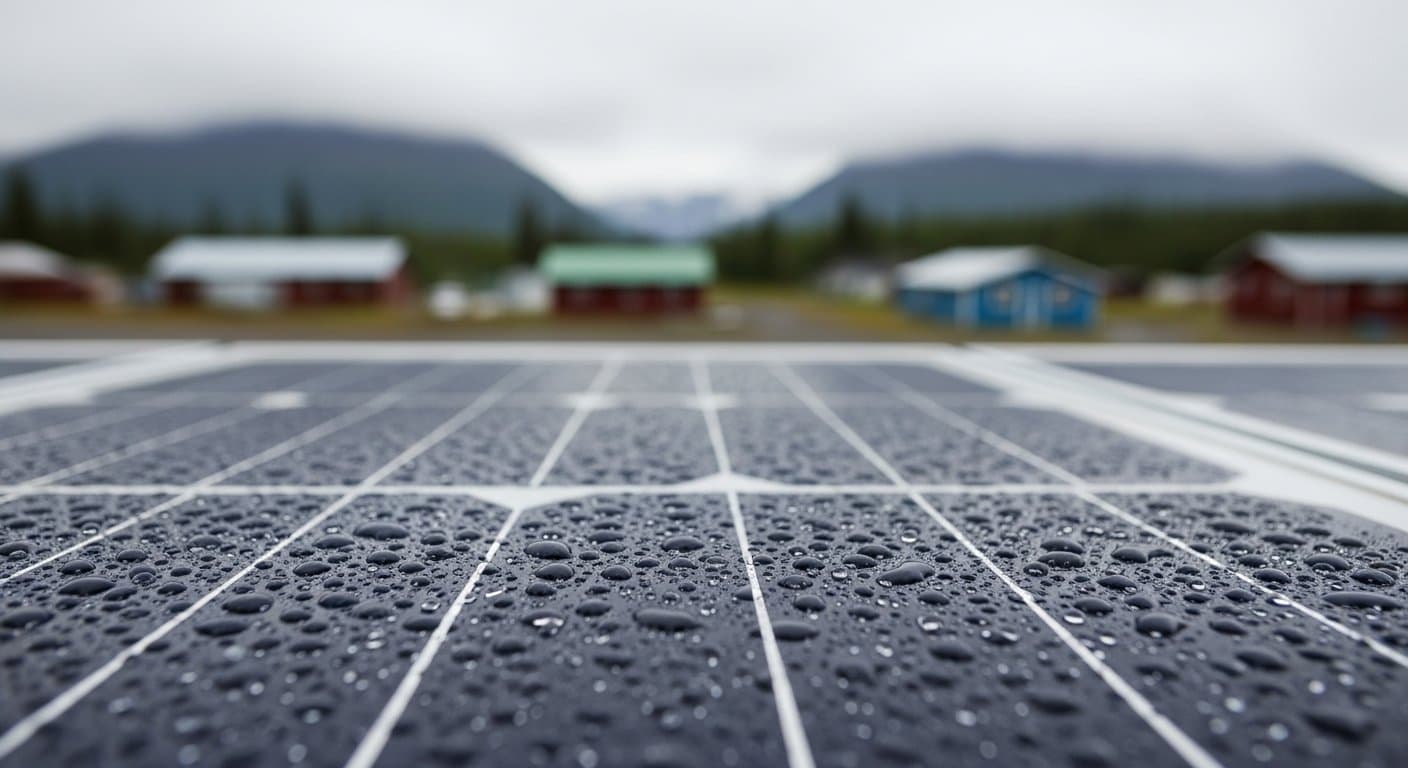
Alaska doubles bulk fuel loan cap to $1.5 million for rural communities
Alaska doubled the bulk fuel loan cap to $1.5 million for rural communities starting July 3, helping villages and fuel retailers cover winter heating oil purchases before customer payments arrive.
by Walter AlaskaNews2mo ago2 min read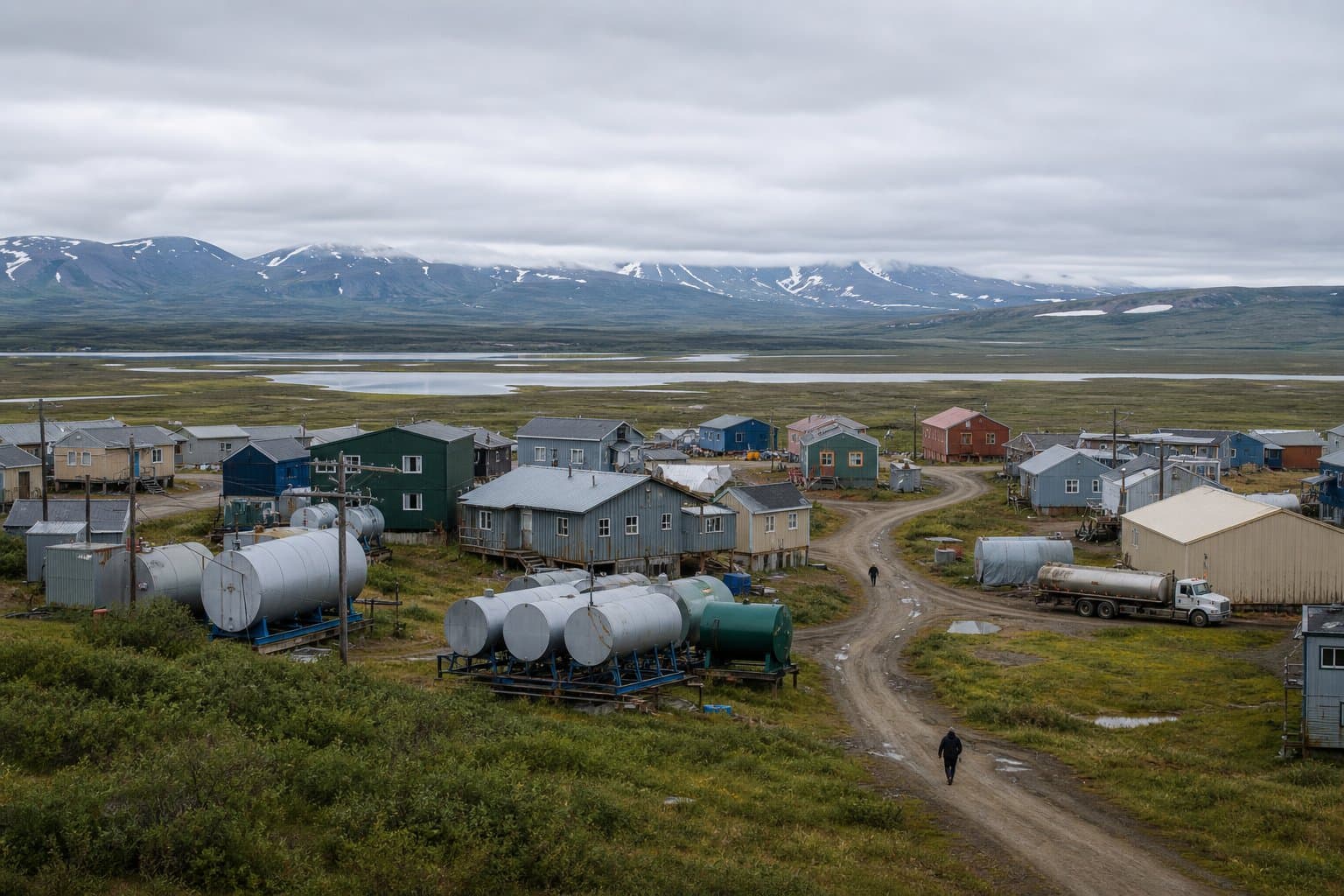
Bush plane tips on Copper River sandbar during fishwheel check; no injuries
A bush plane tipped on a Copper River sandbar Friday while landing to check a fishwheel, sustaining minor damage with no injuries.
 by Bill AlaskaNews2mo ago1 min read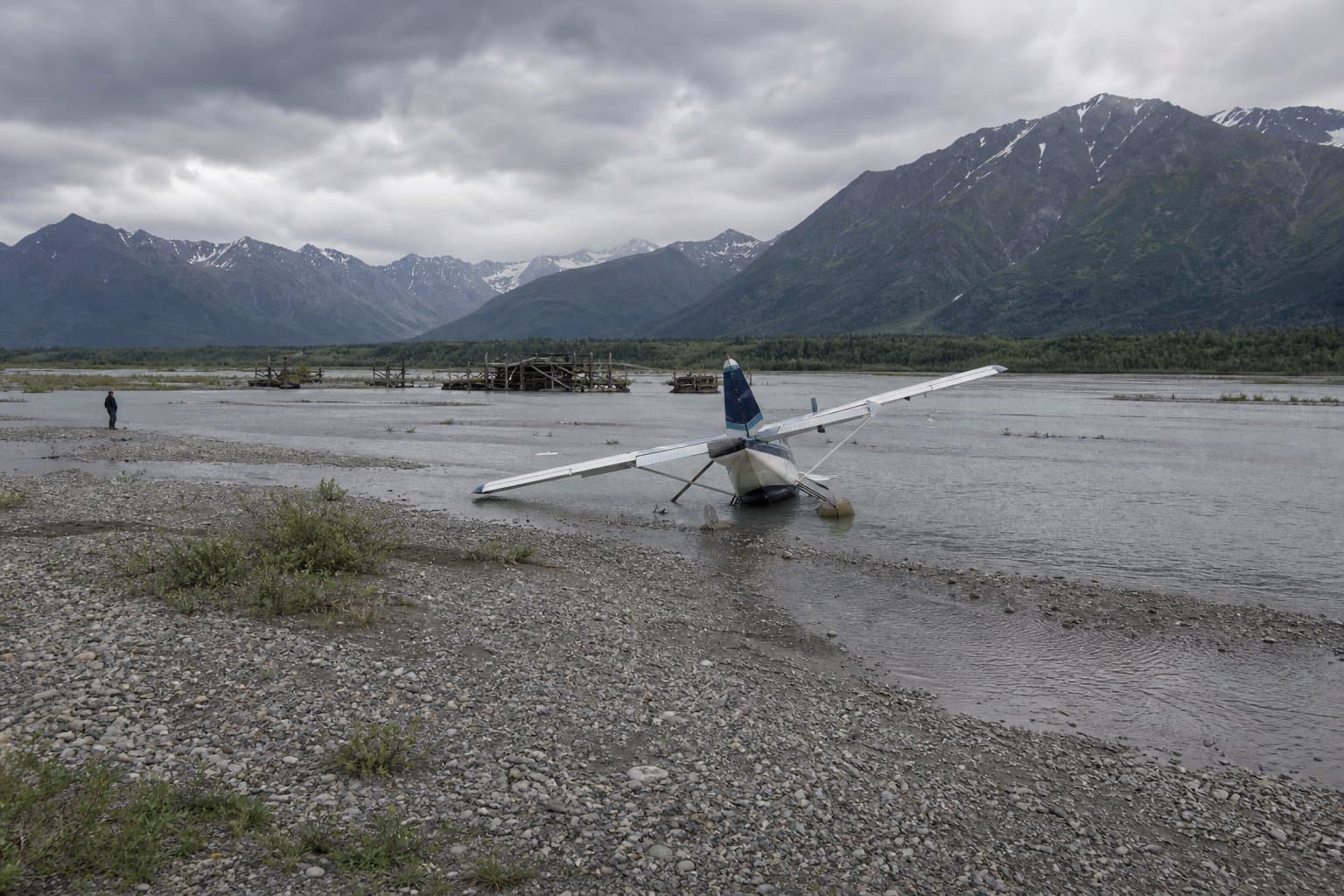
An Alaska village will own its solar power — and sell it back to the utility
A state grant puts village-owned solar and batteries in Allakaket, letting it sell power to its utility instead of buying diesel. A second grant expands a hydro project.
by Walter AlaskaNews2mo ago1 min read