Alaska Oil and Gas Conservation Commission regulates oil and gas operations in Alaska, including permitting, production data, and carbon storage wells.
333 W 7th Ave, Anchorage, AK 99501, USA
Video Clips
Browse all clips
Jesse Kiehl
“I think there was conversation a few minutes ago about a barrel of oil equivalent in gas having a value like $9 versus a barrel of oil, which, you know, we cry a little bit when it's 60. And right now we're doing pretty well on the budget within at 105 or 110. So there, that's not something the commission looks at. That's something that the legislature has to look at”Alaska Legislature: Senate Finance - June 5, 2026 9:00am · Jun 5, 2026
James Kaufman
“I ask these questions because it's been kind of conversationally put forth that that's available for the potential gas project. And I just want to be clear on the record with where we're at on that. Do you know if there's been any inquiry to start that?”Alaska Legislature: Senate Finance - June 5, 2026 9:00am · Jun 5, 2026
ConocoPhillips seeks looser Willow drilling rules; hearing window open
ConocoPhillips has asked Alaska regulators to ease drilling and injection rules for Willow, and Alaskans have until Sept. 22 to request a public hearing.
 by Walter AlaskaNewsadded 2w ago2 min read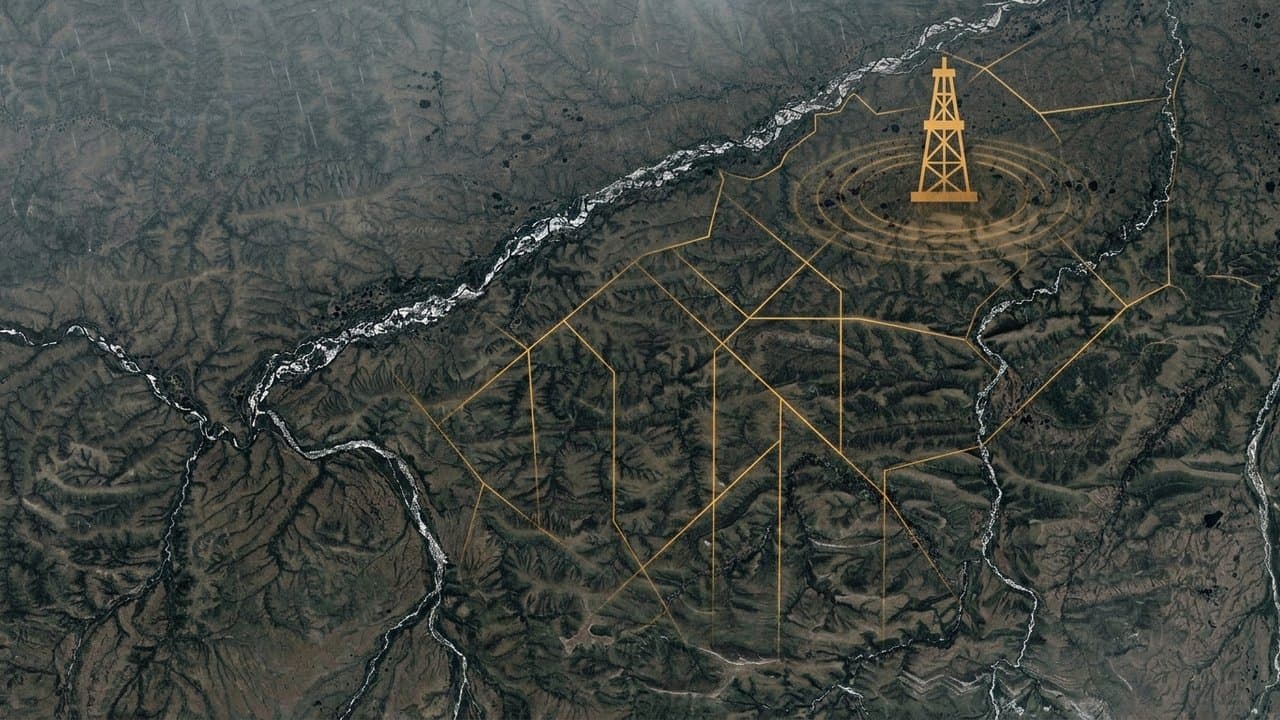
ConocoPhillips drilled in the NPR-A this winter and has not said what it found
ConocoPhillips added $104 million to its suspended well costs in the first half of 2026, attributed to multiple wells drilled in Alaska. No filing says four wells were drilled, names them, or reports a discovery, and two earlier Alaska finds have sat undeveloped for eight years.
by Walter AlaskaNewsadded 3w ago2 min read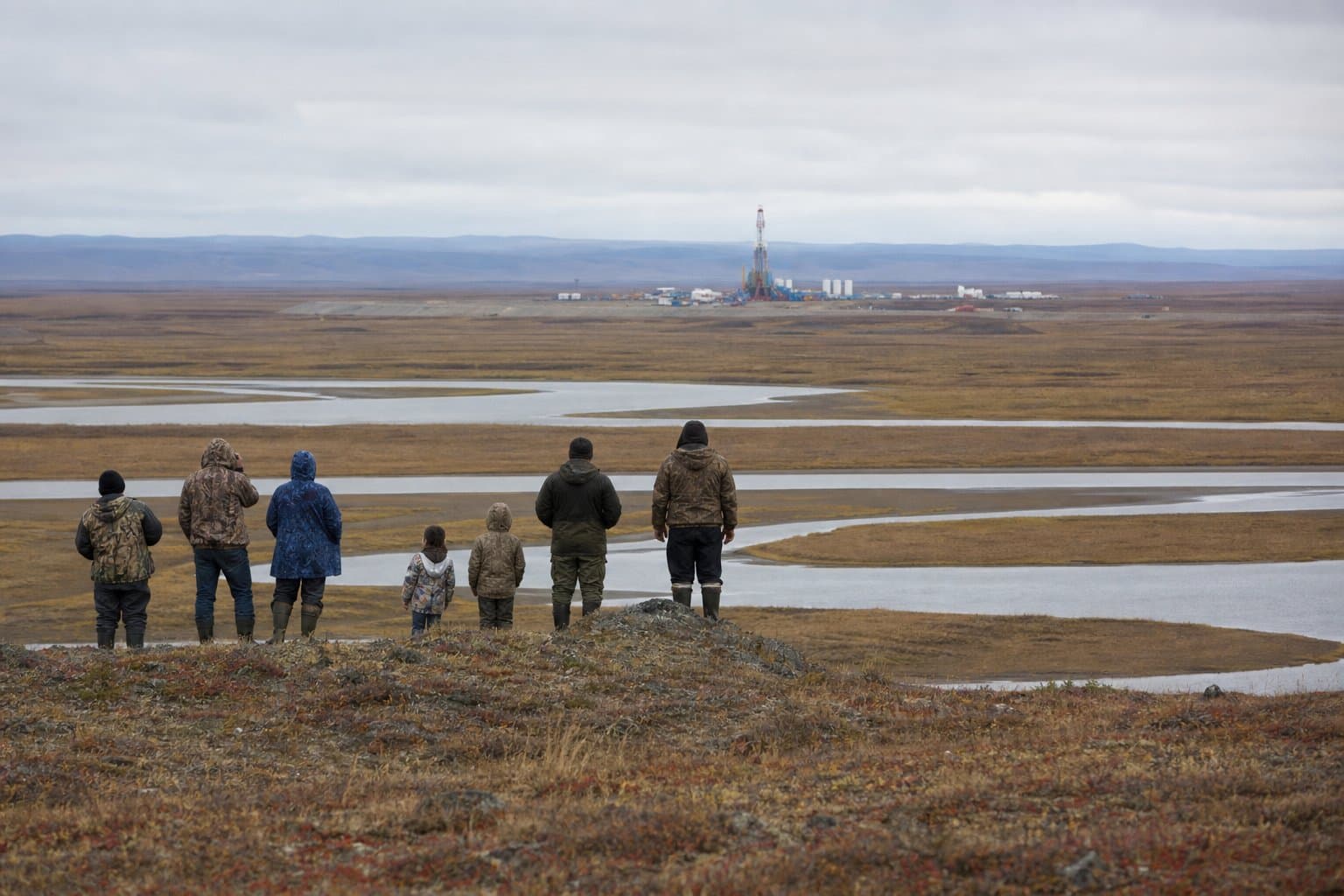
Alaska clears the way to bury carbon — over water-safety fears
Alaska's underground carbon-storage rules take effect July 7, giving operators a permitting path — as environmental and tribal groups warn of risks to drinking water and aquifers.
 by Alaska Newsadded 3mo ago2 min read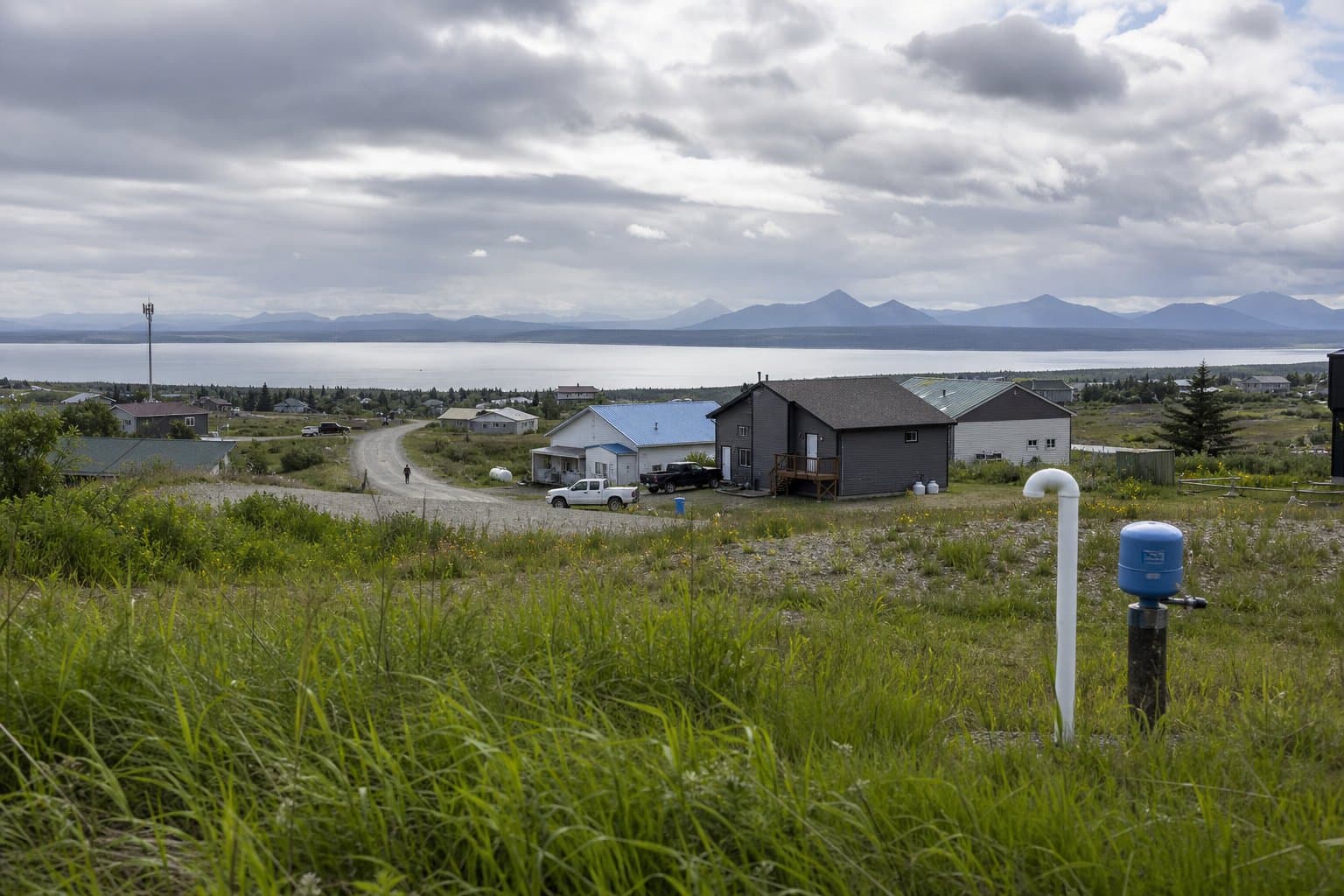
Cook Inlet gas production falls to 61 Bcf in 2025
Cook Inlet basin gas production dropped to approximately 61 billion cubic feet in 2025—down from 79 Bcf in 2016—while annual demand holds near 65-70 Bcf, according to Alaska Oil and Gas Conservation Commission data presented by ENSTAR to legislators.
by Walter AlaskaNews3mo ago2 min read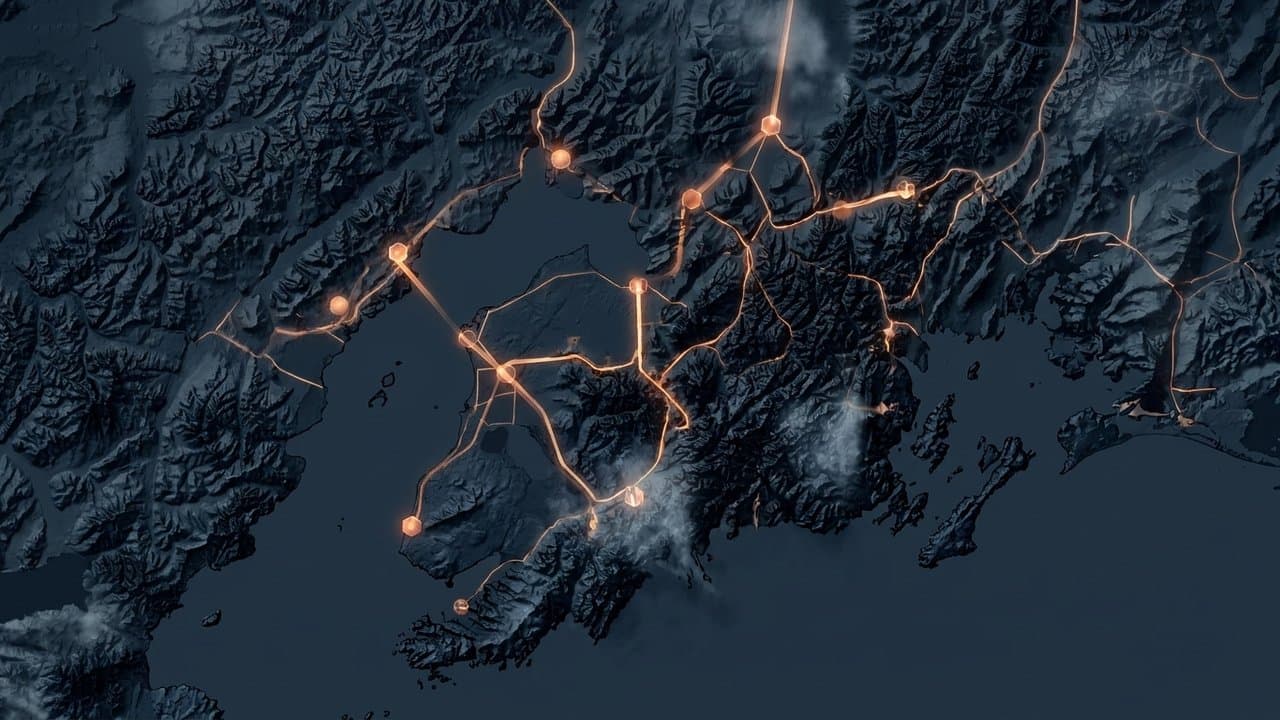
Hilcorp seeks state lease for 1,330-acre gas storage field in Kenai
Hilcorp Cook Inlet filed Friday for a gas storage lease covering 1,330 acres of subsurface reservoir in Kenai city limits. Public comments are due July 7.
by Walter AlaskaNewsadded 3mo ago1 min read
North Slope has two fields cleared for gas sales, AOGCC tells Senate
Only Prudhoe Bay and Point Thomson hold regulatory approval to supply major gas sales projects. The commission's testimony contradicts recent claims that other fields are ready to deliver.
by Walter AlaskaNews3mo ago2 min read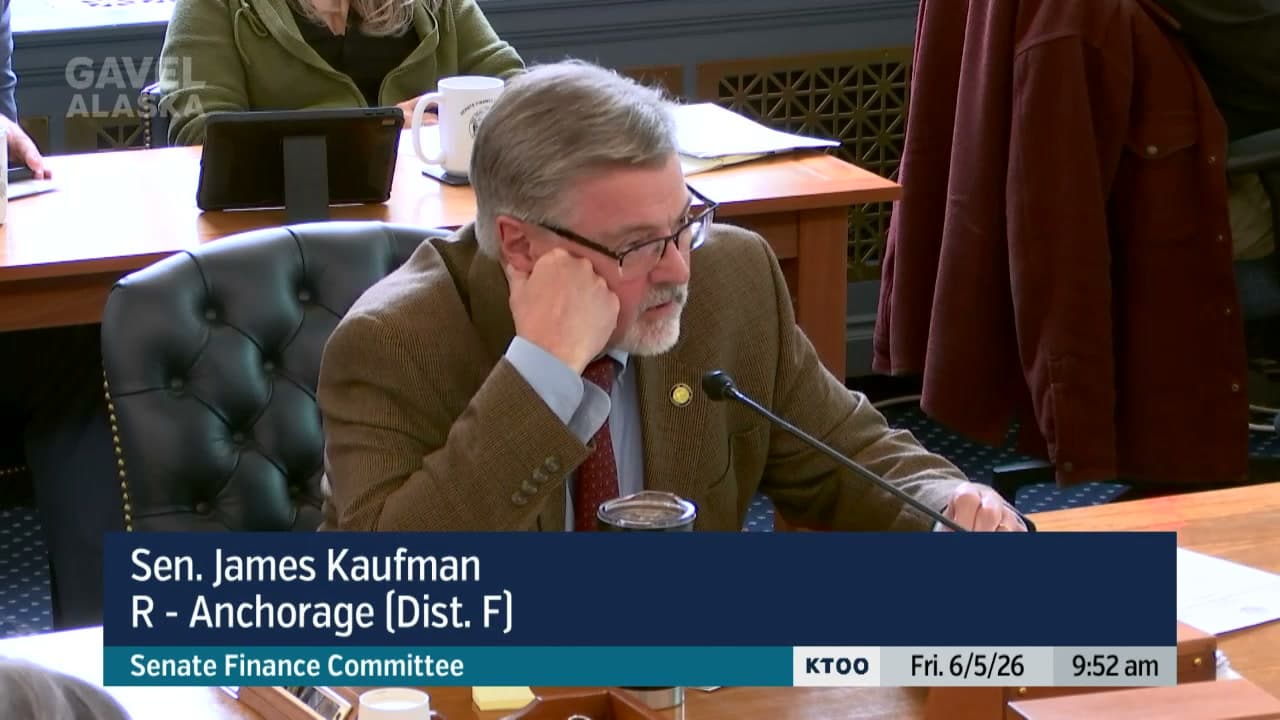
Federal appeals court clears Alaska to release NPR-A drilling data
A federal appeals court has ruled that Alaska's transparency laws trump oil company confidentiality claims for exploration data in the National Petroleum Reserve-Alaska, setting a precedent that could affect how much the public learns about drilling activity in one of the state's largest energy basins.
 by Bill AlaskaNewsadded 3mo ago2 min read
Alaska seeks federal approval to regulate carbon storage wells
The Alaska Oil and Gas Conservation Commission is preparing to submit its primacy application to the EPA by the end of May 2026, seeking authority to permit and regulate Class VI carbon storage wells in Alaska.
by Bill AlaskaNews4mo ago2 min read
Alaska News Roundup: Gas pipeline tax fight, Point Thomson trade-off, and McNeil River access debate
This episode covers the week's major Alaska stories: a gas pipeline tax bill that added oil tax increases, the Point Thomson condensate trade-off for pipeline gas, Mount Edgecumbe enrollment crisis, and McNeil River bear sanctuary access proposals.
by Walter AlaskaNews4mo ago3 min read
Gas pipeline bill adds oil tax increase, industry calls process rushed
The Senate Resources Committee passed a gas pipeline tax bill that includes an oil production tax floor increase from four to six percent, prompting industry criticism despite thirty-two hearings on the measure.
by Alaska News4mo ago2 min read
Point Thomson Gas Blowdown Could Cost Alaska 65M Barrels of Condensate
State regulators told lawmakers that switching Point Thomson from gas cycling to blowdown for the proposed gas pipeline would sacrifice roughly 65 million barrels of highly valuable condensate—Alaska's most valuable North Slope resource.
by Alaska News4mo ago5 min read