Environment
RSSEnvironment in Alaska is the land, water and wildlife shaped by development, pollution and natural change. It covers oil spills, wastewater and air permits, logging, habitat protection and environmental impact statements.
Places and organizations in this news
Numbers are stories in the last 30 days.
Have a story about Environment? Send a tip
August 2026
A federal rule will stop habitat destruction from counting as "harm" to listed species
A federal rule effective Sept. 14 stops habitat destruction from counting as harm to listed species like Cook Inlet belugas. It doesn't reach Alaska salmon.
 by Maggie AlaskaNews3mo ago2 min read
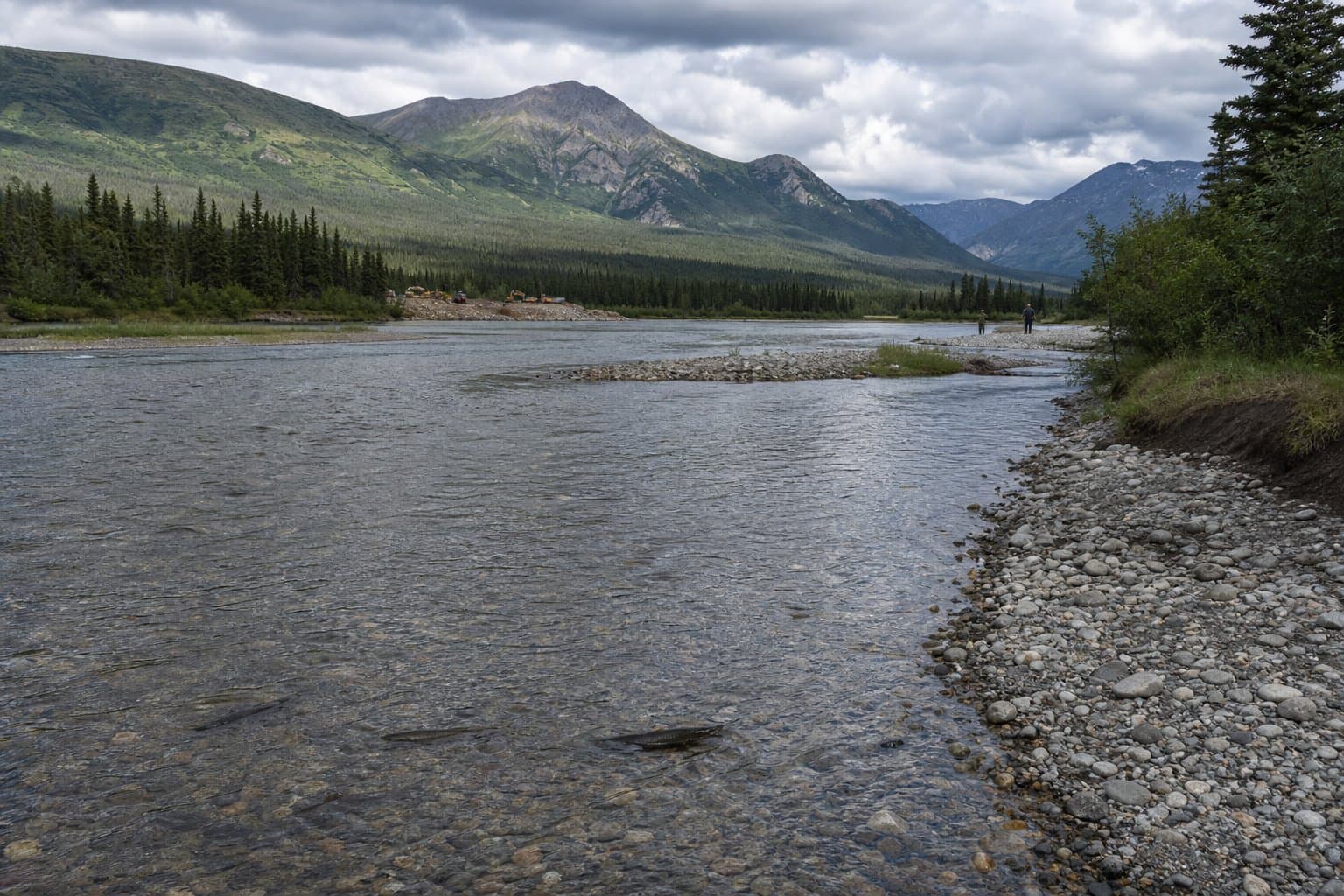
Federal regulators weigh a noise permit for a Douglas Island cruise terminal, with sea otters in the balance
Federal regulators are weighing a noise permit for a Douglas Island cruise terminal that could affect sea otters, with public comment open through Sept. 11.
by Maggie AlaskaNews3mo ago2 min read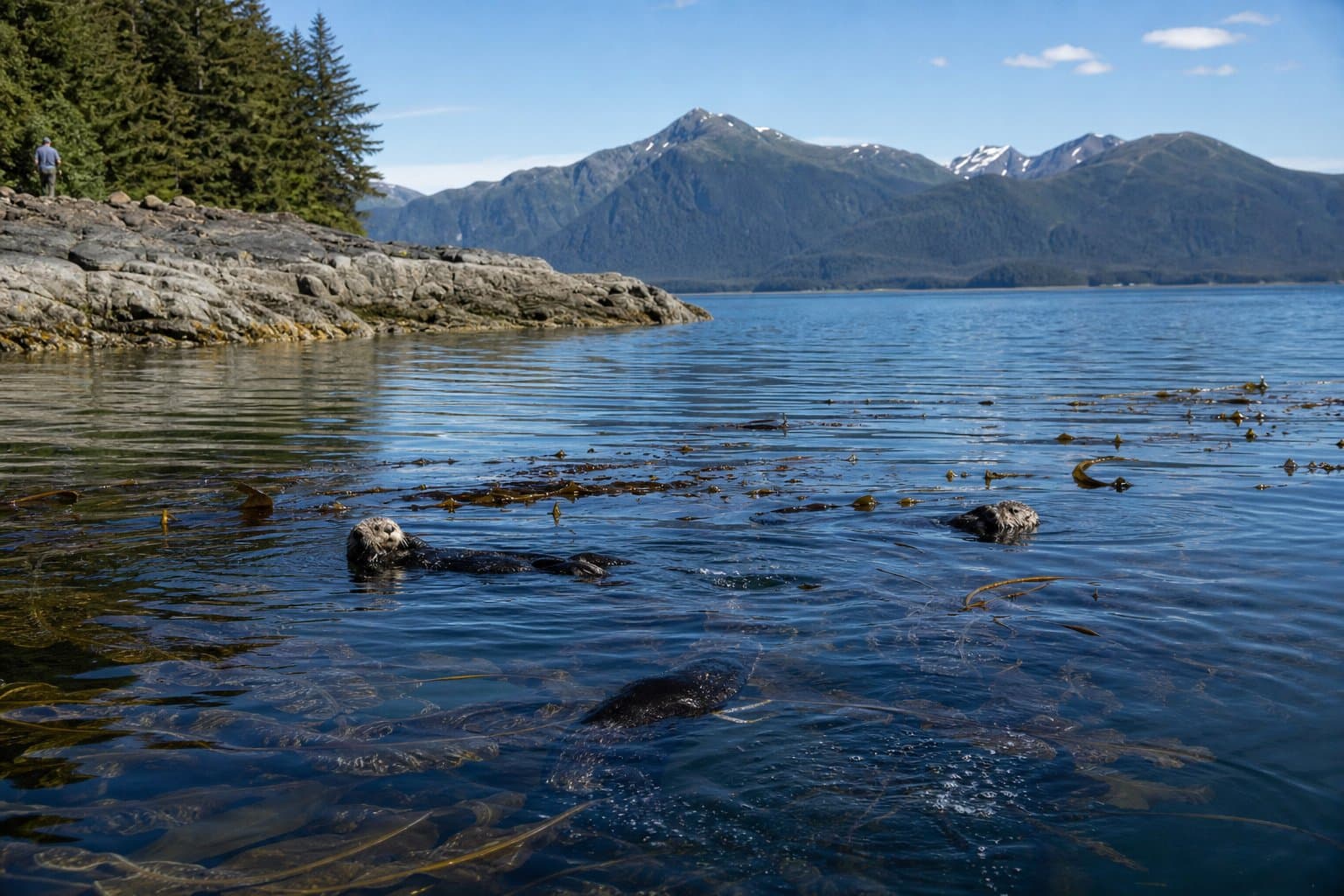
Juneau's wastewater plant has been out of compliance for three years, and ratepayers foot the bill
Juneau's main wastewater plant has been out of federal compliance for three years, its permit expired — and sewer customers will pay the $20 million fix.
 by Lucas Brown3mo ago2 min read
State testing finds little or no PFAS in Alaska marine fish, with one exception for pollock
Alaska tested 610 marine fish specimens from 2022 to 2024 and found PFAS in only five samples, all below European and Japanese food thresholds, suggesting locally caught fish pose little dietary risk.
 by Walter AlaskaNews3mo ago2 min read
New $605k research asks why some Denali spruce survive the beetles
A spruce beetle outbreak has killed up to 60% of the spruce around Denali. New UAA research will dig into why some trees die and others survive.
by Maggie AlaskaNews3mo ago2 min read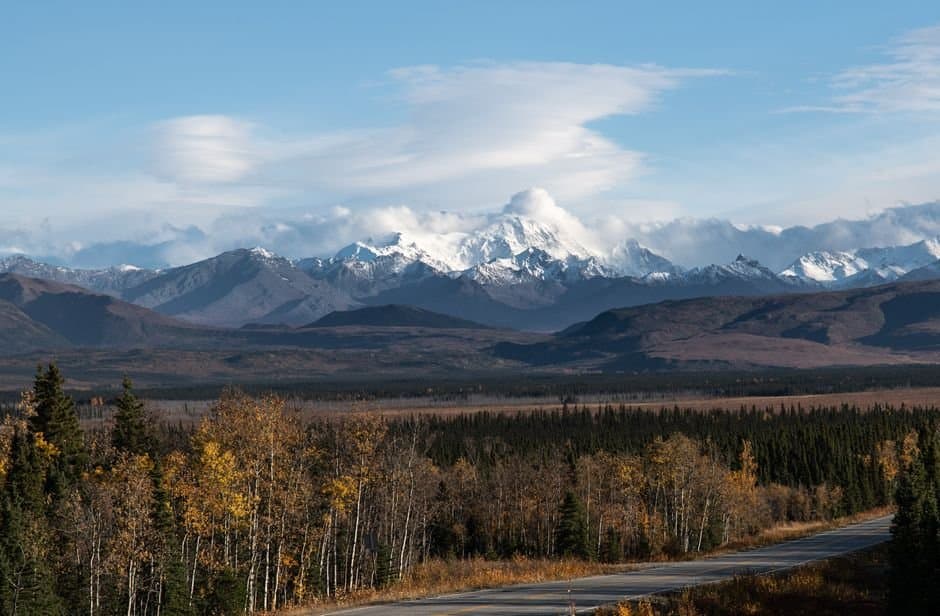
Anchorage and Fairbanks airports finish swapping PFAS foam out of crash trucks
Anchorage and Fairbanks airports replaced PFAS firefighting foam in their crash trucks with fluorine-free alternatives, cutting PFAS levels up to 99.999% in the tanks.
by Maggie AlaskaNews3mo ago2 min read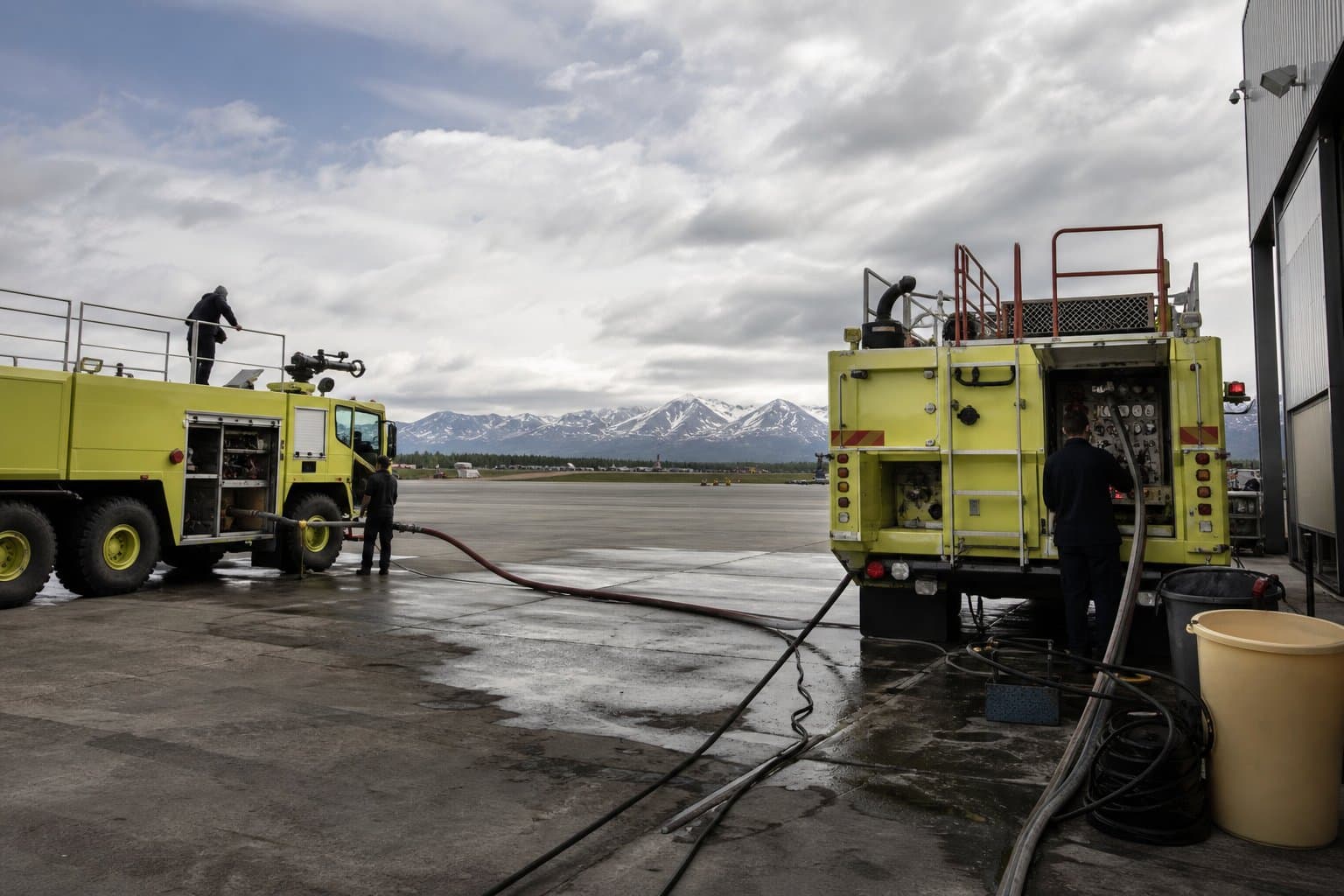
Unalaska moves to rebuild its harbor, with sea otter safeguards for the pile driving
Unalaska is set to rebuild moorage at Robert Storrs Harbor, with standard safeguards for nearby sea otters. The projected effect is minor. Comment to Sept. 10.
by Maggie AlaskaNews3mo ago2 min read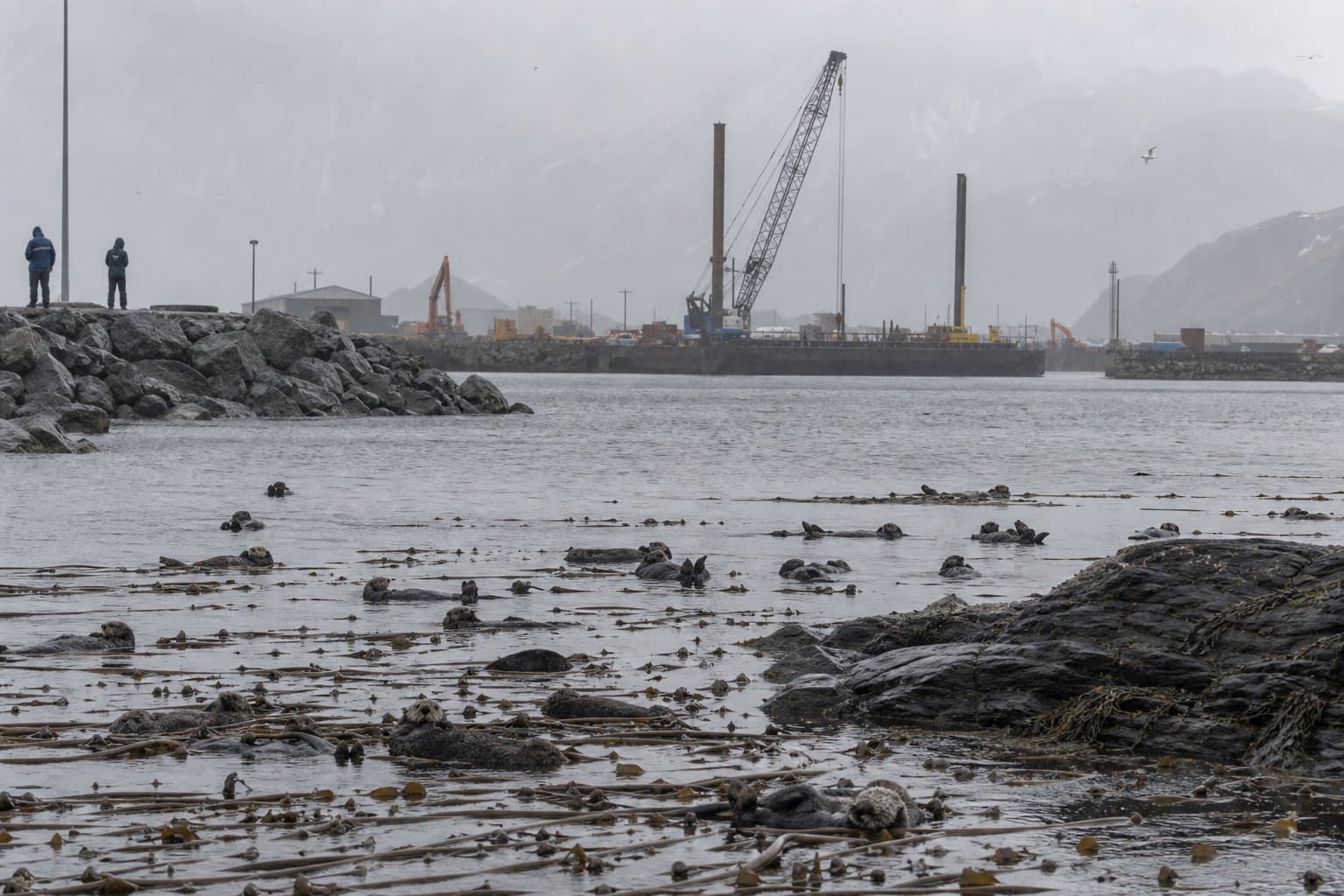
Cook Inlet's oil and gas discharge rules expired in 2021, and EPA is finally rewriting them
The rules for what oil and gas exploration can discharge into federal Cook Inlet waters expired in 2021 and have run on an extension. EPA is rewriting them.
by Walter AlaskaNews3mo ago1 min read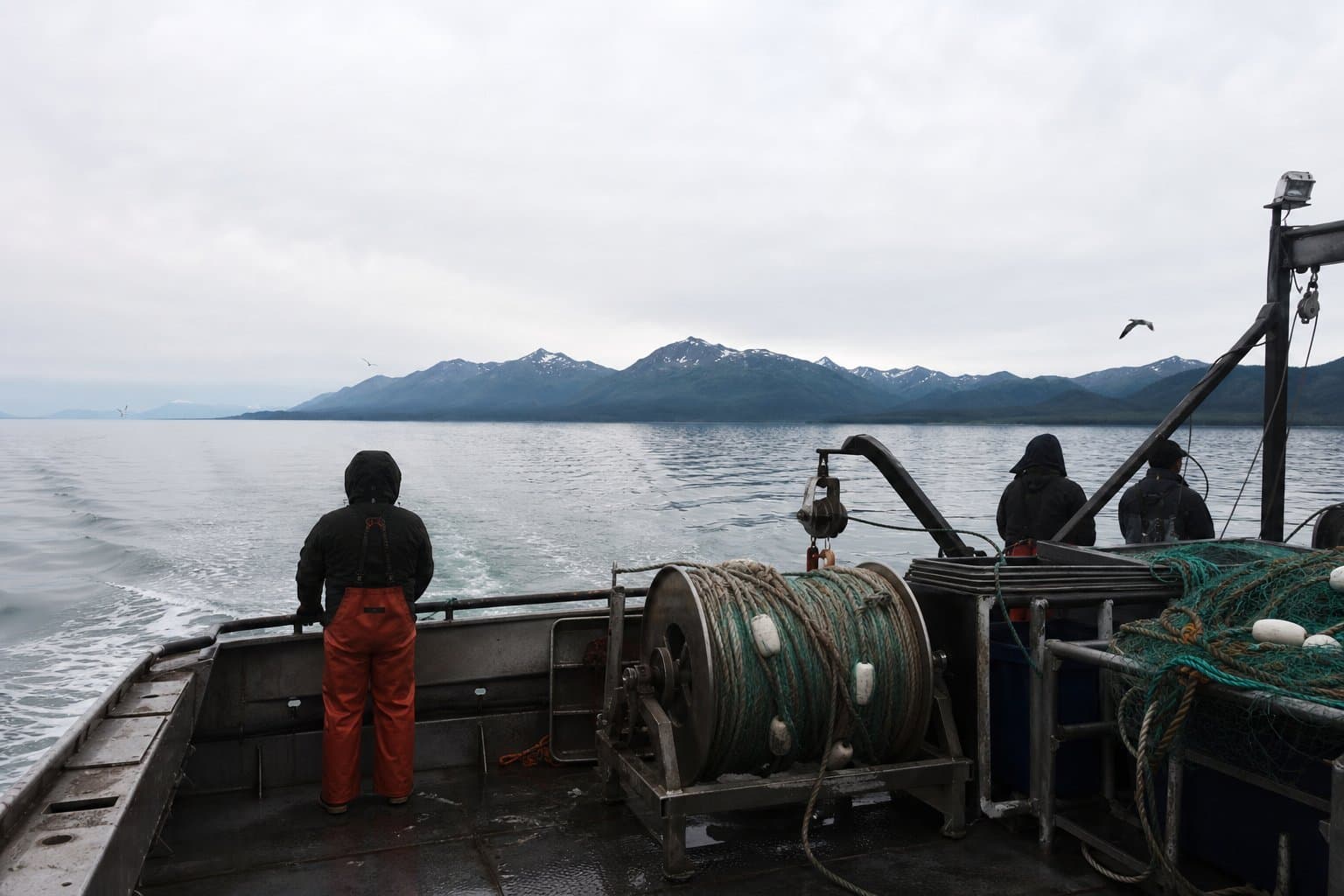
More from Environment
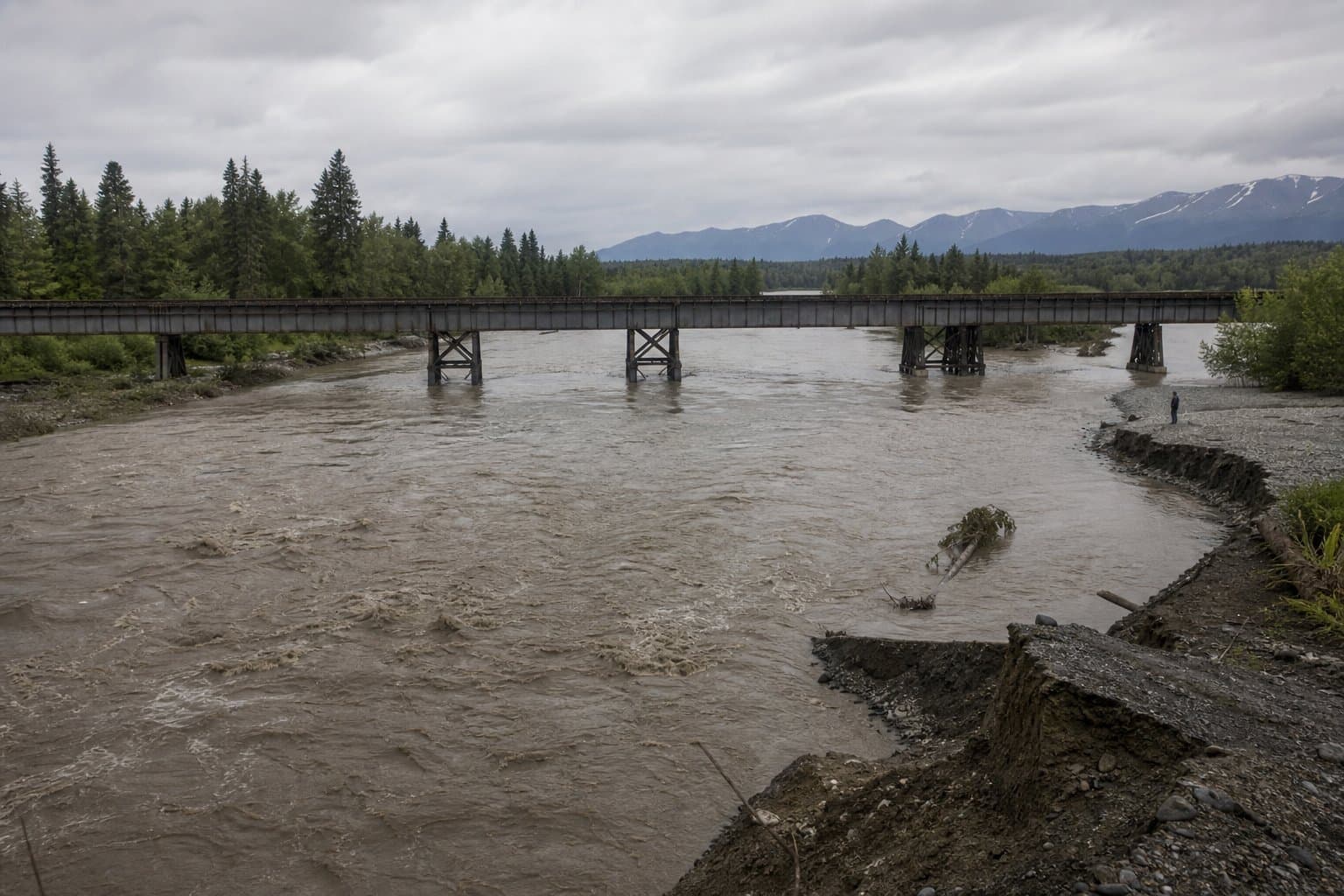
In Talkeetna, a debate over whether weather or a bridge is eroding the riverbank
Weather, or a rebuilt railroad bridge? As Talkeetna's bank erodes, one river-watcher says the bridge choked the river — and that's the fixable cause.
 by Bill AlaskaNews3mo ago1 min read
A rule meant to reveal where 'forever chemicals' are used stays delayed
Forever chemicals, forever unreported: the Senate left a PFAS disclosure rule on hold as contamination spreads at Eielson and across Alaska.
by Walter AlaskaNews3mo ago2 min read
Sitka Coast Guard dock switches from steel to plastic fender piles
Sitka's new Coast Guard dock is switching from steel to plastic piles, a change that both speeds up the work and shrinks the zones where pile-driving noise could disturb marine mammals.
by Maggie AlaskaNewsadded 3mo ago2 min read
Interior proposes easing Arctic offshore drilling safety rules
The Trump administration proposed easing post-Deepwater Horizon safety rules for Arctic offshore drilling off Alaska, reviving the spill-risk debate.
by Maggie AlaskaNews3mo ago2 min read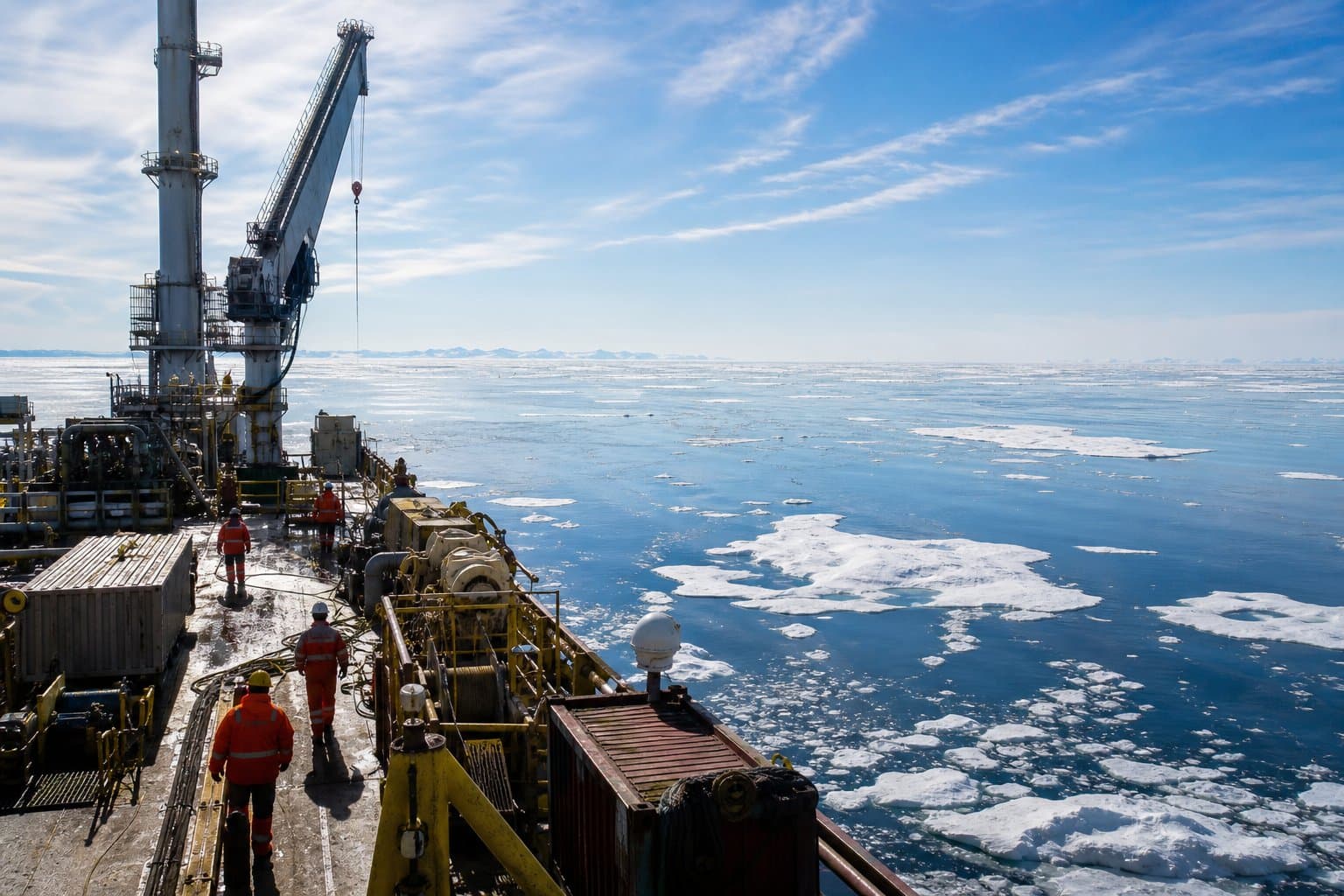
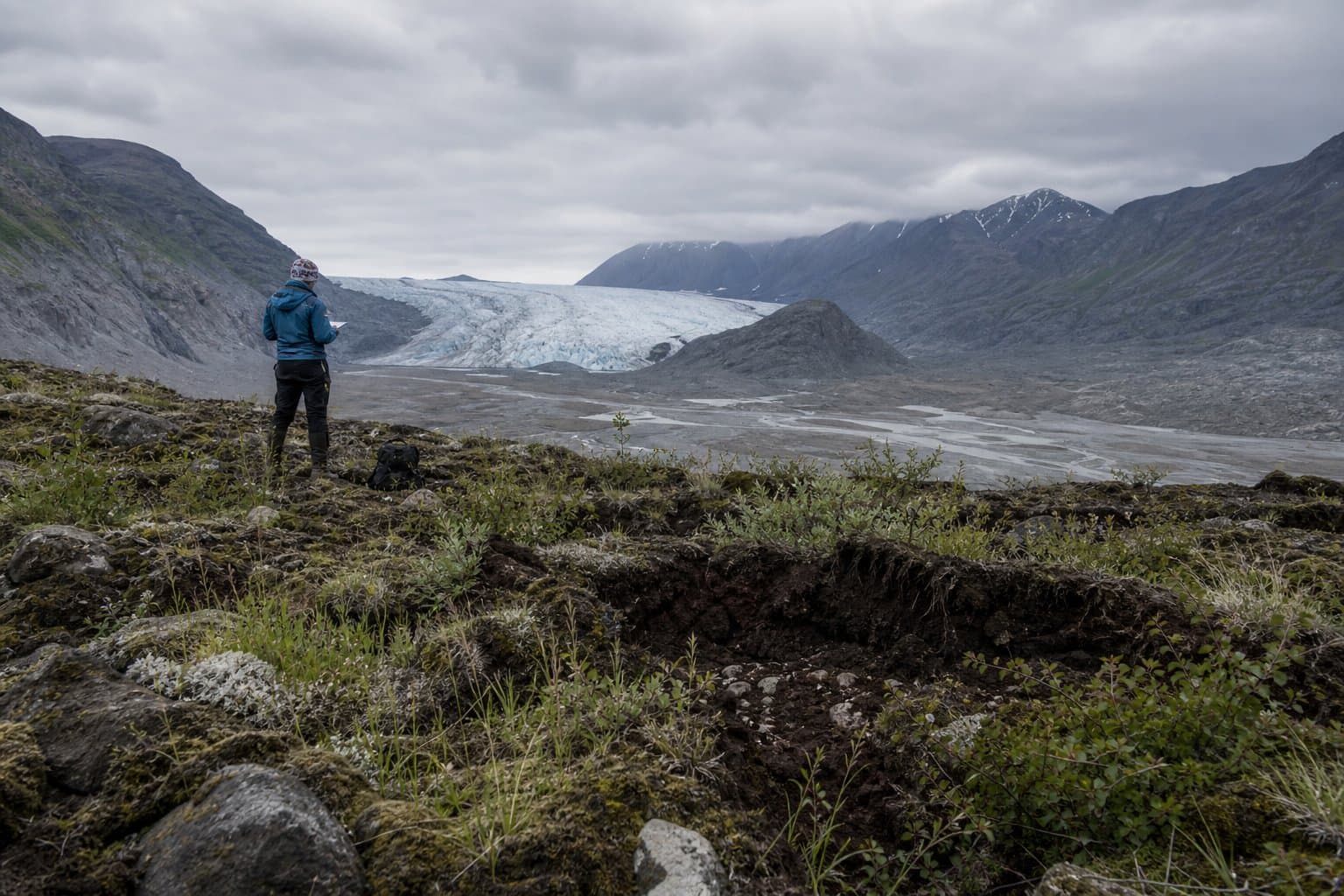
As Alaska's glaciers retreat, new carbon-storing bogs are forming behind them
As Alaska's glaciers retreat, new carbon-storing peat bogs are forming on the bare ground behind them. A UAF grant will map how they form and how long they last.
 by Melinda Communities.News3mo ago2 min read
The little Kachemak Bay lab watching Alaska's ocean for 70 years
A NOAA-UAF marine lab has studied Kachemak Bay for nearly 70 years — acidification, algal blooms, shellfish. A seawater permit keeps its tanks running.
by Walter AlaskaNews3mo ago1 min read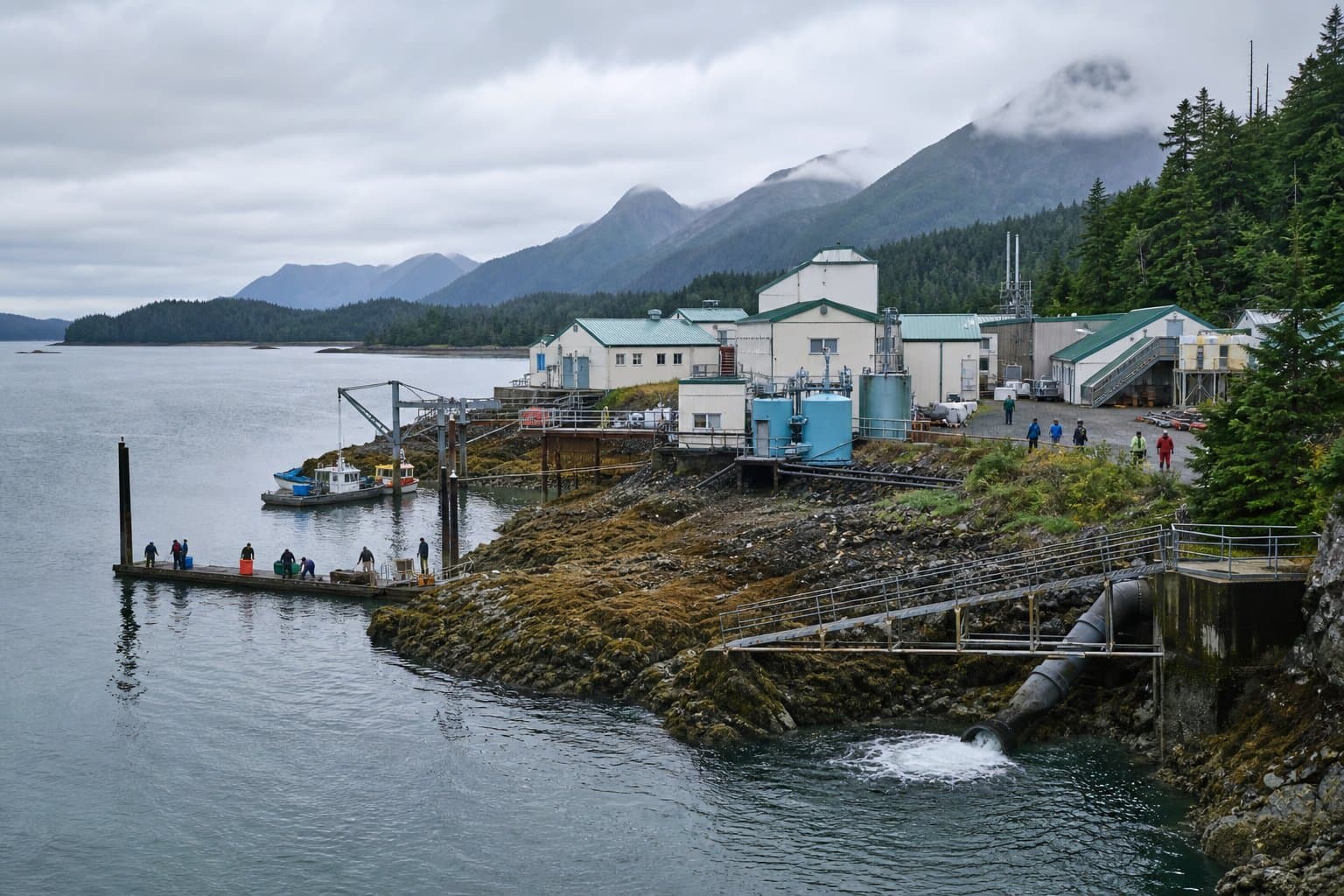
A Juneau builder with a long wetlands-filling history moves to settle federal charges
Federal and state authorities lodged a settlement with Duran Construction over Clean Water Act wetlands violations, but the public comment period has not yet been scheduled.
by Maggie AlaskaNewsadded 3mo ago2 min read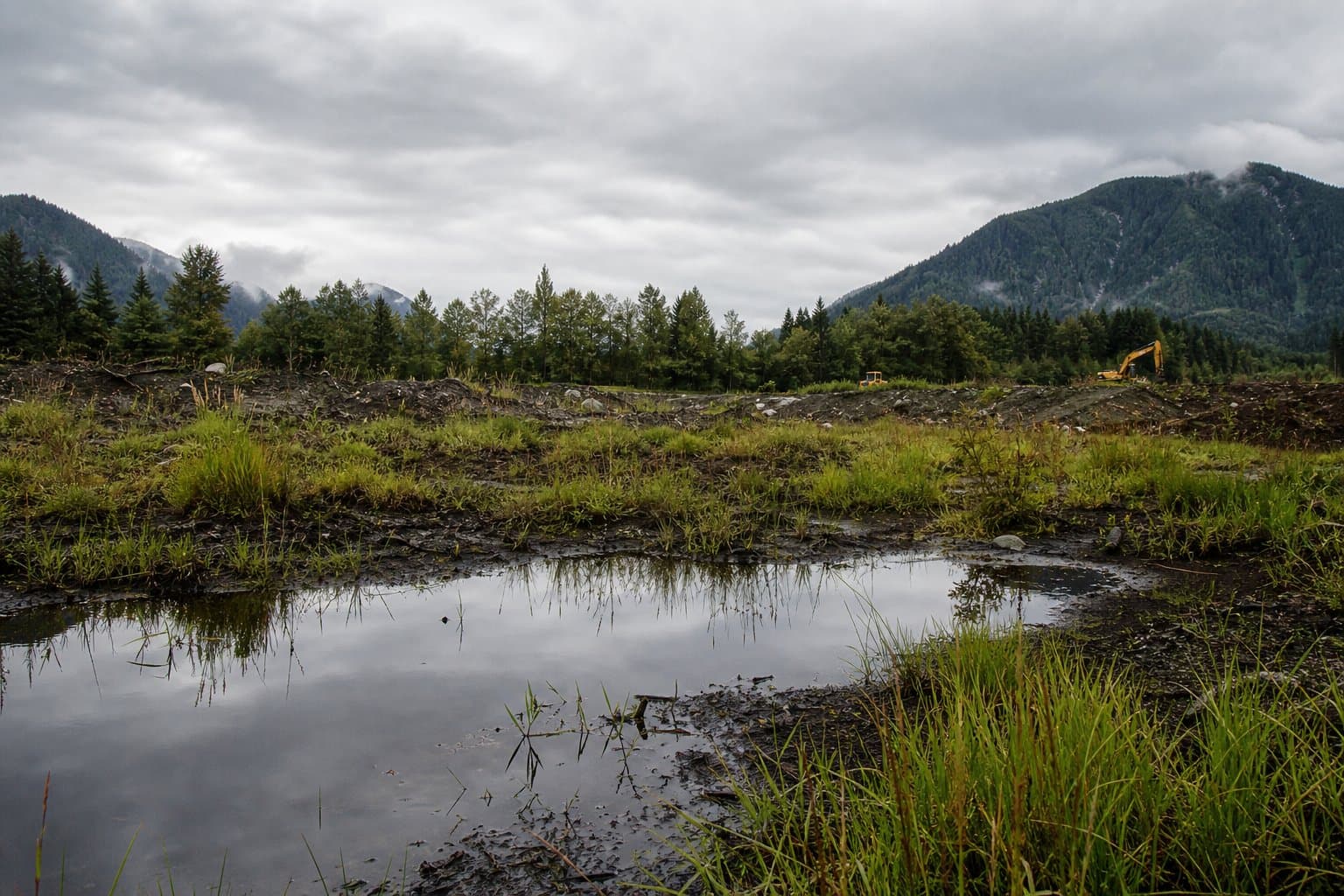
As melting ice opens the Arctic to more ships, a UAA scientist studies how a spill would behave
As melting ice brings more ships to the Arctic, a UAA scientist won a $364,999 grant to study how sunlight breaks down the toxic residue an oil spill would leave in cold, salty northern waters.
by Melinda Communities.News3mo ago1 min read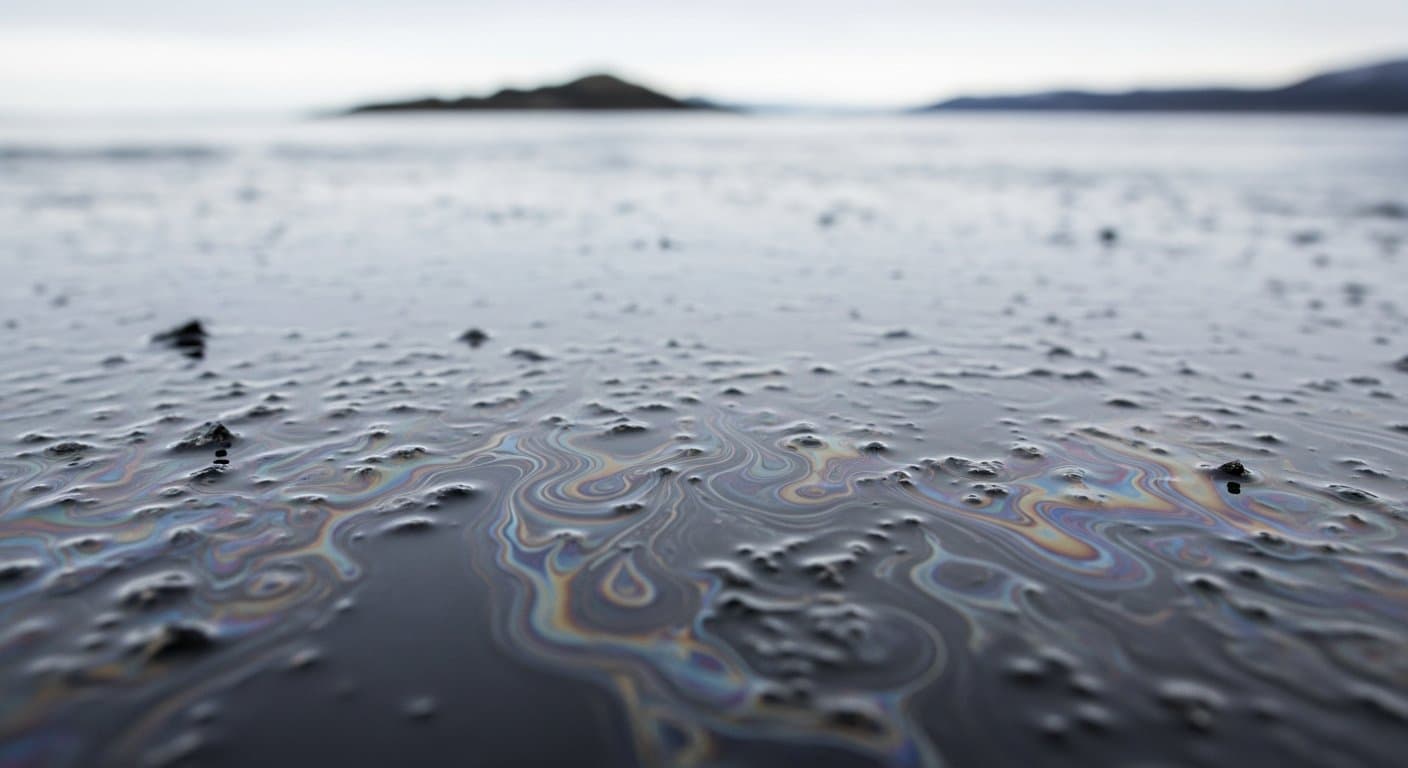
Coming up
Alaska Department of Environmental Conservation: Public Hearing on Fairbanks Air Quality Zone Split
Fairbanks, Alaska
Hearing
2026 18 AAC 50 Fairbanks Nonattainment Area Split Regulations – Public Hearing (Fairbanks)
Hearing
Alaska Department of Environmental Conservation: Public Hearing on Fairbanks Air Quality Zone Split (North Pole)
Hearing
2026 Fairbanks Nonattainment Area Split Regulations – North Pole Oral Hearing
Hearing
Exxon Valdez Oil Spill Trustee Council Meeting
Meeting
About Environment
Environment in Alaska takes in the land, water, air and wildlife affected by resource development, pollution and natural change. Much of it runs through permits, including wetland fill permits from the Army Corps of Engineers and oil spill plans, air permits and wastewater discharge permits from state regulators.
Mines, oil fields, fuel facilities and municipal wastewater plants must obtain permission to fill wetlands, discharge treated water or store fuel, and public comment periods precede many of those decisions. Drinking water quality is a recurring concern, with federal records listing Alaska water systems for violations and communities dealing with contamination.
Logging on national forest land, seabed mining, contaminated site cleanup and protections for marine mammals connect the subject to subsistence, fisheries and wildlife. Reviews under the National Environmental Policy Act and the Clean Water Act frame many of these decisions.
More from Environment
July 2026
Trident is renewing its tanker spill plan, in waters it has spilled in before
Trident is renewing the spill plan for two tankers that move oil through Alaska waters — and the company has spilled here before. Comment by Aug. 27.
by Bill AlaskaNewsadded 3mo ago1 min read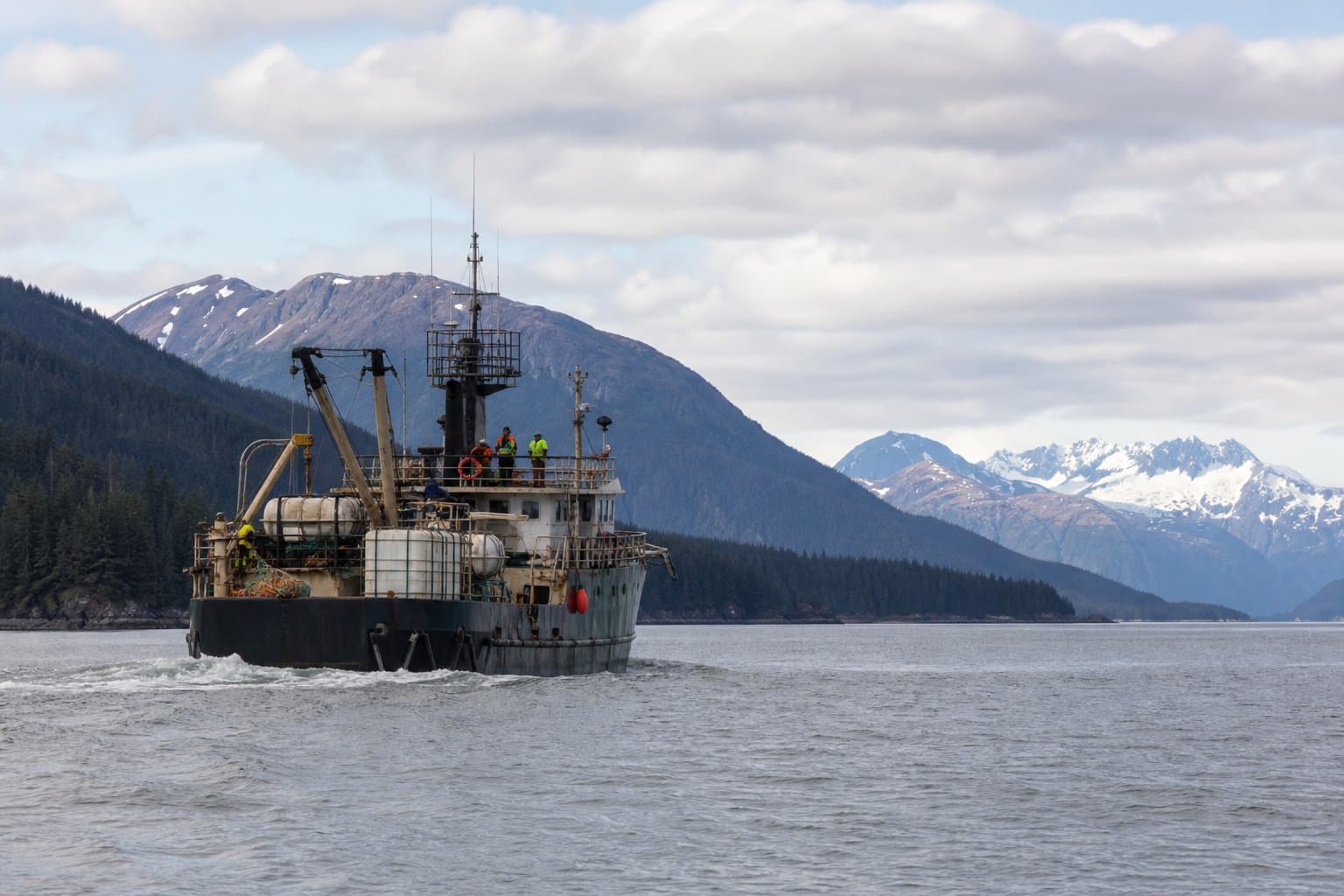
Nearly half of Kodiak's landfill is organic. A resident wants the borough to look at composting.
With 43% of Kodiak's landfill made up of organic waste, resident Marion Owen has asked the borough's waste board to study whether community composting could work.
by Walter AlaskaNews3mo ago1 min read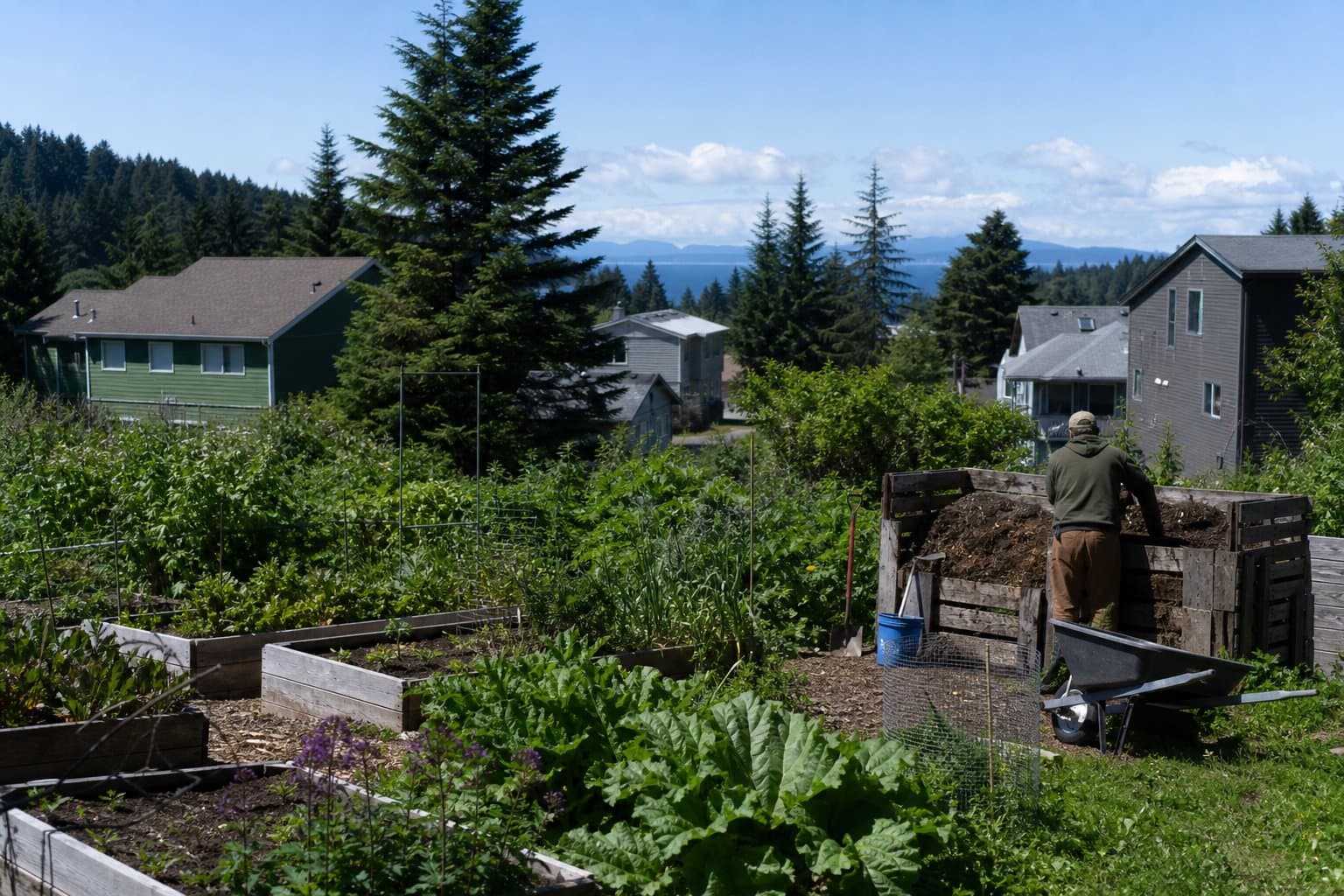
A federal minerals program is funding science on the seafloor mining wants to dig
An NSF grant is funding UAF-run science at a Pacific seamount through a "critical minerals" program — on the same mineral-rich seafloor that deep-sea mining wants, and that scientists call living habitat.
by Melinda Communities.News3mo ago1 min read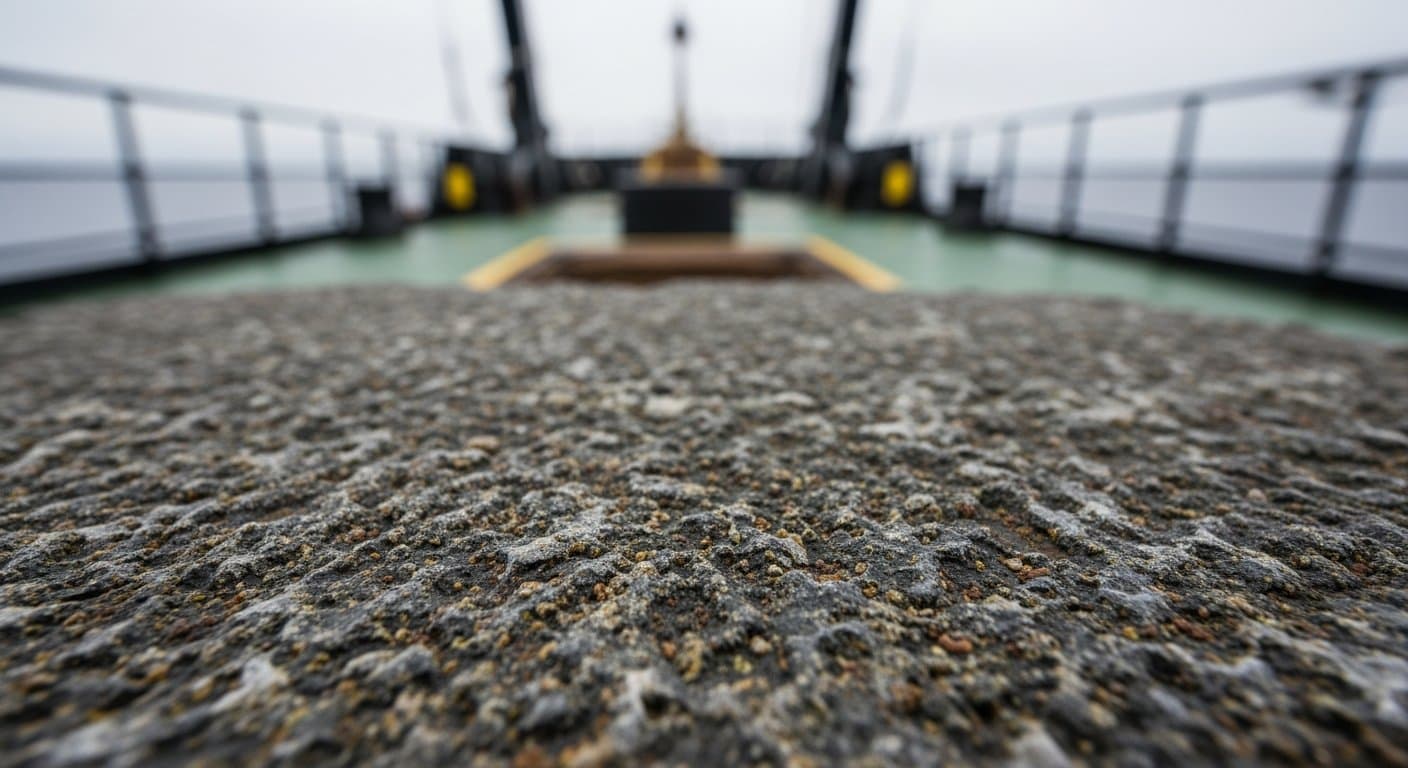
To understand today's coastal flooding, a UAF scientist will study an ancient one
A UAF scientist will spend two years studying how the sea drowned the Bering Land Bridge — because the same western Alaska coast is flooding again, and the ancient record is a forecast.
by Melinda Communities.News3mo ago1 min read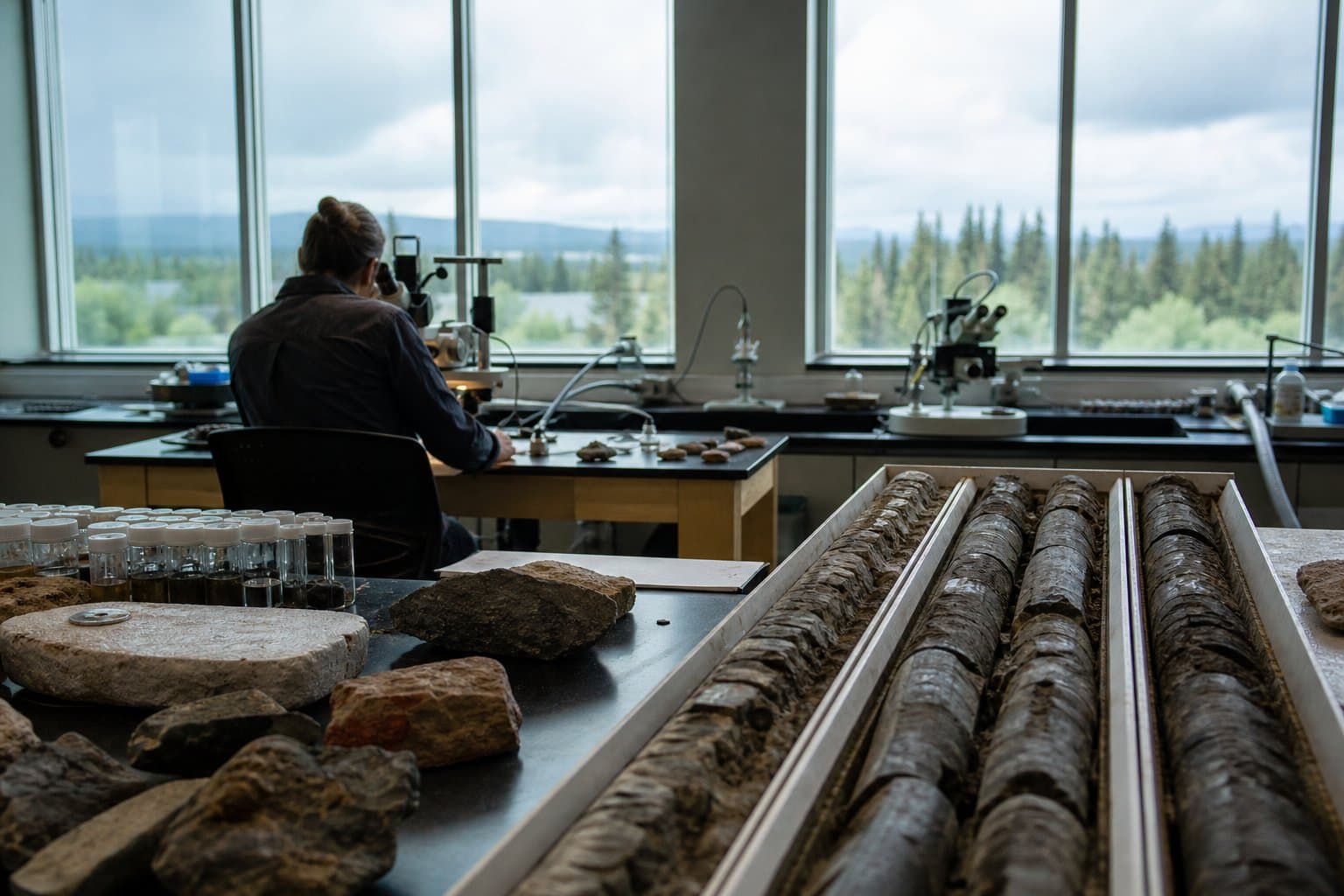
UAF grant aims to read what a volcano is doing while it does it
A UAF grant aims to turn a volcano's rumble and infrasound into a live readout of how hard it's erupting, with Aleutian air traffic as the stakes.
by Melinda Communities.News3mo ago1 min read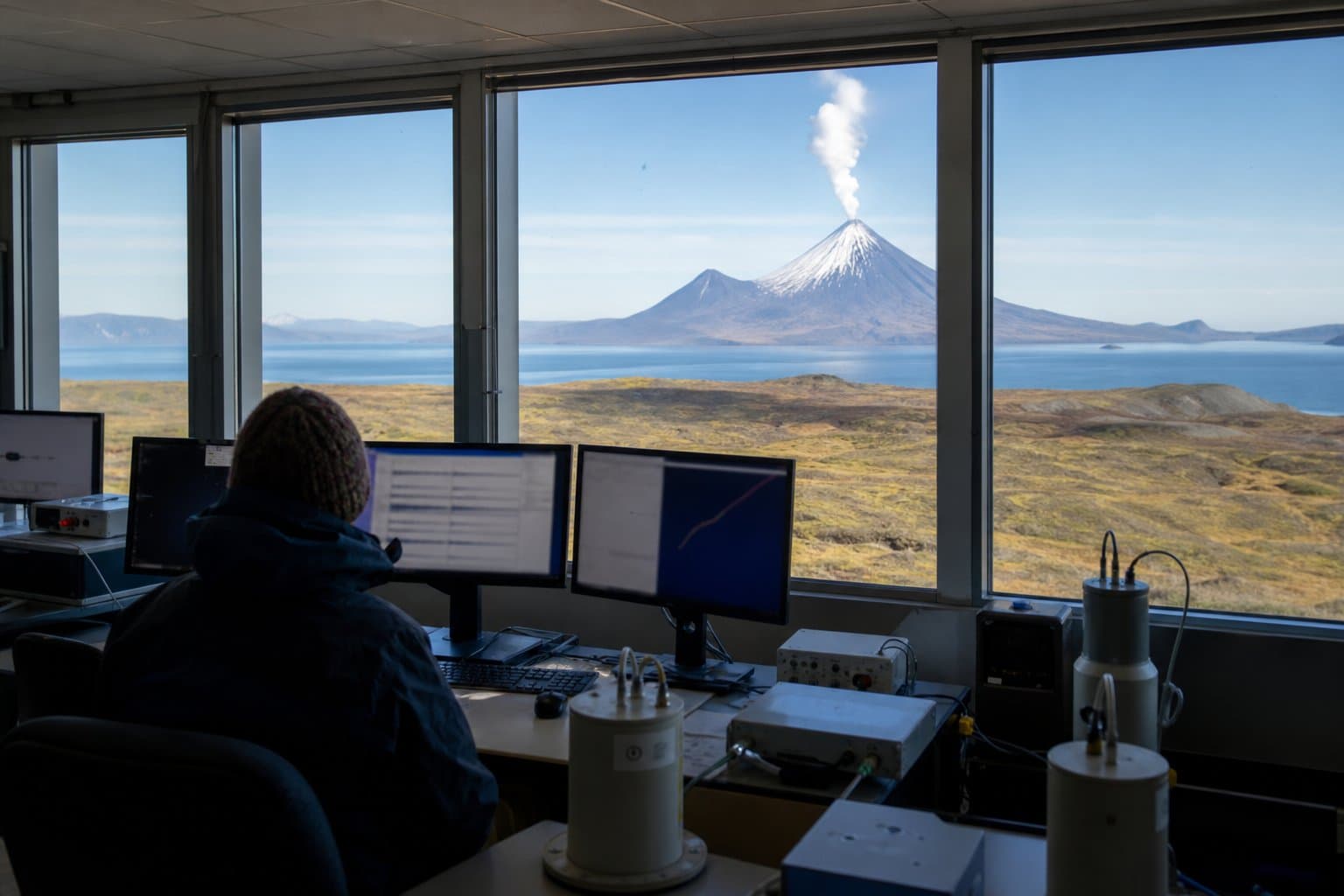
NOAA asks how to simplify import rules Alaska waited a decade for
Import rules Alaska harvesters waited ten years for took effect Jan. 1. Seven months later, NOAA wants to know how to make them easier to run.
by Maggie AlaskaNews3mo ago1 min read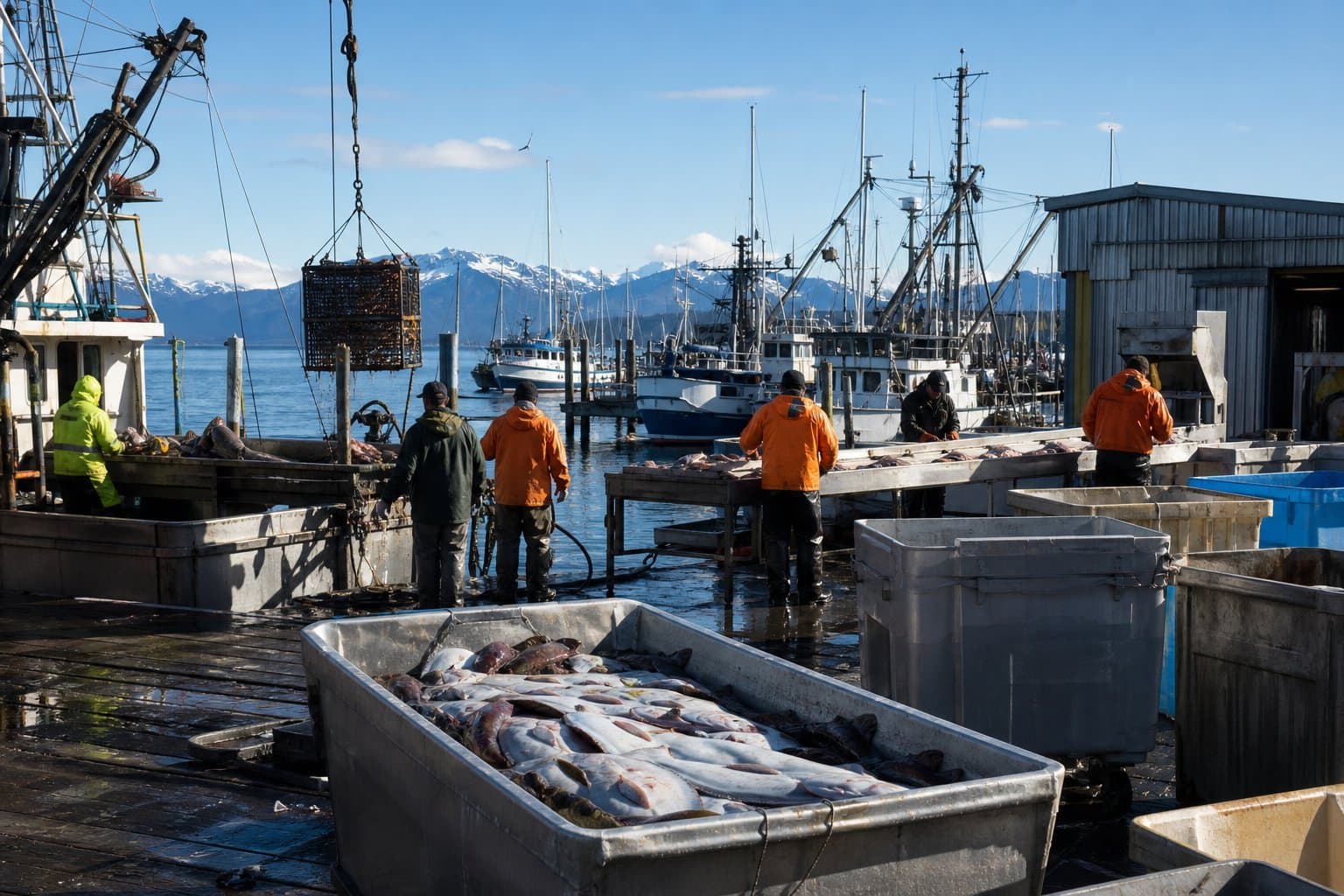
Whale permit for Ketchikan bridge counts down to the single animal
Federal regulators will let a Ketchikan bridge project disturb up to 63 humpback whales. Last season's number was 62. Nobody filed a comment either way.
by Maggie AlaskaNewsadded 3mo ago2 min read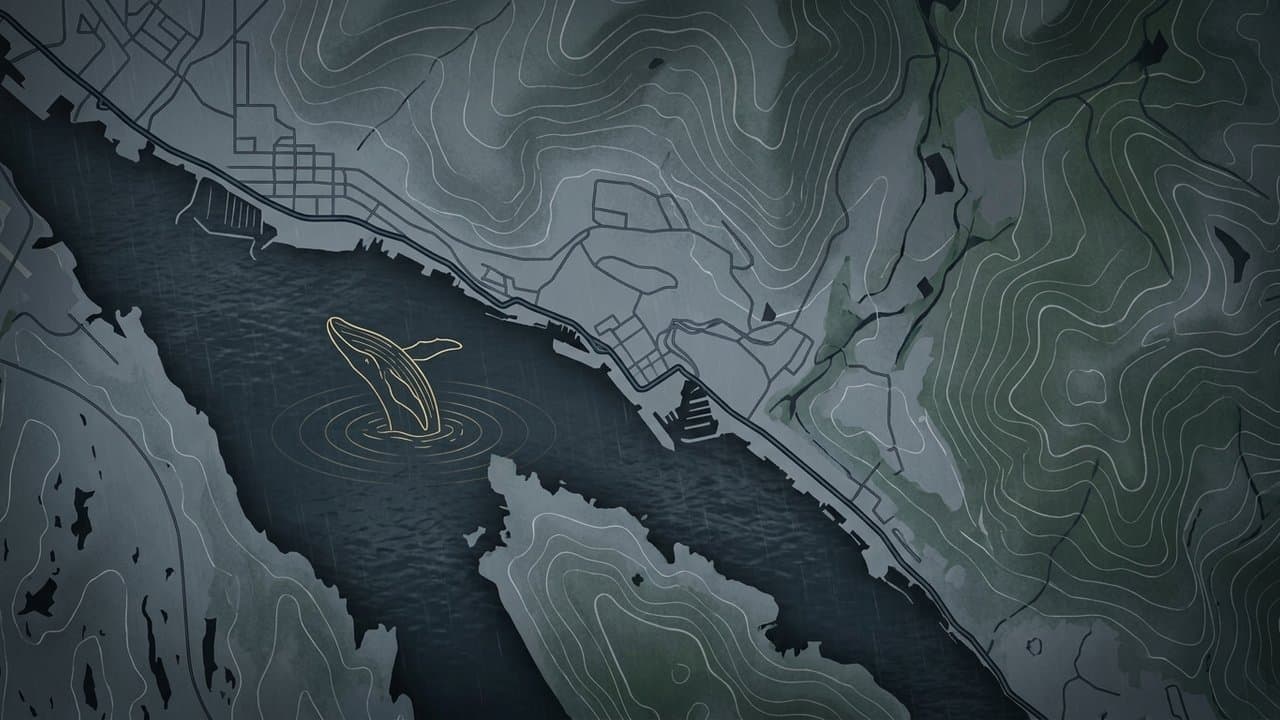
Federal rule changes loosen protections for Alaska's listed species
New federal rules quietly loosen Endangered Species Act protections just as Alaska's development push accelerates, with belugas, polar bears and eiders in the balance.
by Walter AlaskaNews3mo ago2 min read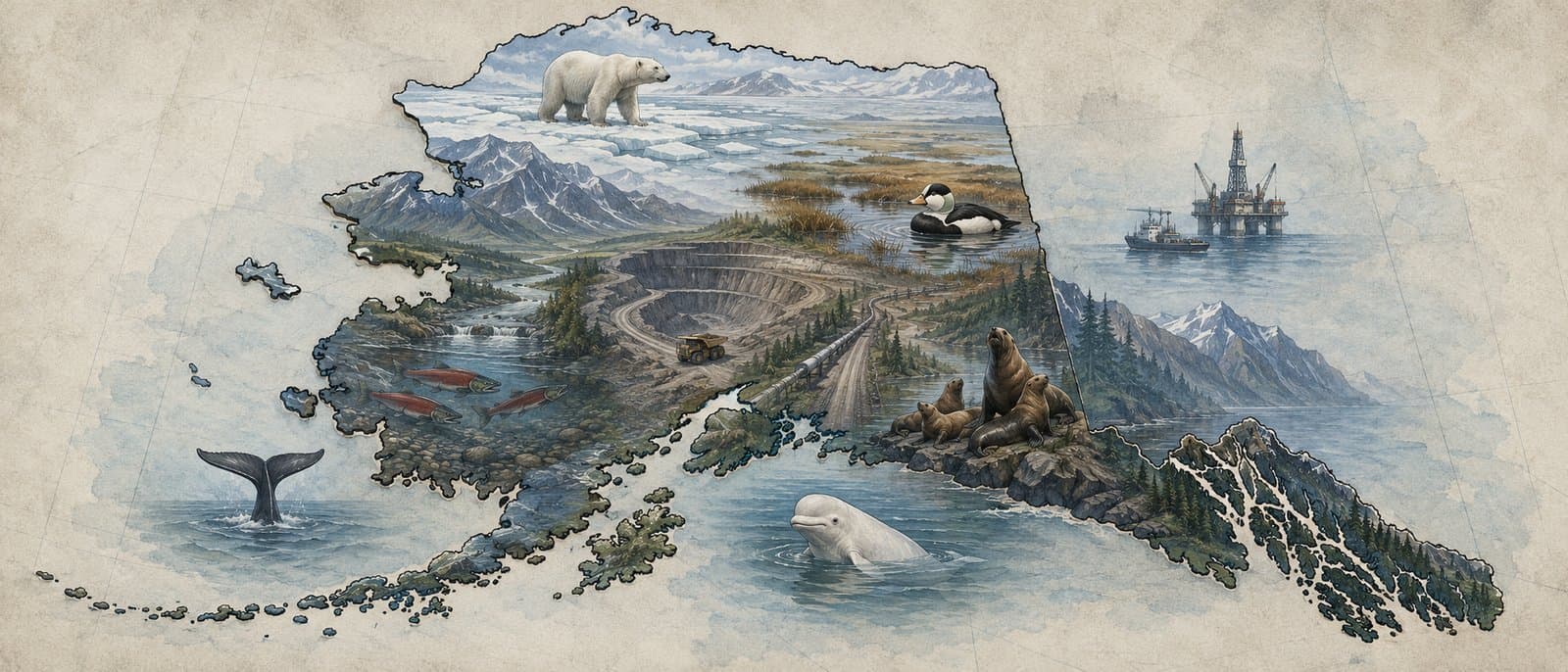
The North Slope's fuel farms sit on thawing ground
The state is renewing spill plans for eight North Slope fuel farms sitting on ground that is thawing and eroding out from under them.
by Maggie AlaskaNews3mo ago1 min read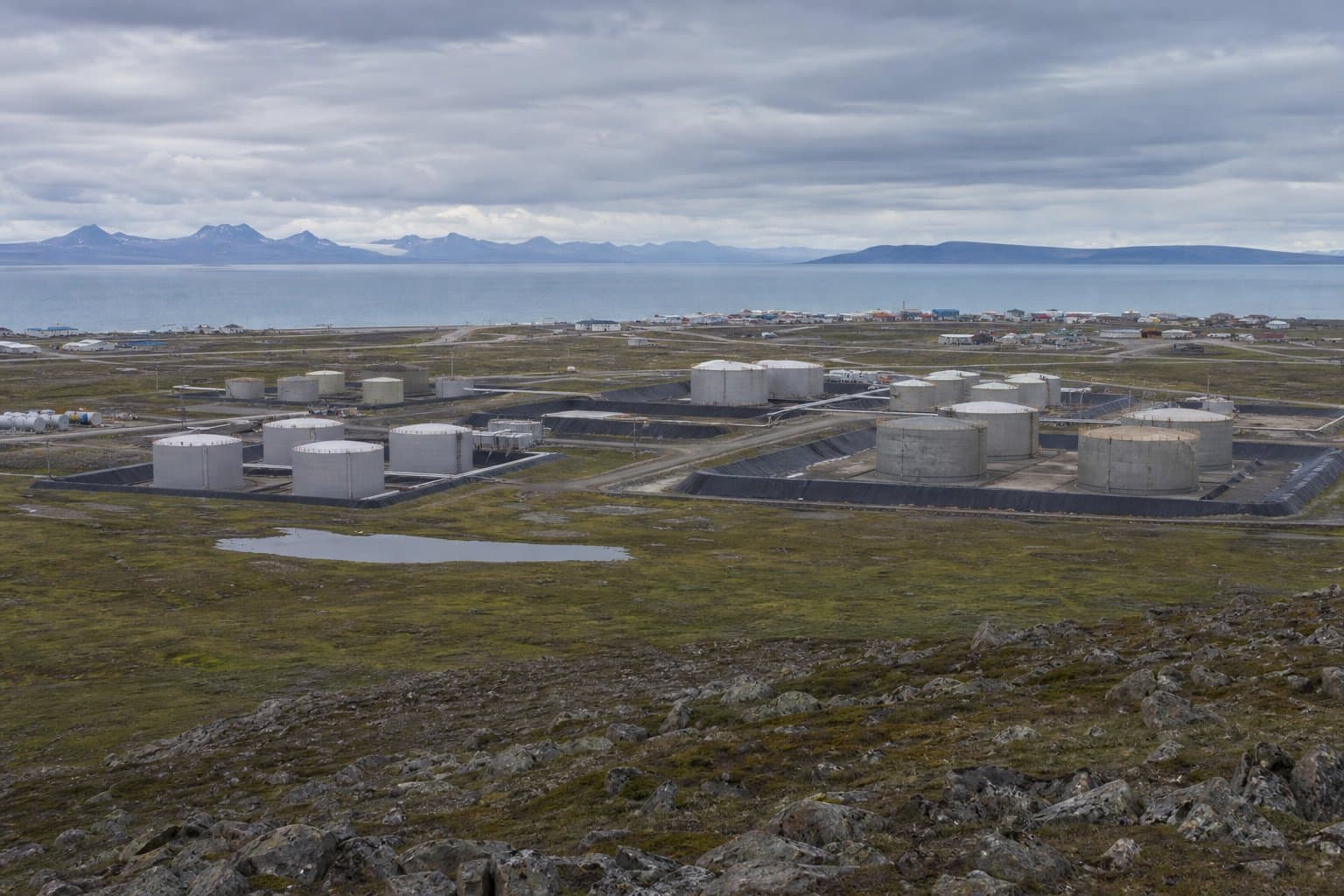
Mercury in Western Aleutian sea lion pups exceeds safety thresholds, prompting $1.5M NSF study
Mercury in endangered Aleutian sea lions has doubled in a decade, and pups now top safety limits. Scientists want to know why before it reaches people.
by Melinda Communities.News3mo ago1 min read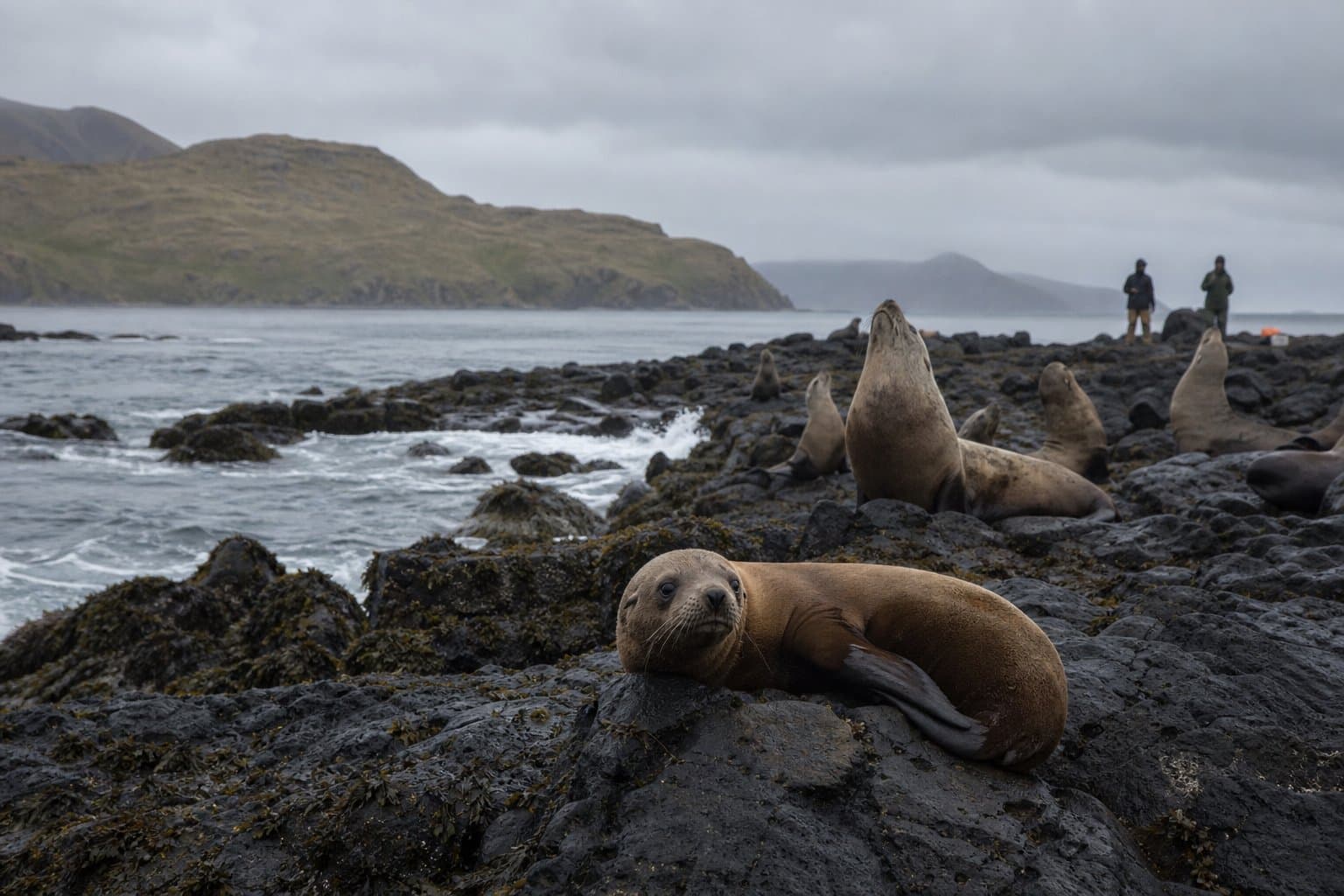
Kodiak boats have nowhere legal to store hazardous waste
Kodiak boats make hazardous waste year-round, but the island collects it twice a year — and nowhere on Kodiak can legally hold it in between.
by Bill AlaskaNews3mo ago1 min readFrom 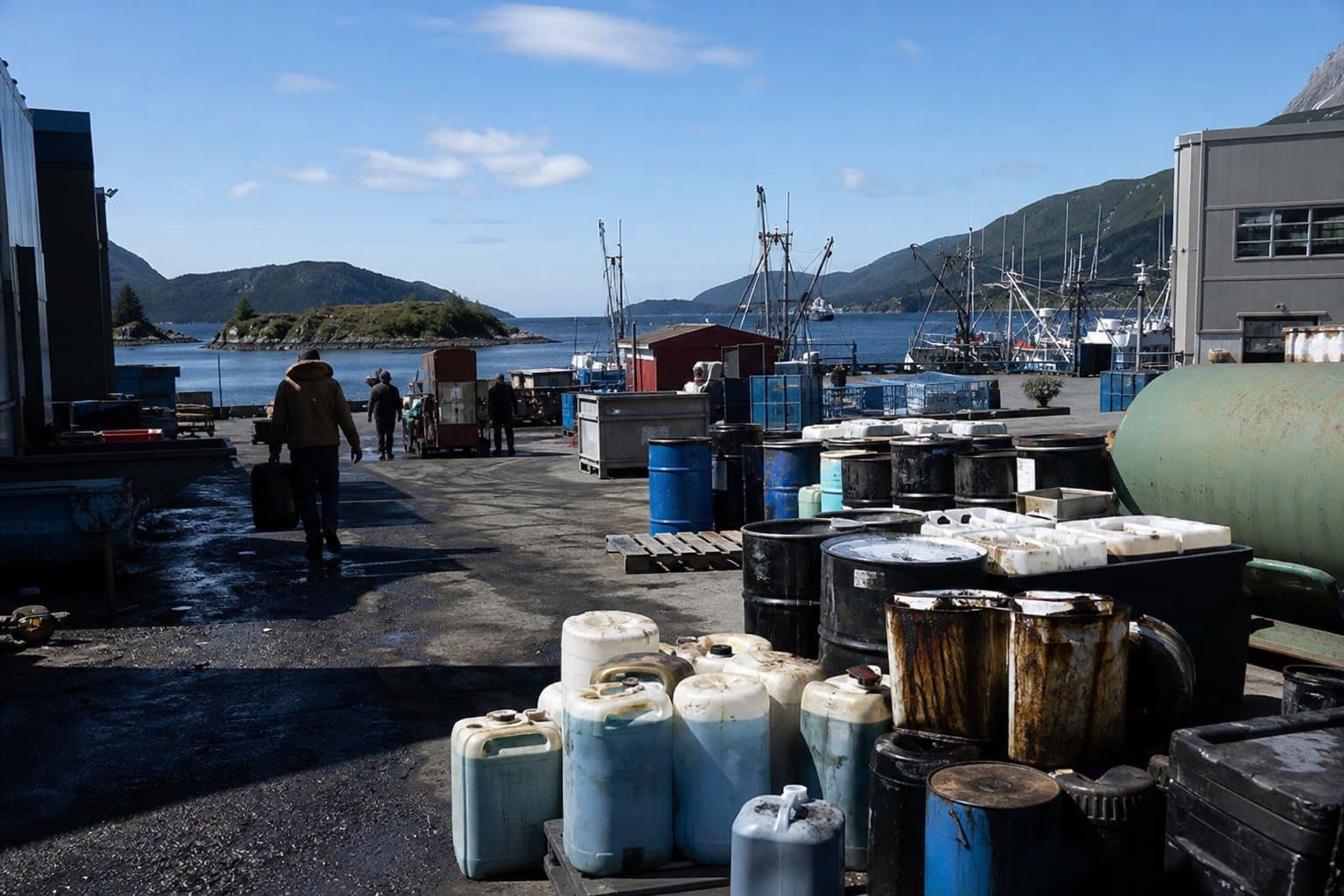
EPA proposes a $5,859 penalty over Dutch Harbor discharges
EPA wants $5,859 from UniSea over discharges into a Dutch Harbor bay that Unalaska residents use for subsistence. Public comment closes August 19.
by Maggie AlaskaNews3mo ago1 min read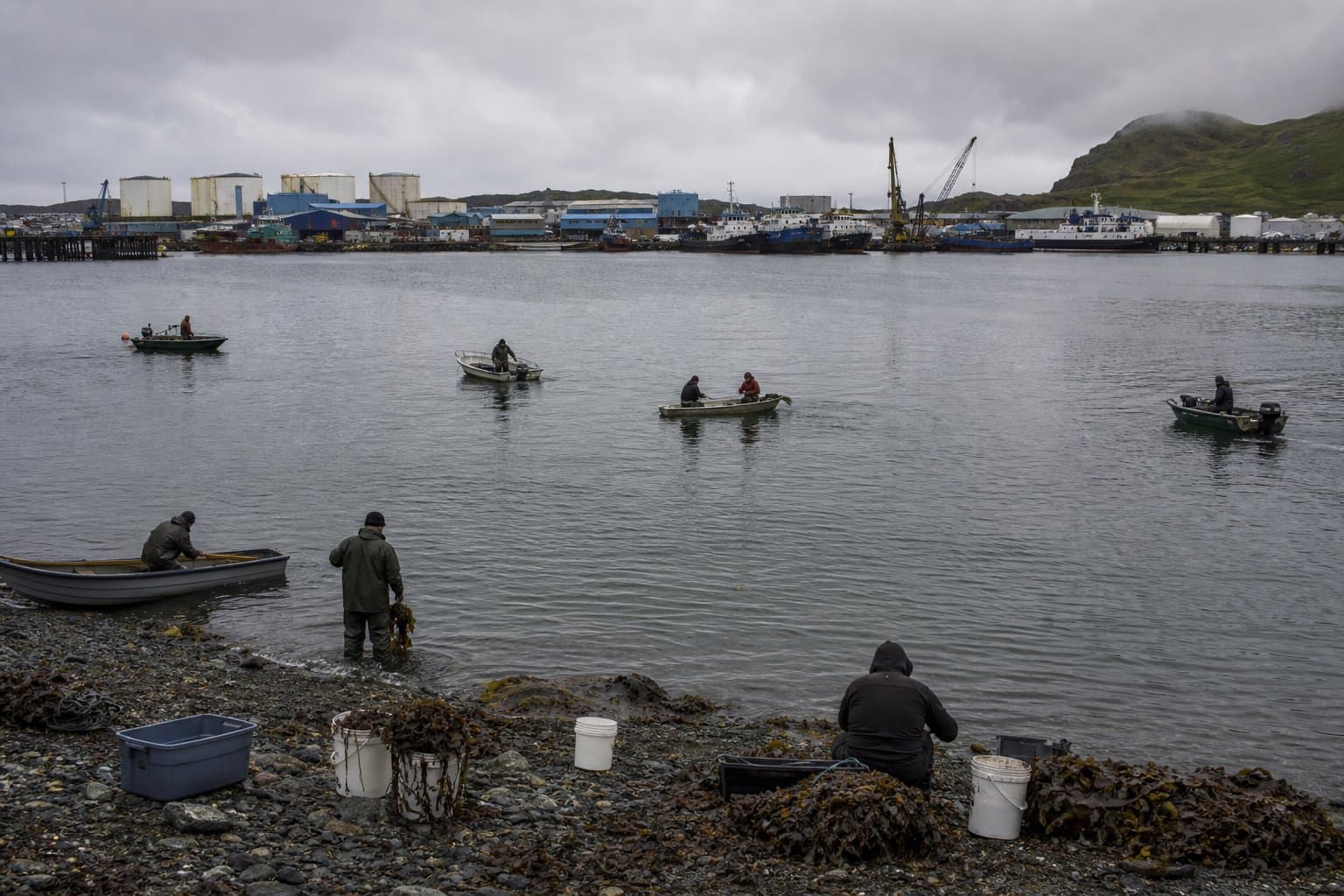
Hilcorp seeks 50 megawatts of new power at Milne Point
Hilcorp wants about 50 megawatts of new turbine power at Milne Point — three big turbines and 185,000 gallons of fuel. Comments close 30 days from July 18.
by Walter AlaskaNews3mo ago1 min read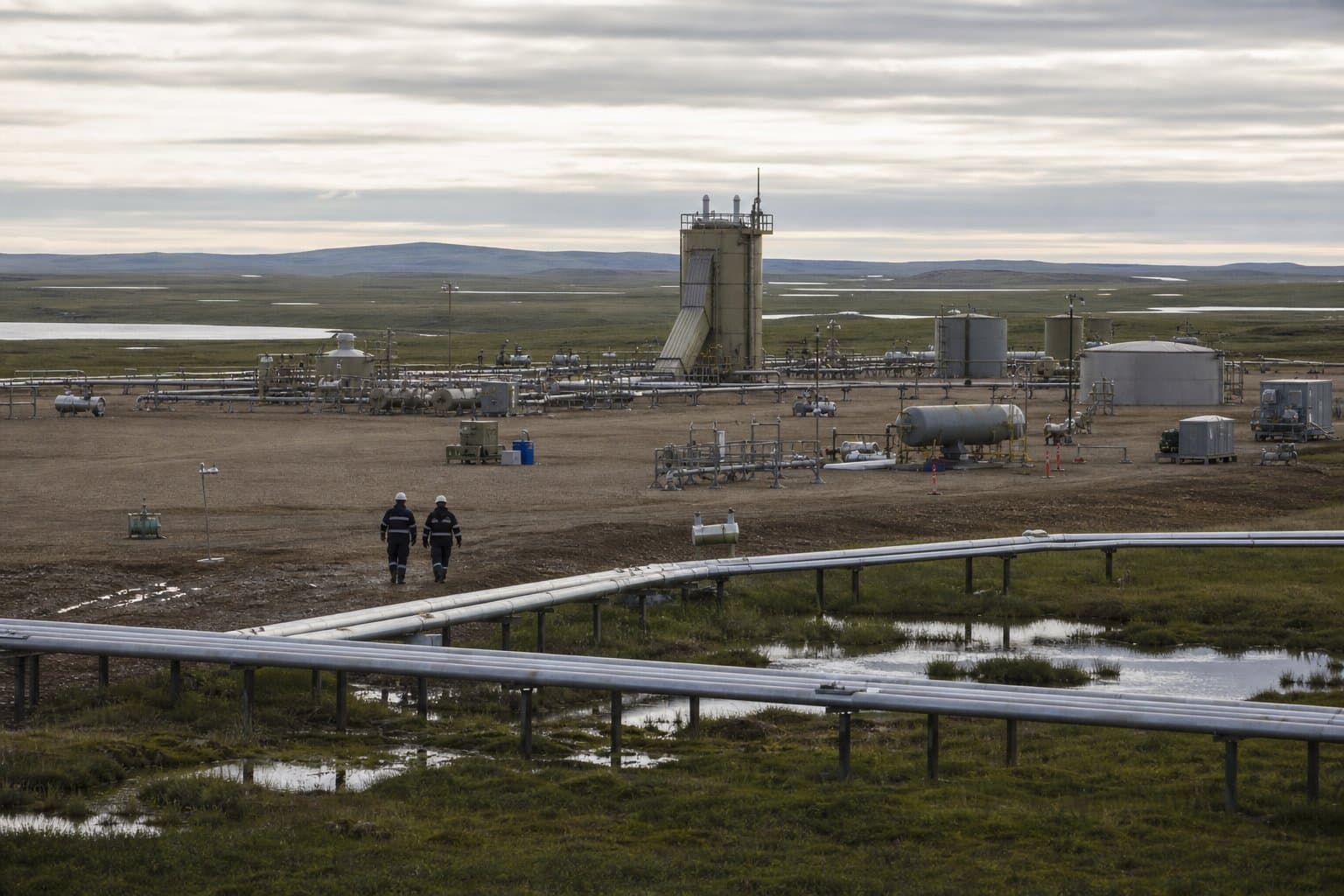
ADEC proposes final discharge permit for Kodiak landfill leachate plant
Alaska regulators issued a proposed final permit allowing Kodiak Island Borough to discharge 288,000 gallons daily of treated landfill leachate into a wetland draining to Monashka Bay.
by Melinda Communities.News3mo ago1 min read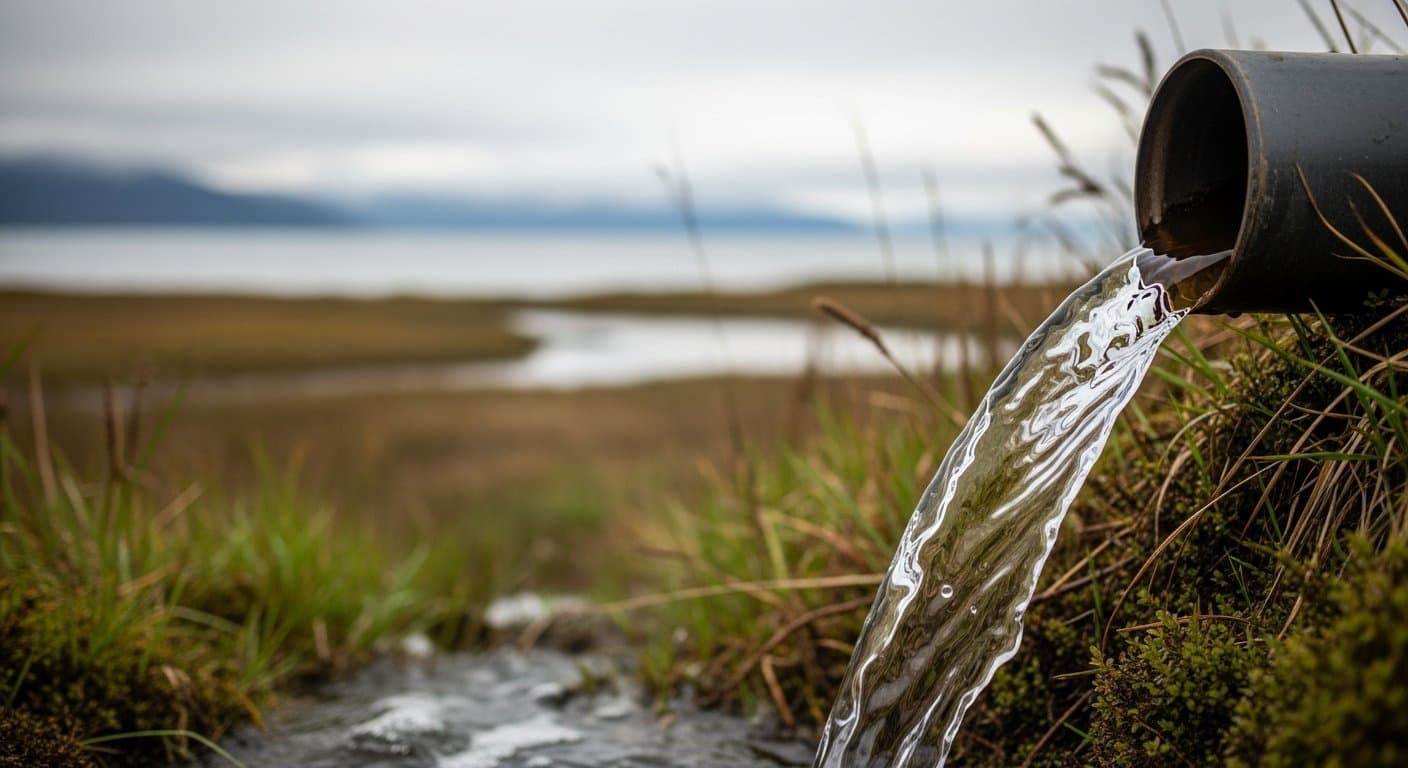
Kodiak conservation district seeks permit to spray glyphosate in Buskin watershed
Plant plant go away come get another day. Or, you don't have to.
by Bill AlaskaNews4mo ago1 min read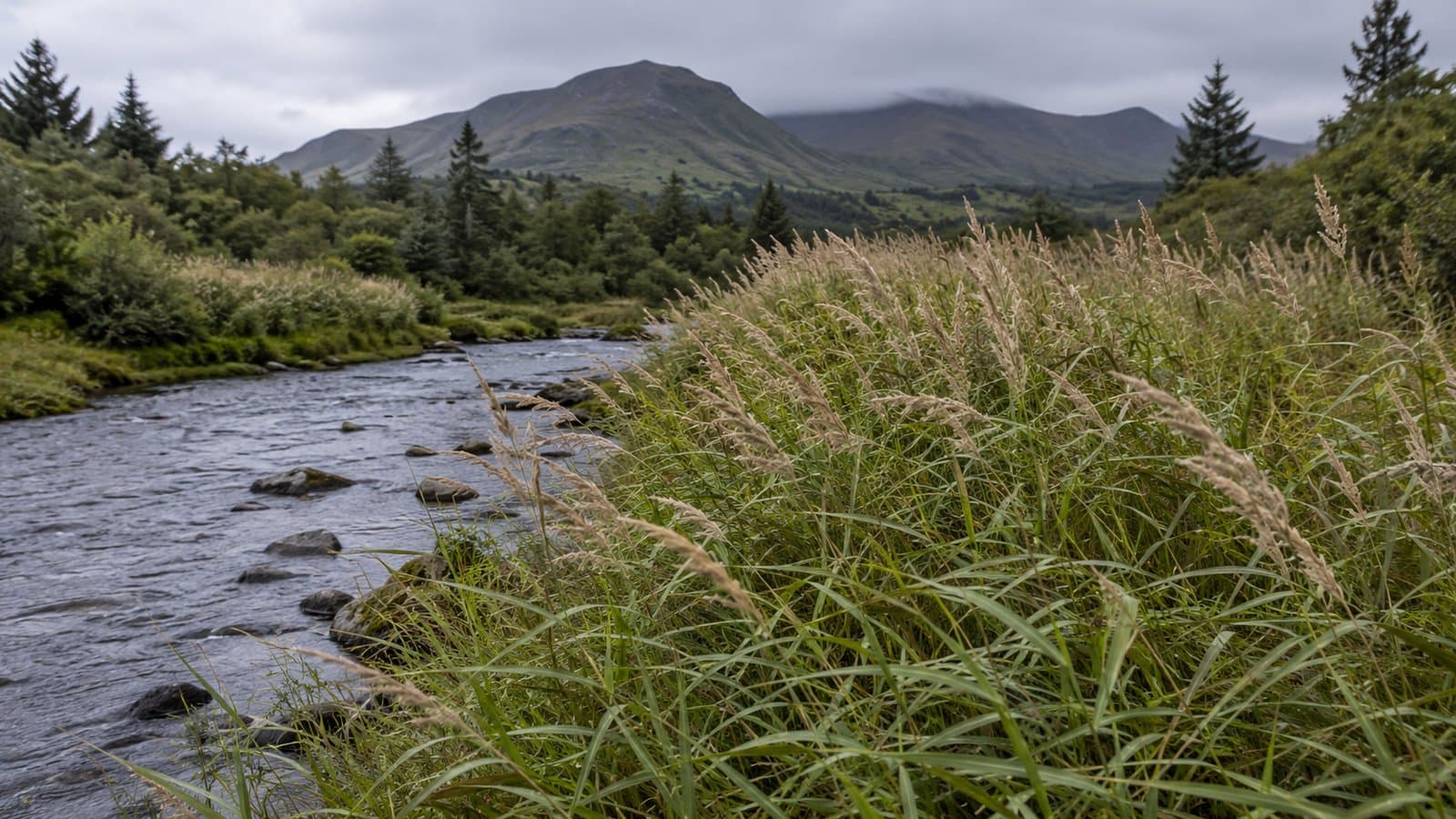
USDA moves to rescind the roadless rule on the Tongass
USDA is moving to lift the roadless rule on the Tongass, reviving a 25-year fight over roads, logging, and energy in the nation's largest forest. A decision is due later in 2026.
by Walter AlaskaNews4mo ago2 min read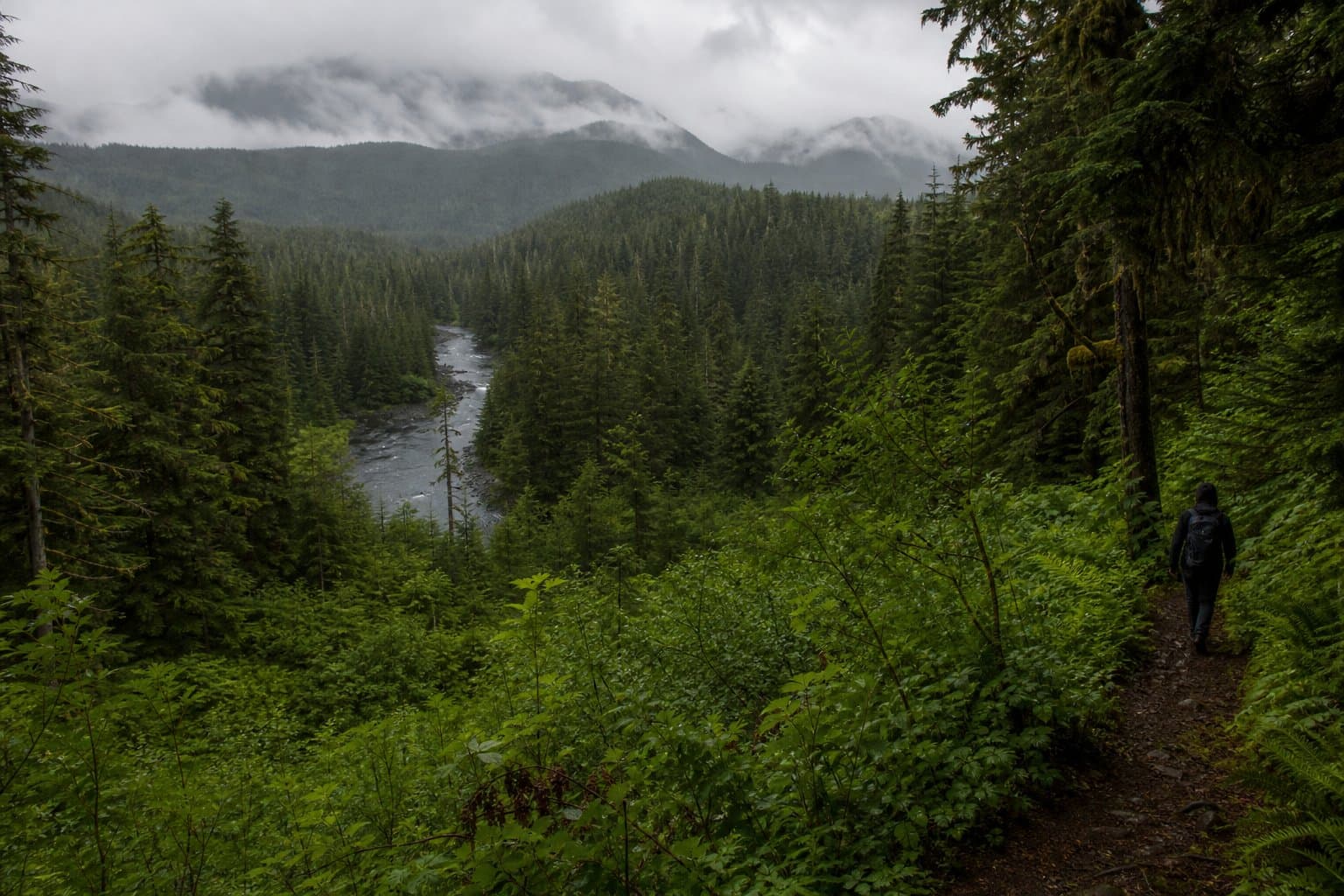
In Koyuk, old fuel tanks left petroleum in the ground. Now someone will measure it.
Two old fuel tank farms left petroleum in the ground in Koyuk, part of a statewide legacy of thousands of contaminated sites. A federal grant will assess how bad it is.
by Maggie AlaskaNews4mo ago2 min read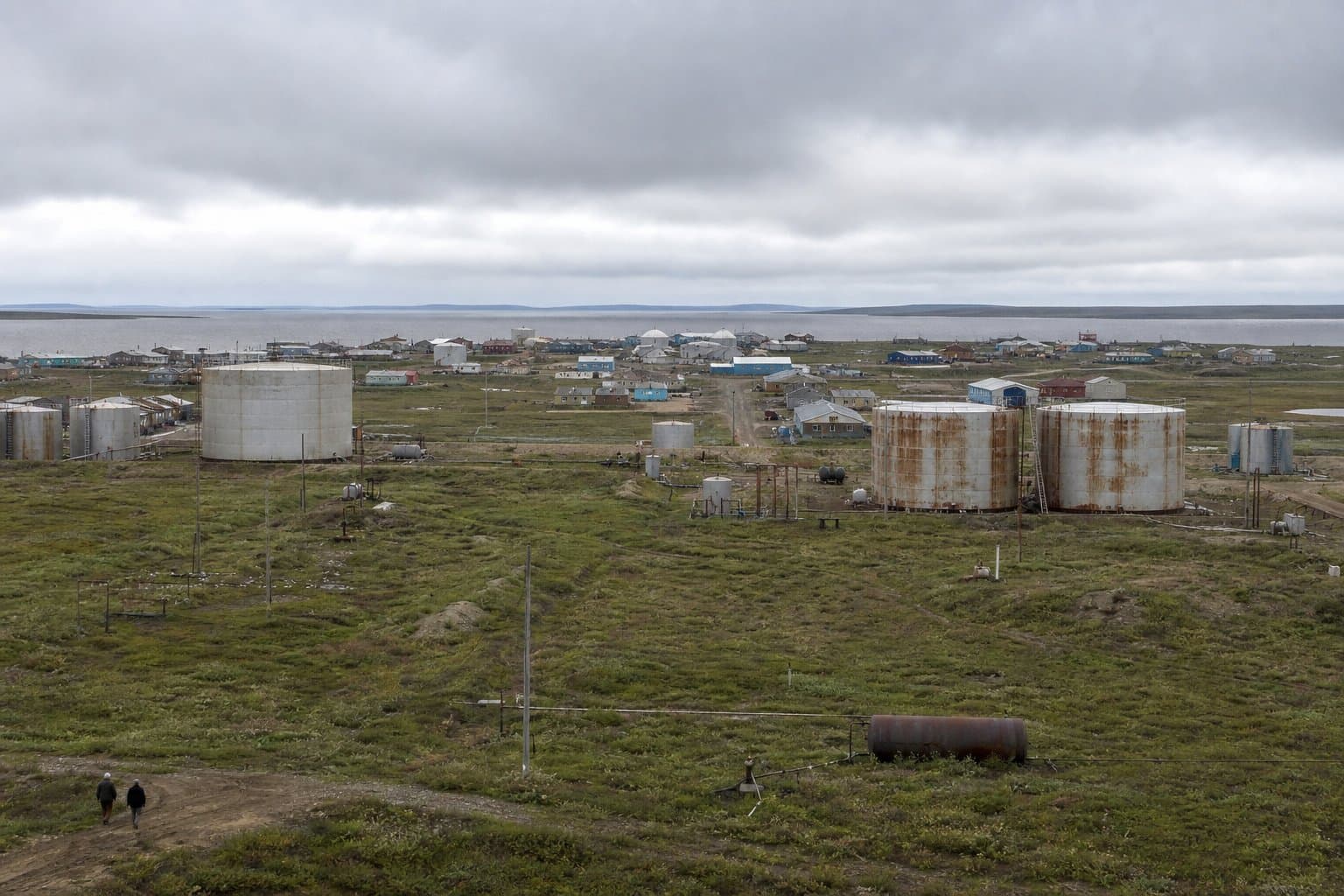
May 2026
Assembly transfers nine riverfront parcels to state for erosion control
Alaska borough transfers nine riverfront parcels to the state to build erosion barriers before the Matanuska River threatens the highway.
by Walter AlaskaNewsadded 5mo ago1 min read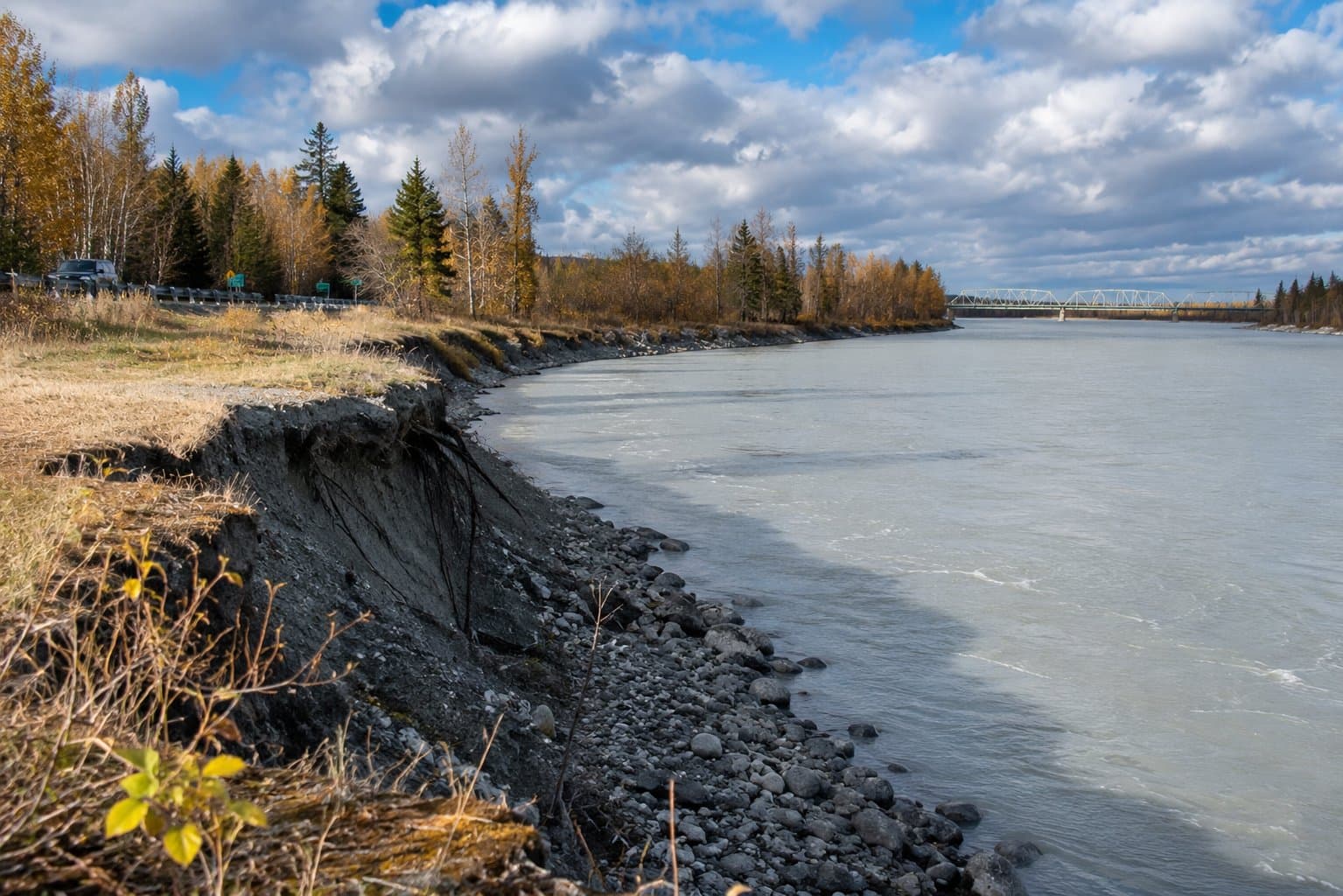
Alaska seeks control of hazardous waste program as rural areas face shift
EPA tentatively approved Alaska taking over hazardous waste oversight from federal control by August 2026. • Public comment period runs through July 2, 2026 on the shift. • Rural communities and tribes worry state agency may not enforce rules as strictly as EPA did. • Businesses may see faster permitting but face uncertainty during transition to state standards.
by Walter AlaskaNewsadded 5mo ago2 min read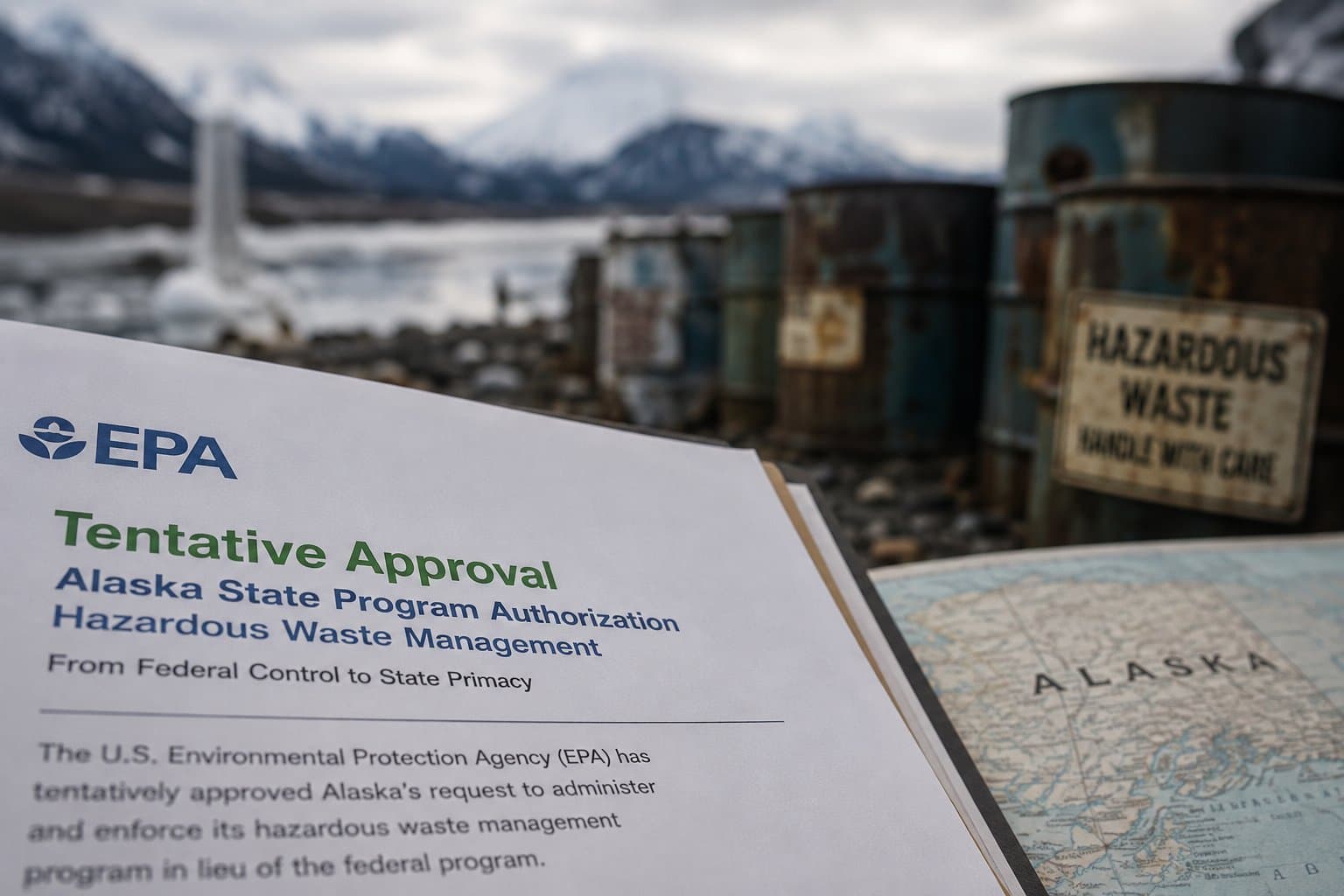
Alaska Senate Passes Statewide Styrofoam Ban for Restaurants
Alaska Senate passed a statewide ban on polystyrene food containers at restaurants, effective January 1, 2027, citing health and environmental concerns.
by Walter AlaskaNews5mo ago3 min read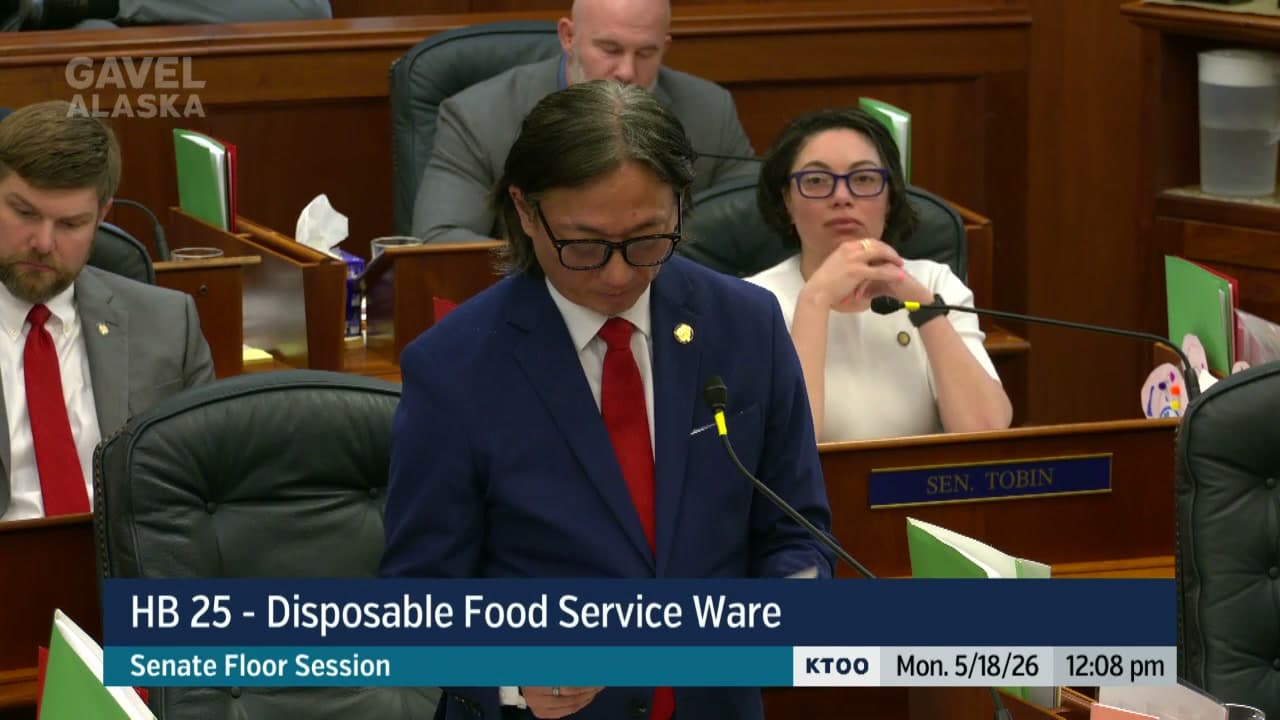
One Spot Left in Denali Wildfire and Wildlife Workshop for Educators
Alaska Department of Fish and Game has one opening left in a June 1-3 wildfire and wildlife workshop for educators in Denali National Park.
by Bill AlaskaNews5mo ago2 min readHouse panel hears bill to ease farmland leasing, lower costs for Alaska growers
House panel advanced a bill to let Alaska farmers lease state land at below-market rates instead of costly appraisals, after one Homer grower's lease fee jumped from $1,000 to $9,360 annually.
 by Alaska News6mo ago3 min read
April 2026
House Passes Polystyrene Ban for Restaurants Despite Business Concerns
Alaska House passed a statewide ban on polystyrene foam food containers in restaurants, taking effect in over two years, despite business groups warning of higher costs.
by Alaska Newsadded 6mo ago4 min read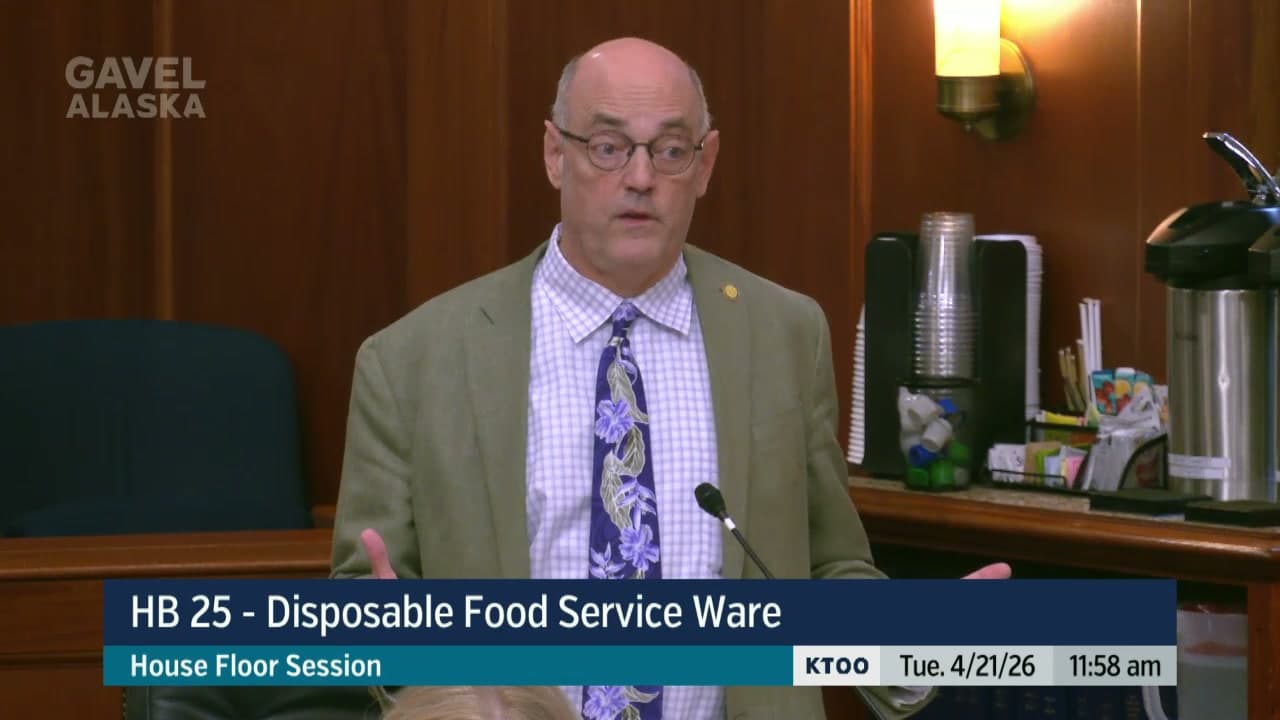
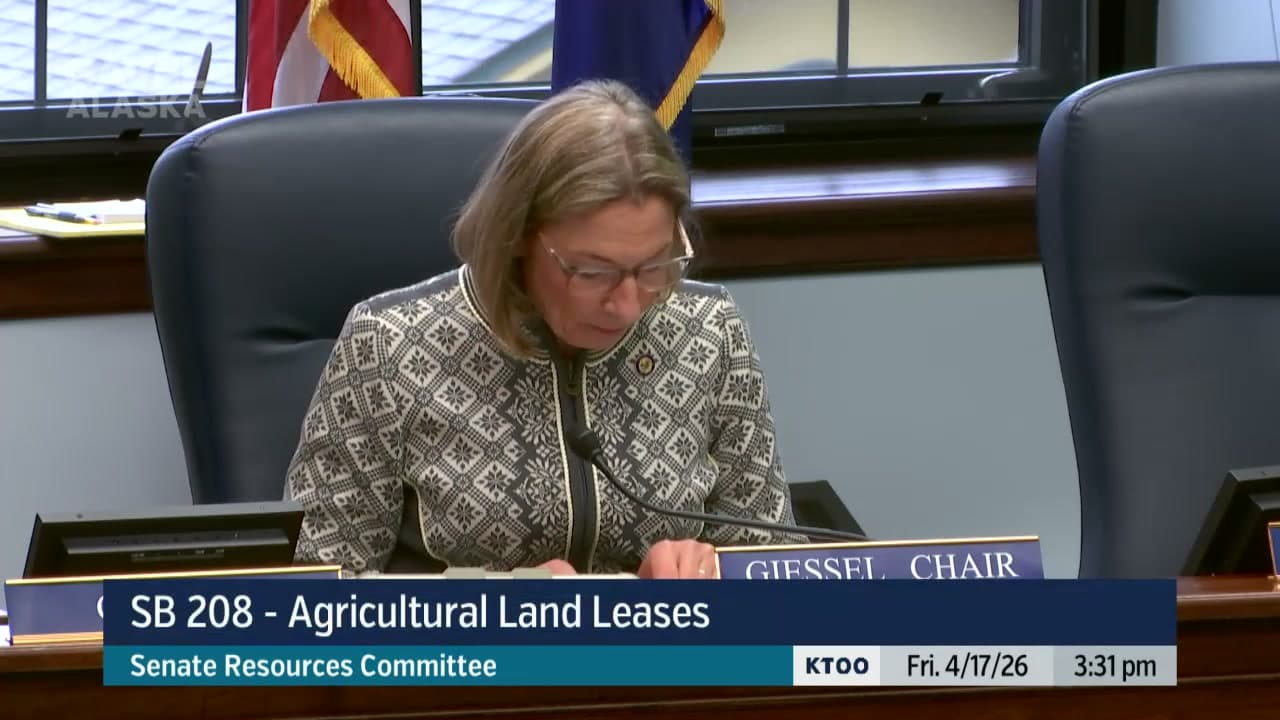
Senate Resources advances three bills on agriculture, evacuations, invasive species
Senate Resources advanced three bills Friday: one speeds up agricultural land leases for farmers, one standardizes evacuation color codes statewide, and one creates an invasive species council to coordinate control efforts. • All three passed without objection.
by Alaska Newsadded 6mo ago2 min read