Nature & Outdoors
RSSAlaska News covers outdoor recreation, trails, parks, wildlife viewing, fishing closures, and safety in Alaska's natural areas.
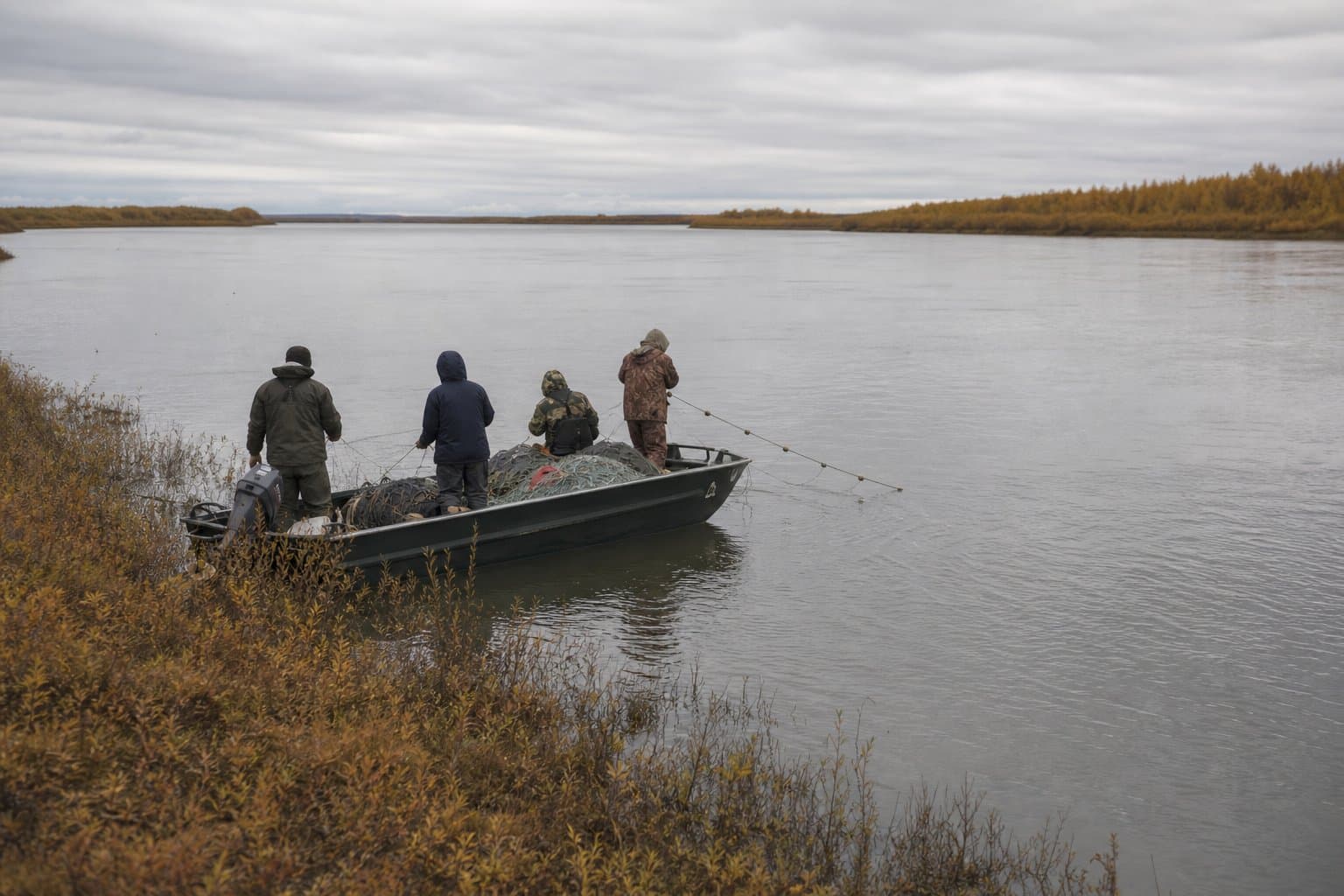
Chignik District red sea cucumber divers get first fishing period Sept. 30 to Oct. 7
Chignik District red sea cucumber divers get their first week of the season starting Wednesday, under a 15,000-pound cap for the whole season.
 by Bill AlaskaNews9h ago1 min read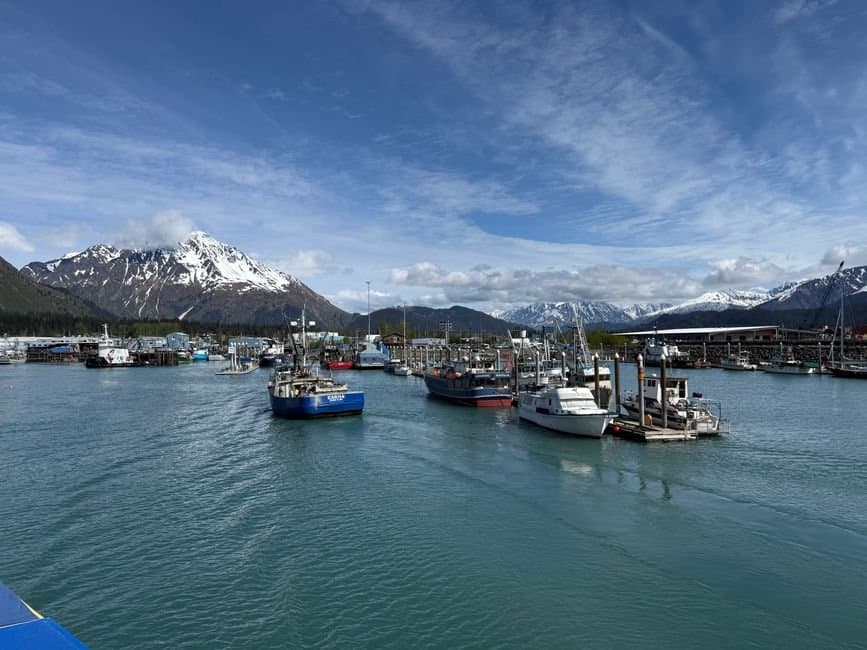
Lake George mountain goat hunt closes early Tuesday after hunters reach harvest limit
The Lake George goat hunt closes Tuesday night, two weeks early. Hunters have already used up every point the state set aside, and some are still out there.
by Bill AlaskaNews17h ago1 min read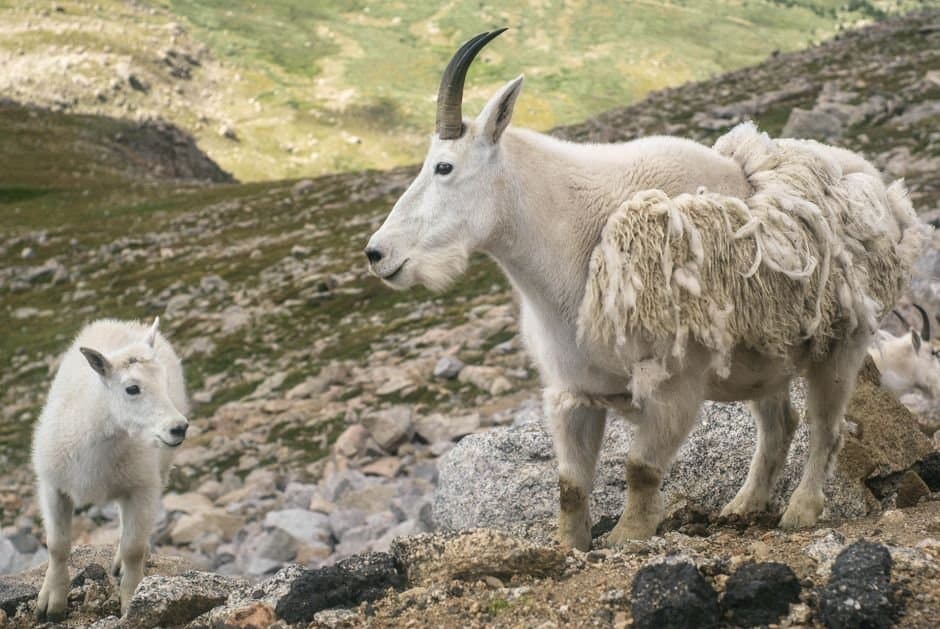
Prince William Sound fall herring fishery opens Thursday with 749-ton cap
Prince William Sound's fall herring fishery opens Thursday with a 749-ton harvest cap, less than half last year's limit due to a weak spring spawn.
by Bill AlaskaNews18h ago2 min read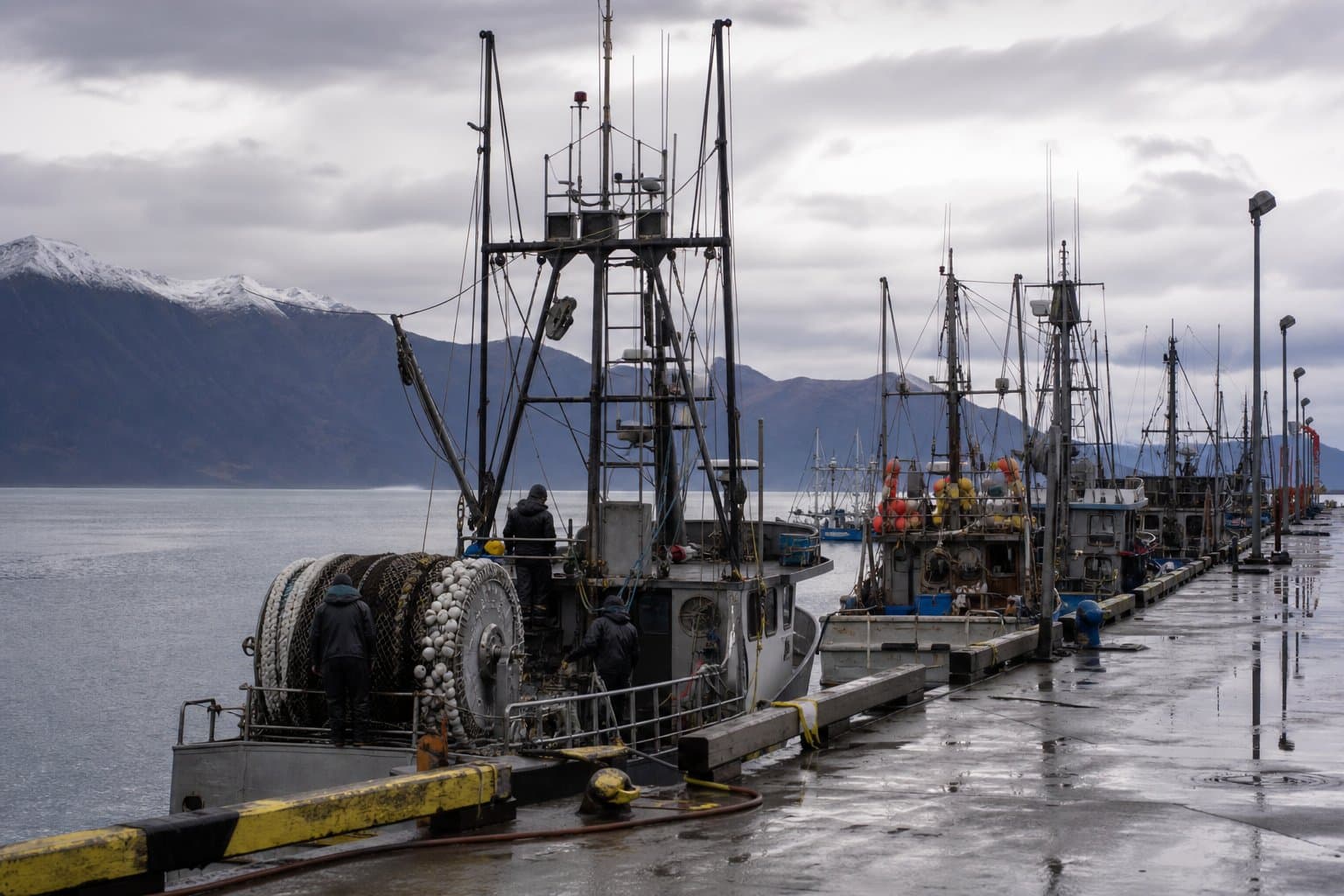
Trawl meeting in Anchorage Oct. 16 will take no remote testimony
Fishery managers will spend a day in Anchorage on trawl nets touching the seafloor. No votes, no remote testimony, and written comments close Oct. 9.
 by Walter AlaskaNews19h ago2 min read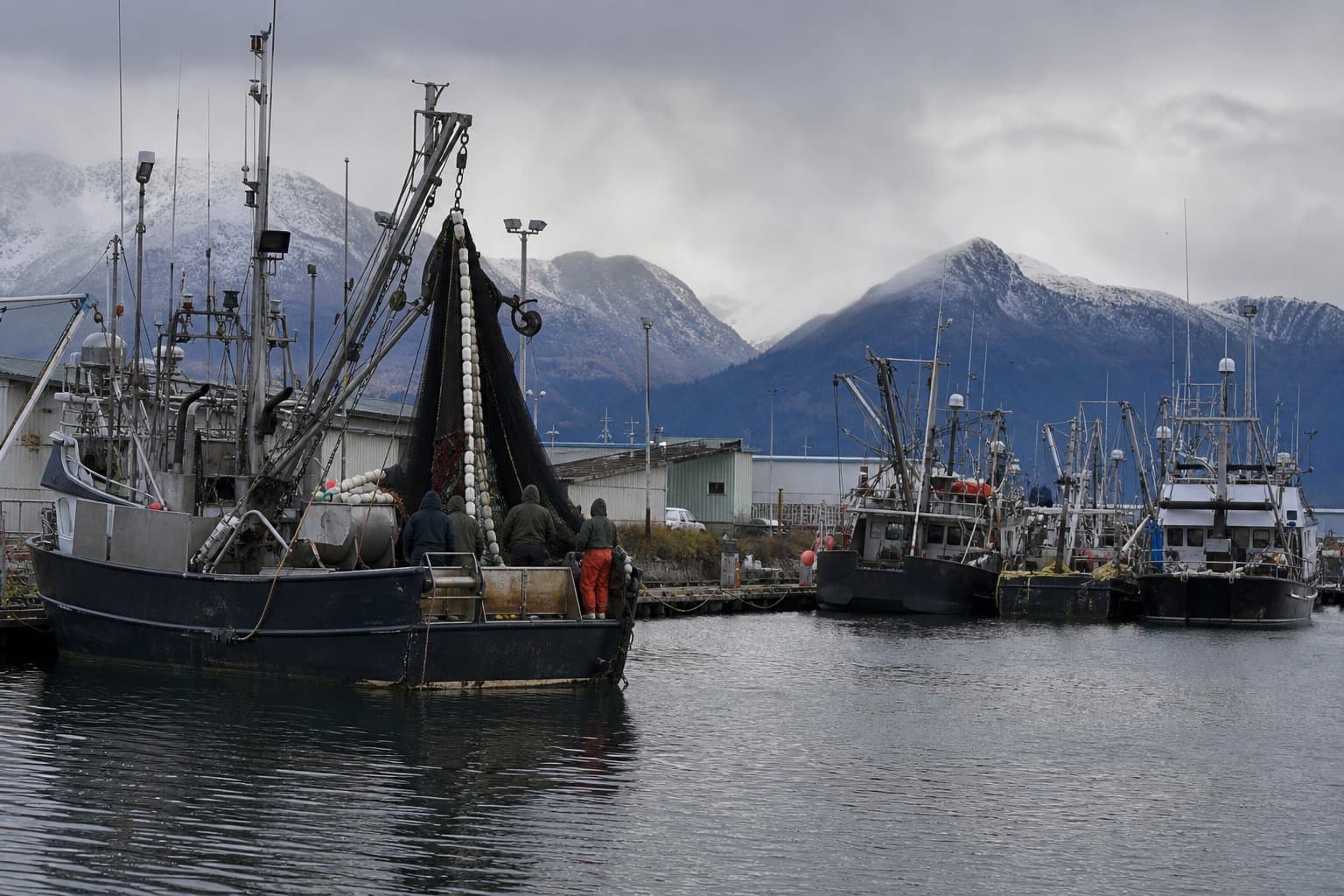
McCarthy meeting to take up Copper River proposals on salmon eligibility and dip net limits
A local subsistence panel meets Oct. 9 in McCarthy on proposals to add McCarthy Road residents to a salmon fishery and ban dip nets near Copper River streams.
 by Maggie AlaskaNews19h ago2 min read
Markey blocks Sullivan's attempt to fast-track bycatch bill through the Senate
Sullivan tried to pass his bycatch bill without a vote. One Democrat, Massachusetts Sen. Ed Markey, said not so fast. Peltola called it performative.
 by Alaska News23h ago2 min read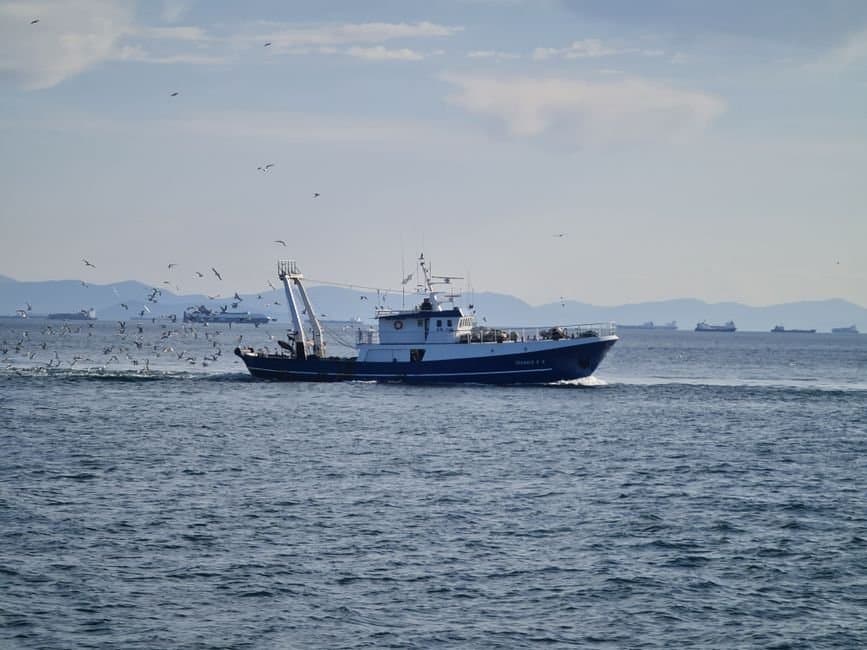
Troopers say Eagle River hunter used a $5 license he did not qualify for
Alaska Wildlife Troopers cited an Eagle River hunter for falsely claiming low-income status to buy a $5 duck license instead of the $45 resident license.
by Bill AlaskaNews2d ago1 min read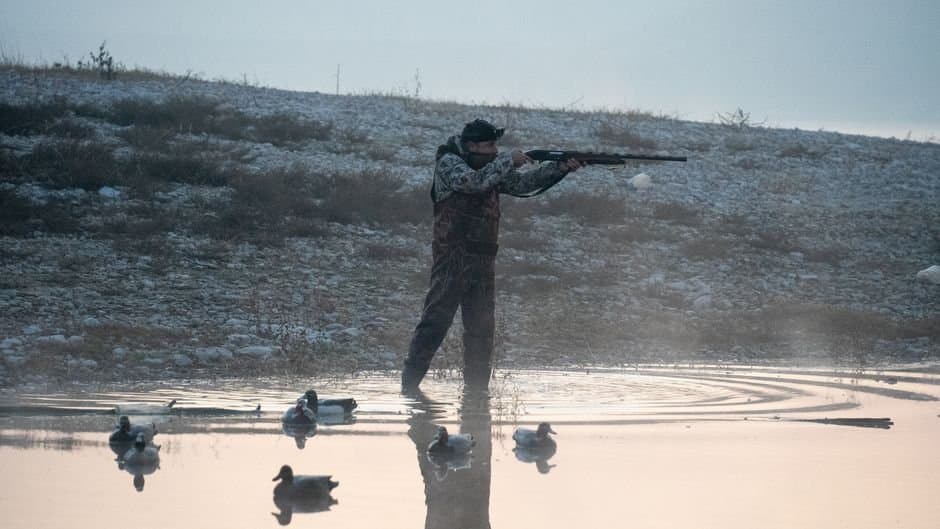
Tok's 40-Mile Air gets $45,000 contract for helicopter flights to track Yukon-Charley wolves
The Park Service is paying a Tok air service $45,000 for on-call helicopter time to keep tabs on Yukon-Charley's wolves. The wolves were not consulted.
by Maggie AlaskaNewsadded 1d ago1 min read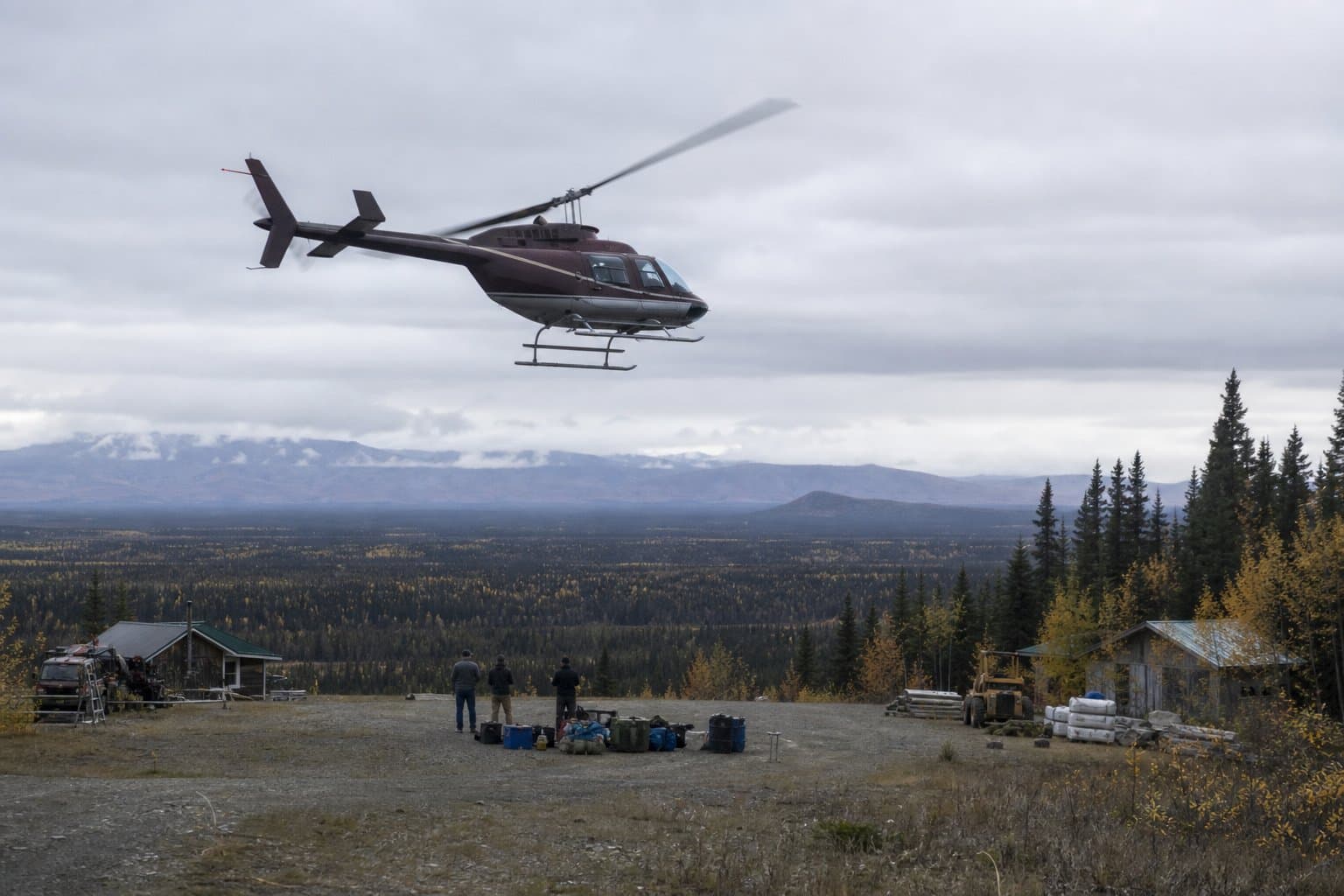
Yakutat set gillnetters get another opening, but still can't keep king salmon
Yakutat set gillnetters get another opening starting Sunday. Other salmon are fair game. Kings still aren't, in any size, whether for sale or for dinner.
by Bill AlaskaNews2d ago1 min read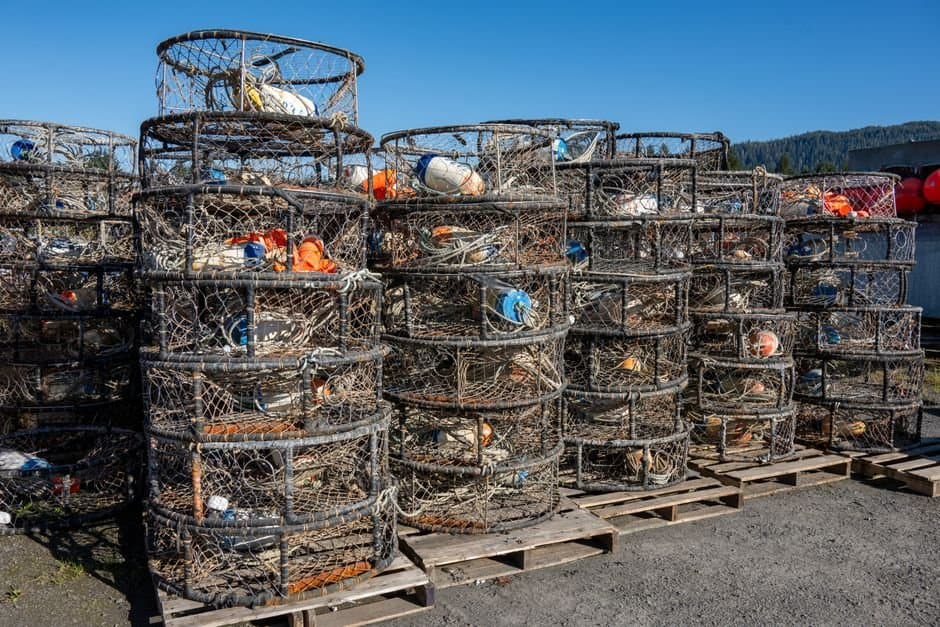
Aleutian groundfish boats barred from selling 'other rockfish' for the rest of 2026
Aleutian groundfish boats hit their "other rockfish" limit again, so the catch-all rockfish can't be sold until January. It's practically a fall tradition.
by Walter AlaskaNewsadded 2d ago2 min read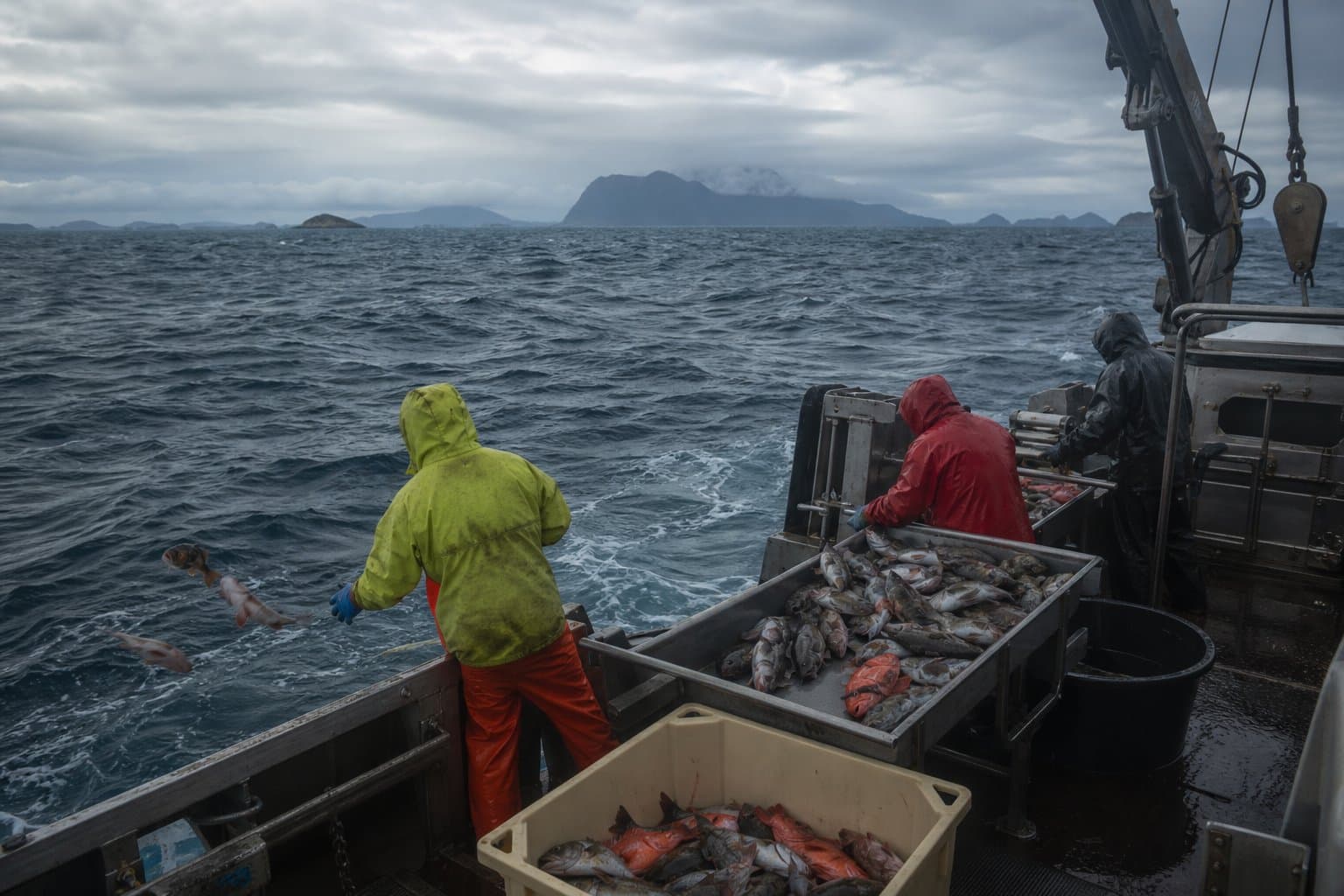
Copper River commercial salmon season closes Oct. 13 after weak sockeye and strong coho runs
Copper River's commercial salmon season ends Oct. 13. Sockeye came in at a third of forecast, kings hit an eight-year low, and coho decided to make up for it.
by Walter AlaskaNews3d ago2 min read
Juneau kelp farm study suggests minimal influence on fish and invertebrates
A federal study of two kelp farms near Juneau found minimal impact on fish and invertebrates, though a missed sampling trip prevented statistical confirmation.
by Bill AlaskaNews3d ago2 min read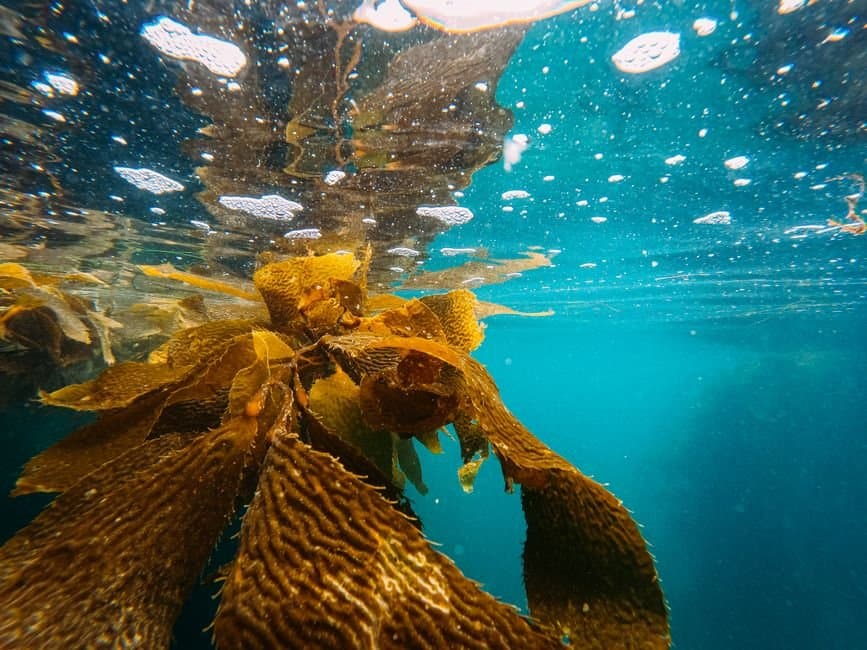
State extends Unit 9B resident moose season to Sept. 30 after bad weather limited hunting
Wind, rain and high water kept Iliamna-area moose hunters off the water. The state is adding five days, so the Unit 9B hunt now runs through Sept. 30.
by Bill AlaskaNews3d ago2 min read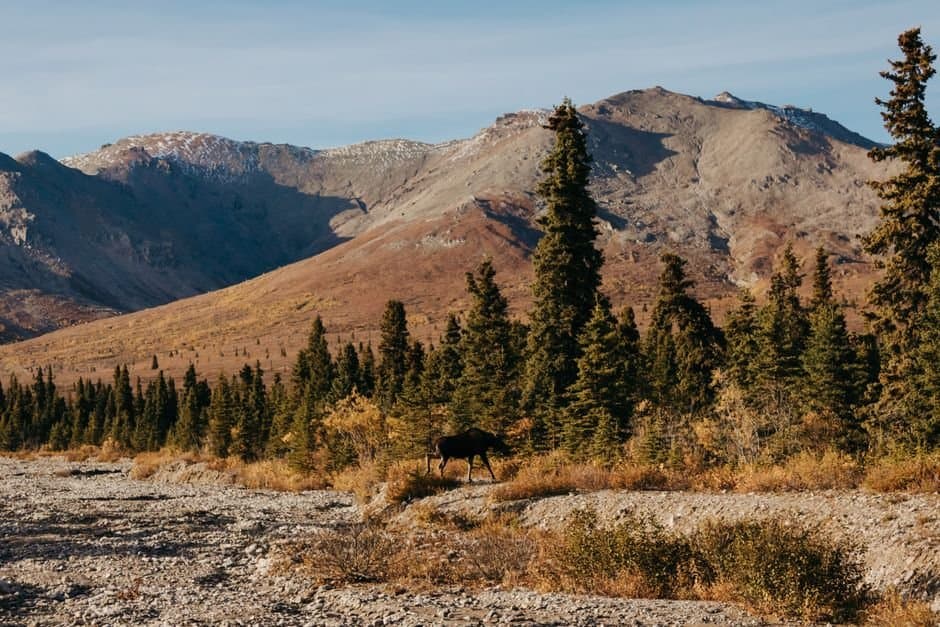
Federal board gives subsistence hunters 10 more days to hunt moose in the Tetlin refuge area
Rural subsistence hunters near Northway get 10 more days to hunt moose in the Tetlin refuge area, after warmer falls made moose harder to get, the board said.
by Maggie AlaskaNews3d ago2 min read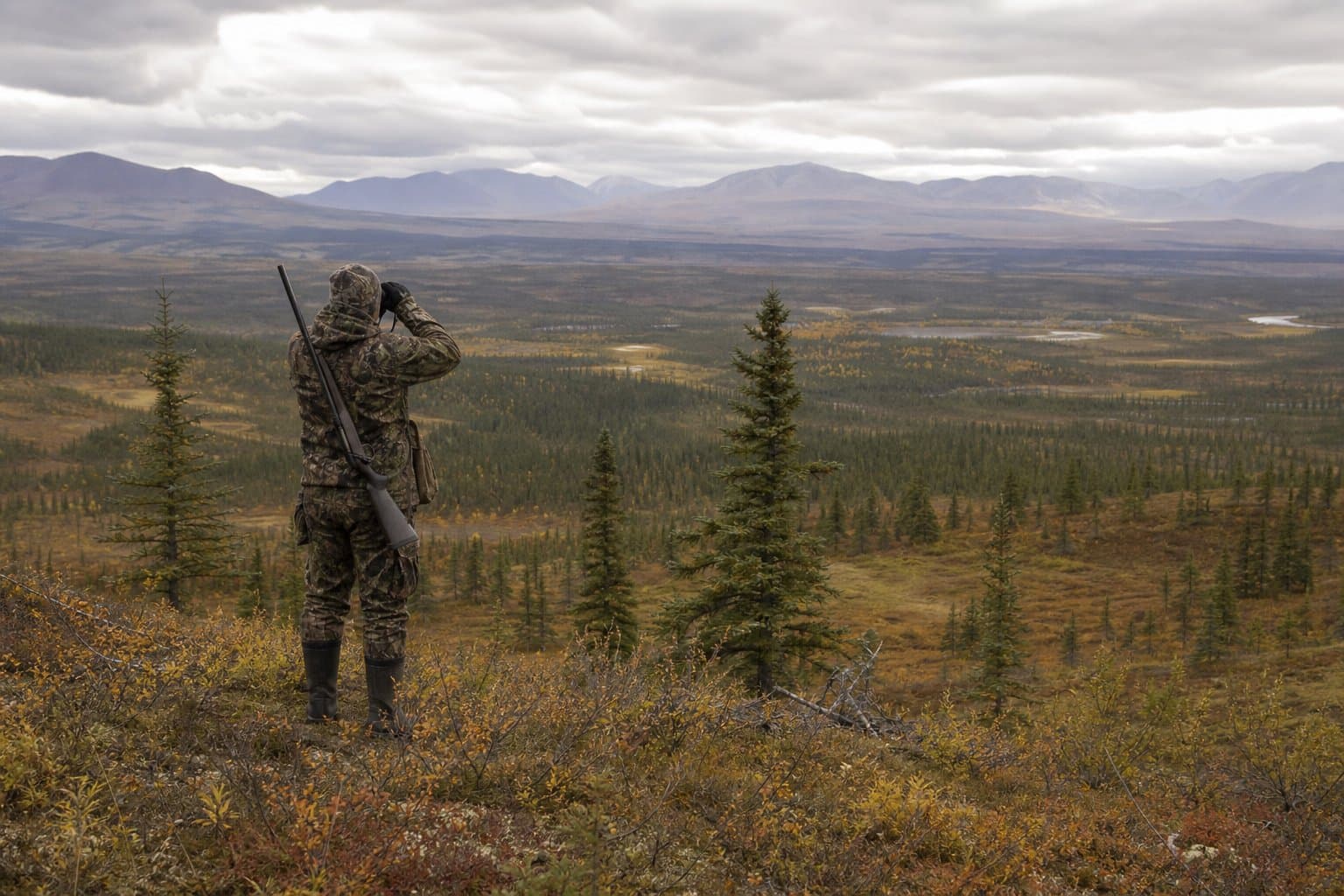
Fish and Game proposes flagging struggling salmon runs a year earlier so the public can weigh in
Alaskans often get the state's plan for a struggling salmon run too late to weigh in. Fish and Game wants to flag troubled runs a year earlier instead.
by Bill AlaskaNews3d ago2 min read
Board of Game proposals would cut Western Arctic caribou limits further as the herd declines
The Western Arctic Caribou Herd is down to about 121,000. Proposals to cut harvest further go before the Board of Game in Kotzebue, and comments are due Jan. 9.
by Maggie AlaskaNews3d ago2 min read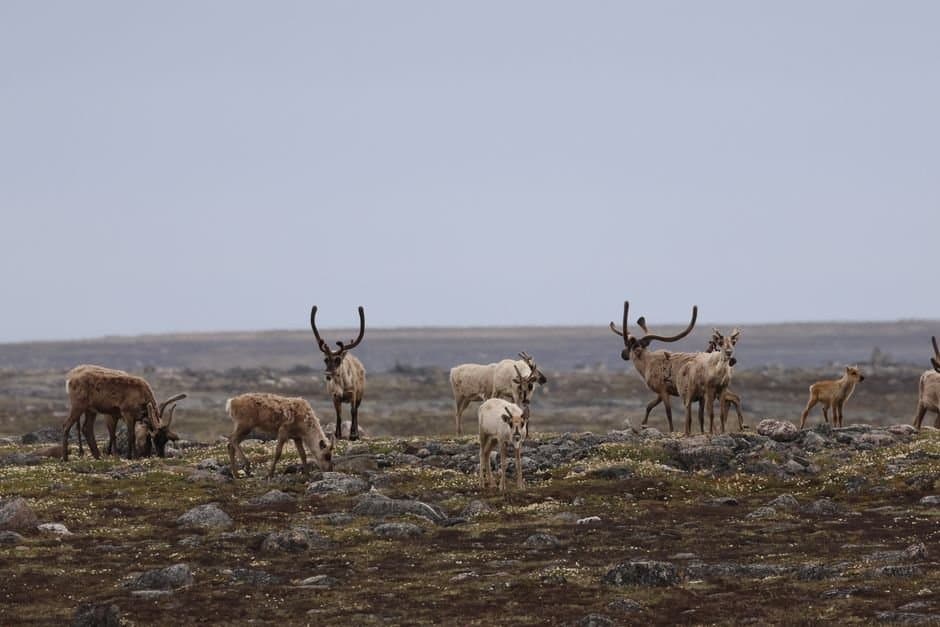
NOAA weighs 77 Gulf of Alaska sites for future kelp and shellfish farms
Seventy-seven spots along the Gulf of Alaska coast could someday grow kelp and oysters. NOAA is still studying them, and no farm is approved yet.
by Bill AlaskaNews3d ago2 min read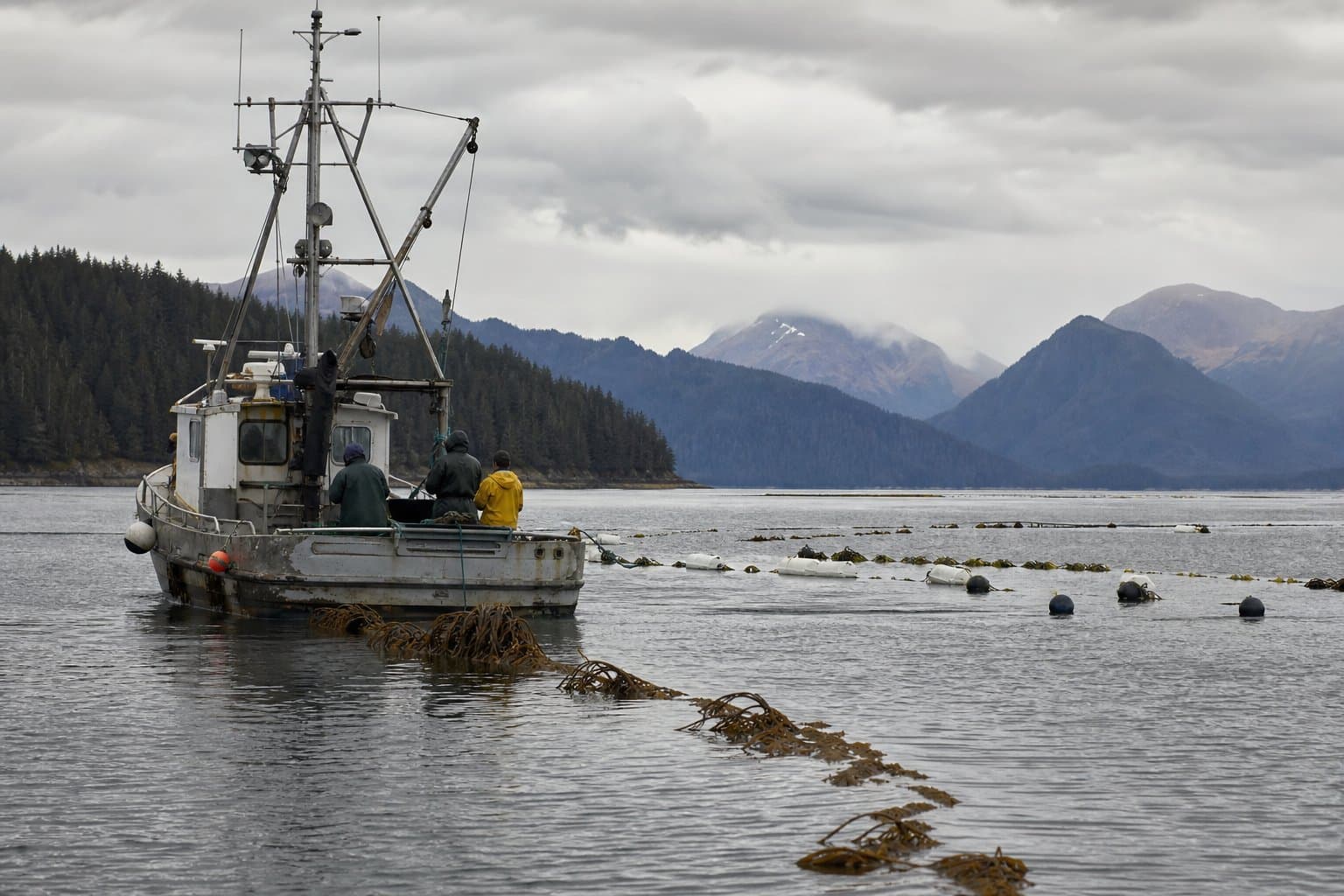
The Kenai's coho limit stays at two through November
The Kenai's coho limit stays at two instead of stepping up to three. The state is being careful, though the river is still producing limits.
by Bill AlaskaNews4d ago1 min read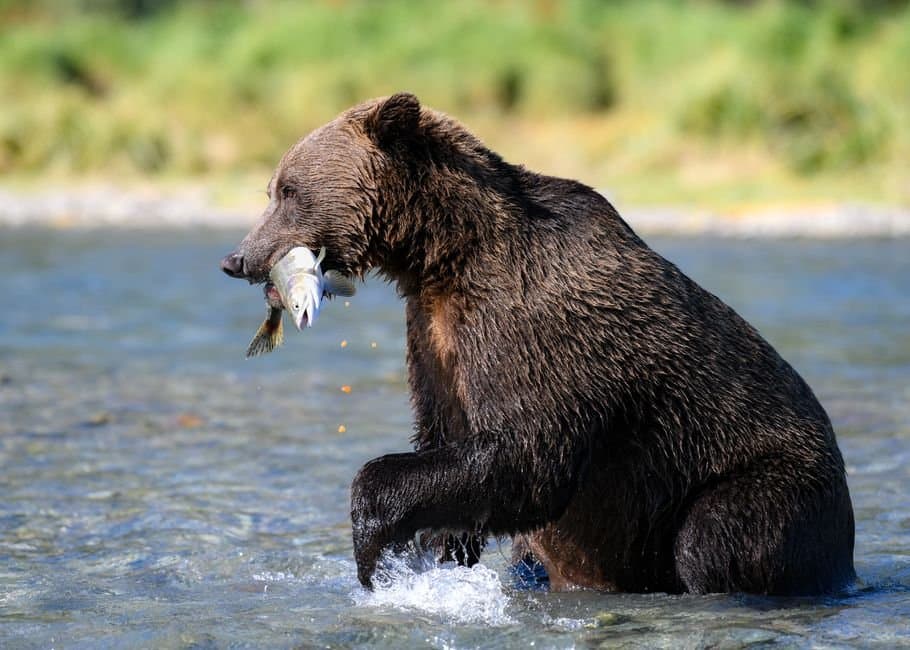
Bering River moose hunt closes after hunters reach 15-bull cap
The Bering River moose hunt closes Friday at its 15-bull cap. The herd behind it is estimated at 213 animals, against an objective of 300 to 350.
by Bill AlaskaNews4d ago1 min read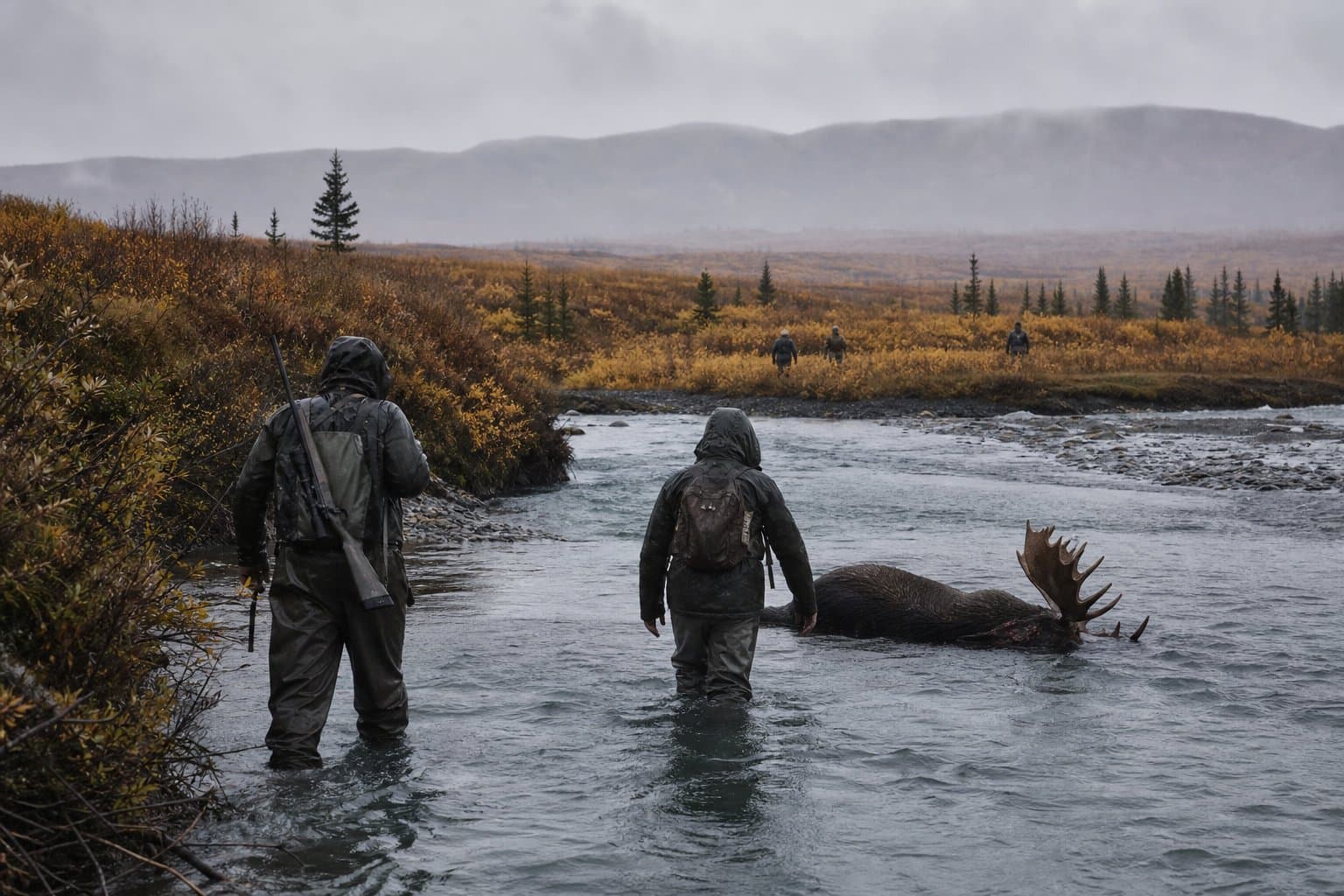
Fishery managers will meet on trawl seafloor contact, with no power to recommend
The Board of Fisheries took 51 seconds on three trawl proposals. Its follow-up meeting can't recommend anything and won't take testimony by phone.
by Walter AlaskaNews4d ago3 min read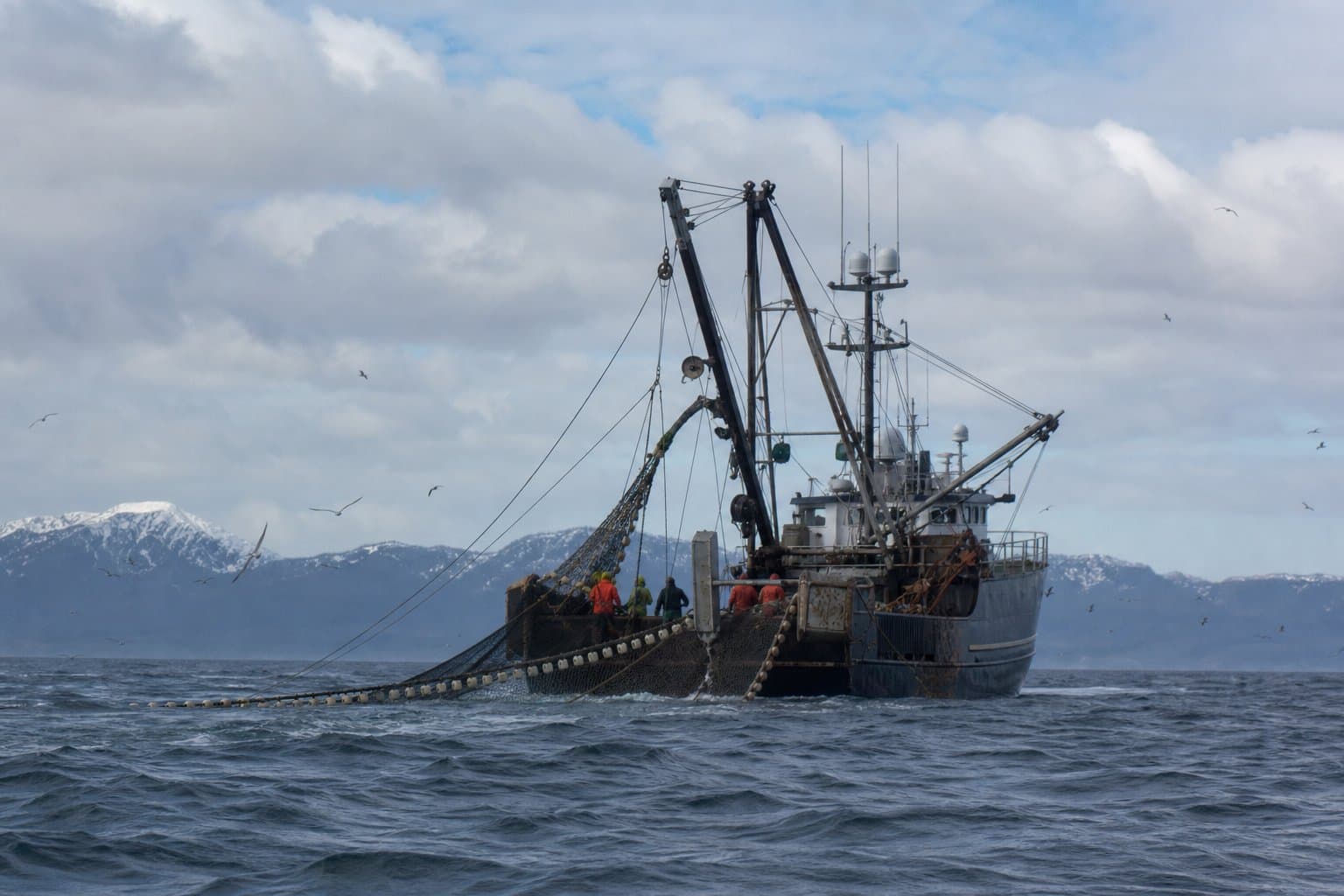
FAA hires Calista-owned firm for next round of decades-old Cold Bay fuel cleanup
The FAA has been cleaning up leaked fuel at its Cold Bay station since the '90s. A Calista-owned Anchorage firm just got $471,000 for the next chapter.
by Alaska News4d ago3 min read
Alaska closed its Bering Sea scallop grounds after the two-boat fleet hit the cap
Alaska's whole commercial scallop fishery is two boats. An emergency order just closed the Bering Sea grounds to them for the rest of the season.
by Bill AlaskaNews4d ago1 min read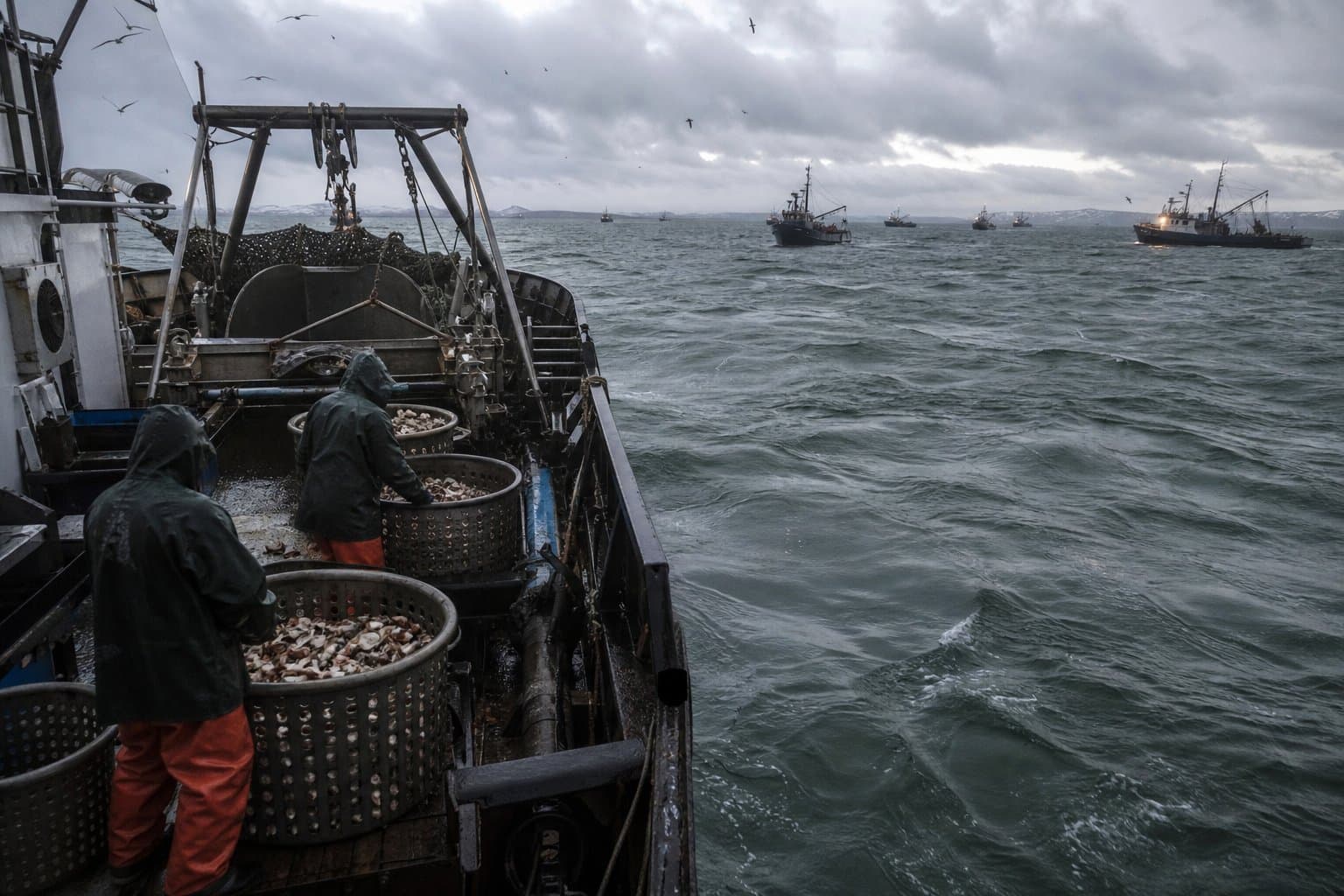
Kodiak's salmon fishery opens for 54 hours starting Thursday at noon
Kodiak gets 54 hours of salmon fishing starting Thursday at noon. The Karluk River saw 93 kings reach spawning grounds against a goal of 3,000.
by Bill AlaskaNews4d ago1 min read
Federal subsistence permits and harvest reports move online in new Alaska portal
Rural Alaskans can now file federal subsistence permit applications and harvest reports online, though mail and phone filing remain available.
by Bill AlaskaNews5d ago1 min read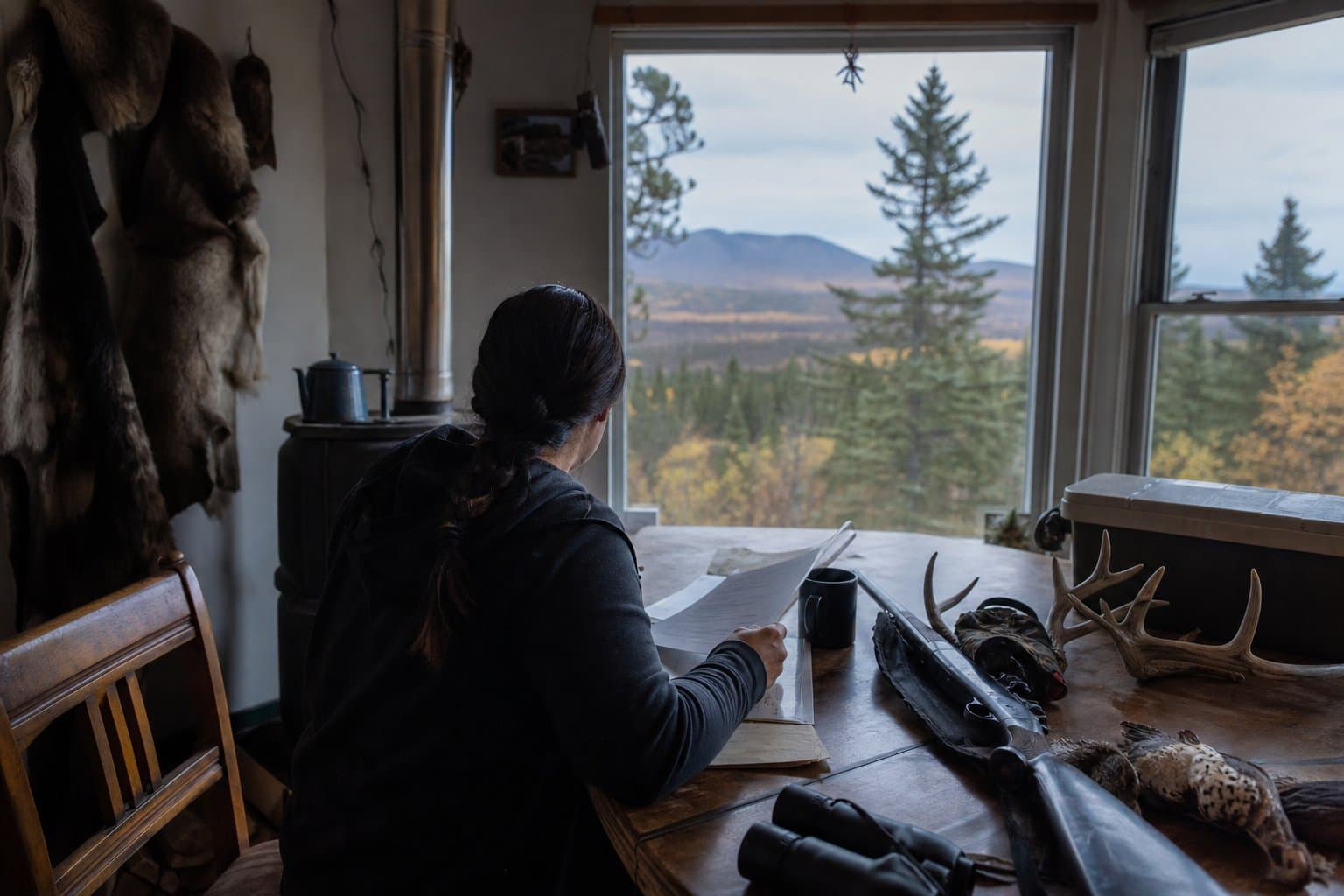
EPA proposes $21,618 penalty over Red Dog Mine spill into Red Dog Creek
EPA proposed a $21,618 penalty against Teck Alaska Inc. for a May 2025 leak of process water into Red Dog Creek near Kotzebue after a pump failure at the mine.
by Maggie AlaskaNews5d ago2 min read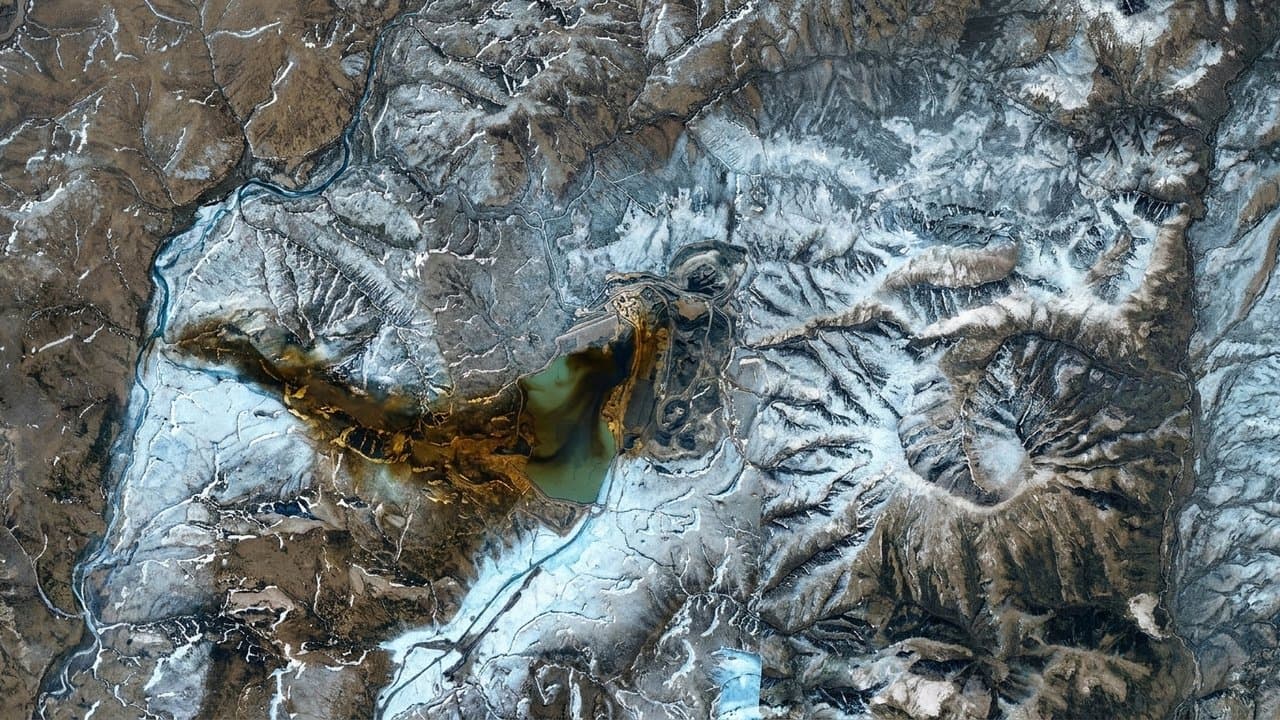
Halibut commission staff propose letting AI read half of the fish earbones behind catch limits
The halibut commission wants a neural network to read half its fish earbones. It's cheaper by a factor of ten, and it thinks old fish are young.
by Bill AlaskaNews5d ago2 min read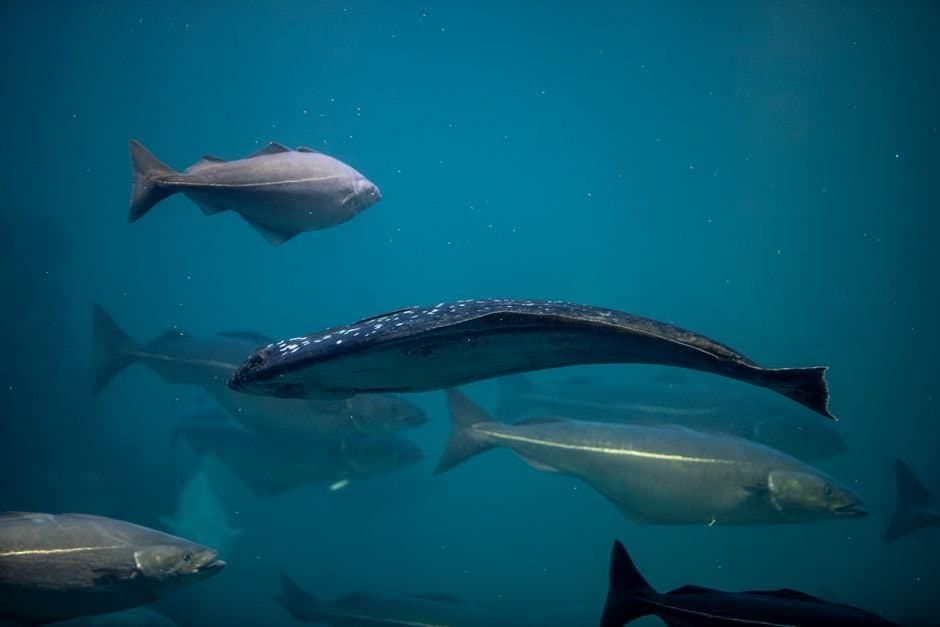
Unalaska renewed the seafood waste line easement for another decade
If the seafood waste line under Unalaska's roads ever breaks, Westward Seafoods cleans it up. The city rents it the ground for $2,250 a year.
by Bill AlaskaNewsadded 4d ago2 min read
EPA Rule Would Drop Discharge Permits for 65 Alaska Trawlers
EPA wants to delete six words from a rule. If it does, 65 Alaska factory trawlers lose the permit that keeps their fish waste away from sea lions.
by Walter AlaskaNewsadded 5d ago3 min read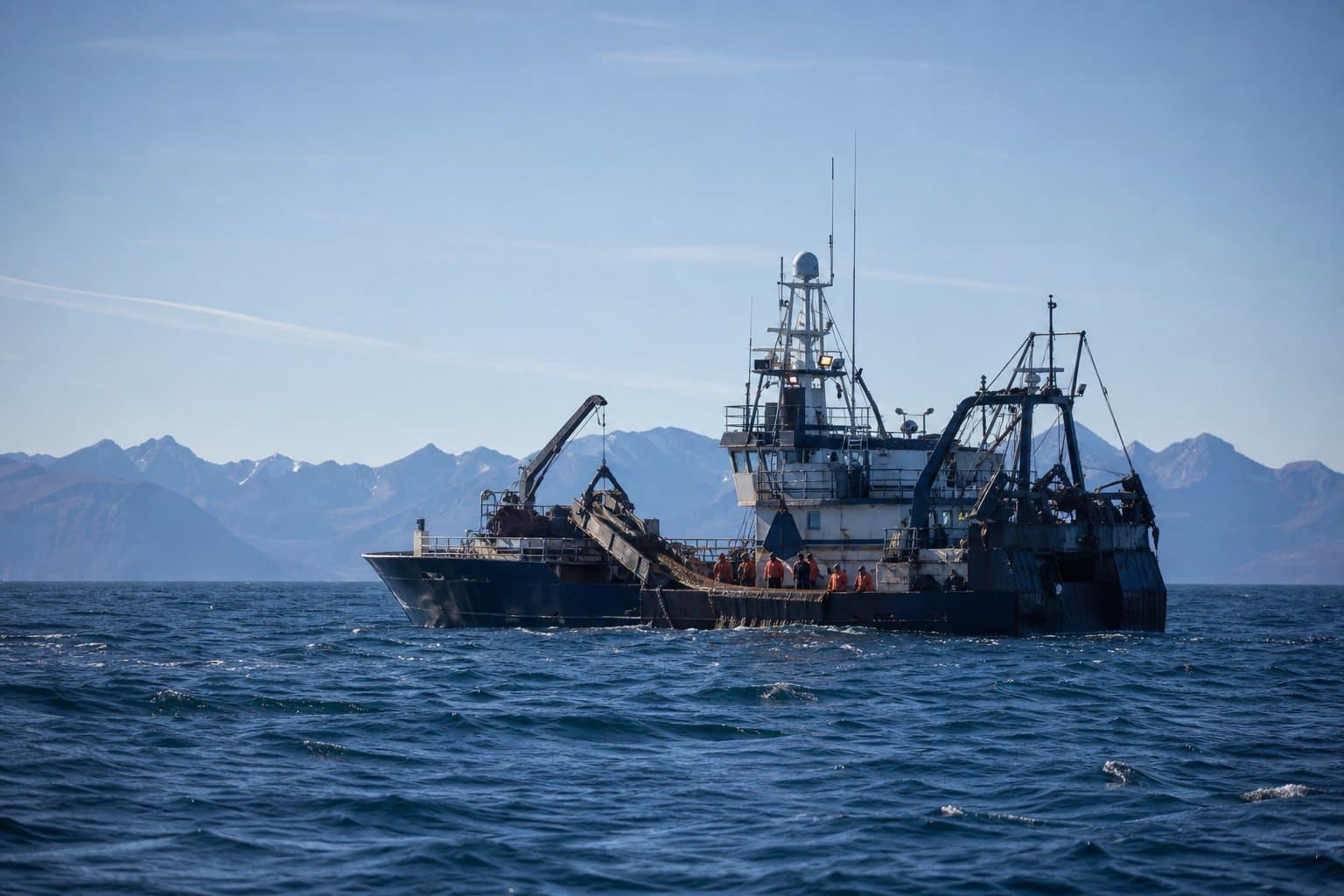
The Lake Clark subsistence commission meets Oct. 3 to review federal wildlife rules
Sockeye is more than 60 percent of everything Port Alsworth and Nondalton take. The commission that advises on those rules meets on Oct. 3.
by Maggie AlaskaNews6d ago1 min read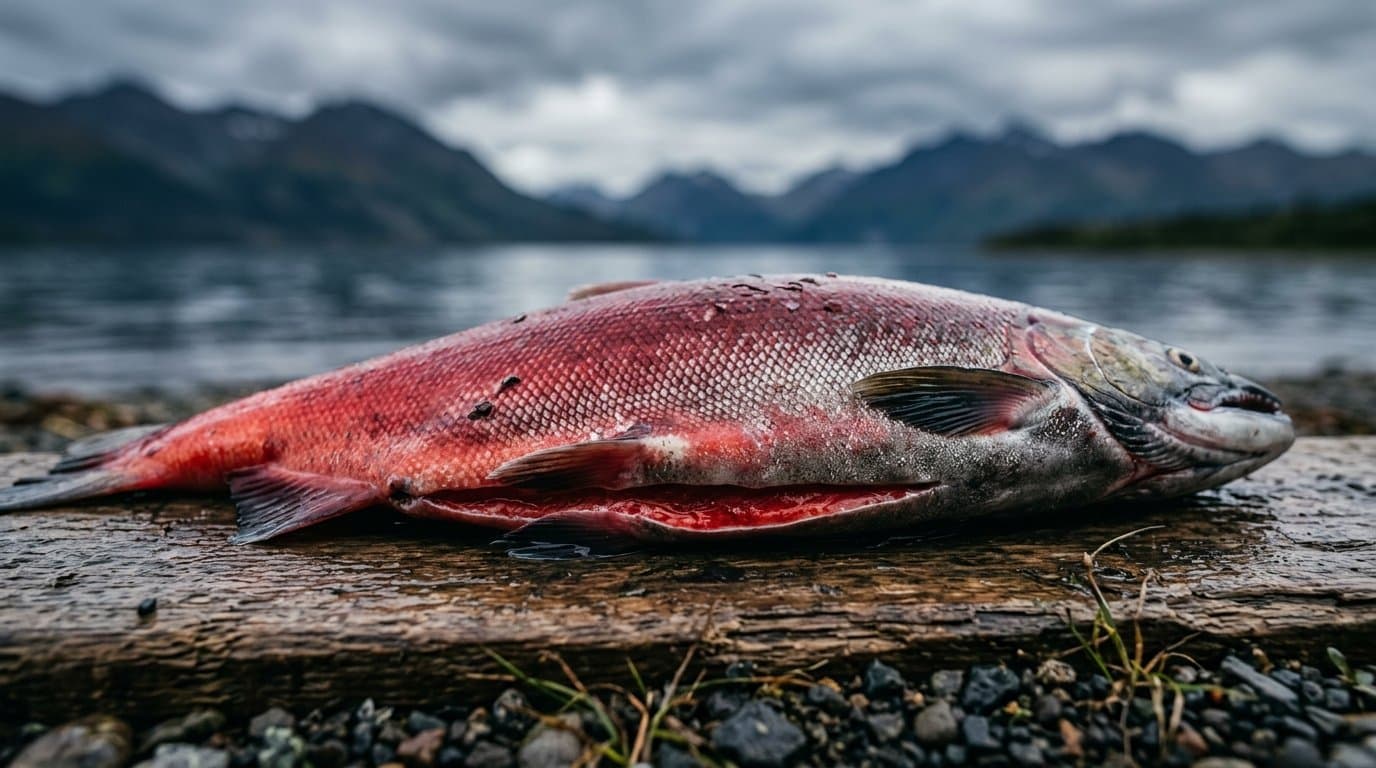
A Kodiak crab quota lease would guarantee boats Unalaska-level prices
Kodiak's fisheries association would lease its crab processing quota to Royal Aleutian, on the condition that Kodiak boats get paid Unalaska prices.
by Alaska News6d ago2 min read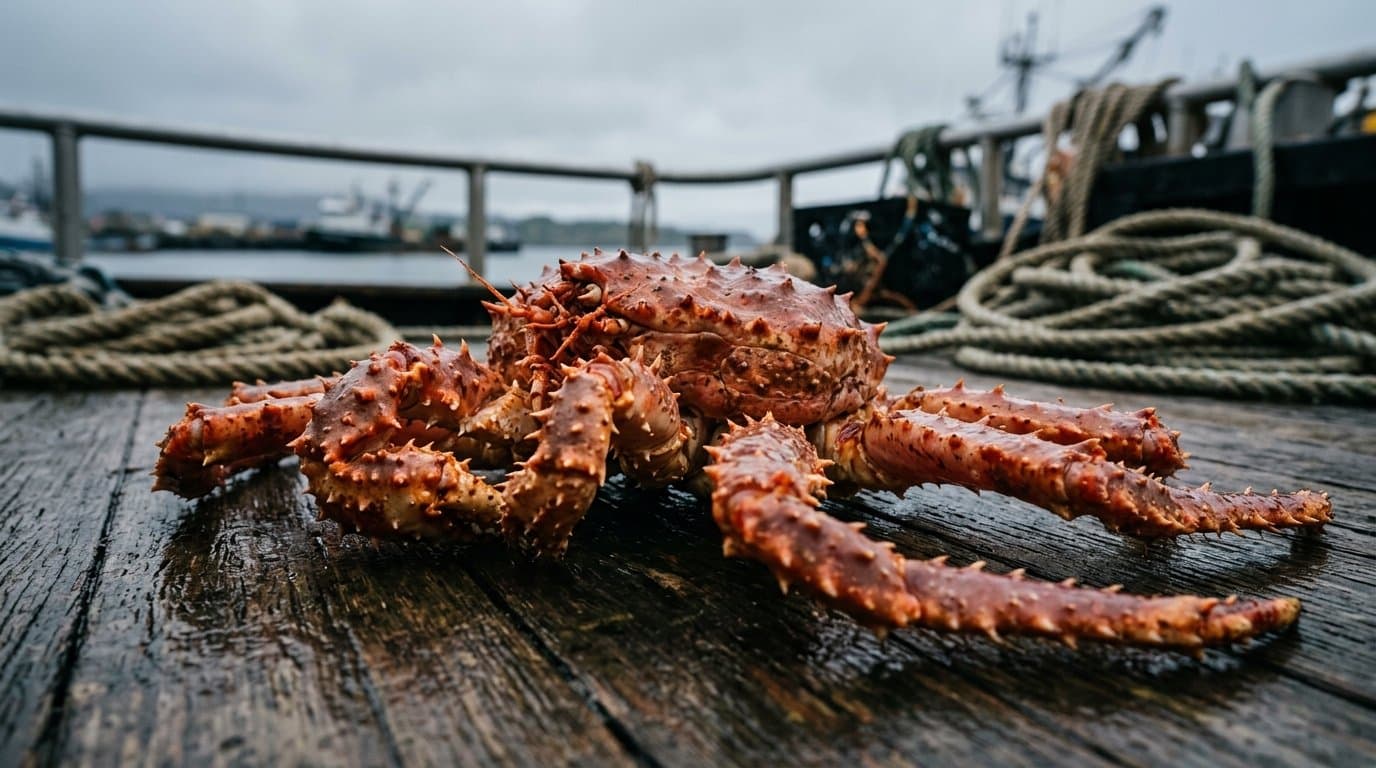
Bristol Bay's 2026 sockeye run falls below 50 million for first time since 2014
Bristol Bay caught the fewest sockeye since 2014 and still made more money than usual doing it. Togiak missed its escapement floor by 702 fish.
by Bill AlaskaNews6d ago2 min read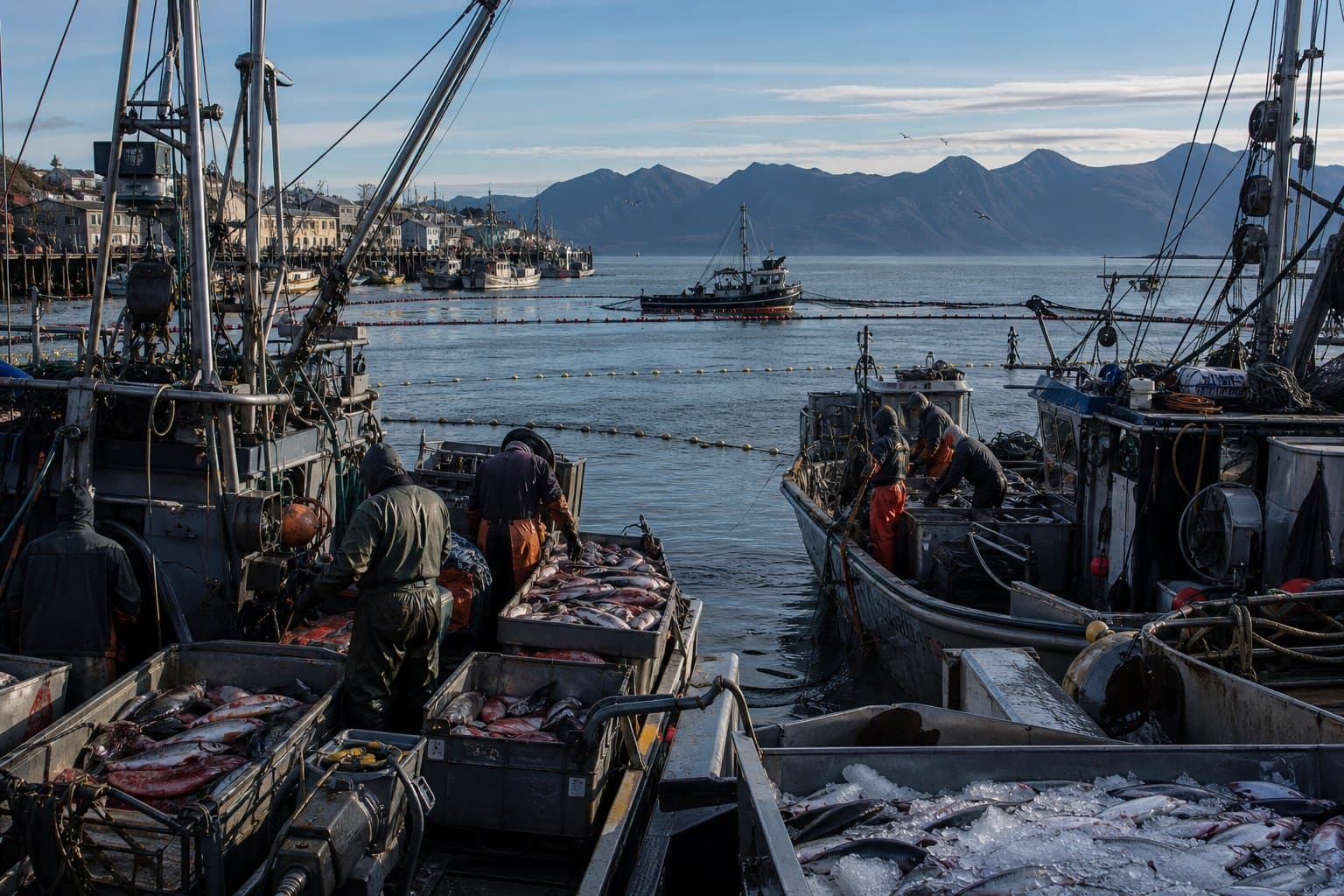
Hiker injured by bear on Jones Point Trail in Haines
A hiker attacked by a bear on the Jones Point Trail got herself out. It is the second bear attack in Haines in under a month, and both bears are loose.
by Maggie AlaskaNews6d ago2 min read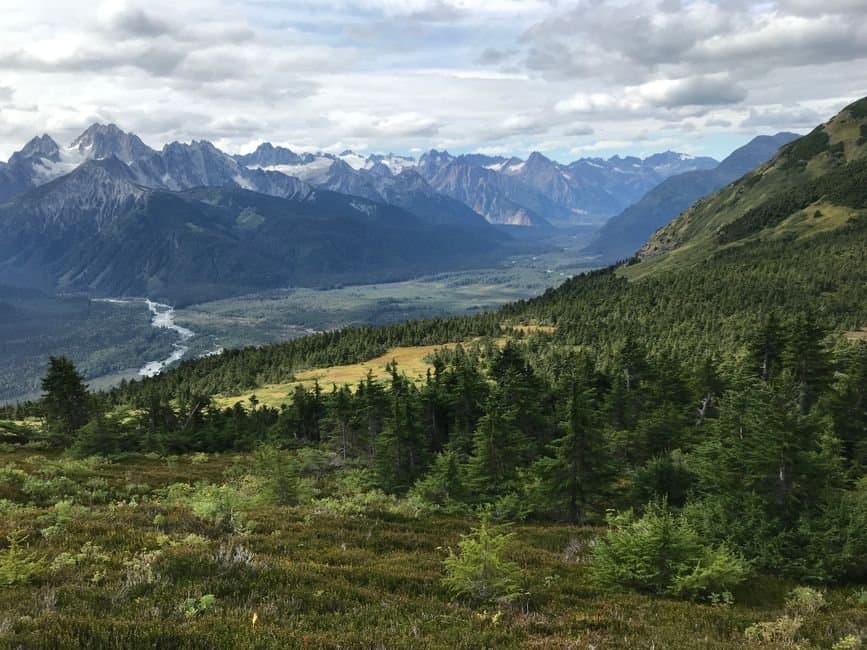
Halibut scientists report whale losses and a shift in when females mature
Halibut scientists told their advisers this week they still cannot count what whales take, and that females are maturing younger than the models assumed.
by Bill AlaskaNews6d ago2 min read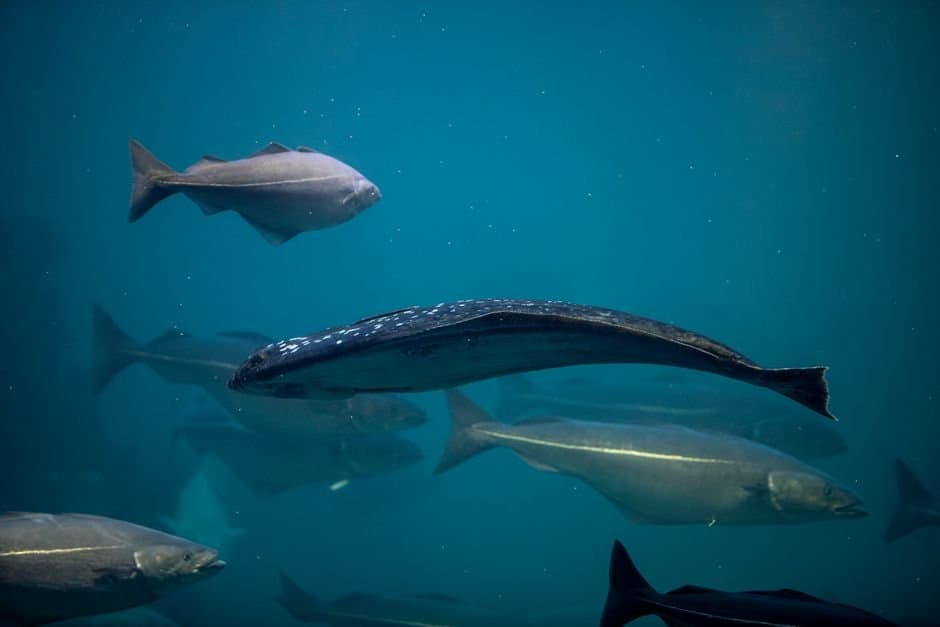
A police drone searched south Anchorage for a brown bear before dawn
Anchorage police flew a drone over a south Anchorage neighborhood before dawn looking for a brown bear. Whether they found it is not public.
by Alaska News6d ago1 min read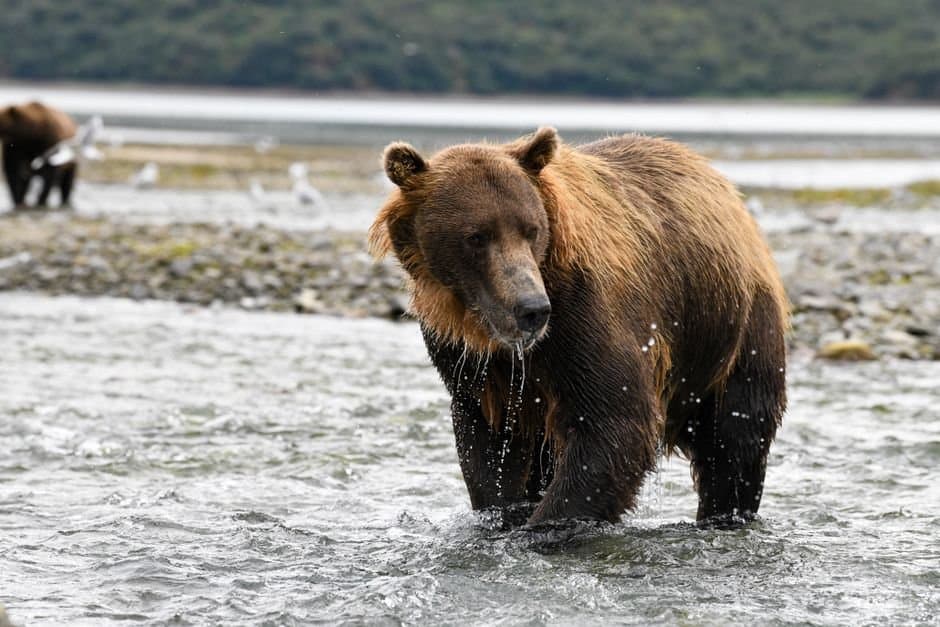
A teen moose hunter was flown to a hospital after a tree stand fall near Fairbanks
A teenage moose hunter fell from a tree stand southeast of Fairbanks and was flown out by trooper helicopter along with his father. Injuries weren't described.
by Maggie AlaskaNews6d ago1 min read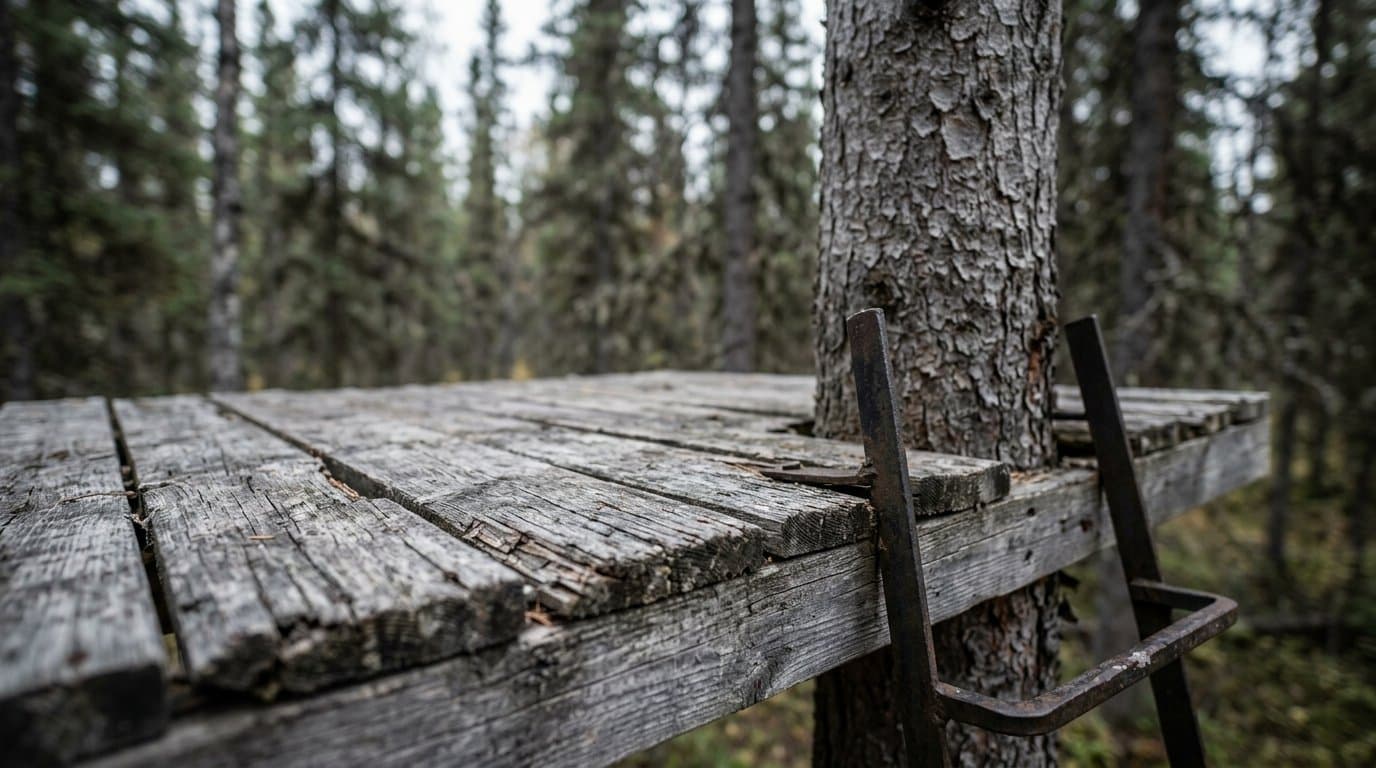
One black rockfish a day in Kodiak and Afognak waters
Kodiak anglers can keep five rockfish a day but only one black and one yelloweye. Fish deeper and off the rock piles to fill the rest of the bag.
by Bill AlaskaNews6d ago1 min read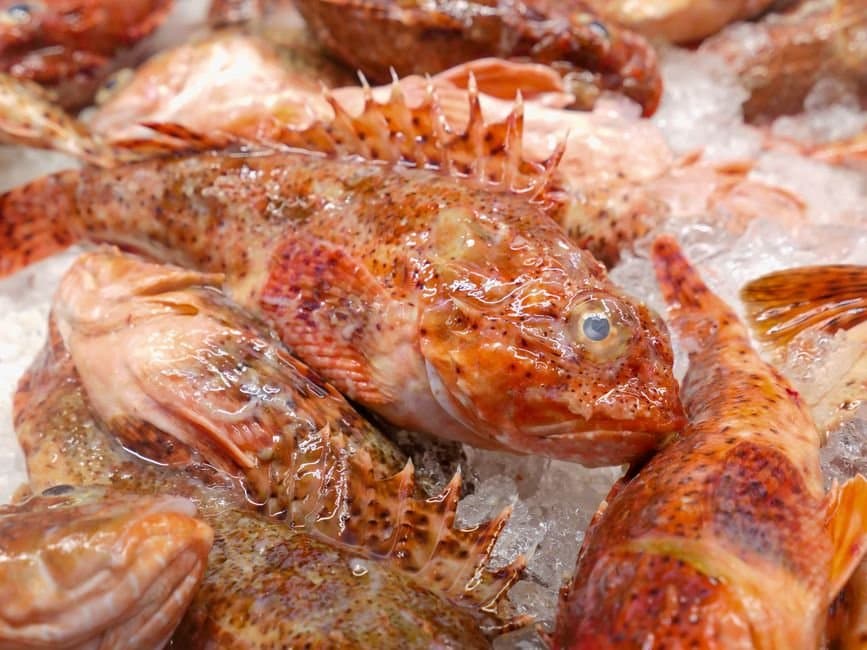
Troopers cite a Wasilla hunter over evidence of sex missing from his moose
A Wasilla hunter was cited near Eureka after troopers found his moose no longer had evidence of sex attached, a detail that turns a legal animal into a charge.
by Bill AlaskaNewsadded 6d ago1 min read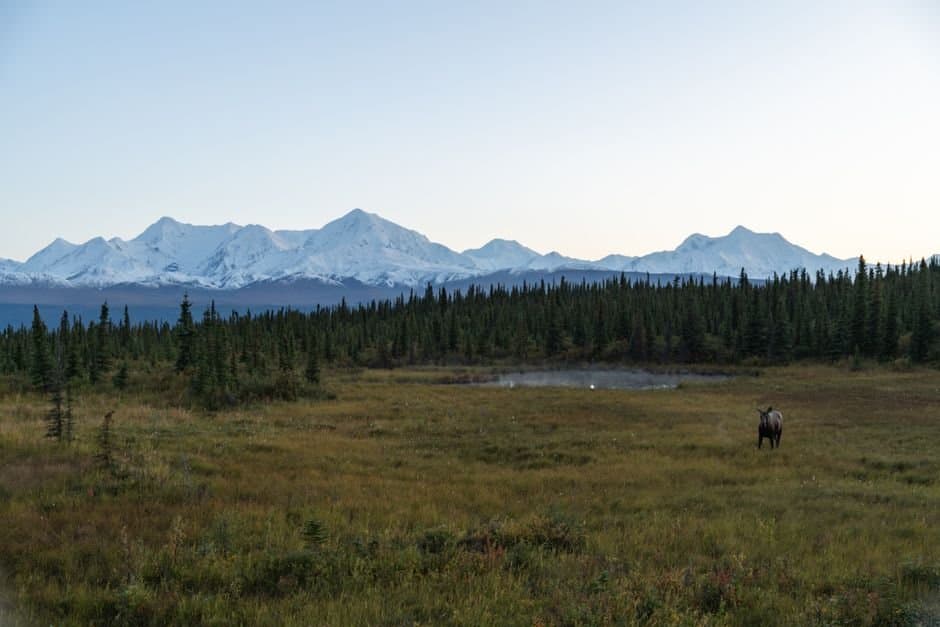
Goat hunt RG249 north of Valdez Arm closes
Goat hunting north of Valdez Arm closes Tuesday night, four months early. Hunters have reported five of the seven goat points allowed this season.
by Bill AlaskaNews1w ago2 min read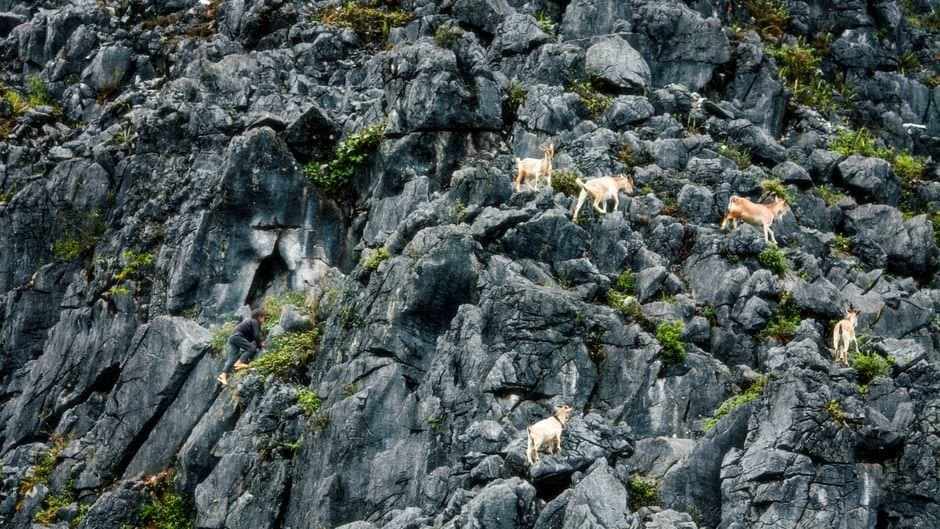
Nelchina caribou could be hunted again in 2027 under a state proposal
Nelchina caribou hunters could get 150 Tier II bulls in 2027. The herd has more than doubled since 2023 but is still below the state's goal.
by Bill AlaskaNews1w ago2 min read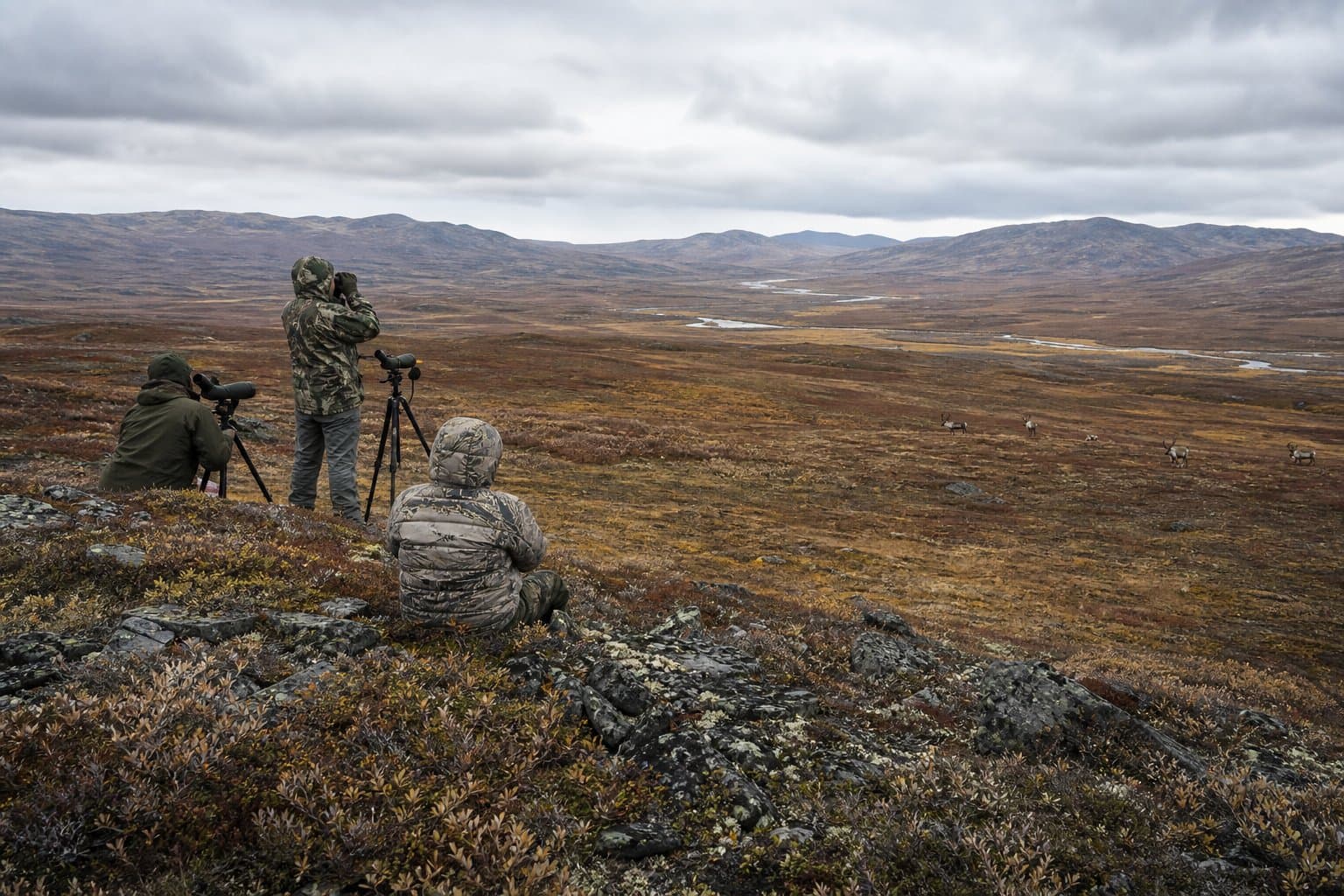
Subsistence fishing reopens on the upper Yukon, village by village
Subsistence fishing reopens on the upper Yukon in stages from Sept. 26 to Oct. 6, timed so Canadian-bound fall chum pass each stretch of river first.
by Bill AlaskaNews6d ago2 min read