UAF — flagship research university in Fairbanks. Home of the Geophysical Institute (aurora, earthquakes, volcanoes), International Arctic Research Center, and College of Fisheries and Ocean Sciences.
505 S Chandalar, Fairbanks, AK 99775, USA
Northern lights outshine a nearly full moon over Fairbanks as solar wind keeps the aurora active
Aurora over Fairbanks outshines a nearly full moon as coronal hole solar wind keeps geomagnetic activity high; NOAA forecast, viewing tips and next active window.
 by Maggie AlaskaNews2d ago2 min read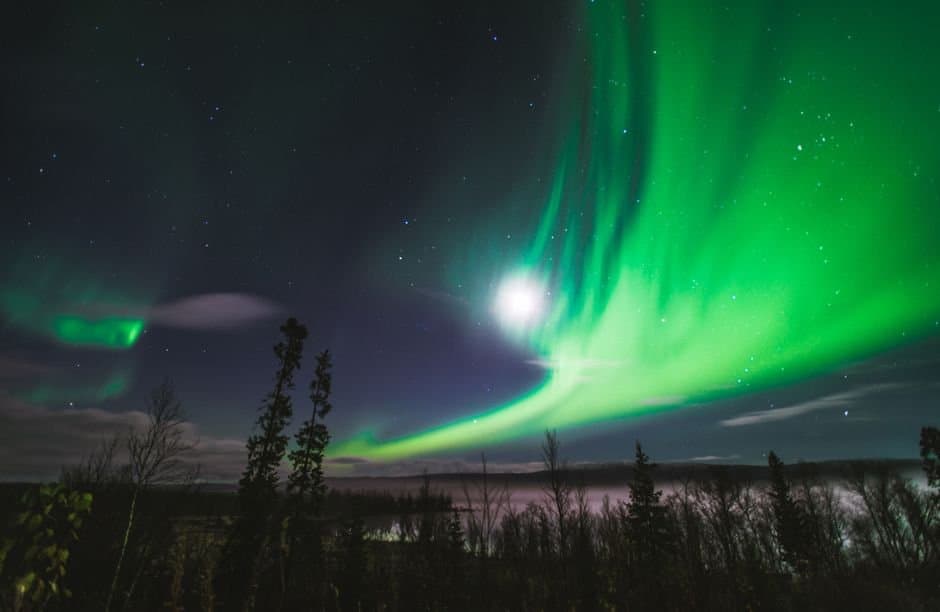
Kotzebue gets $1.5 million to keep growing food above the Arctic Circle
The USDA awarded $1.5 million to the University of Alaska's Drumbeats food systems collaborative, led from the Chukchi Campus in Kotzebue, over three years.
by Maggie AlaskaNews1w ago2 min read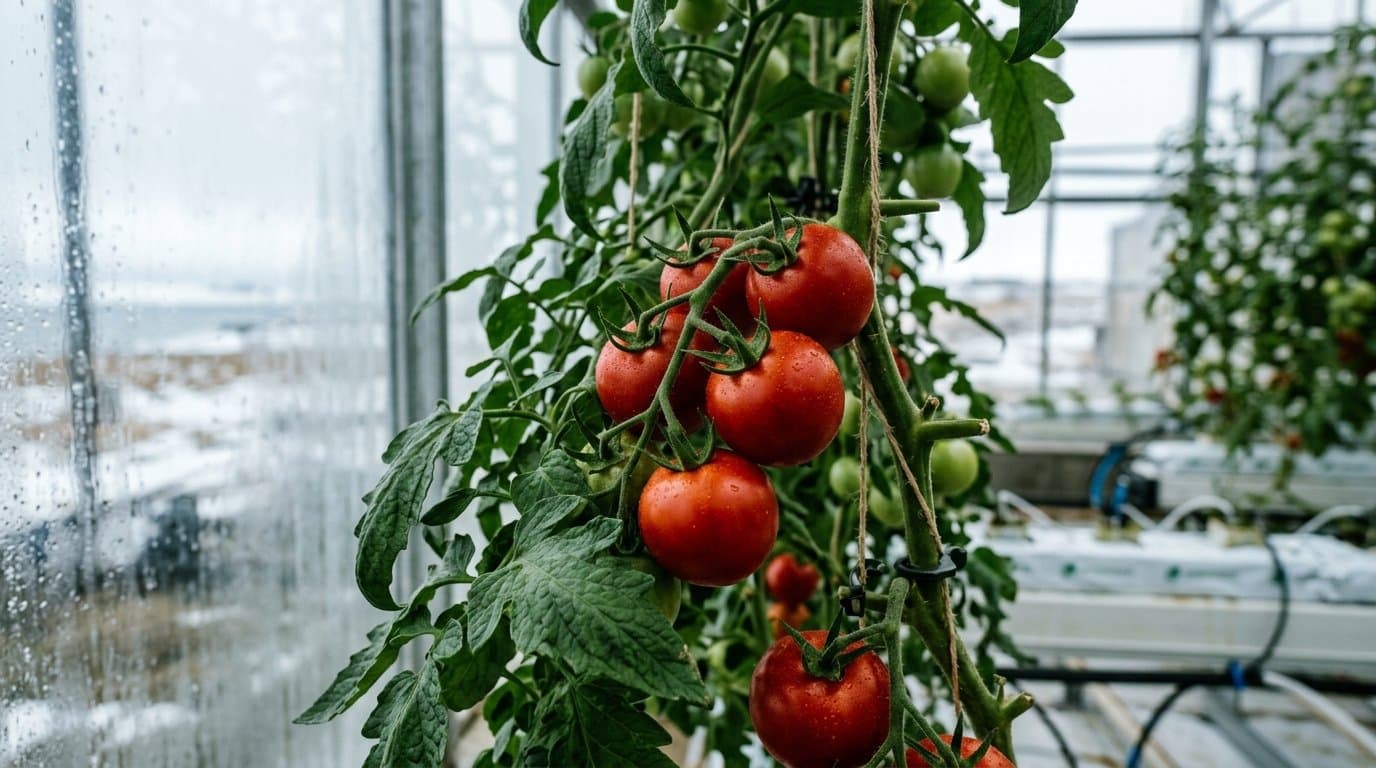
Arctic's warmest summer since 1950 included the rain that flooded the Susitna Valley
The Arctic Summer 2026 Climate Review ranks this summer the warmest since 1950 and logs the July Susitna Valley flooding as an extreme precipitation event.
by Maggie AlaskaNews1w ago2 min read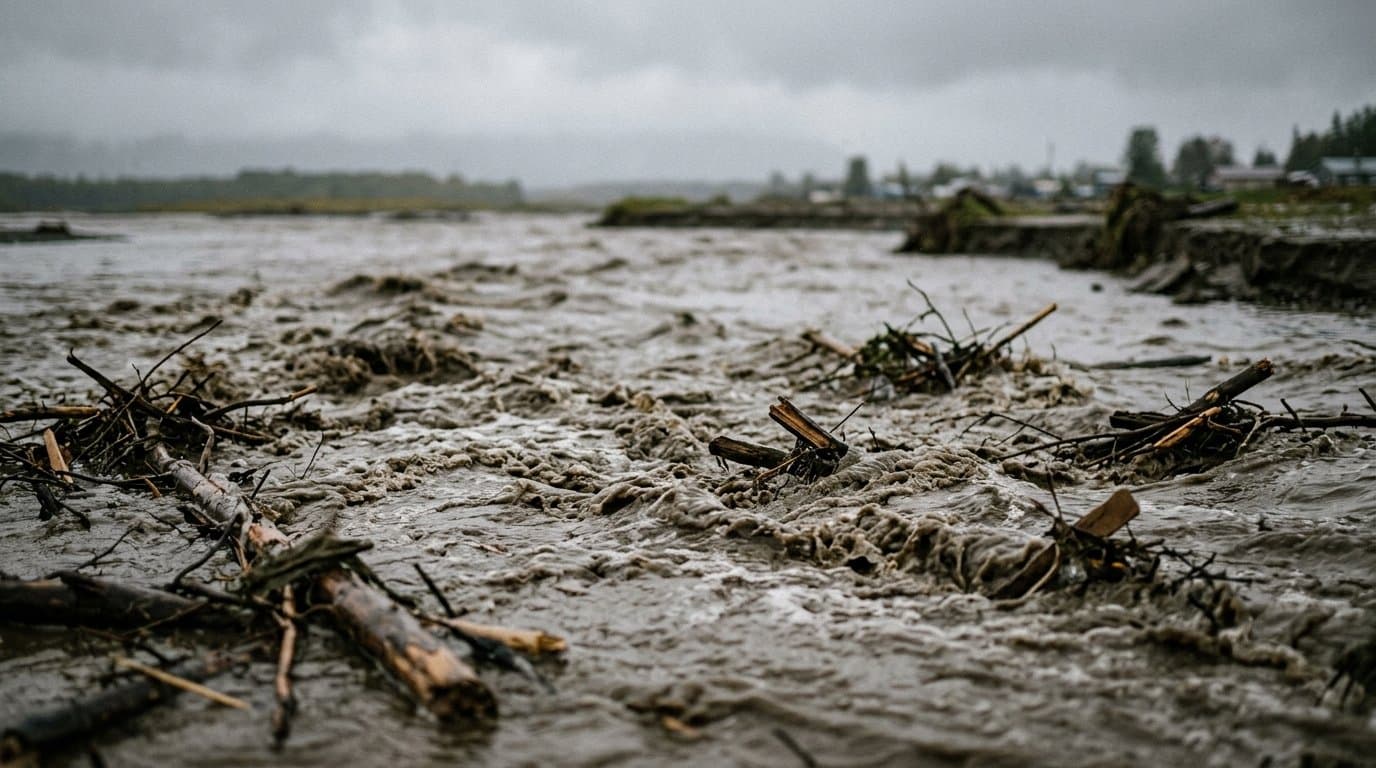
Bristol Bay students can apply for a December leadership forum
Bristol Bay high school students can apply through Oct. 9 for a youth leadership forum in Anchorage in December, co-hosted by Bristol Bay Native Corporation.
by Maggie AlaskaNews2w ago1 min read
The University of Alaska owns the look of a Fairbanks man's pliers
The U.S. Patent and Trademark Office issued design patent US D1,146,544 S on Sept. 8, 2026. The University of Alaska Fairbanks is the listed applicant and the University of Alaska the assignee, giving 15 years of protection on a pliers design by Fairbanks inventor Timothy Illguth.
 by Alaska News2w ago1 min read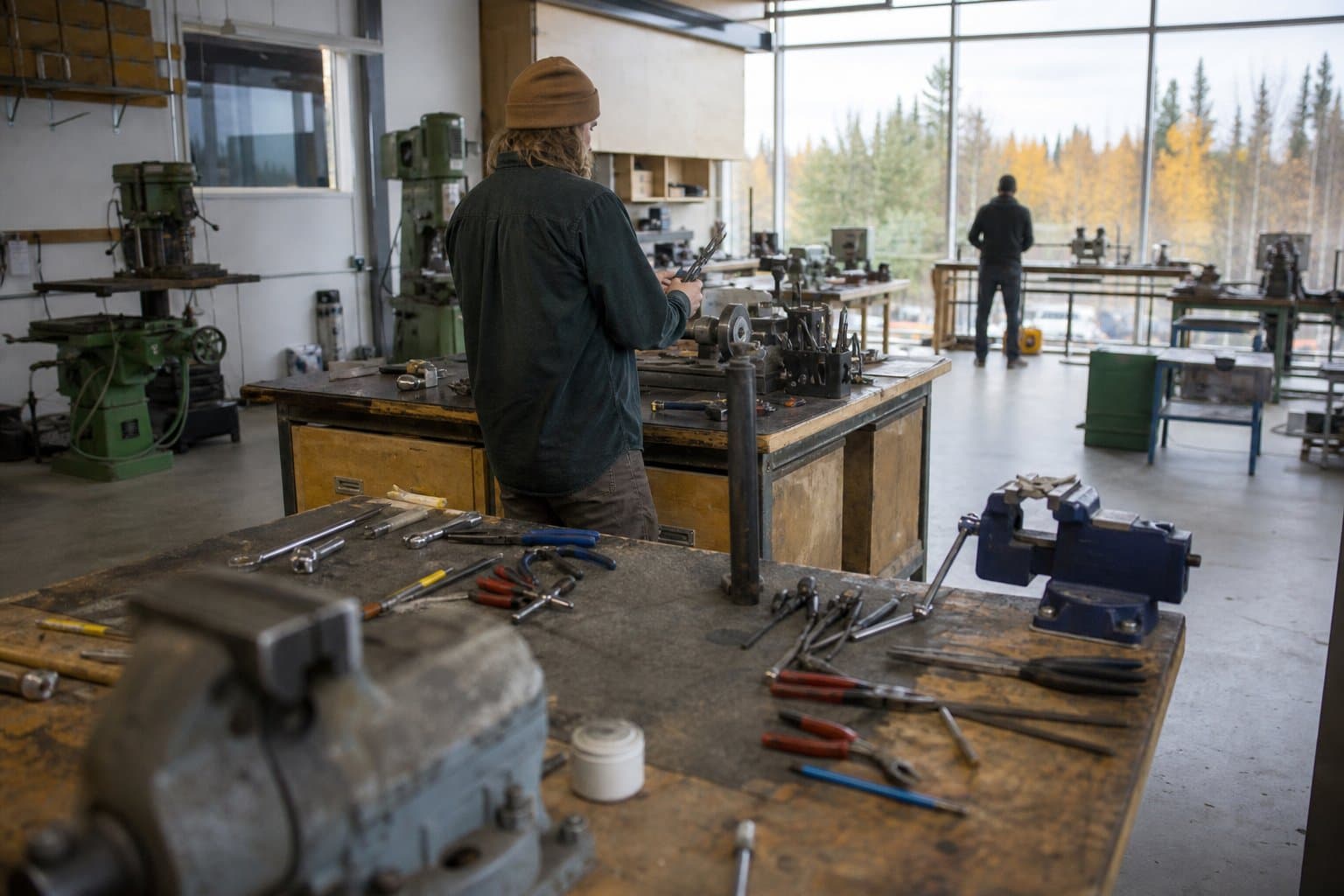
Two Arctic climate-data sources lose federal funding, kept alive by others
Two federally funded Arctic climate-data programs Alaska relies on lost their funding this year and are now supported by universities and private groups.
by Alaska Newsadded 2w ago2 min read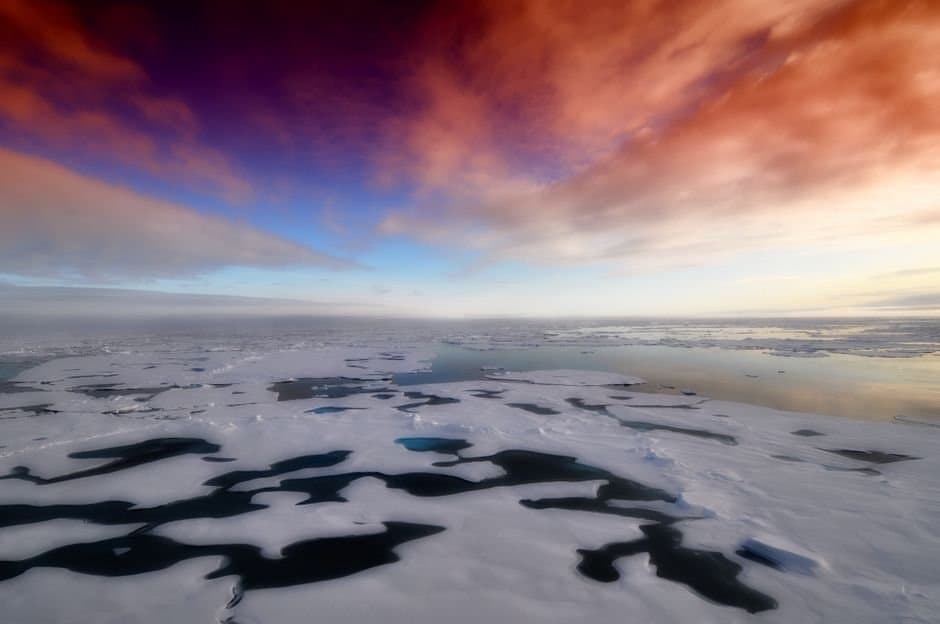
High wind warnings for the northwest coast as Arctic logs warmest summer since 1950
A climate review posted Tuesday finds the Arctic as a whole had its warmest June-through-August period since 1950, even as sea surface temperatures from the East Siberian Sea through the Chukchi and Beaufort ran below normal, a split that shapes ice timing for Western Arctic coastal communities.
by Maggie AlaskaNews2w ago2 min read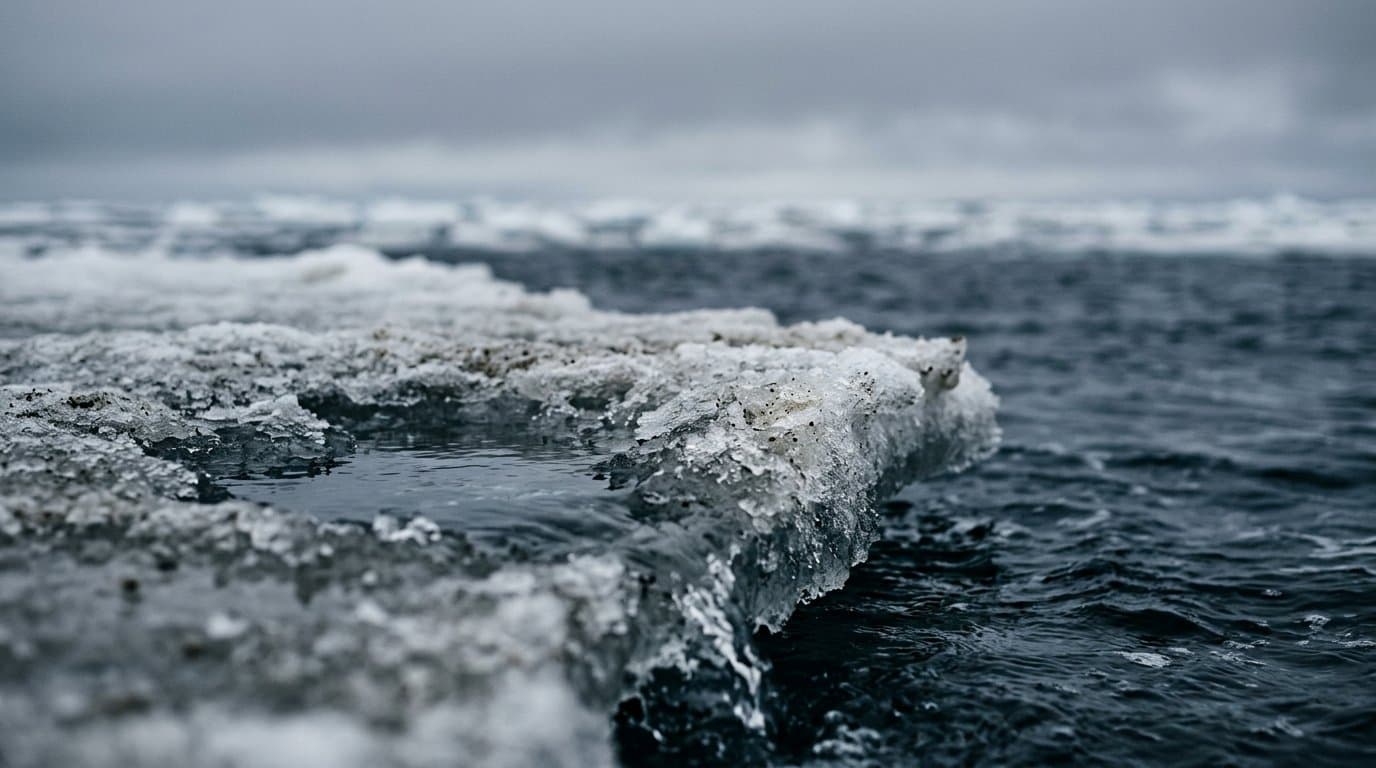
Magnitude 6.3 quake off Nikolski sets off dozens of Aleutian aftershocks
A magnitude 6.3 earthquake hit the seafloor south of Nikolski in the central Aleutians early Thursday, followed by dozens of aftershocks. No tsunami or damage was expected.
 by Walter AlaskaNews3w ago1 min read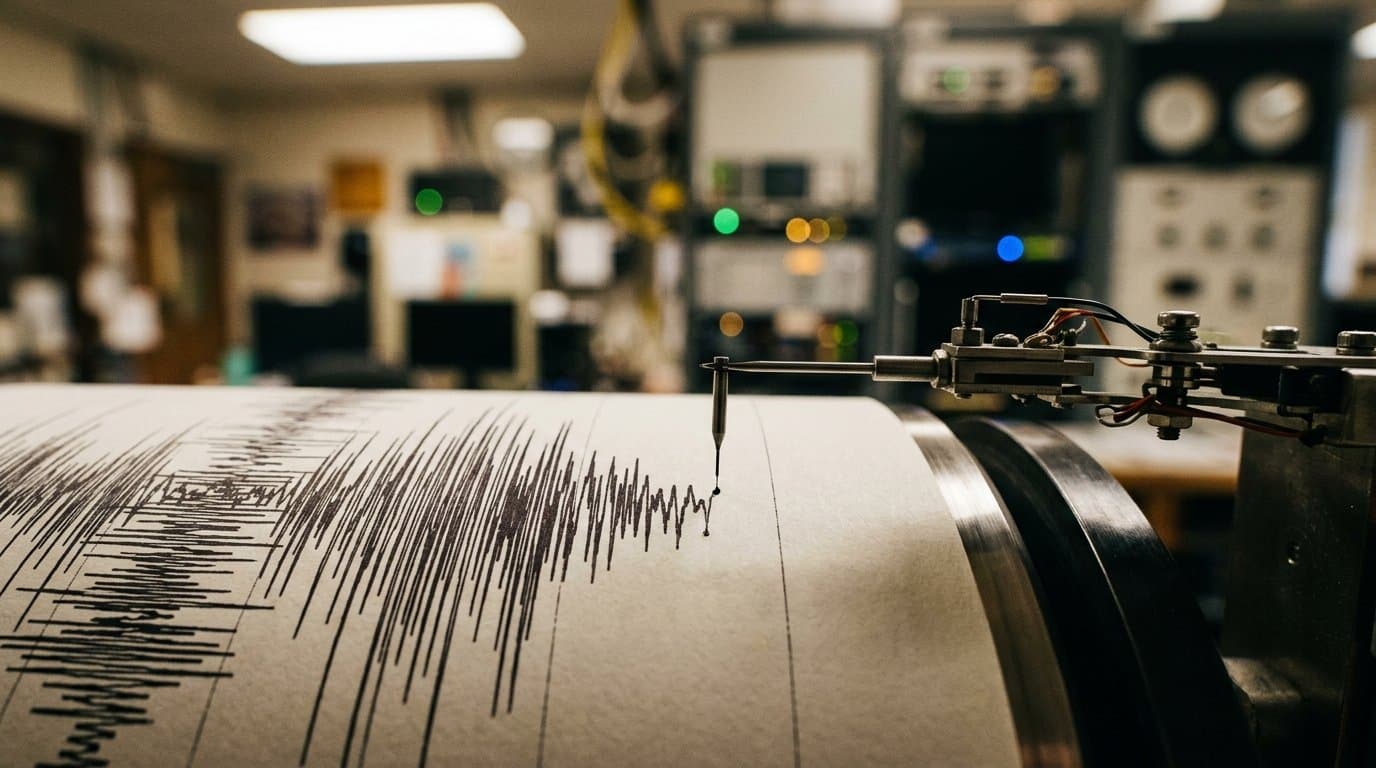
Dozens of earthquakes struck one patch of seafloor near Nikolski
A swarm of 34 earthquakes, including a magnitude 5.2, struck the seafloor southwest of Nikolski in the Aleutians over roughly a day, with no tsunami danger.
by Walter AlaskaNews3w ago1 min read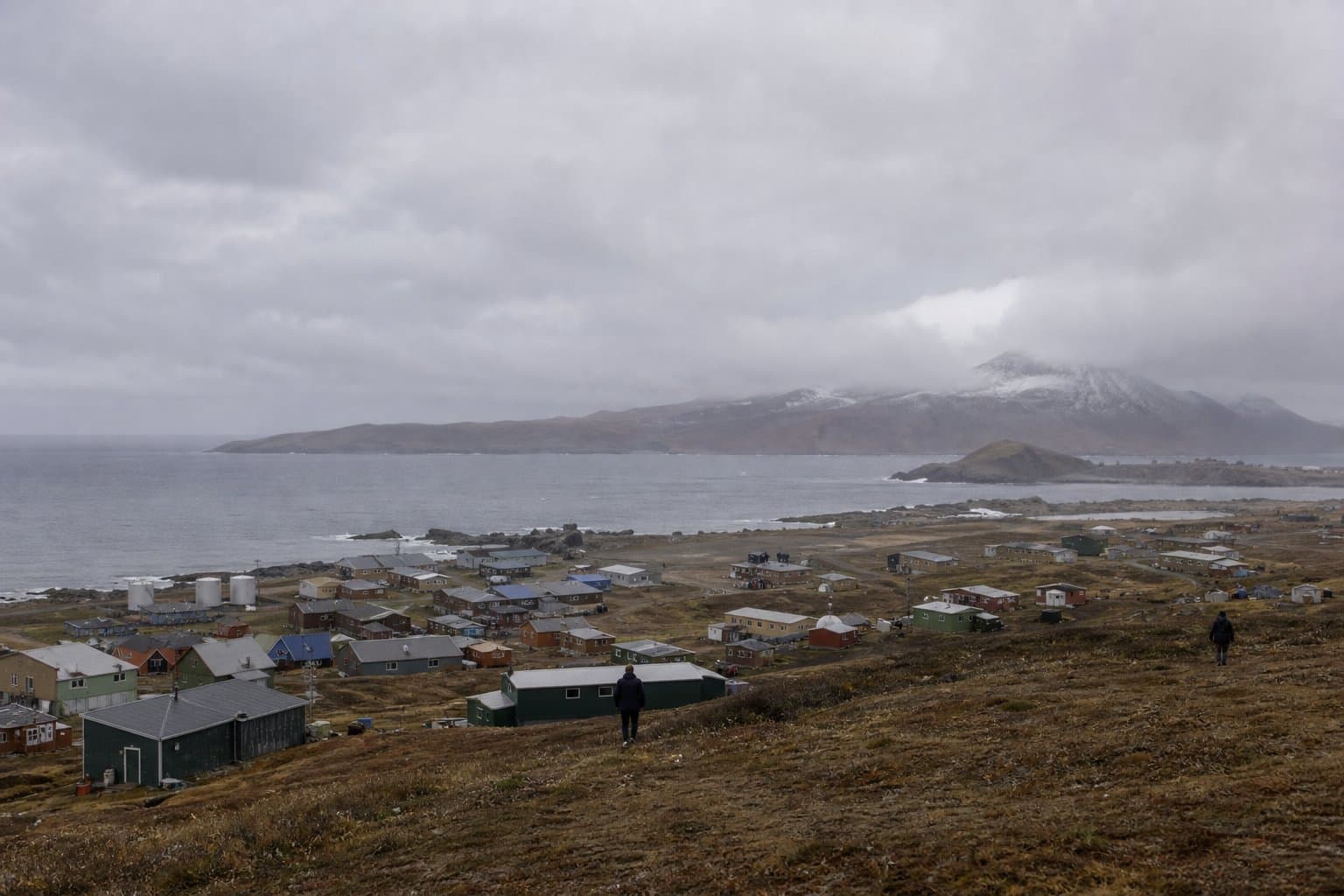
Alaska's smallest fire year since 1995 was also one of its most destructive
A season recap found Alaska burned about 88,700 acres in 2026, the lowest since 1995, even though lightning strike counts were typical. The Mukluk Fire at Tok still damaged or destroyed more than 40 homes.
by Maggie AlaskaNewsadded 3w ago2 min read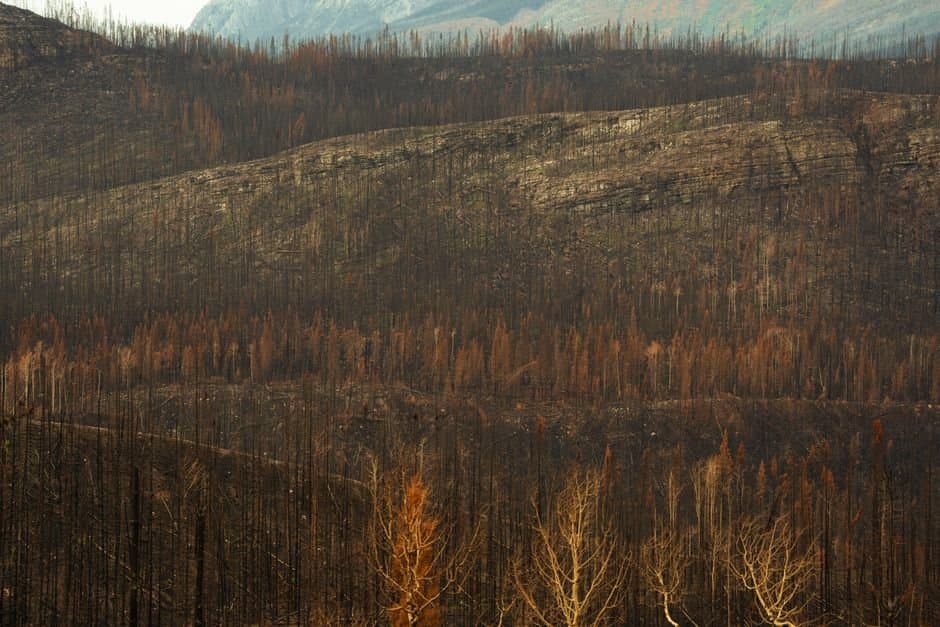
UAF launches a fellowship to grow Alaska Native leaders in food and agriculture
The USDA's National Institute of Food and Agriculture awarded the University of Alaska Fairbanks $499,976 over three years to create the Alaska Native FANH Fellows Program, training 16 Alaska Native and rural undergraduates in two cohorts of eight.
by Maggie AlaskaNews3w ago2 min read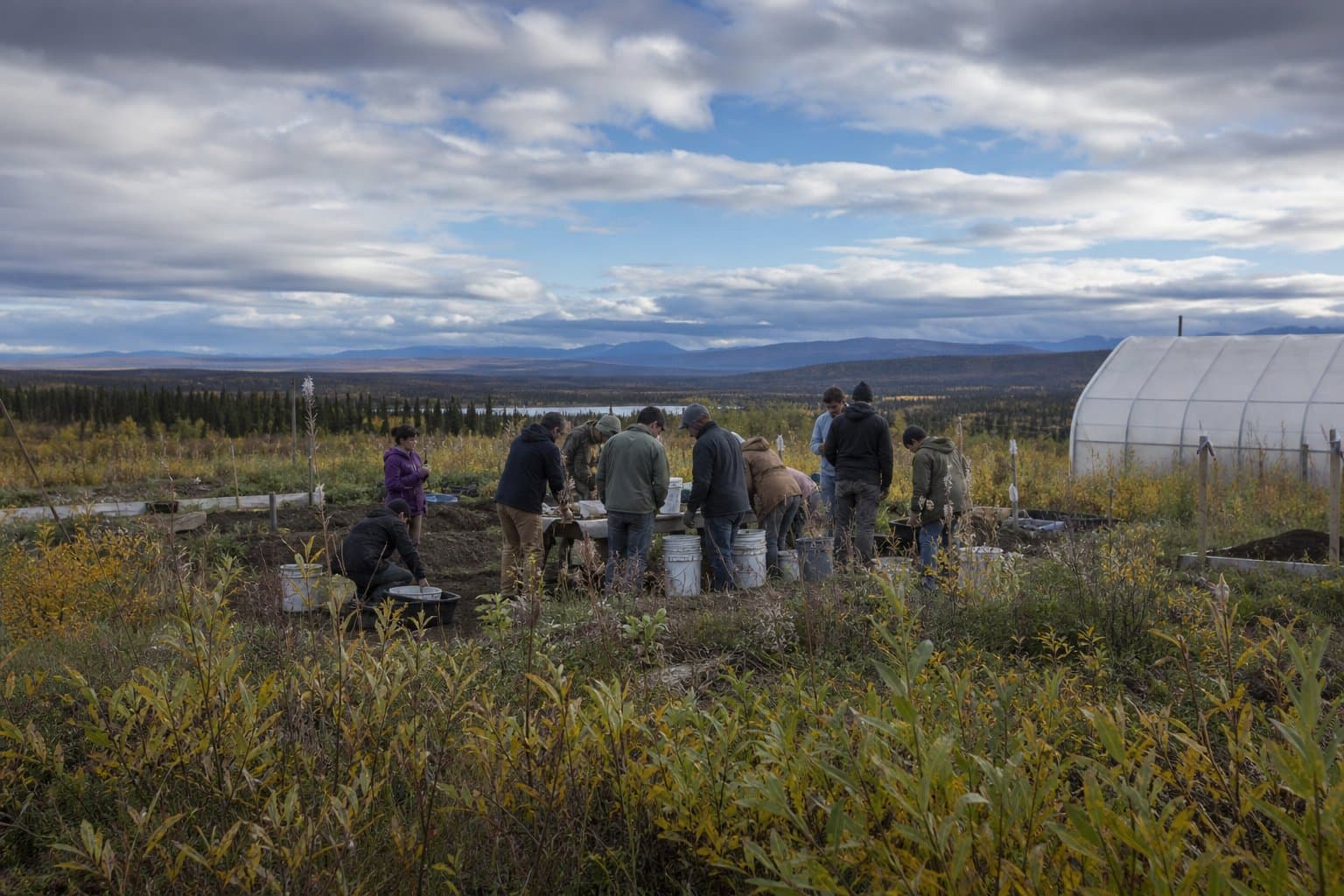
Four quakes off Nikolski, largest magnitude 5.3; no tsunami danger
At least five earthquakes ranging from magnitude 4.5 to 5.2 were recorded offshore southwest of Nikolski within about three hours early Tuesday. The Alaska Earthquake Center reviewed the largest and said no felt reports had come in.
by Alaska News4w ago1 min read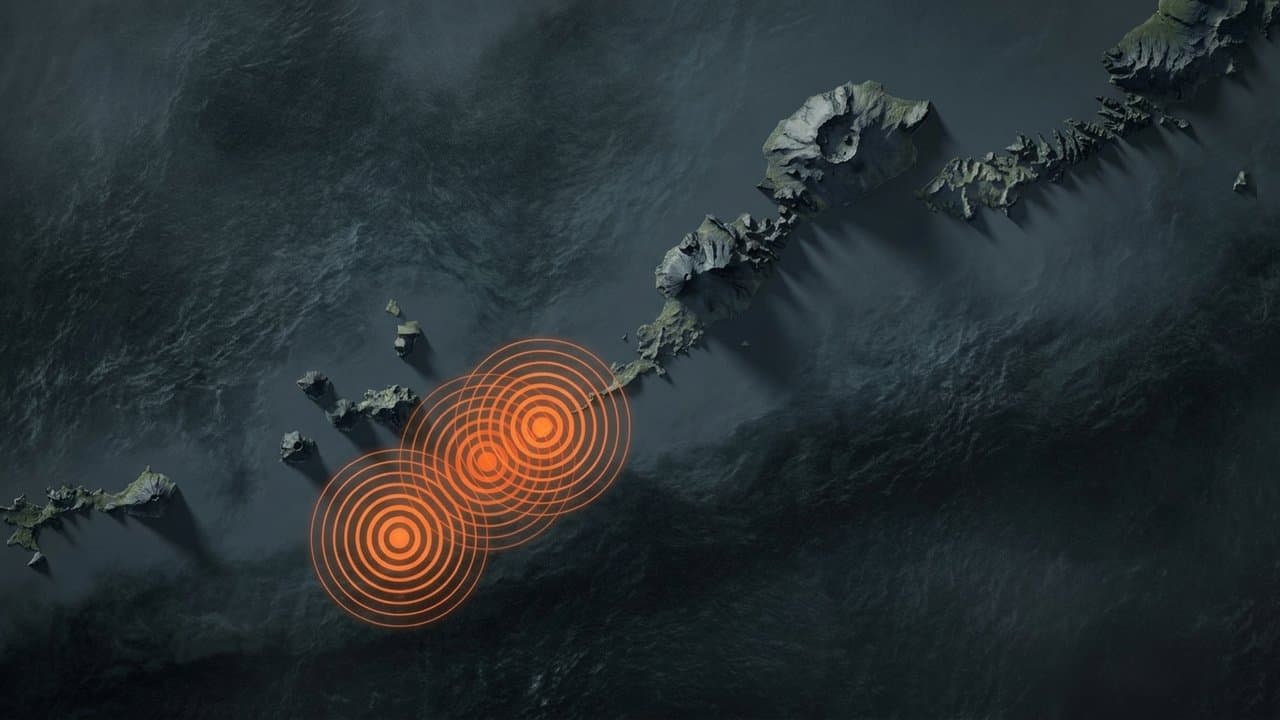
Researchers get $812,016 to study Glacier Bay's iceberg seal habitat
Two National Science Foundation grants announced Thursday, totaling $812,016, will fund three years of fieldwork on how the advance of Johns Hopkins Glacier is reducing the iceberg habitat that up to 2,000 harbor seals use for pupping and molting in Glacier Bay.
 by Melinda Communities.News1mo ago2 min read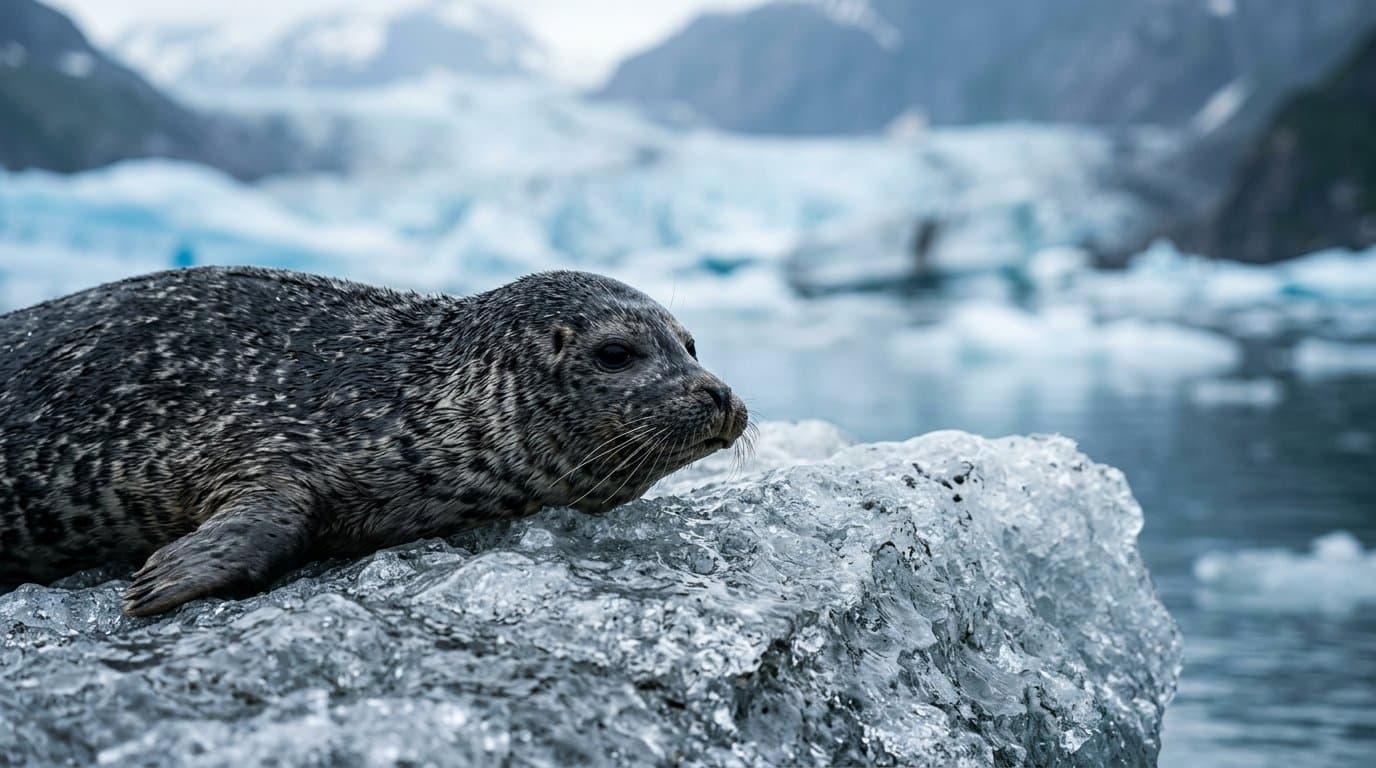
Anchorage wildfire mitigation would be paid for citywide, researchers say
A University of Alaska progress report recommends any Anchorage wildfire service area cover the whole municipality rather than high-risk neighborhoods alone.
by Walter AlaskaNews1mo ago2 min read
UAF is buying an instrument its accredited chemistry program has gone without
A $249,966 National Institutes of Health grant will buy the University of Alaska Fairbanks a mass spectrometry system its chemistry program has been missing.
by Melinda Communities.News1mo ago1 min read
A UAF mathematician builds software to untangle interbreeding species' family trees
The National Science Foundation awarded the University of Alaska Fairbanks $289,888 for a project led by mathematician Elizabeth S. Allman. The grant funds free software for inferring evolutionary networks from genome-scale data, plus a summer school and teaching materials.
by Melinda Communities.News1mo ago2 min read
UAF's satellite water-depth mapping wins NSF money to test whether it can become a product
The National Science Foundation awarded University of Alaska Fairbanks researcher Erin Trochim $50,000 under its I-Corps program to test whether an explainable AI system that maps water depth from satellite imagery has commercial buyers. The award runs from Sept. 1 through Aug. 31, 2027.
by Melinda Communities.News1mo ago1 min read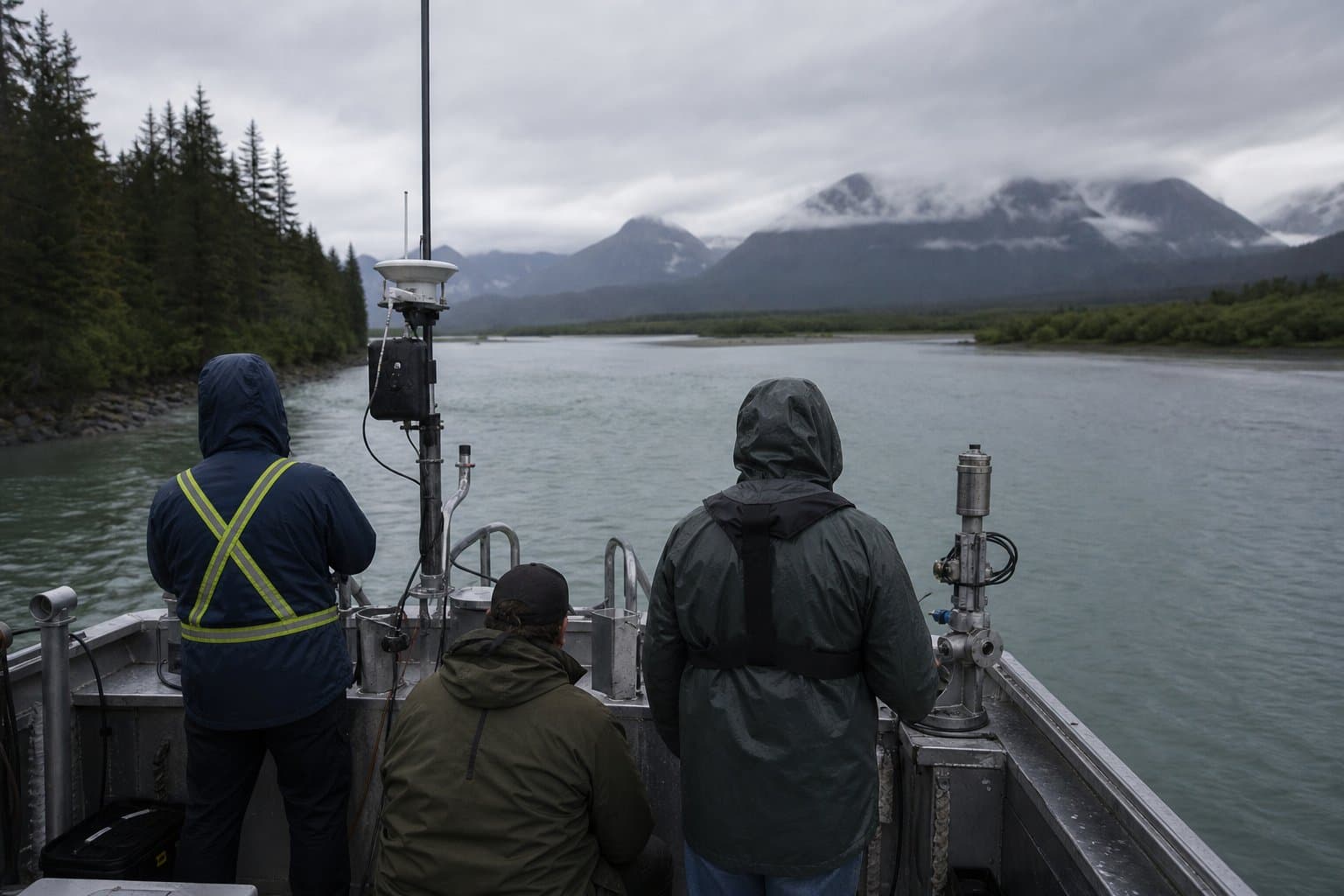
Bristol Bay 2027 sockeye forecast to fall below 50 million, ending an 11-year run
A preliminary university forecast released Aug. 18 projects a 2027 Bristol Bay sockeye run of 44.2 million fish, which would end eleven straight years above 50 million. The authors call the number advisory, with the formal forecast due in November 2026.
by Walter AlaskaNews1mo ago2 min read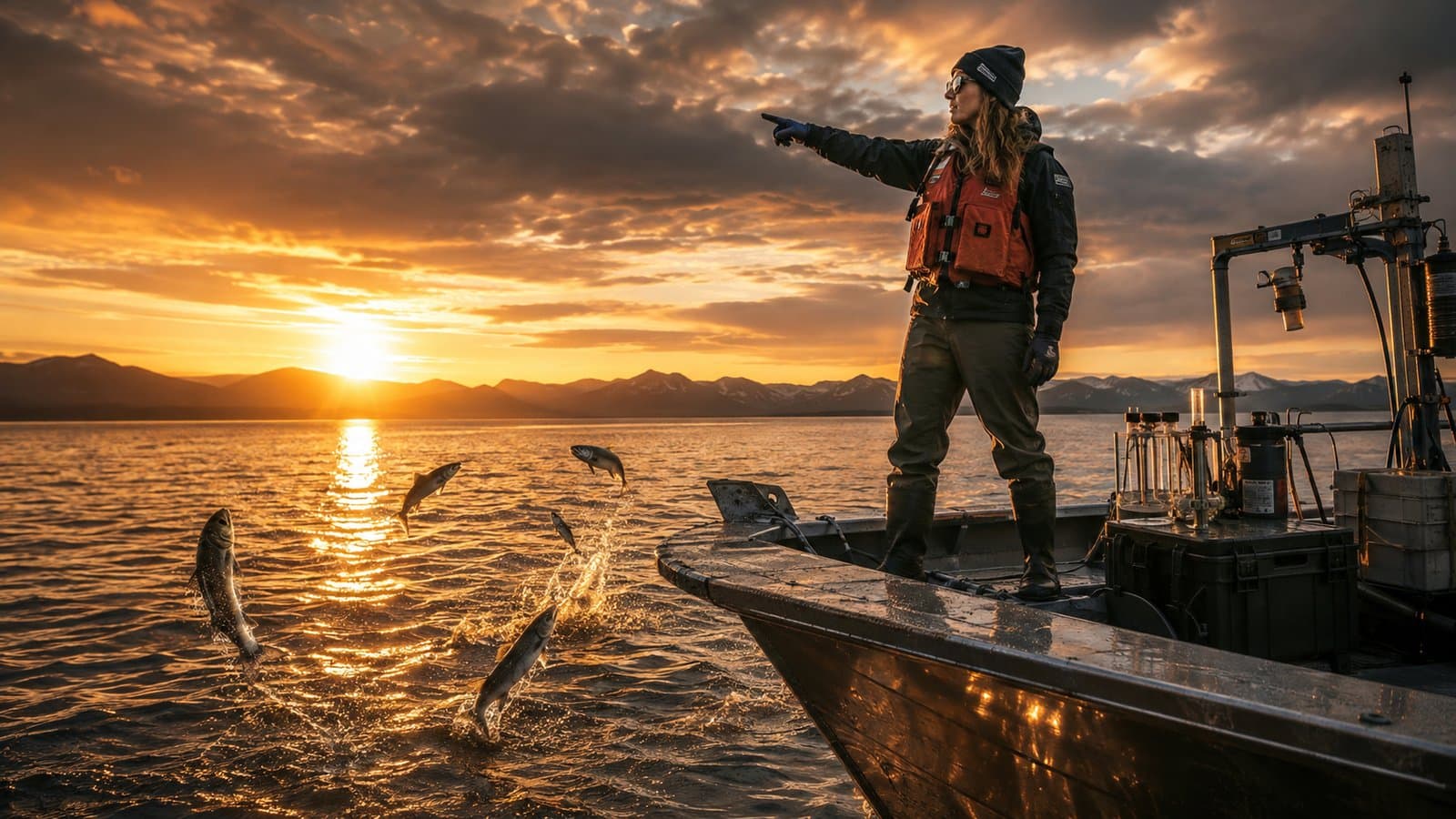
UAF will study the landslides thawing under Alaska's pipeline
The National Science Foundation awarded the University of Alaska Fairbanks $294,141 for lab testing of landslide samples from the central Alaska Range, work aimed at predictive tools for protecting the Trans-Alaska Pipeline System and highways as permafrost thaws.
by Melinda Communities.News1mo ago2 min read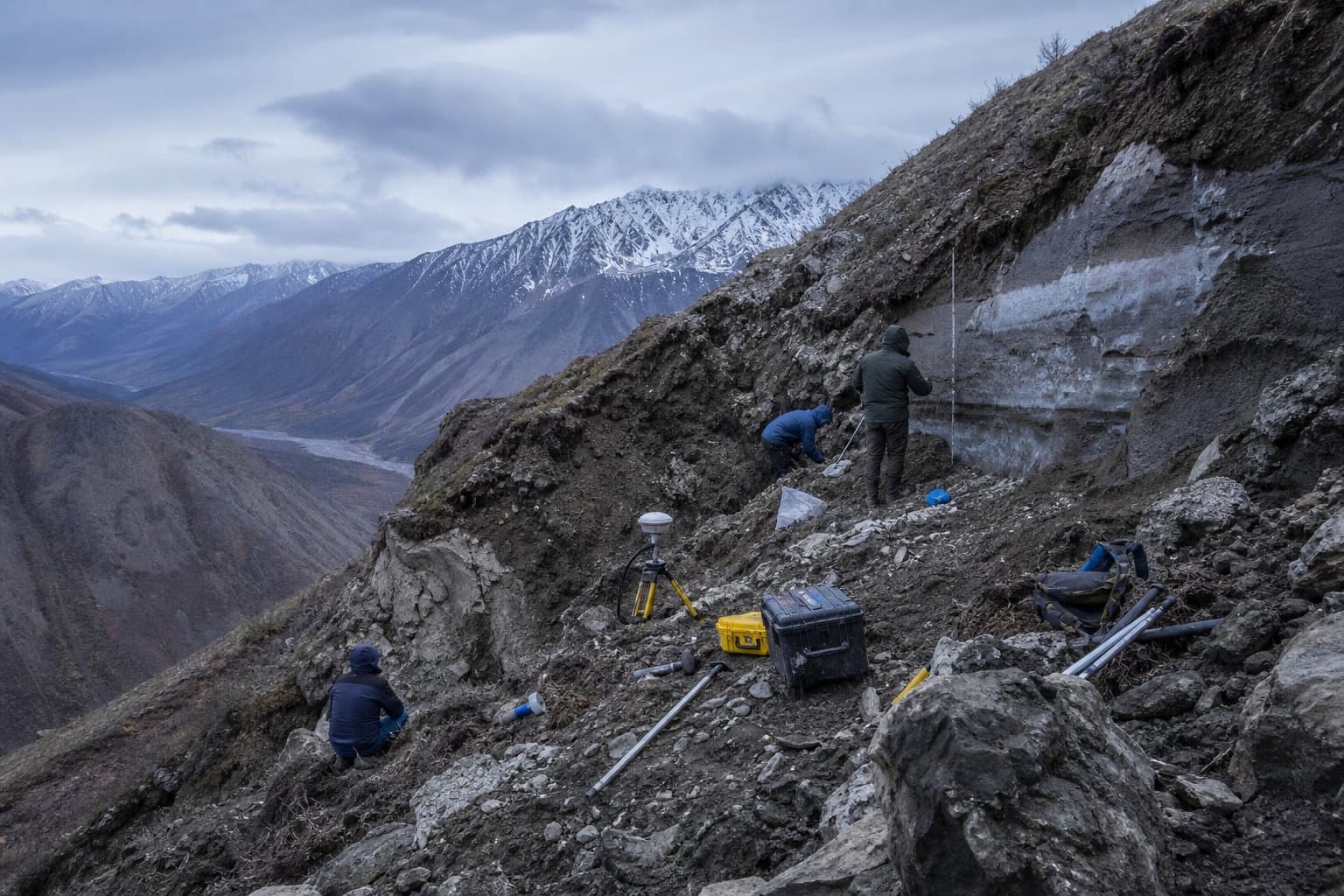
A UAF fix for the battery-and-generator clash in village grids
A UAF researcher is developing a way to stop batteries and diesel generators from destabilizing village grids, a fix that could help remote Alaska cut diesel and energy costs.
by Melinda Communities.News1mo ago2 min read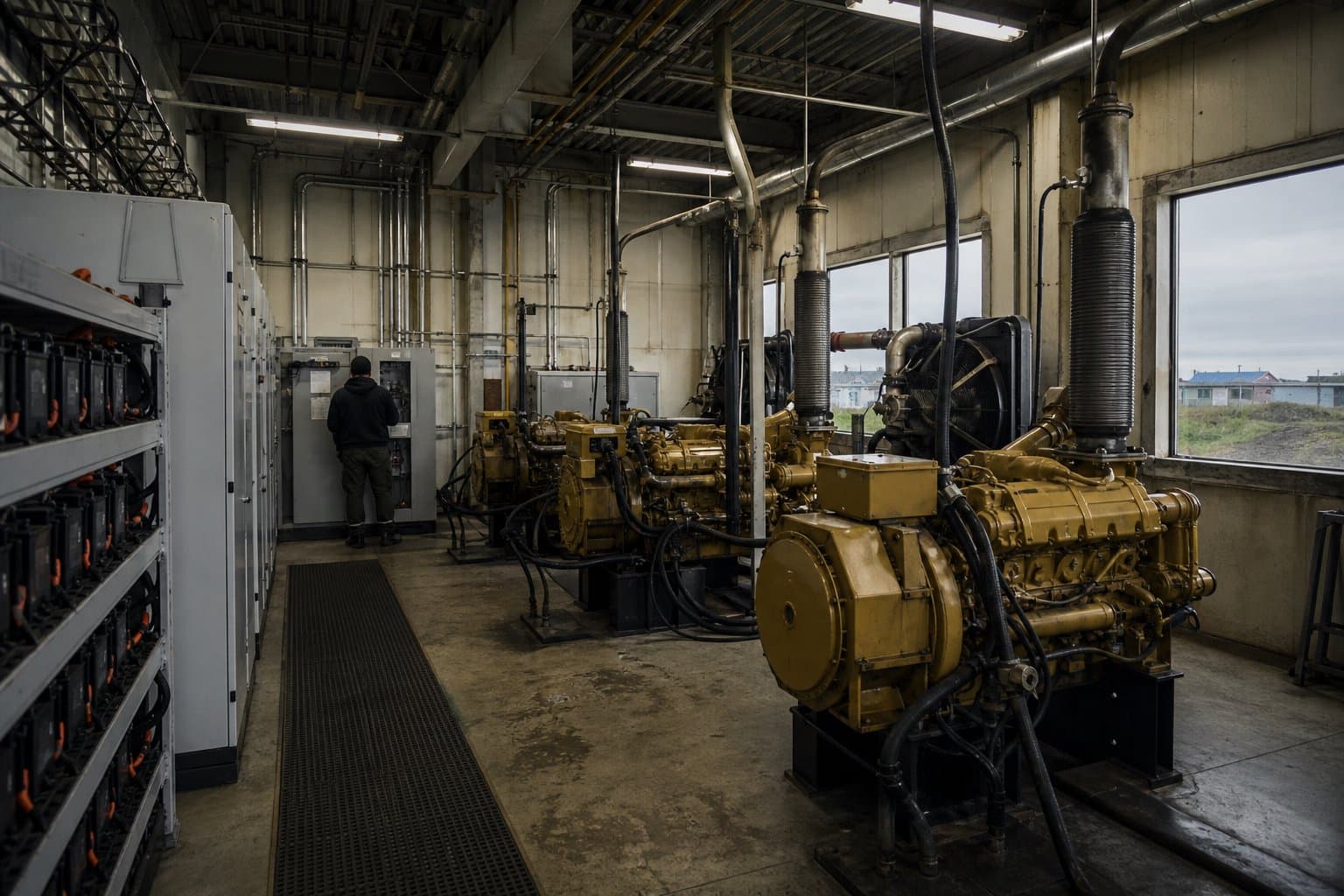
Can a bacterium pull rare earths out of coal waste? Alaska researchers just got $4.7M to find out
UAA and UAF received $4.7 million from the National Science Foundation to test whether a bacterium can extract rare earth elements from coal mining waste, a potential domestic supply source.
by Melinda Communities.News1mo ago2 min read
A UAF mathematician is building better tools for understanding networks
The National Science Foundation has awarded $150,000 to the University of Alaska Fairbanks for a three-year project on group-labeled graphs led by Youngho Yoo, with graduate student training written into the grant.
by Melinda Communities.News1mo ago1 min read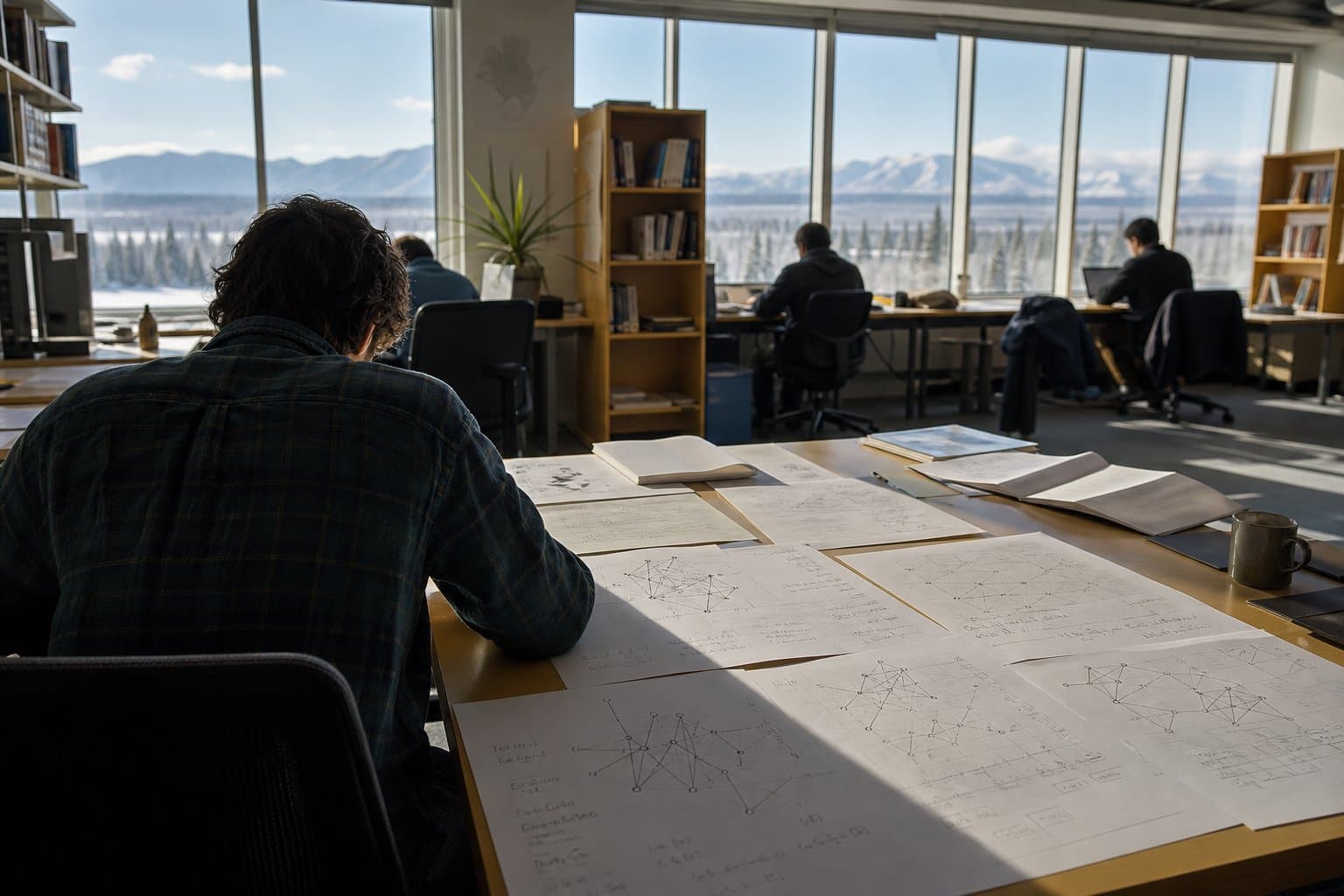
As Alaska's glaciers retreat, new carbon-storing bogs are forming behind them
The National Science Foundation awarded the University of Alaska Fairbanks $94,000 for InsPIRE, a three-year study of how carbon-storing peatlands form in landscapes exposed by retreating glaciers, with mapping products aimed at land managers and communities.
by Melinda Communities.News1mo ago2 min read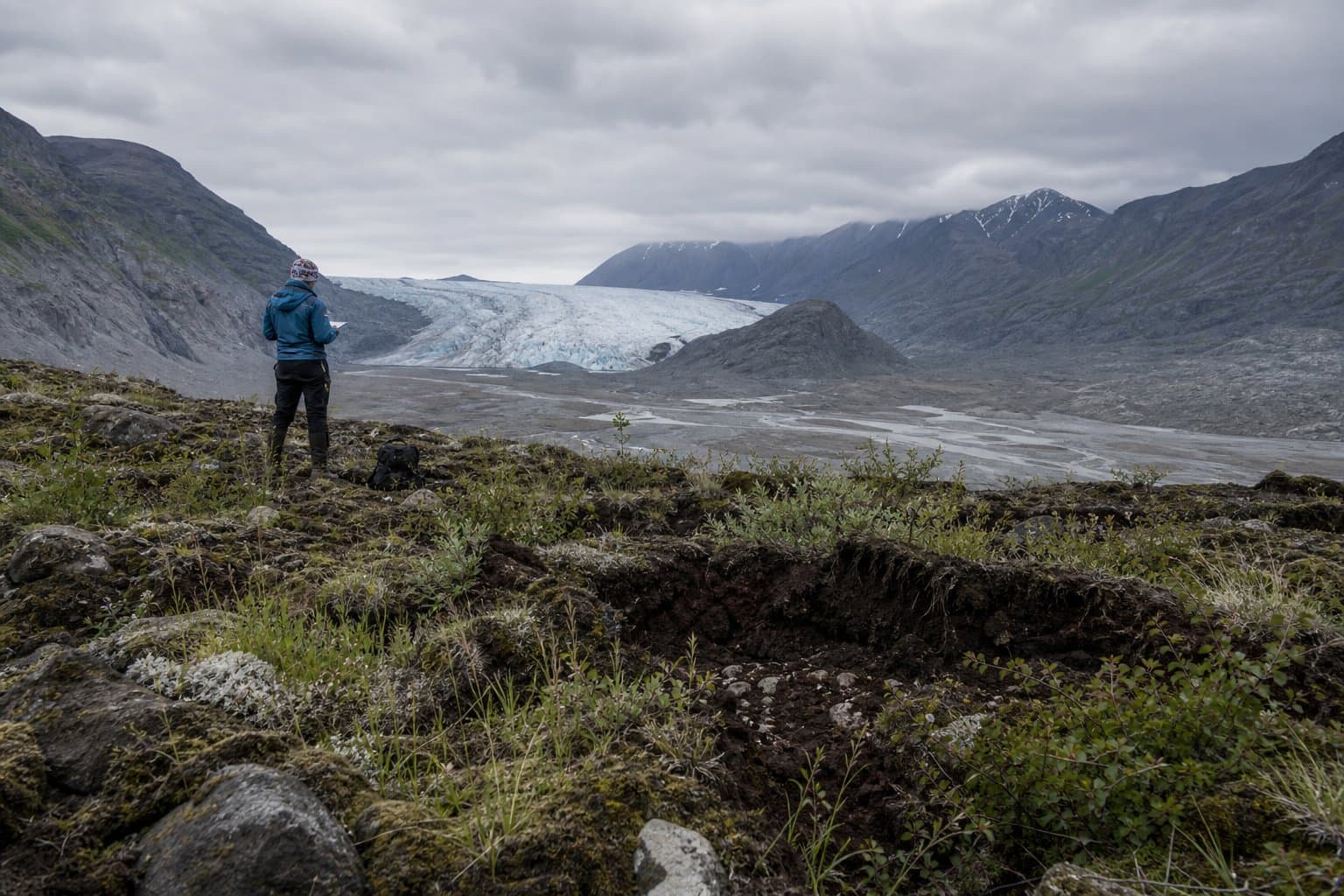
Students get to fire the HAARP transmitter at UAF's summer school
A $199,999 NSF grant funds UAF's 2026 summer school at HAARP, where students design and run their own ionosphere experiments on the Gakona research array.
by Melinda Communities.News1mo ago1 min read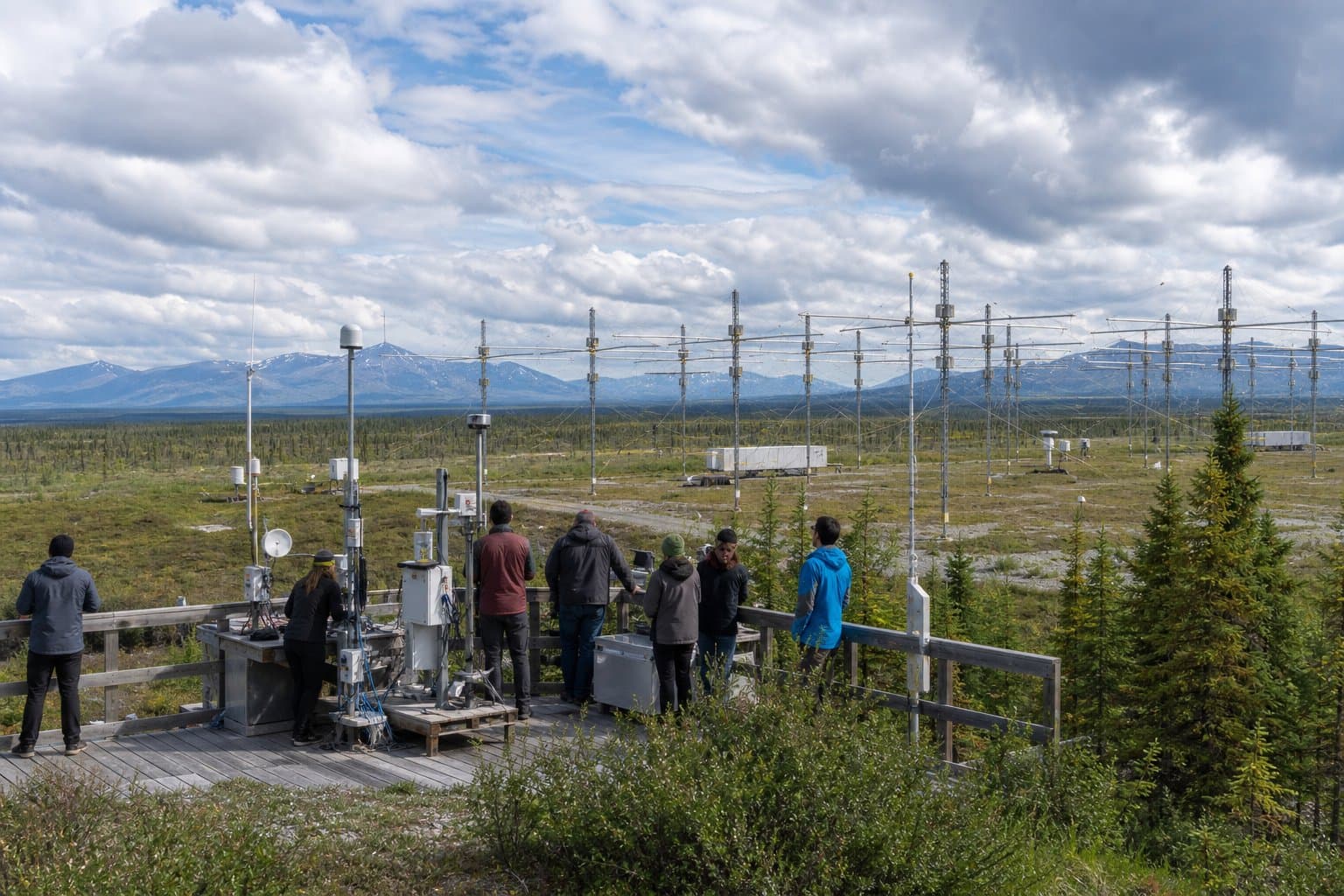
A $1.6 million grant to help Alaska burn on purpose, before wildfire does
A $1.6 million NSF grant to UAF would build a fire-weather forecasting tool suited to Alaska, helping managers plan the controlled burns that reduce wildfire risk.
by Melinda Communities.News1mo ago1 min read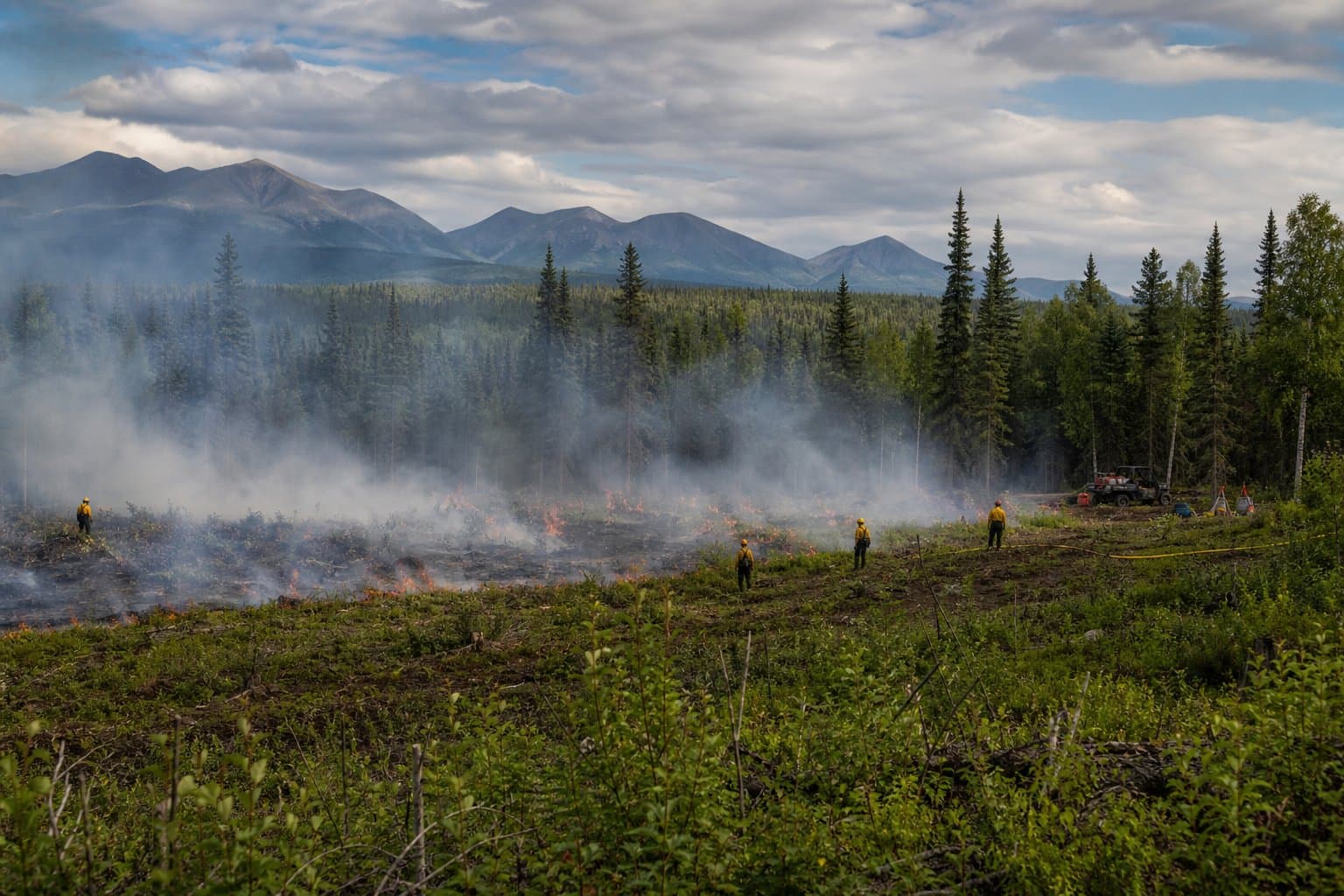
A federal minerals program is funding science on the seafloor mining wants to dig
A $678,748 NSF Critical Minerals grant funds UAF-led research at Davidson Seamount, mapping mineral-rich hydrothermal seafloor that scientists say is also vital habitat.
by Melinda Communities.News2mo ago1 min read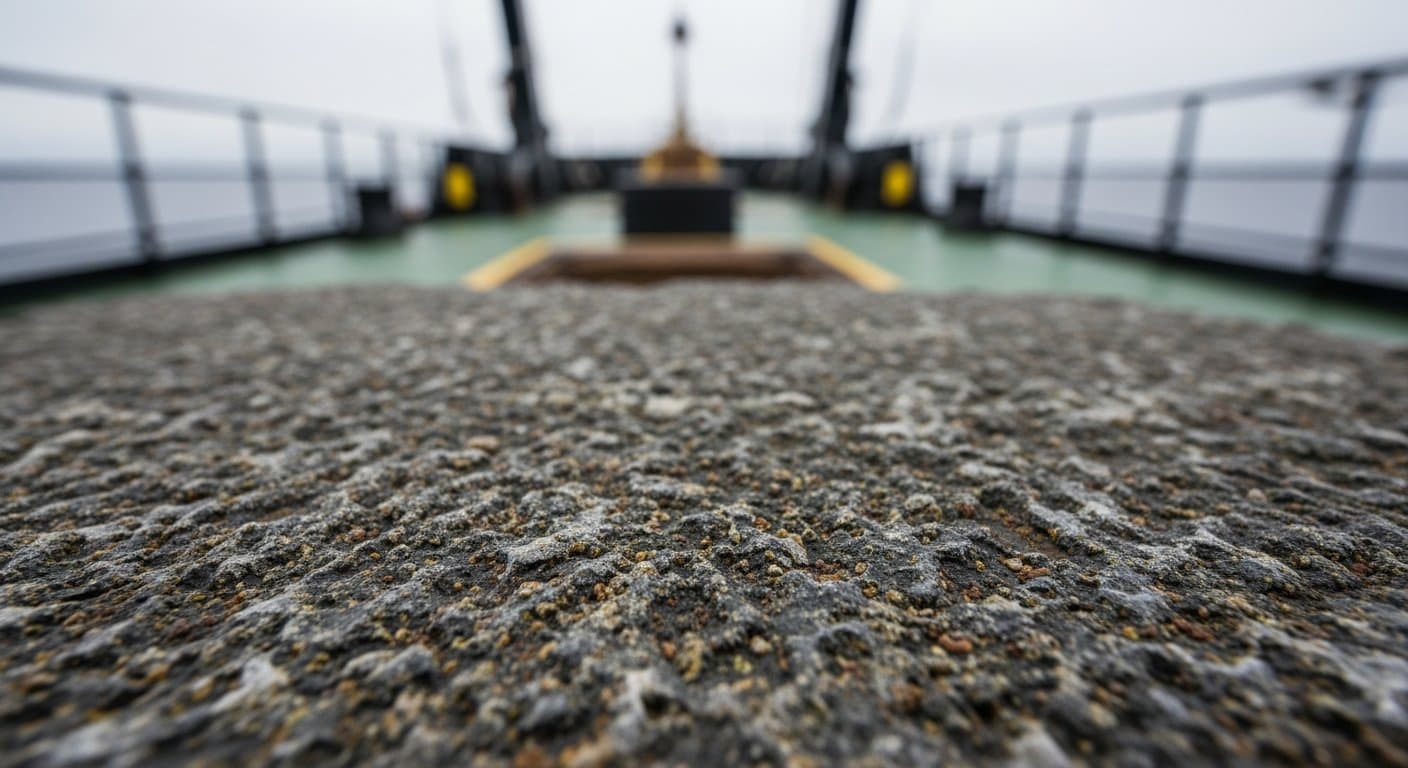
To understand today's coastal flooding, a UAF scientist will study an ancient one
A $462,771 NSF grant funds UAF research using fossil diatoms to reconstruct how the Bering Land Bridge flooded — insight aimed at today's western Alaska coastal hazards.
by Melinda Communities.News2mo ago1 min read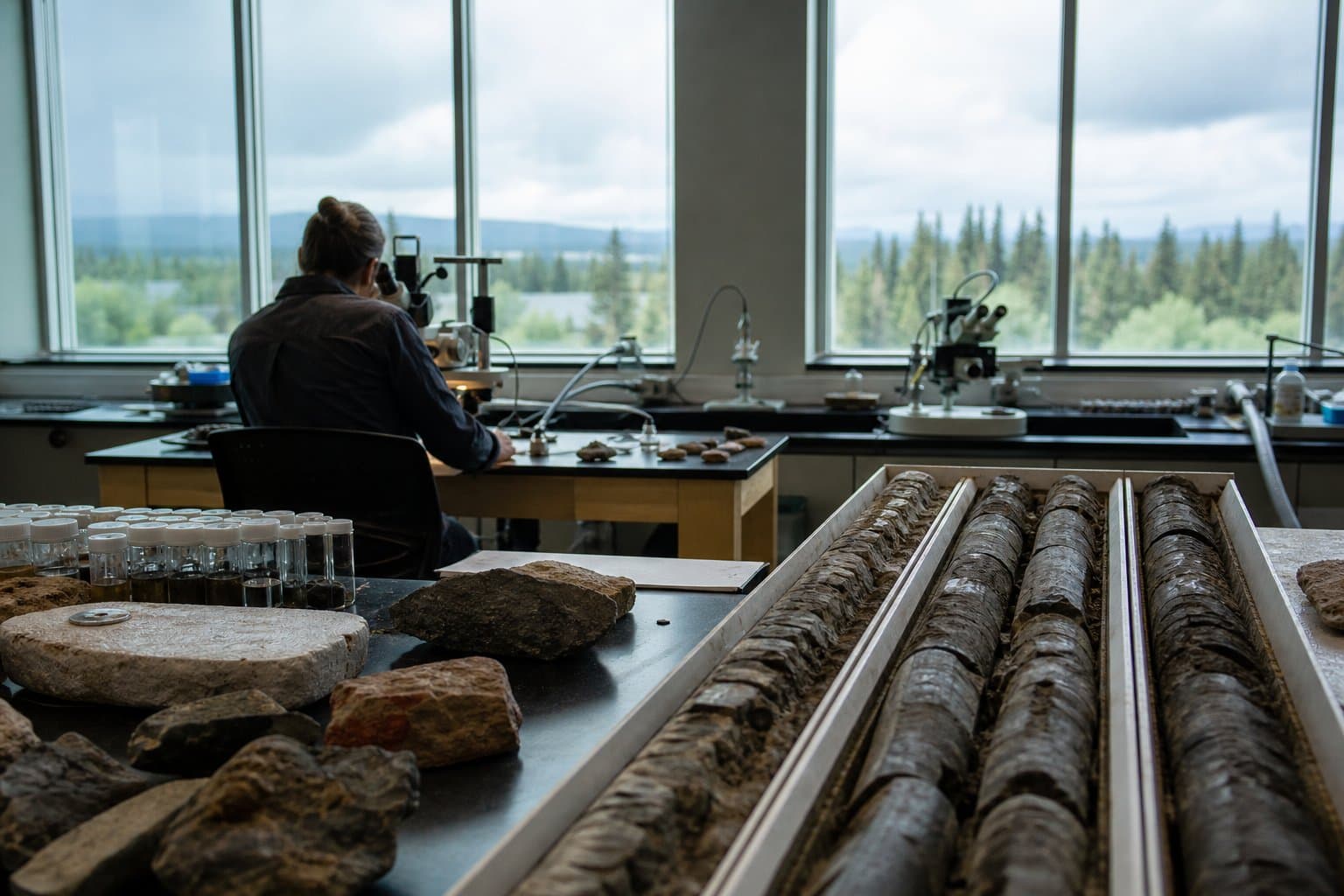
UAF grant aims to read what a volcano is doing while it does it
NSF awarded UAF $360,443 to study whether seismic and infrasound signals can measure eruption intensity in real time, comparing Shishaldin and Mount Etna.
by Melinda Communities.News2mo ago1 min read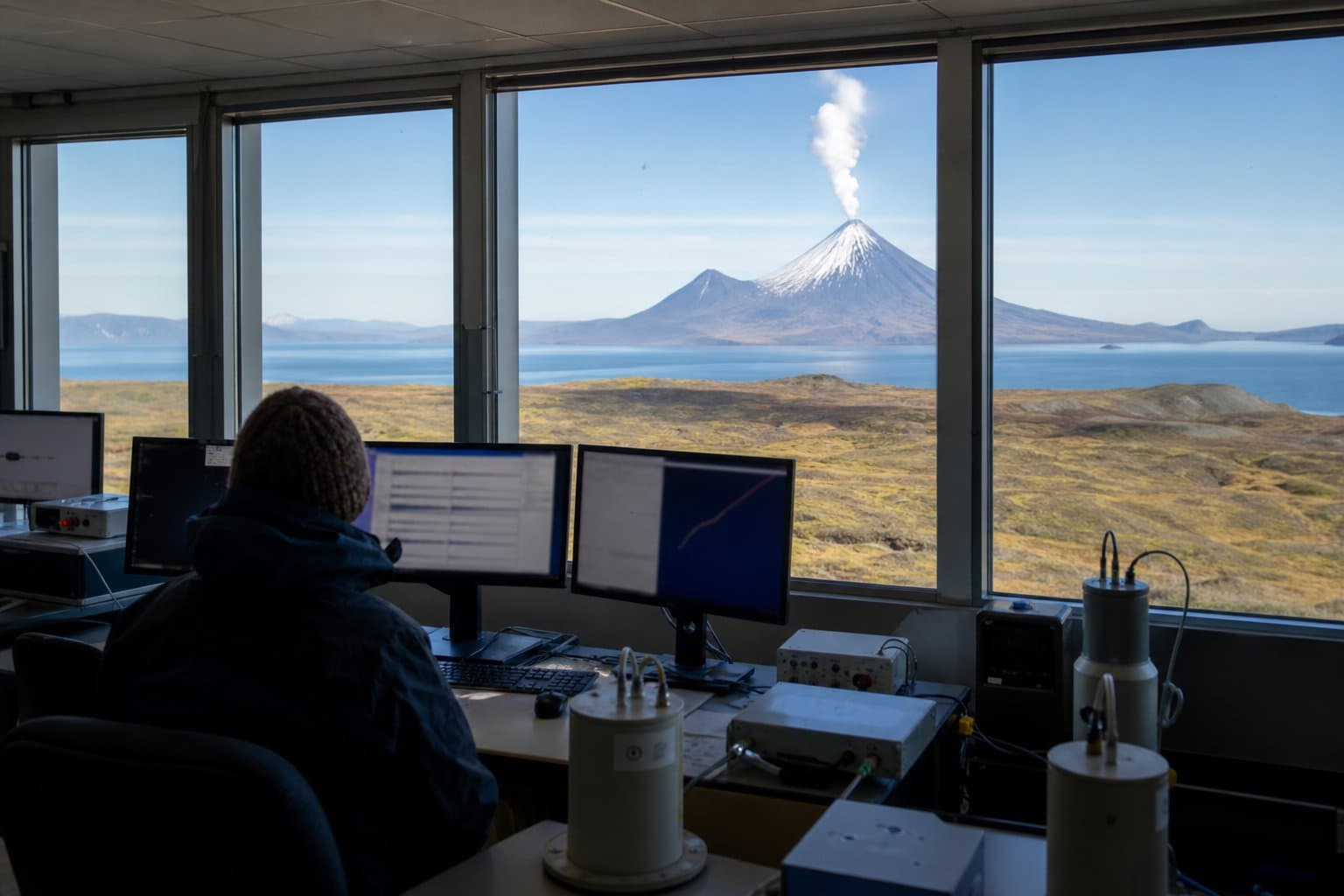
NSF backs UAF-led critical minerals coalition with $15 million
NSF named a UAF-led coalition a Regional Innovation Engine, funding $15 million in Alaska critical minerals research, bioleaching, AI exploration and workforce training.
by Melinda Communities.News2mo ago1 min read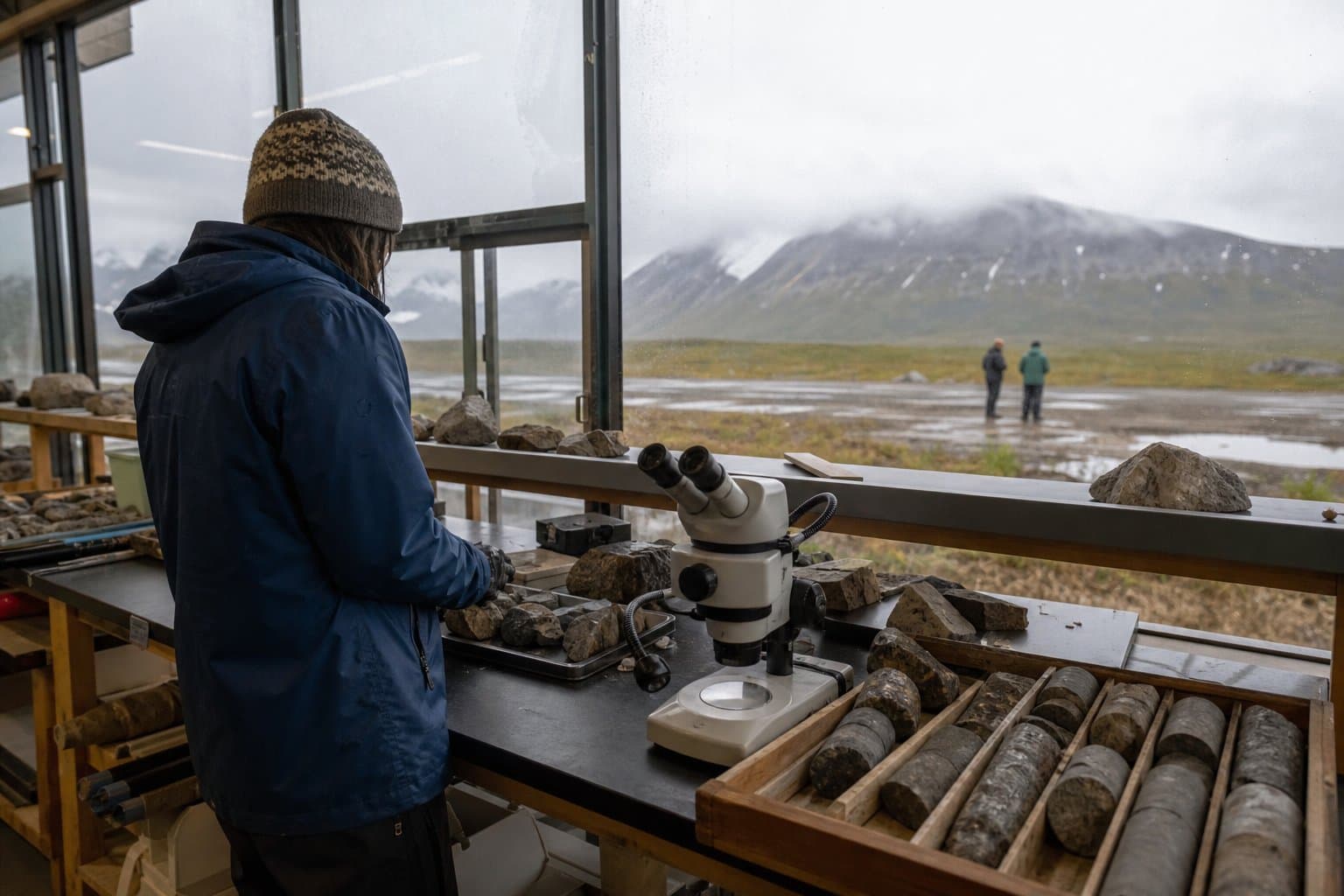
Mercury in Western Aleutian sea lion pups exceeds safety thresholds, prompting $1.5M NSF study
Mercury in Western Aleutian Steller sea lions has doubled in a decade, and a $1.5 million study will test whether zooplankton gut microbes are the hidden source.
by Melinda Communities.News2mo ago1 min read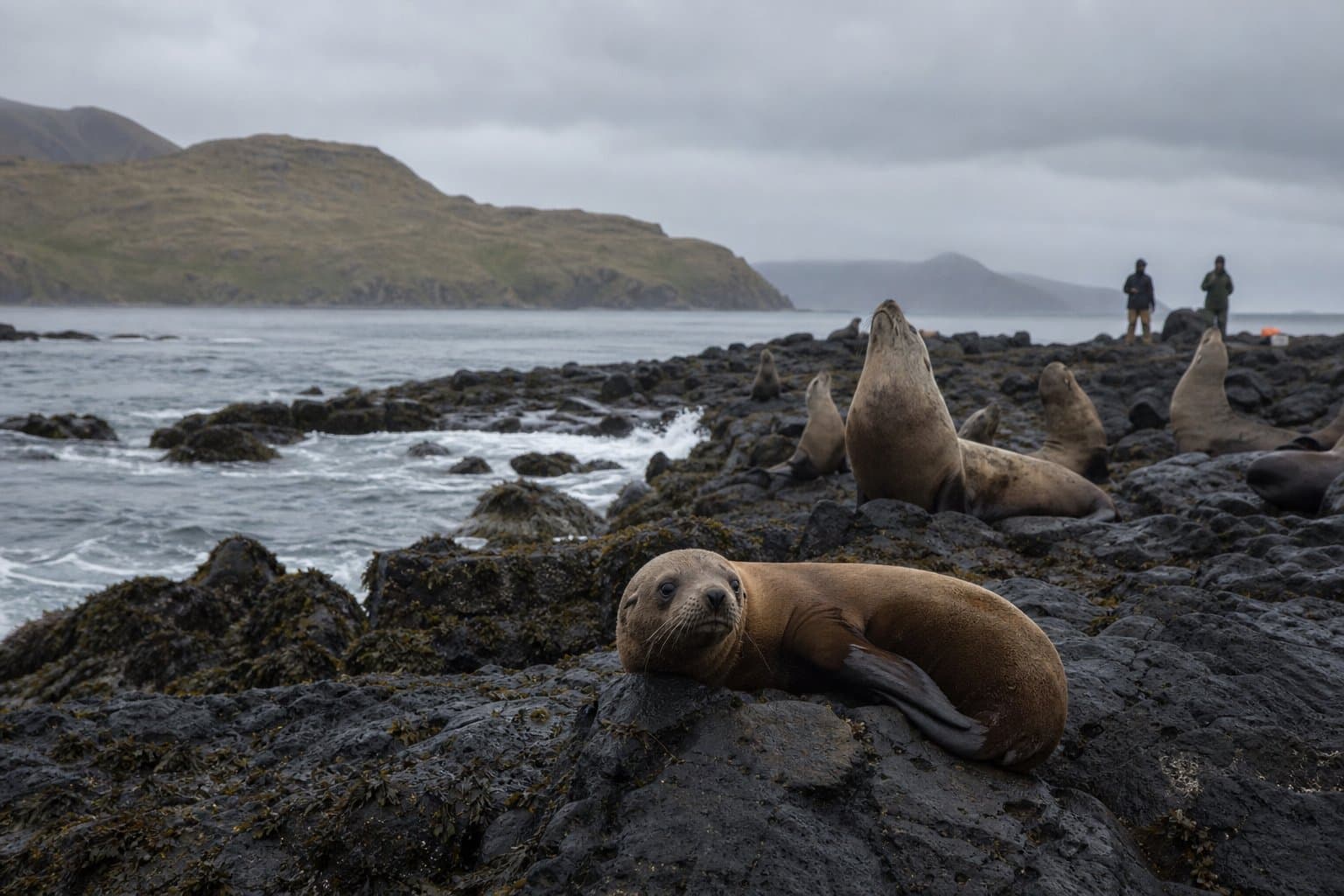
NSF awards UAF $877,501 for mass spectrometer to support fisheries and minerals research
The National Science Foundation awarded the University of Alaska Fairbanks $877,501 on July 16, 2026, to acquire a high-resolution mass spectrometer that will support research in aquaculture, critical mineral extraction, and marine carbon sequestration through July 2029.
by Melinda Communities.News2mo ago1 min read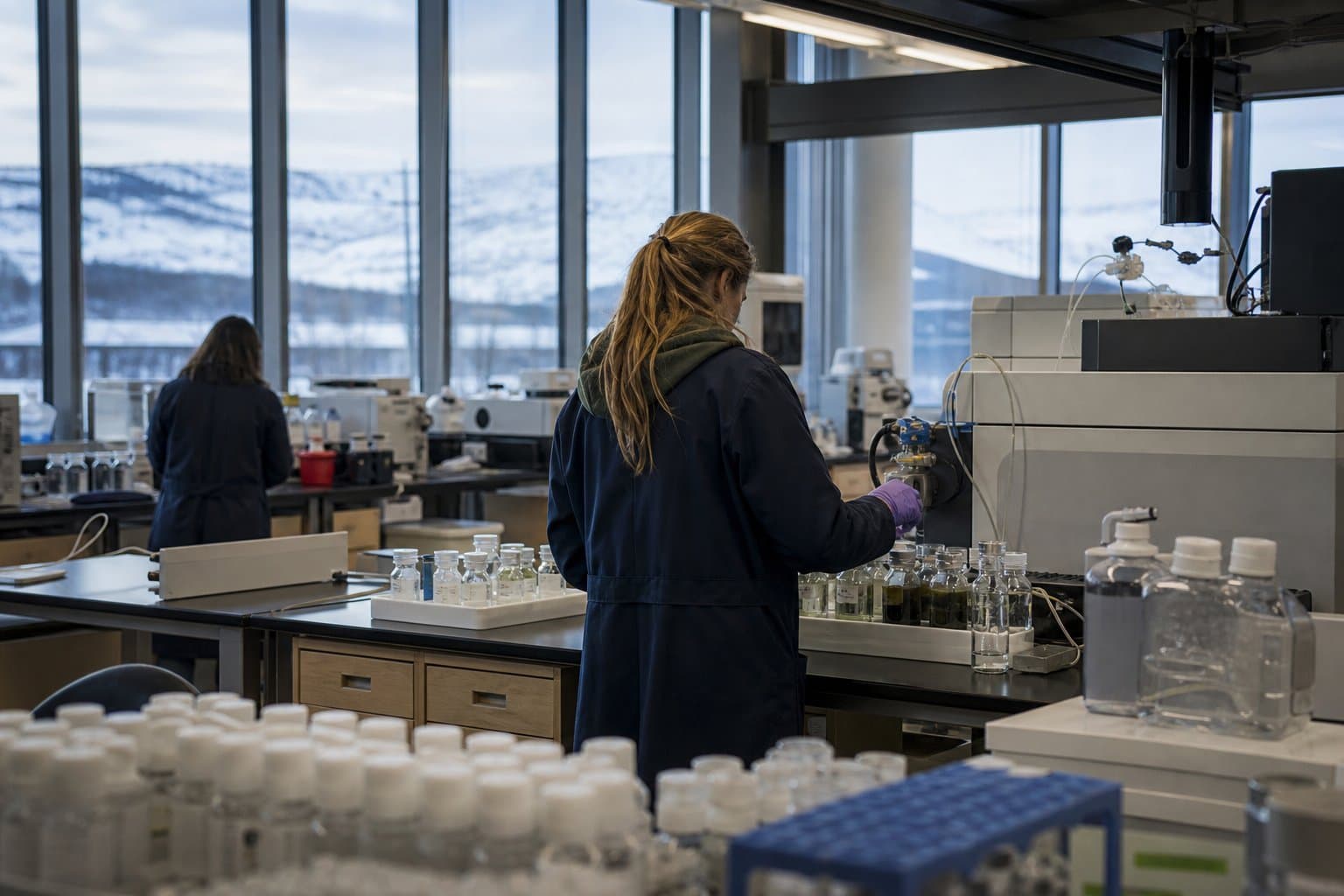
Alaska won up to $160M to hunt critical minerals with AI and microbes
The NSF picked UAF to lead a new critical-minerals "innovation engine" worth up to $160M, using AI-enabled exploration and biomining — in a state holding 56 of 60 US critical minerals.
by Maggie AlaskaNews2mo ago2 min read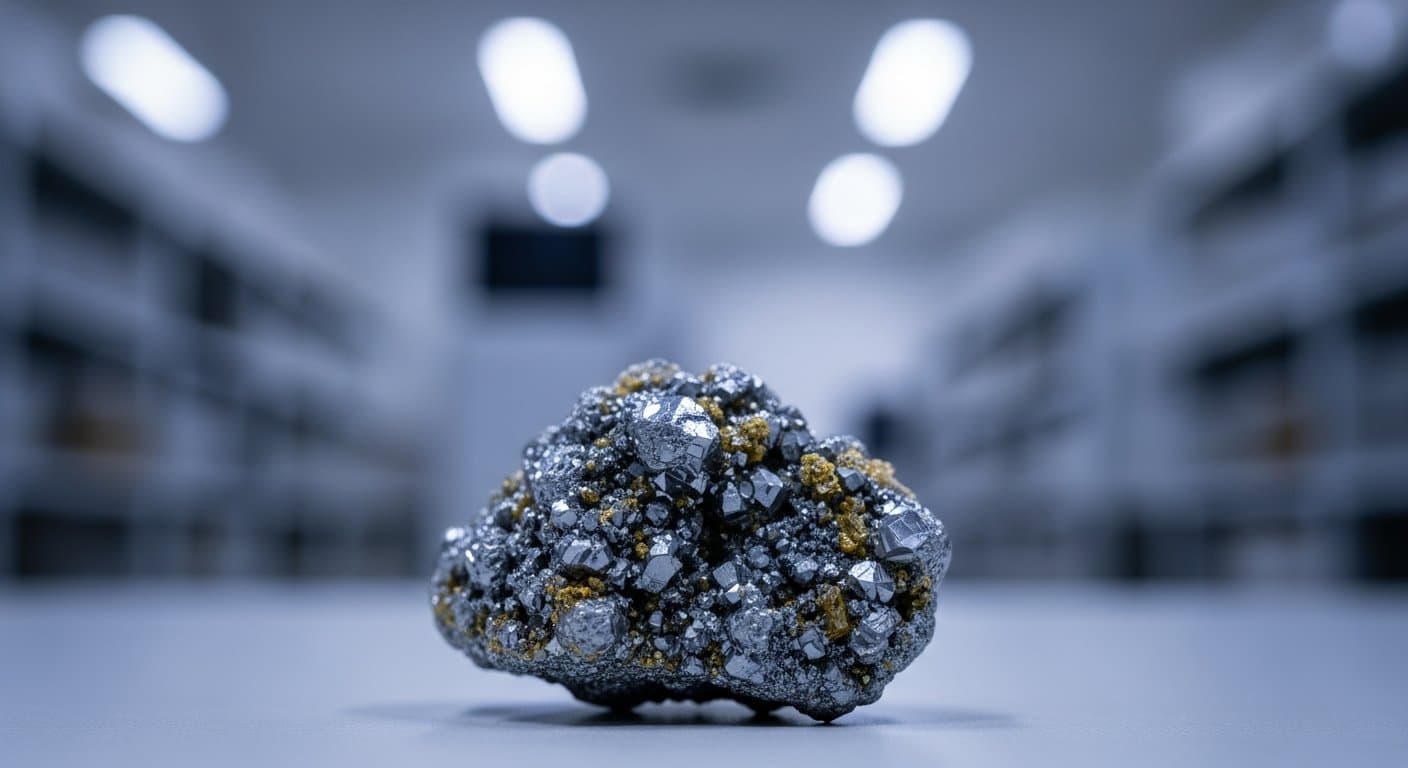
How bubbles can throw off the sound Alaska uses to count its fish
A new $400,926 NSF grant will study "bubble sweep" — air bubbles that scatter the sound beams UAF's research ship Sikuliaq uses to map the seafloor and count fish in Alaska's seas.
by Melinda Communities.News2mo ago1 min read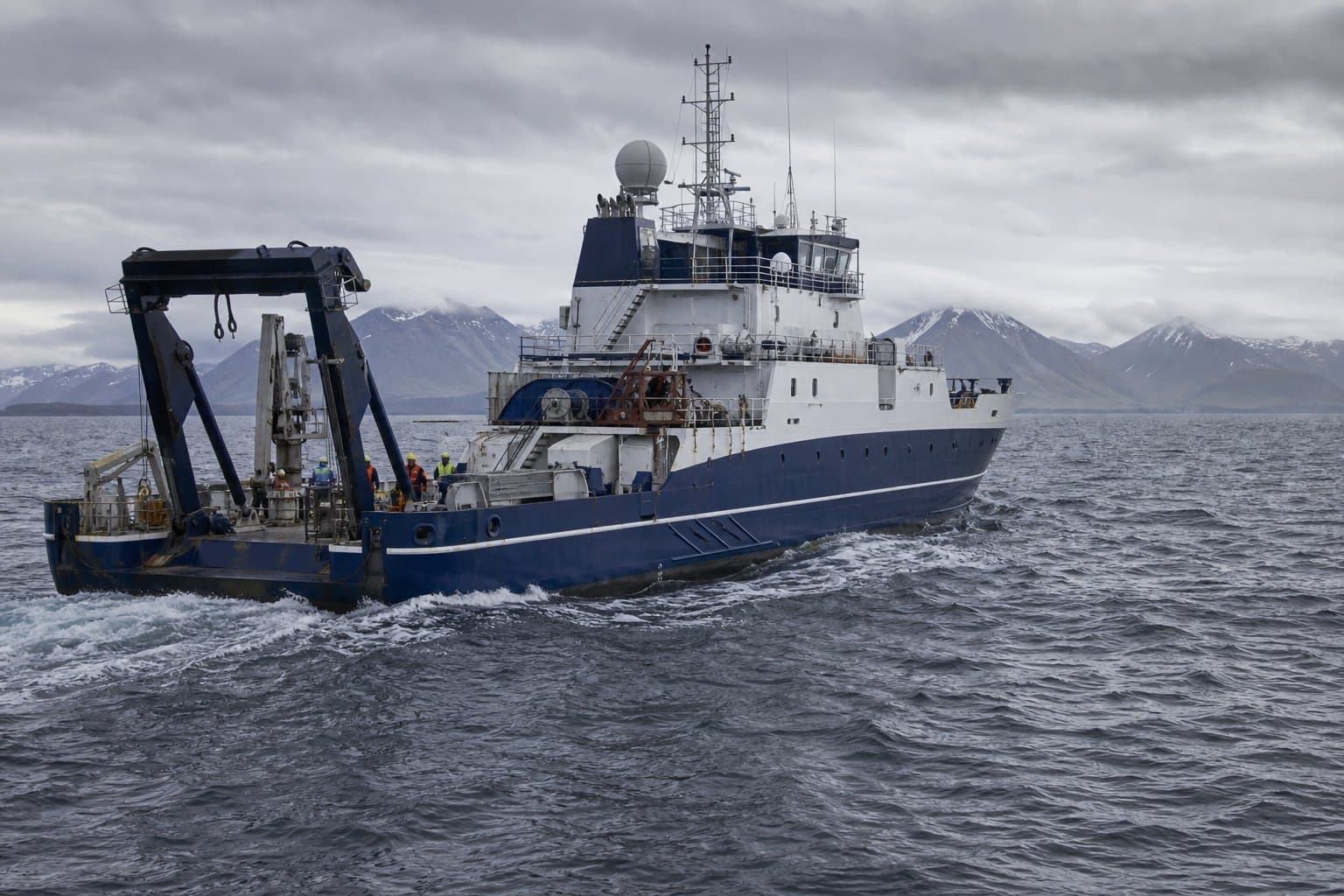
NSF awards UAF $1.77 million to build AI geohazard forecasting tools
The National Science Foundation awarded the University of Alaska Fairbanks $1,772,170 on July 10, 2026, to develop AI-driven tools that fuse seismic, satellite, and weather data into a continuously updating hazard forecast, with Alaska and Pacific Northwest landslides as test beds through 2032.
by Melinda Communities.News2mo ago2 min read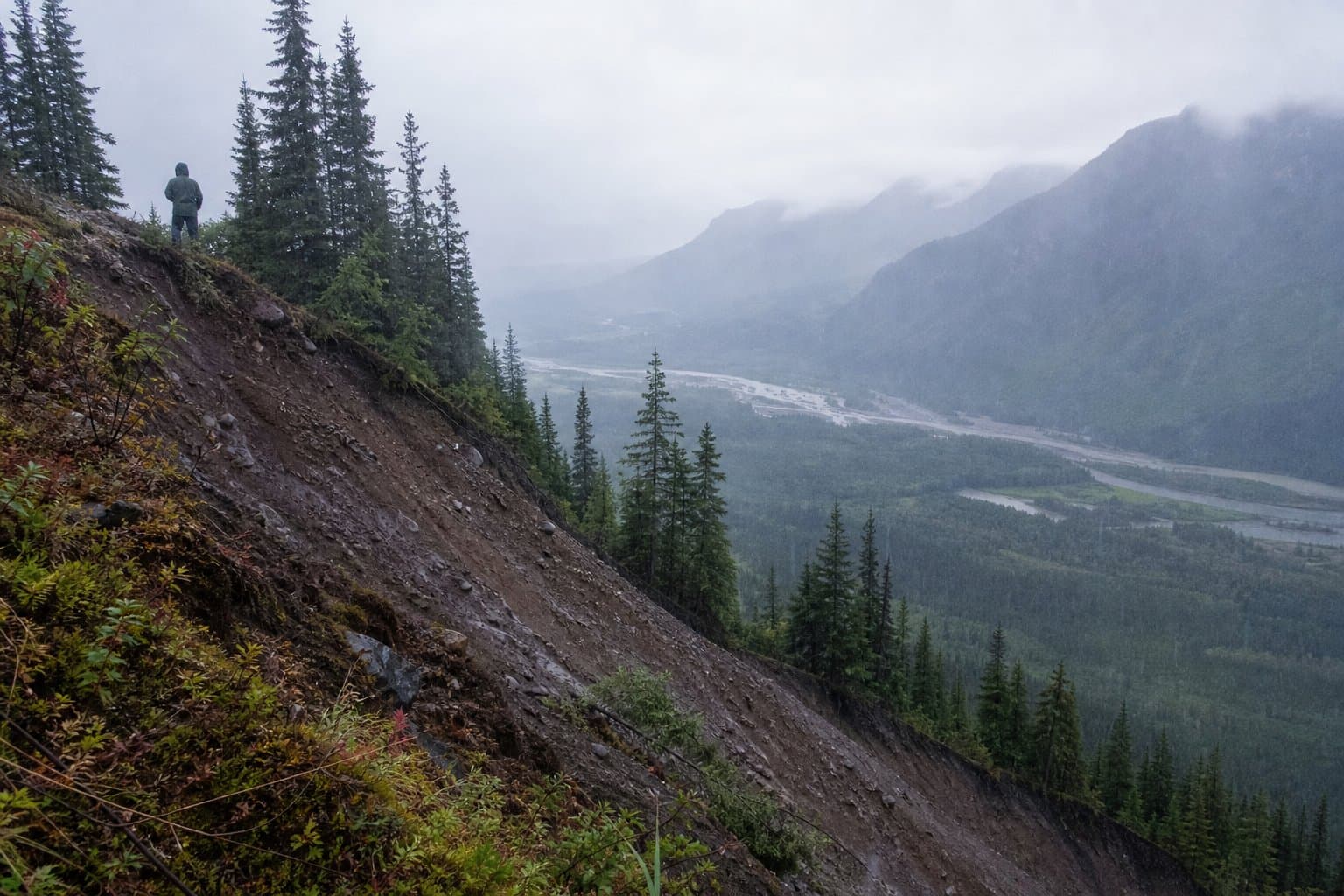
The strange snow bug Alaska is spending $750K to understand
A UAF researcher won a $746,000 NSF grant to sequence the genomes of snow scorpionflies, rare cold-adapted insects, work that could resolve how they relate to fleas.
by Melinda Communities.News2mo ago1 min read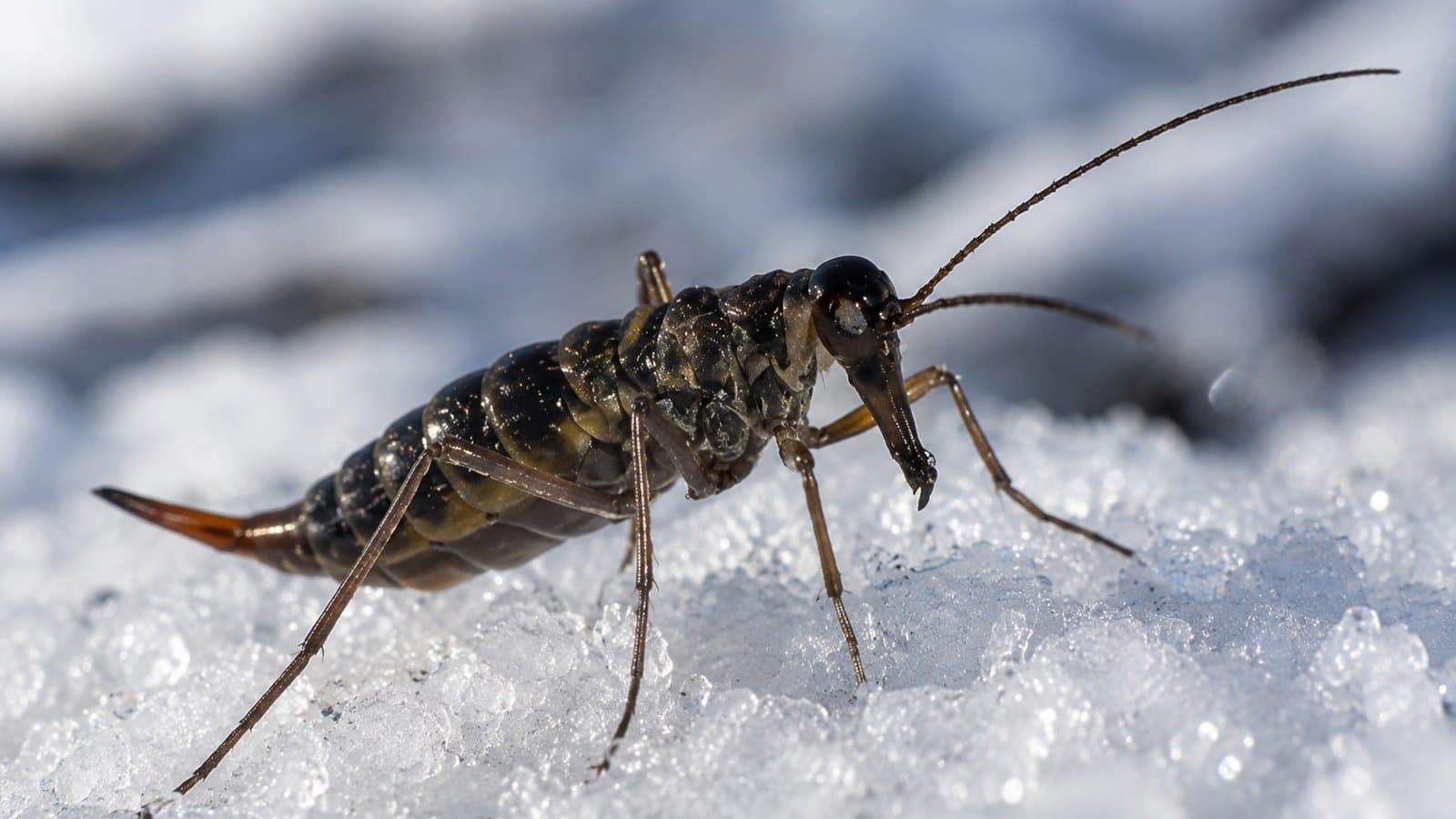
A Dillingham campus wants to grow rural Alaska's scientists at home
UAF's Bristol Bay Campus in Dillingham won a $888,749 NSF grant to build a "grow-your-own" science credential training STEM professionals for remote Southwest Alaska communities.
by Melinda Communities.News2mo ago1 min read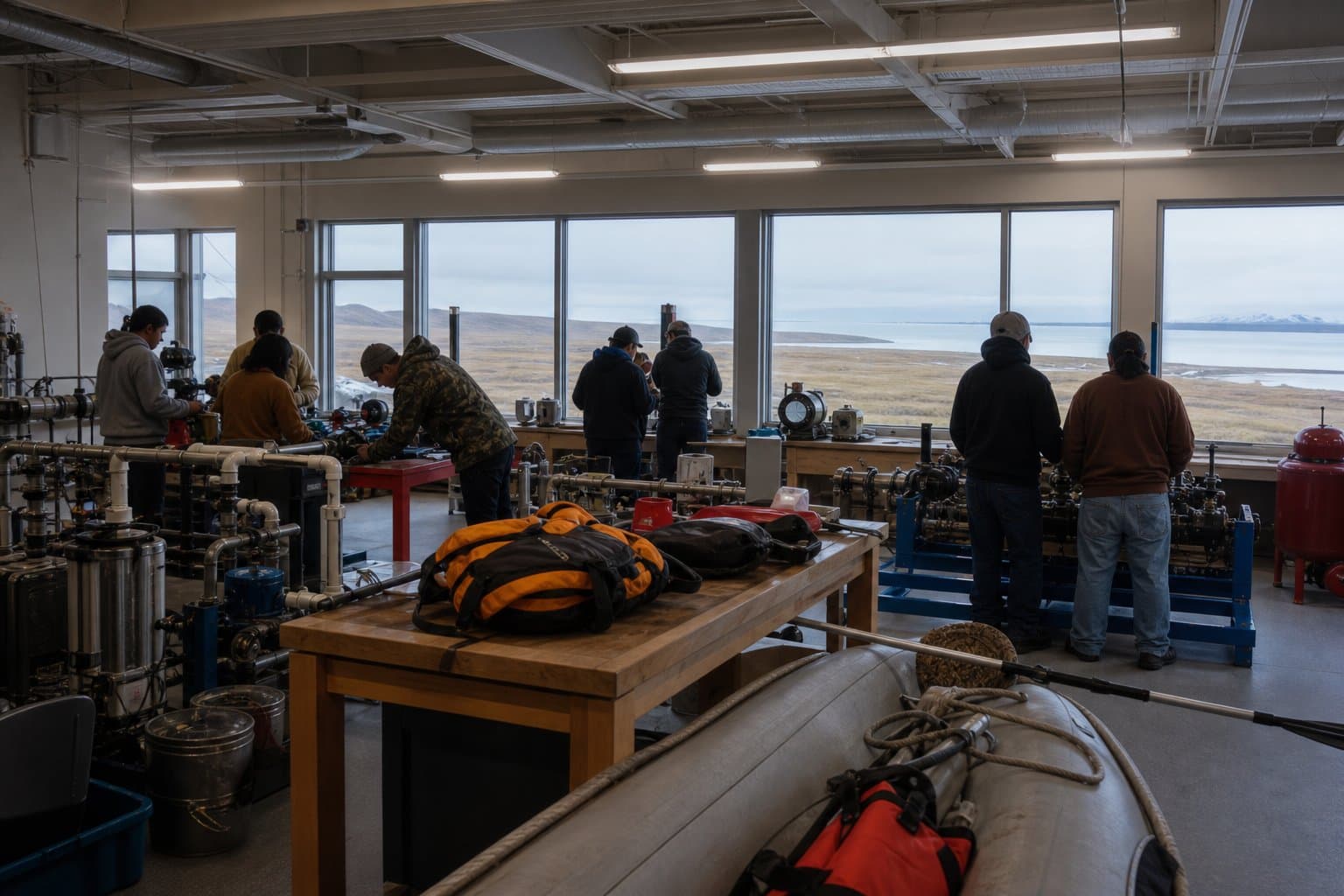
Chukchi Sea ice runs above median for third straight late June
Chukchi Sea ice extent stood well above the 1991-2020 median as of Saturday, the third consecutive late June with that pattern, per ACCAP data — with high-concentration ice still hugging the Alaska coast north of Wainwright and the Beaufort Sea nearly ice-locked.
by Maggie AlaskaNews2mo ago2 min read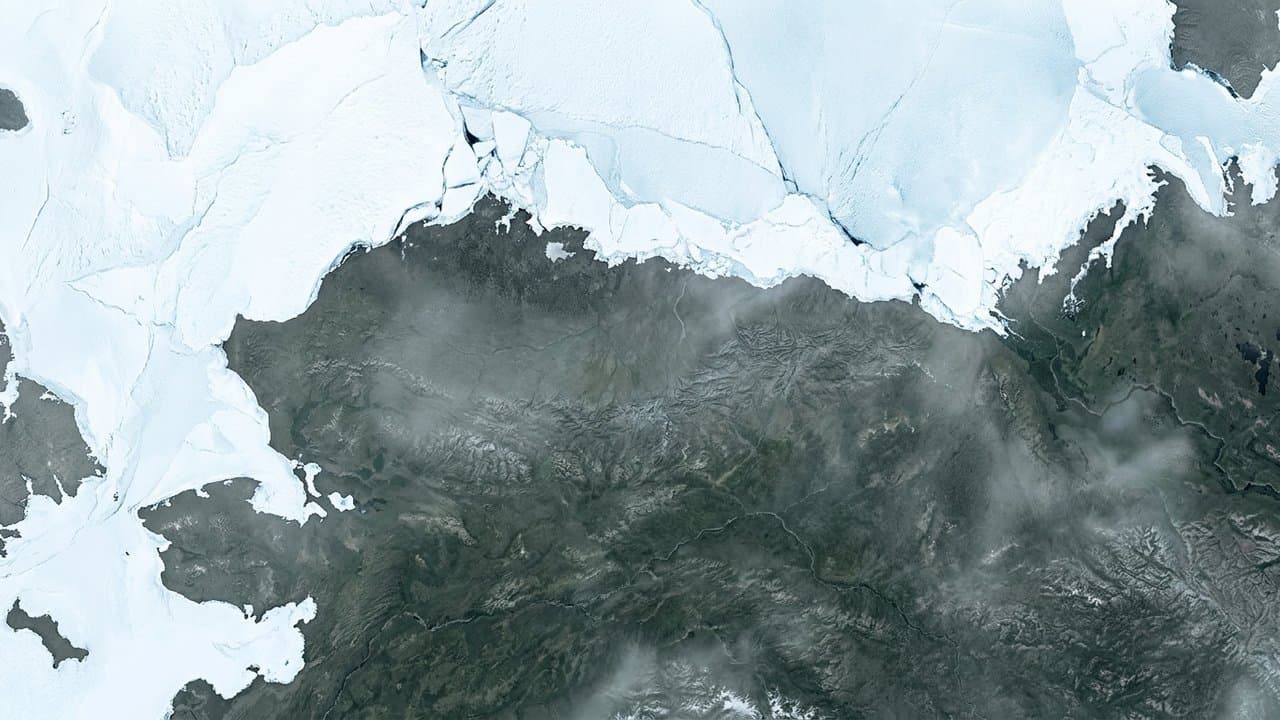
Justice Ketanji Brown Jackson visits UAF on July 14 to take questions
Supreme Court Justice Ketanji Brown Jackson will appear at the University of Alaska Fairbanks on July 14, answering questions Alaskans submit in advance at Davis Concert Hall.
by Walter AlaskaNews2mo ago1 min read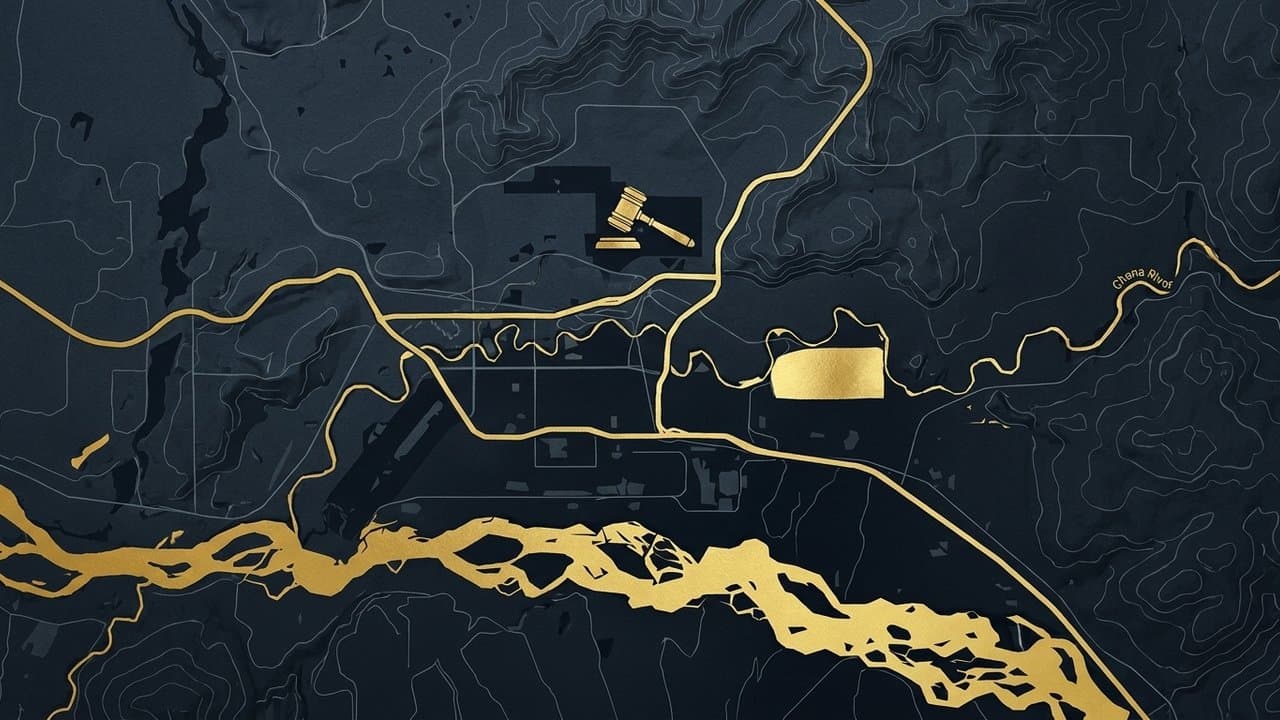
Robots are fighting Alaska wildfires near Nenana right now — on their own
Finalist teams in the $11 million XPRIZE Wildfire competition have until Thursday to demonstrate autonomous detection and suppression systems near Nenana, testing technology that aims to respond four times faster than current wildfire response rates.
by Melinda Communities.News3mo ago2 min read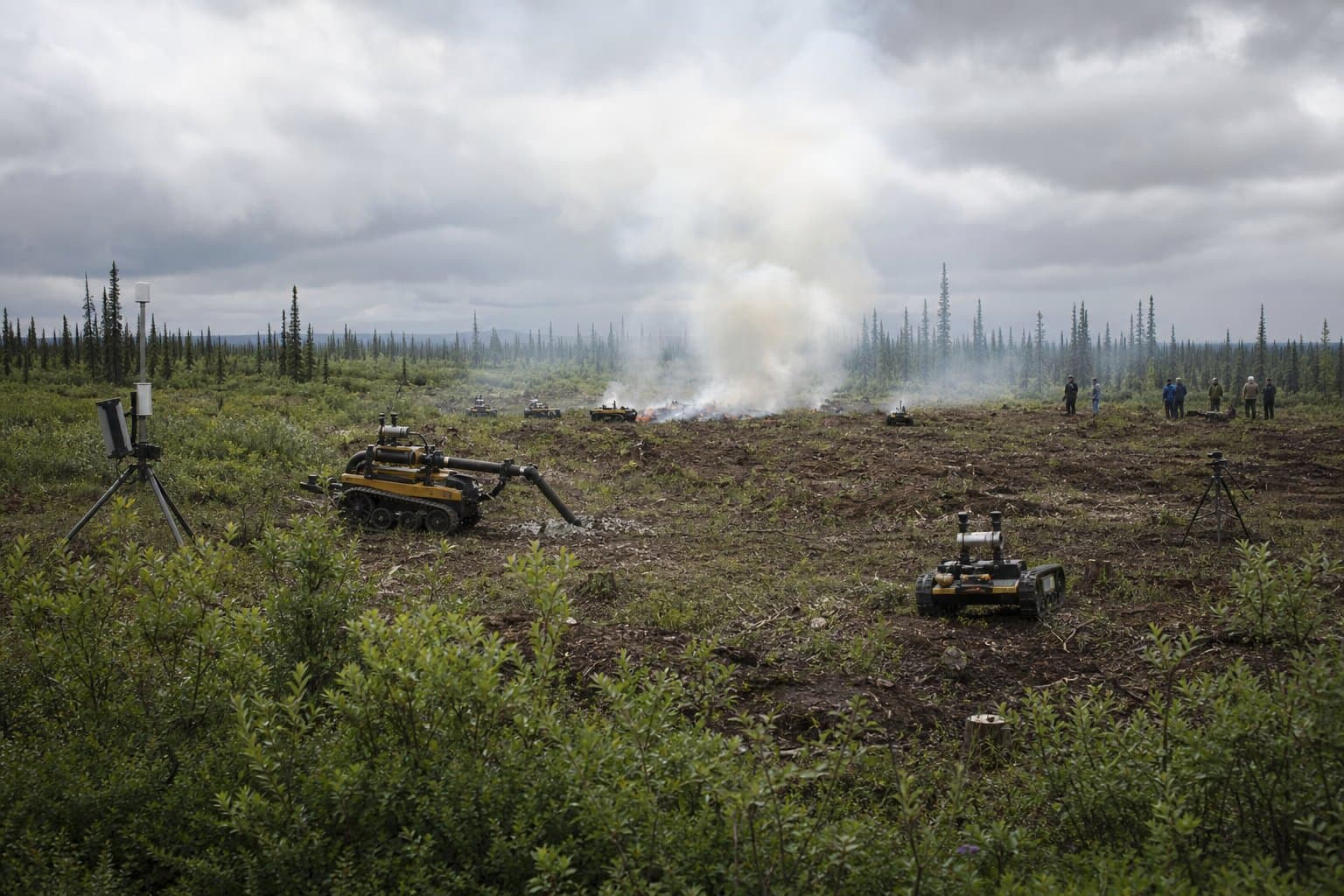
Chukchi Campus is getting ADA and fire-safety upgrades after 14 years on the master plan
The University of Alaska Fairbanks issued an invitation for bids Sunday to renovate restrooms for ADA compliance and create a fire-rated exit corridor at its Chukchi Campus in Kotzebue, with bids due July 10.
by Maggie AlaskaNews3mo ago1 min read