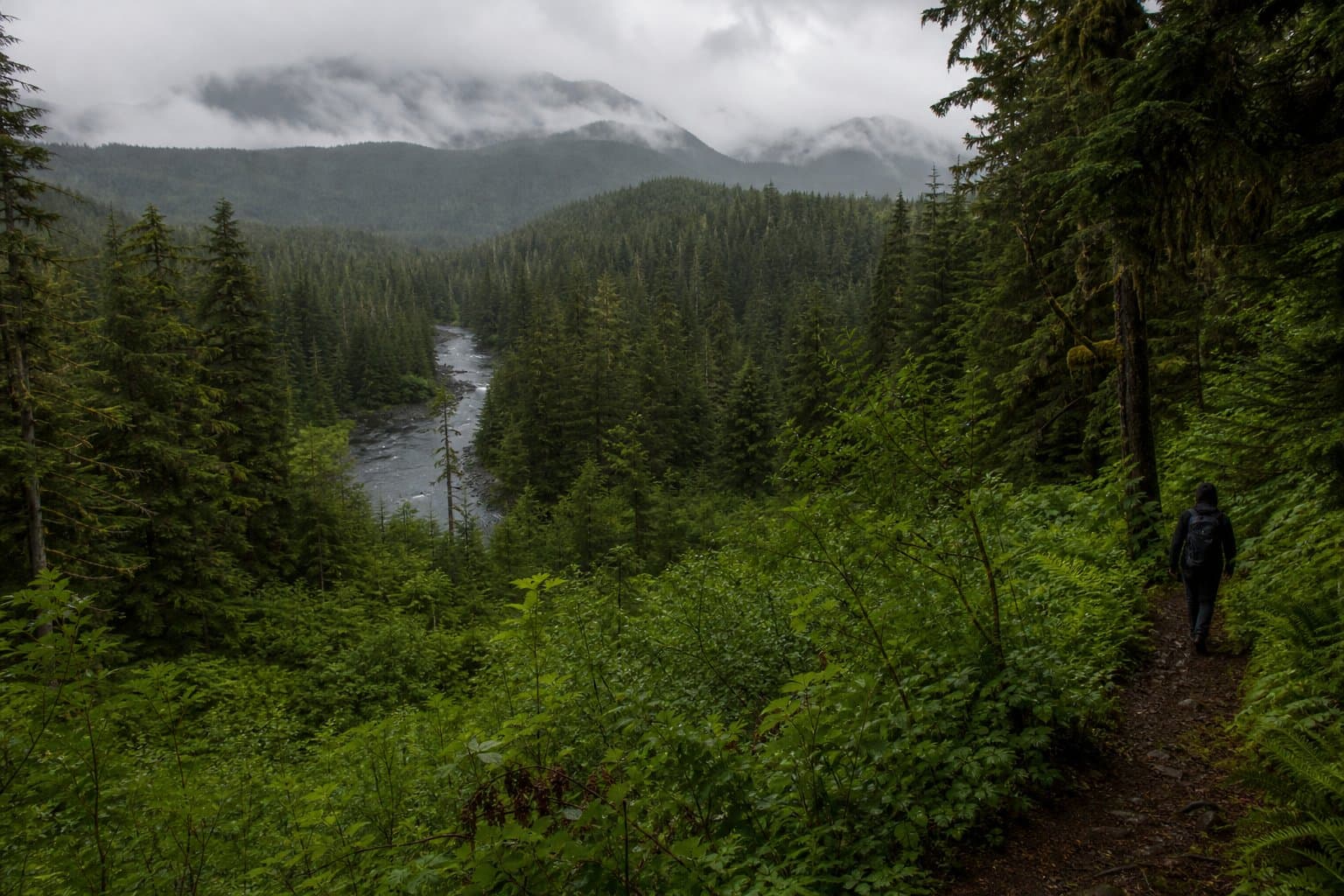
AI image
USDA moves to rescind the roadless rule on the Tongass
USDA is moving to rescind the 2001 Roadless Rule on Alaska's Tongass National Forest, the latest turn in a 25-year fight over how much of the country's largest national forest should be open to roads and development.
The rule bars road construction, road reconstruction, and timber harvest in inventoried roadless areas, with limited exceptions. Rescinding it would lift those federal prohibitions and return decisions about roads and logging to local Forest Service officials through forest-level management plans. Nationwide, the change would cover nearly 45 million acres; in Alaska, USDA says the rule has put 92% of the Tongass off-limits. Agriculture Secretary Brooke Rollins has framed the rescission as a way to support wildfire prevention, timber production, and local control.
For Alaska's state government, the move is a long-sought win. The State petitioned to exempt the Tongass in 2018 and has gone to court to defend that exemption, with Attorney General Treg Taylor calling the rule a "one-size-fits-all" federal mandate that conflicts with Alaska-specific laws and cripples Southeast communities. The State and its congressional delegation have pushed to exempt the Tongass across six consecutive governors — Democratic, independent, and Republican. Sen. Dan Sullivan and Rep. Nick Begich, who both backed the rescission, argue the rule blocks not only logging but mining, community road connections, and lower-cost energy projects like hydropower in towns hemmed in by the forest.
Opponents argue the intact forest is worth more than what opening it would yield. The Alaska Longline Fishermen's Association and conservation groups such as Earthjustice tie the forest's health to Southeast's fishing and tourism economies — which employ far more people than logging does — and warn that new roads and harvest would damage salmon habitat and old-growth stands. The Forest Service's own Alaska Region has described high-value roadless areas on the Tongass and Chugach as important for recreation, tourism, wildlife, and biodiversity.
The first comment period closed Sept. 19, 2025, and the Forest Service is reviewing responses. A draft environmental impact statement and proposed rule are expected in 2026, with a final decision later in the year; as of mid-July, the draft had not been released. The Tongass has flipped before: a 2020 exemption was repealed in 2023, restoring the 2001 rule that the current proposal would undo.
Source: USDA roadless-rule repeal would include Tongass National Forest.
Made by our human newsroom with AI. How humans and AI work here · Grow with our newsroom
Stay informed. Support what matters.
Free, permanent access to local news you can verify. Subscribe to support Walter AlaskaNews and go ad-free.
Related Coverage
The federal government wants to lift roadless protections, including in the Tongass
Alaska News · 1mo ago
USDA proposes lifting roadless rule protections on Tongass and Chugach
Alaska News · 1mo ago
The Tlingit & Haida tribal government opposes opening the Tongass
Alaska News · 1mo ago
Craig's council asked Washington to keep the Tongass roadless rule
Alaska News · 3w ago
A small Petersburg timber sale is a marker of the Tongass's long turn away from old growth
Alaska News · 2mo ago
Comments
Sign in to leave a comment.
No comments yet. Be the first to share your thoughts.