State public health agency covering Medicaid, epidemiology, behavioral health, senior services, and emergency medical services for rural and urban Alaska.
Juneau, AK, USA
Video Clips
Browse all clips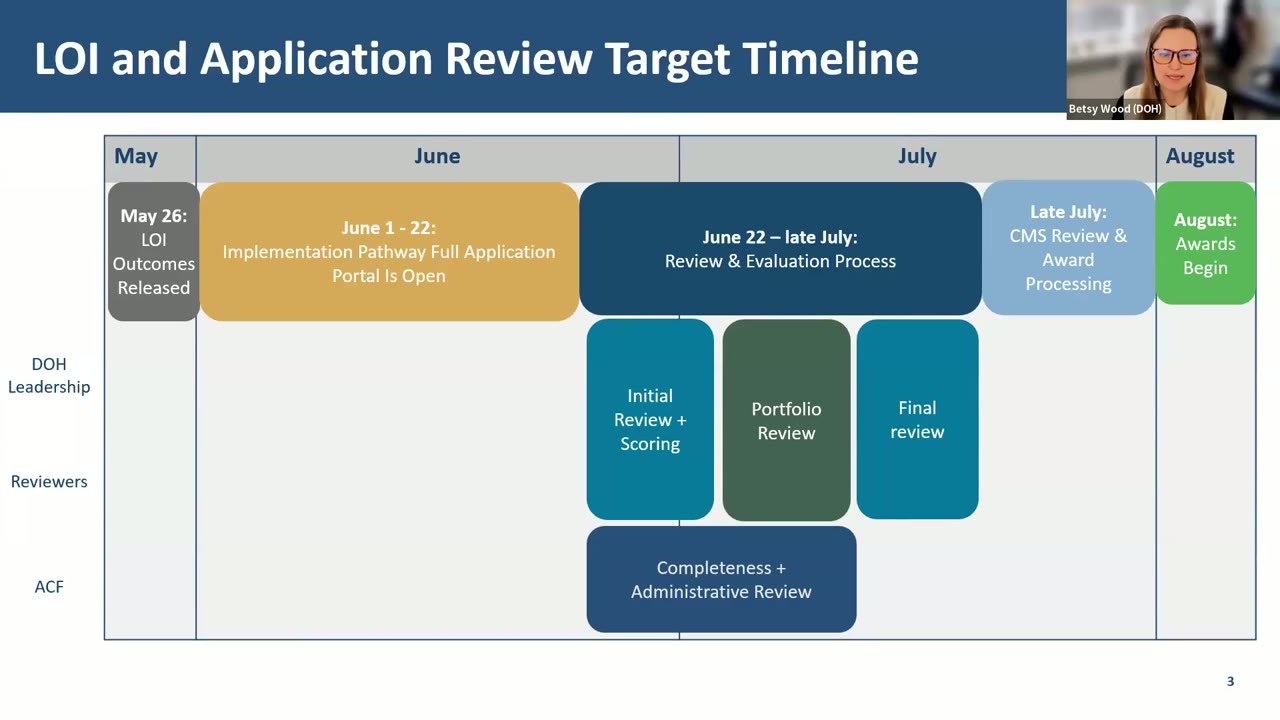
Betsy Wood
“we'll work with CMS to complete any federal review that may be required under the cooperative agreement, and then DOH and ACF will work together to finalize and execute the award agreements with those implementation awards expected to begin in, in August of this year.”Alaska Dept. of Health: RHTP Advisory Council (July 1, 2026) · Jul 1, 2026
Alison Miller
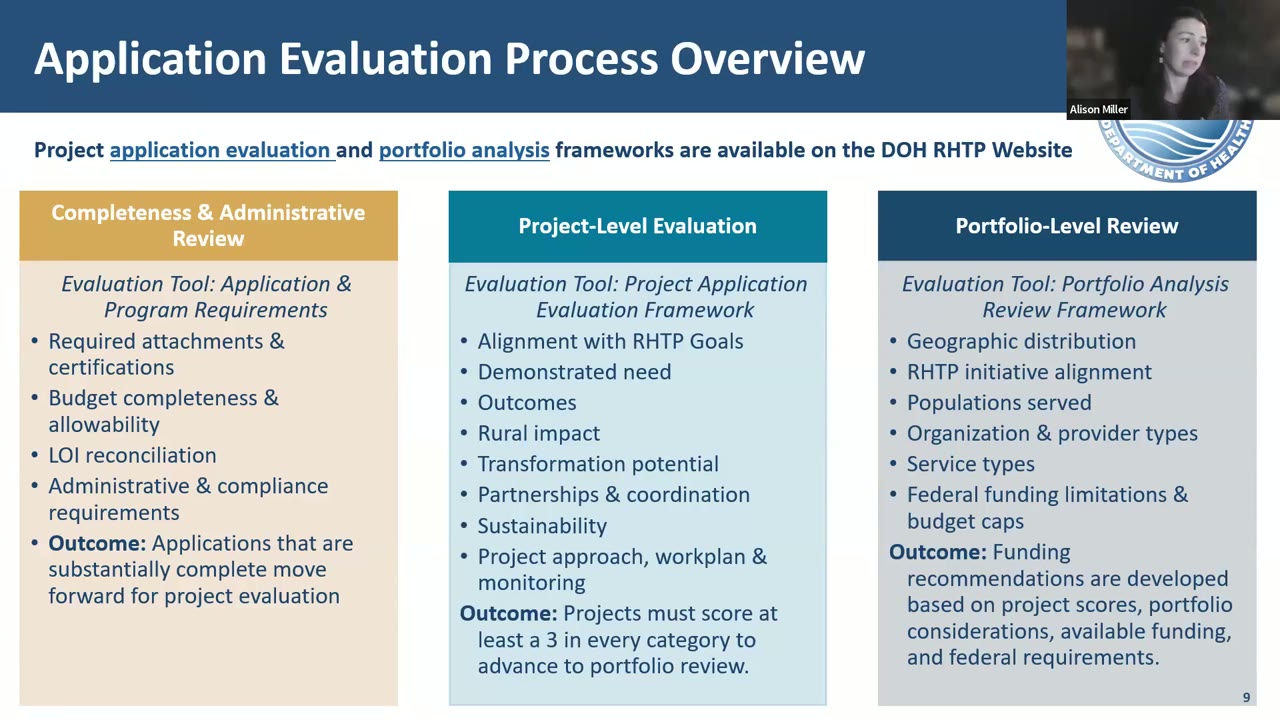
“following that individual project-level evaluation, the department leadership will complete a portfolio-level review, which is where we're sort of checking for that, that broader, more sort of puzzle aspect to the applications, making sure that all of the projects fit together, that there is even distribution across the state, that we're meeting the biggest needs and serving all populations as much as we can.”Alaska Dept. of Health: RHTP Advisory Council (July 1, 2026) · Jul 1, 2026
Alison Miller
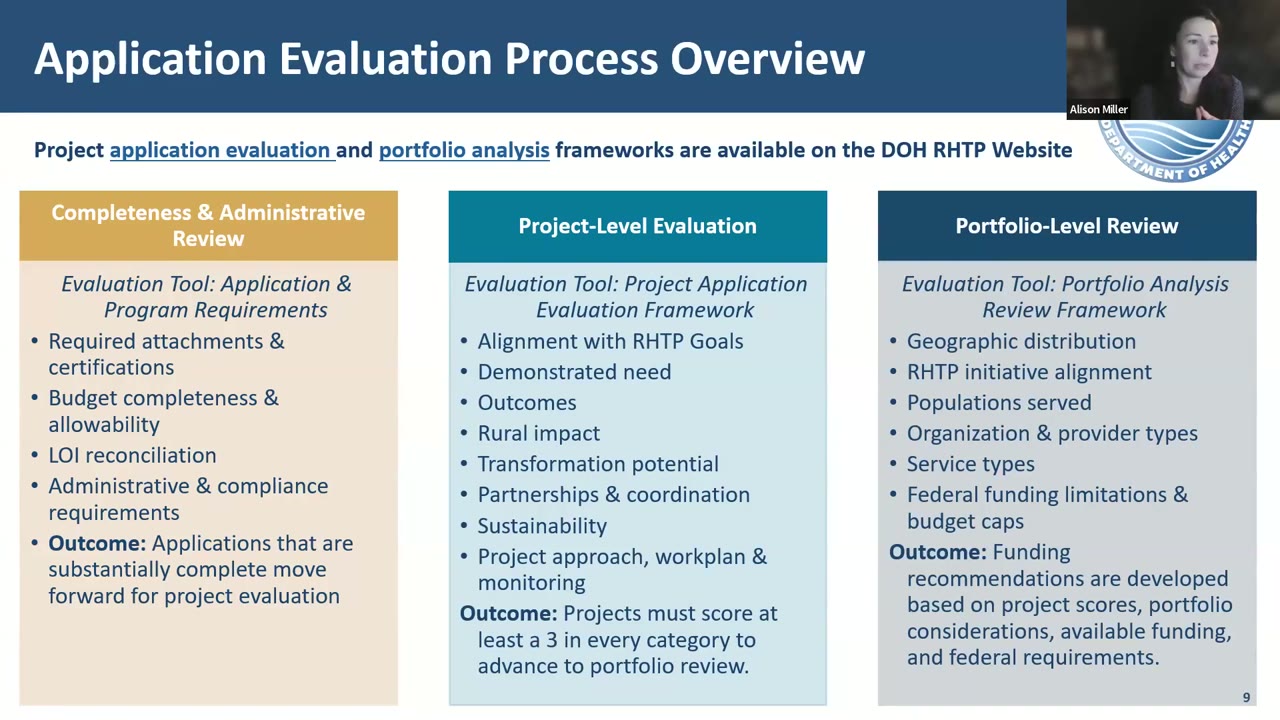
“that will be completed by DC REACHI and Commissioner Hedberg, with Commissioner Hedberg making all of the final decisions.”Alaska Dept. of Health: RHTP Advisory Council (July 1, 2026) · Jul 1, 2026
Betsy Wood
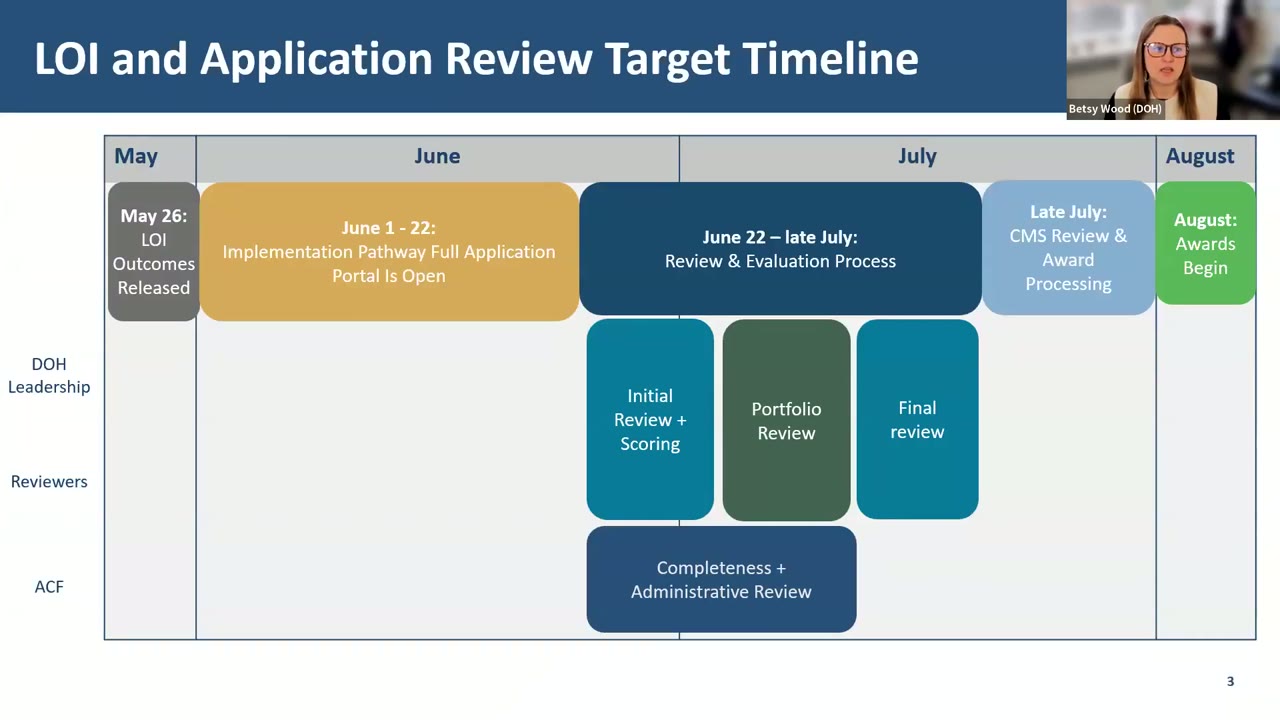
“over the next several weeks, these applications will move through administrative review, project evaluation, and portfolio review, and we'll cover each of these components in a little more detail a little bit later on in the presentation, but those are the stages that the applications will walk through before the final funding recommendations are developed. We're anticipating that that review and evaluation process, you know, we've, we've been in the thick of it since the application period closed.”Alaska Dept. of Health: RHTP Advisory Council (July 1, 2026) · Jul 1, 2026
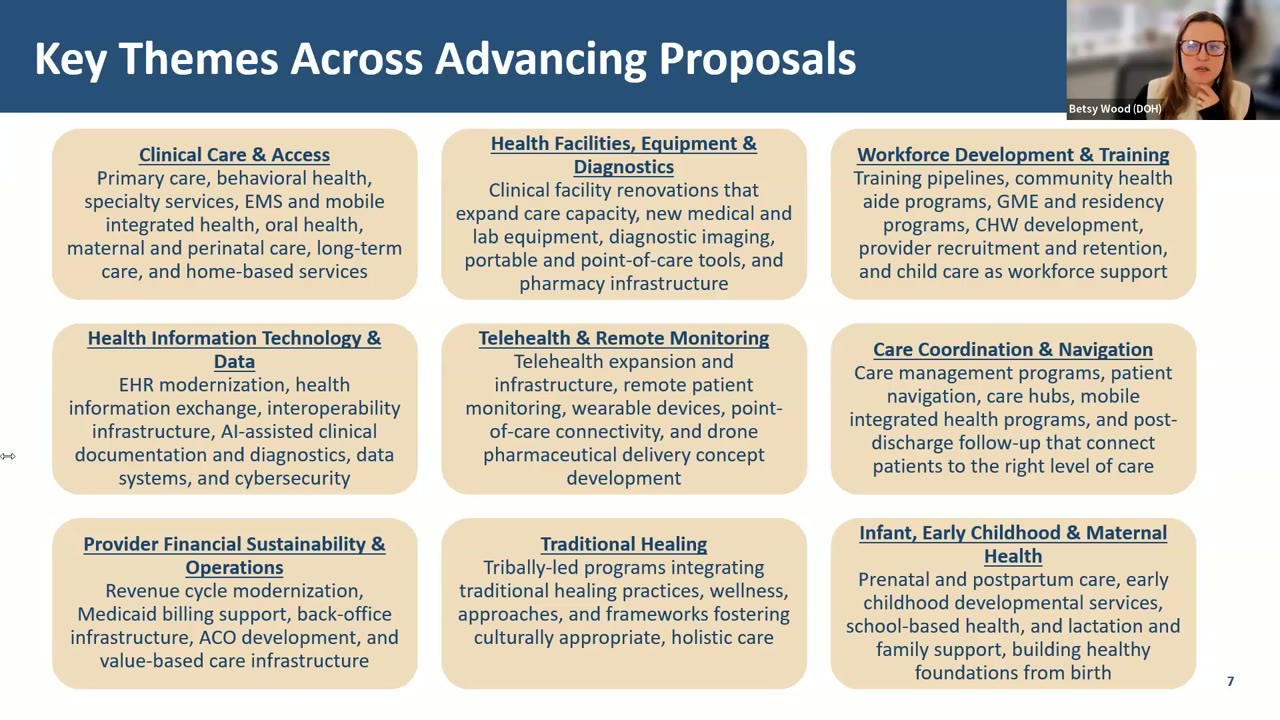
Betsy Wood
“We received a number of proposals focused on maternal and early childhood health, as well as tribal-led models that integrate tribal healing and culturally grounded approaches to care. While each proposal addresses local needs, again, the portfolio as a whole advances the broader vision that the state has collectively built for a more accessible, sustainable, and connected rural health system.”Alaska Dept. of Health: RHTP Advisory Council (July 1, 2026) · Jul 1, 2026
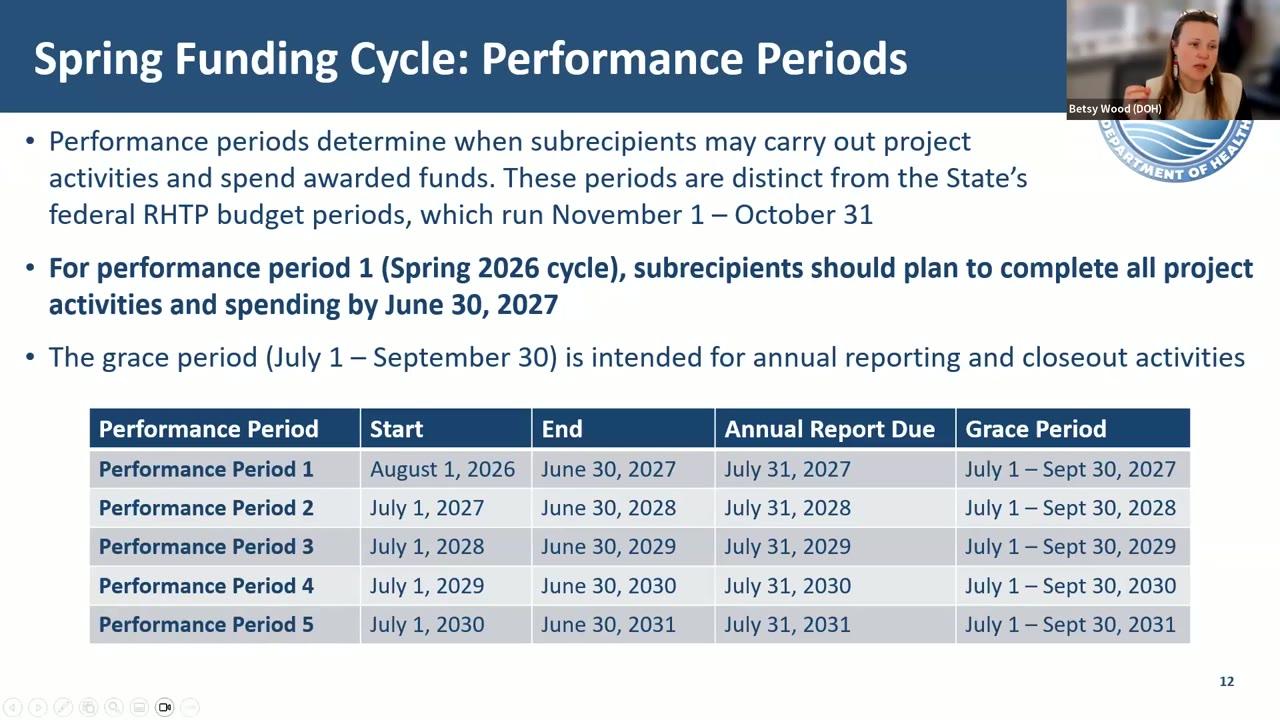
Betsy Wood
“I would anticipate that those, those subawards would, would be executed in August depending on, you know, what degree of question or back and forth or refinement we need to have. So just want to share that. But we, you know, anticipate that the implementation awards will begin again later this summer. And for the first performance period, organizations should plan to complete their project activities and expend their awarded funds by June 30th, 2027.”Alaska Dept. of Health: RHTP Advisory Council (July 1, 2026) · Jul 1, 2026
Fairbanks Memorial gets $3 million toward first inpatient psychiatric unit for teens in Interior Alaska
Fairbanks Memorial Hospital adolescent behavioral health unit gets $3 million HRSA grant; four-bed inpatient unit for Interior Alaska teens in a $6.2 million project.
 by Maggie AlaskaNews7h ago2 min read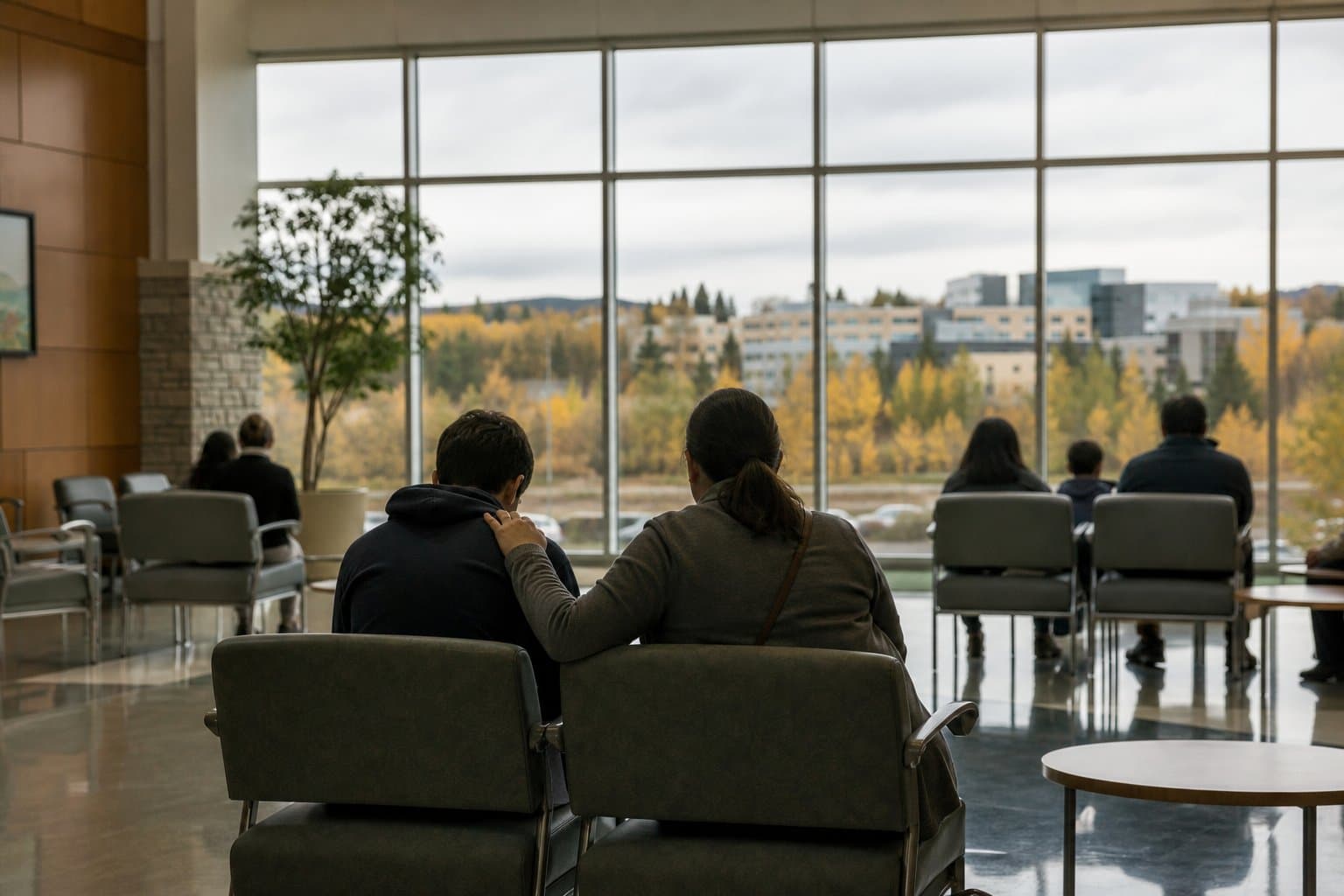
Fairbanks residential mental health center to add six rooms with $1.95 million federal grant
Alaska Behavioral Health's Tamarack residential mental health center in Fairbanks to add six rooms with a $1.95 million HRSA congressionally directed spending grant.
by Maggie AlaskaNews7h ago2 min read
Petersburg hospital CEO and board member differ on how federal budget law will affect Medicaid
Petersburg Medical Center board hears H.R. 1 Medicaid and SNAP concerns; CEO says administrative burden, not cuts, is the risk as work requirements start in 2027.
 by Walter AlaskaNews16h ago2 min read
Bethel police warn residents not to shoot suspected rabid animals in the head
Bethel Police Department guidance tells residents that shooting a suspicious animal in the head can destroy the brain tissue rabies testing requires, and directs all animal bites to a medical provider and the YKHC Office of Environmental Health.
by Maggie AlaskaNews2d ago1 min read
Togiak man, 19, dies after ATV hits shipping container
Togiak ATV crash: Tyler Lee Maines, 19, died Friday after his ATV struck a Conex container, Alaska State Troopers said. Alaska's ATV death rate is 4 times the US rate.
by Walter AlaskaNews3d ago1 min read
Summit on Aging attendees can book one-on-one time with state health leaders
Alaska Statewide Summit on Aging, Oct. 15-17 in Anchorage, offers one-on-one office hours with Department of Health leaders; free for Alaskans 65+ who register.
by Walter AlaskaNews3d ago1 min read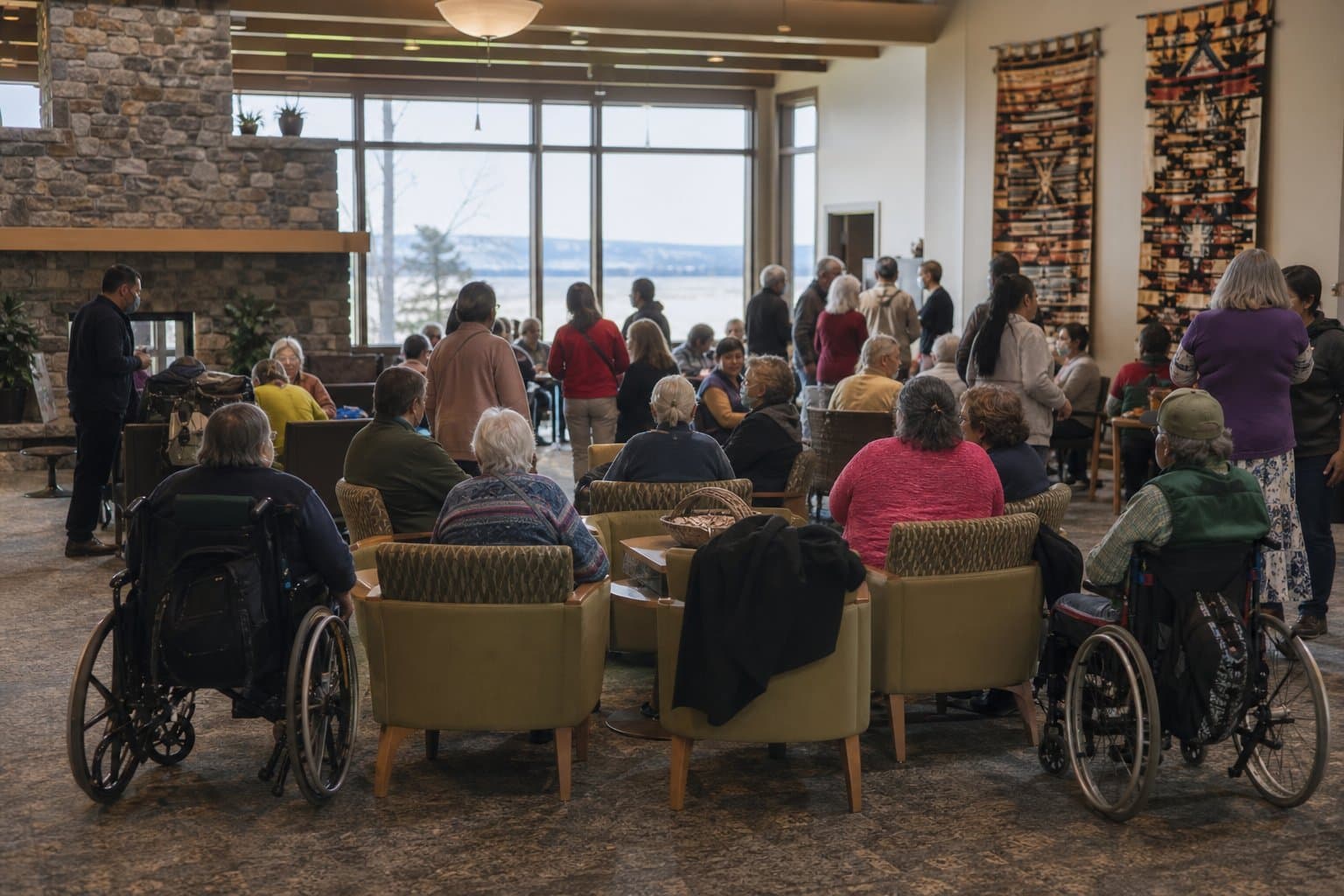
Mat-Su Regional gets $5 million in federal rural health money for a neonatal intensive care unit
Alaska Rural Health Transformation Program awards: Mat-Su Regional Medical Center gets $5 million for a Level II NICU as the state commits $242.6 million of $272.2 million.
 by Melinda Communities.News3d ago2 min read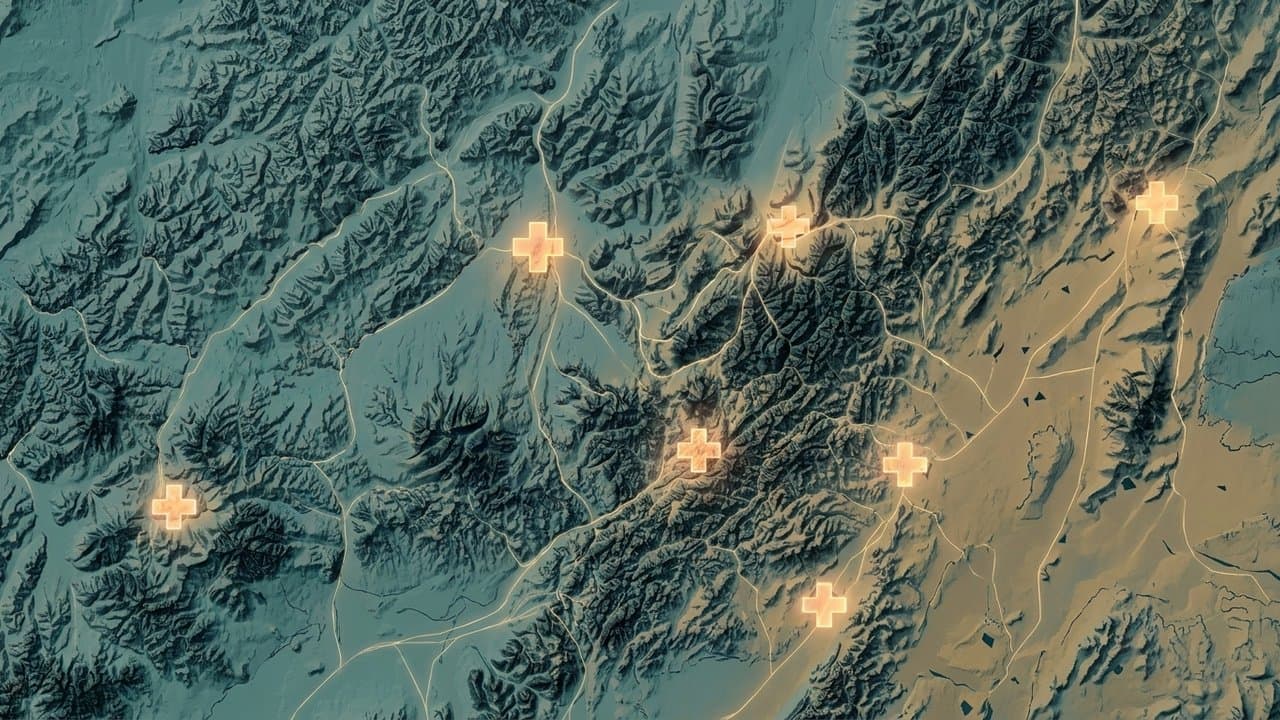
Federal report puts Alaska's maternal death rate above the national rate but warns the count is small
Alaska maternal mortality rate of 25.7 tops the national 21.8 in a GAO report on maternal mortality review committees. State review finds most deaths preventable.
by Walter AlaskaNews4d ago2 min read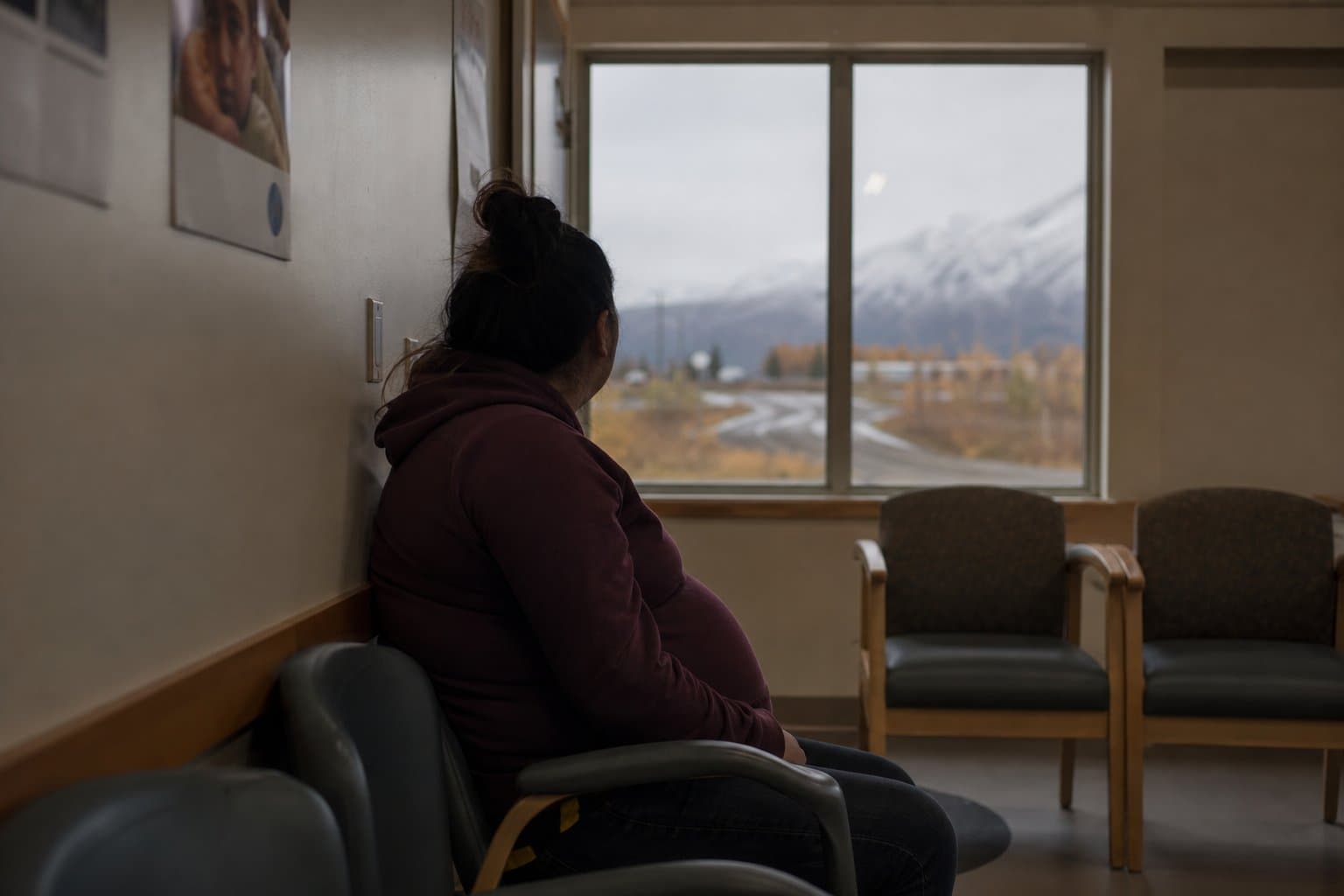
Alaska health officials warn concentrated kratom products can cause overdoses drug tests miss
Alaska health officials warn concentrated kratom and 7-OH products can cause opioid-like overdoses; naloxone can help, and a federal 7-OH ban is pending.
by Walter AlaskaNews4d ago2 min read
Alaska has five weeks to commit $33 million in federal rural health money
Alaska has about $33 million of its $272.2 million first-year rural health award left to commit before a firm federal deadline on Oct. 30.
by Walter AlaskaNews5d ago2 min read
Alaska will score rural health grant applications on cost-effectiveness
Alaska will score fall rural health grant applications on cost-effectiveness for the first time, with proposed frameworks out for comment through Oct. 9.
by Walter AlaskaNews5d ago2 min read
Alaska takes final 2026 public input Wednesday on child care grant rules
Alaska's Child Care Program Office holds its final 2026 public engagement session Wednesday, covering the Child Care Grant Program for licensed providers.
by Walter AlaskaNews6d ago1 min read
Alaska rural health notices pass $239 million with $30 million round
Alaska awarded another $30 million under the federal Rural Health Transformation Program, pushing first-year totals past $239 million across 27 new projects.
by Melinda Communities.News1w ago1 min read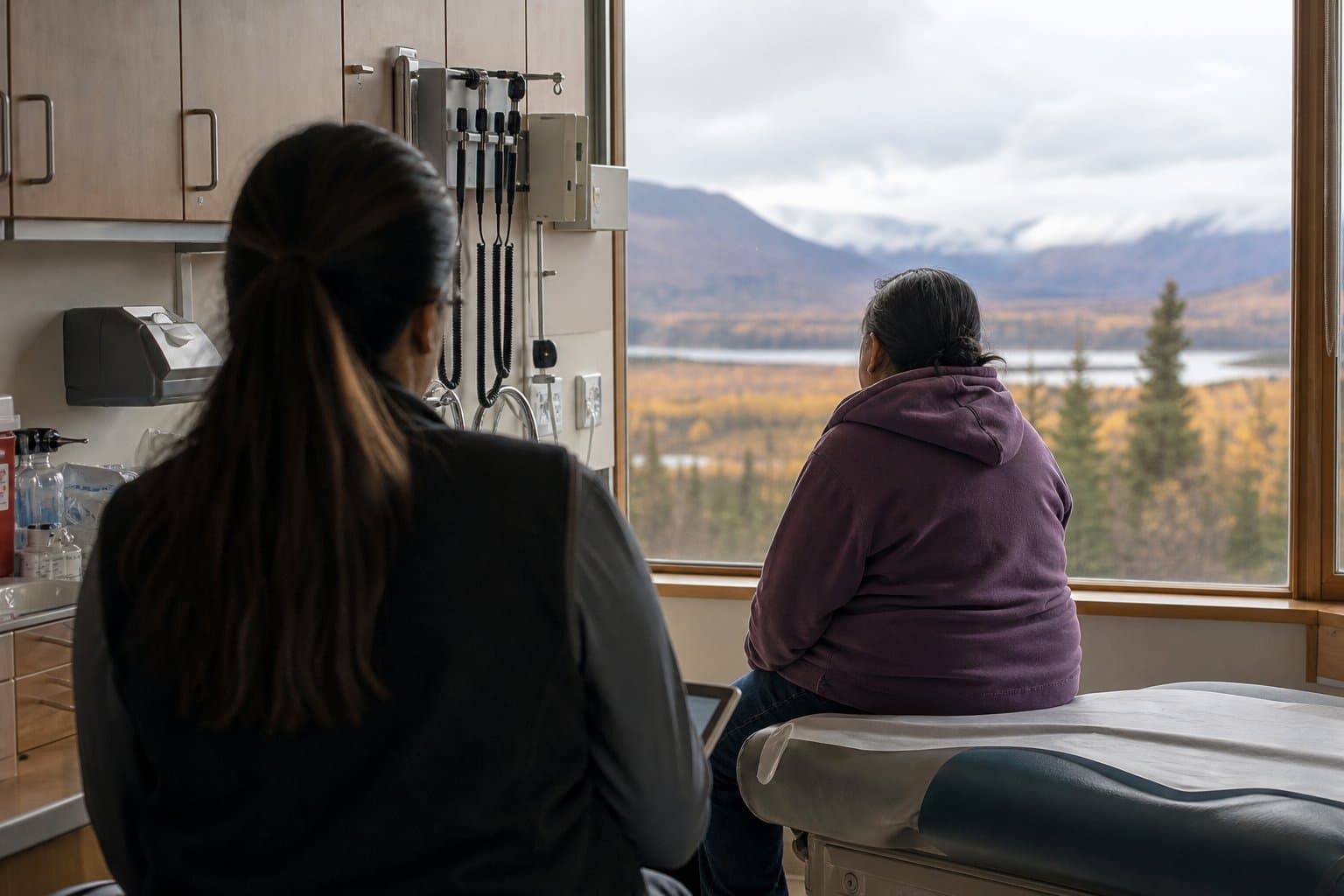
Summit on Aging offers 15-minute one-on-one slots with Alaska health leaders
The Alaska Statewide Summit on Aging runs Oct. 15 to 17 in Anchorage, with office hours where registrants can meet state health department leadership.
by Walter AlaskaNews1w ago1 min read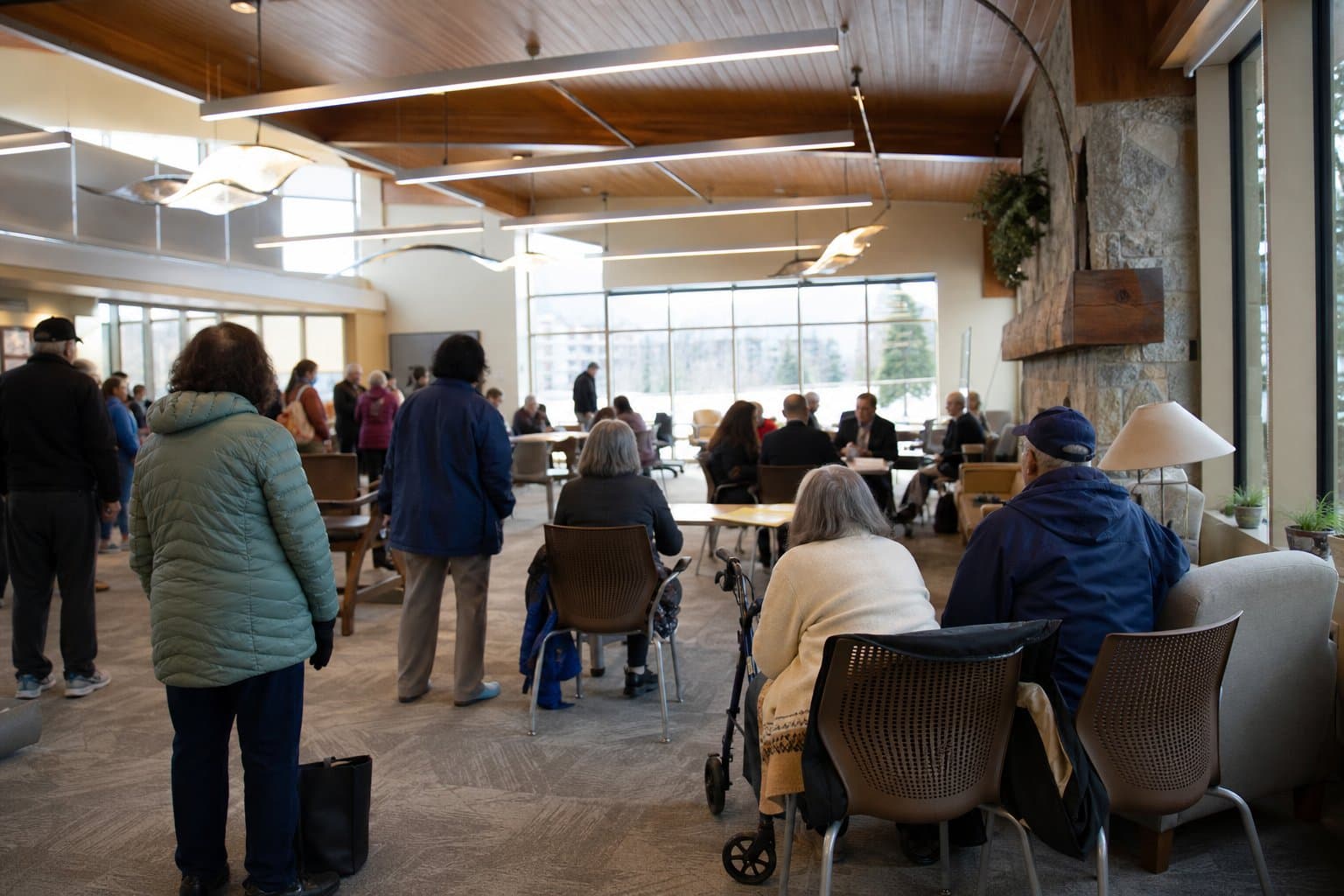
Alaska leads the country in elder fraud complaints
Older Alaskans lost $8.17 million to fraud in 2024, and Alaska led the nation per capita in senior fraud complaints reported to the FBI's crime center.
by Walter AlaskaNews1w ago1 min read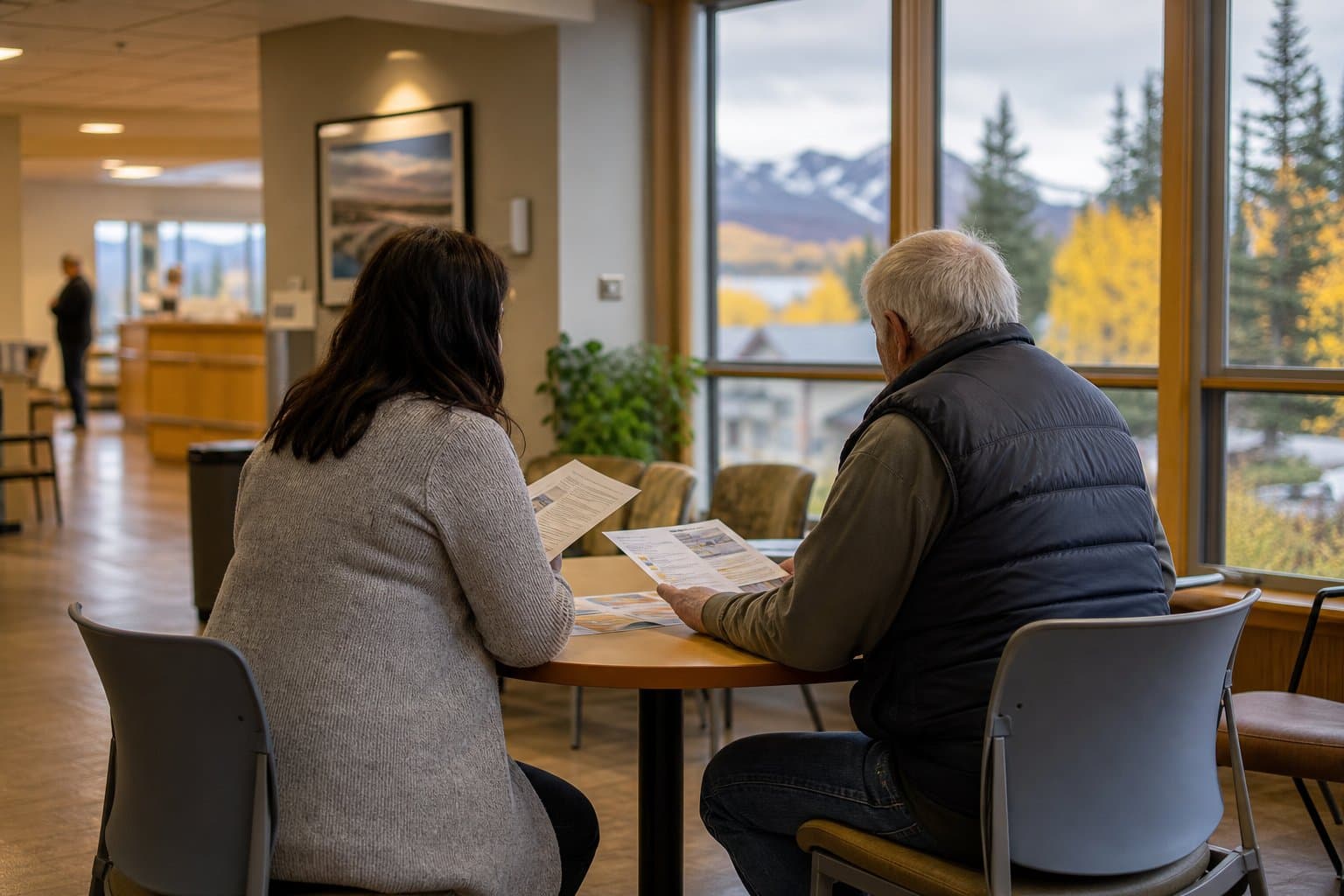
Alaska proposes to drop its $190.50 newborn screening fee and set the charge by a formula
The Alaska Department of Health proposed replacing the fixed newborn bloodspot screening fee with a fee-calculation method. The notice does not state what the new charge would be. Written comments are due by 5 p.m. Nov. 2, with a telephone hearing Oct. 22.
by Walter AlaskaNews2w ago2 min read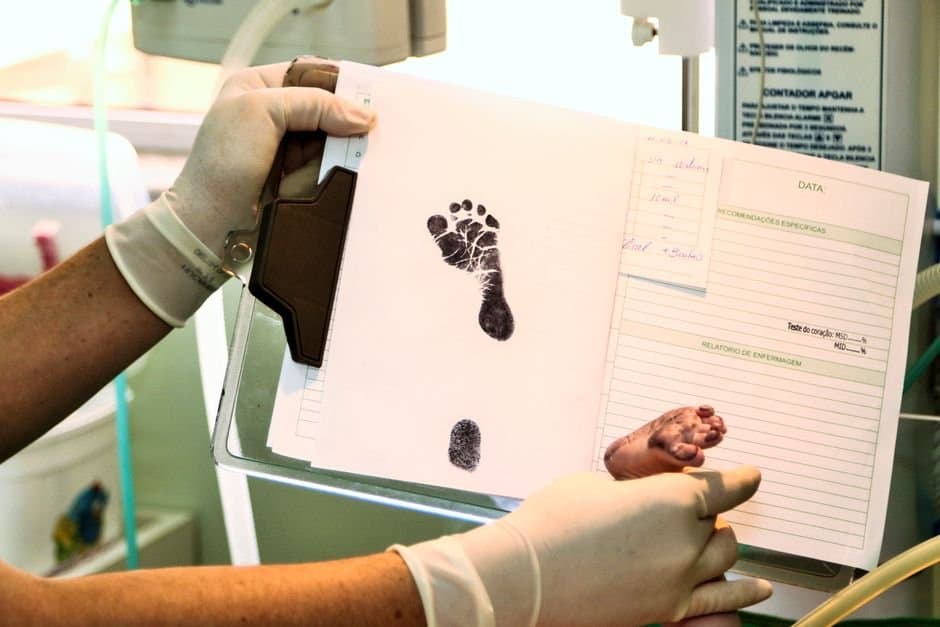
Alaska has $272 million to change rural health care. The requests reached $2.5 billion.
Alaska's Rural Health Transformation Program has 217 preliminary awards totaling about $209 million of its $272.2 million first-year allocation, against $2.5 billion in requests.
by Walter AlaskaNews2w ago4 min read
Alaska proposes a new payment formula for its 24-hour behavioral health clinics
Alaska's Department of Health has proposed a new payment method for certified community behavioral health clinics in Fairbanks and Juneau, with public comment open through Oct. 30.
by Walter AlaskaNews2w ago1 min read
Alaska proposes to pay for crisis mental health beds for the first time
Alaska is proposing its first Medicaid rates for subacute crisis beds: $81.16 an hour for stabilization, which is 36% below what the state already pays for a comparable 23-hour stay, and daily residential rates that top every other figure on its chart. Comments close Oct. 21.
by Walter AlaskaNews2w ago1 min read
Alaska would swap dated national manuals for an undated state guidebook
Alaska's Department of Health proposed changes Sept. 11 that would set hospital discharge reporting requirements from a state guidebook instead of two national manuals, including one for Medicaid transfer payment codes. Comments are due Nov. 4.
by Walter AlaskaNews2w ago1 min read
Anchorage grant would keep HIV testing and outreach going through 2027
A $114,470 state grant before the Anchorage Assembly would continue the city's offsite HIV education, counseling and testing for high-risk residents through mid-2027.
by Walter AlaskaNews2w ago1 min read
Alaska proposes letting one marijuana caregiver serve multiple patients
Alaska's health department proposed letting a single medical marijuana caregiver serve more than one patient and extending registry ID cards to two years.
by Walter AlaskaNews2w ago2 min read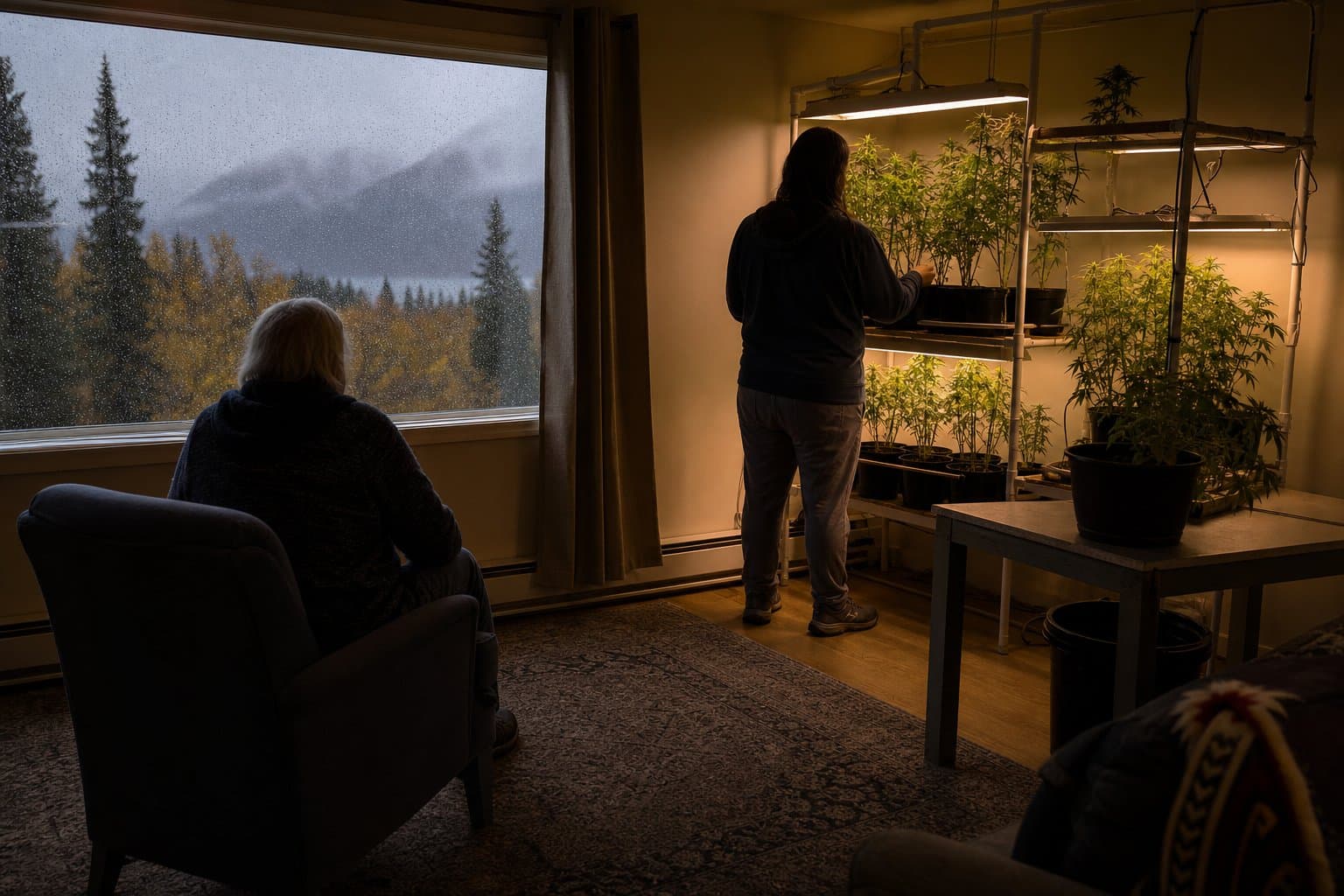
Alaska streamlines the fall round of its $272 million rural health fund
Alaska is opening a streamlined fall round of its Rural Health Transformation Program, cutting the time from application to awards to about 11 weeks from 24.
by Walter AlaskaNews2w ago2 min read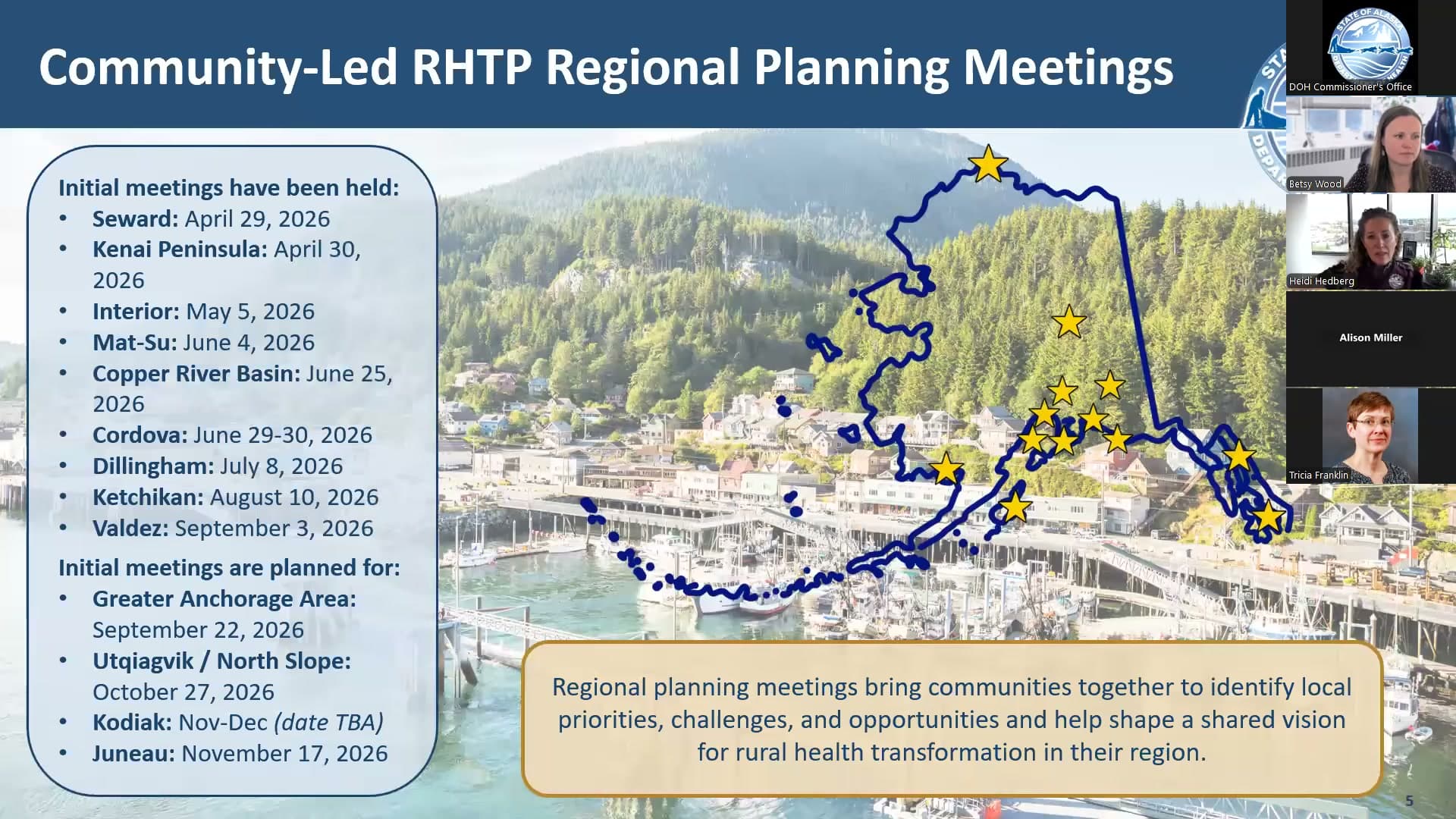
A $16 million award would restructure primary care across the Interior
Foundation Health Partners would receive $16 million to change how primary care works across the Interior, the largest single award in Alaska's Rural Health Transformation Program, with another $6.5 million going to PeaceHealth Ketchikan Medical Center for robotic surgery.
by Walter AlaskaNews2w ago1 min read
Rabies is climbing among wildlife across the Yukon-Kuskokwim Delta
The Alaska Department of Health said Friday that terrestrial rabies activity has increased in enzootic areas including the Yukon-Kuskokwim Delta since early 2026, and it is routing providers to the Section of Epidemiology for exposure assessments and post-exposure prophylaxis guidance.
by Walter AlaskaNews2w ago2 min read
Alaska pauses weekly rural health awards with $207 million of $272 million announced
Alaska has announced $207 million of its $272.2 million first-year federal rural health award, across 217 projects, and announced none this week. The state must obligate first-year funds by Oct. 30 and spend them by Sept. 30, 2027.
by Melinda Communities.News2w ago1 min read
Alaska starts spending its $272 million in rural health money
Advisory council member Monique Martin asked why no off-grid sanitation projects, no rural facility renovations and few child care proposals have advanced so far in Alaska's rural health awards. Officials said federal guidance on allowable uses is still unsettled.
by Walter AlaskaNews2w ago1 min read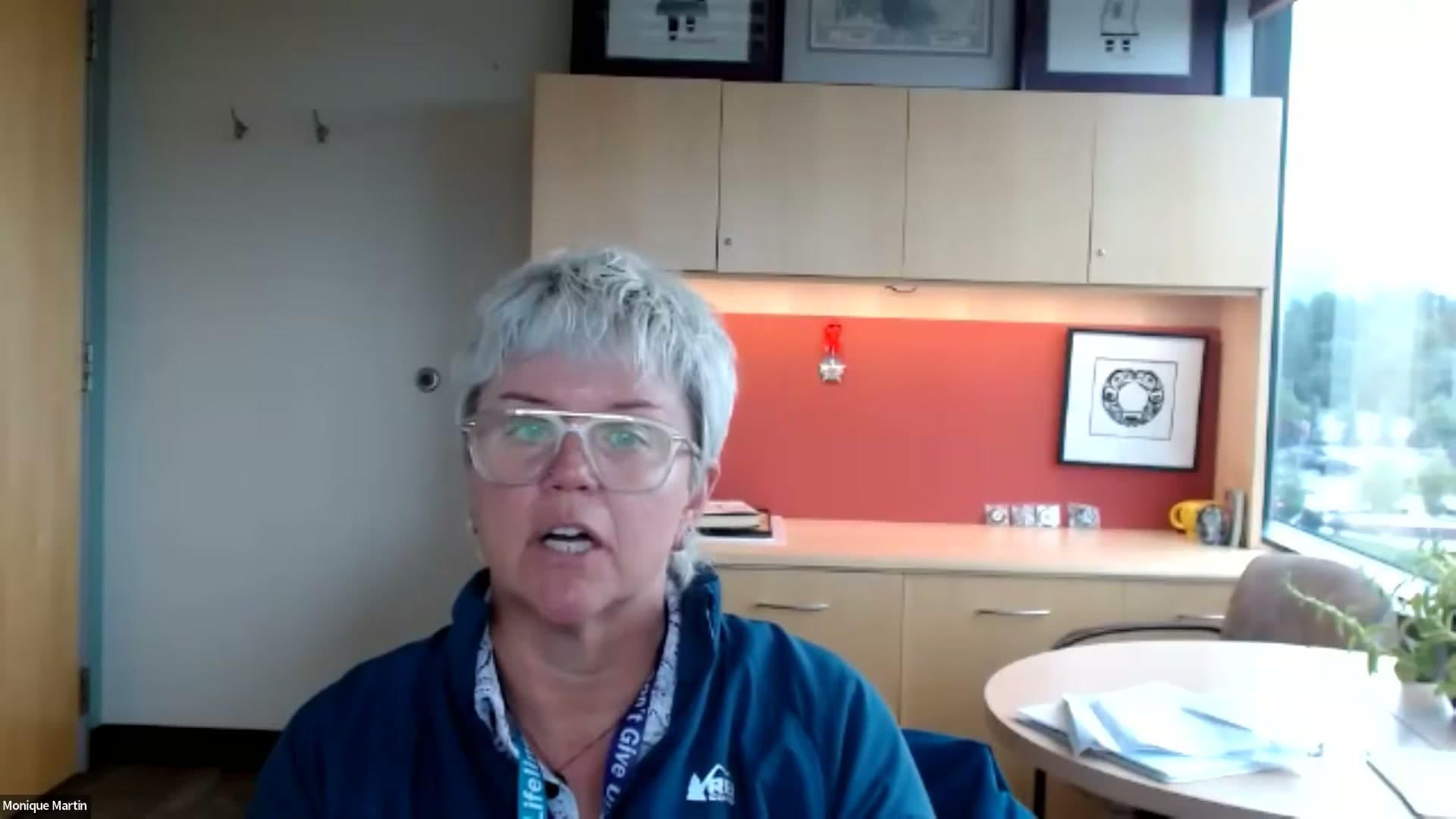
Alaska is adding a fingerprint background check to EMS licensing, starting in 2027
Alaska will require fingerprint-based background checks for EMS license applicants and renewals in 2027, tied to joining the interstate EMS Compact on Sept. 20.
by Walter AlaskaNews2w ago1 min read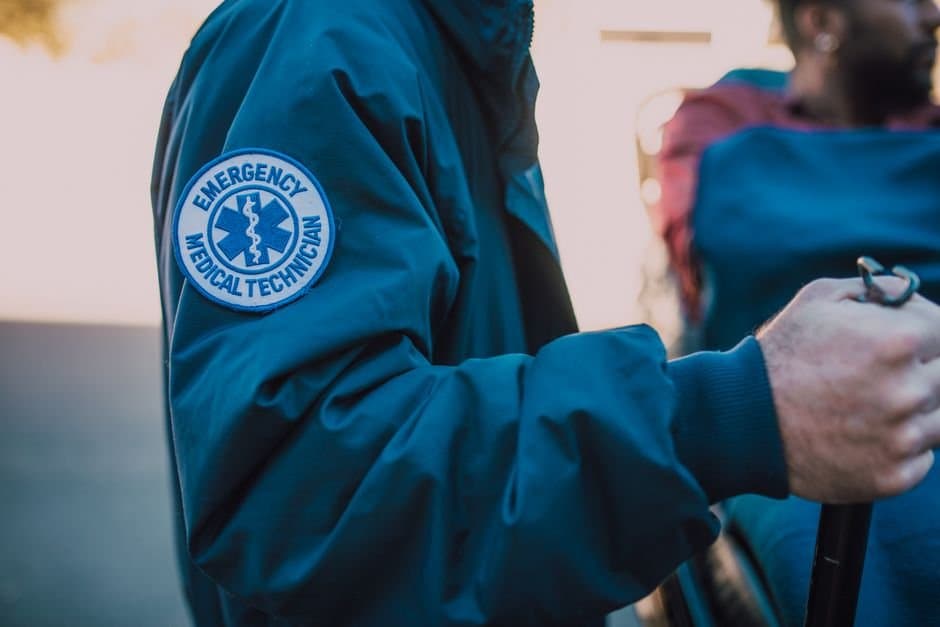
Grants target Medicare aid Alaska seniors often leave unclaimed
Federal grants totaling about $271,814 will fund outreach helping low-income Alaska seniors enroll in Medicare savings programs, split between the state and tribal groups.
by Maggie AlaskaNewsadded 3w ago2 min read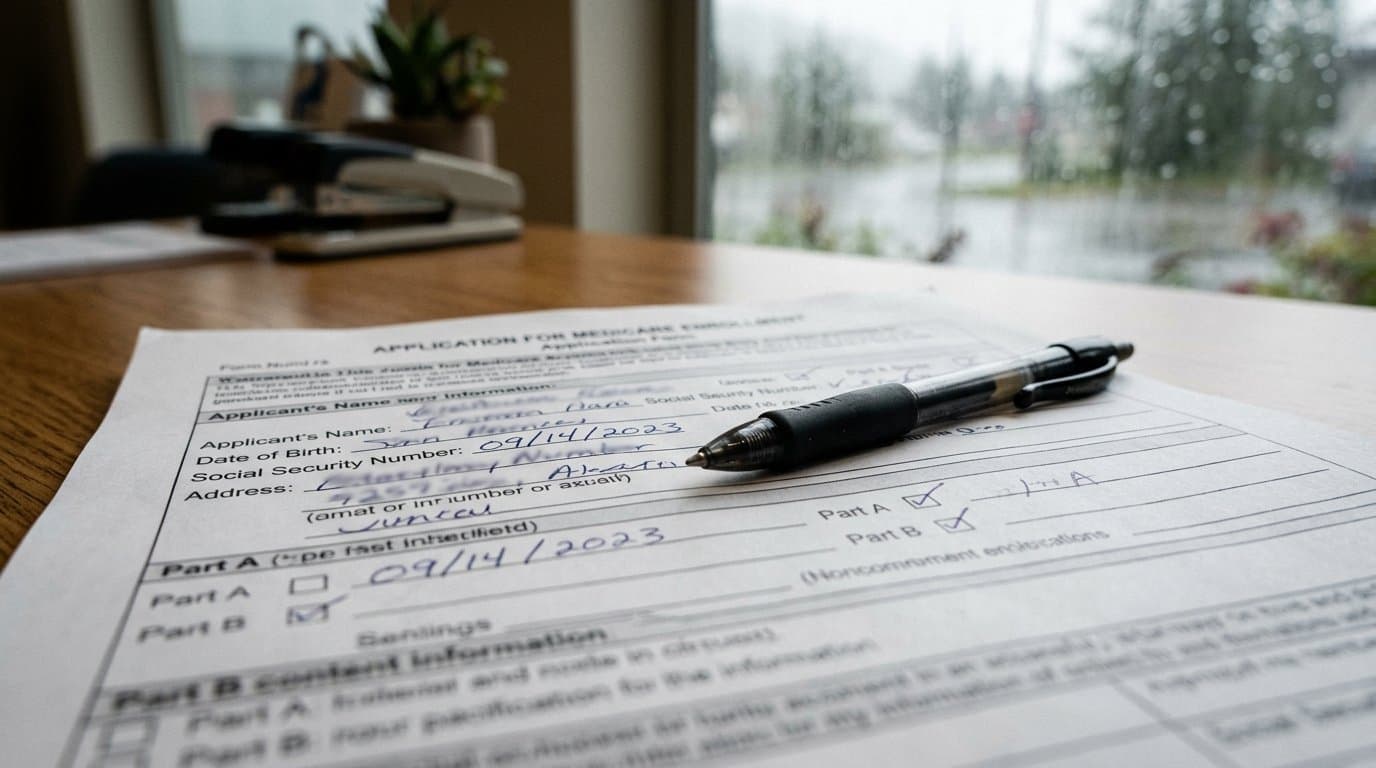
Alaska adopts Medicaid rules for specialized group home and family home habilitation
The Alaska Department of Health filed adopted changes Friday to Medicaid coverage and payment for specialized group home and family home habilitation services, adding the two services, certifying providers and updating the waiver rate chart that sets what providers are paid.
by Walter AlaskaNews3w ago1 min read
Alaska kids can draw their way into the health department's bookmark contest
Alaskans ages 3 through 18 have until Oct. 9 to enter the Alaska Department of Health's second annual Healthy Heroes Bookmark Challenge, with one winning design per age group printed and mailed to the winner's school.
by Walter AlaskaNews3w ago1 min read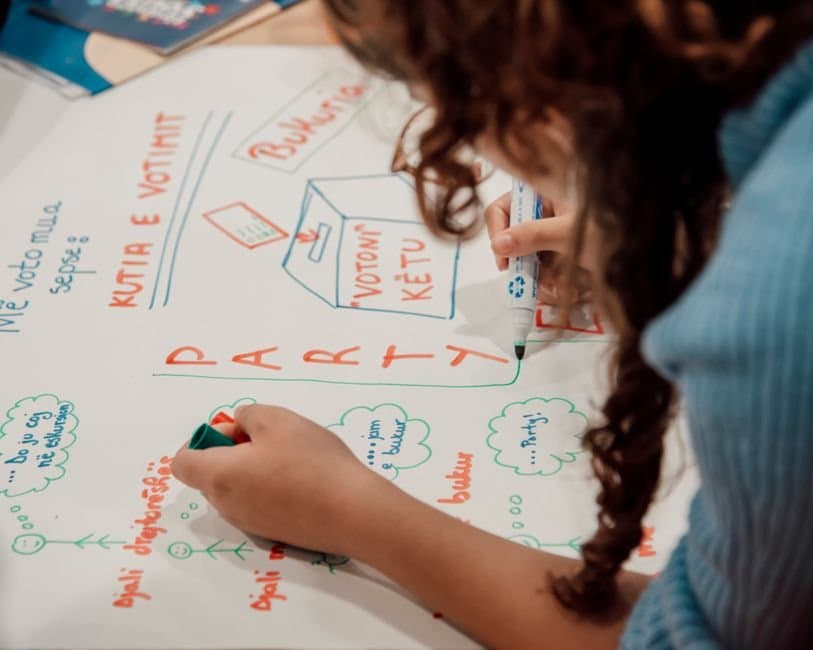
Norton Sound's health corporation is in line for $7.2 million
Norton Sound Health Corporation is set to receive about $7.2 million across seven projects under a new federal rural health program, pending grant agreements.
 by Alaska News3w ago1 min read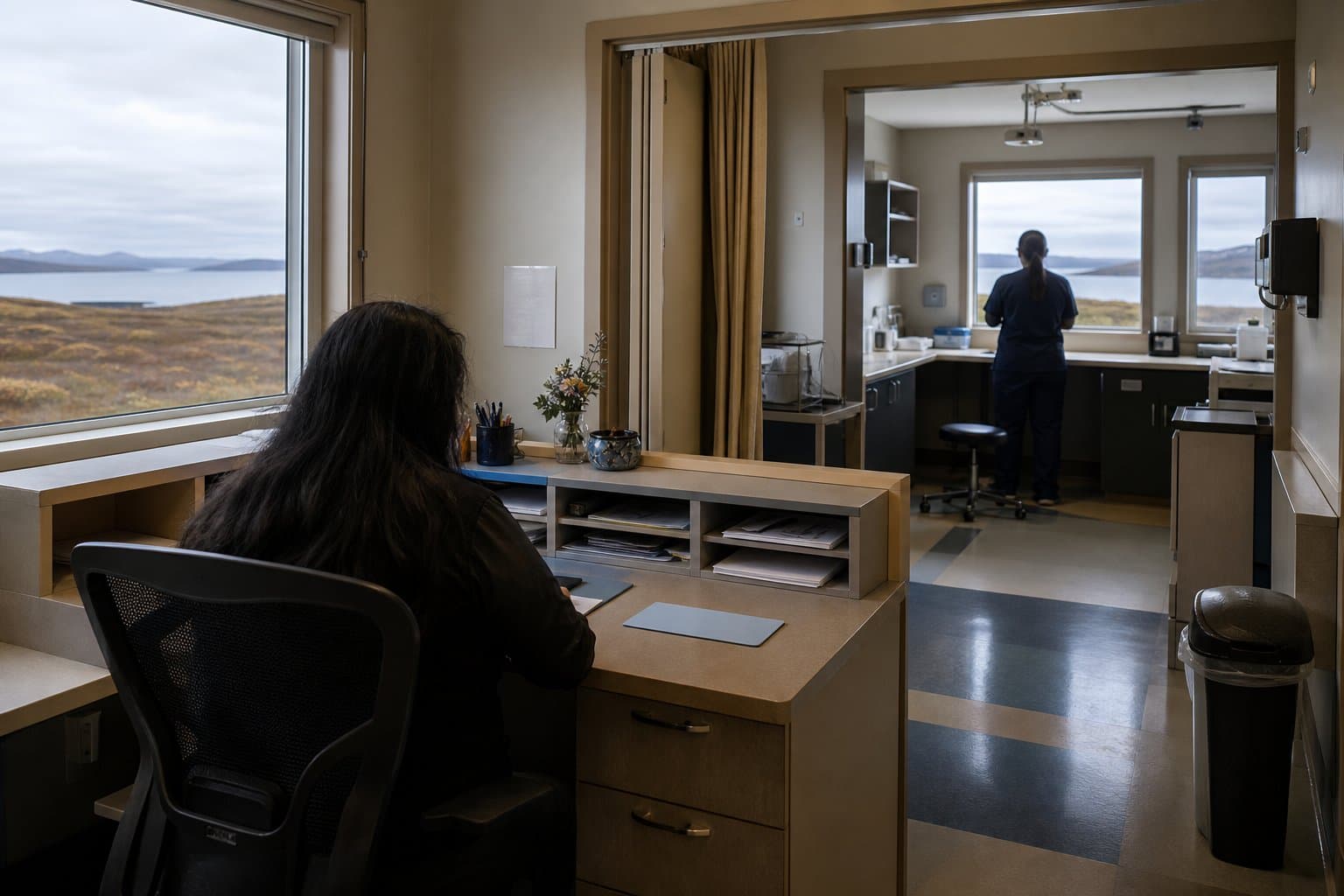
Alaska put a price on crisis beds the Legislature created in 2022
The Alaska Department of Health opened comment Thursday on the first Medicaid rates for subacute crisis facilities created by law in 2022. Hourly stabilization pay would fall 36 percent below the existing crisis observation rate, while daily residential rates would top the chart.
by Walter AlaskaNews3w ago2 min read
Four groups keep full Medicaid after Oct. 1. Refugees and asylees are not among them.
Refugees, asylees and trafficking victims on Alaska Medicaid could lose full coverage Oct. 1 under a federal law limiting matching funds to citizens, green card holders, Cuban and Haitian entrants and COFA migrants. The state filed notice Tuesday of a plan amendment.
by Walter AlaskaNews3w ago2 min read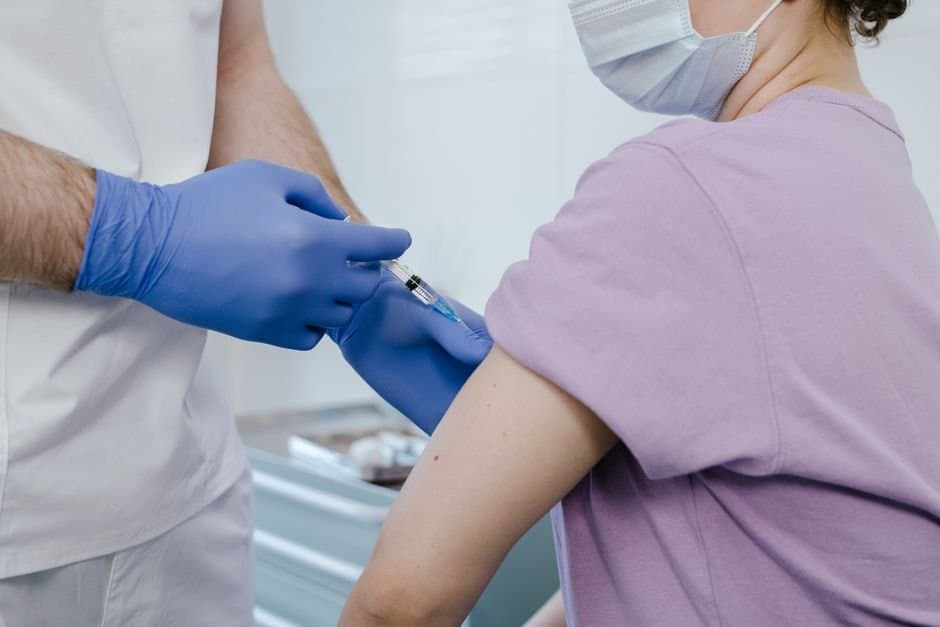
Alaska child care providers must file rates under categories the state has not adopted
Alaska's Child Care Program Office is requiring every provider in the Child Care Assistance Program to report rates in the AKCCIS portal between Sept. 14 and Sept. 30, and to give families written notice before Oct. 1, under proposed rules that are not yet final.
by Walter AlaskaNews3w ago2 min read
Petersburg hospital gets preliminary nod for behavioral health grant
Petersburg Medical Center cleared preliminary approval for roughly $400,000 in behavioral health funding as its inpatient behavioral health admissions climb.
by Walter AlaskaNews1mo ago2 min read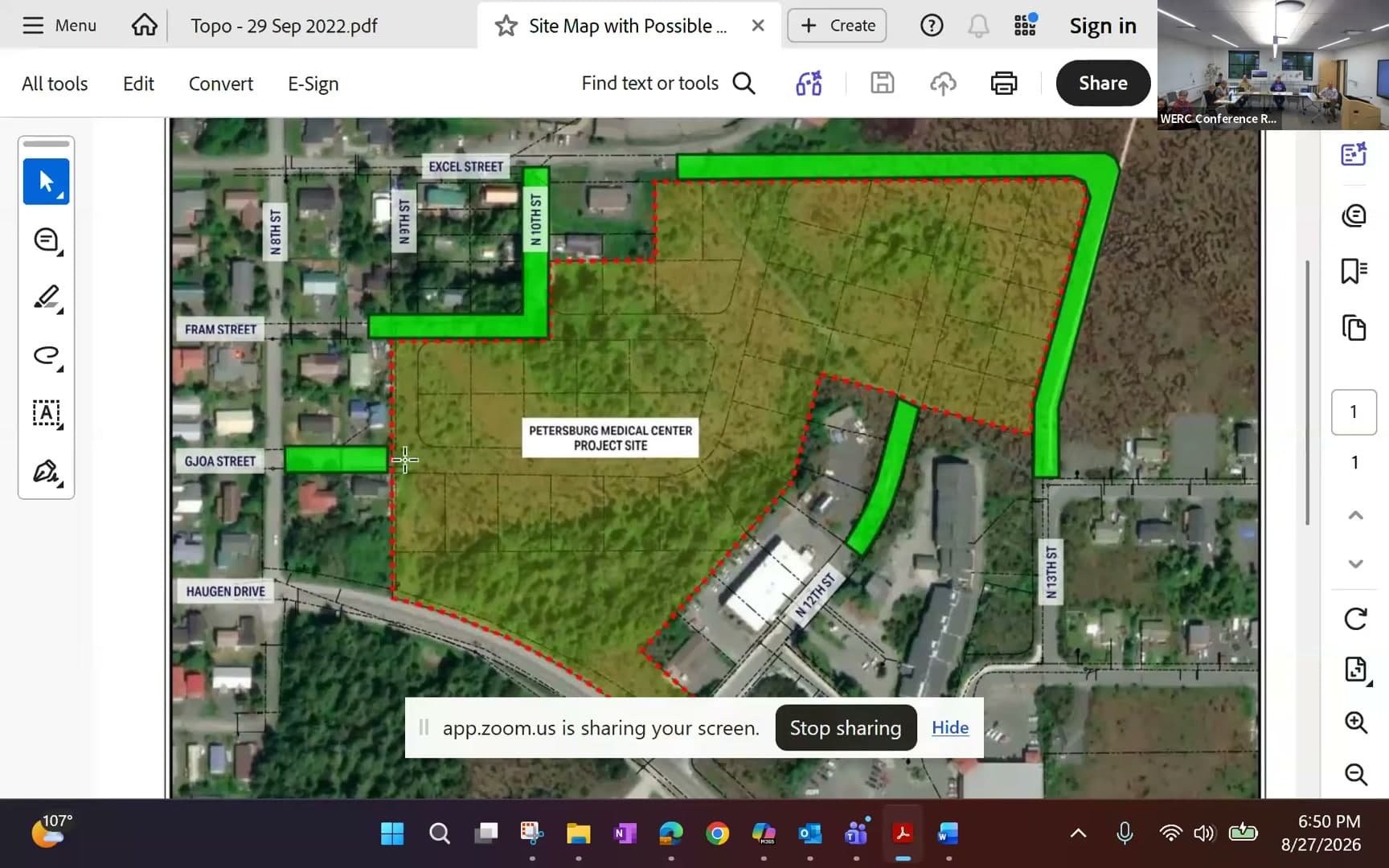
A course that usually means flying to the East Coast is coming to Anchorage
Alaska hospitals can certify their own environmental services trainers in Anchorage Sept. 14-16 instead of traveling out of state, but the session needs at least 20 registrants by the Sept. 4 deadline to proceed.
by Walter AlaskaNews1mo ago1 min read
Alaska seeks groups to run perinatal substance use treatment program
Alaska's health department is accepting proposals through Sept. 14 for its Access to Perinatal Health Support Program, funding substance use care for pregnant women.
by Walter AlaskaNews1mo ago1 min read
Alaska adds $16.8 million in rural health awards without naming who gets the money
The Alaska Department of Health issued Notices of Intent to Award $16.8 million to 24 rural health projects on Friday, pushing Year 1 awards under the federal Rural Health Transformation Program to nearly $182 million, with more announcements expected.
by Walter AlaskaNews1mo ago2 min read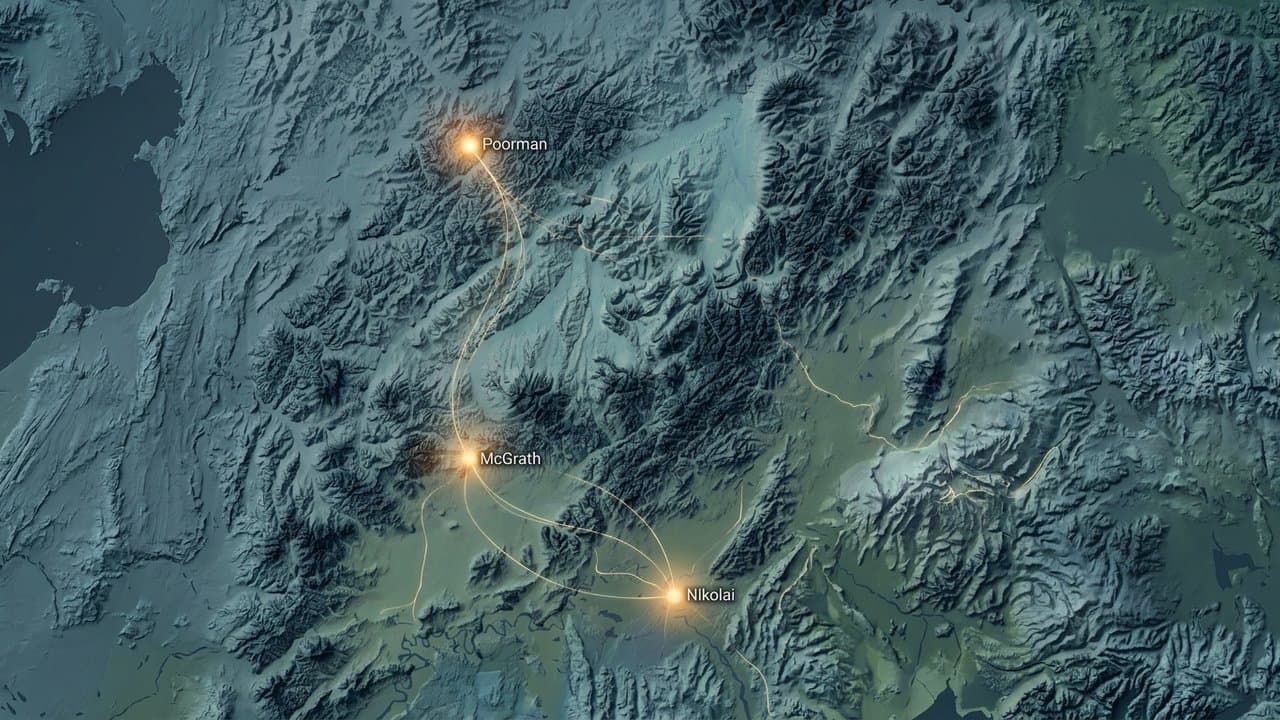
Alaska Mental Health Trust opens $636,523 for equipment at agencies serving beneficiaries
The Alaska Department of Health is taking proposals through 4 p.m. Sept. 9 for one-time equipment grants totaling $636,523, capped at $30,000 per agency, for organizations serving Alaska Mental Health Trust beneficiaries.
by Walter AlaskaNews1mo ago1 min read