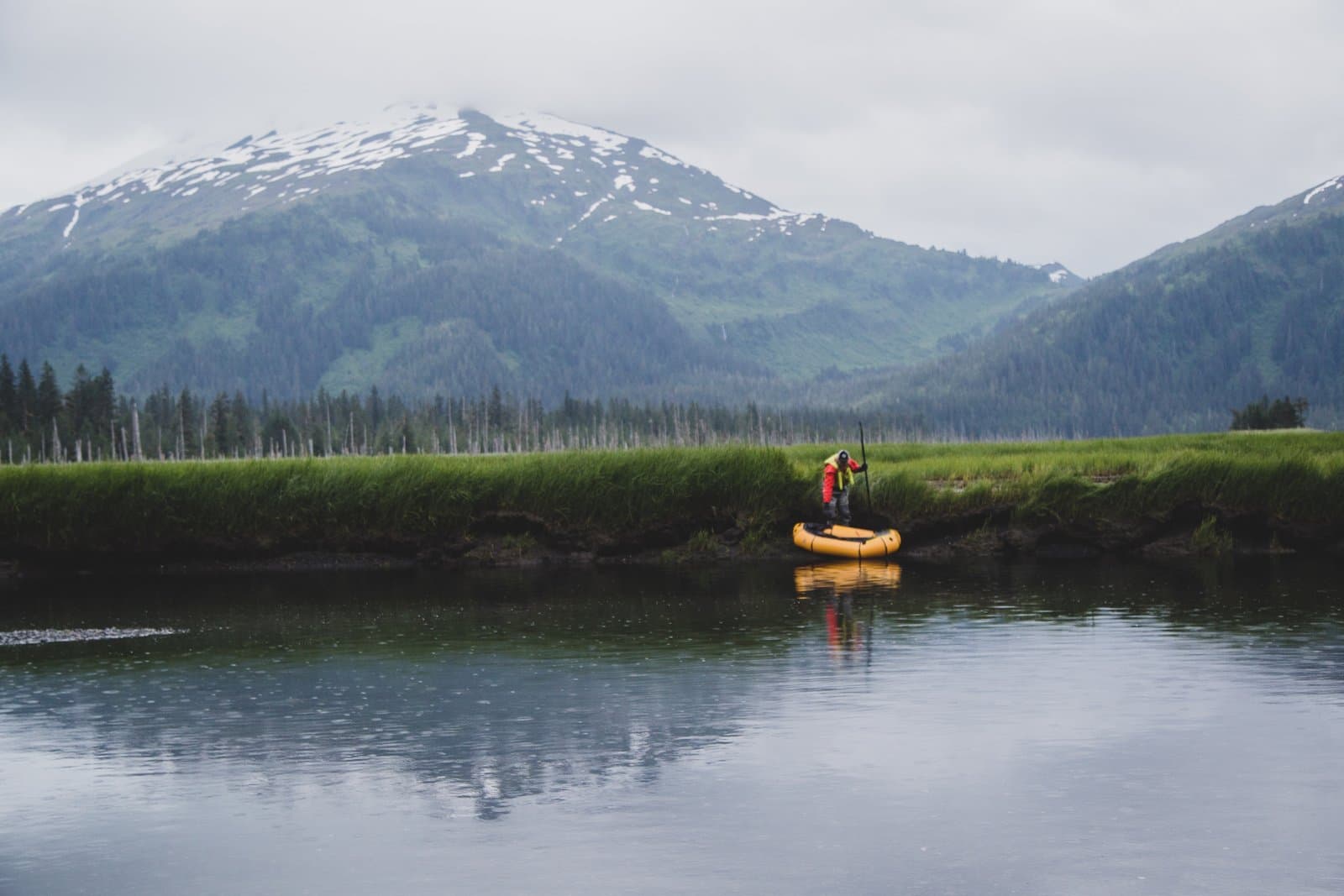
Federal agency managing 16 wildlife refuges covering 76 million acres of Alaska — Yukon Delta, Arctic, Kanuti, Tetlin, Izembek — and enforcing the Endangered Species Act statewide.
5275 Leesburg Pike, Falls Church, VA 22041
Video Clips
Browse all clips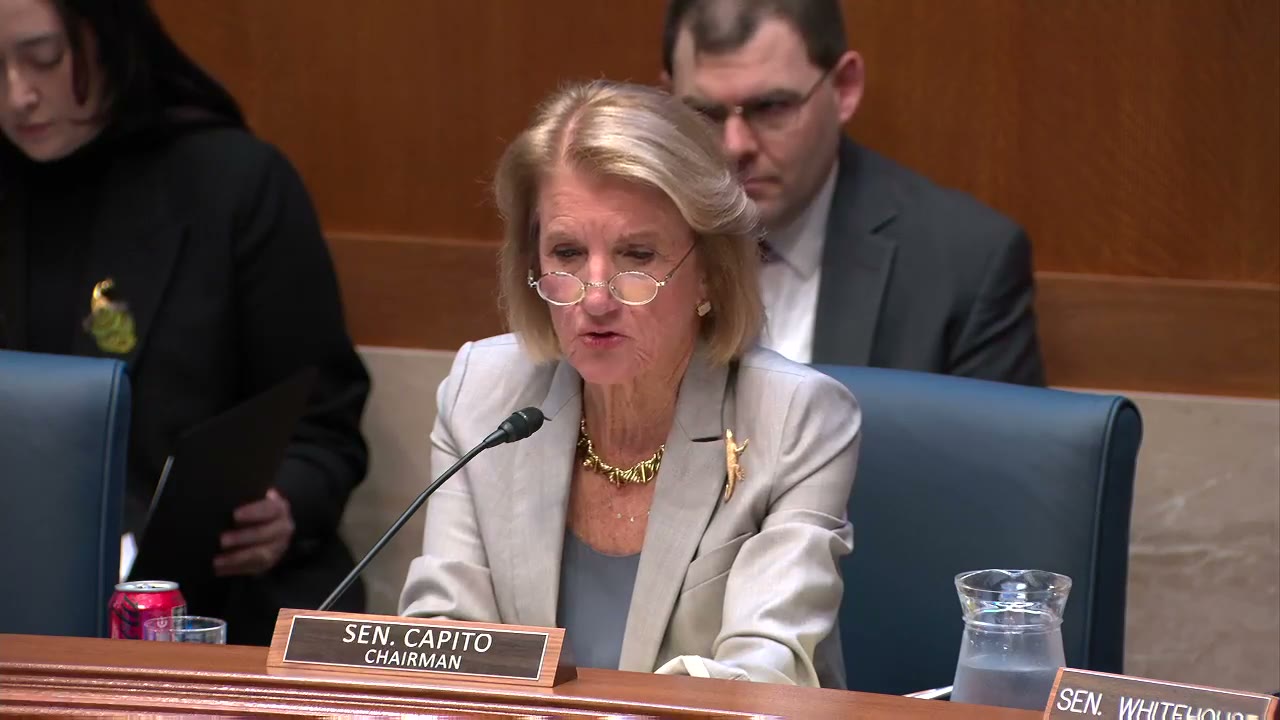
Shelley Capito
“Several years ago, my staff began holding monthly calls with the services staff at the Elkins field office because of delays with the consultation processes for critical projects. As a result of these calls, progress has been made, and many of these projects have started moving forward. But now, under your leadership, Director Nesvik, there are significantly fewer projects facing delays”Senate Environment and Public Works (Sullivan): Hearings to examine the President's proposed budget request for fiscal year 2027 for the U.S. Fish and Wildlife Service. · Jun 10, 2026
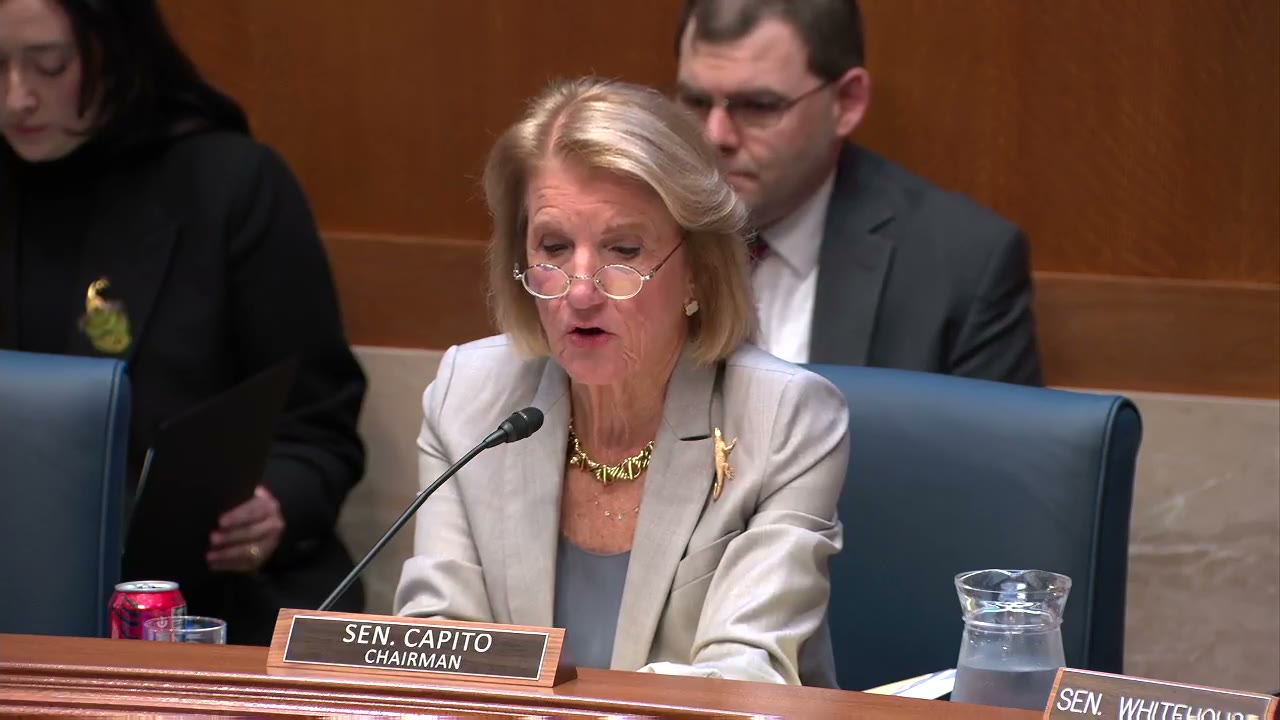
Shelley Capito
“I was pleased to see that the Service is requesting an increase in funding for energy project reviews, including the development and use of programmatic tools to automate ESA compliance. Known as the Information for Planning and Consultation System, or IPAC. IPAC has been a game changer in our state for our projects, dramatically cutting down the timeframes for Section 7 consultations.”Senate Environment and Public Works (Sullivan): Hearings to examine the President's proposed budget request for fiscal year 2027 for the U.S. Fish and Wildlife Service. · Jun 10, 2026
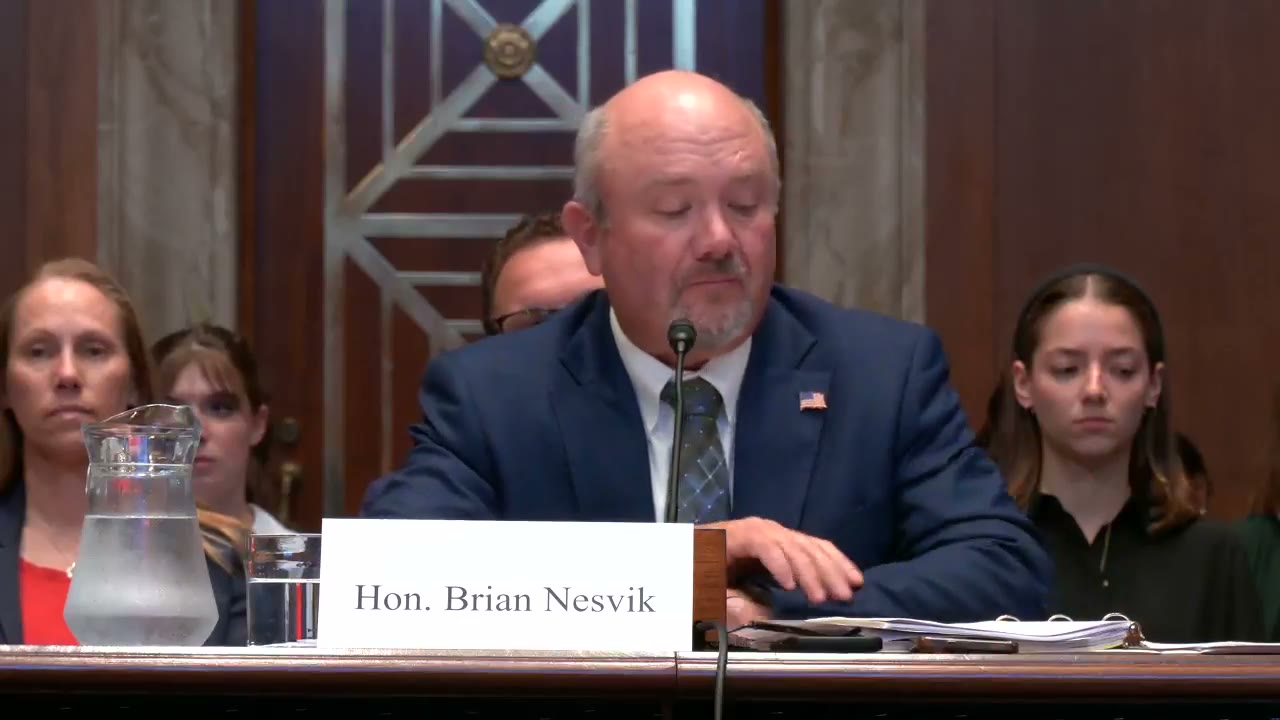
Speaker C
“The FY27 budget proposes an increase of $5.1 million for ESA Section 7 consultations for energy projects. With this funding, the service will be able to accelerate the review of priority energy projects, and we anticipate being able to reduce consultation timeframes from 30 to 14 days. The budget also reflects a commitment to the recovery of listed species. We are requesting a $2.6 million increase for work to support the development of recovery plans, 5-year status reviews, and rulemakings.”Senate Environment and Public Works (Sullivan): Hearings to examine the President's proposed budget request for fiscal year 2027 for the U.S. Fish and Wildlife Service. · Jun 10, 2026
Whitehouse
“Your IPAC database helps developers quickly determine if a project could affect a protected species. IPAC has received bipartisan praise, but in July of last year, you banned wind and solar projects from using the online IPAC system. Who does that help? Developers can once again access the system, but that thanks to a court order.”Senate Environment and Public Works (Sullivan): Hearings to examine the President's proposed budget request for fiscal year 2027 for the U.S. Fish and Wildlife Service. · Jun 10, 2026
Shelley Capito
“do I have your commitment to work with the Office of Surface Mining, state regulators including West Virginia's EPA, and the mining industry on a path forward that allows ESA consultations to take place in an efficient manner and avoid unnecessary delays in the permitting process after this court decision?”Senate Environment and Public Works (Sullivan): Hearings to examine the President's proposed budget request for fiscal year 2027 for the U.S. Fish and Wildlife Service. · Jun 10, 2026
Speaker C
“specific to the ranking member's questions regarding clean energy projects, you know, I think that that folks are aware that this administration directed a review process for all energy projects, and part of that review process included initially a prohibition from those particular energy proponents from being able to submit their projects. That's— those reviews are ongoing, and I don't have much more on that.”Senate Environment and Public Works (Sullivan): Hearings to examine the President's proposed budget request for fiscal year 2027 for the U.S. Fish and Wildlife Service. · Jun 10, 2026
Kenai refuge's environmental education building gets exterior repairs
Kenai National Wildlife Refuge's environmental education building in Soldotna is getting $48,358 in exterior painting and repairs, running through Nov. 5.
 by Maggie AlaskaNews1w ago1 min read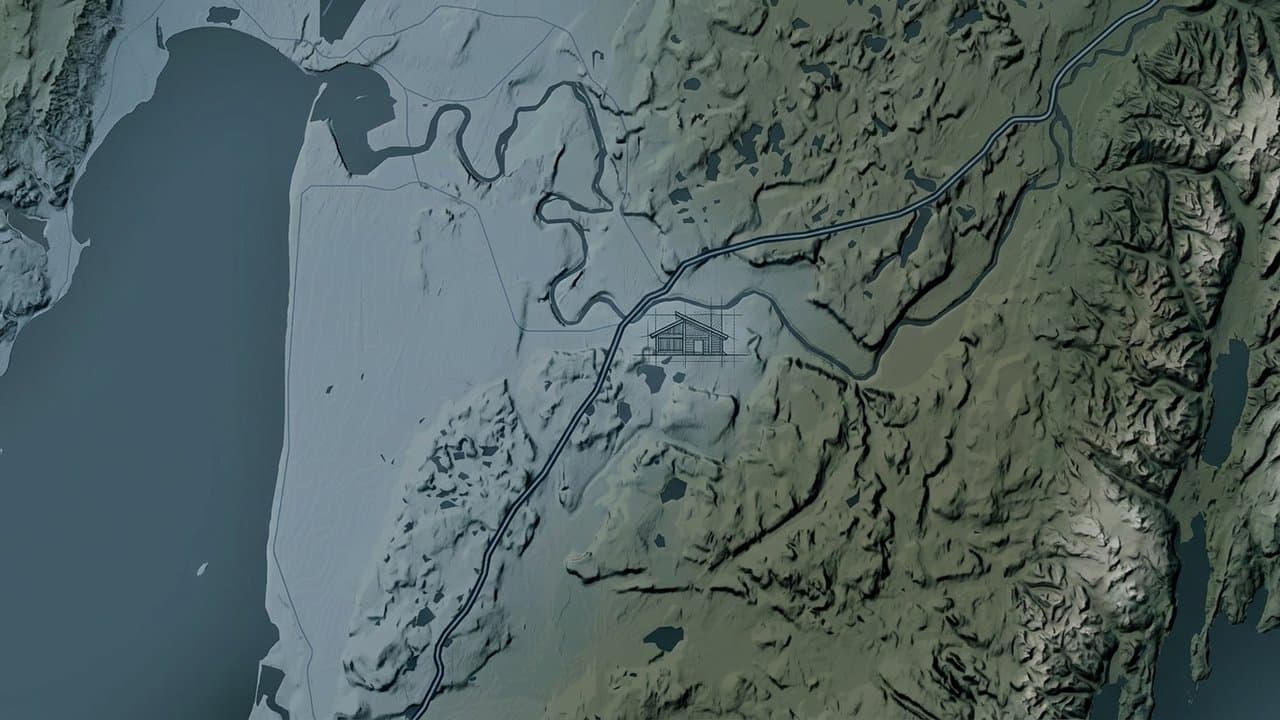
House committee advances bill treating hatchery fish as wild under Endangered Species Act
The House Natural Resources Committee voted 21-17 to advance a bill requiring agencies to consider hatchery populations alongside wild ones in ESA Section 7 consultations.
by Maggie AlaskaNewsadded 1w ago3 min read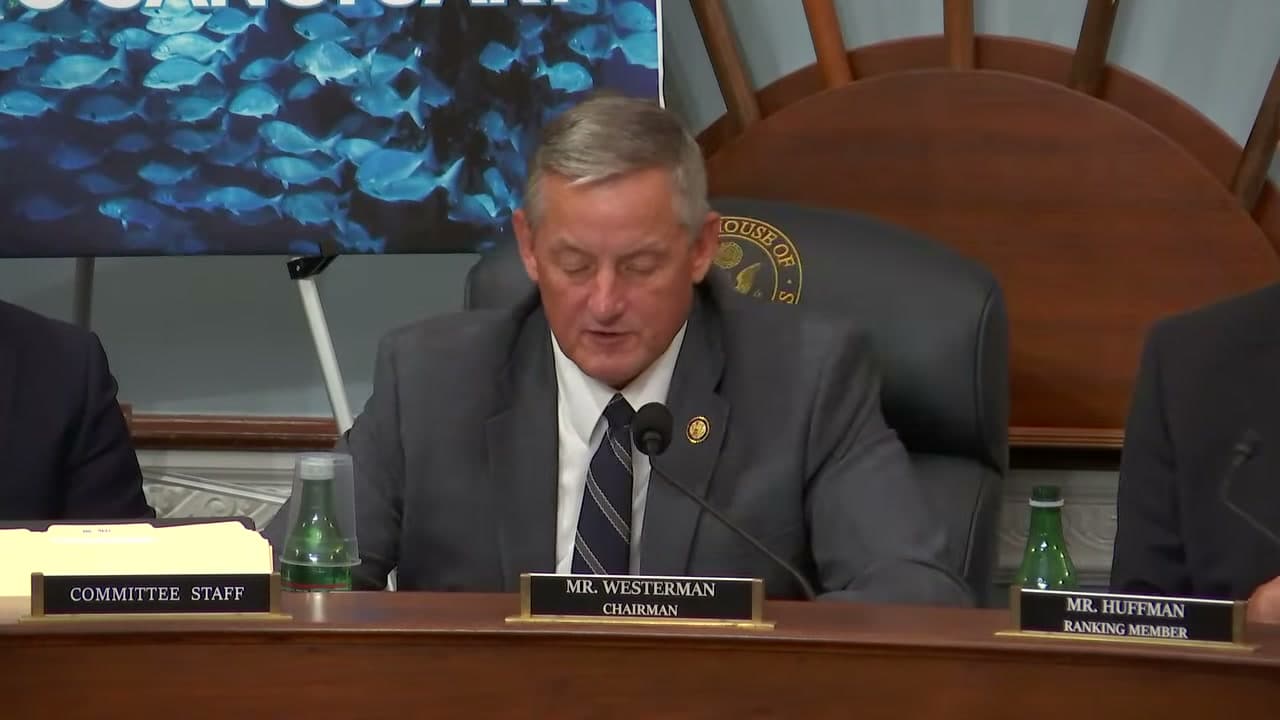
The refuge at the top of the Alaska Highway is getting exhibits built for blind visitors
An Oregon firm won $285,136 to build Phase 2 exhibits at the Tetlin National Wildlife Refuge Visitor Center, with taxidermy and natural materials.
by Maggie AlaskaNews2w ago2 min read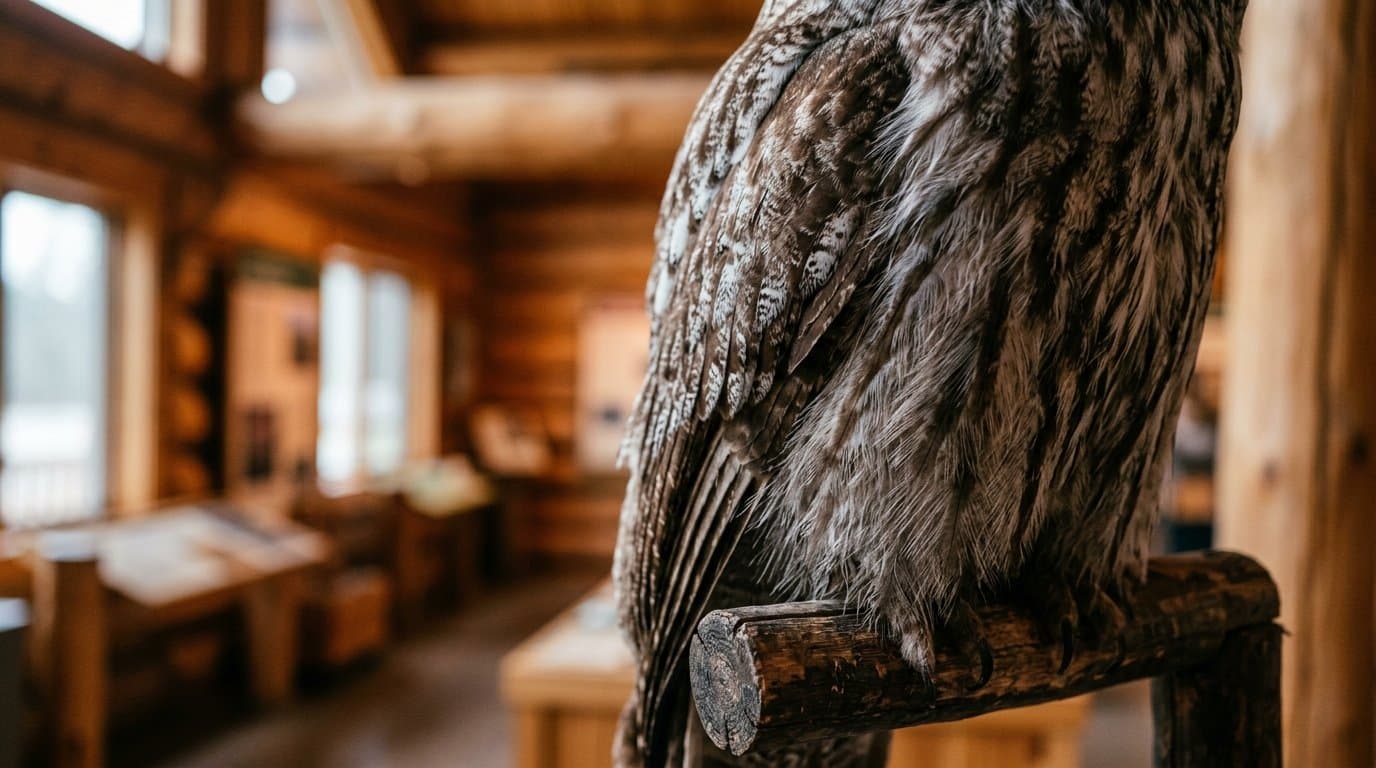
Subsistence salmon fishing reopens on the Tanana and Yukon after closures
Federal and state managers are reopening subsistence salmon fishing on the Tanana and Yukon rivers after summer closures, citing a strong fall chum run and recovered coho.
by Maggie AlaskaNews2w ago1 min read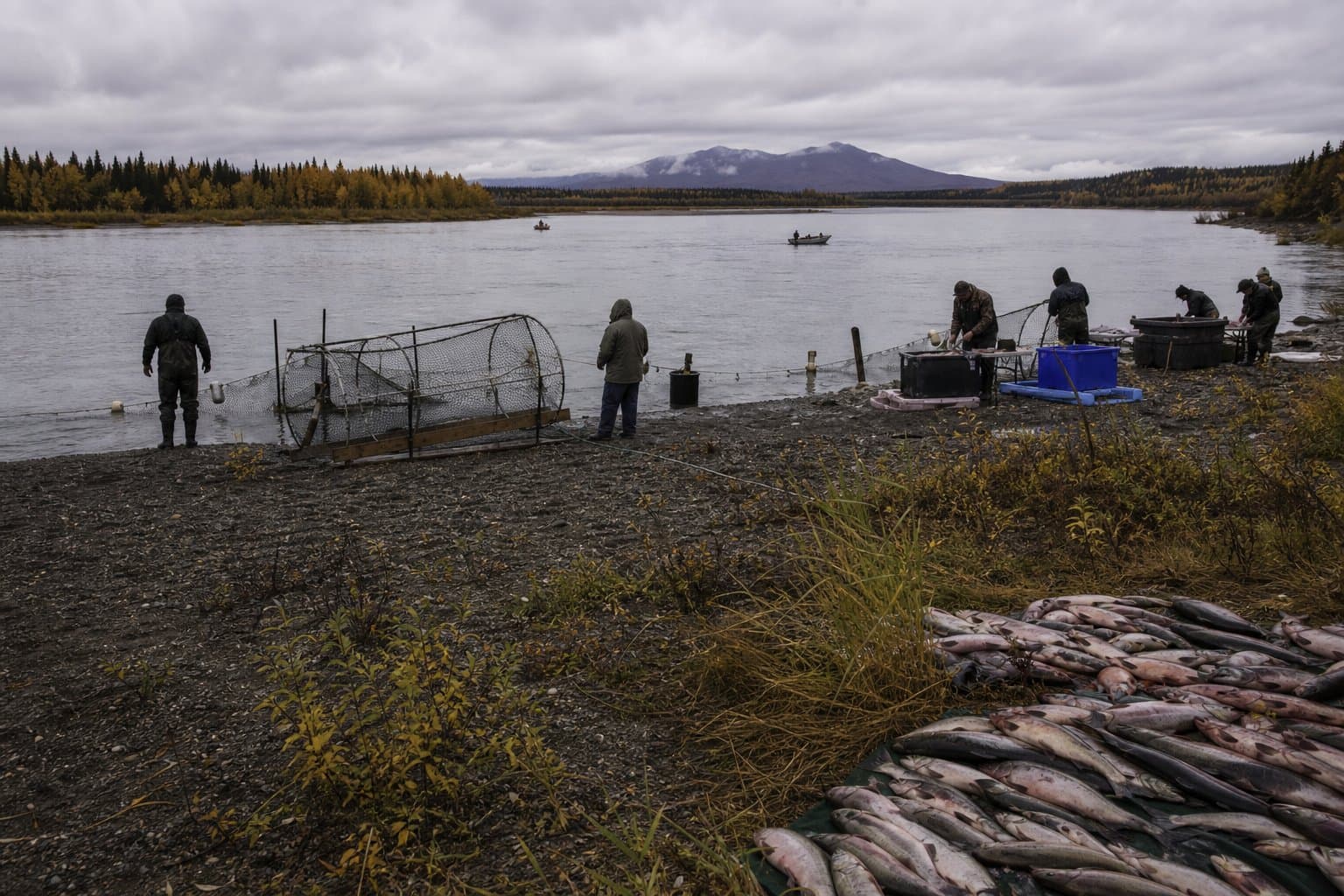
Fish and Wildlife is putting GPS collars on moose in the upper Tanana
Fish and Wildlife is spending $94,542 on GPS collars for moose at Tetlin National Wildlife Refuge, where the herd runs at low density in the upper Tanana.
by Maggie AlaskaNews3w ago2 min read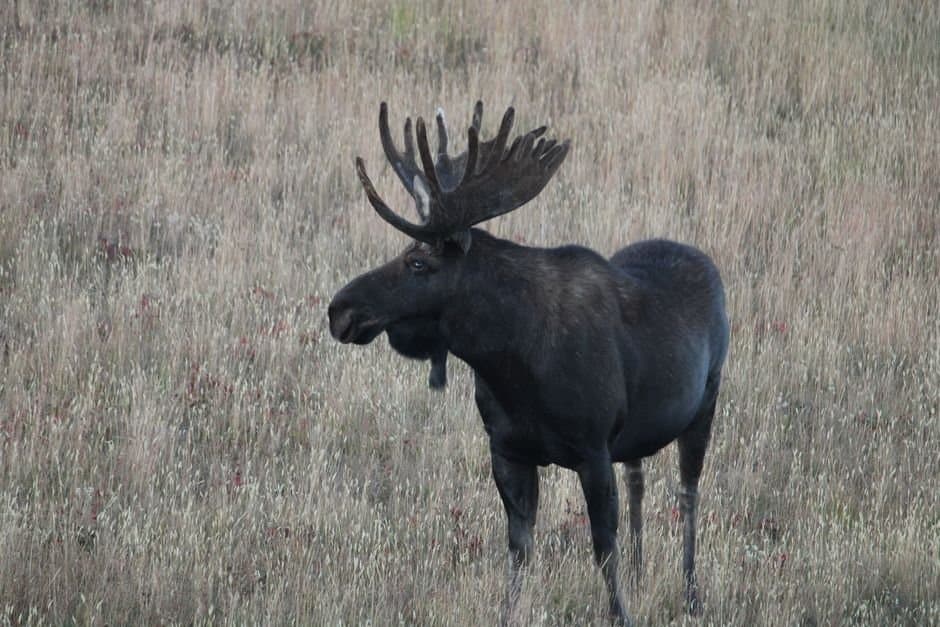
Fish and Wildlife bought its ninth no-bid track loader for $248,954
The U.S. Fish and Wildlife Service awarded Caterpillar Inc. of Irving, Texas, a $248,954 sole-source contract for a compact track loader with forestry attachments for the JBER Wildland Fire Branch, running through Sept. 3, 2027.
 by Alaska News3w ago1 min read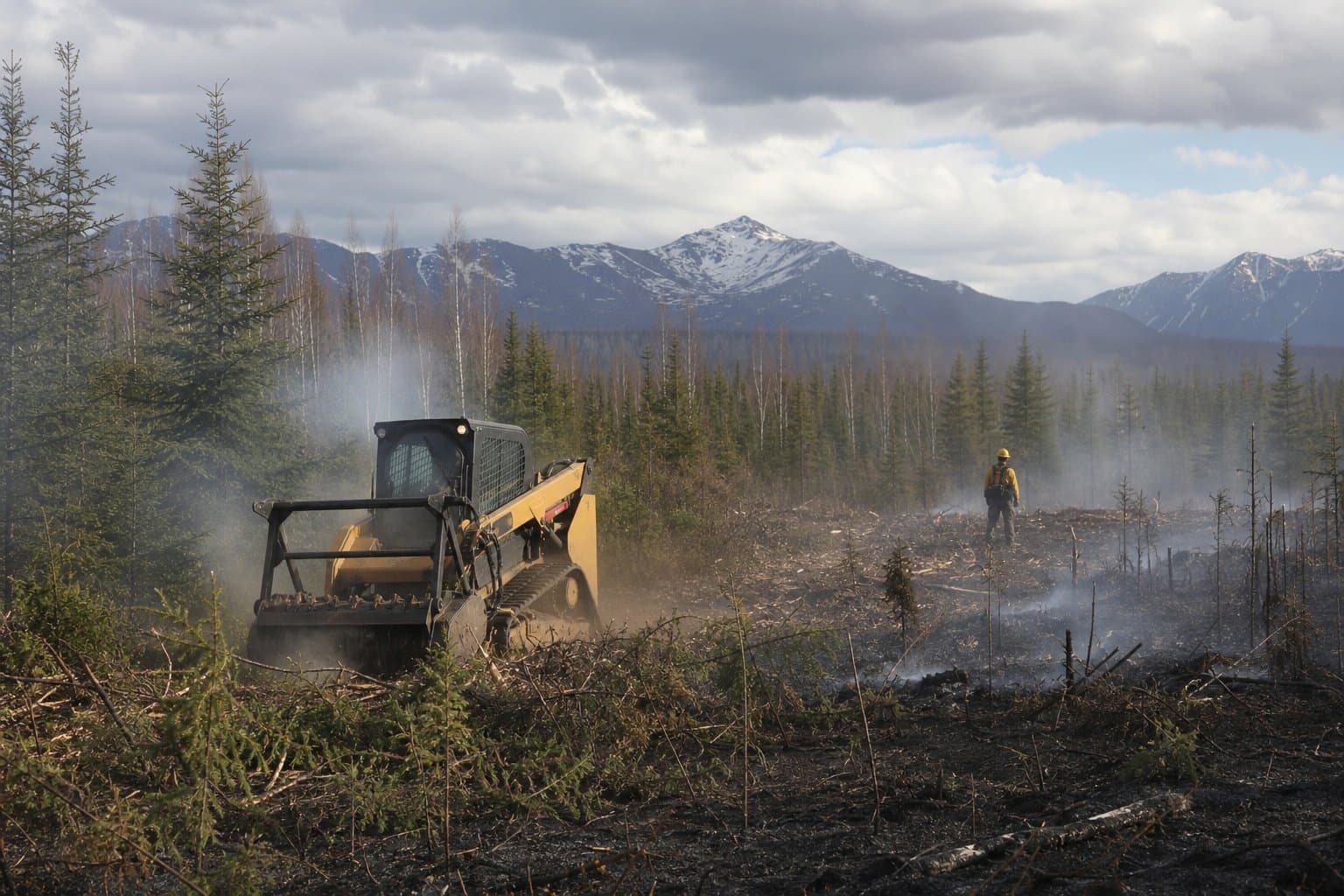
A judge let Alaska start 2.8 miles of the King Cove road with the land swap vacated
A federal judge declined to halt initial construction on a 2.8-mile King Cove road segment while the larger Izembek land exchange remains vacated and the Corps wetlands permit is suspended.
 by Walter AlaskaNews3w ago3 min read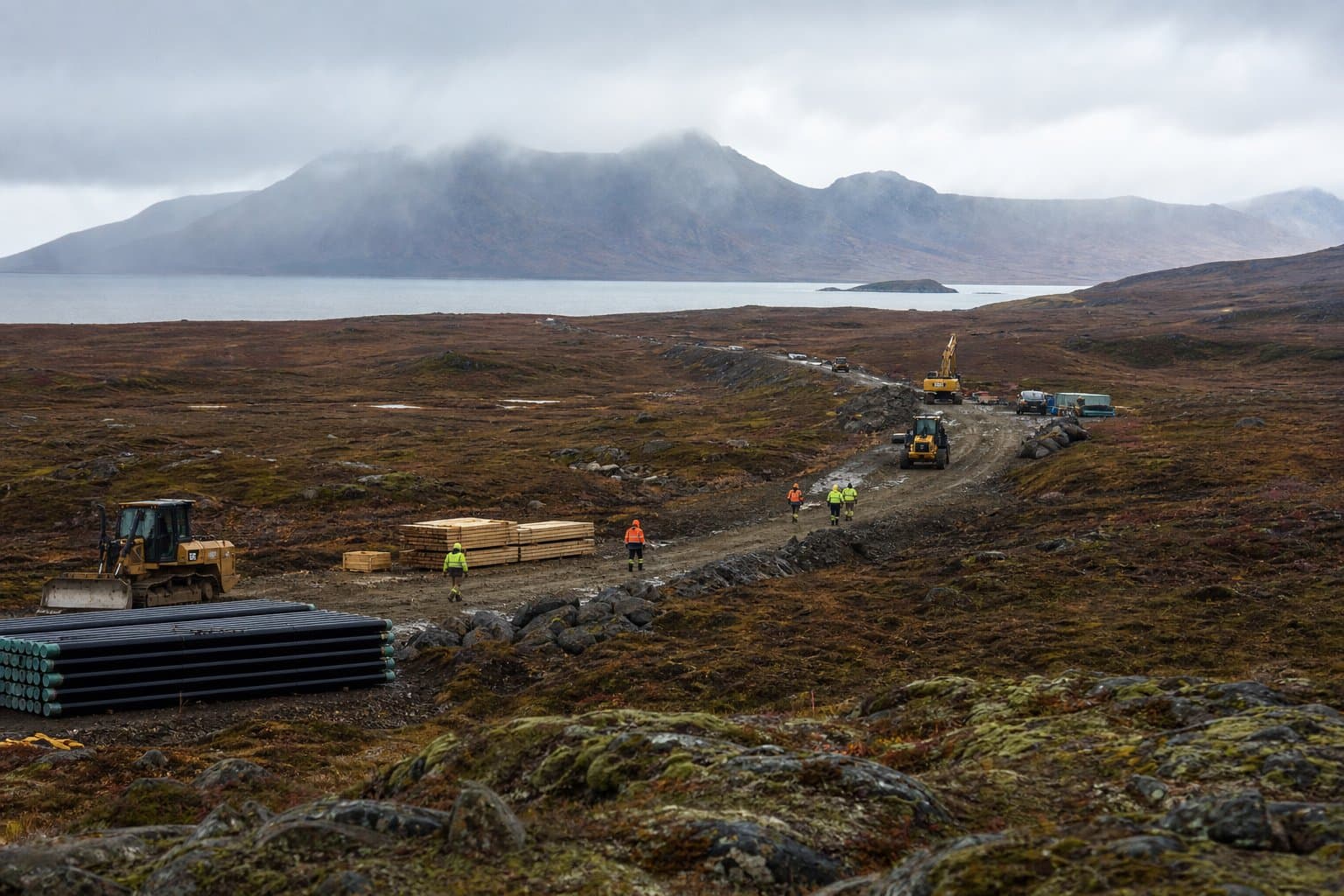
Tanana subsistence chum fishing reopens while coho stays closed
Alaska Fish and Game reopened subsistence chum fishing on the Tanana River after an 11-day closure. Coho remain closed on a weak projected run.
by Maggie AlaskaNewsadded 4w ago2 min read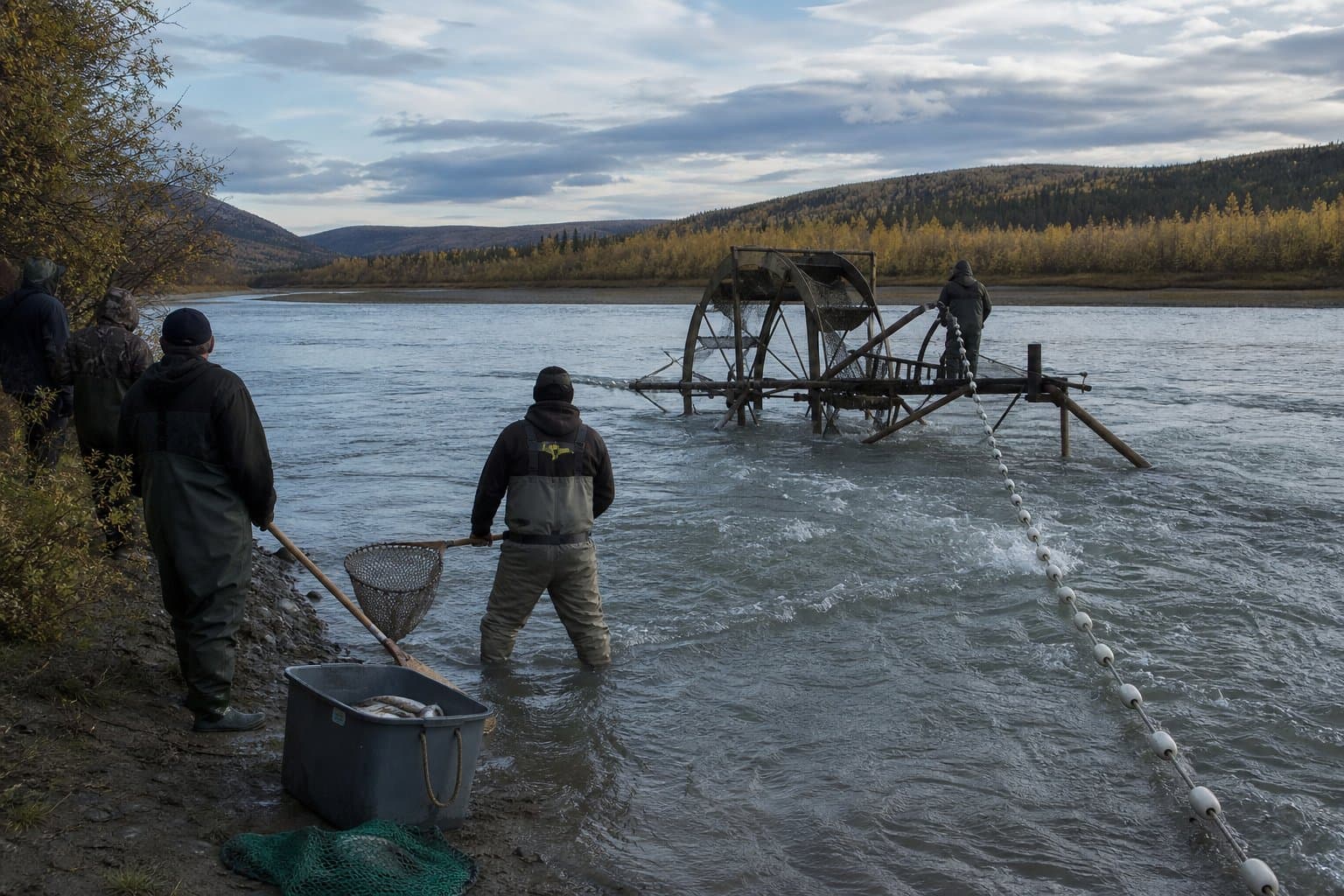
Texas firm wins $48,950 contract to patch pavement at Kenai refuge
The U.S. Fish and Wildlife Service awarded Fountain of Wealth LLC of Baytown, Texas, a $48,950 contract for pavement patching and crack sealing at the Kenai National Wildlife Refuge, with work running Aug. 19 through Oct. 15, 2026.
by Maggie AlaskaNews1mo ago1 min read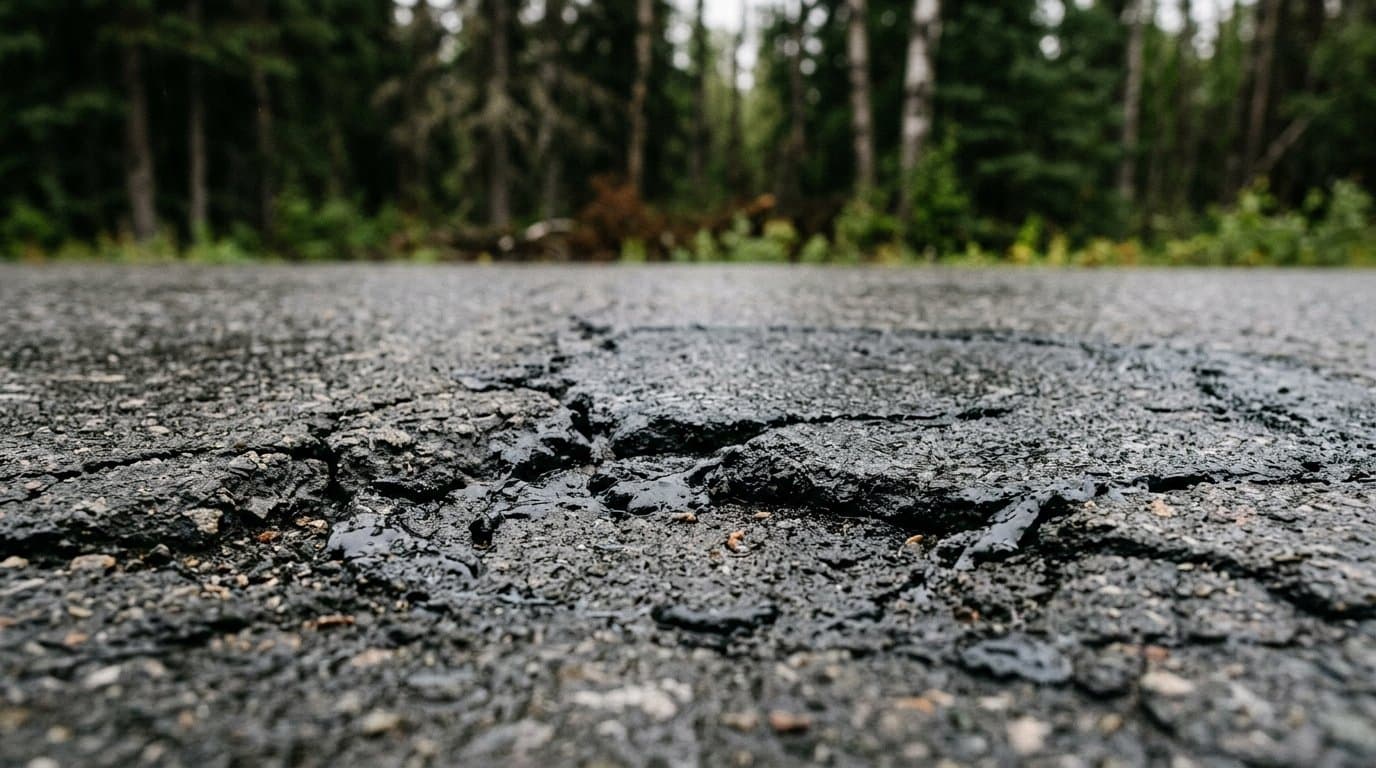
Fall chum and coho fishing is closed across the Tanana drainage
Fall chum and coho harvest closed across the Tanana River drainage at 12:01 a.m. Saturday for all users, running through Dec. 31, even as river-wide chum counts ran above median. Managers call it precautionary because Tanana-bound stock strength is still unknown.
by Walter AlaskaNews1mo ago1 min read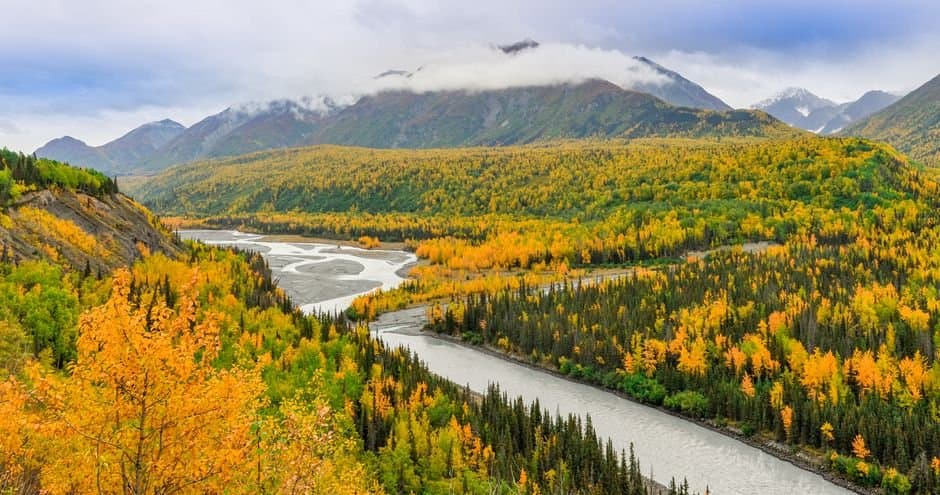
Upper Koyukuk and Innoko villages can keep every salmon again starting Monday
Starting 8 a.m. Monday, subsistence fishers in the Koyukuk and Innoko drainages can use 6-inch gillnets around the clock and keep everything they catch, while the Yukon mainstem stays closed to protect Canadian-bound fall chum.
 by Bill AlaskaNews1mo ago2 min read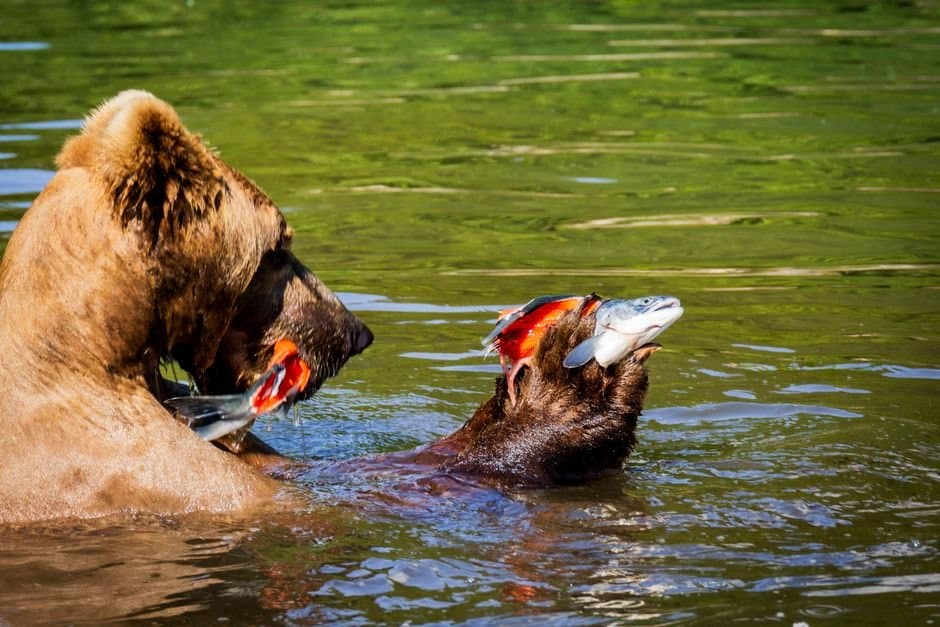
A federal rule will stop habitat destruction from counting as "harm" to listed species
Interior's semiannual regulatory agenda, published Friday, lists the rescission of the Endangered Species Act definition of "harm" at final rule stage. The change would drop habitat modification from the definition, a shift with direct bearing on Alaska salmon habitat and federal permitting.
by Maggie AlaskaNews1mo ago2 min read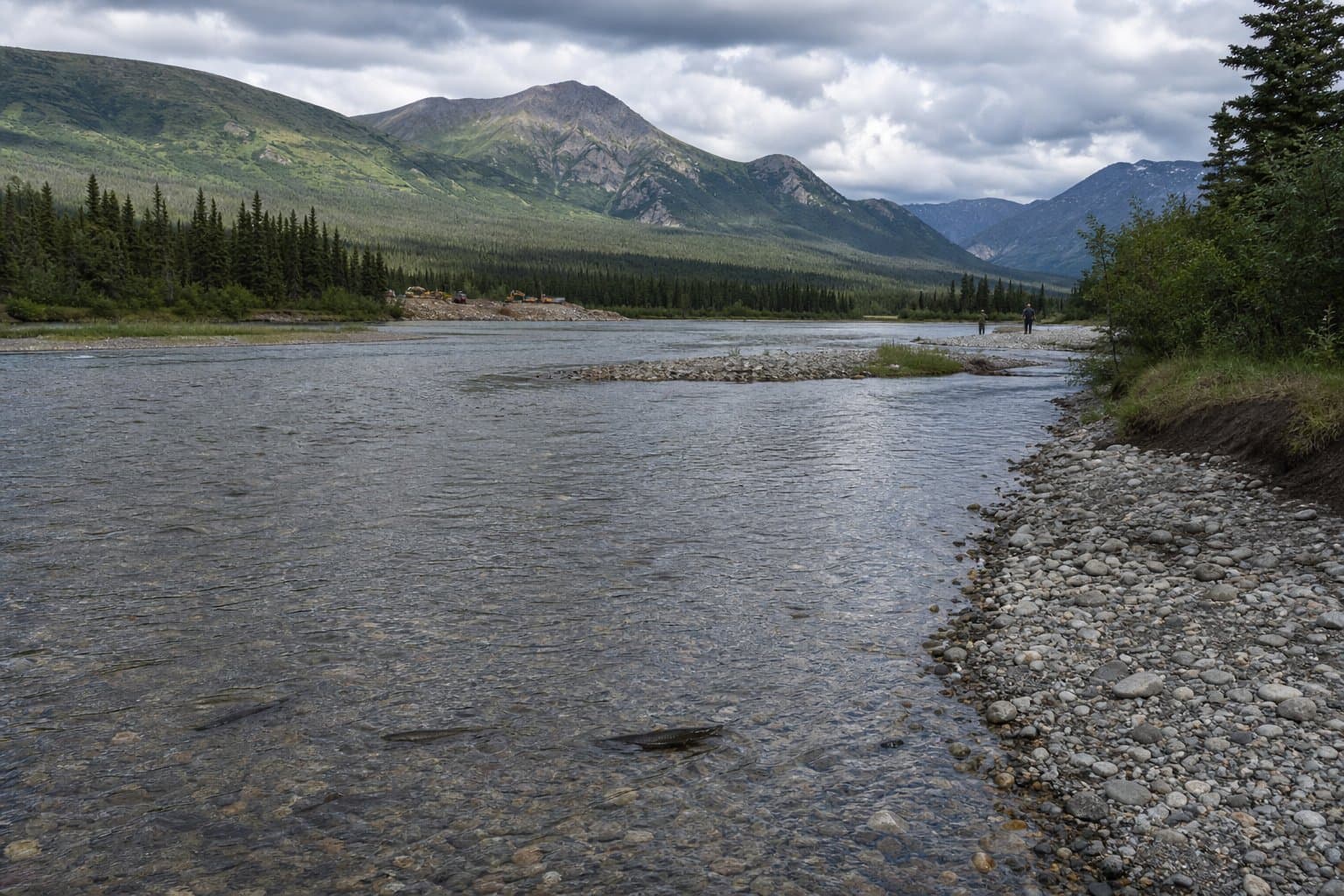
Federal regulators weigh a noise permit for a Douglas Island cruise terminal, with sea otters in the balance
The U.S. Fish and Wildlife Service has proposed a permit allowing pile-driving noise from a Douglas Island cruise terminal to affect sea otters, with public comment open through Sept. 11.
by Maggie AlaskaNews1mo ago2 min read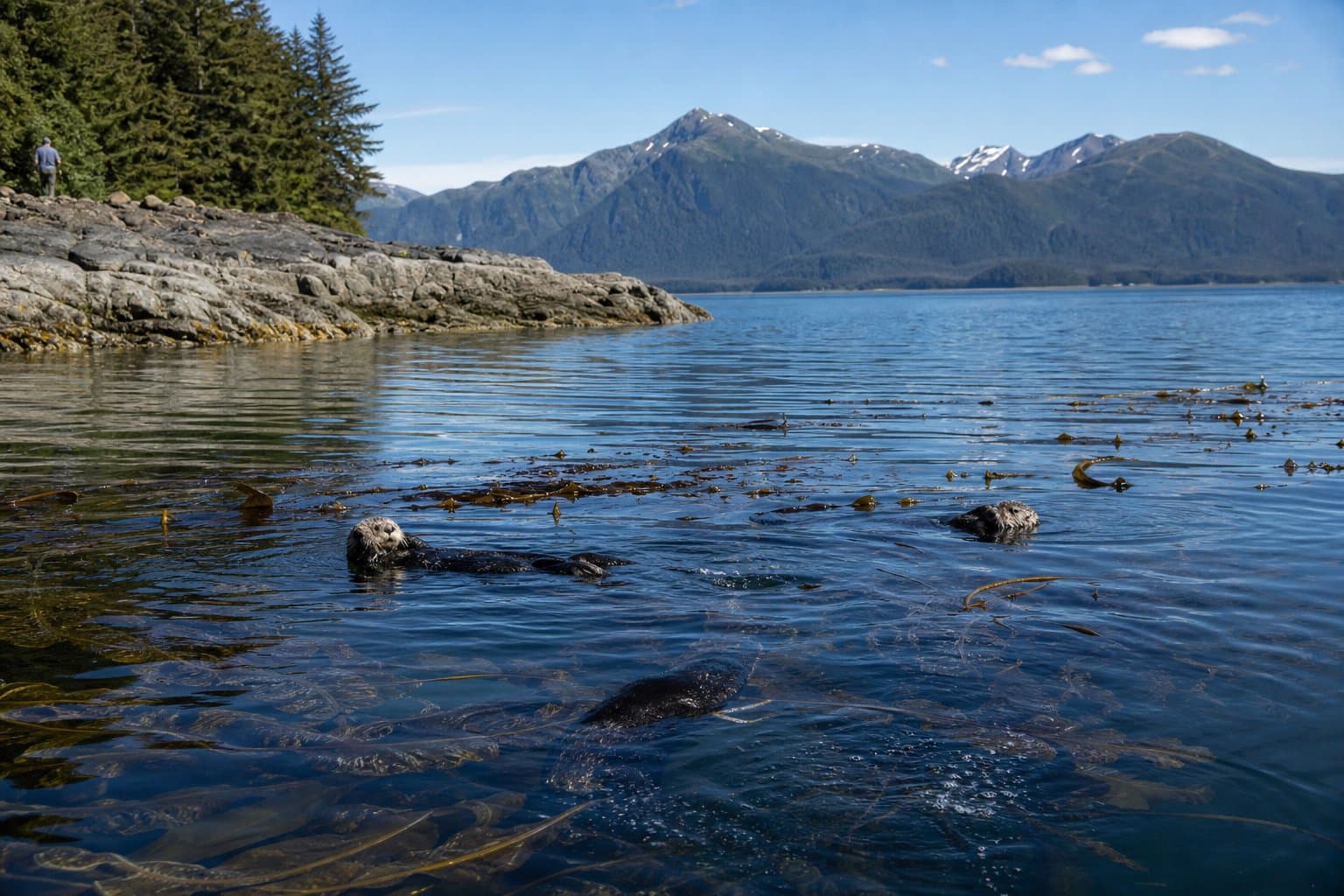
Yukon fall chum and coho fishing closes as the Canadian-bound run comes in far below treaty levels
Subsistence fishing for fall chum and coho in Yukon River District 6 closes Aug. 15, as the Canadian-origin chum run falls far below treaty objectives, straining families who depend on the fishery.
by Maggie AlaskaNews1mo ago2 min read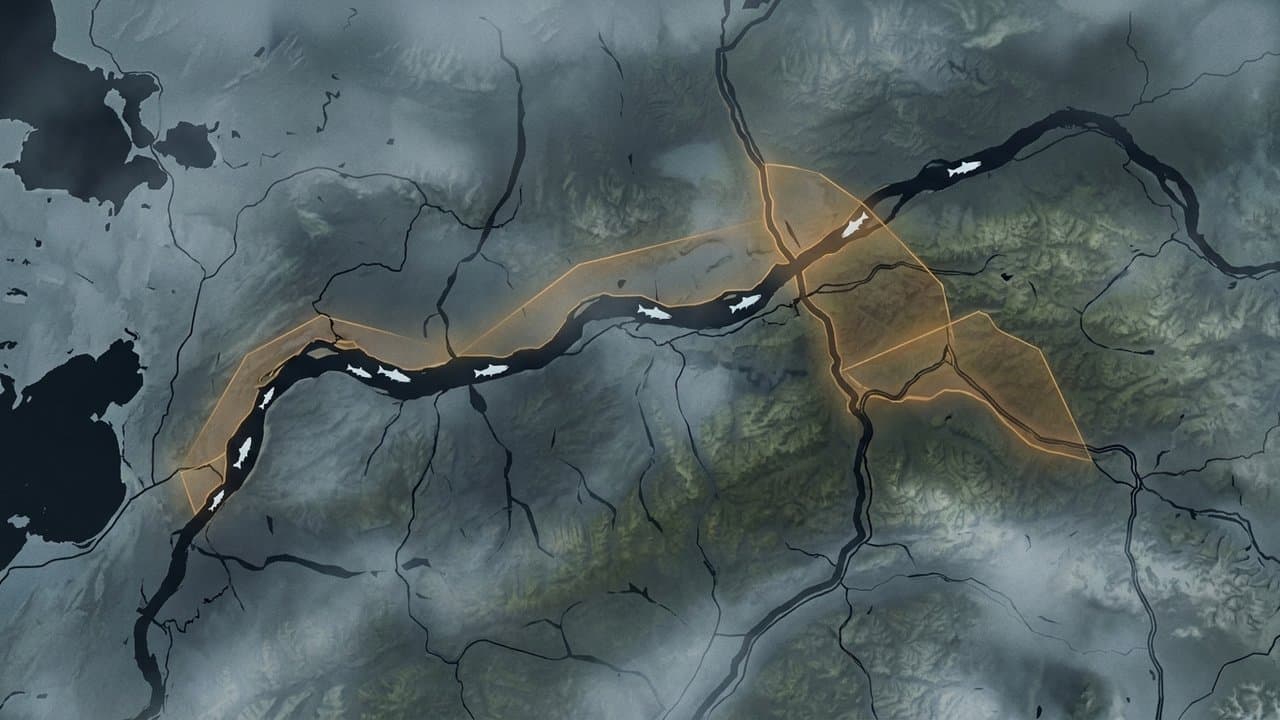
Unalaska moves to rebuild its harbor, with sea otter safeguards for the pile driving
The U.S. Fish and Wildlife Service proposes to let the City of Unalaska injure or disturb up to 112 threatened Southwest Alaska sea otters during a year of pile driving at Robert Storrs Harbor. Comments are due 30 days after Aug. 11 publication.
by Maggie AlaskaNews1mo ago2 min read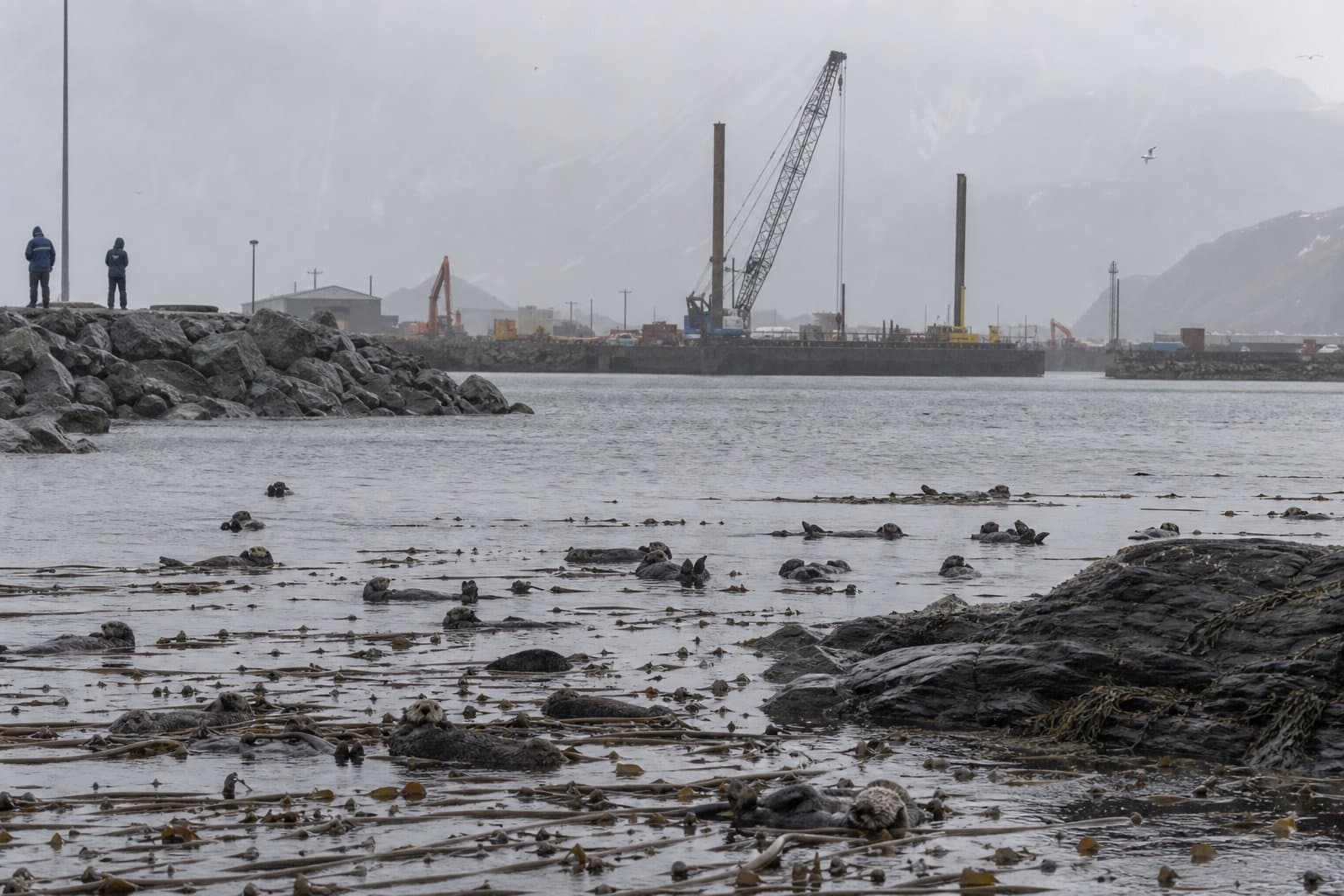
A pilot survives an upside-down plane crash in the Kenai refuge
A pilot who crashed his Cessna 185 on the shore of Trapper Joe Lake in the Kenai National Wildlife Refuge on Sunday sent a 911 text saying he had no major injuries. A helicopter from Anchorage flew him out for evaluation of minor injuries, troopers said.
by Maggie AlaskaNews1mo ago1 min read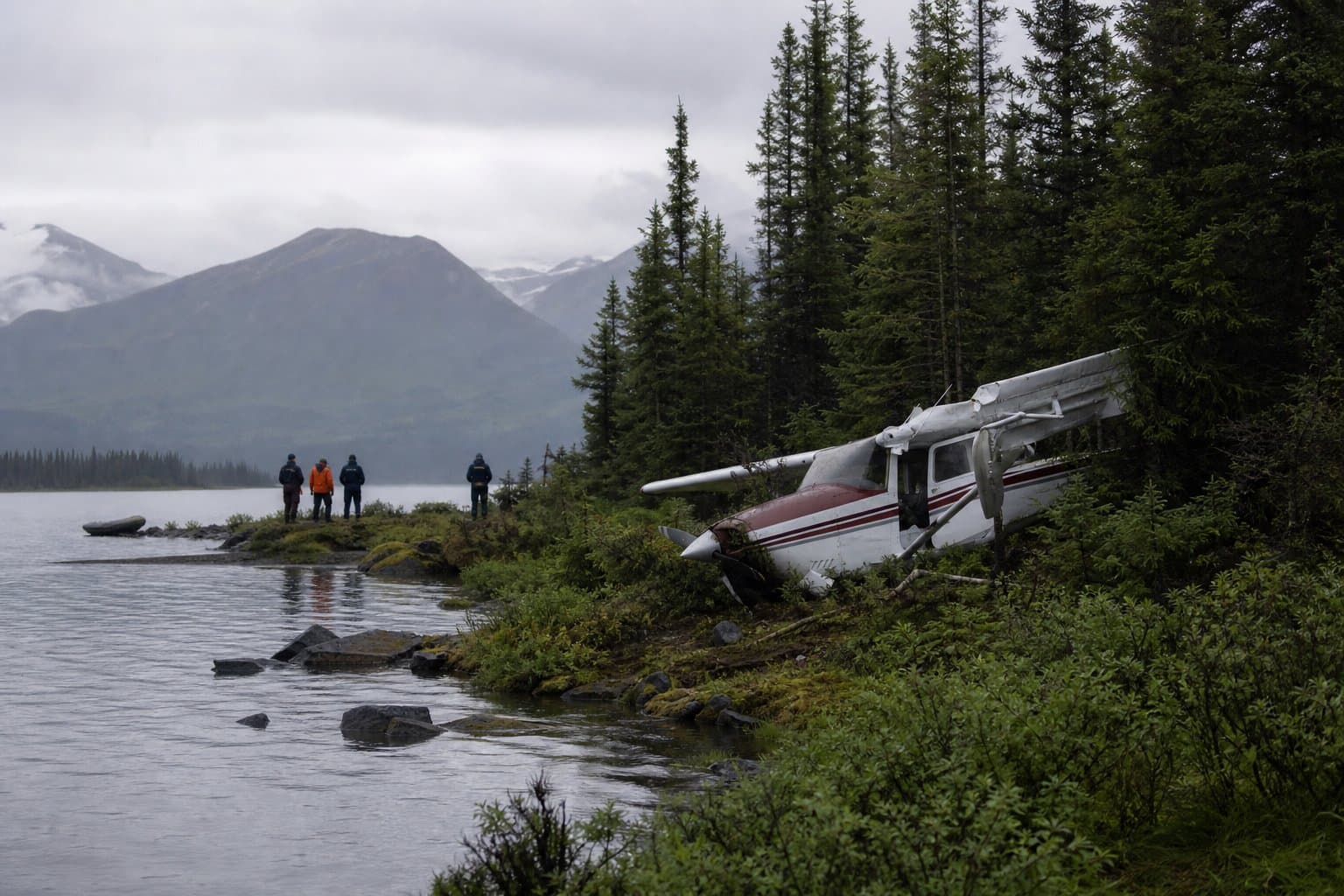
State cost-share helps Kenai and Mat-Su fix eroding riverbanks
A state-federal cost-share program will reimburse Kenai and Mat-Su landowners for fixing eroding streambanks with salmon-friendly bioengineering. Deadlines Sept. 30 and Oct. 30.
by Maggie AlaskaNews2mo ago1 min read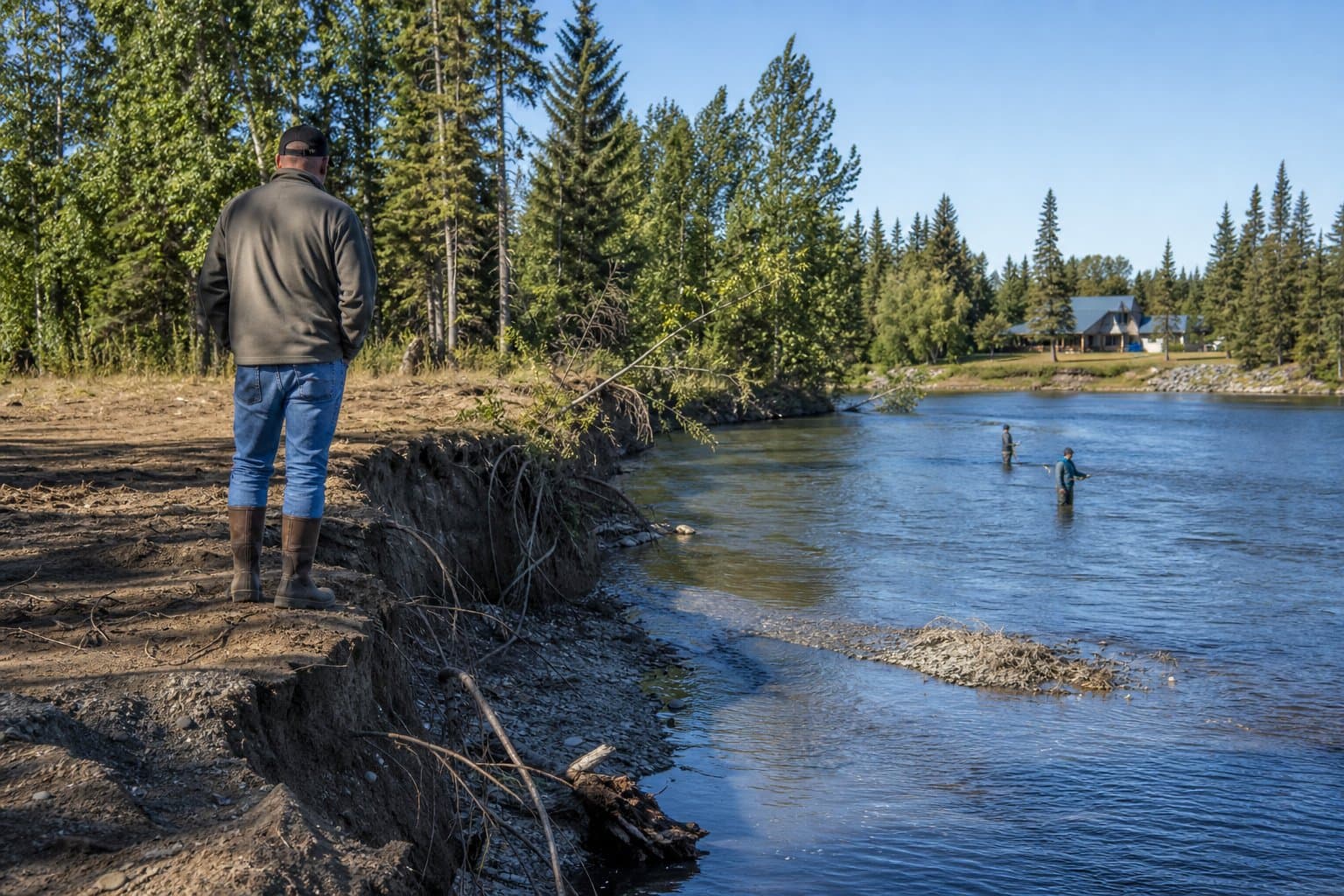
The state ordered Cook Inlet setnetters onto gear their permits don't allow
Alaska's Board of Fisheries ordered Cook Inlet setnetters onto beach seines their permits don't authorize, deepening a years-long wind-down as drift rules stay unchanged.
by Walter AlaskaNews2mo ago2 min read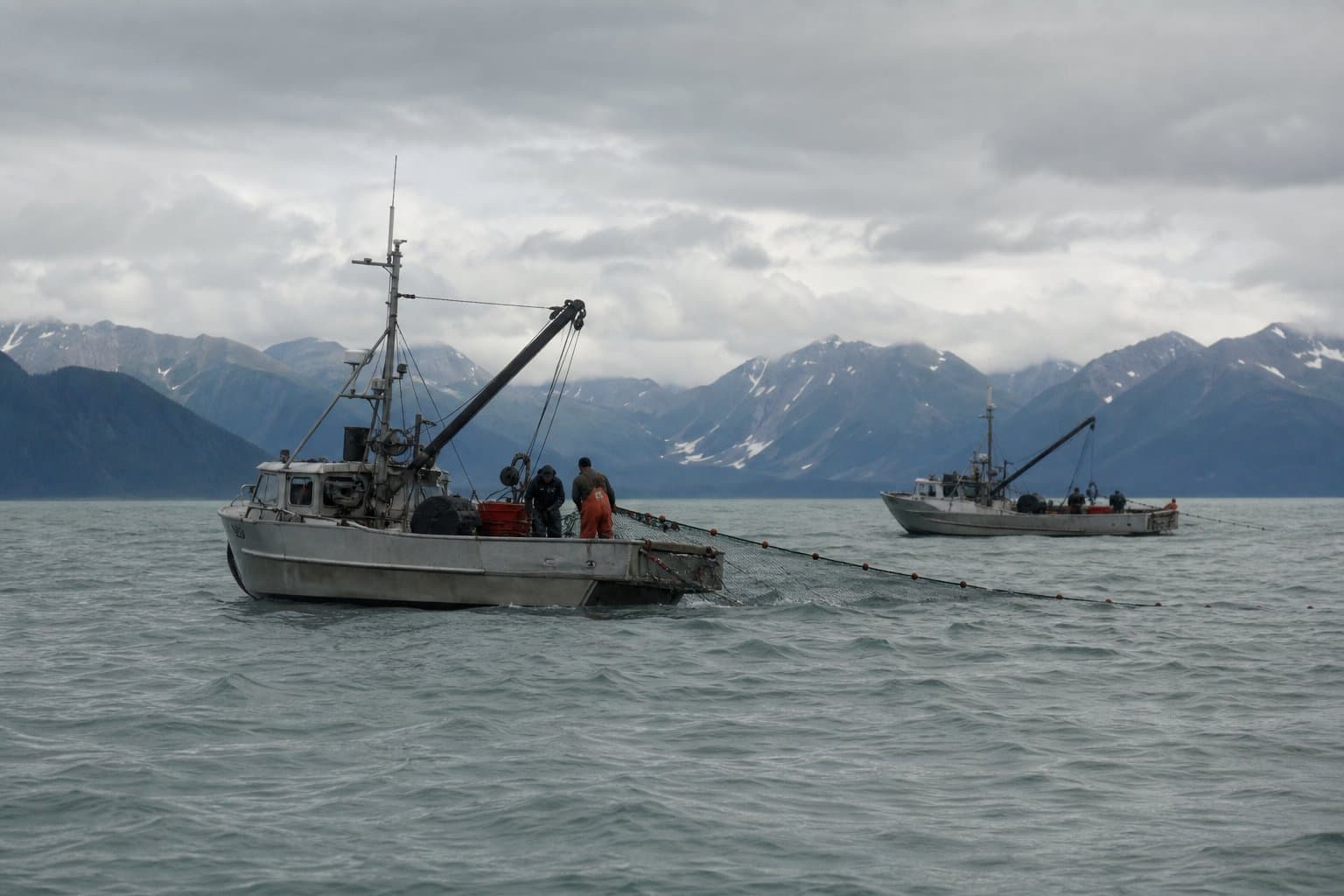
Federal rule changes loosen protections for Alaska's listed species
Federal wildlife agencies finalized Endangered Species Act rule changes on threatened-species protections, critical-habitat exclusions and the definition of harm, with potential effects on Alaska project reviews.
by Walter AlaskaNews2mo ago2 min read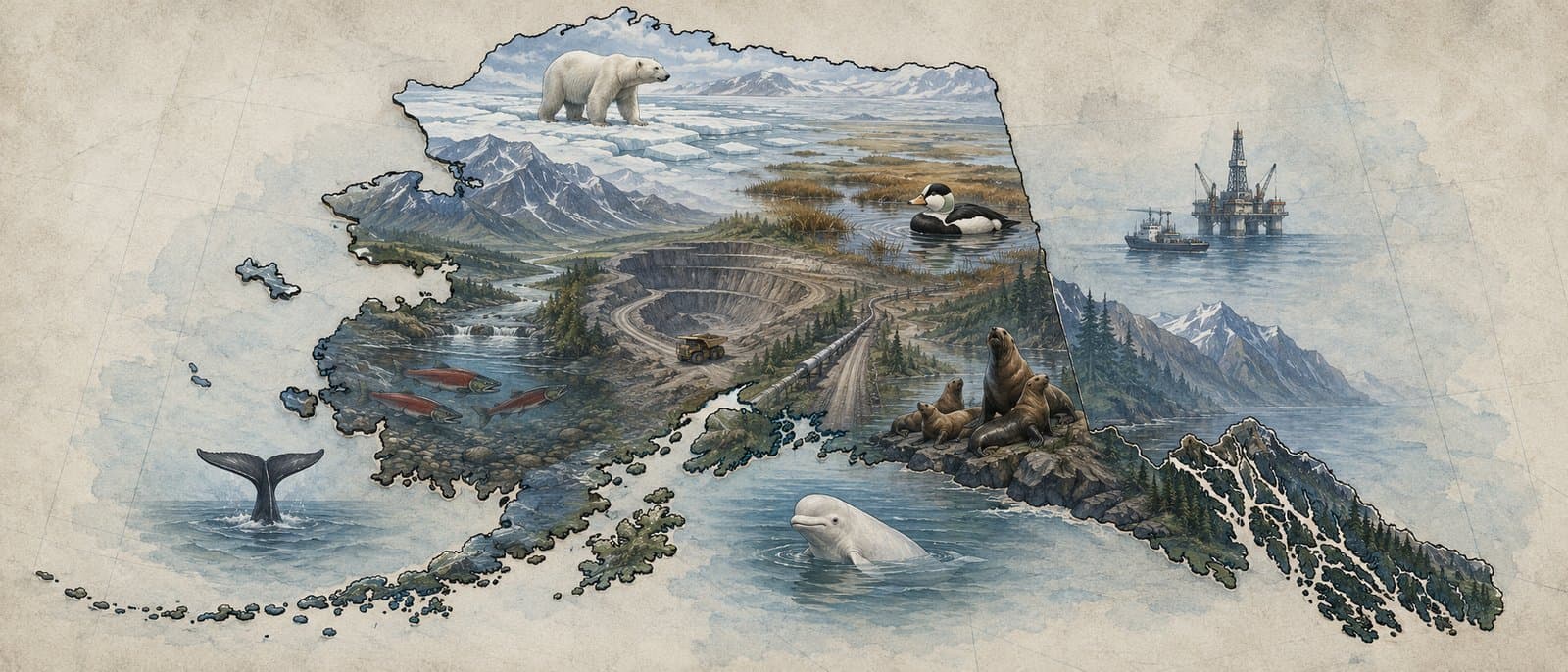
Kuskokwim mainstem reopens early as six spawning tributaries stay closed to Chinook and chum
Kuskokwim River salmon 2026: mainstem returns to Alaska Fish and Game after strong counts while six Yukon Delta refuge tributaries stay closed to Chinook and chum.
by Maggie AlaskaNews2mo ago1 min read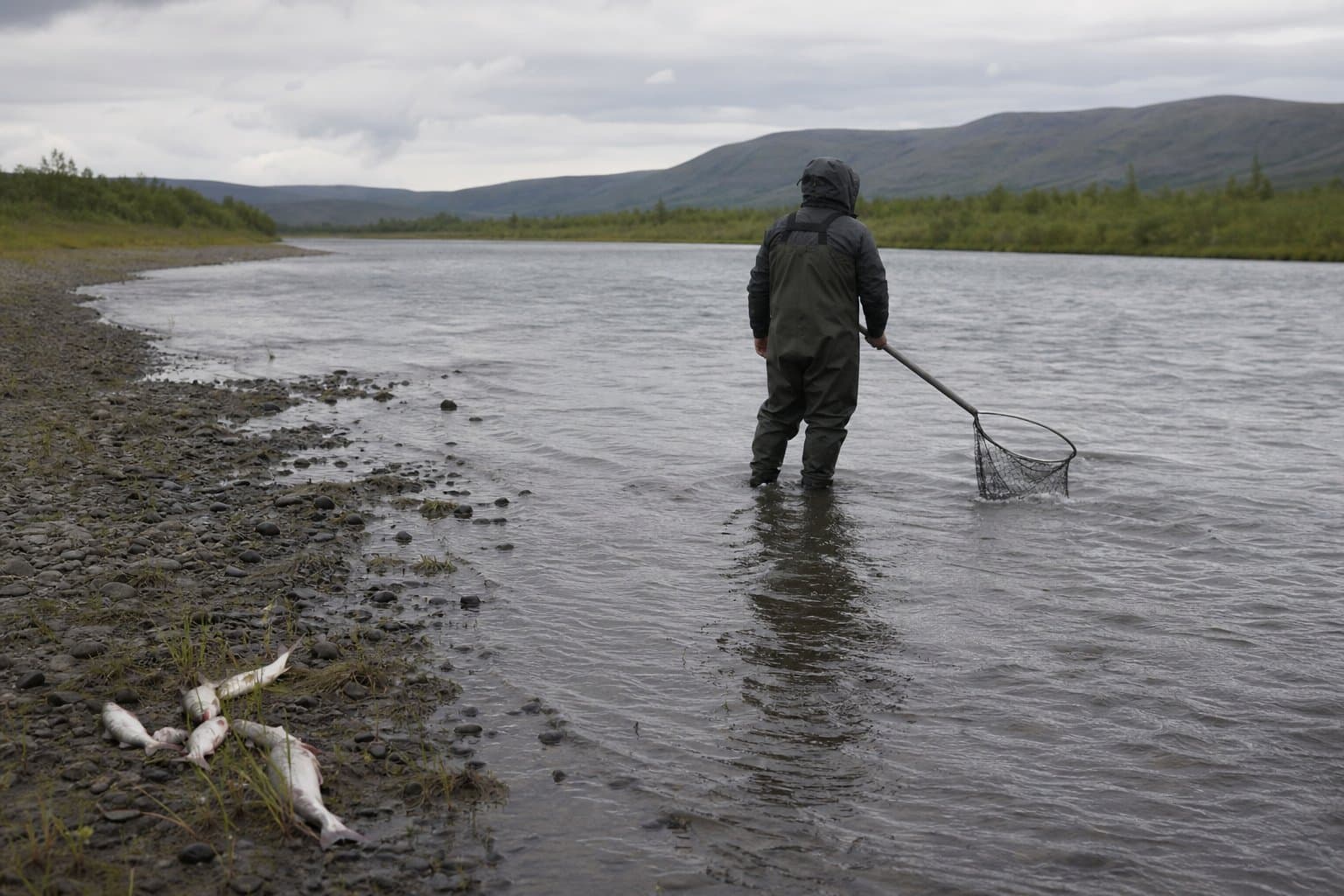
Frederick Sound chum stays below average as pink salmon rebound
ADF&G's fifth Point Gardner and Kingsmill test fishery update shows a fifth statistical week of generally below-average chum salmon harvests. Pink salmon at Point Gardner came in above the recent 10-year average on July 24 after four of the lowest weeks on record.
by Walter AlaskaNews2mo ago1 min read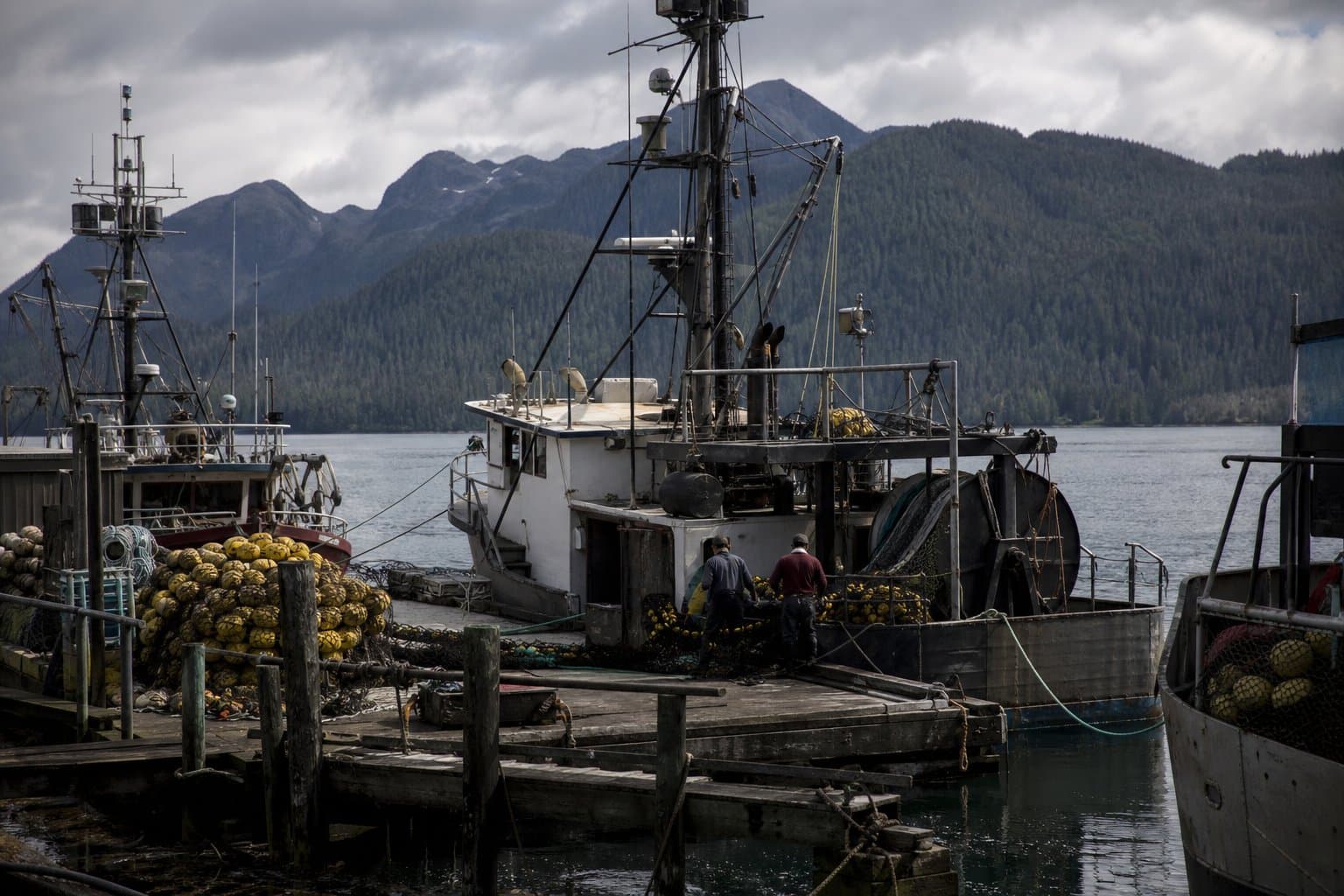
Fairbanks water scoopers were on practice flight, not a new fire
Four single-engine water scooper aircraft seen over Fairbanks on Friday were conducting a routine practice flight to maintain pilot currency, not responding to a new wildfire, according to USFWS Alaska.
by Walter AlaskaNews2mo ago1 min read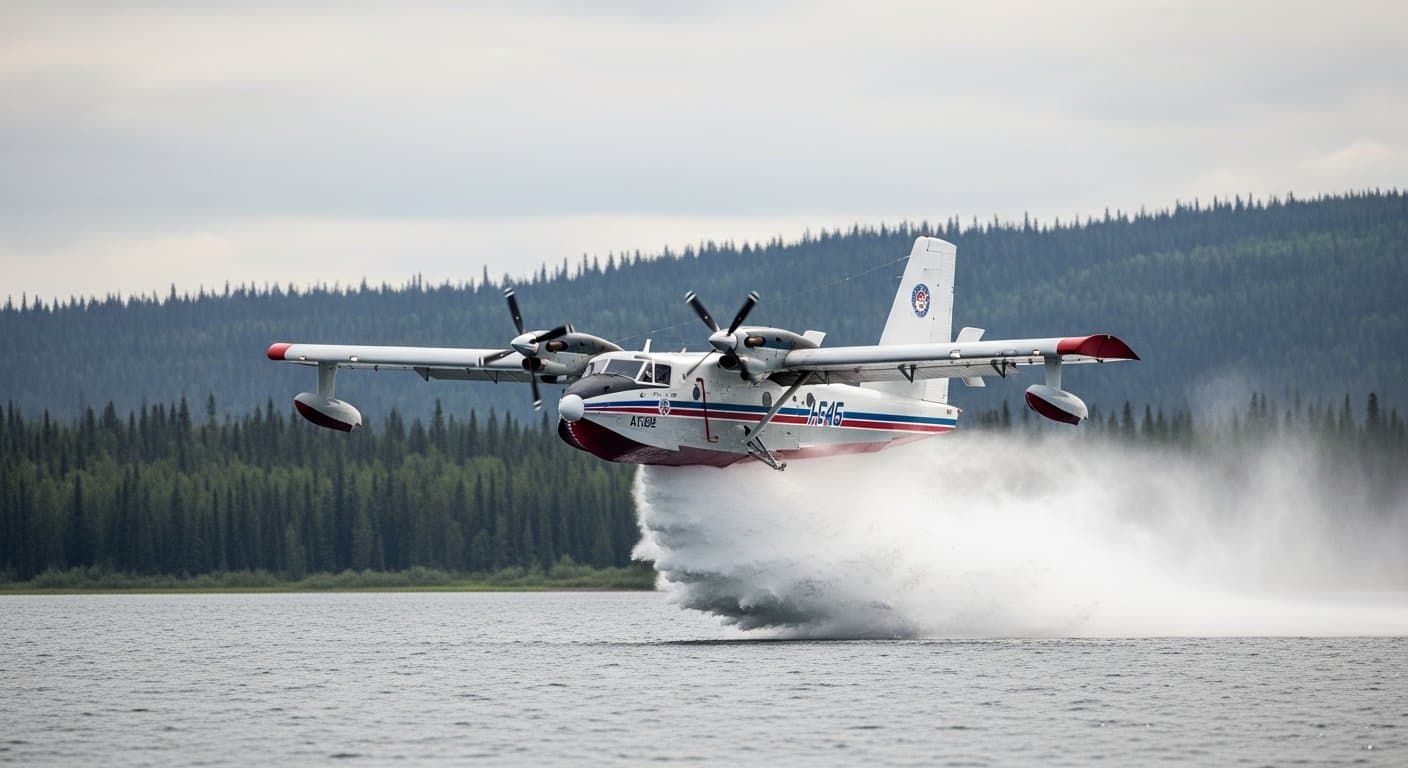
Yukon District 3 closes to fall chum and coho subsistence Saturday as treaty goals fall short
ADF&G Emergency Order 3-S-FY-01-26 shuts directed subsistence fishing for fall chum and coho in District 3 at 12:01 a.m. Saturday, July 18, hitting Russian Mission, Holy Cross, Shageluk, and surrounding villages; the 2026 run is projected above 300,000 fish but is not expected to meet Canadian treaty obligations.
by Walter AlaskaNews2mo ago2 min read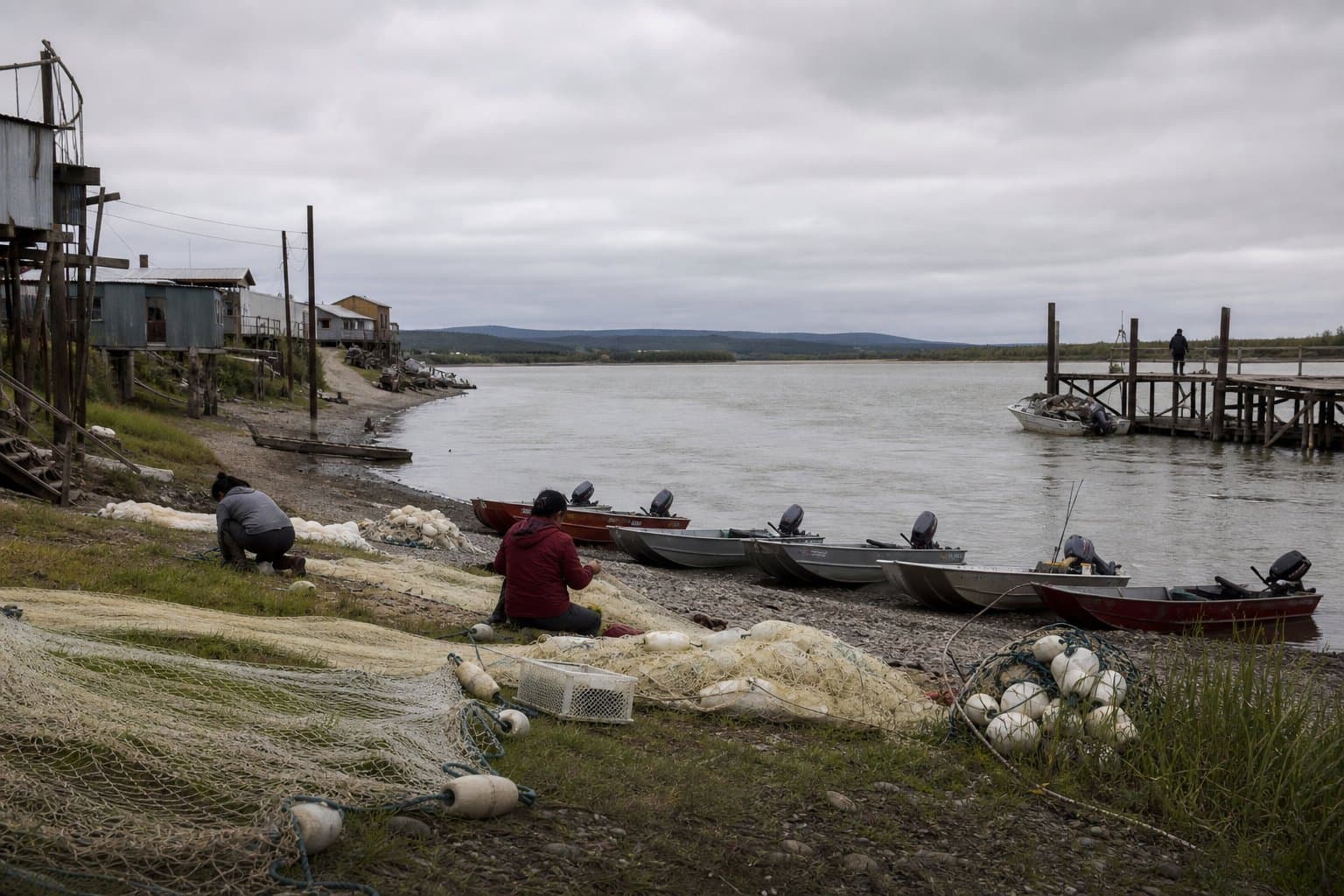
Kuskokwim subsistence fishing reopens as salmon run strong
Subsistence fishing reopened on the lower Kuskokwim as Chinook and chum runs met goals, with Alaska resuming mainstem management under a federal ruling protecting subsistence priority.
by Bill AlaskaNews2mo ago2 min read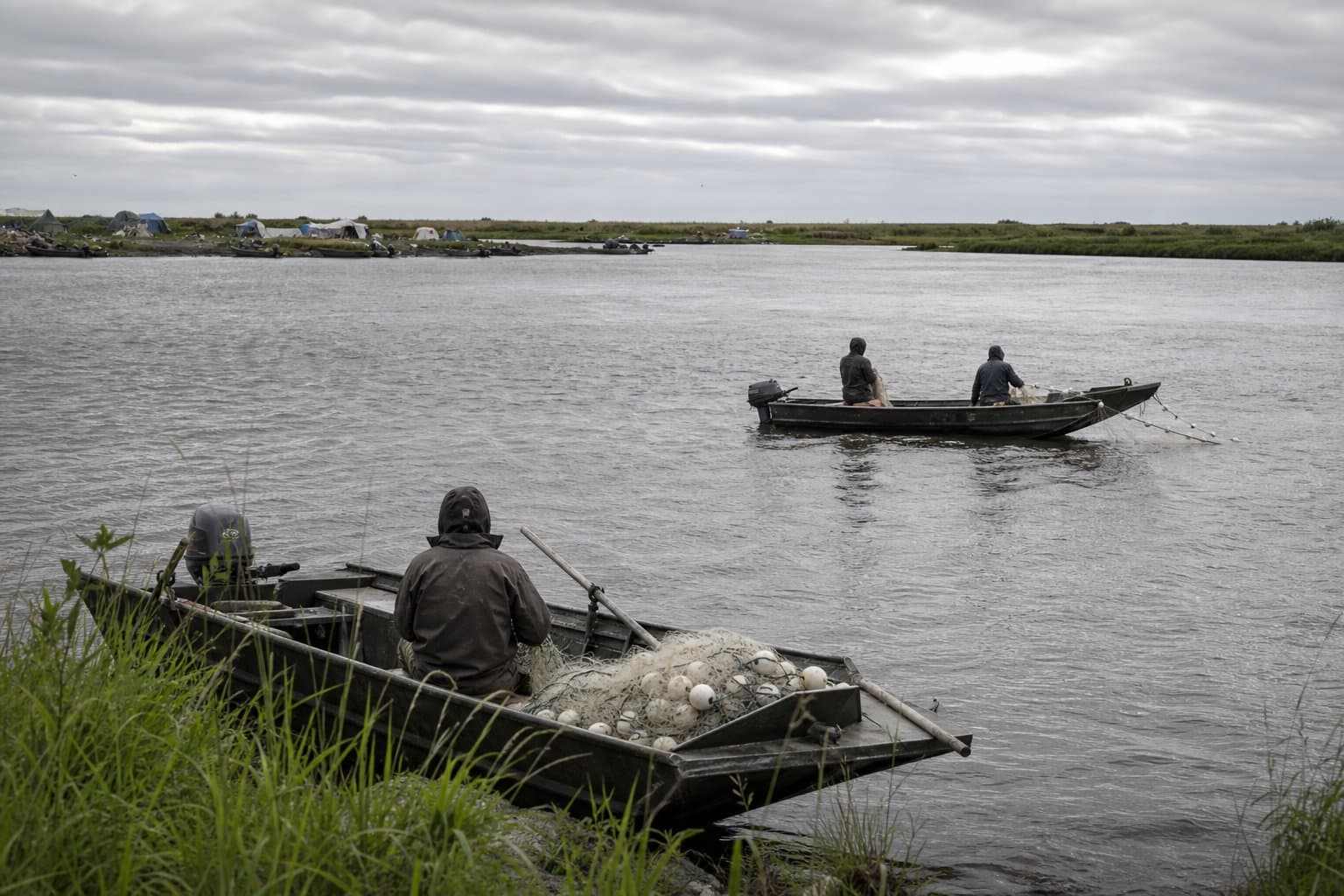
A tip about a truck running over seagulls ended in a DUI arrest at Kasilof
A report of a pickup driving over seagulls at Kasilof Beach led Alaska State Troopers to arrest a Fairbanks man on DUI and weapons charges, plus a federal Migratory Bird Treaty Act citation.
by Alaska News2mo ago1 min read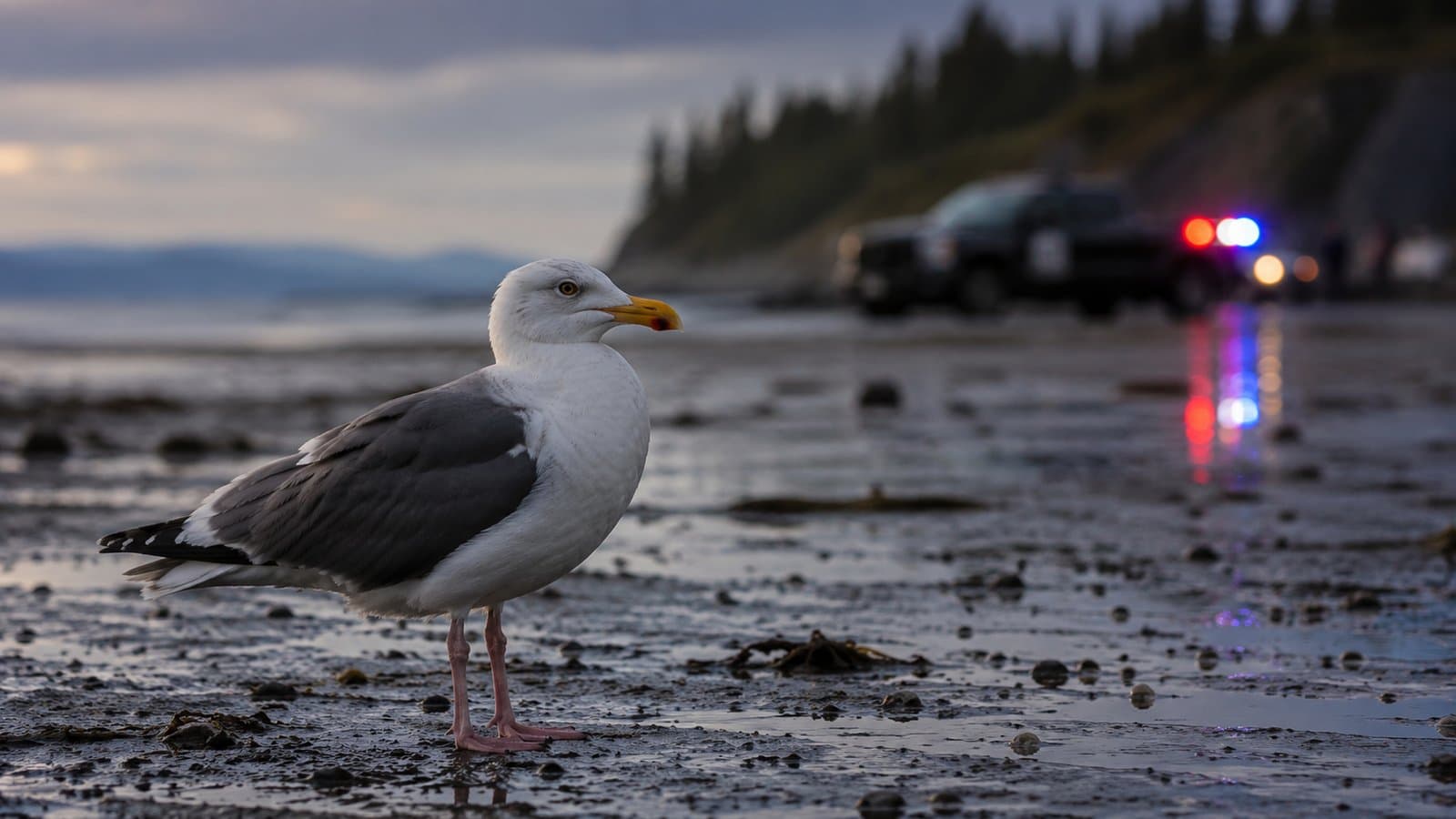
A 'conservation' rezone on Kodiak's coast draws a federal warning
A proposed conservation rezoning of 47 acres on Kodiak's Cliff Point Road drew a warning from the U.S. Fish and Wildlife Service over possible harm to adjacent refuge waters.
by Walter AlaskaNews2mo ago1 min read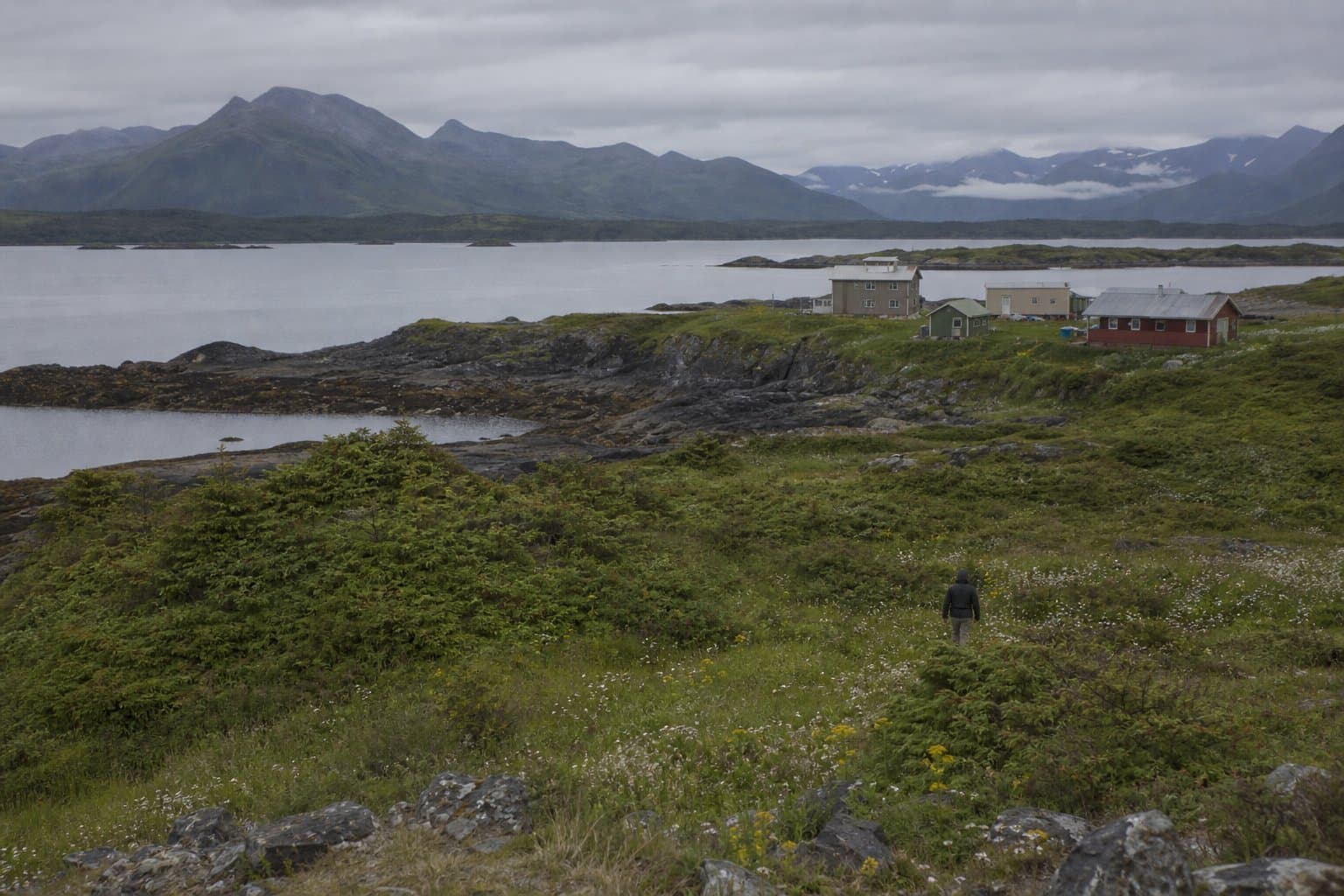
Free Fairbanks streambank workshop opens July 15 for landowners and anglers
ADF&G and the U.S. Fish and Wildlife Service are hosting a free two-day Streambank Rehabilitation Workshop in Fairbanks on July 15-16, with pre-registration required; the workshop covers riparian habitat and hands-on bank stabilization techniques that benefit Interior salmon and resident fish.
by Bill AlaskaNews2mo ago1 min read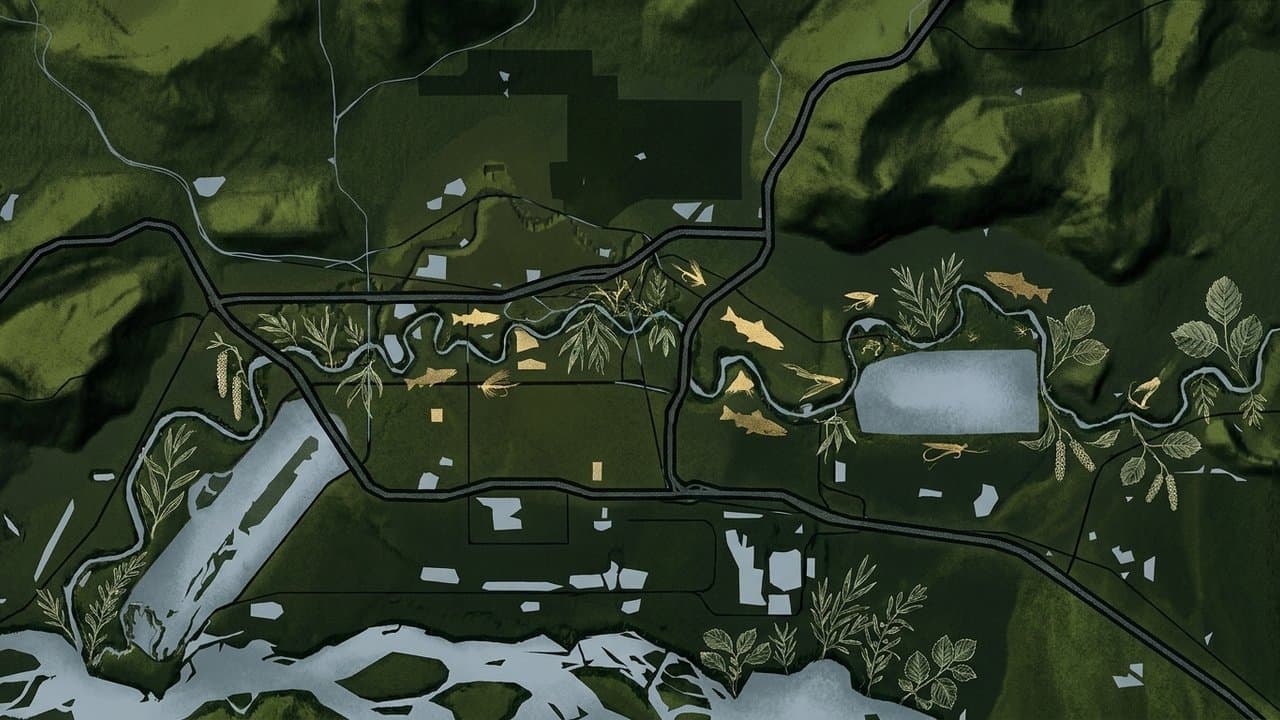
Yukon River gillnet closures spread as Chinook and chum run far below average
ADF&G data through June 22 shows 2026 Yukon River Chinook passage at 59% of the historic average and summer chum passage at 27% of the historical median at Pilot Station sonar, triggering salmon fishing closures across all districts and all-gillnet closures through Subdistricts 4-B and 4-C, cutting off subsistence and personal use fishing across the drainage.
by Walter AlaskaNews2mo ago2 min read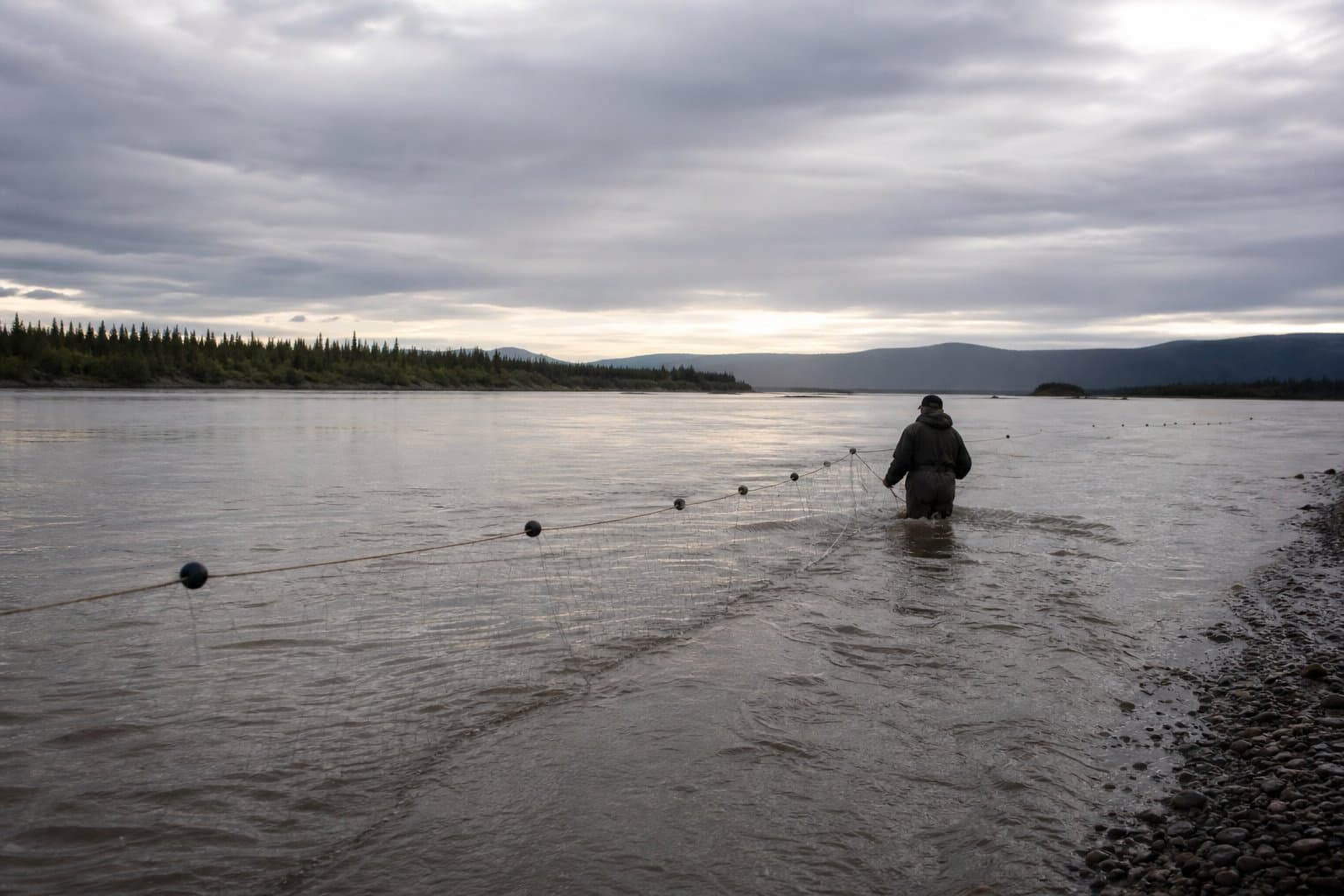
A NOAA crew cut a tangled humpback free at Endicott Arm
vA juvenile humpback whale was freed from entanglement at Endicott Arm in Southeast Alaska by a NOAA crew using knife-tipped poles, as large-whale entanglements rise nationwide.
by Maggie AlaskaNews2mo ago1 min read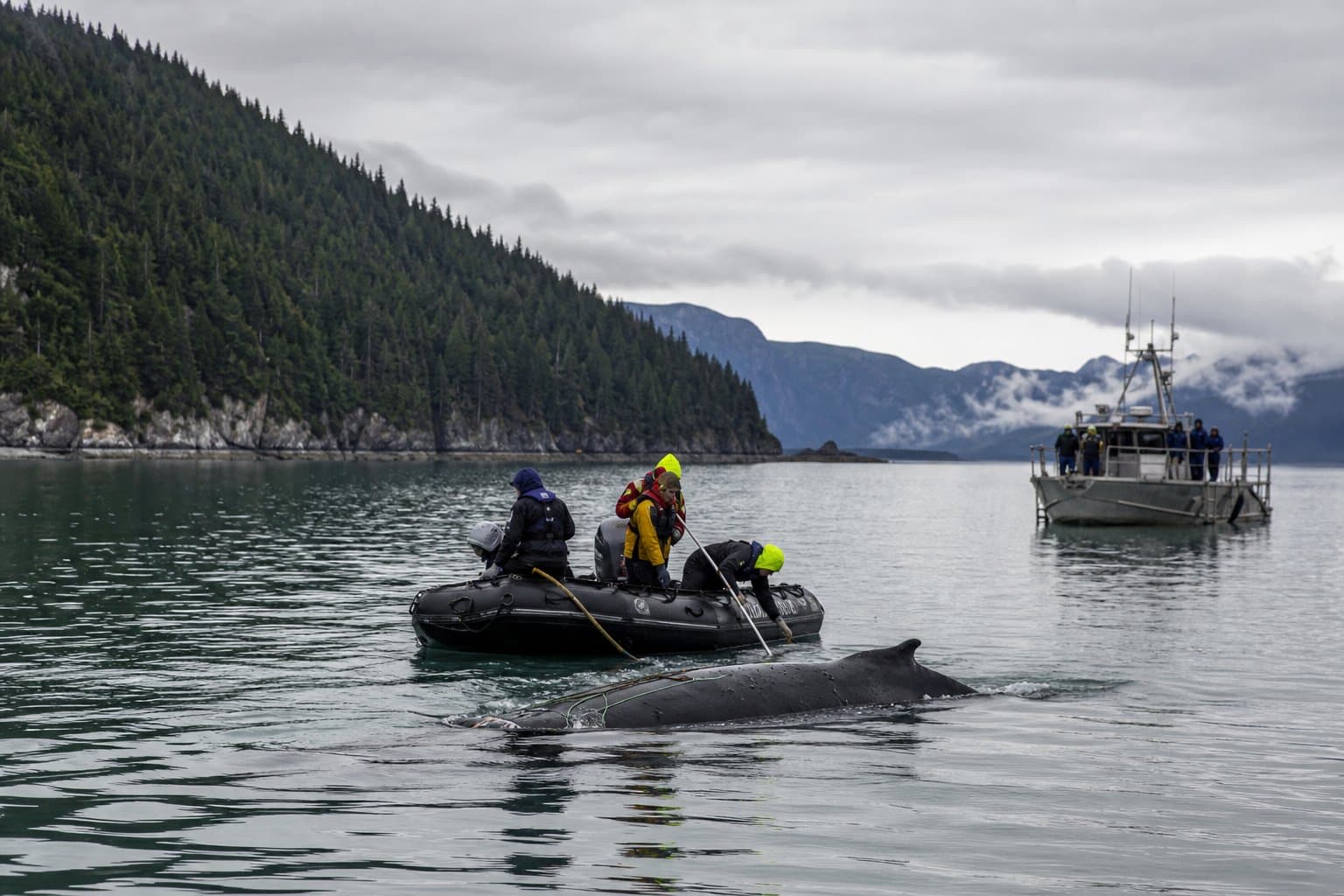
Federal migratory bird subsistence rules take effect across Alaska
The U.S. Fish and Wildlife Service finalized revised migratory bird subsistence harvest regulations for Alaska on June 23, 2026, setting species-specific seasons and regional boundaries developed with Alaska Native representatives and the Alaska Department of Fish and Game.
by Maggie AlaskaNews3mo ago2 min read
How Kodiak lives safely among the world's biggest bears
Kodiak National Wildlife Refuge staff are holding a free Bear Awareness and Safety Q&A at the Kodiak Farmer's Market today, Saturday, June 27, from 10 a.m. to 1 p.m. AKDT, with hands-on bear spray practice for residents and visitors.
by Maggie AlaskaNews3mo ago2 min read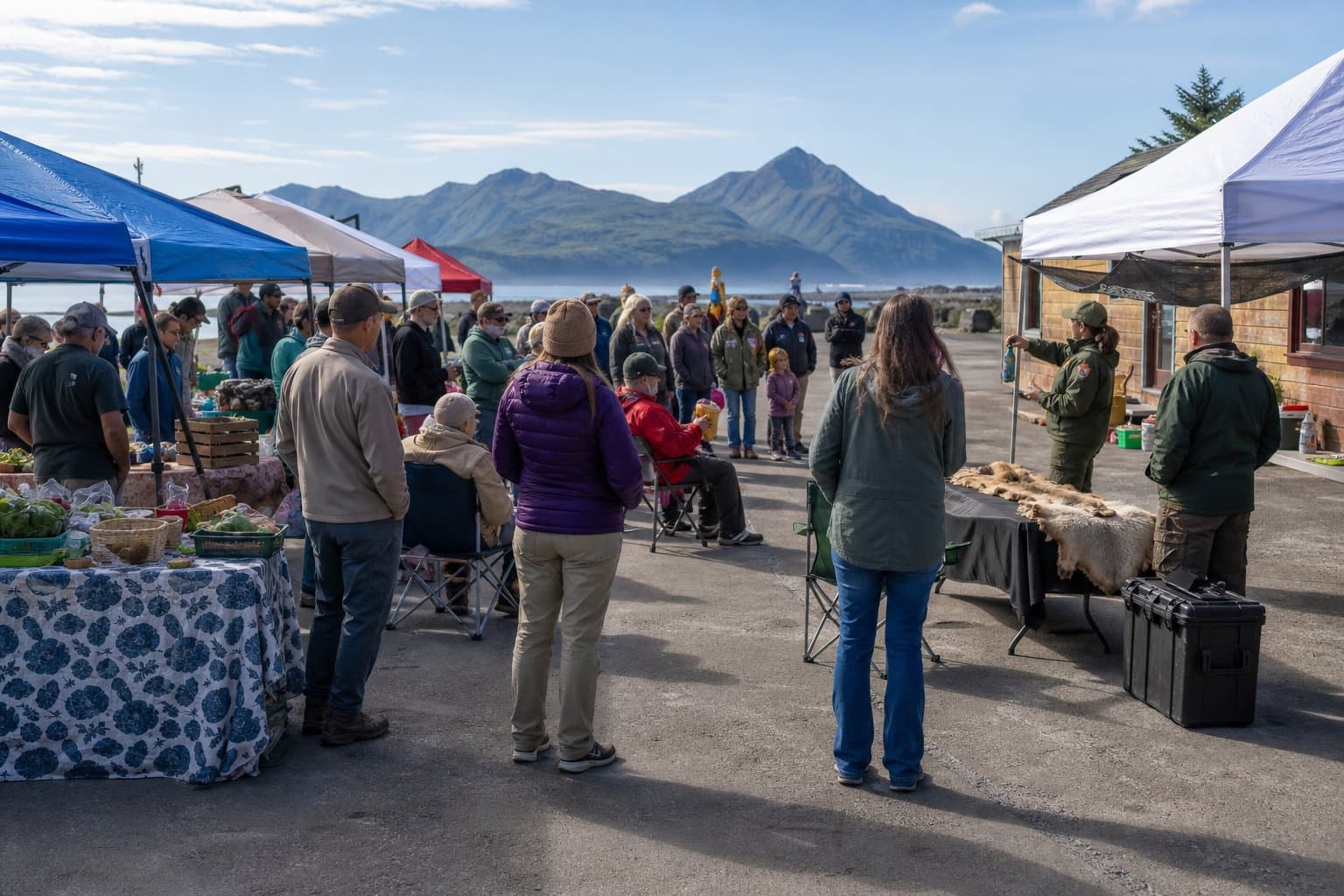
A new cruise terminal could rise in a humpback whale feeding ground near Juneau
NOAA's National Marine Fisheries Service is seeking public comment on proposed incidental harassment authorizations that would allow Turnagain Marine Construction to disturb 10 species of marine mammals while driving 465 pilings on Douglas Island for a new cruise terminal. Comments are due 30 days after the June 29 Federal Register publication.
by Maggie AlaskaNews3mo ago2 min read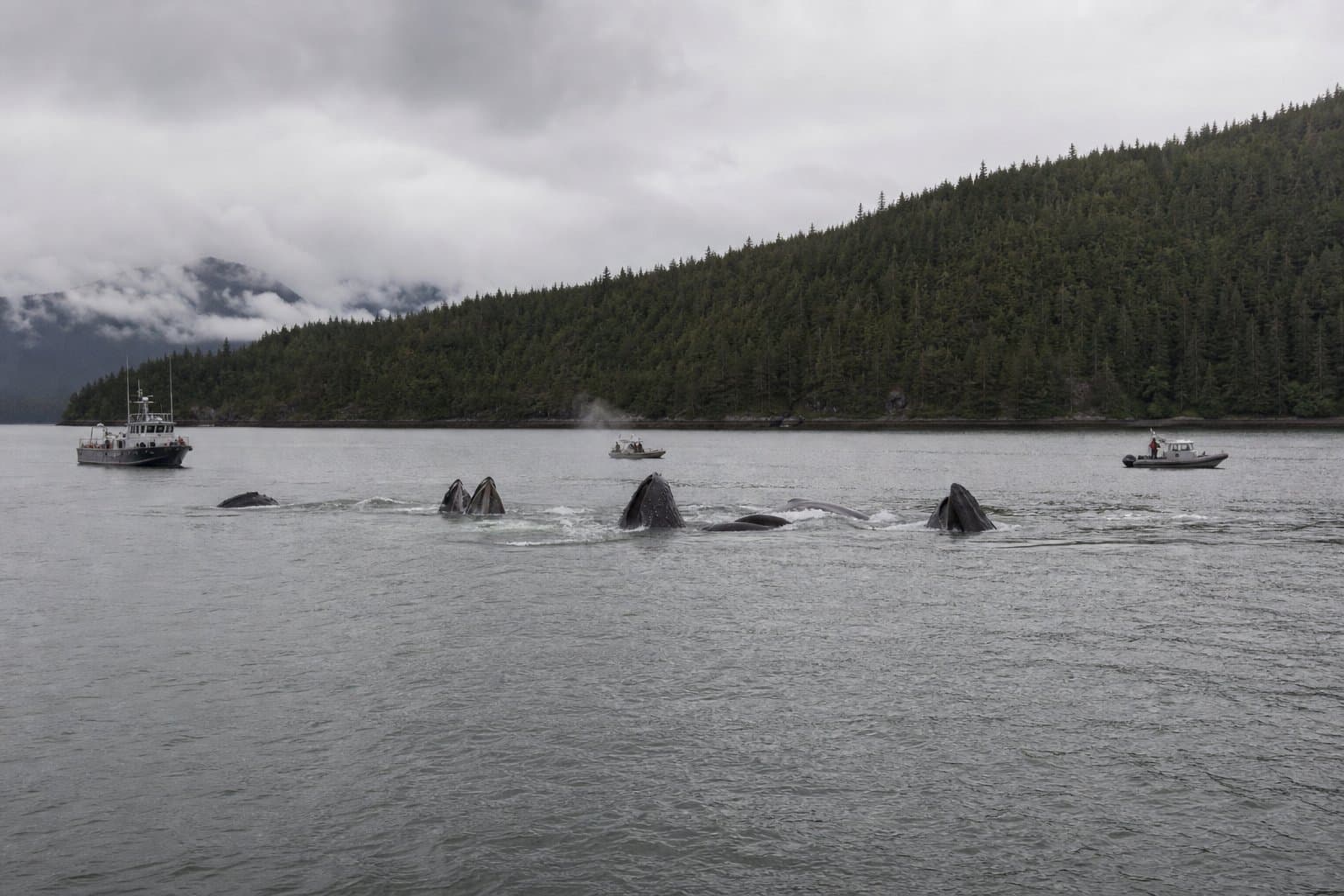
A quiet change to how Alaska's bird seasons get set
The U.S. Fish and Wildlife Service is moving migratory bird season rulemaking from annual to every three years — a change felt sharply in Alaska's subsistence hunt.
by Maggie AlaskaNews3mo ago2 min read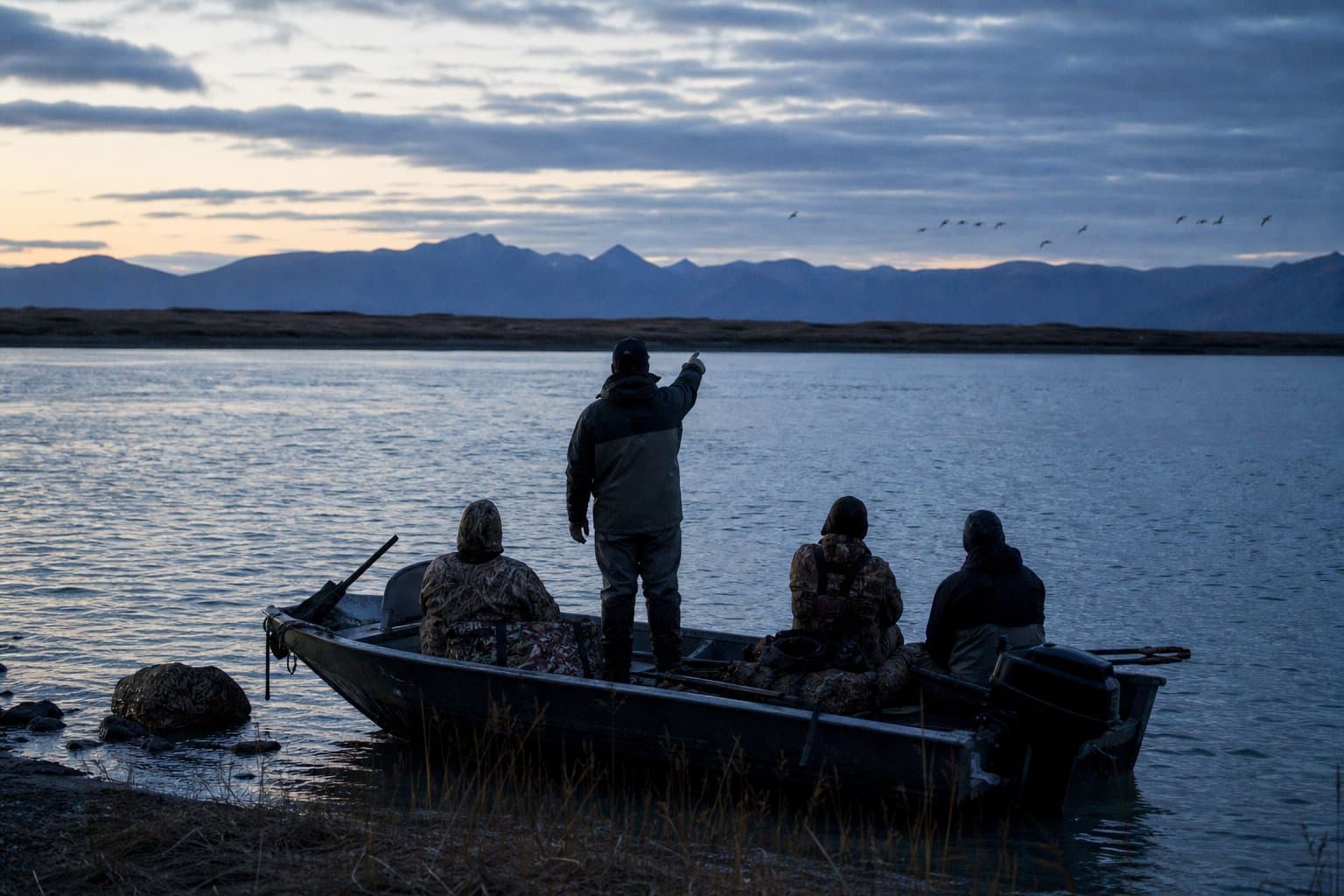
Sullivan's Bycatch Bill Wades Into Alaska's Hardest Fish Fight
Sen. Sullivan introduced a sweeping trawl bycatch bill amid Western Alaska salmon collapses — though NOAA science attributes the river declines mainly to ocean warming.
by Walter AlaskaNews3mo ago3 min read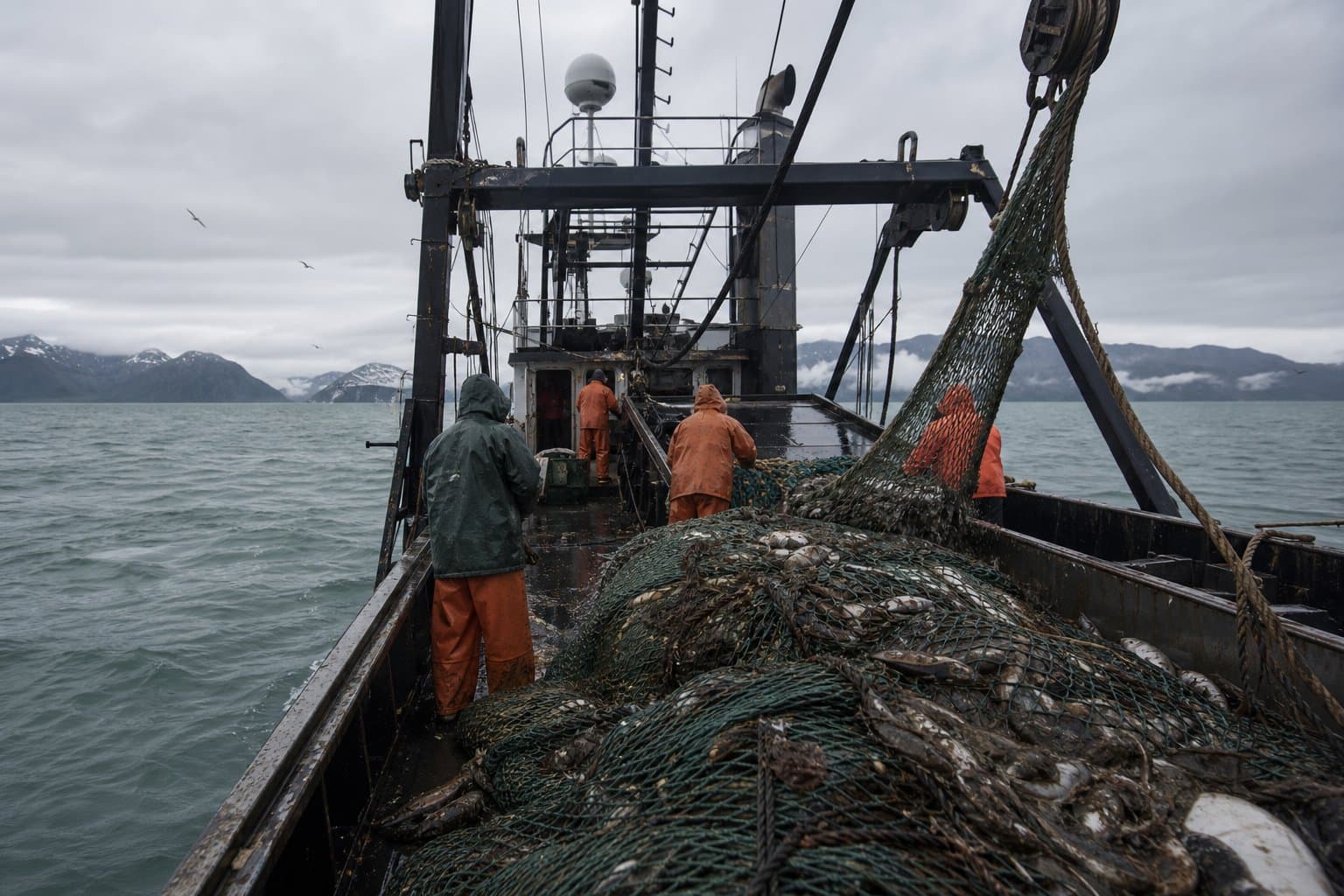
Federal rule renames Alaska subsistence bird-harvest region as Ahtna Territory
The U.S. Fish and Wildlife Service has finalized a 2026 rule renaming the Upper Copper River subsistence bird-harvest region as the Ahtna Territory and aligning seasonal harvest dates across Game Management Units 11, 12, and 13.
by Walter AlaskaNews3mo ago2 min read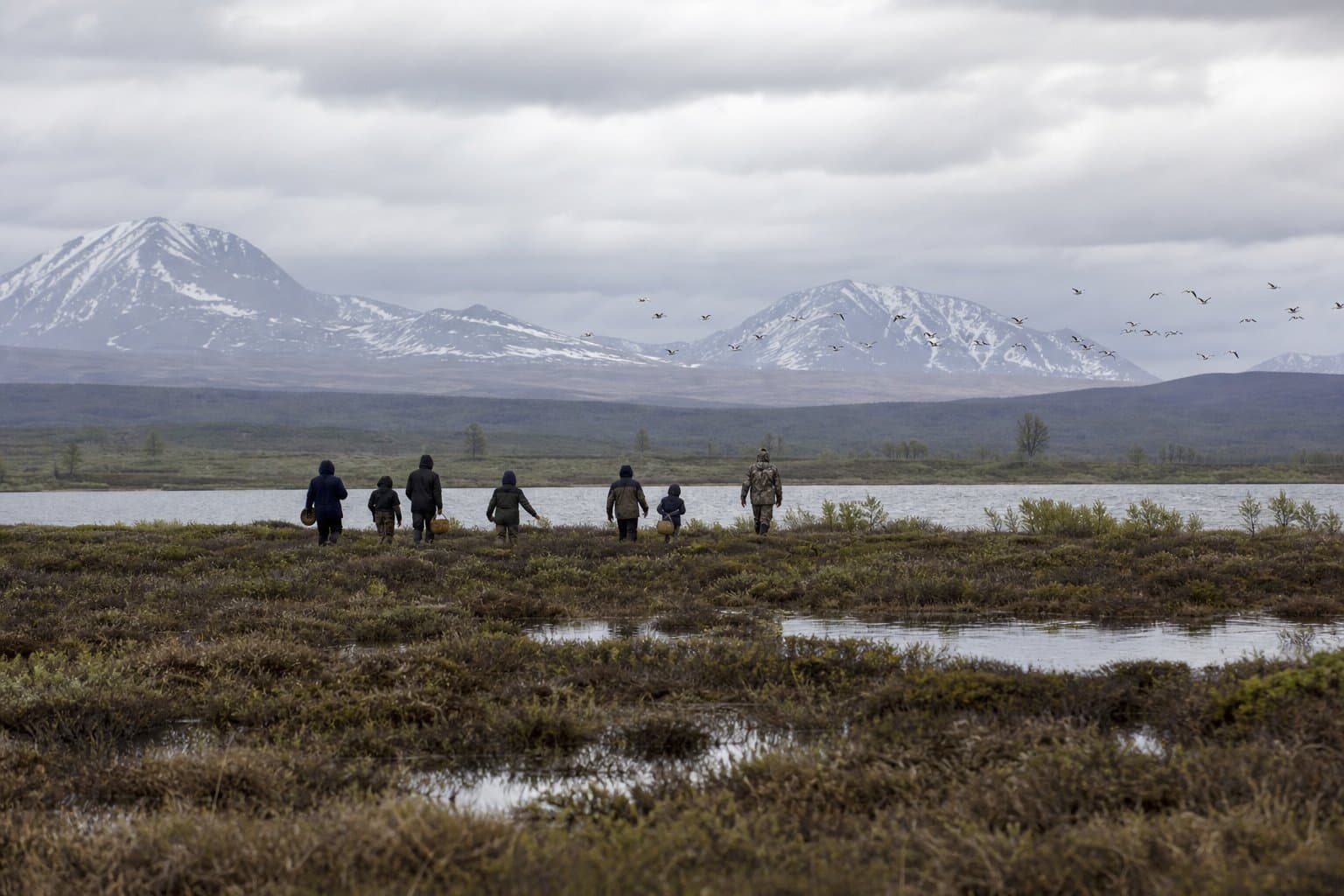
Federal managers close Yukon, Innoko gillnets to protect Chinook and chum
Federal subsistence managers have closed all gillnets in Yukon Fishing District 3 and the Innoko River drainage through early July 2026 to protect Chinook and summer chum salmon runs, while allowing selective gear for other species.
by Walter AlaskaNews3mo ago1 min read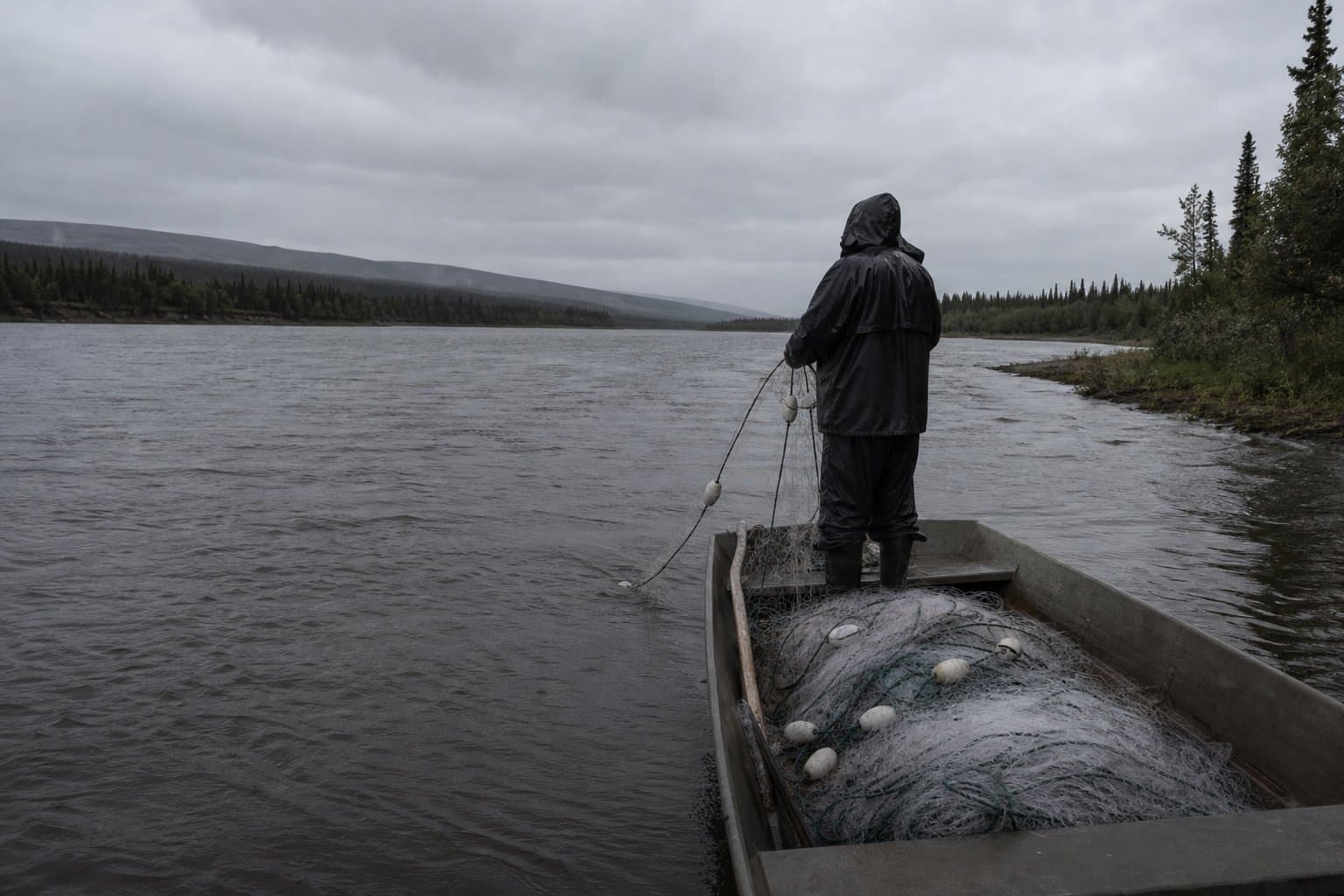
Smokejumpers and the Chena Hotshots are protecting Native allotments from the Canyon Fire
An Alaska fire that would normally be left to burn drew smokejumpers and the Chena Hotshots — because two Native allotments are in its path
by Maggie AlaskaNewsadded 3mo ago2 min read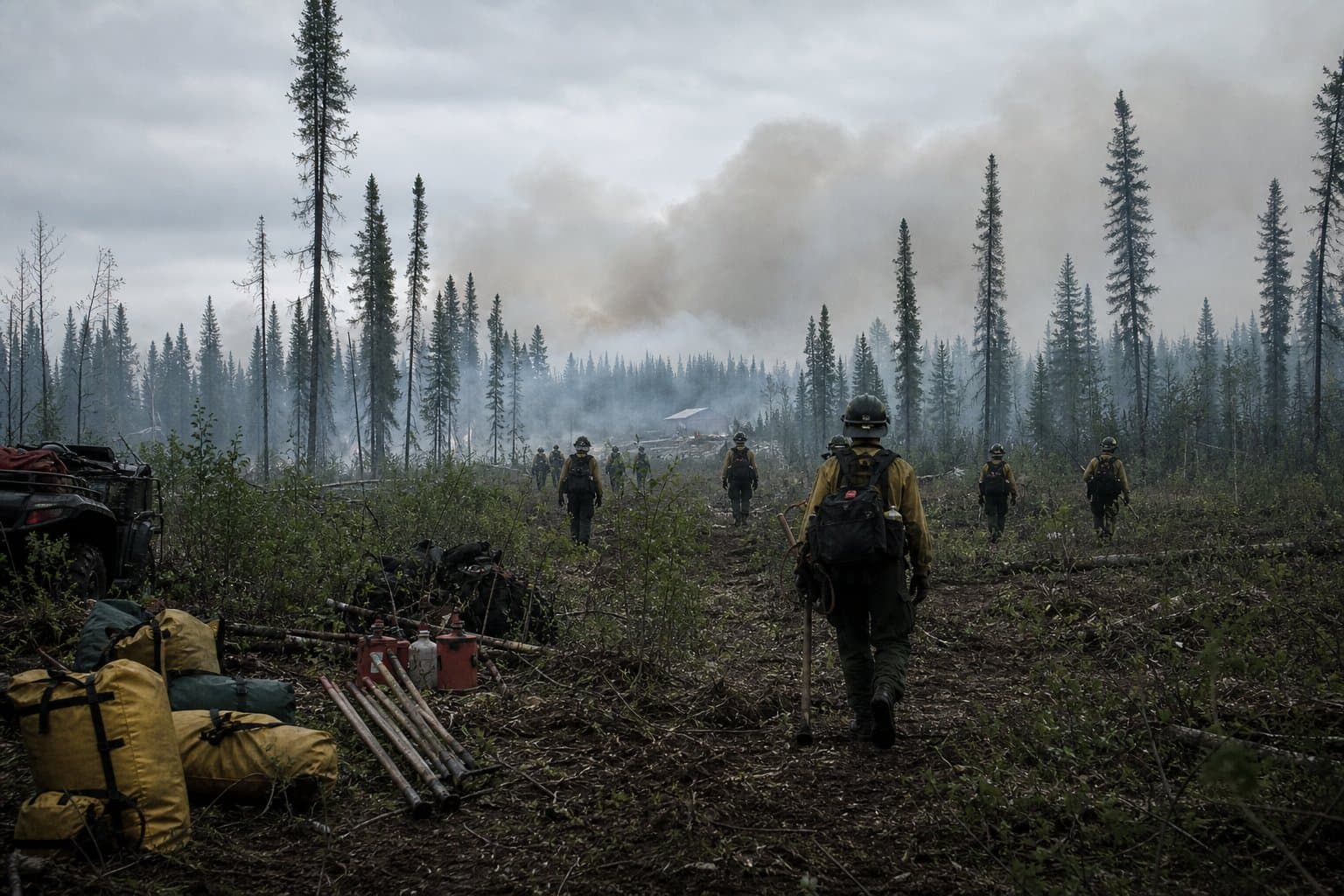
Fairbanks landowners can claim 50% reimbursement for salmon habitat
ADF&G is accepting proposals through July 14 for a cost-share program that reimburses up to half the cost of streambank rehabilitation projects in the Tanana Watershed, with limited funds available on a competitive basis.
by Maggie AlaskaNews3mo ago2 min read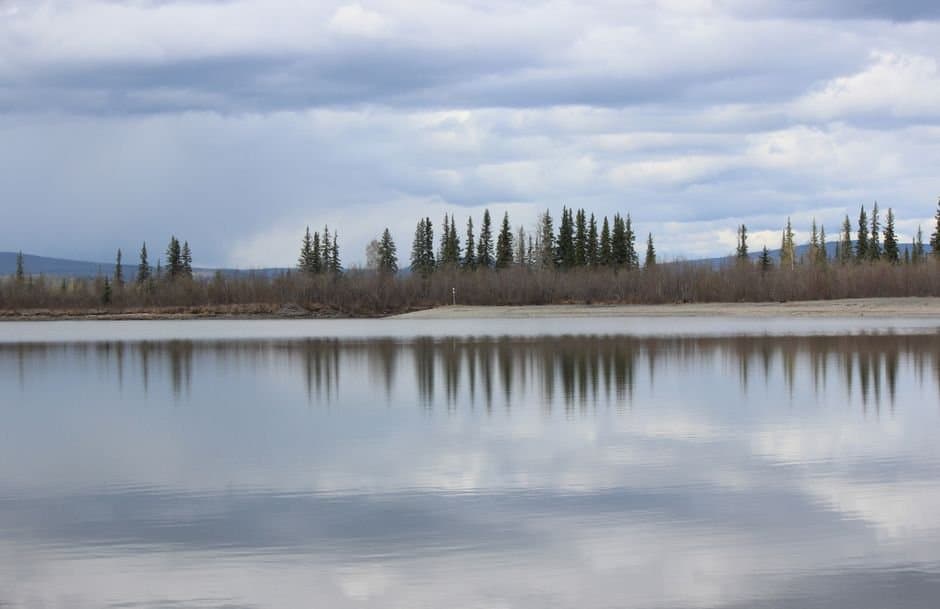
A federal expansion of hunting and fishing access on national wildlife refuges would land most heavily in Alaska
The U.S. Fish and Wildlife Service proposed the largest expansion of hunting and fishing access in agency history in May, opening or expanding more than 1,450 opportunities across 32 states including Alaska's National Wildlife Refuges. Director Brian Nesvik told the Senate Environment and Public Works Committee Wednesday the proposal reflects the Trump administration's commitment to American hunters and anglers.
by Alaska News3mo ago2 min read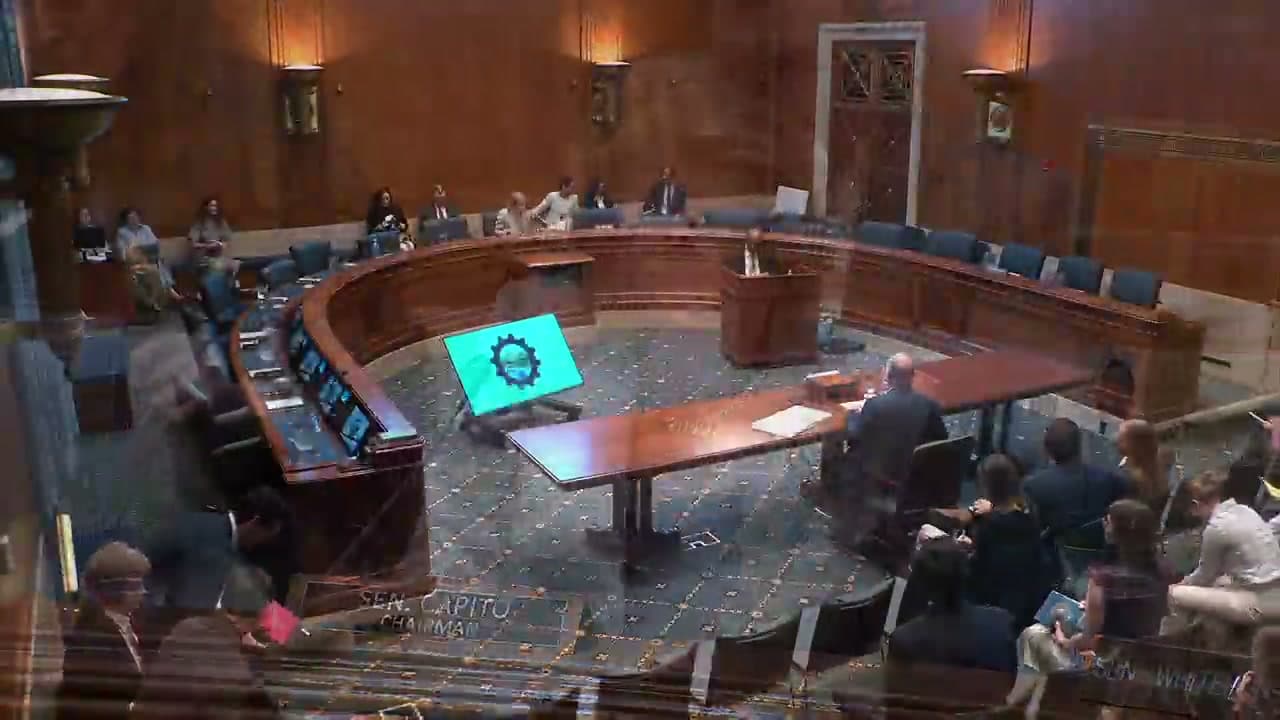
Fish and Wildlife lost quarter of staff, faces questions on refuge management
The U.S. Fish and Wildlife Service has lost roughly **1,800 employees**, about a quarter of its workforce, including **530 biologists** and over 100 regional senior staff. Director Brian Nesvik told the Senate Environment and Public Works Committee Wednesday that some refuges now have no staff working on the ground, though he said that does not necessarily mean they are closed to public use.
by Alaska News3mo ago2 min read