AI image
The little Kachemak Bay lab watching Alaska's ocean for 70 years
Across Kachemak Bay from Homer, a small marine lab has spent nearly 70 years watching the health of one of Alaska's richest stretches of ocean. A routine state permit now headed for public review is what keeps its research tanks running.
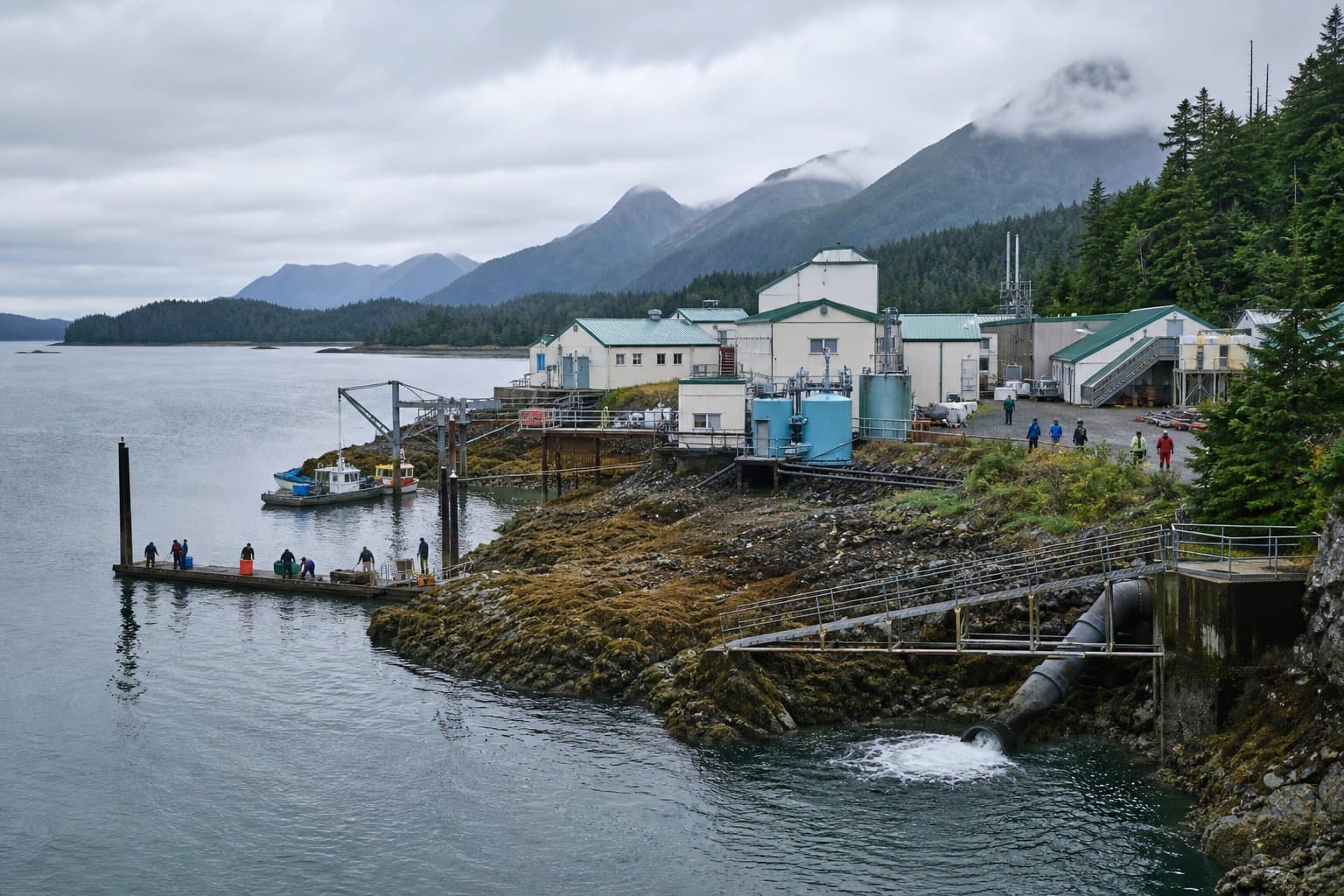
The Kasitsna Bay Laboratory, owned by NOAA and operated with the University of Alaska Fairbanks, is the agencies' Alaska field station, tucked on 27 acres of waterfront near Seldovia. Since the late 1950s it has studied the questions that shape the state's coasts and fisheries: ocean acidification, harmful algal blooms, shellfish, marine mammals, and how a warming climate is reshaping nearshore life.
Its setting is part of the draw. Kachemak Bay is a state critical habitat area and a national research reserve, fed by cold, nutrient-rich Gulf of Alaska water — and so dynamic that its nearshore waters swing through some of the largest hourly pH changes measured anywhere on Earth, a natural laboratory for studying how sea life might weather future acidification.
The draft permit would let the lab return up to 374,400 gallons of seawater a day to the bay — the flow-through water it circulates through its aquaria to keep the science running. A 30-day public comment period is still to come.
Source: Alaska DEC releases draft APDES permit for Kasitsna Bay Laboratory ().
Drafted with AI. Edited by Cale Green (2 revisions). No full editor review is on record. Who is accountable.
Stay informed. Support what matters.
Free, permanent access to local news you can verify. Subscribe to support Walter AlaskaNews and go ad-free.
Related Coverage
A permit to study 14 Alaska marine mammal species is up for comment
Alaska News · 1mo ago
The Gulf of Alaska's ocean station was saved. The funding still isn't.
Alaska News · 1mo ago
DNR opens public comment on Homer parcel sale to University of Alaska
Alaska News · 3mo ago
Homer Electric wins state OK for undersea fiber across Kachemak Bay
Alaska News · 3mo ago
NOAA scouts new fish-farm zones as Gulf of Alaska planning proceeds
Alaska News · 1mo ago
Comments
Sign in to leave a comment.
No comments yet. Be the first to share your thoughts.