AI image
In Koyuk, old fuel tanks left petroleum in the ground. Now someone will measure it.
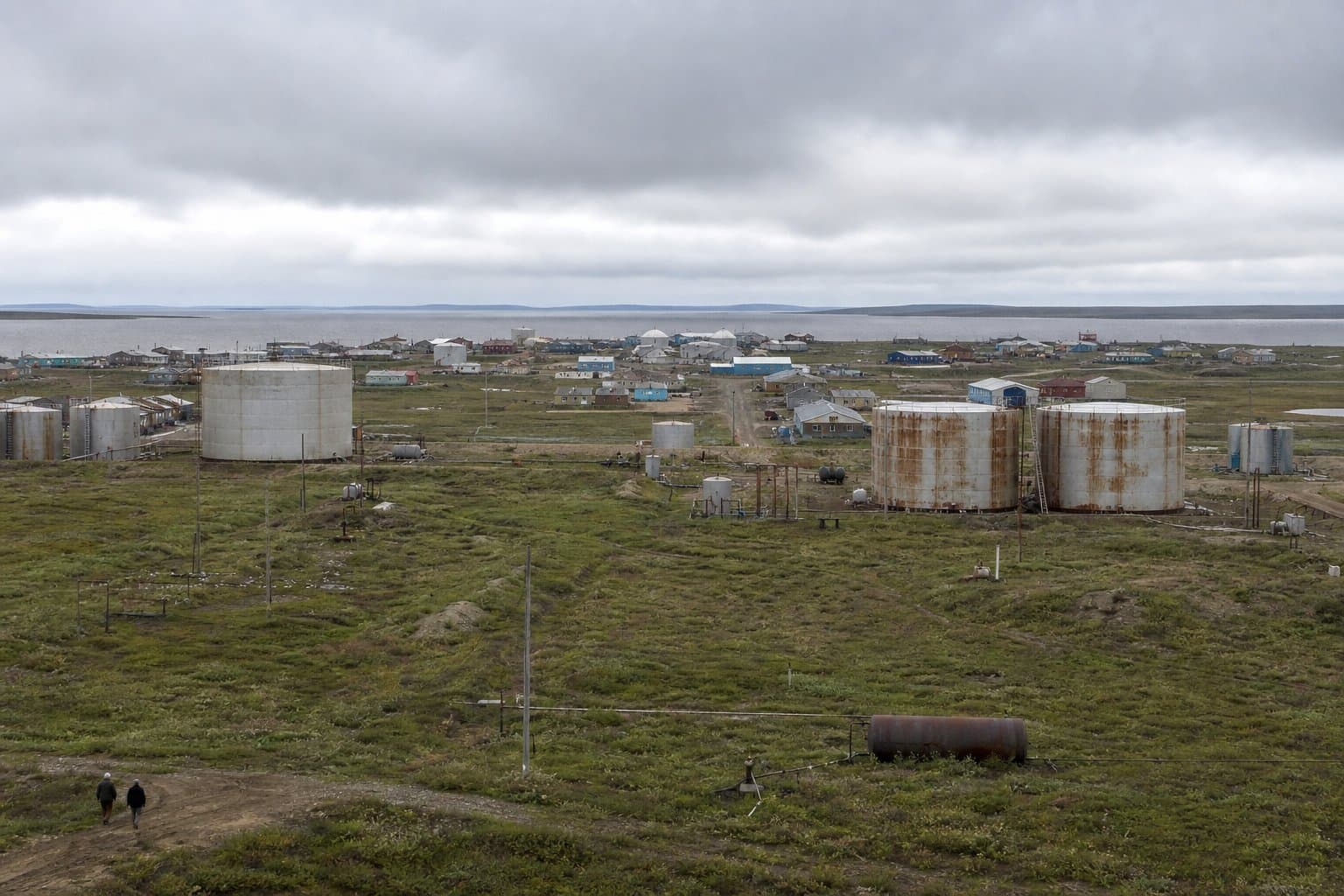
Two old fuel tank farms sit in and beside the developed part of Koyuk, a village on Norton Sound, and the ground beneath at least one is contaminated with petroleum. For the first time, someone is going to find out how bad it is.
Kawerak, the Bering Strait region's Native nonprofit, has formally identified both — the Koyuk Old City Tank Farm on the north end, and the Koyuk Native Corporation Tank Farm, which carries an open contamination file in state records. A $300,000 EPA grant will pay to assess them and other sites across the region.
Koyuk is one village in a statewide pattern. Alaska has thousands of contaminated or potentially contaminated sites, and petroleum is by far the most common — much of it old bulk fuel, generators, and military infrastructure. A lot of it was left on land before that land was handed to Native corporations under the 1971 Alaska Native Claims Settlement Act, so communities often inherit contamination they had no part in creating.
Nothing at Koyuk has been sampled yet, and no health hazard is confirmed — this is the first step. But petroleum's worst compounds, like benzene, can reach drinking water, and in villages these sites tend to sit near where people live, hunt, and haul water. And identifying a tank farm is a long way from cleaning one up: in other Alaska communities, that road has run years, sometimes decades.
What the assessment finds will decide whether Koyuk's tank farms are cleaned up or put back to use, and when.
Source: Kawerak advances brownfields assessments at Koyuk tank farm sites.
AI-assisted. How we use AI
Stay informed. Support what matters.
Free, permanent access to local news you can verify. Subscribe to support Maggie AlaskaNews and go ad-free.
Related Coverage
Teller waits until 2027 for results of tank site testing on Grantley Harbor
Alaska News · 2mo ago
The North Slope's fuel farms sit on thawing ground
Alaska News · 2mo ago
A remote Kodiak village tries tp fix its water
Alaska News · 3mo ago
A Tanana company will dig diesel out from under old BIA school sites
Alaska News · 2w ago
A decade after a plan promised lower energy costs, Bering Strait villages are still studying the problem
Alaska News · 1mo ago
Comments
Sign in to leave a comment.
No comments yet. Be the first to share your thoughts.