New $605k research asks why some Denali spruce survive the beetles
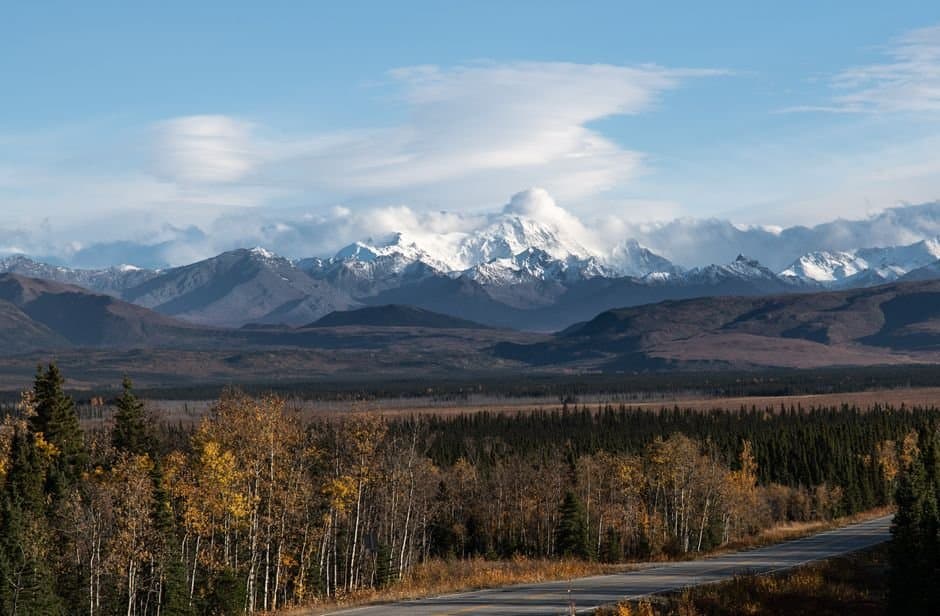
A spruce beetle outbreak has already killed white spruce across much of southern Denali National Park and Preserve. Park Service monitoring documents 45% to 60% spruce mortality in forested areas in and around Denali within the last decade. The National Science Foundation is funding University of Alaska Anchorage research into why some trees die and others survive — a $605,353 grant awarded Aug. 11.
The findings, the NSF abstract says, will help predict how outbreaks affect timber and other forest resources and guide efforts to prevent future ones. NSF says outbreaks are expanding northward, threatening Alaska's Interior forests.
The infestation has spread mainly from the south, the Park Service says, with white spruce dying across the southern part of the park and along the Parks Highway. Statewide, though, beetle activity has eased lately — the U.S. Forest Service mapped 35,100 acres in 2024, the lowest since 2015, and just 7,800 in 2025, even as the outbreak continued in the Denali and Matanuska-Susitna boroughs.
Patrick Sullivan's team will work across a Denali monitoring network of nearly 50 long-term plots, measuring tree growth and defense traits, stand structure, soil nutrient availability and understory vegetation, using tree-ring analysis, soil respiration measurements and DNA sequencing of root-associated fungi.
The study also looks at what happens after the trees die. As infestation cuts the flow of carbon to roots and ectomycorrhizal fungi, the abstract says, fungal communities and carbon and nutrient cycling are expected to shift, changing soil chemistry and what grows back.
The Denali Citizens Council wrote in February 2022 that warmer temperatures may let beetles push farther north, raising concerns for area landowners about fire risk, habitat change and aesthetic disturbance. The project includes public talks at Denali National Park and collaborations with artists, alongside partnerships with land managers.
Source: National Science Foundation, National Science Foundation: NSF Award [ANS-Arctic Natural Sciences] → University of Alaska Anchorage Campus: Collaborative Research: Tree mortality and soil biogeochemical cycling during a northbound spruce beetle outbreak in Al.
AI-assisted. How we use AI
Stay informed. Support what matters.
Free, permanent access to local news you can verify. Subscribe to support Maggie AlaskaNews and go ad-free.
Related Coverage
Moose in Gates of the Arctic are up 48 percent, and researchers point to shrubs
Alaska News · 1mo ago
The strange snow bug Alaska is spending $750K to understand
Alaska News · 2mo ago
As Alaska's glaciers retreat, new carbon-storing bogs are forming behind them
Alaska News · 1mo ago
Denali's road work starts the day after the last bus of the season
Alaska News · 1w ago
A $1.6 million grant to help Alaska burn on purpose, before wildfire does
Alaska News · 1mo ago
Comments
Sign in to leave a comment.
No comments yet. Be the first to share your thoughts.