
Federal Region 10 environmental regulator for Alaska. Oversees Pebble Mine permitting, Superfund sites, fuel and mining compliance, and tribal environmental programs.
Anchorage, AK, USA
Seward council approves $11.8 million in shore power contracts for cruise dock
Seward City Council approves nearly $12 million in EPA Clean Ports shore power contracts: a Kronus Engineering battery system and GHEMM design-build for the cruise dock.
 by Walter AlaskaNews2d ago2 min read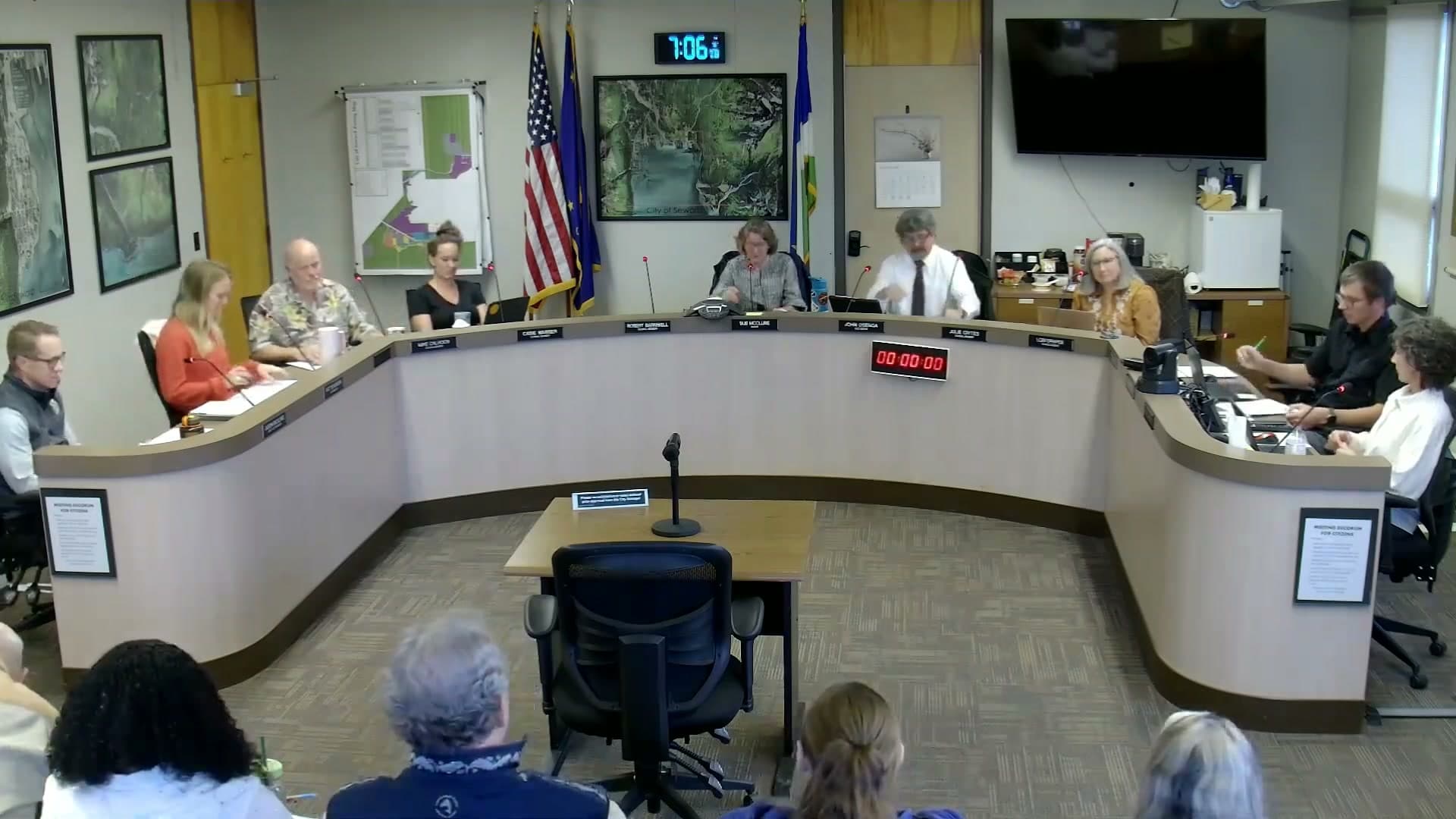
Kotzebue water system exceeds federal lead action level after two of 10 homes test high
Kotzebue drinking water exceeds EPA lead action level after two of 10 homes test high; city expands testing and advises flushing taps and using cold water.
 by Alaska News6d ago2 min read
EPA proposes $21,618 penalty over Red Dog Mine spill into Red Dog Creek
EPA has proposed a $21,618 penalty against Teck Alaska for a May 2025 slurry pump failure that sent about 1,000 gallons of process water into Red Dog Creek. The public has until October 21 to comment on the settlement.
 by Maggie AlaskaNews1w ago2 min read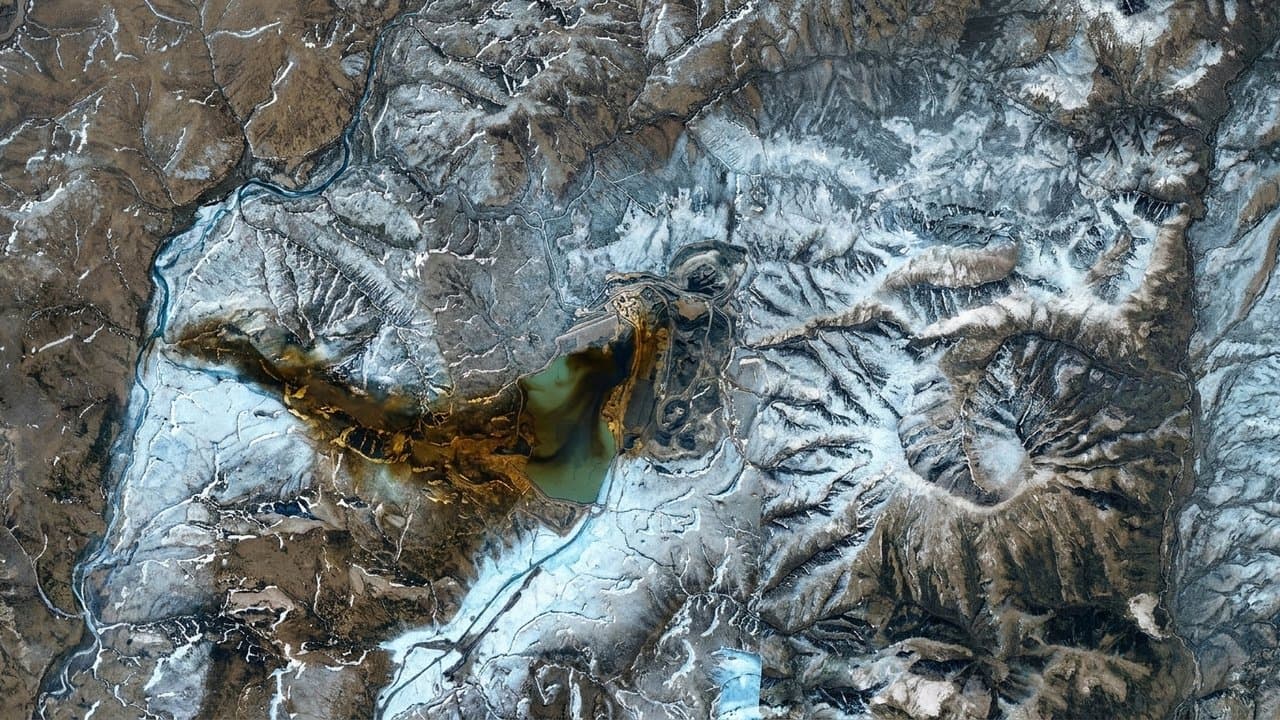
EPA Rule Would Drop Discharge Permits for 65 Alaska Trawlers
An EPA proposal to redefine pollutant discharge would exempt 65 Alaska offshore seafood processing vessels from the Clean Water Act permit protecting Steller sea lion habitat.
by Walter AlaskaNewsadded 1w ago3 min read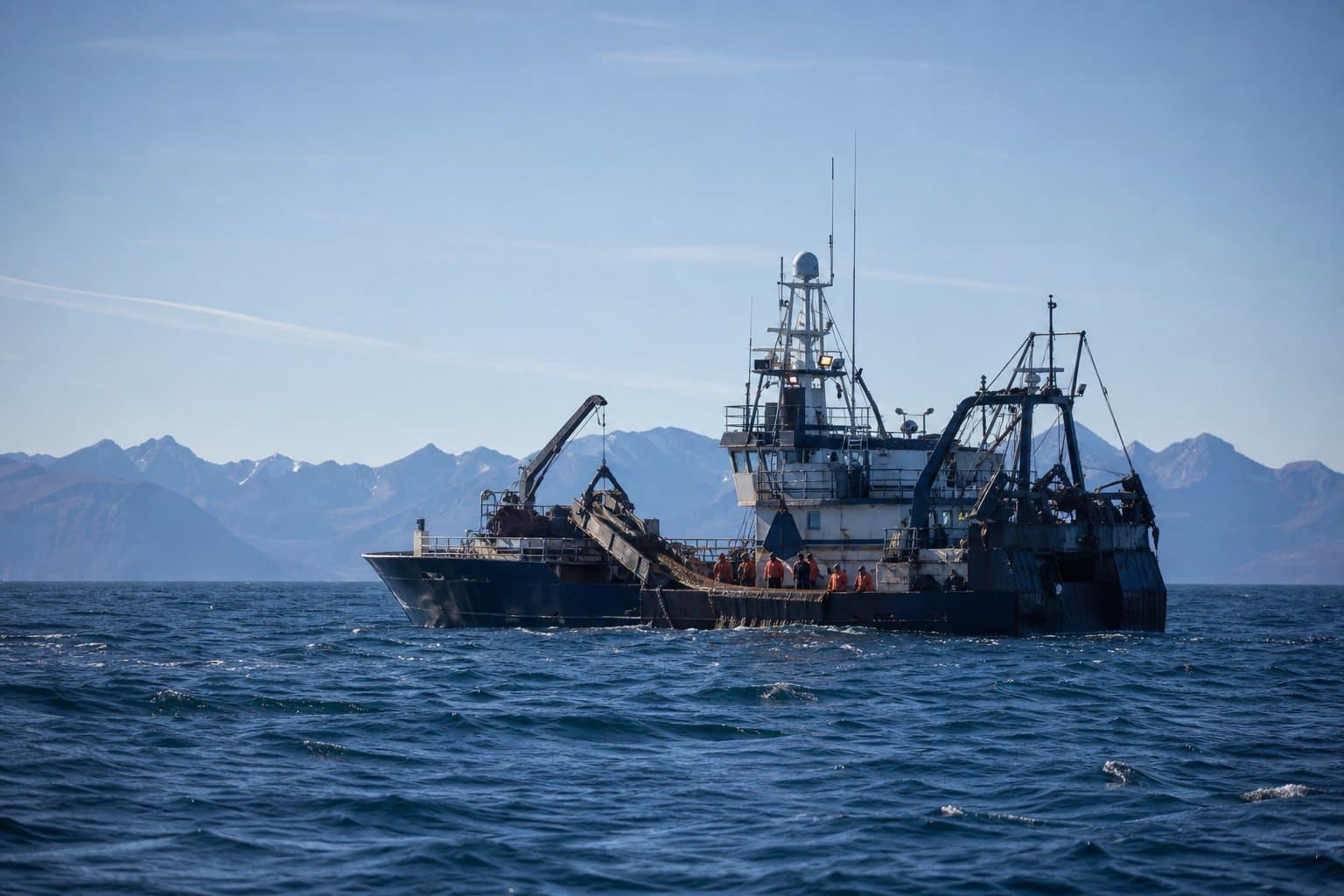
Interior proposes dropping the Arctic relief rig rule and a whaling check
Interior proposes revising the 2016 Arctic drilling rule to drop the relief rig requirement and a whaling-ground discharge provision. Comment closes Oct. 5th
by Walter AlaskaNews1w ago5 min read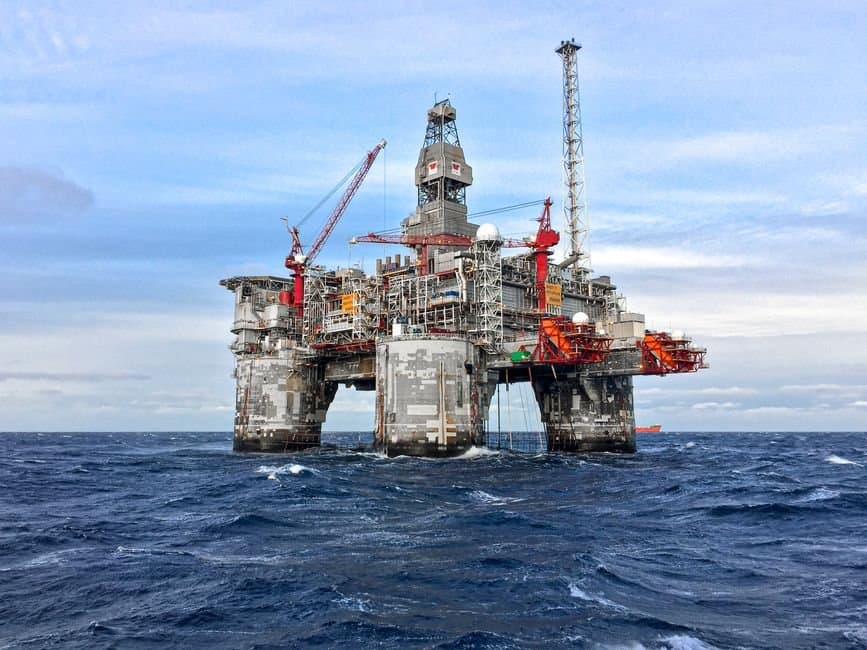
Nine EPA climate grants for Alaska projects ended with 99 percent of $151 million unspent
Nine EPA climate grants worth $151 million to Alaska tribes and Native-serving nonprofits, funded under the Inflation Reduction Act, were terminated with under 1% spent.
by Walter AlaskaNewsadded 2w ago3 min read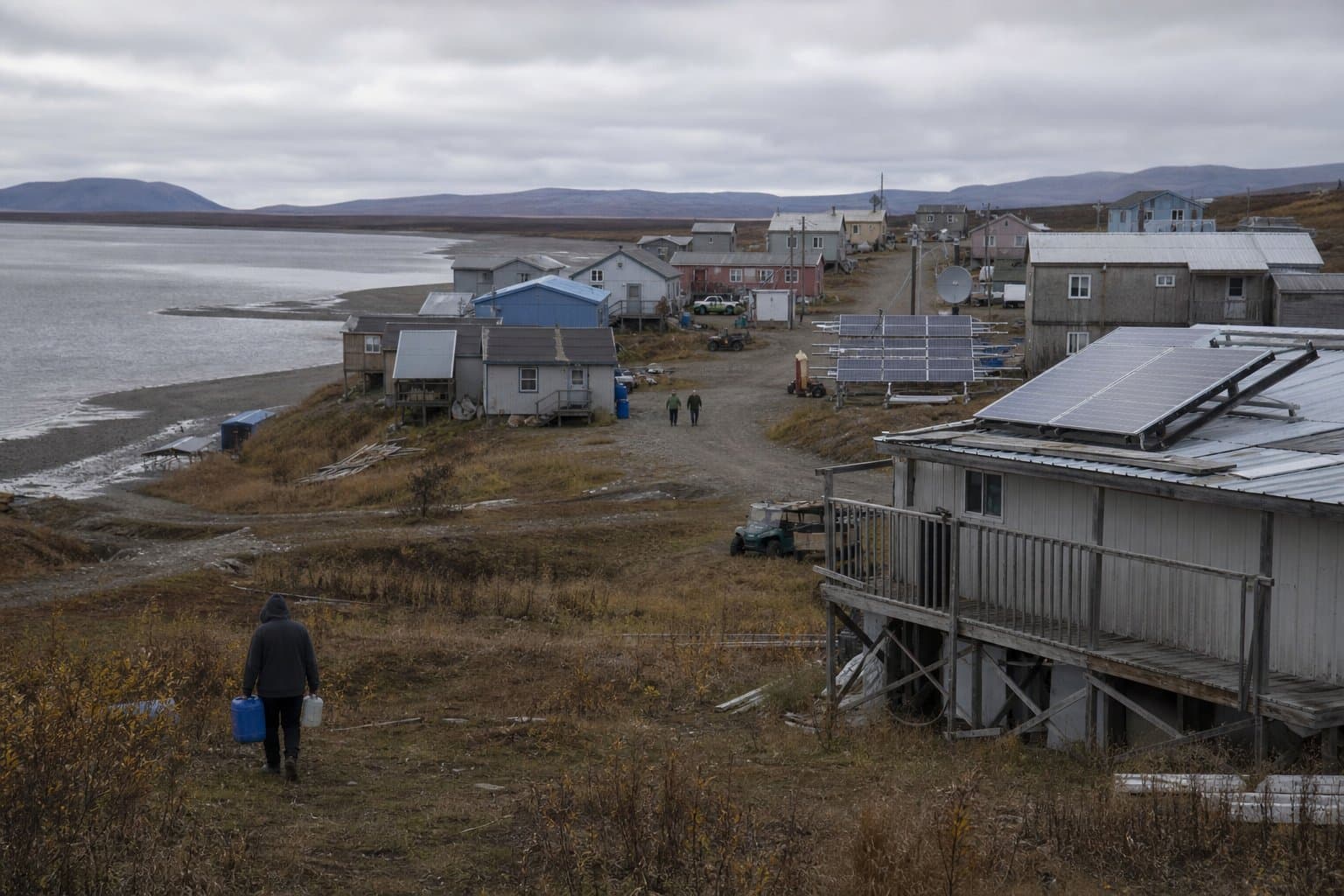
Red Dog's port has carried a top-tier air violation for years with no penalty
EPA records show the port shipping Red Dog ore has carried a high-priority air violation for dust since 2019, unresolved by Alaska, with no penalty recorded.
by Walter AlaskaNews3w ago3 min read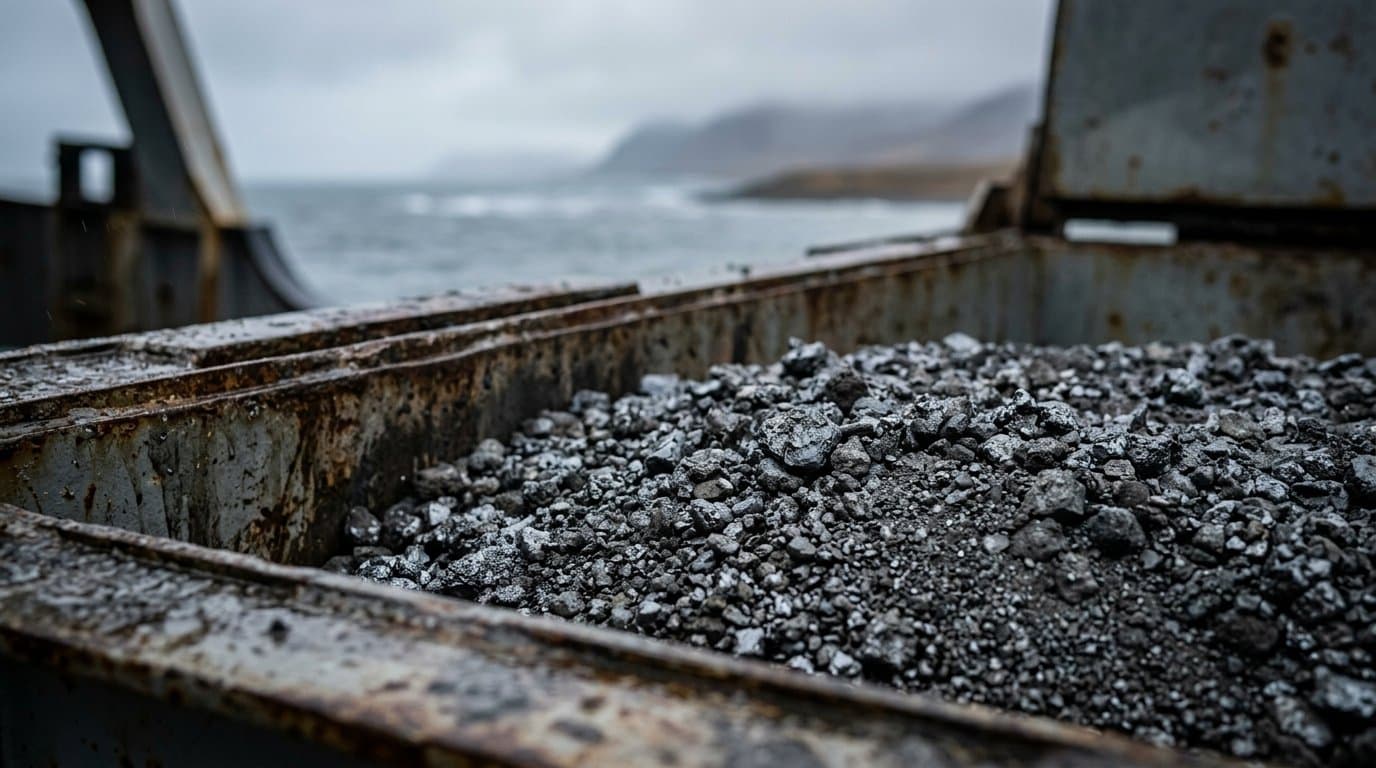
Ninety-two Alaska water systems are listed as serious violators
EPA compliance data list 92 Alaska public water systems serving 29,185 people as serious violators of the Safe Drinking Water Act. The state's last formal enforcement action against any of them was in August 2020. Informal contact has continued, with 2,487 actions logged.
by Walter AlaskaNews3w ago3 min read
Juneau's city-owned ski area has an unresolved drinking water violation
EPA records show a Tier 1 drinking water violation from March at Eaglecrest Ski Area in Juneau, with no return-to-compliance date recorded.
by Maggie AlaskaNews1mo ago1 min read
Teller waits until 2027 for results of tank site testing on Grantley Harbor
Phase II environmental testing took place in August at Teller's shoreline tank site, where the community suspects leaked petroleum has reached Grantley Harbor.
by Maggie AlaskaNewsadded 1mo ago2 min read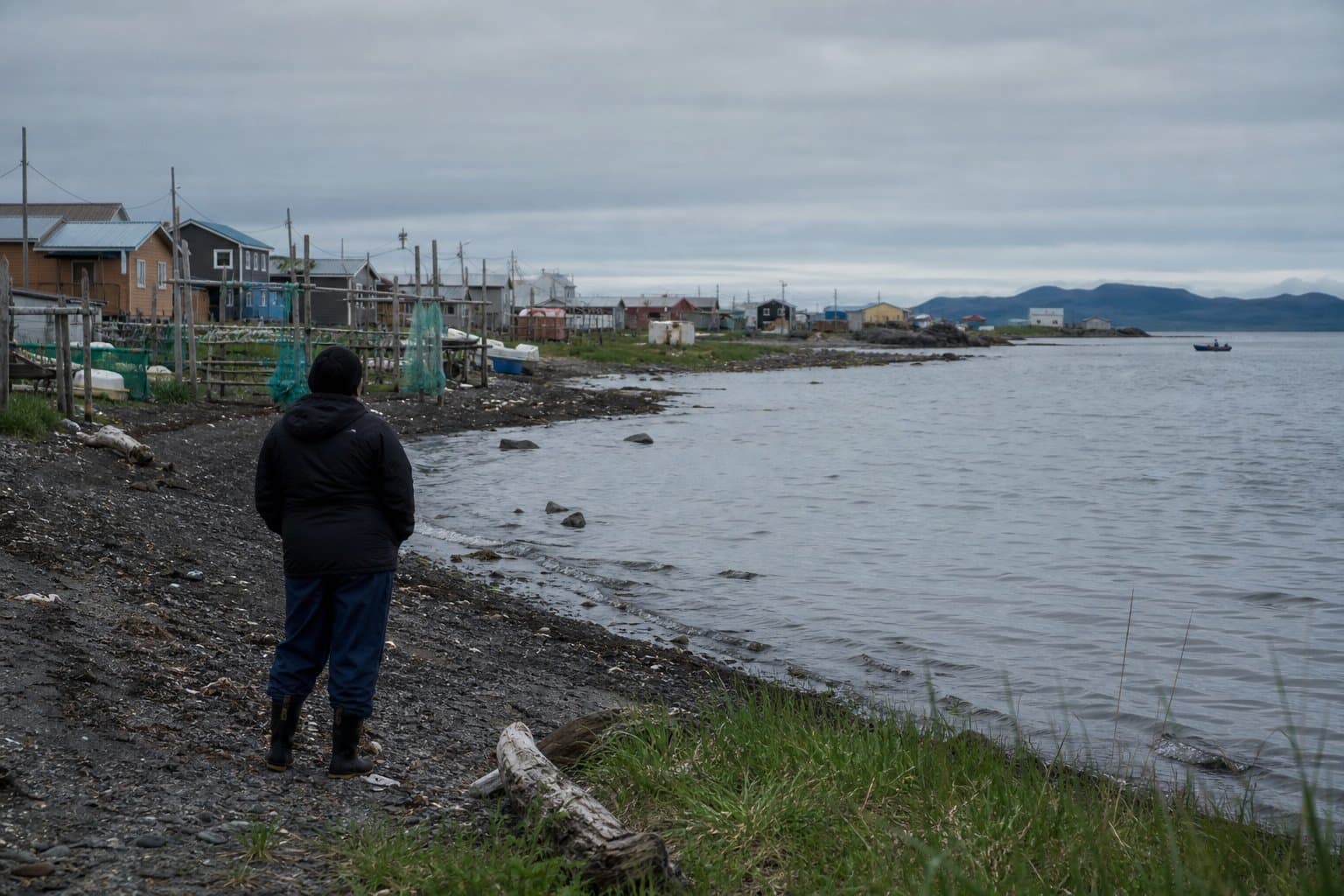
An Alaska water system logged the EPA's most urgent violation
EPA drinking-water data show a public water system serving 771 Alaskans recorded a Tier 1 health-based violation on March 1, the agency's most urgent notification level, while five smaller systems logged Tier 2 treatment-technique violations later that month. The data does not name the communities.
by Maggie AlaskaNews1mo ago1 min read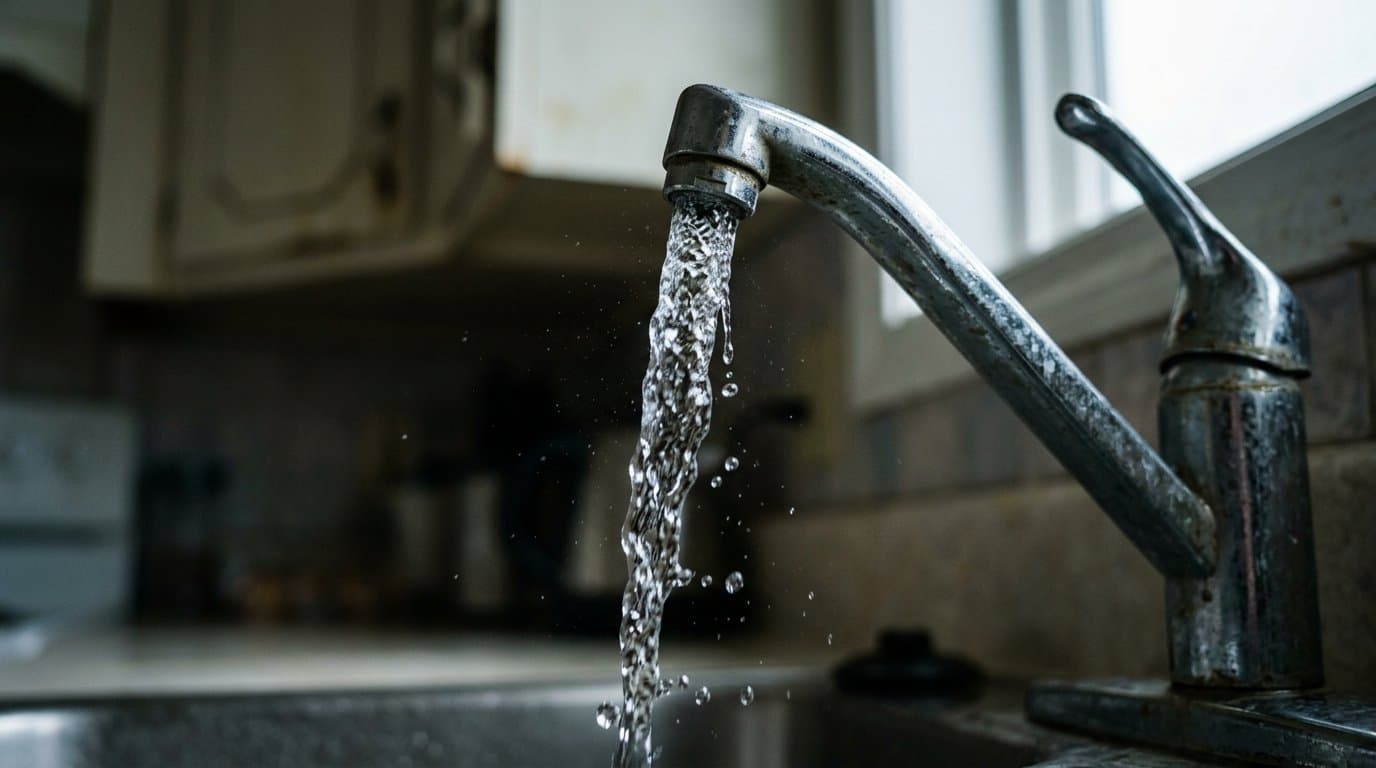
EPA proposes $5,859 UniSea settlement over Dutch Harbor stormwater
Public comment on a proposed $5,859 Clean Water Act penalty against UniSea's Dutch Harbor plant closes Aug. 19. The same facility paid $1,909,375 in federal and state penalties in 2011 over ammonia and seafood waste discharges.
by Maggie AlaskaNews1mo ago1 min read
The fate of the EPA veto blocking Pebble Mine is now in a federal judge's hands
A federal judge is weighing whether the EPA's veto blocking the Pebble Mine survives, in a Bristol Bay salmon fight with Alaska Native parties on both sides.
by Walter AlaskaNewsadded 1mo ago2 min read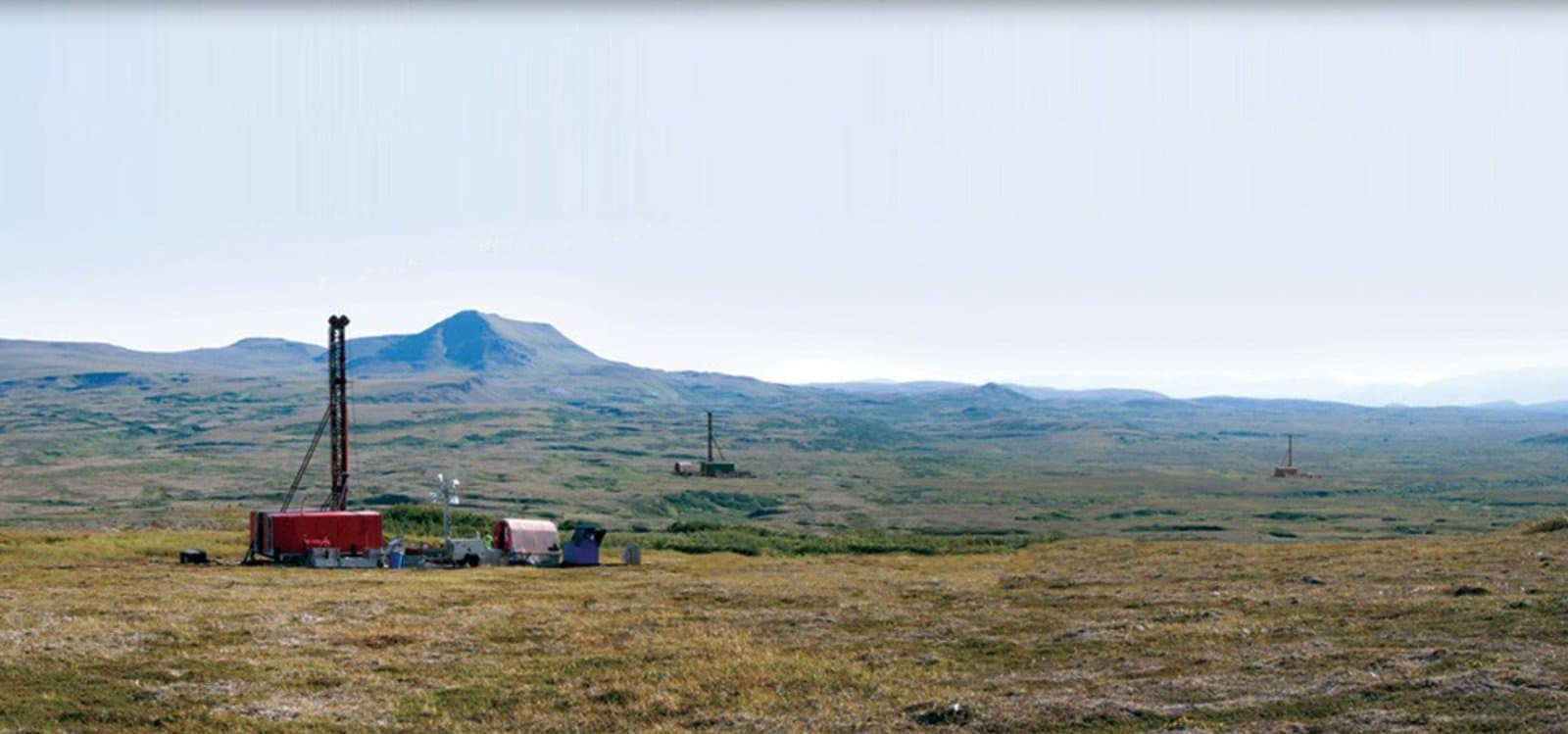
Cook Inlet's oil and gas discharge rules expired in 2021, and EPA is finally rewriting them
EPA is taking comment through Sept. 21 on rewriting the permit for oil and gas exploration discharges in federal Cook Inlet waters, expired since 2021.
by Walter AlaskaNews1mo ago1 min read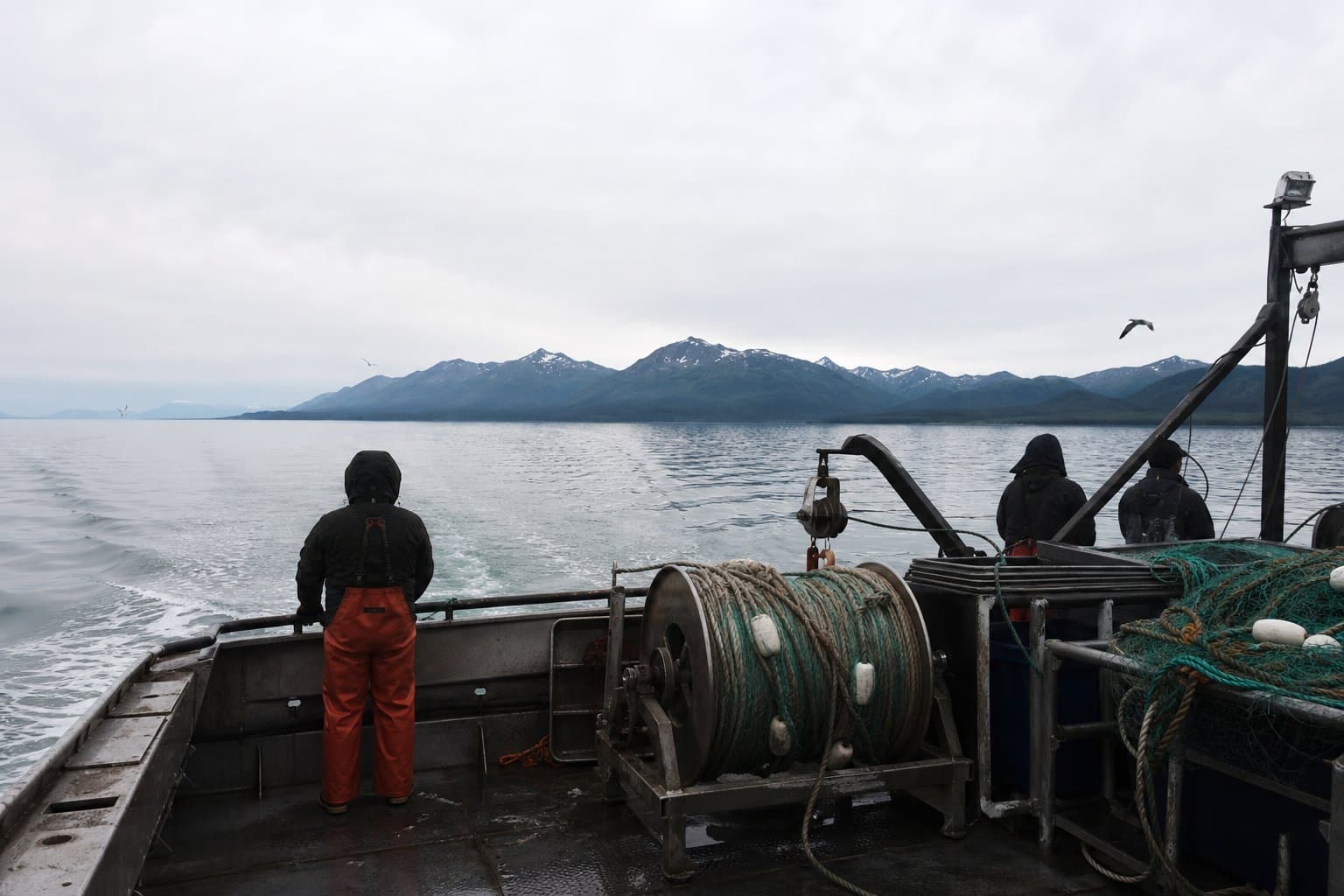
Alaska takes over hazardous waste permitting — the first state to do so in 25 years
Alaska's environmental agency has taken over hazardous waste permitting from the EPA, the first such state handoff in over 25 years, amid tribal and industry objections.
by Maggie AlaskaNews1mo ago2 min read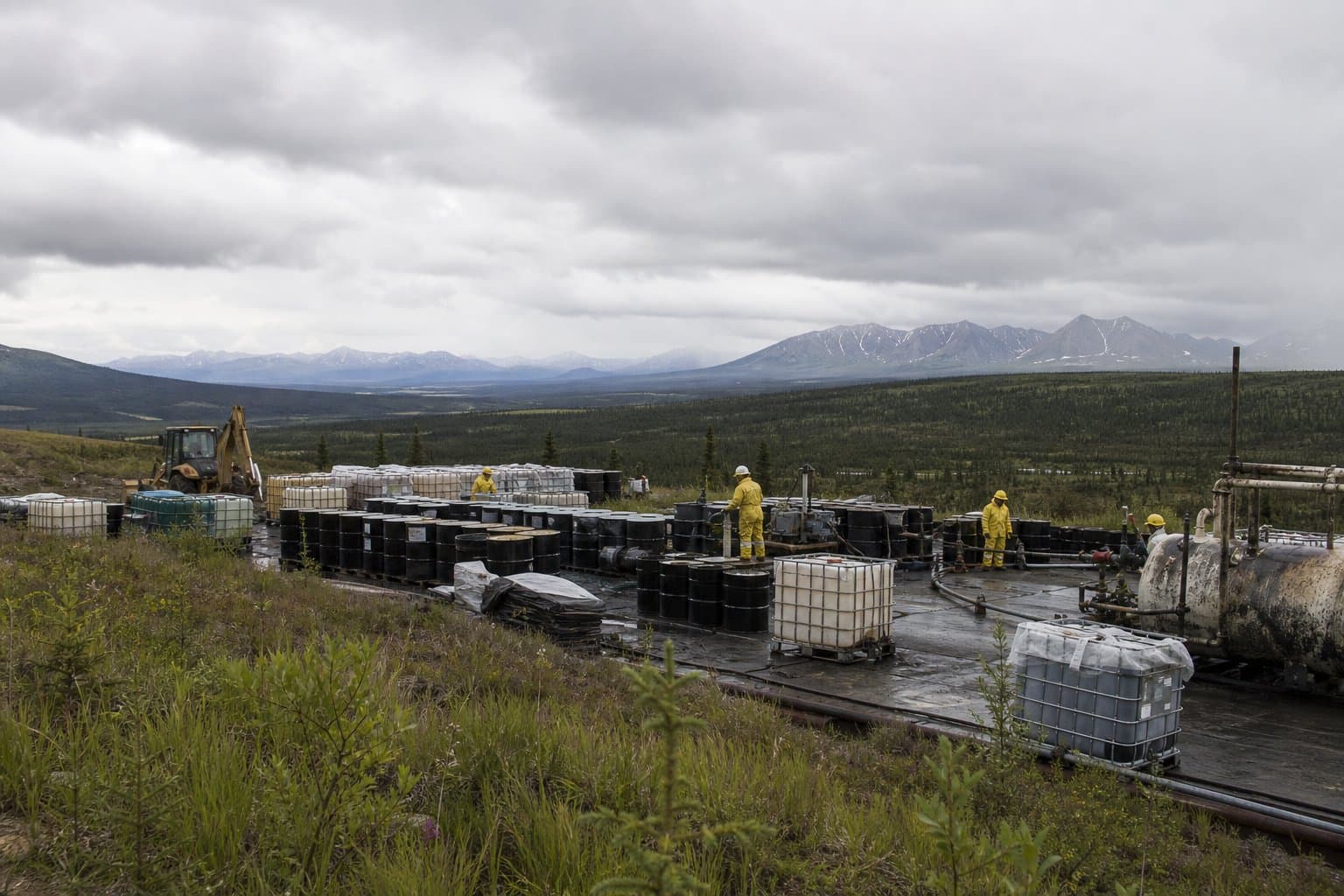
EPA grants Alaska authority to permit hazardous waste facilities
The Alaska Department of Environmental Conservation will take over permitting and enforcement for hazardous waste treatment, storage and disposal facilities statewide after EPA Region 10 Administrator Emma Pokon signed a final authorization July 31. EPA keeps authority in Indian country.
by Maggie AlaskaNewsadded 1mo ago4 min read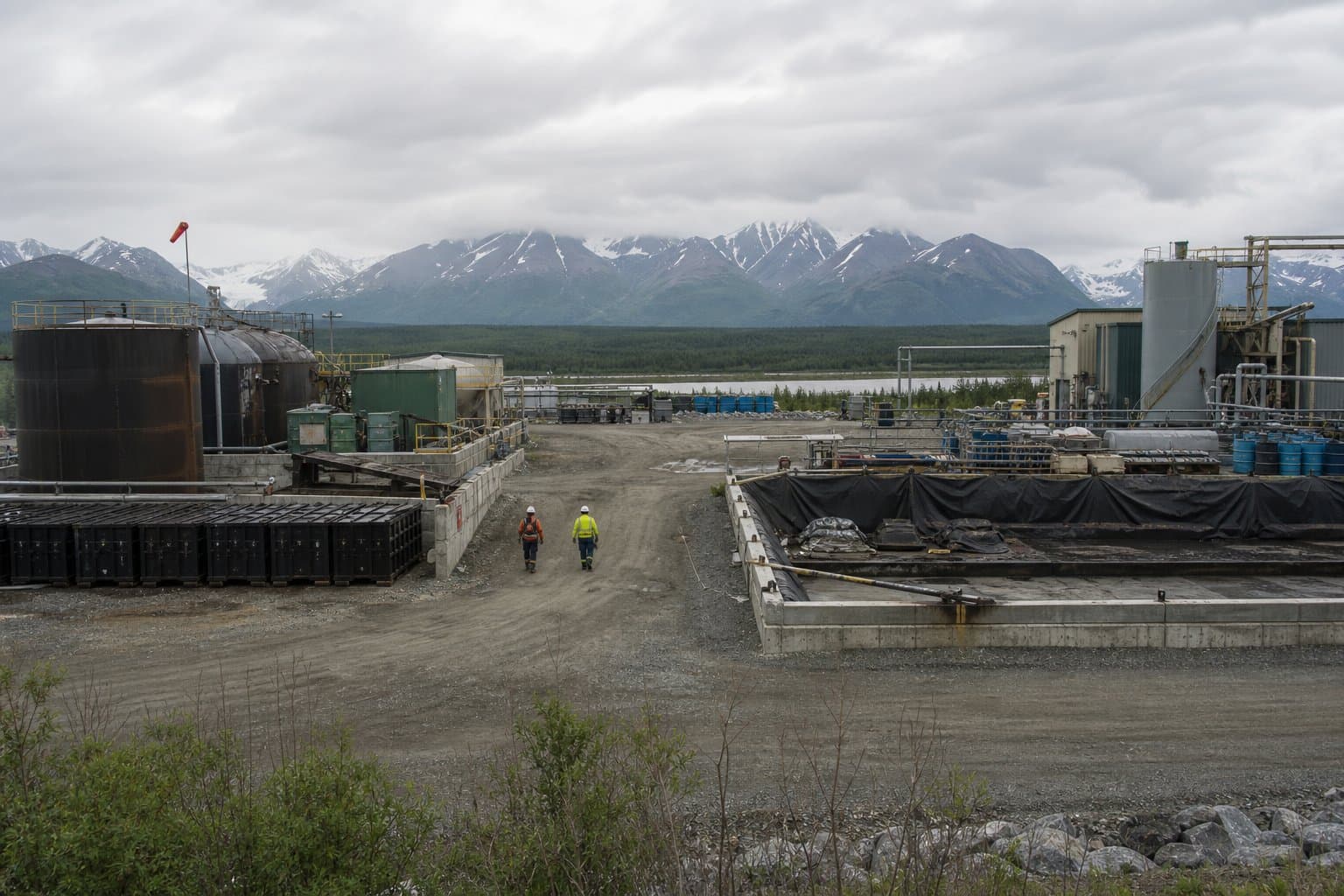
A Juneau builder with a long wetlands-filling history moves to settle federal charges
The United States and the State of Alaska have lodged a proposed consent decree resolving Clean Water Act claims against Duran Construction Company LLC and two individual defendants. The Justice Department listed the public comment period as "To Be Scheduled" as of July 30, 2026, and the decree takes effect only if a federal judge enters it.
by Maggie AlaskaNewsadded 1mo ago2 min read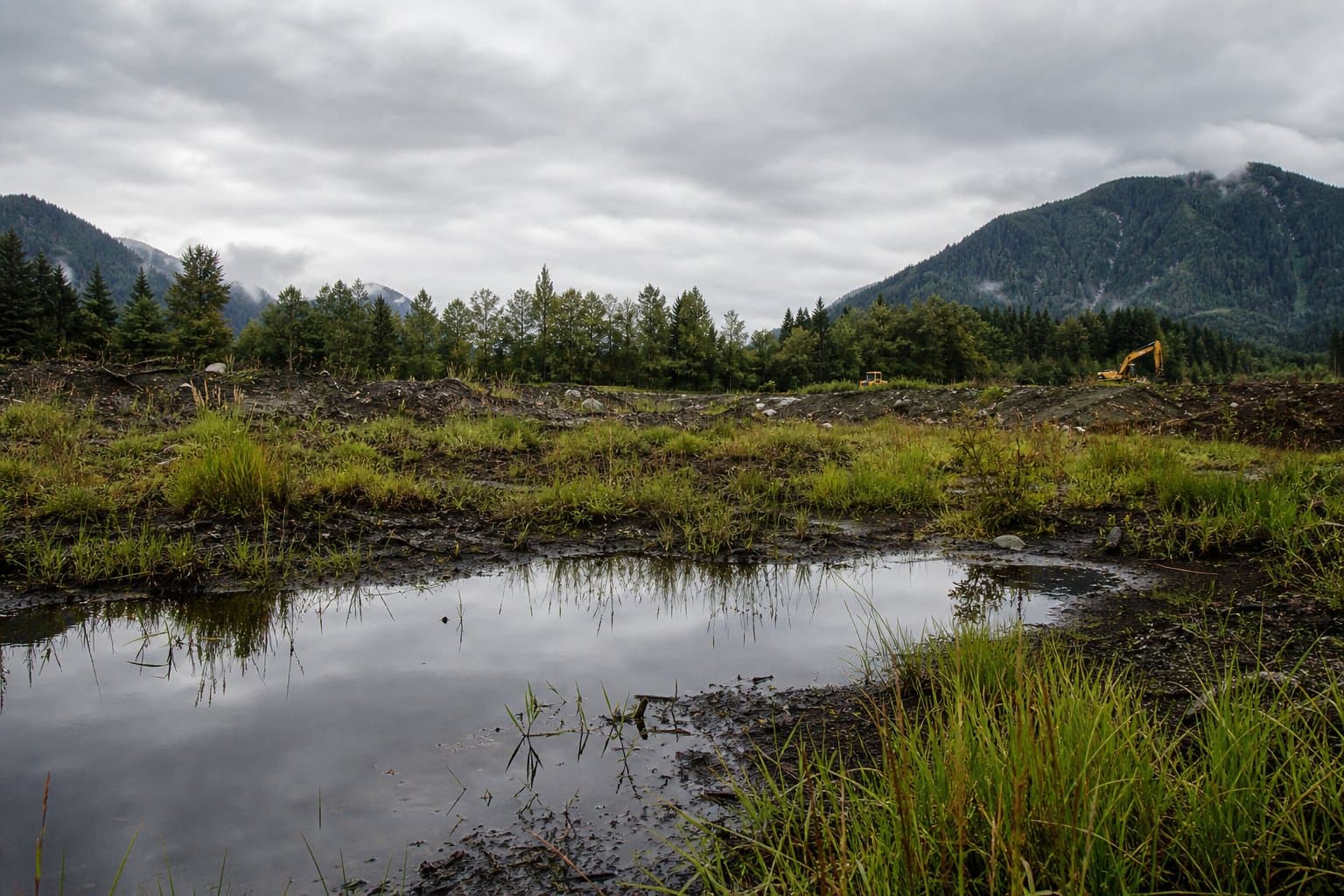
Alaska takes over hazardous waste rules, with enforcement in question
Alaska won EPA authorization to run its own hazardous waste program, the first state in 25 years, shifting permitting and enforcement to DEC amid questions about remote reach.
 by Lucas Brown2mo ago1 min read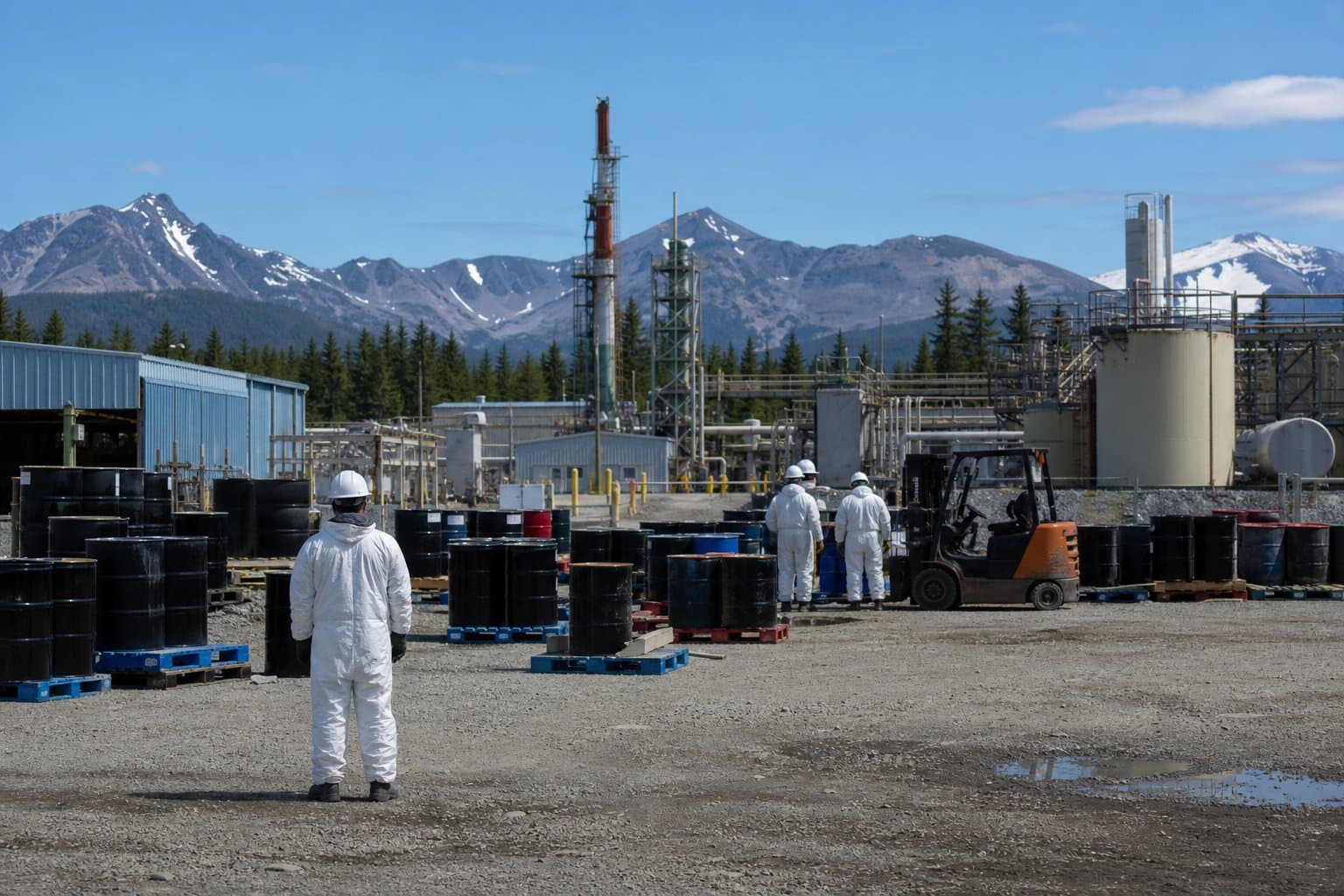
Federal rule changes loosen protections for Alaska's listed species
Federal wildlife agencies finalized Endangered Species Act rule changes on threatened-species protections, critical-habitat exclusions and the definition of harm, with potential effects on Alaska project reviews.
by Walter AlaskaNews2mo ago2 min read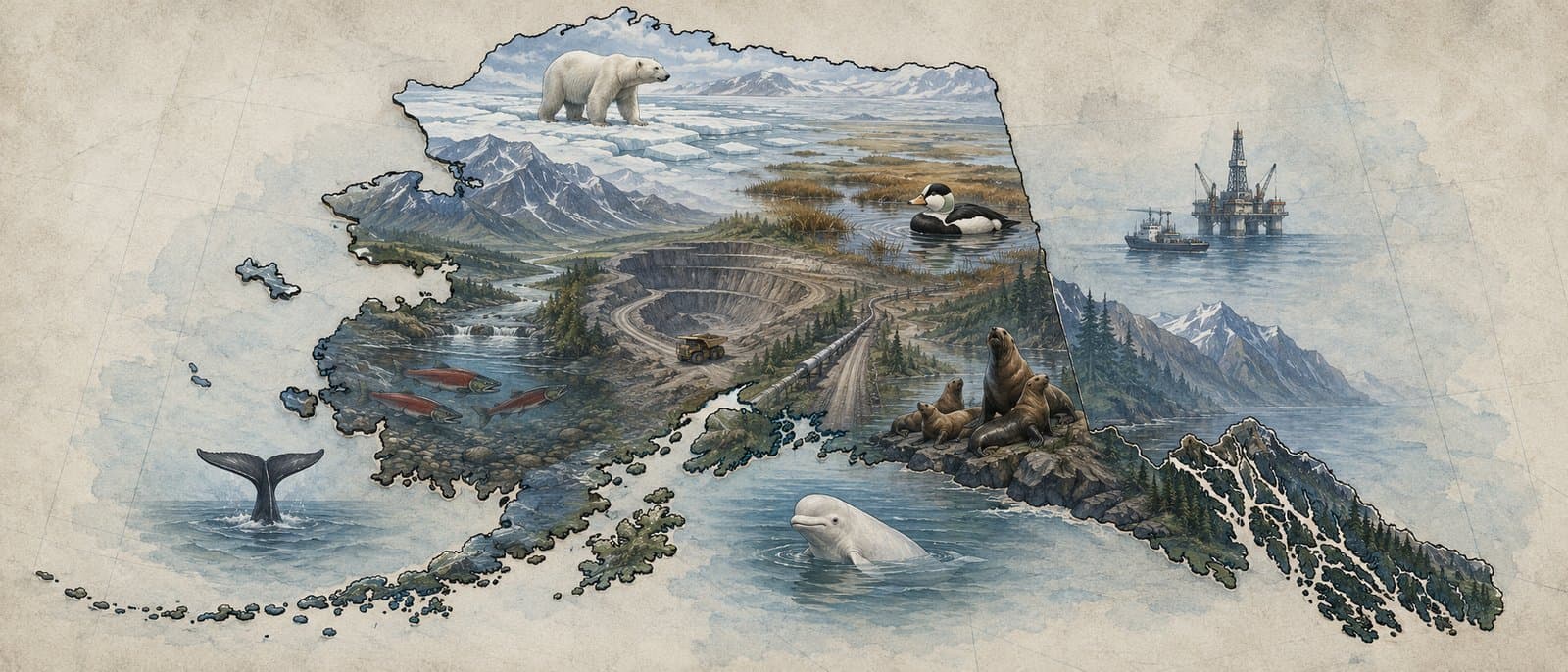
EPA suspends Arctic clean-diesel rules amid Middle East supply crunch
EPA temporarily waived ultra-low-sulfur diesel rules above the Arctic Circle through Aug. 2, letting North Slope producers make higher-sulfur fuel amid a Middle East supply disruption.
by Walter AlaskaNews2mo ago1 min read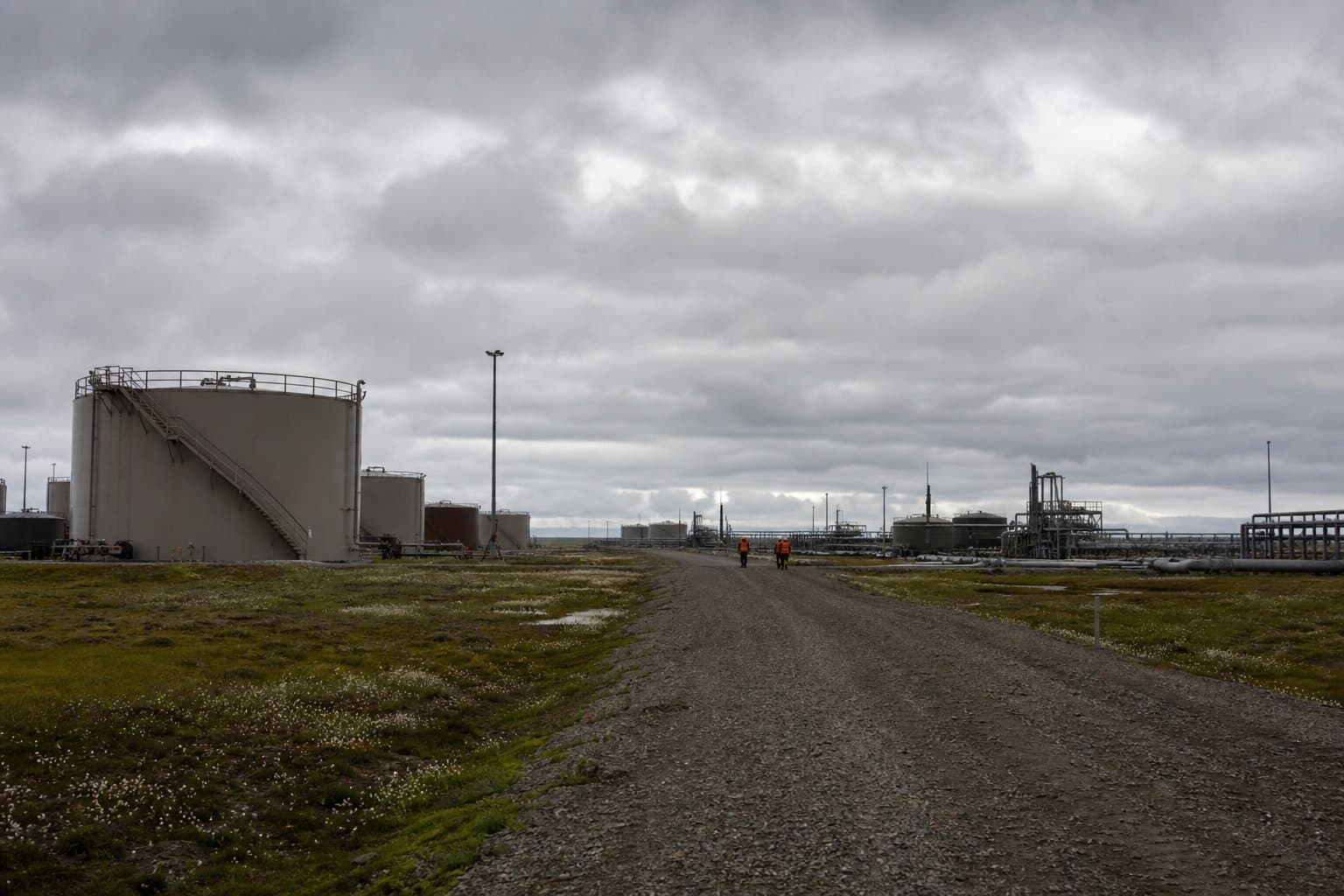
EPA proposes a $5,859 penalty over Dutch Harbor discharges
The EPA proposed a $5,859 Clean Water Act penalty against UniSea for discharges into Iliuliuk Harbor at Dutch Harbor, with public comment open through August 19.
by Maggie AlaskaNews2mo ago1 min read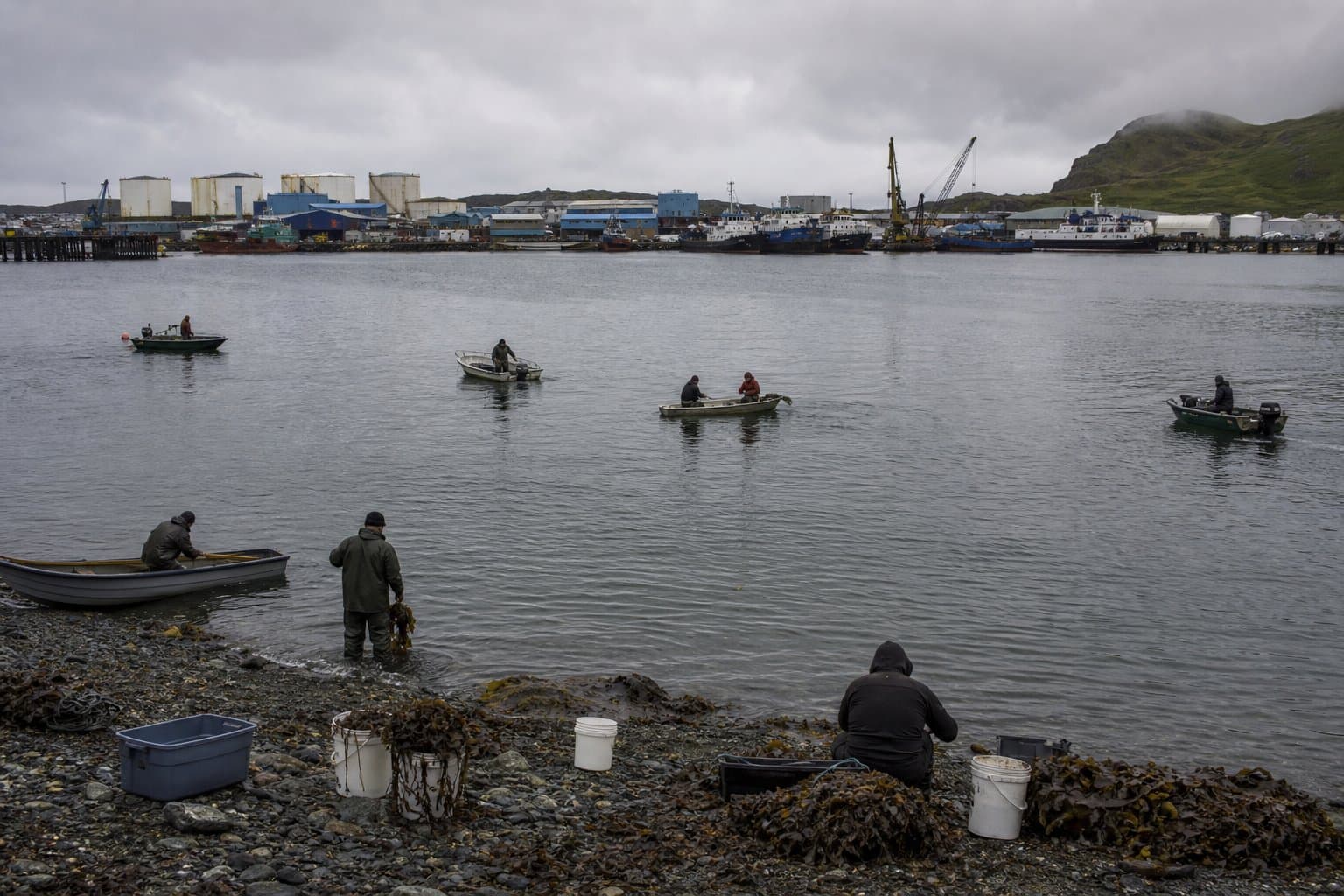
EPA moves to stop Alaska's cold from shutting down diesel engines
EPA has proposed a rule that would require diesel engine manufacturers to include cold-weather protections for diesel exhaust fluid systems, addressing a safety concern raised by Alaska operators who face power-limiting engine derates in extreme cold.
by Walter AlaskaNews2mo ago1 min read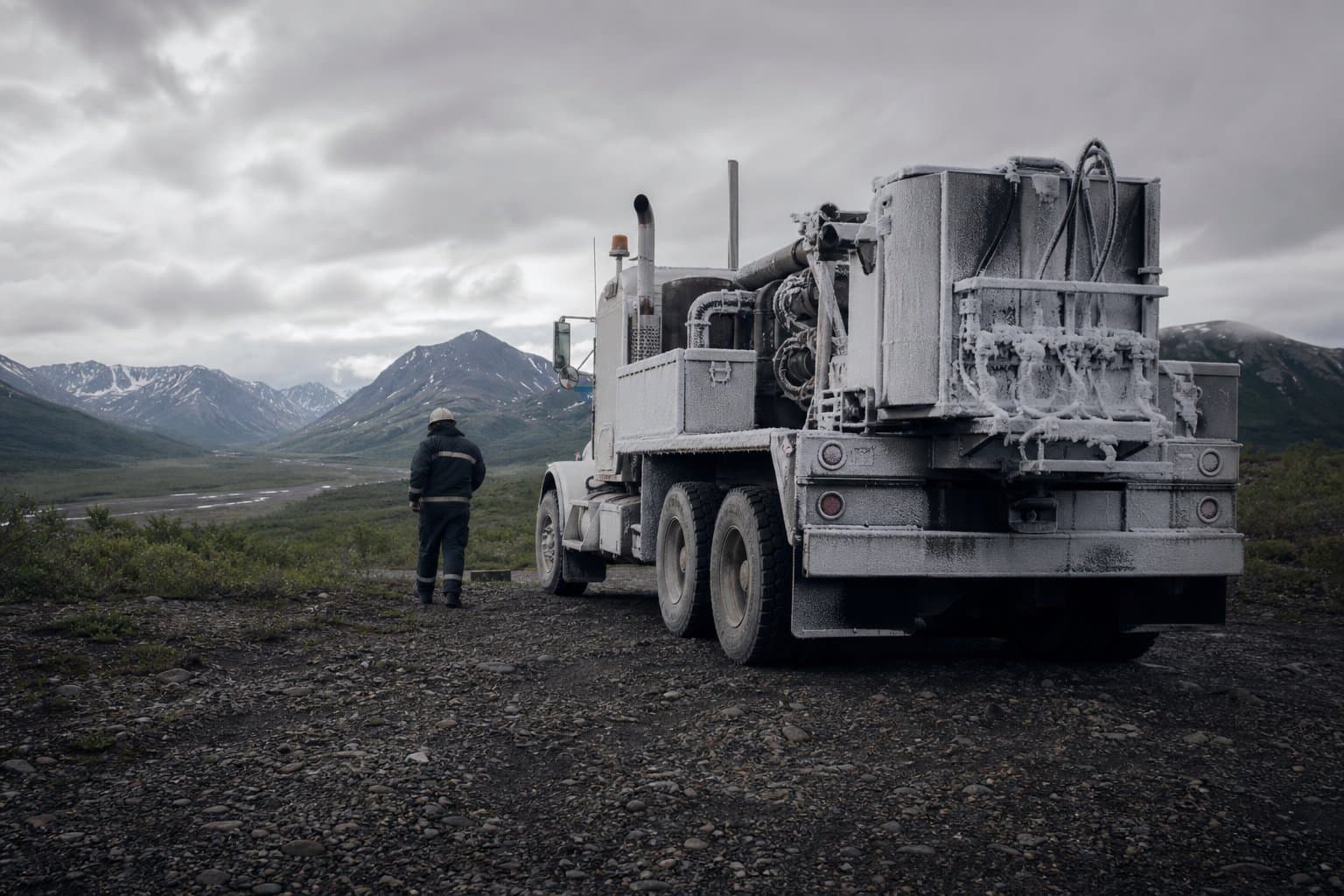
Alaska wants out of a diesel rule that shuts trucks down in the cold
Alaska is seeking an EPA exemption from a diesel emissions rule that can shut down engines in extreme cold, when frozen diesel exhaust fluid triggers automatic power cuts.
 by Melinda Communities.Newsadded 2mo ago2 min read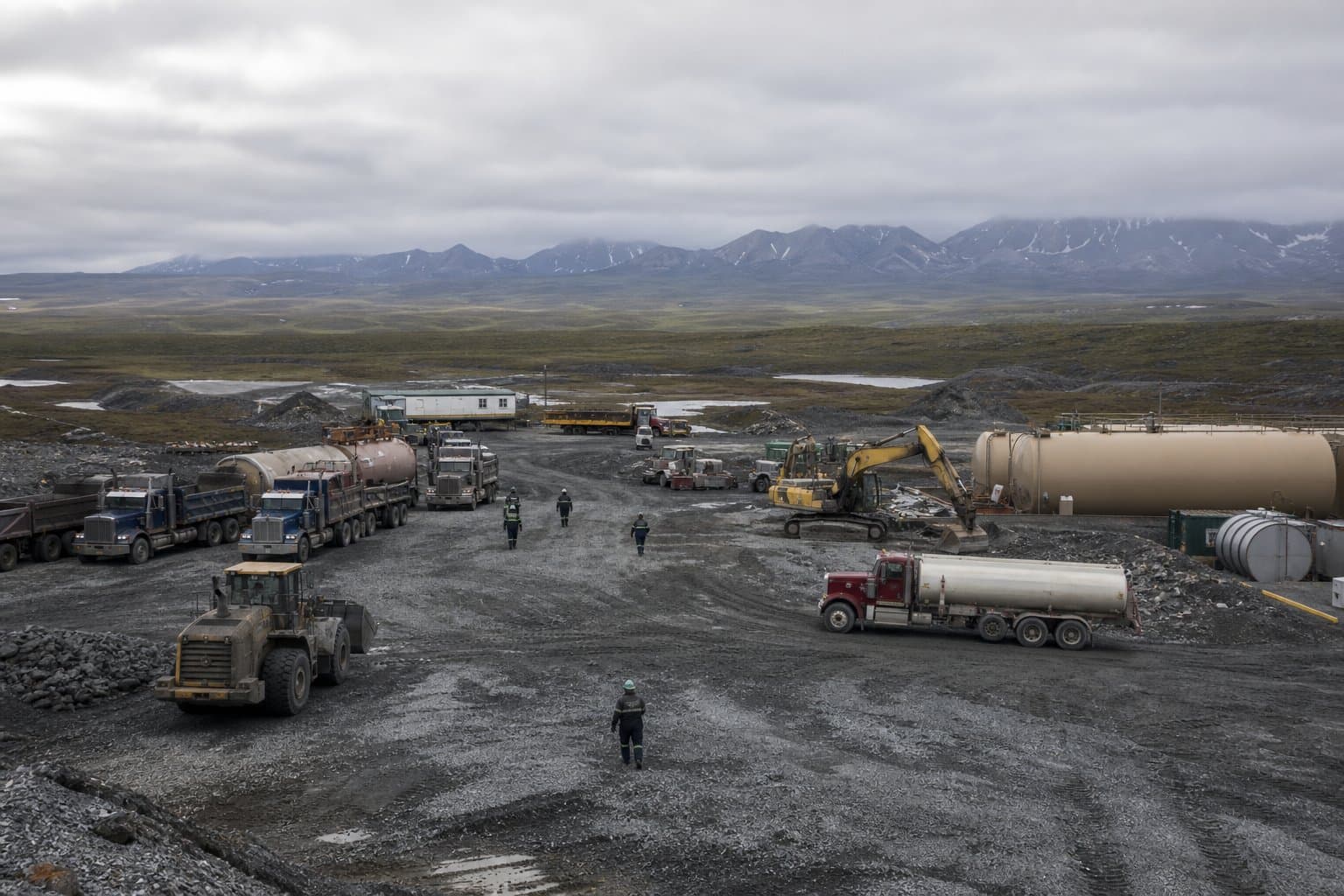
In Koyuk, old fuel tanks left petroleum in the ground. Now someone will measure it.
Kawerak has identified two petroleum-contaminated tank farms in Koyuk for federal Brownfields assessment, part of a statewide legacy of contaminated fuel sites on and near Alaska villages.
by Maggie AlaskaNews3mo ago2 min read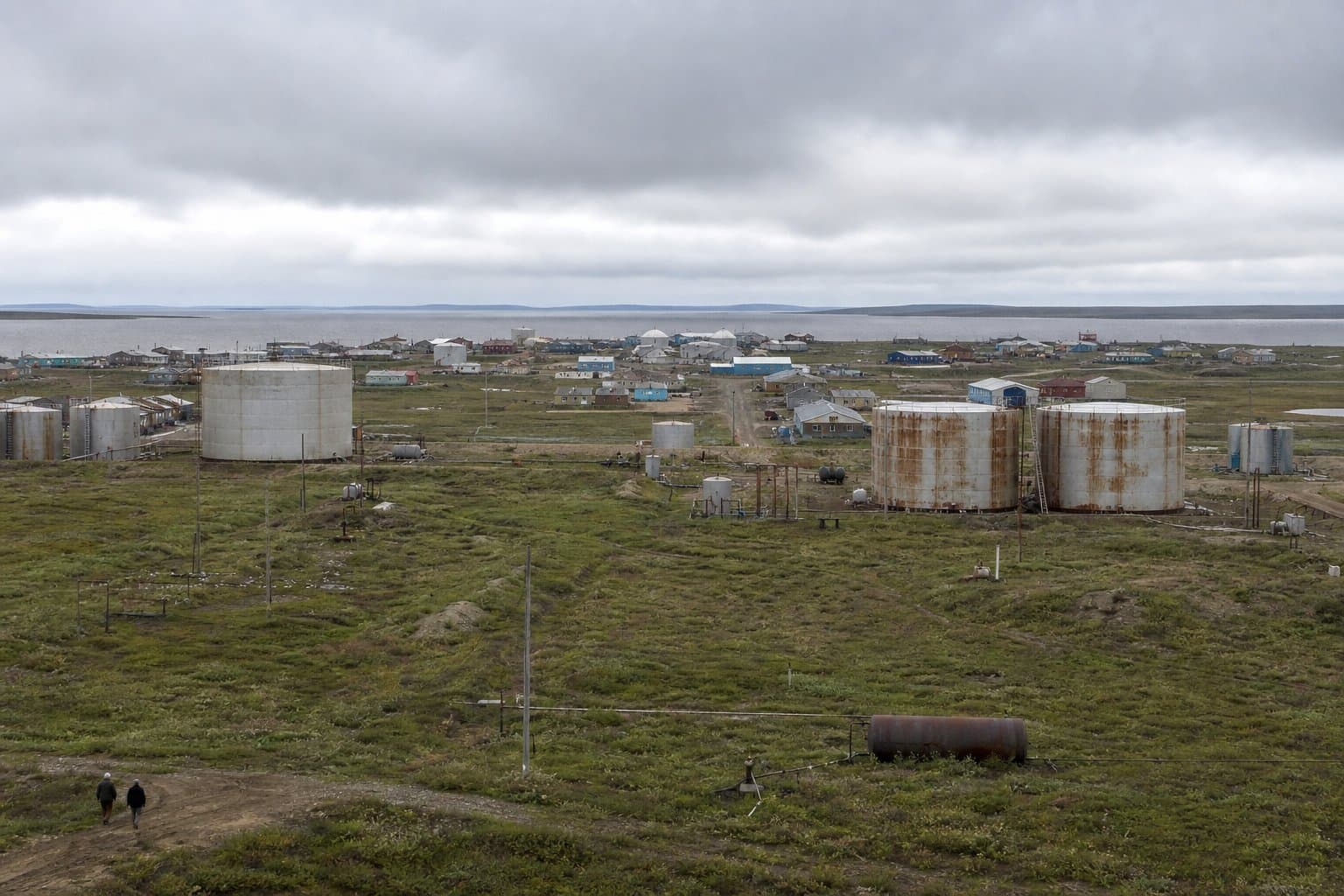
A new federal water-testing rule could check rural Alaska for 'forever chemicals' — if it reaches us
A proposed EPA rule (UCMR6) would test public water systems for 30 contaminants, including PFAS, in 2028-2030. Here's what it means for rural Alaska's small water systems.
by Alaska News3mo ago2 min read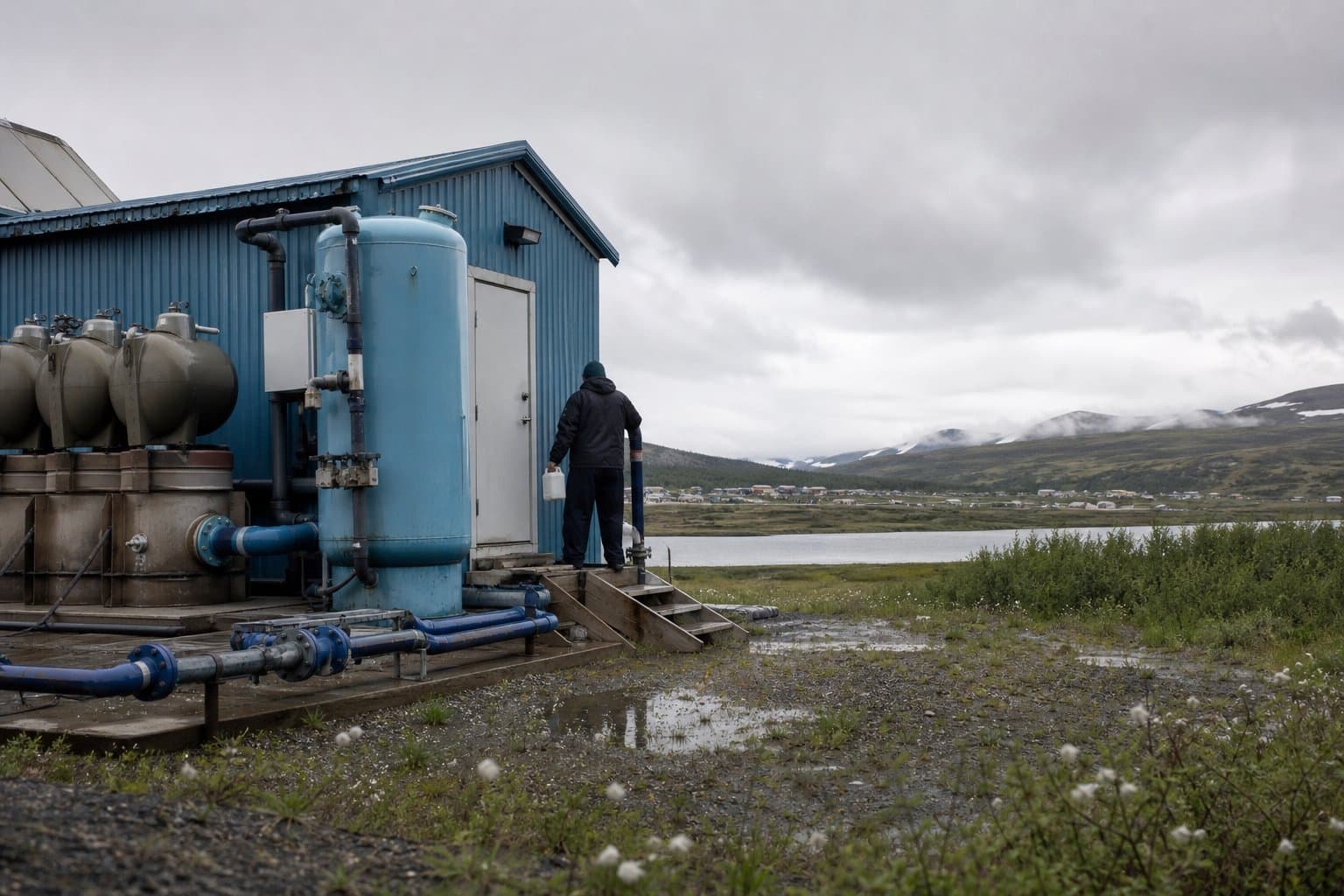
Alaska clears the way to bury carbon — over water-safety fears
Alaska's underground carbon-storage rules take effect July 7, giving operators a permitting path — as environmental and tribal groups warn of risks to drinking water and aquifers.
by Alaska Newsadded 3mo ago2 min read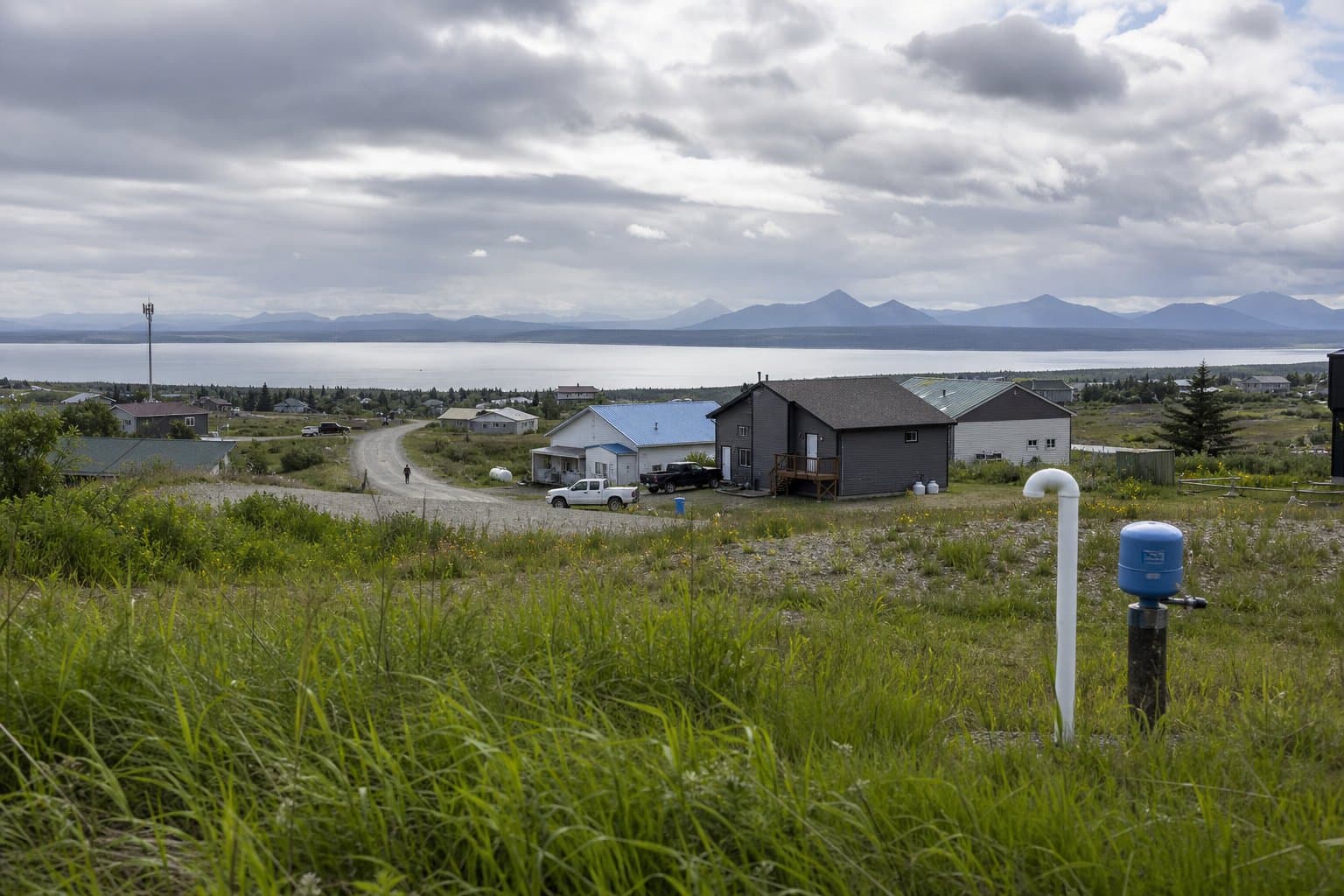
The EPA's No. 2 told Alaska's resource industry the door is open — for now
EPA Deputy Administrator David Fotouhi told Alaska's Resource Development Council the agency is rolling back climate and oil-and-gas rules to speed resource development.
by Melinda Communities.News3mo ago2 min read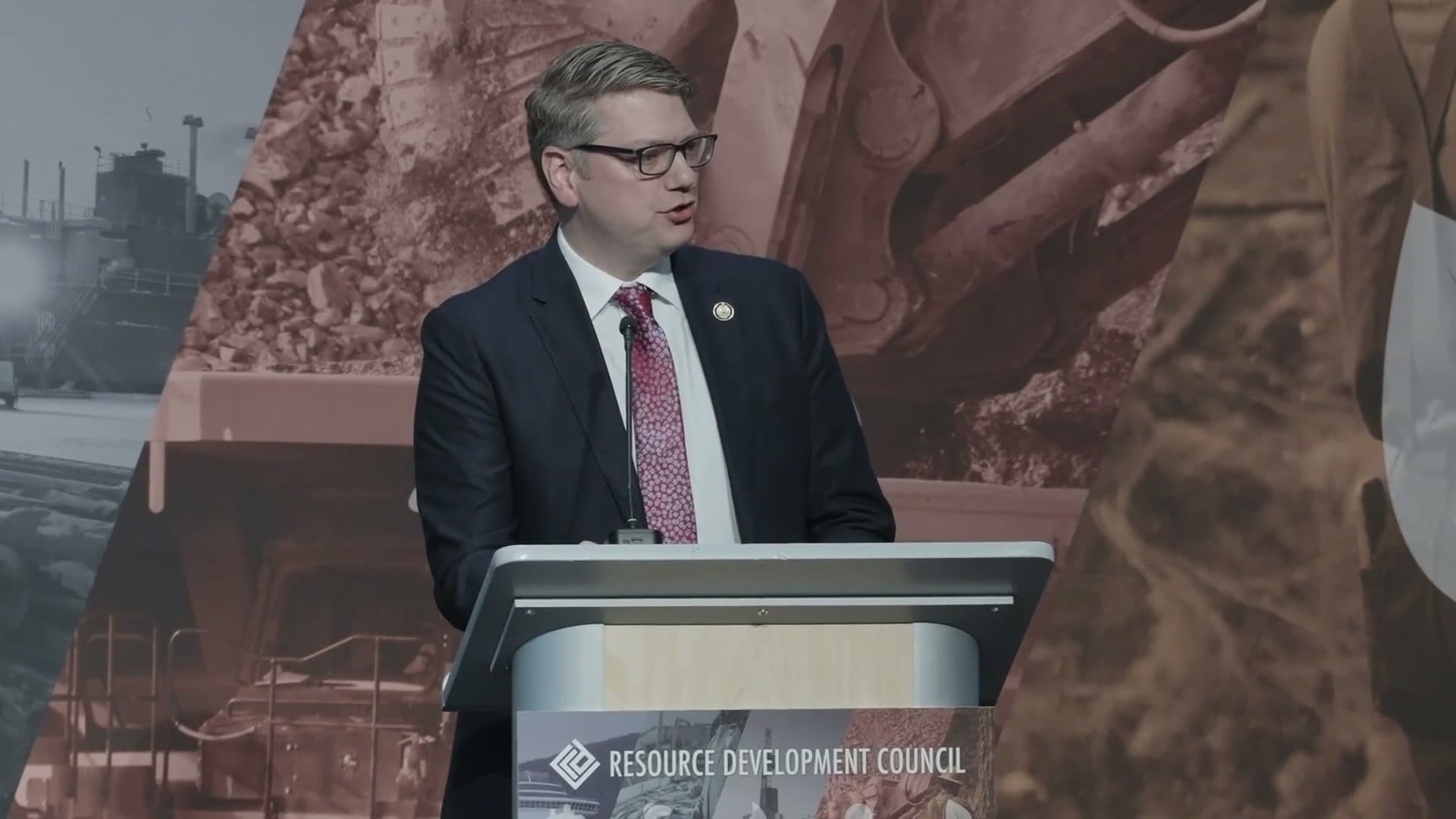
Pebble Mine's challenge to EPA reaches an Anchorage court Thursday.
A federal judge in Anchorage is set to hear oral arguments June 25 in Northern Dynasty Minerals' challenge to the EPA's 2023 Clean Water Act determination blocking key discharges associated with the proposed Pebble Mine in the Bristol Bay watershed.
by Walter AlaskaNews3mo ago3 min read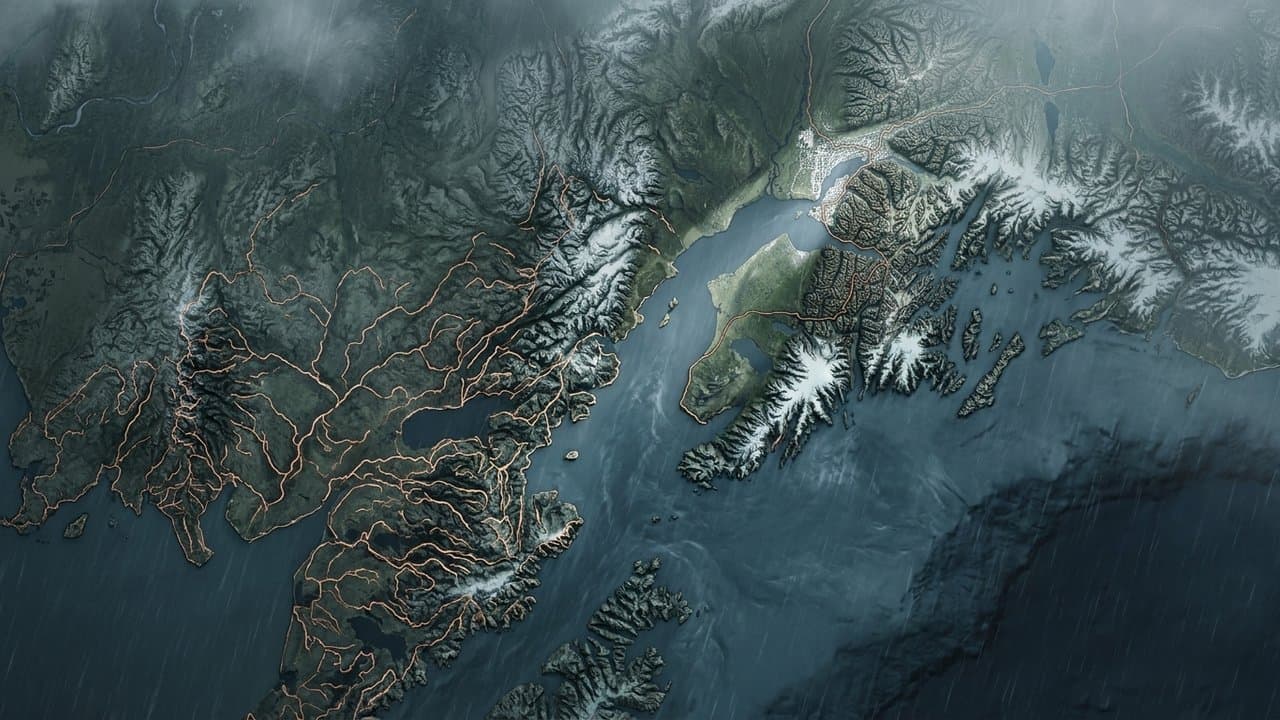
Juneau aggregate firm settles EPA stormwater violations for $12,797
EPA proposed a $12,797 settlement with Colaska Inc. for alleged Clean Water Act recordkeeping failures at its AggPro industrial site in Juneau, where stormwater discharges flow into Lemon Creek.
by Walter AlaskaNews3mo ago1 min read
Federal highway chief commits to King Cove Road action
Federal Highway Administrator Sean McMaster told the Senate he will push the King Cove Road forward and visit Alaska in late June. The project has faced decades of environmental review over its route through Izembek National Wildlife Refuge.
by Walter AlaskaNews3mo ago2 min read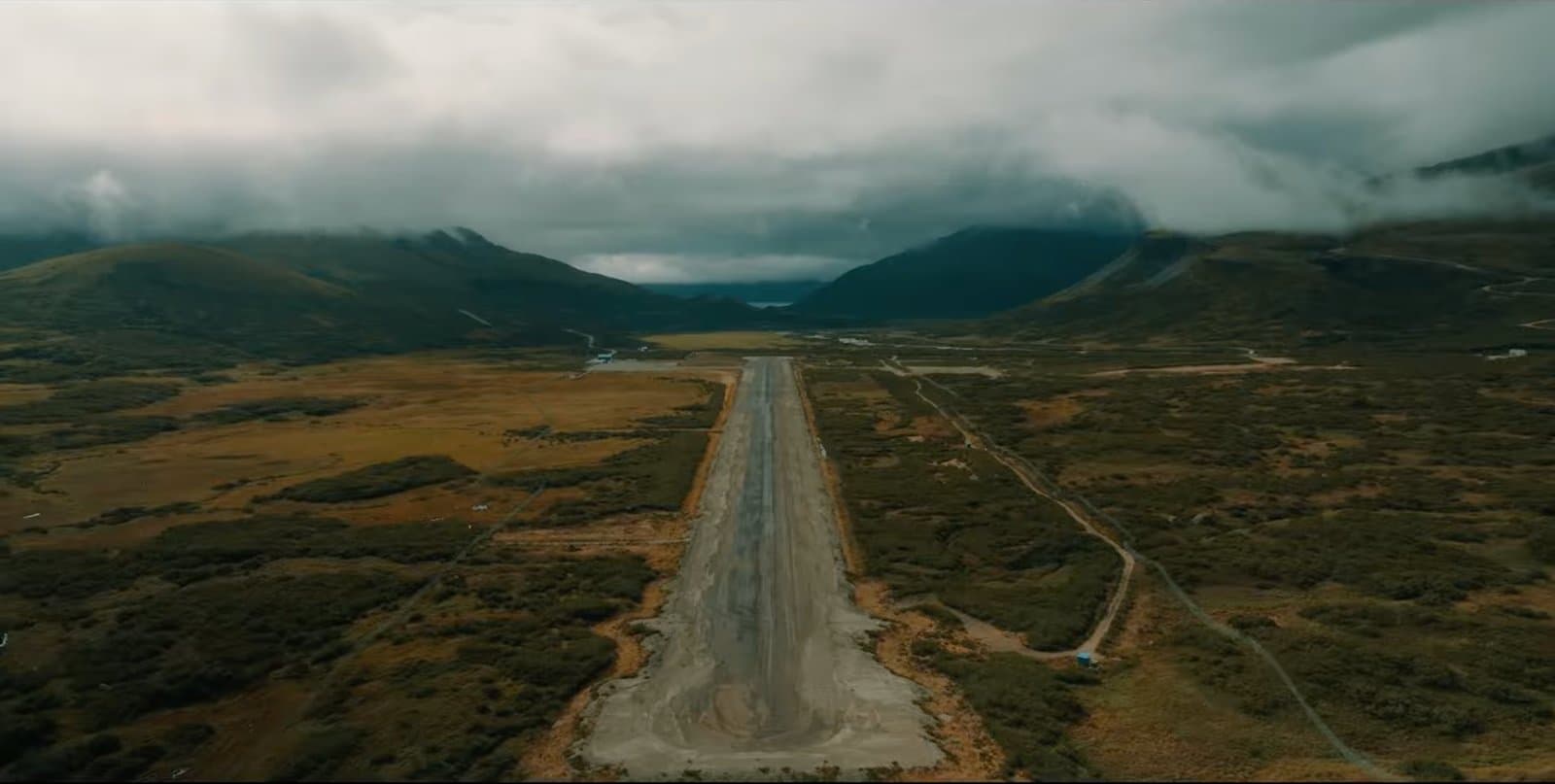
Alaska tightens stormwater rules for industrial sites, with no more easy "too expensive" exits
The 2026 Multi-Sector General Permit becomes effective June 1, imposing updated compliance requirements on approximately 350 industrial facilities statewide—including ports, refineries, mining operations, and airports—with new electronic reporting mandates, revised benchmark monitoring, and tighter corrective action deadlines that operators must meet within 120 days.
 by Bill AlaskaNews4mo ago1 min read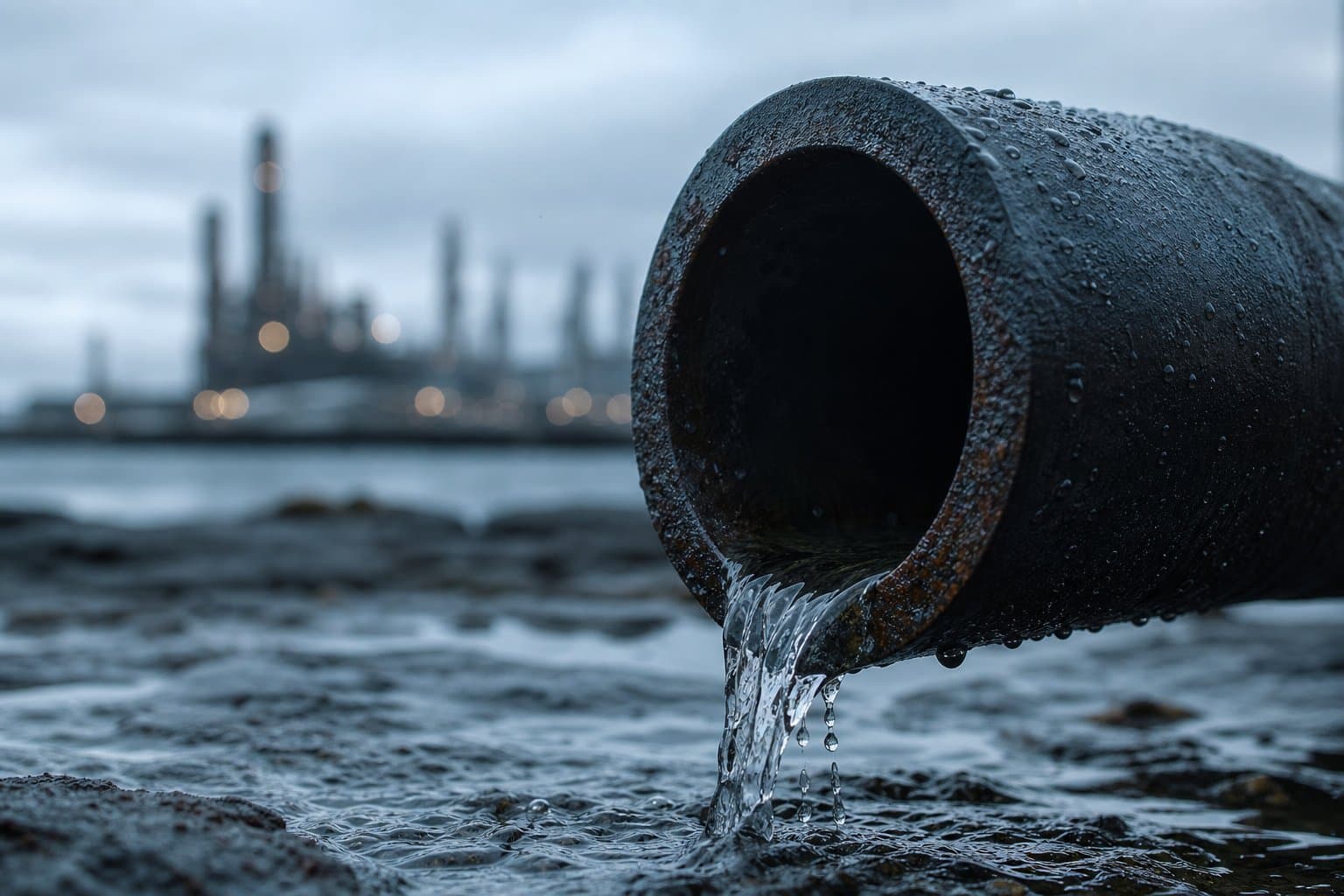
Alaska water systems face July deadlines to claim PFAS settlement funds or lose right to sue
More than 20 Alaska public water systems face hard July 2026 deadlines to claim their share of $14 billion in national PFAS settlements—miss them and they permanently forfeit both settlement money and the right to sue 3M and DuPont, creating urgent stakes for small utilities and tribal systems statewide.
by Walter AlaskaNewsadded 4mo ago2 min read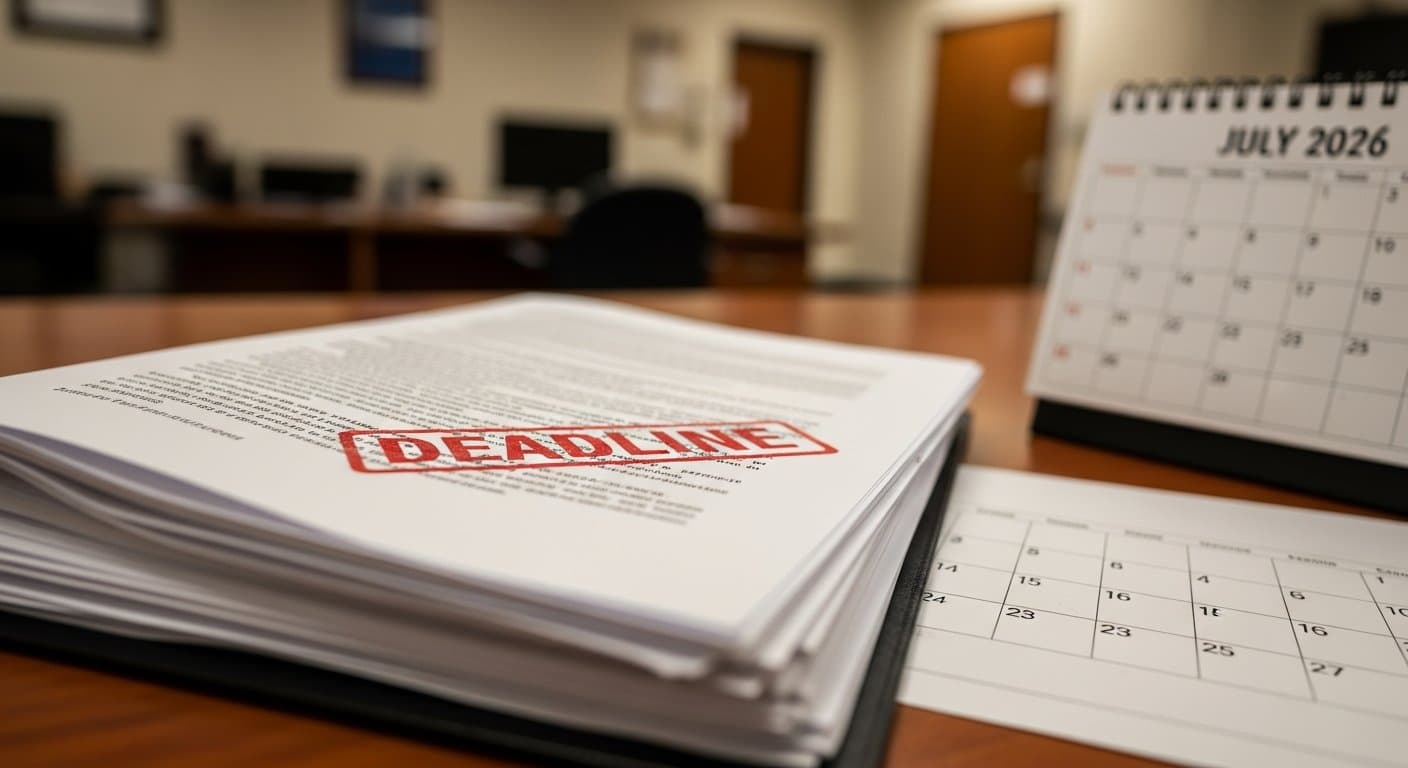
Petersburg sewer rates to rise 20% as EPA bans mixing zone
The Petersburg Borough Assembly approved a 20% sewer rate increase for fiscal year 2027 on Monday, May 18, 2026, to fund aging infrastructure repairs and new EPA-mandated wastewater treatment requirements.
by Walter AlaskaNewsadded 4mo ago1 min read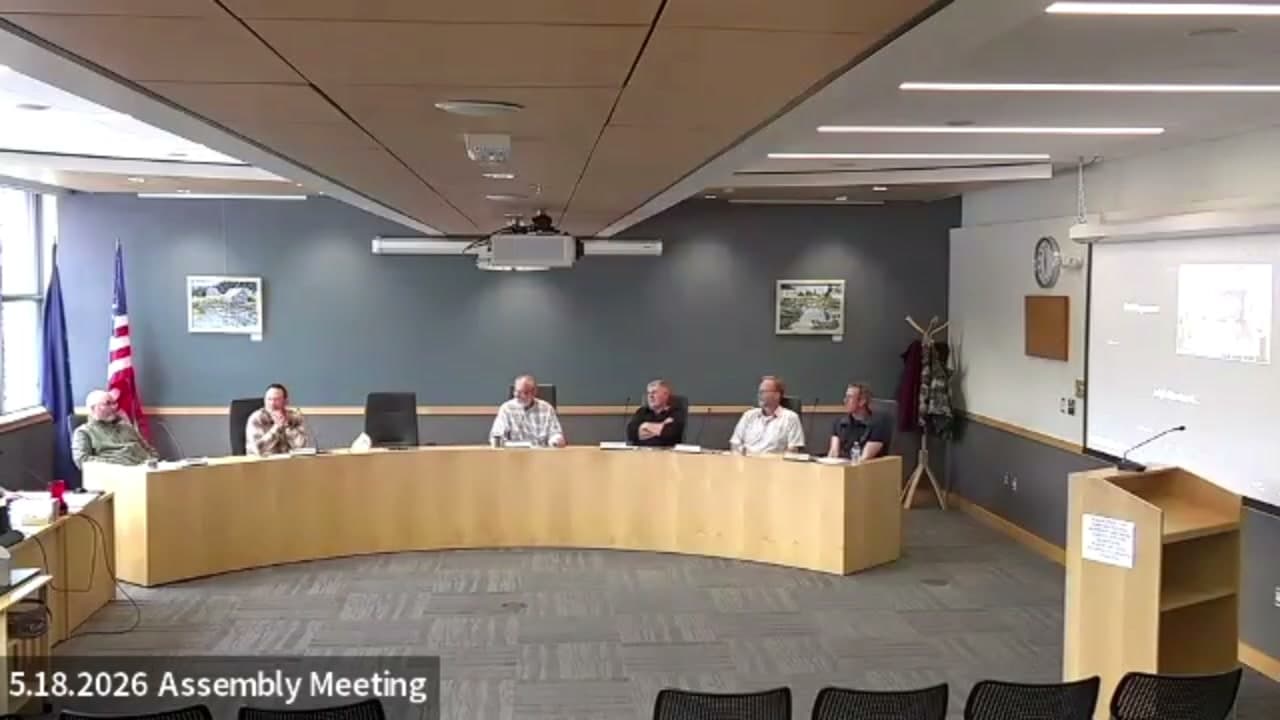
Alaska seeks federal approval to regulate carbon storage wells
The Alaska Oil and Gas Conservation Commission is preparing to submit its primacy application to the EPA by the end of May 2026, seeking authority to permit and regulate Class VI carbon storage wells in Alaska.
by Bill AlaskaNews4mo ago2 min read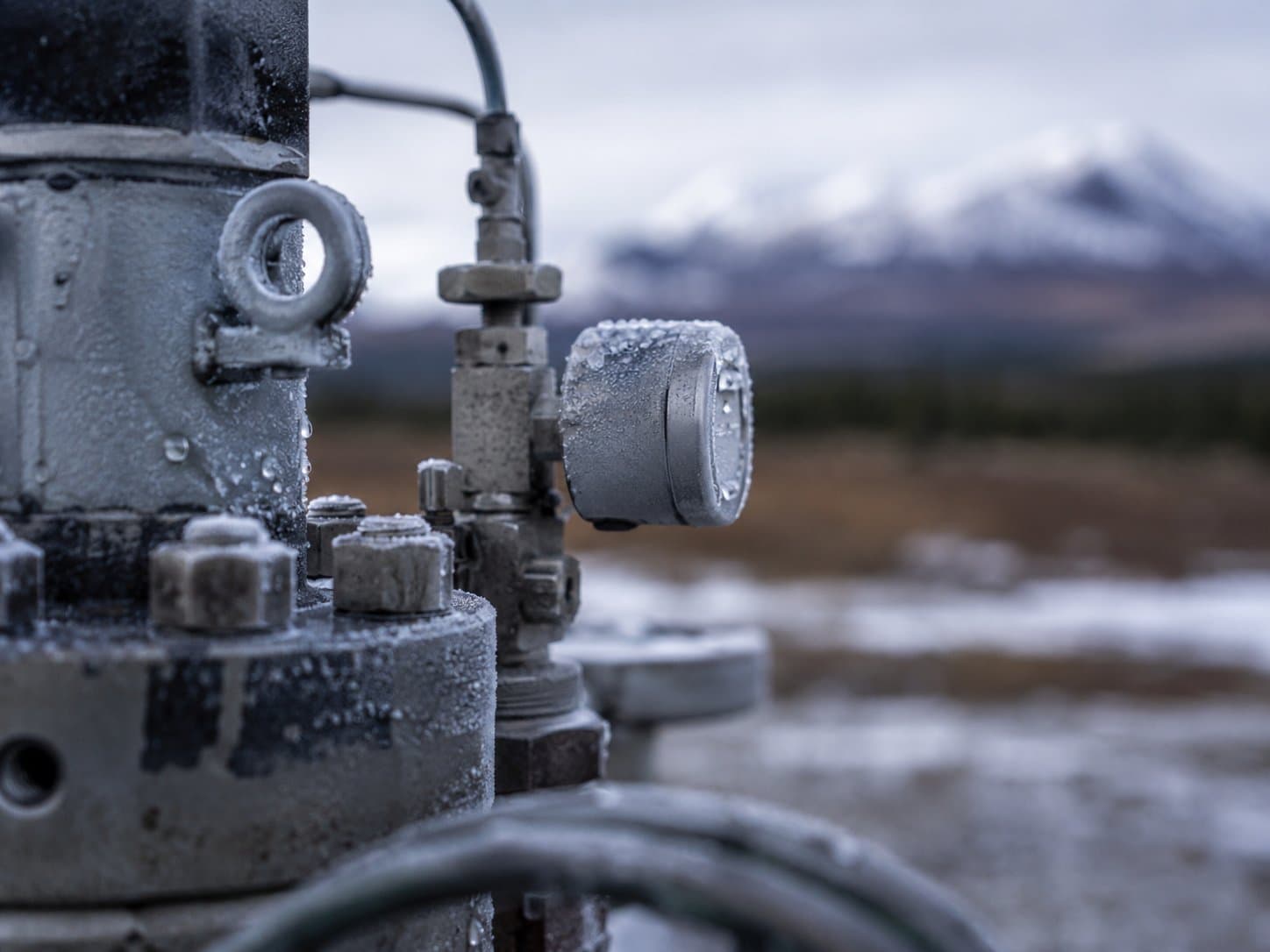
Alaska's environmental chief calls EPA partnership under Trump the best of his career
Alaska's environmental commissioner declares the current federal-state relationship the best in 25 years, as EPA regional administrators emphasize streamlined permitting and cooperative federalism at energy conference.
by Bill AlaskaNewsadded 4mo ago2 min read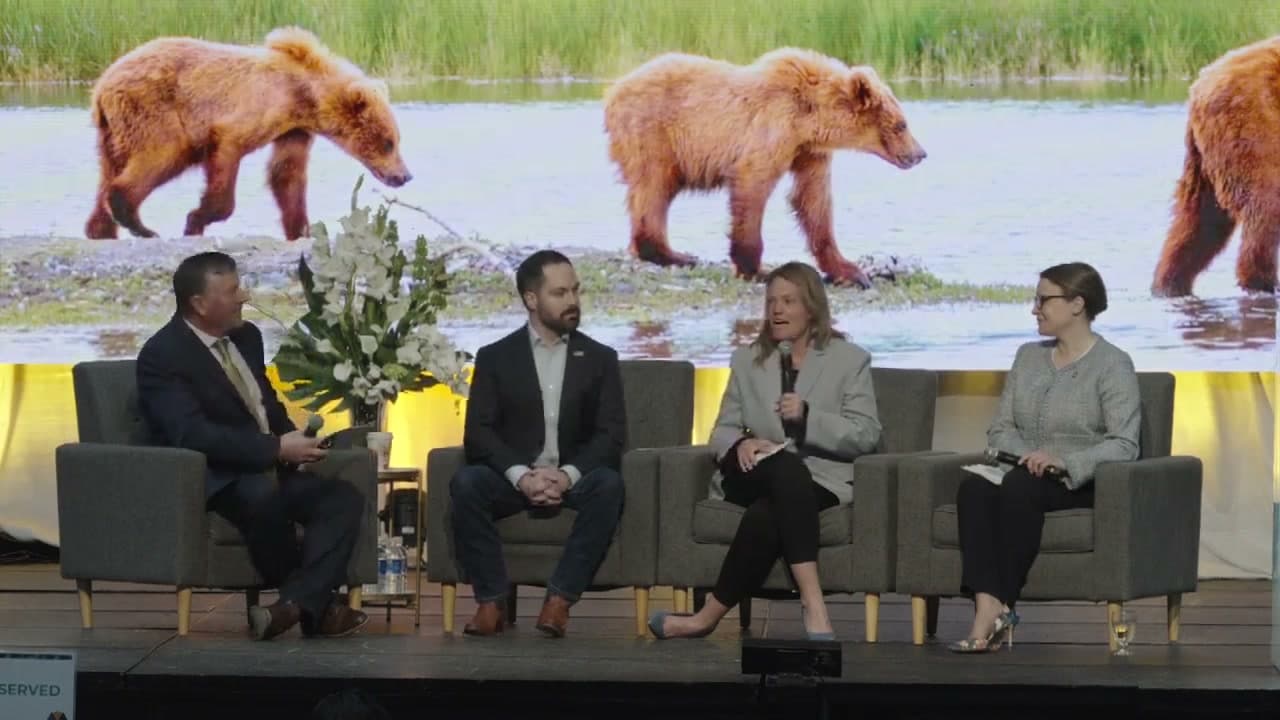
Bristol Bay tribes fight to defend EPA veto of Pebble Mine in court
by Alaska News5mo ago2 min read