Energy
RSSEnergy in Alaska is the mix of electric utilities, power generation, fuel supply and infrastructure that keeps homes and businesses running. It covers hydropower, natural gas and LNG development, rural electric cooperatives, the Railbelt grid and utility rates.
Places and organizations in this news
Numbers are stories in the last 30 days.
Have a story about Energy? Send a tip
Week of May 18
Roundup: Alaska energy conference closes with pipeline financing, record lease sale, and economic freedom debate
Glenfarne secured financing for Alaska LNG pipeline, targeting 2027 construction and 2029 delivery to Cook Inlet, pending tax legislation. • National Petroleum Reserve-Alaska lease sale drew $163 million in bids for 1.3 million acres, though one block faces court challenge. • Dunleavy and economist Wade argued regulatory streamlining and energy access drive economic growth.
 by Walter AlaskaNews5mo ago4 min read

Alaska LNG Project Shifts Focus to In-State Gas, Delays Export Phase
Alaska LNG delays exports, focuses first on supplying in-state gas from North Slope to Cook Inlet. • Lawmakers debate tying tax breaks to a required gas line serving Fairbanks. • Company warns narrow financial window and limited pipeline capacity pose challenges. • Governor says tax breaks are needed to compete with cheaper energy projects elsewhere.
by Walter AlaskaNews5mo ago3 min read
Senate Republicans link Cook Inlet gas decline to rural power costs
Senate Republicans warn Cook Inlet gas decline will raise rural power costs through state subsidy program. • Caucus calls energy shortage an existential crisis and pushes Legislature to build gasline instead of importing liquefied gas. • Three priorities set for special session: cut energy costs, create jobs from pipeline, manage resources for public benefit.
by Walter AlaskaNews5mo ago2 min read
Alaska energy conference closes with call to protect economic freedom
Dunleavy and business author Wade say Alaska must cut regulations to compete for investment and jobs. • Wade argued over-regulation keeps poor nations poor, citing special economic zones as a model. • Dunleavy said a major energy project awaits legislature approval and could create thousands of jobs. • Wade told energy industry reliable, affordable power is essential to human flourishing.
by Walter AlaskaNews5mo ago2 min read
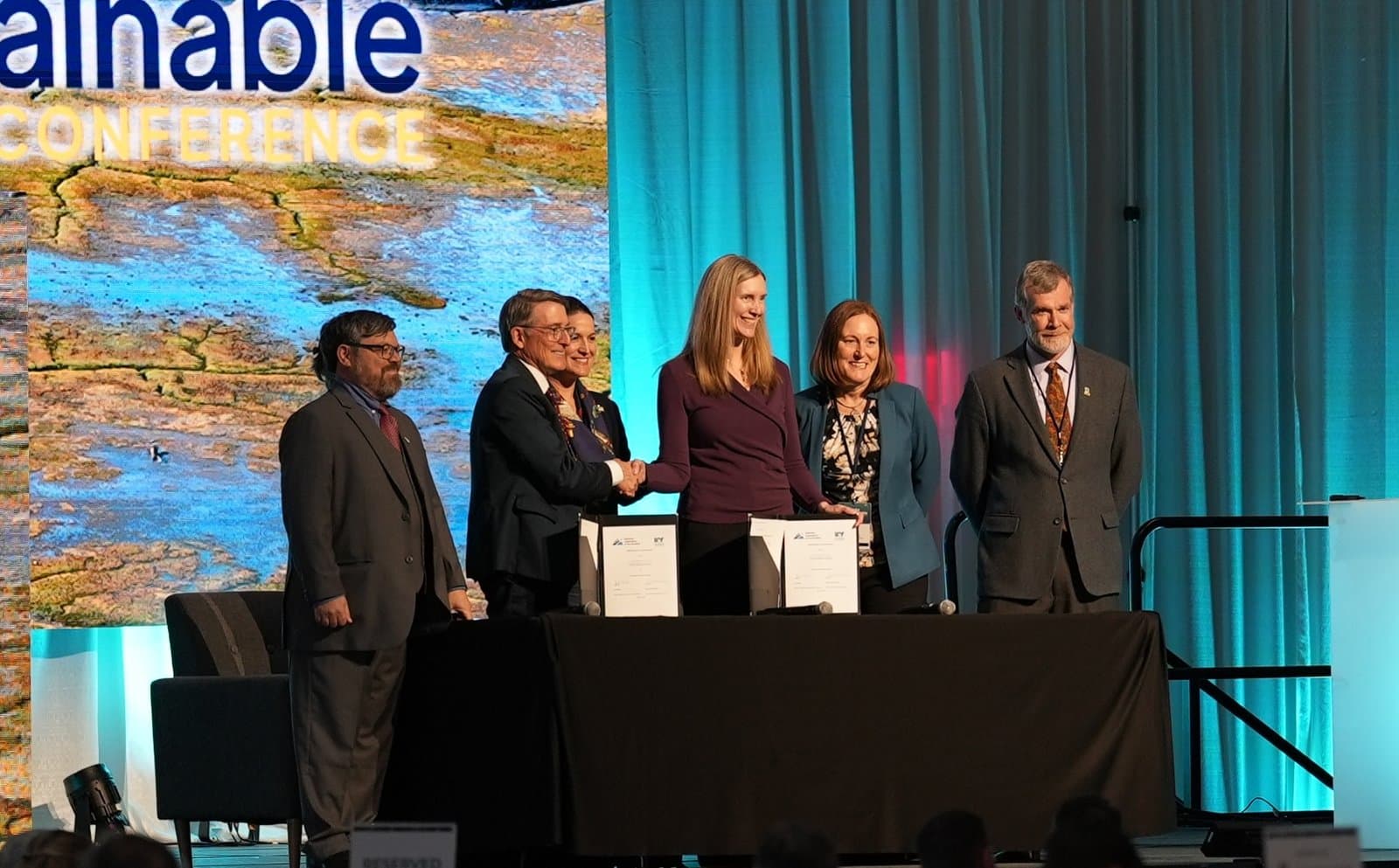
National Lab, University of Alaska Fairbanks sign energy partnership
National Renewable Energy Laboratory and University of Alaska Fairbanks expanded their partnership Wednesday to focus on critical minerals, energy infrastructure, and workforce development for Alaska's energy sector.
 by Melinda Communities.News5mo ago2 min read
Alaska LNG project secures financing proposals, targets 2027 construction start
Alaska LNG secured private financing to build 800-mile pipeline from North Slope to Cook Inlet, targeting 2027 construction start and 2029 gas delivery. • Needs tax stabilization law and utility regulator approval to proceed. • Export facility would sell 20 million tonnes of LNG yearly, mostly to Asia. • Project addresses Cook Inlet gas shortage and aims to lower Alaska energy costs.
by Walter AlaskaNews5mo ago2 min read
Alaska Energy Conference Highlights Gas Pipeline Progress Amid Legislative Tax Debate
Alaska LNG pipeline signed contracts, targets 2029 delivery, but governor and legislature split on tax framework. • Southcentral consumers could pay $22.96 per thousand cubic feet if exports fail, double current rates. • Federal officials highlighted critical minerals and $1 billion in funding, but permitting takes 15 to 18 years. • Rural Alaska pays $6.63 per gallon with no pipeline relief in sight.
by Walter AlaskaNews5mo ago4 min read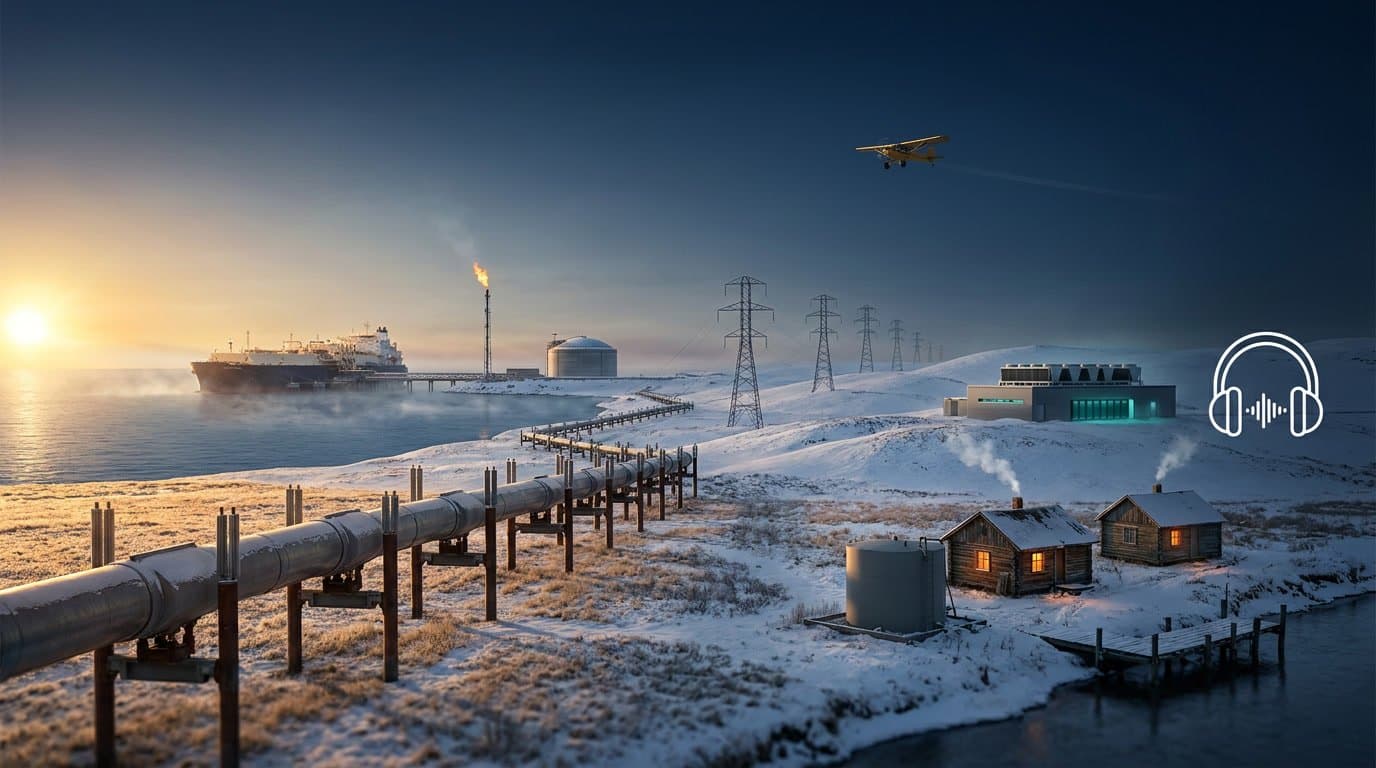
Begich cites $163M Alaska oil lease sale as proof federal certainty drives investment
Rep. Nick Begich cited a record $163 million Alaska oil lease sale as evidence that federal policy certainty drives energy investment, and called for faster permitting to unlock Alaska's oil, gas, and geothermal resources for national security.
by Walter AlaskaNews5mo ago2 min read
More from Energy
Alaska Senate panel hears gas line bill with $900M annual tax break
Alaska Senate reviewed gas pipeline bill cutting annual taxes from $1 billion to $74 million. • Developer could earn $5 billion yearly while consumers face gas prices more than double current rates. • Bill includes $50 million construction fund and requires Fairbanks spur line. • Senators questioned if impact funds adequately address community needs.
by Walter AlaskaNews5mo ago3 min read
Dunleavy to Call Special Session on Gas Line Property Tax Within Hour of Adjournment
Dunleavy calls special session within one hour of adjournment to cut property taxes on Alaska's gas pipeline project. • Current law imposes roughly one billion dollars in annual taxes, making the project uncompetitive. • Federal support depends on Alaska restructuring its tax system to make the project viable. • Municipalities must accept lower taxes to help finance the project.
by Walter AlaskaNews5mo ago2 min read
Alaska Sustainable Energy Conference explores future of statewide energy systems
Alaska Sustainable Energy Conference opened May 19 in Anchorage with nearly 1,000 energy leaders from 35 states and 10 countries. • Alaska signed a memorandum with National Laboratory of the Rockies on mineral supply and remote energy reliability. • Alaska and Yukon renewed an accord creating working groups on Arctic dialogue and transportation.
by Walter AlaskaNews5mo ago2 min read
Alaska LNG Pipeline Gains Momentum with Federal Support, Asian Demand
Alaska LNG pipeline gains federal backing and strong Asian demand, with officials calling it the state's best chance to move forward on a $50 billion project.
by Walter AlaskaNews5mo ago3 min read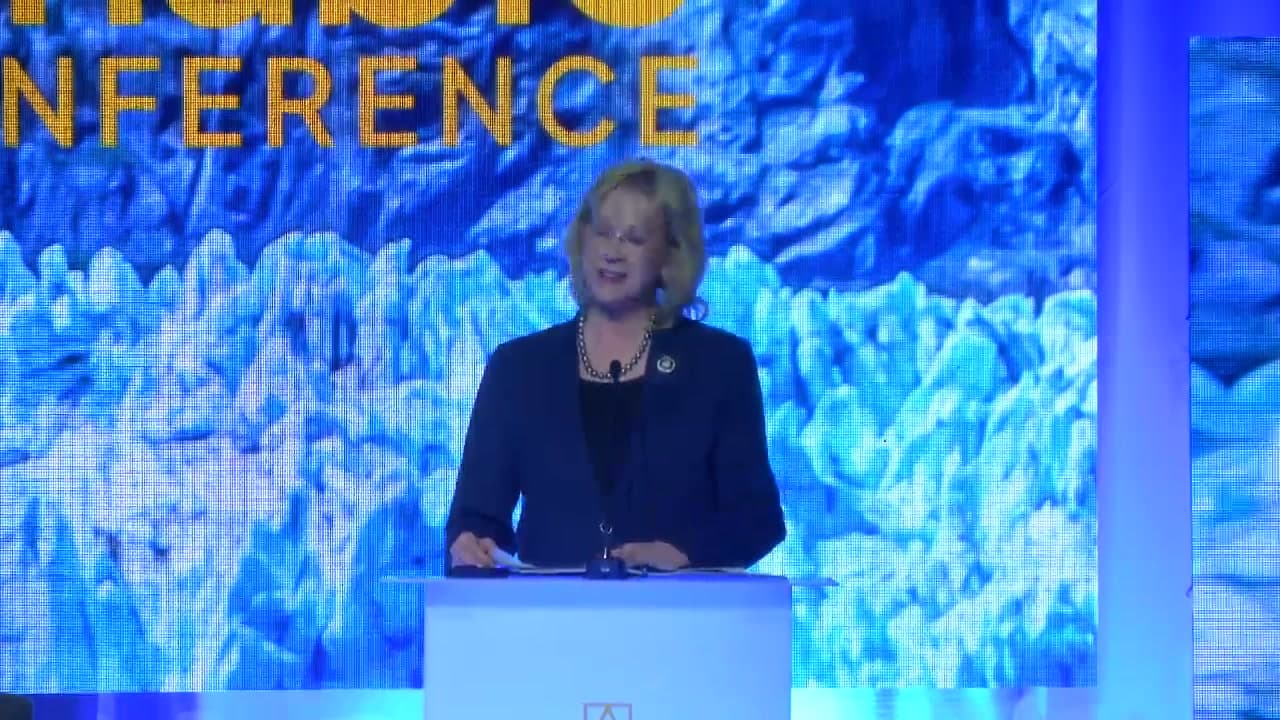
Alaska Positioned as Prime Location for AI Data Center Growth
Energy experts told an Alaska conference Tuesday that the state has space and power to become a major AI data center hub, potentially modernizing aging electrical infrastructure.
by Melinda Communities.News5mo ago2 min read
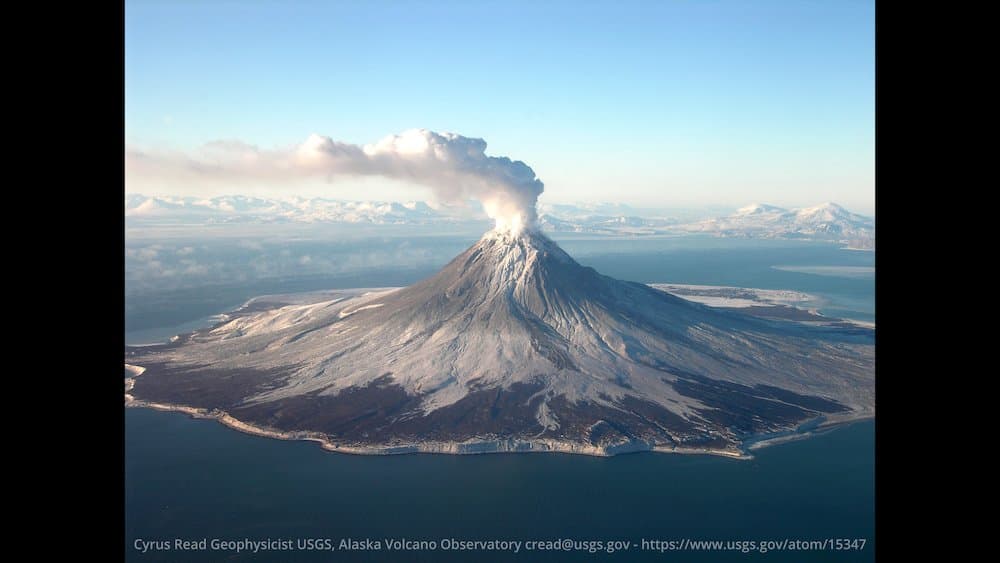
State Signs Deal to Develop Geothermal Energy at Mount Augustine Volcano
Alaska and South Korean company POSCO International signed a two-year exploratory deal on May 18 to study geothermal energy and green methanol at Mount Augustine volcano. • The agreement also covers five other projects: a sustainable aviation fuel refinery, rare earth element mining on Prince of Wales Island, port expansion, and the Knik Arm Crossing.
 by Bill AlaskaNews5mo ago2 min read
Senate panel reviews oil tax floor increase projecting $132M annual gain
Senate panel reviewed modeling showing a higher oil tax floor would generate $132 million annually on average, though some years could see revenue decline.
by Bill AlaskaNews5mo ago4 min read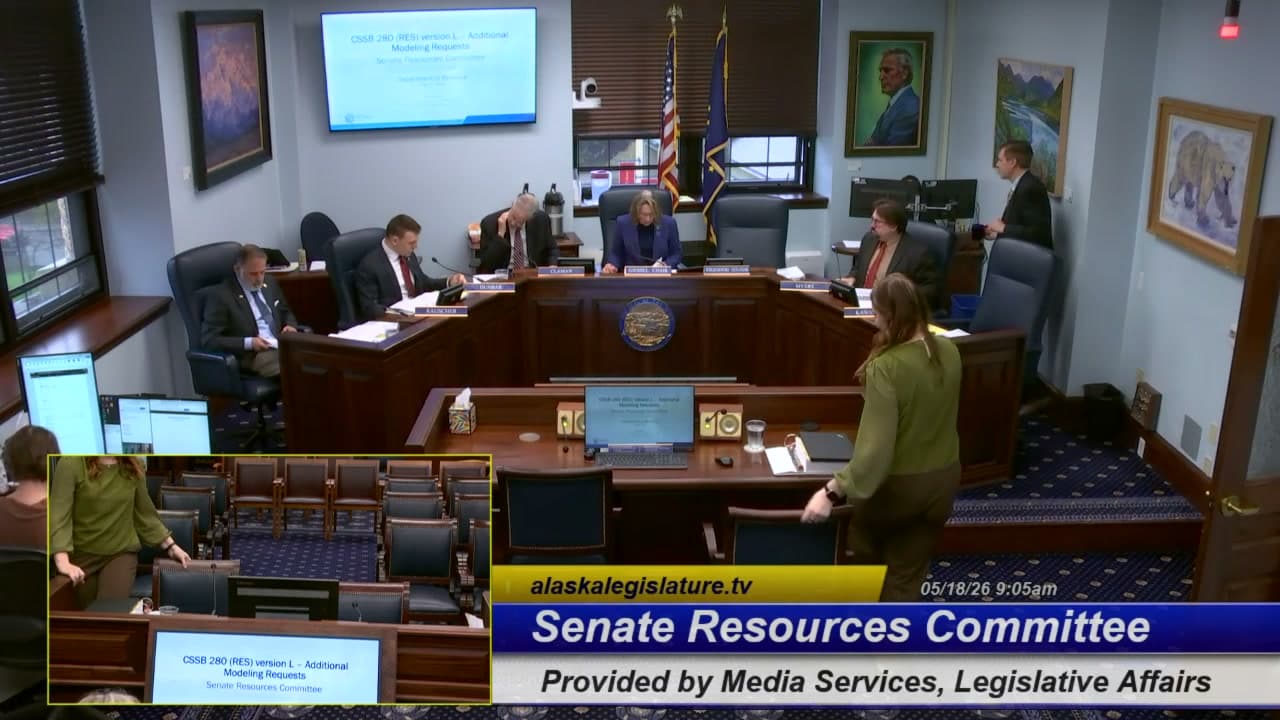
Week of May 11
Alaska News Roundup: Gas pipeline tax fight, Point Thomson trade-off, and McNeil River access debate
Senate passed gas pipeline tax bill raising oil production tax floor to six percent, drawing industry criticism. • Point Thomson regulators warn blowdown for pipeline risks sixty-five million barrels of condensate. • Mount Edgecumbe enrollment dropped a quarter to three hundred eleven students amid facility and health concerns. • Fish and Game reviews wheeled plane landings at McNeil River bear sanctuary despite conservation objections.
by Walter AlaskaNews5mo ago3 min read
Coming up
Energy in the North: Robert Venables on Southeast Conference Economic Development
KUAC FM 89.9 and KUAC online
Class
APIA Low Income Home Energy Assistance Program applications open for all households
Public notice
ASTE 2027 early bird registration ends
Public notice
Bradley Lake Project Financing Closure Deadline
Public notice
Federal Resource Agency Recommendations Deadline for Bradley Lake Expansion
Public notice
About Energy
Energy in Alaska takes in the electric utilities, power plants, fuels and transmission lines that keep homes and businesses running. It ranges from the Railbelt grid of Southcentral and the Interior to village systems that run on diesel, and from hydropower to natural gas from Cook Inlet.
Recurring questions concern the cost of heating oil, diesel and gas, whether Railbelt utilities can generate enough power through winter, and how to add supply through the Bradley Lake hydro expansion, transmission lines and the Alaska LNG project. ENSTAR gas rate cases and Golden Valley Electric's thin generation reserves are among the utility questions that return. Rural communities seek heating assistance and ways to cut diesel use.
State bodies such as the Alaska Energy Authority and AIDEA lend to and invest in energy projects, including nuclear and geothermal ventures. Energy connects to the oil and gas industry, to utility rates and to renewables such as solar, tidal and geothermal power.
More from Energy
Gas pipeline bill adds oil tax increase, industry calls process rushed
Alaska Senate passed a gas pipeline bill raising the oil tax floor to six percent starting in 2027, even without the pipeline, over industry objections.
 by Alaska News5mo ago2 min read
Railbelt grid operator holds five subcommittee meetings in eight days
The Railbelt Transmission Organization held five subcommittee meetings in eight days this month to work on grid standards, rates, and transmission planning across Anchorage, Mat-Su, and Fairbanks.
by Alaska News6mo ago1 min readWeek of May 4
Dunleavy says Alaska gas pipeline depends on property tax overhaul
Governor Dunleavy demands the legislature pass a property tax overhaul within three weeks to make a $44 billion to $50 billion North Slope gas pipeline financially viable.
by Alaska News6mo ago5 min read
Senate panel doubles oil surcharge for Dalton Highway maintenance in gas pipeline bill
Alaska Senate panel doubled the oil surcharge for Dalton Highway maintenance to 30 cents per barrel, generating roughly $50 million yearly, while cutting local government tax revenue by 90 percent.
by Alaska News6mo ago3 min readWeek of Apr 20
Alaska Energy Survey Shows Strong Support for Renewables, Mixed Views on Nuclear
Survey shows 70% of Alaskans support renewable energy and natural gas pipelines, but backing drops if costs rise or state investment is needed. • Rural Alaska faces energy crisis. Fairbanks burned 250,000 gallons of diesel daily last winter when natural gas power became unavailable. • Nuclear awareness grew from 25% to 40% between 2023 and 2025, with support rising as residents learned about microreactors.
by Alaska News6mo ago4 min read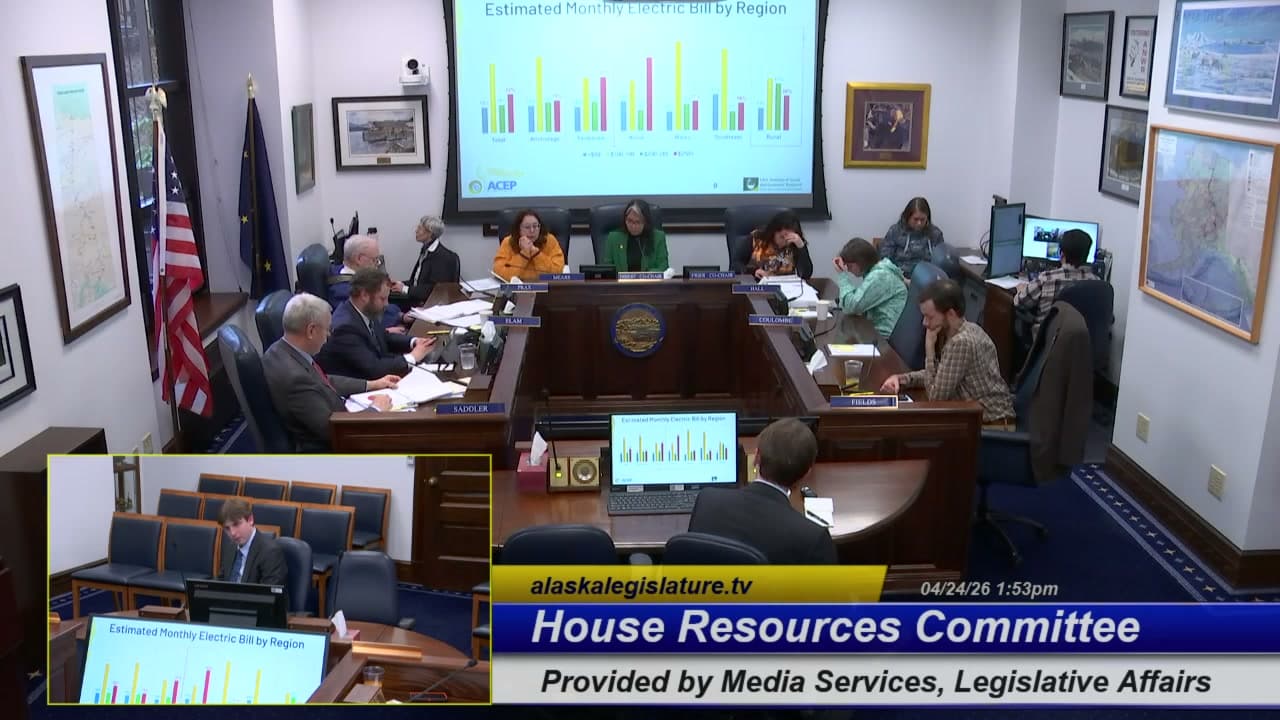
Senate panel examines price controls, federal authority on gas pipeline
Alaska Senate panel questioned whether state price caps in Senate Bill 280 would conflict with federal authority over the Alaska LNG pipeline project.
 by Matt6mo ago4 min read