Susitna Hydroelectric
RSSSusitna Hydroelectric in Alaska is a proposed large hydroelectric dam project on the Susitna River in Southcentral Alaska. Also known as the Susitna-Watana Hydroelectric Project, it was advanced by the Alaska Energy Authority as a Railbelt power source and returns as Cook Inlet gas supplies decline.
Places and organizations in this news
Numbers are stories in the last 30 days.
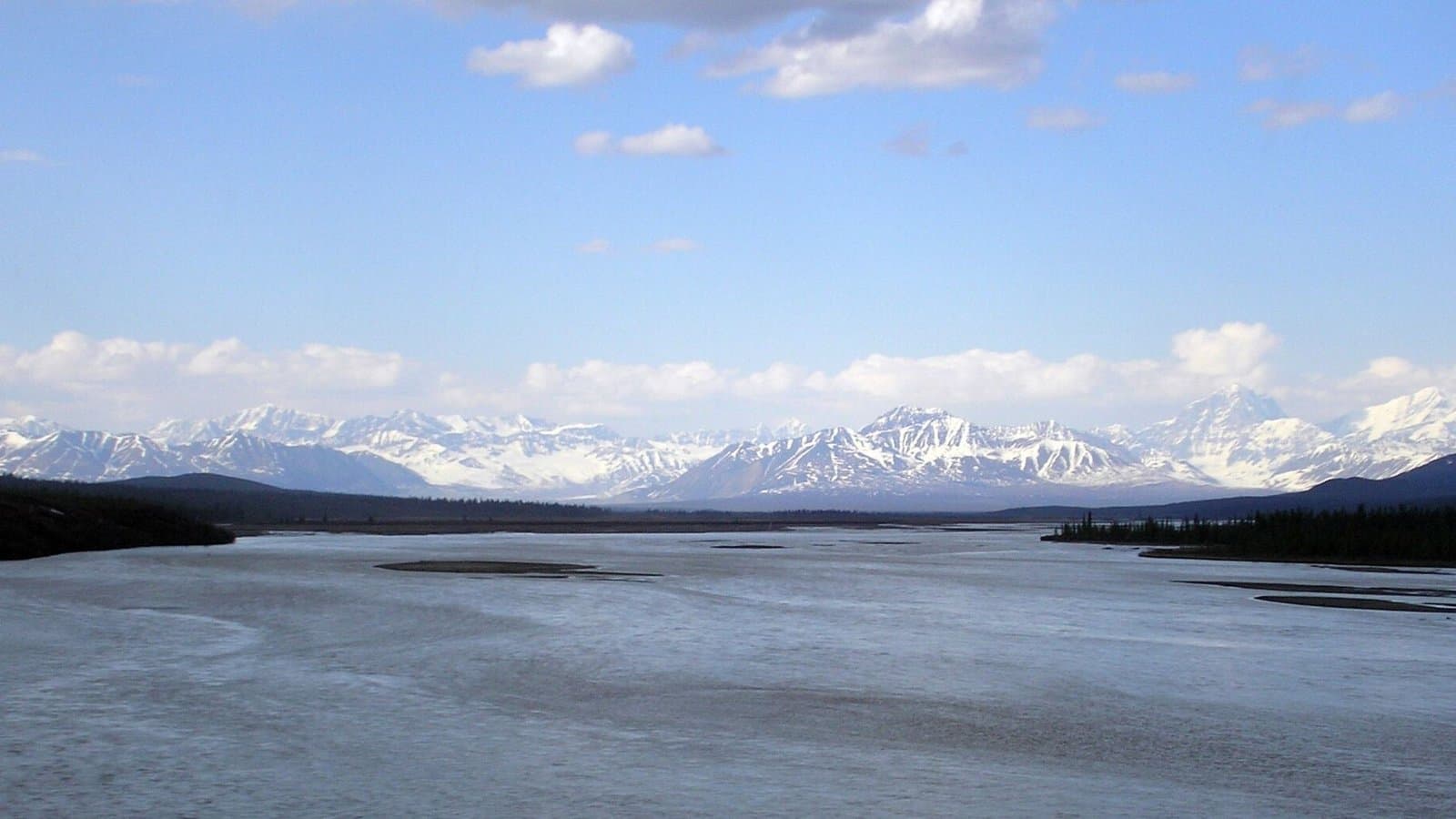
Photo: jkbrooks85 via Wikimedia Commons · Photo source · CC BY 2.0
Alaska Energy Authority board votes Nov. 5 on a new look at the shelved Susitna dam
The Alaska Energy Authority's board will vote Nov. 5 on whether to take a new look at the Susitna-Watana dam, the roughly 705-foot hydroelectric project the state shelved more than a decade ago.
"Time is of the essence," the resolution before the board says. A federal clean electricity tax credit, if it applies, could cover up to half of the dam's eligible cost, but certain construction milestones must be met before the end of 2033 to get the maximum.
The authority's 2014 cost estimate of about $5.5 billion works out to about $9 billion today, the resolution says. Tax credits could bring the cost back near $5.5 billion, it says, so the dam could generate power for about 6.5 cents a kilowatt-hour, close to the cost at the authority's Bradley Lake hydro plant, the Railbelt's cheapest power.
The dam would produce about 60% of the Railbelt's current electricity demand, the authority told the Legislature in a January letter. The resolution attributes rising Railbelt power costs to dwindling Cook Inlet natural gas, noting that Golden Valley Electric Association's published residential rates in the Interior are nearly 35 cents a kilowatt-hour. Producers told lawmakers in September that Southcentral won't have enough gas to get through the winter of 2029 without imported liquefied natural gas or North Slope gas.
The resolution wouldn't approve construction or a license application. It would authorize Executive Director Curtis Thayer to review whether the tax credits apply and what studies and permits remain before the authority could apply for a federal license.
At the board's July 21 meeting, Board Chair Clay Koplin suggested the board consider a resolution in November to move the project forward, saying legislators and the governor's office had asked many questions about the dam, according to draft minutes. Alaska faces rapidly rising energy costs, he said, and new industries, Department of War installations and other growing needs in the Railbelt change the calculus. He said the authority wouldn't make the final decision. That would be up to the governor, the Legislature and stakeholders.
What did you make of this story? (no account needed)
Have a story about Susitna Hydroelectric? Send a tip
Stories on what’s next
Bradley Lake Project Financing Closure Deadline
Railbelt ratepayers will repay up to $100M for a Bradley Lake expansion built around federal tax credits
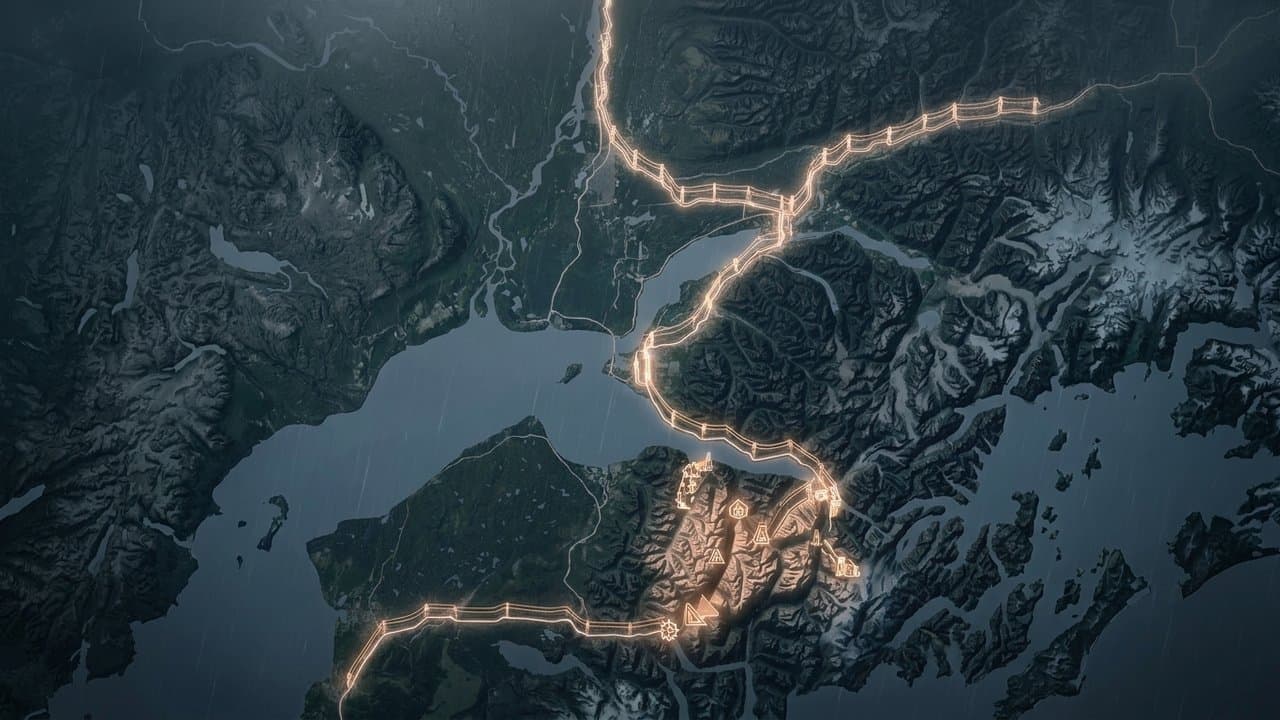
Railbelt electric customers will repay up to $100M to expand the Bradley Lake hydro plant, its dam sized to chase up to $200M in federal tax credits.
Latest
Anchorage sets Oct. 28 open house on Eklutna pumped storage options
Anchorage holds an open house Oct. 28 on two dam designs for Eklutna Lake, where the city gets 90 percent of its drinking water and faces a 2027 deadline on pumped storage.
 by Walter AlaskaNews1mo ago2 min read
A dam licensed near Juneau 10 years ago still isn't built, and its deadline just passed
A dam licensed near Juneau a decade ago was never built, its construction deadline just expired, and the local utility says the town doesn't need the power.
by Walter AlaskaNews1mo ago2 min readFrom Follows: Juneau Hydropower asks FERC for two more years to start Sweetheart Lake dam
Comments on the $400 million Bradley Lake expansion close Friday
Federal comment on the Bradley Lake expansion closes Friday. The price has been stated three ways since spring, and Railbelt ratepayers carry the debt.
by Walter AlaskaNewsadded 2mo ago2 min read
Bradley Lake expansion has carried three price tags in four months as the comment window closes
The Bradley Lake expansion has been priced at $400 million, $420 million and $435.9 million since April. Alaskans have until Aug. 28 to weigh in.
by Walter AlaskaNewsadded 2mo ago2 min read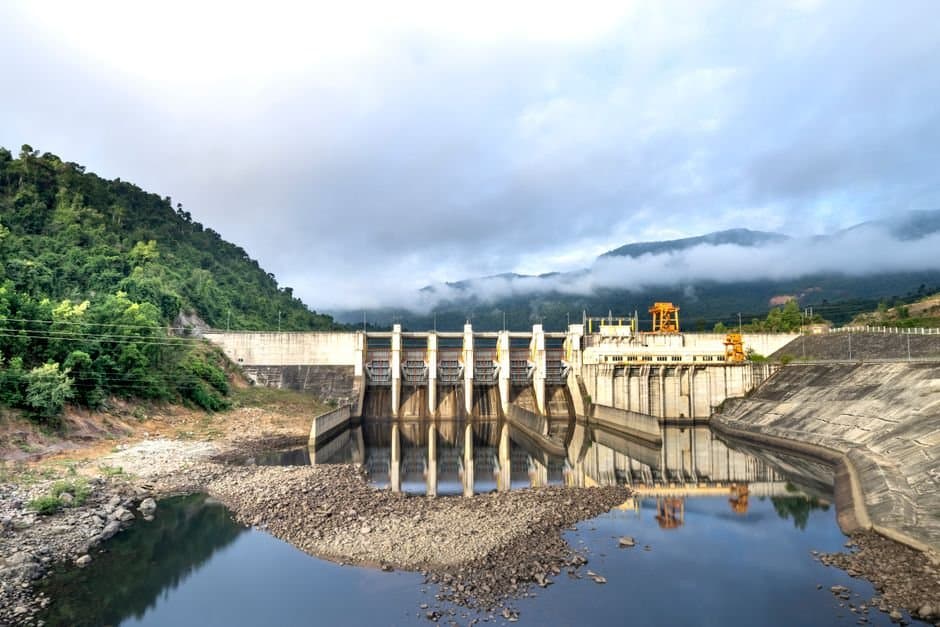
As Cook Inlet gas runs short, Alaska moves to squeeze 38% more power from an existing dam
With Cook Inlet gas set to run short by 2027, Alaska wants to squeeze 38% more power from the existing Bradley Lake dam — raising the reservoir 16 feet and piping in glacier melt, no new plant required.
 by Melinda Communities.Newsadded 3mo ago2 min read
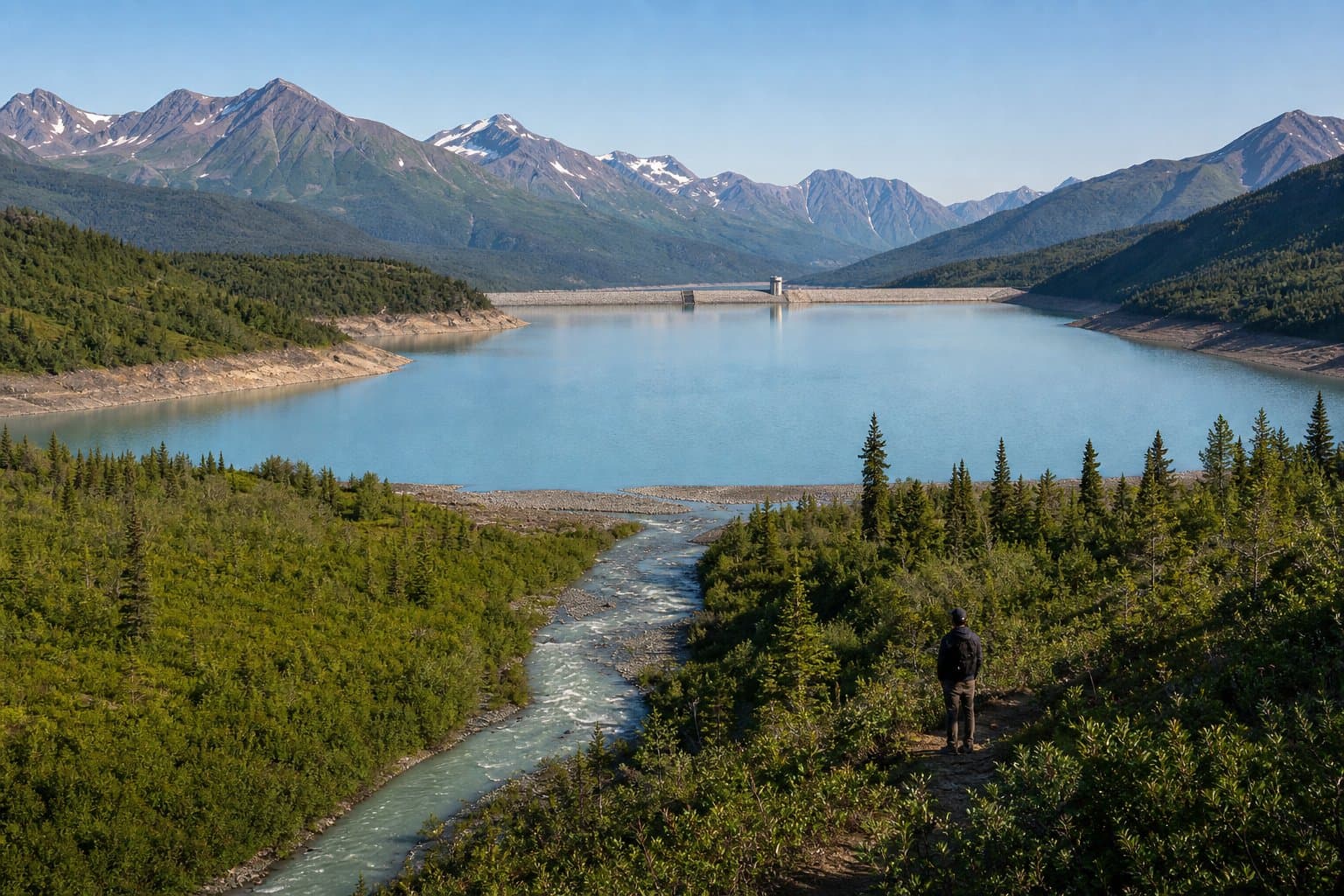
Chugach is pursuing four hydroelectric projects to hedge against Cook Inlet gas decline
Chugach's gas-to-renewables shift has its first concrete entries: four hydro projects on four Southcentral creeks, 52 MW total.
by Walter AlaskaNewsadded 4mo ago2 min read