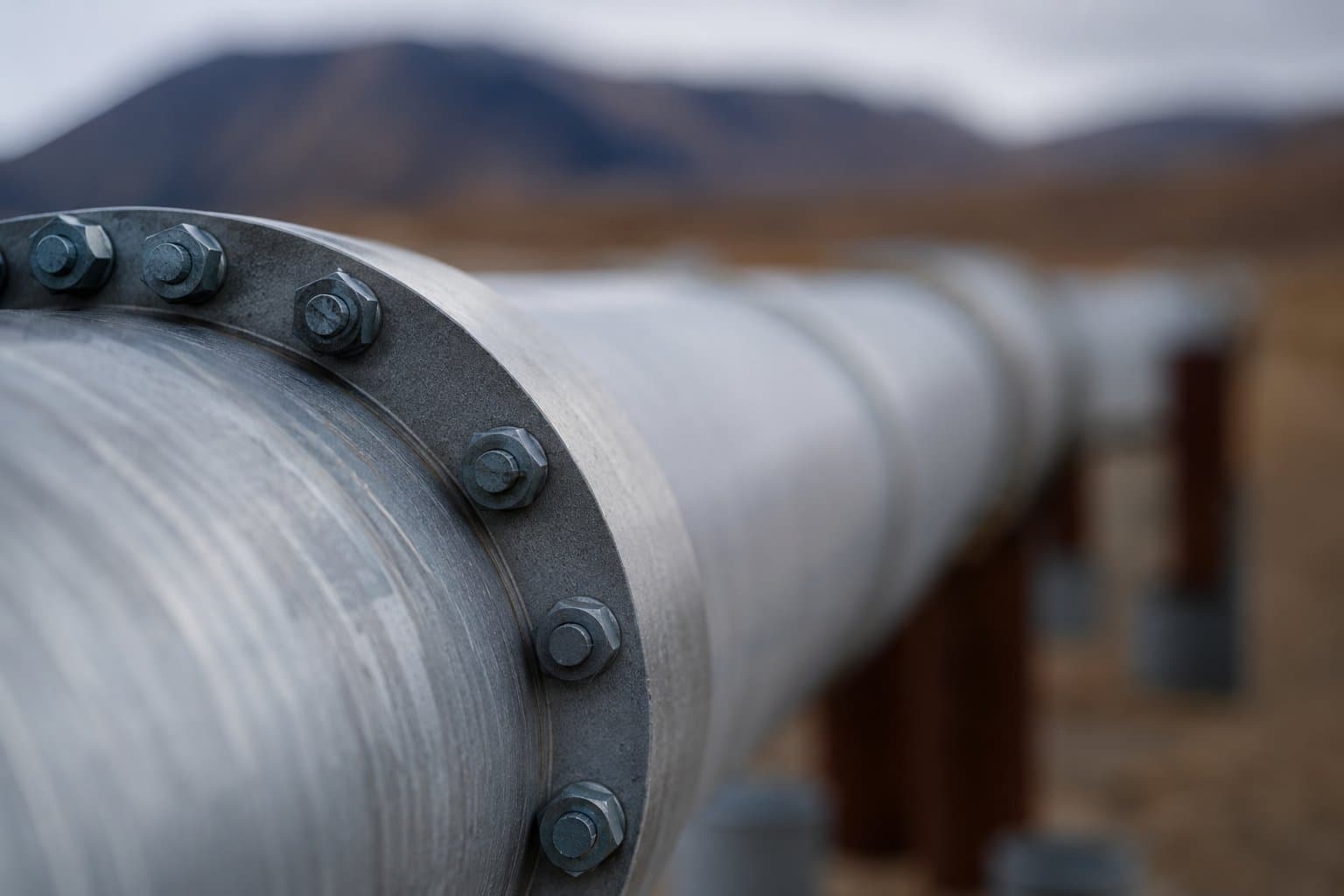
Photo by Cale Green
Gas pipeline bill adds oil tax increase, industry calls process rushed
The Alaska Senate Resources Committee passed a gas pipeline tax bill this week that raises the state's minimum oil production tax. The oil industry says the change was rushed through without adequate analysis.
Senate Bill 280, Version L, increases the oil tax floor from four percent to six percent effective January 2027. That increase happens whether or not the proposed Alaska LNG pipeline gets built.
Steve Wackowski, president and CEO of the Alaska Oil and Gas Association, testified Saturday that the measure had been transformed into "a sweeping oil tax increase rushed through the process without meaningful economic analysis."
The oil tax floor increase replaced a different provision that legislators removed after industry objected. The original approach would have separated gas lease expenditures from oil lease expenditures so the gas project's deductions would not reduce oil tax collections.
Industry representatives called that provision too complicated and risky for the investment climate. The legislature removed it, then added the oil tax floor increase as an alternative revenue offset.
Senator Robert Myers asked whether the oil tax increase was conditional on the pipeline moving forward. Sonya Kawasaki, the Senate majority's legal counsel, confirmed it was not.
The tax rate proposals for the pipeline itself vary widely. Governor Dunleavy proposed a six-cent-per-thousand-cubic-feet tax rate. The House version sits at 20 cents. The Senate version is at 55 cents.
The pipeline developer has not provided economic modeling showing which rate makes the project viable. Senator Cathy Giessel said earlier in the process,
"Really, if they want any kind of tax reduction, they need to help us with this bill, giving us actual numbers."
The fiscal backdrop shapes the debate. Senator Bill Wielechowski laid out the state's financial position: "We have a cash flow problem in this state. We have a two billion dollar structural deficit going forward."
The session ends around May 20. Senate President Gary Stevens has said publicly he does not see a conclusion coming in the remaining days.
Articles referenced in this episode
Point Thomson Gas Blowdown Could Cost Alaska 65M Barrels of Condensate
Alaska News · 4mo ago
House Resources passes agricultural land lease bill unanimously
Alaska News · 4mo ago
Oil industry opposes gas pipeline tax bill over bundled oil tax increases
Alaska News · 4mo ago
Kodiak artists face Sunday deadline for 26th Crab Fest Art Show
Alaska News · 4mo ago
House Finance reschedules gas line hearing, shifts to vehicle title bill
Alaska News · 4mo ago
Senate panel advances gas pipeline bill with oil tax floor increase
Alaska News · 4mo ago
McNeil River bear viewing access dispute revealed in survey results
Alaska News · 4mo ago
House panel advances domestic violence protective order extensions
Alaska News · 4mo ago
Wasilla Senator's Mother Scammed, Sparks Crypto Kiosk Crackdown
Alaska News · 4mo ago
Anchorage zoning board approves deck variance despite staff concerns
Alaska News · 4mo ago
Stay informed. Support what matters.
Free, permanent access to local news you can verify. Subscribe to support Alaska News and go ad-free.
Related Coverage
Senate panel advances gas pipeline bill with oil tax floor increase
Alaska News · 4mo ago
Oil industry opposes gas pipeline tax bill over bundled oil tax increases
Alaska News · 4mo ago
Senate panel advances gas pipeline tax bill after 36 hearings
Alaska News · 4mo ago
Oil industry opposes tax provisions in Alaska gas pipeline bill
Alaska News · 5mo ago
Senate panel advances gas pipeline bill with reduced community payments
Alaska News · 4mo ago
Comments
Sign in to leave a comment.
No comments yet. Be the first to share your thoughts.