State body regulating public utilities in Alaska — electric, gas, water, sewer, telecommunications, and the intrastate pipeline carriers. Sets consumer rates and grants certificates of public convenience.
701 W 8th Ave #300, Anchorage, AK 99501, USA
Video Clips
Browse all clips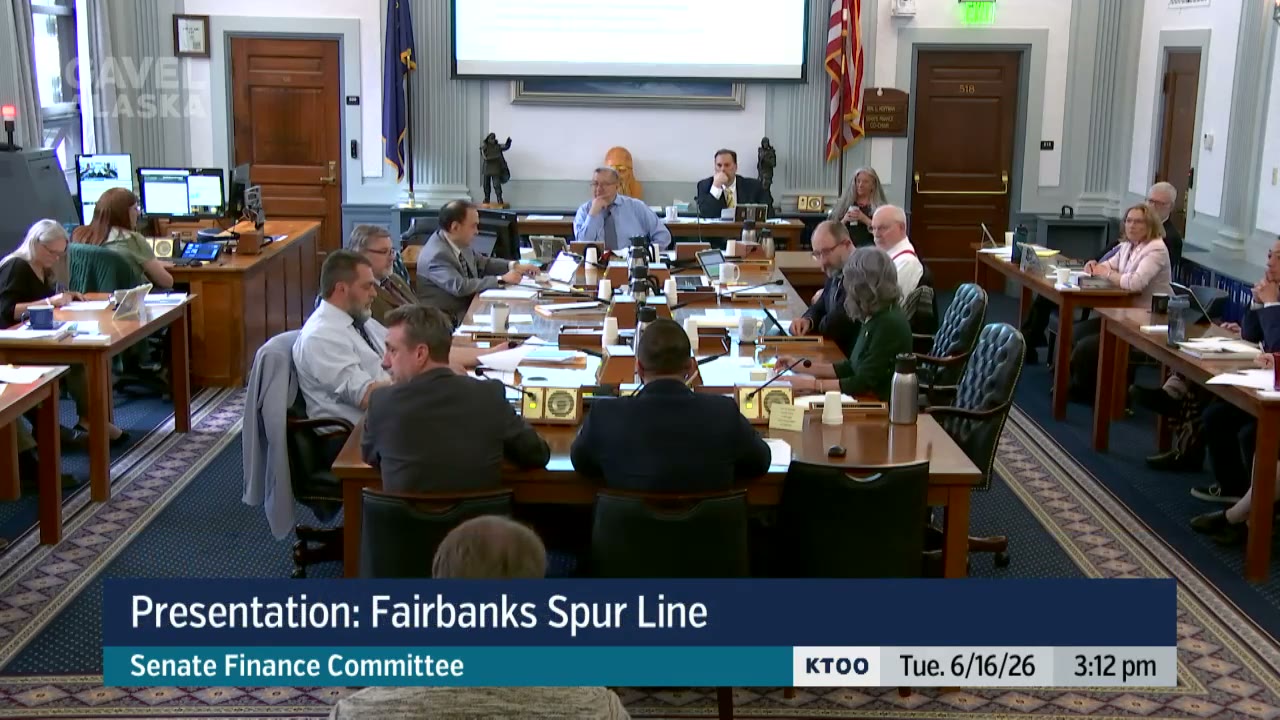
Adam Prestidge
“when we talk about the Fairbanks Spur Line, we are— and again, we will give the specific final numbers, but just for frame of reference for this conversation, approximately 30 miles with a diameter of 12 to 14 inches in diameter.”Alaska Legislature: Senate Finance - June 16, 2026 1:30pm · Jun 16, 2026
Adam Prestidge
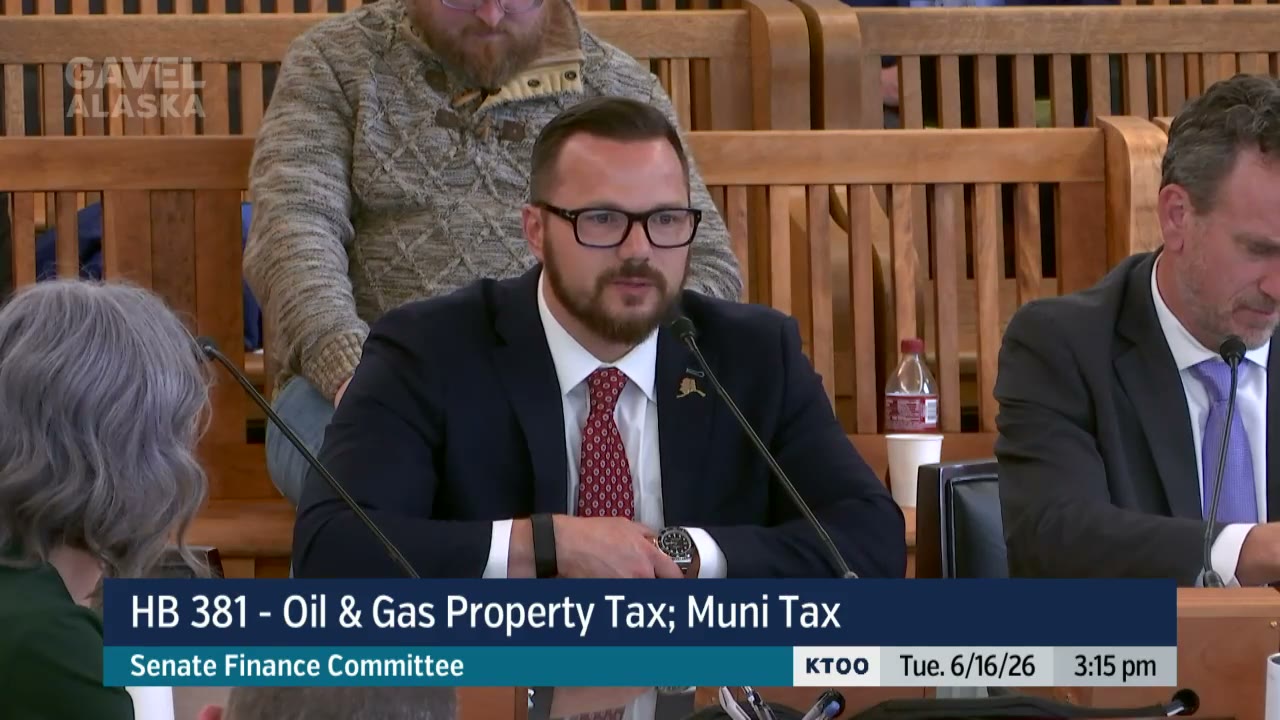
“it is not a firm commitment that all of the permits must be obtained because that is outside of the scope of the project developer's control. That is outside of 8 Star's control. At the end of the day, if there is a regulatory agency that for some reason declined to issue permits for the Fairbanks Spur Line, we wouldn't want that to jeopardize the tax treatment for the overall project that benefits the entire state of Alaska.”Alaska Legislature: Senate Finance - June 16, 2026 1:30pm · Jun 16, 2026
Claire Knudsen-Latta
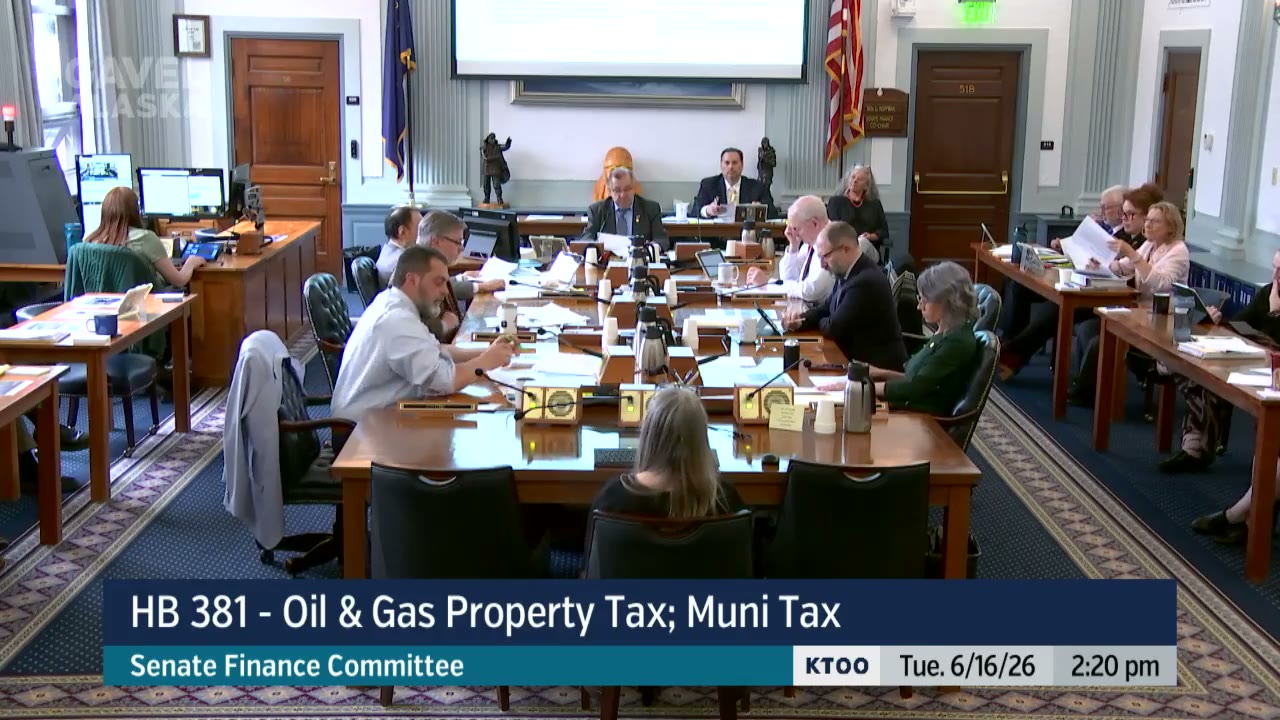
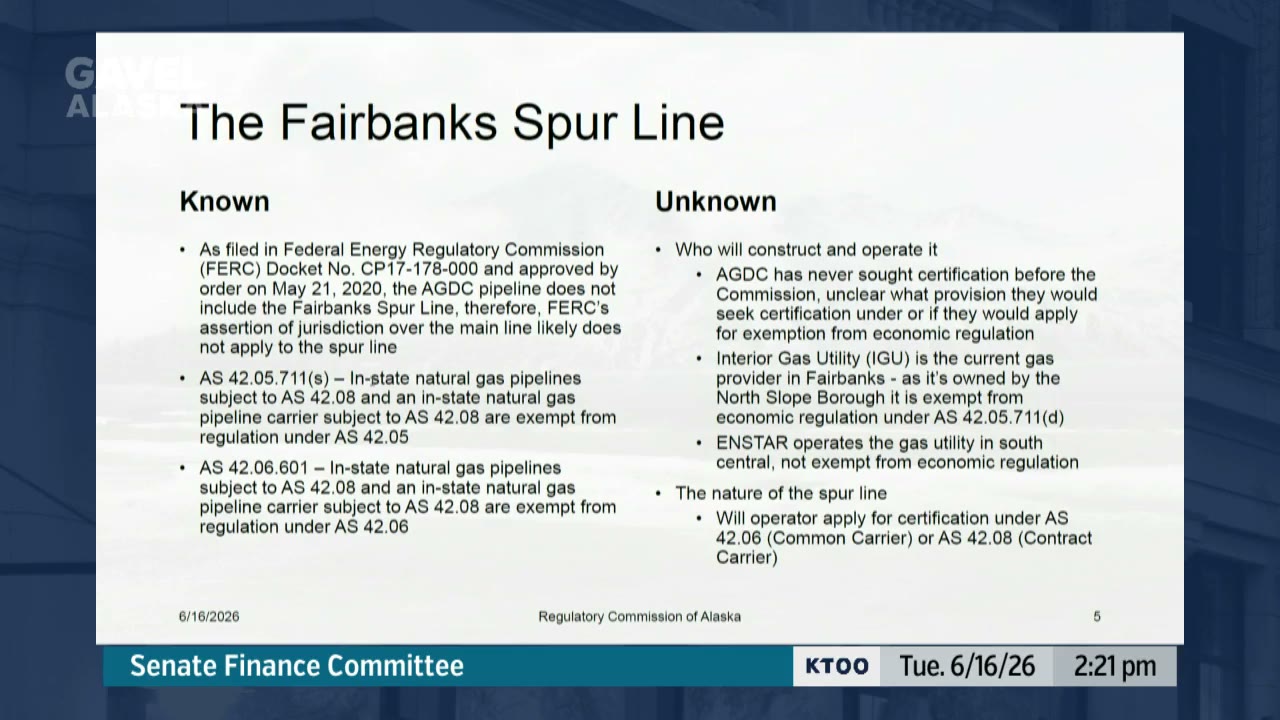
“it appears the application by the Alaska Gas Line Development Corporation, or AGDC, did not include the Fairbanks Spur, and thus, it is unlikely that FERC's May 2020 decision extends its jurisdiction over the spur.”Alaska Legislature: Senate Finance - June 16, 2026 1:30pm · Jun 16, 2026
Claire Knudsen-Latta
“Not knowing who will construct or operate the line means that the commission cannot answer questions about whether the spur will be economically regulated or not. Additionally, the commission cannot speak to whether the operator will seek certification under AS4206 or AS4208.”Alaska Legislature: Senate Finance - June 16, 2026 1:30pm · Jun 16, 2026
Adam Prestidge
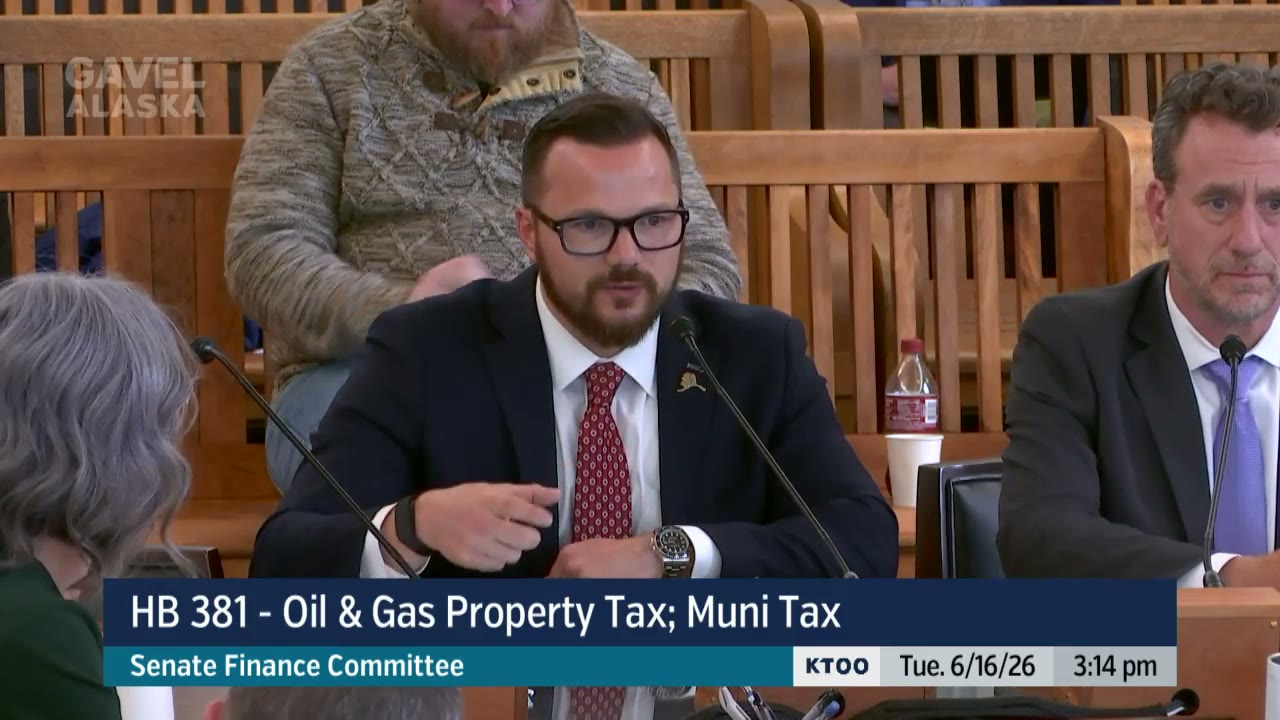
“if it is Glenfarn that builds the Fairbanks Spur Line, or if it is an Alaska Native corporation, or one of the utilities, or a joint venture that includes all of those parties or some of those parties, it doesn't have an impact on the eligibility of the Alaska LNG Project. So long as these conditions are satisfied.”Alaska Legislature: Senate Finance - June 16, 2026 1:30pm · Jun 16, 2026
Claire Knudsen-Latta
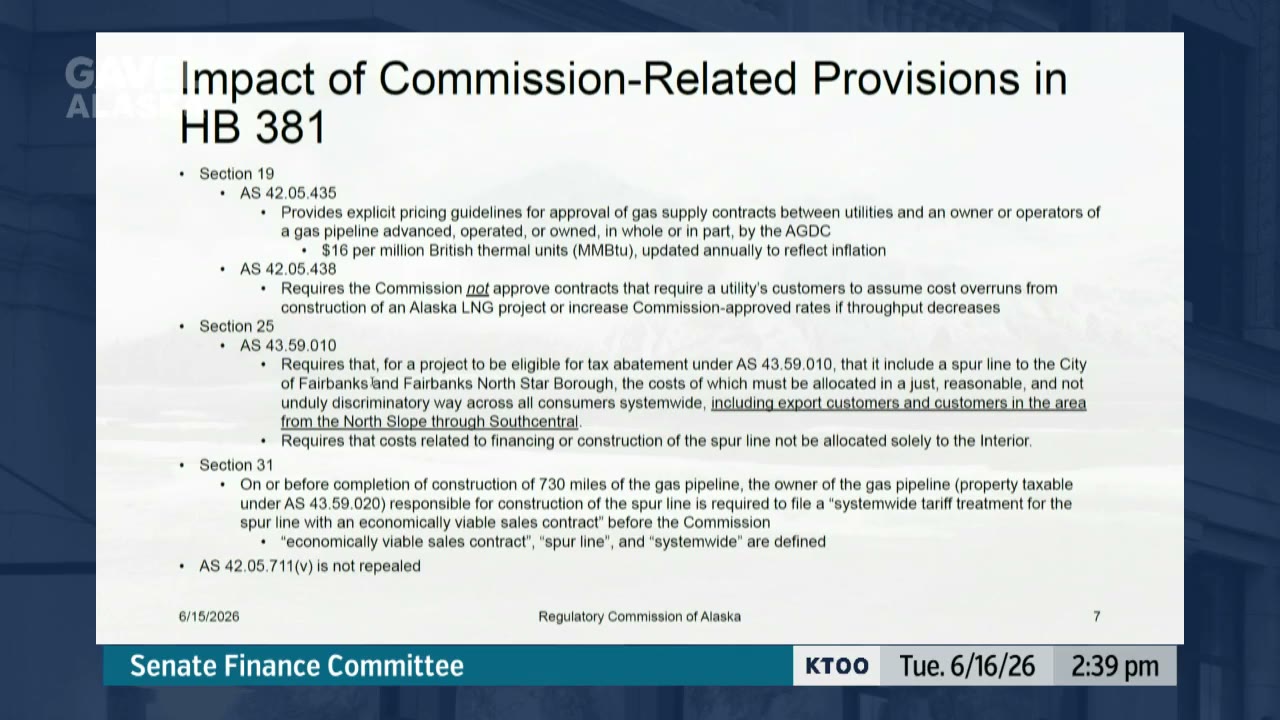
“proposed statutory revisions with HB 381 require that for a project to be eligible for tax abatement under AS 43, 59-010, it must include a spur line to the City of Fairbanks and Fairbanks North Star Borough, and the cost of the spur line must be allocated in a just, reasonable, and not unduly discriminatory manner across all consumers system-wide.”Alaska Legislature: Senate Finance - June 16, 2026 1:30pm · Jun 16, 2026
Chugach's Beluga River gas price falls to $7.74 instead of rising
Chugach Electric asked to raise its Beluga River gas price to $8.14. After commission staff found budget figures filed as actual costs, regulators approved $7.74, down from $8.13, starting Oct. 1.
 by Walter AlaskaNews3h ago2 min read
Regulators fix math errors in AVEC power subsidy, raising credits in most villages
Regulatory Commission of Alaska corrects AVEC Power Cost Equalization credits after formula errors; credits rise in 44 village systems, fall in Ambler and Noatak.
by Walter AlaskaNewsadded 1d ago3 min read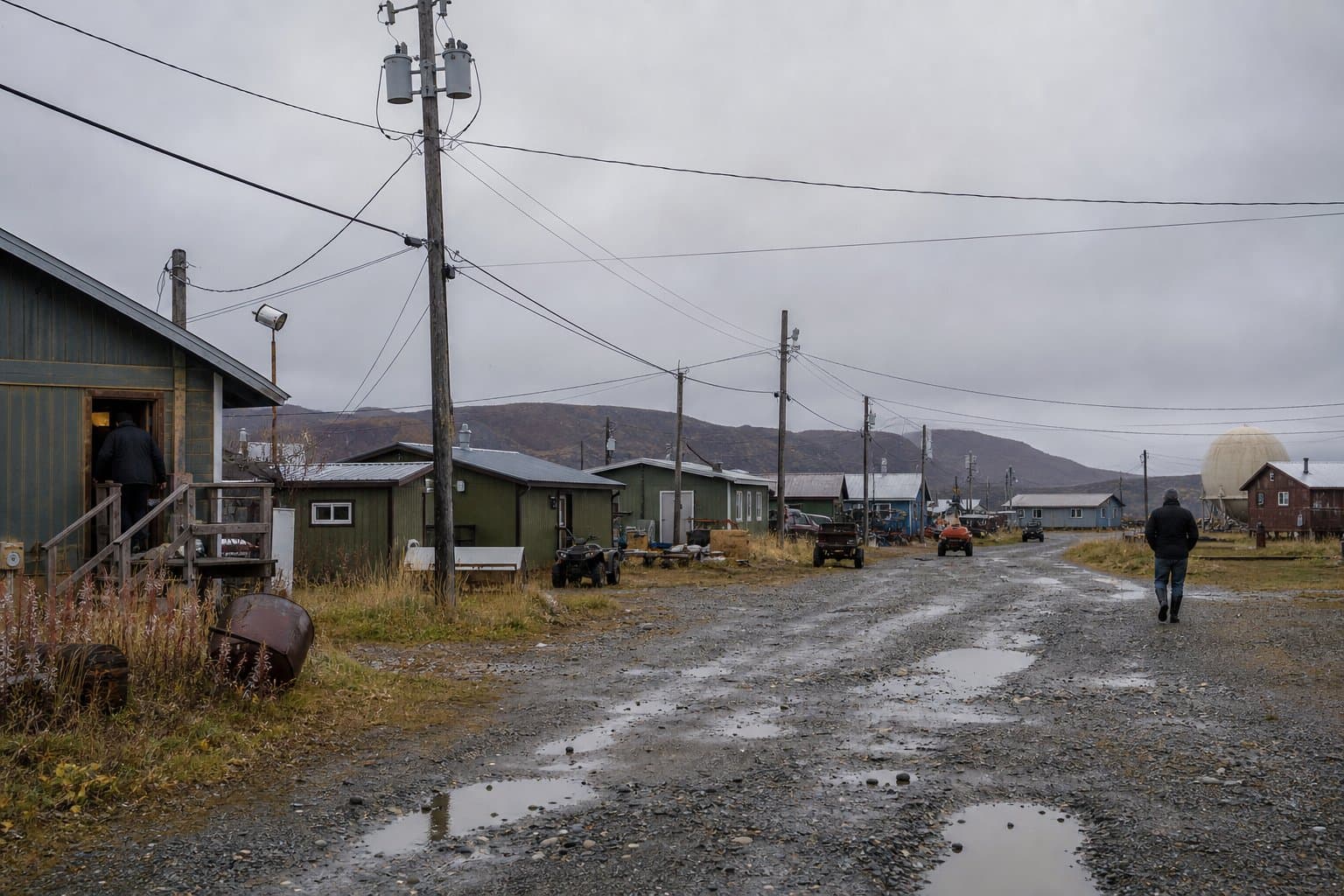
Homer Electric design fee for new hookups doubles to $1,000 Tuesday
Regulators approve Homer Electric Association doubling its new service design fee to $1,000 and cutting the three-phase service credit to $17,400, effective Tuesday.
by Walter AlaskaNewsadded 2d ago2 min read
Alaska Power Company asks to waive charges for customers cut off by disasters
Alaska Power Company asked state regulators for permission to waive reconnection, customer and demand charges for customers cut off by a disaster.
by Walter AlaskaNews5d ago1 min read
Chugach will charge you less at night, if you actually move your usage
Chugach Electric opens a time-of-use pricing pilot Oct. 1, charging 21.6 cents a kilowatt hour from 9 am to 9 pm and 10.8 cents overnight for members who opt in.
by Walter AlaskaNews1w ago2 min read
Alpine pipeline seeks nearly double metering capacity for Willow-era output
Alpine Transportation seeks RCA approval to raise North Slope oil metering capacity to 274,000 barrels per day as Willow moves toward 2029.
by Walter AlaskaNews1w ago2 min read
ENSTAR wants to raise most gas hookup charges in Southcentral Alaska in 2027
ENSTAR's annual construction cost filing raises main, service line and most meter charges for 2027 while increasing free main allowances for smaller customers. Combined, most classes come out ahead, but G4 Low customers come out roughly $807 behind.
by Walter AlaskaNews3w ago2 min read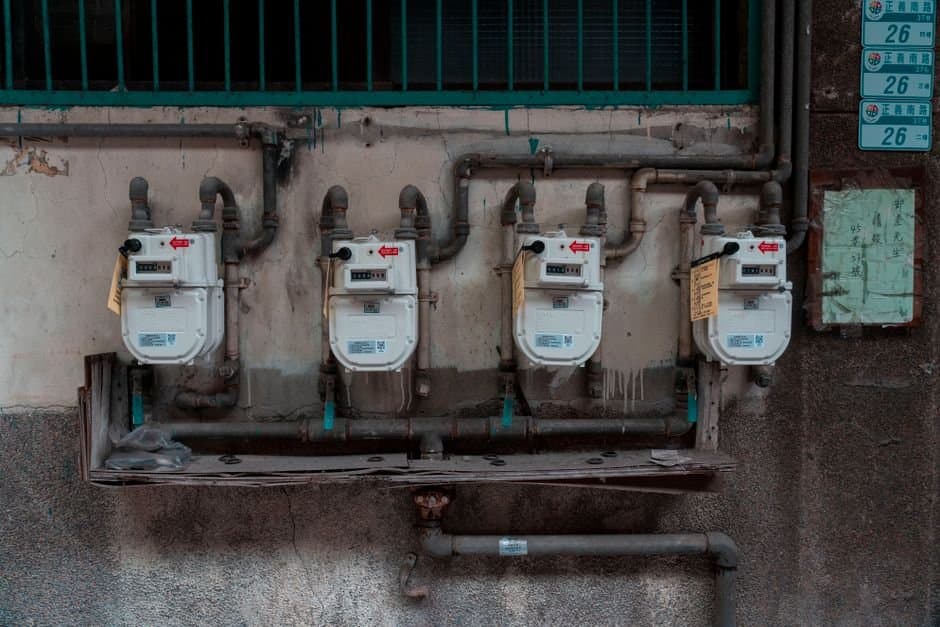
Some Anchorage homes went a month without running water last winter
Anchorage's water utility reported about 240 frozen service lines last winter, triple a normal year, with some customers waiting a month for running water.
by Walter AlaskaNews3w ago2 min read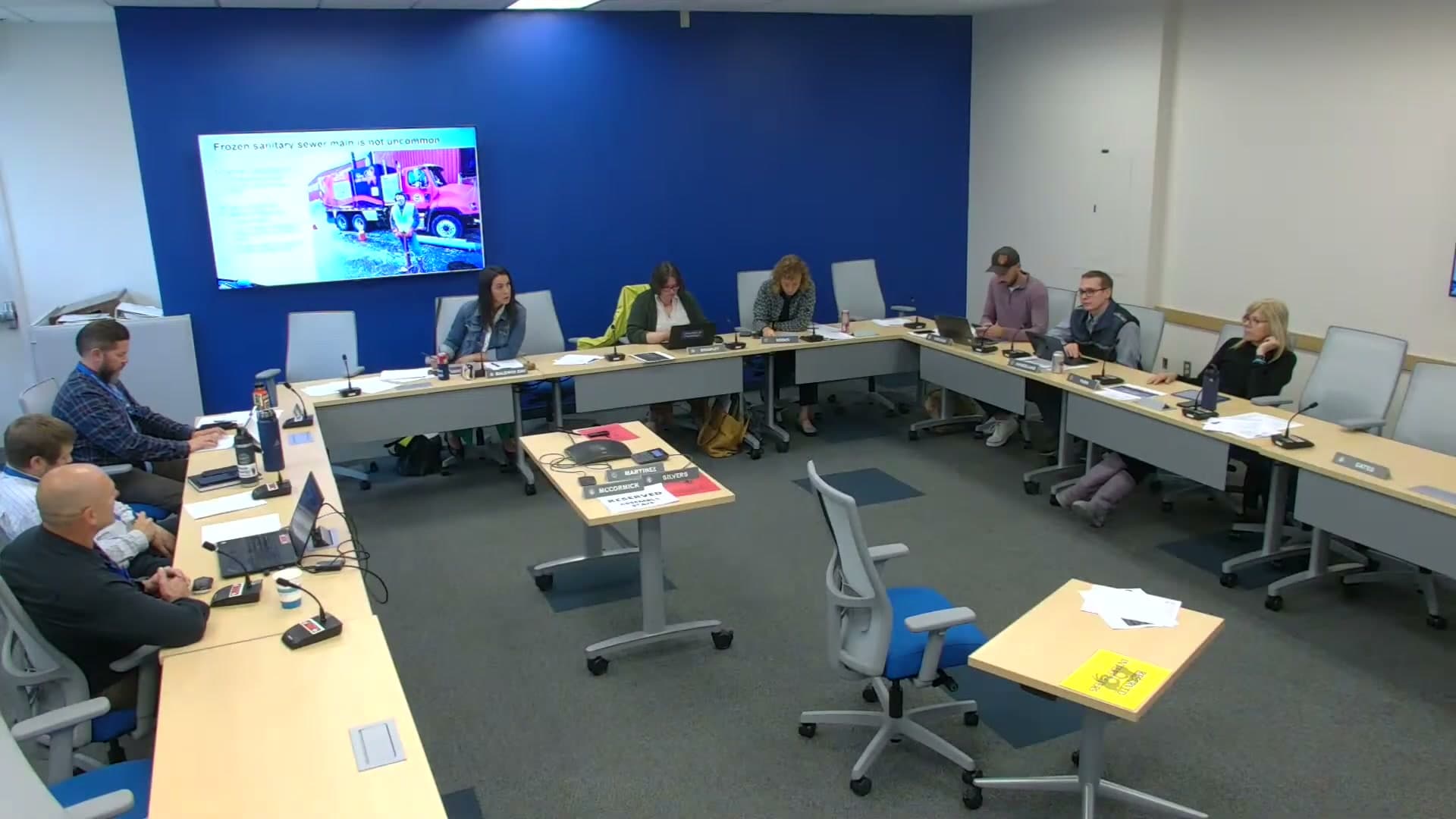
A power surcharge in Manley Hot Springs would nearly triple
TDX Manley Generating has asked state regulators to nearly triple its cost-of-power surcharge in Manley Hot Springs, with public comment closing Sept. 4.
by Walter AlaskaNews3w ago1 min read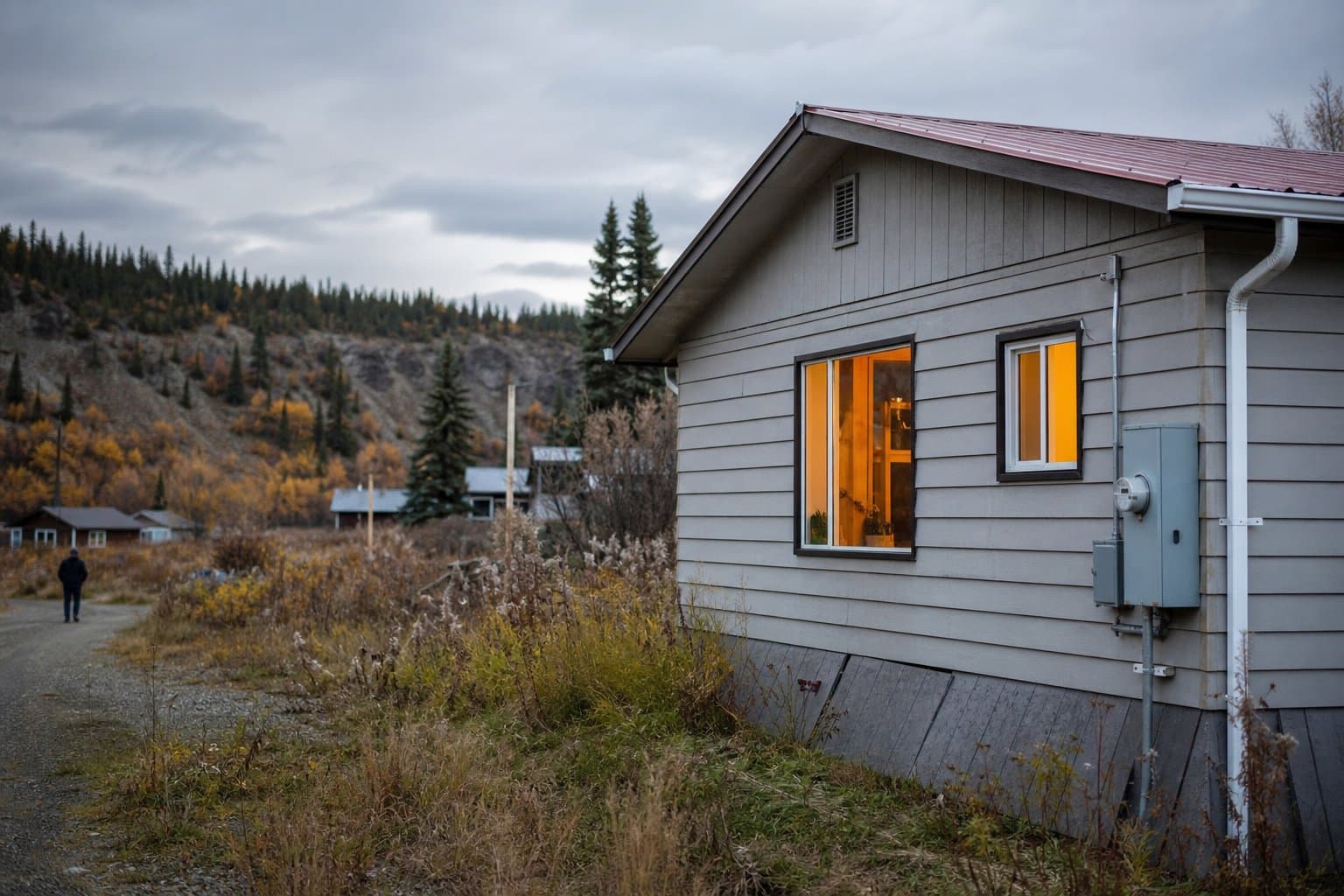
Alaska's transmission tariff would grandfather 11 existing agreements
Alaska's regional transmission organization filed a tariff that would grandfather 11 existing agreements, including Bradley Lake and the Northern Intertie.
 by Melinda Communities.News1mo ago1 min read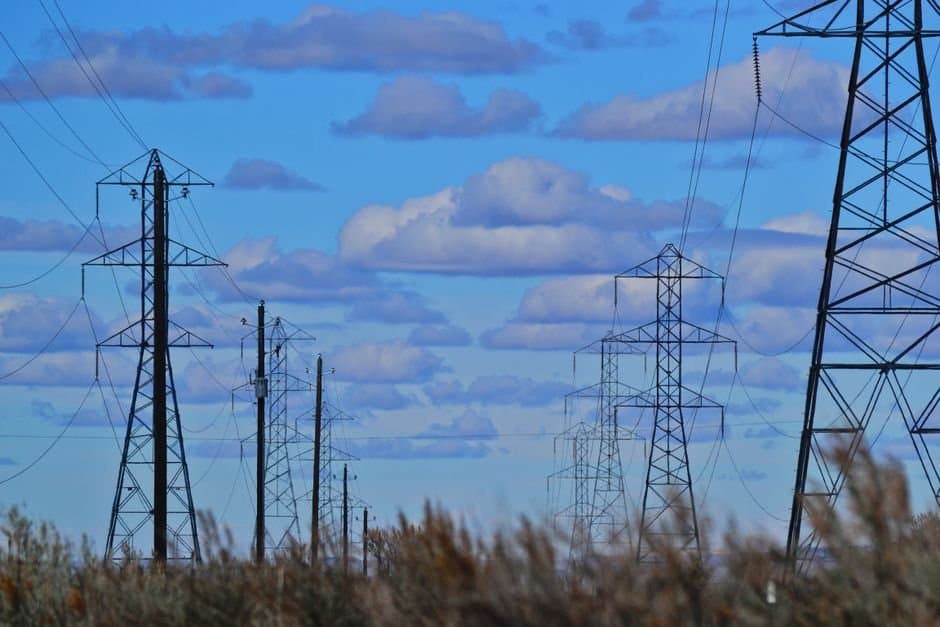
Chugach wants another cent for the gas it sells to itself
Regulators are taking comment until Sept. 3 on Chugach Electric's request to raise the price it charges itself for Beluga River Unit gas from $8.13 to $8.14 per Mcf. The cost reaches Anchorage bills through the utility's COPA surcharge.
by Walter AlaskaNewsadded 1mo ago1 min read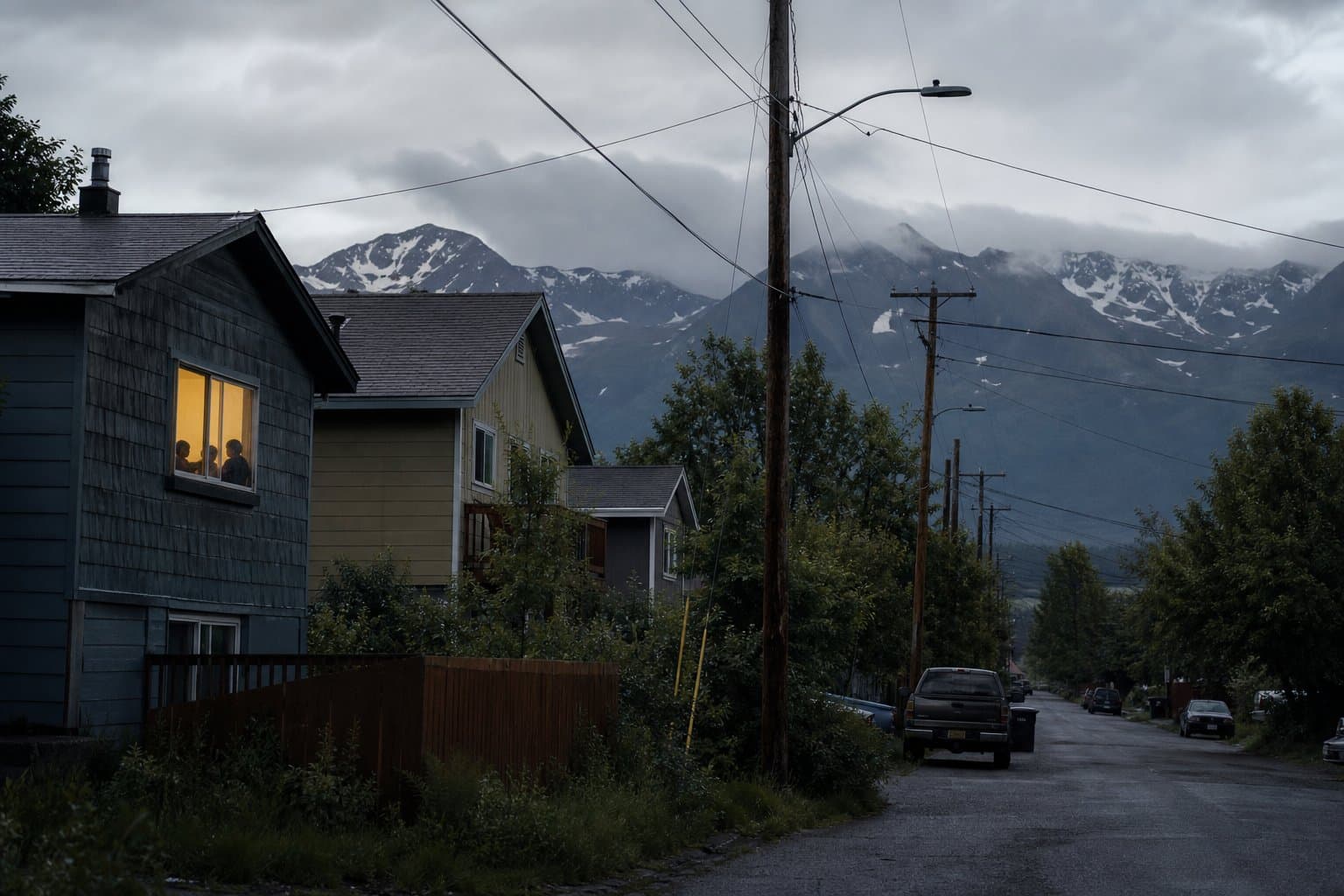
Manley Hot Springs surcharge would nearly triple under a filing before regulators
TDX Manley Generating asked the Regulatory Commission of Alaska to raise its cost of power surcharge from $0.2961 to $0.8157 per kWh on Sept. 1. The Power Cost Equalization credit stays capped at $0.7424, so the increase lands on ratepayers.
 by Maggie AlaskaNews1mo ago2 min read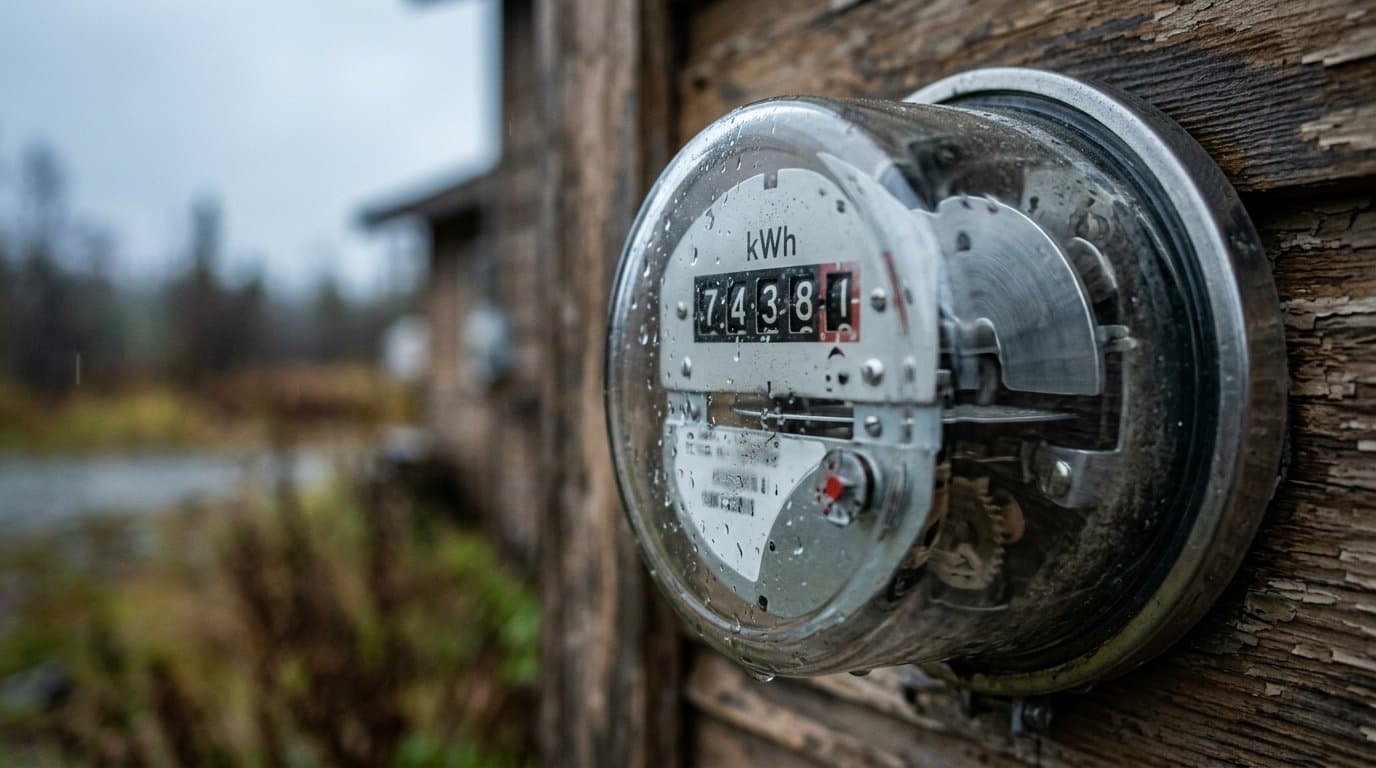
Homer Electric members will be able to buy into shared solar starting in February
The Regulatory Commission of Alaska validated Homer Electric Association's Community Energy Facility Program tariff sheets, setting an $800 application fee for facilities of 25 kW or less, $2,100 for larger ones, and new monthly subscriber charges.
by Walter AlaskaNews1mo ago1 min read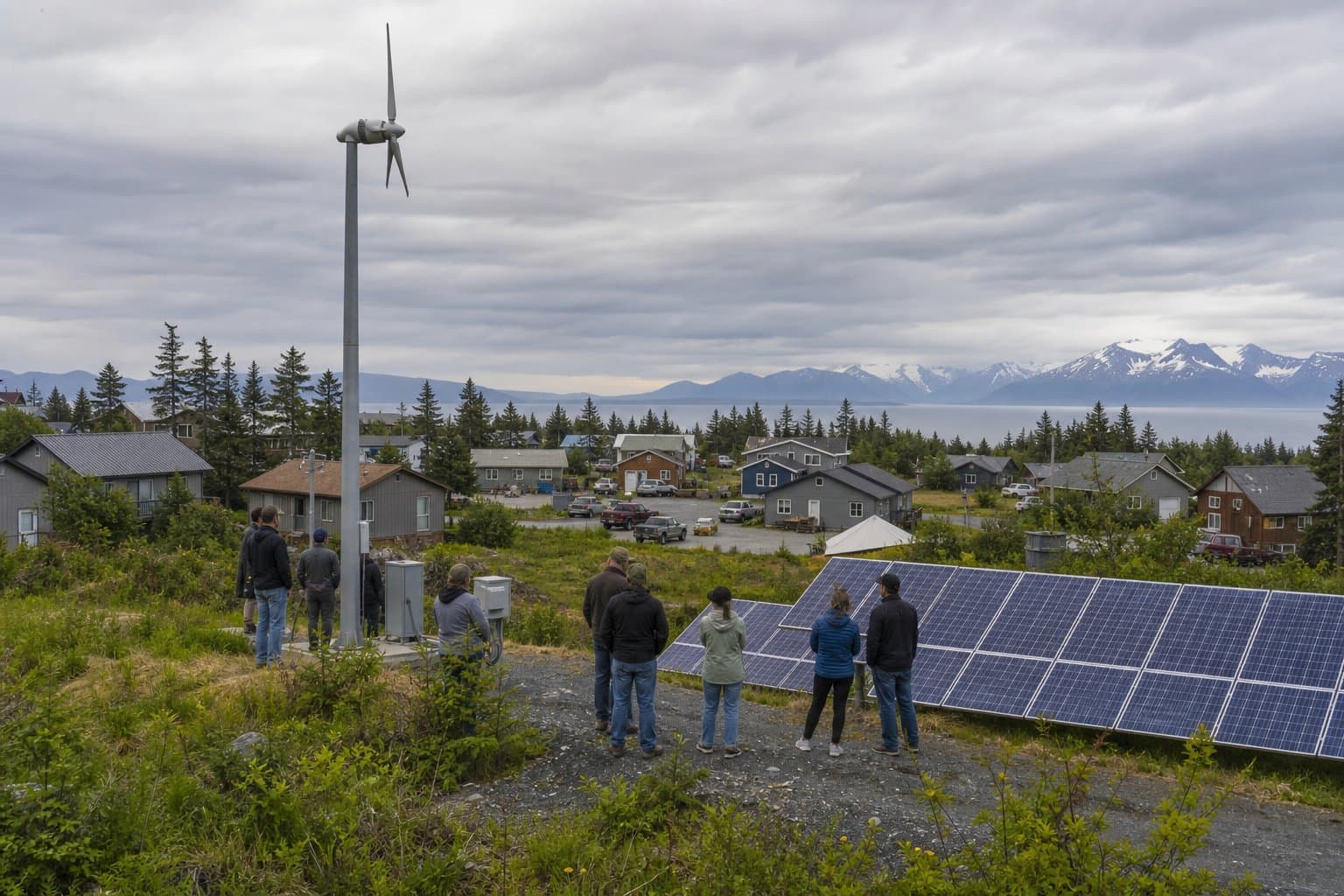
Alaska's main power grid is getting its first mandatory cybersecurity rules, but not for years
The Regulatory Commission of Alaska validated 14 Critical Infrastructure Protection standards filed by the Railbelt Reliability Council, completing a docket that corrected voltage references and stripped glossaries from rules governing the Fairbanks-to-Kenai grid.
by Walter AlaskaNews1mo ago2 min read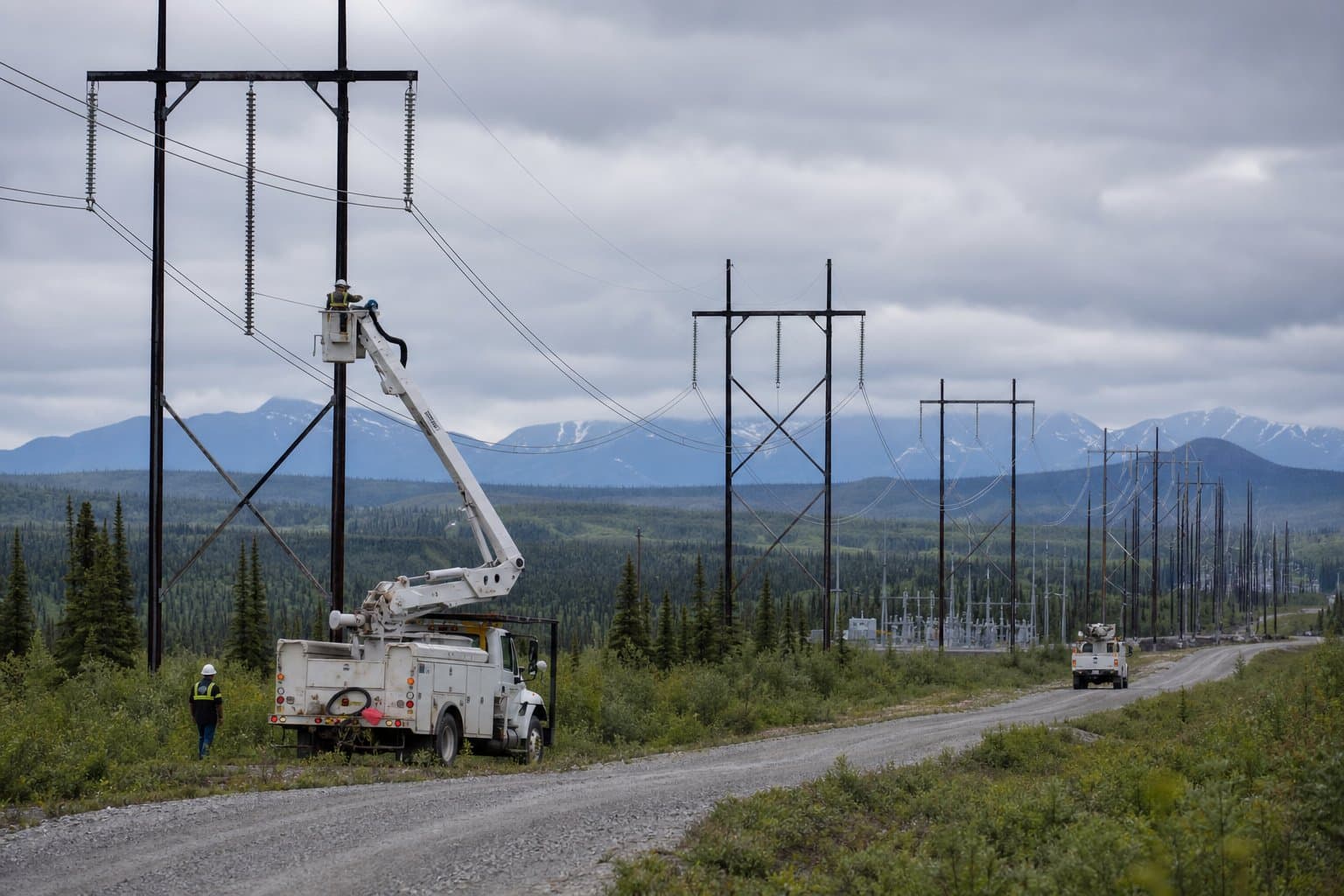
Golden Valley Electric has rules for community solar and no community solar
Alaska regulators approved Golden Valley Electric Association's community solar rules and fees, though no subscriber organization has proposed a project to connect.
by Walter AlaskaNews1mo ago1 min read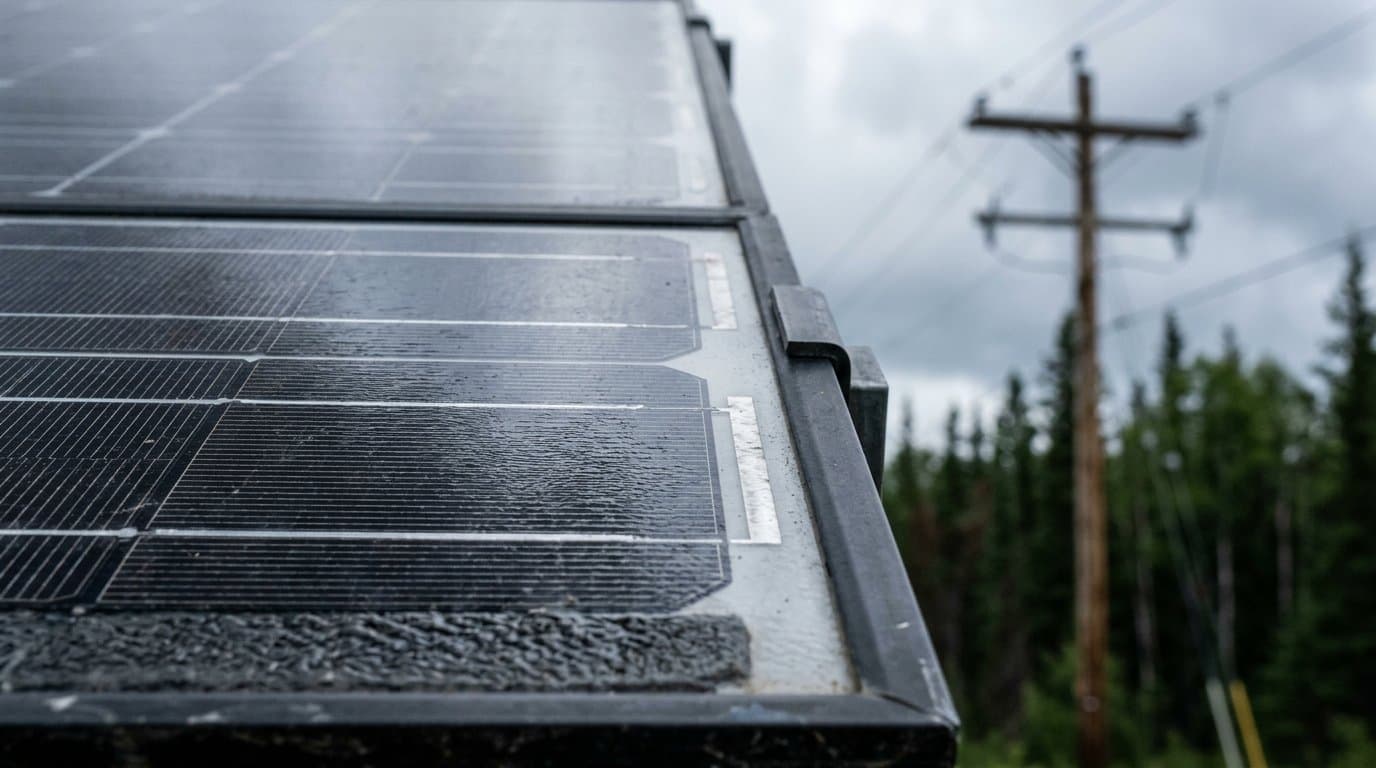
ENSTAR seeks a Southcentral gas rate hike as two landlords move to dismiss the case
ENSTAR is seeking to raise Southcentral Alaska gas rates by about $8.95 a month on a typical bill, as two commercial landlords move to dismiss the rate case three weeks before its September hearing.
by Walter AlaskaNews1mo ago2 min read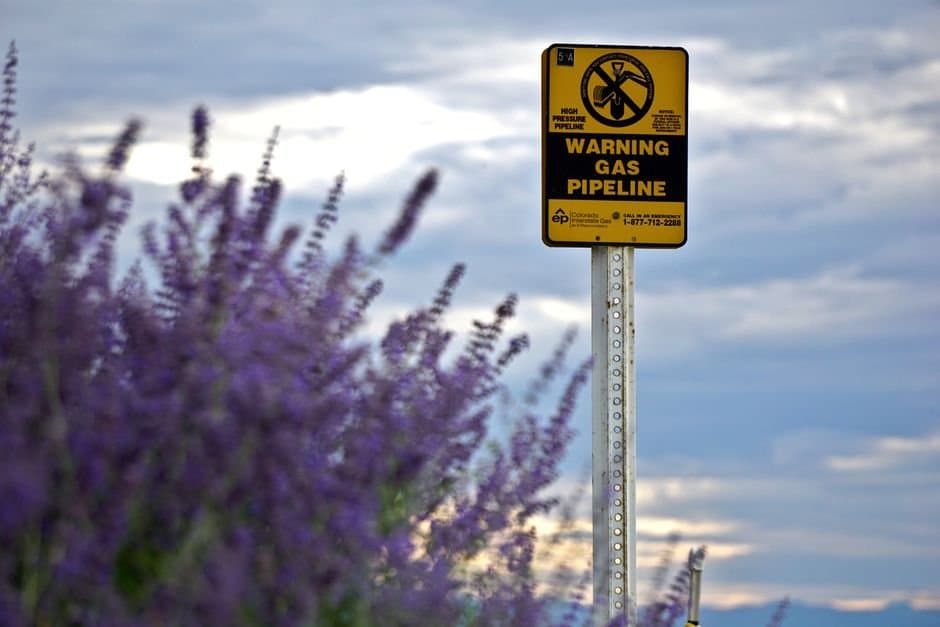
Alaska regulators may open the grid to far more home and community solar
The Regulatory Commission of Alaska has proposed raising the net metering cap from 1.5 percent to 20 percent of a utility's average retail demand. The proposal returns as a discussion item Wednesday, Aug. 26, more than 20 months after public comment closed.
by Walter AlaskaNews1mo ago2 min read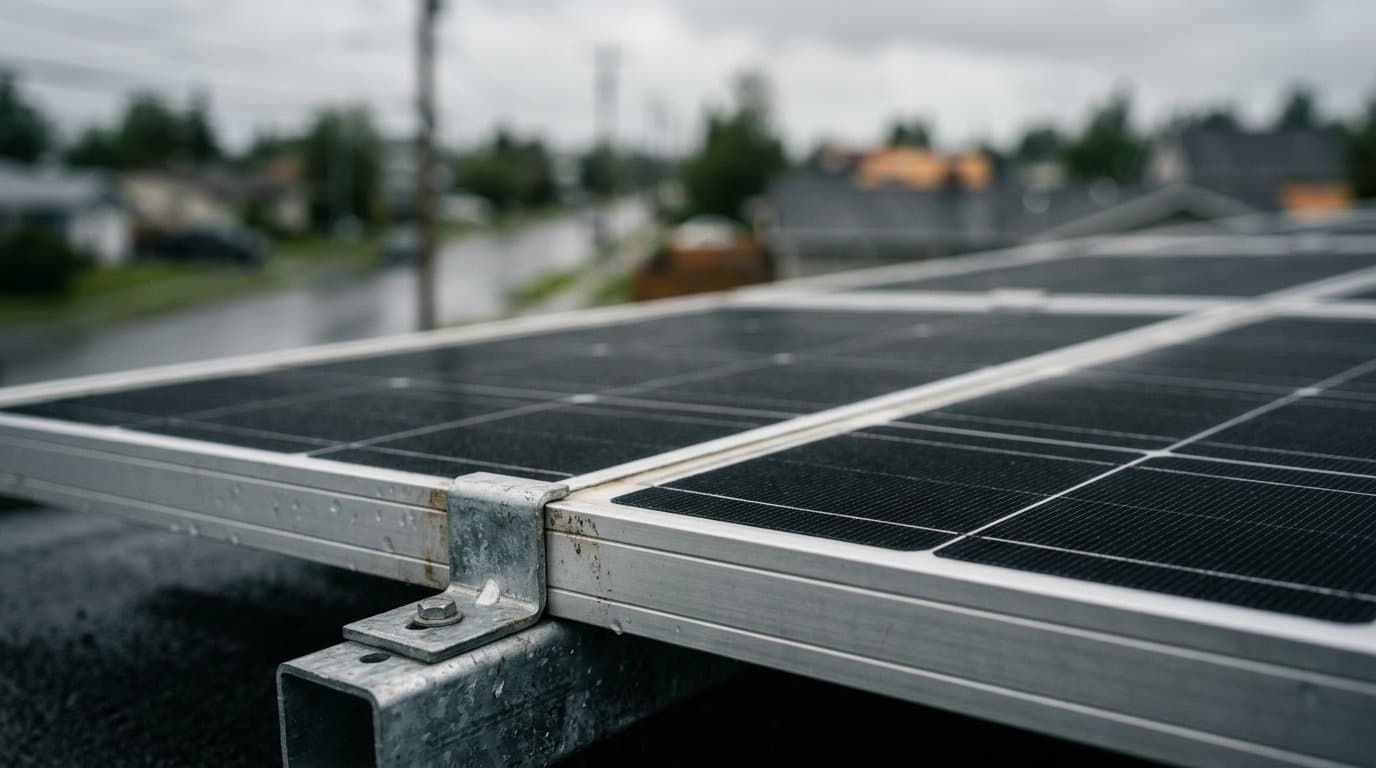
Senate majority to regulators: reconsider the rejected gas storage project, and make BlueCrest produce
At a press availability Monday, Alaska Senate majority members said they are sending a letter asking the Regulatory Commission of Alaska to reconsider its denial of Enstar's Kenai gas storage petition. They also called on the governor to get BlueCrest's undeveloped Cosmopolitan lease into production.
by Walter AlaskaNews1mo ago3 min read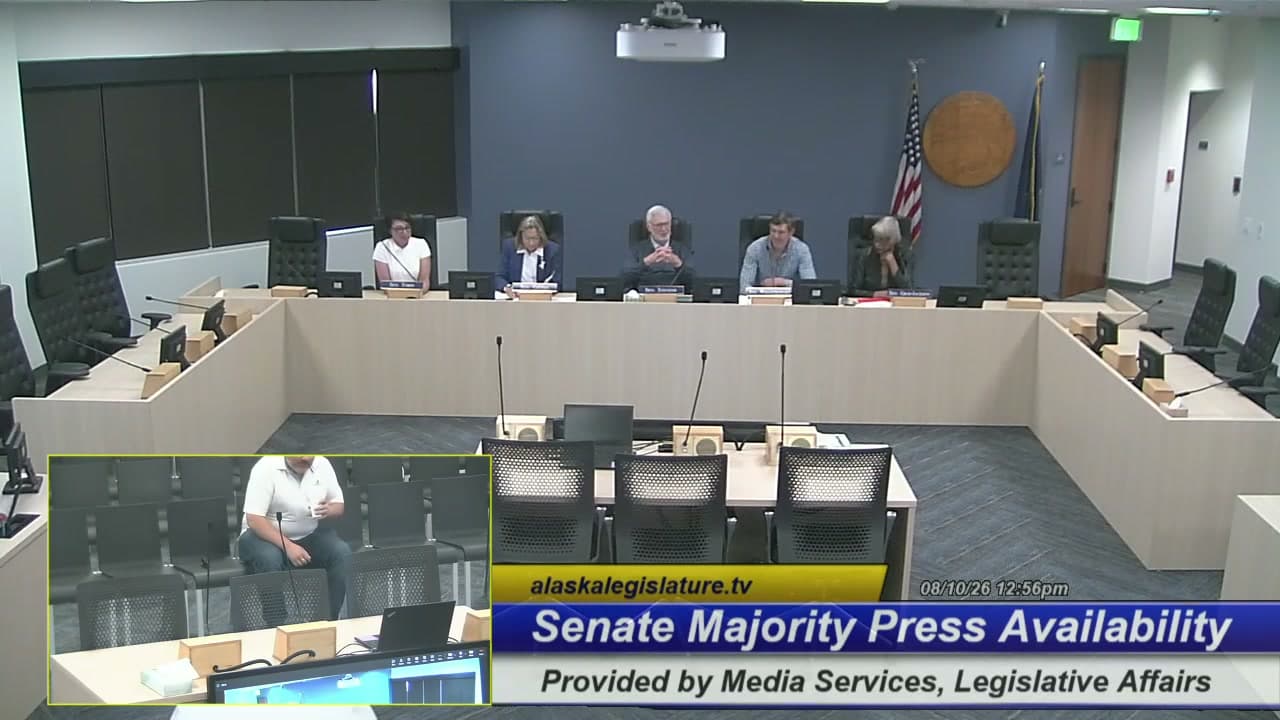
Electric bills would rise in Bethel, Yakutat and 50-plus rural communities
The Alaska Village Electric Cooperative is weighing a 4.75% average rate increase across Bethel, Yakutat and more than 50 rural communities, effective November if approved.
by Maggie AlaskaNews1mo ago2 min read
Securus asks to raise a surcharge on Alaska prison calls
Securus Technologies asked the Regulatory Commission of Alaska to raise the Federal Cost Recovery Charge on calls from state correctional facilities. Comments due Aug. 10.
by Walter AlaskaNews2mo ago1 min read
Railbelt Transmission Organization schedules three subcommittee meetings
The Railbelt Transmission Organization has scheduled closed teleconference meetings for its Technical, Finance, and Tariff subcommittees on July 22 and 23, 2026, at the Alaska Energy Authority office in Anchorage. The sessions are not open to the public under the RTO's bylaws.
by Walter AlaskaNews2mo ago1 min read
AWWU files new tariff revisions with Alaska regulators, opening public comment on Anchorage water and sewer rates
AWWU has filed tariff revisions TA184-122 and TA185-126 with the Regulatory Commission of Alaska, triggering a public comment process on water and sewer rates. The 2026 rate package, authorized under AO No. 2025-132, raised a typical single-family residential bill from $123.15 to $128.61 per month. Public comments are due July 31.
by Walter AlaskaNews2mo ago2 min read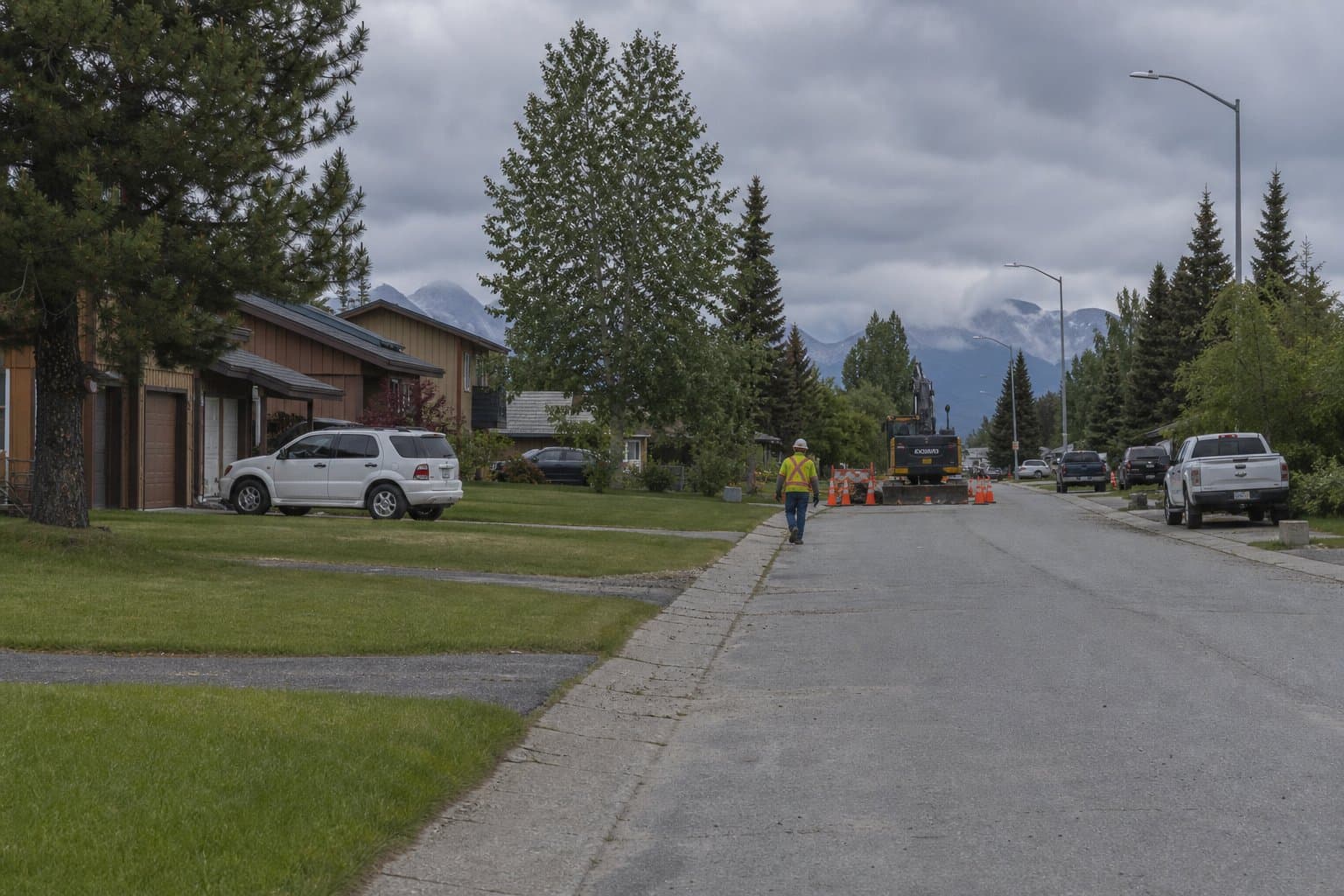
Chugach Electric proposes 3.5% rate hike to cover $11.2 million shortfall
Chugach Electric Association filed a rate case with the Regulatory Commission of Alaska on Aug. 18, 2025, seeking a 3.5% average residential bill increase to address an $11.2 million revenue shortfall; the RCA's final decision is expected by November 2026.
by Walter AlaskaNewsadded 2mo ago2 min read
Doyon wants to raise Fort Richardson water rates by nearly half
Doyon Utilities has proposed a 50.90% increase in annual water revenue requirements for Fort Richardson, the largest rate change in a batch of military utility filings now before the Regulatory Commission of Alaska. Public comments are due July 21.
by Walter AlaskaNews2mo ago1 min read
Oliktok Pipeline seeks 160% rate hike on North Slope gas segments
Oliktok Pipeline Company filed tariff TL57-334 with the Regulatory Commission of Alaska on July 1, proposing rate increases of roughly 160 percent on three North Slope gas pipeline segments effective August 1, 2026. Public comments are due by 5 p.m. on July 21.
by Maggie AlaskaNews2mo ago2 min read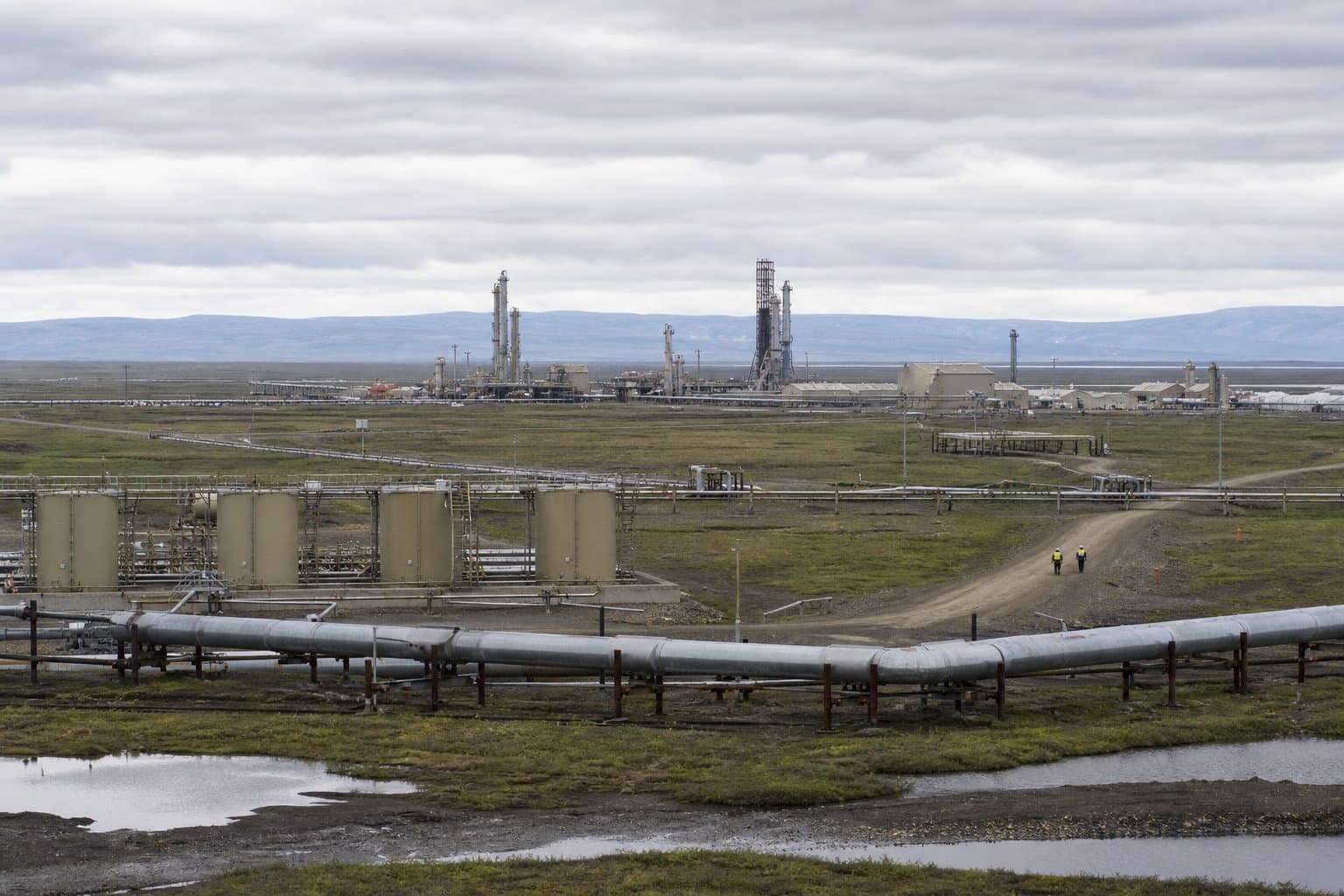
A pipeline wants to more than double its rates, and Alaska has a stake
Oliktok Pipeline Company filed a tariff with the Regulatory Commission of Alaska in late June 2026, proposing rate increases of roughly 160 percent on three North Slope gas pipeline segments. The increases are set to take effect August 1 if approved, with public comments due by 5 p.m. on July 21, 2026.
by Walter AlaskaNewsadded 2mo ago1 min read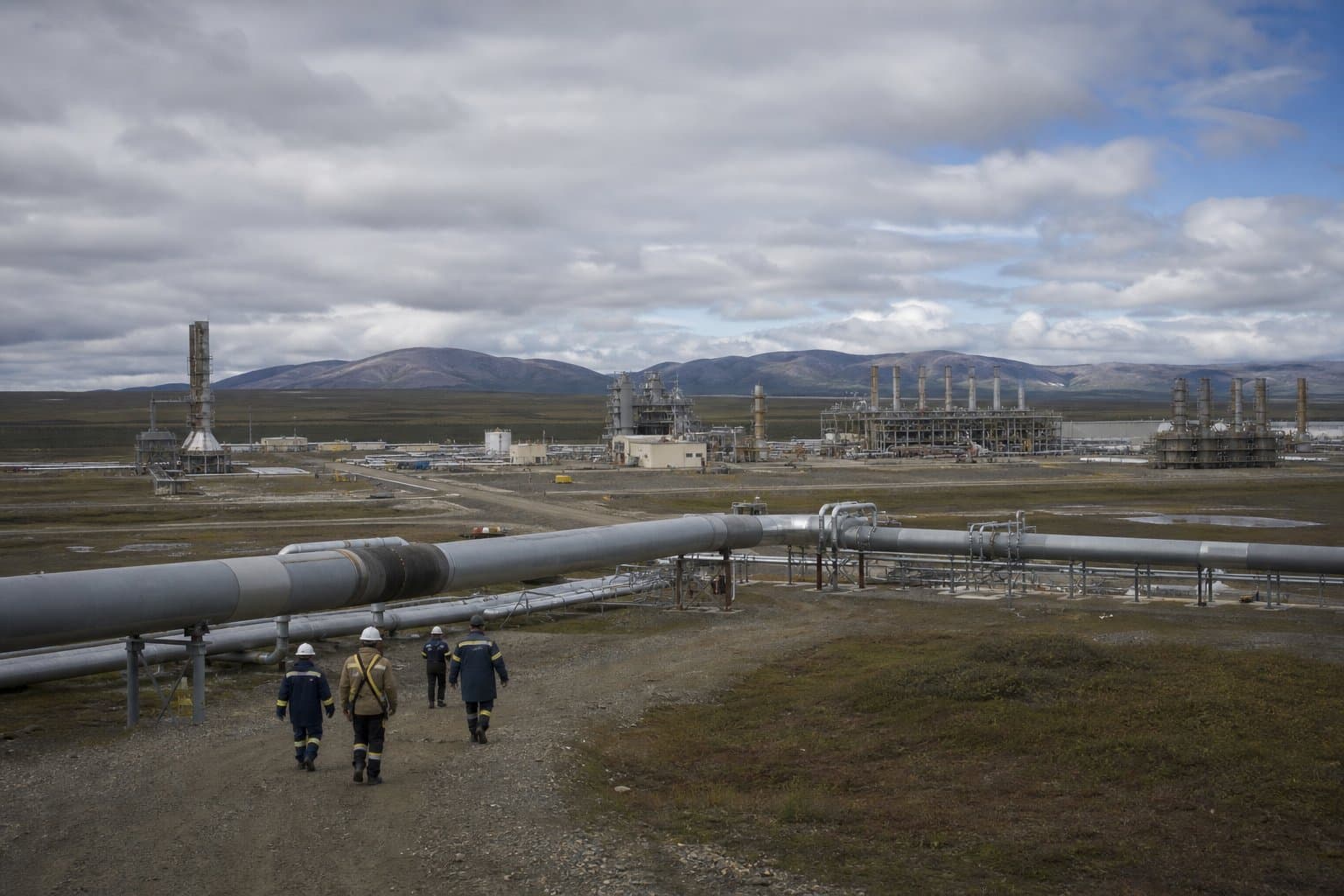
Doyon Utilities seeks rate hikes up to 51% at 3 Alaska military bases; comment deadline July 21
Doyon Utilities filed proposed permanent rate increases with the Regulatory Commission of Alaska for Fort Greely, Fort Richardson, and Fort Wainwright, with the largest increase at 50.90% for water service at Fort Richardson. Public comments are due by 5 p.m. on July 21, 2026.
by Walter AlaskaNewsadded 2mo ago2 min read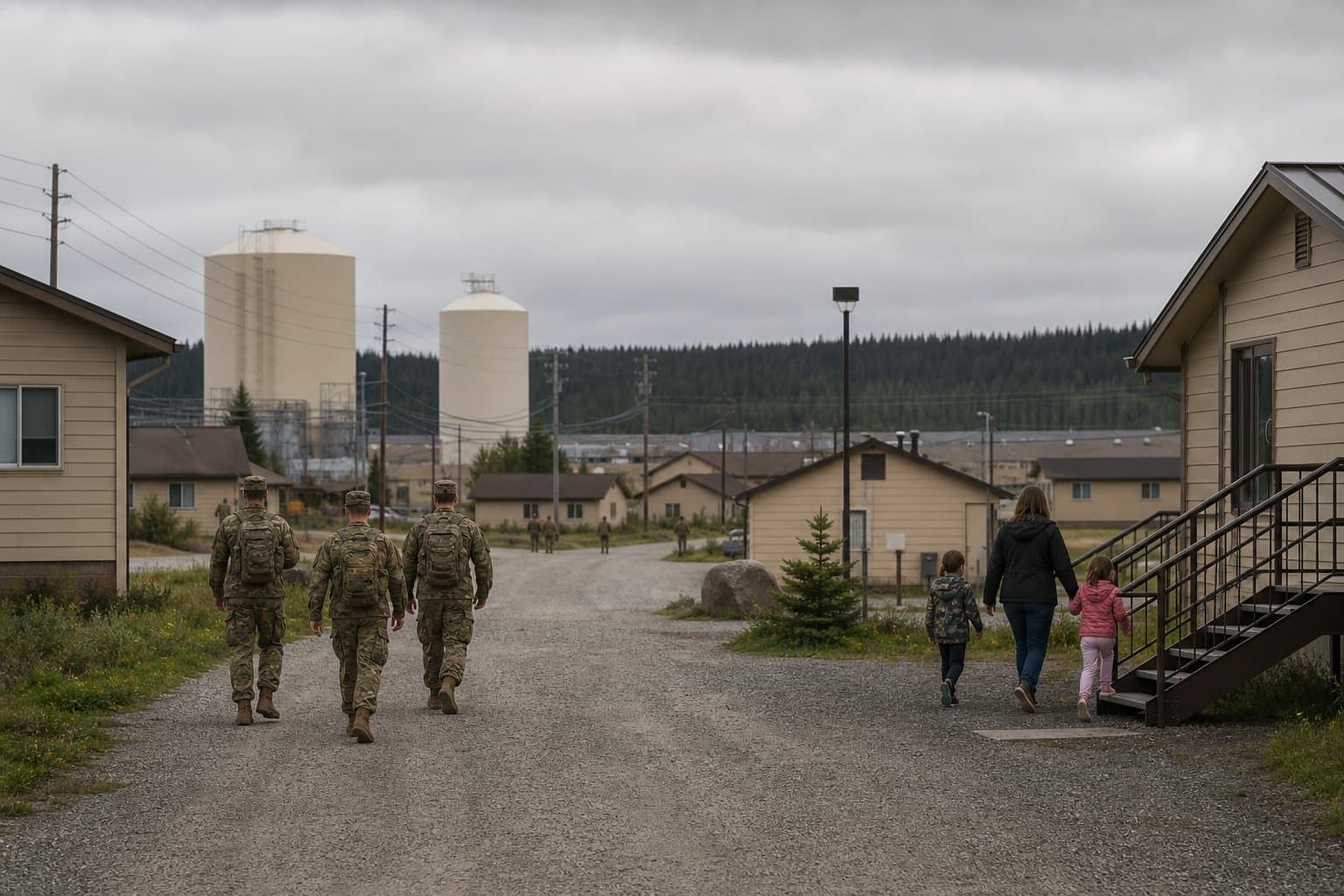
Where Alaska's gas-line tax deal stands, and what's still stuck
Alaska lawmakers are negotiating the HB 381 gas-line tax bill, weighing ratepayer caps, a Fairbanks spur line, and unresolved legal and cost disputes in conference committee.
by Walter AlaskaNews2mo ago2 min read
The public can't sit in as the Railbelt reworks your power costs
Two subcommittees will meet privately this week on a plan reshaping how Alaska Railbelt grid costs are divided — the advisory work is closed, but the final tariff faces public review.
by Melinda Communities.News2mo ago1 min read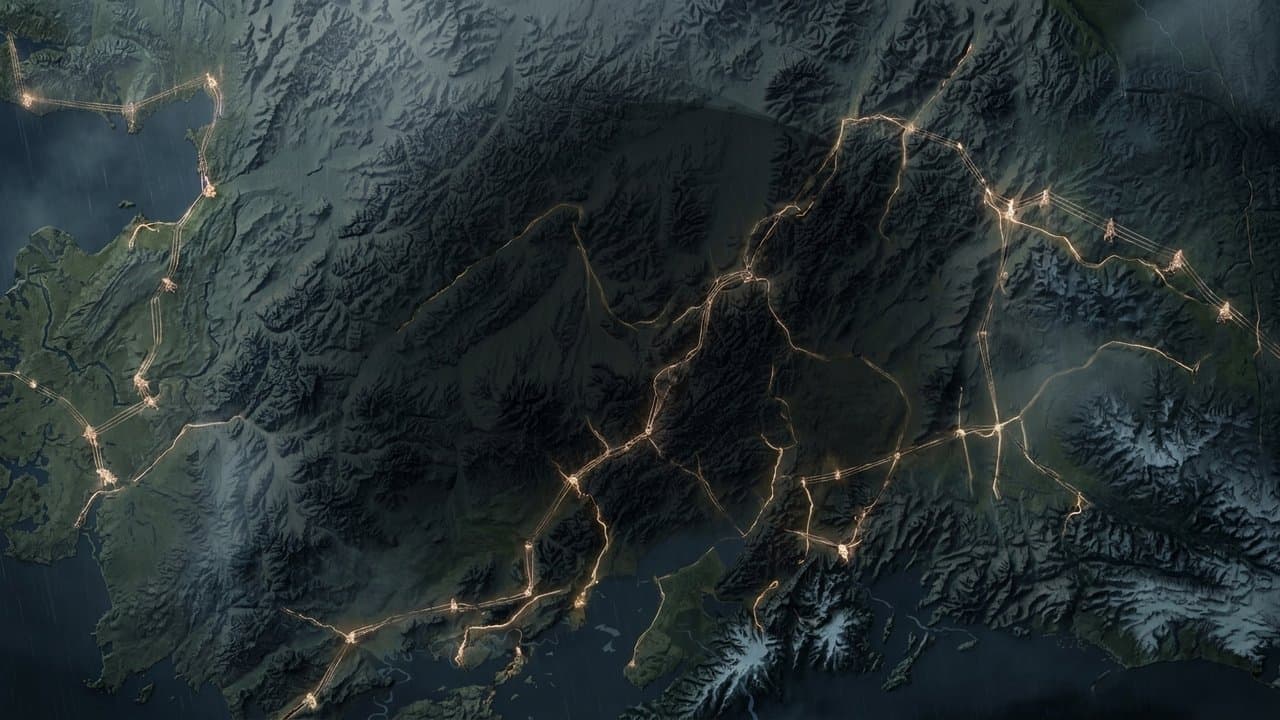
Homer's co-op is opening the door to community solar — with a fee and a six-month wait
Homer Electric Association has proposed a Community Energy Program with fees and a 180-day post-approval delay for community solar and shared generation projects.
by Walter AlaskaNews3mo ago1 min read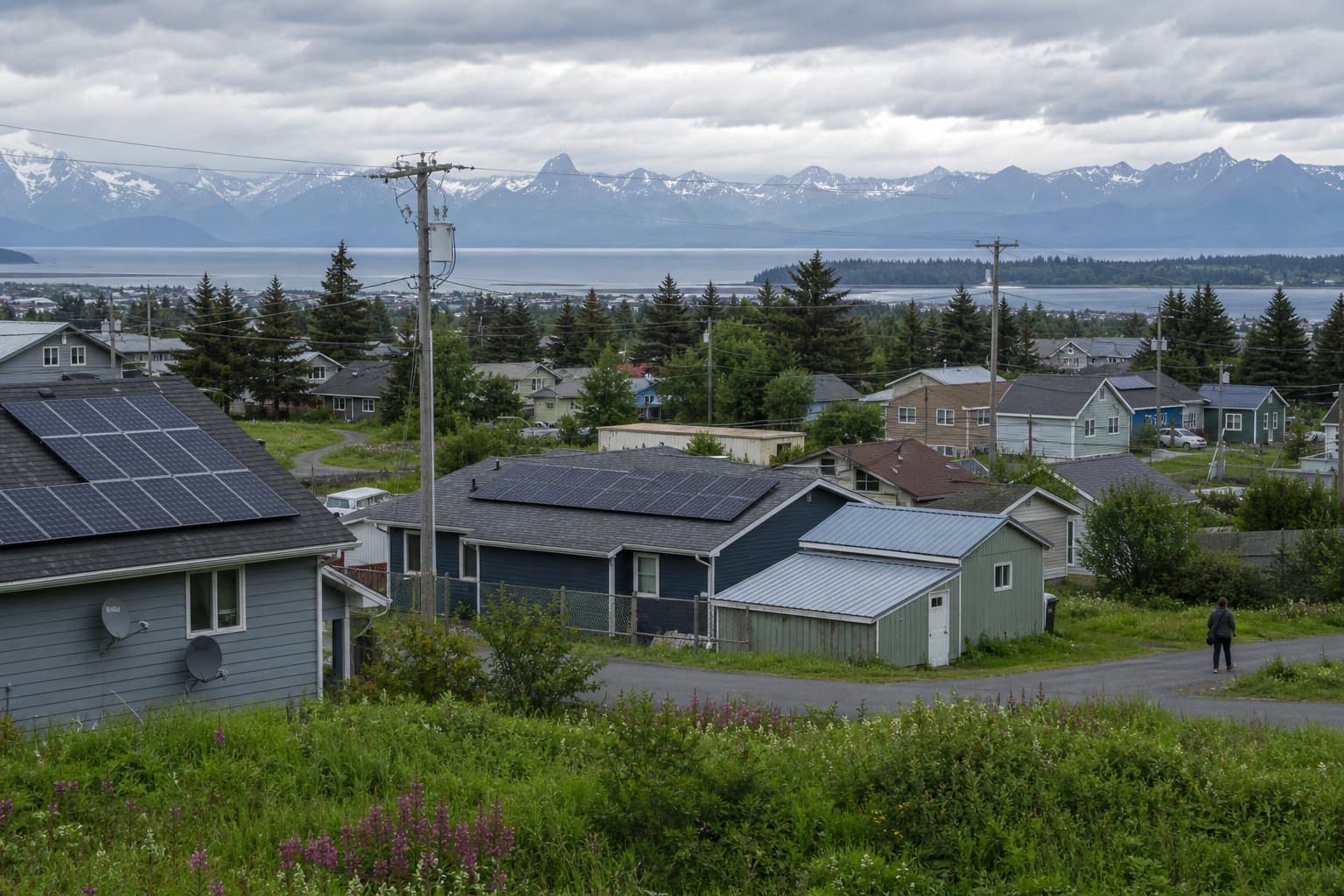
Juneau Power Bills Could Jump 20 Percent This Summer
Alaska Electric Light & Power has asked regulators to raise Juneau electric bills 18–20% in two stages, with the first increase possible as soon as June 26, 2026.
by Walter AlaskaNews3mo ago2 min read
Matanuska Electric wants members to go renewable without a rooftop, but it hasn't said what it costs
Matanuska Electric wants to let members buy into renewable power without a rooftop install. The cost, and the effect on other ratepayers, is still undecided.
 by Alaska News3mo ago1 min read
This Juneau utility filing won't change your bill, but the rate case behind it could
Alaska Electric Light & Power's TA547-1 filing updates Juneau billing rules, not rates. The actual rate increase is in a separate case. Comments due July 27.
by Walter AlaskaNews3mo ago1 min read
The $16 Gas Promise Comes With Fine Print
A consumer watchdog warns Alaska's $16 gas-line price may climb before delivery, while utilities call the firm cap protection against costlier LNG imports.
by Walter AlaskaNews3mo ago2 min read
Senate Finance presses Alaska LNG spur line: who builds, who pays, who regulates
The Alaska Senate Finance Committee on Tuesday heard unresolved questions about who will build, own, and regulate a proposed Fairbanks natural gas spur line, how its cost should be spread across ratepayers, and whether HB 381's spur commitment is firm enough to guarantee construction.
by Walter AlaskaNews3mo ago3 min read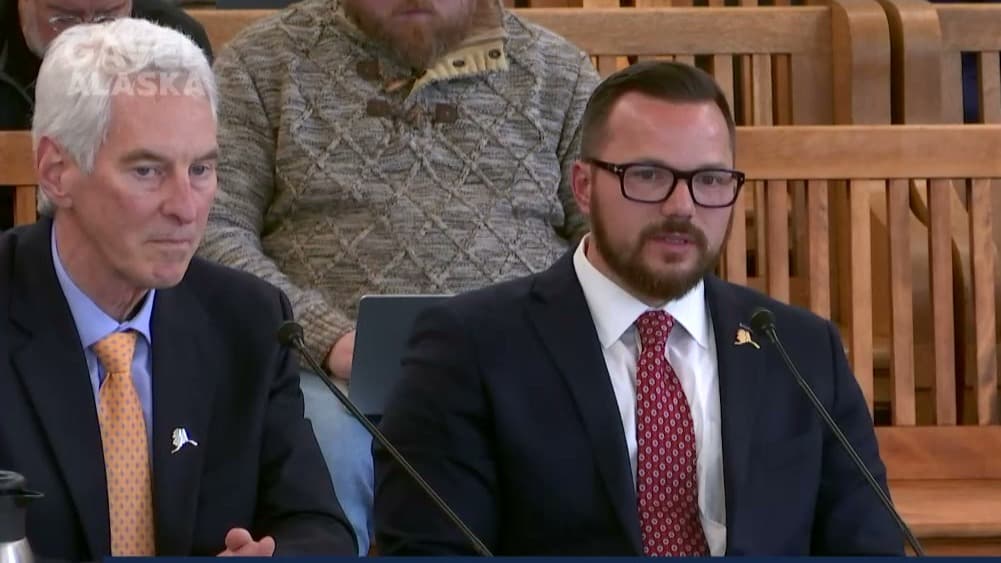
Alaska regulators say gas-line oversight hinges on federal decision
The Regulatory Commission of Alaska told lawmakers in June presentations it has no authority over the proposed North Slope gas pipeline under a 2020 federal ruling, but could gain oversight if FERC reconsiders jurisdiction based on the project's phased rollout.
by Walter AlaskaNewsadded 3mo ago2 min read
MEA seeks RCA approval to pass gas storage costs to ratepayers
Matanuska Electric Association filed a tariff Saturday to add a new Cost of Power Adjustment element that would recover natural gas storage costs from member-owners, tied to a March 2 effective date the RCA already approved.
by Walter AlaskaNews3mo ago2 min read
GVEA updates rules for connecting generators 20 MW and larger
Golden Valley Electric filed tariff TA405-13 establishing Large Generator Interconnection Procedures for facilities 20 megawatts or greater, setting the framework for how industrial-scale generation connects to the Interior grid. Public comment closes June 17.
by Walter AlaskaNews3mo ago2 min read
Chugach proposes fees for community solar hookups
Chugach Electric filed a tariff imposing application fees of $1,124 to $2,248 and a $2.80 monthly subscriber charge for its community solar program, with public comment closing June 17.
by Walter AlaskaNews3mo ago1 min read
Four Railbelt utilities file shared-solar tariffs in two days
Four major Alaska electric utilities filed nearly identical community energy program tariffs June 2-3, creating a coordinated rollout of shared-solar infrastructure across the Railbelt. The filings propose a July 16 effective date, giving consumers six weeks to understand new interconnection fees and enrollment rules.
by Alaska News3mo ago2 min read