
The University of Alaska System is Alaska's public university system, governed by the Board of Regents. Its campuses, the University of Alaska Anchorage, University of Alaska Fairbanks, and University of Alaska Southeast, conduct research on Arctic climate, fisheries, and natural resources.
Photo by Bernt Rostad, via Flickr · CC BY 2.0
Alaska
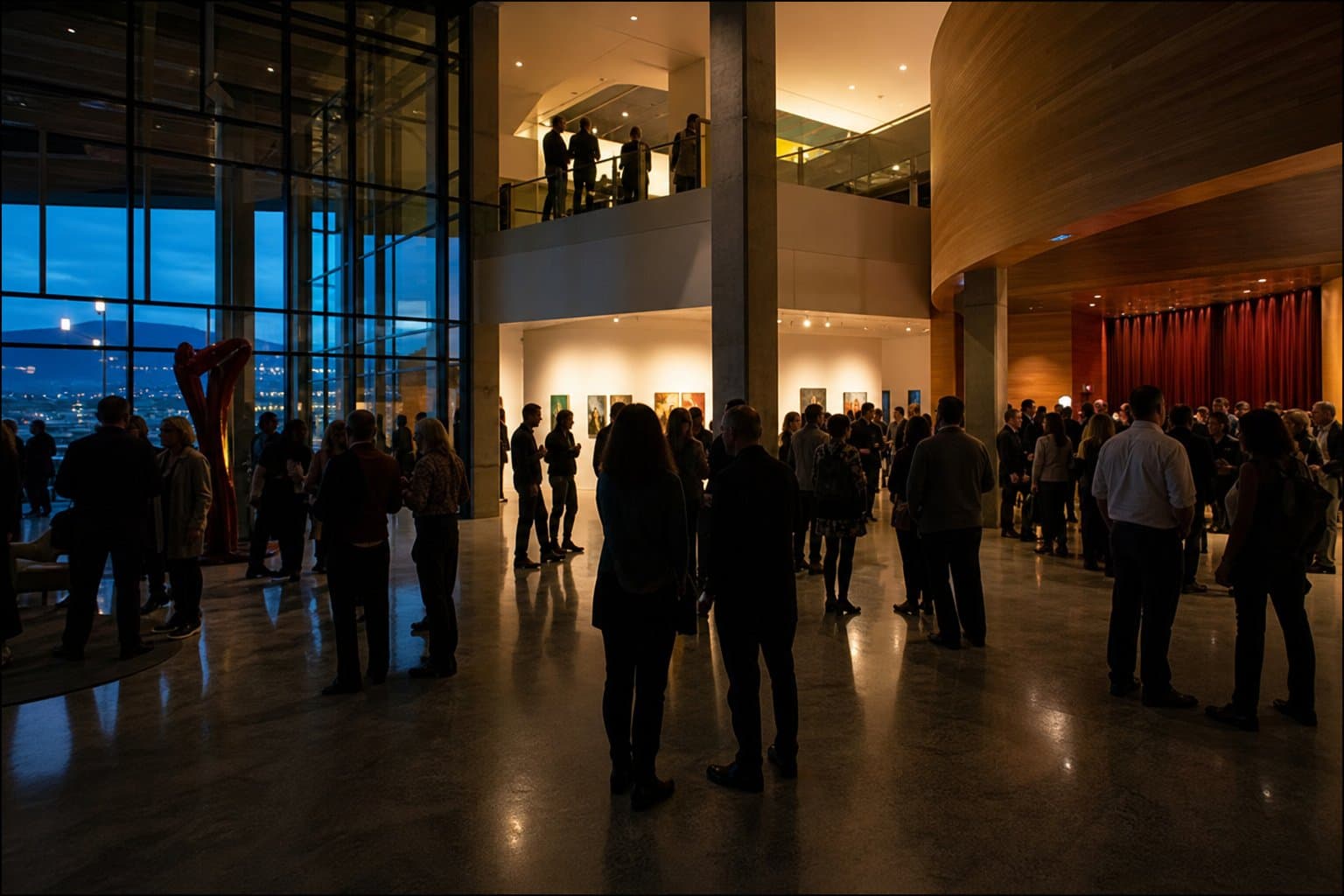
UAA wants to pour wine at the gallery opening — under a 'sporting' license
UAA concessionaire seeks beer and wine permits for the Fine Arts Building and Wendy Williamson Auditorium; the Anchorage Assembly takes up the licenses Aug. 4.
 by Walter AlaskaNews2mo ago1 min read
Alaska's senators move to shore up the NSF office that funds most UA research
Sens. Sullivan and Murkowski introduced a bill to make permanent the NSF Office of Polar Programs, which funds most University of Alaska research, amid deep proposed NSF cuts.
by Walter AlaskaNews2mo ago1 min read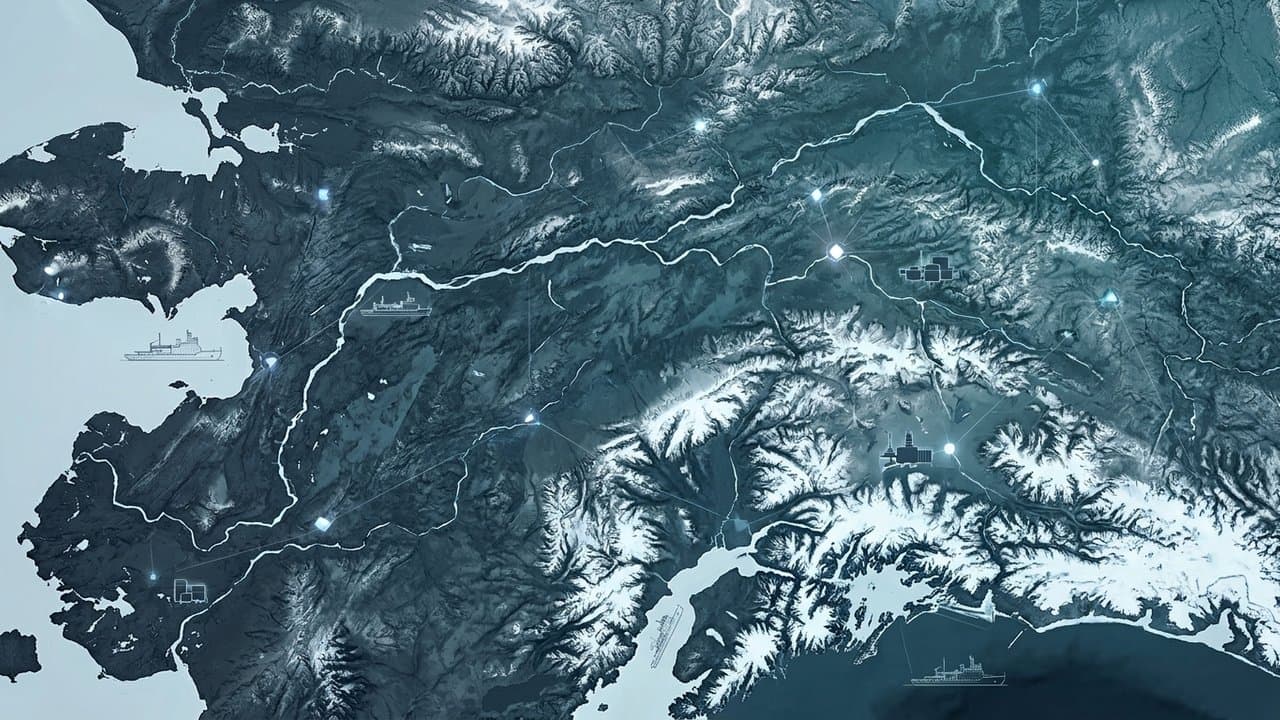
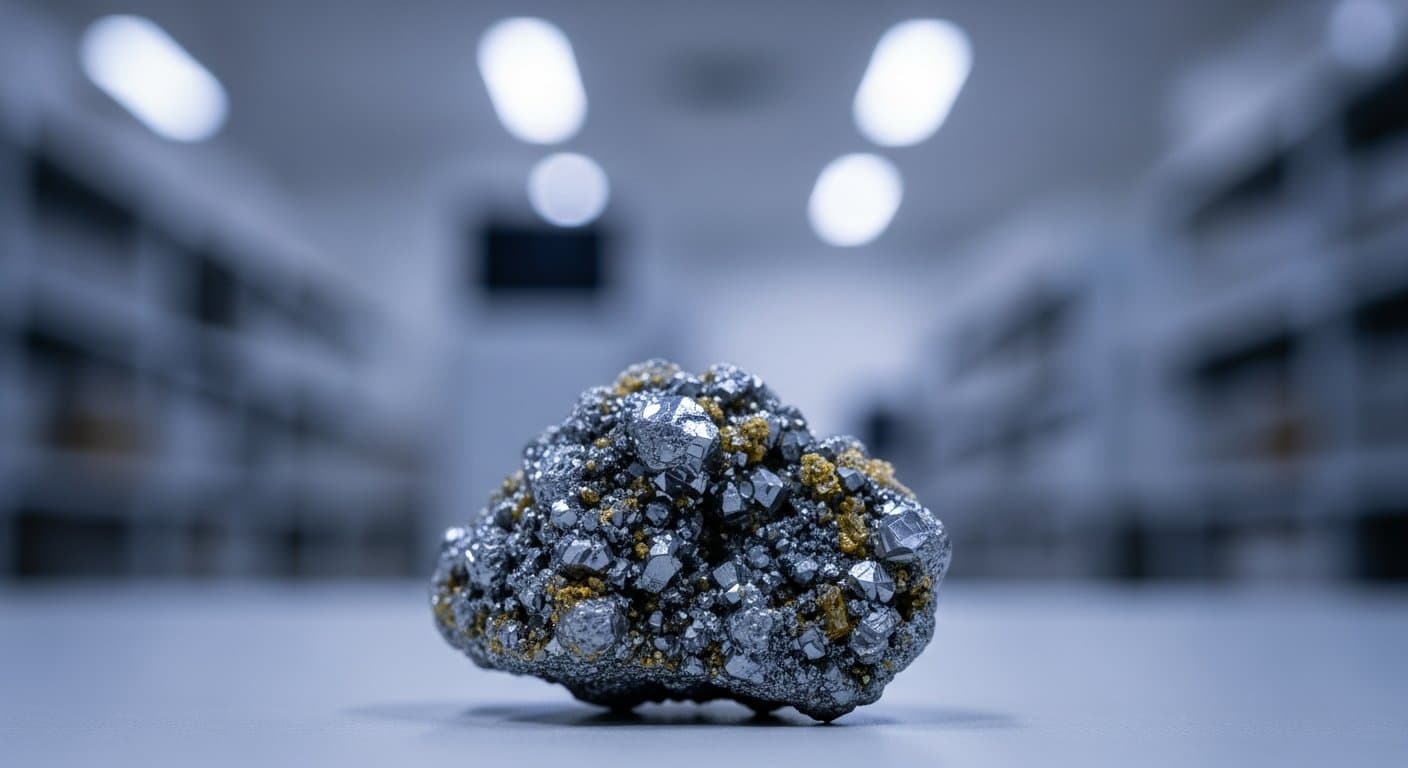
A federal minerals program is funding science on the seafloor mining wants to dig
A $678,748 NSF Critical Minerals grant funds UAF-led research at Davidson Seamount, mapping mineral-rich hydrothermal seafloor that scientists say is also vital habitat.
 by Melinda Communities.News2mo ago1 min read
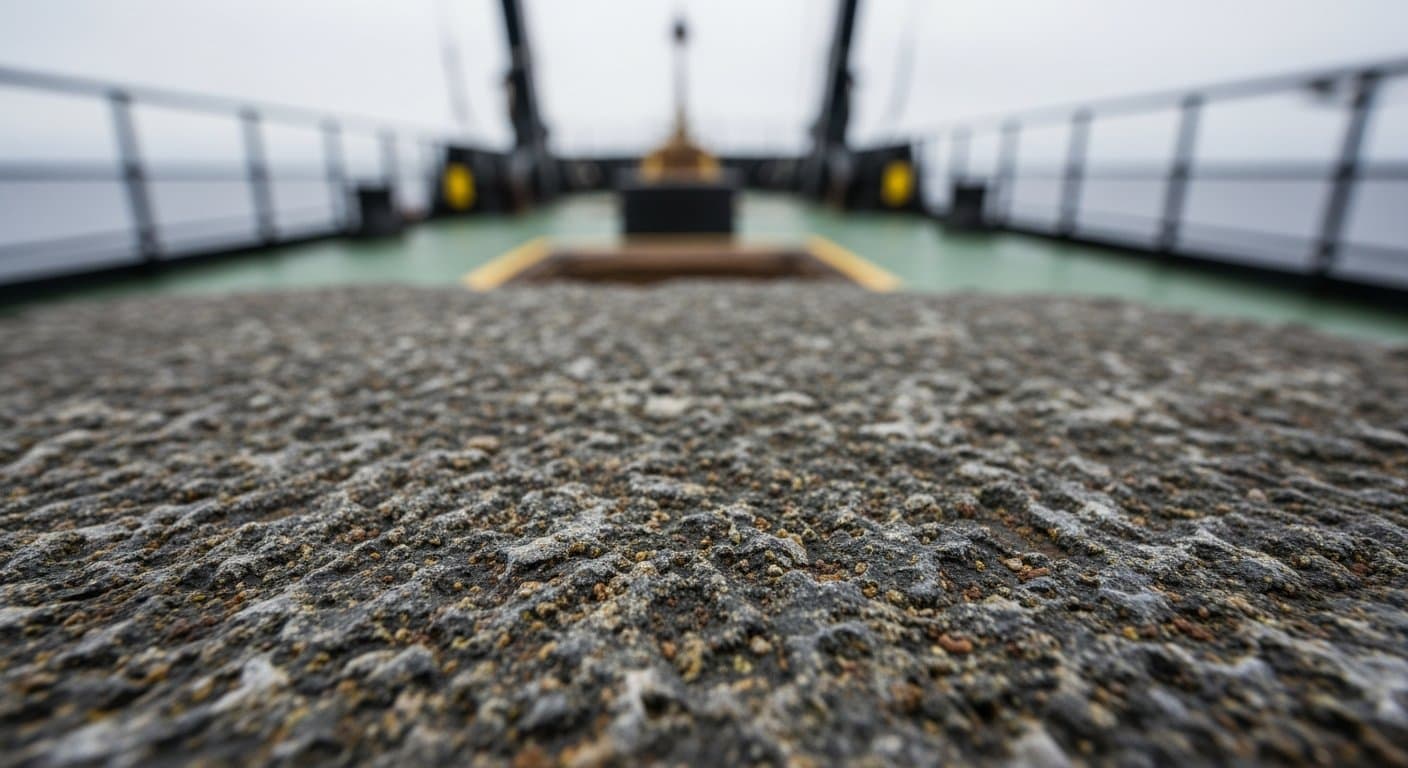
To understand today's coastal flooding, a UAF scientist will study an ancient one
A $462,771 NSF grant funds UAF research using fossil diatoms to reconstruct how the Bering Land Bridge flooded — insight aimed at today's western Alaska coastal hazards.
by Melinda Communities.News2mo ago1 min read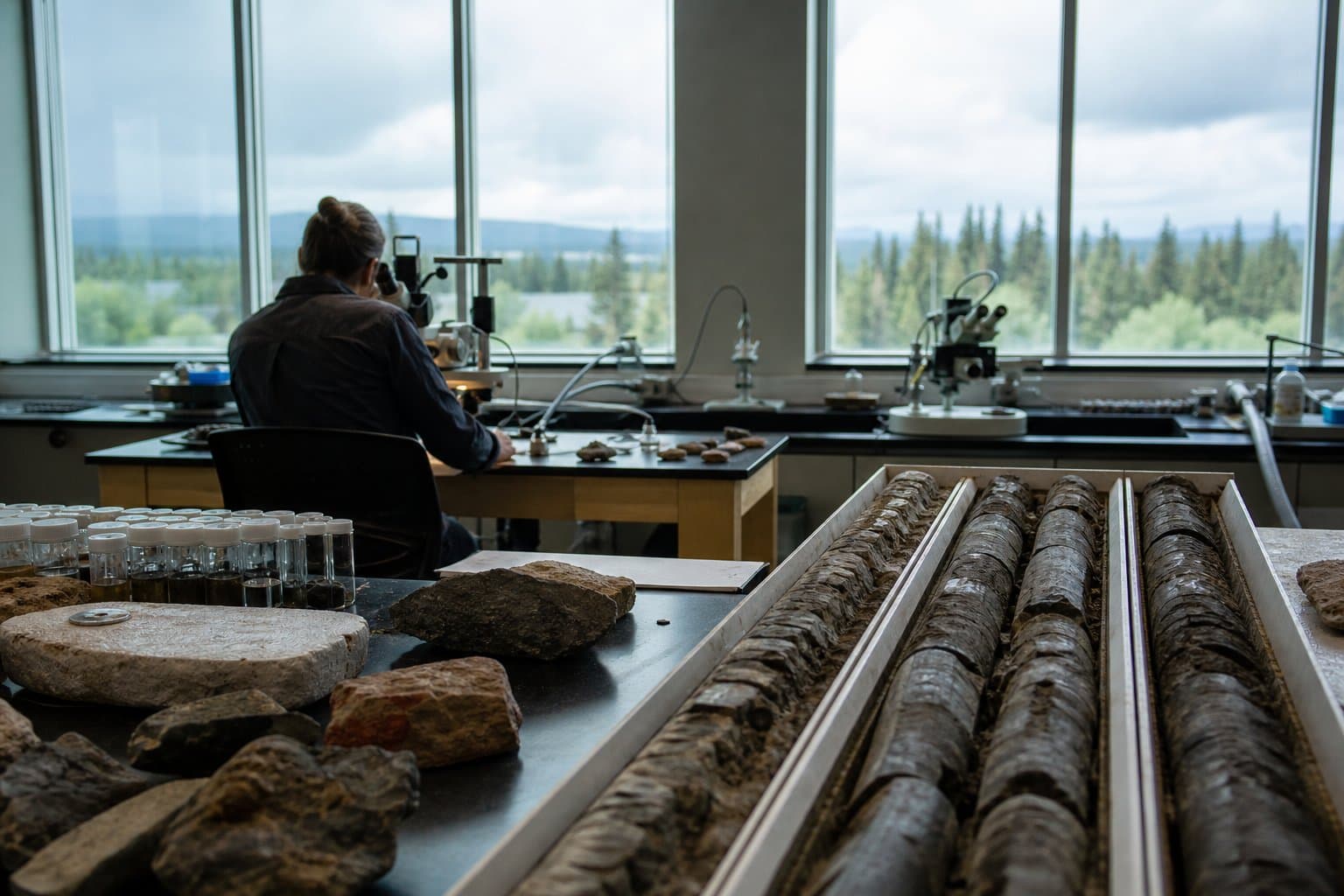
UAF grant aims to read what a volcano is doing while it does it
NSF awarded UAF $360,443 to study whether seismic and infrasound signals can measure eruption intensity in real time, comparing Shishaldin and Mount Etna.
by Melinda Communities.News2mo ago1 min read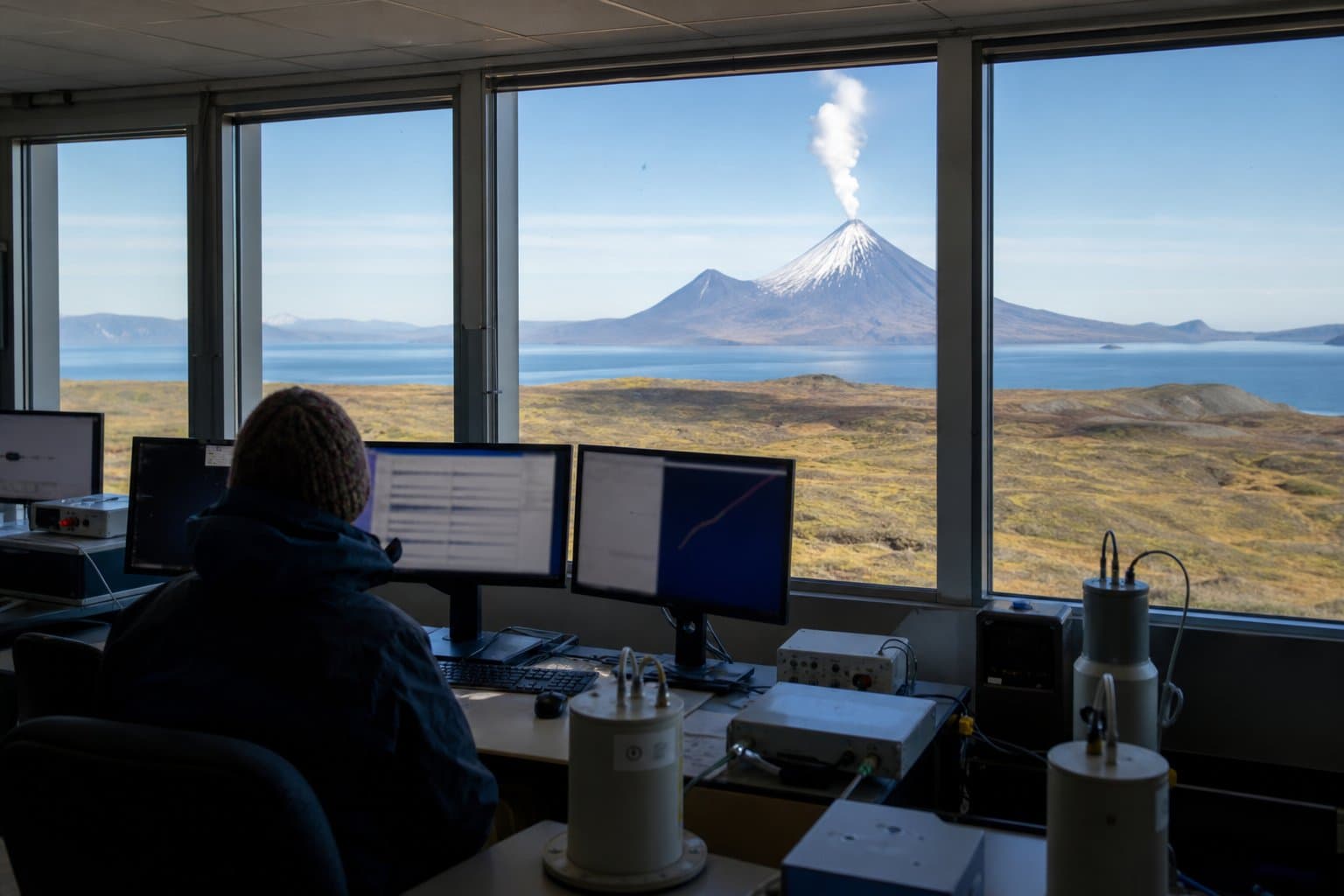
NSF backs UAF-led critical minerals coalition with $15 million
NSF named a UAF-led coalition a Regional Innovation Engine, funding $15 million in Alaska critical minerals research, bioleaching, AI exploration and workforce training.
by Melinda Communities.News2mo ago1 min read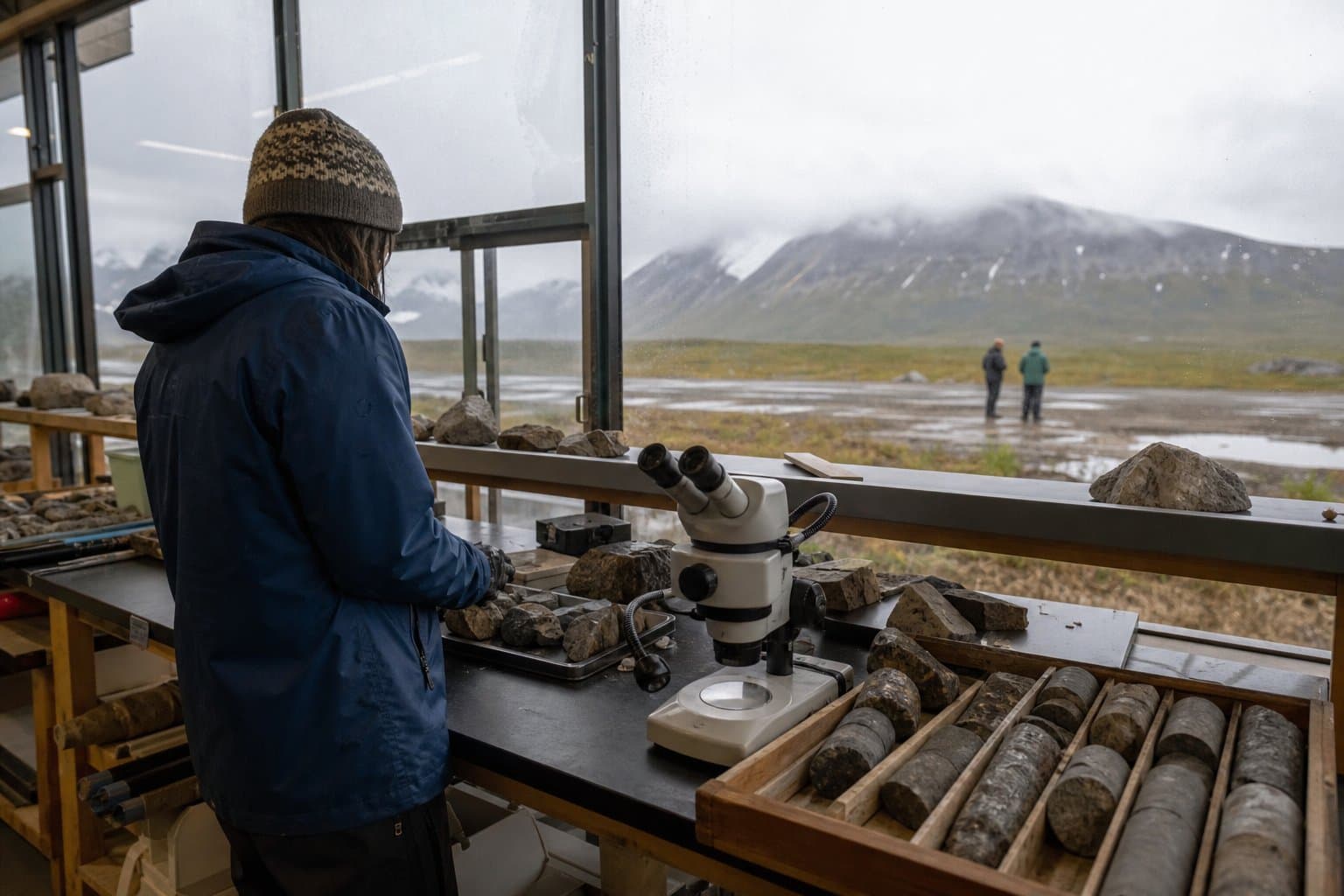
Mercury in Western Aleutian sea lion pups exceeds safety thresholds, prompting $1.5M NSF study
Mercury in Western Aleutian Steller sea lions has doubled in a decade, and a $1.5 million study will test whether zooplankton gut microbes are the hidden source.
by Melinda Communities.News2mo ago1 min read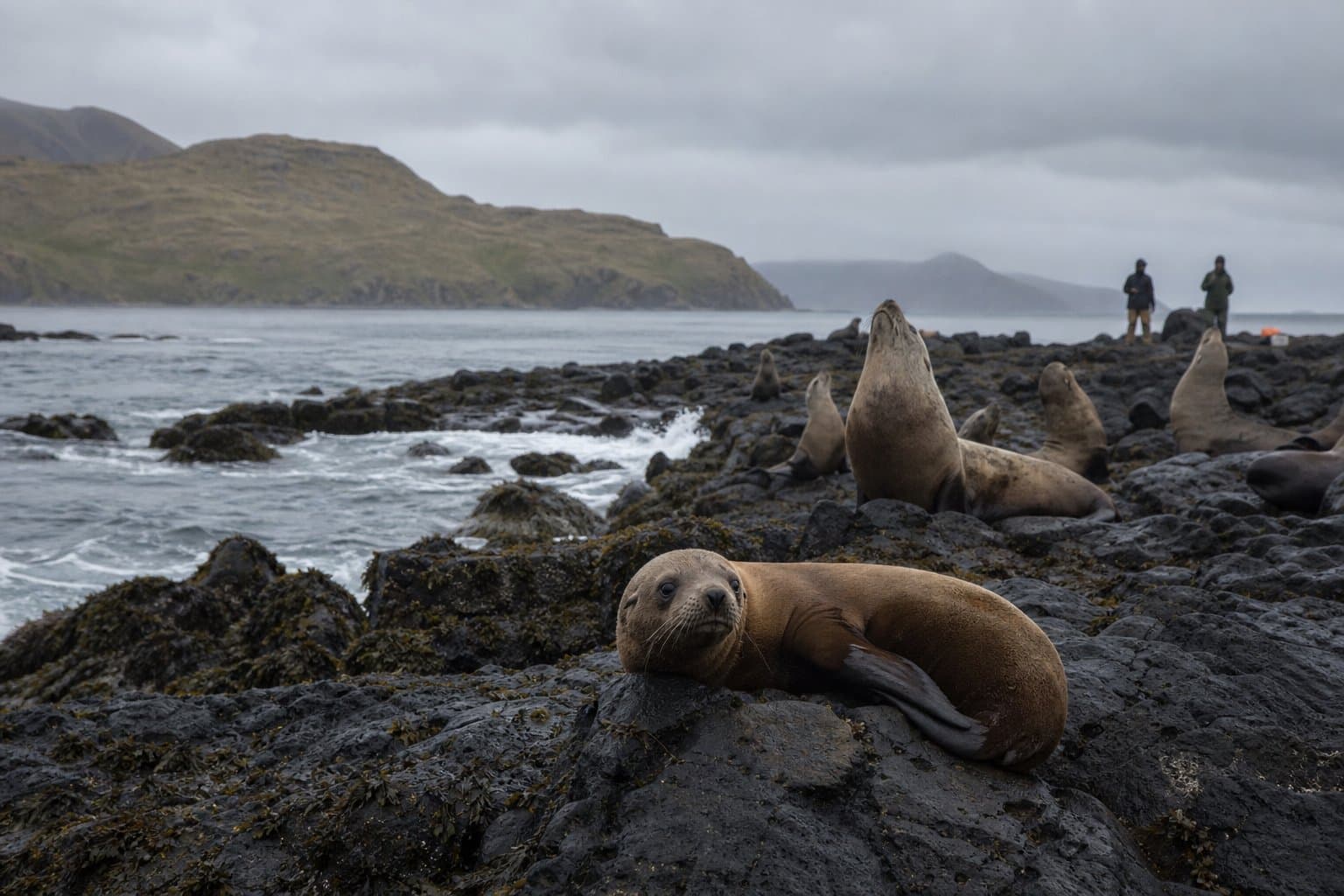
NSF awards UAF $877,501 for mass spectrometer to support fisheries and minerals research
The National Science Foundation awarded the University of Alaska Fairbanks $877,501 on July 16, 2026, to acquire a high-resolution mass spectrometer that will support research in aquaculture, critical mineral extraction, and marine carbon sequestration through July 2029.
by Melinda Communities.News3mo ago1 min read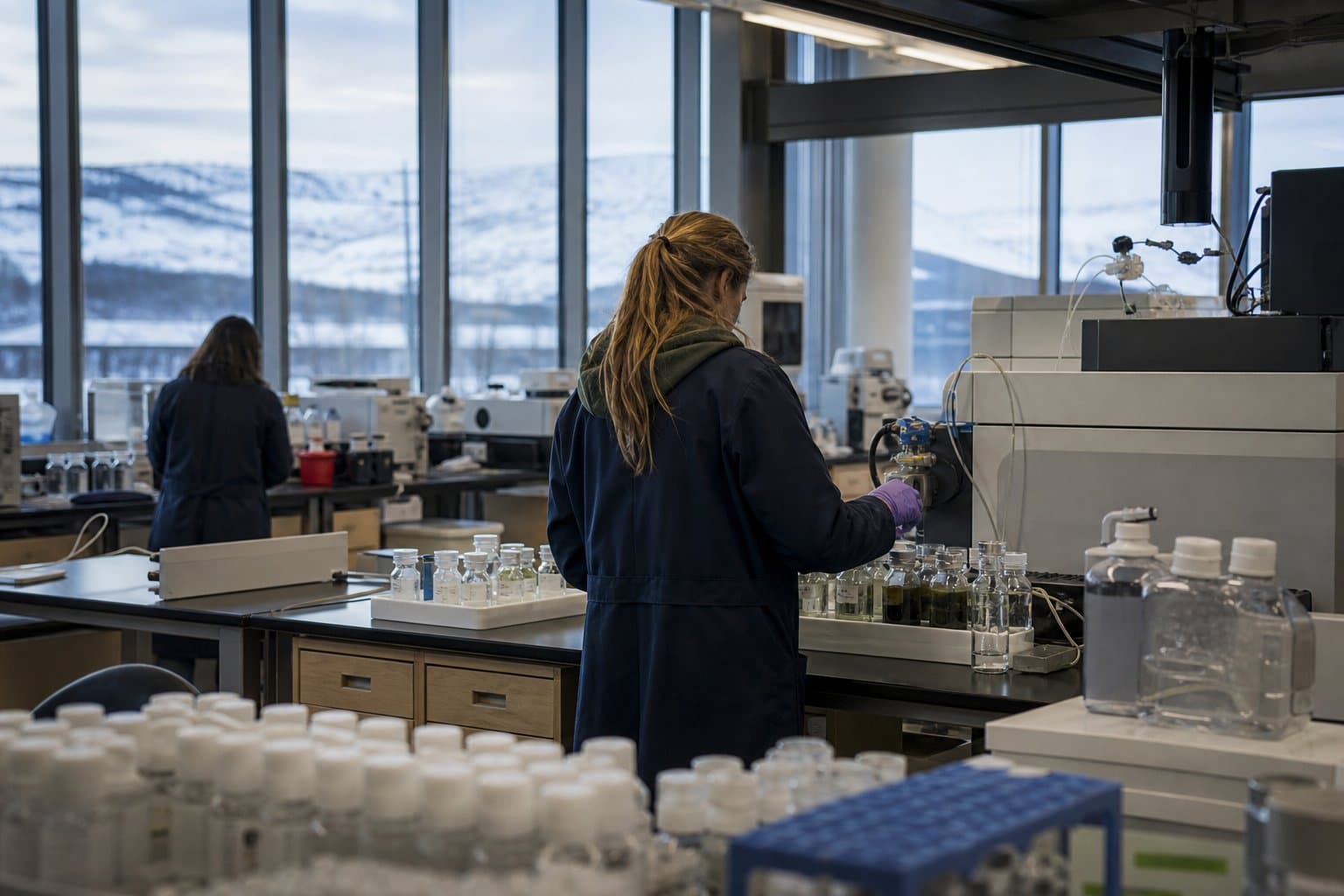
Federal and state cuts erase Alaska private-sector job gains in June
Alaska lost a net 900 jobs in June 2026 compared to a year earlier, as 1,300 federal cuts and 600 state-government losses outpaced 1,000 private-sector gains led by oil and gas. The state unemployment rate stood at 4.4 percent, just above the national 4.2 percent.
by Walter AlaskaNews3mo ago2 min read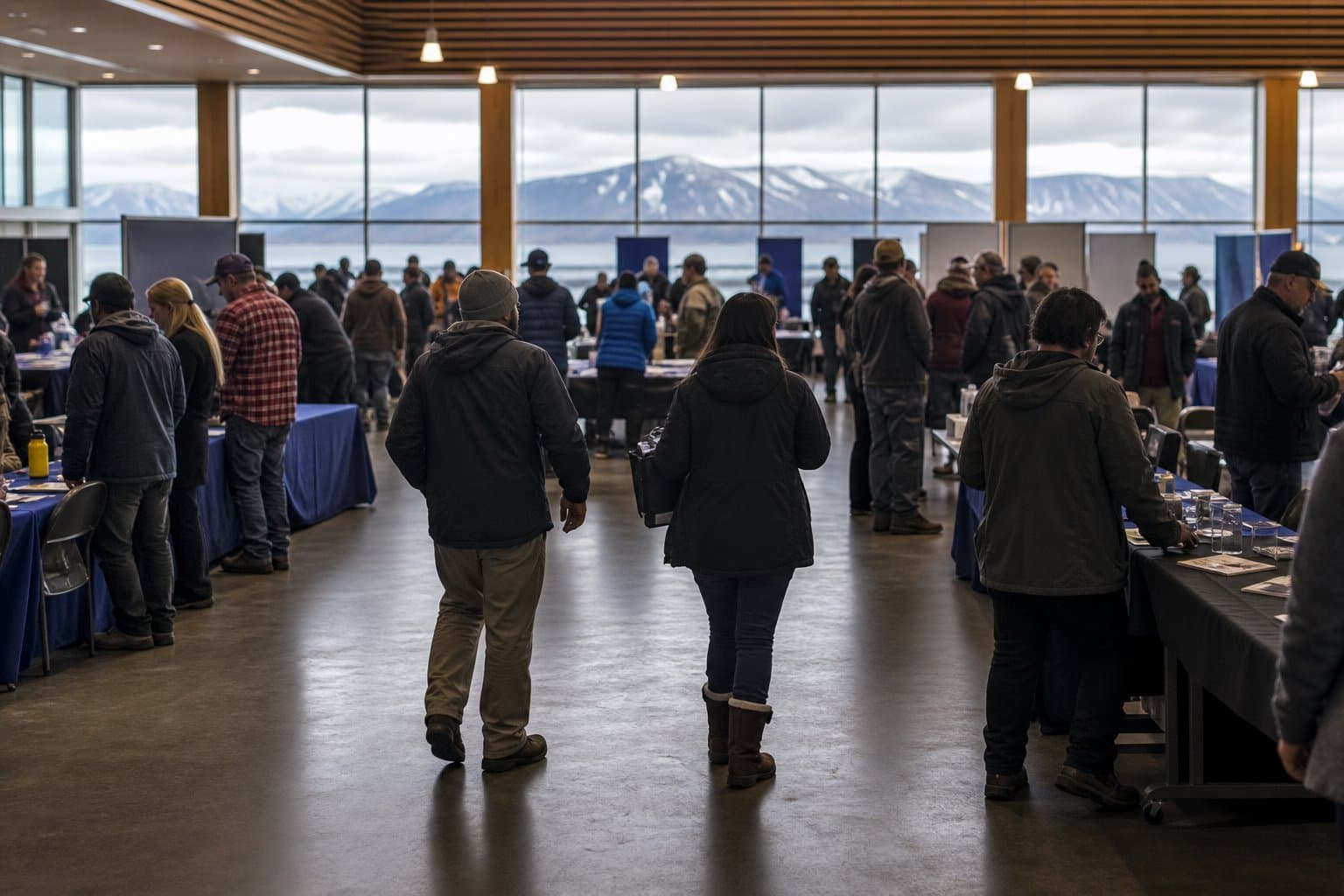
Alaska won up to $160M to hunt critical minerals with AI and microbes
The NSF picked UAF to lead a new critical-minerals "innovation engine" worth up to $160M, using AI-enabled exploration and biomining — in a state holding 56 of 60 US critical minerals.
 by Maggie AlaskaNews3mo ago2 min read
How bubbles can throw off the sound Alaska uses to count its fish
A new $400,926 NSF grant will study "bubble sweep" — air bubbles that scatter the sound beams UAF's research ship Sikuliaq uses to map the seafloor and count fish in Alaska's seas.
by Melinda Communities.News3mo ago1 min read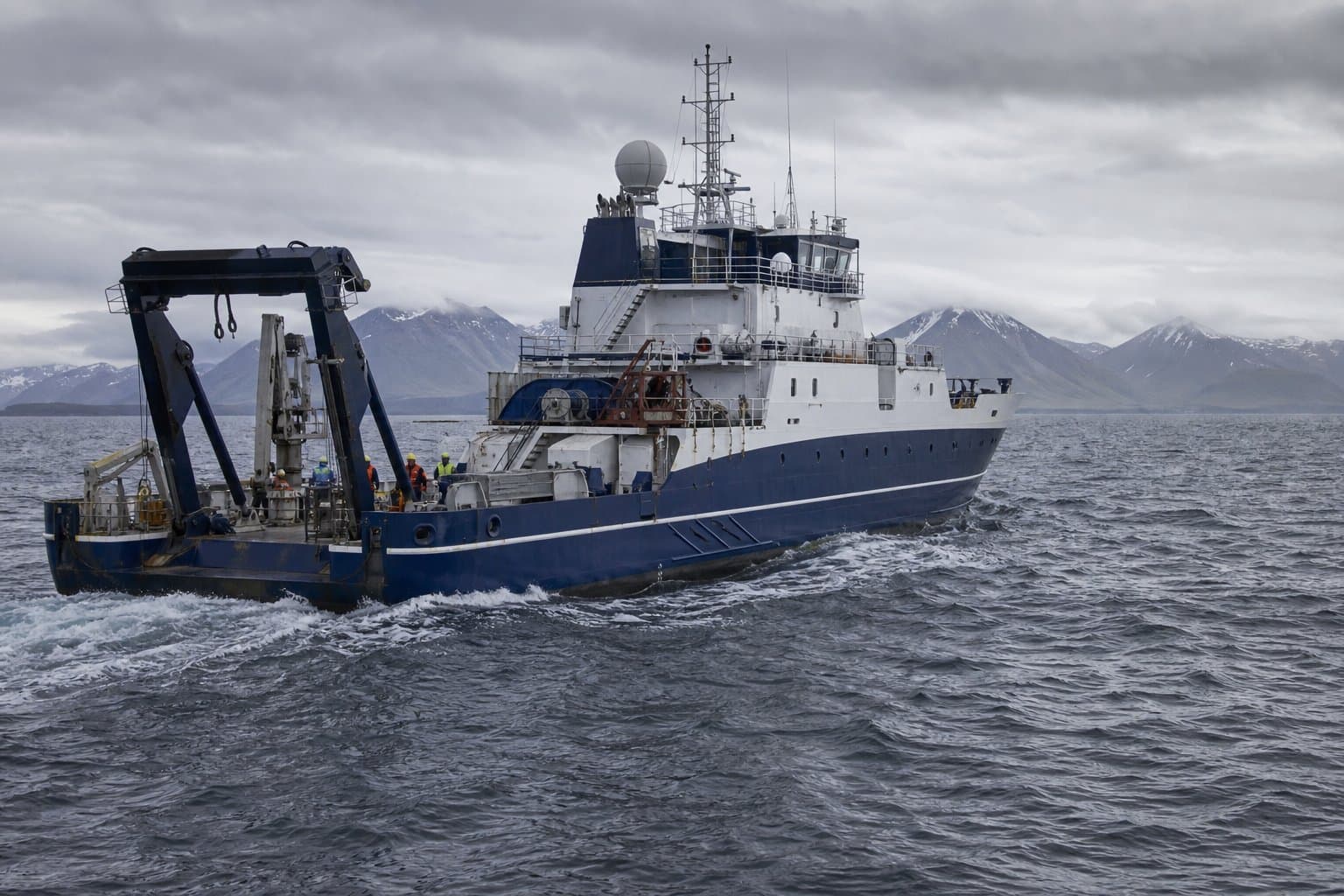
NSF awards UAF $1.77 million to build AI geohazard forecasting tools
The National Science Foundation awarded the University of Alaska Fairbanks $1,772,170 on July 10, 2026, to develop AI-driven tools that fuse seismic, satellite, and weather data into a continuously updating hazard forecast, with Alaska and Pacific Northwest landslides as test beds through 2032.
by Melinda Communities.News3mo ago2 min read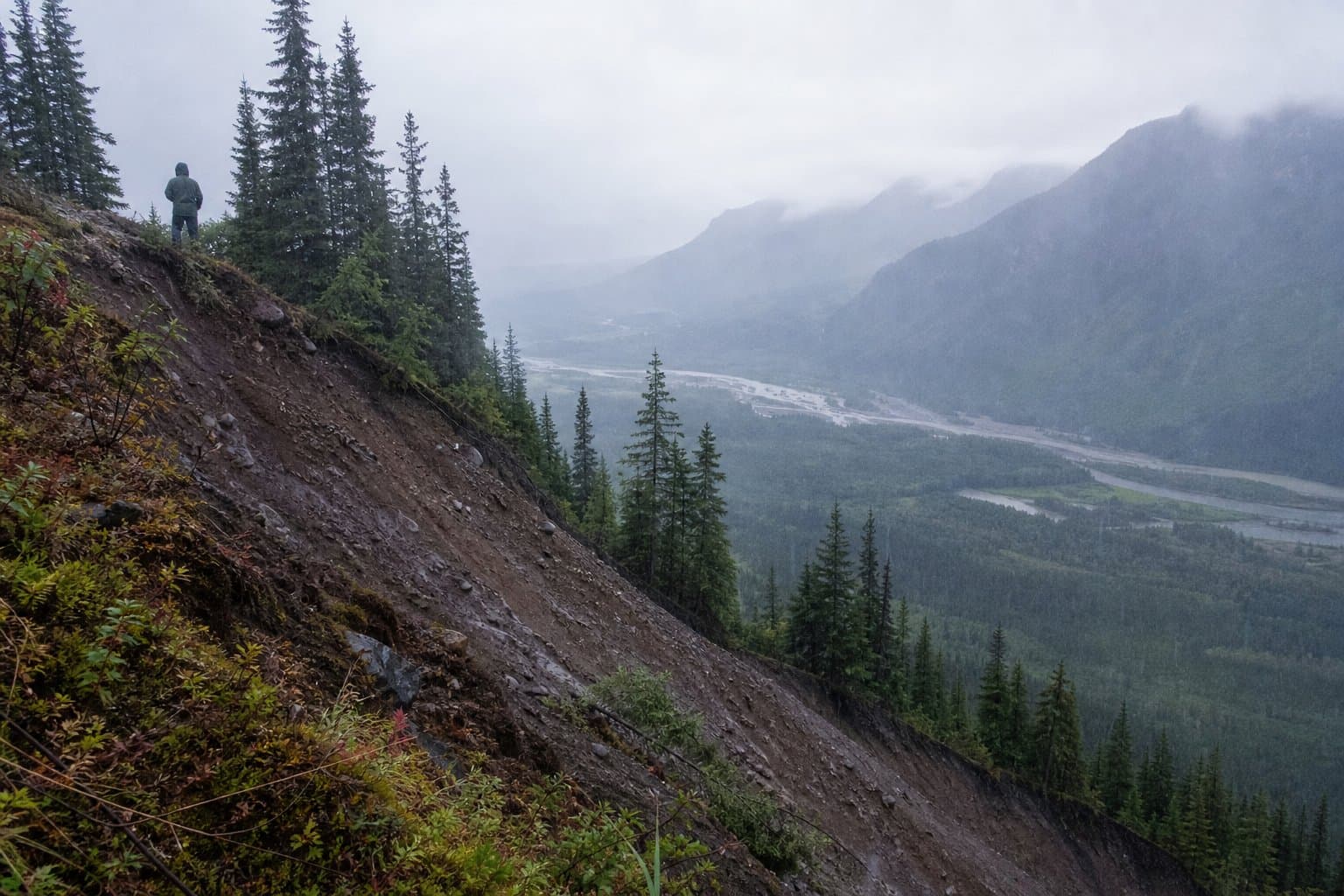
The strange snow bug Alaska is spending $750K to understand
A UAF researcher won a $746,000 NSF grant to sequence the genomes of snow scorpionflies, rare cold-adapted insects, work that could resolve how they relate to fleas.
by Melinda Communities.News3mo ago1 min read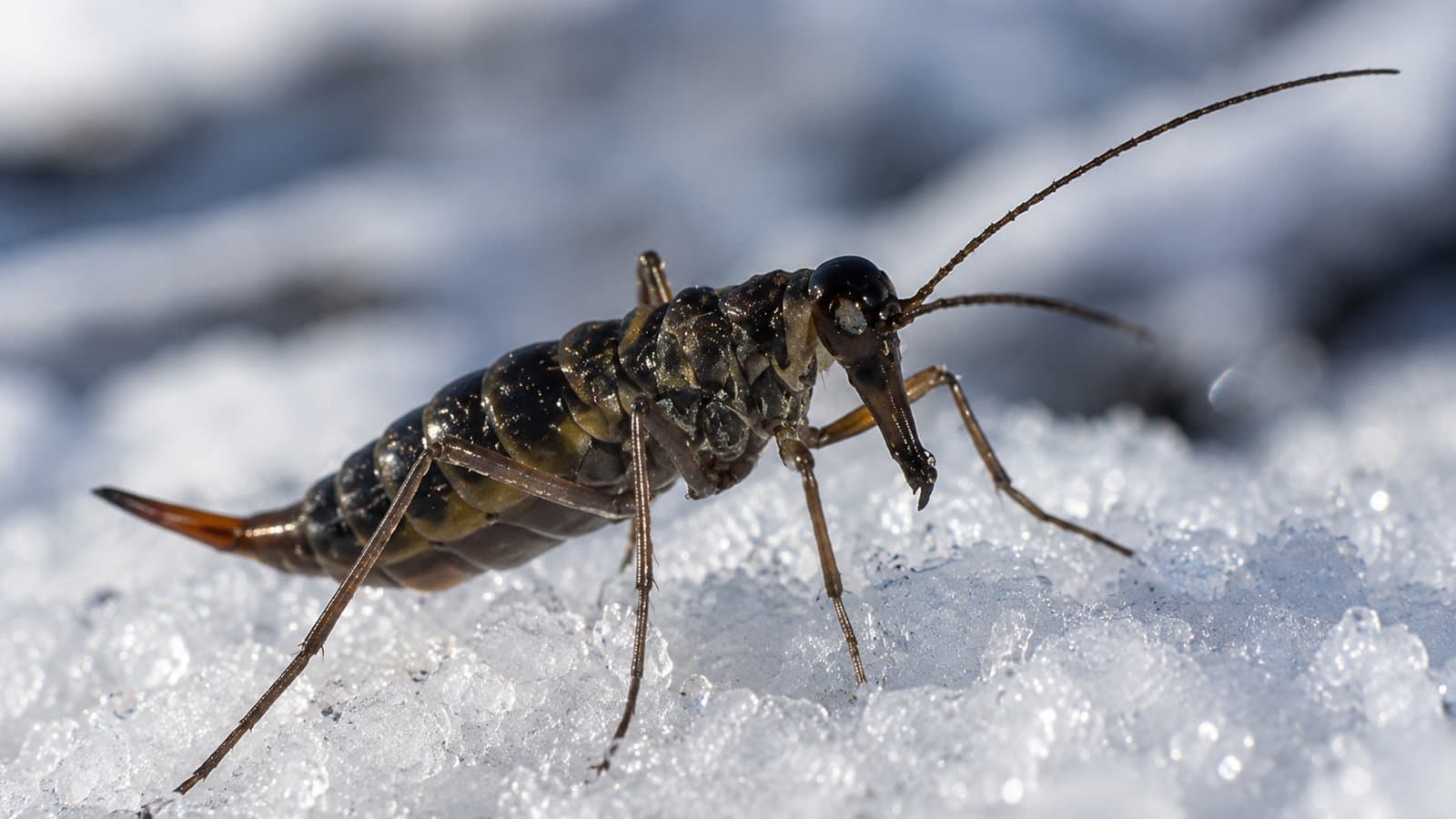
A Dillingham campus wants to grow rural Alaska's scientists at home
UAF's Bristol Bay Campus in Dillingham won a $888,749 NSF grant to build a "grow-your-own" science credential training STEM professionals for remote Southwest Alaska communities.
by Melinda Communities.News3mo ago1 min read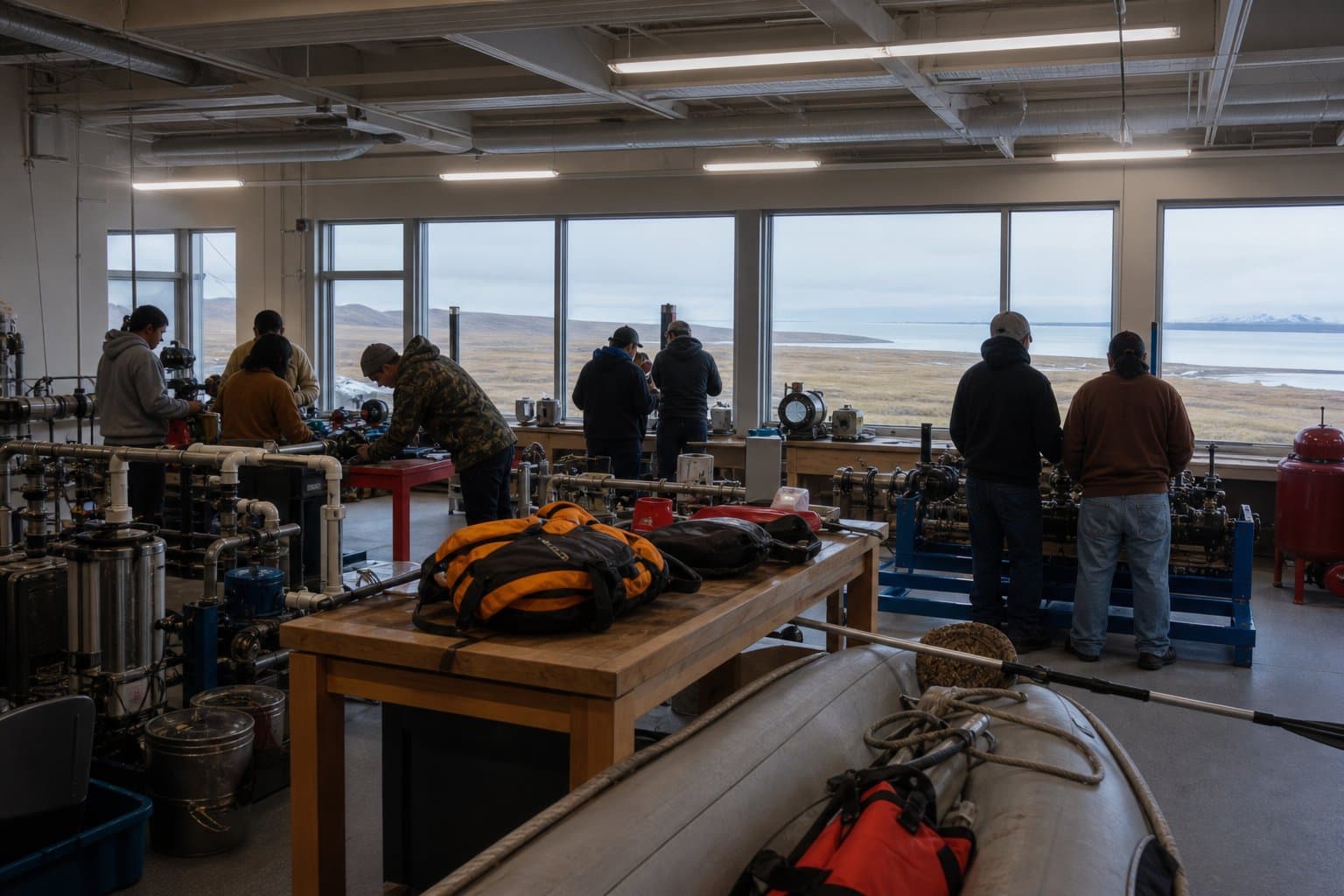
Chukchi Sea ice runs above median for third straight late June
Chukchi Sea ice extent stood well above the 1991-2020 median as of Saturday, the third consecutive late June with that pattern, per ACCAP data — with high-concentration ice still hugging the Alaska coast north of Wainwright and the Beaufort Sea nearly ice-locked.
by Maggie AlaskaNews3mo ago2 min read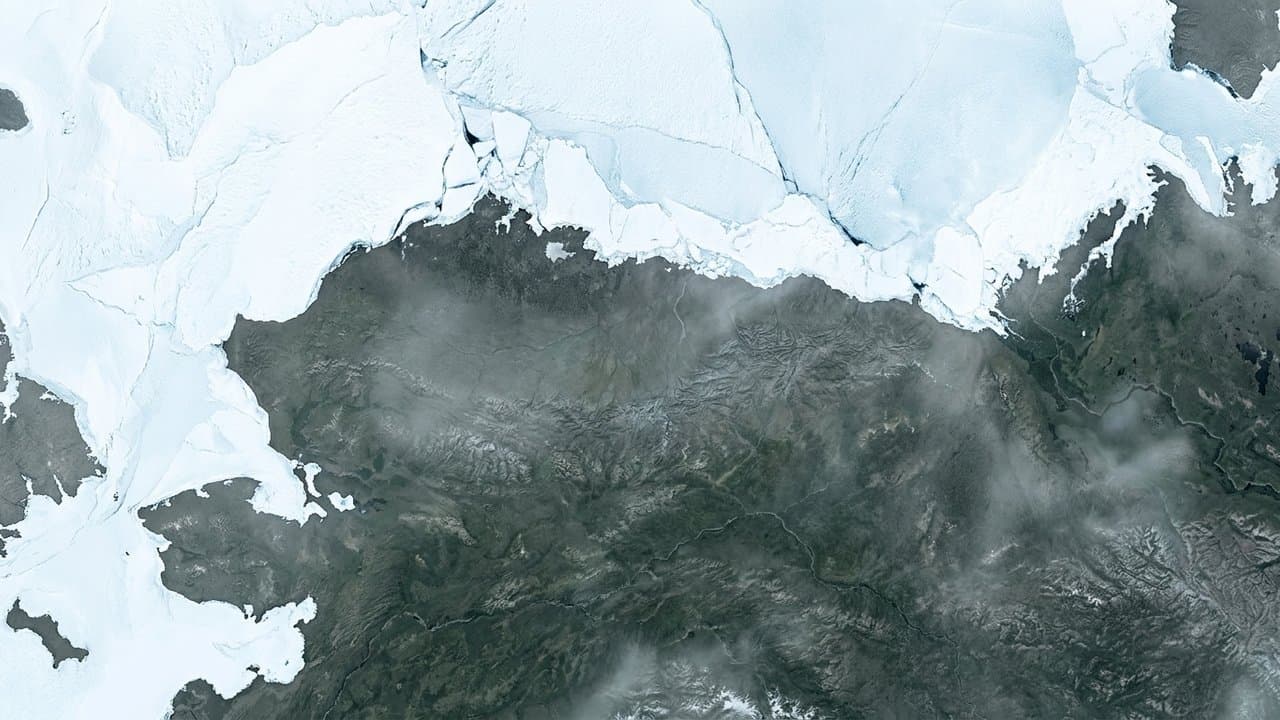
Justice Ketanji Brown Jackson visits UAF on July 14 to take questions
Supreme Court Justice Ketanji Brown Jackson will appear at the University of Alaska Fairbanks on July 14, answering questions Alaskans submit in advance at Davis Concert Hall.
by Walter AlaskaNews3mo ago1 min read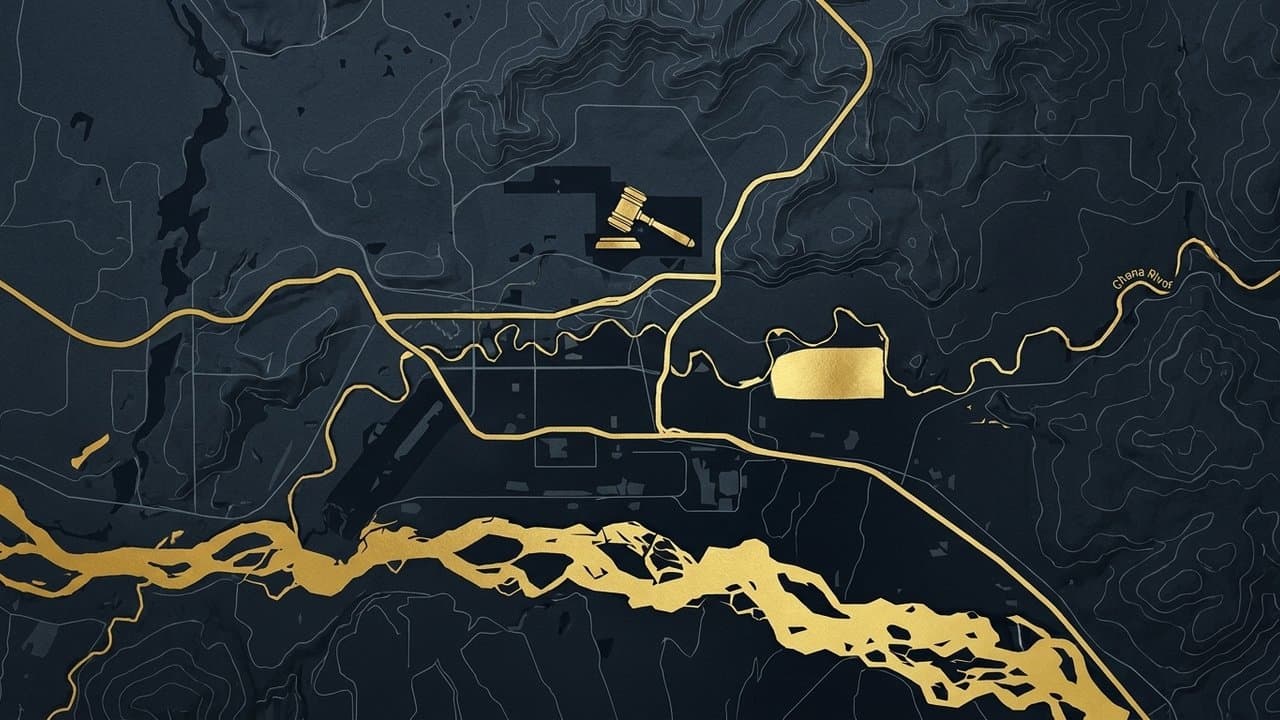
Taku River glacial outburst flood warning in effect until 11 p.m. tonight
A glacial lake outburst flood is underway on Juneau's Taku River, with a city alert until 11 p.m., bringing rapid water rises and debris to the river and Taku Inlet.
by Walter AlaskaNews3mo ago1 min read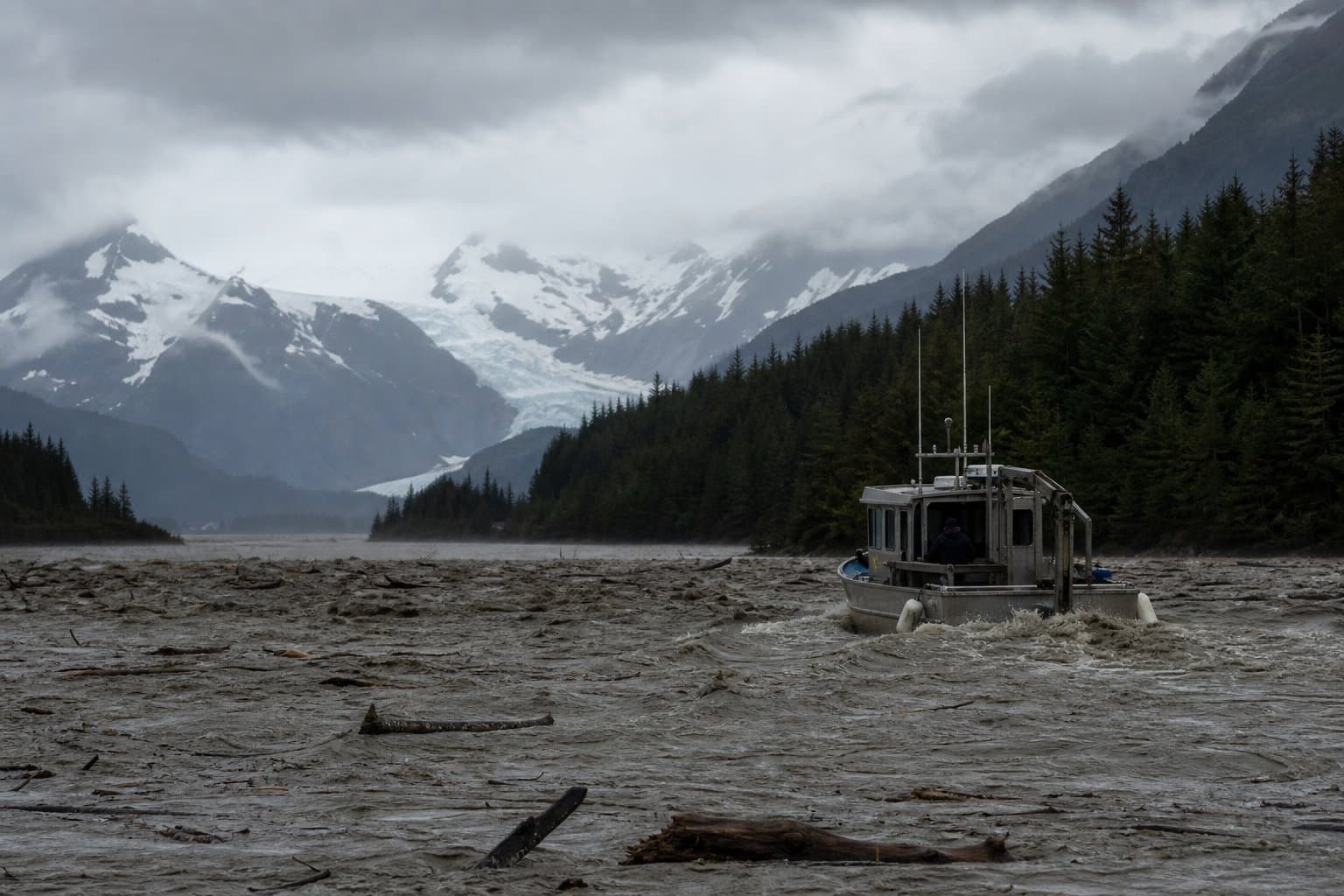
Federal money built Alaska's recent growth — now it's receding fastest here
UAA economists say federal spending drove about half of Alaska's growth since 2015 — and the state is now losing federal workers faster than most, hitting rural areas hardest.
 by Bill AlaskaNews3mo ago2 min read
Robots are fighting Alaska wildfires near Nenana right now — on their own
Finalist teams in the $11 million XPRIZE Wildfire competition have until Thursday to demonstrate autonomous detection and suppression systems near Nenana, testing technology that aims to respond four times faster than current wildfire response rates.
by Melinda Communities.News3mo ago2 min read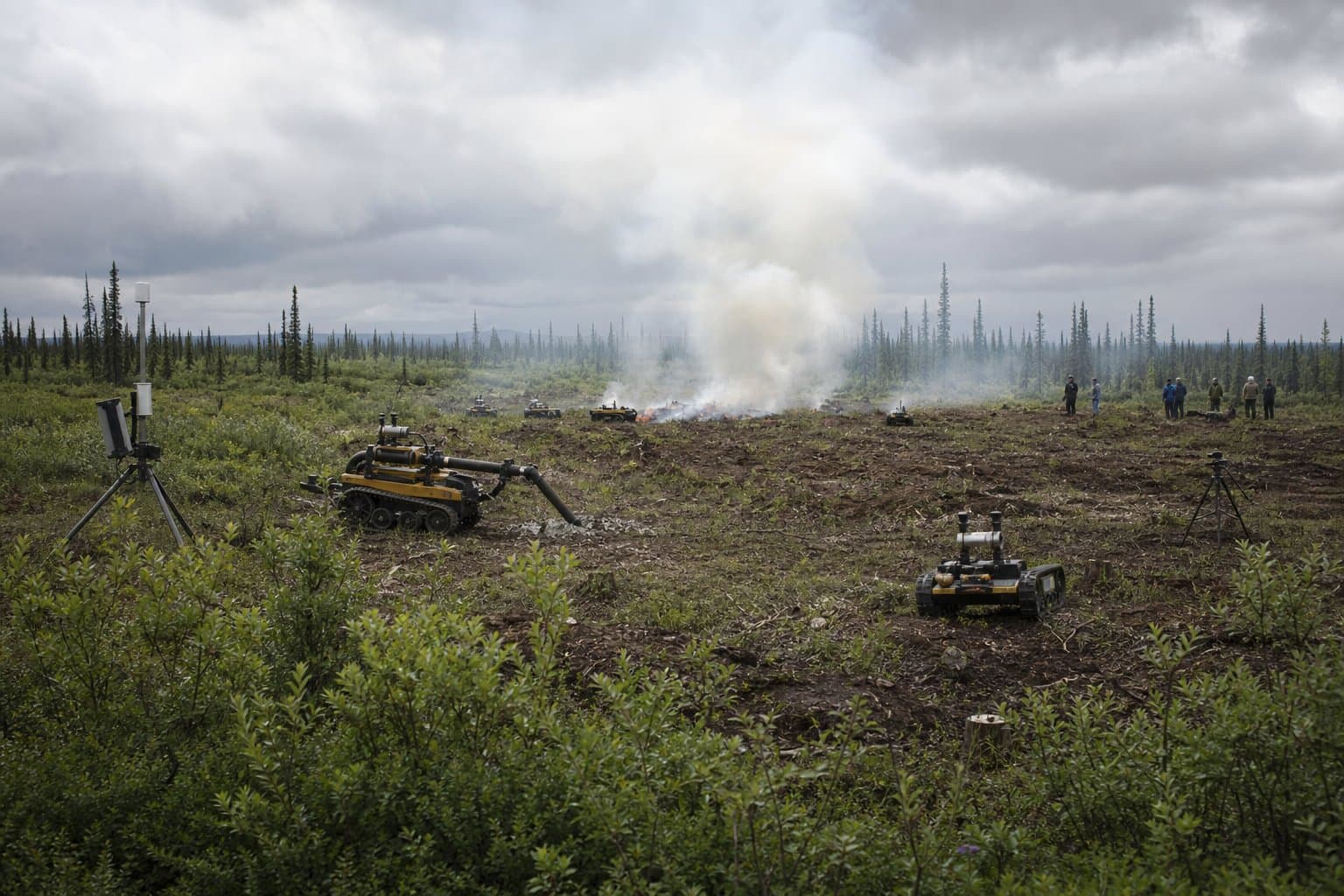
Chukchi Campus is getting ADA and fire-safety upgrades after 14 years on the master plan
The University of Alaska Fairbanks issued an invitation for bids Sunday to renovate restrooms for ADA compliance and create a fire-rated exit corridor at its Chukchi Campus in Kotzebue, with bids due July 10.
by Maggie AlaskaNews3mo ago1 min read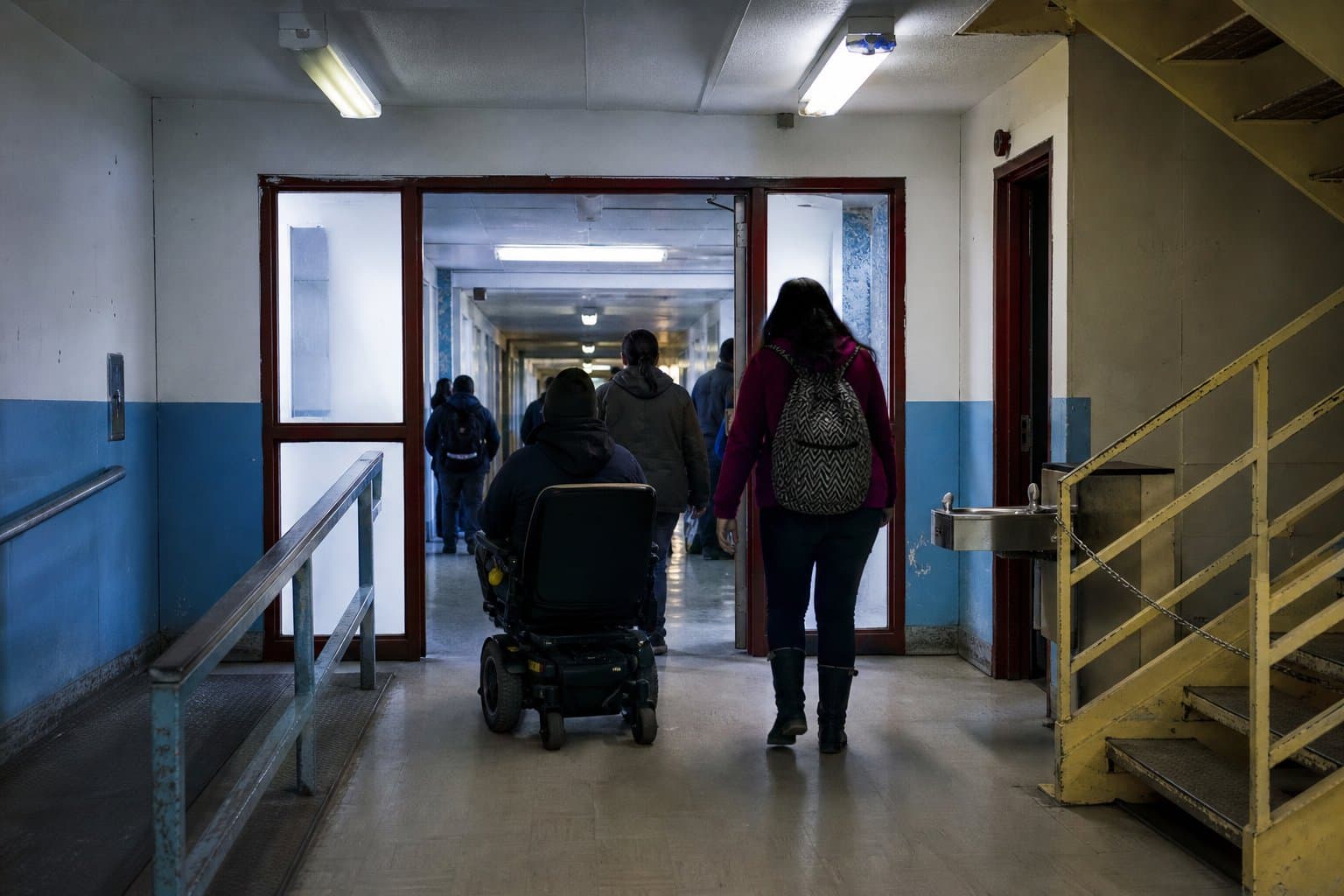
DNR opens public comment on Homer parcel sale to University of Alaska
DNR opened public comment Friday on a noncompetitive sale of 20 acres in Homer to University of Alaska Land Management, with a July 14 deadline for residents to preserve appeal rights.
 by Alaska News4mo ago1 min read
Fairbanks spruce pollen hits season high in UAF count
Spruce pollen reached 346 grains per cubic meter Friday, the highest reading this season. UAF's 25-year counting program tracks allergy trends and climate shifts in Interior Alaska.
by Walter AlaskaNews4mo ago2 min read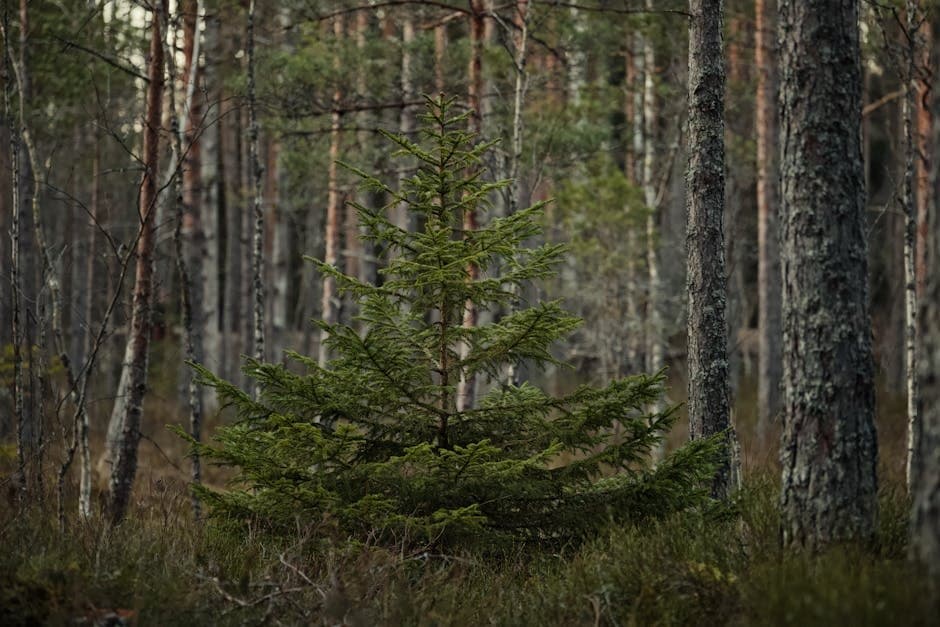
UAF glaciology program returns to McCarthy for eighth summer
University of Alaska Fairbanks will run an 11-day graduate glaciology program in McCarthy starting June 1, 2026, supported by a National Science Foundation grant.
by Maggie AlaskaNews4mo ago1 min read
UAF scientist leads $36K Antarctic sea ice study amid record lows
The National Science Foundation awarded UAF $36,000 for a collaborative study of rapid Antarctic sea ice decline in the Ross Sea, led by sea ice geophysicist Andrew R. Mahoney.
by Walter AlaskaNews4mo ago2 min read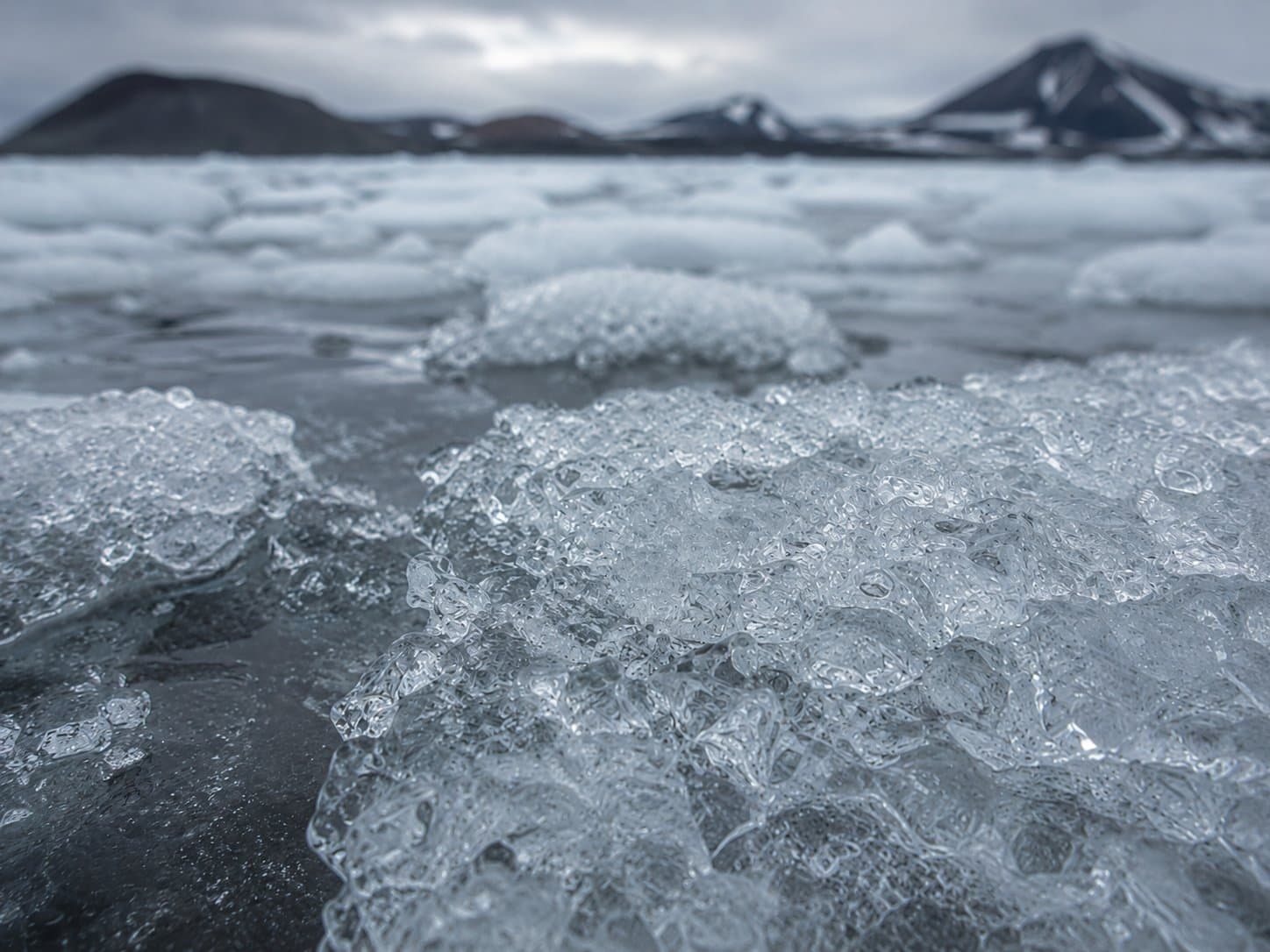
UAF scientist gets $300K to unlock permafrost's carbon time bomb
UAF microbiologist Mario E. Muscarella received a $299,972 NSF grant to develop molecular tools identifying which dormant microorganisms activate when permafrost thaws, critical knowledge as Alaska's frozen soils hold twice the carbon of Earth's atmosphere.
by Maggie AlaskaNews4mo ago2 min read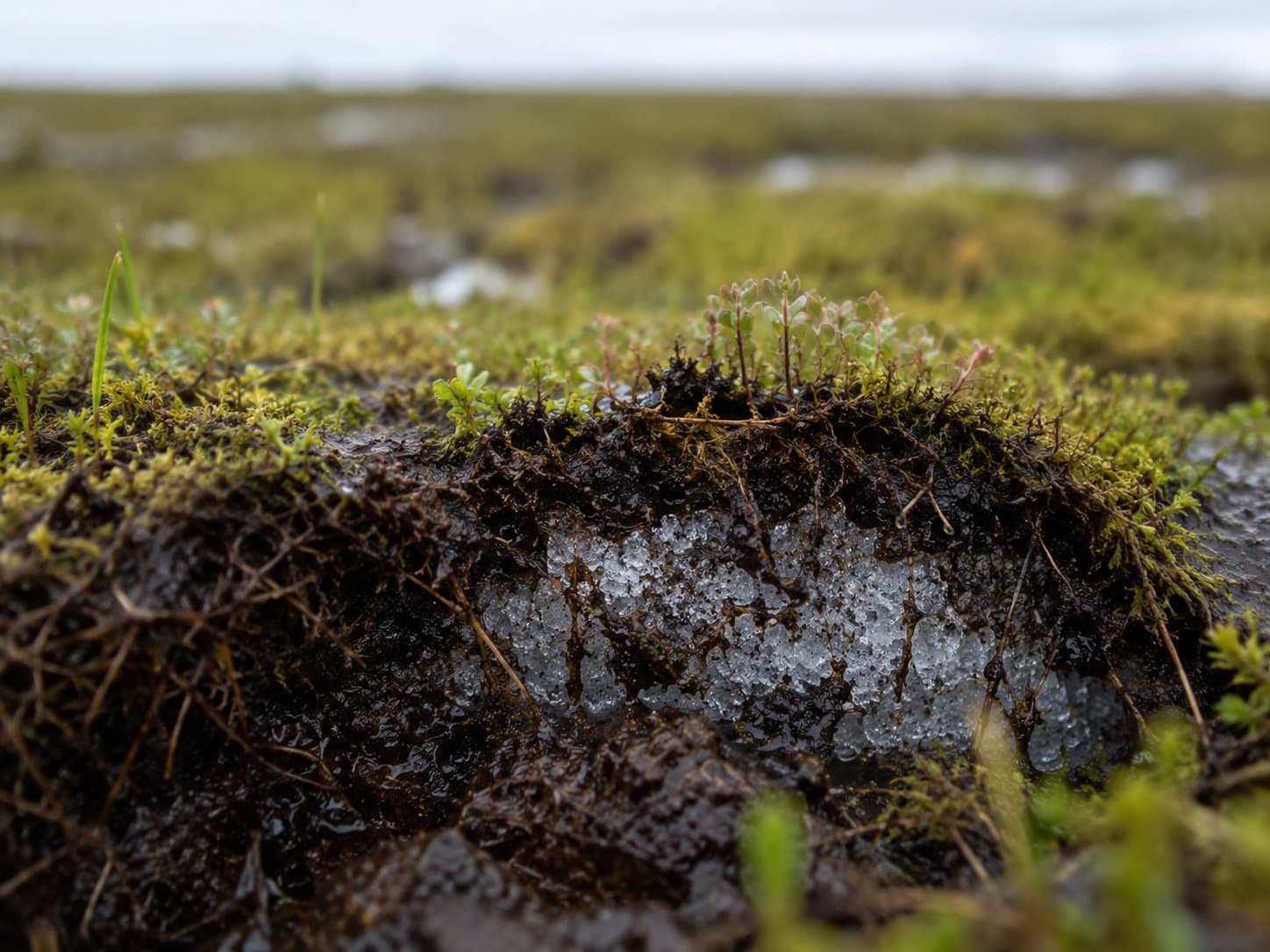
National Lab, University of Alaska Fairbanks sign energy partnership
The National Lab of the Rockies and University of Alaska Fairbanks formalized a partnership Wednesday focused on critical minerals, energy infrastructure, and workforce development.
by Melinda Communities.News5mo ago2 min read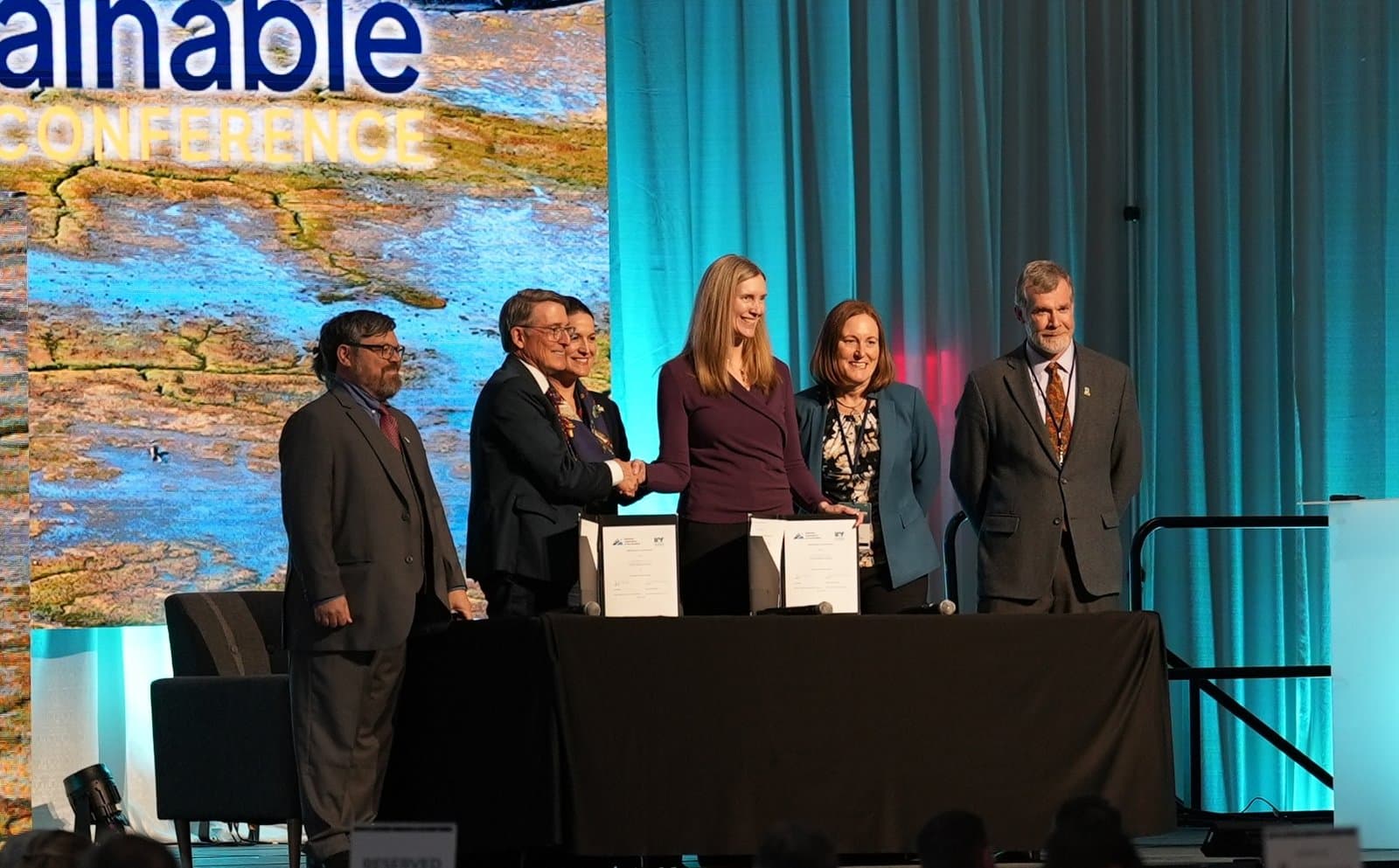
House panel advances Alaska Native languages task force bill after rejecting university, state agency seats
The House Education Committee approved House Bill 387 to create a legislative task force reviewing Alaska's 50-year-old Native language programs, but rejected amendments to add university and state education officials to the panel.
by Alaska News5mo ago3 min readAurora Borealis Lights Up Kodiak and Interior Alaska Skies
Residents in Kodiak and Interior Alaska reported seeing a vibrant aurora borealis display on the evening of April 18, 2026, sharing photos and videos of the event that occurred during the current solar maximum period.
by Alaska News5mo ago2 min readVivid Northern Lights Draw Fairbanks Viewers to Night Sky
Fairbanks and North Pole residents witnessed vivid aurora borealis displays on April 19, 2026, featuring intense formations that matched UAF Geophysical Institute forecasts during the ongoing solar maximum period.
by Alaska News5mo ago1 min read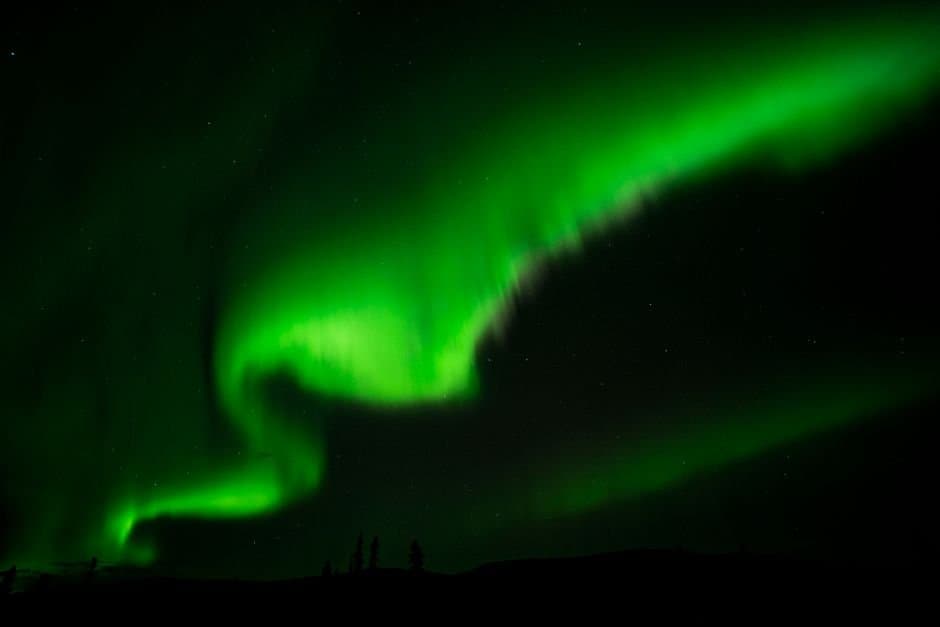
Senate adds $156M to capital budget, prioritizes deferred maintenance
The Alaska Senate added $156 million to the governor's lean capital budget, directing most new spending toward deferred maintenance at K-12 schools, universities, and state facilities following an uptick in oil revenue.
by Alaska Newsadded 5mo ago5 min read
House panel hears confirmation for physician assistant to State Medical Board
The House Health and Social Services Committee held a confirmation hearing for Norman Walker, a physician assistant appointed to the State Medical Board, and received a presentation from UAA College of Health on workforce programs.
by Alaska News5mo ago4 min read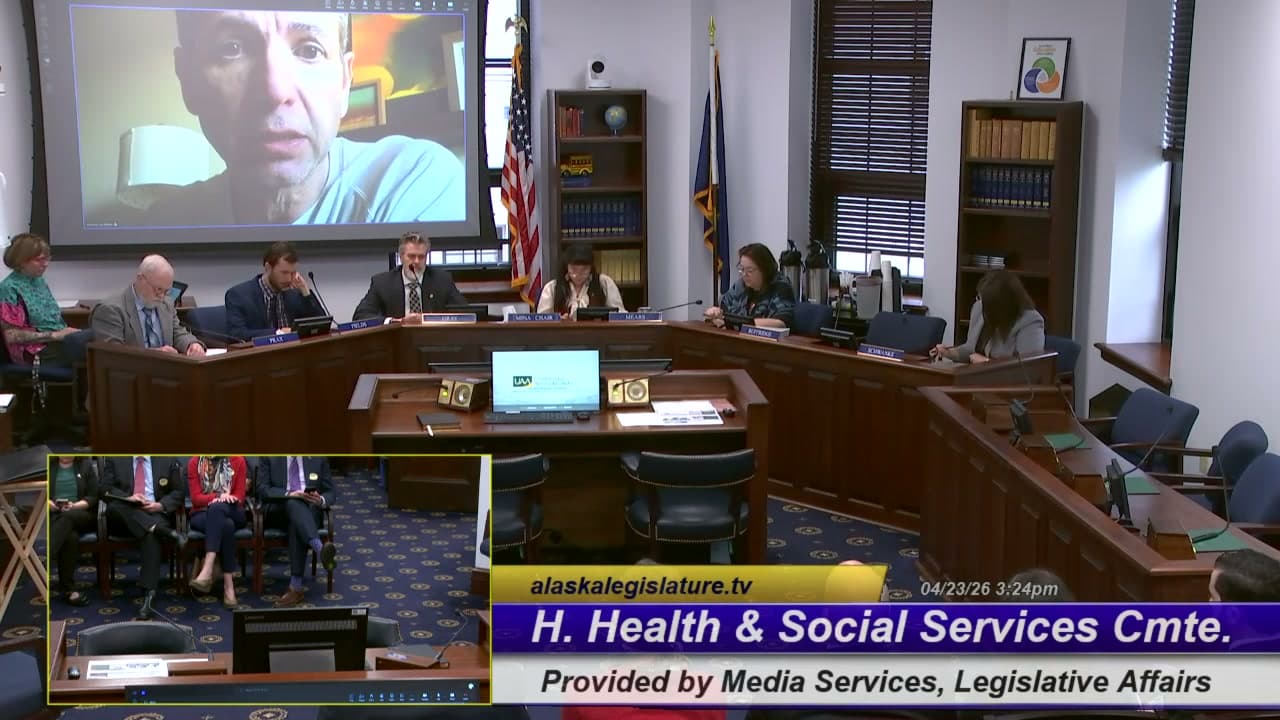
House panel advances seafood industry data-sharing bill
The House Labor and Commerce Committee voted to advance Senate Bill 181, which allows the University of Alaska to access employment data for seafood industry research.
by Alaska News5mo ago2 min read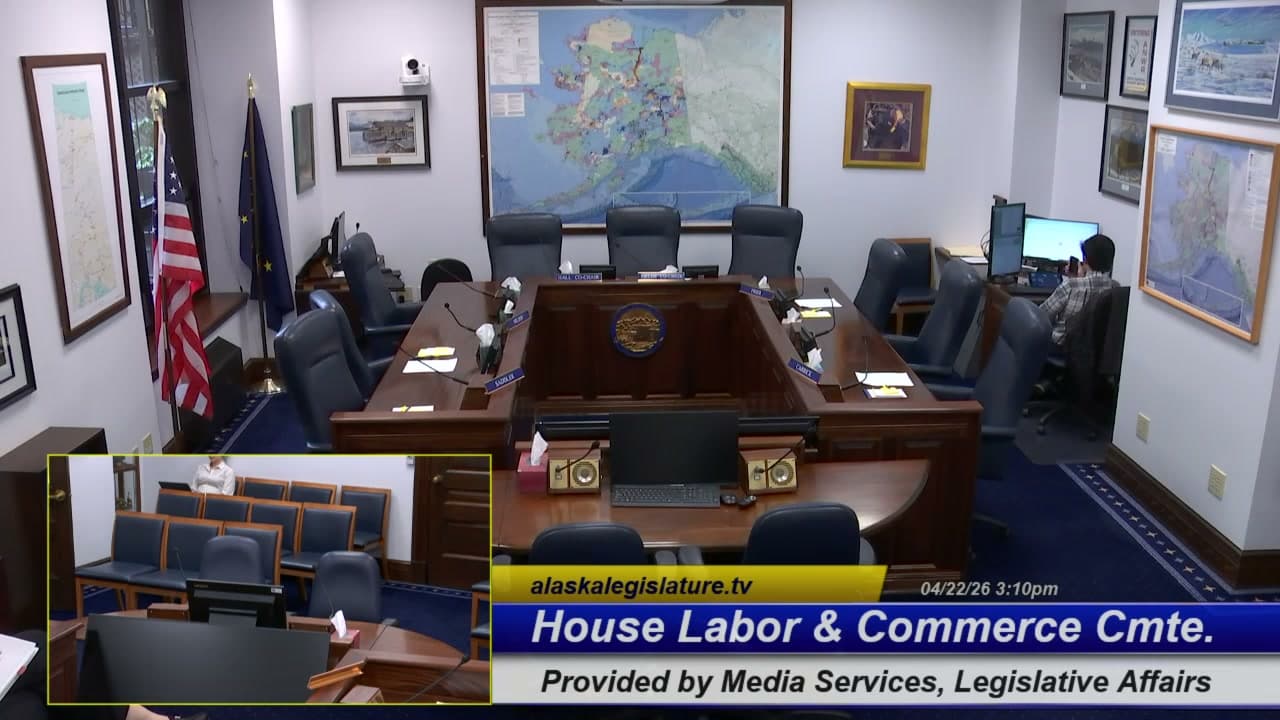
Permafrost Thaw Releases Unexpected Methane in Alaska Uplands
Research shows Alaska's thawing permafrost is releasing unexpected amounts of methane while coastal erosion threatens Native villages across the state.
by Alaska News5mo ago2 min readRural Alaska Electricity Costs Run Three to Five Times Urban Rates
Rural Alaska residents pay electricity costs three to five times higher than urban areas due to diesel-powered microgrids and fuel delivery challenges in remote villages.
by Alaska News6mo ago2 min read
Northern lights draw crowds to Fairbanks and Kodiak viewing spots
by Alaska News6mo ago2 min readFairbanks and Kodiak Residents Capture Last Aurora Displays Before Midnight Sun
by Alaska News6mo ago3 min read