Administers Alaska's workers' compensation, unemployment insurance, workforce training grants, and occupational safety programs. Publishes economic data and apprenticeship opportunities.
Juneau, AK, USA
Video Clips
Browse all clips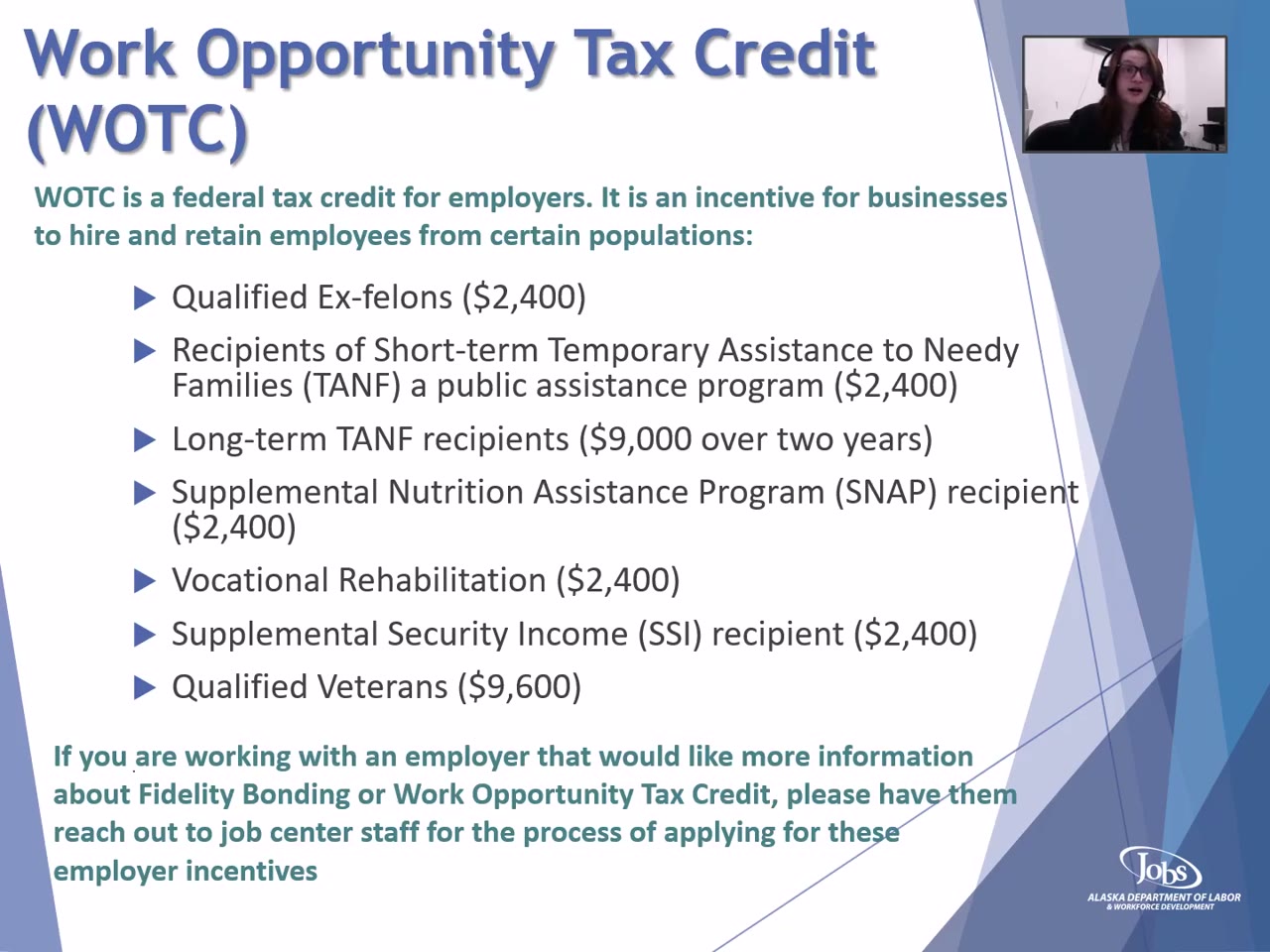
Speaker A
“Employment offers significant social and emotional benefits for justice involved individuals such as improved self esteem, financial independence and a reduced likelihood of engaging in criminal behavior. The WOTC helps open doors to these benefits by incentivizing employers to give people with criminal backgrounds an opportunity to work.”Alaska Labor & Workforce: Employment After Incarceration · May 15, 2026
Speaker A
“There are currently 13 job centers in Alaska, one in Anchorage, Midtown, Mat Su, Dillingham, Fairbanks, Homer, Juneau, Ketchikan, Kodiak, Nome, Kenai, Sitka, Valdez and Bethel.”Alaska Labor & Workforce: Employment After Incarceration · May 15, 2026
Speaker A
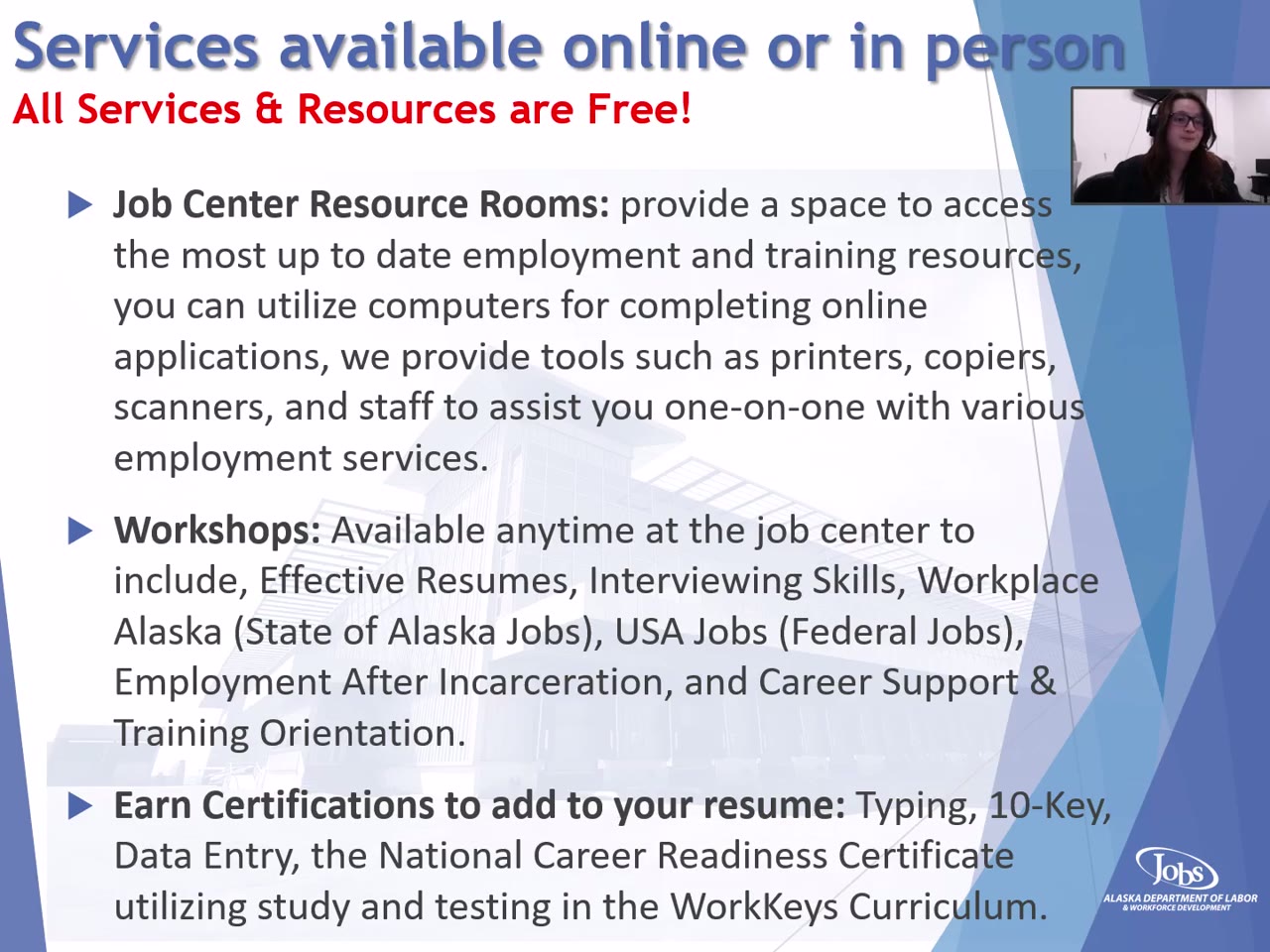
“There's also certifications to add to your resume such as typing 10 key data entry and the National Career Readiness Certificate. Utilizing study and testing in the workkeys curriculum.”Alaska Labor & Workforce: Employment After Incarceration · May 15, 2026
Speaker A
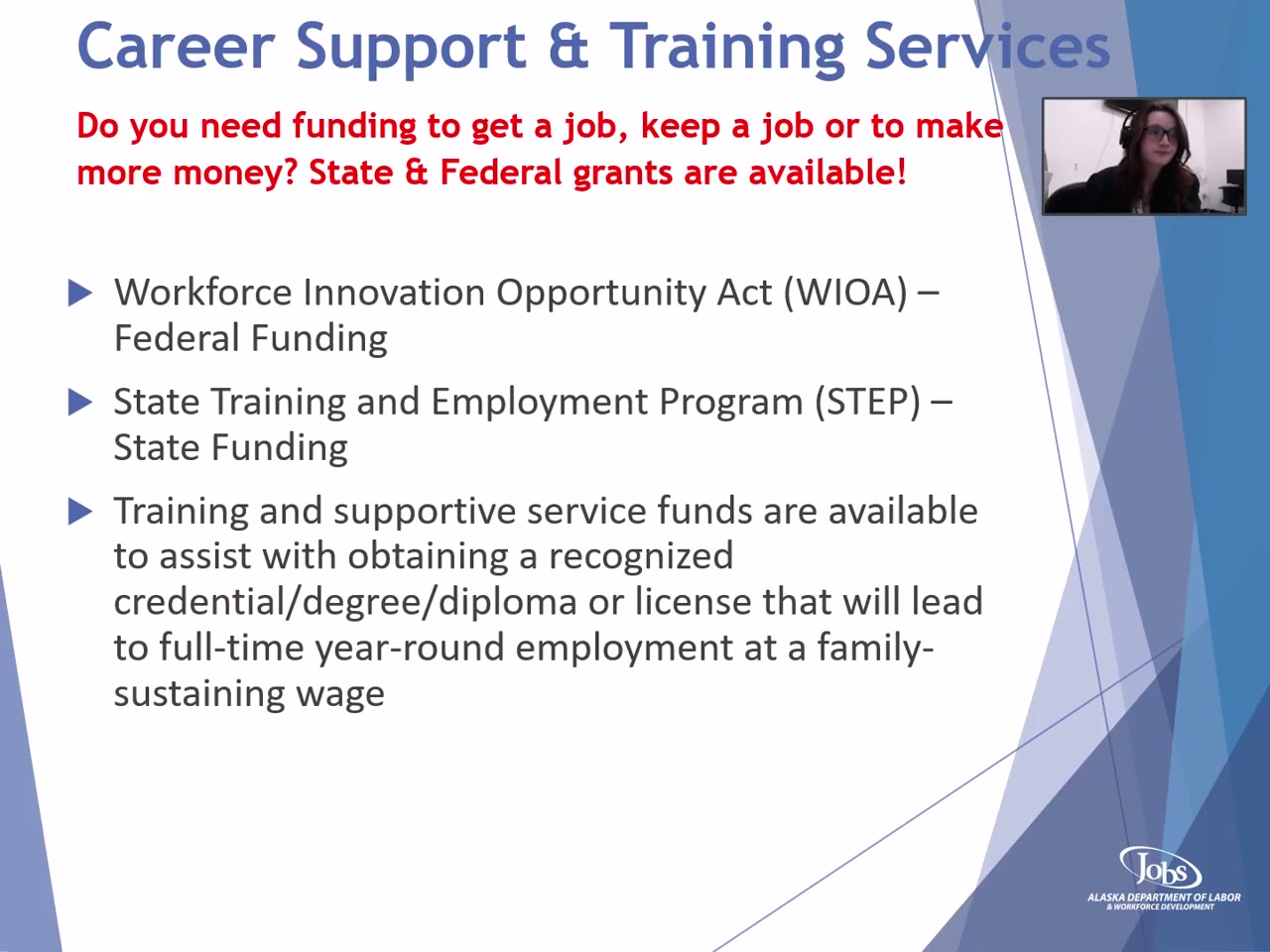
“Career Support and Training Services do you need funding to get a job, keep a job or make more money? State and federal grants are available. Workforce Innovation Opportunity act is our federal funding and the State Training and Employment Program is our state funding.”Alaska Labor & Workforce: Employment After Incarceration · May 15, 2026
Speaker A
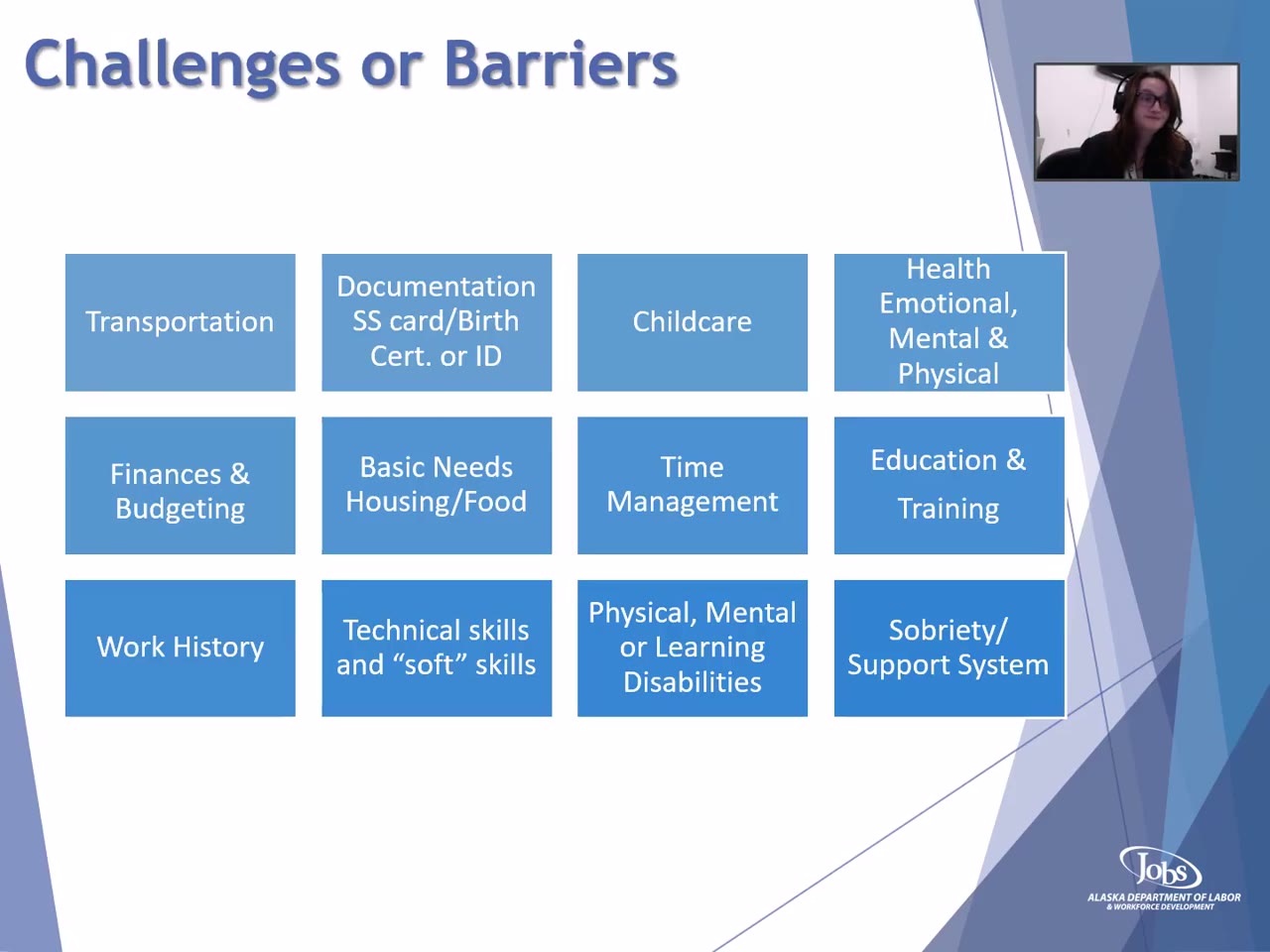
“We know that finding and maintaining meaningful employment can make all the difference in reducing the chances of returning to prison or not and as a part of our community, we want you to be successful for yourself and your family.”Alaska Labor & Workforce: Employment After Incarceration · May 15, 2026
Speaker A
“My name is Savannah and I work at the Mat Su Job center and today I'm going to be talking with you about Employment after incarceration.”Alaska Labor & Workforce: Employment After Incarceration · May 15, 2026
A year after Typhoon Halong, western Alaskans can still get job, training and winterization help
Typhoon Halong recovery help for western Alaska: disaster job grant training, home winterization and debris removal, FEMA transportation assistance and job centers.
 by Walter AlaskaNews23h ago2 min read
Kenai Peninsula two-bedroom rents post record 11% jump in state survey
Kenai Peninsula Borough median two-bedroom rent rose 11% to $1,336 in the state's 2026 rental survey, the largest one-year increase since at least 2010.
by Walter AlaskaNewsadded 1d ago2 min read
Juneau two-bedroom rents rise 2.8%, but one-bedroom rents climb faster
Juneau median two-bedroom rent rose 2.8% to $1,708 in the state's 2026 rental survey, while one-bedroom rents rose about 13%, state data show.
by Walter AlaskaNewsadded 1d ago2 min read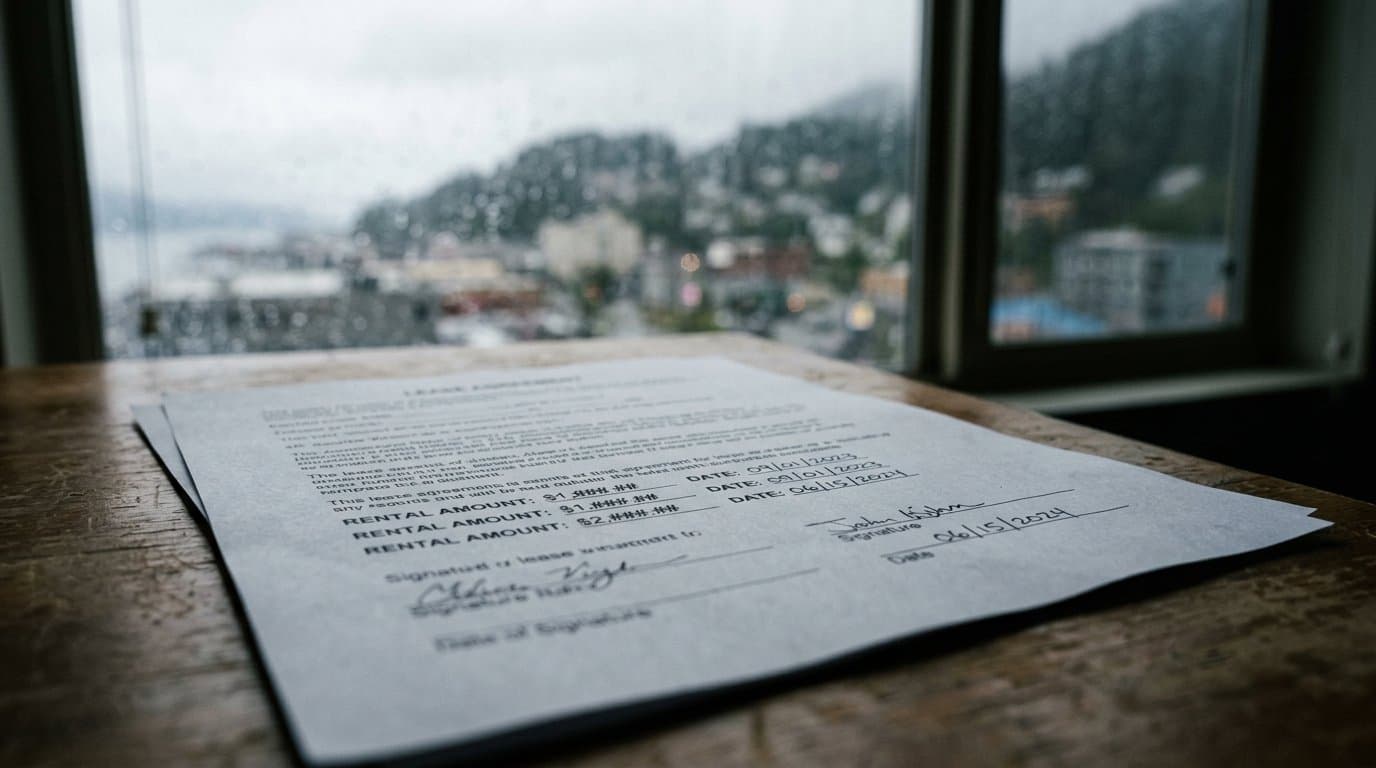
Fairbanks job fair Thursday: retail, grocery, restaurant and bank employers
Fifteen retail, grocery, restaurant and banking employers, including Fred Meyer, Walmart and Key Bank, meet job seekers from 11 a.m. to 3 p.m. Thursday, Sept. 24, at 675 7th Ave. in Fairbanks. Walk-ins are welcome, and six more fairs follow through May.
by Walter AlaskaNews4d ago1 min read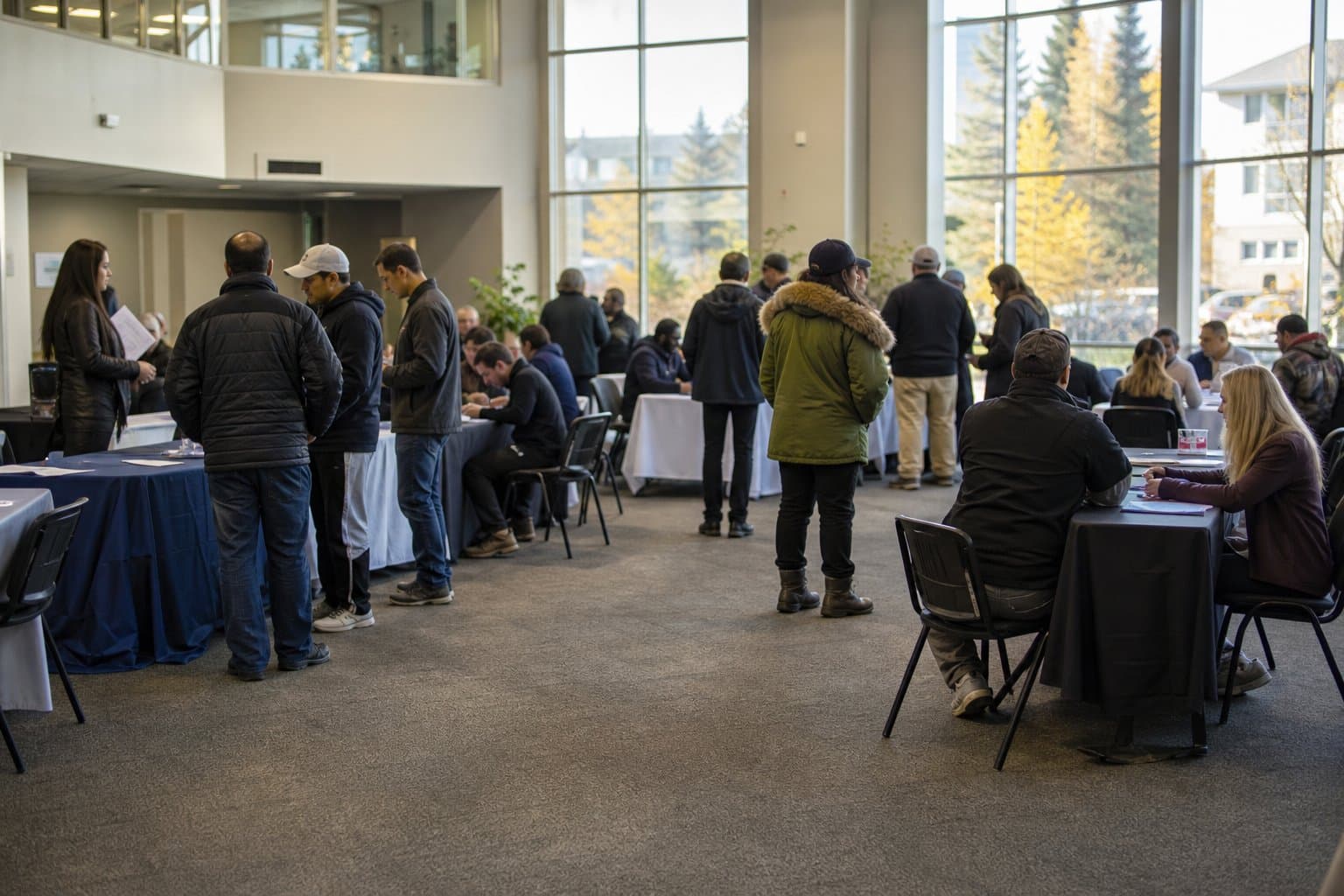
State job fair brings 15 employers to Fairbanks Sept. 24
The Fairbanks Job Center will host 15 employers at an in-person job fair from 11 a.m. to 3 p.m. Thursday, Sept. 24.
by Walter AlaskaNews1w ago1 min read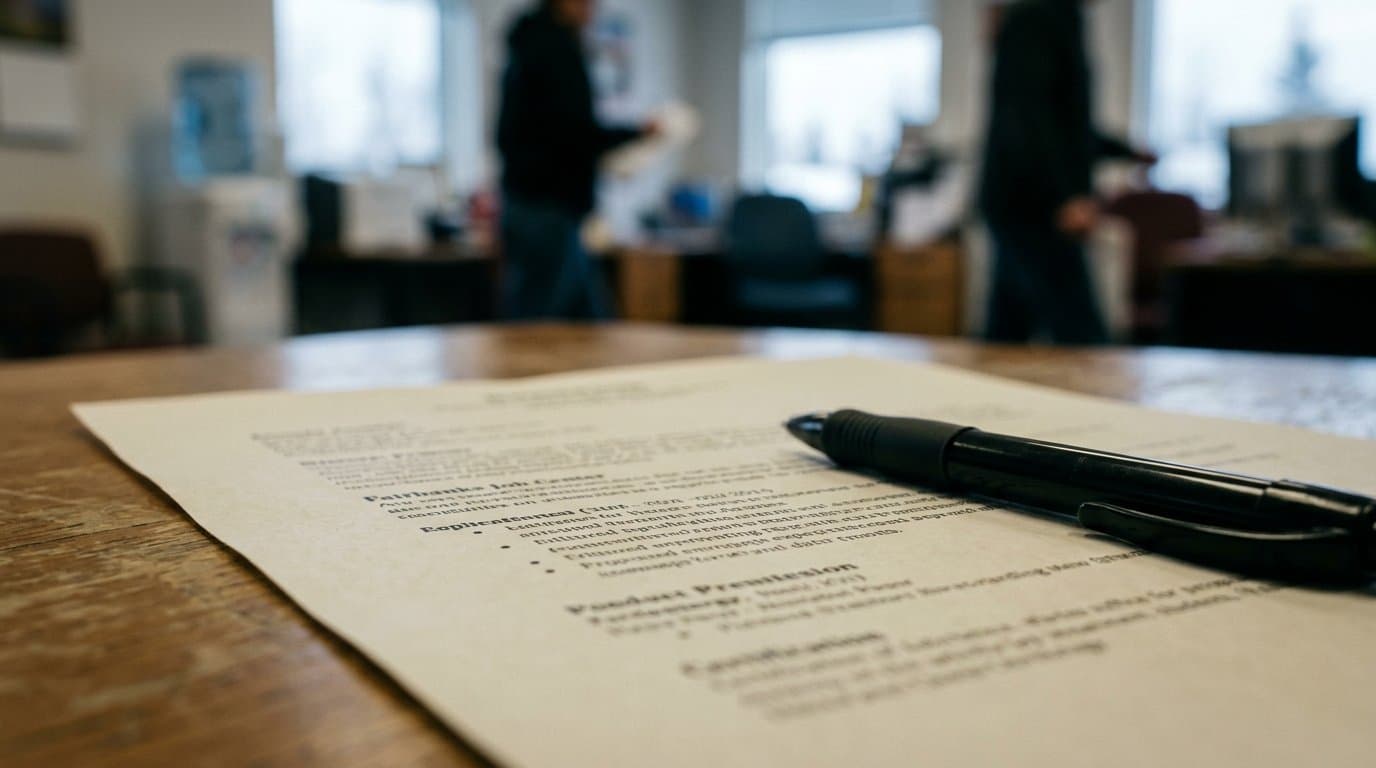
Alaska counts 900 fewer jobs in August as federal payrolls shed 1,300
Alaska had 900 fewer jobs in August 2026 than a year earlier, a 0.3 percent decline, the state labor department said Friday. Private employers added 800 jobs, but the public sector lost 1,700, including 1,300 federal positions. Unemployment held at 4.3 percent.
by Walter AlaskaNews1w ago2 min read
Alaska's population holds steady to 2055. Kodiak loses a quarter of its people.
New state projections show Alaska's population falling about 2 percent by 2055, while Kodiak is projected to lose a quarter of its residents over the same period.
by Walter AlaskaNews1w ago2 min read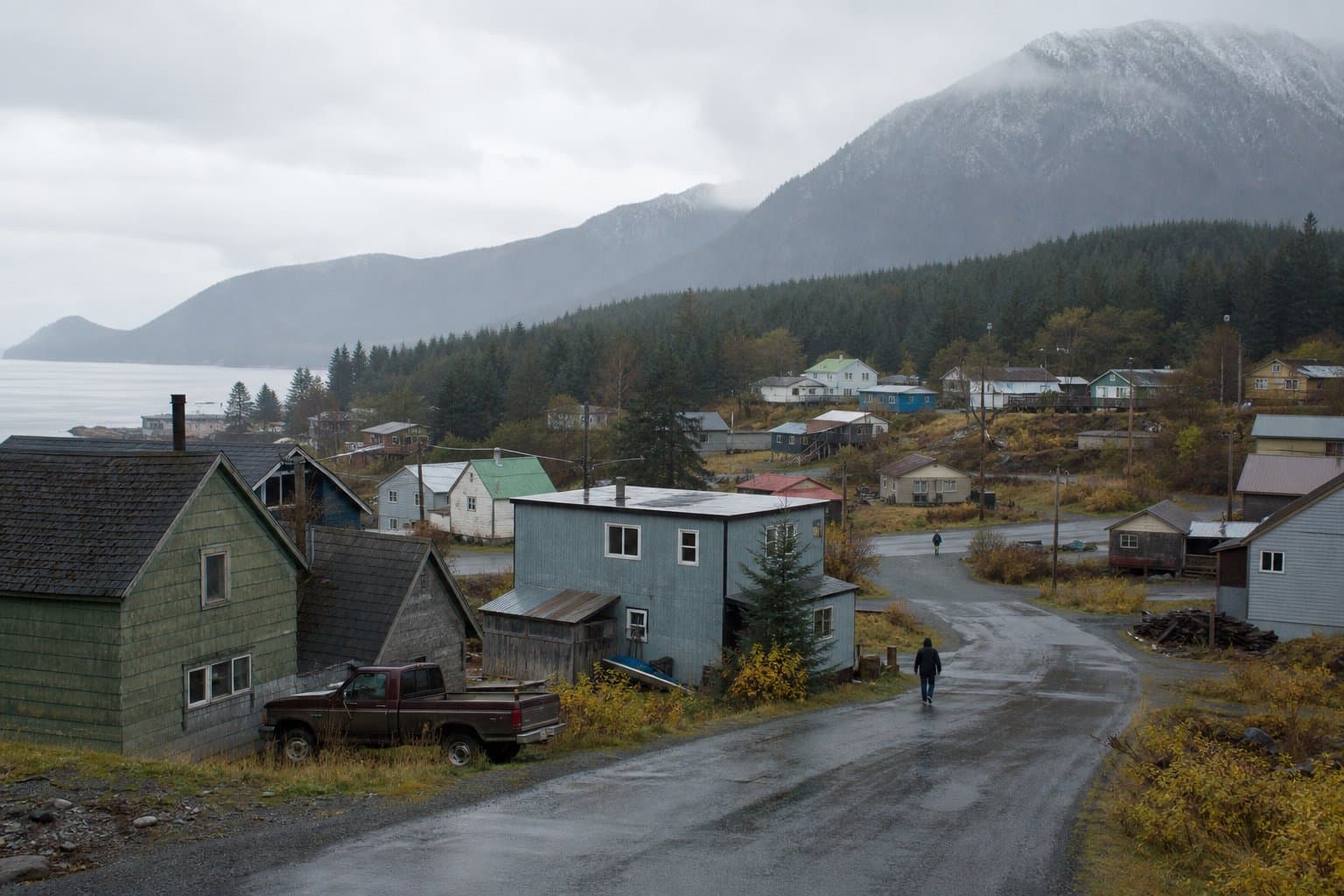
A hiring fair comes to the Fairbanks Job Center on Thursday
A hiring fair Thursday at the Fairbanks Job Center brings together retail, grocery, restaurant and banking employers, the first of seven monthly fairs through May.
by Walter AlaskaNews1w ago1 min read
A Wasilla workshop will walk job seekers through federal applications
A free USAJOBS workshop at the Mat-Su Job Center in Wasilla on Thursday will cover federal job applications and resume help, aimed at veterans but open to the public.
by Walter AlaskaNews2w ago1 min read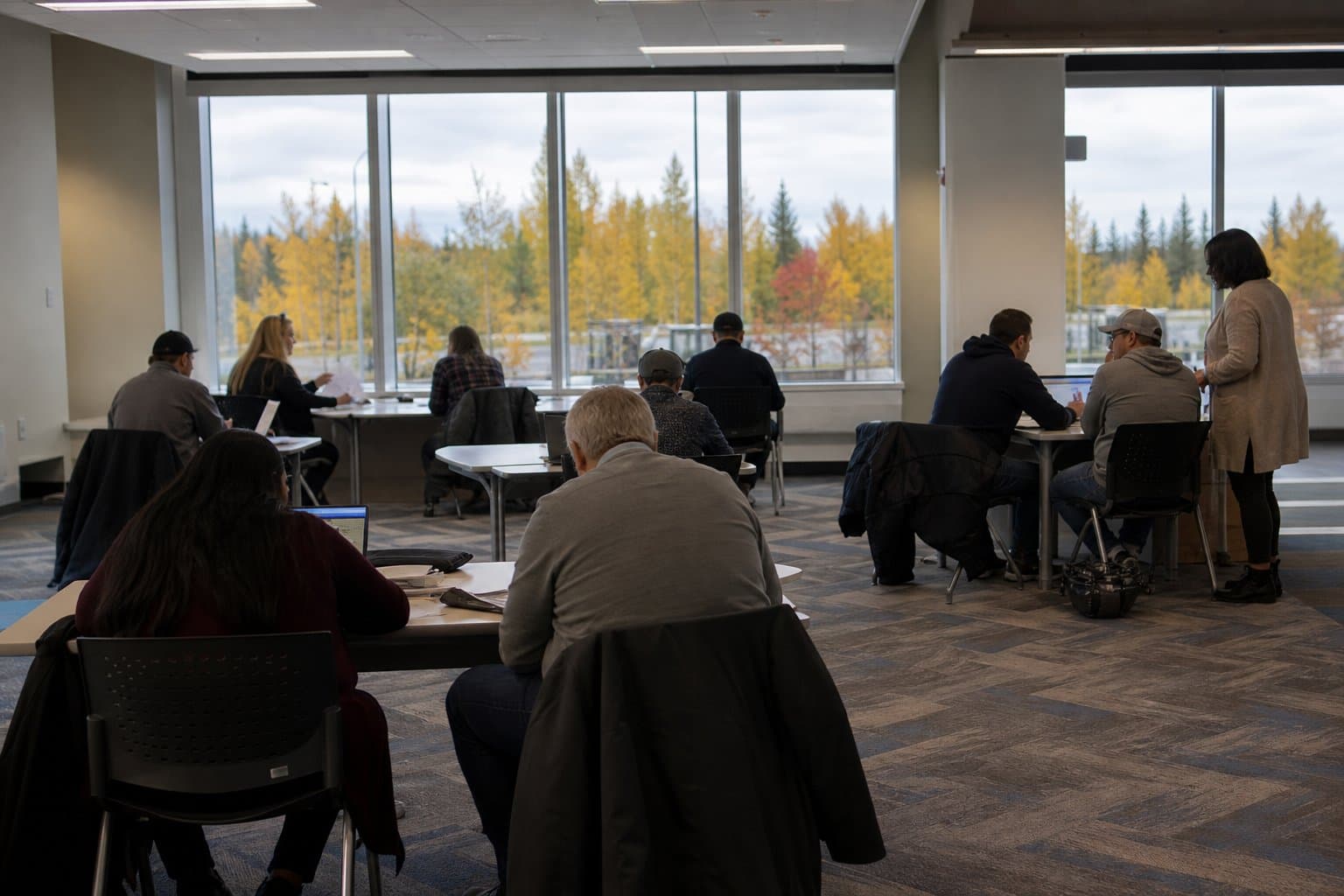
Alaska proposes new limits on what insurers pay to treat injured workers
Alaska is proposing binding limits on what insurers pay providers for treating injured workers, with public comment open through Oct. 9.
by Walter AlaskaNews2w ago1 min read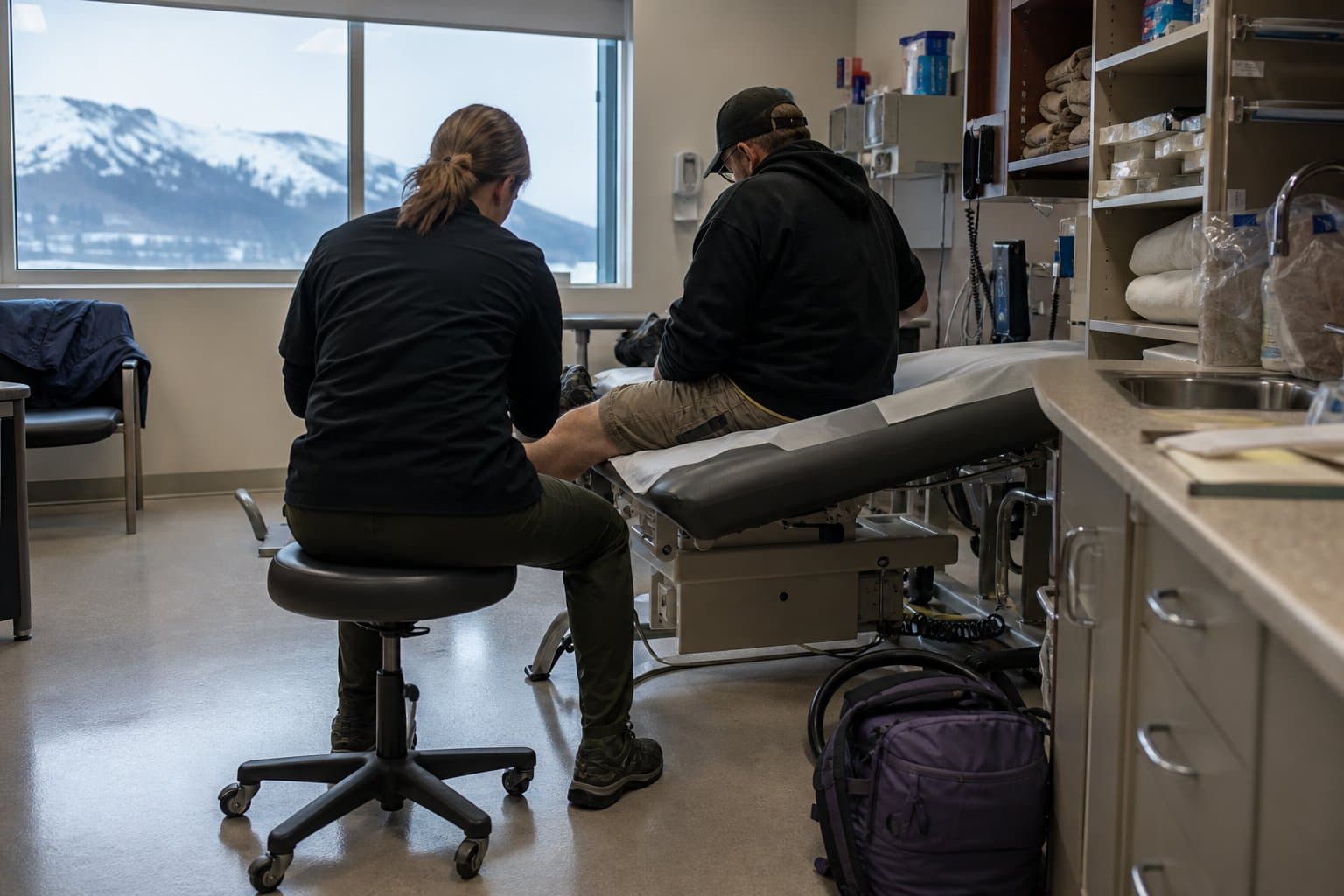
Alaska Fishermen's Fund appeals council to decide denied injury claims Oct. 14
The Alaska Commercial Fishermen's Fund appeals council meets Oct. 14 to decide denied medical claims from commercial fishermen injured on the job.
by Walter AlaskaNews2w ago2 min read
A new state program is lifting Alaska's worst-in-the-nation aid filing rate
Seniors in Alaska's Career Guides program filed federal financial aid applications at 60.1 percent, far above the statewide rate, rootEd Alliance reported.
by Walter AlaskaNews2w ago2 min read
Alaska moves to cap what workers' comp pays for creams and patches
A draft 2027 workers' compensation fee schedule proposed Wednesday would cap reimbursement for topical creams at $30 per 30-day supply, patches at $70 and compounds at $240, and bar automatic refills. Today's schedule has no such cap. Comment closes Oct. 9.
by Walter AlaskaNews2w ago2 min read
Missing an unemployment filing could cost Alaska employers five times as much
The Alaska Department of Labor and Workforce Development warned in its third-quarter 2026 employer newsletter that accounts missing quarterly unemployment insurance reports or payments can be assigned a 5.40% penalty rate, up to $2,927 per employee. Third-quarter filings are due Oct. 31.
by Walter AlaskaNews2w ago1 min read
Alaska would change who can question the medical report in a workers' comp fight
The Alaska Department of Labor and Workforce Development and the Alaska Workers' Compensation Board have proposed changes to the board's procedural rules under 8 AAC 45, including a ban on block billing in attorney fee applications. Written comment closes Oct. 9.
by Walter AlaskaNews3w ago2 min read
Alaska rent increases were the smallest in five years, but Mat-Su and Kenai set records
The Alaska Department of Labor and Workforce Development's spring rental survey found rents up across the state in 2026, with a median increase smaller than in the past few years. The findings appear in the September issue of Alaska Economic Trends.
by Walter AlaskaNews3w ago1 min read
An Anchorage restaurant is accused of employing 24 minors without permits
A June 15 notice of violation from the Alcohol & Marijuana Control Office found that 24 employees aged 13 to 17 worked at Little Italy Restaurante in Anchorage between January 2024 and March 2026 without approved state work permits, a minimum of 1,279 violations. The restaurant says it now employs no one under 18.
by Walter AlaskaNewsadded 1mo ago2 min read
Hecla is hiring for six jobs at the Greens Creek mine near Juneau
Hecla Mining Company listed six openings, from mining engineer to experienced miner, on the Alaska Department of Labor and Workforce Development's weekly Juneau hot jobs list for Aug. 20-27. The state lists no wages.
by Walter AlaskaNews1mo ago1 min read
In Anchorage, SNAP recipients now face work requirements
Alaska's federal SNAP waiver runs through Oct. 31, 2026 and lifts the three-month time limit for able-bodied adults without dependents everywhere but Anchorage. General work requirements still apply statewide, and Anchorage recipients need another exemption to avoid the limit.
by Walter AlaskaNews1mo ago2 min read
New Alaska Medicaid work rules start in January 2027 — with broad exemptions
Some Alaska Medicaid recipients ages 19 to 64 must log 80 hours a month of work, school, training, or volunteering starting in January 2027. State guidance lists broad exemptions, including Alaska Native and American Indian enrollees, and tells recipients to update their contact information now.
by Walter AlaskaNews1mo ago2 min read
Storm-displaced western Alaska workers can still get job help
Workers displaced by the October 2025 storms in western Alaska can still get resume help, interview coaching and career exploration at the state's job centers, though the disaster unemployment aid deadline has passed.
by Walter AlaskaNews1mo ago1 min read
Kusilvak unemployment hit 16.1% in May, six times Denali Borough's rate
Federal figures show the Kusilvak Census Area recorded a 16.1% unemployment rate in May, the highest in Alaska and more than six times Denali Borough's 2.5%, while the statewide rate sat at 4.6%.
 by Alaska News1mo ago2 min read
Alaska lost 2,100 jobs in July, almost all of them government
Alaska counted 2,100 fewer jobs in July than in July 2025, a 0.6% decline. Federal and state government payrolls fell by 2,300 combined, while seafood processing shed 1,000 jobs amid weak salmon runs.
by Walter AlaskaNews1mo ago2 min read
Juneau job seekers can meet several employers in one stop this week
The Alaska labor department is holding a multi-employer recruiting event for Juneau job seekers Thursday, plus a Tlingit and Haida job fair Sept. 8 and ongoing resume help at SERRC.
by Walter AlaskaNews1mo ago1 min read
Browsing AlaskaJobs as a guest can cost you UI benefits
Alaska warns unemployment claimants that browsing AlaskaJobs as a guest doesn't count as registering — and missing the seven-day deadline can cost them benefits for those weeks.
by Walter AlaskaNews1mo ago1 min read
Starplex recruits Alaska State Fair seasonal staff Aug. 18 in Wasilla
Starplex Corp. will hire certified flaggers at $25 an hour, parking staff at $16 and event staff at $15 for the Alaska State Fair, meeting applicants at the Mat-Su Job Center in Wasilla on Tuesday, Aug. 18.
by Walter AlaskaNews1mo ago1 min read
Alaska lacks the skilled workers for the LNG project, a report says
A workforce analysis from the Alaska Department of Labor and Workforce Development projects about 6,600 workers at peak Alaska LNG construction, and roughly 8,600 statewide when concurrent projects are counted. It warns demand will exceed the state's current training output.
by Walter AlaskaNews1mo ago2 min read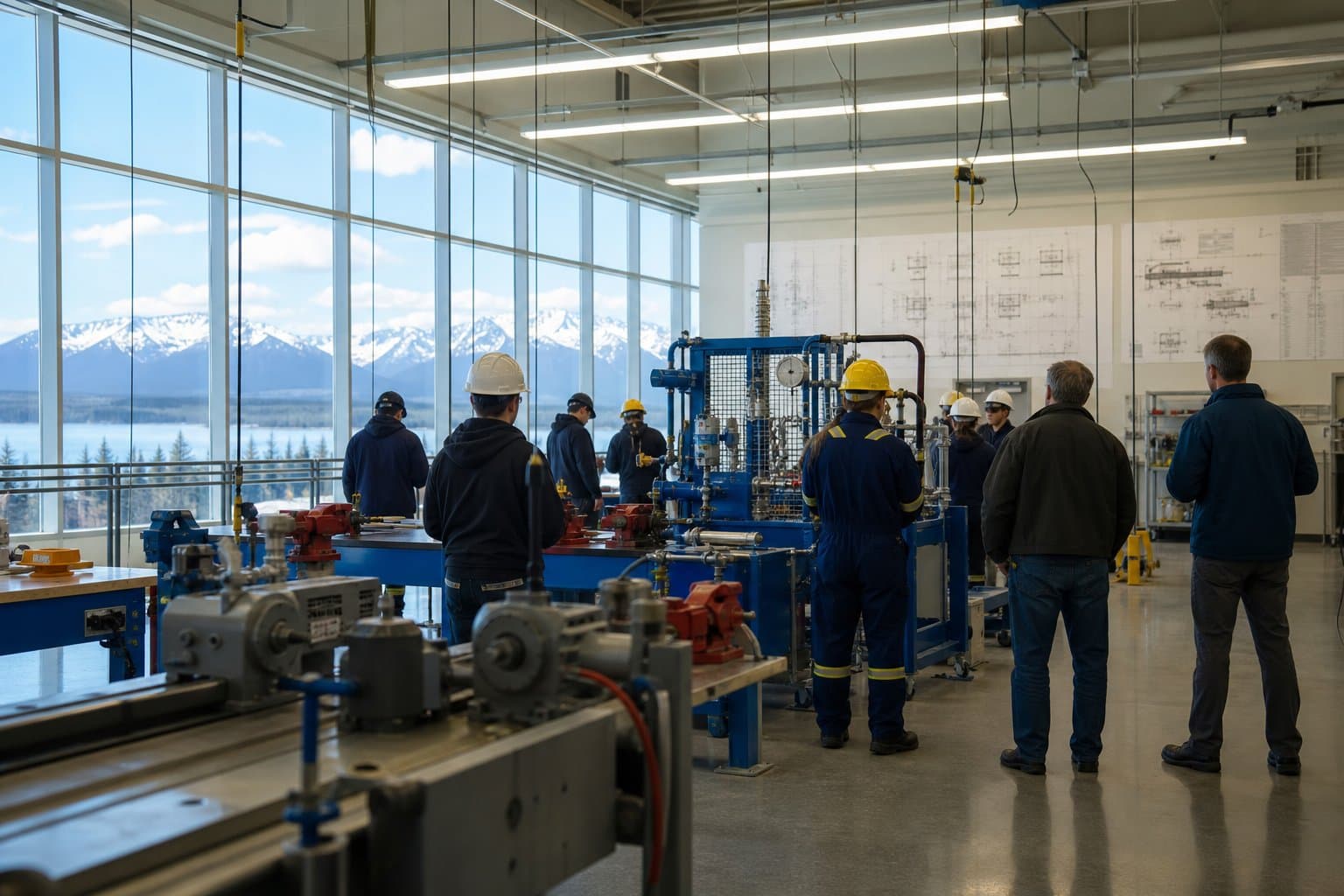
Pollock fleet holds an Anchorage job fair days before a bycatch-shaped election
The Bering Sea pollock industry holds an Anchorage job fair Oct. 29, days before an election shaped by its salmon bycatch — now subject to the first mandatory Western Alaska chum cap.
 by Bill AlaskaNews1mo ago3 min read
Bartlett hospital recruiting four directors at once among 29 openings
Bartlett Regional Hospital has open postings for director of nursing, pharmacy director, director of accounting, and director of home health and hospice, part of 29 hospital listings on the state labor department's Juneau job list for July 30 through August 6.
by Walter AlaskaNews1mo ago1 min read
No heat closes Dillingham's job center counter early
The state's Bristol Bay Job Center at 527 Seward Street in Dillingham released staff at noon Tuesday, Aug. 4, because the building has no heat, cutting walk-in access to employment services for the rest of the day.
by Walter AlaskaNews1mo ago1 min read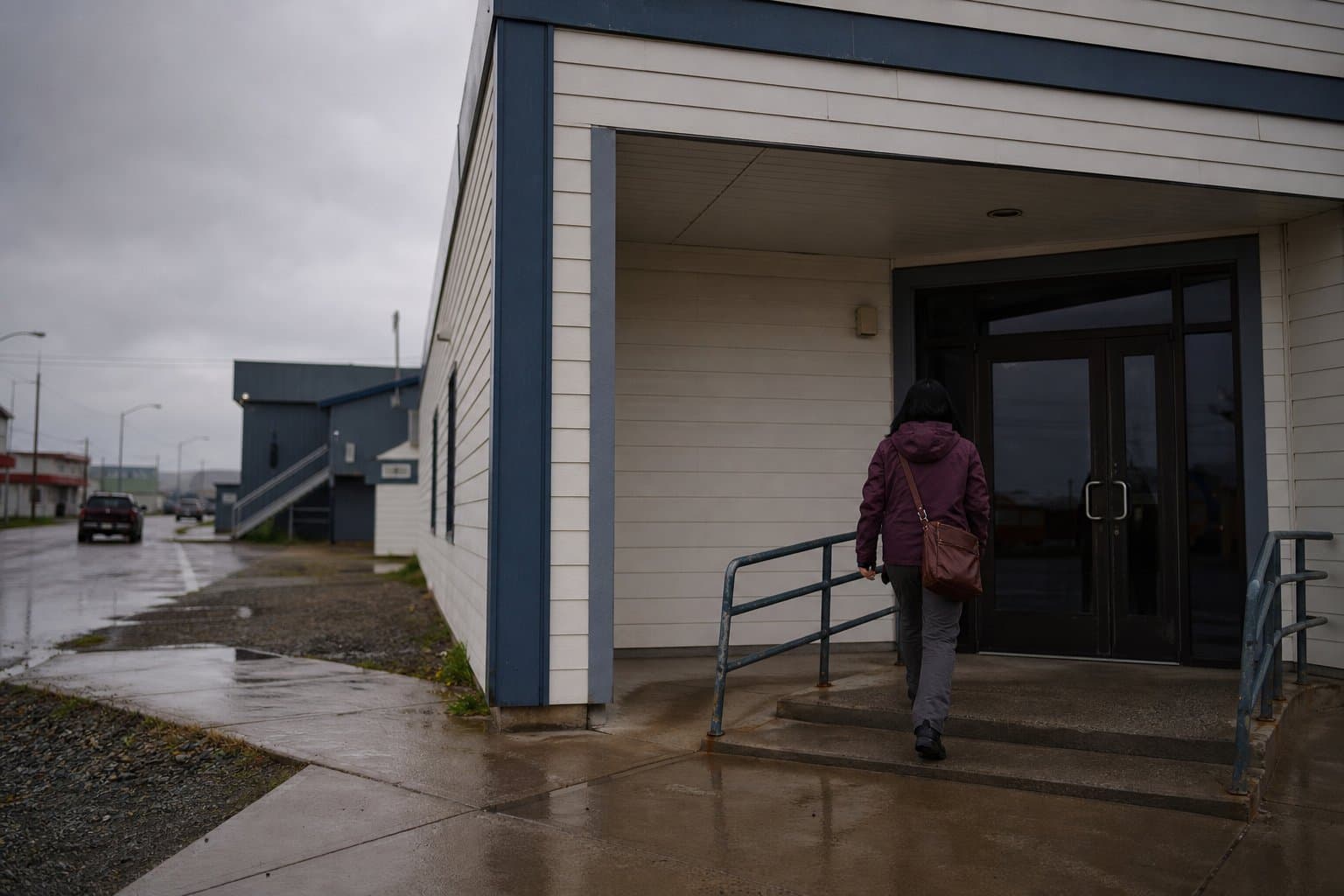
Eielson Air Force Base hiring fair set for Thursday
The Alaska Department of Labor and Workforce Development is promoting a hiring fair at Eielson Air Force Base on Thursday, Aug. 6, the same day a federal laborer posting at the base with 12 vacancies closes.
by Walter AlaskaNews1mo ago1 min read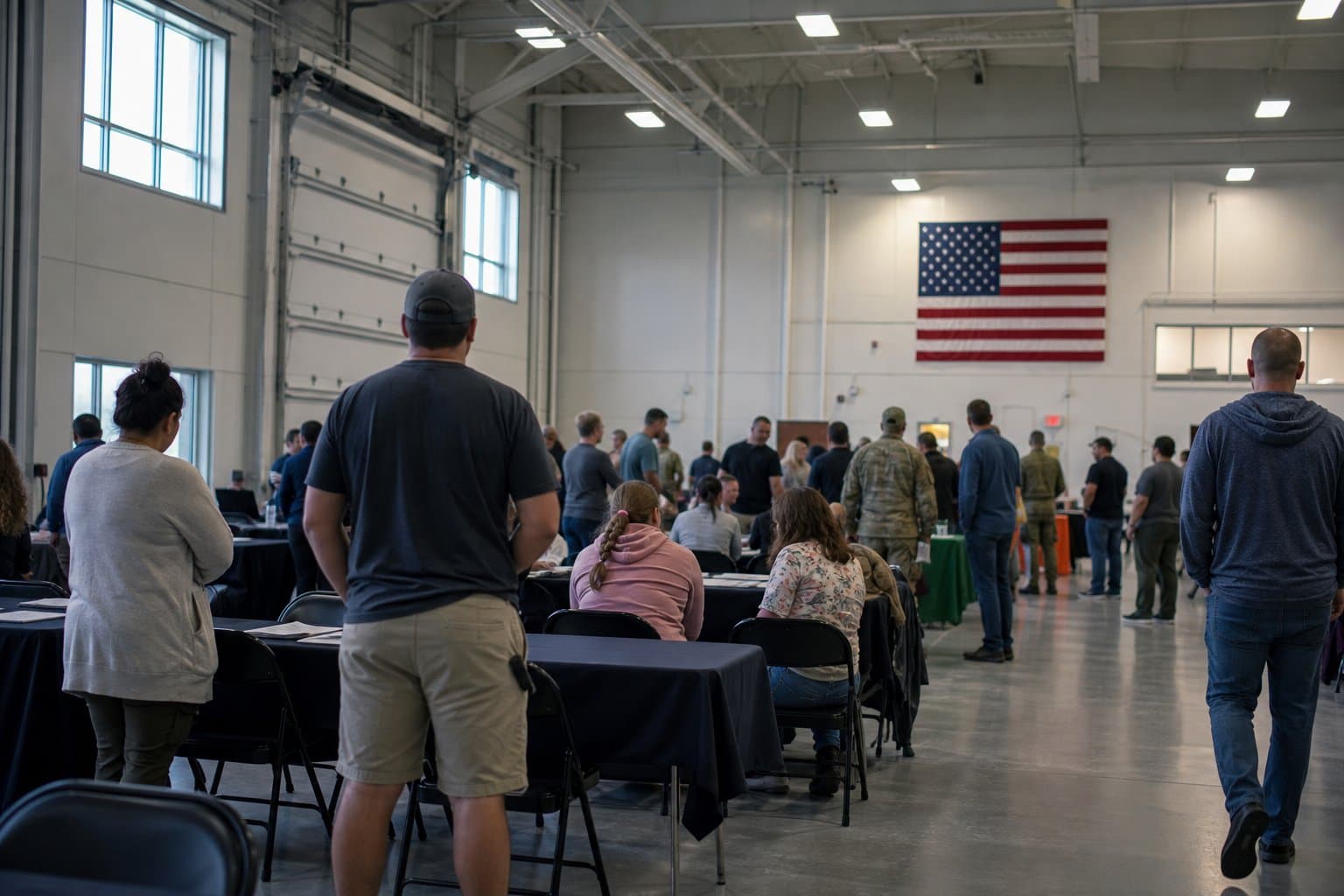
Alaska is losing federal jobs faster than almost any state
Alaska shed 4.5% of its federal jobs in 2025, the third-largest share of any state, with cuts accelerating. An economist puts the two-year decline at 15.8%.
by Walter AlaskaNews1mo ago1 min read
Green card seekers in Alaska face a wider benefits review starting Sept. 18
Alaskans whose green card applications are subject to the public charge test will face a broader, case-by-case review of benefit use starting Sept. 18, when a DHS rule rescinding the 2022 regulation takes effect. A revised Form I-485 will be required.
by Walter AlaskaNews2mo ago2 min read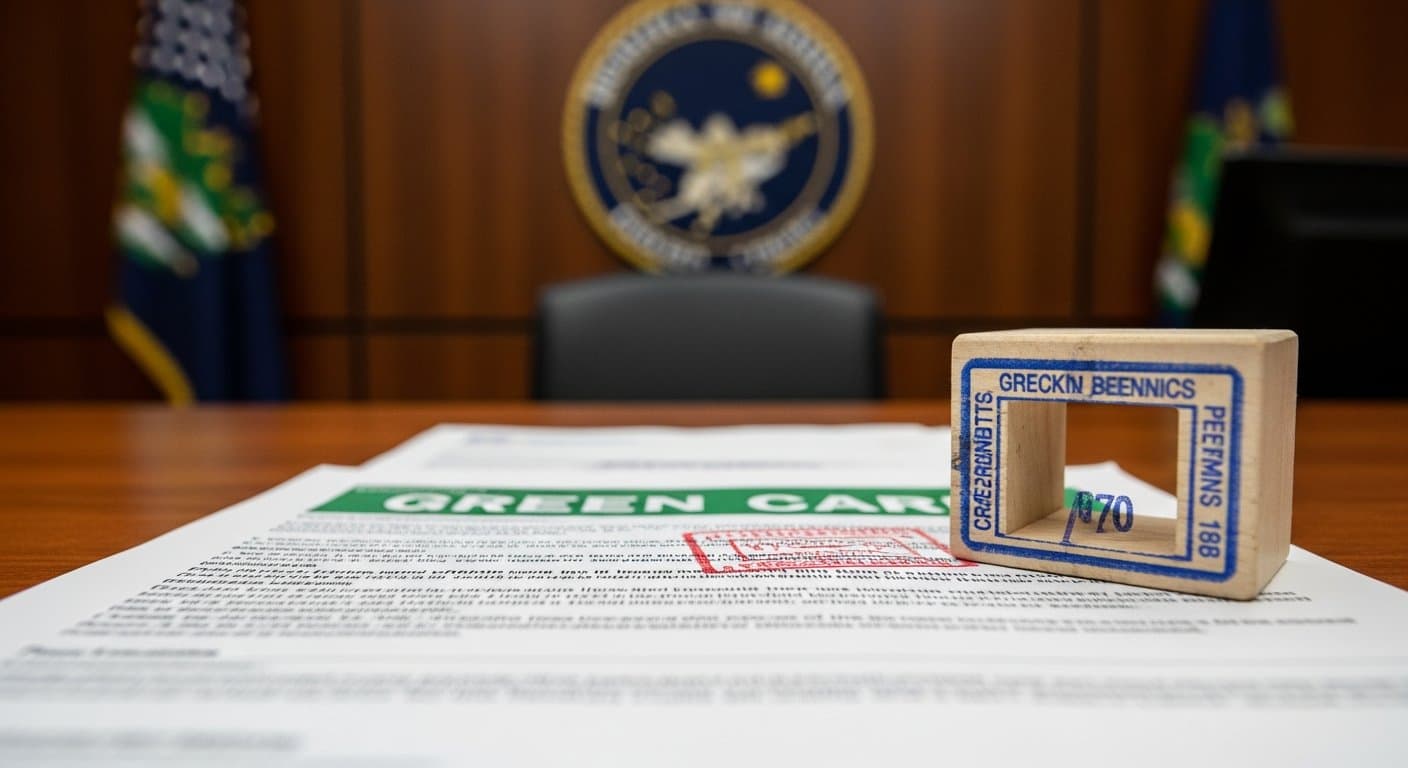
Wasilla hiring event features employer with no listed openings
A Tessera recruiting session runs noon to 3 p.m. July 29 at the Mat-Su Job Center in Wasilla. The nonprofit's careers page lists no current openings.
by Walter AlaskaNews2mo ago1 min read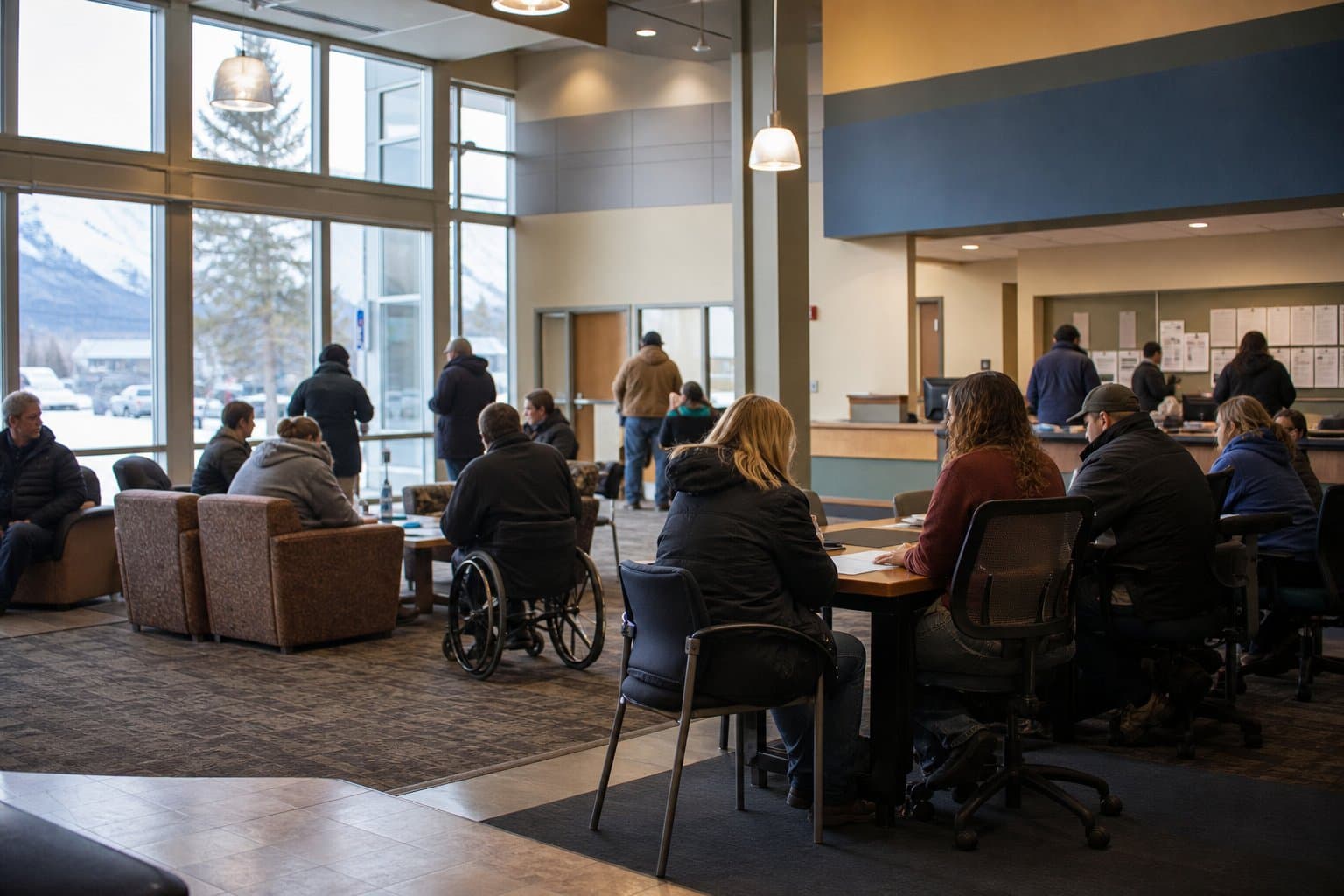
Mike Rowe helps mark a $250,000 gift to Seward's trade school
TV host Mike Rowe joined a Homer event marking a $250,000 Wells Fargo gift to AVTEC, Seward's vocational-technical school, for student scholarships and faculty.
by Walter AlaskaNews2mo ago1 min read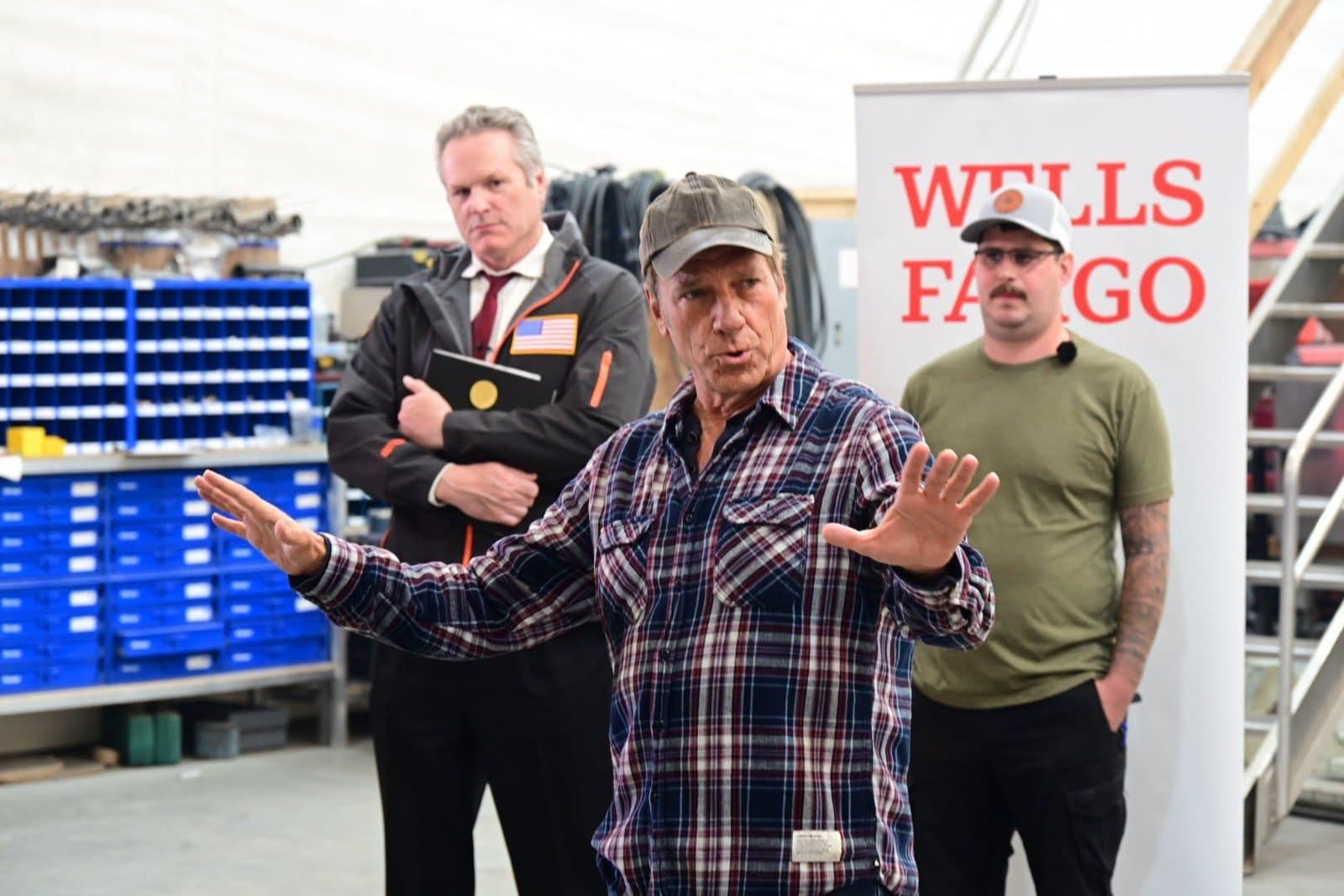
Alaska's trade school in Seward can't turn out graduates fast enough
The Alaska Vocational Technical Center in Seward made USA TODAY's list of America's top vocational schools for a second year, with most students employed before they graduate.
by Walter AlaskaNews2mo ago1 min read
Federal and state cuts erase Alaska private-sector job gains in June
Alaska lost a net 900 jobs in June 2026 compared to a year earlier, as 1,300 federal cuts and 600 state-government losses outpaced 1,000 private-sector gains led by oil and gas. The state unemployment rate stood at 4.4 percent, just above the national 4.2 percent.
by Walter AlaskaNews2mo ago2 min read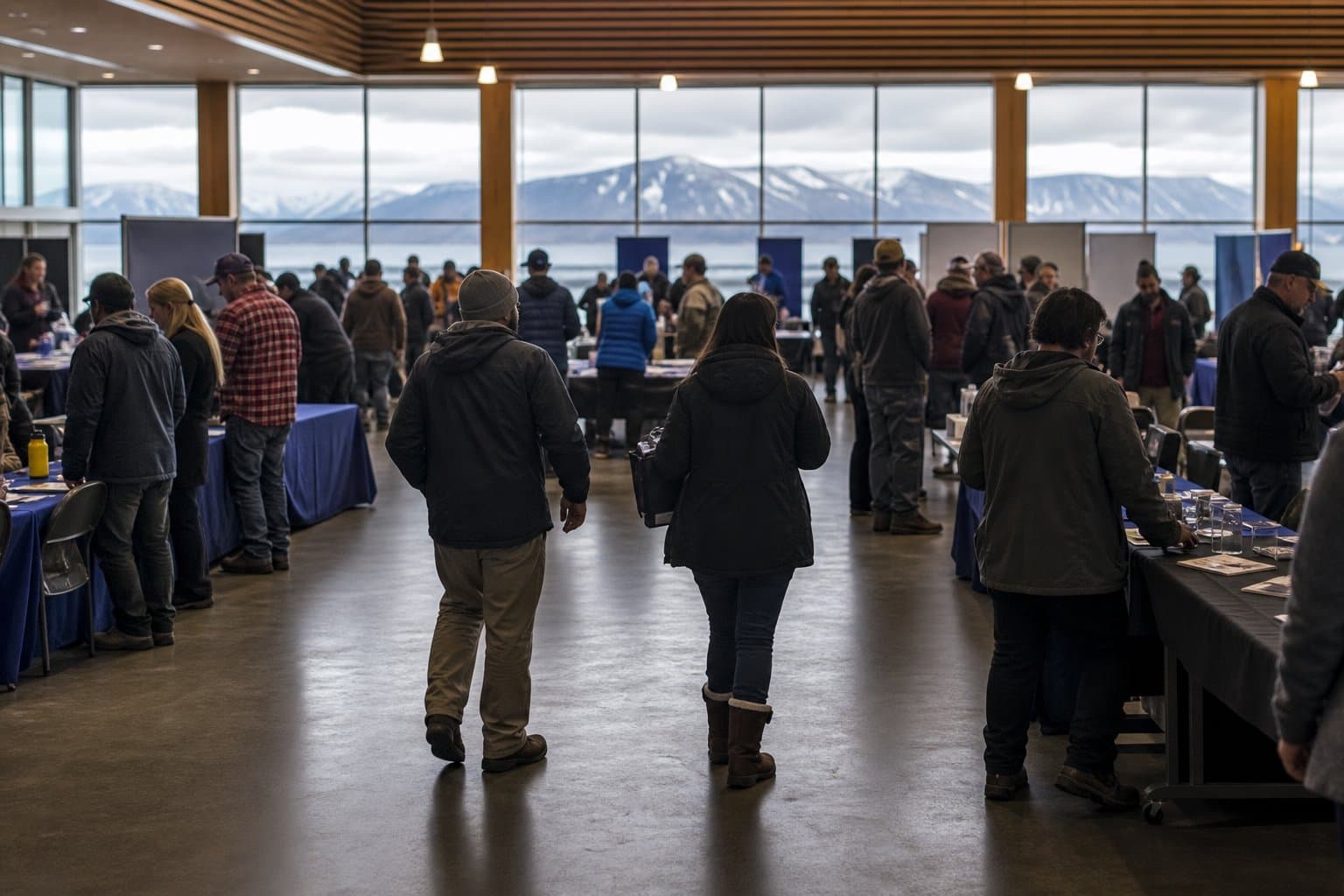
Tessera hiring event comes to Mat-Su Job Center July 29
Tessera, an employer focused on hiring people with disabilities and veterans, will meet directly with Mat-Su job seekers at the Wasilla job center on July 29 from noon to 3 p.m. Walk-in resume help is available before the event.
by Walter AlaskaNews2mo ago1 min read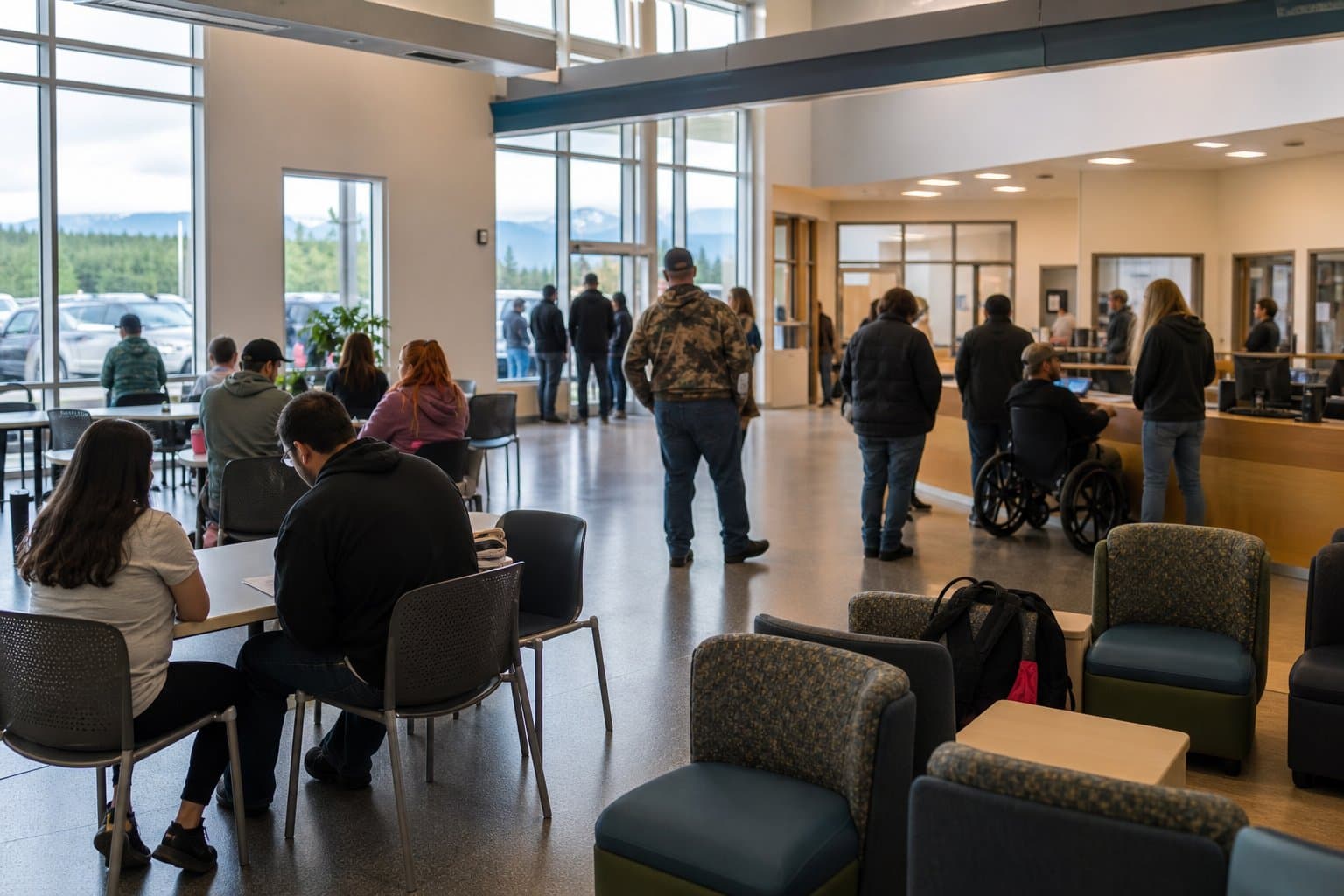
Alaska raises unemployment benefits, updates travel insurance law
Governor Dunleavy allowed HB 302 to become law without his signature, raising Alaska's maximum weekly unemployment benefit from $370 to $470 and replacing travel insurance statutes unchanged since 2013.
by Walter AlaskaNewsadded 2mo ago2 min read
Job and training help for western Alaska's storm-displaced residents
Alaska has compiled employment and training resources for western Alaska residents displaced by the October 2025 storms and Typhoon Halong remnants, part of a broader recovery effort.
by Walter AlaskaNews2mo ago1 min read