AI image
Chukchi Sea ice runs above median for third straight late June
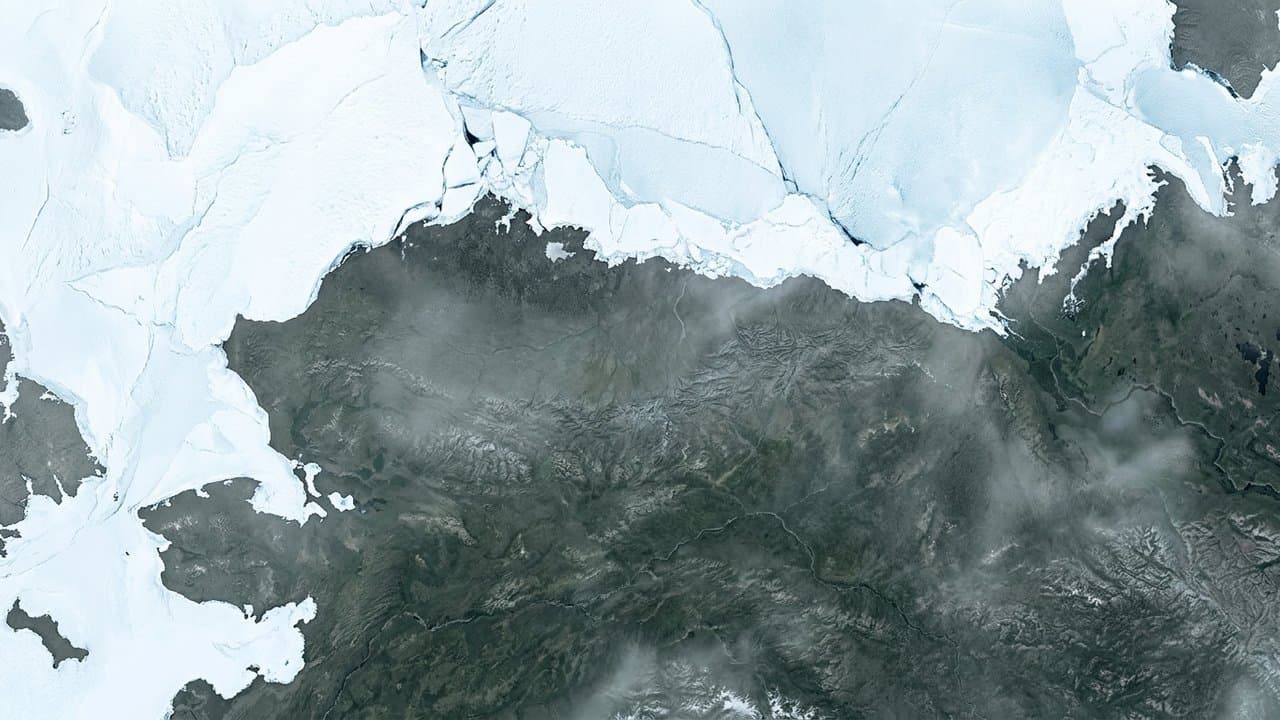
Off the coast of Wainwright, on Alaska's Chukchi shore, the sea ice is still thick and close in late June — for the third summer running.
In Wainwright, an Iñupiat community where the ice sets the terms of the hunt.
Dense offshore ice this late shapes when and whether boats can reach walrus, seals, and whales. Climate specialist Rick Thoman of the University of Alaska Fairbanks says high-concentration ice is still packed against the coast north of Wainwright, and the Beaufort Sea just to the east has "hardly any open water yet."
It was a colder, icier year on the Alaska side of the Arctic, and it reached much farther than the North Slope. Driven by a stubborn late-winter pattern of north winds and hard cold, ice in the Bering Sea grew to its greatest extent since 2013.
It pushed past St. George Island in the Pribilofs, something recorded only a couple of times in the satellite era, and it kept going south: coastal ice ran down the Alaska Peninsula and, for a few days, floating ice choked off False Pass, out in the eastern Aleutians.
By NOAA's reckoning, that hadn't happened in 50 years — sea ice in a place no one under 50 had ever seen it.
But all this Alaska ice piled up in a year when the Arctic as a whole sat near record-low. The Alaska side ran cold and icy; the Russian side, the Atlantic side, and the Sea of Okhotsk ran warm and open. It was a regional swing, driven by this winter's weather.
What no one can quite explain is why the Chukchi keeps doing this. Three late Junes in a row, the ice off northwest Alaska has held above the long-term median. Thoman and other scientists don't yet have a settled answer for the streak.
None of that changes the view from Wainwright. The ice is there, thick and late, and the season's hunting will be worked out around it, the way it always has been.
Assembled from public records the newsroom collected ().
Drafted with AI. Edited by Cale Green (1 revision). No full editor review is on record. Who is accountable.
Stay informed. Support what matters.
Free, permanent access to local news you can verify. Subscribe to support Maggie AlaskaNews and go ad-free.
Related Coverage
Chukchi and Beaufort Seas carry most ice in decades, even as Arctic shrinks
Alaska News · 2mo ago
Beaufort Sea nearly ice-locked in early July, a level unseen since before 2001
Alaska News · 2mo ago
Barents Sea hits record low ice while Beaufort stays locked, splitting Arctic in two
Alaska News · 2mo ago
Heavy sea ice off Alaska's north coast keeps shipping routes shut
Alaska News · 1mo ago
Chukchi coastal waters expected to become ice free within days, NWS says
Alaska News · 3w ago
Comments
Sign in to leave a comment.
No comments yet. Be the first to share your thoughts.