AI image
A Dillingham campus wants to grow rural Alaska's scientists at home
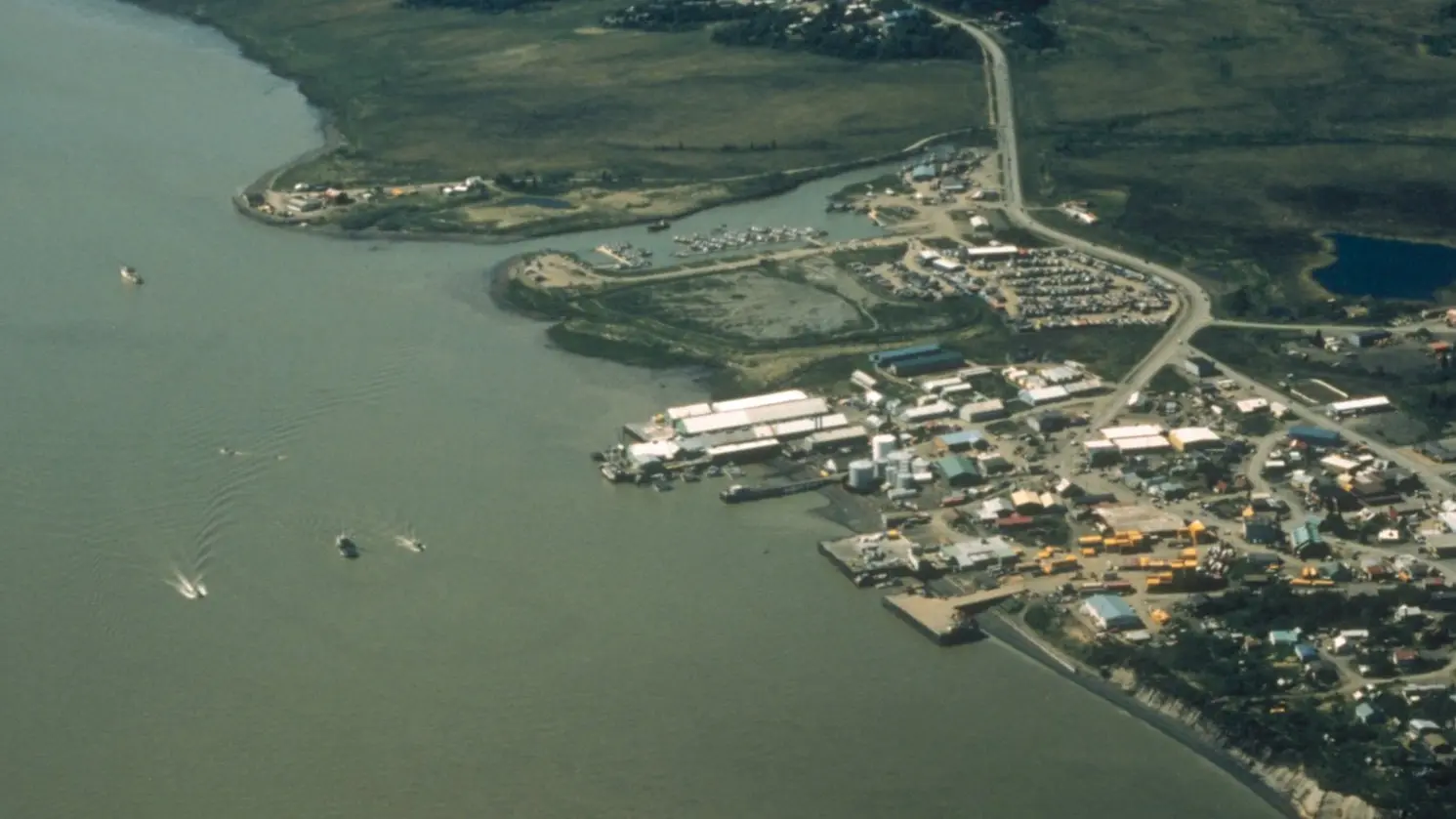
The University of Alaska Fairbanks Bristol Bay Campus in Dillingham has won nearly $889,000 from the National Science Foundation to try something rural Alaska has long struggled to do: train STEM professionals in place, for the communities they come from.
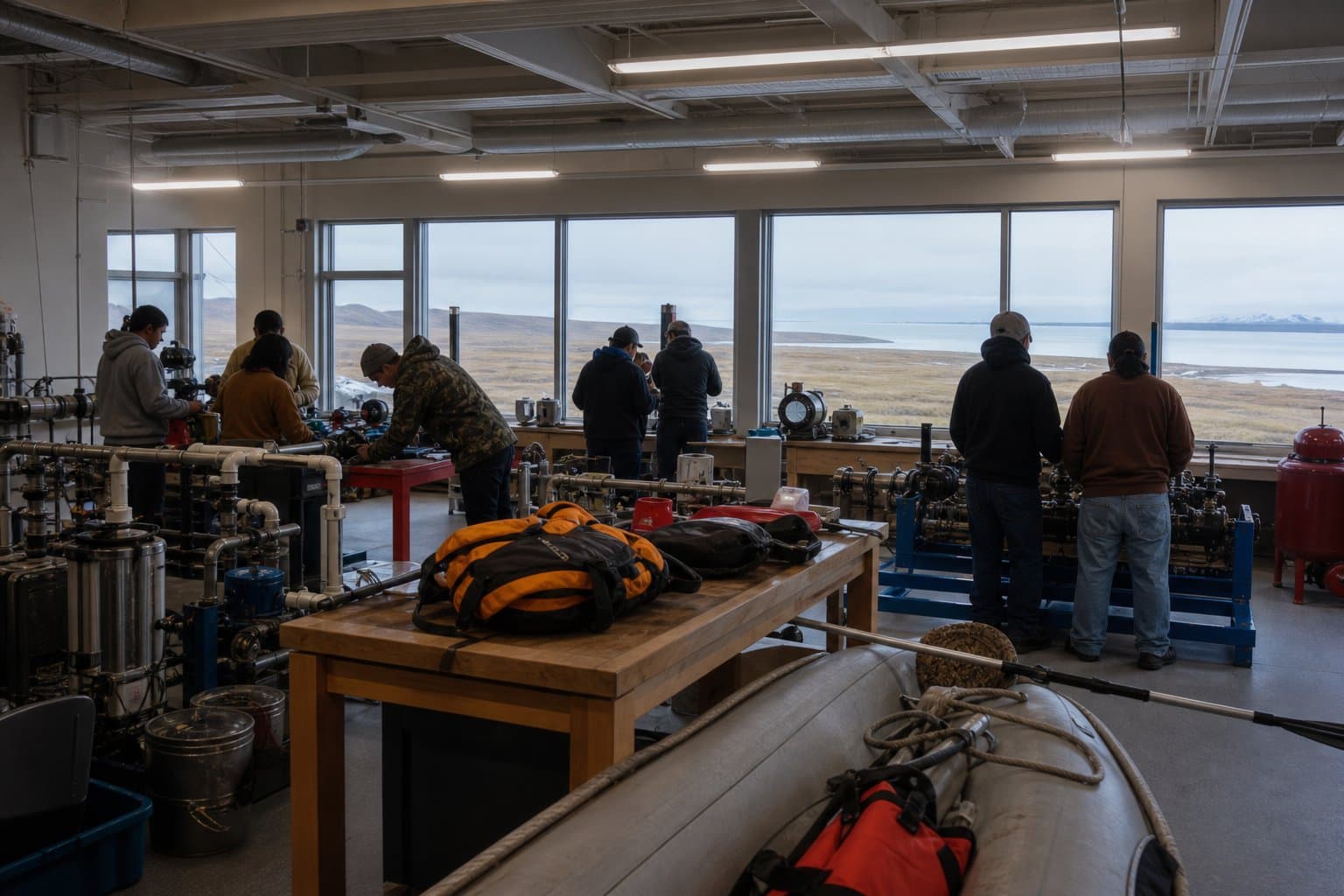
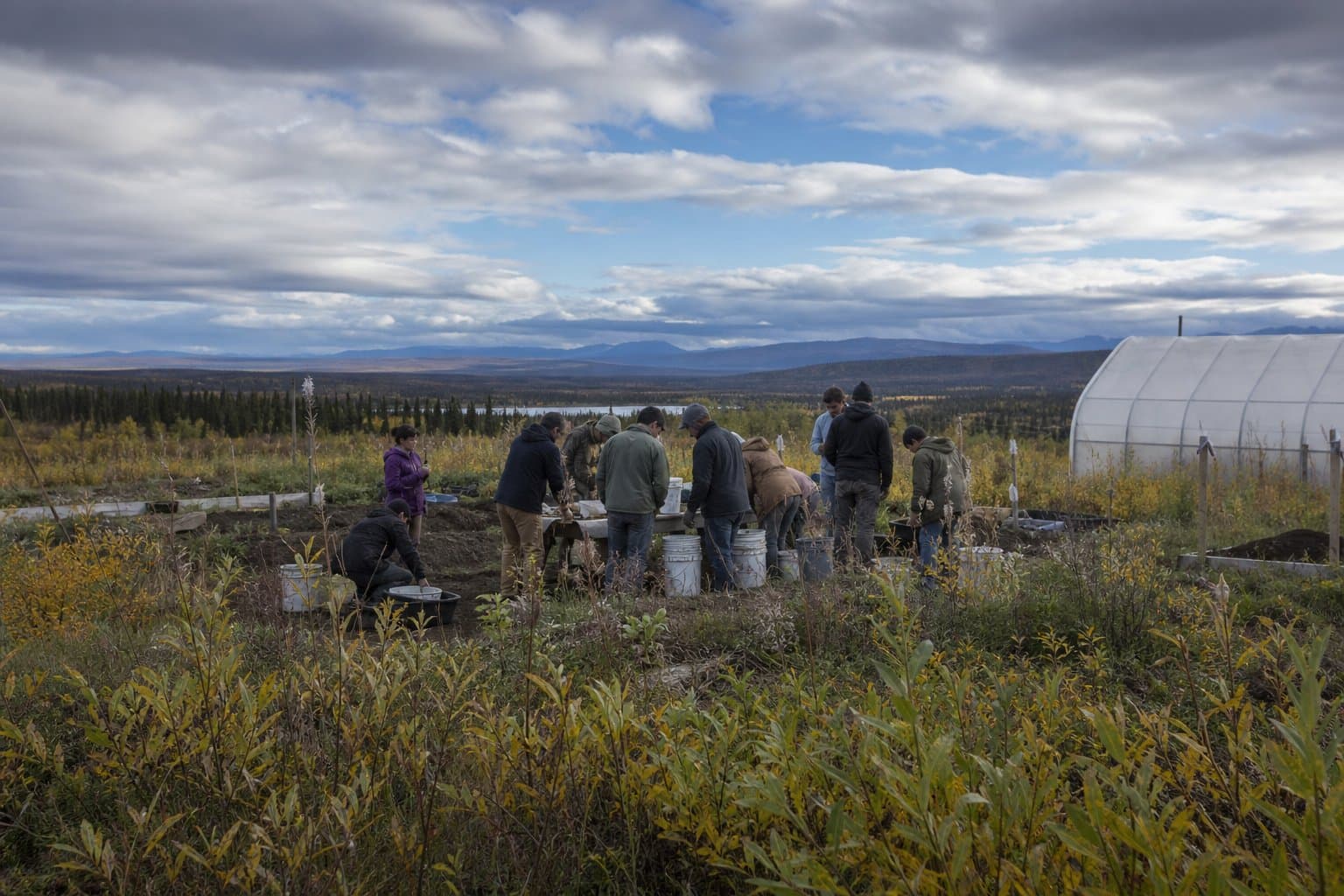
The money will build a new science credential — an Occupational Endorsement in Science — that pairs coursework with faculty-led research and field experiences tied to the realities of remote Southwest Alaska. One problem named in the grant: developing reliable heat sources for Alaska winters, an everyday challenge in off-road villages.
The idea behind it is "grow-your-own." Rather than importing outside experts who rarely stay, or sending local students away and hoping they come back, the program trains people at home and points them toward roles in their own communities. The goal, as the grant puts it, is STEM professionals "prepared to fill a niche critical to ensuring the well being of communities in remote areas of Alaska." Chandler Kemp, a Bristol Bay Campus faculty member, is leading it.
Grant-funded rural STEM programs have a habit of creating opportunities that vanish when the money does, educators who've run them note. This one runs three years, through 2029, and what happens after that isn't settled.
What did you make of this story? (no account needed)
Made by our human newsroom with AI. How humans and AI work here · Grow with our newsroom ·
Keep Alaska News free for everyone.
No paywall, ever. Members pay so everyone can read the meetings and records Alaska News covers.
Get Alaska News in your inbox
Create your free account and get the day’s top stories around 6 each morning, in a few minutes’ read.
Top stories, around 6 each morning.
Stories on what you follow, on Sundays.
Source: National Science Foundation, National Science Foundation: NSF Award [Innov TwoYear College STEM Ed, IUSE] → University of Alaska Fairbanks Campus: Ikayuqluta: Developing a Rural Alaska STEM Workforce through Collaborative Place-Based STEM (PI: Chandler Kemp).





Comments
Sign in to leave a comment.
No comments yet. Be the first to share your thoughts.