Resource Development Council for Alaska (RDC) — statewide non-profit, membership-funded organization made up of businesses and individuals from all resource sectors (oil and gas, mining, fishing, timber, tourism). Hosts the recurring Breakfast Forum series and other resource-policy conferences.
Alaska
Video Clips
Browse all clips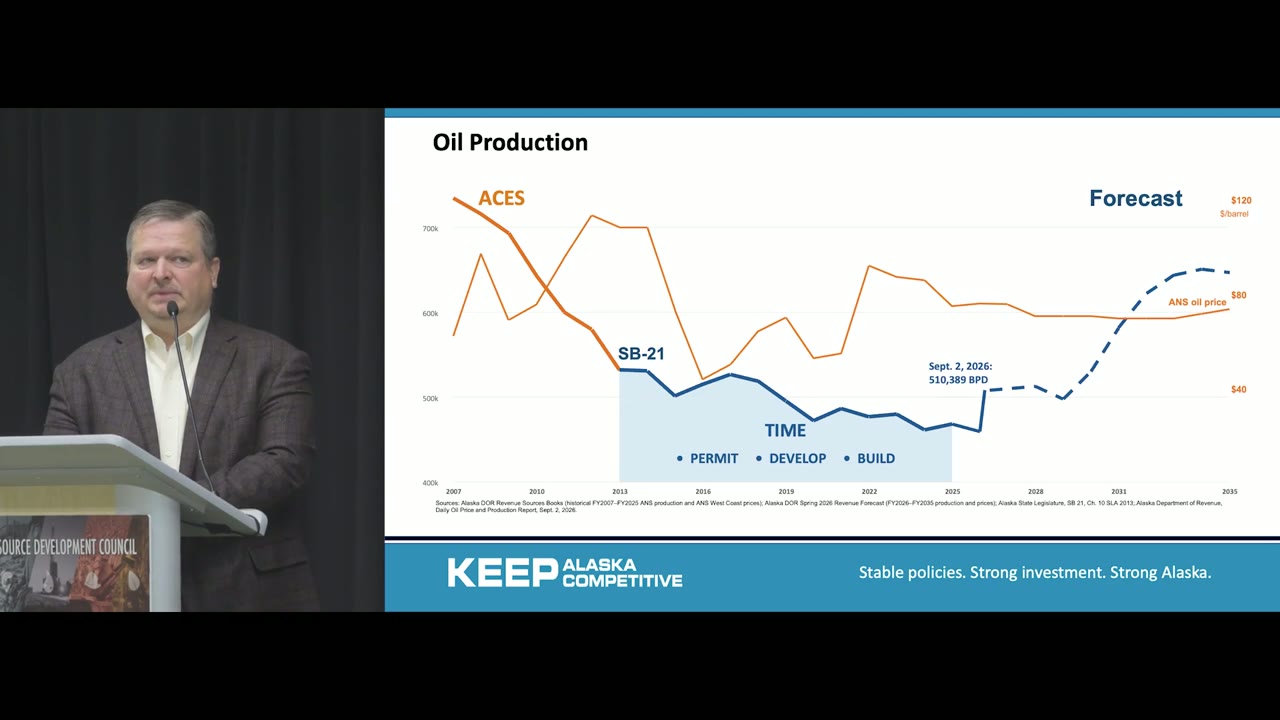
Joe Balash
“this is before Willow's even come online, and Willow's a massive project. It's going to have really big rates. And, and so when, when that throughput starts coming online, you can see here at the end of the decade, we really start to move, move up the curve.”RDC_2026_10_01_1 · Oct 5, 2026
Joe Balash
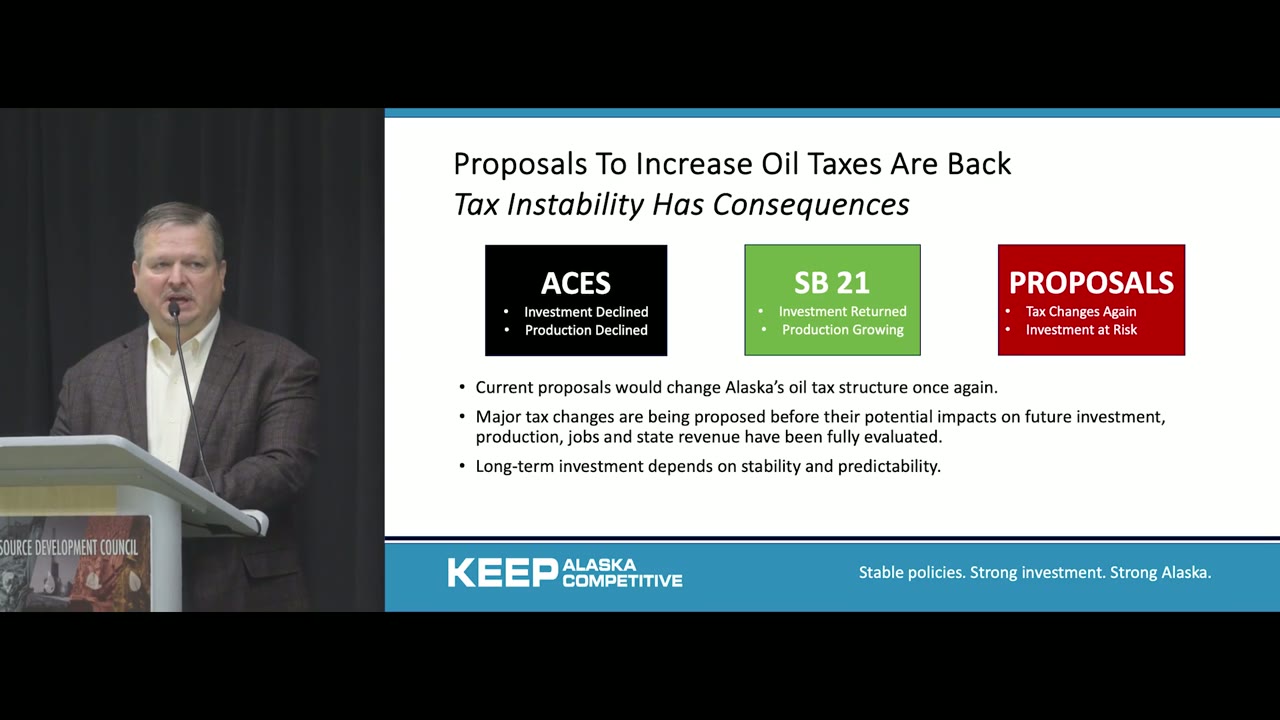
“We've, we've come back up over 500 and look to be headed towards 600 in the very near future. And that's, that's a fantastic outcome.”RDC_2026_10_01_1 · Oct 5, 2026
Joe Balash
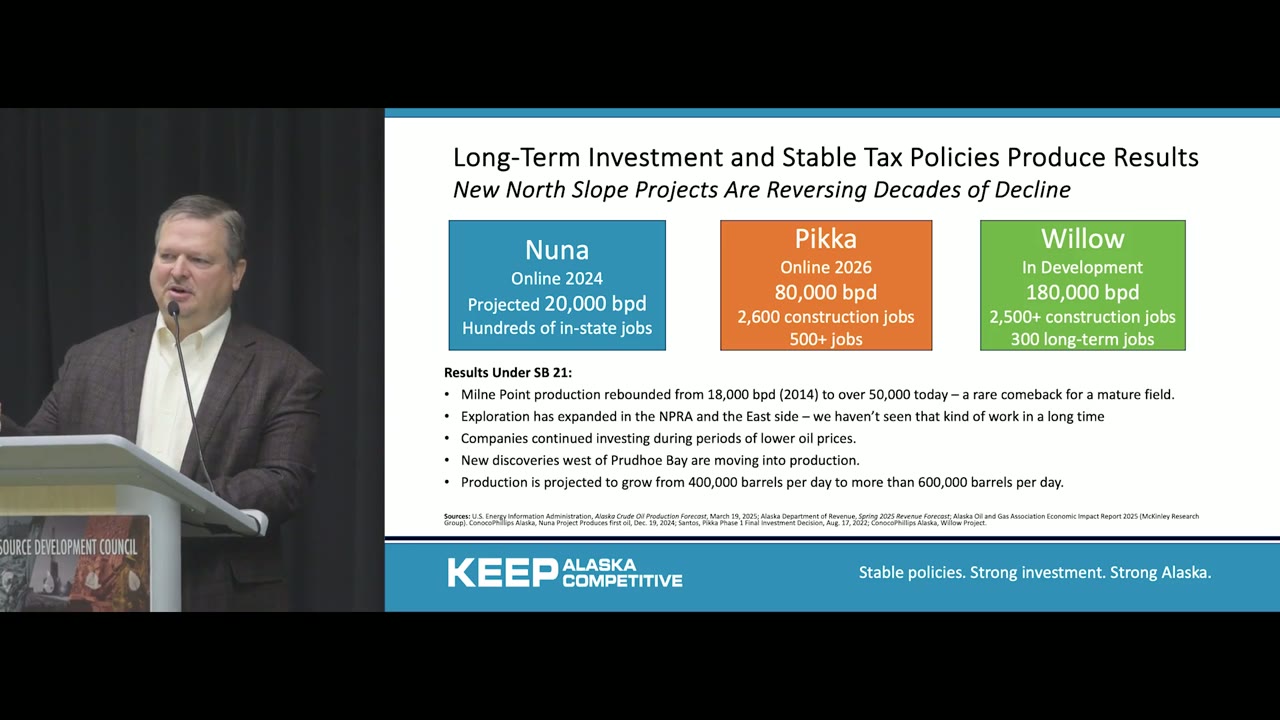
“What we've looked at is our 80,000 barrels a day from PICA is going to reduce the TAPS tariff by more than $1 per barrel. In the first 10 years.”RDC_2026_10_01_1 · Oct 5, 2026
Joe Balash
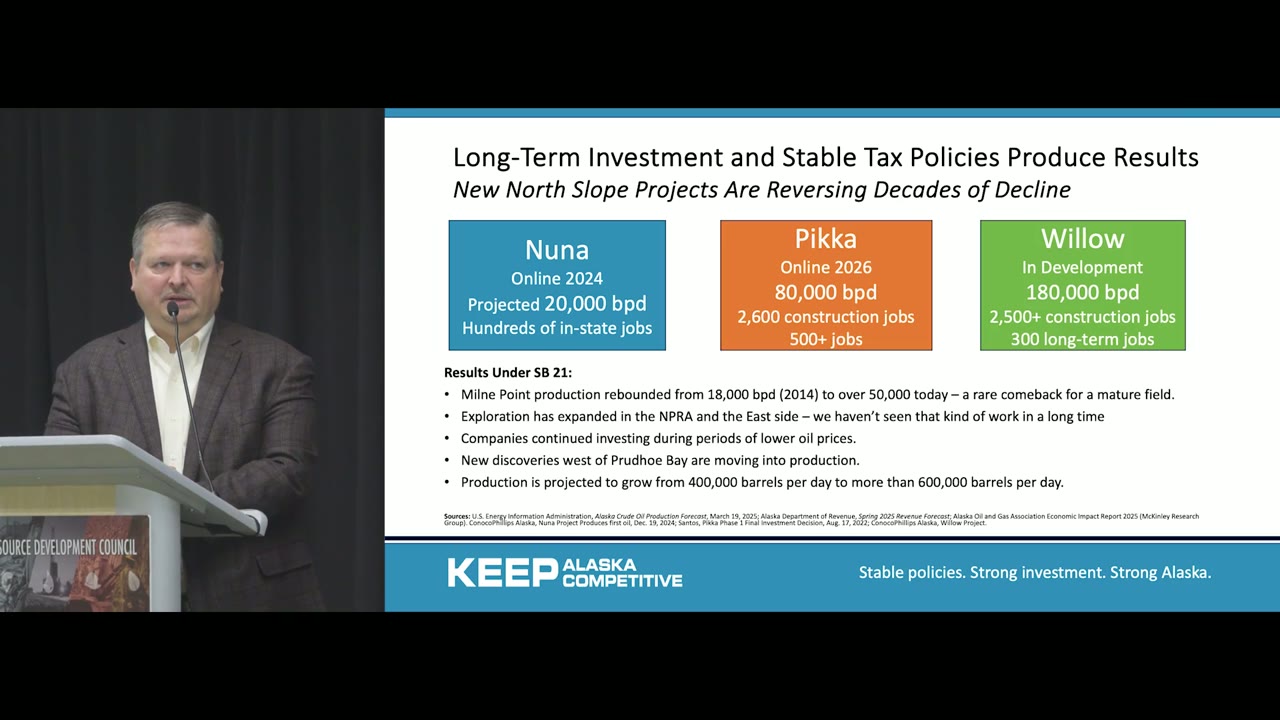
“Pica, of course, we started up continuous production earlier this year. I have not seen today's numbers, but yesterday we had gotten up over 70,000 barrels.”RDC_2026_10_01_1 · Oct 5, 2026
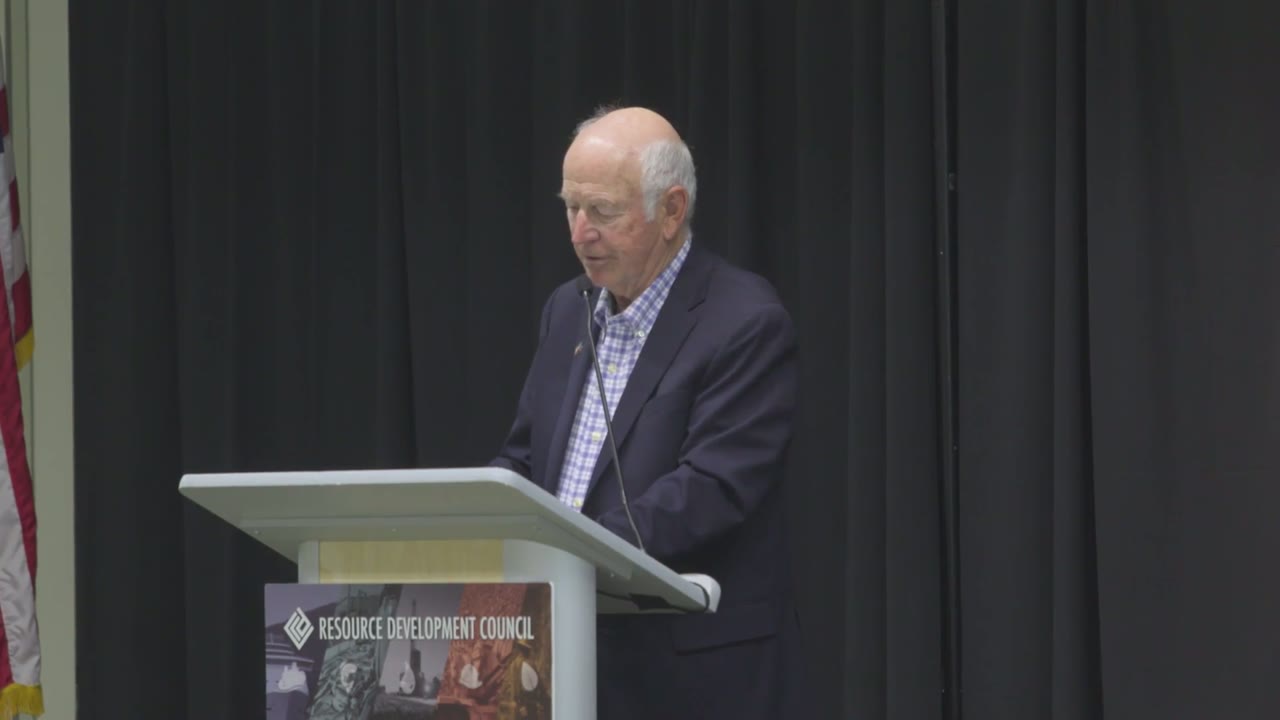
Jim Jansen
“We are now seeing forecasts in the range of 700,000 barrels per day by 2032. It could not have happened with ACES.”RDC_2026_10_01_1 · Oct 5, 2026
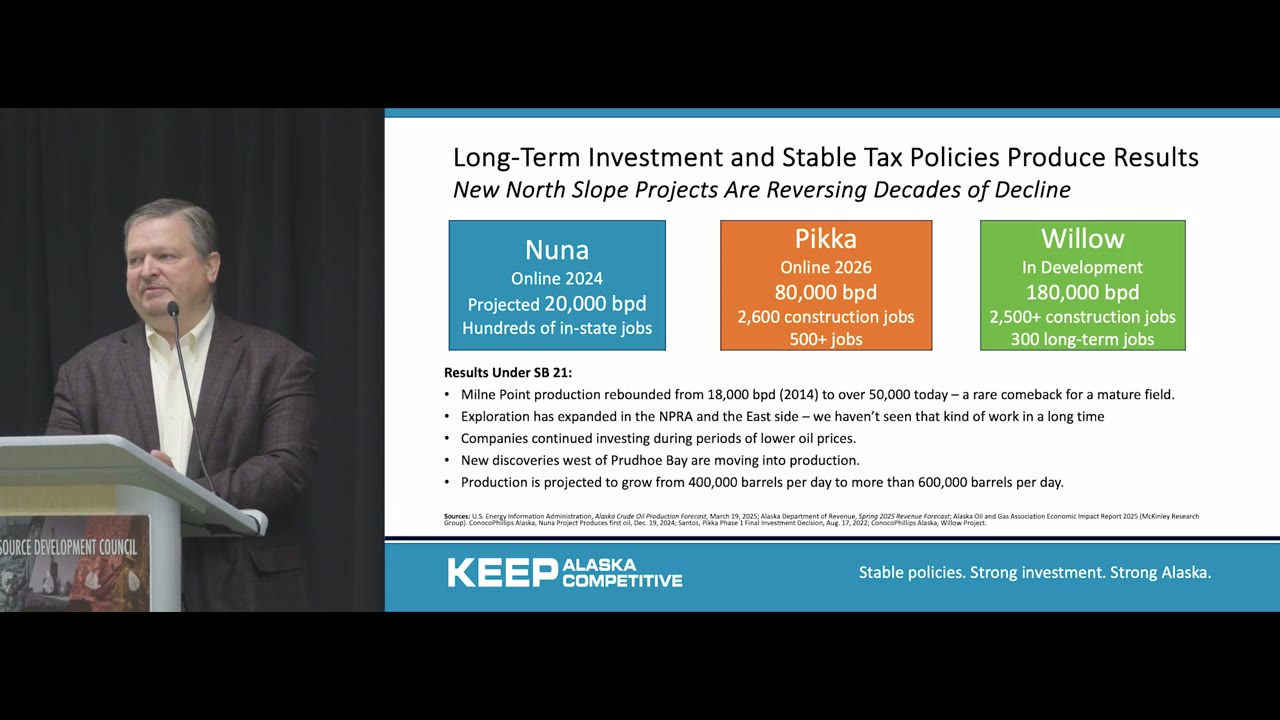
Joe Balash
“from the Treasury standpoint, it's about $35 million for every $1 difference in the, in the price realized.”RDC_2026_10_01_1 · Oct 5, 2026
North Slope oil throughput back above 500,000 barrels a day, former commissioner says
North Slope oil throughput tops 500,000 barrels a day, Joe Balash tells RDC forum; Keep Alaska Competitive organizes against new oil taxes; Pikka, Willow forecasts.
 by Bill AlaskaNews1w ago2 min read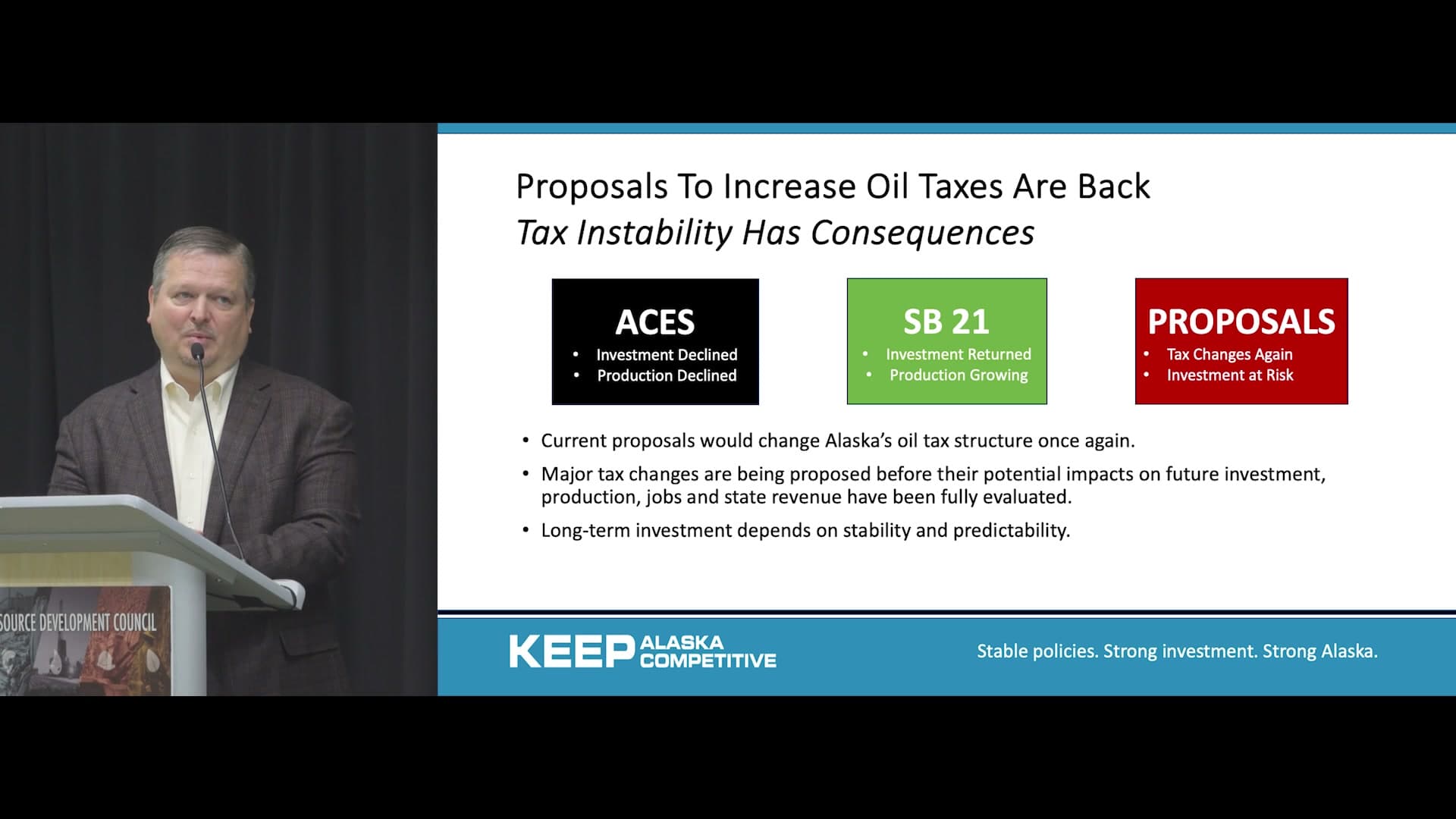
At an industry forum, four candidates for governor made their case on resource development
Alaska's four gubernatorial candidates addressed oil production, permitting, infrastructure and taxes at a Resource Development Council forum in Anchorage on Monday.
 by Alaska News2w ago5 min read
Pollock official puts bycatch impact on Western Alaska runs at 1.9%
At an RDC breakfast forum Thursday, Nicole Kimball of the Pacific Seafood Processors Association detailed the Bering Sea pollock fleet's 100 percent monitoring, hard caps and new Dutch Harbor genetics lab. The chum caps she cited will not take effect until at least June 2028.
by Bill AlaskaNews1mo ago2 min read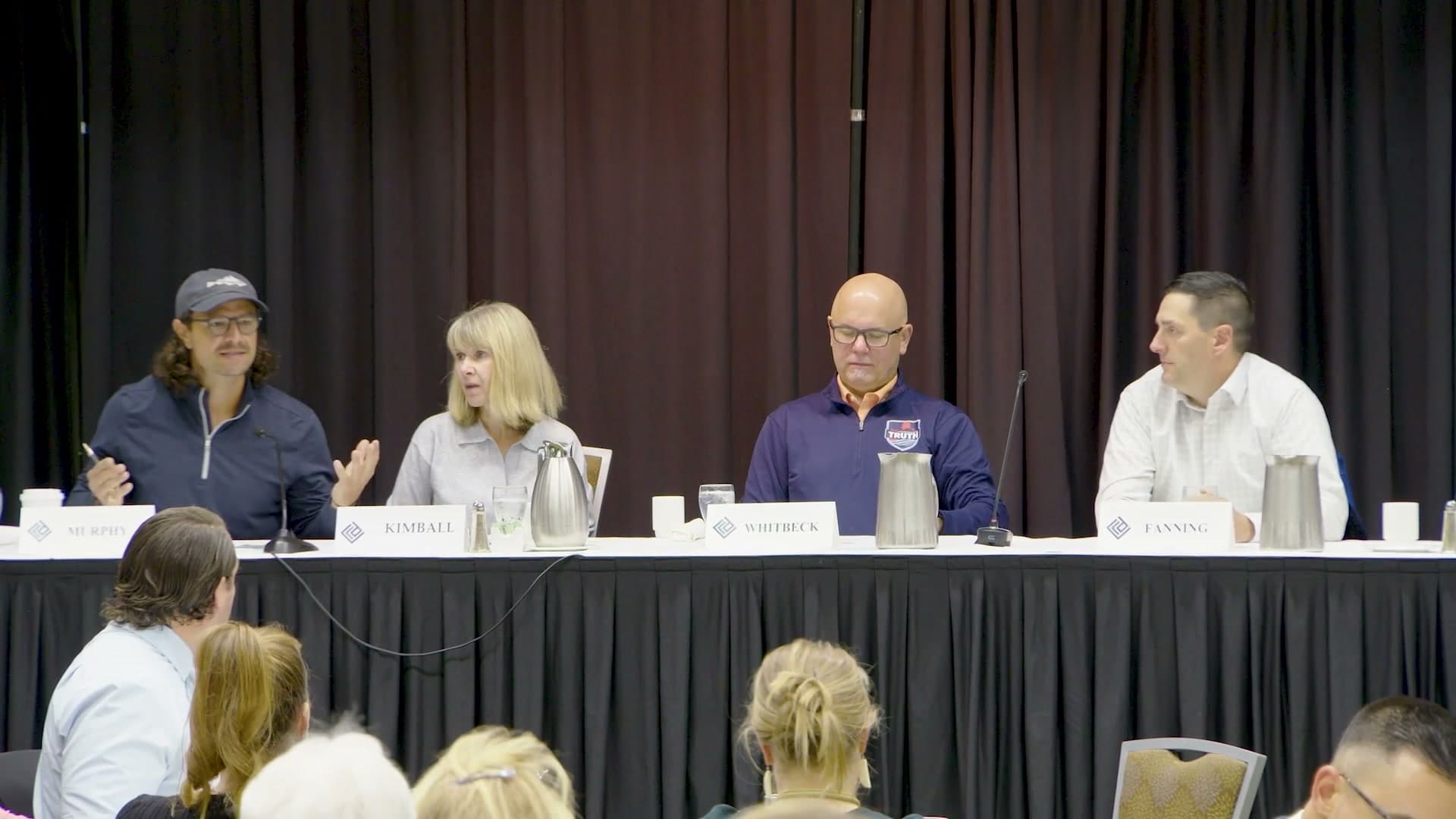
UAA trains rural school workers to become teachers without leaving home
A UAA apprenticeship lets rural Alaska school employees earn teaching licenses without leaving home, aimed at out-migration and staffing rural schools.
 by Melinda Communities.News2mo ago1 min read
The EPA's No. 2 told Alaska's resource industry the door is open — for now
EPA Deputy Administrator David Fotouhi told Alaska's Resource Development Council the agency is rolling back climate and oil-and-gas rules to speed resource development.
by Melinda Communities.News3mo ago2 min read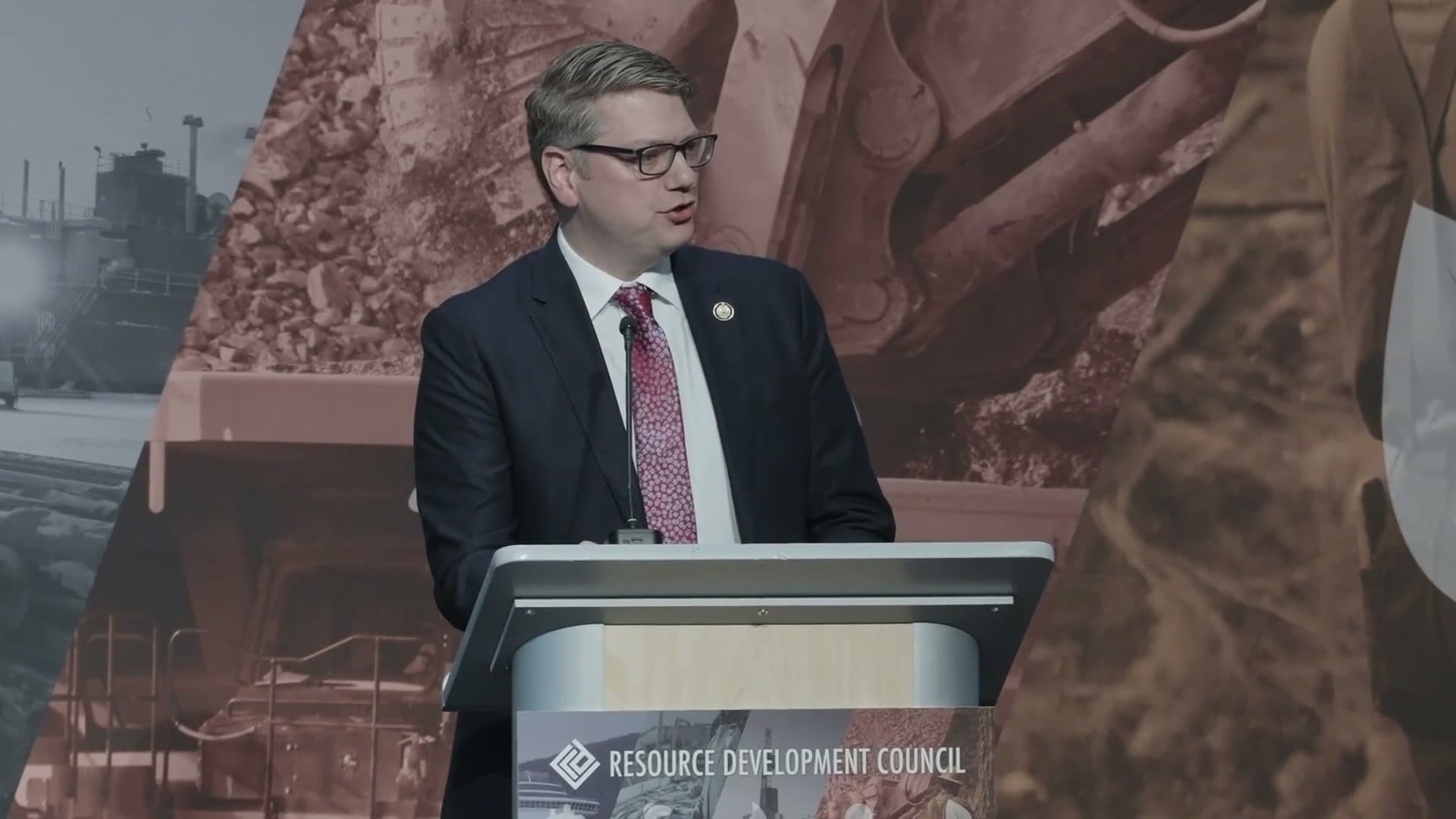
Huna Totem signs Juneau tideland lease for Oak Landing cruise dock
Huna Totem Corporation has signed a tideland lease with the City and Borough of Juneau for the Oak Landing cruise dock development, moving the project toward a 2028 opening. The new dock will add a fifth berth to downtown Juneau, addressing current capacity constraints that force ships to anchor offshore.
 by Walter AlaskaNewsadded 4mo ago2 min read