Alaska
RSSAll news from Alaska
Regions
Local organizations and topics
Numbers are stories in the last 30 days.
Have a story from Alaska? Send a tip
Sunday, Apr 26
Task Force Hears Federal Assessment Rules, NAEP Context, and AKSTAR Demo
Task force learned federal law sets testing minimums but states choose how to assess and support schools. • NAEP proficiency scores are aspirational targets, not typical performance, and poverty matters more than school reforms alone. • Alaska's AKSTAR combines interim and spring tests to predict student achievement within 24 to 72 hours.
 by Alaska Newsadded 6mo ago8 min read
Senate Resources hears LNG tax framework comparison, transparency concerns
Alaska Senate Resources Committee heard a consultant compare LNG tax frameworks and flag that lack of clarity on property taxes may be blocking project talks with stakeholders.
by Alaska Newsadded 6mo ago8 min read
Alaska lawmakers hear warnings of rural fuel crisis, weigh loan program expansion
Rural Alaska diesel prices hit $17 per gallon and could jump 30 to 50 percent higher this year due to Middle East supply disruptions. • Lawmakers heard the state's $20 to $22 million bulk fuel loan program may need to double its funding to help communities cope. • A Jones Act waiver expiring in May and a compressed fuel delivery window in June or July add urgency to the crisis.
by Alaska News6mo ago5 min readFrom 
House Finance advances bill extending professional licensing board
House Finance advanced a bill extending Alaska's professional licensing board and adding registered interior designers, after revising language that prompted a gubernatorial veto last year.
by Alaska Newsadded 6mo ago5 min read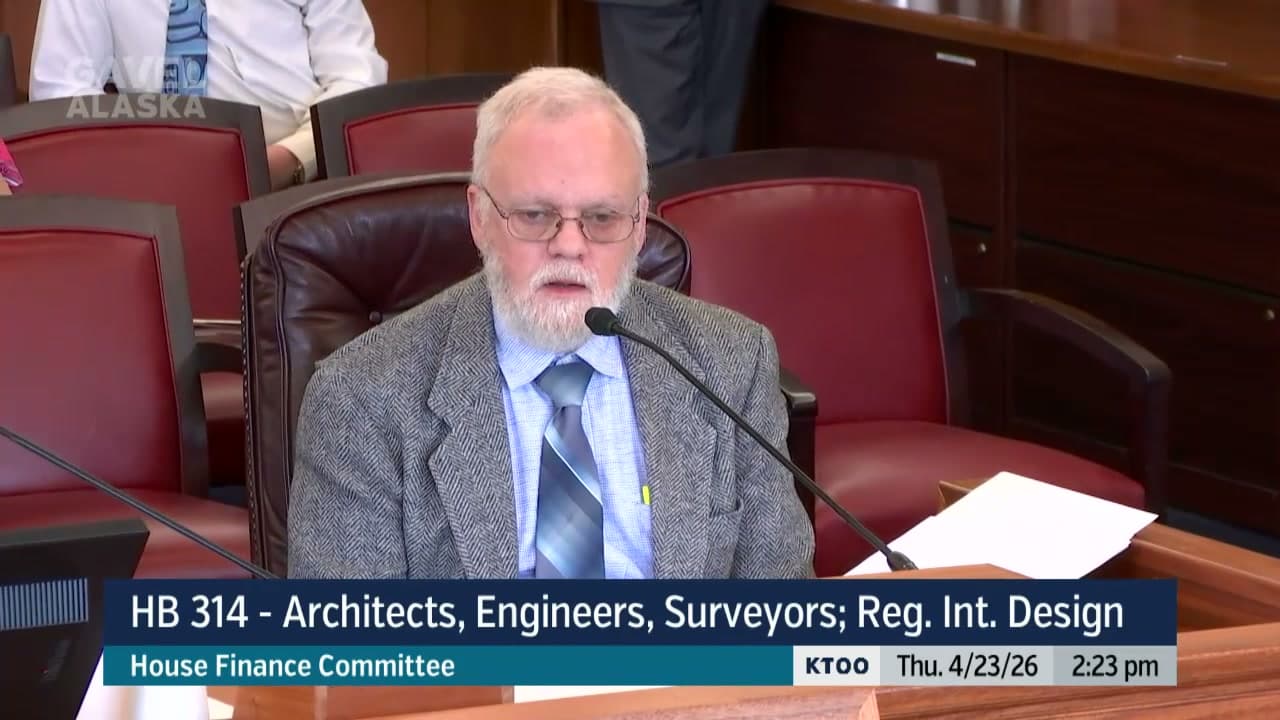
House panel hears confirmation for physician assistant to State Medical Board
House committee heard confirmation testimony from physician assistant Norman Walker for the State Medical Board. • UAA proposed a $30 million academic medical center to expand residency training for Alaska's growing medical school.
by Alaska News6mo ago4 min readFrom 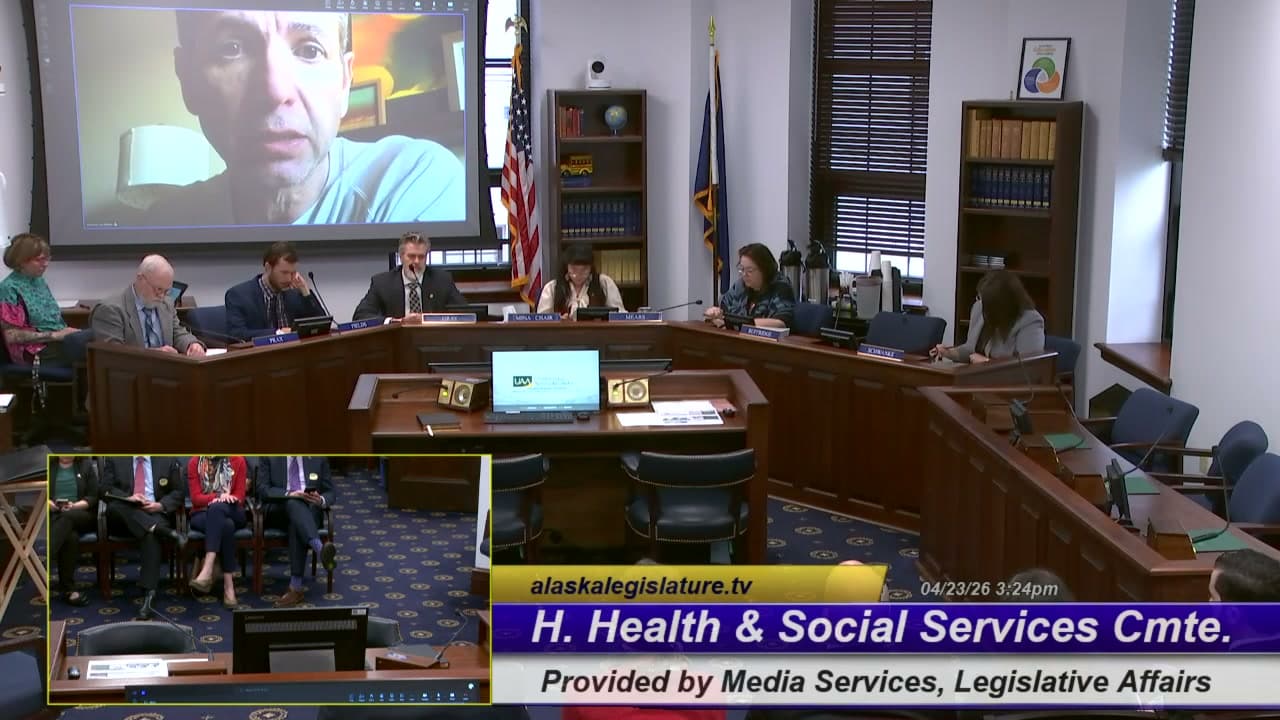
State employee per diem frozen since 2010 despite 40% inflation
House Bill 300 would raise state employee per diem rates frozen since 2010 from $60 to $82 per day, with automatic adjustments every three years starting in 2029.
by Alaska Newsadded 6mo ago4 min read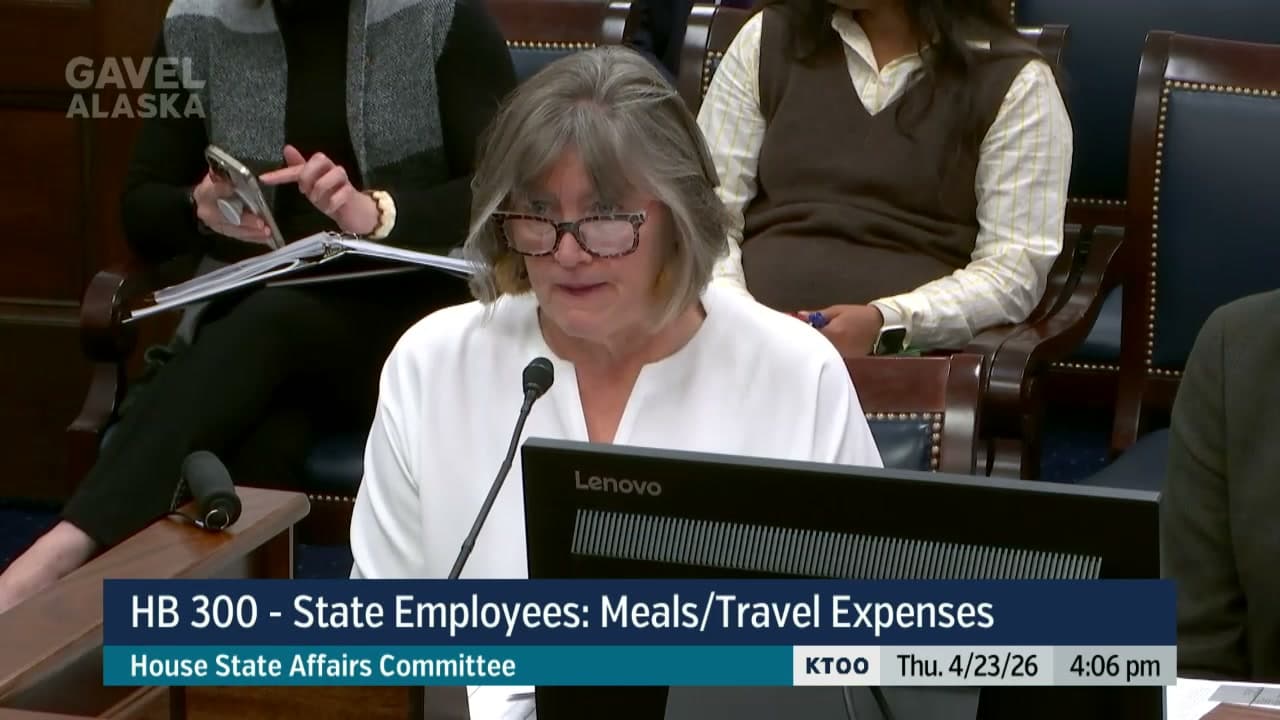
House panel hears Fairbanks road service area reform proposal
House panel heard a bill to let second-class boroughs reshape road service areas without two concurrent elections, a process that has failed 60 percent of the time.
by Alaska Newsadded 6mo ago3 min read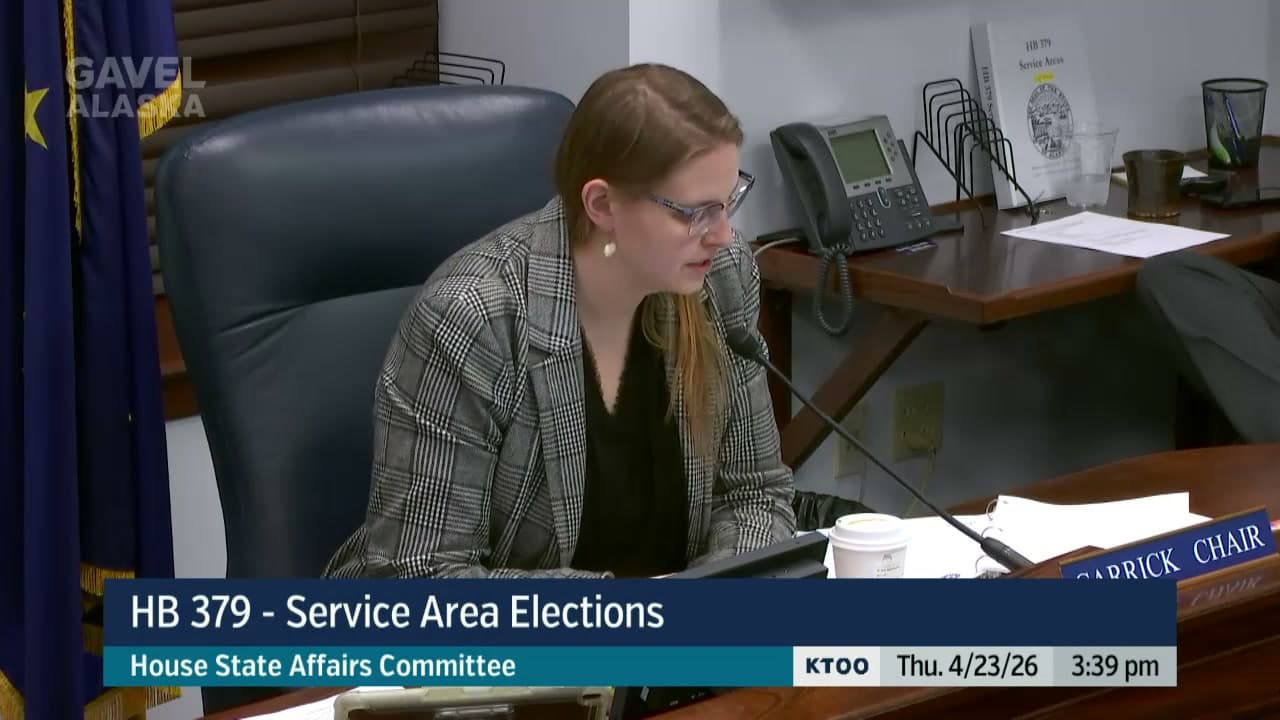
Senate panel adopts changes to health care compact bill
Alaska Senate panel approved changes to join four interstate medical licensing compacts aimed at recruiting rural health providers, adding background check requirements for medical professionals.
by Alaska News6mo ago4 min readFrom 
More from Alaska
Senate Finance advances pension bill with municipal opt-in provision
The Senate Finance Committee advanced a pension bill on April 24 that lets municipalities choose whether to pay higher rates for the new plan.
by Alaska Newsadded 6mo ago5 min read
House Judiciary rejects consumer data privacy bill after 3-3 vote
The House Judiciary Committee deadlocked 3-3 on the Alaska Data Privacy Act. The bill would have let Alaskans control how companies collect and sell their personal data.
by Alaska Newsadded 6mo ago4 min read
Alaska Energy Survey Shows Strong Support for Renewables, Mixed Views on Nuclear
Survey shows 70% of Alaskans support renewable energy and natural gas pipelines, but backing drops if costs rise or state investment is needed. • Rural Alaska faces energy crisis. Fairbanks burned 250,000 gallons of diesel daily last winter when natural gas power became unavailable. • Nuclear awareness grew from 25% to 40% between 2023 and 2025, with support rising as residents learned about microreactors.
by Alaska News6mo ago4 min read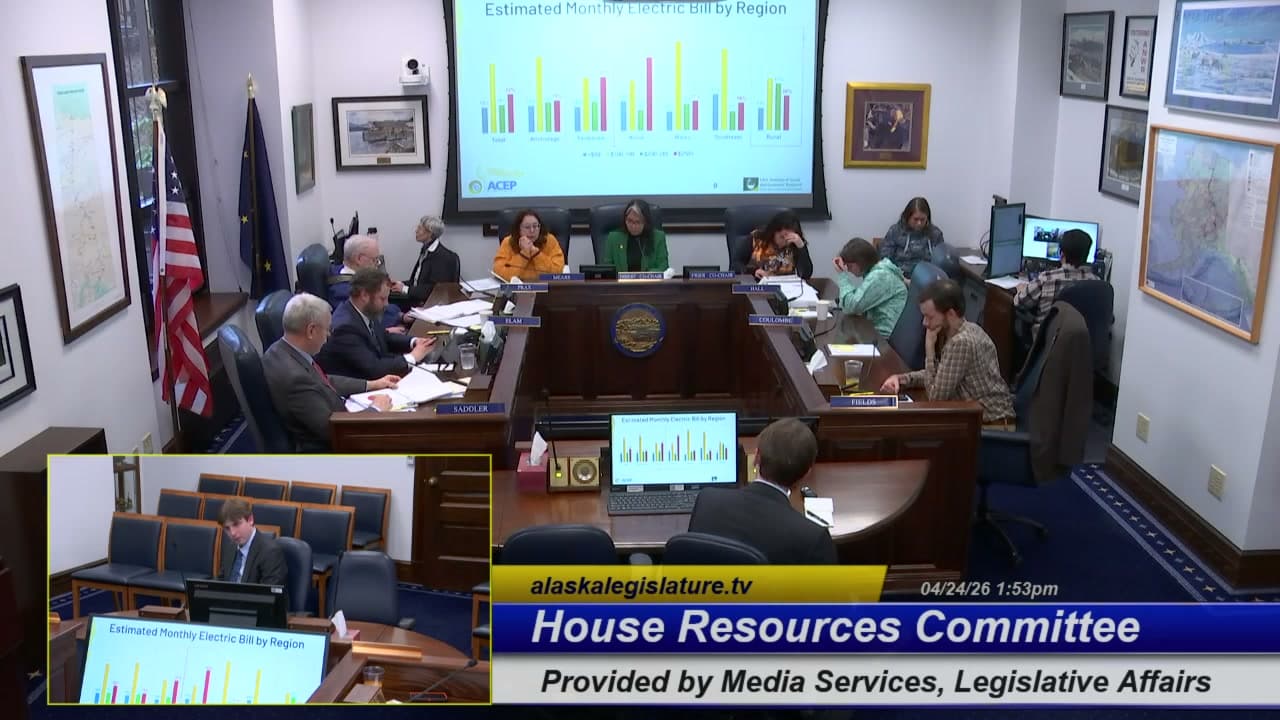
House panel debates $113M education funding formula shift
House panel heard testimony on a bill that would shift school funding to a three-year enrollment average, costing $113 million annually but giving districts budget certainty earlier in the year.
by Alaska News6mo ago6 min read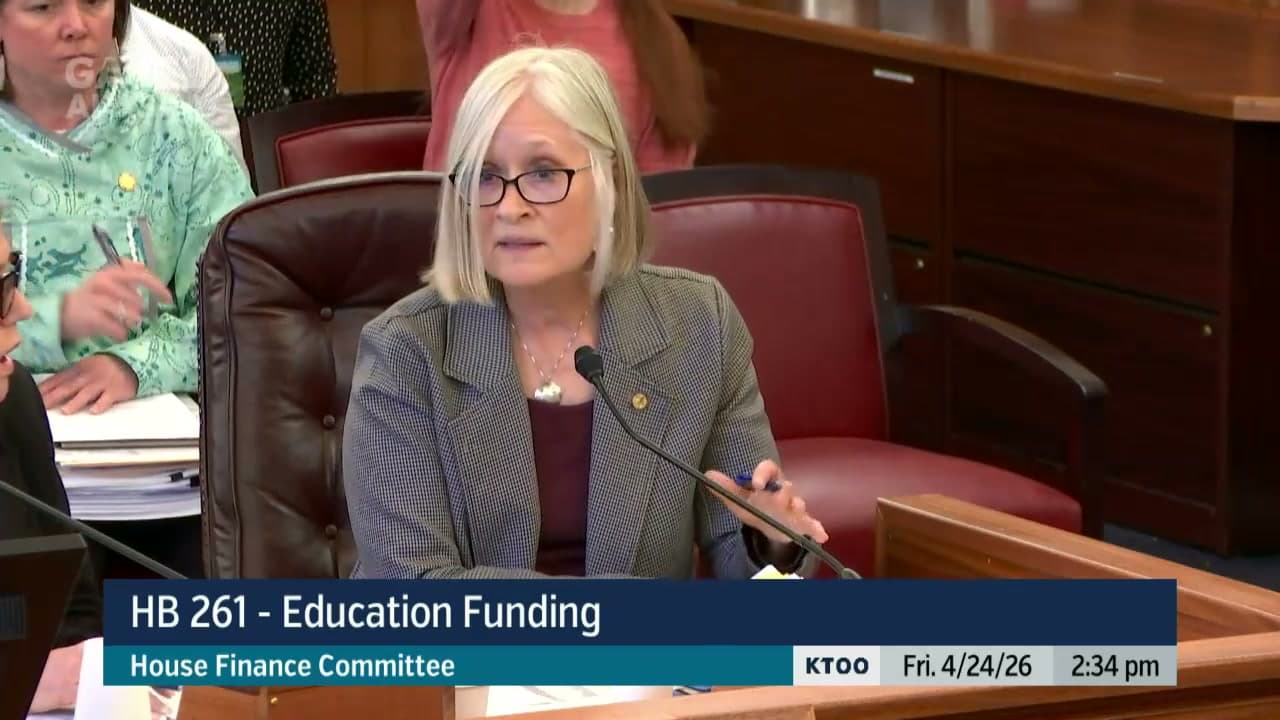
Saturday, Apr 25
Senate Judiciary hears testimony on crime omnibus combining five bills
The Senate Judiciary Committee is weighing a crime omnibus bill that targets sexual assault, hit-and-run crimes, and AI abuse.
by Alaska Newsadded 6mo ago5 min read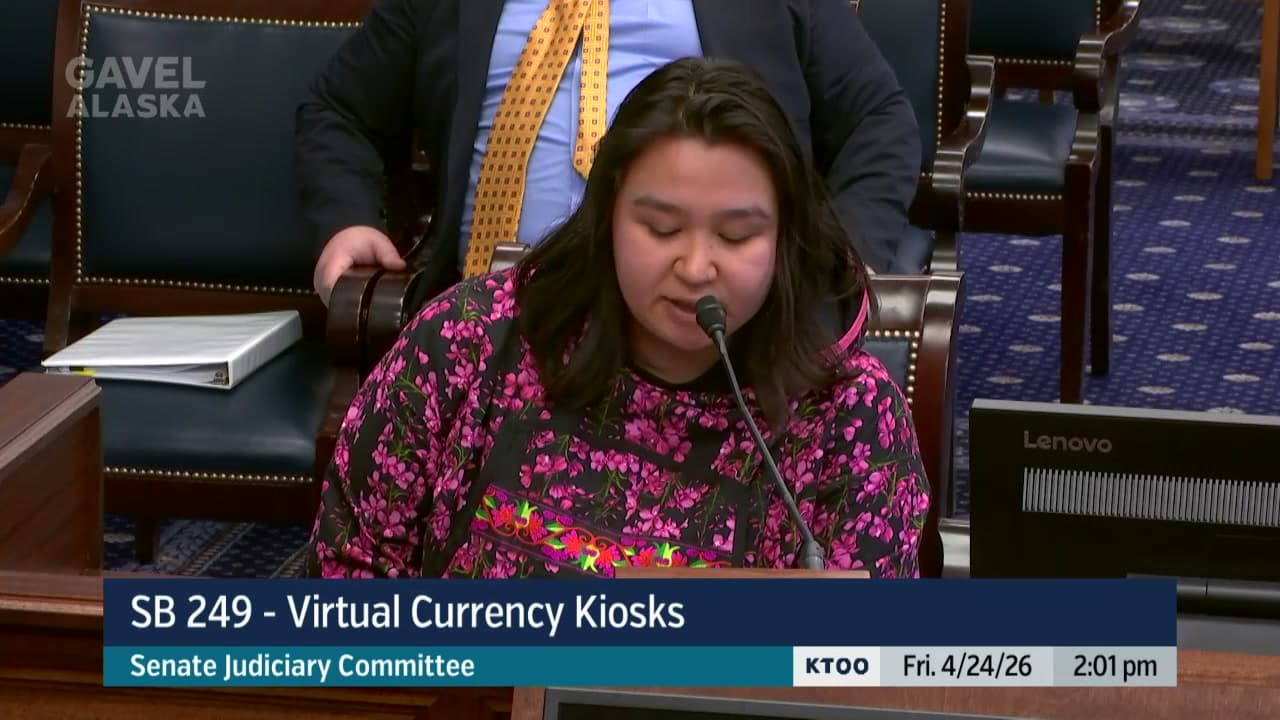
Senate panel hears workforce plan for Alaska LNG pipeline
Alaska LNG pipeline needs 6,600 workers by 2027, but state's shrinking workforce means most will come from outside Alaska. • Training system runs at 60 to 80 percent capacity; barriers include instructor shortages and living costs during training. • State should expand short-cycle vocational programs and consider a state apprenticeship agency to increase hiring ratios.
by Alaska News6mo ago5 min read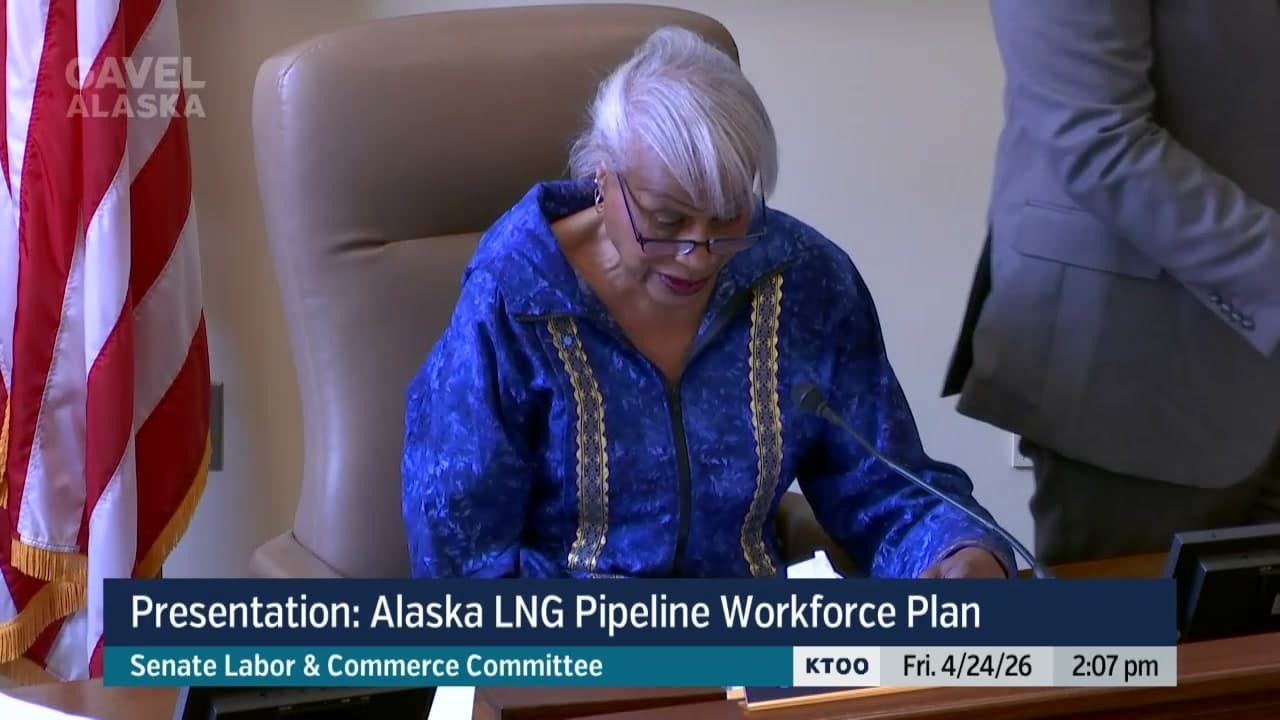
House panel cuts cryptocurrency kiosk limits to protect seniors from scams
House panel cut cryptocurrency kiosk limits to $500 daily and $1,500 monthly to protect seniors from scams, which attorney general reports say account for 93 to 98 percent of kiosk transactions.
by Alaska Newsadded 6mo ago4 min read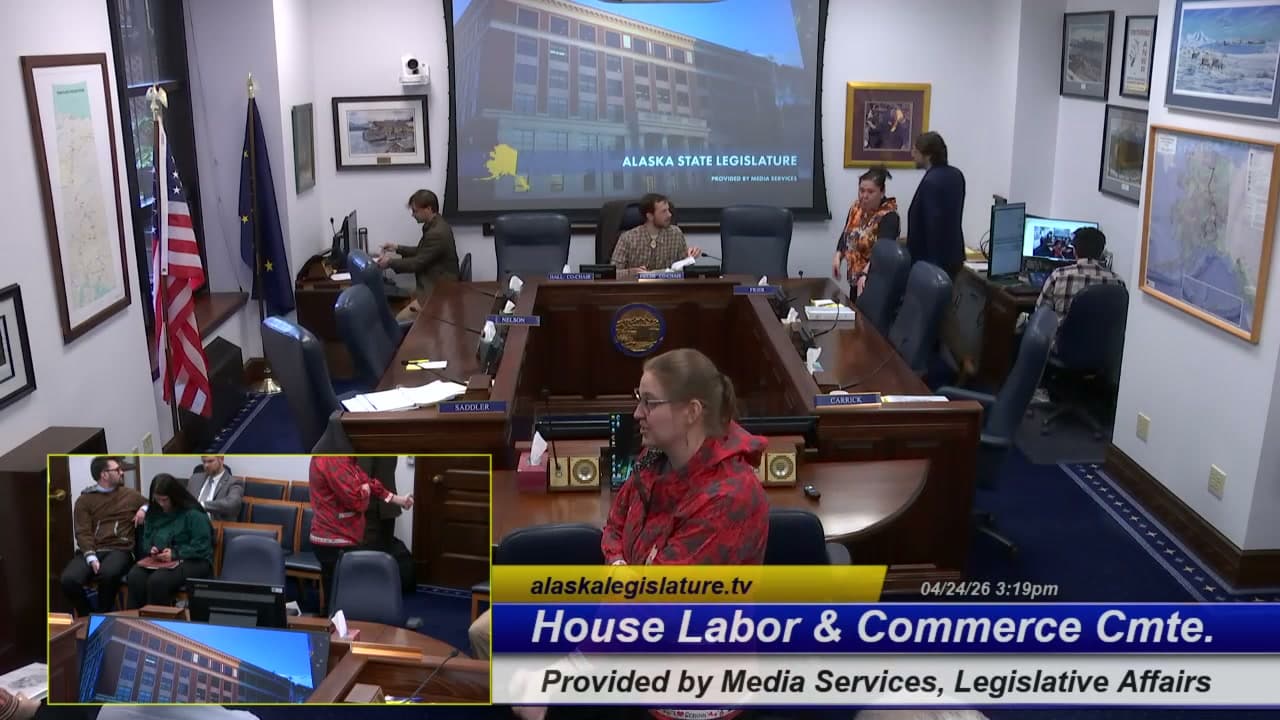
Senate Education Committee Advances Opioid Awareness Bill, Hears Tribal School Compact Proposal
Senate Education Committee advanced a bill requiring opioid prevention curriculum in grades 6-12. • Committee heard first presentation on allowing tribes to operate public schools through state-tribal compacts, with second hearing scheduled Monday.
by Alaska Newsadded 6mo ago5 min read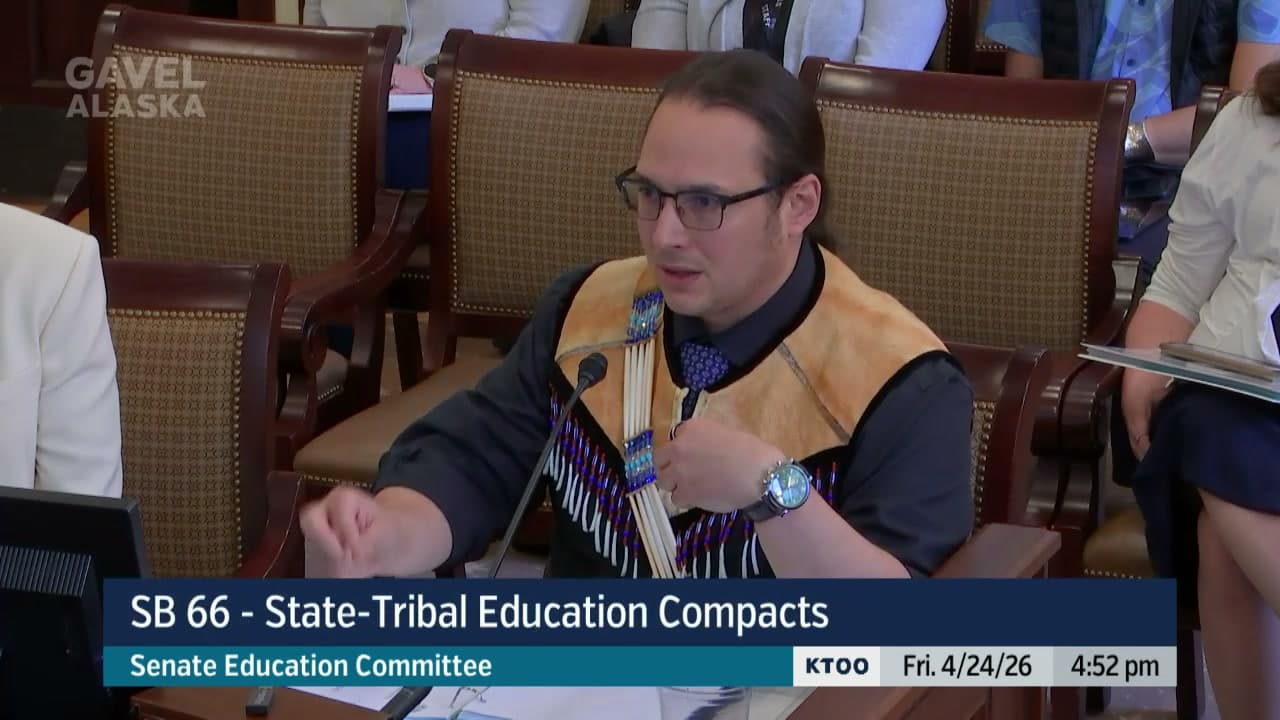
Coming up
Interior Department and Marine Minerals Administration Regional Tribal Meeting
Alaska
Meeting
Alaska LNG ROW Lease Conversion Public Hearing (Virtual)
Hearing
2027 Statewide Summer Reading Program Registration Deadline
Public notice
GMU 2 Wolf Trapping Season Opens
Public notice
Alaska Mental Health Trust Land Office Sealed Bid Deadline
Public notice
About Alaska
Alaska is a United States state spanning Arctic, subarctic and coastal regions. Its communities range from Anchorage, Fairbanks and Juneau to Kodiak, the North Slope and villages such as McGrath and Adak that sit off the road system.
The Legislature, the governor's office and state agencies set policy on oil and gas, fisheries, transportation and public lands, and state boards such as the Board of Fisheries and the AIDEA board decide on catch rules, loans and investments. Cities and boroughs keep their own budgets, taxes, liquor licenses and planning decisions.
Questions that recur across the state include local budgets and tax rates, fishery catch limits, air service and ports for remote communities, and decisions on state land. Federal agencies and courts also shape life in Alaska, from air service contracts for rural towns to the certification of statewide election results.
More from Alaska
Municipal League urges local control in Alaska LNG tax negotiations
Alaska Municipal League urged state senators to let local governments negotiate their own tax deals with Alaska LNG rather than accept a statewide formula.
by Alaska News6mo ago5 min read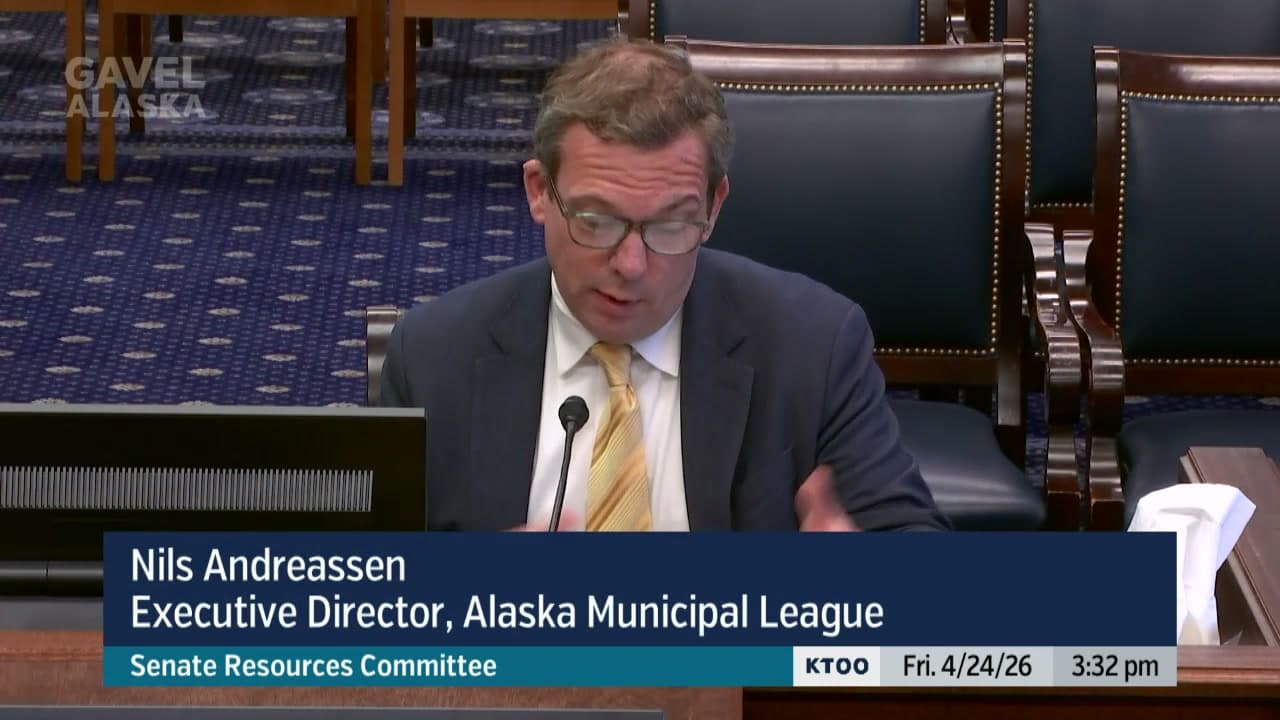
House Extends West Coast Disaster Declaration After Heated Debate
Alaska House extended the West Coast disaster declaration 30 days with a $63.83 million funding plan, but Republicans argued lawmakers should pass a bill instead to ensure proper oversight.
by Alaska Newsadded 6mo ago6 min read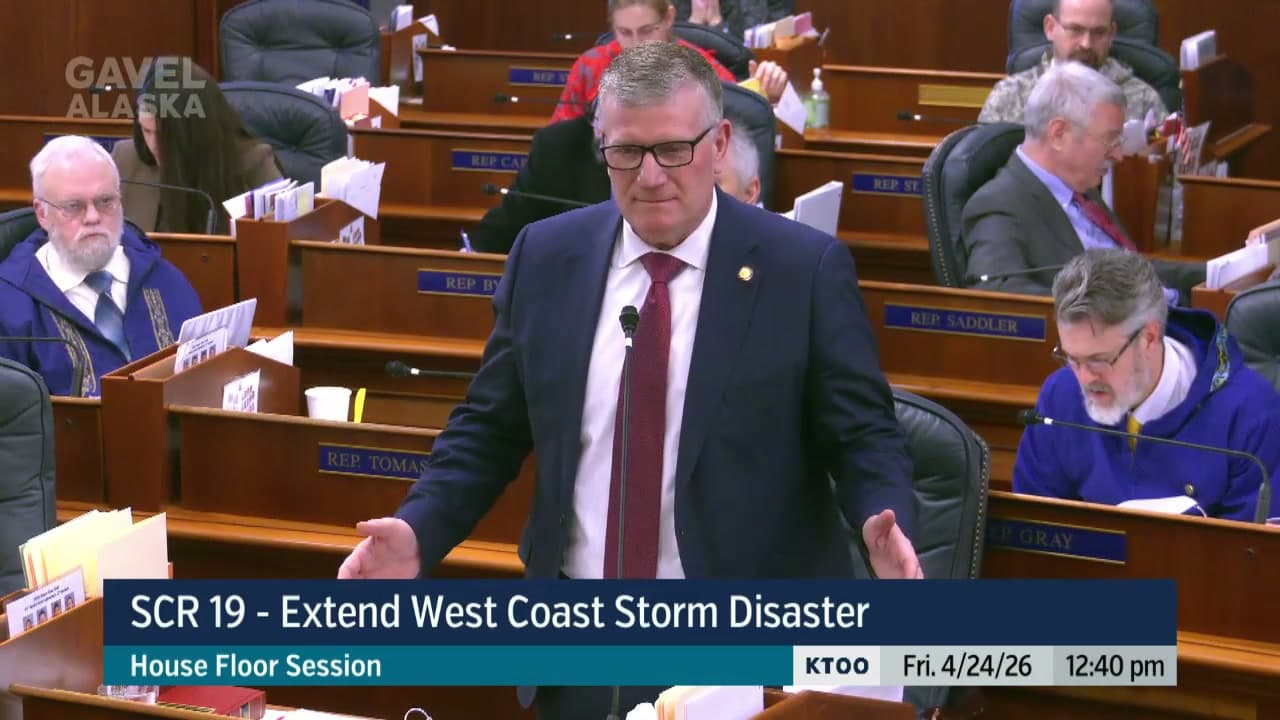
Alaska Senate passes wildfire evacuation color-code system
Alaska Senate unanimously passed a bill establishing a statewide color-coded wildfire evacuation system, green for ready, yellow for set, red for go, to replace confusing local variations.
by Alaska Newsadded 6mo ago2 min read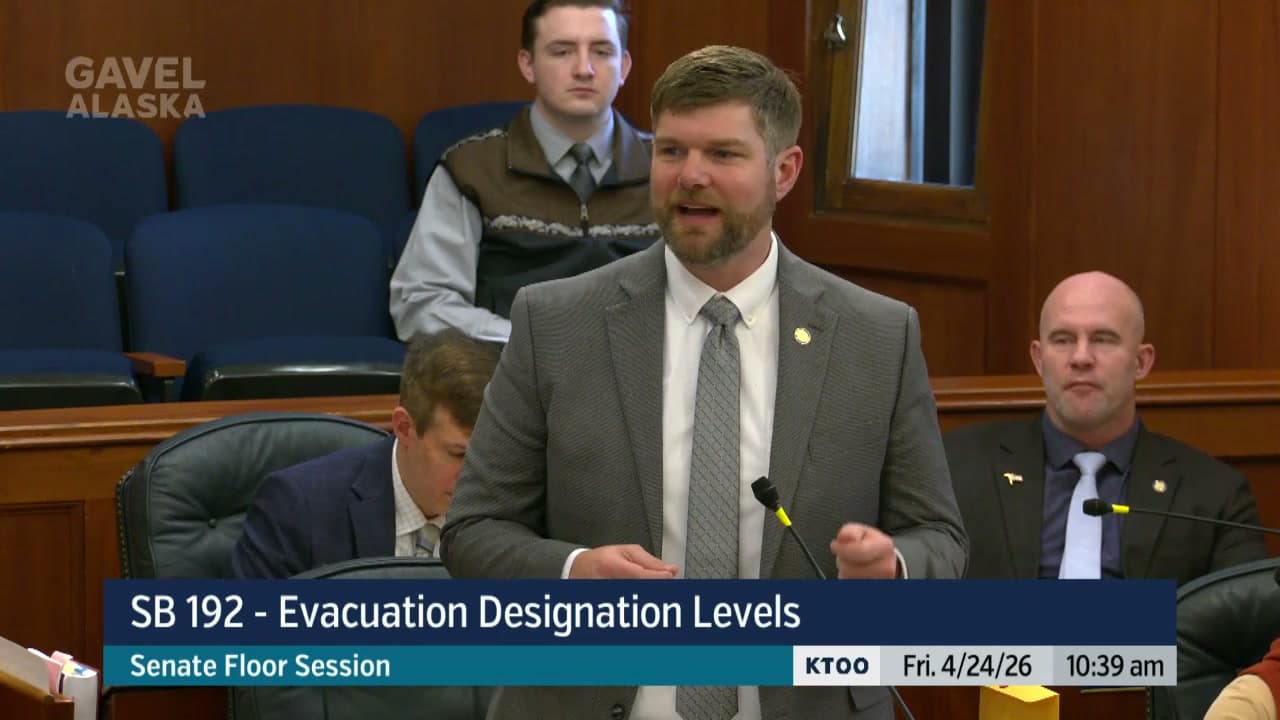
3-Year-Old Dies After Falling Through Ice in Goodnews Bay
A 3-year-old boy died Thursday after falling through thin ice on the Goodnews River in Goodnews Bay, a remote village in the Yukon-Kuskokwim Delta about 400 miles west of Anchorage.
by Alaska News6mo ago2 min readKodiak Trooper Uses Surfboard to Rescue Teen from Island Lake Ice
A Kodiak trooper used a surfboard to rescue a hypothermic teenager from Island Lake ice on April 25, paddling across thin ice while a sergeant towed them to shore.
by Alaska News6mo ago2 min readHouse panel fast-tracks insurance coverage for PANDAS treatment
Alaska House committee advanced a bill requiring insurers to cover PANDAS treatment after families testified they paid tens of thousands out of pocket when coverage was denied.
by Alaska News6mo ago2 min read
Legislative Council approves $70,200 Bethel office lease renewal
Alaska Legislative Council voted unanimously Tuesday to renew the Bethel office lease for one year at $70,200, with four more one-year options available through 2031.
by Alaska Newsadded 6mo ago2 min read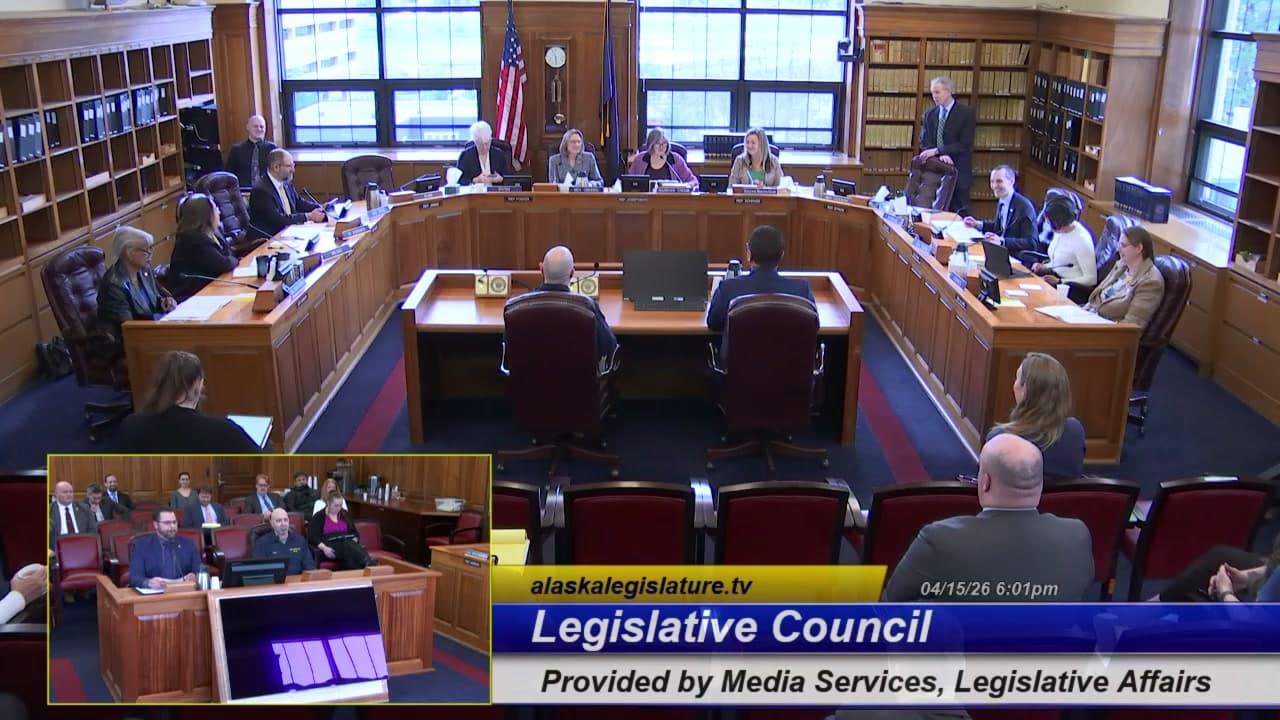
House committee hears bill to reclassify emergency dispatchers as first responders
A House committee heard testimony on a bill to let emergency dispatchers retire after 20 years instead of 30 and classify them as first responders.
by Alaska Newsadded 6mo ago4 min read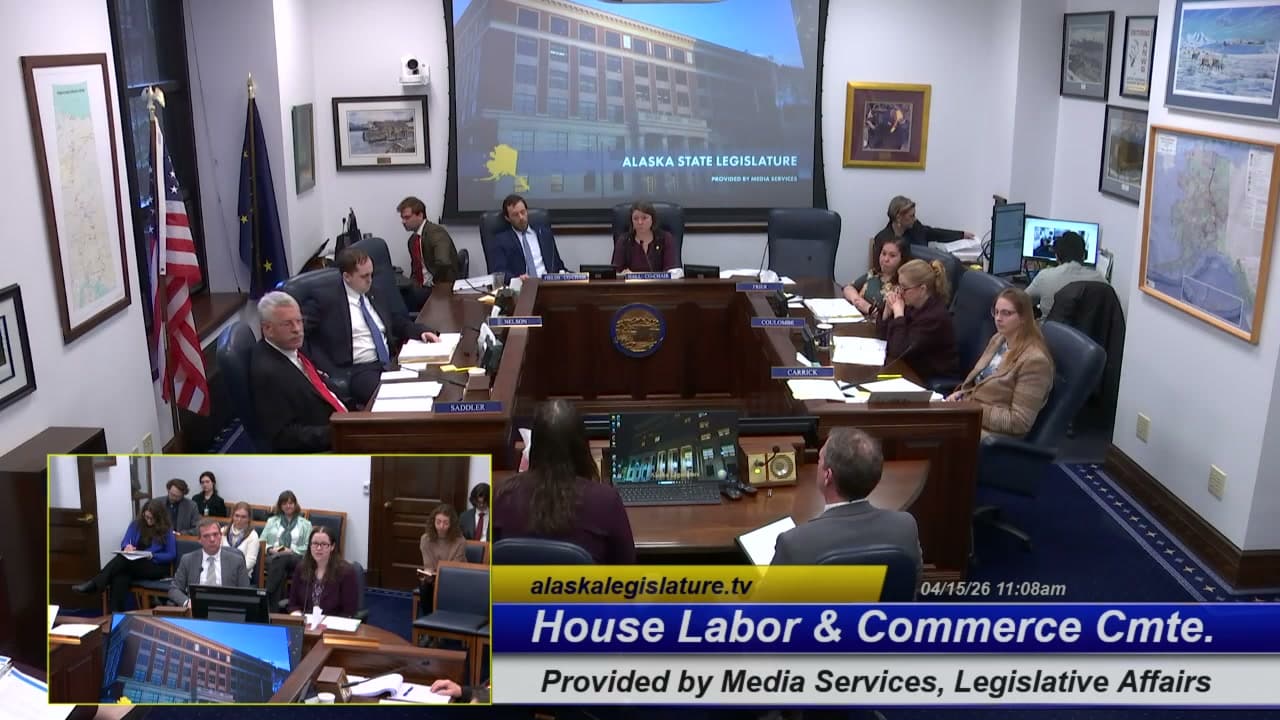
House committee hears bill to reclassify emergency dispatchers as first responders
A House bill would let emergency dispatchers retire after 20 years instead of 30 by reclassifying them as first responders with police and firefighter benefits.
by Alaska Newsadded 6mo ago4 min read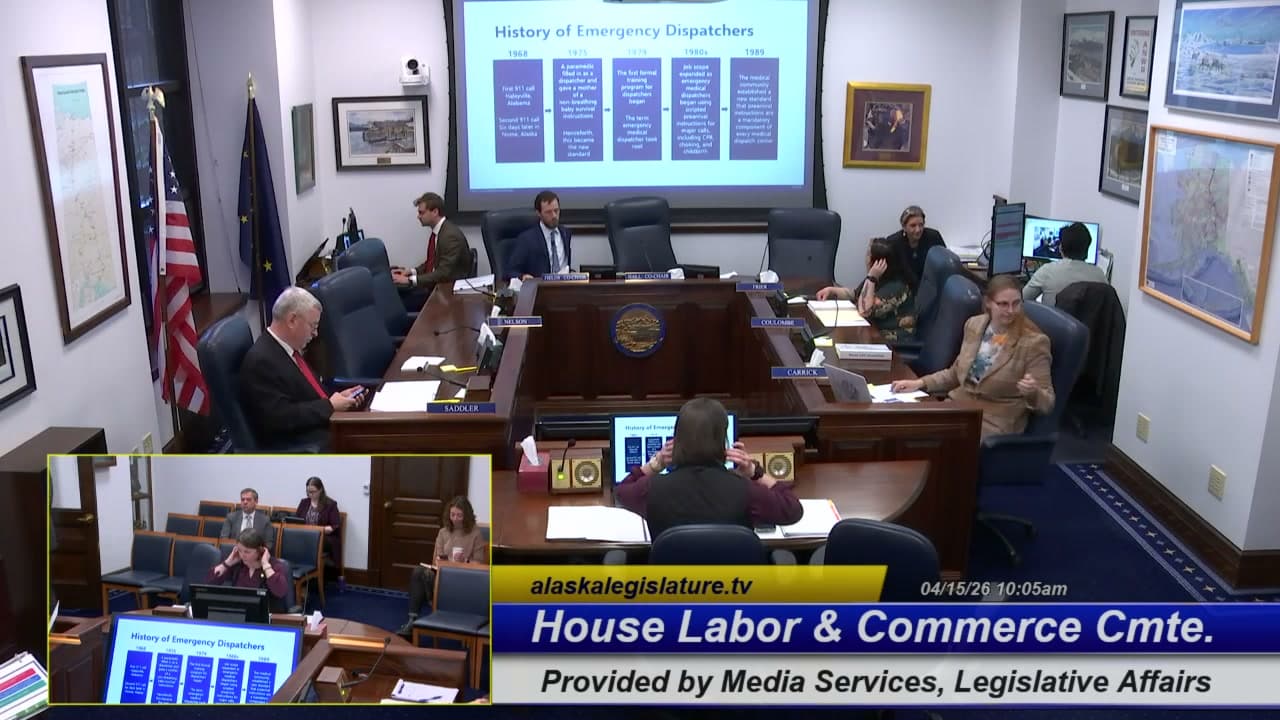
Senate advances software licensing bill, food dye ban to third reading
Alaska Senate advanced a bill banning seven synthetic food dyes from school meals starting January 2028, plus legislation on software licensing contracts and worker visa recognition.
by Alaska Newsadded 6mo ago2 min read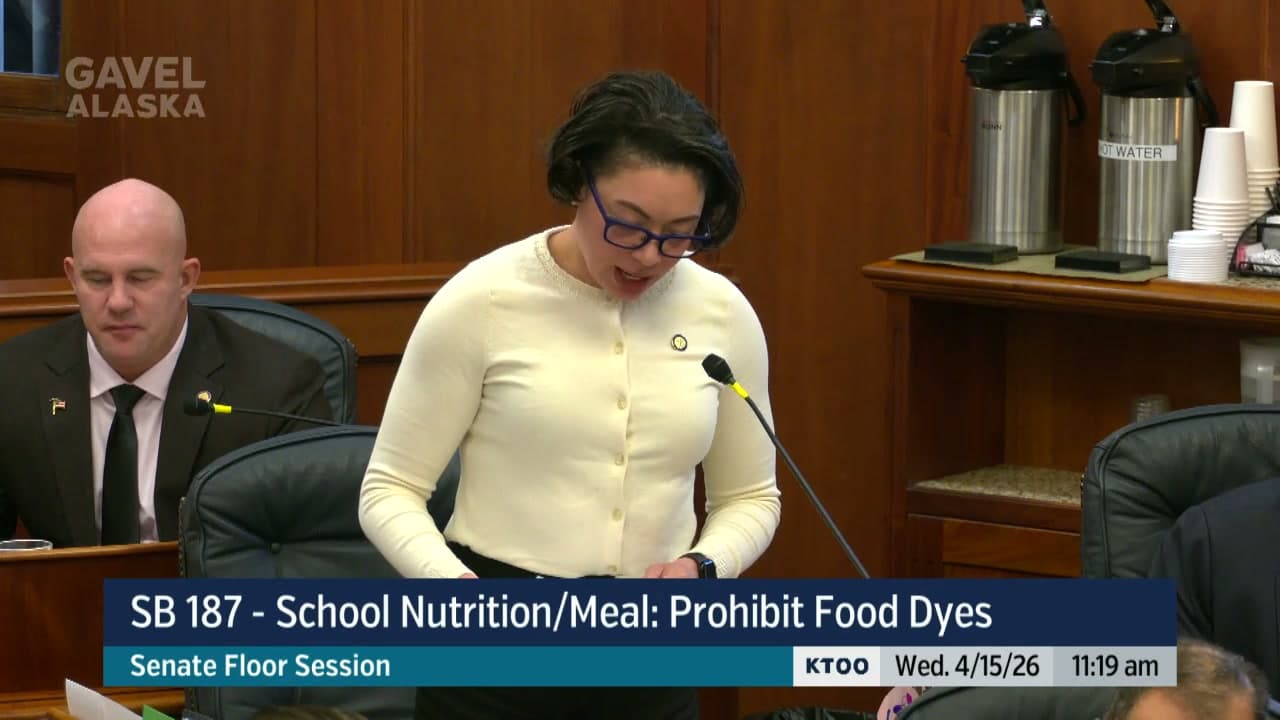
Psychologist who lost son to fentanyl urges Alaska lawmakers to support prevention
A psychologist whose son died from fentanyl poisoning urged Alaska lawmakers to fund education and demand reduction, citing 339 overdose deaths statewide in 2024.
by Alaska Newsadded 6mo ago4 min read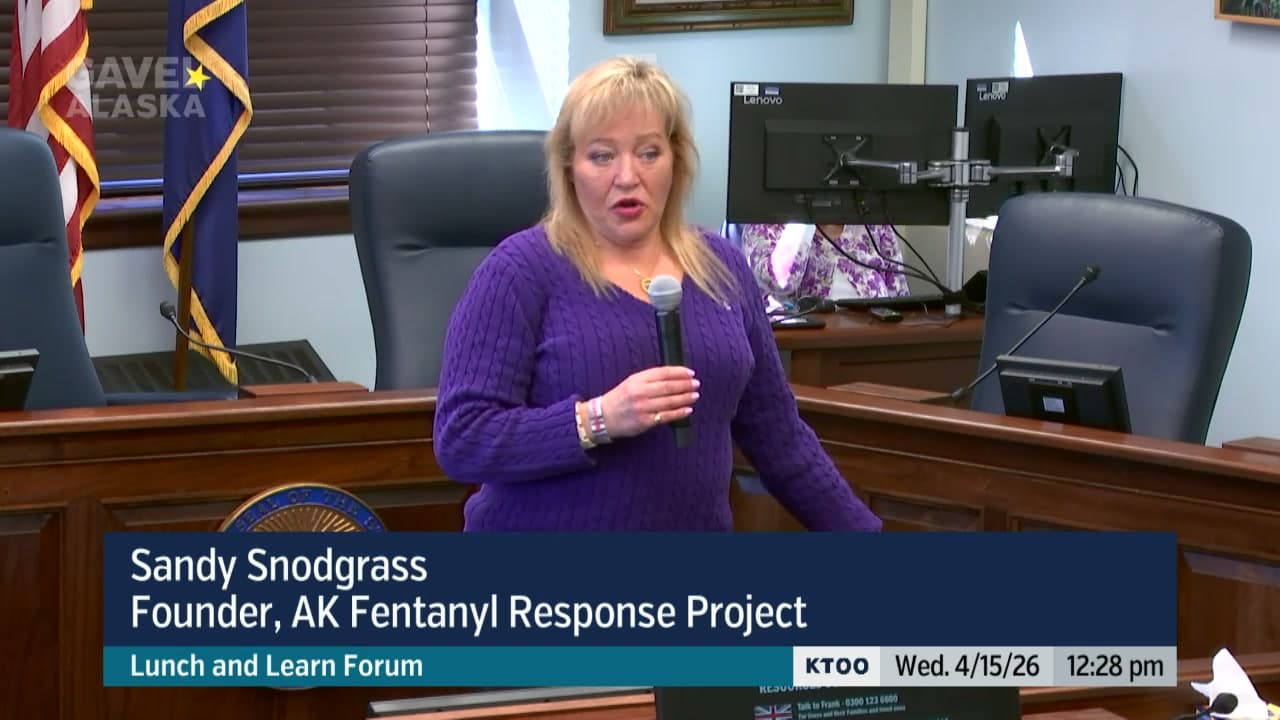
Toksook Bay documentary on suicide prevention screened for Alaska lawmakers
Lawmakers watched a documentary on youth suicide in Toksook Bay. The film highlights the need for mental health support in rural Alaska.
by Alaska Newsadded 6mo ago4 min read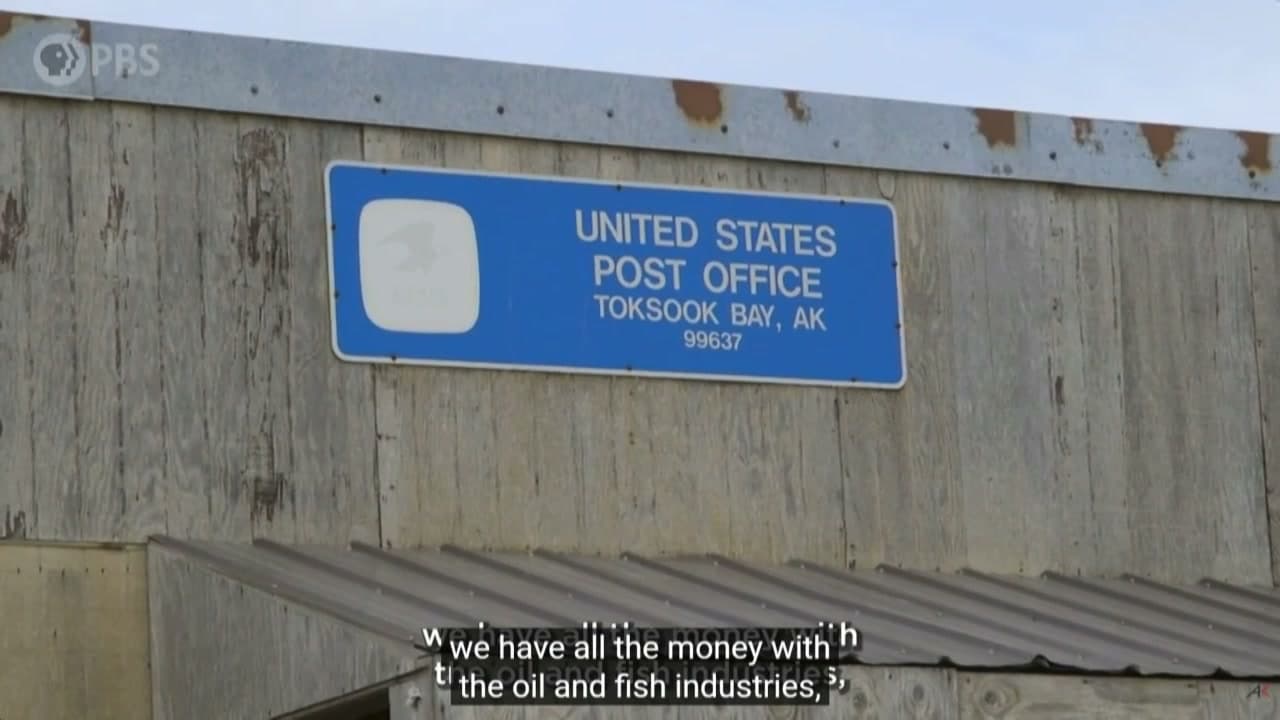
Alaska right-to-repair bill draws fire over broad scope and safety concerns
Alaska lawmakers raised safety concerns Thursday about a right-to-repair bill that would let consumers fix everything from iPhones to aircraft, warning it could endanger remote communities.
by Alaska Newsadded 6mo ago3 min read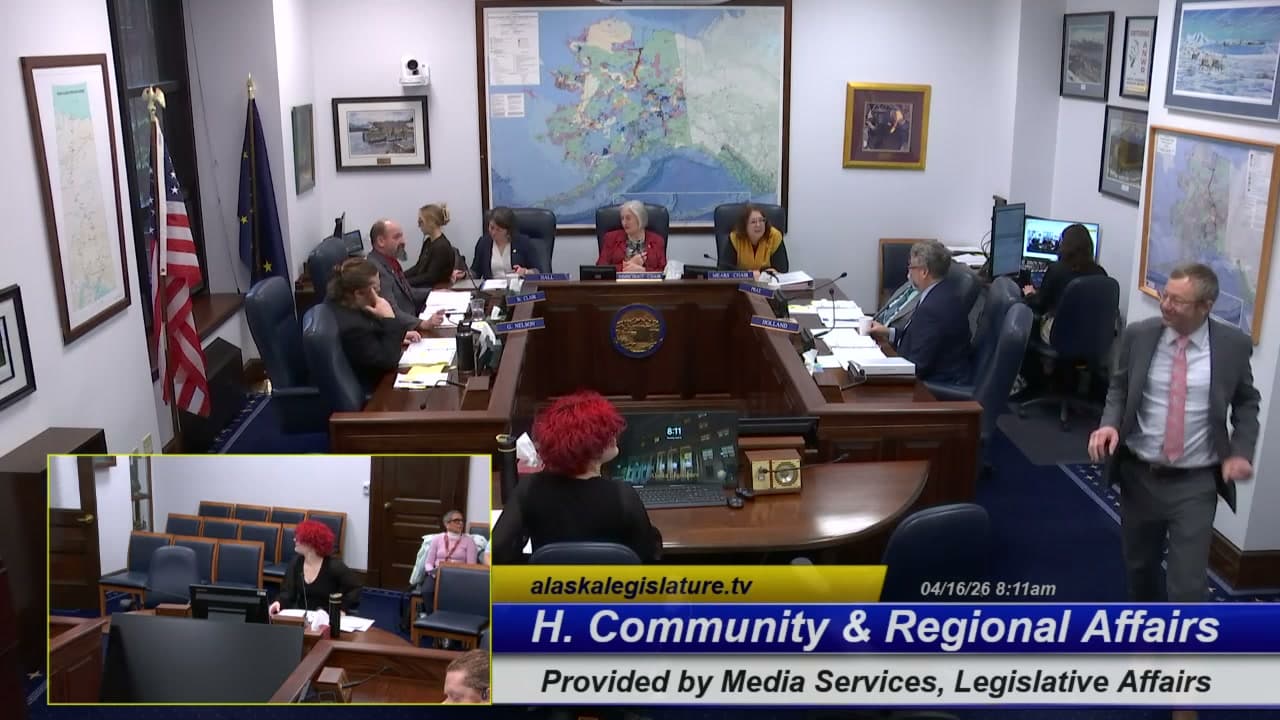
House panel advances Local Boundary Commission expansion bill
A House committee advanced a bill to add a sixth seat to the Local Boundary Commission. The new seat would represent the unorganized borough in future boundary and incorporation decisions.
by Alaska Newsadded 6mo ago2 min read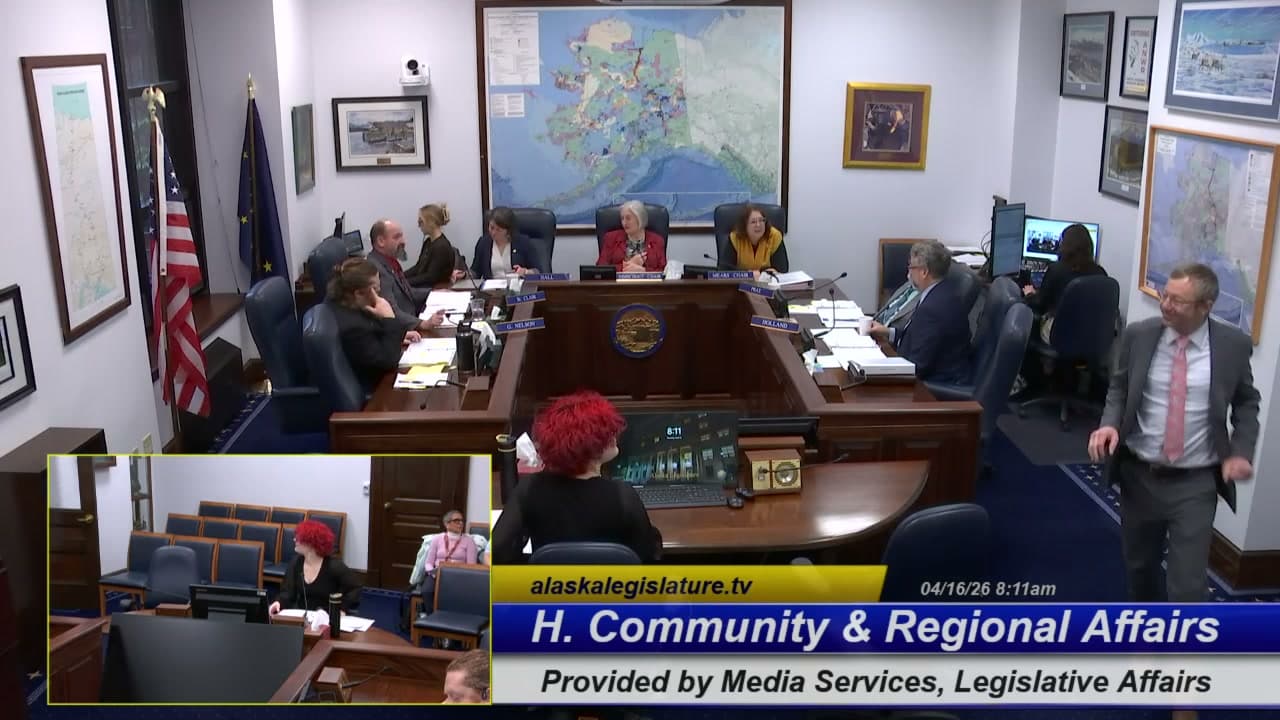
Senate panel examines LNG project economics, megaproject risks
Senate Resources Committee heard Alaska LNG faces typical megaproject cost and schedule risks. • A proposed 6-cent volumetric tax would generate roughly $2 billion for the state over 35 years but raise the project's effective tax rate to 33 percent, above competing Canadian projects. • Phased construction reduces upfront costs but introduces financing risk if later phases are delayed.
by Alaska Newsadded 6mo ago6 min read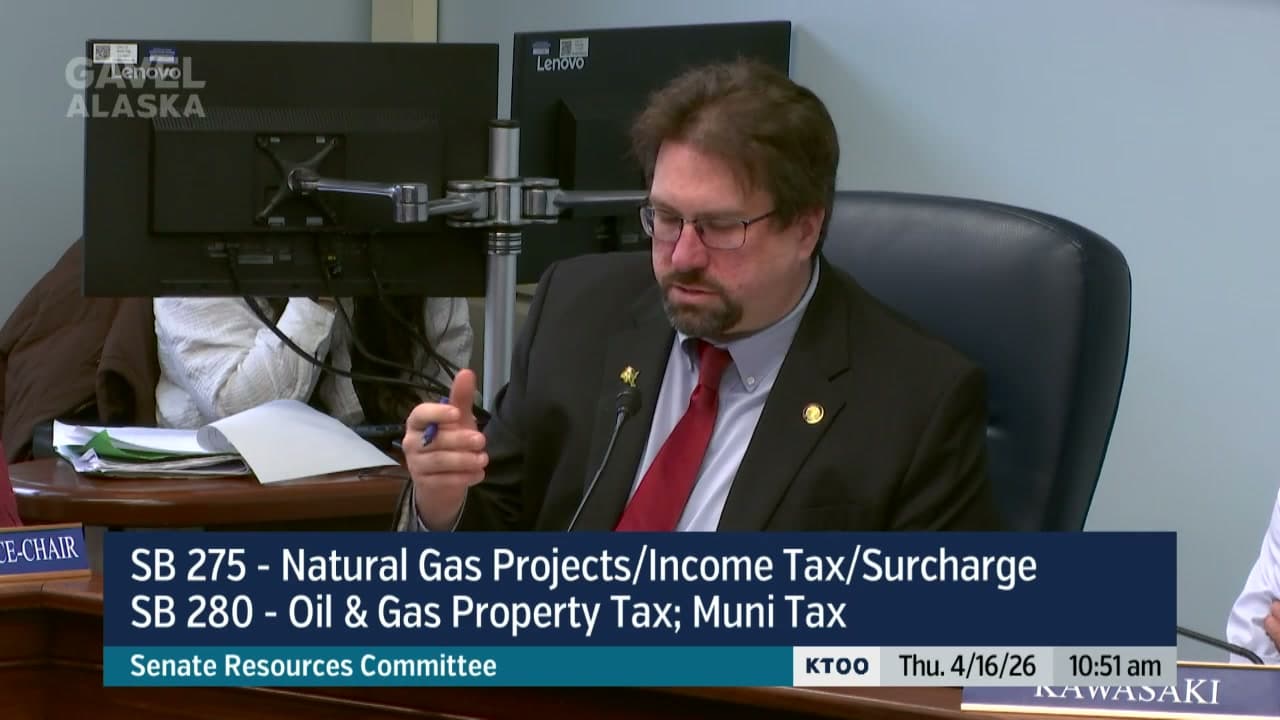
Alaska Sustainable Energy Corporation reports progress on green financing
Alaska's new green financing nonprofit secured $4.7 million and plans residential energy efficiency loans by mid-2027, but operates with just two staff and faces questions about its scale.
by Alaska Newsadded 6mo ago5 min read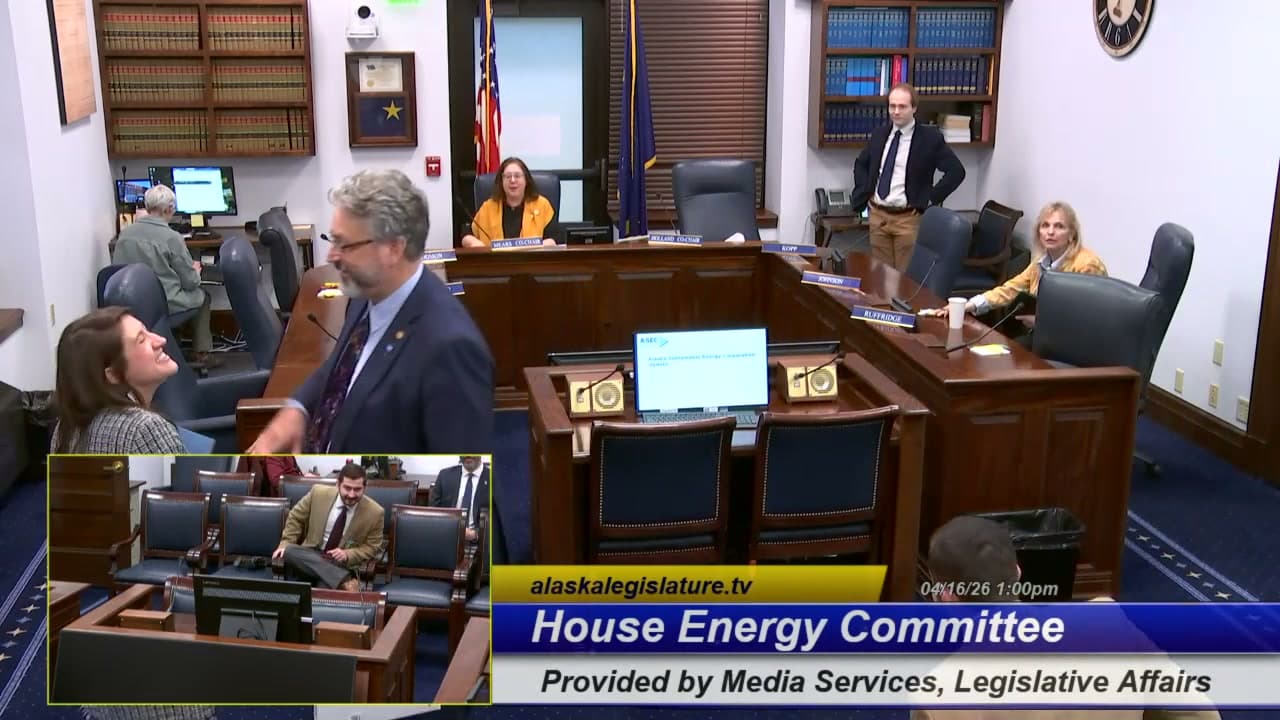
House Finance sets amendment deadline for police, firefighter disability bill
House Finance set an April 23 amendment deadline for a bill raising disability pay for injured police and firefighters from 40 percent to 75 percent of salary.
by Alaska Newsadded 6mo ago6 min read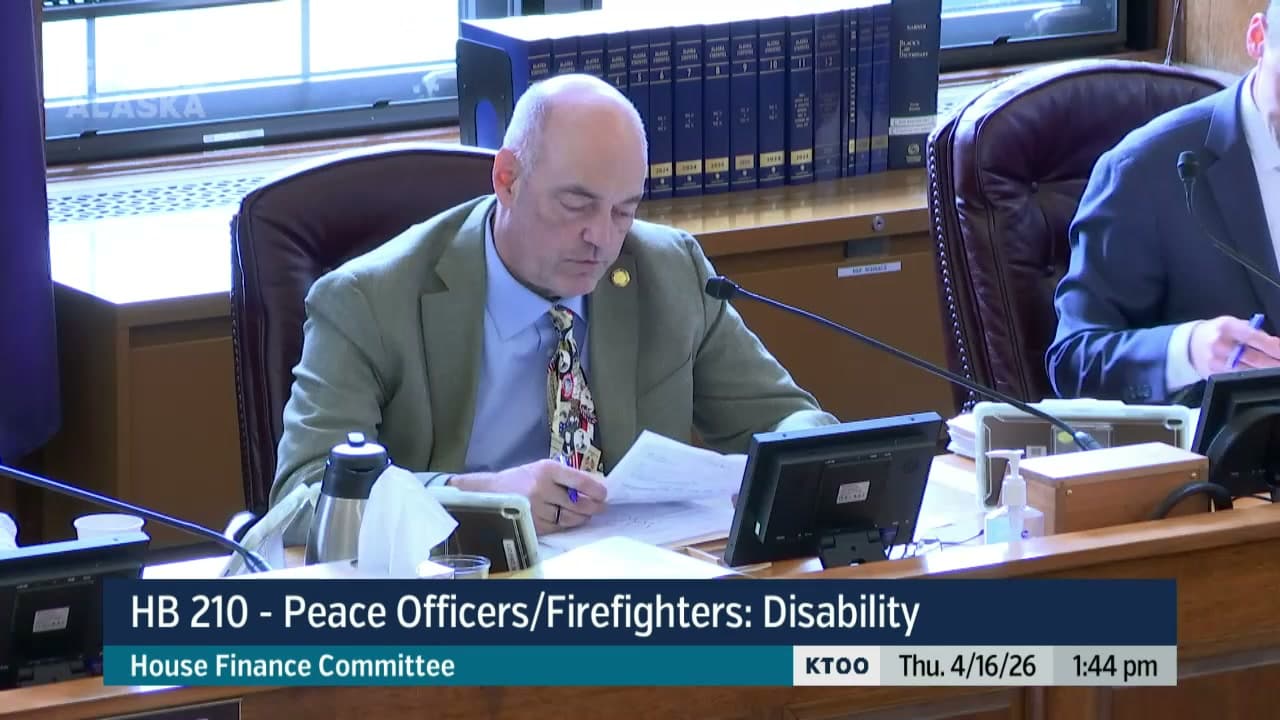
Friday, Apr 24
Senate panel hears data center safeguards, tribal education bill
Senate panel heard testimony on a bill requiring data centers to cover their own infrastructure costs and protect Alaska ratepayers from fuel supply risks and rate increases.
by Alaska Newsadded 6mo ago4 min read
Alaska lawmakers hear testimony on four ballot initiatives
Alaska lawmakers heard testimony Thursday on three November ballot initiatives covering citizenship voting requirements, campaign finance limits, and ranked choice voting repeal, with no votes taken.
by Alaska Newsadded 6mo ago5 min read
Brain science experts brief legislators on early childhood development
Brain experts told lawmakers that early childhood programs save $227,000 per child, as the state weighs restoring $5.72 million in cuts to the Infant Learning Program.
by Alaska Newsadded 6mo ago5 min read
House Resources Committee debates LNG equity stakes, rejects wildlife refuge amendments
Alaska House Resources Committee heard testimony on state equity stakes in the Alaska LNG project and rejected five wildlife refuge bill amendments on 5-4 party-line votes Friday.
by Alaska Newsadded 6mo ago7 min read
Wild ice skating grows from isolated hobby to organized Alaska community
Wild ice skating has grown from solo hobby to organized Alaska community with nearly 12,700 members, drawing international media attention and spawning winter tours and equipment manufacturing.
by Alaska Newsadded 6mo ago5 min read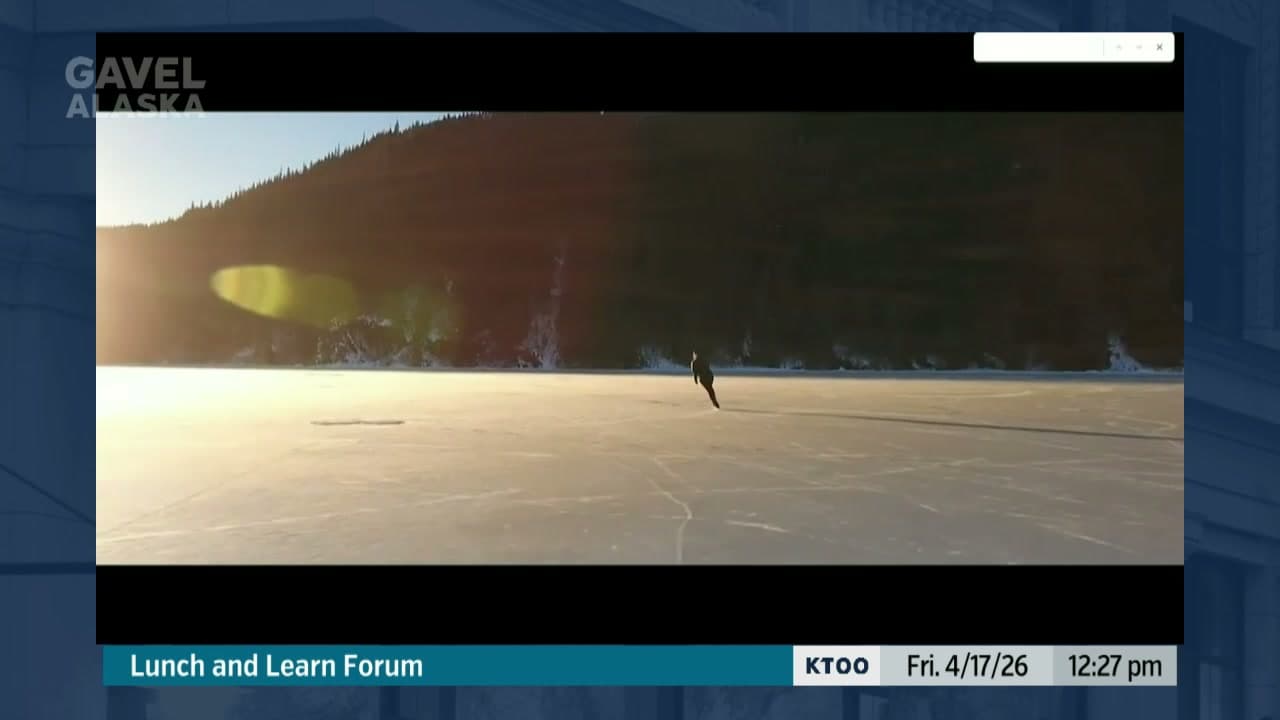
House committee hears bill to eliminate tax discounts
Alaska House committee heard a bill to eliminate five obsolete tax discounts and deductions that would raise nearly $500,000 annually for the state.
by Alaska Newsadded 6mo ago3 min read
Senate Education Committee advances teacher loan repayment pilot program
Senate Education Committee advanced a bill offering teachers in high-need subjects up to $5,000 yearly for three years to repay student loans, targeting Alaska's teacher shortage.
by Alaska Newsadded 6mo ago4 min read