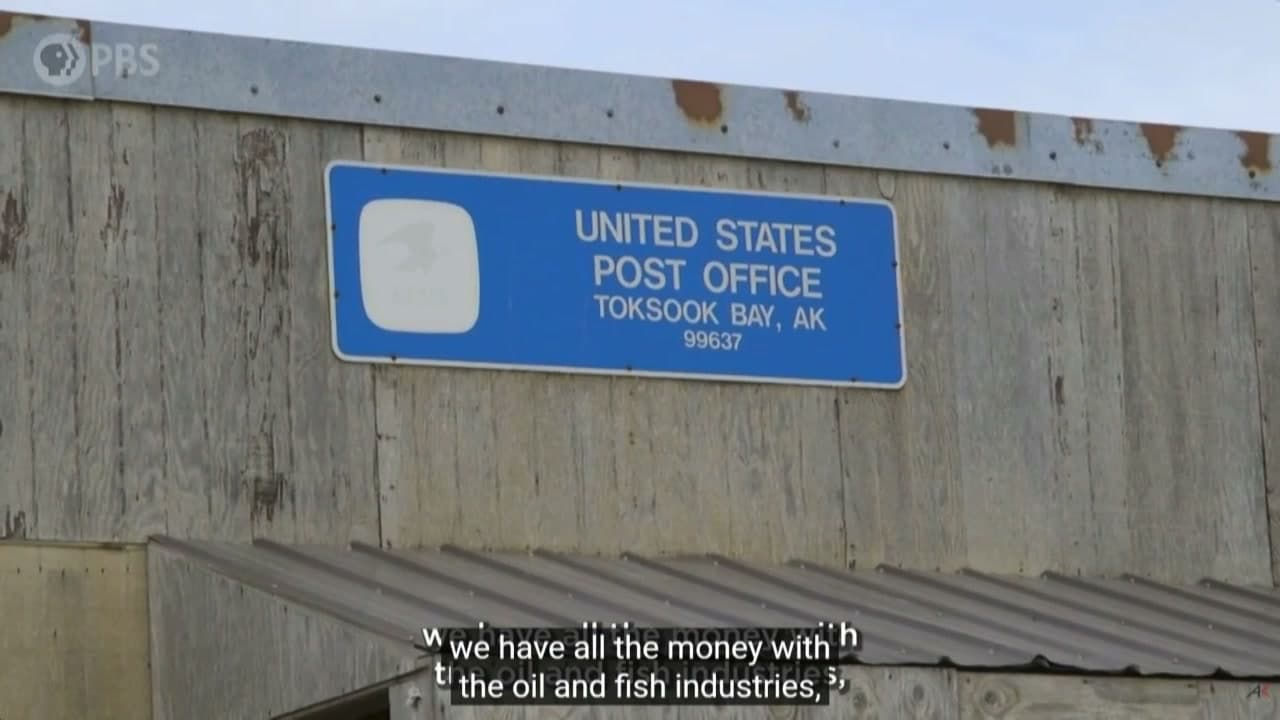
Frame from "Documentary Screening: Talking to the Tundra - How a Yupik Village Heals Together, 4/15/26, 12pm" · Source
Toksook Bay documentary on suicide prevention screened for Alaska lawmakers
Alaska lawmakers gathered Thursday to watch a documentary about how a Yup'ik village on Nelson Island confronts one of rural Alaska's most urgent crises: youth suicide.
The 19-minute film, "Talking to the Tundra: How a Yupik Village Heals Together," was screened in the Senate Finance Committee room. The documentary follows Toksook Bay residents as they navigate grief, cultural healing practices, and the stark absence of daily professional mental health care in southwestern Alaska.
"We have I would argue the most powerful 19 minutes you are going to experience maybe in a long time," a legislator said before the screening. "The message is beyond compelling. It is a message to us to take the issue of mental health and the very, very tragic sort of circumstances surrounding increasing rates of suicide in a lot of our communities."
The film centers on Hope and Healing Week, an annual community gathering in Toksook Bay that brings together elders, families, and high school students to process loss through culturally grounded activities. Young men in the documentary describe losing multiple friends and family members to suicide within short spans of time.
"I lost 5 friends, actually, one year after the other," one young man said in the film. "I was pretty close. I even played ball with them in high school."
Another described losing four cousins. "Most are tired of being strong," he said. "Most are tired of carrying everything that happened in the past."
Toksook Bay sits on Nelson Island in southwestern Alaska, off the road system and accessible only by air. The village lacks the kind of daily professional mental health support available in urban centers. A school counselor who travels to seven villages described serving more than 658 students across the region. That caseload leaves graduates without consistent support once they leave school.
"The graduates are able to give me a call, or when I am in the village, they can come in and stop in and see me," the counselor said in the film. "But most of them after that, they lose the support from the school and they start their own path, so they are not too sure about talking about their feelings anymore."
One young man in the documentary survived a suicide attempt and spent 12 days in a hospital receiving daily therapy. "That is what we need to cry out for out here, professional therapy," he said. "They need that person, or they need that group, or they need that team. They need the constant everyday therapy that we do not have out here."
The film shows how Toksook Bay residents turn to traditional practices when professional help is unavailable. Elders counsel young men to process grief through subsistence activities: hunting, fishing, time on the tundra. Hope and Healing Week includes community walks, drumming, smudging ceremonies, and potlucks that bring the village together.
"Our elderly men would tell us how to cope with our sadness is going out doing subsistence," one young man said. "It is sort of like our peace of mind. Gives us peace. We take our sadness out of that."
But cultural practices alone cannot fill the gap left by absent professional services. One mother who lost her son to suicide five years ago described how the healing process stretches longer when losses keep occurring. "Before a year passes, somebody does it, and I see the parents, and I feel the pain again," she said. "I feel the loss again."
The documentary was produced in partnership with Alaska Public Media. Young people from Toksook Bay and the nearby village of Nightmute traveled to Juneau in March to advocate directly to lawmakers.
"Last month we had youth from Toksook Bay and Nightmute here in the capital," a board member of the American Foundation for Suicide Prevention's Alaska chapter said before the screening. "We wanted you to really hear their voices directly, and you guys showed up for them."
One legislator connected the film to pending legislation. "It just makes me think and realize, and I hope others do too, how important Senate Bill 41 is to make it to the finish line finally, once and for all," the legislator said. The bill would require mental health education in Alaska schools from kindergarten through 12th grade.
Alaska recorded the nation's highest suicide rate in 2023. Southwestern Alaska communities face particularly acute challenges due to geographic isolation, limited infrastructure, and the high cost of delivering services off the road system. Some villages only recently received indoor plumbing.
The young people in the film spoke about their futures with a mix of uncertainty and determination. One recent graduate described wanting to become either a Yup'ik language teacher or a social worker. "I want to try to become, but like, I do not really know what I want to do," he said. "I was thinking about trying to become a Yupik teacher or a social worker to help kids feel better."
Another emphasized the importance of simply talking. "A lot of parents did not know how to talk to their kids about death, about how they are hurting inside," he said. "That is the main reason why people kill themselves. They do not talk."
One young man described advice from his uncle: when he cannot talk to anyone, he should go out on the tundra and talk to the land itself. The film's title comes from that practice, talking to the tundra as a way to process pain when no therapist is available.
"Your story is worth it," the school counselor tells students in the film. "Your life is worth it. You do not need a magic wand or anything. Just talk."
This article is based on a public meeting — Alaska Legislature: Documentary Screening: Talking to the Tundra - How a Yupik Village Heals Together, 4/15/26, 12pm ().
AI-assisted. How we use AI Transcript byLucas Brown
Stay informed. Support what matters.
Free, permanent access to local news you can verify. Subscribe to support Alaska News and go ad-free.
Related Coverage
Alaska House passes mental health education bill after emotional debate
Alaska News · 4mo ago
House Finance Advances Mental Health Education Guidelines for Schools
Alaska News · 5mo ago
Alaska Senate Panel Advances Youth Suicide Prevention Bill
Alaska News · 5mo ago
Senate approves mental health education bill after six-year push
Alaska News · 4mo ago
Alaska Native tribes begin five-year youth suicide prevention programs
Alaska News · 6d ago
Comments
Sign in to leave a comment.
No comments yet. Be the first to share your thoughts.